


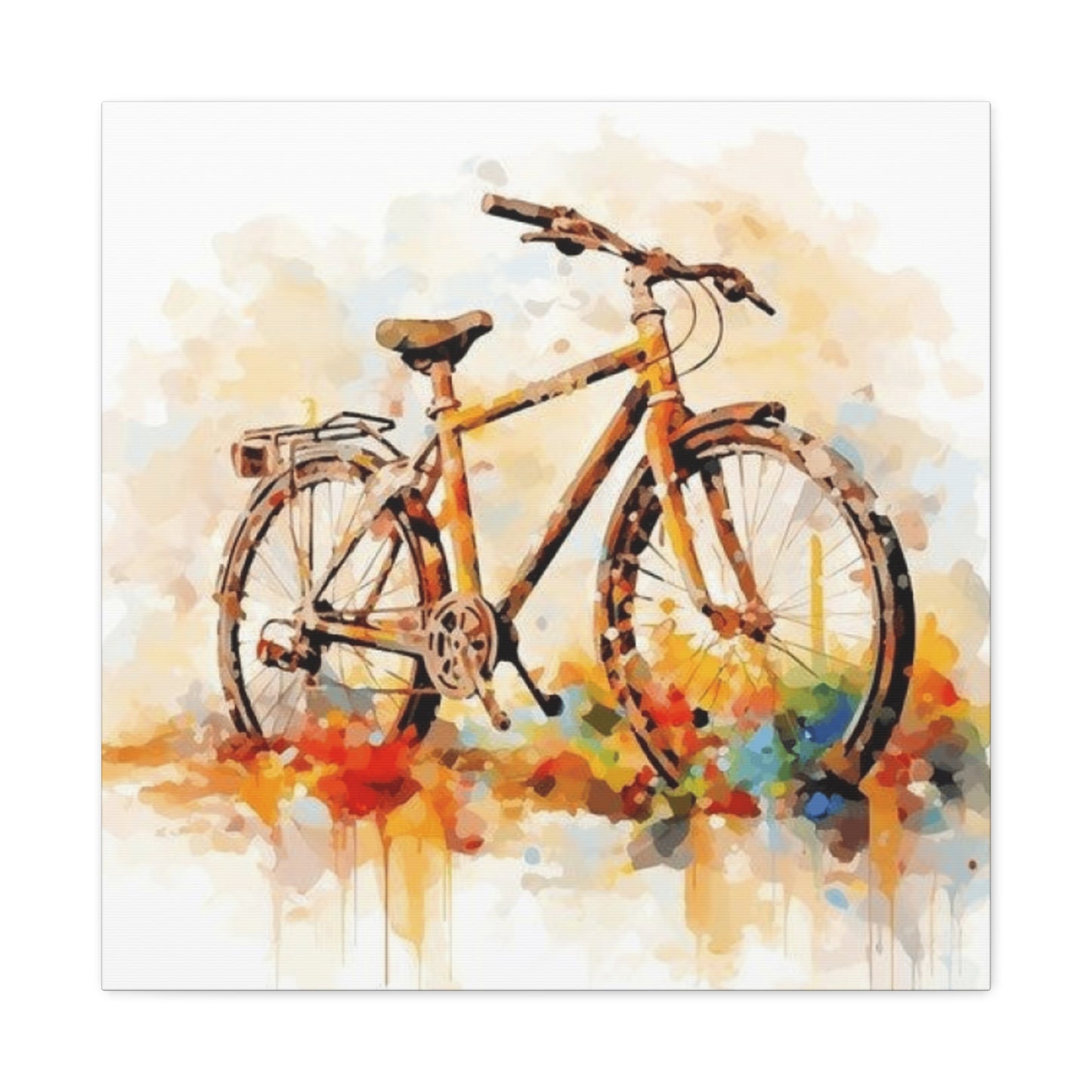
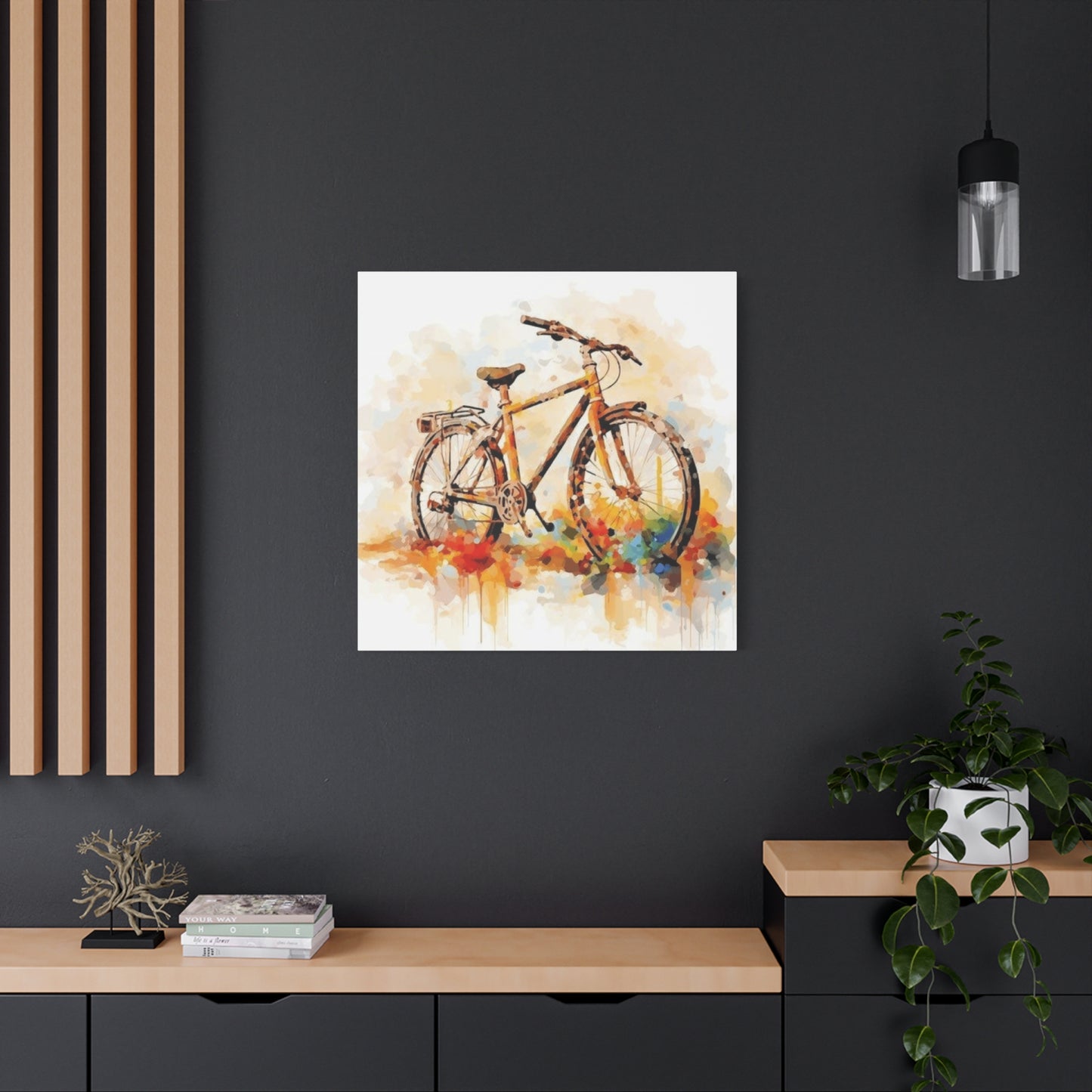
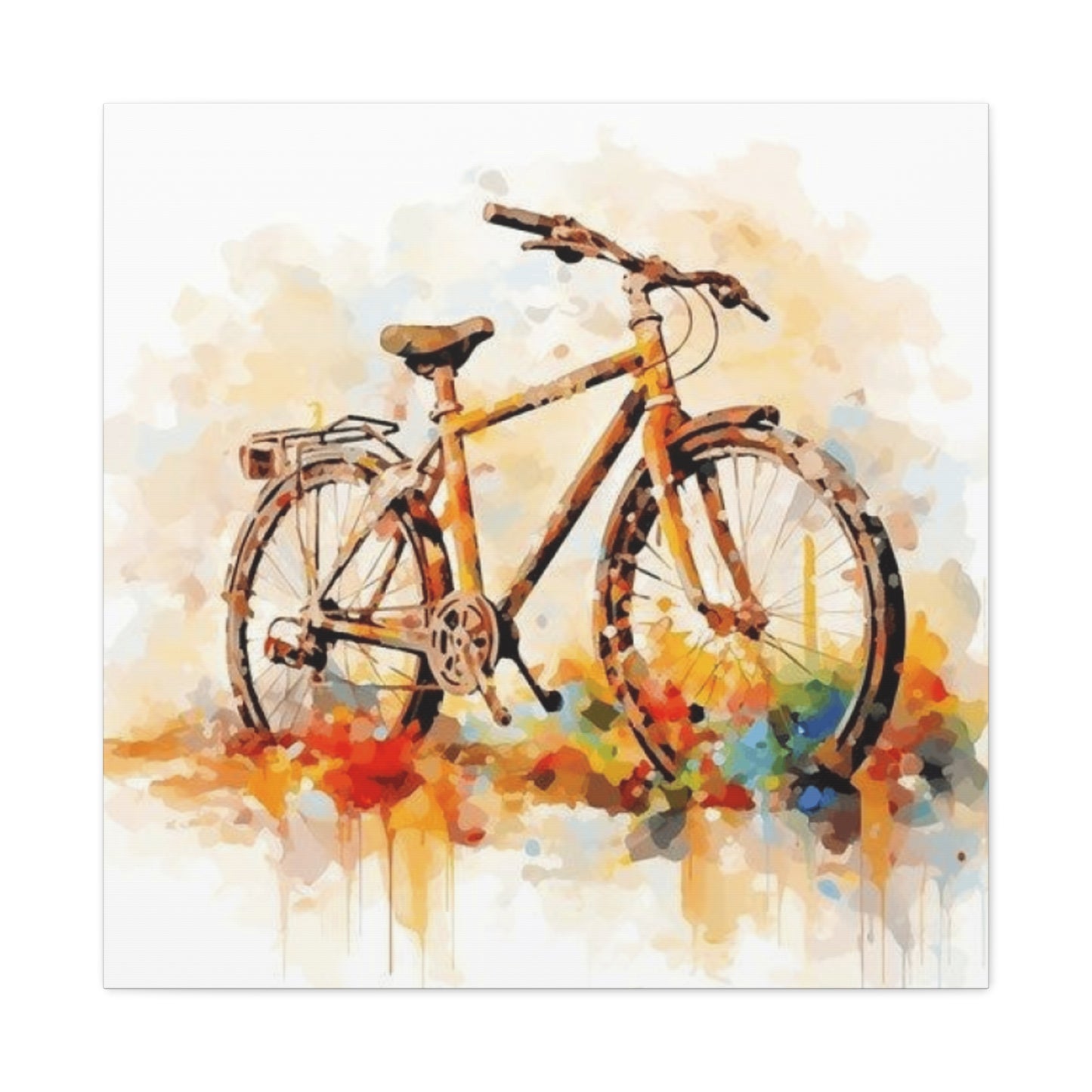
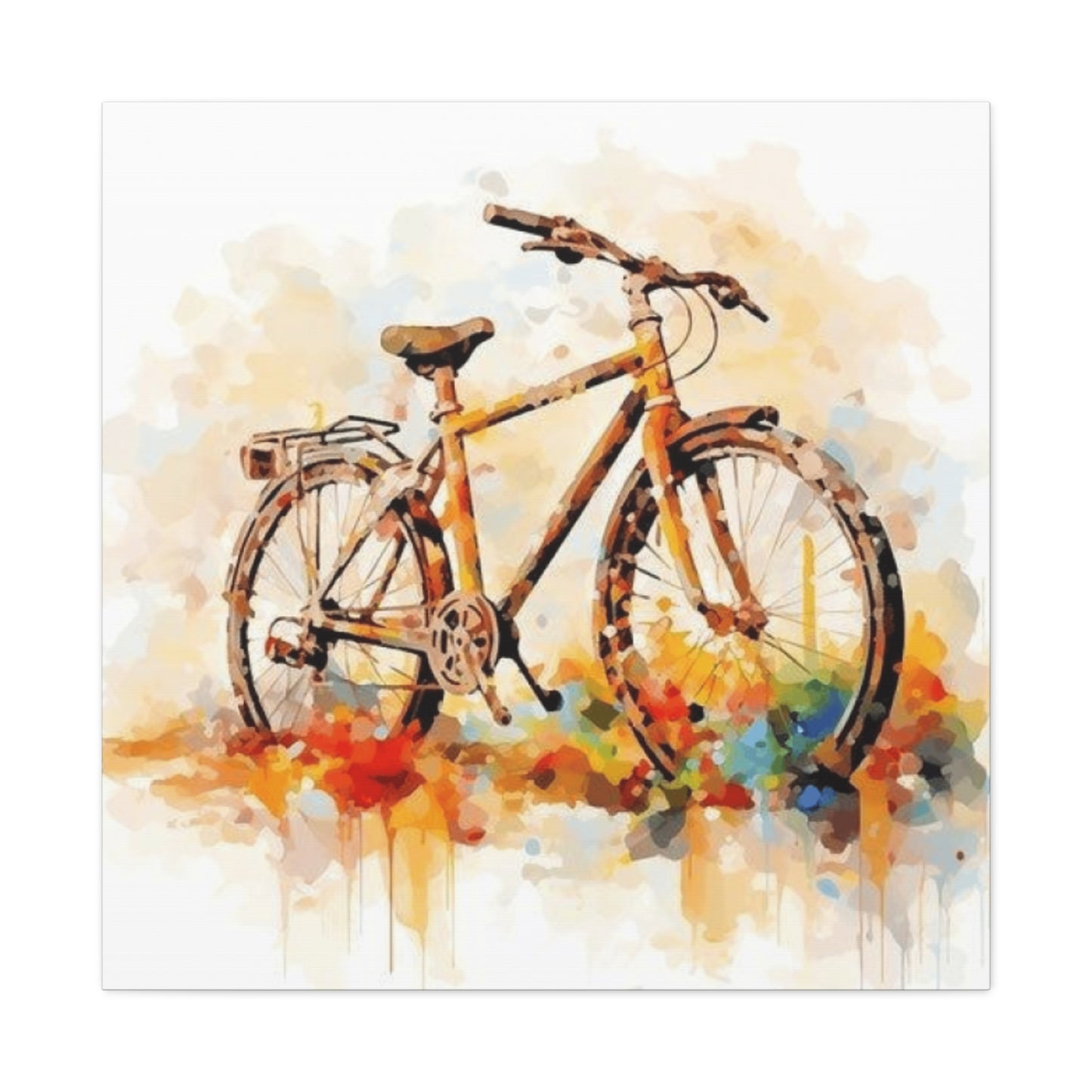
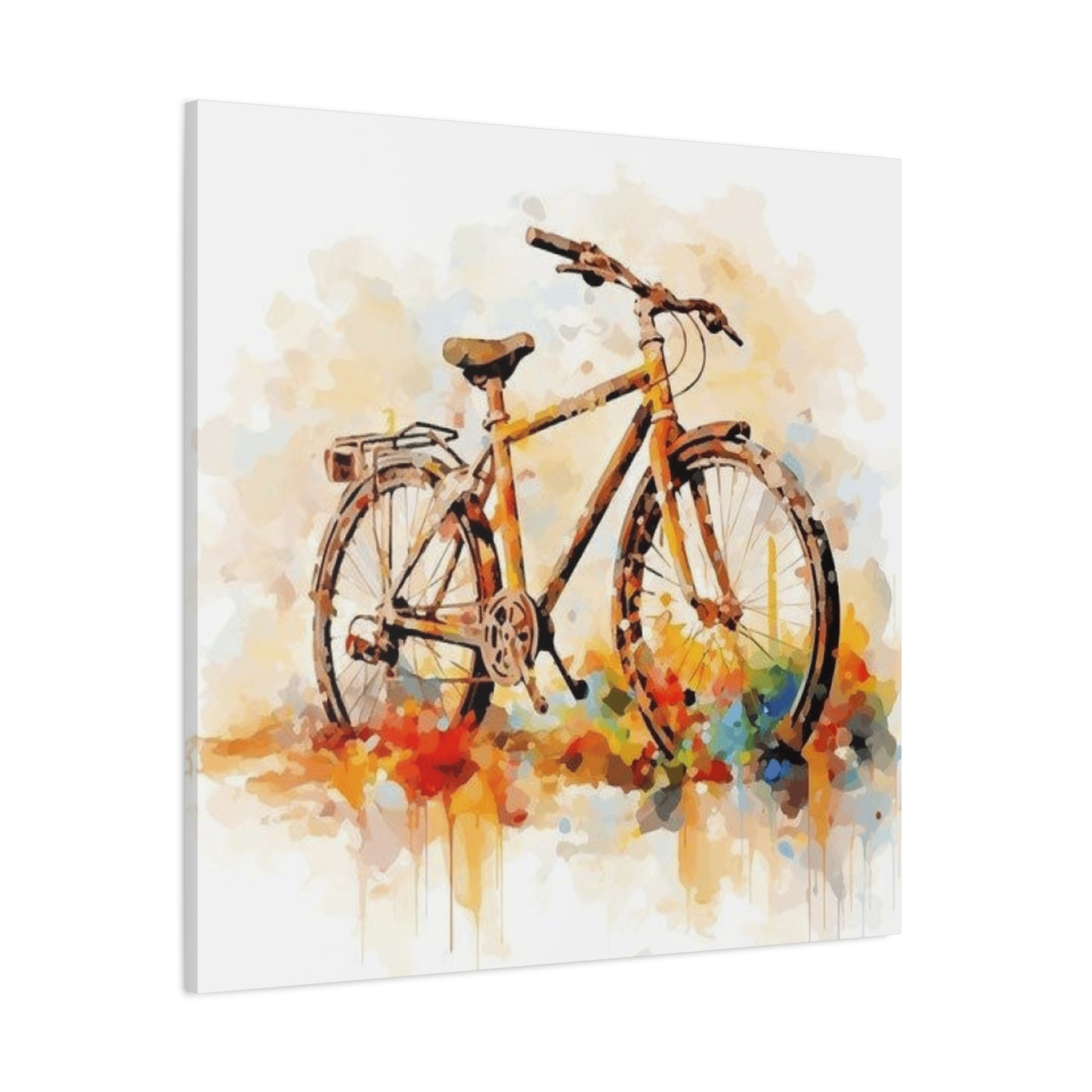
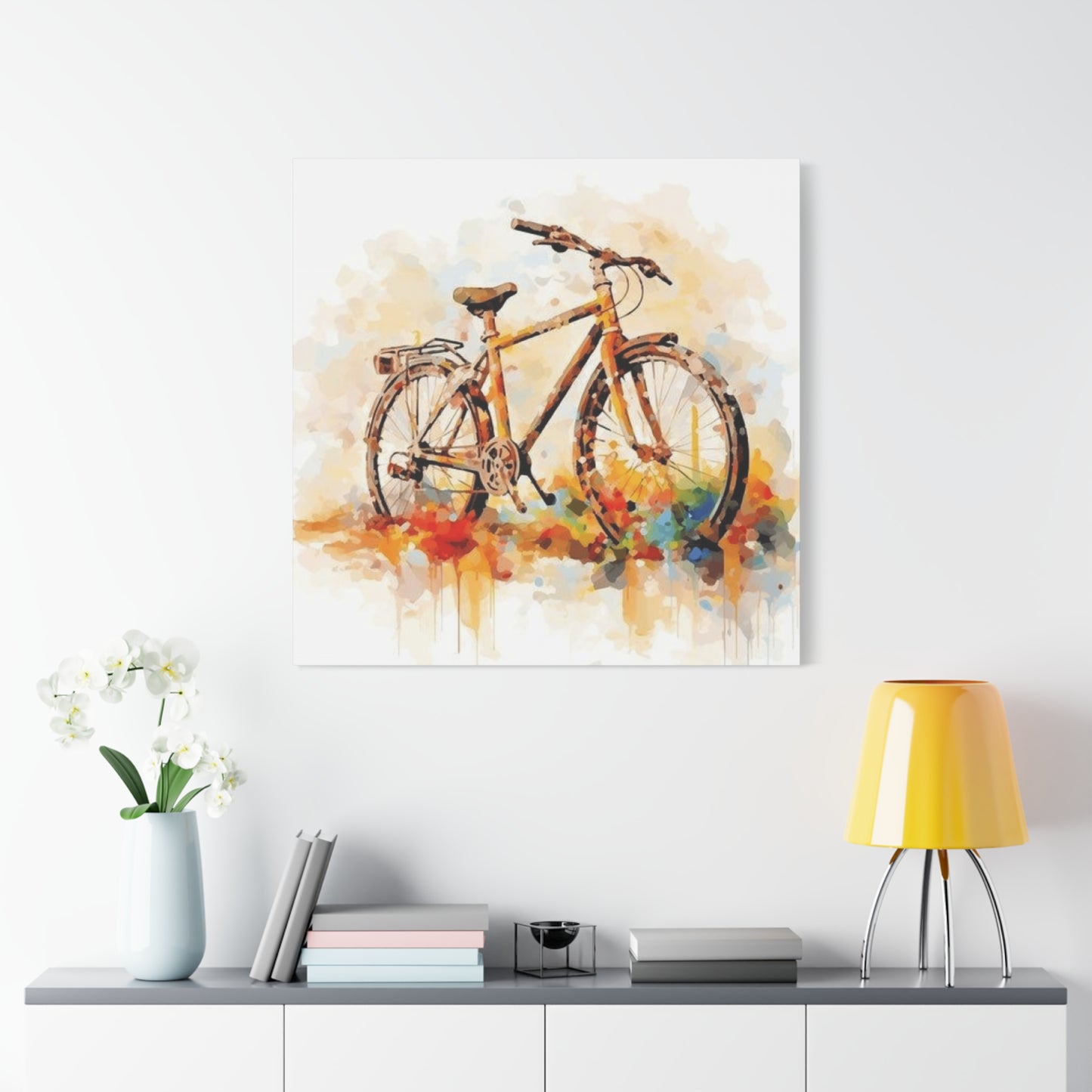
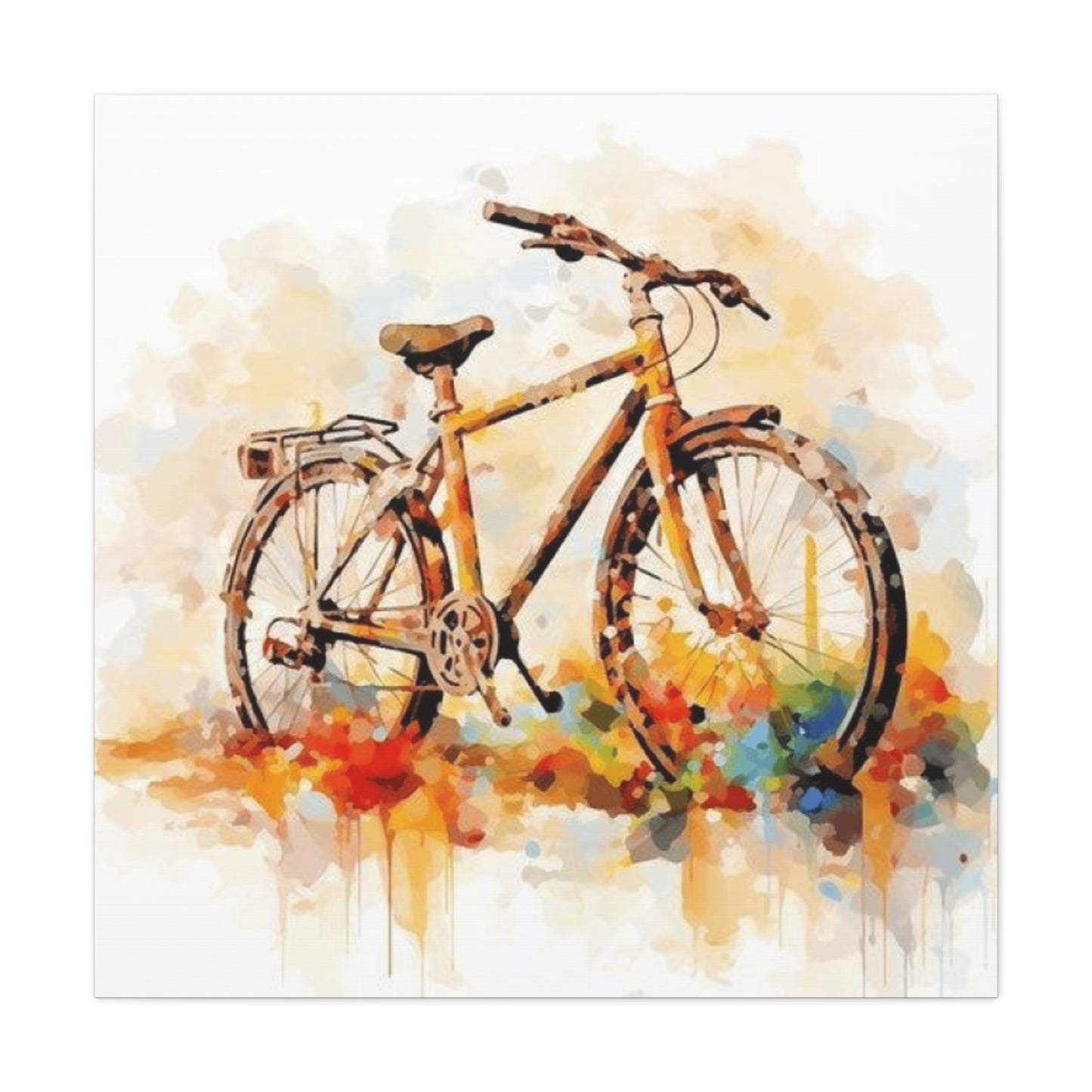
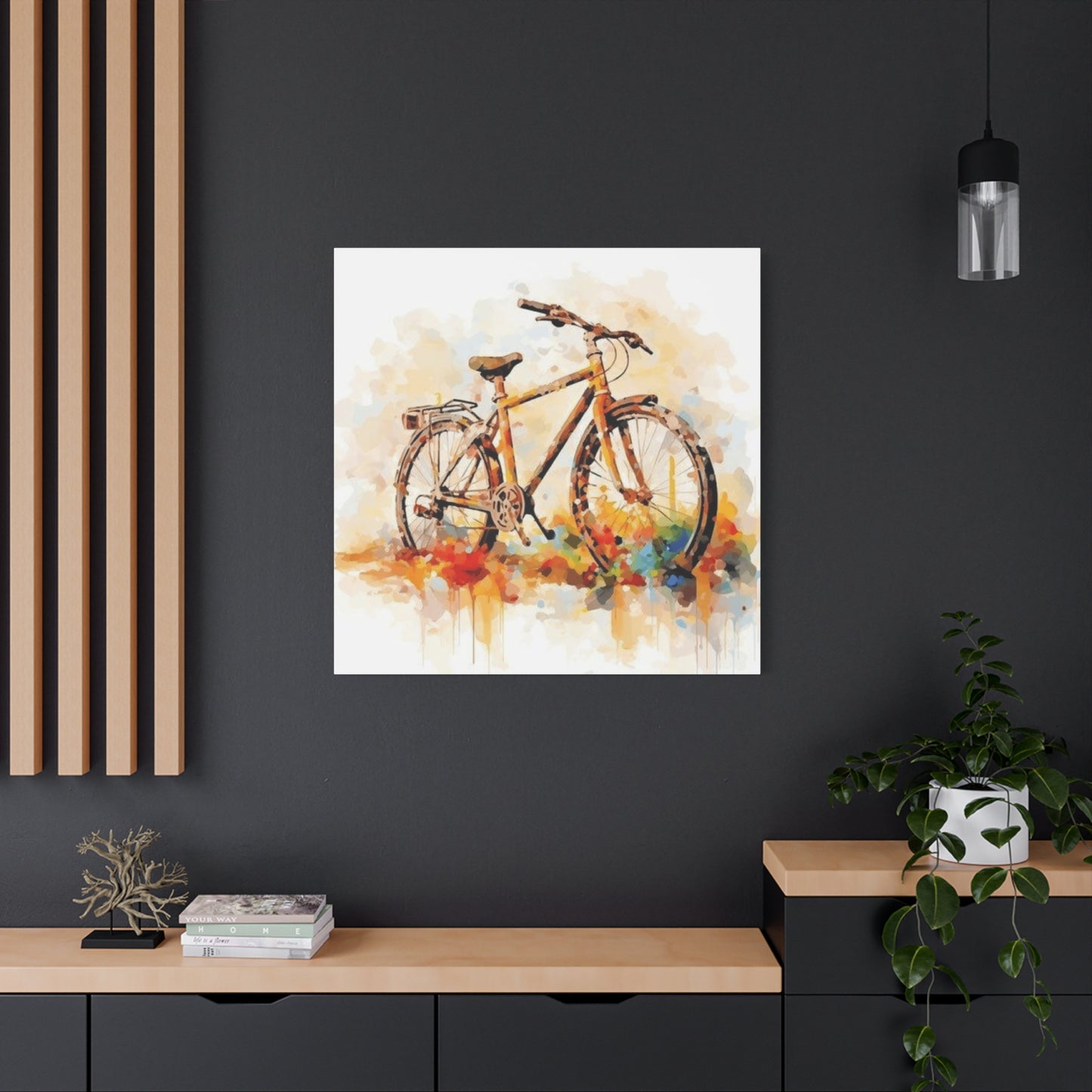
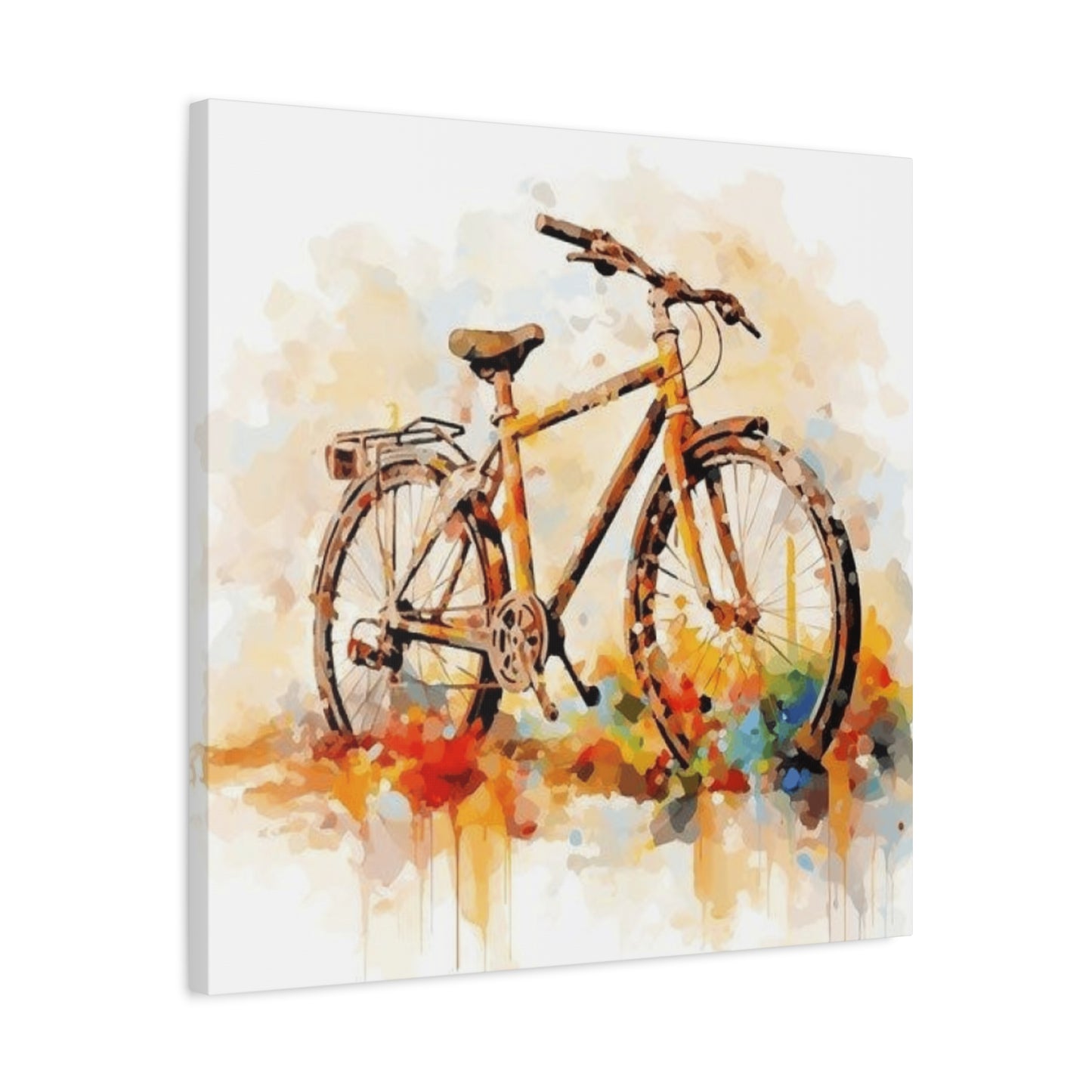
The Complete Guide to Abstract Cycle Wall Art: Transforming Spaces with Dynamic Visual Motion
Abstract cycle art has emerged as one of the most captivating and transformative elements in contemporary interior design. This distinctive art form combines the fluidity of circular motion with the expressive freedom of abstract painting, creating pieces that seem to pulse with life and energy. The appeal lies not just in the visual impact but in the deeper symbolism these works carry, representing the endless rhythms of existence, transformation, and renewal that define our human experience.
Why Abstract Cycles Work in Modern Decor
Contemporary interior design has witnessed a remarkable shift toward artwork that does more than simply occupy wall space. Modern homeowners and designers seek pieces that contribute to the overall energy and atmosphere of a room, and abstract cycle paintings fulfill this requirement magnificently. The circular patterns and flowing forms inherent in these works create a sense of movement that breaks the rigidity often found in traditional rectangular compositions.
The success of abstract cycles in modern spaces stems from their inherent versatility. Unlike representational art that depicts specific subjects or scenes, these pieces work with universal visual language that transcends cultural boundaries and personal taste preferences. The looping, spiraling, and rotating forms speak to something fundamental in human perception, drawing the eye naturally along their paths and creating visual interest that sustains attention without overwhelming the senses.
Modern decor increasingly favors clean lines, minimalist furniture, and neutral color palettes. Within such environments, abstract cycle art serves as a dynamic focal point without introducing visual clutter. The organic curves and flowing shapes provide the perfect counterbalance to the straight edges and angular geometry typical of contemporary architecture and furnishings. This contrast creates visual harmony rather than conflict, as the circular elements soften the space while maintaining the sophisticated aesthetic that defines modern design.
The color possibilities within abstract cycle paintings align perfectly with contemporary color theory and interior design principles. Whether executed in monochromatic schemes that complement neutral spaces or vibrant palettes that inject energy into minimalist rooms, these works adapt to their surroundings while maintaining their distinctive character. Designers appreciate this flexibility, as a single piece can anchor an entire color scheme or provide the accent needed to complete a carefully curated space.
Furthermore, the psychological impact of circular forms contributes to the effectiveness of abstract cycles in modern environments. Research in environmental psychology suggests that curved shapes promote feelings of comfort and safety, reducing stress and creating more welcoming atmospheres. In homes and offices where people seek refuge from the angular, hard-edged world outside, the gentle curves and flowing movements of abstract cycle art provide visual respite that contributes to overall wellbeing.
The scalability of abstract cycle designs makes them suitable for spaces of any dimension. A small circular composition can bring intimacy to a cozy reading nook, while large-scale installations can transform expansive walls into dramatic statements. This adaptability means that regardless of architectural constraints or spatial limitations, there exists an abstract cycle piece that will enhance rather than overwhelm the environment.
Abstract Cycles: Art that Moves
The defining characteristic of abstract cycle artwork lies in its ability to convey motion despite being static. This paradoxical quality captivates viewers and distinguishes these pieces from other abstract forms. Through careful manipulation of color gradients, overlapping shapes, and directional brushwork, artists create the illusion that the painting itself is in constant motion, rotating, spiraling, or pulsing with kinetic energy.
The perception of movement in these works engages the viewer's visual cortex in unique ways. When we observe abstract cycles, our brains instinctively track the circular paths, following curves and spirals as if watching actual motion. This neurological engagement creates a more immersive viewing experience than static compositions offer, drawing observers into the artwork and encouraging prolonged contemplation.
Artists achieve this sense of motion through various technical approaches. Some employ gradual color transitions that suggest rotation or depth, using lighter tones to imply areas moving toward the viewer and darker shades to indicate recession. Others layer translucent colors to create overlapping cycles that appear to spin at different speeds or in opposing directions. The strategic placement of highlighted areas can suggest light catching moving surfaces, while shadowed regions imply the hidden sides of rotating forms.
Brushwork direction plays a crucial role in establishing perceived movement within abstract cycle paintings. Curved, sweeping strokes follow the circular paths, their rhythm and energy transferring to the finished piece. Some artists prefer smooth, controlled applications that create seamless transitions, while others embrace more vigorous, gestural marks that convey urgency and dynamism. Both approaches can effectively communicate movement, though they produce distinctly different emotional responses in viewers.
The concept of implied motion connects abstract cycle art to broader traditions in art history. From the swirling skies in works by renowned masters to the dynamic compositions of early abstract pioneers, artists have long sought methods to capture movement on static surfaces. Abstract cycles represent a contemporary evolution of this centuries-old pursuit, utilizing modern techniques and materials to push the boundaries of what static art can convey.
Beyond visual trickery, the movement in abstract cycle paintings often reflects deeper philosophical concepts. The artwork becomes a meditation on change, transition, and the passage of time. Just as viewers perceive motion in the static image, life itself consists of constant change beneath apparent stability. This layered meaning transforms casual observation into contemplative engagement, offering viewers opportunities for personal interpretation and emotional connection.
The Flow of Abstract Cycle Wall Art
Flow represents a central concept in both the creation and appreciation of abstract cycle wall art. This quality refers not only to the visual progression that guides the eye through the composition but also to the sense of effortless movement and natural rhythm that characterizes successful pieces. Achieving true flow requires artists to balance formal elements with intuitive expression, creating works that feel spontaneous yet carefully considered.
The visual flow in abstract cycle paintings typically follows circular or spiral paths that draw the eye inward toward a central point or outward toward the edges. This directional movement creates focal areas that anchor the composition while maintaining overall unity. Unlike linear compositions that move the eye from one side to another, circular flow keeps attention contained within the picture plane, creating a self-sufficient visual experience that requires no external reference points.
Color flow contributes significantly to the overall sense of movement in these works. Gradual transitions between hues create smooth pathways for the eye to follow, while abrupt color changes can introduce dynamic energy or suggest disruption in the cycle. Artists often employ analogous color schemes that share common elements, allowing colors to blend and merge as they would in natural phenomena like sunsets or ocean waves. This harmonic approach enhances the flowing quality while creating visually pleasing combinations.
Texture adds another dimension to flow in abstract cycle art. Smooth, glossy surfaces suggest fluid motion and sleek continuity, while rough, heavily textured areas can represent energy, turbulence, or interruption. The contrast between different textural qualities within a single piece can create visual interest while reinforcing the sense of movement and change. Some artists build up thick applications of paint that cast shadows and catch light, creating physical depth that enhances the illusion of dimensional rotation.
The flow concept extends beyond the artwork itself to influence how these pieces interact with their surrounding environments. A well-placed abstract cycle painting can establish visual flow throughout an entire room, with its circular movements echoing in the curves of furniture, the arc of architectural elements, or the arrangement of decorative objects. Interior designers leverage this principle to create cohesive spaces where every element contributes to an overarching sense of harmony and movement.
Understanding flow helps viewers appreciate abstract cycle art on deeper levels. Rather than seeing random arrangements of shapes and colors, observers who recognize the intentional pathways and rhythmic progressions can follow the artist's visual journey. This shared experience creates connection between creator and audience, transforming the artwork from mere decoration into a communication medium that transcends verbal language.
Symbolism in Abstract Cycle Paintings
The symbolic richness of abstract cycle paintings contributes significantly to their emotional impact and enduring appeal. While abstract art generally invites open interpretation, the circular motifs and cyclical patterns in these works carry associations that resonate across cultures and throughout human history. Understanding this symbolic vocabulary deepens appreciation and allows viewers to connect with the artwork on multiple levels simultaneously.
Circles represent perhaps the most universal symbol in human culture, appearing in spiritual traditions, scientific diagrams, and artistic expressions across all civilizations. They suggest completeness, unity, and perfection. In abstract cycle paintings, this fundamental symbolism provides a foundation upon which artists build more complex meanings. The endless nature of circular forms speaks to concepts of eternity, infinity, and the cyclical patterns that govern natural phenomena from planetary orbits to seasonal changes.
Spirals, frequently featured in abstract cycle art, carry their own symbolic weight. These forms appear throughout nature in seashells, galaxies, weather patterns, and plant growth, making them deeply embedded in human consciousness. Spirals suggest evolution, growth, and expansion while maintaining connection to a central core. In paintings, they can represent personal development, spiritual awakening, or the expanding nature of knowledge and understanding. The direction of spiral movement matters too, with inward spirals suggesting introspection and concentration, while outward spirals imply expansion and expression.
The concept of cycles itself holds profound symbolic significance. Life unfolds in patterns of birth, growth, decline, and renewal. Seasons cycle through their eternal dance, days give way to nights, and tides ebb and flow according to ancient rhythms. Abstract cycle paintings that capture these recurring patterns tap into deep human awareness of life's fundamental nature. They remind viewers that endings contain beginnings, that apparent chaos often reveals underlying order, and that change remains the only constant.
Color symbolism adds another interpretive layer to abstract cycle works. Warm colors like reds, oranges, and yellows might represent passion, energy, and transformation, while cool blues and greens suggest tranquility, reflection, and renewal. The progression of colors within a circular composition can imply narrative progression or emotional journey, taking viewers through different states or stages as their eyes follow the cyclical path.
Some abstract cycle paintings incorporate symbolic elements from specific cultural or spiritual traditions. Mandalas, for instance, represent the universe in Hindu and Buddhist iconography, their circular patterns mapping cosmic order and spiritual progression. While abstract cycle art may not replicate traditional mandala designs, it often shares their radial symmetry and centering principles, creating similar meditative and contemplative effects.
Bringing Motion to Your Walls with Abstract Cycles
Introducing abstract cycle paintings into residential or commercial spaces fundamentally transforms the static nature of walls into dynamic visual experiences. This transformation occurs not through actual movement but through the powerful illusion of motion that these artworks create. The effect extends beyond mere decoration, influencing how occupants perceive and interact with their environments.
Selecting the appropriate abstract cycle piece for a specific space requires consideration of several factors. Room size and wall dimensions determine the scale of artwork that will achieve proper visual balance. Oversized pieces can overwhelm small rooms, while undersized works may appear lost on expansive walls. The ideal abstract cycle painting commands attention without dominating, its presence felt throughout the space without competing with functional elements or architectural features.
Placement significantly affects how abstract cycle art impacts a room. Positioning these works at eye level ensures optimal viewing angles and natural engagement as people move through the space. In living areas, abstract cycles placed above seating arrangements create focal points that anchor furniture groupings and provide visual interest for conversation areas. In entryways, they establish immediate impressions, setting aesthetic tones and energy levels that influence how visitors perceive the entire property.
Lighting dramatically influences the appearance and impact of abstract cycle paintings. Natural light reveals colors in their truest forms and can create changing appearances as sunlight shifts throughout the day. Artificial lighting offers more control, with directional spotlights creating dramatic effects by emphasizing textures and casting shadows that enhance dimensional qualities. Some homeowners install adjustable lighting systems that allow them to alter the mood and appearance of their abstract cycle art according to time of day or desired atmosphere.
The relationship between abstract cycle paintings and surrounding design elements requires thoughtful consideration. Rather than matching colors exactly, successful installations often incorporate complementary or analogous hues that create visual conversation between the artwork and its environment. Furniture shapes can echo the circular forms, while textile patterns might incorporate similar flowing movements. This layered coordination creates cohesive spaces where every element contributes to overall harmony.
Multiple abstract cycle pieces can work together to create gallery-style arrangements or thematic groupings. When displaying several works, maintaining consistent framing styles and spacing creates professional appearances while allowing each piece to retain its individuality. Arranging cycles of different sizes can suggest movement across the wall itself, with smaller pieces appearing to orbit around larger central works like planets around a sun.
The Dynamic Power of Abstract Cycle Art
The power of abstract cycle art lies in its ability to transform passive viewing into active engagement. These works demand attention and reward sustained observation with continually revealing details and shifting perceptions. This dynamic quality distinguishes them from static decorative elements, making them investments in ongoing aesthetic experience rather than one-time visual purchases.
Energy radiates from successful abstract cycle paintings through their color intensity, compositional dynamism, and the implied motion of their circular forms. This energy influences room atmospheres in measurable ways. Spaces featuring vibrant, active abstract cycles tend to feel more alive and stimulating, making them ideal for creative workspaces, social areas, or environments where inspiration and engagement are desired. Conversely, pieces executed in softer palettes with gentler movements can calm and soothe, creating peaceful retreats within busy homes or offices.
The psychological impact of abstract cycle art extends beyond immediate visual response. These works can influence mood, energy levels, and even cognitive function. The circular patterns and flowing forms engage the brain's pattern recognition systems, providing mental stimulation without the effort required to decode representational imagery. This effortless engagement makes abstract cycles particularly effective in spaces where relaxation and mental restoration are priorities.
Cultural anthropology reveals that humans have created and responded to circular imagery throughout recorded history and across all civilizations. From ancient stone circles to contemporary architectural domes, circular forms consistently attract attention and inspire reverence. Abstract cycle art taps into this deep-seated human response, creating works that feel simultaneously fresh and familiar, innovative and timeless.
The power of these pieces also manifests in their ability to serve as conversation starters and emotional catalysts. Visitors often find themselves drawn to abstract cycle paintings, commenting on the perceived motion, interpreting symbolic meanings, or sharing emotional responses. This interactive quality transforms the artwork from mere decoration into active participant in social dynamics, facilitating connections between people through shared aesthetic experiences.
Commercial spaces particularly benefit from the dynamic power of abstract cycle art. In offices, these pieces can energize employees and impress clients, suggesting forward motion, innovation, and dynamic thinking. Hospitality venues use abstract cycles to create memorable visual identities that distinguish their brands and create atmosphere. Healthcare facilities employ gentler versions to calm patients and create healing environments. The versatility of abstract cycle art makes it suitable for virtually any professional setting where visual impact matters.
How Abstract Cycles Represent Life's Journey
Perhaps no artistic form captures the essence of human experience more perfectly than abstract cycle paintings. These works serve as visual metaphors for the journeys all people undertake, with their circular paths suggesting both the linear progression forward through time and the recurring patterns that characterize existence. This dual nature creates rich symbolic territory that viewers can explore and interpret according to their personal experiences and perspectives.
Life unfolds in cycles both large and small. We experience daily rhythms of waking and sleeping, weekly patterns of work and rest, seasonal changes that bring transformation to natural and social environments, and life stages that move from childhood through maturity to elder years. Abstract cycle art captures these nested rhythms, with smaller circular elements suggesting daily or momentary cycles while larger forms represent broader life phases or generational patterns.
The continuous nature of circular forms in these paintings reflects how endings and beginnings blur in actual experience. Each conclusion contains the seeds of new commencement, each achievement becomes the foundation for future endeavor, and every loss creates space for different gains. Abstract cycles visualize this truth through their endless paths that have no clear starting or stopping points, only constant flowing progression.
Individual experiences with abstract cycle paintings often trigger personal reflections on life trajectories. Viewers may see their own journeys reflected in the color progressions, with darker passages representing challenging periods and brighter areas suggesting times of joy or achievement. The overall composition might resonate as chaotic or orderly, mirroring how individuals perceive their own life narratives. This subjective interpretation makes abstract cycle art deeply personal despite its non-representational nature.
Growth and development form central themes in many abstract cycle works. Spiraling forms that expand outward suggest the accumulation of experience, knowledge, and wisdom over time. Layered circles of increasing or decreasing size can represent changing perspectives or shifting priorities as people move through different life phases. The dynamic energy in these compositions reflects the active nature of growth, reminding viewers that development requires movement and engagement rather than passive acceptance.
Abstract cycles also acknowledge the challenges and obstacles that characterize any significant journey. Disruptions in the circular flow, contrasting colors, or turbulent brushwork can represent difficulties, setbacks, or periods of confusion. Yet the continuation of the circular path beyond these disruptions suggests perseverance, resilience, and the ultimate forward movement that defines human experience. This honest acknowledgment of difficulty alongside celebration of progress creates emotionally authentic artwork that resonates with lived experience.
Adding Movement with Abstract Cycle Paintings
The strategic addition of abstract cycle paintings to interior spaces introduces kinetic visual energy that transforms static environments into dynamic settings. This transformation occurs through careful selection and placement of works that complement existing design elements while introducing the motion and flow characteristic of circular compositions.
Understanding the specific type of movement desired helps in selecting appropriate abstract cycle pieces. Some works convey gentle, flowing motion like slow ocean waves or drifting clouds, creating peaceful, meditative atmospheres. Others pulse with rapid, energetic movement suggesting spinning wheels or swirling vortices, bringing excitement and stimulation to their environments. Matching the motion quality to the room's intended function ensures the artwork enhances rather than contradicts the space's purpose.
The direction of movement within abstract cycle paintings influences how they interact with architectural features and traffic patterns. Clockwise circular motions tend to feel harmonious and forward-moving in cultures that read left-to-right, while counterclockwise movements can create subtle tension or suggest reversal and reflection. Artists and collectors sensitive to these directional qualities can leverage them to reinforce spatial narratives or create intentional contrasts.
Scale relationships between the artwork and its setting affect the perceived intensity of movement. Large abstract cycle paintings dominate visual fields, their movements becoming primary focal points that command attention. Smaller pieces introduce movement more subtly, suggesting rather than declaring kinetic energy. Series of multiple smaller works can create compound movement effects, with each piece contributing to overall directional flow across the wall surface.
The interplay between architectural elements and abstract cycle paintings creates opportunities for enhanced movement effects. Positioning circular compositions near curved architectural features like arches or rounded doorways creates visual echoes that amplify the sense of motion. Placing them adjacent to angular elements produces dynamic contrasts that emphasize the distinctive circular movements. Skilled designers use these relationships to craft sophisticated visual narratives throughout their spaces.
Temporal considerations matter when introducing movement through abstract cycle art. These pieces can serve as visual counters to the frenetic pace of modern life, their measured circular progressions offering alternative rhythms to the linear urgency that characterizes much of contemporary existence. In this context, the movement they introduce becomes therapeutic rather than stimulating, providing mental refuge and promoting mindfulness through their meditative qualities.
Abstract Cycles: Energy in Every Stroke
The creation of abstract cycle art involves channeling physical energy into visual form through the gestural language of brushwork, application technique, and mark-making. Each stroke carries the artist's energy, transferring it to the canvas where it remains embedded in the dried paint, available for viewers to perceive and absorb. This energy transfer makes abstract cycle paintings particularly potent, as they function as stored kinetic force waiting to be released through observation.
Artists approach abstract cycle creation with varying energy levels and physical engagement. Some prefer controlled, meditative application methods that build complexity through patient layering and careful consideration. The resulting works, while perhaps understated in individual marks, accumulate energy through the sheer quantity of deliberate actions required for their completion. Other creators employ vigorous, spontaneous techniques that leave visible evidence of physical exertion in dramatic sweeps, drips, and gestural flourishes. Both approaches produce energized artwork, though the character of that energy differs significantly.
The tools artists choose for creating abstract cycle paintings influence the energy character of finished pieces. Traditional brushes allow for varied marks ranging from delicate lines to bold swathes of color. Palette knives create distinctive scraped textures and sharp edges that contrast with painted areas. Some artists employ unconventional tools like sponges, squeegees, or even their own hands to apply paint in ways that produce unique energetic signatures. The diversity of possible application methods ensures endless variation in how energy manifests within abstract cycle works.
Color selection and interaction contribute significantly to the energy quality of these paintings. High-contrast combinations of complementary colors create visual vibration and intensity, while analogous schemes produce more harmonious, flowing energy. Transparent layers create depth and complexity, with lower layers influencing upper ones in subtle ways that reward careful observation. Opaque applications make bold statements and create distinct spatial zones within the composition.
The physical properties of paint itself affect energy perception. Thick, impastoed applications create textural dynamism and cast shadows that change with shifting light conditions, producing artwork that appears different throughout the day. Thin, staining applications sink into canvas surfaces, creating atmospheric effects and suggesting vast spaces or infinite depths. Glossy finishes reflect light actively, making paintings appear to glow with inner illumination, while matte surfaces absorb light, creating contemplative quietude.
Viewers sensitive to energetic qualities often report feeling physical responses to powerful abstract cycle paintings. The combination of color, composition, and visible gesture can produce emotional reactions ranging from exhilaration to tranquility. This direct somatic response bypasses intellectual interpretation, creating immediate visceral connections between artwork and observer. Such experiences validate the notion that energy indeed resides within these works, waiting to affect those who engage with them openly.
Circular Designs in Abstract Cycle Wall Art
Circular designs form the foundational vocabulary of abstract cycle wall art, providing the structural framework within which artists explore color, texture, and composition. These geometric elements, far from limiting creative possibility, actually enable infinite variation through their manipulation, combination, and interpretation. Understanding the range of circular design approaches reveals the remarkable diversity possible within this seemingly focused artistic category.
Perfect circles, drawn with mechanical precision or created using circular objects as guides, establish order and mathematical harmony. Their exactness creates calming, meditative effects and suggests universal principles or cosmic order. Artists who favor perfect circles often arrange them in patterns that explore spatial relationships, overlapping effects, and color interactions. The resulting works, while based on simple geometric forms, achieve sophistication through thoughtful composition and color theory application.
Imperfect circles, rendered freehand with intentional or natural irregularity, convey organic energy and human presence. These shapes feel more accessible and relatable than mechanically perfect forms, suggesting natural phenomena like tree rings, ripples on water, or cellular structures viewed under magnification. The slight variations in curvature and the visible evidence of hand creation connect viewers to the artist's physical process, creating intimacy despite abstract subject matter.
Concentric circles, rings radiating outward from central points, create powerful visual targets that draw and hold attention. These designs naturally establish focal points and hierarchical structures within compositions. The spaces between rings offer opportunities for color exploration, with gradual transitions suggesting dimensional depth or abrupt changes creating graphic impact. Concentric arrangements appear frequently in abstract cycle art due to their inherent dynamism and symbolic associations with expansion and influence.
Overlapping circles generate complex spatial relationships and create new shapes through their intersections. Where circles cross, vesica piscis forms emerge, creating sacred geometry connections and introducing pointed elements that contrast with surrounding curves. Transparent overlays allow multiple circles to occupy the same visual space while maintaining their individual identities, suggesting coexistence, intersection, and shared experience.
Spirals represent dynamic variations on circular themes, adding directional movement and suggestion of three-dimensional rotation to compositions. These forms can expand outward from central points or contract inward toward cores, creating visual narratives of growth or consolidation. The mathematics governing spiral progression, including the famous golden ratio, provides artists with structural frameworks that produce naturally harmonious results.
Fragmentary circles, arcs, and curved segments introduce circular language without committing to complete forms. These partial shapes suggest motion continuing beyond the picture plane, implying larger cycles of which the visible composition shows only a portion. This technique creates dynamic tension and invites viewers to imaginatively complete the unseen circular progressions.
Why Abstract Cycle Art is Trending Now
Contemporary art trends reflect broader cultural shifts, technological developments, and evolving aesthetic sensibilities. The current surge in abstract cycle art popularity stems from multiple converging factors that make these works particularly resonant with present-day audiences seeking meaningful connections with their visual environments.
Digital technology dominates modern life, surrounding people with screens, interfaces, and virtual experiences that prioritize rectangular formats and linear organization. This technological saturation creates hunger for organic forms and natural rhythms that offer counterbalance to digital rigidity. Abstract cycle art, with its flowing curves and natural progressions, provides visual antidotes to screen-based existence, offering eyes and minds respite from constant digital engagement.
Mindfulness practices and wellness culture have moved from alternative lifestyles into mainstream consciousness. People increasingly seek tools and environments that support mental health, stress reduction, and present-moment awareness. Abstract cycle paintings, particularly those with meditative qualities and harmonious compositions, function as focal points for contemplative practices and contribute to creating intentional spaces that support wellbeing. Their circular forms naturally draw attention inward, facilitating the focused awareness central to mindfulness techniques.
Environmental consciousness has raised awareness of natural cycles and ecological interconnection. As society grapples with climate change and sustainability challenges, art that reflects cyclical thinking and natural rhythms resonates with audiences seeking visual reinforcement of environmental values. Abstract cycle works, with their references to seasons, growth patterns, and renewable processes, speak to these concerns while maintaining aesthetic sophistication.
The minimalist movement in interior design, while appearing antithetical to decorative art, actually creates perfect contexts for abstract cycle paintings. Stripped-down spaces with neutral palettes and clean lines require carefully selected focal points that provide visual interest without cluttering. Abstract cycles fulfill this requirement ideally, offering complexity and depth while maintaining the sophisticated restraint that characterizes minimalist aesthetics.
Social media culture has transformed how people discover, share, and consume visual content. The photogenic qualities of abstract cycle art make these pieces popular subjects for interior design posts and lifestyle content. The circular forms create naturally compelling compositions that photograph well and attract engagement online. This visibility drives trends as more people encounter abstract cycles through digital channels and seek similar pieces for their own spaces.
Economic factors also contribute to the trend. As original fine art remains accessible primarily to wealthy collectors, high-quality reproductions and digitally created abstract cycle prints make this aesthetic available to broader audiences. Print-on-demand technology allows customization and variety, enabling consumers to find or create abstract cycle works perfectly suited to their specific spaces and preferences.
The Rhythmic Beauty of Abstract Cycle Paintings
Rhythm, a fundamental principle in art and design, finds perfect expression in abstract cycle paintings. These works establish visual beats and patterns that guide viewer perception much as musical rhythm structures sonic experience. Understanding the rhythmic dimensions of abstract cycle art enhances appreciation and reveals the sophisticated principles underlying seemingly spontaneous compositions.
Repetition creates the foundation of visual rhythm. In abstract cycle paintings, this might manifest as recurring circular forms of similar size, repeated color sequences around the composition, or pattern motifs that appear throughout the work. This repetition establishes predictability and structure, giving viewers anchoring points that organize their visual experience. The human brain finds comfort in pattern recognition, making rhythmic repetition inherently pleasing even in abstract contexts.
Variation introduces interest and complexity within rhythmic structures. Just as musical rhythm remains engaging through syncopation and tempo changes, visual rhythm gains sophistication through deliberate breaks in established patterns. An abstract cycle painting might establish a rhythm of alternating warm and cool circles, then introduce an unexpected color or size variation that creates emphasis and prevents monotony. These calculated disruptions maintain viewer engagement while preserving overall rhythmic coherence.
Progressive rhythm involves gradual changes in repeated elements, creating sensations of movement or development. In abstract cycle compositions, circles might gradually increase in size, suggesting expansion or growth. Color progressions might move systematically through the spectrum, creating rainbow effects or suggesting temporal progression. These gradual changes establish directional rhythm that guides the eye along specific paths through the composition.
Radial rhythm extends outward from central points like ripples on water or sunbeams. This rhythm type naturally appears in abstract cycle art through concentric arrangements and spiral forms. The regularity of elements radiating from centers creates balance and harmony while maintaining dynamic energy. Radial rhythm also establishes clear focal points and hierarchical structures within compositions.
Alternating rhythm creates visual interest through predictable switching between contrasting elements. This might involve alternating large and small circles, rough and smooth textures, or warm and cool color zones. The predictable pattern creates security while the contrasts maintain stimulation, balancing comfort with engagement in ways that sustain long-term viewing interest.
Flowing rhythm, perhaps most characteristic of abstract cycle art, creates seamless progressions that guide the eye smoothly through compositions. Rather than distinct beats or obvious patterns, flowing rhythm emerges from gradual transitions, soft edges, and continuous curves that never halt or jar visual movement. This rhythm type creates the most organic, natural feeling works that seem to breathe and pulse with life.
Abstract Cycles: Art that Never Stops Moving
The perpetual motion inherent in abstract cycle paintings creates viewing experiences that never fully resolve or complete. Unlike representational works that present specific scenes or subjects for identification and understanding, abstract cycles remain in constant visual flux, their circular paths creating endless loops that begin again each time the eye completes its journey around the composition.
This quality of ceaseless movement distinguishes abstract cycle art from other abstract forms. While all abstract work invites prolonged contemplation, pieces featuring strong circular elements create specific viewing patterns that naturally repeat. The eye follows the curved paths, reaches a return point, and begins the journey again, each circuit potentially revealing new details or relationships previously unnoticed. This cyclical viewing pattern mirrors the subject matter, creating unified form and content.
The never-ending quality of abstract cycles resonates with fundamental truths about consciousness and perception. Human awareness operates continuously, processing stimuli in ongoing streams rather than discrete packets. Abstract cycle paintings align with this perceptual reality, offering no stopping points or conclusive moments where viewing can be considered complete. They acknowledge the flowing nature of conscious experience and invite viewers to engage with art in ways that feel natural and unforced.
Meditation and contemplative practices often employ circular imagery as focus objects precisely because of their endless quality. Following a circular path with the eyes or imagination creates a repetitive activity that occupies the conscious mind while allowing deeper awareness to emerge. Abstract cycle paintings function similarly, their perpetual movements providing the perfect focal points for meditative viewing that quiets mental chatter and facilitates present-moment awareness.
The never-stopping nature of these works also serves as reminder of time's continuous flow. In an era where life often feels fragmented into discrete tasks, appointments, and digital interactions, abstract cycles present visual arguments for continuity and connection. They suggest that beneath apparent separation and division, underlying flows persist, connecting what seems distinct into unified wholes.
Some viewers find the endless motion of abstract cycle paintings energizing, drawing vitality from the dynamic visual activity. Others experience it as calming, the predictable paths and reliable patterns creating secure containers for attention. Both responses validate the power of perpetual movement to affect mood and consciousness, demonstrating how abstract art influences psychological and emotional states through purely visual means.
How Abstract Cycles Bring Life to Your Space
Interior spaces without art often feel incomplete, lacking the human touch and personal expression that transforms houses into homes and offices into inspiring workplaces. Abstract cycle paintings address this deficiency by introducing layers of visual interest, emotional resonance, and dynamic energy that fundamentally alter how spaces feel and function.
The life-giving quality of these works begins with their color presence. Paint brings pure chromatic experience into environments often dominated by neutral tones and natural materials. Whether employing bold, saturated palettes that command attention or subtle, nuanced color relationships that reward careful observation, abstract cycles inject visual vitality that affects mood and energy. Color psychology research consistently demonstrates how hues influence emotional states, making thoughtful color selection in abstract cycle art a powerful tool for shaping spatial atmospheres.
Beyond color, abstract cycles introduce complexity and layering that gives eyes and minds engagement opportunities. Humans require visual stimulation to feel comfortable and alert in their environments. Spaces lacking sufficient visual interest can feel sterile or institutional, while those offering appropriate complexity feel vital and inhabited. The layered colors, varied textures, and intricate compositions of abstract cycle paintings provide this necessary complexity without overwhelming or cluttering.
The circular forms themselves contribute to spatial liveliness through their contrast with architectural linearity. Buildings consist primarily of straight lines, right angles, and flat planes. This geometry serves functional purposes but can feel cold or rigid without softening elements. The organic curves and flowing movements of abstract cycles introduce variety that makes spaces feel more human-scaled and welcoming. They reference natural forms and patterns that humans instinctively find appealing and comforting.
Personalization represents another way abstract cycles bring life to spaces. Selecting artwork involves expressing taste, values, and aesthetic preferences, marking environments as belonging to specific individuals or groups. This personal stamp transforms generic spaces into distinctive places that reflect and reinforce identity. When visitors enter rooms featuring carefully chosen abstract cycle art, they immediately perceive the inhabitant's attention to environment and design sensibility.
The dynamic quality of abstract cycle paintings ensures spaces never feel static or stagnant. Even when no one occupies a room, the artwork maintains visual activity, suggesting presence and vitality. This quality proves particularly valuable in waiting areas, reception spaces, or any location where creating welcoming, alive atmospheres without constant human activity matters.
Fluid Motion in Abstract Cycle Wall Art
Fluidity represents a hallmark quality of accomplished abstract cycle wall art, distinguishing masterful works from amateur attempts. This characteristic involves more than simply depicting flowing forms; it requires creating visual experiences where every element connects seamlessly to surrounding elements, where transitions occur smoothly, and where the overall composition feels inevitable rather than constructed.
Artists achieve fluidity through masterful color handling that eliminates harsh boundaries between hues. Gradual blending creates transitions so subtle that viewers cannot identify exact points where one color ends and another begins. This technique mirrors natural phenomena like sunsets or seasons where changes occur continuously rather than abruptly. The resulting paintings feel organic and natural, their color flows seeming to emerge from internal logic rather than artistic imposition.
Brushwork direction contributes significantly to fluid motion perception. When strokes follow consistent circular paths, building upon and extending one another, they create visual currents that sweep viewers along predetermined routes. Artists sensitive to brushwork direction treat each stroke as contributing to larger movements, ensuring individual marks serve overall compositional flow rather than disrupting it with random or contrary gestures.
Edge treatment separates fluid abstract cycle paintings from rigid ones. Hard edges create stops and boundaries that interrupt visual flow, while soft, blended edges allow seamless progression between areas. Some artists employ combinations, using occasional hard edges strategically to create emphasis or define specific forms while maintaining overall softness that preserves fluidity. This selective approach demonstrates technical control and compositional sophistication.
Transparency and layering enhance fluidity by creating depth and allowing multiple visual levels to coexist. When transparent colors overlay one another, they create new hues through optical mixing while maintaining visibility of underlying layers. This depth suggests space and dimension, making paintings feel less like flat surfaces and more like windows into dimensional environments where forms float and rotate in undefined spaces.
The fluid motion in abstract cycle wall art often references natural phenomena where liquids, gases, or other materials flow according to physical laws. Swirling water, drifting smoke, or flowing fabric provide inspiration for artists seeking to capture fluid movement. By studying these natural references and abstracting their essential motion qualities, creators develop visual vocabularies for expressing fluidity that feel authentic and resonant.
Abstract Cycle Paintings: A Modern Twist on Tradition
While abstract cycle paintings represent contemporary artistic expression, they connect to deep artistic traditions spanning centuries and cultures. Understanding these historical links enriches appreciation of current works by revealing how contemporary artists engage with, reinterpret, and extend venerable creative lineages.
Circular imagery appears throughout art history in religious iconography, decorative arts, and architectural design. Medieval rose windows, Islamic geometric patterns, and Asian mandalas all employ circular forms to express spiritual concepts and universal principles. Contemporary abstract cycle paintings descend from these traditions, secularizing and personalizing circular imagery while maintaining connections to its symbolic power and aesthetic appeal.
The abstract art movement of the early twentieth century established frameworks within which contemporary abstract cycle artists operate. Pioneers who abandoned representational imagery to explore pure form, color, and composition created new possibilities for artistic expression. Current practitioners inherit both the freedom to work non-representationally and the formal challenges of creating compelling works without relying on subject matter recognition.
Conclusion:
In conclusion, abstract cycle wall art is a captivating and innovative way to transform any space, infusing it with dynamic visual motion, energy, and a touch of modernity. Through its unique ability to combine color, form, and pattern in fluid, circular designs, it brings life to both contemporary and traditional settings, acting as a bridge between the static nature of most art and the ever-changing rhythms of our environment.
The beauty of abstract cycle wall art lies in its versatility. Whether it’s the bold, geometric shapes of a modern living room, or the gentle, fluid lines that complement the serene ambiance of a bedroom, these artworks are not only decor elements but also a reflection of personal style and artistic appreciation. The continuous motion suggested by the circular motifs engages the viewer in a way that static images cannot. It encourages a deeper connection to the art, inviting the eyes to follow its undulating curves and explore the layers of its design.
One of the core reasons abstract cycle wall art resonates so well with so many people is its ability to complement various types of interiors. Its abstract nature allows it to seamlessly integrate into diverse themes, from minimalist to maximalist, industrial to bohemian. By focusing on motion rather than rigid structure, these works create a sense of flow and harmony that can balance out heavy or overly structured spaces, softening their feel while still providing a bold visual impact.
Moreover, abstract cycle wall art introduces an element of versatility in its application. It can be used to create a focal point in a room or to accentuate specific features like furniture, lighting, or even architectural elements. Whether placed above a sofa, framed in a hallway, or used as a statement piece in an entryway, it brings attention to the space in an intriguing and engaging manner.
For many, incorporating such art pieces is also an exploration of their own emotional connection to design. The cyclical patterns, repetitive motifs, and flowing shapes often evoke feelings of movement, time, and change. These emotional responses deepen the artwork’s significance, making it more than just a decorative piece, but a symbolic representation of life’s continuous ebb and flow. Whether evoking the passage of time or the cyclical nature of seasons, these designs act as metaphors for personal journeys, growth, and transformation.
Additionally, the wide range of materials used in creating abstract cycle wall art further enhances its appeal. Artists utilize everything from canvas and acrylics to metal, wood, and even 3D elements, each contributing its own texture and dimension to the artwork. This versatility in medium ensures that there is a piece for every taste and aesthetic preference. The texture and materials chosen for a cycle piece can amplify the sense of motion, giving it more depth, and creating a tactile experience for the viewer that adds another layer of appreciation.
When selecting abstract cycle wall art, it’s essential to consider the size and scale of the piece in relation to the space it will occupy. Large, bold pieces work beautifully in open, spacious rooms, where they can dominate and create a commanding presence. Smaller pieces, on the other hand, may be better suited for more intimate settings, such as bathrooms or private offices, where their dynamic nature still adds an element of surprise and intrigue without overwhelming the space.
The role of abstract cycle wall art is not just aesthetic but emotional and intellectual as well. It challenges traditional art forms and invites the viewer to think beyond the confines of realism and representation. This type of art can spark curiosity, ignite conversation, and encourage a deeper understanding of abstract concepts such as time, change, and energy. For many, it is a refreshing departure from conventional artwork and offers a new way of perceiving art’s role in our lives.
Finally, abstract cycle wall art allows individuals to create spaces that truly reflect their personal tastes and values. In a world where design and self-expression go hand in hand, the choice of such art offers a way to infuse a room with character and meaning. Whether it’s an exploration of the artist’s vision or a reflection of the viewer’s interpretation, the dynamic nature of abstract cycle wall art ensures that it is more than just a piece of decor—it becomes a transformative experience.
In sum, abstract cycle wall art is more than just an artistic trend; it’s a powerful tool for transforming spaces, evoking emotion, and sparking conversation. Its ability to convey movement, change, and energy through abstract designs makes it a timeless choice for those looking to inject vitality and meaning into their homes or offices. Through its thoughtful placement, diverse materials, and emotional resonance, abstract cycle wall art is sure to continue inspiring and influencing interior design for years to come.


