


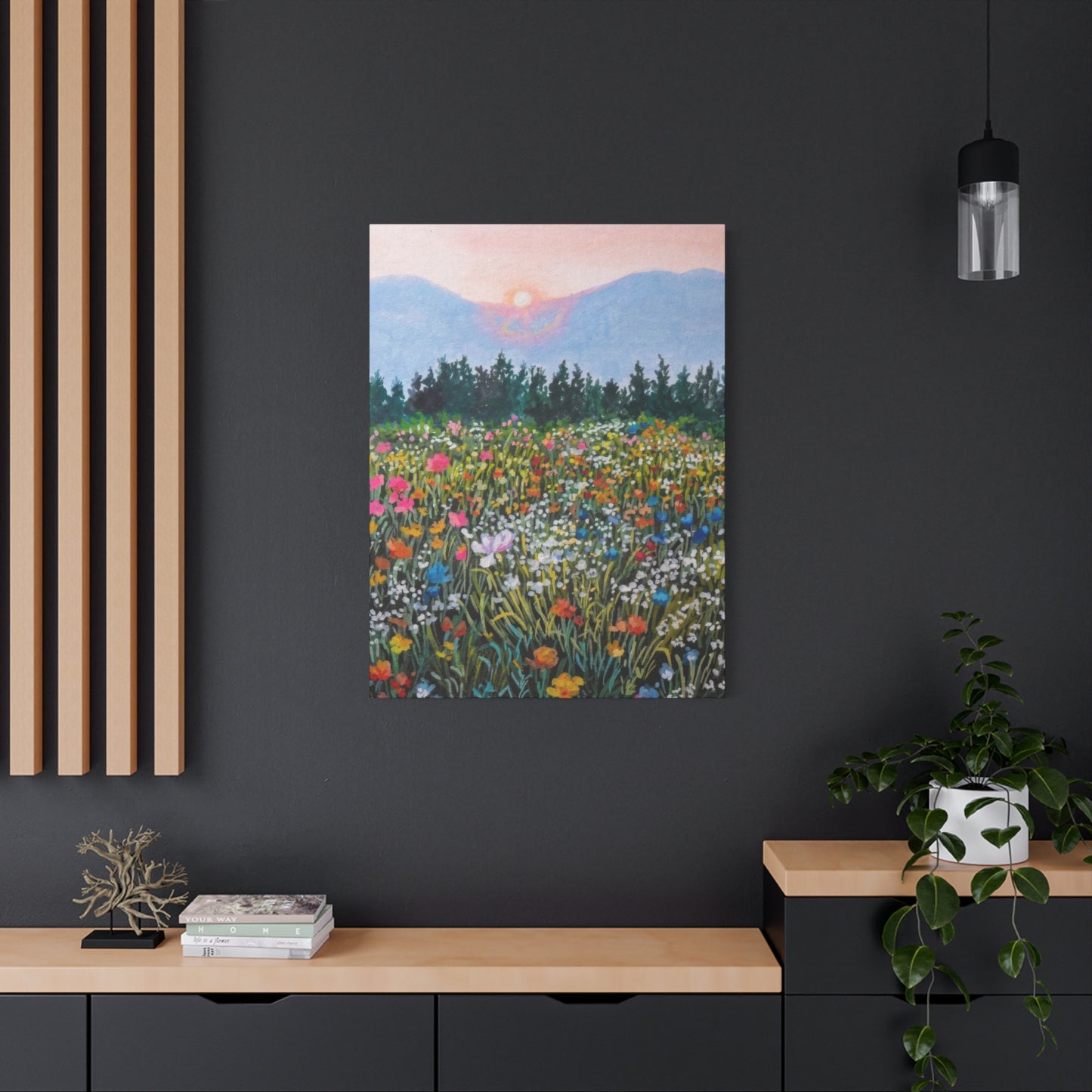
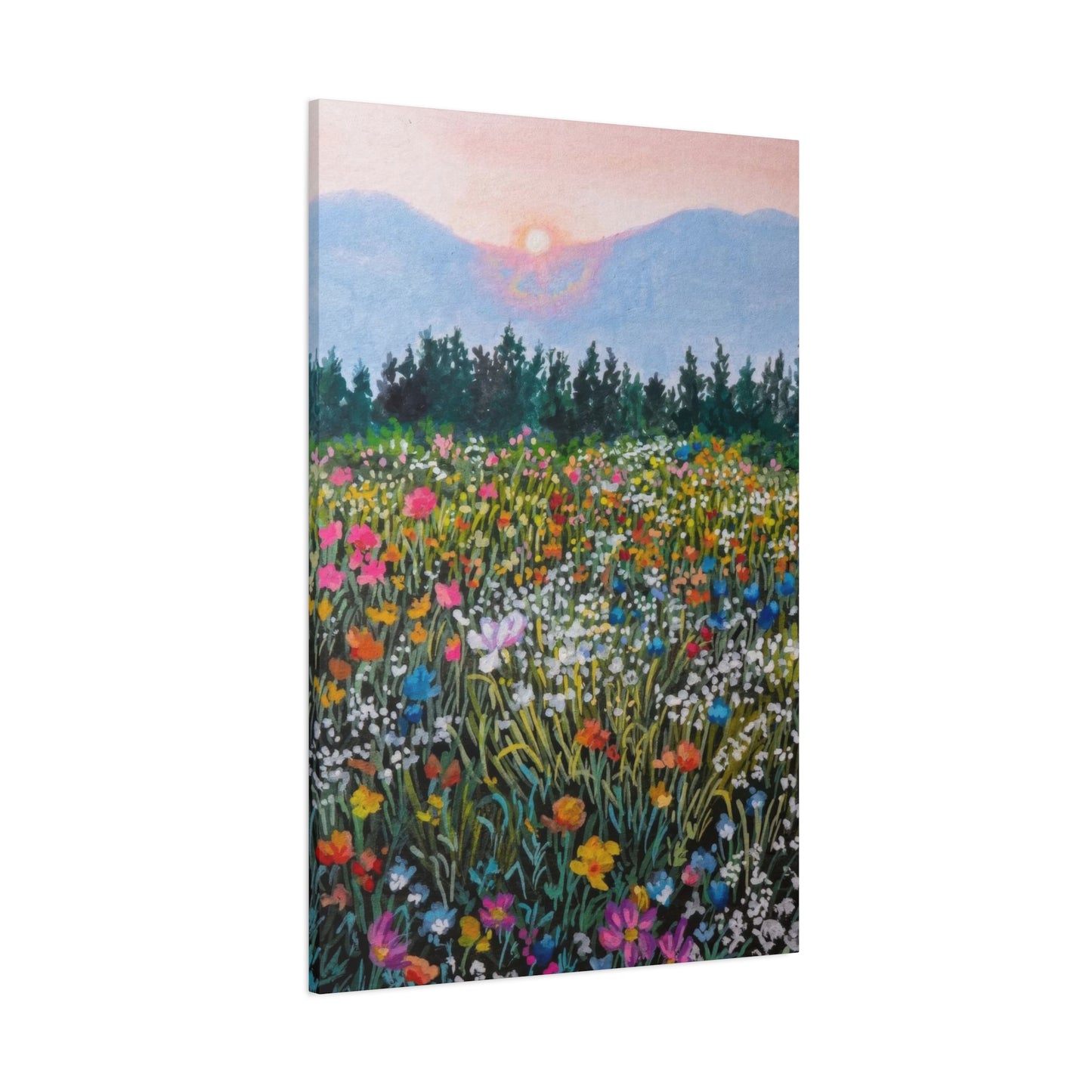
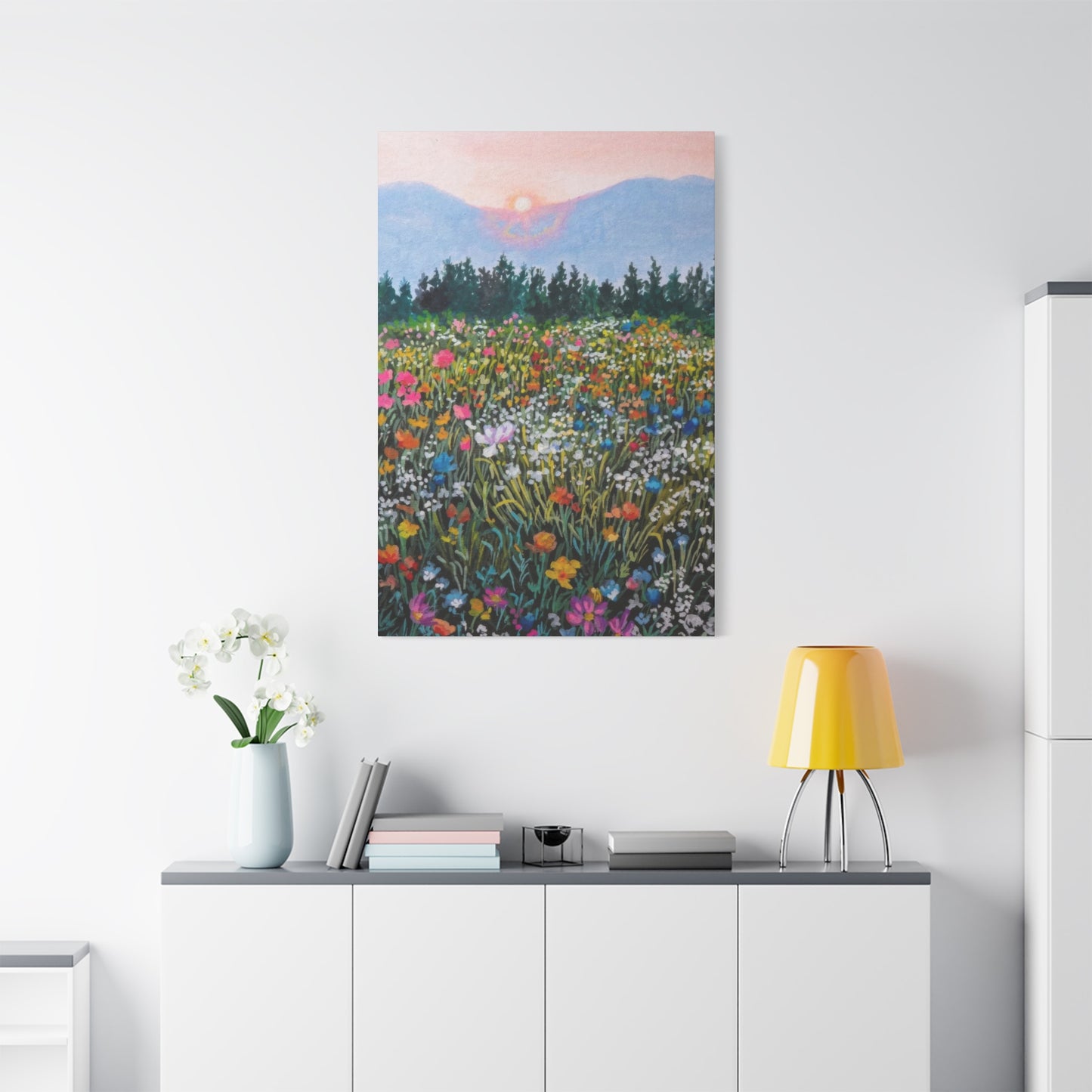
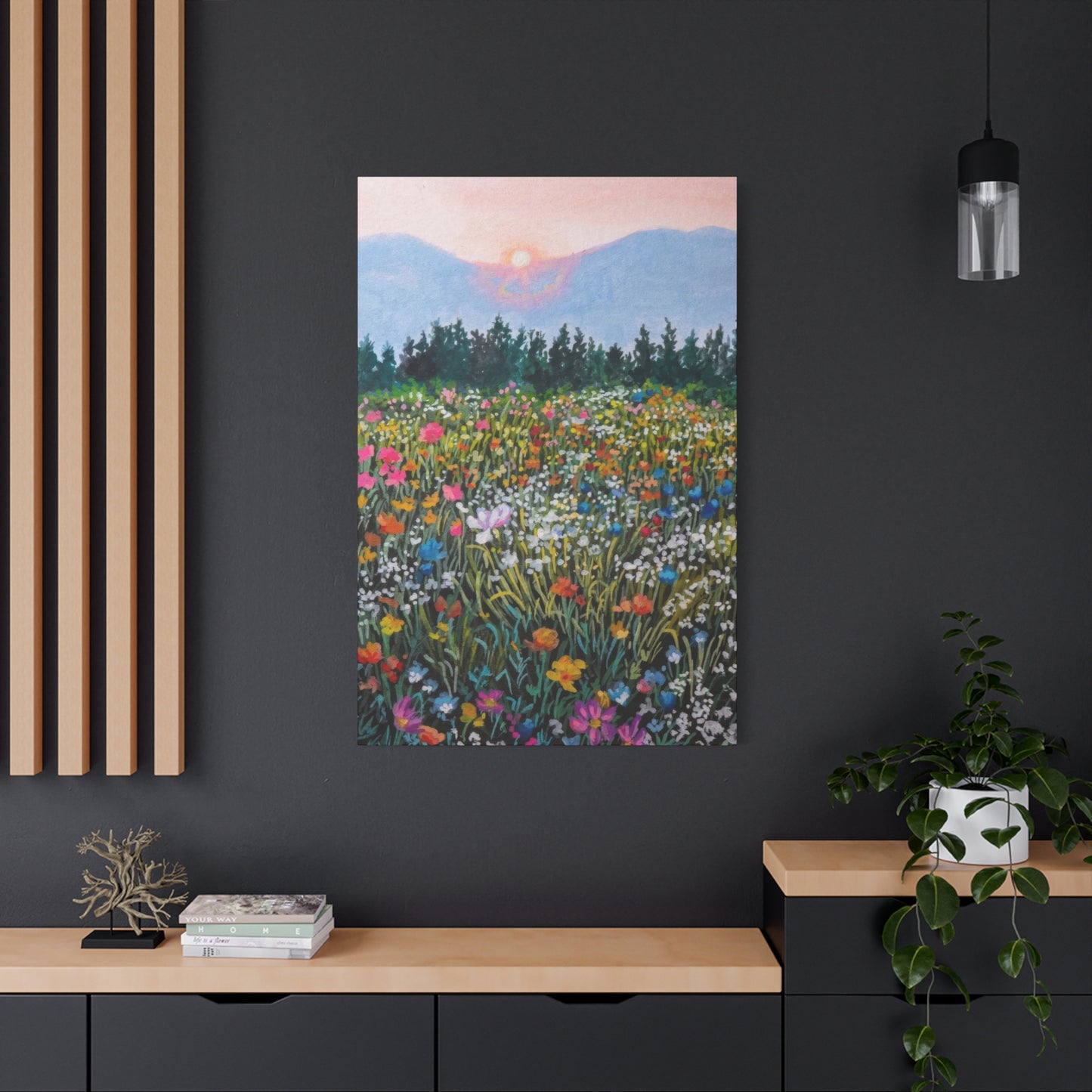
Mixing Modern and Nature: How Colorful Flower Fields Wall Art Complements Any Interior Style
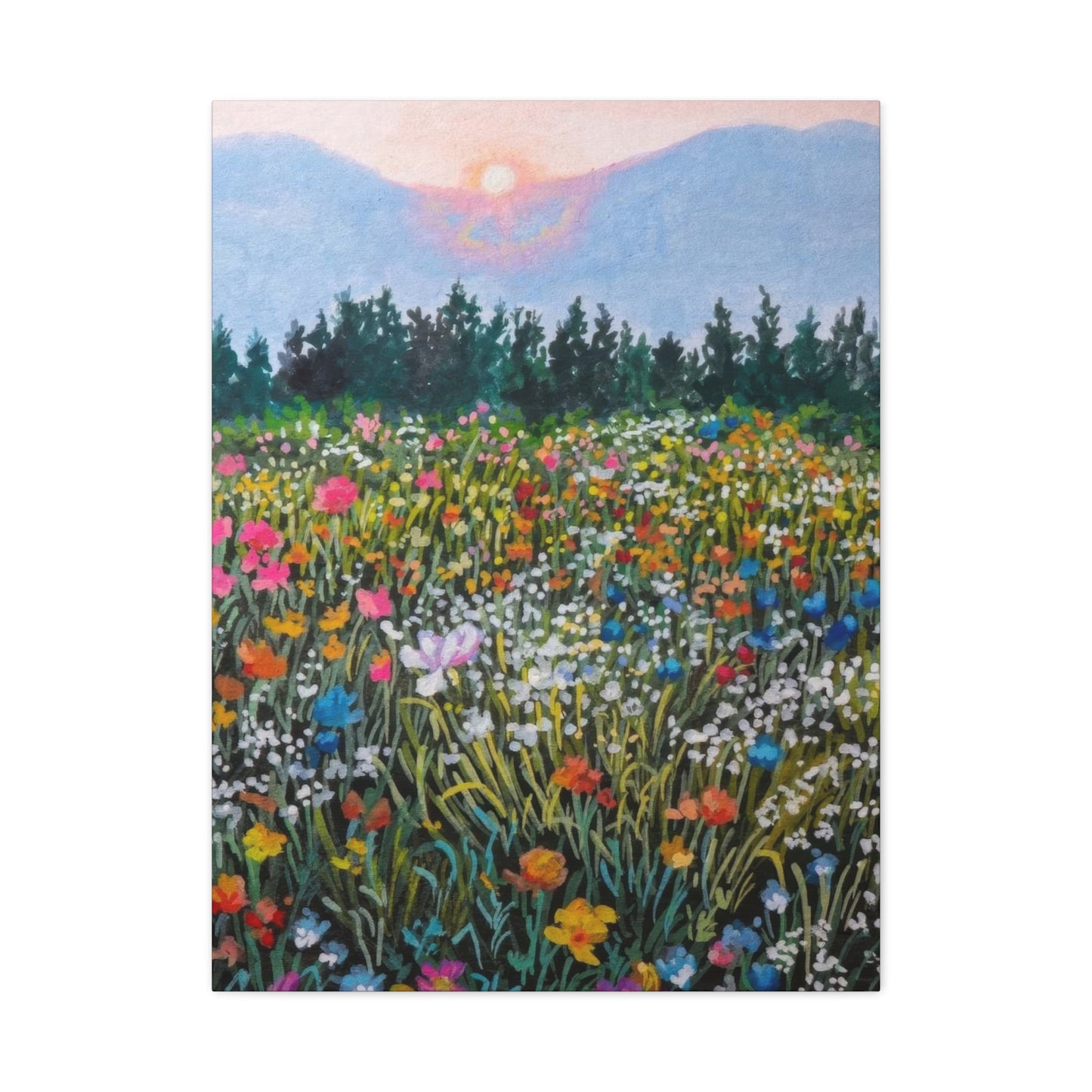
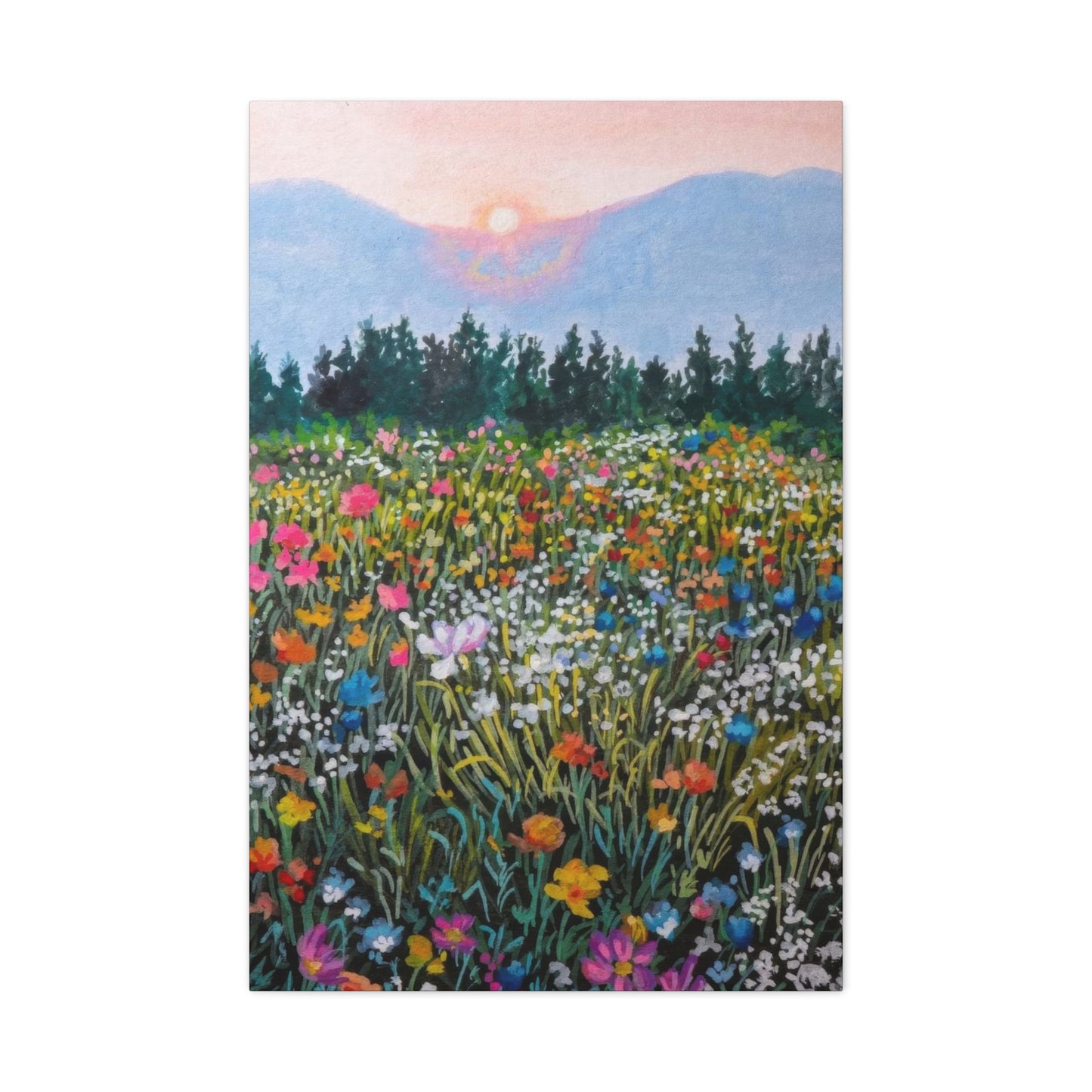
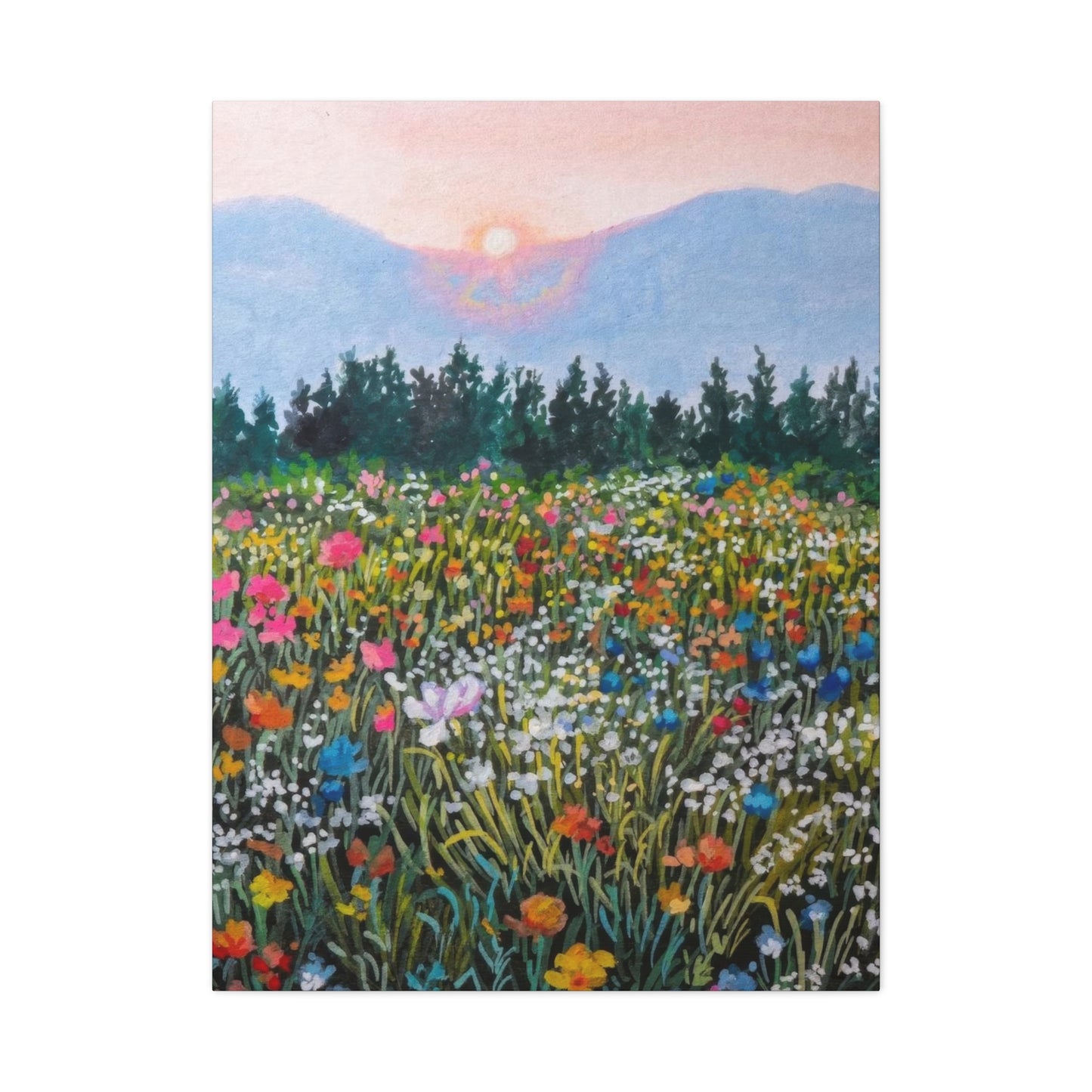
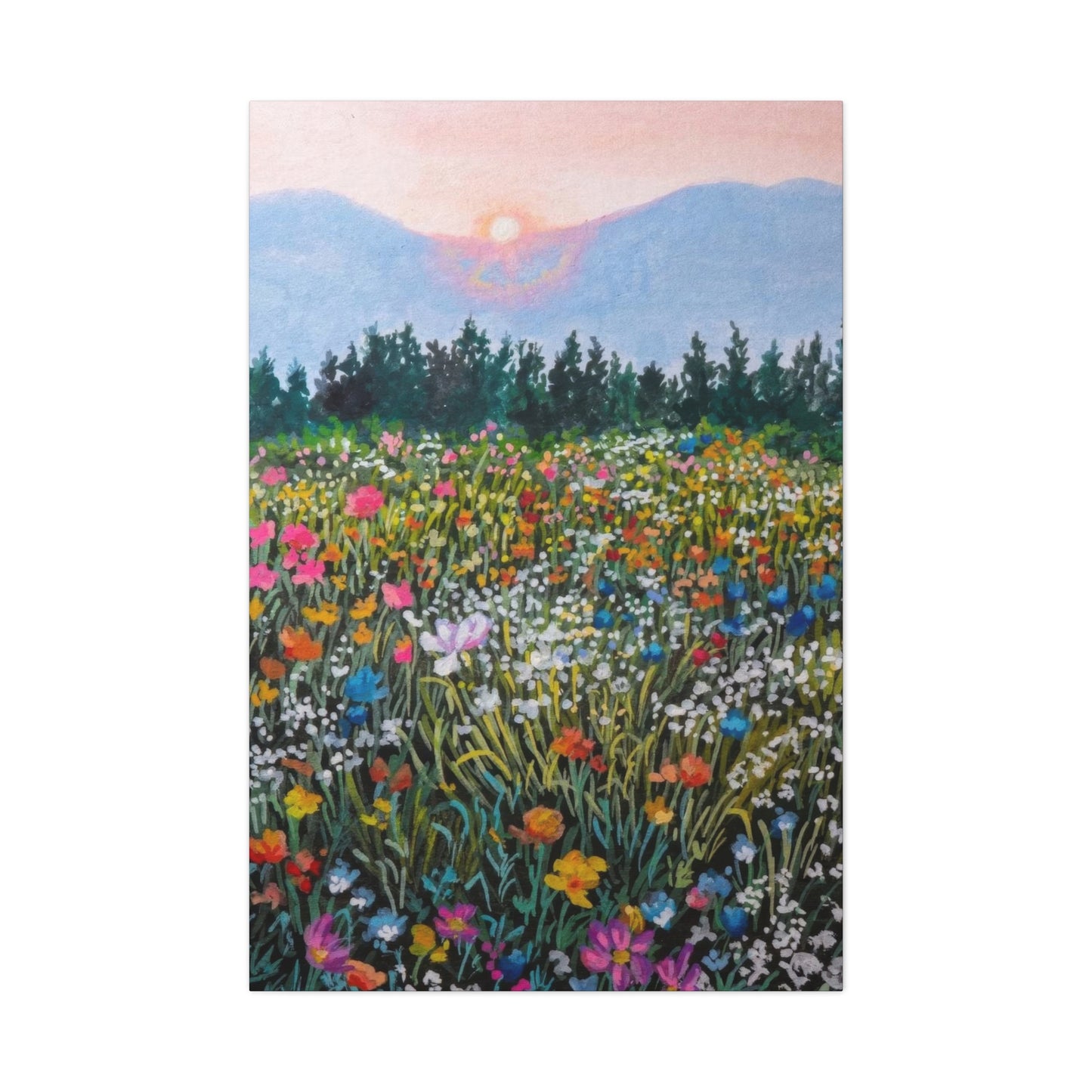
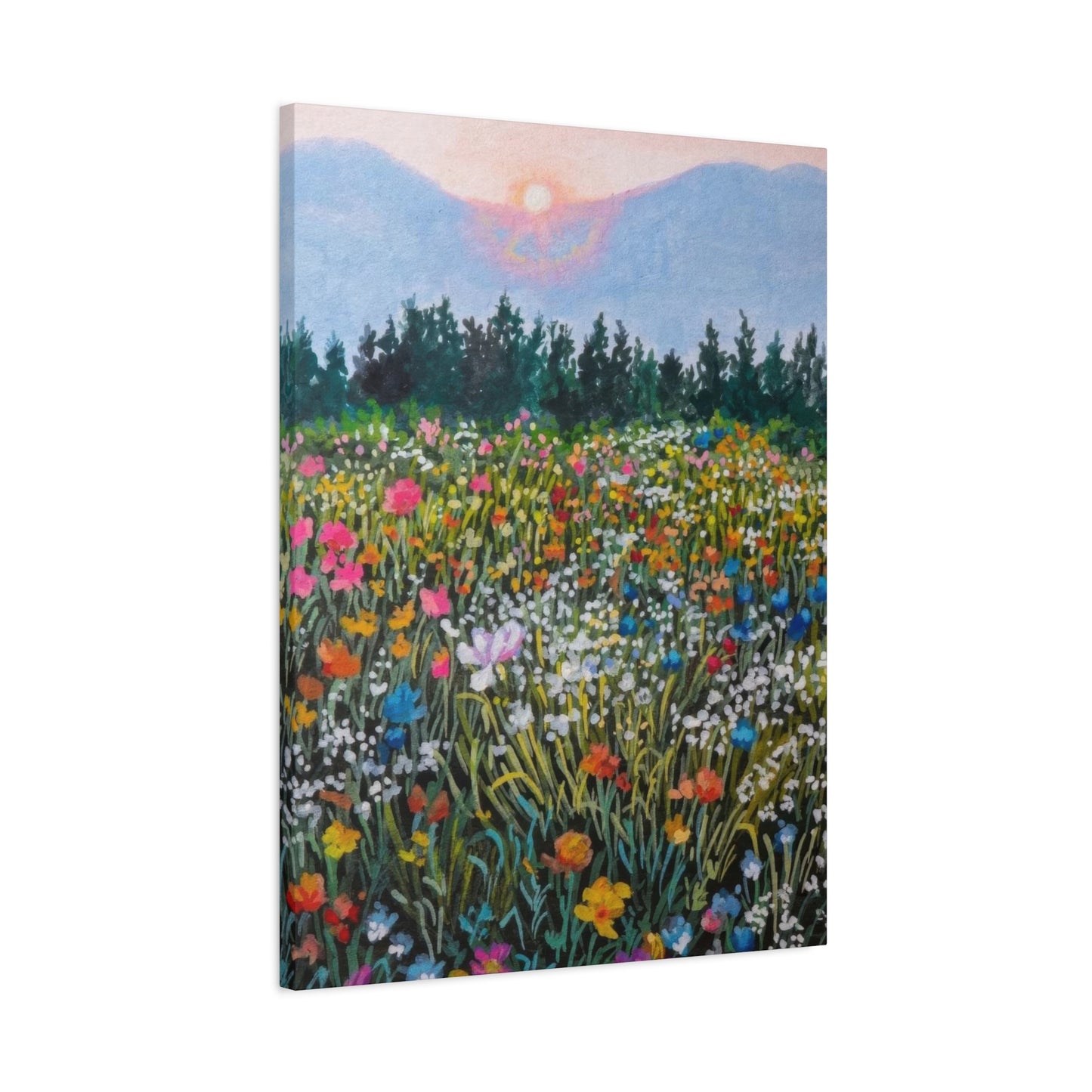
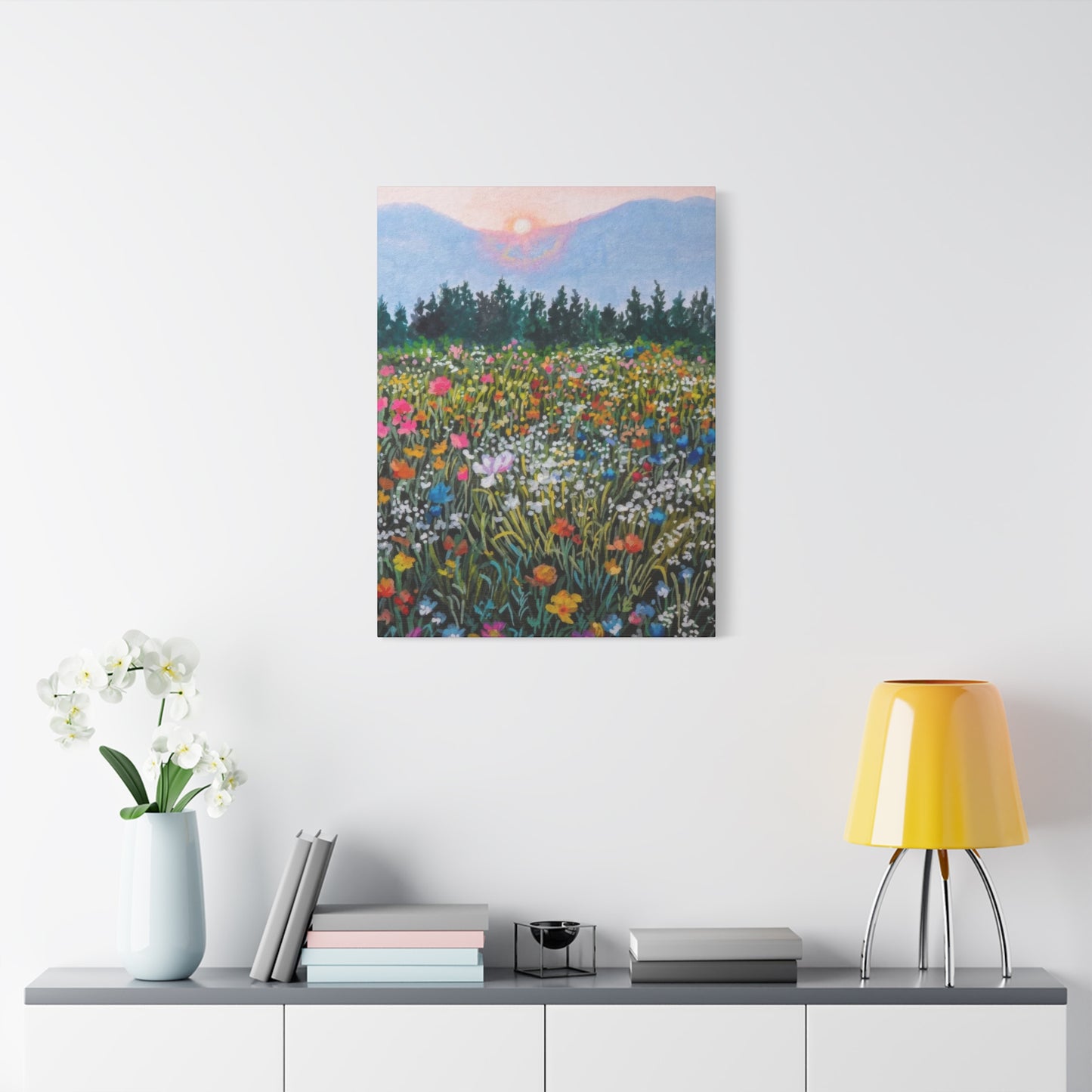
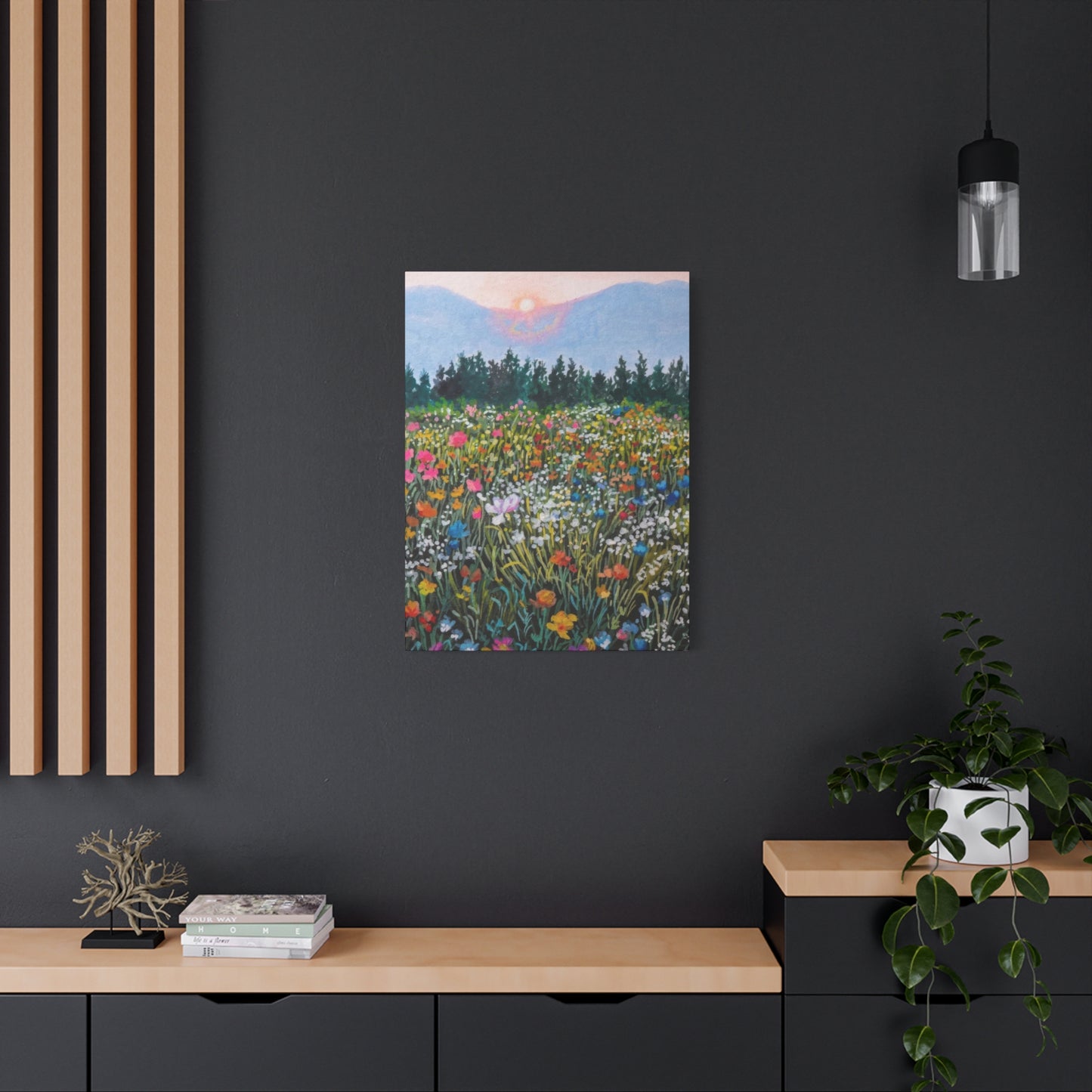
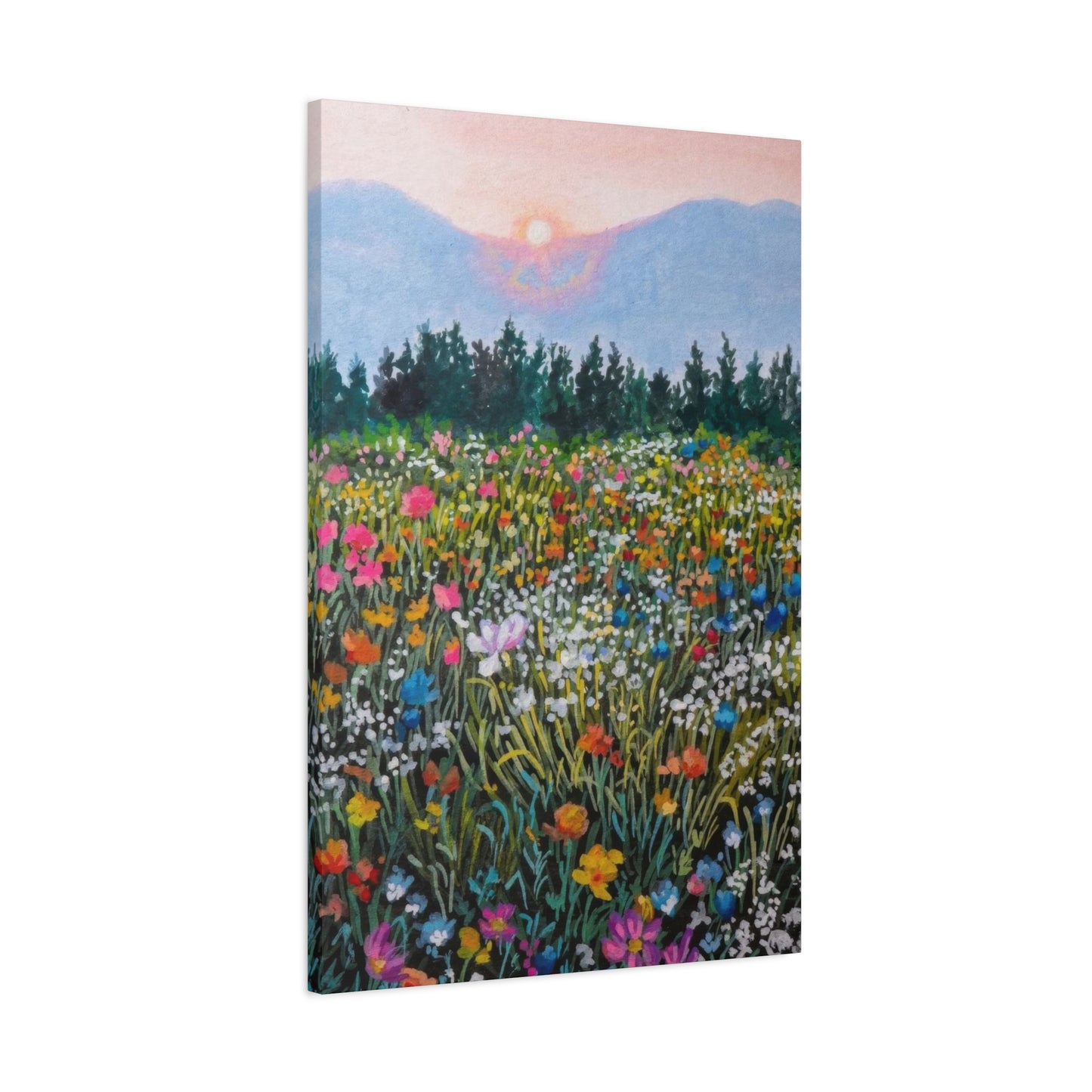
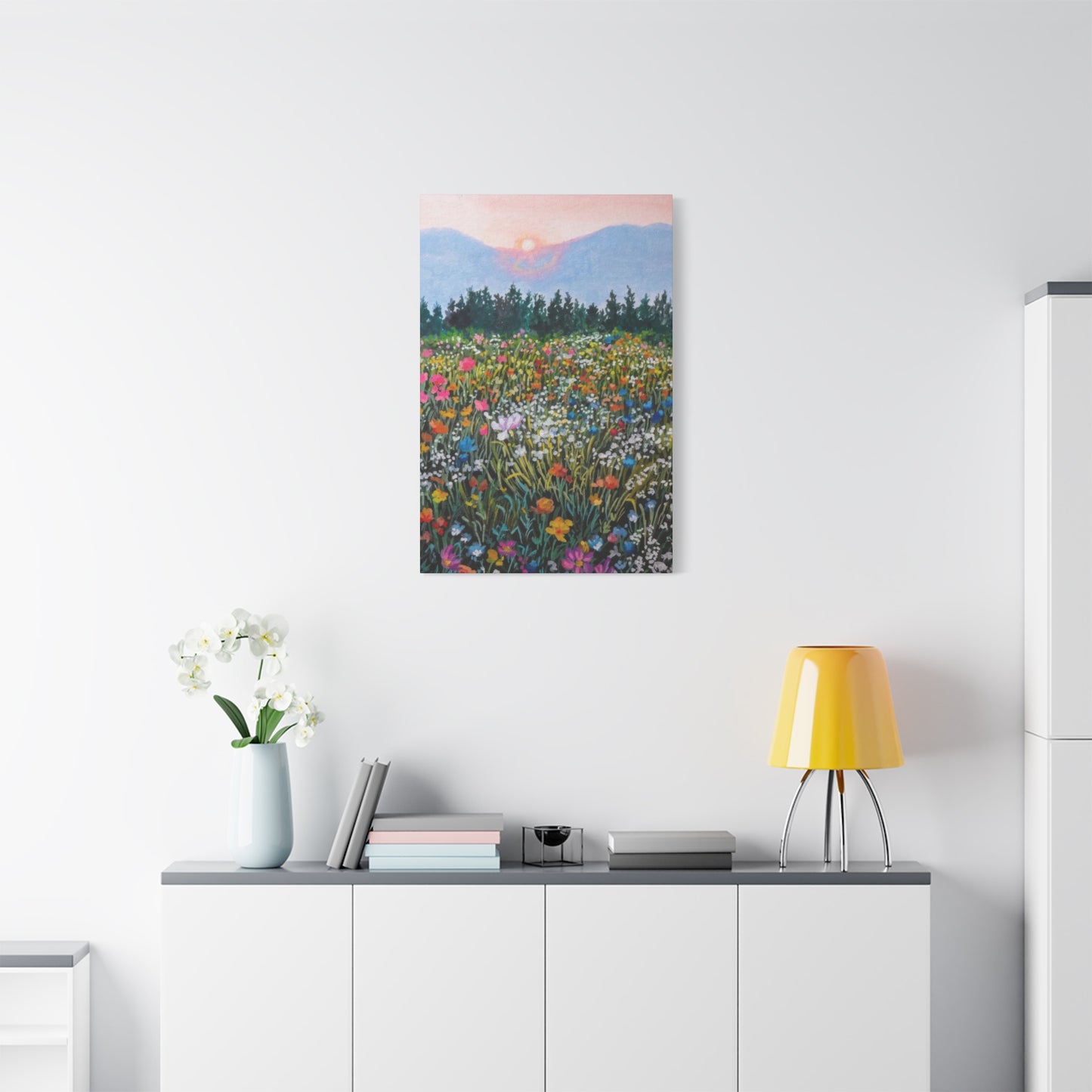
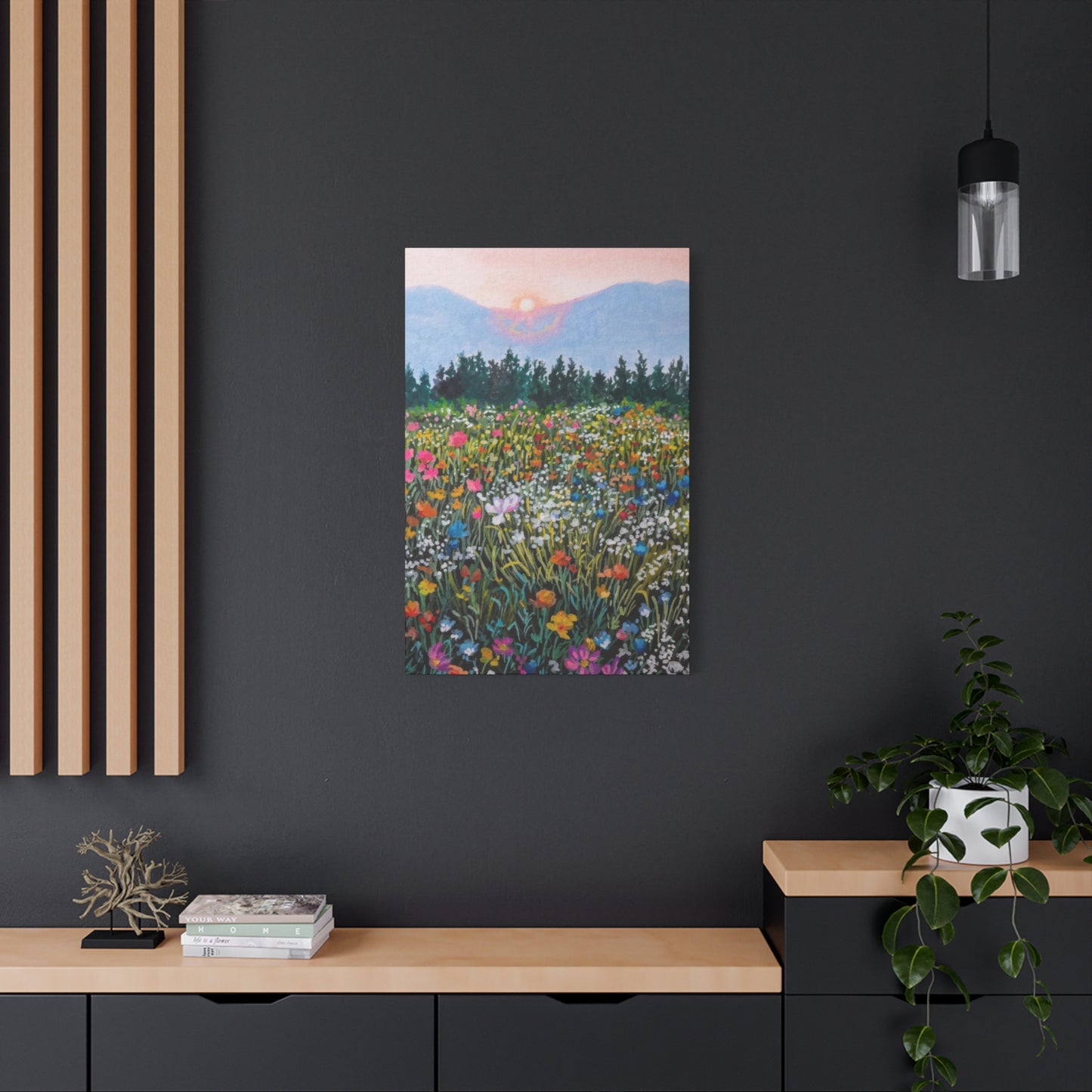
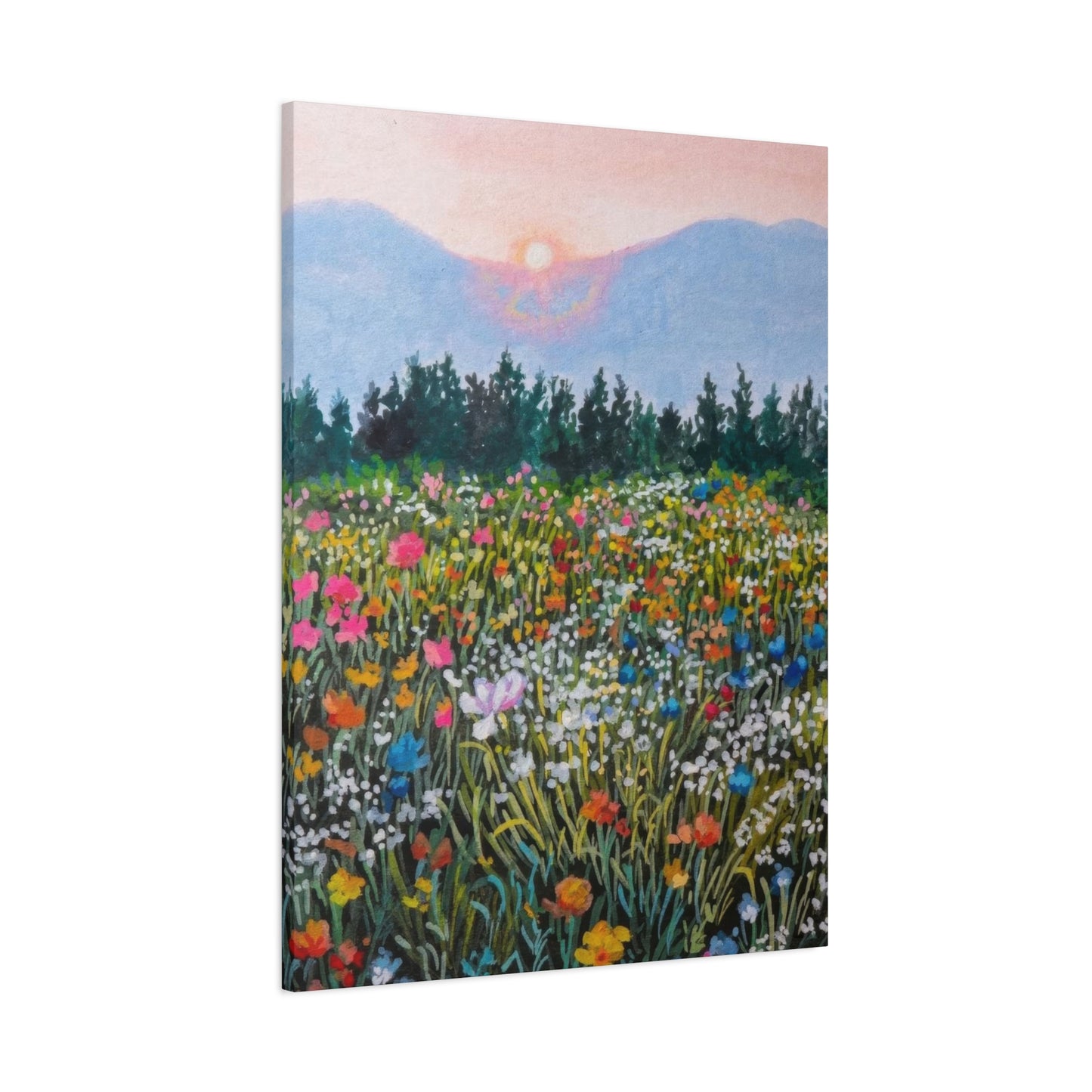
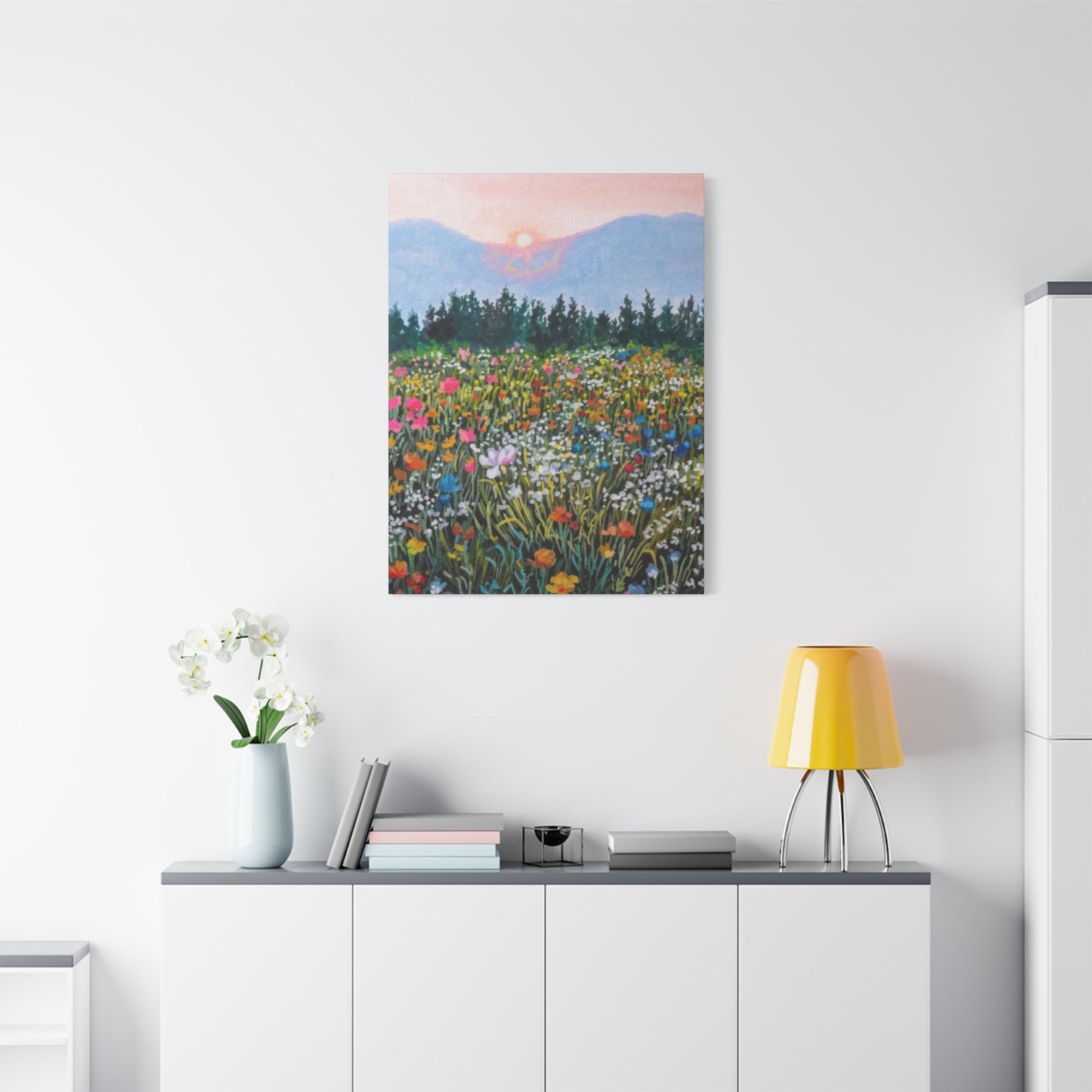
The world of interior decoration has witnessed a remarkable transformation in recent years, with nature-inspired artwork taking center stage in contemporary home design. Among the most captivating trends that have emerged is the incorporation of vibrant blossom meadows and colorful botanical imagery through canvas prints and wall art. These stunning visual elements bring the beauty of outdoor landscapes directly into living spaces, creating atmospheres filled with energy, tranquility, and natural splendor. The appeal of these artistic pieces lies not only in their aesthetic value but also in their ability to transform mundane walls into breathtaking focal points that capture the essence of spring meadows, summer gardens, and the timeless beauty of nature's most spectacular displays.
Canvas prints featuring vibrant botanical scenes have become increasingly popular among homeowners, interior designers, and art enthusiasts who seek to infuse their spaces with natural beauty and contemporary elegance. These decorative pieces range from realistic photographic reproductions to abstract interpretations, each offering unique characteristics that can complement various design schemes and personal preferences. The versatility of such artwork makes it suitable for virtually any room, from living areas and bedrooms to offices and commercial spaces, providing endless possibilities for creative expression and environmental enhancement.
The Timeless Appeal of Botanical Imagery in Interior Design
Throughout history, humans have maintained an intrinsic connection with nature, and this relationship has profoundly influenced artistic expression and interior decoration across cultures and centuries. The incorporation of botanical elements into living spaces dates back to ancient civilizations, where murals depicting gardens and natural landscapes adorned the walls of palaces and homes. This enduring fascination with bringing the outdoors inside reflects our fundamental need for connection with the natural world, especially in increasingly urbanized environments where direct contact with nature may be limited.
Modern interpretations of this ancient practice have evolved significantly, with contemporary printing technologies enabling the creation of stunning reproductions that capture every detail of natural beauty. Canvas prints featuring vibrant blossom displays offer an accessible way to incorporate this timeless aesthetic into modern homes, providing visual interest without the maintenance requirements of live plants. The psychological benefits of surrounding oneself with nature-inspired imagery are well-documented, with studies suggesting that such visual elements can reduce stress, improve mood, and enhance overall well-being.
The versatility of botanical canvas art allows for seamless integration into various design styles, from traditional and rustic to modern and minimalist. Whether showcasing the delicate petals of wildflowers swaying in mountain breezes or the bold colors of cultivated garden displays, these artistic pieces serve as windows to natural beauty, transporting viewers to serene landscapes regardless of their physical location. The ability to select artwork that resonates with personal experiences, memories, or aspirations makes these decorative elements particularly meaningful and emotionally engaging.
Understanding the Diversity of Botanical Canvas Art Collections
The market for nature-inspired wall decorations encompasses an extraordinary range of styles, subjects, and artistic approaches, each offering distinct visual characteristics and emotional resonances. Understanding these variations helps in selecting pieces that align with specific aesthetic goals and environmental contexts. Realistic photographic prints capture the authentic beauty of natural landscapes with precision and clarity, showcasing the intricate details of individual blooms, the texture of petals, and the subtle gradations of color found in natural settings.
Abstract interpretations of botanical themes offer a different approach, emphasizing color, form, and emotional impact over literal representation. These pieces may feature stylized renditions of blossom arrangements, using bold strokes, vibrant hues, and simplified shapes to create visual drama and contemporary appeal. Such artwork often serves as striking focal points in modern interiors, adding energy and personality to spaces while maintaining connections to natural inspiration.
Impressionistic styles bridge the gap between realism and abstraction, capturing the essence and atmosphere of botanical landscapes through loose brushwork, emphasis on light effects, and emotional expression. These pieces evoke the feeling of standing in a meadow or garden, experiencing the overall impression rather than focusing on specific details. The dreamy, romantic quality of impressionistic botanical art makes it particularly suitable for creating relaxed, inviting atmospheres in bedrooms, reading nooks, and other spaces dedicated to rest and contemplation.
Vintage and botanical illustration styles draw inspiration from historical scientific drawings and antique horticultural prints, offering a classic, timeless aesthetic that appeals to those who appreciate traditional elegance and scholarly charm. These pieces often feature precise renderings of individual specimens presented against neutral backgrounds, creating sophisticated displays that work beautifully in studies, libraries, and formal living spaces.
Selecting the Perfect Botanical Canvas for Your Space
Choosing appropriate artwork for specific environments requires careful consideration of multiple factors, including room dimensions, existing color schemes, lighting conditions, and the intended emotional atmosphere. The size of canvas prints significantly impacts their visual effect and relationship with surrounding elements. Large-scale pieces create dramatic focal points that can anchor entire rooms, drawing attention and establishing thematic direction for overall design schemes. These substantial works are particularly effective in spacious areas with high ceilings, where they fill visual space without overwhelming the environment.
Medium-sized canvas prints offer versatility and flexibility, working well as individual statements or as components of gallery wall arrangements. These pieces can be displayed above furniture, in hallways, or as part of curated collections that tell cohesive visual stories. The moderate scale allows for detailed appreciation without dominating spaces, making them suitable for various room sizes and configurations.
Smaller canvas prints provide opportunities for creating intimate displays, filling specific niches, or contributing to eclectic gallery arrangements. Multiple small pieces can be combined to create dynamic compositions that add visual interest to walls while maintaining flexibility for future adjustments. These compact works are ideal for smaller rooms, apartments, or spaces where subtle decoration is preferred over bold statements.
Color coordination plays a crucial role in successful integration of botanical canvas art into existing interiors. Analyzing the dominant hues in selected artwork and comparing them with room color palettes helps ensure harmonious relationships between decorative elements. Complementary color schemes create vibrant, energetic effects through contrast, while analogous color arrangements produce cohesive, calming atmospheres through similarity. Neutral-toned botanical prints offer maximum versatility, adapting easily to changing decor schemes and serving as elegant backdrops that allow other design elements to shine.
The subject matter and mood of botanical imagery should align with the intended atmosphere and function of spaces. Vibrant, colorful blossom displays energize living areas and creative spaces, promoting activity and social interaction. Softer, more subdued botanical scenes create tranquil environments suitable for bedrooms and meditation areas, encouraging relaxation and introspection. Bold, dramatic botanical abstracts make powerful statements in dining rooms and entertainment spaces, stimulating conversation and adding sophisticated visual interest.
Creating Stunning Gallery Wall Arrangements with Botanical Prints
The art of arranging multiple canvas prints into cohesive gallery wall displays offers exciting opportunities for creative expression and personalized interior design. These curated collections transform blank walls into dynamic visual narratives that reflect individual tastes, experiences, and aesthetic sensibilities. Successful gallery walls balance consistency with variety, creating unified presentations that maintain visual interest through thoughtful combinations of sizes, subjects, and styles.
Symmetrical arrangements appeal to those who appreciate order, balance, and classical aesthetics. These displays typically feature evenly spaced pieces of similar or complementary sizes, creating structured, harmonious compositions that convey sophistication and deliberate design. Grid layouts exemplify this approach, arranging multiple prints in regular rows and columns that produce clean, contemporary effects. Such arrangements work particularly well in modern interiors where geometric precision and visual clarity are valued.
Asymmetrical or salon-style gallery walls embrace organic, seemingly spontaneous arrangements that create dynamic, visually engaging displays. These collections mix various sizes, orientations, and even styles of artwork, arranged according to intuitive visual balance rather than rigid geometric structures. The resulting compositions feel personal, collected, and artistically adventurous, reflecting eclectic tastes and creative confidence. Successfully executing asymmetrical gallery walls requires careful planning to achieve balanced visual weight distribution while maintaining apparent spontaneity.
Thematic cohesion ties diverse pieces together, creating narrative continuity across gallery wall arrangements. Botanical collections might progress through seasonal changes, color gradations, or variations in artistic style while maintaining botanical subject matter as the unifying element. This approach allows for creative freedom within established parameters, producing displays that feel both varied and purposeful.
Practical considerations including wall dimensions, viewing distances, and existing architectural features influence gallery wall planning. Creating paper templates sized to match actual artwork and experimenting with various arrangements before committing to permanent installation helps avoid costly mistakes and ensures satisfaction with final results. Maintaining consistent spacing between pieces, typically ranging from two to six inches depending on overall scale, creates visual rhythm and prevents cluttered appearances.
Seasonal Variations in Botanical Canvas Art
The changing seasons have long inspired artistic expression, and botanical canvas prints reflecting seasonal variations offer opportunities to refresh interiors throughout the year or create permanent reminders of favorite times. Spring-themed botanical art celebrates renewal, growth, and awakening with images of delicate blooms emerging from winter dormancy. Cherry blossoms, tulips, daffodils, and other early-season flowers symbolize hope, new beginnings, and natural beauty's triumphant return.
These optimistic images work particularly well in spaces where fresh starts and positive energy are desired, from home offices beginning new projects to nurseries welcoming new family members. The soft colors typically associated with spring blooms create gentle, uplifting atmospheres that encourage growth and development. Transitional periods when seasons change provide natural opportunities to rotate artwork, maintaining visual interest and reflecting the cyclical nature of time.
Summer botanical prints burst with abundance, featuring lush gardens at peak bloom with maximum color intensity and diversity. Sunflowers, roses, poppies, and wildflower meadows capture the exuberance and vitality of the growing season's height. These bold, confident images inject energy and joy into spaces, celebrating nature's generosity and the pleasures of warm, sun-filled days.
The saturated colors and abundant compositions characteristic of summer botanical art make powerful statements in entertaining spaces and areas dedicated to leisure and enjoyment. The fullness and richness of summer imagery can also serve as year-round reminders of warmth and plenty, particularly valuable in climates where actual summer seasons are brief or where winter months are long and challenging.
Autumn botanical prints embrace the transformative beauty of seasonal change, featuring warm tones, golden light, and the contemplative mood accompanying harvest time. Dahlias, chrysanthemums, asters, and foliage displaying fall colors capture this transitional period's unique character. The warmer color palette of autumn botanical art creates cozy, inviting atmospheres perfect for spaces where comfort and reflection are prioritized.
These images celebrate maturity, abundance, and the beauty found in change and transition. The sophisticated color combinations typical of autumn botanical art coordinate beautifully with traditional and rustic interior styles, adding warmth and depth to living spaces. The reflective quality of autumn imagery encourages appreciation for cycles, seasons, and the passage of time.
Winter botanical art, while less obviously colorful than other seasonal options, offers its own subtle beauty and symbolic significance. Images of evergreens, winter berries, frost-kissed branches, and the stark elegance of dormant gardens celebrate resilience, endurance, and the quiet beauty of rest periods. These contemplative images create sophisticated, minimalist atmospheres that emphasize structure, form, and subtle tonal variations over bold color.
Botanical Canvas Art for Specific Room
Different rooms within homes serve distinct functions and benefit from carefully selected botanical artwork that supports their intended purposes while enhancing aesthetic appeal. Living room spaces, typically dedicated to relaxation, entertainment, and family gathering, accommodate diverse botanical art styles and scales. Large statement pieces above sofas or fireplaces anchor these important social areas, while smaller complementary works fill additional wall space and create visual interest throughout the room.
The selection of specific botanical imagery for living areas might reflect personal connections to particular flowers, memorable gardens, or beloved natural settings. The communal nature of living spaces makes them ideal for conversation-starting artwork that guests can appreciate and discuss, potentially sharing their own memories and associations with depicted botanical subjects. The versatility of living rooms also allows for bolder artistic choices and more experimental color combinations than might be appropriate in more private or functionally specific spaces.
Bedroom environments benefit from botanical artwork that promotes relaxation, tranquility, and restful sleep. Soft-toned prints featuring calming color palettes and gentle, non-stimulating imagery create peaceful sanctuaries supporting rest and renewal. Lavender fields, delicate wildflowers, and dreamy, atmospheric botanical scenes establish appropriate moods for these intimate spaces. The personal nature of bedrooms allows for highly individualized artwork selections that reflect private preferences without concern for broader appeal.
Positioning botanical art in bedrooms requires consideration of sight lines from beds, ensuring that images are visible and appreciable from resting positions while avoiding overly stimulating compositions that might interfere with sleep. The romantic, natural associations of botanical imagery make it particularly appropriate for master bedrooms, where connections between natural beauty and intimate relationships can be subtly reinforced through thoughtful decorative choices.
Kitchen and dining areas represent spaces dedicated to nourishment, gathering, and the pleasures of shared meals. Botanical canvas art in these locations might reference edible plants, herb gardens, or abundant fruit and vegetable displays alongside traditional ornamental subjects. The social nature of dining spaces accommodates vibrant, colorful botanical prints that energize environments and stimulate appetite and conversation.
Water-resistant or easily cleanable canvas treatments are particularly important in kitchens, where cooking activities may expose artwork to moisture, temperature fluctuations, and airborne particles. Selecting prints with protective coatings or planning for regular cleaning maintains appearance and longevity in these challenging environments. The warmth and natural associations of botanical imagery create welcoming atmospheres in spaces fundamentally connected to sustenance and hospitality.
The Environmental and Sustainable Aspects of Canvas Art
Growing environmental awareness has increased consumer interest in sustainable products and ethical production practices across industries, including home decoration and art markets. Understanding the environmental impact of canvas prints and seeking products from responsible manufacturers allows consumers to align purchasing decisions with environmental values while still enjoying beautiful botanical artwork in their homes.
Canvas material selection significantly influences environmental impact, with natural cotton fabrics generally representing more sustainable choices than synthetic alternatives derived from petroleum products. Organic cotton production eliminates pesticide use and reduces agricultural pollution, though such materials may carry premium pricing. Some manufacturers use recycled polyester or blended materials that balance sustainability concerns with practical performance characteristics and cost considerations.
Ink formulations affect both environmental impact and human health, particularly in enclosed interior spaces where volatile organic compounds released from some ink types can accumulate. Water-based and eco-solvent inks reduce harmful emissions while still producing vibrant, durable prints suitable for long-term display. Seeking products specifically marketed as eco-friendly or low-VOC helps ensure that artwork additions to homes don't compromise indoor air quality or contribute unnecessarily to environmental pollution.
Frame materials and construction methods represent additional considerations for environmentally conscious consumers. Sustainably harvested wood from certified forests ensures that raw materials come from responsibly managed sources where harvesting doesn't contribute to deforestation or habitat destruction. Alternatively, frames constructed from recycled materials or rapidly renewable resources like bamboo offer lower environmental impacts while providing necessary structural support.
Production location and shipping distances affect overall environmental footprints of canvas art purchases, with locally produced items typically requiring less transportation-related energy consumption and emissions. However, this factor must be balanced against other considerations including labor practices, production efficiency, and material sourcing that might favor certain manufacturers regardless of location. Seeking comprehensive information about overall supply chains and production practices enables more informed decision-making than focusing on single factors in isolation.
Current Design Trends in Botanical Wall Art
The world of interior design continuously evolves, with trends reflecting changing cultural values, technological capabilities, and aesthetic preferences. Staying informed about current directions in botanical canvas art helps consumers make selections that feel fresh and contemporary while also recognizing classic styles that transcend temporary fashions and maintain appeal across decades.
Oversized botanical prints have gained tremendous popularity in recent years, with designers and homeowners embracing dramatic scale as a tool for creating impact and establishing focal points. These large-format pieces work particularly well in contemporary spaces with substantial wall areas and minimalist furnishings that benefit from bold artistic statements. The close-up, macro perspective often employed in oversized botanical art reveals intricate details typically overlooked in natural settings, creating almost abstract compositions that celebrate form, texture, and color.
Monochromatic and tonal botanical prints represent another significant trend, offering sophisticated alternatives to traditionally colorful botanical imagery. Black and white photographs of blooms emphasize structure, form, and tonal relationships while coordinating effortlessly with virtually any color scheme. Sepia-toned prints evoke vintage elegance and nostalgic appeal, while prints in single-color palettes create cohesive, contemporary effects suitable for modern and transitional interiors.
Mixed media and textured botanical art combining traditional canvas printing with three-dimensional elements, metallic accents, or hand-painted details creates unique, artisanal pieces that stand apart from standard reproductions. These enhanced works appeal to consumers seeking distinctive artwork with craft elements and personal touches that make pieces feel special and unique. The tactile quality of textured art adds sensory dimensions beyond visual appreciation, increasing engagement and interest.
Botanical abstractions that distill natural forms into essential shapes, colors, and patterns represent meeting points between botanical subject matter and contemporary abstract art movements. These pieces satisfy multiple aesthetic interests simultaneously, providing natural connections valued by many consumers while incorporating modern artistic approaches that feel current and sophisticated. The interpretive nature of abstracted botanical art invites personal response and allows viewers to project their own meanings and associations onto artwork.
Investment Value and Art Market Considerations
While most botanical canvas prints function primarily as decorative elements rather than traditional fine art investments, understanding factors that influence value helps consumers make informed purchasing decisions and potentially select pieces that maintain or increase worth over time. Original botanical paintings by recognized artists represent traditional art investments subject to market forces including artist reputation, rarity, condition, and provenance. Canvas reproductions, even high-quality examples, typically don't appreciate in monetary value regardless of age or condition.
However, limited edition prints signed and numbered by artists or photographers occupy a middle ground between mass-produced decorations and original works. These pieces, particularly when produced in small editions by artists who subsequently gain recognition, may maintain or increase value. Authentication documents, certificates of authenticity, and careful provenance records enhance potential future value while protecting against fraud that occasionally affects art markets.
Quality of materials and production methods significantly influences longevity and maintained appearance, which while not directly affecting investment value, determines whether pieces remain enjoyable and displayable over extended periods. Archival-quality materials resist fading, deterioration, and damage, ensuring that botanical canvas art purchased today remains vibrant and attractive decades into the future. This practical longevity represents real value even when pieces don't appreciate monetarily.
Designer and brand recognition affects perceived value within home decoration markets, with pieces from established manufacturers or designers commanding premium prices and potentially maintaining resale value better than generic alternatives. However, this factor relates more to fashion and branding than intrinsic quality or artistic merit, requiring careful evaluation when determining whether premium pricing represents genuine value or primarily reflects marketing success.
Personal satisfaction and aesthetic pleasure derived from botanical canvas art represent primary value propositions for most consumers, overshadowing potential financial considerations. Purchasing pieces that bring joy, enhance living environments, and support well-being produces genuine returns regardless of potential resale value. This perspective encourages selections based on personal response and appropriateness for intended spaces rather than speculation about future market conditions.
Digital Design and Online Shopping Considerations
The rise of e-commerce has transformed how consumers discover, evaluate, and purchase botanical canvas art, offering unprecedented selection and convenience while also presenting challenges related to accurate representation and quality assurance. Successfully navigating online markets for canvas art requires understanding digital limitations, asking appropriate questions, and knowing what factors to consider when comparing options from different vendors.
Digital images displayed on screens never perfectly reproduce physical artwork, with variations in color accuracy, detail visibility, and overall appearance depending on monitor calibration, lighting conditions, and image quality. Reputable sellers provide multiple photographs showing overall compositions, detail close-ups, and contextual room settings that help customers better understand how pieces will appear in physical form. Reading product descriptions carefully reveals important information about dimensions, materials, and production methods that significantly impact final results.
Customer reviews represent valuable resources when evaluating unfamiliar sellers or specific products, providing insights into actual quality, color accuracy, shipping practices, and customer service experiences. However, review interpretation requires critical thinking, recognizing that individual expectations, experiences, and standards vary widely. Looking for patterns across multiple reviews provides more reliable information than focusing on single extreme opinions.
Return policies and satisfaction guarantees protect consumers from disappointing purchases, allowing returns or exchanges when physical products don't meet expectations based on digital representations. Understanding specific terms including who pays return shipping, restocking fees, and time limits for returns prevents surprise costs or difficulties when issues arise. Sellers confident in their product quality typically offer more generous return policies than those dealing in questionable merchandise.
Sample programs offered by some manufacturers allow customers to receive small material swatches or miniature prints before committing to full purchases. These programs, though less common for wall art than fabrics or paint colors, provide valuable opportunities to assess actual color accuracy, canvas texture, and print quality before investment in larger pieces. When available, taking advantage of such programs significantly reduces risk of disappointment with final purchases.
Customization options including size selections, color adjustments, or even custom printing of personal photographs expand possibilities beyond standard catalog offerings. Many online services specialize in converting personal images into canvas prints, allowing creation of truly unique botanical art featuring favorite garden photographs, pressed flower arrangements, or other personally meaningful subjects. Understanding production capabilities, file requirements, and quality expectations for custom work ensures successful outcomes when pursuing these personalized options.
DIY and Creative Customization Options
For those inclined toward hands-on creativity, numerous opportunities exist for customizing, creating, or enhancing botanical canvas art beyond purchasing finished products. These DIY approaches allow greater personalization, cost savings, and the satisfaction of creating unique pieces that reflect individual vision and artistic expression. Understanding available options empowers creative exploration while managing expectations regarding skill requirements and achievable results.
Custom printing services enable transformation of personal photographs into canvas art, allowing creation of truly one-of-a-kind pieces featuring favorite gardens, meaningful botanical specimens, or memorable natural settings. Many online services and local print shops offer this capability at reasonable costs, with quality depending on original photograph resolution, printing technology employed, and materials selected. Learning basic photography and digital editing skills maximizes results, as superior source images produce better final products regardless of printing quality.
Hand-painting directly onto blank canvases represents the most traditional approach to creating botanical art, suitable for those with artistic skills or willingness to develop them through practice. Acrylic paints work particularly well for beginners due to quick drying times, easy cleanup, and forgiving application properties. Watercolor techniques on specially prepared canvases create luminous effects particularly suited to delicate botanical subjects. Oil paints offer richness and blending capabilities preferred by experienced artists but require longer drying times and more complex materials management.
Mixed media approaches combining printing with hand-applied elements create hybrid works with unique character. Printed canvas backgrounds might receive hand-painted embellishments, metallic leaf applications, or three-dimensional elements including pressed flowers, fabric petals, or sculptural additions. These techniques produce distinctive pieces impossible to mass-produce while remaining accessible to crafters without formal art training.
Image transfer techniques enable application of printed designs onto canvas using specialized mediums or gel transfers. These methods allow incorporation of vintage botanical illustrations from public domain sources, creating pieces with aged, artistic character distinct from contemporary photographic prints. Experimentation with different transfer media and application techniques produces varied effects from crisp reproductions to deliberately distressed, weathered appearances.
Stenciling represents another accessible customization approach, using pre-cut or hand-made stencils to apply botanical designs onto canvas backgrounds. Layering multiple stencil applications in different colors creates depth and complexity while maintaining the graphic, stylized aesthetic characteristic of stenciled work. This technique suits contemporary and modern interiors where bold, simplified botanical forms complement overall design directions.
The Intersection of Technology and Botanical Art
Emerging technologies continue transforming creation, distribution, and experience of botanical canvas art, introducing new possibilities while raising questions about authenticity, value, and artistic merit. Understanding these technological dimensions helps navigate evolving markets while appreciating both traditional approaches and innovative developments. Digital photography and advanced image processing enable capture and enhancement of botanical subjects with unprecedented detail and control. High-resolution cameras reveal microscopic details invisible to unaided human vision, while focus stacking combines multiple exposures to achieve depth of field impossible in single captures.
Post-processing software allows precise color correction, exposure adjustment, and creative manipulation that extend photographic possibilities beyond straight documentation. These technological capabilities democratize botanical photography, enabling dedicated amateurs to produce gallery-quality images previously requiring rare expertise and expensive equipment. However, extensive digital manipulation raises authenticity questions regarding what constitutes photography versus digital art.
Artificial intelligence and machine learning increasingly influence botanical art creation through style transfer algorithms, generative adversarial networks, and other computational approaches. These technologies enable automatic application of artistic styles to photographic images, generation of entirely synthetic botanical compositions, and endless variations on existing themes. While controversial among traditional artists and photographers, AI-generated botanical art represents legitimate exploration of creative possibilities enabled by new tools.
Augmented reality applications allow virtual placement of canvas art in actual spaces before purchase, helping consumers visualize how specific pieces will appear in their homes. These technologies address major challenges of online art shopping by providing contextual visualization that static product images cannot replicate. As AR capabilities become more sophisticated and widely accessible, they will increasingly influence purchasing decisions and reduce returns resulting from unmet expectations.
Virtual galleries and online exhibitions expand access to botanical art beyond physical gallery limitations, enabling worldwide audiences to view curated collections from any location. Interactive features including zoom capabilities, audio commentary, and supplementary information enhance virtual viewing experiences, sometimes exceeding what physical gallery visits provide. These platforms democratize art access while creating new challenges regarding digital rights management and reproduction control.
Blockchain technology and NFTs represent controversial developments in digital art markets, offering mechanisms for authenticating and trading digital artwork including botanical subjects. While predominantly associated with abstract digital art, NFT platforms increasingly feature botanical photography and digital botanical art. The environmental costs of some blockchain technologies conflict with eco-conscious values often associated with botanical and nature art, creating ethical dilemmas for creators and collectors.
Print-on-demand technologies enable small-scale production and inventory-free business models where canvas prints are manufactured only after purchase confirmation. This approach reduces waste, enables vast catalog offerings, and lowers barriers to entry for artists and entrepreneurs. However, quality control challenges and variable manufacturing standards sometimes result in inconsistent products that damage category reputation.
Global Perspectives on Botanical Art Traditions
Botanical art traditions vary significantly across cultures, reflecting different relationships with nature, aesthetic values, and artistic conventions. Understanding these diverse approaches enriches appreciation for botanical canvas art while revealing how cultural contexts shape representation and interpretation of natural beauty. These global perspectives offer inspiration for personal collections while highlighting universal human fascination with plant life alongside culturally specific meanings and approaches.
Asian botanical art traditions, particularly those from China, Japan, and Korea, emphasize harmonious integration of plants within broader natural contexts and often incorporate calligraphic elements that merge image and text. Chinese brush painting techniques render botanical subjects with expressive spontaneity that captures essential character rather than photographic detail. Compositions typically include substantial negative space, reflecting philosophical concepts about balance, emptiness, and the relationship between form and void.
Japanese botanical art encompasses both detailed naturalistic depictions and highly stylized decorative approaches. Cherry blossoms, chrysanthemums, peonies, and other culturally significant flowers appear throughout Japanese art history with symbolic meanings extending far beyond botanical interest. The concept of mono no aware, appreciating transient beauty and impermanence, profoundly influences Japanese botanical art, where emphasis often falls on seasonal changes and ephemeral blooming moments.
European botanical illustration traditions emerged from scientific inquiry and plant documentation needs, producing precise, detailed renderings that served taxonomic and educational purposes alongside aesthetic functions. The golden age of botanical illustration spanning the 17th through 19th centuries produced extraordinary works combining scientific accuracy with artistic beauty. These traditions influence contemporary botanical canvas art through continued appreciation for detailed realism and educational clarity alongside aesthetic appeal.
Indigenous art traditions from various regions incorporate botanical elements within broader cultural contexts including spiritual beliefs, traditional ecological knowledge, and community identities. Australian Aboriginal art frequently features botanically significant plants within stylized landscape representations carrying deep cultural meanings. Native American art traditions variously incorporate botanically important plants including corn, tobacco, and medicinal herbs within spiritual and utilitarian contexts.
Latin American botanical art reflects tropical biodiversity and colonial history, with detailed documentation of New World plants commissioned by European patrons intersecting with indigenous artistic traditions. Contemporary Latin American botanical artists draw from these complex histories while celebrating regional flora and addressing environmental conservation themes. The exuberant colors and forms of tropical plants featured in much Latin American botanical art create dramatic, visually intense compositions.
Future Directions in Botanical Canvas Art
The botanical canvas art market continues evolving in response to technological developments, changing consumer preferences, and broader cultural trends relating to environmental awareness and interior design. Anticipating future directions helps consumers make selections that remain relevant while understanding what innovations and opportunities may emerge. Increased personalization enabled by digital technologies and print-on-demand manufacturing will likely accelerate, with consumers expecting customization options previously available only through commissioned original works.
Environmental and sustainability concerns will increasingly influence purchasing decisions, with transparent supply chains, eco-friendly materials, and ethical production practices becoming competitive advantages. Artists and manufacturers who authentically embrace sustainability while maintaining quality and aesthetic appeal will likely gain market share as conscious consumerism becomes mainstream. Conservation-focused botanical art highlighting endangered species and threatened ecosystems may grow in prominence as environmental awareness increases.
Integration with smart home technologies might enable dynamic botanical art displays that change according to times of day, seasons, or occupant preferences. Digital frames already enable rotating image displays, and future developments might include interactive elements, environmental responsiveness, or integration with home automation systems. While traditional canvas prints will certainly persist, these technological augmentations represent intriguing future possibilities.
Biophilic design principles emphasizing human connections with nature will likely drive increased incorporation of botanical elements throughout built environments. As evidence accumulates regarding health and productivity benefits of nature-inspired design, botanical canvas art may transition from decorative luxury to recognized contributor to human wellbeing. This shift could influence everything from healthcare facility design standards to workplace requirements and residential building codes.
Virtual and augmented reality technologies may transform how botanical art is experienced, with immersive environments placing viewers within depicted meadows or gardens rather than simply observing images on walls. These technologies could enable entirely new forms of botanical art specifically designed for VR/AR experiences rather than physical display. However, the fundamental human appreciation for physical art objects suggests that traditional canvas prints will remain relevant despite technological alternatives.
Collaborative and community-created botanical art projects may increase as social media and digital platforms facilitate coordination among distributed participants. Crowd-sourced botanical photography projects, community garden documentation, or collective artistic interpretations of shared themes could produce unique works reflecting group efforts rather than individual creation. These collaborative approaches might particularly appeal to younger consumers who value participation and community engagement.
Climate change and shifting plant distributions may influence botanical art subject matter as familiar species disappear from traditional ranges while new combinations emerge. Documentary botanical photography might increasingly focus on capturing threatened species and vanishing ecosystems, with such works carrying preservation and memorial functions alongside aesthetic appeal. Conversely, botanical art celebrating adaptive resilience and new ecosystem formations could offer hopeful perspectives on environmental change.
Building Botanical Art Collections Across Different Life Stages
The relationship between individuals and botanical canvas art evolves across life stages, with changing needs, preferences, and living situations influencing collection development. Understanding these progressions helps anticipate future directions while appreciating how collected works accompany life journeys. Young adults establishing first independent households often begin with modest botanical art purchases that balance aesthetic appeal with limited budgets and uncertainty about future living situations.
These initial acquisitions tend toward versatile pieces that coordinate with various design schemes and survive multiple moves. Mass-market botanical prints from affordable retailers serve these practical needs while beginning collection development and aesthetic exploration. The emotional significance of these first purchases often exceeds their monetary value, representing independence, personal taste development, and home creation.
Career establishment and increased financial stability enable more substantial botanical art investments reflecting developed personal style and greater permanence in living situations. This phase often involves replacing earlier acquisitions with higher-quality pieces while beginning to develop coherent collection themes or focuses. Greater knowledge about art quality, production methods, and artistic styles informs purchasing decisions, with choices becoming more deliberate and selective.
Family formation introduces new considerations including child-appropriate imagery, safety concerns, and competing financial priorities. Botanical canvas art selections during these periods might emphasize cheerful, colorful imagery for children's spaces while adults' areas feature more sophisticated pieces representing personal identity maintained amid parenting demands. Collections may grow more slowly during intense parenting years but gain additional layers of meaning as pieces become associated with specific life periods and family memories.
Midlife often brings renewed focus on personal spaces and aesthetic environments as children become independent and individuals reassess priorities and aspirations. This period may involve significant home renovations or relocations that necessitate new botanical art selections while providing opportunities to create ideal environments unencumbered by earlier constraints. Collections developed during midlife frequently reflect deeper self-knowledge and confidence in personal taste while potentially including significant investment pieces.
Retirement and later life stages often involve downsizing that requires difficult decisions about retained possessions including botanical art collections. The emotional attachments developed over decades complicate these choices, with pieces representing life memories and personal history. However, this transition also provides opportunities to curate collections to include only most meaningful pieces while potentially passing others to family members or institutions where they'll be appreciated and preserved.
Estate disposition represents final collection transition, with careful planning ensuring that accumulated botanical artwork finds appropriate homes. The stories, memories, and meanings associated with collected pieces can be preserved through documentation that accompanies transferred works, maintaining connections between objects and personal histories. This legacy aspect transforms botanical art collections from mere decorations into tangible links between generations and life stories.
Creating Cohesive Multi-Room Botanical Themes
Developing unified botanical art themes that extend throughout homes creates sophisticated, intentional environments where individual rooms maintain distinct characters while contributing to cohesive overall aesthetics. This comprehensive approach to botanical art deployment requires planning and coordination but produces remarkably polished results that elevate entire homes rather than isolated spaces. Understanding strategies for achieving cohesion while maintaining variety enables successful execution of these ambitious decorating schemes.
Color palette coordination represents the most straightforward approach to multi-room botanical art cohesion, selecting pieces that share similar color schemes or coordinate through complementary relationships. A home might feature warm-toned botanical art throughout with variations in specific hues room by room, or alternate between warm and cool palettes in ways that create visual rhythm and progression. This approach allows diverse botanical subjects while maintaining visual unity through color relationships.
Stylistic consistency creates cohesion through similar artistic approaches across different rooms even when subjects, colors, and specific compositions vary. A home featuring exclusively photographic botanical art maintains unity regardless of depicted subjects, while another using watercolor-style prints achieves similar coherence through shared technique. This strategy enables considerable variety in subject matter and color while ensuring recognizable aesthetic consistency.
Progressive themes that develop across spaces create narrative journeys through homes, with botanical artwork telling stories or illustrating concepts that unfold room by room. Seasonal progressions might begin with spring blooms in entry areas, advance through summer abundance in living spaces, celebrate autumn harvest in dining areas, and conclude with winter rest in bedrooms. Geographic journeys could showcase botanical diversity from different regions or biomes as visitors move through homes.
Subject matter variations within broader botanical themes provide unity through general category while enabling specificity appropriate to individual rooms. A wildflower theme might feature alpine meadows in living rooms, coastal dunes in bathrooms, prairie grasses in studies, and garden varieties in dining areas. This approach maintains recognizable thematic connections while responding to specific spatial characteristics and functional requirements.
The Role of Botanical Art in Wellness Spaces
Dedicated wellness areas within homes have become increasingly popular as people recognize the importance of environmental design in supporting physical and mental health practices. Botanical canvas art plays particularly significant roles in these spaces, where nature connections and stress reduction directly support wellness goals. Understanding how to optimize botanical art selections for wellness applications enhances effectiveness while creating beautiful, functionally supportive environments.
Yoga and meditation spaces benefit from botanical artwork that promotes tranquility without distracting from focused practices. Soft-toned images featuring gentle colors and calming compositions support the contemplative nature of these activities while connecting practices to natural rhythms and organic beauty. The subtle presence of carefully selected botanical art enriches environments without competing for attention during intense focus periods or disrupting the empty-mind states sought in meditation.
Home gym and exercise areas gain energy and motivation from vibrant botanical art featuring bold colors and dynamic compositions. Images of flowering meadows, lush gardens, or sunrise-lit landscapes inspire movement and vitality while maintaining nature connections that distinguish home gyms from impersonal commercial facilities. The life-affirming quality of botanical imagery reminds exercisers of health's ultimate purpose—enjoying life's beauty and fully experiencing existence.
Reading nooks and quiet corners dedicated to rest and restoration welcome botanical canvas art that encourages relaxation and mental escape. Detailed, complex compositions reward sustained viewing during reading breaks, providing visual interest without demanding engagement. The restorative effects of nature imagery support the cognitive recovery and creative rejuvenation that reading and quiet reflection provide.
Professional Design Services and Botanical Art Selection
While many homeowners successfully select and arrange botanical canvas art independently, professional interior designers offer valuable expertise that optimizes outcomes and prevents costly mistakes. Understanding what professional services provide helps determine when expert assistance justifies investment while clarifying realistic expectations. Designers bring extensive knowledge about art sources, quality markers, style coordination, and technical installation that significantly exceeds typical consumer familiarity.
Color expertise represents a particular designer strength, with training and experience enabling sophisticated color analysis that coordinates botanical art with overall room palettes. Designers understand undertones, color temperatures, and the effects of lighting conditions on color appearance in ways that prevent the common problem of artwork seeming perfect in stores but wrong once installed in homes. This specialized knowledge alone often justifies professional consultation.
Spatial planning skills enable designers to determine appropriate sizes, placements, and arrangements that maximize visual impact while respecting architectural features and functional requirements. The trained eye for scale, proportion, and balance that designers develop ensures that botanical art selections enhance rather than overwhelm or underwhelm spaces. Amateur attempts at gallery wall arrangements frequently suffer from spacing, sizing, or compositional problems that professionals avoid through refined visual judgment.
Industry connections provide designers with access to trade-only sources, artist relationships, and custom capabilities unavailable to retail consumers. These resources expand selection possibilities beyond mass-market options while potentially providing cost savings that offset design fees. The ability to commission custom work or access unique pieces distinguishes professional design services from self-directed shopping.
Project coordination becomes increasingly valuable for comprehensive installations involving multiple rooms, coordinated themes, or technical requirements including specialized lighting or hanging systems. Designers manage timelines, vendor relationships, and installation logistics that could otherwise prove overwhelming. This coordination ensures professional results while reducing stress and time demands on clients.
However, professional design services entail costs that may be prohibitive for budget-conscious projects or those involving modest artwork investments. The value proposition depends on project scale, client confidence in personal taste, and specific challenges presented by spaces or desired outcomes. Many consumers successfully combine self-directed selection for straightforward applications with professional assistance for particularly challenging or important installations.
Conclusion:
The journey through the multifaceted world of vibrant blossom meadows and colorful botanical wall art reveals the profound ways in which these decorative elements transform living spaces while enriching daily experiences. From their deep historical roots in human artistic expression to contemporary applications leveraging cutting-edge printing technologies, botanical canvas prints represent timeless aesthetic appeals made accessible through modern manufacturing capabilities. The enduring fascination with botanical subjects reflects fundamental human connections to natural beauty and our innate biophilic tendencies that persist regardless of technological advancement or urban living conditions.
Throughout this exploration, we have discovered the remarkable versatility of botanical canvas art, suitable for virtually any interior space, design style, or personal preference. Whether selecting photorealistic meadow photographs, abstract interpretations emphasizing color and form, vintage botanical illustrations with scholarly charm, or impressionistic scenes capturing atmospheric beauty, options exist to satisfy every aesthetic vision. This extraordinary range ensures that botanical canvas art remains perpetually relevant, adapting to evolving tastes and design trends while maintaining core appeals rooted in natural beauty and organic inspiration.
The psychological and emotional benefits documented throughout this discussion underscore that botanical canvas art represents far more than superficial decoration. The stress-reducing, mood-elevating, and cognitively restorative effects of nature-inspired imagery contribute meaningfully to well-being and quality of life in measurable ways. Surrounding ourselves with beautiful botanical art constitutes an investment in mental health and daily happiness that provides returns every time we glance at chosen pieces throughout ordinary activities. These wellness dimensions justify thoughtful selection and appropriate investment in quality artwork that will provide decades of beneficial presence.
The technical considerations explored—from printing technologies and material quality to framing options and proper care—empower consumers to make informed decisions that ensure satisfaction with purchases and longevity of acquired pieces. Understanding what distinguishes superior canvas prints from mediocre alternatives prevents disappointing acquisitions while supporting realistic expectations about performance and durability. This knowledge enables consumers to recognize genuine value and make appropriate investments aligned with specific needs and circumstances.
The creative possibilities discussed, including DIY customization, personal photography conversion, and hand-painted embellishments, reveal opportunities for deeper engagement with botanical art beyond passive consumption. These hands-on approaches enable personal expression and unique creation while potentially providing cost savings and the satisfactions of creative accomplishment. Whether pursuing entirely original artwork or enhancing purchased prints with personalized touches, creative engagement with botanical art deepens relationships with finished pieces while developing artistic skills and confidence.
The environmental and sustainability considerations increasingly relevant to contemporary consumers highlight the importance of mindful purchasing that aligns acquisitions with personal values regarding environmental responsibility. Seeking products from manufacturers committed to sustainable materials, ethical production practices, and transparent supply chains enables guilt-free enjoyment of botanical art while supporting businesses that prioritize environmental stewardship. As climate change and biodiversity loss intensify, the celebration of natural beauty through botanical art carries added significance as documentation, memorial, and inspiration for conservation efforts.


