


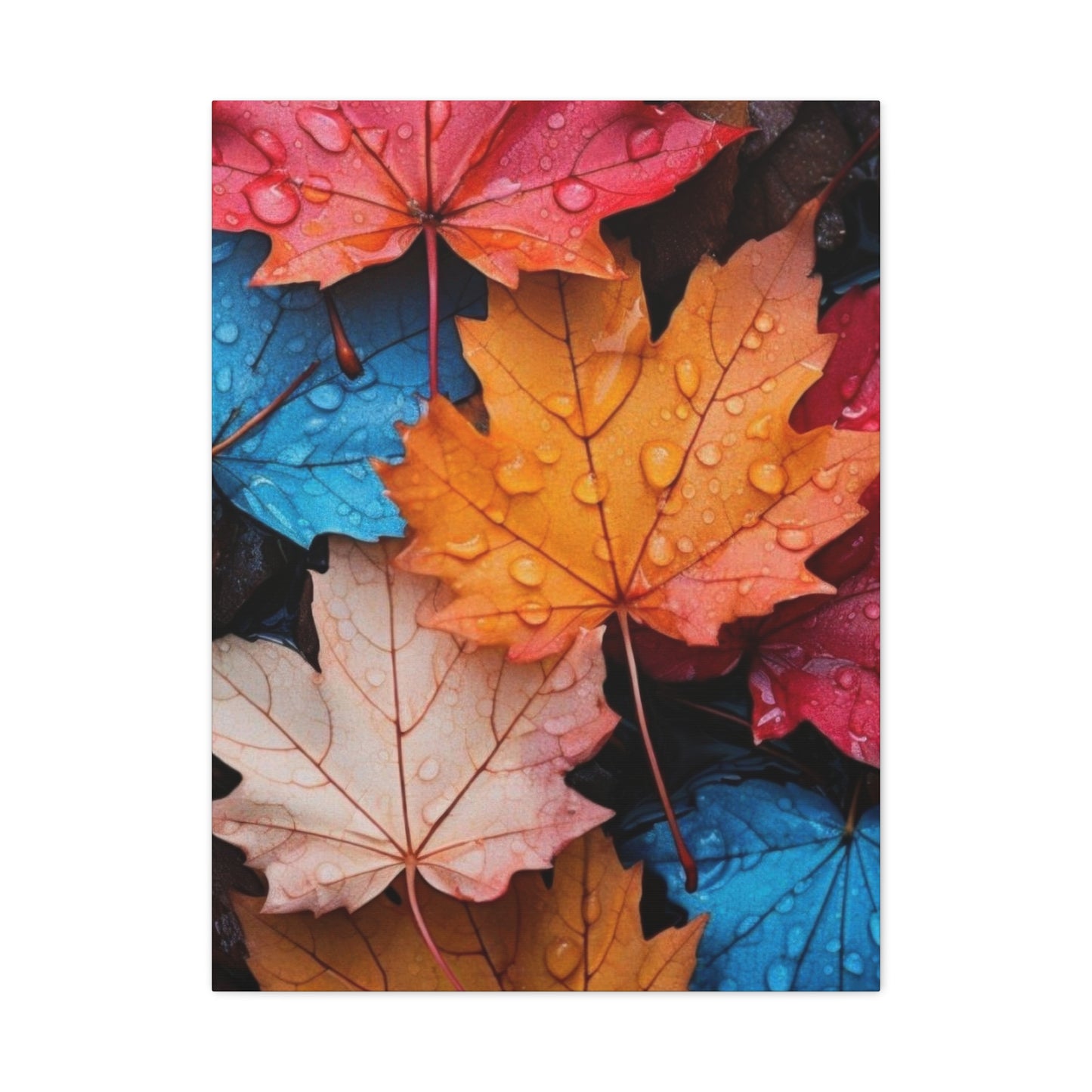
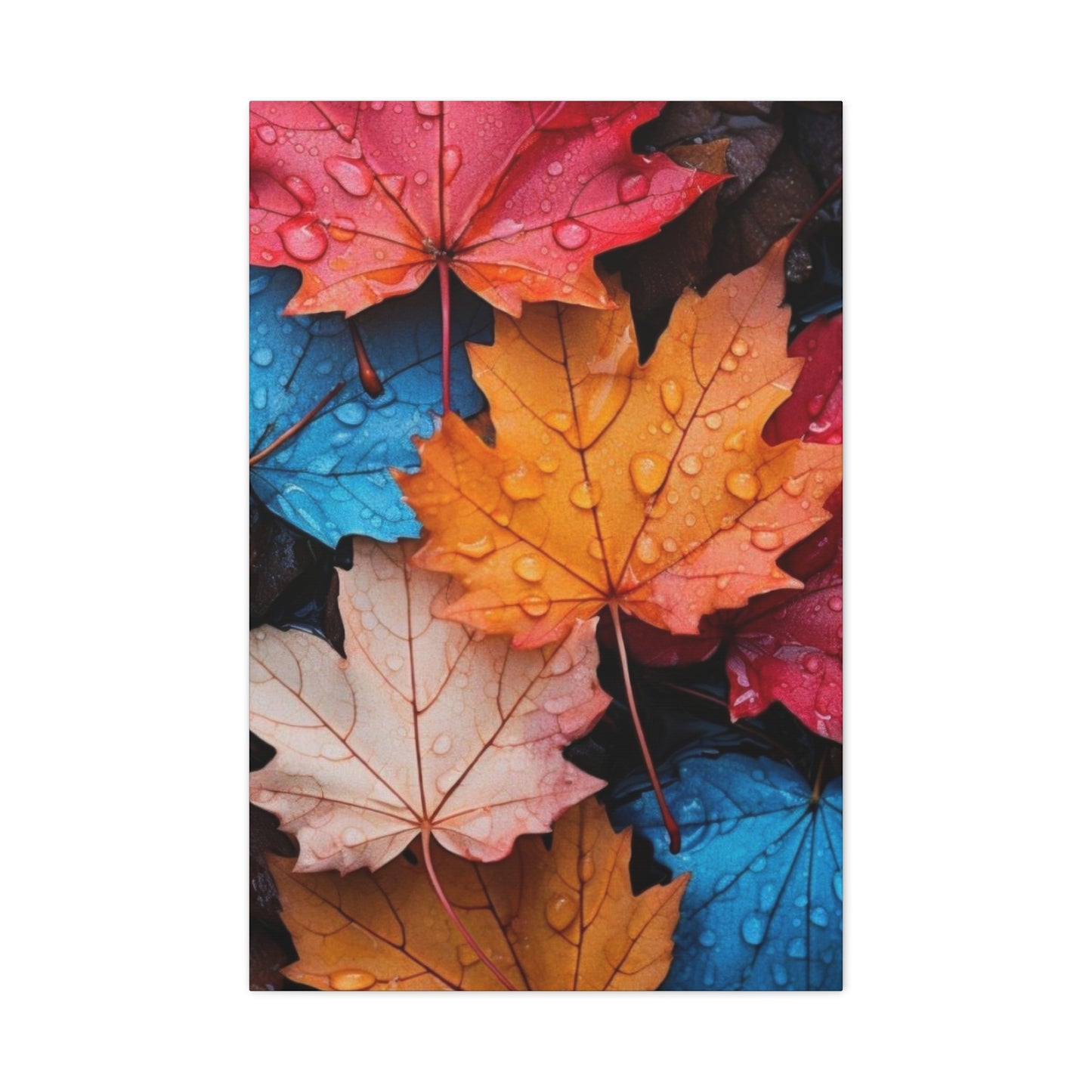
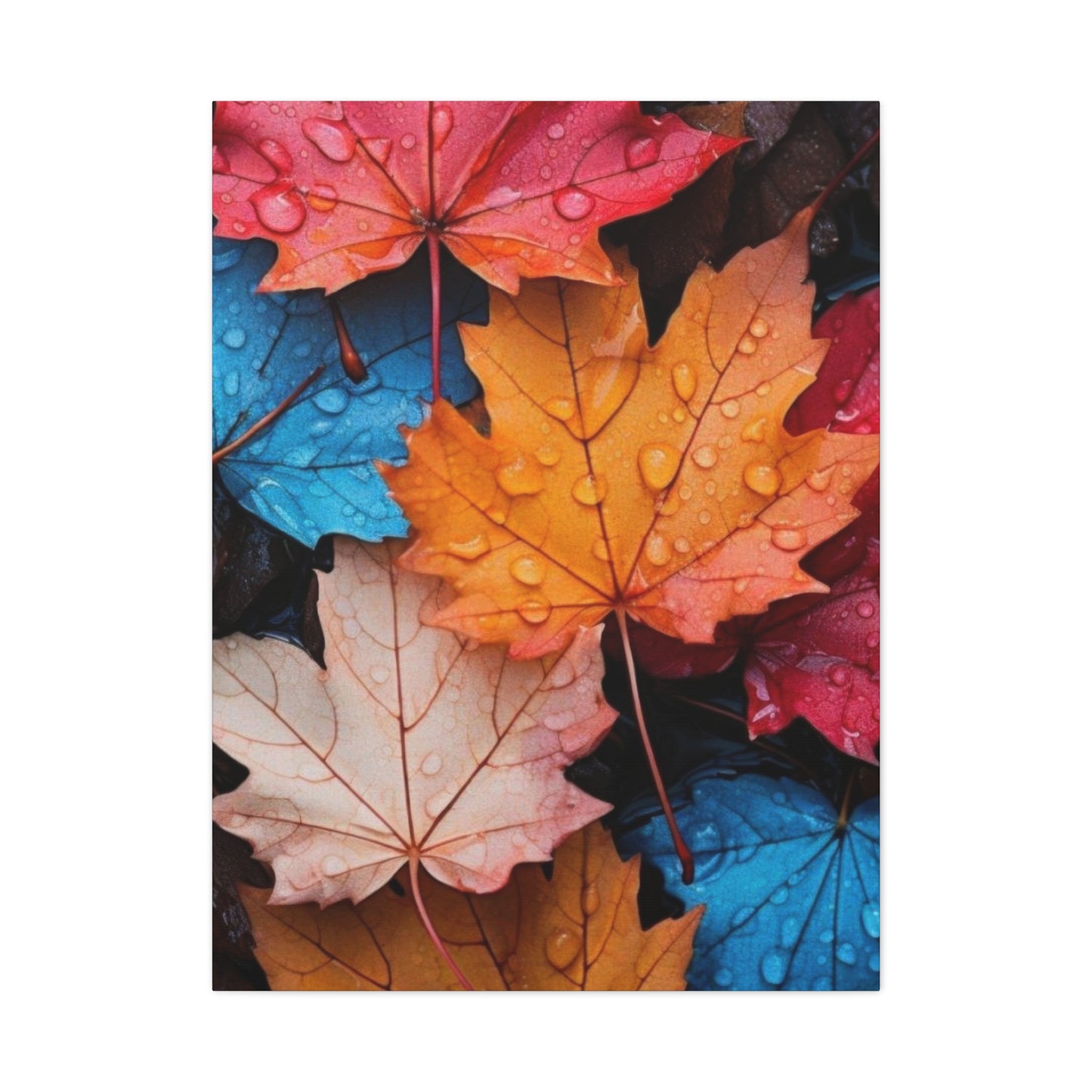
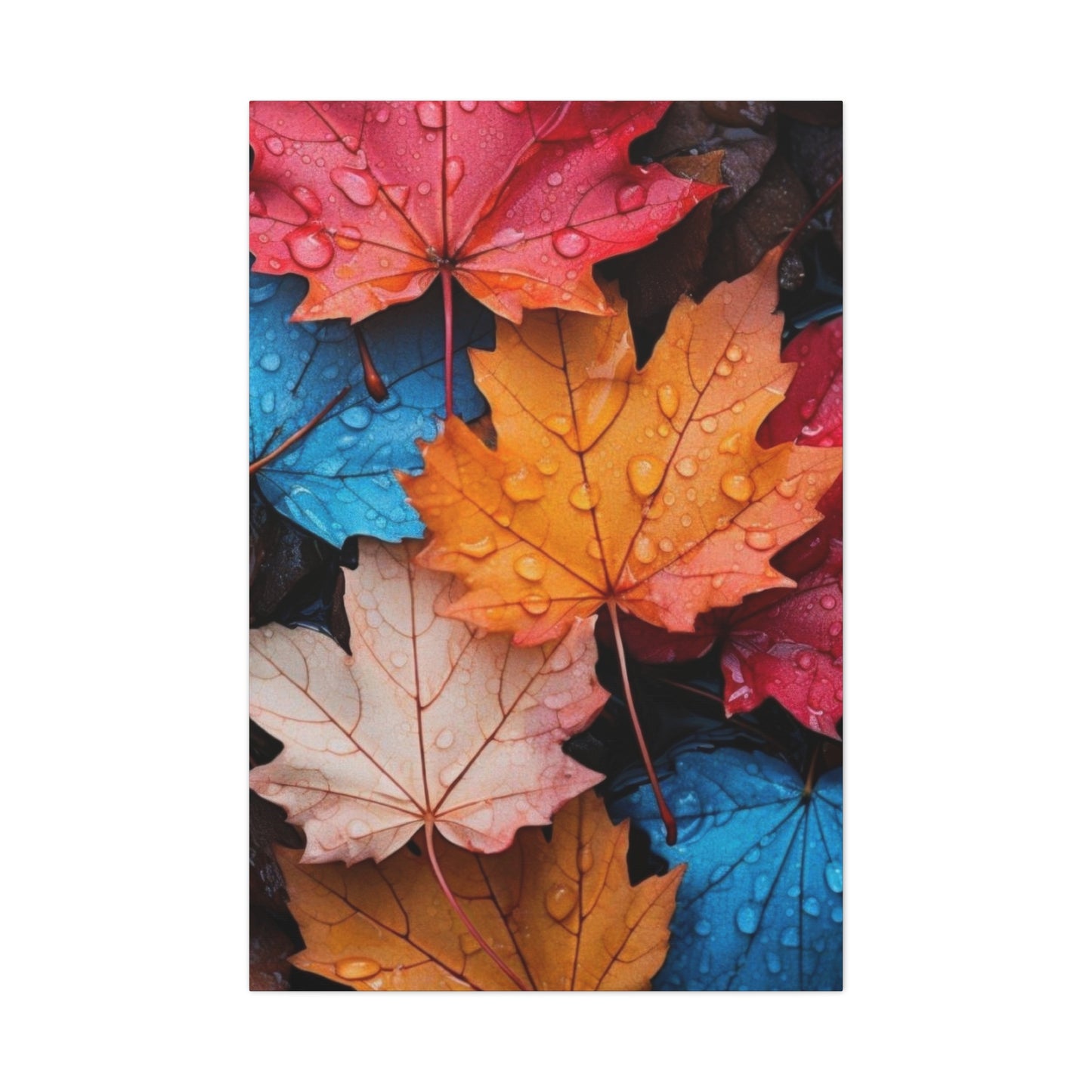
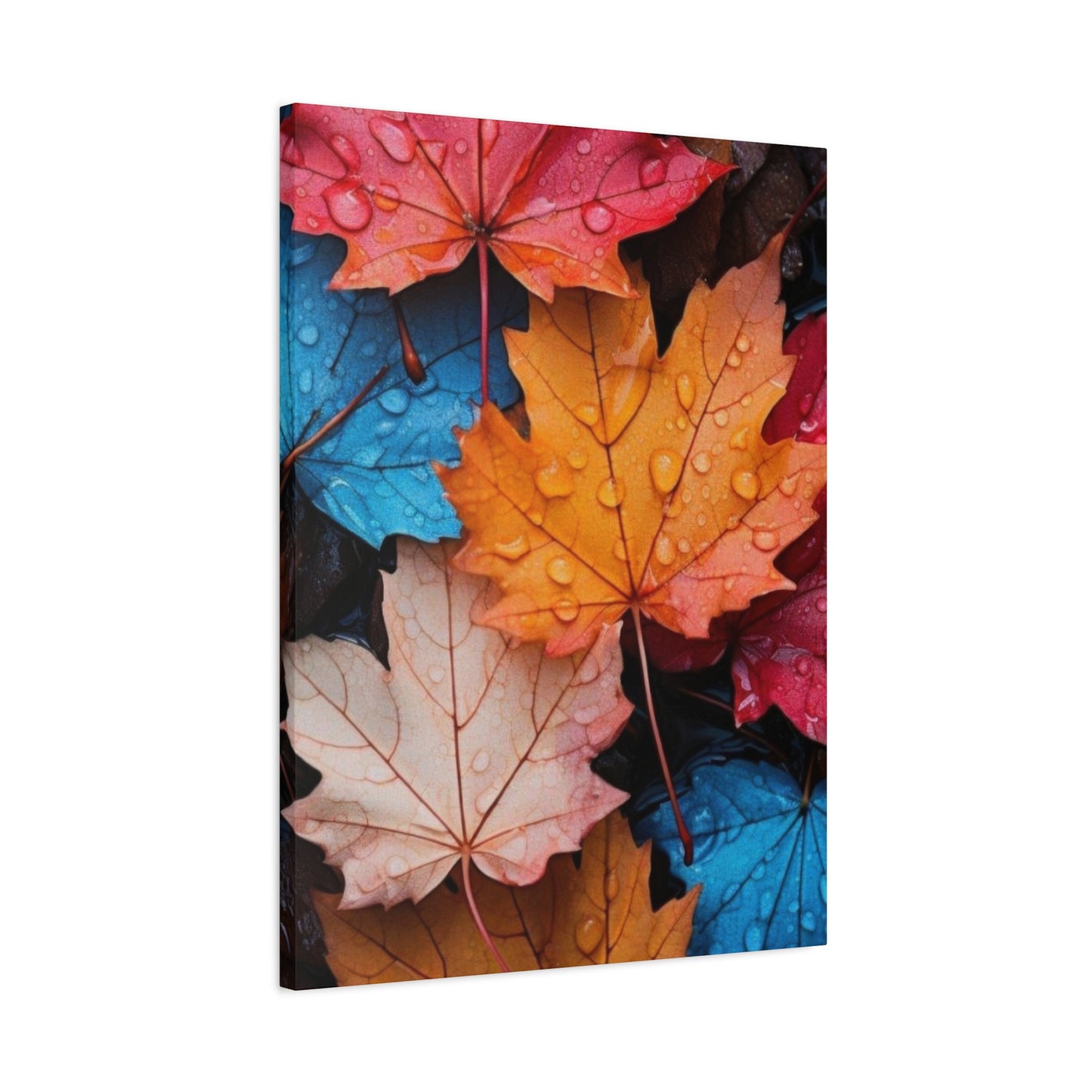
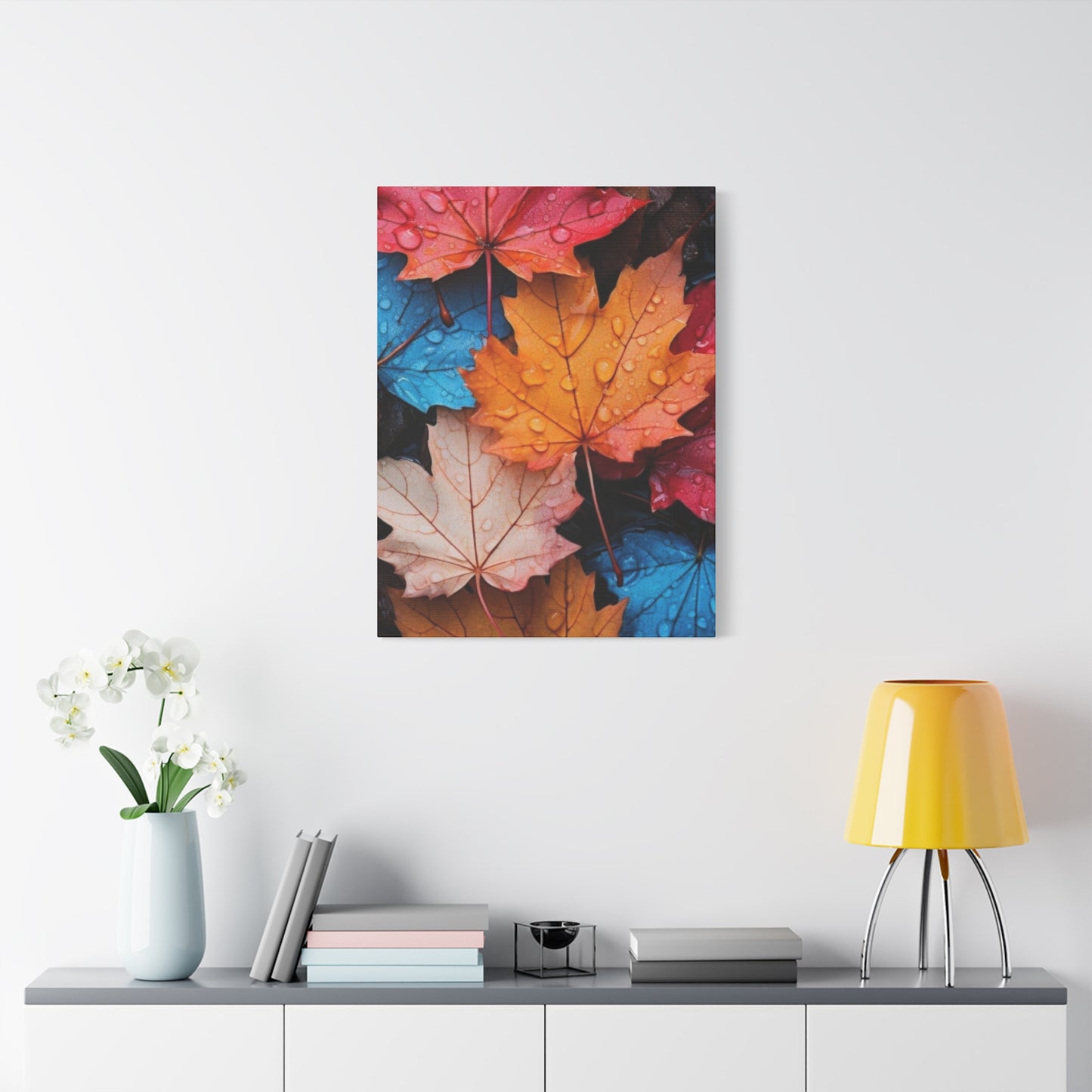
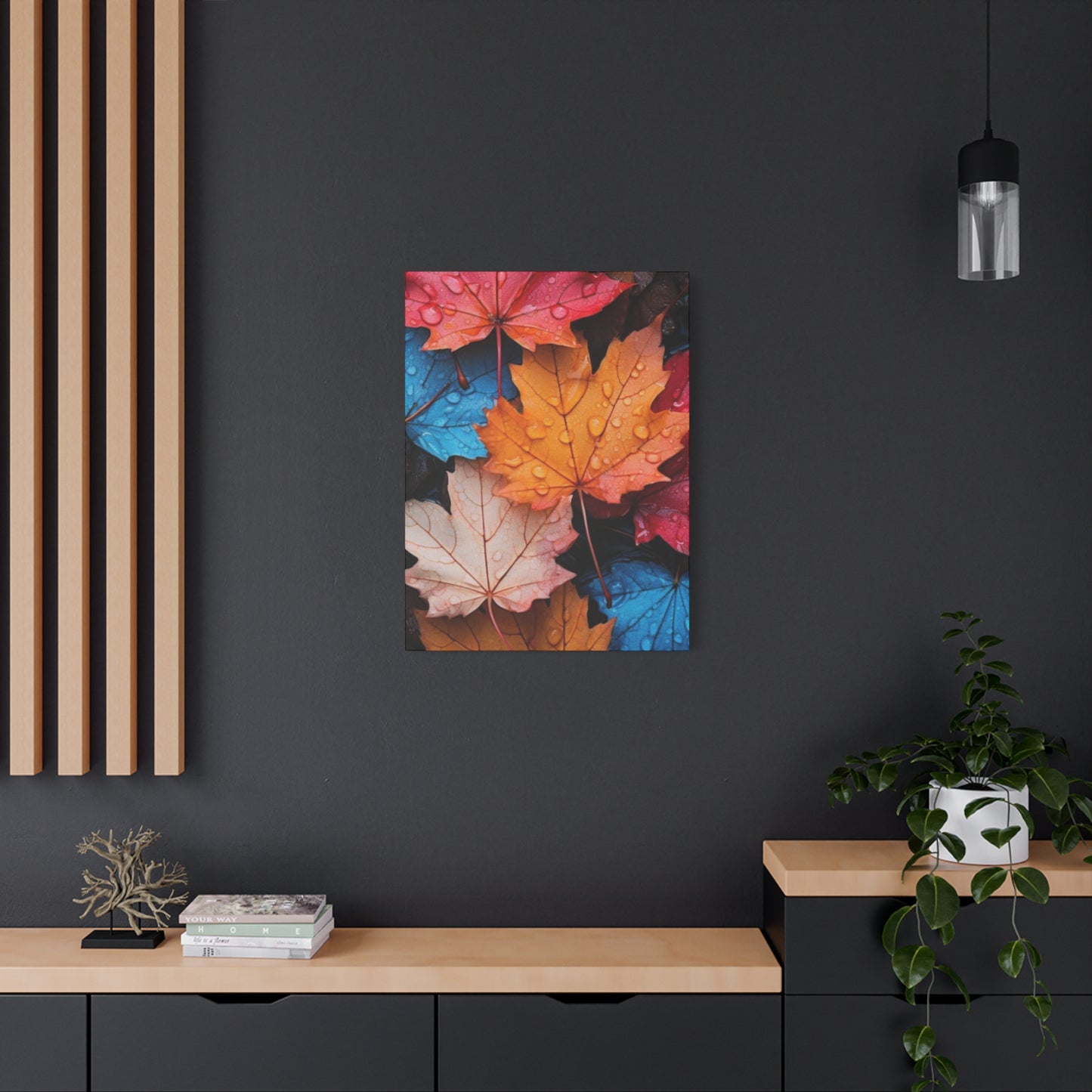
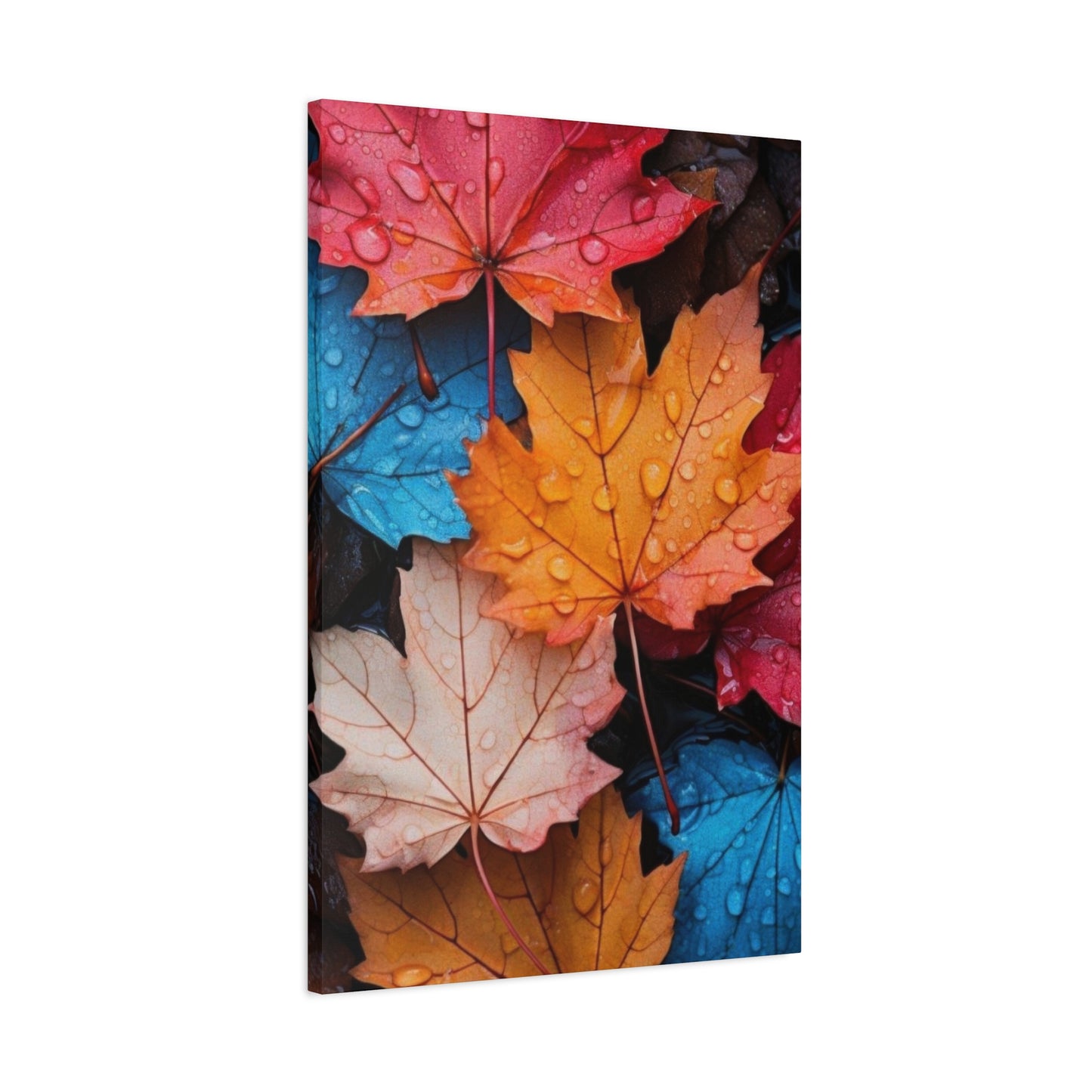
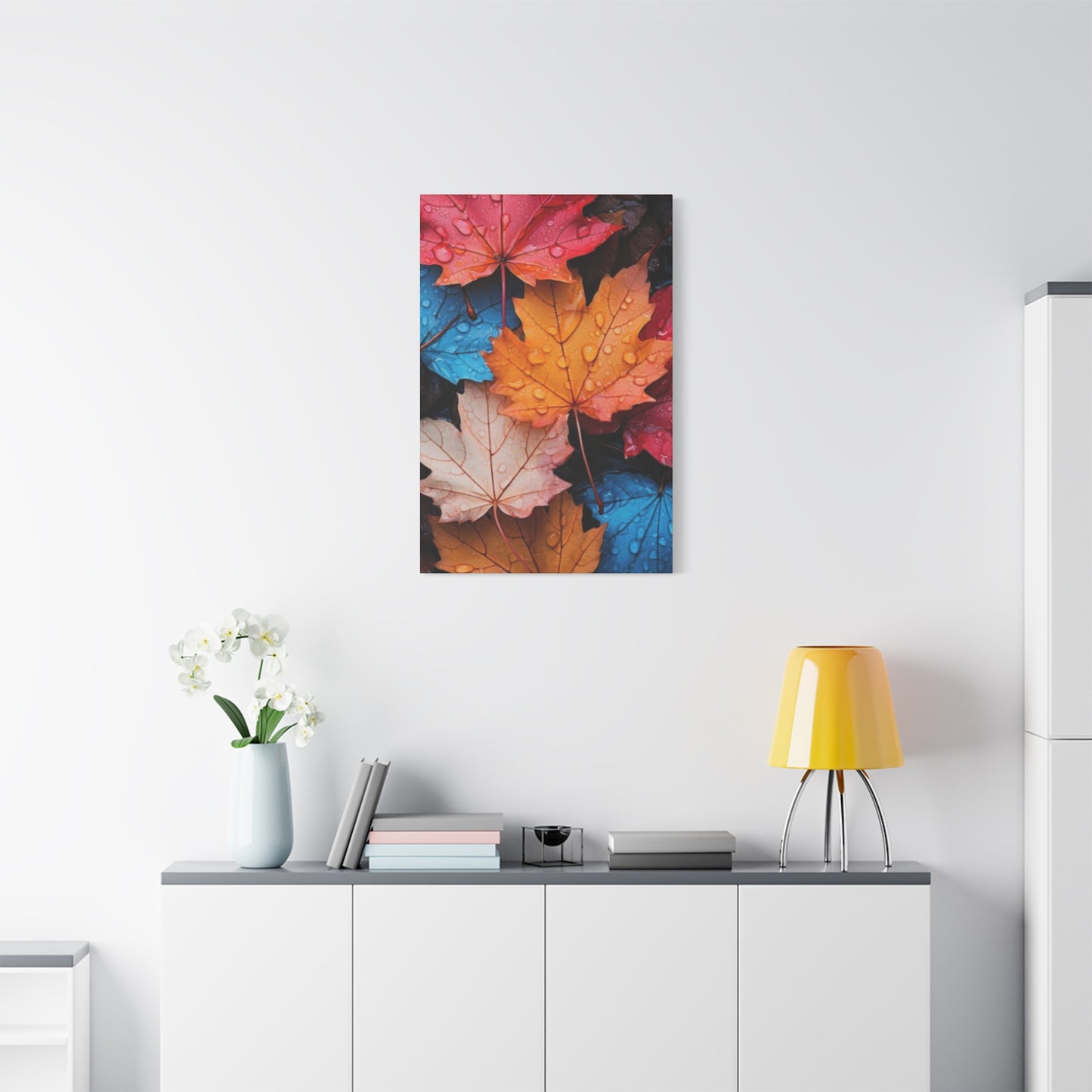
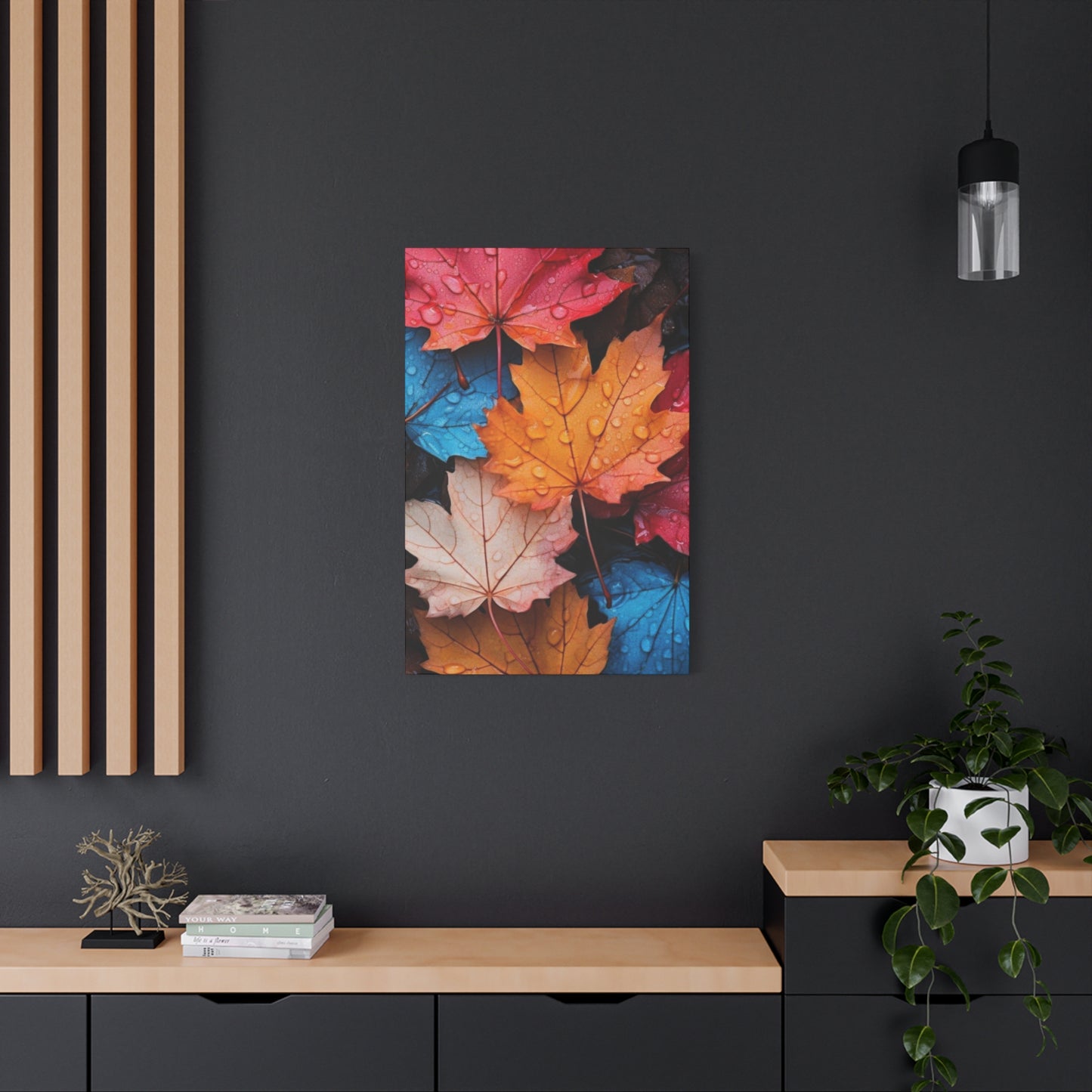
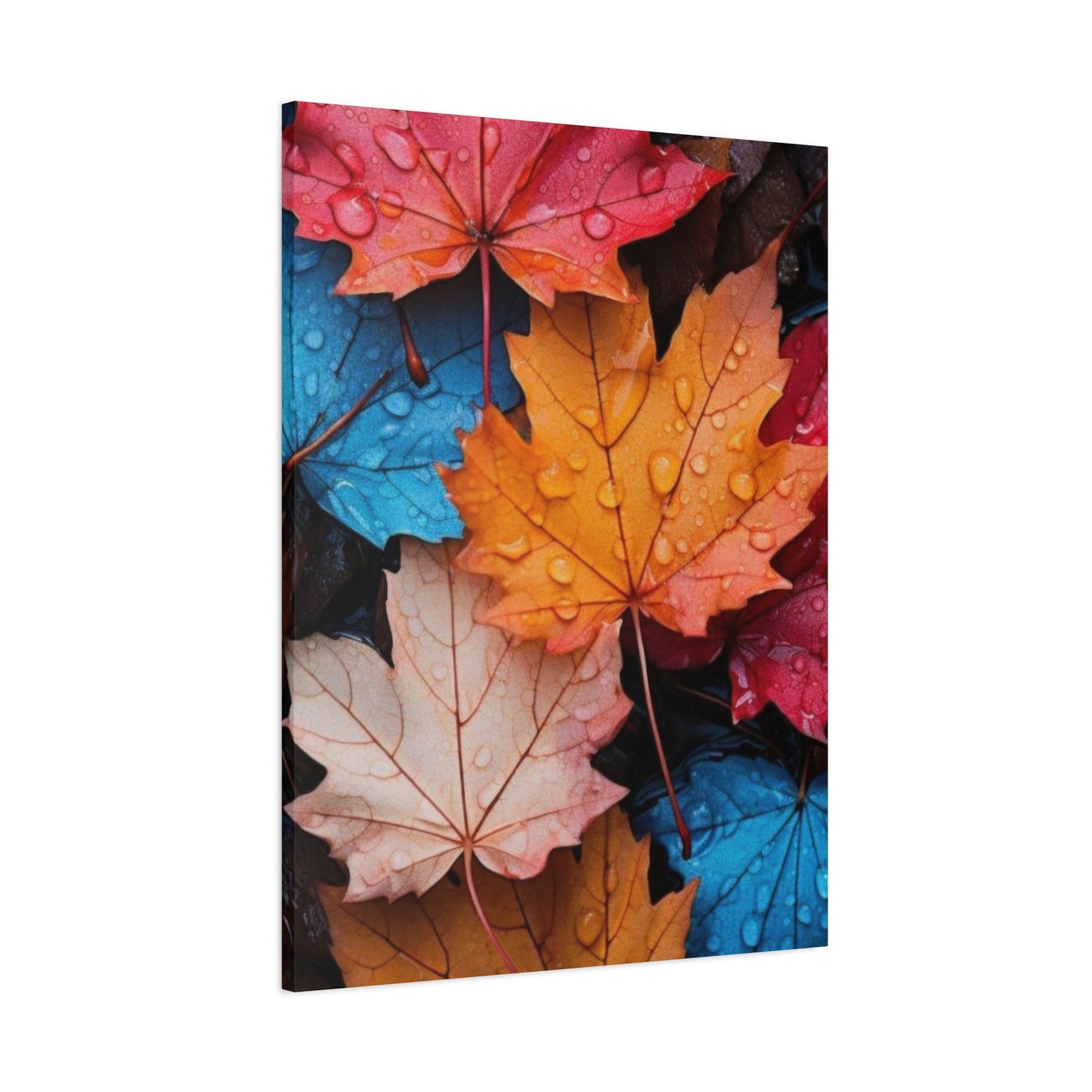
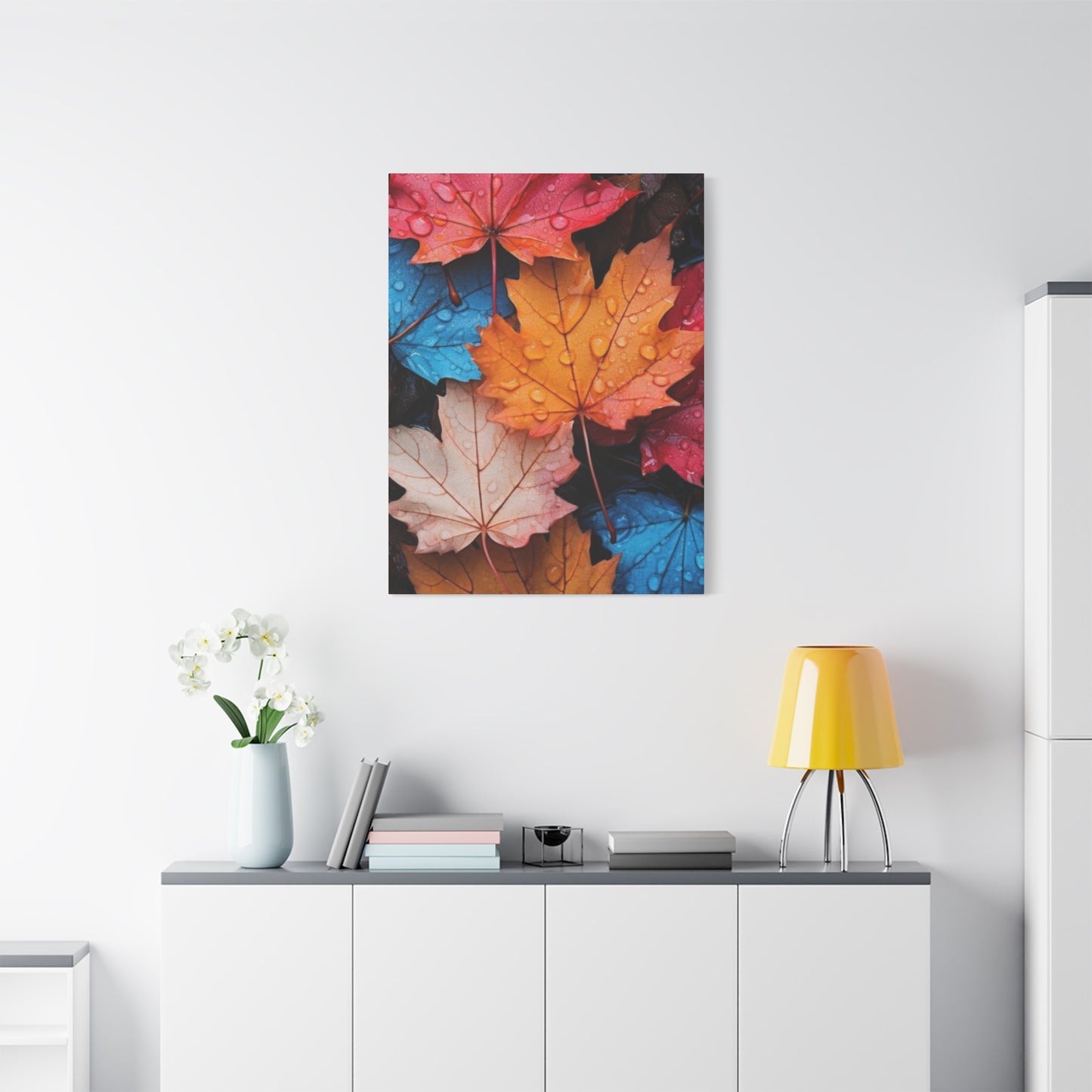
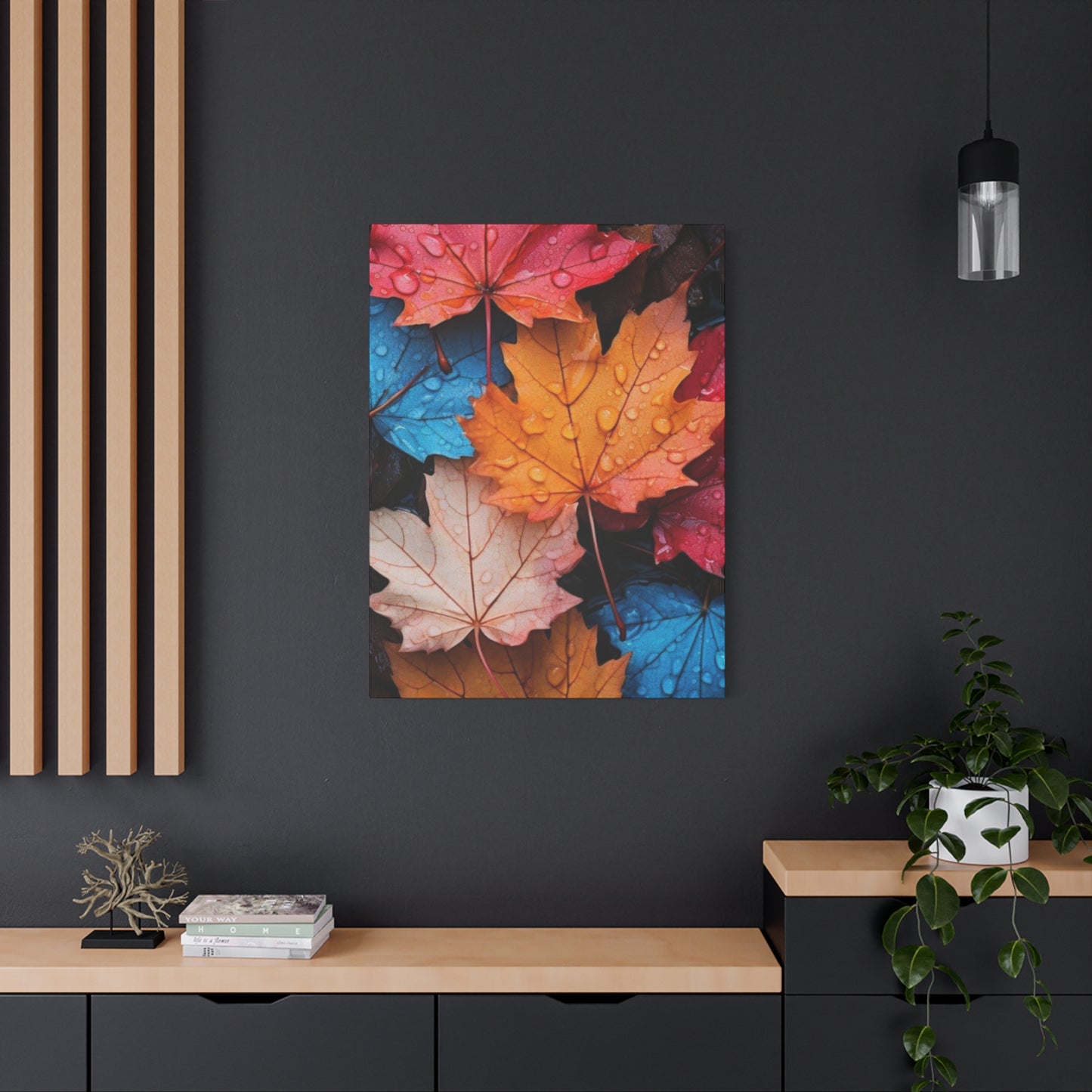
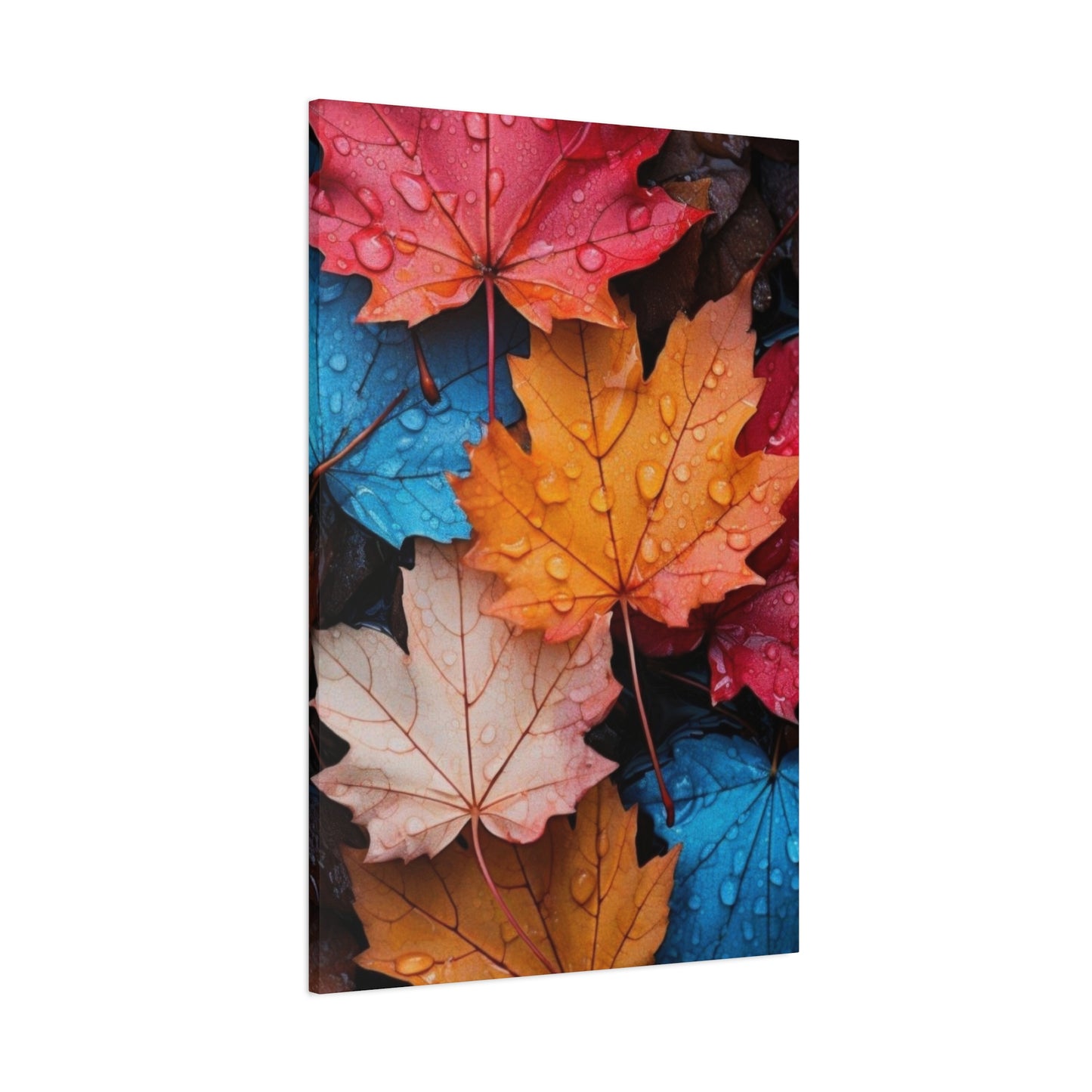
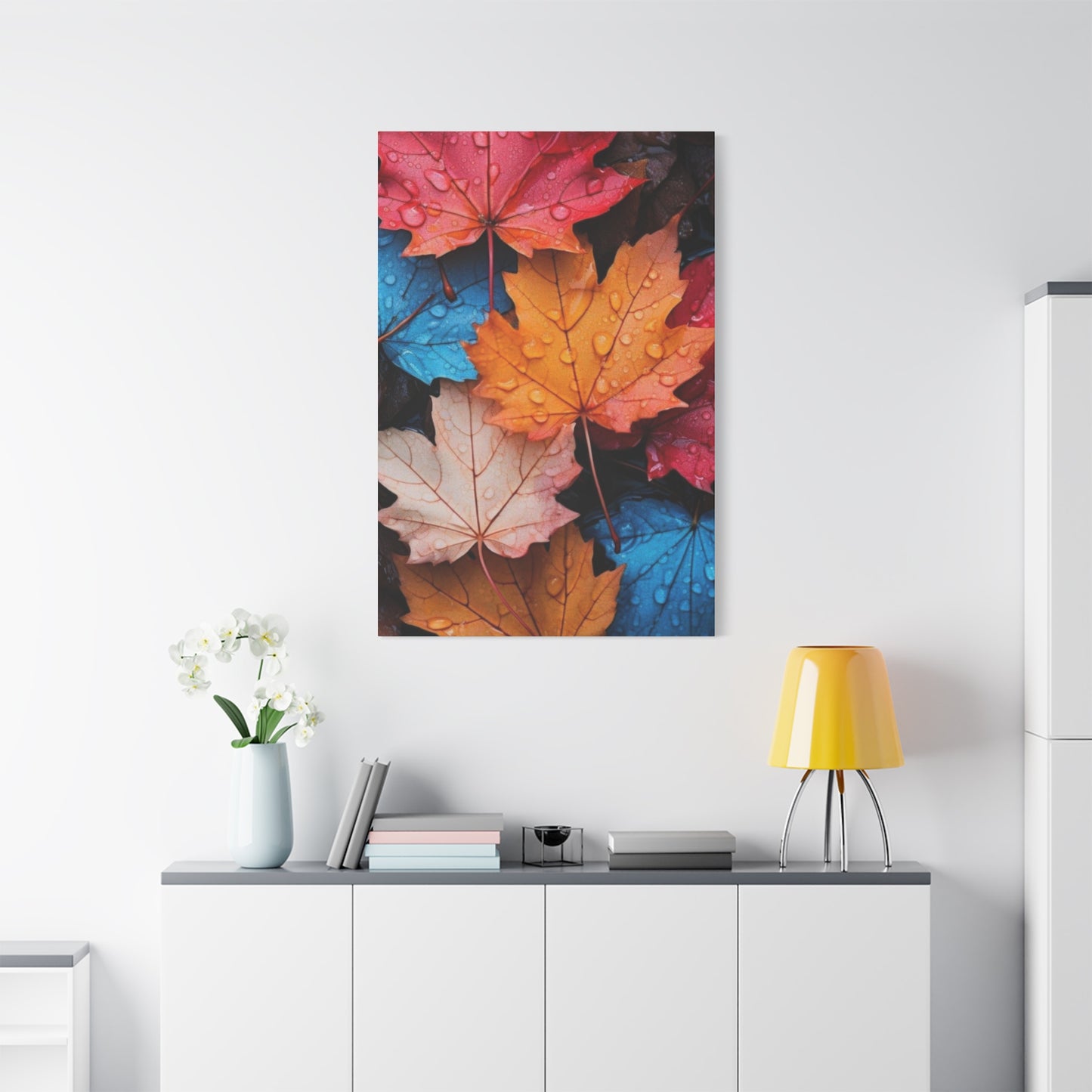
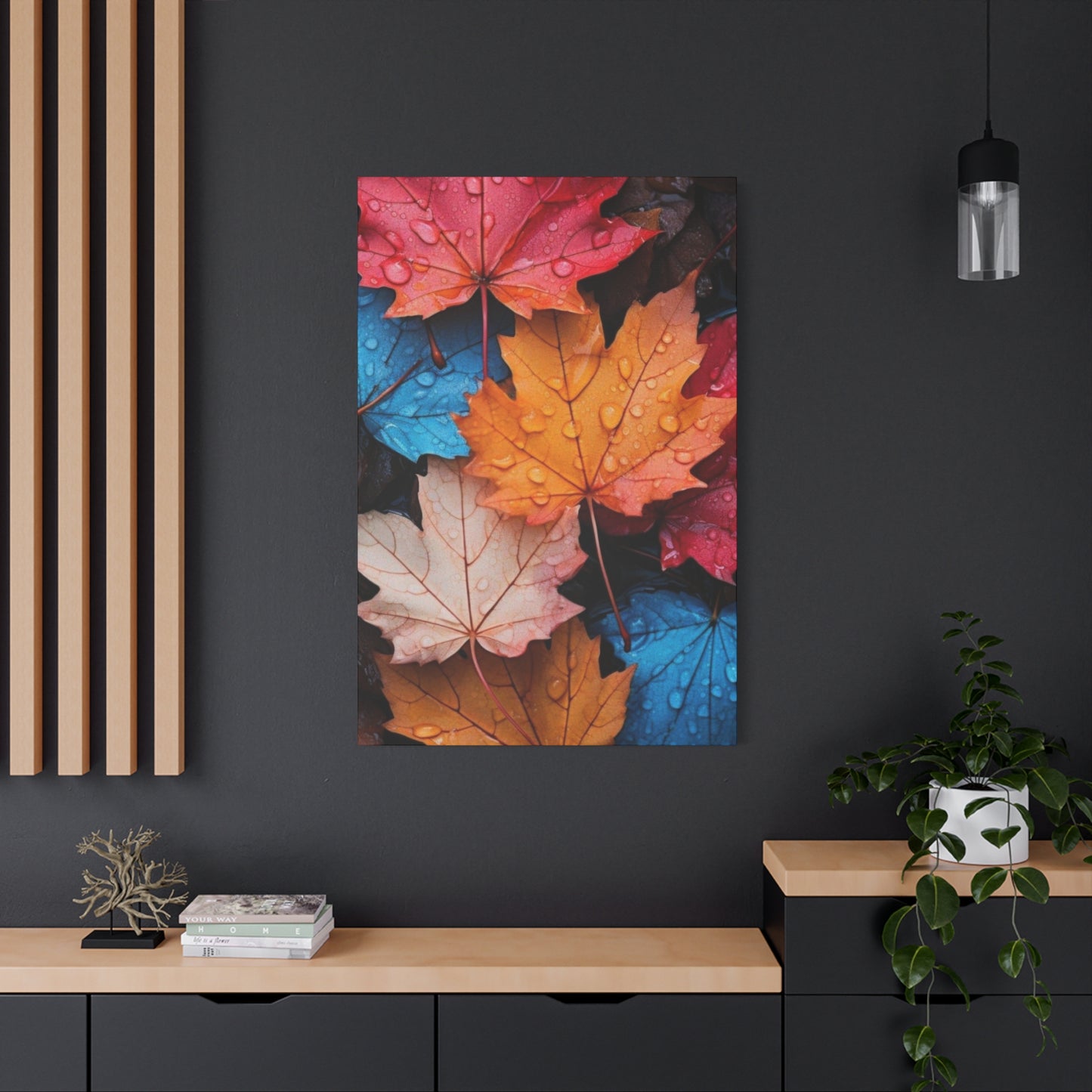
The Complete Guide to Colorful Leaves Wall Art: Transforming Your Space with Nature's Timeless Beauty
Wall art featuring colorful leaves has emerged as one of the most sought-after design elements in contemporary interior decoration. These stunning pieces capture the essence of nature's most magnificent displays, bringing the outdoors inside and creating spaces that feel both vibrant and serene. The appeal of leaf-themed artwork transcends seasonal boundaries, offering year-round beauty that connects us to the natural world regardless of the weather outside our windows.
The popularity of botanical prints and foliage-inspired designs continues to grow as homeowners and designers recognize the transformative power of nature-based art. These pieces offer more than mere decoration; they create emotional connections, evoke memories of crisp autumn walks, and remind us of the cyclical beauty of the seasons. Whether rendered in realistic detail or interpreted through abstract expression, leaf artwork brings an organic warmth that synthetic designs simply cannot match.
In today's fast-paced digital world, incorporating natural elements into our living spaces has become increasingly important for mental wellbeing and stress reduction. Colorful leaf prints serve this purpose beautifully, offering visual respite and a sense of grounding that helps balance our technology-saturated lives. The rich hues of autumn foliage, the delicate veining of spring leaves, and the bold shapes of tropical fronds all contribute to creating environments that nurture both body and spirit.
This comprehensive exploration delves into every aspect of colorful leaves wall art, from understanding different artistic styles and choosing the perfect pieces for your space to learning about complementary design elements and maintenance tips. Whether you're decorating a cozy apartment, a spacious family home, or a professional office environment, you'll discover how leaf-inspired artwork can elevate your interiors and create the atmosphere you've always envisioned.
Autumn Elegance: Colorful Leaves Wall Art
The concept of autumn elegance in wall art represents a sophisticated approach to capturing the season's most breathtaking moments. When fall arrives, nature transforms into an artist's palette, painting landscapes with rich burgundies, glowing ambers, warm oranges, and deep golden yellows. These seasonal transformations have inspired artists for centuries, and contemporary interpretations continue to find fresh ways to celebrate this annual spectacle through wall art that brings autumn's magic into our homes.
Autumn-themed leaf art carries with it a sense of nostalgia and comfort that resonates deeply with many people. These pieces often feature maple leaves in their characteristic star shapes, oak leaves with their distinctive lobed edges, and birch leaves with their delicate pointed forms. The artwork might showcase these leaves individually, allowing viewers to appreciate their intricate details, or present them in sweeping compositions that suggest the grandeur of an entire forest in transition.
The elegance factor comes from the careful curation of colors and the sophisticated presentation of these natural forms. Rather than simply reproducing leaves as they appear in nature, artists who create autumn-themed wall art often enhance certain qualities, emphasizing the translucency of leaves backlit by afternoon sun or the intricate network of veins that becomes visible as chlorophyll fades. This artistic interpretation elevates the subject matter from simple nature study to fine art worthy of prominent display in refined interiors.
When selecting autumn elegance pieces for your walls, consider how the warm tones will interact with your existing color scheme. These artworks work beautifully in spaces with neutral backgrounds, where the rich autumn colors can truly shine without competing with other bold elements. They also complement natural materials like wood, stone, and leather, creating layered environments that feel both sophisticated and welcoming. The warmth inherent in autumn leaf colors makes rooms feel more inviting, particularly important in spaces where you want to encourage gathering and conversation.
The versatility of autumn leaf art means it works across various interior design styles. In traditional settings, these pieces can emphasize the timeless beauty of seasonal change, while in contemporary spaces, they add an organic element that softens hard edges and modern materials. The key to achieving true elegance lies in choosing pieces with refined color palettes rather than overly bright or garish interpretations, and selecting sizes and compositions that maintain visual balance within your room's proportions.
Nature's Palette: Vibrant Leaf Canvas Prints
Nature provides an endless spectrum of colors, and nowhere is this more evident than in the diverse world of leaves. From the fresh green hues of spring growth to the spectacular transformation of autumn foliage, leaves showcase nature's mastery of color theory. Canvas prints that celebrate this vibrant palette bring this natural artistry into our homes, offering daily inspiration drawn from the world beyond our walls.
The term vibrant suggests colors that pulse with life and energy, and quality leaf canvas prints deliver exactly this quality. These aren't muted or faded representations but rather celebrations of color in its most dynamic forms. Artists and photographers who specialize in botanical subjects understand how to capture leaves at their peak moments, when pigments reach their most intense expression and light conditions create the most dramatic effects. The result is artwork that commands attention and energizes spaces with its visual impact.
Canvas as a medium offers particular advantages for leaf imagery. The texture of canvas adds depth and interest that smooth paper or glossy prints cannot provide. This textured surface interacts with light in subtle ways, creating shadows and highlights that give the printed image additional dimension. When depicting leaves with their own inherent textures, this quality of canvas becomes especially appropriate, creating a harmonious relationship between subject and medium.
The printing process for high-quality canvas art has advanced tremendously in recent years, allowing for reproduction of colors with stunning accuracy and richness. Modern giclée printing techniques can capture the subtlest gradations in a leaf's coloring, from the pale edges where light passes through thin tissue to the deeper tones where veins create structural density. This technological capability means that canvas prints can rival original paintings in their visual appeal while remaining more accessible to a broader range of collectors and decorators.
When incorporating vibrant leaf canvas prints into your design scheme, think about the emotional impact you want to create. Spaces meant for relaxation might benefit from prints featuring cooler greens and blues, while areas designed for social interaction and energy can embrace warmer reds, oranges, and yellows. The beauty of nature's palette is that it offers infinite combinations, allowing you to find exactly the right piece to achieve your desired atmosphere while maintaining a connection to the organic world.
The Beauty of Fall Foliage on Canvas
Fall foliage represents one of nature's most spectacular annual performances, and capturing this beauty on canvas allows us to preserve and enjoy it long after the season has passed. The transformation of leaves from green to their autumn glory involves complex chemical processes, but the result is pure visual magic. Artists who dedicate themselves to depicting this seasonal phenomenon help us appreciate details we might miss during a casual walk through autumn woods.
The beauty of fall foliage extends beyond simple color change. There's a poignancy to autumn leaves, a reminder of natural cycles and the passage of time that adds emotional depth to artwork featuring these subjects. A canvas print showing a single leaf in exquisite detail can prompt contemplation about change, beauty, and impermanence, while a broader composition showing a forest in full autumn splendor might evoke feelings of abundance and celebration. This emotional resonance makes fall foliage art particularly meaningful in residential spaces where personal connection matters.
Technically, capturing fall foliage on canvas presents interesting challenges and opportunities for artists. The range of colors within a single leaf can be remarkable, with gradients flowing from green through yellow to orange and red. Reproducing these subtle transitions requires skill and attention to detail, whether working in paint or through photographic capture and printing. The best fall foliage canvases show this careful attention, presenting leaves that appear so real you can almost imagine them rustling in a breeze.
The lighting in fall foliage art plays a crucial role in its impact. Autumn light has particular qualities, often golden and somewhat diffused, that enhance the colors of changing leaves. Artists who understand these lighting conditions can create works that don't just show autumn colors but evoke the feeling of being present in an autumn landscape. Backlit leaves, those magical moments when sunlight passes through translucent foliage, create especially striking imagery that works beautifully as focal points in interior spaces.
Decorating with fall foliage canvas art doesn't mean your space must feel seasonal or temporary. While these pieces certainly celebrate autumn, their artistic merit and visual appeal transcend any single season. The warm colors work year-round, providing comfort during winter months, complementing spring renewal, and adding richness to summer interiors. By choosing sophisticated compositions and high-quality reproductions, fall foliage art becomes a permanent part of your design vocabulary rather than temporary seasonal decoration.
Bringing Seasonal Warmth to Your Walls
Seasonal warmth in interior design refers to that quality of feeling cozy, welcomed, and comfortable regardless of the weather outside. Wall art featuring colorful leaves excels at creating this atmosphere, particularly when selected with attention to warm color palettes and compositions that suggest natural abundance. These pieces work as visual comfort food, providing psychological warmth that complements physical warmth from lighting and textiles.
The warm tones found in autumn leaves including reds, oranges, yellows, and warm browns have an immediate psychological impact. Color psychology research consistently shows that warm colors create feelings of energy, optimism, and comfort. When these colors appear in natural forms like leaves, they carry additional associations with harvest, abundance, and the satisfying culmination of growth cycles. This combination of color impact and symbolic meaning makes leaf art particularly effective for creating welcoming environments.
Bringing seasonal warmth through wall art requires thoughtful placement and curation. These pieces work especially well in gathering spaces like living rooms, dining areas, and family rooms where you want to encourage comfort and conversation. A large-scale canvas featuring brilliant autumn foliage can serve as a room's focal point, drawing the eye and setting the emotional tone for the entire space. Smaller pieces can be grouped in gallery wall arrangements, creating visual interest while maintaining the theme of natural warmth.
The interplay between your leaf artwork and other design elements significantly affects the overall warmth of a space. Pairing colorful leaf prints with natural materials amplifies their effect. Wood furniture echoes the forest origins of leaf subjects, while woven textiles in complementary earth tones create layered warmth that engages multiple senses. Even the finish of your art frame matters; warm wood tones or bronze-finished frames enhance the cozy feeling, while cool metals might create unwanted contrast unless that's your specific design goal.
Lighting considerations play an essential role in maximizing the warmth potential of your leaf artwork. Natural light that changes throughout the day will interact with your art differently at different times, potentially revealing new details and color nuances you hadn't noticed. Artificial lighting should be chosen carefully; warm LED bulbs enhance the inherent warmth of autumn-toned art, while cool daylight bulbs might counteract the effect you're trying to achieve. Consider adding accent lighting specifically for your feature pieces to ensure they deliver maximum impact even during evening hours.
Modern Interiors Meet Colorful Leaf Art
The marriage of modern interior design principles and nature-inspired art might seem unexpected, but colorful leaf artwork has proven remarkably compatible with contemporary spaces. Modern design emphasizes clean lines, uncluttered spaces, and intentional placement of each element, and bold botanical prints meet these requirements while adding organic warmth that prevents minimalist spaces from feeling cold or sterile.
Modern interiors often feature neutral color palettes with whites, grays, and natural wood tones dominating the scene. Against these backgrounds, colorful leaf art provides controlled pops of color that enliven the space without overwhelming it. A single large-scale canvas featuring vibrant foliage can serve as the room's color anchor, with smaller accessories pulling accent colors from the artwork to create cohesion. This approach respects modern design's preference for restraint while still delivering visual interest and personality.
The clean, uncluttered aesthetic of modern design actually benefits from the organic irregularity of leaf forms. Where everything else in the room might feature precise angles and manufactured perfection, the natural shapes of leaves introduce welcome variety. This contrast creates visual tension in the most positive sense, keeping the eye engaged and preventing the space from feeling too rigid or controlled. The key is maintaining balance; too much organic chaos would fight against the modern aesthetic, but carefully selected leaf artwork hits the sweet spot.
Contemporary art movements have increasingly embraced botanical subjects, often presenting them in ways that feel fresh and unexpected. Abstract interpretations of leaves, macro photography that reveals surprising details, and digital manipulations that enhance colors beyond natural reality all offer modern takes on timeless subjects. These contemporary approaches to leaf art feel at home in modern interiors precisely because they share a sensibility of innovation and fresh perspective while maintaining the fundamental appeal of natural subjects.
When integrating leaf art into modern spaces, pay attention to scale and proportion. Modern design often favors bold statements over collections of smaller pieces, so consider investing in larger canvases that can hold their own against the room's architecture. The framing should complement the modern aesthetic; sleek frames in black, white, or natural wood work well, while ornate traditional frames would create jarring discord. The goal is allowing the artwork to enhance the space while maintaining the overall design coherence that characterizes successful modern interiors.
Abstract Leaves: A Splash of Color and Texture
Abstract interpretations of leaf forms open exciting possibilities for wall art that captures the essence of foliage without literal representation. These pieces distill leaves down to their fundamental qualities like color, shape, and texture while freeing the artist to emphasize, exaggerate, or reimagine these elements in creative ways. The result is artwork that maintains a connection to nature while existing as pure visual exploration of form and color.
The appeal of abstract leaf art lies partly in its versatility. Because these pieces don't attempt photographic accuracy, they can work in a broader range of interior settings. A highly stylized interpretation of autumn leaves might complement spaces where realistic foliage imagery would feel too literal or traditional. Abstract pieces also allow for more adventurous color choices; an artist might present leaves in unexpected hues that maintain the spirit of the subject while creating unique visual impact.
Texture plays a particularly important role in abstract leaf artwork. Many artists working in this style use heavy applications of paint, mixed media techniques, or digital effects to create surfaces that demand closer inspection. This textural quality adds dimension that flat, smooth artwork cannot provide, creating shadow and light variations that change as viewing angles and lighting conditions shift throughout the day. For collectors interested in art that reveals new details over time rather than giving up all its secrets at first glance, textured abstract leaf pieces offer ongoing discovery.
The emotional impact of abstract leaf art can equal or exceed that of realistic representations. By emphasizing certain qualities like the energetic curves of leaf edges or the radiating pattern of veins, abstract artists can amplify the feelings these natural forms evoke. A piece might capture the exuberance of new growth, the contemplative beauty of autumn decline, or the peaceful simplicity of a single leaf floating on water, all while departing significantly from photographic accuracy. This emotional resonance makes abstract leaf art powerful for creating specific moods in interior spaces.
Collecting abstract leaf artwork requires a slightly different approach than selecting realistic pieces. Rather than judging pieces primarily on accuracy or recognizable beauty, evaluate how the colors, shapes, and textures make you feel. Does the piece energize you or calm you? Does it complement your existing design while adding visual interest? Does it maintain enough connection to its natural inspiration that you feel the presence of nature even through the abstraction? These questions will guide you toward abstract pieces that deliver satisfaction every time you see them hanging on your walls.
The Art of Nature: Colorful Leaf Prints
Creating art from nature's designs represents one of humanity's oldest creative impulses, and colorful leaf prints continue this ancient tradition in contemporary forms. These prints celebrate the inherent beauty of leaves, recognizing that nature has already done the design work. The artist's role becomes one of selection, presentation, and technical execution to showcase these natural masterpieces in ways that translate effectively to wall art.
Leaf prints can be created through numerous techniques, each offering distinct aesthetic qualities. Traditional printmaking methods like botanical printing involve using actual leaves as printing plates, pressing them into paper or fabric to transfer their shapes and sometimes their natural pigments. Contemporary artists also use photography, both traditional and digital, to capture leaf imagery that is then printed onto canvas or paper. Digital illustration provides another avenue, allowing artists to trace, enhance, or creatively interpret leaf forms. Understanding these different approaches helps collectors appreciate the craftsmanship involved and select pieces that align with their preferences.
The appeal of leaf prints lies in their accessibility and diversity. Because leaves are found virtually everywhere humans live, they represent universal symbols that resonate across cultures. Yet the specific types of leaves and the ways they're presented can create remarkably different feels. Tropical palm fronds suggest exotic destinations and vacation mindsets, while temperate forest leaves evoke familiarity and seasonal change. Desert succulents bring entirely different associations. This diversity means there's leaf art suitable for virtually any design vision.
Color management in leaf prints requires significant skill and attention. Natural leaf colors span an enormous range, and accurately capturing these hues through any printing process demands technical expertise. The best leaf prints show colors that feel true to nature even when they've been enhanced for artistic effect. Muddy colors, oversaturated hues, or poor color balance can undermine even well-composed leaf imagery, while perfectly calibrated colors create prints that feel authentic and visually satisfying.
When selecting leaf prints for your walls, consider both the individual merit of each piece and how it will function within your broader design scheme. A print that looks stunning in isolation might clash with your existing colors or compete with other artwork. Conversely, a more subtle piece might provide exactly the right accent to complete a room's look. Many collectors find success by purchasing prints in series from the same artist or collection, ensuring visual harmony when multiple pieces are displayed together. This approach works particularly well for gallery walls where you want cohesion without monotony.
Capturing Autumn's Glow in Wall Art
Autumn possesses a unique quality of light, a golden glow that seems to emanate from the leaves themselves as much as from the sun illuminating them. Capturing this special radiance in wall art requires both technical skill and artistic sensitivity. The artists who succeed in this endeavor create pieces that don't just show autumn colors but somehow bottle the actual feeling of being present in autumn landscape, surrounded by nature's luminous transformation.
The glow of autumn results from several factors working together. The angle of sunlight shifts as the season progresses, creating longer shadows and more directional light that rakes across surfaces. The leaves themselves become more translucent as their cellular structure changes during the transformation process, allowing light to pass through them in ways that green summer leaves do not. The often misty or hazy quality of autumn air diffuses light, creating softer overall illumination punctuated by dramatic moments when sun breaks through clouds. Artists who understand these technical aspects can recreate them in their work.
Photography excels at capturing autumn's glow, particularly when taken during the golden hours of early morning or late afternoon. These times provide the warm, directional light that makes foliage seem to radiate from within. Photographers specializing in autumn imagery often wait for specific weather conditions like fog or mist, which create atmospheric effects that enhance the sense of glow. When these photographs are carefully printed onto canvas with attention to color accuracy and dynamic range, they can preserve that magical quality for year-round enjoyment in interior spaces.
Painters approaching autumn's glow face different challenges and opportunities. Without the camera's automatic capture of light, painters must study how light behaves and then recreate these effects through color choices and brushwork. Techniques like glazing, where transparent layers of paint are applied over opaque base colors, can create luminous effects that suggest the inner glow of backlit leaves. The best painted autumn scenes show evidence of this thoughtful approach to light, with highlights, shadows, and mid-tones carefully orchestrated to create the impression of glowing foliage.
Displaying artwork that captures autumn's glow requires consideration of your room's lighting conditions. These pieces often look most impressive when they receive some natural light during the day, which interacts with the painted or printed light effects in interesting ways. However, they also need adequate artificial lighting for evening viewing. Picture lights or adjustable track lighting can ensure your autumn glow artwork delivers its full impact regardless of time of day. Position these pieces where they can serve as light sources in a psychological sense, brightening corners and creating focal points that draw the eye and warm the spirit.
Vibrant Leaves for Earthy and Cozy Interiors
Earthy, cozy interiors emphasize comfort, natural materials, and welcoming warmth, making them perfect settings for vibrant leaf artwork. These design schemes typically feature warm neutral bases with brown, beige, cream, and soft gray tones, accented with richer colors drawn from nature. Colorful leaf prints feel completely at home in such environments, enhancing the nature-inspired aesthetic while providing those essential pops of color that prevent earthtone schemes from feeling dull.
The relationship between earthy design elements and leaf artwork creates beautiful synergy. When wood furniture, natural fiber textiles, stone accents, and organic shapes dominate a space, botanical wall art reinforces the nature-based theme. Rather than introducing a discordant element, leaf prints amplify what the space is already communicating. This creates powerful design coherence where every element seems to belong, working together to create an environment that feels intentional and thoughtfully composed.
Vibrant doesn't mean garish, and selecting the right level of color intensity matters in cozy interiors. While you want leaf artwork that brings energy and visual interest, pieces with extremely saturated or unnatural colors might clash with the organic, grounded feeling you're trying to create. Look for artwork that presents bold colors in ways that still feel authentic to nature. The rich burgundy of a mature maple leaf, the deep gold of a backlit aspen leaf, or the warm orange of a sugar maple all provide vibrant color while maintaining natural credibility.
Layering textures enhances the cozy factor in these interiors, and your artwork can contribute to this layering. Canvas prints with visible texture work better than smooth paper prints in earthy schemes. Consider artwork with added dimensional elements, or pieces under textured mats that add another layer of visual interest. The frames themselves can contribute texture through natural wood grain or hammered metal finishes. These textural details engage the eye and create depth that flat, smooth surfaces cannot provide.
The scale of your leaf artwork influences how it functions in cozy spaces. Very large pieces can serve as statement art that dominates a room, while smaller works in grouped arrangements create intimate, collected looks that suit cozy aesthetics particularly well. Gallery walls featuring various sizes of leaf prints in complementary colors and styles can cover entire walls, creating immersive experiences that surround viewers with natural beauty. This approach works especially well in reading nooks, bedrooms, or sitting areas where you want to encourage relaxation and peace.
Color Harmony: Leaves That Inspire Calm and Joy
Color harmony represents one of the most important principles in both art and interior design, referring to combinations of colors that create pleasing, balanced visual experiences. Leaves naturally demonstrate exquisite color harmony, whether showing the subtle variations within a single leaf or the orchestrated palette of an entire autumn forest. Wall art featuring these naturally harmonious color combinations can inspire feelings of calm and joy simultaneously, creating spaces that feel both peaceful and uplifting.
The calming aspect of leaf art comes partly from our innate responses to nature. Humans evolved in natural environments, and we retain deep psychological connections to natural forms and colors. When we see leaves rendered in art, even abstracted or stylized versions, our nervous systems respond positively. Research on biophilic design the concept of incorporating natural elements into built environments consistently shows that nature-based art reduces stress, lowers blood pressure, and improves overall sense of wellbeing. Choosing leaf artwork isn't just an aesthetic decision; it's a choice that affects how you feel in your space.
Joy enters the equation through color itself and the associations we have with beautiful foliage. The bright yellows and oranges of autumn leaves connect to feelings of warmth, energy, and optimism. The fresh greens of new growth symbolize renewal and hope. Even the rich, dark greens of mature summer leaves suggest abundance and vitality. Artists working with leaf subjects can emphasize these positive associations through their color choices and compositions, creating works that elevate mood and inspire positive feelings.
Creating color harmony in your space using leaf artwork involves understanding basic color theory principles. Analogous color schemes using colors adjacent on the color wheel, like yellow through orange to red create harmonious, flowing impressions perfect for calming spaces. Complementary colors opposite on the color wheel, like the orange-red of autumn leaves against the blue-green of evergreens create dynamic energy while still maintaining balance. The leaves themselves often demonstrate these principles naturally, making it relatively easy to find artwork with built-in color harmony.
When arranging multiple pieces of leaf artwork or combining leaf art with other design elements, pay attention to how colors interact across the space. You might choose artwork that pulls colors from other elements in the room, creating subtle echoes that tie the design together. Alternatively, you might let your leaf art introduce new colors that then get picked up in accessories like throw pillows, vases, or area rugs. This intentional approach to color creates spaces that feel carefully composed rather than randomly assembled, contributing to that sense of calm that comes from visual order and harmony.
Lively Leaf Patterns in Canvas Form
Pattern plays a crucial role in visual interest and design dynamics, and leaves provide endless pattern possibilities. From the repeating shapes of leaves arranged on a branch to the internal patterns of veins radiating through a single leaf, these natural patterns translate beautifully to canvas art. Lively leaf patterns bring energy and movement to walls, creating focal points that engage the eye and prevent spaces from feeling static.
The liveliness in leaf pattern artwork comes from rhythm and repetition. When leaves are arranged in patterns, they create visual rhythm similar to musical rhythm, with beats and intervals that the eye follows naturally. This creates a sense of movement and flow even in a static image. Artists can emphasize this quality by choosing compositions where leaves overlap, cascade, or radiate from central points. The resulting artwork feels dynamic and alive rather than frozen and still.
Different pattern types create different emotional effects. Orderly, geometric patterns of leaves arranged in precise rows or grids feel controlled and serene, suitable for spaces where calm and organization are priorities. Organic, flowing patterns where leaves tumble and overlap in more natural arrangements feel spontaneous and joyful, perfect for creative spaces or areas where you want to encourage relaxation and free thinking. Understanding these distinctions helps you select patterns that support your space's intended purpose.
Color plays an essential role in how patterns read visually. Monochromatic leaf patterns using various shades of a single color create sophisticated, subtle effects where the pattern itself remains the focus. Multi-colored patterns where leaves appear in different hues create more energetic, cheerful impressions. The contrast between leaves and background also affects pattern intensity; high contrast makes patterns more bold and graphic, while low contrast creates gentler, more subtle effects.
Scale considerations matter significantly with patterned leaf artwork. Large-scale patterns with big, bold leaves make strong statements and work well in spacious rooms with high ceilings. Smaller-scale patterns with delicate, detailed leaves suit more intimate spaces and allow for closer inspection of the artwork's details. When selecting patterned leaf art, consider both the viewing distance in your particular space and the scale of other patterns in the room. Too many competing patterns in different scales can create visual chaos, while thoughtfully coordinated pattern scales create sophisticated, cohesive design.
Transforming Spaces with Colorful Foliage Prints
The transformative power of art should never be underestimated, and colorful foliage prints possess particular ability to dramatically alter how spaces look and feel. A room that feels cold, unwelcoming, or generic can be completely transformed by the strategic addition of the right botanical artwork. This transformation operates on multiple levels, affecting color perception, spatial feel, emotional atmosphere, and the overall personality of the environment.
Color transformation represents the most immediate effect of adding foliage prints. A neutral room dominated by whites, grays, and beiges can instantly warm up with the addition of prints featuring autumn leaves in rich oranges, reds, and golds. Conversely, a space that feels too warm or busy can be calmed with prints featuring cooler green leaves or monochromatic interpretations. Because color affects perception so profoundly, changing the art on your walls can make rooms feel completely different even when no other changes are made.
Spatial perception also shifts with the addition of artwork. Large-scale foliage prints can make walls feel less empty and rooms feel more finished and intentional. Vertical arrangements of botanical art can make ceilings appear higher, while horizontal arrangements can make narrow rooms feel wider. Artwork featuring depth perspective looking into forest scenes or showing leaves receding into distance can make small rooms feel more spacious by creating illusory depth where physical depth doesn't exist.
The emotional and psychological transformation may be the most important aspect. Foliage art brings nature's calming influence indoors, creating environments that feel more nurturing and restorative. In home offices, this can reduce stress and improve focus. In bedrooms, it can enhance relaxation and sleep quality. In living areas, it can make spaces feel more welcoming and conducive to positive social interaction. These effects accumulate over time as you live with the art, making the initial investment increasingly valuable.
Transforming a space with foliage prints requires some planning to achieve optimal results. Start by identifying what you want to change about the space. Does it feel too cold? Too busy? Too generic? Once you've identified the issue, you can select artwork that addresses it. Visit the space at different times of day to understand how lighting changes, and consider how your artwork will look under various conditions. Think about sight lines and traffic patterns to ensure your art is positioned where it will be seen and appreciated. With thoughtful selection and placement, colorful foliage prints can turn any room from ordinary to extraordinary.
Fall-Inspired Wall Decor for Every Season
While fall imagery naturally peaks in relevance during autumn months, fall-inspired wall decor designed with year-round appeal can enhance spaces throughout all seasons. The key lies in selecting pieces that capture autumn's best qualities warmth, richness, natural beauty without feeling so specifically seasonal that they seem out of place during spring, summer, or winter.
The universal appeal of fall-inspired art comes from its color palette and emotional resonance. The warm tones associated with autumn leaves gold, amber, rust, burgundy, bronze are colors that work beautifully in interiors regardless of season. These hues create cozy, welcoming feelings that remain desirable whether snow is falling outside or summer sun is blazing. By emphasizing these timeless color qualities rather than obvious seasonal markers, fall-inspired art transcends its seasonal origins.
Artistic interpretation plays a crucial role in creating year-round appropriate fall art. Highly realistic paintings or photographs of autumn scenes complete with falling leaves and bare branches might feel too specifically seasonal for some tastes. However, more abstract interpretations that capture autumn's color essence without literal seasonal markers can work beautifully year-round. Similarly, close-up studies of individual leaves that emphasize form, color, and texture rather than seasonal context feel appropriate regardless of current weather.
The flexibility of fall-inspired decor also comes from its ability to layer with other design elements. During actual autumn months, you might surround your fall leaf artwork with seasonal accessories like pumpkins, gourds, and harvest-themed textiles. During other seasons, you can change these surrounding elements while the core artwork remains in place. This approach allows you to enjoy your favorite pieces year-round while still acknowledging seasonal shifts through smaller, easily changed accessories.
Creating a collection of fall-inspired art that works across seasons requires attention to balance and versatility. Choose pieces in various scales and styles so you can rotate or rearrange them to keep your walls feeling fresh. Include some pieces with cooler accents alongside the warm tones to provide flexibility for warmer months. Consider how your fall-inspired art coordinates with other permanent artwork in your collection; pieces that complement rather than clash with your other art will integrate more seamlessly into year-round display. With thoughtful selection, fall-inspired wall decor becomes a permanent part of your design vocabulary rather than seasonal decoration that must be stored away most of the year.
Bold Leaves: Artistic Expressions of Nature's Beauty
Boldness in botanical art represents a deliberate choice to present leaves in ways that command attention and make strong visual statements. Rather than delicate, subtle interpretations, bold leaf art embraces size, color intensity, dramatic compositions, and graphic impact. These pieces work as focal points and conversation starters, bringing nature's beauty forward in ways that cannot be ignored or overlooked.
The boldness can manifest through scale. Oversized depictions of leaves where a single leaf fills an entire large canvas create immediate impact. These pieces allow viewers to see details typically missed in casual observation the intricate patterns of veins, the subtle color gradations within a single leaf, the delicate edges where light becomes translucent. Macro perspectives transform familiar subjects into almost abstract forms where the focus becomes pure shape, color, and texture rather than easy identification.
Color intensity provides another avenue for boldness. While nature provides beautiful colors, artists can choose to emphasize and heighten these hues for dramatic effect. A red maple leaf might be rendered in even more intense reds than naturally occur, creating artwork that pulses with visual energy. These enhanced colors should still feel true to the subject's essence while pushing boundaries to create maximum impact. The result is art that energizes spaces and demands attention in the best possible way.
Composition choices contribute significantly to boldness. Dynamic angles, unusual croppings, and unexpected juxtapositions of different leaf types can create compositions that feel fresh and exciting rather than predictable. An artist might present leaves from dramatic angles, looking up through branches toward sky or down onto a forest floor. These unexpected perspectives make viewers see familiar subjects in new ways, creating that sense of discovery that characterizes powerful art.
Incorporating bold leaf art into your space requires confidence but delivers substantial rewards. These pieces work best as featured elements rather than background decoration, so plan your space accordingly. Give bold artwork breathing room; crowding it with too many competing elements dilutes its impact. Let the piece make its statement, then build around it with more subtle supporting elements. In the right setting, bold botanical art creates unforgettable spaces that reflect the owner's confidence and appreciation for nature's drama.
Minimalist Homes with Colorful Leaf Accents
Minimalism as a design philosophy emphasizes simplicity, intentionality, and the careful editing of possessions and visual elements. Within this restrained aesthetic, colorful leaf accents serve a vital role, providing the carefully chosen pops of nature and color that prevent minimalist spaces from feeling cold or austere. The key lies in selection and placement, ensuring that each piece of botanical art earns its place and contributes meaningfully to the overall design.
The minimalist approach to botanical art typically involves fewer, larger pieces rather than collections of smaller works. A single stunning canvas featuring bold, colorful leaves might serve as the only art in a room, commanding attention precisely because it stands alone. This approach respects minimalism's preference for quality over quantity while still allowing for the emotional warmth and visual interest that nature-inspired art provides. The chosen piece becomes even more important precisely because it represents such an intentional selection.
Color plays a particularly important role in minimalist spaces with botanical accents. Minimalist palettes often feature whites, grays, blacks, and perhaps one or two accent colors. Leaf art can introduce or reinforce these accent colors, creating visual coherence throughout the space. A predominantly white room might feature botanical art with leaves in vibrant emerald green, with that green then echoed in a single plant, a throw pillow, or a piece of glassware. This restrained use of color creates impact without violating minimalist principles.
The frames and presentation of leaf art in minimalist homes deserve careful consideration. Ornate frames would clash with minimalist aesthetics; instead, choose simple frames in black, white, natural wood, or metallic finishes that complement rather than compete with the artwork. Some minimalist spaces work beautifully with frameless mounting, where canvas edges remain visible or prints are mounted on boards without traditional frames. This stripped-down presentation emphasizes the art itself while maintaining visual simplicity.
Living with botanical art in a minimalist home requires ongoing curation. The minimalist philosophy extends beyond initial design to how you maintain and evolve your space over time. Resist the temptation to continually add more art; instead, occasionally rotate pieces to keep your space feeling fresh. This rotation allows you to own a small collection while maintaining the uncluttered look essential to minimalism. When each piece gets its moment as the featured artwork, you develop deeper appreciation for individual works rather than seeing them as mere background decoration.
Conclusion:
Colorful leaves wall art embodies the timeless allure of nature, translating the vibrant beauty of foliage into a captivating visual experience for interiors. By capturing the rich textures, hues, and forms of leaves in their seasonal splendor, such artwork allows homeowners and collectors to bring the serenity, warmth, and dynamic energy of the natural world into their living spaces. Whether rendered in watercolor, acrylic, mixed media, or digital illustration, colorful leaf art transforms walls into immersive environments that evoke calm, creativity, and an intimate connection with nature’s cyclical rhythms. Beyond its decorative appeal, this art form functions as a conduit for emotional resonance, aesthetic sophistication, and thematic cohesion in interior design.
At the heart of leaf-inspired wall art is the interplay between organic forms and vibrant color. Leaves, with their delicate veins, flowing contours, and changing shades, provide an infinite palette for artistic interpretation. Artists often emphasize seasonal contrasts—warm oranges, reds, and golds for autumnal foliage; lush greens for spring and summer; and subtle browns and muted tones for winter—inviting viewers to experience nature’s full spectrum throughout the year. This approach not only stimulates the senses but also evokes emotional responses such as tranquility, nostalgia, or renewal, making colorful leaves an ideal motif for both reflective and energizing spaces.
From an interior design perspective, colorful leaf wall art is remarkably versatile. Large-scale canvases or framed prints can serve as stunning focal points in living rooms, bedrooms, or entryways, commanding attention while anchoring a room’s color palette and thematic narrative. Smaller pieces, multi-panel arrangements, or gallery walls allow for layered visual storytelling, introducing rhythm, texture, and depth. The artwork’s vibrant hues and natural motifs complement a wide variety of interior styles, including contemporary, bohemian, minimalist, Scandinavian, and eclectic designs. Even neutral spaces benefit from the introduction of leaf-inspired colors, which bring warmth, movement, and organic sophistication to the décor.
Beyond aesthetics, leaf artwork resonates symbolically and emotionally. Leaves have long represented growth, transformation, and the cycles of life, reflecting both impermanence and renewal. Displaying colorful leaf art encourages mindfulness and reflection, allowing viewers to connect with the changing seasons and the natural world. The presence of such artwork fosters a sense of balance and harmony within a home, providing a restorative and grounding influence that promotes emotional well-being and enhances the overall ambiance of a room. In this sense, colorful leaves serve not merely as decoration but as a visual meditation on nature’s beauty and resilience.
The craftsmanship behind colorful leaf wall art showcases a diverse range of techniques and styles. Artists utilize detailed botanical illustration to highlight the intricate patterns of veins and textures, abstract interpretations to explore color and movement, and layered mixed-media approaches to add depth and dimensionality. Some pieces emphasize realism, capturing the exacting detail of individual leaves, while others adopt stylization to convey energy, rhythm, or emotion. This diversity ensures that every collector or homeowner can find artwork that aligns with their aesthetic preferences, interior design, and desired emotional impact, making leaf art both timeless and adaptable.
Moreover, pairing leaf-themed artwork with complementary interior elements enhances its transformative power. Natural materials like wood, linen, and stone amplify the organic feel of the art, while metallic or reflective accents highlight the vibrancy and movement of colors. Thoughtful lighting can accentuate textures, shadows, and color gradients, drawing attention to the artwork’s details and creating an immersive visual experience. Whether positioned above a sofa, a dining table, or a study nook, colorful leaf art contributes to the spatial and emotional dynamics of the environment, inviting viewers to pause, reflect, and engage with nature’s artistry.


