


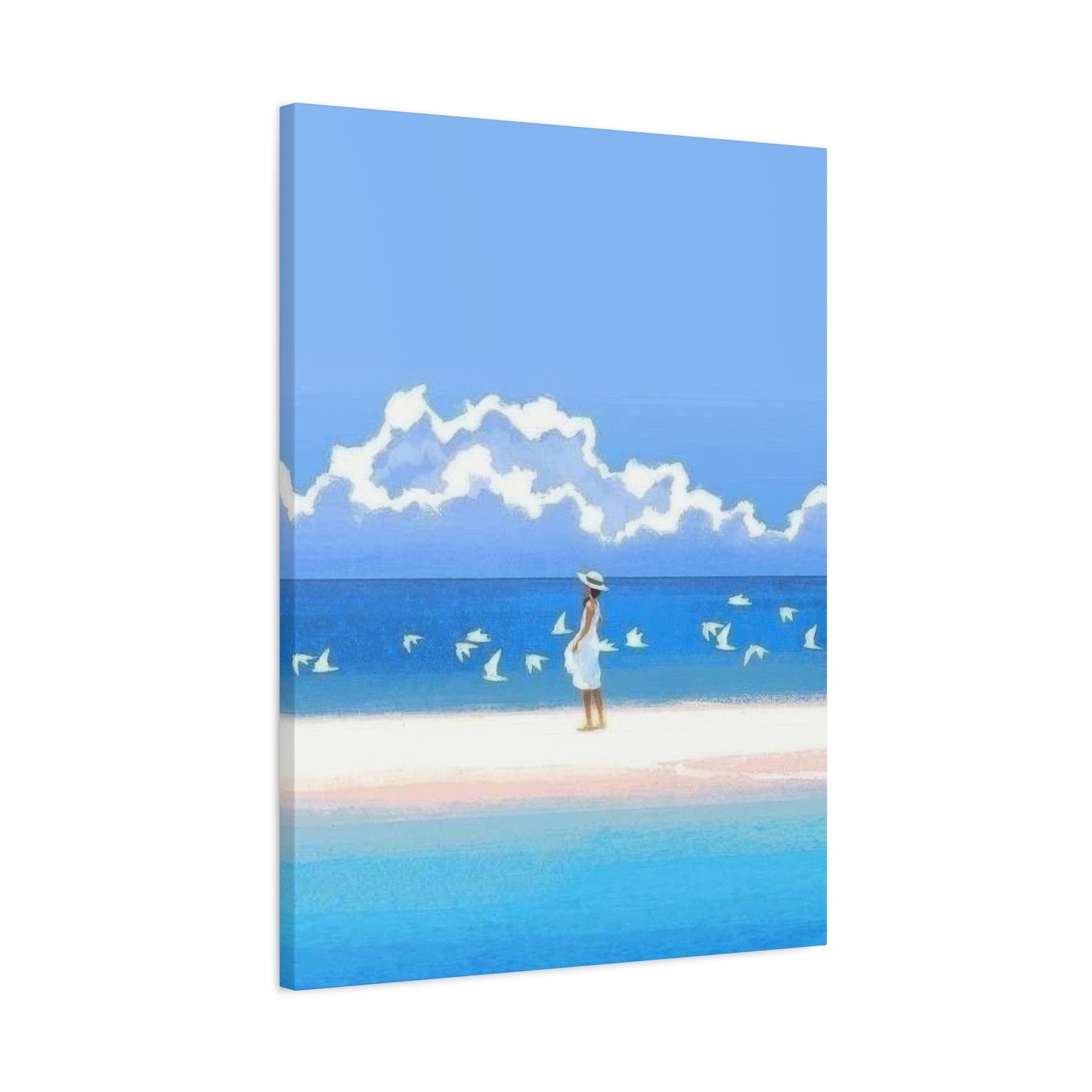


Coastal Calm: Cool Beach Wall Art for Relaxed Spaces - Complete Guide
The timeless appeal of coastal imagery has captivated interior design enthusiasts for generations, offering a serene escape from the hustle and bustle of everyday life. Beach-inspired wall decorations bring the tranquil essence of the ocean directly into your living environment, creating spaces that feel refreshed, peaceful, and eternally connected to nature's most calming element. Whether you reside miles from the nearest shoreline or wake up to the sound of crashing waves, incorporating seaside aesthetics into your home transforms ordinary rooms into sanctuaries of relaxation. The gentle color palettes, flowing organic forms, and evocative imagery associated with coastal themes work harmoniously to reduce stress, promote mindfulness, and inspire a sense of wanderlust within the comfort of your own walls. This comprehensive exploration delves into the multifaceted world of ocean-themed artwork, examining how these pieces can revolutionize your interior spaces while reflecting your personal connection to the sea. From understanding the psychological benefits of water-inspired visuals to mastering the art of placement and composition, this guide provides everything needed to curate a home that breathes with the rhythm of the tides.
Ocean Breeze Aesthetics: Beach Canvas Prints for Modern Homes
Contemporary living spaces demand artwork that balances aesthetic sophistication with emotional resonance, and ocean-themed canvas prints deliver precisely this combination. Modern homes increasingly favor clean lines, uncluttered surfaces, and intentional decorative choices that serve both functional and artistic purposes. Beach canvas prints align perfectly with these principles, offering visual interest without overwhelming minimalist sensibilities. The beauty of these pieces lies in their versatility, seamlessly integrating into various design schemes from Scandinavian simplicity to industrial chic. High-quality canvas prints capture the dynamic movement of water, the subtle gradations of coastal light, and the textural richness of sandy shores with remarkable fidelity. Unlike traditional framed prints, canvas wraps eliminate the visual barrier of glass, creating a more intimate connection between viewer and image. This frameless approach also contributes to the streamlined aesthetic that defines modern interior design. The dimensional quality of stretched canvas adds subtle depth to walls, creating visual interest through texture as well as imagery.
When selecting pieces for contemporary spaces, consider prints that emphasize geometric composition, abstract interpretations of wave patterns, or minimalist horizon lines that echo the architectural principles of your home. The color palette becomes crucial in modern settings, where neutrality often reigns supreme. Soft blues, grays, sandy beiges, and whites dominate successful coastal prints for modern interiors, providing soothing visual consistency without introducing jarring contrasts. These subtle hues complement popular materials like concrete, natural wood, and metal finishes that characterize contemporary design. The psychological impact of ocean imagery cannot be overstated, as studies consistently demonstrate that views of water reduce cortisol levels and promote relaxation responses. By incorporating these elements into your modern home, you create not just a stylish space but a therapeutic environment that supports mental well-being.
The scale of your canvas prints should be proportional to your wall space and furniture arrangement, with larger pieces making bold statements in open-concept living areas while smaller collections work beautifully in intimate spaces like bedrooms or reading nooks. Consider creating gallery walls with multiple ocean-themed prints in varying sizes to add dynamic visual rhythm to expansive wall surfaces. The arrangement can follow strict grid patterns for maximum modern appeal or adopt slightly asymmetrical configurations that feel more organic and movement-driven. Lighting plays a crucial role in showcasing canvas prints effectively, with both natural and artificial illumination affecting how colors appear throughout the day. Position prints where they can benefit from indirect natural light that enhances their depth without causing fading, and supplement with adjustable track lighting or picture lights that highlight specific pieces during evening hours. The maintenance of canvas prints remains minimal compared to traditional framed artwork, requiring only occasional dusting with soft, dry cloths to preserve their appearance.
Serene Shores: Cool Beach Art for Peaceful Interiors
Creating peaceful interiors requires careful consideration of every design element, and artwork selection stands among the most impactful decisions you will make. Cool beach art specifically designed for tranquility incorporates elements that speak to our deep-seated need for calm and balance. The shoreline represents a transitional space between solid ground and infinite ocean, symbolizing both stability and possibility. This duality makes coastal imagery particularly powerful for meditation spaces, bedrooms, and any area designated for relaxation and rejuvenation. The color temperature of your beach art significantly influences the mood of your space, with cooler tones promoting the serene atmosphere you seek. Blues ranging from pale sky to deep navy evoke the vastness of sea and sky, while greens reminiscent of shallow tropical waters bring life and vitality without excessive stimulation. Grays and silvers capture the mysterious beauty of overcast coastal days, offering sophistication and depth.
White and cream tones reflect the purity of sand and sea foam, brightening spaces while maintaining tranquility. When these colors combine in thoughtfully composed artwork, they create visual harmony that translates directly into emotional peace. The subject matter within your beach art choices should reflect the specific type of serenity you wish to cultivate. Empty beaches suggest solitude and introspection, perfect for private spaces where you retreat from the world. Gentle waves lapping at shores convey rhythmic continuity and the passage of time, encouraging mindfulness and presence. Distant horizons where sea meets sky inspire contemplation and perspective, reminding viewers of larger contexts beyond immediate concerns. Seabirds in flight add graceful movement without disrupting tranquility, while beachgrass bending in coastal breezes introduces organic texture and gentle motion. Shells, starfish, and other marine elements provide focal points for meditation and wonder at nature's intricate designs. The composition of peaceful beach art typically avoids dramatic action or harsh contrasts, instead favoring balanced arrangements that guide the eye smoothly across the image. Soft focus or slightly abstracted representations often prove more effective than hyperrealistic depictions when the goal is emotional calm rather than documentary accuracy.
The psychological principle of biophilic design, which recognizes humans' innate connection to nature, explains why ocean imagery so effectively creates peaceful environments. Our ancestors evolved with constant exposure to natural elements, and our nervous systems still respond positively to these visual stimuli even in entirely constructed spaces. Incorporating beach art into your interiors essentially brings nature's calming influence indoors, creating what environmental psychologists call restorative environments. These spaces help counteract the mental fatigue and stress associated with modern living, providing cognitive restoration through their connection to natural settings. The placement of serene coastal art within your home should reflect its intended purpose, with pieces positioned at eye level in sitting areas where they can be comfortably viewed during relaxation. In bedrooms, consider positioning beach art opposite the bed so it becomes the first thing you see upon waking and the last before sleep, bookending your day with tranquil imagery.
Blue Horizon Beauty: Beach Wall Art Inspiration
The horizon line where ocean meets sky holds profound symbolic and aesthetic significance in beach wall art, representing possibility, perspective, and the infinite expanse beyond our immediate surroundings. This simple yet powerful compositional element has inspired artists for centuries, and its appeal remains undiminished in contemporary décor. Blue horizon imagery works particularly well in spaces where you wish to create a sense of openness and expansiveness, visually pushing back walls to suggest greater spatial volume. Living rooms, dining areas, and entryways benefit enormously from this perceptual expansion, making smaller homes feel more spacious and larger rooms even more impressive. The specific shade and saturation of blue within horizon artwork dramatically affects its impact and compatibility with existing décor. Pale, nearly white blues suggest misty mornings and ethereal atmospheric conditions, pairing beautifully with soft, romantic design schemes. Medium blues with slight gray undertones capture the sophisticated coolness of temperate coastlines, complementing modern and transitional interiors.
Rich, saturated blues evoke tropical waters and Mediterranean vistas, bringing energy and vibrancy to spaces that can support such bold statements. Navy and deep indigo blues suggest twilight hours and mysterious depths, adding drama and sophistication to formal spaces. When selecting blue horizon art, consider not only your current color scheme but also the emotional qualities you wish to emphasize. Lighter blues generally feel more uplifting and expansive, while deeper blues create intimacy and contemplation. The proportion of sky to sea within horizon compositions affects their character, with high horizon lines emphasizing water and suggesting immersion in oceanic experience. Low horizon lines featuring expansive skies create feelings of freedom and unlimited potential, as the eye travels upward through vast atmospheric space. Centered horizon lines, while sometimes considered less dynamic in photography, can create beautiful symmetry and balance in decorative art, particularly when other compositional elements add interest.
The treatment of the horizon itself varies from crisp, clearly defined lines to soft, blurred transitions where water and sky seem to merge. Sharp horizons feel more grounded and definite, suitable for spaces where clarity and focus are priorities. Blurred or hazy horizons create dreamier, more meditative qualities, perfect for relaxation spaces. Some artists and photographers incorporate elements that break the horizon line, such as distant sailboats, rock formations, or birds, adding focal points that give the eye specific places to rest during contemplation. These interruptions should enhance rather than distract from the overall sense of expansiveness that makes horizon imagery so compelling. The time of day depicted in blue horizon art significantly influences its mood and compatibility with your space. Dawn imagery with its soft, cool light suggests new beginnings and fresh possibilities, making it ideal for spaces associated with morning routines. Midday scenes with clear, bright light feel straightforward and energizing, supporting active spaces like home offices or exercise areas. Evening and dusk scenes with their richer, more saturated blues create sophistication and romance, enhancing dining rooms and bedrooms.
Minimalist Coastal Décor with Cool Beach Prints
Minimalism and coastal aesthetics form a natural partnership, both emphasizing simplicity, functionality, and connection to essential elements. Minimalist coastal décor strips away unnecessary ornamentation to reveal the pure beauty of sea, sky, and shore, creating spaces that feel both intentional and serene. Cool beach prints designed for minimalist interiors favor clean compositions, limited color palettes, and strong but simple forms. These pieces work as visual anchors within sparse environments, providing interest and emotional warmth without cluttering the clean lines that define minimalist spaces. The philosophy behind minimalist design extends beyond mere aesthetics to encompass a lifestyle that values quality over quantity, experience over possession, and mindfulness over consumption. Beach prints that embody these principles become more than decoration, they become daily reminders of the values and priorities that guide your life.
When selecting prints for minimalist coastal spaces, prioritize images that capture the essence of the ocean with economy of visual elements. A single perfect wave, an uncluttered stretch of sand, a simple horizon line, these subjects communicate the power and beauty of the coast without overwhelming the senses. The color palette in minimalist beach prints typically restricts itself to two or three complementary tones, creating unity and sophistication. White, pale blue, and soft gray form a classic combination that works in virtually any minimalist space. Sand tones, seafoam green, and cream offer warmer alternatives while maintaining the clean, uncluttered feel essential to the style. Black and white beach photography provides another excellent option, offering high contrast and graphic quality that aligns perfectly with minimalist principles. The timelessness of monochromatic imagery ensures these pieces will remain relevant regardless of shifting color trends. Composition in minimalist beach prints favors generous negative space, allowing the essential subject to float within empty expanses that mirror the open skies and wide beaches of actual coastlines.
This negative space serves multiple purposes in minimalist interiors, providing visual rest areas that prevent sensory overload, emphasizing the importance of the featured elements through isolation, and reinforcing the spatial openness that minimalist design seeks to create. The framing or presentation of minimalist beach prints should be equally restrained, with simple materials and clean lines that complement rather than compete with the artwork. Natural wood frames in light finishes, sleek metal frames in black or silver, or frameless canvas wraps all work well within minimalist contexts. Matting, when used, should be generous and neutral, giving the image breathing room and preventing it from feeling cramped or busy. The scale of minimalist beach prints tends toward larger single pieces rather than collections of smaller works, as this approach maintains the uncluttered aesthetic while still making strong visual statements. A single large-scale print above a sofa or bed commands attention and establishes the room's mood without requiring multiple decision points or visual transitions.
However, diptychs or triptychs can work beautifully in minimalist spaces when they present variations on a single theme or create panoramic views that enhance the sense of spaciousness. The spacing between panels in multi-piece arrangements should be precise and consistent, reflecting the attention to detail and intentionality that characterizes minimalist design. Lighting in minimalist coastal interiors plays a crucial role in highlighting the beach prints you select, with simple fixtures that provide clean illumination without becoming focal points themselves. Natural light remains the ideal for minimalist spaces, with window treatments that allow maximum daylight while maintaining privacy and controlling glare. The maintenance requirements of your beach prints should align with minimalist values of simplicity and efficiency, making canvas prints and sealed photographic prints excellent choices that require minimal care. The placement of minimalist beach prints should follow the fundamental principle of purposeful positioning, with each piece occupying a carefully considered location that enhances both the artwork and the space.
Tranquil Waves: Ocean-Inspired Canvas Wall Art
The hypnotic movement of ocean waves has fascinated humans throughout history, their rhythmic rise and fall mirroring our own breathing and heartbeat. Canvas wall art capturing this eternal motion brings dynamic energy to static spaces while simultaneously promoting the calm that comes from observing natural patterns. Wave imagery varies dramatically in mood and intensity, from gentle ripples barely disturbing a glassy surface to powerful swells frozen at their dramatic peaks. Understanding these variations allows you to select wave art that matches your desired atmosphere and complements your interior design approach. Gentle wave representations with soft colors and minimal contrast create the most tranquil effects, perfect for bedrooms, meditation spaces, and areas designated for stress reduction. These images typically show waves from the side or slightly above, emphasizing their rolling contours without the dramatic impact of shore breaks. The color palettes in tranquil wave art lean heavily toward cool tones, aqua, turquoise, pale blue, and seafoam green, all colors psychologically associated with calm and refreshment.
These hues also coordinate beautifully with popular neutral color schemes, adding interest without clashing with existing décor. The texture visible in wave photography and art adds another dimension of appeal, with the smooth, glossy quality of water creating interesting contrasts with the rough texture of canvas substrate. This tactile dimension makes canvas particularly well-suited to ocean imagery, as the material itself suggests the organic nature of the subject. When waves are captured with backlighting, either from sun or sky, they often display translucent qualities that reveal internal structure and suspended particles, creating jewel-like effects that draw the eye and invite extended contemplation. These luminous representations work particularly well in spaces that receive natural light, as the interplay between actual and depicted illumination creates fascinating visual dialogue. The perspective from which waves are depicted significantly influences their emotional impact and spatial effects. Aerial views showing wave patterns from above create abstract compositions that emphasize rhythm and repetition, working well in modern or contemporary spaces where pattern plays a key design role.
Eye-level views from the beach put the viewer in the position of an observer standing at the water's edge, creating a sense of immediacy and potential immersion. Underwater perspectives looking up through waves toward light create otherworldly effects and unusual viewpoints that spark conversation and wonder. Close-up views that fill the frame with water textures and foam transform the recognizable into near-abstraction, allowing the image to function as both representational art and color field composition. The implied motion in wave imagery adds life to static walls without the distraction of actual movement, creating what designers call kinetic suggestion. Our brains automatically complete the action suggested by frozen wave forms, imagining the crest breaking, the foam dispersing, the water settling. This mental participation engages viewers more deeply than purely static imagery, creating ongoing interest that prevents the artwork from fading into background invisibility. The sound associations triggered by wave imagery provide another layer of sensory experience, with many people reporting they can almost hear the rush and recession of water when viewing compelling ocean art.
The Art of Relaxation: Cool Beach Wall Ideas
Creating truly relaxing spaces requires more than simply adding calming colors and comfortable furniture; it demands thoughtful integration of every design element to support the desired atmosphere. Cool beach wall ideas specifically developed for relaxation purposes draw on environmental psychology, color theory, and spatial design principles to maximize their stress-reducing effects. The concept of cool in this context refers both to color temperature and to the contemporary, stylish quality that makes spaces feel current and intentional rather than dated or haphazard. Beginning with color selection, cool beach wall concepts favor the blue and green spectrum over warmer yellows, oranges, and reds. These cool tones have been scientifically demonstrated to lower blood pressure, reduce heart rate, and promote parasympathetic nervous system activation, the physiological state associated with rest and recovery. Within the cool color range, variation and subtlety prove more effective than monotony, with artwork that incorporates multiple shades and tones of blues and greens providing visual interest while maintaining the overall calming effect.
Texture considerations extend beyond the canvas substrate to include the visual textures depicted within the artwork itself. Smooth water surfaces, fine sand, and soft sky gradations create visual serenity, while rougher elements like weathered driftwood, rocky shores, or choppy seas can add interest without disrupting the relaxing atmosphere, provided they are not too dominant or aggressive in treatment. The compositional balance within beach wall art affects its relaxation potential, with symmetrical arrangements generally feeling more stable and calming than highly asymmetrical or tension-filled compositions. However, perfect symmetry can feel static and boring, so the most successful pieces achieve dynamic balance, where visual weight is distributed evenly but not identically across the composition. Leading lines within beach imagery guide the viewer's eye through the picture plane in ways that can either promote or disrupt relaxation. Gentle, flowing lines that curve and meander create the most calming effects, similar to the way winding paths through gardens promote leisurely strolls rather than rushed transit. Harsh diagonals and strong angles, by contrast, create visual tension that may be exciting but not particularly relaxing.
The depth of field in beach photography affects how viewers experience the space depicted, with generous depth of field keeping both foreground and background in focus, creating comprehensive, knowable spaces that feel safe and contained. Shallow depth of field that blurs distant elements creates dreamier, less defined spaces that may feel either mystical or slightly unsettling depending on execution and personal preference. When developing cool beach wall concepts for relaxation, consider the viewing distance and typical body position from which the art will be seen. Artwork viewed while standing, as in entryways or hallways, can successfully incorporate more detail and complexity than pieces viewed primarily while reclining, as in bedrooms above beds or in living rooms opposite sofas. Reclining viewers benefit from simpler compositions with clear focal points and restful color schemes, as their receptive state calls for gentle rather than stimulating visual experiences. The psychological concept of attention restoration theory suggests that viewing natural scenes, particularly those involving water, helps restore directed attention capacity depleted by the constant demands of modern life.
Coastal Chic: Beach Art That Feels Like Summer
Capturing the essence of summer in beach art means embodying the season's characteristic lightness, warmth, and sense of endless possibility. Coastal chic represents a sophisticated interpretation of beach themes that avoids kitsch while celebrating the joy and freedom associated with seaside summers. This design approach balances relaxed coastal elements with refined taste and attention to quality, creating spaces that feel both comfortable and stylish. The color palette for summer-inspired beach art expands beyond the cool blues typically associated with coastal design to include warmer tones that reflect sun-drenched days and golden-hour light. Soft corals, warm sand tones, pale yellows, and peachy pinks evoke sunrise and sunset moments when summer beaches feel most magical. These warmer hues work particularly well as accent colors within predominantly cool schemes, adding vitality and joy without overwhelming the overall serene aesthetic. White plays a crucial role in summer beach art, representing the bright light that characterizes the season, the foam of breaking waves, the bleached quality of sun-dried driftwood, and the purity of empty sandy expanses.
Generous amounts of white within compositions keep them feeling fresh and luminous, preventing heavier colors from weighing down the summery effect. The subjects depicted in coastal chic summer art often include elements specifically associated with the season, beach umbrellas, surfboards, sailboats, swimmers, and sun hats, all rendered in sophisticated, non-literal ways that suggest rather than document. Stylized or abstract treatments of these elements work better than photorealistic representations for maintaining the chic quality that distinguishes this approach from more casual beach décor. Vintage-inspired beach art offers another avenue for achieving coastal chic summer aesthetics, with colors, compositions, and rendering styles that reference earlier eras of beach culture. Faded, slightly desaturated color palettes reminiscent of old postcards or film photographs create nostalgic feelings that enhance the timeless quality of summer at the shore. Typography-based beach art with summer-related phrases or coastal location names works beautifully in this style when fonts and layouts reference vintage graphic design while maintaining clarity and legibility.
The key is achieving a weathered, authentic feel without appearing artificially distressed or overly themed. Pattern plays a significant role in coastal chic summer design, with repeating motifs drawn from marine life, nautical elements, or wave forms adding visual rhythm and interest. These patterns work effectively in more graphic, illustrative beach art that complements rather than competes with photographic pieces. The scale of patterns matters significantly, with larger, bolder patterns making stronger statements suitable for focal points, while smaller, more delicate patterns work well in supporting roles or in spaces where subtlety is preferred. The overall mood of summer beach art should feel optimistic and uplifting, capturing the psychological lift that summer brings after darker, colder seasons. This does not mean art must be overly cheerful or saccharine; sophistication comes from nuance and complexity within the positive framework. A beautiful summer beach scene might include interesting cloud formations, varied water colors, or compositional elements that add depth and contemplation to the joyful subject matter. The styling of spaces featuring coastal chic summer art should maintain the same balance between relaxed and refined that characterizes the artwork itself.
Refreshing Interiors with Beach Canvas Prints
The term refreshing perfectly captures the effect that well-chosen beach canvas prints have on interior spaces, bringing visual and psychological renewal to rooms that may have become stale or uninspiring. Beach imagery inherently suggests cleanliness, openness, and natural beauty, qualities that translate directly into the spaces where these prints are displayed. The process of refreshing a room with coastal artwork begins with assessing your current space and identifying what feels heavy, cluttered, or simply tired. Beach prints offer an antidote to these issues through their association with space, light, and the natural renewal represented by tides that eternally cleanse and reset shorelines. Color psychology explains much of the refreshing quality of beach prints, as the blues, greens, and neutral tones that dominate coastal imagery are perceived as clean, cool, and rejuvenating. These colors create psychological distance from the warm, enclosed feeling that can make spaces feel stuffy or oppressive, particularly in homes with limited natural light or ventilation.
Adding beach canvas prints in refreshing colors can perceptually cool a room, making it feel more comfortable even without changing the actual temperature. This effect is particularly valuable in spaces that receive strong afternoon sun or in warmer climates where physical cooling is both desirable and expensive. The subject matter in refreshing beach prints often features water in its various forms, waves, calm seas, tide pools, or rain on coastal landscapes. Water symbolizes purification, renewal, and life itself across cultures, making it a powerful element for spaces that need revitalization. The fluidity and constant motion of water, even when frozen in a photograph or painting, suggests the possibility of change and transformation, subtly encouraging viewers to embrace freshness in their own lives. Horizontal orientations in beach canvas prints enhance the refreshing quality by emphasizing the expansive quality of seascapes, with wide formats that mirror the actual experience of scanning a broad horizon. These horizontal pieces work particularly well above sofas, beds, and long, low furniture, where they reinforce the furniture's lines while opening up the wall space above.
The size of canvas prints affects their refreshing impact, with larger pieces making bolder statements that more dramatically transform a space. A single large canvas can serve as a room's focal point, immediately establishing a new mood and drawing attention away from less appealing aspects of the space. However, multiple smaller prints in careful arrangements can also effectively refresh a room, particularly when they create a narrative or thematic collection that encourages visual exploration. The three-dimensional quality of canvas prints, with their stretched depth extending from the wall, creates subtle shadows and adds architectural interest that flat posters or thin frames cannot match. This dimensional aspect makes the artwork feel more substantial and permanent, more like an integral design element than a temporary decoration. The texture of canvas fabric adds yet another sensory dimension, visible when viewed up close and contributing to the organic, natural feeling that makes beach prints refreshing rather than sterile.
Modern Seaside Vibes: Cool Coastal Wall Décor
Modern seaside aesthetics synthesize classic coastal elements with contemporary design principles, creating spaces that feel both timeless and current. This approach to cool coastal wall décor rejects the overly nautical or literal beach themes that can feel dated or thematic, instead drawing inspiration from actual coastal environments in sophisticated, abstracted ways. The resulting style celebrates the ocean's beauty while maintaining the clean lines, functional focus, and design integrity that characterize modern interiors. Color usage in modern seaside décor tends toward monochromatic or limited palettes that create cohesion and sophistication. Rather than using every color of the coastal spectrum, modern approaches might feature various tones and shades of a single color, creating depth through value changes rather than hue variety. Gray-scale beach photography, for instance, captures the drama and beauty of coastal scenes while working seamlessly with any color scheme. Selective color techniques, where most of an image appears in neutral tones with just one element in color, create striking modern effects that draw attention to specific aspects of the composition.
The geometry present in modern coastal wall décor often emphasizes the natural patterns found at the shore, repeating wave forms, the parallel lines of beach and horizon, the radial patterns of shells and sand dollars, or the organic grids created by tidal marks. These patterns can be highlighted through photography angles, cropping choices, or graphic treatments that emphasize their structural qualities. Abstract interpretations of coastal subjects work particularly well in modern settings, translating the colors, textures, and essential qualities of the beach into non-representational compositions that function as pure design elements. These abstractions maintain the emotional resonance of coastal imagery while offering visual interest that rewards sustained attention and interpretation. Mixed media approaches that combine photographic elements with graphic overlays, text, or illustrative components create layered complexity that aligns with modern aesthetics while telling more complex stories about coastal environments and experiences.
The materials and production methods used in modern coastal wall décor reflect contemporary values and technologies, with high-quality printing techniques that reproduce images with exceptional clarity and color accuracy. Metal prints, which infuse images into specially coated aluminum sheets, offer ultra-modern alternatives to traditional canvas or paper prints, providing luminous color, exceptional detail, and contemporary industrial aesthetics. Acrylic face mounting creates another modern presentation option, with images printed on paper or metallic media then mounted behind clear acrylic that adds depth, protects the print, and creates a sleek, frameless appearance. These contemporary materials and methods produce artwork that feels distinctly of-the-moment while featuring timeless coastal subjects. The scale typical of modern seaside décor tends toward bold, confident sizing that makes clear statements rather than timid suggestions. Large-format prints command attention and establish room character immediately, functioning as architectural elements as much as decoration.
Dreamy Ocean Views Captured in Canvas Art
The dreamlike quality achievable in ocean canvas art transports viewers beyond literal representation into atmospheric, emotional territory that speaks to the imagination and subconscious. This approach to coastal imagery favors soft focus, unusual perspectives, ethereal light, and color treatments that emphasize mood over documentary accuracy. The resulting artwork creates contemplative spaces that encourage introspection and mental escape from daily concerns. Long exposure photography provides one technical method for creating dreamy ocean effects, with extended shutter speeds transforming moving water into silky, ethereal forms that bear little resemblance to our normal perception of waves and surf. This technique renders the ocean as soft, cloud-like masses of white or pale color, creating mystical atmospheres that feel otherworldly yet unmistakably coastal. The blurred motion suggests time passing, connecting the static image to the temporal dimension of actual coastal experience. Mist and fog represent natural atmospheric conditions that create inherently dreamy coastal scenes, softening edges, muting colors, and creating layered depth through graduated visibility.
Artwork capturing these conditions transports viewers to mysterious shores where boundaries between elements become indistinct and ambiguous. The color palettes in dreamy ocean canvas art typically favor pastels and desaturated tones that reinforce the ethereal quality of the compositions. Pale pinks, soft lavenders, gentle blues, and muted greens create color environments that feel removed from everyday reality, occupying a space between memory, dream, and imagination. These subtle colors work beautifully in bedrooms, meditation spaces, and any area where you want to encourage mental drift and creative thinking. The soft, unfocused quality of dreamy ocean art makes it particularly effective for creating cozy, intimate atmospheres despite featuring the vast scale of seascapes. This paradox occurs because the haziness makes the distance feel approachable rather than intimidating, inviting viewers into the scene rather than holding them at observer's distance. Compositional simplicity characterizes most successful dreamy ocean canvas art, with minimal elements and generous negative space allowing atmospheric qualities to dominate.
A single rock formation emerging from misty water, a barely visible horizon beneath pale sky, or abstract suggestions of wave forms provide just enough structure to anchor the composition without overwhelming its dreamlike essence. The emotional resonance of dreamy ocean views operates on intuitive rather than intellectual levels, bypassing analytical response to connect directly with feelings and moods. This makes such artwork particularly effective for spaces dedicated to rest, creativity, and emotional processing, where overthinking is counterproductive. The scale of dreamy ocean canvas pieces can vary widely while maintaining effectiveness, as the soft, indistinct quality prevents even large pieces from feeling aggressive or overwhelming. Oversized dreamy seascapes create immersive environments that seem to extend beyond physical walls, particularly effective in small spaces where they create perceptual expansion. Smaller dreamy ocean pieces work beautifully in intimate settings or as components in gallery walls where they provide atmospheric contrast to sharper, more defined images.
Coastal Minimalism: Serenity Through Beach Wall Art
Coastal minimalism represents the intersection of two powerful design philosophies, combining the simplicity and intentionality of minimalist principles with the natural beauty and calming qualities of coastal aesthetics. This refined approach strips beach wall art to its essential elements, eliminating anything that does not serve a clear purpose or contribute to the overall sense of serenity. The result is spaces that feel both peaceful and purposeful, where every element, including artwork, earns its presence through genuine contribution to the environment. The color discipline required for coastal minimalist wall art is strict, typically limiting palettes to three or fewer colors that relate harmoniously. White, light gray, and pale blue form one classic coastal minimalist triad, offering coolness, cleanliness, and connection to sea and sky. Sand, white, and seafoam green provide a slightly warmer alternative that still maintains the essential minimalist restraint. The use of natural wood tones alongside white and blue brings organic warmth without compromising the clean aesthetic.
These limited palettes create visual unity that allows the eye to rest and the mind to settle, directly supporting the serenity that is the ultimate goal of this design approach. Subject selection in coastal minimalist art favors simple, iconic elements that communicate the essence of the shore with remarkable economy. A single shell on empty sand, a clean horizon line dividing water from sky, a solitary piece of driftwood against neutral background, these subjects convey coastal character without narrative complexity or visual clutter. The generous use of negative space in coastal minimalist compositions serves multiple essential functions. It provides visual breathing room that prevents sensory overload, emphasizes the importance of featured elements through isolation, creates a sense of openness and spaciousness regardless of actual room size, and allows the inherent beauty of simple subjects to be fully appreciated without distraction. Texture plays an interesting role in coastal minimalism, providing subtle visual interest that prevents stark simplicity from becoming coldly austere.
The texture of canvas fabric, the grain visible in close-up sand photography, the patterns created by shallow water over rippled beach, all add dimensional interest while maintaining the clean, uncluttered aesthetic. The scale of artwork in coastal minimalist spaces typically trends larger rather than smaller, with fewer, more substantial pieces making clear statements. This approach aligns with minimalist principles of editing possessions ruthlessly and investing in quality over quantity. A single large-scale photograph of an empty beach does more to establish serene coastal character than a dozen smaller beach-themed items scattered throughout a space. The installation of coastal minimalist wall art should be precise and intentional, with careful measurement ensuring perfect alignment and appropriate positioning relative to furniture and architectural features. The height at which pieces are hung, the distance between multiple panels in a diptych or triptych, the relationship between artwork edge and furniture below, all these details matter in minimalist design where every element is visible and therefore subject to scrutiny.
Escape to the Coast: Ocean Wall Art for Home Décor
The concept of escape resonates deeply in contemporary culture, where the pace and pressure of daily life create constant desire for mental and emotional respite. Ocean wall art designed specifically for its escapist qualities taps into universal human longing for distant shores, vacation memories, and the freedom associated with coastal environments. This type of artwork does not simply decorate walls but rather creates visual portals through which homeowners can momentarily leave their immediate circumstances and mentally travel to more peaceful, beautiful settings. The most effective escapist ocean art features views that feel accessible and inviting rather than distant or intimidating, with perspectives that place viewers within the scene rather than observing from afar. Beach perspectives that show sand in the foreground, leading the eye toward water and horizon, create implicit pathways that invite mental entry into the depicted space.
Views from water level, as if floating in calm seas, create immersive experiences that trigger body memories of actual swimming or floating, complete with associated feelings of weightlessness and release from gravity's constant pull. Aerial perspectives showing expansive stretches of coastline satisfy the desire for overview and control, allowing viewers to survey vast territories from safe elevation, a perspective that is simultaneously thrilling and calming. The destinations depicted in escapist ocean wall art significantly influence their emotional impact and appeal. Tropical beaches with their brilliant turquoise waters, white sand, and palm-fringed shores trigger associations with vacation, luxury, and complete departure from normal routines. These images work particularly well in homes in colder or land-locked regions where the depicted conditions contrast sharply with everyday experience, making the escape more pronounced.
Temperate coastlines with their more subdued colors and dramatic weather patterns offer different escapist appeal, suggesting moody contemplation, romantic solitude, and connection to powerful natural forces. These scenes resonate with those who find peace in the dramatic rather than the paradisiacal, who seek escape through immersion in raw nature rather than luxurious comfort. Mediterranean coastlines with their ancient cultures, architectural integration with landscape, and sophisticated color palettes appeal to those whose escape fantasies include cultural richness alongside natural beauty. The time of day represented in escapist ocean art influences what kind of escape it offers, morning scenes suggesting fresh starts and new possibilities, midday views emphasizing brightness and clarity, and evening or sunset scenes offering romantic escape and the peaceful transition between active day and restorative night. The human presence or absence in escapist ocean art is a crucial consideration, as solitary beaches suggest private sanctuary and complete withdrawal from social demands, while images with small, distant figures can help viewers imagine themselves within the scene without disrupting the essential feeling of escape.
Cool Blues: The Essence of Beach-Themed Canvas Prints
Blue, in its infinite variations, stands as the essential color of coastal imagery, representing sky, sea, and the atmospheric qualities that make beaches feel removed from inland environments. Canvas prints that masterfully employ the blue spectrum capture the true essence of beach experiences, from the exhilaration of bright tropical waters to the contemplation inspired by deep ocean hues. Understanding how different blues function psychologically and aesthetically allows for sophisticated selection of beach-themed prints that achieve specific effects within your spaces. Pale, almost white blues evoke the ethereal quality of shallow tropical lagoons where sand beneath water creates luminous effects. These delicate blues feel fresh and uplifting, perfect for spaces where you want to enhance natural light and create airy atmospheres. The psychological effect of these lightest blues includes feelings of cleanliness, spaciousness, and gentle optimism, making them ideal for bedrooms, bathrooms, and spaces dedicated to morning routines. Sky blues in medium saturation represent the classic beach day experience, with clear, bright conditions that promise perfect weather and unlimited possibilities.
These mid-range blues feel straightforward and honest, creating cheerful environments without the intensity of more saturated tones. Their familiarity makes them highly versatile, working in nearly any design context from traditional to contemporary. Turquoise and aqua blues bring energy and vibrancy to beach-themed canvas prints, suggesting tropical paradise and vacation excitement. These blue-green hybrids feel more active and stimulating than pure blues, making them excellent choices for spaces where you want to encourage energy and positive mood. The exotic quality of turquoise makes it particularly effective in spaces where you want strong visual impact and tropical character. Teal blues, deeper and more substantial than turquoise, provide sophisticated alternatives that maintain coastal feeling while offering greater design versatility. These complex blues work beautifully with both warm and cool color schemes, serving as neutral-alternatives that add color without overwhelming subtler palettes.
Shoreline Serenity: Coastal Art for Calming Spaces
The shoreline represents a unique ecological and experiential space where elements meet and interact, creating environments that inherently promote calm through their transitional, boundary-dissolving nature. Coastal art specifically focused on shoreline imagery captures these in-between spaces where water kisses sand, where rhythmic waves provide natural meditation focus, and where the horizontal expanse encourages visual and mental wandering. Designing calming spaces with shoreline-focused artwork requires understanding how these particular coastal views function psychologically and aesthetically. The repetitive motion of waves meeting shore provides one of nature's most perfect examples of soothing rhythm, regular enough to feel predictable yet variable enough to remain engaging. Artwork capturing this eternal dance brings that calming rhythm into static interior spaces through implied motion and compositional elements that suggest ongoing process rather than frozen moment.
The gentle curves created by retreating waves, foam patterns on wet sand, and the scalloped edge where water meets beach all create organic lines that guide the eye smoothly across the image without jarring transitions or harsh angles. These flowing forms align with the body's preference for curves over angles, a bias rooted in evolutionary psychology where angular forms might indicate danger while curves suggest safety. The color palette in shoreline-focused calming art typically features subtle variations rather than dramatic contrasts, with foam, wet sand, shallow water, and dry sand creating gentle gradations of tone within a narrow value range. This limited contrast prevents visual stress and creates the kind of visual environment that allows sustained viewing without fatigue. The transparency and luminosity of shallow water depicted in shoreline art adds dimension and interest while maintaining the essential calm of the composition, as light filtering through clear water creates ethereal effects without requiring harsh highlights or deep shadows.
Conclusion:
Cool Beach Wall Art embodies the essence of tranquility, offering homeowners and designers a unique way to bring the serenity of the coast into interior spaces. These artworks capture the subtle beauty of sandy shores, rolling waves, and expansive skies, creating a visual and emotional retreat that transforms ordinary rooms into calming sanctuaries. The combination of cool tones, soft textures, and natural coastal imagery evokes a sense of relaxation and peace, reminding viewers of the restorative power of nature. By integrating beach-inspired art into interiors, homes become spaces where calmness and mindfulness are not just ideals but tangible, daily experiences.
At the heart of coastal-inspired wall art is the use of color and light to influence mood. Soft blues, seafoam greens, sandy neutrals, and muted grays mimic the natural hues of the ocean and shorelines, evoking feelings of serenity, balance, and openness. These palettes are psychologically linked to calmness, focus, and emotional clarity, which makes them particularly suited for living rooms, bedrooms, or study areas where relaxation is paramount. Additionally, depictions of waves, driftwood, seashells, or coastal landscapes provide visual rhythm and depth, inviting the observer to mentally wander along the shore and experience the gentle ebb and flow of the tides.
From an interior design perspective, Cool Beach Wall Art offers incredible versatility. Large-format canvases can serve as focal points, anchoring rooms with a sense of space, movement, and lightness. Smaller prints and multi-panel designs can complement a gallery wall, hallway, or bathroom, adding cohesion and interest without overwhelming the room. The understated elegance of coastal tones allows these artworks to blend seamlessly with contemporary, Scandinavian, coastal, or minimalist interiors. Natural materials like light wood, rattan, linen, and stone enhance the effect, creating a layered, textural environment that feels inviting, relaxed, and connected to nature.
Beyond aesthetics, beach-themed wall art carries symbolic and emotional significance. The coast has long represented freedom, renewal, and escape from the pressures of everyday life. By introducing these elements into the home, residents are provided with a constant reminder of the restorative qualities of the sea, the expansive possibilities of the horizon, and the gentle rhythm of tides. The artwork encourages moments of reflection and mindfulness, allowing viewers to pause, breathe, and reconnect with a sense of calm—even amidst a busy or chaotic lifestyle. This makes coastal wall art more than mere decoration; it is a tool for cultivating emotional well-being and enhancing life quality.
The artistry behind Cool Beach Wall Art emphasizes both visual realism and emotional resonance. Artists employ techniques such as oil painting, watercolor, digital rendering, and mixed media to capture the textures, light, and movement of coastal scenes. The interplay of reflective surfaces, soft gradients, and intricate details—whether in rippling water, cloud-strewn skies, or delicate seashells—creates an immersive experience that draws viewers into the scene. This meticulous attention to detail ensures that the artwork is not only visually captivating but also emotionally evocative, fostering a sense of calm and connection that resonates long after the initial viewing.


