


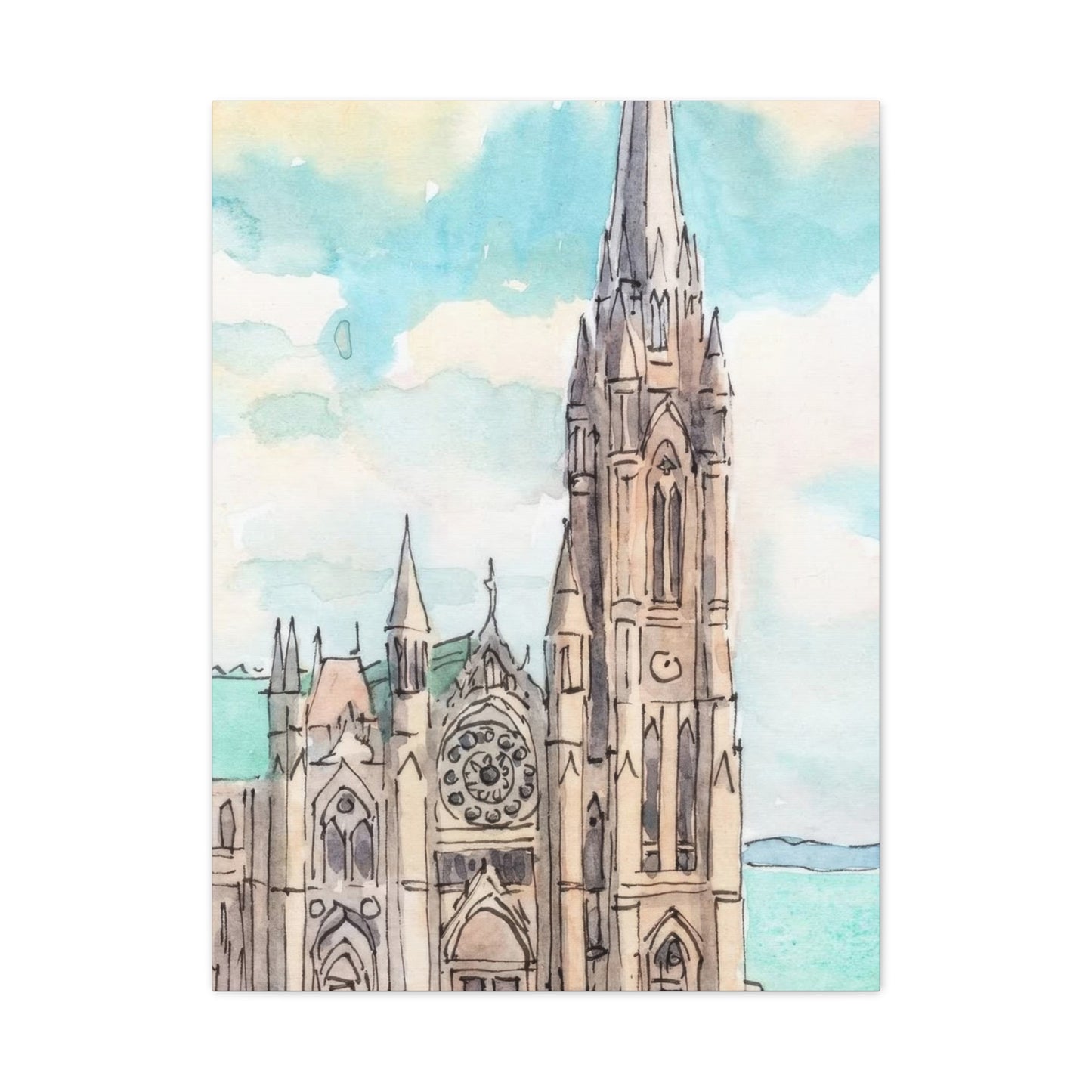
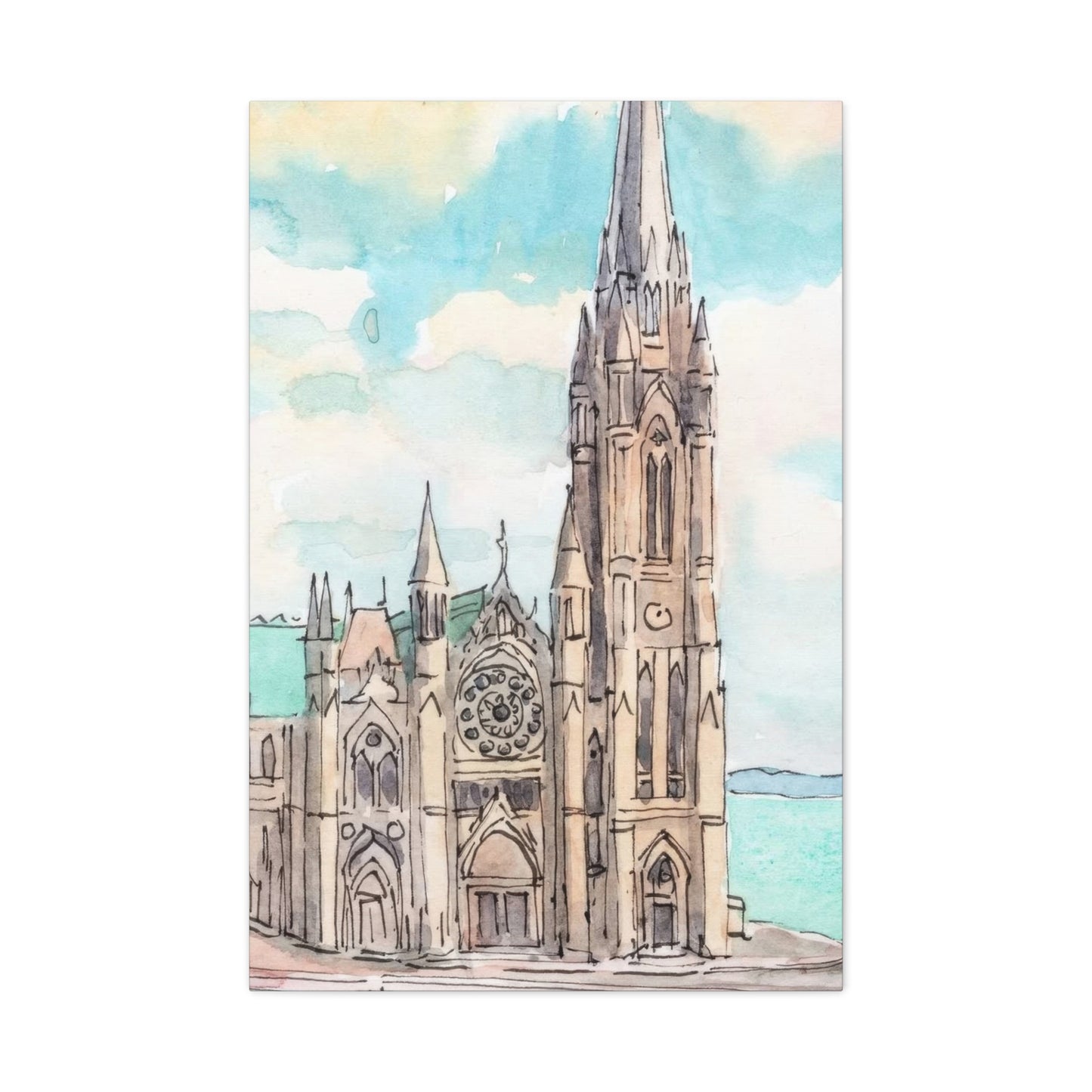
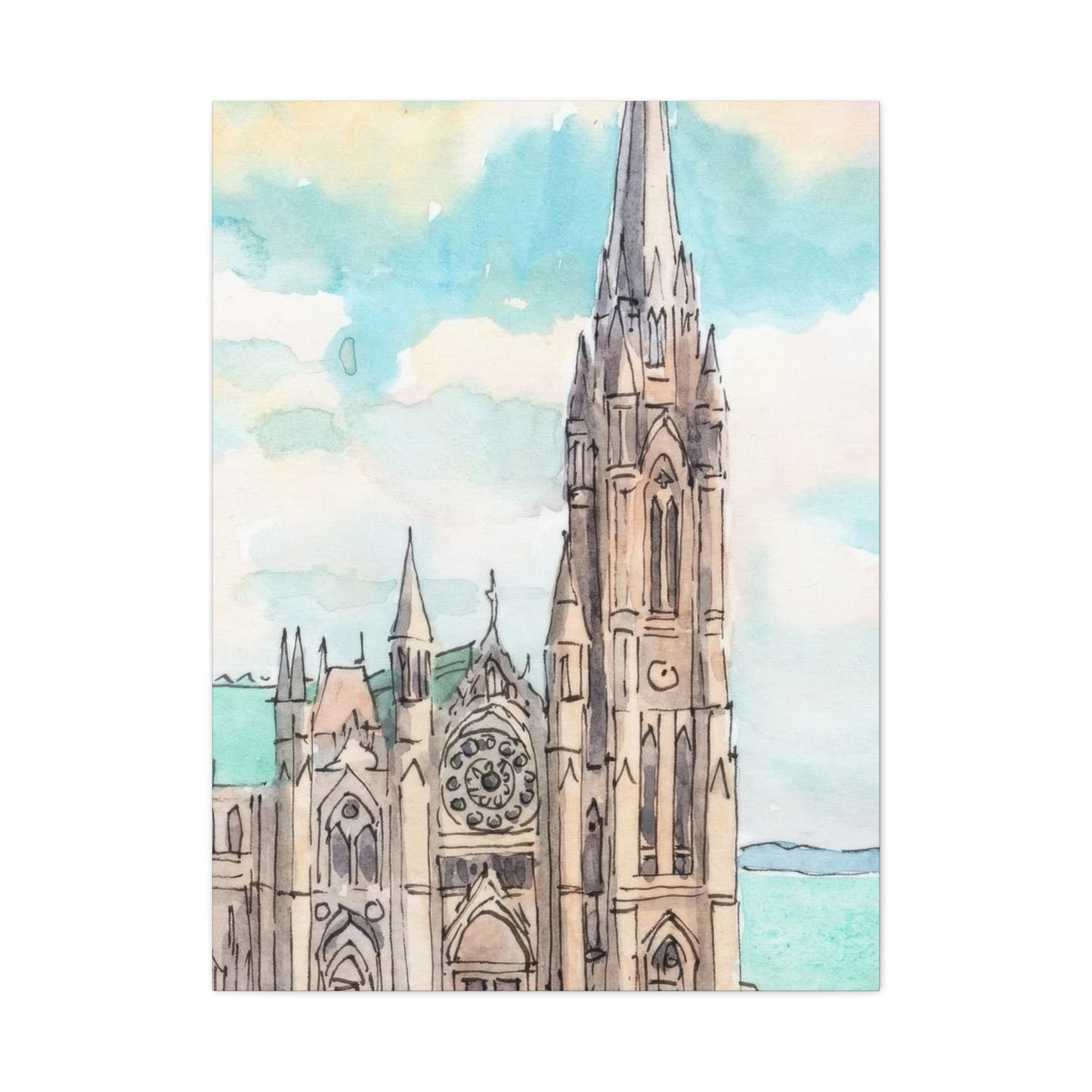
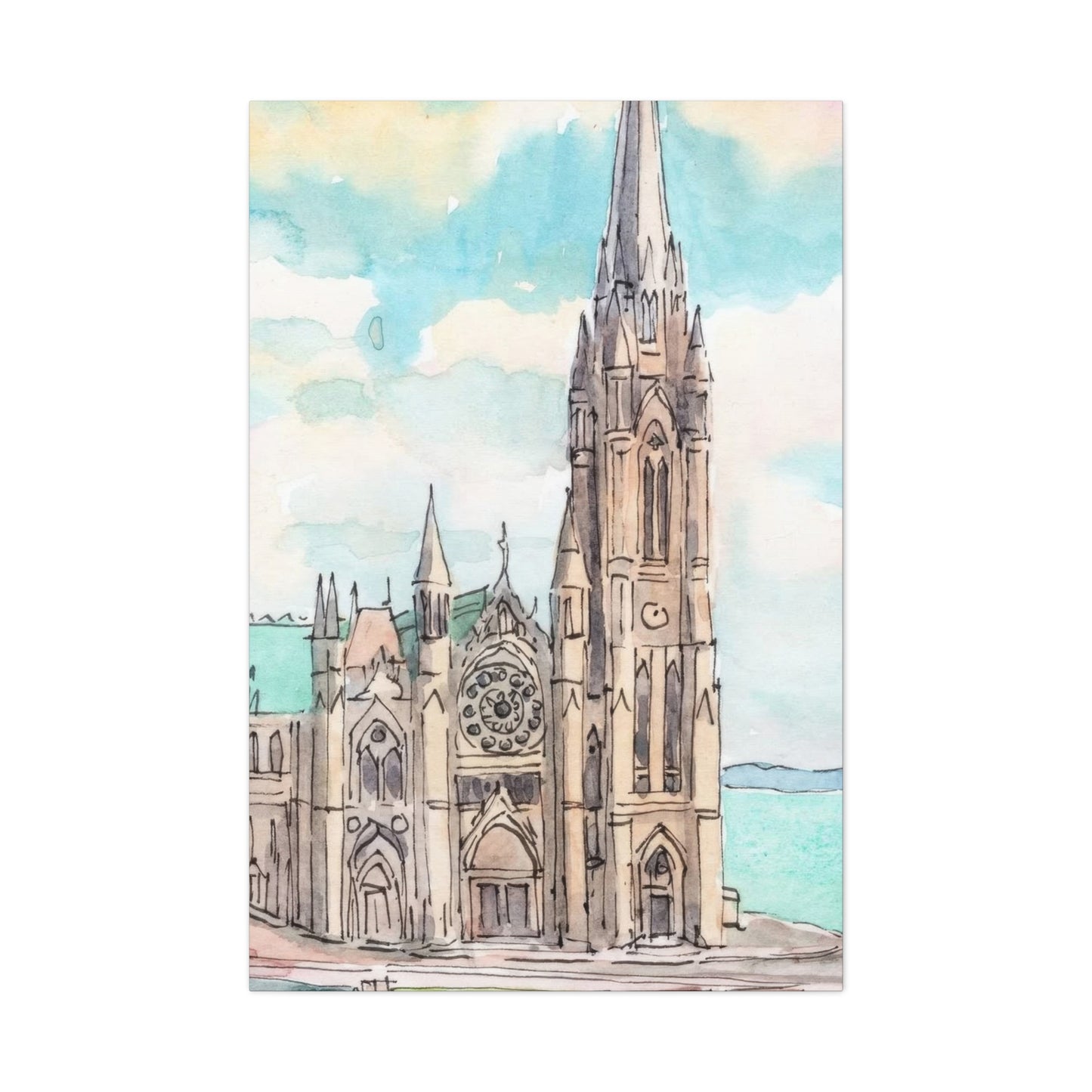
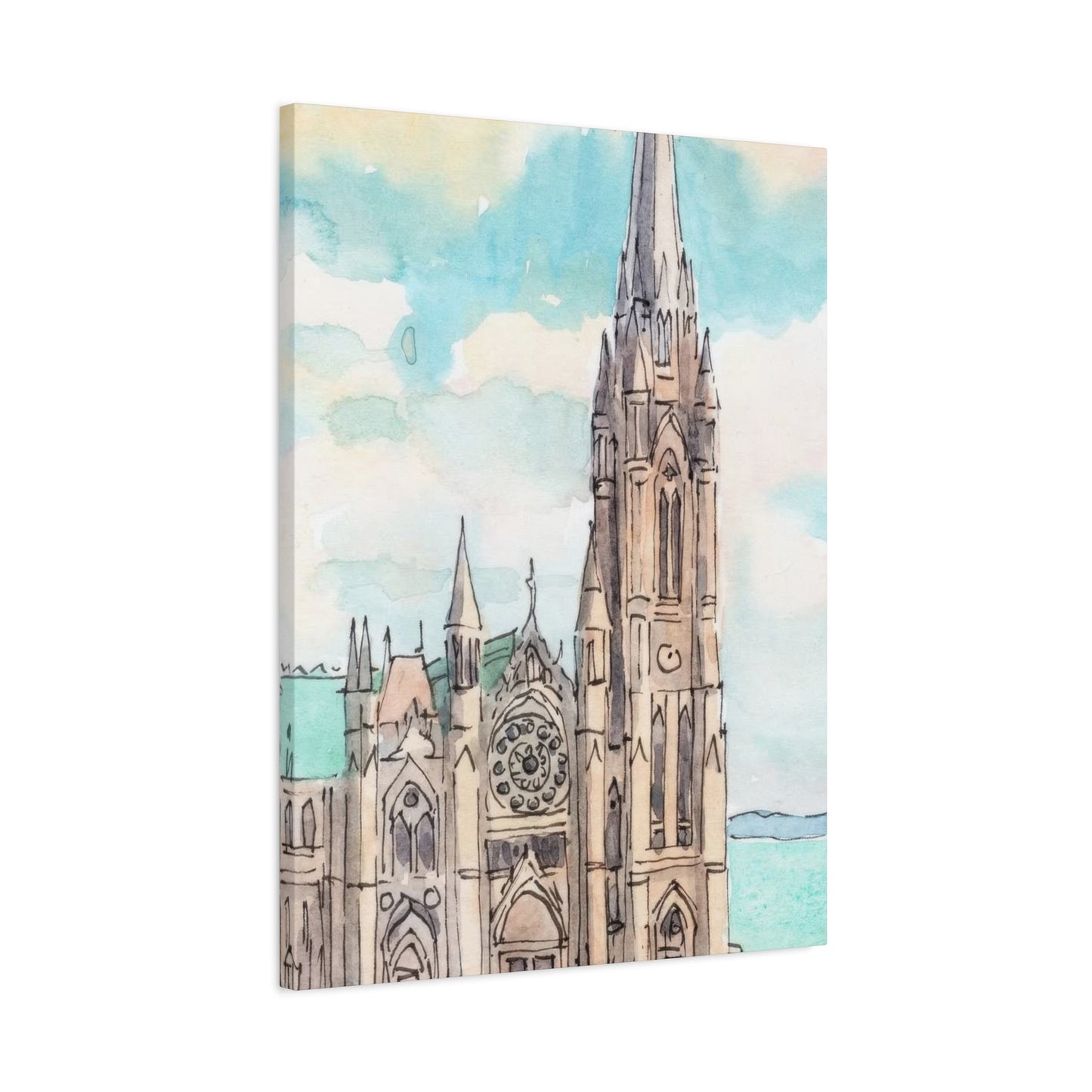
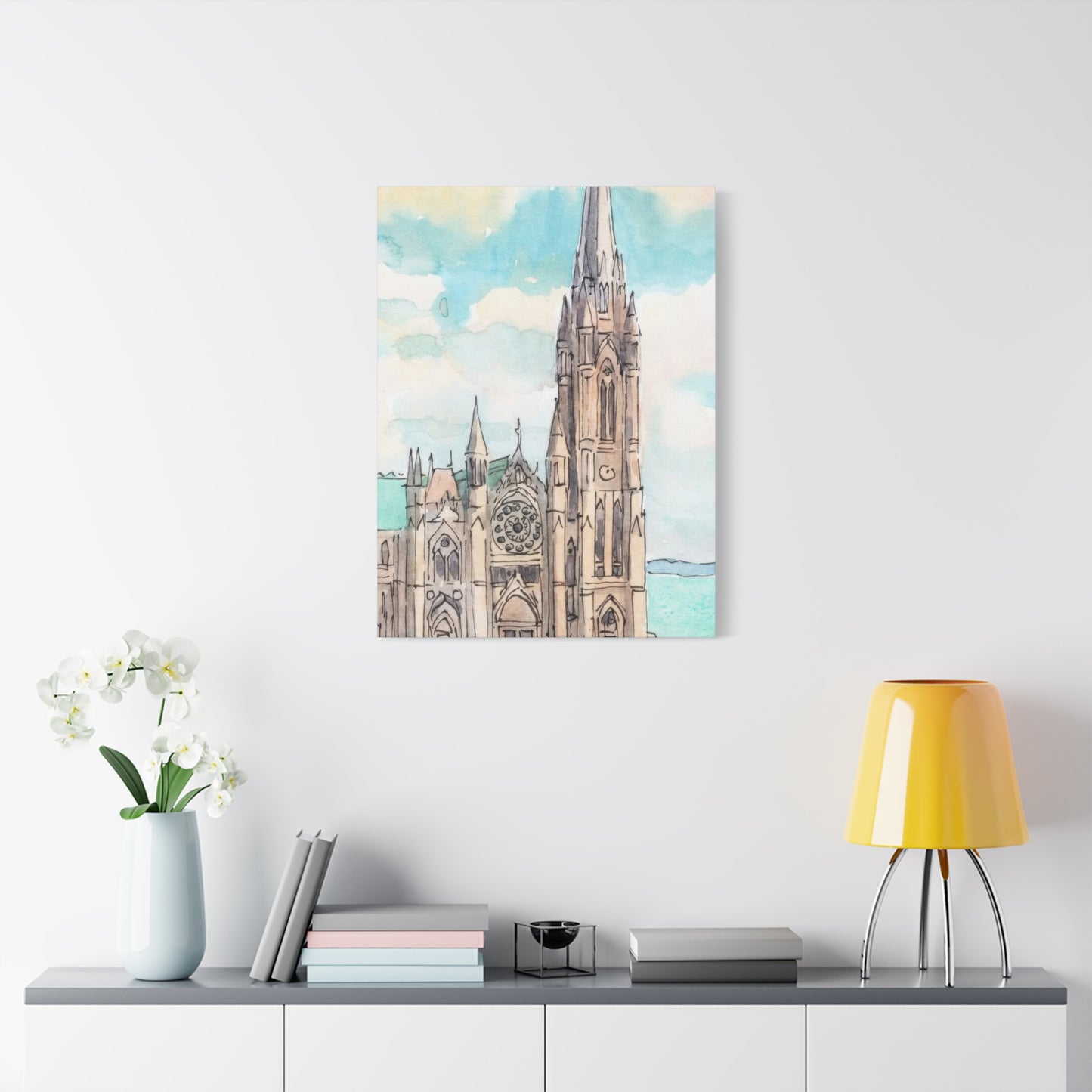
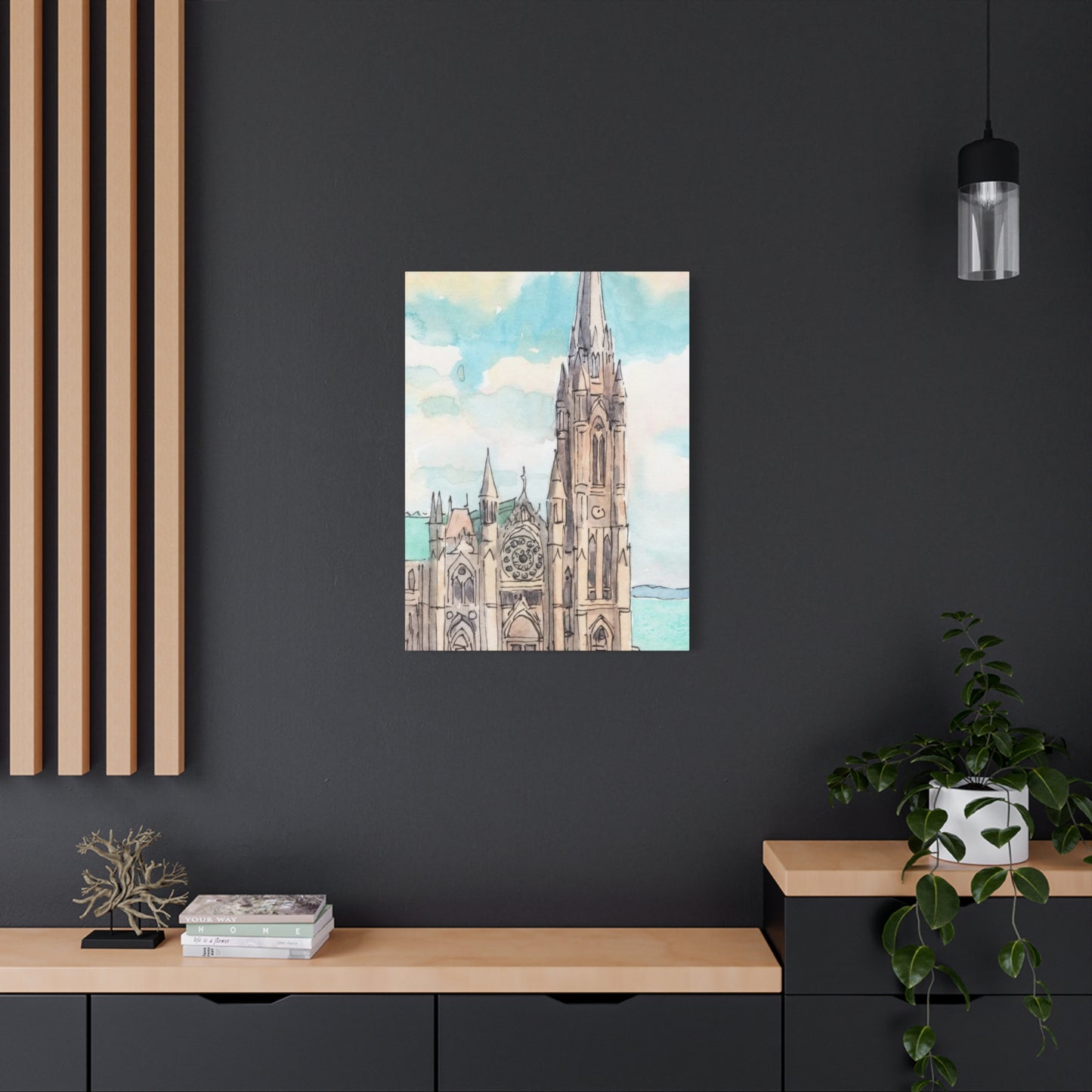
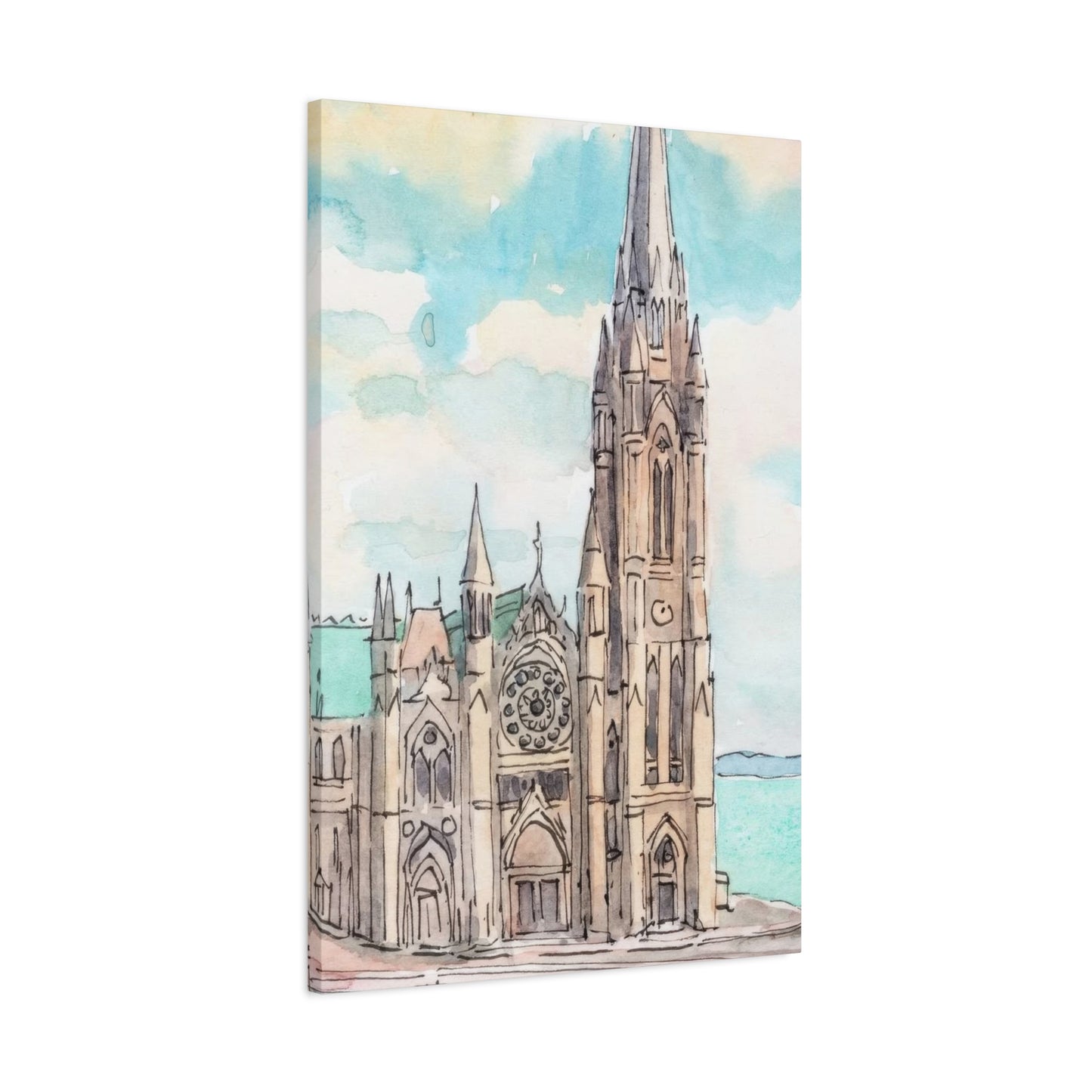
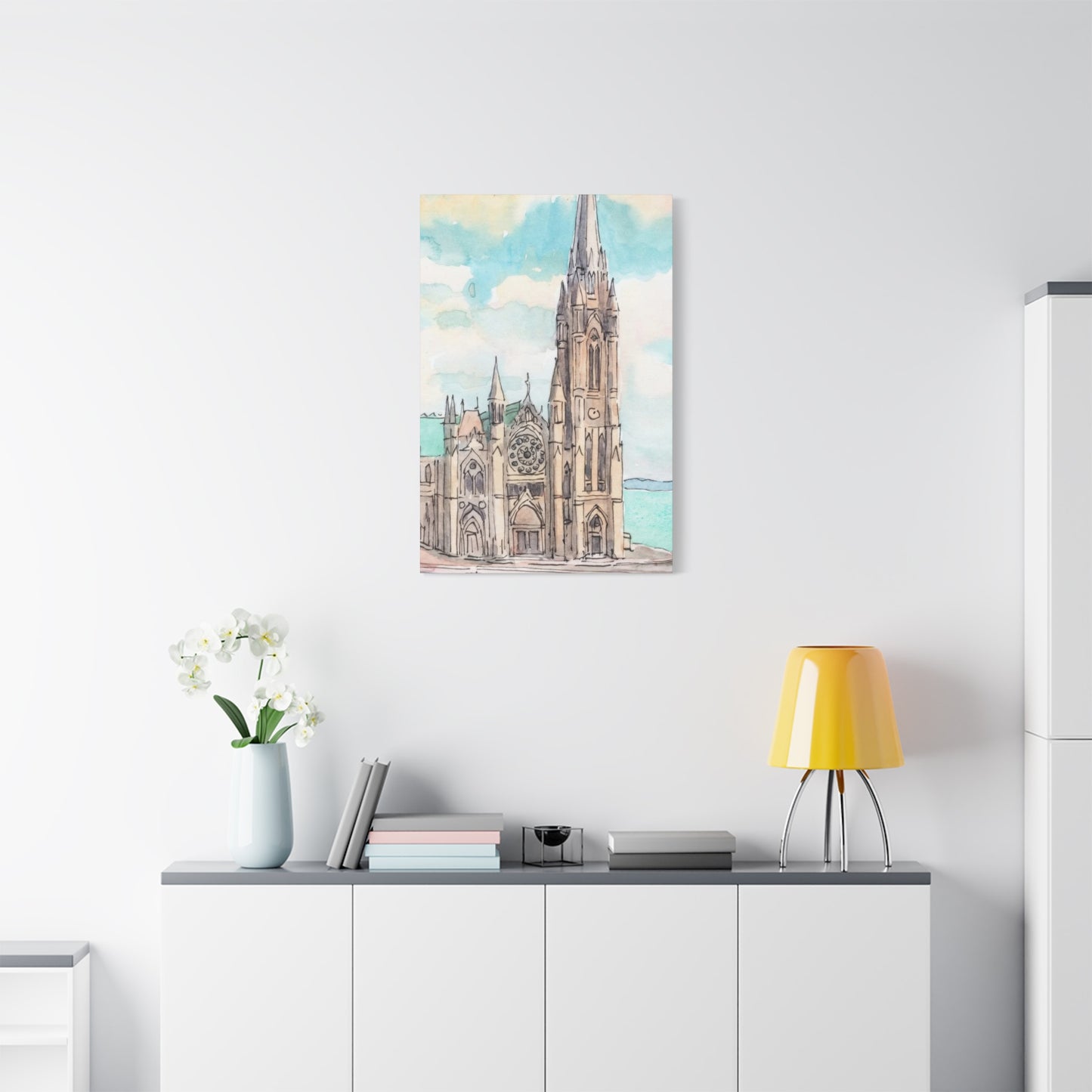
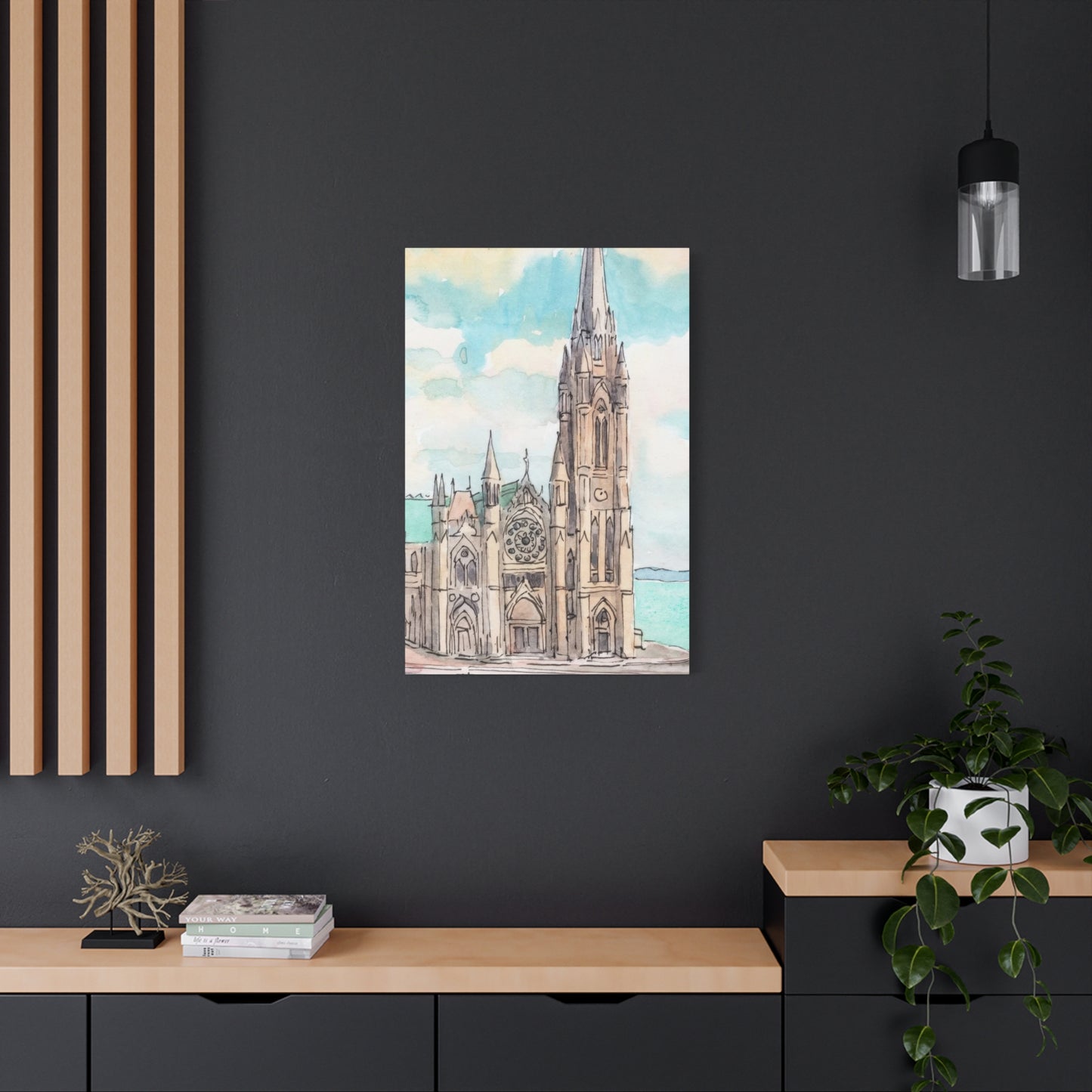
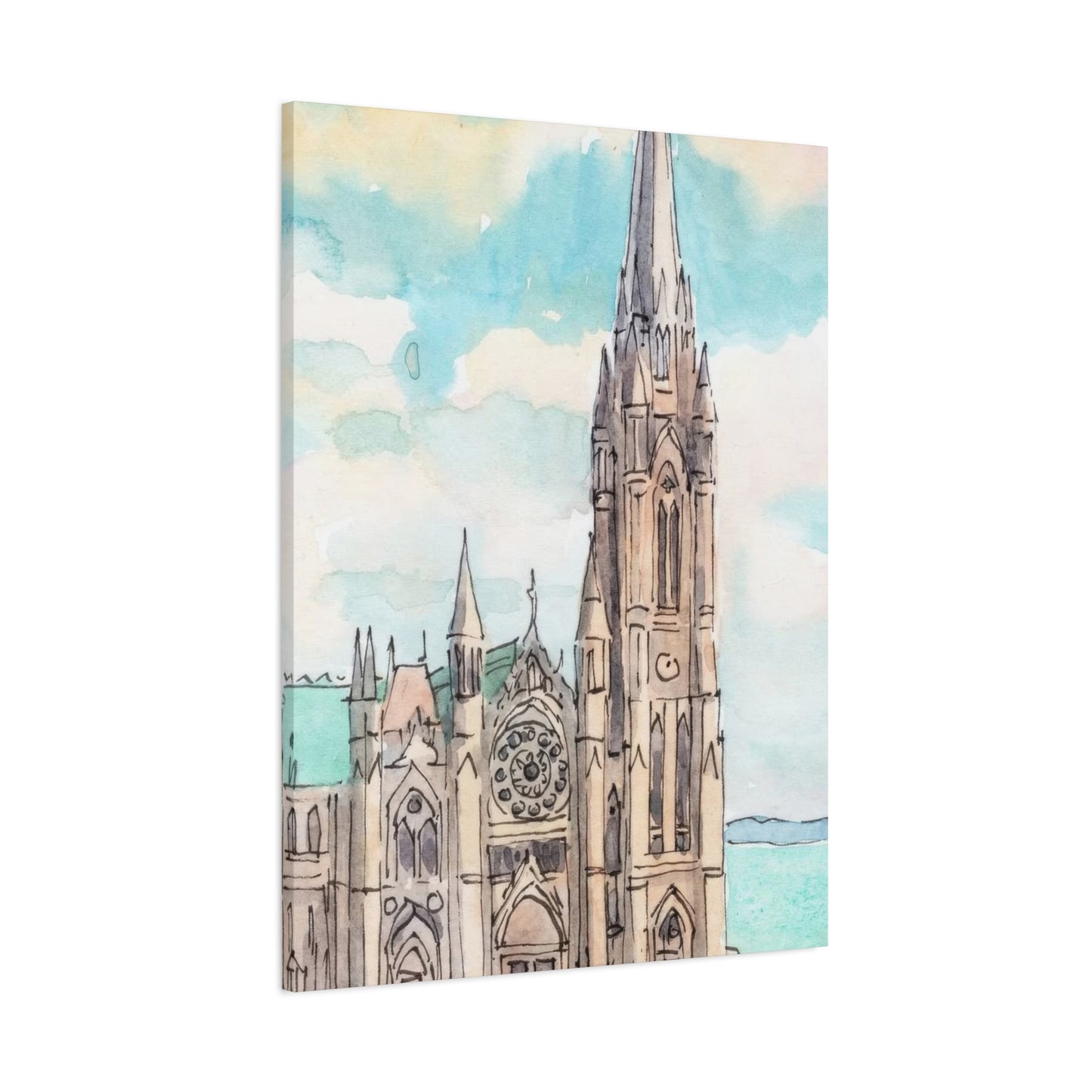
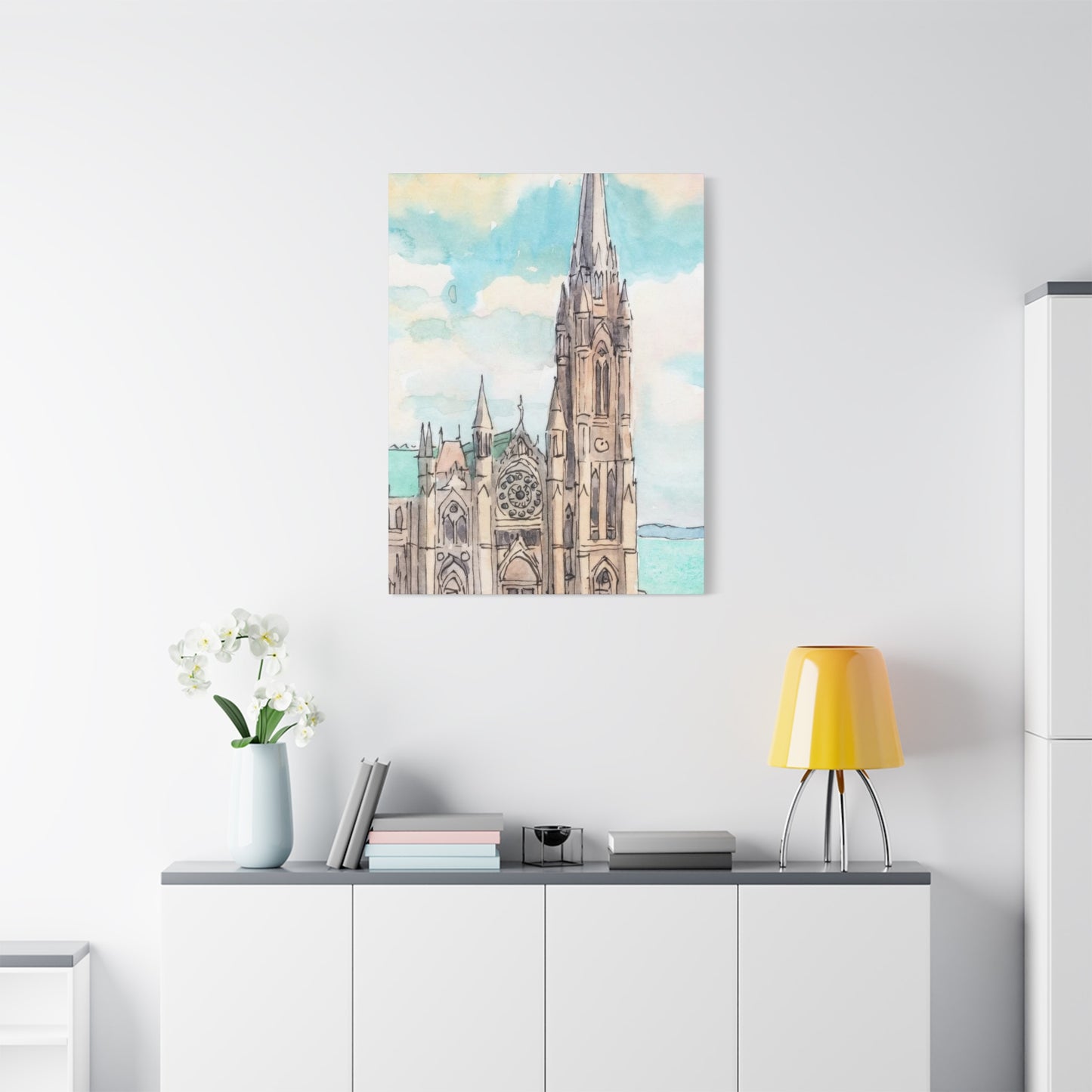
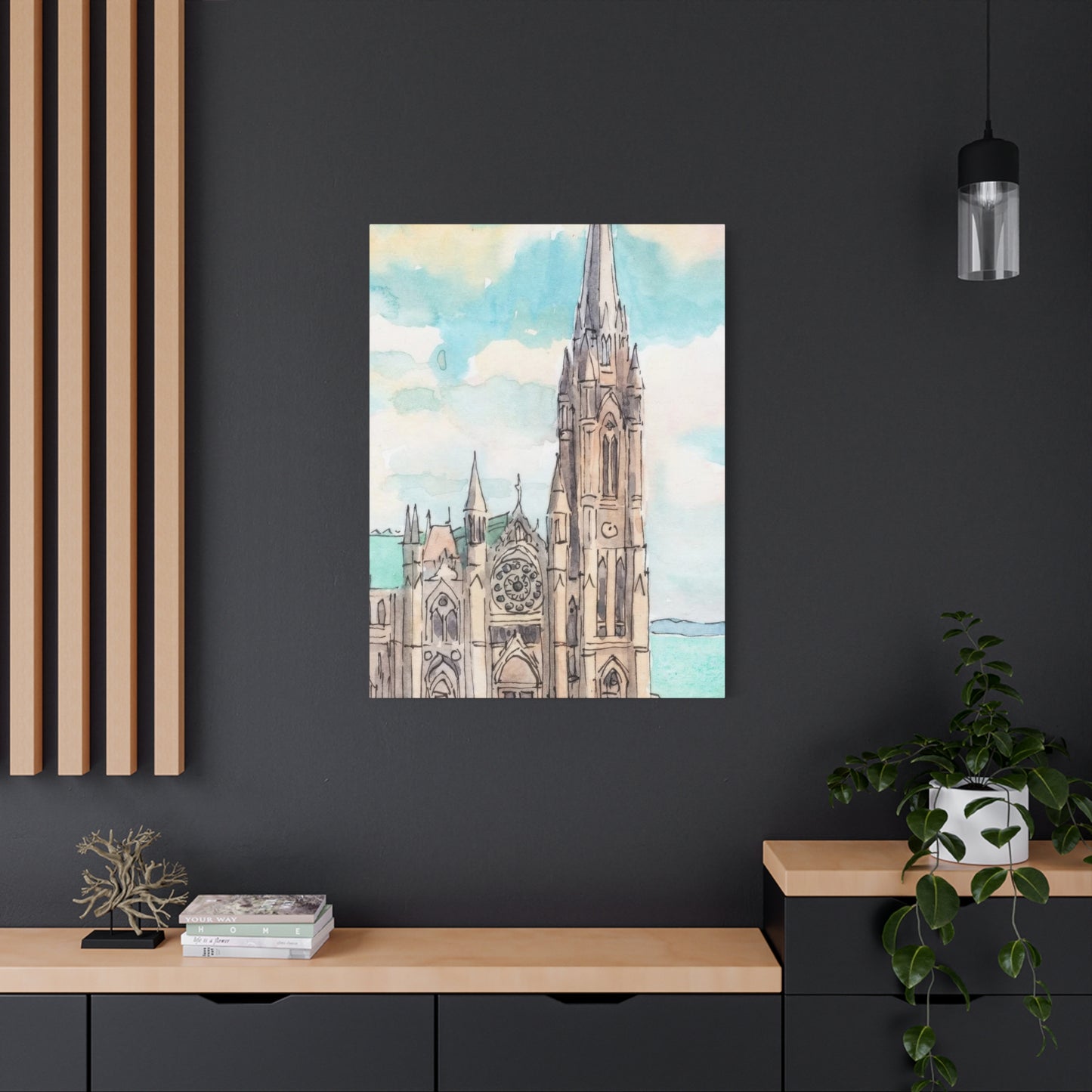
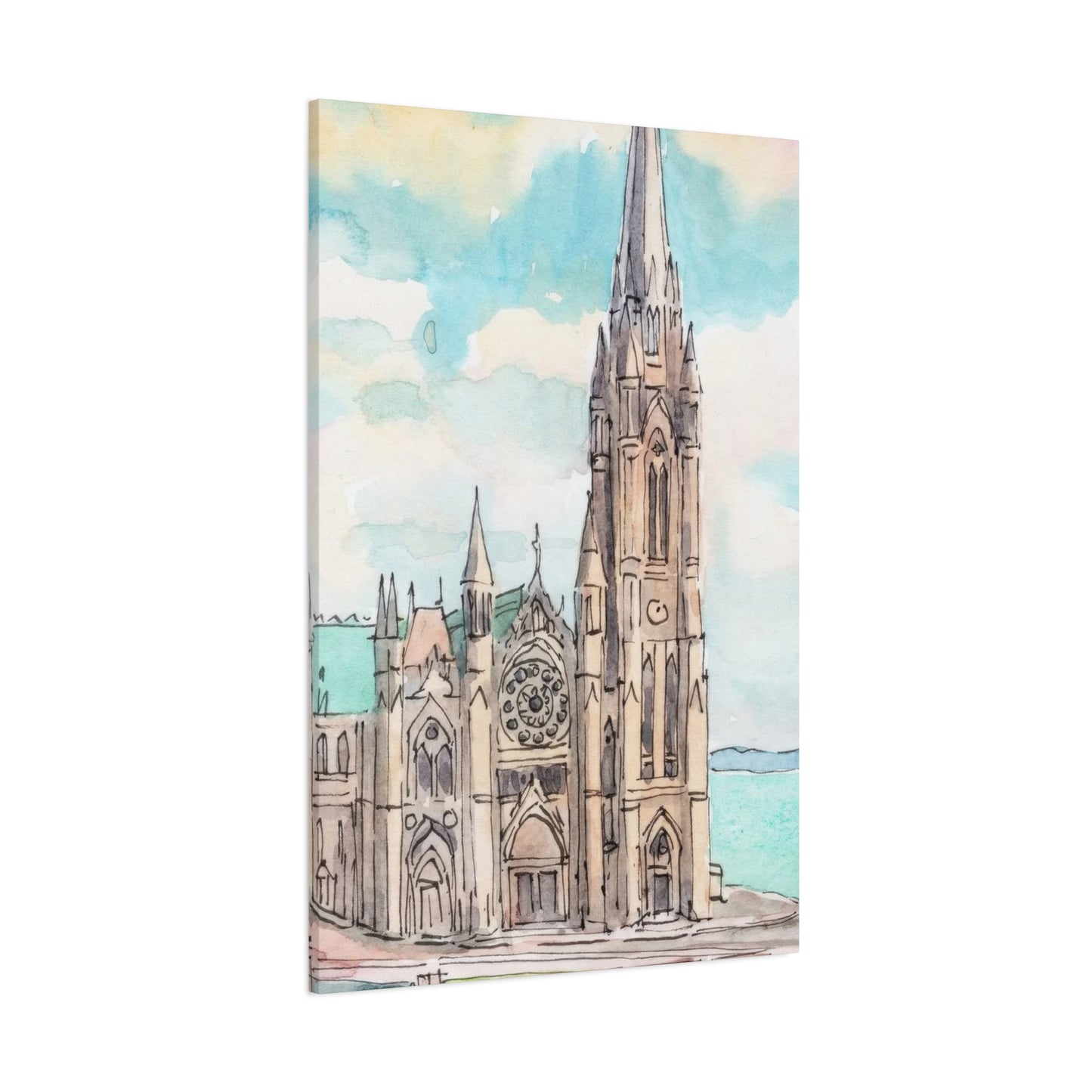
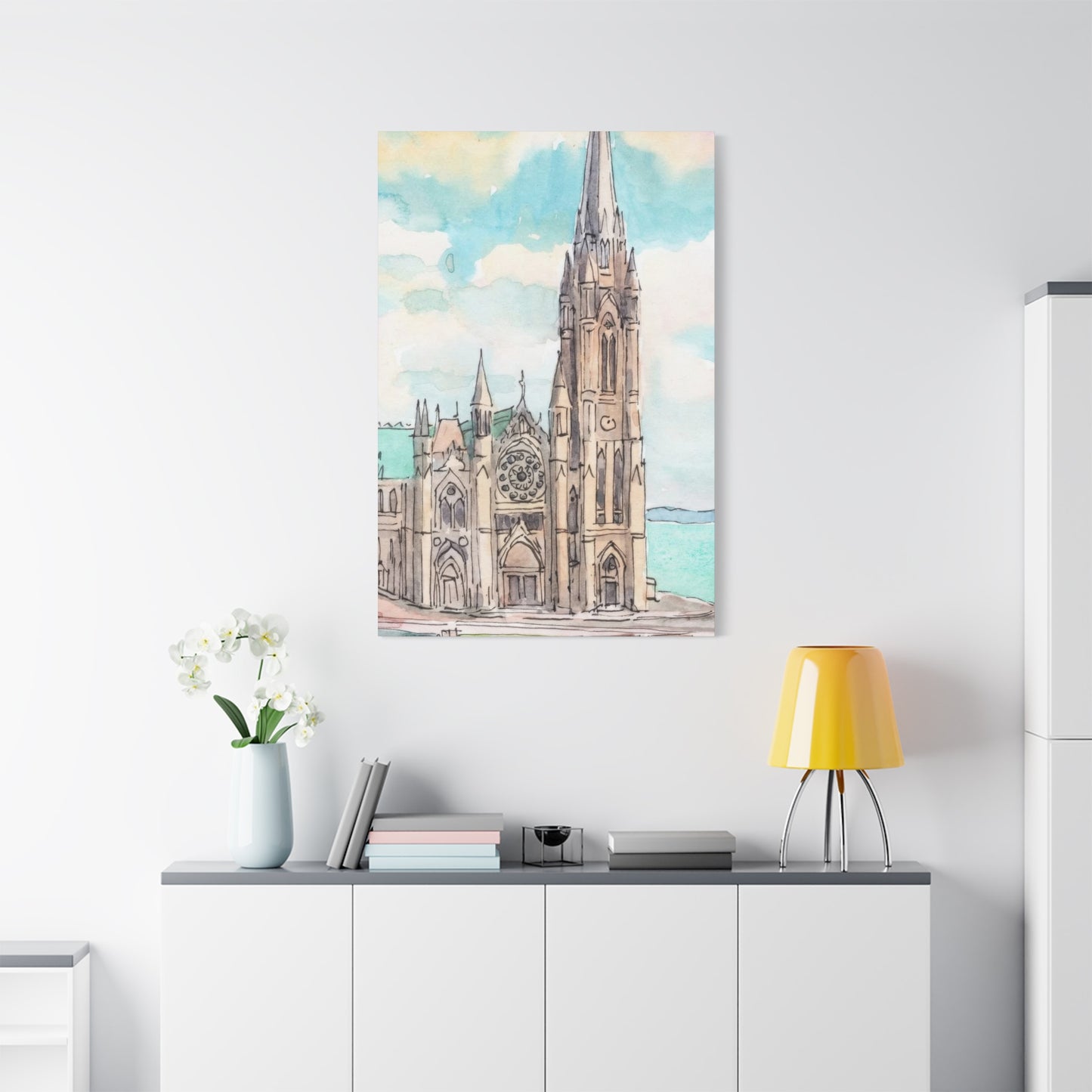
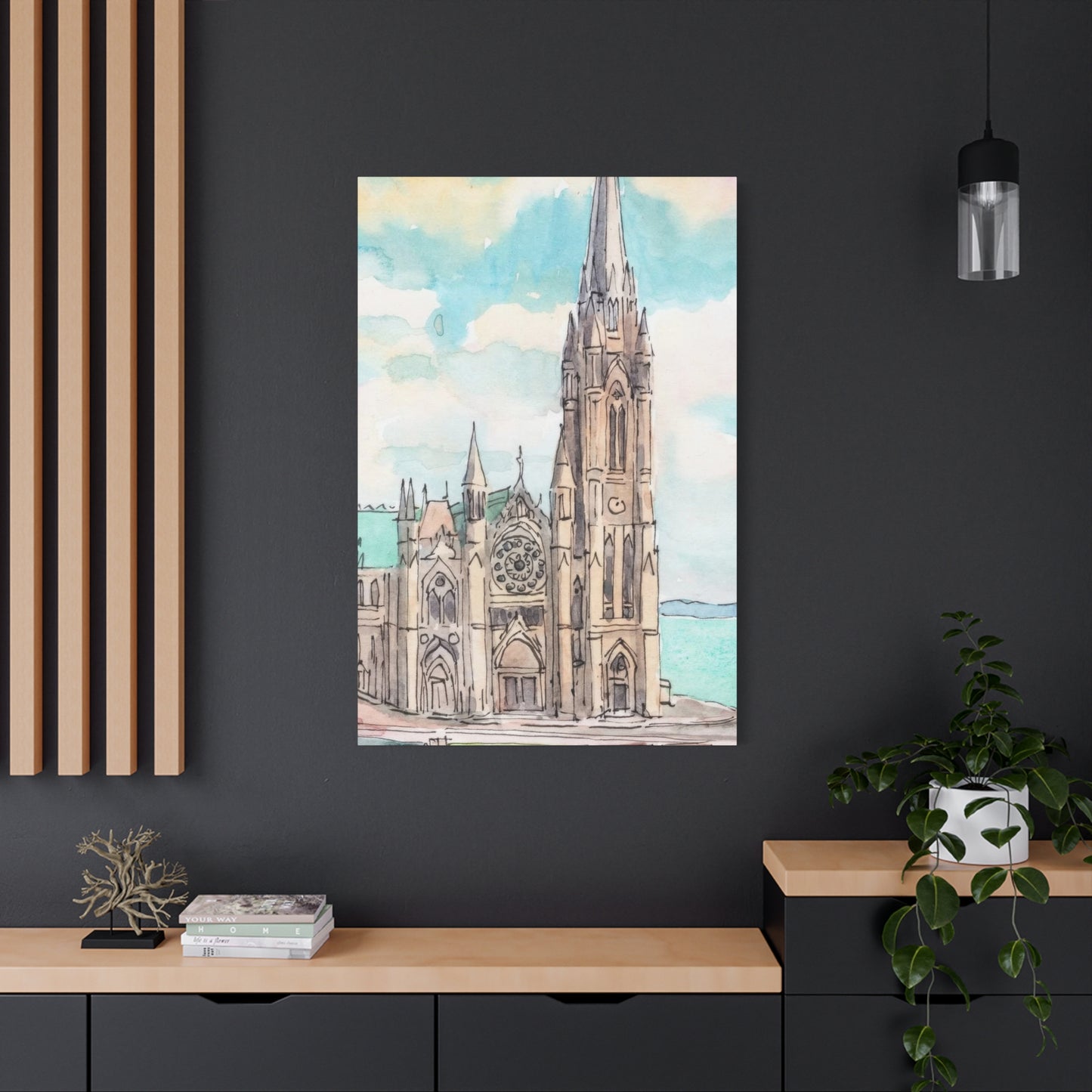
Cobh Ireland Wall Art: Capturing the Scenic Beauty of Ireland’s Historic Port Town
Ireland's southern coastline holds a treasure that has captivated artists, travelers, and design enthusiasts for generations. The picturesque waterfront town nestled along Cork's harbor represents more than just a maritime destination; it embodies the essence of Irish coastal culture, history, and architectural beauty. When transformed into canvas art, these scenic vistas bring the tranquil spirit of Irish shores directly into living spaces, creating focal points that inspire wanderlust and appreciation for nautical heritage.
The tradition of maritime-inspired interior design has evolved significantly over recent decades. What once consisted primarily of ship wheels and anchor motifs has transformed into sophisticated artistic expressions that capture the genuine character of coastal communities. Canvas prints featuring Ireland's colorful harbor towns offer homeowners an authentic connection to the sea without relying on clichéd nautical symbols. These artistic representations preserve the unique atmosphere of waterfront life while providing versatile décor options suitable for contemporary, traditional, and transitional interior styles.
The visual appeal of Irish coastal towns in wall art stems from several distinctive characteristics. The vibrant building facades that line harbor edges create striking color contrasts against blue-gray skies and shimmering water surfaces. Traditional architecture featuring steep roofs, tall windows, and colorful painted exteriors provides geometric interest that translates beautifully to canvas formats. The interplay of natural and built environments, where historic structures meet working harbors, generates compositional balance that makes these images perpetually engaging.
Understanding the cultural and historical significance behind these maritime scenes enhances their value as decorative elements. Irish port towns have served as departure points for emigrants, landing sites for transatlantic voyages, and centers of maritime commerce for centuries. This layered history adds depth to artistic representations, transforming simple landscape images into visual narratives that connect viewers with Ireland's seafaring legacy. When displayed in homes, these canvas prints become conversation pieces that invite discussion about travel experiences, family heritage, or appreciation for coastal living.
Capturing Waterfront Character Through Artistic Expression
The unique character of Irish harbor communities translates remarkably well into canvas art formats, primarily due to the distinctive visual elements that define these coastal settings. The architectural tradition of painting building exteriors in bright, cheerful colors creates immediate visual impact that draws viewer attention and generates emotional responses. These vibrant facades serve practical historical purposes—making individual buildings distinguishable from the sea—while creating the charming aesthetic that modern observers find so appealing. When reproduced on canvas, these colorful structures provide focal points that anchor compositions and inject personality into interior spaces.
Water elements in harbor imagery contribute essential qualities that enhance their effectiveness as wall décor. Reflective surfaces create dynamic visual interest as light interacts with rippling textures, suggesting movement within static images. The varying moods of water—calm and glassy, choppy and energetic, or dramatically storm-tossed—allow selection of artwork that matches desired emotional tones for specific spaces. Harbor settings where water meets built environments generate natural compositional balance between organic and constructed elements, creating harmonious visual relationships that feel inherently pleasing to human perception.
Sky conditions dramatically affect the overall mood and atmosphere of maritime canvas prints. Bright blue skies with scattered clouds produce cheerful, optimistic imagery suitable for social spaces and areas intended for energetic activities. Overcast conditions with soft, diffused light create contemplative atmospheres appropriate for bedrooms, reading areas, or meditation spaces. Dramatic skies with storm clouds or spectacular sunrise and sunset colors generate powerful emotional impact that commands attention in feature wall applications. Understanding these atmospheric variations helps buyers select artwork that supports intended uses for specific rooms.
The human elements present in many harbor scenes add scale references and narrative interest to compositions. Figures walking along piers, boats at moorings, or glimpses of daily activities suggest the living community beyond the architectural facades. These subtle inclusions of human presence make scenes feel inhabited and authentic rather than sterile or abandoned. For viewers, these details provide imaginative entry points into the depicted scenes, encouraging mental projection into the environments shown and fostering deeper engagement with the artwork.
Seasonal variations in coastal environments offer collectors opportunities to select imagery reflecting personal preferences or complementing specific interior color schemes. Summer scenes featuring bright sunshine, flourishing greenery, and active harbors project energy and warmth suitable for living areas and social spaces. Autumn imagery with changing foliage and softer light creates transitional aesthetics that work well in libraries, studies, or dining rooms. Winter representations showing harbor communities under gray skies or even snow cover provide dramatic contrast opportunities and sophisticated color palettes for contemporary interiors. Spring scenes with fresh greenery and clear light suggest renewal and optimism appropriate for bedrooms or personal spaces.
The interplay of natural and artificial lighting in harbor scenes creates complex visual effects that translate beautifully to canvas formats. Sunlight reflecting off water surfaces, illuminating building facades, and creating dramatic shadows generates depth and dimension within two-dimensional images. The warm glow of artificial lights in windows or along piers contrasts with cooler natural light, creating atmospheric conditions particularly effective in dawn or dusk imagery. These lighting complexities require skilled photography to capture effectively and professional printing to reproduce accurately, making quality considerations especially important when selecting maritime canvas art.
Compositional variety in harbor imagery provides options for different wall configurations and viewing distances. Wide panoramic formats capturing extensive waterfront expanses suit long wall spaces above sofas or in hallways, creating horizontal visual flow that draws eyes along the length of the image. Vertical compositions emphasizing tall architectural elements or dramatic skies work well in narrow wall spaces or areas with high ceilings where vertical emphasis enhances architectural features. Square formats offer balanced, contained compositions suitable for gallery wall arrangements or spaces where neither horizontal nor vertical emphasis is desired.
The documentary quality of photographic harbor art provides authentic representations of real places, distinguishing these works from artistic interpretations or composite fantasy images. This authenticity appeals to viewers who value genuine depictions of actual locations over idealized constructions. The knowledge that depicted scenes truly exist and can be visited adds connection to the wider world beyond interior spaces. For individuals who have traveled to shown locations, this authenticity triggers genuine memories and emotions attached to personal experiences rather than generic responses to pretty pictures.
Abstract and impressionistic interpretations of harbor themes offer alternatives for collectors seeking less literal representations. Artistic treatments emphasizing color relationships, simplified forms, or emotional expressions over photographic accuracy appeal to different aesthetic preferences while maintaining thematic connections to maritime subjects. These stylistic variations coordinate with contemporary and modern interior designs where abstract artwork aligns with overall aesthetic directions. The choice between realistic and interpretive approaches depends on personal taste and compatibility with existing décor elements.
Black and white or monochromatic treatments of harbor scenes create sophisticated alternatives to full-color imagery. These tonal approaches emphasize form, texture, and compositional structure over color relationships, generating different visual effects suitable for minimalist or dramatic interior schemes. Sepia-toned treatments evoke historical character and nostalgic qualities that complement vintage or traditional decorating styles. These alternative color approaches expand the versatility of maritime subject matter to suit diverse design preferences beyond typical colorful coastal imagery.
The technical challenge of reproducing subtle color gradations in sky and water elements separates quality canvas prints from mediocre reproductions. Professional printing systems with expanded color gamuts accurately render the delicate transitions between sky tones or the complex colors visible in reflecting water surfaces. Inferior printing methods produce banding or posterization where smooth gradations should appear, significantly diminishing visual quality. When evaluating potential purchases, attention to these technical details helps ensure satisfaction with final products.
The relationship between canvas texture and image subjects affects overall aesthetic results. Finely woven canvas with minimal visible texture suits highly detailed imagery where smooth reproduction preserves intricate elements. More pronounced canvas textures add painterly qualities that complement certain artistic treatments or create additional visual interest in simpler compositions. Matching canvas texture characteristics to specific images requires considering the desired final effect and how texture interacts with printed content.
Integrating Coastal Imagery into Contemporary Living Spaces
Modern interior design increasingly embraces natural elements and organic inspirations as counterbalances to technology-dominated lifestyles and urban environments. Maritime canvas art fits seamlessly into this design philosophy by introducing coastal atmospheres into interior spaces regardless of geographic location. The visual connection to water, open skies, and historic communities satisfies innate human desires for natural environments while supporting contemporary aesthetic preferences for authentic, meaningful décor over generic commercial products.
The open-concept layouts prevalent in contemporary residential design create opportunities and challenges for art placement. Large, unbroken wall surfaces in combined living and dining areas require substantial artwork capable of anchoring these expansive spaces without appearing insignificant. Oversized canvas prints depicting harbor panoramas provide visual weight appropriate for these architectural contexts while introducing color and interest to otherwise neutral modern interiors. The horizontal emphasis of waterfront compositions naturally complements the lateral flow of open floor plans, reinforcing rather than contradicting architectural intentions.
Minimalist design principles emphasizing clean lines and uncluttered spaces demand artwork selections that contribute without overwhelming sparse aesthetic frameworks. Single large-scale maritime prints provide sufficient visual interest to prevent starkness while maintaining the simplicity characteristic of minimalist approaches. The natural subject matter and often-restrained color palettes of coastal imagery align with minimalist preferences for organic elements presented without excessive ornamentation. This compatibility makes harbor canvas art unexpectedly effective in ultra-modern settings where one might not initially anticipate traditional landscape imagery.
The Scandinavian design influence in contemporary interiors creates particular affinity for coastal artwork. The Nordic aesthetic values natural materials, understated elegance, and connections to natural environments—principles perfectly embodied in quality maritime canvas prints. The cool color palettes common in both Scandinavian interiors and coastal imagery create harmonious relationships where artwork reinforces rather than conflicts with overall design directions. Light-filled Scandinavian spaces enhance the luminous qualities of water and sky elements in harbor scenes, creating synergistic effects that amplify both interior design and artwork.
Industrial-style interiors featuring exposed materials and utilitarian aesthetics benefit from the softening influence of maritime artwork. The organic curves of boats, water, and architectural elements contrast effectively with angular industrial features like exposed beams, ductwork, and metal fixtures. The historical character inherent in images of established port communities echoes the vintage industrial aesthetic while introducing warmer color tones that humanize potentially cold industrial materials. This unexpected pairing creates dynamic tension that prevents industrial spaces from feeling excessively harsh or unwelcoming.
Transitional design approaches blending traditional and contemporary elements find ideal companions in maritime canvas art that similarly bridges historical subject matter with modern presentation formats. Gallery-wrapped canvases offer contemporary framing sensibilities while depicting traditional harbor scenes, embodying the transitional aesthetic in single decorative elements. This dual nature allows maritime art to coordinate with both inherited antique furnishings and recently acquired modern pieces, creating visual continuity across diverse furniture collections typical of transitional interiors.
Color extraction strategies enable using maritime canvas art as springboards for entire room color schemes. Designers frequently select dominant or accent colors from chosen artwork to inform paint selections, textile choices, and accessory decisions throughout spaces. The complex color palettes found in harbor scenes—with primary water and sky tones complemented by building facade colors—provide rich sources for cohesive color planning. This approach ensures that artwork integrates seamlessly with surroundings rather than appearing as afterthoughts added to completed rooms.
The psychological impact of incorporating natural imagery into technology-filled environments addresses growing concerns about digital overload and disconnection from natural world. Placing canvas prints depicting coastal scenes in home offices, entertainment rooms, or other technology-focused spaces provides visual respite and mental breaks from screen-based activities. The calming influence of maritime imagery counterbalances the stimulation and stress associated with constant digital engagement, supporting healthier relationships with technology through balanced environmental design.
Multi-generational appeal makes maritime canvas art practical for households with diverse age groups and aesthetic preferences. Children respond to the bright colors and identifiable elements like boats and buildings. Young adults appreciate the sophisticated presentation and travel connections. Middle-aged homeowners value the quality and investment in meaningful décor. Older family members often connect with historical and cultural aspects of depicted communities. This broad appeal makes coastal artwork suitable for family common areas where diverse preferences must be accommodated.
Historical Context Enriching Artistic Appreciation
Understanding the maritime heritage of Irish port communities deepens appreciation for their artistic representations beyond surface aesthetics. These towns developed as crucial nodes in transatlantic commerce, fishing industries, and naval operations spanning centuries. The architectural legacies visible in contemporary harbor scenes reflect periods of prosperity when maritime commerce funded substantial construction, creating the distinctive building stock that now defines these communities' visual characters. Canvas prints capturing these architectural ensembles preserve visual records of historical development patterns frozen in specific moments.
The social history embedded in coastal communities adds human dimension to architectural scenes. These harbor towns served as final glimpses of homeland for millions of emigrants departing Ireland during historical periods of hardship and opportunity-seeking. The same piers and waterfronts visible in contemporary photographs witnessed countless emotional departures and reunions across generations. This historical resonance transforms simple harbor views into powerful symbols of human experience—hope, loss, courage, and connection—that viewers sense even without explicit knowledge of specific historical events.
The evolution of maritime industries has transformed harbor functions while preserving visual character in many Irish coastal towns. Working fishing harbors maintain authentic maritime atmospheres even as tourism and other economic activities supplement traditional industries. This living history—where contemporary activities occur within historical architectural frameworks—creates dynamic environments that feel genuine rather than preserved as museum pieces. Canvas art capturing this authentic blend of past and present communicates vitality and ongoing community life rather than nostalgic frozen moments.
Architectural preservation efforts in Irish coastal communities ensure that historical character survives for future generations while providing ongoing subjects for artistic documentation. Protected heritage designations, restoration projects, and thoughtful development policies maintain the distinctive facades and streetscapes that make these locations visually compelling. Awareness of these preservation efforts adds another appreciation layer for canvas art buyers who value cultural heritage conservation and wish to support communities actively maintaining their historic identities.
The relationship between maritime communities and broader Irish cultural identity creates symbolic significance beyond literal scene depictions. Coastal towns embody themes of exploration, connection to wider worlds, and engagement with natural forces that characterize Irish historical experience. These symbolic associations allow maritime canvas art to represent broader cultural values and national identity elements, making them meaningful to individuals with Irish heritage regardless of specific family connections to depicted locations.
The technological evolution of maritime industries appears subtly in contemporary harbor imagery through modern vessels, updated facilities, and current infrastructure coexisting with historical architecture. This layering of historical periods creates visual complexity that rewards close examination and contemplation. Viewers can trace technological progress through details visible in canvas prints while appreciating how communities adapt to changing circumstances while maintaining essential character. This temporal depth distinguishes documentary photography from purely aesthetic landscape art.
Maritime Themes in Diverse Interior Applications
The application of coastal canvas art extends far beyond generic wall decoration to serve specific functional and emotional purposes in various interior contexts. Bedroom environments benefit particularly from maritime imagery's calming properties, with harbor scenes promoting relaxation conducive to restful sleep. The association between water sounds and stress reduction extends to visual water representations, creating psychological connections that enhance bedroom atmospheres. Softer compositions featuring calm water and gentle light suit bedroom applications better than dramatic storm imagery that might prove too stimulating for sleep spaces.
Living room applications of maritime canvas art create conversation focal points while establishing room character and design direction. Large-scale harbor panoramas above mantels or primary seating areas command attention and anchor furniture arrangements, providing visual destinations that organize spatial flow. The social function of living spaces aligns well with engaging artwork that invites discussion about travel experiences, cultural interests, or aesthetic preferences. Multiple family members and guests encountering these prominent displays ensure that art selections receive appreciation justifying investment in quality pieces.
Dining room maritime art creates atmospheric enhancement for meal experiences, with sophisticated harbor scenes complementing both casual family dinners and formal entertaining. The cultural associations between coastal communities and seafood cuisines create thematic coherence when maritime artwork accompanies dining spaces. Color palettes from canvas prints can coordinate with table settings, allowing artwork to integrate with total dining experiences. The vertical wall spaces typical in dining rooms accommodate portrait-oriented compositions that emphasize architectural elements or dramatic skies.
Kitchen applications of maritime canvas art introduce personality into functional spaces often dominated by cabinetry and appliances. Smaller canvas pieces or collections of related prints transform blank wall segments into decorative features that humanize utilitarian environments. The moisture resistance of properly coated canvas makes these materials suitable for kitchen conditions where humidity and temperature fluctuations occur. Cheerful harbor imagery with bright building colors enhances kitchen atmospheres, making these work spaces more enjoyable for daily activities.
Home office and study environments benefit from maritime artwork's ability to provide mental breaks and inspiration during focused work. Coastal scenes visible from work positions offer brief visual escapes that reduce eye strain from computer screens while maintaining proximity to work areas. The contemplative qualities of harbor imagery support creative thinking and problem-solving by providing visually interesting subjects for brief mental diversions. The professional appearance of quality canvas prints maintains appropriate atmospheres for video conferences or client meetings conducted from home offices.
Bathroom applications of maritime themes create cohesive spa-like retreats when properly executed. Coastal canvas art reinforces connections between water-focused bathroom functions and maritime imagery, establishing thematic unity. The smaller wall spaces typical in bathrooms suit modest canvas dimensions or multi-piece arrangements. Moisture considerations require proper protective coatings and adequate ventilation to prevent damage from bathroom humidity. When these practical concerns are addressed, maritime artwork transforms bathrooms into relaxing sanctuaries rather than purely functional spaces.
Hallway and stairway applications of maritime canvas art enliven transitional spaces often neglected in decorating schemes. Gallery wall arrangements featuring multiple related harbor images create visual interest along circulation routes while allowing display of larger collections than single-room placements permit. The extended viewing time as people traverse hallways provides opportunity for closer examination of multiple pieces. Lighting these transitional spaces adequately ensures artwork remains visible and appreciated rather than disappearing into shadowy passages.
Technical Considerations for Optimal Display Quality
Understanding canvas construction fundamentals helps buyers evaluate quality and select appropriate products for specific applications. Canvas materials range from cotton to polyester to blended fabrics, each offering distinct characteristics regarding texture, durability, and print receptiveness. Cotton canvas provides traditional texture and appearance favored for fine art reproduction but requires more careful environmental control to prevent deterioration. Polyester canvas offers superior durability and resistance to environmental factors while maintaining excellent print quality suitable for most residential applications.
Stretcher frame construction significantly impacts finished appearance and longevity of canvas prints. Quality frames use kiln-dried wood properly joined at corners to resist warping and maintain structural integrity over time. Frame depth affects visual presentation, with deeper frames creating more substantial three-dimensional presence on walls. Corner construction methods including stapled, folded, or mitered approaches influence both appearance and durability, with professional construction techniques producing cleaner results that maintain quality longer.
Print resolution and image quality depend on both source material and printing equipment capabilities. High-resolution digital photography provides source files containing sufficient detail for large-format printing without quality degradation. Professional printing equipment with fine dot patterns produces smooth continuous tones without visible dots or patterns. Lower quality printing reveals its limitations through visible pixelation, banding in gradual color transitions, and overall softness lacking crisp detail. Comparing print samples before purchasing helps ensure expectations match delivered quality.
Color management throughout the printing process ensures final prints accurately represent original photography. Calibrated monitors, profiled printers, and standardized workflows maintain color consistency from digital files through printed output. Without proper color management, prints may display unexpected color shifts, inaccurate hues, or tonal imbalances that diminish artistic intent. Quality producers implement comprehensive color management systems that deliver predictable, accurate results matching customer expectations.
Protective coating applications serve multiple purposes including UV protection, moisture resistance, and surface protection from physical damage. Various coating formulations provide different levels of protection while affecting surface appearance from matte to glossy finishes. UV inhibitors in coatings slow color fading from sunlight exposure, extending print lifespan significantly. Water-resistant coatings protect against humidity and accidental moisture contact, important for bathroom installations or humid climates. Anti-scratch properties help canvas surfaces resist damage from incidental contact during cleaning or daily proximity.
Installation hardware and methods affect both ease of hanging and long-term display security. Quality canvas prints include properly attached hanging hardware positioned to support weight distribution without causing frame stress. Wire hanging systems provide adjustment flexibility while D-rings offer simpler installation with more precise positioning. Wall anchor selection must match wall construction types—drywall, plaster, masonry—and artwork weight to ensure secure mounting preventing damage from falls. Professional installation services provide expertise valuable for larger, heavier pieces or valuable artwork requiring precise placement.
Lighting design dramatically influences how canvas prints appear and how well details remain visible. Natural daylight provides ideal illumination showing colors accurately while avoiding the harshness of direct sunlight that causes fading. Artificial lighting requires consideration of color temperature matching, with warmer lights complementing traditional interiors while cooler temperatures suit contemporary spaces. Directional lighting including picture lights or track systems creates dramatic presentations emphasizing artwork while avoiding glare from reflective canvas surfaces. Ambient lighting levels throughout rooms must provide sufficient illumination for artwork appreciation without washing out colors through excessive brightness.
Environmental factors including temperature, humidity, and air quality affect canvas longevity and appearance preservation. Stable temperatures prevent expansion and contraction stresses that could affect canvas tension or frame integrity. Moderate humidity levels prevent both excessive dryness causing brittleness and excessive moisture promoting mold growth or material degradation. Air quality considerations include avoiding exposure to cooking fumes, fireplace smoke, or other airborne contaminants that might accumulate on canvas surfaces. Climate-controlled interior environments typical of modern homes generally provide suitable conditions without requiring special precautions.
Emotional Dimensions of Maritime Art
The therapeutic value of nature-based artwork has received increasing scientific attention, with research documenting measurable benefits from environmental imagery exposure. Studies indicate that viewing natural scenes including coastal environments reduces stress markers, lowers blood pressure, and promotes faster recovery from anxiety-inducing situations. These physiological responses occur even with representational imagery rather than direct nature exposure, validating the health benefits of incorporating maritime canvas art into living environments. For individuals unable to access actual coastal environments regularly, these artistic substitutes provide meaningful wellness benefits.
The concept of biophilic design—incorporating natural elements into built environments—explains why maritime artwork proves so effective in interior spaces. Human evolutionary history created innate preferences for certain environmental features including water sources, open vistas, and shelter—all elements present in harbor scenes. Canvas prints depicting these preferred features satisfy deep psychological needs for connection to natural environments even within constructed settings. This alignment with fundamental human preferences explains the universal appeal of coastal imagery across diverse cultural backgrounds.
Color psychology principles illuminate why maritime palettes prove particularly effective for promoting desired emotional states. Blue tones dominate most harbor scenes through sky and water elements, triggering associations with calmness, stability, and mental clarity supported by extensive color psychology research. Green accents from vegetation introduce balance and renewal associations while grounding compositions in natural contexts. Warm accent colors from building facades add energy and positivity without overwhelming the overall cool palette that supports relaxation. This sophisticated color balance makes maritime art psychologically supportive of both active and restful states.
The concept of visual escape through artwork addresses psychological needs for variety and mental stimulation within daily environments. Particularly for individuals spending extensive time in limited spaces—whether due to work-from-home arrangements, mobility limitations, or urban living conditions—artwork providing windows to different environments satisfies desires for experiential diversity. Maritime canvas prints offer mental transportation to coastal settings, providing imaginative journeys that refresh perspectives and combat monotony of unchanging surroundings. This escape function serves legitimate psychological needs in contemporary life.
Nostalgia and memory associations attached to coastal imagery create powerful emotional connections that enhance artwork significance. For individuals with personal histories in maritime communities—childhood homes, vacation destinations, or family heritage sites—images depicting similar environments trigger positive memories and emotional warmth. Even without direct personal connections, cultural exposure through media, literature, or popular culture creates collective associations between coastal settings and positive experiences. These memory connections transform artwork from mere decoration into emotionally meaningful environmental elements.
The aspirational dimension of coastal imagery connects to widespread dreams of seaside living, leisurely travel, or simpler lifestyles associated with small-town communities. Maritime canvas art allows individuals to incorporate these aspirational elements into current living situations regardless of practical lifestyle realities. The daily visual exposure to idealized coastal scenes maintains connections to desired futures while providing satisfaction within present circumstances. This aspirational function makes artwork participatory in personal identity construction and life goal maintenance.
Seasonal affective responses to artwork vary based on current weather conditions and seasonal contexts. During winter months particularly, bright coastal scenes provide visual warmth and color that combat seasonal darkness and cold temperatures psychologically. The association between summer seasons and coastal experiences means maritime artwork triggers summer mindsets even in winter contexts, providing psychological relief from seasonal constraints. This counter-seasonal benefit makes permanent coastal artwork installations valuable for year-round psychological support rather than merely seasonal decoration.
The social bonding function of shared artistic appreciation facilitates relationship development and maintenance through conversation and common interests. Maritime canvas art often prompts visitors to share their own coastal experiences, travel stories, or cultural connections, creating natural conversation topics that ease social interactions. Family members discussing displayed artwork develop shared aesthetic vocabulary and collective memories around specific pieces. These social dimensions transform artwork from solitary aesthetic experiences into relationship-supporting environmental elements.
Cultural Significance and Heritage Connections
The role of Irish coastal communities in global migration history creates profound cultural significance beyond their current tourism appeal. During the nineteenth and early twentieth centuries, millions of emigrants departed Irish ports for opportunities in North America, Australia, and elsewhere, permanently shaping global Irish diaspora distributions. The same harbors and waterfronts visible in contemporary photographs witnessed these world-altering departures, investing these locations with historical weight and emotional significance. For descendants of Irish emigrants worldwide, images depicting these departure points create tangible connections to family histories and ancestral experiences.
The preservation of traditional architecture in Irish harbor towns maintains living links to historical periods and building traditions that might otherwise disappear entirely. Unlike museum-preserved structures isolated from contemporary life, the working buildings visible in maritime canvas art remain integrated into daily community functions. This living heritage where historical structures serve current needs demonstrates successful heritage conservation balancing preservation with practical utility. Artwork documenting these achievements celebrates communities successfully maintaining identities while adapting to contemporary circumstances.
The musical traditions associated with Irish coastal communities add cultural dimensions that visual artwork represents indirectly. Maritime songs, fishing ballads, and emigration laments form significant portions of Irish traditional music repertoires, creating aural landscapes paralleling the visual scenes captured in harbor photography. For individuals familiar with these musical traditions, visual artwork triggers musical memories and associations, creating multi-sensory cultural experiences through single-medium presentations. This cultural layering enriches artwork significance for those possessing relevant cultural knowledge.
The literary traditions depicting Irish coastal life provide narrative contexts that inform visual artwork interpretation. Writers from Synge to contemporary authors have explored themes of isolation, community, tradition, and change in coastal settings. These literary explorations create cultural frameworks through which viewers understand and interpret visual representations of similar environments. Canvas art depicting harbor scenes connects to these literary traditions, inviting viewers to imagine narratives suggested by architectural details and environmental conditions visible in images.
The culinary traditions centered around seafood and coastal ingredients create another cultural dimension associated with maritime imagery. Irish coastal communities developed distinctive food traditions based on local catches and regional ingredients, contributing to national culinary identity. Visual artwork depicting working harbors implies these culinary traditions through boats and fishing activities visible in compositions. For food enthusiasts or individuals with cultural connections to Irish cuisine, these implied culinary connections add appreciation layers beyond pure visual aesthetics.
The festival traditions celebrating maritime heritage, religious observances, and seasonal events contribute to cultural richness associated with coastal communities. Annual celebrations drawing on historical traditions create communal identities and maintain cultural continuity across generations. While canvas prints typically capture everyday scenes rather than festival moments, the community cohesion these traditions support remains visible in well-maintained streetscapes and vital harbor activities. Awareness of these cultural practices enriches understanding of depicted communities as living entities rather than static picturesque subjects.
The craft traditions including boat building, net making, and maritime equipment construction represent specialized knowledge passed through generations in coastal communities. While often invisible in landscape photographs, these traditional skills support the maritime activities that define harbor character. The boats visible at moorings in harbor scenes represent accumulated craft knowledge and ongoing traditions connecting contemporary communities to historical practices. This hidden dimension of traditional craftsmanship adds depth to simple boat imagery for viewers aware of these technical traditions.
Commercial and Market Dynamics
The art market for maritime and coastal imagery reflects broader trends in interior design while maintaining specific characteristics based on subject matter appeal. Demand for coastal canvas art has grown alongside popularization of beach house aesthetics, farmhouse styles incorporating vintage elements, and general preferences for nature-based décor. This sustained demand supports diverse suppliers from individual artist-photographers to large-scale commercial print operations, creating market options across price ranges and quality levels. Understanding market dynamics helps consumers navigate options and make informed purchasing decisions.
The pricing structures for canvas prints vary based on multiple factors including size, print quality, source materials, and seller business models. Limited edition prints command premium prices through artificial scarcity and potential value appreciation. Open edition reproductions offer accessibility at lower price points without quantity restrictions. Original photography by recognized artists represents the highest price tier with corresponding quality and exclusivity. Understanding these pricing tiers and what they represent helps buyers align budgets with expectations regarding exclusivity and long-term value.
The role of online marketplaces in democratizing art access has transformed how consumers discover and purchase maritime canvas prints. Digital platforms enable artists to reach global audiences without traditional gallery representation or geographic limitations. Consumers access vastly expanded selections compared to local retail options while comparing prices and styles efficiently. This digital marketplace transformation has driven prices downward through increased competition while simultaneously expanding consumer awareness of quality differences requiring educated purchasing decisions.
The distinction between reproduction prints and original photography affects both pricing and long-term value considerations. Reproductions of famous works or stock photography provide affordable access to attractive imagery without uniqueness or artist connection. Original photography by working artists offers authentic creative vision and potential relationship development with creators. Limited editions bridge these categories by providing some exclusivity while maintaining relative accessibility. Understanding these distinctions helps buyers make philosophically aligned choices reflecting whether they prioritize affordability, investment potential, or artist support.
The importance of licensing and copyright compliance ensures ethical art purchasing while protecting artist rights. Legitimate sellers possess proper licensing for reproduced images or own original content they're selling. Unauthorized reproductions violate copyright laws and deprive artists of rightful compensation for creative work. Consumers purchasing from reputable sources avoid legal complications while supporting sustainable creative economies. This ethical dimension of art purchasing aligns with broader values regarding fair compensation and intellectual property respect.
The relationship between print-on-demand technologies and canvas art markets has expanded consumer options while creating quality control challenges. Automated systems allow efficient production of custom orders without inventory warehousing, reducing costs passed to consumers. However, automated production sometimes sacrifices quality control compared to carefully managed small-batch production. Understanding seller production methods helps predict likely quality levels and customer service experiences associated with different suppliers.
Environmental and Sustainability Considerations
The environmental impact of canvas art production includes considerations from material sourcing through manufacturing processes to shipping logistics. Cotton canvas production involves agricultural inputs including water, pesticides, and land use with varying environmental consequences depending on farming practices. Polyester canvas derives from petroleum products with associated extraction and processing impacts but offers durability reducing replacement frequency. Bamboo and hemp alternatives provide more sustainable material options increasingly available in specialty markets. Understanding these material considerations allows environmentally conscious consumers to make aligned purchasing decisions.
The printing process environmental impacts vary dramatically between different technologies and business practices. Traditional solvent-based inks release volatile organic compounds contributing to air pollution and health concerns. Water-based and UV-cured inks offer substantially reduced environmental impacts while delivering comparable print quality. Some producers utilize renewable energy for facility operations, further reducing carbon footprints. Certifications including eco-labels provide third-party verification of environmental claims helping consumers identify genuinely sustainable options.
The longevity perspective on sustainability recognizes that durable, timeless artwork reduces overall environmental impact compared to disposable fast-décor requiring frequent replacement. Quality canvas prints lasting decades through classic styling and robust construction prevent waste generation from repeatedly discarding outdated pieces. This durability-focused approach to sustainability emphasizes choosing fewer, better items over accumulating numerous cheap products destined for landfills. The initial higher cost of quality pieces amortizes over extended useful lives, ultimately proving more economical and environmentally responsible.
The local production movement in art markets reduces transportation impacts while supporting regional economies and artisan communities. Purchasing canvas prints produced near purchase locations minimizes shipping distances and associated emissions. Local production often involves more transparent supply chains allowing verification of environmental and labor practices. Relationships with local artists and producers create community connections adding satisfaction beyond product acquisition alone. These local purchasing benefits extend beyond environmental considerations to encompass broader sustainability definitions including economic and social dimensions.
The packaging waste associated with shipped artwork represents significant environmental consideration as e-commerce continues dominating art markets. Excessive packaging using non-recyclable materials creates unnecessary waste while insufficient protection risks damage requiring replacement shipments. Responsible sellers balance protection requirements with waste minimization through recyclable materials and efficient designs. Consumers can support sustainability by selecting sellers with demonstrated commitment to minimal, recyclable packaging and properly recycling materials after delivery.
Conclusion:
The captivating nature of Irish harbor scenes captured on canvas represents far more than simple decorative choices. These artistic pieces embody complex intersections of natural beauty, cultural heritage, architectural distinction, and emotional resonance that combine to create meaningful additions to living spaces. The enduring popularity of coastal imagery across design movements and generational preferences demonstrates fundamental human connections to maritime environments that transcend temporary trends. As interior design continues evolving, the timeless appeal of waterfront communities thoughtfully represented in quality canvas art ensures sustained relevance for these decorative elements.
The practical advantages of canvas as an artistic medium complement the aesthetic appeal of harbor subjects, creating synergistic benefits that explain marketplace success. The durability, affordability, and versatility of canvas prints democratize access to substantial artwork previously available only to affluent collectors. Technical advances in printing technologies continue improving quality while containing costs, expanding the population able to incorporate meaningful art into their homes. This accessibility revolution transforms interior design from elite pursuit to universal opportunity for personal expression and environmental enhancement.
The psychological and emotional benefits derived from thoughtfully selected maritime artwork justify consideration beyond pure aesthetics in decorating decisions. The documented stress-reduction properties, mental stimulation values, and emotional satisfaction associated with nature-based imagery support wellness-oriented approaches to interior design. As awareness grows regarding environmental influences on mental health, strategic artwork selection gains importance as accessible intervention supporting daily wellbeing. The modest investment in quality canvas prints yields substantial returns through years of psychological benefits and aesthetic pleasure.
The cultural preservation function of documentary photography capturing Irish coastal communities adds significance extending beyond individual homes to collective heritage stewardship. As these historic places face development pressures, climate challenges, and economic transformations, artistic documentation preserves visual records of places as they exist in specific moments. Future generations may value these artistic records as primary sources for understanding early twenty-first century coastal communities. Collectors participating in this preservation process through artwork purchases contribute to cultural memory maintenance while enriching their personal environments.
The relationship-building potential of shared artistic appreciation creates social value complementing individual aesthetic satisfaction. Artwork selected for family homes becomes part of collective family narratives, referenced in conversations and memories across years. Pieces received as gifts carry sentimental value beyond intrinsic artistic merit through associations with givers and occasions. The conversation-starting properties of engaging maritime scenes facilitate social interactions and relationship development through shared aesthetic experiences. These social dimensions position artwork as active participants in family life rather than passive background elements.
The investment wisdom of selecting quality, timeless pieces over disposable fast-décor applies financial prudence to decorating decisions. While initial costs for well-produced canvas art exceed cheap alternatives, the extended satisfaction and durability justify premiums through superior cost-per-year calculations. Quality pieces maintain aesthetic appeal across changing trends while inferior products quickly appear dated requiring replacement. The environmental benefits of durable goods align with financial advantages, creating ethical consumption patterns benefiting both budgets and ecological responsibility.
The educational opportunities presented by maritime artwork extend particularly to younger household members developing aesthetic appreciation and cultural awareness. Exposure to quality art from early ages cultivates visual literacy and appreciation for beauty supporting lifelong cultural engagement. Geographic and historical information embedded in harbor scenes provides informal learning opportunities through casual observation and parent-child discussions. These developmental benefits justify considering artwork selections partially through educational lenses rather than purely adult aesthetic preferences.
The aspirational dimension of coastal imagery supports personal motivation and goal maintenance by maintaining visual connections to desired futures. Dreams of seaside living, extended travels, or simpler lifestyles remain present through daily exposure to representative imagery. This aspirational function makes artwork participatory in identity construction and life direction rather than simply reflecting current circumstances. The psychological support provided through maintained connections to personal goals justifies artwork selections aligned with individual aspirations and values.
The evolving technologies enabling increasingly sophisticated artistic reproduction promise continued improvements in accessibility and quality. Emerging printing techniques, material innovations, and digital tools enhance both artistic creation and consumer experiences with maritime canvas art. These technological advances benefit consumers through expanded options, improved quality at given price points, and enhanced purchasing confidence through preview capabilities. The trajectory suggests continued democratization of art access while maintaining or improving quality standards.
The marketplace maturation of canvas art continues bringing improvements in consumer protection, quality standards, and competitive pricing. Established sellers build reputations incentivizing quality maintenance and customer satisfaction. Industry standards emerge regarding production practices, material specifications, and ethical sourcing. Consumer education increases through reviews, guides, and community knowledge-sharing. These market developments benefit buyers through reduced risk, clearer expectations, and improved value across price ranges.
The integration of maritime canvas art into comprehensive interior design strategies maximizes aesthetic impact while ensuring cohesive environments. Coordinating artwork with architectural features, furniture selections, color schemes, and lighting creates unified spaces where all elements support overall design intentions. Professional design assistance helps homeowners navigate complex decisions regarding scale, placement, and style coordination. DIY decorators benefit from educational resources providing guidance for effective artwork integration without professional services.
The personal satisfaction derived from curating meaningful art collections transforms houses into homes reflecting occupant identities and values. The selection process itself provides creative outlet and self-discovery opportunity as preferences emerge through consideration of options. Living with chosen pieces generates ongoing pleasure through repeated viewing revealing new details and sustaining aesthetic interest. The sense of completion when appropriate artwork fills previously empty walls contributes to home satisfaction and sense of belonging within spaces.


