


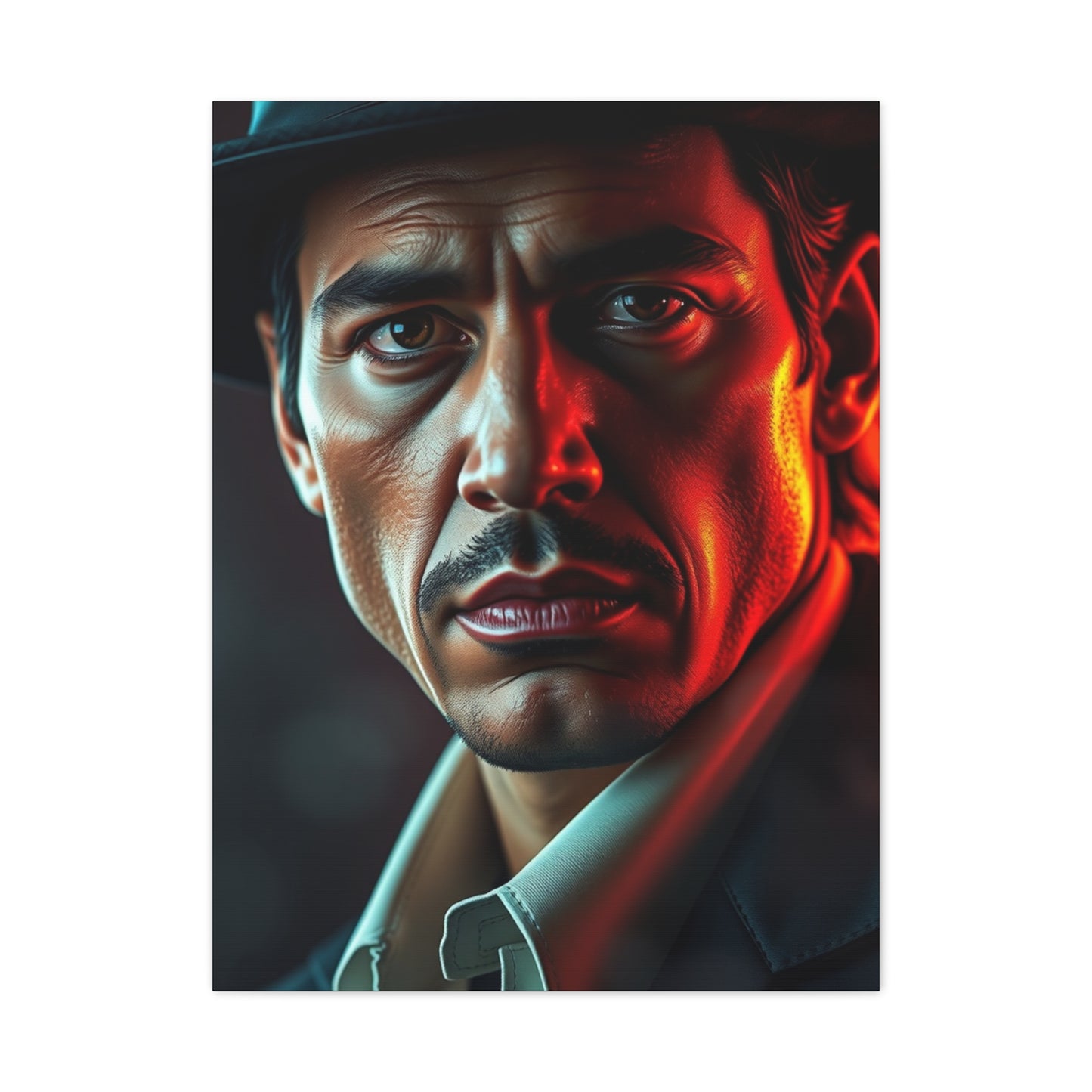
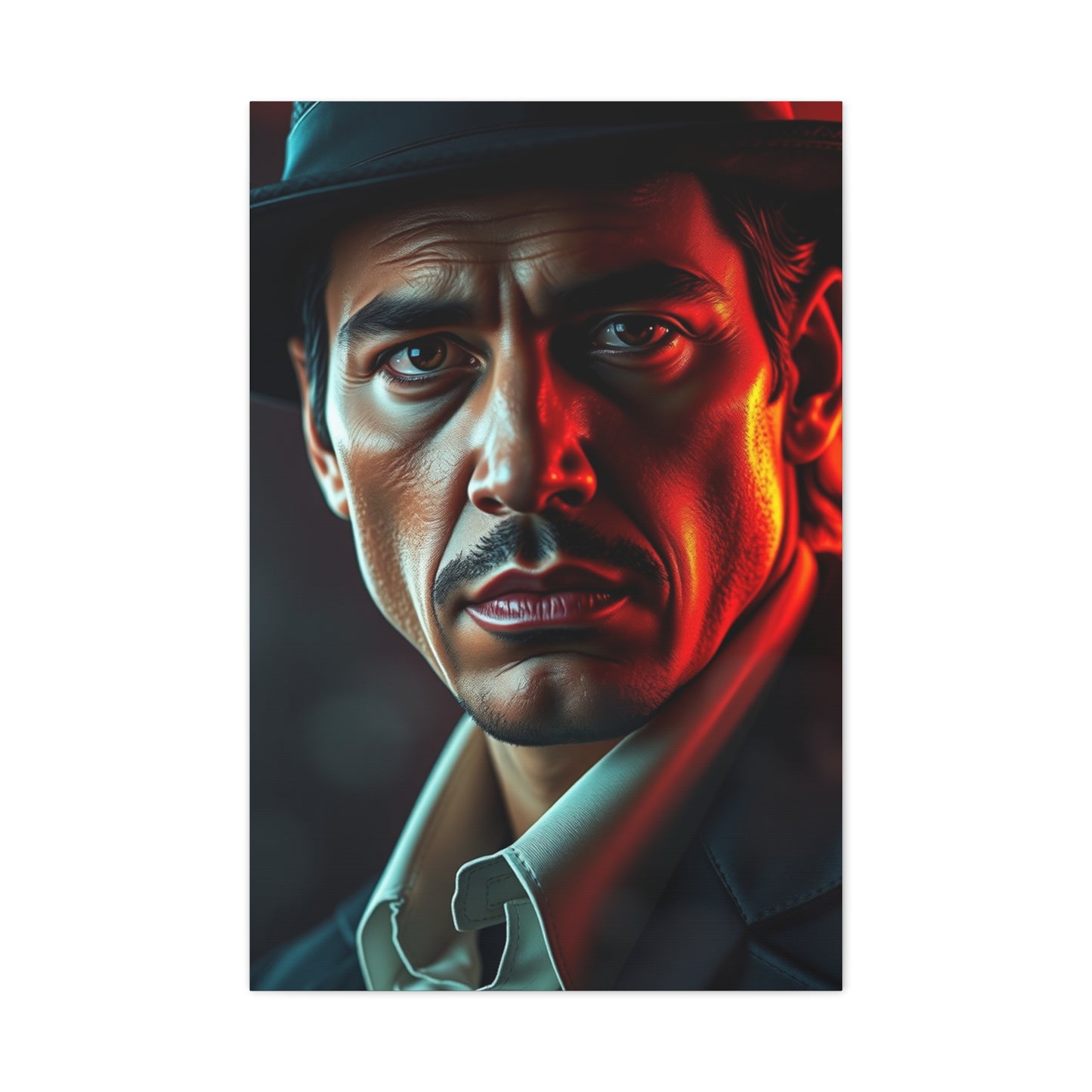
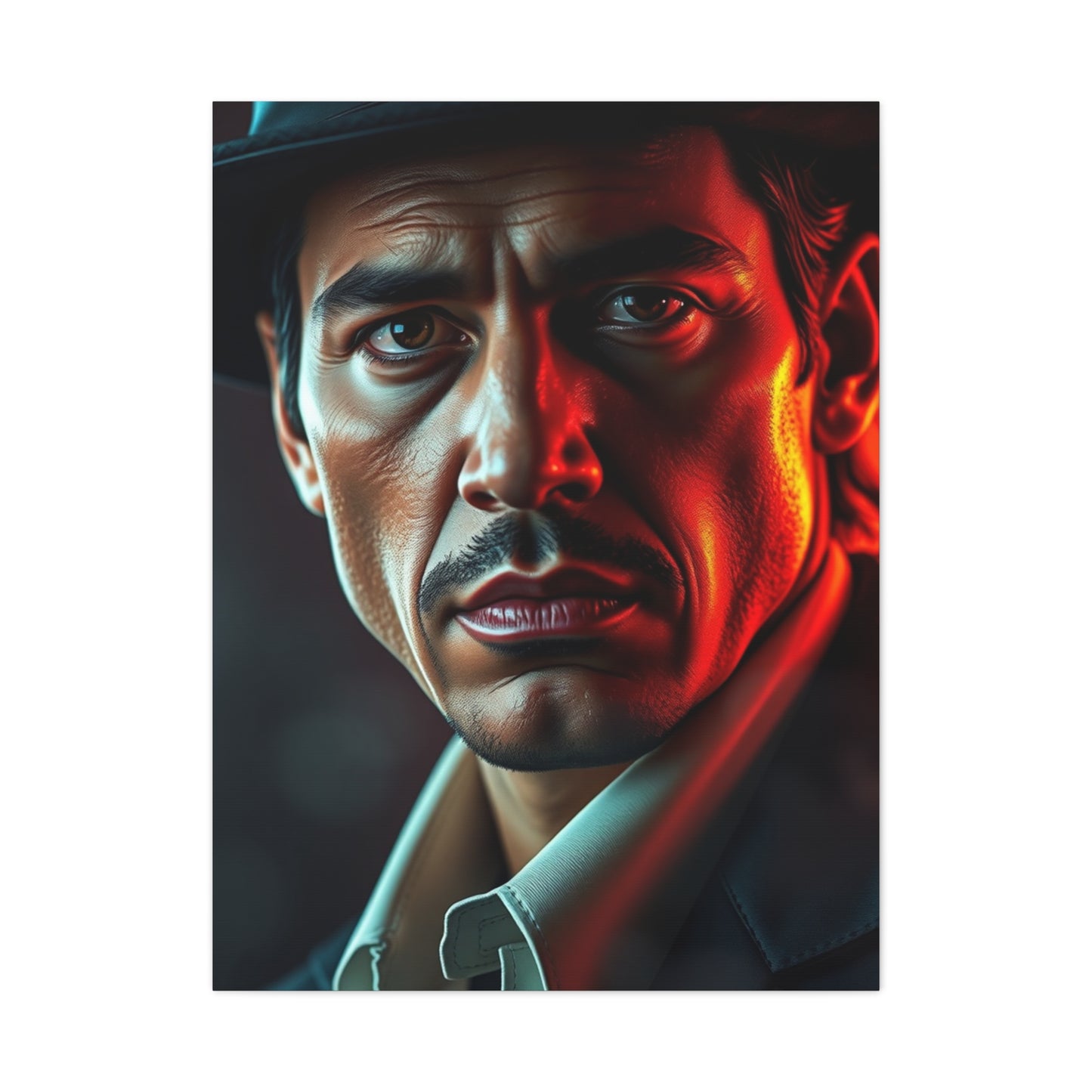

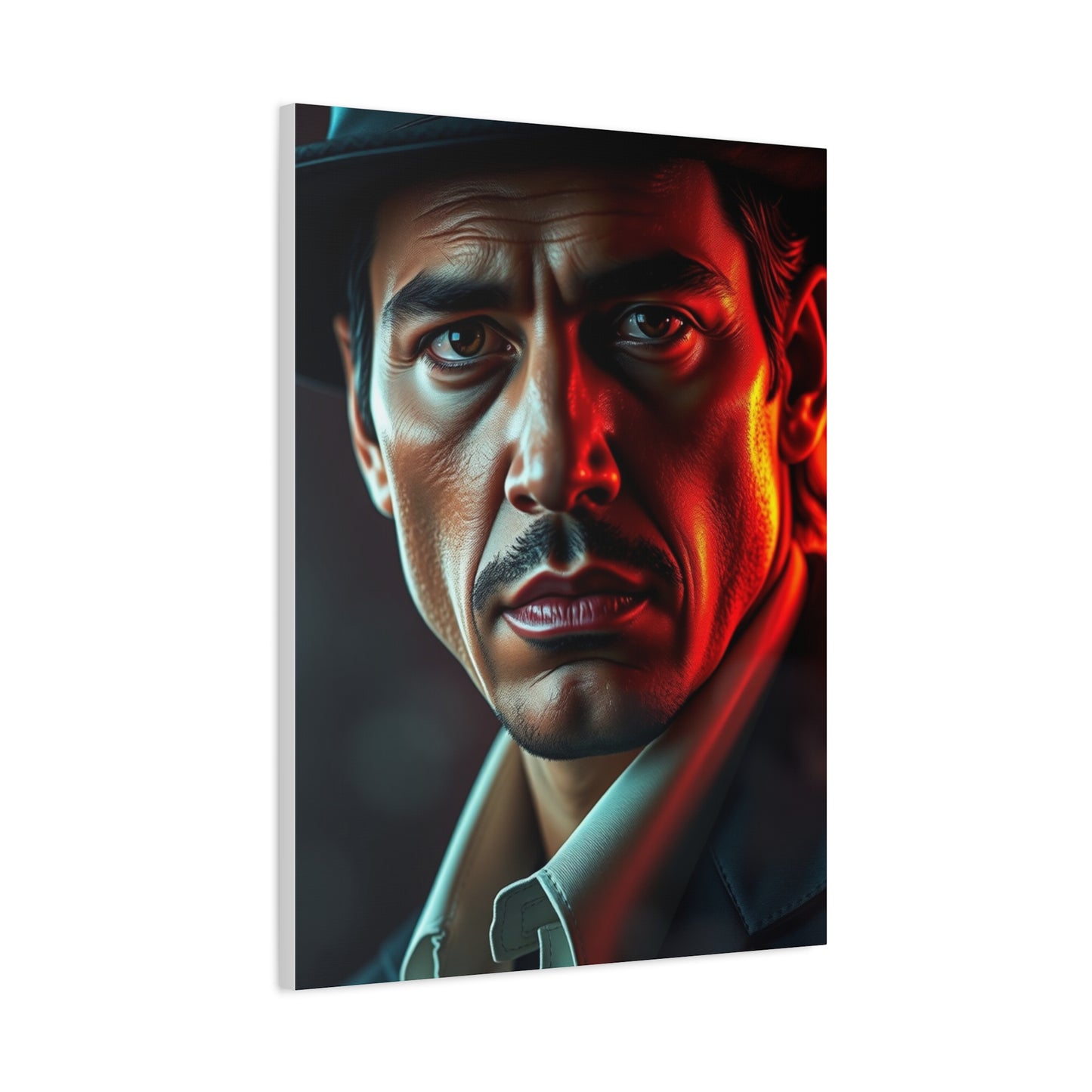
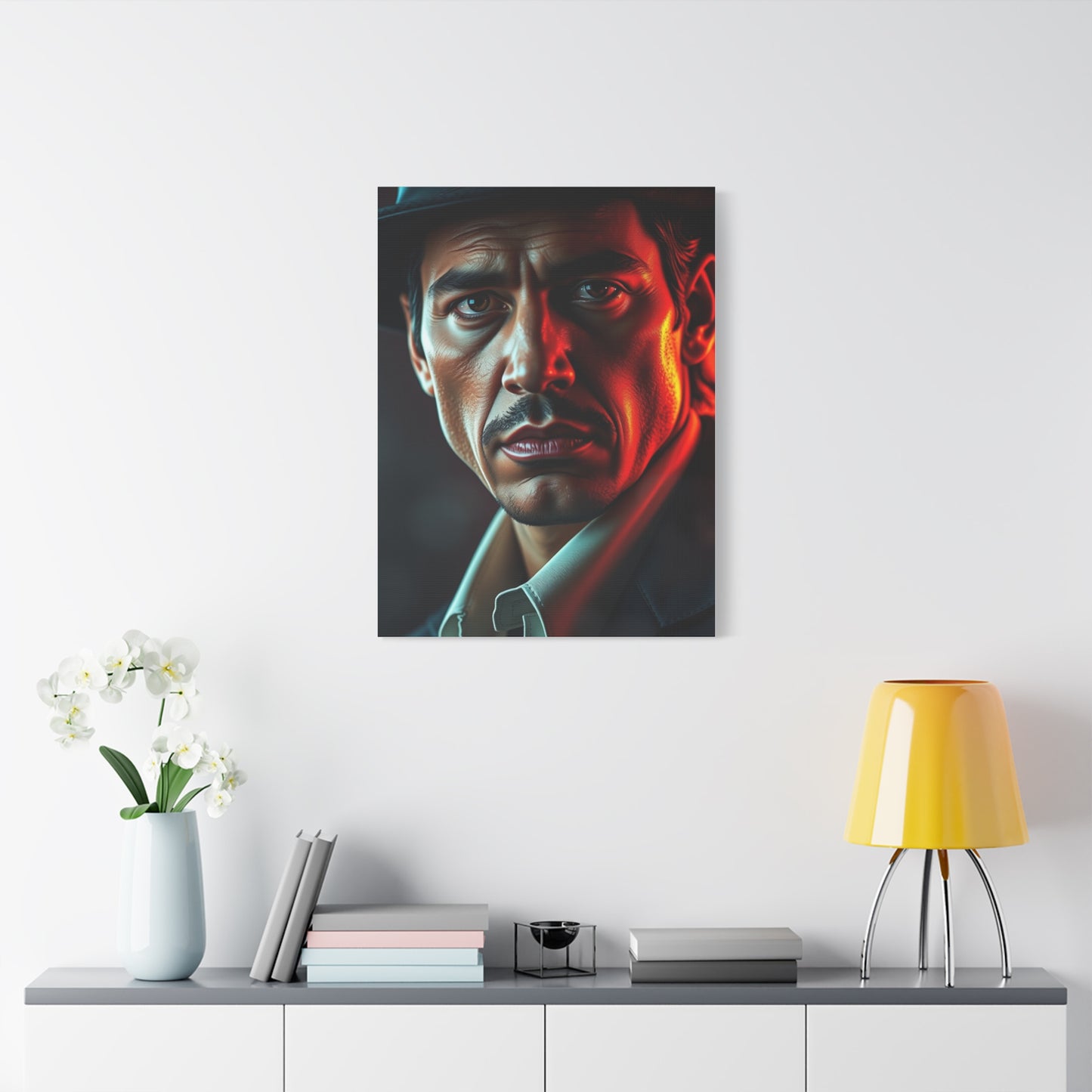
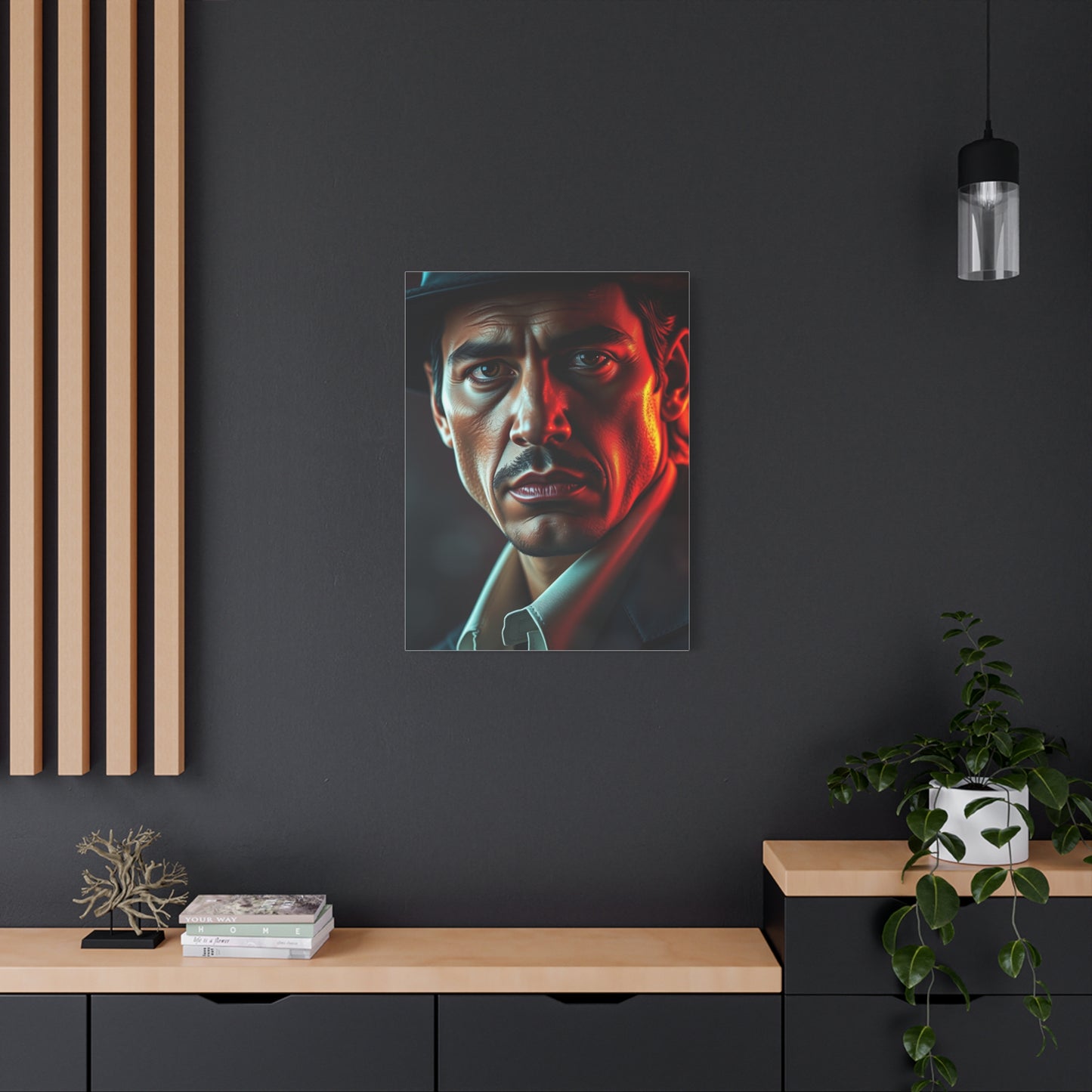
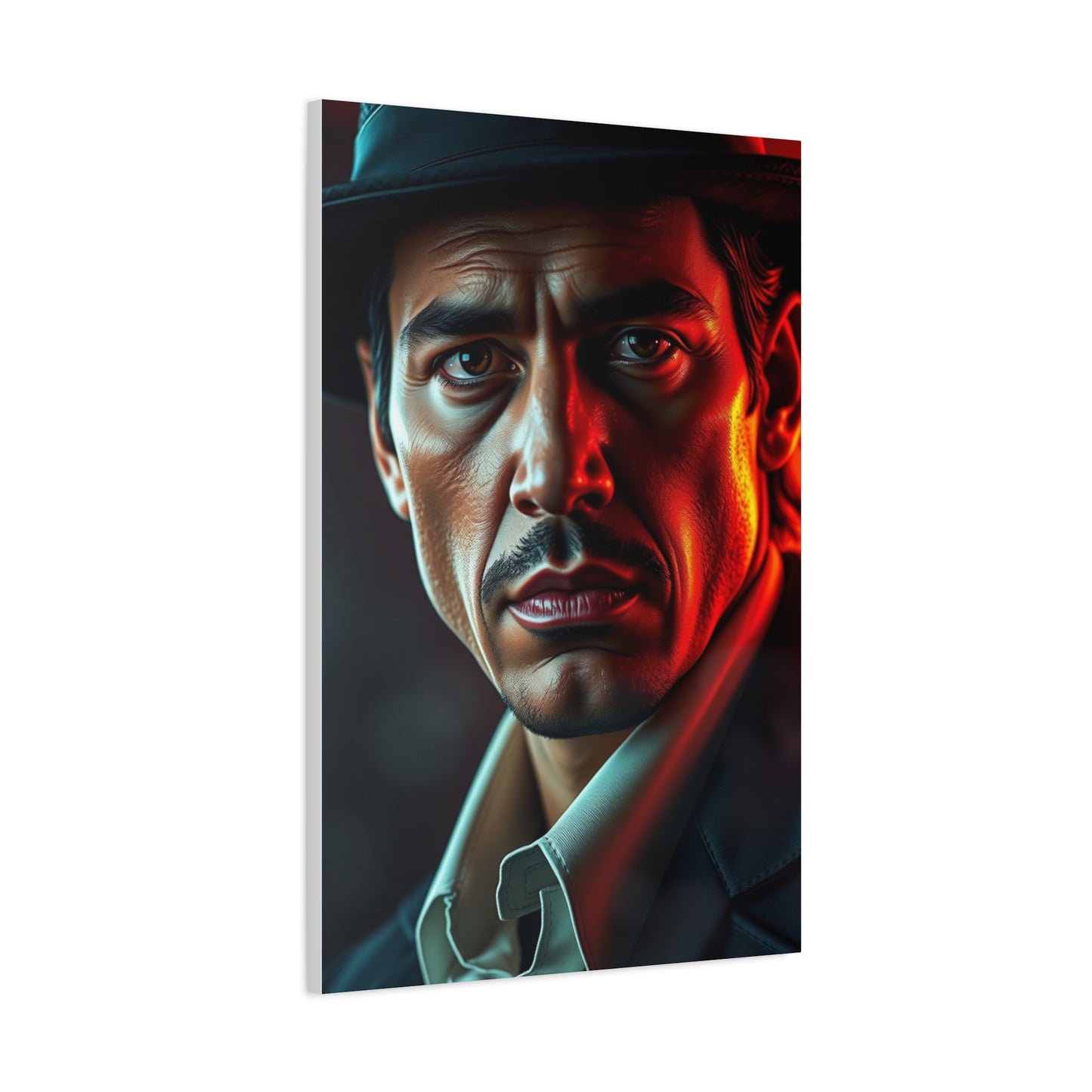
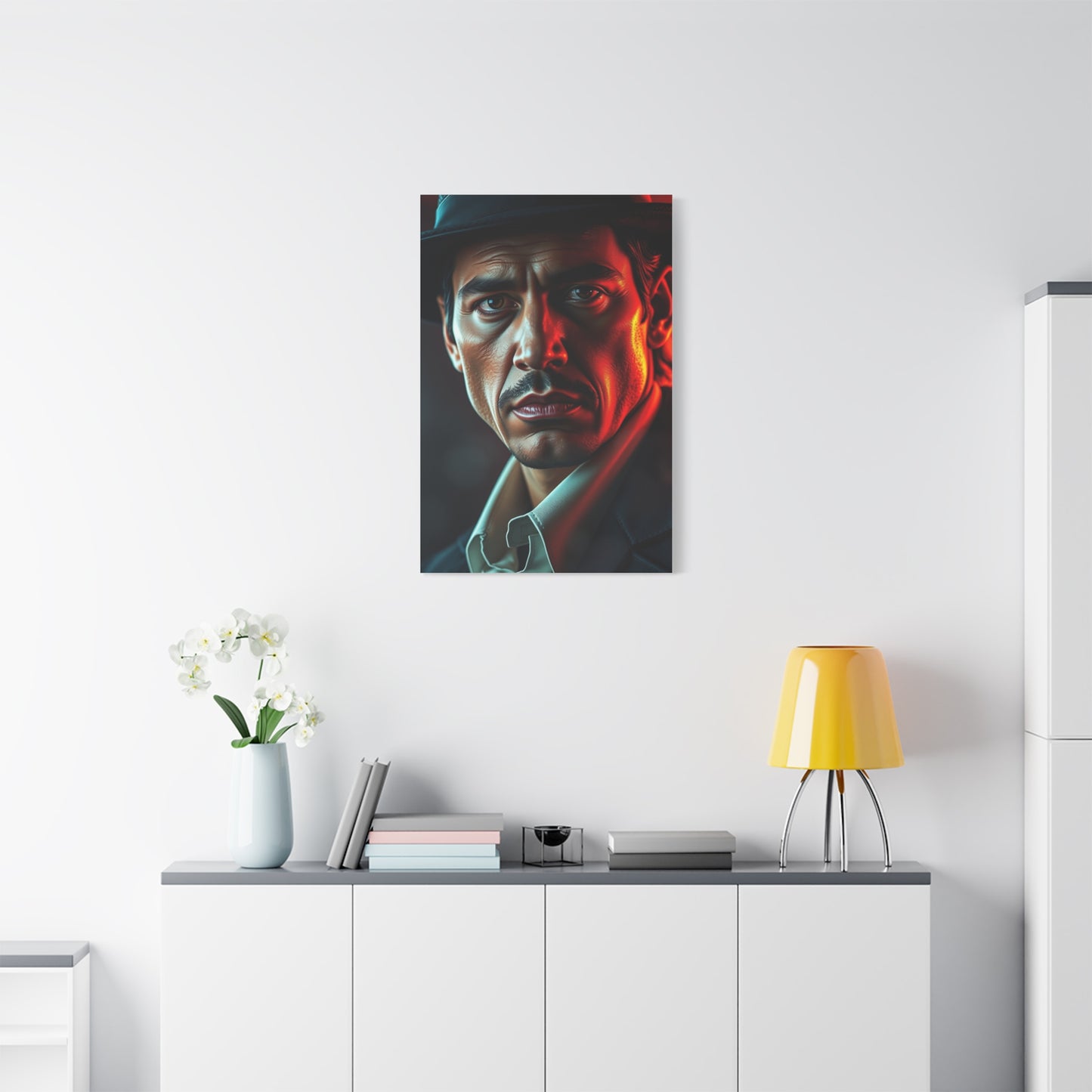
The Legacy of Power and Style: Transforming Interiors with Cosa Nostra Prestige Canvas Wall Art
In the realm of interior design and artistic expression, few themes command attention and respect quite like the aesthetic principles drawn from classic power imagery. The concept of prestige artwork rooted in traditional authority symbols has emerged as a defining trend in contemporary spaces, offering a sophisticated blend of mystery, elegance, and commanding presence. This artistic movement draws inspiration from timeless narratives of influence and legacy, translating them into visual masterpieces that transform ordinary rooms into spaces of distinction and character.
The allure of this design philosophy lies in its ability to capture the essence of power dynamics through carefully curated visual elements. Dark color palettes, dramatic lighting effects, and symbolic imagery combine to create an atmosphere that is simultaneously intimidating and inviting. These artistic pieces serve as more than mere decoration; they function as statements of personal taste, reflections of inner strength, and tributes to the enduring appeal of classic authority aesthetics. The growing popularity of this art form speaks to a broader cultural fascination with narratives of influence, loyalty, and the complex interplay between light and shadow in both art and life.
Understanding the appeal of such artwork requires an appreciation for the historical and cultural contexts that inform its visual language. The imagery associated with organized influence and traditional power structures has long captivated audiences through cinema, literature, and visual arts. When translated into canvas form, these themes take on new dimensions, allowing homeowners and art collectors to engage with powerful symbolism in intimate, personal spaces. The result is an interior design approach that challenges conventional aesthetics while maintaining an air of refined sophistication that transcends temporary trends.
The transformation of living spaces through carefully selected artwork represents a fundamental shift in how individuals approach home décor. Rather than settling for generic prints or impersonal imagery, discerning decorators are increasingly drawn to pieces that reflect deeper narratives and complex themes. Power-inspired canvas art fulfills this desire by offering visual complexity, emotional depth, and a connection to larger cultural stories. Each piece becomes a conversation starter, a focal point that draws the eye and invites contemplation about the nature of authority, legacy, and the aesthetic qualities that define timeless elegance.
Mysterious Allure: The Symbolism Behind Power-Inspired Wall Art
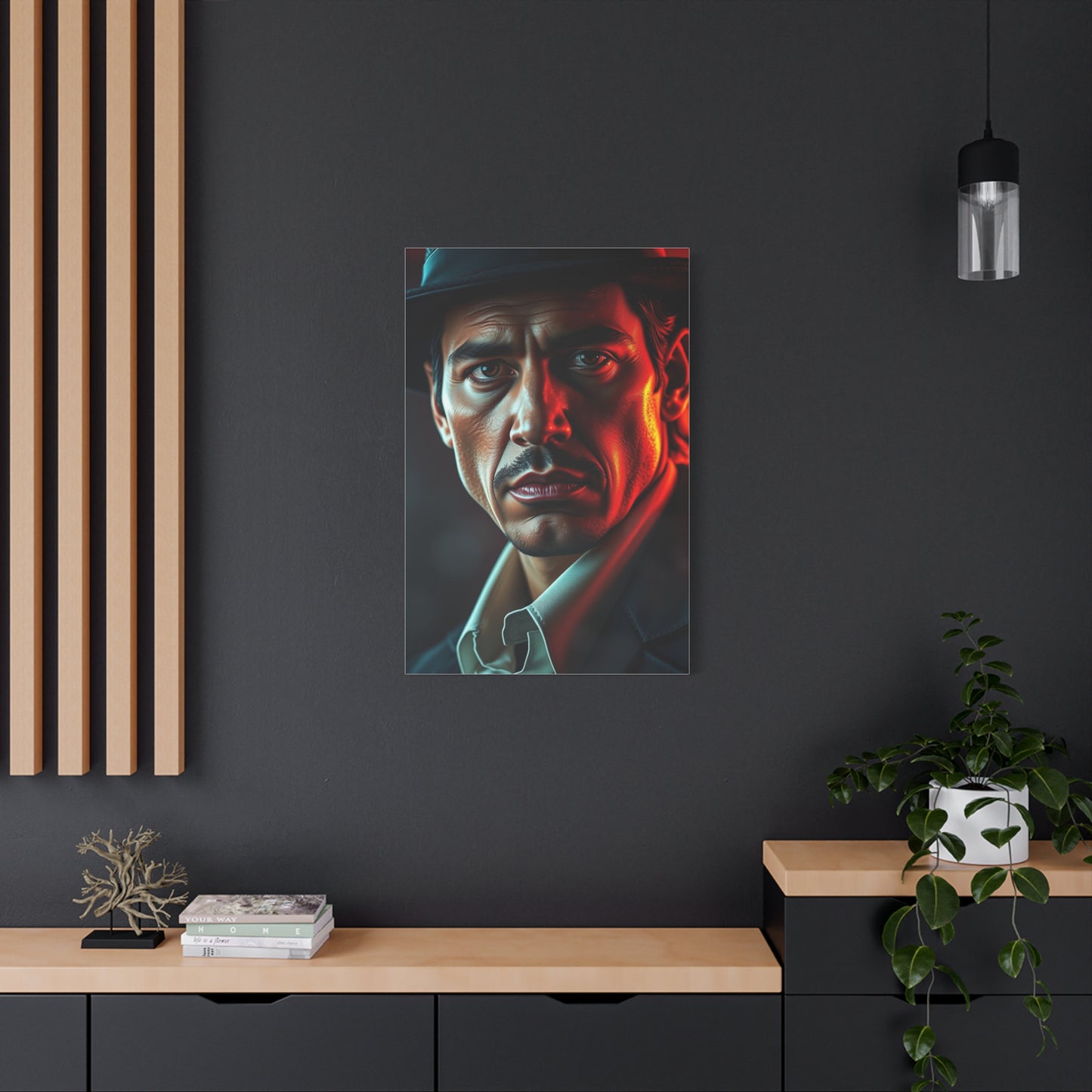
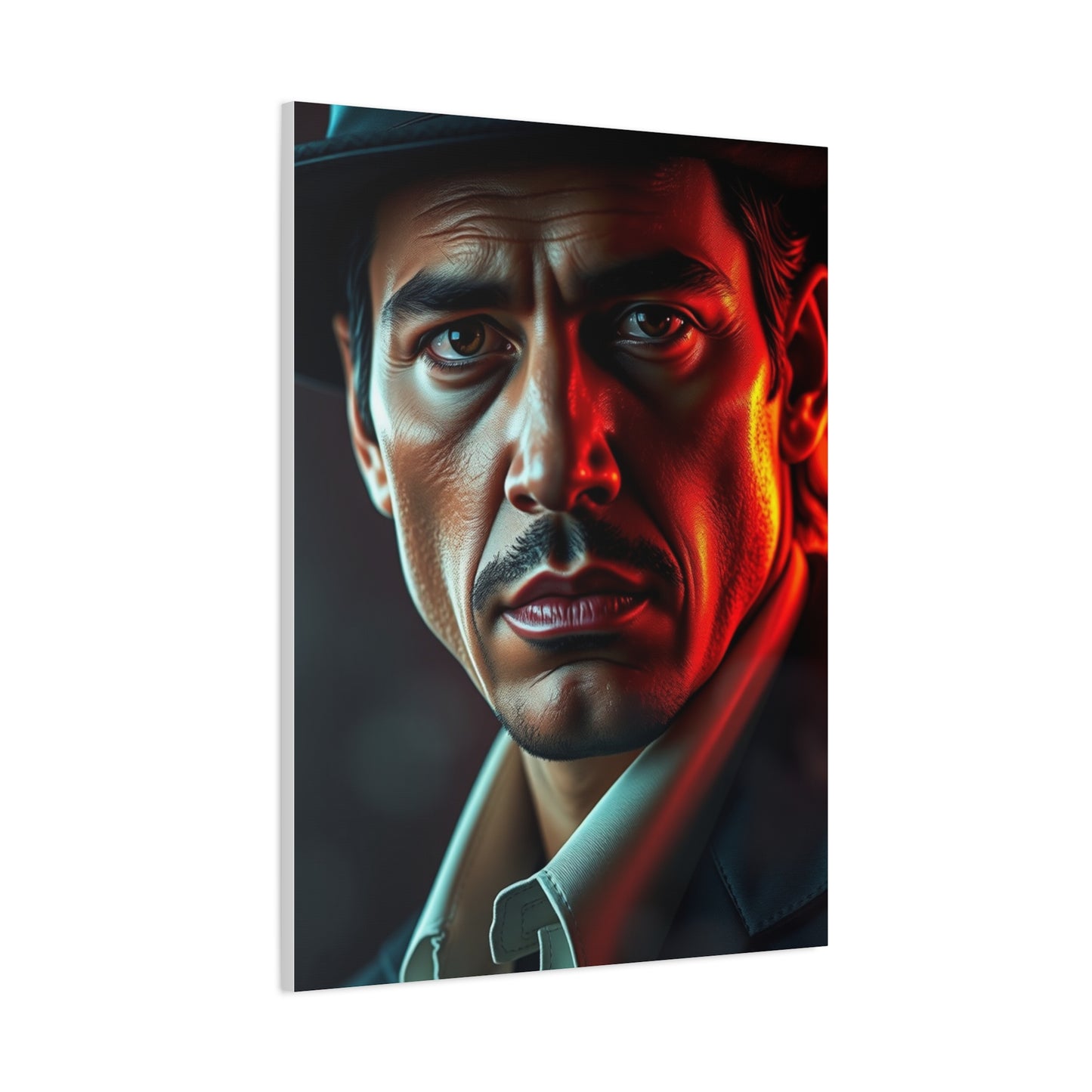
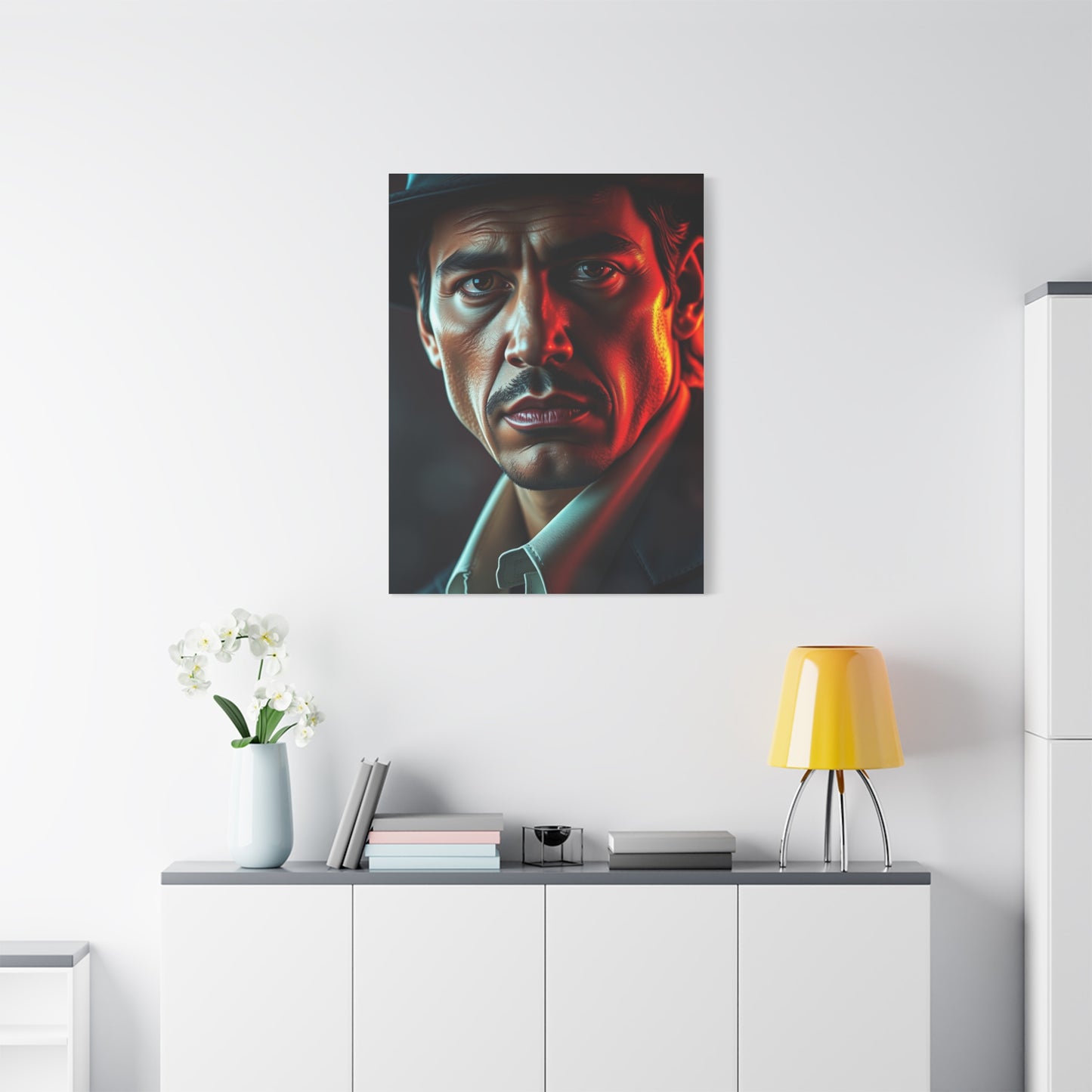
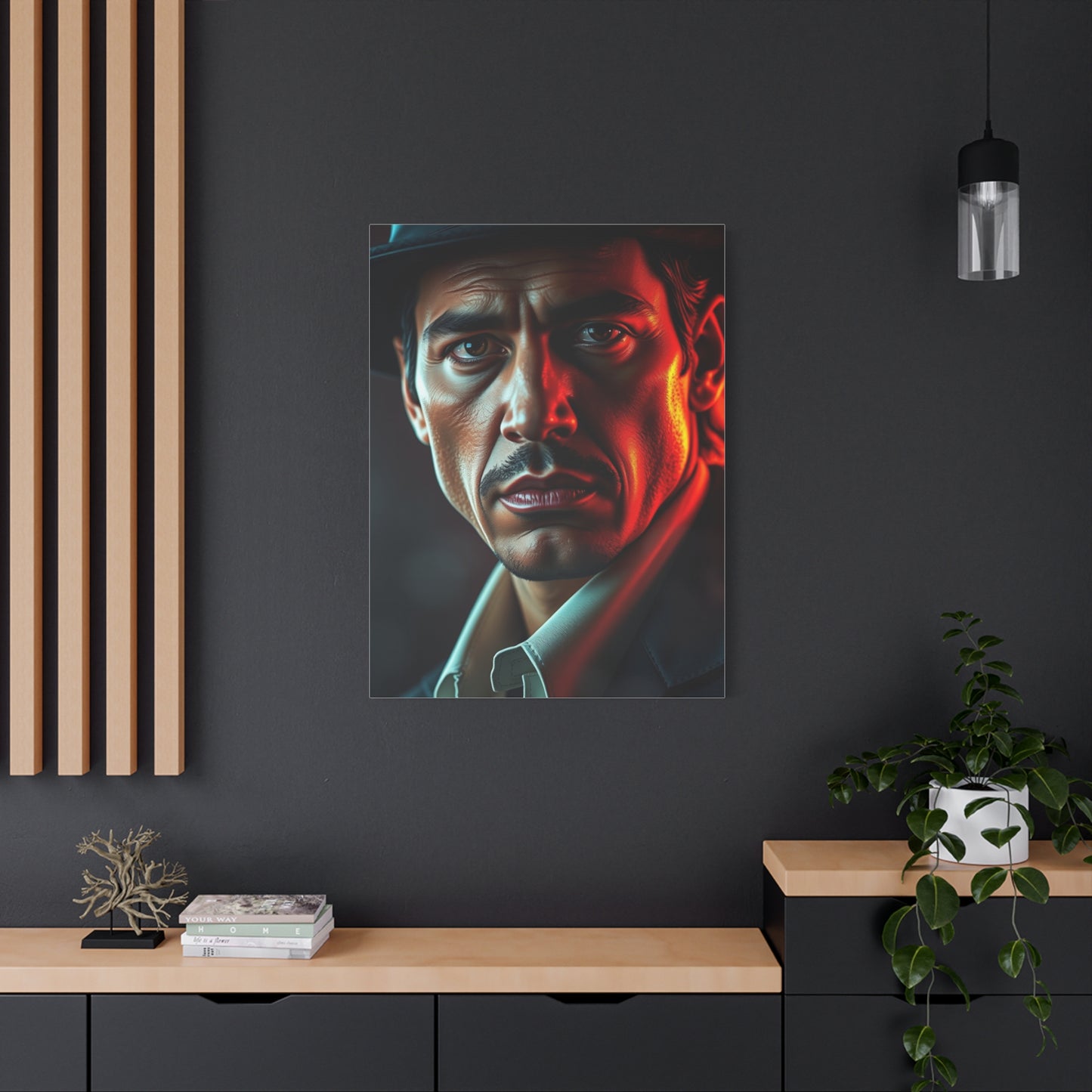
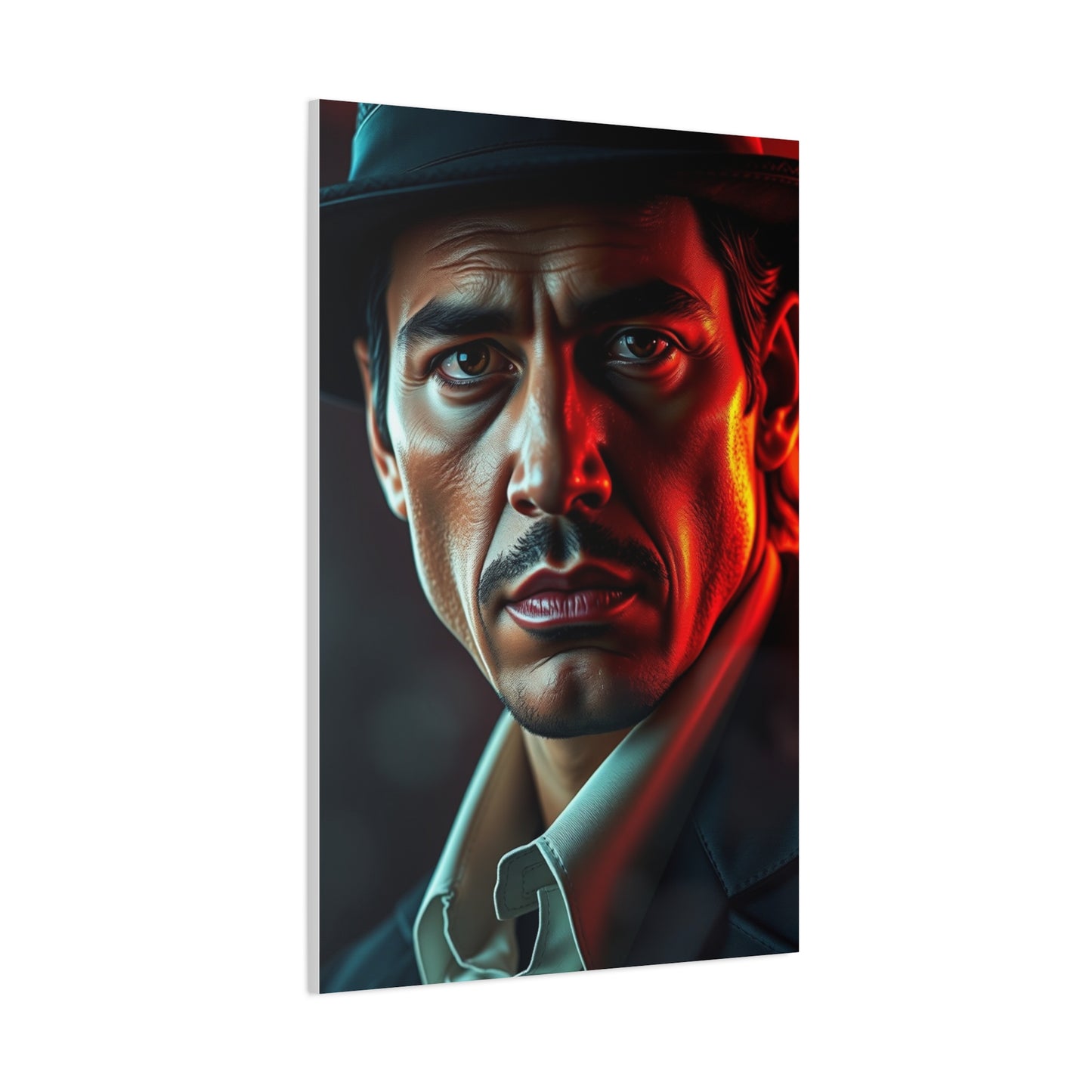
The symbolic language embedded within prestige-themed artwork operates on multiple levels, creating layers of meaning that reward careful observation and thoughtful interpretation. At its core, this artistic tradition draws from a rich vocabulary of visual metaphors that have evolved over decades of cinematic and cultural storytelling. The recurring motifs found in these pieces include shadowy silhouettes, fedora hats casting dramatic shadows, vintage automobiles representing an era of unquestioned authority, and architectural elements that evoke the smoky back rooms where legendary decisions were made.
Each symbol within this artistic framework carries specific connotations that contribute to the overall narrative impact of the piece. The fedora, for instance, represents not merely a fashion accessory but an entire philosophy of presentation and mystique. Its presence in artwork immediately signals a connection to classic narratives of influence and suggests a world where appearance and reality exist in constant tension. Similarly, the use of shadow and light in these compositions speaks to themes of duality, hidden knowledge, and the spaces between what is revealed and what remains concealed. These visual choices transform simple imagery into complex statements about power, secrecy, and the allure of the unknown.
The color palette associated with this artistic movement plays a crucial role in establishing its emotional resonance. Deep blacks, charcoal grays, muted golds, and occasional splashes of crimson create an atmosphere that is both luxurious and slightly menacing. These color choices are not arbitrary; they reflect the psychological dimensions of authority and influence, evoking feelings of respect, caution, and fascination. The strategic use of contrast in these works directs viewer attention to key elements while maintaining an overall sense of mystery and depth. This careful balance between revelation and concealment defines the visual strategy of prestige-inspired artwork.
Dark Sophistication: Contemporary Interpretations of Classic Authority Themes
The evolution of power-inspired design elements in modern interior spaces represents a fascinating intersection of historical aesthetics and contemporary sensibilities. Today's interpretations of classic authority themes have been refined and reimagined to suit current design philosophies while maintaining the essential characteristics that make this style compelling. The result is a sophisticated approach to decoration that honors traditional visual languages while speaking directly to modern tastes and values. This balance between reverence for the past and innovation for the present defines the best contemporary examples of prestige-themed artwork.
Contemporary artists and designers working within this tradition have developed new techniques for conveying timeless themes of influence and power. Digital art tools allow for unprecedented control over lighting effects, texture simulation, and compositional precision. These technological advantages enable artists to create works that capture the essence of vintage photography and film while incorporating levels of detail and finish that would have been impossible in earlier eras. The marriage of old-world subject matter with cutting-edge production techniques produces artwork that feels simultaneously nostalgic and fresh, familiar and novel.
The integration of classic authority aesthetics into modern interior design requires careful consideration of context and balance. A room dominated by dark, intense imagery can feel oppressive or one-dimensional, but strategic placement of prestige-inspired pieces creates powerful focal points that enhance rather than overwhelm a space. Designers recommend pairing these dramatic artworks with lighter elements, using them as anchors around which other design choices orbit. This approach allows the artwork to command attention while maintaining overall harmony within the room. The key lies in treating these pieces as deliberate statements rather than merely filling wall space.
Modern interpretations of power imagery often incorporate abstract elements and stylized representations alongside more literal depictions. This artistic choice adds versatility to the work, allowing it to function in various design contexts from ultra-modern lofts to more traditional study spaces. Abstract elements also invite personal interpretation, enabling viewers to project their own meanings and associations onto the artwork. This interactive quality enhances the emotional connection between owner and piece, transforming passive decoration into active engagement. The best contemporary examples of this art form maintain enough specificity to communicate their thematic intentions while leaving room for individual response and interpretation.
Bold Statements: Elevate Your Space with Influence-Inspired Canvas Art
Making bold design choices requires confidence and vision, qualities perfectly embodied by the decision to incorporate power-themed artwork into residential or commercial spaces. These pieces function as declarations of personal aesthetic values, signaling an appreciation for complex narratives, visual sophistication, and the willingness to embrace unconventional decorating approaches. The statement made by such artwork extends beyond mere taste to suggest something about the character and priorities of the space's inhabitant. This associative power makes the selection of prestige canvas art a deeply personal decision with significant impact on how spaces are perceived and experienced.
The process of selecting the right piece involves consideration of multiple factors including size, composition, color harmony with existing décor, and personal resonance with the imagery. Not all authority-themed artwork will suit every space or every individual. The most successful installations occur when there is genuine connection between the piece's aesthetic qualities and the owner's personal style and values. This authenticity cannot be manufactured; it emerges from thoughtful selection rather than trend-following. Taking time to consider how a piece makes you feel and what it communicates about your space is essential to making choices that remain satisfying over time.
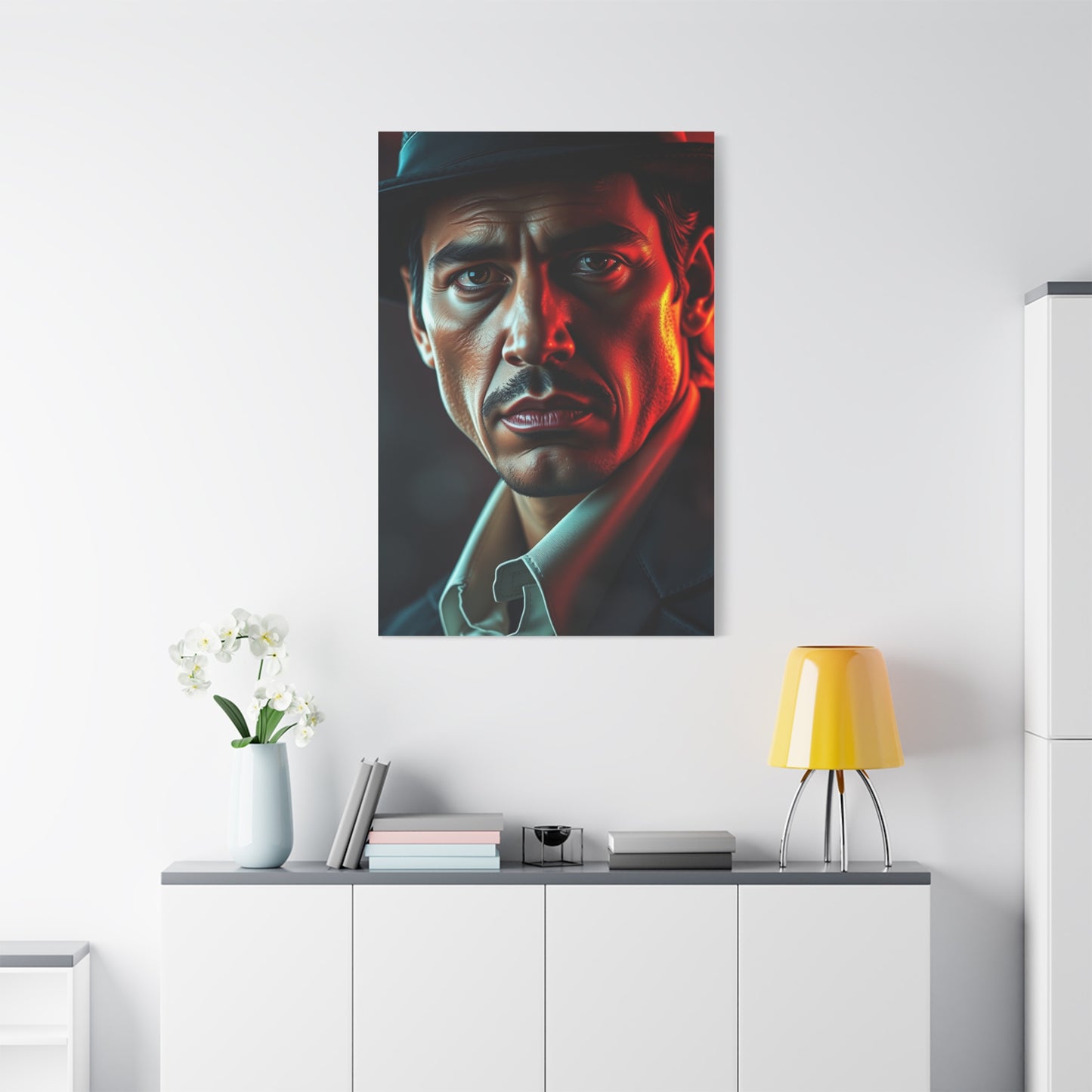
Placement strategies for dramatic artwork require understanding of visual weight and room dynamics. These commanding pieces typically function best as focal points on feature walls, where they can be appreciated without competition from other strong visual elements. Ideal positioning often involves placement at eye level in areas where viewers can step back to appreciate the full composition. Lighting considerations are equally important, as proper illumination can dramatically enhance the impact of prestige-themed pieces. Track lighting, picture lights, or strategic use of ambient lighting can emphasize the dramatic qualities inherent in these works.
The relationship between furniture arrangement and artwork placement deserves careful attention. Authority-themed pieces often work beautifully above substantial furniture pieces like leather sofas, executive desks, or substantial credenzas. The visual weight of the furniture grounds the artwork, creating a cohesive unit that anchors the room's design. This pairing of substantial elements creates a sense of permanence and intentionality that elevates the overall aesthetic. Conversely, placing heavy, dark artwork in spaces dominated by delicate or minimalist furniture can create uncomfortable visual imbalance that undermines both elements.
The Art of Influence: Understanding Prestige Canvas Concepts
Comprehending the artistic philosophy underlying influence-themed canvas work requires examination of the cultural forces that have shaped its development. This art form draws from multiple traditions including film noir cinematography, photojournalism from the mid-twentieth century, portrait painting techniques, and documentary photography. The synthesis of these influences creates a distinctive visual language that communicates specific ideas about power, authority, and human nature. Understanding these roots enriches appreciation for contemporary works and illuminates the choices artists make in creating new pieces within this tradition.
The cinematic influence on this artistic movement cannot be overstated. Decades of films exploring themes of organized influence, family loyalty, and the exercise of power have created a shared visual vocabulary recognized across cultures. Directors of classic films established lighting schemes, compositional approaches, and narrative techniques that have been absorbed into broader visual culture. When these cinematic techniques are translated into static artwork, they carry with them the accumulated emotional and narrative associations of the films that popularized them. This cultural resonance gives the artwork depth beyond its purely visual qualities.
The psychological dimension of influence-themed art involves complex responses to imagery of power and authority. Human beings have evolved sophisticated mental systems for recognizing and responding to social hierarchies and authority figures. Artwork depicting clear power dynamics triggers these evolved responses, creating emotional engagement even when viewers consciously recognize the fictional or artistic nature of the content. This primal response to authority imagery, combined with the aesthetic sophistication of the execution, creates art that operates on both instinctive and intellectual levels simultaneously.
Artistic merit in this genre is determined by factors including compositional skill, technical execution, originality of interpretation, and emotional impact. Not all power-themed artwork achieves the same level of quality, and discerning collectors learn to recognize the characteristics that distinguish exceptional pieces from mediocre ones. Superior examples demonstrate mastery of light and shadow, convey genuine emotion through facial expressions or body language, and create believable environments that support the narrative content. These pieces transcend simple genre exercise to become genuine artistic achievements worthy of serious consideration.
Classic Power Aesthetics for Contemporary Interiors
The adaptation of historical power aesthetics to suit contemporary interior design represents a thoughtful evolution of traditional decorating approaches. Modern spaces often emphasize clean lines, open concepts, and abundant natural light, creating contexts quite different from the dark, enclosed spaces typically associated with classic authority imagery. Successfully integrating prestige-themed artwork into these contemporary environments requires understanding both the traditional aesthetic language of the art form and the principles of modern design. This integration, when done skillfully, creates dynamic tension that enhances both elements.
Contemporary interiors benefit from the grounding effect of dramatic, historically-informed artwork. In spaces that might otherwise feel cold or impersonal due to minimal design approaches, power-themed pieces inject personality, depth, and emotional resonance. The weight and seriousness of the artwork provides counterbalance to the lightness of modern architectural elements, creating more complex and interesting environments. This balance prevents contemporary spaces from feeling sterile while maintaining their essential modern character. The conversation between old-world imagery and new-world design philosophy creates spaces that feel both current and timeless.
Material choices in contemporary settings can either complement or contrast with traditional authority aesthetics, depending on desired effects. Concrete, steel, and glass, the hallmarks of industrial-modern design, create interesting juxtapositions when paired with imagery from earlier eras. These material contrasts can emphasize the artwork's historical character while maintaining the space's contemporary identity. Alternatively, incorporating traditional materials like leather, wood, and stone creates harmony between artwork and environment, suggesting continuity between past and present. Both approaches can be effective depending on the specific goals of the design.
Color coordination in contemporary spaces featuring classic authority artwork requires subtle handling. While the artwork itself typically employs limited, dark palettes, the surrounding space need not mirror these color choices exactly. Instead, designers often use the artwork's occasional accent colors as inspiration for broader room palettes, or create contrast by surrounding dark artwork with lighter walls and furnishings. This contrast approach allows the artwork to stand out dramatically while preventing the overall space from feeling heavy or oppressive. The goal is to let the artwork make its statement while maintaining livability and comfort in the broader environment.
A Touch of Mystery: Authority Art for Bold Walls
Creating feature walls with mystery-themed artwork transforms ordinary rooms into spaces of intrigue and character. The concept of the feature wall, a single wall treated as a focal point through distinctive decoration, has become a fundamental tool in contemporary interior design. When executed with authority-inspired canvas art, the feature wall approach achieves maximum impact while maintaining balance within the overall space. This strategy allows for bold artistic choices without overwhelming the room or making it feel one-dimensional. The result is a space with clear hierarchy and intentional design focus.
The scale of artwork selected for feature wall applications significantly influences overall impact. Oversized single pieces create immersive experiences that transport viewers into the world depicted within the frame. Alternatively, gallery wall arrangements of multiple smaller pieces can tell more complex stories or explore different facets of the authority aesthetic. Both approaches have merit, with the choice depending on available wall space, ceiling height, and personal preference. Large-scale pieces tend toward dramatic simplicity while multi-piece arrangements offer visual complexity and variety. Understanding these different effects helps in making choices appropriate to specific spaces and goals.
The psychology of feature wall design involves understanding how attention flows within a room. The human eye is naturally drawn to contrast, complexity, and human faces, all elements typically present in quality authority-themed artwork. By positioning such artwork on a feature wall visible upon room entry, designers ensure it becomes an immediate focal point that establishes the space's character and tone. This strategic placement guides how visitors experience and understand the room, with the artwork functioning as both aesthetic centerpiece and narrative anchor. The power of this first impression should not be underestimated in overall spatial design.
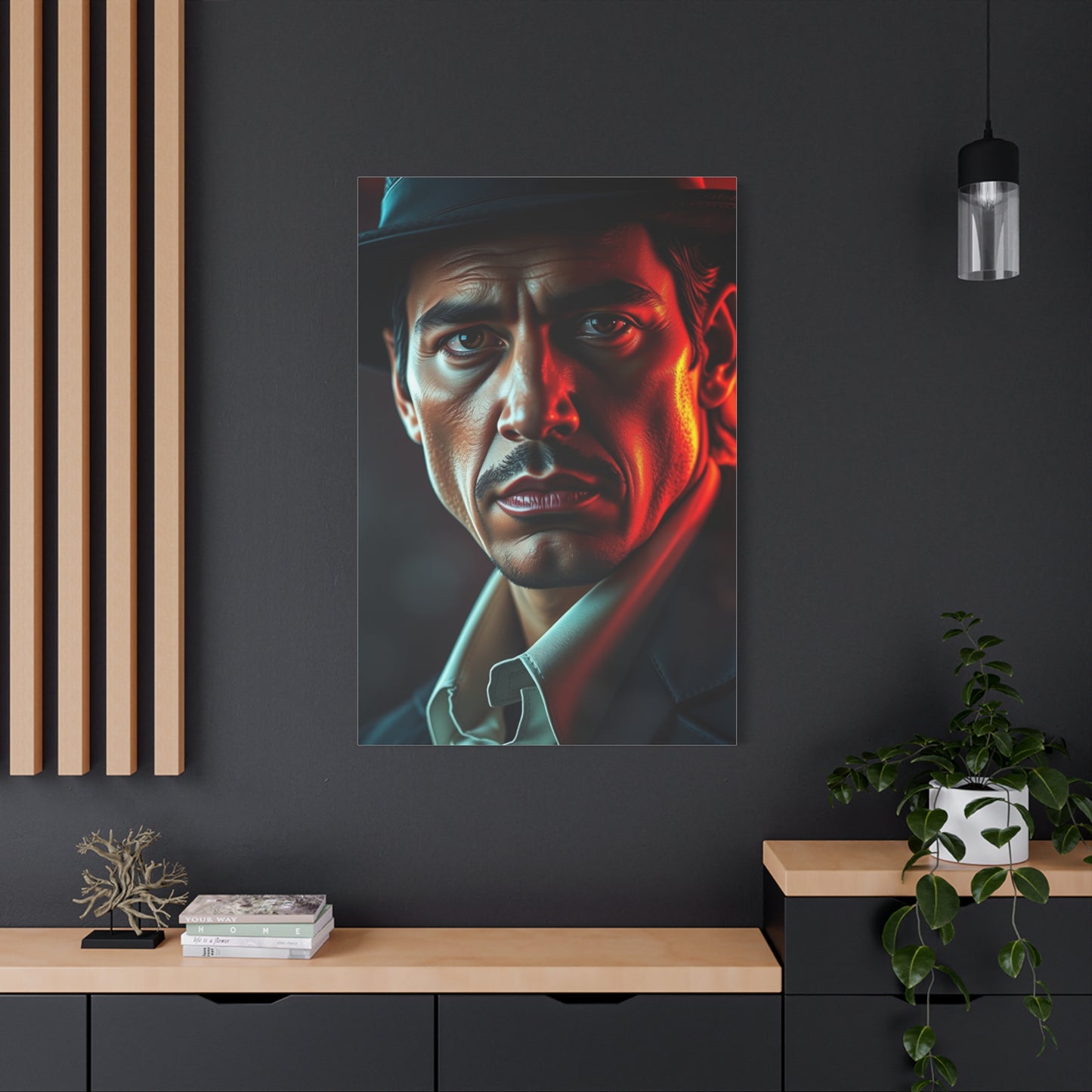
Background wall color for feature walls displaying dark, dramatic artwork requires careful consideration. Pure white can create stark contrast that emphasizes the artwork but may feel harsh. Deep, rich colors like charcoal, navy, or burgundy create more subtle contrast while reinforcing the moody atmosphere of the artwork. Some designers favor accent colors pulled from the artwork itself, creating echo effects that integrate the piece into its setting. Textured wall treatments like exposed brick or wood planking add another dimension, creating physical as well as visual interest. The best choice depends on the specific artwork and the overall design direction of the space.
Cinematic Luxury: Channeling Classic Themes in Wall Décor
The translation of cinematic visual languages into static wall décor represents a fascinating artistic challenge. Motion pictures communicate through sequential images, editing, sound, and performance, creating complex narratives over time. Static artwork must distill these multi-dimensional experiences into single, frozen moments that nonetheless convey narrative depth and emotional complexity. The most successful examples of cinema-inspired wall art capture what might be called the essential moment, a single frame that contains within it the spirit of an entire story. This compression of narrative into image is a distinctive skill that separates exceptional work from mere decoration.
The visual grammar of classic cinema provides rich source material for contemporary artists working in this tradition. Low-key lighting schemes that create dramatic shadows and highlight specific facial features translate remarkably well to canvas art. The use of environmental storytelling, where settings and props communicate character and situation, becomes even more important in static images where narrative must be conveyed without motion or dialogue. Compositional techniques like the rule of thirds, leading lines, and strategic use of negative space all migrate effectively from film to canvas, creating images that feel cinematically informed even to viewers who may not consciously recognize these techniques.
Luxury in wall décor is defined not merely by expense but by quality of execution, originality of vision, and emotional impact. Cinema-inspired authority artwork achieves luxury status through its combination of cultural resonance, technical skill, and aesthetic sophistication. These pieces serve as bridges between popular culture and fine art, drawing from broadly recognized cinematic traditions while demonstrating genuine artistic merit. This dual nature, simultaneously accessible and refined, contributes to the appeal of this art form across different audience segments. The work functions as both entertainment and serious artistic statement, a combination that defines contemporary approaches to luxury decoration.
The historical specificity of cinematic luxury aesthetics grounds the artwork in particular eras and cultural moments. Much authority-themed imagery draws from mid-twentieth-century American urban culture, a period of distinctive fashion, architecture, and social dynamics. This historical grounding gives the artwork a sense of authenticity and depth that more generic imagery lacks. References to specific time periods through costume, vehicles, architecture, and technology create richness of detail that rewards close viewing. This historical specificity does not limit the work's contemporary relevance; rather, it provides the concrete detail necessary for the imagery to feel genuine and lived-in rather than generic or artificial.
The Essence of Prestige: Authority Themes in Artistic Form
Distilling abstract concepts like prestige and authority into concrete visual form requires sophisticated understanding of symbolic language and cultural codes. Artists working in this tradition employ a range of strategies to communicate these intangible qualities through imagery. Physical posture, positioning within the frame, relationship to environmental elements, use of symbolic objects, and manipulation of light and shadow all contribute to communicating authority and status. The effectiveness of these techniques depends on viewers' cultural literacy and their ability to decode visual symbols that have been established through generations of media and art.
The human figure plays a central role in most authority-themed artwork, as power is ultimately a social phenomenon expressed through human relationships. The way figures are posed, their facial expressions, their costuming, and their relationships to other elements within the composition all contribute to communicating status and influence. A figure photographed from slightly below appears more imposing and authoritative than one photographed at eye level. Subjects who make direct eye contact with viewers establish connection and challenge, while those gazing elsewhere suggest mystery and emotional distance. These subtle choices in figure representation significantly impact how artwork communicates its thematic content.
Environmental elements within compositions serve as supporting characters in the visual narrative of authority. Settings like dimly lit rooms with visible smoke, luxurious office spaces with rich wood paneling, or urban exteriors with period architecture all contribute to establishing context and mood. These environments are rarely mere backgrounds; they are carefully constructed spaces that reinforce the thematic content and provide visual interest throughout the composition. Attention to environmental detail separates artwork that feels fully realized from pieces that rely solely on central figure presentation. The most compelling examples create complete worlds within their frames.
The role of mystery in prestige-themed art cannot be overstated. What is concealed or ambiguous in an image often proves more powerful than what is clearly revealed. Faces partially obscured by shadow or turned away from viewers create intrigue and invite projection. Ambiguous spatial relationships or unclear narrative situations allow viewers to construct their own stories around the imagery. This invitation to participate in meaning-making transforms passive viewing into active engagement, deepening emotional connection to the artwork. The artistic decision to withhold complete information demonstrates sophistication and respect for viewer intelligence.
Urban Edge: Modern Spaces Enhanced by Authority Canvas Art
The integration of authority-themed artwork into urban residential spaces creates natural synergies between content and context. Cities have long been associated with organized influence, power structures, and the complex social dynamics that prestige artwork explores. Urban dwellings, whether converted industrial lofts, modern high-rise condominiums, or renovated townhouses, often possess architectural qualities that complement the aesthetic of power-inspired art. Exposed brick, concrete surfaces, metal fixtures, and large windows typical of urban spaces provide ideal backgrounds for dramatic, cinema-inspired artwork. This contextual harmony enhances both the architectural qualities of the space and the impact of the artwork.
Contemporary urban design emphasizes authenticity, character, and individual expression within often constrained spaces. Authority-themed canvas art serves these priorities by injecting powerful personality into environments that might otherwise feel generic or impersonal. In cities where individual living spaces often conform to developer-standard finishes and layouts, distinctive artwork becomes a primary means of differentiation and personalization. The bold nature of prestige-inspired pieces makes them particularly effective in this role, creating immediate visual impact that defines the space's character. This function as personality-defining element makes such artwork especially valuable in urban contexts.
The social dimensions of urban living influence how authority-themed artwork functions within these spaces. City dwellers often entertain guests, host gatherings, and use their homes as extensions of their professional personas. Artwork that serves as conversation starter and reflects cultural sophistication becomes socially as well as aesthetically valuable. Prestige-themed pieces naturally fulfill this social function, as they reference widely recognized cultural narratives while demonstrating design confidence. The artwork signals to visitors that the space's inhabitant values quality, understands cultural references, and isn't afraid to make bold design choices.
Urban spaces often feature open floor plans that create challenges and opportunities for artwork placement. Without traditional room divisions, feature walls become even more important as tools for defining distinct areas within continuous space. Authority-themed artwork on a feature wall can anchor a living area within an open plan, creating psychological if not physical separation from dining or kitchen zones. This space-defining function adds practical value to the artwork's aesthetic contributions. The visual weight of dramatic pieces makes them particularly effective in this architectural role, as they command sufficient attention to function as spatial anchors.
Iconic Imagery: The Influence of Authority in Modern Art
The migration of authority themes from popular entertainment into recognized artistic movements represents a significant development in contemporary visual culture. What began as cinematic visual language and illustration for popular media has evolved into a distinct artistic genre with its own conventions, master practitioners, and critical discourse. This elevation from popular culture to artistic recognition reflects broader changes in how art is understood and valued, with traditional hierarchies between high and low culture increasingly questioned and dissolved. Authority-themed artwork occupies an interesting position in this evolving landscape, simultaneously drawing from popular sources and demonstrating genuine artistic merit.
Iconic imagery possesses the quality of instant recognizability and powerful cultural resonance. Certain visual motifs associated with organized influence and traditional power structures have achieved iconic status through repeated use and cultural saturation. The silhouetted figure in a fedora, the vintage automobile parked on a dark street, the smoke-filled room where negotiations occur—these images have become visual shorthand for complex ideas about power, loyalty, and consequence. Contemporary artists working with these motifs benefit from their established cultural meanings while adding new interpretations and personal visions. This dialogue between established iconography and individual artistic expression defines the most interesting contemporary work in this tradition.
The influence of authority aesthetics extends well beyond literal representations of power figures to inform broader visual culture. Fashion photography, advertising imagery, music video production, and graphic design all draw from the visual vocabulary established by classic power narratives. This widespread influence demonstrates the enduring appeal of these aesthetic principles and their effectiveness in communicating sophisticated, adult themes. When this broadly distributed visual language is concentrated and refined in canvas artwork, it crystallizes cultural associations into focused aesthetic experiences. The artwork becomes both reflection of broader visual culture and distinctive artistic statement.
The Art of Legacy: Power and Respect in Canvas Form
The concept of legacy, the desire to create something that endures beyond individual lifespan and leaves lasting impact, forms a central theme in much authority-inspired artwork. This preoccupation with permanence and enduring influence resonates with fundamental human concerns about meaning, accomplishment, and how we will be remembered. Artwork that explores these themes through visual means offers viewers opportunity to contemplate their own relationship to legacy and lasting influence. The seriousness with which quality authority-themed art approaches these subjects elevates it beyond mere decoration to meditation on fundamental questions of human existence and purpose.
Visual representation of abstract concepts like respect and honor requires sophisticated symbolic strategies. Artists working in this tradition employ various techniques to communicate these intangible qualities through concrete imagery. Formal posture, quality of materials depicted, environmental luxury, and the respectful distance or positioning of secondary figures all contribute to communicating respect and status. The effectiveness of these visual strategies depends on shared cultural understanding of symbolic languages, making the artwork simultaneously accessible to those familiar with the conventions and potentially mysterious to those encountering them for the first time. This duality between accessibility and mystery contributes to the enduring appeal of the genre.
The relationship between personal identity and displayed artwork is particularly significant when considering legacy themes. The pieces we choose to display in our living and working spaces make statements about our values, aspirations, and how we wish to be perceived by others. Authority-themed artwork that explores legacy and respect signals that its owner takes these concepts seriously and identifies with their importance. This identification need not suggest literal involvement in organized influence; rather, it indicates appreciation for the universal human themes these narratives explore. The artwork becomes a reflection of interior life made visible in exterior space.
Historical context adds depth to contemporary engagement with legacy themes in authority artwork. The specific historical periods most often referenced in this art form, primarily mid-twentieth-century America, were characterized by particular social structures, economic conditions, and cultural values. Understanding this historical context enriches appreciation for the artwork while also highlighting differences between past and present. Contemporary viewers can engage with these historical narratives while recognizing that current social organization operates quite differently. This temporal distance allows for nostalgic appreciation of aesthetic qualities while maintaining critical awareness of historical realities.
From Film to Canvas: The Rise of Influence-Inspired Wall Art
The translation of cinematic narratives into static visual art represents one of the most significant developments in contemporary decorative arts. This artistic movement draws explicitly from decades of filmmaking that established powerful visual languages for depicting authority, influence, and organized power. Directors, cinematographers, and production designers created distinctive looks for classic films that have become iconic in their own right. Contemporary artists working in the prestige canvas tradition reference this cinematic vocabulary, creating works that evoke specific films without directly reproducing copyrighted imagery. This careful dance between homage and originality defines much of the best work in this field.
The process of distilling motion picture experiences into single static images requires careful consideration of what elements carry the most narrative and emotional weight. A compelling film scene derives power from multiple sources including dialogue, performance, music, editing, and visual composition. Canvas art must communicate without most of these tools, relying primarily on visual composition and the viewer's pre-existing cultural knowledge. Successful pieces select moments or create composite images that encapsulate essential character relationships, dramatic tension, or thematic content. The artist's skill lies in identifying and depicting the visual elements that trigger recognition and emotional response in audiences familiar with the source material.
The rise of film-inspired wall art reflects broader cultural trends toward nostalgia, particularly for the mid-twentieth century American culture that provides the setting for many classic power narratives. This period holds particular fascination for contemporary audiences due to its distinctive aesthetics, its distance from present concerns, and its mythological status in popular culture. The visual markers of this era including vintage automobiles, specific architectural styles, period fashion, and analog technologies all carry nostalgic appeal. Artwork incorporating these elements taps into complex emotional responses to the past, offering viewers connection to times and places that exist primarily in mediated form through films, photographs, and stories.
The commercial success of cinema-inspired artwork has spawned an entire industry of artists, print houses, and retailers specializing in this aesthetic. This commercialization brings both opportunities and risks. On one hand, increased availability makes quality prestige-themed art accessible to broader audiences at various price points. On the other, market saturation risks diminishing the impact and distinctiveness of the style through overexposure and reduced quality standards. Discerning collectors learn to distinguish between thoughtful artistic interpretations and derivative commercial products, seeking work that demonstrates genuine creative vision rather than simple reproduction of established formulas.
Moody Ambience: Authority Themes for Luxe Interiors
The creation of moody, atmospheric interiors through strategic use of authority-themed artwork represents a sophisticated approach to residential luxury design. Luxury in contemporary contexts is increasingly defined by uniqueness, quality of materials, and emotional resonance rather than by traditional markers of ostentation and expense. Moody environments created through carefully orchestrated lighting, color, and artistic selection demonstrate this evolved understanding of luxury. These spaces feel intimate and distinctive, offering refuge from the bright, busy exterior world while maintaining sophistication and visual interest. Authority canvas art contributes essential elements to these environments through its tonal qualities, thematic depth, and commanding presence.
Ambience creation involves manipulating environmental factors including lighting levels, color temperature, surface reflectivity, and visual focal points to establish specific emotional tones. Moody ambience typically requires lower overall light levels, warm color temperatures, matte or softly reflective surfaces, and visual interest distributed throughout the space rather than concentrated in overly bright focal points. Authority-themed artwork naturally complements these environmental choices through its predominantly dark palette, absorption of rather than reflection of light, and visual complexity that rewards viewing in subdued lighting conditions. The synergy between artwork and environmental design creates cohesive spaces with strong character and emotional impact.
Luxury interiors incorporating moody authority artwork often draw on material palettes that reinforce the atmospheric qualities of the art. Rich, tactile materials like leather, velvet, dark woods, brushed metals, and stone create multisensory environments where visual impact is supported by textural interest. These material choices communicate quality through their inherent properties and their sensory appeal. The combination of substantial materials and powerful artwork creates environments that feel both luxurious and grounded, avoiding the sometimes insubstantial quality of spaces that rely solely on visual effects. This multisensory approach to luxury design creates more satisfying and enduring environments than purely visual strategies.
Elite Aesthetic: The Prestige of Classic Power Art
The concept of elite aesthetics encompasses more than mere expense or exclusivity; it involves cultivation of distinctive taste, appreciation for quality craftsmanship, and alignment with cultural traditions valued by sophisticated audiences. Classic power-themed artwork embodies elite aesthetic principles through its cultural references, technical execution, and the discernment required to appreciate its nuances. These pieces signal membership in communities that value certain narratives, understand specific cultural references, and appreciate the artistic skill required to effectively communicate complex themes through visual means. This signaling function of art has historical precedent extending back centuries, though the specific content and style associated with elite status evolve with cultural changes.
Historical precedents for power-themed art include centuries of portraiture designed to communicate the authority and status of subjects. Royal portraits, executive portraits, and commemorative paintings of military leaders all employed visual strategies to convey power, legitimacy, and social standing. Contemporary authority artwork draws from this portrait tradition while updating subject matter and style for current audiences. The continuity between historical authority portraiture and contemporary power-themed art demonstrates the enduring human interest in visual representations of social hierarchy and influence. Understanding this historical context enriches appreciation for contemporary works and illuminates the traditional functions they serve in updated form.
The relationship between aesthetic choices and social identity formation operates powerfully in the realm of interior design. The environments we create and inhabit contribute to our sense of self and communicate our identity to others who enter our spaces. Selecting elite aesthetic artwork reflects and reinforces particular identity formations centered on sophistication, cultural literacy, and appreciation for complex narratives. This identity work occurs largely unconsciously but nonetheless powerfully shapes how we understand ourselves and how others perceive us. The psychological and social dimensions of aesthetic choices deserve consideration alongside purely visual factors when selecting artwork for personal spaces.
The Fine Line Between Darkness and Elegance in Authority Art
The aesthetic balance between disturbing darkness and refined elegance defines the most successful examples of authority-themed visual art. These pieces must acknowledge the moral complexity and potential violence associated with organized power while maintaining sufficient aesthetic sophistication to function as legitimate art rather than exploitation or glorification. This balance requires artistic maturity and ethical awareness, distinguishing thoughtful work from pieces that sensationalize or romanticize genuinely harmful activities. The finest examples in this tradition acknowledge darkness while transcending it through artistic excellence and thematic depth that invites contemplation rather than simple consumption.
Darkness in authority artwork manifests through multiple channels including subject matter, color palette, lighting schemes, and implied narrative. The acknowledgment of violence, moral compromise, and human suffering lurking within power structures prevents the artwork from becoming simply celebratory or nostalgic. This honest engagement with difficult aspects of the subject matter adds gravitas and prevents the work from feeling superficial or dishonest. However, effective artwork maintains aesthetic distance from explicit violence or graphic content, suggesting rather than depicting the darker dimensions of its subject. This restraint demonstrates artistic sophistication and respect for audience boundaries while preserving thematic integrity.
Elegance emerges through technical mastery, compositional refinement, tonal subtlety, and the transformation of potentially problematic subject matter into objects worthy of aesthetic contemplation. The skill demonstrated in rendering complex lighting effects, creating believable three-dimensional space, and capturing nuanced expressions elevates the work beyond its subject matter. This technical excellence provides justification for engaging with difficult themes, as the artistic achievement itself becomes worthy of attention independent of subject matter. The transformation of potentially troubling content into beautiful objects represents a fundamental function of art, allowing engagement with difficult aspects of human experience through aesthetic means.
A Modern Tribute to Vintage Power Icons
The contemporary creation of artwork honoring historical power imagery represents complex negotiation between nostalgia, critique, and artistic innovation. These modern tributes acknowledge the cultural impact and aesthetic achievements of earlier eras while potentially maintaining critical distance from problematic aspects of the historical moments referenced. This dual stance, simultaneously appreciative and critical, characterizes sophisticated engagement with cultural history. The best contemporary authority-themed artwork honors vintage aesthetics while remaining unmistakably products of current artistic sensibilities, creating productive dialogue between past and present rather than simple reproduction or rejection of earlier forms.
Vintage power icons draw much of their appeal from the distinctive aesthetics of mid-twentieth-century urban America. This period featured remarkable achievements in industrial design, automotive styling, architectural development, and fashion that created visually distinctive environments. The material culture of this era, from sleek automobiles to tailored suits to art deco architecture, possessed coherent aesthetic principles that contemporary audiences find compelling. Artwork referencing this material culture taps into nostalgia for perceived elegance and refinement that contrasts with the more casual contemporary aesthetic. This nostalgia operates powerfully even for viewers without personal memory of the era, demonstrating the influence of mediated historical representation through film and photography.
The mythologization of historical power structures through popular media complicates contemporary artistic engagement with these subjects. Decades of films, television series, and popular literature have created romanticized versions of organized influence that bear complex relationships to historical realities. Contemporary artists working with these themes navigate between the mythologized versions familiar to audiences and more historically accurate representations. Many choose to engage primarily with the mythological versions, acknowledging through their artistic choices that they are addressing cultural narratives rather than claiming historical documentation. This honest engagement with myth rather than history provides ethical clarity while allowing exploration of the powerful themes these narratives contain.
Dramatic Interiors: How Authority Art Sets the Tone
The capacity of strategically selected artwork to establish environmental tone and emotional atmosphere represents one of its most valuable functions in interior design. Dramatic interiors, spaces designed to provoke emotional response and create memorable impressions, rely heavily on powerful artistic focal points to achieve their effects. Authority-themed canvas art excels in this tone-setting role due to its inherent drama, emotional intensity, and commanding visual presence. These pieces establish immediately upon room entry that the space possesses character and intentionality, preventing it from feeling generic or temporary. The investment in dramatic artwork signals seriousness about design and willingness to make bold choices that distinguish the space from conventional alternatives.
Tone-setting through visual art operates through multiple mechanisms including immediate emotional response to imagery, association with cultural narratives and contexts, and the creation of environmental cohesion through color and stylistic continuity. Viewers respond to dramatic authority artwork first at an emotional level, registering the intensity and seriousness of the imagery before conscious analysis begins. This immediate emotional impact establishes mood more effectively than any amount of explanatory text or intellectual understanding could achieve. The artwork communicates directly to emotional centers in ways that language-based communication cannot match, making it uniquely powerful as environmental tone-setter.
The relationship between artwork and other design elements in creating cohesive dramatic interiors requires careful orchestration. Furniture selection, lighting design, color palette, material choices, and accessory selection all contribute to overall tone and must work harmoniously with the artwork to create unified environmental character. Discord between dramatic artwork and inappropriate supporting elements undermines both components and creates confused, uncomfortable spaces. Successful dramatic interiors demonstrate clear design vision that coordinates all elements around coherent aesthetic principles. The artwork serves as touchstone and inspiration for other decisions rather than existing as isolated element independent from its setting.
Art That Commands Respect: Authority Prestige Pieces
The concept of art commanding respect encompasses both the imagery depicted and the quality of execution demonstrated. Prestige pieces in the authority tradition achieve respect-worthy status through combination of sophisticated subject matter, technical excellence, cultural resonance, and presentation quality. These works announce their importance through their visual presence, immediately distinguishing themselves from casual decorative items. The respect commanded by quality authority artwork derives from its obvious seriousness of purpose, the skill evident in its execution, and its engagement with profound themes about human nature and social organization. Discerning viewers recognize these qualities and respond with appropriate appreciation for the artistic achievement represented.
Subject matter selection plays crucial role in determining whether artwork achieves respect-worthy status. Generic or clichéd imagery, even when technically well-executed, fails to command genuine respect because it demonstrates lack of original vision or thoughtful engagement with subject matter. Superior authority artwork either presents familiar themes with fresh perspective or addresses aspects of power dynamics overlooked in more conventional treatments. This originality signals that the artist has genuinely grappled with the subject rather than simply reproducing established formulas. The evidence of authentic creative struggle and achievement separates worthy art from commercial product regardless of genre or style.
Technical execution must meet high standards for artwork to command respect from knowledgeable viewers. Compositional balance, effective use of positive and negative space, convincing rendering of three-dimensional form, skillful manipulation of value and color, and overall craftsmanship all contribute to technical quality. These fundamental artistic achievements require years of practice to master and remain relevant regardless of changing styles or technologies. Viewers may not consciously analyze technical aspects of artwork, but they respond to quality execution at an intuitive level. The investment of time and effort required to achieve technical mastery communicates respect for the art form and for the audience, which in turn generates respect for the work itself.
Elevate Modern Décor with Prestige Influence-Inspired Art
The elevation of residential and commercial spaces through strategic art selection represents accessible luxury available to design-conscious individuals across various economic circumstances. While original artwork by recognized artists remains expensive and accessible primarily to wealthy collectors, high-quality prints and reproductions bring sophisticated visual design within reach of broader audiences. Prestige authority-themed artwork particularly benefits from contemporary printing technologies that reproduce original works or create new digital pieces with exceptional fidelity and visual impact. This democratization of access to quality art enables elevation of modern décor without requiring substantial financial resources, though investment in properly produced and presented pieces remains necessary for optimal results.
Modern décor, characterized by clean lines, open spaces, and emphasis on functional simplicity, creates ideal context for dramatic authority artwork. The contrast between minimal modern environments and rich, complex imagery creates dynamic tension that enhances both elements. The artwork prevents modern spaces from feeling cold or sterile while the clean modern context allows the artwork to command full attention without visual competition. This symbiotic relationship between modern design principles and traditional power imagery demonstrates that apparently contradictory aesthetics can coexist productively when combined thoughtfully. The key lies in maintaining balance and ensuring each element enhances rather than undermines the other.
Elevation through art selection requires developing confident personal taste and willingness to move beyond safe, conventional choices. Generic landscape prints, abstract hotel art, and mass-produced decorative items fail to elevate spaces because they lack distinctiveness and fail to reflect genuine personal aesthetic sensibility. Authority artwork, with its bold subject matter and distinctive visual language, announces clear design intention and personal taste. This clarity and confidence in aesthetic choices elevates the environment by demonstrating that thoughtful decisions have guided the space's development. The psychological impact of inhabiting intentionally designed environments extends beyond mere visual pleasure to influence residents' self-conception and daily experience.
Bold Character: The Distinct Aura of Authority Wall Décor
The development of bold character in residential and commercial spaces relies fundamentally on distinctive elements that differentiate the environment from generic alternatives. Authority wall décor contributes disproportionately to character development due to its immediate visual impact, cultural specificity, and thematic depth. These pieces announce unmistakably that intentional design choices have shaped the space and that conventional decorating approaches have been consciously rejected in favor of more distinctive alternatives. The aura created by quality power-themed artwork permeates the entire environment, influencing how the space feels and functions beyond the immediate visual impact of the pieces themselves.
Bold character emerges from willingness to embrace distinctive aesthetic choices despite potential unconventionality or controversy. Authority themes, with their associations to organized influence and power dynamics, represent inherently bold subject matter that may not suit all tastes or contexts. Selecting such artwork demonstrates confidence in personal aesthetic judgment and comfort with standing apart from mainstream decorating conventions. This boldness in artistic selection often correlates with bold character in other life domains, making the artwork both reflection and reinforcement of personal qualities valued by its owner. The relationship between environmental expression and personal identity operates bidirectionally, with each influencing the other.
The distinct aura of authority décor derives partially from its cultural specificity and the associations viewers bring to these images. Unlike generic decorative art that references no specific cultural moment or narrative tradition, power-themed work connects explicitly to recognized stories, historical periods, and social phenomena. This specificity gives the work cultural traction and meaning beyond its purely visual qualities. Viewers recognize the references and associations even if they cannot articulate them precisely, creating immediate sense of the space's character and the values it represents. This cultural legibility makes authority artwork particularly effective as character-defining element in spatial design.
Conclusion
The enduring appeal of Cosa Nostra Prestige canvas wall art lies in its unique ability to combine narrative richness, visual drama, and sophisticated design to create interiors that are bold, expressive, and timeless. Inspired by themes of power, heritage, and intrigue, this artwork embodies a sense of prestige and authority while simultaneously serving as a statement of refined taste. Its intricate details, commanding presence, and thematic complexity allow homeowners and collectors to transform ordinary spaces into immersive environments that resonate with personality, history, and artistic excellence.
At the heart of Cosa Nostra Prestige art is the interplay between storytelling and visual aesthetics. Every canvas conveys a narrative that hints at legacy, influence, and style, often through subtle symbolism, dynamic composition, and evocative imagery. Whether it incorporates architectural elements, dramatic figures, or nuanced patterns, the artwork draws viewers in, prompting reflection and engagement. This ability to merge narrative depth with aesthetic elegance ensures that each piece is not merely decorative but also intellectually stimulating, inviting discussion and interpretation while enhancing the atmosphere of a room.
From an interior design perspective, Cosa Nostra Prestige wall art offers remarkable versatility and impact. Large-scale canvases can serve as focal points in living rooms, offices, or study areas, instantly elevating the perceived sophistication and narrative depth of a space. Smaller works or multi-panel arrangements can be incorporated into gallery walls, offering layered visual storytelling that complements existing décor. The typically rich color palettes—often featuring deep neutrals, metallic accents, and contrasting tones—allow the artwork to harmonize with a variety of interior styles, including contemporary, industrial, and traditional luxury. These canvases enhance not only visual appeal but also the mood, imbuing rooms with an air of confidence, elegance, and subtle drama.
Beyond aesthetic and design considerations, Cosa Nostra Prestige art carries symbolic and emotional resonance. Themes of power, legacy, and prestige evoke feelings of admiration, ambition, and sophistication. Displaying such artwork transforms interiors into spaces that reflect both personal identity and aspirational ideals. The commanding presence of the canvas encourages contemplation, inviting viewers to consider the intersections of art, history, and human experience. By integrating these pieces into home or office settings, one can cultivate an environment that communicates strength, discernment, and refined taste, establishing an unmistakable visual and emotional signature for the space.


