


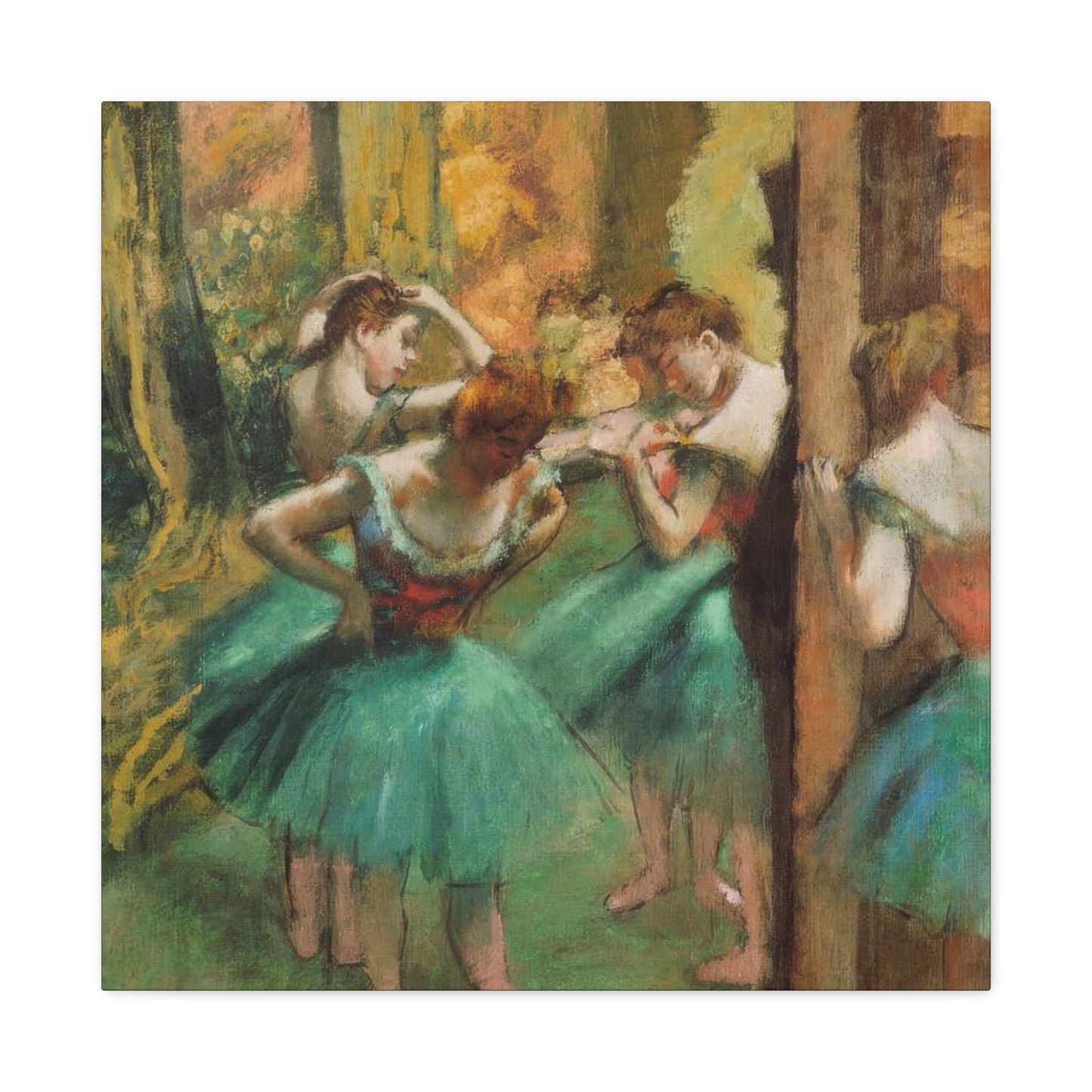
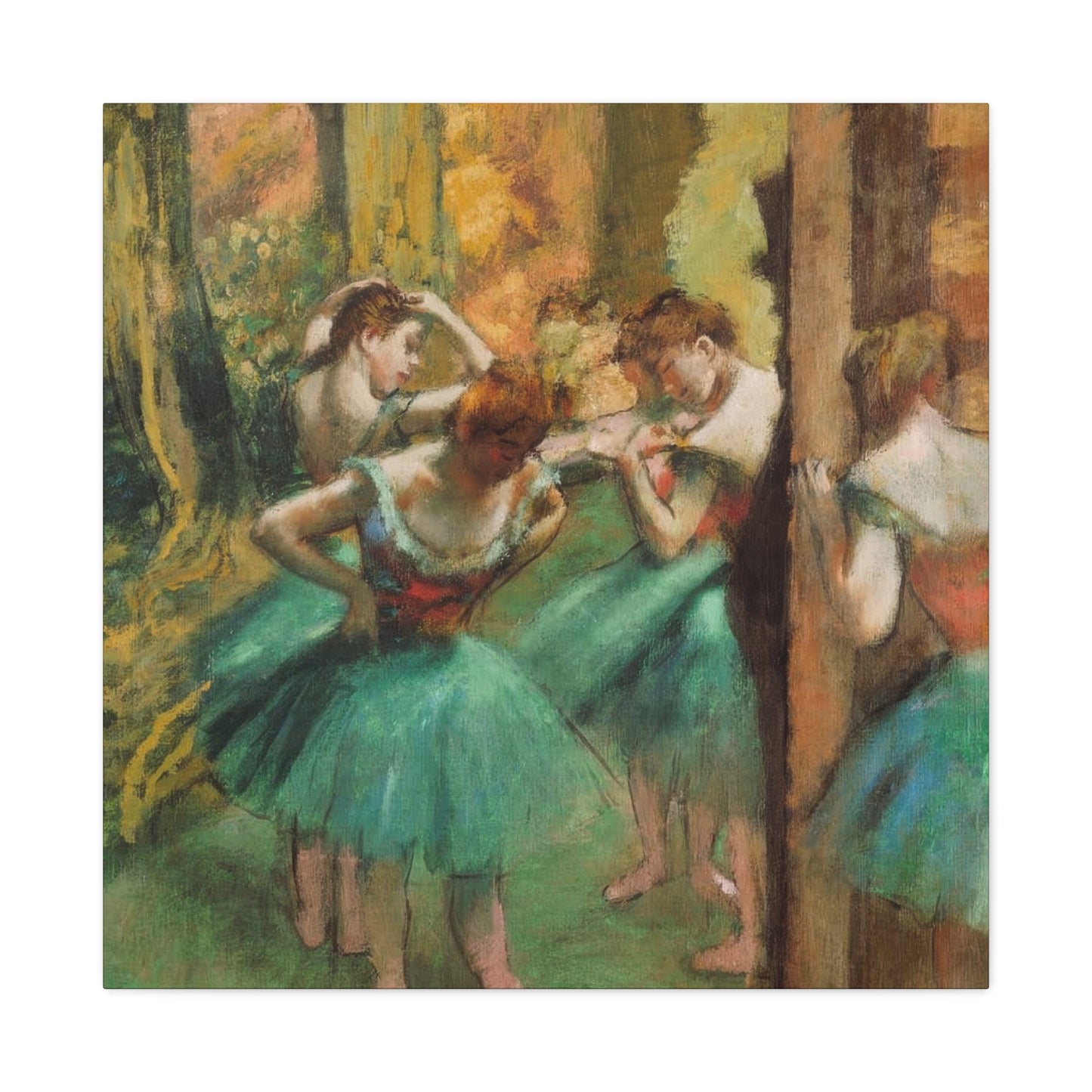
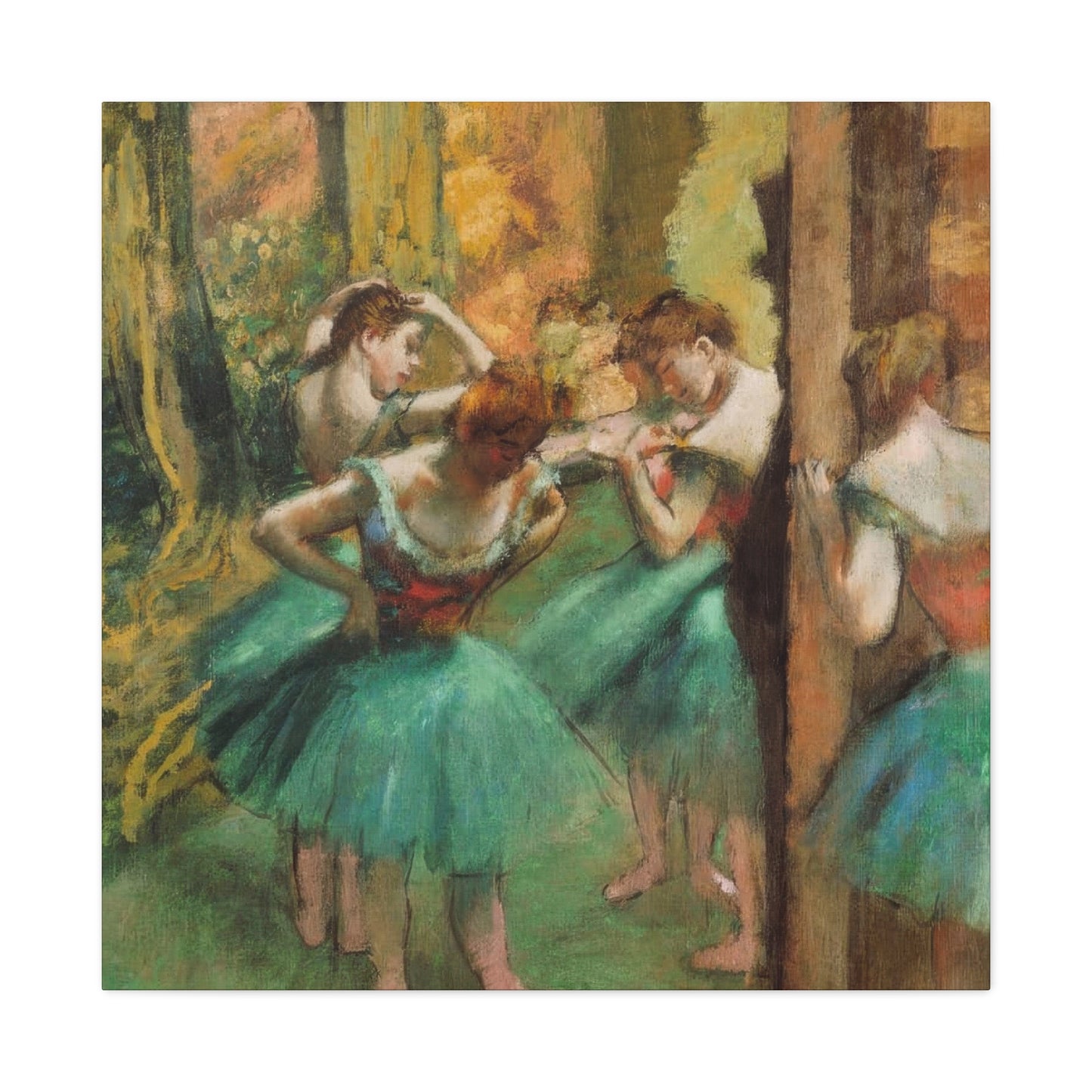
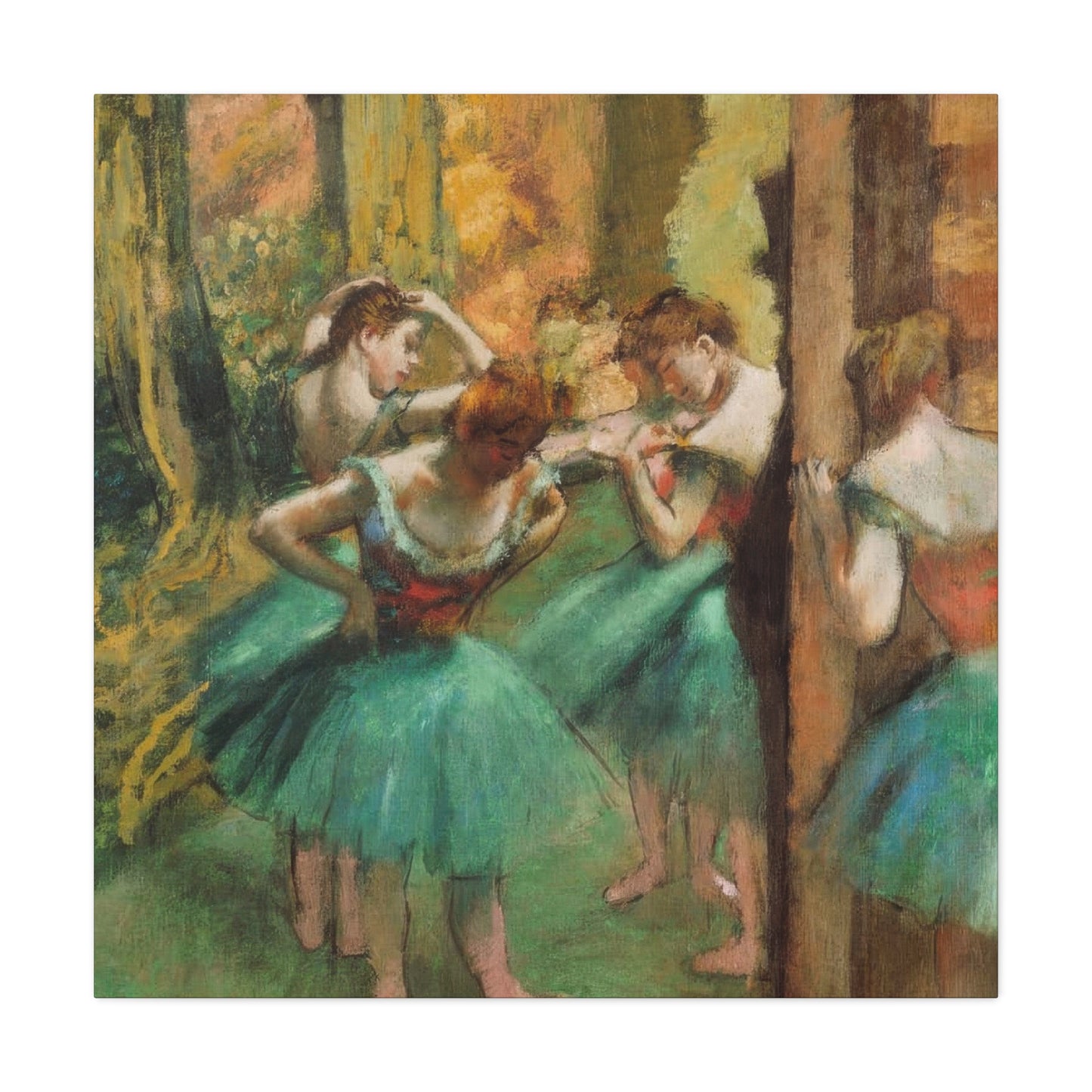
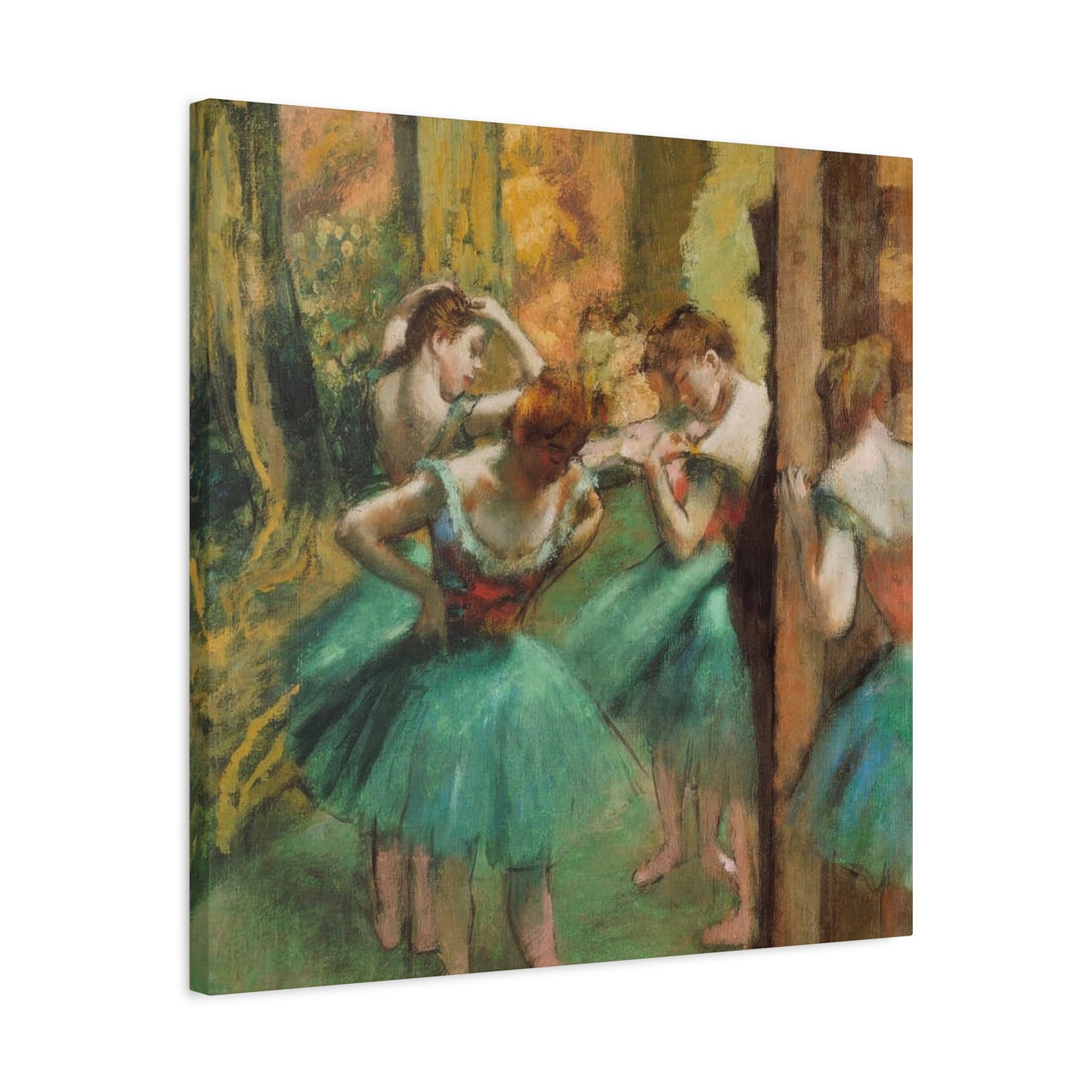
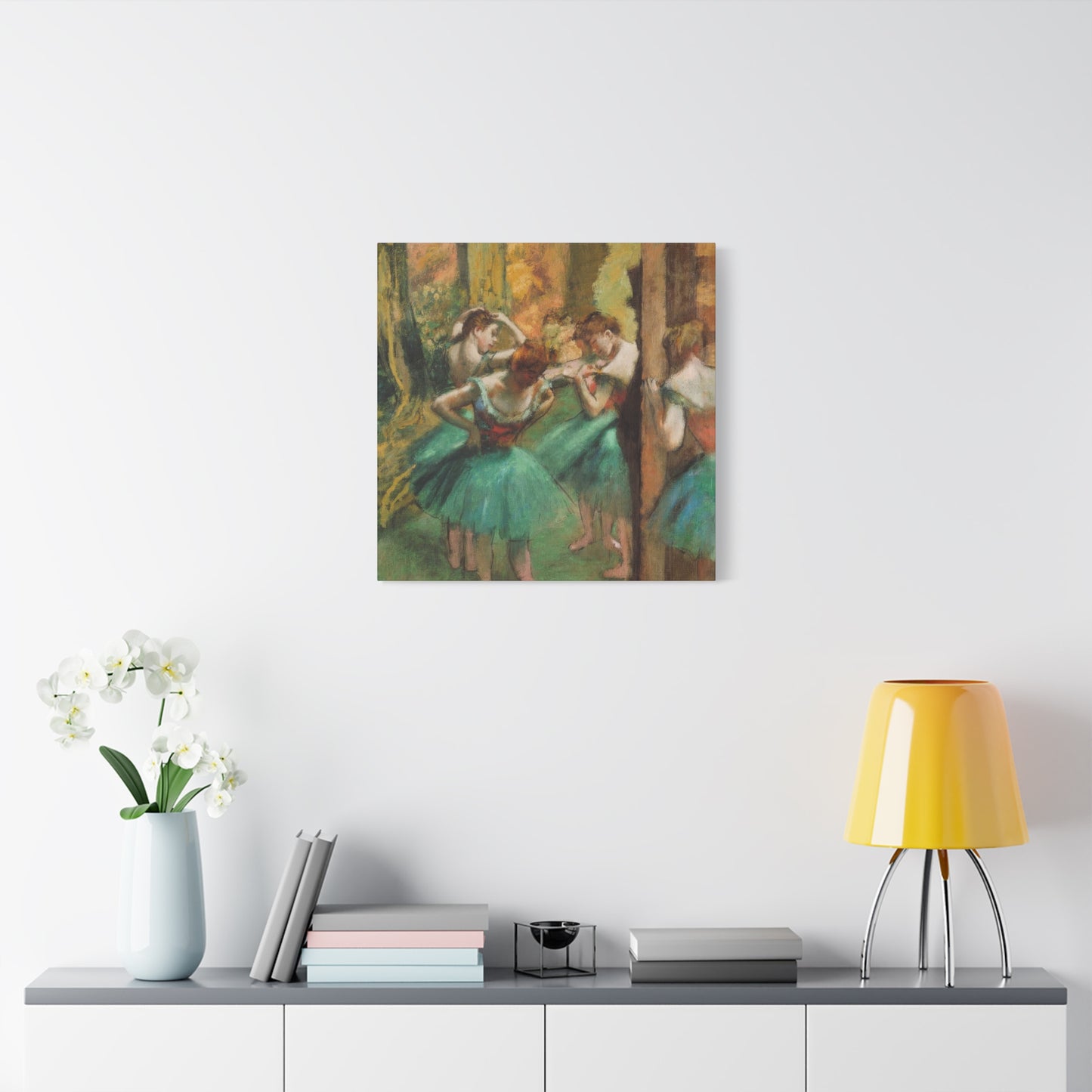
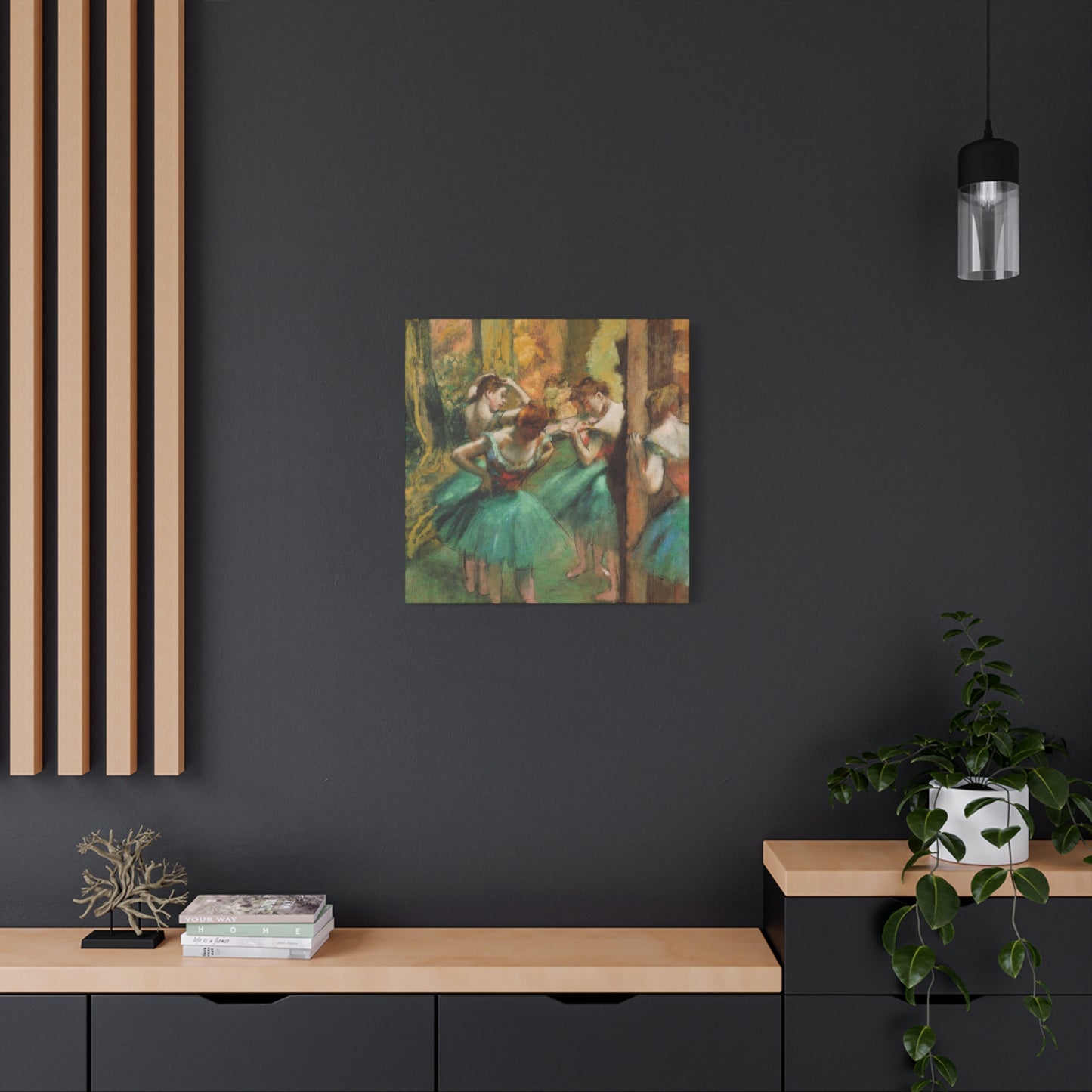
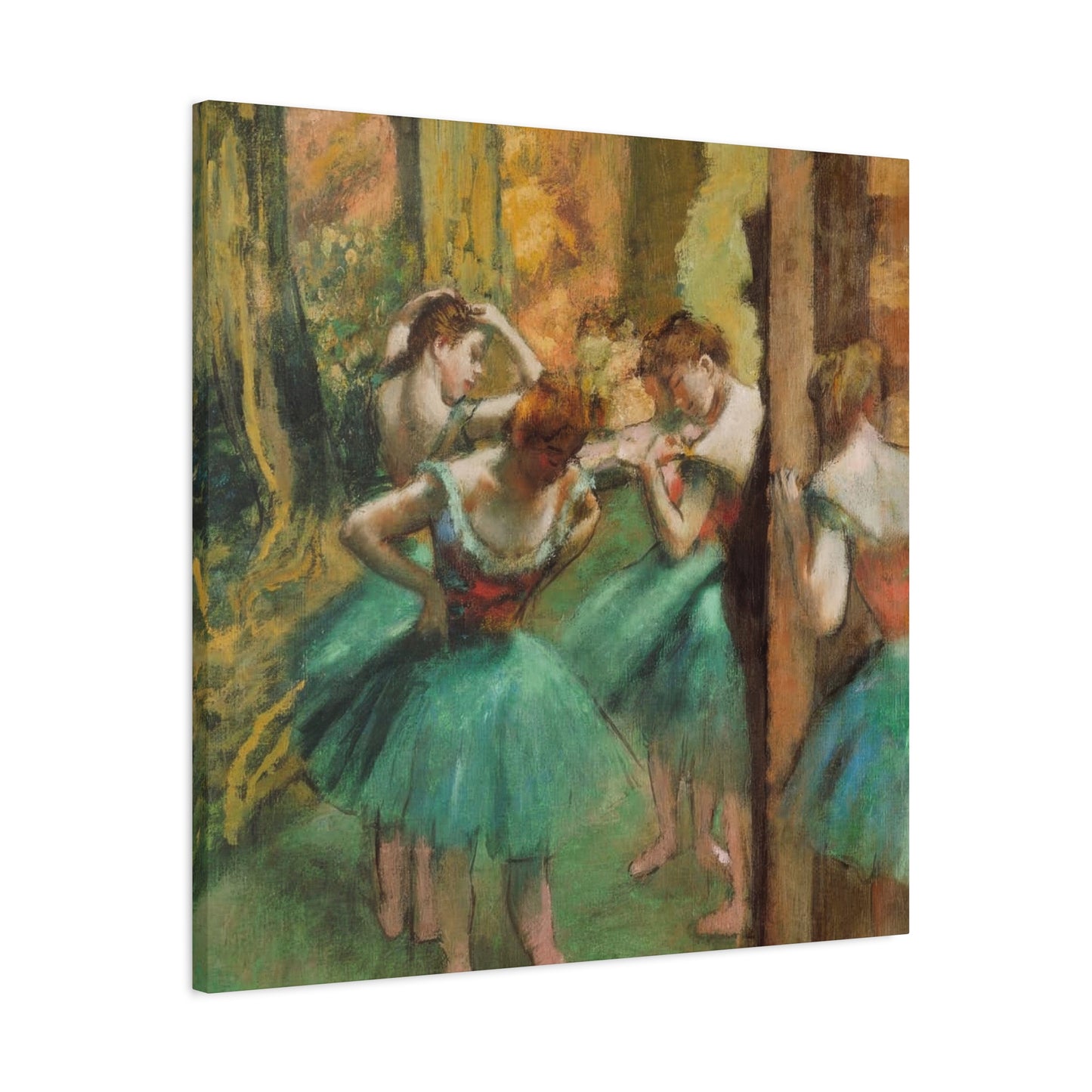
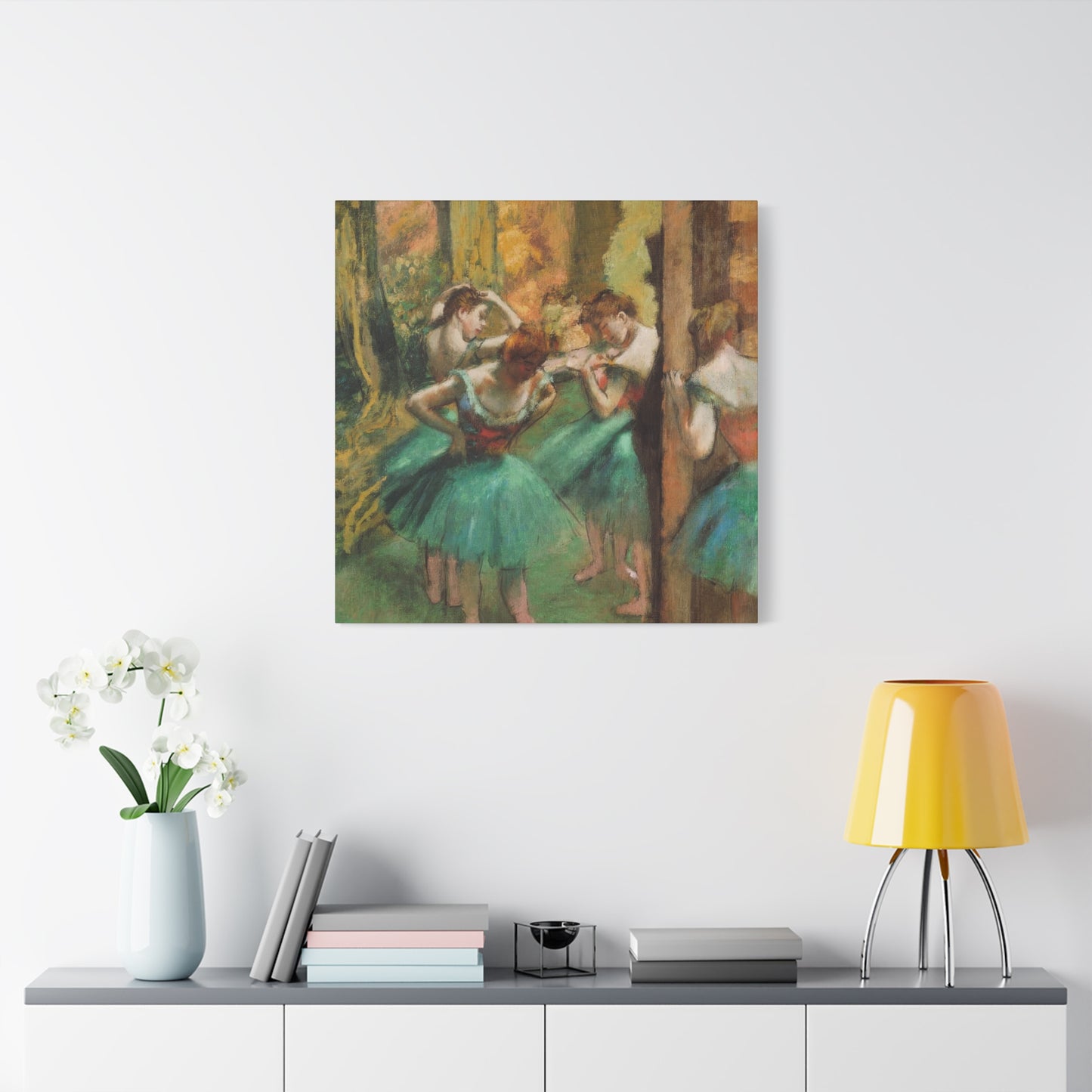
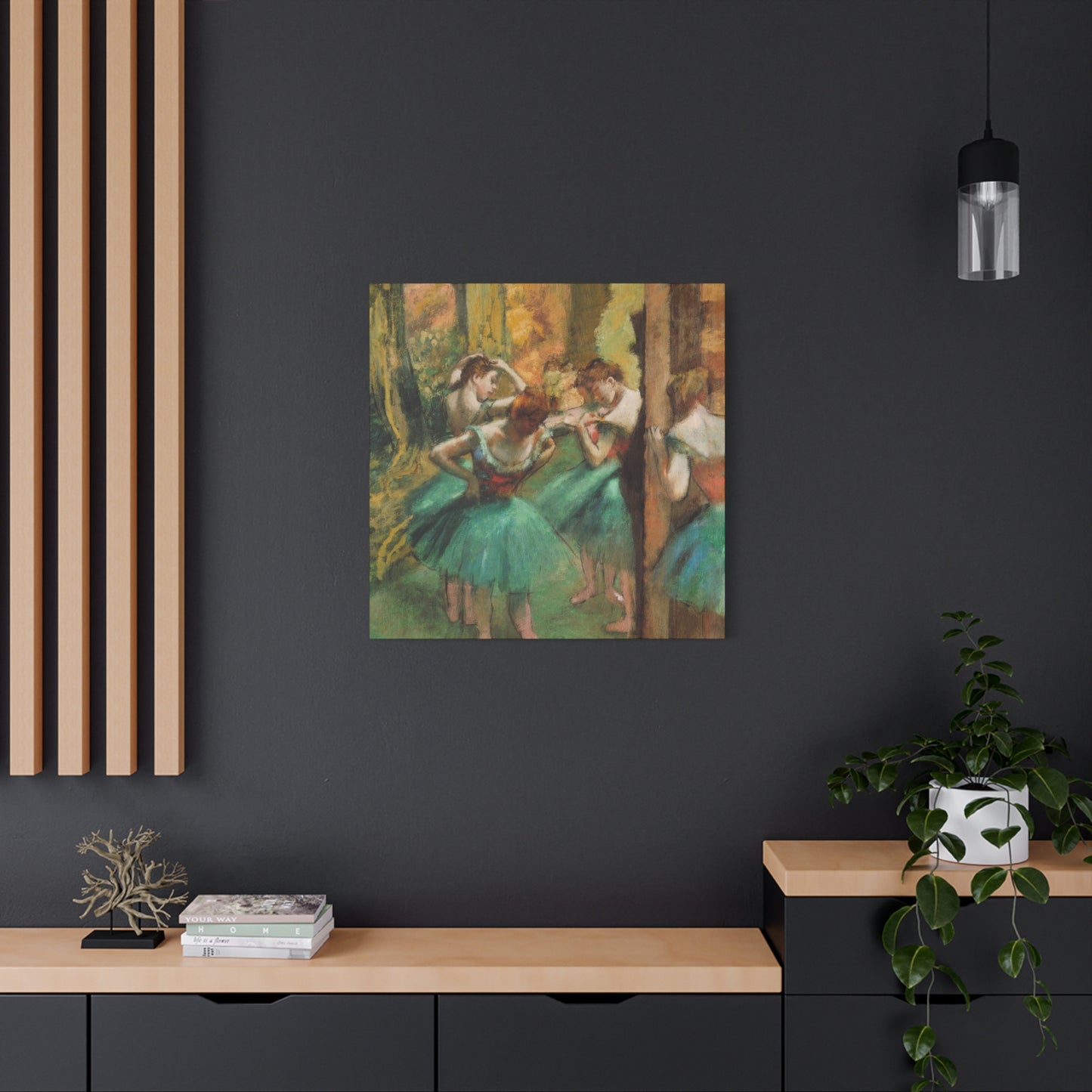
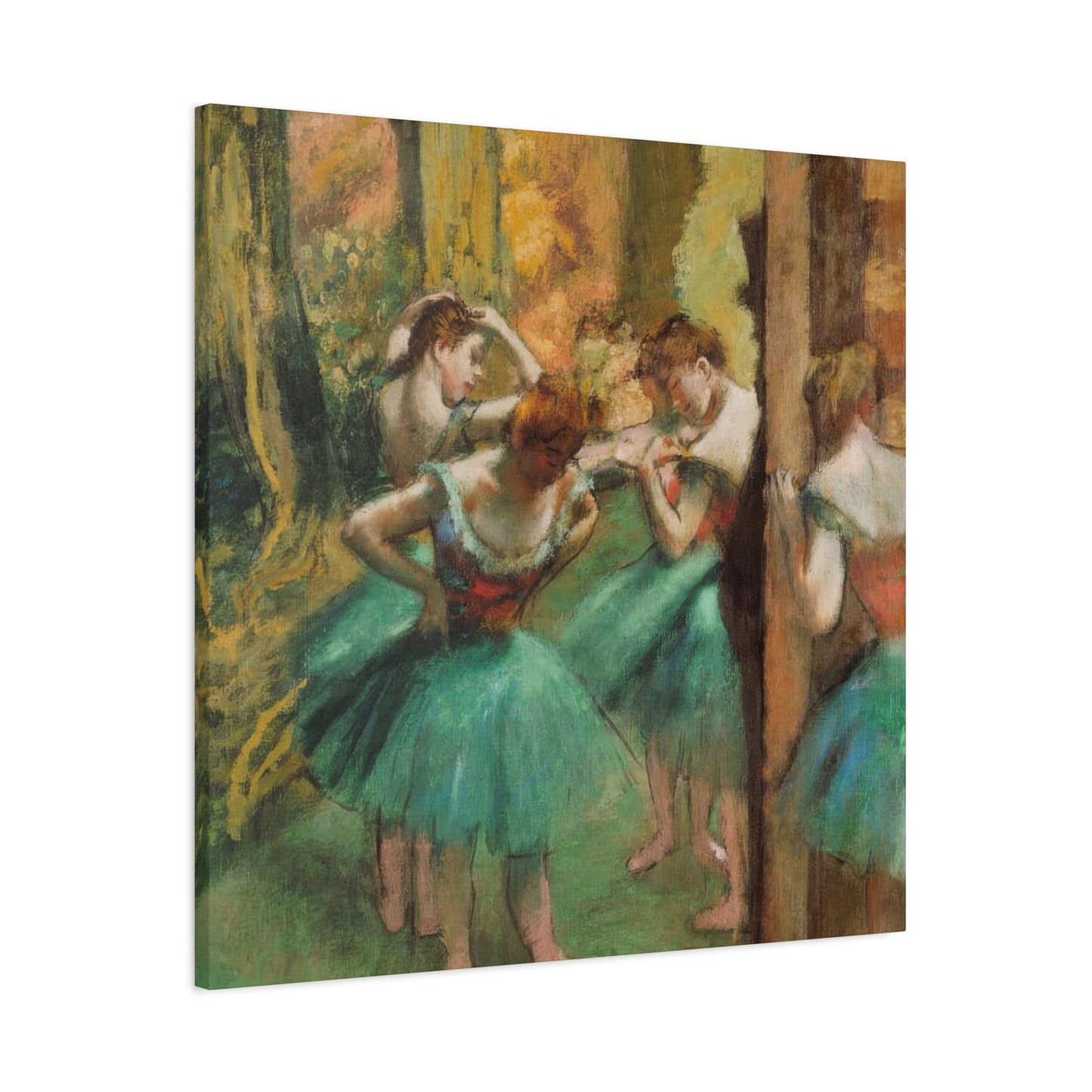
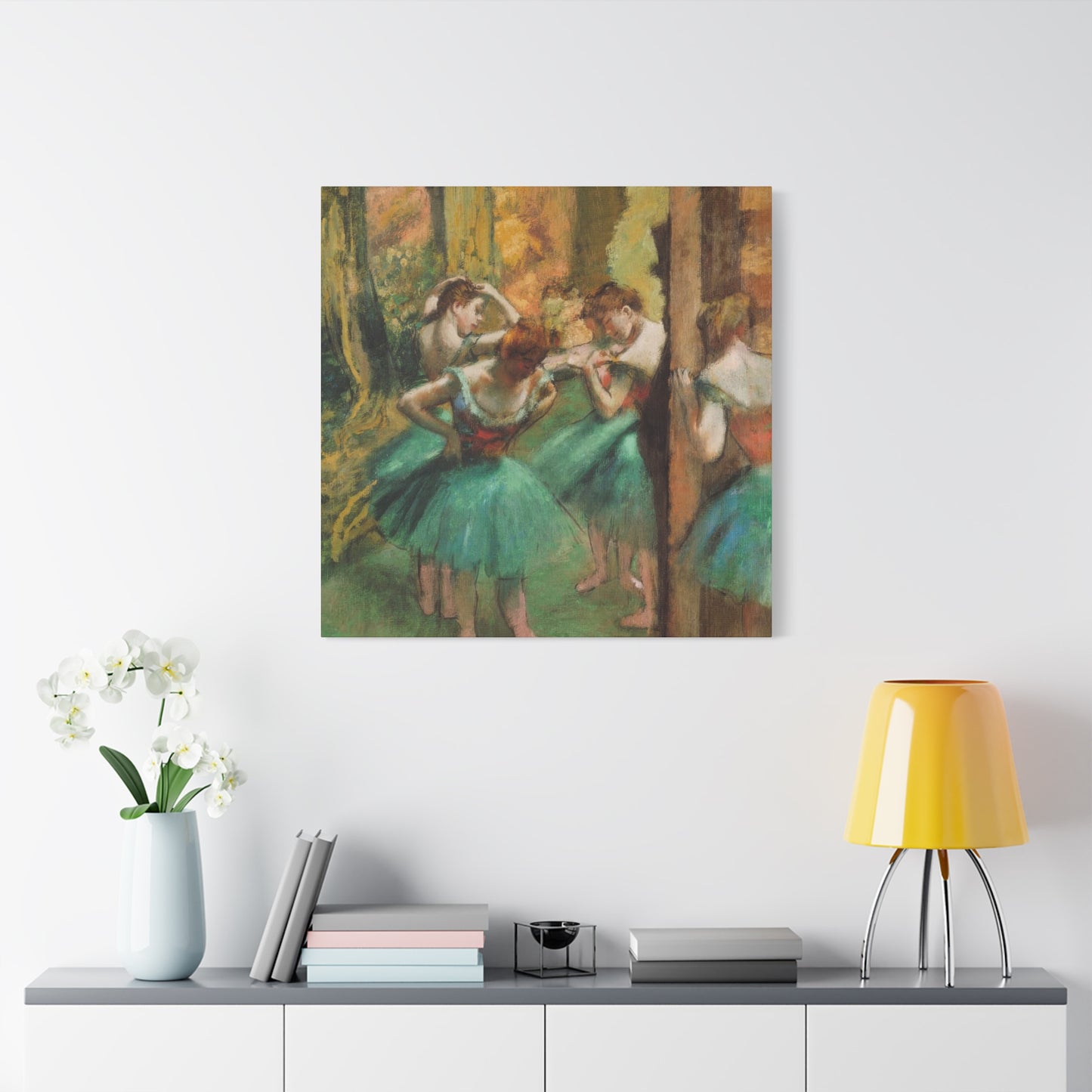
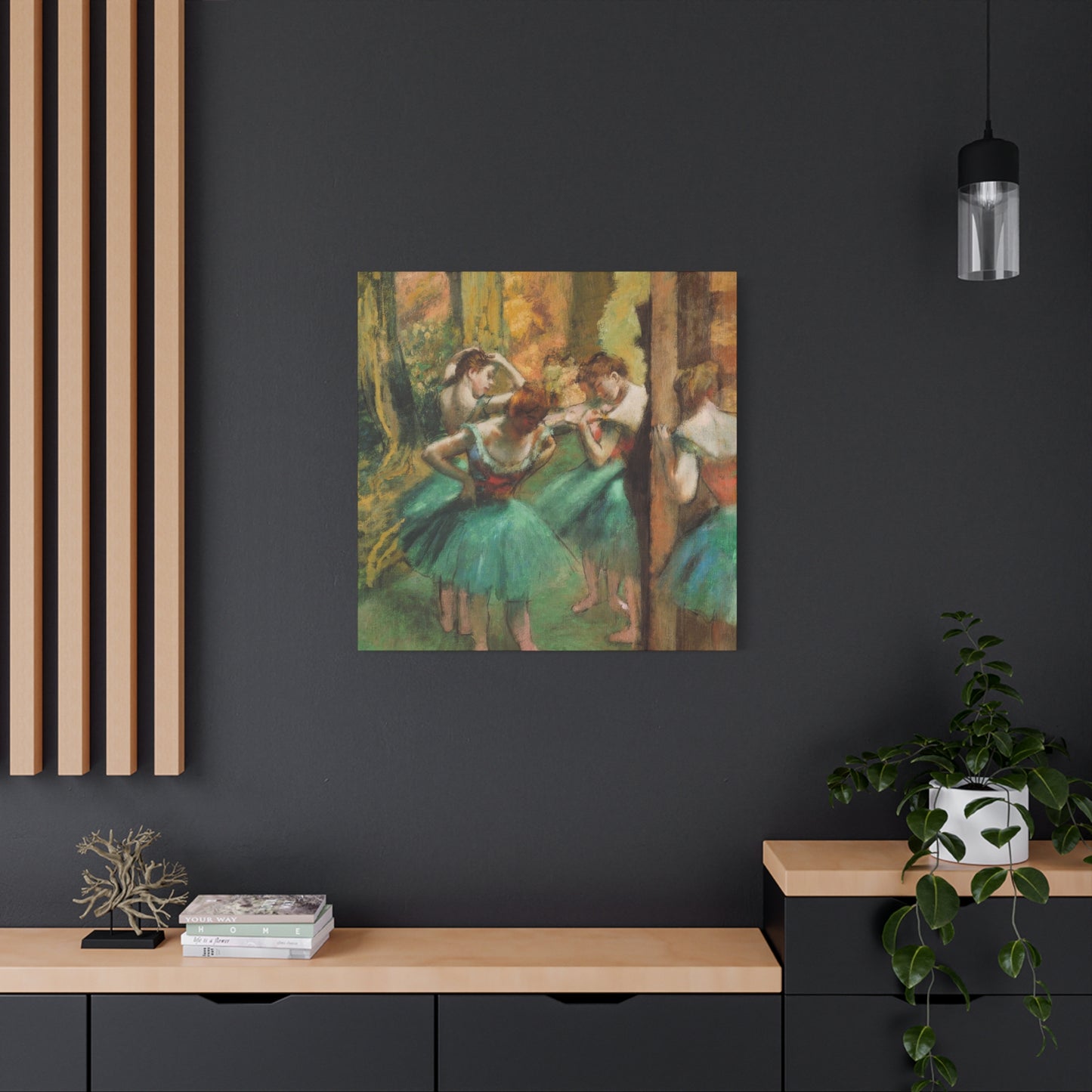
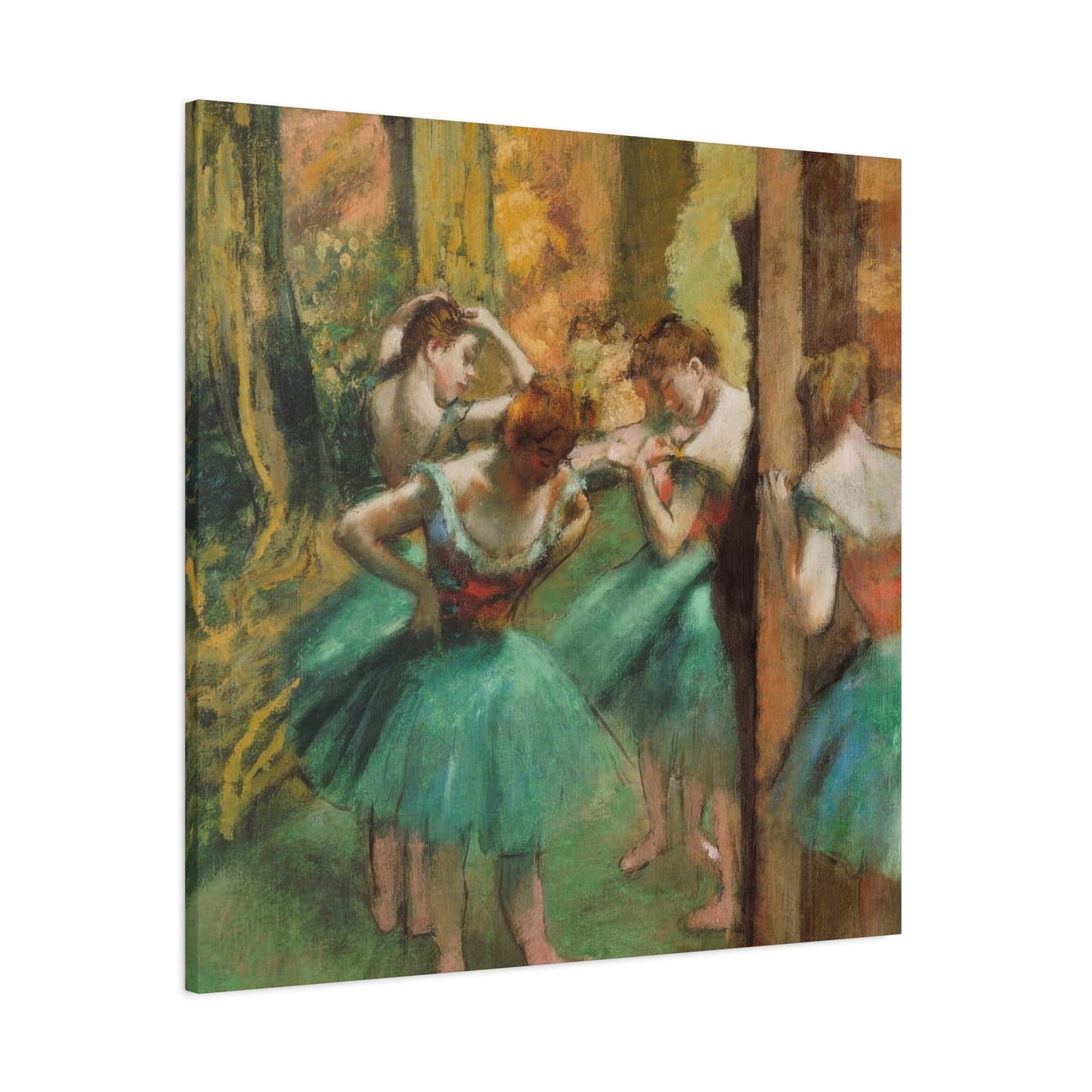
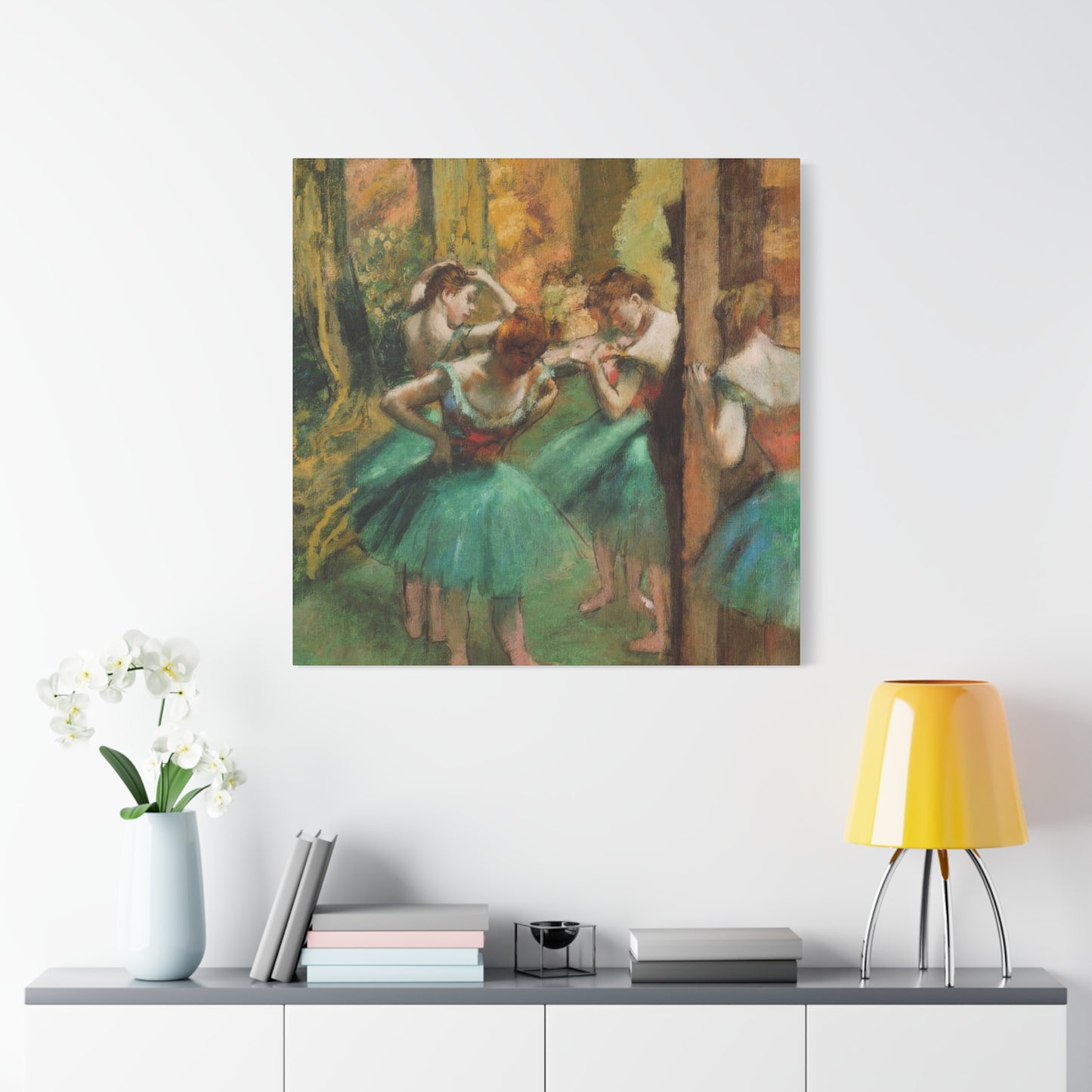
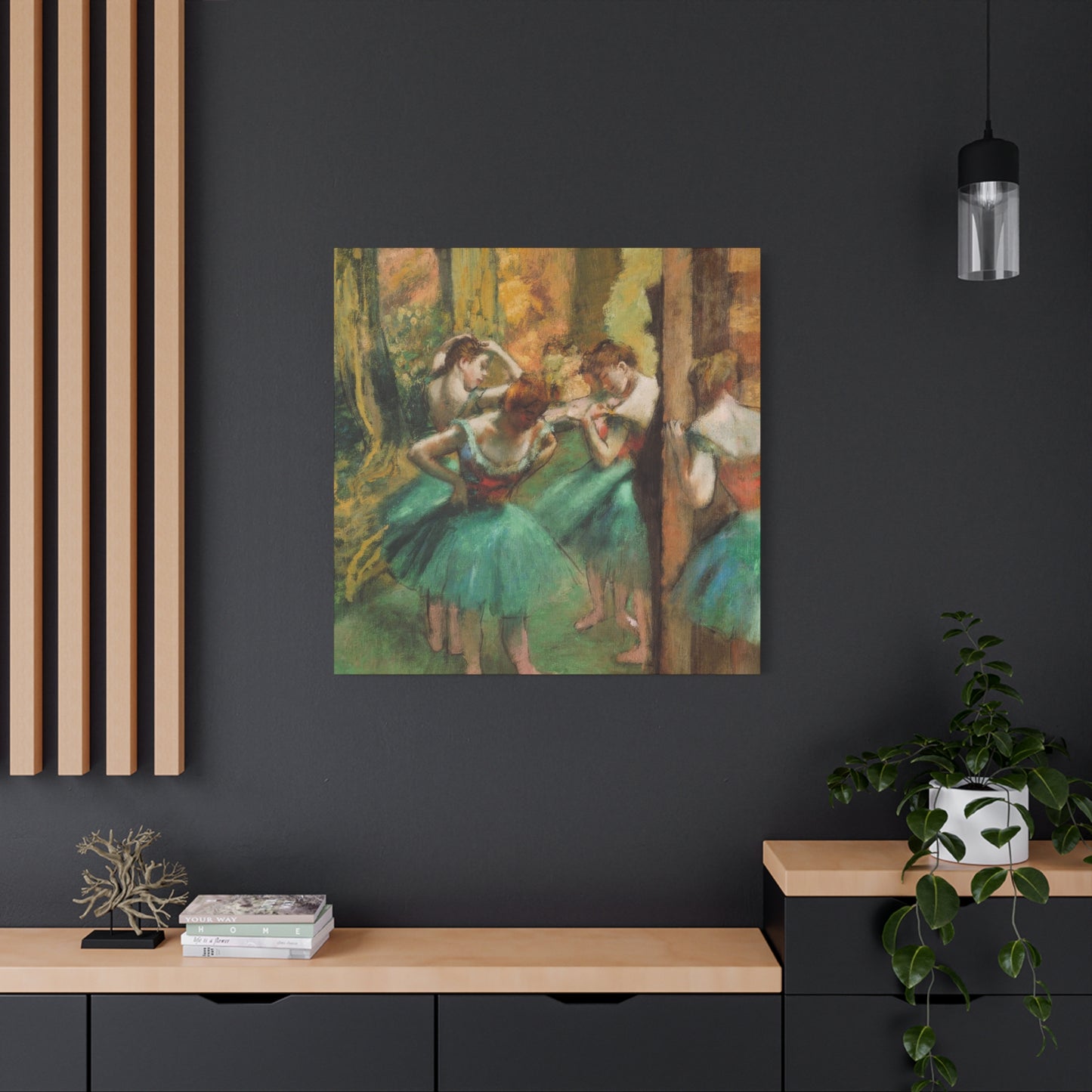
Bringing Movement and Color to Your Space: A Complete Guide to Dancer Impressionism Wall Art
Transform your living space into a gallery of grace and elegance with dancer impressionism canvas art. This timeless artistic style combines the fluidity of movement with soft, dreamy color palettes that evoke emotion and sophistication. Whether you're redesigning your entire home or simply adding a touch of artistic flair to a single room, understanding how to incorporate these beautiful pieces can elevate your interior design to new heights.
The world of impressionist dance artwork offers endless possibilities for creating spaces that feel both refined and inviting. From sweeping statement pieces that command attention to delicate smaller prints that add subtle charm, these artworks bring a sense of movement and life to any wall. The interplay of brushstrokes, the celebration of feminine grace, and the gentle color transitions make this art form particularly versatile for various decorating styles and personal preferences.
Elegant Impressionist Wall Art Ideas
Creating an atmosphere of refined beauty begins with selecting impressionist wall decorations that speak to your aesthetic sensibilities. These artistic representations of dancers in motion capture fleeting moments with soft brushwork and luminous color applications that seem to shimmer with life. The beauty of this artistic approach lies in its ability to suggest rather than define, leaving room for imagination and emotional interpretation.
When considering impressionist wall decorations for your space, think about the emotional atmosphere you wish to create. These paintings often feature ballerinas caught in moments of rehearsal, performance, or rest, rendered in ways that emphasize the poetry of movement rather than photographic accuracy. The blurred edges and visible brushstrokes characteristic of this style create a dreamlike quality that can soften even the most modern or minimalist interiors.
The versatility of impressionist dance artwork allows it to function as both a focal point and a complementary element within your design scheme. In formal living areas, a large impressionist piece can establish an atmosphere of cultured sophistication, while in bedrooms or personal spaces, smaller works create intimate moments of beauty. Consider how natural light interacts with these pieces throughout the day, as the play of illumination across textured canvas surfaces can dramatically alter their appearance and mood.
Color harmony plays a crucial role in impressionist wall decorations. Many pieces feature palettes built around soft pastels, muted earth tones, or delicate combinations that create visual rest for the eyes. These color choices make impressionist dance art particularly adaptable to existing color schemes, as they tend to complement rather than compete with surrounding furnishings and architectural elements.
Texture adds another dimension to impressionist wall art. Many contemporary reproductions and original works feature thick applications of paint that create dimensional surfaces catching light in interesting ways. This textural quality adds depth and visual interest that flat prints cannot achieve, making canvas reproductions of impressionist works particularly desirable for collectors and decorators alike.
The placement of impressionist dance artwork requires thoughtful consideration of viewing angles and distances. These pieces often reveal different aspects of their beauty depending on how closely you observe them. From across a room, they present a cohesive image with strong compositional elements, while closer inspection reveals the individual brushstrokes and color layering that create the overall effect.
Lighting design significantly impacts how impressionist wall decorations appear in your space. Natural daylight brings out the subtle color variations and luminous qualities inherent in these works, while carefully positioned artificial lighting can create dramatic effects during evening hours. Consider installing picture lights or adjustable track lighting that allows you to highlight specific pieces and create ambiance appropriate to different occasions.
Framing choices for impressionist dance artwork can either enhance or detract from their visual impact. Many collectors prefer simple, elegant frames that don't compete with the artwork itself, opting for thin profiles in metallic finishes or classic wood tones. Alternatively, some pieces look stunning with no frame at all, allowing the canvas edges to remain visible and emphasizing the contemporary nature of the display.
Grouping impressionist pieces creates opportunities for storytelling and visual rhythm within your space. Consider creating collections that share thematic elements, color palettes, or compositional structures. These groupings can be arranged formally in grid patterns or more organically in salon-style arrangements that feel collected over time.
The emotional resonance of impressionist dance artwork makes it particularly suitable for spaces where you wish to promote relaxation and contemplation. The gentle movement suggested by dancer figures combined with soft color applications creates visual experiences that can actually help reduce stress and promote mental well-being, making these pieces ideal for bedrooms, reading nooks, or meditation spaces.
Decorating with Ballet-Inspired Canvas Art
Ballet-inspired canvas artwork brings the ethereal world of classical dance into your home, creating spaces that celebrate grace, discipline, and artistic expression. These pieces capture the essence of ballet through various interpretive lenses, from traditional representational works to more abstract interpretations that focus on movement, form, and emotion rather than literal depiction.
The appeal of ballet-themed artwork extends beyond dance enthusiasts to anyone who appreciates elegance and refined beauty. These pieces often feature ballerinas in iconic poses or moments of preparation, rendered in ways that emphasize the artistry and athleticism of this demanding art form. The costumes, particularly the classic tutu, provide wonderful opportunities for artists to explore texture, light, and form through impressionistic techniques.
Incorporating ballet-inspired pieces into your decor scheme requires understanding the narrative and emotional qualities these works bring to a space. A painting of a dancer at rest in a rehearsal studio conveys different feelings than one depicting a performer mid-leap during a performance. Consider what story you want your artwork to tell and how it complements the function and feeling of each room.
Color plays a particularly important role in ballet-inspired artwork. Traditional ballet imagery often incorporates soft pinks, pristine whites, and delicate flesh tones that create feminine and gentle atmospheres. However, contemporary interpretations may introduce bolder color choices or unexpected palettes that make these pieces suitable for more modern or eclectic design schemes.
The historical context of ballet-inspired impressionist art adds cultural depth to your decorating choices. Many of the most celebrated impressionist painters found inspiration in the ballet performances and backstage life of major theaters. This artistic tradition connects your contemporary space to a rich cultural heritage, adding layers of meaning and conversation value to your decor.
Ballet artwork particularly excels in spaces associated with feminine energy and grace. Bedrooms, dressing areas, and personal studios gain special character from these pieces, which celebrate beauty, strength, and artistic dedication. However, these works also succeed in more unexpected locations, where they introduce softness and elegance to balance harder architectural elements or masculine design features.
Scale considerations become especially important when working with ballet-inspired pieces. The human figure provides an inherent sense of scale that viewers naturally respond to, so consider how the size of depicted dancers relates to the actual dimensions of your wall and room. Oversized pieces can create dramatic impact, while smaller works offer intimate viewing experiences that reward closer attention.
Mixing different artistic interpretations of ballet themes creates visual interest and prevents collections from feeling too uniform or predictable. Combine realistic renderings with more abstract interpretations, or pair vintage-style pieces with contemporary treatments of classical ballet themes. This approach demonstrates sophistication in collecting and creates more dynamic visual experiences.
The movement inherent in ballet-inspired artwork can influence traffic flow and energy within a room. Pieces depicting dancers in motion naturally draw the eye in particular directions, which you can use strategically to guide attention toward focal points or create visual pathways through open-plan spaces. The implied movement in these works adds life and dynamism even to static arrangements.
Seasonal considerations can influence your selection and display of ballet-inspired canvas art. Lighter, more ethereal pieces suit spring and summer months, while works with deeper colors or more dramatic lighting feel appropriate during autumn and winter. Rotating your displayed artwork seasonally keeps your space feeling fresh and responsive to changing moods throughout the year.
The Charm of Pink and Green Tones in Art
The combination of pink and green tones in impressionist artwork creates visual harmony that feels both natural and sophisticated. This color pairing draws inspiration from nature itself, where these hues frequently appear together in flowers, gardens, and landscapes. When applied to dancer impressionism, these colors create pieces that feel romantic, fresh, and timeless.
Pink tones in impressionist dance art range from the palest blush to deeper rose and coral shades. These warm colors evoke feelings of tenderness, femininity, and grace that naturally complement ballet themes. Artists use pink not only in depicting costumes and skin tones but also in creating atmospheric effects and emotional resonance throughout their compositions.
Green provides essential balance to pink in these artistic compositions, offering cooler counterpoints that prevent color schemes from feeling overly sweet or one-dimensional. Various green shades appear in backgrounds, suggesting theatrical curtains, garden settings, or simply providing abstract color fields that make warmer tones advance visually. This interplay creates depth and visual interest that monochromatic approaches cannot achieve.
The psychological effects of pink and green combinations make these pieces particularly suitable for spaces where you want to promote both energy and calm. Pink stimulates feelings of compassion, nurturing, and optimism, while green promotes balance, growth, and harmony. Together, these colors create environments that feel both invigorating and restful.
Lighting dramatically affects how pink and green tones appear in impressionist artwork. Natural daylight brings out the freshness and vitality of these colors, making them appear bright and spring-like. Evening artificial light, particularly warm-toned illumination, can make pinks glow with warmth while softening greens into more muted, sophisticated tones. Consider how different lighting conditions will affect your artwork throughout the day.
Coordinating room colors with pink and green artwork requires thoughtful planning to avoid overwhelming spaces with too much color intensity. Neutral wall colors in whites, creams, or soft grays allow these colorful pieces to shine without competition. Alternatively, you might pull one color from the artwork to use as an accent throughout the room, creating cohesive design schemes that feel intentional and polished.
The symbolism associated with pink and green adds deeper meaning to impressionist dance artwork featuring these colors. Pink traditionally represents love, beauty, and artistic expression, while green symbolizes renewal, life, and hope. Together in dancer impressionism, these colors celebrate the life force and creative spirit embodied by performers, making them meaningful choices for spaces dedicated to creativity or personal growth.
Texture variations in how artists apply pink and green pigments create additional visual interest beyond simple color relationships. Thick impasto techniques make colors appear more vibrant and dimensional, while thin glazes create luminous, translucent effects. The interplay between different paint applications adds complexity that rewards repeated viewing.
Seasonal appropriateness makes pink and green impressionist pieces particularly versatile. While these colors feel naturally aligned with spring and summer, their specific shades and proportions can make them suitable year-round. Deeper, more saturated versions feel appropriate during warmer months, while paler, more subdued variations work beautifully in cooler seasons.
Combining multiple pieces featuring pink and green tones creates cohesive gallery displays with inherent color harmony. Even when individual works differ in subject matter, composition, or artistic style, shared color palettes unify collections and create pleasing visual relationships between pieces. This approach simplifies the process of building art collections that feel curated and intentional.
Large Dancer Canvas for Statement Walls
Statement walls demand artwork with presence, and large dancer canvas pieces deliver precisely that impact. These commanding works transform ordinary walls into focal points that anchor entire rooms and establish design direction. The scale of these pieces allows for dramatic compositions that capture the full sweep of movement and the grandeur of performance in ways smaller works cannot achieve.
Selecting the right large canvas requires careful consideration of both wall dimensions and room proportions. A piece should be substantial enough to command attention without overwhelming the space or making it feel cramped. General guidelines suggest artwork should occupy approximately two-thirds to three-quarters of the available wall width, though individual circumstances may call for different proportions.
The viewing distance for large dancer canvases influences both placement and selection decisions. These pieces reveal different qualities depending on how far away viewers stand. From across a room, bold compositional elements and overall color schemes make primary impressions, while closer approach reveals brushwork details and subtle color transitions that add depth and interest. Consider the typical viewing distances in your space when selecting and positioning large works.
Large canvas pieces naturally become conversation starters and memory markers within homes. Guests remember rooms featuring significant artwork, and these pieces often become associated with the personality and taste of the homeowners. This makes selecting large dancer canvases particularly meaningful decisions that reflect personal values and aesthetic preferences.
Installation considerations for large canvas works require special attention to ensure both security and optimal presentation. Heavy pieces need appropriate hanging hardware installed into wall studs or using specialized anchors rated for substantial weight. Professional installation may prove worthwhile for particularly large or valuable pieces, ensuring they hang level and secure.
The dramatic impact of large dancer impressionism creates opportunities for bold decorating choices throughout a room. When artwork makes such a strong statement, surrounding elements can afford to be simpler and more restrained, allowing the canvas to shine. This approach often results in more sophisticated, gallery-like spaces that feel curated rather than cluttered.
Lighting large canvas pieces presents both challenges and opportunities. These works require adequate illumination to be fully appreciated, but lighting must be carefully planned to avoid glare or hot spots that obscure portions of the composition. Multiple light sources or broad, diffused lighting often works better than single directional fixtures for pieces of substantial size.
The emotional impact of large dancer artwork relates directly to its scale. Oversized depictions of human figures create visceral responses, as our brains process these images almost as real presences within our spaces. This quality makes large dancer canvases particularly effective for creating rooms with strong emotional character and memorable atmosphere.
Investment considerations often make large canvas pieces significant purchases requiring thoughtful decision-making. However, the transformative impact these works provide often justifies their cost, as a single large piece can completely redefine a space in ways multiple smaller works cannot match. Consider this artistic investment part of your overall interior design budget rather than merely decorative accessory.
Maintenance of large canvas pieces requires regular attention to preserve their beauty and condition. Dusting with soft brushes, maintaining appropriate humidity levels, and protecting from direct sunlight helps ensure these substantial investments remain beautiful for years. The visibility and prominence of large works makes their condition particularly important to overall room presentation.
Small Impressionist Prints for Cozy Corners
Intimate spaces deserve artwork scaled to create appropriate relationships between art and environment, making small impressionist prints perfect choices for cozy corners. These modest pieces bring refined beauty to areas often overlooked in decorating schemes, transforming alcoves, reading nooks, and personal spaces into charming retreats that feel intentionally designed.
The appeal of smaller impressionist works lies partly in their accessibility and flexibility. These pieces suit spaces where larger artwork would overwhelm, such as powder rooms, hallway nooks, or above small furniture pieces. Their modest size also makes them more affordable entry points for those beginning to collect impressionist dance art, allowing gradual collection building as budget and space permit.
Viewing small impressionist prints creates intimate experiences quite different from observing larger works. These pieces reward close attention, revealing details and nuances that might be lost at greater viewing distances. This quality makes them ideal for spaces where people naturally pause and spend time in contemplation, such as beside comfortable chairs or near windows with pleasant views.
Grouping multiple small prints creates impact comparable to single larger pieces while maintaining the intimate scale appropriate to cozy spaces. Arrangements of three, five, or seven pieces in related themes or coordinating colors transform small walls into charming vignettes. The odd numbers traditional design wisdom recommends create more dynamic, less static visual arrangements than even groupings.
Framing choices particularly influence how small impressionist prints appear in intimate spaces. Coordinating frames unify collections and create polished presentations, while varied frames can appear eclectic and collected. Consider the overall style of your space when making framing decisions, ensuring choices enhance rather than compete with the artwork itself.
Small impressionist dancer prints excel at personalizing spaces that might otherwise feel generic or overlooked. A tiny powder room gains character from a single small print, while a bedroom corner becomes a personal retreat with thoughtful art placement. These touches demonstrate attention to detail that elevates overall interior design quality.
The portability of small impressionist works offers decorating flexibility unavailable with larger, more permanently positioned pieces. Seasonal rotations, mood-based changes, or simple desire for freshness become easy when working with modest scaled artwork. This flexibility allows your decor to evolve with your tastes and circumstances without major investment or effort.
Color impact from small prints operates differently than with larger works. While a big canvas can establish an entire room's color direction, small pieces work best when coordinating with existing schemes or providing subtle accent colors. This makes them excellent tools for tying together various design elements or adding finishing touches to nearly complete rooms.
Lighting small impressionist prints requires delicate balance. These pieces need adequate illumination to be appreciated but can be overwhelmed by excessively bright or focused lighting. Ambient room lighting often suffices, though small picture lights or nearby table lamps can provide gentle highlighting that draws attention without creating glare.
The affordability of small impressionist prints makes collecting multiple pieces realistic for most budgets. Building collections over time allows for curated selections that genuinely reflect personal taste rather than making single major purchases that might not perfectly align with preferences. This collecting approach creates opportunities for enjoyable hunting and discovering new favorite pieces.
Custom Dancer Impressionism Art Options
Commissioning custom dancer impressionism artwork opens possibilities for truly personalized pieces that reflect individual stories, memories, and aesthetic preferences. These bespoke creations capture specific moments, honor particular dancers, or simply manifest your unique vision in ways ready-made pieces cannot match. The process of creating custom art adds meaningful personal connection that enhances both emotional and monetary value.
Working with artists to develop custom pieces begins with clearly communicating your vision while remaining open to creative interpretation. Provide reference images, describe desired color palettes, and explain the emotional qualities you hope the finished work will convey. The most successful collaborations balance specific direction with artistic freedom, allowing creators to apply their expertise while meeting your fundamental requirements.
Choosing between original paintings and high-quality reproductions involves weighing budget, authenticity desires, and practical considerations. Original works carry inherent value as unique creations but command corresponding prices. Custom reproductions of existing impressionist works or adaptations that modify compositions, colors, or scales offer personalized options at more accessible price points.
Size customization allows artwork to fit specific spaces perfectly rather than requiring design compromises to accommodate standard dimensions. Whether you need a piece sized precisely for an awkward wall space or want to create a dramatic oversized work for a grand room, custom creation ensures perfect proportions for your particular needs.
Color customization proves particularly valuable when coordinating artwork with existing room designs. Custom pieces can incorporate specific accent colors from your furnishings, complement wall paint choices, or introduce desired new tones in controlled ways. This level of color coordination creates highly sophisticated, designer-quality results that feel professionally conceived.
Personal significance elevates custom dancer impressionism beyond mere decoration into meaningful artistic expressions. Commission pieces commemorating special events, honoring loved ones who dance, or capturing personally significant moments. These works become treasured possessions with stories that add depth beyond their visual beauty.
The commissioning process typically involves multiple stages including initial consultations, preliminary sketches or digital mockups, and progress updates before final completion. This iterative approach ensures the finished work meets your expectations while allowing course corrections if early versions don't quite capture your vision. Clear communication throughout this process proves essential for satisfactory outcomes.
Timeline considerations for custom artwork require patience, as quality work cannot be rushed. Depending on the complexity of your commission and the artist's existing workload, completion might require weeks or months. Planning ahead for special occasions or room completion deadlines ensures custom pieces arrive when needed.
Pricing custom dancer impressionism varies widely based on artist reputation, piece size, medium, and complexity. Discuss budget parameters early in consultation processes to ensure alignment between your financial resources and project expectations. Remember that custom work represents significant artistic labor deserving of fair compensation that reflects the skill and time invested.
Documentation of custom pieces adds both enjoyment and practical value. Many artists provide certificates of authenticity, detailed descriptions of their creative process, or even video documentation of work creation. These materials enhance ownership experience and can prove valuable for insurance or future resale purposes.
Caring for Impressionist Canvas Prints
Proper maintenance ensures impressionist canvas prints retain their beauty and value for decades. Understanding appropriate care techniques protects your investment while preserving artwork quality for future enjoyment. The specific care requirements vary somewhat based on whether pieces are original paintings or reproductions, but fundamental principles apply across categories.
Environmental conditions significantly impact canvas artwork longevity. Maintain consistent temperature and humidity levels, avoiding extremes that can cause canvas expansion, contraction, or paint deterioration. Ideal conditions typically range between sixty-five and seventy-five degrees Fahrenheit with relative humidity between forty and fifty-five percent. Significant fluctuations in either measure stress artwork and accelerate aging.
Light exposure presents one of the greatest threats to canvas artwork longevity. Direct sunlight contains ultraviolet radiation that fades colors and degrades canvas fibers over time. Position impressionist pieces away from windows receiving direct sun, or use window treatments to filter harmful rays. Even artificial lighting should be monitored, as some bulb types emit UV radiation. Consider using UV-filtering glazing or specialized art lights designed to minimize damage.
Dust accumulation dulls artwork appearance and can attract moisture that promotes mold growth. Regular gentle dusting using soft brushes specifically designed for artwork removes particulates without damaging delicate surfaces. Always brush in gentle, sweeping motions rather than circular scrubbing that might disturb paint layers. Never use feather dusters, which can catch on canvas texture and cause damage.
Cleaning canvas beyond simple dusting requires extreme caution and often professional expertise. Never use water, commercial cleaners, or household products on original paintings, as these can cause irreversible damage. For reproductions, consult manufacturer guidelines, but generally, minimal intervention produces best results. When significant cleaning becomes necessary, professional art conservators possess the expertise and materials to safely restore artwork.
Handling canvas artwork properly prevents accidental damage. Always lift and carry pieces by their frames rather than touching canvas surfaces, as oils from skin can leave residues that attract dirt and potentially damage paint over time. When moving artwork, protect corners and edges with padding to prevent dings or scratches to frames.
Inspection routines help identify developing problems before they become serious. Regularly examine your impressionist pieces for signs of deterioration such as paint flaking, canvas sagging, mold growth, or frame damage. Early detection allows for timely professional intervention that can prevent minor issues from escalating into major conservation challenges.
Proper hanging techniques contribute to canvas preservation. Use appropriate hardware rated for artwork weight, and ensure pieces hang flat against walls without tilting. Canvas should never rest directly against wall surfaces, as this restricts air circulation and can transfer wall moisture to artwork. Small bumpers attached to frame backs maintain proper spacing.
Climate control becomes particularly important in regions with extreme weather or high humidity. In damp climates, dehumidifiers help maintain appropriate moisture levels, while dry environments might require humidification to prevent canvas and paint from becoming brittle. Professional framers can advise on specific environmental challenges in your region.
Insurance and documentation protect the financial investment your impressionist canvas represents. Photograph artwork from multiple angles, maintain purchase receipts, and obtain appraisals for valuable pieces. Update insurance coverage to reflect artwork value, and store documentation securely. These steps ensure protection should damage, loss, or theft occur.
Mixing Impressionist Art with Modern Decor
The apparent stylistic contrast between impressionist artwork and modern decor actually creates dynamic design opportunities when thoughtfully executed. These different aesthetics can complement each other beautifully, with impressionist pieces adding warmth and historical depth to contemporary spaces while modern settings provide clean, uncluttered contexts that allow artwork to shine.
Successful integration begins with identifying common ground between impressionist and modern sensibilities. Both celebrate simplified forms, though they achieve this through different means. Impressionism reduces scenes to essential light and color relationships, while modernism strips away ornamentation to reveal fundamental structures. This shared appreciation for essence over detail creates philosophical alignment that transcends surface style differences.
Color coordination provides practical bridges between impressionist art and modern interiors. Many contemporary spaces feature neutral palettes in whites, grays, and blacks that serve as perfect backdrops for the soft colors typical of dancer impressionism. The artwork introduces warmth and visual interest without cluttering minimalist aesthetics, while clean surroundings prevent pieces from appearing lost in visual chaos.
Contrast strategies leverage differences between styles to create visual excitement. A impressionist dance canvas glowing with soft pinks and greens creates stunning juxtaposition against crisp white walls and sleek modern furniture. This deliberate contrast makes both the artwork and surrounding decor appear more striking than either would in more expected contexts.
Scale relationships become particularly important when mixing traditional artwork with contemporary settings. Modern interiors often feature generous proportions and open floor plans that can accommodate large impressionist pieces capable of holding their own in expansive spaces. Conversely, intimate modern settings benefit from appropriately scaled smaller works that complement rather than overwhelm.
Framing choices significantly influence how well impressionist pieces integrate with modern decor. Traditional ornate frames can feel jarring in contemporary settings, while simple modern frames or even frameless presentations allow impressionist works to succeed in minimalist contexts. Consider frames as design elements that should complement both artwork and surrounding environment.
Furniture arrangements around impressionist artwork should enhance rather than compete with pieces. In modern settings with clean-lined furniture, position seating to encourage artwork viewing from comfortable distances. Avoid cluttering walls around significant pieces, giving them breathing room that respects both the art and the modern aesthetic's appreciation for uncluttered space.
Lighting design bridges impressionist and modern design elements while serving practical functions. Contemporary track lighting or minimalist picture lights provide focused illumination that highlights artwork without introducing stylistic elements that compete with either the art or the modern decor. Careful lighting creates gallery-like presentations that elevate overall space quality.
Textile selections offer opportunities to reinforce connections between impressionist art and modern furnishings. Throw pillows, area rugs, or window treatments incorporating colors from your dancer impressionism pieces tie rooms together while introducing softness that balances harder contemporary materials like glass, metal, and leather.
Balancing multiple design elements requires editing and restraint. When mixing impressionist art with modern decor, resist the temptation to also introduce traditional, rustic, or eclectic elements that might muddy your design direction. The power of this approach lies in the focused dialogue between two distinct aesthetics, which gets lost when too many styles compete for attention.
Office Walls with Dancer Impressionism Prints
Professional workspaces gain unexpected sophistication and inspiration from dancer impressionism prints. These pieces introduce beauty and grace into environments that might otherwise feel purely utilitarian, creating offices that feel both professional and personally meaningful. The presence of thoughtful artwork signals attention to quality and refinement that reflects positively on your professional image.
The psychological benefits of artwork in office settings extend beyond mere decoration. Studies consistently demonstrate that visual access to beauty reduces stress, improves mood, and even enhances cognitive performance. Impressionist dance pieces specifically promote feelings of grace, balance, and flow that can positively influence work mindset and productivity.
Selecting appropriate dancer impressionism for professional settings requires considering workplace culture and client interactions. More conservative business environments might call for subtle, refined pieces in muted colors, while creative industries often welcome bolder, more expressive works. Consider who will view your office artwork and what impressions you wish to make.
Positioning artwork within offices should account for both viewing angles and functional space requirements. Primary pieces might hang prominently behind desks, creating attractive backdrops for video conferences while providing inspiration during work. Additional pieces can occupy walls opposite desks, offering visual rest points when looking up from computer screens.
Color psychology in office artwork selection influences workspace mood and energy. The pinks and greens common in dancer impressionism promote balance between energy and calm, making them particularly suitable for work environments. These colors feel neither aggressive nor sleepy, supporting sustained focus and creative thinking throughout workdays.
Private office spaces allow more personal artwork selections than shared areas. Your individual office can showcase pieces that deeply resonate personally or reflect your specific interests in dance and impressionist art. This personalization creates environments where you genuinely want to spend time, improving both work satisfaction and performance.
Shared office spaces and reception areas benefit from dancer impressionism that appeals to broad audiences while maintaining professional tone. Select pieces that are aesthetically accomplished but not so specific or personal that they might alienate colleagues or visitors with different tastes. These common areas often present opportunities for larger statement pieces that establish organizational character.
Conference room artwork should neither distract from business discussions nor create soulless environments devoid of personality. Dancer impressionism provides ideal balance, interesting enough to prevent rooms from feeling sterile but sufficiently subtle to avoid pulling attention from meetings. Consider how pieces appear in various lighting conditions, as conference rooms often feature adjustable lighting for presentations.
Home office design allows even greater freedom to showcase personally meaningful dancer impressionism. Without concerns about corporate appropriateness or broad appeal, you can select pieces that genuinely inspire and delight you. Working from home spaces decorated with artwork you love significantly improves the home office experience.
Rotating artwork seasonally or annually refreshes office environments without requiring major redesign efforts. Changing dancer impressionism pieces introduces variety that prevents workspace from feeling stale while allowing you to enjoy different works from your collection. This approach particularly suits those who own multiple pieces or who enjoy the collecting aspect of art appreciation.
Affordable Impressionist Canvas Ideas
Building beautiful art collections doesn't require unlimited budgets, as numerous affordable options bring impressionist dancer canvas art within reach of most households. Understanding where to find quality pieces at reasonable prices and how to maximize decorating impact from modest investments allows everyone to enjoy these beautiful works regardless of financial constraints.
Reproduction prints offer the most accessible entry point into impressionist dance art collecting. Modern printing technologies create remarkably faithful reproductions of masterworks at fraction-of-original costs. High-quality canvas prints featuring classic impressionist pieces or contemporary works in similar styles provide authentic aesthetic experiences without the prohibitive pricing of originals.
Online marketplaces and print-on-demand services dramatically expand access to affordable impressionist canvas art. These platforms offer thousands of designs in multiple sizes and price points, often allowing customization of dimensions and framing options. The convenience of shopping from home combined with competitive pricing makes finding perfect pieces for your space easier than ever.
Emerging artist works provide affordability while supporting creative communities. Many talented artists working in impressionist styles haven't yet achieved name recognition that drives high prices. Purchasing from these creators offers double satisfaction of acquiring beautiful artwork at reasonable cost while directly supporting artistic careers.
Sales and seasonal promotions at art retailers and online platforms create opportunities for strategic purchasing. Many suppliers offer significant discounts during holiday periods, end-of-season clearances, or special promotional events. Patient shoppers willing to wait for optimal timing can often acquire desired pieces at substantially reduced prices.
Starting small and building collections gradually makes quality artwork accessible even on tight budgets. Begin with one or two meaningful pieces, then add to your collection as finances permit. This approach allows time to develop your aesthetic preferences while spreading costs across months or years rather than requiring large immediate expenditures.
Framing choices significantly impact total artwork costs. Ready-made frames in standard sizes cost far less than custom framing while still providing professional presentations. Many canvas prints come already stretched on frames requiring no additional treatment, further reducing expenses. Simple modern frames often suit impressionist works beautifully while costing less than ornate traditional options.
Smaller pieces naturally cost less than large works while still providing genuine aesthetic value. Don't dismiss modest-sized impressionist dancer prints simply because they won't make room-dominating statements. These accessible pieces offer perfect starting points for collections and excel in many decorating applications where large works would overwhelm.
Local art fairs, student exhibitions, and community galleries often feature affordable impressionist works from regional artists. These venues provide opportunities to discover unique pieces while supporting local creative communities. Prices typically remain more accessible than established gallery representations, and you might discover talented artists before broader markets recognize their work.
Digital artwork represents an emerging category offering extreme affordability with surprising quality. High-resolution digital files can be professionally printed on canvas at local print shops for modest costs, with final quality dependent more on file resolution than purchase price. This approach allows access to vast libraries of impressionist dance imagery at prices previously unimaginable.
Quality assessment helps ensure affordable pieces still meet standards worthy of display. Examine reproduction quality, canvas material, and construction methods even when buying budget-friendly options. Well-made affordable pieces provide years of enjoyment, while truly cheap products may disappoint quickly. Seek the sweet spot where reasonable prices meet satisfactory quality.
Gallery Wall Ideas with Dancer Art
Gallery walls featuring dancer art create dynamic focal points celebrating movement, grace, and impressionist beauty through carefully curated arrangements. These collections transform ordinary walls into personalized exhibitions that reflect individual taste while demonstrating sophisticated design sensibility. Planning successful gallery walls requires attention to artwork selection, arrangement design, and technical execution.
Thematic coherence unifies gallery walls featuring dancer impressionism. Collections might focus on specific color palettes, similar artistic styles, particular dance forms, or consistent artistic periods. This thematic unity creates cohesive presentations that feel intentionally curated rather than randomly assembled. Even diverse pieces succeed when underlying connections thread through the collection.
Arrangement planning begins before hanging any artwork. Create full-scale paper templates of each piece and experiment with various configurations using painter's tape to position templates on walls. This planning process allows unlimited experimentation without putting holes in walls, ensuring final arrangements satisfy before commitment.
Balanced asymmetry often creates more interesting gallery walls than rigid symmetry. While perfectly aligned grids have their place, looser arrangements with varied spacing and orientations feel more collected and personally meaningful. The key lies in achieving visual balance through thoughtful distribution of visual weight rather than mathematical precision.
Size variation adds visual interest to dancer art galleries. Mix large anchor pieces with medium and smaller works, creating rhythm and hierarchy within collections. Larger pieces typically position at eye level or collection centers, with smaller works surrounding and supporting these focal points. This varied sizing prevents monotony while accommodating diverse artwork types.
Spacing consistency matters even in asymmetrical arrangements. Maintain relatively uniform distances between pieces, typically two to four inches, creating breathing room while preserving collection unity. Consistent spacing signals intentionality and polish, distinguishing thoughtful galleries from haphazard groupings.
Frame coordination decisions influence overall gallery wall aesthetics. Matching frames create formal, unified looks appropriate to some settings, while varied frames appear more eclectic and collected. Consider whether you want your gallery to feel like a single installation or an accumulated collection developed over time. Both approaches succeed when executed consistently.
Color distribution across gallery walls affects visual balance and flow. Avoid clustering all pieces with particular dominant colors in one area, as this creates unbalanced hotspots drawing excessive attention. Instead, distribute colors throughout arrangements, encouraging eyes to travel across entire collections rather than fixating on color-concentrated zones.
Horizontal or vertical orientation of overall gallery arrangements should complement wall proportions. Wide walls suit horizontal galleries spanning substantial lateral distance, while tall walls accommodate vertical arrangements climbing upward. Respecting these architectural relationships creates harmonious results that feel right within their settings.
Lighting gallery walls requires providing adequate illumination without creating glare or hot spots on individual pieces. Track lighting with multiple adjustable heads allows customized lighting for each artwork, while well-positioned floor lamps or wall sconces can provide broader ambient illumination. Consider how lighting interacts with glass-covered frames to minimize reflections.
Statement Pieces in Pink and Green Tones
Bold singular artworks in pink and green tones create immediate visual impact while establishing color direction for entire rooms. These statement pieces operate as design anchors around which other decorative decisions revolve, making selection particularly significant for overall aesthetic success. The right statement artwork transforms spaces from ordinary to memorable through commanding presence and confident color expression.
Identifying true statement pieces requires recognizing works with inherent visual authority. Size certainly contributes to statement quality, but scale alone doesn't guarantee impact. True statement pieces possess compositional power, striking color relationships, or compelling subject treatment that would command attention regardless of dimensions. Seek works that make you pause and really look, as these visceral responses indicate genuine statement potential.
The pink and green color combination in statement pieces offers particular versatility for various design directions. These colors can skew romantic and traditional when rendered in soft, muted tones, or feel fresh and contemporary in brighter, more saturated versions. This flexibility allows statement pieces in these colors to anchor diverse decorating styles from classic to modern.
Proportion becomes critical when positioning statement pieces. These works need adequate surrounding space to breathe and be appreciated without feeling cramped or overwhelming. General design guidelines suggest leaving at least six to twelve inches of empty wall space around statement artwork, though specific situations may call for more generous margins.
Supporting a pink and green statement piece requires restraint elsewhere in room design. When artwork makes bold color statements, surrounding elements should generally quiet down, allowing the piece to dominate visual hierarchy. Neutral walls, simple furniture, and minimal accessories let statement artwork shine without competition.
Conclusion:
Bringing Movement and Color to Your Space: A Complete Guide to Dancer Impressionism Wall Art highlights the unique ability of impressionistic dance artwork to transform interior spaces by blending dynamic motion, vivid color, and emotional storytelling. Dancer impressionism captures the grace, fluidity, and energy of movement on canvas, allowing viewers to experience the elegance and vitality of performance in a static medium. These artworks are more than decorative pieces—they are expressions of human emotion, energy, and artistry, designed to breathe life into contemporary living environments while adding sophistication, warmth, and inspiration.
At the heart of dancer impressionism lies the interplay between motion and perception. Artists employ loose brushwork, layered textures, and expressive color palettes to create the illusion of movement, capturing fleeting gestures, spinning forms, and flowing costumes in a manner that feels alive. The result is a visual symphony that resonates with energy and rhythm, allowing the viewer to feel the performance rather than simply observe it. This quality makes dancer impressionist wall art particularly compelling for spaces meant to inspire creativity, energy, or relaxation, whether in living rooms, studios, or personal sanctuaries.
From a design perspective, dancer impressionism offers remarkable versatility. Large-scale canvases serve as bold focal points in open living areas, immediately drawing attention and anchoring the aesthetic of a room. Smaller works or multi-panel arrangements provide continuity and layering, ideal for corridors, reading nooks, or gallery walls, where repeated themes of movement and color can create visual rhythm. The vibrant hues often found in impressionistic dance art—from fiery reds and luminous yellows to soft pastels and shimmering metallics—can harmonize with a variety of contemporary interior palettes, providing contrast, balance, or accentuation depending on the surrounding décor. These canvases can complement minimalist settings by injecting life and energy,


