


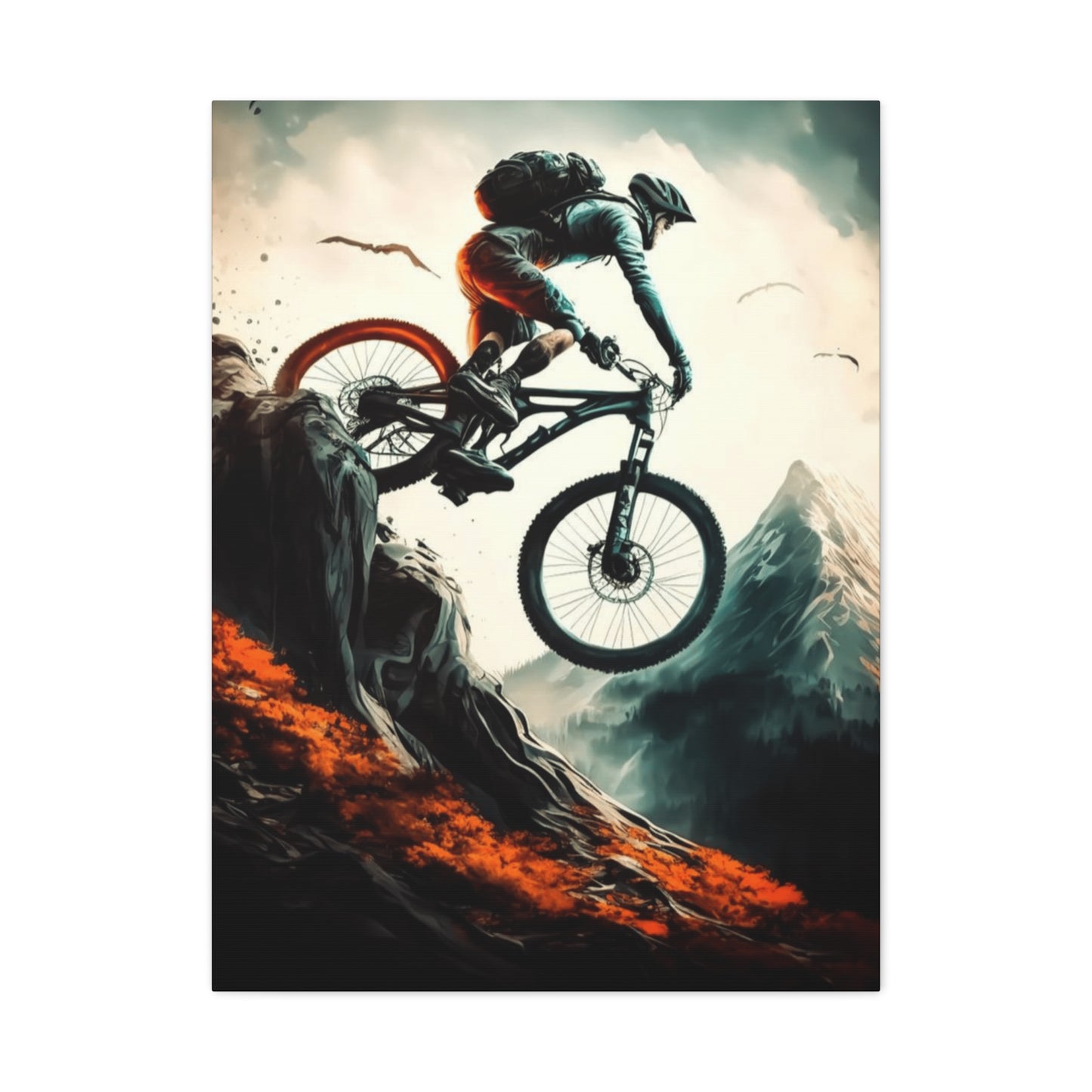
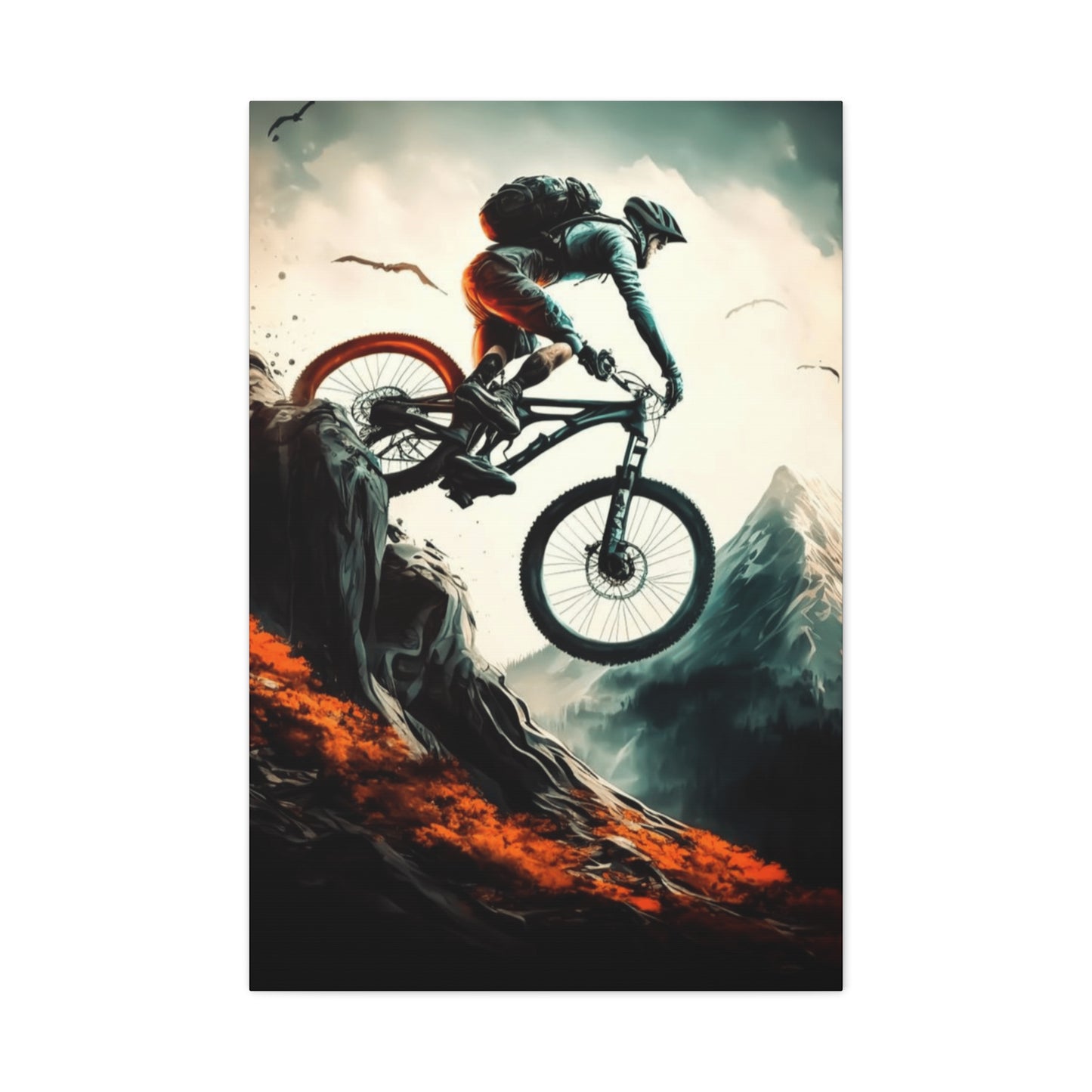
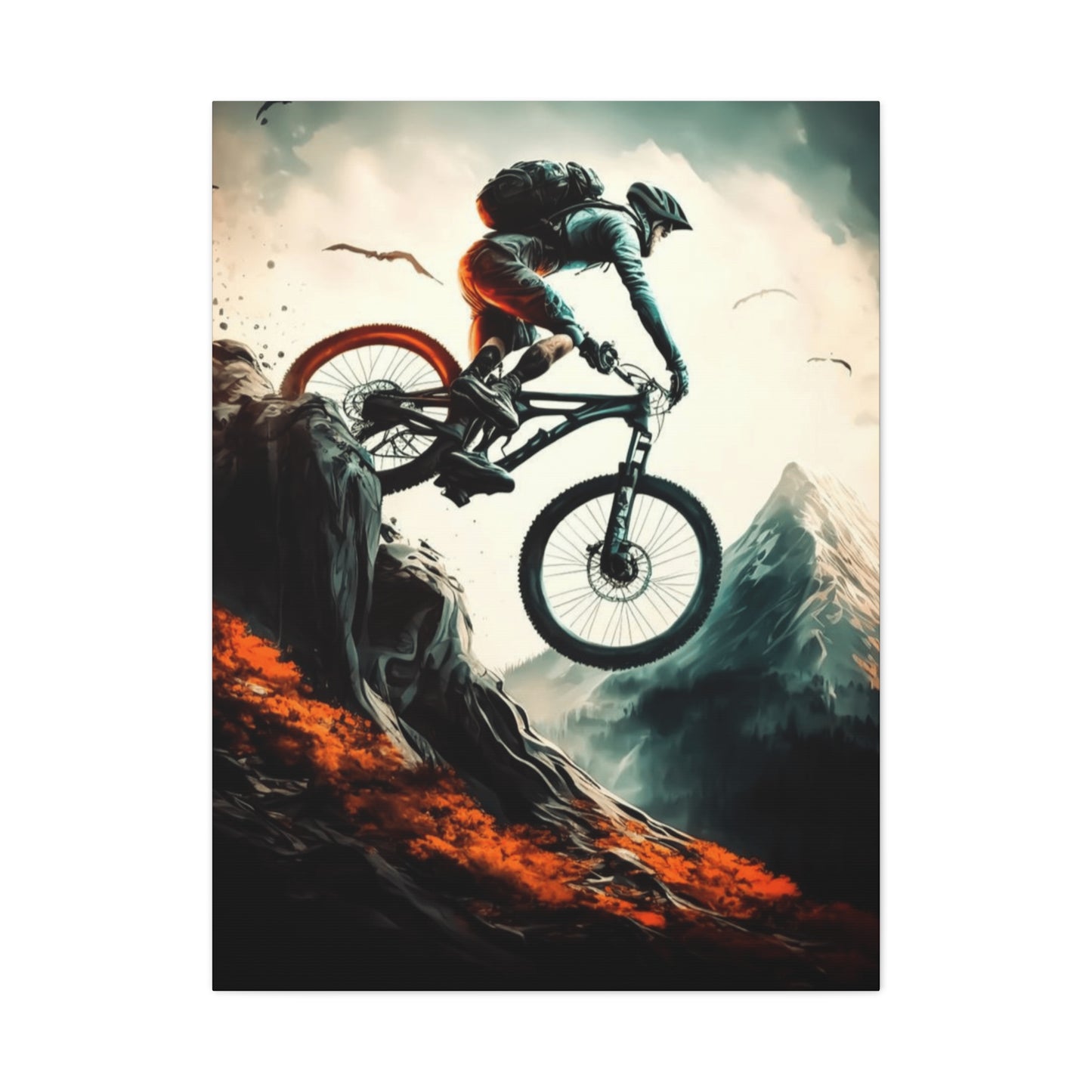
The Thrill of Motion: Exploring the Dynamic Energy of Dangerous Bicycle Ride Wall Art
Transforming your living or working environment with captivating visual elements has become an essential aspect of interior design in contemporary homes and offices. Among the most exciting and dynamic options available today are adventure-themed wall decorations that capture the spirit of outdoor exploration, physical challenges, and the thrill of movement. These artistic pieces bring energy, personality, and a sense of wanderlust into any room, creating spaces that inspire action and celebrate the beauty of active lifestyles. This comprehensive guide explores every aspect of incorporating these striking visual elements into your decor, from selecting the perfect pieces to understanding their deeper meanings and maintaining them for years to come.
Adventure-Themed Wall Art Ideas
Creating an inspiring environment that reflects your passion for outdoor activities and physical challenges begins with selecting the right visual elements for your walls. Adventure-themed decorations encompass a wide range of subjects, from mountain climbing scenes to water sports imagery, hiking landscapes to cycling adventures. These pieces work exceptionally well in various settings because they communicate universal themes of courage, determination, freedom, and the joy of pushing personal boundaries.
When considering options for your space, think about the specific activities that resonate most deeply with your personal experiences or aspirations. Perhaps you have fond memories of weekend rides through countryside paths, or maybe you dream of tackling challenging mountain trails. The imagery you choose should spark conversation and reflection while complementing your overall design aesthetic. Many homeowners and office managers are discovering that these dynamic pieces serve as daily reminders of their goals and values, making them far more than simple decorative elements.
The color palettes associated with outdoor adventure scenes tend toward earthy tones mixed with vibrant accent colors. You might find deep forest greens paired with brilliant sunset oranges, or cool mountain blues contrasted with warm desert browns. These natural color combinations make it relatively easy to integrate such pieces into existing decor schemes. The textures captured in quality prints also add visual interest, whether showing the roughness of rocky terrain, the smoothness of a well-worn path, or the dynamic blur of motion.
Consider the emotional impact you want to create in your space. Adventure imagery naturally evokes feelings of excitement, freedom, and possibility. In a home office, such pieces might motivate productivity and creative thinking. In a living room, they can serve as conversation starters and reflections of your personality. In a bedroom, they might inspire dreams of future journeys and accomplishments. The versatility of these themes makes them suitable for virtually any room where you want to inject energy and character.
Layering different elements creates depth and interest in your design. You might combine a large focal piece showing an epic cycling scene with smaller complementary prints featuring related themes like mountain vistas, trail markers, or equipment details. This approach builds a cohesive narrative throughout your space without overwhelming it. The key is maintaining balance between bold statement pieces and subtler supporting elements that reinforce your chosen theme without creating visual chaos.
Decorating with Bicycle Ride Canvas Art
Incorporating cycling imagery into your interior design offers unique opportunities to celebrate human-powered adventure and the timeless appeal of two-wheeled exploration. These pieces capture everything from leisurely rides through scenic landscapes to intense competitive moments and challenging terrain navigation. The beauty of bicycle-themed artwork lies in its ability to represent both peaceful contemplation and extreme athletic achievement, making it adaptable to various aesthetic preferences and room functions.
When selecting pieces for your space, consider the mood and atmosphere you want to establish. A serene image of a solitary cyclist on a country road at dawn creates a completely different feeling than an action-packed scene of mountain trail riding through rugged terrain. Both have their place in thoughtful interior design, but they serve different purposes and appeal to different sensibilities. Understanding these distinctions helps you make choices that truly enhance your environment rather than simply filling wall space.
The technical quality of the print significantly impacts its visual effect and longevity. High-resolution images printed on quality materials maintain their vibrancy and detail over time, while inferior products may fade or lose clarity relatively quickly. Look for prints that use archival-quality processes and materials designed to resist UV damage and environmental factors. This investment in quality ensures your chosen pieces continue to look spectacular for many years, making them worthwhile additions to your decor rather than temporary fixes.
Placement considerations extend beyond simple aesthetic preferences. Think about the natural flow of movement through your space and where eyes naturally land when entering or moving through rooms. These prime locations deserve your most impactful pieces. Additionally, consider lighting conditions throughout the day, as natural and artificial light interact differently with various colors and finishes. A piece that looks stunning in morning sunlight might appear dull in evening lamplight, so test positioning before making final installation decisions.
Scale relationships between your chosen artwork and surrounding furniture and architectural features dramatically affect overall visual harmony. A small print hung above a large sofa can appear lost and insignificant, while an oversized piece in a cramped space might feel overwhelming. Measure carefully and consider using painter's tape to outline potential placement areas before making holes in your walls. This simple planning step prevents costly mistakes and ensures your final arrangement looks intentional and professionally considered.
Bold Action-Inspired Wall Art Styles
Action-oriented imagery brings immediate energy and dynamism to any space through its inherent sense of movement and drama. These styles move beyond static representations to capture decisive moments of physical achievement, risk-taking, and human capability. The visual language of action art employs diagonal lines, blurred backgrounds suggesting speed, dramatic angles, and compositions that lead the eye through the scene in ways that mirror the movement being depicted.
Contemporary approaches to action imagery often embrace bold graphic treatments that emphasize shape and color over photorealistic detail. This stylistic choice creates pieces that read clearly from a distance while rewarding closer inspection with layers of visual interest. Silhouettes against dramatic skies, high-contrast treatments that emphasize form, and selective color applications that draw attention to key elements all exemplify this modern approach to dynamic subject matter.
Traditional photographic treatments also have their place in action-inspired decor, particularly when they capture genuinely remarkable moments with technical excellence. The frozen-action photograph that shows every detail of a challenging maneuver, the perfectly timed shot that catches peak exertion, or the candid moment that reveals authentic emotion all demonstrate the power of skilled photography to document and celebrate human achievement. These pieces work especially well in spaces where authenticity and genuine experience are valued over stylized interpretation.
Mixed media approaches combine photographic elements with graphic treatments, painted details, or textural elements to create unique pieces that bridge multiple artistic traditions. These hybrid works can be particularly effective at capturing both the physical reality of action sports and the emotional or psychological dimensions of challenging oneself. They offer opportunities for customization and personalization that pure photography or graphic design might not provide, making them excellent choices for those seeking truly distinctive decor.
The emotional resonance of action imagery extends beyond simple admiration of athletic ability. These pieces tap into universal human experiences of striving, overcoming obstacles, experiencing fear and pushing through it, and achieving goals that once seemed impossible. This deeper connection explains why such artwork often becomes treasured rather than merely tolerated, why people form attachments to specific pieces, and why these images can maintain their appeal over many years despite changing design trends.
Large Bicycle Ride Canvas for Statement Walls
Oversized artwork serves as the anchor for entire room designs, establishing mood, color palette, and visual hierarchy in ways that smaller pieces simply cannot match. When you dedicate significant wall space to a single powerful image, you make a clear statement about priorities and values while creating an undeniable focal point that draws attention and organizes the surrounding environment. Large-format pieces demand quality in both content and execution because their size amplifies every aspect of the image, from composition to color accuracy to print quality.
Selecting the right subject for a large-scale treatment requires careful consideration of viewing distances and room functions. Images with strong, clear compositions that remain readable from across a room work best at substantial sizes. Overly busy scenes with excessive fine detail can become visually exhausting at large scale, while too-simple compositions may not justify the expansive treatment. The ideal large-format subject balances immediate visual impact with sustained interest, rewarding both distant viewing and closer examination.
Installation of oversized pieces presents unique challenges that require planning and often professional assistance. The weight of large frames or stretched materials necessitates proper anchoring to wall studs rather than simple drywall mounting. Consider the logistics of moving large artwork through doorways and stairwells during initial installation and any future relocations. Many homeowners underestimate these practical considerations and find themselves struggling with unwieldy pieces or discovering that their dream artwork cannot physically reach the intended location.
The surrounding design context must support and complement rather than compete with your large statement piece. This often means embracing negative space and resisting the temptation to fill every available surface with decorative elements. Furniture arrangements should acknowledge and orient toward the major artwork rather than ignoring it. Color selections throughout the room should coordinate with the dominant hues in your large piece, creating a cohesive environment where everything feels intentionally related rather than randomly assembled.
Lighting deserves special attention when showcasing large-format artwork. Proper illumination enhances colors, reveals details, and creates dramatic effects that multiply the impact of your chosen piece. Track lighting, picture lights, or strategically positioned floor or table lamps can all contribute to effective artwork lighting. Avoid direct glare that creates reflections or hot spots, and consider adjustable systems that allow you to modify lighting intensity and direction to accommodate different times of day or occasions.
Small Adventure Prints for Cozy Spaces
Compact living areas, small offices, and intimate room corners benefit enormously from carefully selected smaller-scale artwork that adds personality without overwhelming limited square footage. These pieces prove that impactful decor does not require expansive walls or substantial budgets. The key lies in thoughtful selection, precise placement, and understanding how smaller works can create visual interest and emotional connection despite their modest dimensions.
Gallery groupings of multiple small prints offer an excellent strategy for creating substantial visual impact while maintaining flexibility and affordability. This approach allows you to build a collection gradually, adding pieces over time as you discover images that resonate with your aesthetic preferences and as your budget allows. The arrangement itself becomes a form of creative expression, with endless possibilities for layouts ranging from rigid grids to organic clusters. Experimenting with different configurations before committing to final placement helps you discover the most pleasing arrangement for your specific space and collection.
Strategic placement maximizes the impact of smaller pieces in ways that make them feel perfectly proportioned rather than inadequate. Consider locations where viewing distances are naturally closer, such as narrow hallways, stairwell walls, or areas adjacent to seating where people naturally spend time at close range. These positions allow smaller works to be properly appreciated rather than getting lost on expansive open walls where they cannot compete for attention. Think also about creating moments of discovery where a small, special piece rewards those who notice it rather than demanding attention from everyone who enters a room.
Matting and framing choices significantly influence how small prints present themselves. Generous matting creates visual breathing room and can make modest images feel more substantial and important. Frame selection should balance providing adequate presence without overwhelming the actual artwork. Simple, clean frames in coordinating colors often work best, allowing the image itself to remain the focus while the frame provides necessary structure and definition. Avoid ornate or overly heavy frames that dwarf small prints and create awkward proportions.
Budget-conscious decorators appreciate that smaller prints offer opportunities to experiment with trends, test color palettes, and refresh spaces without major financial commitments. You can more easily replace or rotate smaller pieces to reflect seasonal changes, evolving tastes, or simple desires for variety. This flexibility makes small-format artwork an excellent entry point for those new to art collecting or decorating with meaningful visual elements rather than generic mass-market options.
Custom Dangerous Bicycle Ride Art Options
Personalized artwork created specifically for your space and preferences represents the ultimate expression of individual style and the pinnacle of meaningful decor. Custom pieces can incorporate personal photographs, specific color requirements, dimensional specifications, and thematic elements that reflect your unique experiences and aesthetic vision. This level of customization ensures absolute originality and creates artwork with inherent personal significance beyond what any mass-produced piece can offer.
Working with artists or printing services to create custom pieces begins with clearly articulating your vision, preferences, and requirements. Gather inspiration images that illustrate the mood, composition, color palette, and style you envision. Be specific about practical requirements like dimensions, orientation, and any text or design elements you want included. The more information you provide upfront, the more likely the final product will align with your expectations. Remember that good custom work requires time for proper creation and production, so plan accordingly rather than expecting rushed results.
Personal photographs transformed into professional-quality prints offer wonderful opportunities to commemorate actual adventures and achievements. That memorable ride through challenging terrain, the group expedition with friends, or the solo journey that tested your limits can all become permanent decorative elements in your home or office. Professional printing services can enhance, crop, and optimize your original images to produce gallery-quality results that far exceed what typical consumer printing produces. The emotional connection to these personal images makes them particularly meaningful additions to your environment.
Collaborative design processes with skilled artists can produce entirely original works incorporating your concepts and their technical expertise. Many artists welcome commissioned work and enjoy the challenge of bringing client visions to life while contributing their own creative insights. This partnership often yields results that exceed what either party could have achieved independently. The commissioned artwork tells your story through the lens of professional artistic skill, creating pieces with both personal significance and aesthetic excellence.
Digital customization tools available through many online printing services offer middle-ground options between fully custom commissioned art and standard mass-produced prints. These platforms allow you to adjust colors, add text, modify compositions, apply filters, and make other changes to base images from their libraries. While less unique than fully original work, these semi-custom options provide personalization at accessible price points and with quick turnaround times. They work well for those wanting some individual expression without the investment required for commissioned art.
Caring for Action Canvas Prints
Proper maintenance ensures your cherished artwork remains vibrant and beautiful for many years, protecting your investment and preserving pieces that may hold significant personal meaning. Different materials and printing methods require specific care approaches, but some universal principles apply to virtually all wall art. Understanding these fundamentals helps you establish routines that become second nature rather than burdensome chores requiring constant attention and effort.
Dust accumulation represents the most common threat to artwork appearance and longevity. Regular gentle dusting with appropriate tools prevents buildup that can embed in materials and become increasingly difficult to remove over time. Microfiber cloths work excellently for smooth surfaces, capturing dust rather than redistributing it. For textured pieces, soft-bristled brushes gently sweep away particles without damaging delicate surfaces. Avoid feather dusters that can snag on textured materials or leave behind shed fragments that create new cleaning challenges.
Environmental conditions significantly impact artwork preservation. Direct sunlight causes fading and material degradation over time, even with supposedly UV-resistant materials and protective glazing. Position pieces away from windows when possible, or use window treatments to filter damaging wavelengths during peak sun hours. Humidity extremes also affect many materials, causing warping, adhesive failure, or mold growth in worst cases. Maintain reasonably stable humidity levels through dehumidifiers in damp climates or humidifiers in very dry environments. Significant temperature fluctuations likewise stress materials and should be minimized in spaces housing artwork you value.
Proper hanging hardware and installation techniques prevent physical damage from falls or shifting. Use appropriate anchors rated for the weight of your pieces, and check mounting security periodically, especially after any environmental factors like earthquakes or major temperature swings that might affect materials and connections. Gallery wire and D-rings generally provide more secure hanging than simple sawtooth hangers, particularly for larger or heavier pieces. Consider professional installation for valuable or heavy artwork to ensure proper weight distribution and secure mounting.
Cleaning beyond routine dusting requires appropriate products and techniques specific to your artwork materials. Canvas prints typically should never be wet cleaned, as moisture damages both the material and printed images. Glass or acrylic glazing can be cleaned with appropriate glass cleaners applied to cleaning cloths rather than sprayed directly on artwork to prevent liquid seeping behind protective layers. When in doubt about proper cleaning methods, consult the manufacturer or retailer who provided your piece, or seek guidance from professional art conservators for valuable items.
Long-term storage of artwork you are not currently displaying demands careful preparation to prevent damage during dormancy periods. Clean pieces thoroughly before storage to prevent any soil or residue from setting during storage. Wrap items in acid-free materials rather than regular paper or bubble wrap that might transfer chemicals or cause moisture buildup. Store flat rather than leaning when possible to prevent warping. Choose storage locations with stable temperature and humidity conditions, avoiding attics, basements, or other spaces subject to extremes. Periodic inspection of stored artwork catches developing problems before they become irreversible disasters.
Mixing Adventure Art with Modern Decor
Successfully integrating active outdoor themes into contemporary design schemes requires balancing seemingly contradictory aesthetic languages. Modern interiors often emphasize clean lines, minimal ornamentation, neutral color palettes, and carefully curated simplicity. Adventure imagery tends toward complexity, bold colors, organic forms, and celebration of nature's beautiful chaos. Bridging these distinct approaches creates spaces that feel both current and personally meaningful rather than slavishly following trends without individual expression.
Color coordination provides the foundation for successful integration. Identify key colors in your chosen artwork and echo them throughout your space in accent pieces, textiles, or even paint colors. This creates visual continuity that makes the artwork feel like an intentional part of the overall design rather than an afterthought or awkward addition. Modern spaces often employ neutral bases with strategic color accents, making them surprisingly adaptable to artwork in various palettes. The trick lies in treating your art as the primary color source and building around it rather than trying to force artwork into an inflexible existing scheme.
Scale and proportion considerations help dynamic imagery coexist with modern minimalism. A single substantial piece often works better than multiple smaller works in true minimalist spaces, maintaining the uncluttered aesthetic while providing necessary visual interest and personality. The artwork becomes a carefully considered focal element rather than clutter that contradicts minimalist principles. Surrounding it with adequate negative space reinforces this intentional presentation and prevents the feeling of overcrowding that undermines modern design sensibilities.
Material choices and finishes bridge style gaps between rugged outdoor themes and sleek contemporary interiors. Modern frame options in metals, lacquered wood, or simple matte finishes coordinate better with contemporary furnishings than traditional ornate frames. Frameless mounting systems that allow the printed material itself to provide visual boundaries work exceptionally well in modern contexts. Acrylic or glass glazing adds reflective surfaces and clean lines that echo other elements common in contemporary spaces while protecting your artwork.
Thematic consistency throughout your space helps adventurous artwork feel cohesive with modern design rather than randomly inserted. If your artwork celebrates outdoor activities and exploration, consider how other elements might subtly reinforce these themes without becoming heavy-handed or theme-park-like. Natural materials like wood, stone, or leather in furniture pieces, plant life that brings organic forms indoors, or even color temperatures that evoke natural lighting all create connections between your artwork and surrounding environment. These subtle relationships build unified spaces rather than disjointed collections of unrelated elements.
Office Walls with Bicycle Ride Prints
Professional environments benefit enormously from thoughtful visual elements that create productive atmospheres while expressing organizational or individual values. Workplace artwork serves multiple functions beyond simple decoration, influencing mood, communicating culture, inspiring performance, and making spaces more pleasant for people who spend significant portions of their lives there. Cycling and adventure themes work particularly well in office settings because they embody universally admired qualities like perseverance, goal achievement, strategic thinking, and healthy work-life balance.
Conference rooms and collaborative spaces gain energy from dynamic imagery that subtly encourages creative thinking and bold approaches to challenges. A powerful scene of someone tackling difficult terrain can serve as a visual metaphor for overcoming business obstacles and pushing beyond perceived limitations. These pieces spark conversations and provide mental breaks that actually enhance focus and productivity rather than serving as mere distractions. The key lies in selecting images that inspire without overwhelming, creating environments that energize without causing visual exhaustion.
Private offices allow for more personal expression while still maintaining professional appropriateness. Images reflecting your actual hobbies or aspirations make spaces feel authentically yours rather than generic corporate environments. These personal touches improve job satisfaction and sense of ownership over your workspace. Clients and colleagues visiting your office gain insights into your personality and values beyond pure professional capabilities, building connections that strengthen business relationships. Balance personal expression with professional polish by maintaining quality standards and avoiding anything controversial or potentially offensive.
Reception areas and common spaces benefit from artwork that communicates organizational culture and values to employees, clients, and visitors. A company emphasizing innovation and risk-taking might showcase dramatic images of challenging athletic pursuits. Organizations valuing work-life balance might display serene outdoor scenes suggesting the restorative benefits of nature and physical activity. These visual elements contribute to brand identity and workplace culture in subtle but meaningful ways that complement more explicit messaging through mission statements and corporate communications.
Budget considerations in workplace settings often differ from residential contexts, with different parties controlling spending decisions and different criteria for justifying expenses. Fortunately, many options exist across price ranges, from affordable prints suitable for large installations throughout facilities to investment pieces for executive spaces. Emphasize the documented benefits of quality workplace environments when proposing art purchases, including effects on productivity, recruitment, retention, and client impressions. Frame artwork decisions in business terms rather than pure aesthetics to gain approval from decision-makers focused on bottom-line impacts.
Affordable Bicycle Ride Canvas Ideas
Creating impactful, personally meaningful spaces need not require substantial financial resources when you approach decorating strategically and creatively. Numerous options exist for acquiring quality artwork at accessible price points, from emerging artists selling directly to consumers, to print-on-demand services offering professional quality without gallery markups, to secondhand marketplaces where previous owners' cast-offs become your treasures. The key lies in knowing where to look, what to prioritize, and how to maximize the impact of modest investments.
Print-on-demand services revolutionized affordable art access by eliminating inventory costs and allowing direct artist-to-consumer sales. These platforms host work from countless creators at various price points, typically far below traditional gallery prices. Many offer frequent sales and promotional discounts that make already reasonable prices even more attractive. Quality varies across providers, so research printing methods, material options, and customer reviews before committing. Look for services guaranteeing satisfaction and offering reasonable return policies that protect you from disappointing results.
Digital marketplaces connecting independent artists directly with buyers eliminate traditional intermediaries and their associated markups. Artists price their work more affordably when they keep full proceeds rather than splitting with galleries or agents. You discover unique pieces from talented creators still building reputations and grateful for patron support. Many independent artists welcome commission requests and negotiate reasonable rates for custom work. Building relationships with emerging artists provides opportunities to acquire original works while supporting creative careers, creating mutual benefits beyond simple transactions.
Secondhand and vintage markets offer surprising opportunities for those willing to hunt and be flexible about exact specifications. Thrift stores, estate sales, online marketplaces, and consignment shops all sometimes contain genuine treasures at remarkable prices. You might find high-quality pieces from people redecorating, downsizing, or simply tired of particular images. The unpredictable nature of secondhand shopping makes it unsuitable for those needing specific pieces immediately, but patient shoppers find amazing deals that make the effort worthwhile. Don't overlook the potential of quality pieces in unfortunate frames; replacing frames costs far less than purchasing new artwork.
Creating your own artwork represents the ultimate budget-friendly option for those with even modest creative abilities or willingness to experiment. Your own photographs printed through affordable services become personalized art at minimal cost. Simple graphic designs created with free software and printed through online services produce custom pieces for remarkably little money. Abstract compositions using inexpensive materials like paint samples or colored paper mounted behind glass create modern art at craft-project prices. The investment of time and effort yields truly unique pieces impossible to find elsewhere regardless of budget.
Gallery Wall Ideas with Adventure Art
Curating collections of multiple pieces arranged together creates visual impact exceeding what individual works achieve in isolation. These assemblages tell stories, create rhythm and movement, and demonstrate aesthetic sophistication when executed thoughtfully. Planning gallery walls requires considering relationships between pieces, overall composition, spacing and alignment, and how the collection relates to surrounding architectural features and furnishings. The effort produces results that elevate entire spaces and showcase your pieces to maximum advantage.
Thematic coherence helps disparate pieces feel related rather than randomly assembled. When building adventure-themed collections, consider narrative connections between images. You might show progression from preparation through journey to achievement, or contrast different activity types while maintaining stylistic consistency. Color relationships also unify collections, whether through complementary palettes, monochromatic schemes, or intentional contrast strategies. Size relationships contribute to cohesion, with pieces relating to each other proportionally rather than appearing chaotic or poorly planned.
Layout strategies range from rigid grids to organic arrangements, each with distinct aesthetic effects and technical requirements. Grid layouts project order, formality, and contemporary sophistication but require precise measurements and alignment for successful execution. Salon-style arrangements embracing intentional irregularity feel more casual and traditional while offering greater flexibility during installation and more forgiveness for imperfect spacing. Hybrid approaches combining some regularity with carefully planned variation often work well for those wanting structure without rigidity or casualness without chaos.
Practical installation considerations prevent frustration and damaged walls. Create full-scale paper templates of your pieces and experiment with arrangements on the floor before touching walls. Use removable adhesive or painter's tape to test arrangements on vertical surfaces without commitment. Measure carefully and mark hanging points precisely. Consider using systems designed specifically for gallery walls that simplify alignment and adjustment. Don't rush installation; taking time to get arrangements right prevents hasty decisions you'll regret. Consider enlisting help for multi-piece installations that benefit from additional perspectives and hands during execution.
Evolution and flexibility keep gallery walls fresh and interesting over time. Unlike single major pieces that feel relatively permanent, collections invite rotation, addition, and rearrangement as your tastes evolve and new pieces enter your life. This flexibility makes gallery walls particularly appealing to those who enjoy regularly refreshing their environments. Build collections gradually rather than rushing to fill entire walls immediately. Living with partial arrangements helps you understand what's missing and make better decisions about additions than trying to complete everything at once based purely on theoretical planning.
Statement Pieces: Bicycle Ride Canvas
Certain works transcend mere decoration to become defining features of spaces, conversation catalysts, and expressions of deeply held values or passions. These exceptional pieces demand and reward attention, anchoring entire design schemes and creating lasting impressions on everyone who encounters them. Identifying potential statement pieces requires understanding what elevates certain artwork beyond the ordinary and how to showcase such pieces for maximum impact without overwhelming or unbalancing your space.
Visual drama distinguishes statement pieces from background artwork. This drama might come from size, color intensity, subject matter, composition, or some combination of these factors. An image capturing a decisive moment of athletic achievement, rendered at substantial scale with bold colors and dynamic composition, naturally commands attention and creates emotional responses. The power of such pieces lies not just in their aesthetic qualities but in their ability to communicate ideas and emotions that resonate with viewers on deeper levels than simple visual pleasure.
Authenticity and personal connection transform good artwork into meaningful statement pieces within your specific context. A technically excellent but emotionally neutral piece never achieves the same impact as something that genuinely moves you or connects to significant aspects of your identity and experience. Trust your emotional responses when evaluating potential statement pieces. If something makes you pause, draws you back repeatedly, or sparks strong feelings, those reactions suggest genuine connection that translates into long-term satisfaction and the piece's ability to maintain interest over time.
Supporting and showcasing statement pieces requires restraint in surrounding design decisions. Let your major piece breathe by providing adequate negative space rather than crowding it with competing elements. Coordinate rather than match colors throughout the space, building a palette that harmonizes with your statement piece without replicating it. Furniture arrangements should acknowledge and orient toward major artwork rather than ignoring it. Lighting deserves special attention, as proper illumination dramatically enhances statement pieces and inadequate lighting diminishes even the finest work.
Investment in exceptional pieces often proves wiser than purchasing multiple lesser works that never truly satisfy. One outstanding piece that you genuinely love and will treasure for years provides more value than several mediocre items that fill space but lack meaning. When budget constraints prevent immediate acquisition of your ideal piece, consider saving over time rather than settling for less compelling alternatives. The delay becomes worthwhile when you finally acquire something exceptional that enhances your daily environment for decades rather than something adequate that requires eventual replacement.
Dynamic Motion Wall Art Trends
Contemporary approaches to capturing and representing movement continue evolving as technologies, artistic techniques, and cultural preferences shift. Understanding current trends helps you make choices that feel fresh and relevant while avoiding dated looks that quickly appear stale. However, timeless appeal should ultimately outweigh trendiness when selecting pieces you intend to live with long-term. The ideal approach balances awareness of current directions with commitment to personal aesthetic preferences that transcend temporary fashions.
Long-exposure photography creates distinctive motion effects by keeping camera shutters open during action, recording movement as beautiful blur patterns while maintaining sharp focus on stationary elements. This technique produces dreamy, ethereal images quite different from frozen-action shots. Applied to cycling scenes, long exposures might show ghostly trails of riders moving through landscapes, conveying movement sensation while maintaining artistic abstraction. These images work particularly well in modern interiors where their sophisticated visual language coordinates with contemporary design sensibilities.
Multiple-exposure and composite techniques layer several moments from sequences into single frames, creating images that simultaneously show different phases of motion or movement. This approach communicates duration and progression in ways single moments cannot, providing narrative complexity and visual interest. Digital manipulation allows for refined control over these effects, producing results ranging from subtle to dramatic. Such images reward extended viewing as observers discover layers and relationships between elements not immediately apparent at first glance.
Abstract interpretation of motion and energy through color, form, and composition rather than literal representation appeals to those preferring less representational artwork. These pieces suggest movement and action through visual energy rather than depicting specific scenes. Bold color fields might evoke the emotional sensation of speed, dynamic shapes could communicate the geometry of motion, or gestural marks might capture the physical experience of exertion. This abstract approach coordinates beautifully with modern interiors while still connecting to athletic and adventure themes in conceptual ways.
Minimalist motion studies embracing negative space and simplified compositions create sophisticated images that work exceptionally well in contemporary contexts. These pieces reduce scenes to essential elements, eliminating extraneous details to focus on core visual relationships. A single cyclist silhouetted against expansive sky, simple geometric shapes suggesting paths and horizons, or high-contrast treatments emphasizing form over detail all exemplify this restrained approach. The resulting images provide visual interest without overwhelming, fitting naturally into spaces where calm and order take priority over stimulation and energy.
Minimalist Adventure Canvas Styles
Restraint and simplicity define minimalist approaches to any subject matter, including typically dynamic and complex adventure themes. This aesthetic philosophy embraces negative space, limited color palettes, essential forms stripped of ornamental detail, and compositions that breathe rather than filling every available area with visual information. Minimalist adventure artwork proves that powerful expression need not rely on complexity or elaborate presentation, demonstrating that sometimes less truly is more when executed with skill and intention.
Monochromatic treatments using single colors or limited grayscale palettes create striking images with immediate visual impact and easy integration into existing design schemes. Black and white adventure imagery feels classic and timeless while avoiding potential color clashes with furnishings and decor. These pieces work equally well in traditional and contemporary contexts, making them safe yet sophisticated choices. The absence of color focuses attention on composition, form, light, and shadow, often revealing qualities that color might obscure or complicate.
Silhouette compositions reduce subjects to pure form by eliminating internal detail and rendering figures as solid shapes against contrasting backgrounds. This dramatic approach creates bold graphics that read clearly from any distance while maintaining artistic sophistication. Silhouetted cyclists against dramatic skies, mountain ridges, or urban environments become powerful symbols rather than mere documentary images. The simplification inherent in silhouettes allows viewers to project their own experiences and emotions onto the images, creating personal connections despite the lack of specific detail.
Negative space utilization distinguishes minimalist work from more conventional compositions that fill frames with visual information. Placing relatively small subjects within expansive empty areas creates dramatic tension and focuses attention powerfully on the featured elements. A lone cyclist occupying just a small portion of the frame while surrounded by empty sky or landscape communicates themes of solitude, challenge, vastness, and human scale against nature in ways that filled compositions cannot match. This generous use of emptiness also provides visual rest areas within spaces, balancing busier elements elsewhere in rooms.
Essential geometry reduces organic forms and complex scenes to fundamental shapes and relationships. Circles, triangles, rectangles, and lines arranged in considered compositions create abstract representations of adventure themes while maintaining minimalist purity. These highly stylized approaches work beautifully in modern interiors where their graphic clarity and formal sophistication coordinate with contemporary furniture and architectural elements. They prove that adventure themes can feel refined and elegant rather than necessarily rough or overtly athletic.
Symbolism in Dangerous Bicycle Ride Art
Visual representations of challenging cycling activities communicate meanings extending far beyond literal documentation of recreational activities. These images tap into universal human experiences and archetypal narratives that resonate across cultures and individual circumstances. Understanding symbolic dimensions adds depth to artwork appreciation and helps you select pieces with meanings aligned with your values, aspirations, and the messages you want your environment to communicate to yourself and others.
Journey and progress narratives run through virtually all adventure imagery, representing life paths, personal development, and movement toward goals. The winding road ahead symbolizes unknown futures and the need to proceed despite uncertainty. Difficult terrain represents obstacles and challenges requiring determination and skill to overcome. Reaching summits or destinations embodies achievement and the satisfaction of completing difficult undertakings. These metaphorical readings make adventure artwork meaningful to people regardless of whether they actually participate in the depicted activities, as everyone relates to journeys of various kinds.
Risk and reward dynamics appear in images showing challenging conditions or dangerous situations, representing the calculated risks necessary for achievement and growth. These pieces acknowledge that significant accomplishments typically require accepting some degree of danger or failure possibility. They celebrate courage and the willingness to push beyond comfortable limits despite potential negative outcomes. This symbolism resonates particularly with entrepreneurs, innovators, and others who regularly face uncertainty and risk in pursuit of meaningful goals.
Freedom and independence themes emerge from imagery showing solitary figures in vast landscapes, representing liberation from constraints and the ability to chart personal courses. The self-propelled nature of cycling particularly emphasizes independence and self-reliance, as cyclists generate their own forward motion through effort rather than passive consumption of energy. These themes appeal to individualists and those valuing autonomy, making such artwork especially popular in cultures emphasizing personal freedom and self-determination.
Human versus nature relationships appear in all outdoor adventure imagery, raising questions about domination versus harmony, conquest versus coexistence, and humanity's proper relationship with the natural world. Some images emphasize dramatic action against impressive natural backdrops, suggesting human triumph over environmental challenges. Others show figures fitting seamlessly into landscapes, implying integration and respect rather than conflict. Your response to these different approaches reveals values about nature and humanity's place within it, making artwork selection an expression of environmental philosophy whether consciously intended or not.
Community and camaraderie appear in group ride imagery, celebrating shared experiences and mutual support through challenges. These pieces recognize that significant achievements often depend on teamwork and that companions make difficult journeys more manageable and meaningful. The bonds formed through shared challenges represent some of life's most important relationships. This theme resonates with those who value collaboration over pure individualism and who recognize the importance of community in personal and professional success.
Adrenaline-Inspired Wall Art for Modern Homes
Contemporary residential design increasingly embraces bold personal expression rather than adhering to safe conventional formulas. Homeowners want spaces reflecting their authentic personalities and passions rather than generic showroom aesthetics that could belong to anyone. Intense action imagery fits perfectly within this shift toward authentic residential design, bringing energy and individuality to homes while celebrating activities and values central to occupants' lives beyond their walls.
Living areas transform into dynamic spaces that energize rather than simply providing generic pleasant backgrounds for daily activities. Large-scale action pieces serve as conversation starters during gatherings while providing daily inspiration and reminders of what matters most to household members. These rooms become true reflections of the people living there rather than staged environments designed primarily to impress visitors with conventional good taste. The result feels more honest and ultimately more comfortable, as people relax more fully in spaces that genuinely represent them.
Home gyms and workout spaces benefit enormously from motivating imagery that inspires effort and reminds users why physical fitness matters. Seeing representations of physical achievement and athletic excellence encourages pushing through difficult workouts and maintaining commitment to fitness goals. These spaces serve functional purposes but need not feel purely utilitarian when enhanced with appropriate visual elements. The psychological boost from inspiring surroundings directly impacts workout quality and consistency, making such decor both aesthetically pleasing and practically beneficial.
Conclusion:
The Thrill of Motion: Exploring the Dynamic Energy of Dangerous Bicycle Ride Wall Art captures the exhilarating intersection of athleticism, risk, and artistic expression. This genre of wall art transforms the raw intensity of high-stakes cycling into visual narratives that energize interiors and inspire emotional engagement. Dangerous bicycle ride artwork celebrates motion, tension, and the human capacity for courage, converting static walls into dynamic arenas of perception, speed, and spirit. By translating the physical thrill of cycling into visual language, these pieces create a sense of kinetic energy that resonates deeply with viewers, transforming interiors into spaces that feel alive with movement and adventure.
At the heart of this artistic approach is the power of dynamism. The depiction of cyclists navigating sharp curves, steep descents, or daring jumps conveys a compelling sense of momentum and unpredictability. Lines, angles, and compositional direction are carefully orchestrated to suggest forward movement, while contrasting colors and shadow interplay evoke the tension and excitement of the ride. Such visual storytelling transcends mere illustration; it invites the viewer to feel the rush, anticipate the motion, and internalize the energy of risk and mastery. This makes the artwork not only decorative but immersive, activating the imagination and enlivening the senses.
From a design perspective, dangerous bicycle ride wall art functions as a bold statement piece. Its intense compositions and dramatic color palettes—often featuring vibrant reds, deep blacks, or natural landscapes—create strong focal points within contemporary, industrial, or modern interiors. Large-format canvases can dominate a living room, office, or recreational space, providing visual momentum that energizes the environment. Smaller, strategically placed prints add dynamism without overwhelming a room, offering glimpses of motion that encourage the eye to traverse the space. In every context, the artwork introduces rhythm, depth, and vitality, transforming static walls into channels of emotional and spatial flow.
The emotional resonance of these pieces is equally significant. Dangerous bicycle ride art celebrates human courage, focus, and resilience. Cyclists confronting physical challenges mirror broader life experiences, reminding viewers of the rewards that accompany calculated risk and determination. Within interior spaces, the artwork conveys motivation and empowerment, inspiring individuals to embrace action, persistence, and boldness. This interplay of energy and symbolism ensures that the piece enriches both the aesthetic and psychological dimensions of the room, making it a source of visual inspiration and personal reflection.
Furthermore, the incorporation of motion into visual art demonstrates the evolving possibilities of contemporary wall décor. By capturing energy, speed, and risk, these artworks challenge traditional notions of static imagery, inviting viewers to engage actively with both the subject and their own perception of space. Lines, angles, and forms guide the eye across the composition, simulating movement and creating a dialogue between observer and environment. This approach encourages mindfulness and visual literacy, fostering a deeper appreciation of both artistic technique and thematic storytelling.
In addition to aesthetic and emotional impact, dangerous bicycle ride wall art enhances spatial experience. Its directional flow and layered composition create a sense of depth, expanding the perception of interiors and encouraging dynamic interaction with the environment. Rooms featuring such art feel energized, contemporary, and adventurous, reflecting the homeowner’s appreciation for both athleticism and design innovation. The artwork integrates seamlessly with textured surfaces, industrial materials, or minimalistic palettes, offering contrast, excitement, and personality within diverse interior settings.
Ultimately, The Thrill of Motion underscores the unique capacity of dangerous bicycle ride wall art to transform spaces. It fuses physicality with artistry, adrenaline with contemplation, and narrative with aesthetic form. By capturing the tension, excitement, and freedom inherent in extreme cycling, the artwork redefines how motion, energy, and human endeavor can be visually celebrated within modern interiors.
In essence, this genre of wall art transforms ordinary walls into dynamic stages of action and inspiration. It celebrates human courage, physical skill, and the beauty of motion, offering interiors that are not only visually striking but emotionally invigorating. Through the depiction of high-energy bicycle rides, homes, offices, and recreational spaces become arenas of vitality, motivation, and artistic expression—demonstrating that true décor is not merely seen but felt, experienced, and remembered.


