


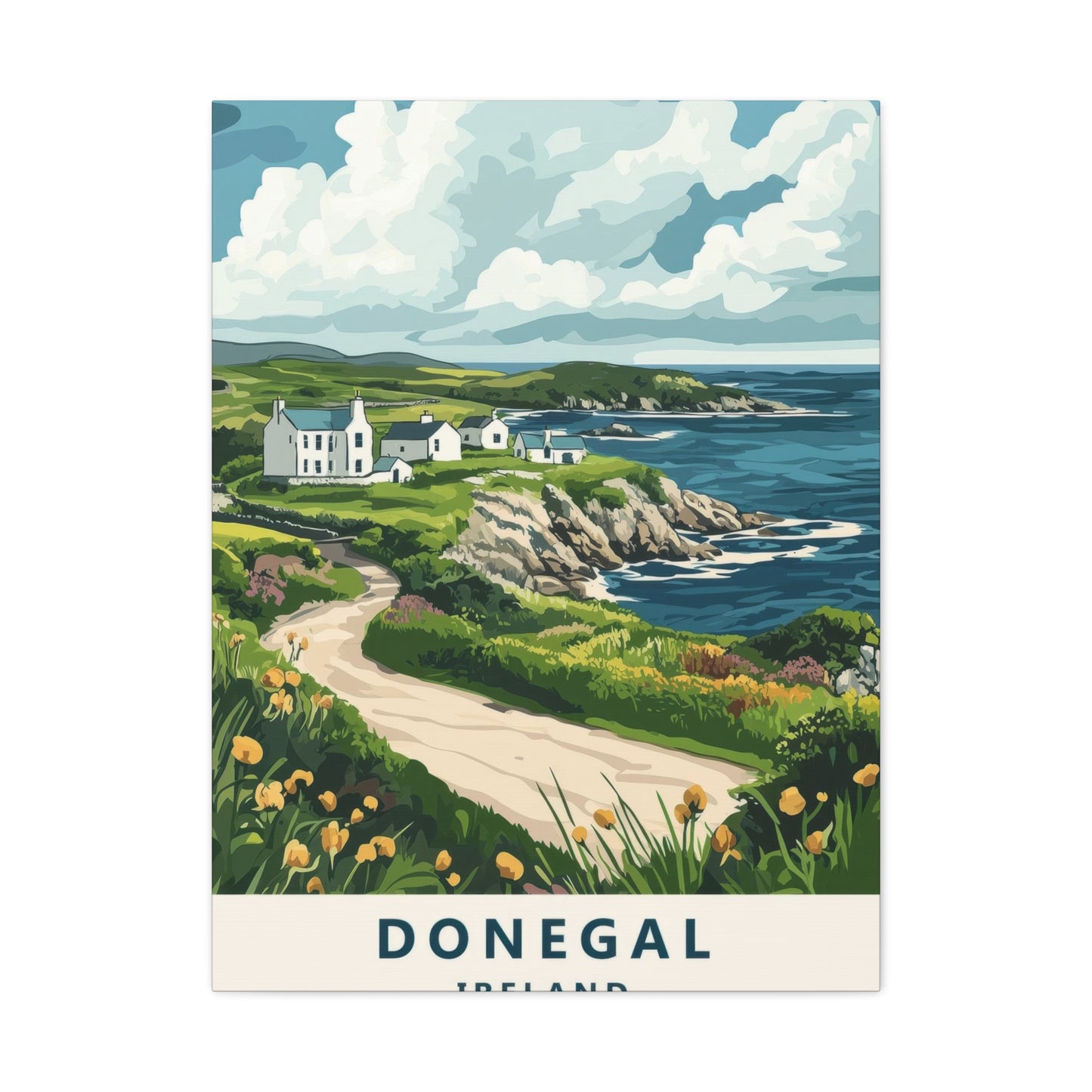
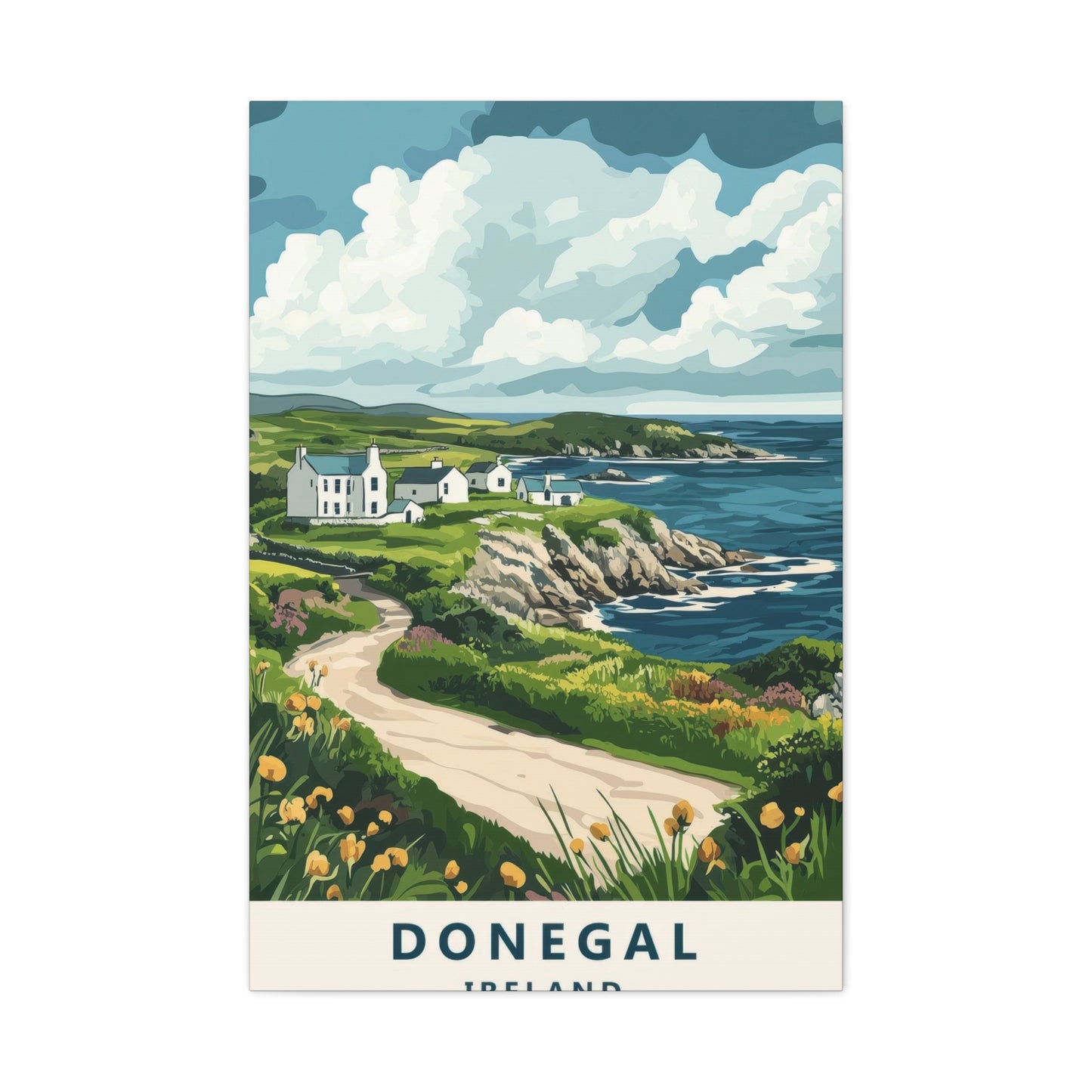
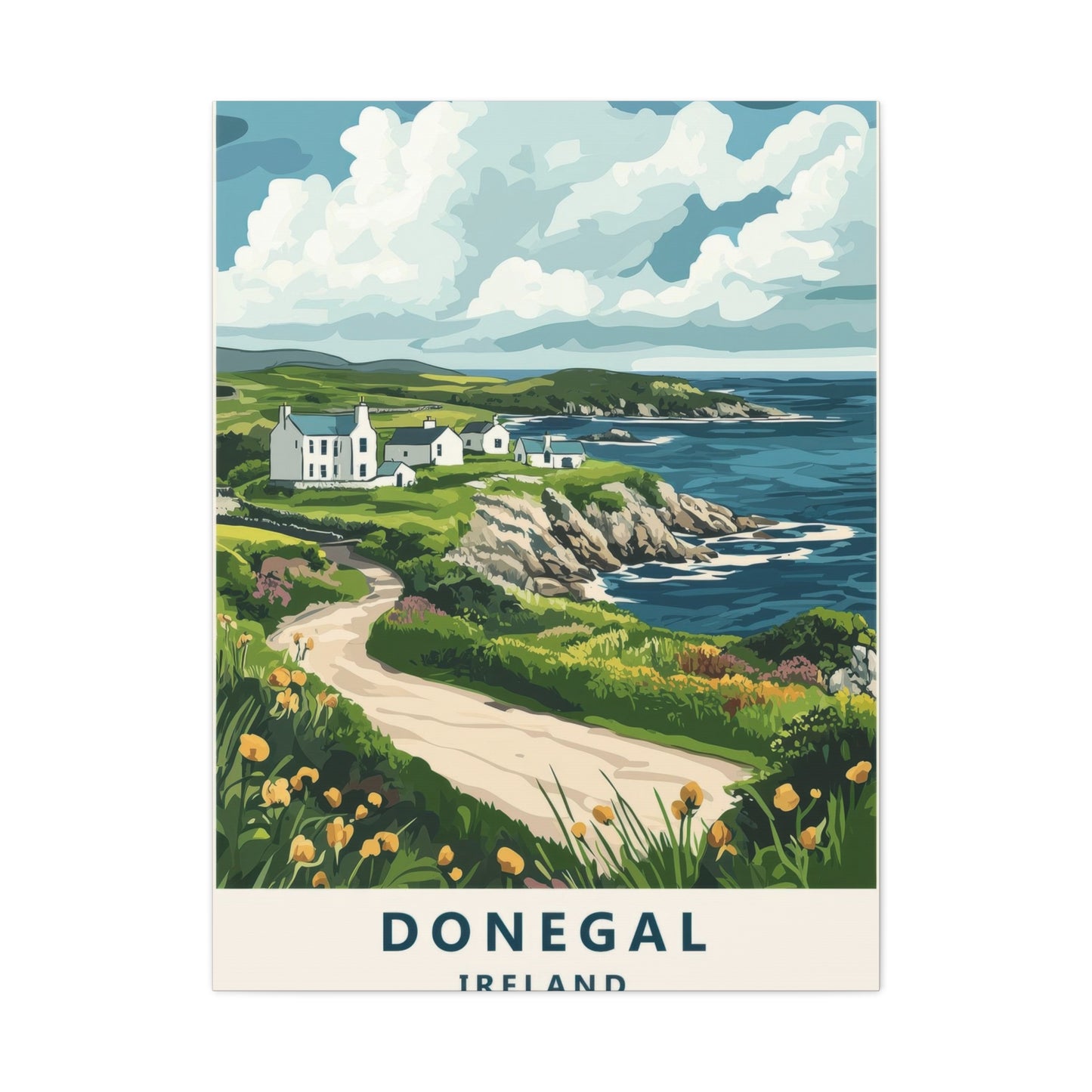
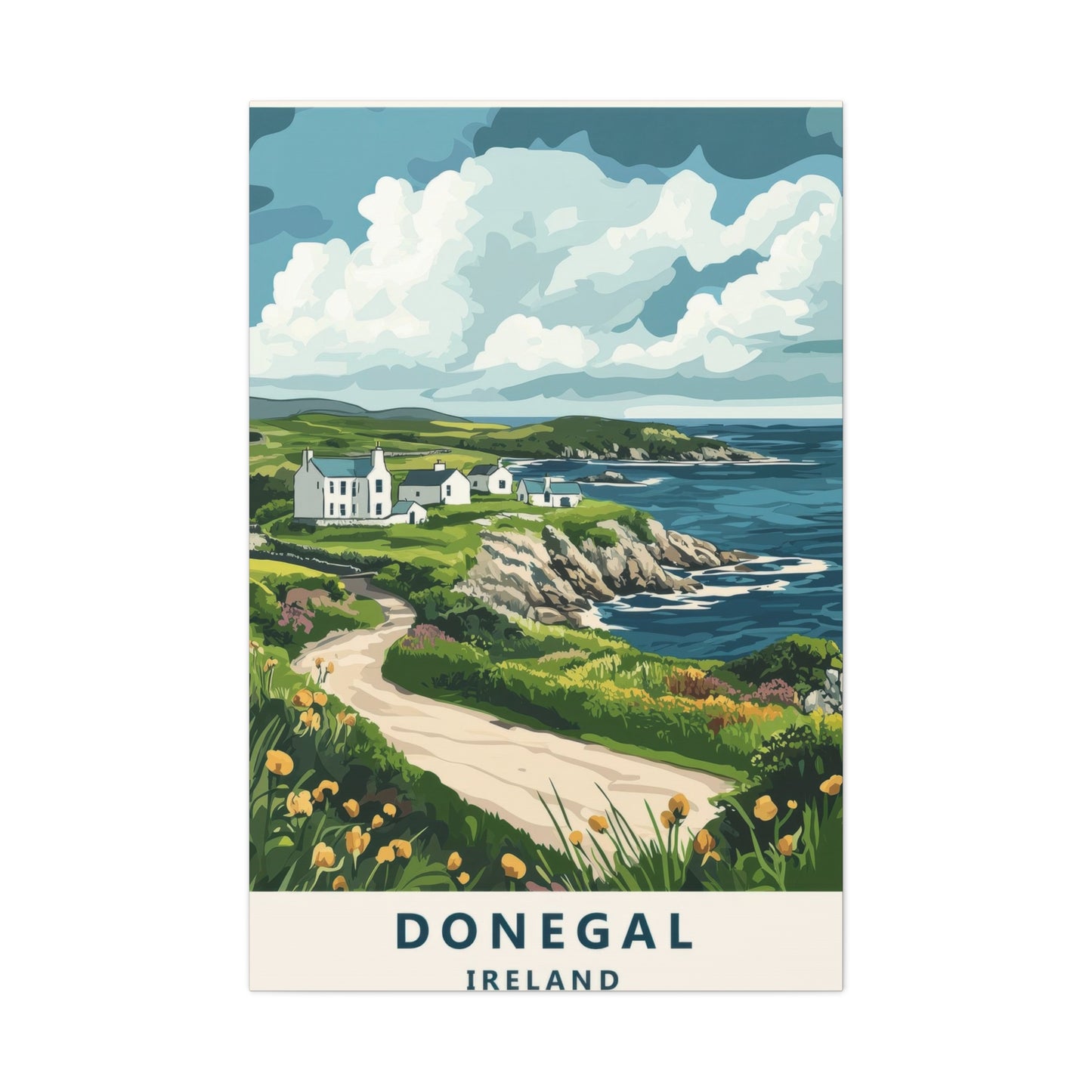
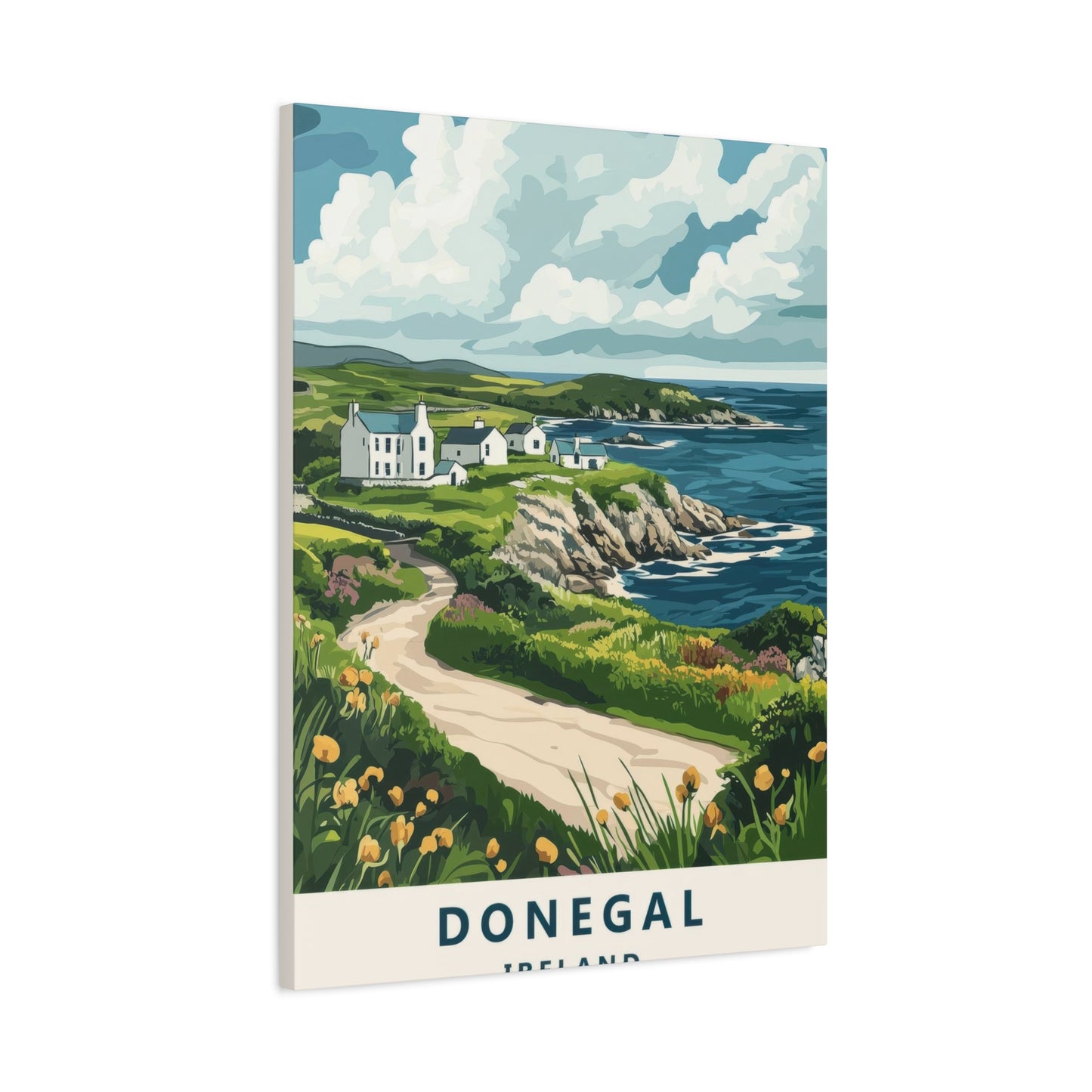
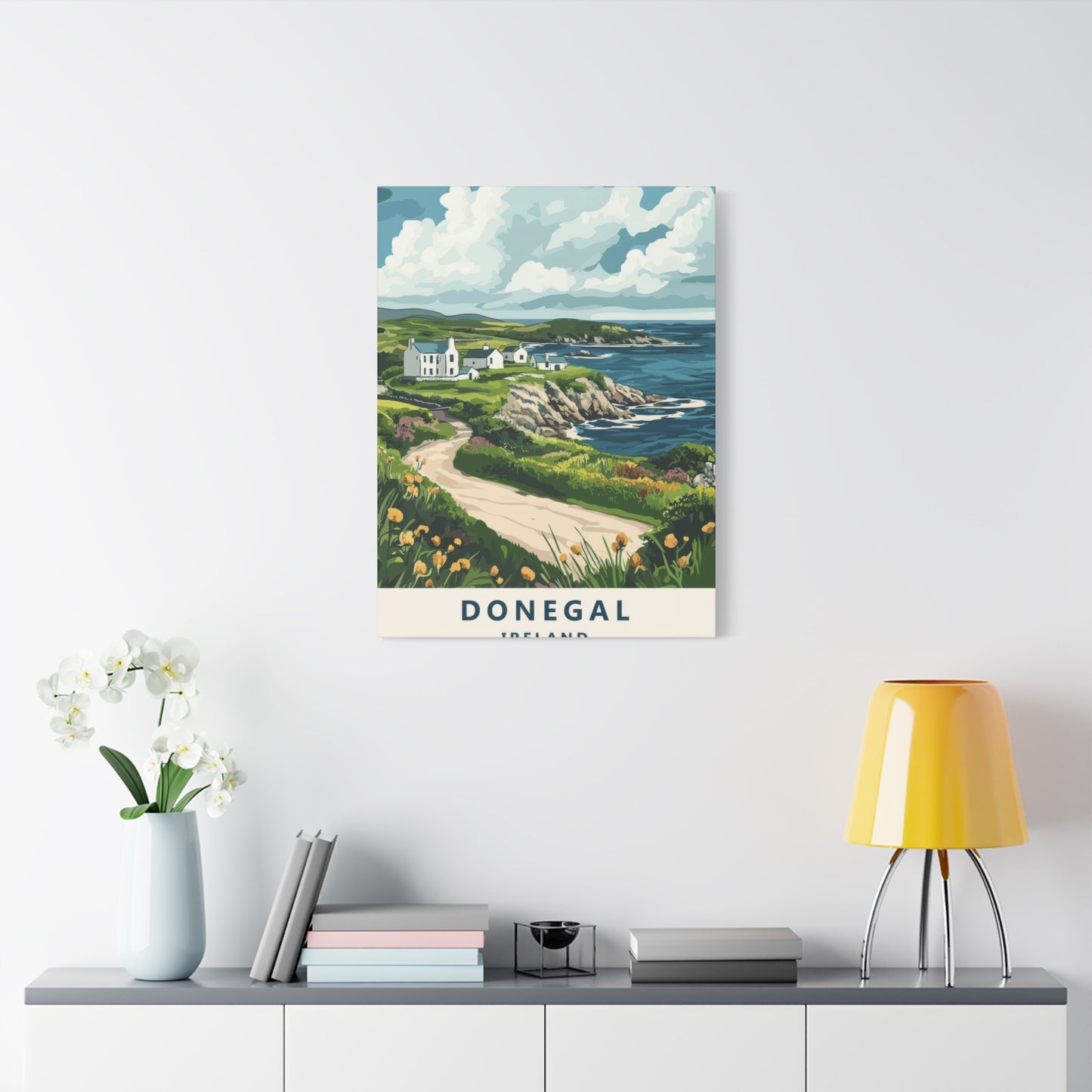

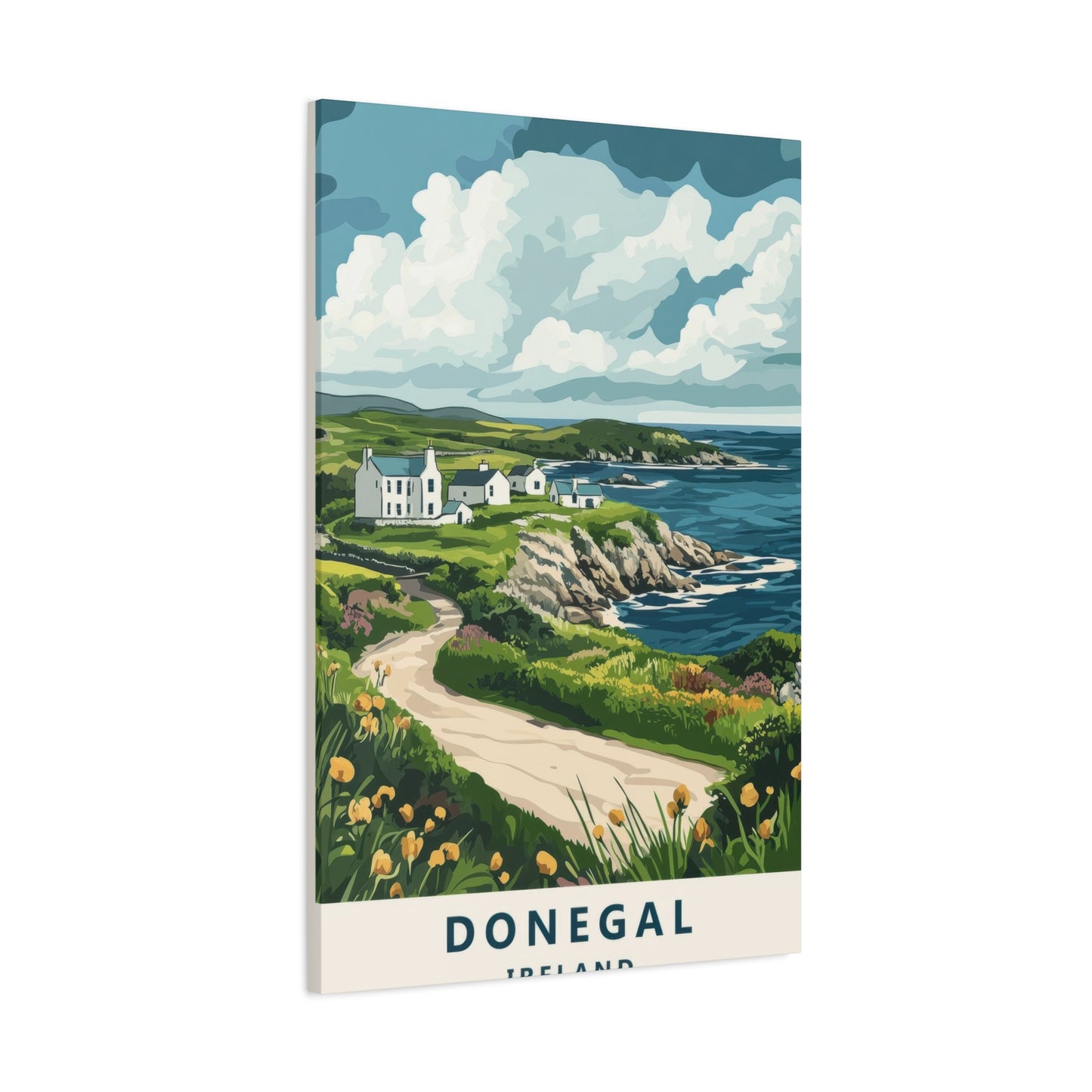
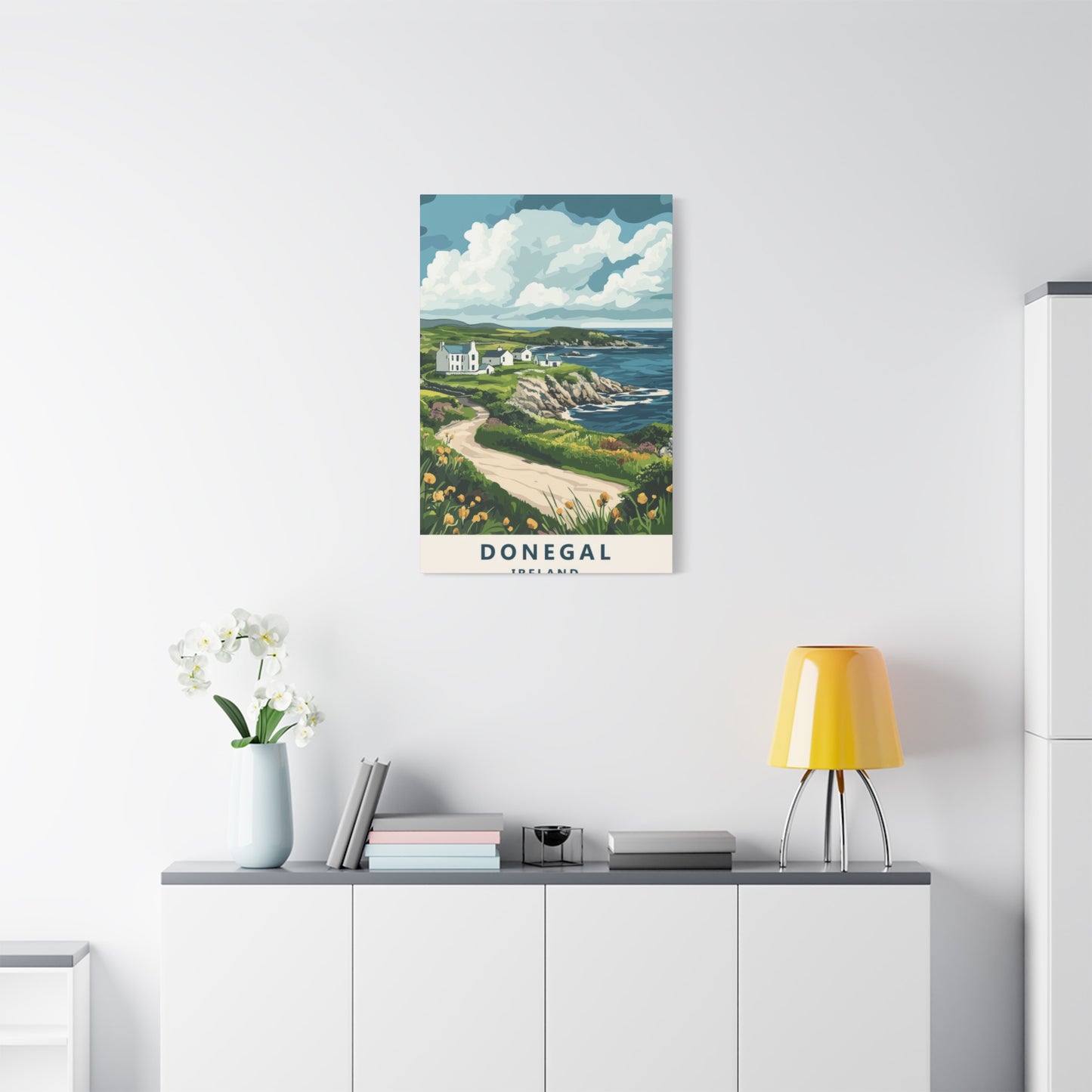
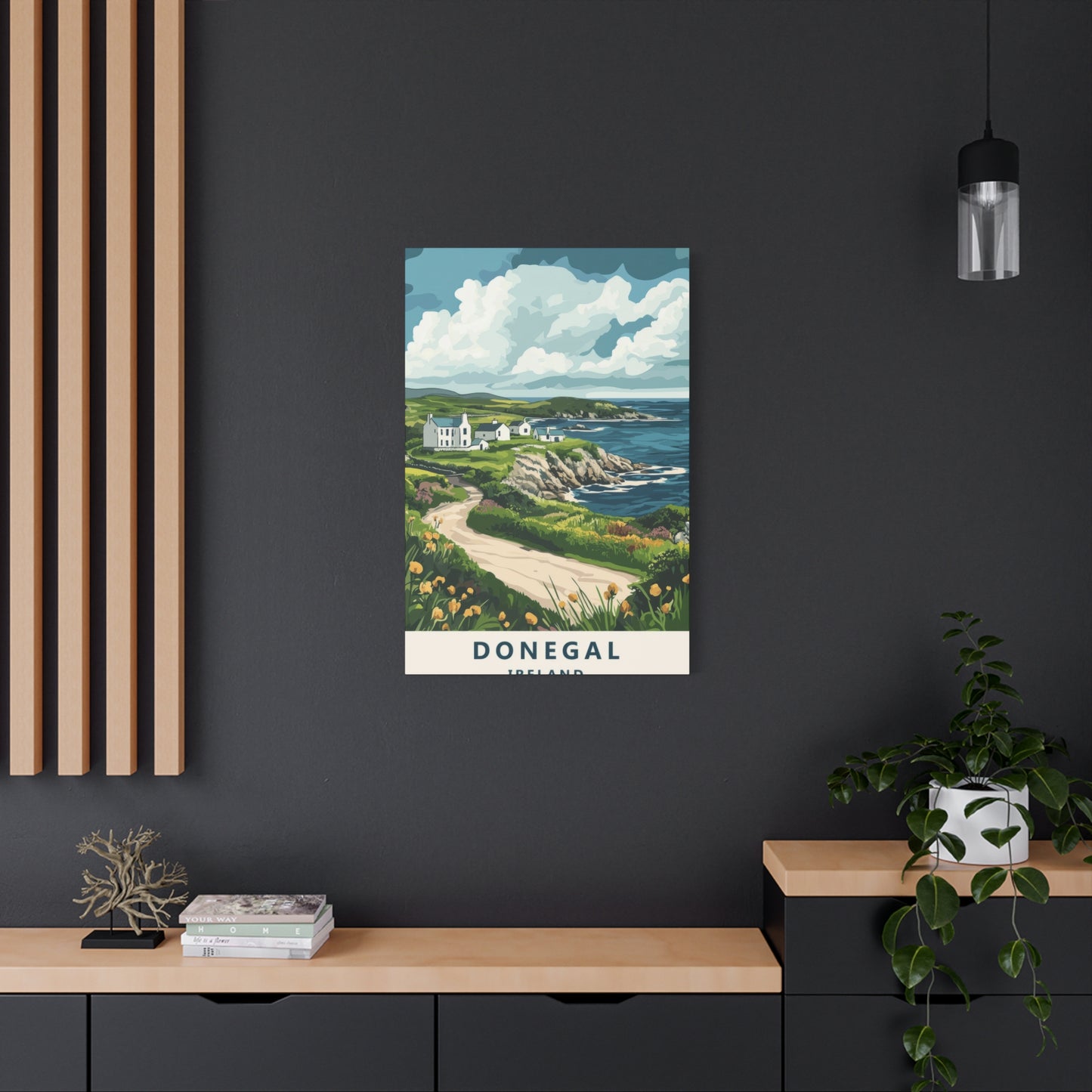
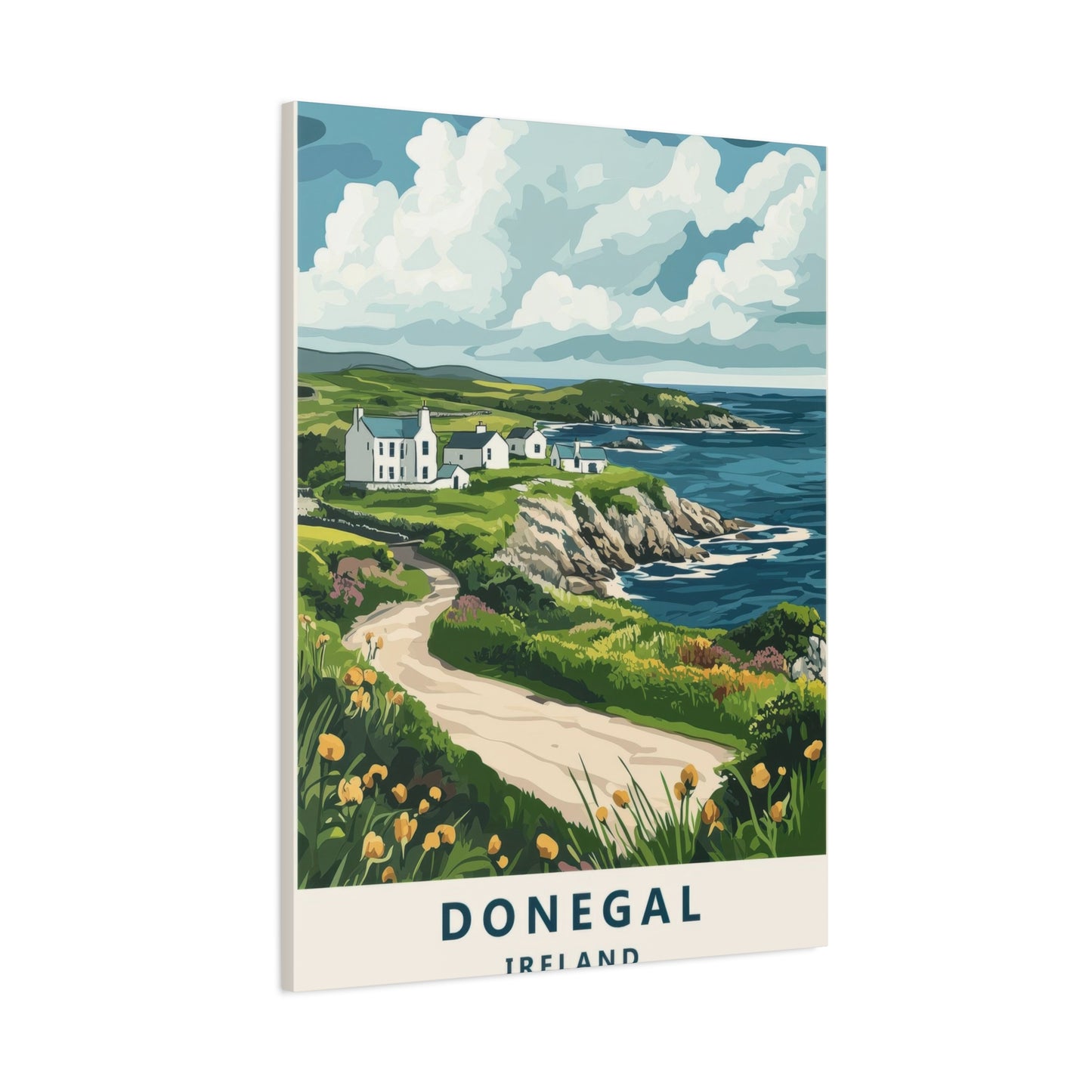
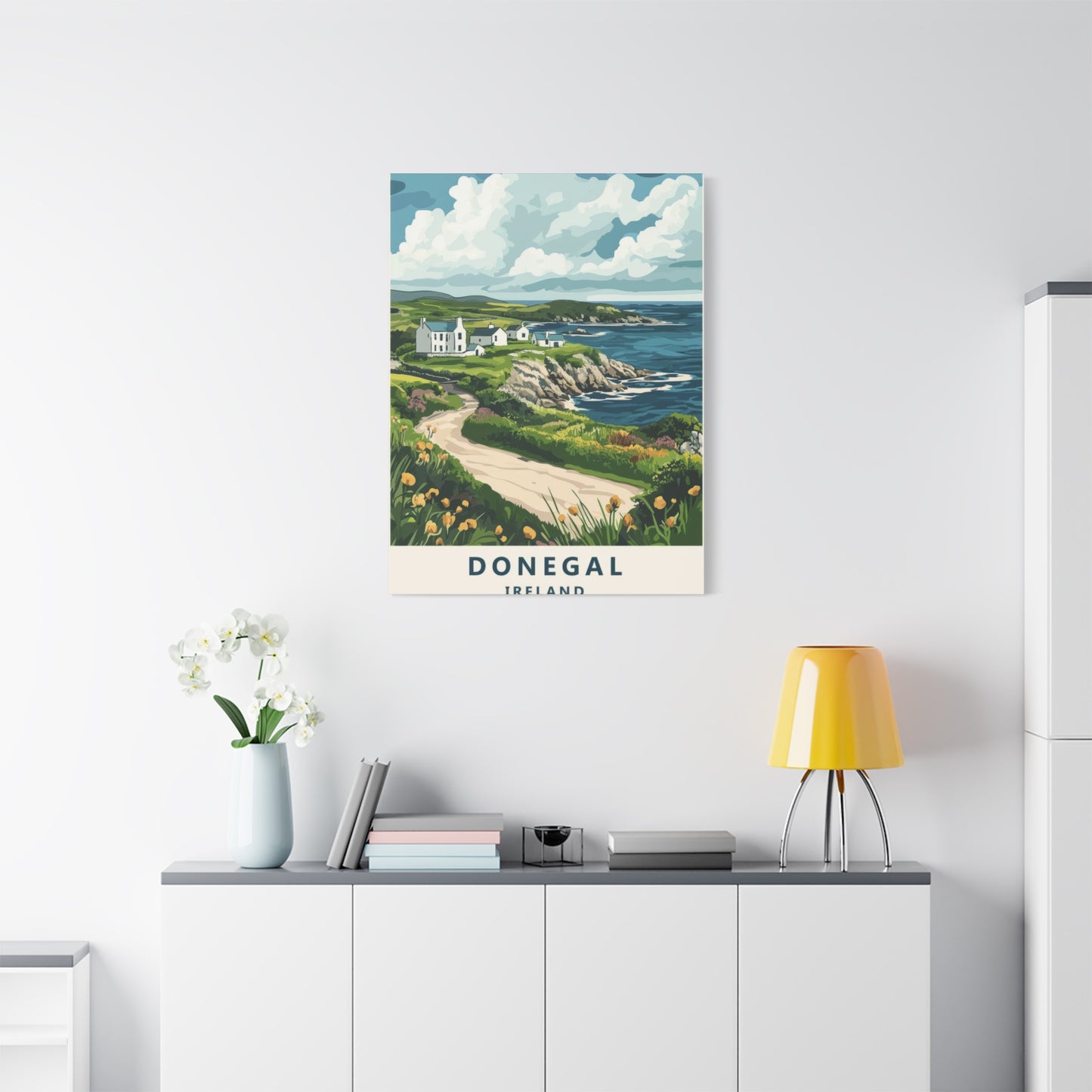
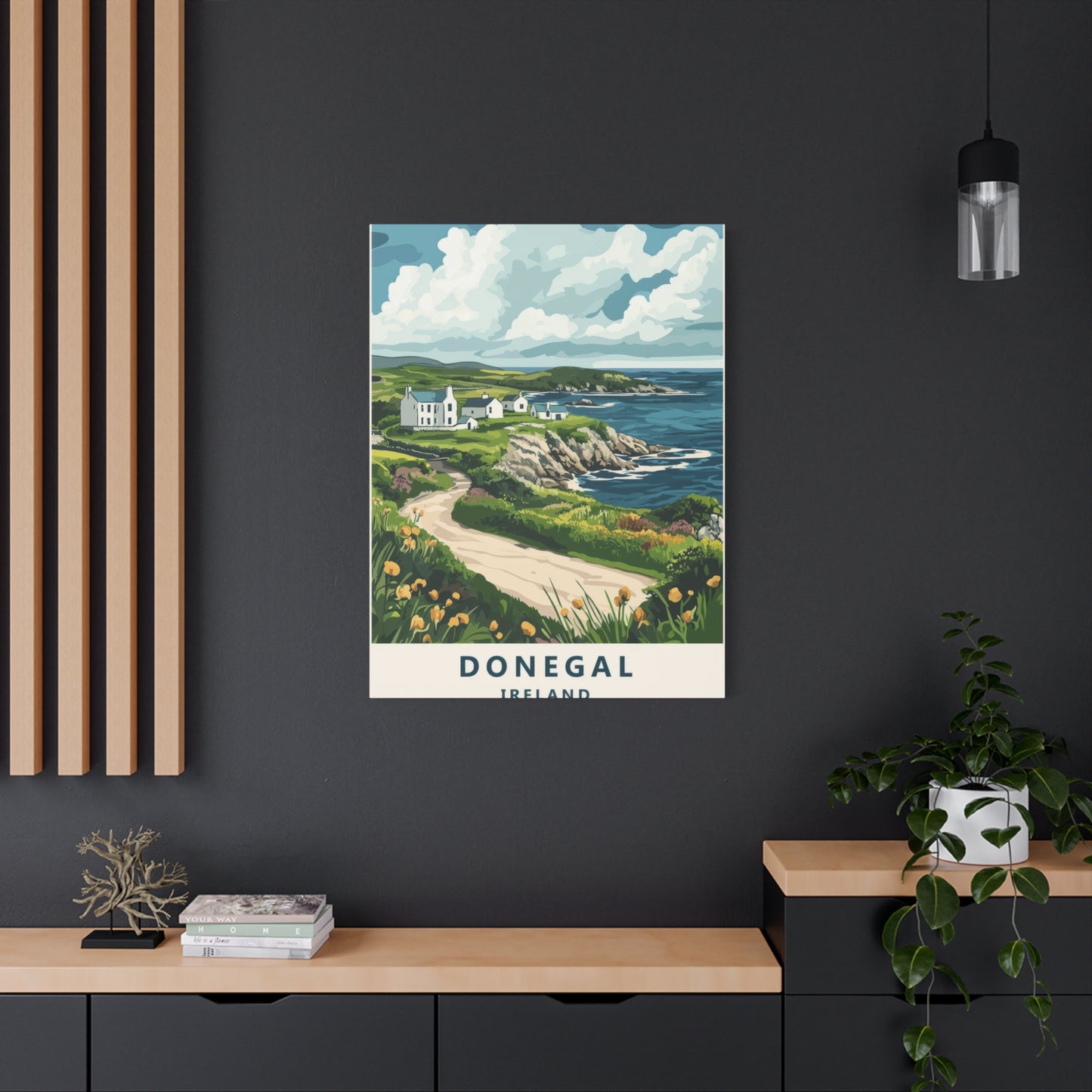
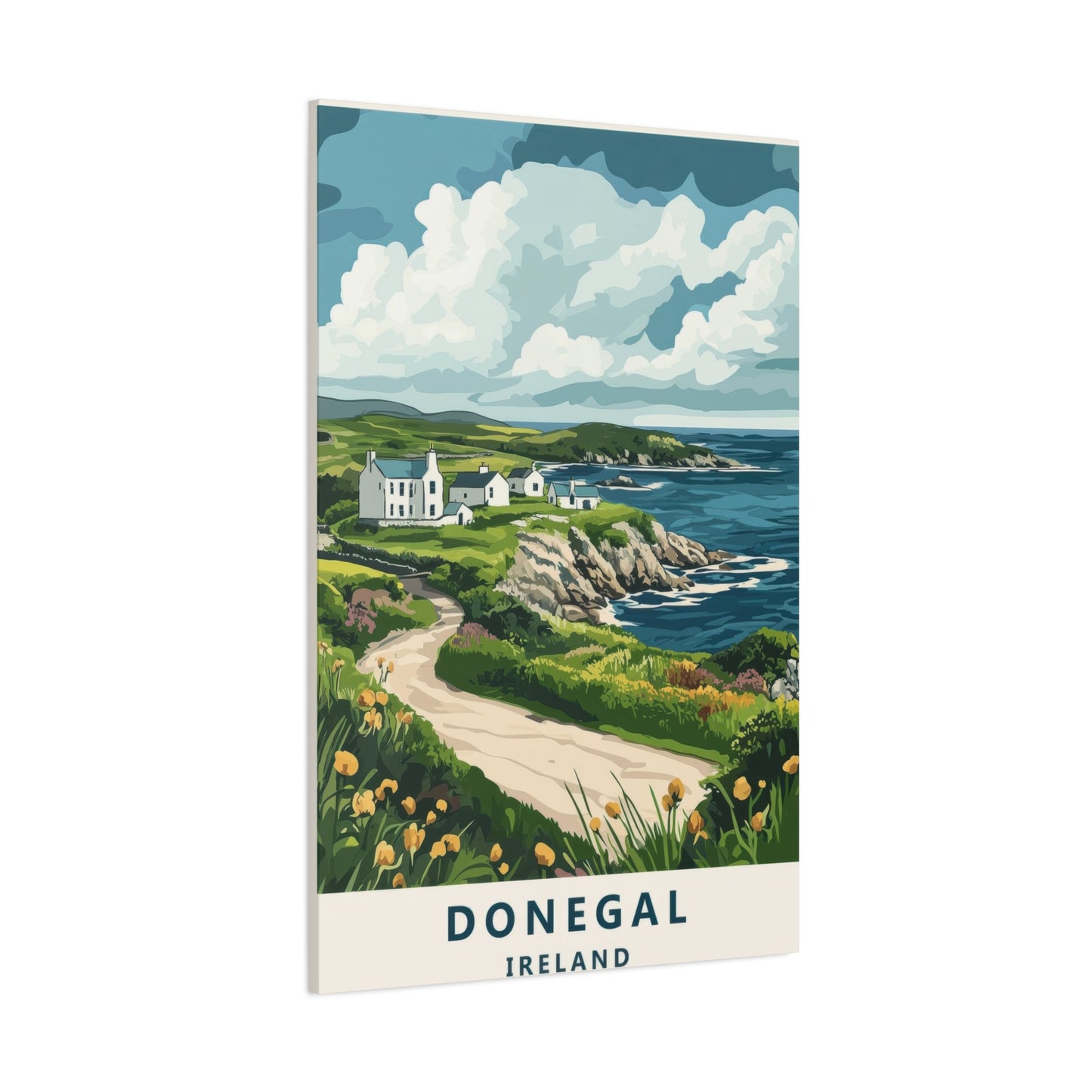
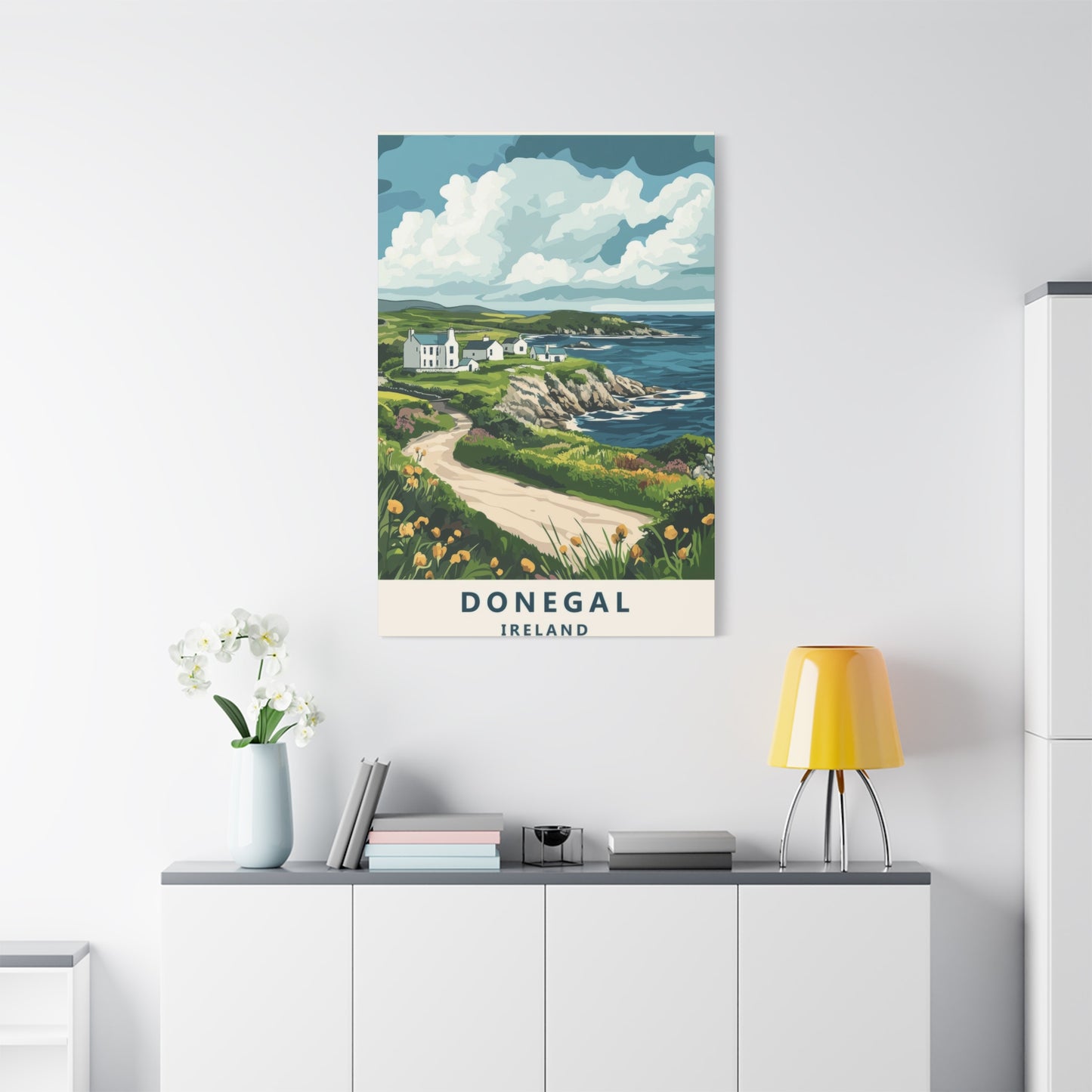

Donegal Ireland Wall Art: Capturing the Untamed Beauty of Ireland's Hidden Gem
The northwestern reaches of Ireland hold a secret that artists, photographers, and nature enthusiasts have cherished for generations. Donegal, with its dramatic coastlines, ancient mountains, and ever-changing skies, offers visual treasures that translate beautifully into canvas artwork. When you choose to display imagery from this remarkable region, you're not simply hanging decoration—you're inviting the raw, untamed spirit of the Wild Atlantic Way into your everyday environment. This comprehensive exploration delves into why this particular corner of Ireland creates such compelling visual art, how these pieces can reshape your living spaces, and what makes them resonate so deeply with those who appreciate natural beauty.
The Distinctive Appeal of Donegal for Canvas Artwork
Donegal stands apart from other Irish counties through its unique combination of geographical features and atmospheric conditions. The landscape here refuses to conform to gentle stereotypes. Instead, it presents itself with honest ruggedness—towering sea cliffs that plunge into churning Atlantic waters, mountains that wear different personalities with each passing weather system, and beaches that stretch for miles with only the wind and waves as company. This authenticity translates powerfully onto canvas because it captures something genuine and unfiltered.
The color palette alone makes this region exceptional for visual representation. Unlike manufactured or overly processed imagery, the natural hues found here shift constantly. Morning light bathes the hills in soft purples and blues, while afternoon sun illuminates the grasses in countless shades of green and gold. Storm clouds bring dramatic grays that contrast sharply with the white foam of crashing waves, and sunset transforms the entire landscape into a canvas of oranges, pinks, and deep crimsons. These organic color variations mean that artwork from this area never feels static or monotonous.
The geological diversity provides endless compositional possibilities. From the ancient quartzite peaks of Errigal Mountain to the serene waters of Glenveagh National Park, from the dramatic sea stacks along the coastline to the peaceful beauty of inland loughs, photographers and artists find unlimited subject matter. This variety ensures that canvas prints from the region can suit virtually any aesthetic preference or interior design scheme, whether someone prefers bold, dramatic imagery or subtle, contemplative scenes.
Cultural elements add another layer of richness to visual representations. Stone walls that have divided fields for centuries, traditional cottages that blend seamlessly into the landscape, and weathered fishing boats resting in small harbors all tell stories of human connection to this challenging yet rewarding environment. These details provide depth and narrative to canvas artwork, making each piece more than just a pretty picture—it becomes a window into a way of life shaped by the elements.
Donegal Wall Decoration: Enhancing Your Living Environment
Selecting wall decoration for your home involves more than filling empty spaces. The imagery you choose influences the atmosphere of your rooms, affects your mood, and communicates something about your values and interests. Canvas prints featuring scenes from this northwestern Irish county offer particular advantages that mass-produced generic art simply cannot match. They bring authenticity, character, and a connection to place that resonates on multiple levels.
The psychological impact of natural imagery in interior spaces has been documented extensively by environmental psychologists. Humans respond positively to representations of nature, particularly landscapes that suggest both beauty and vitality. Scenes from this region, with their combination of dramatic elements and serene moments, create visual interest without causing stress or overwhelm. The human eye can rest on these images, finding new details with each viewing, which makes them ideal for spaces where you spend significant time.
Scale and proportion work differently with landscape imagery from this area compared to other decorative options. The expansive vistas naturally suit larger canvas formats, making them perfect for filling substantial wall areas without appearing cluttered or busy. A single large-scale print of a coastal scene can anchor an entire room, providing a focal point that draws the eye and creates conversation. Alternatively, smaller pieces can be grouped to create gallery walls that tell a visual story of different locations or seasonal variations.
The versatility of these images across different room functions makes them particularly valuable. In living areas, they create welcoming environments that encourage relaxation and social interaction. The dramatic nature of many scenes provides energy and visual interest without being jarring or discordant. In bedrooms, softer images of beaches, meadows, or gentle hillsides promote tranquility and rest. Even in professional settings like home offices, carefully chosen landscape imagery can reduce stress and improve focus by providing mental breaks and visual relief from screen-dominated work environments.
Color coordination becomes surprisingly effortless when working with natural landscape imagery. The organic palette found in these scenes tends to harmonize with a wide range of interior color schemes. Earth tones, blues, and greens work with both warm and cool decorating approaches. Even the more dramatic, high-contrast images typically contain enough color variation to complement rather than clash with existing decor. This flexibility means you can maintain these pieces through various decorating updates without needing to replace them.
Preserving Donegal's Natural Splendor Through Canvas Reproduction
The process of translating three-dimensional landscapes into two-dimensional art involves both technical skill and artistic vision. Photographers who specialize in capturing this region's essence understand that successful images require more than simply pointing a camera at beautiful scenery. They must wait for optimal light conditions, consider compositional elements carefully, and often return to locations multiple times to capture the perfect moment when all elements align.
Light quality in this northwestern location creates unique challenges and opportunities for image capture. The region sits at a northern latitude where the angle of sunlight changes dramatically throughout the year. Summer brings extended daylight hours with light that remains soft and golden for extended periods, ideal for capturing the warmth and accessibility of the landscape. Winter offers shorter days but often more dramatic light, with low sun angles creating long shadows and highlighting textures in ways that reveal the three-dimensional nature of the terrain.
Weather conditions that might challenge casual visitors become assets for dedicated landscape photographers. The frequent passage of weather systems means that dramatic skies filled with layered clouds often provide backdrops that add depth and movement to images. Rain showers create opportunities for capturing rainbows arcing over mountains or beaches. Morning mist softens landscapes, creating atmospheric, almost mystical imagery that suggests mystery and timelessness.
The technical translation from original photograph to canvas print involves careful attention to color accuracy and detail preservation. High-quality printing processes ensure that the subtle gradations in sky tones, the varied textures of rock faces, and the delicate colors of coastal vegetation all reproduce faithfully. Modern printing technology has advanced to the point where canvas prints can capture extraordinary detail, allowing viewers to see individual flowers in meadow scenes or the texture of weathered wood in images of traditional architecture.
Canvas material itself contributes qualities that enhance landscape imagery. Unlike glossy paper prints that can create distracting reflections, canvas provides a matte surface that allows the image itself to remain the focus. The slight texture of canvas adds a tactile quality that complements natural subject matter, and the ability to wrap images around stretcher frames creates a gallery-quality presentation that needs no additional framing. This clean, modern presentation style allows the imagery to speak for itself without competing with ornate frames or matting.
Wild Atlantic Way Imagery: Capturing Ireland's Western Edge
The Wild Atlantic Way stretches along Ireland's entire western coast, but the Donegal section stands out for its particularly dramatic character. This northern portion of the route includes some of the highest sea cliffs in Europe, beaches that have earned international recognition for their pristine beauty, and coastal formations that demonstrate the ocean's power to shape stone over millennia. Canvas prints featuring these locations bring that coastal energy indoors.
Sea cliff imagery offers some of the most visually striking options for wall decoration. The sheer vertical drops, often hundreds of meters high, create images with strong linear elements and dramatic scale. Photographs taken from clifftop viewpoints looking down reveal layers of rock strata in varied colors, while those looking across at cliff faces from sea level emphasize their imposing height. These images work particularly well in spaces with high ceilings or in vertical formats that echo the upward thrust of the cliffs themselves.
Beach scenes from this region differ significantly from tropical beach imagery that dominates much commercial art. The beaches here present wild, windswept beauty rather than calm relaxation. Long stretches of sand meet powerful waves, with mountains often visible in the background, creating compositions with multiple zones of interest. These images appeal to people who appreciate nature's power and beauty without needing it to be domesticated or tamed. The dynamic quality of these scenes brings energy to living spaces without feeling chaotic.
Rocky coastline photographs capture the meeting place of solid earth and restless water. Tide pools, sea stacks, and wave-sculpted formations provide endless compositional variations. The contrast between dark rock and white foam creates natural visual drama, while the varied textures—smooth water-worn stone, rough angular fragments, and soft organic elements like seaweed—add depth and interest. These images often work well in spaces where you want to suggest strength and permanence alongside natural beauty.
Harbor and maritime scenes introduce human elements into coastal imagery. Small fishing villages, colorful boats, stone piers, and traditional architecture all tell stories of communities that have made their living from the sea for generations. These images carry additional warmth and relatability compared to purely natural scenes, making them excellent choices for spaces where you want to suggest connection and community alongside natural beauty.
Coastal Appeal: Shoreline Imagery in Canvas Format
The meeting place of land and sea creates visual drama that humans find endlessly fascinating. Our evolutionary history and psychological makeup draw us to coastlines, perhaps because they represented resources and opportunities for our ancestors. Regardless of the reason, coastal imagery resonates deeply with most viewers, making canvas prints featuring these scenes particularly successful as wall decoration.
Dynamic movement in coastal images prevents them from feeling static despite being still photographs. Waves frozen in mid-crash, water swirling around rocks, or foam patterns left on sand all suggest motion and energy. This quality keeps the viewer's eye moving around the composition, discovering new elements and details. The brain's tendency to continue implied movement means that these images maintain interest through repeated viewing rather than becoming invisible background elements.
The varied moods of coastal scenes allow you to select imagery that matches specific emotional tones. Stormy seas with dark clouds and large waves suggest power and intensity, appropriate for spaces where you want energy and drama. Calm seas under clear skies create peaceful, meditative feelings suitable for relaxation spaces. Sunrise or sunset over water brings warmth and optimism. Understanding these emotional associations helps in selecting coastal imagery that supports the psychological atmosphere you want to create in specific rooms.
Tidal zones where water level changes dramatically twice daily create ever-changing landscapes that photographers can capture in many different states. Low tide reveals rock formations, tide pools, and beach expanses normally hidden underwater. High tide brings water against cliff bases and covers beaches, creating completely different compositions from the same location. Images capturing these different tidal states can be grouped together to show this natural rhythm, or individual pieces can stand alone as representations of specific moments in the tidal cycle.
The geological features of this particular coastline—sea stacks, arches, caves, and unusual rock formations—provide natural subjects that create strong focal points in compositions. These features often have distinctive shapes that become recognizable and memorable, making them ideal subjects for artwork that will be viewed repeatedly. The contrast between solid stone and fluid water around these formations creates compositional tension that makes images visually engaging.
Human elements in coastal scenes add narrative possibilities and scale references. A single figure walking a beach, fishermen working on boats, or stone piers extending into the water all provide human connection points that help viewers imagine themselves into the scene. These elements prevent coastal images from feeling too remote or alien, instead suggesting that these are places humans can inhabit and experience. For artwork that you'll live with daily, this accessibility and relatability prevents the images from feeling like documentary photography of foreign places and instead makes them feel like representations of spaces you could potentially visit and experience yourself.
Creating Peaceful Atmospheres: How Irish Scenery Affects Interior Mood
Environmental psychology research has established that our surroundings significantly influence our emotional states, stress levels, and even physical health markers. The visual environment of your home plays a substantial role in your daily well-being, making the selection of wall decoration more significant than might initially appear. Canvas prints featuring natural landscape imagery contribute to creating beneficial interior environments in measurable ways.
Stress reduction represents one of the most documented benefits of nature imagery in interior spaces. Studies have shown that viewing natural scenes activates the parasympathetic nervous system, which counterbalances stress responses and promotes calm. The brain appears to process natural imagery differently than urban or abstract images, triggering relaxation responses that occur almost automatically. Having landscape artwork visible in spaces where you routinely experience stress—home offices, entryways where you decompress after work commutes, or bedrooms where you wind down before sleep—provides repeated opportunities for these beneficial responses.
Attention restoration occurs when viewing certain types of imagery allows the focused attention systems in your brain to rest and recover. Modern life demands sustained focused attention for many tasks—working on computers, navigating traffic, managing complex schedules—which can lead to mental fatigue. Natural scenes, particularly those with elements like water or distant views, allow for "soft fascination" where your attention can rest on the image without effort or concentration. This type of gentle visual engagement helps restore depleted attention capacity, improving your ability to concentrate when you return to demanding tasks.
Color psychology plays into how landscape imagery affects mood. The blues and greens dominant in many natural scenes from this region have been shown to promote calm and reduce anxiety. These colors appear to lower heart rate and blood pressure compared to warmer colors like reds and oranges. However, the natural variation in landscape imagery means you're not limited to cool tones—sunset scenes with warm colors, autumn landscapes with golds and russets, or even storm scenes with dramatic grays all offer different psychological impacts while maintaining connection to natural subjects.
Visual complexity at appropriate levels keeps spaces interesting without becoming overwhelming. Landscape imagery tends to offer moderate complexity—more interesting than blank walls or simple geometric patterns, but less chaotic than busy patterns or dense collages. This optimal level of complexity maintains visual interest without causing stress, making landscape canvas prints suitable for spaces where you spend extended time. The brain can rest on these images without becoming bored but doesn't need to work hard to process the visual information.
Sense of space and openness can be created or enhanced through carefully selected landscape imagery, particularly pieces depicting distant views, expansive skies, or open beaches. In smaller rooms or windowless spaces, these images provide a psychological sense of spaciousness that the actual square footage doesn't offer. This quality makes them valuable in urban apartments, basement rooms, or any space where physical constraints limit the feeling of openness. The visual suggestion of unlimited space helps prevent feelings of confinement that can occur in smaller or enclosed rooms.
Bringing Distant Landscapes to Your Walls: Quality Canvas Reproduction
The journey from original photograph to finished canvas print on your wall involves multiple technical steps, each of which affects the final result. Understanding this process helps in evaluating quality when selecting canvas prints and ensures that you receive artwork that will maintain its appearance and impact for years to come. Quality matters significantly when you're selecting pieces that will be permanent features of your living environment.
Image capture quality forms the foundation of excellent canvas prints. Professional photographers use high-resolution cameras that capture extraordinary amounts of detail and color information. This technical quality means that even when printed at large sizes, images maintain sharpness and clarity without pixelation or loss of definition. The difference between professionally captured images and casual snapshots becomes especially apparent at larger print sizes, where any technical limitations become magnified. When selecting canvas prints, confirming that they originate from high-quality source files ensures you receive artwork worthy of display.
Color management throughout the printing process ensures that what you receive matches the photographer's original vision. Professional printing services calibrate their equipment regularly and use color-managed workflows that maintain color accuracy from digital file to physical print. This attention to technical detail means that the subtle gradations in a sunset sky, the varied greens of vegetation, or the blues of water all reproduce faithfully. Poorly managed printing processes can shift colors significantly, resulting in artwork that looks artificial or oversaturated.
Canvas material quality affects both the appearance and longevity of your artwork. Professional-grade canvas uses tightly woven fibers that provide a smooth, consistent surface for printing. The material should be substantial enough to stretch taut over frames without sagging, yet receptive to inks for sharp detail reproduction. Canvas that's too thin may develop waves or ripples over time, while canvas that's too thick or rough may not capture fine details successfully. Quality canvas prints use materials specifically designed for art reproduction rather than generic textiles.
Ink quality determines whether your canvas print will maintain its colors over years or fade within months. Archival quality inks, often called giclée inks when used for fine art printing, resist fading from exposure to light and environmental factors. These specialized inks cost significantly more than standard inks but provide longevity that justifies the investment for artwork you plan to display permanently. Quality canvas prints should specify the use of archival or giclée inks and often include information about expected longevity under normal display conditions.
Stretcher frame construction affects how the finished canvas hangs and how it appears on your wall. Quality frames use kiln-dried wood that won't warp over time, with proper corner joints that maintain tight connections. The canvas should be stretched with even tension across the entire surface, preventing ripples or loose areas. Gallery-wrapped canvases where the image extends around the edges of the frame provide a polished, professional appearance that needs no additional framing. The stretcher bars should be substantial enough to prevent the frame from warping but not so thick that the canvas protrudes awkwardly from the wall.
Protective coatings applied to finished canvas prints add another layer of quality and longevity. UV protective sprays help prevent fading from sunlight exposure, while water-resistant coatings protect against humidity and the kind of minor splashes that can occur in homes. These protective treatments should be invisible and not alter the appearance of the image while providing practical benefits that extend the life of your artwork. Quality canvas print providers include these protections as standard rather than as costly additions.
Exploring Donegal's Character Through Visual Art
Beyond the obvious visual beauty, artwork featuring this region captures something of the Irish character and cultural identity. The landscape has shaped the people who've lived here for millennia, and that relationship flows both ways—the people have also shaped the landscape through their agricultural practices, settlements, and ways of living with the challenging environment. Canvas prints that capture this interplay tell richer stories than simple nature photography.
Stone walls dividing fields represent centuries of human effort and connection to specific places. These walls, built without mortar from stones cleared from fields, create visual patterns that photographers incorporate into landscape compositions. The walls provide linear elements that lead the eye through images, divide compositions into interesting sections, and demonstrate the human capacity to work with rather than against natural conditions. Images featuring these walls carry subtle messages about persistence, tradition, and sustainable land use practices.
Cultural landscapes where farming traditions continue show the living relationship between people and place. Images of grazing sheep on hillsides, turf cutting areas where peat has been harvested for fuel, or small fields with stacks of harvested hay all document ways of life that remain connected to seasonal rhythms and natural resources. These scenes carry particular resonance for people who value sustainability and traditional knowledge, representing alternatives to industrial agriculture and disconnected modern lifestyles.
The Irish language connection to place names adds another layer of meaning for those interested in Celtic culture. Many locations in this region retain Irish language names that describe geographical features, historical events, or mythological associations. Understanding these name meanings can deepen appreciation for the images themselves—knowing that a location name translates to "valley of tears" or "eagle's rock" or "the cold place" adds narrative depth to visual experience. Canvas prints accompanied by information about location names and their meanings serve educational purposes alongside their aesthetic functions.
Weather patterns and the resulting atmospheric conditions create the characteristic light and mood that define imagery from this region. The frequent passage of weather systems means that dramatic skies often provide backdrops that distinguish these images from landscape photography taken in more stable climates. Heavy clouds with breaks where light streams through, horizontal rain visible in the air, or the crisp clarity that follows storm passages all create distinctive atmospheric qualities. These weather elements make the images feel alive and dynamic rather than static and posed.
Seasonal festivals and cultural events tied to agricultural cycles connect the landscape to living traditions. While canvas prints typically don't directly depict festivals, images taken during specific seasons carry associations with these cultural markers. Spring landscapes connect to planting time and renewal celebrations, summer scenes with longest days and outdoor gatherings, autumn with harvest festivals and preparation for winter, and winter with storytelling traditions during long dark evenings. For people with Irish heritage or interest in Celtic traditions, these seasonal associations add cultural dimensions to landscape artwork.
Selecting Donegal Artwork for Living Areas: Creating Focal Points
Living rooms serve multiple functions—relaxation, entertainment, family gathering, and often making first impressions on guests. The artwork you select for these spaces should work hard, creating visual interest, establishing atmosphere, and reflecting your personality and values. Large-scale canvas prints featuring dramatic landscape imagery excel in these multipurpose spaces, providing all these benefits while remaining appropriate for the varied activities that occur in living areas.
Scale considerations become particularly important in living rooms, which often have large wall expanses that need visual weight. A small print on a large wall creates an unbalanced appearance, making the room feel less finished and cohesive. Large-format canvas prints—those measuring four feet or more in width—provide the visual presence needed to anchor a room and create true focal points. These substantial pieces draw the eye immediately, establishing the room's character and providing talking points for guests.
Placement relative to furniture affects how effectively artwork integrates into the space. The traditional rule of hanging artwork with its center at eye level generally works well, though this can be adjusted slightly when artwork appears above furniture. Prints hung above sofas should clear the furniture back by several inches to prevent damage from head contact but remain visually connected to the furniture below rather than floating too high on the wall. The width of artwork placed above sofas ideally measures at least half the sofa width, though two-thirds to three-quarters often creates better proportions.
Color coordination between artwork and room decor enhances cohesion without requiring exact matching. Pull one or two colors from the canvas print to inform your choices for throw pillows, blankets, or accessories. This approach creates subtle visual connections that make the space feel intentionally designed rather than randomly assembled. The natural color palettes in landscape imagery make this coordination relatively straightforward—blues might inform choices for textiles, greens could appear in plants or accent pieces, and earth tones might guide wood finishes or pottery selections.
Lighting considerations affect how artwork appears throughout the day and evening. Natural daylight brings out the full color range and detail in canvas prints, making daytime viewing optimal. However, artificial lighting in evenings needs consideration as well. Avoid placing spotlights directly on canvas prints as this can create glare and uneven illumination. Instead, ambient room lighting that illuminates artwork indirectly maintains visibility without distortion. The matte surface of canvas helps minimize glare issues compared to glossy prints or glass-covered artwork.
Multiple pieces can be arranged to create gallery walls that tell visual stories or showcase variety. When working with multiple canvas prints, maintain consistent spacing between pieces—typically two to three inches works well. Gallery arrangements work best when you maintain some unifying element across the pieces, whether that's similar color palettes, all images from the same region, or consistent formatting like all horizontal or all vertical orientations. Layout planning before putting holes in walls prevents costly mistakes—arrange pieces on the floor first or use paper templates on the wall to visualize the final arrangement.
Capturing Donegal's Untamed Character: Why Rugged Beauty Translates to Powerful Wall Decoration
Certain aesthetic preferences transcend temporary trends. While design fashions shift between minimalist and maximalist, warm and cool palettes, traditional and contemporary styles, appreciation for raw natural beauty remains constant. The unpolished, honest character of this northwestern landscape appeals to fundamental human responses to environment rather than culturally specific tastes, making artwork featuring these scenes both timeless and broadly appealing.
Authenticity in imagery matters increasingly as people seek genuine experiences and objects in a world of manufactured and artificial elements. The landscapes captured in these canvas prints haven't been staged, enhanced with artificial elements, or manipulated to present false versions of reality. What you see represents actual places where weather, geology, and ecology create beauty without human intervention. This authenticity resonates with people tired of oversaturated, heavily filtered images that dominate social media and commercial photography.
Textural variety in landscape compositions creates visual interest that survives repeated viewing. Rock faces show patterns created by geological processes over millions of years. Vegetation provides organic shapes that contrast with angular stone. Water presents smooth surfaces or chaotic white foam depending on conditions. Sandy beaches offer uniform planes interrupted by scattered shells or stones. This textural diversity keeps the eye moving around compositions, discovering new details with each viewing rather than taking in everything at once and then finding nothing new to see.
Dramatic weather moments captured in landscape photography create storytelling opportunities within single images. Viewers naturally imagine the moments before and after the captured instant—what led to that particular configuration of light and cloud, what happened as the storm moved through, whether the photographer got soaked in the rain shortly after taking the shot. This narrative quality makes the images more engaging than straightforward documentary photography of locations under optimal conditions. The suggestion of challenge and drama adds emotional content beyond simple beauty.
The absence of obvious human subjects in most landscape imagery allows viewers to project themselves into the scenes. Without specific people to identify with or react to, viewers can imagine themselves walking that beach, climbing that mountain, or standing at that viewpoint. This imaginative participation creates personal connection to the artwork that wouldn't exist if the images showed crowds of tourists or featured identifiable individuals. The emptiness or minimal human presence invites personal interpretation and emotional response.
Scale relationships between landscape elements create sublime qualities that some aesthetic theories identify as key to powerful responses to nature. Mountains dwarfing valleys, waves crashing against immovable cliffs, or human structures appearing tiny against vast landscapes all trigger responses to the sublime—that mixture of awe, insignificance, and attraction to forces beyond human control. Canvas prints that successfully capture these scale relationships tap into deep aesthetic responses that make them emotionally powerful beyond their surface visual appeal.
Irish Landscape Wall Decoration: Thoughtful Gifting for Nature Appreciators
Selecting meaningful gifts for people who genuinely care about natural environments requires moving beyond token nature-themed items toward objects that reflect authentic appreciation for wild places. Canvas prints featuring carefully captured landscape imagery demonstrate that you understand and value the recipient's connection to nature. These gifts combine aesthetic value with personal significance, creating presents that recipients will display and appreciate for years.
Personalization through location selection makes landscape gifts more meaningful. If you know someone has visited specific locations, finding canvas prints featuring those places transforms the gift from generic nature art into a personal memento. Even if they haven't visited yet but have expressed interest in traveling to this region, the artwork becomes aspirational, keeping those travel plans visible and motivating. For people with Irish heritage, imagery from their ancestral county creates connections to family history and roots.
Life milestone gifts benefit from the permanence and significance of quality artwork. Weddings, new home purchases, significant birthdays, or retirement all represent moments when substantial, lasting gifts feel appropriate. A carefully selected canvas print acknowledging the recipient's love of nature, outdoor activities, or travel demonstrates thoughtfulness beyond generic gift registry items or cash presents. These pieces become part of the recipient's home environment, daily reminders of both the milestone and your relationship.
Holiday and seasonal gifts can align with themes in the artwork. A dramatic winter scene makes a meaningful Christmas gift for someone who appreciates that season. Spring wildflower meadows suit Easter or spring birthdays. Sunset images work for any occasion but carry particular resonance for people experiencing transitions or new beginnings. Matching the imagery to the season or occasion adds another layer of appropriateness to the gift.
Professional achievements warrant gifts that acknowledge the recipient's interests beyond their work life. For colleagues or business associates who discuss their hiking adventures, share vacation photos from nature destinations, or keep small potted plants in their office, landscape artwork acknowledges these interests and provides decoration that transforms impersonal office spaces into more personally meaningful environments. The professional quality of canvas prints makes them appropriate for business settings while the subject matter adds personal connection.
Group gifts allow for investment in larger, more impressive pieces than individual budgets might support. When multiple friends or family members contribute, you can select larger-format prints or pieces from more renowned photographers that would be prohibitively expensive for one person. Coordinating a group gift also demonstrates collective understanding of the recipient's interests and values, showing that multiple people in their life recognize and appreciate their passion for natural beauty.
Gift presentation considerations include whether to select and frame the piece yourself or provide gift certificates that allow recipients to choose their own images. The surprise and personal touch of selecting specific artwork demonstrates your knowledge of their tastes, but allowing choice ensures they receive exactly what appeals to them and fits their space. Many quality canvas print suppliers offer gift certificates that make this option elegant rather than impersonal, often presenting them in ways that include sample images to convey the quality and subject matter options.
Bringing Donegal's Essence Home: From Photograph to Wall Installation
The practical aspects of acquiring, receiving, and installing canvas prints deserve consideration alongside aesthetic factors. Understanding what to expect in terms of packaging, handling, and installation helps ensure that your artwork arrives safely and gets displayed properly, protecting your investment and achieving the visual impact you envisioned when selecting the pieces.
Shipping and packaging of canvas prints requires careful handling to prevent damage during transit. Quality suppliers use substantial packaging materials—corner protectors to prevent frame damage, moisture-resistant wrapping to guard against water exposure, and appropriately sized boxes that prevent movement during shipping. Upon receiving a canvas print, inspect it immediately while still within the return window. Check corners for damage, examine the canvas surface for scratches or punctures, and verify that the image quality meets your expectations. Reputable suppliers stand behind their products and will address any damage or quality issues that occurred during production or shipping.
Acclimation period considerations apply when canvas prints move from storage or shipping conditions into your home environment. Significant temperature or humidity differences between shipping conditions and your home can cause temporary tightening or loosening of canvas fabric. Allow wrapped pieces to sit in the installation room for several hours before unwrapping, which minimizes thermal shock and allows the canvas to adjust to its new environment. This patience prevents warping or canvas relaxation issues that can occur when pieces move too quickly between different environmental conditions.
Hardware selection affects both installation security and damage to your walls. Canvas wrapped around wooden stretcher frames creates relatively lightweight artwork compared to glass-covered prints or solid wood frames, which simplifies hanging. For smaller pieces under three feet in any dimension, standard picture hanging hooks rated for the artwork's weight typically suffice. Larger pieces benefit from proper wall anchors installed into studs when possible, or appropriate drywall anchors when stud placement doesn't align with where you want the artwork. Using hardware appropriate to both the artwork's weight and your wall type prevents the disappointment and potential injury of fallen artwork.
Leveling tools ensure professional-looking installations where artwork hangs straight rather than noticeably tilted. Small bubble levels designed for picture hanging cost little and prevent the frustration of stepping back to discover your carefully placed canvas sits askew. For gallery walls with multiple pieces, taking time to level each piece individually and maintain consistent spacing produces results that look intentional and professional rather than haphazard. The visual impact of even beautiful artwork diminishes when installation appears careless or rushed.
Wall protection considerations include using appropriate picture hanging systems that distribute weight properly and won't damage wall surfaces. Adhesive strips work for lightweight pieces and rental situations where you want to minimize wall damage, though they typically can't support larger or heavier canvas prints. Traditional picture hooks create small holes that touch-up easily with paint or spackling compound. Professional picture rails or track systems offer maximum flexibility for adjusting artwork positions without creating new holes but require initial installation investment.
Height adjustment from standard eye-level recommendations may serve specific situations better. In rooms where you typically sit rather than stand—bedrooms where you view artwork while reclining in bed, or dining rooms where you spend time seated—lowering artwork slightly from standard hanging height often improves the viewing experience. In hallways or staircases, adjusting height to account for viewing angles as you move through the space creates better visual flow than strict adherence to standard rules.
Discovering Heart and Soul: Canvas Art That Captures Regional Essence
Beyond documenting physical geography, the most compelling landscape artwork captures something of a place's essential character—what makes it distinctive, what draws people there, what residents feel about their home landscape. This ineffable quality separates technically proficient photography from truly evocative artwork that resonates emotionally and remains meaningful through repeated viewing over years of display.
Sense of place emerges from the unique combination of geological, ecological, cultural, and atmospheric factors that make one location feel distinct from others. Donegal's particular sense of place comes from the interplay of ancient mountains, dramatic coastlines, frequently changing weather, relative isolation compared to more populated Irish regions, and the continuing presence of traditional Gaelic culture. Canvas prints that successfully convey this sense of place do more than show pretty scenery—they communicate something essential about what makes this region itself rather than generic coastal landscape.
Emotional resonance in landscape imagery often relates to universally understood feelings rather than specific intellectual knowledge about locations. A sunset over water evokes similar emotional responses whether the viewer knows the specific beach or not. Dramatic mountains inspire awe regardless of whether viewers can name the peaks. Peaceful valleys suggest tranquility to all observers, not just those familiar with the particular valley shown. This universal emotional language makes landscape artwork accessible and meaningful even to people who've never visited the region depicted, while carrying additional significance for those who have personal experience of the places shown.
Authenticity markers distinguish genuine landscape photography from generic stock images or overly manipulated photography that abandons realism for fantasy. Authentic images show weather conditions honestly—clouds that look like actual clouds rather than digital additions, light that reflects real atmospheric conditions rather than impossible combinations. They capture actual locations as they truly appear rather than compositing multiple locations into scenes that never existed. This authenticity matters because it respects viewers' intelligence and creates artwork with integrity that maintains value as you live with it over time.
Timeless quality versus trend-following represents another distinction between lasting artwork and pieces that will feel dated within a few years. Some photography styles rely heavily on current processing trends—extreme saturation, high dynamic range effects, or selective color techniques that feel contemporary now but will mark images as products of specific eras. More classic approaches to landscape photography that emphasize composition, light, and natural color reproduction create images that look current when first displayed but won't feel dated a decade later. Selecting these more timeless pieces protects your investment by ensuring continued relevance as trends evolve.
Personal connection transforms artwork from decoration into meaningful objects. This connection might come from having visited the location shown, from planning to visit someday, from heritage connections to the region, or simply from strong aesthetic response to particular images. When selecting canvas prints for your own home rather than as gifts, pay attention to which images you keep returning to, which ones you imagine viewing daily, and which evoke the strongest emotional responses. These personal preferences matter more than design rules or current trends when you're selecting artwork you'll live with indefinitely.
Optimal Canvas Art for Living Room Display: Matching Art to Space
Living rooms present unique opportunities and challenges for artwork display. These spaces typically offer substantial wall areas that can accommodate large-scale pieces, but they also serve multiple functions and need to work for various activities and times of day. Selecting appropriate canvas prints for living rooms requires considering practical factors alongside aesthetic preferences to ensure the artwork enhances rather than conflicts with how you actually use the space.
Statement pieces that serve as room focal points work particularly well above fireplaces, on main walls visible from entrances, or as anchors for furniture groupings. These substantial artworks—typically four feet or wider—immediately establish the room's character and create conversation pieces that give guests something to discuss beyond weather and traffic. When selecting statement pieces, choose images that capture attention without causing visual fatigue, that coordinate with your color scheme without overly matching it, and that reflect something genuine about your interests or experiences rather than just filling space.
Complementary groupings allow you to display multiple related images that together tell a more complete story than any single piece could convey. You might group several images from the same region but showing different landscapes—perhaps one coastal scene, one mountain view, and one valley image. Or you might show the same location across different seasons or weather conditions. These groupings work particularly well on large walls where a single piece might look lost but one oversized piece would overwhelm. The key to successful groupings lies in maintaining some unifying element while still offering variety—same frames and mat styles but different images, or same region but different compositions and seasons.
Seasonal rotation schemes provide options for people who enjoy change and want their décor to reflect natural cycles. You might select several different canvas prints that you rotate throughout the year—coastal scenes for summer, forest images for autumn, mountain snow scenes for winter, and meadow florals for spring. This approach prevents visual stagnation and gives you reasons to engage actively with your décor rather than hanging artwork once and forgetting about it. Storage considerations come into play with rotation schemes—you'll need appropriate space to store pieces not currently displayed, and you'll want to protect them from damage, dust, and environmental factors during storage.
Lighting integration enhances artwork visibility and impact, particularly in living rooms used extensively during evening hours when natural light isn't available. While direct spotlights on canvas can create glare, well-placed accent lighting that illuminates artwork indirectly can dramatically improve nighttime appearance. Picture lights mounted above artwork, track lighting aimed at walls from ceiling positions, or even carefully placed floor lamps that cast light upward can all work depending on your room configuration and existing lighting scheme. Dimmer switches allow you to adjust lighting intensity for different occasions—brighter for active entertaining, softer for relaxed evening viewing.
Furniture relationship affects both the practical function and aesthetic success of living room artwork. Sofas, consoles, and other furniture pieces should relate visually to artwork without blocking it or creating awkward spacing issues. A general guideline suggests leaving four to eight inches between furniture tops and the bottom edge of artwork hung above them, though this can be adjusted based on ceiling height and furniture scale. Very large pieces might work better on walls without furniture below, allowing the full impact of the image to register without competition from sofas or entertainment centers.
Architectural features like fireplaces, built-in shelving, or distinctive moldings need consideration when planning artwork placement. Sometimes these features provide perfect framing opportunities for artwork, creating natural niches or focal points. Other times they compete with artwork for attention, requiring careful consideration of scale and placement to prevent visual confusion. Canvas prints offer advantages in these situations because their relatively simple, clean presentation without heavy frames or glass creates less visual noise than more elaborate framing systems might introduce.
Conclusion
In a world filled with mass-produced artwork, Donegal wall art stands out as a celebration of both the natural beauty and rich cultural heritage that this Irish county has to offer. With its rugged coastline, windswept hills, and remote villages, Donegal offers an artistic canvas unlike any other. Artists capturing the essence of Donegal's wild landscapes bring to life the region's untamed beauty, offering a piece of Ireland that resonates with those who appreciate nature, history, and the soulful connection between the two.
Donegal, often overshadowed by more well-known destinations like Dublin or Galway, has maintained a sense of serenity and authenticity that draws visitors seeking to experience Ireland’s true essence. The dramatic contrasts of the landscape—shimmering beaches, stark mountains, and ancient stone ruins—form the backbone of Donegal's artistic legacy. Wall art inspired by Donegal does more than decorate a room; it transports viewers to this untouched corner of Ireland, where the sea meets the sky, and the land remains largely unspoiled by modern development.
The diversity of Donegal’s landscape lends itself to a range of artistic styles. From sweeping panoramic vistas that capture the grandeur of the Slieve League cliffs to intimate scenes of Irish cottages nestled in the valleys, Donegal-inspired art offers something for every taste. Each piece is a window into a part of Ireland that feels timeless, untouched by the pressures of the fast-paced world outside. These artworks are often filled with an emotional resonance, as the artists imbue their work with personal experiences of the place and its people. Many pieces draw from the history and mythology of Donegal, incorporating Celtic symbols, ancient ruins, and local legends into their compositions.
Beyond the aesthetic appeal, Donegal wall art plays an important role in preserving the cultural identity of the region. As a remote and often overlooked part of Ireland, Donegal is at risk of losing some of its unique traditions and customs. Through visual art, these stories, landscapes, and ways of life are preserved for future generations. The vibrant color palettes and textured surfaces used in Donegal-inspired works often mimic the raw, natural textures found in the environment—from the mossy green hills to the rocky shores and golden sands.
One of the most remarkable qualities of Donegal wall art is its ability to evoke a sense of place. It’s not just about beautiful imagery; it’s about capturing a feeling. The ever-changing weather in Donegal, where rainstorms roll in suddenly and the sun breaks through the clouds just as quickly, is often reflected in the work. The light in Donegal is also special, particularly in the early mornings and late afternoons when the sky glows with soft hues of orange and pink. These moments are often captured in the artwork, creating a sense of intimacy and warmth that draws viewers in.
Additionally, Donegal wall art is not limited to traditional landscapes. Many contemporary artists from the region are experimenting with modern techniques, blending abstraction and realism to portray Donegal’s natural beauty in new ways. This fusion of old and new helps to bridge the gap between past and present, making Donegal’s art scene dynamic and ever-evolving. Local galleries and artisan shops also support these contemporary efforts, allowing visitors to discover new voices and perspectives on the landscapes they love.


