


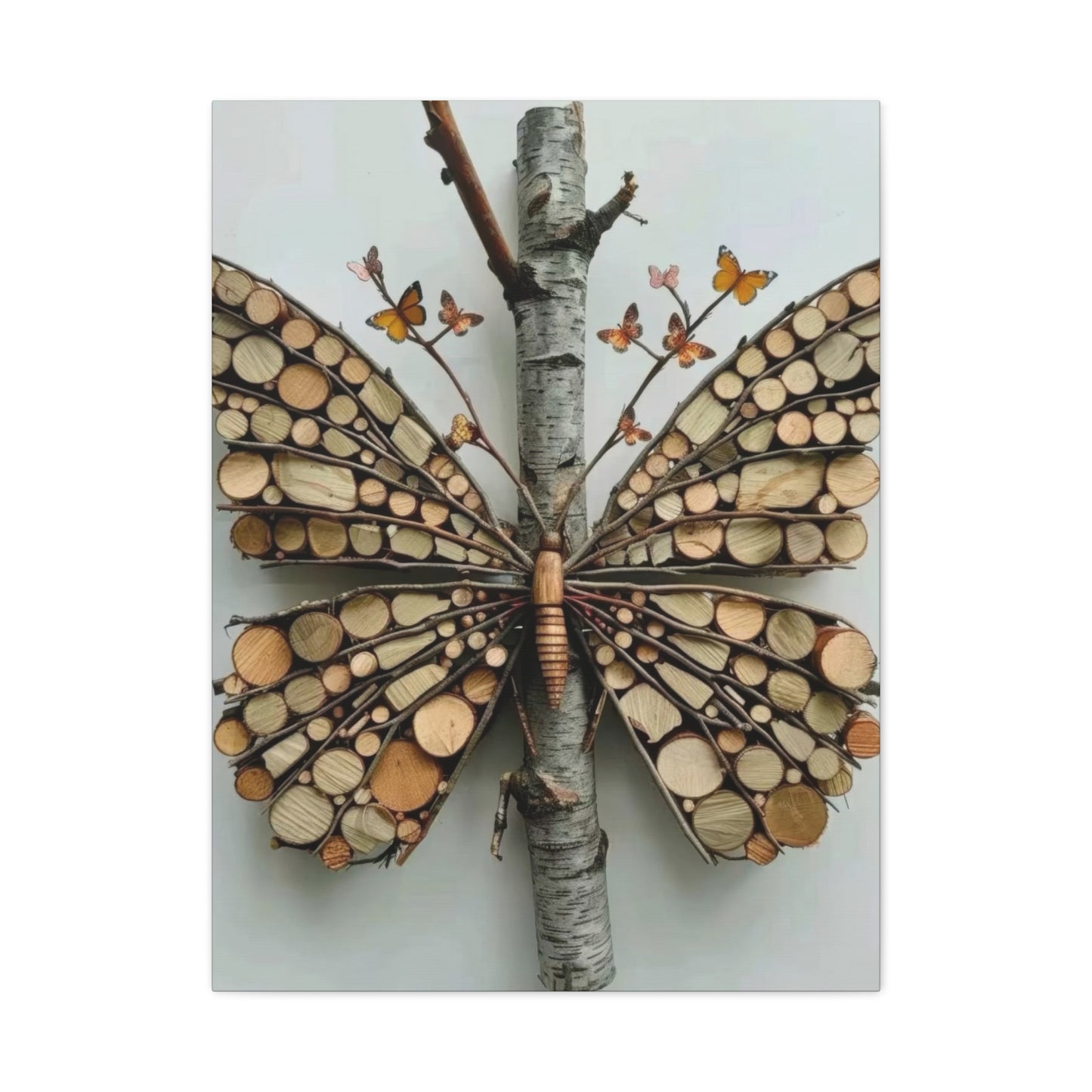
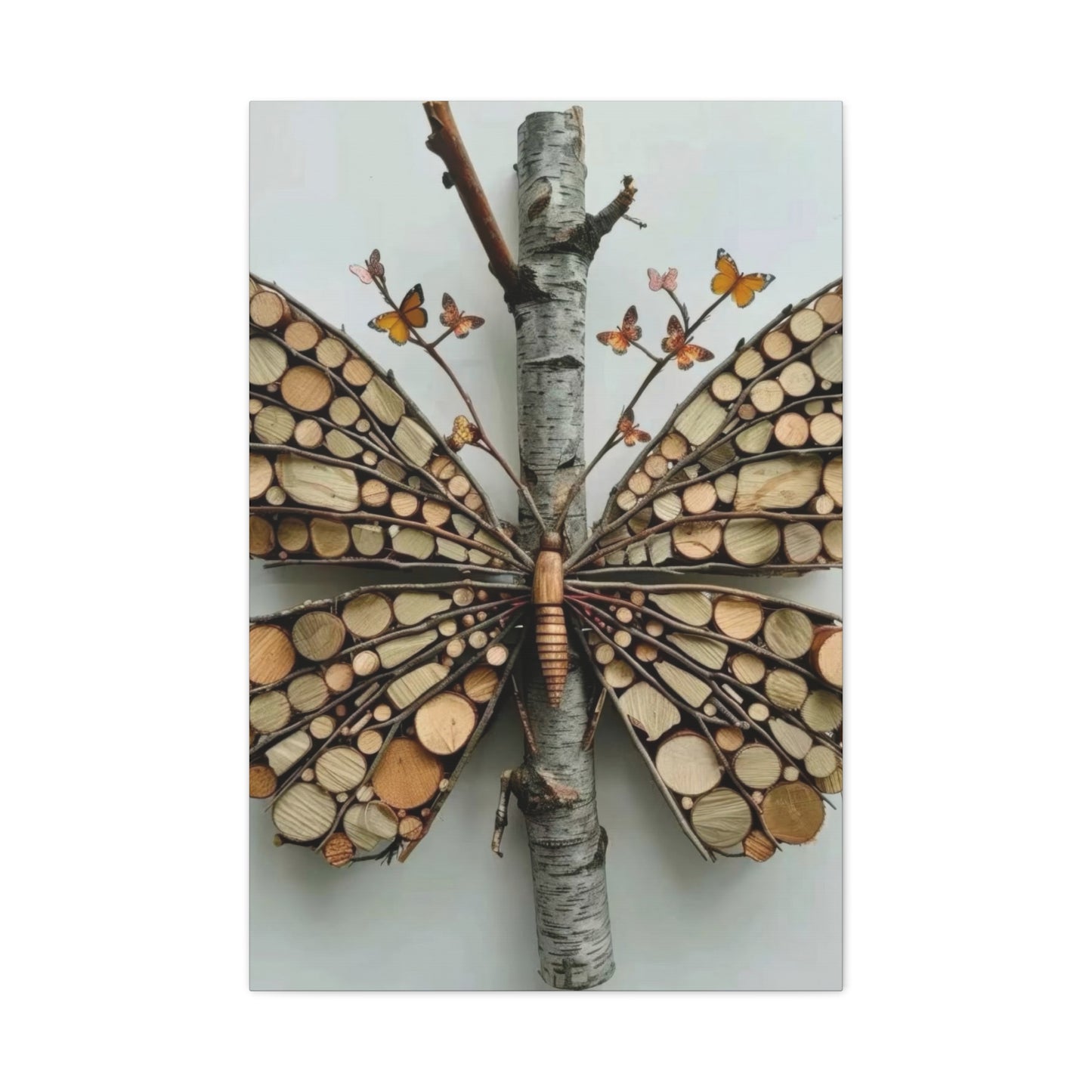
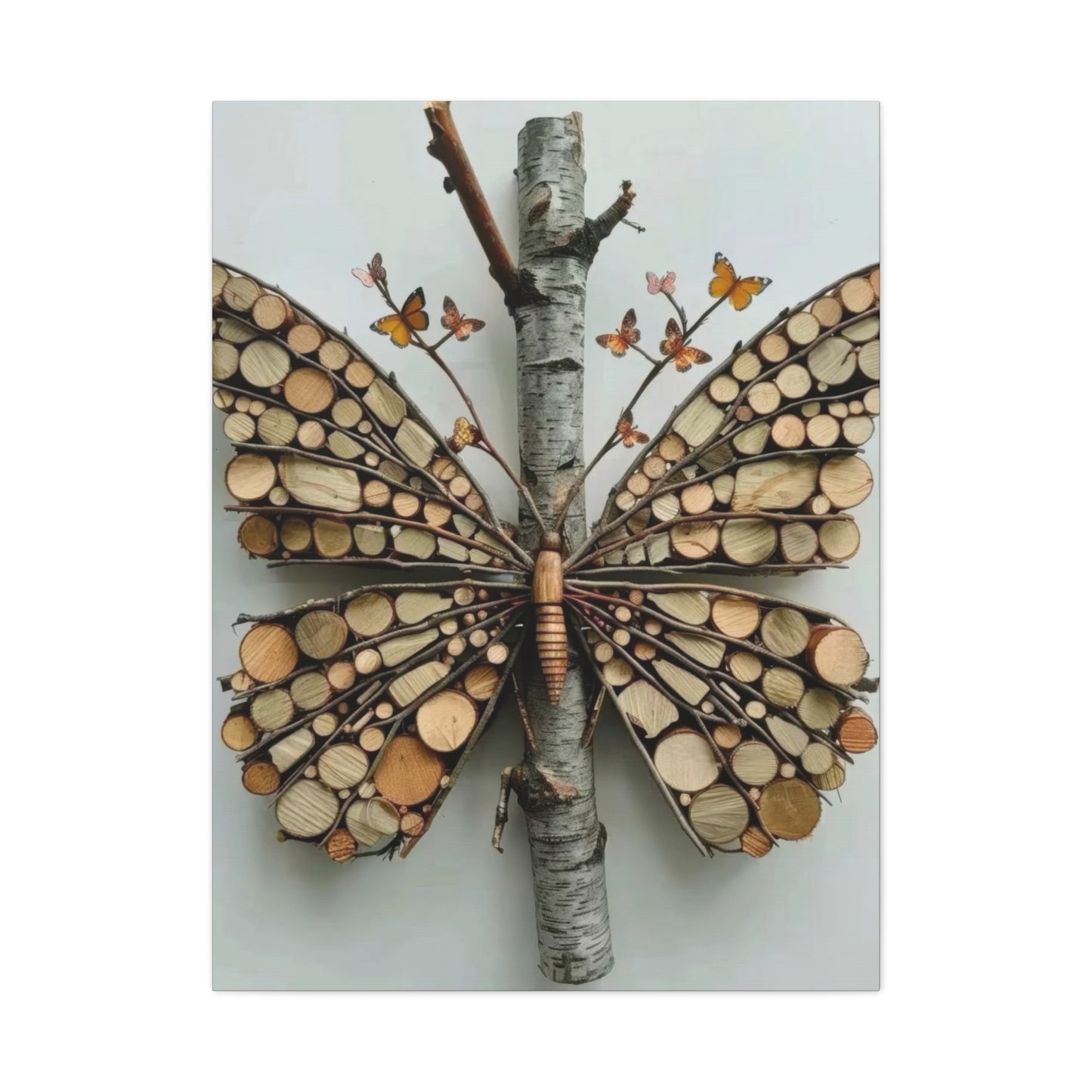
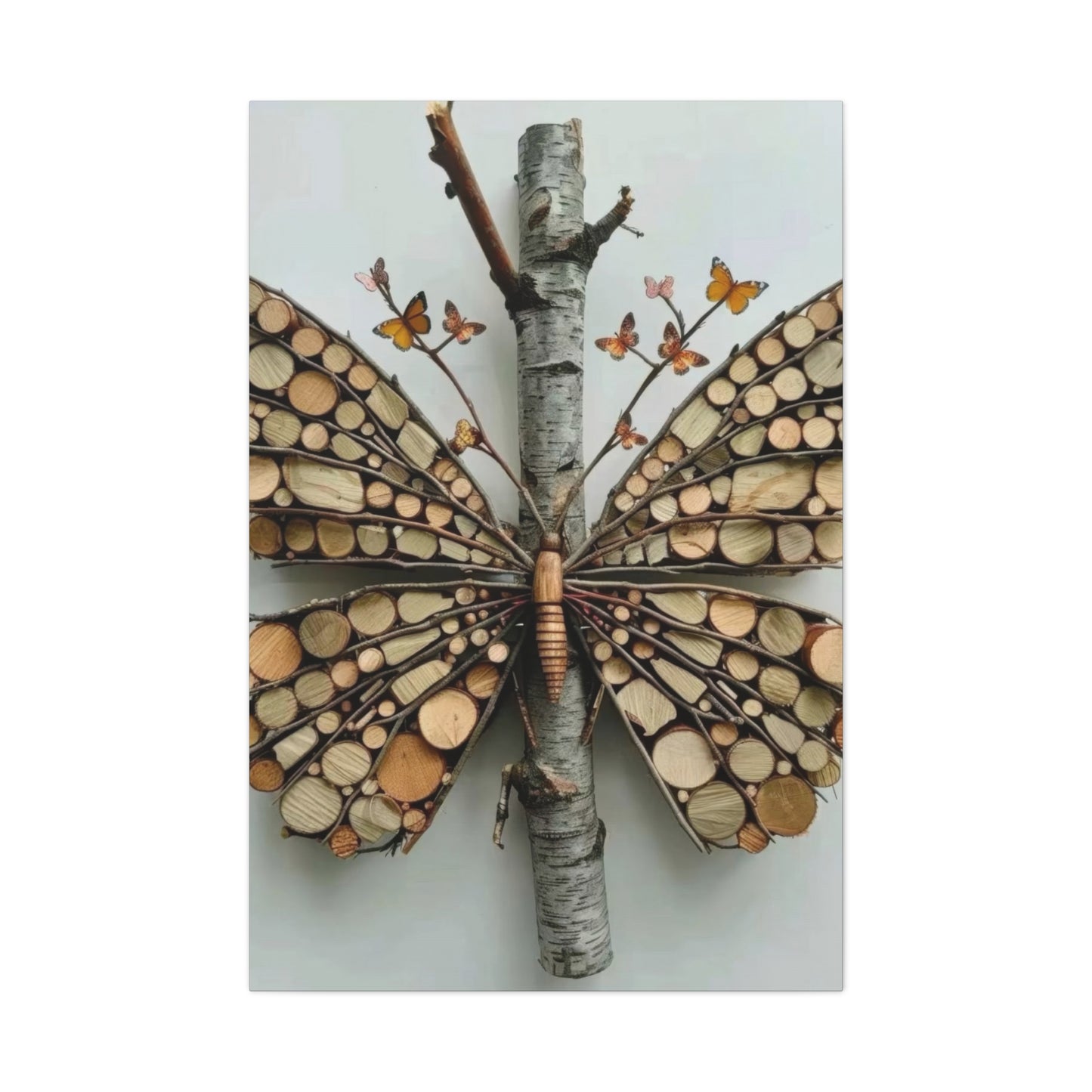
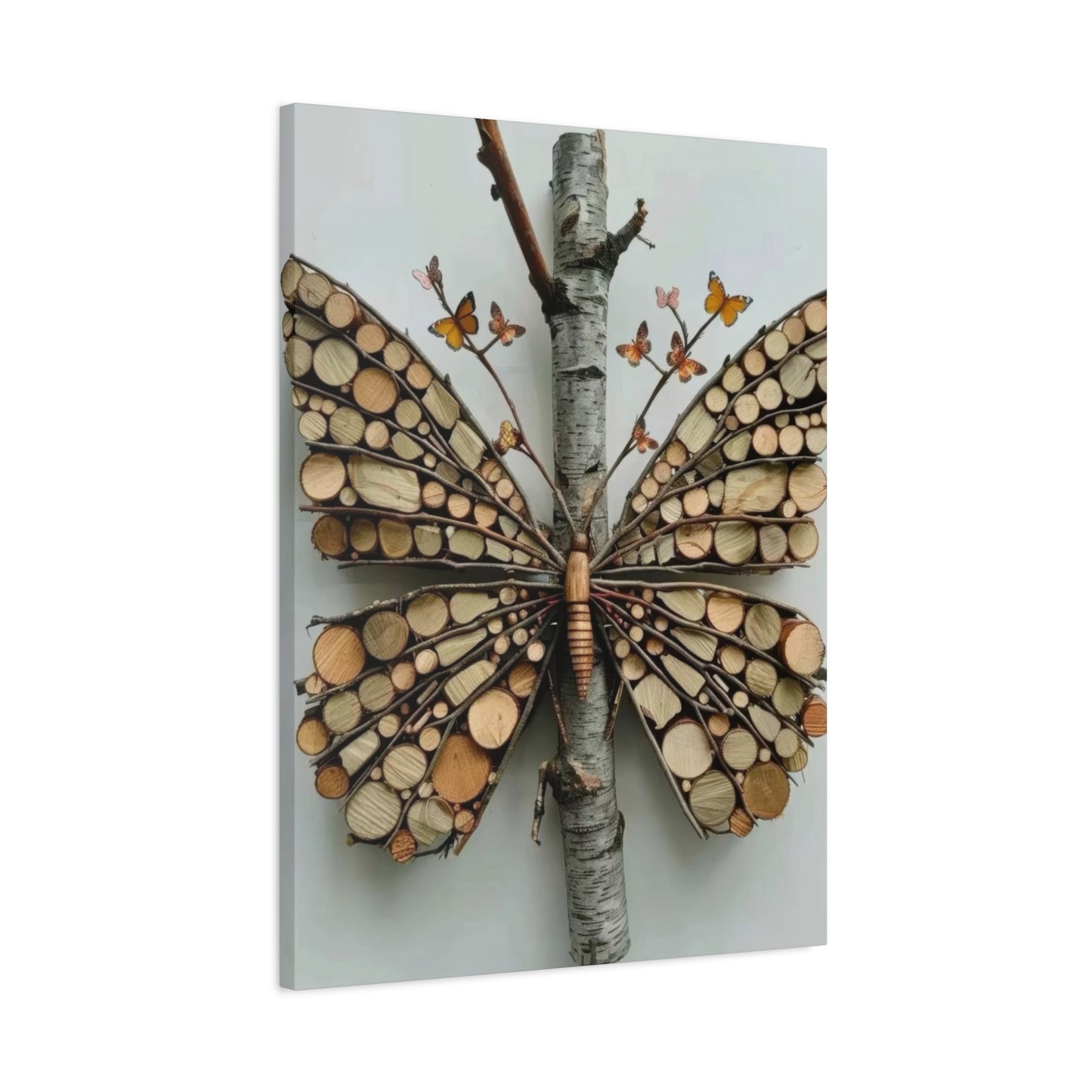
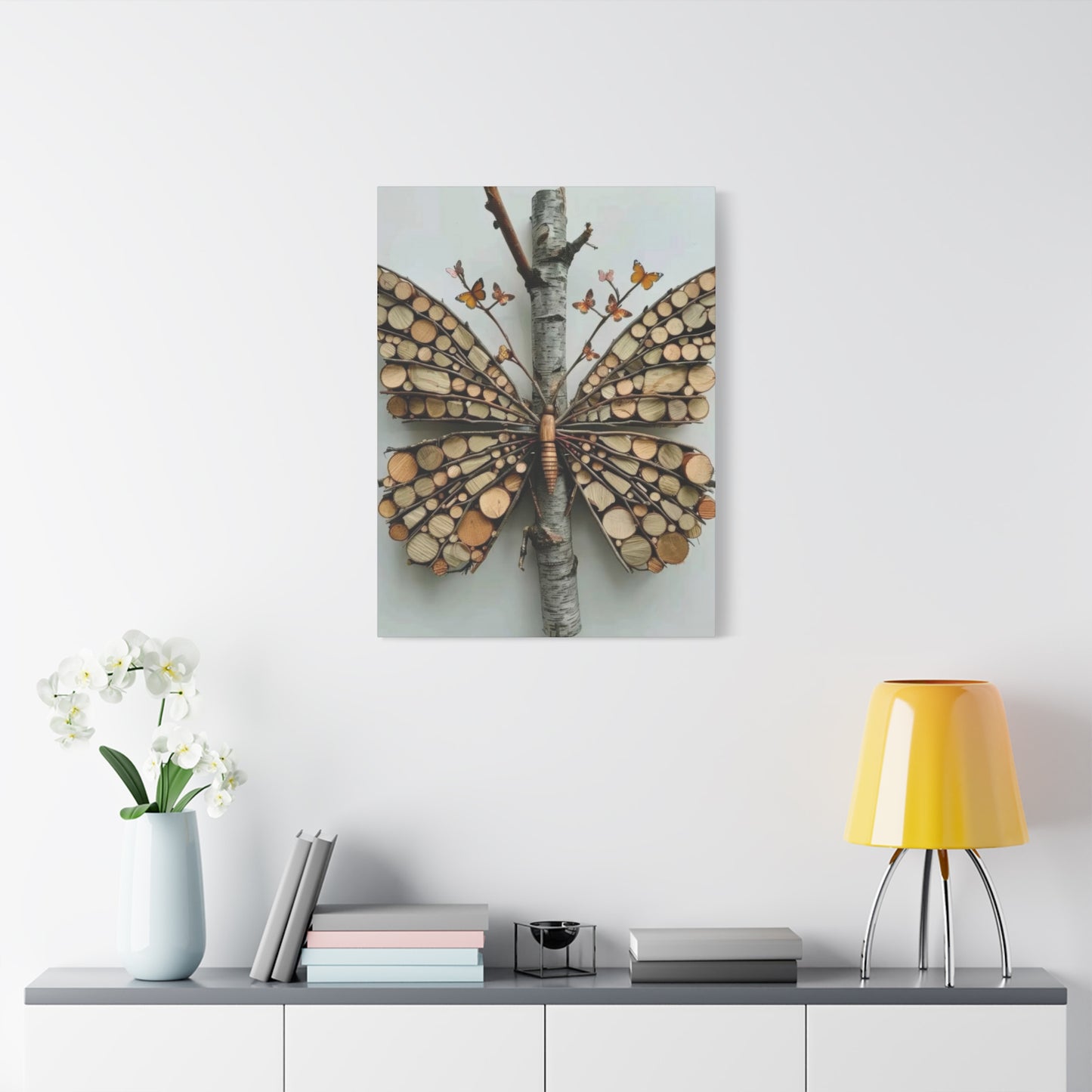
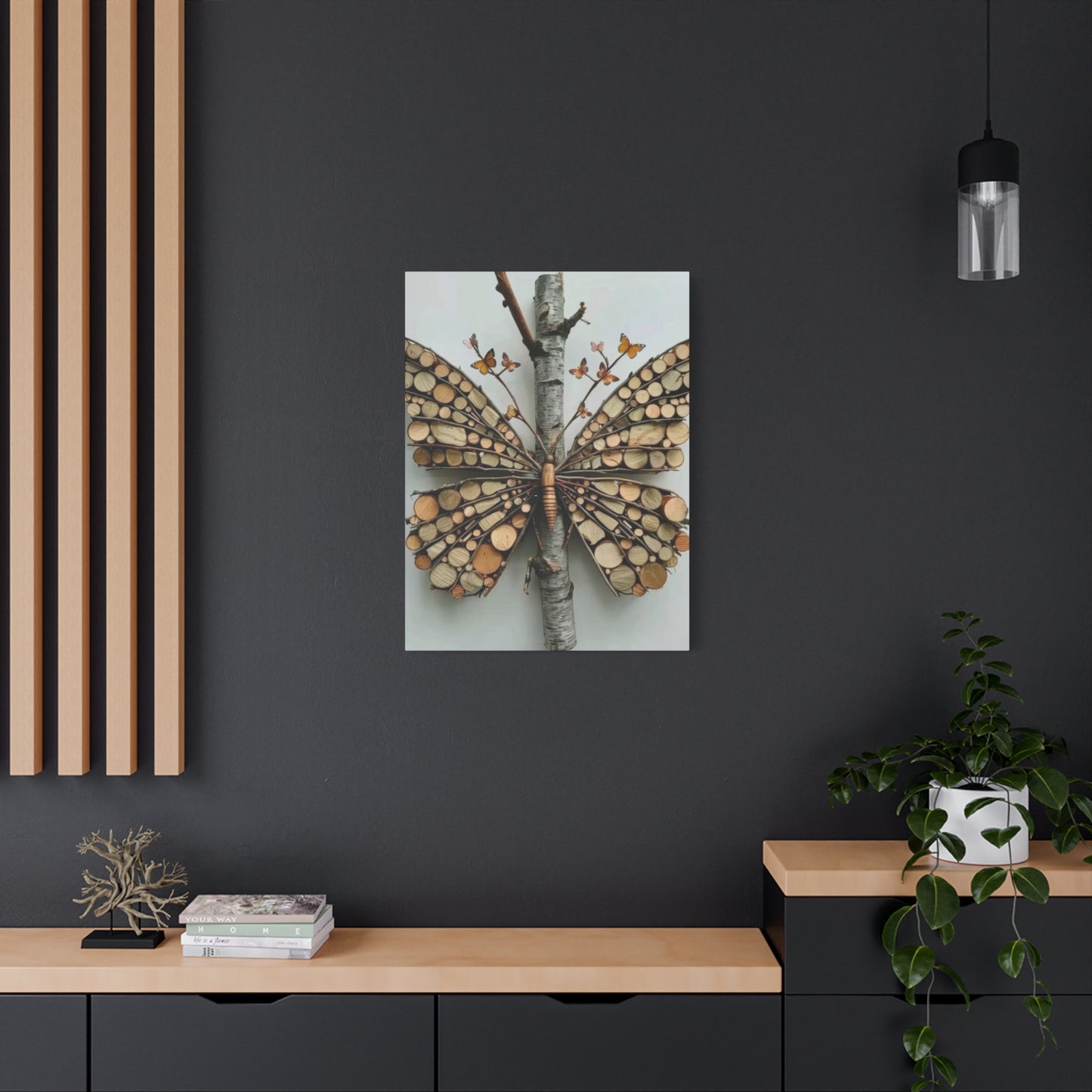
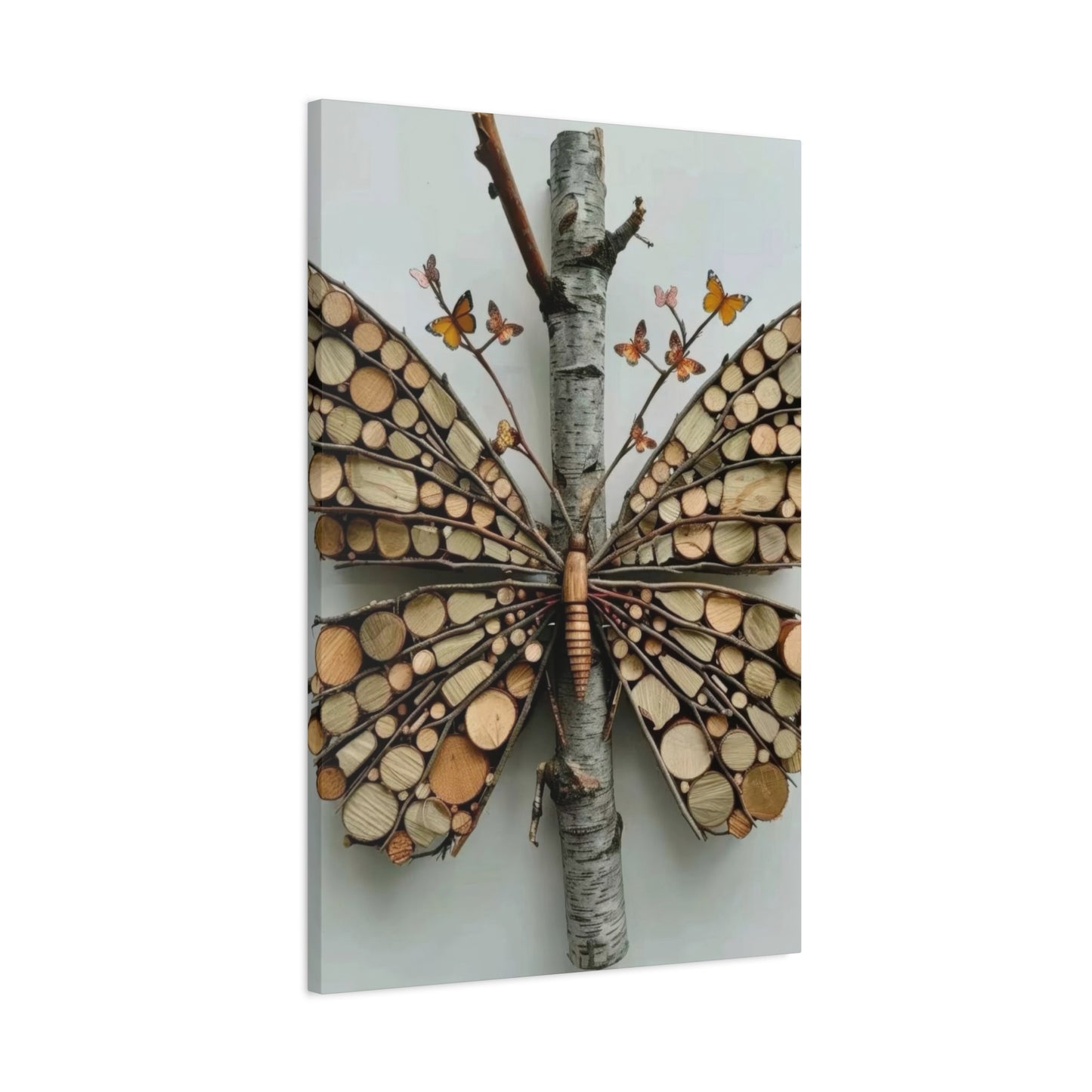
Organic Inspiration: Decorating with Driftwood Butterfly Wall Art for Calm and Serenity
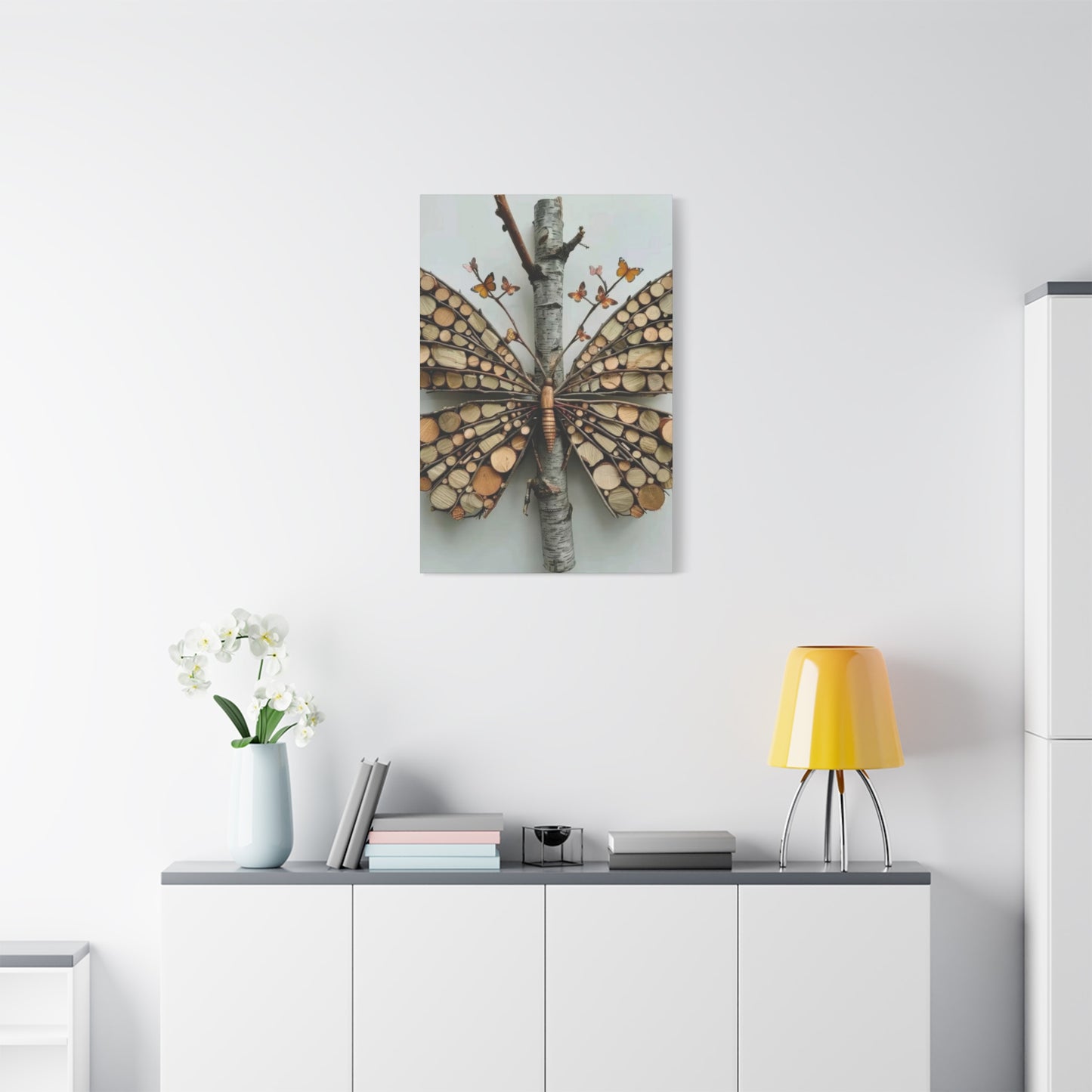
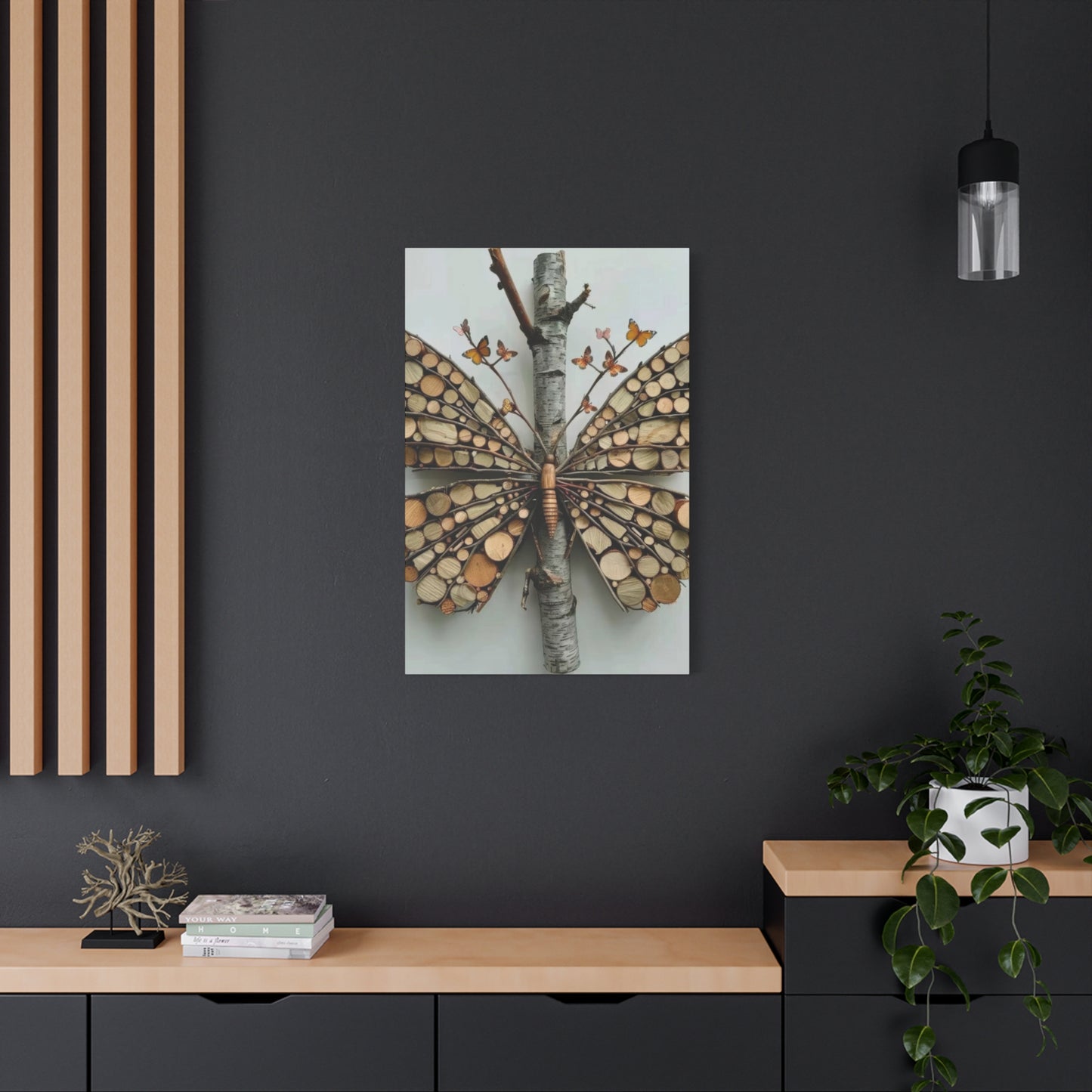
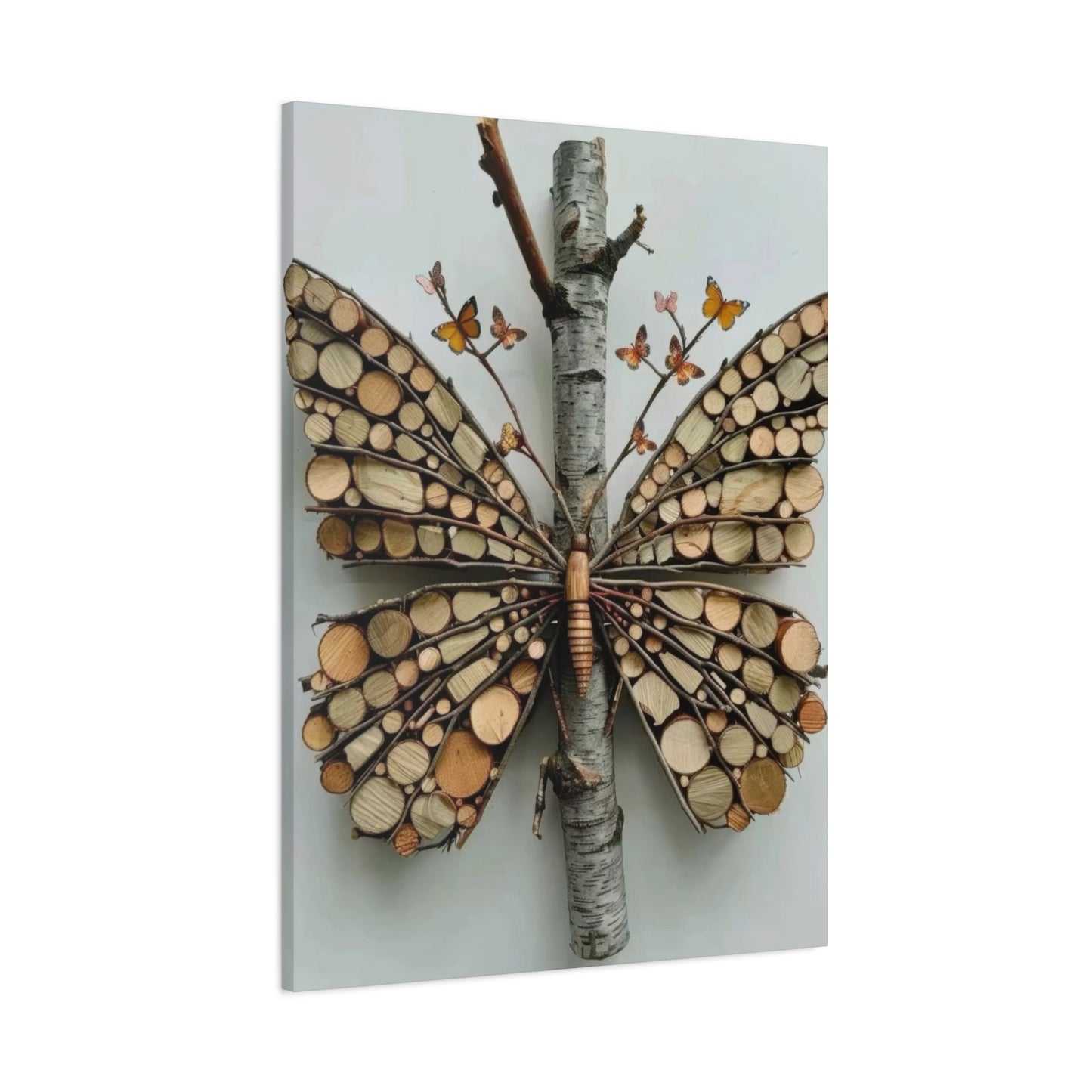
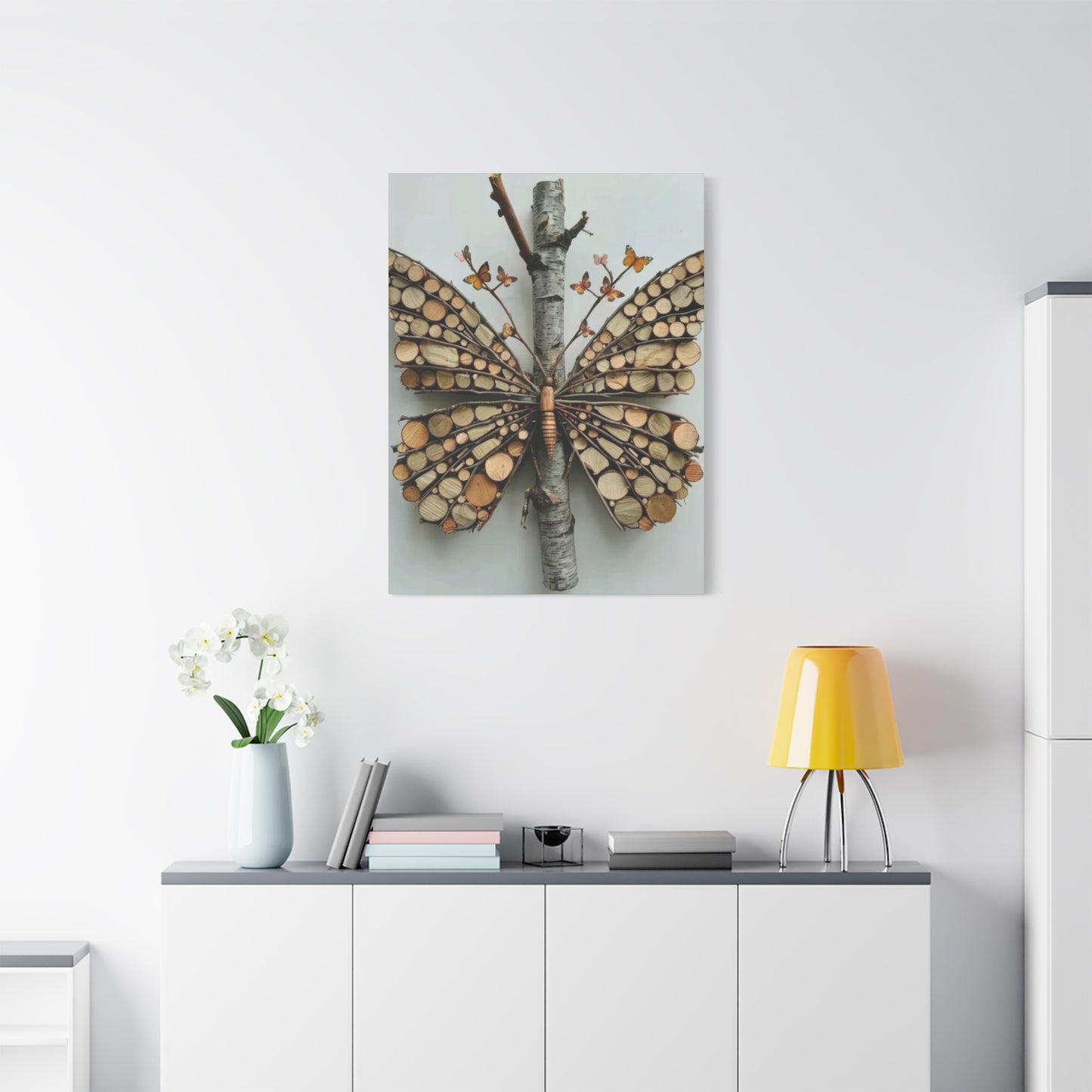
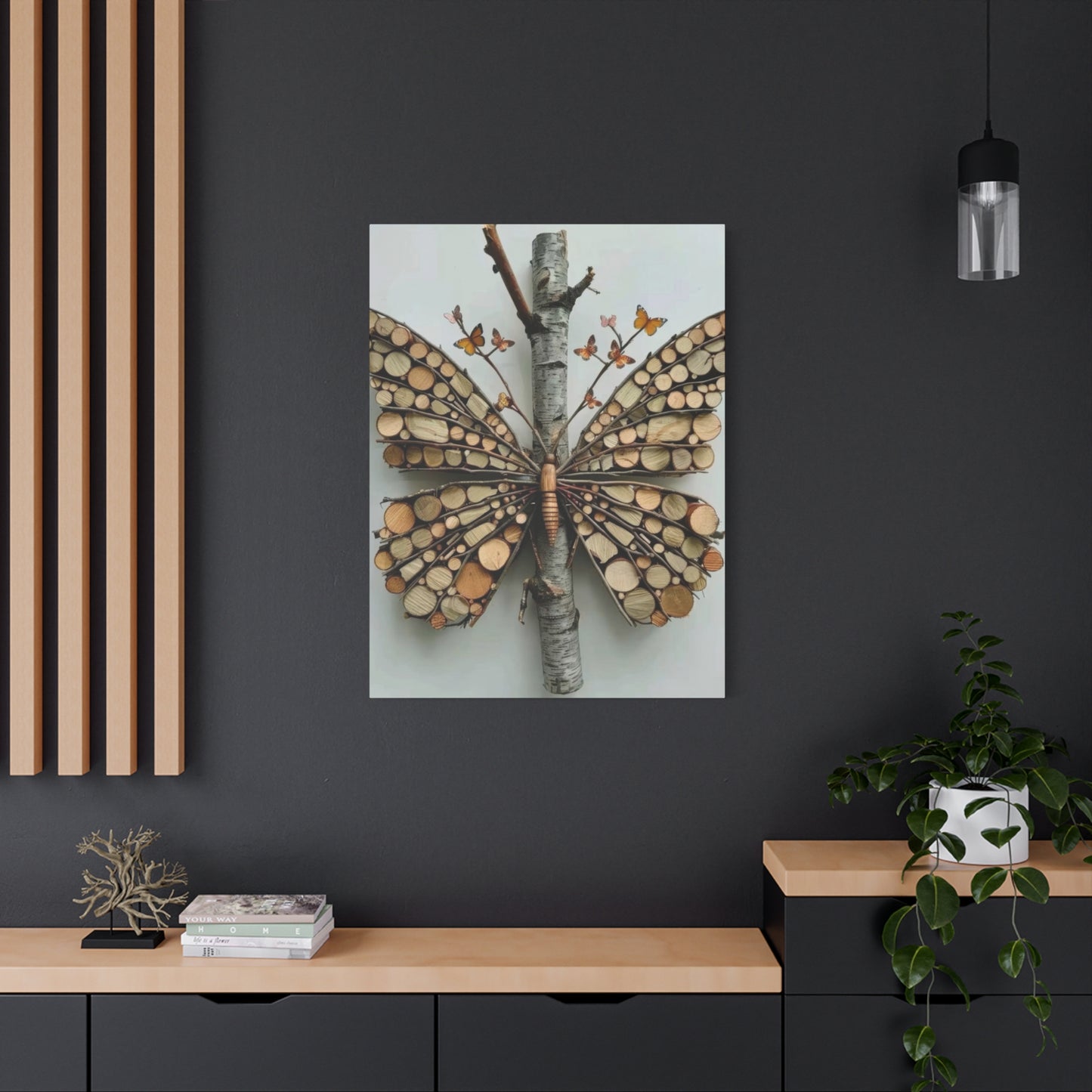
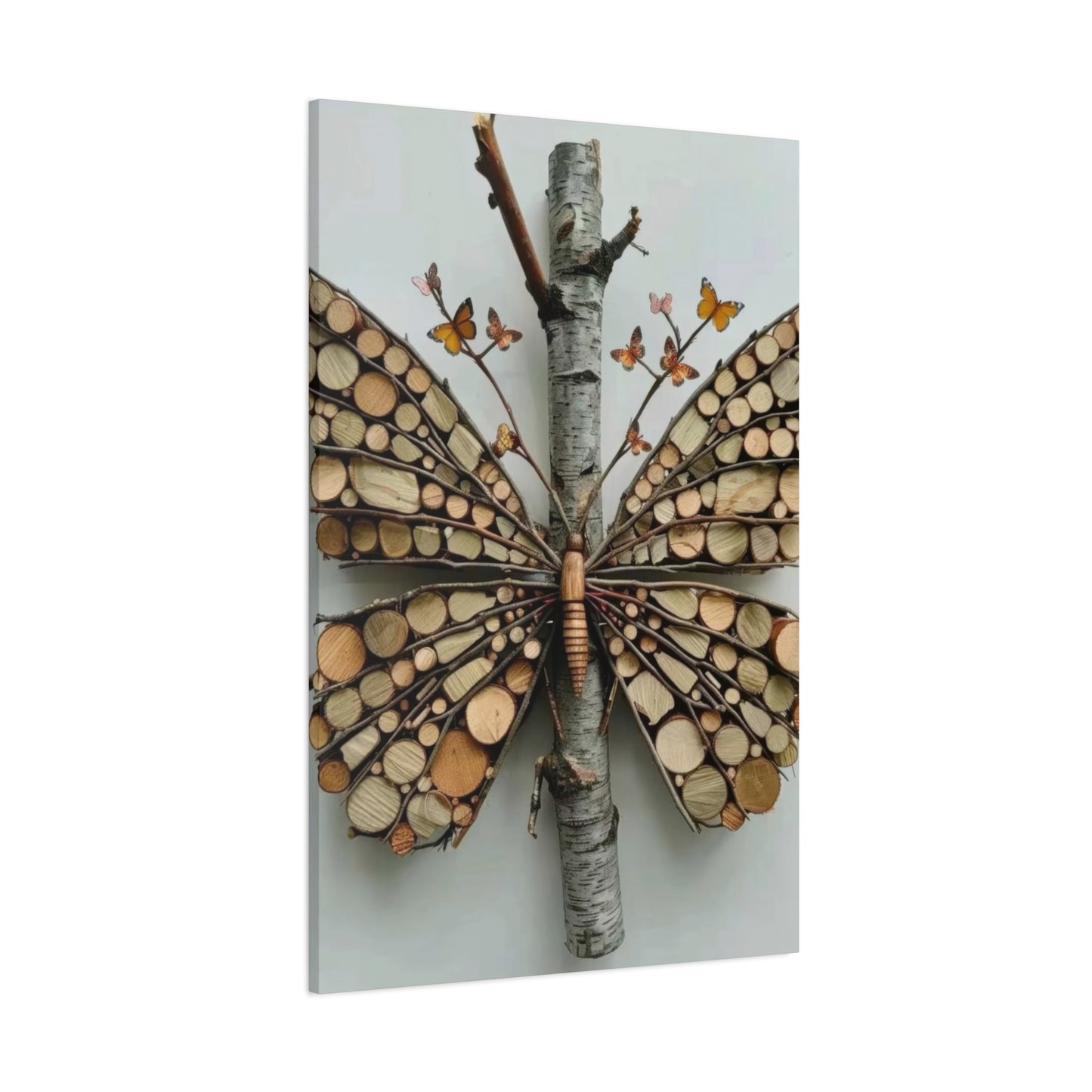
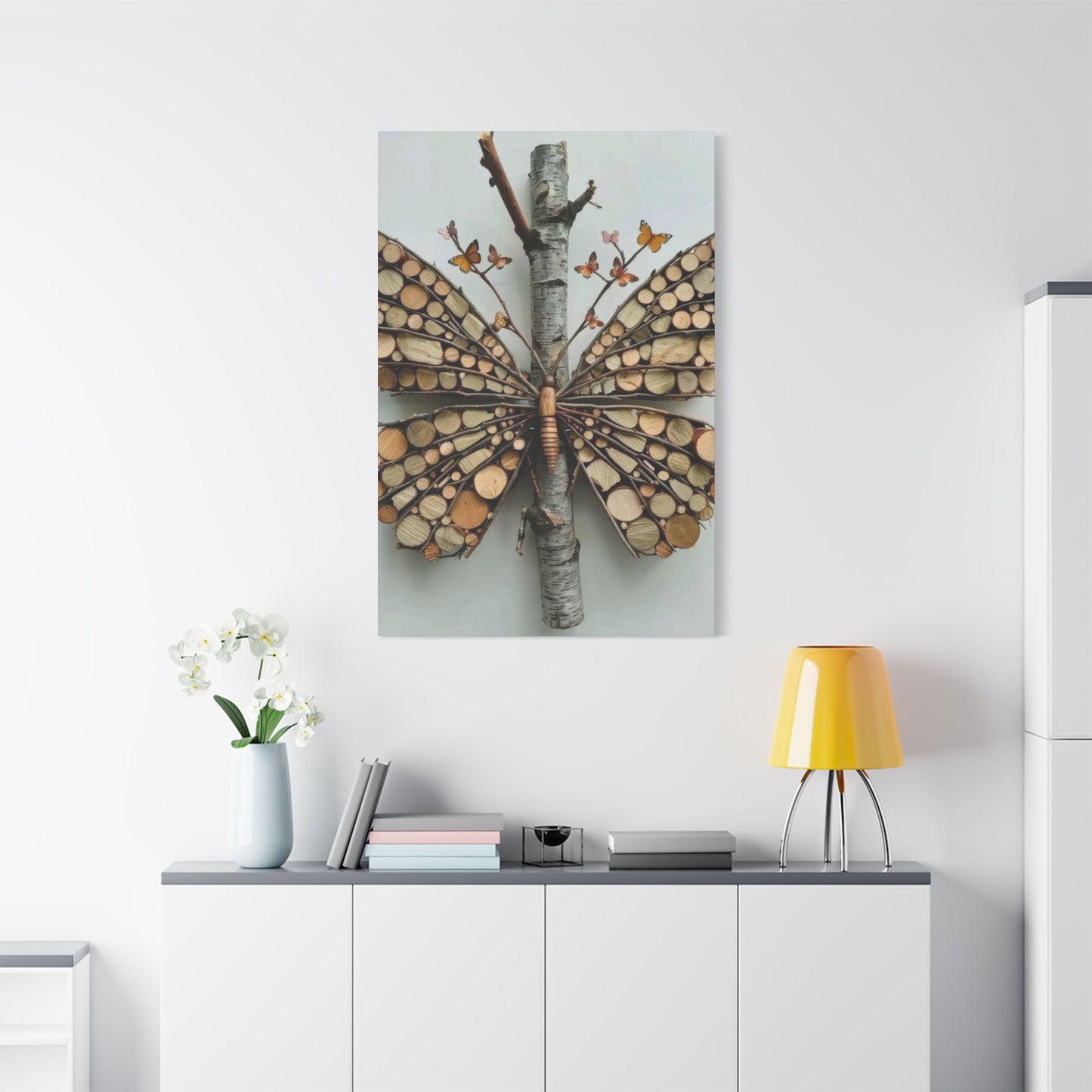
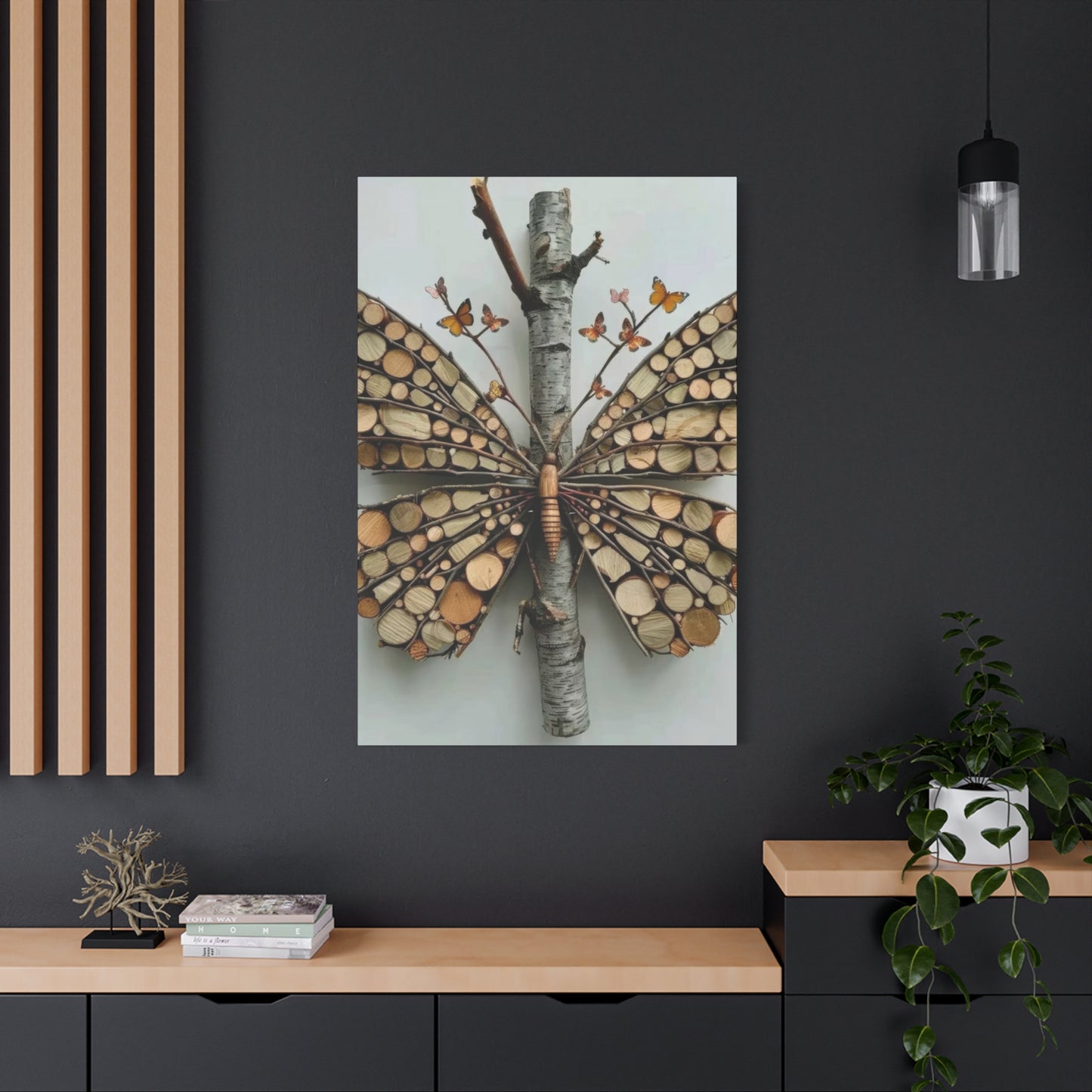
The intersection of natural materials and artistic expression creates something truly magical when driftwood meets the graceful form of butterflies in canvas art. This unique combination brings the raw beauty of weathered wood together with the delicate symbolism of transformation and freedom that butterflies represent. The result is artwork that speaks to our innate connection with nature while adding sophisticated visual interest to interior spaces. These pieces capture the essence of organic beauty, featuring wood that has been shaped by water, wind, and time, arranged to frame or complement the ethereal presence of butterfly imagery. The textured surface of driftwood provides a striking contrast to the smooth canvas, creating depth and dimension that flat prints simply cannot achieve. This art form celebrates imperfection, embracing the irregular shapes, varied colors, and weathered appearance of each piece of wood, ensuring that no two artworks are exactly alike. The appeal lies in this authenticity, in knowing that each component has its own history, its own journey before becoming part of a cohesive artistic statement.
Crafting Atmosphere Through Weathered Wood and Winged Beauty
When incorporating natural elements into home decoration, few materials offer the versatility and visual appeal of driftwood combined with butterfly imagery. This pairing creates an instant focal point that draws the eye while maintaining a sense of tranquility and organic harmony. The weathered texture of the wood tells a story of its own, each groove and discoloration representing time spent tumbling in waves or resting on sandy shores. When this material frames or accompanies the delicate silhouette of a butterfly, the contrast between strength and fragility creates a powerful visual metaphor. These pieces work exceptionally well in spaces where you want to evoke feelings of calm reflection, natural beauty, and understated elegance. The neutral tones typically found in driftwood, ranging from silvery grays to warm honey browns, provide a versatile palette that complements virtually any color scheme. Whether your interior leans toward cool blues and whites reminiscent of seaside cottages or warm earth tones that echo forest settings, this type of artwork integrates seamlessly. The three-dimensional quality that comes from incorporating actual wood pieces adds sculptural interest to walls, transforming them from flat surfaces into dynamic displays.
Embracing the Ocean's Gift in Interior Decoration
The marriage of coastal elements with insect-inspired design creates a unique aesthetic that resonates with people who feel drawn to both the seaside and the garden. Driftwood, that beautiful byproduct of the ocean's endless movement, carries with it the spirit of the shore, the salt air, and the rhythm of tides. When this material becomes the foundation or frame for butterfly imagery, it creates a conversation between two distinct aspects of the natural world. The butterfly, symbol of transformation, hope, and the fleeting beauty of life, finds a perfect companion in driftwood's testament to endurance and the transformative power of natural forces. Together, they create artwork that feels both grounded and light, substantial yet delicate. This combination works particularly well for those who want to bring vacation memories into their everyday environment or who simply feel most at peace when surrounded by reminders of nature. The organic shapes of the wood pieces, never perfectly straight or uniform, add an element of spontaneity and authenticity that manufactured frames cannot replicate.
Texture and Form in Harmony with Natural Materials
One of the most compelling aspects of combining driftwood with butterfly canvas art is the play of textures that results. The rough, weathered surface of the wood, with its splits, knots, and irregular grain patterns, creates a tactile experience that invites closer inspection. This textural richness stands in beautiful contrast to the smooth canvas surface, where the butterfly image appears, creating a dynamic interplay between rough and refined. The dimensionality achieved through this layering effect gives the artwork a sculptural quality that changes depending on viewing angle and lighting conditions. As light moves across the surface throughout the day, shadows deepen in the crevices of the wood while the canvas areas reflect light differently, creating an ever-changing display. This dynamic quality means the artwork never becomes static or boring; it reveals new details and creates fresh visual interest with each viewing. The natural variations in driftwood color, from bleached whites to deep grays and browns, add another layer of visual complexity. Some pieces might feature wood with remnants of weathered paint or other signs of previous use, adding historical depth and character. When these elements frame a carefully rendered butterfly, whether painted, printed, or represented in silhouette, the effect is both grounding and uplifting, combining earthy solidity with the suggestion of flight and freedom.
Creating Peaceful Spaces with Nature-Derived Artwork
Living rooms serve as gathering spaces where families relax, entertain guests, and spend countless hours, making the visual atmosphere of these rooms particularly important. Artwork featuring driftwood and butterflies brings a serene quality to these spaces, helping to create an environment that feels both welcoming and calming. The natural elements speak to something fundamental in human psychology, our inherent response to organic forms and materials that have evolved over millennia of living close to nature. Even in urban environments far removed from forests and shores, these artistic pieces can create a connection to the natural world that reduces stress and promotes wellbeing. The gentle curves of butterfly wings and the organic irregularity of driftwood provide visual softness that balances harder architectural elements like straight walls and sharp corners. This type of artwork doesn't demand attention aggressively but rather invites contemplation, making it perfect for spaces meant for relaxation. The color palette typically associated with these pieces, neutral tones accented with subtle variations, creates a foundation that allows other decorative elements to shine while maintaining overall cohesion.
The Art of Handcrafted Creation and Individual Expression
In an age of mass production, handcrafted items carry special significance, representing time, skill, and individual creative vision. Artwork that incorporates driftwood and butterfly imagery, when created by hand, possesses a quality that manufactured pieces simply cannot replicate. Each piece of wood must be selected for its particular shape, color, and character, then prepared and positioned to create the desired effect. This process requires not just technical skill but also an artistic eye capable of seeing potential in materials that others might overlook. The artist must consider how different wood pieces will interact with each other and with the butterfly element, creating balance, proportion, and visual flow. This level of intentionality and craftsmanship results in artwork that feels authentic and meaningful, carrying with it the energy and attention of its creator. For those who display such pieces in their homes, there's satisfaction in knowing that what hangs on their wall is not just decoration but a genuine work of art, something that required thought, effort, and creative problem-solving to bring into existence. The slight imperfections inherent in handmade work, rather than detracting from the piece, add to its charm and character.
Evoking Seaside Memories Through Decorative Elements
The coast holds a special place in many people's hearts, associated with vacation memories, peaceful walks, and the meditative quality of watching waves. Bringing elements of that coastal environment into interior spaces allows these positive associations to become part of daily life. Artwork featuring driftwood naturally evokes the seaside, as this material is so closely associated with beaches and shorelines. When combined with butterfly imagery, the artwork takes on additional layers of meaning, suggesting not just the coast itself but also the diverse ecosystems that exist in coastal areas, where maritime and terrestrial environments meet. This type of decoration works beautifully in homes located near the ocean, reinforcing the connection to the surrounding environment, but it's equally effective in landlocked locations, where it can serve as a reminder of cherished beach vacations or an aspirational representation of a desired lifestyle. The color schemes typically associated with coastal design, whites, blues, grays, and natural wood tones, complement this type of artwork perfectly, creating a cohesive aesthetic throughout a room or entire home. Even in spaces with different design directions, these pieces can serve as unexpected elements that add complexity and interest.
Building Depth Through Multiple Layers and Dimensions
The most visually interesting artwork often features multiple layers that create depth and encourage extended viewing. When driftwood and butterfly imagery come together, the opportunity for layering becomes particularly rich. The wood itself might be arranged in overlapping pieces, creating shadows and dimensional variety even before the butterfly element is added. The canvas or background surface represents another layer, and the butterfly imagery, whether painted, printed, or created through other means, adds yet another dimension. This layering creates complexity that rewards closer inspection, revealing details that aren't immediately apparent from a distance. The interplay between foreground and background elements guides the eye through the composition, creating visual rhythm and movement. Some pieces might incorporate additional elements like weathered rope, sea glass, or other beach findings, further enhancing the layered effect and adding to the narrative quality of the work. This dimensional approach to wall art transforms it from mere decoration into something more sculptural, something that occupies space in a more substantial way.
Infusing Spaces with Playful Natural Themes
While sophistication and elegance are often associated with driftwood butterfly artwork, there's also room for whimsy and playfulness in these creations. The butterfly itself is a somewhat whimsical subject, associated with gardens, sunny days, and the joy of spotting these colorful creatures flitting among flowers. When interpreted through various artistic styles, from realistic to abstract to stylized, butterfly imagery can take on different emotional tones. Some pieces might feature a single, prominently displayed butterfly rendered in careful detail, creating a sense of reverence for nature's small wonders. Others might incorporate multiple butterflies of varying sizes and positions, suggesting movement and creating a more energetic, playful feel. The arrangement of driftwood elements can also contribute to the overall mood, with more structured, geometric arrangements feeling formal and controlled, while organic, seemingly random placements create a more casual, spontaneous impression. The beauty of this art form is its flexibility, its ability to be adapted to different tastes and different spaces. A child's room might feature brighter colors and more obvious butterfly representations, while a formal dining room might opt for subtle silhouettes and monochromatic palettes.
Celebrating Organic Forms and Natural Imperfection
Modern life often emphasizes perfection, uniformity, and precision, creating environments filled with straight lines, right angles, and flawless surfaces. Artwork featuring driftwood and butterflies offers a refreshing counterpoint to this aesthetic, celebrating the organic irregularity found in nature. No piece of driftwood is perfectly straight or uniformly colored; each one bears the marks of its journey, with variations in texture, tone, and form that tell a story. Similarly, when butterfly imagery is rendered in a naturalistic style, it captures the asymmetries and variations found in real butterflies, the slight differences between left and right wings, the patterns that look ordered from a distance but reveal randomness upon closer inspection. This embrace of imperfection creates artwork that feels more relatable and authentic than pristine, machine-perfect reproductions. There's something deeply satisfying about displaying pieces that honor the way nature actually looks rather than idealized versions. This aesthetic aligns with broader design movements that value authenticity, sustainability, and connection to the natural world. It appeals to people who are tired of disposable, mass-produced items and instead want their living spaces to reflect values of quality, uniqueness, and environmental awareness.
Combining Contemporary Style with Time-Worn Materials
One of the most appealing aspects of driftwood butterfly artwork is its ability to bridge contemporary design sensibilities with rustic, natural elements. Modern interiors, with their clean lines, neutral palettes, and emphasis on simplicity, might seem at odds with the rough texture and organic irregularity of driftwood, yet the combination works beautifully. The key lies in the way these pieces are composed and displayed. When driftwood is arranged with attention to spacing, balance, and negative space, and when butterfly imagery is rendered in a clean, contemporary style, the resulting artwork feels current rather than dated. The natural materials prevent modern spaces from feeling cold or sterile, adding warmth and tactile interest without introducing visual clutter. The neutral color palette of weathered wood complements the whites, grays, and blacks often found in modern interiors, while the three-dimensional quality of the wood adds sculptural interest that flat art cannot provide. This blending of styles creates spaces that feel layered and thoughtful, spaces that have evolved over time rather than being decorated all at once from a single catalog. The rustic elements ground the contemporary aesthetic, preventing it from feeling too precious or untouchable, while the modern framing and composition prevent the natural materials from reading as too casual or unrefined.
Defining Presence Through Shadow and Silhouette
The use of silhouette in butterfly imagery creates particularly striking effects when combined with driftwood. A silhouette reduces the butterfly to its essential form, the distinctive shape of spread wings that is immediately recognizable even without color or detail. This simplification creates strong visual impact, making the butterfly stand out clearly against its background. When this bold, graphic element is combined with the complex texture of driftwood, the contrast becomes even more pronounced. The solid, filled shape of the silhouette provides a moment of visual rest against the busy texture of the wood, creating balance in the composition. Silhouettes also tend to feel more contemporary and graphic than detailed, realistic renderings, making them ideal for modern interiors while still maintaining the natural theme. The negative space around and within the silhouette becomes as important as the shape itself, with careful attention paid to how the butterfly form interacts with its surroundings. Some pieces might position the silhouette to appear as if the butterfly is perched on a piece of driftwood, while others might frame the wood around the butterfly, creating a window or portal effect.
Channeling Creative Vision Through Natural Inspiration
The creation of artwork inspired by nature represents a long tradition in human culture, reflecting our enduring fascination with the natural world and our desire to capture and preserve its beauty. When artists work with driftwood and butterfly themes, they're participating in this tradition while adding their own contemporary perspective. The artistic process involves seeing potential in materials that might appear to be mere debris, recognizing how a particular piece of wood's curve or color could contribute to a larger composition. This requires not just technical skill but also imagination and the ability to envision how disparate elements might come together into a cohesive whole. The butterfly element might be approached in numerous ways, from realistic painting to printed images, from carved wood to metal silhouettes, each approach bringing its own aesthetic qualities to the finished piece. Some artists might emphasize the contrast between the rough wood and delicate butterfly, while others might seek harmonious integration where the two elements feel inseparable. The artistic choices made in creating these pieces, decisions about composition, color, scale, and texture, determine the emotional impact and visual effectiveness of the final artwork.
Enhancing Interiors with Ocean-Inspired Elements
Interior design schemes inspired by coastal environments have enduring popularity, offering a sense of calm, cleanliness, and connection to nature. Artwork featuring driftwood and butterflies fits perfectly within this design approach, bringing literal pieces of the seaside environment into interior spaces. The weathered wood evokes boardwalks, beach houses, and maritime history, while the butterfly adds a touch of garden beauty and represents the land-based ecosystems that complement coastal areas. Together, they create a more complete picture of seaside life than either element could alone. The color palette of these pieces typically aligns with coastal design principles, featuring the soft grays and whites of weathered wood, the blues of sea and sky, and the neutral tones of sand and stone. These colors create soothing environments that feel spacious and airy, even in smaller rooms. The natural materials add authenticity to coastal themes, preventing them from feeling contrived or theme-park-like. Rather than relying on obvious nautical symbols like anchors and ships' wheels, driftwood and butterflies suggest the coast in a more subtle, sophisticated way.
Achieving Visual Balance Through Simple Forms
In interior design, there's often talk of achieving balance between busy patterns and calm spaces, between bold statements and neutral backgrounds, between complexity and simplicity. Artwork featuring driftwood and butterfly imagery navigates this balance effectively, offering visual interest without overwhelming the senses. The materials themselves, while textured and dimensional, typically feature neutral colors that don't compete with other design elements. The butterfly imagery, especially when rendered as a simple silhouette or in muted colors, provides a focal point without being visually aggressive. This restraint makes these pieces ideal for rooms where you want artwork to enhance rather than dominate the space. They work particularly well in bedrooms, where a calming atmosphere is essential, or in offices and workspaces, where visual distraction should be minimized. The organic, flowing lines of both driftwood and butterfly shapes create visual movement without agitation, guiding the eye in a relaxed, natural way rather than demanding immediate attention. This quality makes these artworks surprisingly versatile; they can hold their own as statement pieces in rooms with minimal decoration, or they can integrate seamlessly into more richly decorated spaces, adding their voice to a larger conversation rather than shouting over it.
Transforming Sleeping Spaces with Natural Artistry
Bedrooms serve as personal retreats, spaces where we begin and end each day, making the atmosphere of these rooms particularly important to overall wellbeing. Artwork featuring natural materials and soothing imagery contributes significantly to creating bedroom environments that promote rest and relaxation. Driftwood and butterfly pieces offer several advantages in bedroom settings. The neutral, earthy colors create a calming visual environment that doesn't stimulate or agitate the way brighter, bolder artwork might. The natural materials connect the indoor space to the outdoor world, bringing a sense of the garden or seaside into what can otherwise feel like enclosed, disconnected rooms. The butterfly imagery, with its associations of transformation, hope, and natural beauty, provides gentle, positive symbolism to wake up to and wind down with. The dimensional quality of these pieces adds visual interest to bedroom walls without requiring bright colors or bold patterns that might feel too energizing for a space meant for rest. The handcrafted quality of many such pieces adds a personal touch that makes bedrooms feel more individually tailored rather than generically decorated.
Making Statements with Carefully Chosen Focal Points
In interior design, statement walls serve as focal points that anchor a room's aesthetic and draw the eye. Artwork plays a crucial role in creating these impactful walls, and pieces featuring driftwood and butterfly imagery excel in this application. The dimensional quality of the driftwood creates shadow and depth that make the artwork stand out from the wall rather than simply hanging flat against it. This sculptural quality creates the kind of visual interest that stops people in their tracks and invites closer inspection. The size and scale of the piece matter significantly for statement walls; larger compositions or arrangements of multiple smaller pieces create the bold presence needed to anchor a room. The natural materials and organic forms provide this impact without relying on bright colors or busy patterns, making them suitable even in rooms where a quieter aesthetic is desired. The butterfly element adds a point of focus within the larger composition, giving the eye somewhere to land after taking in the overall piece. When positioned on a statement wall, these artworks become conversation starters, prompting questions about where the materials came from, how the piece was made, and what inspired its creation. This social aspect adds another dimension to the artwork's value, making it not just a visual element but also a catalyst for connection and discussion.
Finding Equilibrium Between Elements and Environment
The concept of harmony in interior design refers to the way different elements work together to create a cohesive, pleasing whole. Artwork featuring driftwood and butterflies contributes to this harmony through its inherent balance of contrasting elements. The rough texture of weathered wood balanced by the delicate form of butterfly wings, the earth-toned solidity of the wood balanced by the implied lightness and movement of the butterfly, the dimensional physical presence of the piece balanced by the flat canvas or background, all of these contrasts resolve into harmony when thoughtfully composed. This internal balance within the artwork helps it integrate harmoniously into rooms, complementing rather than conflicting with other design elements. The natural materials echo other organic elements that might be present, such as wooden furniture, potted plants, or stone accents, creating visual connections that unify the space. The neutral colors serve as a bridge between different color schemes, working equally well with cool palettes of blues and grays or warm schemes featuring browns, creams, and golds. This versatility means a single piece can remain relevant even as a room's decor evolves over time, maintaining its place in the overall design scheme.
Celebrating the Beauty of Weathered Wood and Wings
At its core, the appeal of driftwood and butterfly artwork lies in its celebration of natural beauty, the kind of beauty that exists independent of human intervention or manipulation. Driftwood represents nature's own artistic process, the transformation of trees through water, wind, and time into objects of sculptural interest. Each piece is unique, shaped by forces beyond human control into forms that could never be precisely replicated. This authenticity carries special meaning in a world increasingly dominated by manufactured uniformity. The butterfly, too, represents natural beauty in its purest form, the incredible variety of colors, patterns, and forms found in different butterfly species showcase nature's creative abundance. When combined in artwork, these elements create a celebration of natural beauty that resonates on a deep, almost primal level. We're drawn to these pieces not just because they look nice, but because they connect us to something larger than ourselves, to the natural systems and processes that have shaped our world and our own evolution. This connection offers psychological benefits, reducing stress, promoting calm, and providing a sense of perspective that can be grounding in hectic modern life.
Creating Atmosphere in Coastal Living Environments
For those fortunate enough to live in coastal areas, interior decoration often aims to honor and reflect the surrounding environment. Artwork featuring driftwood naturally accomplishes this, bringing actual pieces of the local landscape into the home. When combined with butterfly imagery, these pieces acknowledge both the maritime environment and the terrestrial ecosystems that exist nearby, creating a more complete representation of coastal life. The weathered appearance of the driftwood mirrors the effects of salt air and sun on coastal architecture, creating visual harmony between interior and exterior environments. The colors found in these pieces, silvery grays, sun-bleached whites, and weathered browns, echo the palette of the beach itself, from sand to driftwood to coastal vegetation. This cohesion between indoor and outdoor environments is a hallmark of successful coastal design, creating a sense that the home is an integral part of its setting rather than standing separate from it. The butterfly element adds color and life without introducing jarring notes that would disrupt this harmony.
Embracing Simplicity in Wall Decoration
Modern design movements increasingly emphasize simplicity, the idea that spaces should contain only what is necessary and meaningful, free from clutter and excess. This philosophy extends to wall decoration, where the goal is to select pieces that add value without contributing to visual chaos. Artwork featuring driftwood and butterfly motifs aligns perfectly with this simplified approach. The pieces themselves often have clean, uncluttered compositions with plenty of negative space that allows the eye to rest. The natural materials and neutral colors avoid the visual busyness that can come from busy patterns or multiple colors. A single well-chosen piece can provide all the wall decoration a room needs, eliminating the need for multiple items that might compete for attention. The organic shapes and natural materials keep these pieces from feeling stark or cold, an important consideration when adopting simplified design approaches that can sometimes result in spaces feeling austere. The butterfly motif adds just enough detail and interest to prevent the piece from reading as too abstract or minimal, grounding the composition in recognizable natural forms.
Bringing Personal Touch to Private Spaces
Among all rooms in a home, bedrooms are perhaps the most personal, reflecting individual tastes, preferences, and needs in ways that public rooms might not. Artwork selection for bedrooms often reflects this personal quality, with people choosing pieces that have special meaning or particular appeal to them. Handcrafted driftwood and butterfly pieces lend themselves well to this personal approach to bedroom decoration. The handmade quality means each piece has individual character, allowing for a level of personalization that mass-produced art cannot offer. The natural materials and themes appeal to people who find peace and rejuvenation in nature, bringing elements of the outdoor world into the intimate space of the bedroom.
The butterfly imagery can carry personal symbolism, representing transformation, hope, freedom, or simply the joy of observing these beautiful creatures. For some, these pieces might evoke memories of special places, a beach where driftwood was collected, a garden where butterflies were particularly abundant, a vacation destination that holds special meaning. This memory-laden quality adds emotional depth to the artwork beyond its purely visual appeal. In bedrooms, where we're most ourselves, surrounded by the things and images we find most comforting, artwork becomes more than decoration; it becomes part of the personal environment we create for rest, reflection, and renewal. Pieces that combine natural beauty with skilled craftsmanship offer both visual appeal and the satisfaction of knowing that what adorns your most private space possesses genuine quality and authenticity.
Creating Impact Through Thoughtful Wall Displays
The concept of the statement wall has become central to contemporary interior design, offering a way to create visual impact and define a room's character through bold, intentional decoration. When creating statement walls with driftwood and butterfly artwork, several approaches can be effective. A single large piece can serve as a dramatic focal point, commanding attention and anchoring the room's aesthetic. Alternatively, multiple smaller pieces can be arranged in a gallery wall format, creating a collection that tells a more complex visual story. The dimensional quality of driftwood makes these arrangements particularly effective, as the varying depths create shadows and visual interest that flat artwork cannot achieve. When arranging multiple pieces, attention must be paid to spacing, balance, and the relationship between individual works. Some arrangements might cluster pieces tightly together for a dense, impactful display, while others might spread them out with generous negative space between items, creating a more airy, contemporary feel. The butterfly elements in different pieces might be positioned to suggest movement or interaction, as if the butterflies are flying from one frame to another. Color continuity across multiple pieces helps create cohesion, even if the specific wood tones and butterfly treatments vary from piece to piece.
Honoring Nature Through Artistic Interpretation
The relationship between art and nature is ancient and fundamental, with artists throughout history seeking to capture, interpret, and celebrate the natural world. Contemporary artwork featuring driftwood and butterflies continues this tradition, offering modern interpretations of timeless natural subjects. The artistic choices made in creating these pieces, how the wood is arranged, how the butterfly is represented, what colors and textures are emphasized, all reflect the artist's particular vision and relationship with nature. Some artists might emphasize the raw, untouched quality of the driftwood, allowing it to speak for itself with minimal manipulation. Others might combine, arrange, or alter the wood more dramatically, using it as a medium for more personal artistic expression.
The butterfly element offers similar interpretive possibilities, from photorealistic renderings that capture every detail of wing scales and patterns to highly stylized or abstract representations that capture the essence rather than the specifics. This range of interpretation means that nature-inspired artwork can take many forms, appealing to different tastes and fitting into different design contexts. What unites these various approaches is a fundamental respect for and fascination with the natural world, a desire to bring some element of nature's beauty into human spaces. For those who display these works, there's an opportunity to participate in this celebration of nature, to declare through their decorating choices that they value the natural world and want to maintain connection to it.
Anchoring Interiors with Maritime Character
Coastal and maritime design themes have perennial appeal, evoking associations with vacation, relaxation, and the timeless rhythms of the sea. Driftwood, as a material literally shaped by ocean waves and currents, brings authentic coastal character to interior spaces. When incorporated into artwork, particularly when combined with butterfly imagery, it creates pieces that feel genuinely connected to coastal environments rather than merely decorated with coastal symbols. The weathering patterns visible in driftwood, smooth areas alternating with rough patches, bleached sections next to areas retaining more original color, tell the story of the wood's time in the marine environment. This narrative quality adds depth to the artwork beyond its purely visual aspects.
The irregular shapes and organic curves of driftwood pieces echo the natural forms found along coastlines, from curved shorelines to wind-bent vegetation. This formal echo creates visual harmony in coastal homes, where the artwork reflects and reinforces the surrounding environment. The butterfly element prevents these pieces from being too narrowly maritime, broadening their appeal and adding connections to gardens and terrestrial nature. This combination makes the artwork appropriate for a wider range of spaces while maintaining strong coastal character. For coastal residents and coastal-style enthusiasts alike, these pieces offer an authentic way to bring maritime atmosphere into interior spaces.
Infusing Living Areas with Organic Elements
Living rooms serve multiple functions, from daily family gathering to formal entertainment, making their decoration particularly important. These spaces need to feel comfortable and welcoming while also making positive impressions on visitors. Artwork featuring driftwood and butterflies contributes to living room success on multiple levels. The natural materials add warmth and organic character that help living rooms feel inviting rather than cold or formal. The neutral tones and subtle colors integrate easily with various design schemes, supporting rather than dominating the overall aesthetic. The dimensional quality of the pieces adds sculptural interest that enriches the visual landscape of the room without requiring bright colors or bold patterns that might clash with existing decor. The butterfly imagery adds a touch of whimsy and life that keeps living rooms from feeling too serious or stiff, while the natural theme provides neutral ground for conversation among guests with different interests and backgrounds. These pieces work well as focal points above sofas or fireplaces, or as part of larger wall arrangements that create visual interest across entire walls.
Expressing Individual Style Through Material Choices
Personal style in home decoration emerges from countless small decisions about what to include, what to exclude, and how to arrange the items we choose to live with. Artwork selection is a key component of this style expression, revealing our aesthetic preferences, our interests, and our values. Choosing driftwood and butterfly artwork makes several statements about personal style. It suggests an appreciation for natural materials and organic forms over synthetic or highly processed alternatives. It indicates a preference for handcrafted or artisanal items over mass-produced goods. It reveals an interest in coastal or natural themes and an affinity for neutral, earthy color palettes. The specific interpretation of these themes, whether more rustic or more refined, more colorful or more monochromatic, more structured or more organic, further defines individual style. Someone might choose a piece with vibrant, detailed butterfly imagery and minimal driftwood for a more garden-inspired look, while another person might prefer subtle butterfly silhouettes and extensive, dramatic driftwood arrangements for a more maritime feel. These choices allow for personal expression within the broader category of nature-inspired, driftwood-based artwork.
Celebrating Skilled Craftsmanship in Wall Art
In an era of mass production and digital replication, handcrafted items possess special value, representing human skill, time, and attention that manufactured goods cannot match. Artwork incorporating driftwood and created by hand showcases craftsmanship in multiple dimensions. The artist must first locate and collect suitable driftwood pieces, a process requiring knowledge of where to find good material and an eye for recognizing potential in weathered wood that others might overlook. Each piece must then be cleaned, prepared, and sometimes treated to ensure it's suitable for indoor display. The arrangement process requires both technical skill and artistic vision, determining how different wood pieces will interact with each other and with the butterfly element to create a cohesive, balanced composition.
Attachment methods must be secure while remaining invisible or aesthetically integrated into the overall design. The butterfly component, whether painted, printed, carved, or created through other means, requires its own set of skills and techniques. This labor-intensive process means each finished piece represents hours of work, problem-solving, and creative decision-making. For those who appreciate craftsmanship, displaying such pieces becomes a way of supporting traditional skills and valuing the human element in creation. The slight variations and imperfections that come from handwork add character and authenticity that perfect machine reproduction lacks. These pieces tell a story not just through their imagery but through the evidence of the hands that made them, connecting the viewer to the maker in a way that mass-produced items cannot achieve.
Designing for Contemporary Living with Timeless Materials
The challenge in contemporary interior design lies in creating spaces that feel current and fresh while avoiding trendy elements that quickly become dated. Natural materials like driftwood offer a solution to this challenge, providing timeless appeal that transcends temporary design fads. Wood has been used in human dwellings since prehistoric times, and our positive response to it is deeply rooted in our evolutionary history. This means artwork incorporating wood has inherent staying power that more trendy materials lack. The contemporary aspect comes from how these traditional materials are used and presented. Clean, simple compositions with generous negative space feel modern, as does the pairing of rustic wood with graphic butterfly silhouettes. The neutral color palette aligns with contemporary preferences for understated elegance over bold color statements. The dimensional, sculptural quality of these pieces appeals to contemporary interest in objects that blur the line between art and design. By combining timeless natural materials with contemporary compositional approaches, these artworks achieve a balance that feels both current and enduring.
Adding Dimension Through Varied Wood Arrangements
The three-dimensional quality of driftwood artwork sets it apart from flat prints and paintings, creating visual interest through physical depth as well as imagery. The way wood pieces are layered and arranged determines much of the artwork's character and impact. Some arrangements might feature a single, substantial piece of driftwood as a frame or border, with the butterfly imagery contained within or beside it. Others might use multiple smaller pieces arranged in patterns or organic clusters that create complex negative spaces. The depth variation between different wood pieces creates shadows that change throughout the day as lighting shifts, adding dynamic quality to what is technically a static object. Some artists deliberately play with these shadow effects, positioning wood pieces to create specific shadow patterns that interact with the butterfly imagery. The texture variation between smooth, water-worn sections and rougher areas with visible grain or weathering adds another layer of visual complexity. When viewers encounter these pieces, they're drawn to explore the surface visually and sometimes tactilely, discovering new details and appreciating the interplay between different elements.
Finding Tranquility in Natural Imagery and Forms
In fast-paced modern life, creating spaces that promote calm and reduce stress becomes increasingly important for mental and physical health. The design choices we make in our living environments significantly impact our daily experience and wellbeing. Artwork featuring natural materials and imagery contributes to creating peaceful, restorative spaces. Research in environmental psychology consistently shows that exposure to natural elements, even in image or material form, reduces stress markers and promotes recovery from mental fatigue. Driftwood and butterfly artwork leverages these psychological benefits, bringing natural elements into spaces where direct access to nature might be limited. The organic shapes and earth tones are inherently calming, lacking the visual aggression that can come from sharp geometric forms or intense colors. The butterfly, floating lightly rather than aggressively moving, suggests gentle motion rather than jarring activity. The weathered quality of the driftwood suggests the slow passage of time, the gradual action of natural forces, which can be psychologically grounding in a world where everything often feels urgent and immediate. When we surround ourselves with such imagery, we create visual environments that support rather than deplete our mental resources.
Interpreting Maritime Heritage Through Modern Eyes
Coastal regions have rich maritime histories, and many residents feel deep connections to seafaring traditions even if they don't work in maritime industries. Artwork incorporating driftwood can serve as a bridge between this historical heritage and contemporary life, honoring the past while remaining relevant to present aesthetics. The wood itself might have been part of boats, docks, or other maritime structures in its previous life, carrying literal history within its fibers. Even when its origins are less specific, driftwood evokes the maritime environment and the human relationship with the sea that stretches back millennia. The weathering and transformation the wood has undergone can serve as a metaphor for how traditions evolve and adapt over time, maintaining core identity while changing superficially. The butterfly element adds a contemporary twist that prevents the piece from being merely nostalgic, suggesting that coastal identity includes diverse natural elements beyond purely maritime ones. For coastal communities, these pieces can represent a sophisticated engagement with local identity that avoids cliché while honoring authentic connections to place.
Integrating Handmade Quality into Modern Spaces
Modern interiors, with their emphasis on clean lines and uncluttered surfaces, can sometimes feel cold or impersonal despite their visual appeal. Incorporating handmade elements helps counteract this tendency, adding warmth and human presence without disrupting the modern aesthetic. Handcrafted driftwood and butterfly artwork serves this purpose particularly well. The natural materials bring organic warmth that softens hard edges and synthetic surfaces. The evidence of handwork, slight irregularities in placement, variations in finishing, the unique character of each wood piece, adds personality and authenticity. Yet when composed with attention to clean lines and balanced negative space, these pieces maintain compatibility with modern design principles. They don't read as rustic or country-style, which might clash with modern interiors, but rather as thoughtful objects that honor both natural materials and contemporary aesthetics. This integration enriches modern spaces, adding layers of texture, meaning, and craftsmanship that prevent them from feeling one-dimensional or soulless.
Enhancing Interiors with Sculptural Presence
Traditional artwork hangs flat against walls, offering visual interest through imagery, color, and composition but lacking physical dimensionality. Sculpture occupies space more substantially but often requires floor space or pedestals that aren't practical in many homes. Driftwood artwork occupies a middle ground, wall-mounted like traditional art but possessing sculptural qualities through its three-dimensional construction. This sculptural presence changes how the artwork interacts with its environment. It casts shadows, catches light in complex ways, and creates subtle variations in appearance depending on viewing angle. These qualities make the artwork more dynamic and engaging than flat alternatives. The dimensional quality also allows these pieces to hold their own in larger spaces where flat artwork might feel insignificant. A substantial driftwood piece can anchor an entire wall, creating focal points that help define and organize large rooms. The sculptural aspect appeals to people who want their wall decoration to do more than simply provide something to look at, who want pieces that have physical presence and contribute to the overall spatial experience of a room.
Developing Personal Sanctuaries Through Thoughtful Decoration
Bedrooms function as personal sanctuaries, spaces set apart from the demands of work and social obligations where we can truly relax and be ourselves. Creating bedroom environments that support this function requires thoughtful attention to every element, from furniture to lighting to wall decoration. Artwork plays a significant role in establishing the emotional tone of bedrooms. Pieces featuring driftwood and butterfly imagery contribute to sanctuary-like bedroom environments in several ways. The natural materials and organic forms create visual connections to the outdoors, bringing a sense of the wider world into the private space of the bedroom. The neutral colors and subtle imagery don't stimulate or agitate, supporting the room's function as a place for rest. The handcrafted quality adds personal character that makes the space feel uniquely yours rather than generically decorated. The butterfly symbolism, suggesting transformation and renewal, provides gentle positive imagery to encounter during vulnerable moments of waking and sleeping. The overall effect is a bedroom that feels like a true retreat, a space carefully crafted to support your wellbeing rather than simply being a place where you happen to sleep.
Establishing Focal Points That Command Attention
Every well-designed room needs focal points, elements that immediately draw the eye and provide visual anchors around which other design elements can be organized. Artwork often serves this function, particularly on otherwise empty walls that would feel blank and incomplete without decoration. Statement pieces featuring driftwood and butterfly imagery excel as focal points due to several key characteristics. Their dimensional quality creates physical presence that flat artwork lacks, making them more substantial and eye-catching. The contrast between rough wood texture and refined butterfly imagery creates visual interest that rewards attention. The size and scale of many such pieces gives them the commanding presence needed to anchor a room. The natural materials and forms provide strong visual interest without the aggressive loudness that sometimes comes from bold colors or busy patterns, making them focal points that draw the eye without overwhelming the space. When positioning these pieces as focal points, consideration must be given to sightlines, ensuring the artwork is visible from key positions in the room and from approaches through doorways.
Conclusion:
The popularity of driftwood and butterfly canvas artwork reflects deeper human needs and desires that transcend temporary design trends. These pieces succeed because they address fundamental psychological requirements for connection to nature, appreciation of authentic craftsmanship, and surrounding ourselves with beauty that carries meaning beyond mere visual appeal. As we continue navigating increasingly digital, urban lives, the hunger for tangible connections to the natural world intensifies rather than diminishes. Materials that bear the marks of natural processes, that have histories written in their surfaces, that connect us to larger cycles of transformation and renewal, fulfill important psychological functions.
The specific combination of driftwood and butterflies proves particularly powerful because it brings together multiple layers of meaning and appeal. The wood represents solidity, endurance, and the slow transformative power of natural forces. The butterfly symbolizes change, hope, freedom, and the delicate beauty of living things. Together, they create balance between permanence and transience, between earth-bound stability and aerial lightness, between the inanimate and the living. This balance resonates with people seeking to integrate opposing needs in their own lives, stability and change, groundedness and aspiration, connection to heritage and openness to transformation.
From a practical design perspective, these pieces offer remarkable versatility. They work in spaces ranging from rustic cabins to modern urban apartments, from beach houses to mountain retreats. They complement various color schemes and design styles while maintaining their distinct character. They function as subtle background elements or commanding focal points depending on size, placement, and surrounding context. This flexibility ensures they remain relevant through changing design trends and personal taste evolution, making them worthwhile investments rather than disposable decoration.
The craftsmanship involved in creating quality pieces adds another dimension of value. In selecting, preparing, and arranging natural materials, artisans exercise skills developed through experience and practice. Each piece requires problem-solving, creativity, and technical ability, resulting in objects that embody human skill and attention. For those who display such work, there's satisfaction in supporting artisans and owning objects that represent genuine craftsmanship. This stands in contrast to mass-produced items that, while perhaps less expensive, lack individual character and the connection to maker and process that handcrafted objects provide.


