


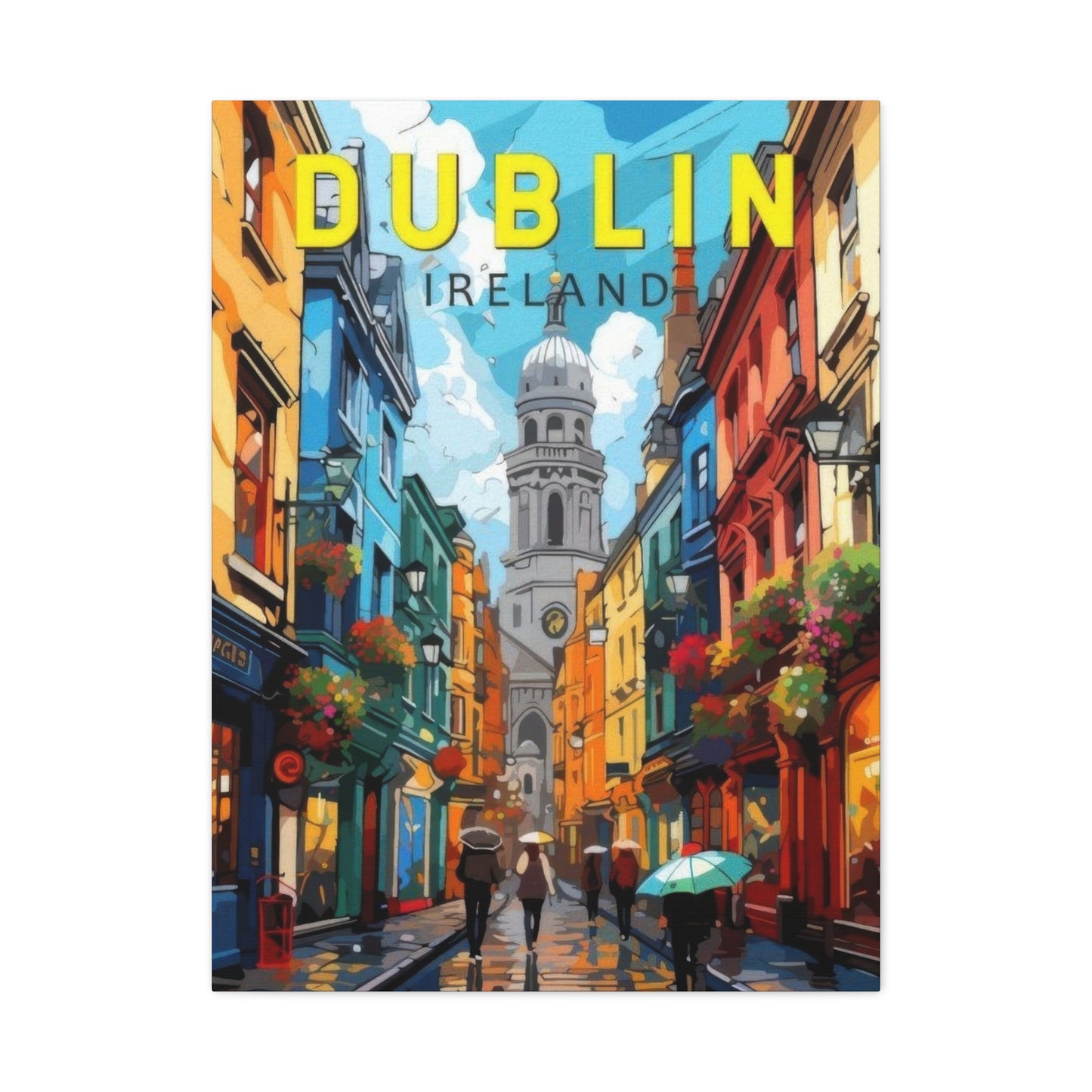
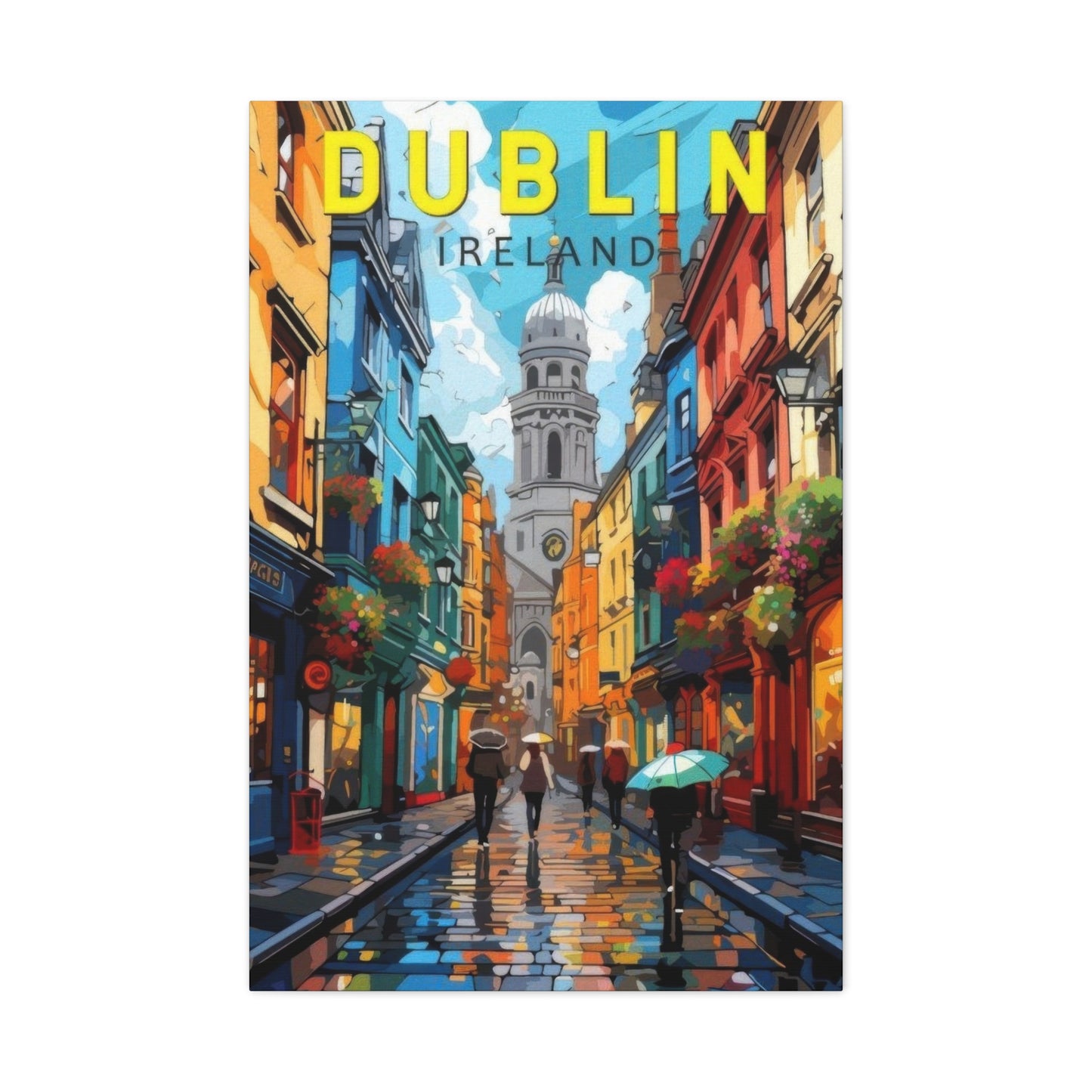
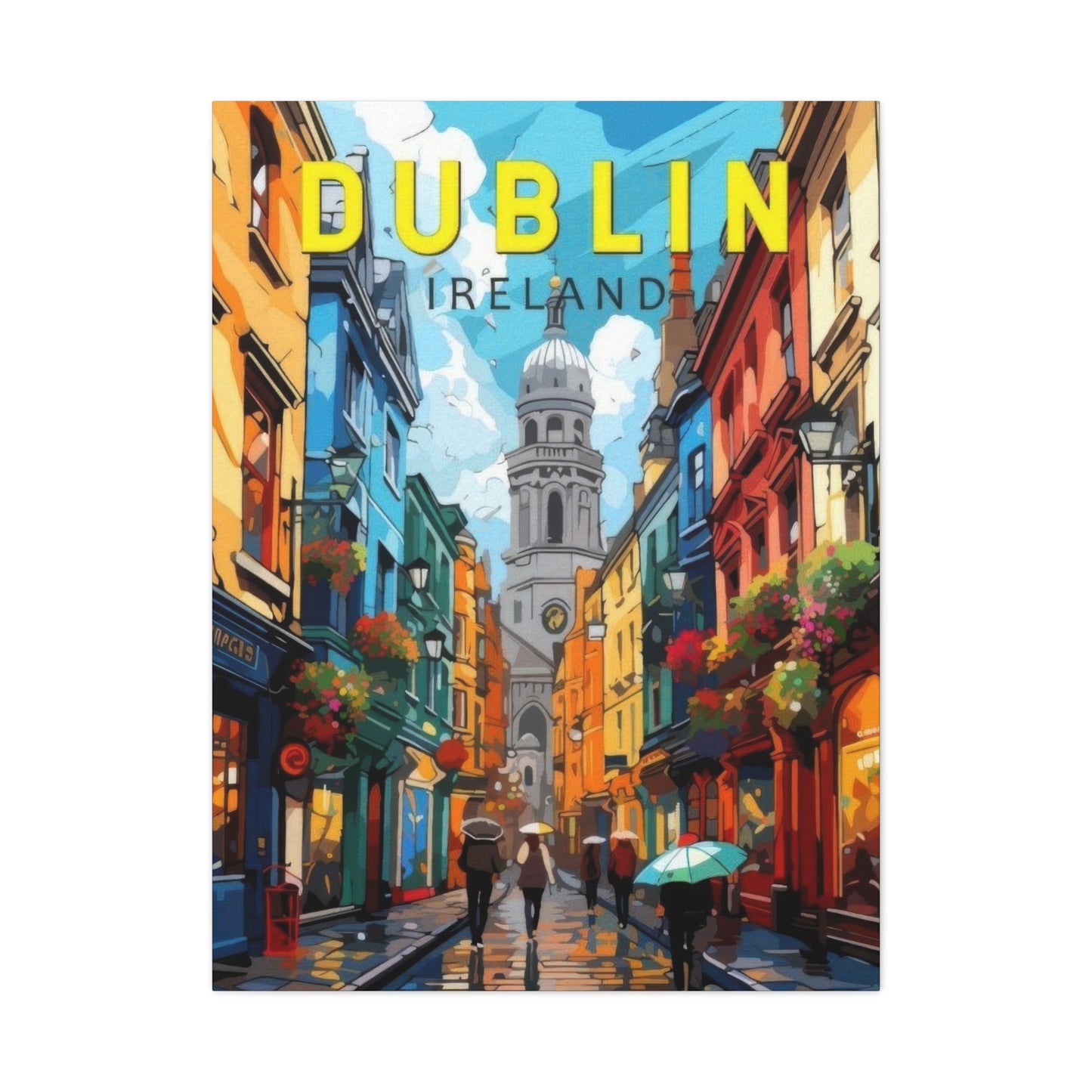
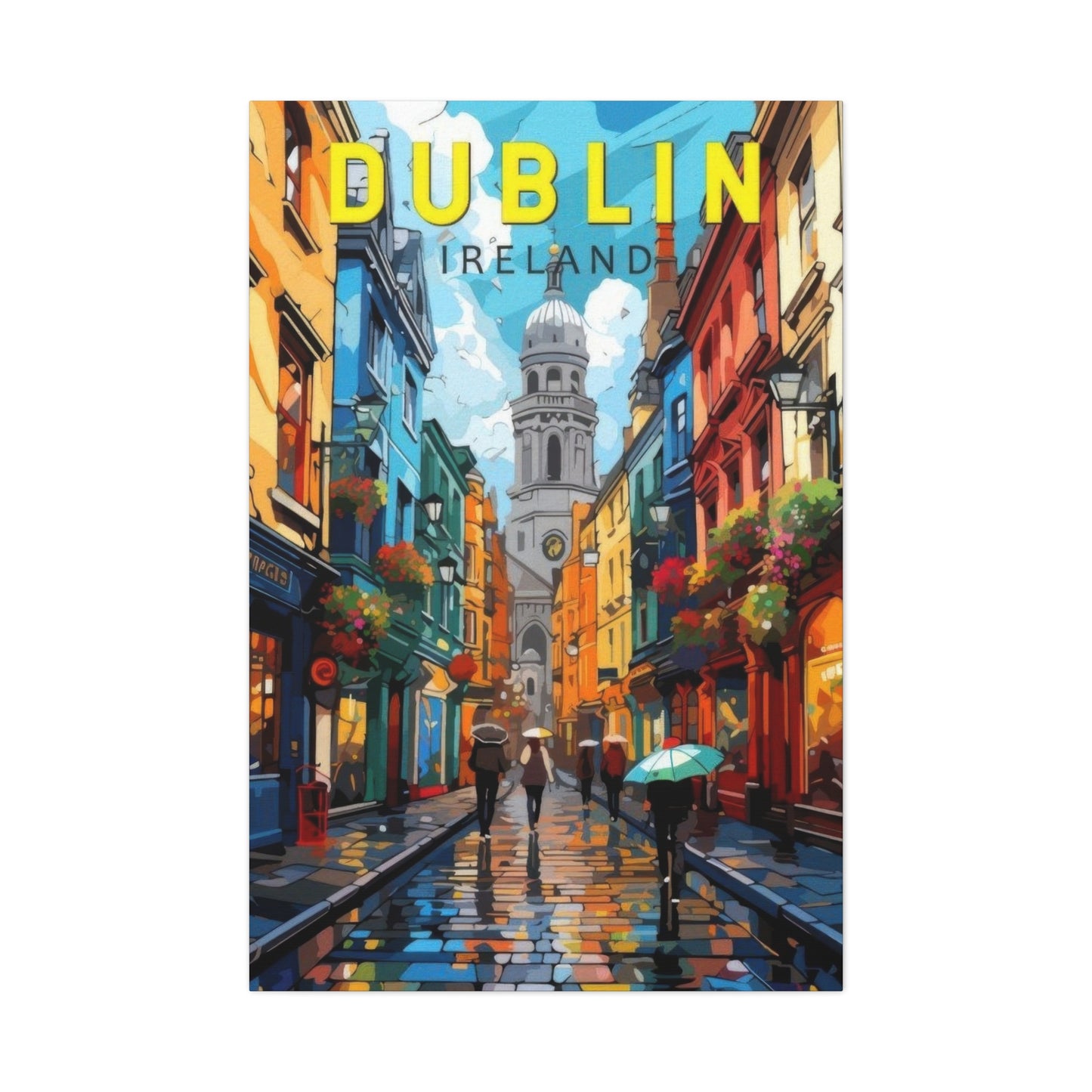
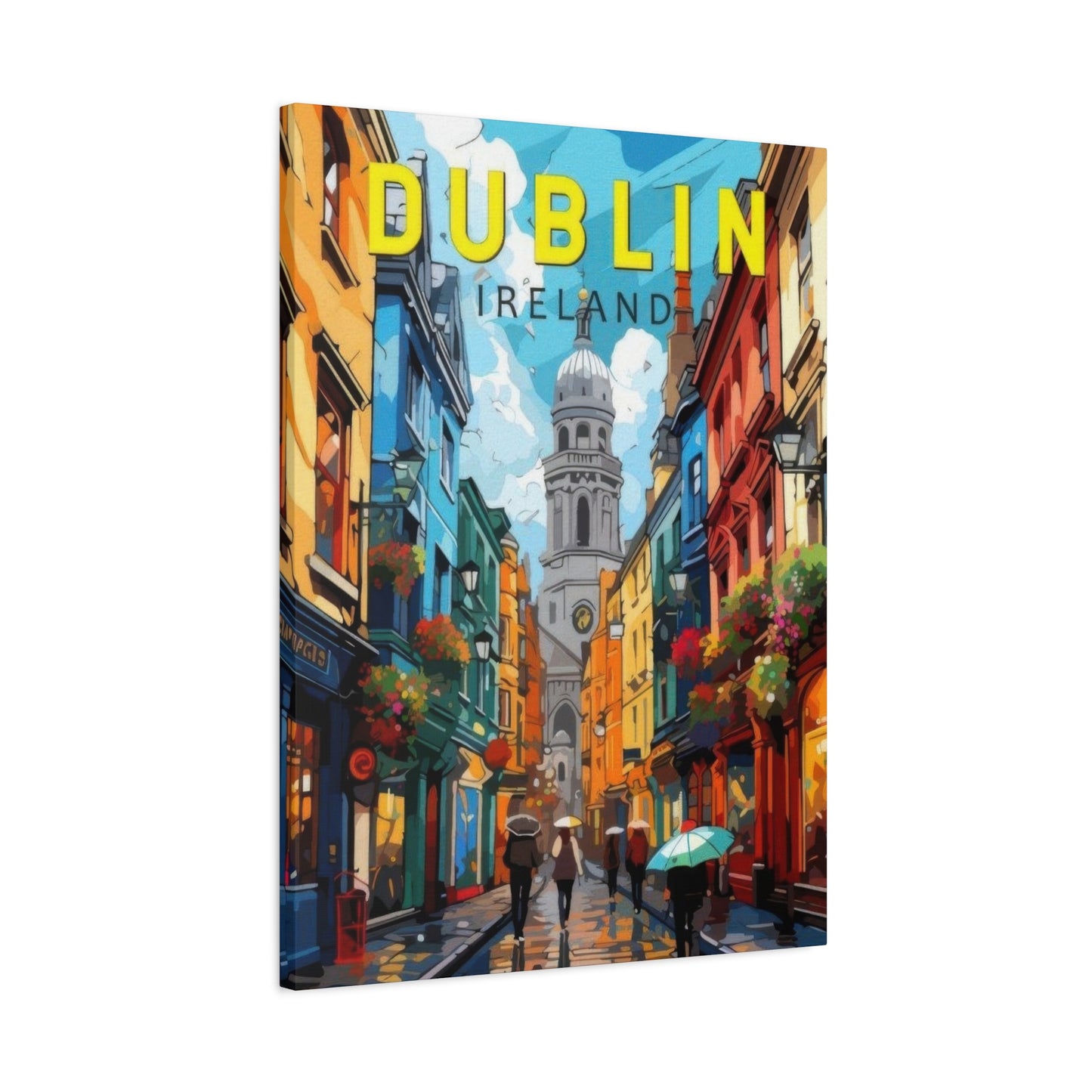
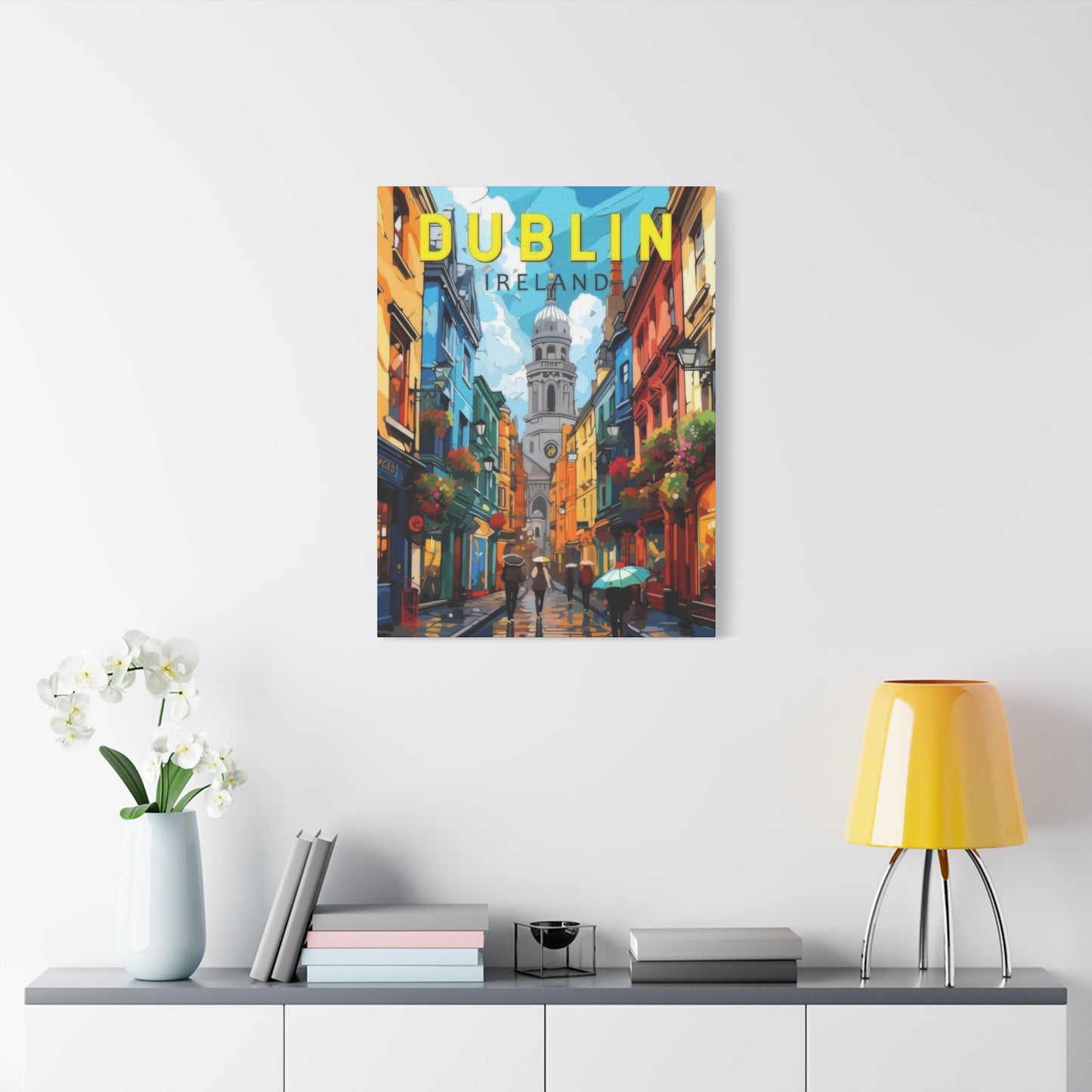
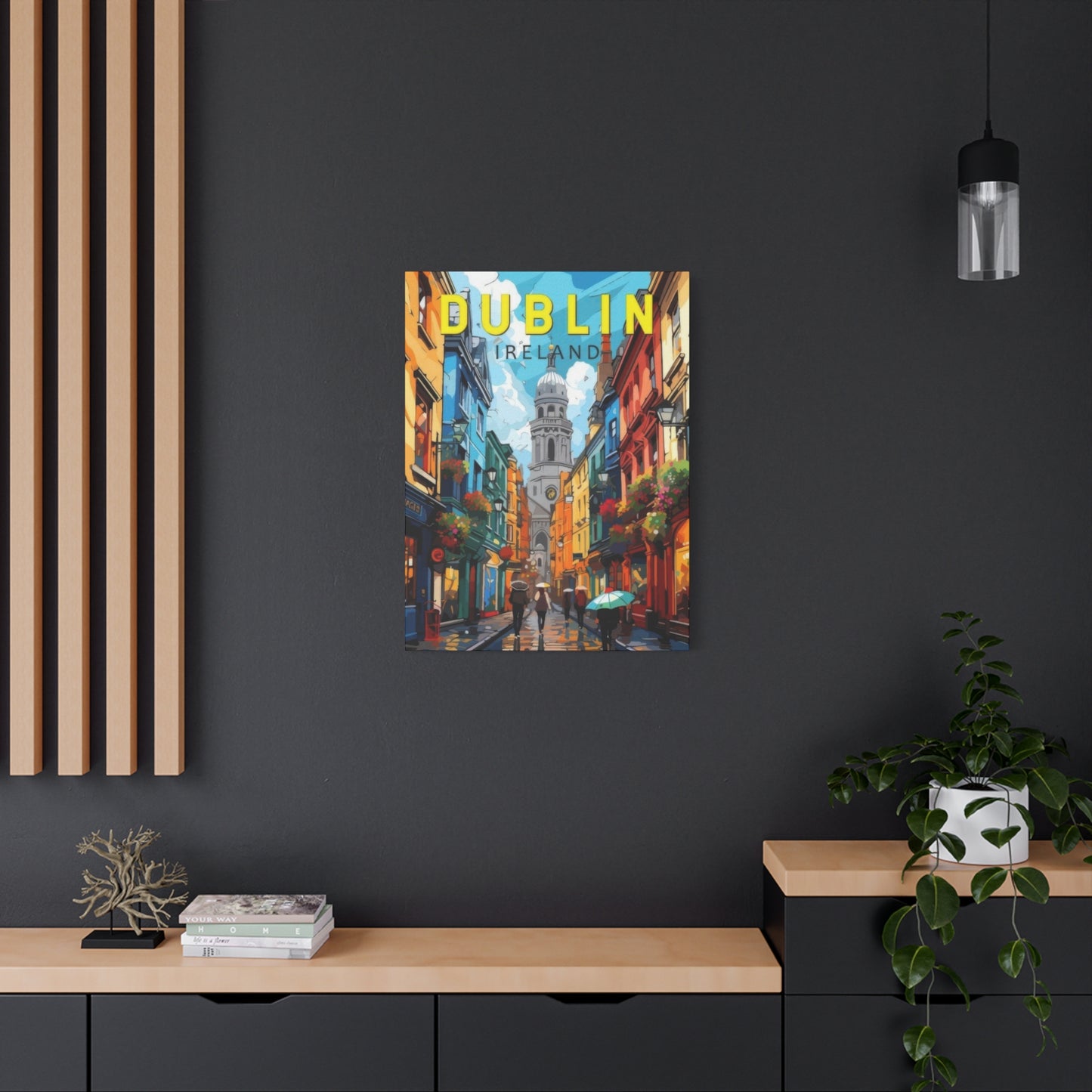
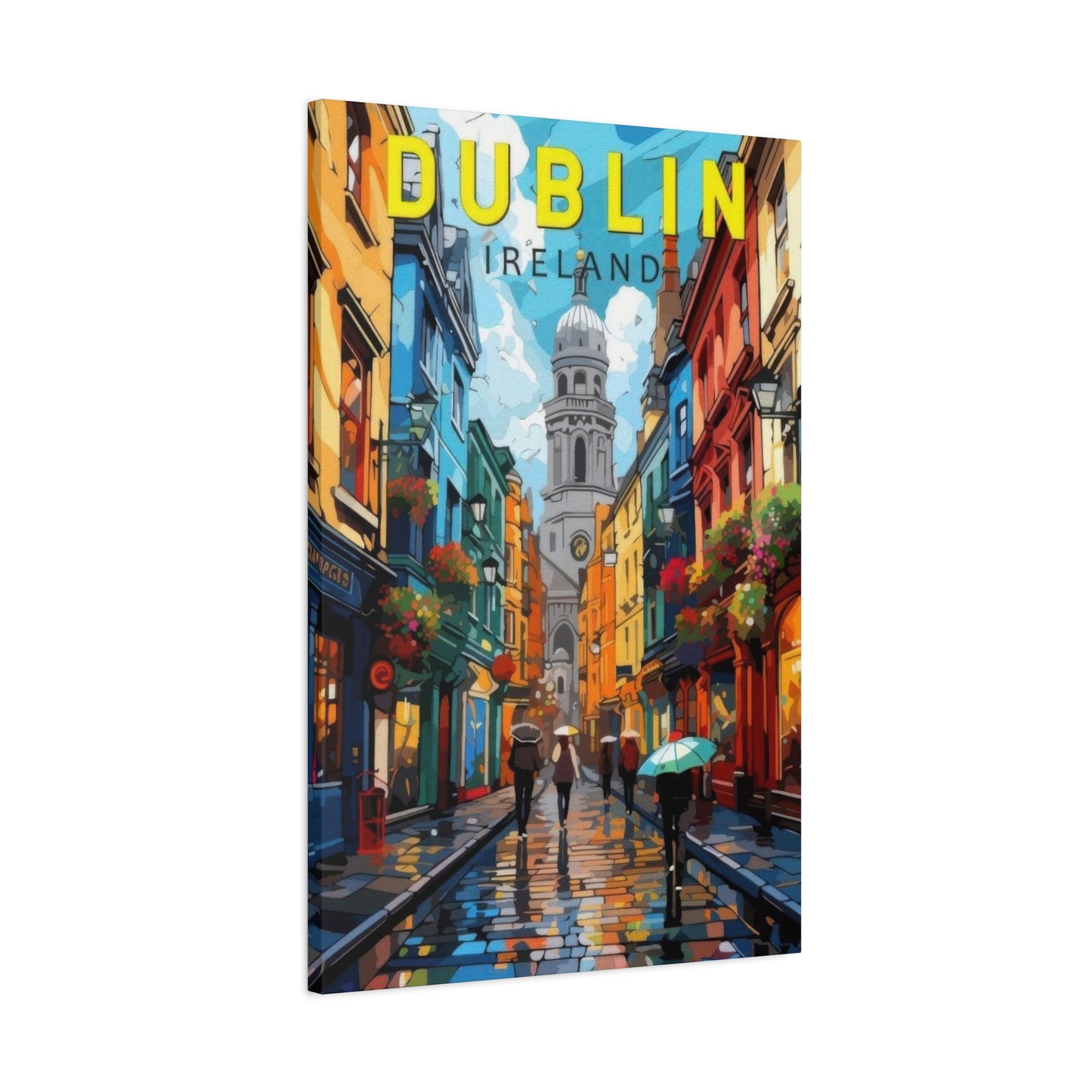
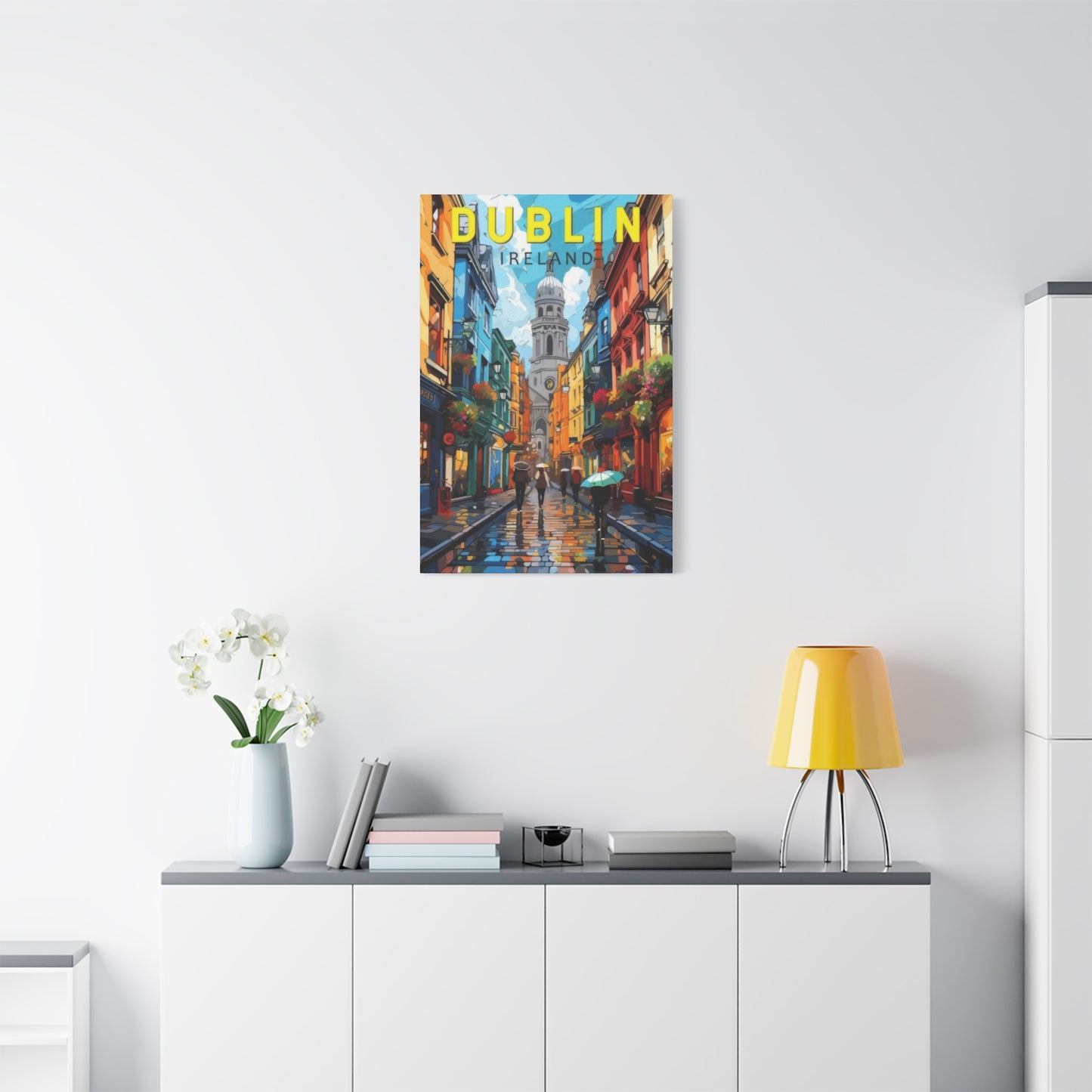
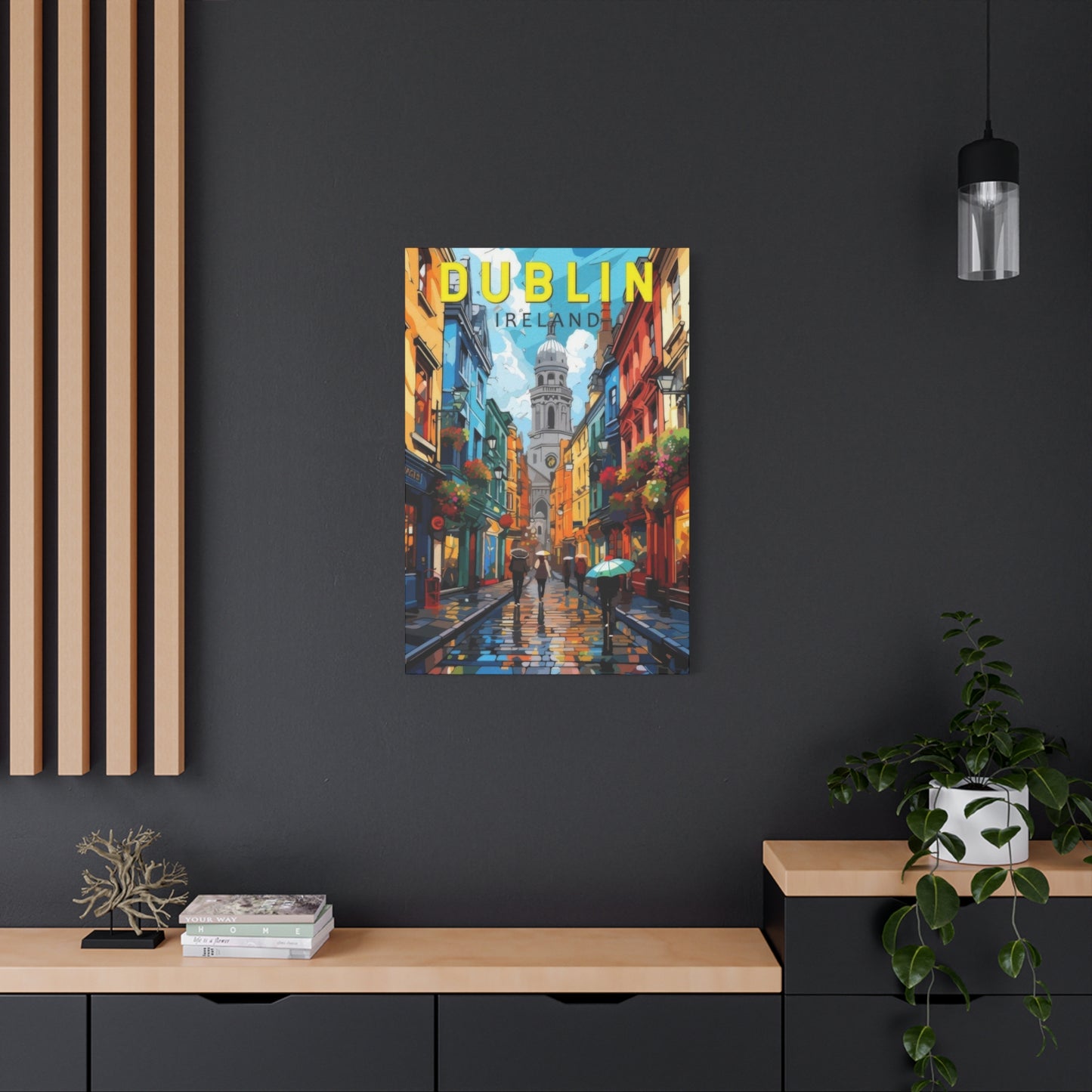
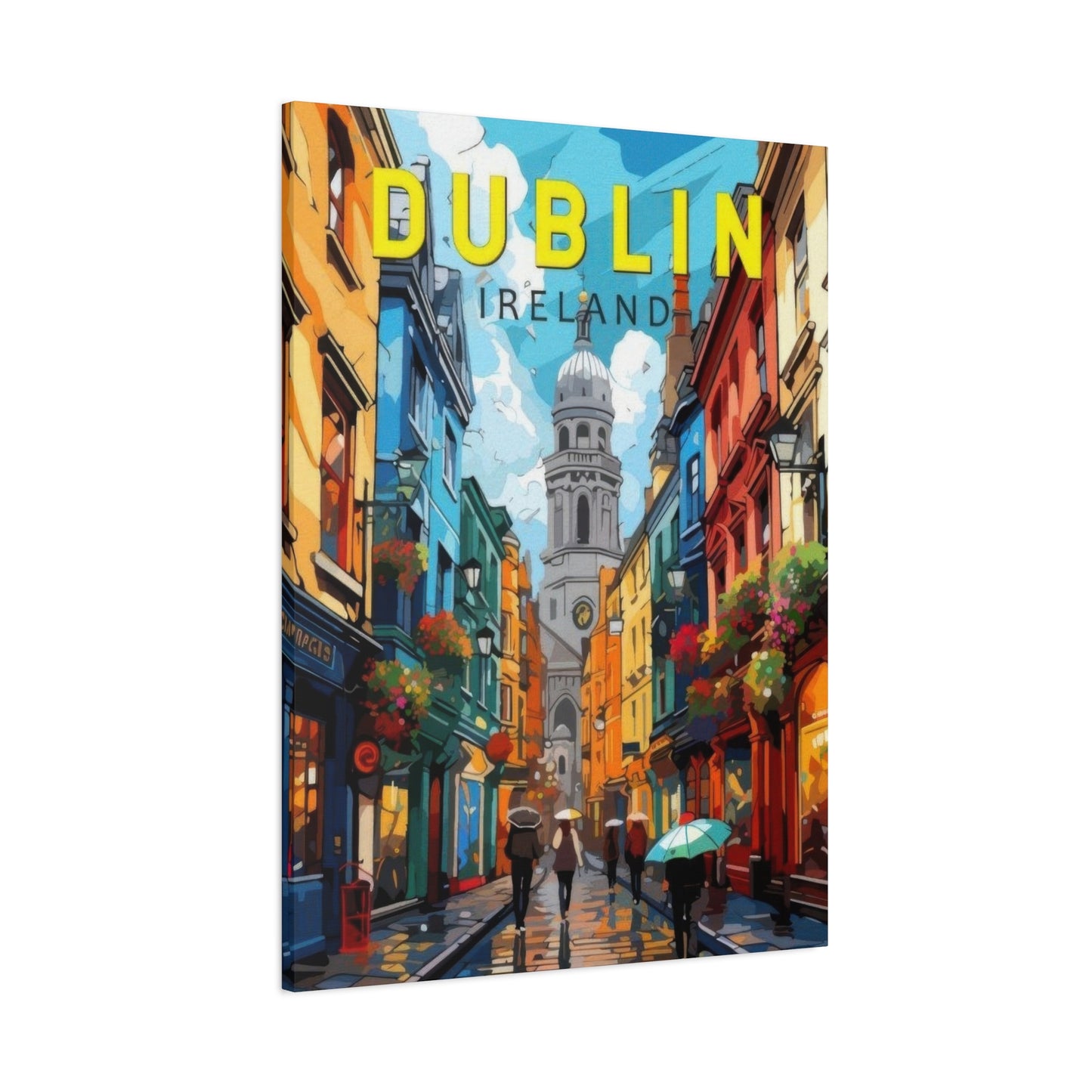
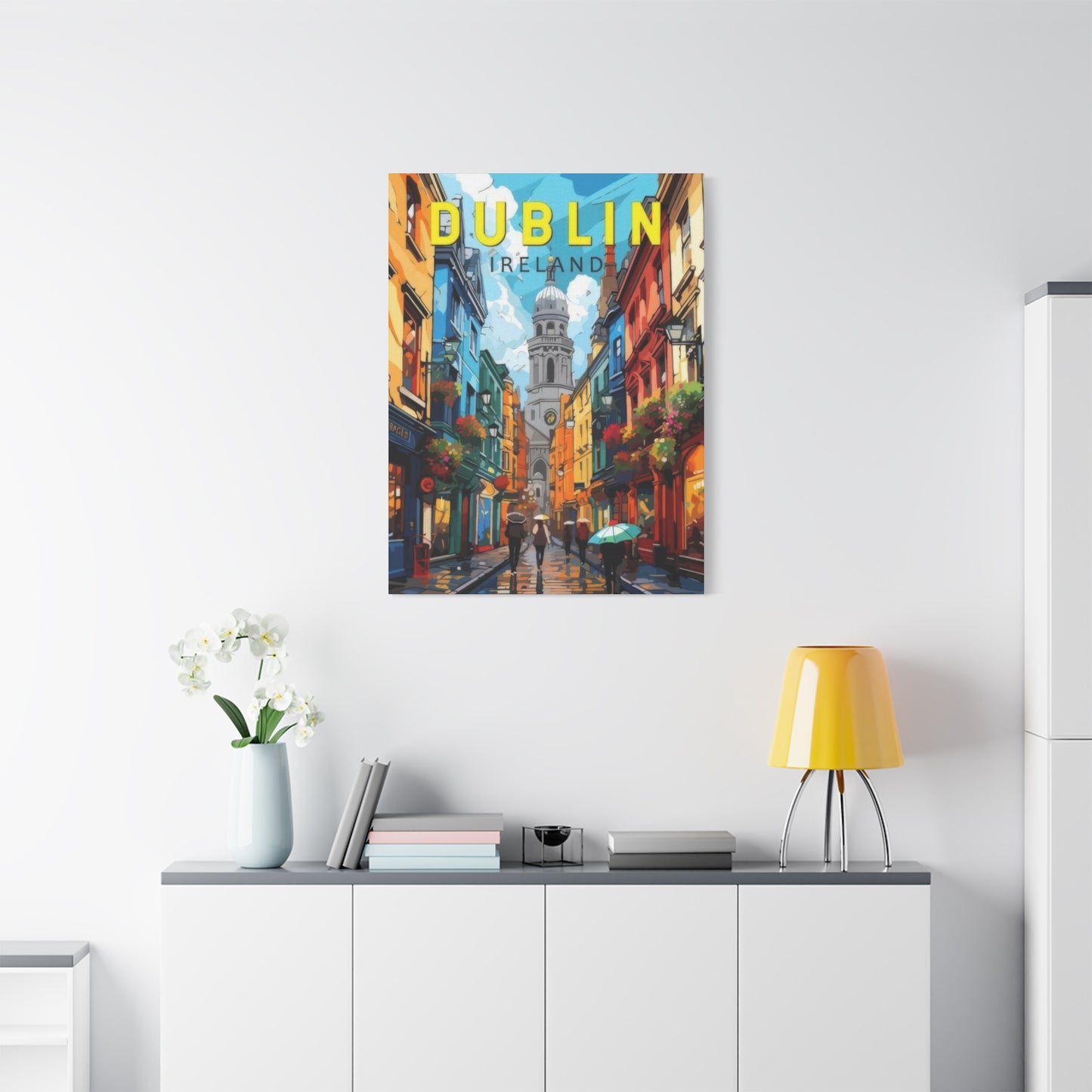
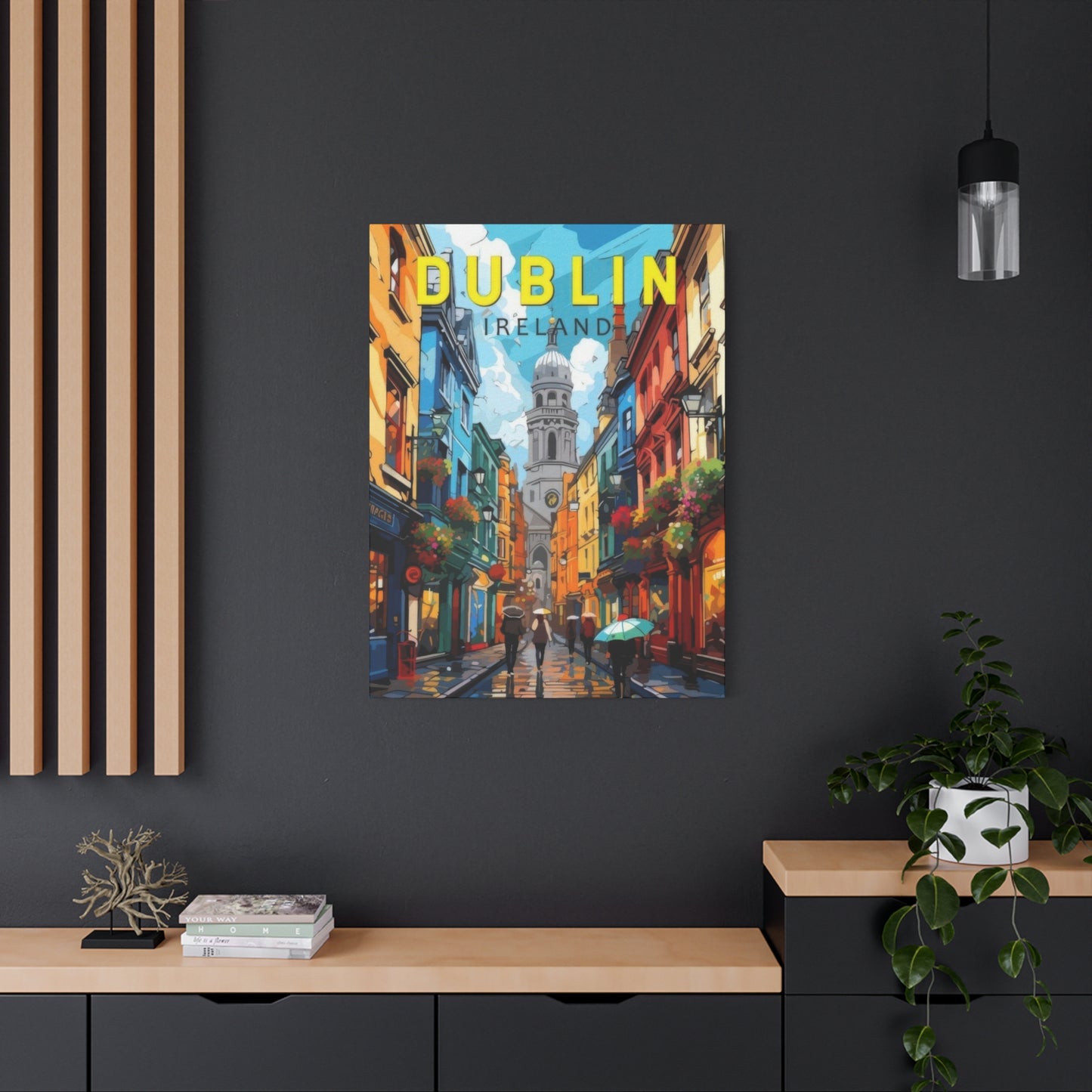
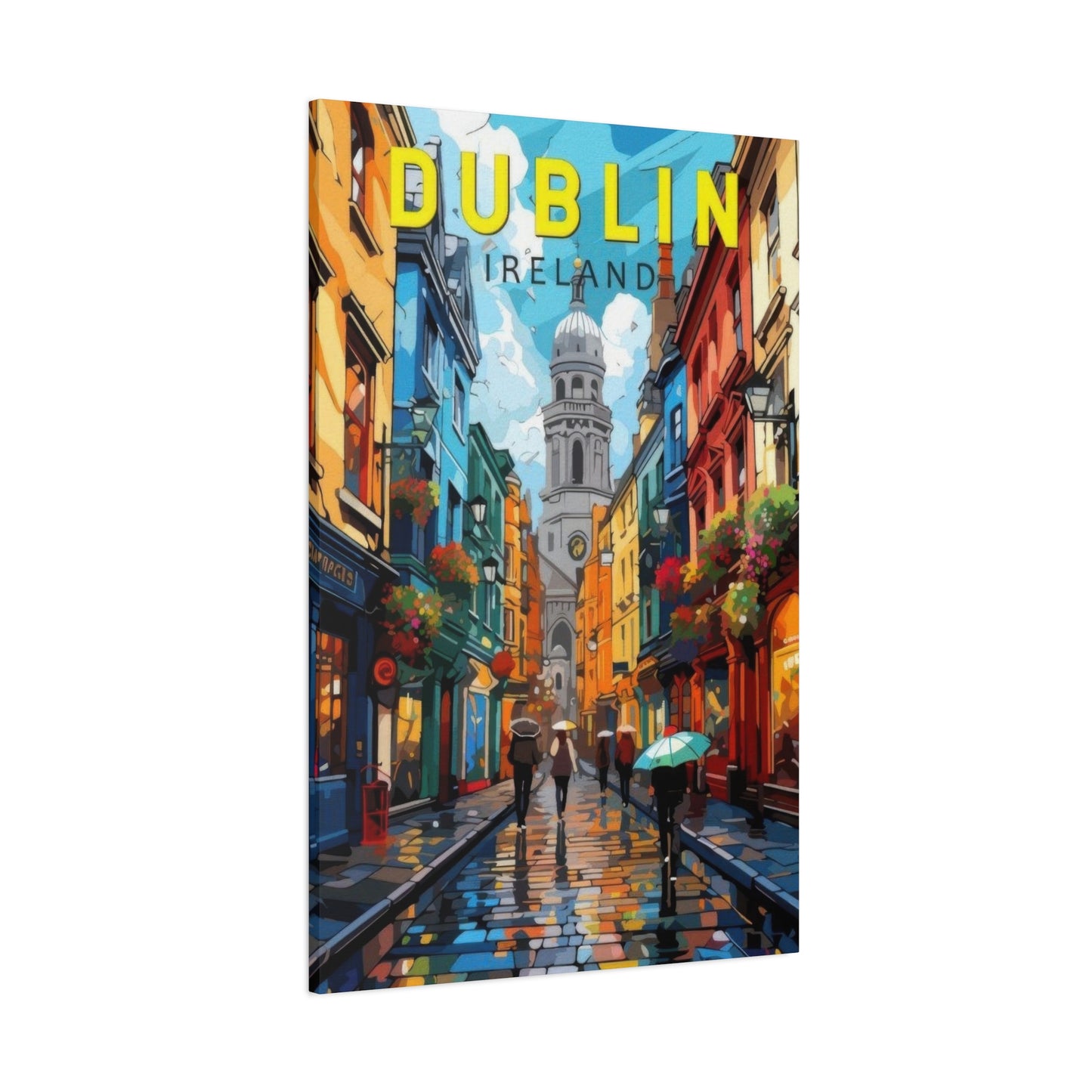
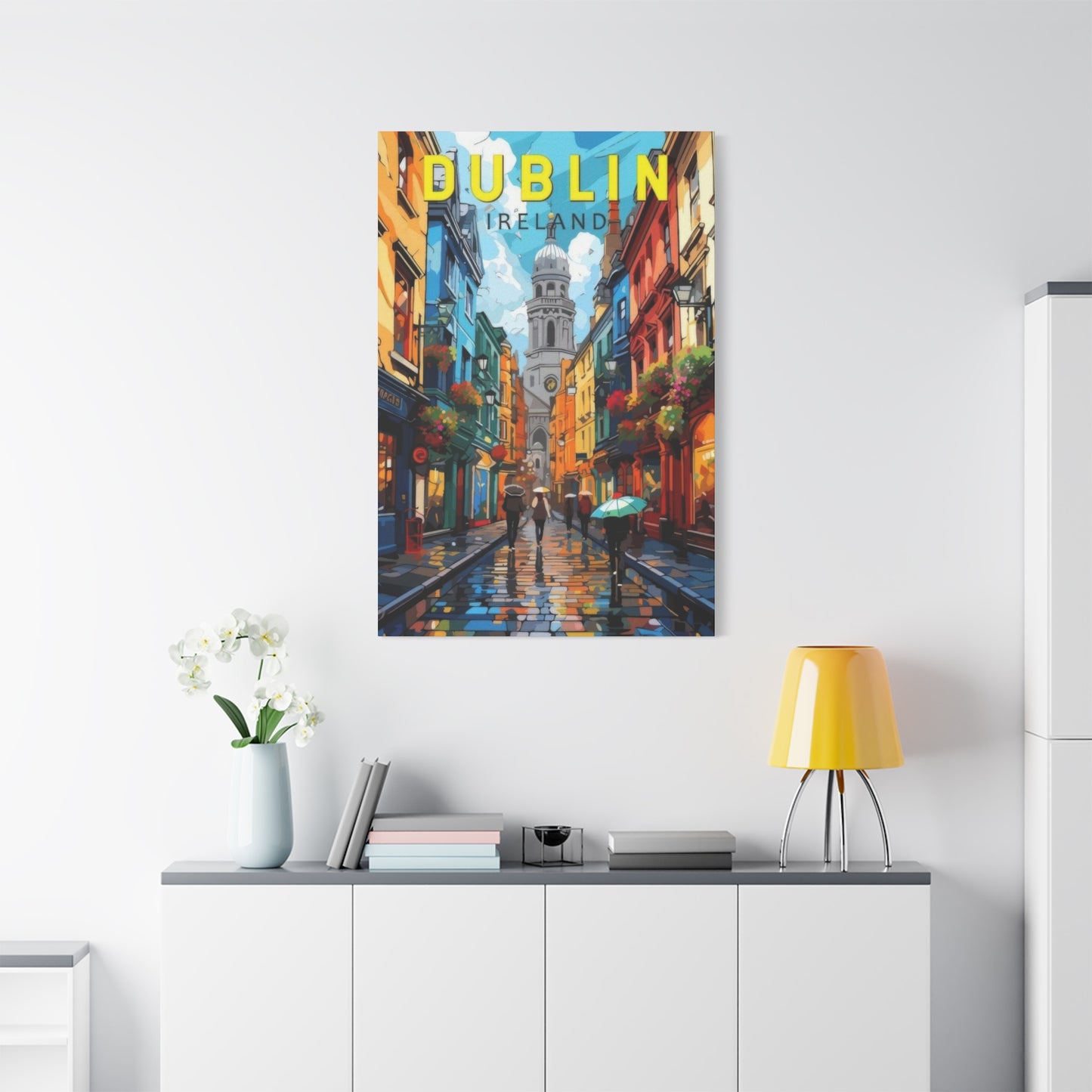
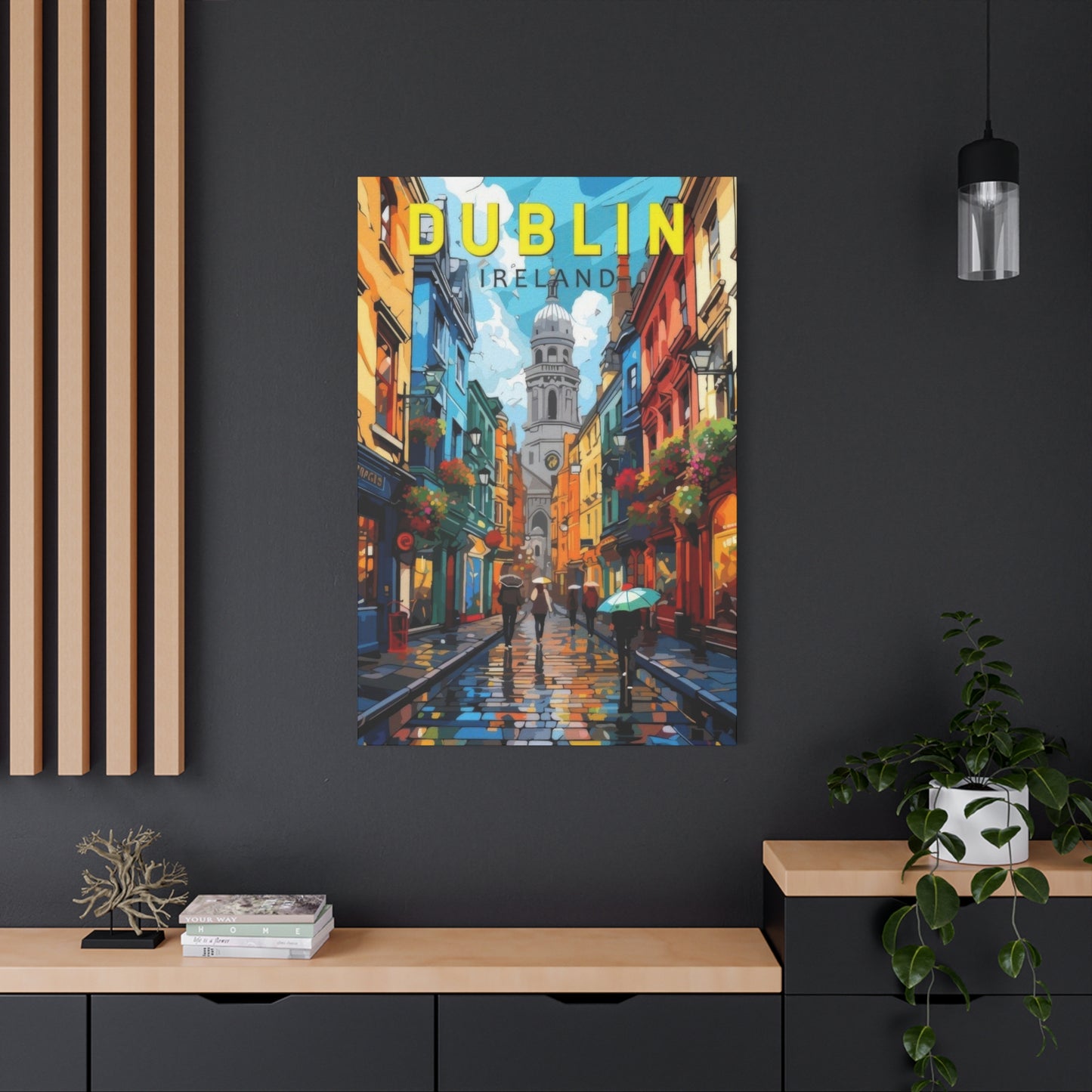
Complete Guide to Dublin Wall Art: Decorative Pieces Inspired by Ireland's Capital
The capital city of Ireland has long inspired artists, photographers, and designers to create stunning visual representations that capture its unique character. From historic monuments to vibrant street scenes, the essence of this beloved city translates beautifully into home decoration. Wall art featuring Irish capital themes offers homeowners and decorators an opportunity to bring European charm and cultural richness into their living spaces. Whether you prefer traditional paintings, contemporary prints, or photographic compositions, there exists an extensive range of artistic interpretations that celebrate the architectural beauty, cultural heritage, and atmospheric qualities of Ireland's largest city.
This comprehensive exploration examines various artistic approaches to depicting the Irish capital, from faithful reproductions of famous locations to imaginative interpretations that capture the spirit rather than literal representations. Understanding the diverse styles, subjects, and presentation methods available helps collectors and decorators make informed choices that align with their personal aesthetic preferences and interior design goals. The following sections provide detailed insights into different categories of artwork inspired by this historic European destination.
Famous Monuments and Structures Portrayed in Artistic Form
The Irish capital contains numerous architectural treasures that have become internationally recognized symbols of the city's identity. These structures provide compelling subjects for visual artists working in various mediums. Trinity College, with its historic library and famous Long Room, appears frequently in artistic representations. The dramatic architecture of this educational institution, founded in 1592, offers rich visual elements including Georgian facades, cobblestone courtyards, and ornate interior spaces that translate beautifully into two-dimensional artwork.
The distinctive copper dome of the Custom House represents another frequently depicted architectural element. This 18th-century neoclassical building along the river features intricate stonework and proportional elegance that appeals to artists focusing on classical architecture. Similarly, the Four Courts building with its prominent dome and riverside location provides a majestic subject for both realistic and interpretive artistic works. These judicial buildings showcase the Georgian architectural style that characterizes much of the historic city center.
Religious architecture also features prominently in artistic depictions of the Irish capital. Christ Church Cathedral, with its medieval origins and Victorian restoration, presents a fascinating combination of architectural styles spanning centuries. The imposing stone structure with its distinctive bridge connecting it to the Synod Hall creates a memorable silhouette that artists frequently capture. Saint Patrick's Cathedral, the larger of the two medieval cathedrals, offers equally impressive visual elements with its Gothic architecture, ornate stonework, and historical significance as Ireland's national cathedral.
The iconic Ha'penny Bridge, officially Wellington Bridge, represents one of the most photographed and painted structures in the entire city. This pedestrian cast-iron bridge spanning the river was constructed in 1816 and has become an enduring symbol of the urban landscape. Its graceful arc and historical character make it an ideal focal point for artwork ranging from realistic watercolors to stylized graphic prints. Artists often capture this bridge during different times of day, showcasing how changing light conditions transform its appearance.
The Spire of Dublin, also known as the Monument of Light, provides a modern counterpoint to historical structures. This stainless steel monument reaching 120 meters into the sky was erected in 2003 on O'Connell Street. Despite its contemporary design, it has quickly become an iconic element of the city skyline that contemporary artists incorporate into their compositions. The reflective surface and dramatic vertical emphasis create striking visual opportunities, especially when photographed or painted during golden hour or evening illumination.
Georgian doorways throughout the city center have achieved iconic status in their own right. These colorful doors, often featuring fan lights and ornate brass fixtures, represent the architectural refinement of the Georgian period. Artists frequently focus on individual doorways or create compositions featuring multiple examples, celebrating the variety of colors and decorative details that make these entrances distinctive. These door-focused artworks have become particularly popular as they distill the architectural character of entire neighborhoods into single, easily recognizable images.
The General Post Office on O'Connell Street holds both architectural and historical significance. Its imposing Greek Revival facade witnessed pivotal moments in Irish history, and artists often capture this building in ways that honor both its aesthetic qualities and symbolic importance. The columned portico and classical proportions provide strong compositional elements that work well in both traditional paintings and contemporary photographic interpretations.
Artistic representations of these famous structures serve multiple purposes in home decoration. They function as conversation pieces that reflect the homeowner's connection to Irish culture or memories of visiting the city. They also provide architectural interest and visual focal points within interior spaces. The variety of artistic approaches means these subjects can suit different decorating styles, from traditional to contemporary, depending on how the artist interprets and presents the subject matter.
Historic Street Views and Urban Atmosphere in Decorative Art
The character of the Irish capital extends beyond individual monuments to encompass entire streetscapes and atmospheric qualities that artists attempt to capture. Vintage street scenes transport viewers to earlier eras, depicting the city as it appeared decades or even centuries ago. These nostalgic representations often show cobblestone streets, gas lamps, horse-drawn carriages, and period clothing that evoke the romance of bygone times. Such artwork appeals to those who appreciate historical authenticity and the tangible sense of how urban life unfolded in previous generations.
Temple Bar district provides particularly rich material for street scene artwork. This cultural quarter, with its narrow medieval streets, colorful buildings, and vibrant atmosphere, has inspired countless artistic interpretations. Artists working in various styles capture the district's unique combination of historical architecture and contemporary cultural energy. Daytime scenes might emphasize the cobblestone textures and varied building facades, while evening representations often highlight the warm glow of pub lights and the social atmosphere that characterizes this entertainment district.
Grafton Street, one of the primary shopping thoroughfares, appears frequently in urban scene artwork. This pedestrianized street lined with Victorian buildings and modern storefronts represents the commercial heart of the city. Artists capture the bustling energy of shoppers, street performers, and the distinctive character of this famous retail corridor. The statue of Molly Malone at the street's southern end provides an additional focal point that artists often incorporate into their compositions.
O'Connell Street, the city's main boulevard, offers different artistic possibilities due to its width and the monuments along its central median. Artists depicting this street often emphasize the sense of space and perspective created by the broad thoroughfare. The integration of historical monuments, commercial buildings, and the modern Spire creates visual interest through contrasting architectural styles and scales. Both historical photographs showing the street in earlier decades and contemporary interpretations capture different aspects of this evolving urban space.
The quays along the river provide endless inspiration for artists interested in urban waterfront scenes. These riverside streets feature a combination of Georgian buildings, bridges, and the reflecting water surface that creates rich visual opportunities. Artists often capture the warm tones of sunset reflecting on building facades and water, creating atmospheric compositions that emphasize the romantic qualities of these locations. The changing seasons bring different visual characteristics to these riverside scenes, from bare winter trees to lush summer foliage.
Narrow side streets and hidden lanes throughout the historic center offer intimate urban scenes that contrast with the grandeur of main thoroughfares. These quieter locations, often featuring traditional storefronts, small cafes, and residential doorways, provide subjects for artwork that emphasizes the livable, human scale of the city. Such compositions often focus on architectural details, textures of aged materials, and the play of light and shadow in confined spaces.
Market scenes represent another category of street-focused artwork. The Moore Street market and other traditional trading locations provide colorful, energetic subjects that capture the commercial and social traditions of urban life. These scenes often feature vendor stalls, fresh produce, flowers, and the interactions between sellers and customers that characterize marketplace culture. Such artwork brings vibrancy and warmth to interior spaces while celebrating working-class traditions.
Rainy street scenes constitute a distinct subcategory that emphasizes the atmospheric qualities associated with Irish weather. Artists capturing wet pavements, umbrellas, and reflections in puddles create moody, evocative compositions that resonate with anyone familiar with the climate. These rain-soaked scenes often feature subdued color palettes punctuated by spots of brightness from shop windows, vehicle lights, or colorful clothing, creating visual interest through contrast.
Evening and nighttime street scenes showcase the city's illuminated character. Street lights, lit windows, neon signs, and vehicle headlights create patterns of brightness against dark surroundings. These nocturnal compositions often emphasize mood and atmosphere over architectural detail, creating romantic or mysterious qualities that appeal to those seeking more evocative artwork. The interplay of artificial light sources and their reflections on wet surfaces provides rich material for artistic exploration.
Contemporary Artistic Approaches to Irish Capital Architecture
Modern artists bring fresh perspectives to depicting familiar architectural subjects through innovative techniques and conceptual approaches. Abstract interpretations distill architectural forms to their essential geometric components, color relationships, and spatial dynamics. These non-representational works capture the spirit of the built environment without replicating specific details. Cubist-influenced compositions might fragment and reassemble building facades, while color-field approaches might reduce entire streetscapes to harmonious color interactions that evoke rather than depict the urban experience.
Graphic design aesthetics have influenced contemporary artwork featuring the Irish capital. Clean lines, limited color palettes, and simplified forms characterize this approach. Artists working in this style often create compositions reminiscent of mid-century modern travel posters, using flat colors and geometric shapes to represent architectural subjects. This aesthetic works particularly well in contemporary interiors where bold, clear visual statements complement minimalist furnishings and design schemes.
Digital manipulation and mixed media techniques allow artists to create fantastical interpretations that blend reality with imagination. Photographic images might be enhanced with painted elements, or multiple images composited to create impossible perspectives. Some artists incorporate collage elements, adding vintage ephemera, maps, or text fragments to photographic bases. These hybrid works bridge traditional and contemporary approaches, offering unique interpretations that cannot be categorized simply as photographs or paintings.
Street photography approaches capture spontaneous moments of urban life against architectural backgrounds. Unlike staged compositions, these works emphasize authenticity and the unpredictable interactions between people and their environment. A well-timed photograph might show a solitary figure crossing a bridge, pedestrians sheltering from rain beneath Georgian porticos, or children playing in a historic square. These human elements provide scale, narrative interest, and emotional resonance that purely architectural compositions sometimes lack.
Drone photography has introduced entirely new perspectives on familiar subjects. Aerial views reveal patterns, relationships between structures, and urban planning logic invisible from ground level. The river's path through the city, the geometric arrangement of Georgian squares, and the density of the urban fabric become apparent in overhead compositions. These bird's-eye perspectives offer fresh ways to appreciate familiar places and create striking contemporary artwork suitable for modern interiors.
Time-lapse inspired artwork captures the passage of time in single compositions. These pieces might show the same location during different times of day, seasons, or even across decades. By combining multiple temporal moments in one frame, artists create conceptually rich works that explore themes of change, memory, and the layered history of urban spaces. Such approaches work particularly well for a city where ancient and modern elements coexist in close proximity.
Impressionistic interpretations emphasize atmosphere and emotional response over architectural accuracy. Loose brushwork, vibrant color choices, and emphasis on light effects create energetic, expressive compositions. An impressionistic rendering of a rainy street scene might sacrifice clarity of architectural detail to capture the shimmering quality of reflections and the sense of movement. These works often succeed in conveying the feeling of being in a place more effectively than photographic precision.
Pop art influences appear in work that uses bold colors, repeated motifs, and graphic sensibilities. An artist might create a grid of colorful door images, each rendered in different saturated hues, or repeat the silhouette of a famous building in various color combinations. This approach brings playfulness and contemporary energy to traditional subjects, making them suitable for youthful, eclectic interior design schemes.
Minimalist approaches strip away extraneous detail to focus on essential forms. A minimalist representation of a bridge might reduce it to a simple arc against a monochromatic background. A cathedral might become a vertical composition of geometric shapes suggesting rather than depicting the structure. This reductionist approach creates calm, contemplative artwork that suits spaces where visual simplicity is valued. The restraint inherent in minimalism allows viewers to project their own associations and memories onto simplified forms.
Panoramic Urban Vistas for Metropolitan Aesthetic Enthusiasts
Sweeping views of the urban landscape provide dramatic focal points suitable for larger walls and open-concept spaces. Panoramic compositions capture the relationship between various districts, the river's curve through the center, and the surrounding hills that frame the metropolitan area. These expansive views work particularly well in contemporary interiors where horizontal emphasis complements modern architectural features. The breadth of panoramic formats creates immersive experiences that transport viewers to elevated vantage points overlooking the entire urban spread.
Viewpoints from surrounding hills offer classic perspectives that artists and photographers have exploited for generations. Looking across the bay from elevated southern suburbs provides opportunities to capture the entire city skyline with water in the foreground. These compositions often emphasize the horizontal layering of landscape elements: foreground vegetation, water, urban development, and distant mountains. During sunset conditions, the entire scene might be bathed in golden light that unifies these distinct zones into harmonious compositions.
River crossings provide natural vantage points for panoramic perspectives along the waterway. Standing at the center of a bridge and looking upstream or downstream reveals the urban fabric arranged along both banks. Artists capturing these views often emphasize the rhythm created by successive bridges spanning the water and the architectural variety of buildings lining the quays. The reflective water surface doubles visual interest while introducing movement and changing light conditions that prevent these scenes from feeling static.
Rooftop perspectives have become increasingly popular with the proliferation of elevated bars, restaurants, and viewing platforms. These human-height aerial views show the city from pedestrian eye level but elevated above street level, creating a unique intermediate perspective. The foreground might include rooftop details, architectural ornaments, or urban vegetation, while middle and background zones contain the broader cityscape. This layering of visual information creates depth and guides viewer attention through the composition.
Nighttime skyline views transform familiar scenes through artificial illumination. The contrast between lit windows, street lights, and dark building masses creates graphic patterns of light and shadow. Prominent structures become recognizable through their distinctive silhouettes and lighting schemes. The river often appears as a dark ribbon reflecting scattered points of light, while bridges become strings of luminous accents across the water. These nocturnal views suit dramatic interior settings and create sophisticated, urban ambiance.
Dawn and dusk timing produces particularly compelling skyline imagery through the quality of natural light during these transitional periods. The soft, directional light of golden hour enhances architectural textures and creates long shadows that emphasize three-dimensional forms. Clouds often become dramatic elements during these times, adding visual interest to sky areas that might otherwise appear blank. The warm color temperature characteristic of sunrise and sunset infuses entire compositions with emotional warmth.
Seasonal variations provide opportunities for artists to capture the same skyline under different atmospheric conditions. Winter scenes might feature bare trees in the foreground, possibly snow-covered surfaces, and the crisp clarity of cold air. Spring compositions could include flowering trees and fresh green foliage that softens the urban hardscape. Summer scenes often feature lush vegetation and the long daylight hours that allow for late-evening photography with natural light. Autumn brings the warm colors of changing leaves and the soft light characteristic of that season.
Weather conditions dramatically affect the mood of skyline compositions. Fog or mist can partially obscure the city, creating mysterious, atmospheric images where structures emerge from obscuring layers. Dramatic storm clouds add tension and visual weight to sky areas. Clear blue skies provide clean, straightforward presentations that emphasize architectural forms without atmospheric distractions. Rain conditions introduce reflections and the diffusion of light that creates unique visual effects.
Foreground elements help create depth and context in skyline compositions. Including portions of parks, gardens, or architectural features in the foreground establishes a sense of place and provides a human-scale reference against which the distant skyline is measured. These foreground components also serve compositional functions, framing the view or leading the eye toward the main subject through implied lines and shapes.
Different artistic mediums produce distinct interpretations of skyline subjects. Photographic representations emphasize detail and realism, capturing specific moments with documentary precision. Painted interpretations allow for selective emphasis, color exaggeration, and the integration of multiple viewpoints or temporal moments. Digital illustrations can simplify and stylize, creating graphic representations that work well in modern interiors. Each medium offers distinct advantages and creates different aesthetic effects suitable for varied decorating contexts.
Cartographic Designs in Current Interior Styling
Artistic representations of urban geography serve both decorative and informational purposes while celebrating the historical and contemporary layout of the Irish capital. Vintage map reproductions appeal to history enthusiasts and those appreciating antique aesthetics. These historical cartographic documents show the city as it existed in earlier centuries, revealing how urban development has progressed over time. The aged paper tones, decorative cartouches, and period typography of antique maps create warm, scholarly atmospheres suitable for traditional interiors, home offices, and libraries.
Contemporary cartographic art takes various forms beyond simple reproductions. Some artists create stylized maps that emphasize aesthetic qualities over geographic precision. These might use limited color palettes, emphasize particular districts or features, or incorporate decorative elements that make the map itself an art object rather than merely a reference document. The combination of informational content and artistic interpretation creates works that engage viewers on multiple levels.
Neighborhood-focused map art allows residents or visitors to celebrate their connection to specific districts. A detailed artistic map of a particular area might highlight notable buildings, parks, pubs, restaurants, and other points of interest. These localized cartographic works create personal connections and conversation pieces that reflect individual experiences of the city. They work particularly well as gifts for people with strong associations to particular neighborhoods.
Three-dimensional map art introduces literal depth to cartographic representations. These works might be created through laser-cut wood or acrylic layers, each layer representing different elevation levels or thematic information. The physical shadows created by layered construction add visual interest and make these pieces sculptural as well as graphic. The tactile quality of dimensional map art distinguishes it from flat prints and appeals to those seeking unique decorative objects.
Abstract interpretations of urban geography reduce the city to essential patterns of streets, the river's path, and major features. These simplified representations might resemble circuit boards, subway maps, or purely geometric abstractions. By stripping away extraneous detail, these works distill the urban structure to fundamental organizational principles. The resulting clean, graphic compositions suit contemporary minimalist interiors while maintaining conceptual connections to place.
Illustrated maps incorporate small drawings of notable buildings, landmarks, and cultural symbols within the geographic framework. These whimsical representations combine cartographic information with visual storytelling, creating engaging compositions that reward close examination. An illustrated map might include tiny renderings of famous buildings, symbols representing cultural institutions, or small figures depicting characteristic activities. This approach creates friendly, accessible artwork suitable for casual spaces and family-oriented interiors.
Transit system maps represent a distinct category of geographic art. The schematic representation of bus and light rail networks creates bold, colorful compositions with strong graphic impact. Although technically diagrams rather than geographically accurate maps, these transit representations capture the connectivity and movement patterns that define urban experience. The colored lines, station markers, and simplified geography create contemporary, energetic artwork that celebrates public transportation culture.
Historic overlay maps showing the city at different time periods create fascinating comparisons between past and present. These works might juxtapose ancient boundaries with current street patterns, or show how coastlines and rivers have been modified over centuries. For history enthusiasts, these temporal comparisons provide insights into urban development processes and the forces that shaped contemporary geography. They also create visually complex, layered compositions that reward extended viewing.
Personalized custom maps allow individuals to mark locations of personal significance. These might highlight a wedding venue, first apartment, favorite pub, or other meaningful places. By customizing cartographic art with personal information, these works become truly unique items that commemorate individual experiences and create emotional connections between people and places. Such personalized pieces make thoughtful gifts and cherished keepsakes.
Material choices for map-based artwork affect both appearance and suitability for different settings. Traditional paper prints suit framed presentations in classic interiors. Canvas-mounted maps create more casual, textured presentations. Metal prints produce sleek, contemporary results with vivid colors and reflective surfaces. Wood-mounted versions create rustic, organic presentations that work well in casual or nature-inspired interiors. The medium selection should align with both the map's style and the intended display environment.
Traditional Drinking Establishments in Visual Art Forms
The famous drinking culture of the Irish capital provides rich subject matter for artwork celebrating social traditions and architectural character. These establishments represent more than simply commercial spaces; they function as community gathering places with deep historical and cultural significance. Artistic representations of these venues capture both their physical characteristics and the intangible atmosphere that makes them beloved institutions. From ornate Victorian interiors to humble neighborhood locals, each establishment possesses distinctive character that artists attempt to convey.
Exterior views showcase distinctive architectural features that identify these establishments. Traditional facades often feature dark paint colors, ornate lettering, etched glass windows, and hanging signs. The contrast between these dark exteriors and the warm light visible through windows creates inviting compositions, especially in evening or nighttime scenes. Artists often emphasize these architectural details while also capturing the context of surrounding streets and neighboring buildings that establish sense of place.
Interior scenes present more complex compositional challenges due to the combination of architectural elements, furnishings, decorative objects, and human activity. The rich visual environment of a traditional establishment interior might include mahogany bars, brass fixtures, mirrors, vintage advertising, and memorabilia accumulated over decades. Artists working in realistic styles attempt to capture this visual complexity faithfully, while those working in impressionistic or looser approaches might emphasize the warm lighting and convivial atmosphere over precise detail.
The social dimension of these spaces provides narrative content that makes artwork more engaging than purely architectural subjects. Scenes showing patrons in conversation, musicians performing, or bartenders at work bring these spaces to life and convey their function as social centers. The human element also provides scale references and creates emotional connections that help viewers relate to depicted spaces. Even when figures are rendered loosely or appear as mere suggestions, their presence activates compositions and suggests the lived experience of these places.
Famous historic establishments appear frequently as artistic subjects due to their recognition value and architectural distinction. These well-known venues often feature ornate Victorian or Edwardian interiors preserved from their construction periods. The rich decorative details, ornate plasterwork, carved wood elements, and period fixtures create visually sumptuous environments that translate beautifully into artistic media. For visitors who experienced these spaces firsthand, artwork depicting them serves as meaningful souvenirs that capture memories of Irish cultural experiences.
Neighborhood locals provide different artistic opportunities than famous tourist destinations. These unpretentious establishments often feature simpler interiors but possess authentic character and working-class cultural associations. Artists depicting these venues celebrate ordinary social spaces and the communities they serve. The straightforward, honest quality of these places appeals to those seeking artwork that represents authentic urban experience rather than tourist-focused imagery.
Still life compositions featuring elements associated with drinking culture create symbolic representations without depicting entire establishments. A composition might include pint glasses, branded coasters, tap handles, or vintage advertising materials arranged in aesthetically pleasing configurations. These object-focused works distill the essence of drinking culture into condensed symbolic form, creating artwork that references this cultural tradition through metonymy rather than literal representation.
Vintage advertising and breweriana incorporated into artistic compositions add historical dimension and graphic appeal. Old beer labels, promotional posters, and advertising materials feature distinctive design aesthetics from their creation periods. Artists incorporating these elements into collage works or mixed media pieces create layered compositions that celebrate the visual culture surrounding drinking traditions. These works appeal to collectors of vintage advertising and those appreciating historical graphic design.
Literary associations add another dimension to artwork depicting drinking establishments. Many of these venues maintain connections to famous writers who frequented them. Artwork referencing these literary associations might incorporate quotations, book imagery, or portraits of authors alongside architectural depictions. These connections add intellectual content that appeals to literature enthusiasts and creates opportunities for artwork that engages with both visual and literary traditions.
The warm color palettes characteristic of traditional establishment interiors create inherently appealing artwork suitable for various residential and commercial settings. The predominance of wood tones, warm lighting, brass and copper accents, and rich textiles produces compositions dominated by amber, brown, gold, and burgundy hues. These warm colors create inviting, comfortable atmospheres that work particularly well in dining areas, home bars, and masculine-coded spaces like studies or offices.
Vibrant Entrances and Urban Streets on Stretched Fabric
The internationally recognized tradition of brightly painted doorways throughout Georgian neighborhoods has inspired countless artistic interpretations. These colorful architectural elements represent one of the most photographed and painted subjects associated with the Irish capital. The tradition of distinctive door colors developed over centuries, with various explanations offered for the practice. Regardless of historical origins, these vibrant entrances have become iconic symbols recognized worldwide as representative of Irish urban character.
Individual door portraits focus attention on single entrances, celebrating their unique colors, architectural details, and decorative hardware. A red door might be photographed or painted to emphasize its vivid hue against surrounding brick or stone. The fan light above, boot scrapers to the side, and brass fixtures including knockers, knobs, and letter slots add period detail that enhances historical authenticity. These tightly focused compositions work well in smaller formats and can be grouped in series showing doors in various colors.
Composite compositions featuring multiple doors create dynamic arrangements that celebrate variety and repetition. A grid arrangement showing six or nine different doors allows viewers to compare colors, styles, and details. Alternatively, doors might be arranged in rainbow sequence, organizing the naturally occurring spectrum of door colors into orderly chromatic progression. These multi-door compositions create bold graphic impact and work well as statement pieces in contemporary interiors.
The context surrounding doorways contributes significantly to compositions that include more than the entrance itself. Iron railings, basement areas visible below, steps leading to raised entrances, and flanking windows all contribute architectural context. Some compositions pull back further to show entire building facades, positioning the colorful door within its architectural setting. This expanded view helps viewers understand how these distinctive entrances relate to larger Georgian architectural traditions.
Seasonal variations affect the appearance of doorway scenes through changing natural light and surrounding vegetation. Spring compositions might include flowering window boxes or nearby trees, adding natural color that complements or contrasts with painted doors. Summer scenes benefit from the lush green foliage often visible in residential squares. Autumn introduces warm leaf colors that harmonize with traditional door hues. Winter scenes emphasize the cheerful brightness of colorful doors against the gray skies and subdued tones characteristic of cold seasons.
Different artistic mediums produce varied interpretations of this subject. Photographic approaches emphasize color accuracy and architectural detail, creating documentary-style images that faithfully represent actual doors. Painted interpretations allow for color enhancement, simplified detail, and expressive mark-making that conveys artistic personality. Watercolor treatments produce luminous, transparent color effects particularly suitable for this subject. Digital illustrations can create graphic, poster-like images with flat colors and simplified forms.
The popularity of door imagery extends beyond traditional artistic presentations. These colorful entrances appear on various consumer products including greeting cards, postcards, calendations, and home accessories. This widespread commercial use reflects the strong recognition and positive associations these images generate. For decorators, this means door-themed artwork reads immediately as Irish-associated imagery, making it effective for creating thematic connections.
Abstract interpretations of door themes reduce the subject to essential elements of color, form, and pattern. An abstract composition might reference door shapes through rectangular forms arranged on a surface, or explore color relationships suggested by traditional door hues without representing actual architectural elements. These non-representational works maintain conceptual connections to source material while functioning as pure abstract compositions suitable for contemporary interiors where literal representation might feel inappropriate.
The symbolic dimensions of doorways as thresholds between public and private realms add conceptual depth to seemingly straightforward subjects. A colorful door marks the transition from civic space to domestic interior, from communal experience to personal life. Artists conscious of this symbolic dimension might compose and light doorway scenes to emphasize their transitional character, creating images that operate metaphorically as well as literally. These layered meanings make doorway imagery more conceptually rich than simple architectural documentation.
Commercial applications of door imagery have created established markets for this subject matter. Visitors seeking souvenirs commonly purchase door-themed artwork as easily recognizable imagery strongly associated with the destination. This commercial reality means abundant examples exist across varied price points and quality levels. For serious collectors, distinguishing between mass-produced decorative items and works with genuine artistic merit requires careful evaluation of compositional sophistication, technical skill, and originality of interpretation.
Traditional Irish Design Elements in Home Decoration
Ancient decorative traditions unique to Irish culture provide distinctive motifs that connect contemporary artwork to deep historical roots. Celtic knotwork represents perhaps the most recognizable design vocabulary associated with Irish artistic heritage. These intricate interlacing patterns, developed over a thousand years ago, feature continuous lines weaving over and under each other without beginning or end. The mathematical precision and symbolic meanings attributed to these patterns make them compelling subjects for contemporary artists working within traditional design frameworks.
Trinity knots, also called triskeles or triquetra designs, hold particular significance in Irish cultural traditions. These three-pointed symmetrical patterns carry Christian symbolism related to the Holy Trinity while also connecting to earlier pre-Christian Celtic traditions. Artists incorporating trinity knots into contemporary artwork bridge ancient spiritual symbolism and modern decorative applications. The clean geometry of these forms works well in simplified, graphic interpretations suitable for contemporary interiors.
Celtic cross designs combine Christian symbolism with distinctive circular elements that distinguish Irish crosses from other Christian traditions. These crosses, often featuring intricate surface decoration including knotwork and figure carving, represent fusion between Christian religious practice and earlier Celtic artistic traditions. Artistic interpretations of Celtic crosses range from faithful reproductions of historic examples to contemporary abstractions that reference cross forms through simplified geometric arrangements.
Spiral motifs appearing in ancient Irish art, particularly on prehistoric monuments, provide another design vocabulary contemporary artists employ. These spirals, sometimes single and sometimes arranged in complex multi-spiral compositions, possess hypnotic visual qualities. The flowing, organic character of spiral forms contrasts with the geometric precision of knotwork, offering different aesthetic possibilities. Spiral-based designs work particularly well in circular compositions and as repeating patterns.
Animal motifs from Celtic artistic traditions include stylized birds, dogs, horses, and mythological creatures. These zoomorphic designs often feature elongated proportions and decorative interlacing that integrates animal forms with abstract knotwork patterns. The combination of representational and abstract elements creates visually rich compositions that reward close examination. Contemporary artists drawing on these traditions might create bestiary-like collections of Celtic animal designs or develop individual creatures into focal images.
Illuminated manuscript traditions provide additional design inspiration. The Book of Kells and other medieval Irish manuscripts feature elaborate initial letters, border decorations, and full-page illustrations combining Christian iconography with Celtic decorative vocabularies. Contemporary artists referencing these illuminated traditions might create lettering-based designs, decorative borders, or compositions inspired by manuscript page layouts. The jewel-like quality and intricate detail characteristic of medieval illumination translates well into contemporary decorative arts.
Ogham script, an ancient Irish writing system, offers unique visual elements for text-based artwork. These linear characters, traditionally carved on stone edges, consist of lines and notches arranged along a central stem line. The geometric simplicity of Ogham characters creates bold graphic impact while carrying cultural specificity. Artists might use Ogham to spell words or names, creating personalized artwork with ancient Irish connections. Even viewers unable to read Ogham characters can appreciate their distinctive appearance.
Color palettes associated with Irish traditions inform artwork seeking cultural authenticity. The greens of the landscape, from deep forest hues to brilliant emerald, represent the most obvious color association. However, traditional Irish artistic traditions also employed earth tones, rich reds, warm golds, and deep blues. Artists working with Celtic design elements often research historical color use to create palettes that feel both authentic and visually harmonious with traditional motifs.
Contemporary interpretations of Celtic design elements balance respect for traditional forms with modern aesthetic sensibilities. Some artists faithfully reproduce historical designs, creating works that could serve as scholarly references. Others freely adapt traditional motifs, simplifying complexity, combining elements from different traditions, or integrating Celtic designs with contemporary graphic vocabularies. This spectrum of approaches means Celtic-inspired artwork exists in styles ranging from archaeologically informed reproductions to barely recognizable abstractions distantly inspired by traditional sources.
The spiritual and symbolic dimensions of Celtic designs add layers of meaning beyond pure visual appeal. Many traditional Celtic patterns carry specific symbolic associations related to concepts like eternity, unity, interconnection, and spiritual journey. Artwork incorporating these meaningful designs can serve contemplative functions and create environments supportive of reflection. For some individuals, surrounding themselves with these ancient symbols maintains connections to cultural heritage and spiritual traditions.
Maritime Vistas from Coastal Areas in Decorative Displays
The maritime character of the Irish capital, positioned on a broad bay opening to the Irish Sea, provides compelling subject matter for artwork featuring water, sky, and coastal landscapes. The relationship between urban development and surrounding water defines much of the city's geographic and cultural character. Coastal scenes from areas within and surrounding the metropolitan region offer peaceful, nature-oriented alternatives to architectural subjects while maintaining geographic connections to the specific location.
Howth peninsula, with its dramatic cliffs, lighthouse, and fishing harbor, appears frequently in coastal artwork. The rocky headland rising from the sea creates bold natural drama contrasting with urban subjects. Artists capture Howth from various vantage points: from the water looking toward cliffs and lighthouse, from elevated paths looking down on the harbor, or from the harbor looking out to sea. Each perspective offers distinct compositional possibilities and emphasizes different aspects of this coastal area.
The curved beach at Sandy Cove and Sandymount Strand provide expansive coastal scenes characterized by wide open spaces and broad horizons. During low tide, these areas reveal extensive stretches of sand and tidal flats that create minimalist compositions dominated by horizontal bands of sand, water, and sky. The simplicity of these coastal landscapes creates peaceful, contemplative artwork suitable for spaces where visual calm is valued. Sunrise and sunset conditions transform these scenes through dramatic lighting and colorful skies.
The South Wall extending into the bay creates a distinctive human-made coastal feature. This stone breakwater terminating in the Poolbeg Lighthouse provides unique compositional opportunities. The wall creates strong linear elements cutting through water and sky, while the distinctive red lighthouse provides a focal point visible from great distances. Artists often emphasize the graphic simplicity of these coastal structures against natural elements, creating bold, memorable compositions.
Bull Island, a unique natural sand spit, offers wilderness scenes seemingly distant from urban environments despite proximity to the city center. This nature reserve features sand dunes, beaches, and tidal flats supporting diverse bird populations. Artists capturing Bull Island emphasize its natural character, creating coastal scenes that could suggest remote locations rather than urban peripheries. For residents, these scenes represent the remarkable access to natural areas within the metropolitan region.
Maritime activity including fishing boats, sailing vessels, and ferries adds human interest to coastal compositions. Working harbors with moored boats create colorful foregrounds filled with nautical elements including nets, buoys, and equipment. Sailing scenes with multiple vessels on the water suggest recreational activities and the cultural relationship between residents and surrounding waters. These human elements help coastal scenes feel inhabited and culturally specific rather than generic seascapes.
Dramatic weather conditions characteristic of coastal environments create atmospheric possibilities. Storm scenes showing rough seas, dark clouds, and churning water convey natural power and create moody, dramatic artwork. Fog and mist obscuring views create mysterious, subtle compositions where solid forms emerge from atmospheric veils. Brilliant sunny conditions emphasize the blues and greens of water and sky, creating cheerful, optimistic imagery. The variable weather provides artists with diverse atmospheric conditions to capture.
Seabirds including gulls, terns, and wading birds add life and movement to coastal compositions. These creatures might appear as simple shapes against sky, more detailed portraits showing species characteristics, or as parts of larger environmental scenes. The presence of wildlife reminds viewers of the ecological dimensions of coastal areas and creates connections to nature even within metropolitan contexts. For artwork in children's spaces or casual family areas, wildlife elements make coastal scenes more engaging.
Conclusion:
Dublin Wall Art serves as a captivating homage to one of Europe’s most storied and charismatic capitals—a city that blends literary heritage, architectural splendor, and vibrant urban life with an enduring sense of charm and culture. Decorative pieces inspired by Dublin encapsulate more than just visual beauty; they embody the essence of the city’s identity—its history, soul, and rhythm. Whether through sweeping skyline portrayals, intimate street scenes, or artistic interpretations of iconic landmarks, Dublin wall art connects viewers to the heart of Ireland’s capital, transforming interiors into spaces that reflect both sophistication and sentiment.
At its core, Dublin-inspired wall art is about storytelling through imagery. Each piece captures a different chapter of the city’s narrative—its cobblestone streets, Georgian architecture, and the shimmering reflections along the River Liffey. These artworks often balance nostalgia and modernity, juxtaposing historic charm with contemporary flair. A canvas of the Ha’penny Bridge at twilight might evoke romance and reflection, while a vibrant portrayal of Temple Bar could celebrate creativity and social energy. Through varied tones, textures, and compositions, artists reveal Dublin’s multifaceted personality—where tradition meets innovation, and serenity coexists with spirited vibrancy.
From an interior design perspective, Dublin wall art offers remarkable versatility. Its subject matter and color palette can adapt to a range of aesthetic preferences and settings. Panoramic cityscapes in muted hues complement minimalist or modern interiors, adding a touch of sophistication and quiet intrigue. Alternatively, colorful prints celebrating Dublin’s lively streets or cultural landmarks inject warmth, character, and storytelling into eclectic or bohemian spaces. Smaller framed prints of Georgian doors or iconic pubs can accentuate hallways, reading corners, or offices, offering subtle nods to Irish heritage. Regardless of style, Dublin-inspired pieces have the power to balance warmth and elegance, making spaces feel both lived-in and cultured.
The choice of materials and presentation further enhances the impact of Dublin wall art. Canvas prints create a painterly, immersive quality, emphasizing texture and depth. Gloss finishes amplify light and vibrancy, ideal for capturing the energy of urban scenes, while matte finishes lend a timeless softness that suits classic or contemplative depictions. Framing plays a critical role as well—sleek black or metallic frames evoke contemporary refinement, while natural wood or distressed finishes underscore a rustic or vintage aesthetic. The result is artwork that not only honors Dublin’s spirit but also complements diverse interior themes with authenticity and grace.
Lighting is equally essential in showcasing the nuances of Dublin-inspired art. Gentle ambient lighting accentuates tone and shadow, while directional or accent lighting highlights architectural detail and brushwork. The dynamic interplay between illumination and composition creates a sense of movement and realism, particularly in cityscapes or twilight scenes. The artwork’s mood can shift throughout the day, mirroring the atmospheric qualities that define Dublin itself—soft morning mist, golden afternoon light, and the glowing warmth of evening streets. Proper lighting allows the piece to evolve naturally, maintaining visual interest and emotional resonance.
Beyond aesthetics, Dublin wall art evokes emotional and cultural connection. It appeals to those who have walked its streets, admired its architecture, or felt inspired by its artistic legacy. For others, it serves as a window into the spirit of Ireland—a celebration of resilience, creativity, and community. Each piece can symbolize different facets of experience: nostalgia for home, admiration for history, or inspiration drawn from Dublin’s enduring charm. Displaying such art transforms interiors into reflections of identity and appreciation for culture, bridging personal experience with artistic expression.
Ultimately, Dublin Wall Art offers more than decoration—it encapsulates atmosphere, emotion, and heritage. By integrating these pieces into home décor, one can bring the poetic rhythm of Dublin’s streets, the elegance of its architecture, and the vibrancy of its culture into daily life. Whether showcasing the grandeur of Trinity College, the intimacy of Grafton Street, or the serenity of Dublin Bay, each artwork tells a story that resonates with both heart and imagination. In doing so, it allows homeowners to celebrate not only the beauty of Ireland’s capital but also the timeless connection between art, place, and memory. With Dublin Wall Art, every wall becomes a canvas of culture—a tribute to a city that continues to inspire, enchant, and endure.


