


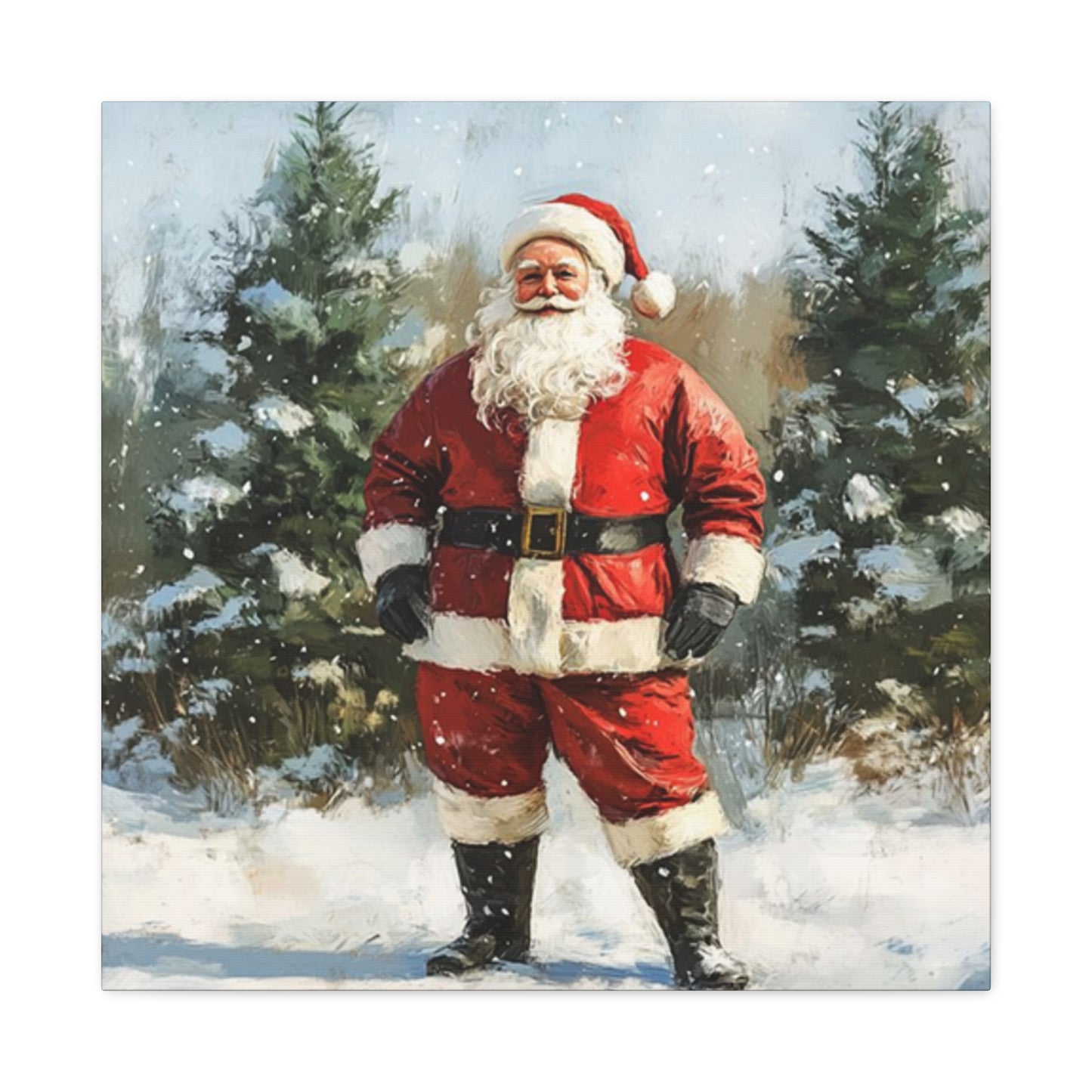
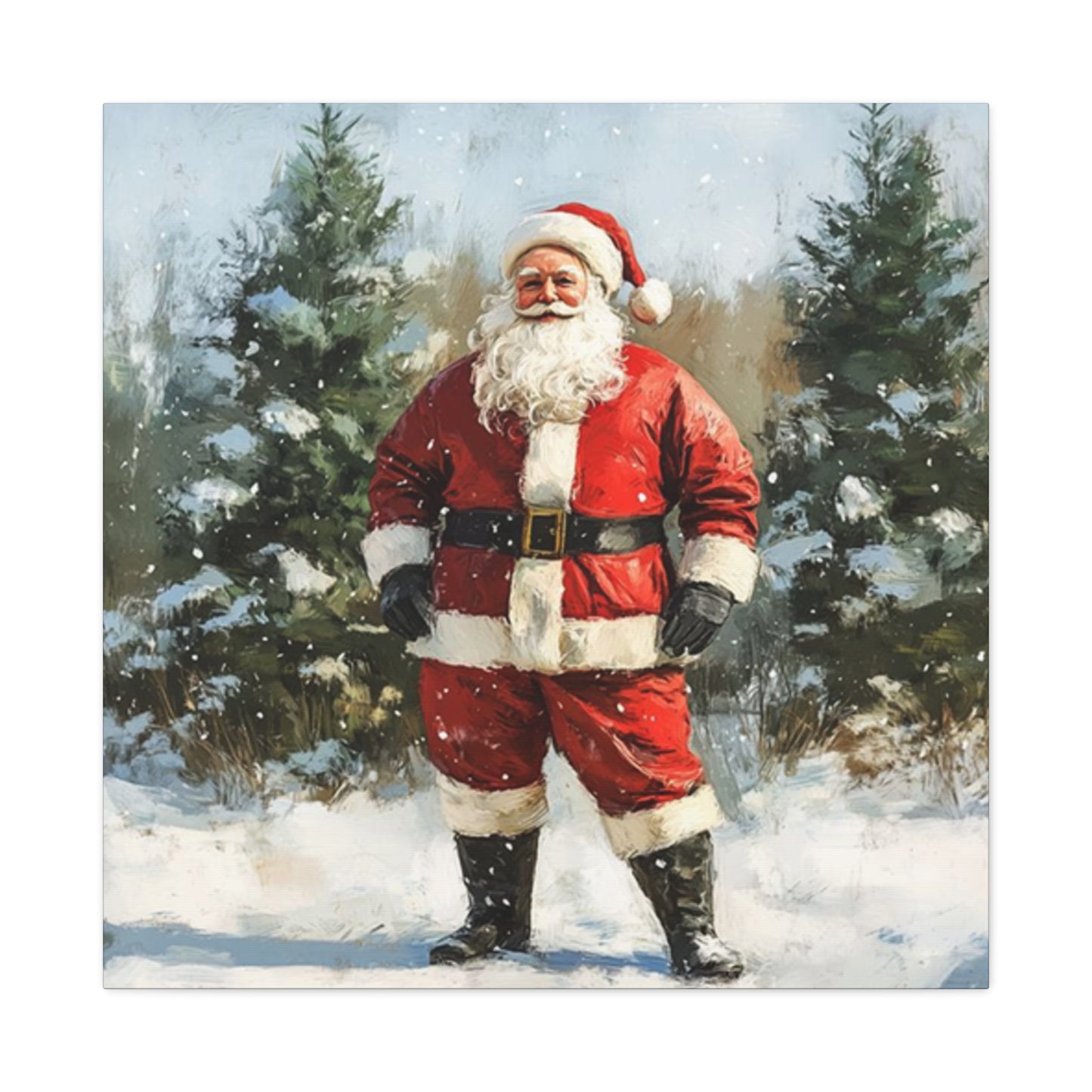
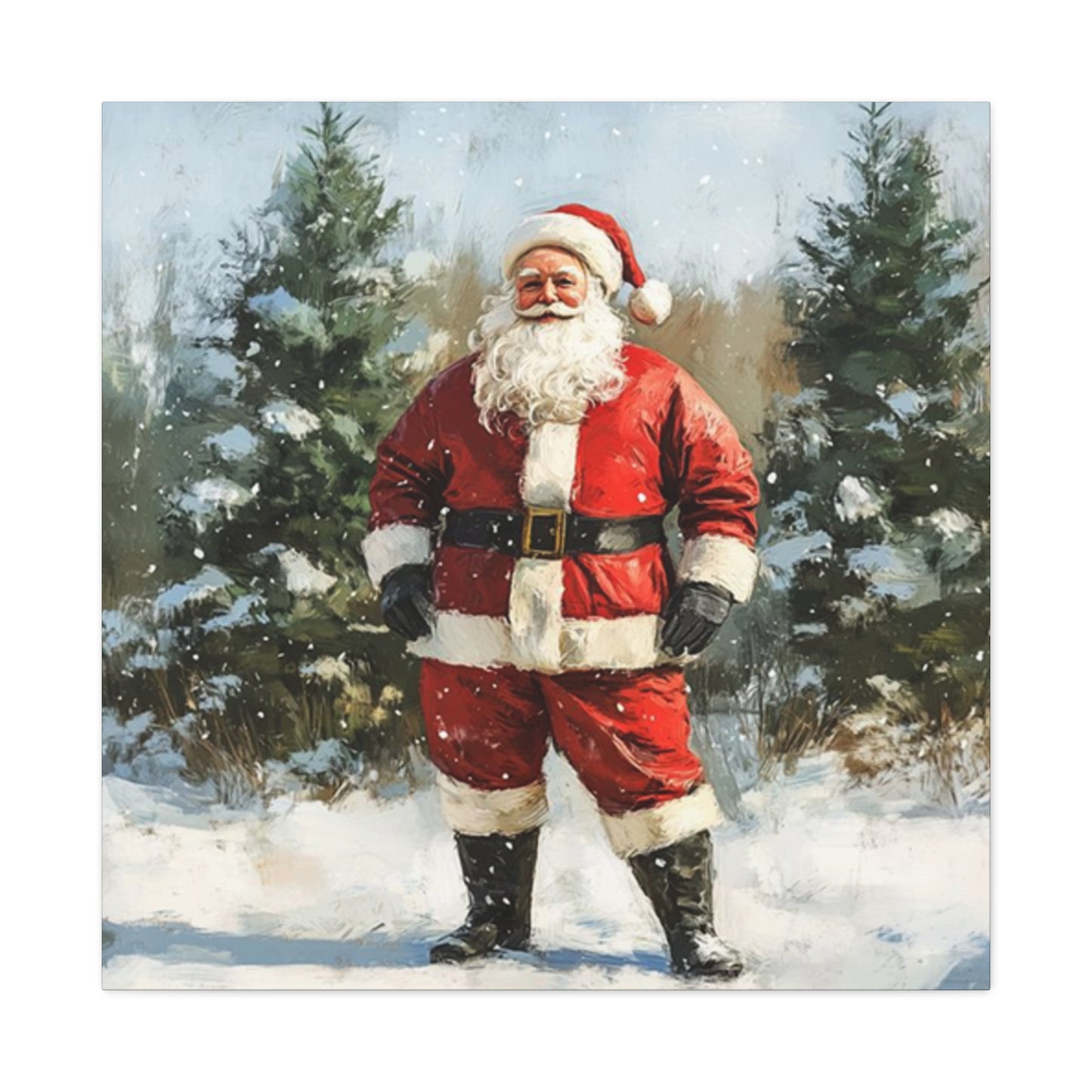
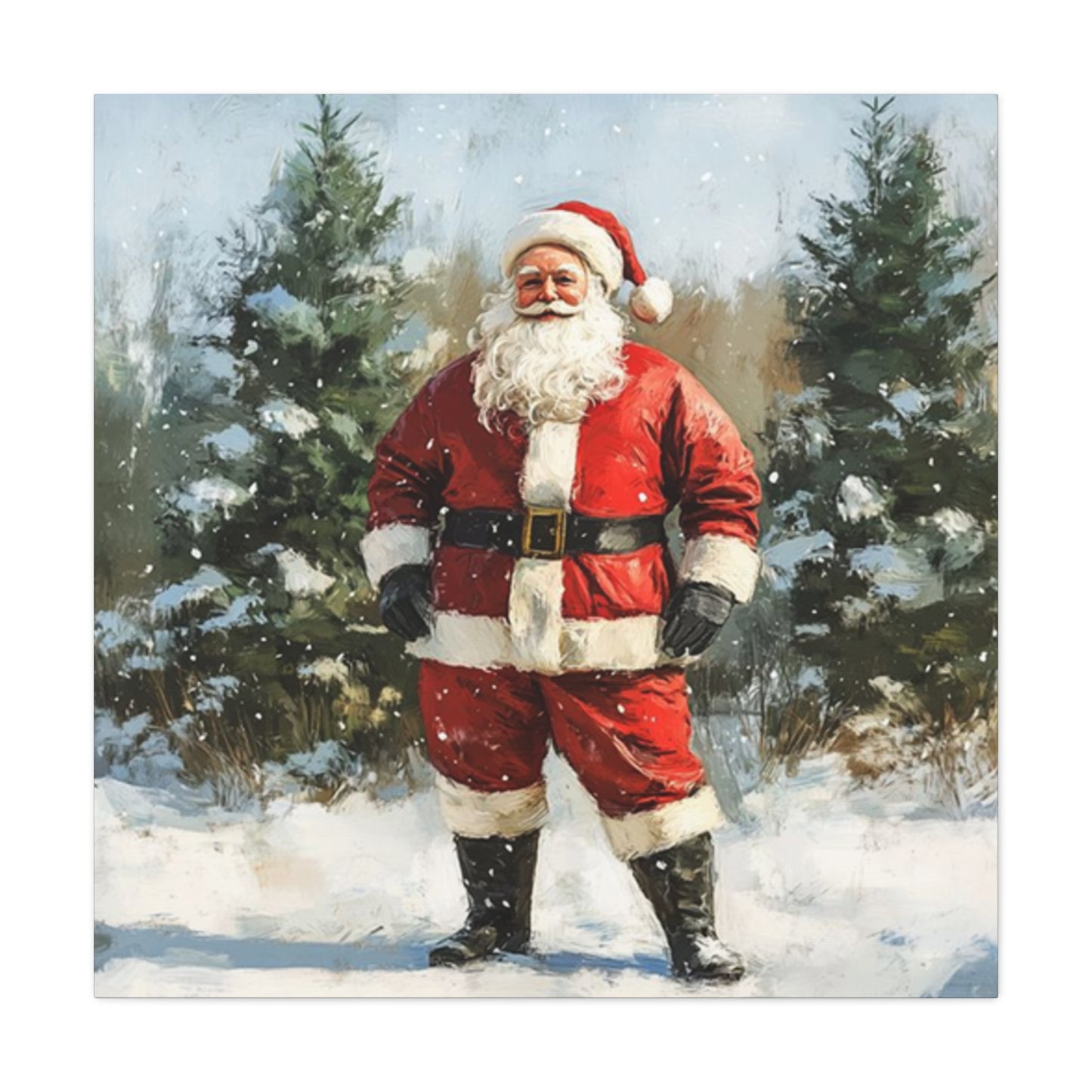
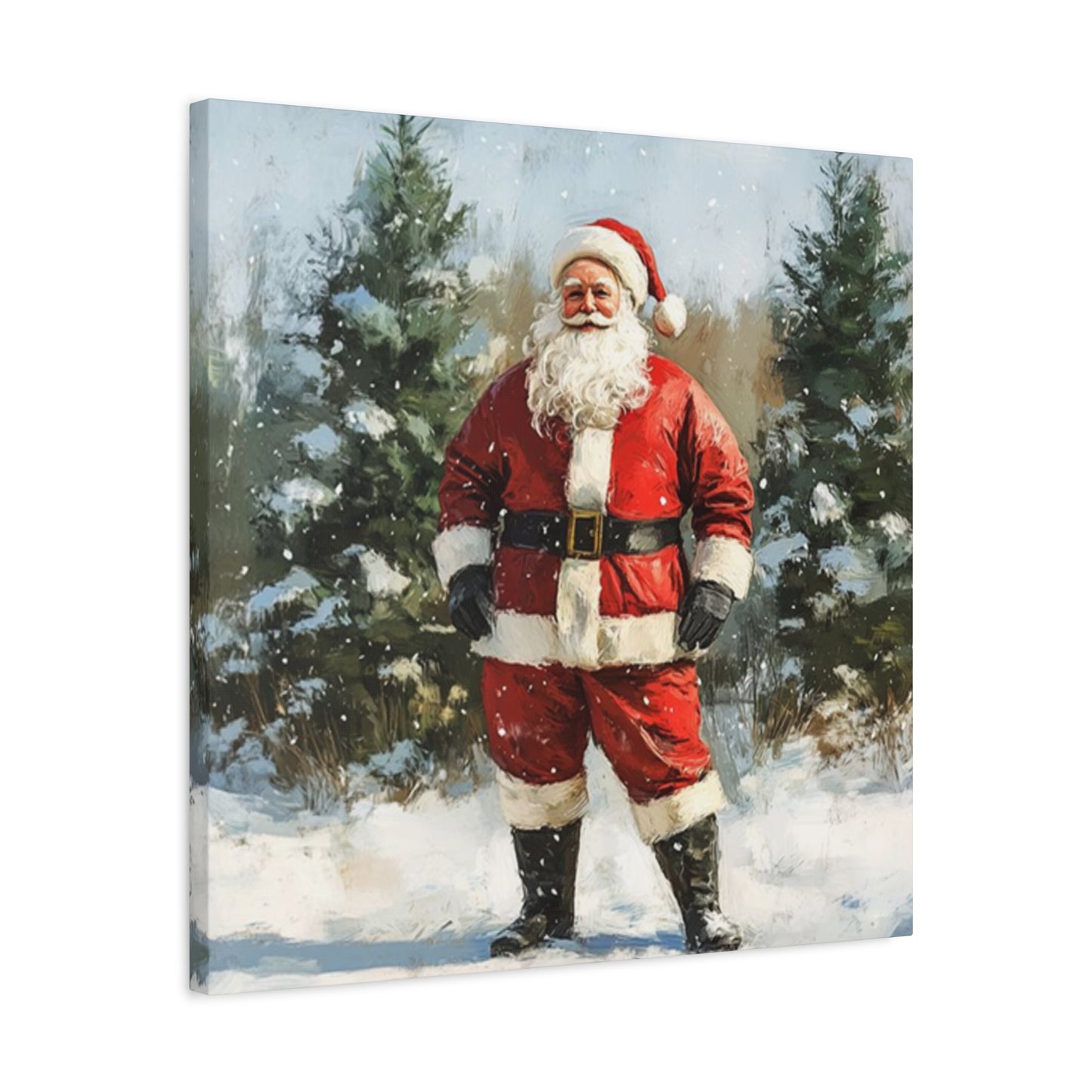
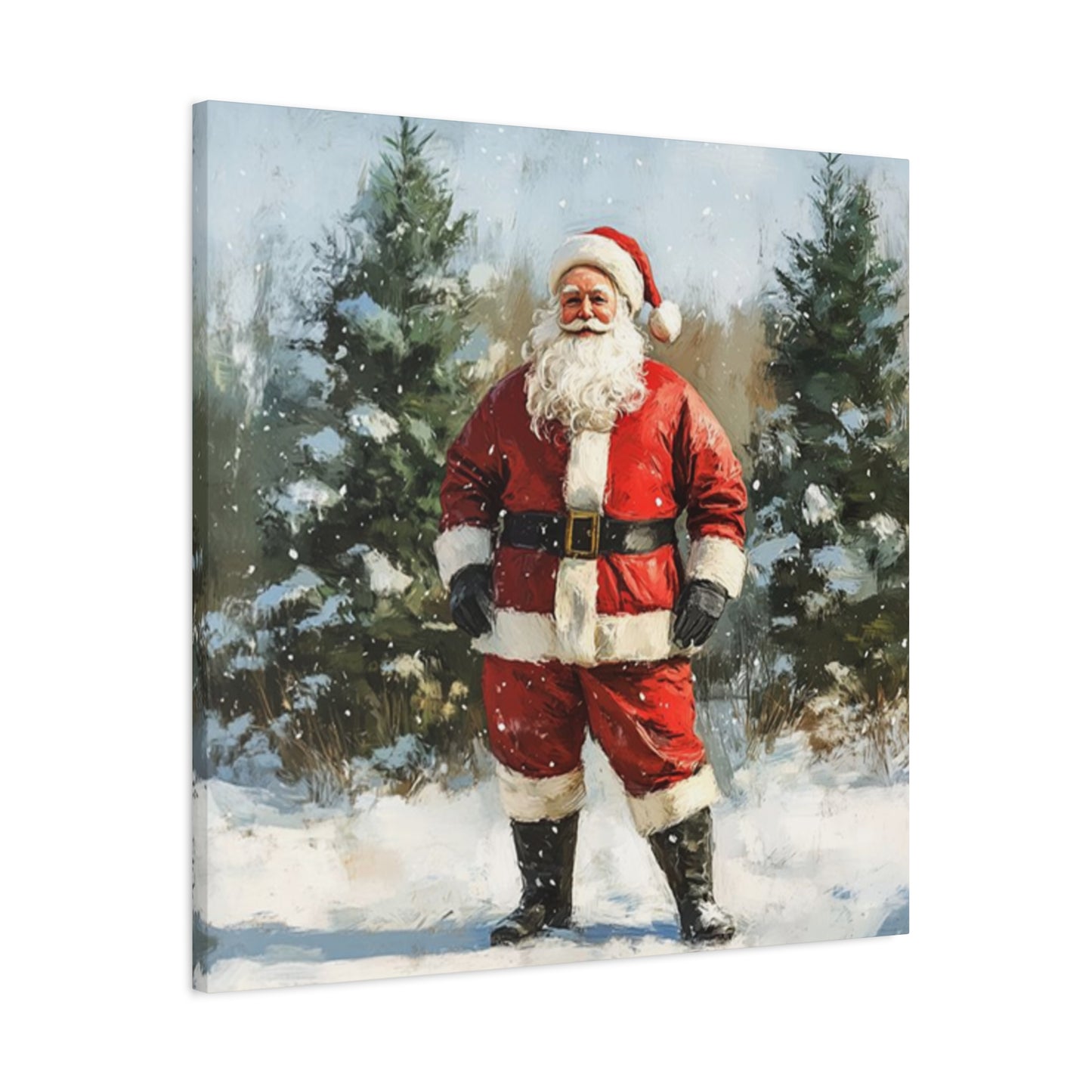
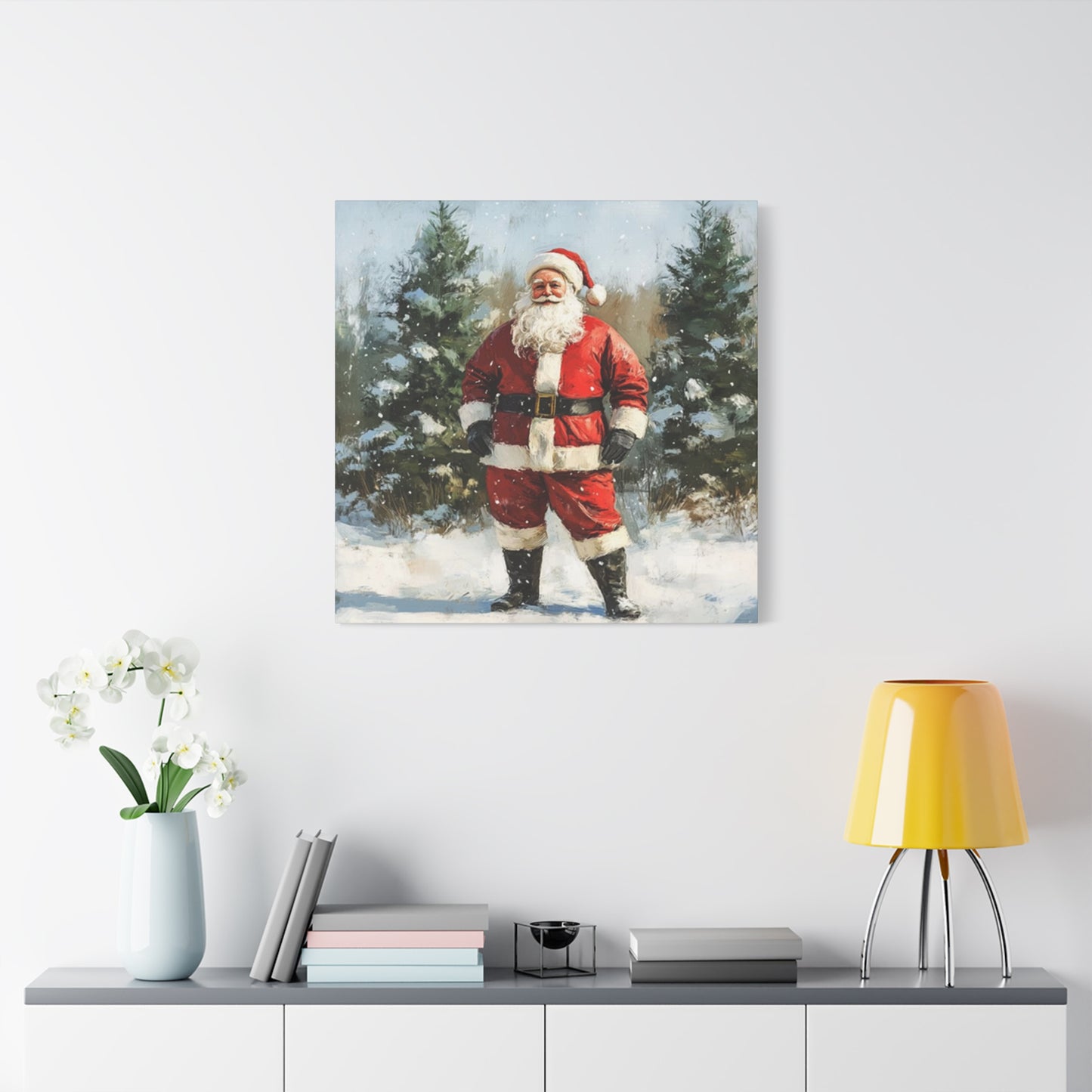
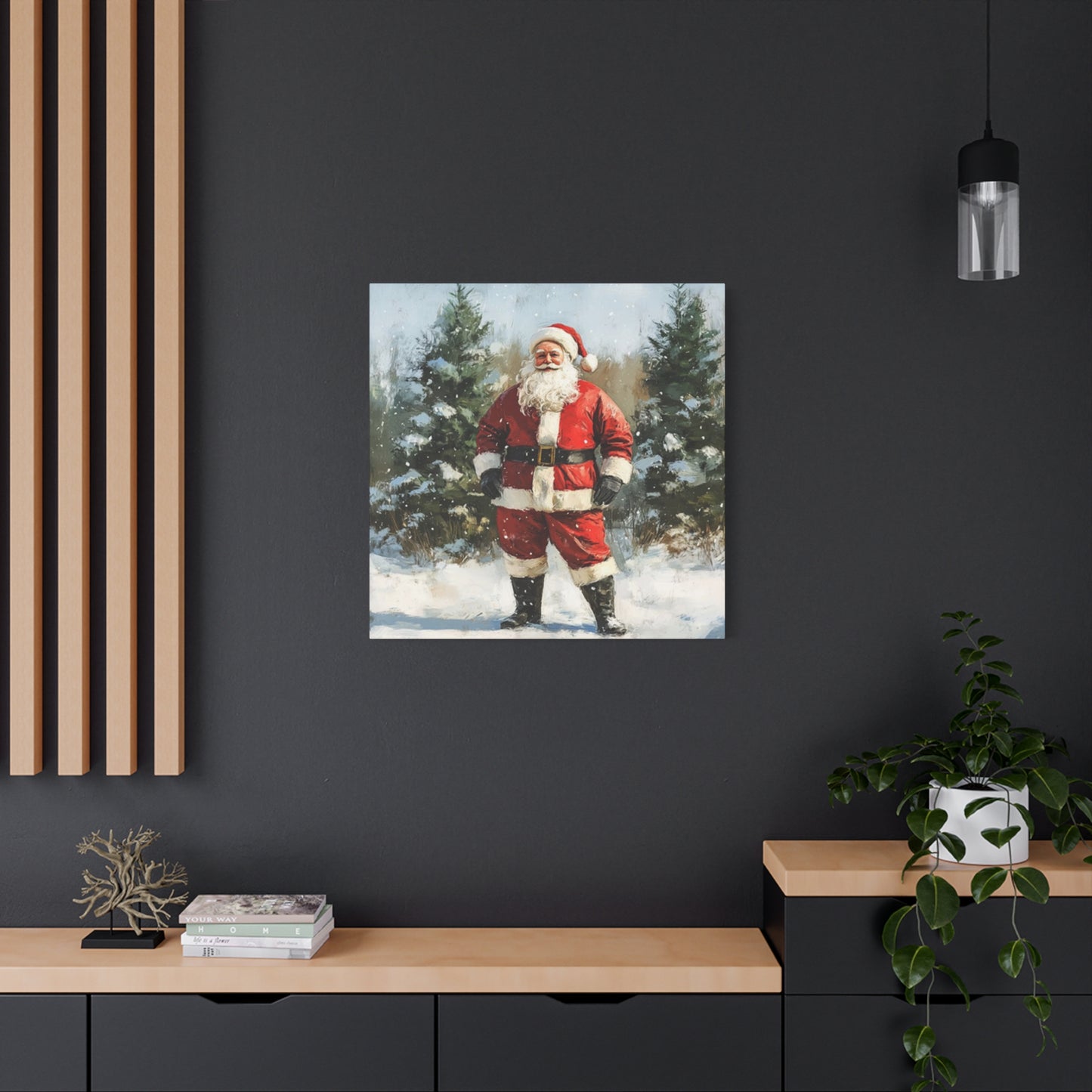
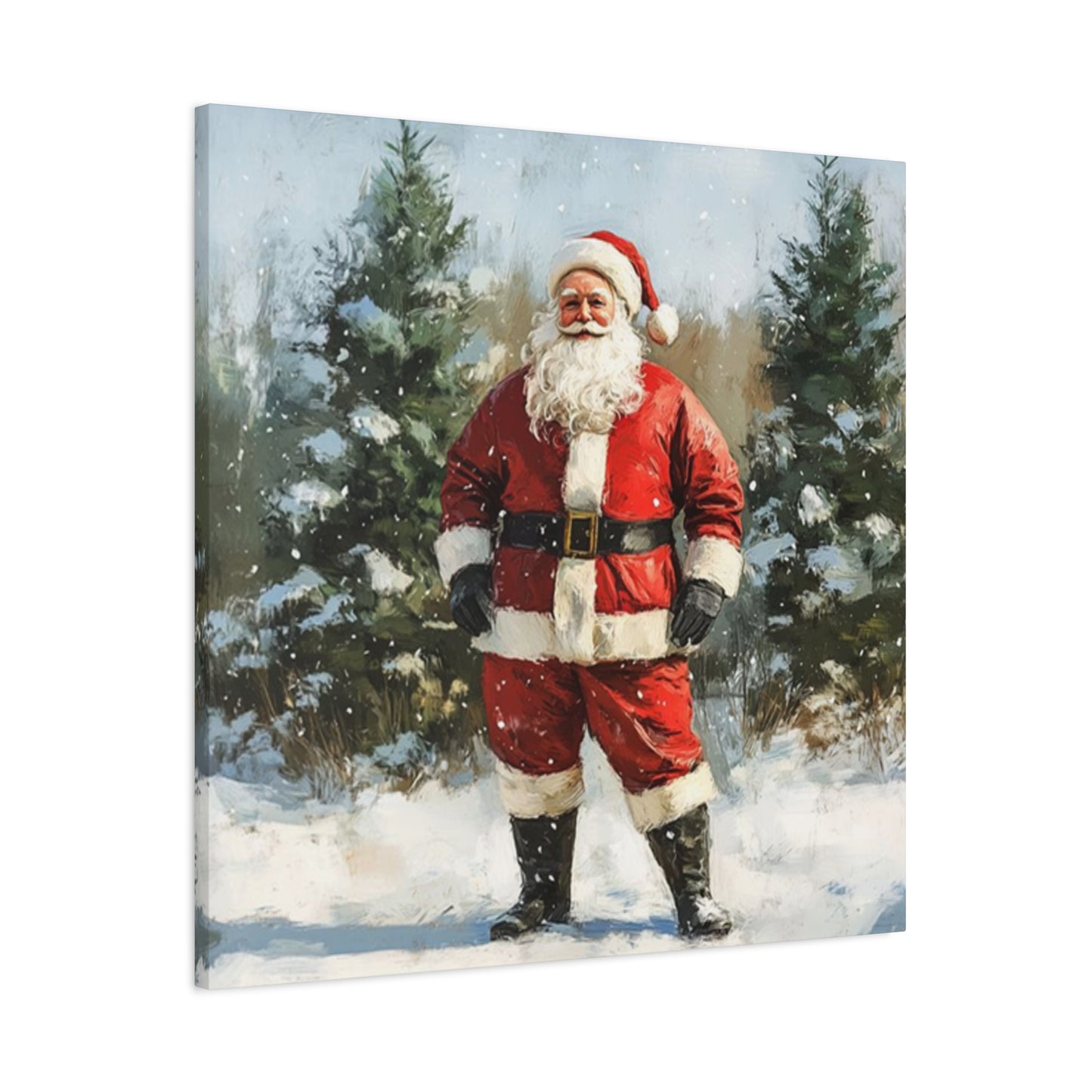
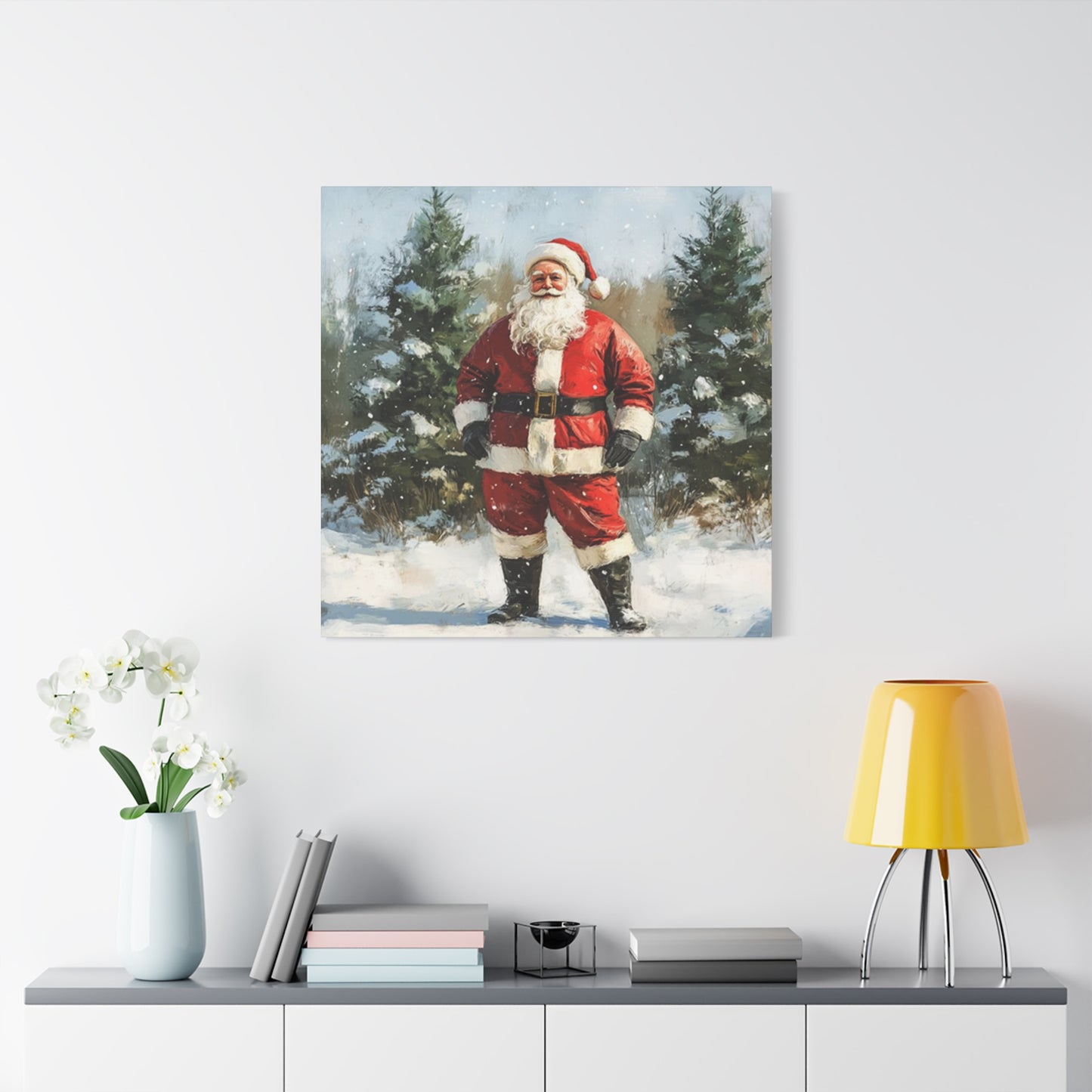
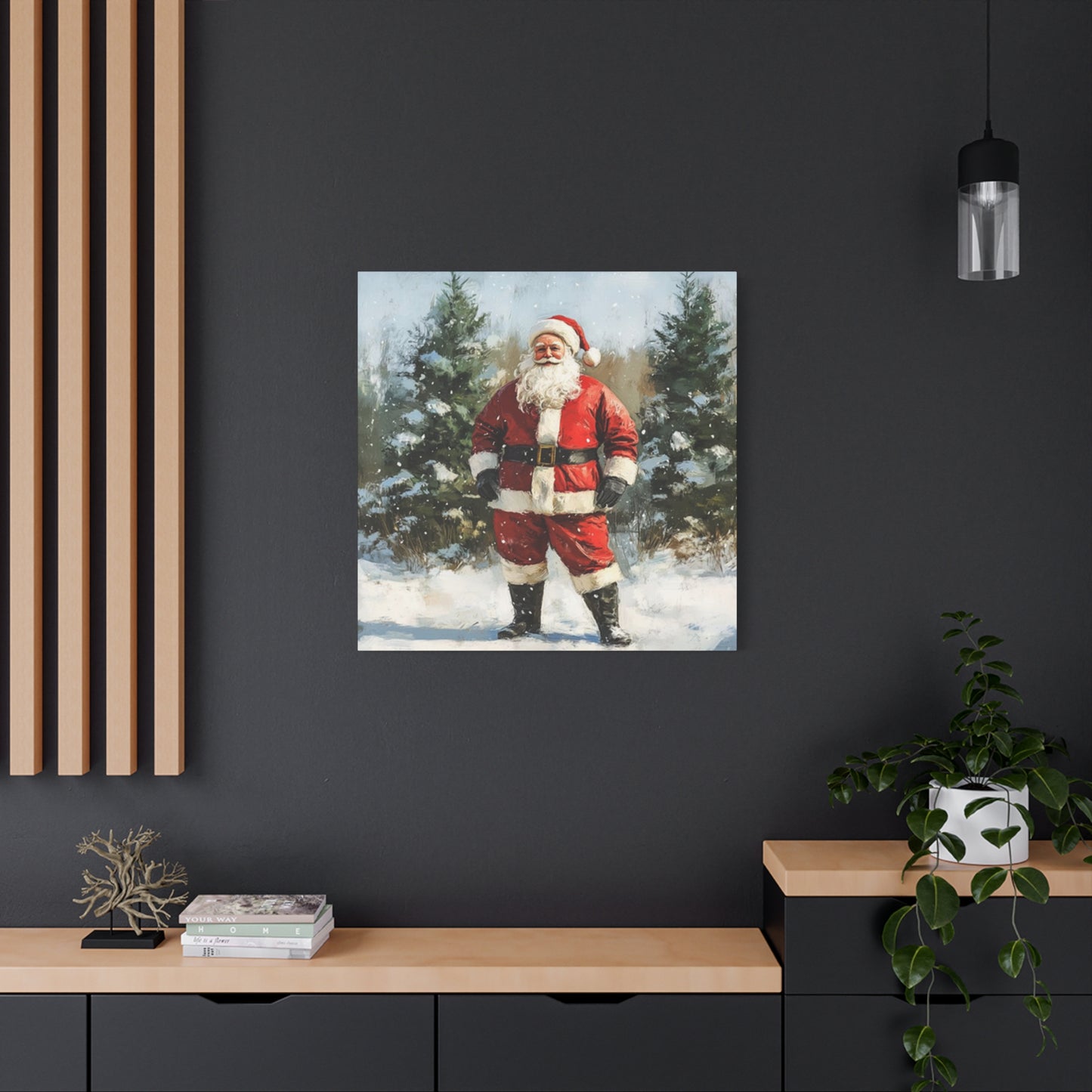
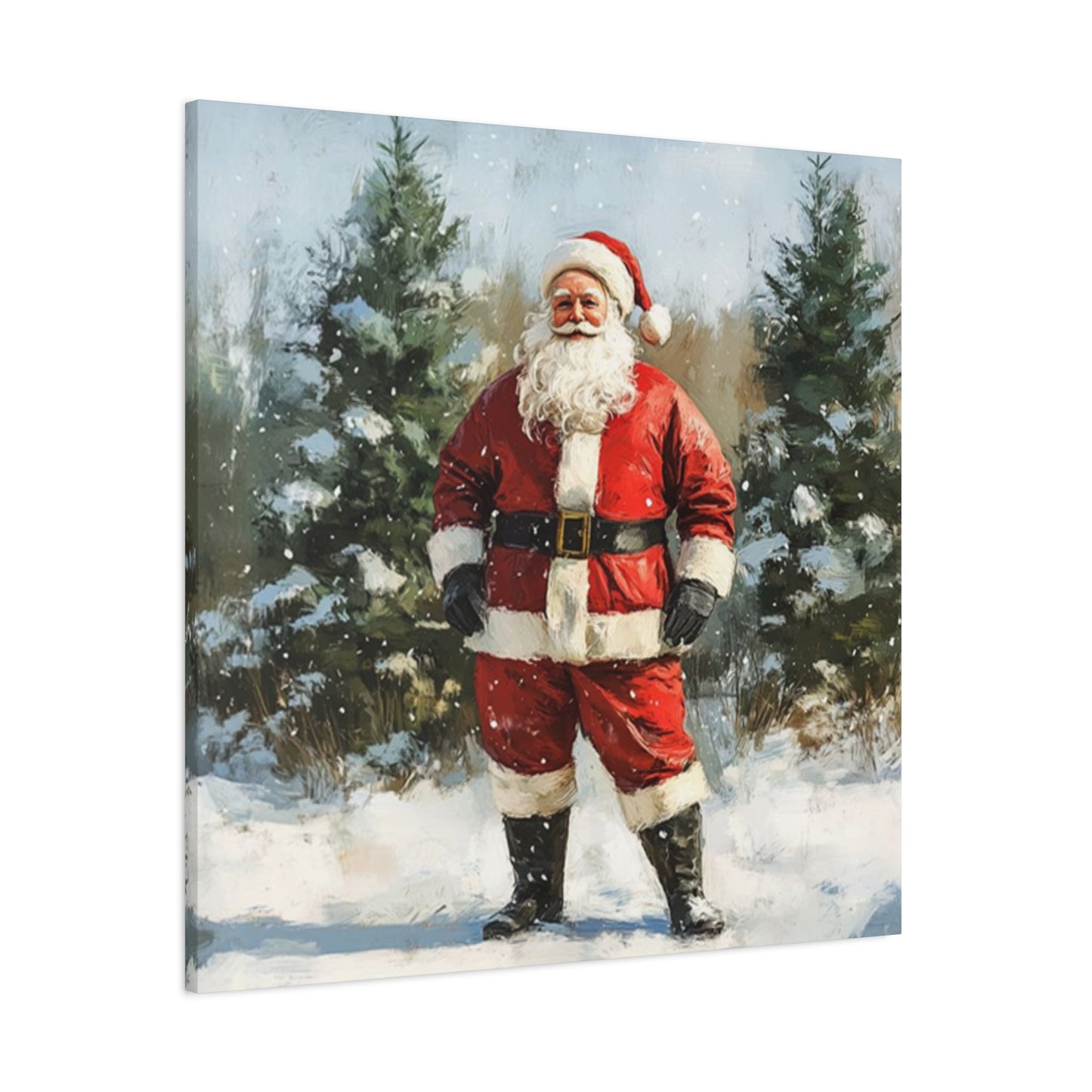
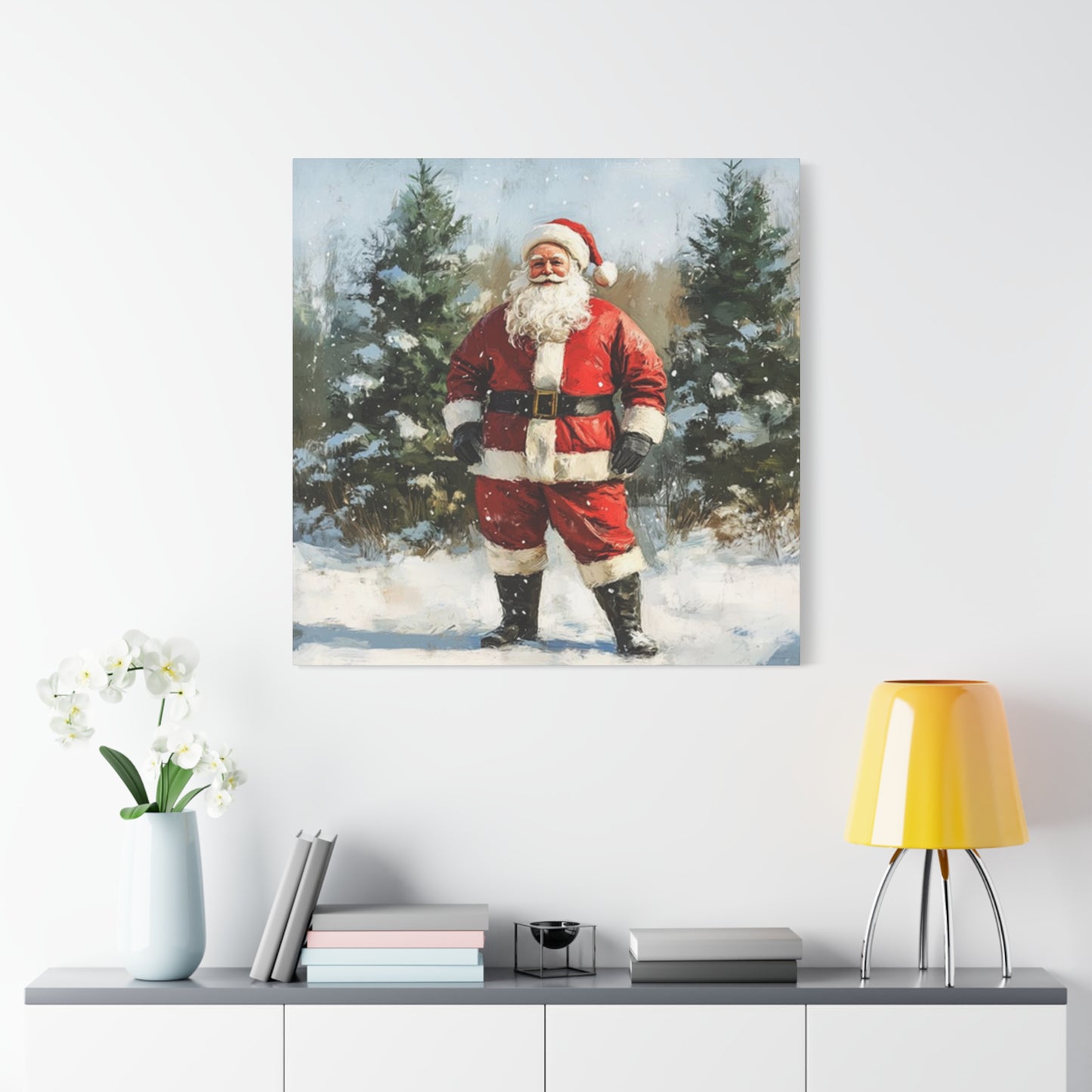
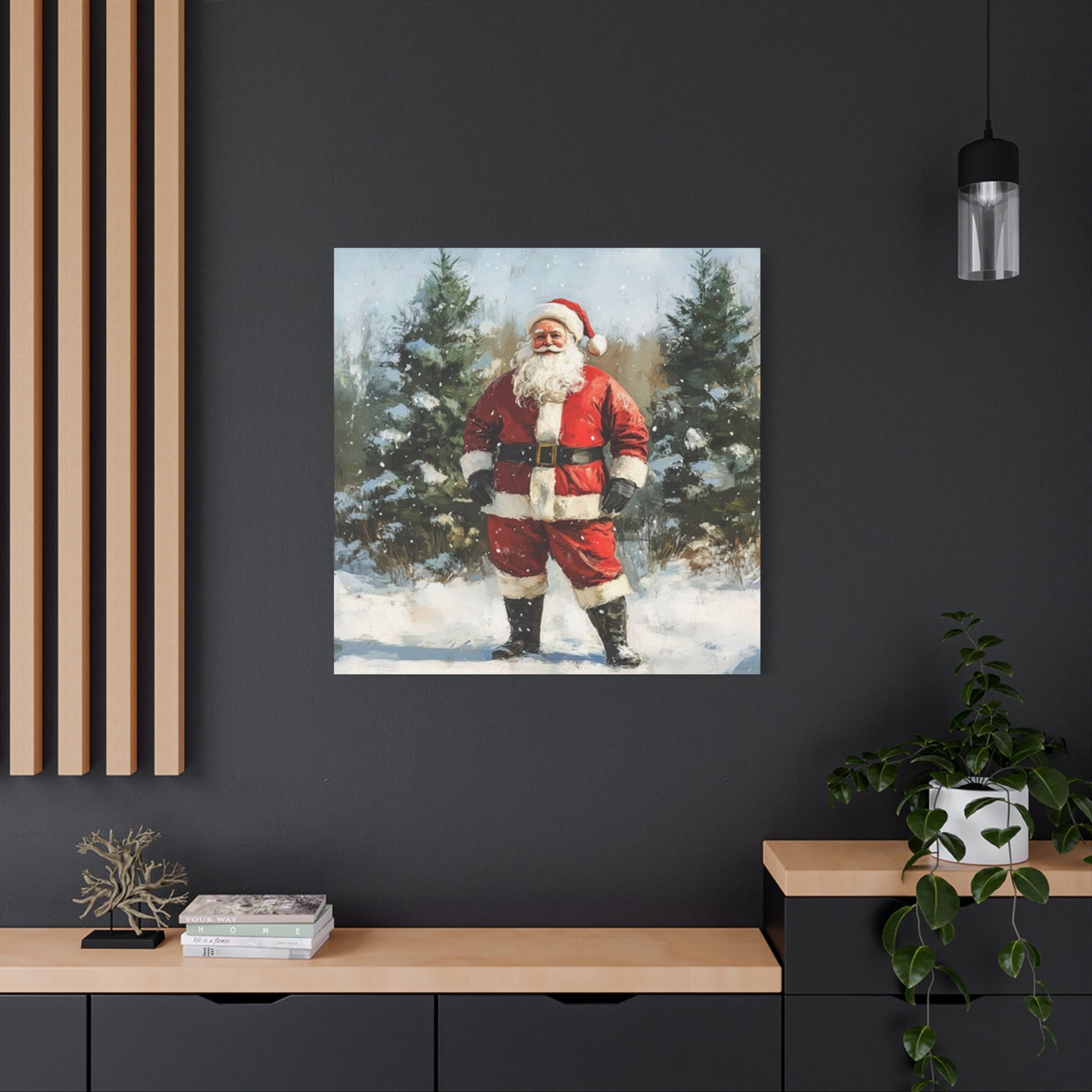
A Frosty Holiday Delight: Santa Claus in Snow Wall Art for Seasonal Décor
The transformation of living spaces during the holiday season brings joy, warmth, and a sense of magical celebration into our homes. Among the most beloved elements of festive decoration, Santa winter wonderland art has emerged as a cherished choice for homeowners seeking to infuse their interiors with the spirit of Christmas. This comprehensive exploration delves into the multifaceted world of Santa-themed winter artwork, examining how these pieces capture the essence of holiday cheer while bringing the enchantment of snowy landscapes directly into our domestic sanctuaries.
The appeal of incorporating Santa winter wonderland artistic pieces into home decoration transcends generational boundaries. Whether displayed in living rooms, bedrooms, or entryways, these visual representations serve as powerful reminders of the anticipation, joy, and togetherness that the season brings. The intersection of artistic expression and holiday nostalgia creates a unique category of wall art that resonates deeply with families across various backgrounds and traditions.
Santa's Winter Wonderland Artistic Expression
The concept of Santa's winter wonderland as depicted in contemporary art encompasses far more than simple illustrations of a jolly figure in snow. Artists approach this subject matter with remarkable sophistication, blending traditional imagery with innovative techniques to create pieces that appeal to both children and adults alike. The winter wonderland setting provides artists with an expansive canvas upon which to paint scenes of magic, mystery, and merriment that have captured human imagination for generations.
When we consider the artistic representation of Santa within snowy environments, we encounter a rich tradition that draws from centuries of cultural storytelling and artistic interpretation. The transformation of familiar holiday symbols through modern artistic lenses has resulted in countless variations, from whimsical and playful interpretations to more refined and sophisticated artistic statements. Each piece tells a story about how we imagine the holiday season, reflecting contemporary values while honoring time-honored traditions.
The visual language of winter wonderland art employs specific color palettes that immediately evoke the season. Deep blues, pristine whites, warm golds, and rich reds dominate these compositions, creating a sense of visual harmony that feels inherently connected to the Christmas experience. The interplay of light and shadow in snowy scenes adds depth and dimension, allowing viewers to feel as though they might step directly into these magical environments. Artists leverage these compositional elements deliberately, understanding that the emotional response to winter wonderland artwork depends significantly on how effectively colors and lighting communicate seasonal warmth amid frigid landscapes.
The representation of Santa within these artistic contexts evolves continuously. Traditional depictions emphasizing the rotund figure in bright red clothing exist alongside more contemporary interpretations that explore different artistic styles, from minimalist approaches to highly detailed realistic renderings. The diversity of artistic approaches ensures that there exists a Santa winter wonderland artwork suitable for virtually every aesthetic preference and decorative scheme, making these pieces remarkably versatile for various interior design philosophies.
Festive Santa in the Snow Visual Aesthetics
The visual presentation of festive Santa in the snow represents a deliberate artistic choice that combines multiple storytelling elements into cohesive compositions. Artists working in this genre understand that creating truly compelling pieces requires careful attention to environmental storytelling, character presentation, and atmospheric mood establishment. These elements work together to transport viewers into the magical realm where Christmas magic becomes tangible and believable.
The architectural elements often featured in festive Santa snow scenes contribute significantly to the overall narrative of the artwork. Cottages with smoke curling from chimneys, decorated Victorian houses, church steeples rising against winter skies, and charming village landscapes all serve as backdrops that enhance the festive atmosphere. These settings evoke a particular aesthetic sensibility that many associate with the golden age of Christmas illustration, yet contemporary artists continue to innovate within these traditional frameworks, adding fresh perspectives and modern sensibilities to classic compositions.
The portrayal of Santa himself undergoes considerable variation in festive snow artwork. Some artists emphasize the character's almost supernatural abilities and jolly demeanor, rendering him almost ethereal amid swirling snowflakes. Others lean toward more humanizing representations, showing Santa in moments of quiet reflection or genuine connection with his environment. The selection of which portrayal to feature often depends on the intended emotional resonance of the piece and the target audience the artist imagines experiencing the work.
Snowfall patterns and snow accumulation in these artworks carry symbolic weight beyond mere environmental accuracy. Artists use snow as a medium for expressing themes of purity, renewal, and magical transformation. The dynamic movement of falling snow creates visual energy within compositions, drawing the viewer's eye through the piece and creating a sense of motion and liveliness. The contrast between moving snow and static elements like buildings or the figure of Santa creates visual interest and compositional balance that keeps viewers engaged with the artwork.
The seasonal atmosphere conveyed through festive Santa snow artwork extends beyond visual elements to encompass the emotional and spiritual dimensions of the holiday season. The artwork communicates feelings of anticipation, security, wonder, and belonging. These emotional dimensions prove just as important as technical artistic execution in determining whether a piece successfully captures the essence of festive celebration and holiday spirit that resonates with viewers.
Cozy Christmas with Santa Art and Home Comfort
The integration of cozy Christmas with Santa art into residential spaces transforms homes into retreats of warmth and comfort during the winter months. The concept of coziness, often expressed through the Danish word hygge, combines physical comfort with emotional well-being, creating environments where family and friends naturally gather to enjoy shared experiences. Santa-themed winter art pieces serve as focal points that invite this type of gathering and connection.
The creation of cozy atmospheres through artistic means relies on several interconnected design principles. Lighting becomes particularly important in these spaces, as both natural light during daytime hours and artificial illumination in evening settings dramatically affect how Santa winter art appears to viewers. The interplay between the artwork and surrounding room lighting can either enhance or diminish the emotional impact of the piece. Thoughtfully positioned wall art works in concert with lamps, candles, and other light sources to create layered illumination that makes spaces feel simultaneously vibrant and soothing.
The color schemes commonly employed in cozy Christmas Santa artwork favor warm tones that psychologically communicate comfort and security. These warm palettes, typically featuring rich creams, deep golds, russet tones, and burgundy accents alongside seasonal reds and greens, create visual environments that feel inherently nurturing. The psychological impact of these color choices extends beyond mere aesthetic preference; they actually influence how people feel when occupying spaces where such artwork is displayed, promoting relaxation and contentment.
The textural qualities present in cozy Santa Christmas artwork contribute substantially to the comfort factor these pieces deliver. Whether created through painting technique, printmaking processes, or digital media, the visual suggestion of soft textures like snow, fur, fabric, and wood invites viewers to mentally engage their sense of touch. This multisensory engagement deepens the emotional connection between viewer and artwork, making the piece feel more immediately present and affecting than purely visual artwork might achieve.
The presence of familial and social elements within cozy Christmas Santa art reinforces the themes of togetherness and belonging that define holiday celebrations. Artwork depicting Santa interacting with children, animals, or within family gathering contexts taps into the universal human desire for connection and community. These images serve as visual reminders during winter months that even amid the cold and darkness outside, our homes can shelter warmth, love, and joyful relationships. The psychological comfort provided by these visual reminders proves particularly valuable during the darker, colder months of the year.
Santa Claus Braving the Snow Heroic Imagery
The portrayal of Santa Claus braving the snow transforms the figure into a character of remarkable resilience and determination. In these artistic interpretations, Santa transcends the static, jolly image familiar from many holiday traditions, instead becoming a dynamic figure engaged in purposeful action and noble endeavor. The heroic dimension of this imagery appeals particularly to viewers who appreciate narratives of perseverance, dedication, and commitment to noble causes.
Artists depicting Santa braving snowy conditions employ compositional techniques that emphasize the challenging nature of the winter environment while simultaneously suggesting Santa's exceptional capability to navigate these difficulties. Strong directional lines created through snow drifts, wind patterns, or the paths Santa travels lead viewer attention through the composition in ways that communicate forward momentum and purposeful progress. The contrast between Santa's warm, vibrant presence and the cool, austere winter environment creates visual tension that conveys both the magnitude of environmental challenges and the indomitable spirit required to overcome them.
The narrative power of Santa braving the snow draws from deep cultural associations between winter and adversity. Snow, while beautiful and festive, also represents genuine hardship and survival challenge. When Santa is depicted successfully navigating these conditions, the artwork communicates themes about human resilience, the triumph of spirit over circumstance, and the power of unwavering commitment to worthy goals. Children viewing such artwork absorb implicit lessons about perseverance and determination, while adults may appreciate the metaphorical resonance these images carry regarding life's challenges.
The reindeer imagery frequently accompanying depictions of Santa braving the snow serves essential narrative and symbolic functions. The reindeer become collaborators in Santa's heroic journey, symbolizing teamwork, trust, and the power of relationships to help us accomplish seemingly impossible objectives. The careful rendering of reindeer expressions, body language, and positioning within compositions communicates the idea of willing partnership and shared purpose. These animals cease to be mere transportation and instead become central to the narrative of collective endeavor amid adverse circumstances.
The environmental storytelling in artwork showing Santa braving snowy conditions extends to include subtle details that accumulate to create rich, immersive experiences. Footprints in snow, the weight of accumulated ice on roofs, frost patterns on windows, and the particular quality of light that characterizes overcast winter days all contribute to the overall authenticity and emotional resonance of these pieces. Artists who include such details demonstrate sophisticated understanding of how visual information layers to create compelling artistic statements that feel genuine and truthful.
Holiday Magic Santa in Snow Atmospheric Wonder
The conceptualization of holiday magic as captured through Santa in snow artwork explores the intersection between the rational, material world and the realm of wonder, mystery, and enchantment. The snow itself becomes a conduit for magical imagery, its crystalline structure suggesting mystery and possibility while its whiteness implies purity and transformation. When artists combine snow environments with Santa's presence, they create visual metaphors for the magical thinking and sense of possibility that characterize how many people experience the holiday season.
The atmospheric quality of snow provides exceptional opportunities for artistic exploration of light, color, and visual mood. Artists working with snow-laden scenes employ sophisticated techniques to render the particular diffusion of light that occurs in overcast winter weather, the ethereal quality of fog mixed with falling snow, and the glowing luminosity of moonlight reflected off white surfaces. These atmospheric treatments transform simple winter scenes into almost dreamlike environments where normal rules seem suspended and anything might be possible.
The concept of holiday magic in Santa snow artwork frequently incorporates fantastical elements that depart from strict realism while maintaining emotional truthfulness. Flying reindeer, magical delivery systems, the seemingly impossible task of visiting countless homes in a single night, and Santa's apparent agelessness all represent departure from literal possibility. Yet these magical elements feel entirely appropriate and even necessary within the context of holiday artwork, as they communicate the sense of wonder and suspension of disbelief that defines how many experience the season.
The juxtaposition of mundane, earthly locations with magical Santa imagery creates productive visual tension that makes artwork more engaging and memorable. A ordinary village street becomes extraordinary when Santa is depicted there. A typical snowy evening becomes magical when accompanied by artistic elements suggesting Santa's presence and activity. This transformation of the ordinary into the magical through Santa's presence communicates the idea that magic exists not in distant, unreachable realms but rather interpenetrates everyday life and familiar places.
The color symbolism employed in holiday magic Santa snow artwork reinforces themes of transformation and transcendence. Gold and silver accents suggest magic and celestial connection, while the cool blues and whites of snow create a palette suggesting quiet mystery. The combination of warm and cool tones establishes visual contrast that feels both balanced and slightly unsettling in the most evocative way, suggesting we are witnessing something simultaneously familiar and extraordinary.
Snowy Scenes with Santa Landscape Composition
The development of snowy scenes featuring Santa demonstrates how artists thoughtfully compose landscapes to guide viewer attention, establish mood, and communicate narrative elements. Landscape composition in this genre involves making deliberate choices about where to position elements, how to balance different components, and how to create visual hierarchies that direct viewer engagement through the artwork in meaningful patterns. The complexity of creating effective snowy landscapes becomes apparent when one considers how easily snow-dominated environments might appear blank or monotonous without skillful artistic intervention.
The use of atmospheric perspective in snowy Santa artwork helps create the illusion of depth and spatial dimension on flat surfaces. Elements positioned in the distance appear hazier, less detailed, and rendered in cooler tones, while foreground elements emerge with greater clarity and visual prominence. This careful gradation of detail and color creates a convincing sense that the artwork contains considerable spatial depth, inviting viewers to mentally enter the depicted environment. The creation of such spatial coherence requires sophisticated understanding of how human visual perception interprets pictorial information.
The distribution of visual weight within snowy Santa scene compositions determines overall balance and creates points of visual emphasis. Artists working with these landscapes must carefully position elements to ensure that important narrative components receive adequate visual emphasis while maintaining compositional balance. Santa might occupy a subordinate position within a larger landscape composition, allowing the winter environment itself to assume primary importance, or conversely, Santa might be positioned as the clear focal point toward which all other compositional elements direct viewer attention. These choices fundamentally alter the message and emotional impact of the finished artwork.
Santa's Snowy Journey on Canvas Narrative Art
The representation of Santa's snowy journey on canvas elevates the figure from mere decorative element to protagonist within narrative-driven artwork. When artists depict Santa engaged in the fundamental act of his seasonal mission, they create opportunities to explore themes of purpose, dedication, adventure, and the fulfillment that comes from accomplishing meaningful work. The journey itself becomes a metaphor for life's larger quests and the importance of persisting through challenging circumstances to achieve worthy objectives.
The visual language of journey depictions typically incorporates movement and directionality as fundamental compositional elements. The viewer's eye follows implied paths, glances, and directional vectors through the artwork, creating a sense of Santa's motion through snowy landscapes. The use of trail imagery, the positioning of Santa relative to landmarks, and the rendering of environmental elements as though affected by Santa's passage all contribute to conveying the active, dynamic nature of his journey through winter conditions.
The documentation of Santa's journey on canvas often includes storytelling elements that suggest the passage of time and accumulated experience. The rendering of exhaustion or determination in Santa's features, the accumulation of frost or ice on his clothing and belongings, the changing appearance of landscapes as journeys progress from beginning to end, all contribute to the sense that time is passing and experiences are accumulating. These narrative elements transform simple figure depictions into complex character studies that invite viewer contemplation and emotional engagement.
The relationship between Santa and his mode of transportation, typically reindeer, figures prominently in journey artwork. The depiction of these partnerships communicates themes about teamwork, mutual trust, and the ways relationships enable us to accomplish what would be impossible alone. The faithful companions accompanying Santa through snowy conditions become central to the journey's narrative, and artists thoughtfully render their expressions and body language to convey their commitment to the shared mission. The bond between Santa and his reindeer becomes a visual metaphor for deeper human values regarding loyalty and collaboration.
The environmental obstacles depicted in Santa's snowy journey artwork provide opportunities for artists to explore themes of perseverance and determination in the face of adversity. Treacherous paths, howling winds, approaching storms, impassable terrain, and the sheer vastness of landscapes Santa must traverse all contribute to establishing the magnitude of challenges he faces. Yet his unwavering progress through these difficulties communicates the idea that commitment to worthy goals enables us to overcome obstacles that might otherwise seem insurmountable. The triumph of will and purpose over circumstance becomes a central thematic element in effective journey artwork.
Winter Cheer with Santa Wall Art Display
The selection and display of winter cheer Santa wall art represents an important decorative decision that significantly influences overall home environment and aesthetic coherence. Wall art functions not merely as decoration but as a medium through which homeowners express personal values, tastes, and seasonal preferences. The deliberate curation of Santa winter artwork communicates something meaningful about the people inhabiting spaces and their relationship with holiday traditions and family celebration.
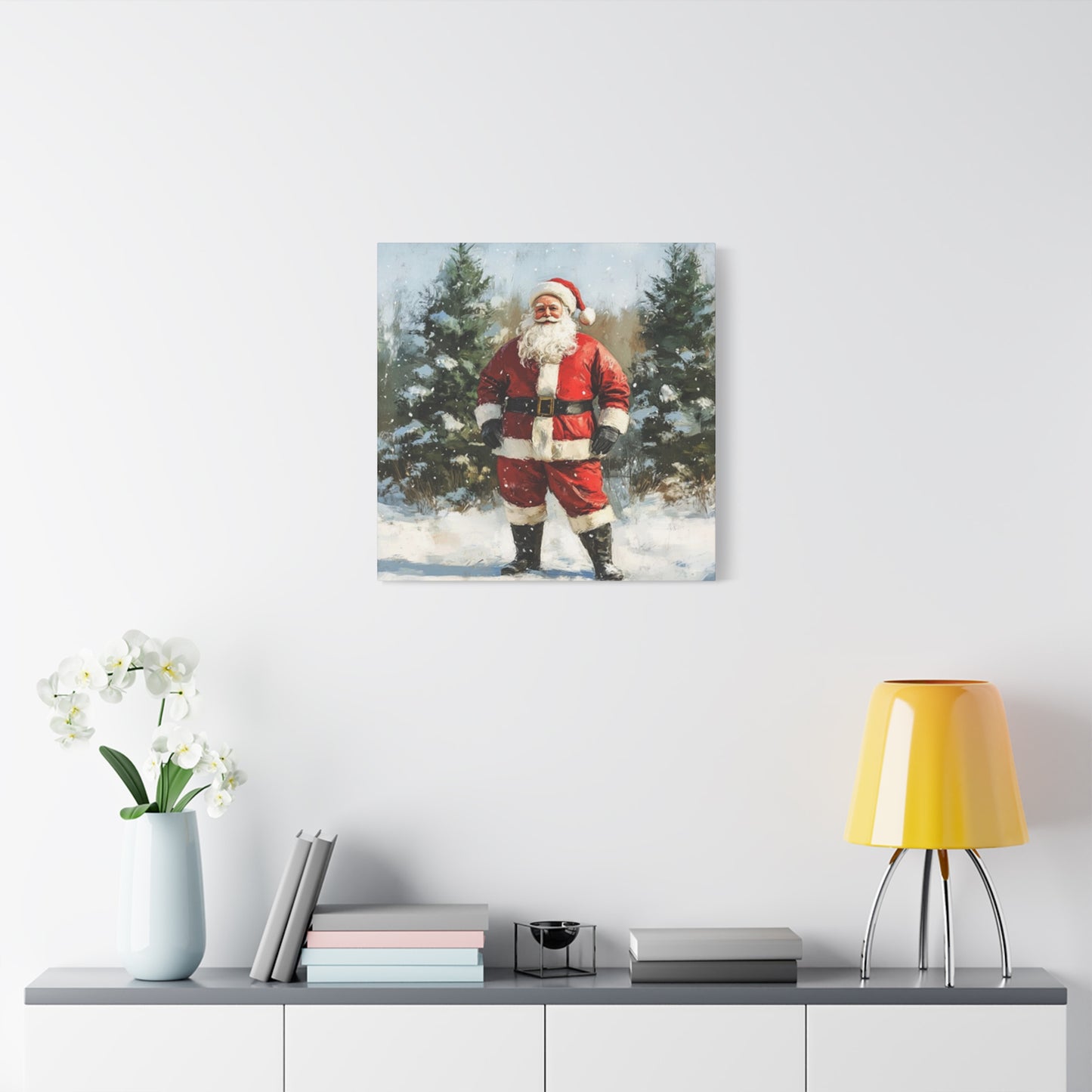
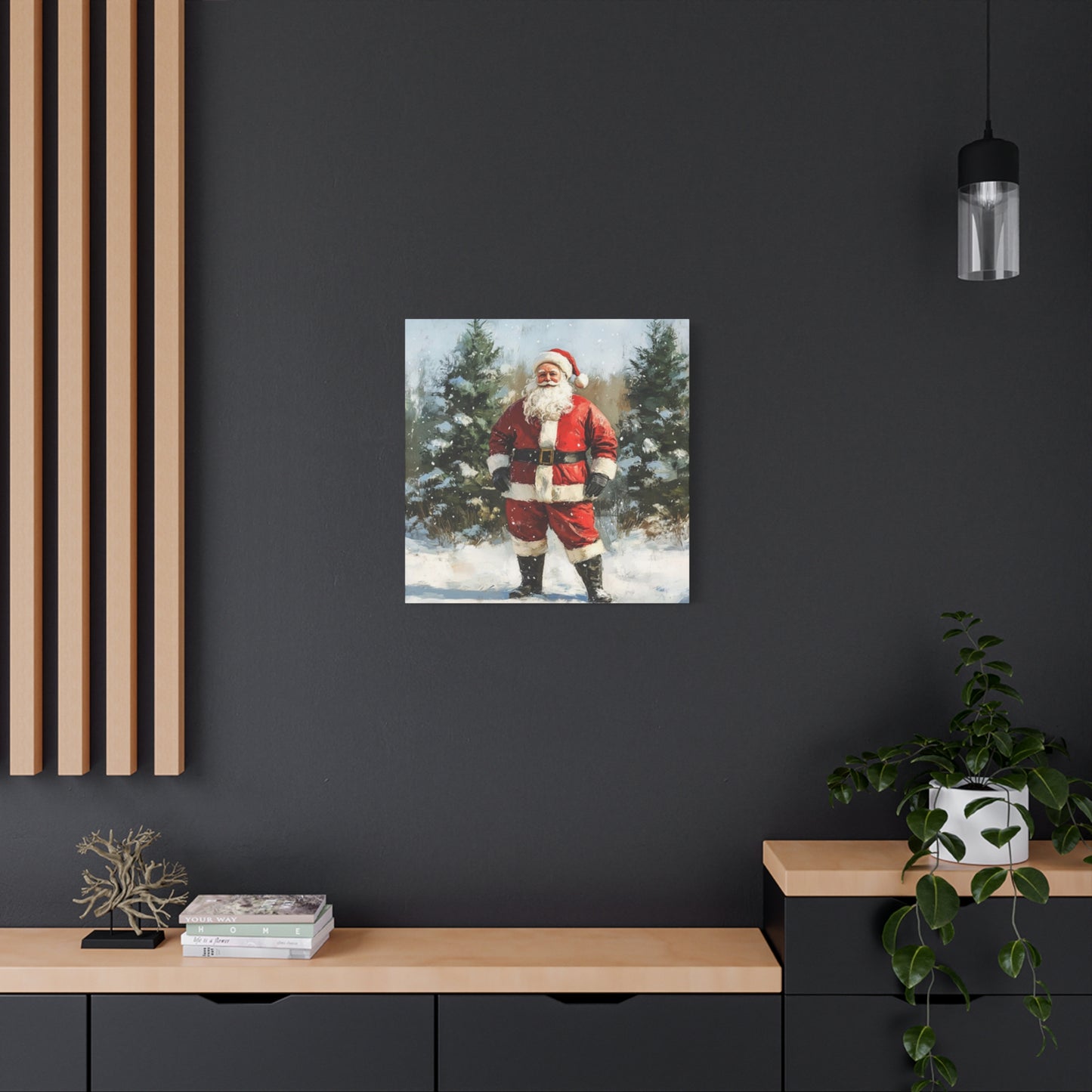
The positioning of Santa wall art within rooms requires thoughtful consideration of sight lines, natural and artificial lighting, and the relationship between artworks and surrounding furnishings. Artwork positioned at eye level where people naturally focus their attention creates more immediate impact and establishes stronger emotional connection than pieces relegated to peripheral positions. The wall surface itself influences how artwork appears, with textured walls providing dimension and subtle backgrounds allowing artwork to dominate viewer attention, while smooth surfaces may create reflectivity issues affecting how artwork is viewed under various lighting conditions.
The size of selected Santa wall art must relate proportionally to wall dimensions, surrounding furniture, and the overall spatial scale of rooms. Oversized artwork in intimate spaces can overwhelm and dominate environments, while understated pieces in large rooms may fail to command necessary attention or create intended visual impact. The careful calibration of scale ensures that selected artwork integrates harmoniously within existing spatial relationships while still achieving the aesthetic goals motivating its selection.
Classic Santa in a Snowy Setting Timeless Imagery
The representation of classic Santa in snowy settings draws from deeply established artistic traditions and cultural imagery that have accumulated over generations. The classic Santa figure, with his round belly, rosy cheeks, white beard, and characteristic red suit, represents perhaps the most instantly recognizable representation of Christmas magic and holiday generosity. The integration of this iconic figure into snowy environments creates immediate associations with familiar holiday imagery while simultaneously offering opportunities for artists to explore fresh interpretations within well-established frameworks.
The artistic traditions informing classic Santa snow imagery trace back centuries to various cultural sources and artistic movements. The works of illustrators like Thomas Nast, whose depictions of Santa became standard representations during the late nineteenth century, established visual conventions that persist in contemporary artwork. The red suit, the connected sleigh and reindeer, the generosity toward children, and the magical abilities associated with Santa all derive from this artistic and cultural history. Contemporary artists working in the classic tradition acknowledge these influences while bringing their own perspectives and techniques to established subjects.
The nostalgic appeal of classic Santa snowy imagery resonates particularly powerfully with viewers who carry childhood memories of these traditional depictions. The artworks function as visual anchors connecting present experience to remembered past, creating bridges between childhood wonder and adult appreciation of festive tradition. This nostalgic dimension proves especially valuable for people seeking to recreate or maintain connection with cherished family traditions and childhood experiences during holiday seasons. The presence of classic Santa imagery in homes reconnects inhabitants with formative experiences and valued memories.
The technical excellence often characterizing classic Santa artwork demonstrates sophisticated artistic skill and deep understanding of figure drawing, composition, and representational technique. The careful rendering of fabric folds in Santa's suit, the naturalistic depiction of his face and expression, the accurate proportions and anatomical correctness of the figure, and the integration of Santa into convincing spatial environments all reflect considerable technical mastery. This technical excellence contributes to the artwork's credibility and emotional impact, as viewers intuitively recognize and respond to evidence of artistic skill and dedication.
The use of traditional painting techniques and media in many classic Santa snowy artworks contributes to their particular visual qualities and aesthetic appeal. Oil painting, watercolor, and printmaking methods produce distinctive surface qualities and color characteristics that differ from digital art production. The visible brushwork, the interaction of pigments on paper or canvas, and the physical presence of traditionally created artwork create sensory engagement that distinguishes these pieces from purely digital productions. This tactile quality enhances the artwork's presence and creates stronger aesthetic impact on viewers.
Santa Claus Amid Winter White Visual Contrast
The artistic exploration of Santa Claus amid winter white environments leverages dramatic visual contrast to create compelling compositions that captivate viewer attention and communicate thematic messages with exceptional clarity. The contrast between Santa's vibrant red suit and the surrounding whiteness of snow creates immediate visual impact that guides viewer attention toward the central figure. This contrast operates at the most fundamental visual level, ensuring that even casual observers immediately recognize and focus on Santa's presence within compositions.
The color psychology underlying this visual contrast operates powerfully on viewer perception and emotional response. Red, as a warm, energetic color associated with passion, warmth, and vitality, stands in sharp opposition to white, which represents coldness, purity, emptiness, and the absence of color. Santa's red presence amid white whiteness becomes a visual metaphor for warmth, light, and human connection amid the cold indifference of natural winter environments. The psychological impact of this color opposition contributes substantially to the emotional resonance of compositions exploring Santa amid winter whiteness.
The compositional strategies employed in Santa amid winter white artwork carefully balance the presence of the red-suited figure against the expansive whiteness surrounding him. Artists working in this context must ensure that Santa commands sufficient visual presence to remain the clear focal point while avoiding compositions that feel claustrophobic or overly dominated by the central figure. The careful distribution of white space around Santa creates breathing room that paradoxically makes the figure feel more present and commanding rather than less, as the simplicity of surrounding environment throws the figure into sharp relief.
The textural rendering of white snow surfaces demands careful artistic attention to create visual interest and prevent compositions from appearing flat or monotonous. Artists employ subtle variations in value, temperature, and detail to suggest the particular qualities of different snow conditions and accumulations. Undisturbed snow differs visually from compressed paths, drifts display particular dimensional qualities, and the interaction between snow and light creates shadows and highlights that provide essential visual information. This careful attention to snow texture prevents potentially problematic flatness and creates compositions with considerable visual richness despite limited color palettes.
Snow-Kissed Santa Art Romantic Imagery
The romantic aesthetic increasingly characterizing contemporary Santa snow artwork represents a deliberate artistic choice emphasizing beauty, tenderness, and emotional warmth over purely traditional or commercial representations. Snow-kissed Santa imagery brings together notions of delicate transformation, gentle magic, and the subtle beauty that winter landscapes possess when approached with sensitivity and romantic sensibility. This artistic direction appeals to viewers seeking artwork that speaks to emotional dimensions of holiday experience rather than purely commercial or entertainment-focused imagery.
The romantic treatment of snow on Santa's clothing and features creates images of unusual beauty and tenderness. The careful rendering of frost crystals clinging to beard, the suggestion of melting snow mingling with warm breath, and the gentle accumulation of white snowflakes on red fabric all contribute to images of remarkable aesthetic delicacy. These visual details communicate the idea that even harsh winter conditions possess their own particular beauty when observed with appreciation and romantic sensibility. The softness and ethereal quality of snow-kissed Santa imagery contrasts sharply with more aggressive or commercial interpretations, offering viewers an alternative visual experience of Santa imagery.
The lighting employed in snow-kissed Santa artwork tends toward softer, more diffused illumination that creates gentle contrasts and subtle value gradations rather than harsh dramatic chiaroscuro effects. The pale light of winter days filtered through clouds, the gentle glow of candlelight or firelight interacting with snow surfaces, and the ethereal luminescence of moonlight reflected off ice crystals all contribute to romantic atmospheric effects. This softer lighting aesthetic creates mood and emotional resonance that supports the romantic dimensions of these artworks.
The color palettes in romantic snow-kissed Santa artwork emphasize subtle variations within limited ranges rather than bold color contrasts. Warm peachy whites, cool silver tones, hints of gold and rose, and the deep jewel tones of shadows create sophisticated, restrained color orchestration that feels refined and emotionally moving. The avoidance of garish or overly bright colors contributes to the artwork's romantic sensibility, creating spaces that feel calm, contemplative, and emotionally supportive rather than aggressively festive.
The narrative elements in snow-kissed Santa artwork often emphasize moments of quiet connection, gentle magic, and tender beauty rather than more dramatic holiday celebration. Santa pausing in his journey to observe pristine winter landscapes, the quiet moments between deliveries, or Santa's personal reflection amid magical winter surroundings all feature prominently in romantic interpretations. These narrative choices invite viewers to consider Santa not merely as a magical figure accomplishing impossible tasks but as a character capable of appreciating and emotionally responding to profound beauty surrounding him.
Bring the Holidays Home Santa in Snow Decor
The deliberate effort to bring holidays home through Santa in snow decoration represents a fundamental aspect of how many families approach seasonal celebration and home transformation. The selection of artwork, the arrangement of decorative elements, and the creation of festive environments all work toward establishing homes as sanctuaries of holiday joy and family connection during winter months. The presence of Santa snow artwork contributes significantly to achieving these goals by establishing visual foci that communicate seasonal celebration and festive intention.
The psychological impact of festive home environments on inhabitants proves substantial and well-documented through research in environmental psychology and interior design. The presence of holiday-themed artwork and decorations triggers emotional responses associated with celebration, family connection, tradition, and anticipation. These positive emotional states support mental health, strengthen family bonds, and create environments where people feel safe, valued, and connected to larger traditions and communities. The simple act of displaying Santa in snow artwork contributes meaningfully to these beneficial psychological effects.
The practical considerations involved in bringing holidays home through artwork selection require thoughtful planning and honest assessment of existing décor, personal aesthetics, and intended emotional environment. Homeowners must consider how Santa artwork relates to surrounding decoration, whether color palettes coordinate with existing furnishings, and whether selected pieces authentically reflect family values and celebration traditions. The successful integration of Santa snow artwork into existing environments requires this thoughtful consideration, ensuring that decorative additions enhance rather than clash with established aesthetic schemes.
The storytelling potential of Santa in snow artwork displayed throughout homes allows families to establish thematic decorative schemes that reinforce holiday narratives and values. The coherent integration of multiple pieces, all exploring variations on Santa and winter themes, creates immersive environments that signal to inhabitants and visitors alike that holiday celebration is being taken seriously and approached with intentionality. The cumulative effect of multiple related artworks creates stronger impact than isolated pieces might achieve.
Santa's Seasonal Adventure Narrative Journey
The conceptualization of Santa's seasonal adventure as depicted in contemporary artwork transforms the figure into a character whose story unfolds across time and space, presenting opportunities for rich narrative exploration and emotional engagement. Rather than treating Santa as a static figure representing simple concepts, artwork depicting his seasonal adventure acknowledges the complexity and magnitude of Santa's mission while celebrating the remarkable achievements this mission represents. The adventure narrative framework invites viewers to consider Santa not merely as a magical figure but as a character engaged in purposeful endeavor worthy of respect and admiration.
The establishment of seasonal adventure narratives in Santa artwork often begins with imagery suggesting preparation and anticipation. The workshop scenes, the careful organization of gifts, the gathering of reindeer, and the final preparations before the great night all feature prominently in artwork exploring seasonal adventure themes. These preliminary scenes establish stakes, introduce obstacles, and create narrative momentum that carries through to subsequent artworks depicting the journey itself. The audience comes to understand that the great journey represents the culmination of considerable prior work and preparation.
The progression through the adventure itself features prominently in artwork exploring Santa's seasonal journey. The departure from the North Pole, the crossing of vast distances, the navigation of treacherous weather conditions, and the execution of countless deliveries all provide rich material for artistic exploration. The rendering of these adventures conveys both the magnitude of Santa's undertaking and his capable response to challenges encountered. The audience vicariously experiences the adventure through visual engagement with artwork, imagining themselves joining in Santa's remarkable quest.
The return home and the eventual rest that follows the great adventure provide narrative closure to seasonal adventure artworks. The representation of Santa's return to familiar places, the reunion with loved ones, and the well-earned rest provide emotional resolution and suggest that even remarkable adventures eventually conclude and yield to quieter periods of restoration and connection. This cyclical narrative structure, moving from preparation through adventure to return and rest, mirrors natural rhythms of exertion and recuperation that resonate with human experience.
Snowy Santa Prints for Holiday Decor Display
The proliferation of snowy Santa prints available through contemporary retail and artistic channels reflects the substantial market demand for this particular category of holiday artwork and the remarkable diversity of artistic approaches artists bring to this subject matter. Prints, as opposed to original paintings or other unique artworks, provide accessible entry points for consumers seeking holiday artwork at various price points while enabling artists to distribute their work widely. The availability of prints in various sizes, materials, and framing options allows considerable customization to suit different spatial and aesthetic requirements.
The production methods employed in creating snowy Santa prints significantly influence the final artistic qualities and aesthetic appeal of finished pieces. Traditional printing techniques such as lithography, woodblock printing, and screen printing produce distinctive visual characteristics and tactile surface qualities that distinguish these prints from digital reproductions. The manual components of traditional printing introduce subtle variations that many appreciate as evidence of handcrafted artistic attention. Digital printing technologies, conversely, offer remarkable consistency and photographic precision, making them suitable for different aesthetic goals and artistic visions.
The material substrates upon which snowy Santa prints are produced substantially influence their appearance and performance in interior environments. Prints produced on traditional art paper possess particular visual characteristics distinct from those created on canvas substrates or specialty papers. The surface quality, the interaction of pigments with different materials, and the tactile qualities of various substrates all contribute to how finished prints appear and function within spaces. The careful selection of printing substrates ensures that final artworks achieve intended aesthetic effects and perform satisfactorily over extended periods.
The sizing decisions involved in producing snowy Santa prints require consideration of various factors including available wall space, viewing distances, and the relative visual weight prints will carry within room compositions. Small prints might serve well in gallery wall arrangements or within modest spaces, while larger format prints function effectively as statement pieces commanding considerable visual attention. The diversity of available sizes allows considerable flexibility in matching prints to specific spatial and aesthetic requirements, ensuring that consumers can select dimensions appropriate to their particular circumstances.
The framing options available for snowy Santa prints enable consumers to customize finished presentations to coordinate with existing décor and architectural environments. The selection of frame materials, mat colors, glass types, and overall framing aesthetics can dramatically influence how prints appear within spaces and how effectively they integrate with surrounding furnishings and decoration. The thoughtful curation of framing options allows prints to function as refined interior design elements rather than simple decorative additions.
Festive Walls Santa in Snow Scenes Gallery Approach
The creation of festive walls through the deliberate arrangement of Santa in snow scene artwork represents a sophisticated decorative approach that transforms ordinary wall surfaces into immersive visual environments dedicated to holiday celebration and seasonal expression. The gallery wall methodology, involving the careful arrangement of multiple artworks in compositional groupings, creates visual impact and thematic coherence that far exceeds what individual pieces might accomplish independently. The festive wall becomes a focal point within rooms, drawing attention and creating spaces where inhabitants naturally pause to contemplate the artworks displayed.
The planning process required to create successful festive walls involving Santa snow scene artwork demands careful consideration of numerous variables including the number of pieces, the arrangement pattern, the spacing between artworks, and the overall compositional balance achieved through the arrangement. The visual rhythm created by the spacing and arrangement of pieces influences how viewers move their attention through the composition, with patterns creating different psychological effects. Some arrangements emphasize order and symmetry, creating restful, balanced environments, while others embrace asymmetrical or staggered patterns that create visual energy and dynamic interest.
The color coordination across multiple Santa snow scene artworks displayed together ensures visual coherence and prevents arrangements from appearing chaotic or poorly curated. While individual pieces might display different color emphases or employ varying palettes, the overall arrangement should reflect underlying color harmonies that tie pieces together visually. The repetition of key colors across multiple pieces, the balancing of warm and cool tones, and the careful attention to color transitions all contribute to creating cohesive gallery walls that feel intentionally designed rather than randomly assembled.
Santa Claus Under Winter Skies Celestial Connection
The artistic exploration of Santa Claus positioned beneath winter skies creates opportunities for artists to explore celestial themes, cosmic connection, and the transcendent dimensions of holiday celebration. The vast expanse of winter sky above Santa becomes a canvas for exploring themes of wonder, mystery, and the infinite possibilities suggested by starlit darkness. The positioning of Santa beneath expansive skies establishes visual and thematic hierarchies that communicate Santa's place within larger cosmic orders and universal patterns. The winter sky provides a magnificent backdrop that transforms ordinary ground-level scenes into visually dramatic compositions with considerable depth and emotional resonance.
The astronomical imagery featured in Santa under winter skies artwork enriches compositions with celestial symbolism and connects Santa's mission to larger cosmic narratives. Stars positioned strategically within sky compositions guide viewer attention and create visual pathways through artworks. The particular stars featured might reference historical astronomical events, cultural mythology, or contemporary astronomical knowledge, allowing artists to layer meanings into compositions for viewers familiar with celestial lore. The North Star, particularly, holds special significance in Santa narratives, as it has traditionally guided travelers and navigators, making it an especially appropriate celestial element in Santa artwork.
The color palettes employed in winter sky Santa artwork differ dramatically from ground-level perspectives, as the sky demands entirely different chromatic treatments. The deep blues and blacks of clear night skies provide stark backdrops against which Santa's bright red figure stands in vivid contrast. The subtle color gradations visible in winter twilight skies, transitioning from deep blue through purples to warm golds on distant horizons, create sophisticated color orchestrations that feel both natural and aesthetically refined. The careful rendering of sky colors and the subtle variations within these large areas prevent skies from appearing flat or monotonous.
Celebrate Christmas with Snowy Santa Art Festive Expression
The celebration of Christmas through the deliberate selection and display of snowy Santa artwork represents a conscious choice to honor traditions, express values, and create festive environments aligned with personal conceptions of holiday meaning and celebration. The act of celebrating Christmas through artistic decoration communicates to household members and visitors alike that holiday season holds importance and warrants thoughtful attention and decorative expression. The presence of carefully selected snowy Santa artwork signals sincere engagement with seasonal celebration rather than perfunctory decorative nods to convention.
The emotional dimensions of celebrating Christmas through snowy Santa artwork extend beyond surface level aesthetic appreciation to encompass deep psychological and spiritual dimensions of holiday experience. The artworks serve as visual anchors for contemplation, memory access, and emotional engagement with tradition. The time spent in the presence of these artworks, whether conscious or unconscious, creates cumulative emotional effects that influence overall mood and facilitate mental transitions into holiday mindset characterized by reflection, gratitude, and connection with loved ones.
The communicative function of snowy Santa artwork displayed within homes conveys messages about household values and celebration priorities to inhabitants and visitors. The careful curation of holiday artwork communicates that the household takes Christmas celebration seriously and approaches the season with intentionality and thoughtful engagement. Friends and family members visiting homes decorated with selected snowy Santa artwork recognize these signals and understand that they are entering spaces where holiday celebration is being approached with care and commitment.
The personal meaning embedded within choices regarding which snowy Santa artwork to display reflects individual and family values, aesthetic preferences, and particular conception of holiday tradition. The snowball fights, the quiet moments, the family gatherings, or the magical nighttime deliveries, each person's preferred imagery reflects what aspects of Christmas celebration hold greatest significance within their personal worldview. The display of artwork reflecting these preferences creates spaces that feel authentically self-expressive and aligned with residents' genuine values.
Santa and Snow A Perfect Holiday Pair Artistic Harmony
The natural artistic pairing of Santa and snow represents an alliance so fundamentally aligned that the two elements seem almost inseparable in contemporary holiday imagination and artistic practice. Snow and Santa belong together both logically and aesthetically, creating harmonious visual combinations that feel inherently complete and satisfying. The integration of these two elements within artistic compositions creates greater impact than either element might achieve independently, demonstrating the principle that thoughtful combination of complementary components produces results exceeding the sum of individual parts.
The logical connection between Santa and snow derives from cultural narratives and geographical associations that have accumulated throughout centuries of storytelling and artistic tradition. Santa's residence in the far north, his mission timed to coincide with the winter season, and his association with childhood wonder and magic all align naturally with snow and winter imagery. The snow becomes the appropriate environmental context within which Santa operates, the natural backdrop against which his figure emerges. This logical alignment means that the combination feels inevitable and appropriate, as though Santa and snow were always meant to appear together.
The aesthetic harmony created through the pairing of Santa and snow derives from the visual complementarities these elements provide. Santa's warm, vibrant colors and round, friendly form contrast visually with the cool, clean expanses of snow surrounding him. The complexity of Santa's appearance, with numerous details and color variations, contrasts with the relative simplicity and purity of snow surfaces. These visual contrasts create productive tension that maintains viewer interest and prevents compositions from becoming visually static or monotonous. The interplay between these complementary visual elements creates compositions of considerable aesthetic sophistication.
The symbolic harmony between Santa and snow extends to encompass the meanings and associations these elements carry within cultural consciousness. Santa represents warmth, generosity, magic, and human connection, while snow represents purity, transformation, silence, and natural beauty. When combined within artworks, these complementary symbolic dimensions reinforce each other, creating images that communicate complex messages about the nature of holiday celebration and the values the season embodies. The pairing of these symbolic dimensions creates particularly resonant imagery that speaks to multiple dimensions of human experience and understanding.
The narrative possibilities created through the pairing of Santa and snow prove remarkably expansive, offering artists endless opportunities to explore different stories, themes, and character situations. The tension between Santa's mission and the obstacles that snow presents, the beauty of snow as Santa travels through winter landscapes, or the silence and solitude of snowy environments where Santa's compassion becomes even more meaningful, all provide rich material for artistic exploration. The diversity of narratives that Santa and snow combinations allow ensures that this artistic pairing never grows stale or exhausted.
Warm Holiday Feelings with Santa Art Emotional Resonance
The capacity of snowy Santa artwork to evoke warm holiday feelings demonstrates the sophisticated relationship between visual form and emotional response that characterizes effective artwork. The careful orchestration of visual elements, compositional choices, color selections, and thematic content all combine to create artworks capable of triggering specific emotional states and psychological responses in viewers. The generation of warm holiday feelings through visual means represents remarkable achievement in artistic communication and the subtle art of emotional expression through visual media.
The color psychology underlying the emotional warmth generated by snowy Santa artwork operates powerfully on viewer consciousness and emotional state. The warm reds, golds, and oranges present in Santa imagery and surrounding elements activate psychological pathways associated with warmth, comfort, and safety. These warm tones interact with the cool blues and whites of snow to create balanced color environments that feel neither overwhelming nor cold. The psychological effect of this color balance creates spaces that feel simultaneously invigorating and comforting, cold yet warm, creating the particular emotional state many associate with winter holiday celebration.
The nostalgic dimensions of snowy Santa artwork tap into emotional reservoirs connected to cherished childhood memories and formative holiday experiences. For many people, viewing Santa snow artwork triggers associations with past celebrations, family gatherings, and specific individuals who share cherished memories. The artwork becomes a vehicle through which past experience is accessed and relived, bringing associated emotional warmth into present moments. This nostalgic resonance proves particularly powerful for individuals who maintain strong connections to childhood experiences and family traditions.
Conclusion
The exploration throughout this comprehensive discussion of Santa winter wonderland artwork reveals the remarkable depth, diversity, and significance of this particular category of holiday decoration and artistic expression. The development of snowy Santa artwork across multiple thematic variations, artistic approaches, and narrative frameworks demonstrates the remarkable richness available within this seemingly straightforward subject matter. The proliferation of artistic interpretations testifies to the enduring appeal and cultural significance of Santa combined with winter imagery, confirming the importance of these visual elements within contemporary holiday celebration.
The integration of Santa winter artwork into domestic environments represents far more than simple decorative choice. The careful selection and display of these artworks communicates values, creates emotional environments, and establishes visual focal points organizing room spaces. The presence of thoughtfully selected Santa winter artwork transforms ordinary rooms into spaces infused with holiday spirit, warmth, and magical possibility. The cumulative effect of living within environments decorated with seasonal artwork contributes meaningfully to overall psychological wellbeing and emotional engagement with tradition.
The emotional impact delivered through effective Santa winter artwork derives from sophisticated orchestration of multiple artistic elements working together toward unified emotional expression. The color choices, compositional decisions, narrative content, and technical execution all combine to create artworks capable of touching viewers emotionally and creating lasting impressions. The most successful artwork operates simultaneously on multiple levels, engaging viewers through surface visual beauty while communicating deeper themes and values worthy of extended contemplation.
The diversity of artistic approaches to Santa winter subject matter ensures that individuals with widely varying aesthetic preferences, design sensibilities, and emotional connections to holiday traditions can find artwork resonating personally with their specific worldviews and values. Whether preferring classic traditional imagery, contemporary interpretations, romantic aesthetic sensibilities, or bold artistic experimentation, consumers encounter abundant options reflecting their particular artistic and thematic preferences. This remarkable diversity ensures that Santa winter artwork remains relevant and appealing across demographic boundaries and personal aesthetic variations.
The enduring appeal of Santa winter artwork reflects fundamental human needs for connection to tradition, engagement with meaningful seasonal practices, and the transformation of domestic spaces into environments supporting wellbeing and emotional health. As long as people continue celebrating winter holidays and seeking to create festive domestic environments during cold months, the demand for quality Santa winter artwork will persist. The artworks function as more than decoration; they serve as visual expressions of deeply held values and meaningful traditions. The presence of carefully selected Santa winter artwork in homes represents investment in creating environments that support happiness, family connection, and engagement with traditions binding communities and families together.


