


Skiing Drawing Wall Art & Canvas Prints
Skiing Drawing Wall Art & Canvas Prints
Couldn't load pickup availability
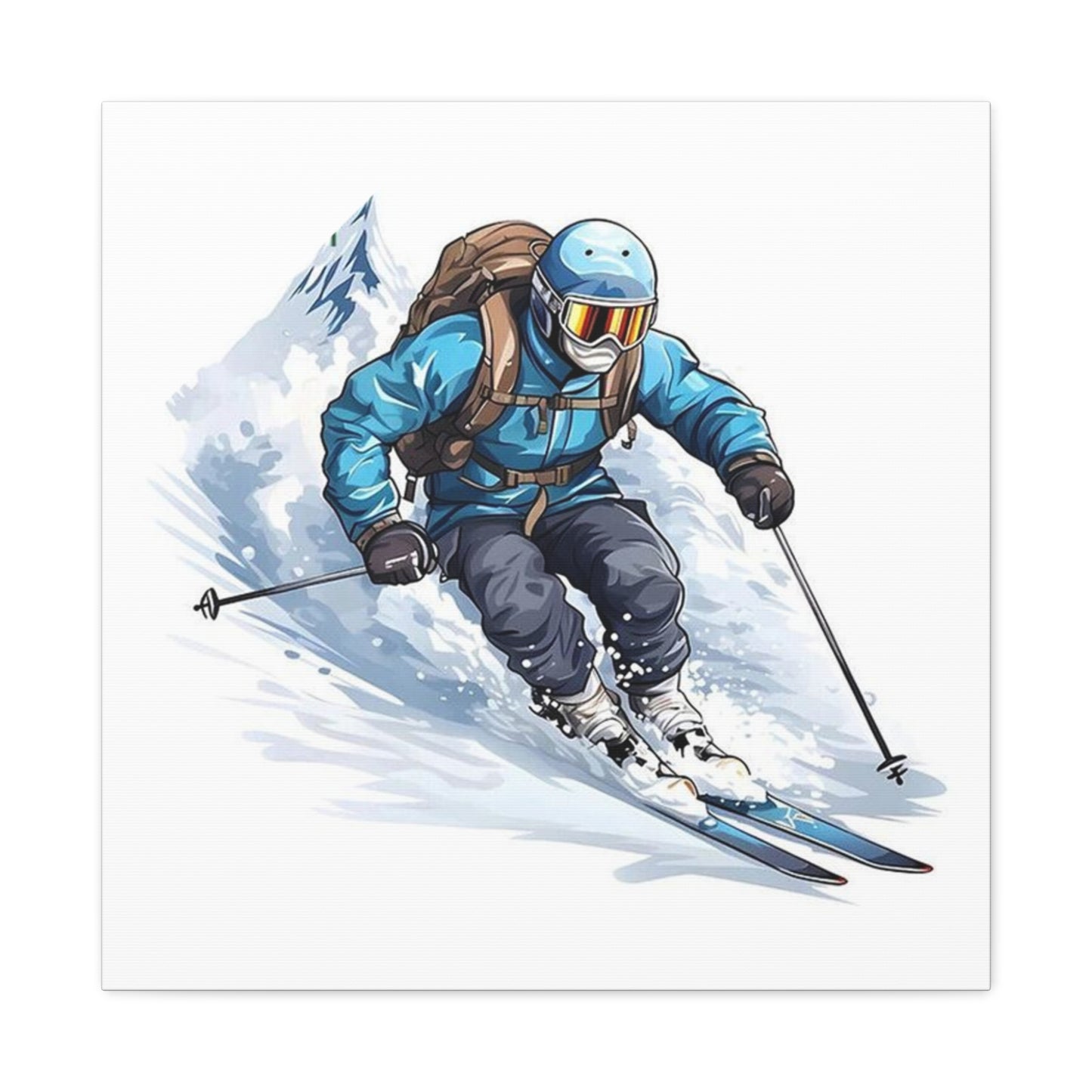
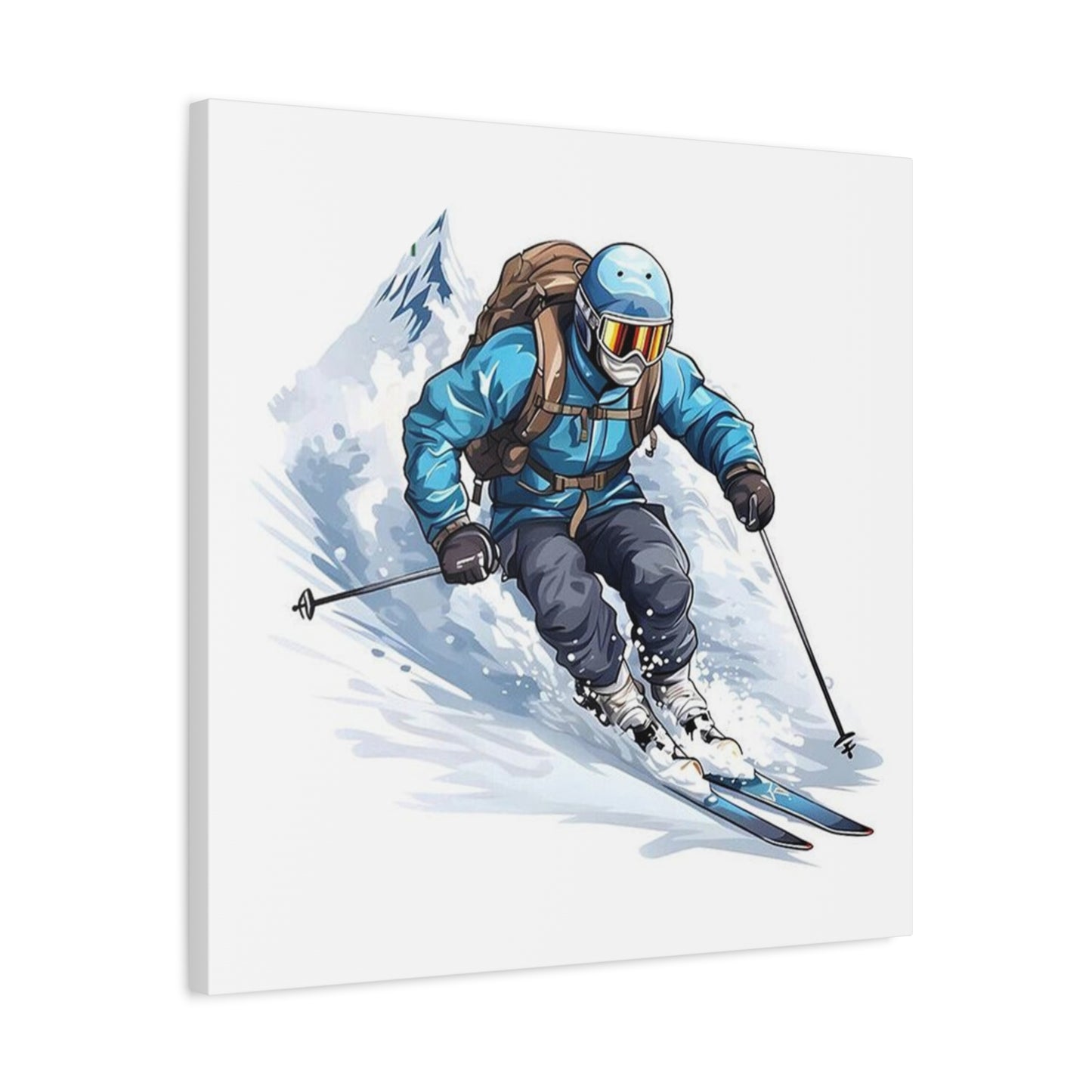
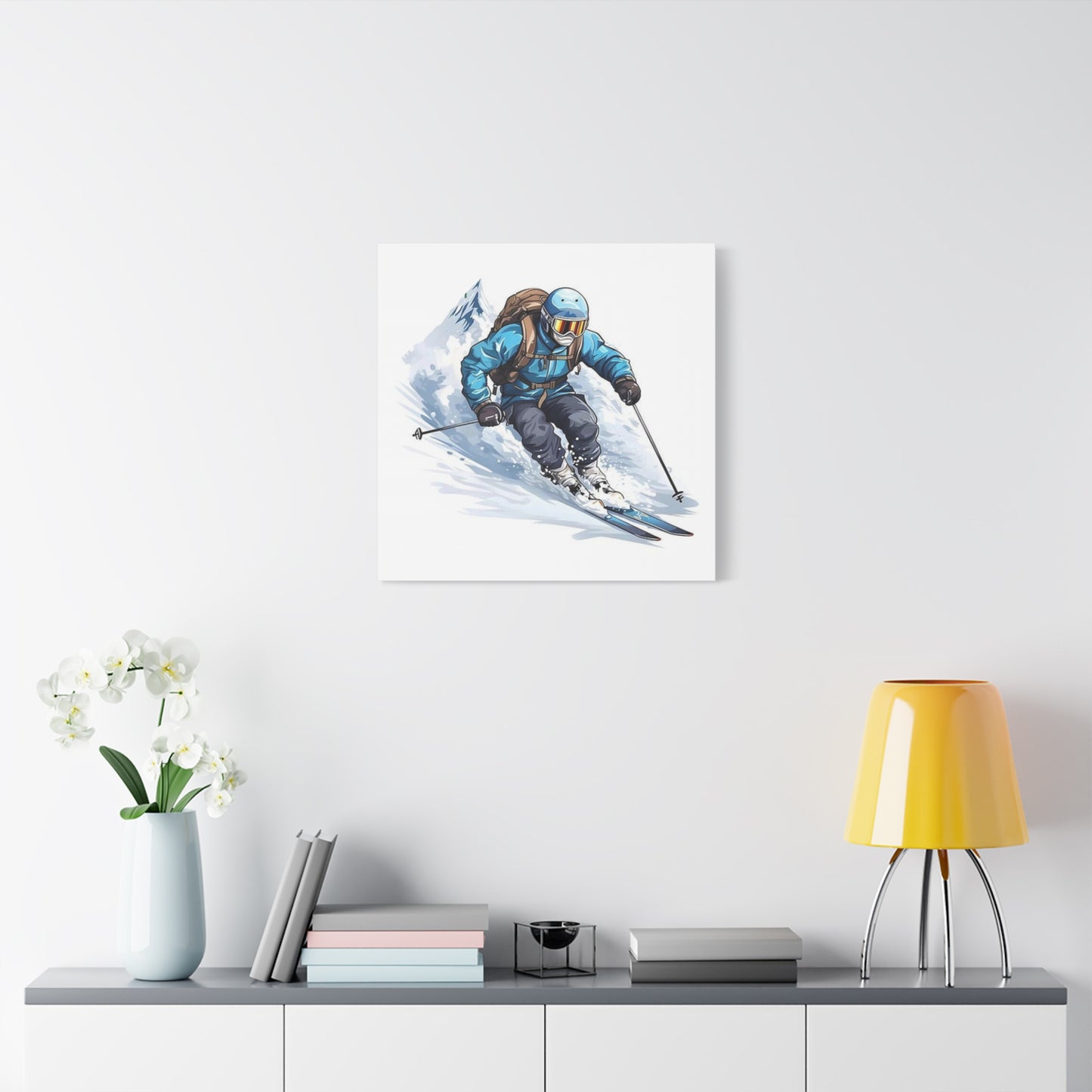
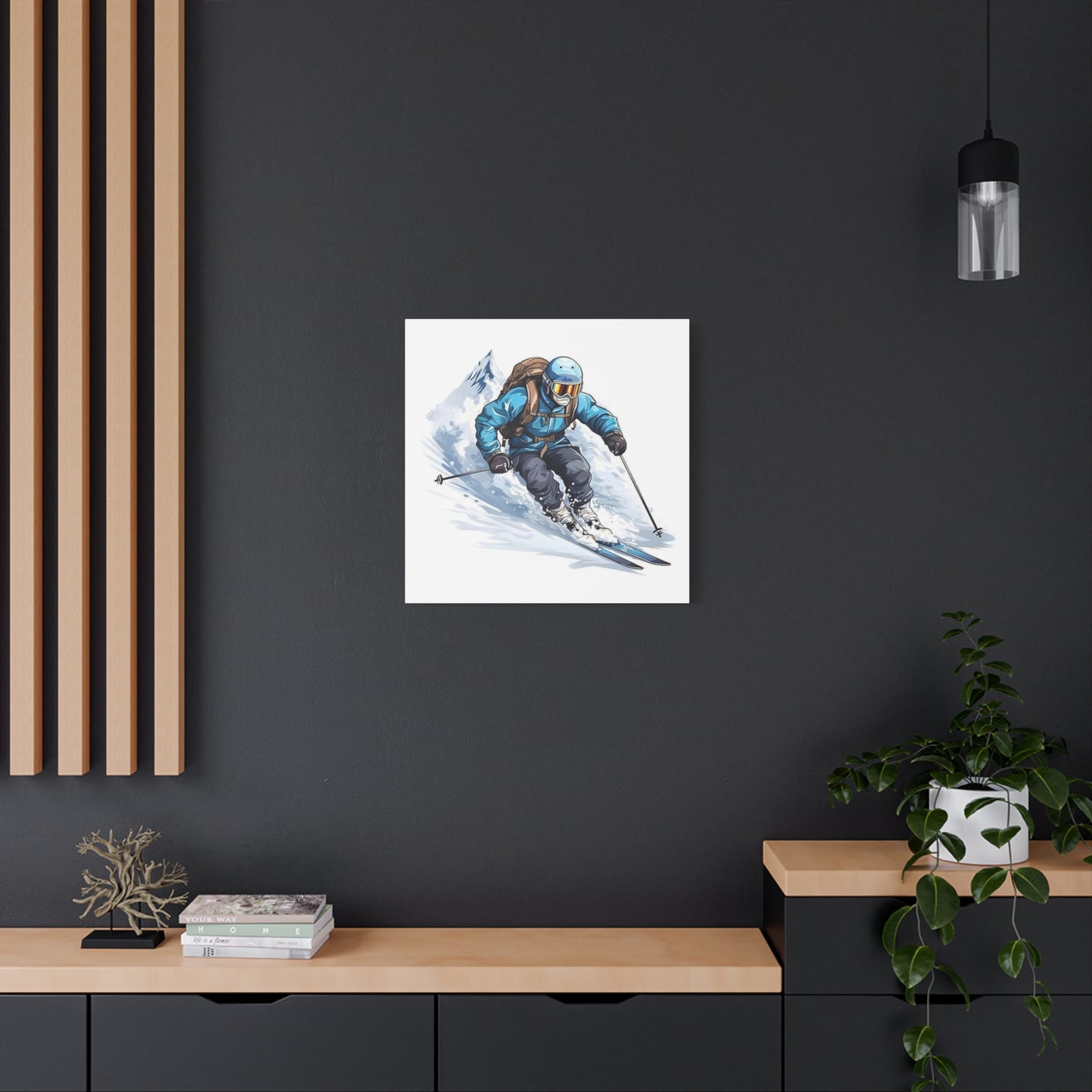
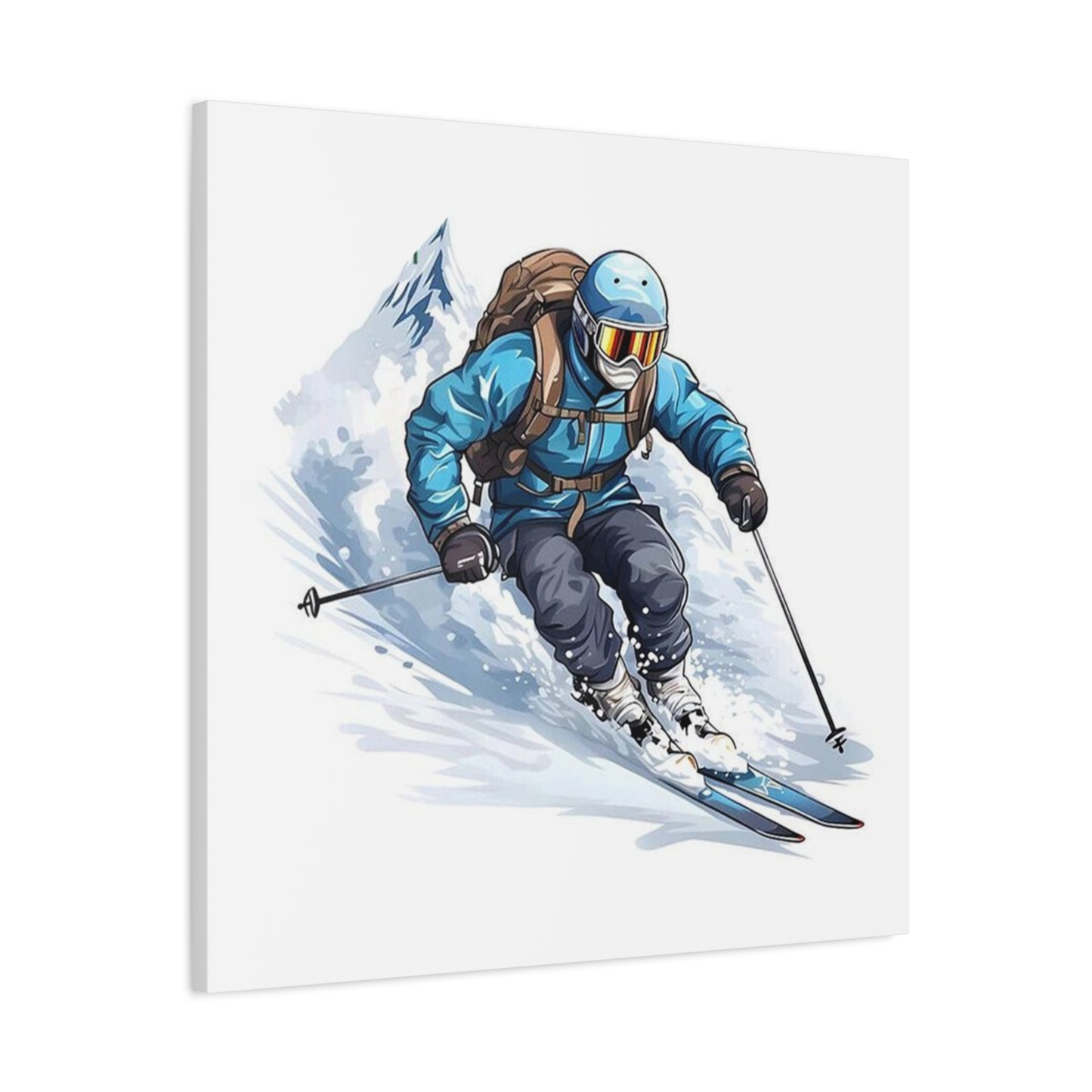
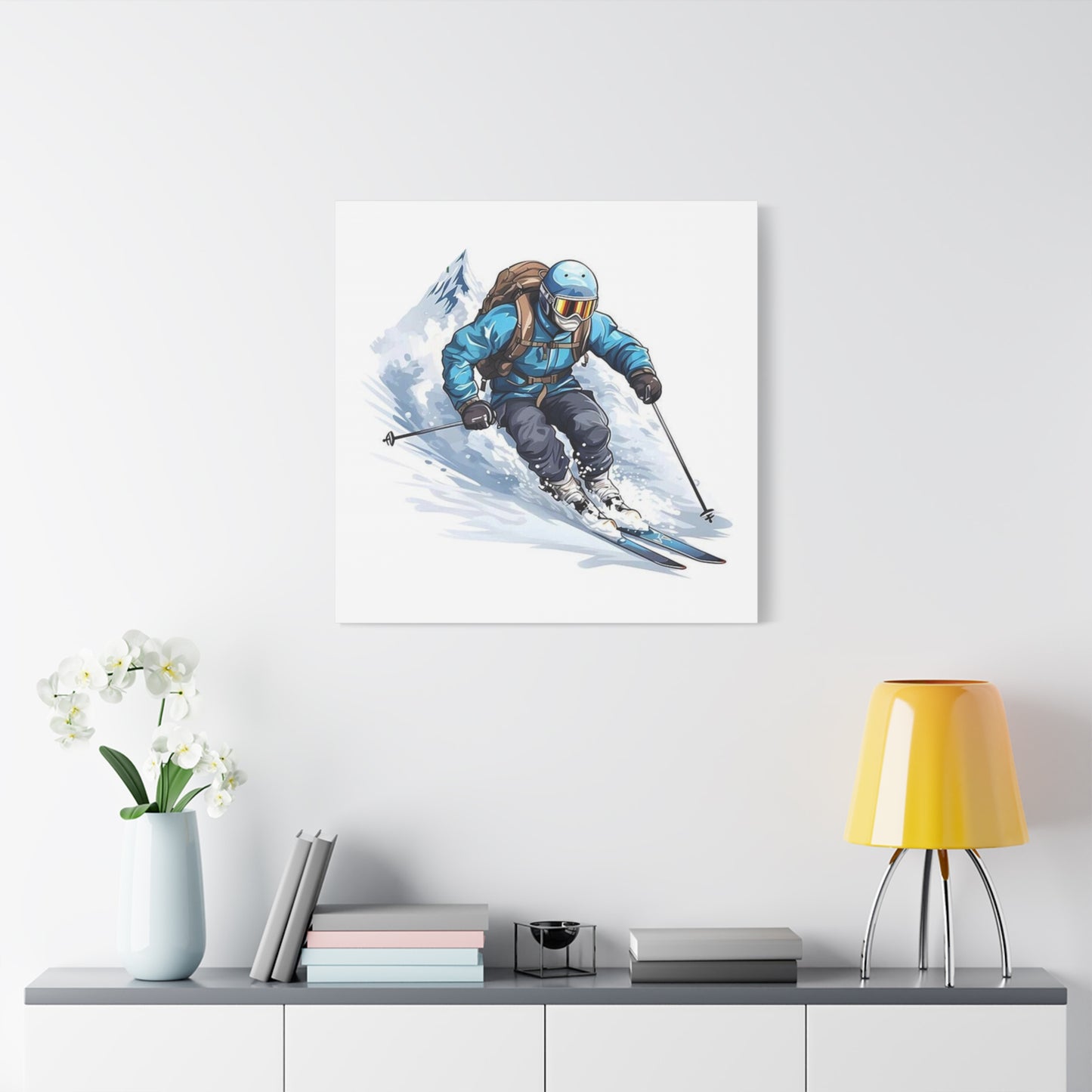
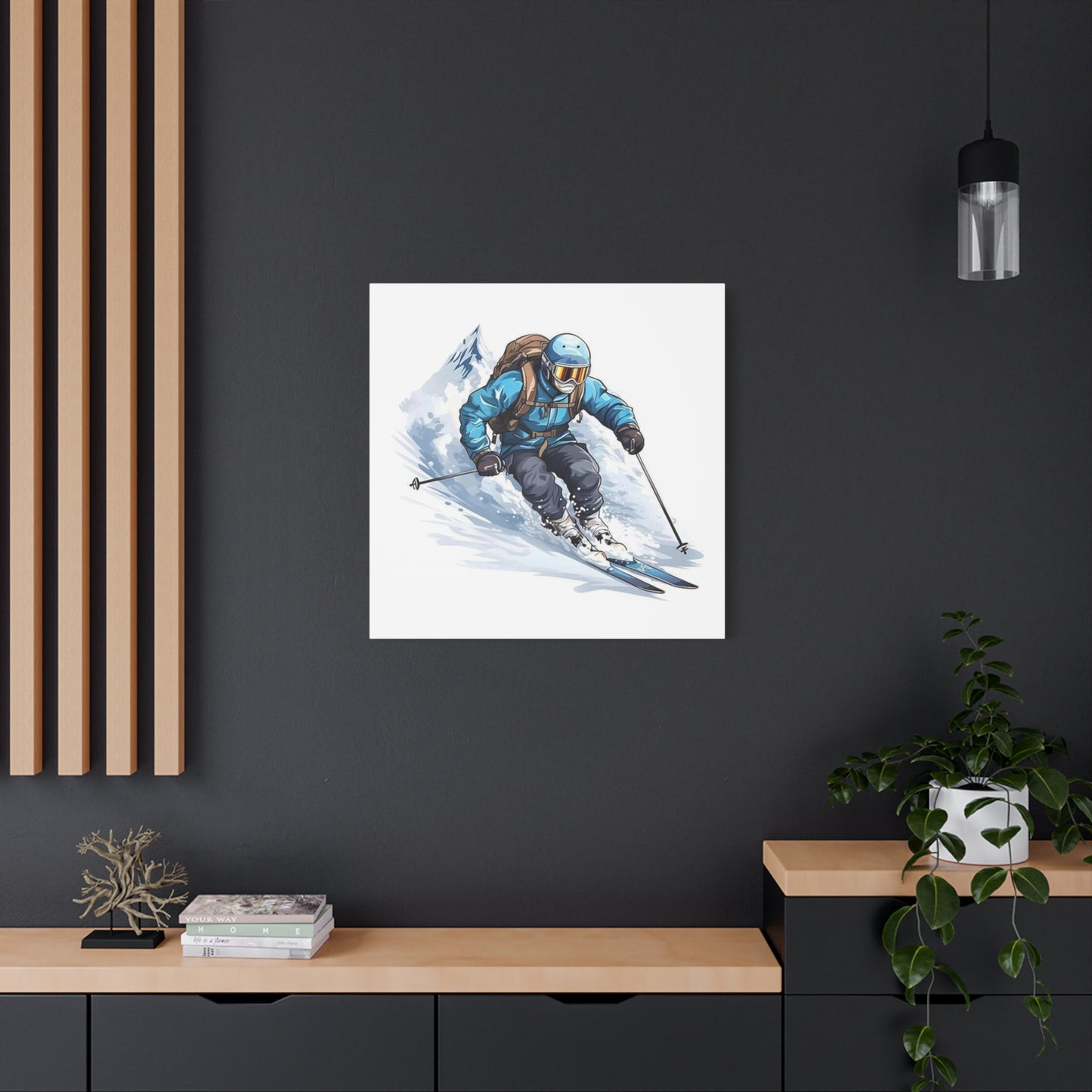
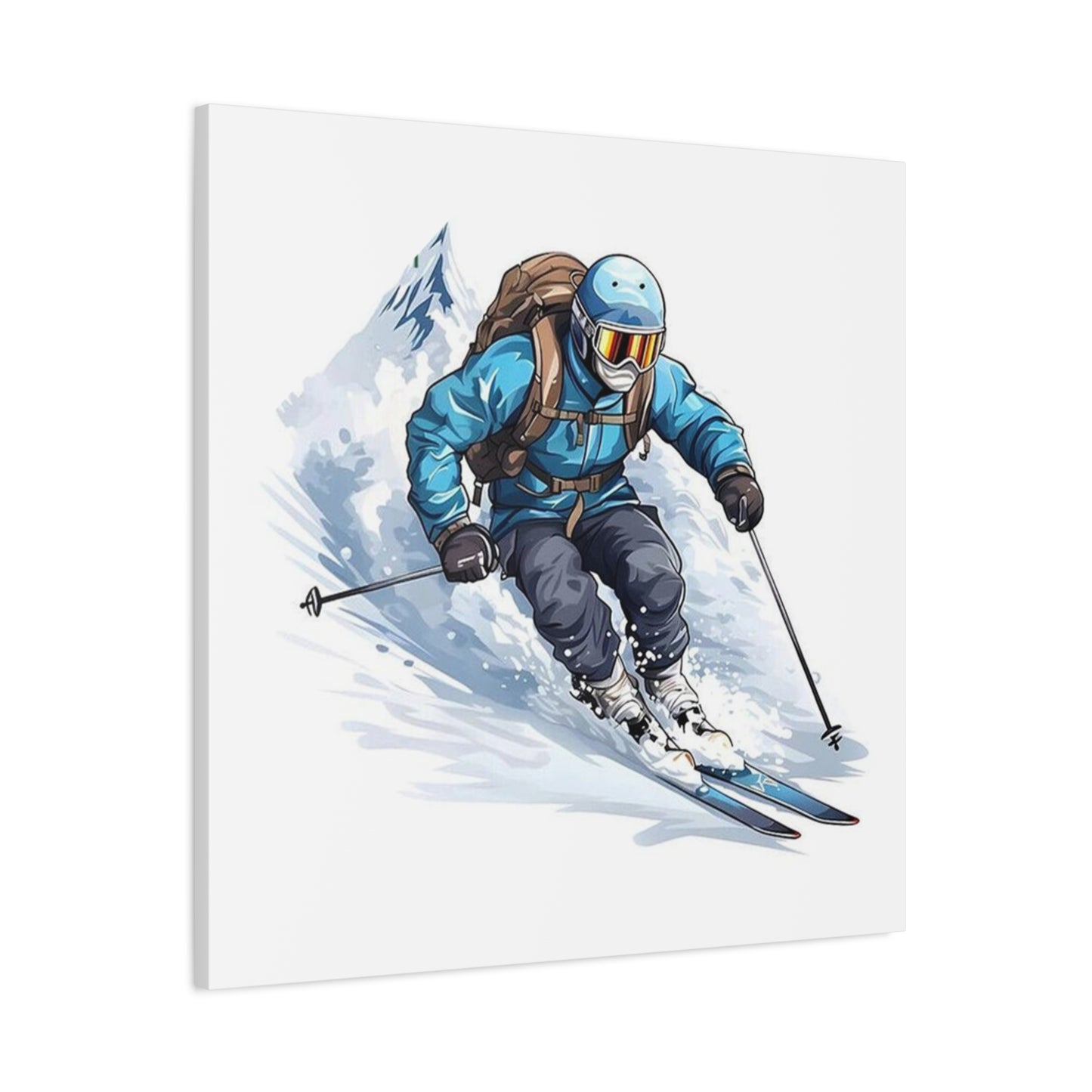
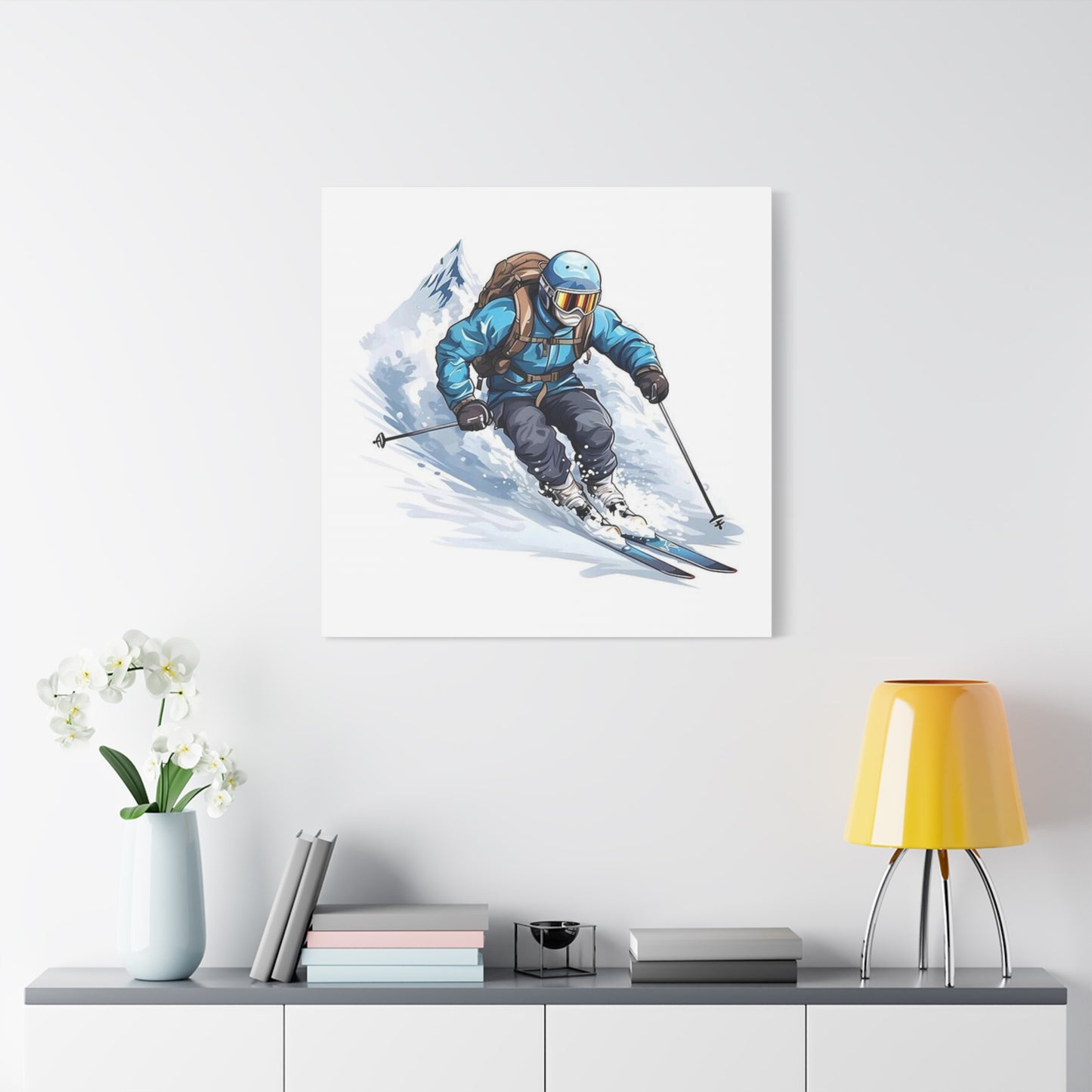
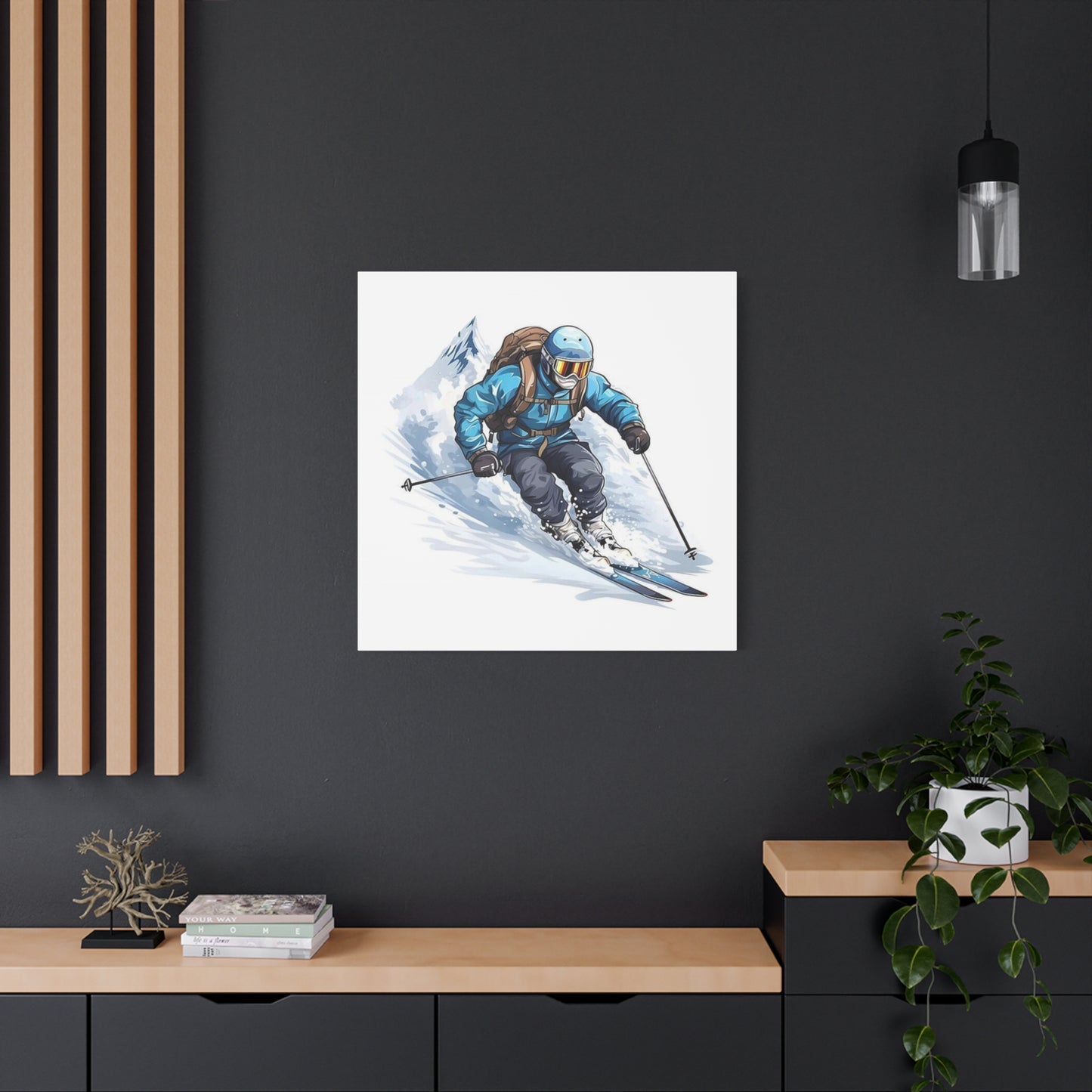
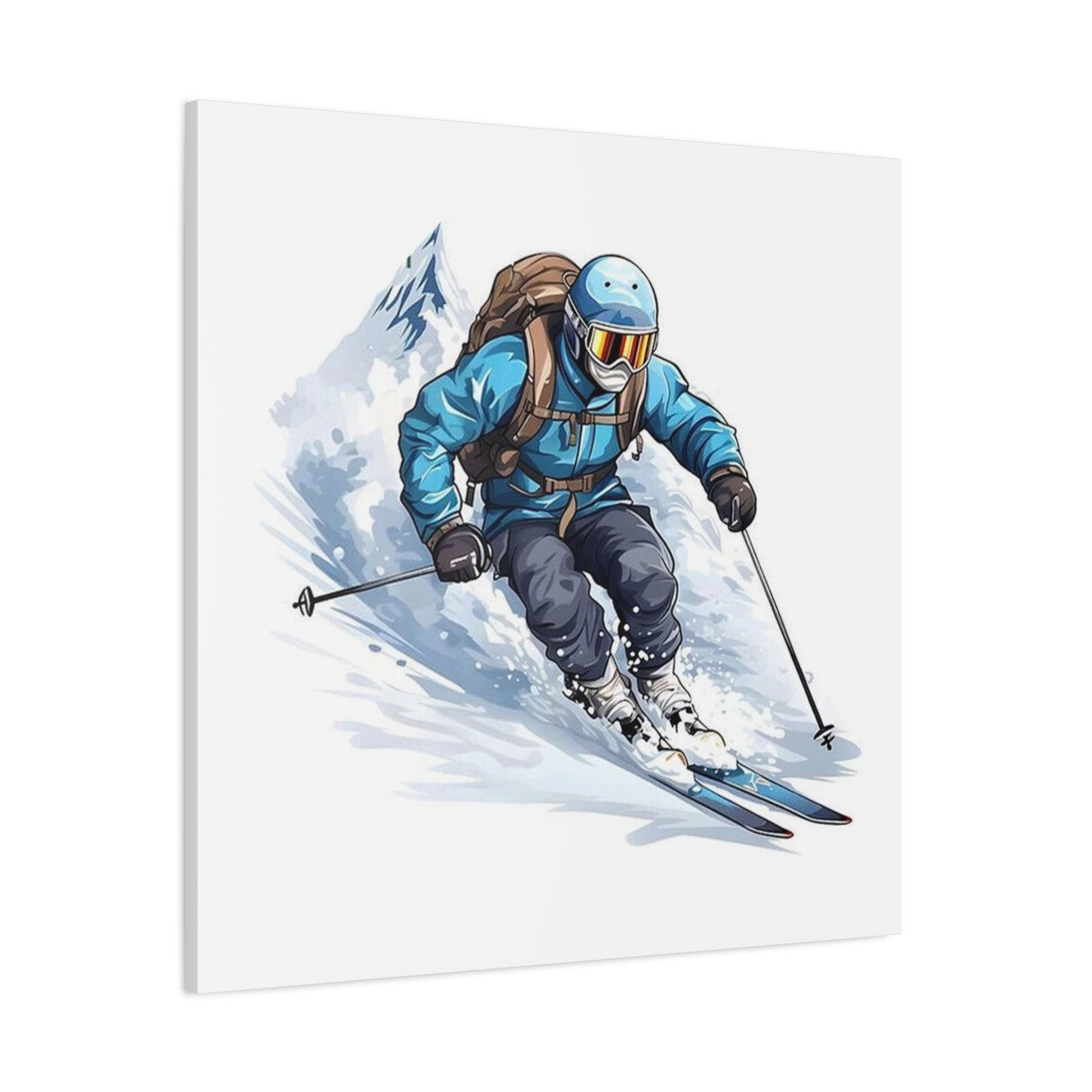
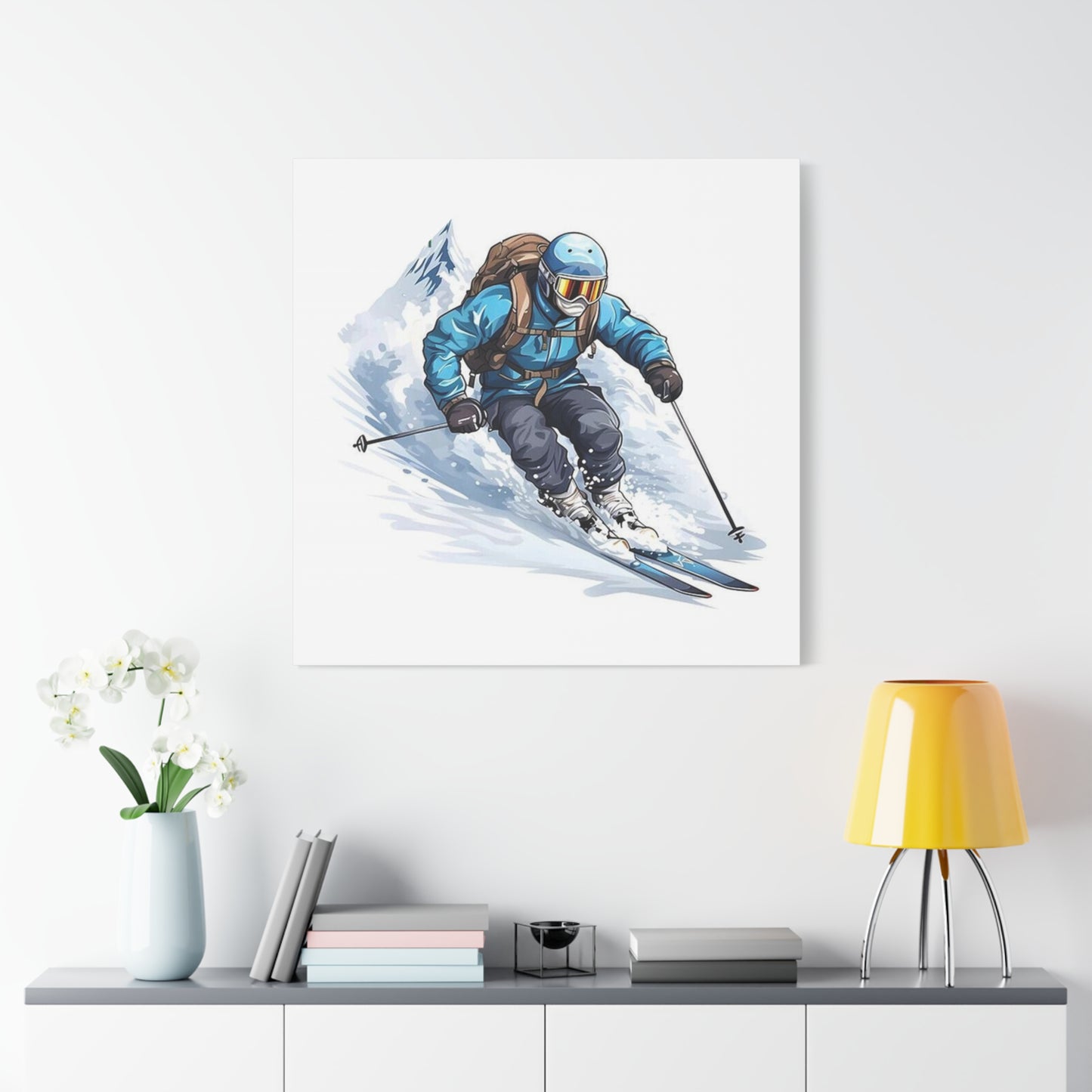
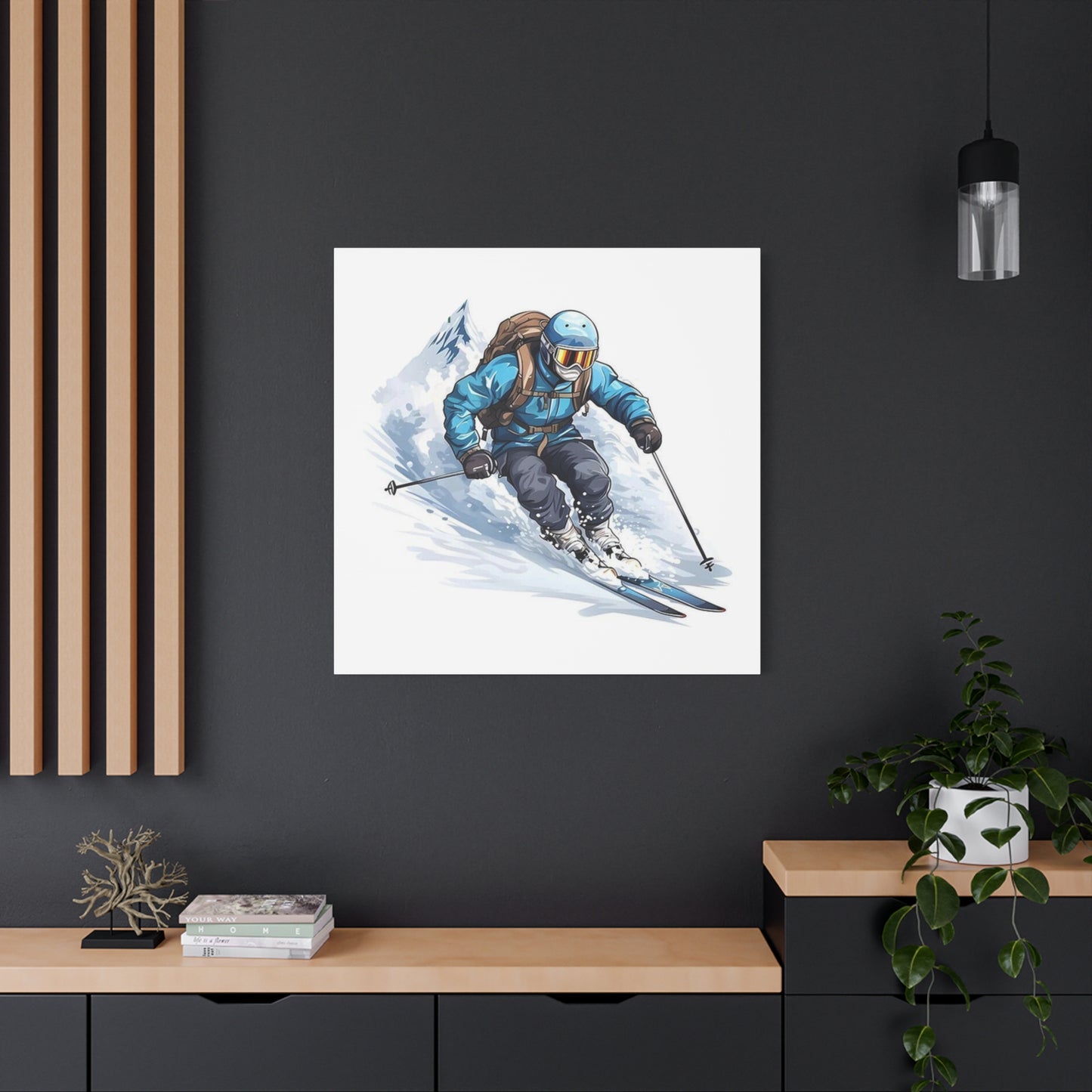
The Art of Motion: How Skiing Drawing Wall Art Captures the Elegance of the Sport
The world of winter sports imagery has evolved dramatically over recent decades, moving beyond traditional photography into the realm of artistic interpretation. Among the most captivating developments in this evolution is the emergence of hand-drawn ski illustrations that capture the essence of alpine adventure through deliberate, thoughtful linework. These artistic representations transform the dynamic energy of skiing into static visual narratives that resonate with enthusiasts and art lovers alike. The appeal of these illustrations lies not merely in their subject matter but in their ability to distill complex motion and emotion into simplified, elegant forms that speak to both the thrill of the sport and the serene beauty of mountain environments.
When we examine the growing popularity of hand-drawn ski art, we encounter a fascinating intersection of athletic culture, artistic expression, and interior design trends. These illustrations have found their way into homes, lodges, offices, and public spaces, serving as both nostalgic reminders of winter adventures and aspirational symbols of the outdoor lifestyle. The minimalist approach favored by many contemporary artists in this genre strips away unnecessary detail, allowing viewers to focus on the essential elements that define the skiing experience: the graceful arc of a turn, the spray of powder, the solitude of a mountain descent, or the camaraderie of sharing slopes with fellow enthusiasts.
The technique employed in creating these illustrations varies widely, from traditional pencil sketches to digital drawings that mimic analog methods, from bold ink strokes to delicate line art that barely whispers its presence on the page. What unites these diverse approaches is a commitment to capturing something authentic about the skiing experience while simultaneously creating objects of aesthetic value that stand independent of their subject matter. A well-executed ski illustration can be appreciated by someone who has never touched a ski lift, yet it resonates most deeply with those who have felt the cold mountain air on their faces and experienced the unique sensation of gliding across crystalline snow.
Capturing Movement Through Simplicity
The paradox of illustrating skiing lies in attempting to convey motion through a static medium. Unlike photography, which can freeze a moment in time with photographic accuracy, illustration requires the artist to interpret and translate movement into visual language. This challenge becomes an opportunity when approached with skill and sensitivity. The best ski illustrations suggest movement through careful line placement, implied trajectory, and the strategic use of negative space. A single curved line can evoke the path of a skier carving through fresh powder, while a cluster of shorter marks might suggest the spray of snow kicked up by aggressive turns.
Artists working in this genre often develop signature styles that become instantly recognizable to collectors and enthusiasts. Some favor continuous line drawings where the entire composition emerges from a single unbroken stroke, creating a sense of fluidity and connection between all elements. Others employ a more fragmented approach, building their compositions from discrete marks that collectively suggest form and movement. The choice between these approaches often reflects the artist's personal relationship with skiing and their broader aesthetic philosophy.
The reduction of complex visual information into essential lines requires both technical skill and deep understanding of the subject matter. An artist must know how a skier's body position changes through different phases of a turn, how equipment interacts with terrain, and how light and shadow play across snowy landscapes. This knowledge allows them to make informed decisions about which details to include and which to omit. The goal is not photorealism but rather the creation of an image that feels authentically connected to the experience of skiing while maintaining aesthetic coherence as a work of art.
Monochromatic Aesthetics in Winter Sport Imagery
The decision to work in black and white or limited color palettes profoundly impacts how ski illustrations communicate their messages. While color can add energy and realism, monochromatic work often achieves a timeless quality that transcends specific moments or trends. Black ink on white paper creates stark contrast that naturally draws the eye to compositional elements chosen by the artist. This high contrast mirrors the experience of skiing itself, where bright snow creates dramatic backdrops for the silhouettes of skiers and trees.
Working within monochromatic constraints forces artists to solve visual problems creatively. Without color to differentiate elements, they must rely on line quality, density, and spacing to create visual hierarchy and suggest depth. A distant mountain might be rendered with lighter, thinner lines while foreground elements receive bolder treatment. The texture of different snow conditions can be suggested through varied mark-making techniques, from smooth, flowing lines for groomed runs to chaotic clusters for deep powder or challenging moguls.
The aesthetic simplicity of black and white illustrations aligns perfectly with current interior design trends favoring minimalism and curated simplicity. These artworks integrate seamlessly into contemporary spaces without overwhelming other design elements. Their neutral palette allows them to complement virtually any color scheme while maintaining visual interest through composition and line work. This versatility has contributed significantly to the popularity of ski illustrations in both residential and commercial settings.
Beyond practical considerations, monochromatic work carries certain artistic and emotional connotations. Black and white imagery often feels more serious, contemplative, or nostalgic than colorful alternatives. It can evoke the aesthetic of vintage photography or early winter sport documentation, creating connections to skiing's historical roots. For viewers, these associations add layers of meaning to the artwork, transforming simple illustrations into objects that carry cultural and emotional significance beyond their immediate visual appeal.
Traditional Drawing Methods for Mountain Narratives
Despite the prevalence of digital tools, many artists maintain dedication to traditional drawing methods when creating ski illustrations. The tactile experience of pencil on paper, the unpredictable flow of ink, and the physical resistance of various media all contribute qualities difficult to replicate digitally. Traditional methods introduce organic variations and imperfections that can make artwork feel more human and authentic. A slight tremor in a hand-drawn line, the way ink pools at a stroke's end, or the subtle texture of paper showing through lighter marks all add character that connects viewers to the artistic process.
Pencil remains one of the most popular traditional media for ski illustrations, offering versatility and accessibility. Artists can achieve remarkable range through pencil work alone, from barely visible sketches to rich, dark shadows created through layered graphite. The ability to erase and refine makes pencil forgiving for artists developing compositions, while skilled practitioners can create finished works with depth and sophistication rivaling any other medium. Pencil drawings of skiing scenes often emphasize the gestural quality of the sport, with loose, energetic marks conveying the spontaneity and physicality of alpine movement.
Ink provides different opportunities and challenges. Unlike pencil, ink is permanent and unforgiving, demanding confidence and commitment from the artist. This permanence can result in artwork with exceptional energy and directness. Ink illustrations often exhibit a graphic quality that makes them particularly effective for reproduction as prints or in publications. Various ink tools create different effects, from the consistent lines of technical pens to the organic variations of traditional dip pens or brushes. Some artists embrace the unpredictability of ink, allowing it to bleed, splatter, or pool in ways that add visual interest and suggest the chaotic beauty of winter mountain environments.
Charcoal and conte crayon offer yet another approach, enabling artists to work with broader marks and richer blacks than pencil typically provides. These media excel at creating atmospheric effects, softening edges, and suggesting the misty conditions often encountered on mountains. Charcoal's ability to be smudged and blended makes it ideal for rendering gradual transitions between light and shadow, while its deep blacks provide dramatic contrast. The dusty, impermanent nature of charcoal requires careful handling but rewards skilled artists with images of compelling depth and moodiness.
Creating Visual Impact Through Minimal Elements
Minimalism in art involves careful reduction, removing all non-essential elements until only the most critical components remain. When applied to ski illustration, this approach can yield remarkably powerful results. A few well-placed lines suggesting a skier's form, a mountain's silhouette, or the arc of a turn can communicate as effectively as detailed, complex compositions. The power of minimal ski illustrations lies in what they suggest rather than explicitly show, engaging viewers' imaginations and inviting them to complete the visual narrative based on their own experiences and associations.
Achieving effective minimalism requires sophisticated understanding of visual perception and composition. Artists must identify which elements are absolutely necessary to convey their intended message and which can be eliminated without loss of meaning. This process often involves extensive experimentation, creating multiple versions with varying levels of detail before identifying the optimal balance between simplicity and clarity. The final artwork appears effortless, though its creation may have involved considerable trial and refinement.
Negative space becomes a crucial compositional element in minimal illustrations. The empty areas surrounding drawn elements are not merely background but active participants in the composition's overall effect. Strategic use of negative space can suggest vast mountain landscapes, emphasize isolation or freedom, or create visual breathing room that prevents compositions from feeling cluttered or constrained. Some of the most effective minimal ski illustrations consist primarily of negative space with just a few marks suggesting the presence of skiers or terrain.
Decorative Applications for Contemporary Interiors
The integration of ski illustrations into interior spaces reflects broader trends in how people relate to art and express personal identity through their environments. Unlike traditional fine art meant primarily for galleries and museums, these illustrations often function as lifestyle statements, signaling the owner's interests, values, and aesthetic sensibilities. Displaying ski art in one's home communicates an affinity for winter sports, outdoor adventure, or mountain culture, creating instant connection points for visitors who share similar passions.
Contemporary interior design increasingly emphasizes personalization and authenticity over generic decorative solutions. People seek artwork that reflects their genuine interests and experiences rather than selecting pieces solely for their color coordination or size appropriateness. Ski illustrations perfectly serve this desire for meaningful decoration, particularly among enthusiasts who view skiing as central to their identity and lifestyle. For these individuals, such artwork functions as daily reminder of cherished memories and anticipation of future adventures.
The versatility of ski illustrations makes them suitable for various residential spaces beyond the obvious choices of living rooms or family rooms. They can bring personality to home offices, suggesting the balance between work responsibilities and outdoor recreation. In bedrooms, they might evoke the restful quality of mountain retreats. Even unexpected locations like hallways, mudrooms, or bathrooms can benefit from thoughtfully placed ski illustrations that maintain thematic consistency throughout a home. The key lies in selecting pieces whose scale, style, and framing complement the specific characteristics of each space.
Beyond private residences, ski illustrations have found widespread adoption in commercial environments connected to winter sports culture. Ski lodges, mountain resort hotels, outdoor equipment retailers, and ski instruction facilities all utilize this artwork to reinforce their brand identity and create immersive environments that resonate with their clientele. In these commercial applications, the artwork serves multiple functions simultaneously: aesthetic enhancement, brand communication, and creation of emotional atmospheres that encourage customer engagement and loyalty.
Stylistic Variations in Ski Artwork
The world of ski illustration encompasses remarkable stylistic diversity, reflecting the varied backgrounds, influences, and intentions of artists working in this genre. Some practitioners come from fine art traditions, bringing sensibilities developed through formal training and engagement with art history. Others emerge from graphic design, illustration, or commercial art backgrounds, contributing slick technical proficiency and awareness of contemporary visual trends. Still others are primarily skiers who have developed artistic skills as means of expressing their passion, offering insider perspectives that resonate authentically with fellow enthusiasts.
Realistic styles, while still simplified compared to photography, attempt to maintain recognizable accuracy in proportions, anatomy, and spatial relationships. These illustrations might include considerable detail in equipment, clothing, and environmental elements while still employing line-based techniques rather than photographic rendering. The appeal of realistic approaches lies in their specificity and the technical skill they showcase. Viewers can identify particular techniques, equipment types, or terrain characteristics, creating connections through these recognizable details.
Abstract approaches push further toward pure design, prioritizing compositional aesthetics over literal representation. Skier figures might become geometric constructions of intersecting lines and shapes, while mountains dissolve into networks of marks more concerned with creating visual interest than depicting specific topography. These works often appeal to viewers interested in contemporary art movements and design-forward aesthetics, functioning as much as abstract compositions as representations of skiing. The sport becomes a starting point for visual exploration rather than the illustration's primary subject.
Stylized illustration occupies middle ground between realism and abstraction, maintaining clear representation while exaggerating or modifying elements for aesthetic effect. Figures might have elongated proportions, emphasized curves, or simplified features that create distinctive visual signatures. Equipment might be rendered with slight distortions that enhance dynamism or graphic appeal. These stylistic choices allow artists to develop unique visual vocabularies that make their work instantly recognizable while maintaining clear communication of skiing subject matter.
Framing and Presentation Considerations
The manner in which ski illustrations are framed and presented significantly impacts their effectiveness as decorative elements and their perceived value as artwork. Appropriate framing protects the artwork physically while enhancing its visual impact and helping it integrate successfully into its display environment. The choices made regarding mats, frames, and glazing should complement the artwork's style and the space where it will hang.
For minimal, line-based ski illustrations, simple framing often proves most effective. Clean, thin frames in black, white, or natural wood tones avoid competing with the artwork for visual attention. Wide white or off-white mats create breathing room around the image, allowing the illustration to float within its frame rather than pressing against edges. This approach emphasizes the artwork itself while providing enough structure to feel finished and intentional. The simplicity of the presentation mirrors the aesthetic simplicity of the illustration, creating coherent packages that work well in contemporary spaces.
Gallery-style presentation, where artwork is mounted without visible frames or with extremely minimal framing systems, has become increasingly popular for modern interiors. This approach works particularly well for illustrations created on high-quality paper with clean edges. The artwork appears to hover slightly away from the wall, creating subtle shadows that add dimensionality. Gallery presentation emphasizes the artwork's status as a serious artistic object rather than mere decoration, appealing to collectors and art enthusiasts who appreciate contemporary presentation standards.
Grouped or salon-style hanging, where multiple pieces are displayed together, offers opportunities to create more substantial visual impact than single illustrations might achieve alone. Collections of ski illustrations can be arranged to suggest narratives, show stylistic variations, or simply create patterns through their spatial relationships. Successful groupings require careful attention to spacing, arrangement geometry, and relationships between individual pieces. When well executed, these installations become features that define and anchor entire rooms.
The choice of glazing material affects both artwork protection and viewing experience. Traditional glass provides excellent clarity but creates glare under certain lighting conditions and poses breakage risks. Acrylic alternatives offer lighter weight and greater safety but can develop scratches over time. Museum-grade glazing options include UV filtering to prevent fading, anti-reflective coatings for optimal viewing, and other specialized features that benefit valuable or meaningful artwork. The appropriate choice depends on the artwork's value, display location, and budget considerations.
Material Selection for Original Artworks
Artists creating traditional ski illustrations face numerous decisions regarding materials and tools, each choice affecting the final artwork's character and appearance. Paper selection alone involves considerations of weight, texture, color, sizing, and fiber content. Heavier papers resist buckling and tearing, particularly important when working with wet media like ink washes. Texture influences how media interact with the surface; smooth papers allow fine detail and clean lines, while textured surfaces create organic variations and can add visual interest.
Drawing papers designed specifically for dry media like pencil or charcoal typically feature moderate texture that grabs graphite particles, allowing rich tonal buildups. Bristol board, with its ultra-smooth surface, excels for ink work requiring precise lines and uniform coverage. Watercolor papers, though primarily designed for paint, can serve illustration purposes when artists want particular textural effects or plan to incorporate washes alongside line work. Some artists work on toned papers, where the paper itself provides mid-tone values, allowing them to work both darker and lighter than the base color.
Pencil selection involves multiple variables including hardness, formulation, and format. Harder leads create lighter, crisper marks suitable for precise detail, while softer leads produce darker, broader marks ideal for shading and bold statements. Graphite pencils remain most common, but carbon and charcoal pencils offer different textural qualities. Mechanical pencils provide consistent line widths and never need sharpening, appealing to artists valuing precision and efficiency. Traditional wood-cased pencils require sharpening but offer wider range of mark-making possibilities through varied angles and pressure.
Ink choices dramatically affect illustration character. India ink provides deep, permanent blacks favored for archival work and reproduction. Technical pens deliver consistent line weights ideal for precise, controlled work. Dip pens with flexible nibs create organic line variations responding to pressure and angle, producing artwork with calligraphic quality. Brush pens combine brushes' expressive potential with pens' convenience. Each tool creates distinctive marks that contribute to the artwork's overall aesthetic, making tool selection a significant stylistic decision rather than merely technical consideration.
Erasers function not just as correction tools but as creative implements in their own right. Kneaded erasers can be shaped for precision and lift graphite gently without damaging paper surfaces. Vinyl or plastic erasers remove marks more aggressively, useful for complete removal or creating sharp edges. Electric erasers provide precise control for small areas or detailed corrections. Some artists incorporate erasing into their creative process, creating highlights in graphite artwork through strategic removal rather than avoiding those areas initially.
Fixatives protect finished artworks from smudging, particularly important for media like charcoal, pastel, or soft graphite. Workable fixatives allow additional drawing after application, while final fixatives provide permanent protection but prevent further modification. Proper fixative application requires technique to avoid over-saturation, drips, or uneven coverage. Some artists avoid fixatives due to concerns about chemical exposure or long-term effects on archival stability, instead protecting work through framing with adequate space between artwork and glazing.
Digital Tools and Workflows
Digital illustration has revolutionized artistic practice, offering capabilities impossible through traditional means while presenting unique challenges and learning curves. Artists working digitally utilize specialized hardware and software that increasingly approximate traditional media while providing advantages like unlimited undo, non-destructive editing, and perfect replication. Understanding digital workflows has become essential for contemporary illustrators, even those who ultimately prefer traditional methods, as digital skills enable broader commercial applications and audience reach.
Drawing tablets serve as primary input devices for digital illustration, translating hand movements into digital marks. Entry-level tablets lack screens, requiring artists to watch monitors while drawing on separate surfaces, a disconnect that challenges hand-eye coordination initially. Screen tablets integrate display and drawing surfaces, allowing more natural work that feels closer to traditional methods, though they command higher prices. Tablet computers with stylus support offer portability and versatility, serving both as drawing devices and general-purpose computers, though often with compromises in screen size or processing power.
Software applications for digital illustration range from general-purpose options to specialized tools designed for specific techniques or industries. Adobe Illustrator excels at vector graphics, where images consist of mathematically defined lines and shapes that scale infinitely without quality loss, ideal for logos, graphics, and illustrations requiring crisp edges at any size. Adobe Photoshop and similar raster programs work with pixel-based images more analogous to traditional painting or drawing, offering sophisticated brushes, layering capabilities, and extensive editing tools. Specialized applications like Procreate on iPad have gained enormous popularity through intuitive interfaces, powerful features, and relatively affordable pricing.
Digital brushes attempt to replicate traditional media behavior with varying success. Sophisticated brush engines consider factors like pressure sensitivity, tilt angle, rotation, and velocity to produce marks responding dynamically to input. Custom brushes can be created or downloaded, with artists sharing brush sets designed to achieve specific effects. Despite advances, digital marks often retain certain qualities distinguishing them from traditional media, sometimes seen as limitations but increasingly appreciated as digital aesthetics in their own right rather than mere approximations of analog techniques.
Layer systems represent one of digital illustration's most powerful features, allowing artists to work on separate compositional elements without affecting others. Skier figures might occupy one layer, mountain backgrounds another, with additional layers for snow effects, shadows, or experimental elements that can be toggled on or off. Layers can have adjustable opacity, blend modes that determine how they interact with layers beneath, and masks that selectively show or hide portions. This non-destructive workflow enables extensive experimentation without risk of ruining previous work.
Print Production and Reproduction
Converting original artwork into prints expands accessibility and creates income opportunities for artists while allowing more people to enjoy and display ski illustrations. However, reproduction involves technical considerations ensuring prints accurately represent originals and meet quality standards. Artists entering print production must understand various processes, materials, and best practices to achieve results that satisfy customers and protect their artistic reputations.
High-quality scanning or photography forms the first step in reproduction, capturing original artwork digitally. Professional scanning services use specialized equipment that captures images at high resolutions with accurate color representation. For artists scanning work themselves, flatbed scanners designed for artwork capture sufficient detail for most purposes, though very large pieces may require professional photography. Proper lighting, color calibration, and multiple scanning passes for large works ensure digital files faithfully represent originals.
Printing technologies vary in capabilities, costs, and appropriate applications. Inkjet printing, most common for art reproduction, sprays microscopic ink droplets onto paper, capable of producing detailed images with smooth tonal gradations. Giclée printing, technically a type of inkjet utilizing archival inks and papers, has become the standard for fine art reproduction. Laser printing uses toner rather than liquid ink, offering different aesthetic qualities and generally lower costs but less suitable for fine art applications. Offset lithography remains standard for large print runs like books or posters, though minimum quantities make it impractical for small editions.
Paper selection for prints parallels considerations for original artwork. Weight, texture, finish, and archival qualities all impact the final product's appearance and longevity. Many artists offer multiple paper options at different price points, from economical options for decorative purposes to museum-quality papers for serious collectors. The paper should complement the artwork's aesthetic; minimal line drawings might look best on smooth white papers that emphasize clean graphics, while textured papers could enhance certain artistic styles.
Limited edition prints carry particular appeal for collectors, offering exclusivity and potentially increasing value. Editions are typically numbered, with notation like "15/100" indicating print fifteen of one hundred total. Artists must decide edition sizes balancing accessibility with exclusivity, with smaller editions generally commanding higher prices. Each print in an edition should be signed and numbered by the artist, usually in pencil below the image area. Properly managing editions requires careful record-keeping to prevent overprinting and maintain collector trust.
Pricing prints involves balancing multiple factors including production costs, edition size, artist reputation, market conditions, and perceived value. Original artwork typically commands significantly higher prices than prints, with the price differential increasing based on edition size and reproduction quality. Artists must price work sustainably, covering costs while providing adequate margins without pricing beyond what markets will bear. Research into comparable artists and work helps establish appropriate pricing levels.
Marketing and Building Audience
Creating excellent ski illustrations represents only part of success as an artist; connecting with audiences and building sustainable practices requires marketing knowledge and consistent effort. The contemporary art landscape offers unprecedented opportunities for artists to reach global audiences directly, bypassing traditional gatekeepers like galleries and publishers, but this access comes with responsibility for self-promotion that many artists find challenging or distasteful.
Social media platforms have become essential tools for artists building followings and sharing work. Instagram particularly suits visual artists, with its image-focused format and large user base including many art enthusiasts and collectors. Regular posting maintains visibility and engagement, while strategic use of hashtags increases discoverability among users interested in skiing, winter sports, mountain lifestyles, or specific artistic styles. Successful social media presence requires balancing promotional content with genuine engagement, behind-the-scenes glimpses of artistic process, and authentic personality that helps followers connect with the artist beyond just the finished work.
Building email lists provides direct communication channels less dependent on platform algorithms and policy changes than social media. Email newsletters allow artists to share new work, announce print releases or commissions availability, tell stories about their creative process, and maintain relationships with supporters. While growing email lists requires patience, subscribers represent highly engaged audiences who have explicitly expressed interest in receiving communications, making them valuable for converting into customers.
Collaborations with brands, resorts, or other entities in winter sports industries create exposure to new audiences while potentially generating income through licensing deals or commissioned work. Ski equipment manufacturers might commission artwork for marketing materials, resorts could use illustrations in promotional campaigns, and outdoor apparel companies might seek designs for product graphics. These partnerships require professional communication, understanding of licensing terms and usage rights, and ability to work within client parameters while maintaining artistic integrity.
Physical presence at art fairs, ski industry trade shows, or pop-up markets provides opportunities for direct interaction with potential customers and other artists. These events allow people to see artwork in person, discuss pieces directly with creators, and make immediate purchases. While participation requires investment in booth fees, travel, display materials, and inventory, successful shows can generate significant sales and valuable networking opportunities. Many artists find balance between online presence and selective participation in physical events.
Commissioning Original Ski Illustrations
Custom commissioned artwork offers unique value for clients seeking pieces specifically tailored to their preferences, experiences, or spaces. For artists, commissions provide income streams while creating opportunities to explore subjects or approaches they might not pursue independently. Successful commission relationships require clear communication, established processes, and appropriate boundary-setting to ensure both parties achieve satisfaction.
The commission process typically begins with consultation where artists gather information about client desires, intended use, size requirements, budget, and timeline expectations. This conversation establishes whether the project aligns with the artist's capabilities and interests while helping clients understand what's realistically achievable. Detailed discussions prevent misunderstandings that could lead to disappointment or conflict later in the process.
Managing client expectations throughout the commission process maintains positive relationships and prevents misunderstandings. Artists should communicate realistic timelines accounting for their other commitments and the natural pace of creative work. Regular updates reassure clients that work progresses satisfactorily, even when pieces aren't yet ready for viewing. Being transparent about process stages, potential challenges, and any delays helps clients feel informed and respected as collaborators in the creative process.
Revision policies establish clear boundaries around how many modifications clients can request and at what stages. Unlimited revisions create potential for scope creep where projects expand beyond initial agreements, consuming disproportionate time relative to compensation. Many artists include one or two revision rounds in their base pricing, charging additional fees for further changes. Establishing these parameters upfront prevents resentment and ensures fair treatment for everyone involved.
Delivery of finished commissioned work requires appropriate packaging and shipping for physical artwork or proper file preparation for digital delivery. Physical pieces should be protected against damage during transit through sturdy backing boards, protective sleeves, and rigid mailers or boxes. Insurance for valuable pieces provides peace of mind for both artists and clients. Digital files should be delivered in agreed-upon formats with proper resolution and color space specifications for intended uses. Professional presentation of completed commissions reinforces the work's value and leaves clients with positive final impressions.
Seasonal Themes and Variations
While skiing inherently connects to winter, artists can explore various seasonal interpretations and related themes that expand creative possibilities while maintaining relevance to core subject matter. These variations allow artists to develop cohesive bodies of work that explore skiing from multiple angles, offering collectors opportunities to acquire pieces representing different aspects of the winter sports experience.
Early season artwork might capture the anticipation and preparation surrounding skiing's return. Illustrations could depict equipment being tuned and waxed, skiers studying trail maps, or first tentative turns on thin early-season coverage. The emotional tenor of these pieces emphasizes excitement, hope, and the renewal that comes with winter's arrival after months without snow. Color palettes, when used, might include warmer tones suggesting autumn's lingering presence alongside winter's first appearances.
Peak season representations show skiing at its finest, with abundant snow, ideal conditions, and full mountain operations. These illustrations tend toward celebration and exuberance, capturing the joy of perfect powder days, groomed runs in pristine condition, or challenging descents through technical terrain. Peak season work often appears most dynamic and energetic, reflecting the vitality of winter at its height. Artists might emphasize abundance through depictions of deep snow, crowded lift lines suggesting popularity and community, or expansive mountain vistas showcasing winter's full glory.
Late season skiing carries different emotional qualities, mixing nostalgia for the passing winter with determination to extract every possible day from the remaining snow. Illustrations capturing this period might show patchy coverage, spring snow conditions, or skiers in lighter clothing under stronger sunshine. The mood can be bittersweet, acknowledging winter's impending end while celebrating its final offerings. These pieces resonate particularly with dedicated skiers who push seasons to their absolute limits, skiing until snow literally disappears beneath them.
Night skiing offers unique visual opportunities with dramatically different lighting conditions and atmospheres than daytime sessions. Artificial lighting creates pools of illumination against dark backgrounds, producing high-contrast scenes with theatrical quality. The isolation and quiet of night skiing might be suggested through minimal compositions with emphasized negative space. Stars, moon, or the glow from lodge buildings can provide contextual elements that establish time of day while adding visual interest to compositions.
Backcountry and sidecountry skiing represent increasingly popular aspects of ski culture that differ substantially from resort experiences. Illustrations depicting these activities might emphasize remoteness, natural landscapes unmarred by infrastructure, and the adventure and self-reliance required. Elements like touring equipment, avalanche safety gear, or the physical effort of ascending under one's own power distinguish these scenes from resort skiing imagery. The appeal extends to viewers valuing wilderness experiences and seeking alternatives to crowded, commercialized ski areas.
Cultural Significance and Lifestyle Connections
Skiing transcends mere recreational activity for many practitioners, becoming central to personal identity, lifestyle choices, and value systems. This deep cultural significance makes ski illustrations resonate on levels beyond simple aesthetic appreciation or documentary representation. The artwork becomes emblematic of broader attitudes toward nature, adventure, physical challenge, and seasonal living that define skiing's subculture.
Mountain culture emphasizes connection to alpine environments, respect for natural forces, and adaptation to seasonal rhythms that contrast with urban and suburban existence. Ski illustrations representing this culture communicate values of authenticity, outdoor engagement, and alternative lifestyle choices. For individuals who structure their lives around winter sports, these artworks validate their priorities and connect them to broader communities sharing similar values. The illustrations become visual shorthand for complex sets of attitudes and choices that might otherwise require lengthy explanation.
The evolution of skiing from elite European alpine pursuit to accessible global recreation created diverse participant demographics with varied relationships to the sport. Illustration styles and subjects often reflect these divisions, whether intentionally or unconsciously. Traditional imagery emphasizing technique and classic form might appeal to purists and older participants, while more progressive styles depicting terrain parks or backcountry adventure resonate with younger demographics. Artists negotiating these variations can reach broader audiences or deliberately target specific segments aligned with their own skiing perspectives.
Environmental consciousness has become increasingly central to ski culture as participants witness climate change impacts on snow conditions, season lengths, and mountain ecosystems. Some ski illustrations incorporate subtle or explicit environmental themes, depicting pristine wilderness worth protecting or contrasting natural beauty with human impacts. These works appeal to viewers who see skiing not just as recreation but as creating relationships with wild places that inspire conservation commitments. The artwork serves both aesthetic and advocacy functions, beautifying spaces while reinforcing environmental values.
Family traditions and intergenerational transmission of skiing passion create emotional dimensions that illustrations can evoke. Depictions of adults teaching children to ski, families riding lifts together, or multi-generational groups suggest how skiing connects people across age differences through shared experiences. These images resonate particularly with parents introducing their children to skiing or individuals remembering formative experiences learning from their own parents or grandparents. The emotional weight these pieces carry derives not from the illustrations themselves but from associations viewers bring based on personal histories.
Collaborative Projects and Artistic Partnerships
While illustration often appears solitary, collaborative projects create opportunities for artistic growth, expanded capabilities, and professional networking. Partnerships might involve other visual artists, writers, musicians, filmmakers, or entities outside creative industries entirely. These collaborations produce work neither party could achieve independently while building relationships that may generate future opportunities.
Collaborations between illustrators and writers produce illustrated books, articles, or stories where text and images combine to create unified experiences greater than either component alone. These projects require coordination regarding content, pacing, visual narrative, and aesthetic cohesion. Artists might illustrate existing texts or work with writers developing content specifically for illustration. Successful partnerships balance both parties' creative visions while maintaining mutual respect for each contributor's expertise and artistic autonomy.
Commercial collaborations with brands, resorts, or businesses in winter sports industries create mutually beneficial relationships. Companies gain authentic artistic content enhancing their marketing and brand identities, while artists receive compensation, exposure to company audiences, and professional credentials strengthening their reputations. These partnerships work best when genuine alignment exists between artist aesthetics or values and company identities, preventing collaborations from feeling forced or purely mercenary.
Gallery exhibitions, whether solo shows or group presentations, often involve curatorial partnerships where gallerists or curators select, arrange, and contextualize artwork for presentation. These professionals bring expertise in exhibition design, artistic context, and audience engagement that complements artists' creative abilities. Successful gallery relationships require clear communication about expectations, sales arrangements, promotional responsibilities, and artistic control. Gallery representation can substantially increase artists' visibility and sales while providing validation through association with respected institutions.
Artistic collectives or cooperatives allow multiple artists to pool resources, share spaces, organize joint exhibitions, or provide mutual support and critique. These arrangements offer community, reducing the isolation some artists experience, while creating opportunities for resource sharing that makes certain activities more accessible or affordable. Collectives require governance structures, clearly defined roles, and conflict resolution mechanisms to function smoothly, but successful groups provide valuable support systems throughout artists' careers.
Cross-disciplinary collaborations with filmmakers, musicians, or performance artists explore intersections between illustration and other art forms. Ski illustrations might provide visual elements for films or music videos, inspire musical compositions, or integrate into live performances. These experimental partnerships push creative boundaries, expose artists to new audiences and contexts, and prevent stagnation by challenging artists to adapt their work to unfamiliar applications.
Preservation and Archival Considerations
Artwork longevity depends significantly on materials quality and proper preservation practices. While some pieces serve immediate decorative purposes without long-term preservation concerns, serious artists and collectors value work that remains stable and attractive across decades or longer. Understanding archival principles enables artists to create work meeting these standards while properly caring for pieces in their own collections.
Acid-free papers prevent deterioration and discoloration affecting acidic alternatives over time. Archival papers use acid-free sizing and either naturally neutral fibers like cotton or treated wood pulp maintaining neutral pH. The best archival papers are made from cotton rag, traditionally used for important documents and fine art due to superior longevity. While higher-quality papers cost more, the investment proves worthwhile for artwork intended as serious artistic statements or valuable collectibles rather than disposable decoration.
Lightfastness ratings indicate how resistant various media are to fading when exposed to light. Archival-quality colored pencils, inks, and paints use pigments rated highly for lightfastness, maintaining their appearance for decades under typical display conditions. While even lightfast materials eventually degrade with excessive light exposure, using quality materials dramatically slows this process. Artists concerned with archival standards should select media based partly on lightfastness ratings, accepting that some beautiful but fugitive colors may be unsuitable for work intended to last.
Proper framing with UV-filtering glazing protects artwork from harmful light wavelengths that accelerate fading and deterioration. Museum-grade acrylic or glass blocks significant UV radiation while maintaining transparency for viewing. Spacing between artwork and glazing prevents moisture condensation and allows air circulation. Acid-free mats and backing boards isolate artwork from potentially acidic frame materials. Professional framers experienced with conservation standards provide expertise ensuring appropriate materials and methods throughout the framing assembly.
Storage conditions affect artwork not currently displayed. Flat storage in acid-free folders or boxes prevents folding and creasing. Climate control maintaining moderate temperatures and humidity prevents mold, insect damage, and material degradation. Avoiding direct sunlight, excessive heat, and damp conditions preserves work during storage periods. Artists maintaining inventory or collectors building collections must provide appropriate storage protecting their investments.
Documentation through photography creates records of artwork for multiple purposes including insurance, marketing, portfolio development, and personal archives. High-quality images captured in consistent conditions allow comparison across time periods and provide backup references if originals are damaged or lost. Organized digital archives with proper file naming, metadata, and backup systems prevent loss of these valuable records. Many artists photograph work-in-progress stages as well as finished pieces, creating documentation of their creative processes.
Emerging Trends and Future Directions
The field of ski illustration continues evolving as technology advances, aesthetic preferences shift, and skiing culture itself transforms. Artists attuned to emerging trends position themselves advantageously while those rigidly attached to established approaches risk obsolescence. However, trend awareness must balance with artistic integrity, as blindly following trends without genuine interest or aptitude produces inauthentic work unlikely to succeed regardless of its superficial contemporaneity.
Augmented reality applications create opportunities for illustrations to transcend static presentation, incorporating animation, interactivity, or layered content revealed through smartphone apps. Viewers might point devices at framed artwork to access behind-the-scenes content, animated versions, or even purchase options. While currently niche, these technologies may become increasingly mainstream, offering artists new ways to engage audiences and add value to their work. The challenge lies in implementing these enhancements meaningfully rather than as gimmicks that distract from core artistic content.
Sustainability concerns influence artistic practice as environmentally conscious artists and consumers question material choices, production methods, and consumption patterns. Artists might prioritize recycled or sustainably sourced papers, low-impact printing methods, and minimized packaging. Some explore digital-only artwork eliminating physical materials entirely, though this approach sacrifices the tactile qualities and presence physical artwork provides. Transparent communication about sustainable practices appeals to environmentally motivated audiences while aligning artistic practice with broader ecological values.
Personalization technologies allow mass-produced prints to incorporate customized elements, blurring lines between original commissions and reproductions. Variable data printing enables each print to include different names, dates, or other personalized information. While less individualized than true commissioned artwork, these semi-custom options provide middle ground between generic reproductions and expensive one-of-a-kind pieces. Artists exploring these capabilities expand their market reach while maintaining artistic control over core imagery.
NFTs and blockchain technologies have generated controversy and enthusiasm in art markets, offering new models for ownership, provenance tracking, and monetization. While early NFT markets focused heavily on digital-native art, photographers and illustrators have explored tokenizing both digital works and creating blockchain records for physical pieces. The technology's environmental costs, speculative market behaviors, and uncertain long-term viability make NFTs controversial, but some artists have generated substantial income through these channels. Understanding these developments helps artists make informed decisions about participation.
Social and political dimensions of skiing receive increasing artistic attention as conversations around access, equity, diversity, and inclusion become more prominent in outdoor recreation communities. Illustrations depicting diverse participants, addressing barriers to access, or celebrating underrepresented communities contribute to cultural conversations while expanding the range of stories told through ski art. Artists with authentic connections to these themes bring important perspectives, though all practitioners should consider whose stories dominate their work and whose experiences remain invisible.
Conclusion
The artistic practice of creating hand-drawn ski illustrations occupies a unique and valuable position at the intersection of sport, art, culture, and commerce. These works serve multiple functions simultaneously as aesthetic objects, cultural artifacts, lifestyle expressions, and commercial products. Their appeal extends across diverse audiences from serious collectors of contemporary art to casual enthusiasts seeking affordable decoration for personal spaces. The best examples transcend any single category, functioning successfully across all these dimensions while maintaining artistic integrity and authentic connection to their subject matter.
Throughout this exploration, we have examined the multifaceted nature of ski illustration from numerous angles including technical approaches, artistic traditions, business considerations, cultural contexts, and psychological dimensions. This comprehensive perspective reveals that seemingly simple line drawings of skiers carry remarkable complexity and depth. The artistic choices made regarding composition, line quality, style, and subject matter all reflect broader questions about representation, aesthetics, cultural values, and the relationship between humans and mountain environments.
For artists working in this genre, success requires balancing creative vision with technical skill, market awareness, and business acumen. The most sustainable practices integrate artistic passion with realistic understanding of commercial realities, allowing artists to pursue their craft professionally rather than as unsustainable hobbies. This balance looks different for each practitioner based on their specific goals, circumstances, and definitions of success. Some may prioritize artistic experimentation and personal expression even at commercial cost, while others focus primarily on market appeal and financial viability. Neither approach is inherently superior; both can yield meaningful work and satisfying careers when pursued with awareness and intention.
The continuing evolution of ski illustration reflects broader changes in skiing culture, artistic trends, and technological capabilities. New tools and techniques expand creative possibilities while simultaneously raising questions about authenticity, craftsmanship, and the value of traditional skills. The challenge for contemporary practitioners involves engaging productively with innovation while maintaining connections to historical traditions and proven principles. The most exciting work often emerges from this productive tension between old and new, honoring skiing's heritage while pushing toward fresh interpretations.
Environmental concerns loom increasingly large over winter sports as climate change impacts mountain ecosystems and snow reliability. Artists have opportunities to contribute to conservation conversations through their work, either explicitly through environmentally themed imagery or implicitly by celebrating natural beauty worth protecting. The role of art in shaping environmental consciousness should not be overstated, but neither should it be dismissed as irrelevant. Visual culture influences how people perceive and value natural environments, making artistic choices about representation politically and ethically significant whether artists acknowledge this dimension or not.
The democratization of artistic tools and distribution channels has transformed opportunities for emerging artists while simultaneously intensifying competition for audience attention. Anyone with determination can learn illustration techniques, create work, and share it with global audiences through digital platforms. This accessibility proves both empowering and challenging, as standing out among countless practitioners requires exceptional quality, distinctive style, or strategic positioning. Artists must develop not only creative skills but also marketing sophistication, online presence management, and business capabilities that previous generations of artists could often delegate to galleries, publishers, or agents.
Looking forward, ski illustration will undoubtedly continue adapting to changing circumstances while maintaining core connections to its subject matter. The fundamental appeal of capturing winter sports experiences through artistic interpretation remains constant even as specific manifestations evolve. Future developments may introduce capabilities currently unimaginable, just as digital tools would have seemed like magic to earlier generations of ski artists. The essential challenge remains unchanged: creating compelling visual experiences that authentically represent skiing while functioning successfully as standalone works of art.


