


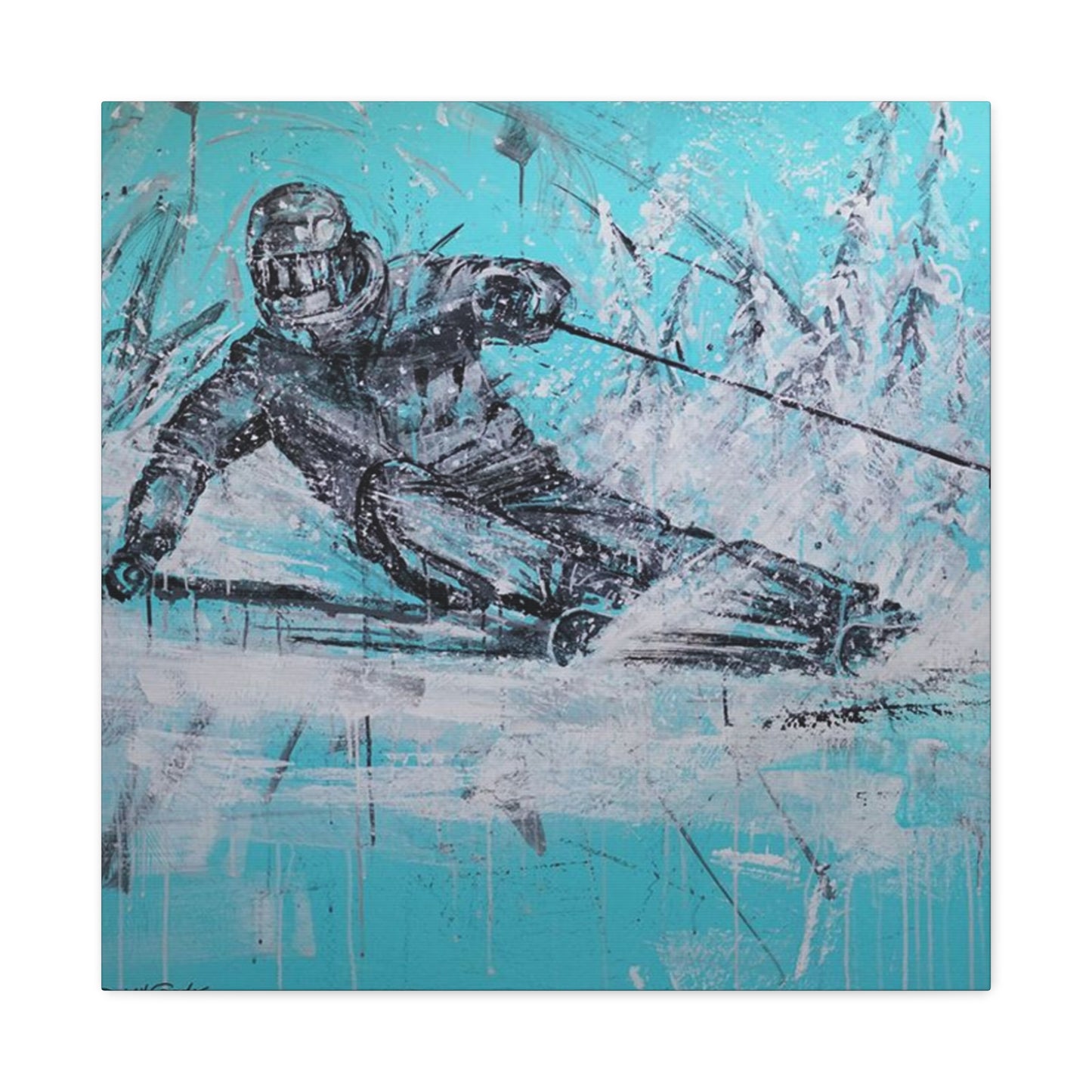
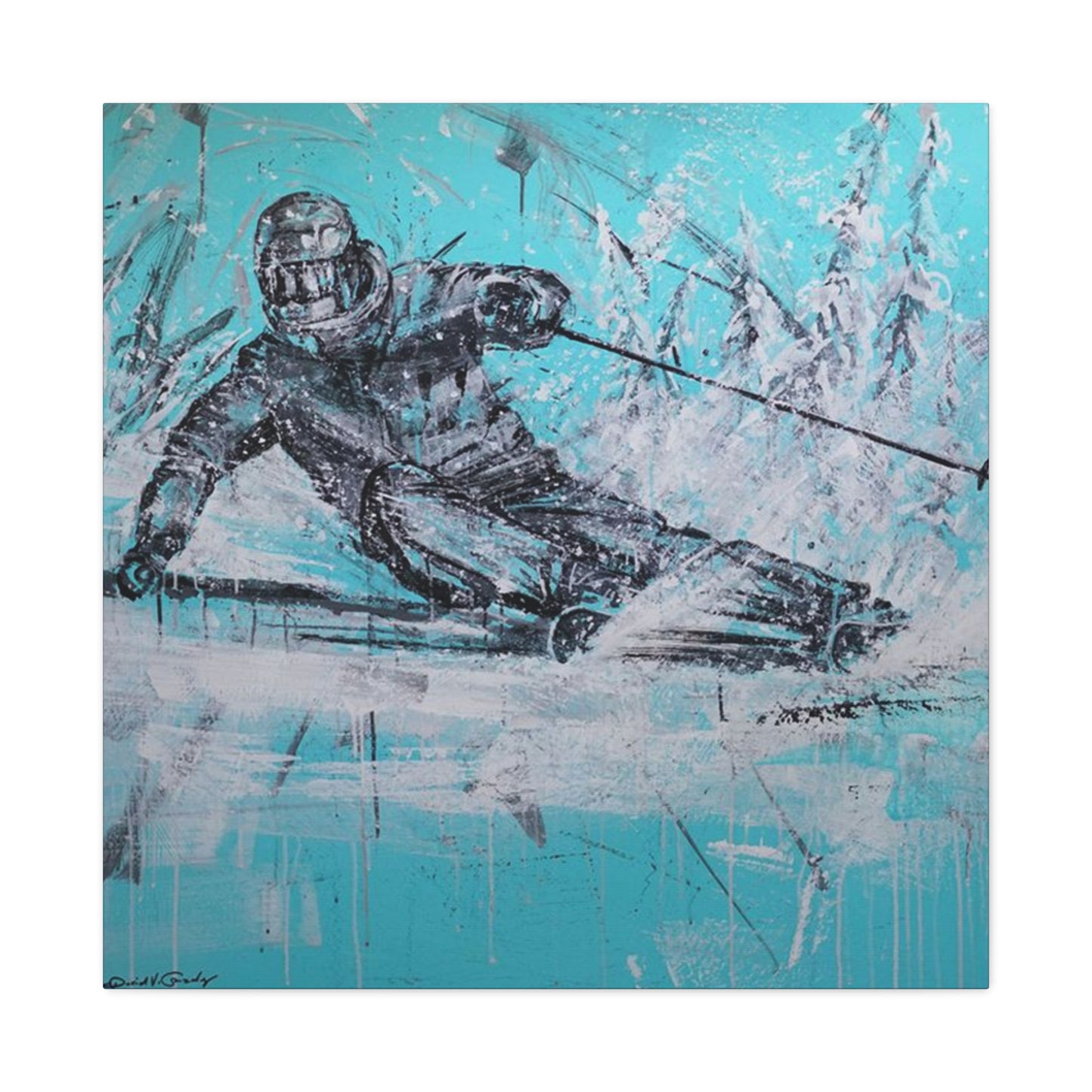
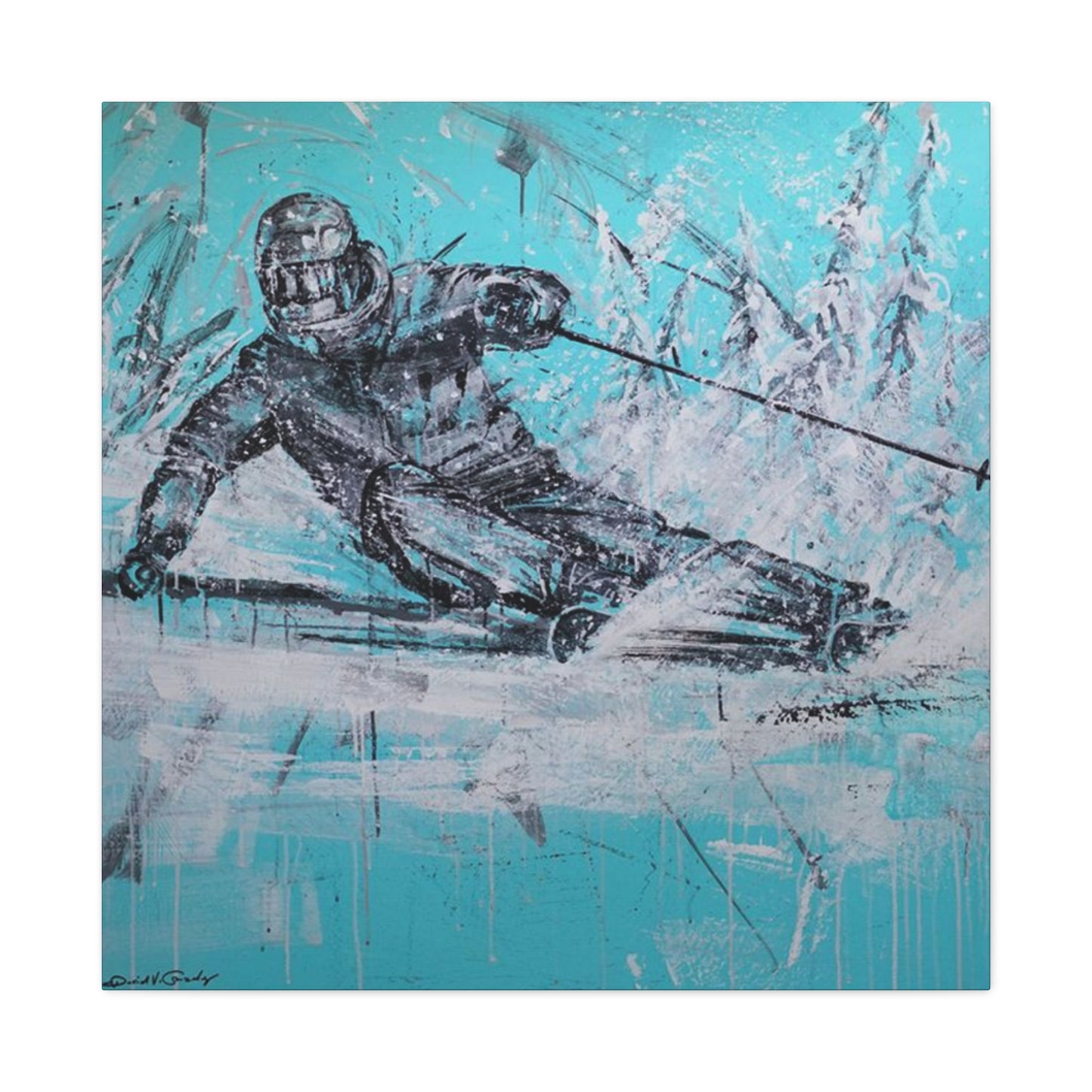
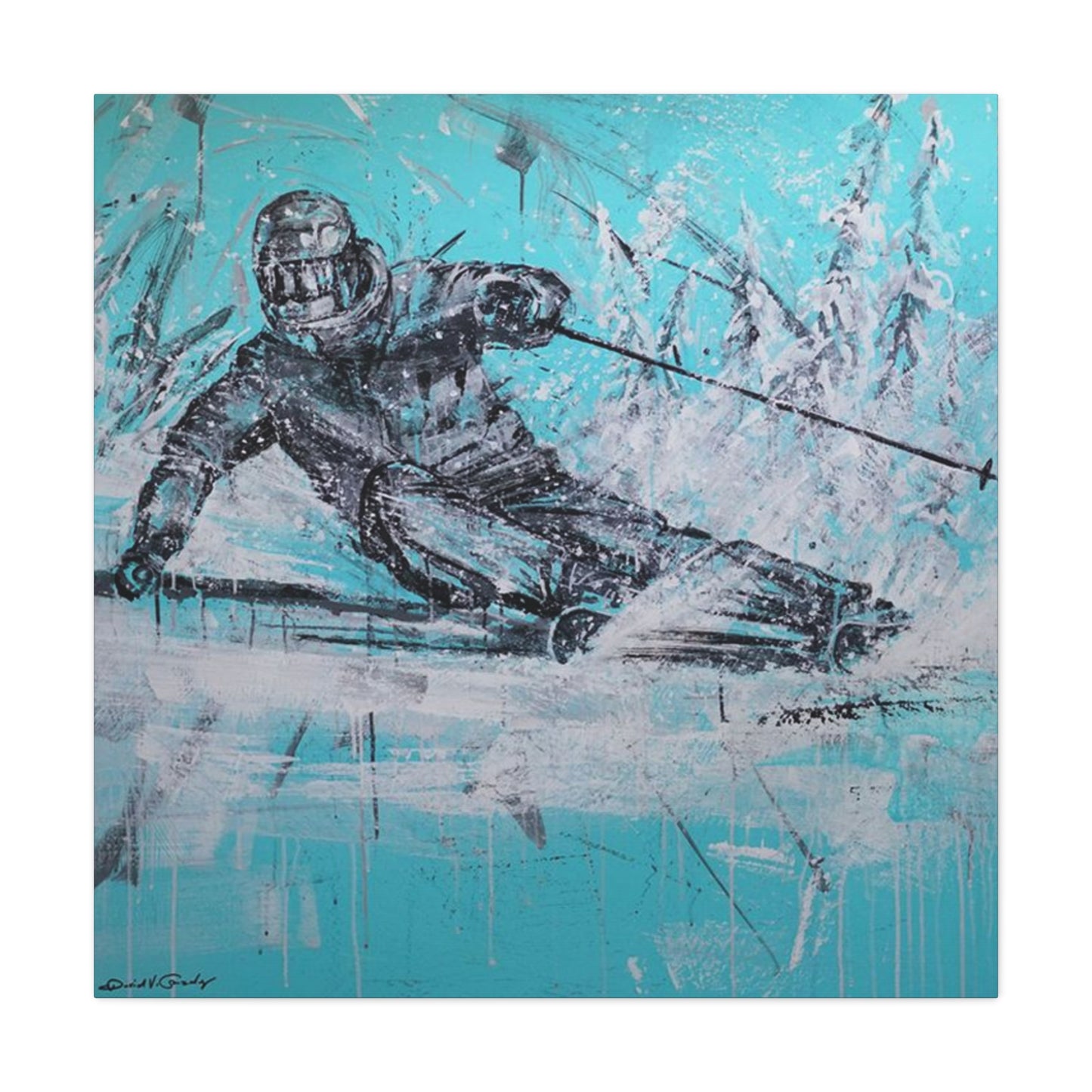
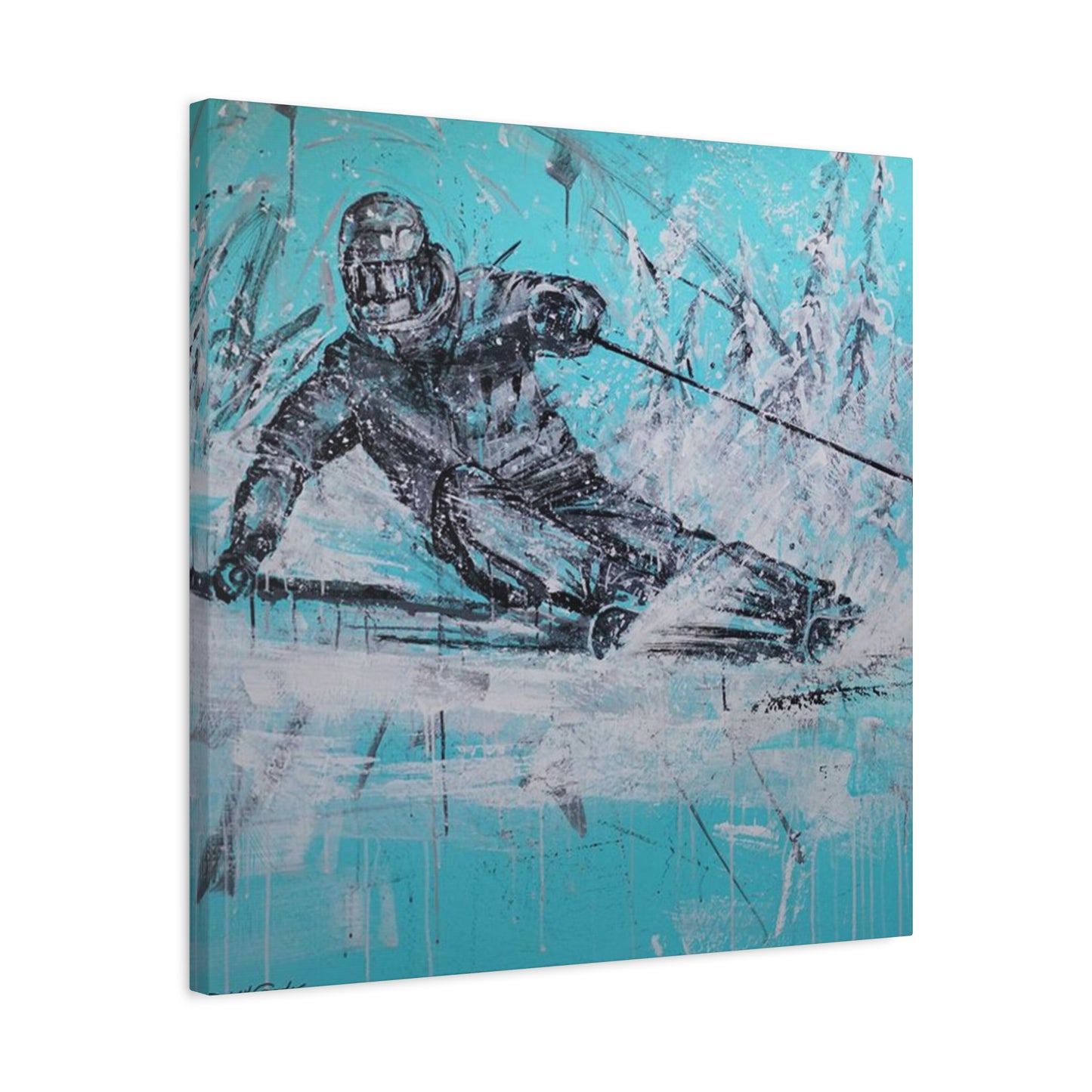
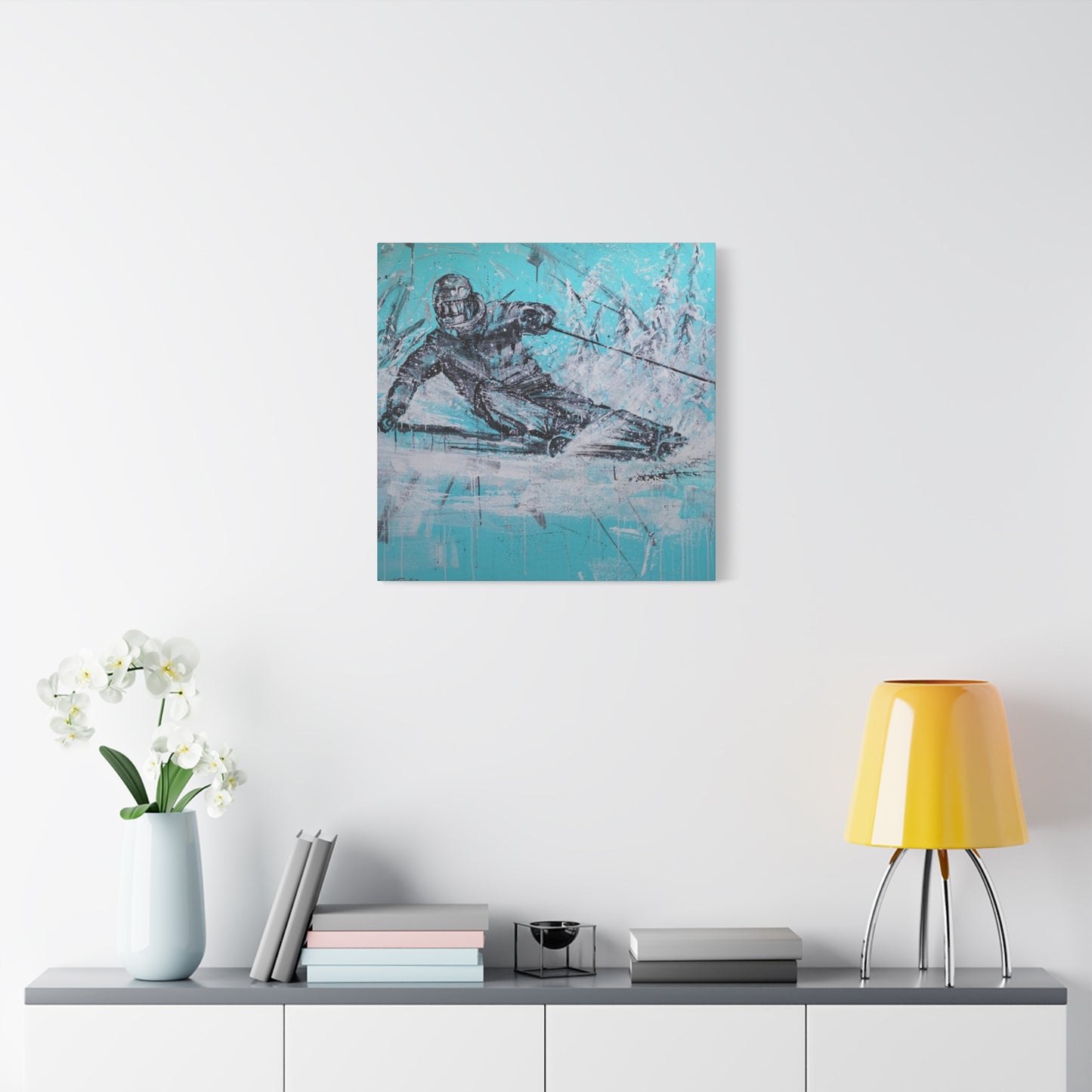
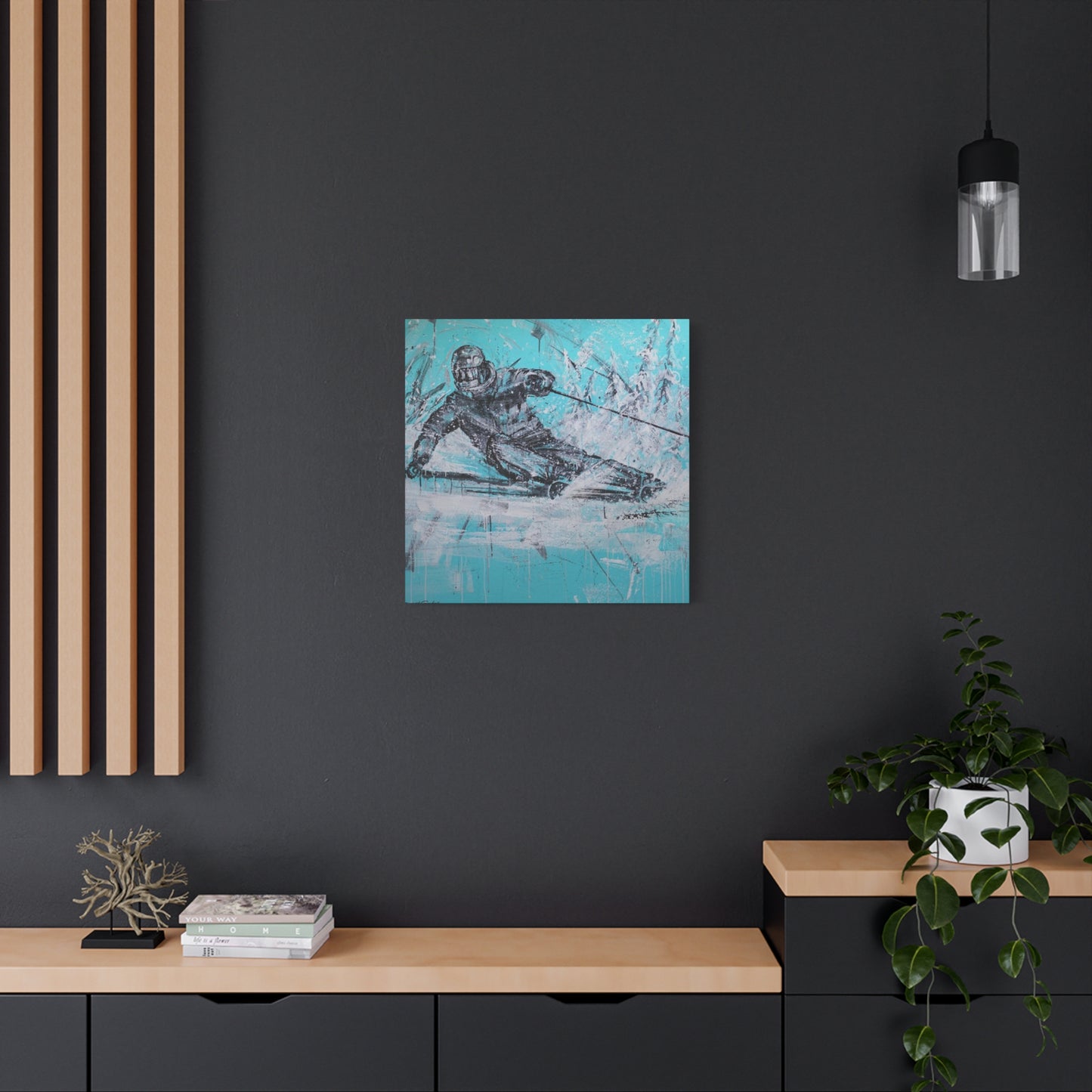
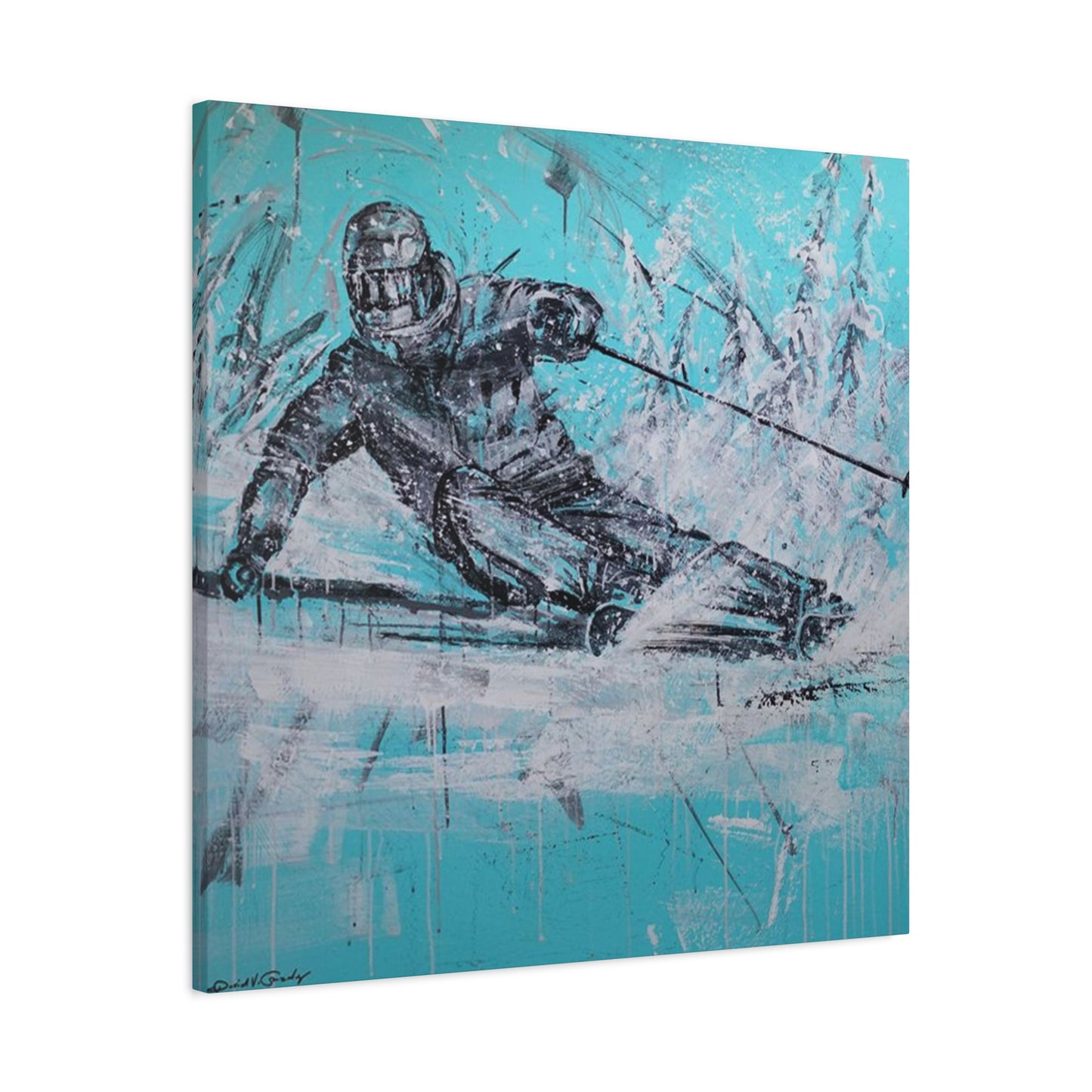
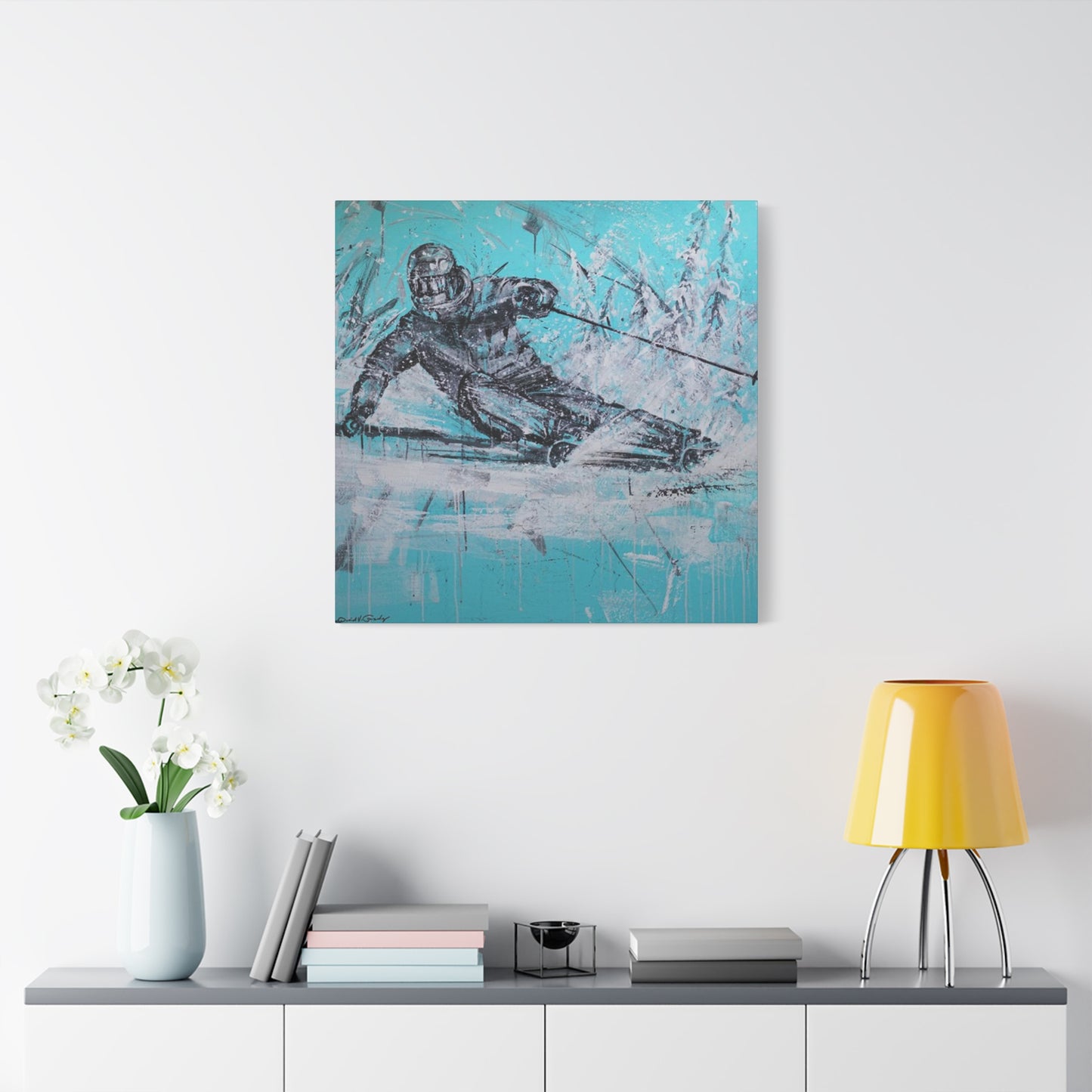
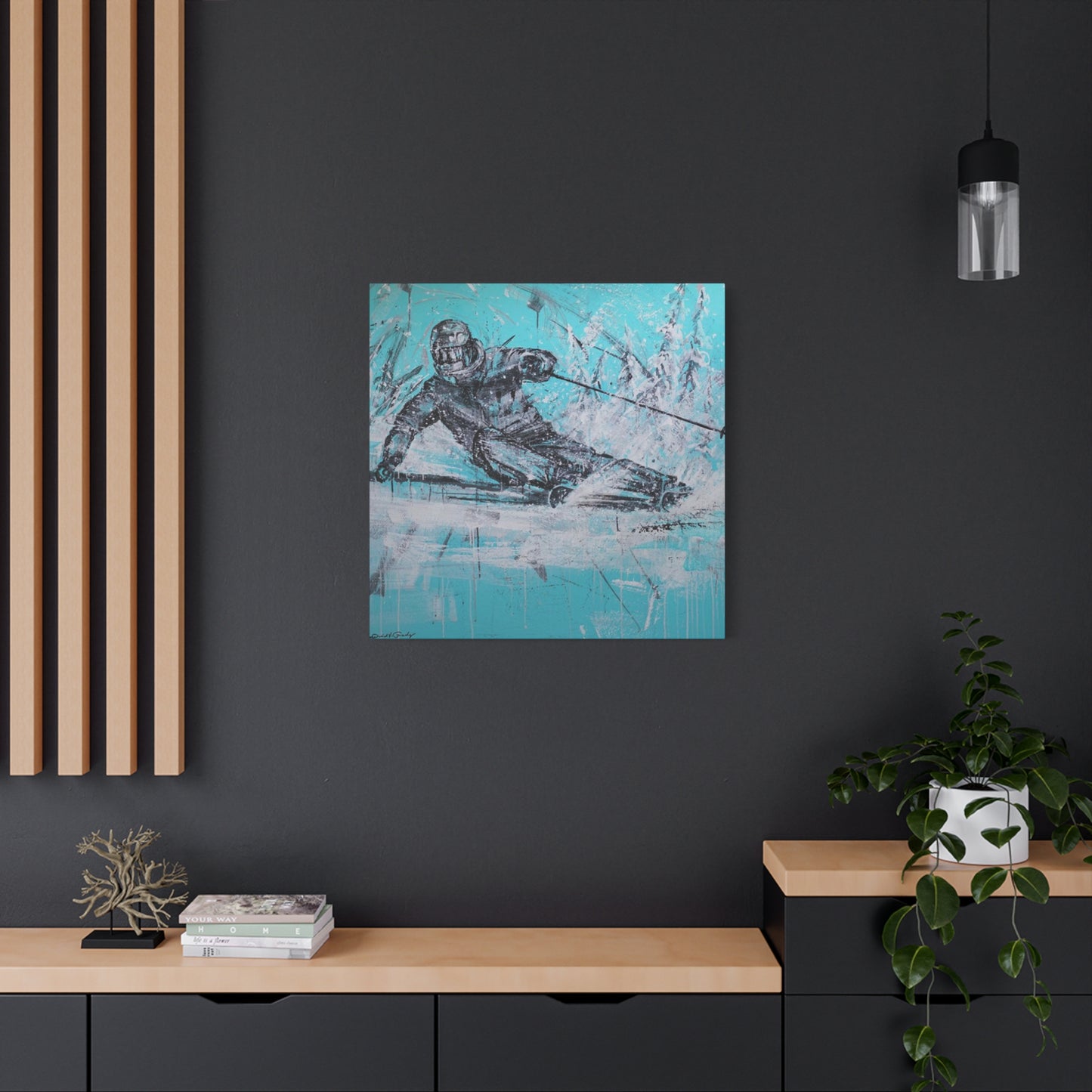
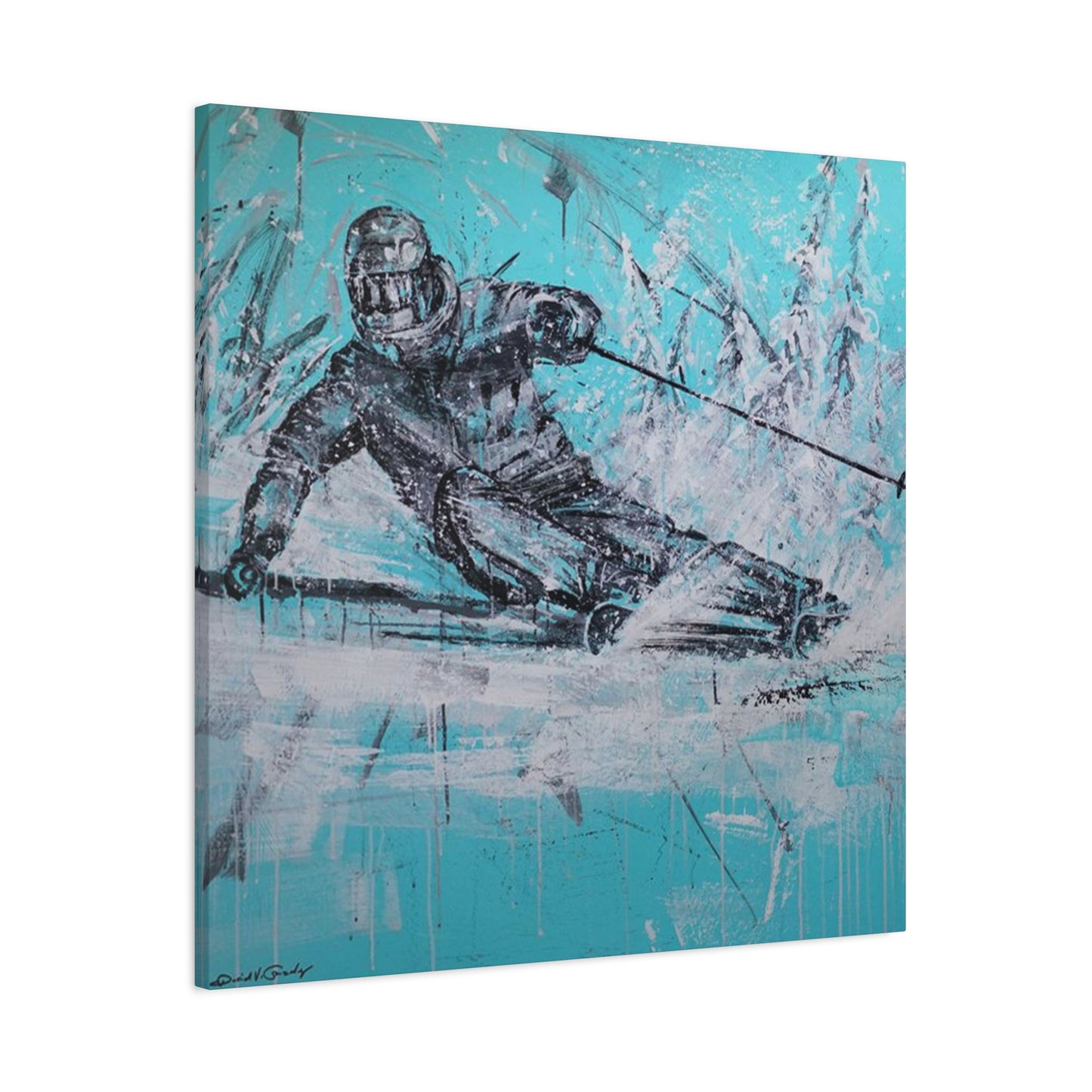
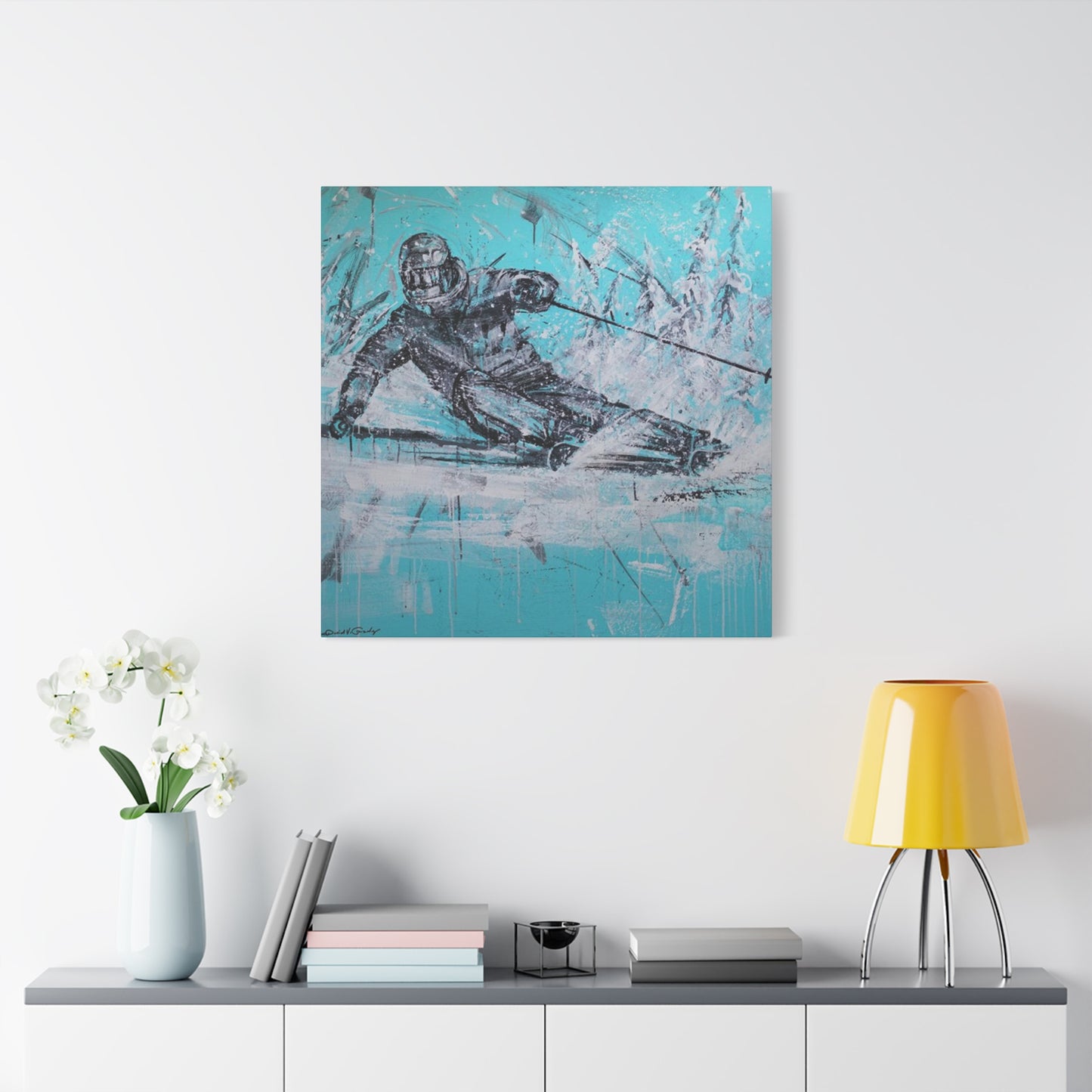
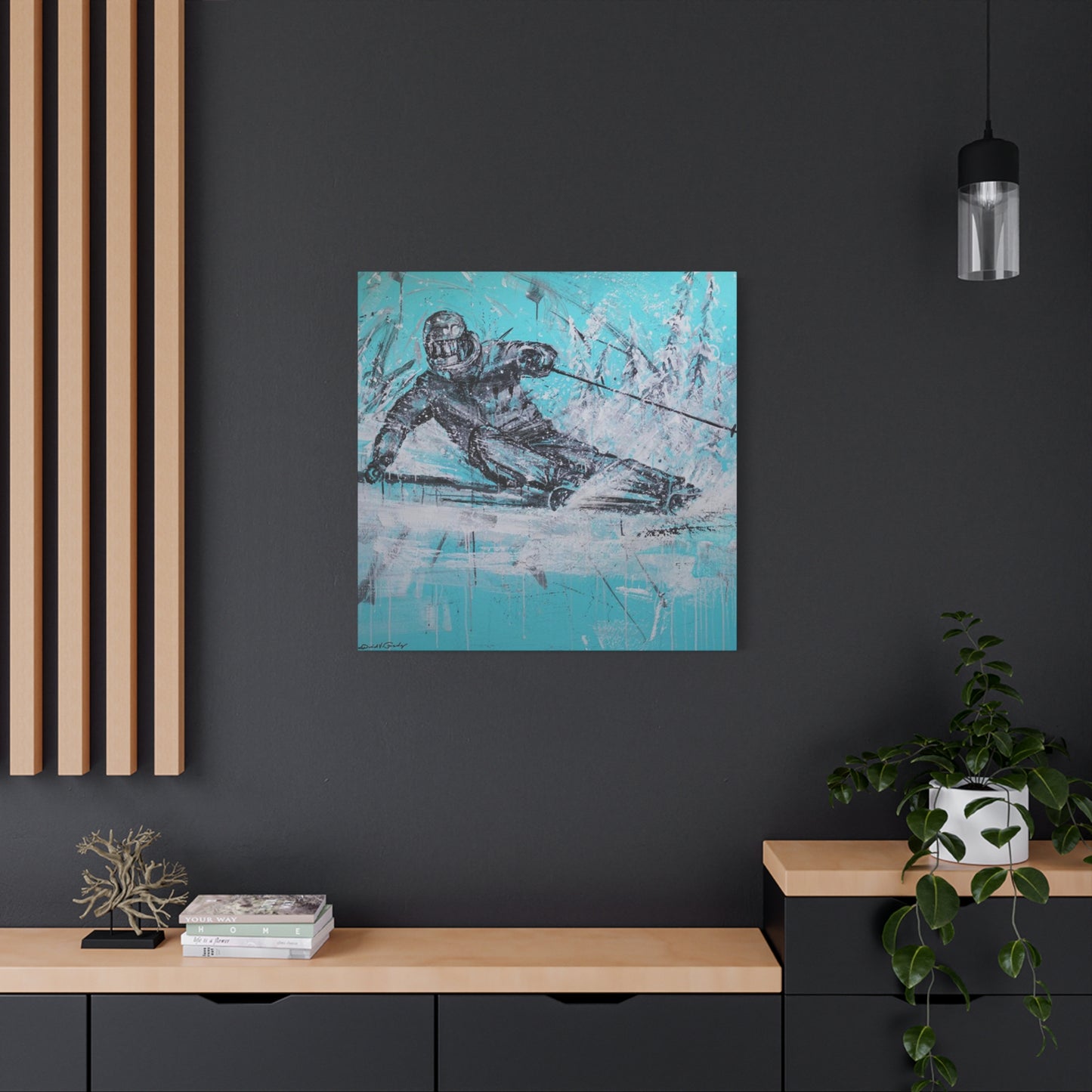
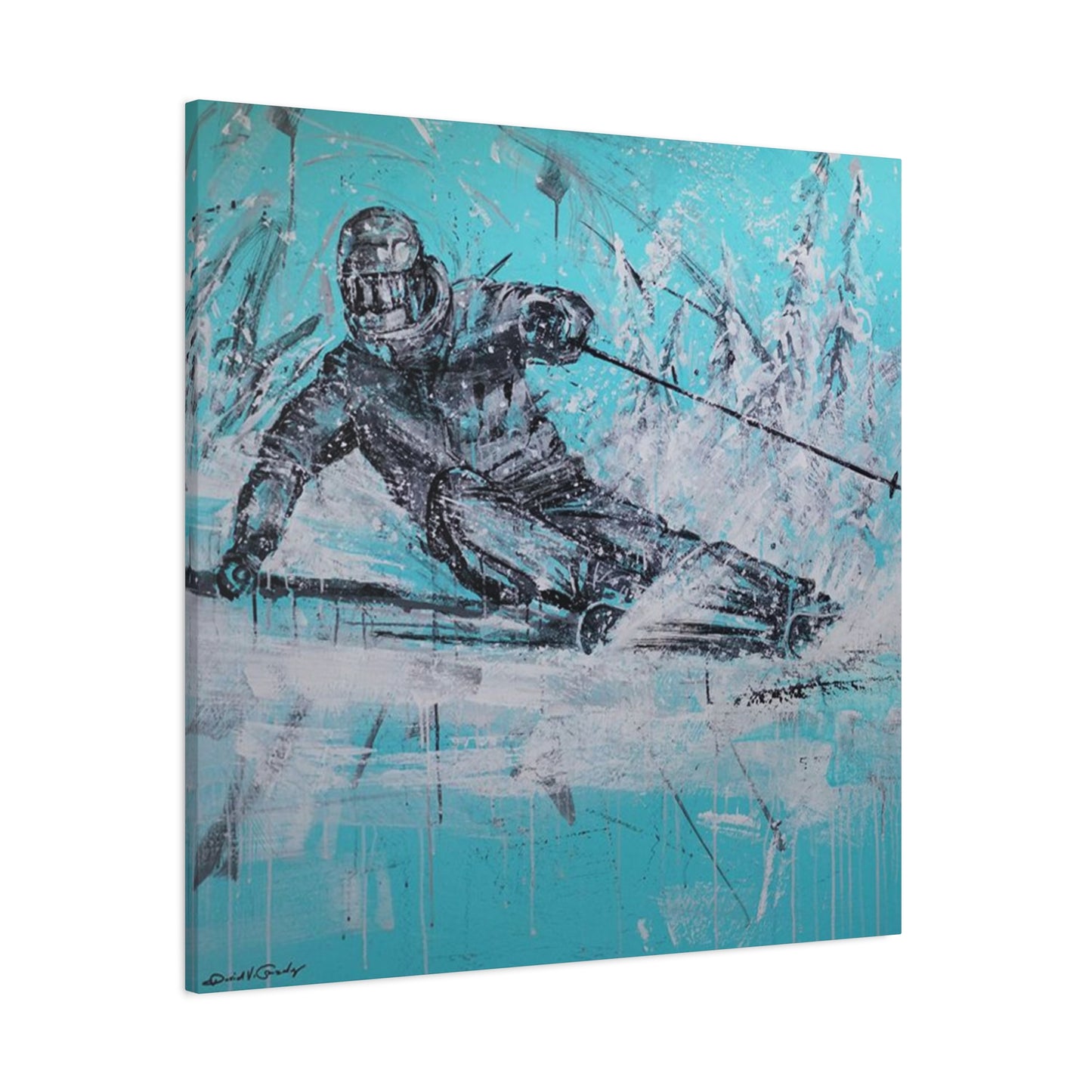
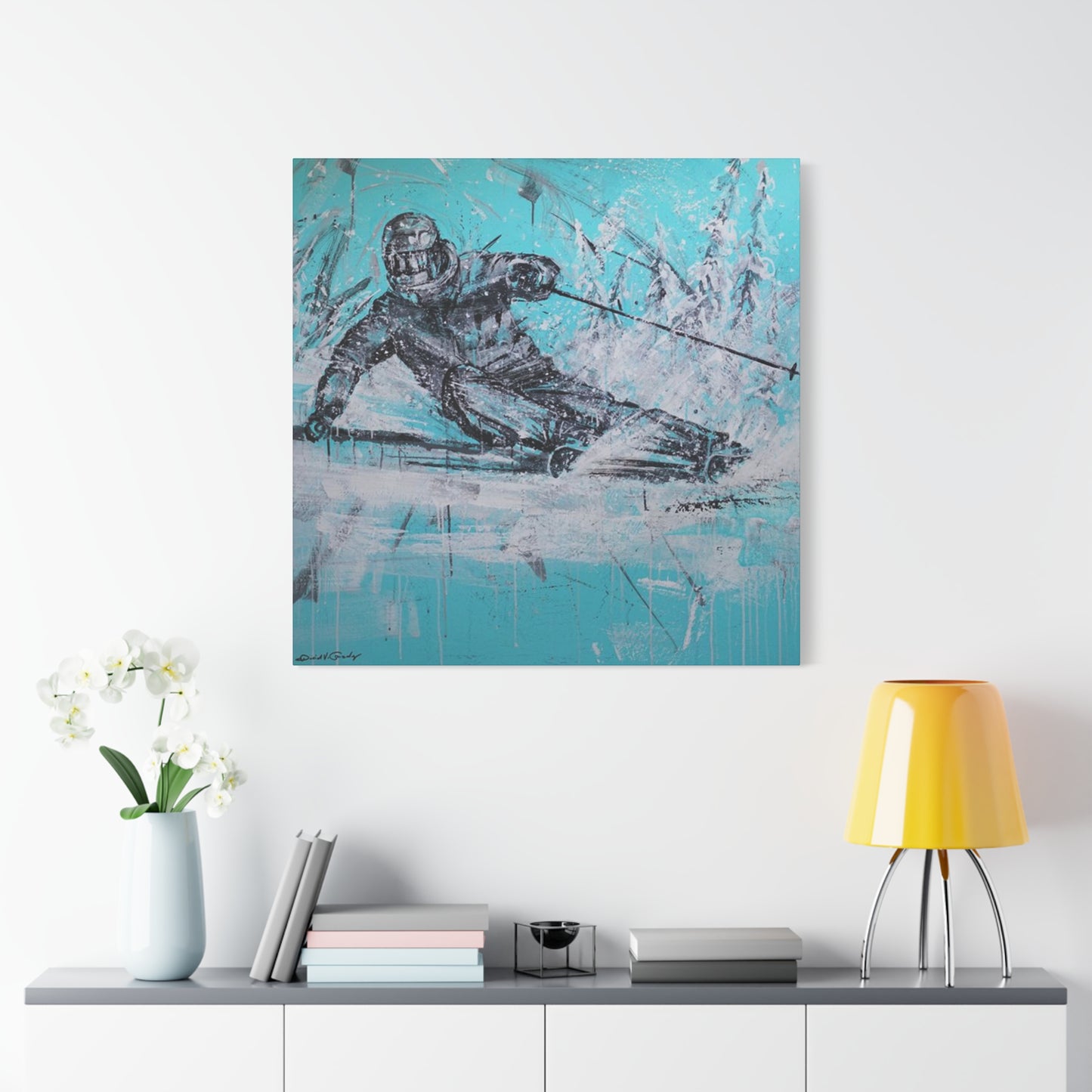
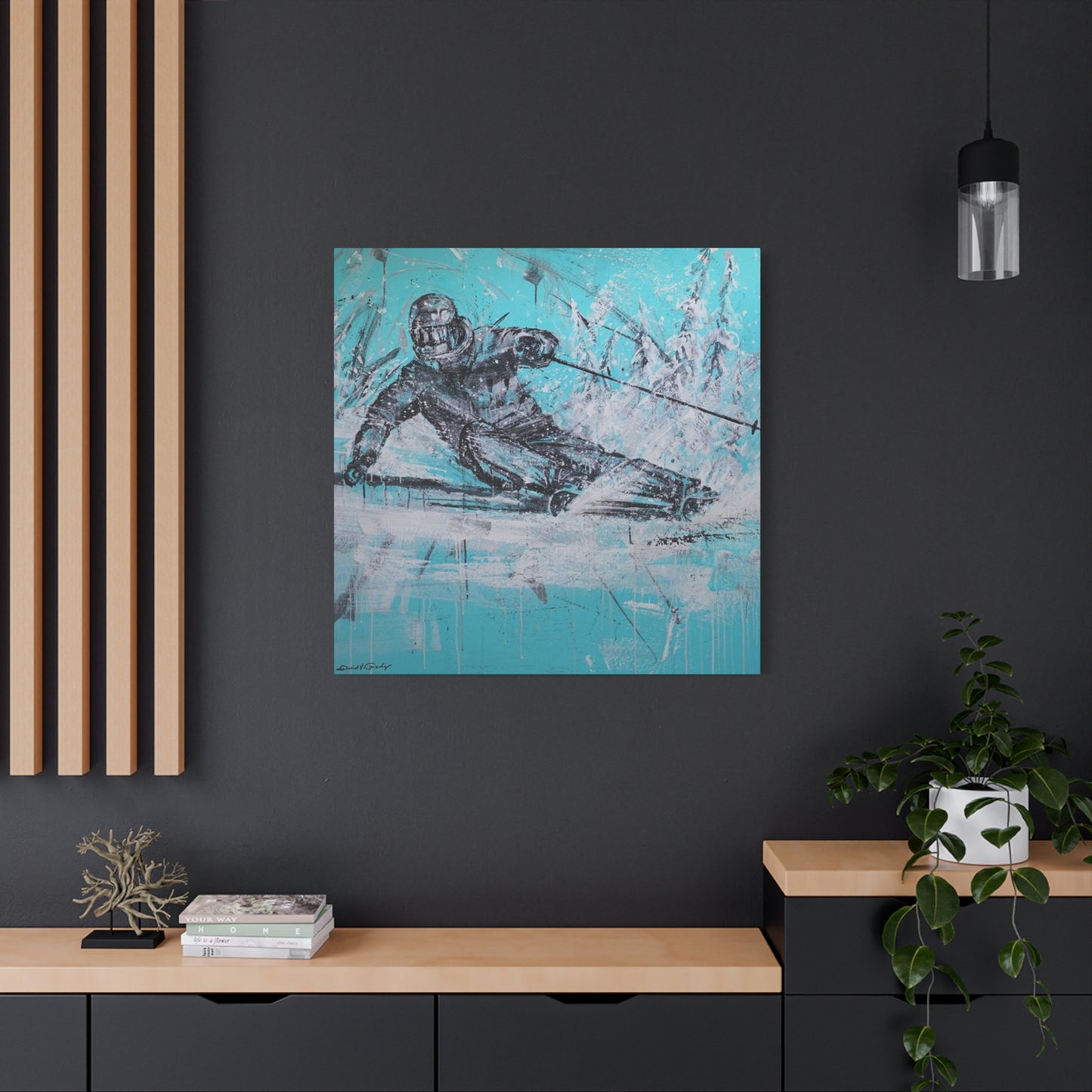
Capturing the Thrill: Skiing in White Snow Poster Wall Art That Brings the Mountains Indoors
Winter sports enthusiasts and interior design lovers alike have discovered a remarkable way to bring the majesty of alpine adventures into their homes through skiing in white snow poster wall art. This distinctive form of decorative expression captures the exhilarating essence of downhill skiing while transforming ordinary walls into stunning focal points that evoke memories of powder-covered mountain peaks and crisp winter mornings. The popularity of these artistic pieces has grown exponentially as homeowners seek meaningful ways to display their passion for winter activities while maintaining sophisticated aesthetic standards.
The visual impact of skiing themed wall art extends far beyond simple decoration. These pieces serve as conversation starters, mood enhancers, and personal statements that reflect the adventurous spirit of their owners. Whether displayed in living rooms, home offices, ski lodges, or recreational spaces, these posters create an immediate connection to the outdoor experiences that many people cherish. The combination of dynamic action imagery, serene winter landscapes, and artistic interpretation makes skiing posters a versatile choice for various interior design schemes.
Contemporary poster art featuring winter sports has evolved significantly from basic photography prints to sophisticated artistic interpretations that blend multiple design elements. Artists and photographers now employ advanced techniques to capture the speed, grace, and excitement of skiing while maintaining the tranquil beauty of snow-covered environments. The result is artwork that appeals to both sports enthusiasts and those who simply appreciate the aesthetic qualities of winter scenery.
Winter Sports Art and Visual Representation
The tradition of depicting winter sports through artistic mediums dates back over a century when early alpine resorts began commissioning promotional materials to attract visitors. These vintage pieces, often featuring bold typography and simplified illustrations, captured the glamour and excitement of skiing during its golden age. The artistic style of these early posters influences contemporary designs, with many modern artists drawing inspiration from the nostalgic charm of vintage ski resort advertisements.
During the early twentieth century, skiing transformed from a practical mode of winter transportation to a recreational activity embraced by the affluent classes of Europe and North America. This cultural shift created demand for visual representations that celebrated the sport's elegance and thrill. Artists began creating stylized posters that emphasized the graceful movements of skiers against dramatic mountain backdrops, establishing aesthetic conventions that continue to influence skiing in white snow poster wall art today.
The mid-century modern era brought significant changes to winter sports imagery as photography became more accessible and action shots more technically feasible. Photographers ventured onto snowy slopes with increasingly sophisticated equipment, capturing moments of athletic excellence that were previously impossible to document. This technological advancement allowed for more realistic and dynamic representations of skiing, shifting the artistic landscape from illustration toward photographic realism.
As skiing grew in popularity throughout the latter half of the twentieth century, the market for related artwork expanded correspondingly. Ski resorts, equipment manufacturers, and winter tourism organizations commissioned countless promotional materials featuring stunning mountain vistas and skilled athletes carving through fresh powder. Many of these vintage promotional pieces have become collectible items, valued both for their historical significance and their artistic merit.
Design Elements That Define Exceptional Skiing Wall Art
The most compelling skiing in white snow poster wall art incorporates several key design elements that work harmoniously to create visual impact. Composition plays a crucial role, with successful pieces typically featuring a clear focal point that draws the viewer's eye while maintaining balance throughout the entire image. Whether the focal point is a single skier in mid-action or a panoramic mountain vista, the arrangement of visual elements must guide the viewer's gaze in a deliberate and satisfying manner.
Color palette selection significantly influences the emotional resonance of skiing posters. The predominant whites and cool blues of snowy landscapes provide a neutral foundation that can be accented with warmer tones from ski equipment, clothing, or sunset skies. Some artists prefer monochromatic schemes that emphasize texture and form, while others incorporate vibrant splashes of color to create energy and excitement. The interplay between the stark whiteness of snow and contrasting elements creates visual tension that makes these pieces engaging.
Perspective and depth perception are particularly important in skiing artwork, as they convey the three-dimensional nature of mountain environments and the sensation of movement through space. Artists and photographers employ techniques such as forced perspective, leading lines, and atmospheric perspective to create the illusion of vast distances and dramatic elevation changes. These technical considerations transform flat surfaces into windows that seem to open onto spectacular alpine vistas.
Lighting conditions captured in skiing imagery dramatically affect the mood and atmosphere of the final piece. Early morning light casting long shadows across pristine slopes creates a vastly different feeling than the golden warmth of afternoon sun or the flat, diffused illumination of overcast conditions. Skilled creators of skiing wall art understand how lighting influences emotional response and choose conditions that align with their artistic vision.
Winter Sports Imagery in Interior Environments
The presence of skiing in white snow poster wall art within living and working spaces creates measurable psychological effects on occupants. Research in environmental psychology demonstrates that visual connections to nature and outdoor activities can reduce stress levels, improve mood, and enhance overall wellbeing. Winter landscapes, with their associations to purity, freshness, and natural beauty, trigger positive emotional responses that persist beyond initial viewing.
For individuals who actively participate in skiing, these artistic pieces serve as powerful reminders of cherished experiences and anticipated future adventures. The psychological phenomenon known as positive reminiscence occurs when people view imagery connected to pleasant memories, releasing neurotransmitters associated with happiness and contentment. A well-chosen skiing poster can effectively transport viewers mentally to their favorite mountain destinations, providing momentary escape from daily routines.
The energizing qualities of action-oriented skiing imagery can positively influence motivation and mental alertness. Unlike serene landscape art that promotes relaxation, dynamic sports imagery stimulates the viewer and can contribute to a more active, engaged mental state. This makes skiing wall art particularly suitable for home offices, workout spaces, or areas where maintaining high energy levels is desirable.
Color psychology also plays a significant role in how skiing posters affect mood and perception. The cool color temperatures predominant in winter scenes tend to create feelings of calm and spaciousness, while touches of warm colors in ski apparel or sunset lighting introduce notes of excitement and vitality. This balanced combination allows skiing artwork to be simultaneously soothing and invigorating, making it adaptable to various emotional needs throughout the day.
Photographic Versus Illustrated Approaches to Skiing Art
The choice between photographic and illustrated skiing in white snow poster wall art represents a fundamental aesthetic decision that affects the overall character of the piece. Photographic approaches offer realism and authenticity, capturing genuine moments of athletic performance and natural beauty with documentary precision. These images appeal to viewers who value truthfulness and connection to actual experiences, providing windows into real skiing adventures that others have undertaken.
Contemporary skiing photography employs sophisticated techniques to overcome the technical challenges of capturing fast-moving subjects in challenging lighting conditions. High-speed shutter capabilities freeze spectacular moments of airborne maneuvers, powder sprays, and precise edge control that would otherwise be imperceptible to the human eye. This ability to reveal hidden moments of beauty and athleticism gives photographic skiing art a unique appeal that illustration cannot replicate.
Illustrated and graphic design approaches to skiing posters offer different advantages, primarily artistic interpretation and stylization. Artists working in illustration can emphasize certain elements, simplify complex scenes, and apply visual effects that create specific moods or convey particular messages. The stylistic freedom of illustration allows for creative expressions that range from minimalist line drawings to elaborate compositions incorporating multiple design elements and symbolic imagery.
Vintage-inspired illustration styles have experienced renewed popularity in recent years as contemporary consumers develop appreciation for retro aesthetics. These designs often feature bold geometric shapes, limited color palettes, and simplified representations that evoke the golden age of ski resort advertising. The nostalgic appeal of these styles makes them particularly effective for creating atmosphere in spaces designed with mid-century modern or eclectic decorating schemes.
Mixed media approaches combine photographic elements with graphic design, typography, and illustration to create hybrid pieces that leverage the strengths of multiple artistic traditions. These contemporary works might feature a photographic background with illustrated elements overlaid, or geometric patterns integrated with realistic imagery. This fusion approach has become increasingly popular among younger consumers who appreciate innovation and creative boundary-pushing in their decorative choices.
Selecting the Perfect Skiing Poster for Your Personal Space
Choosing appropriate skiing in white snow poster wall art requires consideration of multiple factors including room characteristics, existing decor, personal preferences, and intended emotional atmosphere. The size of the available wall space fundamentally constrains poster dimensions, with larger walls accommodating oversized statement pieces while smaller areas benefit from more modest formats. Proper scale ensures that artwork neither overwhelms nor gets lost within its architectural context.
The color scheme of existing room furnishings, paint colors, and decorative elements should inform poster selection to ensure visual harmony. While contrasting elements can create exciting focal points, the overall palette should demonstrate coherent relationships that tie the space together. Skiing posters with predominantly cool tones complement warm-colored rooms by providing visual balance, while pieces incorporating warmer sunset or sunrise lighting can enhance spaces already featuring cool color schemes.
Personal connection to the imagery significantly impacts long-term satisfaction with skiing wall art. Posters depicting specific mountains, ski resorts, or regional landscapes create stronger emotional resonance for individuals familiar with those locations. Similarly, imagery showcasing particular skiing styles such as backcountry touring, alpine racing, or freestyle terrain park activities appeals most strongly to practitioners of those disciplines.
The stylistic character of skiing artwork should align with the overall design aesthetic of the space. Contemporary minimalist interiors pair well with clean, uncluttered skiing images featuring simple compositions and restrained color palettes. Traditional or rustic environments might be better suited to vintage-style illustrations or classic skiing photography. Eclectic spaces offer more flexibility, accommodating bold artistic interpretations and experimental approaches to winter sports imagery.
Room function influences appropriate poster selection, as different activities and purposes suggest different atmospheric qualities. Living rooms and social gathering spaces benefit from skiing art that invites conversation and projects welcoming energy. Bedrooms might feature more serene mountain landscapes that promote relaxation. Home offices and workout areas work well with dynamic action imagery that stimulates motivation and mental engagement.
Considerations for Poster Quality and Longevity
The physical characteristics of skiing in white snow poster wall art significantly affect both initial visual impact and long-term durability. Print quality depends on resolution, printing technology, and paper or canvas substrate, with higher quality materials and processes producing sharper images, more accurate colors, and better resistance to fading over time. Understanding these technical factors helps consumers make informed purchasing decisions that balance cost considerations against desired quality levels.
Printing resolution, measured in dots per inch, determines the sharpness and clarity of the final image. Higher resolution prints display finer details and smoother color gradations, particularly important for photographic skiing images where texture details in snow and fabric contribute significantly to realism. Professional quality posters typically employ resolutions of 300 DPI or higher, ensuring that images remain sharp even when viewed at close distances.
The printing process itself affects color accuracy, durability, and environmental impact. Giclée printing, which uses archival-quality inks and sophisticated color management, produces museum-grade results with excellent color fidelity and fade resistance. Less expensive offset lithography or digital printing methods can still produce satisfactory results for most residential applications, particularly when using quality papers and inks. Understanding these differences helps consumers select appropriate quality levels for their specific needs and budgets.
Paper selection influences both the aesthetic qualities and practical durability of skiing posters. Matte finishes minimize glare and reflections, making them suitable for brightly lit rooms or positions opposite windows. Glossy or semi-gloss surfaces enhance color vibrancy and contrast, creating more dramatic visual impact but potentially introducing unwanted reflections. Canvas prints offer texture and substantial presence, lending artwork a more finished appearance even without framing.
Archival quality materials ensure that skiing wall art maintains its visual appeal for decades rather than years. Acid-free papers prevent yellowing and degradation over time, while UV-resistant inks resist fading from sunlight exposure. While archival materials command premium prices, the extended lifespan they provide makes them cost-effective investments for pieces intended as permanent decorative elements.
Framing Options That Enhance Skiing Poster Presentation
The selection of appropriate framing for skiing in white snow poster wall art dramatically influences final presentation and longevity. Framing serves multiple purposes including physical protection, aesthetic enhancement, and integration with surrounding decor. The frame material, color, profile, and matting choices all contribute to how effectively the artwork communicates its intended message and harmonizes with its environment.
Wood frames remain the most popular choice for skiing posters, offering warmth, natural beauty, and versatility across various decorating styles. Light wood tones such as maple or birch create casual, modern aesthetics that complement the clean lines of contemporary interiors. Darker woods like walnut or espresso add sophistication and weight, working well in traditional or transitional spaces. Rustic finishes with visible grain and texture enhance lodge-style or cabin environments where skiing imagery feels particularly at home.
Metal frames provide sleek, modern alternatives that work exceptionally well with contemporary skiing photography and minimalist design schemes. Thin metal profiles in black, silver, or brushed finishes create crisp, clean presentations that direct attention to the artwork itself rather than the frame. The industrial character of metal framing suits modern loft spaces, contemporary offices, and design-forward residential interiors.
Matting creates visual breathing room around skiing posters, separating the image from the frame and providing transitional space that enhances perceived value and presentation quality. White and off-white mats remain classic choices that work with virtually any artwork, but colored mats can be selected to complement specific elements within the poster itself. Double matting, with contrasting inner and outer mat colors, adds depth and sophistication to the presentation.
Glass or acrylic glazing protects poster surfaces from dust, moisture, and physical damage while potentially reducing UV exposure that causes fading. Standard glass works well for most applications but adds significant weight to larger frames. Acrylic alternatives offer impact resistance and lighter weight, making them preferable for very large pieces or installations in homes with children. Museum-quality glazing with UV filtering provides maximum protection for valuable or sentimental pieces.
Floating frame presentations, where artwork appears to float within the frame without touching the edges, create contemporary looks particularly suited to modern skiing photography. This mounting technique allows the entire image to remain visible without being obscured by frame edges, maximizing visual impact. The shadow gap between artwork and frame adds dimensional interest that enhances perceived sophistication.
Seasonal Decorating Strategies with Winter Sports Art
While skiing in white snow poster wall art can serve as permanent decorative elements, many homeowners enjoy incorporating these pieces into seasonal rotation strategies that keep interiors feeling fresh and responsive to changing times of year. This approach allows winter sports imagery to make maximum impact during cold months while avoiding visual stagnation that can occur when any artwork remains in place year-round.
The winter holiday season presents ideal opportunities to showcase skiing posters as part of broader decorating themes that celebrate cold weather activities and alpine aesthetics. Pairing skiing art with evergreen garlands, pinecones, and winter white color schemes creates cohesive seasonal displays that feel intentional and professionally designed. The natural connection between skiing and winter holidays makes this combination feel authentic rather than forced.
As spring approaches, some decorators choose to transition away from winter sports imagery toward lighter, brighter themes that reflect seasonal renewal. However, others prefer to maintain skiing posters year-round, particularly in regions where winter sports represent significant cultural identity or personal passion. Geographic location and climate significantly influence whether seasonal rotation feels appropriate or whether permanent display makes more sense.
Dedicated skiing enthusiasts often maintain year-round displays of winter sports art as expressions of lifestyle and identity rather than seasonal decoration. For these individuals, skiing represents more than a cold-weather activity but rather a core component of self-concept and values. Year-round display keeps passion and memories alive during off-season months, maintaining connection to the skiing community and anticipation for future adventures.
Creating gallery walls that combine skiing posters with other seasonal and permanent artwork allows for flexible decorating strategies. Some pieces remain constant while others rotate with seasons, maintaining visual interest without requiring complete redesign. This balanced approach satisfies desires for both stability and change, allowing rooms to feel simultaneously familiar and fresh.
Incorporating Skiing Art into Various Rooms and Functional Spaces
Living rooms represent primary locations for skiing in white snow poster wall art, as these communal spaces offer opportunities to share personal interests with family and guests. Large statement pieces above sofas or fireplaces create dramatic focal points that anchor entire room designs. Smaller coordinated pieces can be arranged in gallery configurations that add visual interest to expansive wall surfaces while telling more complex visual stories about winter sports passion and mountain experiences.
Bedroom installations of skiing posters contribute to personalized sanctuaries that reflect occupant interests and values. The calming qualities of winter landscapes make them particularly suitable for spaces intended for rest and relaxation. However, placement considerations matter, as highly dynamic action imagery positioned directly opposite the bed might prove overly stimulating for some individuals. Side wall installations or positions visible when entering the room rather than from the bed often work better for maintaining sleep-friendly atmospheres.
Home offices benefit significantly from skiing wall art that provides inspiration, visual breaks from screen time, and connections to outdoor experiences. The energizing qualities of winter sports imagery can combat the mental fatigue associated with desk work, while distant mountain vistas offer psychological escape during stressful moments. Positioning skiing posters within the visual field during video calls also communicates personality and interests to professional contacts.
Fitness and recreational spaces represent natural environments for skiing posters, as the athletic nature of the imagery aligns perfectly with exercise activities. Motivation often increases when surrounded by representations of physical achievement and outdoor adventure. Home gyms, yoga studios, and game rooms all benefit from the dynamic energy that skiing wall art provides, creating atmospheres that encourage active lifestyles.
Hallways and transitional spaces often go underutilized in decorating schemes but represent excellent opportunities for skiing poster display. These areas allow artwork to be appreciated during regular movement through homes without dominating primary living spaces. Series of smaller coordinated skiing prints can create compelling visual sequences that transform boring corridors into engaging passages that reflect homeowner personality.
Basement recreation rooms and entertainment spaces frequently adopt skiing lodge aesthetics, making winter sports posters essential decorative elements. These informal gathering areas suit the casual, adventurous spirit of skiing imagery while providing opportunities for larger or more boldly styled pieces that might overwhelm formal living spaces. Combined with rustic wood, stone elements, and comfortable seating, skiing art helps create inviting environments perfect for social gatherings.
Creating Gallery Wall Compositions with Multiple Skiing Prints
Gallery wall arrangements featuring multiple skiing in white snow poster wall art pieces create visual impact exceeding what single posters achieve. These curated collections allow for more complex storytelling, representation of diverse skiing experiences, and creation of custom compositions perfectly scaled to available wall dimensions. Successful gallery walls demonstrate intentional design through consistent elements while incorporating sufficient variety to maintain visual interest.
Symmetrical gallery arrangements create formal, organized presentations that work well in traditional interiors and spaces where visual order is prioritized. These layouts typically feature identical or similarly sized frames arranged in grid patterns with consistent spacing. The predictable structure of symmetrical arrangements provides visual calm and makes strong statements about attention to detail and design sophistication.
Asymmetrical gallery walls offer more dynamic, contemporary aesthetics through varied frame sizes, mixed orientations, and irregular spacing patterns. These organic arrangements feel more casual and creative, reflecting eclectic or modern sensibilities. Successfully executing asymmetrical galleries requires careful attention to visual weight distribution to ensure the overall composition feels balanced despite lacking formal symmetry.
Color coordination across multiple skiing posters helps unify gallery wall presentations. This can be achieved through consistent color palettes within the images themselves, coordinated mat colors, or matching frame finishes. Some designers prefer monochromatic schemes using black and white skiing photography for maximum cohesion, while others embrace chromatic variety within carefully controlled parameters.
Thematic unity provides another organizing principle for multiple skiing posters. Collections might focus on specific mountains or regions, particular skiing disciplines, vintage versus contemporary aesthetics, or progression from morning to evening light conditions. These thematic threads create narrative coherence that makes collections feel intentional rather than randomly assembled.
Scale variation within gallery walls creates visual rhythm and hierarchy, with larger pieces serving as focal points and smaller works playing supporting roles. The largest poster often occupies central positions in symmetrical arrangements or appears slightly off-center in asymmetrical layouts. Proper scale relationships prevent any single piece from overwhelming others while ensuring all components remain visually significant.
Physical layout planning prevents installation errors and unnecessary wall damage. Creating full-scale paper templates or using digital planning applications allows designers to experiment with arrangements before committing to nail placement. Starting with the largest or most central piece and building outward often produces the most successful results, as it establishes the foundational element around which other pieces relate.
Vintage Skiing Poster Aesthetics and Contemporary Reinterpretations
Vintage skiing in white snow poster wall art from the early and mid-twentieth century has experienced tremendous resurgence in popularity as contemporary consumers embrace nostalgic design elements. These historical pieces, whether authentic originals or modern reproductions, capture the glamorous excitement of skiing's golden age through distinctive artistic styles characterized by bold graphics, limited color palettes, and simplified figurative representations.
The graphic design techniques employed in vintage skiing posters reflect the commercial printing limitations and artistic conventions of their eras. Hand-lettered typography, posterized color separations, and illustrative approaches rather than photographic realism defined the aesthetic vocabulary of early ski resort advertising. These stylistic choices created timeless designs that remain visually compelling nearly a century after their original creation.
Art Deco influences appear prominently in skiing posters from the 1920s and 1930s, incorporating geometric patterns, streamlined forms, and elegant stylization that reflected broader artistic movements of the period. The sleek sophistication of Art Deco aesthetics aligned perfectly with skiing's image as an exclusive activity enjoyed by fashionable elite. These design qualities give vintage skiing posters enduring appeal that transcends their original promotional purposes.
Mid-century modern design principles shaped skiing imagery from the 1950s and 1960s, introducing atomic age optimism, simplified forms, and bold color blocking. These pieces reflect the increasing democratization of skiing as post-war prosperity made the sport accessible to broader populations. The cheerful, energetic quality of mid-century skiing posters captures a period of technological optimism and expanding leisure opportunities.
Contemporary artists and designers frequently reinterpret vintage skiing aesthetics for modern audiences, creating new works that incorporate retro stylistic elements while reflecting current design sensibilities. These neo-vintage pieces appeal to consumers who appreciate nostalgic charm but prefer previously unused imagery and contemporary production quality. The result is skiing wall art that feels simultaneously familiar and fresh.
Collecting authentic vintage skiing posters has become a specialized pursuit with dedicated enthusiasts, galleries, and dealers. Original lithographic prints from renowned ski resorts command premium prices based on age, condition, artistic significance, and historical importance. Serious collectors focus on specific artists, regions, or time periods, building curated collections that document skiing's cultural evolution through visual materials.
Customization Options for Personalized Skiing Wall Art
Custom skiing in white snow poster wall art allows individuals to create truly unique pieces that reflect specific experiences, preferences, and aesthetic visions. This personalization transforms generic decorative items into meaningful objects with significant emotional value. Various customization approaches range from simple text additions to completely original artistic commissions designed specifically for individual clients.
Personal photography provides the most direct customization path, allowing skiing enthusiasts to display their own mountain experiences as professional-quality wall art. Digital printing technologies make it economically feasible to produce single copies of personally captured images at sizes and quality levels previously available only through commercial processes. This accessibility has democratized custom artwork creation, enabling anyone with decent photography skills to produce personalized skiing posters.
Professional photo editing and enhancement services can transform amateur skiing photographs into gallery-worthy prints. Color correction, exposure adjustment, composition refinement, and digital retouching address technical shortcomings while preserving the authentic experience captured in original images. These services bridge the gap between snapshot quality and professional presentation, making personal photography viable for serious decorative applications.
Text customization adds personal significance to existing skiing posters through the addition of names, dates, locations, elevation data, or meaningful quotes. These textual elements transform generic artwork into commemorative pieces celebrating specific achievements, trips, or experiences. Typography choices and placement require careful consideration to enhance rather than detract from visual composition.
Custom illustration services create entirely original skiing artwork based on client specifications and preferences. Professional artists work from reference photos, location descriptions, and style preferences to produce unique pieces that cannot be obtained through any other means. While representing significant investments, commissioned illustrations become heirloom-quality artworks with personal and potentially financial value that mass-produced posters cannot match.
Digital manipulation allows for creative combinations of multiple images, addition of graphic elements, and application of artistic effects that create stylized interpretations of skiing scenes. These techniques can transform ordinary photographs into works resembling paintings, drawings, or graphic designs. The creative possibilities are essentially limitless, bounded only by imagination and technical skill.
Environmental and Sustainability Considerations in Poster Production
Environmentally conscious consumers increasingly consider the ecological impact of skiing in white snow poster wall art production and materials. Sustainable practices in art printing address concerns about resource consumption, chemical usage, waste generation, and carbon emissions. Understanding these environmental factors allows purchasers to make informed decisions that align decorating choices with personal values regarding ecological responsibility.
Paper sourcing represents a primary environmental consideration, with sustainably managed forests and recycled content offering more responsible alternatives to conventional paper production. Forest Stewardship Council certification verifies that paper originates from responsibly managed forests where harvesting practices maintain ecological integrity and support local communities. Recycled content papers reduce demand for virgin materials while diverting waste from landfills.
Printing technologies vary significantly in their environmental impacts, with water-based inks presenting more sustainable alternatives to traditional solvent-based formulations. These eco-friendly inks eliminate toxic volatile organic compounds that contribute to air pollution and pose health risks to printing workers. While potentially offering slightly less vivid colors than solvent inks, water-based alternatives provide acceptable quality for most applications while dramatically reducing environmental harm.
Local production reduces carbon emissions associated with long-distance shipping while supporting regional economies and craftsmanship. Purchasing skiing posters from local artists, printers, or galleries minimizes transportation impacts while often providing opportunities for greater customization and direct relationships with creators. This localization strategy aligns with broader movements toward sustainable consumption and community support.
Digital distribution of artwork files allows consumers to arrange local printing independently, eliminating all shipping-related environmental impacts. This approach requires access to quality printing services and assumes responsibility for material selection and quality control but offers maximum flexibility and minimum ecological footprint. Digital purchasing also typically costs less than physical product shipping.
Durability and longevity represent often-overlooked sustainability factors, as longer-lasting products require less frequent replacement and generate less waste over time. Investing in archival-quality skiing posters with fade-resistant inks and acid-free papers ensures decorative longevity that far exceeds cheaper alternatives. The higher initial cost of quality materials is offset by extended useful life and reduced replacement frequency.
Frame recycling and reuse extends sustainability considerations beyond the poster itself to encompass complete presentation. Choosing frames from reclaimed wood, selecting durable materials that withstand multiple reuses, and repurposing existing frames for new artwork all contribute to reduced environmental impact. These practices align with circular economy principles that prioritize resource efficiency and waste minimization.
Skiing Poster Art as Investment and Collectible Items
Limited edition skiing in white snow poster wall art can appreciate significantly in value over time, particularly pieces by recognized artists or commemorating significant events, locations, or sporting achievements. Understanding the factors that influence collectible value helps enthusiasts make informed acquisition decisions that balance aesthetic enjoyment with potential financial appreciation.
Artist reputation fundamentally affects artwork value, with established names commanding premium prices based on consistent quality, distinctive style, and market recognition. Emerging artists may offer acquisition opportunities at lower price points with potential for future appreciation as careers develop and reputations grow. Researching artist backgrounds, exhibition histories, and market performance provides insight into likely value trajectories.
Edition size directly impacts collectible value, with smaller numbered editions generally commanding higher prices than larger runs. Strict edition limits create artificial scarcity that supports price stability and appreciation. Documentation including edition numbers and artist signatures authenticates limited edition status and significantly affects resale value. Certificates of authenticity provide essential provenance information that serious collectors require.
Condition preservation determines whether skiing posters maintain, increase, or lose value over time. Proper framing with UV-protective glazing prevents fading and damage. Climate-controlled environments avoid moisture-related deterioration and paper degradation. Careful handling and storage for unframed pieces prevents tears, creases, and soil that dramatically reduce collectible value. Professional conservation and restoration services can address existing damage but rarely restore full original value to compromised pieces.
Historical significance elevates certain skiing posters beyond purely artistic considerations into cultural artifacts documenting sports history, resort development, or technological evolution. Vintage promotional materials from legendary resorts, posters commemorating Olympic Games or world championship events, and imagery featuring pioneering athletes or historic moments all carry historical premiums that compound artistic value.
Market trends in skiing poster collecting shift over time as aesthetic preferences evolve and different periods or styles come into or fall out of favor. Currently strong demand for mid-century modern designs and vintage European resort posters may eventually moderate while other categories gain prominence. Diversified collections spanning multiple styles and periods provide hedges against shifting tastes while reflecting broader artistic appreciation.
Professional appraisal services provide objective value assessments essential for insurance purposes, estate planning, and informed buying or selling decisions. Qualified appraisers with expertise in sports memorabilia, poster art, or specific artistic movements offer credible valuations based on comparative market data, condition assessment, and provenance verification. Regular reappraisals track value changes and ensure insurance coverage remains adequate.
Digital Versus Physical Skiing Poster Formats
The emergence of digital display technologies creates new options for presenting skiing in white snow poster wall art through electronic screens rather than traditional printed materials. Digital frames and smart displays offer advantages including unlimited image rotation, remote content updating, and elimination of printing costs. However, these modern alternatives also present distinct limitations compared to physical artwork.
High-resolution digital frames now achieve display quality rivaling printed materials, with modern screens offering excellent color accuracy, contrast ratios, and resolution sufficient for photographic reproduction. These devices allow users to cycle through extensive libraries of skiing imagery, displaying different scenes based on time of day, season, or mood. The variety enabled by digital formats prevents visual fatigue that might develop from viewing identical static images indefinitely.
Physical posters maintain distinct advantages over digital alternatives despite technological advances. Printed materials produce no light pollution, consume no ongoing electricity, require no software updates or technical troubleshooting, and continue functioning indefinitely without technological obsolescence. The tangible presence of physical artwork creates different psychological connections than screen-displayed images, with many people finding printed materials more authentic and personally meaningful.
Investment considerations differ substantially between physical and digital skiing art. Traditional posters can appreciate in value, particularly limited editions and works by recognized artists. Digital files, while potentially licensed or sold, rarely gain investment value and may become inaccessible as file formats, platforms, or licensing arrangements change over time. Physical ownership provides permanence and potential asset appreciation that digital access cannot match.
Environmental impacts present complex tradeoffs between formats. Physical posters require paper, ink, and shipping but consume no ongoing energy and generate no electronic waste. Digital frames eliminate material production and shipping impacts but require manufacturing of electronic components, consume electricity throughout their functional lives, and eventually become electronic waste requiring specialized disposal. The net environmental balance depends on usage duration and local energy sources.
Flexibility represents digital display's most compelling advantage, allowing instantaneous content changes without physical handling, storage, or disposal concerns. Users can instantly adapt displayed imagery to match seasons, holidays, or moods. This versatility particularly appeals to people who enjoy frequent decorating changes or those with extensive image collections they wish to enjoy without dedicating excessive wall space.
Skiing Poster Art in Commercial and Hospitality Settings
Beyond residential applications, skiing in white snow poster wall art serves important decorative and branding functions in commercial environments including ski resorts, hospitality properties, retail spaces, and offices. These professional applications require different considerations regarding durability, scale, maintenance, and alignment with organizational identities.
Ski resorts and winter sports facilities naturally incorporate skiing imagery throughout guest areas, establishing atmospheric consistency that reinforces brand identity and enhances visitor experience. Lobbies, restaurants, equipment rental areas, and lodging accommodations all benefit from skiing posters that celebrate the local mountain environment and showcase the activities guests have come to enjoy. Custom artwork featuring recognizable local peaks or trails creates destination-specific character that generic winter imagery cannot provide.
Mountain hotels and lodges outside immediate ski resort contexts often embrace alpine themes in their decorating schemes, making skiing wall art appropriate for establishing desired atmosphere. These hospitality properties serve skiing tourists and benefit from decor that acknowledges and celebrates guest interests. Vintage skiing posters prove particularly popular in these settings, evoking nostalgic golden age charm while adding visual interest to corridors, guest rooms, and public areas.
Outdoor recreation retailers and ski equipment shops logically feature skiing imagery that reinforces merchandise themes and appeals to target customer interests. Beyond simple decoration, skiing posters in retail environments serve marketing functions by inspiring purchase motivation and building aspirational associations with products. These commercial applications frequently employ bold, dynamic imagery that captures attention in visually competitive retail environments.
Corporate offices and professional spaces increasingly incorporate personalization and character that reflects organizational culture and employee interests. Companies with winter sports enthusiast workforces or regional identities tied to skiing cultures may feature related artwork in offices, conference rooms, and common areas. These installations humanize professional environments while building team identity around shared interests.
Restaurants and bars in ski regions or urban areas frequented by winter sports enthusiasts create themed environments through strategic skiing poster displays. The casual, adventurous associations of skiing imagery align well with hospitality settings aiming for energetic, approachable atmospheres. Vintage skiing advertisements prove especially popular in craft breweries and gastropubs seeking retro-modern aesthetics.
Durability requirements in commercial settings exceed residential standards due to higher traffic, longer daily exposure to lighting, and extended replacement cycles. Commercial-grade printing, lamination, or acrylic mounting protects skiing posters from wear and environmental factors. Frame construction must withstand frequent cleaning, accidental impacts, and vibration from nearby activity. These enhanced durability specifications typically increase costs but prove economical through extended service life.
Pairing Skiing Posters with Complementary Decorative Elements
Skiing in white snow poster wall art achieves maximum impact when thoughtfully integrated with complementary decorative elements that reinforce themes and create cohesive interior design schemes. Strategic coordination of colors, materials, textures, and themes across multiple design components produces professionally finished results that elevate beyond single artwork installations.
Textile selections including throw pillows, blankets, and area rugs can echo colors, patterns, or themes from skiing posters to create visual connections throughout spaces. Extracting accent colors from artwork and incorporating those hues into textiles creates subtle coordination that ties design elements together without requiring exact matches. Texture contrasts between smooth poster surfaces and tactile fabrics add sensory interest while maintaining thematic consistency.
Furniture choices influence how effectively skiing posters integrate with overall room designs. Rustic wood pieces with natural finishes complement alpine themes in skiing imagery, reinforcing connections to mountain environments. Alternatively, sleek modern furniture creates contemporary contexts that suit minimalist skiing photography or graphic design approaches. Scale relationships between furniture and artwork require attention to ensure visual balance and appropriate emphasis.
Lighting fixtures offer opportunities for thematic reinforcement through material selections and design styles. Industrial metal pendants, rustic wrought iron chandeliers, or modern geometric fixtures can be selected to complement the aesthetic character of skiing wall art. Warm light temperatures generally suit the cozy, welcoming atmospheres associated with ski lodge themes, while cooler lighting might reinforce modern, minimalist approaches.
Decorative accessories including sculptures, pottery, plants, and collectibles should be curated to support rather than compete with skiing posters. Nature-inspired elements like driftwood, stone, or evergreen arrangements reinforce outdoor themes without literally duplicating skiing imagery. Restraint in accessory quantity prevents visual clutter that diminishes impact of primary artwork.
Architectural elements and finishes provide foundational contexts that either support or conflict with skiing poster aesthetics. Exposed wood beams, stone fireplaces, and wood plank walls naturally complement alpine skiing themes. Conversely, ultra-modern spaces with glass, metal, and concrete finishes suit contemporary skiing photography or graphic design pieces. Recognizing and working with existing architectural character produces more cohesive results than fighting against inherent spatial qualities.
Color palette coordination across walls, trim, and major surfaces creates either harmonious backgrounds that allow skiing posters to shine or provides complementary contrasts that make artwork pop. Neutral wall colors offer safe, versatile backdrops that work with diverse artwork styles. However, bold wall colors can create dramatic presentations when carefully selected to complement rather than clash with skiing poster palettes.
Conclusion
Skiing in white snow poster wall art represents far more than simple decoration for interior spaces. These carefully crafted visual expressions capture the exhilaration, beauty, and cultural significance of winter sports while transforming homes, offices, and commercial spaces into environments that reflect personal passions and aesthetic values. Through exploration of historical evolution, design principles, psychological impacts, and practical considerations, we have examined the multifaceted nature of this distinctive art form.
The journey from vintage promotional lithographs to contemporary photographic masterpieces demonstrates how skiing imagery has evolved alongside technological capabilities, artistic movements, and cultural attitudes toward winter sports. What began as functional advertising has matured into a respected artistic genre that commands serious attention from collectors, interior designers, and casual enthusiasts alike. The enduring appeal of these works stems from their ability to communicate universal themes of adventure, achievement, natural beauty, and human interaction with challenging environments.
Selecting appropriate skiing posters for specific spaces requires balancing numerous considerations including aesthetic preferences, room characteristics, quality standards, and budget constraints. The guidance provided throughout this comprehensive examination equips readers to make informed decisions that result in satisfying, long-lasting installations. Understanding technical factors such as printing quality, framing options, and environmental protection ensures that chosen pieces maintain their beauty and value throughout extended lifetimes.
The psychological and emotional dimensions of skiing wall art extend its significance beyond visual appeal into realms of mental health, motivation, and personal identity. The demonstrable stress reduction, attention restoration, and biophilic satisfaction provided by nature-based imagery validate the intuitive preferences many people hold for bringing outdoor environments into their daily living spaces. For skiing enthusiasts, these artworks serve as constant reminders of cherished experiences and anticipated future adventures, maintaining connections to beloved activities during periods away from mountains.
Commercial applications of skiing imagery demonstrate the versatility and broad appeal of this art form across diverse contexts. From ski resort lobbies to urban restaurants, from corporate offices to retail stores, skiing posters create atmosphere, reinforce branding, and engage audiences through powerful visual communication. The professional quality demanded by commercial installations has driven continuous improvement in production techniques and materials, ultimately benefiting residential consumers through trickle-down technology and rising quality standards.
Environmental and sustainability considerations reflect broader cultural movements toward responsible consumption and ecological stewardship. The skiing community's dependence on healthy mountain ecosystems creates natural alignment with environmental values, making sustainable artwork production particularly appropriate. Consumers can support these principles through informed purchasing decisions that prioritize eco-friendly materials, local production, and durable quality that reduces replacement frequency.
The future of skiing poster art promises continued innovation through technological advances, evolving aesthetic sensibilities, and new distribution models. Digital printing capabilities, augmented reality integration, mass customization platforms, and sustainable material development will shape how future generations experience and acquire skiing artwork. However, the fundamental human responses to beautiful imagery of athletic achievement and pristine natural environments will likely remain constant, ensuring ongoing demand for skiing posters in various forms.
For those who love winter sports, appreciate mountain environments, or simply value high-quality decorative art, skiing in white snow poster wall art offers unique opportunities to personalize living spaces with meaningful, beautiful, and conversation-worthy pieces. The investment in carefully selected skiing artwork pays dividends through years of visual enjoyment, emotional connection, and potential financial appreciation. Whether choosing vintage promotional lithographs, contemporary photographic prints, custom commissioned illustrations, or minimalist graphic designs, the right skiing poster transforms walls into portals that connect interior spaces with the magnificent outdoor world of winter mountain sports.
As we conclude this extensive exploration, it becomes clear that skiing posters occupy a special position within both decorative art and sports memorabilia categories. They honor athletic achievement while celebrating natural beauty, combine artistic expression with documentary function, and serve simultaneously as personal statements and universal symbols of adventure and freedom. The care invested in selection, installation, and maintenance of these pieces reflects the value they hold for their owners, not merely as decorative objects but as meaningful expressions of identity, passion, and aspiration. In bringing the snow-covered peaks and exhilarating action of skiing into daily environments, these artworks enrich lives by maintaining vital connections to experiences and values that define who we are and what we love.


