


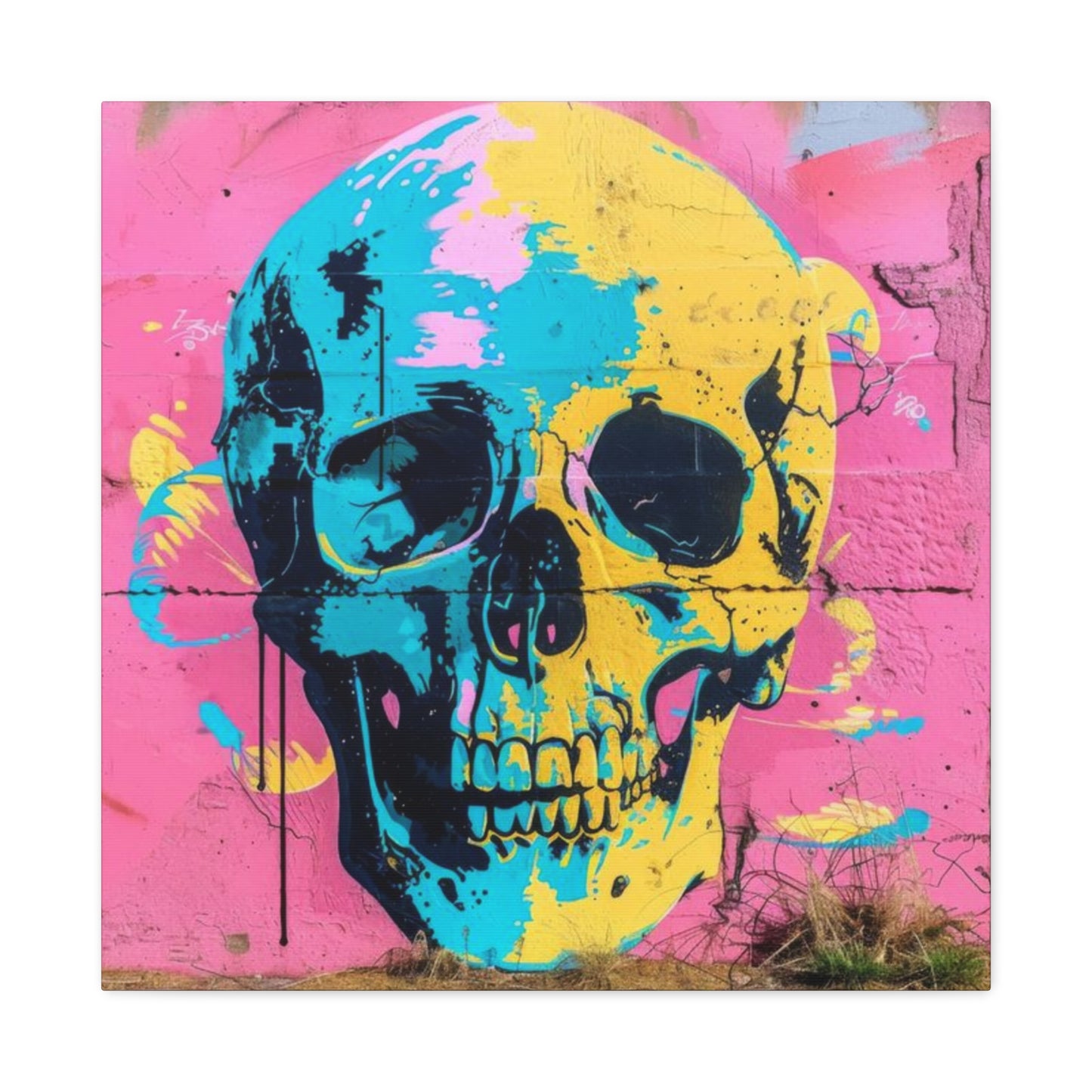
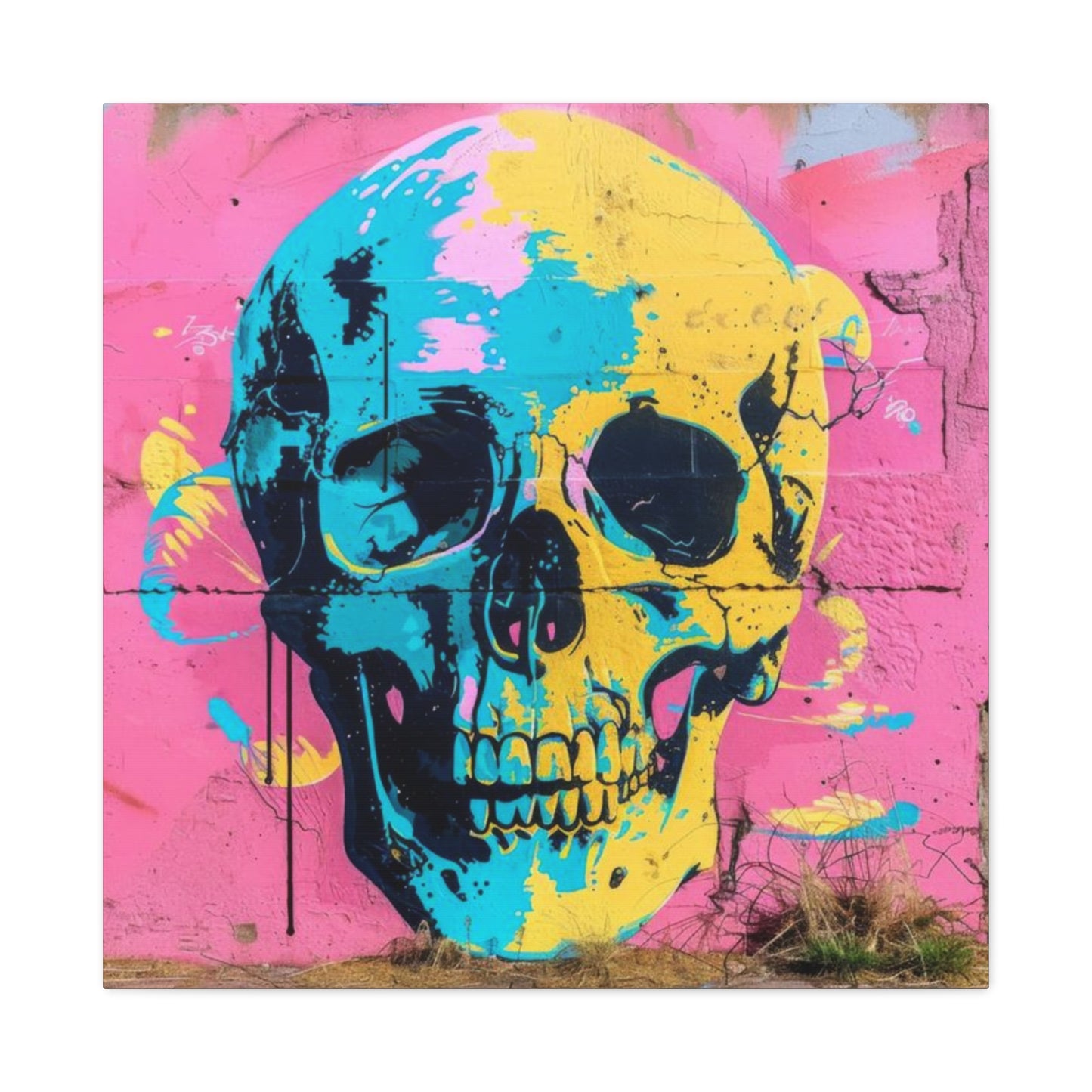
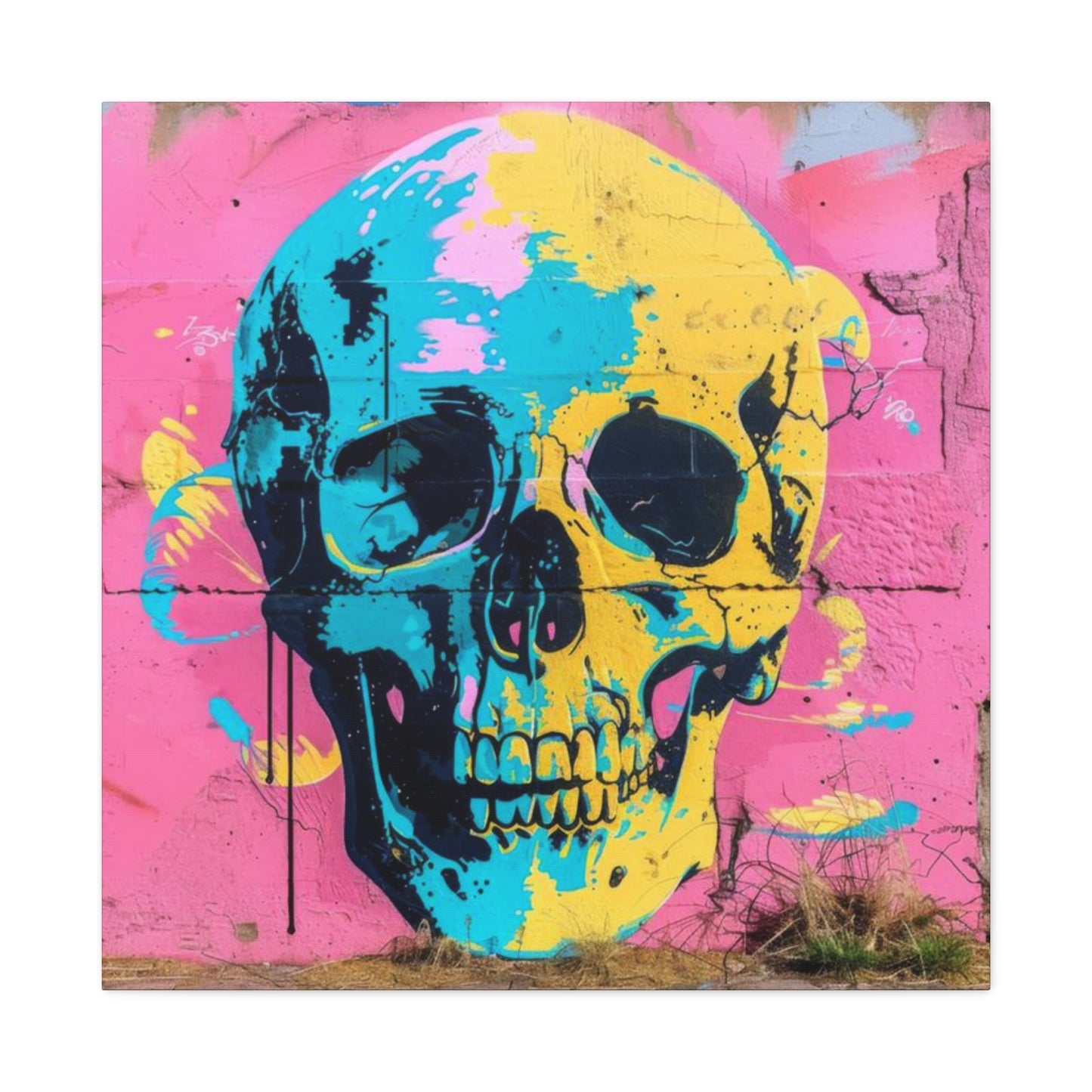
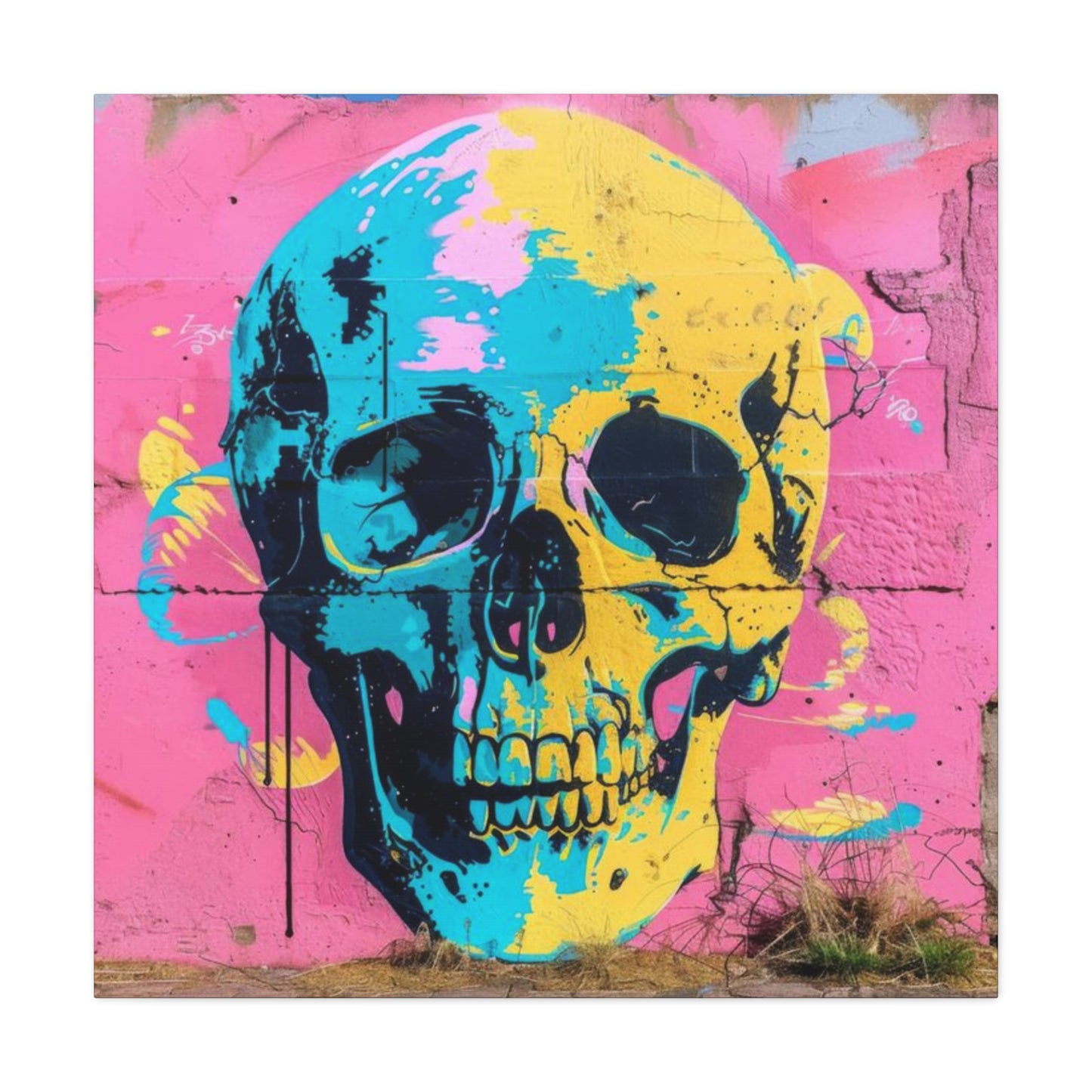
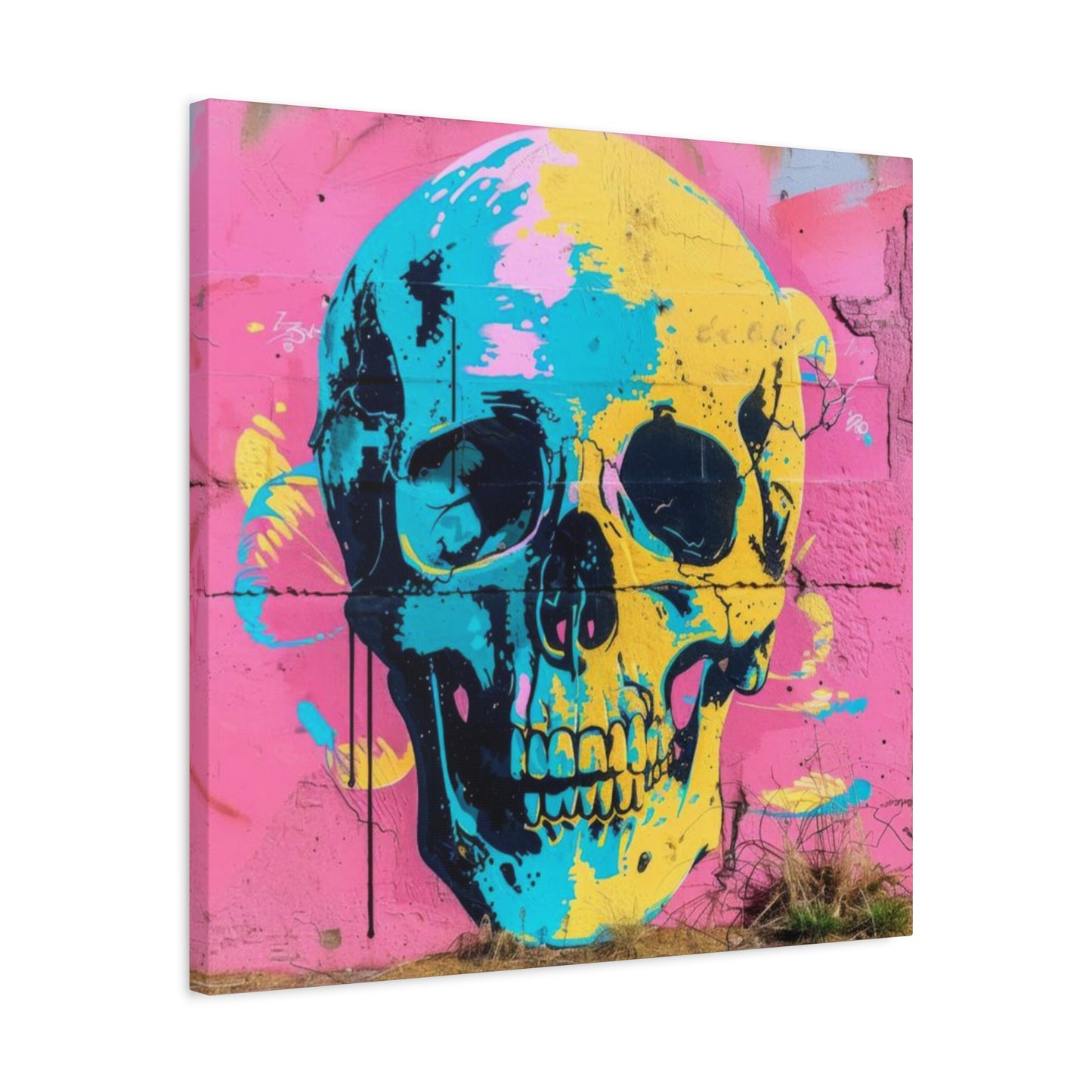
Skull Graffiti Wall Art: Transform Your Space with Bold Street-Inspired Designs
Skull graffiti wall art represents one of the most captivating and daring forms of contemporary interior decoration that has emerged from urban street culture. This distinctive artistic style combines the raw, rebellious energy of spray paint aesthetics with the timeless symbolism of skull imagery, creating visual statements that command attention and spark conversation in any space. The fusion of graffiti techniques with skull motifs produces artwork that carries multiple layers of meaning, from celebrating life and mortality to representing strength, transformation, and the breaking of conventional boundaries.
The appeal of skull graffiti wall art extends far beyond simple decoration. These pieces serve as cultural artifacts that bridge the gap between underground street art movements and mainstream interior design. When you incorporate skull graffiti into your living space, office, or commercial venue, you're not merely hanging artwork on walls; you're making a deliberate statement about individuality, creative freedom, and appreciation for art forms that challenge traditional aesthetics. The vibrant colors, dynamic compositions, and bold line work characteristic of graffiti-style skull art inject immediate personality into otherwise neutral environments.
Urban art enthusiasts particularly gravitate toward skull graffiti wall art because it embodies authentic street credibility while remaining accessible for private display. Unlike actual graffiti that exists temporarily on city walls, these curated pieces allow collectors to preserve the spontaneous energy of street art permanently. The skull element adds a universal symbol that resonates across cultures, representing everything from ancestral wisdom and protection to rock-and-roll rebellion and contemporary counterculture movements. This versatility makes skull graffiti wall art suitable for diverse settings, from modern lofts and creative studios to youth-oriented retail spaces and entertainment venues.
The technical execution of skull graffiti wall art showcases the impressive skill required to master aerosol techniques. Artists who create these pieces must understand color theory, layering, perspective, and the physical properties of spray paint to achieve the characteristic drips, fades, and sharp contrasts that define authentic graffiti aesthetics. Many contemporary skull graffiti artists have formal training in fine arts, yet they choose to work within the graffiti idiom because it allows for greater spontaneity and emotional directness than traditional painting methods. The resulting artwork carries an immediacy and vitality that more conventional skull imagery often lacks.
Historical Evolution of Skull Imagery in Street Art
The incorporation of skulls into graffiti and street art traditions has deep historical roots that extend back to the earliest days of urban artistic expression. During the late 1970s and early 1980s, when graffiti culture exploded in New York City, artists began experimenting with figurative elements beyond simple lettering and tags. Skulls emerged as a favored motif because they could be quickly executed, were instantly recognizable, and carried inherent visual impact that complemented the rebellious spirit of street art movements.
Early graffiti pioneers incorporated skull imagery as territorial markers, memorial tributes to fallen community members, and symbols of resistance against social inequalities and urban decay. The skull's association with mortality made it an appropriate symbol for artists working in marginalized communities where violence and hardship were everyday realities. These early skull graffiti pieces were typically rendered in stark black and white or limited color palettes determined by available spray paint supplies, giving them a raw, urgent quality that resonated with the harsh urban environments they inhabited.
As graffiti culture spread globally during the 1980s and 1990s, skull imagery absorbed influences from diverse artistic traditions. Mexican Day of the Dead aesthetics contributed elaborate decorative patterns and celebratory approaches to skull depiction, transforming them from purely dark symbols into representations of life's vibrancy. Japanese tattoo traditions influenced the integration of skulls with natural elements like flowers, snakes, and water, creating more complex narrative compositions. European street artists added surrealist and political dimensions, using skulls to comment on consumerism, war, and environmental destruction.
The commercialization of street art during the 2000s brought skull graffiti from illegal walls into galleries, boutiques, and eventually mainstream home decor markets. Artists like Banksy demonstrated that graffiti aesthetics could command serious attention in the art world while maintaining their countercultural edge. Skull imagery proved particularly adaptable to this transition because its symbolic power remained intact regardless of context. Contemporary skull graffiti wall art thus represents the evolution of street art from underground movement to recognized artistic discipline, maintaining its rebellious spirit while achieving broader cultural acceptance.
Digital technologies have further transformed how skull graffiti wall art is created and distributed. Artists now use graphic tablets to design pieces digitally before executing them with spray paint, or create entirely digital works that mimic traditional graffiti techniques. Print-on-demand technologies allow wider audiences to access skull graffiti designs as canvas prints, metal panels, and other formats previously unavailable to most consumers. This democratization has simultaneously expanded the market for skull graffiti wall art and sparked debates about authenticity, with some purists arguing that true graffiti must be hand-executed on physical surfaces.
Different Styles Within Skull Graffiti Wall Art
The world of skull graffiti wall art encompasses remarkably diverse stylistic approaches, each offering unique visual characteristics and thematic emphases. Traditional graffiti-style skull art features the bold outlines, bubble letters, and layered compositions characteristic of classic hip-hop era street art. These pieces typically employ three to five primary colors with heavy black outlining that gives individual elements clear definition and readability even from a distance. The skulls in traditional graffiti style often incorporate exaggerated features like oversized teeth, dramatic eye sockets, and angular jawlines that enhance their graphic impact.
Photorealistic skull graffiti represents a technically demanding subcategory where artists use spray paint to achieve effects rivaling photographic detail. These pieces demonstrate exceptional control of aerosol media, with artists building up countless subtle layers to create smooth tonal transitions, accurate anatomical proportions, and convincing textures. Photorealistic skull graffiti wall art often incorporates elements like cracks, decay, flowers, or insects rendered with meticulous precision. The juxtaposition of hyperrealistic imagery with obvious spray paint techniques creates fascinating tension between street art rawness and fine art refinement.
Abstract and expressionist skull graffiti prioritizes emotional impact and artistic interpretation over representational accuracy. These pieces might deconstruct skull forms into geometric shapes, flowing lines, or explosive color bursts that suggest rather than depict cranial structure. Artists working in this mode often incorporate text elements, symbols, and mixed media components that layer meaning and create complex visual narratives. The freedom of abstraction allows for highly personal artistic statements that push boundaries of what constitutes skull imagery while maintaining connection to the core motif.
Sugar skull graffiti fuses Day of the Dead aesthetics with urban spray paint techniques, creating pieces rich with decorative patterns, floral motifs, and vibrant colors. These works celebrate life and honor deceased loved ones through joyful rather than somber imagery. Sugar skull graffiti wall art typically features elaborate ornamentation including hearts, flowers, geometric patterns, and swirling designs that cover every surface of the skull form. The result is visually complex artwork that rewards close examination while maintaining strong impact from a distance.
Minimalist skull graffiti strips away decorative elements to focus on essential forms and a limited color palette. These pieces might feature a simple skull outline executed in single colors against contrasting backgrounds, or reduce skulls to their most basic geometric components. Despite apparent simplicity, minimalist skull graffiti requires sophisticated design sensibility to determine which elements to retain and which to eliminate. The resulting artwork offers visual breathing room and contemporary sophistication that suits modern interior design approaches favoring clean lines and restrained decoration.
Skull Graffiti Wall Art in Commercial Spaces
Business environments increasingly recognize skull graffiti wall art as powerful branding tools that communicate company values and cultural identity. Youth-oriented brands, extreme sports retailers, tattoo studios, and music venues find skull graffiti aesthetics naturally aligned with their target demographics and brand personalities. These businesses use custom skull graffiti wall art as environmental branding that transforms retail or service spaces into immersive brand experiences. The artwork signals cultural awareness and authenticity to customers who value street art credibility and countercultural associations.
Restaurants and bars employ skull graffiti wall art to establish distinctive atmospheres that differentiate them from competitors. Urban gastropubs, craft cocktail lounges, and contemporary fusion restaurants use edgy skull imagery to signal creative culinary approaches and departure from traditional dining conventions. The artwork becomes Instagram-worthy backdrop that encourages social media sharing, effectively turning customers into marketing ambassadors. When patrons photograph themselves against striking skull graffiti walls, they simultaneously promote the venue and associate their personal brands with its edgy aesthetic.
Corporate offices increasingly incorporate street art elements including skull graffiti to attract creative talent and project innovative company cultures. Tech startups, advertising agencies, and design firms particularly embrace urban art aesthetics as visual shorthand for nonconformist thinking and creative problem-solving. Skull graffiti in breakrooms, collaboration spaces, and reception areas signals that companies value creativity and individuality over rigid corporate conventionality. This strategic deployment of urban art helps attract employees who might otherwise feel stifled by traditional office environments.
Fitness facilities and gyms use skull graffiti wall art to create motivating environments that channel aggressive, competitive energy into productive physical effort. The imagery's associations with strength, resilience, and pushing beyond limitations resonate with fitness culture's emphasis on transformation and overcoming obstacles. High-intensity interval training studios, boxing gyms, and CrossFit boxes particularly favor bold skull graffiti that reinforces their hardcore, results-oriented brand identities. The artwork becomes part of the psychological environment that helps members push through challenging workouts.
Entertainment venues including music clubs, concert halls, and gaming lounges deploy skull graffiti wall art to establish appropriate atmospheric intensity and cultural relevance. These spaces require strong visual identity that immediately communicates their function and attracts desired clientele. Skull graffiti delivers instant recognition as marker of alternative culture and creative expression, making it ideal for venues that cater to audiences seeking experiences outside mainstream entertainment options. Custom pieces can incorporate venue logos, band references, or local cultural elements that strengthen connections with specific communities.
Creating Custom Skull Graffiti Wall Art Commissions
Commissioning custom skull graffiti wall art allows for perfect alignment between artistic vision and specific spatial requirements. Begin by clarifying your objectives, budget parameters, and timeline expectations. Determine whether you want physical painted artwork or digital creations that can be reproduced as prints. Establish size specifications based on your intended display location, considering both the artwork's dimensions and any additional space needed for framing or mounting. Understanding these parameters from the outset prevents miscommunication and ensures efficient commission process.
Research potential artists whose existing portfolios demonstrate aesthetics compatible with your vision. Examine technical proficiency, stylistic consistency, and whether their work resonates emotionally with you. Many artists maintain social media presences showcasing their portfolio and creative process, providing insight into their artistic approach beyond finished pieces. Look for artists experienced with commissioned work, as translating client concepts into successful artwork requires different skills than creating self-directed pieces. Request references from previous commission clients to evaluate professionalism, communication, and ability to meet deadlines.
Initial consultations with prospective artists should explore your conceptual ideas, aesthetic preferences, and any specific elements you want incorporated. Provide reference images illustrating colors, compositional approaches, or symbolic elements that appeal to you, while remaining open to the artist's professional recommendations. Skilled artists will suggest modifications that enhance compositional strength, technical feasibility, or symbolic coherence. This collaborative dialogue typically reveals whether sufficient creative alignment exists for successful partnership. Trust your instincts regarding personality compatibility, as commissions require ongoing communication throughout creation.
Contract terms should specify deliverables, timelines, payment schedules, and usage rights clearly and comprehensively. Most artists require deposits before beginning work, with remaining payments structured around completion milestones. Contracts should address what happens if either party must terminate the agreement, whether preliminary sketches become your property, and whether you may reproduce the artwork for specific purposes. Clarify whether the artist retains rights to display the commissioned piece in their portfolio or use it for promotional purposes. Professional contracts protect both parties and prevent disputes arising from unstated assumptions.
Throughout the creation process, maintain regular communication with your commissioned artist while respecting their creative process and technical expertise. Most artists provide preliminary sketches or digital mockups for approval before executing final artwork, allowing you to request modifications before substantial work occurs. Understand that some changes may be impractical or impossible once the artist has progressed beyond certain stages, particularly with physical painted pieces. Approach feedback constructively, explaining what you hope to achieve rather than simply stating what you dislike. The most successful commissions result from genuine collaboration between client vision and artist expertise.
Preservation and Maintenance of Skull Graffiti Wall Art
Proper care extends the life and appearance of skull graffiti wall art significantly. Canvas pieces require protection from direct sunlight, which fades colors over time through ultraviolet radiation damage. Position canvas skull graffiti away from windows receiving intense sun exposure, or use UV-filtering glazing if framing. Control environmental humidity, as excessive moisture encourages mold growth on organic canvas while extreme dryness causes cracking and flaking. Maintain relative humidity between 40-60 percent using humidifiers or dehumidifiers as needed.
Dust accumulation dulls colors and obscures details in skull graffiti wall art. Regular gentle dusting using soft, clean microfiber cloths prevents buildup that becomes increasingly difficult to remove. Always dust in one direction rather than circular motions that can grind particles into paint surfaces. For textured pieces with heavy paint buildup, soft natural-bristle brushes allow you to reach crevices without damaging surface integrity. Never use feather dusters, which can snag on texture and potentially damage artwork. Establish monthly dusting routines to maintain artwork's visual impact.
Cleaning skull graffiti wall art beyond simple dusting requires caution to avoid damaging paint surfaces. For most pieces, slightly dampened lint-free cloths using only distilled water suffice for removing smudges or light soiling. Work gently in small sections, immediately drying each area before moisture can penetrate paint layers. Never use commercial cleaning products, solvents, or alcohol-based solutions unless specifically recommended by the artist, as these can dissolve binders in spray paint and cause irreparable damage. If significant cleaning becomes necessary, consult professional art conservators rather than risk improper treatment.
Framed skull graffiti behind glazing requires periodic glass or acrylic cleaning while protecting the artwork itself. Remove dust from glazing surfaces using dry microfiber cloths or anti-static dusters specifically designed for glass. When necessary, clean glazing with appropriate glass cleaners, ensuring no liquid contacts artwork or frame edges where it might seep behind glazing. If condensation appears between artwork and glazing, immediately consult professional framers, as trapped moisture promotes mold growth and paper deterioration. Proper framing includes spacers maintaining air gap between artwork and glazing to prevent this problem.
Long-term storage of skull graffiti wall art requires climate-controlled environments protecting against temperature extremes, humidity fluctuations, and light exposure. Wrap unframed canvas pieces in acid-free tissue paper followed by protective plastic, rolling painted surface outward around tubes with diameter exceeding four inches to prevent cracking. Store framed pieces vertically rather than stacked horizontally, which stresses frames and glazing. Document stored artwork's condition through detailed photographs, creating condition reports noting any existing damage. Regular inspections every six months ensure storage conditions remain appropriate and allow early detection of any emerging problems.
Skull Graffiti Wall Art Materials and Substrates
Canvas remains the most traditional substrate for skull graffiti wall art, offering familiar painting surface that accommodates spray paint while providing natural texture contributing to street art authenticity. Cotton canvas provides affordability and adequate durability for most applications, while linen canvas offers superior longevity and more refined texture for museum-quality pieces. Canvas stretched over wooden frames creates ready-to-hang presentations, while unstretched canvas allows for custom framing or mounting options. The flexibility of canvas substrate makes it ideal for pieces requiring rolling for transport or storage.
Metal prints translate skull graffiti designs into ultra-modern formats featuring brilliant color saturation, exceptional durability, and contemporary presentation. Aluminum panels provide lightweight, waterproof substrates that won't warp, fade, or deteriorate like organic materials. The metallic surface creates distinctive luminosity, making colors appear more vibrant and giving white areas reflective brightness. Metal skull graffiti wall art suits environments where moisture, temperature fluctuations, or rough handling might damage canvas pieces, including bathrooms, outdoor spaces, and commercial locations with heavy traffic.
Acrylic panels offer premium presentation that enhances skull graffiti with dimensional depth and glossy finish. Printing directly onto clear acrylic's reverse surface creates images that appear to float within transparent material, adding contemporary sophistication to urban art aesthetics. The substantial weight and clean edges of acrylic pieces signal quality craftsmanship and permanence. Acrylic naturally filters some UV radiation, providing inherent protection against fading. The reflective, glossy surface dramatically intensifies colors and creates striking visual impact that commands attention in any environment.
Wood panels provide organic substrates particularly suited to skull graffiti emphasizing natural elements or seeking rustic, weathered appearances. Birch plywood, bamboo panels, and reclaimed wood all offer unique grain patterns and textures that contribute visual interest complementing spray paint imagery. Wood accepts spray paint readily while providing rigid structure eliminating need for frames. The natural variations in wood surfaces ensure every piece remains unique even when reproducing the same design. Wood panels work exceptionally well for skull graffiti intended for cabins, industrial lofts, or spaces emphasizing natural materials.
Paper substrates enable detailed skull graffiti work and accommodate various reproduction methods from screen printing to giclee prints. Heavy watercolor paper provides tooth that holds spray paint while preventing excessive bleeding. Printmaking papers designed for screen printing offer smooth surfaces ideal for crisp details and solid color coverage. Paper pieces typically require framing behind glazing for protection, but allow for traditional presentation methods collectors and galleries prefer. Limited edition prints on archival paper create accessible entry points to skull graffiti collecting while maintaining artistic integrity.
Combining Skull Graffiti with Other Design Elements
Successfully integrating skull graffiti wall art within broader interior design schemes requires thoughtful consideration of surrounding elements. Industrial design elements including exposed brick, concrete surfaces, metal fixtures, and visible ductwork create natural synergy with graffiti aesthetics, both emerging from urban environments and sharing raw, unfinished qualities. Pair skull graffiti with Edison bulb lighting, metal shelving systems, and furniture featuring wood and steel combinations to build cohesive industrial environments where the artwork feels organically integrated rather than arbitrarily placed.
Minimalist design principles can effectively showcase skull graffiti wall art by providing clean, uncluttered contexts that allow the artwork's bold colors and complex compositions to dominate visual attention. Neutral color palettes of whites, grays, and blacks in surrounding walls, floors, and furnishings let skull graffiti provide all color excitement. Simple, streamlined furniture with geometric forms offers contemporary sophistication without competing for attention. This approach transforms skull graffiti into undisputed focal point, demonstrating that edgy street art can coexist successfully with refined, understated design.
Bohemian interiors mixing global textiles, vintage finds, and eclectic accessories accommodate skull graffiti wall art within their inherently diverse, layered aesthetics. The bohemian acceptance of varied influences and rebellious spirit aligns philosophically with graffiti culture's embrace of creative freedom and personal expression. Combine skull graffiti with Moroccan rugs, macrame wall hangings, vintage posters, and plants to create rich, personalized environments celebrating individuality. The bohemian willingness to break design rules permits combinations that might seem contradictory in other contexts, allowing unexpected elements to coexist harmoniously.
Contemporary design's emphasis on current trends and fresh interpretations embraces skull graffiti as marker of cultural awareness and artistic adventurousness. Pair skull graffiti wall art with statement furniture featuring bold colors or unusual forms, acrylic or lucite accessories, metallic finishes, and strategic pops of neon or jewel tones. Contemporary spaces often feature one wall painted in dramatic accent color providing backdrop that either complements or deliberately contrasts with skull graffiti colors. This design approach celebrates the now, positioning skull graffiti as current artistic expression rather than nostalgic reference to street art history.
Traditional interiors might seem incompatible with skull graffiti wall art, but thoughtful juxtaposition can create compelling tension between classical elegance and urban edge. This high-low mixing demonstrates sophisticated design confidence and prevents traditional spaces from appearing stodgy or museum-like. Select skull graffiti pieces with sophisticated color palettes incorporating jewel tones or metallics that reference traditional luxury. Frame pieces in ornate gilded frames creating deliberate contrast between street art content and prestigious presentation. Position skull graffiti within rooms featuring antique furniture, oriental rugs, and classical architectural details for provocative dialogue between opposing aesthetics.
Skull Graffiti in Youth Spaces and Dormitories
Young adults and teenagers particularly gravitate toward skull graffiti wall art as expression of developing identity and aesthetic independence from parental influence. College dormitories and first apartments represent opportunities for self-directed space decoration, and edgy skull imagery perfectly captures the rebellious energy and identity exploration characteristic of this life stage. The affordability of poster-sized skull graffiti prints makes them accessible to students operating on limited budgets while still providing substantial visual impact that personalizes institutional housing.
Parents selecting skull graffiti for teenagers' bedrooms navigate balancing respect for emerging preferences with ensuring age-appropriate content. Not all skull imagery carries the same tone; some pieces emphasize artistic beauty and cultural symbolism while others deliberately shock through graphic violence or dark themes. Discussing artistic choices with teenagers provides opportunities for conversations about symbolism, artistic intent, and personal values. Allowing young people input into space decoration while maintaining reasonable boundaries helps develop aesthetic judgment and personal responsibility.
Dormitory regulations often restrict wall damage from nails or adhesives, requiring creative hanging solutions for skull graffiti wall art. Removable adhesive strips rated for appropriate weight capacities allow temporary mounting without surface damage. Tension rods positioned between walls support lightweight fabric prints or canvas pieces. Freestanding easels display artwork without any wall contact, offering flexibility to rearrange as desired. Command hooks and picture hanging strips specifically designed for damage-free removal enable students to personalize spaces while protecting security deposits.
Shared living situations including dormitories with roommates require negotiation about communal space decoration. Skull graffiti appeals to some while disturbing others due to its edgy imagery and bold aesthetic. Compromise might involve designating specific walls for each resident's personal expression or selecting collaborative pieces both parties appreciate. Open communication about preferences, boundaries, and the meaning each person attaches to particular imagery prevents conflicts and builds respectful cohabitation skills valuable throughout life.
Study environments benefit from skull graffiti selections that energize without overwhelming concentration. Pieces employing cooler color palettes and balanced compositions provide visual interest during study breaks without creating distracting visual noise during focused work. Positioning skull graffiti opposite study desks rather than directly in sightlines allows for intentional engagement with artwork rather than constant peripheral distraction. Consider how different pieces affect mood and energy levels when selecting skull graffiti for spaces serving multiple functions including sleep, study, and socializing.
Professional Photography and Documentation
Professional photography elevates skull graffiti wall art presentation for portfolios, online sales, and promotional purposes. Proper lighting reveals colors accurately while creating dimensional depth through strategic shadows and highlights. Natural window light provides soft, even illumination ideal for photographing artwork, though it requires timing to avoid harsh direct sun creating glare or extreme contrast. Overcast days offer consistent natural lighting without dramatic shadows. Position artwork perpendicular to light sources rather than facing them directly to minimize reflection and surface glare.
Artificial lighting setups using softboxes, umbrellas, or diffused LED panels provide controlled conditions for consistent professional results. Two-light setups with main light at 45-degree angle and fill light reducing shadows from opposite side create balanced illumination revealing detail throughout the piece. Ensure color temperature consistency across all lights to prevent color casts that misrepresent the artwork's true appearance. White balance calibration using gray cards guarantees accurate color reproduction critical for representing skull graffiti's specific hues.
Camera settings significantly impact skull graffiti photography quality. Use lowest possible ISO setting to minimize digital noise and maximize image sharpness. Aperture around f/8 to f/11 provides sufficient depth of field keeping entire artwork in focus while maintaining sharpness. Tripods eliminate camera shake during longer exposures, ensuring maximum clarity. Shoot in RAW format rather than JPEG for maximum editing flexibility and quality retention. If the camera offers focus peaking or magnification aids, use these to ensure critical sharpness across the entire piece.
Skull Graffiti Wall Art Investment Potential
Original skull graffiti artwork by established artists represents potential investment opportunity as street art continues gaining mainstream art world acceptance. Works by recognized graffiti artists who transitioned to gallery representation have appreciated substantially, with some pieces selling for six or seven figures at auction. Early pieces by artists before widespread recognition offer particular investment potential if the artist subsequently achieves prominence. However, art investment involves considerable risk, as most artists never achieve significant market value regardless of artistic merit.
Limited edition prints and authenticated reproductions provide more accessible entry to skull graffiti collecting than unique originals. Edition size significantly influences value, with smaller editions commanding higher prices due to scarcity. Number within edition matters less than commonly believed, as being number one versus number fifty-five within a hundred-piece edition doesn't meaningfully affect value. Artist-signed prints prove more valuable than unsigned pieces, as signatures provide authentication and demonstrate artist involvement in reproduction process. Certificates of authenticity documenting edition details and artist information protect investment value.
Provenance documentation tracking ownership history increases skull graffiti value and marketability. Maintain purchase receipts, certificates of authenticity, artist correspondence, and exhibition records demonstrating piece legitimacy and historical context. Photograph artwork regularly documenting condition over time. If pieces appear in publications, exhibitions, or online features, preserve this documentation as it establishes cultural relevance and recognition. Comprehensive provenance becomes increasingly important as artwork ages and changes hands through gift or resale.
Market trends in street art and contemporary collecting influence skull graffiti investment potential. Currently strong demand for urban art, particularly among younger collectors who grew up with graffiti as established art form, supports market growth. However, collecting trends shift unpredictably, and today's hot category can become tomorrow's forgotten fad. Diversify collecting across multiple artists, styles, and price points rather than concentrating resources in single artist or approach. Collect primarily for personal enjoyment rather than investment returns, as most art never achieves significant appreciation.
Authentication challenges affect skull graffiti market integrity as increasing values incentivize forgery and misrepresentation. Established artists typically maintain documentation systems including certificates, registration databases, or studio stamps proving authenticity. Purchase from reputable galleries, directly from artists, or through authenticated secondary markets to minimize fraud risk. Be skeptical of deals seeming too good to be true, as legitimate sellers price work appropriately for market conditions. Request detailed documentation and consider hiring independent appraisers for significant purchases before committing substantial funds.
Cultural Appropriation Considerations
Skull imagery appears across numerous cultural traditions, raising questions about appropriate use and potential appropriation when elements from specific cultures get incorporated into skull graffiti wall art. Mexican Day of the Dead sugar skull aesthetics particularly face appropriation concerns when adopted by non-Mexican artists or consumers without understanding cultural significance. These decorated skulls connect to specific spiritual beliefs about death, remembrance, and family connection, not merely decorative motifs available for arbitrary use.
Respectful engagement with cultural skull traditions involves learning their original contexts, meanings, and ongoing significance to communities from which they emerge. Research Day of the Dead's spiritual foundations, its evolution from indigenous Aztec traditions through Catholic influence, and contemporary practices maintaining cultural continuity. Understanding transforms sugar skull imagery from exotic decoration into meaningful cultural expression deserving respect. This knowledge informs decisions about whether and how to incorporate these elements into personal spaces or artistic creations.
Supporting artists from specific cultural backgrounds when purchasing skull graffiti incorporating their cultural traditions ensures economic benefits flow to appropriate communities. Mexican and Mexican-American artists creating Day of the Dead inspired skull graffiti maintain authentic cultural connections rather than treating symbols as arbitrary aesthetic choices. Their work often carries deeper meaning and more nuanced understanding than pieces by cultural outsiders borrowing surface aesthetics. Purchasing from culture bearers respects intellectual property and supports traditional knowledge keepers.
Hybridization and cultural exchange represent complex territories where clear appropriation boundaries prove difficult to establish. Graffiti culture itself emerged from multicultural urban environments where various traditions naturally blended. Artists of diverse backgrounds working within graffiti traditions may genuinely synthesize influences they've absorbed living in multicultural contexts. Distinguishing respectful cultural exchange from exploitative appropriation requires examining artist intentions, their relationship to referenced cultures, and whether work reinforces stereotypes or demonstrates genuine understanding and respect.
Ultimately, consumers must evaluate their own relationships with cultural symbols they bring into personal spaces. Consider whether displaying certain skull graffiti might offend community members from relevant cultures, whether you understand symbolism deeply enough to engage meaningfully with it, and whether your purchase supports or harms communities associated with imagery. These questions lack universal answers but deserve thoughtful consideration rather than dismissal. Cultural sensitivity doesn't require avoiding all cross-cultural appreciation but does demand respect, humility, and willingness to prioritize others' dignity over personal decorative preferences.
Digital Skull Graffiti Creation Tools
Digital illustration software enables skull graffiti creation without physical spray paint, offering advantages including unlimited color options, easy revision, and no material waste. Adobe Photoshop provides comprehensive tools for digital painting, photo manipulation, and texture application that can convincingly simulate spray paint effects. Pressure-sensitive brushes used with graphics tablets respond to stylus pressure and angle, mimicking aerosol can behavior. Layer-based workflows allow non-destructive editing, letting artists experiment freely without permanently committing to choices.
Procreate on iPad offers portable digital skull graffiti creation with intuitive touch-based interface and extensive brush library including spray paint simulations. The app's streamlining focuses on illustration essentials without overwhelming users with excessive options. Time-lapse recording features document creation process, providing engaging content for social media promotion. Procreate's one-time purchase cost makes it accessible compared to subscription-based professional software, lowering barriers for aspiring skull graffiti artists.
Vector-based programs like Adobe Illustrator create skull graffiti scalable to any size without quality loss, ideal for designs requiring reproduction at multiple dimensions. Vector workflows suit graphic, geometric skull graffiti styles better than photorealistic approaches. The mathematical precision of vector art enables perfect symmetry, smooth curves, and clean edges challenging to achieve with raster painting. However, vector aesthetics can appear sterile compared to organic qualities of hand-painted work, requiring deliberate introduction of imperfections for authentic street art feel.
Skull Graffiti Wall Art in Music and Entertainment Industries
Recording studios, rehearsal spaces, and music venues extensively employ skull graffiti wall art establishing creative atmospheres and reinforcing genre identities. Rock, punk, metal, and hip-hop particularly embrace skull imagery resonating with their countercultural foundations and rebellious aesthetics. Custom skull graffiti incorporating band logos, lyrics, or album imagery creates branded environments strengthening artist identity. These installations become recognizable backgrounds in promotional photos, music videos, and documentary footage, extending brand presence beyond physical studio spaces.
Band merchandise frequently features skull graffiti aesthetics translated to t-shirts, posters, and album covers. The bold graphics and high contrast typical of graffiti work well for merchandise requiring clear visibility and instant recognition. Musicians commission skull graffiti artists to create visual identities reflecting their sonic qualities and cultural positioning. Successful collaborations between musicians and visual artists produce iconic imagery that becomes inseparable from musical legacy, thinking of albums where artwork is instantly recognizable and culturally significant.
Music festivals and concert tours incorporate skull graffiti wall art in stage design, backstage areas, and festival grounds. These temporary installations create immersive environments enhancing live music experiences and providing Instagram-worthy backdrops encouraging social media documentation. Large-scale skull graffiti murals visible to entire festival crowds establish visual identity and atmosphere before any music plays. The artwork becomes part of event's sensory experience, remembered alongside musical performances and contributing to overall cultural impact.
Nightclubs and music venues use skull graffiti establishing distinct identities within competitive entertainment markets. The artwork signals venue programming and target demographics, attracting desired clientele while self-selecting others seeking different experiences. Rotating skull graffiti displays or gallery walls featuring multiple artists keep environments fresh and give regular patrons reasons to return. Some venues commission live graffiti painting during events, adding performance dimension and creating unique artwork simultaneously.
Music video production frequently incorporates skull graffiti as backdrop lending urban authenticity and visual interest. Real graffiti-covered locations provide gritty realism while purpose-created studio graffiti allows controlled environments and specific messaging. The kinetic energy of camera movement through graffiti-covered spaces complements musical rhythms and lyrical content. Skull motifs specifically add memento mori weight or dangerous edge depending on artistic intent, functioning as visual metaphors reinforcing lyrical themes.
Skull Graffiti Workshops and Learning Opportunities
Aspiring skull graffiti artists can develop skills through workshops, classes, and mentorship programs teaching spray paint techniques and street art fundamentals. Many urban arts centers and community organizations offer graffiti classes providing legal spaces for practice, professional instruction, and community connection. These structured learning environments accelerate skill development compared to self-teaching while introducing students to graffiti culture's history, ethics, and social dimensions. Classes often progress from basic can control to advanced techniques like fading, character development, and complex compositions.
Online tutorials and instructional videos make skull graffiti techniques accessible to learners regardless of geographic location. Platforms hosting art instruction offer courses ranging from beginner introductions to advanced technical specialization. Digital learning allows students to progress at personal paces, repeatedly reviewing challenging concepts until understood. However, online instruction lacks immediate feedback and hands-on guidance physical classes provide. Combining online learning with in-person practice sessions or periodic workshop attendance creates balanced skill development addressing both knowledge acquisition and practical execution.
Practice materials for developing skull graffiti skills include sketch books for compositional planning, inexpensive canvases or boards for technique experimentation, and varied spray paint caps for learning different application methods. Investing in quality spray paint specifically formulated for art rather than general-purpose hardware store spray paint improves results and reduces frustration. Designated practice spaces with adequate ventilation protect health during extended painting sessions. Many artists maintain dedicated sketch practices separate from finished works, treating sketching as essential skill-building regardless of experience level.
Legal Considerations for Skull Graffiti Creation and Display
Graffiti's contested legal status creates complex situations for artists and property owners. Creating graffiti on property without owner permission constitutes vandalism regardless of artistic merit, resulting in criminal charges, fines, and potential imprisonment. Legal graffiti requires explicit permission from property owners, ideally documented in writing specifying project scope, timeline, and any compensation arrangements. Legal walls, community art spaces, and specially designated graffiti zones provide sanctioned locations where artists can work without legal risk.
Copyright protection automatically applies to original skull graffiti artwork upon creation, though registration with copyright offices provides additional legal benefits if infringement occurs. Artists retain rights to reproduce, distribute, and create derivative works from their original pieces unless these rights are explicitly transferred through sale or licensing agreements. Understanding copyright basics prevents inadvertent infringement and protects artists' interests when negotiating commissions, reproductions, or licensing deals. Consulting intellectual property attorneys provides guidance for significant business arrangements or complex rights situations.
Trademark issues can arise when skull graffiti incorporates recognizable brand logos, commercial characters, or protected designs. Even artistic transformations of trademarked material can violate intellectual property rights if they create confusion about endorsement or authorization. Fair use defenses exist for some transformative artistic uses, but determining whether specific works qualify requires legal analysis beyond most artists' expertise. When creating commercial skull graffiti wall art for sale, avoiding clearly identifiable trademarked elements reduces legal risk.
Model releases become necessary when skull graffiti artwork incorporates recognizable individuals' likenesses, particularly for commercial use. Using someone's face, even artistically transformed, without permission can violate personality rights and privacy laws. Celebrities and public figures receive some reduced privacy protection, but legal precedents vary by jurisdiction and specific circumstances. Obtaining signed releases from anyone whose recognizable likeness appears in artwork protects against legal challenges, though purely imaginative skull creations avoid these issues entirely.
Display restrictions in residential contexts generally remain minimal as property owners control their private spaces' decoration within broad parameters. Homeowners associations may impose restrictions on exterior displays visible from public areas, and rental agreements sometimes limit wall modifications or specific content types. Renters should review lease terms and discuss significant artwork installations with landlords before mounting anything requiring wall penetration. Commercial displays must consider workplace harassment laws, public decency standards, and industry-specific regulations that might restrict certain imagery even on private property.
Skull Graffiti Events and Exhibitions
Graffiti festivals and street art events worldwide showcase skull graffiti among broader urban art celebrations. These gatherings bring together artists from diverse geographic and stylistic backgrounds, creating temporary outdoor galleries accessible to general public. Events often include live painting demonstrations where spectators watch skull graffiti creation from initial sketch through finished piece. The festival atmosphere combines art viewing with music, food, and community celebration, introducing street art to audiences who might not seek it through traditional galleries.
Gallery exhibitions dedicated to graffiti and urban art provide curated presentations contextualizing skull graffiti within contemporary art discourse. These shows legitimize graffiti as serious artistic practice deserving critical attention and institutional recognition. Exhibition catalogs, artist talks, and guided tours offer educational dimensions explaining techniques, cultural contexts, and individual artist perspectives. Galleries specializing in urban art have emerged globally, creating dedicated markets for skull graffiti and related work while providing artists professional representation and career development support.
Art fairs featuring urban and contemporary art create marketplaces where collectors discover skull graffiti artists and acquire pieces. These events attract international attendees including serious collectors, interior designers, and institutional buyers from museums and corporate collections. Participating in respected art fairs elevates artists' professional standing and introduces work to audiences with purchasing power. For collectors, art fairs provide opportunities to view many artists simultaneously, compare work quality and pricing, and establish relationships with galleries representing favored artists.
Community mural projects transform public spaces through large-scale collaborative skull graffiti and related artwork. These initiatives require coordination between artists, property owners, municipal authorities, and often community stakeholders with interests in affected areas. Successful projects beautify neighborhoods, reduce illegal tagging by providing sanctioned creative outlets, and generate positive attention increasing area property values and cultural tourism. Participating in community mural projects builds artists' portfolios while contributing positively to local environments.
Seasonal and Holiday-Themed Skull Graffiti
Seasonal skull graffiti wall art allows collectors to refresh spaces periodically without permanent commitment to single aesthetic. Halloween-themed skull graffiti remains most commercially popular, incorporating traditional elements like bats, spiders, haunted imagery, and orange and black color schemes. These pieces celebrate the spooky season while maintaining artistic sophistication, distinguishing them from generic Halloween decorations. Limited edition Halloween skull graffiti releases create collectible series that some enthusiasts acquire annually, building themed collections displayed each autumn.
Day of the Dead celebrations inspire vibrant skull graffiti featuring traditional sugar skull decorations, marigold flowers, and celebratory rather than macabre tones. These pieces honor Mexican cultural traditions while showcasing graffiti techniques' ability to render intricate decorative patterns. Day of the Dead skull graffiti peaks in popularity during late October and early November but many collectors display these pieces year-round due to their artistic merit and cultural significance. The colorful, life-affirming aesthetics suit residential spaces where darker skull imagery might prove too intense for continuous display.
Winter-themed skull graffiti incorporating ice, snow, and cold-weather elements offers unexpected seasonal options. Artists might render frost-covered skulls, incorporate snowflake patterns, or use cool blue and white color palettes suggesting frozen environments. These pieces provide visual interest during winter months when natural landscapes appear barren and gray. The juxtaposition of skull imagery with seasonal motifs creates surreal, thought-provoking compositions exploring themes of mortality against nature's cycles.
Valentine's Day inspired skull graffiti combines romantic imagery like hearts, flowers, and cupids with edgier skull aesthetics, creating romantic-gothic fusion pieces. These works appeal to couples seeking alternatives to conventional romantic decor, particularly those in alternative culture communities or relationships valuing individuality. Skull graffiti featuring intertwined skulls, anatomical hearts, or phrases about eternal love provides darkly romantic statements suitable for displaying year-round or specifically during February.
Christmas and winter holiday skull graffiti remains niche but exists for collectors seeking unconventional seasonal decor. Artists create skull Santas, skeletal reindeer, or incorporate traditional holiday colors and patterns into skull compositions. These pieces appeal to fans of gothic Christmas aesthetics, Tim Burton-inspired design, or anyone tiring of conventional holiday decoration. The relative scarcity of quality holiday skull graffiti makes it memorable and conversation-starting when displayed.
Conclusion
In conclusion, “Skull Graffiti Wall Art: Transform Your Space with Bold Street-Inspired Designs” embodies the perfect fusion of urban energy, fearless creativity, and modern interior style. Skull imagery has long been a powerful symbol—representing rebellion, individuality, strength, and transformation. When paired with the expressive nature of graffiti, it becomes more than just decoration; it becomes a statement piece that commands attention and reflects a unique personal identity.
What makes skull graffiti wall art truly captivating is its bold visual language. Unlike traditional artwork that blends into a room, graffiti-inspired skull designs demand to be seen. The vibrant colors, intricate line work, and dynamic forms add movement and texture, turning ordinary walls into immersive art experiences. Whether featuring abstract strokes, neon highlights, or realistic detailing, each piece tells a story that brings the raw spirit of the streets indoors.
This type of art fits seamlessly into modern and eclectic spaces. In industrial-style interiors with exposed brick, concrete, or metal finishes, skull graffiti art enhances the edgy, contemporary vibe. In minimalist spaces, it acts as a focal point, injecting personality and intensity without overwhelming the room. For creative studios, lofts, and urban apartments, it reflects a free-spirited and unconventional lifestyle, resonating with those who value authenticity over conformity.
Beyond its aesthetic impact, graffiti skull art carries symbolic meaning. It represents not only the contrast between life and mortality but also the strength to embrace boldness and individuality. In many cultures and artistic movements, the skull is a reminder of impermanence—a symbol that pushes us to live fully and fearlessly. When reimagined through graffiti, this message transforms into a modern artistic expression of power, rebellion, and self-definition.
Another advantage of incorporating skull graffiti wall art is its versatility. Whether displayed as a large canvas, wall mural, or digital print, it can adapt to different settings while maintaining its striking presence. This flexibility makes it ideal for both residential and commercial environments—cafés, studios, boutiques, and offices that aim to stand out with a distinct, urban edge.
Ultimately, skull graffiti wall art isn’t just about decorating a wall—it’s about transforming a space into a reflection of bold personality and street-inspired creativity. It brings the raw pulse of the city into interiors, blending grit with artistry in a way that feels both modern and timeless.In essence, embracing skull graffiti wall art means embracing fearless self-expression. It is a celebration of individuality, strength, and the power of art to challenge the ordinary. With the right piece, any space can evolve from simple to unforgettable.


