


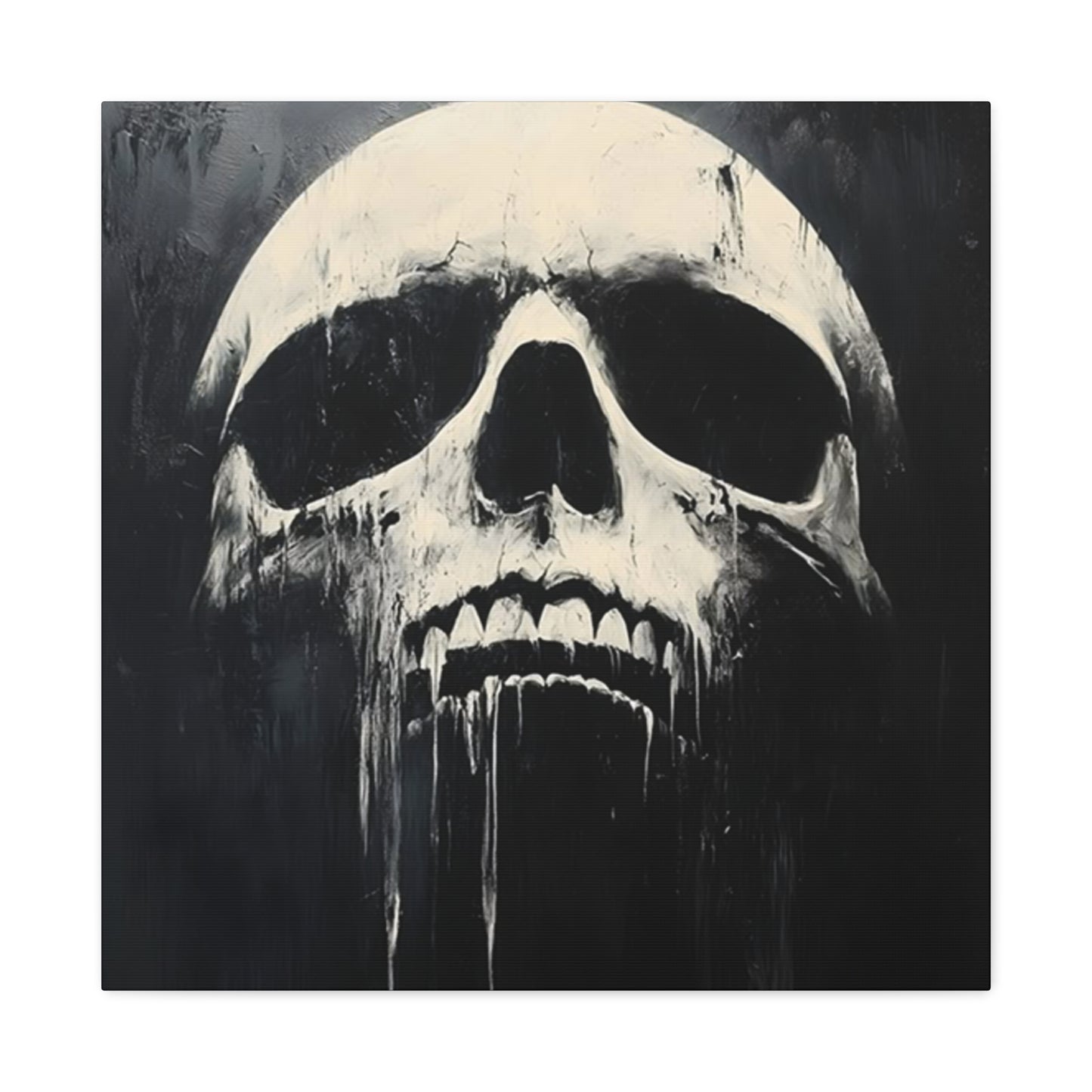
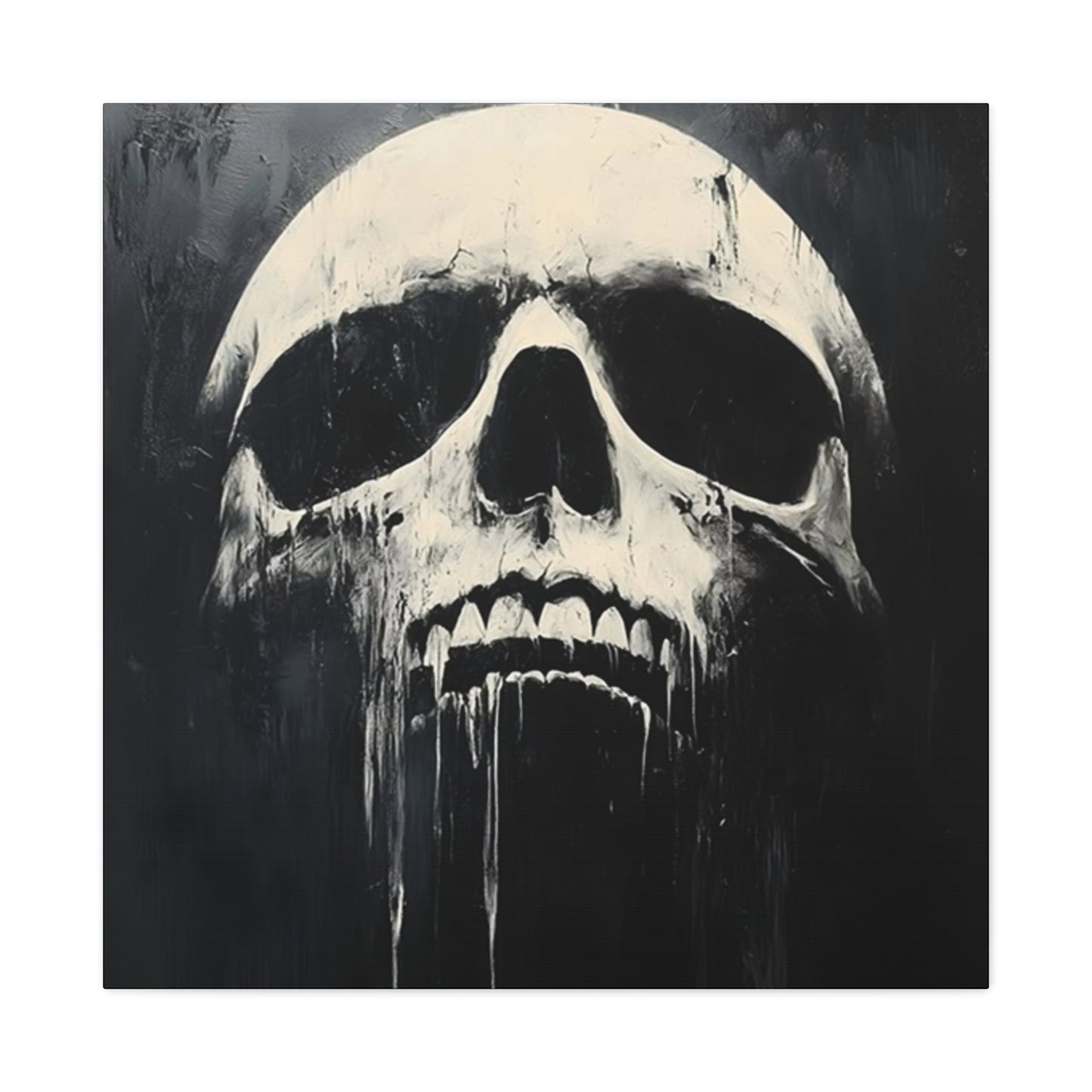
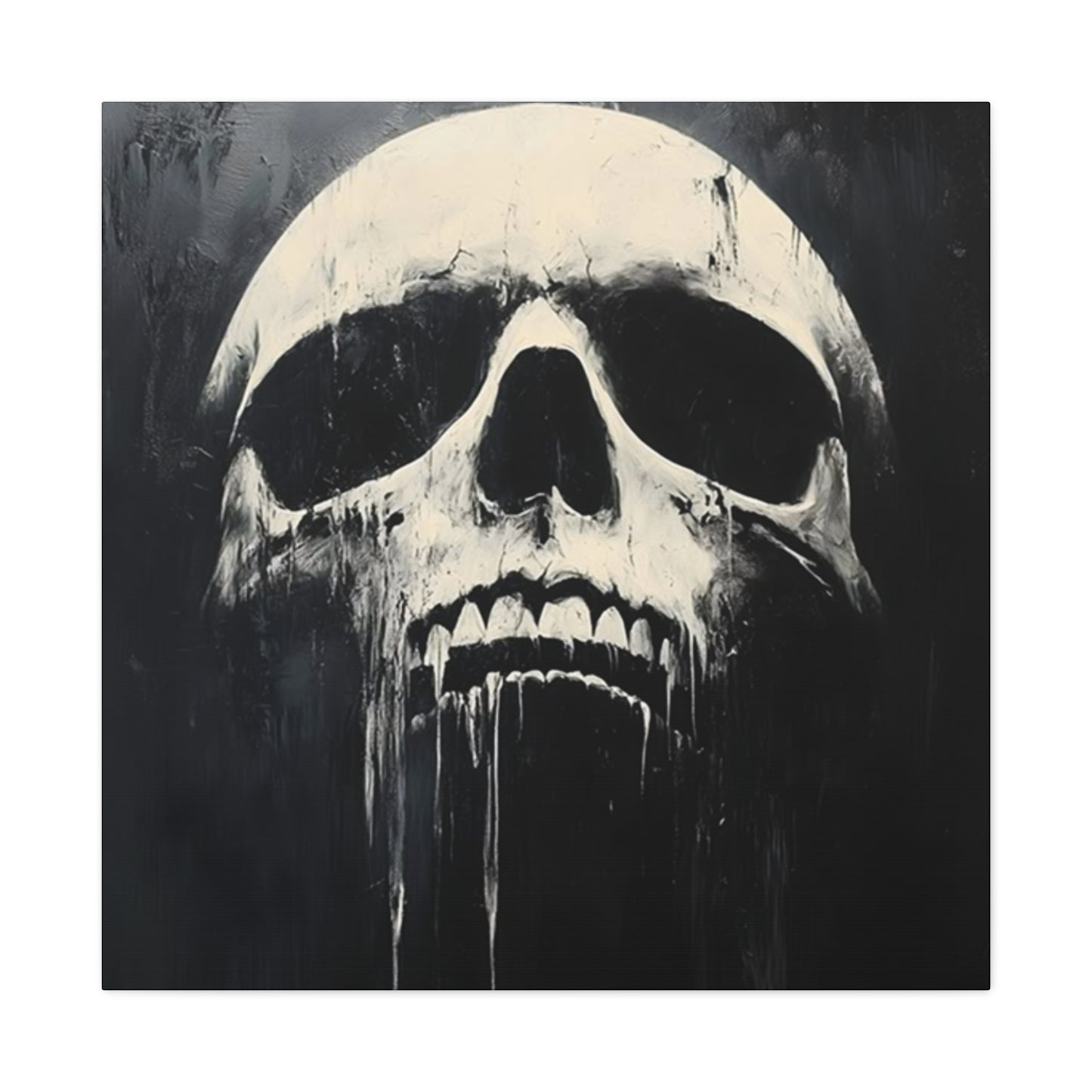
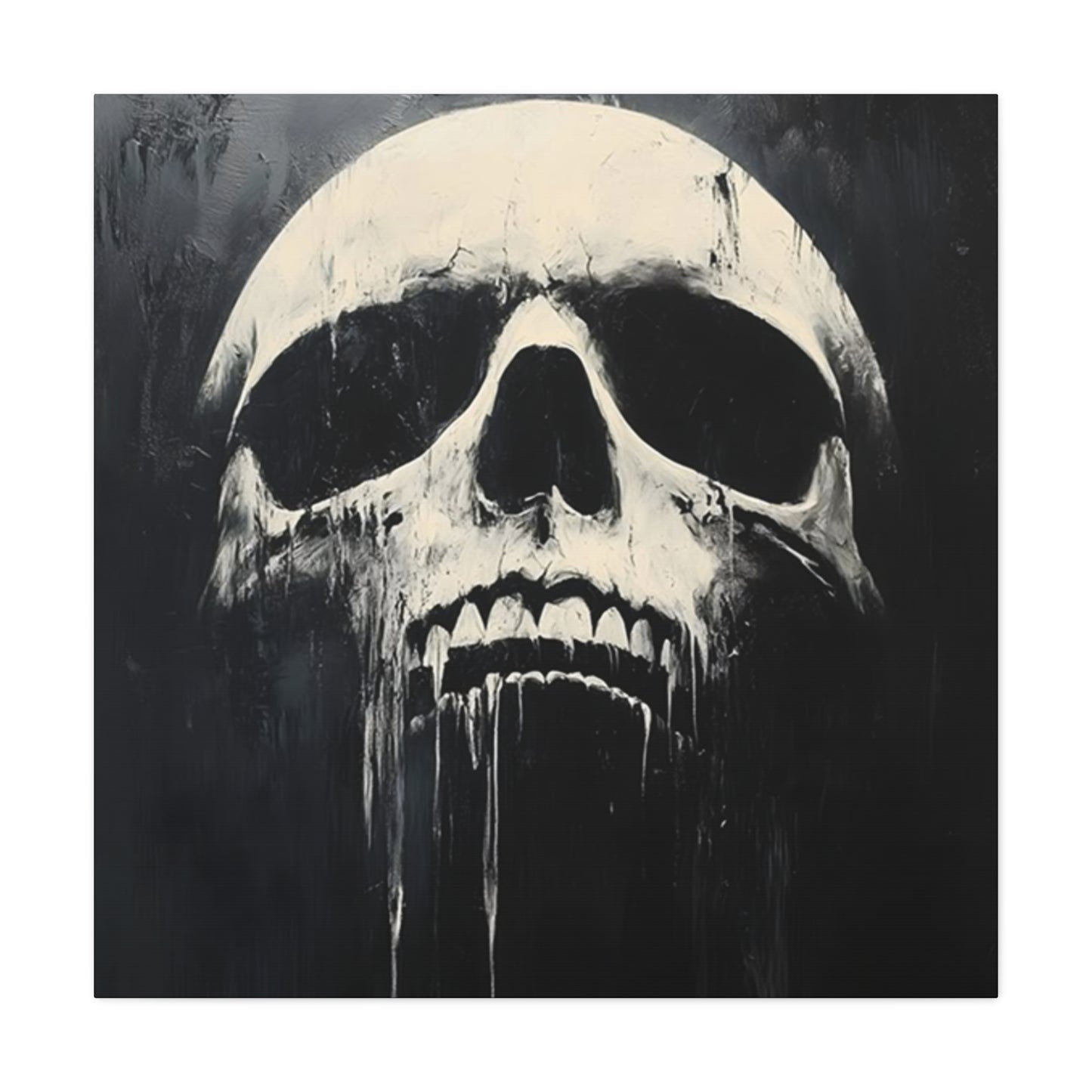
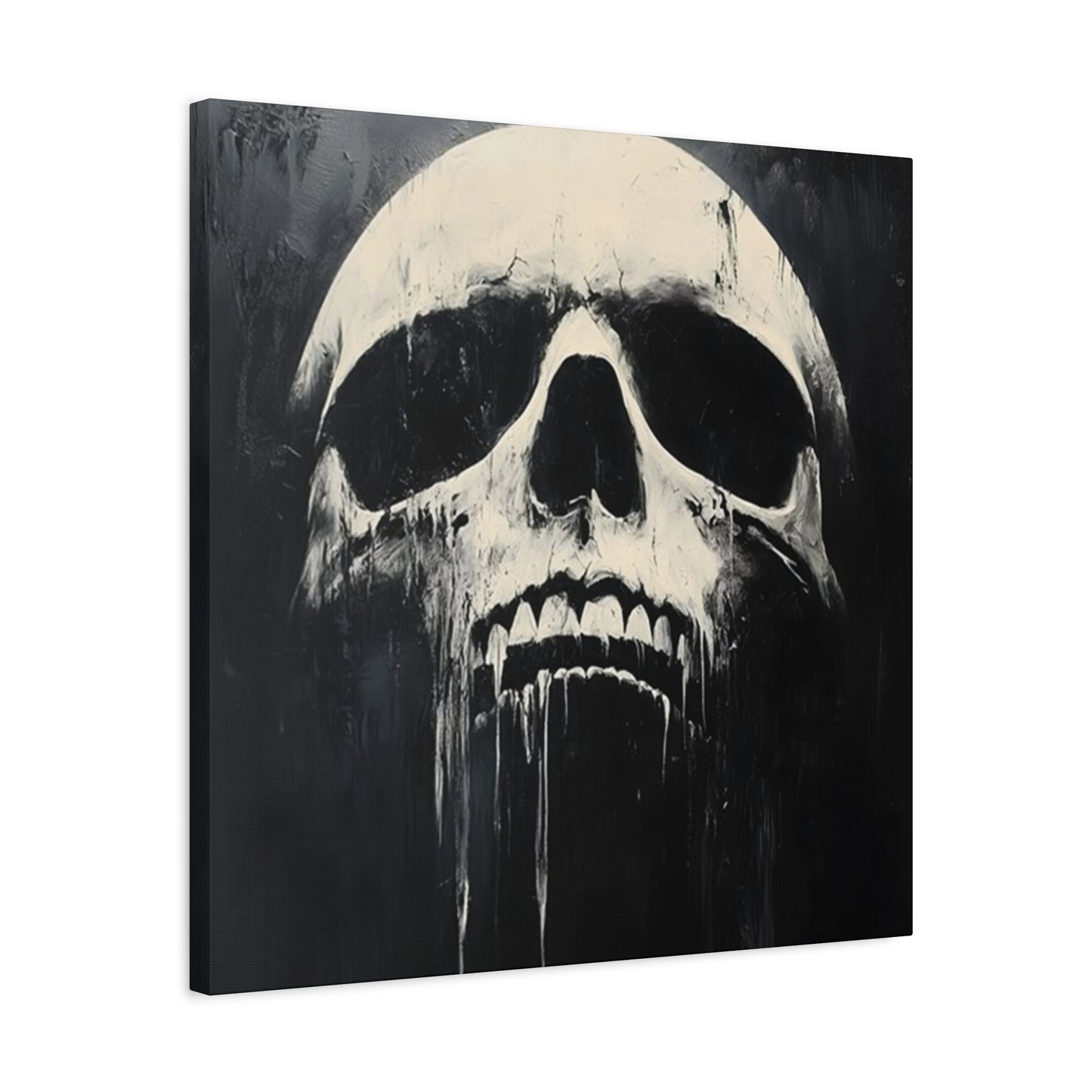
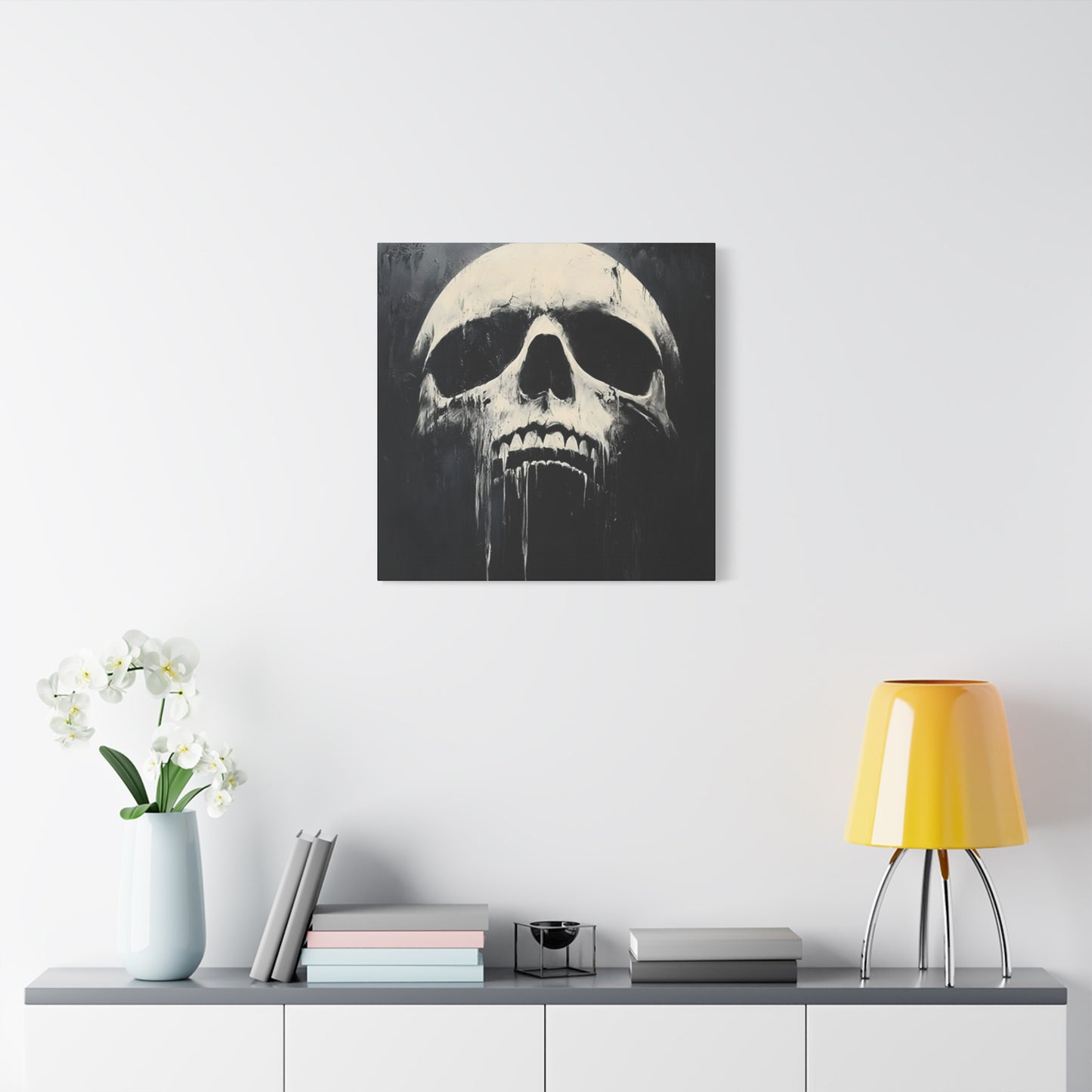
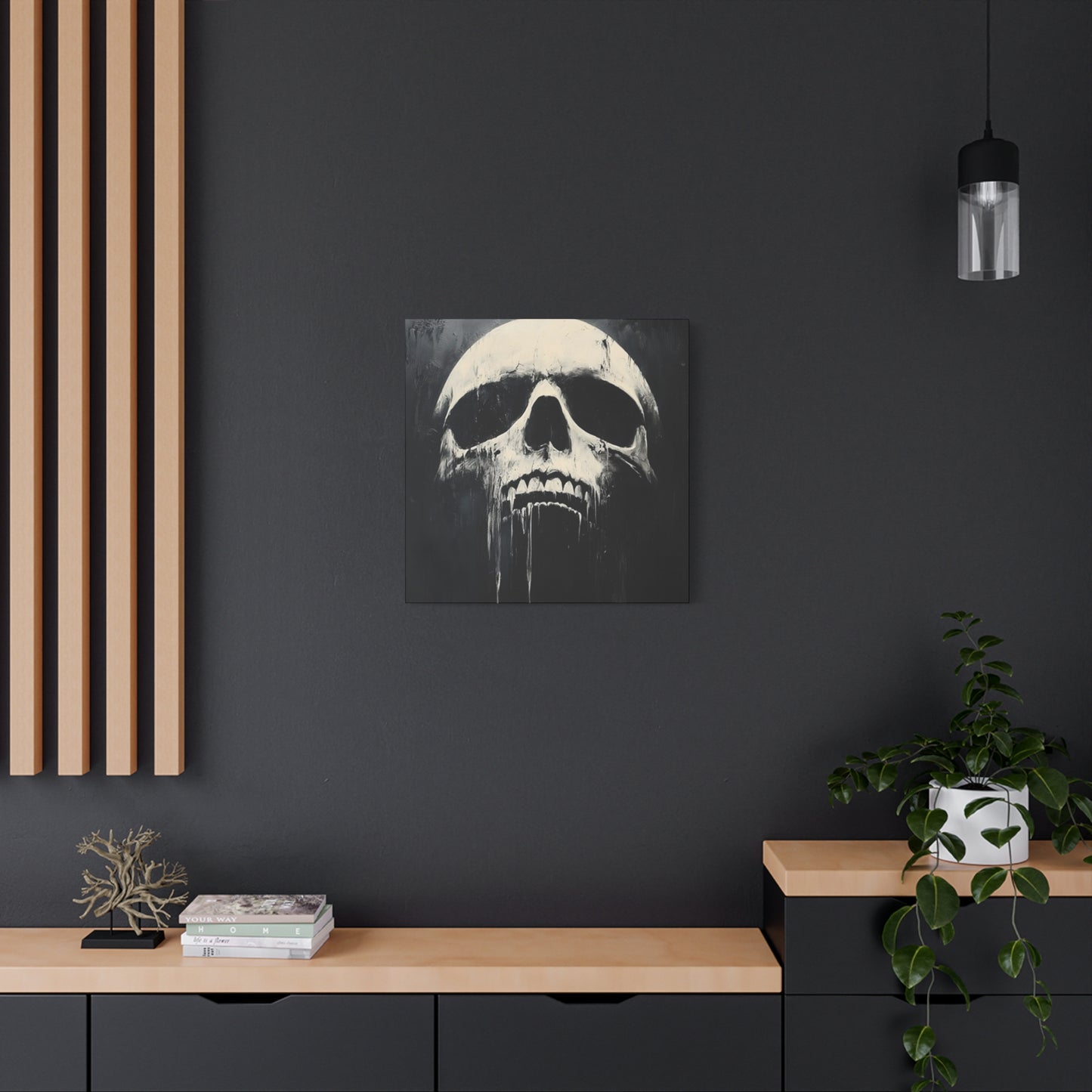
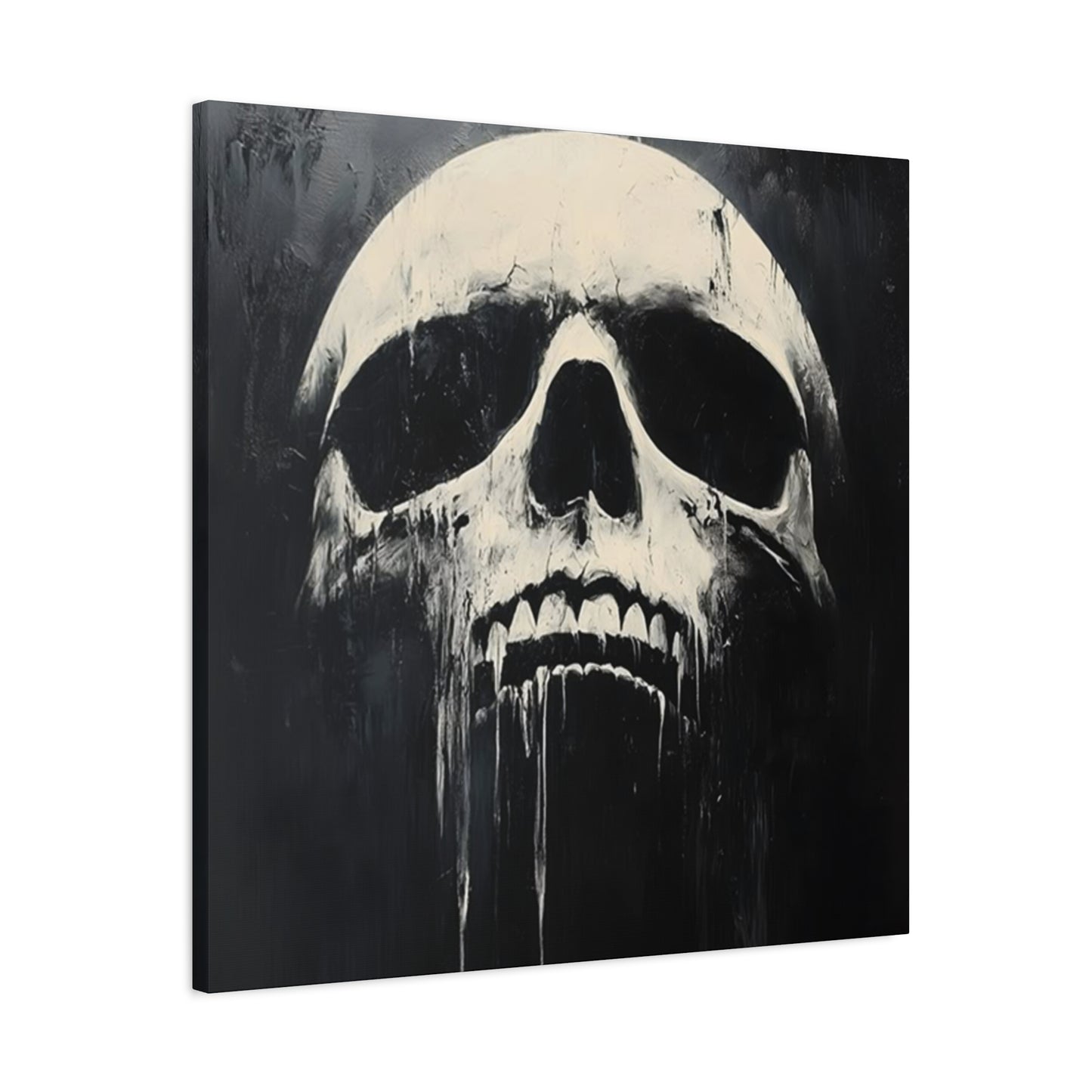
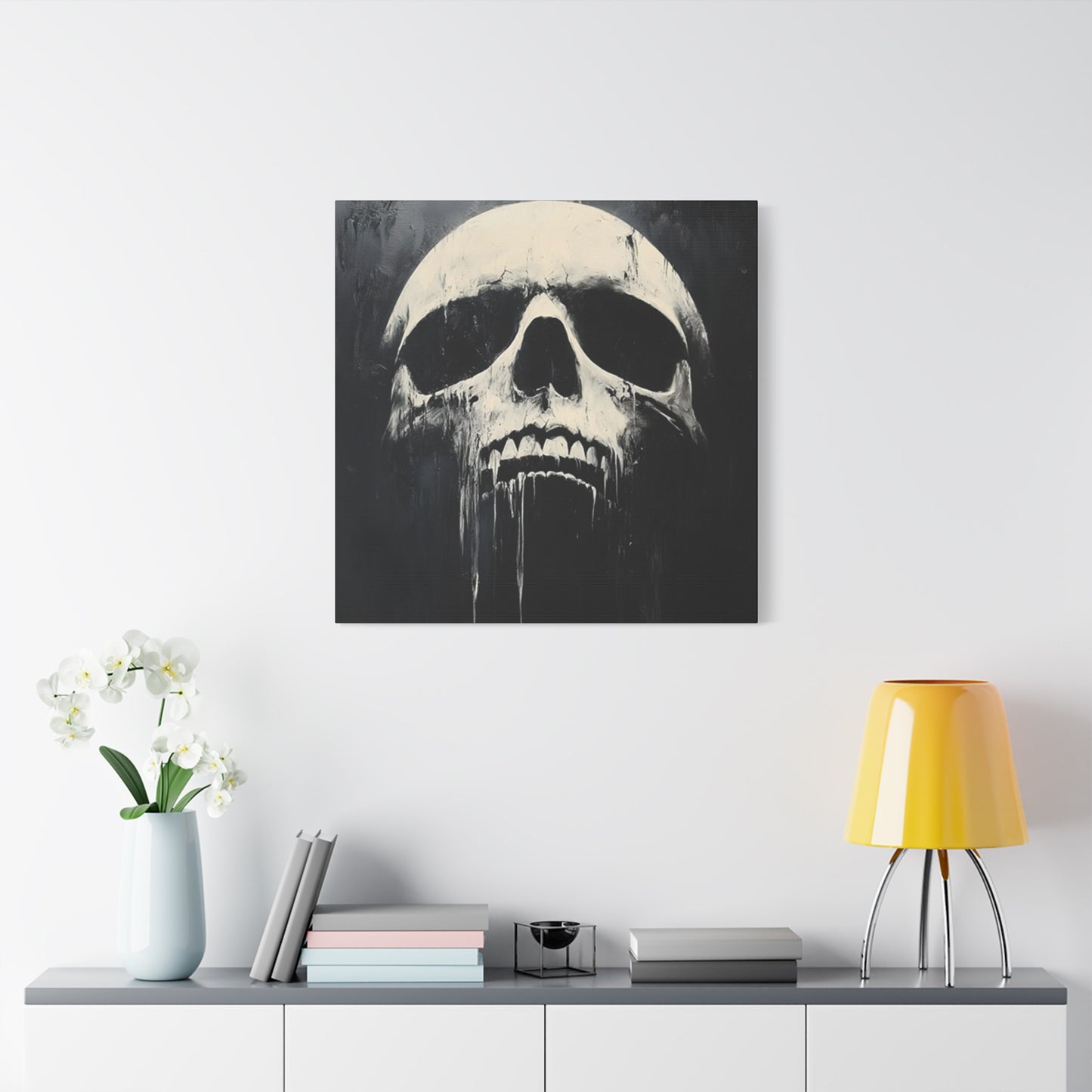
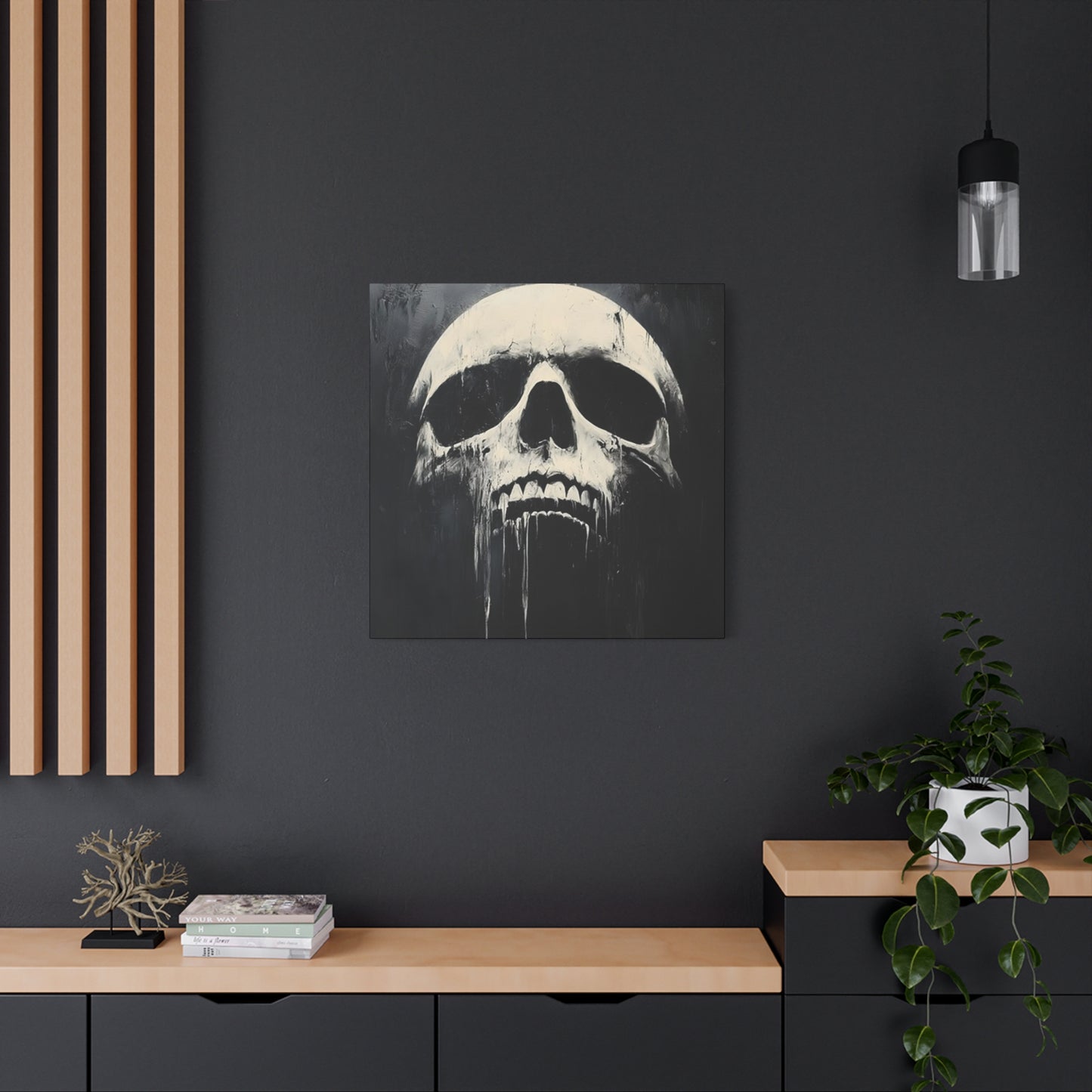
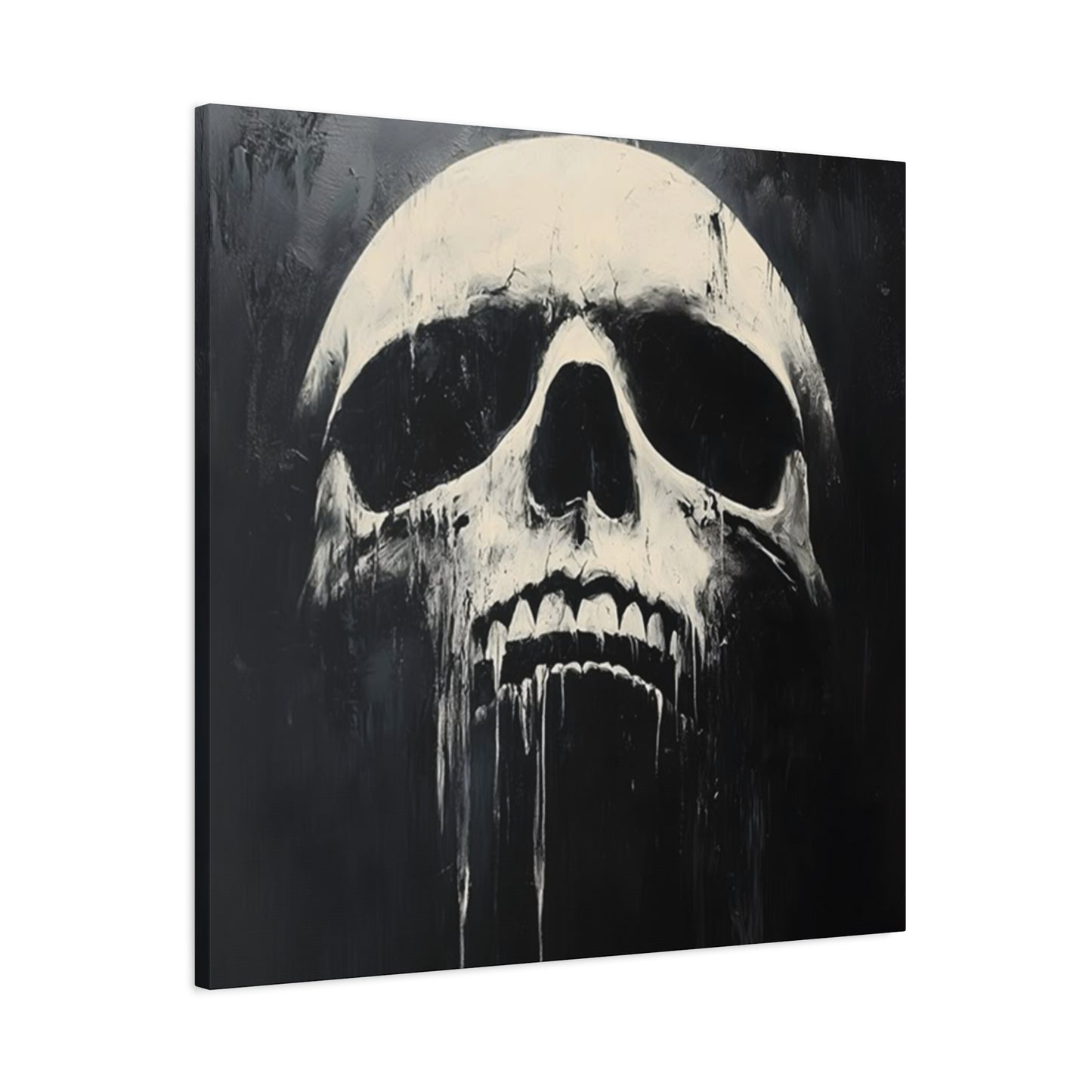
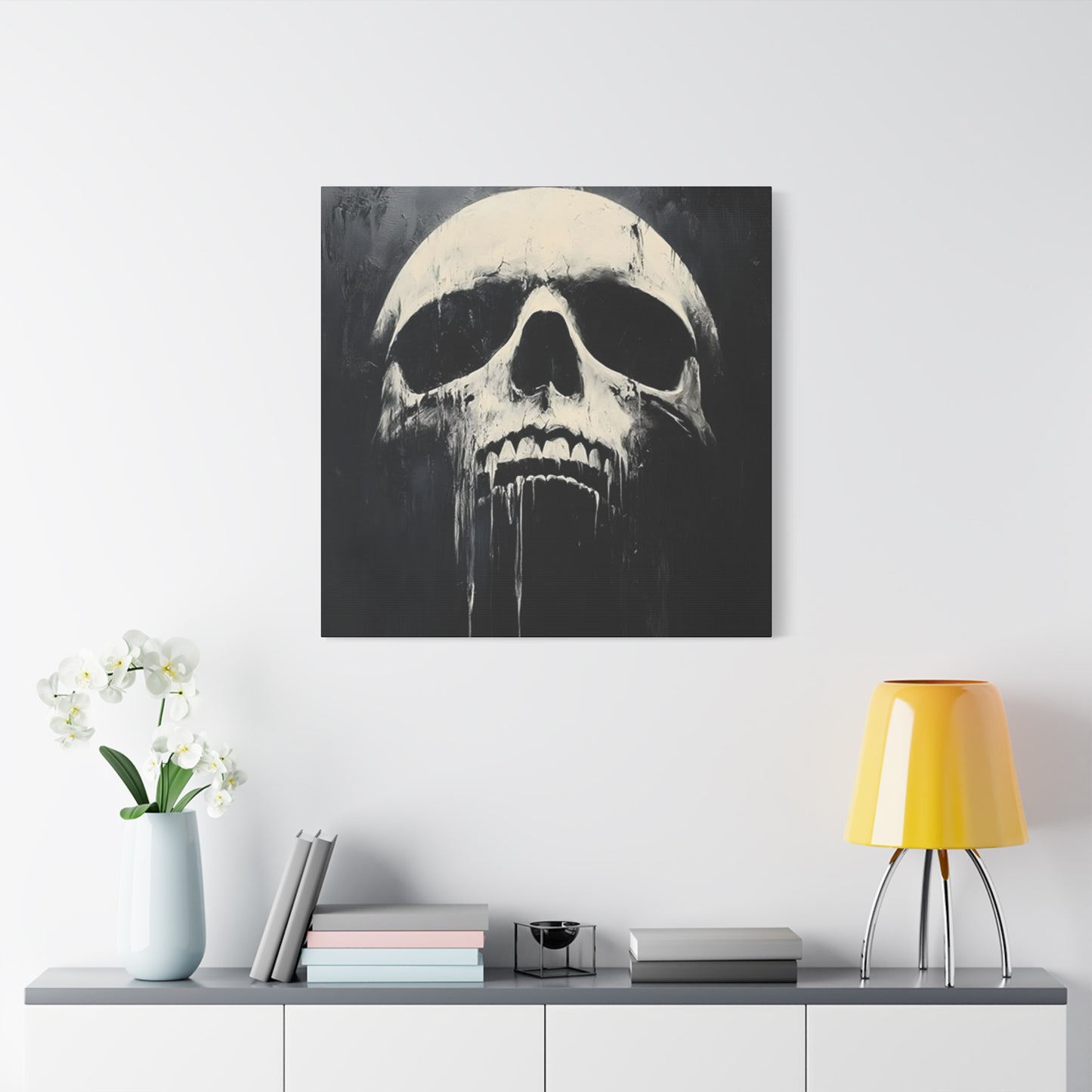
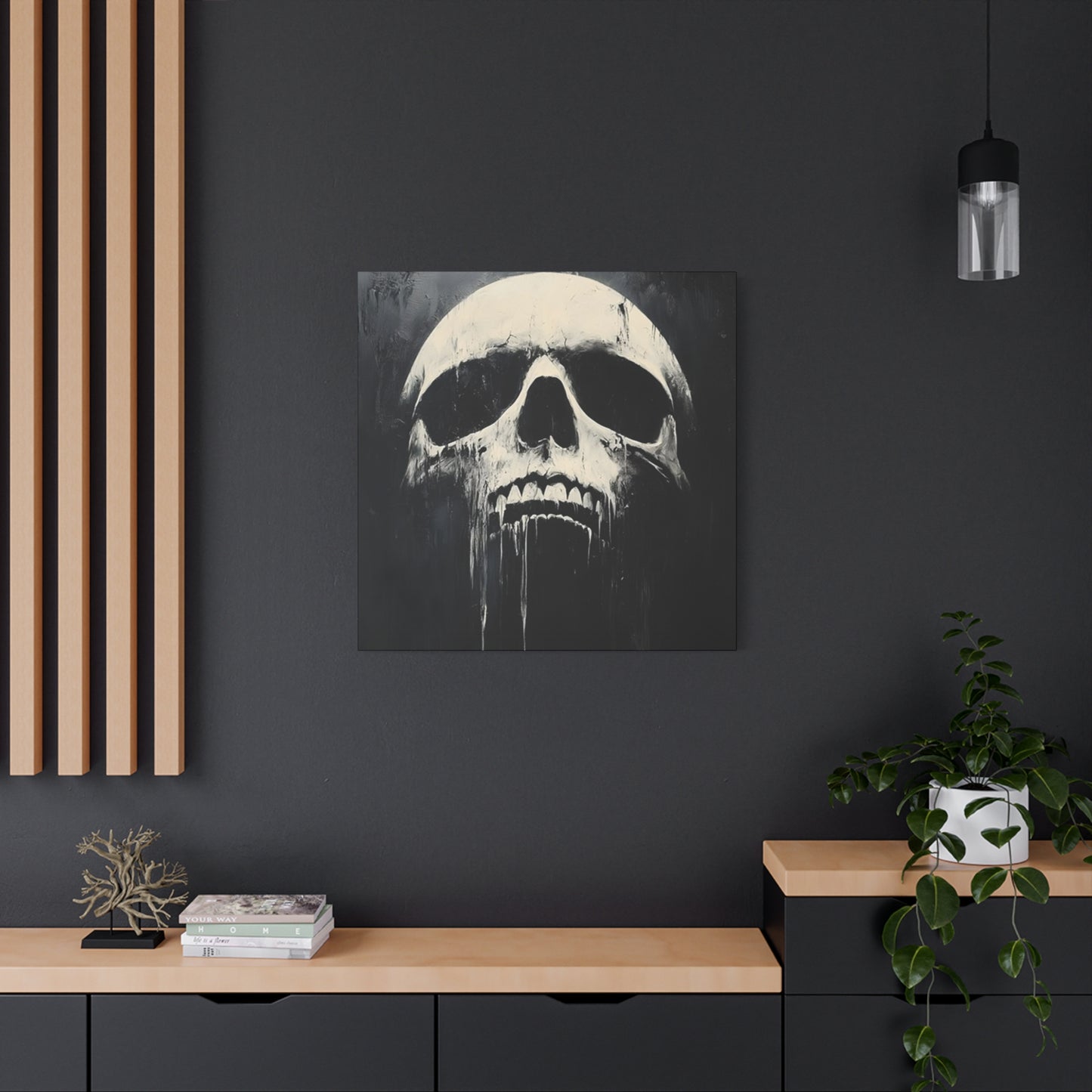
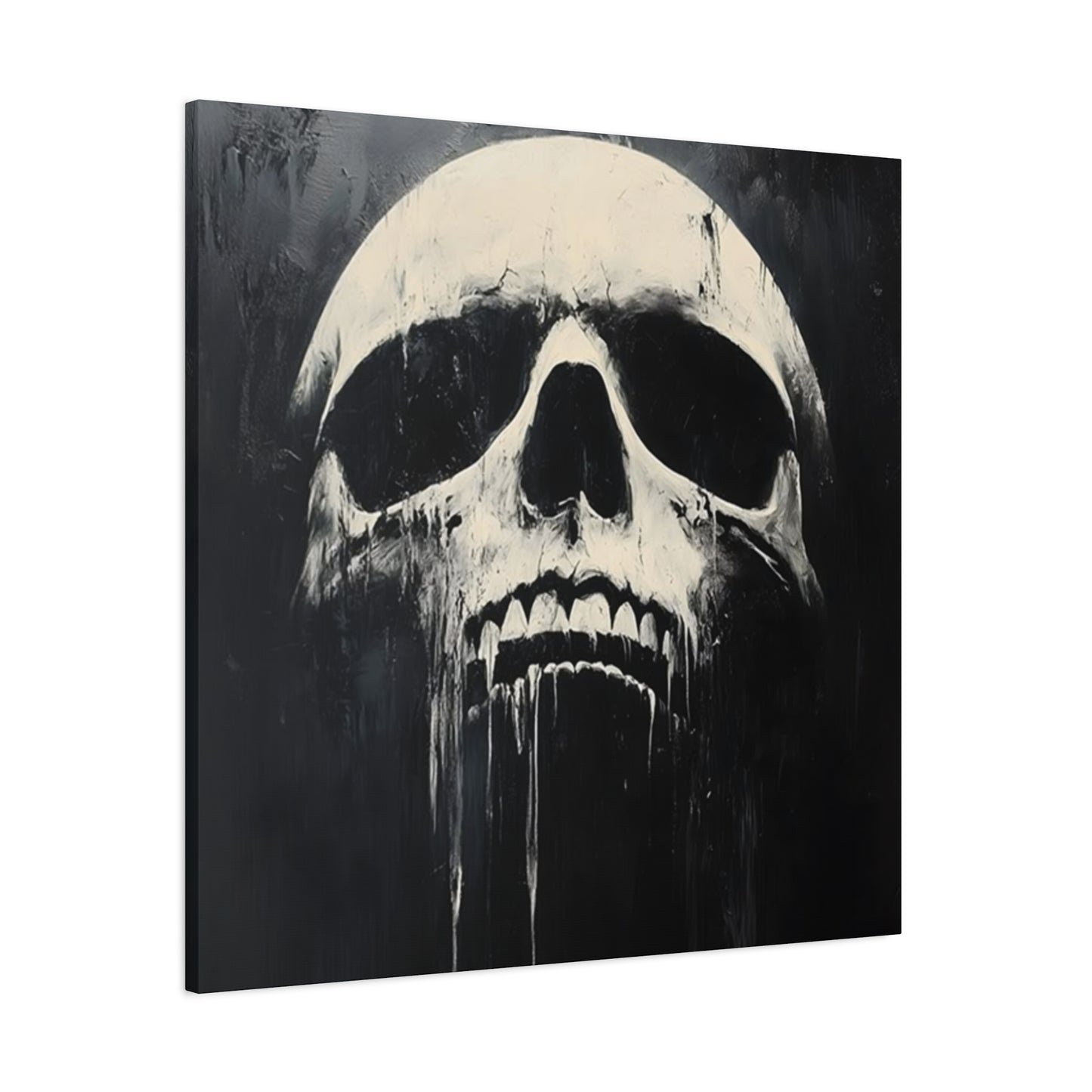
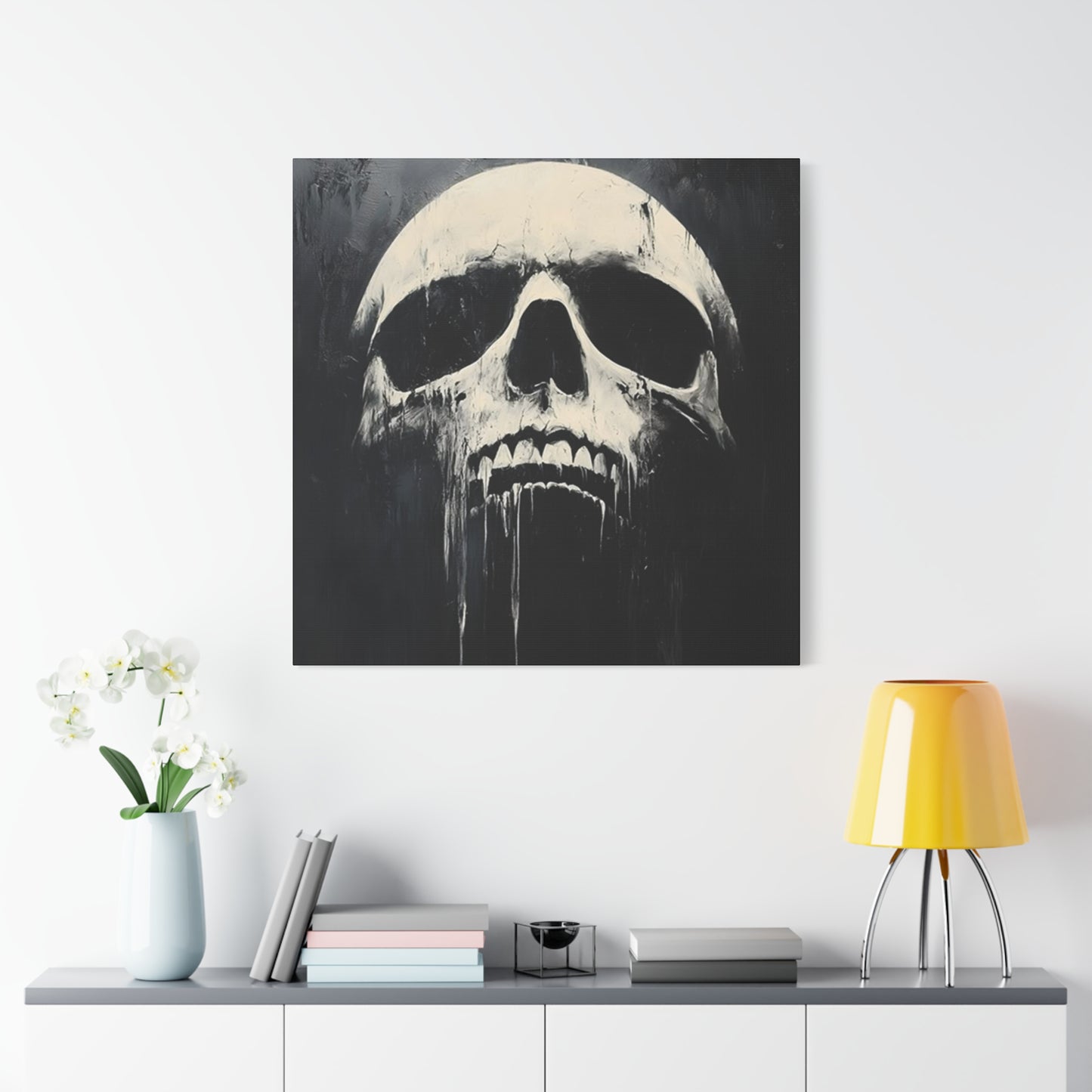
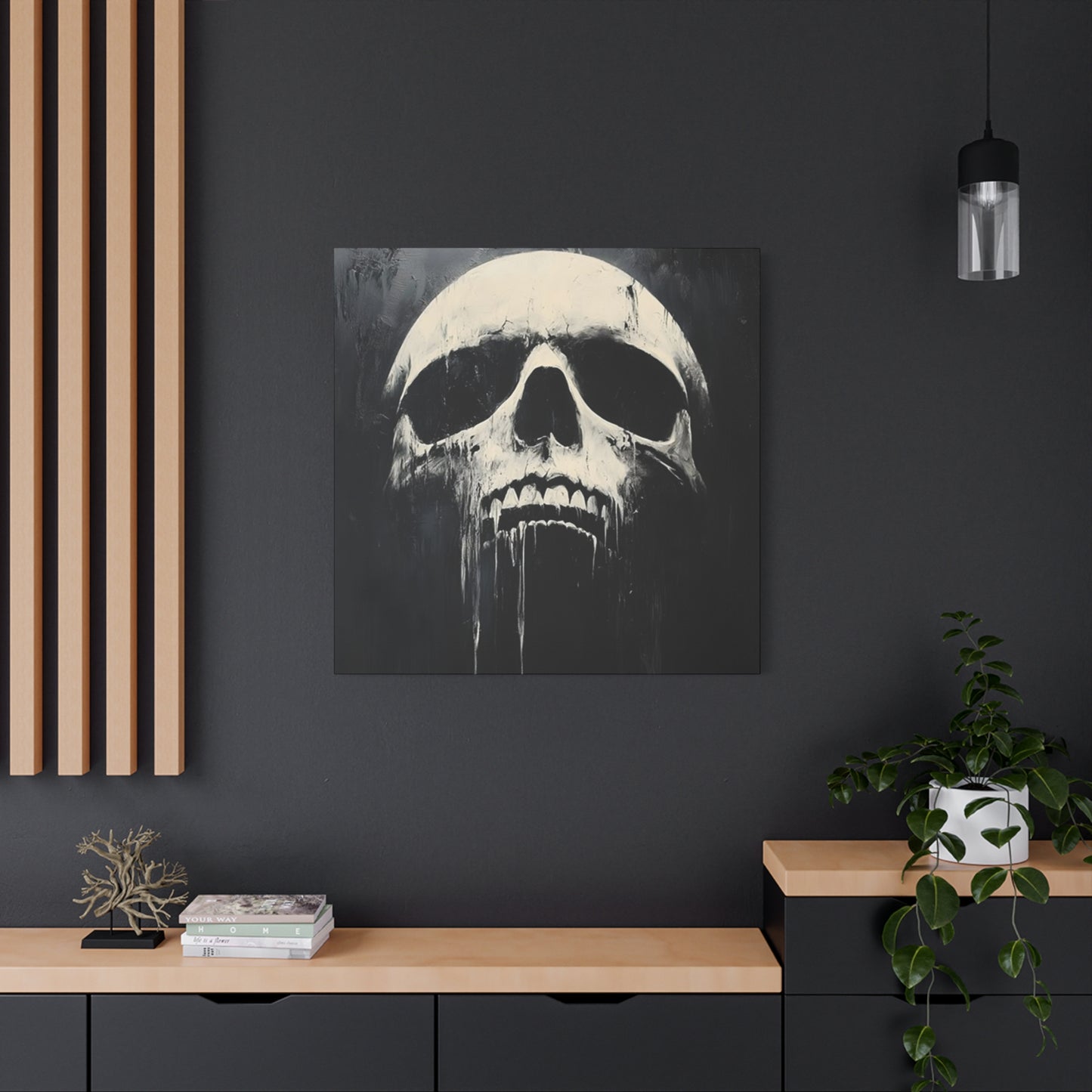
Dark Beauty of Bones: How Skull Photography Wall Art is Redefining Modern Home Decor
Skull photography wall art canvas prints have emerged as one of the most captivating trends in contemporary home decoration. These artistic pieces combine the timeless symbolism of skulls with modern photographic techniques to create stunning visual statements that resonate with diverse audiences. The appeal of these decorative elements extends far beyond their aesthetic value, touching upon themes of mortality, rebellion, sophistication, and philosophical contemplation. As homeowners and interior designers seek to create spaces that reflect individuality and depth, skull imagery has moved from counterculture spaces into mainstream design consciousness.
The transformation of skull motifs from gothic subcultures to high-end interior design represents a fascinating shift in cultural perception. What was once considered dark or morbid is now celebrated as sophisticated and thought-provoking. This evolution reflects a broader societal acceptance of memento mori concepts and a willingness to embrace art that challenges conventional comfort. Modern skull photography captures these elements through various artistic lenses, from stark black-and-white compositions to vibrant, colorful interpretations that breathe life into this ancient symbol.
Canvas prints specifically offer advantages that make them ideal for displaying skull photography. The texture of canvas adds depth and dimension to photographic images, creating a gallery-quality presentation that elevates the artwork beyond standard poster prints. The material itself carries artistic connotations, connecting contemporary photography with traditional painting methods. This bridge between classical and modern artistic mediums makes canvas an appropriate choice for skull imagery that similarly bridges past and present, life and death, tradition and innovation.
Photographic Techniques That Enhance Skull Imagery
Professional photographers employ numerous specialized techniques when creating skull photography intended for wall art canvas prints. Lighting plays perhaps the most critical role in capturing skull images that possess both dramatic impact and subtle detail. Dramatic side lighting creates deep shadows that emphasize the three-dimensional contours of skull structures, producing images with theatrical intensity. This chiaroscuro approach draws inspiration from baroque painting techniques, translating classical artistic methods into photographic practice. The interplay of light and shadow across bone surfaces creates natural gradients that guide viewer attention and establish visual hierarchy within compositions.
High-key lighting techniques offer contrasting approaches to skull photography. By flooding subjects with diffused light that minimizes shadows, photographers create ethereal, almost angelic presentations of skull imagery. These bright, clean images challenge traditional associations between skulls and darkness, presenting mortality symbolism in surprisingly uplifting visual contexts. This approach particularly appeals to minimalist interior design aesthetics where stark, simple compositions complement clean architectural lines and neutral color palettes. The versatility of skull subjects allows photographers to adapt their lighting strategies to match varied artistic visions and intended display environments.
Macro photography techniques reveal intricate details of skull surfaces that escape casual observation. Close-up shots that fill entire frames with textures, cracks, and weathering patterns transform skulls from recognizable objects into abstract compositions. These detail-oriented images work exceptionally well as large-format canvas prints where viewers can appreciate subtle variations in bone density, natural discoloration, and surface characteristics. The technical demands of macro skull photography require specialized equipment and careful focus stacking to maintain sharpness across entire image planes, but the resulting photographs possess unique visual qualities that distinguish them from standard skull portraits.
Compositional Strategies for Maximum Visual Impact
Effective composition separates mediocre skull photography from exceptional pieces worthy of premium canvas printing. The rule of thirds provides foundational guidance for positioning skull subjects within frames. Placing key features like eye sockets or distinctive bone structures at intersection points creates naturally balanced compositions that feel satisfying without appearing overly constructed. This classical approach to composition ensures that skull photography possesses the same visual sophistication as any fine art photography, legitimizing the subject matter through technical excellence. Viewers respond positively to well-composed images even when they cannot articulate specific compositional principles at work.
Symmetrical compositions emphasize the inherent bilateral symmetry of skull structures. Front-facing skull portraits centered in frames create powerful, confrontational images that demand viewer attention. This direct approach works particularly well for large-scale canvas prints intended as focal points in rooms. The perfect symmetry of skull features, when carefully aligned and presented, creates almost mandala-like qualities that some viewers find meditative. This compositional strategy also simplifies the viewing experience, reducing visual complexity to allow contemplation of the subject itself rather than compositional cleverness. The directness of symmetrical skull presentations conveys confidence and authority that enhances their decorative impact.
Dynamic diagonal compositions inject energy and movement into skull photography. By positioning skulls at angles or incorporating diagonal elements within frames, photographers create visual tension that engages viewers more actively. This approach particularly suits series of multiple canvas prints where diagonal orientations can create flow across wall installations. The sense of motion suggested by diagonal compositions contradicts the static nature of skull subjects, creating interesting conceptual tension between subject and presentation. This compositional strategy appeals to collectors seeking skull photography that feels contemporary and lively rather than somber or static.
Material Considerations for Canvas Print Quality
The physical properties of canvas materials significantly influence the final appearance of skull photography wall art. Cotton canvas remains the traditional choice for fine art reproduction, offering a natural texture that complements photographic imagery. The slight tooth of cotton canvas adds dimensionality to prints, creating subtle variations in how light reflects across image surfaces. This texture prevents the flat appearance sometimes associated with glossy photographic papers, instead lending printed images qualities similar to painted works. For skull photography specifically, cotton canvas texture enhances the organic nature of bone subjects, creating visual harmony between material and content.
Polyester canvas alternatives provide practical advantages in certain applications. These synthetic materials resist moisture better than cotton, making them suitable for bathrooms, kitchens, or humid climates where traditional canvas might deteriorate. Polyester canvases also maintain dimensional stability more reliably, reducing the risk of warping or sagging over time. While purists may prefer natural materials for artistic prints, modern polyester options offer such high quality that most viewers cannot distinguish them from cotton canvas. For skull photography intended for commercial spaces or high-traffic areas, the durability of polyester canvas justifies its selection despite its synthetic nature.
Canvas blend materials combine natural and synthetic fibers to balance aesthetic appeal with practical performance. These hybrid canvases attempt to capture the best qualities of both material types, offering cotton's natural appearance with enhanced durability. The specific fiber ratios in blended canvases affect texture, weight, and archival qualities, creating a spectrum of options for different applications and budgets. Premium skull photography wall art typically uses higher cotton percentages for superior artistic presentation, while more affordable options may incorporate more synthetic content. Understanding these material distinctions helps buyers select appropriate canvas types for their specific needs and expectations.
Sizing Considerations for Different Interior Spaces
Selecting appropriate dimensions for skull photography wall art canvas prints requires careful consideration of display locations. Large-format prints measuring five feet or more across create dramatic focal points suitable for spacious living rooms, lobbies, or commercial environments. These oversized pieces command attention and establish strong visual identities for spaces. The scale of large skull photography creates immersive viewing experiences where details become large enough to examine from normal viewing distances. However, such substantial pieces require proportionate wall space and careful integration with surrounding design elements to avoid overwhelming rooms or appearing awkwardly placed.
Medium-sized canvas prints ranging from two to four feet across offer versatile options that suit most residential applications. These dimensions provide sufficient visual presence without dominating spaces, allowing skull photography to coexist with other decorative elements and furniture. Medium prints work exceptionally well above sofas, beds, console tables, or in hallway galleries where they contribute to overall design schemes without demanding exclusive attention. The moderate scale also makes these pieces more accessible for photography appreciation, allowing viewers to perceive compositions as unified wholes while still being able to examine specific details when standing closer.
Small-format skull photography prints excel in intimate spaces and multi-piece installations. Individual pieces measuring twelve to twenty-four inches can create powerful effects when arranged in carefully planned groupings. Gallery walls featuring collections of smaller skull photographs allow for thematic variation and visual rhythm that single large pieces cannot achieve. This approach also provides flexibility for future rearrangement or expansion as collections grow. Small prints suit personal spaces like home offices, bedrooms, or bathroom walls where decorative elements should maintain appropriate scale relationships with compact room dimensions. The accessibility of smaller formats also encourages experimental collecting, allowing buyers to acquire multiple pieces for the cost of one large canvas.
Framing and Presentation Options for Canvas Skull Photography
Gallery wrap presentation represents the most popular finishing method for skull photography wall art canvas prints. This technique stretches canvas around wooden stretcher bars, continuing the image around frame edges to create frameless presentations. Gallery wraps offer clean, contemporary appearances that suit modern interior design aesthetics. The absence of traditional frames focuses all attention on photographic content without decorative distractions. For skull photography specifically, frameless presentations can enhance the directness and immediacy of imagery, removing barriers between viewers and subjects. The three-dimensional quality of gallery-wrapped canvases also adds subtle sculptural elements to wall displays.
Traditional framing provides alternative presentation styles that suit certain design contexts. Wood frames in dark stains or black finishes create classic gallery aesthetics appropriate for skull photography with serious or philosophical themes. Ornate frames with carved details or metallic finishes can add gothic or Victorian character to skull imagery, enhancing historical or romantic interpretations. Frame selection dramatically influences how viewers perceive identical photographic content, demonstrating the importance of thoughtful presentation choices. While frames add cost and complexity to canvas prints, they also protect canvas edges and provide stronger visual boundaries that help skull photography integrate into spaces with existing framed artwork.
Floating frame systems combine elements of gallery wraps and traditional framing. These presentations suspend gallery-wrapped canvases within frames, creating gaps between canvas edges and frame interiors. This mounting method preserves the contemporary aesthetic of frameless presentations while adding architectural definition that frames provide. Floating frames work particularly well for skull photography that uses negative space or minimal backgrounds, as the visible gaps echo compositional emptiness. The shadow lines created between canvas and frame add depth that enhances the three-dimensional presence of printed images. This sophisticated presentation style suits upscale residential and commercial installations where design details receive close attention.
Thematic Variations in Skull Photography Styles
Medical and anatomical approaches to skull photography create scientifically oriented imagery with educational overtones. These clinical presentations document skull structures with technical precision, often including measurements, labels, or museum-style mounting suggestions. The aesthetic appeals to viewers interested in natural history, medicine, or scientific illustration. Clean, well-lit photographs that clearly show anatomical features serve both decorative and informational purposes, making them particularly suitable for medical offices, educational institutions, or home offices of healthcare professionals. The objectivity of anatomical skull photography strips away mystical or morbid associations, presenting skulls as fascinating biological structures worthy of serious study.
Gothic and dark romantic interpretations embrace the traditional associations between skulls and mortality themes. These images often incorporate dramatic lighting, dark backgrounds, and atmospheric elements like smoke, fog, or strategic shadow play. Photographers working in this style may include additional symbolic objects like roses, hourglasses, or candles that reinforce memento mori themes. The resulting images appeal to audiences drawn to gothic subcultures, dark aesthetics, or philosophical contemplations of mortality. These pieces work well in spaces designed around romantic, Victorian, or gothic design principles where rich colors, heavy textures, and dramatic visual statements create cohesive environmental moods.
Minimalist and contemporary approaches reduce skull imagery to essential elements, creating clean, graphic compositions. These photographs often feature isolated skulls against pure white or black backgrounds with perfect lighting that eliminates texture and dimensional cues. The resulting images function almost as logos or icons, transforming recognizable skull forms into abstract design elements. This style appeals to modernist sensibilities that value simplicity, clarity, and reduction. Minimalist skull photography integrates seamlessly into Scandinavian-inspired interiors, modern loft spaces, or any environment where restrained design choices predominate. The intellectual clarity of these images makes them accessible to viewers who appreciate skull symbolism but prefer understated presentations.
Cultural Interpretations Across Global Design Traditions
Mexican Day of the Dead aesthetics offer colorful, celebratory interpretations of skull imagery. Photographers documenting sugar skull decorations or calavera traditions capture vibrant cultural expressions that view death as a natural transition worthy of joyful remembrance rather than fearful avoidance. These images burst with saturated colors, intricate patterns, and ornamental details that transform skulls into folk art celebrations. Wall art canvas prints featuring Day of the Dead imagery bring cultural richness and festive energy to spaces, offering alternatives to somber skull interpretations. The cultural specificity of these images also provides opportunities for education and cross-cultural appreciation when displayed in diverse settings.
Tibetan Buddhist skull symbolism presents another culturally specific interpretation with deep philosophical roots. Kapala skull cups and skull imagery from Tibetan iconography represent impermanence, the emptiness of ego, and the transformation of negative forces into wisdom. Photographers documenting these ritual objects or creating contemporary pieces inspired by Tibetan aesthetics produce images with profound spiritual dimensions. These pieces appeal to viewers interested in Buddhist philosophy, meditation practices, or Eastern spiritual traditions. The sacred context of Tibetan skull imagery distinguishes it from secular decorative skulls, adding layers of meaning that enrich contemplative viewing experiences. Canvas prints of Tibetan-inspired skull photography suit meditation rooms, yoga studios, or personal spaces dedicated to spiritual practice.
European memento mori traditions inform another category of culturally rooted skull photography. Images inspired by Dutch Golden Age vanitas paintings or Victorian mourning photography connect contemporary work with Western philosophical and artistic heritage. These photographs often incorporate period-appropriate props, lighting schemes reminiscent of old master paintings, or subtle references to historical artistic movements. The resulting images carry intellectual weight that appeals to educated audiences familiar with art history and Western philosophical traditions. Wall art in this style suits libraries, studies, or formal living spaces where cultural sophistication and historical awareness inform design choices. The classical references in these photographs provide entry points for conversations about mortality, meaning, and the human condition.
Design Integration Strategies for Various Interior Styles
Modern industrial spaces provide natural homes for edgy skull photography wall art canvas prints. The raw materials common to industrial design, exposed brick, concrete, metal fixtures, and unfinished wood complement the honest, unromanticized presentation of skull subjects. Black-and-white skull photography particularly suits industrial aesthetics, echoing the monochromatic palette often featured in these spaces. Large-format canvas prints mounted on brick walls create stunning focal points that reinforce industrial design principles of bold statements and unadorned authenticity. The conceptual alignment between industrial design's celebration of functional forms and skull imagery's reduction to essential structures creates natural aesthetic harmony.
Scandinavian minimalism welcomes carefully selected skull photography that respects design principles of simplicity and restraint. Clean, bright skull photographs against white backgrounds integrate seamlessly into Scandinavian spaces without disrupting the light, airy qualities these interiors prioritize. Small to medium canvas prints positioned with generous surrounding white space maintain the breathing room essential to Scandinavian design philosophy. The key to successful integration lies in treating skull imagery as thoughtful accent elements rather than dominant features. When properly selected and positioned, skull photography adds intellectual depth and subtle edge to Scandinavian interiors without compromising their fundamental serenity and clarity.
Eclectic bohemian interiors embrace skull photography as one element among diverse collected objects and varied artistic styles. These free-spirited spaces allow skull imagery to coexist with textiles, plants, vintage furniture, and artwork from multiple periods and cultures. Colorful skull photography particularly suits bohemian aesthetics, contributing to the vibrant, collected-over-time appearance these spaces cultivate. Gallery walls mixing skull photography with other subjects, family photos, and found objects create personal narratives that characterize successful bohemian design. The acceptance of unconventional decorative choices in bohemian spaces removes barriers to skull imagery that might exist in more conservative design contexts, allowing creative experimentation with this powerful symbolic subject.
Photography Equipment and Setup Recommendations
Professional camera equipment requirements for skull photography vary according to intended canvas print sizes. Full-frame DSLR or mirrorless cameras with high-resolution sensors provide image quality necessary for large-format printing without visible pixelation or quality degradation. Sensors with thirty megapixels or more enable canvas prints exceeding five feet in width while maintaining sharp detail and tonal gradation. The superior low-light performance of full-frame sensors also facilitates the dramatic lighting setups common in skull photography, allowing photographers to work with minimal artificial light when desired. The investment in professional camera bodies pays dividends through image quality that distinguishes professional wall art from amateur photography.
Lens selection profoundly influences skull photography aesthetics and technical quality. Macro lenses enable extreme close-up photography that reveals bone textures and minute details impossible to capture with standard lenses. These specialized optics produce images with unique perspectives that transform familiar subjects into abstract compositions. Portrait-length lenses in the eighty-five to one-hundred-five millimeter range provide flattering perspective and comfortable working distances for standard skull documentation. Wide-angle lenses create dramatic perspective distortions that can make skull features appear more prominent or create surreal spatial relationships. Professional skull photographers typically own multiple lenses to accommodate different creative visions and technical requirements across varied projects.
Lighting equipment represents perhaps the most critical investment for serious skull photography. Continuous LED panels offer versatility and precision control that benefit photographers who carefully craft lighting setups. The ability to preview lighting effects in real-time simplifies the complex process of positioning multiple lights to achieve desired effects. Studio strobes provide powerful output necessary for commercial photography requiring small apertures for maximum depth of field. Modifier accessories including softboxes, beauty dishes, grids, and snoots allow photographers to shape light quality and direction with precision. The specific lighting combinations that create compelling skull photography require experimentation and expertise, but proper equipment provides the tools necessary for realizing artistic visions.
Collecting and Curating Personal Skull Photography Collections
Building cohesive skull photography collections requires strategic planning beyond impulsive individual acquisitions. Collectors should establish clear criteria regarding preferred styles, color palettes, sizes, and thematic focuses before beginning serious collecting. These guidelines prevent scattered acquisitions that lack visual or conceptual relationships, resulting in collections that feel random rather than curated. Some collectors focus exclusively on black-and-white photography, others pursue specific cultural interpretations, while some seek work from particular photographers whose artistic visions resonate personally. The discipline of maintaining collection focus enhances both aesthetic impact and potential investment value as focused collections demonstrate serious curatorial intent.
Authentication and provenance documentation protect collector investments in valuable skull photography. Limited edition prints signed and numbered by photographers command premium prices compared to open-edition reproductions. Certificates of authenticity detailing edition sizes, printing processes, and materials used establish legitimacy that supports future resales. Provenance records documenting ownership history add value to prints from recognized photographers, particularly for works from artists whose reputations grow over time. Serious collectors maintain detailed records including purchase receipts, condition reports, and exhibition histories for significant pieces. These professional practices adapted from fine art collecting apply equally to photography collections and distinguish serious collectors from casual buyers.
Gallery relationships and direct artist purchases offer advantages over retail acquisitions. Establishing connections with galleries specializing in photography provides access to emerging artists before their work gains widespread recognition and corresponding price increases. Direct artist purchases eliminate gallery markups while building personal relationships with creators. Many photographers offer commission opportunities for custom work tailored to specific collector requirements. These bespoke pieces create unique additions to collections while supporting working artists. Collectors who actively participate in photography communities through gallery openings, artist studios visits, and online forums develop knowledge and relationships that enhance both collecting success and personal enjoyment of the skull photography art world.
DIY Skull Photography Projects for Creative Enthusiasts
Aspiring photographers can create compelling skull photography without professional studio setups or expensive equipment. Natural window light provides beautiful illumination for skull subjects when properly controlled and directed. Positioning skulls near large windows during golden hour produces soft, directional light with natural warmth that flatters bone tones. Simple reflectors made from white cardboard or foam core panels bounce fill light into shadow areas, reducing contrast and revealing detail without requiring additional light sources. This accessible approach to skull photography enables beginners to produce quality images suitable for personal canvas prints without significant equipment investments. The limitations of natural light actually encourage creative problem-solving that develops photographic skills more effectively than unlimited artificial lighting options.
Smartphone photography capabilities now rival dedicated cameras for many applications, making skull photography accessible to virtually everyone. Modern phone cameras include portrait modes that simulate shallow depth of field, separating skull subjects from backgrounds through computational photography. Editing apps provide powerful post-processing tools for adjusting exposure, color, and applying artistic filters. Smartphone photographers can experiment freely without film costs or complex equipment concerns, encouraging the trial-and-error process essential to developing photographic skills. While smartphone images may lack the technical quality of professional camera files, they often suffice for small to medium canvas prints. The convenience of always-available cameras in phones also enables spontaneous photography when interesting skull subjects appear unexpectedly.
Found skull subjects offer free alternatives to purchasing specimens for photography projects. Nature walks may reveal cleaned animal skulls from deceased wildlife, providing ethically sourced subjects with natural weathering and character. Antique shops, flea markets, and estate sales frequently include vintage medical teaching skulls or decorative reproductions at affordable prices. These discovered objects carry histories and patinas that new specimens lack, adding narrative depth to resulting photographs. The hunt for interesting skulls becomes part of the creative process, with each discovery presenting unique photographic challenges and possibilities. Photographers working with found skulls develop appreciation for natural variation and imperfection that distinguishes their work from sterile studio photography of perfect specimens.
Legal and Ethical Considerations in Skull Photography
Human remains regulations vary significantly across jurisdictions and contexts, requiring photographers to research applicable laws before working with human skulls. Many regions restrict private ownership of human skeletal materials, limiting skull photography to museum collections or medical teaching specimens. Obtaining proper permissions when photographing human remains protects photographers from legal liability while respecting cultural and religious sensitivities surrounding human dead. Indigenous groups, particular cultural communities, and descendant populations may have specific concerns about photographic representation of ancestral remains. Ethical photographers consider these perspectives and decline projects that might violate cultural protocols or disrespect the dead. The legal complexity surrounding human remains photography necessitates consultation with legal professionals when planning projects involving authentic human skulls.
Animal skull photography generally faces fewer legal restrictions, though endangered species protections apply to certain specimens. Photographers must verify that any animal skulls they photograph or own comply with wildlife protection laws. Migratory bird skulls, marine mammal remains, and endangered species parts require permits even for photographic purposes. Reputable dealers provide documentation proving legal acquisition, but photographers bear responsibility for confirming compliance. The ethical photographer prioritizes conservation and respects regulations designed to protect vulnerable species. Working with common domestic animal skulls or replicas eliminates legal complications while still providing excellent photographic subjects.
Copyright considerations apply when photographing skulls in museum collections or private holdings. Many institutions prohibit commercial photography without explicit permission and licensing agreements. Even when photography is permitted for personal use, converting those images into canvas prints for sale may violate institutional policies or intellectual property rights. Photographers should always clarify usage rights before photographing collections they do not own. Original photography of personally owned skulls establishes clear copyright ownership, simplifying later commercial exploitation. Understanding intellectual property basics protects photographers from infringement claims while respecting the rights of institutions preserving cultural heritage.
Marketing Strategies for Photographers Selling Skull Canvas Prints
Online marketplace presence provides essential visibility for photographers selling skull photography wall art canvas prints. Platforms specializing in print-on-demand services handle production and fulfillment, allowing photographers to focus on image creation and marketing. These marketplaces aggregate audiences specifically seeking wall art, delivering targeted traffic that independent websites struggle to attract. Success on marketplace platforms requires optimizing product listings with compelling descriptions, relevant keywords, and multiple high-quality preview images. Competitive pricing strategies balance profit margins against market expectations while accounting for platform fees. Photographers building sustainable businesses typically maintain presence across multiple marketplaces to diversify income streams and reduce dependence on single platforms.
Social media marketing drives awareness and builds followings for skull photography artists. Visual platforms naturally showcase photographic work, allowing artists to demonstrate their skills while attracting potential customers. Consistent posting schedules maintain audience engagement and algorithmic favor. Behind-the-scenes content showing photography processes, equipment, or studio setups humanizes artists and builds authentic connections with followers. Strategic hashtag usage extends content reach beyond existing followers to users searching skull art keywords. Social media advertising offers targeted promotional tools for reaching demographics most likely to purchase skull photography. The investment in social media presence pays long-term dividends through audience building that supports sustainable artistic careers.
Collaboration with interior designers and hospitality industry professionals creates wholesale opportunities for skull photography. Designers specifying artwork for client projects order multiple pieces or large-format canvases that generate significant revenue from individual sales. Hospitality clients furnishing hotels, restaurants, or bars require substantial quantities of artwork, offering volume sales that justify wholesale pricing discounts. Establishing these professional relationships requires networking at trade shows, maintaining portfolio websites showcasing available work, and developing wholesale pricing structures. The business-to-business sales model differs substantially from direct consumer marketing but offers scalability advantages for photographers ready to operate at professional commercial levels.
Lighting Design for Optimal Artwork Display
Dedicated artwork lighting transforms how skull photography wall art canvas prints appear in display environments. Picture lights mounted directly to frames or walls above canvases provide focused illumination that highlights artwork while creating dramatic lighting effects in surrounding spaces. These fixtures come in various styles from traditional brass to minimalist modern designs, allowing selection that complements overall interior aesthetics. LED picture lights offer energy efficiency and cool operation temperatures that protect canvas and inks from heat damage. The directional light from picture fixtures creates subtle shadowing that enhances the three-dimensional quality of gallery-wrapped canvases, adding visual interest beyond flat illumination.
Track lighting systems provide flexible solutions for illuminating multiple artworks or entire gallery walls. Adjustable fixtures mounted on ceiling tracks can be positioned and aimed precisely at individual canvases, then repositioned as art displays change. This adaptability suits collectors who frequently rotate pieces or rearrange their galleries. Modern LED track systems offer dimming capabilities and adjustable color temperatures, allowing customization of lighting quality to complement specific photographs. Warm white light creates inviting atmospheres suitable for living spaces, while cooler daylight-balanced illumination provides accurate color rendering important for serious art appreciation. The investment in quality track lighting elevates home galleries to professional presentation standards.
Ambient lighting considerations ensure that dedicated artwork illumination complements rather than conflicts with general room lighting. Balancing light levels between illuminated artworks and surrounding spaces prevents harsh contrasts that cause eye strain and diminish viewing comfort. Dimmer controls on general lighting allow adjustment of ambient levels to feature skull photography during evening hours. Natural daylight management through window treatments prevents direct sunlight from striking canvas prints while still allowing natural light to fill spaces. The holistic approach to lighting design considers how skull photography appears under all lighting conditions throughout daily cycles, ensuring consistent quality presentation regardless of time or natural light availability.
Trending Styles in Contemporary Skull Photography
Glitch art aesthetics applied to skull photography create digitally distorted images that appeal to cyberpunk and digital art enthusiasts. These pieces intentionally incorporate digital artifacts, pixelation, color channel separation, and data corruption effects that reference digital culture and technological mediation of experience. The resulting images present skulls through distinctly contemporary visual language that couldn't exist before digital photography and editing. Glitch skull photography resonates with younger demographics raised in digital environments and collectors interested in cutting-edge artistic movements. The technical creation of convincing glitch effects requires sophisticated digital manipulation skills, distinguishing professional glitch artists from amateurs applying simple filters.
Double exposure techniques combine skull imagery with landscapes, cityscapes, or abstract patterns to create ethereal composite images. These layered photographs merge solid skull forms with translucent secondary images that appear ghosted within or behind primary subjects. The technique creates symbolic resonance as skulls containing forests suggest nature's cycle, urban skylines reference modern mortality contexts, or floral elements provide classical vanitas references. Double exposure skull photography appeals to viewers seeking artwork with deeper conceptual layers beyond straightforward documentation. The artistic challenge lies in selecting secondary images that enhance rather than distract from skull subjects while maintaining visual clarity in final compositions.
Neon and fluorescent color treatments represent bold contemporary approaches to skull photography. These intensely saturated images use artificial color palettes never found in natural skull subjects, creating pop-art energy and youthful appeal. Fluorescent pinks, electric cyans, acid yellows, and vivid magentas transform somber skull subjects into vibrant celebrations of color and form. This style particularly suits commercial environments targeting younger demographics, including retail spaces, entertainment venues, or modern residential interiors designed around bold color statements. The cheerful irreverence of neon skull photography strips away mortality weight, presenting skulls as pure design elements freed from traditional symbolic baggage.
Cultural Sensitivity in Skull Imagery Selection and Display
Religious considerations affect appropriate skull imagery selection for some households and communities. Certain religious traditions view skull imagery as incompatible with spiritual beliefs or find specific presentations disrespectful. Islamic decorative traditions generally avoid representational imagery of living beings, though attitudes vary across different communities and interpretations. Some Christian denominations maintain concerns about skull symbolism associated with occult or pagan practices. Buddhist and Hindu traditions incorporate skull imagery in specific religious contexts but may find secular or commercial skull art inappropriate. Individuals from religious backgrounds should consider their own beliefs and potential reactions from religious community members when selecting skull photography for display.
Age-appropriate considerations guide skull imagery selection for homes with children. While skulls themselves represent natural biological structures, certain photographic presentations may frighten young children or create unwanted associations. Parents must balance their personal aesthetic preferences against potential impacts on children's emotional development and comfort in home spaces. Educational approaches that present skulls as fascinating natural history subjects help children develop healthy perspectives on mortality and biology. Avoiding graphic, gory, or horror-themed skull imagery in spaces children frequently occupy represents reasonable compromise between adult design preferences and child wellbeing. As children mature, graduated introduction to more challenging imagery can occur through age-appropriate conversations about art, symbolism, and cultural traditions.
Guest comfort considerations influence skull photography prominence in public home spaces versus private rooms. Hosts who enjoy skull imagery may tone down its presence in entryways, living rooms, and dining areas where diverse guests gather, instead concentrating skull art in personal bedrooms, studies, or private spaces. This approach allows full expression of personal aesthetics while acknowledging that not all visitors share enthusiasm for skull subjects. Alternative strategies involve using subtle or minimalist skull photography in shared spaces while reserving more dramatic or intense pieces for private areas. The goal lies in creating welcoming environments where all guests feel comfortable while still expressing authentic personal style and artistic preferences.
Regional and Climate-Specific Display Considerations
Coastal environments present particular challenges for canvas print preservation. Salt air accelerates deterioration of materials through corrosive effects on metal hanging hardware and chemical reactions with canvas fibers. Homes near oceans or large saltwater bodies require extra attention to environmental controls and protective coatings. Selecting canvas prints with superior protective varnishes becomes essential in these climates. Regular inspection for early corrosion signs allows timely intervention before significant damage occurs. Despite challenges, coastal homes successfully display canvas art through vigilant care and appropriate material selections. The benefits of skull photography in beach house aesthetics often justify additional maintenance requirements.
Desert climates with intense sunlight and low humidity create different preservation concerns. Extreme ultraviolet radiation causes rapid fading even in archival prints without adequate protection. Window films that block UV radiation while maintaining transparency protect interior artwork from solar damage. Very low humidity in arid regions makes canvas brittle over time, requiring humidification systems to maintain optimal conditions. Temperature extremes between day and night create expansion-contraction cycles that stress canvas materials. Desert residents displaying canvas prints must implement comprehensive environmental controls that address multiple climate-specific challenges simultaneously. The stark, minimalist aesthetics common in desert architecture provide excellent contexts for skull photography despite climate preservation challenges.
Tropical humid environments foster mold and mildew growth that threatens canvas artwork. Constant moisture combined with warm temperatures creates ideal conditions for biological deterioration. Air conditioning systems that control both temperature and humidity prove essential for canvas art preservation in tropical climates. Anti-fungal protective coatings provide additional defense against mold establishment on canvas surfaces. Regular inspection allows early detection of mold problems before extensive damage occurs. Despite challenges, tropical regions with thriving art markets demonstrate that proper environmental controls enable successful canvas art display in any climate. The vibrant, colorful skull photography popular in tropical Latin American cultures particularly suits these regional aesthetics.
Digital Art Integration in Modern Skull Photography
Digital painting techniques applied to photographic bases create hybrid artworks that transcend photography categories. Artists beginning with skull photographs apply digital brushwork, texture overlays, and painterly effects that transform photographic realism into expressive interpretations. These digital paintings maintain photography's representational accuracy while incorporating artistic gesture and visible creative manipulation. The resulting pieces appeal to collectors who appreciate both photographic and painted artwork, offering middle ground between these traditional categories. Digital tools democratize artistic creation, allowing photographers without traditional painting skills to create painterly effects through technological mediation.
Three-dimensional rendering integrated with skull photography creates surreal composite images impossible through straight photography. Artists photograph real skulls then composite them with computer-generated environments, lighting effects, or impossible spatial arrangements. These technically sophisticated pieces demonstrate mastery of multiple artistic software platforms and conceptual vision bridging photography and digital art. The seamless integration of photographic and rendered elements requires substantial technical skill and artistic judgment. Successful composites convince viewers despite their impossible nature, creating cognitive tension between perceived realism and logical impossibility. This conceptual play distinguishes contemporary digital skull art from straightforward documentary photography.
Animated and motion graphics represent emerging frontiers in skull photography art. While traditional canvas prints remain static, digital display screens now make moving images viable for permanent art installations. Animated skull photography can feature subtle movements like rotating viewpoints, flickering lighting effects, or environmental animations surrounding skull subjects. These kinetic pieces engage viewers differently than static images, adding temporal dimension to spatial art. While technology barriers currently limit motion artwork to wealthy collectors or commercial installations with appropriate display equipment, democratization trends suggest future accessibility. Photographers developing animation skills position themselves advantageously for emerging markets in motion wall art that will likely expand significantly in coming decades.
Collaboration Opportunities Between Photographers and Other Artists
Tattoo artists collaborating with skull photographers create unique fusion pieces combining photographic and tattoo aesthetics. These projects might photograph tattooed human subjects in skull makeup, composite tattoo designs onto photographed skulls, or develop original imagery that references both mediums. The cultural connections between skull imagery and tattoo culture create natural foundations for these collaborations. Joint projects also introduce each artist's work to the other's audience, providing cross-promotional benefits. Limited edition canvas prints from these collaborations appeal to collectors interested in both photography and tattoo art, potentially commanding premium prices due to combined artist reputations.
Fashion designers and photographers collaborate on skull imagery campaigns that promote clothing lines while creating gallery-worthy photography. Fashion's embrace of skull motifs across mainstream and alternative brands creates ongoing demand for skull photography that incorporates clothing products. These commercial projects pay photographers while producing images suitable for artistic purposes beyond original advertising contexts. The creative tension between commercial requirements and artistic vision challenges photographers to create compelling work within constraints. Successful fashion skull photography often achieves status as standalone art after its commercial purpose concludes, demonstrating how commercial and fine art photography increasingly overlap.
Musicians and album cover designers commission skull photography for recording packaging and promotional materials. The historical association between rock music culture and skull imagery makes these commissions natural fits. Photographers creating memorable album covers gain exposure to musician fanbase audiences, potentially converting music fans into photography collectors. Limited edition prints from album cover projects appeal to music memorabilia collectors as well as photography enthusiasts, expanding potential markets. The cultural cachet of association with successful musical projects enhances photographer reputations and may lead to additional music industry commissions. These creative collaborations demonstrate skull photography's versatility across multiple creative industries beyond traditional fine art contexts.
Emerging Technologies Affecting Skull Photography Production
Computational photography algorithms built into modern cameras and editing software enable new creative possibilities in skull photography. Focus stacking automatically combines multiple exposures at different focus distances to create impossible depth of field that keeps all skull details sharp simultaneously. Exposure bracketing merges multiple exposures to extend dynamic range beyond single-shot capabilities, capturing both bright highlights and deep shadows with full detail. These computational techniques previously required extensive manual processing but now occur automatically, democratizing advanced photography capabilities. The resulting images demonstrate technical excellence previously accessible only to elite photographers with specialized skills.
Artificial intelligence tools assist with editing tasks from background removal to style transfer applications. Machine learning algorithms can automatically select skull subjects, apply complex selections with one-click precision, or generate artistic variations in seconds. While some photography purists resist AI assistance as diminishing craft, pragmatic professionals embrace these tools to increase productivity and explore creative variations efficiently. AI style transfer specifically allows photographers to apply famous painting styles to skull photographs, creating unique fusion pieces. As AI capabilities advance, photographers must decide which tools enhance rather than replace human creativity and judgment.
Three-dimensional scanning technology enables creation of digital skull models from physical specimens. These detailed 3D captures can be lit, textured, and rendered in unlimited virtual scenarios, creating photorealistic images without traditional photography. Alternatively, 3D models can be additively manufactured to create custom physical skulls designed specifically for photography with ideal features and surfaces. This circular workflow between physical and digital domains expands creative control while maintaining photographic realism. As 3D technologies become more accessible, photographers may increasingly work with virtual objects that exist only digitally until specifically manufactured for particular projects. These emerging workflows fundamentally transform photography from capturing existing reality to constructing photographable reality.
Building Online Presence for Skull Photography Artists
Website development establishes professional credibility essential for serious skull photography sales. Modern portfolio websites showcase work beautifully while providing e-commerce capabilities for direct sales. Critical website elements include high-resolution image galleries organized by style or theme, detailed artist biography establishing expertise, straightforward purchasing processes, and blog content demonstrating knowledge and building search visibility. Investing in professional web design or learning modern website building platforms separates serious photographers from amateurs with inadequate online presentations. The website serves as central hub directing traffic from social media, search engines, and other sources to cohesive presentation of photographer's complete body of work.
Search optimization strategies help potential customers discover skull photography websites through organic search results. Keyword research identifies specific phrases people use when searching for skull wall art, which photographers incorporate into website content, image descriptions, and blog posts. Technical optimization ensures fast page loading, mobile responsiveness, and proper site structure that search engines reward with higher rankings. Content marketing through regular blog posts about skull photography topics establishes expertise while building pages optimized for diverse search phrases. These organic search strategies require patience but generate compounding returns as visibility accumulates over months and years of consistent effort.
Email marketing maintains communication with interested collectors who might not purchase immediately. Website visitors who sign up for email lists receive regular updates about new work, limited edition releases, or special promotions. This direct communication channel operates independently of social media algorithm changes, providing reliable audience access. Email automation can deliver welcome sequences educating new subscribers about photographer's work, behind-the-scenes process stories, or collector guides that build relationships. The permission-based nature of email marketing targets only people who specifically expressed interest, resulting in higher engagement than broadcast social media posts. Building substantial email subscriber lists creates valuable business assets that support sustainable photography careers.
Conclusion:
Skull photography wall art canvas prints represent far more than decorative objects for contemporary living spaces. These powerful artistic pieces bridge ancient symbolism and modern aesthetic sensibilities, offering viewers opportunities for contemplation, identity expression, and genuine artistic appreciation. The remarkable versatility of skull imagery allows photographers to create works ranging from clinical documentation to surreal fantasy, from somber mortality meditations to joyful celebrations of color and form. This breadth ensures that skull photography appeals to diverse audiences with varied aesthetic preferences and philosophical orientations. The medium continues evolving as new technologies, cultural movements, and artistic visions reshape how photographers approach this timeless subject.
The technical demands of professional skull photography require mastery of lighting, composition, post-processing, and printing technologies. Photographers who develop these skills create images worthy of serious artistic consideration and premium canvas reproduction. The importance of archival materials and proper printing processes cannot be overstated for collectors investing in pieces they expect to appreciate and preserve for decades. Quality canvas prints transform exceptional photography into tangible artworks that occupy physical space and command attention in ways digital images never achieve. This material presence connects contemporary photography with traditional art forms, legitimizing photography as collectible art worthy of gallery walls and private collections.
From practical perspectives, skull photography wall art canvas prints offer designers and homeowners powerful tools for creating distinctive interior environments. The dramatic visual impact of well-executed skull imagery establishes focal points and conversation pieces that elevate spaces from merely decorated to thoughtfully curated. The psychological dimensions of skull art, from mortality awareness to identity expression, add depth beyond surface aesthetics. People who display these pieces make conscious choices to engage with challenging subjects and signal values including intellectual curiosity, aesthetic courage, and philosophical maturity. These meaningful statements distinguish thoughtful interiors from spaces furnished with generic decoration lacking personal significance.
The commercial vitality of skull photography markets confirms ongoing demand across residential, hospitality, and commercial sectors. Photographers who understand market dynamics, develop distinctive styles, and implement effective marketing strategies build sustainable businesses around their artistic passions. The relatively accessible entry barriers compared to traditional fine arts allow talented photographers to establish careers without gallery gatekeepers controlling access to audiences. Direct-to-consumer sales models enabled by internet platforms democratize art markets while allowing photographers to maintain larger portions of sales revenues. This economic accessibility encourages diverse voices to contribute to ongoing evolution of skull photography as artistic medium.
Looking forward, skull photography seems poised for continued growth rather than decline into obsolescence. The fundamental human fascination with mortality ensures ongoing interest in skull imagery regardless of shifting design trends. New technologies from computational photography to three-dimensional rendering to artificial intelligence provide photographers expanding toolsets for creative expression. Younger generations comfortable with challenging imagery and philosophical content represent growing markets for skull photography as they establish households and develop collecting habits. The increasing mainstream acceptance of alternative aesthetics formerly confined to subcultures brings skull imagery into broader cultural consciousness.


