


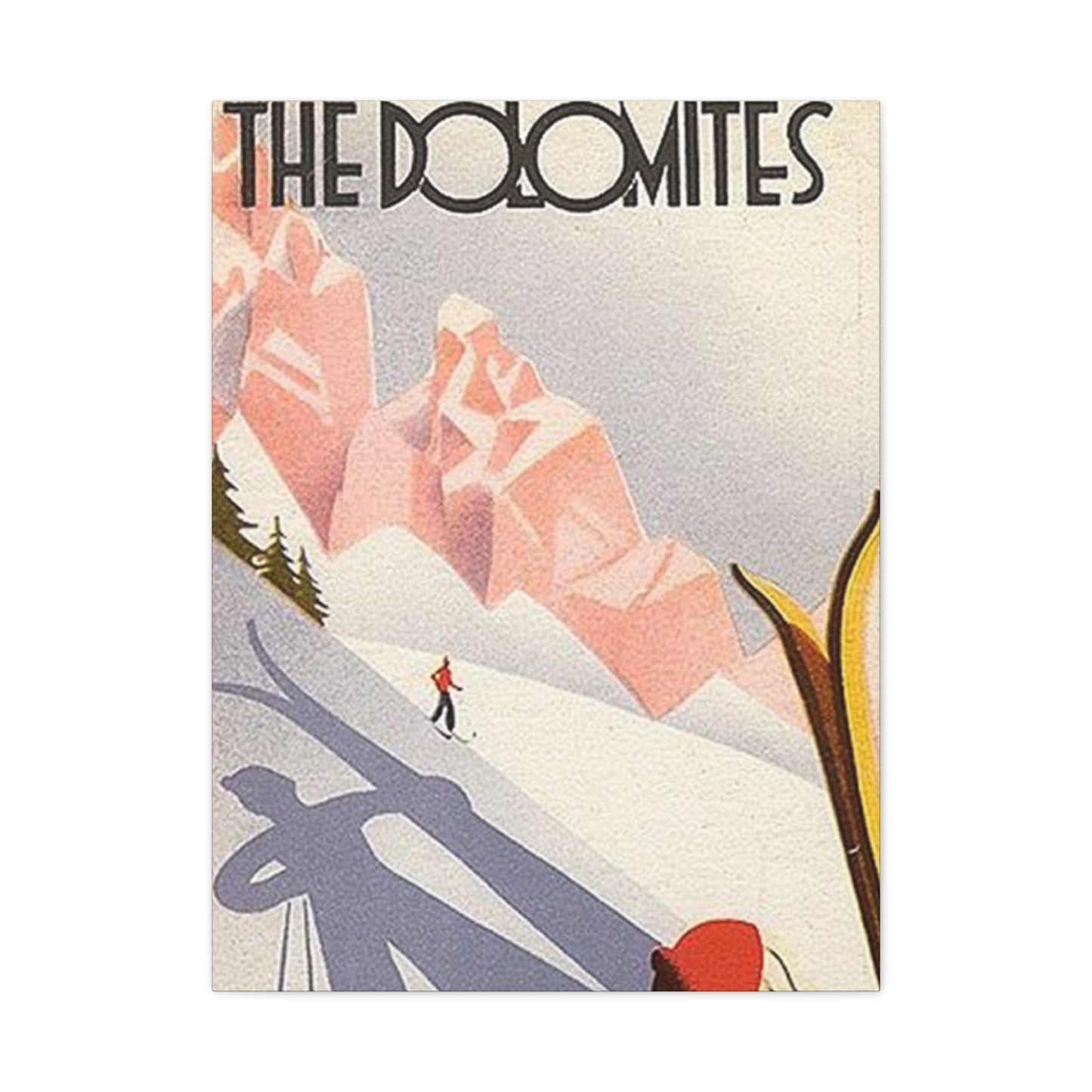
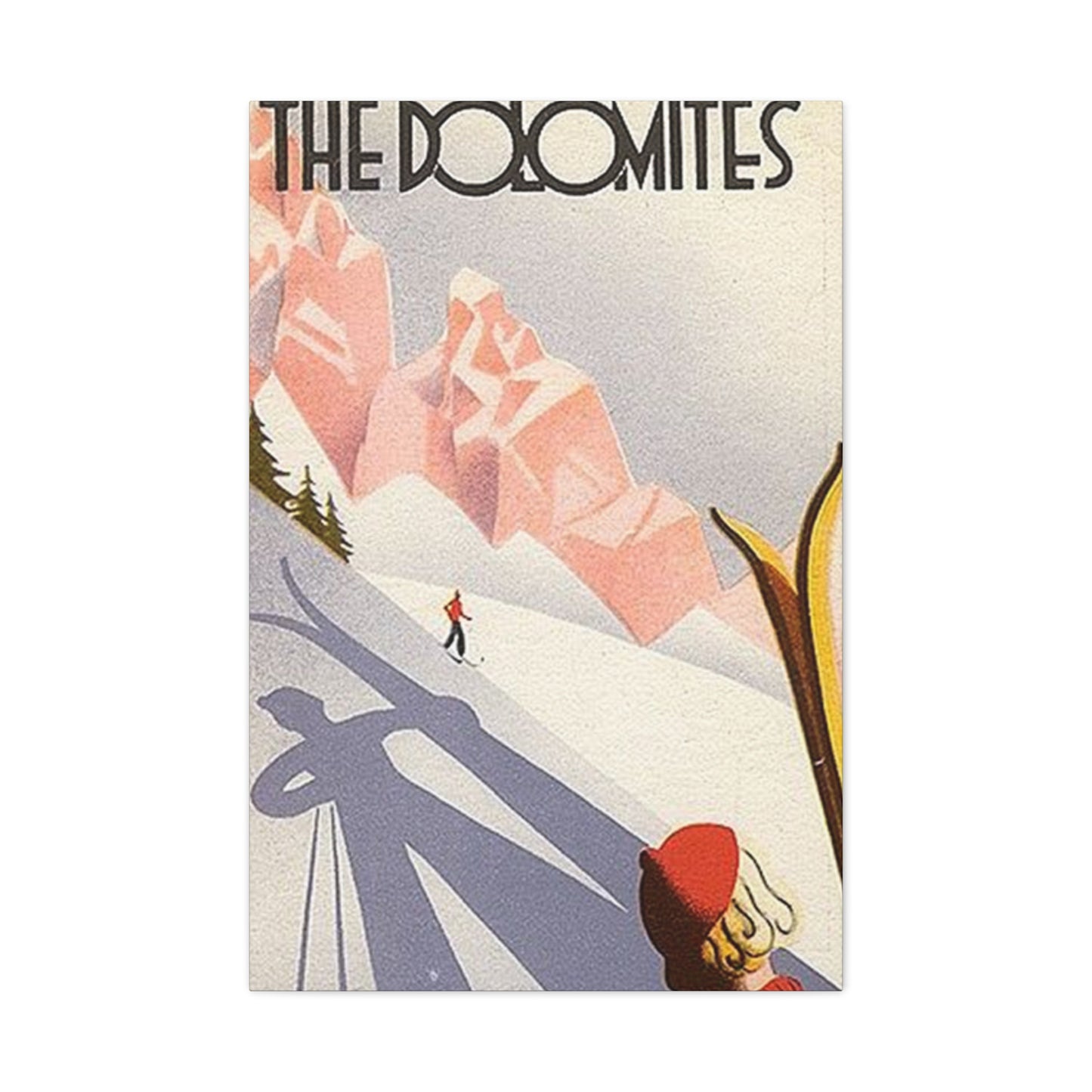
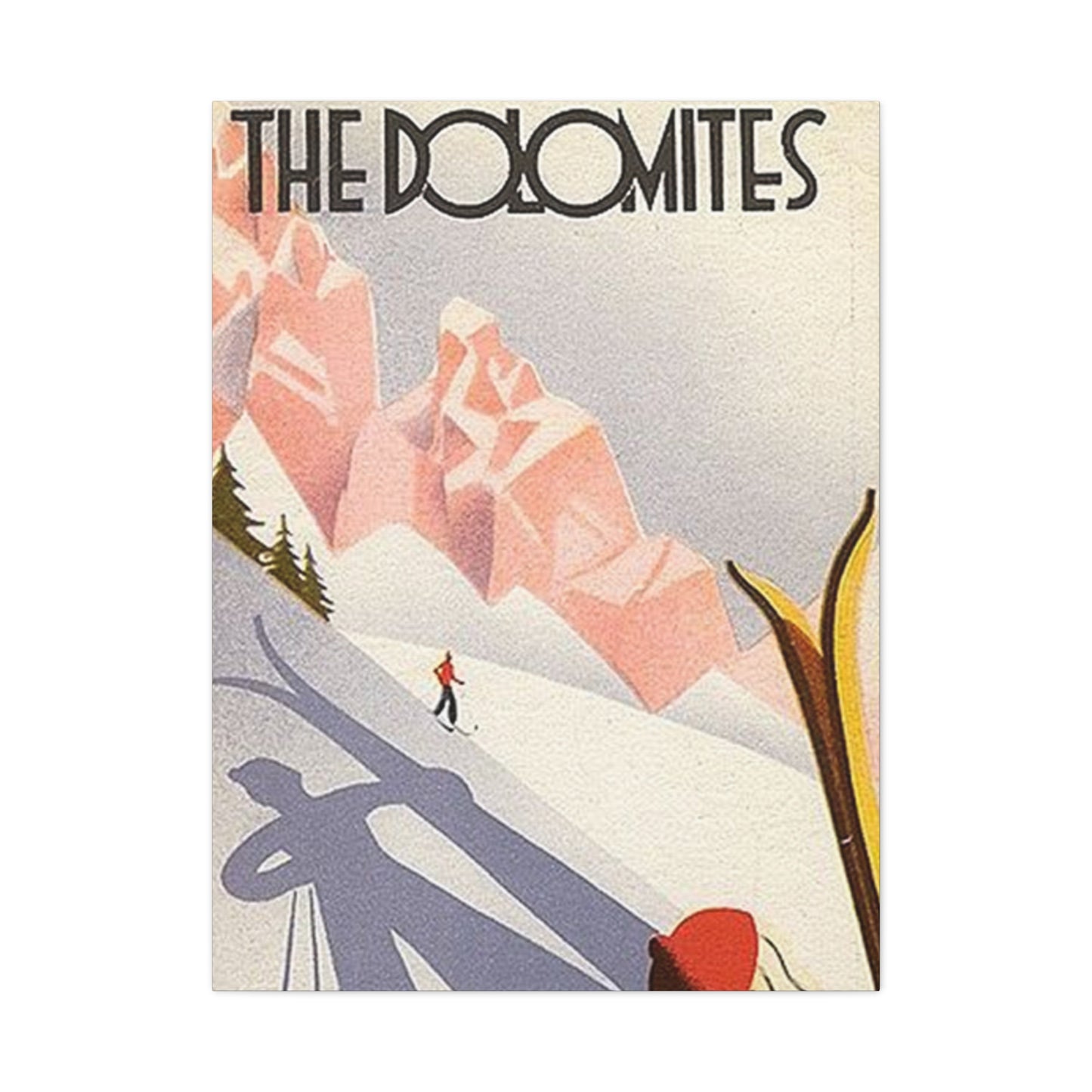
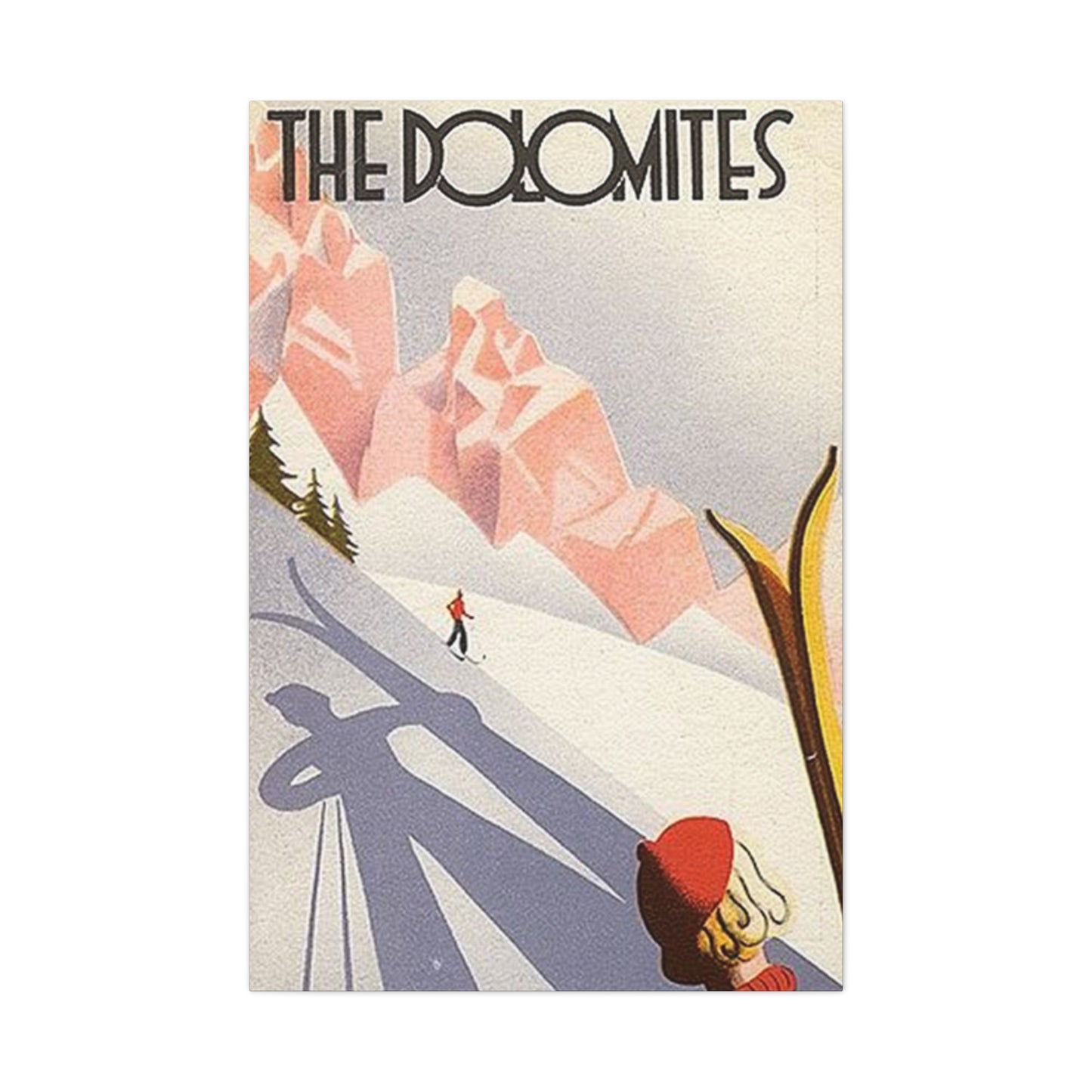
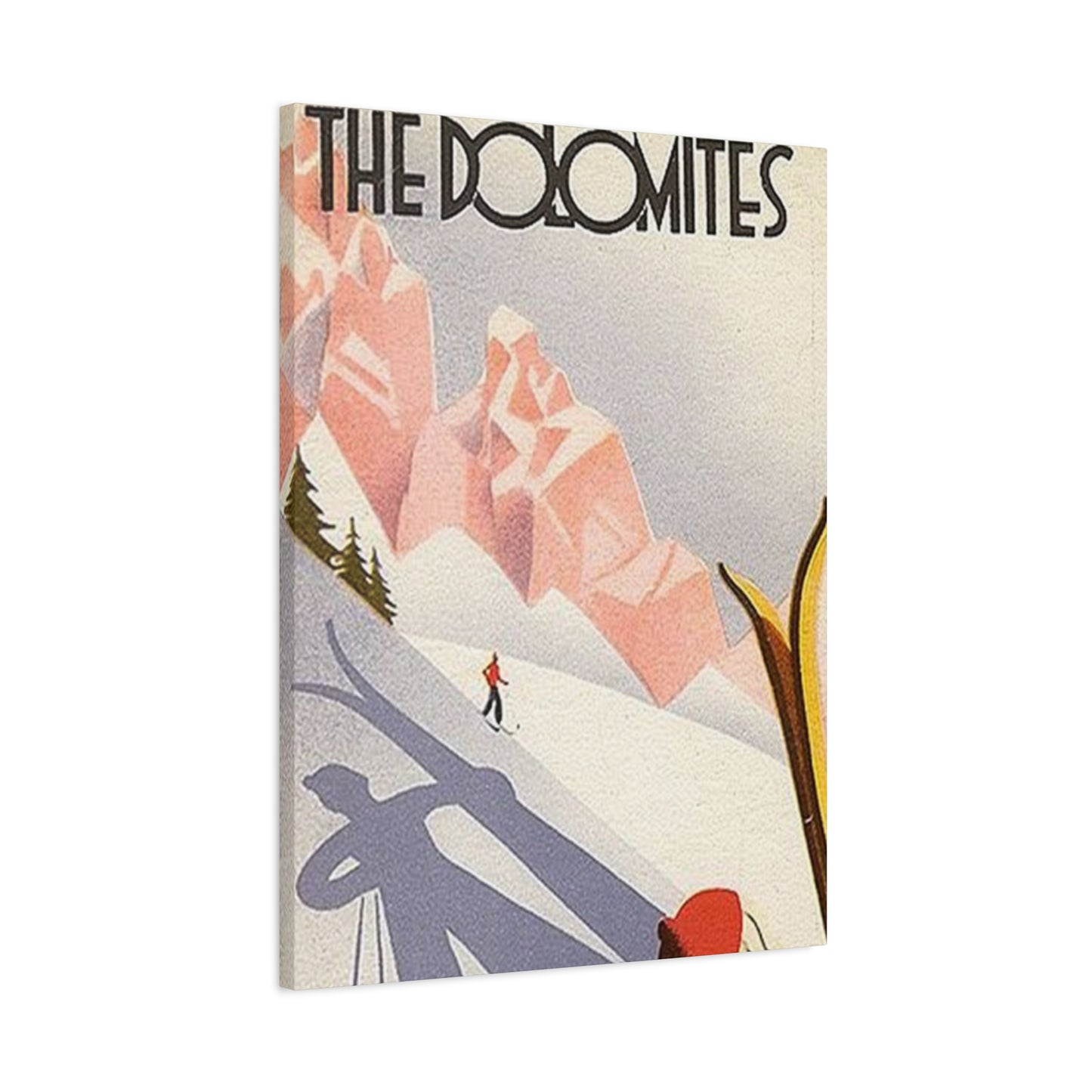
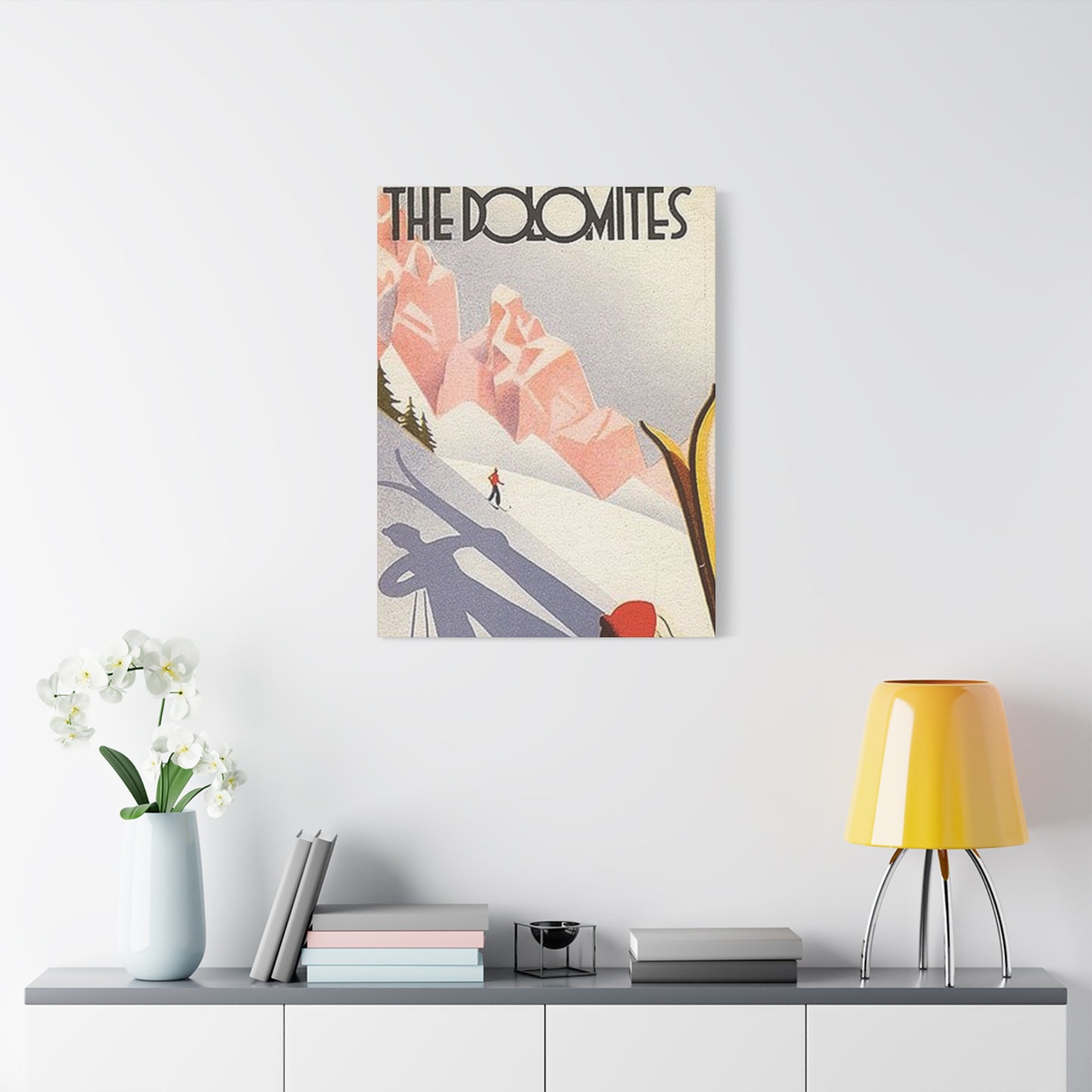
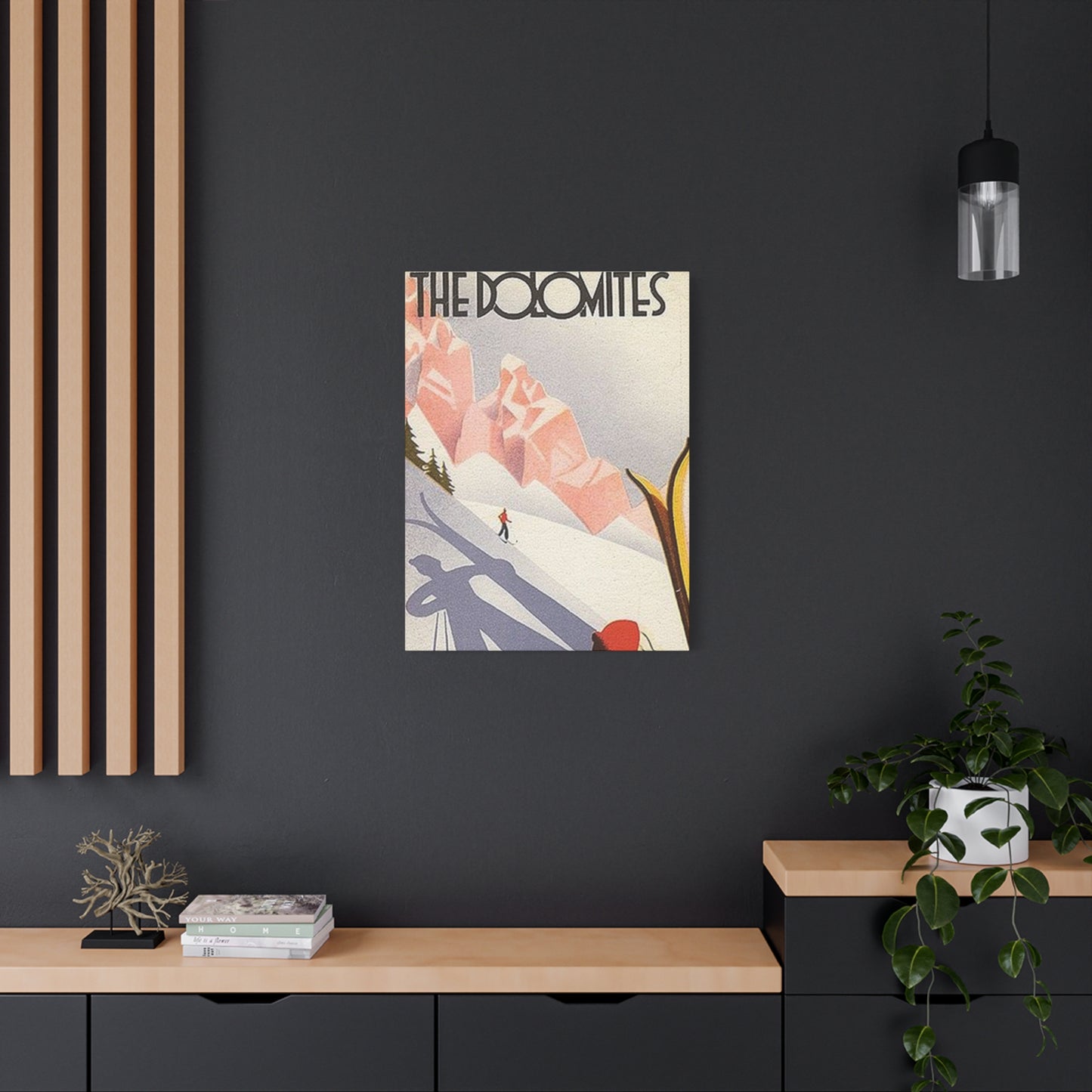
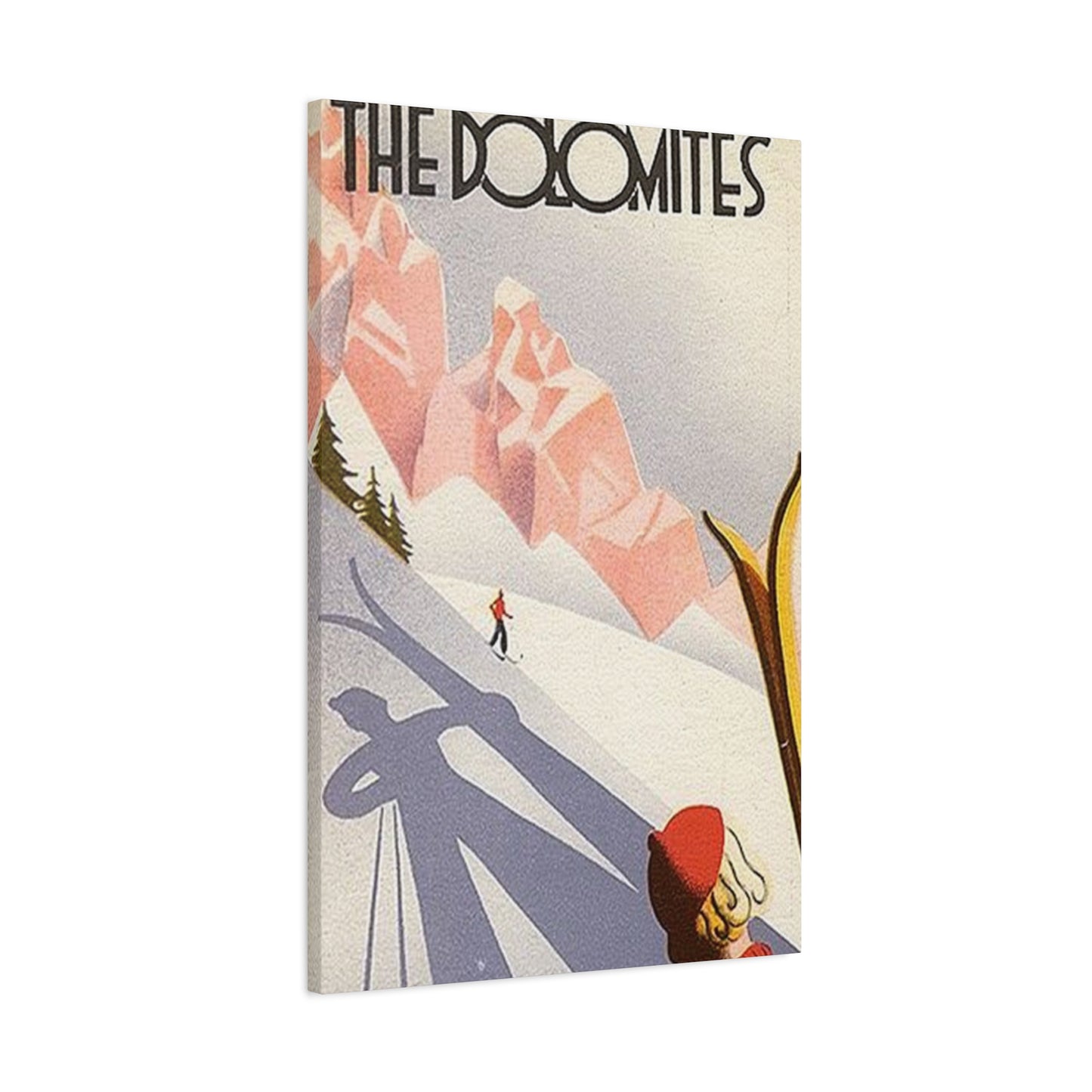
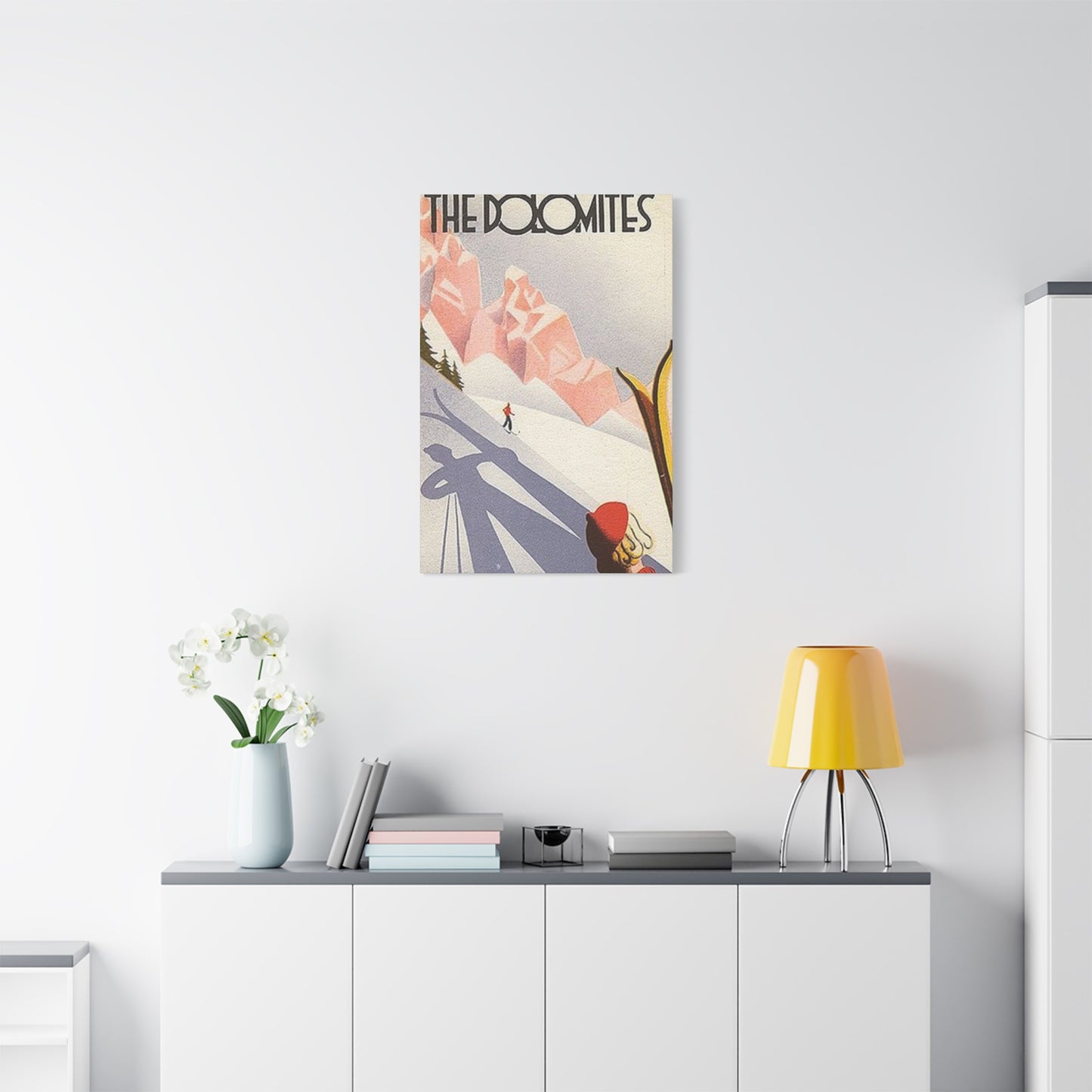
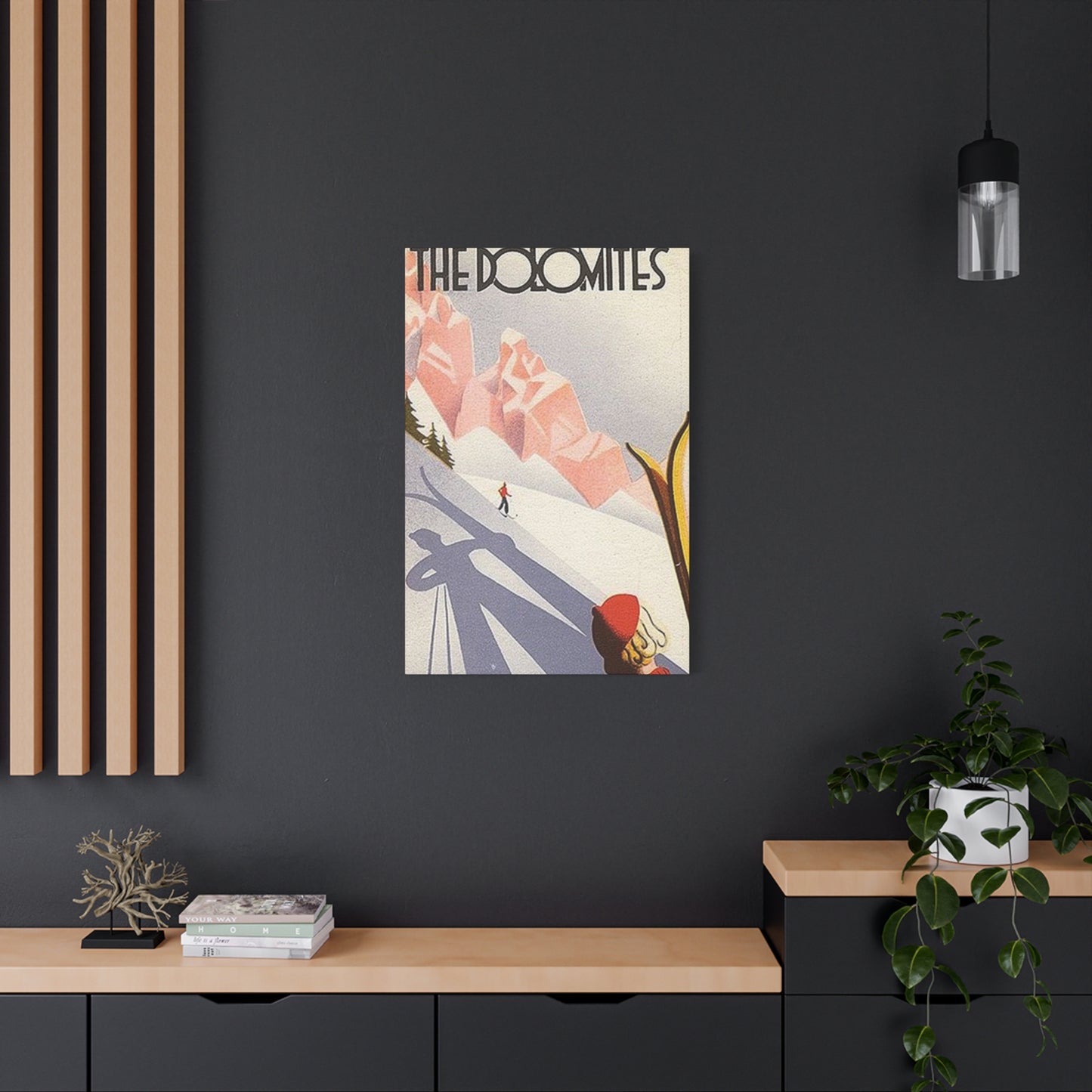
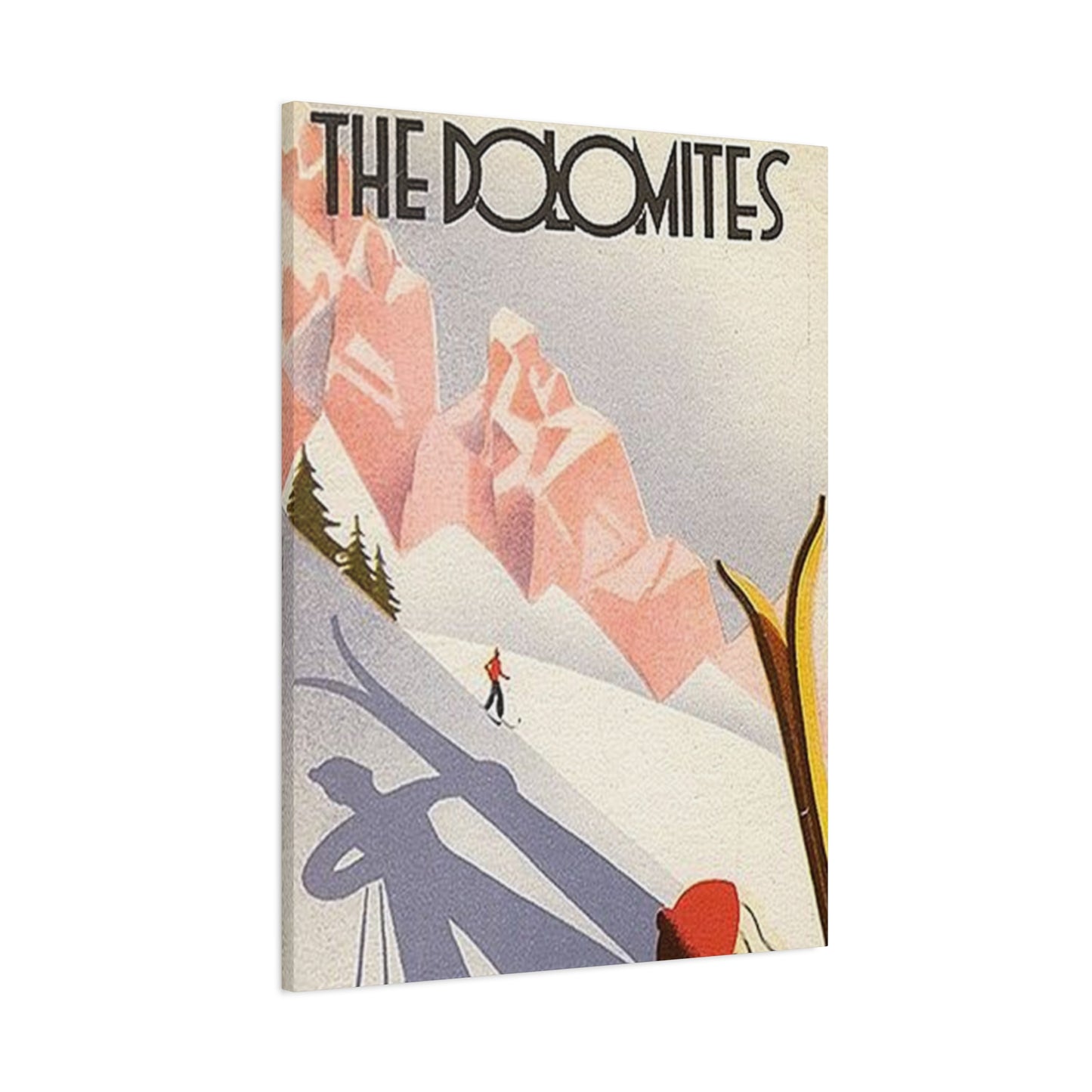
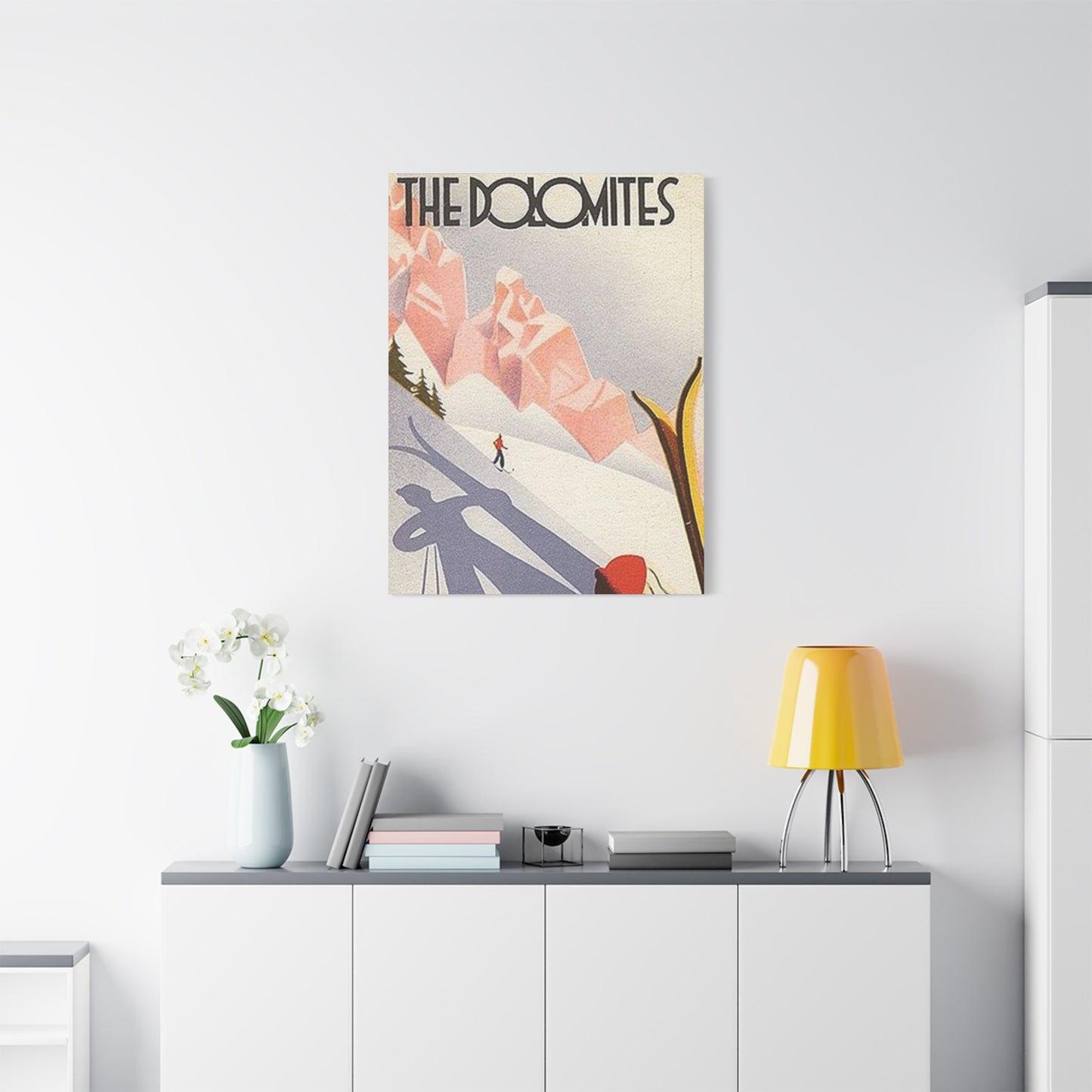
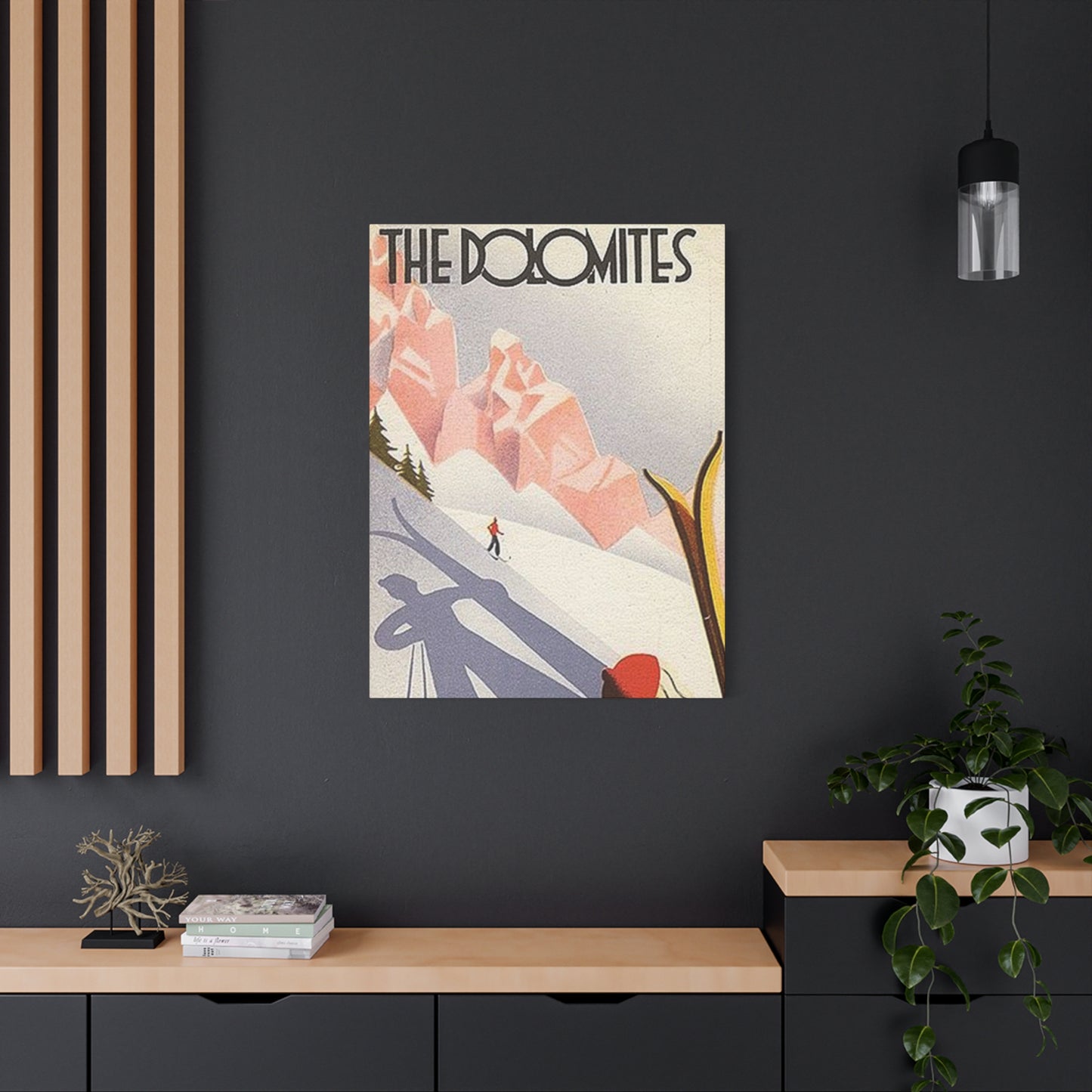
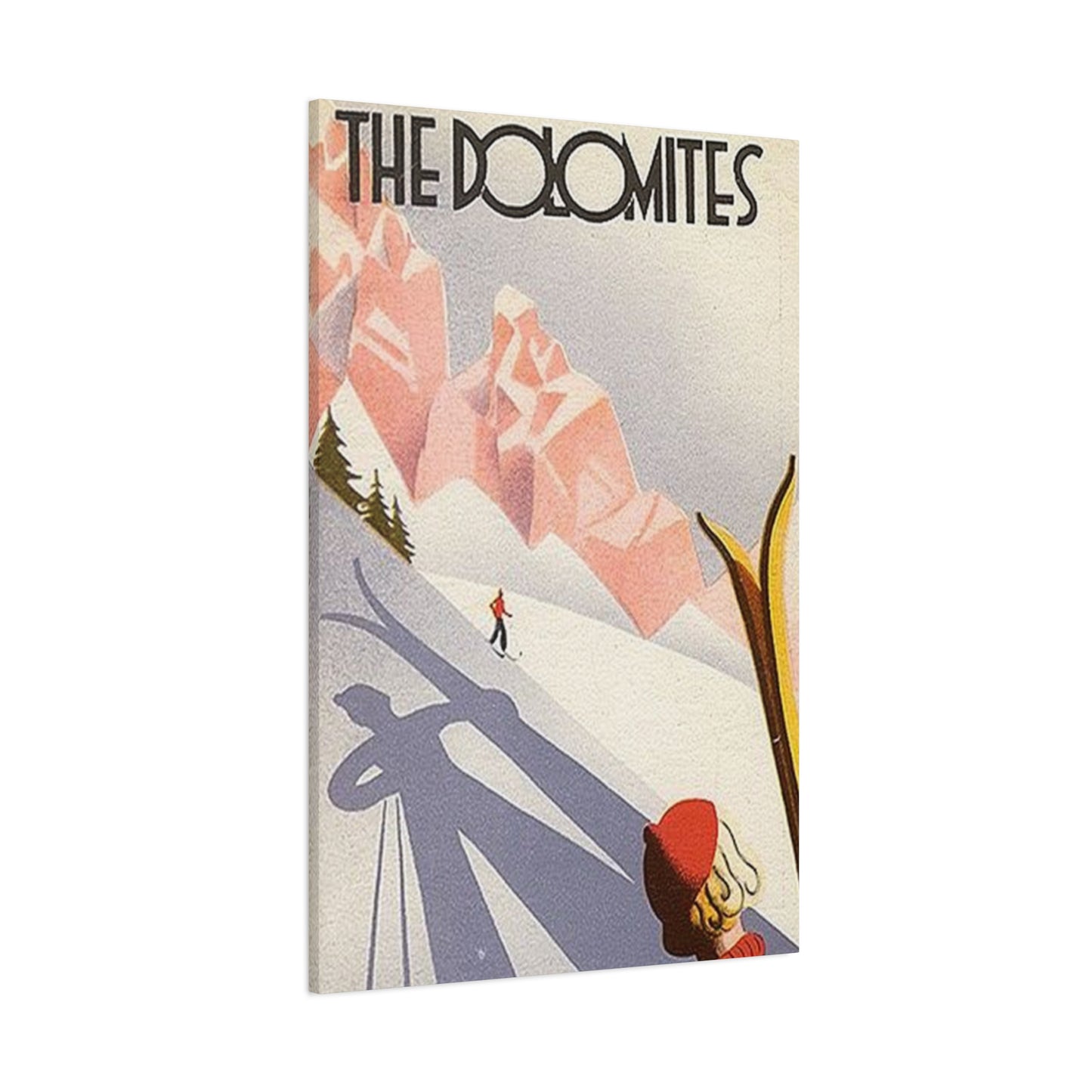
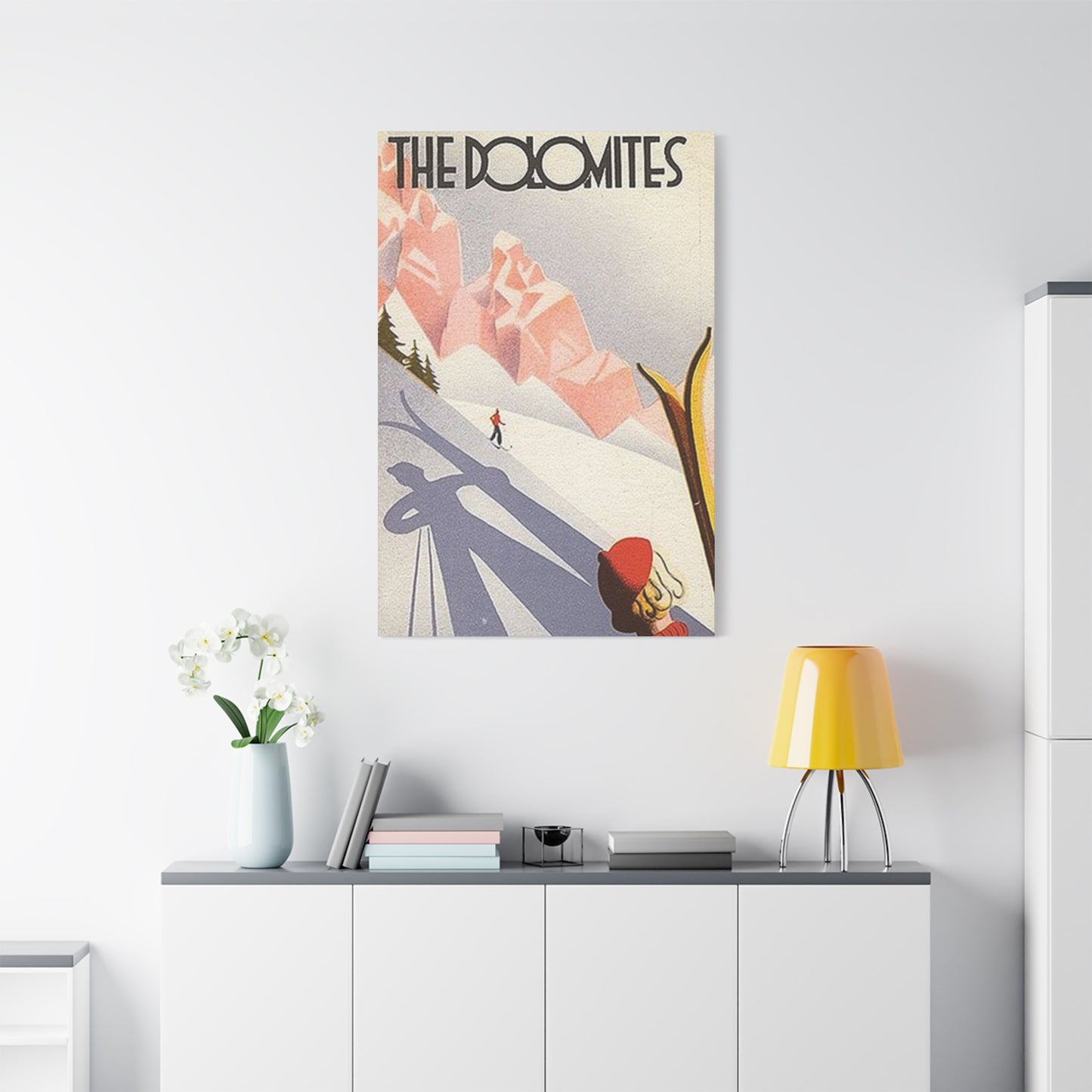
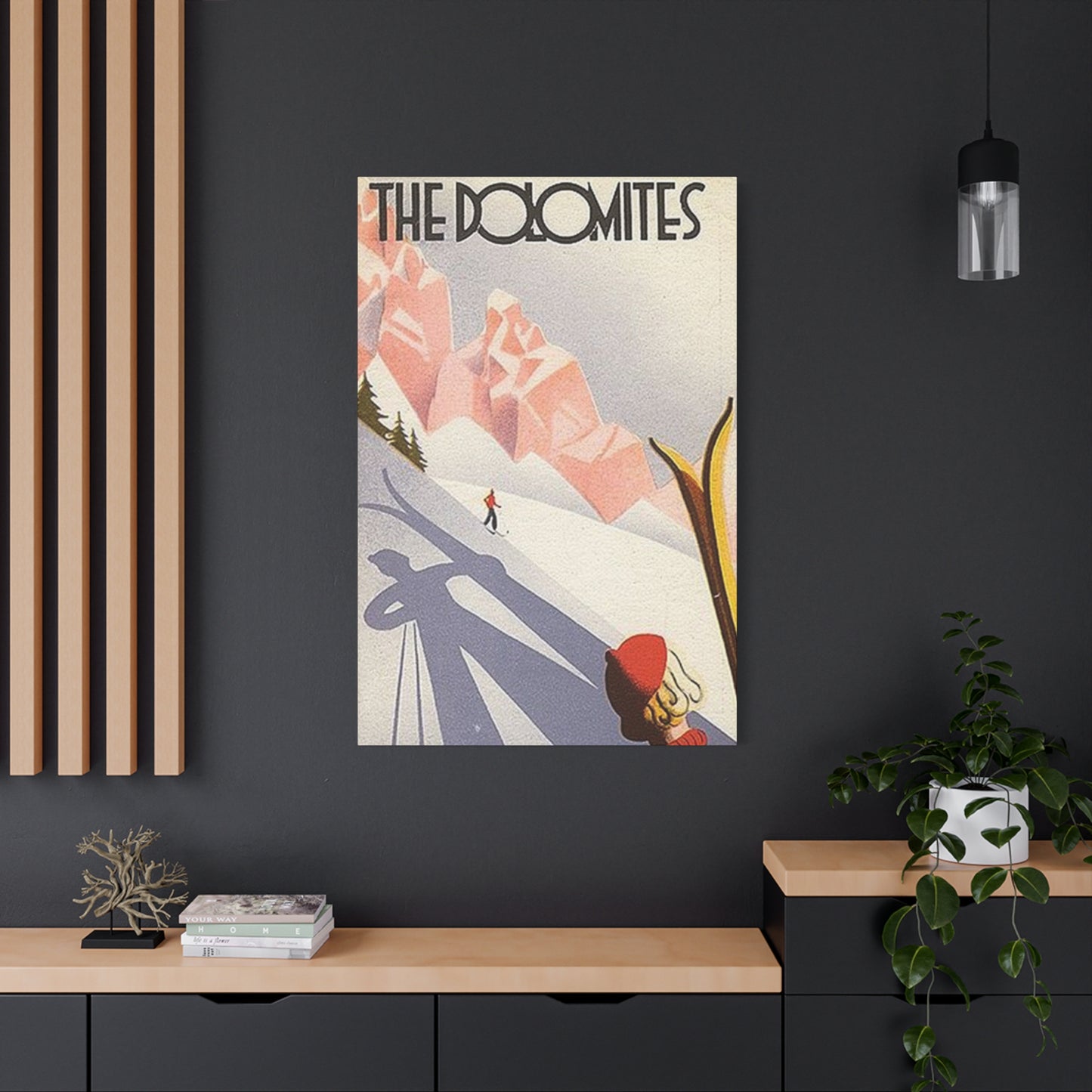
Dolomites Alpine Skiing Poster Wall Art: A Visual Journey Through One of Europe’s Most Majestic Ski Destinations
The majestic Italian Alps have captivated winter sports enthusiasts and art collectors for generations, offering some of the most breathtaking mountain landscapes on Earth. When you combine the exhilarating world of alpine skiing with the dramatic peaks of this UNESCO World Heritage region, you create something truly extraordinary for your living space. Decorative pieces featuring downhill action against towering limestone formations provide an unparalleled way to celebrate your passion for mountain culture while enhancing your home's aesthetic appeal.
Elevate Your Interior Design with Alpine Adventure Imagery
Interior spaces often lack the dynamic energy that comes from outdoor pursuits and natural grandeur. Wall decorations depicting skiers carving through pristine powder beneath jagged peaks solve this problem by introducing movement, excitement, and natural beauty into otherwise static environments. These artistic representations don't simply fill empty wall space—they transport viewers to high-altitude environments where crisp mountain air meets adrenaline-pumping descents.
The visual impact of such artwork extends beyond mere decoration. When guests enter a room adorned with imagery of athletes navigating challenging terrain beneath dramatic rock formations, they immediately sense the homeowner's appreciation for adventure, athleticism, and natural splendor. This type of decor makes a statement about values, interests, and lifestyle choices without requiring a single word of explanation.
Quality reproductions of alpine scenes offer versatility that few other decorative themes can match. Whether your interior follows modern minimalist principles, rustic cabin aesthetics, contemporary urban design, or traditional European styling, representations of mountain sports integrate seamlessly. The natural color palette of snow-covered slopes, evergreen forests, and gray limestone cliffs complements virtually any existing color scheme while adding visual interest and depth.
Mountain Imagery Creates Atmospheric Depth in Any Room
One of the most compelling reasons to incorporate alpine sporting scenes into your decor involves the atmospheric quality these pieces bring to interior environments. Unlike flat, two-dimensional artwork that simply occupies wall space, imagery featuring vast mountain ranges and expansive slopes creates an illusion of depth that makes rooms feel larger and more open.
The layered composition typical of mountain landscapes—foreground action, middle-ground slopes, and distant peaks—naturally draws the eye through multiple focal points. This visual journey prevents the monotony that can develop in spaces with limited decorative elements. When positioned strategically, a large-format piece depicting downhill action can become the anchor point for an entire room's design scheme.
Lighting plays a crucial role in maximizing the impact of such decorative pieces. Natural light from windows enhances the bright whites of snow and the subtle color variations in rock faces, while evening artificial lighting can create dramatic shadows that emphasize the three-dimensional quality of mountain terrain. This dynamic relationship between artwork and illumination means the piece offers different visual experiences throughout the day.
The psychological effect of mountain imagery shouldn't be underestimated. Research in environmental psychology consistently demonstrates that representations of natural landscapes reduce stress, lower blood pressure, and promote feelings of well-being. When that natural scenery includes the excitement of athletic achievement, viewers experience an additional boost in motivation and positive energy.
Capturing the Essence of European Alpine Culture
The Italian mountain region known for its distinctive pale limestone peaks represents more than just spectacular geology—it embodies centuries of alpine tradition, mountain culture, and winter sports heritage. Decorative pieces featuring this location tap into this rich cultural narrative, connecting your living space to a storied tradition of mountaineering, skiing excellence, and appreciation for high-altitude environments.
This particular mountain range has hosted numerous international competitions, served as a filming location for countless adventure documentaries, and inspired generations of artists, photographers, and outdoor enthusiasts. When you display imagery from this region, you're not simply showing a pretty picture—you're referencing an entire cultural ecosystem built around mountains, sports, and human interaction with challenging natural environments.
The architectural style visible in many authentic representations of this area adds another layer of cultural authenticity. Traditional mountain lodges, historic cable car stations, and charming alpine villages often appear in the background of action shots, providing context that grounds the athletic activity within a specific place and time. This geographical specificity gives the artwork narrative depth that generic mountain scenes cannot match.
For individuals who have visited this region personally, such decorative pieces serve as powerful memory triggers. The sight of familiar peak formations or recognizable ski runs can instantly transport viewers back to their own experiences on those slopes, complete with sensory memories of cold air, the sound of skis on snow, and the satisfaction of a perfectly executed turn. This personal connection transforms ordinary wall decoration into something far more meaningful.
Canvas Reproductions Offer Superior Visual Quality
Among the various formats available for mountain sports imagery, canvas reproductions stand out for their ability to convey texture, depth, and artistic authenticity. Unlike standard paper prints that can appear flat and lifeless, properly produced canvas versions capture the dimensional quality of the original photograph or painting, creating a more engaging viewing experience.
The fabric texture of canvas adds subtle visual interest that complements the subject matter perfectly. The slight irregularity of the woven surface catches light differently across its expanse, creating micro-variations in tone and brightness that give the piece a living, breathing quality. This textural element proves especially effective when depicting snow, which in reality contains countless subtle variations in surface texture and reflectivity.
Canvas also offers practical advantages for long-term display. The material resists warping and bending better than paper, maintaining its shape and tension over years of display. It handles humidity fluctuations more gracefully than rigid materials, making it suitable for various indoor environments including kitchens and bathrooms where moisture levels vary. The durability of canvas means your investment continues looking pristine long after paper prints would show signs of age.
Gallery-wrapped canvas, where the image extends around the edges of the stretcher frame, creates a three-dimensional object rather than a flat picture. This presentation style eliminates the need for traditional framing, reducing costs while creating a contemporary aesthetic that works particularly well in modern interiors. The resulting piece appears more like an original work of art than a reproduction, elevating the perceived value and sophistication of your decor.
Poster Formats Provide Affordable Accessibility
While canvas offers premium quality, poster-style reproductions make alpine imagery accessible to broader audiences and varied budgetary considerations. These formats deliver impressive visual impact at lower price points, allowing you to experiment with different compositions, sizes, and placements without significant financial commitment.
The versatility of poster presentations allows for creative arrangement strategies. Multiple smaller pieces can be grouped to create a gallery wall that tells a comprehensive story about mountain sports and alpine environments. This approach lets you showcase different aspects of the activity—close-up action shots, wide landscape vistas, atmospheric weather conditions, and intimate moments of reflection between runs—within a cohesive display.
Poster formats also facilitate seasonal rotation of decorative elements. You might display winter sports imagery during cold months, then swap in summer hiking or climbing scenes when weather warms. This flexibility keeps your interior environment fresh and responsive to changing seasons, preventing the visual staleness that develops when the same decorative elements remain unchanged year after year.
Framing options for poster presentations range from simple and economical to elaborate and luxurious. Basic frames provide clean borders that define the artwork's boundaries, while premium options with matting, specialized glass, and custom molding can elevate even an inexpensive print to gallery-quality presentation. This scalability means you can start simple and upgrade your presentation over time as budget allows.
Color Palettes That Enhance Living Spaces
The natural color schemes found in alpine winter sports imagery offer remarkable compatibility with interior design principles. The dominance of white and pale gray creates a neutral foundation that works with virtually any existing decor, while accent colors from skier clothing, equipment, and atmospheric elements provide controlled pops of visual interest.
The cool color temperature of snowy mountain scenes brings a refreshing quality to warm-toned interiors, creating pleasing contrast that prevents rooms from feeling too monotone. Conversely, in spaces dominated by cool grays and blues, the same imagery reinforces the color story while adding texture and subject matter that prevents the space from feeling cold or unwelcoming.
Sunrise and sunset scenes from mountain environments introduce warm golden and pink tones that add emotional resonance to the imagery. These warmer alpine pieces work beautifully in bedrooms, living rooms, and other spaces where you want to create inviting, comfortable atmospheres. The combination of dramatic natural lighting with athletic achievement creates imagery that feels both peaceful and energizing—a rare and valuable combination.
The relationship between figure and ground in these compositions deserves special attention. The small scale of human figures against vast mountain landscapes creates a sense of perspective that reminds viewers of nature's grandeur. This visual relationship can make rooms feel more spacious by introducing the concept of distant horizons and open space, counteracting the claustrophobic feeling that sometimes develops in smaller or densely furnished rooms.
Action Photography Brings Dynamic Energy
Static landscape photography certainly has its place in interior decoration, but images capturing athletes in motion introduce an entirely different energy level. The frozen moment of a skier mid-turn, with snow spraying dramatically and the body positioned in perfect athletic form, creates visual tension and excitement that passive scenes cannot match.
This dynamic quality makes action-focused pieces particularly effective in spaces where you want to inspire activity, motivation, or energetic thinking. Home gyms, offices, and creative workspaces benefit enormously from imagery that suggests movement, achievement, and peak performance. The subliminal message of such artwork—that challenges can be met and overcome with skill and determination—provides daily encouragement toward your own goals.
The technical excellence required to capture split-second moments of athletic performance adds another layer of appreciation for viewers who understand photography. The positioning, timing, and technical settings necessary to freeze a skier mid-flight or capture the precise moment of snow spray represent significant skill and often considerable risk on the photographer's part. This knowledge transforms the image from simple decoration into evidence of artistic and technical mastery.
Compositional elements in action photography differ substantially from those in static landscape work. Diagonal lines suggesting speed and motion, strategic use of blur to convey velocity, and careful positioning of the subject within the frame all contribute to the sense of dynamic movement. These compositional choices create visual paths that guide the viewer's eye through the image, making the artwork engaging for repeated viewing rather than something that becomes invisible through familiarity.
Seasonal Atmosphere for Year-Round Appeal
One might assume that winter sports imagery works only during cold months, but properly selected pieces maintain relevance and appeal throughout the calendar year. The key lies in choosing representations that emphasize timeless athletic achievement and natural beauty rather than seasonal specificity.
During warm months, alpine imagery serves as a refreshing reminder of cooler climates and different seasons. In hot summer weather, the sight of snow-covered peaks and skiers bundled in warm clothing can provide psychological relief from heat. This counter-seasonal effect makes mountain winter sports artwork particularly valuable in warmer climates where residents may crave visual connections to environments drastically different from their daily reality.
The aspirational quality of such imagery transcends seasons. Athletes preparing for upcoming winter seasons find motivation in year-round exposure to images of peak performance in their sport. For recreational enthusiasts, off-season displays of mountain activities maintain enthusiasm during months when actual participation isn't possible, serving as a constant reminder of future adventures to anticipate.
Interior designers increasingly recognize that seasonal decoration rotation, while enjoyable, isn't necessary for successful design. Pieces that work year-round reduce the storage requirements and effort involved in regularly changing decorative elements. Alpine sports imagery featuring dramatic lighting, strong composition, and universal themes of human achievement against natural challenges maintains visual interest regardless of the current date on the calendar.
Size Considerations for Maximum Visual Impact
Selecting appropriate dimensions for mountain sports artwork requires careful consideration of available wall space, viewing distance, and desired visual weight within the room. An undersized piece on a large wall appears tentative and fails to command attention, while an oversized image in a small space can feel overwhelming and claustrophobic.
For prominent placement in living rooms, dining areas, or master bedrooms, large-format pieces measuring four feet wide or more create the dramatic impact that these spaces can accommodate. The substantial size allows viewers to appreciate fine details—individual snowflakes, texture in clothing fabrics, subtle variations in mountain rock faces—that smaller reproductions cannot adequately convey.
Medium-sized pieces ranging from two to four feet work beautifully in secondary spaces like hallways, guest bedrooms, and home offices. These dimensions provide sufficient presence to anchor a wall or furniture grouping without dominating the space. The moderate size also makes it easier to create groupings of multiple related pieces, allowing you to develop thematic collections that tell a broader story about mountain culture and winter sports.
Smaller accent pieces, while less dramatic individually, serve important roles in completing decorative schemes. A series of small mountain sports images can flank doorways, fill awkward narrow wall segments, or provide visual interest in spaces like powder rooms and closets that don't warrant large-scale artwork. These smaller pieces also work well in children's rooms, where appropriately sized imagery creates inviting environments without overwhelming developing aesthetic sensibilities.
Material Quality Affects Longevity and Appearance
The substrate on which mountain imagery is reproduced significantly impacts both immediate visual quality and long-term durability. Budget-conscious consumers often focus solely on the image itself, overlooking how material choices affect the artwork's appearance over time and in various lighting conditions.
Premium canvas materials feature tight, uniform weaves that reproduce fine details with exceptional clarity. The consistency of high-quality fabric ensures that printer inks distribute evenly without pooling or streaking, resulting in accurate color representation and sharp detail rendering. Cheaper canvas options with looser weaves and inconsistent texture can create visible patterns that interfere with image clarity, particularly in areas of solid color or subtle gradation.
The coating applied to canvas before printing plays a crucial role in color vibrancy and protective qualities. Professional-grade coatings create receptive surfaces that allow inks to bond effectively while providing resistance to moisture, UV radiation, and atmospheric contaminants. Uncoated or poorly coated materials may initially appear satisfactory but can experience rapid fading, yellowing, or other deterioration when exposed to normal indoor conditions.
For poster presentations, paper weight and finish dramatically affect perceived quality and durability. Heavyweight papers resist curling, handle framing stress better, and convey substance that lightweight options cannot match. The finish—glossy, matte, or semi-gloss—influences how the piece appears under various lighting conditions and affects glare considerations in spaces with large windows or bright artificial lighting.
Framing Options Enhance Presentation Value
The boundary between artwork and wall space plays a crucial role in how viewers perceive and appreciate decorative pieces. Framing choices range from minimalist approaches that barely interrupt the visual flow between image and environment to elaborate presentations that clearly define the artwork as a precious object worthy of special attention.
Floating frames, which create a small gap between the edge of the artwork and the frame itself, provide a contemporary aesthetic that works particularly well with modern interiors. This presentation style adds dimensional depth and creates interesting shadow effects that change with lighting conditions throughout the day. The floating effect also emphasizes the artwork as a three-dimensional object rather than a flat surface decoration.
Traditional frames with matting offer opportunities to incorporate additional colors and textures that complement both the artwork and surrounding decor. The neutral zone created by matting separates the busy visual information in the image from competing patterns or colors on adjacent walls, allowing viewers to focus entirely on the mountain sports content. Multiple mat layers can create sophisticated presentations suitable for formal spaces.
For those preferring minimal intervention between viewer and image, frameless presentations like edge-mounted acrylic blocks or simple gallery wrapping let the artwork speak for itself without decorative mediation. This approach suits contemporary and minimalist interiors where unnecessary embellishment would conflict with the overall design philosophy. The absence of framing also creates opportunities for creative installations like corner wrapping or edge-to-edge arrangements of multiple pieces.
Geographic Authenticity Adds Cultural Depth
The specific mountain range featured in your chosen artwork carries cultural and historical significance that generic alpine imagery cannot replicate. This particular Italian region's distinctive pale gray and white limestone peaks make it instantly recognizable to anyone familiar with European mountain culture, adding a layer of geographic specificity that enriches the viewing experience.
The region's reputation as a world-class destination for winter sports lends credibility and aspirational quality to imagery captured there. When viewers recognize the location, they associate your artwork with excellence, adventure, and the pursuit of peak experiences. This implicit endorsement elevates the perceived value of your decorative choice beyond mere aesthetics into the realm of cultural literacy and appreciation for renowned destinations.
The unique geology of these mountains creates dramatic visual contrasts that photographers and artists have celebrated for decades. The vertical rock faces, sharp ridges, and distinctive coloration provide instantly recognizable backgrounds that distinguish these images from generic mountain scenes. This visual signature ensures that your artwork feels specific and intentional rather than generic or interchangeable.
For individuals planning future travel to this region, displaying such imagery serves as daily inspiration and a reminder of upcoming adventures. The artwork functions as a vision board element, keeping travel goals visible and maintaining enthusiasm during the planning and anticipation phases. After the trip, the same pieces become memory triggers that preserve and celebrate the experiences you had in these magnificent mountains.
Creating Cohesive Thematic Collections
While a single striking piece of mountain sports artwork makes an impact, developing a collection of related images allows for more sophisticated decorative statements. Thematic consistency across multiple pieces creates visual harmony while providing enough variety to maintain interest and tell a more complete story about alpine culture.
One effective approach involves collecting pieces that represent different aspects of the mountain sports experience. Combine wide landscape shots establishing the grandeur of the environment with closer action photographs capturing athletic performance, intimate moments of equipment preparation, or après-ski relaxation. This variety provides comprehensive coverage of the mountain lifestyle rather than focusing exclusively on the athletic component.
Color coordination across a collection need not mean identical palettes in every piece. Instead, look for complementary color relationships—perhaps one image featuring dramatic sunset lighting, another showing bright midday sun, and a third capturing the blue tones of dawn or dusk. These variations create visual interest while maintaining thematic unity through shared subject matter and location.
Scale variation within a collection adds dynamic interest to gallery wall arrangements. A large focal piece anchors the display, while smaller surrounding images provide supporting detail and context. This hierarchical arrangement guides viewers through the collection, ensuring they appreciate the primary piece before exploring the nuances of smaller complementary works.
Placement Strategies for Optimal Viewing
The location where you display mountain sports artwork significantly affects how effectively the piece enhances your space and engages viewers. Thoughtful placement considers sightlines, lighting conditions, furniture arrangements, and the artwork's relationship to other decorative elements in the room.
The most common mistake in artwork placement involves hanging pieces too high on the wall. Professional designers typically recommend positioning artwork so the center of the piece aligns approximately with average eye level, generally around 57 to 60 inches from the floor. This positioning ensures comfortable viewing without requiring viewers to crane their necks upward, creating more intimate and engaging relationships between artwork and audience.
Lighting deserves special attention when placing artwork featuring snow and mountain subjects. Avoid positions where windows create glare on the surface during certain times of day, as this obscures the image and creates frustrating viewing conditions. Conversely, some natural light enhances the brightness of snow and the subtle color variations in mountain terrain, so proximity to windows isn't inherently problematic—it simply requires consideration of glare angles.
The relationship between furniture and artwork creates important compositional opportunities. Placing a horizontal mountain scene above a sofa creates a natural visual grouping where the furniture's lines complement the artwork's format. In dining areas, imagery positioned to be viewed during meals becomes part of the dining experience, potentially sparking conversations about travel, athletics, or outdoor recreation.
Psychological Benefits of Nature-Inspired Decor
The mental health advantages of incorporating natural imagery into living spaces have been extensively documented by environmental psychologists and interior design researchers. Representations of outdoor environments trigger physiological responses similar to those experienced in actual natural settings, including reduced stress hormones, lowered blood pressure, and improved mood.
Mountain imagery specifically offers benefits beyond generic nature scenes. The combination of grandeur, challenge, and beauty inherent in alpine environments inspires feelings of awe—an emotional state associated with increased life satisfaction, enhanced creativity, and broader perspective on personal concerns. Regular exposure to awe-inspiring imagery can contribute to improved mental health and more balanced emotional states.
The aspirational quality of athletic achievement depicted in skiing scenes provides motivational benefits that passive landscape photography cannot match. Seeing representations of human beings successfully navigating challenging terrain reminds viewers that obstacles can be overcome with skill, preparation, and determination. This subliminal messaging supports goal-oriented thinking and persistence when facing difficulties.
For individuals with limited mobility or those who cannot regularly access mountain environments due to geographic or financial constraints, such artwork provides a form of virtual connection to places and activities they value. This psychological access to beloved environments helps maintain identity and values even when circumstances prevent physical participation, contributing to overall well-being and life satisfaction.
Seasonal Light Variations Affect Visual Experience
The appearance of mountain sports artwork changes substantially throughout the day as natural and artificial light sources shift in intensity, angle, and color temperature. These variations mean the same piece offers different visual experiences depending on when you view it, adding temporal depth to your decorative investment.
Morning light, with its cooler color temperature and lower angle, emphasizes the crisp quality of snow and enhances the three-dimensional appearance of rock formations. The directional quality of early daylight creates shadows that accentuate texture in both the artwork's surface and the subjects depicted within the image. This time of day often presents the artwork in its most dramatic and sculptural form.
Midday illumination tends to be brighter and more neutral in color temperature, revealing fine details and subtle color variations that dimmer lighting might obscure. The direct quality of overhead light flattens some dimensional elements while making the image appear cleaner and more vibrant. This lighting situation works particularly well for pieces featuring bright snow and clear skies.
Evening artificial lighting introduces warmer tones that can fundamentally alter the emotional quality of mountain imagery. The golden cast of incandescent bulbs or warm LED lighting adds a cozy feeling to scenes that might appear stark or cold under cool daylight. Strategic placement of directed lighting—track lights, picture lights, or nearby lamps—allows you to control how the piece appears during evening hours when you're most likely to be home and viewing it.
Matching Artwork to Interior Design Styles
Different decorative approaches require different considerations when selecting mountain sports imagery. Understanding how alpine themes integrate with various design philosophies helps ensure your artwork enhances rather than conflicts with existing aesthetic choices.
Contemporary and modern interiors benefit from clean, minimalist presentations of mountain subjects. Look for images with strong compositional elements, uncluttered backgrounds, and bold contrasts between subject and environment. The artwork should feature clear focal points and straightforward presentations rather than busy compositions with competing visual elements. Frameless or simple frame presentations work best in these contexts.
Traditional and classic interiors accommodate mountain imagery through more elaborate framing and careful attention to how the artwork relates to existing furniture and architectural details. In these settings, the rustic elements inherent in mountain subjects should be balanced with refined presentation choices. Consider ornate frames, multiple mat layers, and careful color coordination with existing textiles and finishes.
Rustic and cabin-style interiors represent the natural home for mountain sports artwork, where the thematic alignment between decor style and subject matter creates seamless integration. In these spaces, you have freedom to emphasize the rougher, more adventurous aspects of alpine culture. Weathered wood frames, reclaimed materials, and deliberately casual presentation styles all work effectively.
Scandinavian and Nordic design aesthetics, with their emphasis on natural materials, white space, and connection to outdoor environments, provide ideal contexts for mountain imagery. The clean lines and simplified color palettes characteristic of this design approach harmonize beautifully with snowy alpine scenes. Focus on pieces with plenty of white space and minimal visual complexity to maintain the uncluttered feel these styles require.
Supporting Local and Independent Artists
While mass-produced reproductions offer accessibility and affordability, seeking out work by independent photographers and artists who specialize in mountain subjects provides additional layers of meaning and quality to your decorative choices. Original work or limited edition prints from working artists connect you directly to the creative process and support individuals pursuing their craft.
Independent mountain photographers often take significant personal risks to capture the images they offer. They spend hours in challenging weather conditions, hike to difficult locations, and invest in specialized equipment necessary for alpine environments. When you purchase their work, you're not just buying a picture—you're supporting someone dedicated to documenting and celebrating mountain culture.
The technical quality of work from specialized artists typically exceeds that of mass-market offerings. These creators understand optimal printing techniques, material selection, and color management because their reputations depend on delivering exceptional results. The attention to detail in both capturing and reproducing mountain imagery shows in the final product, providing superior visual quality that remains impressive over years of display.
Building relationships with artists creates opportunities for custom work, commissioned pieces, or simply staying informed about new releases from creators whose aesthetic sensibility aligns with your preferences. Many independent artists offer newsletter subscriptions, social media updates, or limited edition releases available only to collectors on their mailing lists, creating exclusive access to exceptional work.
Investment Value and Collectibility
While most people purchase decorative artwork primarily for aesthetic enjoyment, certain pieces maintain or increase in value over time, particularly work by recognized photographers and artists in the outdoor adventure genre. Understanding factors that contribute to collectibility helps you make informed decisions that balance immediate decorative needs with potential long-term value.
Limited edition prints with documented production numbers hold value better than open-edition reproductions available in unlimited quantities. When artists restrict production to specific numbers—often 50 to 500 copies—and provide certificates of authenticity, they create scarcity that supports secondary market values. The lower the edition number and the more established the artist, the stronger the potential for value appreciation.
Signatures, particularly hand-signed prints rather than printed signatures, add authentication and value. Some collectors seek specific signature placements—in the image margin versus on the print surface itself—based on aesthetic preferences and concerns about affecting the visual presentation. Numbered prints typically include both the individual print number and total edition size, formatted as a fraction like "47/250."
Provenance—the documented history of a piece's ownership and exhibition—becomes important for higher-value works. Gallery labels, exhibition documentation, and publication history all contribute to establishing a piece's significance within an artist's body of work and the broader field of mountain photography or illustration. Maintaining these supporting materials with the artwork preserves and potentially enhances its value.
Digital Displays and Contemporary Alternatives
Technological advances have introduced alternatives to traditional static artwork, including digital frames capable of displaying rotating selections of mountain sports imagery. These devices offer flexibility and variety but require careful consideration of their advantages and limitations compared to conventional presentations.
High-quality digital frames now offer resolution and color accuracy approaching that of professional printing, making them viable options for displaying mountain photography. The ability to rotate through extensive libraries of images provides variety that single static pieces cannot match, allowing you to maintain fresh visual experiences without changing physical artwork. This approach suits individuals who enjoy frequent change and have large collections of digital imagery they wish to enjoy beyond small device screens.
The energy consumption and screen glow of digital displays create considerations absent with traditional artwork. Even the most efficient screens consume electricity continuously and emit light that can affect room ambiance, particularly in evening hours. Some viewers find the subtle glow of powered displays distracting or incompatible with the restful atmosphere they desire in certain spaces like bedrooms.
The impermanence of digital displays contrasts with the tangible, lasting quality of physical artwork. While technological solutions offer convenience and variety, they lack the material presence and craft quality of well-produced prints or canvas pieces. The decision between digital and traditional presentations ultimately depends on whether you prioritize variety and flexibility or permanence and material quality.
Caring for Your Mountain Sports Artwork
Proper maintenance ensures your decorative pieces retain their visual quality and structural integrity over decades of display. Different materials require specific care approaches, but some principles apply universally across various formats and substrates.
Protecting artwork from direct sunlight prevents the primary cause of premature fading and deterioration. UV radiation breaks down inks, dyes, and even substrate materials over time, causing colors to shift or fade and materials to become brittle. Position pieces away from windows receiving direct sun, or use UV-filtering glazing materials and window treatments to block harmful radiation while allowing visible light to enter the room.
Humidity control matters particularly for canvas and paper-based artwork. Excessive moisture encourages mold growth, causes materials to warp or cockle, and can lead to ink bleeding or separation. Conversely, extremely dry conditions make materials brittle and prone to cracking. Maintaining relative humidity between 40 and 55 percent creates optimal conditions for artwork longevity while remaining comfortable for human occupants.
Cleaning approaches must match the artwork's surface characteristics. Canvas generally tolerates gentle dusting with soft brushes or microfiber cloths, while glazed pieces require careful attention to avoid scratching protective surfaces. Never use liquid cleaners or moisture on unglazed artwork, as these can cause permanent staining or damage. For valuable pieces or when uncertain about appropriate cleaning methods, consulting professional conservators prevents costly mistakes.
Gifting Mountain Sports Artwork to Enthusiasts
Decorative pieces featuring alpine subjects make exceptional gifts for winter sports participants, mountain enthusiasts, or anyone who appreciates dramatic natural landscapes and athletic achievement. The specificity of such gifts conveys thoughtfulness and attention to the recipient's interests beyond generic options.
For individuals who have visited the specific mountain region depicted, artwork serves as a tangible memory of their experiences. The piece functions as both decoration and memento, keeping cherished travel memories present in daily life. When selecting pieces as gifts for someone who has visited these mountains, consider whether they might recognize specific peaks, ski runs, or areas, which adds personal significance beyond generic mountain imagery.
Timing gifts to coincide with significant occasions enhances their meaning. Presenting mountain sports artwork to commemorate completing a ski trip, finishing a challenging run, or achieving a personal athletic milestone creates lasting associations between the gift and the accomplishment. Similarly, such gifts work beautifully for milestone birthdays, retirements, or other life transitions for individuals with strong connections to mountain culture.
Practical considerations for gift-giving include whether the piece arrives framed and ready to hang or requires additional preparation. While unframed pieces often cost less and give recipients choice in presentation details, they also create additional work before the gift can be enjoyed. For recipients who might find framing decisions challenging or time-consuming, investing in complete presentation ensures immediate enjoyment.
Children's Spaces Benefit from Age-Appropriate Mountain Imagery
Introducing children to mountain culture and outdoor recreation through bedroom or playroom decoration helps develop appreciation for nature, athletics, and adventure. Age-appropriate selections of mountain sports imagery create visually interesting environments while subtly communicating values around outdoor activity and challenge.
For younger children, look for imagery with strong colors, clear subjects, and uncomplicated compositions. The specifics of athletic technique matter less than capturing the excitement and beauty of mountain environments. Pieces showing playful interaction with snow, colorful equipment, or friendly mountain landscapes work better than intense action shots that might feel intimidating.
As children grow, their capacity to appreciate more sophisticated imagery increases. Pre-teens and teenagers often respond enthusiastically to action-focused pieces that emphasize athletic excellence and adventure. These age groups may particularly appreciate imagery featuring young athletes they can identify with, showing that mountain sports remain accessible to developing skiers rather than exclusively adult pursuits.
Educational components can be incorporated through strategic artwork selection. Pieces clearly showing different mountain features, various skiing techniques, or diverse alpine environments provide learning opportunities beyond pure decoration. Parents can use displayed artwork as conversation starters about geology, weather, athletics, or travel, enriching the decorative elements with educational value.
Professional Spaces Convey Company Values Through Art Choices
Mountain sports imagery in business environments communicates specific messages about organizational culture, values, and personality. Companies in outdoor recreation, sports equipment, travel, or lifestyle sectors find natural alignment with alpine themes, but even organizations outside these industries can leverage such artwork effectively.
Reception areas and lobbies represent critical spaces where artwork sets first impressions for clients, partners, and potential employees. Mountain sports imagery in these areas suggests dynamism, achievement orientation, and appreciation for challenge—all qualities most organizations wish to project. The specific selections and presentation quality should align with the company's market position and brand personality.
Conference rooms and collaboration spaces benefit from imagery that inspires creative thinking and risk-taking. Mountain environments where athletes push boundaries and test limits provide visual metaphors for innovation and ambitious goal-setting. The presence of such imagery during strategic discussions and problem-solving sessions can subtly influence the mental frameworks participants bring to their work.
Private offices allow for more personalized decorative choices that reflect individual leadership styles while maintaining consistency with broader organizational themes. Executives and managers who participate in mountain sports or simply appreciate the values these activities represent can use their office decor to communicate aspects of their identity and approach to business challenges.
Historical Context of Mountain Sports in Art
The tradition of depicting alpine subjects extends centuries before photography, with painters, illustrators, and printmakers celebrating mountain landscapes and the human relationship with challenging terrain. This artistic history provides context for contemporary mountain sports imagery and connects current work to longstanding cultural fascination with high-altitude environments.
Romantic-era painters of the 18th and 19th centuries portrayed mountains as sublime manifestations of nature's power, often showing tiny human figures dwarfed by towering peaks. These works emphasized the emotional experience of encountering overwhelming natural grandeur, establishing visual languages for representing mountains that contemporary photographers still reference.
The development of winter tourism in European alpine regions during the late 19th and early 20th centuries created demand for promotional imagery showing mountains as accessible destinations for recreation rather than merely obstacles to cross or sources of danger. Vintage travel posters from this era established visual tropes—stylized peaks, colorful clothing, dynamic action—that continue influencing mountain sports imagery today.
The introduction of photography revolutionized mountain documentation, allowing for realistic depiction of alpine environments and athletic activities. Early mountain photographers hauled cumbersome equipment to high elevations, producing images that amazed audiences unaccustomed to seeing such remote locations. This documentary tradition evolved into the sophisticated action photography that characterizes contemporary mountain sports imagery.
Regional Variations in Alpine Visual Traditions
Different mountain ranges around the world have developed distinct visual signatures and cultural associations that affect how imagery from each region is perceived and appreciated. The specific Italian mountains discussed here possess characteristics that distinguish them from other celebrated alpine destinations.
The distinctive pale gray and white limestone characteristic of these particular Italian mountains creates a visual identity instantly recognizable to mountain enthusiasts. The vertical rock faces and sharp ridges contrast dramatically with the more rounded, granite-based formations found in other famous ranges. This geological distinctiveness makes imagery from this region visually unique and immediately identifiable to knowledgeable viewers.
The built environment and cultural landscape visible in authentic imagery from this area differs substantially from that of other alpine regions. The architectural style of mountain refuges, the character of local villages, and even the design details of ski lifts and other infrastructure reflect specifically Italian approaches to mountain development. These cultural elements add authenticity and geographic specificity that elevate the imagery beyond generic mountain scenes.
The lighting quality in this latitude and elevation creates particular atmospheric effects that photographers and artists have long celebrated. The interplay between Mediterranean influences and alpine altitude produces unique weather patterns, light conditions, and seasonal variations distinct from those in other mountain regions. These environmental characteristics contribute to the specific aesthetic that makes imagery from this area instantly recognizable.
Environmental Awareness Through Mountain Imagery
As climate change affects mountain ecosystems and winter sports face uncertain futures due to changing snow patterns and glacier retreat, imagery celebrating these environments takes on additional significance. Artwork featuring healthy, snow-covered peaks serves not just aesthetic purposes but also documentary and advocacy functions.
The contrast between historical and contemporary mountain imagery reveals dramatic environmental changes occurring within human lifetimes. Comparing vintage photographs of extensively glaciated peaks with current conditions showing substantial ice loss provides powerful visual evidence of climate impacts. For environmentally conscious individuals, displaying mountain imagery represents a statement of concern for these threatened landscapes.
Supporting photographers and artists who document mountain environments contributes to ongoing efforts to raise awareness about alpine ecosystem fragility. Many mountain photographers actively engage in conservation advocacy, using their imagery to build public support for protecting wild lands and addressing climate change. Your purchase of such work may directly fund these advocacy efforts or at minimum demonstrates market demand for environmental consciousness in art.
The educational potential of mountain sports artwork extends to environmental literacy. Pieces showing healthy glaciers, extensive snow cover, and thriving alpine ecosystems provide baselines against which future changes can be measured. Displaying such imagery, particularly in educational settings, helps younger generations understand what previous environmental conditions looked like before significant climate impacts became apparent.
Conclusion
Dolomites alpine skiing poster wall art offers a stunning, visual journey through one of Europe’s most awe-inspiring ski destinations. With its majestic mountain ranges, picturesque alpine villages, and world-class slopes, the Dolomites represent the perfect blend of adventure, beauty, and serenity. Bringing these breathtaking landscapes into your home through wall art not only enhances your living space but also transports you to the heart of the Alps, evoking the rush of the slopes and the tranquility of the surrounding nature.
The Dolomites, with their jagged peaks and dramatic vistas, are renowned for their breathtaking beauty and challenging terrain, making them a mecca for ski enthusiasts and nature lovers alike. Skiing in this region is an unforgettable experience, and displaying posters that capture the majesty of the mountains and the thrill of skiing offers a way to relive that excitement and energy from the comfort of your own home. These posters do more than just depict a scene—they invite you into a world where adventure and nature exist in perfect harmony.
One of the great appeals of Dolomites alpine skiing posters is their ability to evoke a sense of both adventure and tranquility. The crisp, snowy landscapes of the Dolomites, combined with the vibrant colors of the ski gear and the soft glow of sunlight on snow, create a sense of exhilaration and serenity all at once. Whether you are an avid skier or simply appreciate the grandeur of the mountains, these pieces of art serve as a reminder of the beauty and thrill that nature has to offer. Displaying such artwork in your home brings the excitement of the slopes into your everyday life, filling your space with energy and inspiration.
The versatility of Dolomites alpine skiing poster wall art makes it an ideal addition to any home decor style. Whether you have a modern, minimalist space or a more rustic, alpine-inspired design, these posters can easily complement your surroundings. In a cozy mountain cabin or a contemporary urban apartment, these pieces act as bold statement artworks, offering a captivating focal point that brings the outdoors in. The stunning landscapes and dynamic compositions make these posters a perfect choice for living rooms, hallways, bedrooms, or even home offices, where they can inspire your day-to-day routine with their sense of adventure and beauty.
In addition to their aesthetic value, Dolomites ski posters also capture the essence of winter sports culture. The adrenaline rush of skiing, combined with the pristine beauty of the alpine environment, creates a powerful visual narrative. For avid skiers or those who have visited the Dolomites, these posters provide a sense of nostalgia and connection to a place that holds special meaning. For others, the imagery of the ski slopes, the iconic peaks, and the vibrant blue skies offers an invitation to explore a new world, one where winter sports and nature come together in spectacular fashion.
Moreover, the Dolomites’ UNESCO World Heritage status adds an extra layer of significance to these artworks. As one of the most important and beautiful mountain ranges in the world, the Dolomites represent a connection to nature and the outdoors that is both timeless and sacred. Displaying Dolomites skiing art in your home is a way to celebrate the majesty of these mountains while also highlighting your appreciation for the natural world and the exhilarating sports that can be enjoyed within it.
In conclusion, Dolomites alpine skiing poster wall art brings the majestic beauty and thrill of this iconic ski destination into your living space. These pieces of art offer a visual escape, transporting you to the snow-capped peaks and pristine slopes of the Dolomites, while filling your home with a sense of adventure and serenity. Whether you’re an avid skier, a lover of mountain landscapes, or someone who simply enjoys the beauty of winter sports, these posters provide a timeless way to celebrate the stunning grandeur of the Dolomites. As both a piece of art and a tribute to one of Europe’s most breathtaking regions, Dolomites skiing posters enhance any space and bring the spirit of the Alps into your everyday life.


