


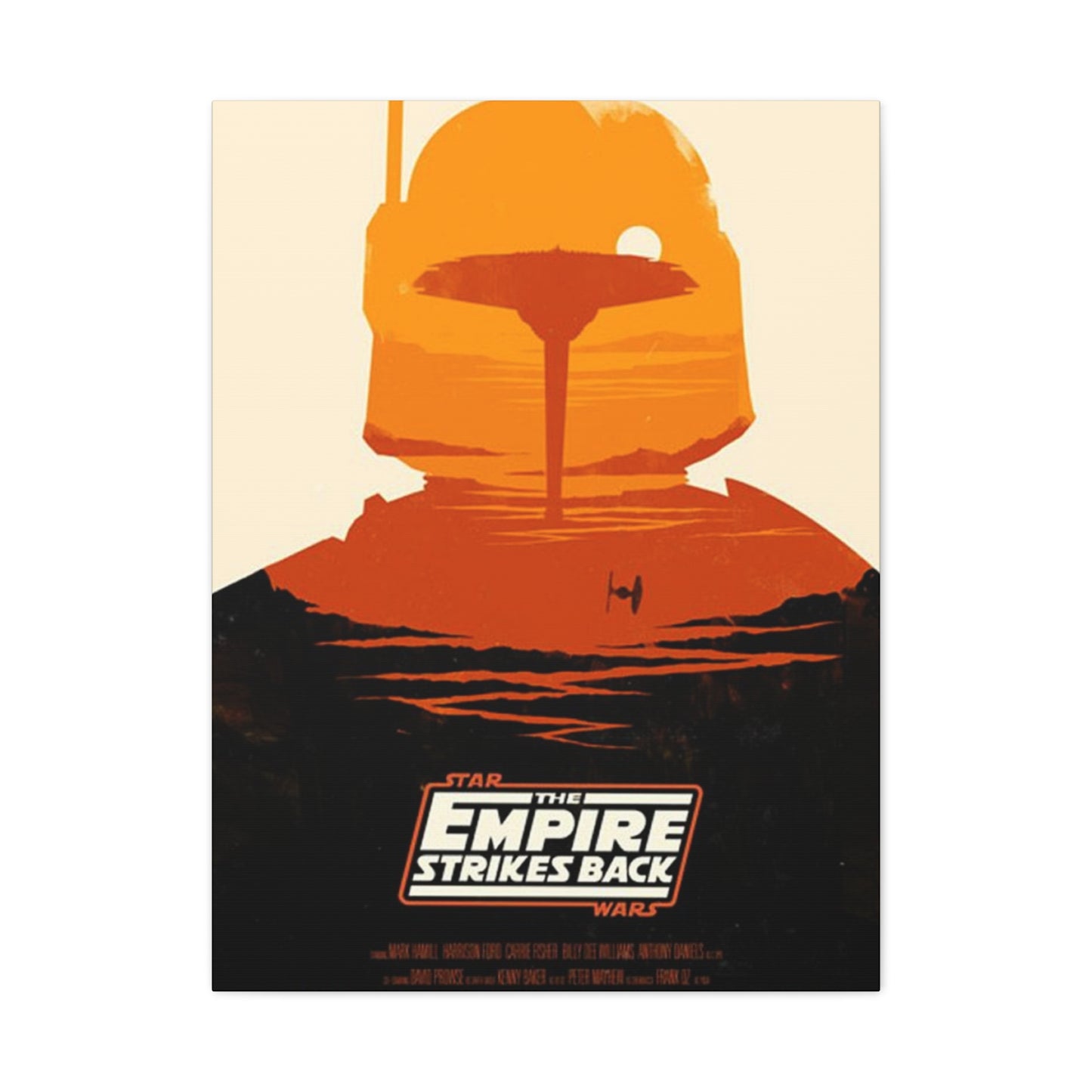
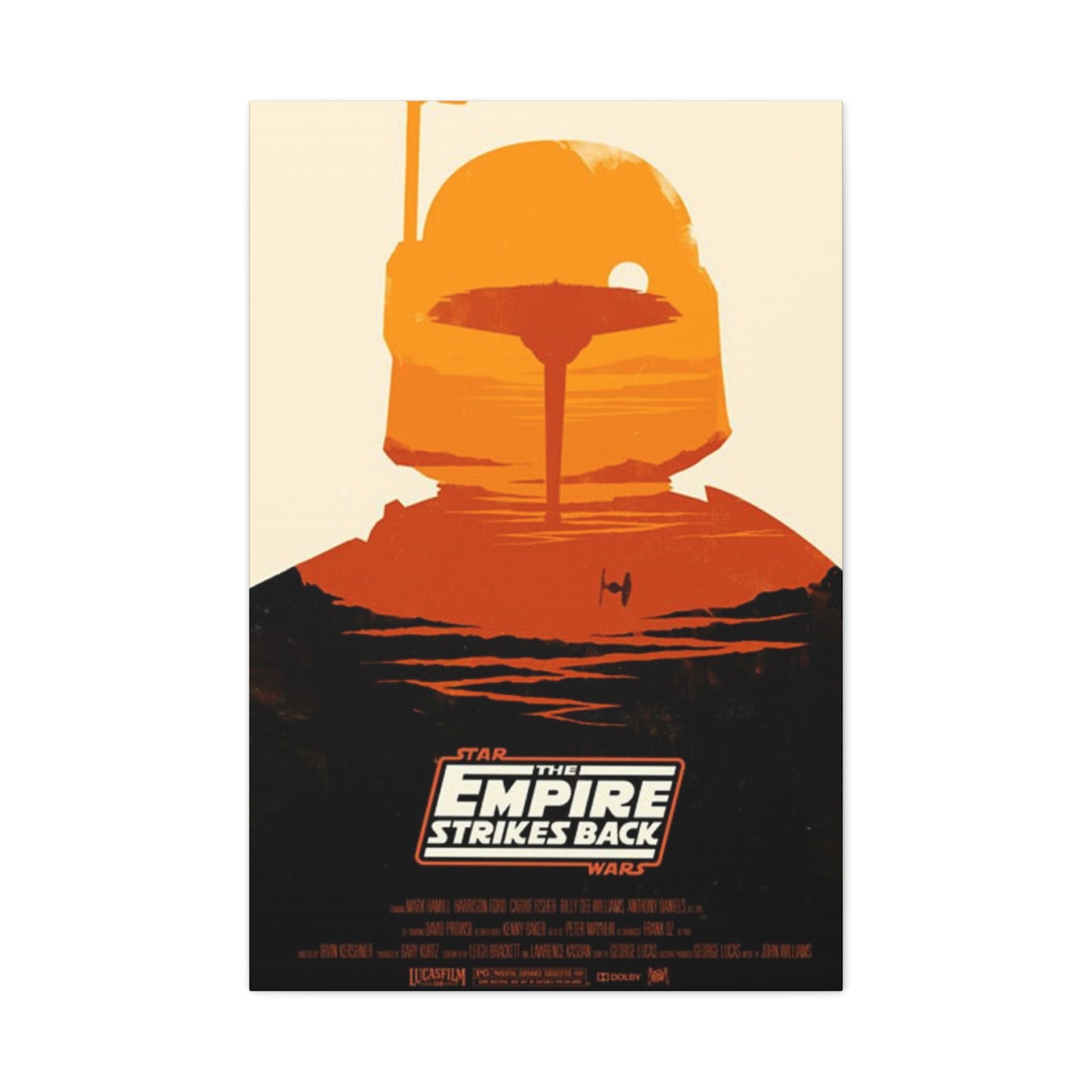
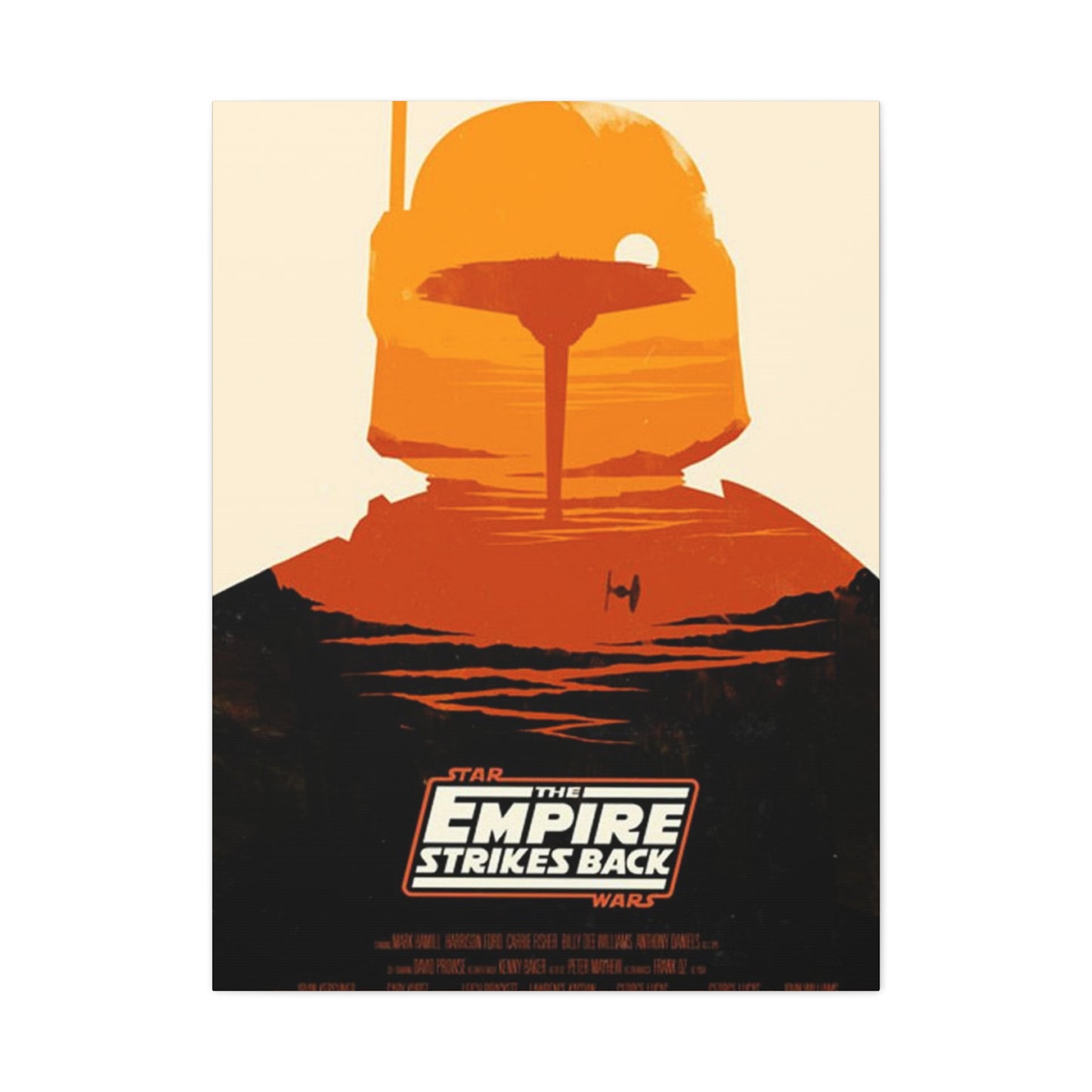
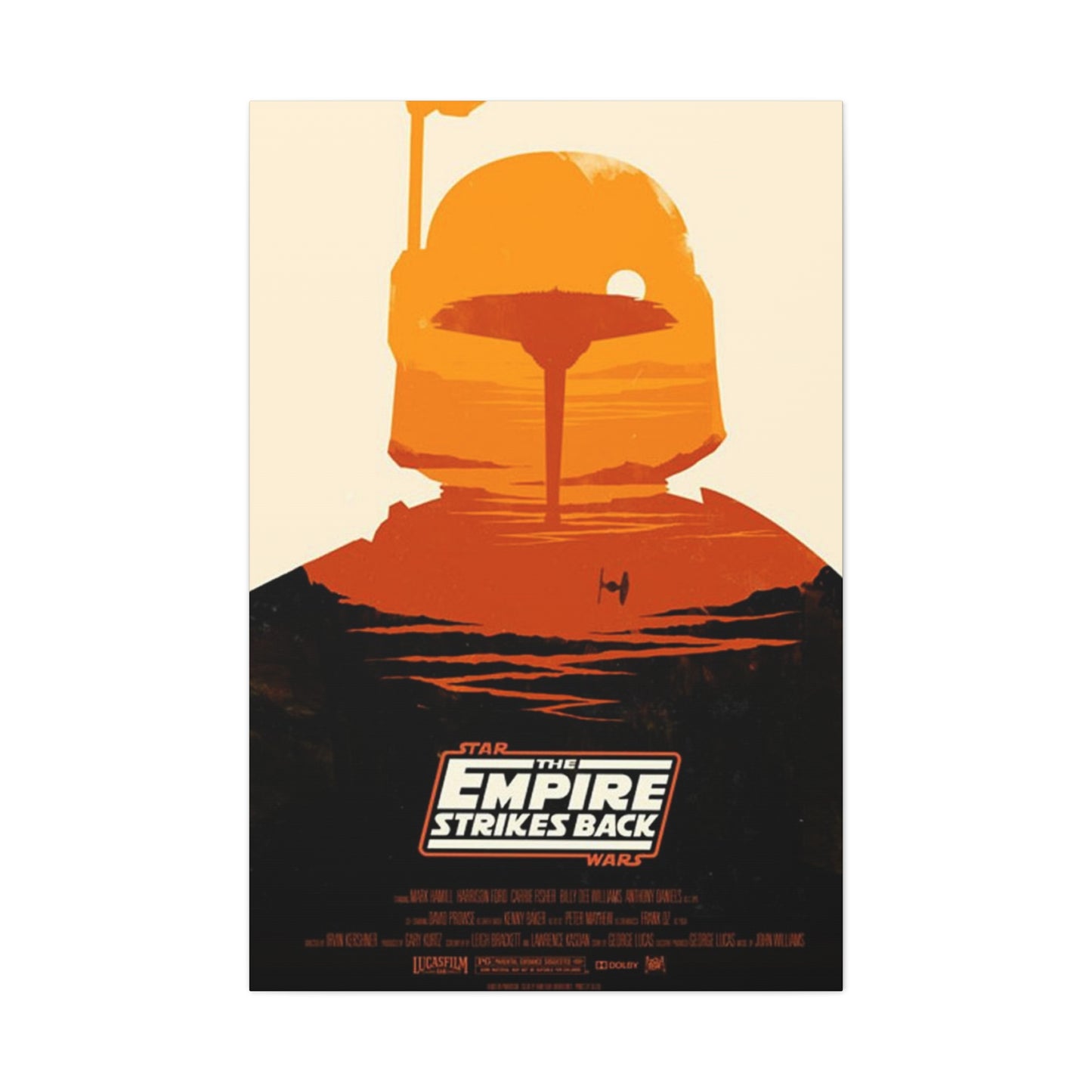
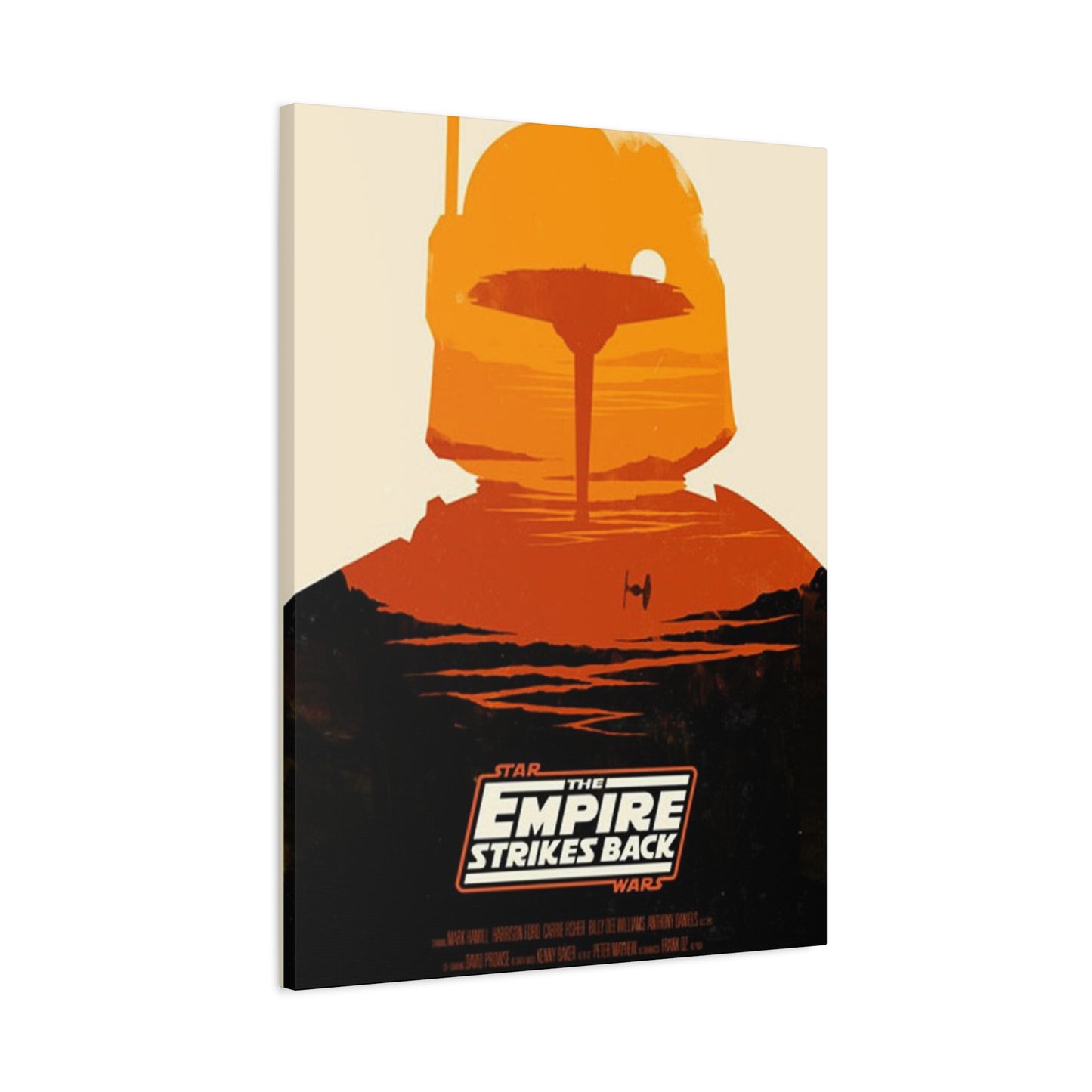
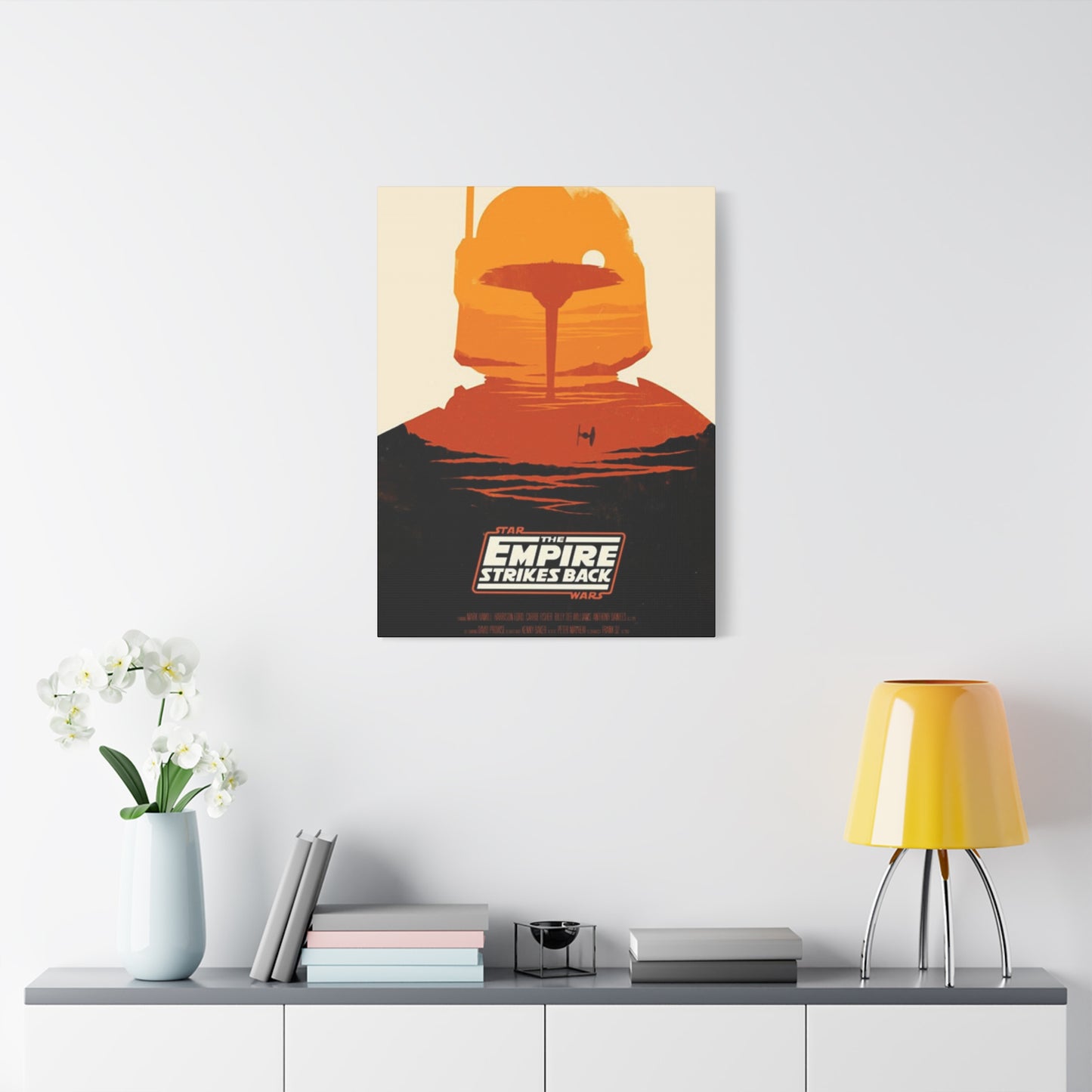
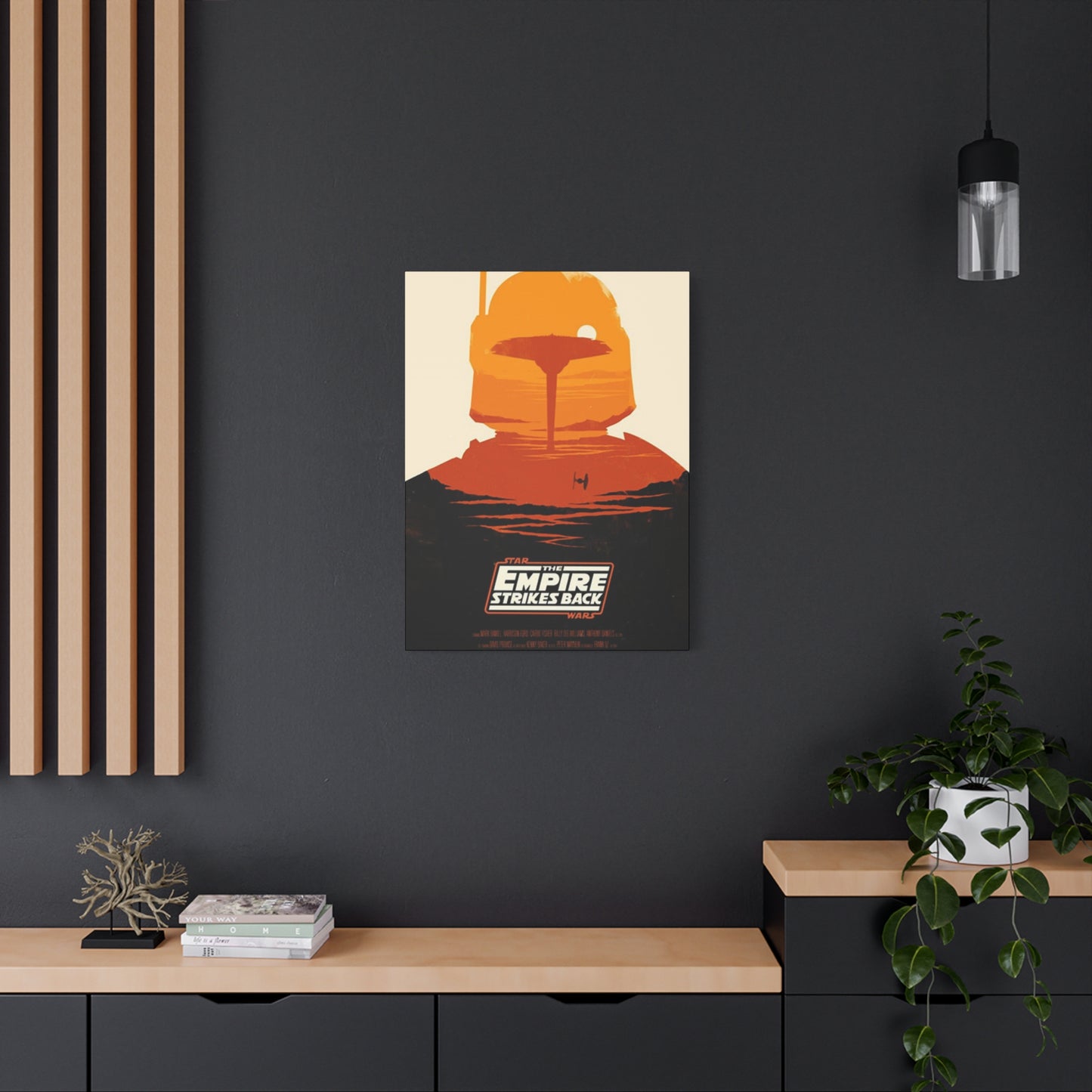
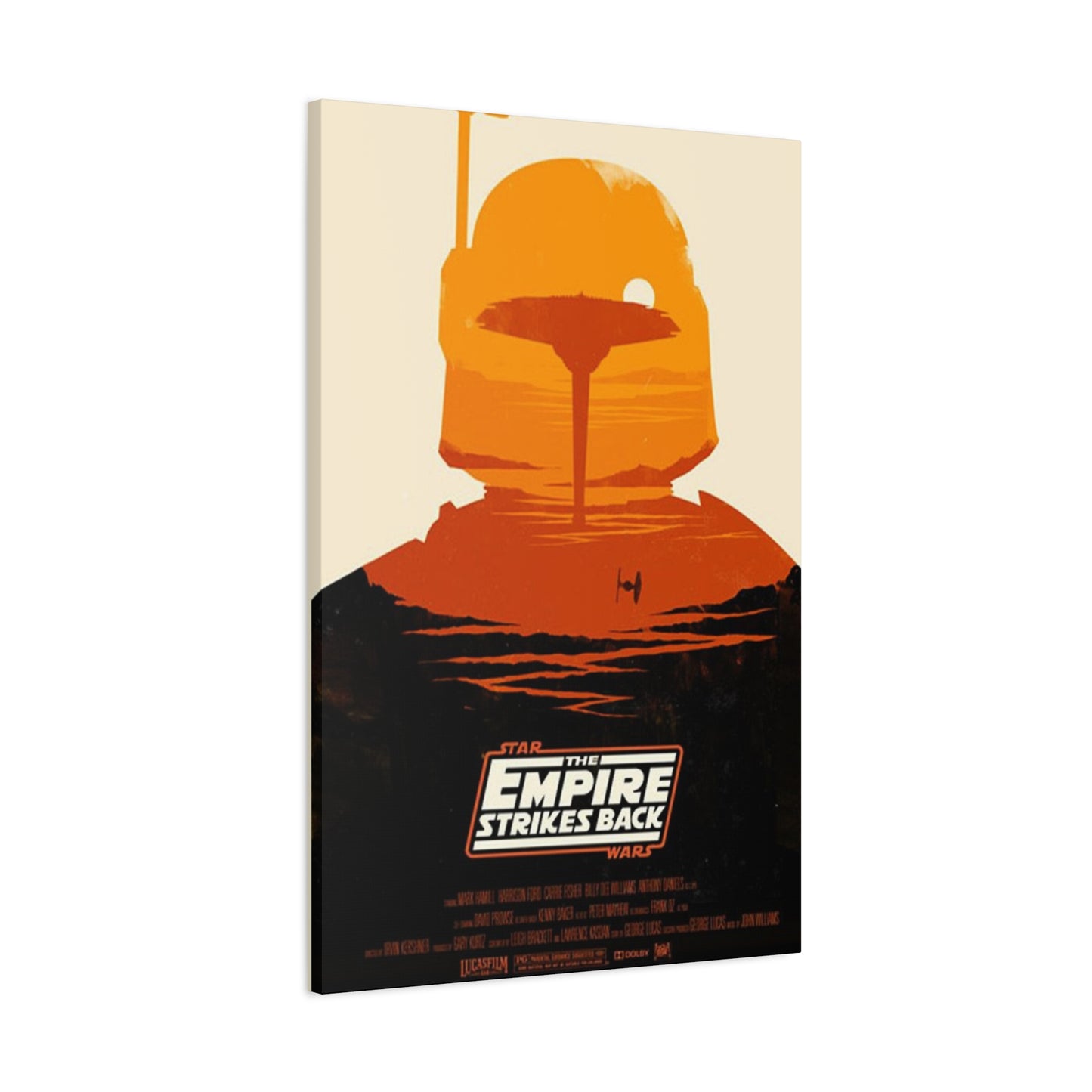
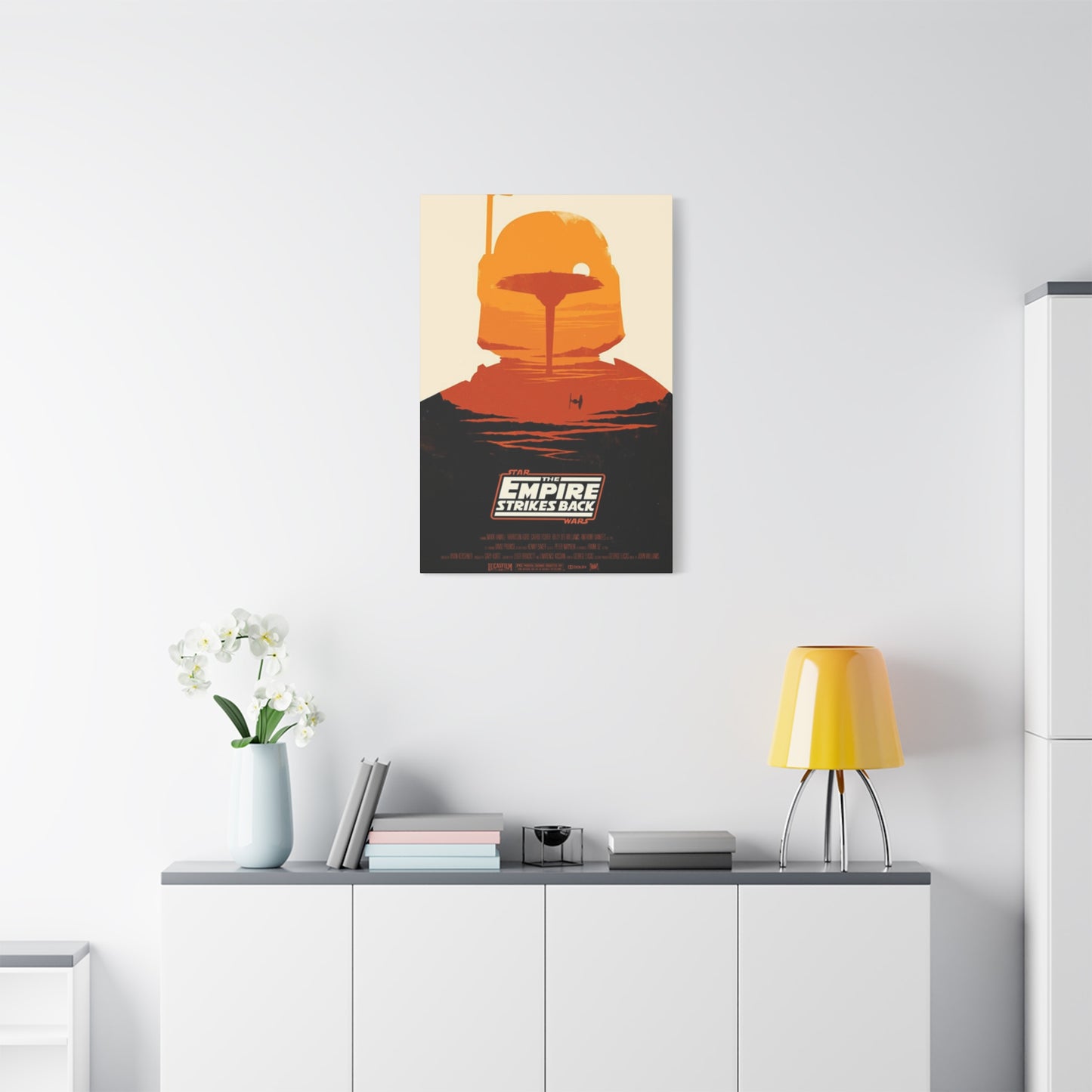
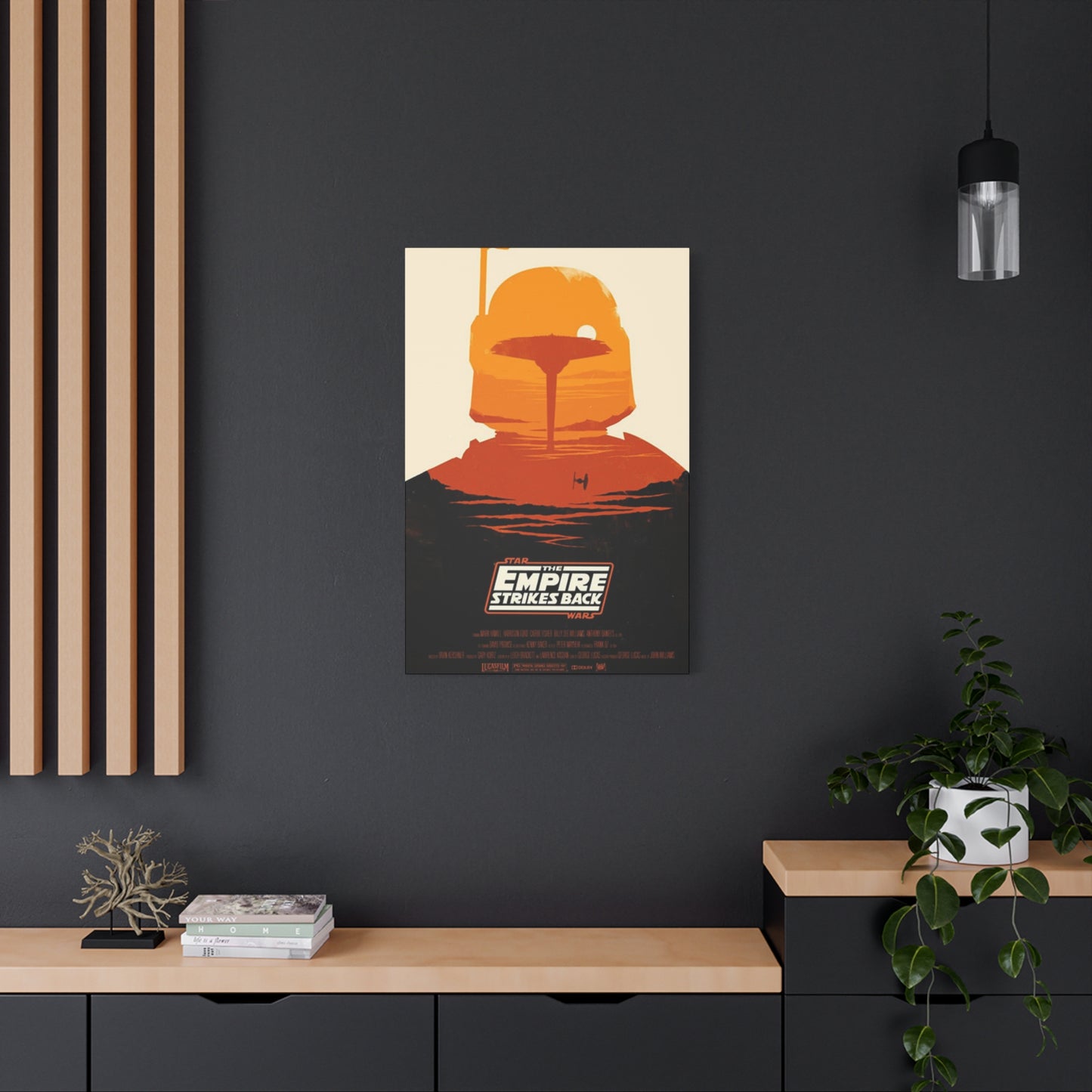
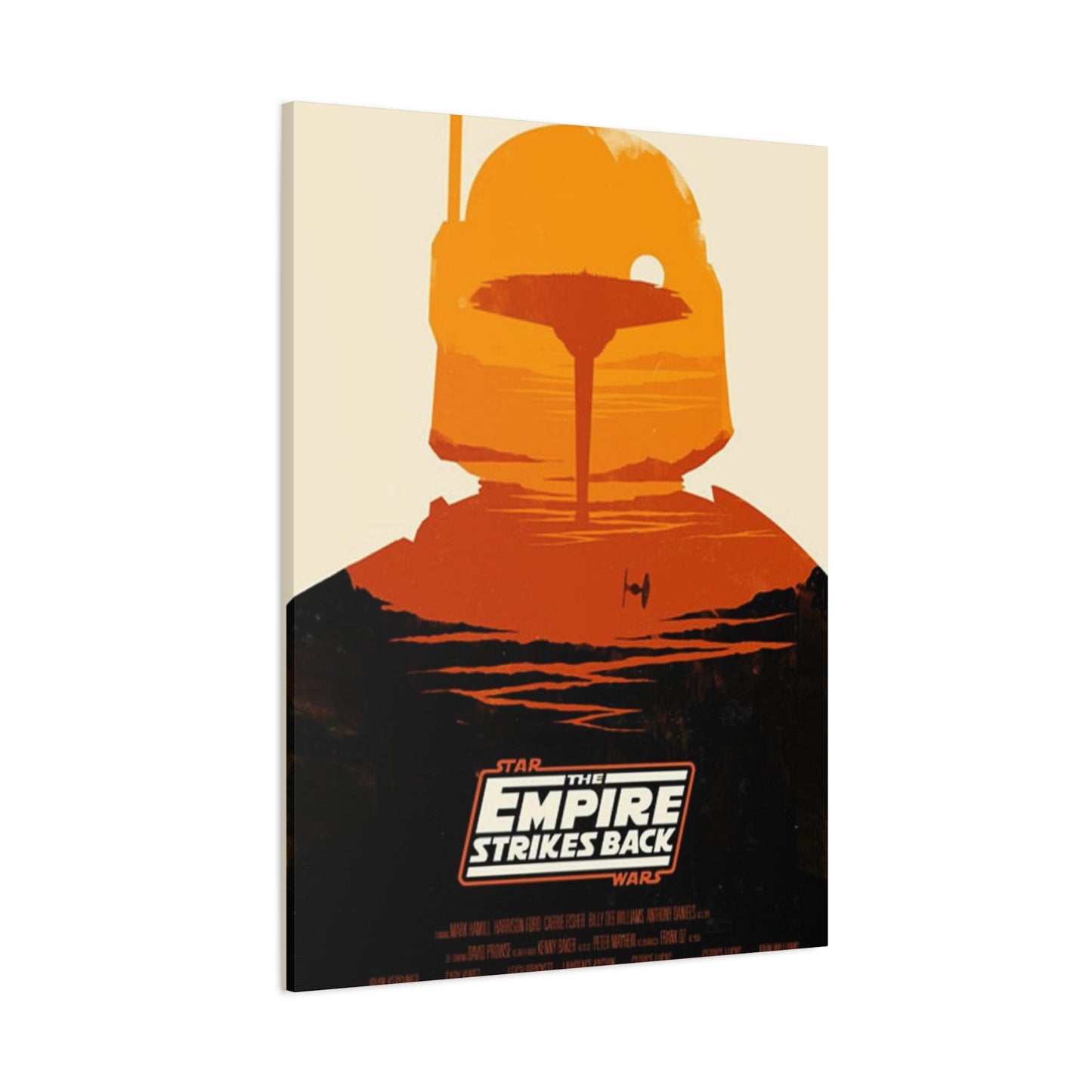
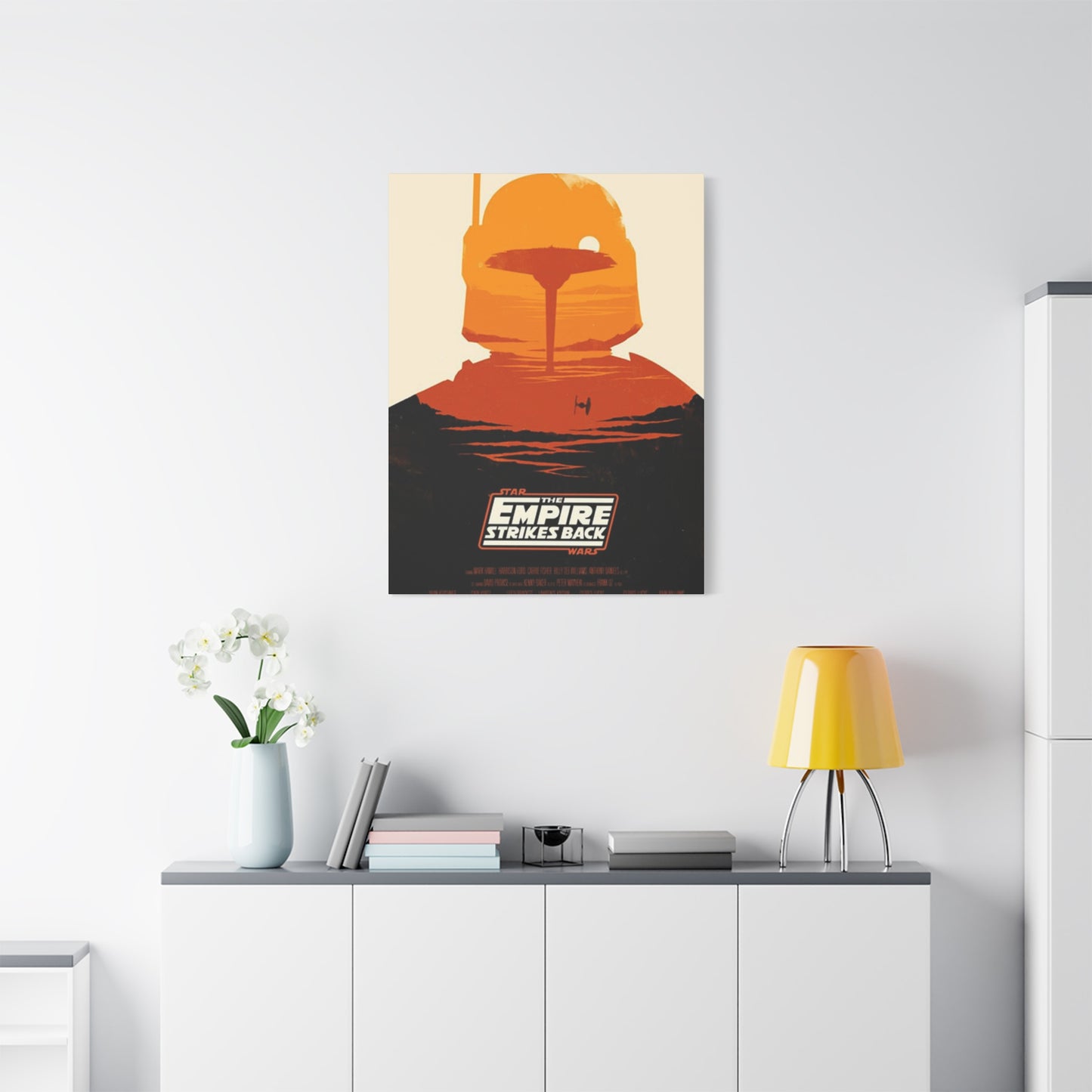
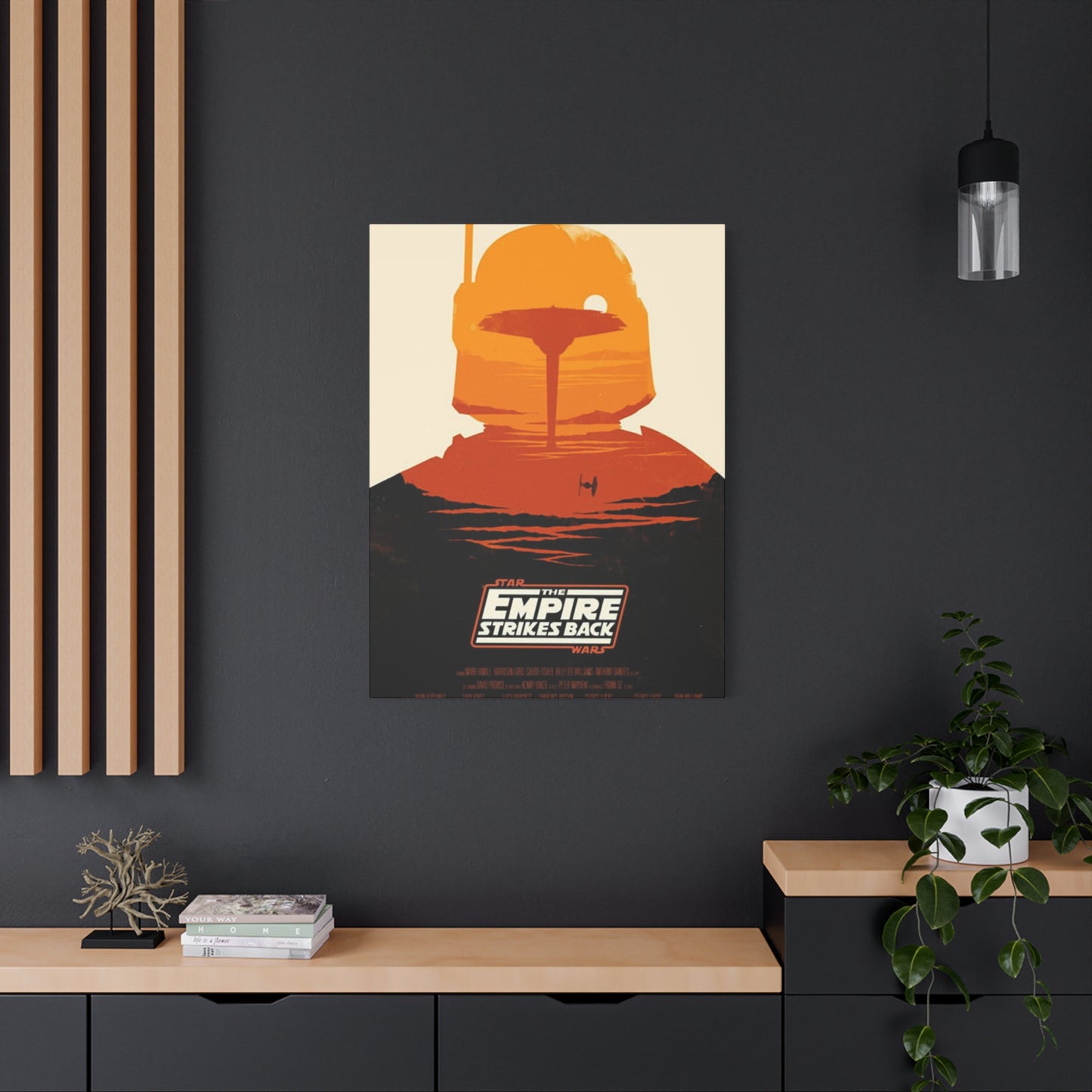
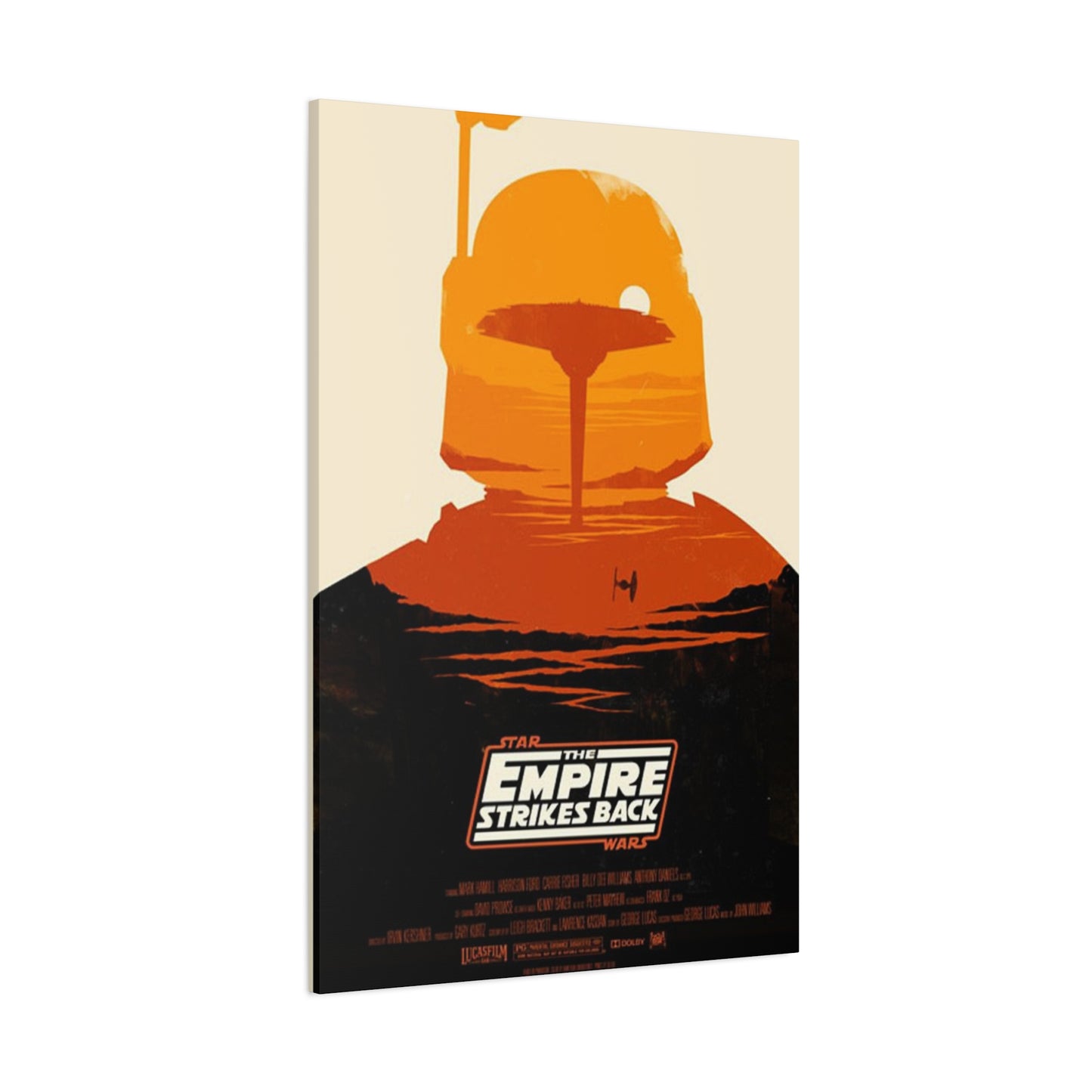
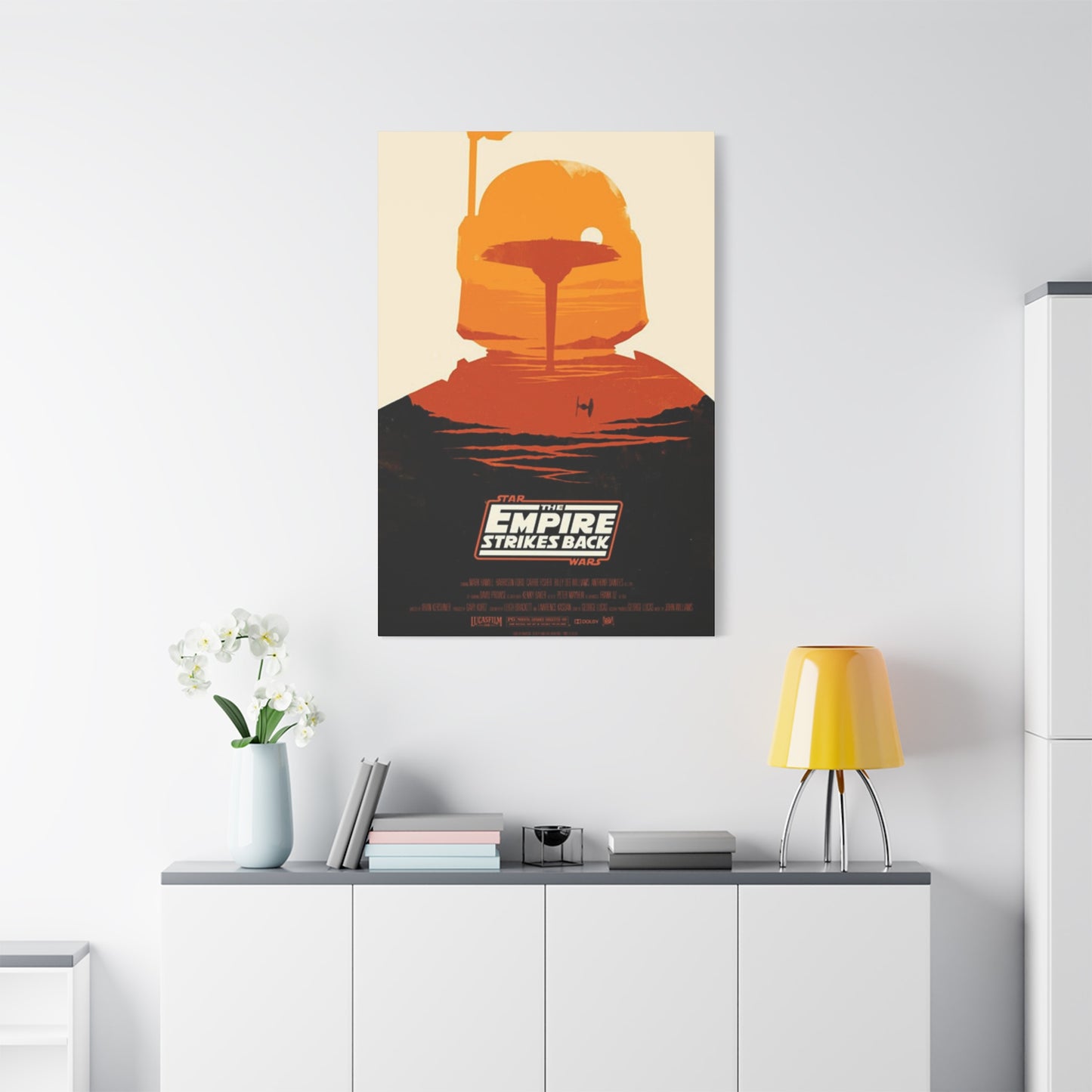
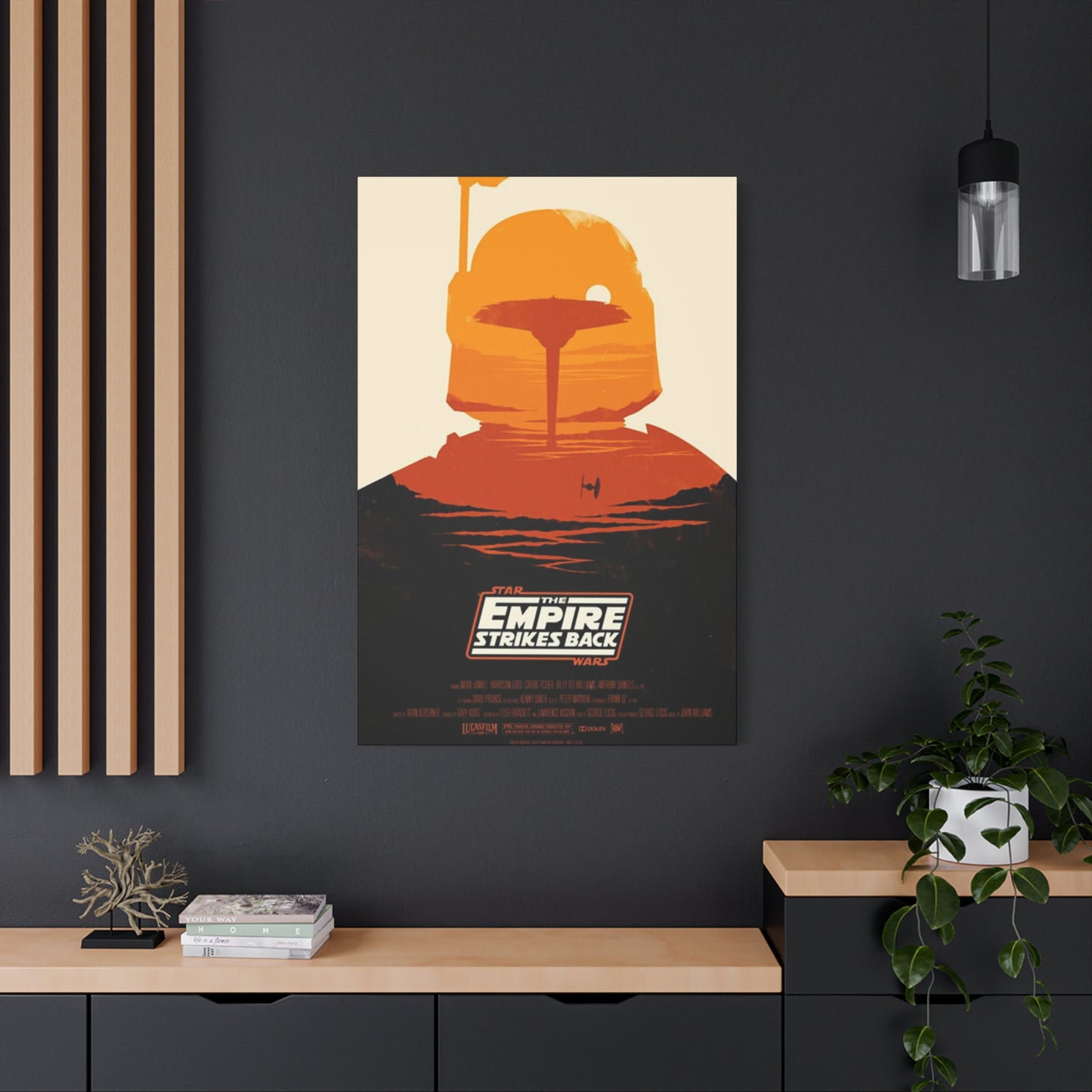
The Evolution of Empire Strikes Back Poster Wall art Designs in International Markets
The second chapter in the original Star Wars trilogy remains one of cinema's most celebrated achievements, captivating audiences with its darker themes, unforgettable plot twists, and groundbreaking visual storytelling. For enthusiasts seeking to celebrate this masterpiece, visual representations from this beloved film offer an exceptional way to showcase devotion to the saga while enhancing living spaces with meaningful decoration. These artistic pieces capture the essence of adventure, heroism, and the eternal battle between light and darkness that defines this extraordinary narrative.
Whether you're a lifelong devotee or discovering the magic for the first time, incorporating imagery from this legendary film into your environment creates an atmosphere of nostalgia and wonder. From dramatic scenes featuring iconic characters to minimalist designs that evoke the spirit of the saga, these decorative pieces serve as constant reminders of the stories that shaped generations. The visual language of this particular installment resonates with viewers through its emotional depth and spectacular imagery, making it an ideal subject for artistic interpretation.
This exploration delves into the numerous aspects of collecting and displaying artwork inspired by this cinematic treasure, examining everything from design aesthetics to placement strategies, historical significance to contemporary appeal. Whether you're furnishing a dedicated entertainment room, personalizing a home office, or adding character to communal areas, understanding the breadth of available options empowers you to make selections that perfectly align with your preferences and spatial requirements.
Classic Film Imagery from the Second Star Wars Installment
The middle chapter of the original trilogy introduced audiences to unforgettable sequences that have become permanently etched in popular culture consciousness. Visual representations capturing these moments transport viewers back to frozen planets, asteroid fields, swamp worlds, and floating cities suspended in clouds. Each scene offers rich material for artistic interpretation, from the desperate escape across icy terrain with towering mechanical walkers to the climactic confrontation between father and son that redefined the entire narrative.
Authentic reproductions of theatrical release materials provide collectors with historically significant pieces that reflect the marketing artistry of the early 1980s. These vintage-inspired designs showcase the aesthetic sensibilities of the era, featuring painted illustrations rather than photographic compositions. The artwork created for theatrical distribution demonstrates exceptional craftsmanship, with artists capturing the epic scope and emotional intensity of the story through traditional media. Such pieces appeal to purists who appreciate the historical context and original presentation of this beloved film.
Contemporary interpretations offer fresh perspectives on familiar imagery, with modern artists reimagining iconic scenes through various stylistic approaches. Digital illustration techniques enable creators to produce stunning visuals that maintain fidelity to source material while incorporating innovative compositional elements. These updated versions attract collectors seeking artwork that complements modern interior design trends while honoring the legacy of the original production. The diversity of available styles ensures that enthusiasts can find representations matching their aesthetic preferences, whether they favor photorealistic renderings or abstract interpretations.
Character-focused designs highlight the memorable figures who populate this narrative universe. From the determined young hero training with an ancient master to the charismatic smuggler navigating treacherous circumstances, these individuals embody qualities that resonate with audiences across generations. Artwork featuring these beloved characters allows fans to celebrate their favorite personalities while adding visual interest to their surroundings. The emotional connections viewers form with these fictional figures make character-based imagery particularly meaningful for personal spaces.
Scene-specific artwork captures pivotal moments that define the viewing experience. The shocking revelation delivered during the climactic lightsaber duel, the desperate improvisation of mechanical repairs inside a space creature, the romantic confession made moments before carbonite freezing—these sequences represent narrative peaks that audiences remember long after credits roll. Visual representations of these scenes serve as conversation starters and memory triggers, evoking the emotions experienced during initial viewings while inviting repeated appreciation of compositional details.
Environmental artwork showcasing the diverse locations visited throughout the narrative provides stunning visual impact. The harsh beauty of frozen wastelands, the mysterious atmosphere of fog-shrouded training grounds, the industrial aesthetic of mining operations—these settings contribute significantly to the film's distinctive atmosphere. Landscape-oriented pieces featuring these environments work exceptionally well for larger wall spaces, creating immersive visual experiences that transform ordinary rooms into gateways to distant galaxies.
Enhance Your Environment with Dramatic Cosmic Battle Imagery
Incorporating visual elements from this legendary film franchise into living spaces dramatically alters atmospheric qualities, creating environments that reflect personal interests while sparking imagination. The strategic placement of carefully selected artwork establishes focal points that draw attention and anchor room designs. These decorative elements serve multiple functions simultaneously—they personalize spaces, demonstrate cultural literacy, and provide endless opportunities for visual appreciation.
The color palettes prevalent throughout this film offer rich possibilities for coordinating with existing decor schemes. Cool blues and grays dominate frozen planetary sequences, providing calming visual elements suitable for bedrooms or study areas. Warm oranges and reds appearing in sunset scenes and dangerous environments create energizing atmospheres appropriate for social spaces. The neutral tones of industrial settings offer versatile options that complement diverse interior design approaches. Understanding these color relationships helps collectors select pieces that harmonize with their established aesthetic frameworks.
Scale considerations play crucial roles in effective artwork integration. Oversized pieces make bold statements in rooms with substantial wall space, creating impressive focal points that immediately capture attention upon entering. Medium-sized works suit standard residential walls, providing visual interest without overwhelming other decorative elements. Smaller pieces work well for creating gallery arrangements or filling awkward spaces that larger formats cannot accommodate. Evaluating available wall space before acquisition prevents sizing mismatches that diminish display effectiveness.
Framing choices significantly impact final presentation quality and longevity. Professional framing with archival materials protects valuable prints from environmental damage while enhancing visual appeal. Frame styles range from sleek contemporary designs with minimal profiles to ornate traditional options with decorative molding. Matting provides visual separation between artwork and frame while preventing direct contact with glazing materials. These preservation considerations ensure that cherished pieces remain vibrant and intact for decades, maintaining their aesthetic appeal and potential value.
Lighting strategies elevate artwork displays from simple decoration to gallery-quality presentations. Dedicated picture lights mounted above frames provide focused illumination that highlights details while creating dramatic shadows. Track lighting offers flexibility for illuminating multiple pieces from a single power source. Ambient room lighting affects how artwork appears throughout the day, with natural light sources introducing variable conditions that change appearance based on time and weather. Considering lighting conditions during placement decisions ensures optimal viewing experiences across different scenarios.
Thematic clustering creates cohesive visual narratives across multiple walls or throughout entire rooms. Grouping related pieces—such as characters from the same faction, scenes from similar environments, or works by the same artist—establishes visual continuity that strengthens overall impact. Mixed arrangements combining different sizes, orientations, and subject matter generate dynamic compositions with varied visual rhythms. The arrangement strategy selected should align with available space characteristics and personal aesthetic preferences.
Ideal Decorative Pieces for Devoted Space Opera Enthusiasts
Devotees of this epic saga seek ways to express their passion through tangible items that celebrate the stories and characters they cherish. Visual artwork serves as an accessible entry point for building collections that reflect personal connections to specific narrative elements. Unlike expensive collectibles requiring dedicated display cases, framed artwork integrates seamlessly into existing living spaces while providing constant visibility and enjoyment.
The emotional resonance of particular scenes varies among individual viewers based on personal experiences and interpretations. Some fans gravitate toward action sequences showcasing spectacular special effects and choreographed combat. Others prefer quieter moments emphasizing character development and interpersonal relationships. This diversity of preference drives demand for varied artistic interpretations, ensuring that collectors can find representations aligning with their specific emotional connections to the source material.
Limited edition releases create opportunities for collectors seeking exclusive items with enhanced value potential. Numbered prints produced in restricted quantities develop scarcity that increases desirability among enthusiasts. Artist signatures add authenticity and personal connection to pieces, transforming mass-produced reproductions into individually validated artworks. Certificate documentation provides provenance records that establish legitimacy and ownership history, important considerations for serious collectors building substantial portfolios.
Vintage theatrical materials possess historical significance that transcends mere decorative function. Original releases from the film's initial theatrical run represent actual artifacts from cinema history, tangible connections to the cultural phenomenon as it unfolded. These authentic pieces command premium prices reflecting their rarity and historical importance. Reproduction prints emulating vintage aesthetics offer more accessible alternatives that capture period styling without the cost barriers associated with genuine artifacts.
International variations provide fascinating insights into how marketing strategies adapted for different cultural contexts. Promotional materials produced for various global markets feature distinctive designs reflecting regional aesthetic preferences and marketing approaches. Japanese releases often showcase stylistic elements aligned with local artistic traditions, while European versions might emphasize different narrative aspects based on perceived audience interests. Collecting international variants adds depth to collections while demonstrating the global reach of this cultural phenomenon.
Fan-created artwork represents vibrant creative communities dedicated to celebrating and reinterpreting beloved narratives. Independent artists produce stunning works showcasing diverse stylistic approaches and personal perspectives on familiar characters and scenes. Supporting these creators directly contributes to thriving artistic ecosystems while acquiring unique pieces unavailable through commercial channels. Online marketplaces and convention venues provide access to these alternative artistic visions, expanding collecting possibilities beyond officially licensed merchandise.
Transform Living Spaces with Legendary Science Fiction Decoration
Home environments reflect occupant personalities, interests, and values through accumulated objects and decorative choices. Incorporating imagery from beloved films creates spaces that feel authentically personal rather than generically decorated. These visual elements serve as daily reminders of stories that inspire, entertain, and provide comfort through familiarity. The transformation achieved through thoughtful artwork selection extends beyond superficial decoration to create meaningful environments supporting mental well-being and creative thinking.
Entertainment areas benefit particularly from film-related artwork that establishes thematic consistency with viewing activities. Home theaters and media rooms become immersive environments when surrounded by imagery from favorite films. The psychological preparation facilitated by themed decoration enhances viewing experiences, building anticipation and creating atmospheric continuity between wall displays and screen content. Guest reactions to these themed spaces generate conversations and shared enthusiasm that strengthen social connections through common interests.
Personal workspaces gain inspirational qualities through carefully selected decorative elements. Offices and studios displaying artwork from narratives emphasizing perseverance, growth, and triumph over adversity provide subtle motivational reinforcement during challenging work periods. The visual presence of heroic characters confronting seemingly insurmountable obstacles offers perspective during stressful professional situations. These environmental cues influence psychological states in measurable ways, contributing to productivity and emotional resilience.
Children's rooms become magical spaces through age-appropriate artwork featuring beloved characters and exciting adventures. Early exposure to classic storytelling traditions through visual media contributes to developing imagination and narrative literacy. As children mature, their artwork preferences evolve, creating opportunities for periodic updates that maintain relevance to changing interests. The flexibility of framed artwork allows easy replacement as preferences shift, unlike permanent murals or fixed installations.
Communal areas such as living rooms and family spaces benefit from artwork that appeals across age groups and interest levels. The multigenerational appeal of this particular film franchise makes related imagery suitable for shared spaces where diverse household members congregate. Selecting pieces with broad aesthetic appeal ensures that decoration enhances rather than dominates these multipurpose environments. Balance between personal expression and general accessibility characterizes successful communal space decoration.
Guest accommodations gain character through thoughtfully selected artwork that provides visual interest without imposing strong personal statements. Film-related imagery from universally recognized classics creates welcoming atmospheres that guests can appreciate regardless of their specific interests. These decorative choices demonstrate host consideration while maintaining neutral enough aesthetics to ensure broad comfort levels among diverse visitors.
Essential Collectible Items Celebrating Cinematic Masterworks
Building meaningful collections requires understanding various factors that differentiate available options and influence both immediate satisfaction and long-term value retention. Quality variations among reproductions range from basic digital prints on standard paper to museum-quality giclée productions on archival substrates. Investment in higher-quality pieces yields superior visual results and extended longevity, justifying premium costs through enhanced appearance and durability.
Print production methods significantly impact final results. Offset lithography produces sharp details with consistent color reproduction suitable for large production runs. Digital printing offers flexibility for limited editions and custom sizing while maintaining excellent quality standards. Screen printing creates distinctive textures and color saturation particularly effective for graphic designs with limited color palettes. Understanding these technical distinctions helps collectors make informed decisions aligned with their quality expectations and budget constraints.
Substrate selection influences both appearance and preservation characteristics. Premium papers specifically designed for fine art reproduction offer superior color rendering and archival stability compared to standard commercial printing stocks. Canvas surfaces provide texture that emulates traditional painting techniques while offering durability advantages for high-traffic areas. Metal substrates create contemporary presentations with vibrant colors and striking visual impact. Each material option presents distinct aesthetic qualities and practical considerations affecting suitability for specific applications.
Size availability ranges from compact prints suitable for desktop displays to massive productions requiring multiple wall sections. Standard dimensions align with common framing options, simplifying presentation preparation. Custom sizing accommodates specific spatial requirements but typically involves increased costs and extended production timeframes. Proportion considerations affect visual impact, with horizontal orientations suiting wide wall spaces while vertical formats work better for narrow areas between architectural features.
Color variations between reproductions and original sources result from technical limitations and artistic choices during production. Screen-accurate reproductions attempt faithful color matching through careful calibration and quality control processes. Stylized versions intentionally alter color palettes to achieve specific aesthetic effects or accommodate printing process constraints. Understanding these distinctions helps set appropriate expectations regarding how purchased pieces will appear compared to familiar screen imagery.
Edition information provides context regarding rarity and collectibility. Open editions produced without quantity restrictions offer accessibility but lack scarcity-driven value appreciation potential. Limited editions capped at specific numbers create artificial scarcity that may enhance future market value. Artist proofs represent special impressions reserved for creators, often commanding premium prices due to their exclusivity and direct association with producing artists. Collectors must balance desires for exclusive items against budget realities and personal satisfaction priorities.
Striking Galactic Conflict Decoration: Dark Chapter Aesthetics
The middle installment of the original trilogy distinguished itself through darker tonal qualities that contrasted with its predecessor's optimistic adventure spirit. This tonal shift manifests visually through color grading choices, lighting approaches, and compositional strategies emphasizing danger and uncertainty. Artwork reflecting these aesthetic qualities creates dramatic visual impact particularly suitable for spaces benefiting from sophisticated, mature design sensibilities.
Action sequences throughout this film showcase spectacular special effects that pushed contemporary technical boundaries. Massive mechanical walkers traversing frozen landscapes, starfighters maneuvering through asteroid fields, dynamic lightsaber combat—these sequences provide thrilling subject matter for artwork capturing movement and energy. Freeze-frame selections from these moments preserve kinetic excitement in static images that suggest motion through compositional dynamism and strategic blur effects.
Atmospheric environments dominate much of the film's runtime, from ethereal swamps shrouded in mist to industrial platforms suspended above gas giant atmospheres. These settings possess inherent visual appeal beyond their narrative functions, offering rich material for artistic interpretation. Environmental artwork emphasizing mood over action creates contemplative pieces that reward extended viewing through layered details and subtle tonal variations. Such pieces suit spaces designed for relaxation and reflection rather than high-energy activities.
Character moments revealing inner struggles and emotional complexity provide powerful subject material for dramatic artwork. Close-up compositions focusing on facial expressions capture psychological nuances that define character development throughout the narrative. These intimate portrayals create personal connections between viewers and depicted figures, generating emotional responses that enhance appreciation beyond simple recognition of familiar faces. The vulnerability displayed during these moments resonates deeply with audiences, making related imagery particularly meaningful for personal spaces.
Combat sequences between opposing forces showcase the eternal struggle between ideological opposites that drives narrative conflict. Lightsaber duels photographed with dramatic lighting create iconic imagery instantly recognizable even to casual viewers. The symbolic weight of these confrontations—representing not just physical combat but philosophical opposition—adds layers of meaning that elevate simple action scenes to mythological significance. Artwork capturing these moments taps into archetypal themes that transcend specific narrative contexts.
Mechanical designs throughout this production demonstrate exceptional industrial aesthetic sensibilities that continue influencing science fiction visual language decades later. Spacecraft, weaponry, and technology featured in the film exhibit believable functionality grounded in recognizable engineering principles despite their fantastical contexts. Artwork highlighting these design elements appeals to enthusiasts appreciating technical creativity and world-building details. Such pieces work particularly well in spaces with industrial or modernist design schemes where technological aesthetics align with broader decorative approaches.
Artistic Representations Perfect for Cinema Aficionados
Film enthusiasts appreciate cinema as an art form extending beyond simple entertainment to encompass visual storytelling, technical innovation, and cultural commentary. For collectors with broad cinematic interests, artwork from landmark films represents appreciation for medium history and influential productions that shaped industry evolution. This particular film's critical acclaim and lasting impact establish it as essential viewing and collecting focus for serious cinema students.
Behind-the-scenes imagery documenting production processes offers fascinating insights into filmmaking craftsmanship. Photographs capturing practical effects construction, set design, costume creation, and directorial decisions reveal the collaborative artistry underlying finished films. These documentary materials appeal to collectors interested in creative processes and technical achievements beyond final screen results. Production stills and crew photographs possess historical value distinct from promotional materials designed for marketing purposes.
Conceptual artwork created during pre-production phases demonstrates creative development processes translating written scripts into visual realities. Early designs for characters, vehicles, environments, and props show evolutionary paths from initial concepts to final screen appearances. These developmental materials possess unique aesthetic qualities reflecting artistic exploration unconstrained by production practicalities. Collectors fascinated by creative processes find exceptional value in conceptual pieces that illuminate how imaginative visions become realized productions.
Promotional photography shot specifically for marketing campaigns captures polished imagery designed to convey narrative essence and visual appeal to potential audiences. Professional lighting, careful composition, and deliberate staging create striking images that may not appear identically in actual films. These promotional materials served as primary visual representations of the film for audiences who hadn't yet viewed it, making them culturally significant artifacts documenting how productions positioned themselves within competitive entertainment marketplaces.
Critical reception and cultural impact discussions often reference specific imagery that became iconic through repeated exposure and memorable association with significant narrative moments. Certain images transcend their source material to enter broader cultural consciousness, recognized even by individuals unfamiliar with complete narratives. Artwork featuring these culturally penetrated images carries additional significance as representations of broader cultural phenomena rather than simple film decoration. Collectors interested in cultural history alongside cinema appreciation find particular value in these crossover pieces.
Film festival materials and special screening commemorations generate unique artwork created for specific exhibition contexts. Anniversary screenings, retrospective events, and special presentations commission exclusive designs celebrating featured films through fresh artistic perspectives. These event-specific pieces possess scarcity and contextual significance that appeal to collectors documenting ongoing cultural relevance of classic films. Limited availability through specific venues and timeframes enhances collectibility and potential value appreciation.
Enduring Space Fantasy Artwork: Second Trilogy Chapter
The lasting appeal of this middle chapter stems from multiple factors including narrative sophistication, technical achievement, and emotional resonance that continues engaging new generations. Timeless storytelling qualities ensure ongoing relevance despite advancing special effects capabilities and changing audience expectations. Artwork celebrating this enduring classic acknowledges both historical importance and continuing cultural vitality that shows no signs of diminishing decades after initial release.
Intergenerational appeal allows families to share appreciation across age divides, creating bonding opportunities through common cultural touchstones. Parents introducing children to films from their own youths facilitate continuity of cultural transmission while creating new shared memories. Artwork displayed in family homes serves as visible reminder of these shared experiences, marking spaces as environments where generational bridges form through mutual interests. The presence of such imagery facilitates conversations about storytelling, values, and personal connections to fictional narratives.
Nostalgic associations with childhood viewings create powerful emotional connections that influence adult collectors decades later. Initial exposure during formative years establishes lasting impressions that shape aesthetic preferences and collecting behaviors throughout lifetimes. Acquiring artwork from beloved childhood films represents efforts to recapture and preserve magical feelings experienced during those early viewings. These sentimental motivations drive collecting behaviors distinct from pure aesthetic appreciation or investment speculation.
Cultural saturation ensures widespread recognition that makes related imagery immediately legible even in diverse social contexts. The iconography established through this film permeates popular culture to degrees where specific images trigger instant recognition and associated meanings. This universal legibility makes artwork from this source suitable for public and semi-public spaces where diverse audiences encounter displays. The shared cultural knowledge eliminates needs for contextual explanation while facilitating immediate emotional responses based on established associations.
Scholarly attention and critical reevaluation continue exploring this film's themes, techniques, and cultural significance through academic lenses. Film studies programs analyze its narrative structures, visual strategies, and industry impact as case studies in successful blockbuster filmmaking. This ongoing critical discourse maintains cultural relevance beyond simple entertainment value, positioning the film as legitimate subject for serious intellectual engagement. Collectors motivated by cultural and historical interests find validation in this continued scholarly attention.
Merchandise ecosystems surrounding this film demonstrate sustained commercial viability decades after theatrical release. Continuous production of related products across diverse categories indicates ongoing consumer demand and brand vitality. Artwork represents one category within broader collecting universes encompassing action figures, prop replicas, costumes, and countless other items. For collectors building comprehensive collections, artwork provides essential visual documentation complementing three-dimensional objects and experiential items.
Enhance Interiors with Memorable Sequel Film Displays
Interior decoration principles emphasize creating cohesive environments where individual elements contribute to unified aesthetic visions. Successfully integrating film artwork requires considering existing color schemes, furniture styles, architectural features, and intended room functions. Thoughtful selection ensures that new additions enhance rather than clash with established design frameworks while introducing personality and visual interest.
Color coordination strategies range from complementary approaches using opposing color wheel positions to analogous schemes employing adjacent hues. Artwork featuring colors present in existing room elements creates visual harmony through repetition and reinforcement. Contrasting selections intentionally introduce new colors that energize spaces through dynamic tension. Neutral-heavy rooms particularly benefit from colorful artwork that serves as primary color sources establishing overall palette directions.
Style consistency considerations involve matching artwork aesthetics with broader design approaches. Contemporary spaces with clean lines and minimal ornamentation suit sleek, modern interpretations of source material. Traditional environments with classical furniture and ornate details accommodate vintage-style theatrical artwork or formally presented pieces. Eclectic spaces mixing diverse elements offer greater flexibility for varied artwork styles, creating visually rich environments celebrating aesthetic diversity.
Spatial balance principles prevent rooms from feeling lopsided or visually heavy in particular areas. Distributing artwork across multiple walls creates equilibrium that guides visual attention throughout spaces. Anchoring large furniture pieces with appropriately scaled wall art prevents walls from appearing bare and neglected. Symmetrical arrangements suit formal spaces while asymmetrical compositions create dynamic visual interest in casual environments.
Functional considerations affect placement decisions beyond purely aesthetic concerns. Artwork positioned in high-traffic areas faces increased risk of accidental contact and should feature durable framing and secure mounting. Pieces containing detailed imagery benefit from placement at viewing heights and distances allowing comfortable examination. Light-sensitive works require protection from direct sunlight exposure that causes fading and material degradation over time.
Personal significance often overrides conventional design rules when displaying artwork with deep emotional connections. Items evoking powerful memories or representing important life aspects deserve prominent placement regardless of whether they perfectly match established color schemes. Authenticity in personal space decoration supersedes rigid adherence to design principles, creating environments genuinely reflecting occupant identities rather than impersonally stylish showrooms.
Legendary Science Fiction Visuals: Frozen World Adventures
Opening sequences set on ice-covered planets introduce audiences to harsh environments testing character resilience while showcasing spectacular practical effects. The massive walking assault vehicles traversing snowy landscapes represent iconic imagery immediately recognizable across popular culture. Artwork capturing these mechanical marvels against stark white backgrounds creates striking visual impact through strong contrast and compositional simplicity. The drama of these sequences translates effectively to static images that preserve narrative excitement.
Underground rebel facilities carved from ice demonstrate production design excellence creating believable lived-in environments within fantastical contexts. The attention to functional detail in these sets establishes credibility that grounds outlandish premises in tangible realities. Artwork highlighting these environmental designs appeals to viewers appreciating world-building craftsmanship and practical filmmaking techniques. The cool color palettes dominating these scenes create calming visual effects suitable for bedrooms and quiet spaces.
Escape sequences featuring desperate flights across frozen wastelands showcase character determination and resourcefulness under extreme pressure. The vulnerability of characters exposed to lethal environmental conditions creates tension that persists even when viewing outcomes are known. Artwork capturing these survival moments emphasizes human elements within vast, indifferent natural settings. The thematic resonance of persistence against overwhelming odds provides inspirational qualities that enhance these images beyond simple action representation.
Creature encounters introducing indigenous life forms demonstrate imagination and practical effects expertise combining animatronics, puppetry, and performance. These memorable creations contribute significantly to world authenticity by populating environments with believable ecology beyond human characters. Artwork featuring these alien creatures appeals to collectors appreciating creature design and the specialized artists who create convincing non-human characters. The sense of discovery accompanying these encounters translates to images that reward careful examination of creature details.
Aerial combat sequences involving small fighters against massive walkers showcase tactical ingenuity overcoming technological superiority through creativity and courage. These asymmetric battles carry thematic weight regarding underdogs challenging oppressive forces through determination rather than matching power. Artwork capturing these moments celebrates clever problem-solving and teamwork while providing dynamic compositions full of motion and energy. The inspirational qualities of these sequences enhance their appeal for motivational displays in work environments.
Evacuation drama involving coordination under pressure while facing advancing threats demonstrates leadership and sacrifice themes throughout the broader narrative. Characters making difficult decisions with limited information and resources exemplify qualities that resonate with audiences facing their own challenges. Artwork from these sequences captures emotional intensity through facial expressions and body language even in action contexts. These human moments provide meaningful subject matter for artwork emphasizing character over spectacle.
Iconic Confrontation Artwork from Saga's Dark Middle Act
The climactic lightsaber duel between protagonist and antagonist represents not just physical combat but psychological warfare and familial conflict. This multi-layered confrontation carries emotional weight far exceeding typical action sequences through revelations fundamentally altering narrative understanding. Artwork capturing moments from this encounter taps into profound themes of identity, parentage, and destiny that elevate simple sword fighting to mythological significance. The symbolic potency of these images makes them particularly meaningful for collectors responding to deeper narrative layers.
Industrial environments providing settings for this confrontation create visual drama through stark architectural elements and functional aesthetics. The gantries, platforms, and mechanical systems of these spaces emphasize isolation and danger while providing dynamic compositional elements. Artwork utilizing these environmental features creates depth through layered industrial details receding into backgrounds. The cold, impersonal nature of these settings heightens emotional drama occurring within them through stark contrast between setting and situation.
Lighting strategies employed throughout this sequence use dramatic contrasts creating chiaroscuro effects highlighting key action while obscuring supporting details. The interplay of colored lightsaber glows against dark industrial backgrounds produces instantly recognizable visual signatures. Artwork employing similar lighting approaches captures cinematic atmosphere while creating pieces with strong visual impact even in thumbnail scales. The mastery of light and shadow demonstrated in these scenes provides rich material for artistic interpretation.
Character revelations delivered during this sequence shocked audiences and permanently altered franchise trajectory. The psychological impact of this narrative turn resonates through subsequent storylines and character development. Artwork depicting the moment of revelation captures one of cinema's most famous plot twists without requiring dialogue or extended context. The immediate recognition of this scene's significance by viewing audiences makes related imagery instantly meaningful to franchise enthusiasts.
Physical consequences resulting from this confrontation carry symbolic weight regarding costs of conflict and sacrifices demanded by heroic journeys. The protagonist emerges physically altered, marked by their encounter in ways visible to all observers. Artwork depicting post-confrontation moments emphasizes consequences and transformations that characters undergo through their ordeals. These sobering images provide counterpoint to triumphant heroic imagery, acknowledging complexity and costs inherent in heroic narratives.
Emotional aftermath following physical confrontation explores psychological responses to traumatic revelations and losses. Character faces displaying shock, grief, and struggle provide powerful subject matter for artistic interpretation. These vulnerable moments showcase acting performances while creating opportunities for artwork emphasizing human emotional experiences within fantastic contexts. The universality of emotional struggles makes these images relatable beyond specific narrative circumstances.
Honor the Franchise with Second Episode Decorative Art
Demonstrating devotion to beloved narratives through displayed artwork creates personal environments reflecting core interests and values. Collections showcasing specific films or franchises communicate passion and knowledge to visitors while surrounding collectors with constant reminders of stories that inspire them. This environmental reinforcement of positive associations contributes to psychological well-being through regular engagement with preferred narratives and imagery.
Community connection occurs when fellow enthusiasts recognize displayed artwork and initiate conversations based on shared interests. These social bonds formed through common passions create networks of friends and acquaintances united by mutual appreciation. Home environments featuring prominent fandom displays signal welcoming spaces for like-minded individuals while facilitating immediate conversation topics during social gatherings. The social lubricant properties of visible shared interests help overcome initial interaction awkwardness.
Identity expression through decoration allows individuals to present authentic selves within personal spaces. Homes reflecting genuine interests rather than generic commercial aesthetics feel more personally meaningful to occupants. This authenticity creates psychological comfort and sense of belonging within one's own environment. For individuals whose interests fall outside mainstream recognition, creating private spaces celebrating those interests provides refuge and validation.
Gift-giving opportunities arise when artwork celebrating shared interests provides thoughtful presents demonstrating understanding of recipient preferences. Carefully selected pieces showing familiarity with specific favorites within broader categories indicate personal attention beyond generic gift selection. The lasting nature of quality artwork ensures that gifts provide enduring value rather than temporary consumption. Framed pieces ready for display eliminate barriers between receipt and enjoyment.
Investment potential exists within certain collectible artwork categories, particularly limited editions and vintage theatrical materials. While most collectors prioritize personal enjoyment over financial returns, awareness of value factors helps inform purchasing decisions. Quality pieces from reputable sources maintain value better than inexpensive reproductions lacking documentation. Collecting communities develop around establishing provenance, authenticity verification, and market values for trading and selling activities.
Historical documentation functions emerge as collections grow to encompass multiple pieces representing different eras, styles, and production contexts. Comprehensive collections become visual archives documenting franchise evolution, artistic trends, and marketing approaches across decades. This documentary aspect adds intellectual depth to collecting beyond simple accumulation, transforming hobbies into curatorial projects with scholarly dimensions.
Inject Excitement with Sequel Chapter Thematic Decoration
Adventure narratives transport audiences to exotic locations and dangerous situations providing vicarious thrills from safe viewing positions. Artwork capturing these adventurous moments brings that excitement into daily environments through visual reminders of daring exploits and heroic actions. The energizing effect of action-oriented imagery makes it particularly suitable for spaces dedicated to physical activity, creative work, or social interaction where elevated energy levels benefit occupants.
Risk-taking depicted throughout action sequences models courage and initiative that viewers may apply metaphorically to their own challenges. Characters confronting dangerous situations despite fear demonstrate qualities worth emulating in appropriate contexts. Artwork showcasing these brave moments serves as visual encouragement to embrace necessary risks and push personal boundaries. The inspirational dimension of heroic imagery extends its value beyond mere decoration into psychological support.
Problem-solving creativity displayed by characters overcoming obstacles through ingenuity rather than brute force emphasizes intelligence and adaptability. These qualities translate across contexts from fantastic adventures to mundane daily challenges. Artwork depicting clever solutions to dramatic problems celebrates mental agility and creative thinking. Displaying such images in work environments reinforces productive attitudes and approaches to professional challenges.
Teamwork emphasis throughout collaborative action sequences demonstrates power of coordinated efforts toward shared goals. Characters succeeding through mutual support and complementary skills illustrate principles applicable to family dynamics, professional projects, and community initiatives. Artwork capturing team moments celebrates cooperation over individual glory, suitable for spaces where collaborative activities occur. The positive messaging embedded in these cooperative scenes adds value beyond visual aesthetics.
Perseverance through adversity defines character arcs as protagonists face seemingly overwhelming opposition and repeated setbacks. The refusal to surrender despite discouragement provides compelling narrative drama while modeling resilient attitudes. Artwork depicting characters in challenging circumstances reminds viewers of their own capacity to endure difficulties. These motivational qualities make such images appropriate for personal spaces where encouragement supports pursuit of difficult goals.
Victory celebration moments following successful mission completion provide uplifting imagery emphasizing positive outcomes and accomplishments. These triumphant scenes offer counterbalance to dramatic conflict imagery, creating emotional variety within collections. Artwork capturing joyful celebrations adds levity and optimism to environments while acknowledging that struggles eventually yield to successes. The psychological benefits of surrounding oneself with positive imagery support mental health and emotional resilience.
Perfect Additions for Dedicated Viewing Environments
Home theater spaces benefit enormously from thematic decoration creating immersive atmospheres that enhance viewing experiences. Artwork surrounding screens establishes visual continuity between displayed content and physical environment. The psychological preparation facilitated by themed spaces increases anticipation and engagement when beginning viewing sessions. These dedicated entertainment environments transform ordinary film watching into events worthy of the care invested in creating special spaces.
Media room decoration balances aesthetic appeal with practical functionality for spaces serving entertainment purposes. Artwork selection considers viewing angles, lighting conditions, and acoustic properties affecting both visual and audio experiences. Sound-absorbing materials and strategic placement prevent acoustic interference while maintaining decorative value. The intersection of form and function characterizes successful media room design where every element serves multiple purposes.
Gaming space enhancement through thematic artwork creates environments supporting extended interactive entertainment sessions. The overlap between film franchises and video game adaptations provides natural decoration synergies for gaming-focused spaces. Artwork depicting beloved characters and settings from both media formats celebrates shared narrative universes while personalizing gaming environments. The motivational and inspirational qualities of heroic imagery support competitive and cooperative gaming activities.
Collector display areas showcase accumulated items within organized presentations highlighting collection scope and quality. Dedicated display spaces with appropriate lighting, climate control, and security features protect valuable items while making them accessible for viewing and appreciation. Artwork serves as anchor pieces within larger displays incorporating three-dimensional collectibles, creating visual hierarchies that guide viewer attention. The curatorial aspects of display arrangement add intellectual engagement to collection enjoyment.
Multi-purpose spaces serving various entertainment functions require flexible decoration accommodating diverse activities. Artwork suitable for multiple contexts provides visual consistency while supporting different usage modes. Easily updated displays using interchangeable frames or mounting systems allow seasonal or mood-based decoration changes. This adaptability ensures that spaces remain fresh and engaging despite regular use for varied purposes.
Basement conversions and bonus rooms frequently become entertainment-focused spaces where thematic decoration feels appropriate and welcome. These secondary spaces allow bolder decorating choices than primary living areas used for formal entertaining. The recreational nature of these environments invites playful and personal decoration reflecting occupant interests without concern for broad audience appeal. Artwork in these spaces serves residents rather than impressing visitors.
Captivating Space Saga Imagery: Rebel Alliance Era
Resistance movement aesthetics throughout this production emphasize practical functionality and improvised solutions characteristic of underdog factions. The worn, lived-in quality of equipment and facilities creates believable environments contrasting sharply with pristine imperial designs. Artwork capturing these authentic details appeals to viewers appreciating realistic world-building and production design thoughtfulness. The visual language of the resistance communicates values of resilience, resourcefulness, and determination through purely aesthetic means.
Military operations depicted throughout various sequences showcase tactical thinking and coordinated actions under pressure. The professional competence displayed by resistance personnel despite resource limitations demonstrates skill and training overcoming material disadvantages. Artwork featuring these operational moments captures organized chaos of military engagements while highlighting individual contributions within larger efforts. The respect for military professionalism evident in these portrayals creates images with dignity beyond simple action representation.
Leadership moments showing commanders making difficult decisions under uncertain conditions demonstrate qualities of effective leaders across contexts. The weight of responsibility visible in leader expressions and body language creates dramatic tension even in quiet moments between actions. Artwork depicting leadership under pressure provides subject matter particularly relevant for office and professional environments. The thematic resonance of these images extends beyond specific narrative circumstances to address universal leadership challenges.
Mechanical maintenance sequences showing technical crew servicing equipment demonstrate respect for support personnel enabling front-line operations. These moments acknowledge that heroic actions depend upon skilled technicians ensuring equipment functionality. Artwork celebrating these unglamorous but essential contributions recognizes diverse contributions required for organizational success. The inclusion of behind-the-scenes technical work adds depth to narratives beyond combat and command functions.
Base operations depicting everyday life within resistance facilities humanize abstract conflicts through mundane details. Characters performing routine tasks, interacting casually, and managing daily necessities create believable communities rather than simple military organizations. Artwork capturing these quieter moments provides emotional grounding contrasting with dramatic action sequences. The balance between extraordinary circumstances and ordinary human needs creates relatable narratives despite fantastic settings.
Strategic planning sessions showing tactical discussions and mission preparation demonstrate intellectual aspects of conflict beyond physical confrontation. Maps, data displays, and concentrated deliberation convey seriousness and professionalism informing resistance operations. Artwork depicting these planning moments appeals to viewers appreciating strategic thinking and careful preparation. The cerebral qualities of these scenes provide alternatives to purely physical action representations.
Conclusion
The Empire Strikes Back poster wall art has undoubtedly evolved into a beloved and iconic form of art across international markets. From its humble beginnings as a marketing tool to its current status as a collectible and cultural symbol, the designs have adapted to reflect shifting tastes, regional preferences, and changing trends in both graphic design and pop culture. Over the years, the various international versions of these posters have not only celebrated the timelessness of The Empire Strikes Back but also offered a fascinating glimpse into the artistic influences and consumer preferences of different countries.
In the early days of The Empire Strikes Back, the poster designs were heavily influenced by the marketing strategies of the time, often emphasizing bold typography and dramatic imagery that captured the grandeur of the Star Wars universe. However, as the movie’s legacy grew, the posters began to reflect the nuanced tastes of different international audiences. For example, the iconic U.S. posters, often depicting the intense confrontation between Darth Vader and Luke Skywalker, focused on dramatic visual storytelling and straightforward action. In contrast, European posters embraced more experimental designs, with some showcasing abstract elements or artistic interpretations that conveyed the emotional depth of the film rather than just its action-packed sequences.
As the decades passed, the evolution of digital design tools and the growing nostalgia for The Empire Strikes Back contributed to the revival and reimagining of its poster artwork in new and exciting ways. In international markets, designers began to experiment with minimalist and retro styles, creating posters that not only appealed to long-time Star Wars fans but also attracted younger generations discovering the classic films for the first time. These new designs embraced elements of modern graphic design, like geometric patterns, vivid color schemes, and even vintage influences, capturing the film’s themes of heroism, conflict, and the struggle between light and dark in a fresh, visually stunning way.
The global appeal of The Empire Strikes Back is reflected in how different cultures and countries approached the poster design. For instance, Japanese posters often infused their artwork with elements of anime and manga-inspired styles, adding a distinct cultural flair that resonated with Japanese audiences. Meanwhile, in countries like Mexico and Italy, the posters frequently incorporated bold and intense color schemes, showcasing a flair for dramatic and emotive artistry that matched the intensity of the film’s narrative.
Ultimately, the evolution of The Empire Strikes Back poster wall art across international markets highlights not only the enduring popularity of this cinematic masterpiece but also the dynamic ways in which art can transcend cultural boundaries. As collectors and enthusiasts continue to appreciate the diversity in poster designs, they are reminded of the film’s global impact and the universal themes that resonate across generations. Today, these posters remain an essential part of Star Wars history, continuing to inspire and captivate new audiences while honoring the legacy of the original designs.


