


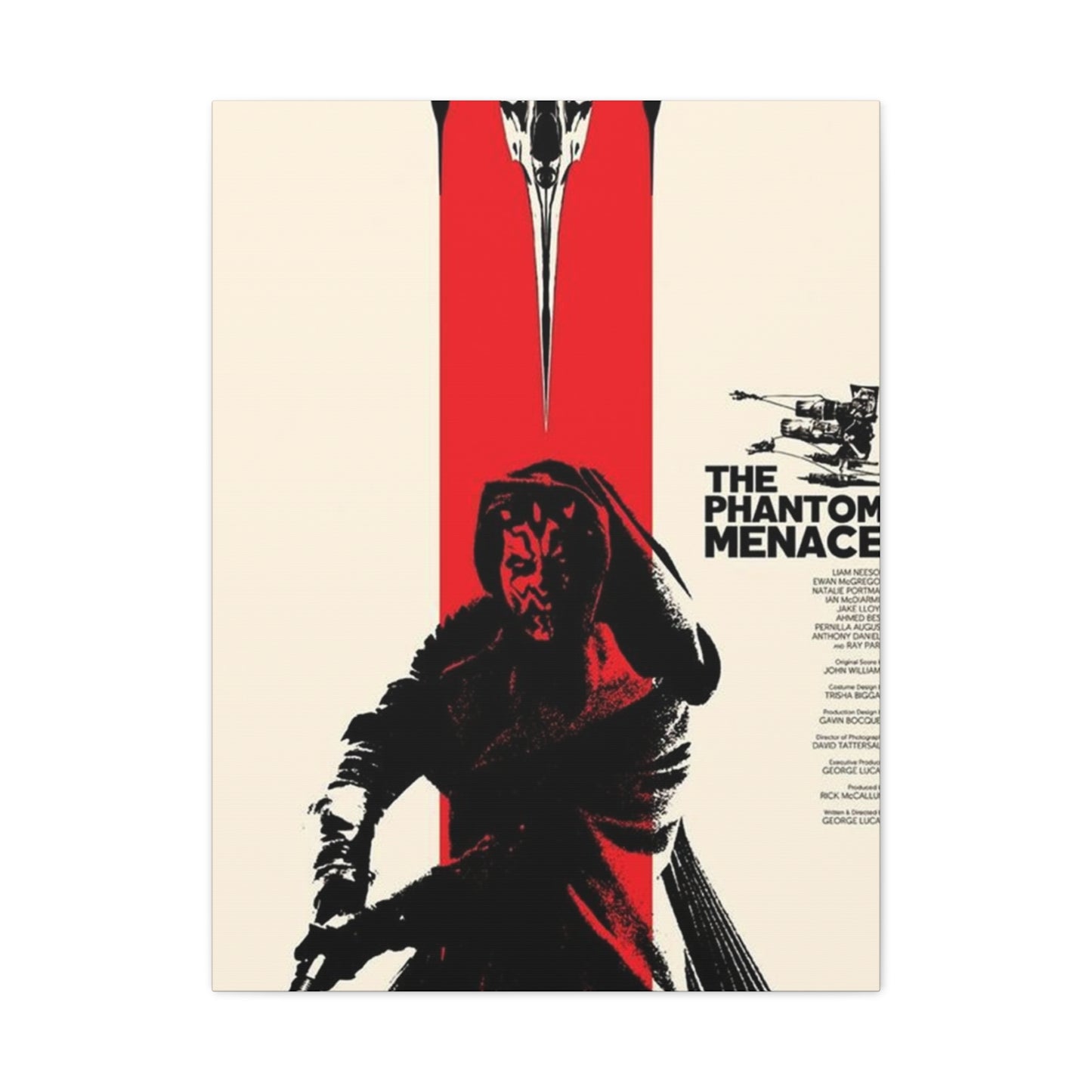
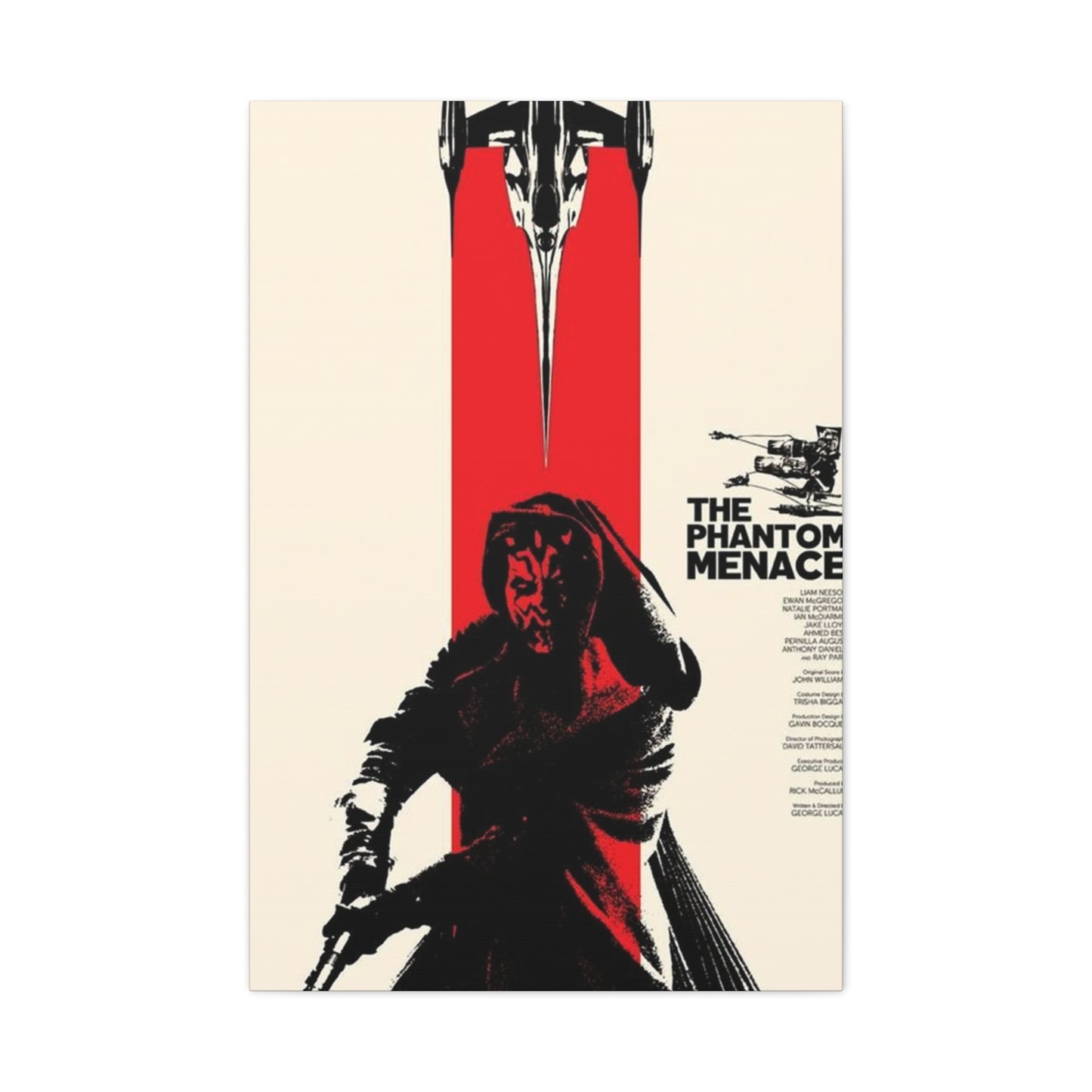
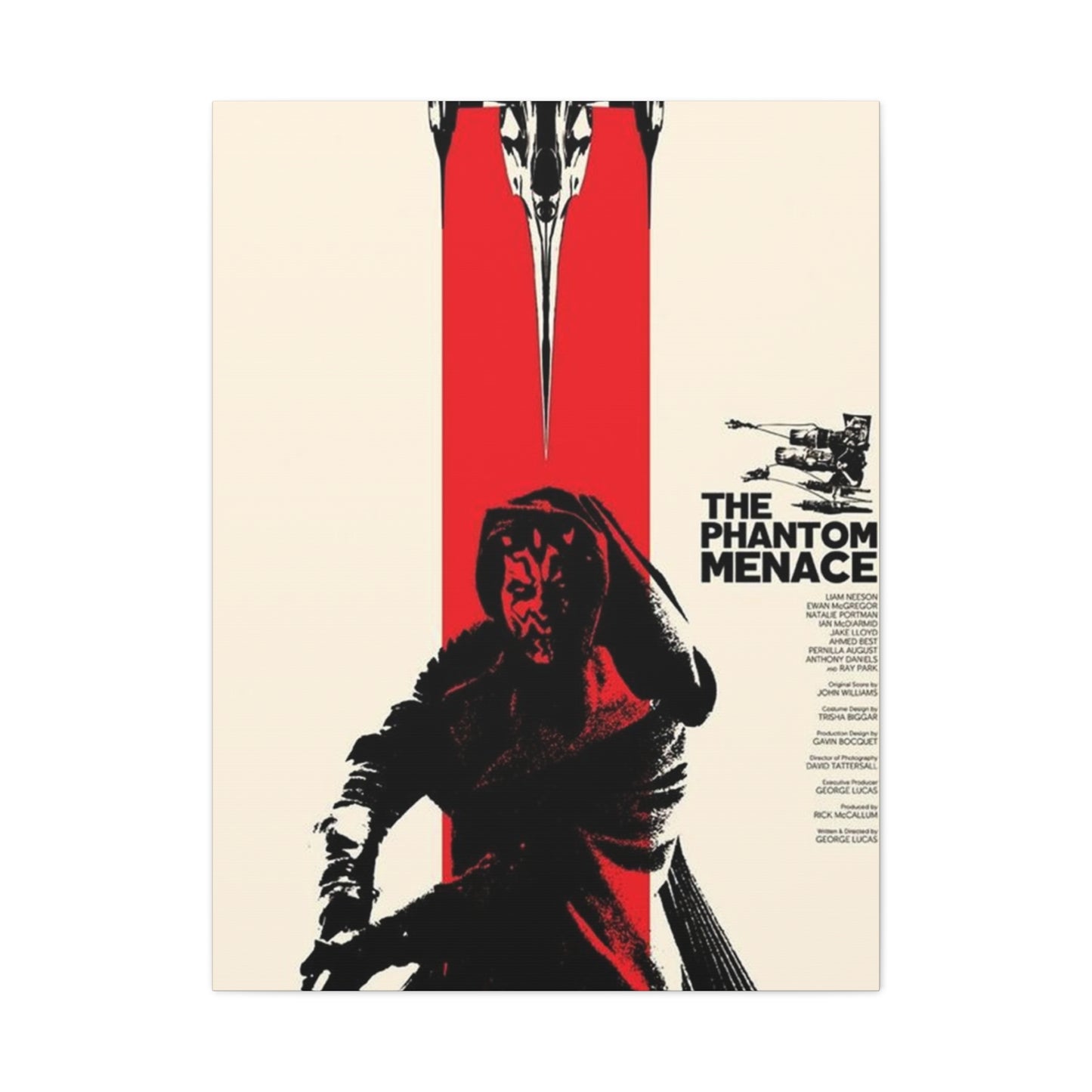
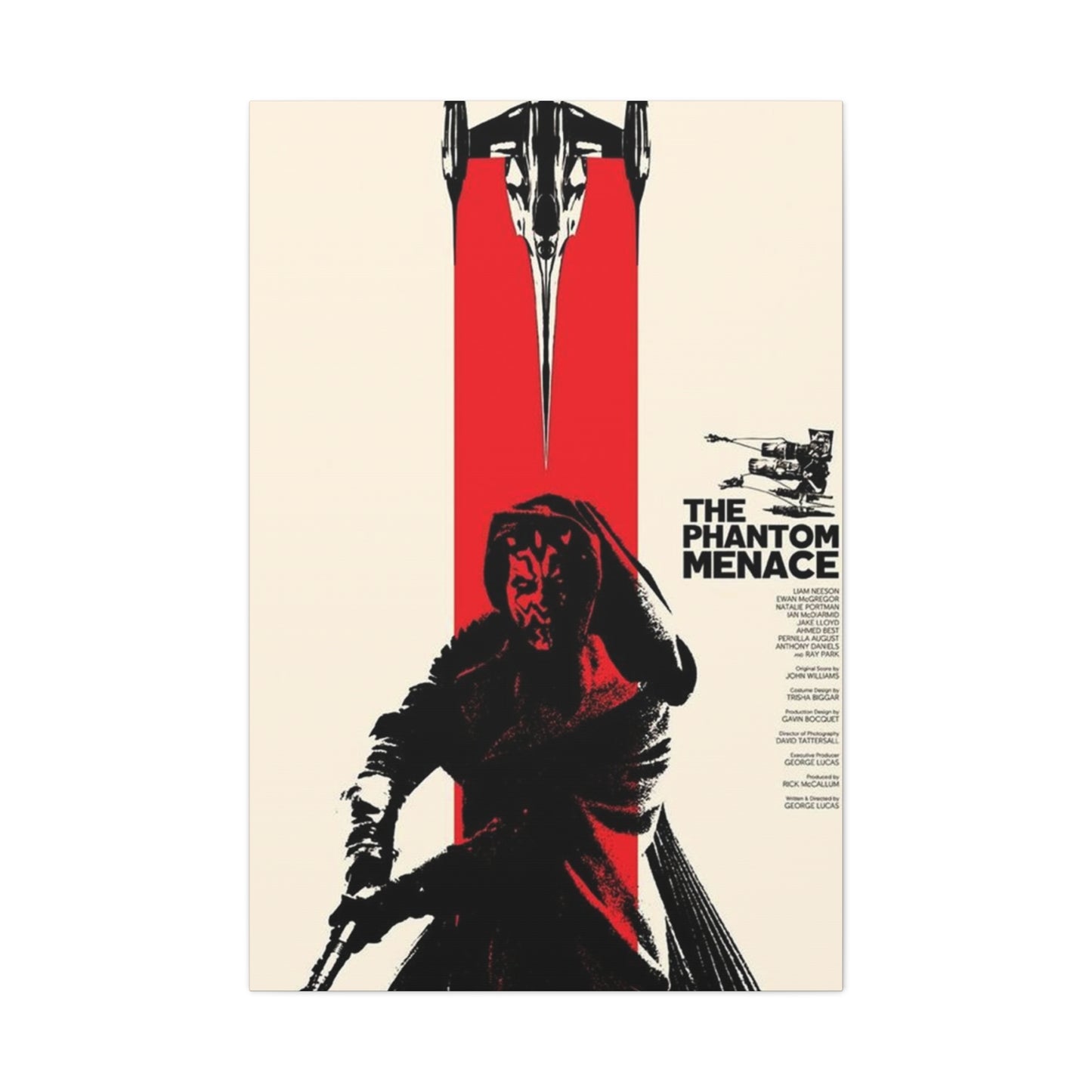
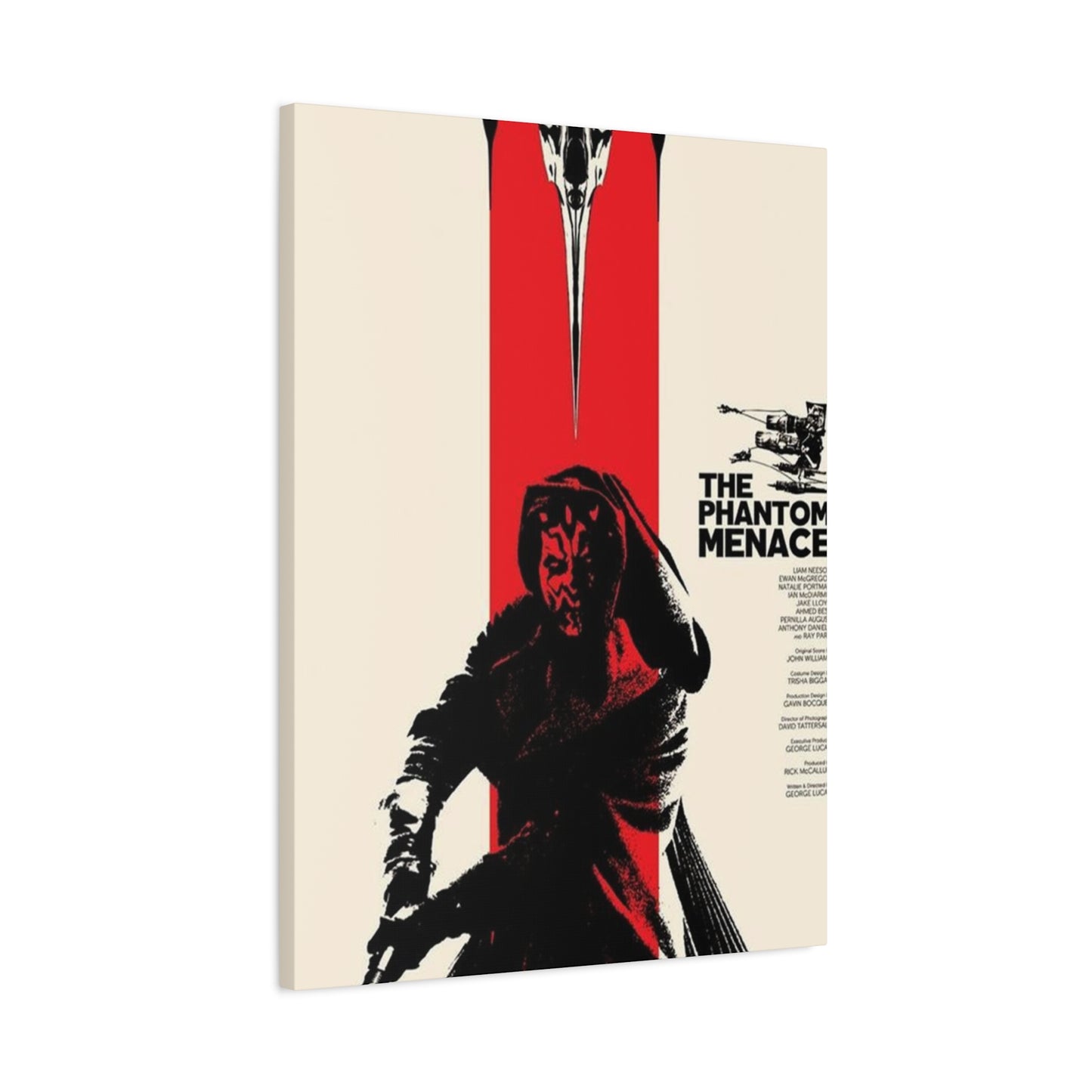
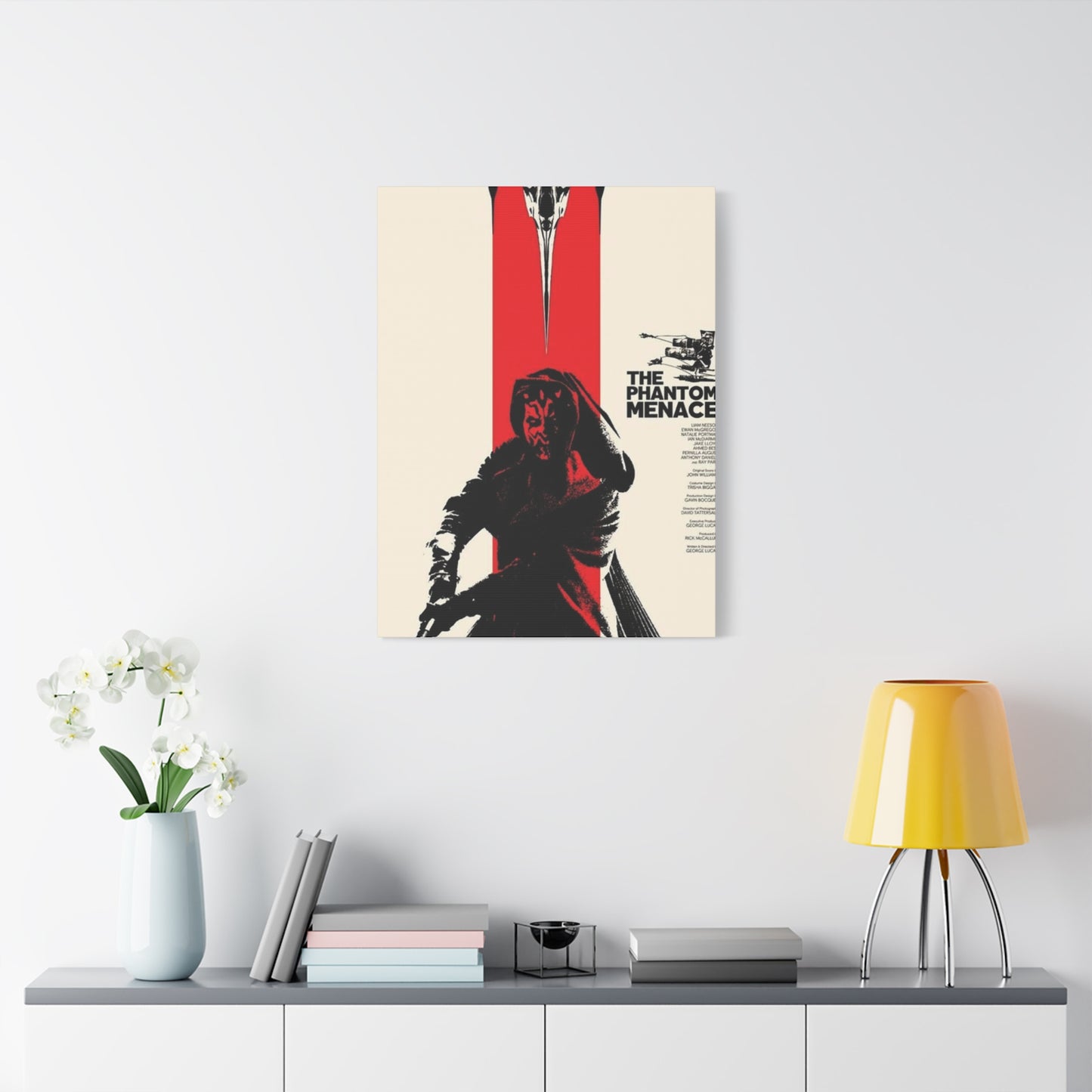
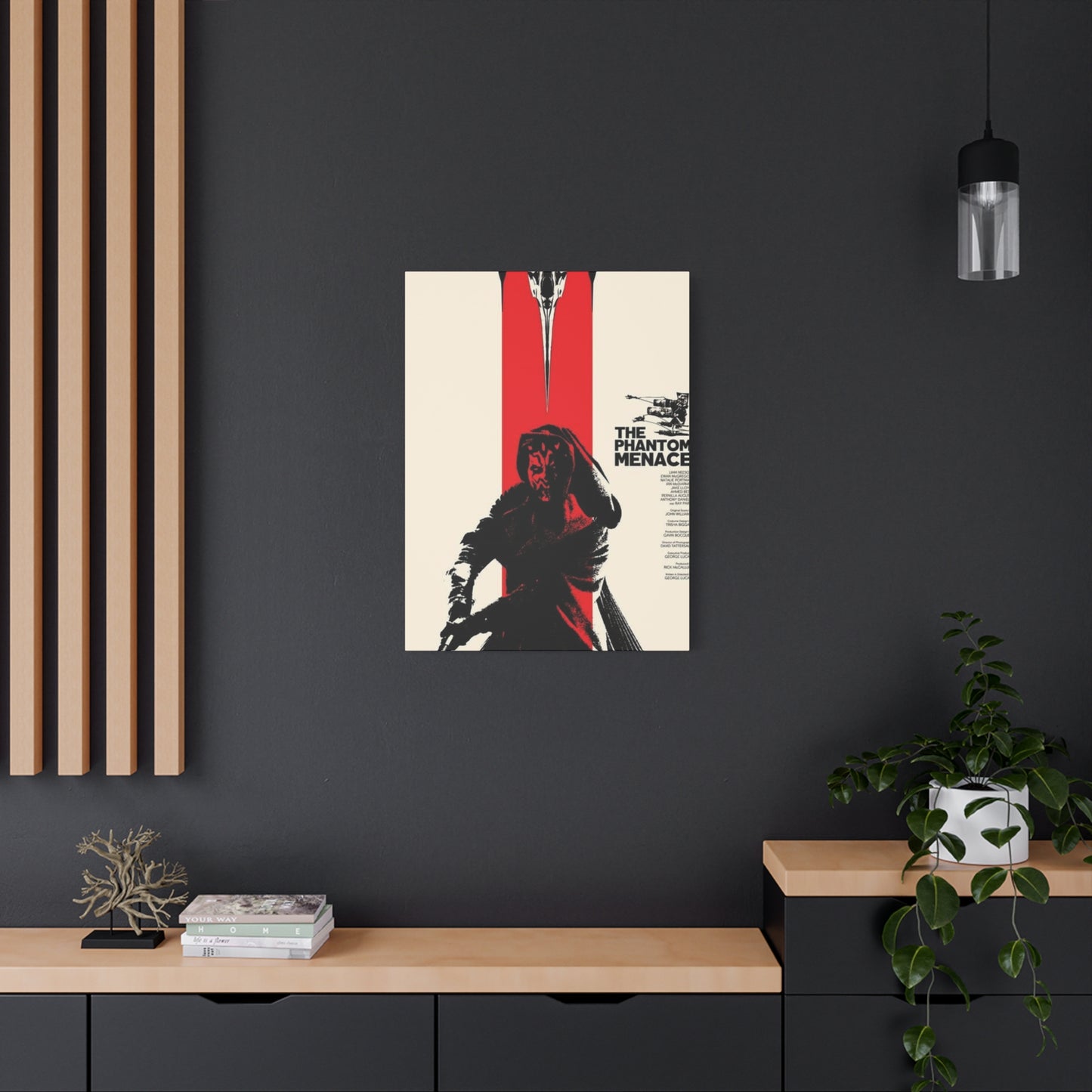
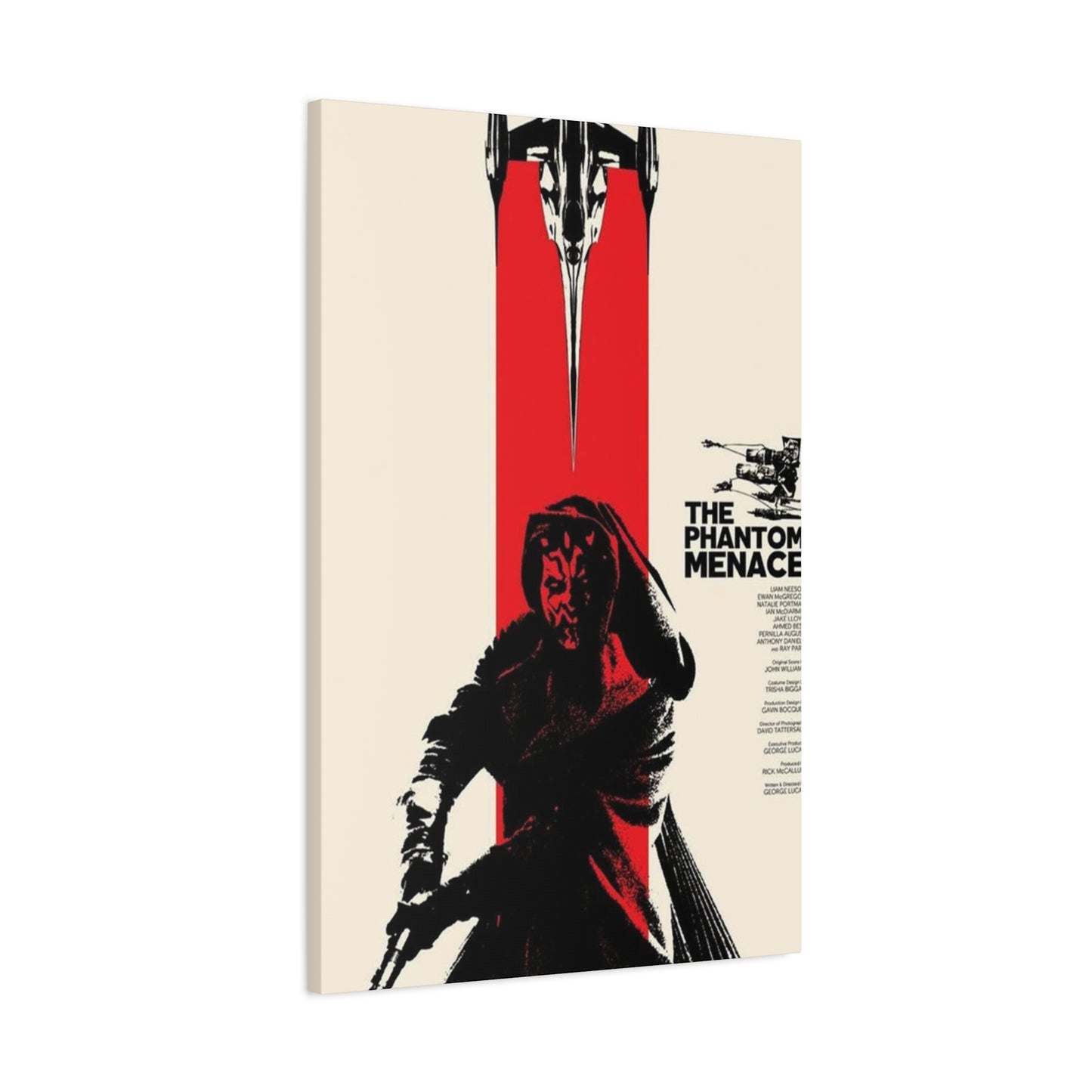
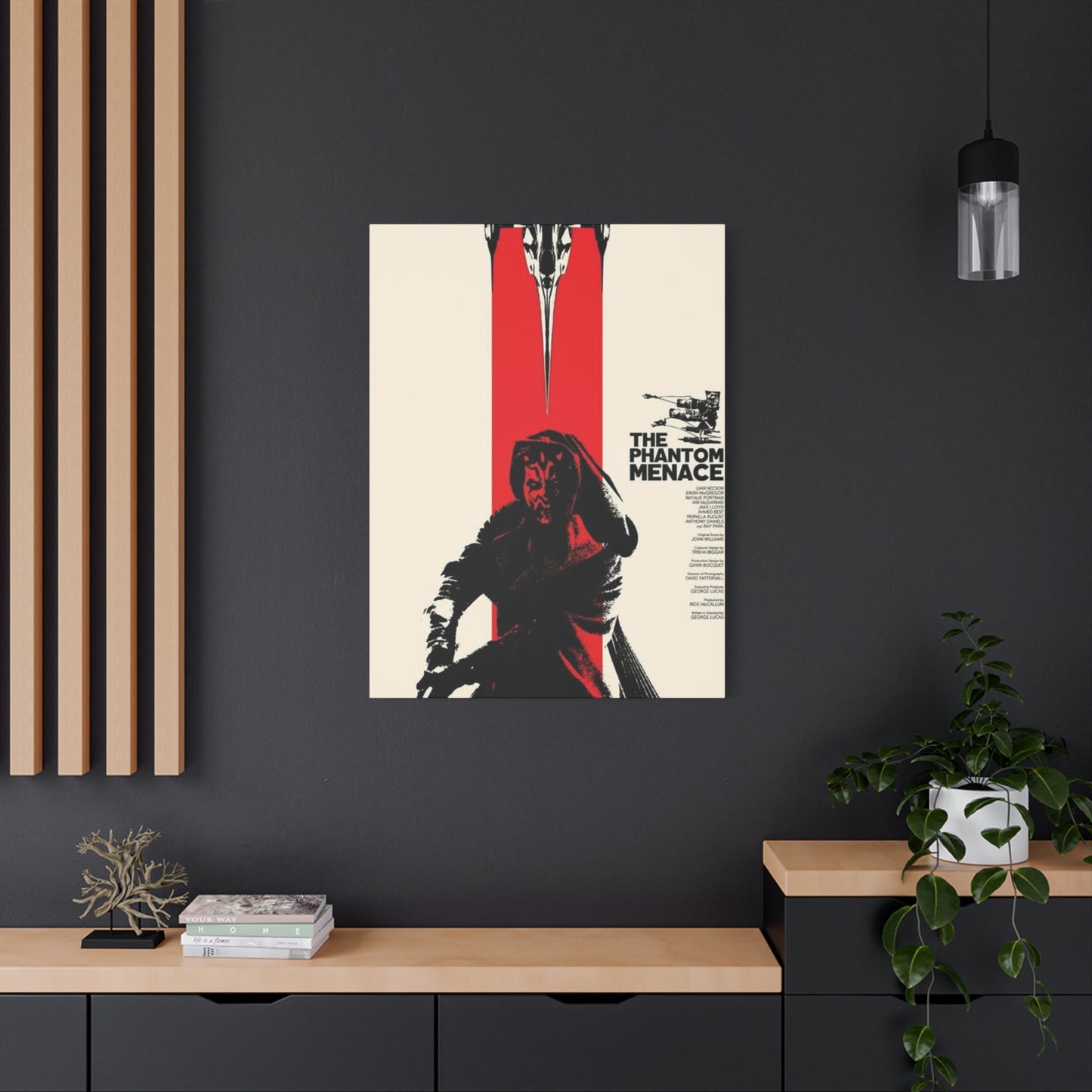
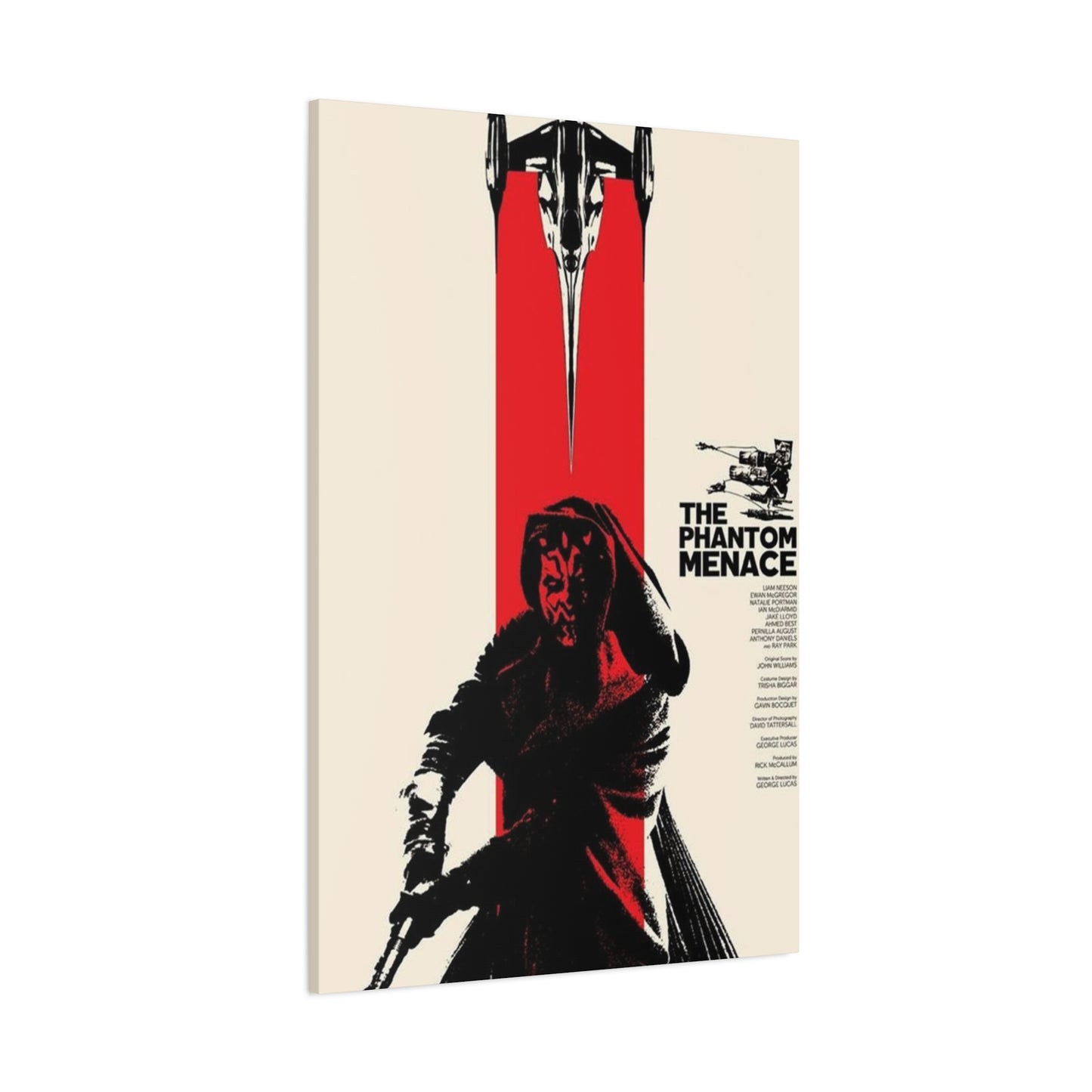
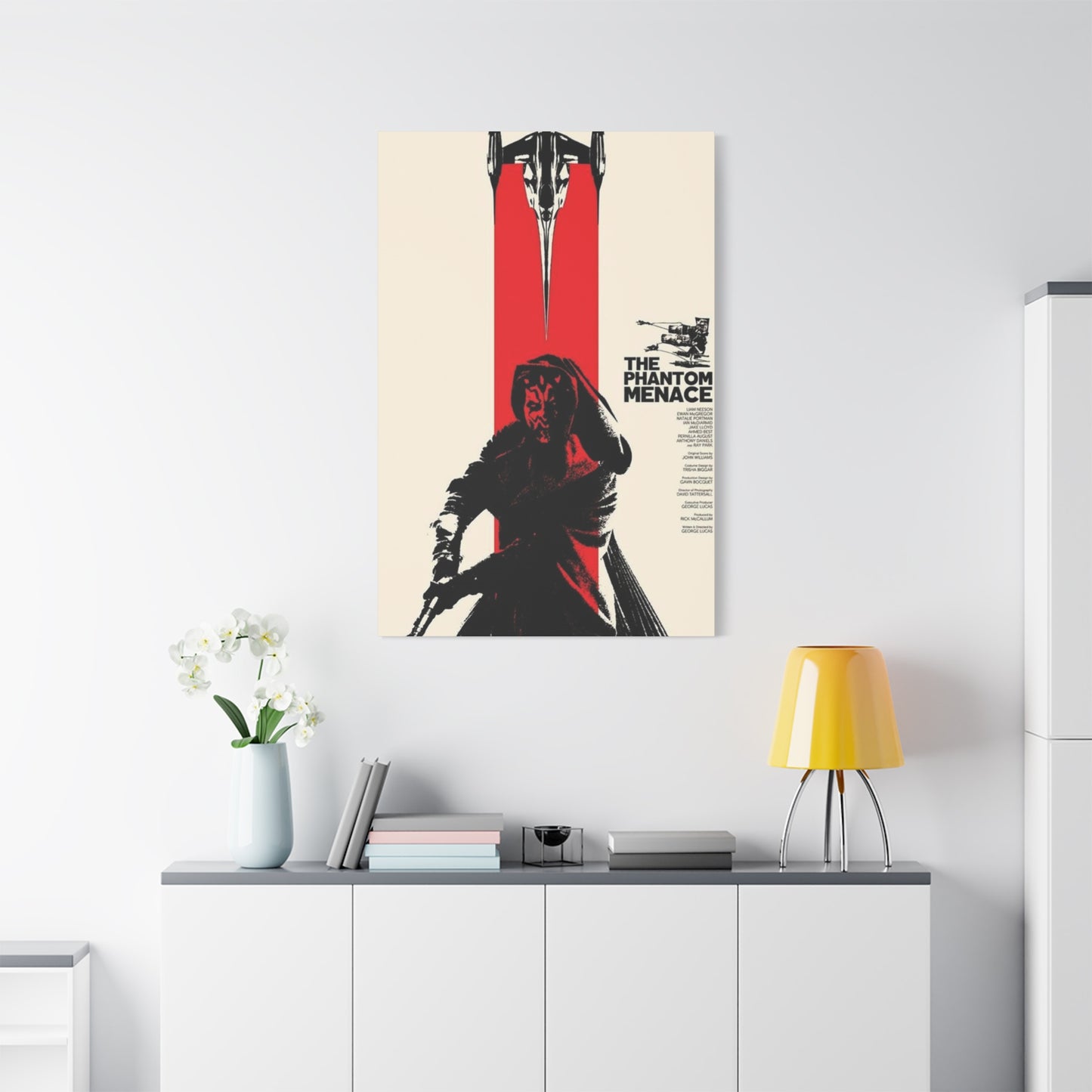
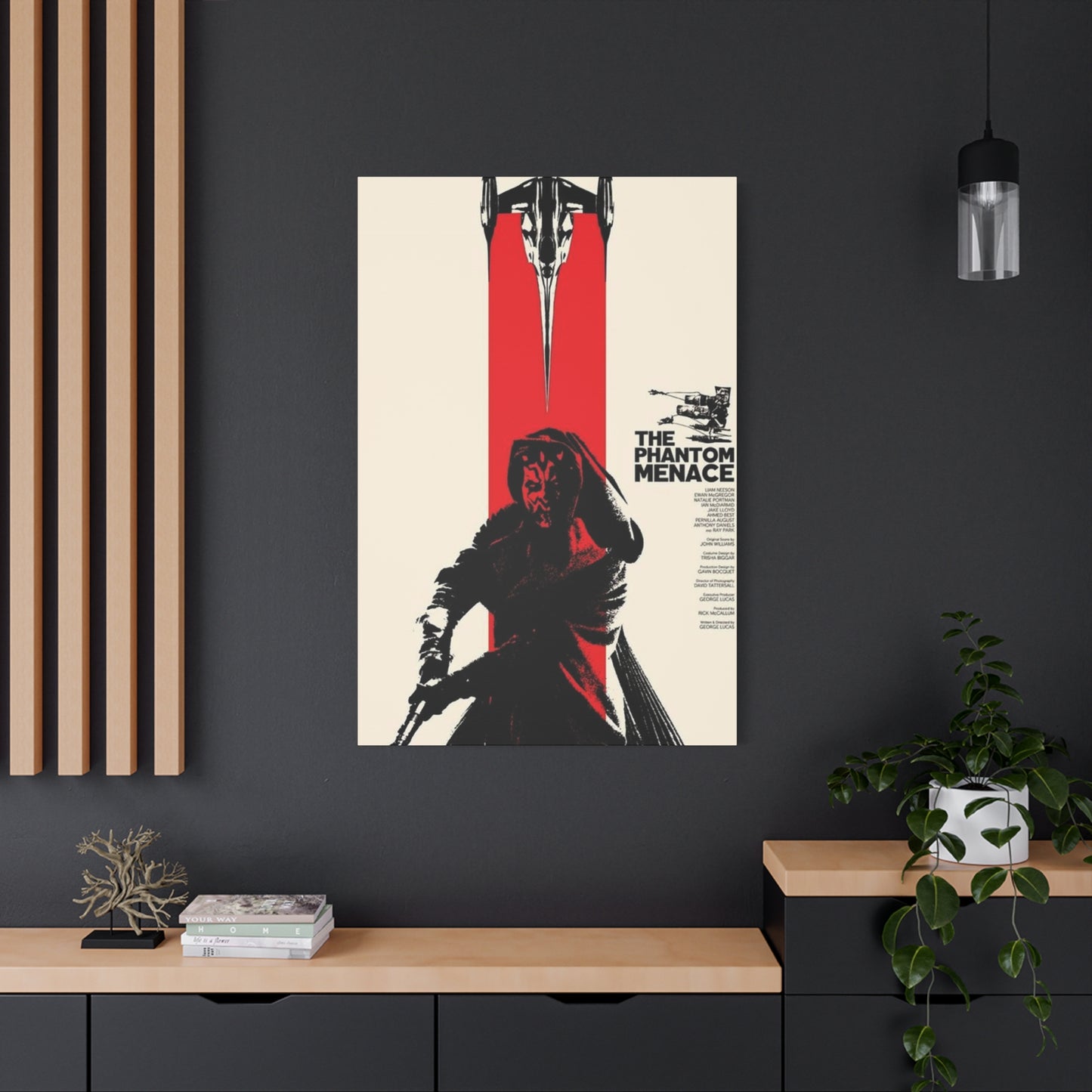
Transform Your Space with Dramatic Phantom Menace Wall Art Prints
The first chapter of the prequel trilogy brought audiences back to a galaxy far, far away with spectacular visuals, memorable characters, and groundbreaking special effects. Fans worldwide embraced this return to the beloved franchise, creating an enormous demand for decorative pieces featuring scenes, characters, and iconic moments from this cinematic experience. Whether you're a longtime enthusiast or newly discovering this universe, adding themed artwork to your living space offers a perfect way to celebrate your passion for this science fiction saga.
Why Collectors Seek Episode I Artwork
Decorating with movie-inspired art has become increasingly popular among enthusiasts of all ages. The first prequel installment holds special significance for multiple generations of fans who experienced its theatrical release or discovered it through home viewing. These decorative pieces serve as nostalgic reminders of childhood memories, exciting theatrical experiences, or simply appreciation for exceptional storytelling and visual artistry.
The artwork from this particular chapter features distinct aesthetic qualities that set it apart from other entries in the franchise. Vibrant color palettes, exotic locations, and unique character designs create visually striking compositions perfect for interior decoration. From the underwater cities to desert landscapes, from podrace excitement to lightsaber duels, the visual variety offers something appealing for every taste and decorating style.
Collectors appreciate how these pieces can transform ordinary rooms into personalized spaces reflecting individual interests and passions. A well-chosen print or canvas can become a conversation starter, a focal point for room design, or simply a daily reminder of stories and characters that bring joy. The emotional connection fans feel toward this franchise makes artwork featuring its imagery particularly meaningful as home decoration.
Popular Character Representations in Decorative Prints
Character-focused artwork remains among the most sought-after options for fans decorating their spaces. The prequel trilogy introduced audiences to numerous memorable personalities, each with distinctive visual characteristics that translate beautifully into artistic representations. Young Anakin Skywalker appears in various artistic styles, capturing both his innocence and hints of his future destiny. These portrayals often feature the character in his podracer pilot outfit or Jedi training robes, creating dynamic and engaging visual compositions.
The Jedi Master who discovered Anakin features prominently in many decorative pieces. His dignified bearing, distinctive facial features, and elegant robes make him instantly recognizable. Artists often depict him in contemplative poses, during lightsaber combat, or in mentoring moments, capturing the wisdom and warrior spirit that defined his character. The visual contrast between his aged appearance and physical prowess creates compelling artistic tension.
Padmé Amidala offers incredible variety for artistic representation due to her numerous elaborate costumes throughout the film. From regal queen attire to handmaiden disguises, each outfit presents unique visual opportunities. Her striking makeup, ornate headdresses, and flowing gowns create dramatic silhouettes and rich color combinations that artists love exploring. Decorative pieces featuring this character often emphasize elegance, royalty, and hidden strength.
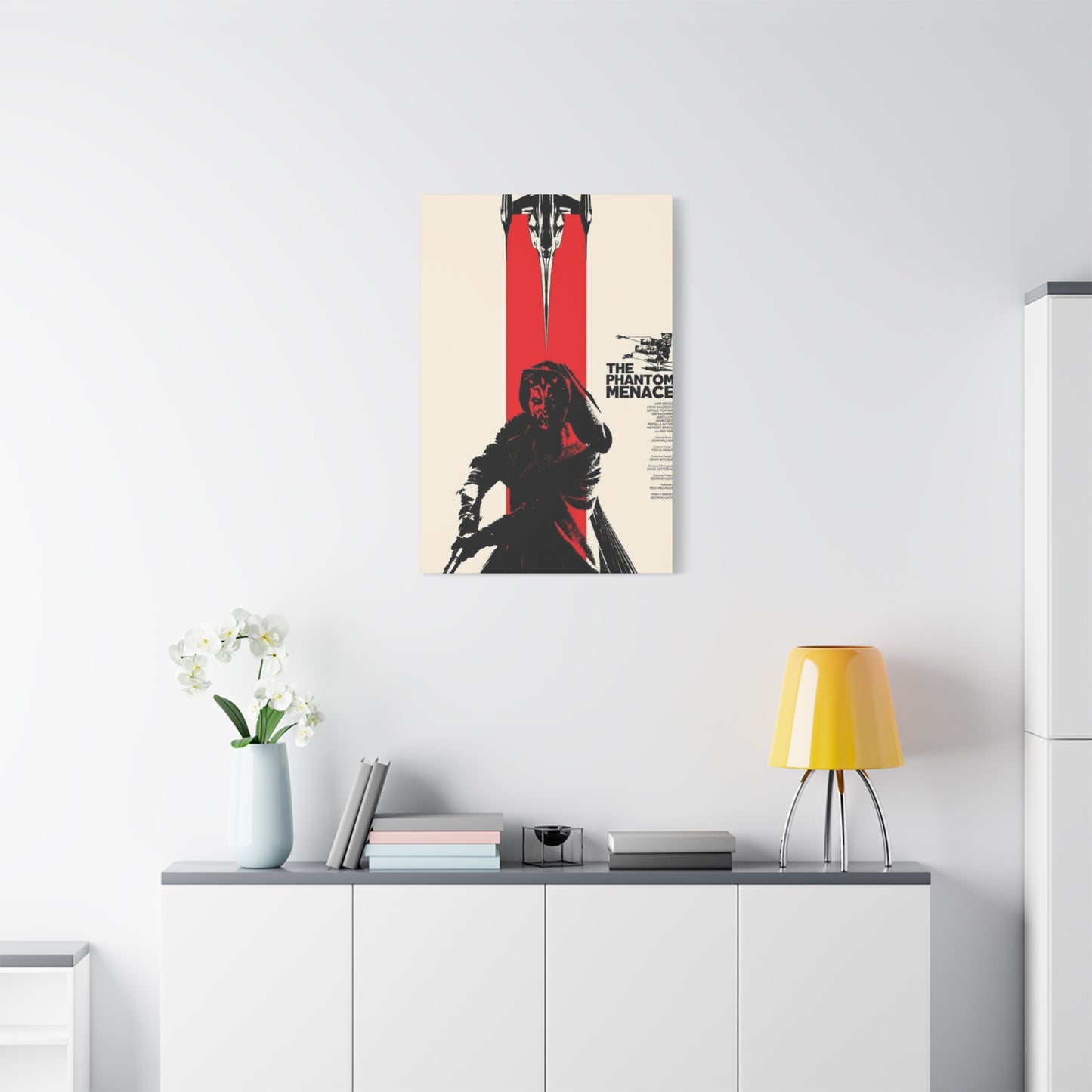
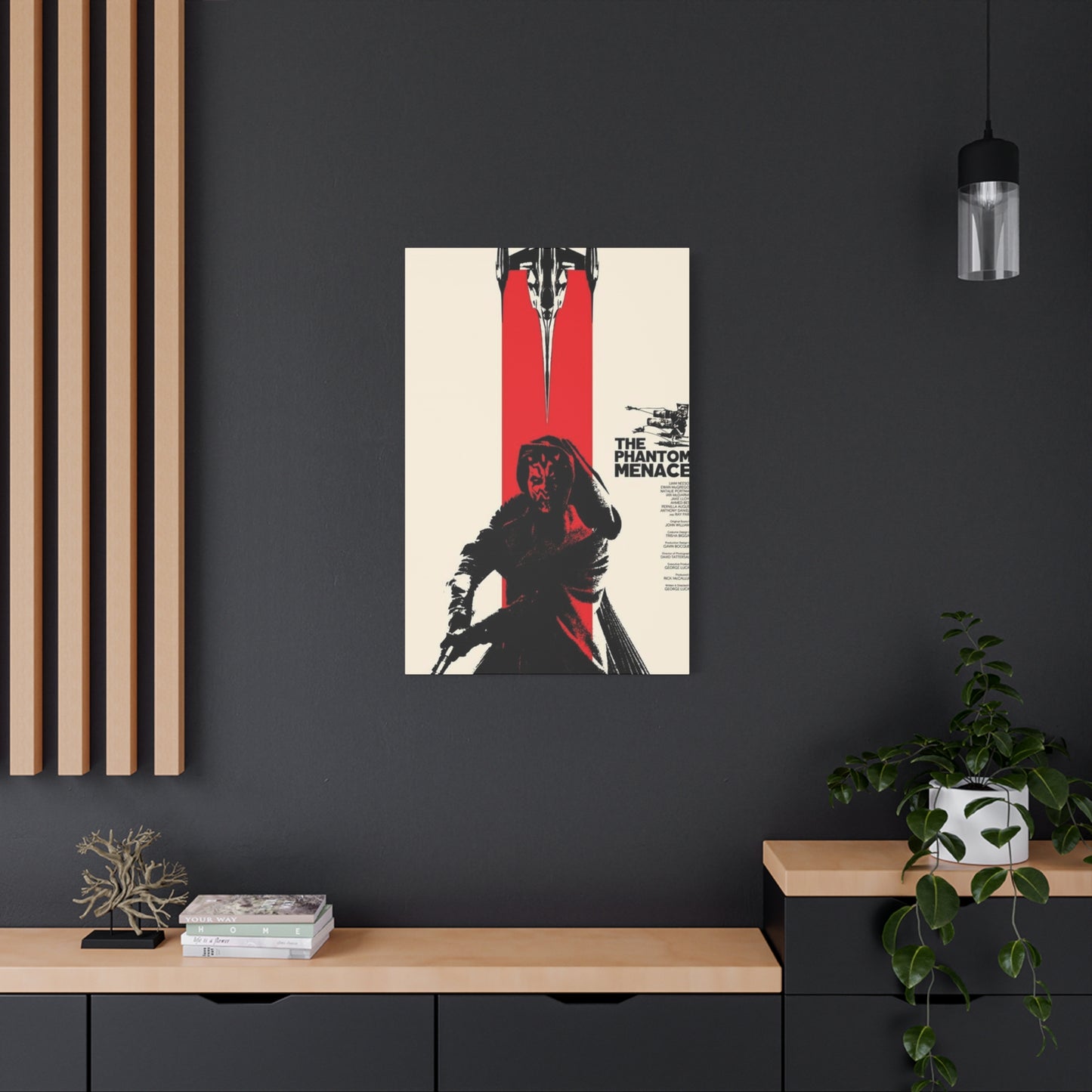
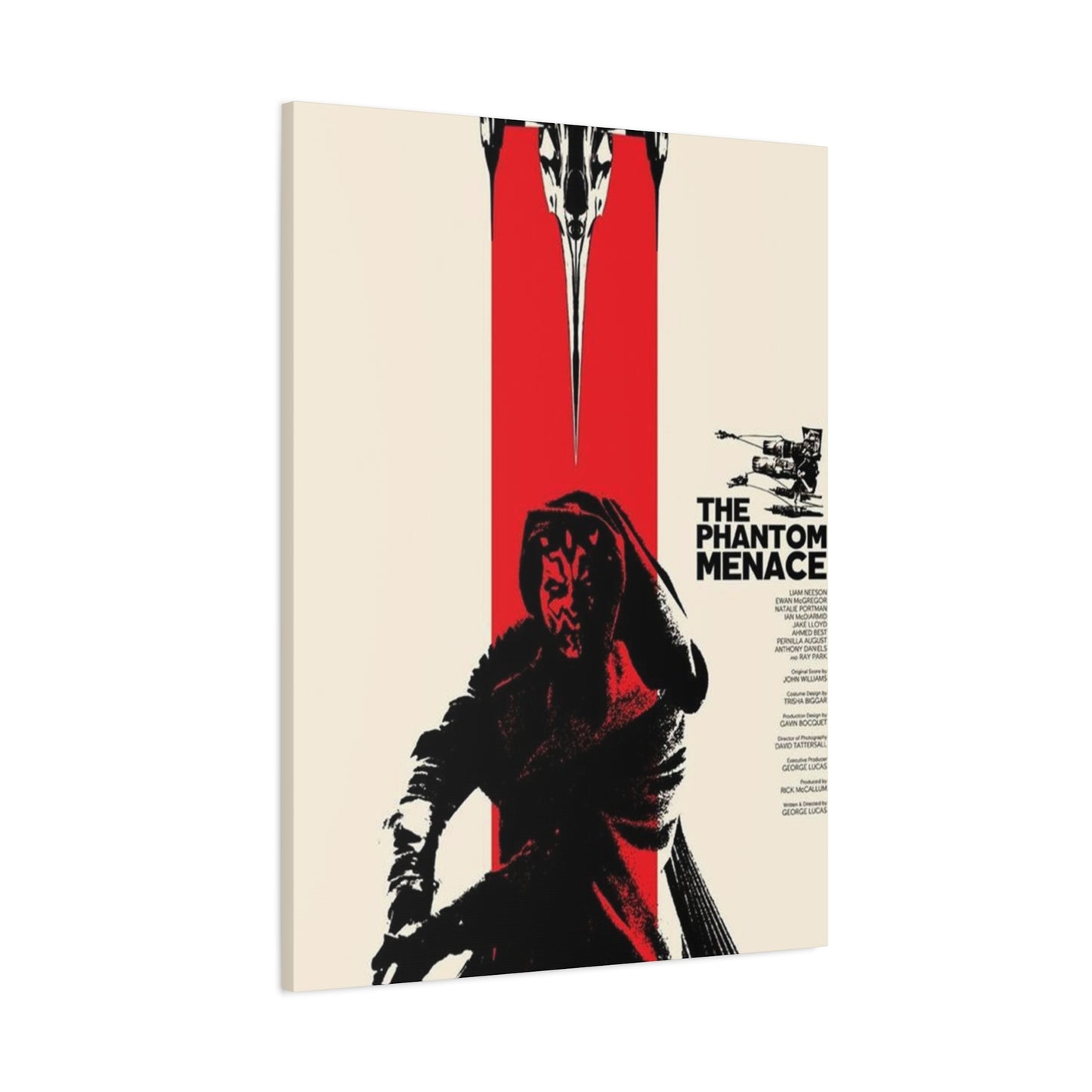
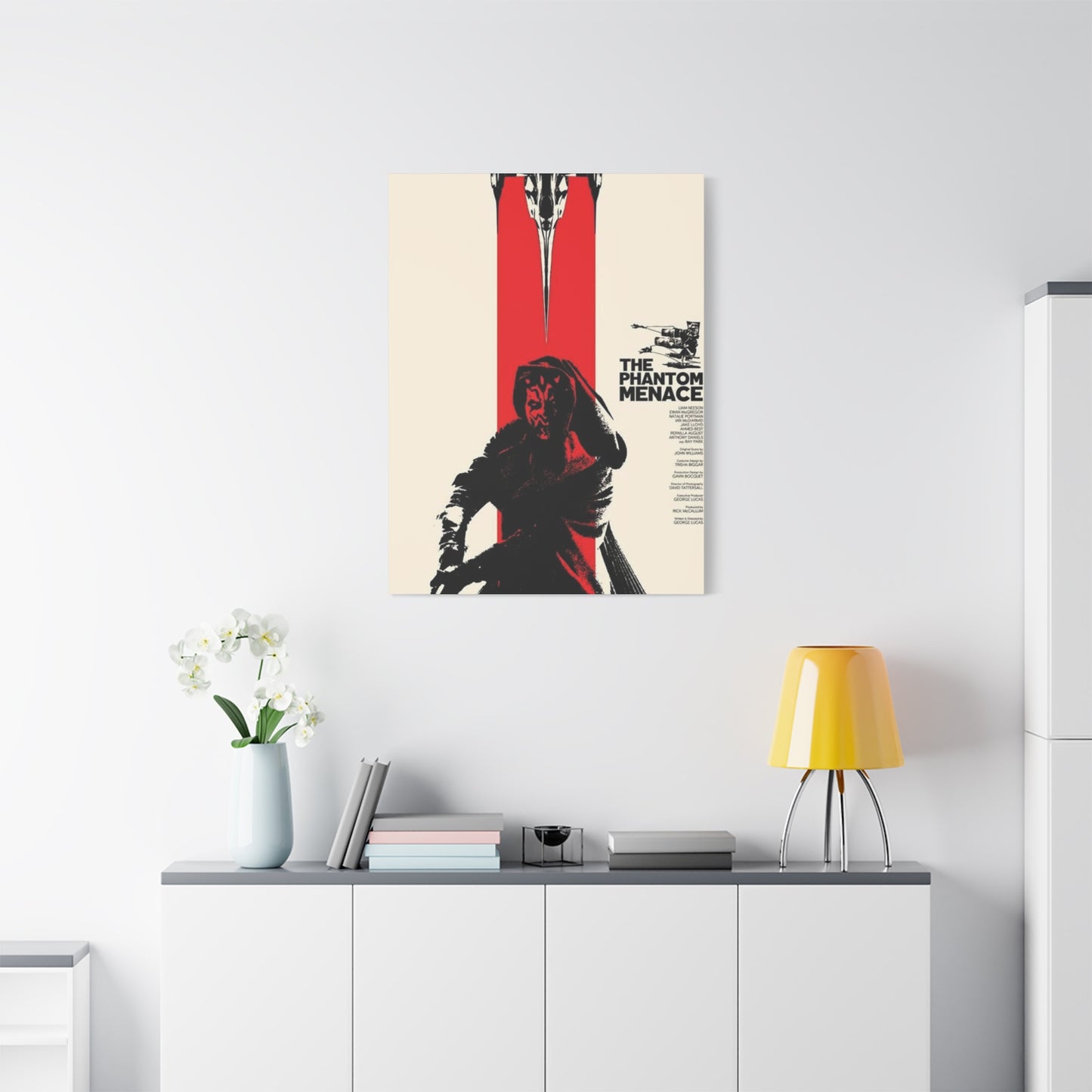
The apprentice who would become one of cinema's most recognizable villains appears in artwork showcasing his distinctive facial tattoos and double-bladed lightsaber. His menacing appearance and acrobatic combat style provide artists with opportunities to create dynamic, action-oriented compositions. The red and black color scheme associated with this character creates bold visual statements perfect for dramatic room accents.
Young Obi-Wan Kenobi appears in various artistic interpretations, often depicted during training, combat, or reflective moments. His Padawan braid and youthful features distinguish him from his later appearances, offering fans a chance to celebrate this earlier chapter in his journey. These representations often emphasize determination, skill development, and the beginning of a legendary career.
Iconic Scene Recreation in Artwork
Beyond character portraits, scene-specific artwork allows fans to commemorate favorite moments from the film. The podrace sequence provides artists with incredible material for creating fast-paced, dynamic compositions. These pieces often capture the speed, danger, and excitement of the competition through motion blur effects, dramatic angles, and vibrant desert color palettes. The unique vehicle designs and alien spectators add exotic elements that make these pieces visually distinctive.
The climactic lightsaber duel offers another popular subject for artistic interpretation. The three-way confrontation in the Theed power generator provides dramatic lighting opportunities with contrasting red and blue-green energy blades against industrial backgrounds. Artists capture the choreography, intensity, and tragic outcome of this battle through various styles ranging from realistic to abstract interpretations. The circular melting pit and multiple levels create interesting compositional elements.
Underwater sequences in the Gungan city present unique visual opportunities rarely seen in the franchise. The bubble architecture, aquatic environment, and bioluminescent lighting create dreamlike atmospheres that artists enjoy exploring. These scenes offer cooler color palettes dominated by blues and greens, providing contrast to the warmer desert tones prevalent elsewhere in the film.
The Jedi Council chamber scenes feature impressive architectural details and the assembly of various Jedi Masters. These compositions often emphasize the grandeur of the setting, the diversity of species represented, and the weight of decisions being made. The circular chamber design and ambient lighting create balanced, symmetrical compositions with contemplative moods.
Battle sequences involving droid armies, Gungans, and various factions provide action-packed subject matter. Artists capture the scale of conflict, the contrast between organic and mechanical forces, and the chaos of warfare. These pieces often feature wide compositions showing multiple elements simultaneously, creating complex visual narratives within single images.
Artistic Styles Available for Episode I Decorations
Fans can choose from numerous artistic approaches when selecting decorative pieces. Photorealistic renderings capture film stills or create original compositions that appear as though they could be frames from the movie itself. These pieces appeal to collectors who want accurate representations of characters and scenes, maintaining visual continuity with the source material. The detail in these works showcases costume intricacies, environmental textures, and subtle lighting effects.
Minimalist interpretations reduce complex scenes to essential shapes, colors, and silhouettes. These modern approaches create clean, sophisticated pieces that complement contemporary interior design. A character might be represented through iconic silhouette alone, or a scene might be distilled to key geometric forms and limited color palettes. These works appeal to fans who appreciate subtle references rather than obvious imagery.
Vintage-style posters emulate classic movie advertising aesthetics from earlier decades. These pieces might feature hand-drawn illustrations, retro typography, and composition techniques reminiscent of theatrical one-sheets from the golden age of cinema. The nostalgic quality of these designs creates interesting juxtapositions between modern science fiction content and vintage presentation styles.
Abstract interpretations focus on color, emotion, and impression rather than literal representation. These pieces might use brushstrokes, color fields, or experimental techniques to evoke feelings associated with characters or scenes without depicting them directly. Such works appeal to collectors interested in more artistic, gallery-quality pieces that spark conversation and interpretation.
Comic book or graphic novel styles apply sequential art aesthetics to film imagery. Bold outlines, dynamic angles, halftone patterns, and vibrant colors create energetic compositions reminiscent of illustrated storytelling. These pieces bridge the gap between cinema and comic traditions, celebrating both mediums simultaneously.
Watercolor approaches bring softness and fluidity to science fiction subjects. The transparency and color blending characteristic of this medium create ethereal, dreamlike qualities. These pieces often emphasize atmospheric effects, emotional resonance, and artistic interpretation over technical precision.
Digital art techniques allow for effects and manipulations impossible with traditional media. Artists create hyperrealistic details, impossible lighting scenarios, composite scenes, and enhanced elements that push beyond what appeared on screen. These pieces showcase technical skill and creative vision simultaneously.
Size Considerations for Different Spaces
Selecting appropriate dimensions for decorative artwork significantly impacts its effectiveness in any given space. Large-scale pieces measuring several feet across create dramatic focal points suitable for prominent wall areas. Living rooms, home theaters, or dedicated entertainment spaces often benefit from these substantial works that command attention and set the tone for entire rooms. The scale allows for impressive detail visibility and creates immersive experiences for viewers.
Medium-sized prints work well for bedroom walls, office spaces, or hallway displays. These versatile dimensions provide sufficient visual interest without overwhelming smaller areas. Collections of medium pieces can be arranged in gallery wall configurations, telling visual stories through multiple related images. This size range offers flexibility for various arrangement options and room configurations.
Smaller pieces serve perfectly for desk areas, bathroom decoration, closet doors, or filling gaps in existing wall arrangements. These compact options allow fans to incorporate franchise imagery throughout their homes without committing large wall areas. Despite smaller dimensions, quality printing techniques ensure these pieces maintain visual impact and detail clarity.
Vertical versus horizontal orientation affects how pieces fit specific wall spaces. Portrait-oriented works suit narrow wall sections, areas beside doors or windows, or stacked arrangements. Landscape-oriented pieces work better above furniture, in wide wall spans, or horizontal gallery arrangements. Character portraits often work well in vertical formats, while scene depictions frequently benefit from horizontal presentations.
Multi-panel or triptych arrangements divide single images across multiple canvases or frames. These configurations add visual interest through separation while maintaining thematic unity. The gaps between panels create natural visual breaks that can make large images feel less overwhelming. These arrangements work particularly well for panoramic scenes or sequences showing progression through time.
Material Options for Episode I Decorative Art
Canvas prints offer texture and depth that enhances visual appeal. The fabric surface creates subtle dimensionality, and wrapped edges around wooden frames eliminate the need for additional framing. Canvas works well for creating gallery-quality appearances with professional presentation. The material durability withstands environmental factors better than paper, making canvas suitable for various room conditions.
Poster paper provides affordable options for budget-conscious collectors or those who frequently rotate their decorations. Modern printing techniques on quality paper stocks produce vibrant colors and sharp details. Framing protects paper prints while allowing for style customization through frame selection. This traditional format remains popular for its accessibility and ease of replacement when tastes change.
Metal prints create contemporary, sleek appearances with unique visual properties. Images printed directly onto aluminum sheets produce luminous quality with particular vibrancy in highlights. The rigid material requires no additional framing, and hanging systems attach directly to the metal. These modern presentations suit minimalist or industrial interior designs particularly well.
Acrylic face-mounted prints place images behind clear acrylic sheets, creating depth and protecting the print surface. Light passes through the acrylic, creating luminous quality and saturated colors. The glossy surface reflects ambient light, making images appear to glow. These premium presentations create gallery-quality displays with impressive visual impact.
Wood-mounted prints combine natural material aesthetics with printed imagery. Images transfer directly onto wood surfaces, allowing natural grain patterns to show through. This rustic presentation style creates unique character, with each piece having slight variations due to wood properties. The organic quality suits certain interior design aesthetics particularly well.
Fabric tapestries offer textile-based alternatives to traditional prints. These pieces can be hung like flags or banners, creating different visual effects than framed works. The fabric drapes naturally and can be easily stored or transported. Tapestries work well for temporary decorations, dorm rooms, or spaces where permanent installations aren't desired.
Vinyl decals provide removable decoration options perfect for renters or those who change designs frequently. These adhesive graphics apply directly to walls without damaging surfaces and can be removed cleanly. Size options range from small accent pieces to full wall murals. The flexibility of this format allows creative arrangements and combinations.
Color Scheme Integration with Home Decor
Successfully incorporating franchise artwork into existing room designs requires considering color relationships. The prequel visuals feature distinct palettes that can either complement or contrast with surrounding decor. Desert scenes dominated by warm yellows, oranges, and browns coordinate beautifully with earth-tone interiors, natural wood furniture, and warm lighting. These pieces enhance cozy, welcoming atmospheres in living spaces.
Underwater and night scenes featuring cool blues and greens work wonderfully with contemporary color schemes, silver or chrome accents, and modern furniture. These cooler tones create calming effects suitable for bedrooms or relaxation spaces. The futuristic aesthetics of certain scenes naturally complement modern or minimalist design philosophies.
The bold red and black associated with certain villainous characters creates dramatic statements that work well as accent pieces. These high-contrast works draw immediate attention and can anchor color schemes built around dramatic statements. Rooms featuring neutral backgrounds benefit from these bold color injections that prevent spaces from feeling bland.
Regal scenes featuring elaborate costumes often incorporate rich purples, golds, and deep reds. These luxurious color combinations coordinate with traditional or elegant interior designs. The ornate quality of these images complements formal living spaces, dining rooms, or areas where sophistication is desired.
Space scenes featuring starfields and spacecraft often feature deep blacks with bright accent colors. These works create drama while maintaining versatility in color coordination. The predominant darkness allows these pieces to blend with virtually any color scheme while maintaining visual interest through bright details.
Selecting black and white or sepia-toned versions of franchise imagery offers sophisticated alternatives to color prints. These monochromatic approaches create timeless aesthetics that coordinate with any color palette. The absence of color emphasizes composition, contrast, and form rather than chromatic relationships.
Creating Gallery Walls with Multiple Pieces
Combining several related artworks creates visual narratives more complex than single pieces achieve. Grouping character portraits of protagonists tells stories about relationships and team dynamics. Arranging these portraits in chronological order or hierarchical patterns creates organizational logic that viewers unconsciously appreciate. Size variations within character groupings add visual interest while maintaining thematic unity.
Sequence-based arrangements showing progression through key plot points create storytelling through visual succession. Beginning with establishing shots, moving through character introductions, depicting conflict escalation, and concluding with resolution recreates narrative structure on walls. This approach works particularly well in long hallways or extended wall spaces where viewers naturally move past works in sequence.
Color-coordinated groupings organize pieces by dominant hues rather than content relationships. Warm-toned pieces cluster together, creating unified color zones, while cool-toned works form separate groupings. This approach prioritizes aesthetic harmony over narrative connections, creating sophisticated displays that function as color studies while maintaining thematic consistency through shared franchise origin.
Symmetrical arrangements create formal, balanced presentations suitable for traditional spaces. Identical frames, consistent spacing, and mirror-image layouts produce orderly appearances that convey organization and intentionality. Central focal pieces flanked by complementary works create hierarchy within the arrangement, directing viewer attention according to deliberate plans.
Asymmetrical salon-style hangings embrace organic arrangements with varied sizes, frame styles, and spacing. This casual approach creates dynamic, energetic displays that feel collected over time rather than installed simultaneously. The apparent randomness actually requires careful planning to achieve visual balance without formal symmetry.
Grid patterns with uniform sizing and spacing create modern, clean presentations. This structured approach works particularly well with series of related images or collections maintaining consistent artistic styles. The regularity creates order while allowing individual pieces to maintain identity within the larger composition.
Framing Options to Enhance Your Artwork
Frame selection significantly impacts how artwork integrates with room aesthetics and the impression it creates. Traditional wooden frames offer warmth and classic appeal. Dark woods create formal, serious presentations suitable for sophisticated spaces, while lighter woods convey casual, friendly atmospheres. Ornate carved details add elegance, whereas simple profiles maintain focus on the artwork itself.
Black frames create crisp definition with modern appeal. The neutral darkness coordinates with virtually any color scheme while providing strong contrast that makes artwork stand out. Black framing suits both contemporary and traditional spaces depending on profile style, making it a versatile choice for various interior designs.
White or cream frames create clean, gallery-like presentations. These light frames prevent visual heaviness and work particularly well in rooms with light walls. The brightness expands visual space perception and creates airy feelings. White framing particularly suits minimalist aesthetics and Scandinavian design influences.
Metallic frames in silver, gold, or bronze add glamour and sophistication. These finishes catch light and create subtle sparkle that draws attention. Gold tones suit traditional or luxurious settings, while silver complements modern or industrial spaces. The reflective quality of metal frames adds dimension through light interaction.
Floating frames create the impression that artwork hovers within the frame structure. This technique works particularly well with canvas or thick paper stocks. The dimensional gap between artwork and frame creates shadow lines that add depth and visual interest. This contemporary framing approach suits modern spaces seeking architectural qualities in art presentation.
Mat board surrounds create breathing room between artwork and frame. Colored mats can be selected to complement specific colors within the print, creating coordination that enhances overall presentation. Multiple mat layers add depth and create premium appearances. Mat widths affect how substantial or delicate framing appears.
Frameless options including clips, acrylic sandwiches, or edge-mounting systems create ultra-modern presentations. These approaches minimize visual interruption between artwork and surrounding walls. The frameless aesthetic particularly suits contemporary spaces where minimalism is prioritized.
Where to Display Episode I Artwork in Your Home
Living rooms serve as natural locations for displaying favorite franchise artwork. These social spaces where families gather and guests visit allow collections to be shared and enjoyed by many. Above sofas, over fireplaces, or on prominent walls, these pieces create conversation starters and establish the room's character. Larger scale works suit the typically spacious wall areas found in living rooms.
Home theaters or media rooms dedicated to entertainment provide perfect contexts for movie-themed decorations. The direct connection between content and location creates thematic consistency. Multiple pieces creating immersive environments enhance the viewing experience. Dim lighting typical in these spaces benefits from artwork with strong contrast or luminous qualities.
Bedrooms offer opportunities for personal expression without concern for others' preferences. Fans can create sanctuary spaces surrounded by favorite characters and scenes. Artwork visible from bed provides enjoyable viewing during relaxation. Personal spaces allow for more extensive collections or bolder choices that might overwhelm shared areas.
Home offices and study areas benefit from inspirational imagery that sparks creativity or provides mental breaks during work. Smaller pieces near desks or larger works on opposite walls create visual focal points during thinking pauses. Themes of determination, adventure, or heroism can provide motivational influences throughout workdays.
Hallways often contain underutilized wall space perfect for gallery arrangements. The linear nature of corridors naturally suggests sequence-based displays showing story progression. Good lighting in hallways ensures artwork remains visible despite typically narrow spaces.
Children's rooms or playrooms embrace franchise themes enthusiastically. Age-appropriate imagery creates engaging environments that encourage imagination. Durable materials and secure mounting become priorities in active play spaces. Character-focused pieces often appeal most to younger fans.
Game rooms, bars, or recreational spaces allow for playful, bold design choices. The casual nature of these environments suits eclectic arrangements or dramatic statement pieces. Themed decorations enhance the entertainment focus of these areas.
Bathrooms increasingly feature decorative elements beyond purely functional considerations. Smaller prints add personality to often-overlooked spaces. Moisture-resistant materials become important considerations in humid environments.
Combining Episode I Art with Other Franchise Pieces
Many fans collect artwork spanning multiple films, creating comprehensive displays celebrating the entire saga. Chronological arrangements organize pieces according to in-universe timeline rather than release order. This approach places prequel imagery before original trilogy works, creating narrative flow across wall spaces.
Thematic groupings organize by subject rather than specific film origin. All lightsaber duel artwork clusters together regardless of which movie featured the battle. Character evolution displays show the same individual across different life stages, with pieces from various films showing progression through time.
Era-based sections separate prequel, original trilogy, and sequel artwork into distinct zones. This organization acknowledges the visual and tonal differences between trilogy sections while maintaining overall franchise unity. Each era section can develop its own aesthetic character while contributing to the comprehensive collection.
Color-coded arrangements organize the entire collection by dominant hues, deliberately mixing different film sources. This aesthetic approach prioritizes visual harmony over source fidelity, creating sophisticated displays that happen to feature franchise content rather than obviously movie-focused presentations.
Contrasting displays intentionally juxtapose different trilogy aesthetics, highlighting the visual diversity across the saga. Placing sleek original trilogy spacecraft beside ornate prequel architecture emphasizes the different design philosophies. These contrasts create visual interest through variety rather than uniformity.
Custom and Personalized Artwork Options
Many artists accept commissions for unique pieces unavailable through standard retailers. Commissioning custom work allows collectors to specify exact scenes, character combinations, artistic styles, or compositions that perfectly match their visions. This personalized approach creates one-of-a-kind pieces with special significance.
Personalized artwork incorporating collector names, dates, or custom text creates meaningful pieces beyond standard franchise imagery. Imagining oneself within the universe through customized scenes or character insertions appeals to fans desiring deeper personal connections. These pieces function as both franchise celebration and personal memorabilia.
Combining favorite characters from different films into single compositions creates impossible meetings that never occurred on screen. These creative mashups allow fans to explore interesting character dynamics and create unique visual concepts. Artists can imagine how different era characters might interact or appear together.
Style fusion approaches apply unexpected artistic techniques to franchise subjects. Imagining characters in various art historical styles, from Renaissance painting to pop art, creates fascinating visual experiments. These creative interpretations offer fresh perspectives on familiar subjects.
Size customization ensures artwork fits specific wall dimensions perfectly. Rather than adapting spaces to standard print sizes, custom dimensions allow optimal use of available areas. This approach creates seamless integration with architectural features and existing furniture layouts.
Caring for and Maintaining Your Artwork
Proper maintenance extends the life and preserves the quality of decorative pieces. Direct sunlight causes fading over time, particularly in paper prints and some canvas materials. UV-protective glazing on framed works or strategic placement away from intense sun exposure prevents color degradation. Window treatments managing light exposure throughout the day protect artwork while maintaining natural room lighting.
Humidity control prevents warping, mold growth, or adhesive failure. Maintaining consistent indoor humidity levels through climate control or dehumidifiers protects paper and canvas materials. Avoiding placement in bathrooms without adequate ventilation or near humidifiers prevents moisture damage.
Dust accumulation dulls colors and creates dirty appearances. Regular gentle dusting with soft cloths maintains visual clarity. Framed pieces benefit from occasional glass or acrylic cleaning using appropriate products that don't damage coatings. Unframed canvas can be carefully vacuumed with brush attachments at low suction.
Secure mounting prevents accidents and damage. Properly installed hanging hardware appropriate for artwork weight and wall type ensures safe long-term display. Earthquake-prone regions benefit from additional security measures preventing falls during tremors.
Temperature stability prevents expansion and contraction that stresses materials. Avoiding placement near heating vents, air conditioning units, or fireplaces prevents temperature fluctuations that damage artwork over time. Consistent indoor temperatures preserve material integrity.
Professional cleaning and restoration services can address damage when it occurs. For valuable pieces, expert intervention prevents well-intentioned amateur repairs from causing additional harm. Conservation specialists have tools and knowledge to properly address various damage types.
Budget-Friendly Options for Decorating Fans
Building impressive collections doesn't require enormous budgets when collectors employ strategic approaches. Digital downloads of artwork files allow printing through affordable local services or home printers. This option provides access to numerous designs at minimal cost, though quality depends on printing capabilities and paper selection.
Print-on-demand services offer extensive selections without inventory costs that would increase prices. These companies print orders individually after purchase, maintaining affordable pricing while offering professional quality. The wide variety available through these platforms suits collectors seeking specific styles or subjects.
Smaller print sizes cost significantly less than large-scale works while still providing visual impact. Strategic placement and arrangement make collections of smaller pieces feel substantial. Gallery wall configurations of affordable smaller prints create impressive displays rivaling individual large expensive pieces.
Sales events and promotional periods offer opportunities for acquiring pieces at reduced prices. Following favorite artists or retailers through social media or email lists provides advance notice of special offers. Patience in building collections gradually during sales periods rather than urgent purchasing saves considerable money.
DIY framing using affordable materials from craft stores reduces costs compared to professional framing services. Numerous online tutorials teach basic framing techniques accessible to beginners. The creative process of selecting frames and materials adds personal investment that enhances satisfaction with finished pieces.
Trading with other collectors creates opportunities to acquire new pieces without monetary expenditure. Online communities facilitate trades between fans seeking to refresh their collections. This approach builds community connections while expanding personal galleries.
Rotating displays from larger collections creates variety without constantly acquiring new pieces. Storing some works while displaying others allows periodic refreshment of visible artwork. This approach maintains visual interest and prevents taking familiar pieces for granted.
Gift Ideas for Episode I Enthusiasts
Selecting artwork for fellow fans requires considering recipient preferences and living situations. Framed prints offer complete ready-to-hang gifts requiring no additional purchases. The presentation quality of framed works creates premium impressions suitable for special occasions. Including gift receipts allows recipients to exchange if the specific design doesn't suit their tastes or spaces.
Canvas sets spanning multiple panels create impressive gifts with built-in wow factor. The multi-piece nature suggests thoughtful selection and generous gifting. These substantial presents suit significant occasions or important relationships.
Gift certificates to specialty retailers allow recipients to select pieces matching their specific preferences. This approach eliminates uncertainty about whether specific artwork suits recipient tastes. The selection process becomes part of the gift experience, allowing recipients to explore options and discover perfect pieces.
Smaller prints pair well with other franchise-themed gifts, creating comprehensive present packages. Combining artwork with books, collectibles, or media creates themed gift collections. The variety within coordinated packages demonstrates thoughtful planning and consideration.
Personalized commissioned pieces create uniquely meaningful gifts unavailable through standard retail channels. The effort involved in arranging custom work demonstrates exceptional care and consideration. These irreplaceable pieces carry emotional weight beyond their visual appeal.
Subscription services delivering periodic new prints create gifts extending beyond single occasions. Monthly or quarterly deliveries provide ongoing enjoyment and anticipation. This approach suits long-distance relationships where frequent gift-giving maintains connections.
The Cultural Impact of Prequel Artwork
The prequel trilogy's release created significant cultural moments that artwork helps commemorate. For audiences who experienced theatrical releases, decorative pieces evoke memories of those specific times and places. The anticipation, excitement, and community experiences surrounding these premieres hold special significance that artwork can symbolize and preserve.
Generational connections form around shared franchise enthusiasm. Parents who experienced original trilogy releases introduce children to the saga through prequels, creating family traditions and bonding opportunities. Artwork displayed in homes signals these shared values and interests, creating visible representation of family culture.
Artistic interpretations reflect how different creators perceive and respond to source material. The diversity of styles and approaches available demonstrates the franchise's ability to inspire varied creative responses. This artistic pluralism mirrors the series' broad appeal across demographics and cultures.
Fan artists contribute significantly to the ecosystem of available artwork. These passionate creators offer unique perspectives and styles distinct from official merchandise. Supporting independent artists strengthens creative communities while acquiring distinctive pieces unavailable through corporate channels.
Evolving perceptions of franchise installments over time affect artwork's cultural resonance. Films initially receiving mixed responses sometimes gain appreciation through retrospective evaluation. Artwork celebrating these works participates in cultural reassessment and renewed appreciation.
Display Lighting Strategies for Maximum Impact
Proper illumination transforms adequate artwork displays into stunning presentations. Picture lights mounted above framed pieces provide focused illumination highlighting specific works. These fixtures come in various styles matching different decor aesthetics, from traditional brass to modern LED strips.
Track lighting systems offer flexibility in directing light exactly where desired. Adjustable fixtures allow repositioning as artwork arrangements change. The linear nature of track systems suits hallway galleries or extended wall displays featuring multiple pieces.
Recessed spotlights create clean appearances without visible fixtures. These architectural lighting solutions require installation planning but produce professional results. Directional trims allow beam focusing on specific pieces or areas.
LED strip lighting behind canvas creates halo effects that make artwork appear to glow. This indirect lighting adds drama and dimension, particularly effective with darker images or evening ambiance. Color-changing LED strips allow adjusting mood and emphasis.
Natural daylight provides excellent illumination when sun damage risks are mitigated. Skylights, large windows, or sun tubes offer natural light that reveals colors accurately. UV-filtering window treatments prevent fading while maintaining brightness.
Ambient room lighting affects artwork visibility and color perception. Warm-toned bulbs create cozy atmospheres but may shift color perception. Daylight-balanced bulbs reproduce colors more accurately, important when precise hue appreciation matters.
Dimmer switches allow adjusting lighting intensity according to time of day or activity. Bright illumination showcases details during active hours, while dimmed lighting creates ambiance during relaxation. This flexibility enhances both functionality and aesthetics.
Organizing and Storing Artwork Collections
Collectors accumulating multiple pieces need storage solutions for works not currently displayed. Proper storage prevents damage during periods when artwork isn't actively featured. Flat storage in portfolios or archival boxes prevents bending or creasing. Acid-free materials prevent chemical damage during long-term storage.
Climate-controlled storage spaces maintain stable temperature and humidity, preventing environmental damage. Attics and basements often experience extreme fluctuations unsuitable for storing artwork. Interior closets or dedicated storage areas provide better conditions.
Protective sleeves or glassine paper between stored pieces prevents scratching and surface abrasion. Individual protection for each work prevents damage from contact with adjacent pieces. Organized systems allow locating specific works without sorting through entire collections.
Digital catalogs documenting collections serve multiple purposes. Photographs of each piece with acquisition information create records for insurance purposes. Inventory management helps track what's displayed, stored, or loaned to others.
Rotation schedules ensure entire collections receive display time. Seasonal rotations create visual variety throughout the year. Thematic rotations around specific events, holidays, or personal milestones keep displays feeling fresh and intentional.
Incorporating Artwork into Different Design Styles
Traditional interior designs accommodate franchise artwork through careful selection and presentation. Classical frame styles, formal arrangement patterns, and integration with conventional furniture create harmony. Sepia tones or muted color versions suit traditional color palettes better than vibrant modern prints.
Modern and contemporary spaces embrace bold franchise artwork naturally. Clean lines, minimalist framing, and dramatic scale work well with modern aesthetics. The futuristic qualities of science fiction subjects align philosophically with forward-looking modern design principles.
Industrial design styles incorporate franchise art through metal frames, exposed hanging systems, and raw material combinations. The mechanical elements in much franchise imagery resonate with industrial aesthetics. Large-scale works on metal or reclaimed wood suit these spaces particularly well.
Bohemian and eclectic styles embrace diverse artwork collections enthusiastically. Mixing franchise pieces with unrelated art, textiles, and decorative objects creates personalized spaces reflecting individual personalities. Casual arrangements and varied frame styles suit this free-spirited approach.
Minimalist spaces require careful selection of franchise artwork to maintain uncluttered aesthetics. Single statement pieces or very small curated collections prevent overwhelming clean simple spaces. Monochromatic or minimalist artistic interpretations of franchise subjects suit this design philosophy better than busy colorful works.
Scandinavian design principles of simplicity, functionality, and connection to nature accommodate franchise art through thoughtful integration. Light woods, white frames, and prints featuring natural environments from the franchise blend with Nordic aesthetics. Limited color palettes and clean compositions work best.
The Psychology of Displaying Personal Interests
Openly displaying franchise enthusiasm through artwork creates welcoming environments for like-minded individuals. These visual signals identify shared interests, facilitating social connections. Guests recognizing displayed references often initiate conversations about mutual appreciation, creating bonding opportunities.
Surrounding oneself with meaningful imagery affects mood and mental state. Positive associations with favorite entertainment provide daily moments of joy and mental escape. During stressful periods, familiar comforting imagery offers psychological refuge and reminder of enjoyable experiences.
Personal space decoration reflects identity and values to both inhabitants and visitors. Choices about what artwork to display communicate priorities, interests, and aspects of personality. These visual representations create external manifestations of internal identity.
Nostalgia triggered by franchise imagery connects present experiences with past memories. For those who discovered the series during childhood, associated artwork evokes those formative experiences. This connection to personal history provides comfort and continuity through life changes.
Aspirational qualities of heroic characters inspire viewers through visual reminder. Seeing representations of courage, determination, or wisdom reinforces these values in daily life. The presence of these symbols creates environmental encouragement toward desired personal qualities.
Limited Edition and Collectible Artwork
Numbered limited editions create scarcity that appeals to serious collectors. These pieces include certificates of authenticity documenting their place within limited production runs. The exclusivity increases perceived value and creates potential appreciation over time.
Artist signatures add personal connection and authentication to individual pieces. Signed works carry premiums over unsigned versions but offer direct links to creators. Meeting artists at conventions or events to obtain signatures creates memorable experiences beyond the artwork itself.
Variant editions offering different color schemes or details of the same basic composition create collectible series. Completionist collectors pursue all variants within series, creating ongoing engagement with artists or publishers. The variations provide options for different aesthetic preferences while maintaining thematic connections.
Anniversary editions commemorating theatrical release milestones become significant collectibles. These special releases often feature enhanced production quality, exclusive artwork, or special numbering systems. The temporal connection to specific anniversaries creates historical significance beyond aesthetic qualities.
Convention exclusives available only at specific events create rarity and desirability. These pieces require physical attendance or secondary market purchases, limiting availability. The exclusive nature makes them prized possessions for serious collectors.
Artist proofs reserved for creators' personal use occasionally enter the market. These pre-production pieces often feature subtle differences from final editions. Collectors prize these rare variations for their unique position in production history.
Supporting Fan Artists and Independent Creators
The franchise fan art community includes thousands of talented creators offering unique interpretations. Supporting these independent artists helps sustain creative communities while acquiring distinctive pieces. The direct artist relationships available through independent creators create personal connections impossible with corporate merchandise.
Online marketplaces and artist websites provide access to incredible variety of styles and approaches. These platforms allow discovering emerging talents and established fan favorites. Direct purchasing from artists ensures they receive full compensation for their work rather than small percentages from corporate retailers.
Commission opportunities allow collectors to request specific subjects, compositions, or styles. This collaborative creative process results in truly personalized artwork. Clear communication about expectations, timelines, and costs ensures satisfactory outcomes for both parties.
Social media platforms allow following favorite artists to see new works immediately upon release. Many artists announce upcoming pieces, sales, or convention appearances through these channels. Engagement through likes, shares, and comments supports artists through increased visibility.
Artist-organized online groups and communities provide spaces for discovering new creators. These platforms often feature member spotlights, challenges that produce themed content, and collaborative projects. Participating in these communities as a collector provides insight into creative processes.
Convention appearances by artists offer opportunities for meeting creators, viewing portfolios, and purchasing works directly. The convention atmosphere creates excitement and community feeling. Artists often offer show-exclusive pieces or special pricing at events.
Trends in Franchise Artwork and Decoration
Contemporary approaches increasingly favor minimalist interpretations over detailed representations. Clean lines, limited color palettes, and geometric simplification create modern aesthetics. These pieces suit current interior design trends emphasizing simplicity and negative space.
Retro and vintage styling continues gaining popularity as nostalgic aesthetics cycle back into fashion. Artwork emulating advertising styles from past decades creates interesting temporal juxtapositions. These period-appropriate approaches appeal to collectors appreciating design history alongside franchise content.
Mixed media combinations incorporating multiple materials or techniques create textural interest. Traditional printing combined with hand-painted elements, metallic accents, or dimensional additions creates hybrid works. These pieces bridge gaps between mass production and fine art.
Abstract and impressionistic franchise interpretations appeal to collectors seeking sophisticated presentations. These artistic approaches suggest rather than depict, creating pieces functioning as fine art that happens to reference franchise content. The subtlety appeals to adults seeking mature aesthetics.
Photographic artwork using action figures, models, or digital compositions creates realistic alternative scenes. These creative approaches produce images appearing as though they document actual events. The technique blurs lines between photography and illustration.
Typography-focused designs emphasize memorable quotes or dialogue. These word-based compositions create impactful pieces without character imagery. The textual approach suits various decor styles and allows subtle franchise references.
Conclusion
The allure of Phantom Menace wall art prints lies in their powerful ability to blend cinematic drama, visual intensity, and narrative intrigue into a single striking design element. Inspired by the iconic imagery of the Star Wars universe, these artworks capture the tension, grandeur, and mystique of the Phantom Menace saga, translating it into a form that resonates not only with fans but also with art and interior design enthusiasts. Beyond mere fandom, the artwork embodies storytelling, movement, and emotion, turning walls into immersive canvases where drama and imagination converge.
At its core, Phantom Menace-themed art celebrates the duality of light and darkness. The saga’s central conflicts — the battle between good and evil, power and vulnerability — are mirrored in compositions that use bold contrasts, dynamic perspectives, and evocative color schemes. Dark shadows juxtaposed with bursts of light, strategic use of reds, blacks, and metallic tones, and meticulously detailed character depictions imbue the artwork with tension and energy. This makes each piece not only visually compelling but also emotionally resonant, offering viewers a dramatic focal point that captures attention and sparks imagination.
From an interior design perspective, dramatic wall art prints like Phantom Menace works provide a versatile means to elevate a space. Large-scale prints create a commanding centerpiece above sofas, desks, or beds, instantly establishing a thematic anchor that defines the room’s mood. Smaller prints can be arranged in galleries or curated walls to complement other décor elements, allowing for layered storytelling and visual interest. The cinematic nature of the artwork adds depth and dimensionality, while its rich color palettes and detailed imagery harmonize with modern, industrial, or minimalist interiors, infusing even neutral spaces with narrative richness and dynamic contrast.
Beyond visual aesthetics, Phantom Menace wall art carries symbolic and emotional weight. Its iconic characters, scenes, and motifs represent heroism, strategy, transformation, and resilience. For viewers, the artwork is not only a reflection of beloved cinematic moments but also a source of inspiration and motivation. Displaying such pieces encourages engagement with narrative themes of courage, perseverance, and moral complexity. The visual intensity of these prints makes them ideal for creative spaces, offices, or entertainment rooms, where they can energize the environment, spark dialogue, and inspire both imagination and admiration.
The artistry behind Phantom Menace prints further enhances their appeal. Skilled artists utilize a combination of digital illustration, photorealistic rendering, and abstract techniques to capture movement, tension, and emotion. From the intricate detailing of character costumes to the dramatic depiction of battle scenes and interstellar landscapes, the craftsmanship transforms cinematic storytelling into tangible visual art. Techniques such as high-contrast lighting, layered textures, and dynamic composition amplify the sense of motion and drama, ensuring that each piece functions as a statement artwork capable of holding the viewer’s attention.
Moreover, cinematic wall art like Phantom Menace prints allows for creative expression in interior spaces. They are more than decorative objects; they act as conversation starters, focal anchors, and sources of personal inspiration. For fans of science fiction and film art, they create a bridge between popular culture and high-quality interior aesthetics. The artwork’s dramatic energy encourages viewers to explore the story and themes behind the imagery, fostering engagement and a deeper appreciation for both design and narrative complexity. It exemplifies the potential of wall art to enrich spaces with cultural significance and personal resonance.
In conclusion, Dramatic Phantom Menace wall art prints combine visual power, narrative intrigue, and cinematic sophistication, transforming ordinary walls into compelling showcases of drama and artistry. Each piece captures the tension, excitement, and emotional depth of the Star Wars saga while offering aesthetic versatility suitable for a range of interior styles.
Ultimately, embracing Phantom Menace wall art allows homeowners, collectors, and fans alike to infuse their spaces with energy, storytelling, and bold artistic expression. It turns walls into immersive landscapes where imagination meets design, offering both visual fascination and emotional engagement. Through dynamic imagery, meticulous artistry, and iconic symbolism, Phantom Menace prints redefine the potential of wall décor — transforming interiors into spaces of inspiration, drama, and timeless cinematic allure.


