


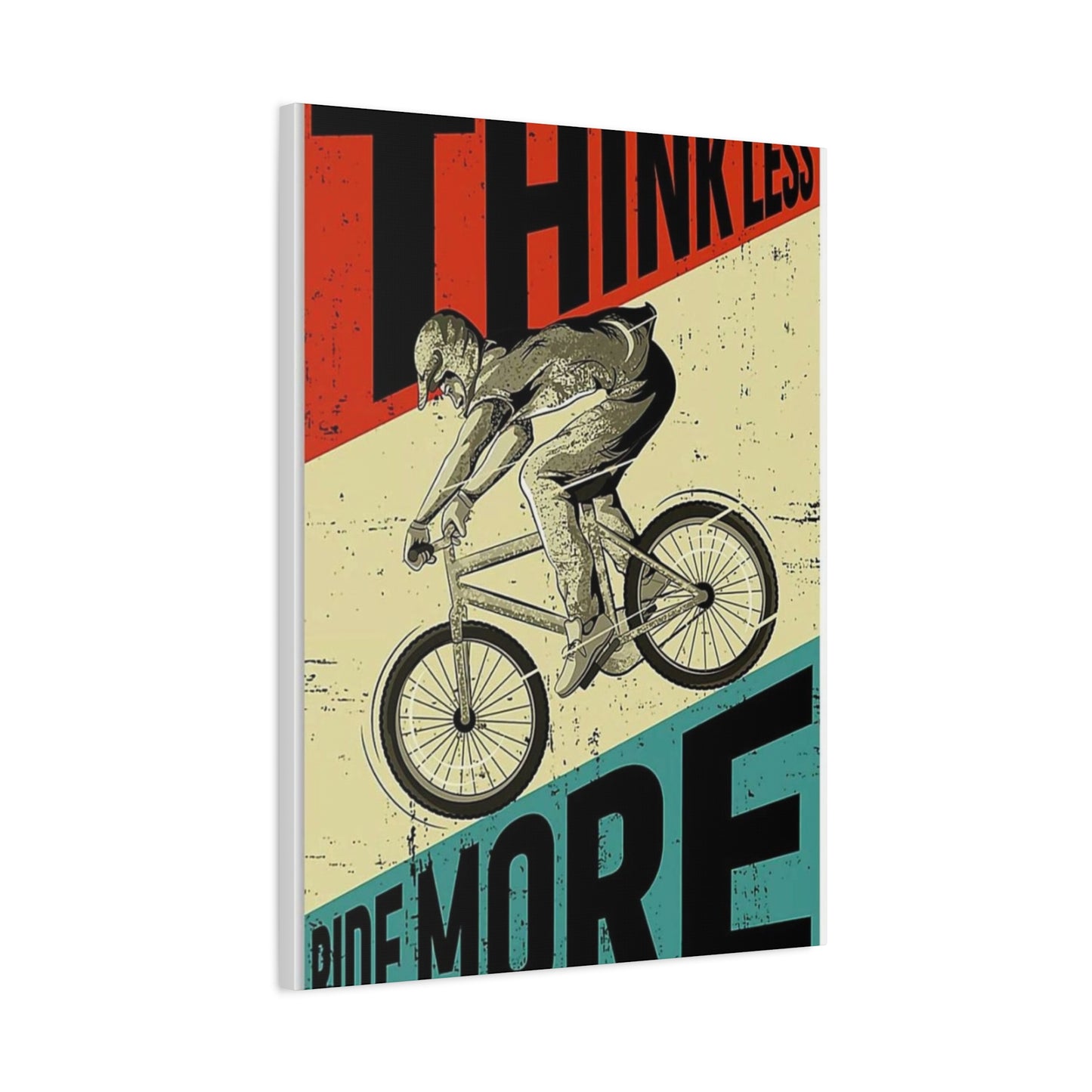
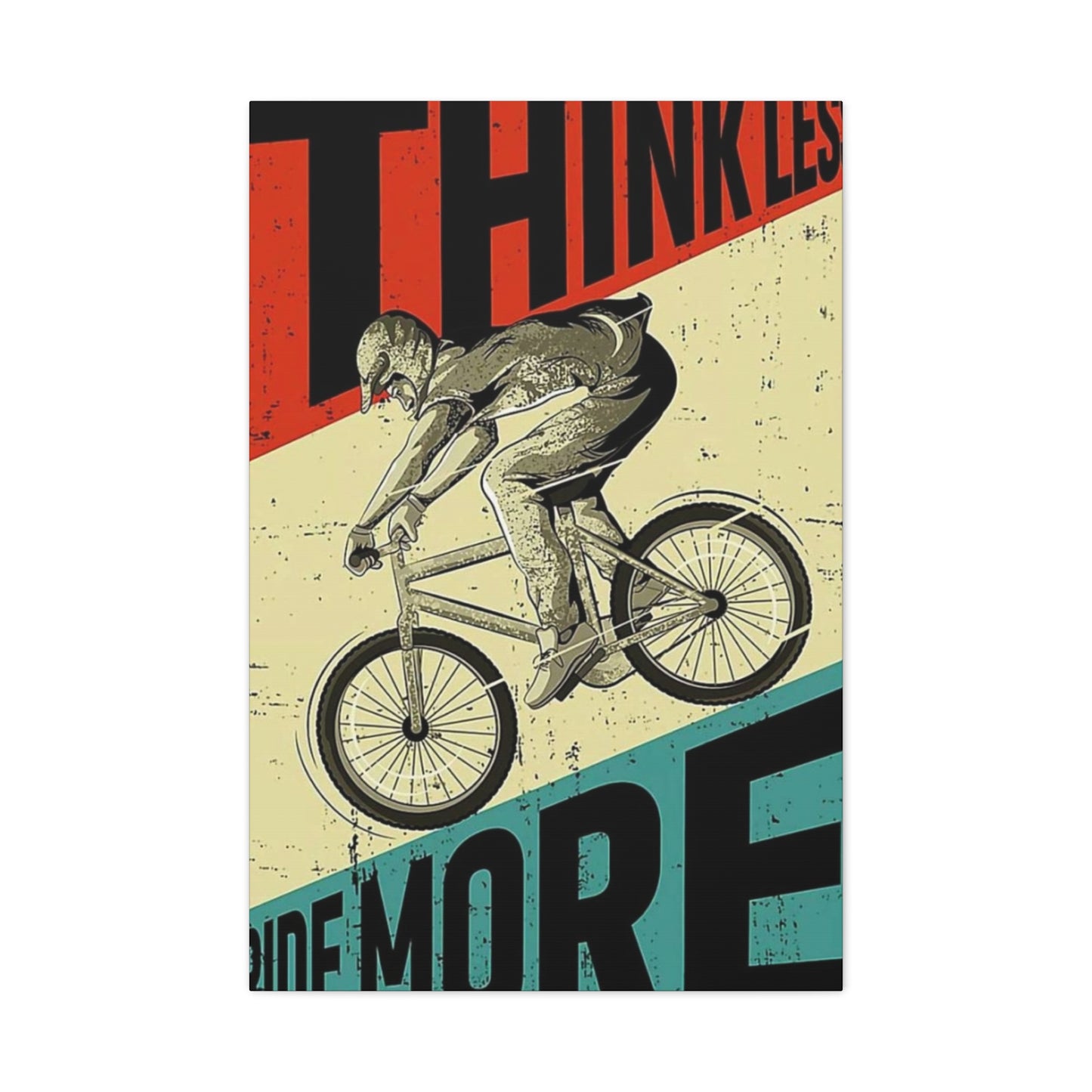
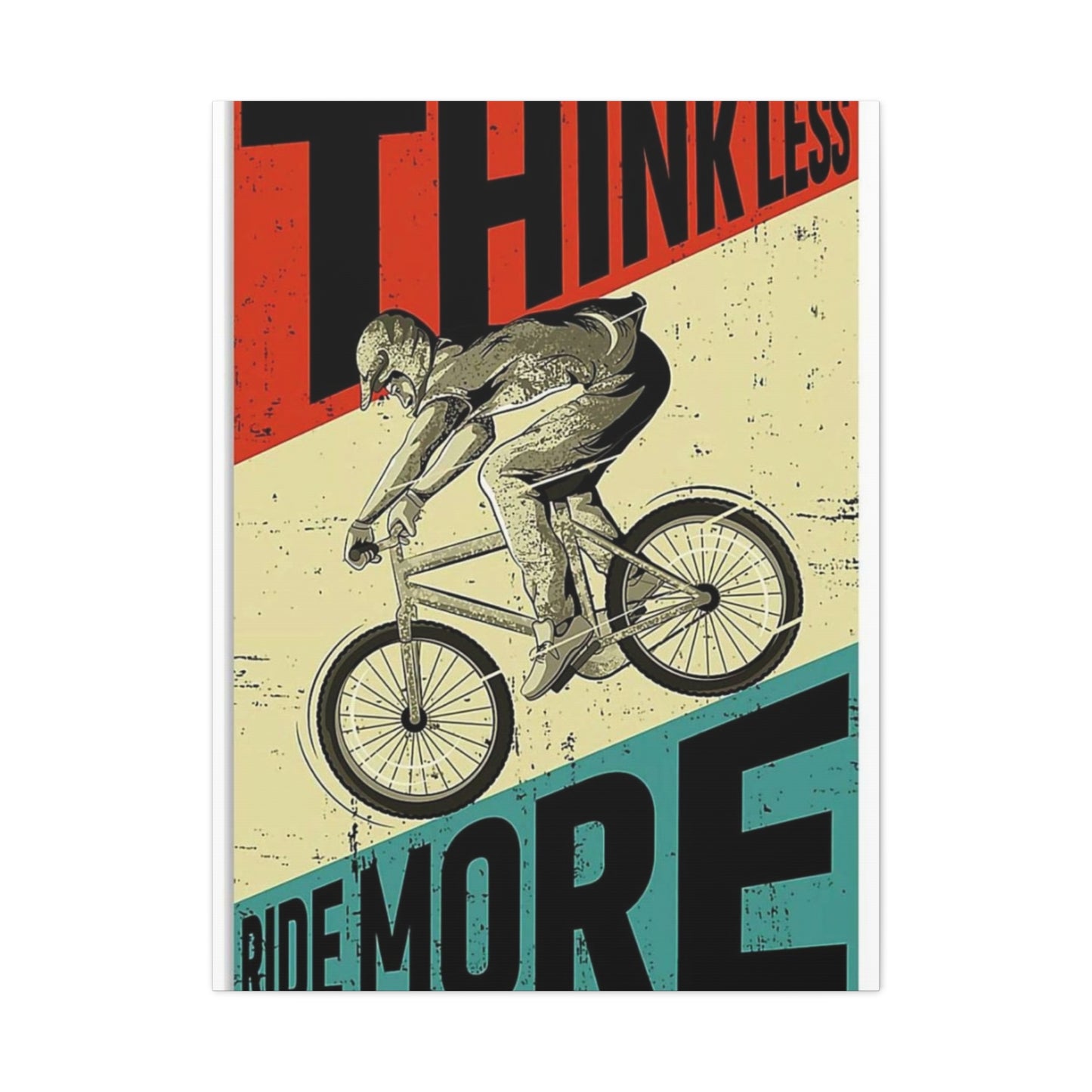
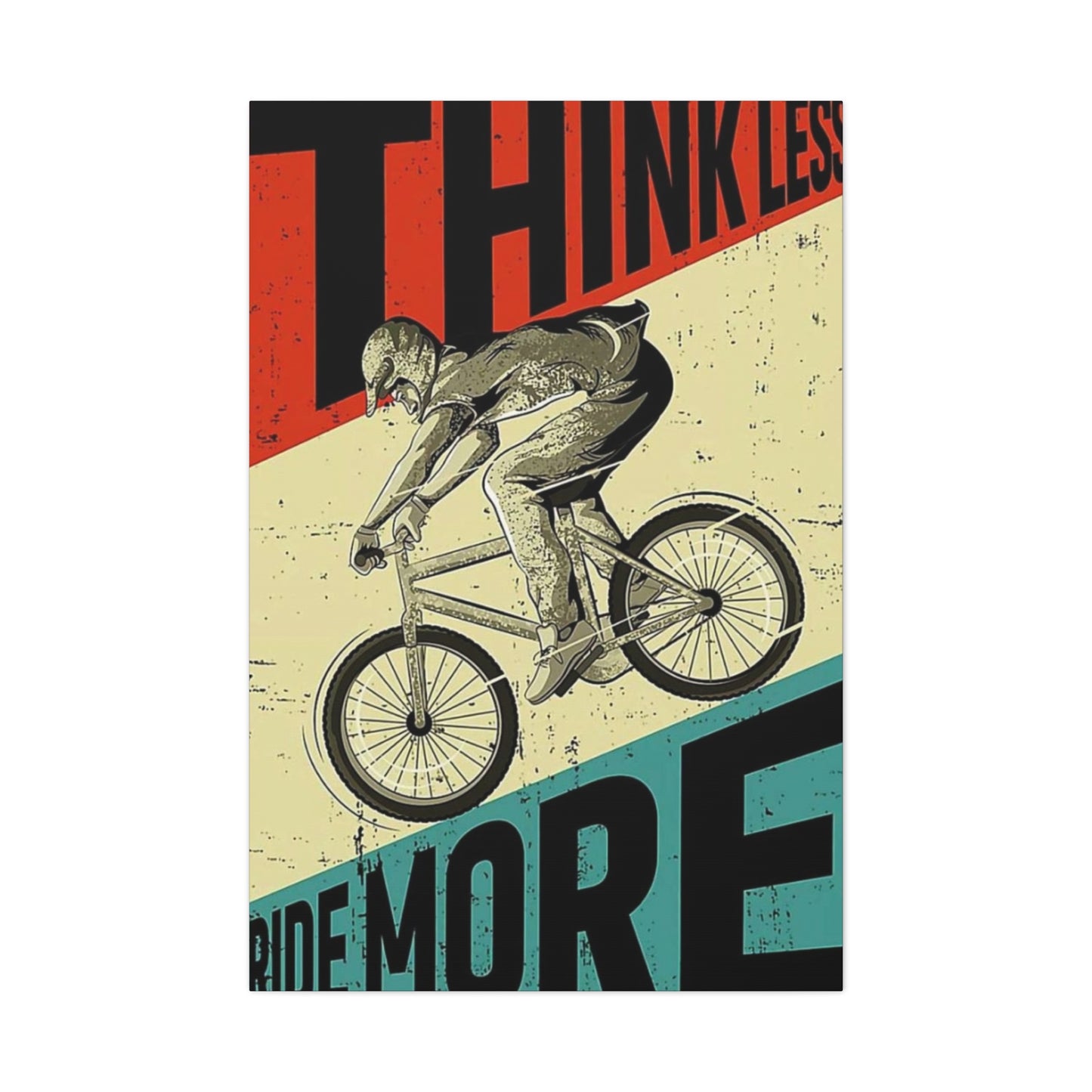
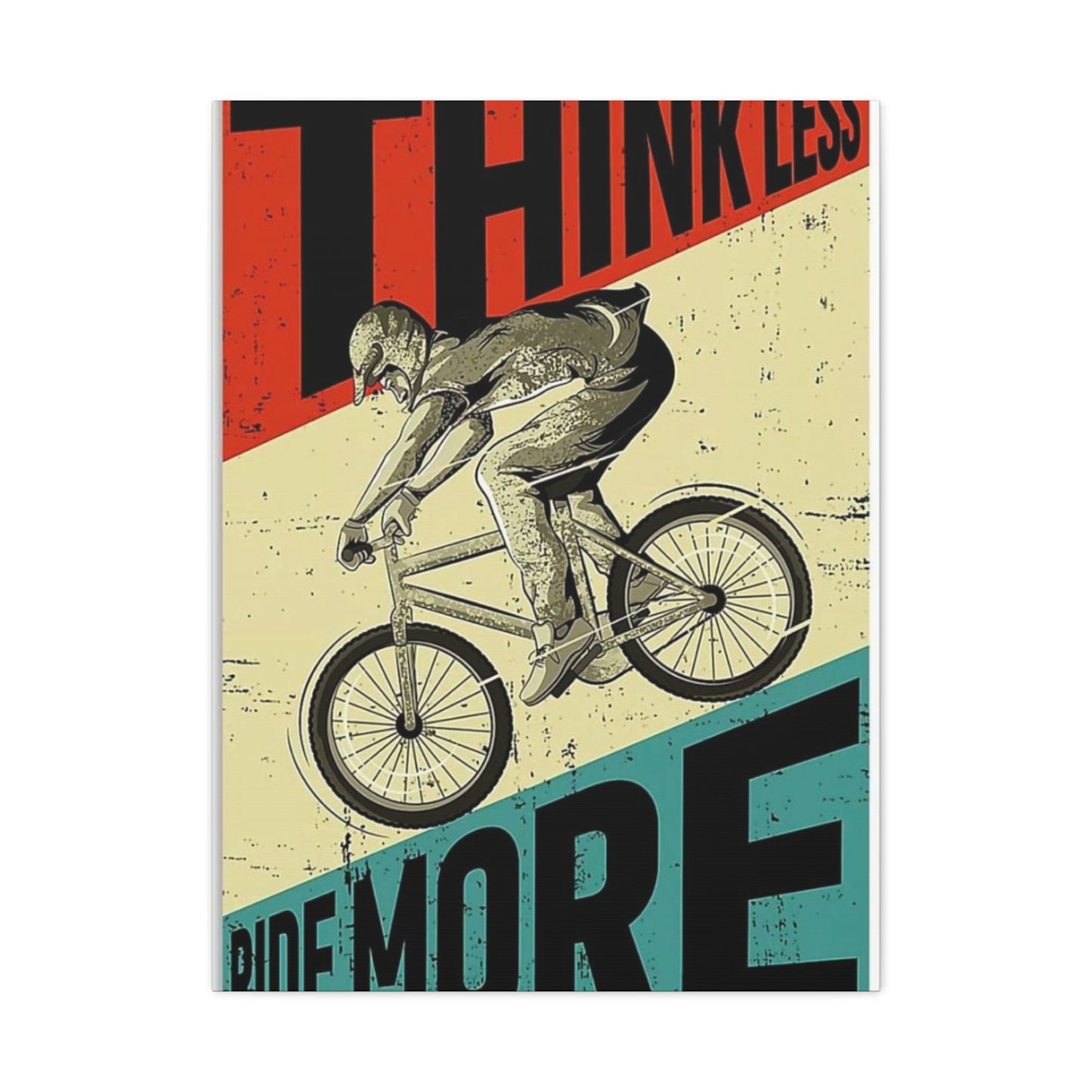
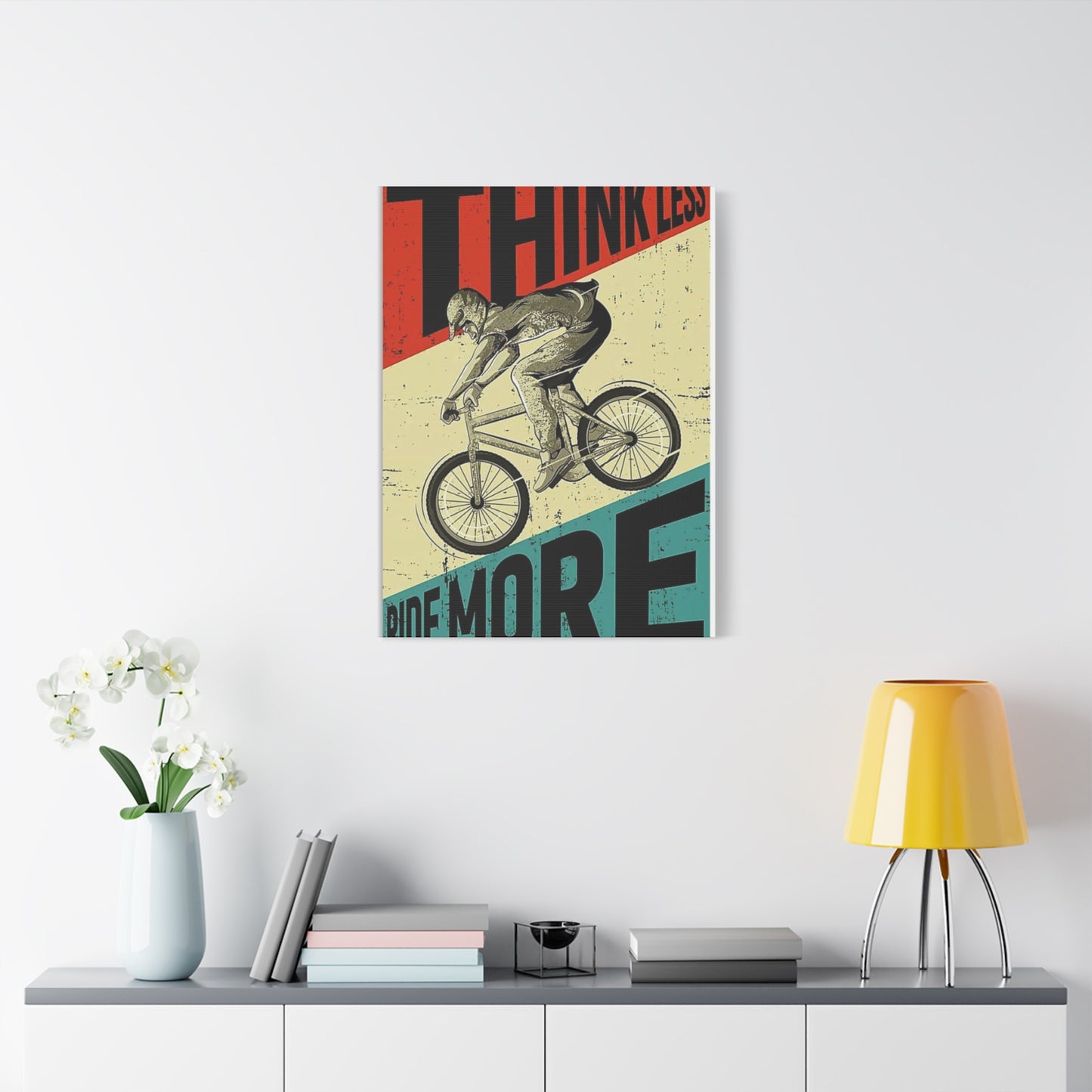
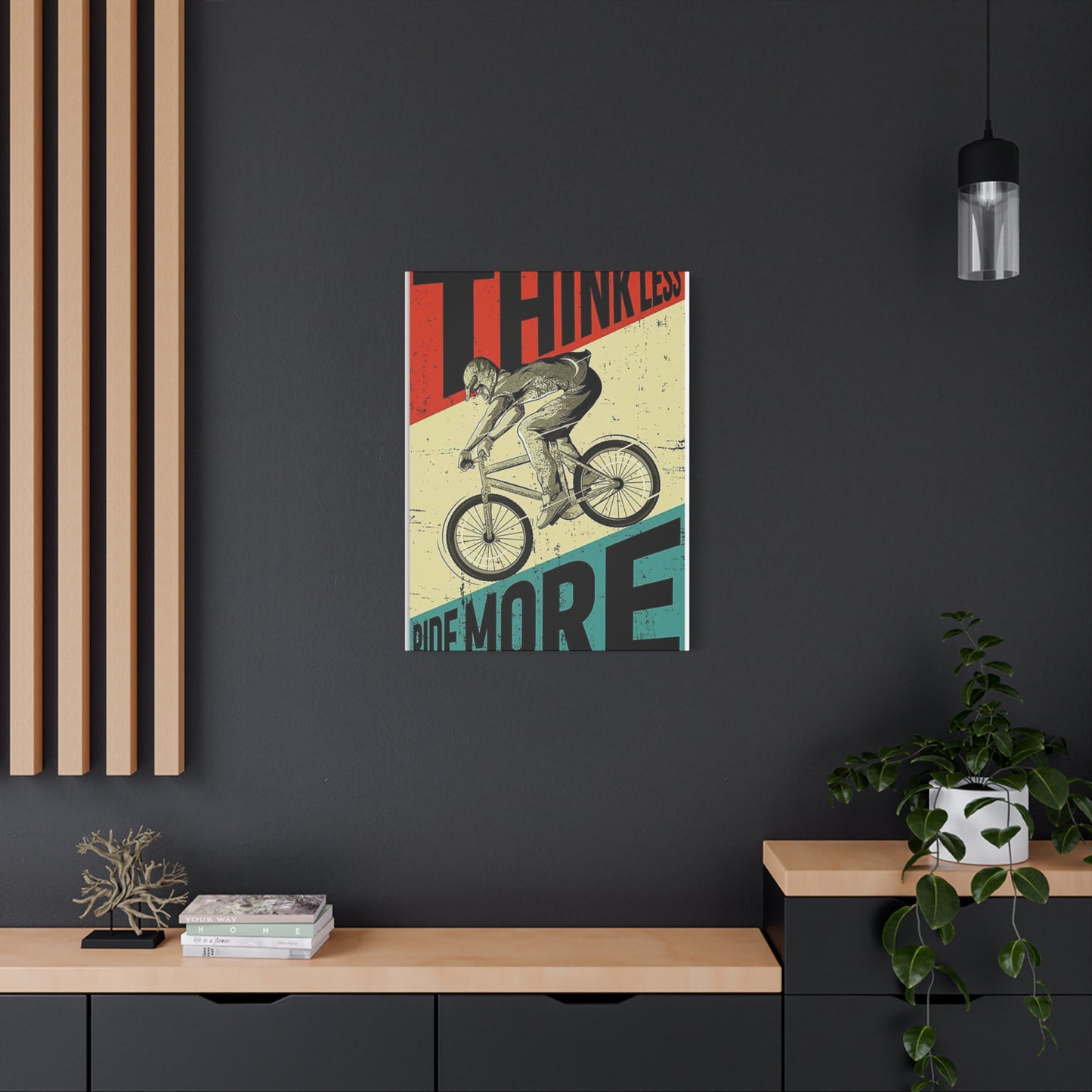
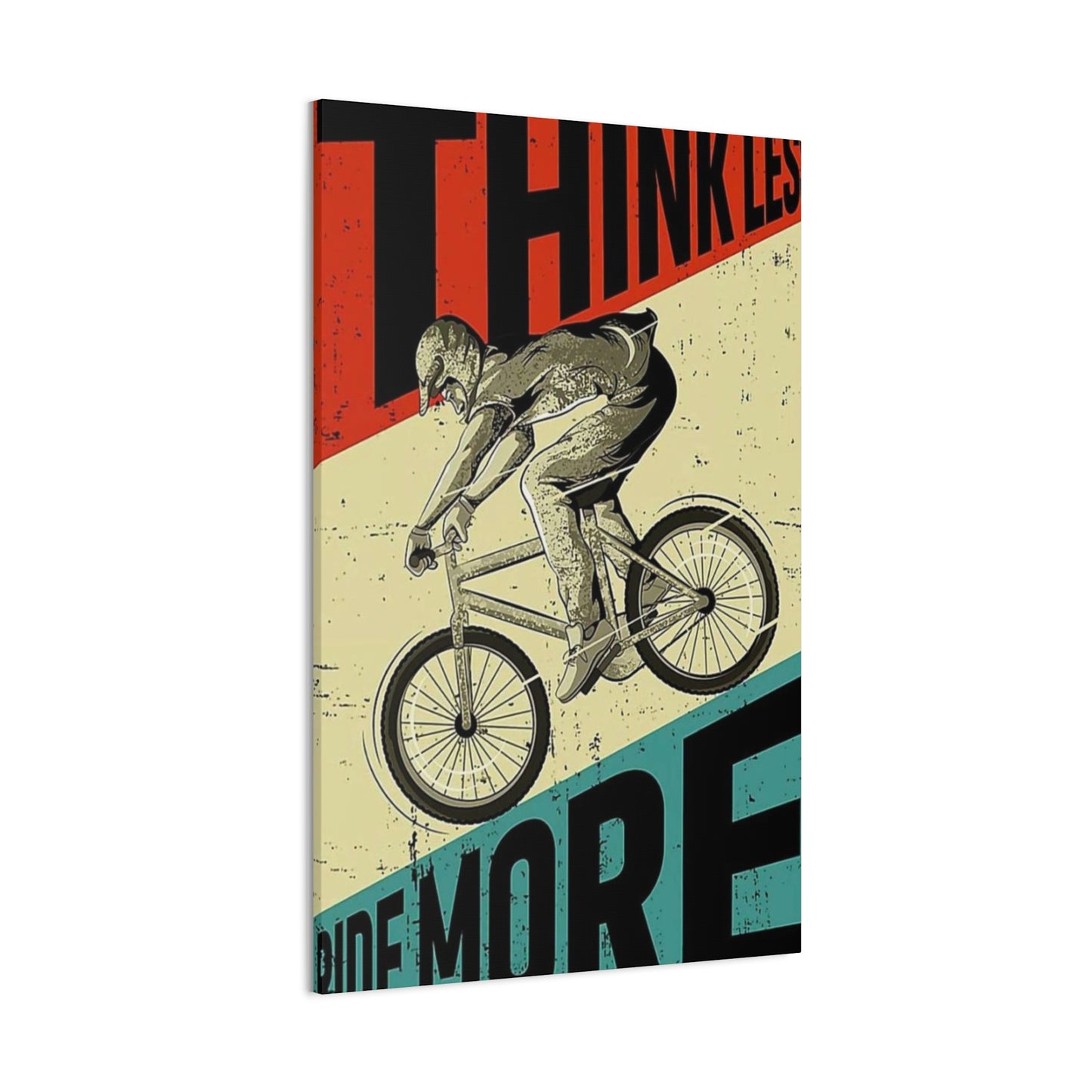
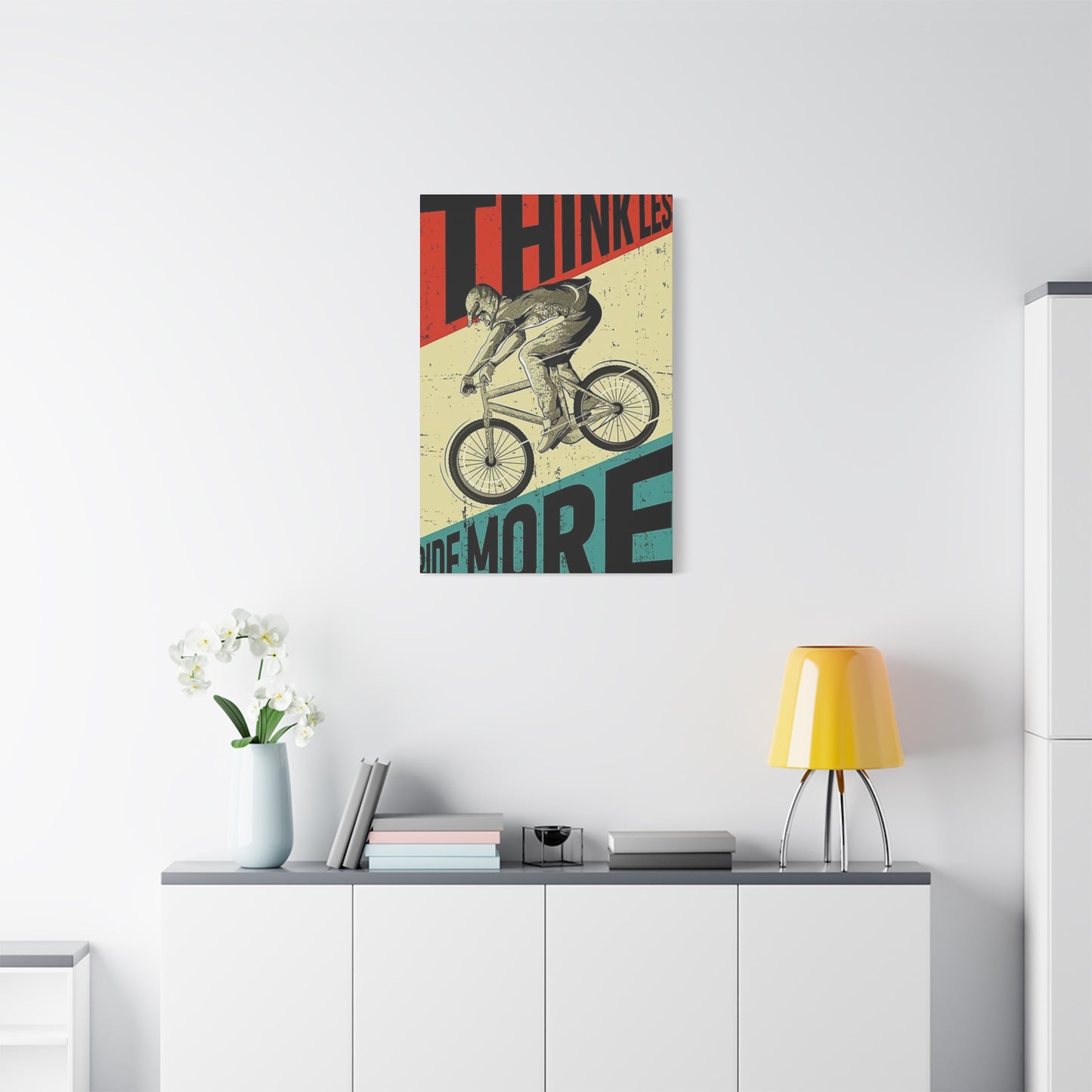
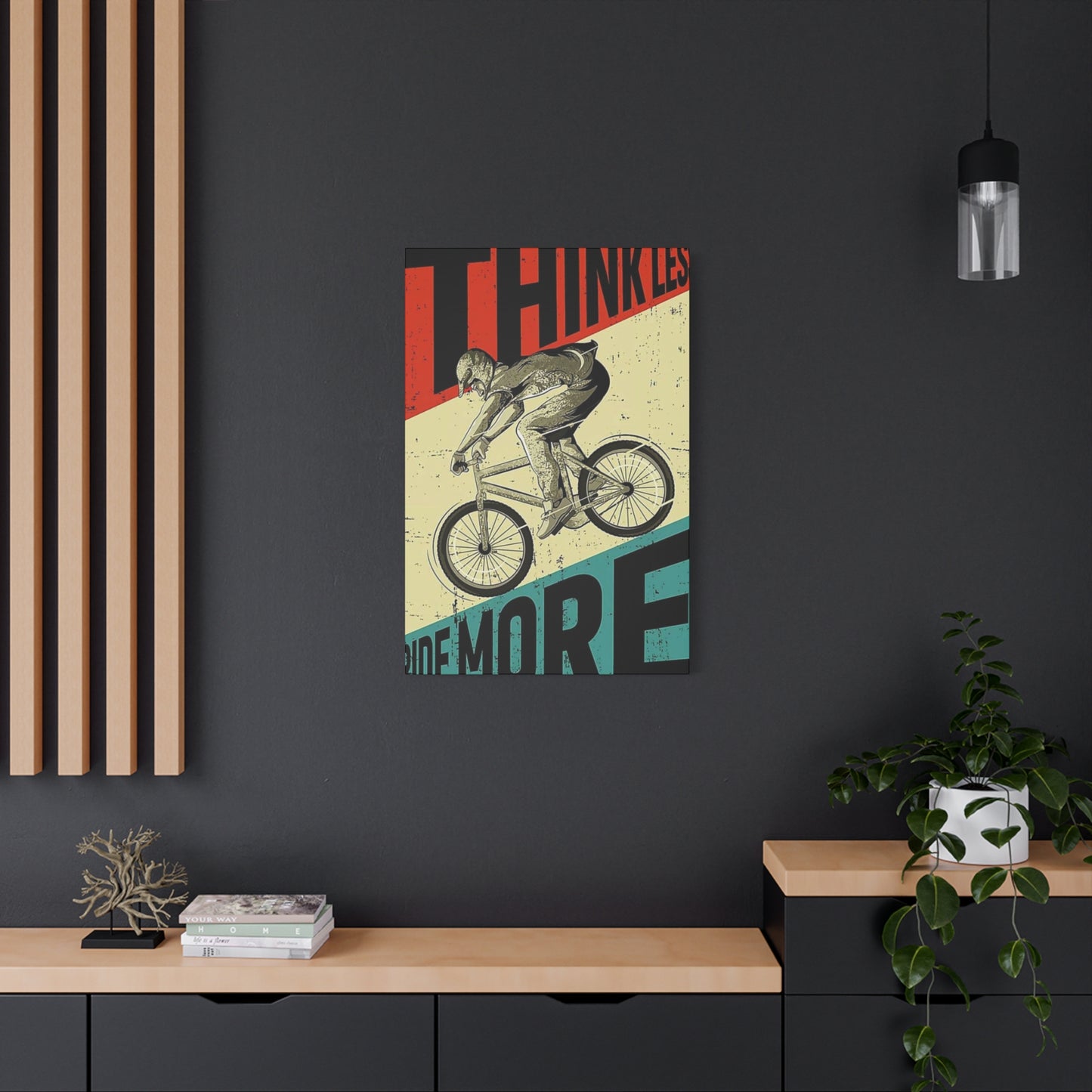
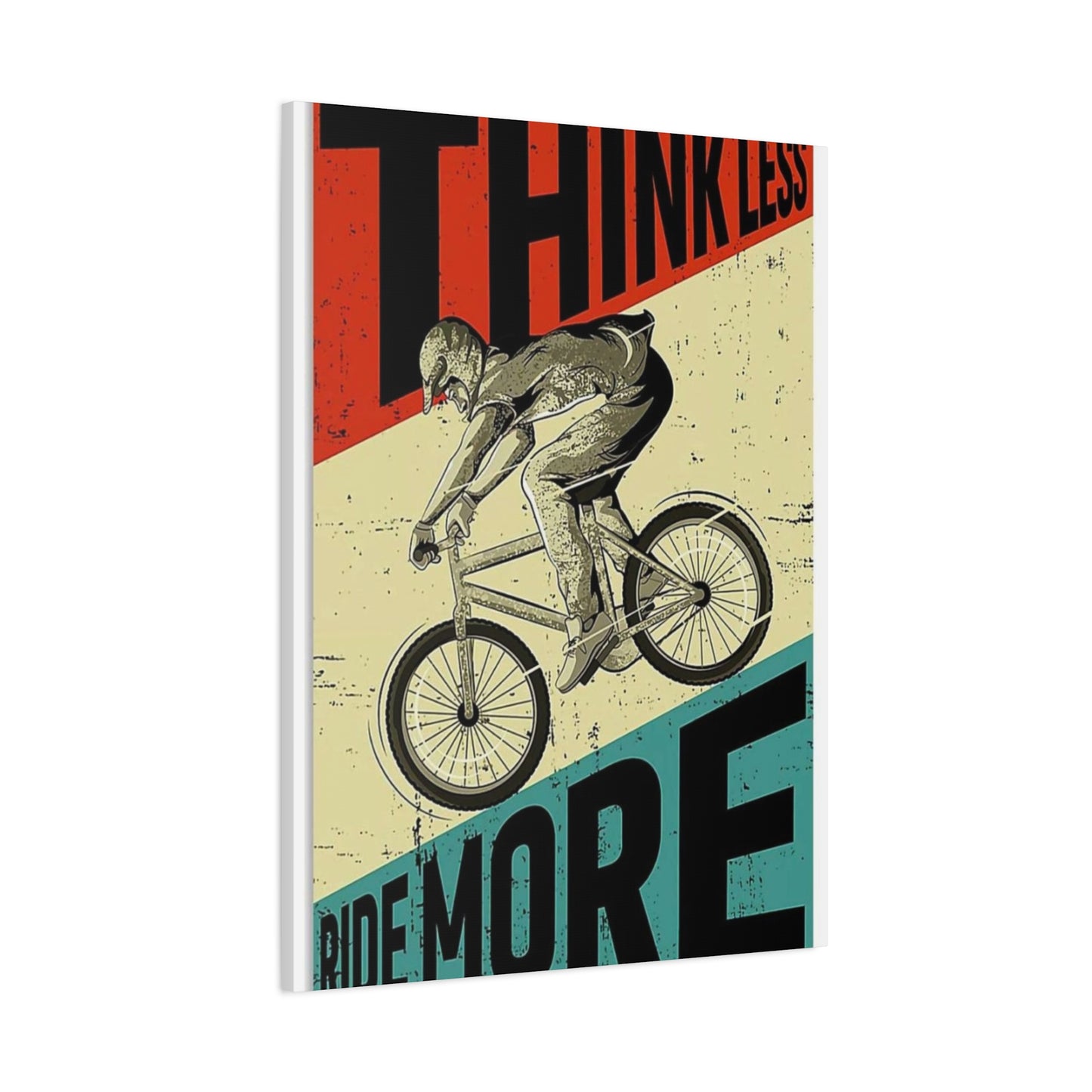
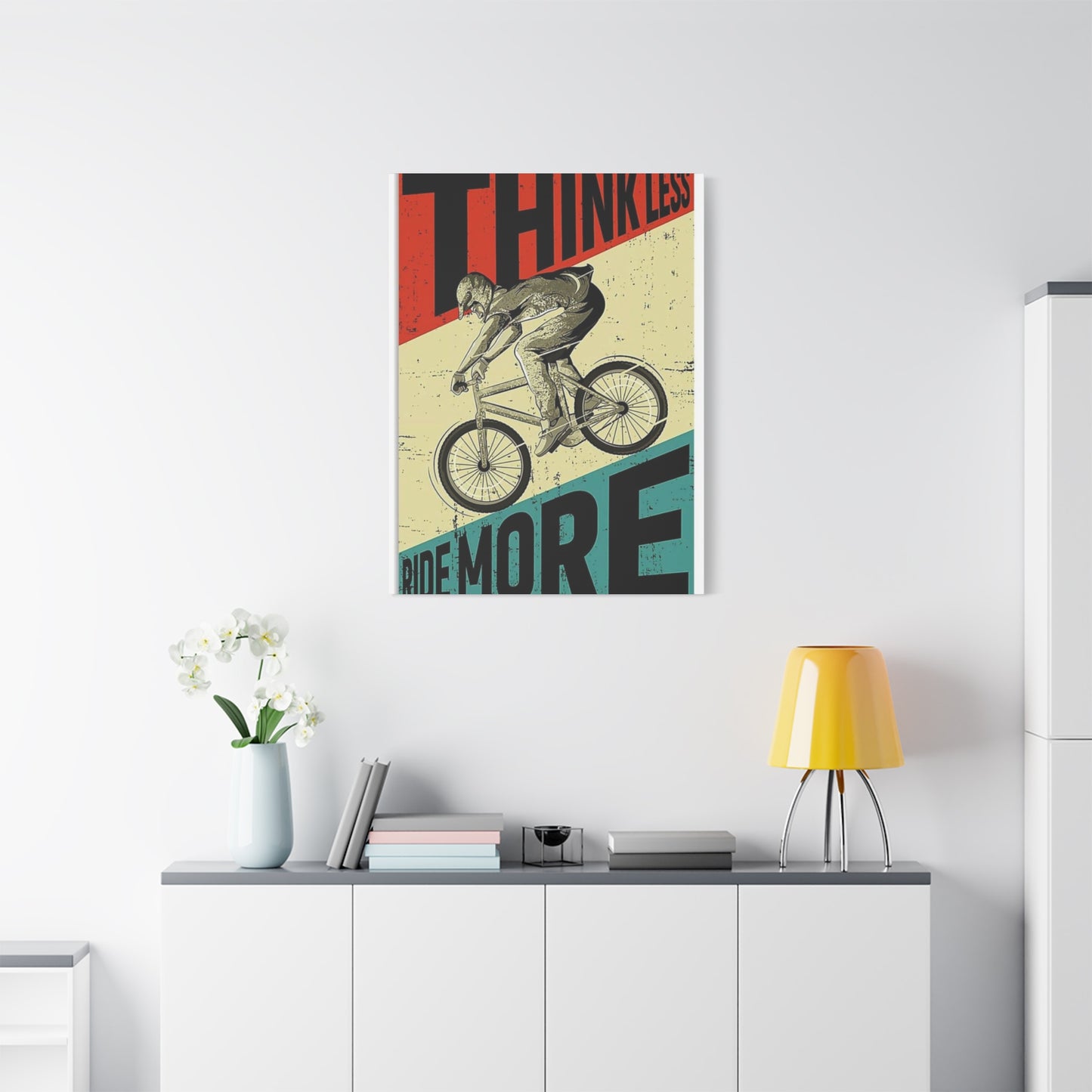
Top Motorcycle Wall Art Trends: Why ‘Ride More’ Posters Are a Must-Have for Every Biker’s Home
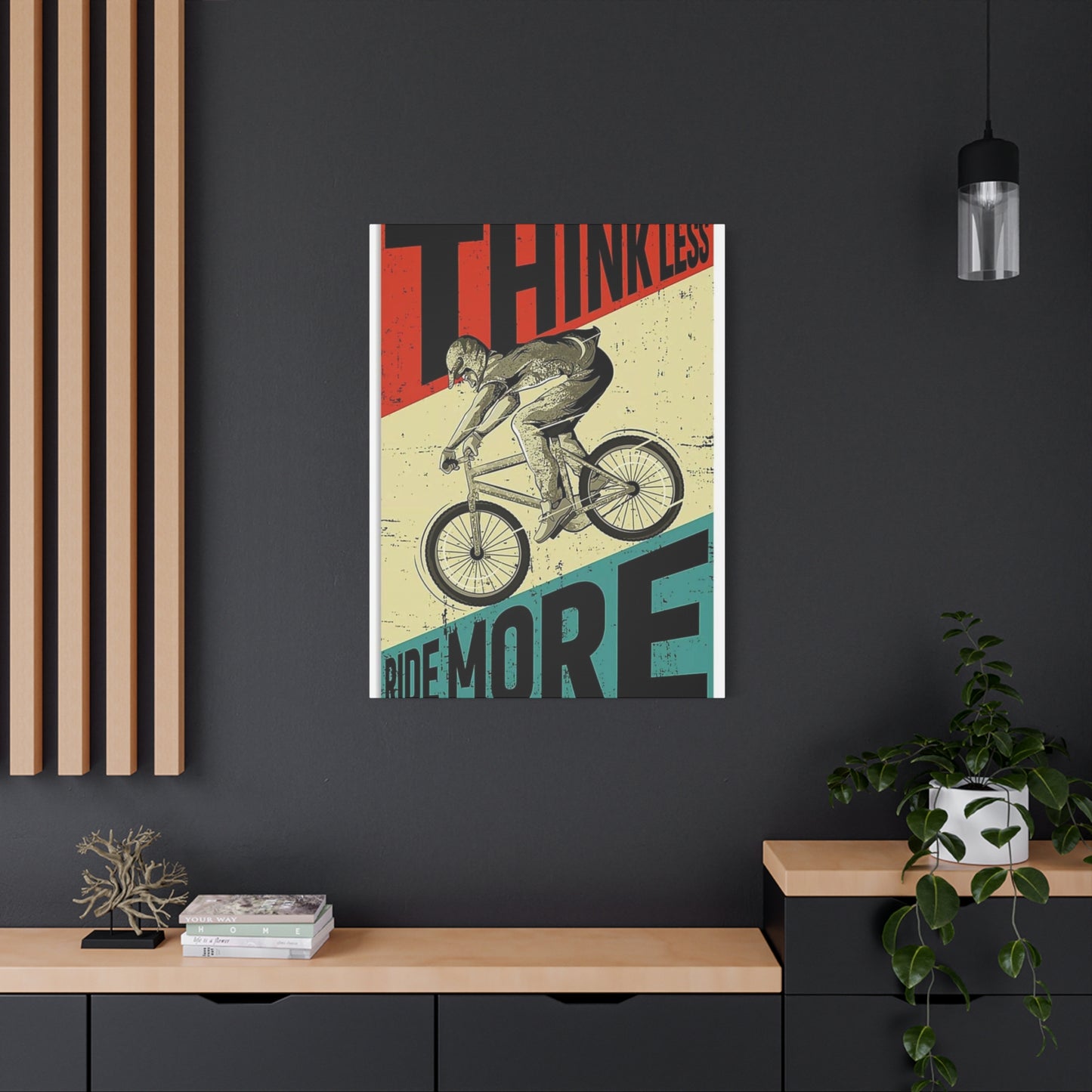
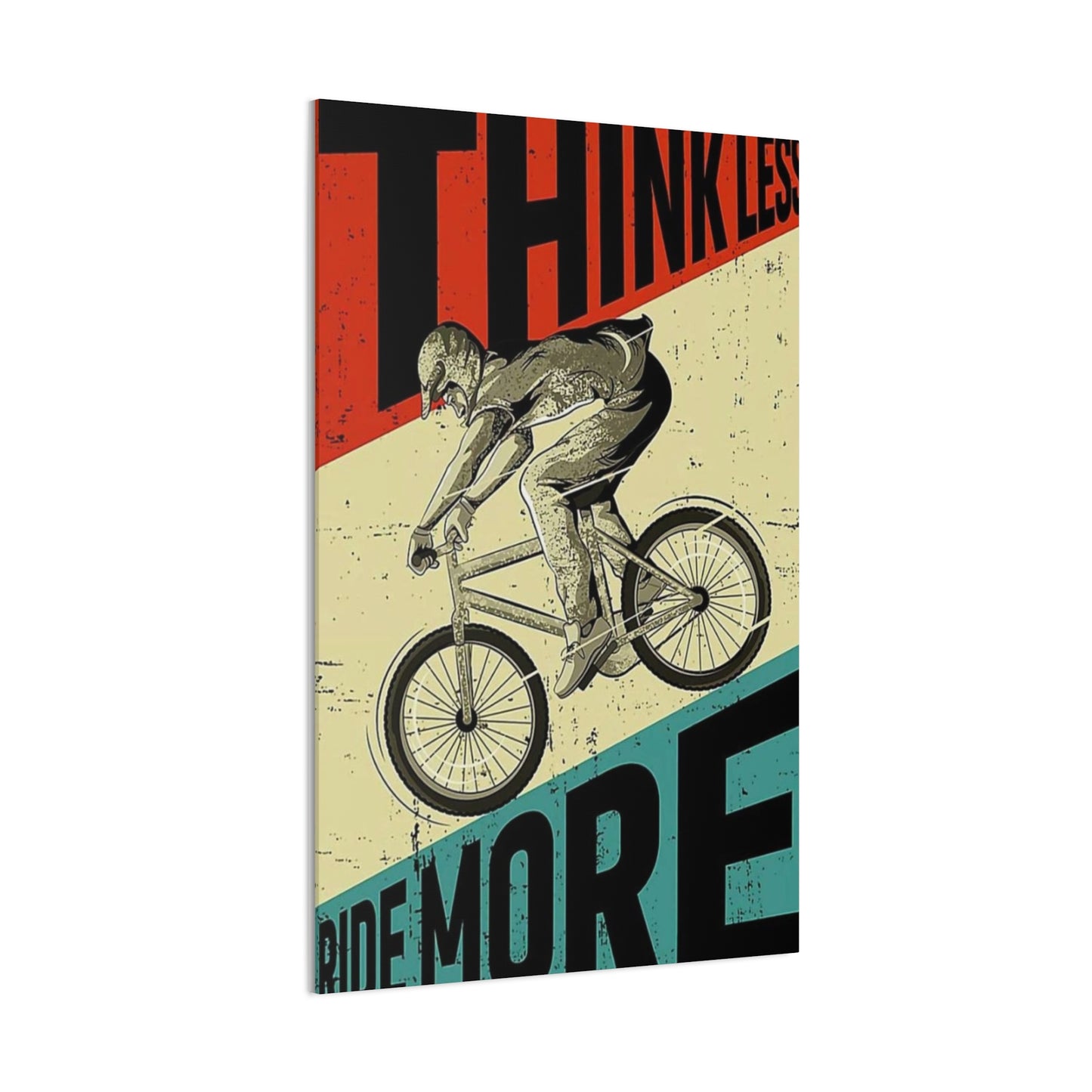
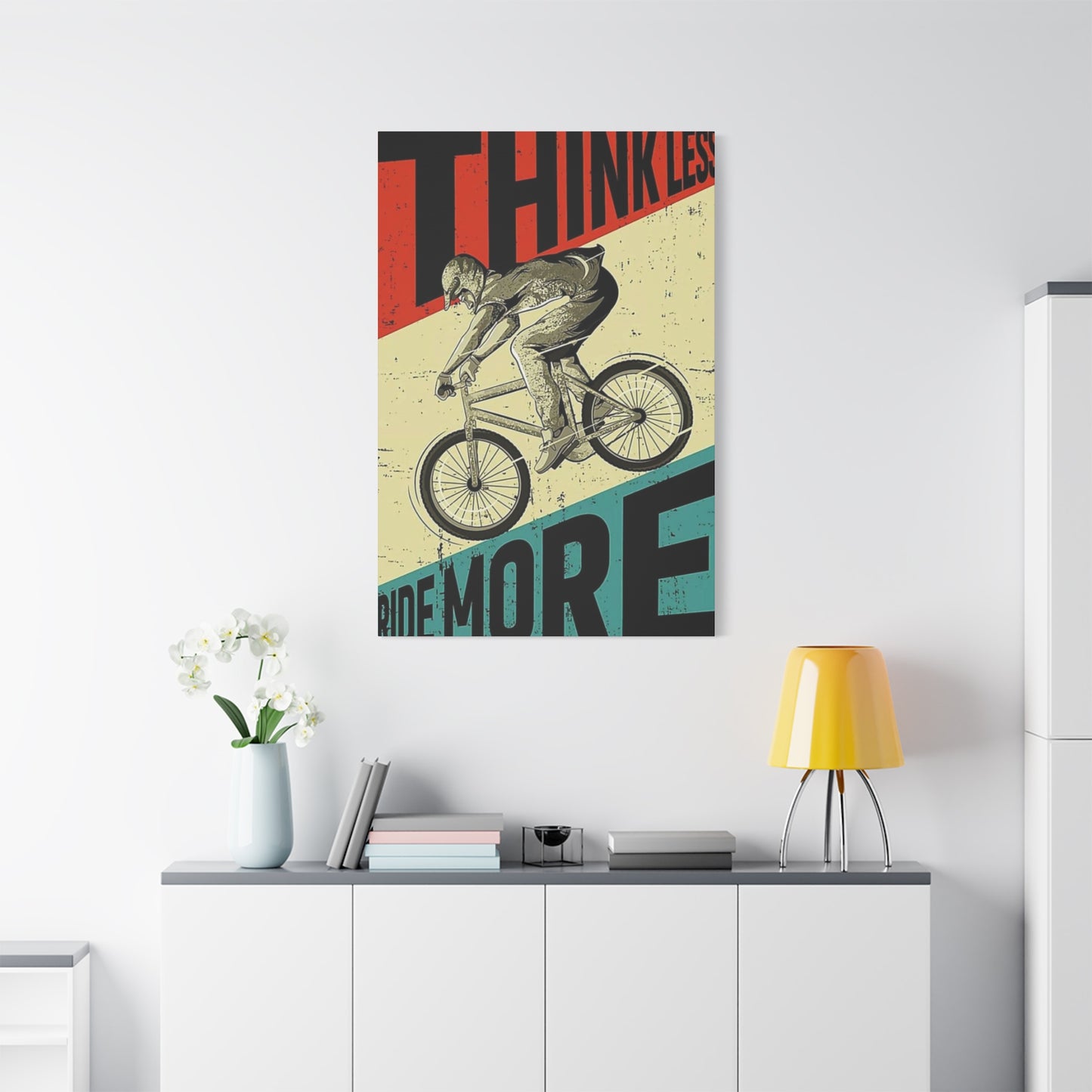
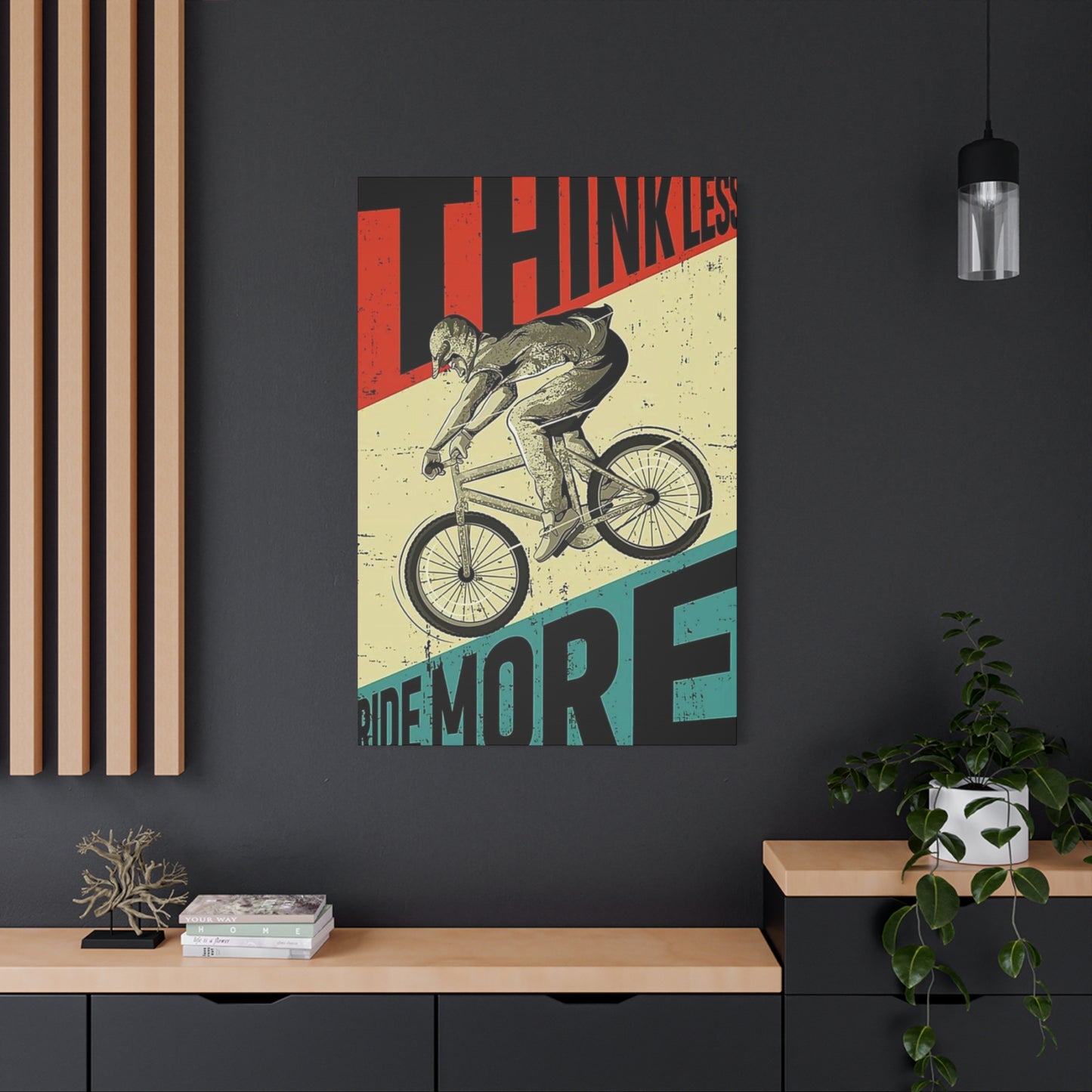
For those who live and breathe the open road, motorcycles represent far more than just a mode of transportation. They embody freedom, adventure, and a lifestyle that refuses to be confined by conventional boundaries. When riders return home after a long journey, they seek ways to keep that spirit alive within their personal spaces. This is where motorcycle-themed decorative pieces come into play, transforming ordinary walls into powerful reminders of the passion that drives them forward. Among the countless designs available, one phrase has captured the hearts of countless enthusiasts: a simple yet profound reminder to think less and ride more.
This particular message resonates deeply within the riding community because it encapsulates the very essence of what draws people to motorcycles in the first place. When you throw your leg over a bike and twist that throttle, all the worries and overthinking that plague daily life seem to fade away. The road demands your full attention, your complete presence, and in return, it offers a clarity that few other experiences can match. Bringing this philosophy into your living space through carefully selected artwork creates an environment that constantly reminds you of what truly matters.
The growing popularity of motorcycle-inspired interior design reflects a broader cultural shift toward personalization and authenticity in home decoration. Riders no longer want generic artwork that could belong to anyone. Instead, they seek pieces that speak directly to their identity, their values, and their passion for the riding lifestyle. Whether displayed in a garage workshop, a home office, a living room, or even a bedroom, these decorative elements serve as daily affirmations of the freedom and adventure that make life worth living.
Throughout this exploration of motorcycle-themed wall decoration, we will delve into the many facets of this artistic movement. From understanding the psychological appeal of specific messages to discovering practical styling tips, from exploring minimalist design principles to examining how these pieces reflect broader motorcycle culture, this comprehensive guide will help you transform your space into a true reflection of your rider identity. Whether you are a seasoned veteran with decades of road experience or a newcomer just discovering the thrill of two wheels, the right artwork can inspire, motivate, and remind you daily of the adventures that await.
The Appeal of Motorcycle Wall Art
Motorcycle-themed artwork has experienced a remarkable surge in popularity over recent years, transitioning from niche decoration to mainstream interior design choice. This shift reflects the evolving perception of motorcycle culture itself, which has moved beyond stereotypes to be recognized as a legitimate lifestyle choice embraced by diverse individuals from all walks of life. The appeal of these decorative pieces extends far beyond their visual impact, touching on deeper psychological and emotional connections that riders develop with their machines and the riding experience.
At its core, the attraction to motorcycle-inspired wall decoration stems from the desire to maintain a constant connection with the feelings and experiences that riding provides. For many enthusiasts, their motorcycle represents the most authentic version of themselves. When they are riding, they feel fully alive, present, and free from the constraints of everyday responsibilities. These decorative pieces serve as anchors to that feeling, allowing riders to carry that sense of freedom into every aspect of their lives. Even when they cannot be out on the road, a glance at the right piece of artwork can transport them mentally to their favorite stretch of highway or winding mountain pass.
The aesthetic appeal of motorcycle-themed decoration also cannot be understated. These pieces often feature bold lines, dynamic compositions, and imagery that suggests movement and energy even in a static format. Whether depicting classic vintage machines with their elegant curves and chrome detailing or modern sport bikes with their aggressive angles and cutting-edge technology, motorcycle artwork adds visual interest and character to any space. The contrast between the mechanical precision of the subject matter and the artistic interpretation creates a unique visual language that appeals to both the analytical and creative sides of the human mind.
Furthermore, these decorative elements serve as excellent conversation starters and expressions of personal identity. When guests enter a space adorned with motorcycle-themed artwork, they immediately gain insight into the interests and values of the person who lives there. This creates opportunities for connection with fellow enthusiasts while also making a clear statement about priorities and lifestyle choices. In a world where authenticity is increasingly valued, decorating with items that genuinely reflect your passions sends a powerful message about who you are and what matters to you.
The emotional resonance of motorcycle artwork also plays a significant role in its appeal. Many riders associate their machines with specific memories, adventures, and personal growth experiences. A piece of artwork might remind someone of their first long-distance trip, a challenging journey that taught them valuable lessons, or simply the countless moments of peace and clarity they have found on two wheels. These emotional connections transform simple decorative items into meaningful symbols that carry deep personal significance.
Another aspect of the appeal lies in the diversity of styles and approaches available within motorcycle-themed artwork. From photorealistic depictions of specific motorcycle models to abstract interpretations of motion and speed, from vintage-inspired designs that evoke nostalgia to contemporary pieces that celebrate modern engineering, the range of options ensures that every rider can find artwork that resonates with their personal aesthetic preferences. This variety also means that motorcycle-themed decoration can complement virtually any interior design style, from industrial and rustic to modern and minimalist.
The collectible nature of motorcycle artwork also contributes to its appeal. Many enthusiasts enjoy building collections that represent different aspects of riding culture, various motorcycle manufacturers, or specific artistic styles. Over time, these collections become visual representations of the collector's journey through the world of motorcycles, documenting their evolving tastes and experiences. Each new addition to the collection brings fresh energy to a space while contributing to a larger narrative about the owner's relationship with riding.
For many riders, motorcycle-themed wall decoration also serves a practical psychological function by maintaining motivation during times when riding might not be possible. Whether due to inclement weather, temporary physical limitations, or life circumstances that temporarily limit riding opportunities, having visual reminders of the passion can help maintain that connection and keep the spirit alive until the next opportunity to ride arrives. These pieces become symbols of patience and anticipation, promising that the open road will be there when the time is right.
The appeal of motorcycle artwork extends beyond individual riders to families and communities as well. In households where multiple members share the passion for motorcycles, these decorative pieces create a sense of shared identity and common ground. They transform personal spaces into celebration zones for a lifestyle that brings people together. Similarly, in garage spaces where riders gather to work on their machines or simply hang out, the right artwork contributes to an atmosphere of camaraderie and shared enthusiasm.
Incorporating 'Think Less, Ride More' into Your Home
The phrase that encourages thinking less while riding more has become one of the most recognizable mantras in motorcycle culture, and for good reason. This simple statement cuts through the complexity of modern life and offers a direct path to the clarity and freedom that riders seek. Incorporating this message into your home environment creates a constant reminder of this philosophy, helping you maintain perspective even when you are far from your motorcycle. The key to successfully integrating this concept into your living space lies in thoughtful placement, complementary design choices, and creating cohesive visual narratives that enhance rather than overwhelm your existing decor.
When considering where to display artwork featuring this message, start by identifying the spaces where you spend the most time and where you most need to be reminded of this philosophy. For many people, this might be a home office where work-related stress and overthinking tend to dominate. Placing a piece with this message in your line of sight while working serves as a powerful antidote to analysis paralysis and reminds you that sometimes the best solution is to take action rather than endlessly deliberating. The visual break it provides can help reset your mental state during particularly challenging moments.
The bedroom represents another excellent location for this type of artwork. Seeing this message first thing in the morning sets a positive tone for the entire day, encouraging you to approach challenges with the decisive mindset that serves riders so well on the road. Similarly, it serves as the last thing you see before sleep, potentially influencing your subconscious mind toward a more action-oriented and less anxious mindset. The calming effect of this philosophy can even contribute to better sleep quality by reducing the tendency to lie awake overthinking problems.
Living rooms and common areas offer opportunities to share this philosophy with others while creating focal points for conversation and connection. When displayed prominently in these spaces, the message becomes part of the energy and atmosphere of your home, influencing not just your own mindset but potentially inspiring friends and family members as well. The placement in communal spaces also makes a statement about household values and priorities, establishing an environment where action and experience are valued over excessive deliberation.
Garage and workshop spaces represent perhaps the most natural home for this type of artwork. These areas already serve as shrines to the riding lifestyle, and adding visual reminders of this philosophy enhances their purpose as preparation zones for adventure. Every time you enter these spaces to maintain your motorcycle, gear up for a ride, or simply spend time among your equipment, the message reinforces the mindset you want to carry onto the road. The garage becomes not just a storage space but a mental preparation area where you can transition from everyday concerns to rider consciousness.
The size and scale of the artwork you choose should be proportional to the space where it will be displayed and the impact you want it to have. Larger pieces make bold statements and serve as room focal points, drawing the eye immediately and dominating the visual landscape. These work particularly well in spacious areas with minimal competing visual elements. Smaller pieces offer subtlety and can be grouped with other items to create gallery walls or themed collections. Medium-sized options provide versatility, working well as standalone pieces or as parts of larger arrangements.
Color coordination plays a crucial role in successfully incorporating this artwork into your existing decor. Many designs featuring this message utilize neutral tones like black, white, and gray, making them highly versatile and easy to integrate into various color schemes. These monochromatic designs offer timeless appeal and won't clash with changing decorative trends or seasonal updates to your space. However, versions with pops of color can add energy and visual interest, particularly in spaces that might otherwise feel too neutral or sterile.
The style of the artwork should complement your overall interior design approach while still maintaining authenticity to motorcycle culture. Minimalist designs with clean lines and simple typography work beautifully in modern and contemporary spaces, where they enhance the streamlined aesthetic without adding visual clutter. More detailed or vintage-inspired designs suit rustic, industrial, or eclectic decorating styles, where they contribute to a layered, collected-over-time appearance. The key is ensuring that the piece feels intentional rather than out of place.
Framing choices significantly impact how well the artwork integrates into your space. Simple black or white frames offer classic versatility that works with virtually any decor style, allowing the message and design to take center stage. Wood frames add warmth and texture, particularly in spaces with other natural materials or rustic elements. Metal frames contribute to industrial or modern aesthetics, especially when the finish complements other metallic elements in the room. For a more casual or contemporary look, frameless mounting options or floating frames create clean, uncluttered presentations.
Lighting considerations can dramatically enhance the impact of your artwork. Natural light brings out colors and details while creating dynamic shadows and highlights throughout the day. However, direct sunlight can cause fading over time, so consider the sun's path when choosing placement. Artificial lighting options include picture lights that directly illuminate the artwork, track lighting that can be adjusted to highlight specific pieces, or ambient lighting that creates mood while ensuring the artwork remains visible. The right lighting transforms the piece from mere decoration to a true focal point.
Creating visual balance in the room requires considering what surrounds the artwork. Symmetrical arrangements with matching elements on either side create formal, organized appearances that work well in traditional spaces. Asymmetrical arrangements offer more dynamic, contemporary feels that suit modern design sensibilities. The rule of thirds, borrowed from photography and visual arts, suggests placing important elements off-center for more engaging compositions. Consider the visual weight of nearby furniture and other decorative elements to ensure the artwork doesn't feel lost or overwhelmed.
Layering and grouping strategies can amplify the impact of your artwork while creating more complex visual narratives. Combining the main piece with complementary items like smaller prints, photographs, or three-dimensional objects creates depth and interest. Gallery walls featuring this message as the centerpiece surrounded by related imagery tell richer stories about your relationship with riding. Shelf displays that incorporate the artwork alongside meaningful objects like vintage motorcycle parts, riding trophies, or travel souvenirs create multidimensional presentations that engage viewers on multiple levels.
The psychology of placement also deserves consideration. Eye-level positioning ensures maximum visibility and engagement, with the center of the artwork typically placed between fifty-seven and sixty inches from the floor. However, rooms where you spend time seated might benefit from slightly lower placement. Pieces placed above furniture should maintain appropriate spacing, generally between six and twelve inches above the furniture top, to create visual connection without appearing cramped.
Seasonal and flexible displays allow you to refresh your space while maintaining the core message. Rotating smaller pieces in and out keeps the environment feeling dynamic and prevents visual fatigue. Adjustable mounting systems make it easy to change configurations without damaging walls. This approach lets you experiment with different arrangements and groupings until you find the perfect setup. It also allows your space to evolve alongside your journey as a rider, accommodating new acquisitions and reflecting changing perspectives.
Motorcycle Posters That Inspire Adventure
The power of motorcycle-themed posters to inspire adventure lies in their ability to capture and communicate the essence of the riding experience in visual form. These pieces serve as portals to possibilities, reminding viewers of roads yet to be traveled, destinations yet to be reached, and experiences yet to be lived. Unlike static decoration that merely fills wall space, truly inspirational motorcycle posters actively motivate action, encouraging riders to stop planning and start riding, to embrace spontaneity, and to prioritize experiences over possessions.
Adventure-inspiring motorcycle posters often feature imagery that suggests journey and exploration. Open roads stretching toward distant horizons speak to the fundamental human desire for discovery and the unknown. Mountain passes with dramatic switchbacks promise challenges and rewards in equal measure. Coastal highways with ocean views remind us that the journey itself often proves more valuable than the destination. Desert landscapes with endless visibility suggest freedom from constraints and limitations. These visual themes tap into deep-seated wanderlust that lies dormant in many people, waiting for the right spark to ignite.
The most effective adventure-inspiring designs combine compelling imagery with messages that resonate emotionally and philosophically with riders. Phrases that emphasize action over deliberation, experience over accumulation, and freedom over security speak directly to the values that draw people to motorcycles. These textual elements work synergistically with the visual components, creating layered meanings that engage both the conscious and subconscious mind. The combination becomes greater than the sum of its parts, producing a motivational effect that pure imagery or text alone might not achieve.
Vintage-inspired travel posters represent a particularly popular subcategory of adventure-inspiring motorcycle artwork. These designs draw on the golden age of travel poster art, when bold graphics and idealized landscapes enticed people to explore new destinations. Modern interpretations of this style applied to motorcycle culture create nostalgic appeal while celebrating the timeless nature of two-wheeled adventure. They remind us that the fundamental joy of riding transcends generations and technological changes, connecting contemporary riders to a long lineage of adventurers who came before them.
Posters featuring specific locations or routes tap into the bucket-list mentality that many riders develop. Iconic roads like the Pacific Coast Highway, Route 66, the Tail of the Dragon, or the Trans-American Trail become aspirational symbols representing achievement and adventure. International destinations like the Alps, the Scottish Highlands, or the Australian Outback expand the scope of possibility, reminding riders that the entire world offers roads to be explored. These location-specific pieces serve as commitments to future adventures, visual contracts with yourself to eventually make these journeys happen.
Action-oriented imagery that captures motorcycles in motion conveys the dynamic nature of riding and inspires viewers to experience that sensation themselves. Photographs or illustrations of bikes carving through corners, accelerating down straightaways, or navigating challenging terrain communicate the visceral thrills that make riding so addictive. The sense of movement frozen in time paradoxically creates urgency, making viewers want to experience that motion for themselves rather than simply observing it from the safety of their living room.
Weather and environmental conditions depicted in adventure-inspiring posters also play significant roles in their motivational power. Dramatic skies with storm clouds suggest that adventure often involves uncertainty and unpredictability. Golden-hour lighting creates romantic, idealized visions of rides at dawn or dusk when the world feels most magical. Mist and fog add mystery and atmosphere, hinting at hidden wonders waiting to be discovered. Rain-soaked roads remind us that true adventure doesn't wait for perfect conditions. Each environmental choice adds emotional texture to the overall message.
The human element in adventure-inspiring motorcycle posters helps viewers see themselves in the scenes depicted. Solitary riders emphasize the meditative, personal nature of motorcycle journeys and the self-discovery that often accompanies solo adventures. Groups of riders celebrate the communal aspects of motorcycle culture and the bonds formed through shared experiences. Distant or silhouetted figures allow viewers to project themselves into the scene more easily, imagining their own adventures rather than merely observing someone else's.
Color psychology significantly influences the inspirational quality of motorcycle posters. Warm tones like oranges, reds, and yellows create feelings of excitement, energy, and optimism that fuel motivation. Cool blues and greens evoke calmness and possibility, suggesting the peace and clarity found on long rides. High-contrast designs with bold color combinations demand attention and create urgency. Muted, understated palettes suggest sophistication and timeless appeal that transcends fleeting trends. The emotional response triggered by color choices works below conscious awareness, shaping how viewers feel when they look at the artwork.
Typography in adventure-inspiring motorcycle posters contributes substantially to their overall impact. Bold, assertive fonts convey confidence and decisiveness, encouraging viewers to take action. Handwritten or script fonts suggest personal connection and authenticity. Vintage typefaces evoke nostalgia and connection to motorcycling heritage. Modern, geometric fonts communicate contemporary relevance and forward-thinking attitudes. The interplay between the font choice and the message creates subtle emphasis and emotional tone that shapes interpretation.
Compositional techniques guide the viewer's eye and create visual narratives within the poster. Leading lines draw attention through the image, often along roads or paths that invite the viewer to mentally follow the journey. The rule of thirds places key elements at visually interesting intersections rather than dead center. Negative space provides breathing room and prevents visual overwhelm while emphasizing the freedom and openness associated with riding. Layering creates depth and complexity, rewarding extended viewing with new details and meanings.
The quality of reproduction significantly affects how well motorcycle posters fulfill their inspirational purpose. High-resolution printing captures fine details and subtle gradations that cheap reproductions miss. Quality paper stock with appropriate texture and weight elevates the piece from disposable poster to valued artwork. Proper color calibration ensures that the emotional impact of the color palette translates from digital design to physical product. Durable materials resistant to fading ensure that the inspiration lasts for years rather than months.
Placement strategies for adventure-inspiring motorcycle posters should maximize their motivational impact. Position them where you make decisions about how to spend your time and resources, reminding you to prioritize experiences. Place them near exits or in transitional spaces so you encounter them while coming and going, reinforcing the message that adventure awaits just beyond your door. Display them in planning spaces where you map routes and prepare for trips, keeping the excitement alive throughout the preparation process.
The Power of Minimalist Motorcycle Art
Minimalist motorcycle art represents a fascinating intersection between the mechanical complexity of motorcycles and the aesthetic philosophy of reduction and simplification. This approach strips away unnecessary elements to reveal the essential beauty and power of motorcycles, creating designs that communicate maximum impact with minimum visual elements. The resulting artwork often proves surprisingly versatile, fitting seamlessly into contemporary interior design schemes while maintaining authentic connections to motorcycle culture.
The philosophy underlying minimalist motorcycle art aligns perfectly with certain aspects of riding culture. Just as many riders prefer the straightforward, mechanical simplicity of older or stripped-down motorcycles over complex modern machines, minimalist artwork celebrates the essential over the ornamental. This aesthetic choice reflects a broader life philosophy that values substance over surface, function over decoration, and authenticity over pretense. When riders choose minimalist motorcycle art for their spaces, they are making a statement that extends beyond aesthetic preference to encompass core values.
One of the primary strengths of minimalist motorcycle art lies in its ability to suggest rather than explicitly depict. A few carefully chosen lines can evoke the profile of a classic motorcycle more powerfully than a detailed photograph. A simple silhouette against a contrasting background can communicate freedom and motion without cluttering the composition with unnecessary details. This economy of means requires skill and intentionality from the artist, as every element must earn its place in the composition. The resulting designs often achieve a timeless quality that more detailed or trendy artwork cannot match.
Color usage in minimalist motorcycle art typically follows strict limitations, often working within monochromatic or extremely limited palettes. Black and white designs offer maximum contrast and clarity, creating bold visual statements that work in virtually any setting. Single accent colors provide focal points and prevent monotony while maintaining the essential simplicity of the design. Neutral tones like grays, tans, and muted earth tones contribute to sophisticated, understated presentations that won't overwhelm or clash with existing decor.
Typography plays an especially important role in minimalist motorcycle art since each word and letterform carries significant weight in the overall composition. Clean, sans-serif fonts dominate this aesthetic, their geometric precision complementing the mechanical nature of motorcycles. Letter spacing and arrangement become compositional elements in themselves, with negative space between characters contributing as much to the design as the letters themselves. The message about thinking less and riding more fits particularly well within this aesthetic, as its brevity and directness mirror the visual simplicity of the design.
The negative space in minimalist motorcycle art deserves as much attention as the positive elements. These empty areas provide visual breathing room, prevent cognitive overload, and allow the eye to rest between focal points. In designs featuring the silhouette of a motorcycle or rider, the empty space around the subject often suggests movement, possibility, and the open road that defines the riding experience. Strategic use of negative space can create secondary images or meanings, rewarding careful observation with hidden depth.
Geometric abstraction represents one approach to minimalist motorcycle art, reducing bikes to their essential shapes and angles. Circles suggest wheels, horizontal lines evoke the road, diagonal lines imply motion or the lean of a motorcycle in a turn. This highly abstracted approach appeals to those who appreciate modern art and design while maintaining connections to motorcycle culture through symbolic representation. The resulting pieces often transcend specific motorcycle styles or brands, celebrating the universal concept of two-wheeled freedom.
Line art constitutes another popular form of minimalist motorcycle artwork, using continuous or broken lines to describe forms and create compositions. Single-line drawings that never lift the pen create elegant, flowing representations of motorcycles that emphasize the unity and wholeness of the machine. Multiple-line approaches allow for slightly more detail while maintaining overall simplicity. The human eye naturally follows lines, making this approach particularly effective for creating visual pathways through the composition.
The scalability of minimalist motorcycle art proves particularly advantageous for home decoration. Simple designs maintain their impact and clarity at both small and large scales, allowing the same basic design to work as a subtle accent piece or a room-dominating statement. This flexibility means that collections can be built around variations of similar minimalist themes without creating visual chaos. Multiple pieces can coexist harmoniously in the same space, something that might prove challenging with more detailed, complex artwork.
Minimalist motorcycle art also excels in its compatibility with various interior design styles. Modern and contemporary spaces naturally accommodate these simple, clean designs. Scandinavian design philosophies that emphasize functionality and uncluttered spaces find perfect partners in minimalist motorcycle artwork. Industrial styles with exposed materials and structural elements complement the mechanical subject matter even in simplified form. Even traditional spaces can benefit from minimalist pieces, which provide contemporary contrast without complete stylistic clash.
The emotional resonance of minimalist motorcycle art operates differently than more detailed or realistic work. Rather than overwhelming the viewer with visual information, these pieces invite contemplation and interpretation. The simplicity creates mental space for viewers to project their own experiences, memories, and emotions onto the artwork. A single silhouette of a rider on a bike might trigger detailed personal memories of specific rides, people, and places, with the artwork serving as a catalyst for internal imagery rather than providing all visual information externally.
Production methods for minimalist motorcycle art often emphasize craftsmanship and quality materials. Screen printing, with its bold colors and crisp edges, perfectly suits this aesthetic while connecting to traditions of poster art and printmaking. Vinyl cutting creates clean, perfect lines and shapes impossible to achieve by hand. Digital printing allows for precise control over every element while maintaining the flexibility to produce single pieces or large runs. The choice of production method itself can become part of the artistic statement, with handmade techniques adding layers of authenticity.
Collectors of minimalist motorcycle art often appreciate the ability to build cohesive collections that work together visually. Multiple pieces by the same artist or within the same style family can be displayed together without creating visual competition or chaos. Series of related designs that explore variations on a theme create dynamic gallery walls that tell stories through incremental changes. The restraint inherent in minimalist design allows for these groupings in ways that more maximal approaches would not permit.
How 'Think Less, Ride More' Reflects Motorcycle Culture
The phrase encouraging less thinking and more riding has emerged as one of the most resonant mantras in contemporary motorcycle culture, capturing essential truths about the riding experience and the mindset that makes it so transformative. This simple statement encapsulates complex philosophical ideas about overthinking, decision paralysis, the value of action over endless planning, and the meditative clarity that comes from focusing on the immediate present. Understanding why this message resonates so deeply reveals fundamental aspects of what draws people to motorcycles and how riding influences their approach to life beyond the road.
At its core, this philosophy addresses the modern epidemic of overthinking and analysis paralysis that plagues contemporary life. In an era of unlimited information and endless options, people often become trapped in decision-making loops, weighing every possible outcome until opportunities pass them by. Riders recognize this pattern as antithetical to the demands of riding, where quick decisions and committed actions prove essential for safety and enjoyment. The road requires presence, decisiveness, and trust in your instincts rather than endless deliberation about the perfect choice.
The meditative quality of riding directly supports this philosophy of thinking less. When you are piloting a motorcycle through traffic, around corners, or down highways, your conscious mind must focus on the immediate task at hand. Worries about work, relationships, finances, and future uncertainties fade into the background because the present moment demands your complete attention. This forced meditation provides profound relief from the constant mental chatter that characterizes much of modern existence. The message about thinking less reflects this experience, reminding riders that some of their clearest moments occur when they stop overthinking and simply ride.
This cultural value also reflects the action-oriented nature of motorcycle communities. Riders tend to be people who solve problems through doing rather than endless planning. When a bike needs repair, they grab tools rather than merely reading about maintenance. When they want to visit a new destination, they plan a basic route and go rather than waiting for perfect conditions. This bias toward action creates cultures where experience and stories matter more than theoretical knowledge, where trying and failing beats never attempting, and where imperfect action trumps perfect inaction.
The philosophical underpinnings connect to broader traditions of experiential wisdom and learning by doing. Many cultures and spiritual traditions emphasize that some forms of knowledge can only be gained through direct experience rather than intellectual study. You cannot understand riding by reading about it; you must twist the throttle, lean into corners, and feel the road through your tires. This message reminds riders that life operates similarly, with many of its most valuable lessons accessible only through lived experience rather than contemplation from the sidelines.
Risk tolerance represents another cultural element reflected in this philosophy. Riding inherently involves accepting certain risks in exchange for the rewards of the experience. This calculated risk acceptance extends to how riders approach life more generally, often showing greater willingness to embrace uncertainty and potential failure in pursuit of meaningful experiences. The encouragement to think less and ride more acknowledges that excessive caution driven by overthinking can prevent people from living fully, suggesting that some risks are worth taking for the rewards they offer.
The anti-perfectionism embedded in this message resonates with riders who have learned that waiting for perfect conditions means never riding at all. Weather will never be ideal, routes will never be completely planned, gear will never be perfectly dialed in, and timing will never be absolutely convenient. Riders learn to work with what they have, adapt to changing circumstances, and find joy in imperfect situations. This practical wisdom directly opposes the perfectionist overthinking that prevents many people from pursuing their passions and dreams.
Community values within motorcycle culture reinforce this philosophy through storytelling and shared experiences. Riders gather to share tales of their adventures, and notably, these stories rarely celebrate extensive planning or careful analysis. Instead, they honor spontaneous decisions, unexpected detours, mistakes that became adventures, and moments when trusting instinct led to unforgettable experiences. This oral tradition of the culture constantly reinforces the value of action over overthinking, creating social pressure to ride rather than merely talk about riding.
The relationship between this philosophy and mental health deserves recognition as well. Riding provides therapeutic benefits for many people, offering escape from anxiety, depression, and stress. The combination of physical activity, mental focus, environmental immersion, and sense of freedom creates a potent antidote to many psychological challenges. The message about thinking less acknowledges the mental health benefits of taking breaks from rumination and worry, suggesting that sometimes the best way to solve problems is to stop obsessing over them and do something completely different.
The democratizing aspect of this philosophy also reflects motorcycle culture values. Regardless of your motorcycle's cost, your riding skill level, or your years of experience, you can embrace this mindset. You do not need the perfect bike, the ideal gear, or expert-level skills to benefit from thinking less and riding more. This accessibility aligns with the broadly inclusive nature of riding communities, where respect is earned through passion and participation rather than equipment or credentials.
The phrase also captures the temporal philosophy common among riders, who tend to be more present-oriented than future-obsessed. While responsible riders certainly plan for safety and take reasonable precautions, they also recognize that life offers no guarantees and tomorrow is never promised. This creates a culture that values seizing opportunities, making memories, and living fully in the present rather than constantly deferring happiness to some future date when conditions might be perfect.
Environmental and sensory immersion inherent in riding reinforces this cultural value. Unlike driving a car, which insulates you from your environment, riding places you directly in the weather, smells, temperature changes, and physical sensations of travel. This multisensory immersion makes overthinking nearly impossible, as your mind receives constant real-time input demanding processing. The culture recognizes this sensory richness as one of riding's great gifts, something that can only be experienced by actually riding rather than thinking about it.
The mechanical relationship riders develop with their motorcycles also connects to this philosophy. Motorcycles are relatively simple machines that reward hands-on involvement and understanding. Working on your own bike teaches practical problem-solving that emphasizes empirical testing over theoretical speculation. You learn what works by trying things, observing results, and adjusting accordingly rather than endlessly researching the perfect approach. This mechanical relationship cultivates mindsets that value practical action over abstract theorizing.
Top Motorcycle Posters for Your Garage
The garage represents sacred space for many motorcycle enthusiasts, serving simultaneously as workshop, showroom, social gathering place, and personal sanctuary. The posters and artwork displayed in this environment contribute significantly to its atmosphere and function, transforming utilitarian spaces into inspirational environments that fuel passion and celebrate riding culture. Selecting the right pieces for your garage requires considering the specific functions the space serves, the mood you want to create, and how the artwork will interact with the practical realities of a working environment.
Classic motorcycle manufacturer posters remain perennial favorites for garage decoration, celebrating the brands and machines that have shaped motorcycling history and continue to inspire contemporary riders. Vintage advertisements from the golden age of motorcycling combine period graphics, nostalgic appeal, and historical significance. Contemporary manufacturer promotional posters showcase cutting-edge technology and design. Brand heritage pieces trace the evolution of iconic manufacturers through their most significant models. These posters create visual connections to the larger story of motorcycling while often inspiring brand loyalty and enthusiasm.
Motivational message posters, particularly those featuring the think less ride more philosophy, serve important psychological functions in garage spaces. These pieces remind you why you ride during moments when maintenance frustrations or mechanical challenges might test your patience. They keep the focus on the ultimate goal of getting back on the road rather than becoming mired in the details of repairs. When displayed prominently, these messages create garage atmospheres that emphasize purpose and meaning beyond the mechanical work itself.
Technical and educational posters bring both functionality and aesthetic appeal to garage spaces. Detailed engine diagrams show the internal workings of various motor configurations, serving as references during maintenance while celebrating the engineering beauty of motorcycle power plants. Wiring schematics provide practical troubleshooting guidance while adding technical credibility to the space. Maintenance schedules and procedure charts combine utility with decoration, keeping important information visible and accessible. These pieces appeal to the mechanically inclined while reinforcing the hands-on, self-sufficient culture of motorcycling.
Iconic motorcycle model posters showcase legendary bikes that have achieved cultural significance beyond mere transportation. Classic British motorcycles with their distinctive styling and heritage appeal to traditionalists and vintage enthusiasts. Japanese sport bikes that revolutionized performance standards attract riders focused on speed and technology. American cruisers with their custom culture and distinctive aesthetic please those drawn to the cruiser lifestyle. European adventure bikes built for global exploration inspire riders with wanderlust. Featuring these iconic machines in your garage celebrates the diversity and richness of motorcycle culture.
Racing and performance posters capture the competitive spirit and pursuit of excellence that drives motorsport culture. Historic race posters from legendary events like the Isle of Man TT, Daytona 200, or Grand Prix races combine sporting significance with period graphic design. Contemporary racing images freeze moments of incredible skill and bravery, reminding viewers of the performance potential within motorcycles. Championship celebration posters honor legendary riders and their achievements. Circuit maps and track layouts appeal to riders who participate in track days or racing, keeping favorite venues mentally present even when physically distant.
Route and destination posters transform garage spaces into planning headquarters for future adventures. Maps of famous motorcycle routes like the Pacific Coast Highway, Blue Ridge Parkway, or Route 66 serve as inspiration and reference materials for trip planning. International destination posters featuring riding paradises like the Alps, New Zealand, or South America plant seeds for bucket-list adventures. National park and scenic area posters highlight domestic destinations worth exploring on two wheels. These pieces keep the focus on the ultimate purpose of maintaining your motorcycle: taking it on adventures that create lasting memories.
Custom and personalized posters allow riders to celebrate their specific machines, accomplishments, and experiences in unique ways. Technical specification posters featuring your exact motorcycle model and production details create personal connections to your specific bike. Event commemoration posters from rides you have completed serve as tangible reminders of achievements and adventures. Custom illustrations or photographs of your actual motorcycle elevate your specific machine to art subject status. Achievement displays celebrating riding milestones, challenging routes completed, or skills mastered document your personal journey.
Final Thoughts:
Motorcycle culture has always been about freedom, adventure, and the thrill of the open road, and Ride More posters perfectly encapsulate that spirit. These pieces of wall art, simple yet powerful, have become an essential part of every biker’s home decor, offering not just an aesthetic appeal but a deeper connection to the motorcycle lifestyle. As the world of motorcycle wall art continues to evolve, the ‘Ride More’ trend stands out for its ability to capture the essence of what it means to be a rider—celebrating the passion for two wheels, the call of the road, and the pure joy of riding.
What makes Ride More posters so universally beloved is their ability to speak to a broad audience of motorcyclists, from weekend warriors to seasoned road enthusiasts. The phrase itself is both a simple mantra and a call to action. It reminds bikers to embrace the open road, to find moments of freedom amidst the daily grind, and to make time for the things that truly bring joy. In a world that often feels fast-paced and busy, the Ride More poster serves as a subtle, yet constant reminder to live life fully, without getting bogged down by distractions. It encourages bikers to prioritize their passions, particularly the sense of liberation that comes from revving the engine and hitting the highway.
One of the main reasons Ride More posters are so effective in capturing the hearts of bikers is their versatility. Unlike some other forms of art that might only appeal to a niche audience, motorcycle art, especially pieces like Ride More, transcends style and design preferences. Whether you prefer vintage, retro, or modern aesthetics, there’s a Ride More poster for every biker. Classic black-and-white designs, vibrant, bold color schemes, and minimalist styles all incorporate this central message, allowing bikers to choose a piece that best represents their unique personality and passion for riding.
The success of the Ride More poster trend is also tied to the sense of community that motorcycling fosters. Motorcyclists often feel a deep connection with other riders, and by displaying a Ride More poster, they invite others into that shared sense of camaraderie. It becomes more than just a decorative piece—it’s a conversation starter, a symbol of mutual understanding between bikers. Whether you’re hosting a biker meetup or simply hanging out in the garage with friends, the poster reminds everyone that they’re part of a larger movement, a tribe that values the same sense of freedom and excitement.
Additionally, these posters are often infused with a sense of nostalgia. Many of the designs pull inspiration from the golden age of motorcycling—think 1960s and 1970s vintage motorcycle ads, retro typography, and images of classic bikes tearing through the open road. This nostalgic touch not only brings a timeless quality to the poster but also resonates deeply with bikers who appreciate the history and tradition of motorcycle culture. By displaying a Ride More poster, riders can honor the legacy of the motorcycle community while reinforcing their own place within it.
In conclusion, Ride More posters have become more than just an art trend—they are a representation of the motorcycle lifestyle and an essential part of a biker’s home decor. These posters remind riders of the importance of taking time for what they love, celebrating the freedom of the open road, and fostering a sense of community within the biking world. Whether you’re drawn to the vintage designs, modern graphics, or motivational message, Ride More posters resonate with anyone who understands the power of the ride. With their timeless appeal, versatility, and emotional connection, they remain a must-have for any motorcycle enthusiast, serving as both a statement of passion and a beautiful piece of art.


