


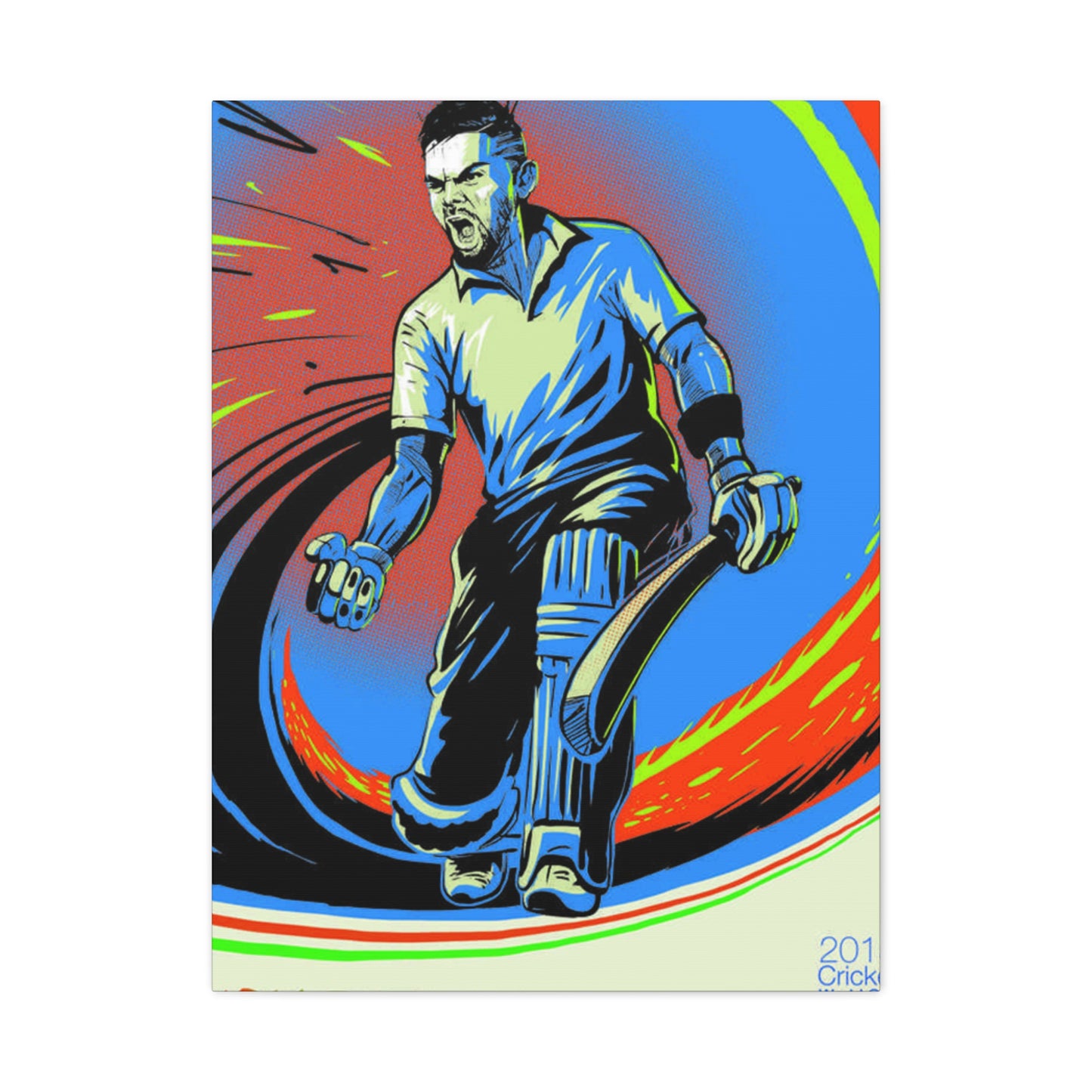
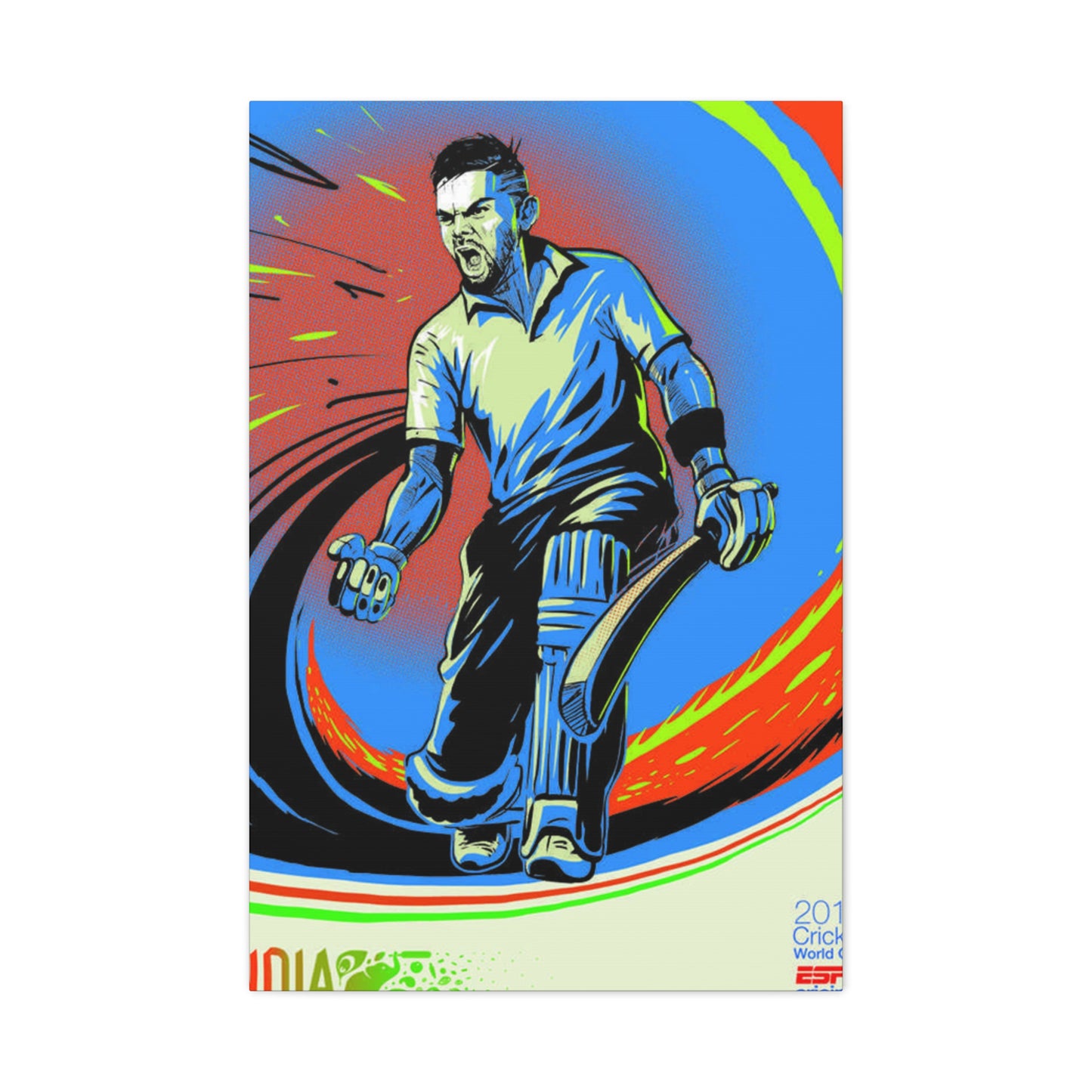
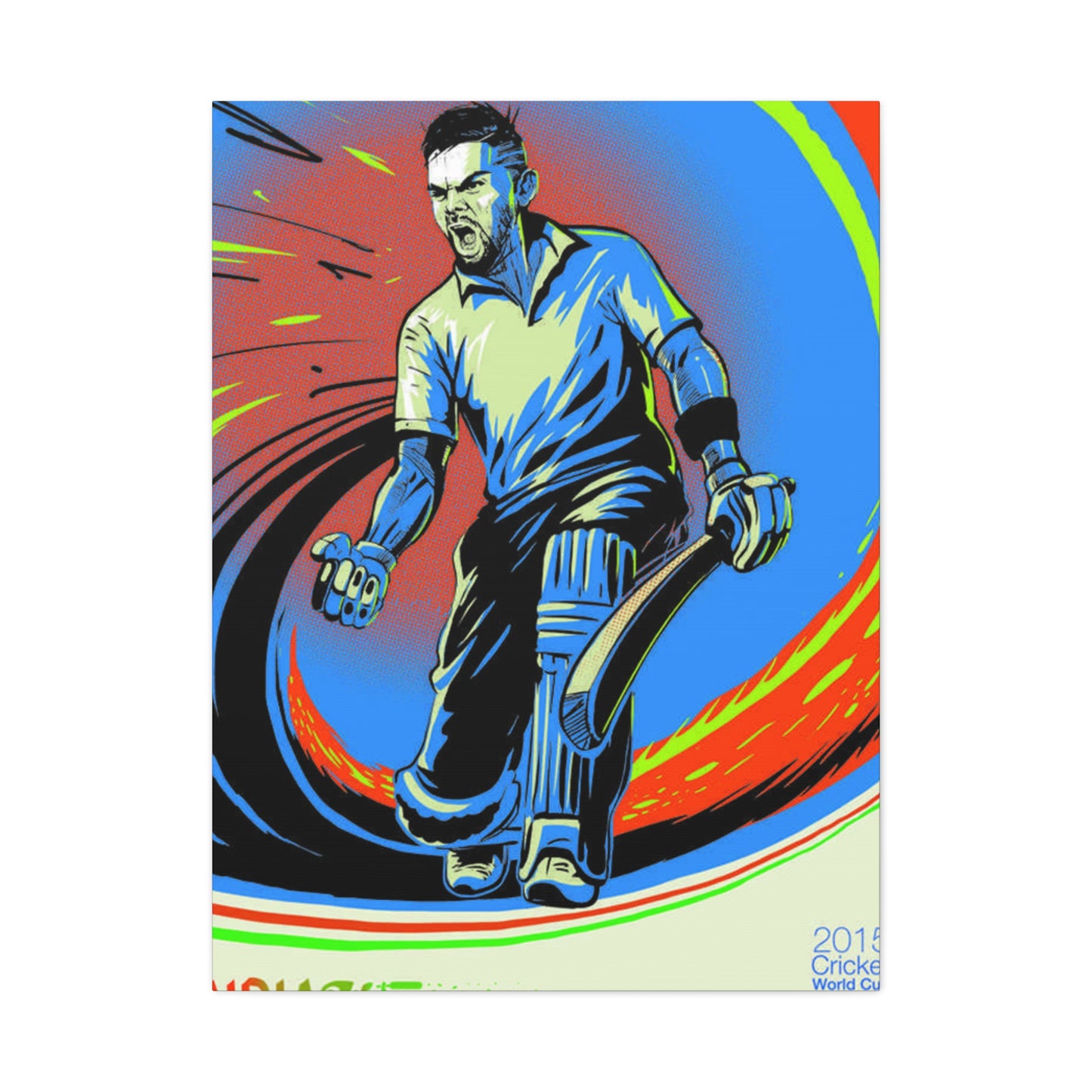
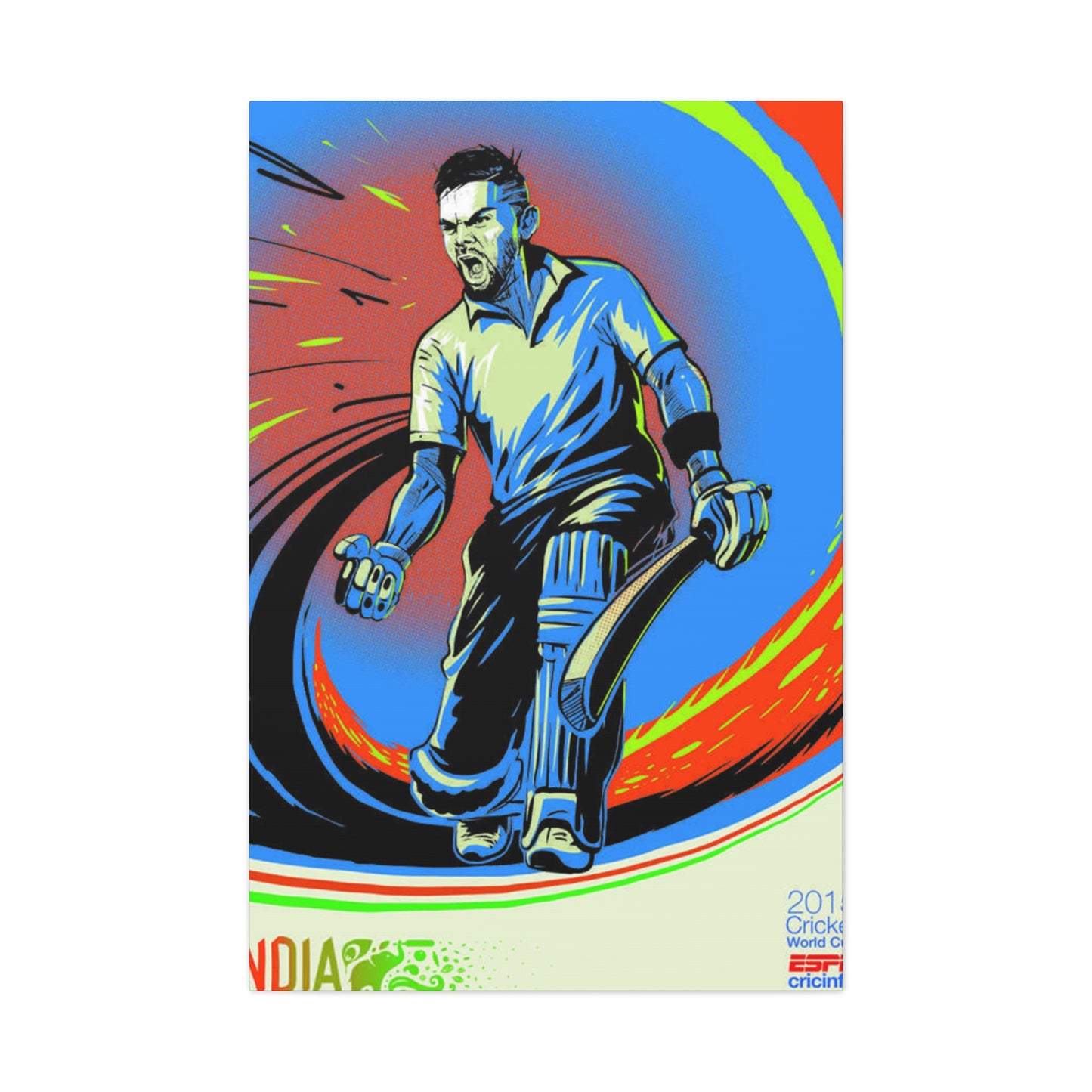
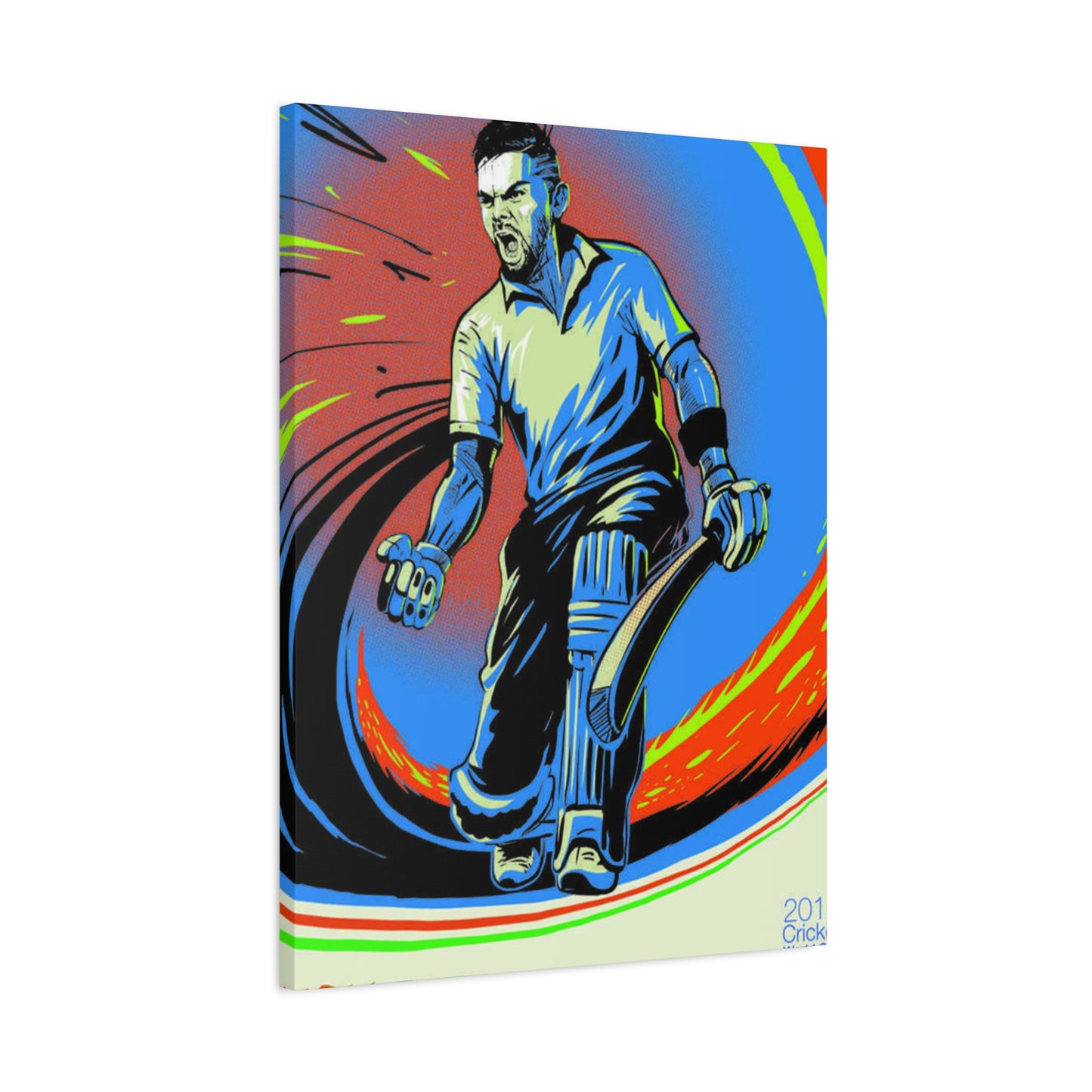
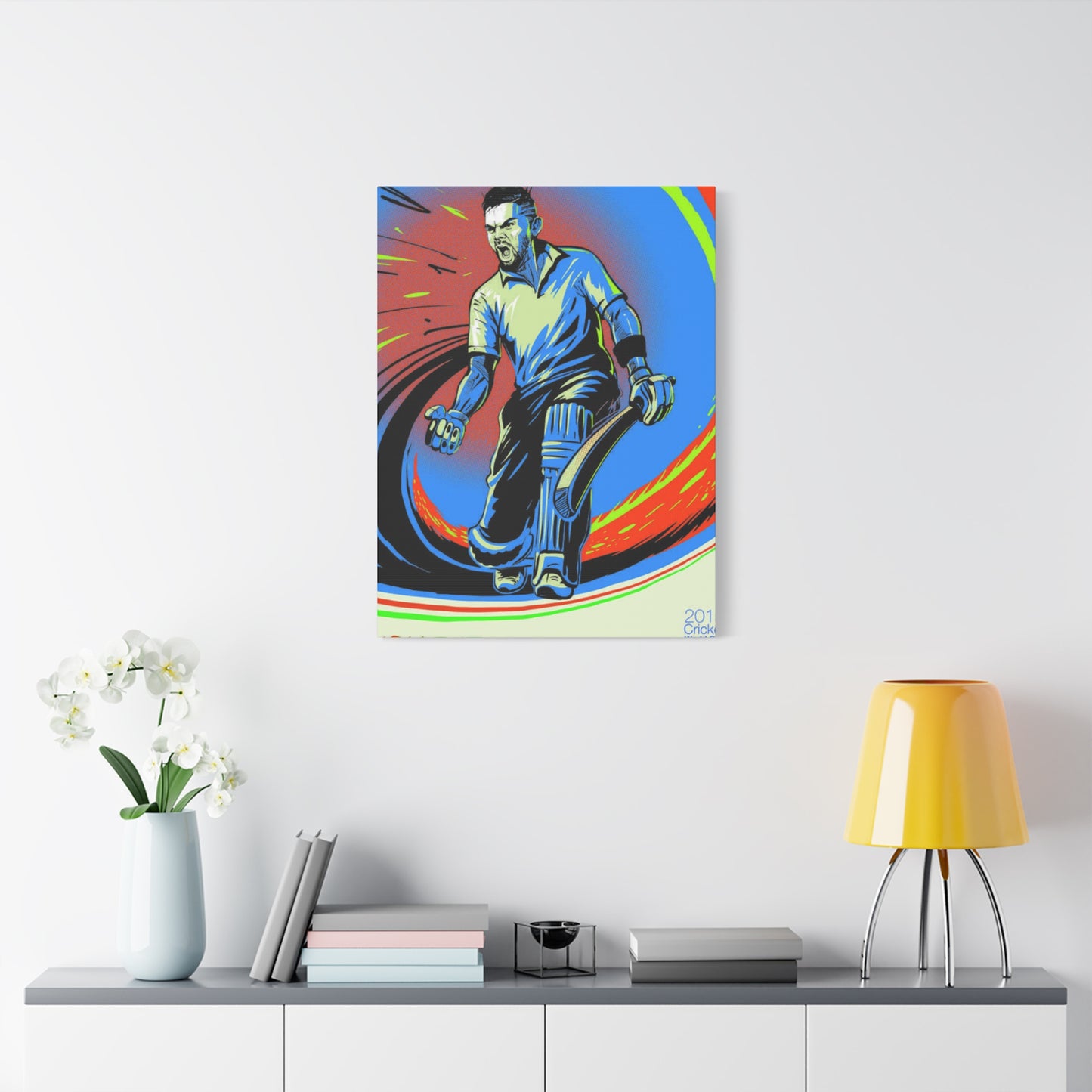
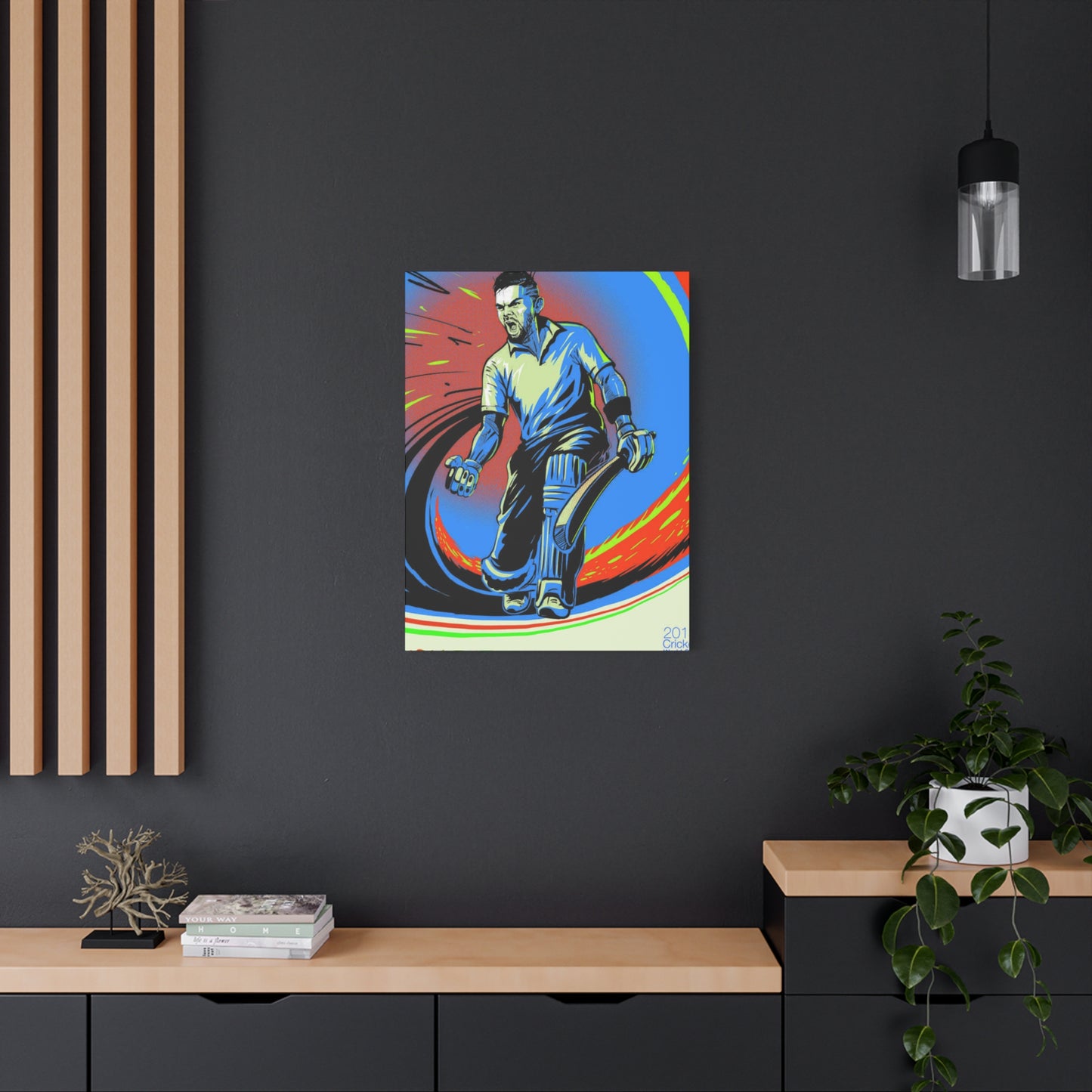
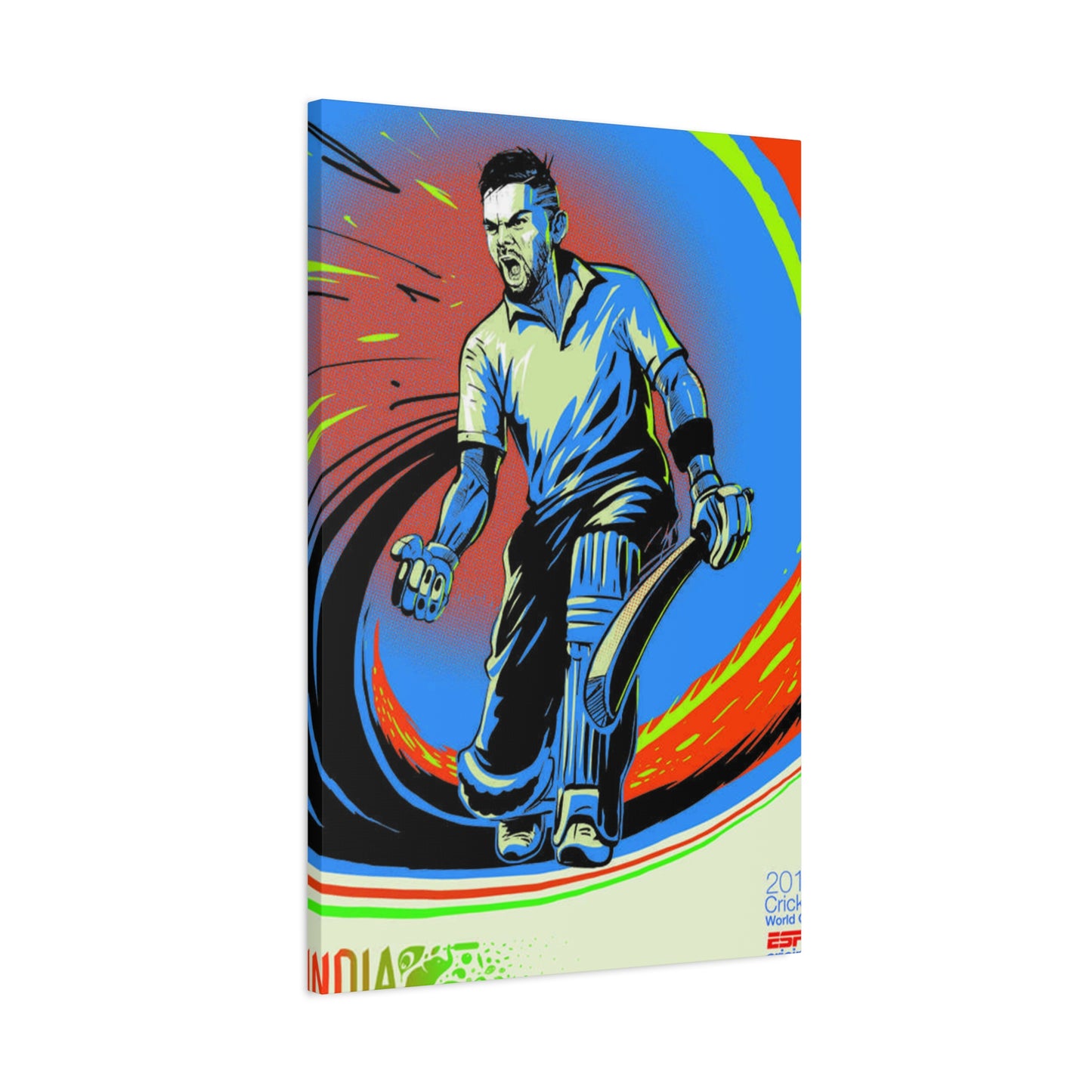
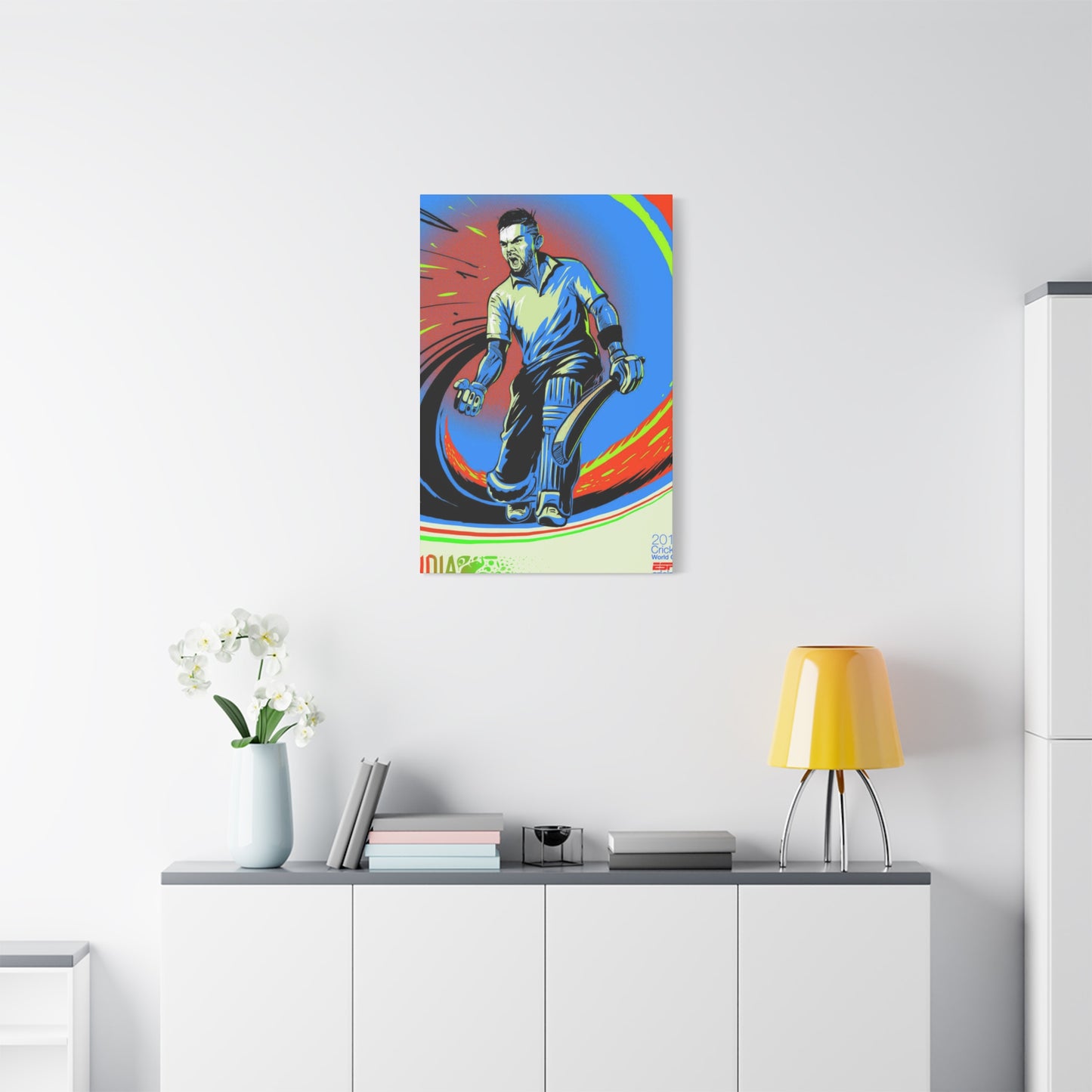
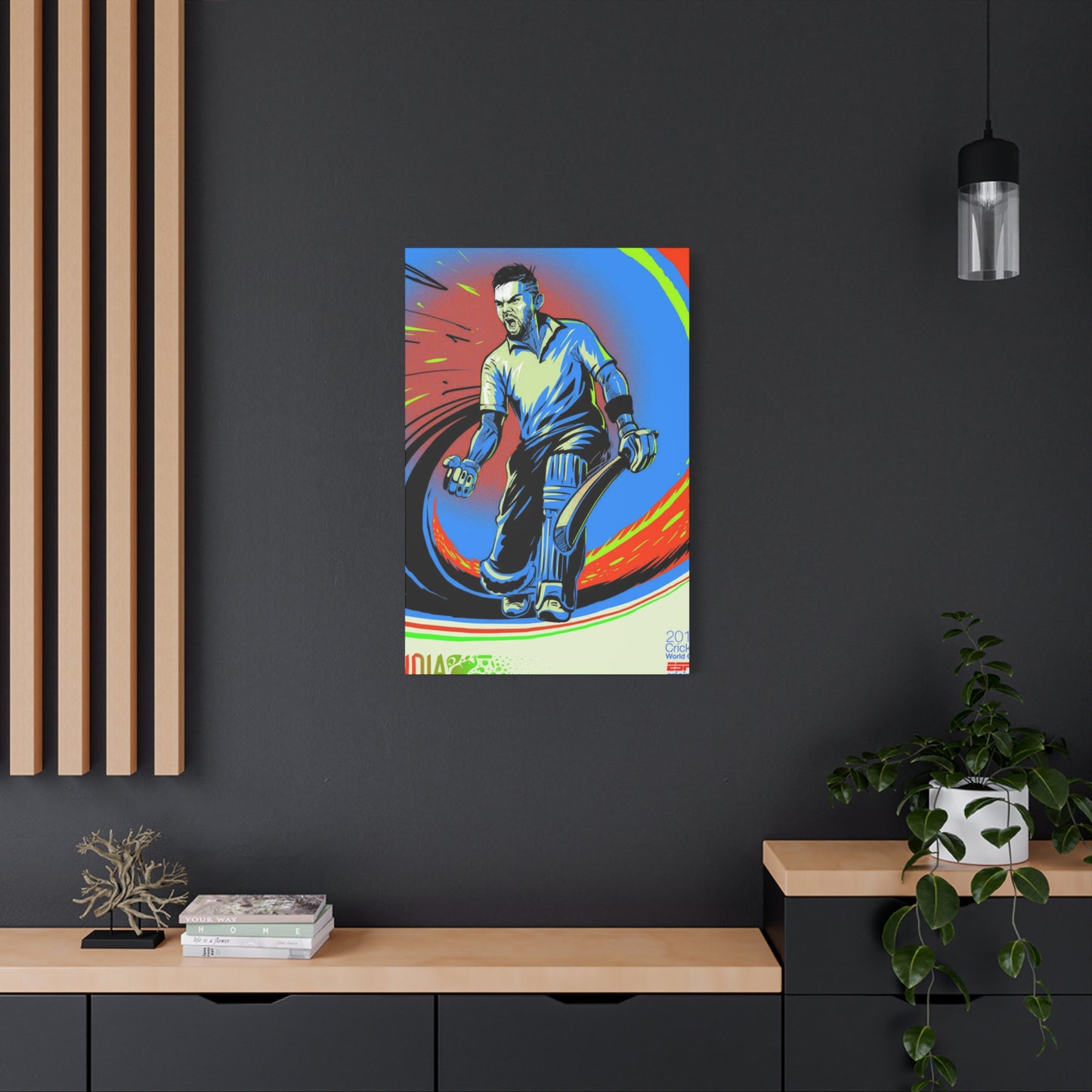
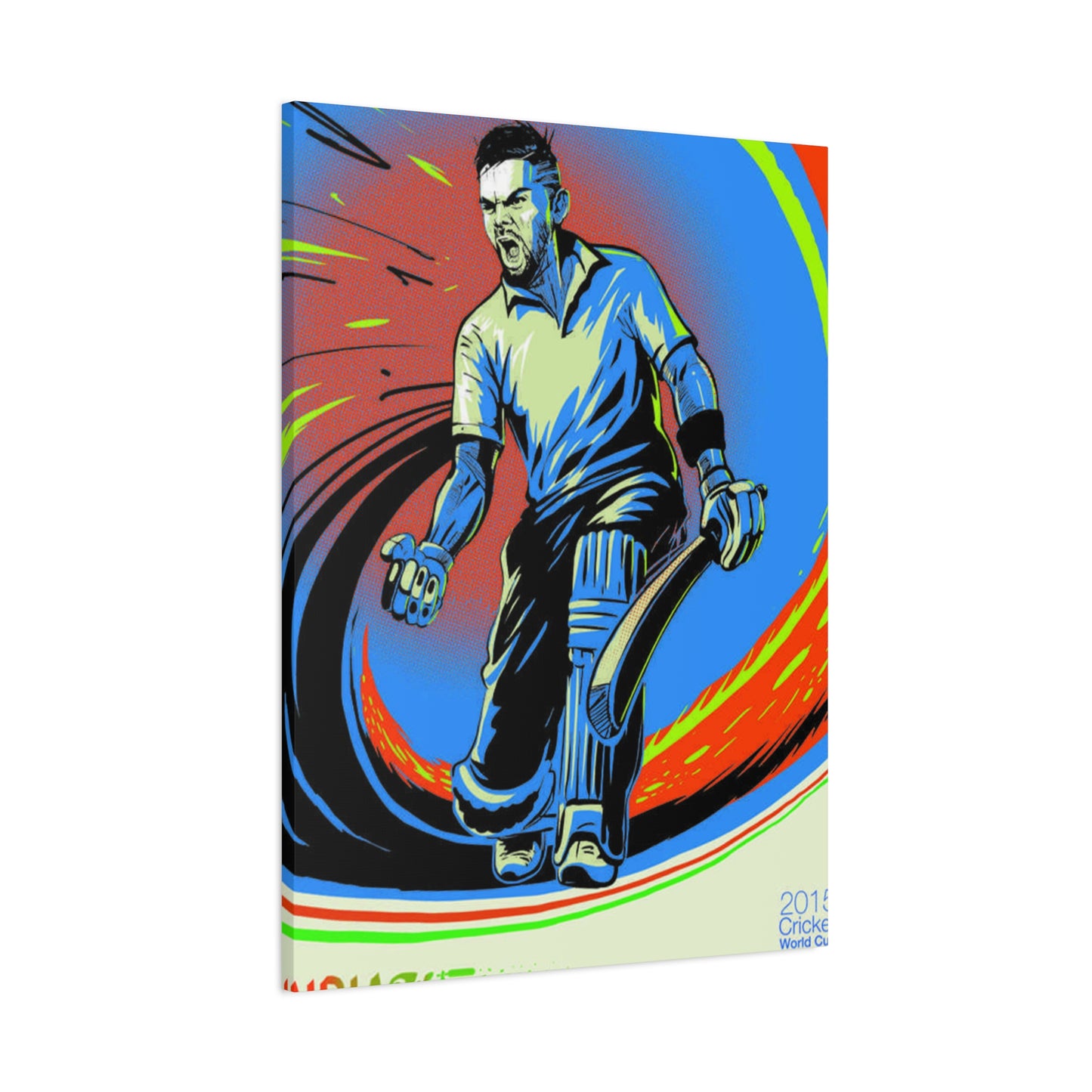
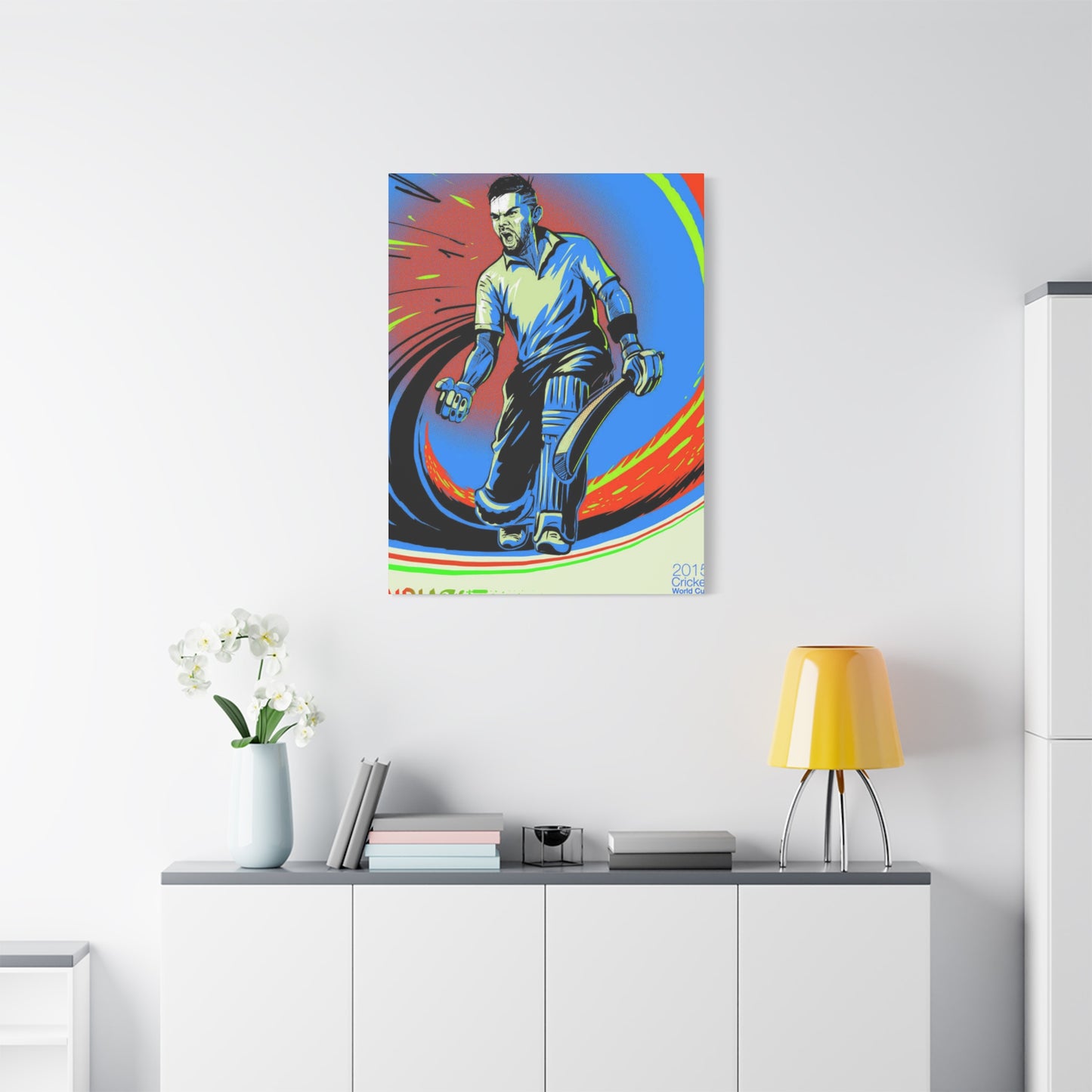
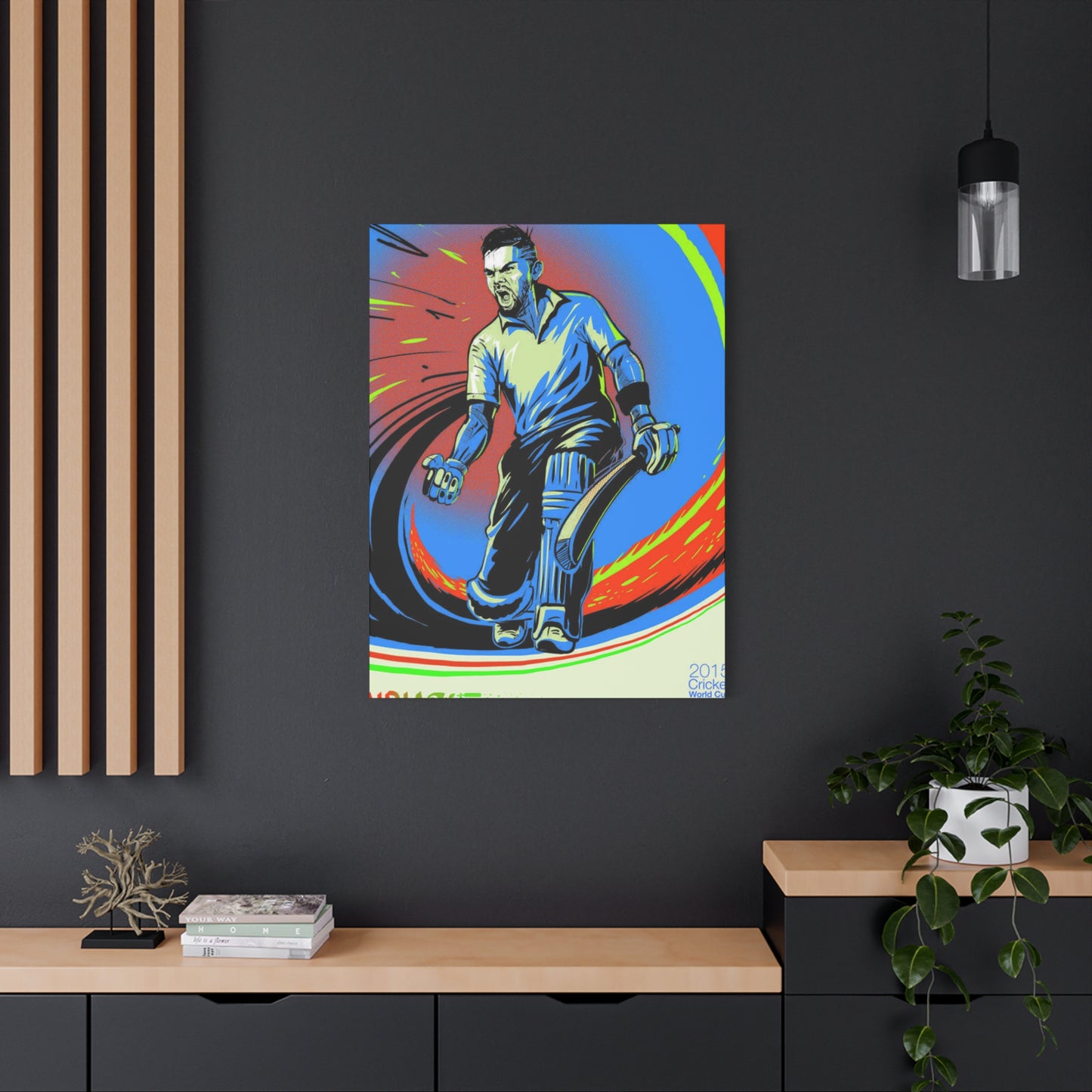
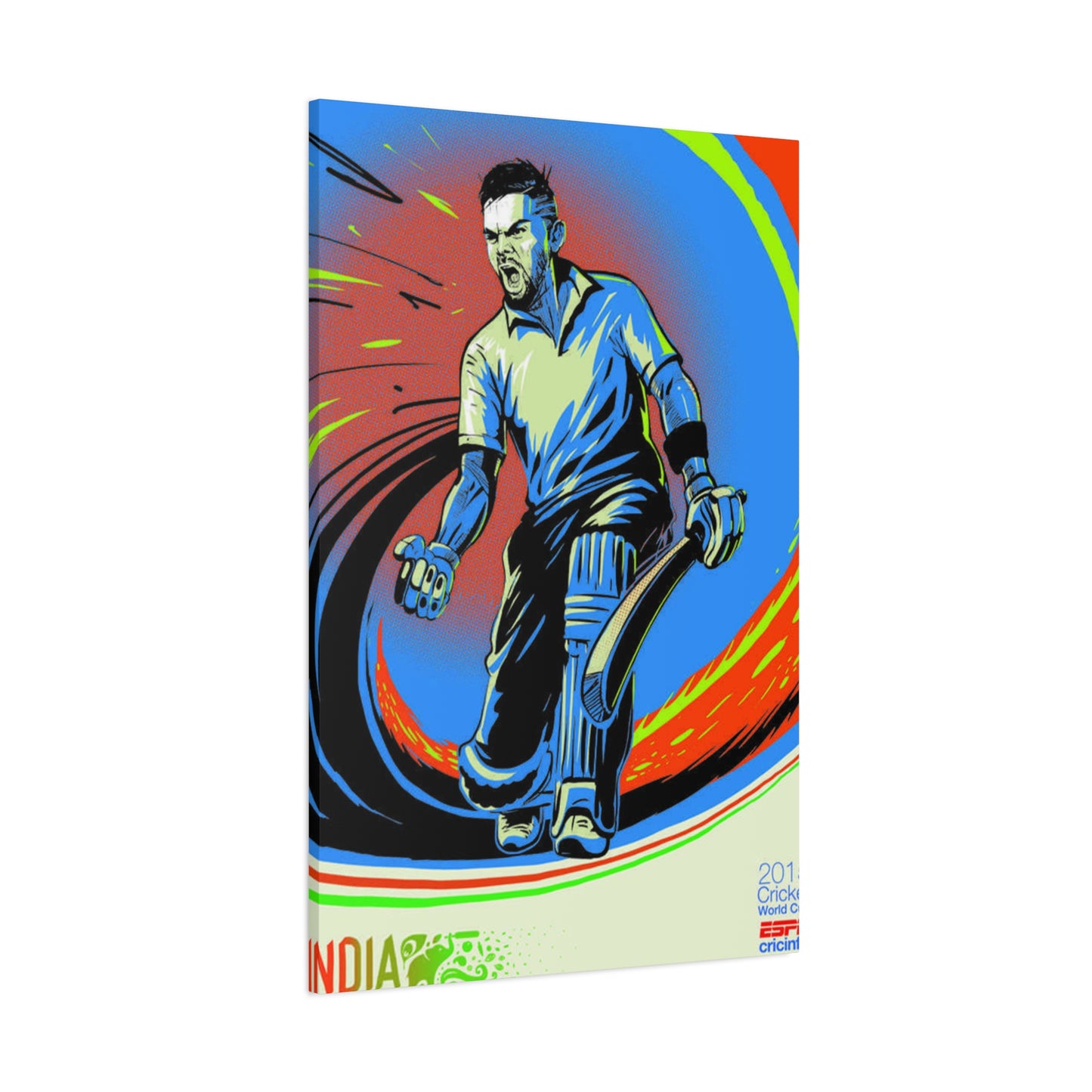
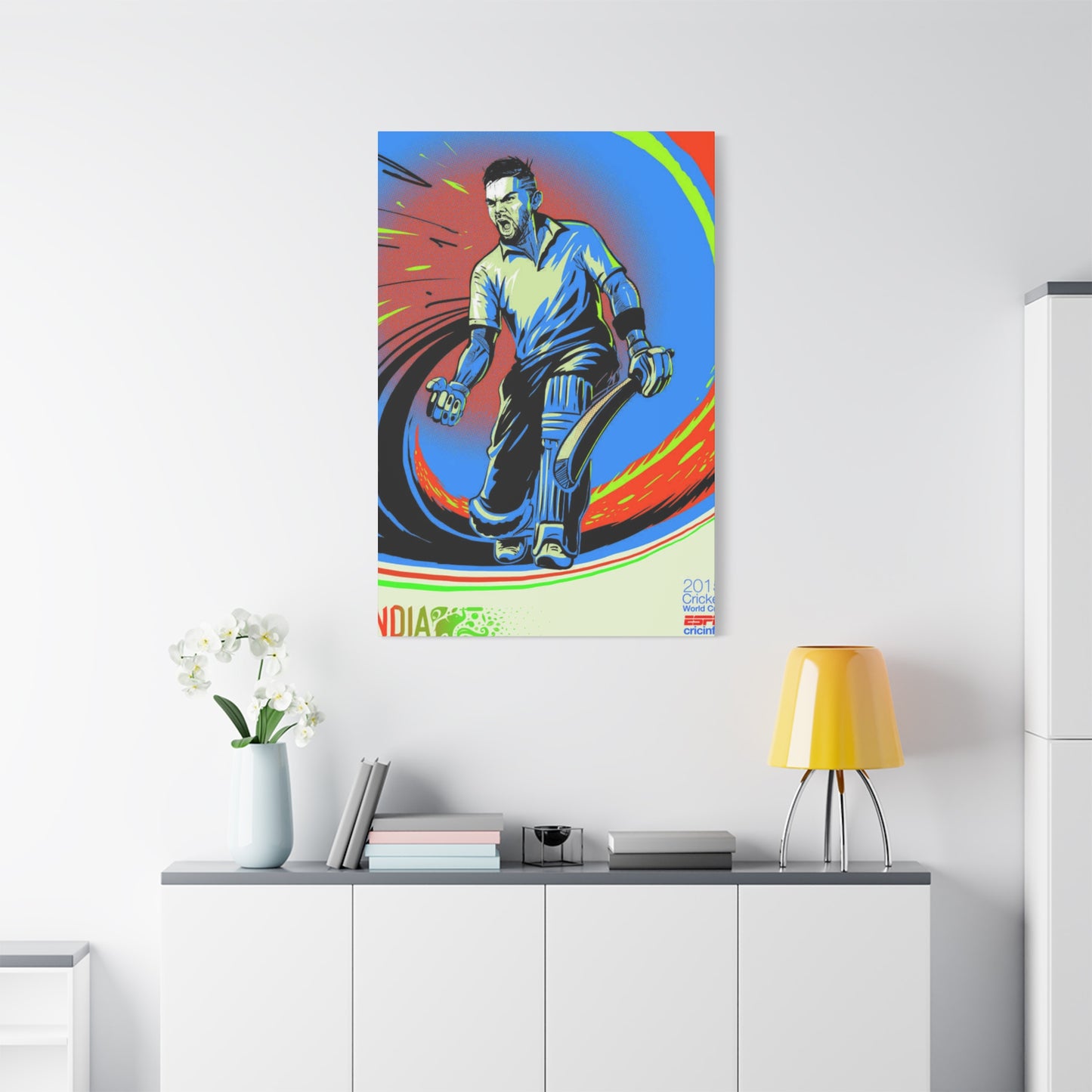
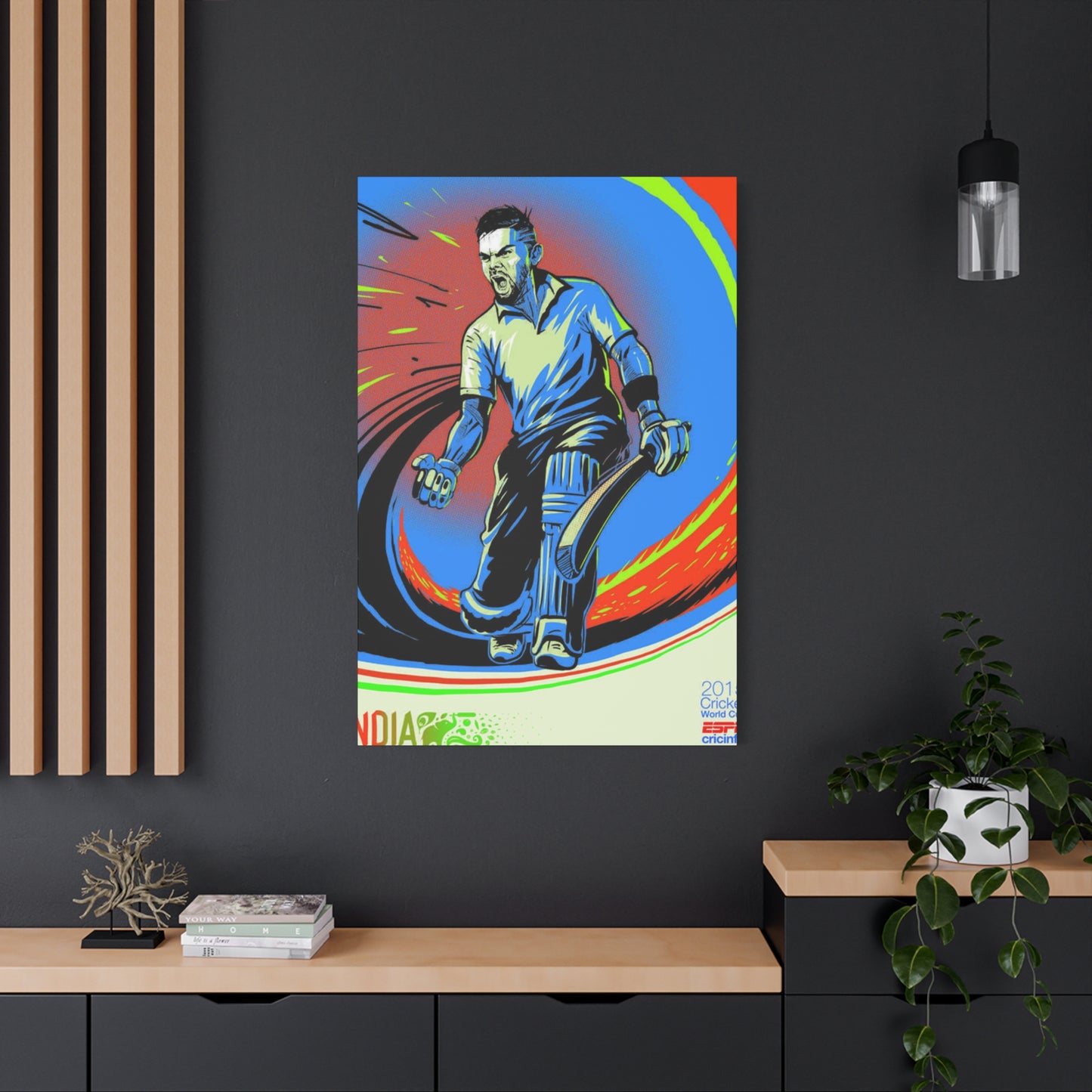
Sporting Elegance: Transform Your Room with Virat Kohli Wall Art Décor
Cricket enthusiasts and art lovers alike have discovered a unique way to celebrate their passion for the sport through decorative wall pieces featuring one of the game's most celebrated players. The intersection of athletic achievement and artistic expression has created a thriving market for sports-themed interior design elements that capture memorable moments from the cricket field. This comprehensive exploration delves into every aspect of incorporating these dynamic visual pieces into your living or working environment, offering insights into selection, placement, styling, and maintenance strategies that will help you create inspiring spaces that honor the spirit of cricket while maintaining sophisticated aesthetic appeal.
Choosing Virat Kohli Canvas Prints
Selecting the perfect canvas artwork featuring the Indian cricket captain requires careful consideration of multiple factors that will influence both the visual impact and longevity of your investment. The process begins with understanding your personal connection to specific moments in cricket history and how those memories can be translated into powerful visual statements within your space. Whether you're drawn to action shots capturing the intensity of a crucial innings, celebratory moments showcasing triumphant victories, or contemplative portraits revealing the determination behind the athlete's success, each image carries its own emotional resonance and storytelling potential.
The quality of the print itself stands as the foundation of any worthwhile purchase. High-resolution images printed on premium canvas material ensure that every detail remains crisp and vibrant for years to come. Look for prints that utilize archival-quality inks resistant to fading from sunlight exposure and environmental factors. The canvas weight matters significantly, with heavier fabrics typically indicating superior durability and a more luxurious appearance. Professional-grade printing techniques such as giclée processes deliver museum-quality results that capture subtle color gradations and maintain accuracy in reproducing the original photograph or artwork.
Size considerations extend beyond simply measuring available wall space. The proportions of the canvas should complement the room's dimensions and the surrounding furniture arrangement. A piece that's too small may appear lost on an expansive wall, while an oversized print in a confined space can feel overwhelming and claustrophobic. Consider the viewing distance as well, as larger prints work best when viewers can step back to appreciate the full composition, while smaller pieces suit intimate settings where closer inspection enhances the experience.
Frame options significantly impact the overall presentation and protection of your canvas. Stretched canvas wrapped around wooden frames creates a contemporary gallery-style appearance with the image extending around the edges. Floating frames add depth and dimension while protecting the canvas edges from wear. Traditional frames with matting offer a more classic presentation suitable for formal environments. The frame color and finish should harmonize with existing decor elements while allowing the artwork itself to remain the focal point rather than competing with ornate framing.
Color palette coordination ensures your selected print integrates seamlessly with existing interior design schemes. Analyze the dominant hues in the image and how they relate to wall colors, furniture upholstery, and accent pieces throughout the room. Complementary color schemes create visual harmony, while contrasting combinations generate dynamic energy and draw attention to the artwork. Consider whether you want the print to blend subtly into the environment or serve as a bold statement piece that anchors the room's aesthetic direction.
The emotional impact of specific moments captured in cricket photography varies widely among fans. Some prefer action-packed images frozen at the peak of athletic performance, showcasing powerful batting stances, aggressive celebrations, or intense concentration during critical match situations. Others gravitate toward quieter moments that reveal personality and character, such as reflective poses, interactions with teammates, or scenes that capture the human side of athletic achievement. Your selection should resonate personally, evoking memories of matches watched, emotions felt, and admiration for the dedication required to reach such heights in professional sports.
Authentication and licensing considerations protect you from counterfeit products while ensuring artists and photographers receive proper credit and compensation for their work. Official merchandise bearing authorized licensing agreements guarantees that your purchase supports the cricket community and respects intellectual property rights. Research the seller's reputation, read customer reviews, and verify authentication certificates when investing in premium pieces. Legitimate vendors provide detailed information about image sources, printing processes, and materials used in production.
Budget considerations need not limit your options for incorporating cricket-themed artwork into your space. The market offers extensive price ranges accommodating various financial constraints while maintaining quality standards. Smaller prints, unframed options, and reproductions of classic images often provide affordable entry points for building a collection. Sales events, promotional periods, and bundle deals present opportunities to acquire multiple pieces or larger formats at reduced prices. Prioritize quality over quantity, as a single exceptional piece creates more impact than several mediocre alternatives cluttering wall space.
Personal customization options allow you to create truly unique pieces that reflect individual tastes and specific memories. Some vendors offer services that adjust color saturation, apply artistic filters, or combine multiple images into collage formats. Adding text elements such as favorite quotes, match statistics, or meaningful dates personalizes the artwork further. Consider requesting specific image cropping that emphasizes particular aspects of the original photograph, or explore mixed-media approaches that incorporate additional design elements beyond the base image.
The psychological impact of surrounding yourself with images of excellence and achievement should not be underestimated. Visual reminders of dedication, perseverance, and success can serve as daily motivation and inspiration in both personal and professional contexts. The presence of sports-themed artwork creates conversation opportunities with visitors who share similar interests, fostering connections and community among cricket enthusiasts. These pieces transform ordinary walls into meaningful displays that reflect personal values, interests, and aspirations.
Iconic Cricket Wall Art Ideas
Capturing legendary moments from cricket history through wall art creates powerful focal points that celebrate the sport's greatest achievements and most memorable performances. The evolution of cricket photography has produced an extensive catalog of iconic images that transcend the sport itself, becoming cultural touchstones recognized even by casual observers. These visual records document not just athletic prowess but also human drama, national pride, and the emotional intensity that makes cricket such a compelling spectacle for millions of fans worldwide.
Championship-winning celebrations provide particularly impactful imagery for wall displays. The unbridled joy of tournament victories, the relief of hard-fought series conclusions, and the collective euphoria of team achievements create emotionally charged visuals that resonate with fans who remember watching those moments unfold. Images capturing trophy presentations, team huddles, and spontaneous celebrations convey the culmination of months or years of preparation and sacrifice. These moments represent pinnacles of achievement that inspire admiration and serve as reminders that dedication and teamwork yield extraordinary results.
Record-breaking performances offer another category of iconic imagery worth considering for wall art collections. Milestone achievements such as century celebrations, partnership records, and statistical accomplishments mark individual excellence within team contexts. These images document historical significance while showcasing the technical mastery and mental fortitude required to reach such heights. The visual representation of record-breaking moments allows fans to revisit achievements that expanded the boundaries of what seemed possible in cricket, inspiring future generations to pursue their own ambitious goals.
Intense rivalry moments from crucial matches against traditional opponents create dramatic artwork options filled with competitive energy. The focused determination visible in close-up shots during high-pressure situations, the body language of players pushing themselves to their limits, and the raw emotion of contest outcomes provide compelling visual narratives. These images remind viewers of the stakes involved in international competition and the mental toughness required to perform under intense scrutiny and expectation.
Technical excellence captured in perfect form provides aesthetically pleasing artwork that appeals to cricket purists and casual viewers alike. Images showcasing textbook batting technique, elegant stroke play, or athletic fielding positions demonstrate the sport's skill requirements and physical demands. These photographs work particularly well in settings where clean lines and composition take precedence, as the human form in peak athletic motion possesses inherent artistic merit independent of cricket knowledge or fandom.
Leadership moments featuring captaincy responsibilities and team management situations offer insights into the strategic and psychological dimensions of cricket. Images showing on-field discussions, tactical adjustments, or motivational interactions reveal the leadership qualities that distinguish great players from legendary captains. These visuals appeal particularly to those interested in the mental and strategic aspects of sports, highlighting decision-making under pressure and the ability to inspire collective performance.
International cricket's diverse venues provide stunning backdrops for cricket photography, with iconic stadiums offering instantly recognizable settings. The architectural grandeur of historic cricket grounds, the vibrant atmosphere created by passionate crowds, and the unique character of different playing conditions add contextual richness to cricket imagery. Artwork featuring recognizable venues evokes specific memories associated with matches played at those locations while celebrating the global nature of the sport.
Career retrospective collections that chronicle professional journeys from debut to retirement create narrative artwork series with biographical significance. Arranging multiple images that document career progression, evolution of playing style, and memorable milestones throughout different phases creates comprehensive visual stories. These collections work particularly well in dedicated sports rooms or personal offices where extended contemplation and reflection suit the viewing environment.
Artistic interpretations that move beyond straightforward photography offer creative alternatives for those seeking unique expressions of cricket fandom. Illustrated portraits employing various artistic styles, abstract representations emphasizing color and emotion over literal accuracy, and digitally manipulated images that enhance dramatic elements provide contemporary approaches to sports artwork. These alternatives appeal to collectors who appreciate artistic innovation while maintaining thematic connections to cricket.
Behind-the-scenes imagery that captures training sessions, practice routines, and preparation moments offers intimate perspectives rarely seen during match broadcasts. These images humanize elite athletes by showing the dedication required between public performances, the camaraderie developed through shared challenges, and the attention to detail that separates good from great. Such artwork resonates particularly with aspiring athletes and those who appreciate the complete picture of athletic achievement beyond game-day performances.
Historical evolution comparisons that juxtapose different eras of cricket provide educational and nostalgic value through visual contrasts. Pairing modern cricket imagery with historical photographs highlights equipment changes, tactical evolution, and the sport's global expansion over time. These comparative displays work well in settings where cricket tradition and history receive emphasis, celebrating the sport's rich heritage while acknowledging contemporary developments.
Decorating with Virat Kohli Posters
Incorporating sports-themed posters into interior design schemes requires balancing passionate fandom with aesthetic sophistication to create spaces that feel intentional rather than haphazard. The versatility of poster formats offers numerous creative opportunities for expressing cricket enthusiasm while maintaining design coherence throughout residential or commercial environments. Understanding fundamental design principles and applying them thoughtfully ensures that sports memorabilia enhances rather than detracts from overall interior aesthetics.
Placement strategy begins with identifying walls that benefit from visual interest without overwhelming room functionality. Feature walls opposite main seating areas create natural focal points that draw attention without competing with primary activities in the space. Areas above furniture pieces such as sofas, consoles, or beds provide logical locations where artwork fills vertical space while maintaining appropriate viewing angles. Hallways and transitional spaces offer opportunities to create gallery-style displays that guide movement through the environment while showcasing collections.
Scale relationships between poster sizes and surrounding architectural elements significantly impact visual balance. A single large-format poster can anchor an entire wall, establishing dominance that commands attention and sets the room's thematic tone. Multiple smaller posters arranged in grid patterns create organized collections that maintain individual piece visibility while generating cumulative impact through repetition. Asymmetrical arrangements with varying sizes introduce dynamic energy and contemporary flair suitable for informal settings or creative environments.
Matting and framing elevate posters from casual decorations to curated artwork worthy of serious design consideration. Substantial frames add weight and importance to images, signaling that these pieces represent significant investments in personal expression rather than temporary decorations. Mat borders create visual breathing room around images, preventing them from feeling cramped while adding professional presentation quality. Color coordination between frames, mats, and existing decor elements creates cohesive visual relationships that integrate sports artwork into broader design narratives.
Lighting considerations dramatically affect how posters appear and the emphasis they receive within room compositions. Dedicated picture lights mounted above frames highlight artwork while creating ambient illumination that enhances evening atmospheres. Track lighting systems allow adjustable positioning that accommodates rearrangements or seasonal rotations. Natural lighting requires careful planning to prevent sun damage while capitalizing on daylight's ability to reveal color vibrancy and detail. Combining multiple lighting sources creates layered illumination that adapts to different times of day and usage scenarios.
Color coordination between poster imagery and surrounding decor establishes visual harmony throughout the space. Extracting accent colors from the poster and repeating them in throw pillows, area rugs, or decorative accessories creates intentional connections that demonstrate design thoughtfulness. Complementary color schemes based on color wheel relationships generate balanced compositions, while analogous palettes create serene, cohesive environments. Monochromatic approaches emphasizing various shades of single hues suit minimalist aesthetics where subtle variation creates interest without complexity.
Thematic consistency across multiple posters strengthens the overall impact of sports-themed decor. Collections focusing on specific matches, tournaments, or career phases tell coherent visual stories that reward extended viewing and contemplation. Maintaining consistent photographic styles, whether action shots, portraits, or artistic interpretations, creates visual unity despite featuring different moments or contexts. Coordinated framing throughout a collection reinforces intentionality and demonstrates curatorial consideration in assembling the display.
Balancing sports content with other artwork prevents spaces from feeling one-dimensional or overly specialized. Integrating cricket posters alongside abstract art, landscape photography, or other subjects creates eclectic collections that reveal multifaceted personalities and diverse interests. Strategic placement distributes sports content throughout the home rather than concentrating it in single rooms, allowing cricket fandom to coexist with other passions and design preferences. This approach particularly suits shared living spaces where multiple occupants have varying interests.
Seasonal rotations keep displays fresh and allow extensive collections to receive regular showcase opportunities. Storing posters in archival sleeves protects them during off-display periods while enabling easy swaps that reflect changing seasons, current tournaments, or evolving personal preferences. This strategy also prevents visual fatigue that can result from viewing identical displays for extended periods, maintaining engagement with artwork through novelty and variation.
Protective measures ensure poster longevity and maintain presentation quality over time. UV-protective glazing prevents color fading from sunlight exposure, particularly crucial for posters displayed in naturally lit areas. Archival-quality materials including acid-free mats and backing boards prevent deterioration from chemical interactions that yellow paper and degrade adhesives. Climate control considerations address humidity and temperature fluctuations that can warp paper or promote mold growth, especially important in basements, bathrooms, or regions with extreme seasonal variations.
Celebrating Cricket Greatness in Art
Artistic representations of athletic excellence serve purposes beyond mere decoration, functioning as cultural documents that preserve significant moments while inspiring future generations to pursue their own achievements. The translation of cricket performances into visual art forms creates accessible touchstones that connect fans across geographic and temporal distances, building shared cultural references that strengthen community bonds. Understanding the deeper significance of sports art enhances appreciation for these pieces as meaningful expressions of human potential and achievement.
The historical documentation function of sports art cannot be overstated in preserving cricket's evolution for future generations. Before digital archives made every match readily accessible through streaming services, photography and artistic renderings provided primary records of significant performances and memorable moments. These visual documents capture not just individual plays but also cultural contexts including equipment evolution, fashion trends, stadium architecture, and crowd behaviors that reveal much about different eras. Collecting and displaying such artwork contributes to preserving cricket heritage and ensuring that historic achievements remain visible and celebrated.
Inspirational motivation derived from viewing representations of excellence provides psychological benefits that extend beyond aesthetic pleasure. Regular exposure to images depicting peak performance, triumphant celebrations, and overcoming adversity can subconsciously reinforce personal determination and goal-oriented behaviors. For young cricket enthusiasts, seeing visual reminders of successful athletes who began with similar dreams can fuel ambition and provide tangible evidence that extraordinary achievements remain within reach through dedication and effort. In professional contexts, sports artwork symbolizing teamwork, leadership, and performance under pressure communicates organizational values and cultural expectations.
Cultural identity expression through cricket art reflects the sport's significance in national consciousness, particularly in countries where cricket occupies central positions in collective identity. Displaying artwork featuring national team achievements demonstrates pride in shared accomplishments while creating visible connections to larger communities of fans. This function proves especially meaningful for expatriates maintaining connections to homeland cultures or first-generation immigrants introducing children to heritage traditions. Cricket art becomes more than decoration in these contexts, serving as cultural anchors that ground identity and belonging.
Artistic merit independent of subject matter deserves recognition when evaluating high-quality sports photography and illustration. The technical excellence required to capture athletes in motion, the compositional sophistication that creates balanced and engaging images, and the emotional resonance achieved through lighting and perspective all demonstrate genuine artistic skill. Many sports photographs qualify as fine art based purely on aesthetic qualities, with cricket imagery offering particularly rich opportunities for dramatic composition given the sport's varied playing conditions, expressive gestures, and architectural settings.
Emotional connection amplification occurs when personal memories become associated with specific images, transforming generic sports content into deeply meaningful personal artifacts. A poster depicting a match-winning performance witnessed live or a championship celebration shared with loved ones carries emotional weight far exceeding the image's commercial value. These pieces function as memory triggers that transport viewers back to significant moments in their own lives, with the cricket content serving as mnemonic devices that encode personal histories and emotional experiences.
Conversation facilitation represents an underappreciated function of sports artwork in social spaces. Visible cricket displays signal interests and passions to visitors, providing natural conversation starters that ease social interactions and identify common ground between acquaintances. In professional settings, sports artwork can humanize otherwise impersonal environments while offering neutral topics for building rapport with clients and colleagues. The shared language of sports fandom transcends many social boundaries, creating accessible entry points for relationship building across demographic differences.
Educational value emerges when sports art introduces viewers to unfamiliar aspects of cricket history, technique, or global reach. Accompanying descriptions explaining image contexts, player achievements, or match significance transform wall displays into informal learning opportunities. For households with young cricket fans, artwork serves as springboards for discussions about sportsmanship, perseverance, career development, and the dedication required for excellence in any field. This educational dimension adds depth to decorative choices, justifying space allocation based on developmental and informational benefits.
Investment potential exists within the sports memorabilia market, with rare or significant pieces appreciating substantially over time. Limited edition prints, signed pieces, and artwork commemorating historic achievements can gain value as player legacies solidify and nostalgia increases demand among collectors. While financial considerations should rarely drive primary decorating decisions, understanding potential investment dimensions provides additional justification for quality purchases and proper preservation efforts that maintain condition and authentication documentation.
Aesthetic evolution of personal spaces reflects changing life circumstances and matured tastes, with artwork selections documenting personal growth and evolving identity. The cricket art displayed during university years may differ significantly from pieces chosen for family homes or professional offices, with selections increasingly reflecting sophisticated understanding of design principles alongside deepened appreciation for cricket's nuances. This evolution demonstrates how sports fandom integrates with broader personal development rather than remaining static or juvenile as detractors sometimes suggest.
Large Virat Kohli Canvas for Statement Walls
Oversized canvas artwork transforms ordinary walls into commanding focal points that define room character and establish immediate visual impact upon entry. The strategic deployment of large-format prints requires careful consideration of architectural features, viewing distances, and surrounding design elements to maximize their dramatic potential while maintaining spatial harmony. Understanding the unique opportunities and challenges associated with statement-scale artwork ensures successful integration that elevates interior aesthetics rather than overwhelming them.
Architectural considerations begin with assessing wall dimensions and identifying spaces capable of accommodating substantial artwork without appearing cramped or disproportionate. Expansive walls in living rooms, master bedrooms, or office reception areas provide ideal canvases for large-format pieces that might overpower more modest spaces. Cathedral ceilings and double-height walls present opportunities for vertically oriented pieces that emphasize upward space while filling areas traditional furniture cannot reach. Conversely, horizontal orientations suit long walls above sofas, beds, or consoles where width exceeds height.
Viewing distance calculations ensure that large canvases remain visually comfortable rather than forcing viewers to pan across surfaces to comprehend complete compositions. The general guideline suggests optimal viewing distance equals approximately one-and-a-half to two times the artwork's diagonal measurement, though this varies based on image detail and personal preference. Rooms with substantial setback distances between walls and primary seating areas accommodate larger pieces effectively, while spaces with closer proximities might render oversized artwork difficult to appreciate fully. Testing potential placements with paper templates or digital visualization tools prevents expensive mistakes.
Image resolution requirements increase dramatically with size, as enlarging low-quality images exposes pixelation and detail loss that becomes glaringly apparent at statement scales. High-resolution source files captured with professional equipment ensure that prints maintain sharpness and clarity even when expanded to several feet in either dimension. Inquire about original file sizes and printing specifications before purchasing large canvases, as inferior source material cannot produce satisfactory large-format results regardless of printing technology quality. Professional photographers and licensed vendors typically provide necessary resolution for large-scale reproductions.
Installation methods for substantial canvases require planning beyond standard picture hooks, as significant weight demands proper anchoring into wall studs or using appropriate hanging hardware rated for heavy loads. French cleat systems distribute weight evenly while allowing easy adjustment and removal for cleaning or relocation. Professional installation services ensure secure mounting while preventing wall damage, particularly valuable when dealing with expensive artwork or historically significant architecture where incorrect installation could create costly repairs. Consider earthquake preparedness in relevant regions, using additional security measures that prevent artwork from falling during seismic events.
Cost implications of large-format canvases reflect the increased material requirements, printing complexity, and shipping challenges associated with substantial dimensions. Pricing typically scales non-linearly with size, as larger prints require specialized equipment, more expensive substrates, and greater ink volumes. Shipping expenses increase dramatically due to size restrictions, fragility concerns, and freight requirements that exceed standard parcel services. Budget accordingly when planning statement pieces, recognizing that impressive scale requires proportional financial investment to achieve quality results worthy of prominent display.
Color saturation and contrast adjustments often become necessary for large canvases to maintain visual impact across expanded surfaces. Colors that appeared vibrant at smaller scales may seem washed out when enlarged, requiring enhanced saturation to compensate for increased viewing distances and expanded color fields. Contrast adjustments ensure that important details remain visible and compositional elements maintain definition despite size increases. Professional printers experienced with large-format work can recommend appropriate adjustments based on final dimensions and typical viewing conditions.
Room balance shifts significantly when introducing statement-scale artwork, requiring careful reconsideration of furniture arrangements and decorative accessories to maintain proportional relationships. Large canvases establish visual anchors that demand respect in furniture placement, with seating arrangements often reorienting to face or complement the artwork rather than competing with it. Secondary decorative elements may require downsizing or removal to prevent visual clutter that dilutes the statement piece's impact. Negative space becomes increasingly important, with uncluttered surroundings allowing large artwork to breathe rather than feeling constrained by busy environments.
Lighting design takes on heightened importance for statement pieces, as inadequate illumination wastes large canvases' potential while poor lighting creates distracting glare or uneven coverage. Track lighting systems with adjustable heads enable precise highlighting that adapts to time of day and specific usage scenarios. Wall-washing techniques using recessed fixtures create even illumination across large surfaces without visible light sources intruding into the visual field. Accent lighting adds drama while drawing attention to specific artwork areas, though balanced overall illumination often proves more effective for large pieces where viewers' eyes naturally explore the entire surface.
Statement pieces serve as departure points for entire room design schemes, with colors, textures, and stylistic choices throughout the space referencing the anchor artwork. Extracting several colors from the canvas and deploying them strategically in area rugs, window treatments, and upholstery creates intentional visual connections that demonstrate design sophistication. Textural contrasts between smooth canvas surfaces and varied fabric weaves or natural materials add tactile interest while maintaining visual unity. This design-forward approach elevates sports artwork from fan memorabilia to legitimate design elements worthy of inclusion in professionally decorated spaces.
Small Cricket Prints for Game Rooms
Compact artwork formats offer unique advantages for creating comprehensive collections and filling diverse spaces where large pieces prove impractical or disproportionate. The flexibility inherent in smaller prints enables creative arrangement strategies and allows frequent rotation that keeps displays fresh and engaging. Understanding how to maximize small-format artwork's potential ensures that space constraints do not limit opportunities for expressing cricket enthusiasm and creating visually interesting environments.
Game room aesthetics traditionally embrace casual, entertainment-focused design that prioritizes comfort and recreation over formal elegance. Small prints suit this context perfectly, allowing numerous pieces to coexist without overwhelming the space or competing with televisions, gaming equipment, or recreational furniture. The informal nature of game rooms provides freedom to experiment with arrangement styles, color combinations, and display methods that might feel too casual for formal living areas but perfectly complement recreational environments.
Collection building becomes more accessible with smaller prints, as lower individual costs enable gradual accumulation of extensive collections representing various players, matches, and cricket moments. This approach particularly suits young fans or those beginning their cricket artwork collections, providing entry points that don't require substantial upfront investments. Over time, collections grow to reflect evolving tastes and expanding cricket knowledge, with early acquisitions carrying sentimental value as documentation of fandom development.
Grid arrangements create organized displays that accommodate numerous small prints while maintaining visual order and intentional appearance. Symmetrical grids in three-by-three or four-by-four configurations work particularly well for sets of similarly sized prints, creating unified displays greater than the sum of individual pieces. Maintaining consistent spacing between frames reinforces organizational structure and demonstrates curatorial intention. This approach suits collectors with multiple pieces depicting different players, matches, or aspects of cricket culture.
Salon-style arrangements embrace asymmetry and organic growth, allowing collections to expand naturally without rigid predetermined structures. This approach begins with a central anchor piece around which additional prints cluster, gradually filling wall space as new acquisitions join the collection. Varied frame sizes and styles add visual interest while accommodating different print dimensions and formats. Salon arrangements work well for collectors who accumulate pieces opportunistically rather than purchasing complete sets simultaneously.
Shelf displays offer alternatives to wall mounting, particularly valuable in rooms where wall space is limited or multiple small items require display beyond just artwork. Arranging small prints on floating shelves, mantels, or bookcases allows easy rotation and creates dimensional displays incorporating other memorabilia such as equipment, autographed items, or cricket-related collectibles. Layering prints at varying depths adds visual complexity while maintaining flexibility for frequent rearrangement.
Themed groupings organize small print collections around specific concepts such as particular tournaments, career phases, or playing positions. This curatorial approach creates narrative coherence within sections of larger displays, allowing viewers to understand organizational logic and discover relationships between individual pieces. Themed groupings work especially well in dedicated sports rooms where extensive collections benefit from structural organization that aids navigation and enhances educational value.
Budget-friendly decorating becomes significantly more achievable with small prints, as reduced material and production costs lower per-piece expenses substantially. This affordability enables comprehensive room coverage without excessive expenditure, particularly valuable when decorating children's rooms, rental properties, or spaces subject to frequent aesthetic updates. The reduced financial commitment also encourages experimentation with different styles, arrangements, and concepts without anxiety about expensive mistakes.
Travel souvenirs from cricket grounds visited personally add autobiographical dimensions to print collections. Many stadiums offer commemorative prints featuring the venue, making them ideal supplements to generic player imagery. These pieces carry personal memories of matches attended, creating emotional connections beyond appreciation for the sport itself. Displaying them alongside traditional player artwork integrates personal cricket experiences into broader fandom expressions.
Interactive displays encourage engagement beyond passive viewing, particularly valuable in family game rooms or youth spaces. Magnetic or velcro-backed prints enable easy rearrangement, allowing room occupants to refresh displays according to mood or recent match results. This interactive dimension transforms static decoration into dynamic elements that reflect ongoing engagement with cricket rather than merely documenting historical fandom.
Developmental appropriateness makes small prints ideal for children's spaces, as reduced scale prevents overwhelming young viewers while remaining visible from typical child height perspectives. The ability to update collections as children's cricket knowledge and player preferences evolve accommodates developmental changes without requiring complete room renovations. Starting with a few carefully selected pieces and gradually expanding the collection parallels children's growing understanding and appreciation of cricket's complexities.
Custom Virat Kohli Art Options
Personalized artwork opportunities allow collectors to create unique pieces unavailable through standard commercial channels, resulting in truly one-of-a-kind displays reflecting individual tastes and specific memories. The expanding accessibility of custom art services has democratized personalized creation, making bespoke pieces achievable for average consumers rather than exclusively wealthy patrons. Understanding available customization options and working effectively with artists or print services ensures satisfying results that justify the additional investment and effort involved.
Commissioned photography from professional sports photographers offers the ultimate in exclusivity, particularly for collectors seeking specific moments, compositions, or perspectives unavailable in existing archives. Establishing relationships with photographers who regularly cover matches provides access to extensive image libraries beyond publicly distributed selections. Discussing desired characteristics, match contexts, and compositional preferences allows photographers to recommend images meeting your criteria while potentially offering usage rights for personal printing. This approach particularly suits collectors focused on specific matches attended personally or particular playing venues holding special significance.
Artistic interpretations transform photographic source material into illustrations, paintings, or mixed-media works that emphasize creative expression alongside documentary accuracy. Various artistic styles including watercolor, oil painting, pen-and-ink illustration, or digital art offer dramatically different aesthetic results from identical source photographs. Commissioning artists to create original interpretations allows input into color palettes, compositional adjustments, and stylistic approaches that align with personal preferences and existing decor. These pieces often carry greater artistic merit and investment potential compared to straightforward photographic prints.
Digital manipulation services enhance existing photographs through color grading, background replacement, or composite creation that combines multiple images into single unified compositions. These modifications create visually striking pieces impossible to capture through photography alone while maintaining recognizable subject matter. Adjusting colors to match specific room palettes ensures seamless integration with existing decor, while dramatic enhancements generate impact suitable for statement pieces. This approach allows creative experimentation without requiring traditional artistic skills.
Text integration adds personalized elements such as favorite quotes, match statistics, or meaningful dates that transform generic imagery into autobiography. Typography choices significantly impact overall aesthetics, with font selection, sizing, and placement requiring careful consideration to enhance rather than detract from base images. Inspirational quotes about cricket, determination, or success add motivational dimensions to artwork, while specific match details commemorate personal memories or historic achievements. Text elements work particularly well in office environments where motivational messaging reinforces professional goals.
Collage creation combines multiple images into comprehensive visual narratives that tell stories impossible to convey through single photographs. Career retrospectives incorporating images from various professional phases document complete journeys from early career through peak performance to retirement. Match progression sequences showing key moments from specific games create detailed visual records of memorable contests. Thematic collections organized around concepts like celebrations, intense focus, or team dynamics explore specific aspects of the cricket experience through carefully curated image selection.
Size customization beyond standard offerings accommodates unusual wall dimensions or specific design requirements that predefined sizes cannot satisfy. Creating precisely sized pieces ensures perfect fits in challenging spaces such as narrow hallways, above doorways, or within architectural niches. This customization prevents awkward gaps or disproportionate relationships between artwork and surrounding features, resulting in professional-appearing installations that demonstrate attention to detail.
Material alternatives expand beyond traditional canvas to include metal prints, acrylic mounting, wood printing, or fabric banners that offer distinct aesthetic qualities and durability characteristics. Metal prints provide ultra-modern appearances with exceptional color vibrancy and weather resistance suitable for outdoor or high-humidity environments. Acrylic mounting creates dimensional depth through layered transparency while protecting images behind durable surfaces. Wood printing imparts rustic character through visible grain patterns that complement natural decor themes. Each material choice carries unique implications for appearance, longevity, and maintenance requirements.
Framing customization allows precise control over presentation details including frame styles, matting configurations, and mounting approaches that standard offerings cannot provide. Selecting frames that reference specific design movements, incorporate meaningful materials, or employ distinctive construction techniques creates cohesive relationships between artwork and presentation. Custom matting in team colors or incorporating multiple openings for related images adds personalized touches while improving overall composition.
Collaborative design processes with artists or designers ensure that final products align perfectly with your vision while benefiting from professional expertise regarding composition, color theory, and technical execution. Initial consultations establish goals, preferences, and constraints guiding creative development. Reviewing preliminary sketches or digital mockups allows feedback and adjustments before final production, minimizing disappointment and ensuring satisfaction. This partnership approach combines client knowledge of personal preferences with professional understanding of what produces visually effective results.
Caring for Cricket Canvas Prints
Proper maintenance protocols extend the lifespan of canvas artwork while preserving color vibrancy and structural integrity against environmental factors and routine wear. Understanding appropriate cleaning techniques, storage methods, and preventive measures protects your investment while ensuring that pieces remain display-worthy for decades. Establishing regular care routines prevents gradual deterioration that often goes unnoticed until significant damage has occurred, making proactive maintenance far more effective than reactive restoration.
Dust accumulation represents the most common ongoing maintenance challenge for canvas displays, as airborne particles settle on surfaces and gradually dull colors while creating grimy appearances. Regular gentle dusting using soft, lint-free cloths removes surface contamination before it becomes embedded in canvas weave. Microfiber cloths designed for electronics prove ideal due to their fine fibers that capture dust without scratching surfaces. Feather dusters work well for reaching high or difficult angles, though ensuring they remain clean prevents redistributing accumulated grime. Establishing weekly dusting routines during regular housecleaning prevents significant buildup.
Deep cleaning requirements arise periodically when dust removal alone cannot restore original appearance. Slightly dampened cloths with distilled water gently wipe canvas surfaces, removing stubborn dirt while avoiding excessive moisture that could damage inks or canvas material. Always test cleaning methods on inconspicuous areas first to ensure no adverse reactions occur. Avoid household cleaning products, which may contain chemicals that react with inks or canvas treatments, causing discoloration or degradation. Professional cleaning services specializing in artwork conservation handle valuable pieces where home cleaning seems risky.
Sunlight protection prevents the most common form of preventable damage to canvas prints, as ultraviolet radiation gradually fades inks and degrades canvas fibers. Positioning artwork away from direct sunlight exposure significantly extends lifespan, particularly avoiding walls with windows receiving strong afternoon sun. UV-protective glass or acrylic glazing blocks harmful radiation while maintaining visibility, though these additions increase weight and alter appearance. Window treatments including UV-filtering films, curtains, or blinds protect entire rooms while allowing controlled natural lighting. Rotating pieces between high and low exposure locations distributes sun damage across collections.
Humidity control prevents moisture-related damage including mold growth, canvas warping, and adhesive failure. Maintaining relative humidity between forty and sixty percent creates stable conditions suitable for long-term art preservation. Dehumidifiers address excessive moisture in basements or humid climates, while humidifiers prevent overly dry conditions that cause canvas brittleness. Avoiding artwork placement in bathrooms or other high-moisture environments eliminates exposure to steam and condensation. Climate-controlled storage protects pieces during extended non-display periods.
Temperature stability prevents expansion and contraction cycles that stress canvas and mounting materials, potentially causing cracking, warping, or separation. Maintaining consistent temperatures between sixty-five and seventy-five degrees Fahrenheit creates ideal preservation conditions. Avoiding placements near heating vents, radiators, fireplaces, or air conditioning units prevents exposure to temperature extremes and direct airflow that carries dust. Attics and garages subject to seasonal temperature swings prove unsuitable for artwork storage without climate control modifications.
Physical protection from accidental damage requires considering placement relative to high-traffic areas, children's activities, and pet access. Hanging artwork above typical contact heights prevents accidental bumps that could tear canvas or damage frames. Protective glazing shields surfaces from direct contact while preserving visual quality. Anchoring frames securely prevents falls from vibrations or accidental contact. In households with active children or pets, saving valuable pieces for adult-only spaces prevents predictable damage.
Frame maintenance ensures that protective and presentation elements continue functioning properly over time. Checking hanging hardware periodically confirms secure attachment, as screws can loosen through vibration or wall material degradation. Inspecting frame corners detects separation or damage requiring repair before complete failure occurs. Cleaning frame surfaces using appropriate methods for specific materials maintains appearance while preventing corrosion or finish degradation. Replacing damaged frames prevents further artwork harm while restoring proper protection.
Conclusion:
Sporting Elegance: Transform Your Room with Virat Kohli Wall Art Décor captures the spirit of blending athletic passion with artistic sophistication—an approach that redefines how modern homes celebrate icons of excellence. Virat Kohli, known for his determination, intensity, and graceful control, embodies a unique intersection between sportsmanship and style. Translating this persona into wall art décor transforms not only a room’s visual appeal but also its emotional atmosphere, infusing it with motivation, ambition, and refined energy.
Incorporating Virat Kohli-inspired wall art goes beyond paying tribute to a sporting legend; it’s an expression of drive and character. Each portrait or artistic rendering—whether realistic, minimalist, or abstract—becomes a symbol of human potential and achievement. The sharp gaze, dynamic stance, or quiet composure often captured in these artworks reflects values such as resilience, focus, and leadership. Displayed within an interior, these traits radiate subtly into the space, creating an environment that feels both inspiring and empowering. For fans and admirers, such décor offers a personal connection to the athlete’s journey, allowing them to internalize his discipline and dedication through daily visual engagement.
From a design perspective, Virat Kohli wall art décor bridges the gap between contemporary aesthetics and cultural resonance. His image, portrayed through modern techniques like digital illustration, watercolor abstraction, or monochrome realism, complements diverse design styles—from industrial minimalism to luxury modern interiors. In a sleek bachelor’s apartment, a bold, action-filled poster can introduce dynamism and intensity. In contrast, a refined portrait with muted tones might suit a minimalist living room, infusing subtle charisma without overpowering the serenity of the space. The versatility of Kohli’s visual presence allows his art to function as both statement and harmony—commanding attention while maintaining design coherence.
Psychologically, sports art carries emotional energy that resonates with aspiration. A well-placed Virat Kohli canvas print above a desk, gym corner, or creative workspace can serve as a daily reminder of discipline and progress. His story—marked by perseverance through challenges—finds artistic expression that mirrors human effort and triumph. This makes the décor not merely ornamental but motivational, bridging the visual with the psychological. It reminds us that great design is not only about what pleases the eye, but what elevates the spirit.
Moreover, such art introduces a narrative element to interiors. Every brushstroke, photographic capture, or graphic portrayal tells a story—of innings fought, victories earned, and emotions experienced. This narrative quality transforms a static room into a living, breathing environment of meaning. It encourages conversations and connections, offering a subtle reflection of the homeowner’s personality—someone who values determination, ambition, and elegance in equal measure.
When it comes to styling Virat Kohli wall décor, balance is essential. Pairing the artwork with neutral tones allows the imagery to shine, while textured elements like exposed brick or matte black frames enhance visual contrast. For a more luxurious feel, metallic finishes or deep accent colors—navy, maroon, or charcoal—create an atmosphere of confidence and depth. Complementary accessories such as cricket memorabilia, spotlight lighting, or sleek shelving can reinforce the thematic continuity while maintaining sophistication.
The beauty of sports-inspired art décor like Kohli’s lies in its universality. While deeply personal to cricket fans, its themes of perseverance and success resonate across cultural and generational lines. It connects to the modern global aesthetic that celebrates individuality and achievement. Whether displayed in a home office, media room, or hallway gallery, it infuses any environment with energy and identity—turning walls into canvases of personal philosophy.
Beyond aesthetics, this form of décor signifies a cultural evolution in how art is perceived. The merging of athletic excellence with visual creativity underscores a broader understanding that art is not limited to still life or abstraction—it thrives equally in motion, competition, and emotion. Through Kohli’s imagery, viewers experience not just an athlete in action but an archetype of modern strength and discipline.


