


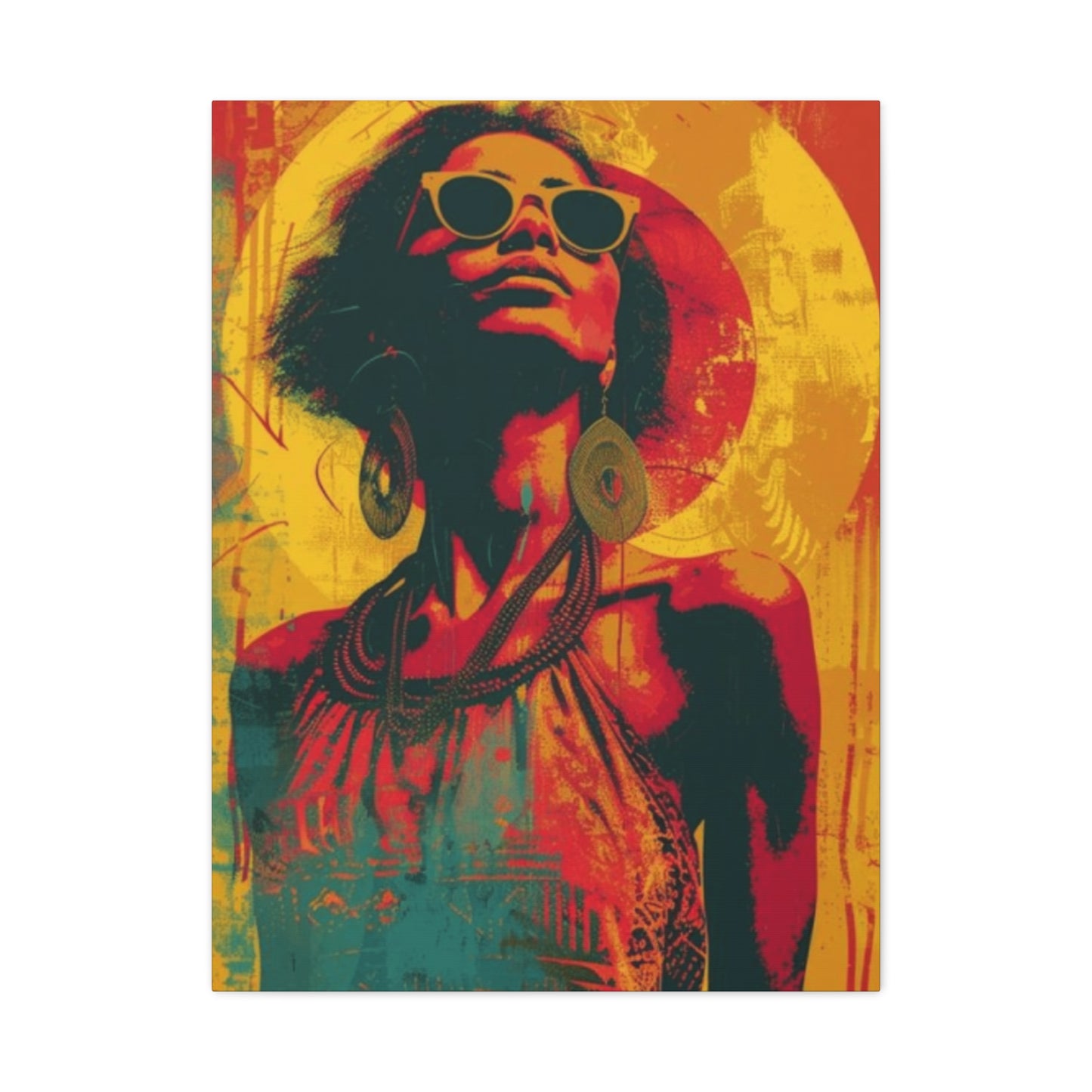
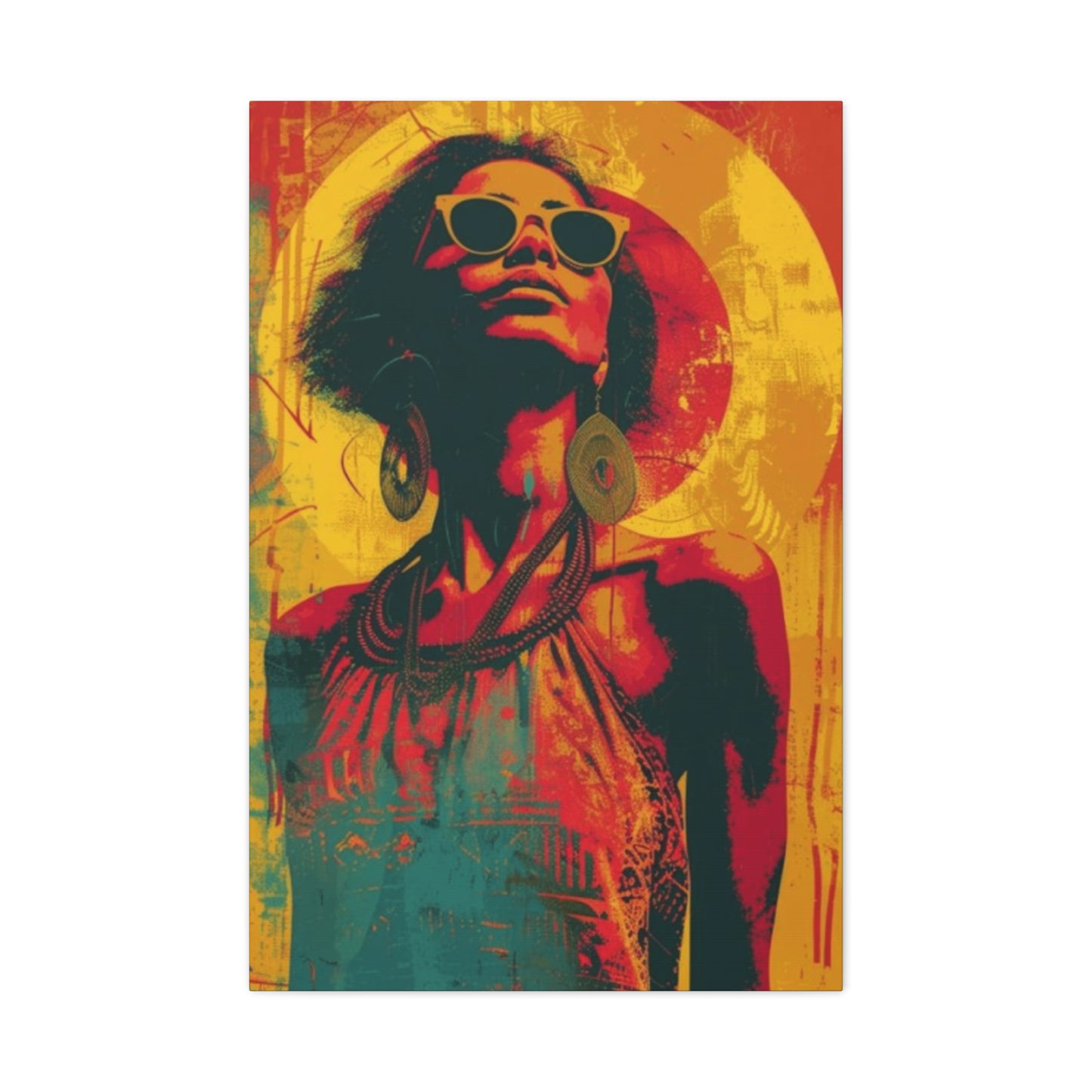
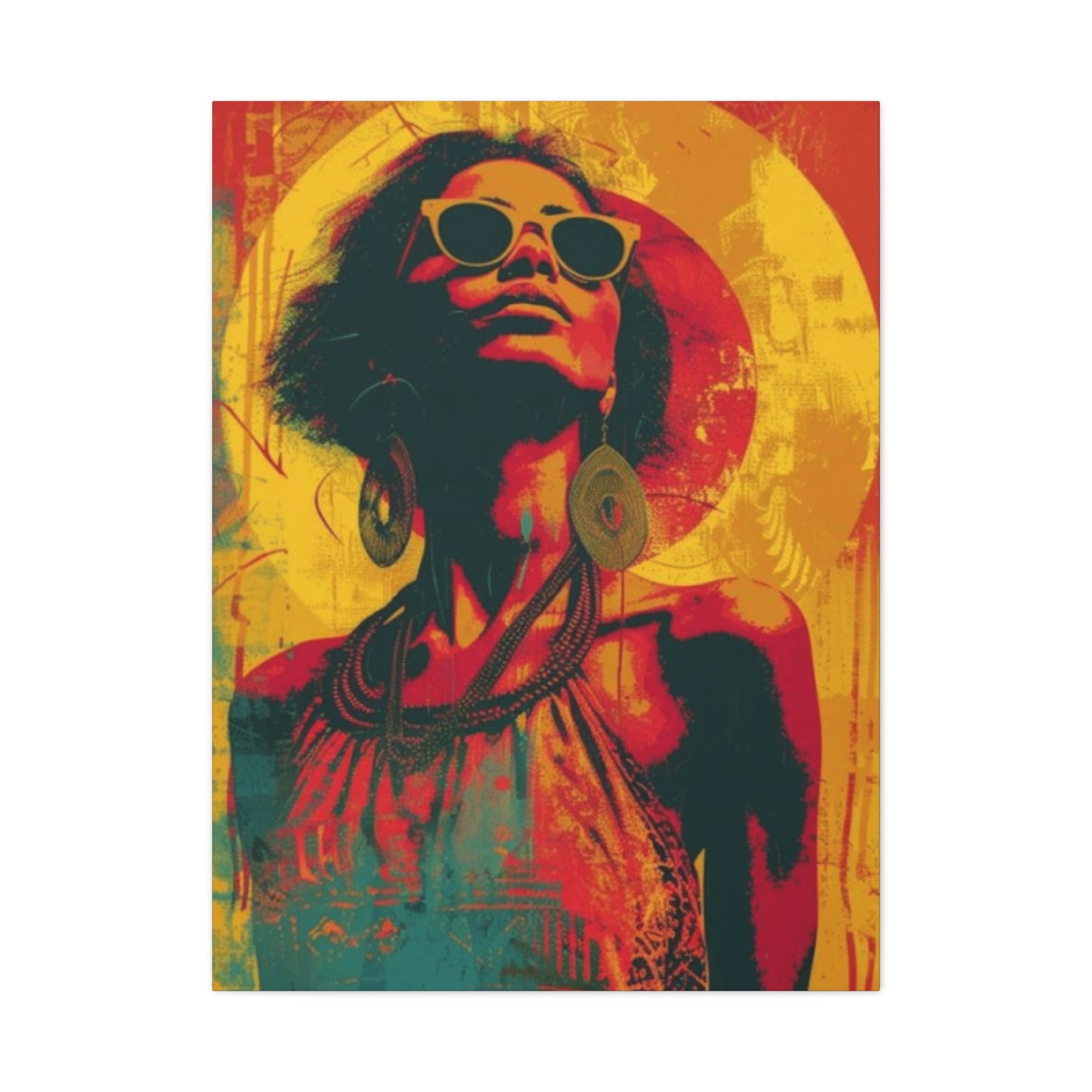
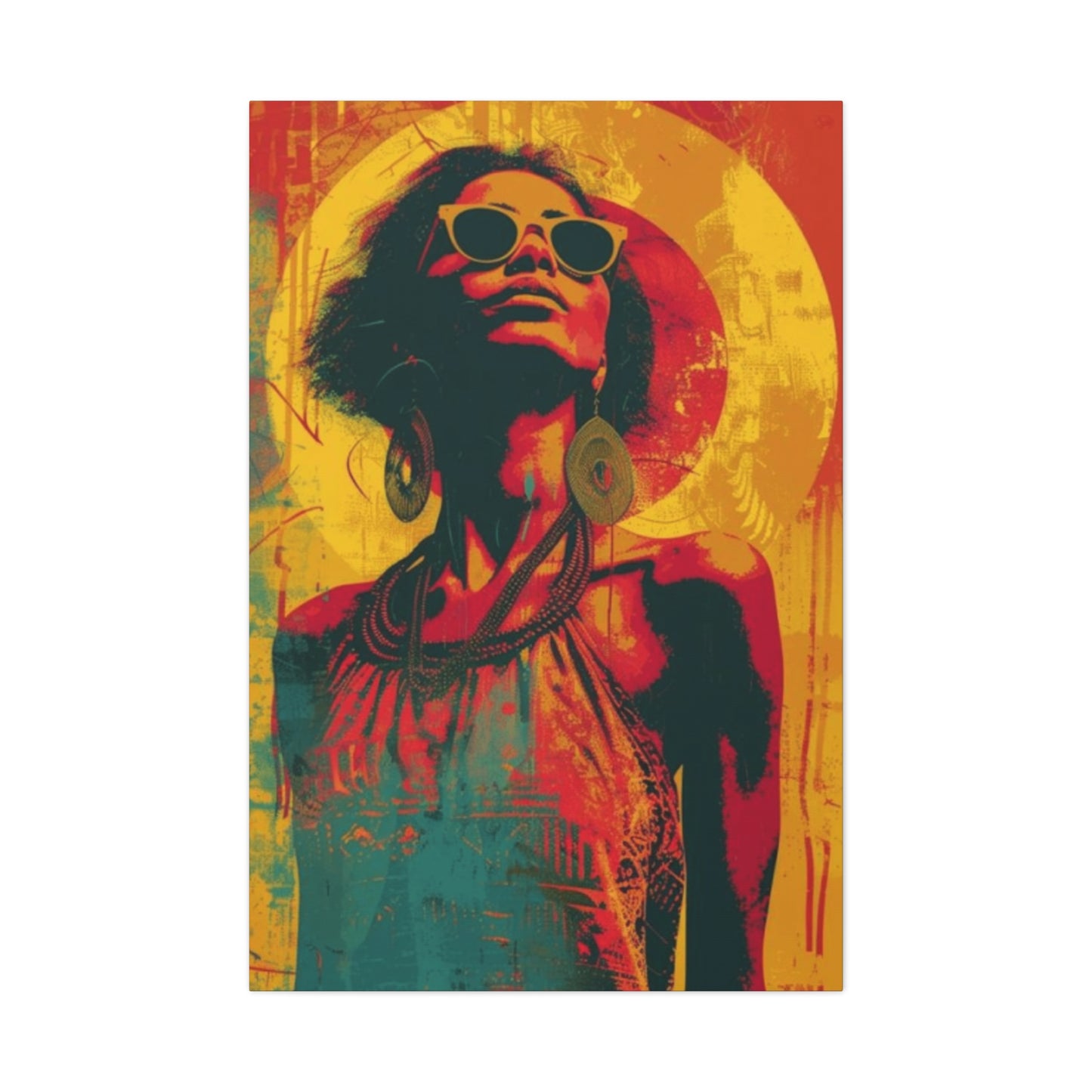
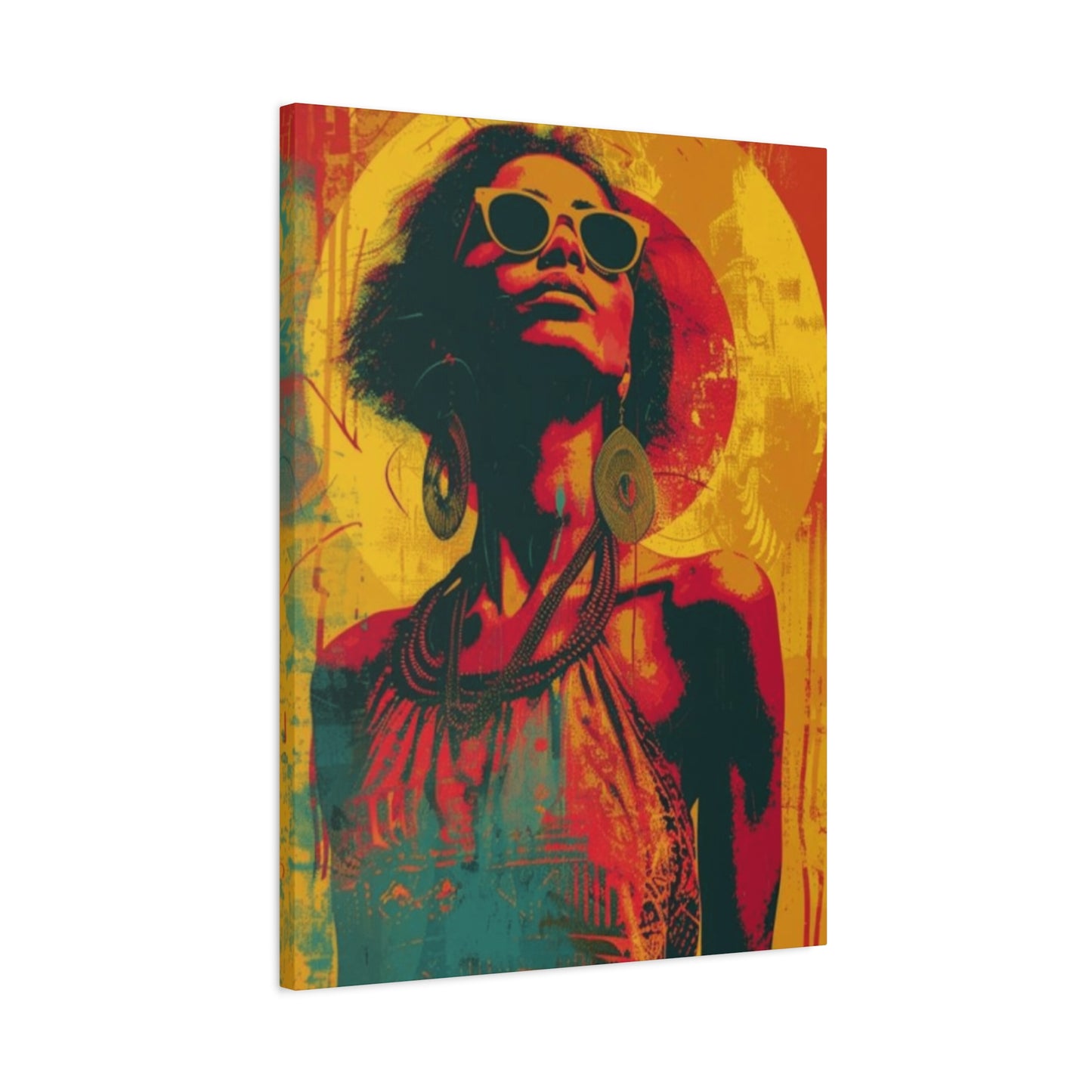
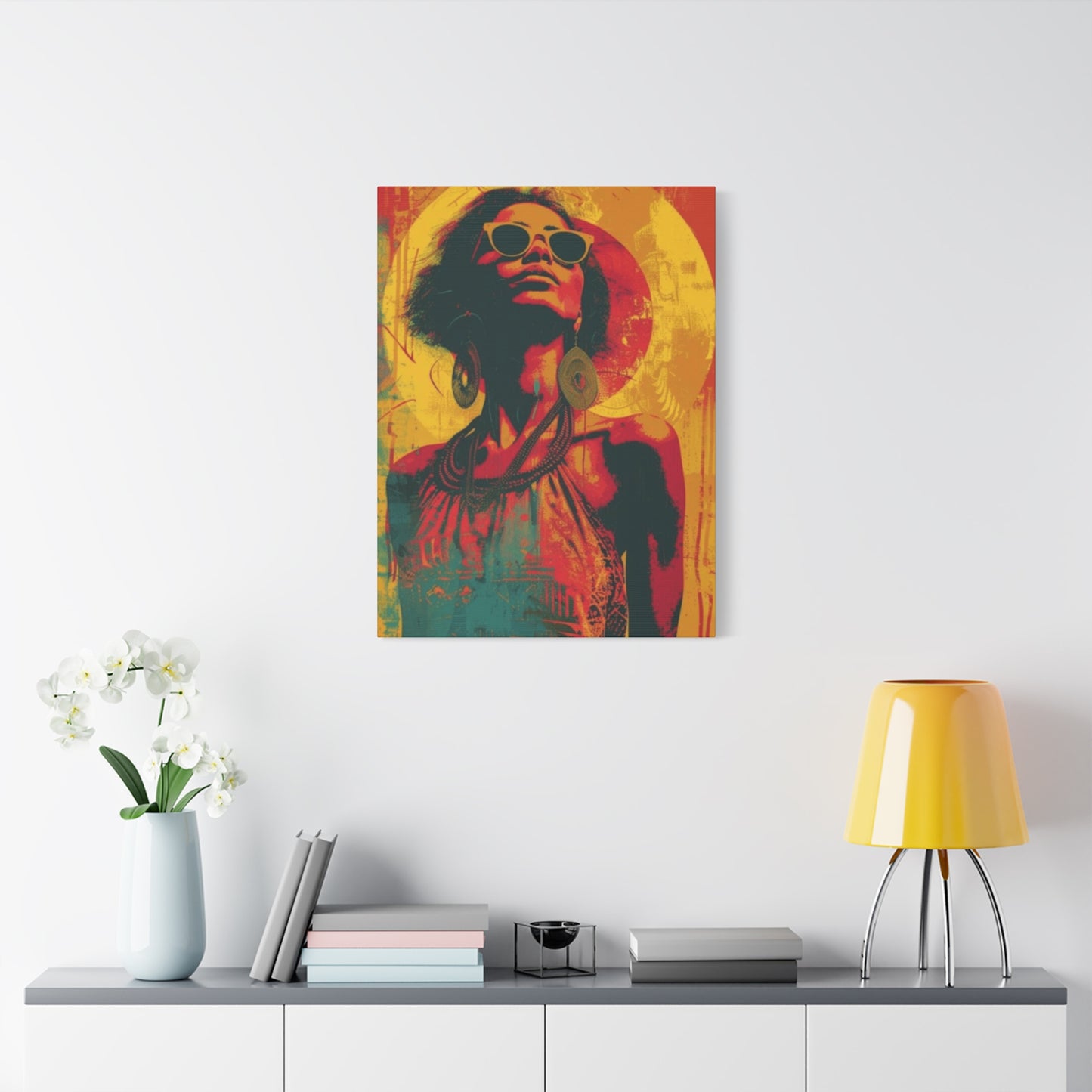
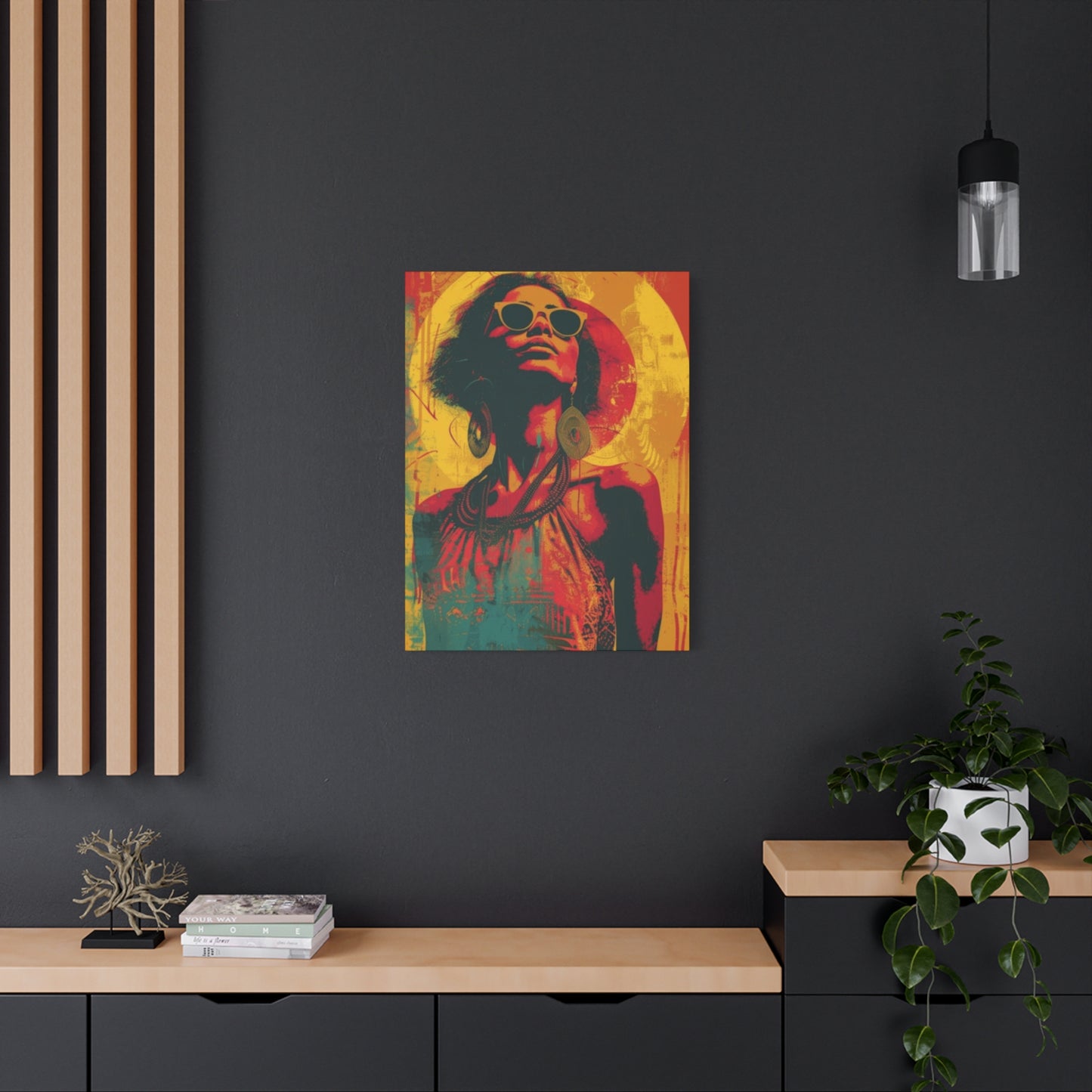

Portraits of Poise: Capturing Strength and Serenity in Women Portrait Wall Art
The world of interior design has witnessed a remarkable evolution in recent years, with canvas art prints emerging as one of the most sought-after elements for creating captivating living spaces. Among the various artistic genres available, portraits of women have gained exceptional popularity, offering a unique blend of elegance, sophistication, and emotional depth that can transform any room into a personal sanctuary. These artistic representations serve not merely as decorative elements but as powerful statements that reflect personality, taste, and cultural appreciation.
Portrait art featuring women has been a cornerstone of artistic expression throughout human history, from ancient civilizations to contemporary galleries. Today, homeowners and interior designers alike recognize the transformative power these pieces hold in creating atmospheres that resonate with beauty, strength, and inspiration. The advent of high-quality canvas printing technology has made it possible for art enthusiasts to bring museum-quality reproductions and original designs into their homes without the astronomical costs traditionally associated with fine art acquisition.
The appeal of female portrait artwork extends beyond mere aesthetics. These pieces often carry profound symbolism, representing various aspects of femininity, cultural heritage, emotional expression, and human experience. Whether depicting classical beauty, modern sophistication, ethnic diversity, or abstract interpretation, each portrait tells a unique story that can complement and enhance the narrative of your living space. The versatility of these artworks allows them to adapt to numerous interior design styles, from minimalist contemporary settings to richly textured traditional environments.
Canvas prints offer distinct advantages over other display methods, providing texture, depth, and durability that paper prints or framed photographs cannot match. The fabric surface creates a museum-quality appearance that adds dimension to the artwork, while the wrapping method around wooden frames eliminates the need for additional framing, creating a clean, modern presentation. This combination of aesthetic appeal and practical benefits has positioned canvas art as the preferred choice for discerning homeowners seeking to elevate their interior spaces.
The Timeless Appeal of Female Portrait Artwork in Contemporary Interiors
Female portrait art carries an enduring charm that transcends temporal boundaries and design trends. Throughout artistic history, representations of women have captured the imagination of creators and viewers alike, serving as vessels for exploring beauty, emotion, character, and the human condition. In contemporary interior design, these portraits continue to hold a special place, offering homeowners an opportunity to infuse their spaces with sophistication and visual interest.
The psychological impact of portrait art in living spaces cannot be overstated. Human beings possess an innate attraction to faces, a phenomenon deeply rooted in our evolutionary biology and social nature. When we encounter portraits in our environment, our brains automatically engage in reading expressions, interpreting emotions, and forming connections with the depicted subject. This subconscious interaction creates a dynamic relationship between the artwork and the observer, making spaces feel more alive and emotionally resonant.
Female portraits specifically bring qualities of grace, elegance, and refinement to interior settings. Whether rendered in realistic detail or abstract interpretation, these images often convey a sense of poise and composure that can establish a calming yet sophisticated atmosphere. The feminine energy represented in such artwork can balance masculine design elements, create focal points in neutral spaces, or reinforce existing aesthetic themes throughout a home.
The diversity available in female portrait art ensures that every individual can find representations that resonate with their personal aesthetic and cultural values. From classical renaissance-inspired pieces featuring ethereal beauty to bold contemporary works celebrating diverse ethnicities and body types, the spectrum of available styles accommodates all preferences. This inclusivity has contributed significantly to the renewed interest in portrait art as homeowners seek representations that reflect their own identities and values.
Modern printing technology has democratized access to exceptional portrait art, allowing individuals to obtain high-resolution reproductions of famous masterworks or commission original designs from contemporary artists. Canvas printing specifically preserves the textural qualities and color depth that make portrait art so compelling, ensuring that even reproductions maintain the visual impact of original paintings. This accessibility has sparked a renaissance in home art collection, with more people than ever incorporating meaningful artwork into their daily environments.
Understanding Canvas Print Quality and Production Methods
The quality of canvas art prints depends on several critical factors that distinguish superior products from inferior alternatives. Understanding these elements empowers consumers to make informed decisions when selecting artwork for their homes, ensuring satisfaction with both the visual appearance and longevity of their investment.
Canvas material itself varies significantly in quality and composition. Premium canvas prints utilize cotton or linen fabrics rather than synthetic materials, providing superior texture, durability, and color absorption. Cotton canvas offers a smooth, even surface ideal for detailed portraits, while linen canvas provides a more pronounced texture that can add character to certain artistic styles. The weight of the canvas, measured in ounces per square yard, also indicates quality, with heavier fabrics generally offering better durability and resistance to sagging over time.
Printing technology plays an equally crucial role in determining final output quality. Giclée printing, considered the gold standard for fine art reproduction, uses archival pigment inks and high-resolution inkjet printers to achieve exceptional color accuracy and detail preservation. These pigment-based inks resist fading far better than dye-based alternatives, ensuring that portraits maintain their vibrancy for decades when properly displayed. The resolution of the printing process, typically measured in dots per inch, should be sufficiently high to render facial features, skin tones, and subtle color transitions with photographic clarity.
The stretching and mounting process significantly impacts the final presentation of canvas artwork. Professional stretching involves wrapping the printed canvas around wooden frames, called stretcher bars, which provide structural support and maintain proper tension. Gallery wrap style, where the image continues around the edges of the frame, creates a polished, frameless appearance perfect for contemporary settings. The quality of stretcher bars matters considerably, with kiln-dried wood frames offering superior stability and resistance to warping compared to inferior alternatives.
Color management throughout the production process ensures that printed portraits accurately represent the artist's original vision. Professional printing services employ calibrated monitors, color-managed workflows, and controlled lighting conditions to maintain consistency from digital file to physical product. This attention to detail becomes particularly important for portrait art, where accurate skin tones and subtle color variations can make the difference between a compelling image and a disappointing reproduction.
Coating and finishing treatments provide the final layer of protection and aesthetic enhancement to canvas prints. Many producers apply protective varnishes or laminates that shield the printed surface from moisture, dust, and ultraviolet radiation while adding either matte or glossy finishes depending on artistic preference. These treatments extend the lifespan of artwork significantly, particularly in environments exposed to natural light or humidity fluctuations.
Selecting the Perfect Female Portrait Style for Your Space
Choosing appropriate portrait artwork requires thoughtful consideration of multiple factors, including existing décor, room function, personal taste, and the emotional atmosphere you wish to create. The abundance of available styles can feel overwhelming, but understanding key categories and their characteristics simplifies the selection process considerably.
Realistic portrait styles capture subjects with photographic accuracy, emphasizing fine details, precise proportions, and lifelike rendering of skin tones and textures. These works excel in traditional and transitional interiors where classical aesthetics predominate. The technical skill evident in realistic portraits commands attention and respect, making them excellent conversation starters and focal points in formal living rooms, studies, or dining areas. When selecting realistic portraits, consider the subject's expression and pose carefully, as the lifelike quality creates a strong presence that should harmonize with the room's intended mood.
Impressionistic portraits employ looser brushwork and visible paint application to suggest rather than define features, creating dreamlike qualities that feel softer and more interpretive than realistic renderings. This style works beautifully in bedrooms, reading nooks, and spaces designed for relaxation, where the gentler approach to representation encourages contemplation rather than scrutiny. The color palette in impressionistic portraits often features harmonious tones that blend seamlessly with surrounding décor, making them versatile choices for various color schemes.
Abstract and contemporary portrait styles deconstruct traditional representation, using geometric shapes, unconventional color combinations, or fragmented compositions to reimagine the human face. These bold artistic choices suit modern and eclectic interiors where innovation and creativity take precedence over convention. Abstract portraits can serve as dramatic focal points or complement other avant-garde design elements, creating cohesive environments that celebrate artistic expression. The interpretive nature of abstract work invites viewers to engage actively with the art, discovering new details and meanings with repeated viewing.
Ethnic and cultural portrait styles celebrate the diversity of human beauty across different traditions and backgrounds. These works might feature traditional clothing, jewelry, hairstyles, or cultural symbols that connect viewers to specific heritages and histories. Incorporating culturally diverse portraits demonstrates appreciation for global beauty standards and can create meaningful connections for individuals seeking representation of their own backgrounds or education about others. Such pieces work particularly well in homes that embrace multicultural aesthetics or wish to create inclusive, worldly atmospheres.
Vintage and retro portrait styles evoke specific historical periods, from Victorian elegance to mid-century glamour. These pieces appeal to those who appreciate nostalgia or wish to establish particular temporal aesthetics in their spaces. A vintage portrait might feature sepia tones, period-appropriate styling, or aged effects that suggest historical significance. These works complement antique furniture, heritage collections, or themed rooms designed to transport occupants to different eras.
Minimalist portrait styles reduce subjects to essential elements, often using limited color palettes, simple lines, and negative space to create striking compositions with maximum visual impact. This approach aligns perfectly with Scandinavian design principles, Japanese aesthetic philosophies, or any interior that prioritizes simplicity and intentionality. Minimalist portraits prevent visual clutter while still providing human connection and artistic interest, making them ideal for small spaces or rooms where tranquility matters most.
Color Psychology and Portrait Selection for Interior Harmony
The colors present in portrait artwork profoundly influence the emotional atmosphere of spaces they inhabit. Understanding basic color psychology principles enables more strategic artwork selection that supports desired moods and complements existing design schemes effectively.
Warm color palettes featuring reds, oranges, and yellows generate energy, warmth, and excitement in spaces. Female portraits utilizing these hues can invigorate social areas like living rooms, dining spaces, or entertainment zones where activity and conversation flourish. Red specifically commands attention and can increase heart rate subtly, making it suitable for spaces where you want to create impact or stimulate engagement. Golden and amber tones evoke luxury and comfort, particularly effective in creating welcoming atmospheres in entryways or formal reception areas.
Cool color schemes incorporating blues, greens, and purples promote calmness, relaxation, and contemplation. Portraits dominated by these cooler tones work beautifully in bedrooms, bathrooms, meditation spaces, or home offices where focus and serenity support the room's function. Blue particularly has been shown to lower blood pressure and reduce anxiety, making it an excellent choice for stress-relief environments. Deeper jewel tones like emerald and sapphire add sophistication while maintaining the calming properties of their lighter counterparts.
Neutral palettes featuring blacks, whites, grays, and earth tones provide versatility and timeless elegance. Female portraits rendered primarily in neutrals adapt easily to changing décor schemes and create sophisticated focal points without overwhelming spaces. Black and white portraits carry particular gravitas and artistic credibility, evoking fine art photography and classical portraiture traditions. These monochromatic works excel in modern, industrial, or minimalist interiors where they provide human warmth without introducing color complexity.
Complementary color relationships, where opposing hues on the color wheel appear together, create visual excitement and balance simultaneously. A portrait featuring both warm and cool tones can bridge different color zones within open-concept spaces or provide dynamic interest in otherwise monochromatic rooms. Understanding which colors in a portrait will complement your existing palette ensures harmonious integration rather than jarring contrast.
Skin tone representation in portraits deserves special consideration, as accurate and flattering rendering of diverse complexions requires skill and sensitivity. The undertones present in depicted skin should harmonize with the overall color scheme of your space while also respecting the natural beauty of different ethnicities. Warm-toned spaces generally welcome portraits with golden and peachy skin undertones, while cool-toned environments complement portraits with pink and neutral undertones more successfully.
The proportion of color distribution within a portrait also affects its impact on a space. A portrait with a colored background but neutral subject creates different effects than one with a neutral background and colorfully dressed subject. Consider how much of each color appears in the artwork and how those proportions will interact with your room's color balance. A small amount of vibrant color can serve as an accent, while large areas of intense hue will dominate the space more assertively.
Size Considerations and Placement Strategies for Maximum Impact
The dimensions of portrait artwork significantly influence both its visual impact and appropriateness for different spaces. Selecting the right size requires careful measurement and consideration of viewing distances, wall dimensions, and the portrait's role within the overall design scheme.
Statement pieces, typically measuring forty inches or larger in any dimension, command attention and serve as primary focal points within rooms. These substantial portraits work best on prominent walls with adequate surrounding space to prevent the artwork from feeling cramped or overwhelming. Living room feature walls, spaces above sofas or consoles, and master bedroom walls behind beds provide ideal locations for large-scale portraits. When selecting oversized portraits, ensure that viewing distances allow observers to appreciate the entire composition without needing to step back excessively or strain to see details.
Medium-sized portraits, ranging from twenty to forty inches, offer versatility for various applications. These pieces work well above furniture, in gallery wall arrangements, or as standalone features in smaller rooms. Their moderate scale makes them approachable and easy to integrate into existing décor without requiring major spatial reorganization. Medium portraits suit dining rooms, home offices, hallways, and secondary living spaces where you want artistic presence without dominance.
Small portraits under twenty inches excel in creating intimate moments or contributing to larger arrangements. These pieces allow for personal expression in compact spaces like powder rooms, reading nooks, or alongside staircases. Multiple small portraits can be arranged in grid patterns, salon-style clusters, or linear sequences to create visual interest through repetition and variation. The smaller scale invites closer inspection, making them appropriate for detailed work where fine features and textures reward careful observation.
Vertical versus horizontal orientation affects how portraits interact with architectural features and furniture arrangements. Vertical portraits emphasize height, making them excellent choices for narrow wall sections, alongside tall furniture pieces, or in spaces where you wish to draw the eye upward. Horizontal portraits complement wide furniture pieces like sofas and console tables, create visual width in narrow rooms, or work well above beds where width typically exceeds height.
The rule of thirds provides helpful guidance for portrait placement height. Ideally, the center of artwork should align approximately with eye level, typically between fifty-seven and sixty inches from the floor. This positioning ensures comfortable viewing without requiring observers to look up or down excessively. When hanging portraits above furniture, maintain six to twelve inches of space between the furniture's top and the artwork's bottom edge, creating visual connection without actual contact.
Multiple portrait arrangements require additional planning to achieve balanced, cohesive compositions. Symmetrical arrangements with matching or similar-sized portraits create formal, orderly impressions suitable for traditional spaces. Asymmetrical groupings with varied sizes and spacing feel more dynamic and contemporary, working well in eclectic or modern settings. When creating gallery walls incorporating portraits among other artwork, consider how faces will interact with surrounding pieces, ensuring that portraits receive appropriate emphasis without competing chaotically for attention.
Lighting considerations dramatically affect how portraits are perceived and appreciated. Natural light can beautifully illuminate artwork but may cause fading over time if direct sunlight contacts the canvas. Positioning portraits on walls perpendicular to windows rather than opposite them reduces direct exposure while still benefiting from ambient light. Artificial lighting, particularly picture lights or adjustable track lighting, allows precise highlighting that emphasizes portraits during evening hours and creates gallery-quality presentation.
The Cultural Significance of Female Portraiture Across Different Traditions
Portrait art depicting women carries profound cultural meaning across various societies and historical periods, reflecting changing attitudes toward femininity, beauty standards, social roles, and individual identity. Understanding these cultural dimensions adds depth to artwork selection and appreciation.
European artistic traditions established many conventions still influencing contemporary portraiture. Renaissance paintings celebrated idealized feminine beauty through mythological and religious subjects, while Baroque and Rococo periods emphasized sensuality and emotional expression. Victorian era portraits reflected stringent moral codes and social hierarchies, depicting women in prescribed roles and poses that communicated status and virtue. These historical styles continue to inspire contemporary artists who reinterpret classical themes through modern sensibilities.
African artistic traditions approach portraiture with emphasis on cultural identity, community belonging, and spiritual significance. Portraits incorporating traditional adornments, textiles, and hairstyles celebrate heritage and maintain connections to ancestral practices. The use of bold colors, patterns, and symbolic elements creates visually striking compositions that assert cultural pride and resist homogenization. Contemporary African and African-diaspora artists create portraits that challenge Western beauty standards while honoring traditional aesthetics.
Asian portraiture encompasses diverse approaches across numerous distinct cultures. Japanese artistic traditions often emphasize subtlety, restraint, and the beauty of imperfection, with portraits that suggest inner character through minimal expression and careful composition. Indian portraiture traditionally features elaborate jewelry, textiles, and symbolic attributes that communicate social status, religious devotion, or mythological narratives. Chinese portrait painting balances realism with philosophical ideals, often incorporating calligraphy and symbolic elements that provide layers of meaning beyond visual representation.
Middle Eastern portrait traditions blend influences from Islamic artistic principles, which historically favored geometric patterns and calligraphy over figurative representation, with Persian miniature painting traditions that created detailed, ornate depictions of courtly life. Contemporary artists from these regions often navigate between religious considerations and desires for personal expression, creating portraits that honor cultural values while exploring individual identity.
Latin American portraiture draws from indigenous traditions, colonial European influences, and revolutionary political movements to create distinctive aesthetic vocabularies. Artists like Frida Kahlo elevated self-portraiture to explore identity, suffering, and cultural hybridity, establishing traditions of unflinching honesty and symbolic richness. Contemporary Latin American artists continue exploring themes of mestizaje, gender, and cultural resistance through portrait work that combines folk art elements with sophisticated technique.
Indigenous peoples across various continents maintain portrait traditions that prioritize community knowledge, spiritual connections, and environmental relationships over individual celebrity. These portraits often incorporate elements from natural surroundings, traditional crafts, and ceremonial contexts, creating representations that locate individuals within broader networks of meaning and responsibility.
Understanding these diverse cultural approaches to portraiture enriches appreciation and encourages thoughtful selection of artwork that respects its origins while contributing meaningfully to your personal environment. Supporting artists from various cultural backgrounds also promotes diversity in the art world and ensures that multiple perspectives and beauty standards receive recognition and celebration.
Integrating Portrait Art into Various Interior Design Styles
Successfully incorporating female portrait artwork requires understanding how different design styles approach art display and how portraits can enhance or complement various aesthetic approaches.
Contemporary minimalist spaces prioritize simplicity, clean lines, and restrained decoration, making artwork selection particularly crucial. In these environments, a single carefully chosen portrait can provide the human element that prevents spaces from feeling sterile or cold. Black and white portraits or pieces with limited color palettes work exceptionally well, offering visual interest without introducing chromatic complexity. The portrait becomes a statement piece that draws attention through isolation rather than competition with other decorative elements.
Scandinavian design shares minimalism's appreciation for simplicity but incorporates warmer elements through natural materials, soft textiles, and organic forms. Female portraits in these settings should reflect the hygge principle of coziness and contentment. Portraits featuring gentle expressions, natural beauty, and soft lighting harmonize with the Scandinavian emphasis on creating peaceful, comfortable environments. Light wood frames or frameless canvas wraps maintain the unpretentious aesthetic central to Nordic design philosophy.
Industrial interiors featuring exposed brick, metal fixtures, and raw materials benefit from portraits that either complement the edgy aesthetic or provide deliberate contrast. Black and white portraits with high contrast and dramatic lighting echo the bold, unfinished quality of industrial spaces. Alternatively, colorful portraits depicting glamorous subjects can create striking juxtaposition, adding femininity and refinement that softens harder architectural elements. The gallery wrap presentation of canvas prints suits industrial aesthetics perfectly, eliminating fussy frames in favor of clean edges.
Traditional and classic interiors embrace ornate details, rich materials, and historical references that call for portraits with corresponding sophistication. Formal portrait styles reminiscent of historical painting traditions work beautifully in these settings. Subjects depicted in elegant poses, classical dress, or timeless beauty standards reinforce the refined atmosphere traditional design seeks to achieve. While canvas prints themselves lean contemporary, selecting images with classical subjects and compositional approaches maintains stylistic coherence.
Bohemian and eclectic spaces celebrate artistic expression, cultural diversity, and personal storytelling through layered, collected aesthetics. These environments welcome portraits from various periods, styles, and cultural origins, arranged in salon-style gallery walls or unexpected locations. The relaxed approach to display rules means portraits can be mixed with other artwork, textiles, plants, and decorative objects to create rich, personalized environments. Bohemian interiors particularly benefit from portraits celebrating diverse ethnicities and unconventional beauty, reflecting the style's embrace of global influences.
Mid-century modern design features clean lines, organic shapes, and a marriage of functionality with beauty that emerged in the postwar period. Female portraits from or inspired by this era complement the aesthetic perfectly, with their characteristic bold colors, graphic sensibility, and optimistic energy. Contemporary portraits incorporating mid-century color palettes of mustard, teal, orange, and olive green create visual harmony with period furniture and accessories.
Coastal and beach-inspired interiors revolve around light, airy feelings with palettes drawn from sand, sea, and sky. Female portraits in these spaces should maintain the breezy, relaxed atmosphere through soft colors, natural beauty, and informal compositions. Portraits featuring light-filled scenes, flowing hair suggesting sea breezes, or subjects in natural settings reinforce the connection to coastal environments without literal beach imagery.
Glamorous and Hollywood Regency styles embrace drama, luxury, and showstopping design elements. These spaces demand portraits with corresponding boldness and sophistication. High-fashion imagery, portraits with dramatic lighting, or subjects displaying elegance and confidence suit these theatrical environments. Metallic accents in the artwork can echo the gold and silver fixtures common in glamorous spaces, creating cohesive luxury throughout.
Technical Aspects of Canvas Print Care and Preservation
Proper maintenance ensures that portrait canvas prints retain their beauty and structural integrity for decades. Understanding basic care requirements protects your investment and maintains the visual impact of artwork throughout its display life.
Environmental conditions significantly affect canvas longevity. Temperature fluctuations and humidity extremes can cause canvas to expand, contract, warp, or develop mold growth. Maintaining stable indoor climates between sixty and seventy-five degrees Fahrenheit with humidity levels between forty and sixty percent provides optimal preservation conditions. Avoid hanging canvas prints in bathrooms, kitchens, or other high-humidity areas unless specifically treated with moisture-resistant coatings.
Direct sunlight represents the most significant threat to color longevity in printed artwork. Ultraviolet radiation causes pigments to fade over time, with some colors proving more vulnerable than others. Position portraits away from windows that receive direct sun exposure, or use UV-filtering glass on windows to reduce radiation levels. If natural light cannot be avoided entirely, rotating artwork periodically prevents uneven fading and extends overall lifespan.
Dust accumulation dulls the appearance of canvas prints and can become embedded in the fabric texture over time. Regular gentle dusting using soft, dry cloths or feather dusters prevents buildup without introducing moisture or chemicals that might damage printed surfaces. For more thorough cleaning, barely dampened microfiber cloths can remove stubborn dust, but avoid excessive moisture and never use cleaning products, which may react with inks or coatings.
Physical damage from impacts, scratches, or punctures can occur during handling or from environmental hazards. When moving or cleaning around canvas artwork, take care to avoid direct contact with potentially damaging objects. If minor damage occurs, professional art restoration services can often repair canvas prints, though prevention remains far preferable to correction. Protective acrylic glazing can be added to particularly vulnerable pieces, though this changes the appearance somewhat by introducing a smooth surface over the canvas texture.
Canvas tension requires occasional attention to maintain proper appearance. Over time, environmental factors or inadequate initial stretching can cause canvas to sag slightly. Professional framers can restretch canvas prints to restore proper tension, though quality initial stretching typically prevents this issue for many years. Proper mounting during installation, ensuring the frame hangs securely without torque or stress, also preserves structural integrity.
The back of canvas prints deserves protection as well, as exposed canvas and wood can collect dust and potentially harbor pests. Backing papers or boards seal the reverse side, preventing dust infiltration and providing additional structural support. When framing or displaying canvas prints, ensure adequate air circulation around all sides to prevent moisture buildup, which can lead to mold growth or material degradation.
Chemical exposure from household products, tobacco smoke, or cooking fumes can gradually discolor or damage canvas prints. Maintaining good ventilation and avoiding exposure to harsh chemicals preserves color accuracy and material integrity. If displaying portraits in kitchens or dining areas, position them away from cooking surfaces where grease and moisture concentrate.
Insurance and documentation provide financial protection for valuable artwork. Photographing portraits upon receipt, maintaining purchase records, and including significant pieces in homeowner's insurance policies ensures compensation if damage or loss occurs. Professional appraisals may be warranted for particularly valuable or unique pieces, establishing replacement value for insurance purposes.
The Psychology of Living with Portrait Art
The presence of human faces in our living environments creates subtle but significant psychological effects that influence mood, behavior, and social interaction. Understanding these dynamics helps explain why portrait art resonates so powerfully with homeowners and guides strategic placement decisions.
The human brain possesses specialized neural circuitry dedicated to face recognition and interpretation, reflecting the evolutionary importance of reading social cues and identifying individuals. This hardwired tendency means we automatically attend to portraits more than abstract patterns or landscape scenes, even when not consciously aware of this preference. The magnetic quality of portraits makes them natural focal points that anchor attention and memory in spaces they occupy.
Emotional contagion occurs when viewing portraits displaying clear expressions. Research demonstrates that observing facial expressions activates similar emotional states in viewers through mirror neuron activity and empathetic response. A portrait depicting serenity can promote calmness in observers, while one showing joy can elevate mood. This phenomenon suggests careful consideration of portrayed emotions when selecting portraits for specific rooms, matching expression to desired atmosphere.
The mere presence of depicted eyes creates surveillance effects that influence behavior subtly. Studies show that people act more prosocially and honestly when images of eyes are present, even when rationally aware the eyes cannot actually observe them. This unconscious response to perceived observation can create feelings of accountability or self-consciousness, suggesting that portraits with direct gaze work best in social spaces rather than intimate private rooms where relaxation matters most.
Identity reflection through art selection allows homeowners to communicate values, interests, and self-concept to visitors and reinforce these aspects of identity to themselves. Choosing portraits depicting particular ethnicities, ages, styles, or expressions makes statements about what beauty means to you and which qualities you admire. This personal curation transforms generic spaces into environments that authentically represent individual identity.
Social connection can develop between observers and portrait subjects through repeated viewing and imagination. Many people report feeling relationships with figures in portraits they live with daily, attributing personalities and stories to depicted individuals. This imaginative engagement adds richness to domestic life and can combat loneliness, particularly for individuals living alone. The specific subjects you select become long-term companions in your daily environment.
Cultural capital and aesthetic sophistication signaling occurs through art display, communicating education, refinement, and cultural awareness to visitors. Thoughtfully selected portrait art demonstrates appreciation for artistic skill, historical knowledge, or contemporary creative trends. This social function of art display has motivated collecting throughout history and continues to influence contemporary homeowners seeking to project particular identities.
Gender representation in home environments influences how occupants think about femininity and beauty. Surrounding yourself with diverse representations of women celebrating various body types, ages, ethnicities, and expressions challenges narrow beauty standards and promotes inclusive thinking. Alternatively, choosing portraits reflecting specific beauty ideals reinforces those standards. Awareness of these effects enables intentional curation aligned with your values.
Sourcing and Commissioning Custom Portrait Canvas Prints
Acquiring portrait artwork involves various pathways, each offering distinct advantages regarding uniqueness, cost, artistic input, and supporting creative professionals. Understanding available options empowers informed decisions aligned with personal priorities and budgets.
Online marketplaces provide vast selection and competitive pricing for ready-made portrait prints from both professional artists and commercial producers. These platforms allow filtering by style, color, size, and price, simplifying the search process considerably. However, quality varies significantly across sellers, requiring careful examination of production details, materials specifications, and customer reviews before purchasing. The convenience and affordability of this approach make it popular for those furnishing multiple spaces or working within strict budgets.
Independent artist websites and online portfolios offer opportunities to support individual creators directly while accessing unique or limited-edition work. Many artists maintain print-on-demand arrangements with professional printing services, allowing customers to order high-quality reproductions of original paintings or illustrations. This approach provides more distinctive artwork than mass-market offerings while remaining more affordable than original paintings. Establishing relationships with particular artists whose style resonates with you can lead to ongoing collecting relationships and potential commission opportunities.
Custom commission services allow complete creative control over portrait content, composition, color palette, and dimensions. Working with artists to create original portraits specifically for your space ensures perfect aesthetic integration and personal significance. The commission process typically involves consultation, preliminary sketches, revision rounds, and final painting or digital creation before printing. While more expensive and time-consuming than purchasing ready-made work, commissions produce truly unique pieces with personal meaning that generic artwork cannot match.
Local art fairs, gallery shows, and artist studios provide opportunities to view work in person before purchasing and establish direct relationships with creators. The ability to examine canvas quality, color accuracy, and printing details firsthand reduces uncertainty inherent in online shopping. Supporting local artists strengthens creative communities and provides satisfaction beyond mere transaction. Many artists attending such events accept custom commission requests or can scale existing work to specific dimensions needed.
Photography-based portraits offer realistic options when painted or illustrated styles feel less appealing. Professional portrait photographers create striking images suitable for large-format canvas printing. Using personal photography for custom canvas prints adds profound meaning, transforming family portraits or travel photographs into gallery-quality artwork. When pursuing this option, ensure source images possess sufficient resolution for your desired print size, typically requiring at least one hundred pixels per inch at final dimensions.
Vintage and historical image sources provide copyright-free options for those drawn to classical portraiture or specific historical periods. Museums and archives increasingly digitize collections and make high-resolution scans available for personal reproduction. This approach allows historically significant artwork to enter domestic spaces affordably while respecting intellectual property. However, color accuracy in reproductions of aged paintings requires careful attention, as centuries of varnish discoloration affects how originals appear today versus their creation appearance.
Licensing and copyright considerations require attention when reproducing or commissioning artwork. Original contemporary artwork carries copyright protection, restricting unauthorized reproduction. When purchasing reproduction rights or commissioning custom work, clarify ownership of both physical piece and reproduction rights, particularly if you might want multiple prints or future reproductions. Ethical art consumption respects creator rights while accessing artwork you love.
Price considerations vary dramatically based on artwork source, artist reputation, customization level, size, and materials quality. Budget appropriately by prioritizing spaces receiving most visibility or personal significance, investing more substantially in those areas while accepting more modest pieces elsewhere. Remember that artwork represents long-term investment in daily quality of life, justifying higher expenditure for pieces you will live with for years or decades.
Creating Gallery Walls and Portrait Collections
Thoughtfully arranged collections of portrait artwork create visual impact exceeding individual pieces while expressing personality through curation and display creativity. Developing successful gallery walls requires planning, experimentation, and understanding composition principles.
Theme development provides cohesion that prevents collections from appearing haphazard despite including multiple distinct pieces. Thematic approaches might focus on color palette, cultural origin, artistic style, emotional tone, or subject demographics. For portrait collections, deciding whether to include only female subjects or mix genders, whether to span multiple ethnicities or focus on specific cultural representation, and whether to maintain stylistic consistency or embrace eclectic variety establishes parameters guiding selection.
Layout planning should occur before installation to avoid multiple nail holes from trial and error. Creating paper templates matching frame dimensions allows experimentation with arrangements on walls or floors until satisfactory composition emerges. Digital planning tools and apps designed specifically for gallery wall layout provide virtual arrangement options. Consider the overall shape of your arrangement, whether roughly rectangular, horizontal, vertical, or organic, ensuring it relates appropriately to wall dimensions and surrounding furniture.
Spacing between pieces affects whether collections read as unified groupings or separate entities. Generally, maintaining two to four inches between frames creates cohesive gallery walls, while larger gaps begin separating pieces visually. Consistent spacing throughout creates formal, organized impressions, while varied spacing feels more casual and dynamic. The proportion of wall space covered versus left empty also influences impact, with denser arrangements feeling abundant and energetic while sparser displays appear more refined and contemplative.
Focal point establishment within collections guides viewer attention and prevents visual confusion. Typically, the largest piece or most compelling portrait anchors the arrangement, positioned prominently where initial attention naturally falls. Other pieces then relate to this anchor compositionally, supporting rather than competing with it. In symmetrical arrangements, the central position naturally receives emphasis, while asymmetrical groupings might place the anchor off-center with smaller pieces balancing compositionally.
Frame selection and mat treatment influence whether diverse portraits cohere visually despite stylistic differences. Consistent framing unifies disparate images, while varied frames emphasize individual pieces within collections. For canvas prints specifically, frameless presentation maintains contemporary clean aesthetics while allowing image colors and content to provide visual connection. If adding frames to canvas wraps, slim floater frames that reveal canvas edges work beautifully without overwhelming artwork.
Height alignment strategies include horizontal alignment, where pieces share common top, bottom, or center lines, creating organized impressions suitable for traditional spaces. Salon-style hanging ignores strict alignment in favor of filling wall space organically, accepting varied heights and relationships that feel collected over time. This approach works beautifully in bohemian or eclectic spaces where casual sophistication matters more than formal precision.
Balance considerations prevent arrangements from feeling lopsided or unstable despite asymmetry. Visual weight depends on size, color intensity, and compositional complexity, with darker or larger pieces reading heavier. Distributing weight relatively evenly across arrangements prevents imbalance, though perfect symmetry is unnecessary and can feel rigid. Balancing one large piece with several smaller ones on the opposite side demonstrates asymmetrical balance.
Evolution accommodation recognizes that collections grow and change over time as you acquire new pieces or rotating interests shift. Designing flexible arrangements that allow additions without complete reinstallation extends gallery wall longevity and reduces commitment anxiety when installing. Leaving strategic empty spaces or using modular grid layouts facilitates future expansion naturally.
Portrait Art for Different Rooms and Their Unique Requirements
Living room portraits make powerful statements to both residents and visitors, as these social spaces receive extensive use and viewing time. Large-scale portraits work beautifully as focal points above sofas or mantels, commanding attention and establishing aesthetic tone immediately upon entering. Since living rooms often feature varied seating perspectives, consider how portraits appear from multiple viewing angles and distances. The emotional tone should support social interaction, generally avoiding intensely somber or disturbing imagery in favor of portraits that invite conversation and create welcoming atmosphere.
Bedroom portraits influence the intimate, private sanctuary where you begin and end each day. The psychological impact of artwork in sleeping spaces deserves careful consideration, as these images become part of your subconscious landscape through daily exposure. Many people prefer portraits with peaceful, dreamy, or romantic qualities that support relaxation and rest. Position portraits where they are visible from the bed, creating pleasant focal points for contemplation before sleep or upon waking. Intimate scale works well in bedrooms, creating cozy rather than imposing presence.
Dining room portraits contribute to atmosphere during meals and gatherings, setting tone for conversation and connection. Cultural traditions of portrait placement in dining areas trace back centuries, with families displaying ancestor portraits or notable figures. Contemporary applications might include portraits celebrating food traditions, cultural heritage, or simply elegant subjects that enhance dining sophistication. Consider sight lines from the table, ensuring portraits remain visible to seated diners without requiring awkward neck positioning.
Home office portraits influence productivity, creativity, and professional impression during video calls. Select portraits inspiring qualities you wish to embody professionally, whether confidence, creativity, wisdom, or determination. For video conferencing considerations, backgrounds visible to remote colleagues communicate professionalism and personality, making portrait selection part of personal branding. Avoid distracting or controversial imagery in professional spaces where maintaining neutral, respectable environments matters.
Conclusion:
Portraits of Poise: Capturing Strength and Serenity in Women Portrait Wall Art celebrates the profound interplay between strength, grace, and emotional depth in contemporary artistic expression. Women’s portraiture has long held a unique place in art history—not merely as representation but as a medium through which inner resilience, dignity, and multifaceted identity are conveyed. This wall art elevates these qualities, translating them into visual narratives that resonate deeply within modern interiors. Each piece communicates a silent power, capturing moments of introspection, confidence, and serenity that transcend the canvas itself.
At the heart of this genre lies the balance between presence and subtlety. Portraits of women convey more than physical likeness; they embody emotional landscapes. The poised gaze, gentle posture, or nuanced expression invites viewers to explore the inner world of the subject. This exploration evokes empathy and reflection, offering a window into universal themes such as resilience, vulnerability, and quiet determination. In this way, women portrait wall art becomes both intimate and expansive—personal to the viewer yet reflective of broader human experience.
From a design perspective, such artwork transforms spaces by introducing both narrative and elegance. Displayed above a sofa, in a bedroom, or within a gallery wall, these portraits act as focal points, drawing the eye and anchoring the room’s aesthetic. Their palettes—ranging from soft neutrals to bold, expressive tones—enhance interior atmospheres, harmonizing with existing décor while providing visual intrigue. The interplay of light, shadow, and texture in these portraits mirrors the layered complexity of modern interiors, creating a sense of depth and dimensionality that elevates even minimalist settings.
Furthermore, women portrait wall art embodies symbolic significance. Each portrait speaks to empowerment, agency, and the nuanced strength of femininity. It celebrates diversity, showcasing women from various cultural, social, and emotional backgrounds, and reminds viewers that poise is not uniform but uniquely expressed in every individual. By integrating such pieces into contemporary spaces, homeowners embrace a narrative of inclusion and respect, transforming walls into canvases that honor human experience while inspiring reflection and dialogue.
The emotional resonance of this artwork is equally transformative. Portraits that depict serenity amidst intensity—strength tempered with gentleness—offer visual cues for mindfulness and balance. In living spaces, this creates an environment that is both grounding and uplifting. Guests and residents alike are invited to pause, engage, and connect with the subtle power conveyed in every brushstroke or photographic detail. The artwork fosters not just aesthetic pleasure but also emotional well-being, making it a vital component of thoughtful interior design.
In addition, women portrait wall art contributes to a sense of personal identity within a space. It reflects the values and sensibilities of those who curate their surroundings with care. Choosing to display portraits that emphasize strength and serenity signals an appreciation for inner beauty, resilience, and sophistication. It communicates a narrative of empowerment, one that aligns with modern movements celebrating gender equality, confidence, and authenticity. In this sense, the art becomes a declaration—a visual affirmation of ideals that resonate both within the home and the broader cultural landscape.
The versatility of these portraits ensures their relevance across various styles of décor. From contemporary minimalism to eclectic or even classic settings, they harmonize effortlessly with furniture, lighting, and textures, while simultaneously commanding attention as statement pieces. Their ability to evoke reflection without overwhelming the space makes them uniquely suited to modern living environments, where balance, narrative, and emotional resonance are paramount.
Ultimately, Portraits of Poise exemplifies the enduring power of art to communicate what words often cannot: the quiet confidence, resilience, and grace inherent in the human spirit. Women portrait wall art transforms interiors into spaces of contemplation, inspiration, and emotional engagement, offering both aesthetic and intellectual enrichment. Through careful composition, masterful use of light and color, and sensitive portrayal of expression, these works elevate walls from mere surfaces to stages of meaningful interaction.
In essence, this art captures the duality of human experience—the strength of character and the serenity of spirit—and translates it into a visual language that enriches homes, offices, and galleries alike. Portraits of Poise remind us that beauty lies not just in appearance but in essence, and that the right artwork has the power to inspire, empower, and transform the very spaces in which we live.


