


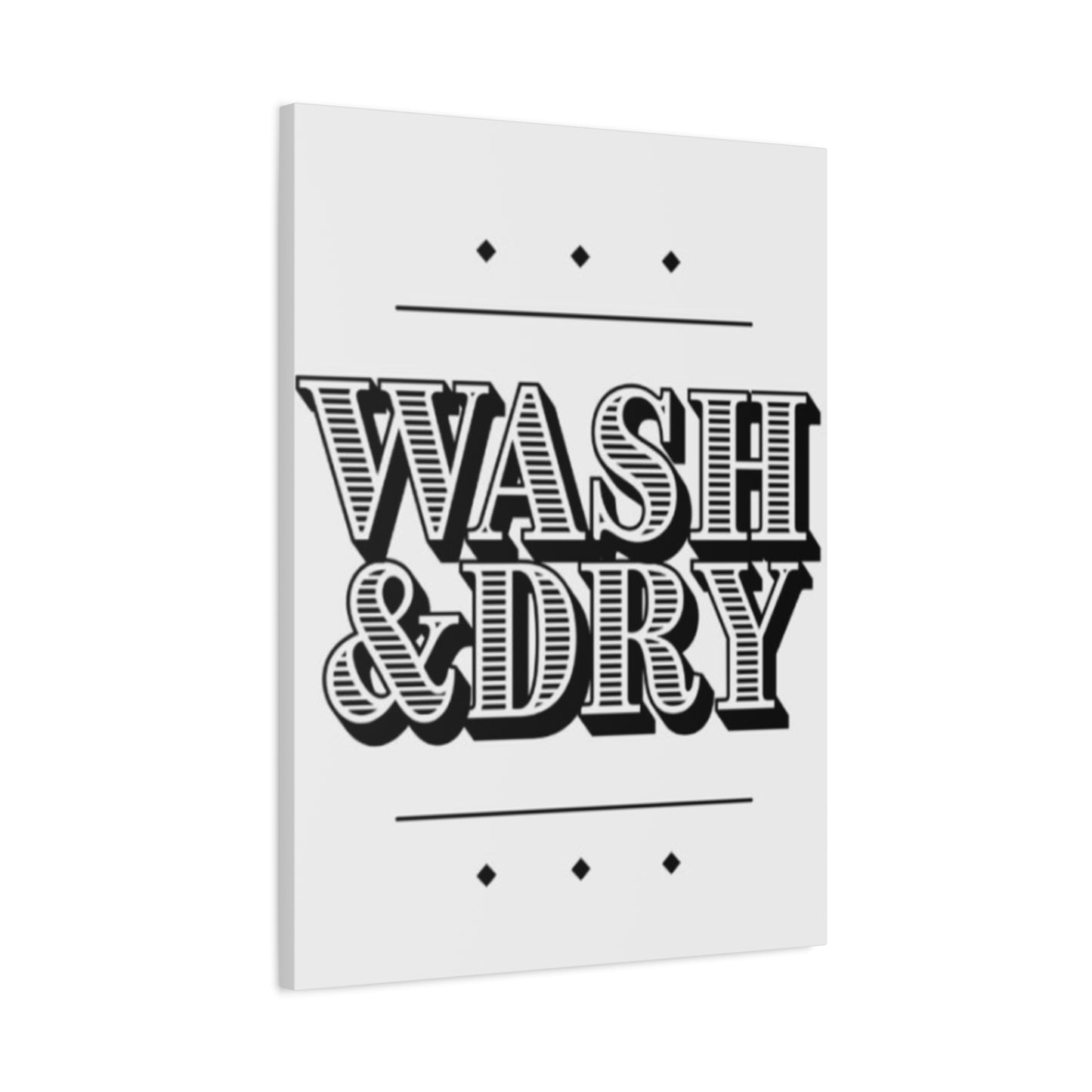
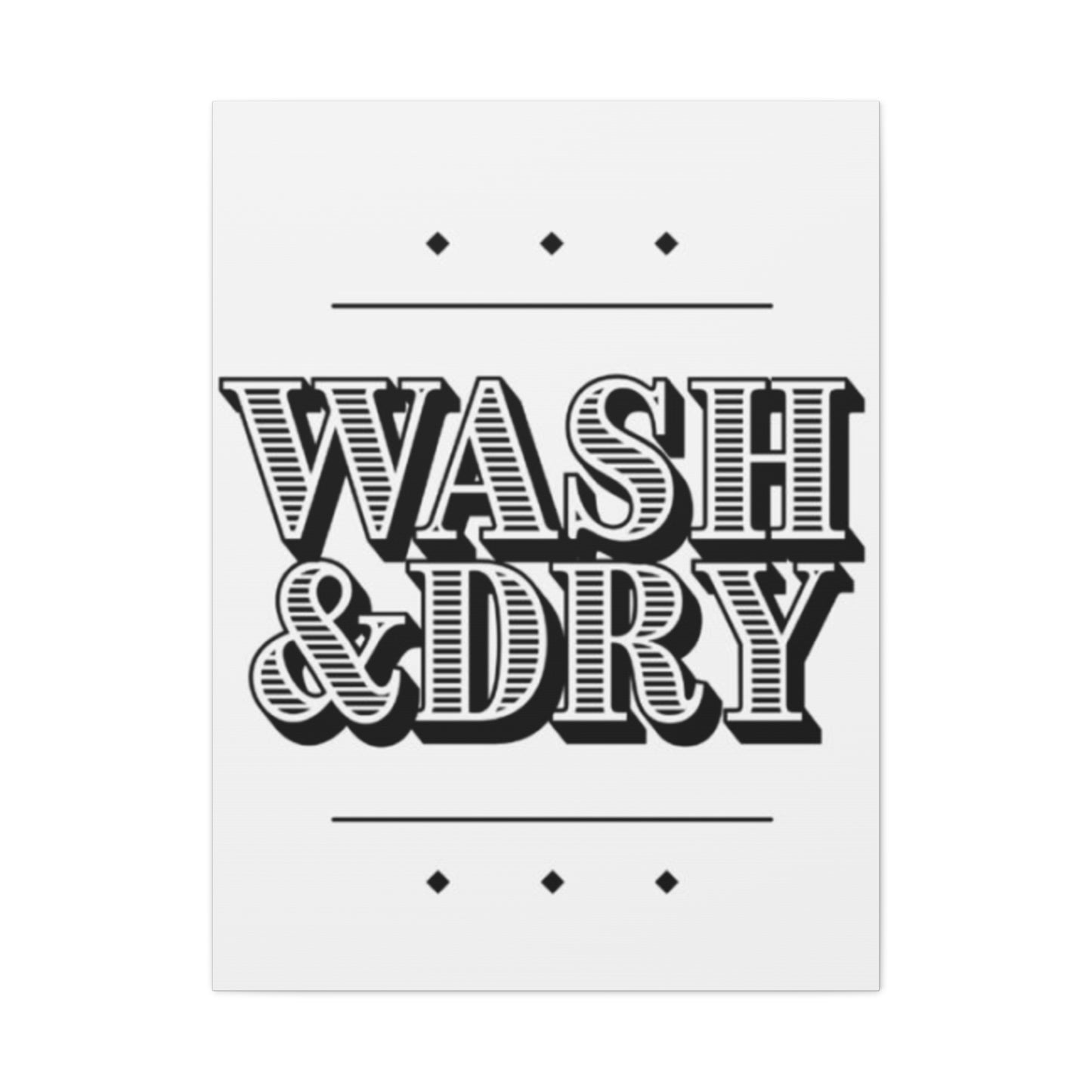
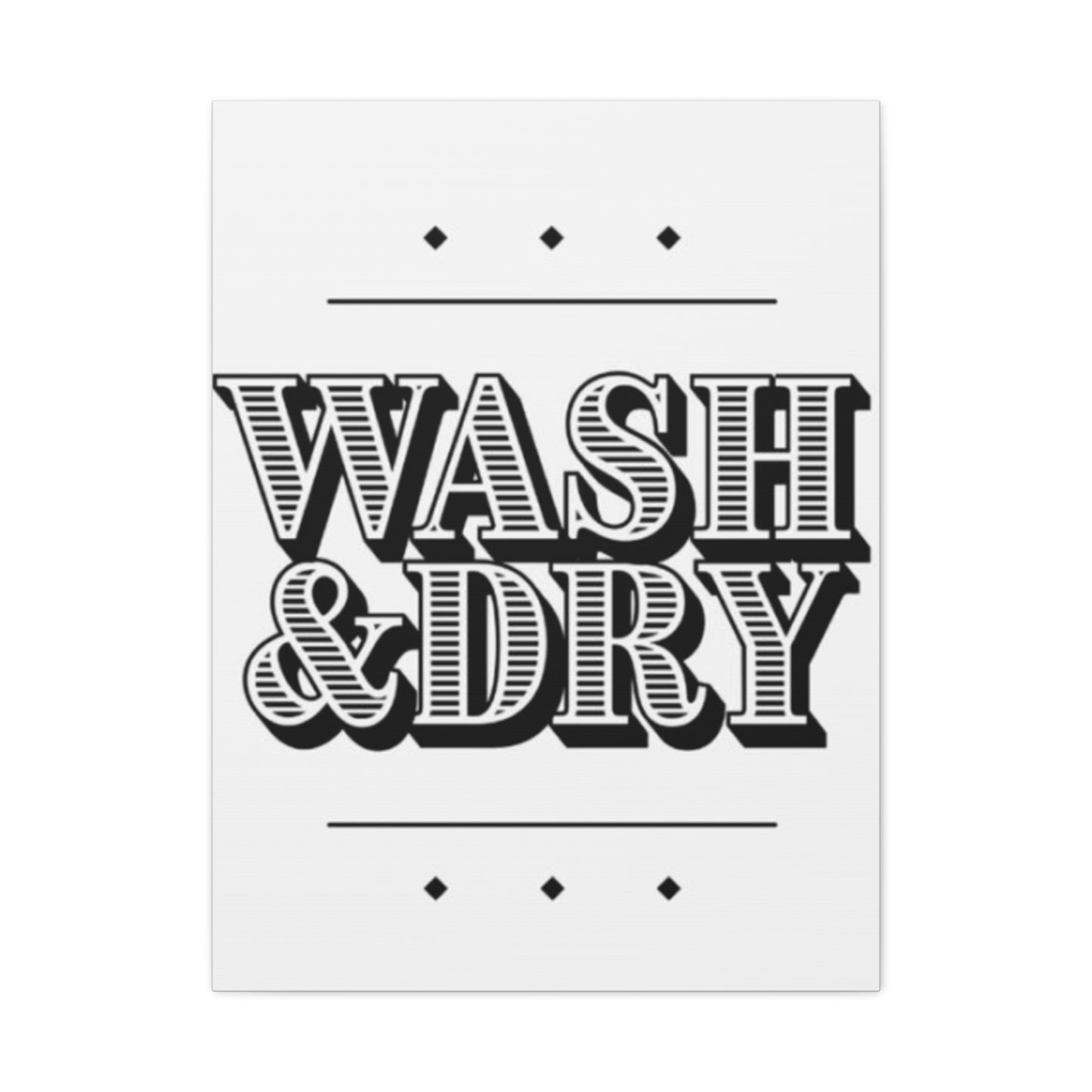
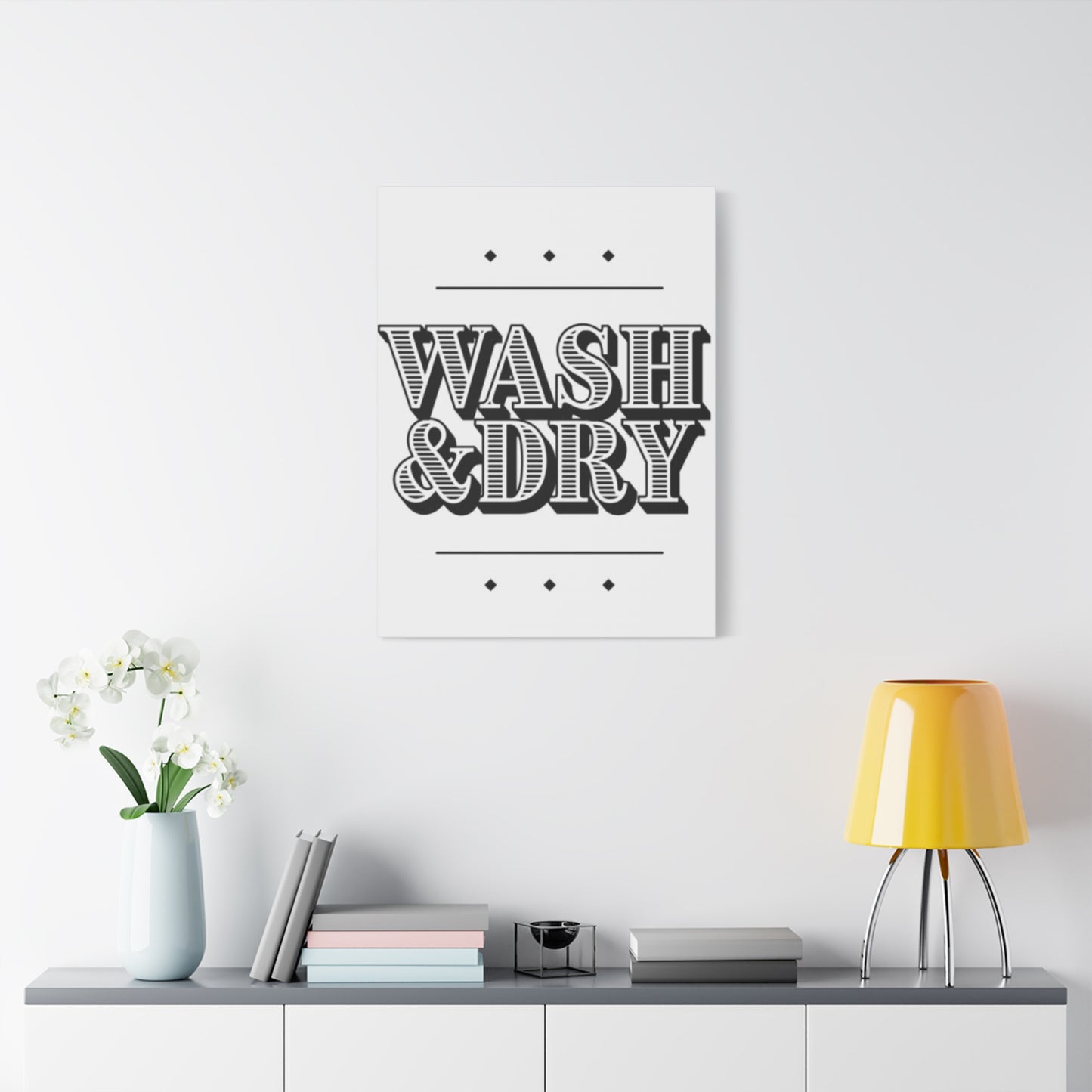
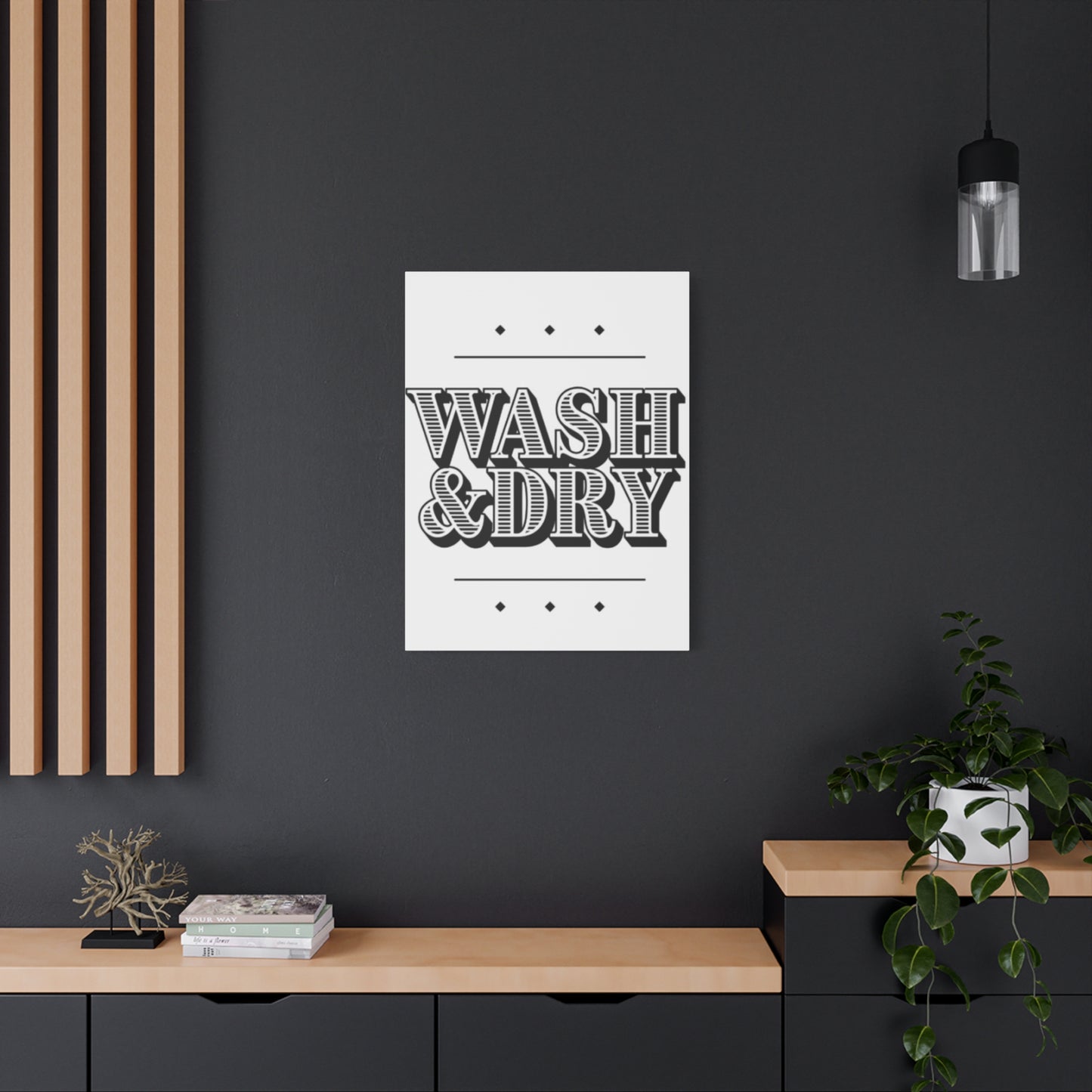
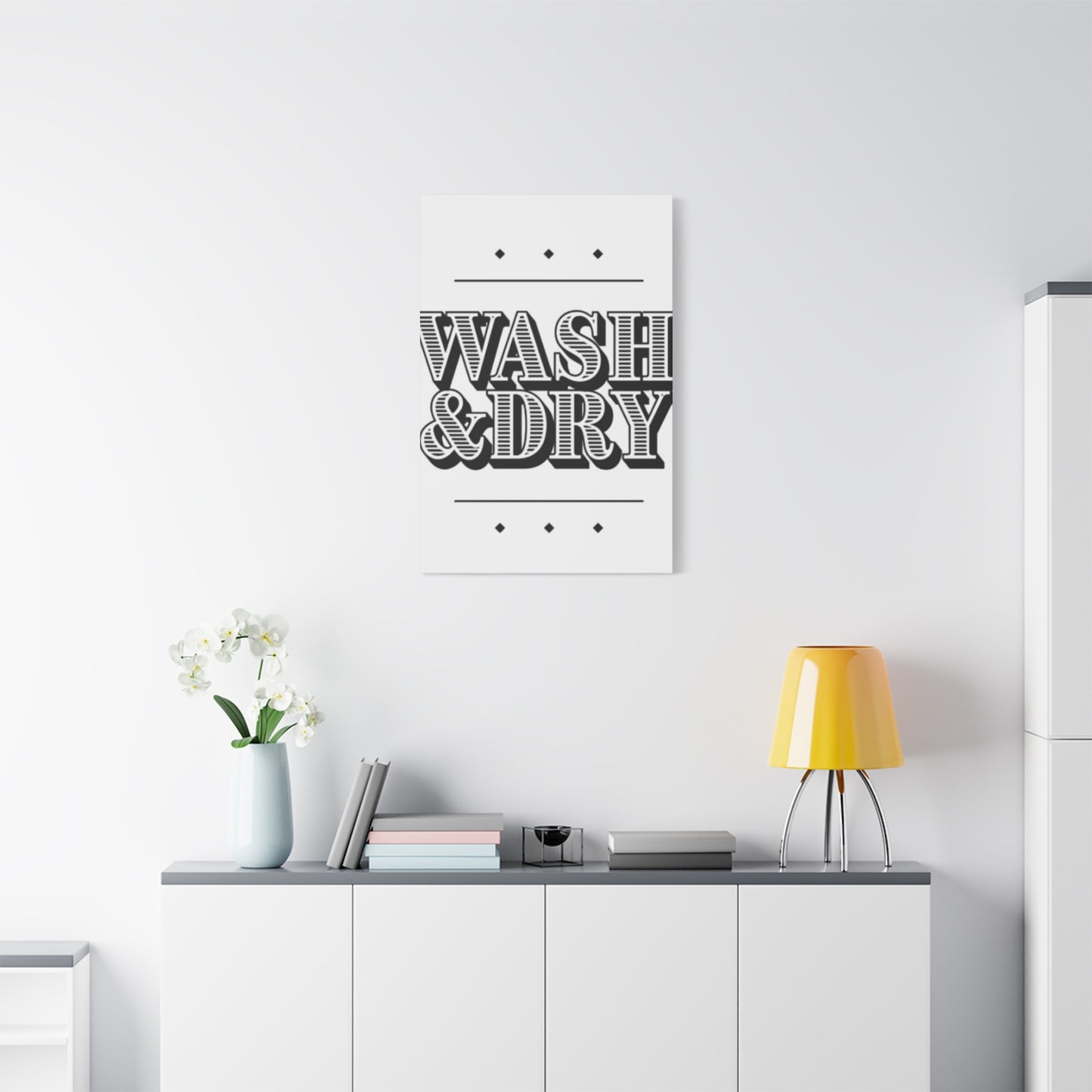
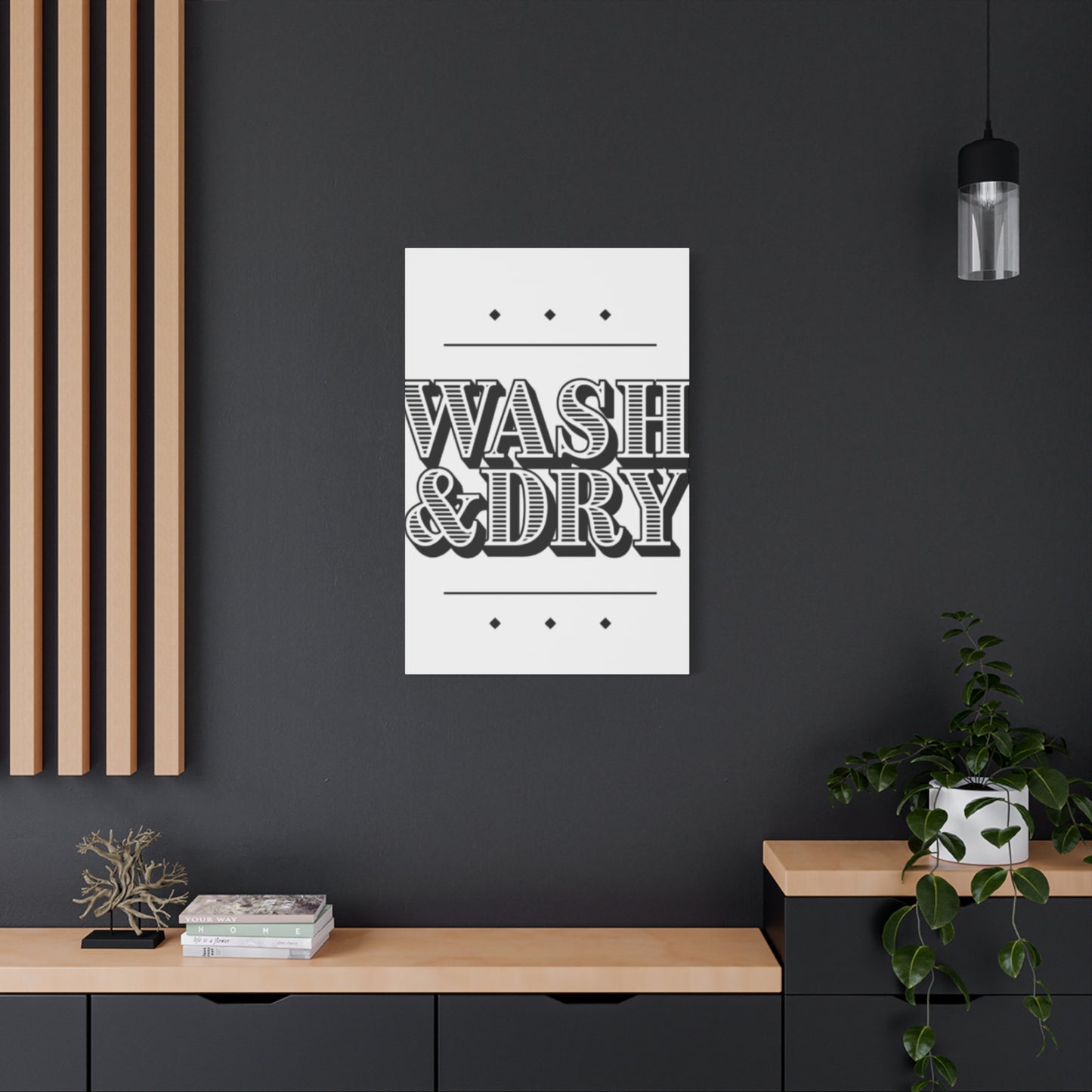
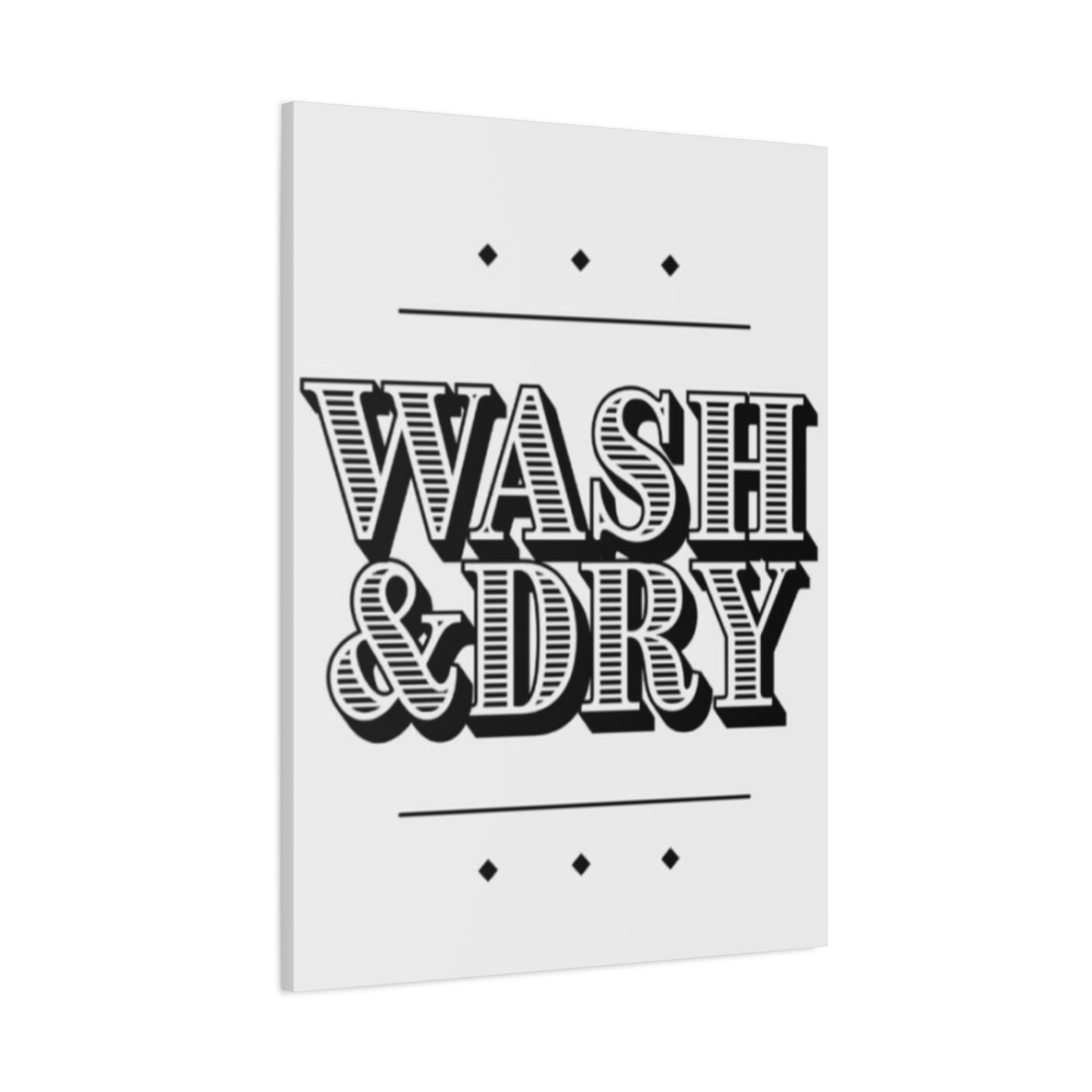
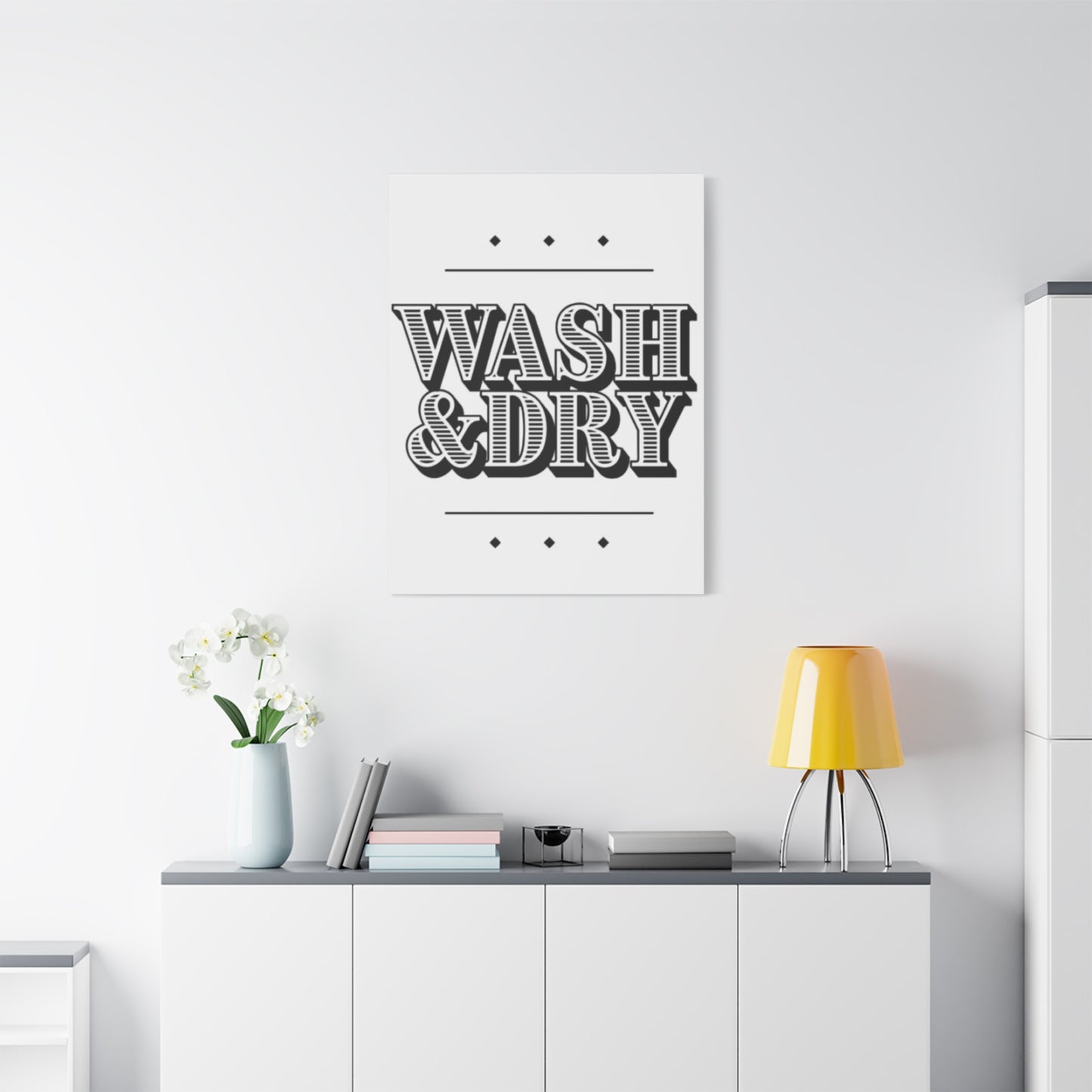
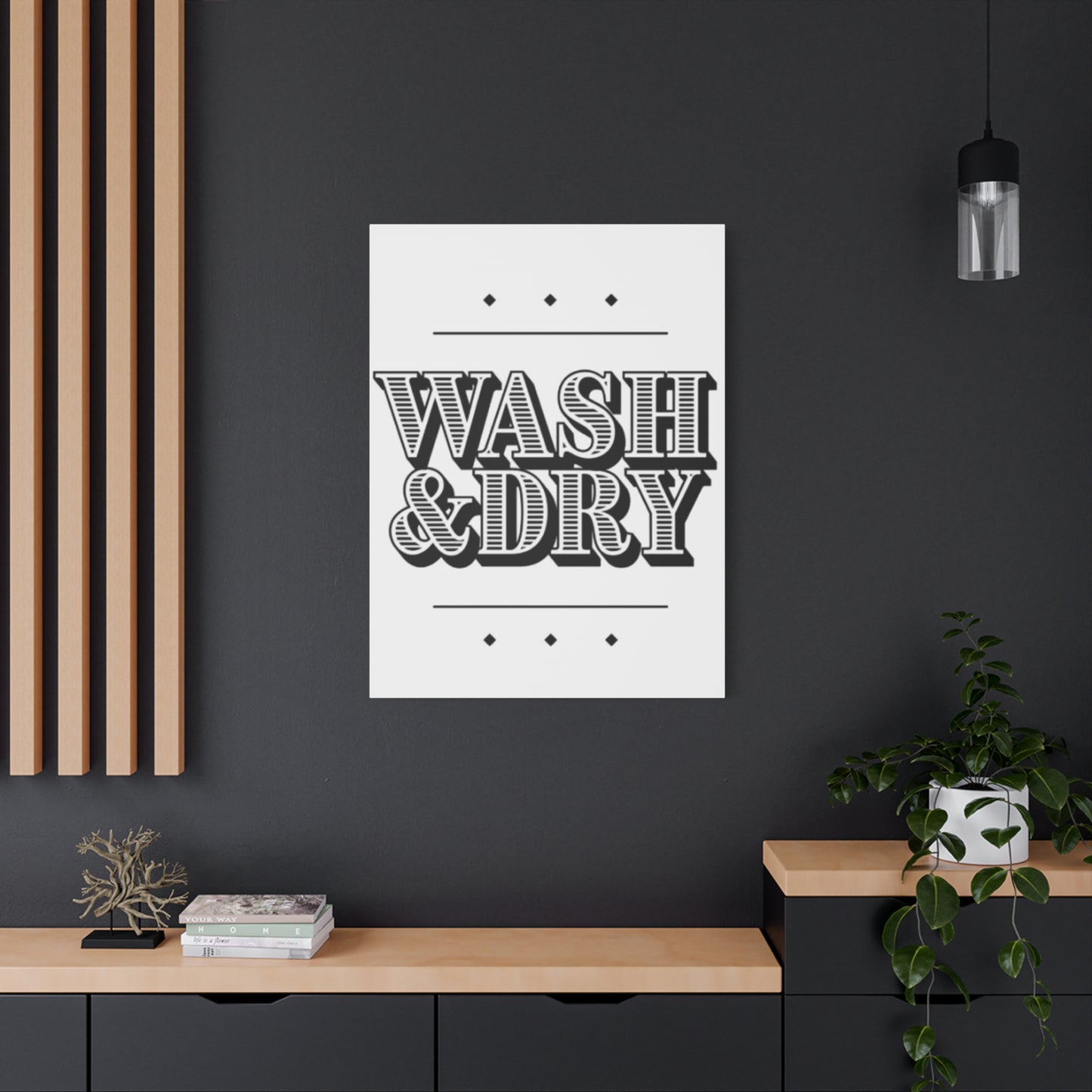
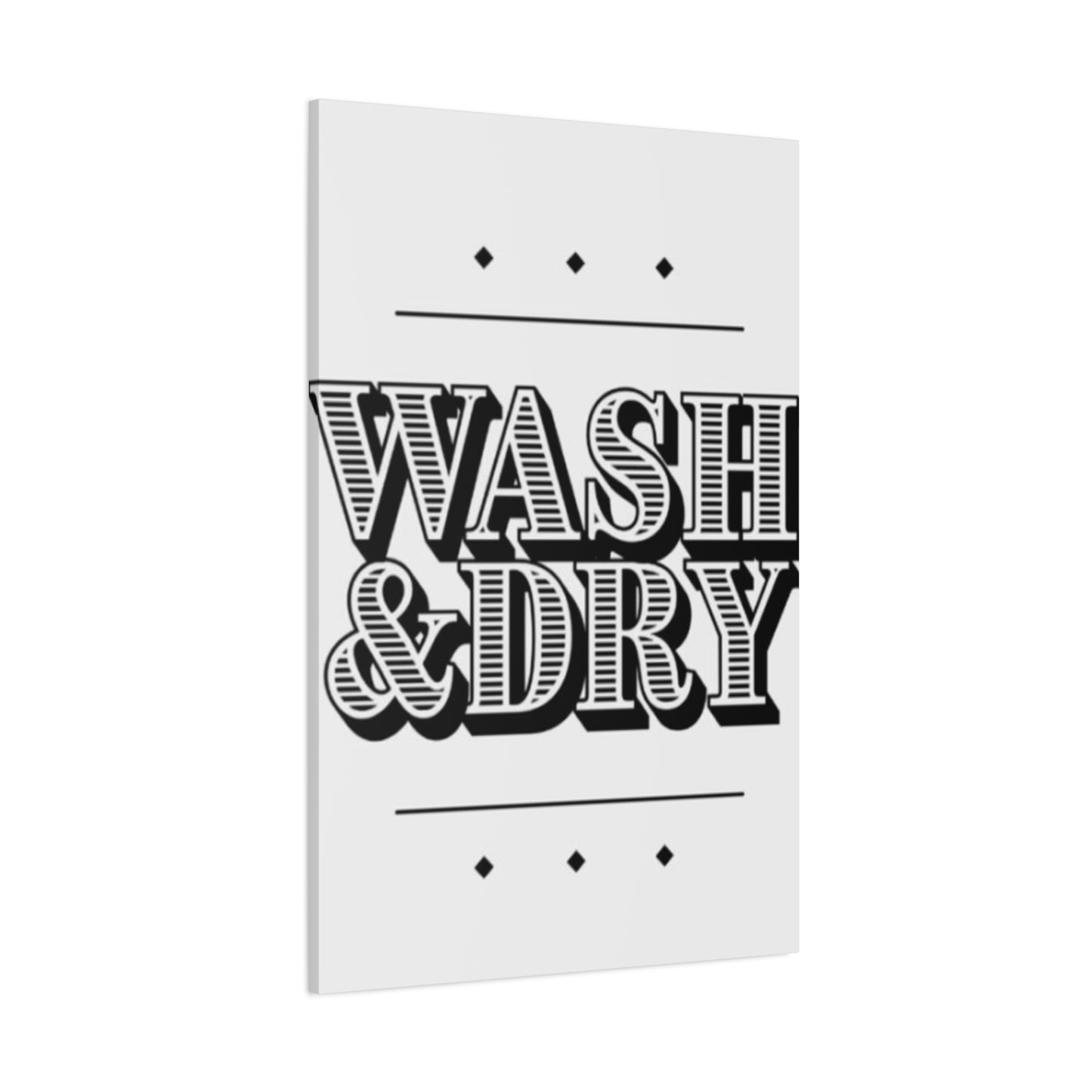
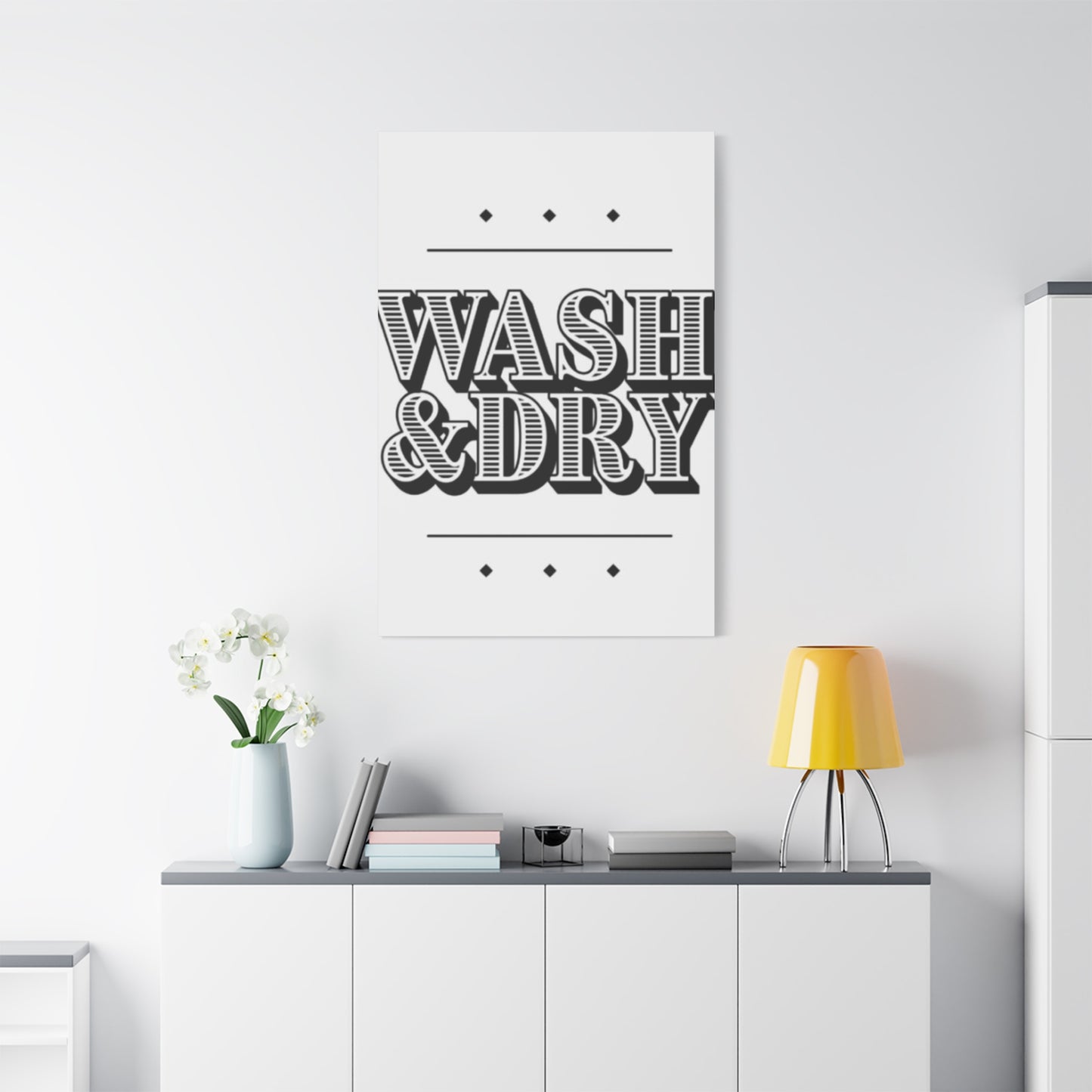
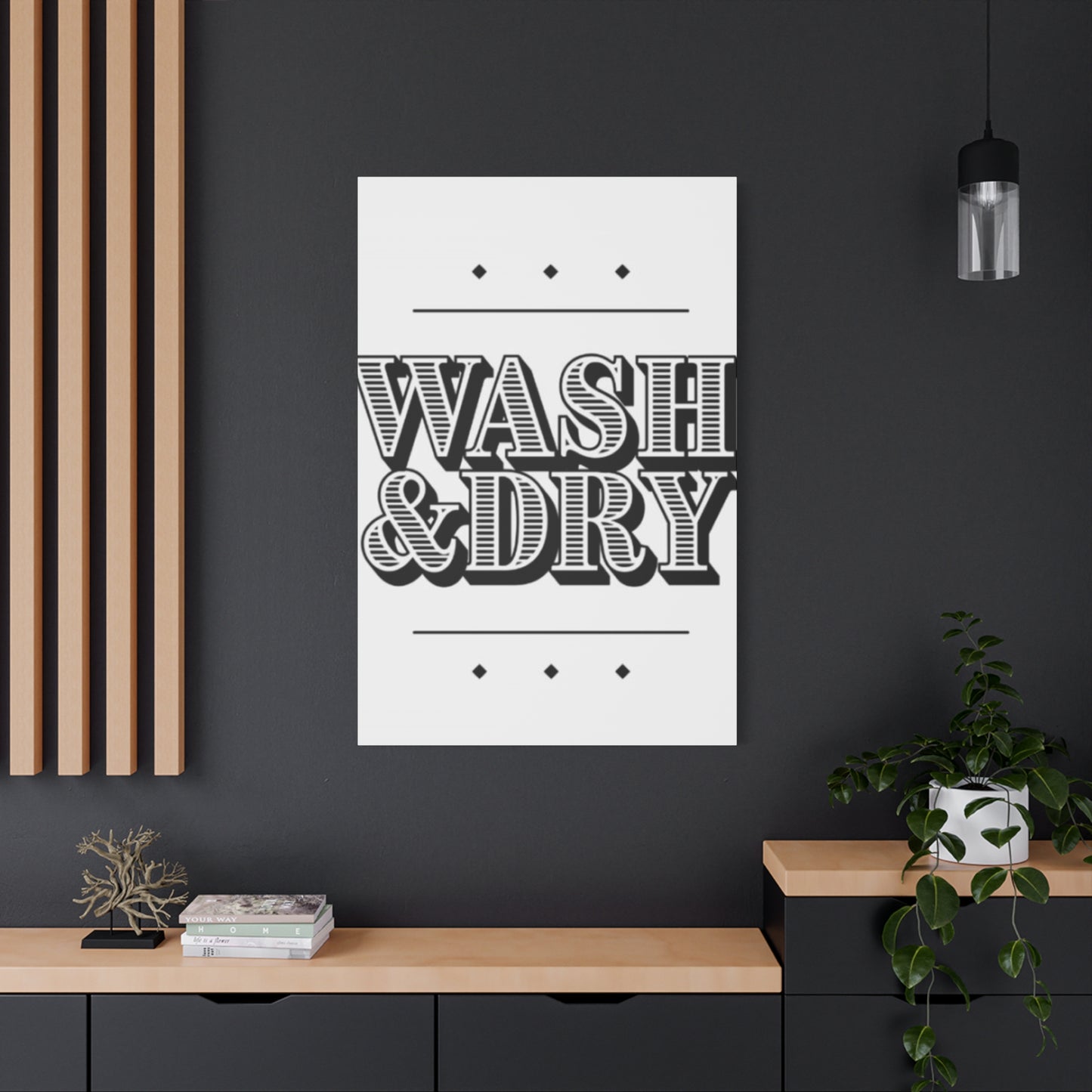
The Best Wash and Dry Laundry Wall Art Prints to Brighten Up Your Chores
The laundry room has evolved from a purely functional space into an area where homeowners can express their personal style and creativity. Among the most popular ways to enhance these spaces is through wash and dry laundry wall art canvas prints that bring character, warmth, and visual interest to otherwise mundane utility areas. These decorative pieces serve multiple purposes beyond mere aesthetics, helping to create an environment that makes the chore of doing laundry more enjoyable and less tedious.
Canvas prints featuring wash and dry themes have become increasingly sought after by interior designers and homeowners alike because they combine practicality with artistic expression. The laundry room, often overlooked in home decoration plans, deserves the same attention to detail as any other room in the house. When you spend considerable time sorting, washing, folding, and organizing clothes, having an inspiring and visually appealing environment can make these tasks feel less burdensome.
The beauty of wash and dry laundry wall art canvas prints lies in their versatility and the wide range of styles available. Whether your home features a modern minimalist aesthetic, a rustic farmhouse charm, a vintage retro vibe, or an eclectic mix of styles, there are canvas prints designed to complement your existing decor. These art pieces can feature typography, illustrations, photographs, or abstract designs, each bringing its own unique energy to the space.
Furthermore, canvas prints offer practical advantages over other forms of wall decoration. They are lightweight, easy to hang, resistant to moisture better than paper prints, and require minimal maintenance. The texture of canvas adds depth and dimension to artwork, creating a more sophisticated look than flat paper prints. For spaces like laundry rooms where humidity levels can fluctuate, canvas prints provide durability that ensures your investment in wall decoration will last for years to come.
The Growing Popularity of Laundry Room Aesthetics
Over the past decade, there has been a significant shift in how homeowners view and utilize their laundry spaces. What was once considered merely a functional necessity has transformed into an opportunity for creative expression and interior design innovation. This change in perspective has driven the demand for wash and dry laundry wall art canvas prints that help personalize these spaces and make them more inviting.
Social media platforms have played a substantial role in this transformation, with countless home improvement enthusiasts sharing photos of their beautifully decorated laundry rooms. These images inspire others to reimagine their own spaces, leading to increased interest in decorative elements like canvas prints. The hashtag culture surrounding home organization and decoration has created communities where people exchange ideas, showcase their projects, and seek advice on how to optimize their living spaces.
The emphasis on creating Instagram-worthy spaces extends beyond living rooms and kitchens to include every corner of the home, including laundry areas. Homeowners now recognize that a well-decorated laundry room can increase property value, improve daily mood, and provide a sense of pride in home ownership. Wash and dry laundry wall art canvas prints have become essential tools in achieving these goals, offering affordable and accessible ways to upgrade the visual appeal of utility spaces.
Television programs focused on home renovation and interior design have also contributed to this trend. Design experts frequently demonstrate how simple additions like canvas prints can dramatically transform a room's atmosphere. They emphasize the importance of cohesive design throughout the entire home, encouraging viewers to extend their decorating efforts to spaces that traditionally received little attention.
The rise of open-concept home designs has made laundry room aesthetics even more important. In many modern homes, laundry areas are no longer hidden behind closed doors but are instead integrated into living spaces or positioned in visible locations. This visibility necessitates thoughtful decoration that aligns with the overall home aesthetic. Canvas prints featuring wash and dry themes provide an elegant solution that clearly identifies the space's purpose while maintaining visual harmony with surrounding areas.
Understanding Canvas Print Quality and Materials
When selecting wash and dry laundry wall art canvas prints, understanding the quality of materials and manufacturing processes is crucial for ensuring satisfaction with your purchase. Canvas prints vary significantly in terms of durability, color vibrancy, and overall appearance, depending on the materials used and the printing techniques employed.
High-quality canvas prints typically use cotton or polyester canvas as the base material. Cotton canvas is considered premium because of its natural texture, excellent ink absorption, and superior durability. It provides a traditional art print appearance with a subtle weave pattern that adds character to the artwork. Polyester canvas, while less expensive, still offers good quality and tends to be more resistant to moisture, making it particularly suitable for laundry rooms where humidity levels may be higher than in other areas of the home.
The printing technique used significantly impacts the final product's appearance and longevity. Giclée printing, which uses high-quality inkjet printers with archival inks, produces exceptionally detailed images with accurate color reproduction. This method is favored by professional artists and galleries because it creates prints that closely resemble original artwork. For wash and dry laundry wall art canvas prints, giclée printing ensures that text remains crisp and legible while colors stay vibrant for years without fading.
Canvas thickness, measured in ounces per square yard, affects both the print's appearance and durability. Heavier canvas, typically ranging from eight to twelve ounces, provides a more substantial feel and is less likely to sag over time. Thicker canvas also better resists punctures and damage, important considerations for high-traffic areas or homes with children and pets. The canvas should be tightly stretched over a sturdy wooden frame to prevent warping and ensure the print maintains its shape.
The frame construction itself deserves attention when evaluating canvas print quality. Solid wood frames, particularly those made from kiln-dried pine or fir, provide superior stability compared to composite materials. The frame should feature cross-bracing or support bars on larger prints to prevent bowing. Gallery wrap edges, where the image extends around the sides of the frame, create a finished appearance that eliminates the need for additional framing, though some people prefer prints with solid-colored or mirrored edges.
Protective coatings applied to canvas prints enhance their resistance to environmental factors. UV-resistant coatings help prevent color fading from sunlight exposure, while water-resistant treatments protect against moisture damage. These protective layers are particularly valuable for laundry room applications where the artwork may be exposed to steam, splashes, and humidity. Some manufacturers also apply anti-scratch coatings that help maintain the print's pristine appearance even in busy households.
Typography-Based Wash and Dry Canvas Designs
Typography-based canvas prints represent one of the most popular categories of wash and dry laundry wall art. These designs emphasize words and phrases related to laundry activities, using creative fonts, layouts, and color schemes to transform simple text into compelling visual art. The appeal of typography-based designs lies in their clarity of message and the vast range of stylistic possibilities they offer.
Classic typography prints often feature the words "wash" and "dry" in prominent lettering, sometimes accompanied by additional laundry-related terms like "fold," "sort," "repeat," or "fluff." These straightforward designs work well in both traditional and modern settings, depending on the font selection and color palette. Serif fonts evoke a more classic, timeless feel, while sans-serif fonts create a contemporary, minimalist aesthetic. Script fonts add elegance and personality, though they should be chosen carefully to ensure readability.
The arrangement of text on typography-based canvas prints varies widely, offering options to suit different wall spaces and design preferences. Stacked text, where words appear vertically aligned, works well for narrow wall spaces or when creating a set of multiple prints. Horizontal arrangements suit wider walls and can incorporate additional decorative elements alongside the text. Circular or curved text arrangements create visual interest and can soften the geometric nature of laundry rooms, which often feature many straight lines and angular appliances.
Color choices in typography prints significantly impact the overall mood and style of the piece. Black text on white backgrounds creates a clean, modern look that coordinates easily with most color schemes. Colored text on neutral backgrounds allows for customization that matches existing decor while maintaining readability. Some designs feature gradient effects where letters transition through multiple colors, adding dynamism and visual interest. Distressed or weathered text treatments give prints a vintage or rustic character that complements farmhouse-style interiors.
Many typography-based wash and dry laundry wall art canvas prints incorporate decorative elements that enhance the text without overwhelming it. Subtle flourishes, line separators, small illustrations of laundry items, or geometric shapes can frame the text and add visual balance. These embellishments should complement rather than compete with the typography, maintaining the text as the focal point while adding layers of interest that reward closer inspection.
Motivational phrases and humorous sayings have found their way into typography-based laundry room canvas prints, adding personality and entertainment value. Phrases like "laundry today or naked tomorrow," "wash your worries away," or "sorting out life one load at a time" inject humor into the mundane task of doing laundry. These playful designs appeal to homeowners who want their laundry rooms to reflect their personality and sense of humor, creating spaces that bring smiles during routine chores.
Vintage and Retro Laundry Room Canvas Prints
Vintage and retro-themed wash and dry laundry wall art canvas prints have experienced a resurgence in popularity as homeowners embrace nostalgic design elements that evoke simpler times. These designs draw inspiration from mid-century advertisements, antique laundry equipment, and the aesthetic sensibilities of past decades, creating artwork that feels both familiar and fresh.
The color palettes typically associated with vintage laundry room prints feature muted tones, pastels, and the slightly faded appearance that characterizes aged materials. Soft blues, mint greens, pale yellows, and dusty roses appear frequently, often combined with cream or off-white backgrounds. These colors create a gentle, soothing atmosphere while maintaining the authentic appearance of vintage design. Some prints incorporate the bold, saturated colors popular in specific eras, such as the avocado green and harvest gold of the 1970s or the bright primary colors of 1950s advertising.
Imagery in vintage-themed canvas prints often features antique laundry equipment like old-fashioned washboards, vintage washing machines with wringer attachments, cast-iron irons heated on stoves, and clotheslines with wooden pins. These visual references to historical laundry methods create connections to domestic traditions and the evolution of household technology. The presence of these antiquated items in artwork celebrates the modernization of laundry while acknowledging the labor-intensive processes of the past.
Typography in vintage laundry room prints frequently mimics the lettering styles popular in advertisements from the early to mid-twentieth century. Art Deco fonts with their geometric precision and elegant curves, hand-lettered signs with slight imperfections, and bold block letters reminiscent of product packaging all contribute to the authentic vintage feel. Many designs incorporate distressing effects that simulate aging, with intentional fading, cracking, or staining that suggests the print has been around for decades.
Retro illustrations depicting idealized domestic scenes represent another popular approach to vintage-themed canvas prints. These images often show cheerful homemakers happily engaged in laundry tasks, reflecting the social attitudes and gender roles of their time while being appreciated today for their nostalgic charm and artistic style. The simplified illustration techniques, limited color palettes, and optimistic tone of these images create an endearing quality that resonates with contemporary audiences.
The appeal of vintage and retro wash and dry laundry wall art canvas prints extends beyond mere nostalgia. These designs work particularly well in homes with period-appropriate architecture or those decorated in farmhouse, cottage, or shabby chic styles. They also provide an effective contrast in ultramodern homes, where the juxtaposition of old and new creates visual interest and prevents spaces from feeling too sterile or impersonal. The timeless quality of well-executed vintage designs ensures they remain relevant and attractive regardless of current decorating trends.
Modern and Minimalist Canvas Print Styles
Modern and minimalist wash and dry laundry wall art canvas prints appeal to homeowners who prefer clean lines, uncluttered compositions, and a contemporary aesthetic. These designs embrace the philosophy that less is more, using restraint and careful editing to create powerful visual statements through simplicity rather than elaborate detail.
The defining characteristics of minimalist canvas prints include generous negative space, limited color palettes, simple geometric forms, and refined typography. These elements combine to create artwork that feels spacious, calm, and sophisticated. In the context of laundry room decoration, minimalist prints provide visual relief from the mechanical complexity of appliances and the practical clutter that inevitably accumulates in these working spaces.
Monochromatic color schemes dominate minimalist design, with black and white being the most common combination. The stark contrast creates immediate visual impact while maintaining versatility that allows the print to coordinate with any color scheme. Grayscale variations introduce subtle tonal differences that add depth without introducing color complexity. Some minimalist designs incorporate a single accent color, typically a muted or neutral tone, that draws the eye without disrupting the overall sense of simplicity.
Typography in modern minimalist canvas prints favors clean, sans-serif fonts with excellent legibility and geometric precision. Letter spacing tends to be generous, allowing each character to breathe and preventing the text from feeling cramped. All-caps text creates a uniform, architectural quality, while lowercase letters can feel more approachable and casual. The weight of the font matters significantly, with both ultra-thin and bold weights being popular choices depending on the desired impact.
Abstract and geometric elements feature prominently in modern wash and dry laundry wall art canvas prints. Simple line drawings of laundry items, geometric representations of washing machines or baskets, and abstract patterns suggesting water or fabric textures provide visual interest while maintaining the minimalist aesthetic. These elements are typically rendered in single colors without shading or dimensional effects, emphasizing shape and form over detailed representation.
The layout and composition of minimalist prints demonstrate careful attention to balance and proportion. Elements are often positioned according to mathematical principles like the golden ratio or rule of thirds, creating harmonious arrangements that feel instinctively right even to viewers unfamiliar with design theory. Asymmetrical balance, where different elements of varying visual weight are positioned to create equilibrium, adds sophistication and prevents the design from feeling too rigid or predictable.
Minimalist canvas prints work exceptionally well in contemporary homes with modern appliances, sleek cabinetry, and streamlined fixtures. They complement stainless steel, glass, and polished surfaces without competing for attention. The simplicity of these designs also makes them ideal for smaller laundry spaces where busy or elaborate artwork might feel overwhelming. By keeping visual elements to a minimum, these prints help create an impression of spaciousness even in compact areas.
Farmhouse Style Laundry Canvas Art
Farmhouse style has become one of the most beloved interior design trends, and wash and dry laundry wall art canvas prints in this aesthetic have surged in popularity. The farmhouse style combines rustic charm with functional simplicity, creating warm, inviting spaces that feel both lived-in and intentionally designed. These canvas prints capture the essence of rural domestic life while adapting it to contemporary sensibilities.
Characteristic elements of farmhouse-style canvas prints include weathered textures, natural materials, neutral color palettes, and references to agricultural or pastoral life. The overall effect evokes the comfort and authenticity of traditional farmhouses while maintaining a cleanliness and organization that appeals to modern homeowners. These designs celebrate the beauty of imperfection and the character that develops through age and use.
Neutral color schemes anchor farmhouse-style laundry room canvas prints, with whites, creams, beiges, grays, and soft blacks forming the foundation. These colors are often supplemented with natural wood tones and occasional accents in muted blues, greens, or reds. The palette references whitewashed walls, unpainted wood, galvanized metal, and other materials common in agricultural buildings. This restraint in color allows the textures and compositional elements to take center stage.
Wood grain effects and weathered textures add authenticity to farmhouse-style canvas prints. Background treatments that simulate aged wood planks, distressed paint, or worn fabric create visual interest and tactile appeal even on flat canvas surfaces. These textural elements provide depth and prevent the neutral color schemes from feeling flat or boring. The imperfections and irregularities in these textures contribute to the handmade, artisanal quality that defines farmhouse style.
Typography in farmhouse-themed wash and dry laundry wall art often features hand-lettered or script fonts that suggest personal craftsmanship. The letters may appear slightly irregular, as if painted by hand, contributing to the warm, human quality of the design. Many prints combine multiple font styles, mixing script with simple sans-serif or serif fonts to create visual hierarchy and interest. The text might be positioned on backgrounds resembling wooden signs, metal buckets, or vintage enamelware.
Decorative elements common in farmhouse canvas prints include cotton stems, grain stalks, mason jars, vintage washboards, clotheslines, and wooden clothespins. These items reference both agricultural life and traditional laundry methods, creating thematic coherence while adding visual interest. Wreaths made from cotton or eucalyptus frequently frame text or create borders, while simple line drawings of farm animals or rural landscapes may appear as supplementary elements.
The appeal of farmhouse-style canvas prints extends across various home types, not just actual farmhouses or rural properties. Urban and suburban homeowners embrace this aesthetic because it brings warmth and character to modern living spaces that might otherwise feel impersonal. In laundry rooms specifically, farmhouse-style artwork creates a connection to domestic traditions and the satisfaction of maintaining a home, elevating routine chores to meaningful household rituals.
Humorous and Playful Laundry Room Prints
Humorous and playful wash and dry laundry wall art canvas prints serve an important function beyond decoration, they transform the laundry room into a space that brings joy and laughter during routine household tasks. These designs acknowledge the repetitive and sometimes tedious nature of laundry while celebrating the humor inherent in domestic life. By incorporating wit and whimsy, these prints make the laundry room a more enjoyable place to spend time.
Clever wordplay represents one of the most popular approaches to humorous laundry room canvas prints. Puns related to laundry processes, such as references to loads, cycles, sorting, and stains, provide endless opportunities for creative expression. These linguistic jokes resonate with anyone who regularly does laundry, creating a sense of shared experience and understanding. The best examples balance cleverness with accessibility, ensuring the humor remains approachable rather than obscure.
Ironic statements about the never-ending nature of laundry appear frequently in playful canvas prints. Phrases acknowledging that laundry is a continuous cycle rather than a completable task speak to a universal experience that homeowners find both frustrating and funny. This self-aware humor helps people cope with the repetitive aspects of household maintenance by encouraging them not to take these tasks too seriously. The acknowledgment that everyone faces the same challenges creates a sense of community and normalcy.
Visual humor in wash and dry laundry wall art can include exaggerated illustrations, cartoon characters, or absurd scenarios related to laundry. Anthropomorphized socks engaging in mischief, washing machines with facial expressions, or laundry baskets overflowing in comically impossible ways add lighthearted visual interest. These playful images appeal particularly to families with children, making the laundry room feel more welcoming and less strictly functional.
The color palettes in humorous canvas prints tend to be brighter and more energetic than those used in more serious designs. Vibrant blues, cheerful yellows, playful pinks, and energetic greens create an upbeat atmosphere that reinforces the lighthearted message. However, even humorous prints can be executed in more subdued color schemes for homeowners who want the wit without the visual intensity, proving that humor in design is about content rather than necessarily about bold colors.
Typography in playful laundry room prints often features informal, friendly fonts that reinforce the casual, approachable nature of the humor. Hand-lettered styles, bouncy script fonts, or deliberately quirky typefaces contribute to the lighthearted feel. The arrangement of text might include playful elements like letters at slightly varying heights, decorative underlines or embellishments, or strategic emphasis on key words that deliver the punchline of the joke.
Humorous canvas prints work well in diverse home environments because humor is a universal language that transcends specific design styles. A funny print can fit comfortably in a modern minimalist laundry room just as easily as in a traditional or eclectic space, provided the colors and overall design approach coordinate with the existing decor. The key is selecting humor that reflects the homeowner's personality and preferences, ensuring the joke remains funny through repeated viewings rather than becoming tiresome.
Botanical and Nature-Inspired Canvas Designs
Botanical and nature-inspired wash and dry laundry wall art canvas prints bring elements of the natural world into utilitarian spaces, creating calming, refreshing environments that make household chores more pleasant. These designs draw on the proven psychological benefits of natural imagery, which can reduce stress, improve mood, and create feelings of tranquility and connection to the outdoors.
Floral motifs appear frequently in laundry room canvas prints, with options ranging from delicate wildflower illustrations to bold, graphic botanical prints. Lavender, eucalyptus, and cotton plants are particularly popular choices because of their historical associations with laundry and textile care. Lavender has long been used to scent linens and repel moths, while eucalyptus suggests freshness and cleanliness. Cotton plants create obvious thematic connections to fabric and clothing, making them especially appropriate for laundry room decoration.
The style of botanical illustrations in canvas prints varies significantly, offering options for different aesthetic preferences. Vintage botanical prints featuring detailed scientific illustrations evoke the precision and artistry of historical natural history documentation. These designs typically include Latin names and careful attention to botanical accuracy, creating an educational as well as decorative element. Watercolor-style botanical prints offer softer, more romantic interpretations with gentle color washes and loose, artistic rendering. Modern line-art botanicals reduce plants to their essential forms through simple continuous lines, creating a contemporary, minimalist interpretation of nature.
Green tones naturally dominate many botanical canvas prints, but the specific shades and combinations vary widely. Sage green, olive, forest green, and mint all appear regularly, often combined with neutral backgrounds or accented with natural browns, soft pinks, or cream tones. Some designs embrace a more monochromatic approach with black and white botanical illustrations, which can feel both classic and contemporary depending on the overall composition and style.
Nature-inspired canvas prints extend beyond botanical subjects to include landscape elements, natural textures, and organic patterns. Images suggesting flowing water, gentle breezes moving through trees, or abstract representations of natural phenomena like ripples or wave patterns reinforce the connection to nature without requiring specific recognizable plant species. These more abstract approaches provide flexibility in coordinating with existing decor while still delivering the calming benefits of nature-inspired art.
The incorporation of botanical and nature elements in wash and dry laundry wall art creates interesting symbolic connections. Plants represent growth, renewal, and natural cycles, all of which have metaphorical relationships to the laundry process. Cleaning and refreshing clothes parallels the way nature continually renews itself. The cyclical nature of laundry mirrors seasonal changes and natural rhythms. These deeper connections, whether consciously recognized or subconsciously felt, add layers of meaning to the decoration.
Botanical canvas prints work particularly well in laundry rooms with natural light, where the plant imagery harmonizes with actual sunlight streaming through windows. They also provide effective contrast in basement laundry rooms or spaces without windows, bringing a sense of outdoors to areas that might otherwise feel closed off from nature. The versatility of botanical designs allows them to coordinate with virtually any color scheme or decorative style, from traditional to contemporary, making them among the most universally appealing options for laundry room decoration.
Custom and Personalized Canvas Prints
Custom and personalized wash and dry laundry wall art canvas prints offer homeowners the opportunity to create truly unique pieces that reflect their individual style, family identity, and specific space requirements. Unlike mass-produced options, custom prints can be tailored to exact dimensions, color schemes, content, and design preferences, ensuring perfect integration with existing decor and personal taste.
The ability to customize colors represents one of the most valuable aspects of personalized canvas prints. Homeowners can match artwork precisely to their existing paint colors, tile selections, or cabinetry finishes, creating a cohesive, professionally designed appearance. This color coordination is particularly important in open-concept homes where the laundry area is visible from other spaces and needs to harmonize with the overall color story of the home. Custom color options also allow for the creation of accent pieces that introduce new colors in controlled ways.
Personalized text content allows homeowners to move beyond generic laundry-related phrases to incorporate family names, meaningful quotes, inside jokes, or specific instructions that make sense for their household. A canvas print might include the family surname with "laundry service" or incorporate the names of household members in a creative design. Personal mottos, favorite sayings, or meaningful lyrics can be transformed into artwork that adds deeply personal significance to the space. This customization transforms functional wall decoration into something more meaningful and emotionally resonant.
Size customization ensures that canvas prints fit perfectly in available wall spaces, whether that means creating a large statement piece for a spacious wall or designing multiple smaller prints to fill an awkward or narrow space. Custom sizing eliminates the common frustration of finding almost-right artwork that is slightly too large or disappointingly small for the intended location. Precise measurements and proportional design ensure that the finished piece looks intentionally sized for its space rather than like a compromise solution.
Style customization allows for the blending of different design elements to create hybrid approaches that perfectly match a homeowner's aesthetic vision. Someone might want vintage typography with modern colors, farmhouse elements with a minimalist layout, or botanical elements combined with humorous text. Professional designers can synthesize these diverse influences into cohesive designs that feel intentional and well-executed rather than confused or contradictory.
Incorporating family photographs or specific images into canvas prints creates deeply personal artwork that celebrates individual family identity. Photos of family members engaged in laundry tasks, historical images of ancestors, or pictures that have special significance can be artistically integrated with text and graphic elements. These photo-based prints transform the laundry room into a space that celebrates family history and daily life, making routine tasks feel connected to larger family narratives.
The process of creating custom canvas prints typically involves consultation with designers or working through user-friendly online design tools. Many companies offering personalized options provide templates that can be modified, reducing the intimidation of starting from scratch while still allowing significant customization. The investment in custom prints is typically higher than purchasing ready-made options, but the resulting perfect fit, both literally and aesthetically, often justifies the additional cost for homeowners seeking truly personalized spaces.
Installation and Display Considerations
Proper installation and thoughtful display of wash and dry laundry wall art canvas prints significantly impact their appearance and the overall effectiveness of the decoration. Even the most beautiful artwork can fail to achieve its potential if poorly positioned, inadequately lit, or installed without attention to technical details. Understanding best practices for hanging and displaying canvas prints ensures they enhance the space as intended.
Determining the optimal height for hanging canvas prints follows general art display principles while accounting for the specific characteristics of laundry rooms. The center of the artwork should typically be positioned at eye level, generally between 57 and 60 inches from the floor. However, in laundry rooms where people are often standing at counters or appliances, the viewing angle may differ from spaces where people are typically seated. Consider the primary vantage points from which the artwork will be viewed and adjust accordingly.
The relationship between canvas prints and laundry room fixtures like washers, dryers, sinks, and counters requires careful consideration. Prints should be positioned to create visual balance with these functional elements rather than competing with them or appearing awkwardly placed. Above washing machines or dryers is a common and effective position, provided there is adequate clearance for opening lids or doors. The artwork should be centered on the appliance below or positioned to create intentional asymmetry that feels balanced when considering all elements in the space.
Multiple canvas prints can be arranged in various configurations to create gallery walls or coordinated sets. Symmetrical arrangements with evenly spaced prints create formal, organized appearances that suit traditional or minimalist aesthetics. Asymmetrical arrangements with varied spacing and possibly different sized prints create more dynamic, casual presentations. When arranging multiple pieces, laying them out on the floor first allows for experimentation with different configurations before committing to wall placement.
Lighting significantly affects how canvas prints appear and how effectively they contribute to the laundry room atmosphere. Natural light brings out the truest colors but can cause fading over time, particularly with direct sunlight exposure. UV-protective coatings help mitigate this concern, but positioning prints away from direct sun exposure provides additional protection. Artificial lighting should be positioned to illuminate the artwork without creating glare on the canvas surface. Directional lighting can create dramatic effects and draw attention to the prints as focal points.
The hardware used for hanging canvas prints should be appropriate for the weight of the piece and the type of wall construction. Most canvas prints are relatively lightweight and can be hung using picture hanging strips, adhesive hooks, or simple nails. However, larger or heavier pieces require more substantial support through wall anchors or hanging them from studs. In laundry rooms with tile walls, special adhesives or drilling into grout lines with appropriate anchors may be necessary. The hanging hardware should be concealed or minimally visible to maintain the clean appearance of the installation.
Environmental considerations specific to laundry rooms affect canvas print longevity and appearance. Humidity from dryers and moisture from washing machines can potentially affect artwork over time. Ensuring adequate ventilation in the laundry room helps protect canvas prints and all other surfaces from moisture damage. Positioning prints away from direct steam sources and areas most likely to receive splashes provides additional protection. Canvas prints with protective coatings are better suited to withstand these environmental challenges than unprotected pieces.
Color Coordination and Design Integration
Successfully integrating wash and dry laundry wall art canvas prints into existing laundry room design requires attention to color coordination, style consistency, and overall aesthetic harmony. The most effective canvas prints feel like intentional components of a cohesive design rather than afterthoughts added to fill empty walls. Achieving this integration involves understanding color theory, recognizing design principles, and making thoughtful selections that support the overall vision for the space.
Color coordination begins with identifying the dominant colors already present in the laundry room. Wall paint, cabinetry, countertops, appliances, flooring, and any existing decorative elements all contribute to the existing color palette. The canvas print colors should relate to this palette in one of several ways depending on the desired effect. Matching colors directly creates harmony and unity, making the space feel pulled together and intentionally designed. Introducing complementary colors adds energy and visual interest while maintaining balance through color wheel relationships.
Neutral color schemes in canvas prints offer maximum flexibility and longevity. Black, white, gray, and beige coordinate with virtually any existing color scheme and remain relevant even if other decor elements change over time. For homeowners who regularly update their spaces or who are uncertain about committing to specific colors, neutral canvas prints provide decoration that adapts rather than dictates. These neutral pieces can still incorporate texture, pattern, and sophisticated design without relying on color for visual impact.
Accent colors in canvas prints provide opportunities to introduce new hues that coordinate with but differ from the dominant palette. These accent colors should appear in at least one or two other places in the room to create cohesion and intentionality. For example, if a canvas print includes teal accents, incorporating teal in towels, storage containers, or small decorative objects creates repetition that unifies the design. The proportion of accent colors matters, with small amounts creating subtle interest and larger amounts making bolder statements.
The style of canvas prints should complement the overall design aesthetic of the laundry room and adjacent spaces. In homes with consistent design themes throughout, extending that theme to the laundry room creates flow and professionalism. A modern home with clean lines and minimal decoration calls for canvas prints with similar characteristics, while a traditional home with detailed moldings and classic fixtures suits artwork with more elaborate or classic designs. However, intentional contrast can also be effective when executed thoughtfully, such as adding vintage prints to a modern space for eclectic interest.
Pattern and texture considerations affect how canvas prints integrate with other design elements. Laundry rooms often include multiple patterns through tile, cabinetry grain, and functional items like hampers or baskets. Canvas prints add another potential pattern source, so considering the overall pattern density prevents the space from feeling too busy or chaotic. If existing elements include strong patterns, simpler canvas prints provide visual rest. If the space is primarily solid colors and simple surfaces, more elaborate prints can add needed visual interest.
Scale and proportion impact how well canvas prints integrate into the space. Prints should be appropriately sized for the wall they occupy, neither so small they disappear nor so large they overwhelm. The relationship between print size and furniture or appliance size below them matters significantly. A general guideline suggests wall art should be roughly two-thirds the width of the furniture below it, though this can be adjusted based on specific circumstances. Multiple smaller prints can be grouped to create a larger visual unit that relates properly to the surrounding elements.
DIY Canvas Print Projects
Creating DIY wash and dry laundry wall art canvas prints offers a cost-effective way to obtain personalized decoration while enjoying the satisfaction of handmade craftsmanship. These projects range from simple to complex, accommodating various skill levels and allowing for complete creative control over the final result. Handmade canvas prints carry the unique character of personal creation that mass-produced options cannot replicate.
Painting directly on canvas provides one of the most straightforward DIY approaches. Pre-stretched blank canvases are readily available in various sizes from craft stores. Basic acrylic paints work well for most designs, offering good coverage, quick drying times, and easy cleanup. For typography-based designs, sketching the layout lightly with pencil before painting helps ensure proper spacing and alignment. Stencils can create crisp, professional-looking letters without requiring advanced hand-lettering skills. Multiple coats may be necessary for solid coverage, particularly when painting light colors over dark canvas or vice versa.
Transfer methods allow for reproducing printed designs onto canvas without freehand painting. One popular technique involves printing the desired design onto regular paper using a laser printer, then positioning the print face-down on the canvas and transferring the toner using heat from an iron or using solvent to release the ink. This method works best with bold, high-contrast designs rather than detailed images with subtle gradations. Another approach uses graphite paper to trace designs onto canvas, creating guidelines that can then be painted over.
Stenciling techniques enable the creation of complex designs with crisp edges and repeatable patterns. Commercial stencils are available in countless designs, including letters, numbers, and decorative motifs suitable for laundry room themes. Custom stencils can be cut from stencil plastic or heavy cardstock using craft knives or cutting machines. When stenciling, using small amounts of paint on a nearly dry brush prevents paint from bleeding under the stencil edges. Layering different stencils creates complex designs with multiple colors and elements.
Decoupage methods transform canvas into a base for paper decorations sealed with special adhesive medium. This technique allows for incorporating printed papers, napkins with attractive designs, vintage images, or magazine cutouts into artwork. The paper is positioned on the canvas and brushed with a decoupage medium, which acts as both adhesive and sealant. Multiple layers of medium create a protective finish. This approach works particularly well for creating vintage or collage-style canvas prints with varied textures and dimensional interest.
Final reflection:
Laundry wall art prints are a surprisingly effective way to breathe new life into one of the most overlooked spaces in your home. The laundry room is often purely functional—designed for practicality rather than style—but adding carefully selected wall art can change that completely. It turns the room from a dull chore zone into a cheerful, personalized space that motivates and uplifts you while you go about your daily wash and dry routine.
The beauty of laundry-themed wall art lies in its versatility. Whether you gravitate toward witty typography, charming vintage signs, minimalist line drawings, or bright and colorful illustrations, there’s a style to suit every taste and décor. Typography prints with fun or motivational quotes like “Wash, Dry, Fold, Repeat” or “Laundry Today or Naked Tomorrow” add a lighthearted touch, reminding you not to take the task too seriously. Vintage laundry advertisements and retro washboard images bring nostalgia and warmth, connecting you to simpler times. Meanwhile, minimalist or abstract designs appeal to those who prefer clean lines and modern aesthetics, seamlessly integrating into more contemporary laundry spaces.
Another great advantage is how well laundry wall art fits into various interior styles. Whether your laundry room is traditional, farmhouse-inspired, mid-century modern, or eclectic, there’s a print or canvas that can enhance your theme without overwhelming the space. Colors also play a key role; neutral palettes create a calm, understated environment, while bold colors or pops of greenery can add energy and freshness. Many prints incorporate natural elements like plants or floral patterns, which soften the room’s utilitarian feel and create a more welcoming atmosphere.
Placement of your artwork is equally important. Above the washer and dryer units is a natural choice, drawing the eye and serving as a central feature. If your laundry area includes a folding station or countertop, placing art nearby can make the space feel more complete and intentional. In larger laundry rooms or utility areas, consider creating a small gallery wall with a mix of prints for added personality and visual interest.
One often overlooked benefit of adding wall art to your laundry space is its psychological impact. Laundry can feel like a tedious, repetitive chore, but surrounding yourself with visually appealing and meaningful decor can boost your mood and motivation. It’s a small but effective way to make your routine more enjoyable.
In summary, wash and dry laundry wall art is a simple, affordable upgrade that can dramatically transform your laundry room. It personalizes the space, enhances the decor, and adds a sense of fun or calm, depending on your style. By thoughtfully selecting and placing these prints, you not only brighten your walls but also bring a fresh energy to your daily chores—turning laundry from a mundane task into a more pleasant experience.


