


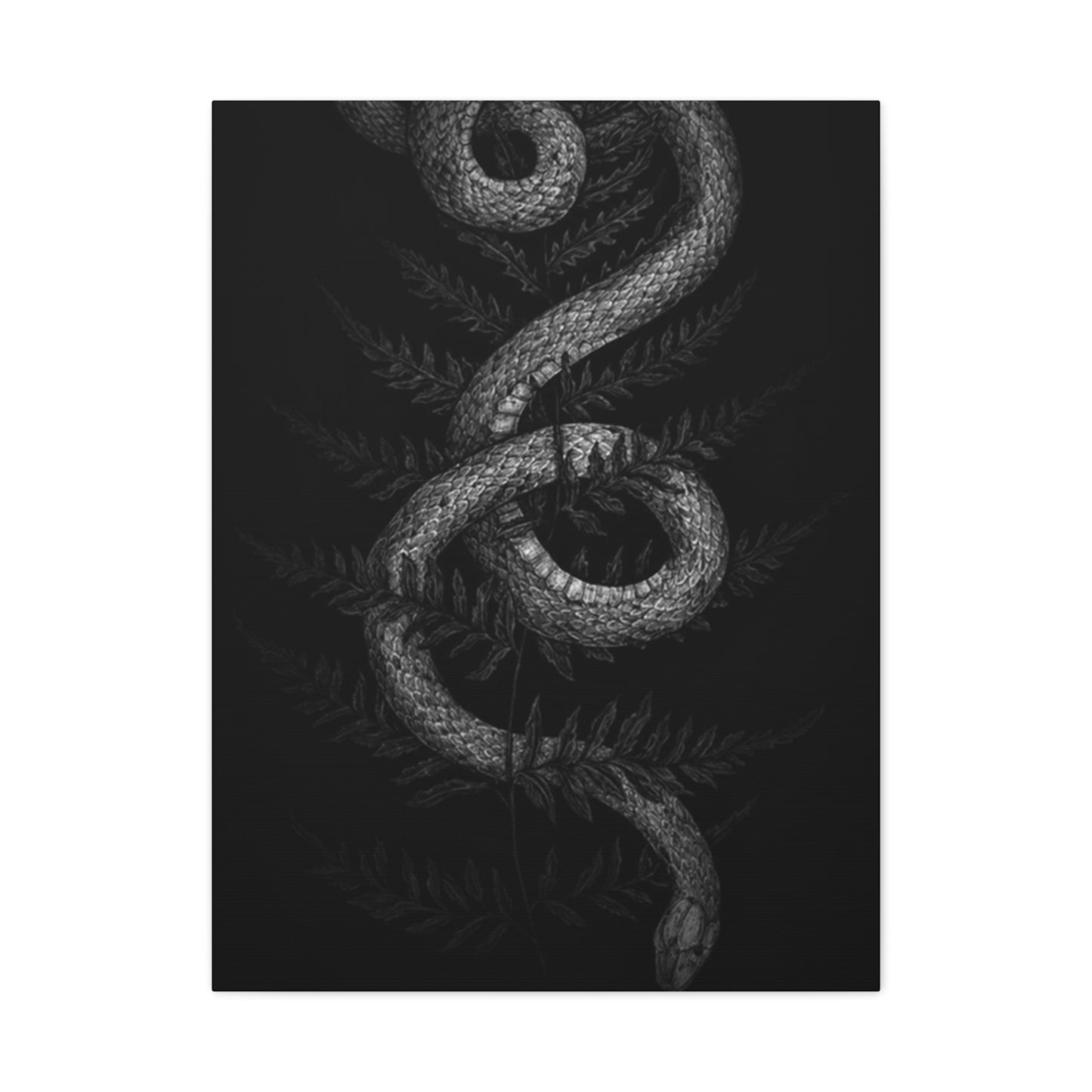
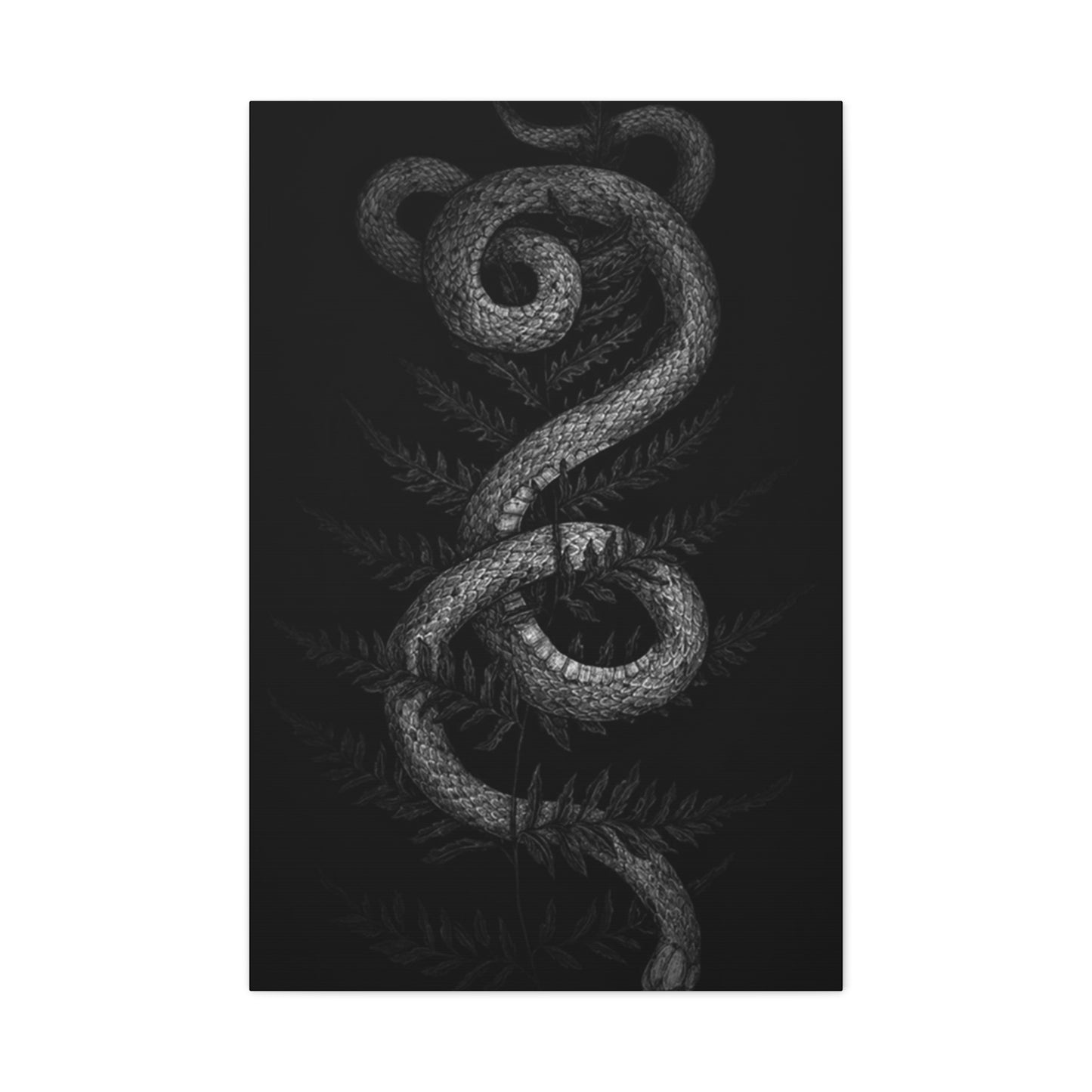
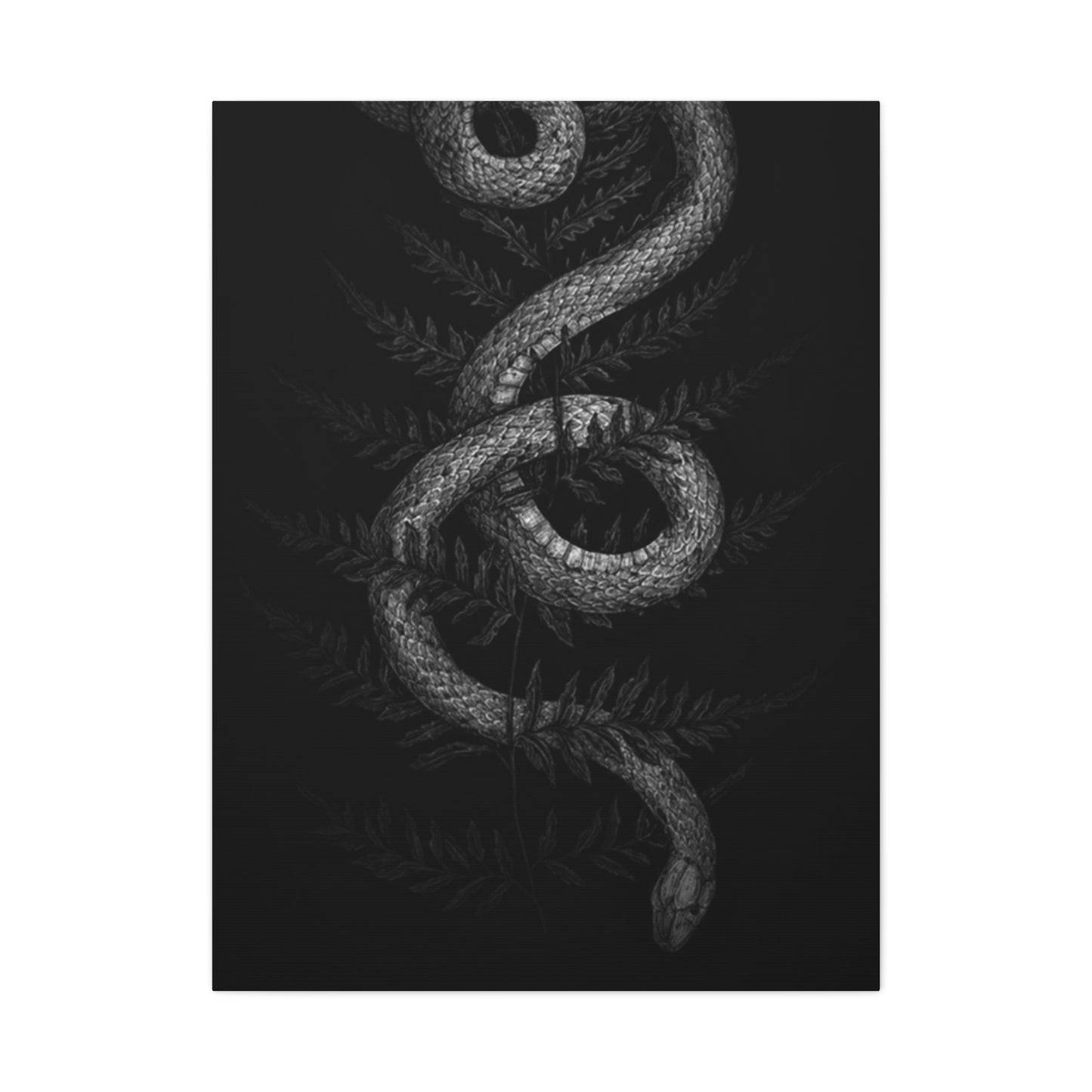
White Cobra Wall Art: Elevate Your Living Space with Serpentine Elegance and Mystical Power
The captivating allure of white cobra wall art has emerged as one of the most sought-after design elements in contemporary interior decoration. This striking artistic representation combines the raw power of nature with sophisticated aesthetic appeal, creating focal points that command attention in any room. White cobras symbolize transformation, protection, and spiritual awakening across various cultures, making them perfect subjects for artwork that transcends mere decoration. The pristine white coloring adds an element of purity and elegance that contrasts beautifully with the cobra's inherently fierce nature. Homeowners, designers, and art enthusiasts have increasingly recognized how these pieces can dramatically alter the atmosphere of a space, infusing it with mystery, strength, and exotic beauty.
Whether rendered in minimalist line drawings, detailed photorealistic paintings, or abstract interpretations, white cobra wall art offers versatility that suits diverse design philosophies from modern minimalism to bohemian eclecticism. The serpent's graceful curves and intimidating hood create dynamic visual interest that draws the eye and stimulates conversation. Beyond aesthetic value, these artworks carry deep symbolic meanings that resonate with individuals seeking to express their personal philosophy through their living environment. This exploration will reveal how white cobra wall art can revolutionize your interior spaces while reflecting your unique personality and design sensibilities.
The Symbolic Significance of Cobras in Various Cultures
Cobras have occupied prominent positions in human consciousness throughout recorded history, serving as powerful symbols in mythology, religion, and cultural traditions worldwide. Ancient Egyptian civilization revered the cobra as a divine protector, with the uraeus symbol representing sovereignty and divine authority worn by pharaohs on their crowns. The serpent's ability to kill with a single strike made it a fitting emblem of power that could defend against enemies both physical and spiritual. In Hindu tradition, the cobra holds sacred status as the vehicle of Lord Shiva, representing both destruction and regeneration in the eternal cycle of existence. Nagas, serpent deities in South Asian mythology, govern water sources, fertility, and prosperity, embodying the life-giving forces of nature. Buddhist iconography frequently depicts cobras sheltering the Buddha during meditation, symbolizing protection, spiritual awakening, and enlightenment.
The white cobra specifically carries enhanced significance, representing purity, transcendence, and rare spiritual attainment. Greek mythology associated serpents with Asclepius, the god of medicine and healing, a connection that persists in modern medical symbols. Native American traditions view snakes as symbols of transformation due to their skin-shedding ability, representing renewal and rebirth. African cultures attribute wisdom, cunning, and primal life force to serpents, recognizing their role in creation myths. Chinese symbolism connects snakes with wisdom, mystery, and divine feminine energy. This rich tapestry of meanings allows white cobra wall art to serve as more than decoration, becoming a statement piece that communicates profound philosophical and spiritual concepts. When you incorporate such artwork into your home, you tap into millennia of human fascination with these magnificent creatures, adding layers of meaning that extend beyond visual appeal.
Material Choices for White Cobra Wall Art
The materials used to create and present white cobra wall art significantly influence both visual impact and longevity, requiring careful consideration during selection. Canvas prints remain the most popular option, offering excellent color reproduction, texture that mimics traditional painting, and affordable price points across size ranges. Gallery-wrapped canvas creates frameless presentations where the image extends around side edges, producing modern, clean appearances suitable for contemporary spaces. Stretched canvas with decorative frames provides traditional elegance, allowing coordination with existing architectural details and furniture pieces through frame material and finish selection. Metal prints have gained popularity for their exceptional durability, vibrant color saturation, and unique luminescent quality as light reflects off the aluminum surface, creating almost three-dimensional depth particularly effective with white subjects against darker backgrounds.
Acrylic glass presentations protect artwork behind clear panels that add glossy, high-end finishes while enhancing color vibrancy and providing superior resistance to moisture and fading. Wood panels and reclaimed timber offer organic warmth and rustic character, with the wood grain adding natural texture that complements the organic subject matter beautifully. Direct printing on wood creates integrated pieces where artwork and substrate merge, perfect for bohemian, farmhouse, or eclectic design schemes. Paper prints remain classic choices for those preferring traditional artistic mediums, available in various weights, textures, and finishes from matte to glossy, typically requiring protective glass and quality frames. Fabric tapestries introduce textile qualities with soft, flowing characteristics suited to casual spaces, offering easy installation and portability for renters or frequent redecorators.
Vinyl wall decals provide temporary solutions with clean application and removal, ideal for those wanting flexibility or commitment-free experimentation. Hand-painted originals on canvas or board offer unique, one-of-a-kind pieces with visible brushstrokes and artistic personality that mass-produced prints cannot replicate, commanding higher prices but delivering unmatched authenticity. Ceramic tiles enable incorporation into architectural elements like backsplashes or feature walls, creating permanent installations that withstand moisture-prone environments. Each material choice carries implications for appropriate placement locations, maintenance requirements, expected lifespan, and overall aesthetic contribution to your space.
Color Schemes and Combinations with White Cobra Art
Strategic color coordination between white cobra wall art and surrounding environmental elements maximizes visual harmony while allowing the artwork to achieve its full dramatic potential. Monochromatic schemes using various shades and tints of single colors create sophisticated, cohesive atmospheres where white cobra art serves as a focal anchor without competing with surrounding elements. Gray tones ranging from charcoal to pale silver complement white cobra subjects beautifully, establishing modern elegance with sufficient contrast to prevent washed-out appearances. Black and white combinations produce timeless drama, with high contrast creating bold statements perfect for contemporary, minimalist, or industrial design contexts.
Navy blue backgrounds or accent walls provide rich, dignified settings that make white cobra imagery appear luminous and striking, working particularly well in traditional or transitional spaces. Deep emerald and forest greens create natural, organic pairings that honor the cobra's connection to wilderness while the white subject prevents the palette from becoming too heavy or dark. Warm neutrals including beige, tan, and cream establish gentle, welcoming environments where white cobra art introduces necessary visual interest without disrupting tranquil atmospheres. Metallic accents in gold, brass, or copper add luxury and sophistication, creating elegant compositions particularly effective when the artwork includes corresponding metallic elements in frames or design details. Jewel tones like sapphire, amethyst, and ruby provide opulent backdrops that make white cobra subjects appear precious and exotic, suited to maximalist or globally-inspired design schemes.
Earth tones including terracotta, rust, and ochre generate warmth and grounding, connecting interior spaces with natural elements while white cobra art provides striking contrast. Pastel palettes featuring soft pink, lavender, or mint introduce unexpected gentleness that creates intriguing tension with the cobra's fierce nature, perfect for eclectic or feminine spaces seeking balance between strength and softness. Contrasting color placement through pillows, rugs, or decorative objects establishes visual connections between the artwork and room elements, creating intentional, designed appearances rather than haphazard arrangements. Understanding color theory principles including complementary, analogous, and triadic relationships allows you to make informed decisions that enhance both the artwork and the broader interior environment.
Ideal Room Placements for Maximum Visual Impact
Strategic positioning of white cobra wall art within specific rooms significantly affects both the artwork's visual impact and the psychological atmosphere of the space. Living rooms benefit from cobra art placed above sofas or entertainment centers, creating commanding focal points that establish room personality and stimulate conversation among guests. The communal nature of living spaces makes them ideal for artwork carrying deeper meanings that can inspire discussion and connection. Dining rooms accommodate cobra art beautifully on walls visible from the table, adding exotic sophistication to meal experiences while the cobra's association with transformation and renewal aligns symbolically with nourishment and sustenance. Home offices gain motivational energy from cobra imagery, with the serpent's associations with wisdom, protection, and power supporting professional endeavors and ambitious pursuits.
Positioning artwork at eye level when seated ensures optimal viewing during work hours. Bedrooms require careful consideration, as cobra imagery introduces active energy that may prove too stimulating for some individuals seeking restful environments, though others find the protective symbolism comforting and the white coloring sufficiently calming. Placement opposite the bed allows viewing upon waking, setting intentional tones for the day ahead. Entryways and foyers benefit from cobra art creating memorable first impressions that communicate homeowner personality before visitors penetrate deeper into private spaces. The protective symbolism makes entrance placement particularly appropriate, positioning the cobra as a spiritual guardian. Meditation rooms, yoga studios, or spiritual practice spaces harmonize perfectly with cobra symbolism relating to kundalini energy, spiritual awakening, and enlightenment, supporting contemplative activities and inner work.
Hallways and transitional spaces utilize cobra art to transform otherwise neglected areas into gallery-like experiences, with the serpent's transformation symbolism particularly appropriate for liminal spaces between rooms. Bathrooms can accommodate cobra art when sealed properly against moisture, with the water element connecting to nagas and serpent deities associated with aquatic realms in various mythologies. Game rooms, entertainment spaces, and casual gathering areas embrace cobra art for its conversation-starting qualities and bold visual presence that matches the energetic purposes of such rooms. Commercial applications including restaurants, hotels, wellness centers, and retail environments deploy cobra art to establish distinctive brand identities and memorable atmospheric experiences that differentiate businesses from competitors.
Creating Gallery Walls with White Cobra Art
Gallery wall arrangements incorporating white cobra art alongside complementary pieces create sophisticated, curated collections that elevate entire rooms beyond what single artworks achieve. Thematic cohesion through natural subjects including botanical prints, wildlife photography, or landscape scenes establishes unified collections where cobra art serves as the dramatic centerpiece surrounded by supporting pieces. Alternatively, galleries mixing animal species create Noah's Ark effects celebrating biodiversity and natural world beauty. Stylistic consistency through matching artistic approaches, whether photorealistic, abstract, minimalist, or illustrative, produces professional, intentional appearances avoiding the chaotic feel of randomly assembled collections. Color coordination ensures all gallery components share palette connections, with the white cobra providing a unifying element if surrounding pieces incorporate white subjects, backgrounds, or accent details.
Varying frame styles and finishes adds visual interest while maintaining some unifying elements, perhaps through consistent metallic tones or wood species, preventing monotony while avoiding complete chaos. Size variation creates dynamic, engaging arrangements where larger focal pieces anchor compositions while smaller works fill surrounding areas, with the white cobra typically occupying the dominant position. Symmetrical layouts appeal to traditional sensibilities and orderly personalities, arranging pieces in balanced, geometric patterns with mirror-image sides creating formal elegance. Asymmetrical arrangements suit contemporary and eclectic tastes, positioning pieces in organic, flowing patterns that feel collected over time rather than designed in single moments. Grid patterns organize multiple same-sized pieces in aligned rows and columns, creating modern, clean appearances particularly effective with series of related cobra images showing different poses or artistic treatments.
Salon-style hangings mix various sizes, subjects, and frames in dense, overlapping arrangements extending from floor nearly to ceiling, creating maximalist, bohemian, or traditional European manor aesthetics. Horizontal rows work well above low furniture pieces, creating visual connections between artwork and functional elements. Vertical columns draw eyes upward, making rooms feel taller while suiting narrow wall spaces. Incorporating three-dimensional elements like sculptural shelves, mirrors, or actual objects breaks potential monotony of flat surfaces, adding depth and functional variety. Planning tools including paper templates, digital apps, or floor-based trial arrangements allow experimentation before committing to nail holes, ensuring satisfactory compositions. The white cobra should occupy the visual weight center, positioned where eyes naturally land first, with surrounding pieces supporting rather than competing with this primary focal point.
White Cobra Art in Commercial and Public Spaces
Business environments increasingly recognize how white cobra wall art contributes to brand identity, atmospheric experience, and memorable customer impressions that differentiate establishments from competitors. Luxury hotels deploy cobra art in lobbies and suites to convey exotic sophistication and worldly elegance, with the creature's protective symbolism subconsciously reassuring guests. Boutique accommodations use distinctive artistic choices including cobra subjects to establish unique personalities that appeal to design-conscious travelers seeking experiences beyond generic chain stays. High-end restaurants incorporate cobra art to create dramatic, conversation-worthy environments where dining becomes experiential entertainment, with the exotic imagery transporting patrons psychologically even while remaining stationary.
Wellness centers, yoga studios, and meditation spaces embrace cobra symbolism connected to kundalini energy, spiritual awakening, and inner power, creating atmospheres that support transformational practices. Spa environments benefit from the calming white coloring while the cobra form maintains visual interest preventing spaces from becoming sterile or clinical. Fitness centers use cobra imagery to inspire strength, flexibility, and determination, with the powerful predator serving as motivational iconography encouraging members to pursue their potential. Corporate offices seeking to project confidence, strategic thinking, and protective power toward clients integrate cobra art in reception areas and conference rooms, creating subtle psychological impacts during business interactions. Creative agency spaces embrace bold cobra art as expressions of innovative thinking and artistic courage, establishing environments that inspire unconventional solutions.
Medical offices can appropriately incorporate cobra art given the serpent's ancient associations with healing through Asclepius and the caduceus symbol, connecting modern practice with historical medical traditions. Retail environments use cobra art to establish brand personalities, particularly for businesses emphasizing luxury, exoticism, or transformational products and services. Nightclubs and entertainment venues deploy dramatic cobra imagery illuminated with specialty lighting to create immersive, memorable environments that enhance social media shareability and word-of-mouth marketing. Museum and gallery spaces incorporate cobra art within broader exhibitions exploring natural history, cultural symbolism, or artistic interpretations of animal subjects. Libraries and educational institutions use cobra artwork to stimulate curiosity about natural science, world cultures, and symbolic thinking.
Caring for and Maintaining White Cobra Wall Art
Proper maintenance practices extend the lifespan and preserve the appearance of white cobra wall art, protecting your aesthetic and financial investment over decades. Dust accumulation represents the most common maintenance concern, requiring regular gentle cleaning using soft, lint-free microfiber cloths, feather dusters, or specialized art cleaning brushes that remove particles without scratching surfaces. Canvas and fabric pieces benefit from periodic vacuuming on lowest suction settings using brush attachments that lift dust from textured surfaces. Glass and acrylic covered pieces should be cleaned with appropriate glass cleaners or simply water and mild soap, avoiding ammonia-based products that can damage some coatings, applying solution to cloths rather than directly on artwork to prevent liquid seepage behind glass. Metal prints require only occasional wiping with damp cloths, as their durable surfaces resist most common household contaminants.
Wood substrates need specialized wood cleaners or simple dry dusting, with occasional conditioning using appropriate oils or waxes maintaining finish integrity. UV exposure causes gradual fading and deterioration, making window positioning crucial, ideally hanging artwork perpendicular to rather than directly opposite windows, or implementing UV-filtering glass, acrylic glazing, or window films. Humidity control prevents mold, mildew, and material warping, maintaining relative humidity between forty and fifty percent through dehumidifiers in damp climates or humidifiers in dry environments. Temperature stability prevents expansion and contraction that can damage substrates and mounting systems, avoiding placement near heating vents, radiators, fireplaces, or air conditioning ducts. Artwork should never hang above heat-generating electronics or appliances. Regular inspections identify developing problems before they become severe, checking for fading, discoloration, frame damage, mounting failures, or pest intrusion that requires professional intervention.
Professional cleaning services become necessary for valuable pieces or when DIY methods prove insufficient, with conservators trained in proper techniques for various materials and artistic media. Reframing may eventually become necessary as frames deteriorate or style preferences evolve, providing opportunities to refresh presentations without replacing artwork itself. Storage of temporarily unused pieces requires careful preparation including protective wrapping with acid-free materials, positioning in climate-controlled areas away from direct floor contact, and vertical storage preventing warping. Insurance documentation through photographs and appraisals protects financial investments while facilitating replacement if pieces are damaged or stolen. Avoiding smoking near artwork prevents nicotine staining that gradually yellows white areas. Kitchen placement requires consideration of grease and moisture exposure that gradually accumulates even distant from cooking surfaces.
Choosing the Right Artist or Retailer
Selecting appropriate sources for white cobra wall art significantly affects both the quality of pieces acquired and the overall purchasing experience. Original artworks from individual artists provide unique, one-of-a-kind pieces with personal artistic voices and investment potential, typically found through gallery representations, art fair exhibitions, artist websites, or social media platforms where creators directly market their work. Commissioning custom pieces allows precise specification of dimensions, color palettes, artistic styles, and compositional elements ensuring perfect alignment with your vision and space requirements. Print-on-demand services offer affordable access to vast artwork libraries with customization options for sizes, materials, and framing, though quality varies significantly between providers requiring research into printing processes, material specifications, and customer reviews.
Established art retailers including gallery chains and specialty shops provide curated selections with knowledgeable staff offering design guidance, though typically at premium prices reflecting overhead costs. Online marketplaces aggregate thousands of artists and vendors creating overwhelming choice requiring careful quality verification through seller ratings, return policies, and production specifications. Handmade craft platforms connect buyers directly with artisans creating smaller production runs with personal attention and unique artistic touches often absent from mass-produced alternatives. Home decor chains offer budget-friendly options in current styles reflecting mainstream tastes, suitable for temporary solutions or trend-following rather than timeless investment pieces. Auction houses and estate sales occasionally present opportunities to acquire valuable pieces below retail, though requiring specialized knowledge to authenticate and evaluate condition accurately.
Artist cooperatives and local studio tours provide opportunities to meet creators personally, understanding their processes and philosophies while supporting local artistic communities. Licensing considerations affect usage rights particularly for commercial applications, with personal home use typically unrestricted but business display potentially requiring licensing agreements. Authentication verification becomes crucial for works attributed to known artists, requiring certificates, expert appraisals, or provenance documentation establishing legitimate origin. Return policies provide crucial protection given the subjective nature of aesthetic preferences and frequent color rendering differences between digital previews and physical products. Production timelines vary dramatically from immediate digital purchases to months-long waits for custom commissions or overseas manufacturing. Shipping methods affect both cost and arrival condition, with proper packaging using corner protectors, moisture barriers, and adequate cushioning materials preventing damage during transit. International purchases introduce customs duties, extended delivery times, and complicated return logistics requiring careful cost-benefit analysis.
DIY Projects and Customization Ideas
Creative individuals can develop personalized white cobra wall art through accessible do-it-yourself approaches that express unique artistic visions while controlling costs. Hand painting canvases using acrylic or oil paints allows complete creative control, with stencils, projectors, or grid methods transferring reference images for those less confident in freehand drawing abilities. Watercolor techniques create ethereal, flowing interpretations emphasizing the cobra's graceful movement through wet-on-wet applications and careful white space preservation. Digital art creation using tablets and software programs enables endless experimentation without material waste, producing final files printable through various services in desired sizes and substrates. Photo manipulation transforms existing cobra photographs through filters, color adjustments, and composite techniques creating unique interpretations from documentary sources.
Collage approaches assemble magazine clippings, photographs, textured papers, and found materials creating mixed media pieces with dimensional interest and personal symbolic meaning. Stencil art using cut templates and spray paint produces graphic, street-art aesthetics with bold impact particularly effective for large-scale installations. Relief carving into wood panels creates tactile, three-dimensional cobra representations casting dramatic shadows under proper lighting. Resin art incorporates cobra imagery within translucent colored resin pours creating glossy, dimensional pieces with fluid, organic qualities. Fabric arts including embroidery, appliqué, or fabric painting transform textiles into unique wall hangings with soft, approachable qualities. String art constructs cobra outlines through nail patterns connected with colored thread or wire, creating geometric interpretations with contemporary appeal.
Wood burning techniques etch cobra designs into pale wood surfaces, with shading achieved through burn depth and density variations. Mosaic projects assemble small tiles, glass pieces, or broken pottery into cobra compositions, creating textured, light-catching surfaces with ancient artistic heritage. Found object assemblage constructs cobra forms from repurposed materials including driftwood, metal scraps, or natural elements, creating environmentally conscious art with unique character. Transfer techniques move printed images onto various surfaces including canvas, wood, or fabric through gel mediums or heat applications. Paint pouring creates abstract backgrounds in which cobra silhouettes or stencils create negative space compositions. Spray paint art develops atmospheric backgrounds with stenciled cobra forms creating striking contrasts. Customizing purchased prints through hand-embellishment adds personal touches making mass-produced pieces unique, applying paint details, gold leaf accents, or additional collage elements.
White Cobra Art as Investment Pieces
Strategic artwork acquisition can provide both aesthetic enjoyment and financial appreciation, though art investment requires careful consideration and specialized knowledge. Original works from emerging artists present affordable entry points with appreciation potential as artists gain recognition and career momentum, requiring research into educational backgrounds, exhibition histories, gallery representations, and critical reception. Established artists with proven track records and consistent market demand offer more predictable value retention though at significantly higher acquisition costs. Limited edition prints from notable artists maintain collectible status with numbered, signed certificates authenticating legitimate production runs, retaining value better than open edition reproductions. Provenance documentation establishing ownership history and authenticity becomes crucial for investment-grade pieces, with gaps or questions diminishing value and marketability.
Condition dramatically affects artwork value, with proper maintenance, storage, and conservation preventing deterioration that reduces market appeal and monetary worth. Artist reputation encompasses critical acclaim, museum collections, major exhibition participation, and art market performance tracked through auction results and gallery sales. Cultural significance of cobra subjects may enhance long-term value as institutions seek works representing diverse global perspectives and natural world subjects amid growing environmental consciousness. Rarity increases desirability and value, with unique originals commanding premiums over reproductions regardless of artistic merit. Market trends influence artwork values with cyclical preferences favoring different subjects, styles, and artists over time, requiring long-term perspectives rather than speculative short-term approaches.
Combining White Cobra Art with Live Plants
Strategic pairing of white cobra wall art with living botanical elements creates dynamic, nature-inspired environments that honor the serpent's wild origins while introducing organic vitality. Tropical foliage including monstera, bird of paradise, and banana plants establishes jungle atmospheres contextualizing cobra subjects within appropriate natural habitats, creating immersive environments that transport occupants to exotic locations. Snake plants provide delightfully appropriate botanical companions, their vertical, blade-like leaves echoing serpentine movement while the common name creates thematic connections. These hardy succulents require minimal care while offering architectural presence and air-purifying benefits. Hanging pothos, philodendron, or string of pearls creates cascading greenery framing cobra art while the trailing vines introduce movement suggesting serpent motion.
Palm varieties ranging from parlor palms to majesty palms contribute tropical authenticity and vertical interest without overwhelming spaces with excessive foliage. Ferns including Boston, maidenhair, and bird's nest varieties provide lush, organic textures softening cobra art's intensity while introducing humidity-loving species that thrive in bathroom placements alongside serpent imagery. Orchids offer exotic elegance with architectural blooms complementing rather than competing with cobra focal points, their epiphytic nature allowing creative mounting options including wall installations near artwork. Bamboo's cultural associations with Asian traditions where cobra symbolism originates creates meaningful combinations while the plant's vertical growth and rustling leaves add sound and movement dimensions. Succulent arrangements provide low-maintenance options with sculptural qualities and color variations from deep greens to silvery blues complementing white cobra subjects.
Flowering plants including peace lilies, anthuriums, or bromeliads introduce color pops that can coordinate with room palettes while maintaining tropical aesthetics appropriate to cobra habitats. Air plants mounted on driftwood or in geometric holders create contemporary botanical displays requiring minimal space and care while adding organic elements softening modern interiors. Herb gardens combining culinary and ornamental purposes bring life and functionality to kitchens featuring cobra art, with varieties like basil, mint, and lemongrass offering aromatic dimensions. Terrarium installations house miniature ecosystems behind glass, creating self-contained tropical environments that complement cobra art themes while requiring minimal maintenance. Vertical gardens and living walls transform entire surfaces into botanical tapestries, positioning cobra art as focal points within broader nature-inspired designs. Plant placement should consider artwork visibility, avoiding positions where foliage obscures important compositional elements or creates awkward visual conflicts.
White Cobra Art in Bedroom Environments
Bedroom placement of white cobra wall art requires special consideration given the space's primary function as rest and rejuvenation sanctuary, with the serpent's active energy requiring thoughtful integration. Protective symbolism associated with cobras provides psychological comfort for some individuals, creating subconscious guardianship sensations that promote secure, peaceful sleep. The cobra positioned as symbolic sentinel watching over vulnerable sleepers appeals to those valuing safety and protection. White coloring provides essential calming counterbalance to the cobra's inherent intensity, introducing serenity and purity associations that soften potentially stimulating imagery. Positioning considerations affect energy flow, with artwork placed opposite the bed allowing viewing upon waking, setting intentional daily tones emphasizing transformation, wisdom, or personal power. Placement above the headboard creates overhead guardianship while utilizing otherwise empty wall space, though some feng shui practitioners discourage heavy objects above beds regardless of symbolic content.
Side wall positions maintain visual access without dominant overhead presence, creating more subtle environmental influences. Artistic style selection dramatically impacts bedroom appropriateness, with photorealistic aggressive poses potentially overstimulating while minimalist line drawings or watercolor interpretations maintain thematic presence without overwhelming intensity. Abstract representations preserve symbolic meaning while reducing literal ferocity, creating intellectual rather than visceral responses more compatible with relaxation. Scale considerations suggest smaller, more intimate pieces suit bedrooms better than commanding large installations, creating personal connections without dominating sanctuaries intended for peace. Color coordination becomes particularly important in bedrooms, with the white cobra complementing popular bedroom palettes including soft blues, calming greens, warm neutrals, and sophisticated grays. Accent elements incorporating artwork colors throughout bedding, pillows, curtains, or decorative objects create cohesive designs where cobra art integrates rather than intrudes.
Personal response varies dramatically among individuals, with some finding serpent imagery inspiring and protective while others experience discomfort or stimulation preventing relaxation, requiring honest self-assessment regarding appropriate artwork choices. Partner considerations necessitate discussions ensuring both occupants find cobra imagery acceptable and pleasant, as individual artwork preferences should never override shared space harmony. Guest bedroom applications might avoid potentially controversial serpent subjects unless guests specifically share these aesthetic interests, maintaining welcoming neutral environments suitable for varied sensibilities. Lighting control in bedrooms affects cobra art impact significantly, with dimmer switches allowing intensity adjustments from bright daytime display to subdued evening ambiance supporting circadian rhythms and sleep preparation. Blackout options ensuring complete darkness despite illuminated artwork might require strategic placement away from bed sight lines.
The Evolution of Serpent Imagery in Art History
Serpent representations throughout art history provide rich context informing contemporary white cobra wall art appreciation and interpretation. Prehistoric cave paintings dating to paleolithic periods include serpentine forms among earliest documented artistic expressions, suggesting fundamental human fascination with these creatures predating written language. Ancient Mesopotamian cylinder seals frequently depicted serpents entwined with deities and cosmic symbols, establishing visual languages connecting snakes with divine power and mystical knowledge. Egyptian tomb paintings and temple reliefs portrayed cobras extensively, with uraeus symbols appearing on virtually all pharaonic regalia alongside elaborate serpent deity representations including Wadjet and Apophis. Greek pottery and sculpture incorporated serpents into mythological narratives, with Medusa's snake hair creating iconic imagery persisting through millennia alongside Asclepius's healing staff.
Roman mosaics included serpent motifs in both decorative borders and narrative scenes, continuing classical traditions while adding distinctly Roman interpretations. Medieval European art largely demonized serpents through biblical Garden of Eden associations, though medical texts maintained positive serpent symbolism from classical sources. Renaissance artists revived classical serpent appreciation, incorporating creatures into allegorical compositions representing wisdom, healing, and natural philosophy. Baroque and Rococo periods deployed serpents as dramatic compositional elements within mythological and religious scenes, emphasizing movement and emotional intensity. Romantic era artists embraced serpents as sublime nature representatives, embodying both beauty and terror in works celebrating natural world power.
Academic art traditions included serpents in orientalist paintings romanticizing Eastern cultures where cobra veneration remained culturally prominent. Impressionist and post-impressionist movements occasionally featured serpents within broader natural subjects, though focusing more on visual effects than symbolic content. Art nouveau styling incorporated serpentine curves into decorative arts, with snake forms appearing in jewelry, poster designs, and architectural elements. Surrealist painters including Dali employed serpents as dream symbols and unconscious mind representatives, creating disturbing and fascinating imagery exploring psychological depths. Pop art occasionally appropriated serpent imagery within consumer culture critiques and mass media commentaries, stripping away traditional symbolism through repetition and commercial contexts.
Contemporary art embraces serpents across diverse movements from photorealism to complete abstraction, with environmental artists particularly drawn to reptile subjects amid biodiversity concerns. Indigenous and outsider artists maintain cultural serpent traditions while introducing personal visions, creating works that honor ancestral connections while expressing individual creativity. Digital art and new media expand serpent representation possibilities through animation, virtual reality, and interactive installations impossible in traditional media. This artistic evolution demonstrates sustained human engagement with serpent subjects across cultures, periods, and styles, validating contemporary cobra art as participation in ancient, ongoing artistic conversations.
Creating Themed Rooms Around White Cobra Art
Comprehensive room design built around white cobra wall art as central inspiration creates cohesive, immersive environments expressing unified visions. Jungle oasis themes establish tropical sanctuaries incorporating lush plant life, natural materials like rattan and bamboo, earth-toned textiles, and ambient sound elements including water features or nature recordings. The cobra art anchors these spaces as apex presence within created wilderness. Mystical meditation rooms combine cobra art with Eastern spiritual elements including Buddha statues, singing bowls, incense holders, floor cushions, and subdued lighting creating contemplative atmospheres supporting inner work. The serpent symbolizes kundalini awakening and spiritual protection within these sacred personal spaces. Modern zen aesthetics pair minimalist cobra line drawings with clean surfaces, neutral palettes, simple furniture forms, and strategic negative space emphasizing tranquility and mindful awareness.
The cobra provides necessary visual interest preventing sterility while maintaining overall calm. Gothic sanctuary themes embrace cobra darkness through deep colors, ornate frames, candlelight, velvet textiles, and Victorian-inspired furniture creating dramatic, romantic environments. White cobra art introduces unexpected contrast while maintaining a mysterious, powerful atmosphere. Natural history study designs position cobra art alongside botanical prints, geological specimens, vintage scientific illustrations, leather furniture, and rich wood tones creating scholarly environments celebrating natural world wonder. Global explorer themes incorporate cobra art with maps, travel photography, cultural artifacts, vintage luggage, and collected treasures from various locations creating worldly sophistication. The cobra represents exotic destinations and adventurous spirits. Desert modernism combines cobra art with southwestern palettes, sand and terra cotta tones, succulent gardens, geometric patterns, and mid-century furniture celebrating arid landscape beauty.
Bohemian sanctuary designs layer cobra art with colorful textiles, mixed patterns, floor pillows, hanging plants, and collected global treasures creating eclectic, creative environments. Luxury spa atmospheres position cobra art within serene spaces featuring soft lighting, plush textiles, essential oil diffusers, calming colors, and minimalist elegance promoting relaxation. The white cobra adds protective presence without disrupting peaceful energy. Artistic studio environments embrace cobra art alongside creative supplies, inspiration boards, bold colors, and personal works-in-progress celebrating creative processes. The cobra symbolizes creative power and transformational artistic work. Dark academia themes combine cobra art with book collections, antique globes, leather accents, moody lighting, and rich jewel tones creating intellectual, slightly mysterious spaces. Each themed approach demonstrates how cobra art adapts to diverse visions while providing strong foundational elements around which comprehensive designs develop.
White Cobra Art in Bathroom Spaces
Bathroom environments present unique opportunities and challenges for white cobra wall art requiring specialized consideration regarding moisture, symbolic appropriateness, and design integration. Moisture resistance becomes paramount in bathrooms where humidity and direct water exposure threaten unprotected artwork, requiring sealed materials including metal prints, properly protected canvas with water-resistant coatings, or vinyl decals designed for humid environments. Placement away from direct shower spray while maintaining visibility balances practical protection with aesthetic enjoyment. Symbolic water connections make bathrooms particularly appropriate for cobra art given naga serpent deities governing water realms in various mythologies, creating thematic harmony between artwork subject and room function. Transformation symbolism associated with both serpents and water as cleansing, renewing elements creates layered meaning elevating simple bathrooms into mindful spaces.
Privacy considerations affect artwork selection, with some preferring gentle imagery in vulnerable bathing spaces while others embrace bold choices since bathrooms receive limited guest visibility. Personal sanctuaries benefit from authentic expression regardless of others' potential opinions. Small bathroom dimensions require careful size selection, with compact spaces benefiting from single striking piece rather than multiple smaller works competing for limited wall real estate. Vertical orientations particularly suit narrow bathroom walls common in powder rooms and guest baths. Spa-like atmospheres incorporate cobra art alongside natural materials, plants, soft lighting, quality linens, and calming colors creating resort-quality experiences within residential spaces. The cobra adds exotic luxury without requiring excessive decoration. Modern minimal bathrooms embrace simple cobra line drawings or abstract interpretations maintaining clean aesthetics while introducing personality preventing sterile clinical feelings.
Vintage or eclectic bathrooms layer cobra art with collected objects, patterned tiles, ornate mirrors, and mixed metal finishes creating curated, personality-rich spaces. Proper ventilation through exhaust fans and window circulation minimizes artwork moisture exposure regardless of protection level, extending piece longevity significantly. Framing choices should prioritize sealed backs preventing moisture intrusion behind artwork, with aluminum and plastic frames resisting bathroom humidity better than wood which can warp or deteriorate over time. Acrylic glazing protects better than traditional glass in bathrooms, combining moisture resistance with shatter-safe properties important in potentially slippery environments. Bathroom lighting affects artwork appearance significantly, with bright task lighting around mirrors creating different effects than soft ambient illumination, requiring placement considerations ensuring artwork receives flattering illumination. Backlit mirrors or LED strip lighting adds contemporary luxury while highlighting cobra art dramatically.
Pairing White Cobra Art with Other Animal Subjects
Creating animal-themed galleries or collections incorporating white cobra art alongside other creature subjects produces cohesive, nature-celebrating environments with varied interpretations. Predator collections grouping cobra art with big cats, raptors, wolves, or sharks creates power-themed displays celebrating nature's apex hunters and survival mastery. These commanding assemblages suit bold personalities and spaces benefiting from strong, confident energy. Reptile and amphibian groupings position cobras with lizards, turtles, frogs, or crocodilians creating herpetology-inspired collections appealing to nature enthusiasts and those fascinated by cold-blooded creatures. Desert fauna combinations pair cobras with scorpions, camels, roadrunners, or desert foxes creating arid ecosystem representations celebrating harsh environment adaptation. Jungle biodiversity collections surround cobra art with monkeys, parrots, jaguars, and tropical insects creating rainforest celebrations honoring Earth's most biologically rich habitats.
Black and white animal photography creates sophisticated monochromatic galleries where white cobra art fits seamlessly alongside elephants, zebras, pandas, or penguins emphasizing form, texture, and composition over color. Mythological creature combinations position cobras with dragons, phoenixes, griffins, or unicorns creating fantasy-inspired collections blurring boundaries between natural and imaginary. Endangered species awareness galleries feature cobras alongside rhinos, tigers, sea turtles, or polar bears creating conservation-minded displays raising environmental consciousness. Exotic pet appreciation collections celebrate unusual animal companions, pairing cobras with iguanas, tarantulas, or tropical fish appealing to alternative pet owners.
Symbolic animal assemblages group creatures representing specific qualities, combining cobra wisdom and transformation with owl intelligence, eagle vision, lion courage, or butterfly rebirth creating personal philosophy expressions through animal metaphors. Evolution and adaptation themed galleries trace reptilian development or predator evolution, positioning cobras within broader biological narratives celebrating life's diversity. Contrasting pairs create dynamic tensions through opposites, placing cobra danger against rabbit innocence, serpent earthiness against bird transcendence, or cold-blooded reptiles against warm-blooded mammals highlighting nature's variety. Similar color scheme groupings assemble white or pale animals including arctic foxes, snowy owls, white horses, or polar bears creating ethereal collections emphasizing purity and rarity. Each pairing approach generates different emotional and intellectual responses while maintaining cobra art as integral collection component rather than isolated element.
White Cobra Art in Commercial Branding
Businesses increasingly recognize how distinctive artwork including white cobra subjects contributes to brand identity, customer experience, and market differentiation. Visual identity cohesion positions cobra art as brand personality expression, with serpent imagery particularly effective for businesses emphasizing transformation, wisdom, protection, luxury, or exotic appeal. Fitness centers and wellness businesses leverage cobra strength and flexibility symbolism, creating motivational environments supporting client goals while the transformation associations align with personal improvement missions. Luxury retailers including jewelry stores, fashion boutiques, or home décor showrooms deploy cobra art establishing sophisticated, worldly brand positioning that justifies premium pricing and attracts affluent customers. Restaurants and bars serving Asian, fusion, or exotic cuisines incorporate cobra art reinforcing culinary themes while creating Instagram-worthy environments encouraging social media sharing and organic marketing.
Hotels and resorts use cobra art in lobbies, restaurants, and guest rooms establishing memorable brand experiences that differentiate properties from generic chain accommodations, with serpent protection symbolism subconsciously reassuring guests. Spa and wellness centers embrace cobra spiritual associations, creating atmospheres supporting transformational healing and inner work while exotic imagery mentally transports clients from everyday stressors. Creative agencies, design studios, and artistic businesses display bold cobra art demonstrating creative confidence and innovative thinking, establishing visual brand languages communicating these qualities to potential clients during consultations. Security companies might appropriate cobra protective symbolism though requiring careful execution avoiding threatening imagery that could alienate rather than reassure.
Medical practices with holistic or alternative orientations leverage ancient serpent healing associations connecting modern practice with historical medical traditions predating contemporary pharmaceutical approaches. Yoga studios and meditation centers naturally incorporate cobra art given kundalini serpent energy associations with spiritual practice, creating thematically consistent environments supporting teachings. Retail environments benefit from cobra art creating distinctive shopping experiences, with unique artistic environments encouraging longer browsing times and enhanced brand recall compared to generic commercial spaces. Office reception areas deploy cobra art creating memorable first impressions communicating company personality, values, and sophistication before verbal interactions occur. Conference rooms featuring cobra art establish authoritative, commanding atmospheres suitable for important negotiations, presentations, or strategic planning sessions.
Consistent artistic styling across multiple business locations creates cohesive brand experiences, with signature cobra art pieces becoming recognizable brand elements similar to color schemes or logo treatments. Licensing considerations ensure proper rights for commercial display, potentially requiring artist permissions or purchasing commercial licenses separate from personal use artwork. Insurance coverage protects valuable art investments against theft or damage in commercial environments experiencing higher traffic and risk exposure than residential settings. Professional installation ensures secure mounting withstanding commercial environment demands, with earthquake zones or high-traffic areas requiring specialized hanging systems preventing accidents.
Addressing Snake Phobias Through Artistic Exposure
Ophidiophobia, the clinical fear of snakes, affects significant populations with estimates suggesting ten to fifteen percent of adults experience this specific phobia at some level. Controlled artistic exposure offers potential therapeutic applications, though severe phobias require professional mental health intervention beyond amateur attempts. Graduated exposure principles suggest beginning with highly stylized or abstract cobra representations bearing minimal resemblance to actual snakes, allowing phobic individuals to engage with serpent concepts without triggering full fear responses. Simple line drawings, geometric interpretations, or cartoonish styles maintain symbolic meanings while removing realistic threatening features including eyes, scales, and fangs that typically trigger reactions. Distance and size control enables careful approach, with small pieces viewed from across rooms providing sufficient safety distances for initial exposures, gradually decreasing distance as comfort increases over multiple sessions.
Black and white or minimalist presentations often prove less threatening than colorful realistic renderings, with reduced visual information creating psychological distance between viewer and subject. Educational framing positioning cobra art as learning opportunities rather than threats helps cognitive reappraisal, engaging rational brain functions that modulate emotional fear centers through factual information about ecological importance, behavior patterns, and statistical actual danger levels. Cultural and symbolic emphasis redirects attention from biological fear toward intellectual appreciation of serpent significance across human civilization, engaging different brain regions and emotional responses than those triggered by threat perception. Personal control over exposure timing and duration proves crucial, allowing individuals to approach or retreat according to comfort levels rather than forced confrontation causing traumatic intensification of existing fears.
Support person presence provides security during initial exposures, with trusted companions offering reassurance and grounding during uncomfortable moments. Relaxation techniques including deep breathing, progressive muscle relaxation, or mindfulness meditation practiced before and during exposure sessions help manage physiological stress responses including increased heart rate, sweating, or panic sensations. Positive association building connects cobra imagery with pleasant experiences, perhaps displaying artwork in favorite rooms, pairing viewing with enjoyable activities, or selecting pieces featuring beautiful artistic qualities beyond serpent subjects. Professional therapy approaches including cognitive behavioral therapy, exposure therapy, or EMDR specifically targeting ophidiophobia provide structured, evidence-based interventions substantially more effective than casual art exposure alone, though artistic elements might complement formal treatment.
Conclusion
White cobra wall art represents far more than simple decoration, offering profound opportunities to transform living and working environments while expressing personal philosophy, cultural appreciation, and aesthetic sensibility. These striking artistic pieces command attention through their powerful subject matter, drawing the eye and stimulating conversation while the white coloring introduces refinement and elegance that balances the cobra's inherent intensity. Throughout this extensive exploration, we have examined the multifaceted dimensions that make cobra artwork such compelling choices for contemporary spaces, from ancient symbolic meanings spanning global civilizations to psychological impacts affecting mood, energy, and subconscious responses.
The versatility of white cobra subjects across artistic styles, materials, and presentations ensures appropriate options exist for virtually any design philosophy, whether embracing minimalist modernism, maximalist bohemianism, traditional elegance, or eclectic individuality.Strategic placement considerations significantly enhance the effectiveness of cobra art, with thoughtful positioning in living rooms, offices, meditation spaces, or commercial environments maximizing both visual impact and symbolic resonance. The protective, transformational, and wisdom-oriented meanings associated with cobras across cultures provide rich layers of significance.


