







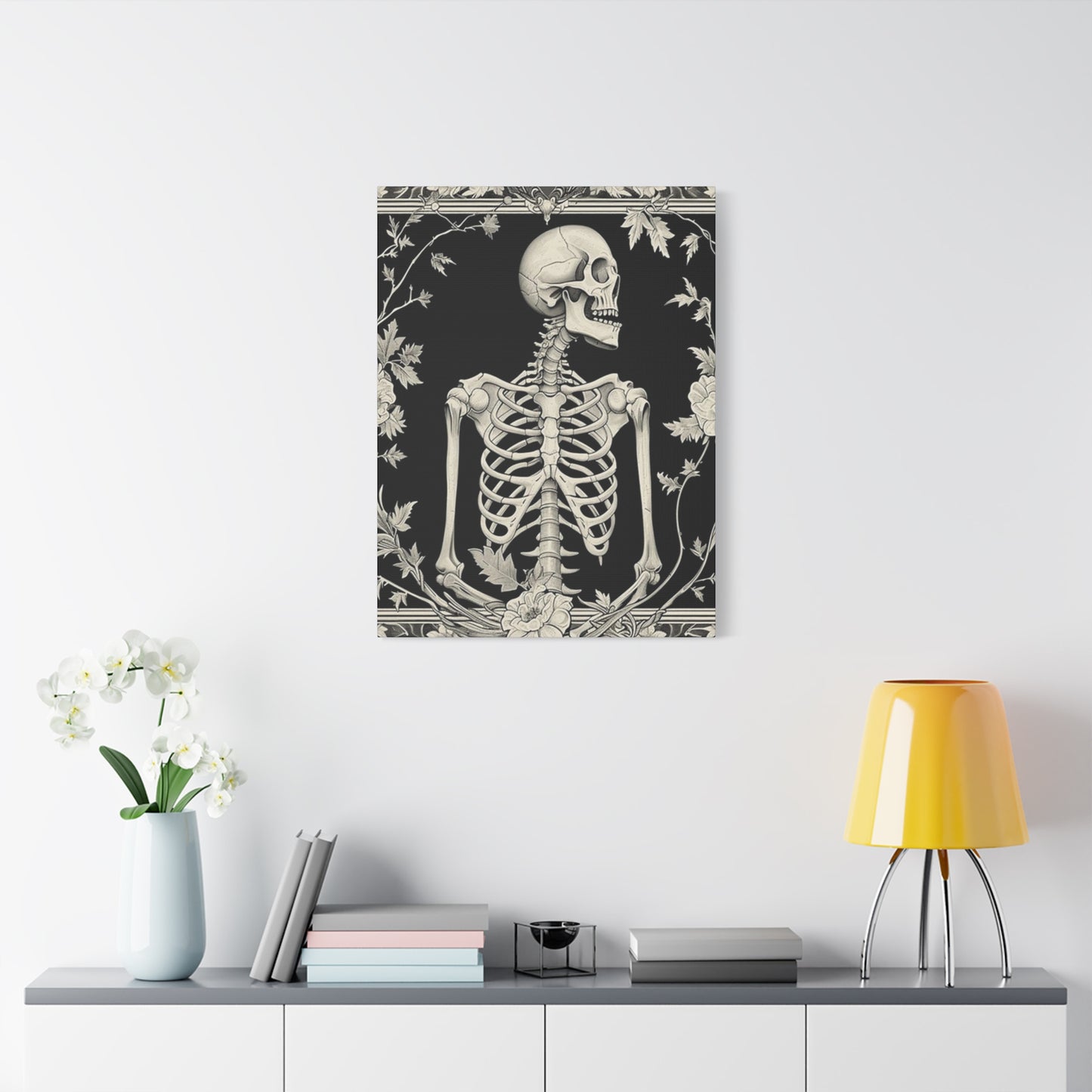
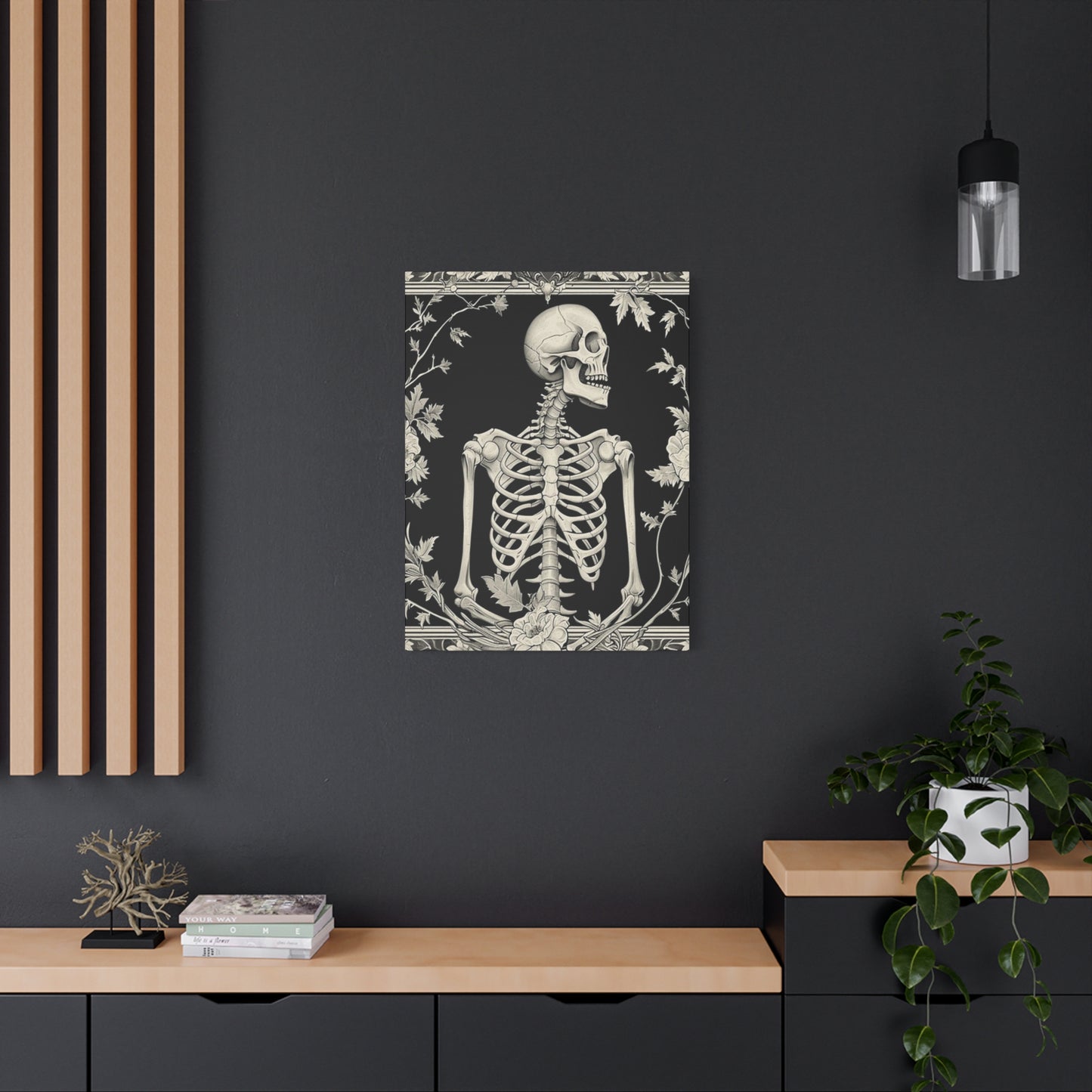
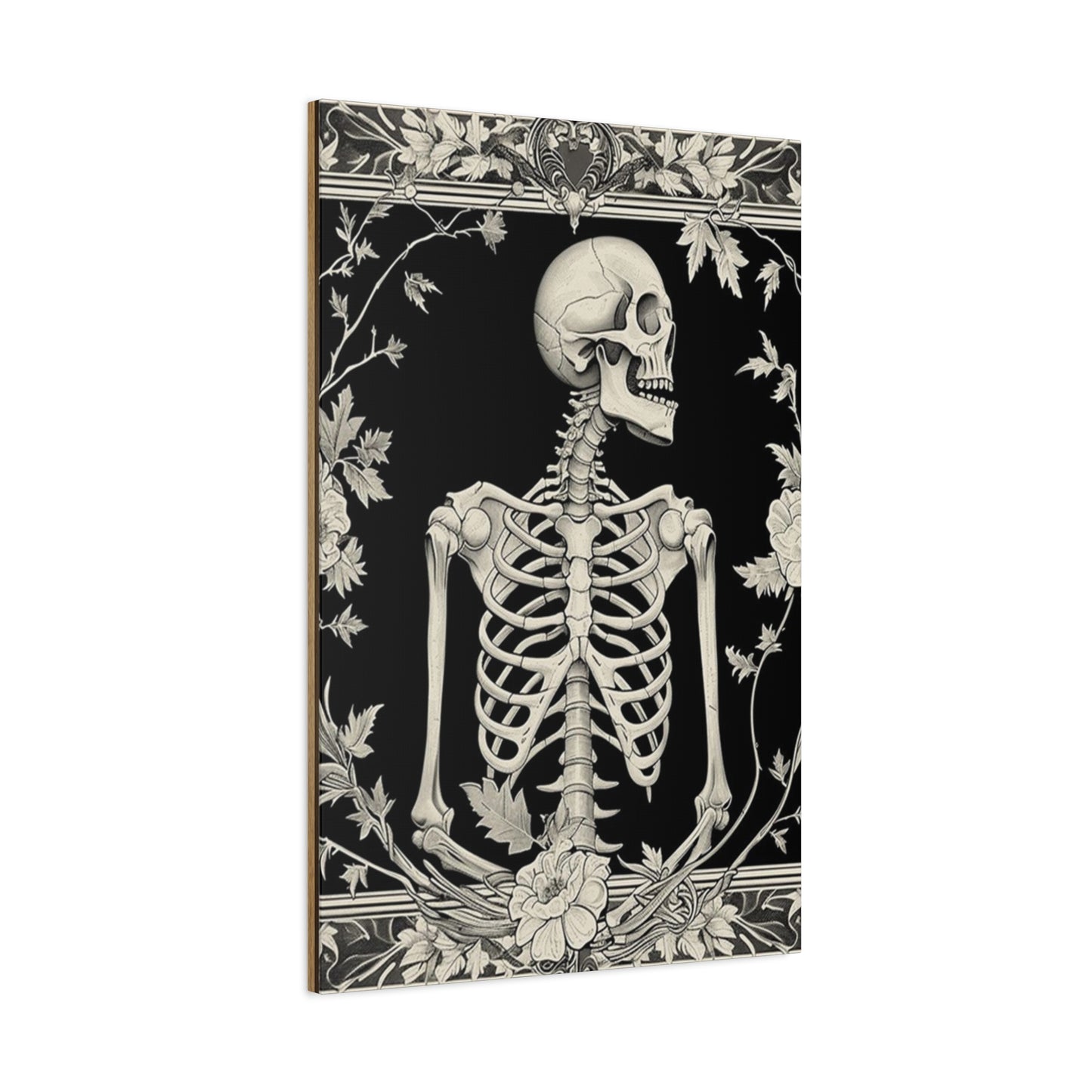
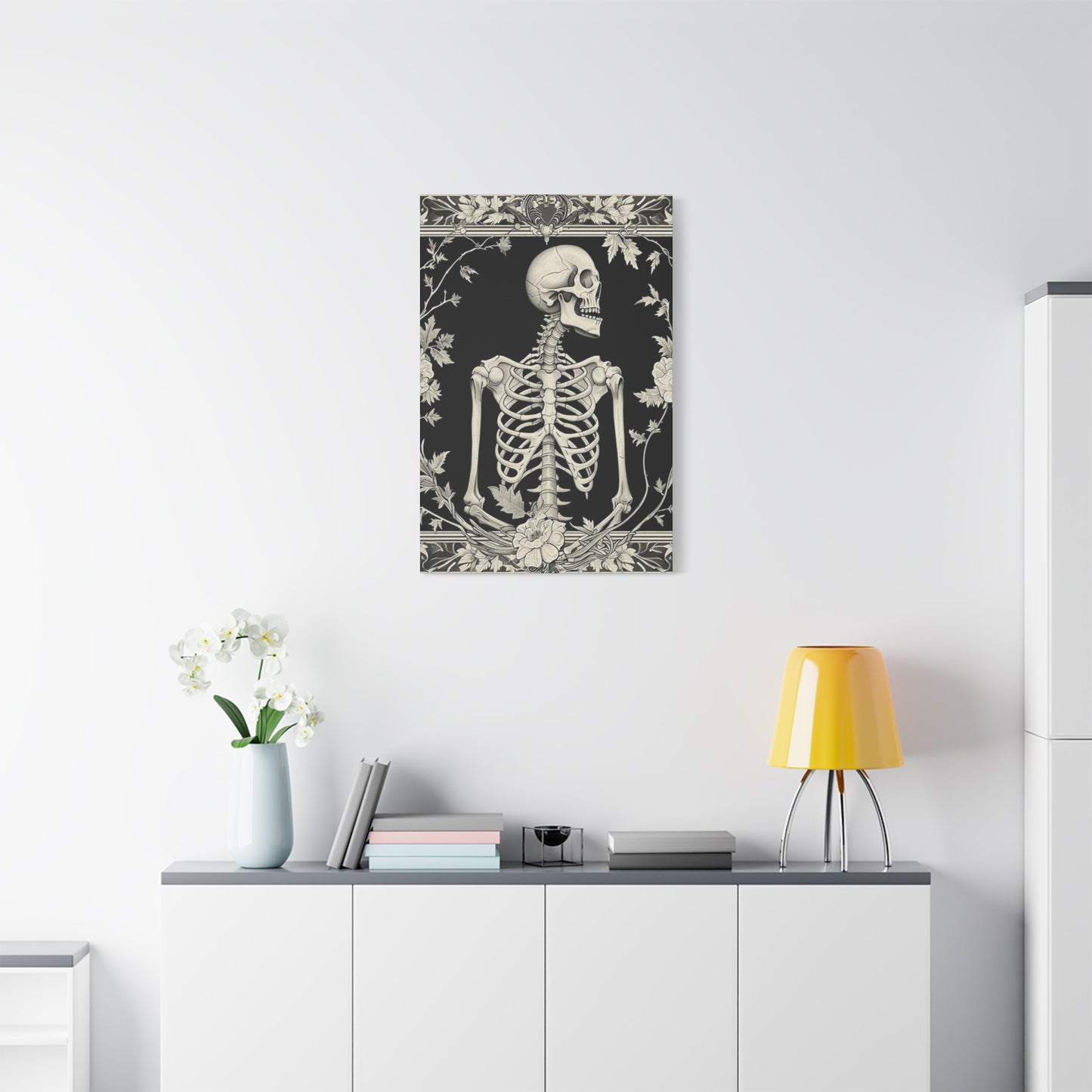
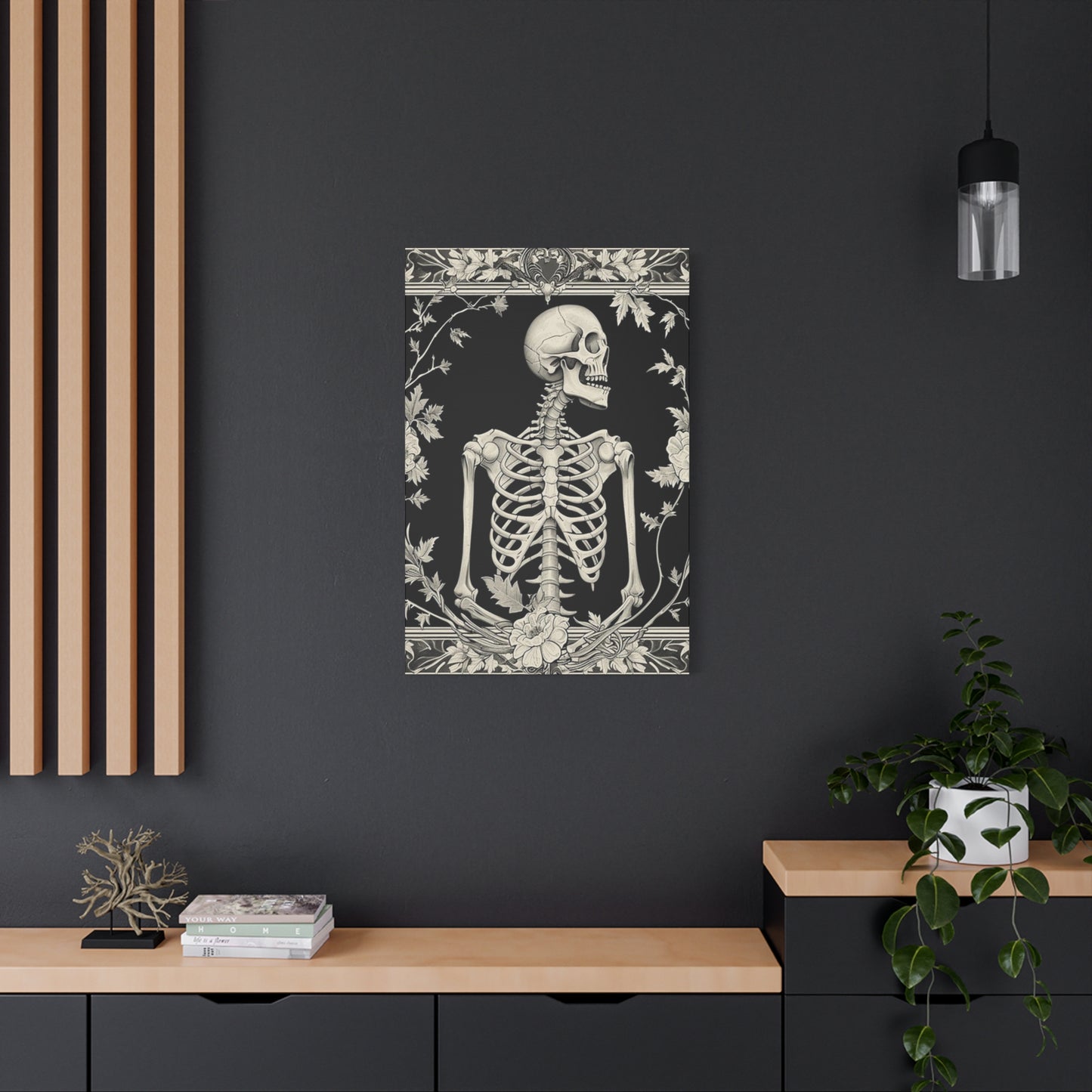

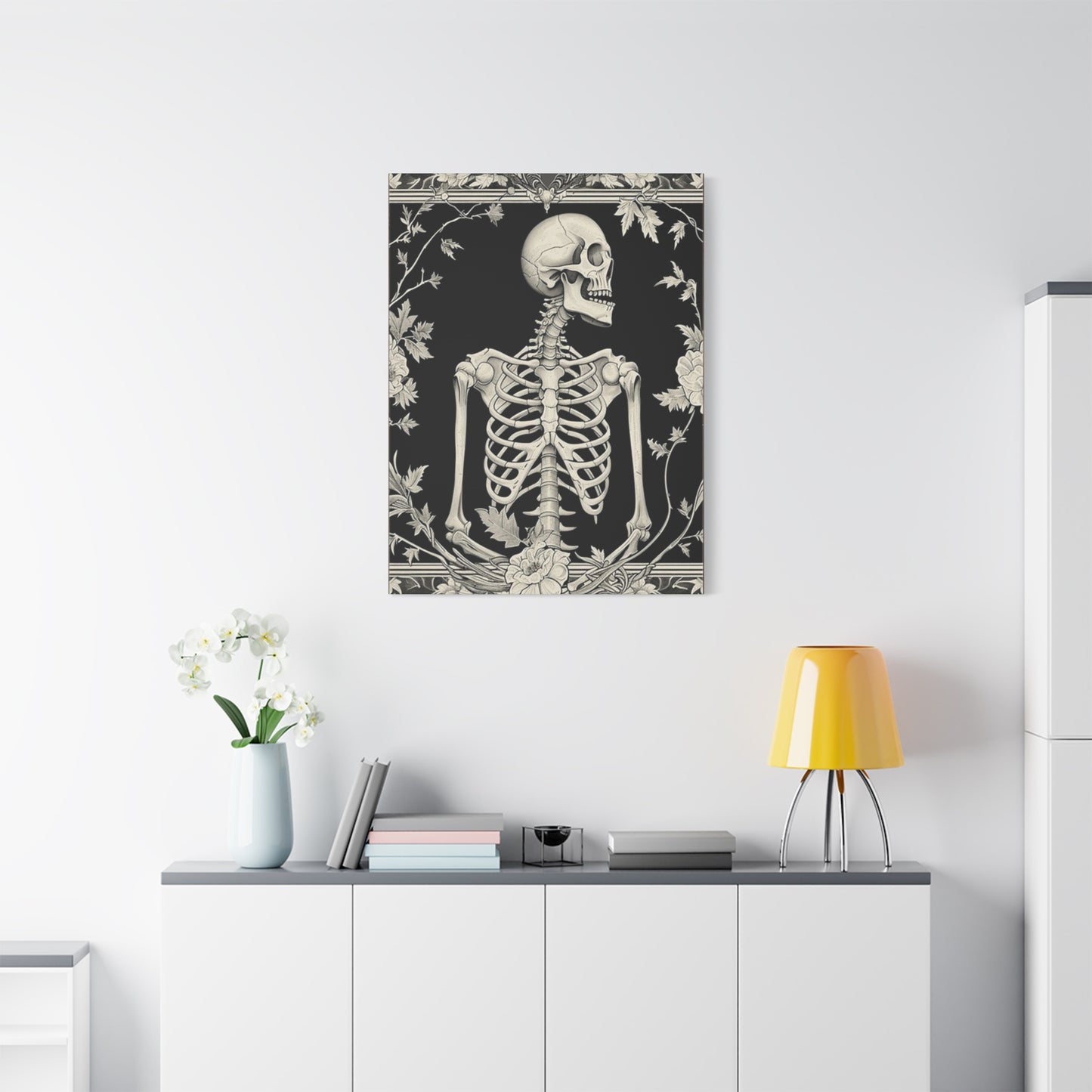
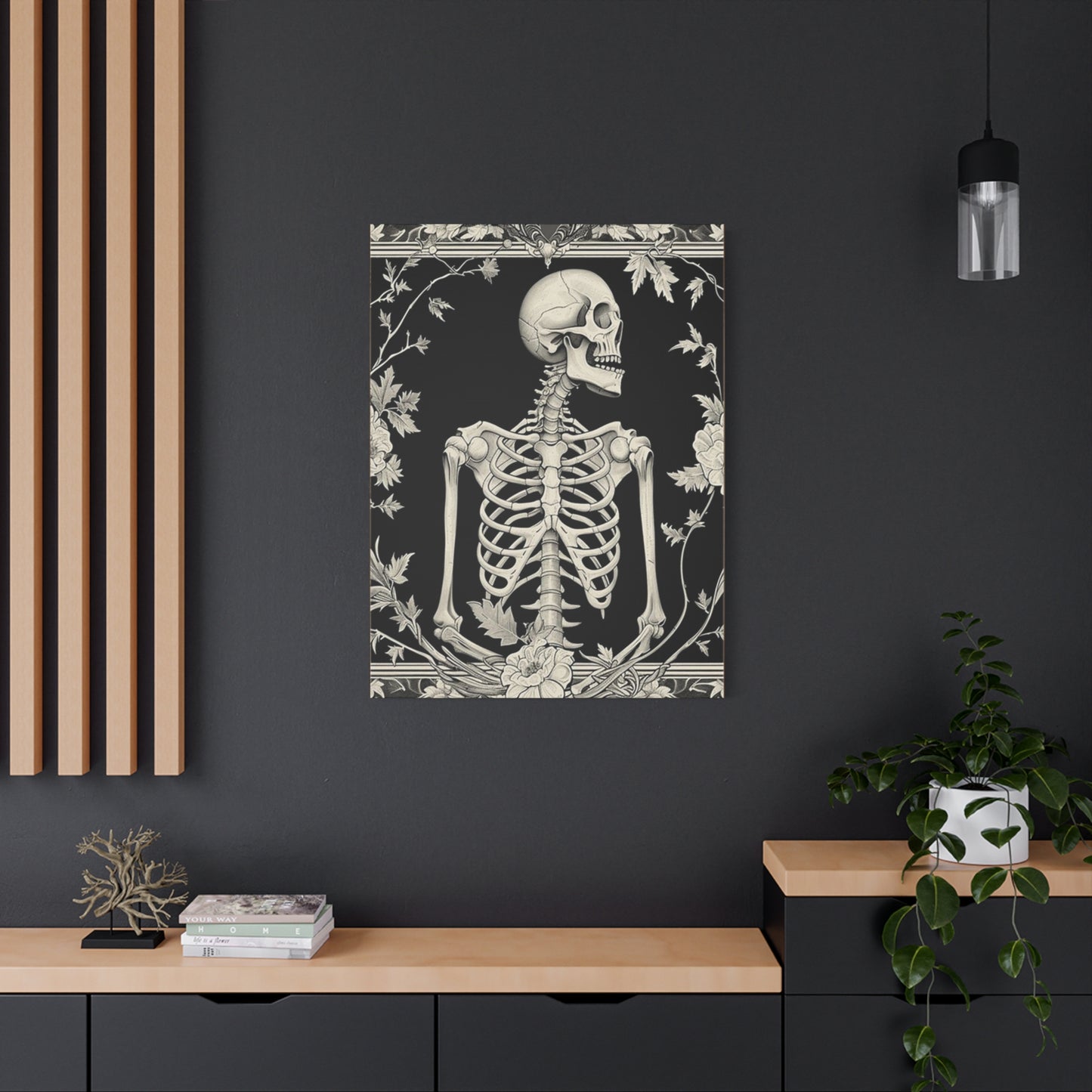
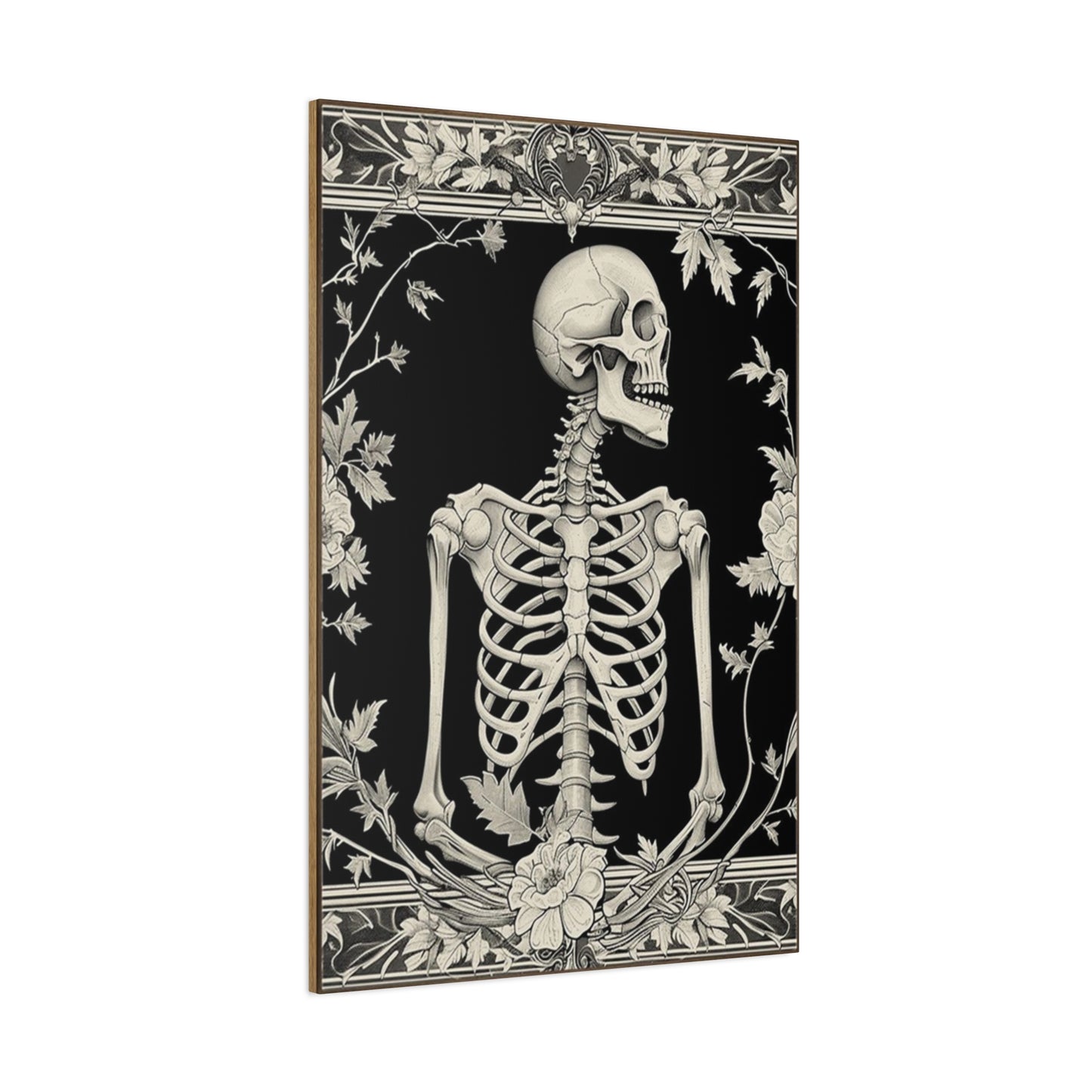
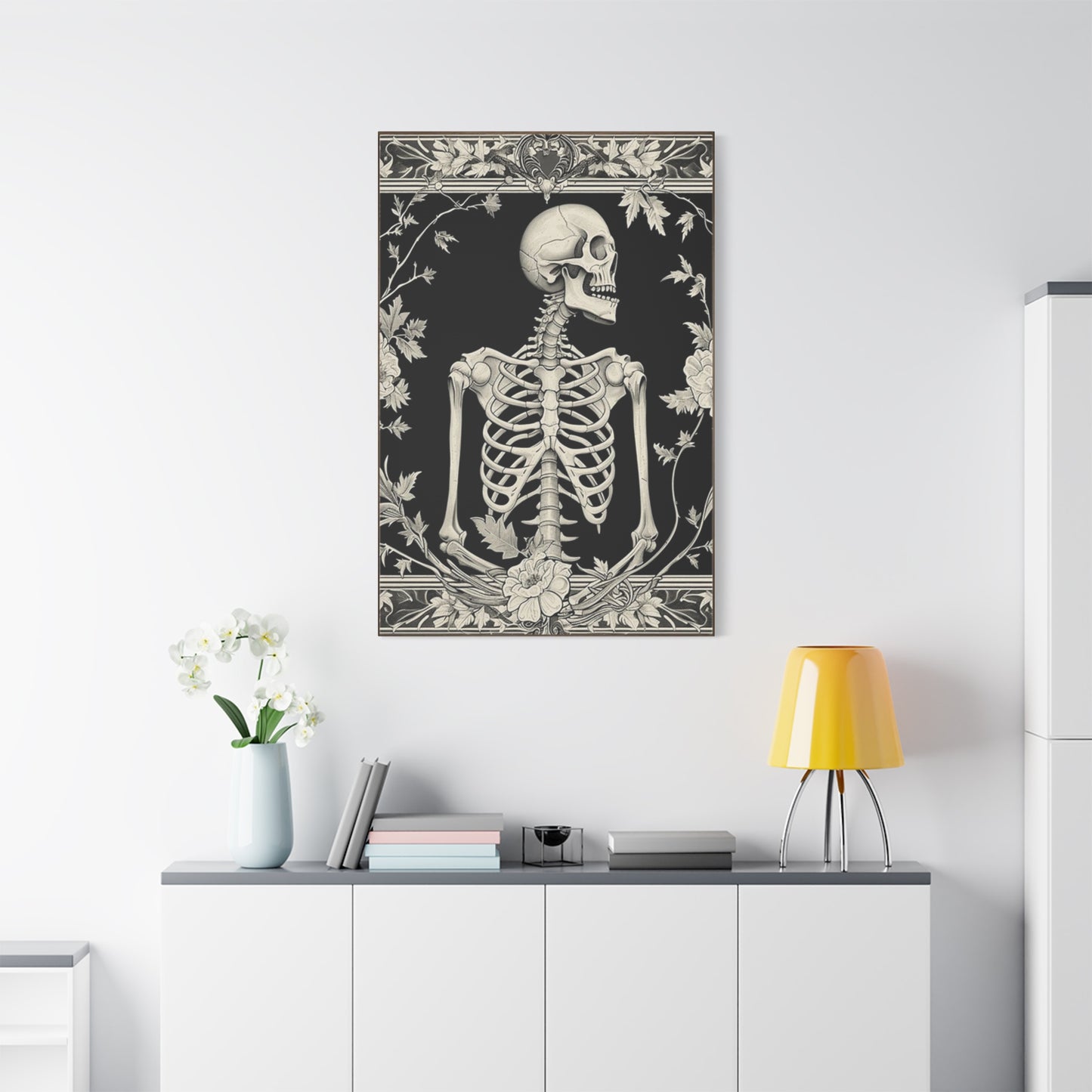
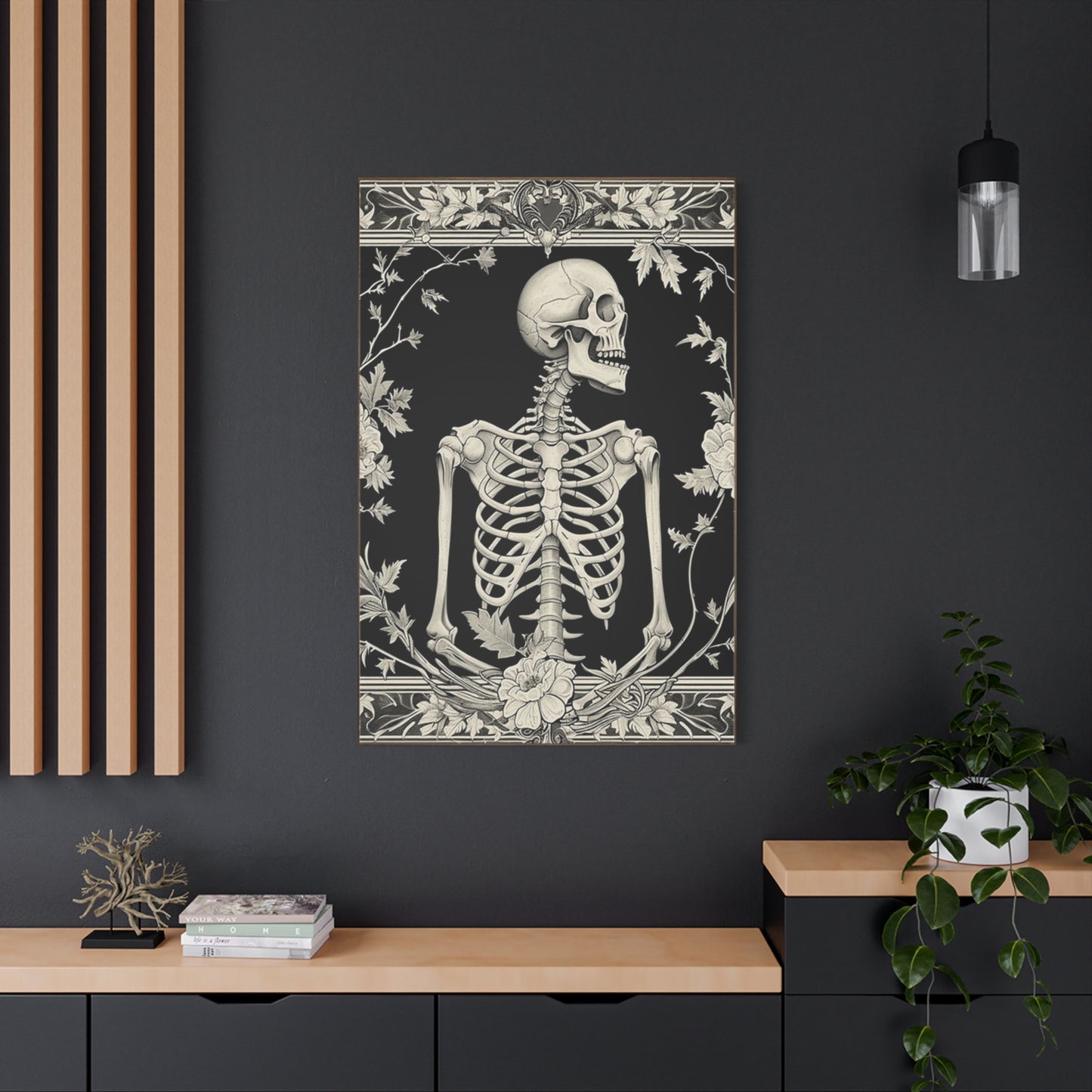
Elegant White Skeleton Wall Art: Merging Scientific Precision with Modern Elegance in Home Decor
The intersection of medical science and artistic expression has created a fascinating niche in home décor that appeals to professionals, students, and design enthusiasts alike. Wall-mounted anatomical artwork featuring skeletal imagery has emerged as a sophisticated choice for those seeking to combine educational value with aesthetic appeal. This comprehensive exploration delves into every aspect of incorporating skeletal anatomy prints into living and working spaces, examining their cultural significance, design applications, and enduring popularity across diverse settings.
The Rising Popularity of Medical Anatomy in Modern Interior Design
The contemporary fascination with anatomical artwork represents a significant shift in how we perceive and display scientific imagery within our personal spaces. What was once confined to medical schools and research facilities has transcended its clinical origins to become a celebrated element of residential and commercial design. This transformation reflects broader cultural movements that embrace authenticity, education, and the beauty inherent in natural forms.
Interior designers and homeowners increasingly recognize that skeletal artwork offers a unique combination of visual interest and intellectual depth. Unlike conventional decorative pieces that serve purely aesthetic functions, anatomical prints spark conversation while demonstrating appreciation for the complexity of human biology. The clean lines and intricate details of skeletal structures provide endless visual fascination, making them suitable for extended contemplation and repeated viewing.
The medical aesthetics movement has gained momentum particularly among younger generations who value spaces that reflect their professional identities and intellectual pursuits. Healthcare professionals naturally gravitate toward these pieces as they represent their life's work and dedication to understanding human physiology. Similarly, biology students, science educators, and wellness practitioners find that anatomical artwork creates an environment that reinforces their commitment to health and scientific knowledge.
Beyond professional contexts, general audiences appreciate skeletal imagery for its inherent drama and sophisticated appearance. The monochromatic palette typical of anatomical illustrations complements virtually any color scheme, while the subject matter adds an unexpected edge to conventional décor. This versatility explains why skeletal artwork appears in settings ranging from minimalist lofts to traditional libraries, from yoga studios to contemporary medical offices.
The educational dimension of anatomical artwork cannot be overstated. Parents who display skeletal prints in family spaces often find that children develop natural curiosity about human biology, leading to spontaneous learning opportunities. These visual references help demystify the human body, promoting healthy attitudes toward anatomy and physiology from an early age. For students pursuing careers in healthcare, having constant visual exposure to accurate anatomical representations reinforces classroom learning and supports knowledge retention.
Selecting the Right Size and Scale for Your Space
Determining appropriate dimensions for anatomical artwork requires careful consideration of room proportions, viewing distances, and intended visual impact. Size selection fundamentally influences how effectively skeletal imagery functions within a space, affecting both aesthetic success and practical usability. Understanding principles of scale helps ensure that anatomical prints enhance rather than overwhelm or underwhelm their surroundings.
Large-format anatomical prints create dramatic focal points that anchor entire rooms. These substantial pieces work particularly well in spaces with high ceilings or expansive wall areas that require bold visual elements. A life-sized or oversized skeletal representation commands attention and establishes immediate visual hierarchy, making it clear that the artwork represents an intentional design choice rather than an afterthought. Large-scale pieces function most effectively when given adequate space, allowing viewers to appreciate their full impact without feeling crowded.
Medium-sized anatomical prints offer versatility that suits most residential applications. These pieces provide sufficient detail to reward close examination while remaining proportionate to typical room dimensions. Medium-format artwork works well above furniture pieces, where it can relate to the horizontal lines of sofas or desks without competing with them. Multiple medium-sized prints can be arranged in gallery walls that tell visual stories about anatomical systems or comparative anatomy.
Small-format anatomical illustrations serve specialized purposes in creating intimate viewing experiences or filling specific architectural features. These compact pieces work beautifully in hallways, powder rooms, or as components of larger gallery arrangements. Small prints allow for detailed examination of specific anatomical structures, making them particularly appropriate for educational contexts where focused study is desired. Collections of small anatomical prints arranged in grids create striking visual impact through repetition and variation.
Vertical versus horizontal orientation significantly affects how anatomical artwork interacts with architectural elements. Full skeletal figures naturally lend themselves to vertical presentations that echo the upright human form, making them ideal for narrow wall spaces or positions beside tall windows. Horizontal compositions featuring ribcages, spinal sections, or skeletal hands suit spaces above beds, sofas, or long console tables where width exceeds height.
The relationship between artwork size and viewing distance follows established proportions that ensure comfortable visual engagement. As a general principle, viewers should be able to step back a distance approximately equal to the artwork's diagonal measurement to appreciate the full composition. This guideline helps prevent pieces from appearing too large for their spaces or requiring uncomfortably close proximity for proper viewing.
Ceiling height influences optimal artwork dimensions, with taller rooms accommodating proportionally larger pieces. In spaces with standard ceiling heights, artwork that extends more than two-thirds of the way from furniture to ceiling can create claustrophobic effects. Conversely, pieces that occupy less than one-third of available wall height may appear lost or insignificant. Balancing artwork size with architectural proportions creates harmonious relationships between decorative elements and structural features.
Room function should inform size selection, as different activities create varying visual engagement patterns. In dining areas where people sit for extended periods facing specific directions, larger anatomical prints provide sustained visual interest. Conversely, in transitional spaces like hallways where viewing time is brief, smaller or medium-sized pieces may prove more appropriate, offering visual interest without demanding extended contemplation.
Furniture scale provides important reference points for determining artwork dimensions. Pieces hung above seating should generally span between half and three-quarters of the furniture width, creating visual connection without perfect alignment that might appear overly rigid. When anatomical artwork hangs in isolation without nearby furniture, its relationship to the wall itself becomes primary, with proportions based on overall wall dimensions rather than individual furnishings.
Creating Gallery Walls with Multiple Anatomical Prints
Gallery wall arrangements featuring multiple anatomical prints offer opportunities for creating visually complex displays that showcase different aspects of skeletal anatomy. These curated collections can tell cohesive visual stories while adding substantial aesthetic impact to large wall areas. Successful gallery walls require thoughtful planning regarding piece selection, arrangement patterns, and installation techniques.
Thematic coherence provides the foundation for effective anatomical gallery walls. Focusing on a single anatomical system such as the skeletal hands, spinal structures, or cranial bones creates unified displays with clear conceptual direction. Alternatively, galleries might trace anatomical structures across different species, highlighting evolutionary relationships and comparative anatomy. This thematic approach prevents gallery walls from appearing as random collections, instead presenting them as deliberate explorations of specific subjects.
Symmetrical gallery arrangements create formal, orderly presentations that suit traditional interiors and professional settings. Grid patterns with evenly spaced anatomical prints in uniform frame sizes generate clean, organized appearances that emphasize the scientific nature of the subject matter. This structured approach works particularly well in medical offices, academic institutions, or home studies where professional atmospheres are desired. Symmetrical arrangements also simplify installation by following predictable patterns with clear spatial relationships.
Asymmetrical gallery walls offer dynamic alternatives that feel more contemporary and personally curated. These organic arrangements combine pieces of varying sizes, creating visual movement and hierarchy through strategic positioning. The key to successful asymmetrical galleries lies in balancing visual weight, ensuring that larger or darker pieces are distributed throughout the arrangement rather than clustering in single areas. Asymmetrical approaches allow for growth over time, as new pieces can be integrated without disrupting overall composition.
Color consistency across frames and matting helps unify gallery walls featuring multiple anatomical prints. Maintaining uniform frame finishes and mat colors creates cohesive appearances even when anatomical subjects vary significantly. This visual consistency allows the imagery itself to provide variety while frames provide unifying structure. Alternatively, carefully selected frame variations can add another layer of visual interest when executed with restraint and clear intention.
Spacing between individual pieces affects gallery wall impact significantly. Tighter spacing with two to three inches between frames creates unified fields that read as single compositional units. This approach works well with smaller prints or when wall space is limited. Wider spacing of four to six inches provides breathing room that allows each piece to maintain individual identity while contributing to the larger arrangement. Very large spaces with generous wall areas can accommodate even wider spacing that creates distinct zones within overall compositions.
Establishing focal points within gallery walls guides viewer attention and creates visual hierarchy. Positioning the most striking anatomical print centrally or at eye level establishes an anchor point around which other pieces orbit. This focal piece might be larger, more detailed, or feature particularly dramatic subject matter that naturally draws attention. Supporting pieces then complement rather than compete with this central element.
Layering techniques add dimension to gallery wall presentations. Leaning smaller framed prints against walls atop console tables or shelves in front of hanging pieces creates depth and casual sophistication. This approach works particularly well in residential settings where slightly relaxed presentations feel more approachable than rigidly installed displays. Layering allows for easy rotation of pieces, keeping gallery walls dynamic and responsive to changing interests.
Practice layouts before installation prevent costly mistakes and ensure satisfactory final arrangements. Creating paper templates matching frame dimensions and temporarily mounting them with removable adhesive allows for experimentation with different configurations. This preliminary step reveals spacing issues, proportion problems, and arrangement opportunities before committing to permanent installation. Digital tools also facilitate planning by allowing virtual arrangement of photographed or scanned prints.
Frame Selection and Presentation Methods for Anatomical Artwork
Framing choices profoundly influence how anatomical artwork appears and how well it integrates with surrounding décor. The frame functions as transition between the artwork and its environment, either emphasizing the scientific nature of skeletal imagery or softening it to blend with domestic settings. Understanding various framing approaches helps in making choices that enhance both the artwork and the space it occupies.
Simple black frames provide classic choices that suit anatomical artwork particularly well. The clean lines and neutral color allow skeletal imagery to take center stage while providing necessary definition and protection. Black frames create crisp borders that enhance the contrast typical of anatomical illustrations, making details appear sharper and more defined. This timeless approach works across various design styles, from contemporary to traditional, making black frames safe choices for those uncertain about frame selection.
Natural wood frames bring warmth to anatomical artwork that might otherwise appear clinical. Light woods like oak, maple, or ash complement the neutral tones of skeletal imagery while adding organic texture that relates to the biological nature of the subject matter. Darker woods such as walnut or espresso create sophisticated presentations that suit traditional or masculine-leaning interiors. Wood grain variations add visual interest that prevents frames from receding entirely into backgrounds.
Metallic frames in silver, gold, or bronze add luxurious touches that elevate anatomical prints beyond purely educational applications. These refined finishes work particularly well with vintage or antique anatomical illustrations, connecting them to historical periods when such imagery first gained prominence. Metallic frames catch and reflect light, adding subtle sparkle that draws attention to artwork without overwhelming the imagery itself. The key to success with metallic frames lies in coordinating finishes with other room elements to prevent jarring disconnection.
Frame width affects visual impact significantly, with wider mouldings creating more substantial presence. Substantial frames with two to four-inch widths add gravitas appropriate for large-scale anatomical prints or formal settings. Narrower frames measuring half an inch to one inch create contemporary appearances that feel light and unobtrusive. Matching frame width to print size maintains proper proportions, with larger prints generally supporting wider frames while smaller pieces risk being overwhelmed by heavy mouldings.
Mat borders provide important visual breathing room between anatomical imagery and frame edges. Wide mats measuring three to four inches create generous negative space that prevents skeletal imagery from feeling cramped or claustrophobic within frames. This spaciousness emphasizes the artwork itself while creating sophisticated, gallery-quality presentations. Narrower mats or matless presentations create more immediate visual impact, bringing viewers into direct contact with anatomical details without transitional space.
Mat color selection influences overall appearance dramatically. Classic white or cream mats maintain clean, bright presentations that feel fresh and contemporary. These neutral choices prevent color casts that might alter how skeletal imagery appears. Darker mats in black, charcoal, or deep brown create moodier presentations that emphasize the dramatic qualities of anatomical illustrations. Experimenting with mat colors allows for customization that makes identical prints feel distinctly different based on presentation choices.
Floating frame presentations create modern appearances by suspending prints between two pieces of glazing within frames. This approach adds three-dimensional depth and contemporary sophistication while showcasing print quality. Floating presentations work particularly well with prints on heavy paper stock or canvas that possess attractive edges worth displaying. The shadow gap created by floating adds subtle drama that enhances visual interest.
Museum-quality glazing protects anatomical artwork while maintaining visibility. Regular glass creates reflections that can obscure imagery, particularly in rooms with windows or artificial lighting. Non-reflective or anti-glare glazing minimizes these reflections, ensuring that skeletal details remain clearly visible from various angles. UV-protective glazing prevents fading over time, particularly important for valuable or irreplaceable anatomical prints. While premium glazing increases framing costs, the investment pays dividends through improved appearance and longevity.
Alternative presentation methods eschew traditional framing entirely. Mounting anatomical prints directly to rigid backing materials and hanging them unframed creates contemporary, minimalist appearances. This approach works particularly well with modern interiors that favor clean lines and reduced ornamentation. Acrylic or aluminum panel mounting creates substantial, high-impact presentations suitable for large-scale pieces. Clip frames offer budget-friendly alternatives that provide protection and hanging mechanisms without decorative mouldings.
Positioning and Hanging Techniques for Optimal Visual Impact
Strategic placement of anatomical artwork determines how effectively it functions within spaces, influencing both aesthetic success and practical usability. Proper positioning considers viewing angles, lighting conditions, and relationships to architectural features and furniture. Mastering placement principles ensures that skeletal imagery achieves its intended impact while integrating seamlessly with surrounding elements.
Eye-level hanging represents the fundamental principle for artwork placement, ensuring comfortable viewing without requiring viewers to crane their necks or crouch. The standard guideline positions artwork center points approximately sixty inches from floor level, corresponding to average adult eye height. However, this measurement should be adjusted based on ceiling height, nearby furniture, and room users' heights. In spaces where people primarily view artwork while seated, lowering center points to fifty-four or fifty-six inches provides more comfortable sightlines.
Above furniture positioning requires coordinating artwork with pieces below. Anatomical prints hung above sofas, beds, or consoles should typically hang four to eight inches above furniture tops, creating visual connection without excessive gap. The artwork width should relate to furniture dimensions, generally spanning between one-half and three-quarters of the furniture width. This proportional relationship creates balanced compositions that feel intentionally designed rather than arbitrarily placed.
Architectural features provide natural positions for anatomical artwork. Alcoves, niches, and spaces between windows or doorways offer defined areas that frame prints effectively. Positioning anatomical artwork to align with architectural elements creates harmonious relationships between decorative and structural features. However, consideration must be given to ensure that architectural features enhance rather than compete with artwork for visual attention.
Lighting dramatically affects how anatomical artwork appears, with both natural and artificial light sources requiring consideration. Positioning prints perpendicular to windows prevents direct sunlight that could cause fading while avoiding glare that obscures imagery. Artificial lighting should illuminate artwork without creating hot spots or harsh reflections. Picture lights mounted above frames provide dedicated illumination that enhances detail visibility while creating elegant presentations. Track lighting or adjustable fixtures allow for precise aiming that highlights anatomical prints while maintaining flexibility for future rearrangement.
Creating visual pathways through sequential placement of anatomical prints guides movement through spaces. Arranging multiple skeletal images along hallways or connecting rooms establishes flow that encourages exploration and creates narrative continuity. This approach works particularly well when prints relate thematically, such as following the progression of spinal vertebrae or showcasing skeletal structures from head to foot.
Balance considerations ensure that anatomical artwork distributes visual weight appropriately throughout rooms. Hanging substantial pieces on single walls while leaving opposite walls bare creates lopsided feelings that make spaces uncomfortable. Distributing artwork throughout rooms establishes equilibrium that makes environments feel complete and carefully considered. This doesn't require identical pieces on all walls but rather equivalent visual presence that maintains overall balance.
Hanging height in spaces with non-standard ceiling heights requires adjustment from standard guidelines. Rooms with very high ceilings can accommodate higher artwork placement that might feel unusual in average spaces. Conversely, rooms with low ceilings benefit from slightly lower placement that maintains appropriate relationships to architectural scale. The goal remains creating comfortable viewing experiences that feel natural rather than forced.
Installation methods vary based on wall materials, artwork weight, and desired permanence. Picture hanging systems with rails and cables offer flexibility for adjusting artwork positions without new wall penetrations. Traditional picture hooks suffice for lightweight pieces, while heavier anatomical prints require substantial anchors or mounting directly into wall studs. Command strips provide temporary hanging solutions suitable for renters or those who frequently rearrange artwork.
Leveling ensures professional-looking installations that don't distract viewers with crooked presentations. Using spirit levels during hanging prevents the subtle tilts that create subconscious discomfort even when not consciously noticed. Taking time to properly level anatomical artwork demonstrates care and attention that elevates overall presentation quality.
Material Considerations for Print Quality and Longevity
The physical characteristics of anatomical artwork significantly impact both initial appearance and long-term durability. Understanding various material options helps in selecting prints that meet aesthetic preferences while ensuring lasting quality. Investment in appropriate materials protects anatomical artwork from degradation and maintains visual impact throughout years of display.
Paper quality forms the foundation of excellent anatomical prints, with characteristics like weight, texture, and composition affecting appearance and durability. Premium papers manufactured from cotton or alpha-cellulose fibers resist yellowing and deterioration that plagues wood-pulp papers. Acid-free papers maintain their appearance over decades, making them essential for archival-quality anatomical artwork. Paper weight measured in GSM indicates thickness and substance, with heavier papers feeling more substantial and resisting warping or damage during handling.
Smooth versus textured paper surfaces create different visual effects in anatomical prints. Smooth papers provide precise reproduction of fine details, making them ideal for intricate skeletal illustrations where clarity is paramount. Textured papers add subtle dimension that can enhance the organic quality of anatomical imagery, though excessive texture may interfere with fine detail visibility. The choice between smooth and textured depends on the specific anatomical illustration and desired aesthetic effect.
Canvas prints offer alternatives to paper that provide texture and durability particularly suited to larger-scale anatomical artwork. The woven texture of canvas adds visual interest while the material's flexibility allows for gallery-wrap mounting that eliminates framing needs. Canvas prints withstand handling better than paper and resist creasing, making them practical choices for high-traffic areas. However, canvas texture may soften fine anatomical details, making it better suited to bolder, simpler compositions.
Printing techniques fundamentally affect anatomical artwork quality and longevity. Giclée printing using archival inks on premium papers produces museum-quality results with exceptional color accuracy and detail reproduction. These prints resist fading for generations when properly protected from light and environmental factors. Traditional offset printing provides excellent quality at lower costs but may not achieve the same longevity as giclée methods. Digital printing technologies continue advancing, offering increasingly sophisticated options for anatomical artwork reproduction.
Ink selection influences both color accuracy and fade resistance. Pigment-based inks offer superior longevity compared to dye-based alternatives, maintaining their appearance for decades without significant fading. This durability is particularly important for anatomical artwork displayed in rooms with natural light exposure. Carbon-based black inks provide the deep, neutral blacks essential for skeletal imagery while offering exceptional fade resistance.
Residential Bedroom Applications for Personal Sanctuary Spaces
Bedrooms represent intimate personal spaces where anatomical artwork requires particularly thoughtful integration. While skeletal imagery might seem unusual for sleeping quarters, appropriate selections and presentations create sophisticated, intellectually engaging environments. Understanding bedroom-specific considerations ensures anatomical artwork enhances rather than disrupts these private sanctuaries.
Master bedroom applications of anatomical artwork work best when pieces project calm sophistication rather than clinical severity. Soft-toned skeletal illustrations with subtle detail and elegant framing create mature, intellectual atmospheres appropriate for adult private spaces. Positioning anatomical prints where they're visible from seating areas rather than directly facing beds prevents potential discomfort while maintaining their decorative and intellectual presence. The goal is creating bedrooms that feel thoughtfully curated rather than accidentally clinical.
Guest bedroom anatomical artwork provides conversation pieces that reveal homeowner interests without imposing strongly personal elements. Neutral, education-focused skeletal imagery appeals to diverse guests while avoiding controversial or polarizing subjects. Guest rooms accommodate slightly bolder anatomical presentations than master bedrooms since hosts spend less time in these spaces and can select artwork based on design impact rather than daily livability considerations.
Home office spaces within bedrooms benefit significantly from anatomical artwork that supports professional identity and intellectual engagement. Healthcare professionals, biology teachers, fitness instructors, and others whose careers involve human body knowledge find that anatomical displays in bedroom offices reinforce their expertise while creating productive work environments. Separating work zones from sleeping areas through strategic artwork placement helps maintain healthy boundaries between professional and personal life.
Reading nooks and sitting areas within larger bedrooms provide ideal locations for anatomical artwork that rewards contemplation during quiet moments. Positioning skeletal prints near comfortable seating creates intimate viewing opportunities where detailed anatomical features can be studied and appreciated. These dedicated spaces allow anatomical artwork to serve educational functions without overwhelming the bedroom's primary purpose of rest and relaxation.
Minimalist bedroom approaches incorporate anatomical artwork as rare focal points within otherwise spare environments. A single striking skeletal print becomes the room's visual anchor, drawing attention through its uniqueness within simplified surroundings. This restrained approach prevents potential overwhelm while making clear design statements about intellectual interests and aesthetic preferences.
Gallery walls in bedrooms allow for more extensive anatomical artwork displays that create immersive environments for enthusiasts deeply interested in anatomy. Collections focusing on specific anatomical systems or showing progressive detail levels transform bedrooms into personal study galleries. However, ensuring these displays don't create overly clinical atmospheres requires balancing anatomical imagery with softer elements like textiles, plants, and warm lighting.
Artwork scale in bedrooms requires careful consideration of viewing distances and proportions. Oversized anatomical prints that would overwhelm smaller bedrooms work beautifully in spacious master suites with high ceilings and substantial wall areas. Conversely, modestly sized bedrooms benefit from smaller-scale anatomical artwork that provides interest without dominating limited space. Matching artwork scale to room proportions creates harmonious environments that feel balanced and intentional.
Color coordination between anatomical artwork and bedroom textiles creates cohesive design schemes. Repeating tones from skeletal prints in bedding, curtains, or rugs unifies spaces while making anatomical artwork feel like integrated design elements rather than afterthoughts. This coordination softens potentially stark skeletal imagery by connecting it to the room's overall color story.
Lighting considerations in bedrooms affect how anatomical artwork appears during different times and activities. Dimmable lighting allows for bright illumination when studying anatomical details and softer light during relaxation periods. Positioning anatomical prints away from direct artificial light sources prevents harsh shadows while ensuring adequate visibility. Natural light exposure should be limited to prevent fading while providing pleasant daytime illumination.
Living Room and Common Area Display Strategies
Living rooms and shared family spaces present unique opportunities and challenges for anatomical artwork display. These high-traffic areas receive extended viewing time from both residents and guests, making them prime locations for impactful skeletal imagery. Successful living room applications balance conversation-starting visual interest with broadly appealing presentations that enhance rather than dominate shared spaces.
Focal wall strategies position anatomical artwork as central design elements that anchor entire living rooms. Large-scale skeletal prints or collections of related pieces create dramatic impacts that establish clear visual hierarchies. Focal walls featuring anatomical artwork work particularly well above fireplaces, behind seating arrangements, or on walls immediately visible upon room entry. This intentional prominence makes clear statements about homeowner interests while creating memorable design moments.
Conversation area placements position anatomical artwork where seated guests naturally encounter it during social interactions. Prints hung above sofas or facing seating groups become natural discussion topics, allowing hosts to share their interest in anatomy while breaking ice with new acquaintances. The intellectual nature of skeletal imagery elevates casual conversations, providing substantive topics beyond weather and traffic.
Entertainment center integration incorporates anatomical artwork into media walls alongside televisions and electronics. This approach requires careful balance to prevent skeletal imagery from competing with screens for attention. Positioning anatomical prints on either side of media centers or above mounted televisions creates balanced compositions that accommodate both entertainment and decorative functions. The key lies in ensuring anatomical artwork complements rather than conflicts with technological elements.
Mantel displays use fireplaces as architectural focal points enhanced by anatomical artwork. Hanging skeletal prints above mantels creates traditional compositions elevated by unexpected subject matter. The warmth and gathering nature of fireplaces offset potentially clinical qualities of anatomical imagery, creating intriguing contrasts between cozy settings and scientific subjects. Mantel styling with accessories and seasonal decorations integrates anatomical artwork into dynamic displays that evolve throughout the year.
Open concept living spaces benefit from anatomical artwork that creates visual continuity across connected areas. Repeating skeletal imagery themes in living, dining, and kitchen zones establishes cohesive design narratives that unify open floor plans. This approach uses anatomical artwork as a unifying element that ties together distinct functional areas within shared spaces.
Family room applications require sensitivity to diverse age groups and comfort levels. While adults might appreciate detailed anatomical artwork, younger children could find skeletal imagery unsettling. Balancing family members' varying responses to anatomical subjects requires thoughtful piece selection and strategic placement that allows those uncomfortable with skeletal imagery to avoid constant exposure. Alternatively, using anatomical artwork as educational tools helps children develop healthy, informed attitudes toward human anatomy.
Transitional living-dining combinations benefit from anatomical artwork that works equally well for both relaxed lounging and formal entertaining. Versatile skeletal prints with sophisticated presentations bridge casual and formal contexts, remaining appropriate whether the space hosts game night or dinner parties. This flexibility makes anatomical artwork particularly valuable in multi-functional areas that serve diverse purposes.
Architectural feature integration positions anatomical artwork to highlight rather than compete with room elements. Built-in shelving, alcoves, and wall niches provide natural frames for skeletal prints that appear architecturally integrated rather than arbitrarily placed. Working with existing features creates harmonious relationships between decorative and structural elements that feel cohesive and purposeful.
Seasonal rotation strategies keep living room anatomical displays fresh and engaging. Maintaining a collection of skeletal prints and rotating displayed pieces prevents visual fatigue while allowing homeowners to enjoy diverse anatomical subjects. This curatorial approach treats homes as personal galleries where changing exhibitions maintain interest and reflect evolving seasons or moods.
Lighting design specifically for anatomical artwork enhances visibility while creating ambient effects that improve overall living room atmosphere. Picture lights, track lighting, or strategically positioned lamps illuminate skeletal prints while contributing to layered lighting schemes that make living rooms feel warm and inviting. Proper illumination ensures anatomical details remain visible without creating harsh or clinical lighting that undermines comfortable living room ambiance.
Home Office and Study Room Applications for Focused Environments
Home offices and personal study spaces represent ideal environments for anatomical artwork that supports concentration, learning, and professional identity. These work-focused areas accommodate more extensive and detailed skeletal displays than social spaces, allowing for immersive anatomical environments that inspire and educate. Understanding home office applications maximizes both functional and aesthetic contributions of anatomical artwork.
Desk-facing walls provide prime real estate for anatomical artwork that offers visual engagement during work breaks. Positioning skeletal prints directly in the line of sight from desk chairs allows for contemplative viewing during moments of reflection or mental rest. These strategic placements transform brief work pauses into learning opportunities while preventing the blank-wall staring that offers no cognitive benefit. The intellectual stimulation provided by anatomical imagery can actually enhance productivity by giving minds constructive focus during natural attention breaks.
Behind-desk walls create impressive backdrops for video conferences and virtual meetings that communicate professional credibility. Healthcare professionals, biology educators, and fitness experts benefit from anatomical artwork visible during video calls, subtly reinforcing their expertise. These displays must balance professional appropriateness with personal expression, avoiding overly clinical presentations that might seem off-putting in residential contexts while clearly signaling subject matter expertise.
Floor-to-ceiling gallery walls transform entire study room walls into comprehensive anatomical displays that create immersive learning environments. These extensive installations work particularly well for students pursuing careers in medicine, physical therapy, or related fields who benefit from constant exposure to anatomical imagery. The cumulative educational effect of living and working surrounded by accurate skeletal representations significantly supports knowledge acquisition and retention.
Specialty focus displays concentrate on specific anatomical areas relevant to particular professions or interests. Chiropractors might feature extensive spinal anatomy collections, while hand surgeons could display detailed illustrations of hand and wrist bones. This targeted approach creates highly personalized environments that reflect specialized knowledge and professional dedication while serving practical reference functions.
Reference-oriented arrangements organize anatomical artwork for easy consultation during work or study. Systematic organization by body region, skeletal system, or anatomical view allows for quick location of needed information. This functional approach treats anatomical displays as working references rather than purely decorative elements, maximizing their practical utility alongside aesthetic contributions.
Inspirational configurations use anatomical artwork to maintain motivation during challenging work or study sessions. Dramatic, visually striking skeletal imagery reminds students and professionals why they chose careers focused on human health and body knowledge. These emotionally resonant displays support perseverance during difficult periods by connecting daily work to larger purposes and passions.
Library integration incorporates anatomical artwork into home libraries and bookcases, creating cohesive knowledge-focused environments. Skeletal prints interspersed among book collections create visual variety while reinforcing the scholarly atmosphere. This integration treats anatomical artwork as equivalent to books in terms of educational value, positioning displays as three-dimensional reference materials within broader knowledge collections.
Standing desk positions allow for different relationships with anatomical artwork based on whether users sit or stand while working. Height adjustments account for changing eye levels, ensuring anatomical displays remain optimally positioned regardless of desk configuration. Flexible arrangements accommodate the movement and position changes increasingly common in contemporary home offices designed to support physical health alongside productivity.
Multi-monitor setups require careful coordination between anatomical artwork and technology displays. Positioning skeletal prints to avoid visual competition with multiple screens while maintaining their presence creates balanced environments that accommodate both analog and digital information sources. The warm, tactile quality of physical anatomical prints provides welcome contrast to glowing screens, helping prevent the entirely digital environments that can feel cold and disconnected.
Professional certification and degree displays pair naturally with anatomical artwork, creating credential walls that document expertise comprehensively. Combining diplomas, licenses, and anatomical illustrations tells complete professional stories that build client and colleague confidence. These integrated displays work particularly well in home offices where professionals meet with clients, establishing credibility while creating sophisticated, knowledge-focused environments.
Dining Room Applications for Social Gathering Spaces
Dining rooms present interesting opportunities for anatomical artwork that must balance sophisticated visual interest with appropriateness for meal settings. While skeletal imagery might initially seem unsuitable for eating environments, thoughtful selection and presentation create refined, conversation-worthy dining spaces. Understanding dining-specific considerations ensures anatomical artwork enhances rather than detracts from dining experiences.
Formal dining room applications favor classical or historically-inspired anatomical artwork that projects refinement and scholarly sophistication. Vintage engravings or reproduction prints from historical anatomical atlases bring gravitas appropriate for formal entertaining. These traditional presentations connect dining spaces to historical traditions of learned discourse, suggesting that meals serve not just physical but intellectual nourishment.
Feature wall strategies position anatomical artwork on single walls within dining rooms, creating focal points that anchor spaces without overwhelming them. This approach works particularly well in dining rooms with multiple entry points or windows that limit available wall space. Concentrating skeletal imagery on one dramatic wall makes clear design statements while leaving other walls neutral to prevent visual overload.
Size considerations in dining rooms require balancing impact with proportion. Dining furniture tends to be substantial, with large tables and chairs occupying significant floor and visual space. Anatomical artwork must be proportionally substantial to hold its own against this furniture weight without appearing outsized for available wall area. Large-scale pieces or gallery collections work better than small prints that might appear lost against dominant furniture.
Color coordination between anatomical artwork and dining room color schemes creates harmonious environments conducive to enjoyable meals. Repeating tones from skeletal prints in table linens, dishware, or window treatments integrates artwork into overall design narratives. This coordination helps anatomical imagery feel like intentional design elements rather than potentially jarring additions to spaces primarily focused on food and fellowship.
Conversation facilitation represents a key function of dining room anatomical artwork, providing substantive topics for discussion during meals. Interesting or unusual skeletal prints naturally prompt questions and comments that enliven dinner conversation. This social function adds value beyond pure decoration, actively contributing to the quality of dining experiences by inspiring engaging dialogue.
Lighting design in dining rooms affects both food presentation and anatomical artwork appearance. Dimmer-controlled lighting allows for bright illumination that showcases skeletal details before meals while creating softer ambiance during dining. Chandelier or pendant lighting that illuminates both tables and walls ensures anatomical artwork remains visible without harsh contrast between brightly lit tables and dark surrounding walls.
Historical context emphasis positions dining room anatomical artwork within narratives about the history of anatomical study and medical knowledge development. Explanatory cards or casual conversations about the historical significance of displayed pieces add educational dimensions that enrich dining experiences. This contextual approach frames skeletal imagery as cultural artifacts worthy of appreciation rather than merely decorative objects.
Scale appropriateness requires ensuring anatomical artwork doesn't overwhelm dining experiences. While substantial pieces create impact, excessively large or detailed skeletal displays could dominate attention during meals, distracting from food and conversation. The goal is creating visual interest that enhances without overwhelming the dining experience, maintaining focus on shared meals and company.
Buffet and sideboard styling incorporates anatomical artwork into compositions with functional dining furniture. Hanging skeletal prints above serving pieces creates layered displays that combine decorative and practical elements. These compositions should allow for seasonal or occasion-specific styling flexibility, with anatomical artwork serving as constant elements supplemented by changeable accessories.
Guest consideration addresses potential discomfort some diners might experience with anatomical subject matter during meals. While many find skeletal artwork intellectually stimulating and perfectly appropriate for dining rooms, others might find it off-putting. Gauging guest reactions and being willing to discuss artwork choices demonstrates hospitality while creating opportunities for educational conversations about anatomy and its representation in art.
Bathroom and Powder Room Specialized Considerations
Bathrooms and powder rooms present unique challenges and opportunities for anatomical artwork requiring special consideration of environmental factors and space constraints. While these intimate spaces might seem unusual locations for skeletal imagery, appropriate selections create sophisticated, unexpected design moments. Understanding bathroom-specific requirements ensures anatomical artwork survives environmental challenges while enhancing these utilitarian spaces.
Powder room applications work particularly well for anatomical artwork due to these spaces' semi-public nature and brief occupancy periods. Small-scale skeletal prints or focused anatomical details create conversation pieces that guests encounter during short visits. The limited time spent in powder rooms makes them ideal for more unusual or edgy anatomical presentations that might feel overwhelming in spaces with longer occupancy.
Humidity management represents the primary technical challenge for bathroom anatomical artwork. Steam from showers and baths creates moisture-rich environments that threaten paper-based artwork with warping, mold, and deterioration. Well-ventilated bathrooms with effective exhaust fans minimize these risks, though prints should still be protected with sealed frames and moisture-resistant glazing. Metal or acrylic prints offer alternative materials better suited to humid conditions.
Strategic positioning away from direct water exposure protects anatomical artwork from splashing and steam concentration. Avoiding walls immediately adjacent to showers or tubs significantly reduces moisture exposure. Positioning prints on walls opposite fixtures or near doors where ventilation is best provides safer locations within bathroom environments.
Scale limitations in typically smaller bathrooms require smaller anatomical prints or tightly focused compositions that work within available space. Powder rooms and guest baths offer less wall area than other rooms, necessitating careful size selection. However, this limitation creates opportunities for intimate, detailed pieces that reward close examination during bathroom use.
Thematic appropriateness considers which anatomical subjects suit bathroom contexts. Hand and foot skeletal illustrations relate naturally to personal hygiene activities, while cranial or dental anatomy might appeal in bathrooms with prominent vanity mirrors. Avoiding anatomical imagery that might seem discordant with bathroom functions maintains comfortable, appropriate atmospheres.
Vertical orientation works particularly well in bathrooms where wall height often exceeds width. Tall, narrow anatomical prints of full skeletal figures or spinal columns maximize limited wall space while creating visual interest. These vertical compositions draw eyes upward, making small bathrooms feel more spacious.
Alternative materials including sealed canvas, metal prints, or waterproof posters provide moisture-resistant options for bathroom anatomical artwork. These materials withstand humid conditions better than traditional paper prints, offering practical alternatives for challenging environments. While material selection affects appearance, modern reproduction technologies create attractive results across various media.
Minimalist approaches prevent small bathrooms from feeling cluttered or overwhelming. Single carefully selected anatomical prints provide sufficient visual interest without competing with fixtures, mirrors, and necessary storage. This restraint maintains the clean, serene atmospheres desirable in bathrooms while incorporating intellectual interest through skeletal imagery.
Lighting considerations address typical bathroom lighting challenges. Bright, utilitarian bathroom lighting designed for grooming can create harsh shadows or glare on anatomical artwork. Positioning prints to avoid direct light while ensuring adequate visibility creates comfortable viewing conditions. Additional ambient lighting softens overall bathroom atmosphere while adequately illuminating displayed artwork.
Guest experience awareness recognizes that bathroom anatomical artwork will be viewed by visitors with varying comfort levels regarding anatomical imagery. Selecting tasteful, educational pieces over potentially disturbing or overly clinical subjects ensures broad appeal. The goal is creating sophisticated, interesting bathrooms that guests appreciate rather than find unsettling.
Final Thoughts
Elegant White Skeleton wall art is an extraordinary way to blend the worlds of science and sophistication in home decor. With its striking contrast of stark white bones against a dark background, this type of art captures both the beauty of anatomical precision and the allure of modern minimalism. By merging the precision of scientific illustration with the clean, refined lines of contemporary art, White Skeleton wall art creates a striking visual impact that is both intellectually stimulating and artistically elegant.
One of the key attractions of incorporating White Skeleton wall art into your home is its ability to bridge the gap between the natural world and modern design. Skeletons, often associated with biology and anatomy, possess an inherent structure and rhythm that can be appreciated as art in its own right. The intricacy of bones, their delicate yet strong forms, and their interlocking shapes lend themselves to an aesthetic that speaks to both the artist and the scientist. This elegant blend of scientific precision and artistry offers a rare opportunity to bring something both thoughtful and visually stunning into your space.
In a living room, this type of wall art becomes a conversation starter, sparking curiosity and intrigue. A large white skeleton print framed in sleek, minimalist tones can stand as a bold centerpiece in a contemporary or industrial-style living room. The monochromatic nature of the piece allows it to pair effortlessly with other design elements, whether you're opting for muted, neutral tones or introducing bold accent colors. This elegant focal point invites guests to explore not only the artwork itself but also the philosophical and artistic questions it may raise about life, death, and the human form. The stark simplicity of the skeleton makes it both a dramatic and refined addition to any living space.
In bedrooms, where you often look for a more serene atmosphere, a more subtle and abstract rendition of the skeleton can lend an air of sophistication without being overpowering. Imagine a skeletal hand gently positioned or a silhouette of bones intertwined with soft, pastel hues. This serene take on skeletal art can add an element of quiet elegance, creating a space that feels both peaceful and intriguing. The contrast between light and dark, paired with the delicate yet commanding nature of the skeleton, offers a unique balance of calm and complexity—perfect for a personal sanctuary that invites reflection.
In a home office, White Skeleton wall art takes on a more intellectual tone, making it a perfect choice for those who value both aesthetics and depth. It could symbolize the structured nature of the work or the beauty of the human body as a mechanical marvel. A more scientific, anatomical sketch of the skeleton can inspire focus and creativity while providing an environment that encourages learning and exploration. The monochromatic design complements modern office decor, offering an unexpected yet elegant addition to your workspace.
For a dining room or entryway, White Skeleton wall art can serve as an unexpected surprise, subtly blending with the more traditional aspects of home decor. A skeletal piece with intricate details can elevate the space by offering a fresh, modern contrast to the more traditional or vintage elements. Whether it's a large, bold statement piece above a dining table or a smaller, intricate drawing hanging in a hallway, the artwork’s scientific elegance adds depth and refinement without overwhelming the existing aesthetic.
What makes White Skeleton wall art especially captivating is how it merges various design elements into one cohesive piece. It brings a sense of natural history and the organic world into a contemporary, minimalist setting, creating a bridge between two seemingly distant realms. The artwork often invites deeper reflection, with its juxtaposition of life’s fragility and the precision of skeletal structure. It’s not just decoration; it’s a piece that engages the viewer, encouraging contemplation about the body, the mind, and the intricate beauty that exists in life’s most basic forms.
In conclusion, Elegant White Skeleton Wall Art is more than just an aesthetic choice—it’s a way to bring the precision of science and the beauty of modern design into your home. Whether you're looking for a bold statement piece for your living room, a calming touch for your bedroom, or an intellectual focal point for your office, the skeleton serves as a versatile, thought-provoking addition to any room. By choosing this type of art, you invite both beauty and intellectual curiosity into your space, creating an environment that is as stimulating as it is elegant.


