


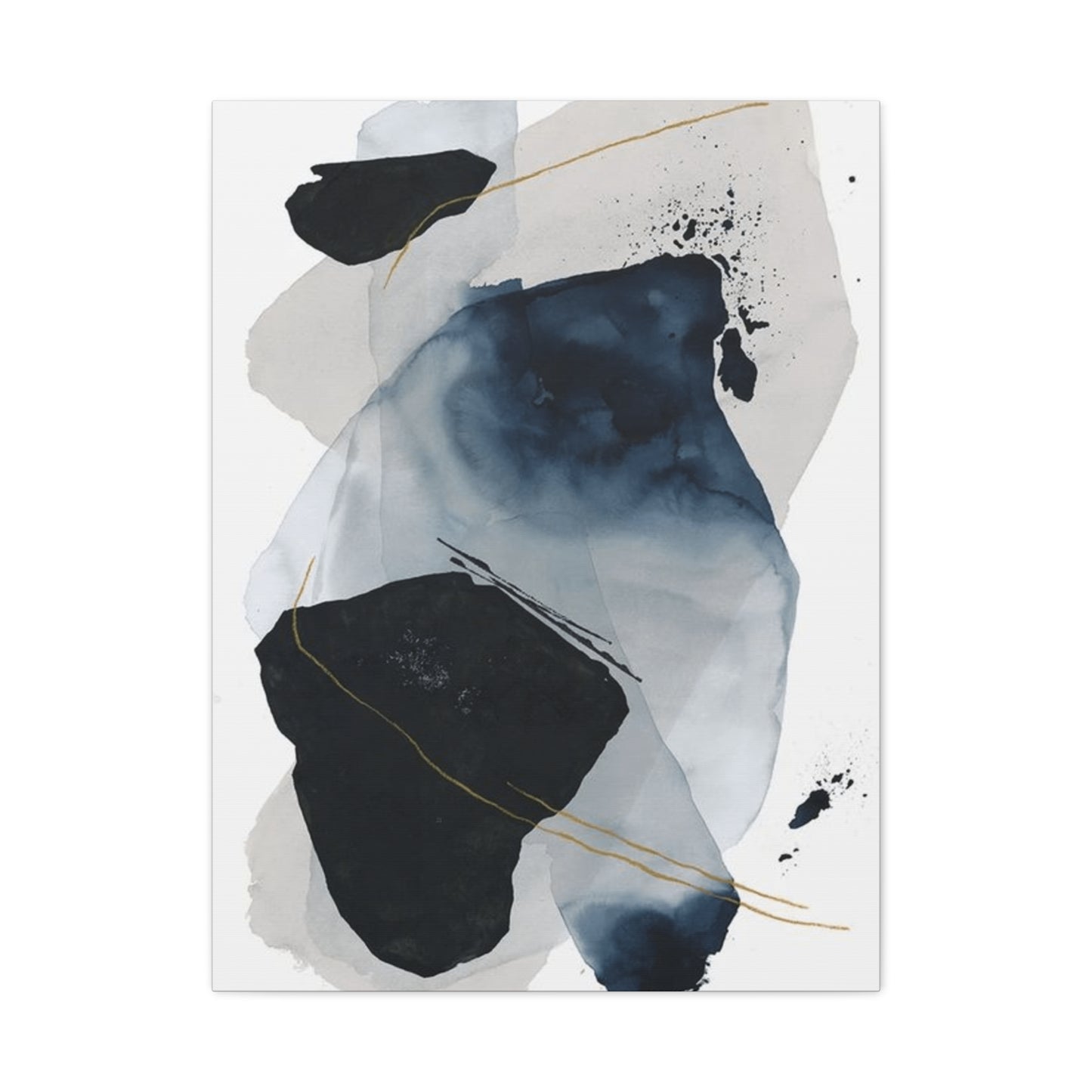
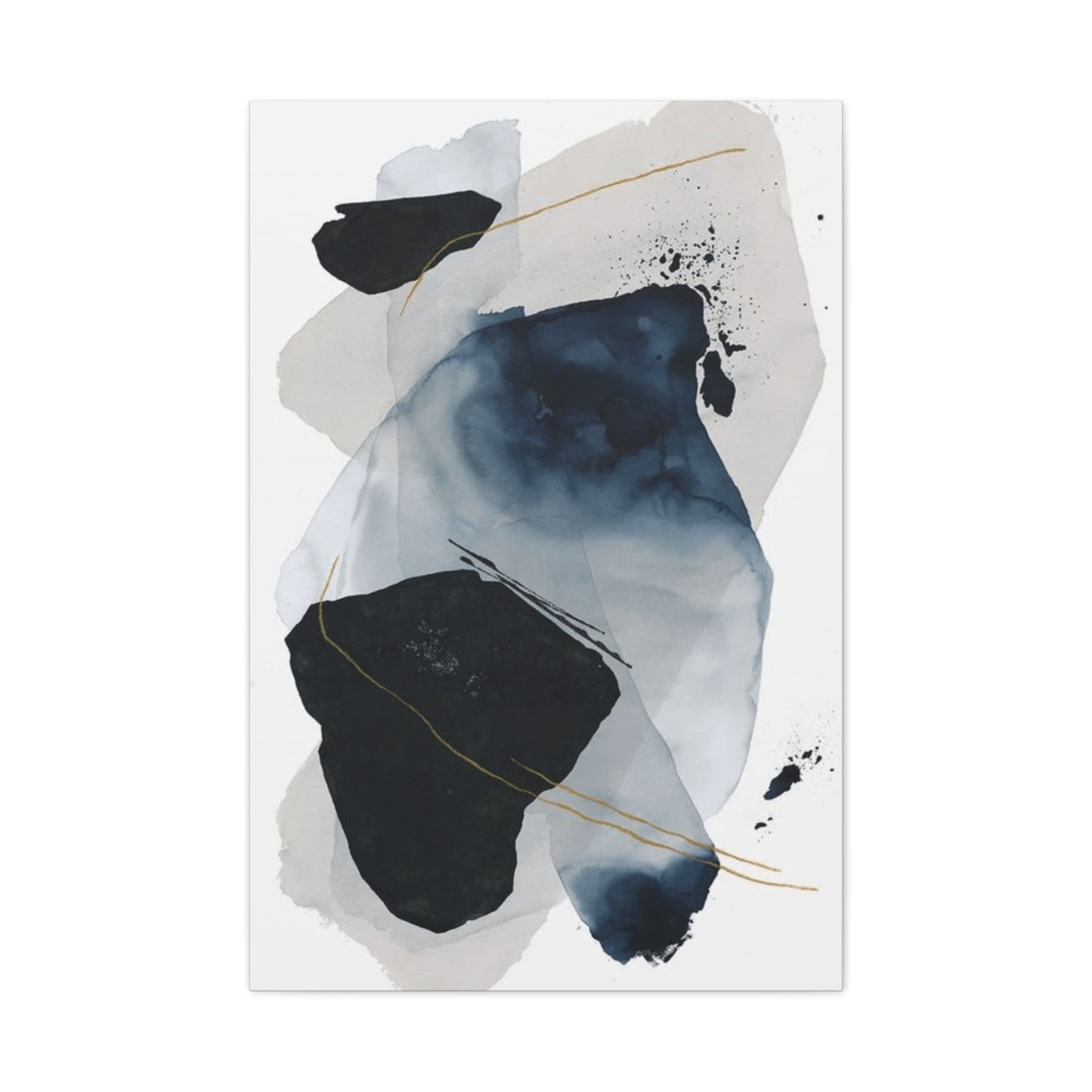
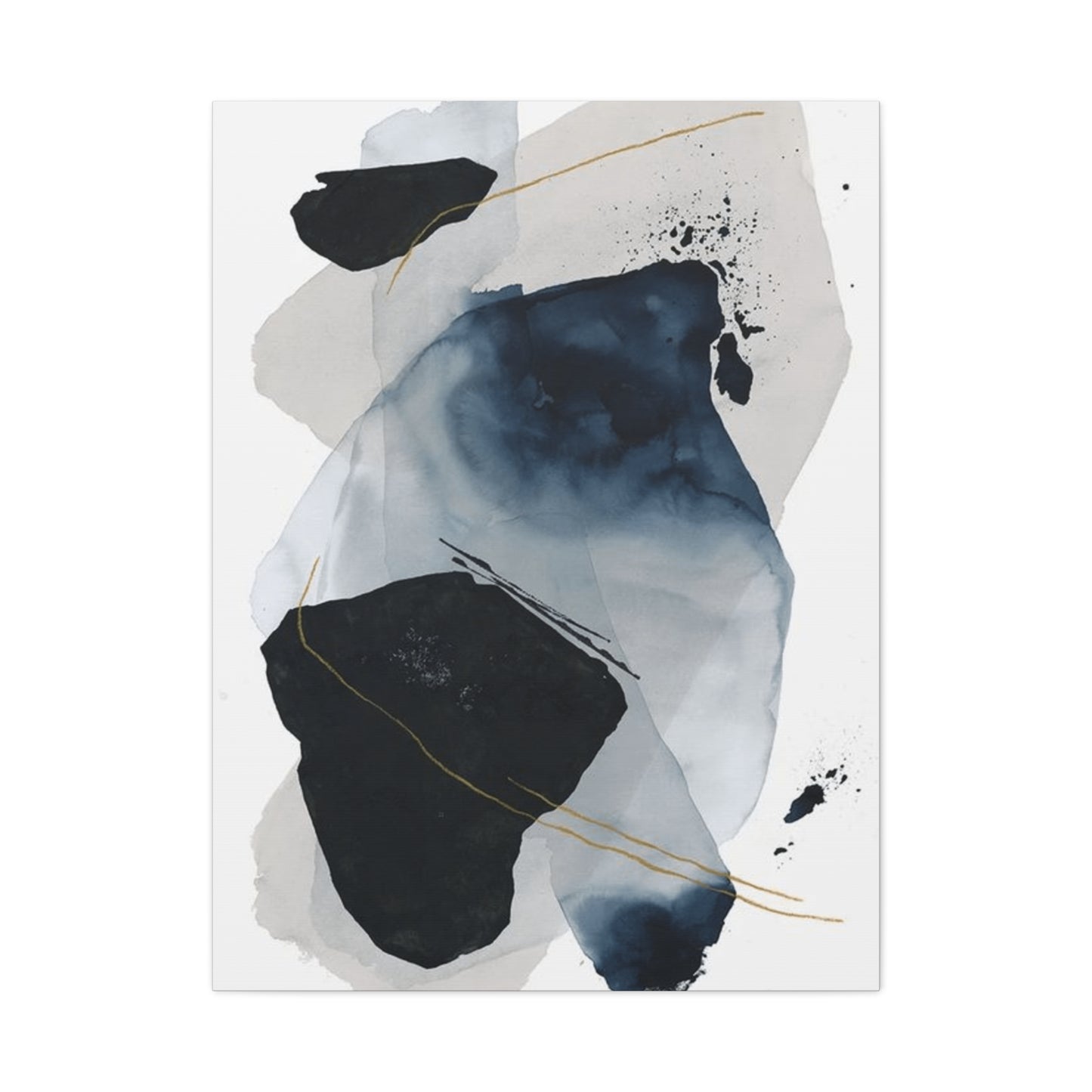
Sleek and Stylish: Why White Wall Art Never Goes Out of Style
Transform your living environment with the breathtaking beauty of alpine landscapes brought directly into your home through carefully crafted wall décor. The timeless appeal of elevated terrain blanketed in pristine snow offers a rare sense of tranquility and grandeur that few other natural elements can match. These artistic representations serve as more than mere decoration—they become windows to distant horizons and reminders of nature’s magnificent architecture.White wall art, especially when depicting snowy mountains, embodies elegance and simplicity. Its neutral palette seamlessly complements a wide range of interior styles, from modern minimalist spaces to cozy rustic cabins. The purity of snow-covered peaks evokes calmness and clarity, making these artworks perfect for creating serene environments that invite relaxation and reflection.
Moreover, white alpine art adds depth and dimension through subtle textures and contrasts, capturing the interplay of light and shadow across icy surfaces. This dynamic visual experience draws the viewer in, offering endless opportunities to discover new details with each glance.Beyond aesthetics, these pieces inspire a connection to the outdoors, reminding us of nature’s quiet power and timeless beauty. Whether placed in living rooms, bedrooms, or offices, white alpine wall art elevates any space with its understated sophistication and serene charm.In a world full of bold colors and busy patterns, the sleek simplicity of white wall art remains an enduring choice—timeless, versatile, and endlessly stylish.
Capturing Nature's Grandeur Through Majestic White Mountains Canvas
The art of displaying elevated snowy terrain on canvas represents one of the most compelling ways to bring natural beauty into interior spaces. These pieces capture the raw magnificence of towering summits draped in fresh powder, creating focal points that command attention while maintaining a sense of peaceful elegance. The pristine quality of untouched alpine environments translates remarkably well to canvas medium, where artists can emphasize the play of light across frozen surfaces and the dramatic contrasts between bright snow and deep sky.
When selecting these artistic pieces for your space, consider how the scale and composition align with your room dimensions. Larger formats work exceptionally well in spacious living areas or above substantial furniture pieces, while smaller interpretations suit intimate spaces like reading nooks or personal offices. The vertical nature of elevated peaks naturally draws the eye upward, making these pieces particularly effective for creating the illusion of higher ceilings in compact rooms.
The emotional resonance of alpine imagery extends beyond simple aesthetics. These landscapes evoke feelings of adventure, solitude, contemplation, and the sublime power of untamed wilderness. For urban dwellers especially, such artwork provides a vital connection to natural environments that may otherwise feel distant from daily life. The cool color palette dominated by whites, blues, and grays also contributes to creating calming atmospheres that counterbalance the overstimulation of modern living.
Modern printing technologies have revolutionized how these natural scenes appear on canvas. High-resolution photography combined with archival-quality inks ensures that every detail from the original image translates with stunning clarity. The texture of canvas itself adds dimension that flat prints cannot match, with the weave becoming part of the visual experience. Many contemporary pieces also incorporate mixed media techniques, blending photographic elements with painterly effects to create unique interpretations of alpine beauty.
Snow-Capped Peaks Wall Art That Transforms Interior Atmosphere
Artwork featuring summits crowned with frozen precipitation brings a distinctive character to any room it inhabits. These pieces function as conversation starters while providing year-round reminders of winter's crystalline beauty. The inherent drama of jagged ridgelines meeting sky creates natural tension in composition, balanced by the softness of accumulated snow that smooths harsh angles and creates gentle curves.
The versatility of this artistic category allows it to complement various design philosophies. In minimalist spaces, a single large-scale piece featuring stark alpine forms against clear sky can serve as the room's central artistic statement. For more eclectic interiors, smaller coordinated pieces arranged in gallery walls bring visual interest without overwhelming other design elements. The neutral color palette of snowy summits makes these artworks remarkably adaptable, working equally well with warm wood tones, cool metals, or vibrant accent colors.
Lighting considerations play a crucial role in how these pieces present themselves throughout the day. Natural daylight enhances the luminosity of white surfaces in the artwork, creating different moods as sun angles shift. Strategic artificial lighting, particularly from adjustable picture lights or track systems, can highlight specific elements within the composition after dark. Some collectors position these pieces where they catch morning light, symbolically starting each day with mountain sunrise imagery.
The psychological benefits of displaying natural landscapes in living spaces have been well documented by environmental psychologists. Scenes of elevated terrain specifically have been associated with increased feelings of inspiration, reduced stress markers, and enhanced cognitive function. The vastness depicted in mountain imagery provides mental space for contemplation, offering visual escape routes from the confined nature of interior environments. This therapeutic aspect makes such artwork particularly valuable in home offices, meditation spaces, or bedrooms where mental restoration is prioritized.
Tranquil Mountain Landscapes on Canvas for Peaceful Living Spaces
Canvas presentations of serene alpine environments excel at creating atmospheres of calm and reflection within contemporary homes. These artistic interpretations emphasize the quieter aspects of elevated wilderness: the stillness of frozen lakes, the gentle slopes of snow-covered foothills, the soft transitions between earth and sky. Unlike more dramatic renditions that focus on peaks and precipices, these compositions invite prolonged viewing and quiet contemplation.
The color science behind these calming effects deserves attention. Cooler tones that dominate winter landscape imagery, particularly the blues and whites prevalent in snow scenes, have measurable effects on human physiology. Studies indicate that exposure to these colors can lower heart rate and blood pressure, promoting relaxation responses. The absence of warm reds and oranges, which can stimulate alertness and even anxiety, makes these pieces particularly suitable for spaces designed for rest and recovery.
Composition techniques in tranquil landscape art typically employ horizontal emphasis rather than vertical drama. Rolling hills, distant ranges, and expansive skies create visual flow that encourages the eye to move smoothly across the canvas rather than jumping between high-contrast elements. This visual rhythm mirrors the slow, measured pace associated with peaceful environments, subtly influencing the mood of room occupants.
Material choices for canvas presentations significantly impact the final aesthetic. Gallery-wrapped canvases, where the printed image continues around the frame edges, create a floating effect that enhances the sense of looking through a window into another place. Traditional framed canvases provide more formal presentations suitable for classical interiors. The texture of the canvas itself, whether smooth or heavily textured, adds another dimension to how light interacts with the surface throughout the day.
Placement strategies for these calming pieces should prioritize sightlines from relaxation zones. Positioning artwork where it's visible from seating areas, beds, or workspaces allows for repeated viewing that can serve as brief meditative breaks throughout the day. Many interior designers recommend hanging these pieces slightly lower than standard gallery height in bedrooms, ensuring they're easily visible when reclining.
Serene White Mountains for Walls Creating Elegant Focal Points
Displaying alpine imagery dominated by pristine snow creates sophisticated visual anchors that elevate entire room designs. The inherent elegance of these natural forms, refined by millennia of geological processes and annually renewed by seasonal snowfall, translates beautifully to wall presentations. These pieces bridge the gap between bold statement art and subtle background decoration, commanding attention without demanding it.
The monochromatic nature of snow-dominated landscapes offers unique advantages for interior coordination. These pieces function almost as neutral elements that can adapt to changing décor schemes over time. As furniture, textiles, or accent pieces change with trends or personal preference, alpine artwork continues to complement new arrangements. This longevity makes such pieces wise investments for those who appreciate both aesthetic value and practical versatility.
Different artistic interpretations of the same subject matter provide diverse options for various design needs. Photorealistic renditions appeal to those who value accuracy and detail, capturing specific locations with documentary precision. Impressionistic approaches emphasize mood and atmosphere over literal representation, using loose brushwork and color variations to convey emotional rather than physical reality. Abstract interpretations distill alpine forms to their essential geometric components, creating modern pieces that reference natural inspiration without depicting it directly.
The cultural significance of mountain imagery adds depth to these decorative choices. Throughout human history, elevated terrain has held spiritual and symbolic meaning across virtually all cultures. These associations, whether conscious or subliminal, add layers of meaning to contemporary artistic presentations. For some viewers, such imagery connects to personal experiences hiking, skiing, or traveling in alpine regions. For others, these pieces represent aspirational destinations or embody values like resilience, permanence, and natural beauty.
Conservation and care of canvas artwork ensure these pieces maintain their visual impact for decades. Proper placement away from direct sunlight prevents fading, while climate-controlled environments protect against warping or cracking. Regular dusting with soft brushes maintains surface clarity without damaging delicate inks or canvas fibers. Many high-quality pieces now include protective coatings that repel dust and moisture, significantly extending their lifespan even in less-than-ideal conditions.
Winter Mountain Scenes in Art Bringing Seasonal Beauty Indoors
Artistic representations of cold-season alpine environments allow enthusiasts to enjoy winter's aesthetic pleasures year-round without enduring its challenges. These scenes capture specific moments when low-angle light creates long shadows across snowfields, when morning frost transforms evergreens into crystalline sculptures, or when clearing storms reveal newly whitened summits. The temporal specificity of these captured moments gives each piece narrative quality that static subjects lack.
The technical challenges of depicting snow in art have fascinated creators for centuries. Snow's reflective properties mean it rarely appears as pure white, instead taking on subtle tints from surrounding sky, vegetation, and geological features. Skilled artists and photographers understand how to represent these nuances, creating snow that appears dimensional and textured rather than flat and featureless. The interplay of shadows across snow surfaces provides crucial visual information about terrain contours and time of day.
Seasonal artwork rotation has become increasingly popular among design-conscious homeowners, with winter landscapes earning special prominence during colder months. However, the timeless quality of well-executed alpine scenes often transcends seasonal associations, remaining relevant and beautiful regardless of weather outside. The cooling visual effect of snowy imagery even provides psychological relief during hot summer months, offering mental refreshment through artistic suggestion.
Different geographical regions produce distinctive alpine aesthetics that appeal to varied tastes. North American ranges typically feature more dramatic vertical relief and extensive coniferous forests. European peaks often include evidence of human habitation, adding pastoral elements to wilderness scenes. Asian mountain ranges frequently incorporate cultural elements like temples or traditional architecture that create fusion between natural and human-made beauty. These regional variations allow collectors to choose pieces that resonate with personal travel experiences or cultural connections.
The evolution of winter landscape art reflects changing human relationships with natural environments. Historical paintings often depicted mountains as fearsome obstacles to be overcome or sublime spectacles that inspired awe tinged with terror. Contemporary interpretations more commonly present alpine environments as destinations for recreation, subjects for conservation, or sources of aesthetic pleasure. This shift mirrors broader cultural changes in how modern society perceives and interacts with wilderness.
Nature's Beauty Captured on Canvas Through Mountain Imagery
The process of translating three-dimensional natural grandeur into two-dimensional artistic representations requires both technical skill and creative vision. Canvas serves as an ideal medium for this translation, offering texture, durability, and visual warmth that alternative surfaces cannot match. The slight give of stretched canvas creates subtle dimensional variations that catch light differently than rigid surfaces, adding life to static images.
Photography has democratized access to high-quality mountain imagery, with modern equipment allowing capture of details and colors that earlier generations could only imagine. However, the transition from photograph to finished canvas involves numerous decisions that affect final presentation. Color correction ensures that printed images match or enhance the emotional impact of original captures. Size scaling must maintain resolution while potentially emphasizing certain compositional elements. Edge treatments determine whether images appear to float independently or integrate with surrounding architecture.
Traditional painting techniques continue to offer unique qualities that mechanical reproduction cannot replicate. Hand-painted canvases bear visible evidence of their creation, with brushstrokes adding movement and energy to static compositions. Mixed media approaches combine painted elements with photographic bases, creating layered effects that engage viewers through visual complexity. These one-of-a-kind or limited-production pieces appeal to collectors seeking artwork with intrinsic uniqueness beyond mass-produced prints.
The choice between original artwork and high-quality reproductions involves balancing aesthetic desires with practical considerations. Original paintings command premium prices but offer unmatched uniqueness and potential investment value. Limited edition prints provide middle ground, combining artist involvement with more accessible pricing. Open edition reproductions make beautiful imagery available to widest audiences at entry-level prices. Each category serves different collector needs and budgets while contributing to appreciation of mountain beauty.
Authenticity verification has become increasingly important in art markets. For photographic prints, edition numbers and artist signatures provide provenance documentation. Certificate of authenticity documents specify printing processes, paper or canvas specifications, and limitation details. For original works, artist signatures, dated creation, and stylistic analysis help establish legitimacy. Reputable sources provide detailed documentation that protects buyers while supporting artists.
White Mountains Scenic Wall Prints for Contemporary Interiors
Wall prints featuring alpine terrain covered in fresh snow bring accessibility to mountain aesthetics without requiring the investment associated with original artwork. Modern printing technology has reached quality levels where properly executed prints rival hand-created works in visual impact. The key lies in understanding printing processes, substrate choices, and finishing techniques that separate premium products from budget alternatives.
Giclée printing represents the current standard for fine art reproduction, utilizing archival pigment inks that resist fading for decades under proper display conditions. This process achieves color accuracy and detail resolution that earlier technologies could not approach. When applied to quality canvas, giclée prints create presentations virtually indistinguishable from original paintings at viewing distances. The investment in premium printing shows in longevity and sustained visual appeal that budget options cannot match.
Substrate selection significantly impacts how printed images present themselves. Traditional cotton canvas offers texture and flexibility that echoes historical painting surfaces. Polyester blends provide enhanced durability and dimensional stability for larger formats. Specialty surfaces like textured art papers mounted to boards create different aesthetic effects suitable for specific design contexts. Understanding these material properties helps match products to intended display environments.
Stretching and mounting techniques determine structural integrity and visual presentation. Gallery wraps that continue printed images around frame edges create frameless floating presentations popular in contemporary design. Traditional stretching positions images on the front surface only, anticipating framed display. Museum-quality stretching techniques ensure tension remains consistent across canvas surfaces, preventing sagging or warping over time.
Finishing treatments protect surfaces while affecting visual properties. Clear protective coatings shield against UV degradation, moisture, and physical contact. Matte finishes minimize reflections, making artwork viewable from wider angles under various lighting conditions. Gloss or semi-gloss treatments enhance color saturation and create richer blacks, though they may produce glare under certain lighting. Texture additives can simulate brushwork, adding dimensional interest to flat prints.
Size considerations involve balancing visual impact with physical constraints and viewing distances. Oversized single-panel prints create commanding focal points suitable for spacious areas with generous wall space. Multi-panel compositions allow large-scale imagery to fit challenging wall configurations while adding rhythmic interest through panel divisions. Smaller prints suit intimate spaces where viewers will be positioned close enough to appreciate fine details.
Peaceful Mountain Canvas for Interiors Enhancing Home Tranquility
Interior spaces dedicated to relaxation and mental restoration benefit enormously from carefully selected alpine imagery. These pieces function as visual anchors that help define room purpose while contributing to desired atmospheric qualities. The inherent peacefulness of undisturbed mountain environments translates effectively to canvas presentations, creating artwork that supports rather than demands attention.
The concept of biophilic design, which incorporates natural elements into built environments, provides theoretical framework for understanding why mountain imagery enhances interior wellbeing. Humans evolved in natural settings and retain psychological affinity for certain landscape types. Views of elevated terrain specifically trigger positive responses related to prospect and refuge, evolutionary preferences for positions offering both distant views and protective shelter. Artwork depicting such scenes taps into these deep-seated preferences, creating subconscious comfort.
Color psychology principles explain much of the calming effect associated with winter mountain artwork. Blues dominate many alpine scenes, particularly in shadows, distant ranges, and sky elements. This color has been consistently associated with reduced stress responses, lower perceived temperatures, and enhanced mental clarity. Whites and light grays, which characterize snow coverage, contribute to feelings of cleanliness, simplicity, and openness. Together, these colors create visual environments that physiologically support relaxation.
Composition techniques in peaceful landscape imagery typically avoid jarring elements or extreme contrasts. Soft transitions between tonal values allow eyes to move smoothly across surfaces without sudden shifts that can create visual tension. Asymmetrical but balanced arrangements feel natural and organic compared to rigid symmetrical compositions. Depth cues like atmospheric perspective guide viewers into imaginary spaces, providing mental escape routes from physical confinement.
Integration with other design elements ensures mountain artwork enhances rather than conflicts with overall room concepts. In minimalist spaces, simple alpine compositions reinforce aesthetic restraint while preventing coldness through natural warmth. For maximalist interiors, more detailed or colorful interpretations add to visual abundance without creating chaos. Transitional designs benefit from artwork that bridges traditional and contemporary elements, such as classical landscape compositions in modern presentations.
Snowy Mountain Landscapes on Canvas for Year-Round Display
Canvas presentations of frost-covered peaks offer the unusual advantage of seasonal imagery that remains appropriate throughout annual cycles. Unlike overtly seasonal décor that requires rotation or storage, well-executed alpine scenes transcend temporal specificity. The timeless quality of geological forms ensures these pieces never appear dated or irrelevant regardless of current weather or calendar position.
The technical aspects of capturing and reproducing snow texture challenge even experienced artists and photographers. Snow's crystalline structure reflects and refracts light in complex ways that change dramatically with viewing angle and illumination conditions. Shadows across snow surfaces rarely appear as simple gray darkening but instead incorporate blues reflected from sky, subtle colors from adjacent objects, and variations based on snow depth and density. Accurately rendering these subtleties separates compelling imagery from flat, unconvincing representations.
Different snow conditions create vastly different visual effects worth considering when selecting artwork. Fresh powder snow appears bright and uniform, creating high-contrast scenes with sharp definition between white surfaces and darker elements. Aged or wind-affected snow develops textures including drifts, cornices, and sastrugi patterns that add visual interest and convey environmental conditions. Partially melted snow introduces color variations and reveals underlying terrain, creating more complex compositions.
The interplay between snow-covered ground and vegetation creates particularly appealing visual contrasts. Evergreen forests mantled in white offer classic alpine imagery where dark tree masses accent brilliant snow fields. Deciduous trees in winter provide delicate branching patterns that create lacy effects against white backgrounds. Alpine meadows buried under deep snowpack transform into smooth abstract forms that emphasize underlying topography.
Lighting conditions dramatically affect how snow appears in artistic representations. Bright midday sun creates high-contrast scenes with brilliant highlights and deep shadows. Overcast conditions produce softer, more subtle imagery where tonal variations become primary compositional elements. Sunrise and sunset introduce warm colors that contrast beautifully with cool snow tones. Moonlight and alpenglow create mysterious, ethereal effects that appeal to romantic sensibilities.
White Mountain Panoramas for Homes Creating Expansive Visual Impact
Panoramic format artwork depicting extended mountain ranges brings unique visual dynamics to interior spaces. These horizontally elongated compositions emphasize the vastness of alpine environments, creating sense of breadth that conventional format ratios cannot achieve. The eye-level horizon placement typical in panoramic landscapes creates comfortable viewing experiences that feel natural and unforced.
The technical challenges of panoramic presentations require specialized approaches whether creating original artwork or reproducing photographic captures. Multi-image stitching must seamlessly blend overlapping sections while maintaining consistent exposure and color throughout compositions. Lens distortion correction prevents unnatural curvature, particularly in ultra-wide panoramas spanning 180 degrees or more. The extended formats demand careful attention to visual flow, ensuring compositional interest distributes across the entire width rather than concentrating in central areas.
Architectural integration of panoramic mountain artwork requires thoughtful placement that respects both piece and space. These works excel above horizontal furniture arrangements like sofas, consoles, or beds where their extended format complements underlying furniture shapes. In open-plan spaces, panoramic pieces can define functional zones while maintaining visual connection across areas. Hallways and corridors, often challenging to decorate effectively, provide ideal locations where panoramic formats emphasize directional flow.
Multi-panel panoramic presentations offer flexibility advantages over single-piece installations. Triptych or multi-panel arrangements allow artwork to span wide expanses while accommodating obstacles like wall switches, architectural features, or furniture positioning. The divisions between panels add rhythmic visual interest while allowing easier transportation and installation compared to single large canvases. Careful attention to panel alignment ensures continuous visual flow across divisions.
The sense of immersion created by panoramic mountain imagery exceeds what conventional formats achieve. By filling more of the viewer's horizontal field of vision, these pieces create stronger environmental presence that can transform room atmospheres. This immersive quality makes panoramic formats particularly effective for rooms dedicated to relaxation, meditation, or contemplation where mental transportation to distant environments provides therapeutic value.
Calm and Scenic Wall Décor Featuring Alpine Environments
Wall decorations emphasizing tranquil mountain settings serve multiple functions beyond simple aesthetic enhancement. These pieces create conversation starters that reveal homeowner values and interests. They provide visual rest points where eyes can settle during social gatherings or solitary moments. They contribute to room identity, helping define spaces as sanctuaries from external pressures.
The curation process for selecting appropriate alpine imagery involves considering multiple factors simultaneously. Personal resonance matters first, artwork that connects with individual experiences, aspirations, or aesthetic preferences will provide sustained satisfaction. Scale appropriateness ensures pieces neither overwhelm spaces nor disappear against walls. Color coordination, while flexible given the neutral palettes common to winter landscapes, should complement existing or planned design schemes.
The emotional tenor of selected imagery should align with room purpose and desired atmosphere. Dramatic peaks and stark contrasts create energizing effects suitable for active spaces like home gyms or creative studios. Gentle slopes and soft light produce calming influences appropriate for bedrooms or reading areas. Balanced compositions with moderate contrast levels provide versatile options that work across various room types.
Quality indicators help distinguish premium pieces from mediocre alternatives in crowded marketplaces. Sharp focus and proper exposure throughout compositions demonstrate technical proficiency. Appropriate color saturation avoids both muddy dullness and artificial oversaturation. Compositional balance creates visual interest without confusion. Production quality including proper stretching, clean edges, and protective finishes indicates attention to craftsmanship.
The investment perspective on wall décor recognizes that carefully selected pieces provide value far exceeding initial costs. Quality artwork maintains visual appeal for decades, avoiding the need for frequent replacement that plague inferior products. The psychological benefits of living with beautiful, meaningful imagery contribute to daily quality of life in ways difficult to quantify but impossible to ignore. When amortized across years of daily enjoyment, premium pieces prove economically sound investments.
Majestic Peaks Captured in Art Bringing Mountain Grandeur Home
Artistic interpretations of impressive summit formations bring some of nature's most commanding forms into residential settings. These elevated geological features have captivated human imagination throughout history, inspiring mythology, literature, and visual arts across cultures. Modern canvas presentations continue this tradition, making mountain majesty accessible to those unable to venture into remote alpine regions.
The geological processes that create distinctive peak formations provide fascinating context that deepens appreciation for their visual appeal. Tectonic forces thrust rock upward over millions of years, creating the fundamental shapes. Glacial carving sculpts dramatic features including cirques, arêtes, and horns. Freeze-thaw cycles continue weathering processes that sharpen ridges and steepen faces. Understanding these formation mechanisms adds intellectual dimension to aesthetic appreciation.
Different mountain ranges exhibit characteristic appearances that knowledgeable viewers can identify. The jagged, recently uplifted peaks of younger ranges contrast with the rounded, weathered forms of ancient mountains. Volcanic origins create conical shapes distinct from folded sedimentary peaks. Limestone formations often feature vertical faces and complex surface textures different from granite massifs. These geological signatures contribute to regional character that makes certain ranges immediately recognizable.
The interplay of light and shadow across complex peak topography creates constantly changing visual spectacles that challenge artistic capture. Morning alpenglow transforms gray stone to rose and gold. Midday sun creates sharp-edged shadows that emphasize three-dimensional form. Late afternoon sidelighting reveals texture details invisible under overhead illumination. These ephemeral lighting effects make timing crucial for photographers and inform creative decisions for painters.
Cultural associations with specific famous peaks add layers of meaning to their artistic representations. Many mountains hold sacred status in traditional belief systems or have become symbols of national identity. Mountaineering history connects certain summits with human drama involving exploration, conquest, tragedy, and triumph. These stories resonate with viewers even when viewing artistic interpretations rather than the physical mountains themselves.
Mountain Serenity Canvas Prints for Meditative Spaces
Canvas prints emphasizing the peaceful aspects of alpine environments create ideal focal points for rooms dedicated to meditation, yoga, or contemplative practices. These pieces support mindfulness by providing visual anchors that help quiet racing thoughts and center attention. The timeless, unchanging quality of mountain forms contrasts with the constant flux of daily life, offering symbolic stability that facilitates mental calm.
The practice of using natural imagery to support meditation has deep roots in various contemplative traditions. Mountain gazing meditation, practiced in certain Buddhist traditions, uses actual or visualized mountain forms as objects of concentration. The stability, permanence, and upward reach of mountains serve as metaphors for mental qualities cultivated through practice. Artwork depicting mountains brings these symbolic associations into dedicated practice spaces.
Color selection for meditative spaces typically favors cool, subdued palettes that avoid stimulation while preventing dullness. Winter mountain scenes naturally provide these color qualities through their dominance of blues, whites, and grays. Small accents of warmer tones, perhaps from sunset lighting or exposed rock, prevent coldness while maintaining overall calm. The balance between interest and simplicity proves crucial for artwork intended to support rather than distract from practice.
Simplicity in composition aligns with meditative intentions better than complex, busy imagery. Pieces featuring single prominent peaks or gently rolling ranges provide clear focal points without visual clutter. Minimalist interpretations that reduce mountain forms to essential elements create almost abstract presentations that prevent mental storytelling and instead support pure observation. The goal is artwork that can be viewed repeatedly without exhaustion or boredom.
Positioning of meditative artwork requires consideration of practice orientations and sightlines. Placement at or slightly below seated eye level ensures comfortable viewing during meditation without neck strain. Distance from seating should allow soft focus viewing where details blur slightly, reducing temptation to analyze or engage critically with images. Some practitioners prefer positions where artwork remains in peripheral vision rather than direct sightline, providing presence without pulling attention.
Snowy Horizons Wall Art Expanding Interior Perspectives
Artwork emphasizing distant snowy ridgelines and extensive horizons creates sense of space and possibility within enclosed interiors. These compositions typically feature relatively simple foregrounds with emphasis on layered distant ranges that fade through atmospheric perspective. The resulting depth creates visual expansion that psychologically enlarges rooms while providing restful viewing experiences.
Atmospheric perspective, the optical phenomenon where distant objects appear lighter and less distinct, provides crucial compositional tool in horizon-focused mountain art. This effect results from light scattering as it travels through air, creating the characteristic blue shift and reduced contrast visible in distant ranges. Artists emphasize or exaggerate this natural phenomenon to enhance depth perception and create ethereal, dreamlike qualities in horizon views.
The emotional associations with horizons involve concepts of journey, possibility, and future orientation. Viewing distant ranges naturally prompts thoughts about what lies beyond, engaging imagination and perhaps stirring wanderlust. For some viewers, horizon imagery provides vicarious satisfaction of exploratory urges. For others, it symbolizes life's unfolding possibilities and unknown adventures ahead. These metaphorical dimensions add psychological richness to simple visual pleasure.
The minimal color palettes characteristic of horizon-focused winter scenes create sophisticated neutral artwork that integrates seamlessly with diverse design schemes. Subtle gradations from darker foreground blues through mid-tone grays to pale distant ranges provide tonal interest without chromatic complexity. These pieces function almost as elegant neutrals that ground spaces without competing with other design elements for attention.
Different times of day produce dramatically different horizon effects worth considering when selecting or creating such artwork. Sunrise and sunset introduce warm color bands that contrast with cool mountains, creating dynamic tension. Midday lighting produces clearer, more defined distant ranges with less atmospheric effect. Overcast conditions create subtle, almost monochromatic presentations where tonal variations become primary compositional elements. Each lighting scenario produces different emotional tones and aesthetic effects.
Tranquil Nature Scenes for Interiors Connecting Indoors with Outdoors
Interior presentations of peaceful natural environments fulfill deep human needs for connection with the living world. These scenes serve as visual portals that psychologically expand confined spaces while providing restorative natural contact unavailable to many modern urban dwellers. Mountain landscapes particularly excel at this function through their combination of grandeur and serenity.
The concept of nature deficit disorder, while not a clinical diagnosis, describes observable phenomena where reduced natural contact correlates with increased stress, decreased attention capacity, and diminished wellbeing. Bringing natural imagery indoors through quality artwork provides partial remedy for this modern condition. While not equivalent to actual outdoor immersion, visual nature contact demonstrates measurable benefits in research settings including reduced stress markers and improved mood indicators.
The selection of tranquil rather than dramatic nature scenes for residential spaces reflects understanding of psychological impacts. While dramatic imagery featuring storms, avalanches, or extreme terrain can create excitement, such stimulating content often proves fatiguing when encountered daily. Tranquil scenes provide consistent psychological benefits without overstimulation, making them superior choices for frequently occupied spaces.
Seasonal consistency of alpine winter imagery offers practical advantages over deciduous forest scenes that can feel incongruous with outdoor seasonal changes. Snow-covered mountains maintain appropriate feel year-round, avoiding the disconnect that can occur when displaying spring imagery during autumn or summer scenes during winter. This temporal flexibility contributes to the enduring popularity of mountain winter art.
The integration of natural imagery with live plants and natural materials creates layered biophilic design that maximizes wellbeing benefits. Pairing mountain artwork with wooden frames, stone accents, and living greenery reinforces natural themes while adding textural and three-dimensional elements that flat artwork alone cannot provide. This holistic approach to nature integration produces environments that feel cohesively connected to natural world.
White Mountains in Minimalist Art for Contemporary Aesthetics
Minimalist artistic interpretations of alpine terrain reduce complex natural forms to essential geometric and tonal elements. This reductive approach creates sophisticated presentations that honor mountain subjects while aligning with contemporary design principles valuing simplicity and restraint. The resulting pieces bridge natural inspiration with modern aesthetic sensibilities.
The philosophical underpinnings of minimalism emphasize essentialism and rejection of superfluous decoration. When applied to landscape art, this means stripping away incidental details to reveal fundamental forms and relationships. Mountains lend themselves remarkably well to this treatment, their basic triangular or pyramidal shapes providing strong geometric foundations. Snow coverage simplifies color palettes naturally, requiring little additional reduction to achieve minimalist effects.
Negative space utilization becomes crucial in minimalist mountain compositions. Large areas of sky or snow field provide visual rest and emphasize the importance of limited positive space elements. This asymmetry creates dynamic tension within overall simplicity, preventing pieces from becoming static or boring despite limited compositional elements. The balance between emptiness and form engages viewers through subtlety rather than complexity.
Tonal minimalism, using limited value ranges within narrow color families, creates particularly refined presentations. Compositions might explore relationships between warm and cool grays, or variations from deepest blue-black through mid-tone blues to near-white. This chromatic restraint demands careful attention to subtle gradations, rewarding close observation while maintaining overall simplicity.
The compatibility between minimalist mountain art and contemporary interior design makes these pieces highly practical for modern homes. Clean-lined furniture and uncluttered spaces benefit from artwork that reinforces rather than contradicts design philosophy. The sophisticated simplicity of quality minimalist pieces elevates entire rooms, functioning as carefully considered design elements rather than mere wall filling.
Scenic Canvas Prints for Modern Homes Blending Nature and Design
Canvas prints depicting beautiful alpine vistas bridge the gap between affordable accessibility and design-worthy quality. Modern production techniques have democratized access to museum-quality imagery, allowing broader audiences to enjoy stunning mountain photography and art. The challenge lies in distinguishing truly excellent prints from the flood of mediocre offerings saturating markets.
Print quality assessment begins with source image resolution and capture quality. Professional photography using proper equipment produces files with detail clarity and color accuracy that consumer snapshots cannot match. The jump from adequate to excellent source material shows clearly in final prints, particularly at larger sizes where any deficiencies become magnified. Demanding full-resolution samples before purchasing protects against disappointment.
Canvas substrate quality varies enormously between budget and premium products. Artist-grade cotton canvas provides archival stability and texture that enhances presentations. Polyester blends offer durability advantages for high-traffic areas or challenging environmental conditions. Cheap synthetic materials may initially appear acceptable but deteriorate rapidly and never achieve the visual warmth of quality substrates. The difference in tactile and visual quality justifies premium pricing.
Ink technology determines longevity and color fidelity crucial for long-term satisfaction. Pigment-based inks resist fading far better than dye-based alternatives, maintaining color integrity for decades rather than years. The expanded color gamut of professional printing systems captures subtle tonal variations impossible with basic printers. UV-resistant topcoats provide additional protection without altering surface appearance.
Frame and stretching quality impacts both aesthetics and durability. Properly seasoned stretcher bars resist warping that would compromise canvas tension. Appropriate thickness provides necessary rigidity for larger formats without appearing clunky. Clean corner joins and secure canvas attachment indicate careful construction. These seemingly minor details determine whether pieces maintain pristine appearance or develop problems over time.
Peaceful Snow-Capped Mountains Wall Décor Creating Harmony
Wall decorations featuring tranquil snowy summits contribute to harmonious interior environments through their balanced compositions and soothing color palettes. These pieces exemplify how thoughtfully selected artwork can influence room atmospheres, transforming ordinary spaces into havens of calm. The universal appeal of pristine mountain beauty transcends stylistic boundaries, working across diverse design contexts.
Harmony in art refers to the pleasing arrangement of compositional elements that creates sense of unity and balance. In mountain landscape art, this might involve careful distribution of visual weight between sky, peaks, and foreground elements. Color harmony emerges from relationships between dominant blues and whites with accent tones. Textural harmony balances smooth snow surfaces with rough rock exposures and varied vegetation.
The concept of visual temperature explains much of the harmonious quality in snow-dominated mountain art. Cool colors recede perceptually, creating restful compositions without aggressive forward energy. This coolness also associates with cleanliness, freshness, and clarity, positive qualities that influence psychological responses to spaces displaying such imagery. Small amounts of warm color, perhaps from sunset lighting or exposed earth, provide necessary contrast without disrupting overall cool harmony.
Scale relationships within compositions affect their harmonious qualities. Well-proportioned relationships between foreground, middle ground, and background create natural progression that guides eyes comfortably through images. Overly dominant elements can create tension, while proper scaling allows all compositional components to contribute without competition. These subtle proportional relationships often distinguish compelling imagery from merely adequate scenes.
The integration of peaceful mountain artwork with surrounding furnishings and architectural elements requires attention to visual connections and contrasts. Echoing horizontal lines from the artwork in nearby furniture creates rhythmic unity. Repeating blue tones from the print in textile choices builds color harmony across spaces. Contrasting the cool artwork temperature with warm wood finishes prevents spaces from feeling cold. These design relationships transform individual elements into cohesive environments.
Winter Landscapes on Canvas Prints Celebrating Cold Season Beauty
Canvas prints showcasing winter scenery allow enthusiasts to celebrate cold season aesthetics without geographic or temporal limitations. These presentations capture the distinctive beauty of frost-covered landscapes, from intimate forest scenes to expansive mountain vistas. The transformation that winter works upon familiar terrain creates renewed visual interest that makes seasonal landscapes perpetually compelling subjects.
The artistic challenges of winter landscape representation have inspired creative innovations throughout art history. The limited color palette available in snowy scenes pushes artists to explore subtle tonal variations and textural contrasts. The play of light across crystalline snow surfaces demands careful observation and skilled execution to render convincingly. These technical challenges often result in particularly refined artworks that showcase creator abilities.
Different snow types and conditions produce distinctive visual characteristics worth appreciating. Fresh powder snow creates smooth, sculptural forms that emphasize underlying topography. Wind-worked snow develops complex surface patterns including drifts, cornices, and wave-like formations. Crusted snow develops reflective surfaces that create distinct highlight patterns. Depth hoar and other crystal formations produce sparkling effects under appropriate lighting. Each condition offers unique aesthetic possibilities.
Final Reflection:
As I reflect on my journey exploring the timeless appeal of white wall art, I am struck by its enduring elegance and versatility. White art, often perceived as simple or minimalist, holds a unique power to transform spaces in subtle yet profound ways. This experience has deepened my appreciation for how color, or even the absence of it, can define style, evoke emotions, and create harmony within any environment.
At the outset, I saw white wall art primarily as a neutral design choice—something that blends effortlessly into various décor styles. However, as I delved deeper, I discovered that white art is much more than a backdrop. Its sleek and stylish nature lies in its ability to enhance light, space, and texture, making rooms feel open, calm, and sophisticated. White wall art’s understated presence encourages viewers to focus on form, line, and detail, offering a fresh canvas for imagination and interpretation.
One significant lesson from this exploration is the versatility of white wall art. Whether paired with bold colors, metallic accents, or natural materials, white pieces complement and elevate their surroundings without overwhelming them. This adaptability is what keeps white art relevant across shifting design trends—from modern minimalism to classic elegance. It reminded me that timeless style is often rooted in simplicity and balance rather than extravagance.
Another insight I gained is how white art fosters emotional calm and clarity. In a world often filled with noise and clutter, white walls and art provide a visual breathing space. They invite moments of pause, reflection, and mindfulness. This psychological effect of white art has broadened my understanding of décor—not just as decoration, but as a contributor to well-being and mental clarity.
Working with white wall art also challenged me to pay close attention to texture, shadow, and composition. Without the distraction of color, these elements become essential to creating interest and depth. This refined my skills in observation and creativity, teaching me that subtle details can carry a powerful impact.
In conclusion, my journey with white wall art has been a revelation of how sleek and stylish simplicity truly is. Its timelessness comes from its ability to adapt, soothe, and inspire without demanding attention. This reflection reinforces my belief that great design often lies in restraint and thoughtful choices. Moving forward, I feel inspired to embrace minimalism and subtlety in my creative work, knowing that sometimes less is indeed more.


