


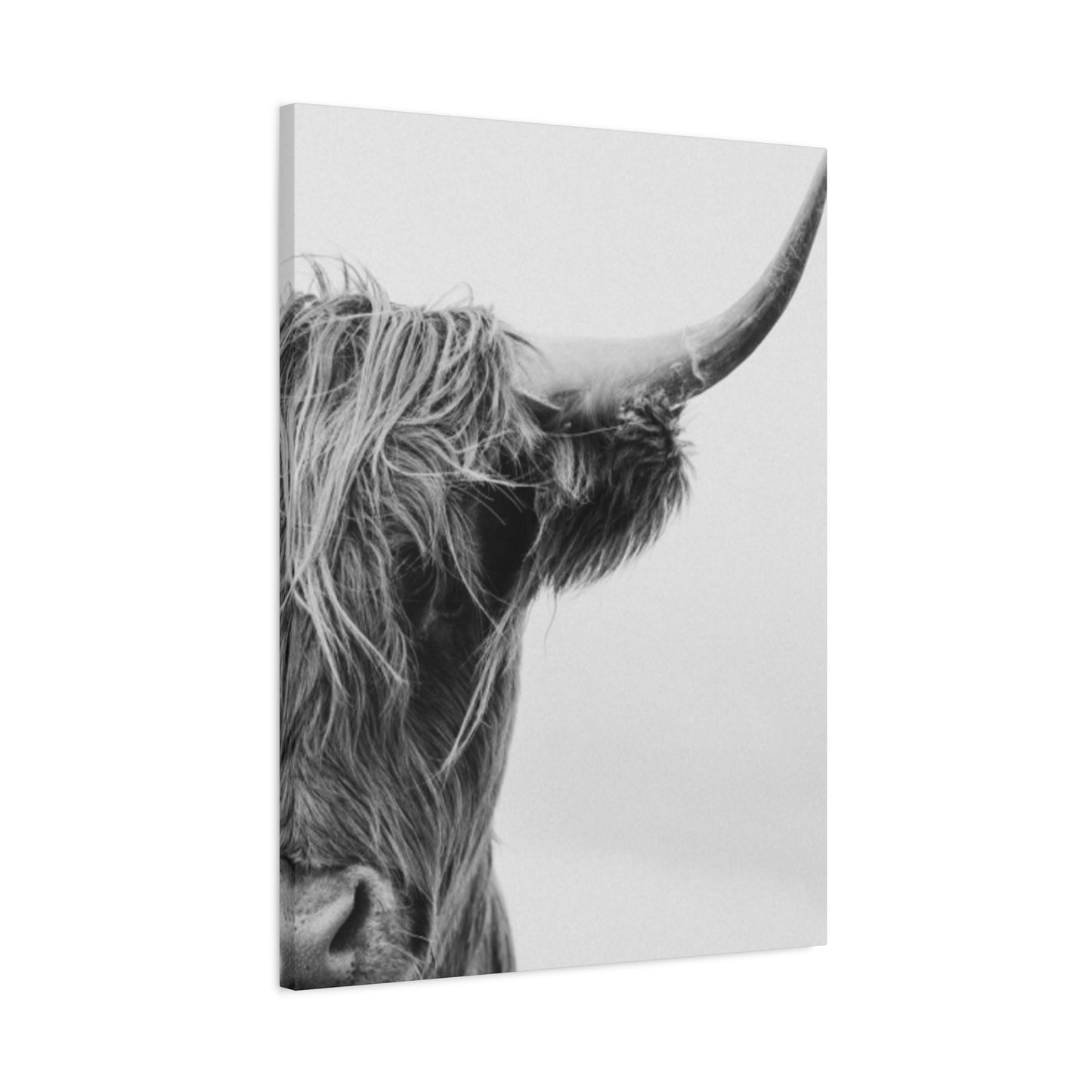
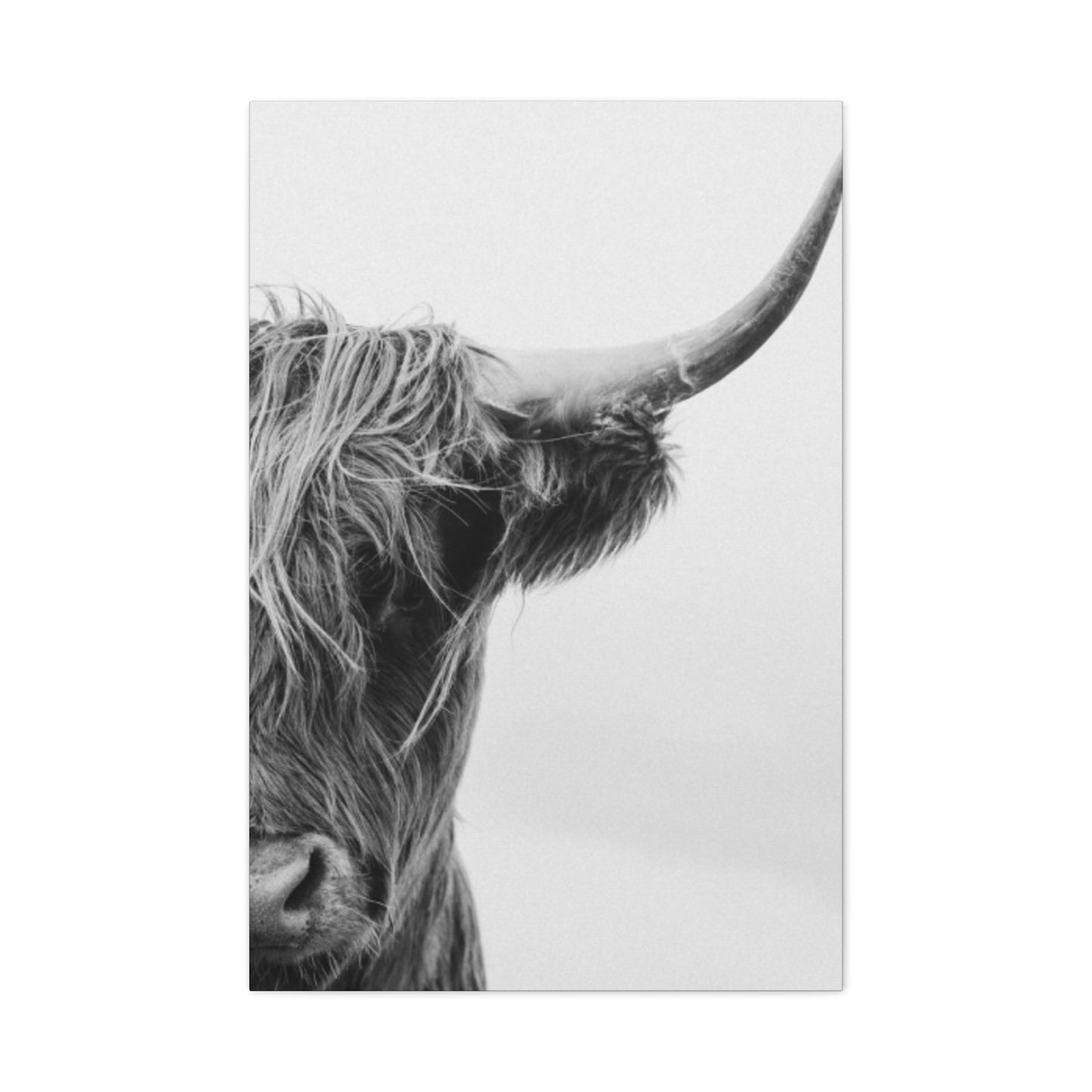
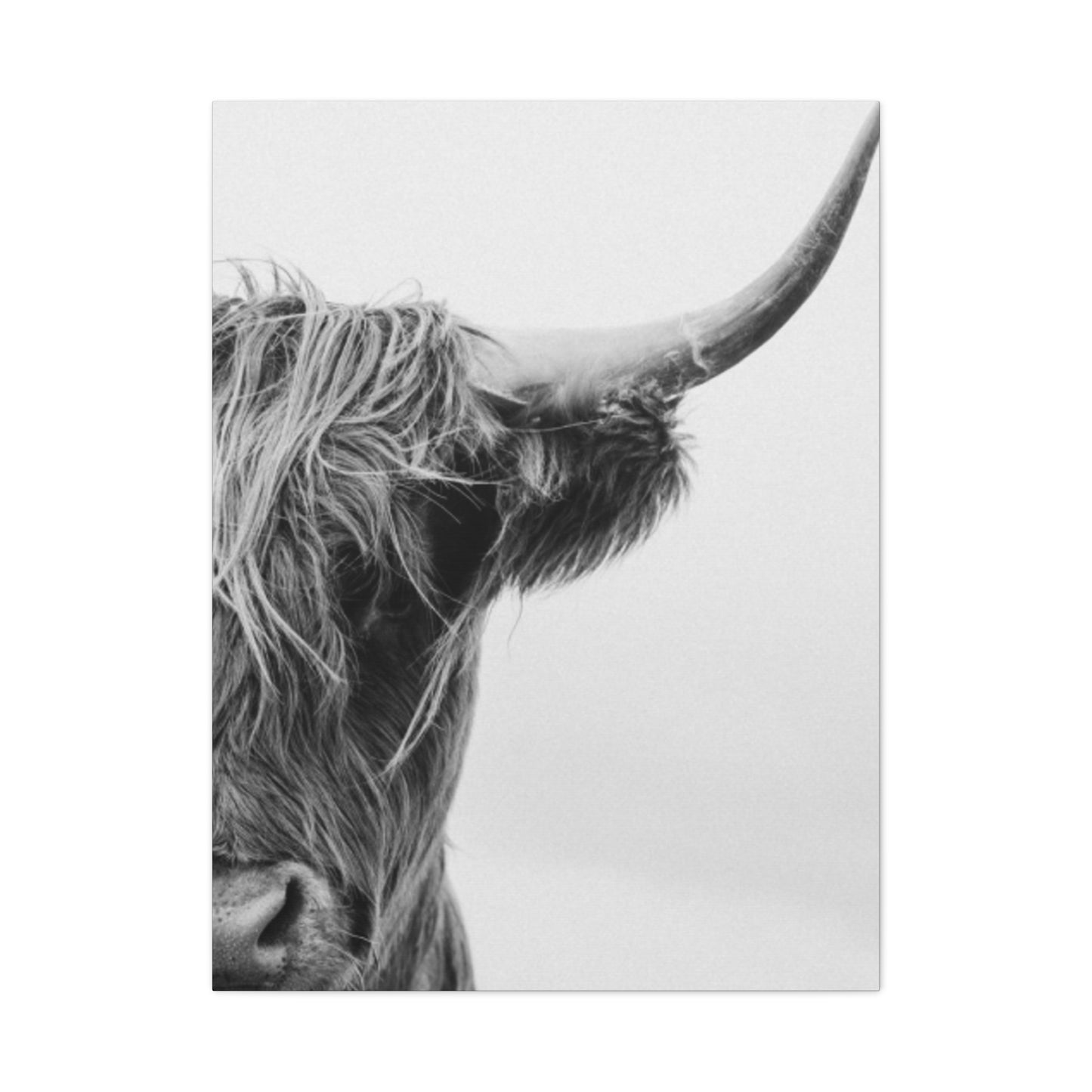
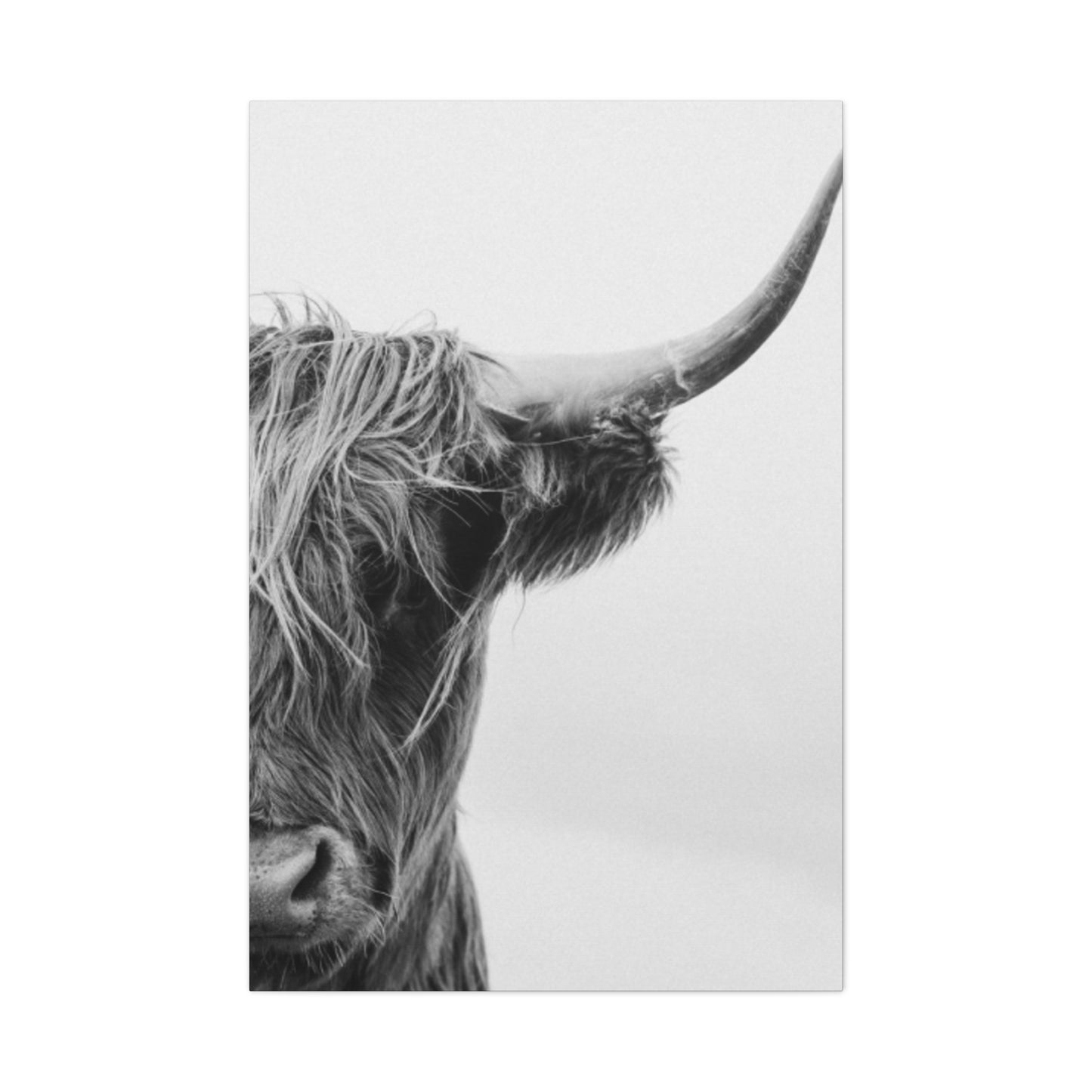
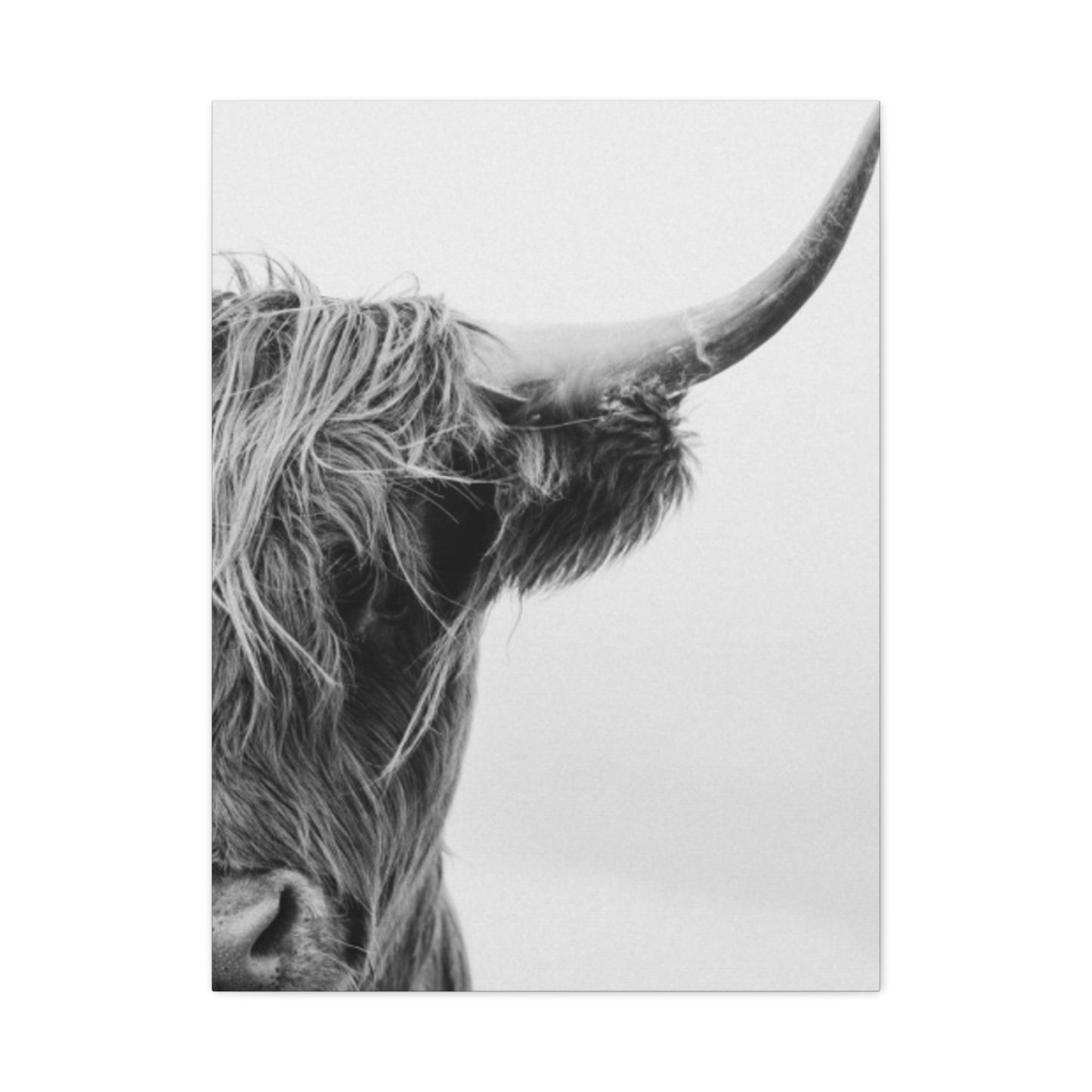
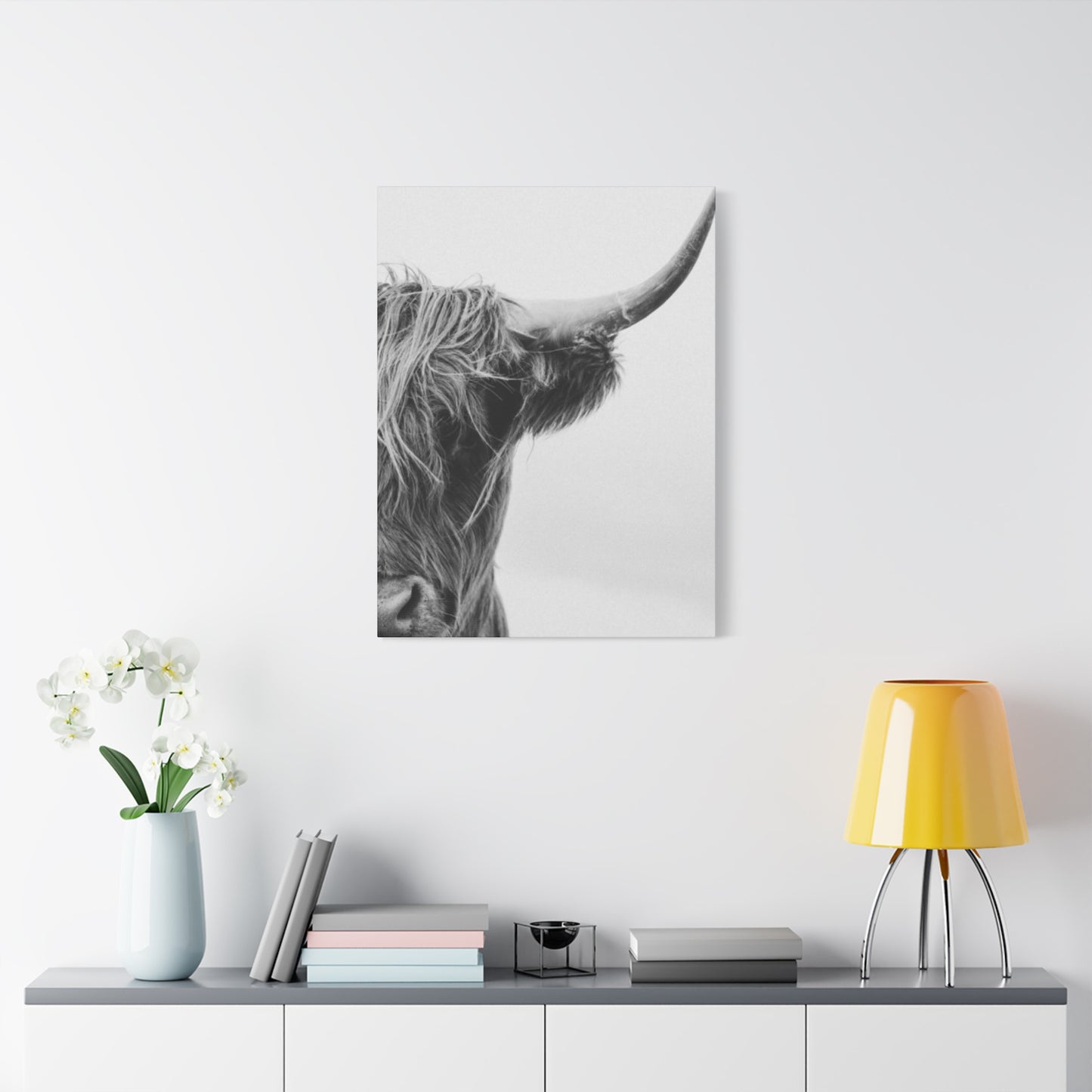
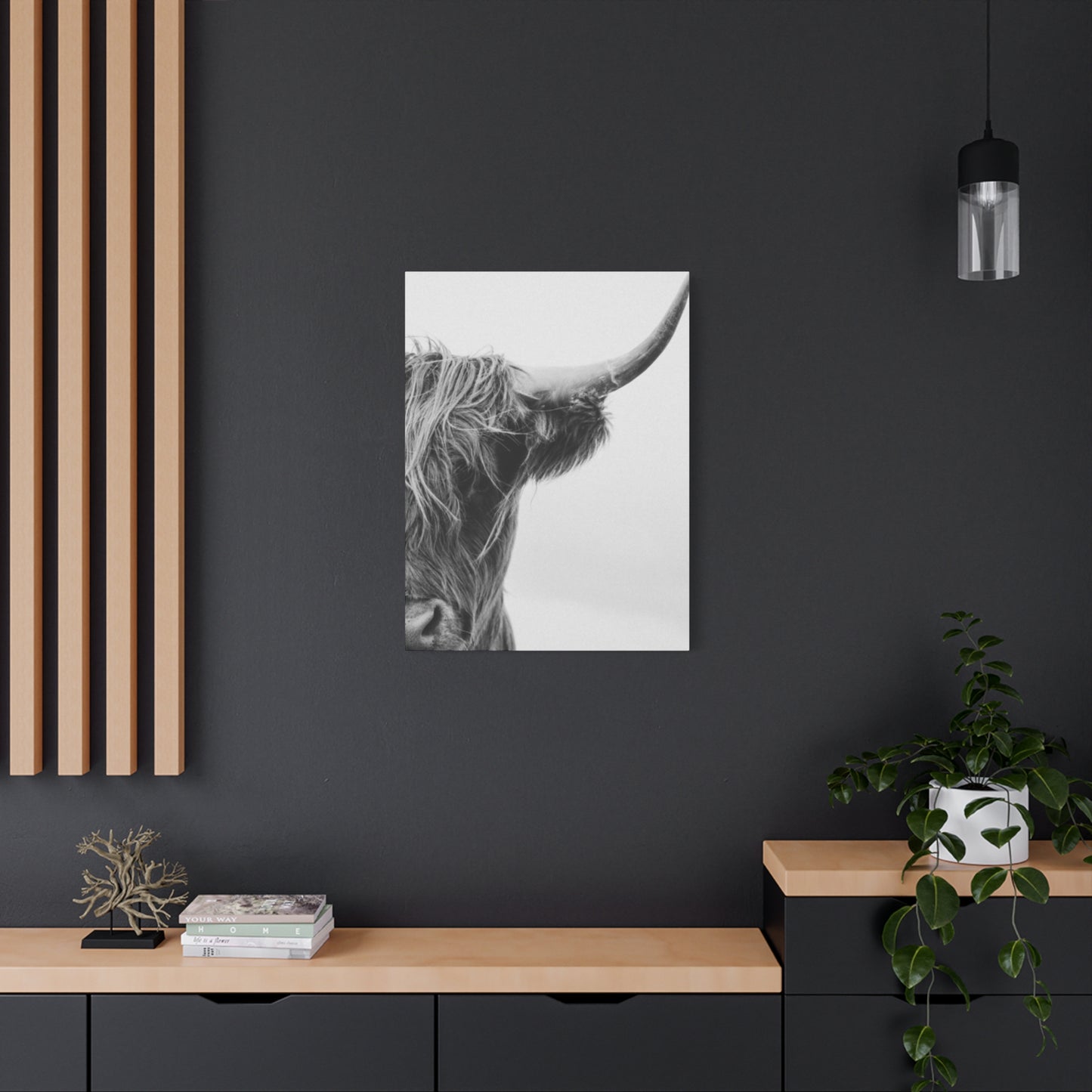
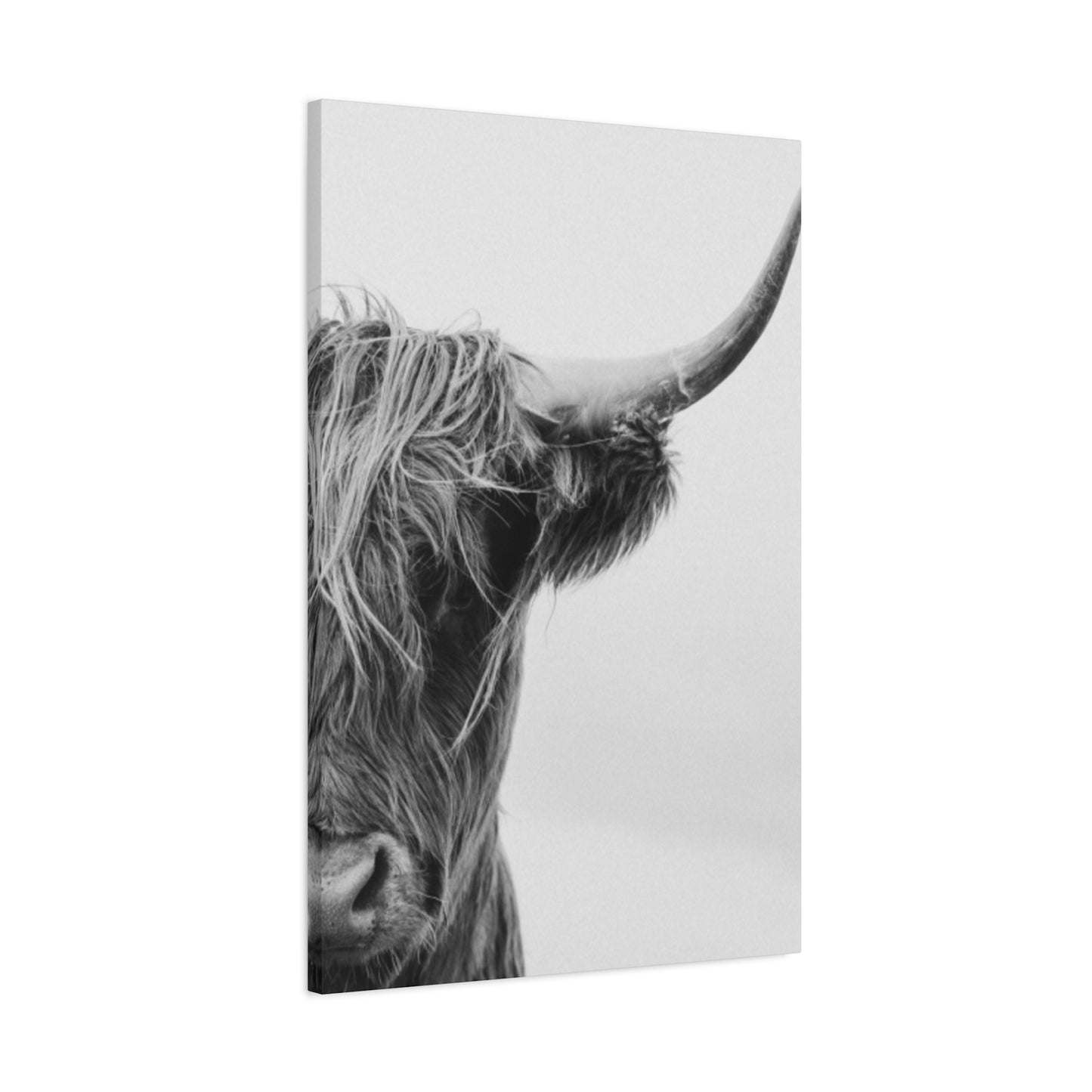
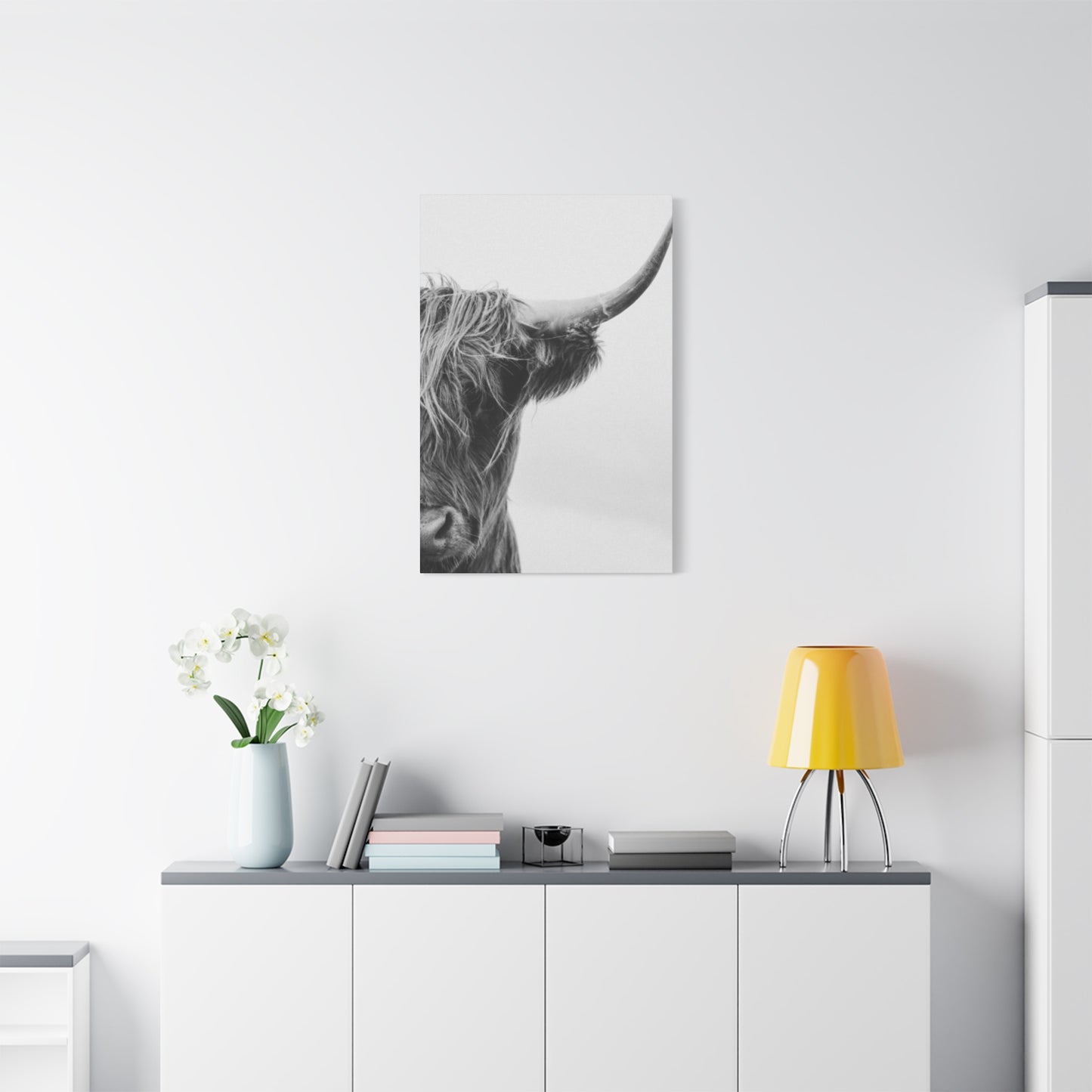
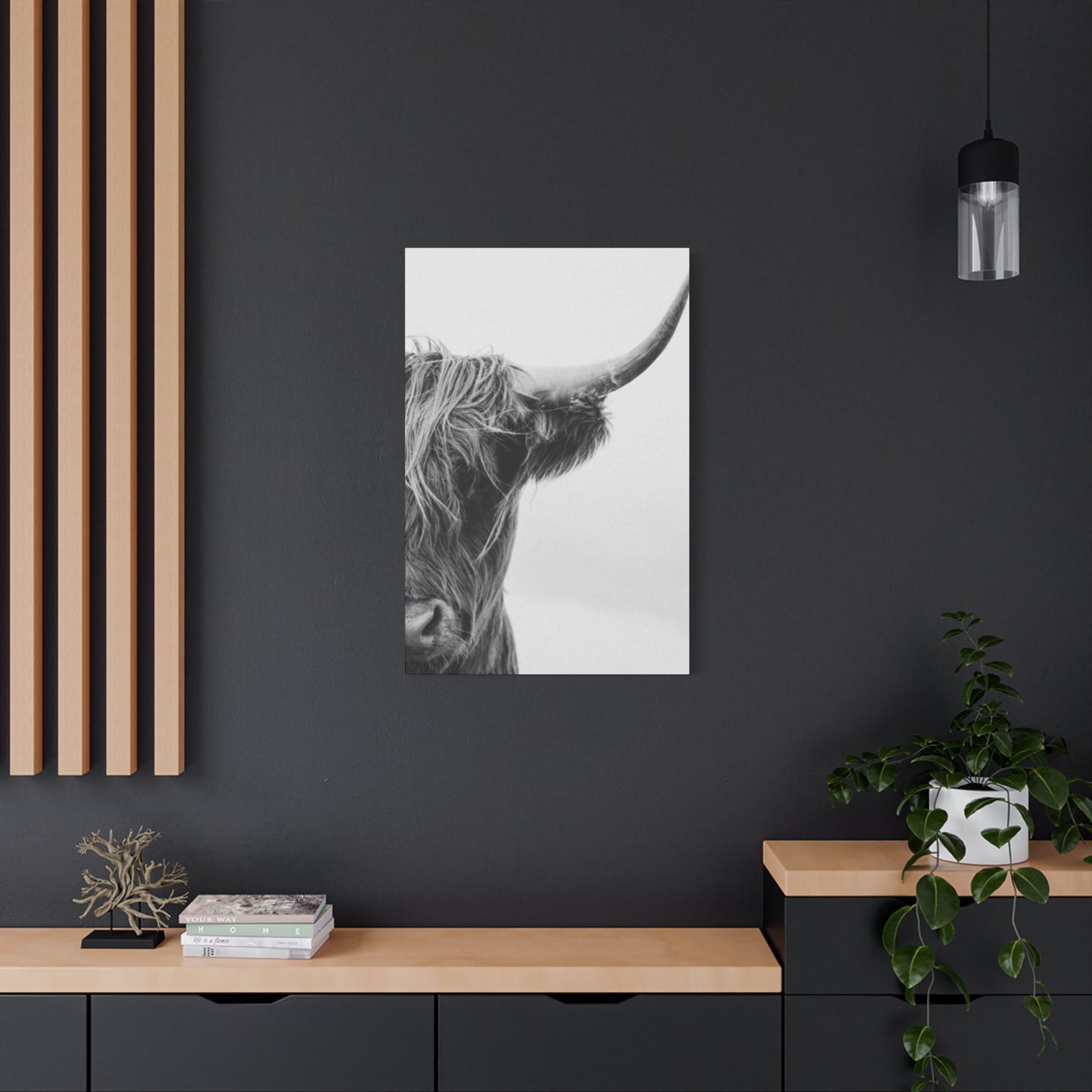
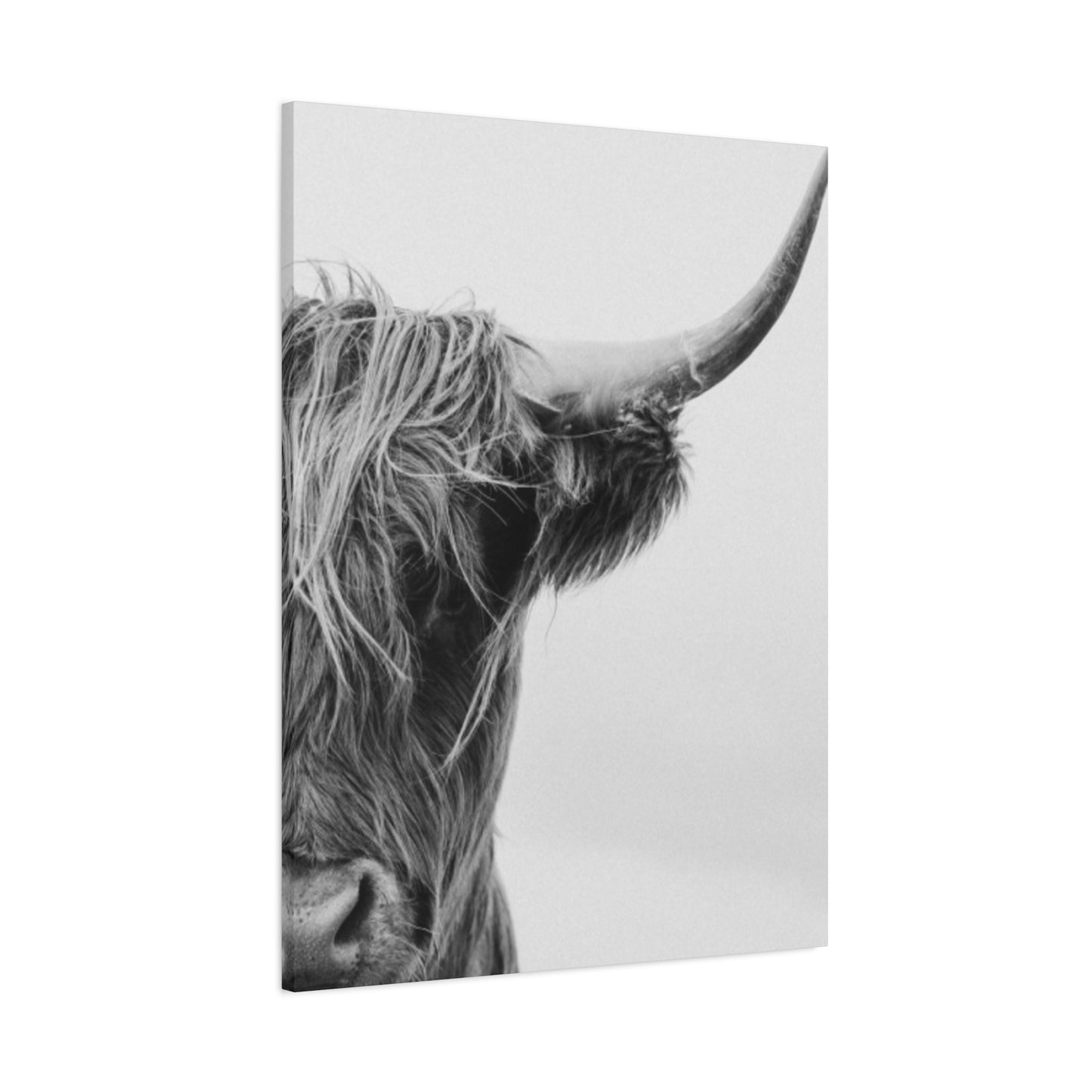
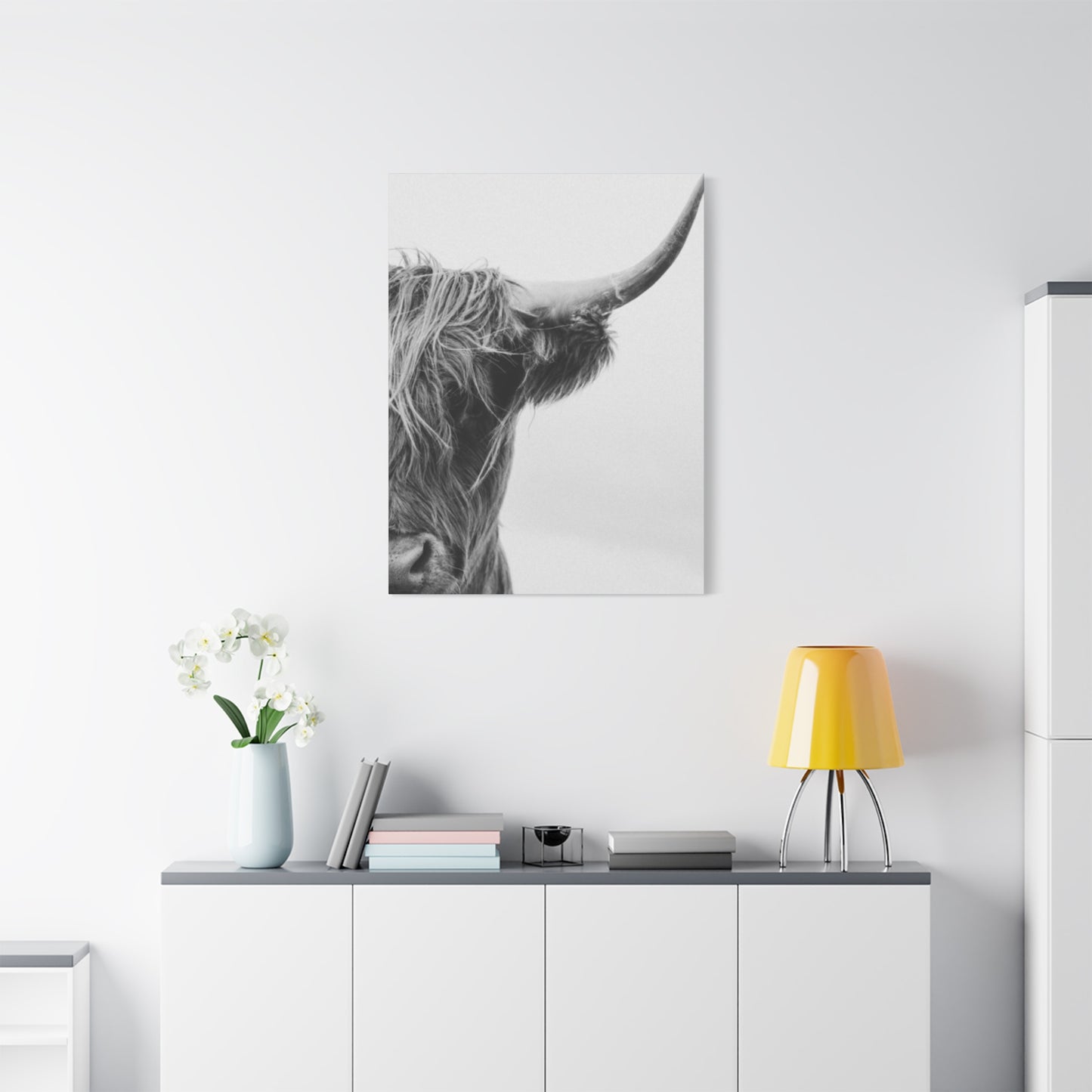
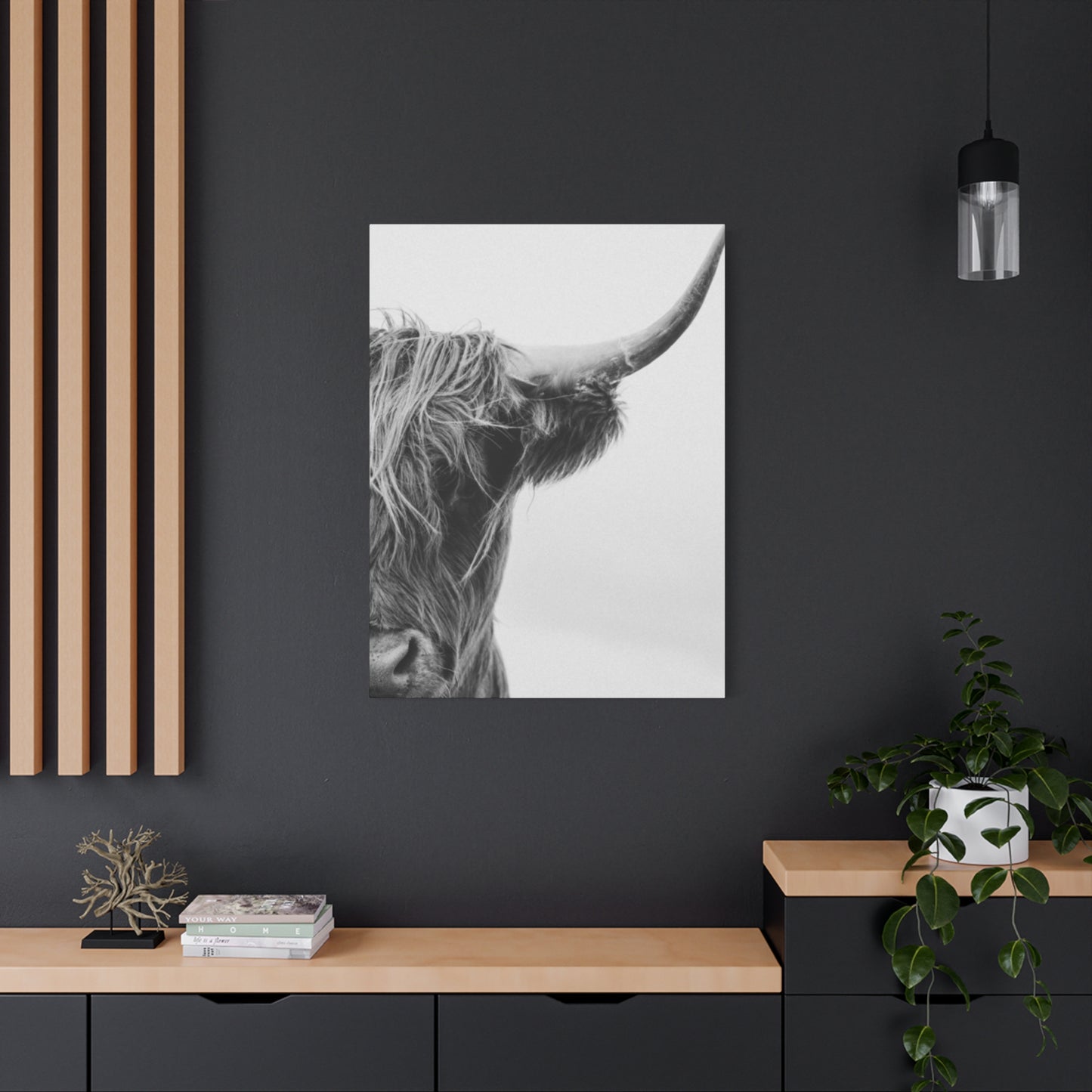
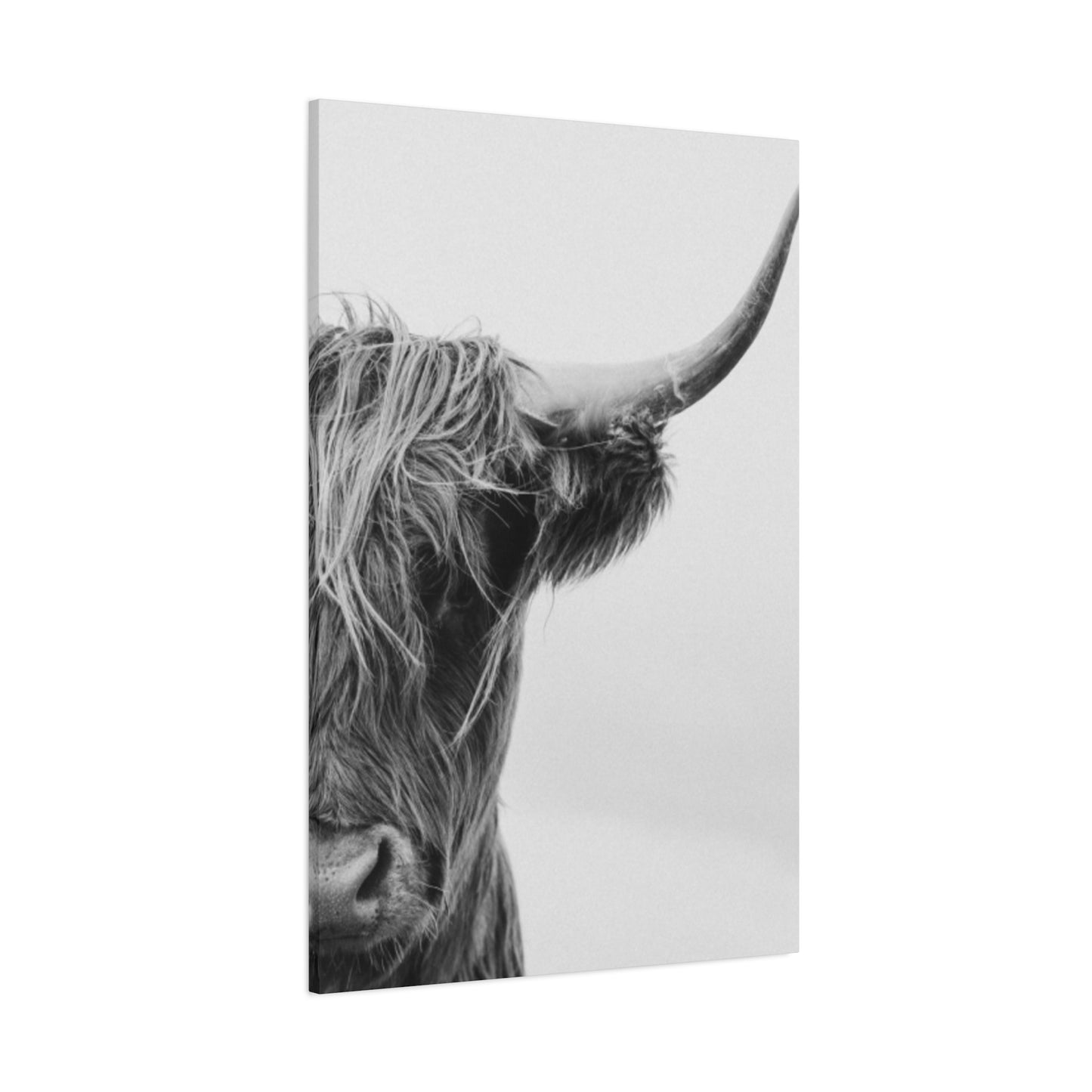
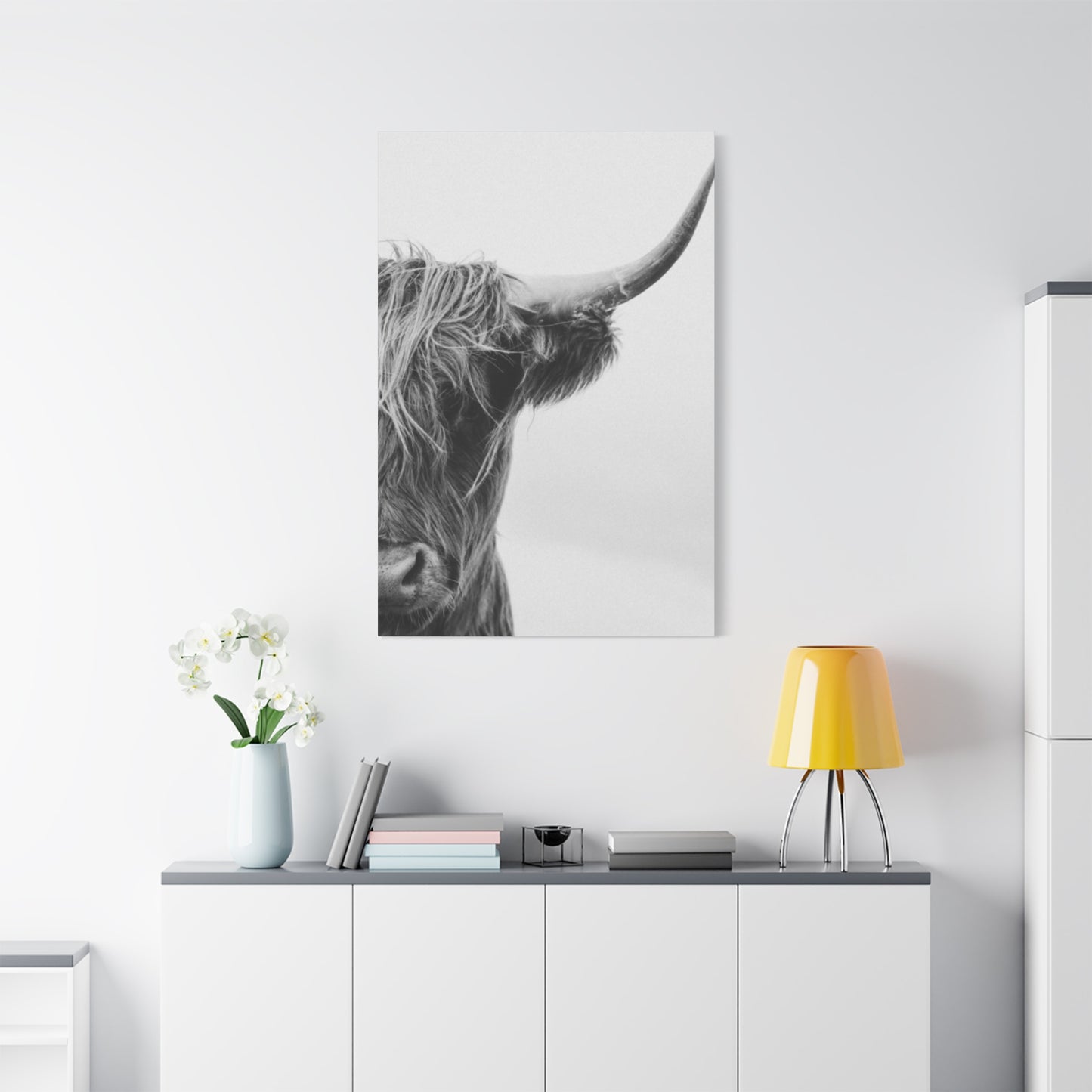
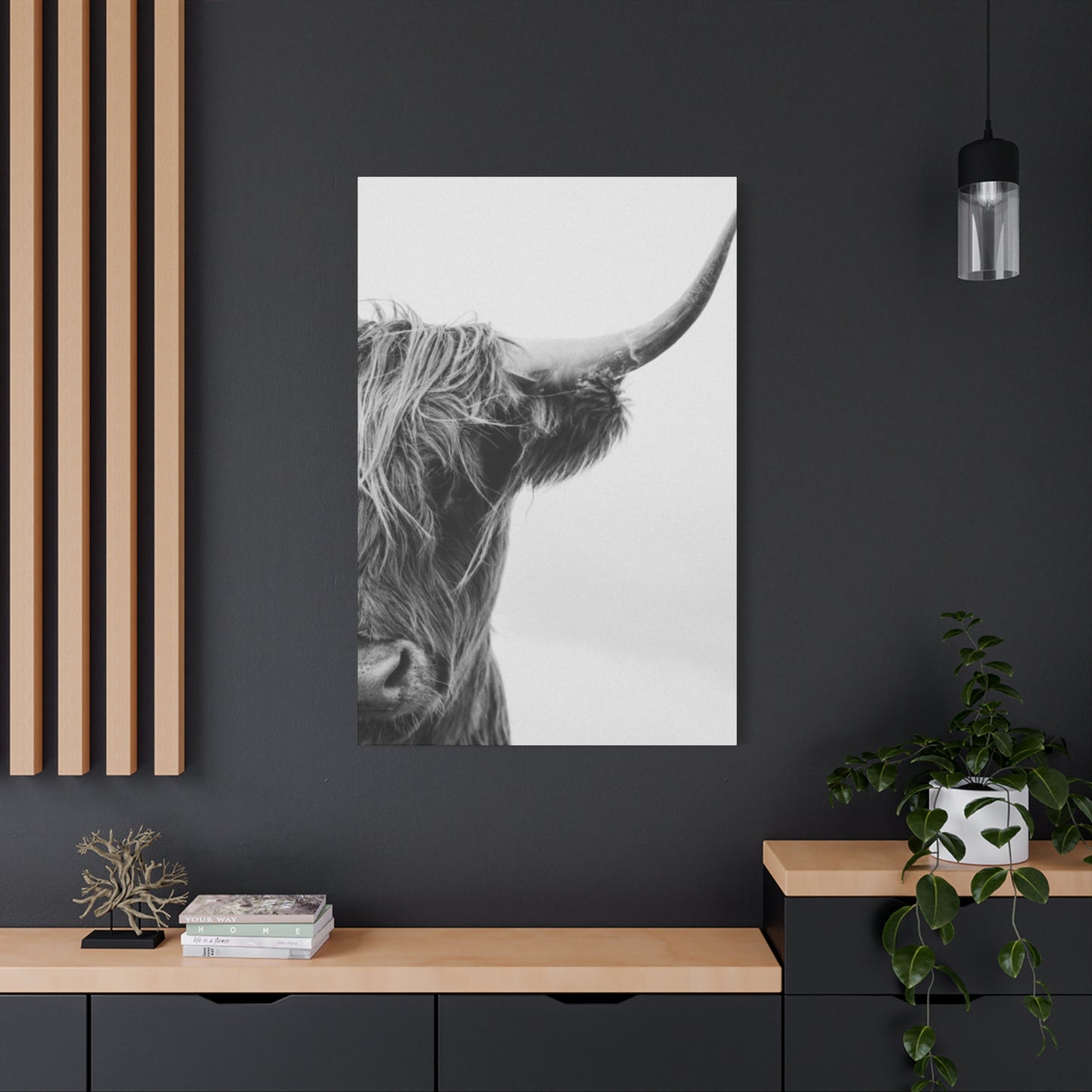
Rough and Raw: Why Wild Hairy Bull Longhorn Wall Art is the Perfect Choice for Nature Lovers
The allure of bovine imagery in contemporary home decoration has experienced a remarkable surge in popularity, particularly when it comes to representations of magnificent horned cattle. These powerful animals, with their imposing presence and natural grandeur, have become central figures in creating atmospheric living spaces that blend rustic charm with modern sophistication. The growing trend of incorporating large-scale animal portraits into residential and commercial environments reflects a deeper connection people seek with nature and authentic wilderness aesthetics.
Highland cattle, known for their distinctive appearance and commanding horns, represent more than mere decorative elements. They embody strength, resilience, and a connection to pastoral traditions that resonate deeply with viewers. When translated onto premium quality fabric stretched over frames, these images transform ordinary walls into focal points that spark conversation and admiration. The textural quality of these creatures, combined with their noble bearing, creates visual interest that synthetic or abstract designs simply cannot replicate.
Interior designers and homeowners alike have discovered that animal-themed artwork offers versatility that complements various decorating philosophies. Whether adorning a minimalist urban apartment or enhancing a countryside retreat, these powerful visual statements adapt remarkably well to their surroundings. The neutral color palette typically associated with these animals makes them ideal candidates for spaces requiring both visual impact and chromatic harmony.
Bringing Countryside Elegance Into Your Living Space
The transformation of residential interiors through carefully selected artwork has become an essential aspect of creating personalized environments. Bovine imagery, particularly those featuring cattle with substantial horn spans, provides a unique opportunity to introduce organic elements into manufactured spaces. These depictions capture the essence of open ranges, rolling hills, and untamed landscapes, effectively bringing outdoor beauty indoors without sacrificing comfort or sophistication.
When selecting pieces for your walls, consideration must be given to the emotional response they evoke. Images of these majestic creatures naturally inspire feelings of tranquility, strength, and connection to agricultural heritage. The textured appearance of their coats, rendered with careful attention to detail, adds dimensional interest that flat color schemes cannot achieve. This visual complexity creates layers of engagement, rewarding closer inspection while maintaining impact from across the room.
The placement of such artwork requires thoughtful consideration of lighting conditions, surrounding furnishings, and architectural features. Natural light enhances the subtle gradations in coloring found in quality reproductions, while strategic artificial lighting can create dramatic effects during evening hours. The substantial size options available allow for customization based on wall dimensions and desired visual weight within a space.
Farmhouse Aesthetics Meet Contemporary Design Principles
Agricultural imagery has evolved beyond traditional settings, finding new relevance in modern interior design movements. The farmhouse aesthetic, characterized by its emphasis on natural materials, neutral palettes, and handcrafted elements, provides an ideal context for bovine portraiture. However, these images transcend single-style categorization, adapting equally well to industrial lofts, transitional family homes, and even sleek contemporary spaces when properly contextualized.
The key to successful integration lies in understanding how these powerful images interact with existing design elements. The earthy brown tones commonly featured in cattle imagery serve as natural complements to wood furnishings, leather upholstery, and stone accents. Meanwhile, the dramatic horn formations provide linear elements that can echo or contrast with architectural details such as exposed beams, metal fixtures, or geometric patterns in textiles.
Scale plays a crucial role in achieving desired impact. Oversized representations create immediate focal points that anchor entire rooms, while smaller formats allow for gallery-style arrangements that tell visual stories through sequential viewing. The decision between singular statement pieces and multiple coordinated images depends on spatial constraints, existing décor density, and personal aesthetic preferences.
Portraiture Techniques in Animal Representation
The artistic approach to capturing bovine subjects has evolved significantly with advances in photographic technology and printing methods. Contemporary reproductions achieve remarkable fidelity, preserving subtle details like individual hair strands, eye reflections, and textural variations in horn surfaces. This level of precision transforms simple animal pictures into compelling portraits that capture personality and presence.
Photographers specializing in agricultural subjects employ techniques borrowed from traditional portraiture, including careful attention to lighting angles, background selection, and subject positioning. The resulting images often feature tight framing that emphasizes facial features and horn architecture, creating intimate connections between viewer and subject. This compositional approach differs markedly from landscape-oriented agricultural scenes, instead prioritizing emotional engagement over environmental context.
The translation of photographic captures onto fabric surfaces represents another layer of artistic consideration. High-quality reproductions maintain color accuracy, contrast ratios, and detail sharpness while adapting to the unique properties of canvas materials. The slight texture inherent in woven fabrics adds tactile dimension that enhances rather than detracts from image clarity, creating viewing experiences that engage multiple senses simultaneously.
Natural World Inspiration for Interior Decoration
Humanity's enduring fascination with wildlife manifests in numerous decorative traditions across cultures and epochs. Contemporary interpretations of this ancient impulse favor realistic depictions over stylized representations, seeking authentic connections with natural subjects rather than abstract references. Cattle imagery fits squarely within this preference, offering recognizable subjects rendered with documentary accuracy.
The psychological impact of wildlife imagery in residential settings has been extensively studied by environmental psychologists. Research consistently demonstrates that representations of animals, particularly those depicted in calm, contemplative poses, contribute to reduced stress levels and improved mood among occupants. The grounding presence of these creatures, even in two-dimensional form, provides subtle reminders of natural rhythms and biological connections often absent from urban environments.
Beyond psychological benefits, wildlife-inspired décor serves educational functions, particularly in households with children. Detailed representations of animal anatomy, coloring, and characteristic features spark curiosity and provide opportunities for learning about biodiversity, agricultural heritage, and ecological relationships. These informal educational touchpoints complement formal learning while beautifying living spaces.
Bovine Subjects in Visual Arts
The representation of cattle in artistic traditions extends back millennia, from prehistoric cave paintings to Renaissance pastoral scenes. This enduring presence in human creative expression reflects the fundamental importance of these animals in agricultural development and cultural identity. Contemporary photographic reproductions continue this tradition while employing modern media and distribution methods.
Artistic interpretations of bovine subjects vary widely in style and intent. Some emphasize the working relationship between humans and cattle, depicting these animals within agricultural contexts. Others focus exclusively on the creatures themselves, treating them as subjects worthy of appreciation independent of utilitarian considerations. The latter approach, which characterizes most decorative artwork, invites viewers to appreciate inherent beauty rather than instrumental value.
The choice between color and monochrome presentations significantly impacts visual effect. Full-color reproductions celebrate the rich brown hues, cream accents, and subtle variations in coat coloring that characterize many cattle breeds. Black and white interpretations, conversely, emphasize form, texture, and tonal contrast, creating more dramatic and graphic presentations that suit minimalist or modern design schemes.
Regional Influences on Decorative Preferences
Geographic location and cultural background substantially influence aesthetic preferences regarding animal imagery. Regions with strong agricultural traditions often embrace bovine artwork as connections to heritage and identity. Urban populations, conversely, may appreciate these images as escapes from metropolitan environments or as nostalgic references to rural origins.
The American frontier tradition, with its emphasis on independence, resilience, and connection to land, finds contemporary expression through decorative choices that reference ranching heritage. Cattle with impressive horn spans embody these values, serving as visual shorthand for pioneering spirit and self-reliance. This symbolic resonance transcends literal agricultural experience, appealing to urban dwellers who identify with these conceptual frameworks.
International design movements also influence the adoption of particular aesthetic elements. Scandinavian minimalism, with its appreciation for natural materials and restrained color palettes, provides compatible context for bovine imagery. Mediterranean styles, characterized by warmer tones and textured surfaces, similarly accommodate these subjects. The adaptability of cattle representations to diverse design vocabularies contributes to their widespread appeal.
Decorative Arrangements Featuring Horned Cattle
The incorporation of bovine artwork into existing decorative schemes requires consideration of multiple factors including color coordination, scale relationships, and thematic coherence. These powerful images function best when given adequate visual breathing room, avoiding cluttered arrangements that diminish their impact. Strategic placement above substantial furniture pieces like sofas, beds, or console tables provides appropriate grounding and proportion.
Gallery wall arrangements offer opportunities for creative composition, allowing multiple related images to create unified visual narratives. Combinations might include various angles of similar subjects, different cattle breeds, or coordinated color palettes that maintain thematic consistency. The spacing between individual pieces affects overall cohesion, with tighter arrangements creating unified statements and looser configurations allowing individual appreciation.
Lighting design dramatically affects artwork presentation, particularly for pieces featuring rich brown tones and subtle textural details. Track lighting, picture lights, or strategically placed floor lamps can enhance dimensional qualities and bring forward details that might otherwise recede. Natural light sources should be evaluated for potential fading effects on printed materials, with UV-protective glazing considered for pieces in high-exposure locations.
Massive Format Visual Displays
The trend toward oversized artwork reflects changing architectural scales and design philosophies that favor bold statements over tentative gestures. Large format bovine portraits command attention immediately upon entering spaces, establishing hierarchies of visual importance and anchoring decorative schemes. These substantial pieces require confidence in execution and commitment to their central role in spatial composition.
Selecting appropriate sizes for large-format artwork involves mathematical relationships between wall dimensions, viewing distances, and surrounding furnishings. General guidelines suggest artwork should occupy approximately two-thirds to three-quarters of available wall space above major furniture pieces, though contemporary design increasingly embraces even more generous proportions. The key lies in achieving presence without overwhelming, creating focal points that enhance rather than dominate.
Installation of large format pieces presents practical challenges requiring careful planning. Weight considerations necessitate proper mounting hardware and wall anchor selection, particularly for substantial pieces exceeding typical dimensions. Professional installation services ensure secure mounting while protecting both artwork and wall surfaces from damage during handling and placement.
Chromatic Considerations in Animal Artwork
The predominance of brown hues in cattle imagery offers both opportunities and challenges for color coordination. These earthy tones function as warm neutrals, providing flexibility in pairing with both cool and warm accent colors. The specific shade variations within bovine coats, ranging from rich chocolate to golden tan, allow fine-tuning of chromatic relationships with existing furnishings and architectural elements.
Complementary color theory suggests that browns pair effectively with blues, creating sophisticated contrasts that enliven spaces without jarring discord. Analogous schemes incorporating additional earth tones like terracotta, olive, and rust reinforce natural themes while maintaining harmonious flow. Neutral foundations in gray or cream allow brown-dominant artwork to function as primary color sources within otherwise subdued palettes.
The psychological effects of brown in interior environments have been well documented. Associated with stability, reliability, and organic authenticity, brown promotes feelings of security and comfort. When featured prominently in artwork, these associations transfer to broader spatial experience, contributing to atmospheres of warmth and welcome. This makes bovine imagery particularly appropriate for gathering spaces intended to facilitate relaxation and social interaction.
Atmospheric Impact of Animal Portraiture
Beyond aesthetic considerations, artwork selection profoundly influences the emotional character of interior spaces. Bovine portraits, particularly those capturing direct gazes or contemplative expressions, create subtle psychological connections between viewers and subjects. This engagement transforms passive viewing into active relationship, enriching spatial experience through implied interaction.
The size and demeanor of cattle evoke feelings of groundedness and stability, qualities particularly valued in residential environments serving as sanctuaries from hectic external demands. Unlike predatory or aggressive animal imagery, herbivorous subjects project peaceful coexistence and gentle strength. These associations contribute to atmospheres conducive to rest, reflection, and rejuvenation.
Seasonal considerations also influence artwork impact, with bovine imagery providing year-round appropriateness lacking in more temporally specific subjects. The timeless quality of these animals, unchanged across generations, offers constancy and continuity in contrast to rapidly shifting trends. This enduring relevance ensures that investments in quality pieces remain satisfying over extended periods.
Substantial Horn Architecture in Composition
The distinctive horn formations characterizing certain cattle breeds provide dramatic linear elements that enhance compositional interest. These sweeping curves create dynamic movement within otherwise static images, guiding viewer attention and establishing rhythmic patterns. The architectural quality of substantial horns adds sculptural dimension to two-dimensional representations.
Horn positioning significantly affects overall composition and visual weight distribution. Horizontally oriented horns create width emphasis, making subjects appear more expansive and grounded. Upward-angled formations add height and aspiration, drawing eyes vertically and creating impressions of reach and ambition. These directional qualities should inform placement decisions, with horizontal emphasis suitable for wide walls above low furniture and vertical orientations appropriate for narrower spaces.
The textural contrast between smooth horn surfaces and textured coat hair adds visual complexity that rewards close examination. Quality reproductions capture these subtle differences, creating multi-layered viewing experiences. Detail preservation in printing processes ensures that these nuances remain perceptible, distinguishing premium products from inferior alternatives.
Essence of Untamed Landscapes
Representations of cattle, particularly those photographed in natural settings or with minimal background distractions, evoke broader associations with wilderness and untamed environments. These connections tap into deep-seated human responses to nature, triggering psychological benefits associated with biophilic design principles. Even city dwellers with limited direct wilderness experience respond positively to these visual cues.
The contrast between domesticated agricultural animals and wild aesthetic presentation creates interesting conceptual tensions. Cattle, though managed by humans for millennia, retain physical characteristics and behavioral patterns connecting them to ancestral wild forms. This duality allows simultaneous appreciation of pastoral agricultural heritage and primal natural power, satisfying multiple psychological needs within single images.
Environmental consciousness increasingly influences consumer preferences, with many seeking decorative choices reflecting ecological values. Cattle, as grassland animals maintaining complex relationships with ecosystems, represent sustainable agricultural models when properly managed. Their presence in home décor can signify commitment to environmental awareness and appreciation for balanced human-nature relationships.
Nature-Focused Interior Design Philosophy
The incorporation of natural elements into built environments represents a design philosophy with roots in multiple cultural traditions. Contemporary biophilic design principles formalize these impulses, recognizing measurable health and wellbeing benefits from nature-connected spaces. Animal imagery functions as accessible implementation of these principles, particularly in urban contexts where direct nature contact proves challenging.
Research in environmental psychology demonstrates that nature representations reduce mental fatigue, lower blood pressure, and improve cognitive function. These benefits accrue even from two-dimensional representations, though effects amplify with image quality and realism. High-fidelity bovine portraits capturing authentic details maximize these therapeutic potentials, transforming decorative choices into wellness interventions.
The selection of nature-themed artwork should align with broader spatial design strategies emphasizing natural materials, organic forms, and connections to outdoor environments. Cattle imagery pairs effectively with wood furnishings, stone accents, and plant life, creating cohesive nature-forward environments. This holistic approach yields greater impact than isolated decorative decisions divorced from contextual considerations.
Striking Visual Declarations
Interior design increasingly embraces dramatic statements over safe, forgettable choices. Bold bovine portraits exemplify this trend, commanding attention through size, subject matter, and compositional confidence. These pieces reject background status, instead demanding recognition as central design elements around which other decisions orbit.
The psychology of bold design choices reflects broader cultural shifts toward authenticity and individual expression. Mass-produced generic artwork gives way to distinctive pieces that communicate personal values and aesthetic sensibilities. Cattle imagery, particularly unconventional presentations emphasizing texture, expression, or unusual perspectives, signals willingness to embrace unique choices over conventional safety.
Implementing bold design requires courage and commitment, as dramatic pieces significantly impact spatial character. Successful execution demands confidence in initial vision and resistance to second-guessing during installation. The rewards, however, justify the risks, as distinctive spaces create memorable experiences and authentic self-expression that generic alternatives cannot achieve.
Magnificence in Animal Representation
The concept of majesty in animal portraiture relates to qualities conveying dignity, power, and commanding presence. Cattle, despite domestic status, project these characteristics through physical size, confident bearing, and impressive horn displays. Skilled photographers capture these qualities through careful attention to lighting, angle selection, and moment recognition.
Low-angle photography particularly enhances majestic qualities, positioning viewers in subtly subordinate relationships with subjects. This perspective emphasizes size and power while adding dramatic impact through unusual viewpoints. The resulting images convey authority and strength without aggression, creating powerful yet approachable aesthetic statements.
The preservation of majesty in reproduction requires technical excellence across capture, processing, and printing stages. Color accuracy maintains authenticity of natural hues, while resolution preservation ensures detail clarity at large formats. Investment in premium reproduction methods protects these essential qualities, distinguishing professional-grade products from budget alternatives.
Varieties in Bovine Representation
Though commonly associated with specific breeds, quality cattle imagery encompasses diverse subjects offering varied aesthetic possibilities. Highland cattle with long, flowing coats present different visual qualities than short-haired breeds. Color variations from cream to black provide chromatic options accommodating different design schemes. Horn configurations range from modest to spectacular, affecting compositional dynamics.
This diversity allows personalization within bovine imagery categories, enabling selection of specific characteristics aligning with individual preferences. Some favor the rustic authenticity of working ranch animals with weathered appearances, while others prefer pristine show animals photographed in controlled conditions. Both approaches offer validity, serving different aesthetic purposes.
Breed recognition adds another layer of engagement for knowledgeable viewers. Agricultural heritage enthusiasts appreciate accurate representations of specific breeds, connecting artwork to historical breeding programs and regional traditions. This specialized knowledge enriches viewing experiences while remaining accessible to casual observers appreciating visual qualities independent of taxonomic accuracy.
Neutral Palette Advantages
The earth-tone color schemes characterizing most cattle imagery provide significant decorating advantages. Brown, cream, and related hues function as sophisticated neutrals, pairing effectively with virtually any accent color while maintaining warmth absent from cool gray palettes. This chromatic versatility simplifies coordination with existing furnishings and allows flexible updating of surrounding décor without artwork replacement.
Neutral-dominant artwork provides visual rest in increasingly busy environments. Rather than competing for attention through chromatic intensity, these pieces attract through compositional strength and subject interest. This restraint proves particularly valuable in spaces featuring multiple visual elements, preventing sensory overload while maintaining aesthetic interest.
The timeless quality of neutral palettes ensures extended relevance as color trends evolve. Unlike artwork dependent on currently fashionable hues, earth-tone pieces transcend temporary preferences, maintaining appropriateness across years and décor updates. This longevity justifies investment in quality pieces, as extended useful life reduces effective per-year costs.
Spacious Format Opportunities
The availability of cattle artwork in large dimensions addresses contemporary design preferences for substantial visual impact. Oversized pieces transform walls into features rather than backgrounds, creating immediate focal points that structure spatial experience. These generous formats suit modern open-plan layouts where traditional room divisions no longer provide natural artwork placement locations.
Large format presentations enhance the immersive qualities of realistic animal imagery. Approaching life-size dimensions, these representations create convincing illusions of presence, triggering stronger emotional and psychological responses than smaller versions. The resulting engagement depth justifies the additional investment required for premium large-format production.
Installation planning for substantial pieces must address practical considerations including clearance requirements during delivery, wall strength assessment, and mounting hardware selection. Professional consultation often proves valuable for large format installations, ensuring secure mounting and optimal positioning. These additional efforts protect significant investments while achieving intended visual effects.
Agricultural Heritage Connections
Cattle imagery resonates particularly strongly with individuals maintaining connections to agricultural backgrounds. For many, these representations trigger memories of family farms, rural childhoods, or regional identity rooted in ranching traditions. This emotional resonance transcends aesthetic appreciation, creating deeper personal significance that generic decorative artwork cannot replicate.
The celebration of agricultural heritage through home décor reflects broader cultural trends valorizing authenticity and craftsmanship. As populations become increasingly urbanized, connections to land-based livelihoods acquire nostalgic and aspirational qualities. Cattle artwork functions as tangible links to these valued traditions, maintaining cultural continuity across generational and geographic transitions.
Educational opportunities emerge from prominent display of agricultural imagery, particularly in households with children lacking direct farming experience. Conversations sparked by compelling artwork introduce younger generations to agricultural realities, animal husbandry practices, and food production systems. These informal learning moments contribute to agricultural literacy and appreciation for farming communities.
Textural Interest Through Coat Representation
The distinctive coats characteristic of certain cattle breeds provide exceptional textural interest when captured skillfully. Individual hair definition, directional flow patterns, and subtle color variations within overall hue ranges create visual complexity that engages viewers across multiple scales. From across rooms, these textures register as overall tonal values, while closer inspection reveals intricate detail layers.
Photography techniques emphasizing textural qualities require specific lighting approaches, often favoring side-lighting that creates shadows defining individual hair strands. Post-processing decisions affect textural emphasis, with careful sharpening enhancing definition without creating artificial appearance. These technical considerations separate premium cattle imagery from snapshot-quality alternatives.
The translation of photographic texture onto canvas introduces additional dimensional qualities. Canvas weave creates subtle physical texture that interacts with printed texture, producing rich tactile impressions even in purely visual experience. This multi-layered textural complexity distinguishes canvas presentations from smooth paper or metal alternatives, contributing to the format's enduring popularity.
Capturing Personality in Animal Subjects
Effective animal portraiture extends beyond physical accuracy to capture personality and character. Cattle, despite common misconceptions about limited expressiveness, display distinct individual personalities observable in facial expressions, ear positioning, and eye contact. Skilled photographers recognize and capture these subtle communications, creating portraits conveying authentic subject presence.
Eye contact, when present in animal portraits, creates powerful psychological connections between viewers and subjects. Direct gaze engagement triggers social recognition responses, encouraging viewers to perceive animals as individuals rather than generic representatives. This personalization deepens emotional investment and enhances artwork memorability.
The moment of capture significantly influences personality communication. Patient photographers await optimal expressions, avoiding awkward transitional moments that compromise dignity or appeal. This attention to timing, combined with technical excellence, produces images that honor subjects while creating compelling visual statements suitable for prominent display.
Atmospheric Lighting Effects
Lighting conditions during original photography profoundly affect mood and atmosphere in resulting images. Golden hour lighting, characterized by warm color temperatures and directional low-angle illumination, creates romantic, nostalgic effects. Overcast conditions produce even, soft lighting that emphasizes form and texture while minimizing dramatic contrast. Each approach serves different aesthetic purposes.
The rendering of lighting effects in printed reproductions requires color management expertise and quality control throughout production processes. Premium printing maintains subtle tonal gradations present in original captures, preserving atmospheric qualities that cheaper production methods flatten. Investment in quality reproduction protects these essential artistic elements.
Display lighting in home environments adds another layer of atmospheric control. Warm-temperature artificial lighting enhances the golden qualities in cattle imagery, while cooler temperatures emphasize textural details. Dimming capabilities allow mood adjustment across different times and activities, maximizing artwork's contribution to desired spatial atmospheres.
Proportion and Balance in Placement
Successful artwork placement requires understanding of visual weight and compositional balance. Large cattle portraits carry substantial visual mass requiring appropriate counterbalancing through furniture placement, architectural features, or coordinating design elements. Asymmetric placement often proves more dynamic than centered positioning, though symmetry suits formal spaces and traditional design vocabularies.
The relationship between artwork size and wall dimensions follows general proportional guidelines, though contemporary design increasingly embraces exaggerated scales. Pieces occupying 70-90% of available wall width create bold statements, while more conservative 50-60% coverage maintains traditional relationships. Personal preference and design confidence should guide these decisions within reasonable parameters.
Vertical positioning affects viewing experience and spatial perception. Standard practice places artwork centers at standing eye level, approximately 57-60 inches from floors. However, this guideline requires adjustment for seating-focused spaces where lower positioning improves viewing angles. Experimentation during installation ensures optimal positioning for specific spatial contexts.
Quality Considerations in Canvas Production
The production quality of fabric-based artwork dramatically affects appearance, longevity, and satisfaction. Premium canvas materials feature tight, uniform weaves that support high-resolution printing without visible texture interference. Coating treatments enhance color vibrancy and protect against environmental degradation including UV exposure, humidity, and pollutants.
Ink systems employed in printing significantly impact color accuracy, fade resistance, and detail rendering. Archival pigment-based inks offer superior longevity compared to dye-based alternatives, maintaining color integrity for decades when properly displayed. This durability justifies premium pricing for buyers prioritizing long-term value over initial cost savings.
Frame construction quality affects both appearance and structural integrity. Premium stretcher bars feature kiln-dried wood resistant to warping, with corner joinery engineered for long-term stability. Proper tension during stretching eliminates waviness or sagging that compromises presentation. Gallery-wrap techniques that continue images around frame edges create finished appearances suitable for frameless display.
Seasonal Appropriateness
Unlike artwork featuring seasonal indicators like flowering plants or snow-covered landscapes, cattle imagery maintains year-round relevance. The timeless quality of these subjects ensures consistent appropriateness across seasons, eliminating needs for rotating displays. This constancy proves particularly valuable for substantial pieces representing significant investments.
The neutral palette characteristic of most bovine artwork complements both warm and cool seasonal color schemes. Autumn's rich earth tones, winter's crisp neutrals, spring's fresh greens, and summer's warm hues all coordinate effectively with brown-dominant cattle portraits. This chromatic versatility supports seasonal accent updates without requiring artwork changes.
The grounding presence of cattle imagery provides psychological stability across seasonal transitions. During winter months when outdoor exposure decreases, these nature connections maintain biophilic benefits. Summer periods when outdoor time increases find bovine portraits functioning as complementary nature references rather than compensatory substitutes. This year-round functionality maximizes per-use value.
Investment Value in Quality Artwork
Premium artwork represents significant financial commitment requiring value consideration beyond immediate aesthetic impact. Quality pieces maintain appearance and structural integrity for decades, providing extended service life that reduces effective annual costs. This longevity contrasts sharply with fast-fashion décor requiring frequent replacement due to degradation or stylistic obsolescence.
The psychological value of living with meaningful, high-quality artwork extends beyond monetary calculation. Spaces featuring carefully selected pieces supporting personal aesthetic visions contribute to wellbeing, satisfaction, and pride in home environments. These intangible benefits, though difficult to quantify, significantly influence quality of life and justify premium investments.
Resale considerations factor minimally for most artwork purchases, as decorative pieces typically maintain positions until households relocate or undertake major redesigns. However, quality provenance and production standards preserve potential secondary market value better than mass-produced alternatives. This residual value provides financial safety net, though appreciation expectations should remain modest for decorative rather than fine art purchases.
Thematic Coordination Strategies
Cattle artwork integrates effectively into broader thematic design approaches. Agricultural themes might incorporate additional farm animal representations, vintage farming equipment, or pastoral landscape imagery. Coordination creates cohesive narratives that strengthen overall impact beyond individual pieces' contributions.
Natural history themes provide another coordination opportunity, combining cattle imagery with other wildlife representations, botanical prints, or geological specimens. This approach celebrates biodiversity and ecological relationships while maintaining visual variety that prevents monotonous repetition. Careful curation ensures thematic coherence without forced uniformity.
Regional identity themes leverage cattle imagery as regional iconography, particularly in areas with strong ranching traditions. Coordination with regional landscape photography, historical documentation, or cultural artifacts creates place-specific environments celebrating local heritage. This approach proves particularly effective in vacation properties or themed commercial spaces.
Modern Interpretation of Traditional Subjects
Contemporary presentations of agricultural subjects differ markedly from historical approaches. Modern photography's technical capabilities, combined with evolving aesthetic sensibilities, produce images that honor traditional subject matter while embracing current visual vocabularies. This balance appeals to audiences appreciating heritage connections without desiring literal historical replication.
The tension between traditional subjects and modern presentation styles creates engaging conceptual dialogues. Familiar cattle imagery presented through contemporary techniques including selective focus, unconventional angles, or creative post-processing challenges viewer expectations. This freshness revitalizes potentially stale subject matter, attracting audiences who might dismiss conventionally presented agricultural imagery.
Cross-generational appeal results from successful traditional-modern synthesis. Older viewers appreciate recognizable subjects evoking personal memories and cultural heritage, while younger audiences respond to contemporary presentation quality and visual sophistication. This broad appeal maximizes artwork's utility across diverse households and commercial environments.
Architectural Integration Principles
Successful artwork integration requires consideration of architectural context including ceiling height, wall color, molding details, and spatial proportions. Cattle imagery's substantial visual weight suits spaces with generous dimensions where pieces can achieve proper scale without overwhelming. Modest spaces benefit from smaller formats or strategic placement maximizing impact within constraints.
Wall color significantly affects artwork presentation, with neutral backgrounds providing maximum versatility. Light walls create high contrast with dark-framed pieces, emphasizing boundaries and creating formal presentations. Dark walls reduce contrast, allowing images to emerge more gradually and creating sophisticated, gallery-like effects. Color coordination between walls and artwork dominant hues produces harmonious integration.
Architectural details including crown molding, wainscoting, or built-in shelving influence placement decisions. Artwork positioned to align with existing horizontal lines creates organized, intentional appearances. Strategic violation of these alignments can produce dynamic tension when executed confidently, though such approaches require design sophistication to avoid appearing accidental or careless.
Emotional Resonance and Memory Triggers
Powerful artwork transcends decorative function, triggering emotional responses and memory associations that enrich daily experience. Cattle imagery particularly affects individuals with agricultural backgrounds, evoking childhood memories, family connections, or formative experiences. These personal associations transform generic decorative objects into meaningful possessions with individualized significance.
The universal qualities of bovine subjects ensure accessibility even for viewers lacking personal agricultural connections. The nobility, calm strength, and grounded presence these animals project resonate across cultural boundaries, tapping into archetypal associations with pastoral simplicity and natural authenticity. These broad resonances complement rather than replace individual memory associations.
Multigenerational appeal emerges from cattle imagery's ability to trigger different associations for viewers of varying ages. Grandparents may recall childhood farm experiences, parents recognize symbolic connections to values they hope to instill, and children simply enjoy animal subjects with approachable appeal. This layered significance enriches family environments through shared visual references accommodating diverse perspectives.
Environmental Considerations in Production
Increasingly, consumers prioritize environmental responsibility in purchasing decisions, extending to decorative artwork. Sustainable production practices including water-based inks, responsibly sourced canvas materials, and minimized packaging waste appeal to environmentally conscious buyers. These considerations align with the nature-connected values that often motivate cattle imagery selection.
Local production, when available, reduces transportation environmental impacts while supporting regional economies. However, quality and price considerations must balance against proximity preferences. Many premium producers maintain sustainable practices regardless of location, offering environmentally responsible options without geographic restrictions.
Longevity itself represents environmental responsibility, as durable products requiring infrequent replacement consume fewer resources over lifecycle. Investment in quality pieces serving for decades proves more sustainable than repeated purchases of degradable alternatives. This perspective reframes premium pricing as environmental investment rather than mere luxury indulgence.
Customization Possibilities
Standard offerings suit many applications, though customization opportunities allow personalization for specific requirements or preferences. Size adjustments accommodate unique wall dimensions or specific design visions requiring non-standard formats. Some producers offer cropping modifications that adjust compositions while maintaining image quality.
Color adjustment requests might include black and white conversion, sepia toning, or subtle color grading that aligns images with specific design schemes. These modifications should preserve image integrity while achieving desired effects. Excessive manipulation risks compromising authentic qualities that make cattle imagery compelling.
Framing options extend beyond basic gallery wrapping to include traditional frame surrounds in various materials, colors, and profiles. Frame selection significantly impacts overall presentation, with choices ranging from rustic wood finishes complementing agricultural subjects to sleek metal frames creating contemporary contrasts. Professional framing guidance ensures appropriate selection for both artwork and display environment.
Gallery Wall Composition Strategies
Multiple cattle images arranged in gallery wall configurations create impactful displays greater than sum of individual pieces. Successful gallery walls require careful planning addressing size relationships, spacing consistency, and compositional balance. Grid arrangements provide organized, formal presentations, while salon-style organic arrangements create casual, collected-over-time appearances.
Thematic consistency within gallery walls might focus on single subjects photographed from multiple angles, various cattle breeds, or coordinated color palettes. Some variation within overall coherence maintains visual interest while preserving unified impact. Excessive diversity risks fragmented, cluttered appearances lacking clear organizational principles.
Installation techniques for gallery walls benefit from preliminary planning including paper templates or digital mockups. These tools allow experimentation with arrangements before wall commitment, preventing damage from repeated nail holes. Proper spacing typically ranges from two to four inches between pieces, with consistency more important than specific measurements.
Maintenance and Long-Term Care
Quality canvas artwork requires minimal maintenance, though basic care preserves appearance and extends useful life. Regular dusting using soft, dry cloths removes accumulated particles without risking surface damage. Avoid liquid cleaners or abrasive materials that might harm protective coatings or printed surfaces.
Environmental protection includes avoiding direct sunlight exposure that accelerates fading even in archival prints. UV-filtering window treatments or strategic placement away from direct solar exposure preserves color integrity. Climate control preventing extreme temperature or humidity fluctuations protects canvas materials from expansion and contraction that can cause structural issues.
Professional cleaning becomes necessary if surface contamination occurs beyond simple dust accumulation. Art conservation specialists possess expertise and materials for safe cleaning without causing damage. This specialized service, though representing additional cost, protects valuable pieces from well-intentioned but potentially harmful amateur cleaning attempts.
Psychological Impact of Scale
The size of displayed artwork affects not only visual impact but psychological responses. Oversized cattle portraits create immersive experiences, commanding attention and establishing clear spatial hierarchies. This dominance can feel empowering and confidence-inspiring, or potentially overwhelming if poorly executed or disproportionate to space.
Modest-scale presentations create intimacy and invitation to closer inspection. These pieces reward extended viewing with discoverable details, building engagement gradually rather than demanding immediate attention. This approach suits contemplative spaces or secondary viewing areas where bold statements might prove excessive.
The relationship between subject size and actual animal dimensions affects perception. Near-life-size representations create convincing presence illusions, while smaller scales clearly signal representational rather than actual presence. This distinction influences psychological responses, with life-size presentations triggering stronger animal recognition responses.
Integration with Modern Minimalist Design
The apparent contradiction between rustic agricultural subjects and minimalist design principles resolves through careful selection and presentation strategies. Clean compositions featuring singular subjects against simplified backgrounds align with minimalist emphasis on essential elements. The natural authenticity of cattle subjects provides organic warmth that prevents cold sterility sometimes associated with extreme minimalism.
Color restraint characteristic of most bovine imagery supports minimalist palettes emphasizing neutrals and earth tones. The absence of chromatic excess allows these pieces to function as focal points without violating principles of visual simplicity. When surrounded by uncluttered spaces and restrained furnishings, cattle portraits achieve maximum impact through contrast with negative space.
Material honesty valued in minimalist philosophy finds expression in canvas presentations that celebrate rather than conceal their constructed nature. Gallery-wrapped edges revealing canvas texture and stretcher construction demonstrate authentic materiality. This transparency aligns with minimalist rejection of false ornamentation, creating conceptual as well as visual coherence.
Focal Point Development Through Artwork
Strategic focal point creation directs attention and structures spatial experience. Substantial cattle portraits naturally command focus through size, subject interest, and compositional strength. Proper placement leverages architectural features like mantels, built-ins, or prominent walls to maximize impact and establish clear visual hierarchies.
Supporting design elements should enhance rather than compete with designated focal points. Complementary colors, directional furniture arrangements, and strategic lighting reinforce primary artwork's prominence. This coordinated approach creates intentional, organized spaces avoiding visual chaos of multiple competing attention demands.
The psychological comfort provided by clear focal points benefits spatial users by reducing visual uncertainty and decision fatigue. Knowing where to direct attention upon entering spaces creates immediate orientation and understanding. Cattle artwork, with its inherent visual strength, excels in this functional role while simultaneously providing aesthetic satisfaction.
Lighting Design for Artwork Enhancement
Dedicated artwork lighting transforms good presentations into exceptional displays. Track systems offer flexibility for illuminating multiple pieces or adjusting angles as needs change. Picture lights mounted directly above frames provide targeted illumination emphasizing specific works. Both approaches enhance visibility while creating dramatic evening presentations distinct from daytime appearances.
Light temperature selection significantly impacts color rendering and atmospheric effects. Warm white temperatures between 2700-3000 Kelvin enhance the golden and brown tones prevalent in cattle imagery, creating inviting, cozy effects. Cooler temperatures around 4000 Kelvin provide more neutral rendering that emphasizes textural details and accurate color perception.
Dimming capabilities allow atmospheric adjustment for different occasions and times of day. Bright illumination showcases details during active periods, while dimmed lighting creates subtle presence during evening relaxation. This flexibility maximizes artwork's contribution to desired moods across varied activities and social contexts.
Regional Aesthetic Variations
Geographic location influences aesthetic preferences and design traditions that affect artwork reception. Mountain regions with rustic cabin aesthetics embrace cattle imagery as natural extensions of surrounding wilderness. Coastal areas might initially seem incompatible, yet neutral bovine tones complement beach-inspired palettes surprisingly effectively.
Urban environments increasingly incorporate agricultural imagery as counterbalance to metropolitan intensity. City dwellers seeking nature connections find cattle portraits provide accessible references to rural landscapes and simpler lifestyles. This aspirational quality makes bovine subjects particularly popular in high-density urban markets despite apparent contextual disconnect.
Suburban settings blend urban and rural characteristics, creating receptive environments for cattle artwork serving multiple functions. These pieces simultaneously reference nearby rural areas while providing sophisticated visual statements suitable for contemporary homes. This versatility makes bovine imagery particularly successful in suburban markets bridging multiple lifestyle preferences.
Heritage Breed Representation
Specific cattle breeds carry distinct visual characteristics and cultural associations affecting aesthetic impact. Heritage breeds, often featuring more dramatic appearances than commercial varieties, provide particularly compelling subjects. Their distinctive traits including unusual coloring, substantial horn development, or impressive coat textures create memorable visual statements.
Highland cattle exemplify heritage breed appeal, with long, flowing coats and substantial horn spreads creating romantic, dramatic presentations. These animals evoke Scottish landscapes and Celtic traditions while transcending specific geographic associations through universal aesthetic appeal. Their photogenic qualities make them frequent subjects for premium artwork.
Texas Longhorn cattle, with their iconic horn spreads sometimes exceeding six feet, provide unmistakable visual signatures. These animals represent frontier heritage and American expansion mythology, carrying symbolic weight beyond mere agricultural function. Their dramatic profiles create powerful graphic compositions suitable for bold design statements.
Photographic Artistry in Animal Documentation
The elevation of agricultural photography to fine art status reflects technical advancement and evolving appreciation for documentary subjects. Contemporary cattle photographers employ sophisticated equipment and techniques borrowed from fashion and portraiture, applying these tools to animal subjects with stunning results. The resulting images transcend simple documentation, achieving artistic status through compositional excellence and technical mastery.
Depth of field manipulation allows selective focus directing attention to specific features while creating atmospheric backgrounds. Shallow depth isolates subjects dramatically, emphasizing three-dimensionality through contrast between sharp and blurred areas. Deeper focus maintains overall sharpness, suitable for presentations prioritizing comprehensive detail and environmental context.
Post-processing artistry enhances photographic captures without compromising authenticity. Careful adjustments optimize tonal ranges, enhance color saturation within natural parameters, and apply subtle vignetting that focuses attention. Excessive manipulation risks artificial appearances that diminish documentary authenticity central to cattle imagery's appeal. The best work enhances without obviously altering.
Seasonal Decorating Flexibility
While cattle artwork maintains year-round appropriateness, its neutral palette supports seasonal accent updates that refresh spaces without requiring artwork changes. Autumn decorating might add rust and gold textiles complementing brown bovine tones. Winter schemes could introduce cream and gray accents creating sophisticated monochromatic presentations.
Spring refreshes benefit from introducing green plants and floral elements that contrast effectively with brown-dominant artwork. The natural connection between cattle as grassland animals and botanical elements creates logical thematic relationships. Summer approaches might emphasize lighter, brighter surroundings while maintaining cattle portraits as grounding neutral anchors.
Holiday decorating presents opportunities for creative integration. Rustic Christmas themes naturally incorporate cattle imagery within broader agricultural and nature-focused approaches. Even less obvious holidays allow creative connections—Thanksgiving's agricultural harvest themes, Easter's pastoral associations, and Independence Day's frontier heritage all find conceptual links to bovine subjects.
Conclusion
The enduring appeal of cattle imagery in contemporary interior design reflects fundamental human needs for nature connection, authentic expression, and meaningful visual engagement. These powerful animals, captured through skilled photography and reproduced with technical excellence, transcend simple decoration to become significant environmental elements enriching daily life. Their commanding presence, grounded energy, and timeless aesthetic appeal ensure continued relevance across evolving design trends and personal style evolution.
The versatility of bovine subjects allows successful integration into remarkably diverse design contexts, from traditional farmhouse aesthetics to modern minimalist environments. This adaptability stems from inherent qualities including neutral color palettes, universal symbolic resonance, and compelling visual strength that commands attention without requiring specific stylistic frameworks. Whether serving as bold focal points or subtle atmospheric contributors, cattle portraits perform multiple design functions while maintaining authentic connection to natural subjects.
Quality considerations prove essential in realizing full potential of cattle artwork. Superior photography, archival printing methods, premium canvas materials, and expert construction distinguish meaningful investments from disposable décor. These technical factors directly impact both immediate aesthetic satisfaction and long-term durability, justifying careful evaluation and appropriate budget allocation. The extended lifespan of quality pieces reduces effective costs while providing sustained pleasure impossible with inferior alternatives.
The psychological and emotional dimensions of cattle imagery extend beyond aesthetic appreciation into therapeutic territory. Nature-connected content demonstrably reduces stress, improves mood, and supports mental wellbeing through biophilic mechanisms. The specific characteristics of cattle subjects, including their peaceful demeanor and grounded presence, enhance these benefits while adding layers of personal and cultural significance. These intangible values accumulate over time, creating profound connections between occupants and thoughtfully selected artwork.
Educational opportunities emerge naturally from prominent cattle displays, particularly in family environments where curious children encounter authentic animal representations. These informal learning moments support agricultural literacy, environmental awareness, and cultural heritage appreciation without didactic effort. The multigenerational appeal of bovine subjects facilitates knowledge transmission and story sharing, strengthening family bonds through shared visual references connecting past experiences with present lives.
Commercial applications demonstrate cattle imagery's effectiveness beyond residential contexts. Businesses leverage these powerful visuals to communicate brand values, establish atmospheric character, and create memorable customer experiences. From restaurants emphasizing farm-to-table authenticity to hospitality venues celebrating regional identity, bovine artwork functions as strategic design element supporting broader marketing and positioning objectives while beautifying functional spaces.


