


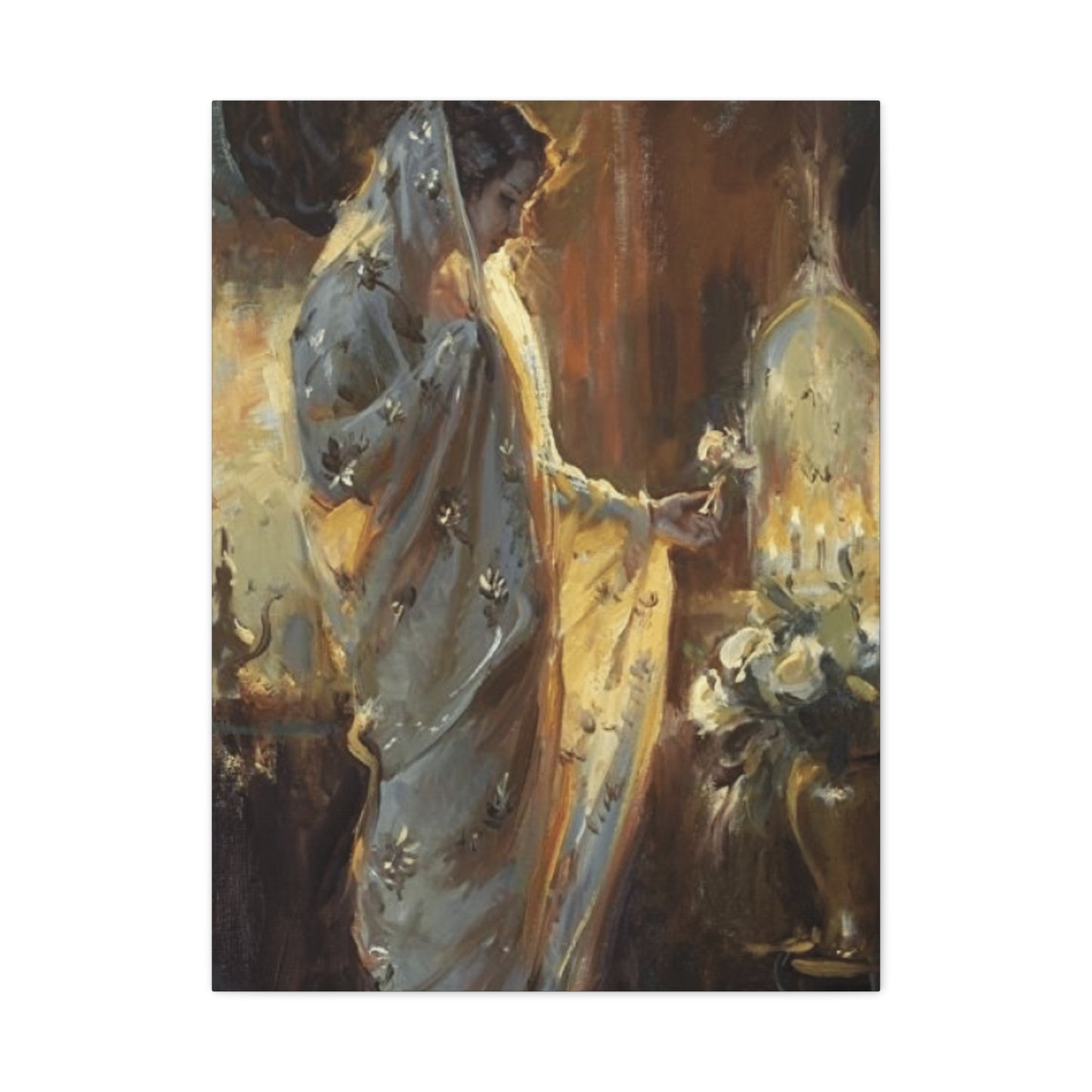

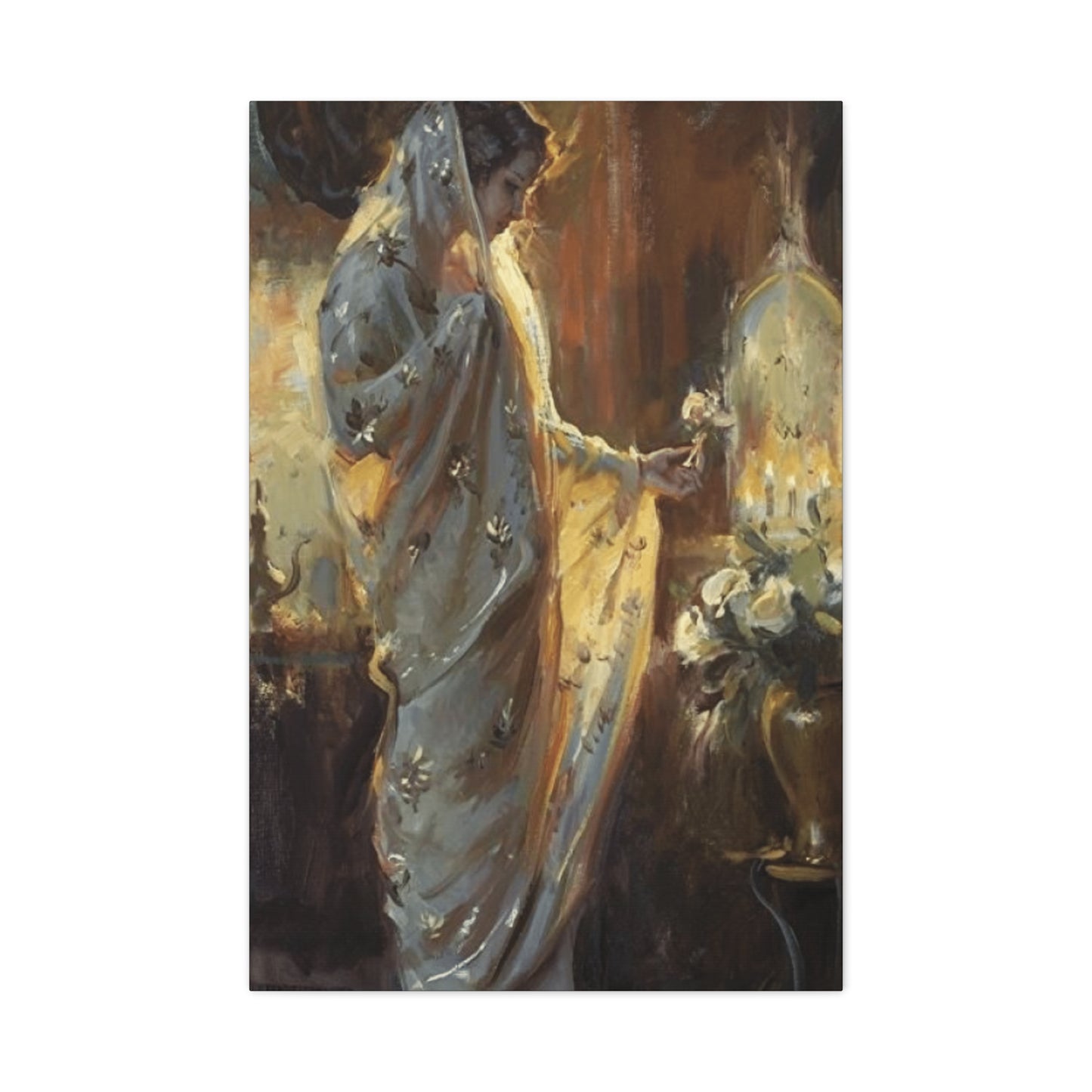
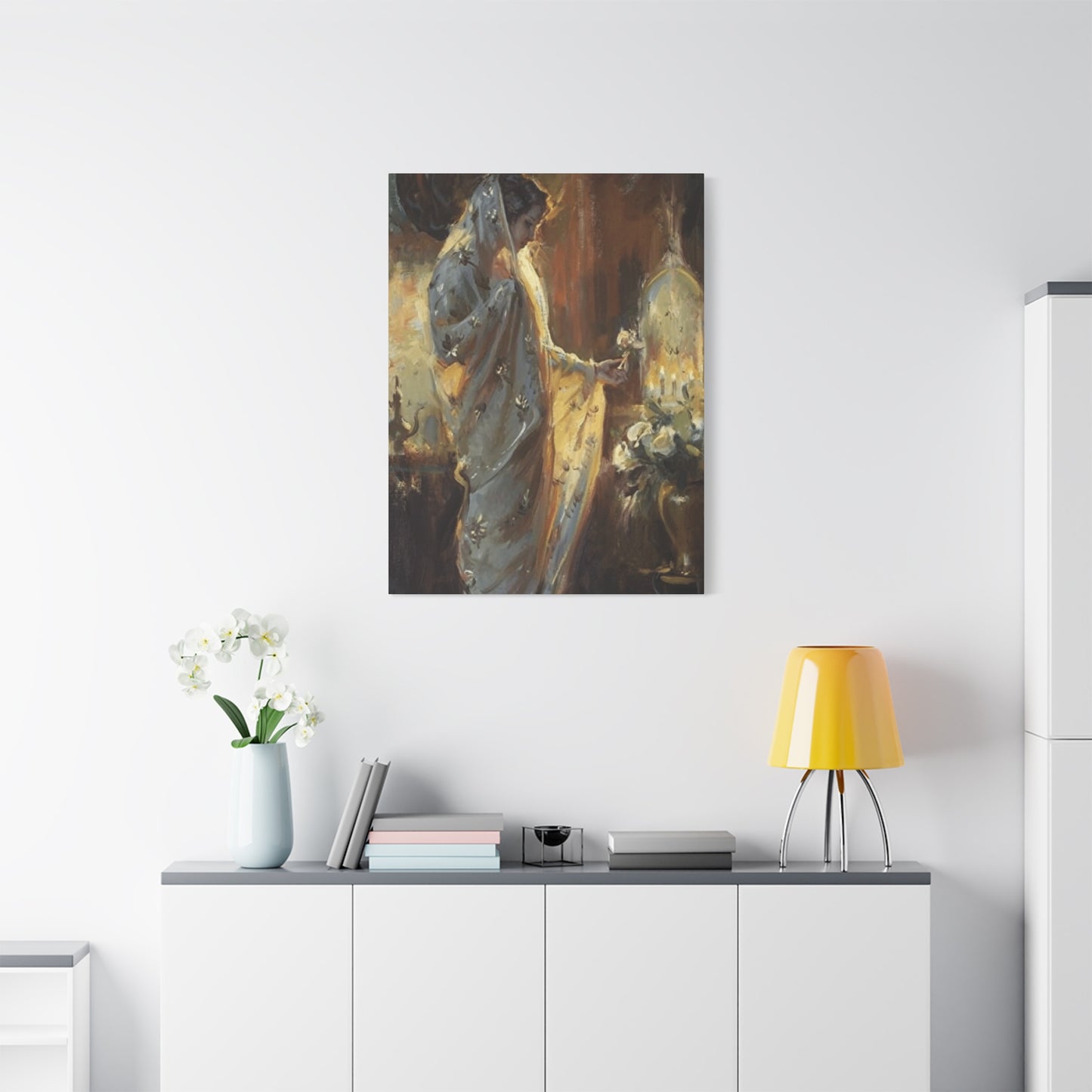
Flicker of Serenity: Why 'Women Lighting the Candle' Wall Art Brings Calm to Your Living Room
The image of women lighting candles has captivated artists, collectors, and homeowners for centuries. This powerful visual motif transcends cultural boundaries and speaks to something deeply human within us all. Whether depicted in classical oil paintings, contemporary photography, or modern wall art, the scene of a woman illuminating a candle carries profound symbolic weight that resonates across generations. The gentle glow of candlelight combined with the feminine presence creates an atmosphere of contemplation, hope, and tranquility that few other artistic subjects can match. In homes around the world, artwork featuring this timeless theme serves as more than mere decoration. These pieces become portals to quieter moments, reminders of the sacred in everyday life, and anchors of serenity in our increasingly hectic modern existence. The act itself is simple yet laden with meaning, representing everything from spiritual devotion and prayer to celebration, remembrance, and the quiet rituals that ground us in our humanity.
Symbolism of Women Lighting Candles in Art
Throughout art history, the portrayal of women engaged in the act of illuminating candles has carried multiple layers of symbolic significance that speak to both universal human experiences and specific cultural traditions. Artists have long recognized that this particular subject matter offers rich opportunities for exploring themes of enlightenment, both literal and metaphorical. When a woman lights a candle in a painting or photograph, she becomes a mediator between darkness and light, embodying the human capacity to bring illumination into shadowed spaces.
The feminine figure in these compositions often represents nurturing energy, domestic spirituality, and the preservation of traditions passed down through generations. In many cultures, women have historically been the keepers of household rituals, the ones who light candles for religious observances, memorial services, and celebrations. This cultural reality has embedded itself deeply into artistic consciousness, making the image resonate with viewers on an almost instinctive level. The woman becomes a priestess of the everyday, transforming ordinary moments into something sacred through her intentional act of creating light.
From a symbolic perspective, the candle flame itself represents consciousness, divine presence, hope persisting in darkness, and the fragile yet persistent nature of life. When placed in the hands of a female figure, these meanings become intertwined with associations of creation, intuition, emotional wisdom, and the mysteries of existence. Renaissance masters understood this symbolism well, often depicting the Virgin Mary or female saints with candles or lamps, creating a visual vocabulary that connected feminine energy with spiritual illumination.
The chiaroscuro technique, which emphasizes the dramatic interplay between light and shadow, finds its perfect subject in candle-lighting scenes. The concentrated point of light from a newly lit candle creates natural zones of brightness and darkness that give depth and emotional weight to the composition. The woman's face, often partially illuminated by the flickering flame, becomes a study in contemplation and inner reflection. Her features emerge from shadow as if she herself is being revealed or transformed by the act of bringing light into being.
In contemporary art, this symbolism has expanded to include themes of female empowerment, self-realization, and the claiming of personal power. The woman who lights her own candle is no longer waiting for external illumination but actively creating her own light, charting her own path, and refusing to remain in darkness. This evolution of meaning demonstrates how traditional imagery can be recontextualized to speak to modern concerns while retaining its timeless emotional resonance.
The colors present in these artistic representations also carry symbolic weight. The warm amber and gold tones of candlelight contrast with cooler shadows, creating a visual metaphor for warmth in coldness, comfort in discomfort, and hope in despair. When artists choose to depict women in traditional dress lighting candles, they connect contemporary viewers with ancestral practices, creating a bridge across time that reminds us how certain human gestures and rituals remain constant despite centuries of change.
Why Women Lighting Candles Adds Warmth to Your Space
Incorporating artwork that depicts women lighting candles into your living environment creates an immediate sense of warmth that goes beyond mere aesthetic appeal. This warmth operates on multiple levels, affecting both the visual temperature of a room and the emotional atmosphere that inhabitants experience. The golden, amber, and honey tones typically present in these pieces naturally warm up spaces, especially those that might feel cold or unwelcoming due to their color schemes, architectural features, or lack of natural light.
The psychological impact of viewing candlelit scenes cannot be overstated. Human beings have evolved with fire as a central element of safety, community, and survival. Our brains are hardwired to respond positively to images of controlled flames and the warm light they produce. When you place art featuring a woman lighting candles on your wall, you are essentially bringing a proxy for fire into your space, one that provides the emotional benefits without the practical concerns of open flames. This creates a perpetual sense of comfort and security that subtly influences how you feel when occupying that room.
These artworks also add warmth through their typical compositional elements. Most pieces featuring this subject matter include intimate settings, soft fabrics, personal objects, and enclosed spaces that feel protective rather than exposed. The woman herself usually appears absorbed in a moment of private ritual, creating a sense that the viewer is being invited into a sacred, personal space. This intimacy translates into emotional warmth, making rooms feel more like sanctuaries than simply functional areas of a home.
From an interior design perspective, the warm color palette naturally present in candlelight imagery complements a wide range of decorating styles. Whether your space features rustic wooden elements, modern minimalism, traditional furnishings, or eclectic mixtures, the universal appeal of candlelight imagery allows it to integrate seamlessly. The artwork serves as a warming element that can tie together disparate design elements through its gentle, glowing tones that harmonize rather than clash.
The visual warmth also creates what designers call a focal point with emotional weight. Unlike purely decorative elements, art featuring women lighting candles draws the eye while simultaneously inviting reflection. This combination means that the warmth it provides is both immediate and lasting. Guests and family members alike find their attention naturally drawn to these pieces, and the longer they observe, the more the warmth of the scene seems to radiate outward, affecting their mood and the overall energy of the gathering.
Consider too the temporal associations these images carry. Candlelight is connected with evening hours, with winding down, with transitions from the active demands of day to the restorative quiet of night. Having artwork that captures this liminal moment creates a visual cue that helps spaces feel appropriate for relaxation, conversation, and reflection. This makes such art particularly valuable in living rooms, bedrooms, reading nooks, and other areas where you want to encourage calm and connection rather than stimulation and activity.
The human element in these pieces also contributes significantly to the warmth they provide. A woman engaged in the simple, caring act of lighting a candle reminds us of nurturing presence, of someone taking time to create ambiance, of intentional actions that prioritize comfort and atmosphere. This implied care and attention feels welcoming, making spaces decorated with such imagery feel inhabited and loved rather than sterile or merely styled.
Women Lighting Candles: A Peaceful Art Statement
Choosing to display art that depicts women lighting candles makes a deliberate statement about your values, aesthetic preferences, and the kind of atmosphere you wish to cultivate in your environment. In a world that increasingly prioritizes speed, productivity, and constant stimulation, selecting artwork that celebrates a quiet, contemplative moment represents a countercultural choice that speaks volumes about your priorities and perspective.
This artistic choice declares that you value contemplation over constant activity, that you recognize the importance of ritual and intentional action, and that you believe beauty can be found in simple, everyday gestures rather than only in grand or dramatic subjects. It suggests a philosophy that honors the sacred within the ordinary and recognizes that peace is not merely the absence of conflict but the presence of centered, grounded awareness.
As an art statement, these pieces also demonstrate an appreciation for figurative work and narrative imagery in an art world that has often privileged abstraction and conceptual approaches. Choosing representational art featuring recognizable human activity connects you with a long artistic tradition stretching back centuries, while the specific subject matter updates this tradition with contemporary relevance. The woman lighting candles becomes a bridge between classical artistic concerns and modern needs for meaningful, relatable imagery.
The peaceful quality of this subject matter also makes a statement about the function of art in your life and space. Rather than selecting pieces primarily for their ability to stimulate conversation, demonstrate cultural capital, or serve as status symbols, choosing peaceful imagery suggests that you view art as serving a deeper purpose related to wellbeing, emotional regulation, and the creation of sanctuary. This utilitarian-yet-spiritual approach to art collection reflects growing awareness of how our environments affect our mental health and daily experience.
From a cultural perspective, elevating imagery of women in moments of spiritual or ritual practice makes a statement about gender, value, and representation. These artworks honor traditionally feminine roles and activities that have often been overlooked or undervalued in both art history and broader culture. By giving prominence to a woman engaged in a domestic spiritual practice, you are implicitly arguing that such moments deserve recognition, attention, and artistic treatment equal to any other subject.
The statement becomes even more pronounced when these pieces are displayed in unexpected contexts. While such art feels natural in bedrooms or meditation spaces, placing it in public areas of the home, in offices, or in commercial spaces creates interesting tension and opens dialogue about the relationship between peace and productivity, between contemplation and commerce. It challenges the assumption that all public-facing spaces must project energy, activity, or professional detachment.
Furthermore, in an era dominated by digital imagery and screen-based entertainment, choosing physical art that depicts analog, pre-electric illumination makes a statement about technology and its role in our lives. The candlelight in these pieces reminds us of slower times, of human history before artificial lighting separated us from natural rhythms of day and night. This gentle nostalgia does not necessarily advocate for returning to the past but rather suggests that we might thoughtfully consider what has been lost in our rush toward the future.
The artistic statement also extends to aesthetic philosophy. Candlelight scenes typically avoid harsh contrasts, loud colors, and jarring compositions in favor of harmony, subtlety, and gradual transitions. This aesthetic choice represents a particular worldview that values refinement, nuance, and the ability to find profound meaning in quiet moments rather than requiring constant dramatic intensity to feel engaged with life.
Creating Tranquility with Women Lighting Candles
The specific mechanisms by which artwork depicting women lighting candles creates tranquility in a space are both psychological and aesthetic, working in concert to produce an environment conducive to peace and relaxation. Understanding these mechanisms allows you to maximize the calming effects of such pieces through thoughtful placement, lighting, and integration with other design elements.
At the most fundamental level, these images create tranquility through their subject matter. The act of lighting a candle is inherently slow, deliberate, and focused. It cannot be rushed. Watching someone perform this action, even in artistic representation, unconsciously cues viewers to slow their own mental processes, to breathe more deeply, and to settle into the present moment. This is a form of visual meditation, where the artwork serves as a focal point that gathers scattered attention and encourages a more centered state of being.
The composition of most candle-lighting scenes also contributes to their tranquilizing effect. Artists typically frame these moments with careful attention to balance, often using symmetrical or near-symmetrical arrangements that the human eye finds naturally pleasing and restful. The vertical line of the candle, the curved lines of the feminine form, and the circular geometry of the flame create a visual vocabulary that suggests stability and containment rather than chaos or expansion. These compositional choices communicate safety and order at a subconscious level.
The color palette in these works plays a crucial role in establishing tranquility. The warm but not aggressive tones of candlelight occupy a specific range in the color spectrum that our brains associate with comfort, sunset, and the end-of-day transition into rest. These colors do not demand attention the way bright, saturated hues do but instead invite the eye to linger and rest. The presence of shadows and darker tones provides visual places for the eye to rest, preventing the overstimulation that can occur with artwork featuring uniform brightness or intensity.
Movement, or rather the suggestion of minimal movement, also contributes to the tranquil quality. The woman in these scenes is typically captured in a moment of concentration and stillness, with perhaps only the implied flicker of the flame suggesting motion. This near-stillness creates visual calm, offering the eye a resting place that does not require constant scanning or processing of complex visual information. The artwork becomes a stable element in the environment, an anchor point around which other activities and movements can swirl without disturbing the underlying sense of peace.
The scale and framing of the figure within the composition affect tranquility as well. When the woman is depicted at a intimate scale, neither monumentally large nor diminishingly small, viewers can relate to her as a fellow human engaged in a recognizable activity. This creates empathetic resonance rather than awe, admiration, or distance. The tranquility becomes accessible and personal rather than abstract or idealized, making it more effective as a daily influence on mood and atmosphere.
Lighting conditions in the space where the artwork is displayed significantly impact its ability to create tranquility. These pieces often benefit from softer, indirect lighting that mimics the quality of light within the painting itself. Harsh overhead lighting can create visual discord between the gentle illumination depicted in the art and the actual light in the room. When the ambient lighting complements the painting's internal light source, the tranquilizing effect is amplified as the boundary between depicted space and actual space becomes psychologically thinner.
The tranquility created by these artworks also stems from their ability to establish what environmental psychologists call restorative environments. These are spaces that allow for mental rest and recovery from attention fatigue. The gentle visual interest provided by candlelight scenes gives the mind something to engage with that does not deplete cognitive resources. You can glance at such a piece dozens of times throughout a day, each time receiving a small dose of calm without exhausting the image's capacity to interest and soothe.
Placement within the home significantly affects how effectively these pieces create tranquility. Positioning the artwork where you naturally pause or transition between activities allows it to serve as a brief moment of recalibration. Near entrances, it can help you shed the stress of the outside world. In hallways, it can create pockets of peace between more active spaces. In bedrooms, it can facilitate the transition from wakefulness to sleep. The key is understanding the flow of daily life and placing the art where it can most effectively interrupt patterns of stress and rushing.
The Spiritual Meaning of Women Lighting Candles
The spiritual dimensions of candlelighting rituals performed by women extend across numerous religious traditions, spiritual practices, and cultural contexts, each adding layers of meaning to artistic representations of this act. Understanding these spiritual associations deepens our appreciation for why such imagery resonates so powerfully with viewers from diverse backgrounds and belief systems.
In Jewish tradition, women have the sacred responsibility of lighting Shabbat candles each Friday evening, ushering in the Sabbath and transforming ordinary time into holy time. This ritual, performed by mothers, grandmothers, and daughters across generations, carries profound theological weight. The woman who lights these candles is not merely creating physical light but is participating in the ongoing act of creation itself, echoing the divine pronouncement of "let there be light" that began the universe. Artwork depicting this moment captures not just a cultural practice but a theological statement about the feminine role in maintaining cosmic order and sanctifying time.
Christian traditions also assign special significance to women and candlelight, particularly in Catholic and Orthodox contexts. The image of the Virgin Mary with a candle or lamp appears throughout religious art, symbolizing her role as the bearer of Christ, the light of the world. Women religious, or nuns, are frequently depicted with candles during prayer and contemplation, their acts of devotion and intercession represented by the steady flame of their spiritual dedication. The perpetual candles kept burning in churches are tended by devoted women whose labor maintains the physical representation of eternal divine presence.
In Buddhist practice, the lighting of candles and lamps forms part of the offerings made at shrines and during meditation. Women practitioners who light these candles are performing an act of devotion that represents the illumination of wisdom dispelling the darkness of ignorance. The flame symbolizes enlightenment itself, and the act of lighting represents the aspiration to achieve that enlightened state. The fragility and temporariness of the candle flame also serves as a meditation on impermanence, one of Buddhism's central teachings.
Hindu traditions feature women lighting diyas, or oil lamps, during numerous religious festivals and daily worship practices. The Diwali festival, celebrating the triumph of light over darkness and good over evil, centers on women preparing and lighting countless lamps throughout their homes and communities. This act is both practical and deeply symbolic, with the light representing the inner light of knowledge and the divine spark within all beings. Women as the primary performers of this ritual are recognized as the sustainers of dharma and the spiritual health of the household.
Pagan and earth-based spiritual traditions also feature candle lighting as a central practice, with women often serving as priestesses who invoke the elements and deities through the ceremonial lighting of candles at altars and in ritual circles. The candle flame represents the element of fire, transformation, passion, and the divine feminine energy associated with goddesses of hearth and home. The woman who lights ritual candles becomes a channel for these energies, her intentional action creating sacred space and invoking spiritual presence.
Beyond specific religious contexts, candle lighting carried out by women holds spiritual meaning in memorial practices and ancestor veneration across many cultures. The woman who lights a candle in memory of the departed serves as a bridge between the world of the living and the realm of the ancestors. Her action keeps memory alive, honors those who came before, and maintains the spiritual bonds that connect generations. This practice acknowledges that the relationship with loved ones does not end with death but continues in altered form, with the candle flame representing the enduring nature of love and connection.
The feminine aspect of this spiritual practice carries its own significance. Women have historically been associated with intuitive knowledge, emotional wisdom, and connection to the mysteries of birth, death, and transformation. When a woman lights a candle in a spiritual context, she is drawing upon these archetypal associations, positioning herself as a mediator between the visible and invisible worlds, between the material and the spiritual. Her embodied presence combined with the transcendent symbol of flame creates a potent spiritual image that speaks to the integration of physical and metaphysical realities.
In contemporary spiritual practice, women lighting candles can represent self-blessing, the honoring of one's own divine nature, and the claiming of spiritual authority outside of traditional religious structures. The solitary woman lighting a candle for her own meditation, reflection, or intention-setting is performing a deeply spiritual act that requires no external validation or institutional framework. This democratization of spiritual practice reflects broader cultural shifts toward individual autonomy in matters of faith and meaning-making.
The spiritual meaning also encompasses the concept of bearing light for others. Women throughout history have been expected to provide emotional and spiritual support for their families and communities, to maintain hope during difficult times, and to preserve cultural and religious traditions. The act of lighting a candle becomes a metaphor for this broader role as lightbearer, hope-sustainer, and keeper of the sacred flame that must not be allowed to extinguish.
How Women Lighting Candles Evokes Calm
The specific qualities of artwork depicting women lighting candles that evoke a sense of calm operate through multiple sensory and psychological channels, creating an experience that affects viewers at both conscious and unconscious levels. By examining these mechanisms in detail, we can better understand why this particular subject matter proves so effective at inducing peaceful states of mind.
The visual representation of soft, flickering light creates an immediate calming effect that traces back to our evolutionary history. For hundreds of thousands of years, human ancestors gathered around controlled fires for warmth, safety, and community. Our neurological wiring still responds to images of fire and candlelight with a sense of security and relaxation, as these visual cues historically signaled that basic survival needs were being met and danger was being kept at bay. Contemporary viewers experience these ancient responses when viewing candlelit scenes, even though they may not consciously recognize the evolutionary basis for their calm feelings.
The rhythmic quality suggested by candlelight also contributes to its calming effect. Although static images cannot literally flicker, skilled artists create the impression of gentle movement through their handling of light and shadow, soft edges, and graduated tones. This suggested rhythm parallels other naturally calming rhythms such as breathing, heartbeat, and the gentle movement of water or leaves. Our nervous systems entrain to these rhythms, slowing and settling in response to the visual cues of gentle, regular movement.
The presence of the feminine figure adds another dimension to the calming effect. Research in psychology has demonstrated that images of faces and figures engaged in calm, non-threatening activities tend to induce similar states in observers through a process called emotional contagion. When we view a woman peacefully absorbed in the meditative act of lighting a candle, her calm state is unconsciously mirrored in our own nervous systems. Mirror neurons in our brains fire in response to observed actions and emotions, creating a subtle but real shift in our own physiological and emotional states.
The intimate scale and domestic settings typical of these compositions also foster calm by creating a sense of containment and safety. Unlike dramatic landscapes or crowded scenes that might overwhelm the viewer with visual information and implied vastness, candle-lighting scenes typically feature enclosed spaces, few figures, and limited depth of field. This compositional containment helps viewers feel grounded rather than expansive, centered rather than scattered, creating the psychological conditions necessary for calm to arise.
Color temperature plays a crucial role in the calming effect. The warm, golden tones of candlelight fall within the color spectrum that designers and color therapists associate with comfort, relaxation, and stress reduction. These colors do not activate the alertness response triggered by cooler, bluer light or the intensity response triggered by bright reds and oranges. Instead, they create a visual environment that signals to the body that it is safe to relax, that vigilance can be decreased, and that restorative processes can be activated.
The subject matter itself carries calming associations through cultural conditioning. Across many societies, candles are associated with special occasions, spiritual practice, romantic settings, and moments set apart from ordinary time. These associations mean that viewing candlelit scenes triggers memories and expectations connected with those contexts, bringing forward the emotional states associated with celebrations, prayer, intimacy, and ritual. Even if viewers cannot consciously articulate these associations, they influence the emotional response to the artwork.
The lack of tension or conflict in these scenes also contributes significantly to their calming effect. The woman lighting a candle is not struggling, competing, fleeing, or confronting. She is simply being, present in a moment of quiet purposefulness. This absence of narrative tension allows viewers to rest in the image without activating the problem-solving, anticipatory mental processes that imagery depicting conflict or challenge would engage. The mind can settle rather than mobilize, rest rather than prepare for action.
Viewing such artwork can also trigger the relaxation response through associative conditioning. If you have positive memories of candlelit moments—birthday celebrations, religious services, romantic dinners, or quiet evenings at home—these associations become linked to images of candles in art. Over time, simply viewing the artwork begins to trigger the positive feelings associated with those memories, creating a Pavlovian response that produces calm through learned association rather than any inherent quality of the image itself.
The meditative quality of candlelight scenes also invites a particular kind of viewing that differs from more complex or challenging artworks. Rather than requiring active interpretation, analysis, or intellectual engagement, these pieces invite contemplative viewing, a softer, more receptive visual experience that mirrors meditation practices. This type of viewing naturally calms the mind by temporarily suspending the analytical, problem-solving functions that create much of our daily mental stress.
Adding Serenity with Women Lighting Candles Wall Art
Integrating wall art featuring women lighting candles into your home or workspace specifically to enhance serenity requires thoughtful consideration of placement, context, surrounding elements, and how the piece interacts with the overall energy and function of the space. The goal is not merely to hang attractive artwork but to strategically introduce visual elements that actively contribute to creating and maintaining serene atmospheres.
The most immediate way these artworks add serenity is through their visual presence as calming focal points. In rooms that might otherwise feel chaotic, cluttered, or lacking in coherent design direction, a well-chosen piece depicting a woman with candlelight can serve as an anchor that organizes the visual field. The eye naturally seeks this center of calm within the space, and once found, the nervous system begins to regulate downward, matching the peaceful quality of the artwork. This effect is particularly valuable in multipurpose rooms that serve both active and restful functions, as the art can help signal transitions between different uses of the space.
Strategic placement amplifies the serenity-enhancing effects of these pieces. Positioning such artwork where you naturally pause during daily routines creates built-in moments of recalibration throughout your day. Near an entrance, the art serves as a transition point, helping you consciously shift from the outside world's demands to the sanctuary of home. Placed across from seating areas, it provides a resting point for the eyes during conversations, reading, or simply sitting quietly. In bedrooms, positioning the art within view from the bed creates a focal point for evening wind-down and morning centering practices.
The size and scale of the artwork relative to the wall and surrounding space significantly impacts its ability to create serenity. Oversized pieces can command a room and establish a strong serene tone, essentially declaring that this is a space for calm and reflection. Smaller pieces create intimate pockets of serenity, drawing viewers in closer for a more personal encounter with the peaceful imagery. Medium-sized works offer versatility, providing substantial visual impact without overwhelming the space or demanding to be the room's primary focus. Consider the energy you want to establish when selecting scale, recognizing that the same image at different sizes will affect a space differently.
The frame and presentation of the artwork contribute to or detract from its serenity-enhancing qualities. Ornate, heavily decorated frames can create visual noise that competes with the peaceful subject matter, while overly modern, stark framing might create a cold quality at odds with the warm candlelight depicted. The ideal framing complements without competing, perhaps using warm wood tones, simple profiles, or subtle metallic finishes that harmonize with the colors within the artwork. The frame should create a gentle boundary that helps the artwork feel both protected and accessible.
Lighting the artwork properly is essential for maximizing its contribution to serenity. Harsh spotlights or bright overhead illumination can create glare and visual harshness that contradicts the soft candlelight depicted within the piece. Instead, consider ambient lighting that gently illuminates the artwork without creating hot spots or deep shadows. Some spaces benefit from picture lights or subtle uplighting that brings the artwork to life in a way that feels natural and unforced. The goal is to make the lighting of the artwork feel like an extension of the candlelight within it, creating visual harmony between depicted and actual light.
Surrounding decor elements should support rather than compete with the serene quality of the artwork. Busy patterns, bright colors, and cluttered surfaces near the piece can undermine its calming influence by creating visual chaos that draws attention away from the peaceful center. Consider creating a zone of relative simplicity around the artwork, allowing it breathing room to exert its influence. This does not require minimalism throughout the space but rather conscious attention to what immediately surrounds the piece. A few carefully chosen objects that echo themes of light, contemplation, or natural beauty can enhance rather than detract from the artwork's impact.
The artwork's contribution to serenity also depends on its relationship to the room's function and the activities that occur there. In meditation spaces, home offices, or reading nooks, the serenity of the artwork directly supports the intended use. In more active spaces like kitchens or children's play areas, the artwork provides visual respite and a reminder that calm exists even within activity. Consider whether you want the art to establish the primary tone of the space or to provide a counterbalance to the room's main energy.
Pairing women lighting candles artwork with other sensory elements can amplify its serenity-creating effects. The visual peace of the artwork combines powerfully with actual candlelight used elsewhere in the room, creating a dialogue between representation and reality. Soft textiles, comfortable seating, and the presence of natural materials like wood and stone can reinforce the grounded, peaceful quality suggested by the artwork. Even subtle scent from candles or essential oils can work with the visual imagery to create a multi-sensory environment of serenity.
Over time, the consistent presence of serene imagery begins to influence the psychological associations you develop with the space. A room consistently featuring women lighting candles artwork becomes, in your mind, a place of peace and reflection. This psychological conditioning means that simply entering the space begins to trigger the relaxation response, with the artwork serving as a visual anchor for this conditioning. The longer the artwork remains in place, the stronger these associations become, making its contribution to serenity increasingly effective over time.
The Elegance of Women Lighting Candles
The specific qualities that make artwork depicting women lighting candles appear elegant involve sophisticated interplay of subject matter, composition, execution, and the cultural meanings attached to both candlelight and feminine grace. This elegance operates on multiple levels, from the immediate visual impression to deeper associations that connect the image to long traditions of refined artistic expression.
The fundamental elegance begins with the gesture itself. Lighting a candle is a refined, controlled movement requiring precision and care. The hand must be steady, the approach deliberate, the action completed with conscious intention. This careful purposefulness contrasts sharply with rushed, thoughtless movements and immediately signals cultivation and refinement. When captured in art, this elegant gesture becomes permanent, allowing viewers to appreciate the grace involved in this simple but meaningful act. The curved line of an arm extended toward the flame, the careful positioning of fingers, and the focused attention of the figure all contribute to a sense of studied gracefulness.
The interplay of light and shadow that candlelight naturally creates provides artists with opportunities to demonstrate technical mastery and subtle gradations that define elegant execution. The challenge of capturing the specific quality of candlelight—warm, soft, and mysteriously penetrating—requires sophisticated understanding of light behavior and skilled handling of medium. When successfully rendered, the luminous quality of well-painted candlelight exhibits a technical elegance that appeals to viewers who appreciate artistic craftsmanship. The gradual transitions from highlighted areas to deep shadow demonstrate the control and refinement that characterize elegant artistic work.
The compositional choices typically employed in these scenes also contribute to their elegant quality. Many artists frame candlelight subjects using principles derived from classical painting traditions, employing balanced arrangements, carefully considered proportions, and harmonious relationships between figure and environment. These compositional strategies, refined over centuries of artistic practice, create visual experiences that feel resolved, complete, and satisfying. The elegance emerges from the sense that every element occupies exactly the right position and scale, that nothing could be added or removed without diminishing the whole.
The color harmonies present in these works display the restrained palette often associated with elegance. Rather than employing the full spectrum of colors or jarring contrasts, artists typically limit themselves to related tones and subtle variations within narrow ranges. The warm golds and ambers of candlelight work with earth tones, muted textiles, and shadowed backgrounds to create chromatic unity. This color restraint parallels the restraint valued in other elegant contexts, from fashion to interior design, where sophisticated effect is achieved through careful selection rather than abundant variety.
The feminine subject herself embodies elegance through her typical presentation. Whether depicted in contemporary or historical dress, the woman lighting a candle is usually shown in a moment of composed grace, her posture upright or gently curved, her movements contained and purposeful. The concentration required for the task lends her an air of absorption and self-possession that reads as refined and cultivated. She is neither performing for an audience nor unconscious of her actions, but rather fully present in a meaningful moment, displaying the self-awareness and intentionality that characterize truly elegant comportment.
The domestic or sacred settings that frame these scenes also contribute to their elegant quality. These are typically not public, performative spaces but rather intimate environments that suggest privacy, personal ritual, and the sacred quality of everyday life. The elegance here stems from the suggestion that refinement exists not only in grand public displays but in the quiet, private moments when one's actions are witnessed by none but oneself and perhaps the divine. This private elegance, unperformed and authentic, carries a depth that more obviously elegant subjects might lack.
Historical associations with candlelight also lend these scenes an elegant quality. Before electric lighting, candles represented a costly source of illumination, and the leisurely use of candles for atmosphere rather than necessity signaled wealth and refinement. Although contemporary viewers are far removed from this economic reality, the cultural memory remains, giving candlelit scenes a faint suggestion of luxury and special occasions. This association connects these images to traditions of elegant living and elevated experience.
The temporal quality suggested by candlelight adds another dimension to the elegance. Candles mark time's passage through their slow consumption, connecting these images to thoughtful awareness of time rather than the hurried modern relationship with temporal flow. This mindful relationship with time, where one can pause to light a candle and watch it burn, suggests the leisure and spaciousness associated with elegant living. The woman who has time for such rituals is implicitly freed from desperate urgency, able to invest moments with meaning through deliberate action.
The symbolism of light creation also carries elegant resonance. To create light is to perform an almost divine act, recalling creation narratives and the special status of humans as beings capable of transforming their environment. This generative capacity, when performed with grace and consciousness by a woman, becomes doubly powerful, connecting feminine creative energy with the fundamental human capacity to dispel darkness. The elegance here is philosophical and spiritual, suggesting that true refinement involves not just aesthetic surface but meaningful engagement with deep human capacities and concerns.
Women Lighting Candles: A Symbol of Hope
The enduring power of women lighting candles as a symbol of hope operates across personal, communal, and universal levels, speaking to fundamental human needs for meaning, continuity, and the possibility of better circumstances. Understanding the multiple dimensions of this hopeful symbolism reveals why this image resonates so profoundly with viewers seeking encouragement and inspiration during challenging times.
At its most basic level, the act of lighting a candle represents the fundamental human refusal to accept darkness as final or inevitable. The woman who lights a candle declares through her action that darkness can be resisted, that light can be created, that human agency matters in the face of circumstances that might seem overwhelming. This simple gesture becomes profoundly hopeful because it demonstrates that one person, acting deliberately and with intention, can change their immediate environment. The hope here is grounded in realistic assessment of what is possible, not naive optimism about easy solutions, making it a durable foundation for sustained hope even in difficult circumstances.
The feminine figure as the bearer of light carries specific hopeful associations connected to archetypal understandings of women as life-givers, nurturers, and sustainers of culture and family. Throughout human history, women have been expected to maintain hope within their households and communities, to preserve traditions during times of upheaval, and to ensure that the flame of culture, religion, and family identity continues burning across generations. When depicted lighting a candle, the woman embodies this traditional role while simultaneously making it visible and worthy of attention. The hope she represents is not abstract but grounded in the concrete work of maintaining continuity and passing vital truths to the next generation.
In religious and spiritual contexts, the woman lighting a candle often performs an act of petition or devotion, hoping for divine intervention, guidance, or blessing. The candle becomes a physical representation of prayer, a material offering that embodies intangible hopes and needs. The light ascending from the flame parallels the upward movement of prayer toward the divine, creating a visual metaphor for the hope that our deepest longings are heard and answered. This symbolism offers comfort to believers who see in the image a reflection of their own acts of faith and hope in powers greater than themselves.
Conclusion:
In conclusion, ‘Women Lighting the Candle’ wall art holds a unique and powerful ability to evoke a sense of peace and tranquility in any living room. This style of art captures a quiet, reflective moment that invites the viewer to pause and breathe, creating a serene focal point within a space. The gentle act of lighting a candle, often depicted with soft lighting, graceful movements, and calming tones, symbolizes more than just an everyday task—it reflects the timeless ritual of self-care, reflection, and the search for inner peace. It’s a poignant reminder of the calm that can be found in even the simplest of actions.
The act of lighting a candle has long been associated with moments of reflection, mindfulness, and spiritual connection. ‘Women Lighting the Candle’ art draws from this deep symbolism, creating an atmosphere where stillness and warmth reign. When placed in the living room, this artwork has the ability to transform the environment into a sanctuary—one where you can relax, unwind, and engage in quiet moments of contemplation. The soft glow of the candle, paired with the figure of a woman, often suggests a sense of empowerment, nurturing, and grace. This combination makes the piece not just visually calming, but also emotionally resonant, providing a space where both light and shadow can coexist in perfect harmony.
This type of artwork blends beautifully with a variety of interior design styles. Whether your space is minimalist, rustic, or even boho-chic, the serene imagery of a woman lighting a candle brings a sense of grounded balance and elegance. The soothing nature of the art complements soft textures like plush cushions, cozy throws, or delicate ceramics, creating a warm and inviting space where you can truly relax. Additionally, the muted color palettes often used in such pieces—think soft creams, gentle pastels, or earthy tones—add to the feeling of calm without overwhelming the room.
Beyond its aesthetic appeal, ‘Women Lighting the Candle’ wall art fosters a deeper emotional connection. It serves as a visual reminder to slow down and appreciate the present moment, offering a sense of calm and clarity in the chaos of daily life. It’s particularly effective in high-traffic areas like living rooms, where it can serve as both a calming retreat and a conversation piece for guests.
Ultimately, this style of wall art does more than just decorate a room—it transforms it into a space of reflection, peace, and quietude. ‘Women Lighting the Candle’ is not just an image; it’s a symbol of serenity, grounding the viewer in a moment of calm that echoes throughout the space. With its gentle, soothing presence, it invites you to pause and recharge, fostering a living room atmosphere that feels as serene as it is beautiful.


