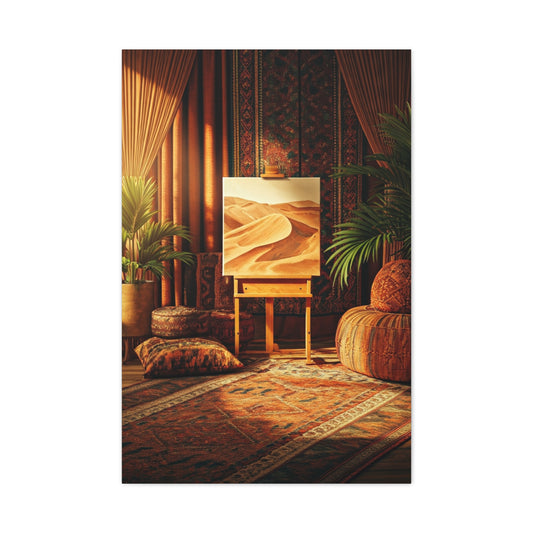

Mid-century modern living rooms have a timeless allure that continues to captivate homeowners and interior enthusiasts around the world. This style represents more than just an aesthetic trend; it embodies a philosophy of simplicity, balance, and purposeful living. From the moment one steps into a mid-century modern space, there is an unmistakable sense of calm and intentionality. The uncluttered atmosphere, clean architectural lines, and thoughtfully selected furniture pieces communicate a lifestyle that values both beauty and function.
Emerging in the post-World War II era, mid-century modern interiors were a response to a world in transformation. Designers and architects sought clarity, utility, and elegance in everyday living spaces. Influenced by the principles of the Bauhaus movement, furniture and decor were stripped of unnecessary ornamentation and instead focused on proportion, material authenticity, and geometric harmony. This approach celebrated practicality while also providing visual satisfaction, ensuring that spaces were approachable yet aspirational. It was an era that emphasized collective comfort rather than individual extravagance, offering interiors that were functional, livable, and visually pleasing.
Simplicity is at the core of mid-century modern living rooms, but minimalism in this context does not mean austere or cold. Every element is carefully considered, chosen for its aesthetic harmony and utility. Furniture often appears lightweight while retaining substantial presence, creating a sense of openness without compromising on comfort. Teak wood is commonly used for its warm tone and long-lasting durability, while oak and rosewood are incorporated for smaller pieces like cabinets, desks, or shelving. These wood tones are frequently paired with metals, glass, and vinyl to form geometric shapes, sculptural chairs, or striking lighting fixtures that balance the natural with the modern.
Color palettes in mid-century modern interiors typically draw inspiration from nature, promoting a sense of serenity and grounded elegance. Soft taupe, ivory, beige, and warm whites create a neutral canvas that enhances the natural beauty of wooden furniture. Black accents are used sparingly to provide visual grounding and subtle contrast. Contemporary interpretations of the style have embraced muted pastels and Nordic-inspired shades, introducing dusty pinks, moss greens, deep navy, and pale ice blues into living spaces. These colors add layers of personality and vibrancy while remaining in harmony with the overarching ethos of understated sophistication.
The flow of natural light is another essential element in mid-century modern living rooms. Expansive windows and open layouts invite sunlight to fill the space, highlighting the warm textures of wood and creating a sense of airiness. Well-lit interiors appear larger, more inviting, and serene. This emphasis on light reflects the style's belief that form and function should coexist effortlessly. Interiors designed in this manner are not only visually pleasing but also enhance the overall comfort and emotional experience of the space.
Furniture in mid-century modern living rooms is characterized by iconic details that remain relevant even decades later. Tapered legs on sofas, sideboards, and cabinets provide an understated elegance while contributing to a sense of openness. Low-profile seating, streamlined shelving, and minimalist storage solutions prevent visual clutter and maintain balance within the room. This careful orchestration ensures that every object serves a purpose while contributing to the aesthetic narrative.
Soft curves are strategically introduced into furniture forms to create visual interest and warmth. A gently curved coffee table, rounded lounge chair, or arched lighting fixture can transform a minimalist room into an inviting and approachable environment. The interplay between straight lines and gentle curves generates a subtle dynamism, drawing the eye across the room and maintaining spatial harmony. It is this balance between geometric precision and organic fluidity that defines the timeless elegance of mid-century modern interiors.
Bringing Warmth, Functionality, and Adaptability to Any Space
One of the most compelling aspects of mid-century modern living rooms is their adaptability. The principles of this style can be seamlessly translated to spaces of any scale, whether a compact city apartment or a sprawling suburban home. By prioritizing proportion, material authenticity, and thoughtful furniture placement, homeowners can create interiors that feel both expansive and intimate. The result is a living area that encourages relaxation, conversation, and engagement, all while maintaining an air of sophistication.
Statement elements play a significant role in keeping mid-century modern living rooms fresh and inviting. Incorporating a pastel-colored area rug, rattan wall accents, or subtly curved furnishings can add character without overwhelming the space. These curated details create rhythm and continuity, ensuring that each part of the room contributes to a unified aesthetic. Even small decorative objects, such as ceramic vases, sculptural lamps, or geometric wall art, are chosen with intention, reinforcing the narrative of balance and refinement.
Functionality is never compromised in mid-century modern interiors. Furniture is designed with usability in mind, whether it is a modular sofa that can be rearranged for gatherings, a low coffee table that doubles as storage, or sleek cabinetry that keeps essentials organized without interrupting visual flow. This seamless integration of form and function is what allows mid-century modern living rooms to remain relevant and practical in contemporary life.
Material choices are equally important in achieving the warmth and longevity that define the style. Natural woods provide organic texture and depth, metals lend structure and modernity, and glass introduces transparency and lightness. Combining these materials thoughtfully produces interiors that are visually layered yet coherent. Upholstery fabrics often include natural fibers such as wool, linen, and cotton, which enhance tactile comfort while aligning with the style’s emphasis on simplicity and authenticity.
Mid-century modern living rooms also excel at creating a sense of spatial flow. Open floor plans, strategic furniture placement, and carefully scaled pieces encourage movement and interaction. By minimizing barriers and maximizing sightlines, these spaces feel welcoming, expansive, and fluid. The design philosophy extends beyond aesthetics, creating environments that are psychologically soothing and socially engaging.
The appeal of mid-century modern living rooms extends to their ability to accommodate evolving tastes. While rooted in historical principles, the style embraces modern reinterpretations. Homeowners can integrate contemporary lighting, technological conveniences, or bold accent colors without compromising the integrity of the overall aesthetic. This flexibility ensures that mid-century modern spaces remain timeless, capable of evolving alongside lifestyle needs and personal preferences.
Mid-century modern living rooms offer a harmonious blend of simplicity, elegance, and practicality. Their enduring charm lies in the careful orchestration of furniture, color, material, and light. By emphasizing clean lines, organic curves, and thoughtful proportion, these interiors cultivate an environment of calm, inspiration, and subtle sophistication. Whether it is a cozy urban apartment or an expansive family home, adopting the principles of mid-century modern living allows homeowners to craft spaces that are both aesthetically pleasing and deeply functional. Incorporating statement accents, prioritizing natural materials, and maintaining a balance between openness and intimacy ensures that the living room is not merely a space for relaxation but a carefully curated reflection of a considered lifestyle. Mid-century modern interiors continue to captivate because they offer more than beauty; they provide a blueprint for living thoughtfully, harmoniously, and elegantly in any home.
Crafting Balance and Harmony in Mid-Century Modern Living Rooms
Creating a mid-century modern living room is a delicate art of balance, proportion, and thoughtful arrangement. At the heart of this style is a sense of spatial harmony, where every piece contributes to an environment that feels both structured and inviting. Symmetry plays a subtle but crucial role, helping to establish a visual equilibrium that is immediately comforting to the eye. By positioning furniture thoughtfully, homeowners can enhance the openness and understated elegance that define mid-century modern interiors while maintaining a welcoming atmosphere.
Material selection is central to achieving this balance. Warm-toned woods such as teak are iconic within this style, offering a foundation of natural beauty and refinement. These materials evoke a grounded warmth that feels simultaneously sophisticated and approachable. Smaller elements crafted from rosewood or oak provide texture and subtle contrast, introducing visual interest without overwhelming the space. Complementary components in glass or metal maintain a sense of modernity while adding brightness and reflective surfaces that enliven the room. Sculpted materials and vinyl are often used for chairs or statement pieces, combining ergonomic comfort with a tactile richness that enhances the overall sensory experience. The careful integration of these materials ensures that the living room remains cohesive while embracing both natural and modern elements.
Neutral color palettes form the backbone of a successful mid-century modern interior. Soft, muted tones on sofas, curtains, and area rugs create a serene canvas that allows textures and accent colors to shine. However, restraint does not mean the absence of vitality. Strategic touches of mustard yellow, deep forest green, or navy can punctuate the room, introducing subtle pops of energy that draw the eye and add personality. These carefully considered accents provide visual excitement while ensuring the space maintains a sense of order and sophistication. Color placement, in harmony with the overall palette, creates a rhythm that guides the viewer through the room effortlessly, making each element feel purposeful and intentional.
Furniture proportions are another defining feature of mid-century modern spaces. Tapered legs, found on sideboards, coffee tables, and shelving units, not only contribute structural elegance but also give the furniture a sense of lightness that prevents the room from feeling heavy or cluttered. These clean lines establish an open, airy atmosphere that enhances the perception of space and ensures that each piece feels integrated within the overall composition. Lighting, carefully chosen and strategically placed, complements these furnishings. Pendant lights, floor lamps, and table lamps provide a balance of function and style, illuminating key areas without competing with the furniture’s presence. The combination of proportion, material, and placement is essential for achieving a room that feels balanced, visually appealing, and effortlessly stylish.
Soft, organic curves in furniture and décor introduce a dynamic contrast to the linearity of mid-century modern aesthetics. Rounded sofas or chairs offer warmth and intimacy, preventing the room from feeling rigid or impersonal. Geometric rugs, sculptural lighting fixtures, and thoughtfully curated accent pieces create focal points that guide the eye across the room and encourage engagement with the space. This interplay between straight lines and curves contributes to a sophisticated visual rhythm, emphasizing that mid-century modern interiors are not only functional but also deeply considered in their aesthetic presentation.
Texture is equally critical in enhancing the sensory experience of a mid-century modern living room. Woven wall hangings, velvet upholstery, and subtly patterned rugs provide tactile richness that draws people in, transforming the room from a purely visual experience into one that feels inviting and approachable. The use of texture allows different elements to stand out while remaining harmonious, providing depth and dimension that elevate the space beyond a simple arrangement of furniture. This attention to materiality ensures the living room feels layered, tactile, and engaging, encouraging residents and guests to interact with their surroundings.
Lighting plays an integral role in the success of mid-century modern interiors. Expansive windows maximize natural daylight, bringing warmth and vibrancy into the room while highlighting the clean lines and textures of the furniture. In the evening, strategically positioned lamps create pockets of soft, ambient illumination that enhance comfort and intimacy. This careful interplay between natural and artificial light emphasizes the room’s key features while maintaining a dynamic atmosphere that shifts throughout the day. By thoughtfully orchestrating light sources, a mid-century modern living room can feel luminous, inviting, and adaptable, reflecting a sense of deliberate elegance in every corner.
In smaller spaces, the mid-century modern approach to furniture and arrangement becomes particularly advantageous. Compact seating, slimline storage units, and multifunctional pieces allow homeowners to optimize every inch without creating visual clutter. Tapered legs and minimalistic ornamentation enhance the perception of space, making even a modest apartment feel open, organized, and cohesive. By prioritizing clarity and efficiency, these interiors demonstrate that sophistication is not dependent on scale but on intention and precision in both furniture selection and spatial planning.
Elevating Functionality and Style Through Thoughtful Elements
The mid-century modern living room thrives on the integration of aesthetics and functionality, where every element contributes to both visual appeal and daily usability. Furniture placement is carefully orchestrated to encourage conversation, relaxation, and seamless movement throughout the room. Seating arrangements are thoughtfully positioned to complement natural light sources, highlight focal points, and maintain a sense of openness. These choices ensure that the living room is not only beautiful but also highly functional, supporting a lifestyle that values comfort, interaction, and efficiency.
Color and lighting interact synergistically in mid-century modern interiors to shape mood and atmosphere. While neutral backdrops provide a calming environment, accent colors and materials introduce layers of energy and personality. Mustard, teal, and navy tones are often introduced through cushions, throws, or feature chairs, offering visual breaks that prevent monotony. Meanwhile, lighting transforms these colors throughout the day, creating variations in tone and shadow that add depth and intrigue. This deliberate choreography of light and color allows the space to feel alive, responsive, and curated with intention.
The role of furniture in mid-century modern interiors goes beyond aesthetics. Each piece is designed to be ergonomic, practical, and enduring. Chairs and sofas are sculpted to support the body comfortably, tables are proportioned to suit daily living, and storage units provide functionality without sacrificing style. These furnishings embody a principle of longevity, where quality materials and craftsmanship ensure that the living room remains relevant and appealing for years. This philosophy of intentionality underscores the mid-century modern ethos: spaces should serve the people who inhabit them while maintaining visual coherence and sophistication.
Textures and materials further contribute to the room’s sensory depth. Rich woods, supple upholstery, and woven fabrics contrast with the sleekness of glass and metal accents, creating an environment that is both tactilely and visually stimulating. Soft rugs underfoot and plush cushions invite touch, while sculptural décor items offer visual intrigue. These elements, carefully curated and layered, ensure that the living room engages multiple senses, making it a space where comfort and beauty coexist effortlessly.
Decorative accents are carefully selected to enhance the aesthetic without overwhelming it. Artworks with clean lines, abstract forms, or organic motifs complement the furniture and color palette while providing focal points that anchor the room visually. Sculptural lighting, ceramic vases, and mid-century-inspired clocks add personality and narrative, creating a space that feels lived-in yet meticulously curated. Every object is chosen with consideration, reinforcing the principle that mid-century modern interiors are as much about curation and thoughtful placement as they are about individual pieces.
Even the smallest details contribute to harmony in mid-century modern living rooms. The rhythm of repeated shapes, the balance of textures, and the careful modulation of scale ensure that the space feels intentional and cohesive. From the curvature of a chair back to the grain of a wooden sideboard, these nuances create a sense of visual continuity and purpose. In combination, they establish an environment that feels effortlessly refined and timeless.
Infusing Personality into Mid-Century Modern Living Spaces
Mid-century modern living rooms are often celebrated for their clarity, simplicity, and timeless elegance. They provide a serene foundation where every element has a purpose, yet this very structure allows for extensive opportunities to express individuality. A room rooted in mid-century modern principles does not need to sacrifice personality to achieve balance. In fact, carefully curated accents, colors, and furnishings can transform a space from merely stylish to deeply personal.
One of the most effective ways to breathe life into a mid-century modern living room is through color. A neutral palette forms a calm backdrop, but pops of color bring energy and vibrancy. Strategically placed furniture in bold hues can become a visual anchor, drawing attention and creating focal points that feel intentional rather than arbitrary. Upholstered chairs in jewel tones, contrasting rugs with geometric patterns, or even curtains in unexpected shades can infuse the room with a sense of vitality. Scandinavian-inspired pastels, such as muted moss green, soft coral, or dusty pink, work harmoniously within the mid-century palette, offering freshness and approachability. Metallic accents, particularly in brass, gold, or warm copper, add a refined elegance, catching the eye without disrupting the sense of calm. When applied thoughtfully, these elements enhance personality while maintaining the overall sophistication of the space.
Furniture is another essential avenue for expressing style within mid-century modern interiors. Each piece is more than just functional; it tells a story and conveys the inhabitant’s taste. Curved accent chairs with sleek legs, sculptural coffee tables with organic forms, and minimalist shelving units can all serve as visual highlights. Low-profile sofas with clean lines invite relaxation while maintaining structural clarity. The selection of materials also communicates subtle sophistication. Warm-toned woods such as teak or walnut evoke a sense of natural luxury, while textured vinyl, leather, or linen adds tactile interest. The combination of material and form creates a dialogue between utility and aesthetic, ensuring that even practical furnishings contribute to the room’s overall narrative.
Art and decorative elements further elevate the individuality of a mid-century modern living room. Abstract paintings, geometric prints, and minimalist sculptures seamlessly integrate with the restrained lines of the architecture. These art forms provide rhythm and movement, breaking up visual monotony while preserving harmony. Woven textiles, rattan accessories, and artisanal objects introduce texture and a human touch, grounding the space in warmth and tactility. Each curated item serves a dual purpose, functioning as decoration while communicating the personality of the homeowner. Layering textures through throws, cushions, or small sculptural accents can create an immersive experience that invites both interaction and admiration.
Lighting plays a transformative role in shaping both atmosphere and perception in mid-century modern interiors. Carefully chosen lighting fixtures not only illuminate the space but also define its character. Pendant lights with slender profiles, sculptural floor lamps, and table lamps with angular or curved forms contribute to a dynamic visual composition. Beyond functionality, lighting sets the emotional tone, casting soft pools of light to create intimate corners or highlighting art and furniture to enhance their presence. In smaller urban apartments, thoughtful lighting strategies can expand the perception of space, making even compact living rooms feel airy, open, and inviting.
The mid-century modern ethos emphasizes efficiency, and multifunctional furniture is central to achieving a balance between openness and practicality. Storage ottomans, nesting tables, low-profile shelves, and benches with hidden compartments allow the homeowner to maintain an uncluttered environment while meeting everyday needs. This thoughtful integration of function and form ensures that personality can flourish without compromising spatial clarity. Clever furniture arrangements that emphasize flow and accessibility reinforce the sense of order and intentionality that defines mid-century modern living rooms, even in smaller homes.
Introducing subtle curves and dynamic angles enhances visual intrigue in ways that remain true to mid-century principles. Rounded chairs, crescent-shaped tables, or a curved sofa can soften the geometric rigidity of a room, while angular light fixtures or accent furniture create a complementary tension that enlivens the space. Rugs with asymmetrical patterns or playful textures anchor seating areas and guide the eye across the room, creating rhythm and visual storytelling. These elements, when combined with a consistent color strategy, elevate the room from functional space to an engaging environment that celebrates both elegance and individuality.
Incorporating personal touches within mid-century modern interiors also means selecting items that reflect lifestyle and identity. Books with carefully chosen covers, ceramics from local artisans, or travel mementos displayed on minimalist shelves convey personality without cluttering the space. Every element should feel intentional, selected not only for its aesthetic appeal but also for the story it tells. This approach transforms the living room from a passive showcase into a curated experience that embodies both comfort and refined taste.
Harmonizing Expression with Mid-Century Modern Principles
The appeal of mid-century modern interiors lies in the delicate balance between restraint and expression. A room that is overly decorated risks losing its sense of clarity, while a space that is too minimal can feel sterile. Successful mid-century modern living rooms achieve equilibrium by layering color, texture, form, and light in ways that are both deliberate and harmonious. Each addition, from a bold chair to a sculptural side table, should interact with existing elements, creating a dialogue that enriches the visual narrative rather than competing with it.
Texture is a particularly powerful tool for infusing warmth and character. Soft textiles, woven rugs, leather seating, and natural wood surfaces provide a tactile dimension that enhances the sensory experience of the room. Combining smooth, reflective surfaces with textured, organic materials fosters depth and complexity, allowing each corner of the living room to reveal a different aspect of personality. Even subtle variations in material finish, such as matte versus glossy wood or brushed versus polished metal, contribute to the room’s layered aesthetic. These nuanced details make the environment feel curated and intentional, reinforcing the homeowner’s voice while staying true to mid-century modern design philosophy.
In addition to materials, scale and proportion play a critical role in expressing individuality within mid-century modern spaces. Statement furniture pieces should be sized to complement the room rather than overwhelm it. Low-profile seating maintains an open visual plane, while taller elements, like sculptural lamps or shelving, create vertical interest that guides the eye. The interplay of small, delicate objects with larger furniture pieces produces rhythm and hierarchy, allowing personal expression to shine without disturbing spatial balance. Strategic placement ensures that every object serves a purpose, either functional, aesthetic, or both, contributing to a coherent yet personalized interior.
Color is a key ingredient in harmonizing personality with mid-century principles. While neutral backgrounds of cream, taupe, or soft gray provide calm and cohesion, accent colors bring vibrancy and narrative. Coordinating complementary shades in furnishings, art, and accessories can evoke mood and emotional resonance. Warm, sun-soaked tones like burnt orange or mustard yellow introduce energy, while cooler greens and muted blues evoke calm and tranquility. Layering shades within a consistent palette ensures cohesion, even when incorporating unexpected or bold elements. Color, when thoughtfully applied, enhances the perception of depth and dimension while communicating the unique character of the homeowner.
Lighting remains a cornerstone of expressive harmony in mid-century interiors. Natural light should be maximized through strategic window treatments that diffuse sunlight without sacrificing brightness. Artificial lighting, carefully positioned, creates focal points and accentuates textures, color, and form. By varying intensity and direction, homeowners can sculpt the atmosphere, transforming the living room throughout the day from a bright, energizing space to a soft, contemplative retreat. Light also interacts with materials and surfaces, casting shadows that animate the environment and enhance the perception of spatial depth.
Even in compact urban homes, mid-century modern principles facilitate creative expression without sacrificing openness. Furniture with dual functionality, modular seating, and hidden storage solutions allow the living room to maintain its airy feel while reflecting personal taste. Open shelving, paired with carefully chosen decorative items, creates visual interest without overcrowding the space. Thoughtful circulation paths ensure that the room remains inviting, accessible, and practical. The result is a space that feels curated, lived-in, and authentically personal, demonstrating that style and personality are not mutually exclusive.
Ultimately, a mid-century modern living room that successfully integrates personality achieves a sense of harmony that is both visually compelling and emotionally resonant. Every element, from a vibrant accent chair to a textured rug or sculptural lamp, contributes to a cohesive environment that balances clarity with character. The interaction of color, texture, form, and light produces a space that is elegant yet approachable, polished yet personal. Thoughtful layering, deliberate selection, and mindful placement allow the living room to become a true reflection of its inhabitants, a space where comfort, function, and style coexist seamlessly.
By carefully blending restraint with individuality, homeowners can create mid-century modern interiors that are timeless and evocative. The deliberate interplay of materials, shapes, and hues fosters a living environment that feels both curated and spontaneous. Such a space becomes more than a room to inhabit; it transforms into an immersive experience, an embodiment of taste, personality, and subtle sophistication that invites both admiration and comfort. Mid-century modern living rooms, when thoughtfully personalized, transcend trends and become enduring expressions of style and self, offering warmth, elegance, and visual delight in equal measure.
Infusing Contemporary Flair into Mid-Century Modern Living Rooms
Mid-century modern living rooms have long been celebrated for their timeless charm, balancing simplicity with sophistication. Their uncluttered lines, careful proportions, and focus on function create spaces that feel serene, grounded, and elegantly restrained. Yet, while these spaces have an enduring appeal, contemporary adaptations allow homeowners to breathe fresh energy into the style, making it feel current while preserving its core principles. Modern interpretations of mid-century living spaces are not about replacing the original ethos but enhancing it with new textures, materials, and spatial dynamics that resonate with today’s lifestyle and aesthetic sensibilities.
A key aspect of achieving this balance is the thoughtful selection of furniture. Iconic mid-century pieces such as slim, tapered-leg chairs, sofas, and tables form the backbone of the room, but they can be paired with modern elements to create a dynamic interplay. Combining traditional wooden structures with steel, glass, or acrylic accents introduces a fresh dimension without undermining the warmth of classic materials. For instance, a coffee table featuring a wooden base with a glass top provides an airy elegance, while shelving units that blend metal frames with teak surfaces contribute both function and contemporary charm. This careful juxtaposition of materials creates visual intrigue and an understated sophistication that instantly elevates the room. Every piece becomes a conversation between eras, merging nostalgia with innovation, and creating a sense of layered history and modernity.
Color plays an equally transformative role in contemporary mid-century spaces. While neutral walls, muted tones, and soft backdrops remain central to preserving the aesthetic clarity, accent colors allow rooms to feel vibrant and alive. Deep jewel tones, subtle pastels, and even unexpected pops of bright color on upholstery or accent furniture can energize a living room without overwhelming it. A statement wall behind a media unit, a textured throw on a sofa, or a bold armchair in a jewel-toned fabric can introduce visual interest and modern flair. The key is to maintain balance so that contrasts enhance rather than compete. Strategic layering of color ensures the space feels expansive, inviting, and harmonious, providing both aesthetic richness and emotional resonance. The use of color in contemporary mid-century spaces is not simply decorative; it is an orchestrated effort to guide the eye, create focal points, and elicit mood, ensuring that every corner of the room communicates intention and style.
Lighting is another essential component in the evolution of mid-century modern interiors. Contemporary lighting solutions are both functional and expressive, transforming a space with the interplay of illumination and shadow. Sculptural pendant fixtures, minimalist floor lamps, and LED-enhanced lighting installations can redefine a room, emphasizing the architecture and materials while providing versatile atmospheres. These fixtures serve more than a utilitarian purpose; they become sculptural elements that complement furniture and spatial arrangements. By highlighting textures and drawing attention to carefully curated objects, lighting enriches the room’s narrative, allowing it to transition gracefully from bright, active daytime use to cozy, intimate evening settings. The subtle modulation of light also underscores mid-century principles, reinforcing the harmony between form, function, and sensory experience.
Textures continue to play a vital role in contemporary mid-century living rooms, offering warmth, depth, and tactile engagement. While sleek wood and polished surfaces communicate refinement and order, layering materials such as velvet cushions, wool or woven rugs, rattan accents, and natural fibers adds softness and sensory richness. Textures serve to humanize the space, making it feel approachable and comfortable while enhancing visual complexity. When combined with smooth finishes, the result is a balanced environment where materials converse with one another, reinforcing the room’s sophistication and livability. This careful layering of tactile elements is more than aesthetic; it contributes to emotional connection, creating a home that feels welcoming and thoughtfully curated. Textures bridge the gap between minimalism and comfort, ensuring that contemporary interventions remain coherent with the mid-century foundation.
Harmonizing Function, Aesthetic, and Personal Expression
Integrating contemporary elements into mid-century modern living rooms also allows for enhanced functionality without compromising style. Modern living demands adaptability, and incorporating versatile furniture, modular storage, and ergonomic seating ensures that spaces remain practical for everyday life. Thoughtful storage solutions, sleek shelving, and compact seating maintain the sense of openness while addressing modern needs for organization and convenience. Each item serves a dual purpose, blending visual interest with practicality and reflecting a philosophy of intentional living where beauty and utility coexist seamlessly. The goal is not to overcrowd the space but to enhance usability while maintaining clarity and proportion, hallmarks of the mid-century ethos.
Personal expression can further elevate a mid-century modern living room by integrating art and curated accessories in ways that feel cohesive rather than incidental. Abstract canvases, geometric prints, sculptural objects, and carefully selected decorative items can introduce individuality while maintaining visual balance. Artwork should interact with the room’s color palette, furniture forms, and textures, guiding attention across the space and creating multiple points of interest. When thoughtfully arranged, these elements turn a living room into a curated gallery where each object contributes to a cohesive story. Art and accessories act as both anchors and highlights, reflecting personality and taste while enhancing the room’s sense of refinement and intentionality.
Contemporary mid-century spaces also thrive when proportion and scale are respected. Larger, open layouts benefit from statement furniture and expansive rugs, while smaller rooms gain elegance through careful selection of compact, multifunctional pieces. Spatial awareness ensures that each object serves a purpose and occupies its place harmoniously, avoiding clutter and maintaining a sense of breathing room. Contrast in scale, whether through a bold lounge chair against a minimalist sofa or a towering light fixture paired with low-profile furniture, injects visual drama and modern sophistication without disrupting the mid-century foundation.
The integration of contemporary technologies, from sleek entertainment units to smart lighting and climate solutions, further modernizes these interiors. These innovations can be seamlessly incorporated without detracting from aesthetic cohesion, ensuring that living rooms are equipped for modern life while celebrating timeless style. Functionality becomes an invisible but essential layer that supports comfort, convenience, and efficiency. This thoughtful approach ensures that the space is not only visually compelling but also highly livable, reflecting the practical sensibilities central to mid-century philosophy.
Conclusion
In short, mid-century modern living rooms offer remarkable adaptability, capable of spanning decades of aesthetic evolution while remaining relevant and inspiring. Contemporary interpretations enhance this legacy, introducing new textures, materials, and visual narratives while respecting the original principles of proportion, simplicity, and material integrity. By harmonizing form, color, texture, and function, homeowners can create living spaces that feel curated, dynamic, and deeply personal. These rooms celebrate the interplay of light, space, and materiality, offering a sanctuary that balances elegance with comfort, sophistication with livability, and historical resonance with present-day vitality.
The beauty of mid-century modern interiors lies in their capacity to be both timeless and transformative. Contemporary interventions do not overshadow the classic aesthetic; instead, they amplify its strengths, creating spaces that are visually rich, emotionally resonant, and fully suited to modern lifestyles. From the interplay of materials and textures to the careful layering of color and light, these living rooms achieve a refined sense of equilibrium, offering both sanctuary and stage for life’s moments. With thoughtful planning, intentionality, and a touch of creative experimentation, homeowners can cultivate mid-century modern living rooms that are strikingly Pinterest-worthy yet profoundly livable, spaces that celebrate personal expression, sensory engagement, and the enduring allure of understated sophistication.