
A bare wall in a living room can feel like it is quietly daring you to take action. It sits there, plain and uninterrupted, a constant reminder that something is missing. Many people have stood before such a wall with artwork or photographs in hand, only to hesitate, unsure of where to start. Yet behind that empty space lies a remarkable opportunity to create something personal, striking, and deeply engaging. With a thoughtful approach, that silent expanse can become the visual heartbeat of your living room, a captivating focal point that sparks conversations and reflects your personality.
When you think of a gallery wall, the first instinct is often to imagine large-scale paintings or prints dominating the space. While such pieces make a bold statement, photographs carry a different kind of magic. They infuse warmth, intimacy, and a connection to your personal story. A wall that combines moments from special occasions with candid snapshots can feel like an unfolding visual memoir. When those images are displayed in a mix of sizes and frame styles, they take on a rhythm that keeps the eye moving and the mind engaged. Ornate frames can sit alongside minimalist ones, creating a blend that feels eclectic yet intentional, much like a conversation between different eras and styles.
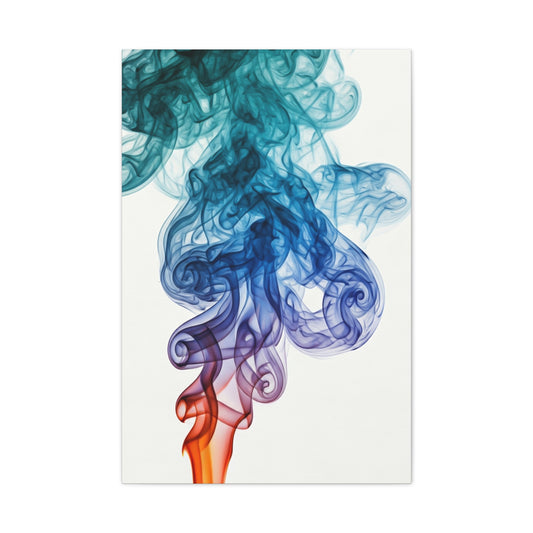
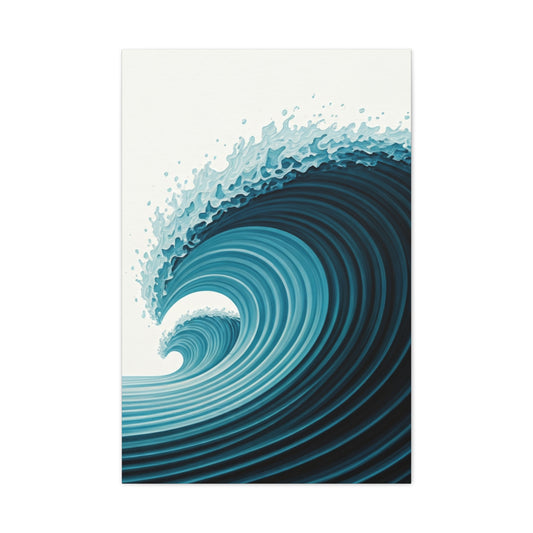
Art is not limited to personal photographs. Incorporating abstract pieces, bold geometric designs, or striking monochromatic works adds layers of visual intrigue. These elements introduce unpredictability, preventing the wall from feeling too uniform or predictable. A mixture of personal memories and creative works invites both familiarity and curiosity, giving your guests something new to discover each time they visit. In such a setting, the wall itself becomes a living character in the room, expressing moods and energy through its varied collection.
Curating a gallery wall is similar to composing music. Every wall needs a central anchor, a dominant piece that sets the tone. This could be a large canvas that commands attention or a distinctive sculptural piece that adds dimension. From this starting point, smaller pieces radiate outward like musical notes building harmony. Careful attention to spatial balance ensures that while the anchor piece holds the viewer’s focus, the surrounding works each have their own moments of importance. It is about creating flow without allowing any single element to overwhelm the whole.
Texture plays a vital role in keeping a gallery wall from feeling flat. Mixing matte and glossy frames, combining wood with metal, or placing sleek borders beside distressed finishes gives the arrangement depth and complexity. Adding non-traditional elements like woven textiles, ceramic wall hangings, or small three-dimensional sculptures can bring an extra layer of surprise and tactile interest. These pieces interrupt the predictability of rows and grids, encouraging viewers to lean in and explore.
The living room is, above all, a place of gathering, and your gallery wall should feel like a natural part of that social energy. Consider how it looks from different points in the room whether someone is relaxing on the sofa, sitting in an armchair, or standing near the doorway. Each perspective should reveal a thoughtful arrangement, not just a flat view. Lighting is equally important. Adjustable sconces or directional picture lights can enhance the mood, casting a soft glow that transforms the space in the evening. What feels airy and casual by day can shift to intimate and dramatic after sunset with the right illumination.
A gallery wall does not need to be static. For those who enjoy change, seasonal or thematic updates keep the wall fresh and engaging. You can rotate photographs, swap in art from other rooms, or introduce new finds from travels or local markets. This approach keeps the wall aligned with your evolving style and experiences, turning it into a constantly unfolding story rather than a fixed display. Over time, it becomes less of a decorative choice and more of a visual journal of your life.
Creating a wall that blends precision and spontaneity is a delicate art. Every piece should feel as though it belongs, yet the arrangement should also leave room for instinct and creative experimentation. This balance ensures that your gallery wall does not just decorate your living room but actively contributes to its atmosphere. It becomes a point of interest that draws people in, invites them to linger, and perhaps even find reflections of their own experiences in the images and art you choose to share.
Elevating the Living Room Through Personal and Artistic Expression
A successful living room gallery wall is more than an arrangement of frames; it is a space that merges artistic vision with emotional resonance. Its creation begins with an understanding of what you want the wall to communicate. Do you want it to be a celebration of your personal history, an exploration of artistic styles, or a fusion of both? This clarity of intention sets the stage for every decision that follows, from the selection of art to the placement of each piece.
Photographs offer one of the most direct ways to make the wall personal. They can chronicle life’s defining milestones alongside everyday moments, creating a layered and authentic portrayal of your journey. Imagine a graduation photo beside a snapshot of a spontaneous road trip, or a wedding picture sharing space with a candid family gathering. This juxtaposition weaves a story that is richer than any single image could convey. The variation in subject, tone, and framing style gives the wall an organic feel, as though it has evolved naturally over time.
Introducing different forms of art expands the narrative. Abstract pieces can provoke thought, while modern geometric patterns add energy and structure. Watercolor landscapes, minimalist line drawings, or vibrant pop art can each contribute distinct voices to the wall’s overall conversation. This diversity invites viewers to engage with the wall on multiple levels, appreciating both its visual appeal and the emotions it evokes.
Arrangement is key to keeping the wall dynamic yet harmonious. Rather than aligning everything in rigid rows, experiment with groupings that feel balanced but not overly symmetrical. Allow some negative space between clusters to give the eye a place to rest. This approach keeps the wall from feeling cramped and makes each piece more impactful. Anchoring the layout with a standout central work helps establish a focal point, while surrounding pieces can echo its colors, shapes, or themes in subtle ways.
Material choices further enrich the composition. A mix of reclaimed wood frames, sleek black borders, and metallic accents can create visual texture and variety. Consider layering frames of different depths so that some elements subtly project from the wall, adding a sense of dimension. Beyond frames, think about integrating wall-mounted planters, decorative mirrors, or artisanal crafts. These additions make the wall not just a visual display but a sensory experience.
Lighting should be tailored to highlight the wall’s evolving character. Soft, diffused light can bring warmth to photographs, while directed beams can add drama to abstract art. Dimmable fixtures allow you to adjust the mood to suit the time of day or the occasion, ensuring that the wall always feels connected to the life happening around it.
The adaptability of a gallery wall is one of its greatest strengths. By rotating pieces or introducing seasonal themes, you can keep it fresh without having to overhaul the entire arrangement. This adaptability makes it a living element of the room, one that grows and changes along with you. Whether you are adding mementos from recent travels or showcasing new artistic discoveries, the wall remains a reflection of your current world.
Ultimately, transforming a blank living room wall into a gallery is about creating a connection between the art and the viewer, between past experiences and present moments, and between the room’s energy and the people who inhabit it. It is a chance to tell stories without words, to evoke emotions without speaking, and to offer an open invitation for others to share in the life that fills your home. With careful curation, a touch of boldness, and a willingness to let it evolve, your gallery wall can transcend mere decoration, becoming a true centerpiece of your living space.
Dining Room Walls That Invite More Than Just a Meal
A dining room is often imagined as a straightforward space, with a table, chairs, and perhaps a single statement light fixture. Yet, it has the potential to become so much more than a functional area for eating. It is a stage for conversations that flow long after the plates are cleared, a place where shared moments deepen, and where a guest’s gaze may wander to the walls in quiet thought. Transforming this environment with a carefully curated gallery wall turns the room into an experience that nourishes not just the appetite but also the senses. When done thoughtfully, the walls become part of the conversation, offering a visual story that unfolds alongside the meal.
To achieve this, the gallery wall should enhance rather than compete with the dining table. Instead of concentrating all frames on one wall, an elegant approach is to let the artwork flow across adjoining walls, gently wrapping around a corner. This creates visual continuity, drawing the eye through the space and softening any harsh architectural angles. Corners that once felt empty or awkward take on new life, becoming visual highlights that frame the dining experience. Such placement guides attention naturally without overpowering the central dining arrangement.
Breaking away from the strict formality of grid layouts can also be liberating. The staggered gallery wall style brings an organic rhythm, especially in dining areas connected to staircases or hallways. Here, artwork can follow the architecture’s flow, rising and falling as the walls shift in height. Maintaining a consistent eye-level anchor is essential, ensuring that the average seated or standing viewer can engage comfortably. This balance of structure and spontaneity keeps the arrangement approachable while offering a dynamic visual journey.
The choice of imagery is another layer of influence on the dining room atmosphere. Botanical prints infuse freshness, recalling gardens and breezy afternoons. Vintage culinary illustrations can stir nostalgia, tying the present table to recipes and traditions from the past. Family photographs, when integrated with diverse art styles, become part of a broader visual conversation rather than dominating the wall’s tone. This interplay of personal and aesthetic pieces encourages curiosity and storytelling, blending sentiment with style.
Frames play a critical role in this setting, where lighting shifts throughout the day. Natural wood frames provide a warm, adaptable presence, feeling equally at home under bright daylight and the softer glow of evening. For more drama, deep-toned frames with a matte finish lend weight and elegance. Managing glare is essential, particularly in a dining setting where seating angles vary. Anti-reflective glass ensures that no matter where guests sit, the artwork remains a pleasure to view without distraction.
One unique advantage of a dining room gallery wall is its potential for seasonal evolution. Picture an autumn collection of earthy tones and harvest imagery, gradually transitioning to the stillness of winter scenes with muted palettes. This slow rotation makes the wall a participant in the yearly rhythm, mirroring the shifts in meals and celebrations. Such changes refresh the room’s energy without requiring a full redesign, offering guests something subtly different each time they visit.
Lighting placement is equally important for sustaining visual impact. Overhead fixtures may leave parts of the wall in shadow, especially vertical sections. Introducing small, adjustable spotlights allows selected pieces to stand out, creating moments of visual intimacy. A soft highlight can draw the eye to a particular detail just as a conversation reaches its peak, adding depth to both the room’s atmosphere and the dining experience. The goal is to illuminate without overwhelming, ensuring that the glow enhances rather than competes.
When approached with care, a dining room gallery wall transforms the room from a functional eating space into a vibrant backdrop for life’s shared moments. The wall is no longer a passive surface but a living canvas that reflects hospitality, celebrates the artistry of daily rituals, and enriches even the simplest gatherings.
Extending the Dining Room Story Through Art and Atmosphere
The real magic of a dining room gallery wall lies in its ability to set the tone for gatherings while reflecting the personality of the host. It is not merely about filling empty wall space but about shaping the mood and guiding the rhythm of the evening. Guests may arrive for the food, but they often linger for the environment, and art plays a key role in creating that lingering sense of comfort and connection.
Choosing where to place artwork is as much about movement as it is about balance. Spreading pieces across walls, allowing them to spill gently into connecting spaces, creates a seamless transition that draws guests further into the home. This visual pathway can turn even the smallest dining area into a place of intrigue. Corners, often left bare, become opportunities for unexpected storytelling. When art wraps around these transitional spaces, the room feels more cohesive, as though it has been composed with the same care as a well-plated dish.
Variety in layout can also bring a sense of discovery. A staggered arrangement, where frames follow architectural lines such as a sloping ceiling or staircase, encourages the eye to travel. By maintaining a central visual line at eye level, the display feels intentional while allowing freedom in spacing and sizing. This approach works beautifully in open-plan spaces where the dining room shares sightlines with other parts of the home, ensuring that the art feels integrated into the larger living environment.
The artwork itself can set subtle emotional cues. Lush botanical pieces evoke growth and openness, while vintage prints and culinary-themed works can add a sense of heritage and familiarity. Pairing different styles invites conversation, as each piece becomes a potential starting point for stories. Even highly personal works like family portraits can take on new resonance when placed alongside landscapes, abstracts, or cultural artifacts, turning the wall into a tapestry of interconnected narratives.
Frame selection deserves as much thought as the art it surrounds. In a dining room, the frames must transition gracefully from bright midday meals to intimate candlelit dinners. Light wood can offer a versatile, timeless feel, while darker tones bring depth and formality. The interplay between the frame’s finish and the changing light can subtly shift the mood of the room. Anti-glare glass is invaluable here, especially in spaces with multiple light sources, ensuring the art remains visible and inviting at all times.
The idea of rotating art seasonally adds a dynamic layer to the space. A warm, rustic series in autumn can be replaced with cooler, lighter works in spring, giving the room a refreshed character without major changes. This flexibility allows the host to adapt the dining room’s visual identity to the time of year, the type of gathering, or even a specific event. Guests returning over time will notice and appreciate the thoughtfulness behind these changes.
Lighting deserves more attention than it often receives in dining rooms. While an overhead fixture may set the primary tone, supplemental lighting can shape the art’s presence. Discreet spotlights or wall-mounted lights can gently highlight key pieces, casting soft shadows that add depth. The careful use of lighting can make an image shimmer slightly as someone passes or reveal a hidden detail just as a toast is raised. It is this subtle interplay between art, light, and human interaction that elevates the dining experience from routine to memorable.
A dining room gallery wall, when crafted with intention, is far more than an interior detail. It is a visual conversation partner, a silent witness to laughter, toasts, and quiet reflection. It can hold memories in the form of photographs, dreams in the form of paintings, and inspiration in the form of unexpected juxtapositions. Over time, it becomes inseparable from the experience of the room itself, a fixture as essential as the table at its center. By merging thoughtful placement, meaningful subject matter, adaptable framing, and intentional lighting, the wall becomes a living element of hospitality, shaping not just how the room looks but how it feels, season after season and meal after meal.
Bedrooms Wrapped in Stories and Dreams
A bedroom is unlike the living or dining area because it is not meant for hosting crowds or staging grand social gatherings. It is the deeply personal sanctuary within the home, the one room where taste and sentiment can be expressed without compromise or external judgment. Here, every decorative choice has the freedom to be deeply subjective, each detail chosen for how it resonates with the heart rather than how it might be perceived by visitors. A bedroom gallery wall becomes the distilled essence of that intimacy, where beauty and meaning flow together until they are indistinguishable. This is not just a wall for art; it is a wall that tells a private story, visible only to those you allow into your most personal space.
One evocative way to give this collection a sense of cohesion is by using gold frames. Gold’s spectrum of shades, from soft brushed champagne to rich antique tones, offers both unification and refinement. It has a timeless quality that works like visual stitching, connecting pieces that otherwise might seem unrelated. Whether your chosen artworks are sweeping landscapes, abstract patterns, or moody monochrome portraits, gold frames can make them coexist with an effortless elegance. The shimmering edges catch light in subtle ways, elevating the display to something that feels curated and considered. This approach thrives when used above the headboard, where symmetry and structure already feel welcome, creating a natural focal point that complements the architecture of the room.
However, the bedroom invites a freedom that other rooms do not. While public spaces often lean toward polished uniformity, here there is room for playful eclecticism. A gallery wall in this space can weave together contrasting eras, mediums, and moods without losing its cohesion. Imagine pairing a vibrant modern digital print with a weathered black-and-white photograph, setting a painted canvas beside a framed pressed fern, or slipping in a treasured handwritten letter behind glass. These elements create a layered narrative, each piece carrying its own emotional weight while contributing to the whole. The viewer, often you yourself, can decode this personal language over time, finding new connections between the elements in moments of quiet reflection.
The way the pieces are arranged influences how the room feels on an emotional level. A linear, evenly spaced set of frames can offer a sense of calm and balance, perfect for those who prefer a bedroom to be a serene retreat. On the other hand, an asymmetrical layout can inject creative energy into the space, lending a sense of spontaneity and movement that keeps the mind engaged. Even in this personal sanctuary, it is possible to embrace a visual rhythm that alternates between rest and inspiration, reminding you that a bedroom can nurture both dreams and ideas.
In a bedroom, the tactile quality of frames and matting takes on even greater importance. The softer lighting typical of this space creates a gentle intimacy that invites closer inspection. Velvet-covered mats, distressed wood frames, and linen-textured borders all offer a sensory richness that enhances the experience of viewing the art. Under the warm glow of bedside lamps or the focused beam of wall-mounted reading lights, details emerge slowly, encouraging lingering attention rather than a passing glance. The gallery wall becomes less of a backdrop and more of an experience, something to return to repeatedly, discovering new nuances over time.
Color choices carry particular influence in the bedroom, as they can shape the emotional tone of the space in subtle but powerful ways. Muted earth tones, delicate greys, and soft pastels can deepen the room’s restful atmosphere, creating a cocoon-like environment that encourages relaxation. Conversely, carefully placed bursts of jewel tones or bold monochrome accents can act as invigorating notes, energizing the space and breaking up visual monotony. Because a gallery wall occupies a significant portion of visual real estate, its palette can set the mood for the entire room. Morning light may soften the colors, making them feel airy and optimistic, while evening shadows might deepen their intensity, encouraging introspection.
What makes a bedroom gallery wall truly distinct is its purpose. It is not about impressing guests or achieving a trend; it is about creating a private dialogue between you and your surroundings. It is a celebration of your own history, interests, and aspirations, brought together in a format that speaks to you on a personal level. Every glance toward it before drifting into sleep becomes a moment of connection, a reminder of where you have been, what you value, and the dreams that still lie ahead. Over time, it becomes more than decoration. It becomes a living, evolving memory board, shaped not only by aesthetics but by the life you continue to live.
The Art of Personal Expression in Bedroom Gallery Walls
Crafting a gallery wall in the bedroom is an act of intentional self-expression, an opportunity to curate not just what is seen but also what is felt. The process begins with considering the overall emotional atmosphere you want the space to hold. Do you envision a peaceful retreat where every element contributes to calmness, or do you crave a creative environment that sparks inspiration even in moments of rest? This decision influences every choice that follows, from the type of artwork you select to the way it is framed and arranged.
Framing plays a pivotal role in establishing the personality of the display. Gold frames, in particular, offer a visual thread that can tie together a collection of otherwise unrelated works. Their warm tones can complement a variety of color palettes, making them versatile enough for both traditional and contemporary interiors. The reflective quality of gold subtly interacts with the room’s lighting, bringing an understated glamour that suits the bedroom’s intimate scale. This unifying effect allows for freedom in the selection of art, encouraging you to combine varied mediums without fear of visual dissonance.
Yet, there is equal charm in embracing diversity without rigid unification. Eclectic combinations can tell richer, more layered stories. A gallery wall might juxtapose a crisp modern art print with a sentimental photograph from a family album, or place an abstract painting beside a simple charcoal sketch. Pressed botanical specimens can evoke the beauty of nature, while handwritten letters offer an emotional authenticity that printed words cannot match. Together, these varied pieces form a collection that reflects the complexity of personal identity, turning the wall into a multi-dimensional narrative rather than a static display.
The arrangement of the artwork is a creative process that can align with or disrupt the room’s existing energy. For those who value order, symmetrical spacing and consistent frame sizes can reinforce a sense of stability. For those who thrive on creative spontaneity, asymmetry and varied dimensions can bring an invigorating visual rhythm. This interplay between order and freedom ensures that a bedroom gallery wall never feels generic, as it mirrors the unique way each person balances calm and stimulation in their private space.
Texture and materials add yet another layer to the sensory experience. Frames wrapped in soft fabrics, mats with tactile finishes, and handcrafted details invite closer inspection and physical engagement. The interaction of these textures with the room’s lighting can transform the gallery wall throughout the day, offering a dynamic relationship between the artwork and its environment. Morning light may reveal the subtle weave of linen, while evening shadows highlight the rich grain of wood or the gentle sheen of brushed metal.
Color, too, is a tool of emotional influence. Subtle, harmonious hues can cultivate tranquility, making the space a refuge from the demands of daily life. Brighter, more intense colors can serve as accents that energize and uplift, particularly in areas of the room where activity and movement are more common. By carefully balancing the palette, you can ensure that the wall supports both relaxation and mental stimulation as needed.
A bedroom gallery wall, when thoughtfully curated, becomes more than a visual feature. It is a reflection of self, a personal archive of memories, inspirations, and aspirations. It adapts as your life evolves, with new pieces added and others replaced, ensuring that the space remains alive and relevant to your current story. It is in these quiet, personal touches that a bedroom transcends mere functionality and becomes a space that is as emotionally nourishing as it is visually appealing. Every glance at the wall can offer comfort, spark a memory, or inspire a new idea, making it an ever-present companion in both waking and dreaming hours.
Versatile Walls That Defy Boundaries
A gallery wall does not need to be constrained to a formal room or a specific section of the home. Some of the most captivating arrangements take shape in transitional spaces or unexpected spots such as a hallway, a cozy reading nook, or even the narrow vertical stretch between two windows. In these areas, creativity can flourish without being tied to the traditional functions of a room, resulting in displays that surprise and linger in memory. By stepping outside conventional zones, you open the door to fresh compositions that feel spontaneous yet impactful, encouraging exploration through your home as though it were a curated journey.
Geometry can be an inspiring anchor in these fluid spaces. Choosing a set of prints with matching frames and arranging them in shapes such as perfect squares, dynamic diamonds, or cascading diagonals can create a rhythm that draws the eye with intention. This structure offers freedom to experiment with color, knowing that the underlying pattern holds the arrangement together. Depending on the chosen imagery, the mood can shift dramatically soothing landscapes can bring calm, while vivid abstract art can energize even the most overlooked wall. The orderliness of the arrangement provides balance, while the variety within the frames keeps the display visually engaging.
Another way to harness the potential of such areas is to embrace what might otherwise be considered awkward or underused spaces. That quiet spot above a console table, the sliver of wall beside a doorway, or the triangular space beneath a staircase may seem too challenging to style, but they hold immense opportunity. By placing thoughtfully selected artworks or personal photographs in these pockets, you transform them into small but powerful focal points. A single bold abstract can infuse a corner with energy, while a finely detailed ink drawing can bring elegance to a compact entryway. These placements give character to transitional zones, ensuring that no part of the home feels overlooked or empty.
Pairing these displays with modular furniture can elevate their impact. A sleek, low sideboard beneath framed art can provide a visual anchor, making the wall feel grounded. Open shelving in the same area invites a blend of art and objects, allowing pottery, plants, or sculptural accents to mingle with framed works for a layered, tactile effect. When the furniture and wall art are in dialogue, the space becomes richer, with each element enhancing the other. The wall becomes not just a backdrop, but a part of an interactive composition that extends into the room.
For those who thrive on change, replacing fixed hanging points with shelves can bring a welcome sense of flexibility. Art can be leaned rather than mounted, layered for depth, or rotated regularly to keep the display fresh. This evolving approach means the wall adapts effortlessly to new discoveries, seasonal shifts, or mood changes. It is less a static installation and more a living collection that reflects your current inspirations. Over time, this adaptability can make the wall a personal narrative, evolving along with you.
Lighting becomes especially significant in transitional or unconventional spaces, as they often lack large windows or abundant natural light. Purposeful illumination can dramatically enhance the presence of the art. Wall-mounted lamps can direct a soft glow onto specific pieces, concealed LED strips can provide subtle washes of light, and ceiling-mounted spotlights can highlight details and amplify color vibrancy. Well-placed lighting transforms the wall into a stage, giving each piece its moment in focus and deepening the emotional connection with viewers.
A versatile gallery wall challenges the notion that art belongs only in prominent or predictable spaces. It reveals that beauty can inhabit every corner, from the narrowest hallway to the smallest alcove, and that these in-between moments can carry as much emotional weight as the grandest displays. This approach invites constant engagement, encouraging both residents and visitors to pause and notice the details, to be surprised by artistry where it is least expected, and to feel a deeper sense of connection to the home.
Expanding the Possibilities of Transitional Spaces
When considering how to integrate art into areas that traditionally go unused, it helps to think of these spaces as connective tissue within the home. They guide movement, link rooms, and often serve as moments of visual reset. This makes them ideal places to inject personality and surprise. Rather than allowing these spaces to fade into the background, giving them an artistic voice turns them into points of interest that elevate the overall flow of the home.
One effective strategy is to use thematic storytelling across these areas. For example, a hallway could showcase a series of artworks that evolve in tone or subject as you move along its length, creating a journey from one mood to another. The start might feature calming black-and-white photography, which gradually transitions into more colorful, expressive pieces by the end. This gradual shift can alter the way people experience the space, almost like a visual crescendo leading them toward the next room.
In spaces with unusual dimensions, proportion becomes an ally rather than a challenge. Tall, narrow walls can benefit from vertical arrangements that draw the eye upward, emphasizing height and making the area feel more expansive. Similarly, short but wide sections of wall lend themselves to panoramic art or long horizontal groupings that create a sense of breadth. By aligning the composition with the wall’s unique proportions, you make the most of its character rather than working against it.
Texture also plays a vital role in keeping these gallery walls interesting. Beyond framed art, incorporating elements such as woven wall hangings, carved wooden panels, or metal reliefs can bring dimension and tactility to the display. Mixing textures engages not just the eyes but also the imagination, as the materials hint at different cultural influences, natural elements, or artistic techniques. This layered approach makes the space feel curated and intentional, even if it’s composed of diverse pieces collected over time.
In transitional areas, mirrors can be powerful companions to art. When placed thoughtfully, a mirror can reflect an artwork from another angle, double the perceived space, or bounce light onto the display. The interplay between reflection and reality adds intrigue, making the area feel more dynamic. A carefully chosen frame for the mirror can further tie it into the gallery wall’s aesthetic, ensuring cohesion even among varied elements.
Over time, these unconventional gallery walls can become emotional touchpoints in the home. They might display a rotation of children’s art, souvenirs from travels, or seasonal prints that change as the year unfolds. This adaptability means they remain relevant and personal, continually resonating with the people who encounter them. The lack of strict rules or permanent arrangements allows for playfulness and experimentation, making the space a canvas for ongoing creativity.
Conclusion
By extending gallery walls into transitional and unexpected spaces, you infuse the home with personality, warmth, and a sense of discovery. These walls prove that art is not confined to main living areas or formal arrangements but can live vibrantly in the places we pass through, pause in, or glance at in between. Through careful attention to geometry, scale, texture, lighting, and adaptability, you can transform even the most overlooked corner into a moment of beauty and engagement. In doing so, your home becomes more than a series of rooms; it becomes an immersive experience, rich with visual stories that unfold with every step.