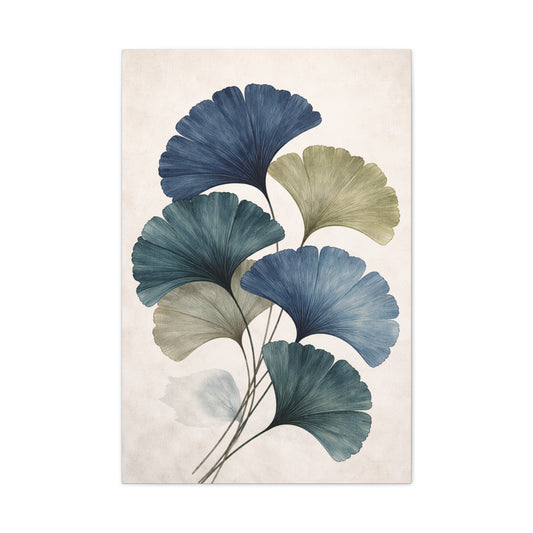

Foundations of Modern Interior Design and Bedroom Inspirations
Modern interior design has steadily emerged as one of the most influential movements in home aesthetics, blending minimalism, functionality, and timeless appeal into a coherent style. Rooted in the early 20th century but continuously evolving, modern interiors champion clarity of form and purpose. Unlike ornate classical designs that thrive on decorative detailing, modern design strips away excess to focus on essential elements. This does not mean stark emptiness but rather a carefully curated atmosphere where every item serves a role—either practical, aesthetic, or both. The philosophy aligns with the contemporary way of living where open spaces, less clutter, and an emphasis on natural light promote a healthier and more harmonious lifestyle. The beauty of modern interior design lies in its ability to adapt to different home sizes, cultural preferences, and personal tastes without losing its core identity.
At its foundation, modern design embraces simplicity as a guiding principle. Straight lines, smooth surfaces, and geometric clarity dominate, offering an environment that is calming to the eye. Neutral color palettes such as whites, creams, beiges, and greys provide a backdrop against which subtle contrasts or bold accents can shine. The aesthetic prioritizes open floor plans, often merging the living, dining, and kitchen areas into one cohesive zone to enhance interaction and ease of movement. Natural materials such as wood, stone, bamboo, or rattan are integrated to add warmth and texture, preventing spaces from feeling cold or sterile. The interplay of natural light and carefully positioned artificial lighting highlights architectural features and creates mood without relying on heavy ornamentation. Together, these features embody a philosophy of balance, clarity, and functionality that continues to resonate with homeowners globally.
The appeal of modern design is heightened by its versatility. It works as effectively in a compact city apartment as it does in a sprawling suburban villa. Small spaces benefit from its clean lines and uncluttered layout, creating an illusion of openness and lightness, while larger homes embrace its scalability with expansive glass walls, oversized furniture, and bold statement pieces. The adaptability also extends to cultural interpretations, where modern interiors in one region may emphasize natural stone and wood to connect with local landscapes, while in another, they might showcase industrial finishes such as concrete and steel. This fluidity ensures that modern design is not rigid but evolves with trends, technologies, and the personal lifestyle of each homeowner. At its heart, it is about stripping away what is unnecessary while celebrating form, light, and purposeful living.
When applied to bedrooms, modern interior design transforms these intimate spaces into havens of peace and relaxation. The bedroom becomes more than just a place to sleep; it is a sanctuary for unwinding and rejuvenation. The key lies in simplicity and order. Modern bedrooms avoid overcrowding and rely on fewer, carefully chosen furnishings that hold personal meaning. A low-profile bed frame, often in wood or upholstered fabric, establishes a grounded and calming presence. The furniture is modular and sleek, with wardrobes, nightstands, and dressers featuring straight edges and smooth finishes. Instead of bulky pieces, storage is cleverly integrated into walls or built into beds, maximizing space without overwhelming the room. By focusing on essential pieces, modern bedroom design creates a clutter-free environment that enhances relaxation and supports restorative sleep.
Color selection plays a crucial role in shaping the atmosphere of modern bedrooms. Neutral tones dominate, but rather than being monotonous, they serve as a versatile canvas for layering textures and subtle accents. Shades of beige, taupe, and soft grey create warmth, while whites provide a crisp backdrop for art or textiles. Accent hues—whether muted pastels or deep, rich shades like navy or emerald—add character without disturbing the tranquil mood. Beyond color, textures such as linen, cotton, wool, or jute introduce tactile variety that enriches the sensory experience of the room. A wool rug underfoot, a linen duvet cover, or a bamboo blind provides understated luxury that feels inviting. Natural textures connect the bedroom to the outdoors, echoing the modern philosophy of integrating human living with natural surroundings.
Lighting in a modern bedroom goes far beyond functionality; it defines the mood and enhances the design. Large windows maximize daylight, filling the room with vitality during the day. At night, layered lighting ensures adaptability—ambient ceiling lights for general illumination, bedside lamps for reading, and hidden LED strips for soft, atmospheric glow. Minimalist pendant lights or wall sconces offer both elegance and practicality, reducing clutter on bedside tables. Dimmer switches allow for adjusting brightness to match activities, whether winding down in the evening or energizing oneself in the morning. The aim is to create flexibility while maintaining harmony with the room’s aesthetic.
Decorative elements in modern bedrooms are chosen with intent. Unlike traditional spaces that thrive on abundance, modern interiors embrace restraint. A single large artwork above the bed may act as a focal point, while mirrors help reflect light and expand the perception of space. Plants, such as snake plants or peace lilies, bring freshness and purify the air, adding a natural dimension to the room. Decorative accents like ceramic vases, woven baskets, or minimalist clocks complement the space without overwhelming it. The philosophy is that less is more, but each chosen element must hold significance—whether personal or aesthetic. By integrating meaningful accents, homeowners create bedrooms that not only align with modern design principles but also reflect their unique personalities.
Materials are central to the authenticity of a modern bedroom. Wood remains a timeless favorite, offering warmth and grounding energy. Oak, walnut, and teak are commonly used for bed frames, side tables, or flooring, their natural grains celebrated rather than concealed. Stone elements, such as slate or marble, appear in flooring, side tables, or decorative accessories, introducing durability and elegance. Cane, rattan, and jute are woven into furniture and decor for organic charm, while metals such as steel or brass may be used sparingly in light fixtures or hardware for contrast. The mix of materials achieves balance: natural elements soften the minimalist lines, while modern finishes add polish and sophistication. This interplay ensures that bedrooms feel inviting and timeless rather than overly clinical.
Another defining feature of modern bedrooms is their emphasis on personalization within minimalism. While the style avoids clutter, it does not restrict individuality. Personal touches—family photographs in sleek frames, a curated selection of books on a nightstand, or handmade crafts—infuse warmth and meaning. The goal is to create a space that feels curated yet lived-in, where functionality coexists with emotional resonance. Seasonal updates, such as swapping cushion covers, adding a throw blanket, or introducing fresh flowers, keep the room dynamic without requiring major changes. This balance between timeless design and adaptability ensures that the bedroom remains fresh and aligned with the evolving lifestyle of its inhabitants.
Technology integration has also become a hallmark of modern bedroom design. Smart lighting systems allow control of brightness and color temperature through mobile devices, while built-in charging stations eliminate the clutter of cables. Some homeowners opt for integrated sound systems or discreet televisions that blend seamlessly into the walls when not in use. The challenge is to incorporate technology without disrupting the minimalist aesthetic, and modern design achieves this by concealing wires, embedding gadgets into furniture, and prioritizing discreet solutions. This not only enhances convenience but also reinforces the sense of order and calm that defines the space.
Ultimately, the modern bedroom embodies the essence of the design philosophy itself: clarity, simplicity, and purpose. It creates an environment conducive to relaxation, balancing form and function while allowing room for personal expression. By combining neutral tones, natural materials, clever storage, and thoughtful lighting, homeowners craft bedrooms that are both timeless and adaptable. The result is a space that goes beyond aesthetics, supporting emotional well-being and offering sanctuary in the fast pace of modern life. As one of the most intimate areas of the home, the bedroom reflects how modern design principles can enrich daily routines, nurture relaxation, and elevate the very experience of living.
Storage, Wardrobes, and Drawing Room Design
Storage is one of the most defining aspects of modern interior design. Unlike traditional homes where bulky cupboards and heavy cabinets dominated rooms, modern spaces approach storage with a mindset that balances efficiency, style, and adaptability. The goal is not only to maximize space but to do so in a way that feels harmonious with the rest of the interior. In modern homes, wardrobes play a central role in bedrooms, often functioning as both organizational hubs and design statements. Alongside them, the drawing room—or living area—has transformed into a stage where personality, functionality, and aesthetics converge. Together, wardrobes and drawing rooms embody the versatility of modern design, proving that storage and style are not opposing forces but partners in shaping comfortable and inviting homes.
The modern wardrobe has come a long way from being a simple box with doors. Today, it is a highly sophisticated piece of furniture designed to cater to evolving lifestyles. One of the most significant trends is the rise of walk-in wardrobes. These expansive spaces, often dedicated to an entire room or section of a bedroom, offer panoramic views of clothing collections, shoes, accessories, and jewelry. They function almost like mini-boutiques, where homeowners can browse their belongings as if shopping in a curated store. Walk-ins often include built-in mirrors, lighting systems, and modular compartments to create a luxurious experience. For smaller bedrooms, modular wardrobes with sliding doors provide a similar sense of organization without occupying excessive floor space. The emphasis is always on tailoring the wardrobe’s interior layout to the specific needs of the user, ensuring that every item has a designated place.
Customization is at the heart of modern wardrobe design. Rather than using one-size-fits-all solutions, designers today focus on creating interiors that reflect the unique lifestyle of the homeowner. For instance, someone with a large collection of shoes may prioritize pull-out racks and transparent shelving, while another who values formal wear may require double-height hanging rods for long coats and dresses. Adjustable shelving allows for flexibility as needs change over time. Pull-out drawers with dividers make it easy to organize smaller items such as jewelry, ties, and belts. In addition, modern wardrobes often integrate technology, with built-in LED lighting, motion sensors, and even automated systems that make daily use seamless. These small innovations transform wardrobes from simple storage units into interactive and efficient spaces that enhance daily routines.
The exterior of wardrobes also contributes significantly to the aesthetic of a room. In keeping with modern design principles, wardrobes often feature sleek, handleless doors that emphasize simplicity and clean lines. Sliding panels in matte laminates, high-gloss finishes, or mirrored surfaces add character while maintaining a streamlined look. Mirrored doors, in particular, are popular in compact spaces because they create the illusion of a larger room while serving a functional purpose. Wooden finishes offer warmth and timeless appeal, while glass or lacquered doors lend a contemporary edge. The versatility of finishes allows homeowners to choose wardrobes that blend seamlessly with the overall bedroom decor, ensuring unity across the space.
Lighting is another factor that elevates wardrobe design in modern interiors. Built-in LED strips placed along shelves or hanging rods illuminate every corner, making it easier to locate items and preventing the frustration of rummaging in dimly lit spaces. Accent lighting highlights favorite pieces, such as a designer handbag or a cherished collection of shoes, turning the wardrobe into a personal showcase. In walk-in wardrobes, pendant lights or recessed ceiling lights add an element of sophistication. The integration of lighting transforms wardrobes from purely functional furniture into aesthetically pleasing focal points that enhance the overall ambiance of the bedroom.
Beyond bedrooms, wardrobes and storage units extend their influence into other parts of the home. In drawing rooms, modular storage units are often designed as part of TV walls, sideboards, or floating shelves. These solutions provide ample space to stow away books, media equipment, or decorative items while maintaining a neat appearance. Open shelving mixed with closed cabinets allows for a balanced display, giving homeowners the flexibility to showcase curated objects while keeping clutter out of sight. The key is balance: modern design emphasizes order and clarity, so storage systems must never overwhelm or overcrowd the space.
The drawing room in modern homes has become more than just a place for seating. It is the heart of social life, where families gather, guests are entertained, and cherished memories are made. Unlike older designs that focused solely on formality, modern drawing rooms emphasize openness, connectivity, and comfort, making them both welcoming and functional. Open layouts often link the drawing room with dining or kitchen areas, creating a seamless flow where conversations and activities can move freely. This sense of unity transforms the room into a versatile space that adapts to both everyday living and special occasions.
Large windows are another hallmark of modern design, flooding the drawing room with natural light and enhancing the sense of openness and vitality. Sunlight highlights textures, brightens colors, and keeps the room feeling fresh and alive. Neutral walls usually form the backdrop, but they are rarely left plain—bold accents such as colorful furniture, striking wallpapers, or vibrant artwork are introduced to add personality. Instead of overwhelming the space with heavy decor, modern design values spaciousness and intentionality. Each element—whether a sofa, rug, or decorative object—is carefully chosen to contribute to the atmosphere, resulting in a space that feels airy, balanced, and distinctly personal.
Furniture selection plays a critical role in shaping the drawing room’s personality. Modular sofas are particularly popular, offering flexibility to reconfigure seating arrangements depending on the occasion. Their sleek profiles align with modern aesthetics, while plush cushions and textured fabrics ensure comfort. Statement armchairs in bold colors or unconventional shapes add an element of surprise, becoming conversation starters. Coffee tables, often minimalist in form, serve as both practical surfaces and design anchors. Many modern coffee tables include hidden storage, aligning with the broader principle of combining utility and style. The arrangement of furniture prioritizes fluid movement and sociability, with open layouts that connect seamlessly to dining areas or kitchens.
Color in the drawing room reflects the balance between calmness and vibrancy that defines modern interiors. While neutral palettes of beige, grey, and white remain staples, many homeowners experiment with pops of bold color to create visual interest. Accent walls painted in deep blue, emerald green, or terracotta inject personality without overwhelming the space. Wallpapers with geometric patterns or abstract designs add depth and texture. Cushions, rugs, and throws provide additional layers of color, allowing for seasonal updates and easy refreshes. The result is a dynamic space that feels both timeless and adaptable to changing moods or occasions.
Lighting in the drawing room is both functional and atmospheric. Ceiling-mounted fixtures, recessed lights, and floor lamps work in tandem to provide layered illumination. Large pendant lights or chandeliers often serve as statement pieces, anchoring the seating area and enhancing the design. Task lighting near reading chairs or side tables ensures practicality, while ambient lighting creates warmth during evenings. Modern drawing rooms also make use of hidden lighting, such as LED strips behind TV units or under floating shelves, to add subtle drama and highlight architectural features. The careful orchestration of lighting transforms the room into a versatile space that adapts effortlessly from daytime activity to evening relaxation.
Technology integration is another hallmark of modern drawing rooms. Smart TVs, sound systems, and automated lighting systems are seamlessly embedded into the design without disrupting its minimalist appeal. Concealed wiring and wall-mounted units reduce visual clutter, maintaining the sleekness of the interior. Some homeowners incorporate built-in speakers or hidden projectors, turning the drawing room into a multifunctional hub for both entertainment and relaxation. These advancements reflect the way modern design embraces technology not as an intrusion but as an enhancement to daily living.
Decorative accents in a modern drawing room are not mere afterthoughts; they are deliberate design elements that shape the mood of the space. Art often takes center stage, transforming blank walls into canvases that define the personality of the room. Large-scale abstract paintings with bold brushstrokes can inject energy, while minimalist photography in monochrome tones creates a sophisticated and calming backdrop. The choice of artwork is not only aesthetic but also symbolic, often reflecting the homeowner’s interests, experiences, or values. By keeping the surrounding design clean and uncluttered, these artistic pieces stand out, becoming conversation starters that give the room a sense of depth and character.
Alongside wall art, sculptural objects and ceramics serve as tactile elements that add layers of intrigue to the drawing room. A carefully placed stone sculpture, a hand-thrown ceramic vase, or a striking metallic bowl on a coffee table offers visual breaks from the room’s linear architecture. Statement vases filled with fresh or dried arrangements bring fluidity and natural rhythm to otherwise structured layouts. Plants, too, play an important role in softening the sharpness of modern furniture and architecture. Tall potted palms in corners, hanging planters near windows, or trailing greenery cascading from shelves add vibrancy and life. Beyond aesthetics, plants purify the air and contribute to a healthier environment, aligning with modern design’s emphasis on holistic living. Ultimately, every decorative accent is chosen with care—each object intentional, purposeful, and reflective of the homeowner’s lifestyle. This balance between artistry and restraint ensures that the drawing room feels curated yet welcoming, stylish yet personal.
In combining wardrobe innovations with drawing room design, modern interiors highlight the interconnectedness of functionality and aesthetics. Both spaces demonstrate how careful planning and thoughtful execution can transform everyday activities—whether dressing for the day or hosting friends—into seamless, enjoyable experiences. Wardrobes ensure order and convenience in private spaces, while drawing rooms showcase personality and hospitality in public areas. Together, they reveal the versatility and adaptability of modern design, where every detail is purposeful, and beauty is found in both simplicity and creativity.
Modern Kitchens, Kids’ Bedrooms, and Guest Spaces
The kitchen has always been the heart of the home, but in modern interior design, it has evolved into a space that represents much more than food preparation. Today’s kitchens are multifunctional, doubling as social zones, entertainment hubs, and even extensions of living and dining areas. The shift toward open-concept living has redefined the way kitchens are planned, with walls disappearing to create fluid spaces where conversations and activities flow seamlessly. This transformation has placed a renewed emphasis on efficient design, modular solutions, and aesthetic cohesion. A modern kitchen is not just about functionality; it is about creating a space that inspires creativity, fosters togetherness, and enhances the overall atmosphere of the home.
At the core of modern kitchen design lies the concept of modularity. Modular kitchen units are highly adaptable, allowing homeowners to customize layouts based on the available space, lifestyle, and cooking habits. L-shaped and U-shaped kitchens are particularly popular for maximizing storage while providing ergonomic efficiency. Island counters add another layer of practicality, offering additional workspace, seating, and storage all in one. Many islands are equipped with built-in sinks or stovetops, enabling multitasking and reducing the need to move between zones. This kind of planning emphasizes the kitchen work triangle, which connects the stove, sink, and refrigerator in a way that minimizes effort and maximizes efficiency. Modern kitchens thus become thoughtfully engineered spaces where every element has a purpose.
Storage in kitchens is often the deciding factor between a chaotic environment and a serene, functional one. Modular cabinets with specialized solutions address this challenge effectively. Pull-out pantries ensure that every inch of vertical space is used while keeping items visible and accessible. Skirting drawers located at the base of cabinets provide hidden storage for trays or flat items. Appliance garages hide bulky appliances like toasters and blenders, maintaining uncluttered countertops. Corner units with carousel systems or pull-out racks eliminate wasted space, turning hard-to-reach areas into highly functional zones. In smaller apartments, ceiling-height cabinets with ladders maximize verticality, while glass-fronted doors help reduce visual heaviness by creating a sense of openness. The essence of modern kitchen storage is invisibility—everything has a place, yet nothing disrupts the flow of design.
Materials and finishes in kitchens play a critical role in shaping their character. High-gloss laminates reflect light, making smaller kitchens feel larger, while matte surfaces exude sophistication and resist fingerprints. Natural wood finishes add warmth, connecting the space to nature, while stainless steel or concrete surfaces emphasize durability and an industrial edge. Backsplashes have become canvases for creativity, with homeowners opting for bold tiles, geometric patterns, or even metallic finishes to inject personality. Countertops made of quartz, granite, or engineered stone ensure longevity while offering visual appeal. Lighting, too, is integral, with task lighting under cabinets ensuring functionality, pendant lights above islands creating visual anchors, and ambient ceiling lights softening the overall feel. A well-designed kitchen strikes a balance between form and function, ensuring that beauty does not compromise efficiency.
The kitchen is not just a place to cook; it has become an environment to gather. Open layouts connect kitchens directly to dining and living areas, allowing families and guests to remain engaged even while meals are being prepared. Breakfast counters act as casual dining spots, ideal for quick meals or conversations over coffee. For homes where space is limited, foldable counters or pull-out dining tables provide flexibility without sacrificing comfort. This integration reflects the broader ethos of modern design: breaking barriers between functional zones and encouraging interaction. Kitchens have thus become democratic spaces where everyone feels included, and every corner is used to its fullest potential.
If the kitchen embodies function and social connection, the kids’ bedroom reflects vibrancy, imagination, and growth. Modern kids’ bedrooms are designed not just for sleeping but for playing, studying, and evolving with the child. They are dynamic environments that balance fun with practicality, catering to the needs of both children and parents. Unlike traditional designs that often emphasized decorative themes, modern kids’ bedrooms prioritize adaptability and clever use of space. Furniture is multi-functional, storage is discreet, and colors are lively yet not overwhelming. The objective is to create spaces where children feel free to express themselves while still maintaining order and structure.
Storage in kids’ bedrooms has always been one of the biggest struggles for parents, but modern interior design has revolutionized the way these spaces are organized. Instead of relying solely on traditional cupboards or bulky chests, designers now integrate clever, multi-functional storage systems that maximize every inch of the room. Under-bed drawers are a prime example—they transform what was once wasted space into an easy-access zone for toys, seasonal clothes, or bedding. Modular shelving units, on the other hand, bring adaptability; they can be expanded or rearranged as the child’s needs change over time. Built-in benches with hidden compartments not only provide a comfortable seating spot but also act as discreet storage solutions, keeping the bedroom free from unnecessary clutter. This layered approach to storage ensures that a child’s room remains neat, practical, and easy to maintain, even as they grow and their belongings multiply.
Another vital aspect of modern kids’ bedroom storage is the balance between accessibility and aesthetics. Open shelving encourages children to proudly display their favorite books, artwork, or collectible items, fostering a sense of ownership and personal expression. At the same time, closed cabinets, sliding drawers, and toy chests provide a quick way to hide clutter, making the room appear calm and orderly. Bay window seating with built-in storage offers a dual-purpose solution, creating a cozy reading nook while also providing room for stashing toys or extra cushions. Wall-mounted racks, hooks, and pegboards add yet another layer of flexibility, especially useful as the child grows older and their storage needs shift from toys to school supplies or sports gear. These thoughtful systems turn organization into something intuitive and enjoyable, helping kids develop lifelong habits of tidiness while ensuring the room stays functional and stylish for years to come.
Furniture choices in kids’ bedrooms embrace multifunctionality. Bunk beds with integrated desks or shelving maximize vertical space, making them ideal for compact rooms or siblings sharing a space. Trundle beds provide flexibility for sleepovers while saving floor space when not in use. Study desks are designed with ergonomic considerations, ensuring comfort during long study sessions, while adjustable chairs grow with the child. Modular furniture ensures that the room can evolve with changing needs, transforming from a play zone for toddlers into a study hub for teenagers without requiring a complete overhaul. These designs acknowledge that childhood is a journey, and the bedroom must evolve alongside it.
Color and decor in kids’ bedrooms strike a balance between vibrancy and calmness. While bold colors like red or neon may overstimulate, modern interiors often rely on pastel shades or muted tones accented with brighter highlights. Wallpapers with imaginative themes—space, animals, forests, or geometric patterns—bring the room alive without overwhelming it. Personal touches, such as framed drawings, corkboards for displaying artwork, or shelves for favorite toys, allow children to feel ownership of the space. Lighting is carefully layered, with general ceiling lights for play, task lamps for studying, and soft nightlights for comfort. The result is a bedroom that is playful yet organized, nurturing creativity while ensuring restfulness.
Just as kids’ bedrooms emphasize growth and adaptability, guest bedrooms highlight versatility and hospitality. In modern homes where space is at a premium, guest rooms are often multifunctional, doubling as home offices, libraries, or even workout zones when not in use. The challenge lies in designing spaces that can transform effortlessly between different roles while remaining welcoming and comfortable for visitors. Furniture innovations play a critical role here, with solutions like Murphy beds, sofa beds, or fold-out desks enabling seamless transitions.
Murphy beds, which fold up against the wall when not in use, are a hallmark of modern guest room design. During the day, the space functions as a study or office, complete with ergonomic desks and shelving. When guests arrive, the bed folds down to provide a full-sized sleeping arrangement. Some Murphy beds even transform into sofas or bookcases, further enhancing their utility. Sofa beds serve a similar purpose, offering seating for daily use while easily converting into sleeping spaces. These solutions allow even small apartments to maintain the luxury of a guest room without dedicating an entire room exclusively to visitors.
Designing a guest bedroom also requires attention to comfort and hospitality. Neutral palettes create a calming environment, while layered bedding ensures guests can adjust warmth according to preference. Storage options such as bedside tables, open shelves, or small wardrobes give visitors space to keep belongings organized. Thoughtful details like reading lamps, a selection of books, or a small coffee station elevate the experience, making guests feel welcome and cared for. For homeowners who frequently work from home, integrating a desk or workstation ensures that the guest room remains functional even when unoccupied. The ability to balance dual roles reflects the broader theme of modern design: efficiency without compromise.
Lighting and decor in guest rooms are understated yet intentional. Wall sconces or pendant lights provide soft illumination, while rugs and artwork personalize the space. Plants bring freshness and a touch of nature, aligning with the overall ethos of modern interiors. For smaller guest rooms, mirrors help expand the visual space, while foldable furniture ensures flexibility. The aim is to create an environment that is both adaptable for daily life and memorable for visitors, reinforcing the idea that every room in a home must serve multiple purposes in today’s world.
Together, modern kitchens, kids’ bedrooms, and guest rooms reveal the versatility and forward-thinking nature of contemporary interior design. Kitchens showcase how functionality and social interaction can blend seamlessly, creating spaces that are efficient yet warm. Kids’ bedrooms highlight adaptability, ensuring that children have spaces that grow with them while encouraging organization and creativity. Guest rooms embody flexibility, ensuring that hospitality is never compromised even in smaller homes. These rooms, though serving different functions, all reflect the same philosophy: design must serve people’s lives while uplifting their daily experiences.
Modern Bathrooms and Whole-Home Integration
Bathrooms have long been considered purely utilitarian spaces, but modern interior design redefines them as sanctuaries of relaxation, rejuvenation, and luxury. A modern bathroom is more than a functional room; it is a carefully curated retreat where aesthetics and comfort come together. This transformation reflects a broader trend in contemporary design: every space in the home, regardless of size, deserves thoughtful attention and can contribute to well-being. With the right approach, bathrooms become more than a place for daily routines; they evolve into personal spas, offering peace after a busy day and setting the tone for mornings.
The essence of modern bathroom design lies in minimalism, functionality, and a touch of indulgence. Clean lines, uncluttered layouts, and efficient use of space dominate, but these are balanced by materials and details that elevate the atmosphere. Floating vanities, wall-mounted toilets, and frameless glass partitions create a sense of openness and lightness. By raising fixtures off the floor, designers not only save space but also enhance the illusion of a larger area. In smaller apartments, this makes bathrooms feel airy rather than confined. In larger homes, the same principles provide elegance and a seamless visual flow.
Material choices strongly influence the mood of modern bathrooms. Natural materials like wood, bamboo, and stone are popular for creating spa-inspired environments that connect occupants to nature. Wooden vanities paired with stone sinks or textured tiles bring organic warmth to otherwise sleek interiors. Polished marble, on the other hand, introduces luxury and timeless elegance. Concrete countertops or floors emphasize industrial chic, while matte black fittings provide bold, modern contrasts. The interplay of materials reflects personal style, allowing homeowners to choose whether they prefer a calming retreat, a glamorous haven, or a minimalist escape.
Lighting is another key component of modern bathroom design. Ambient lighting sets a tranquil mood, while task lighting ensures functionality at mirrors and sinks. Layering different types of light allows the bathroom to adapt to various needs—bright and energizing in the morning, soft and calming in the evening. LED strips under floating vanities or behind mirrors add subtle drama, while pendant lights or chandeliers bring a sense of luxury. Natural light is especially prized, with skylights, frosted glass windows, or even internal courtyards ensuring that bathrooms feel connected to the outside world. The balance of light transforms bathrooms into flexible, mood-enhancing spaces.
Storage in bathrooms is essential for maintaining order and calm. Modern bathrooms integrate storage solutions that are efficient yet visually unobtrusive. Floating cabinets hide toiletries without crowding the floor, while recessed niches in shower areas keep essentials within reach without cluttering surfaces. Tall, slim cabinets maximize vertical space in narrow rooms. Open shelving, when used sparingly, allows for display of towels or decorative items that contribute to the spa-like feel. The emphasis is always on keeping surfaces clear, reinforcing the sense of serenity that defines modern bathroom interiors.
Fixtures and fittings also reflect the shift toward thoughtful design. Wall-mounted sinks and floating vanities enhance spaciousness, while waterfall faucets or rain showers add a luxurious touch. Smart technology has also entered the bathroom, with features like touchless taps, digital shower systems, heated towel rails, and even integrated speakers for a personalized experience. These innovations blend convenience with indulgence, ensuring that bathrooms meet the demands of modern lifestyles. Importantly, sustainability is now central to bathroom design. Low-flow fixtures, water-saving toilets, and eco-friendly materials allow homeowners to reduce their environmental impact without sacrificing comfort.
Color schemes in modern bathrooms are typically neutral, promoting calmness and simplicity. Shades of white, grey, and beige dominate, providing versatile backdrops for both minimalist and luxurious designs. Accents of black create bold contrasts, while natural greens or soft blues evoke a refreshing, spa-like atmosphere. Pops of color through cabinetry, tiles, or accessories allow homeowners to inject personality without overwhelming the space. For example, a vibrant backsplash behind a sink or patterned floor tiles can serve as striking focal points within otherwise serene environments. This careful balance ensures bathrooms remain timeless while offering room for creativity.
Beyond individual rooms, modern interior design emphasizes cohesion across the entire home. Integration ensures that spaces flow seamlessly into one another, both visually and functionally. Open-plan layouts are central to this approach, blurring boundaries between living, dining, and kitchen areas. This creates a sense of expansiveness and sociability, allowing families to interact more naturally. The integration extends beyond open plans, however; consistency in materials, colors, and design language unifies the home, giving it a sense of continuity that is calming and sophisticated.
Technology also plays a vital role in whole-home integration. Smart home systems allow lighting, heating, and security to be controlled centrally, enhancing convenience and energy efficiency. In interior design, this translates into adaptability, where each room responds to changing needs. For instance, lighting can be adjusted to suit different moods, or blinds can be automated to control natural light. Kitchens, bathrooms, and bedrooms can all be equipped with smart features that create a harmonious experience across the home. The fusion of design and technology ensures that modern interiors are not only beautiful but also future-ready.
Furniture and decor choices further reinforce whole-home cohesion. Modular furniture, adaptable to different rooms and needs, reflects the modern ethos of flexibility. Neutral palettes across living areas, bedrooms, and bathrooms establish continuity, while accents of bold colors or textures provide individuality. Natural materials like wood and stone create harmony, echoing throughout the home to tie spaces together. Even small details, such as matching door handles, consistent hardware finishes, or coordinated lighting fixtures, contribute to the sense of unity. The result is a home where every element feels intentional and connected.
Outdoor spaces are increasingly integrated into modern interiors, extending the home’s atmosphere into gardens, balconies, or patios. Large sliding doors or bi-fold systems erase the boundaries between indoors and outdoors, creating a flow of light and air. Outdoor kitchens, living rooms, and even bathrooms with open courtyards reflect the desire for connection to nature. Fireplaces, water features, and greenery enhance this integration, ensuring outdoor spaces feel like extensions of interior design rather than afterthoughts. This holistic approach reinforces the idea that modern living is about fluidity and balance between all areas of life.
Sustainability ties everything together in whole-home integration. Eco-friendly materials, energy-efficient systems, and designs that maximize natural light and ventilation ensure that homes are not only beautiful but also responsible. Solar panels, rainwater harvesting, and recycled materials are increasingly common, aligning interiors with global priorities. This focus on sustainability underscores that modern design is not just about aesthetics or convenience but about building homes that respect the environment and adapt to future challenges.
In its totality, modern interior design for bathrooms and whole-home integration demonstrates how every space—no matter how private or public—contributes to a cohesive, functional, and inspiring living environment. Bathrooms show how even the smallest rooms can become luxurious retreats, while integration across the home ensures harmony, adaptability, and continuity. Together, they reflect the philosophy that modern design is about more than visual appeal; it is about creating homes that nurture, support, and inspire in every dimension.
Conclusion
Modern interior design represents more than a stylistic preference; it is a philosophy of living that embraces simplicity, clarity, and balance. Across bedrooms, wardrobes, living spaces, kitchens, and bathrooms, this design approach redefines how homes look, feel, and function. By emphasizing clean lines, open layouts, and thoughtful use of materials, it creates interiors that are not only visually striking but also practical for daily life. The adaptability of modern design allows it to flourish in both compact apartments and expansive houses, proving its timeless relevance. It encourages homeowners to focus on quality over quantity, curating pieces and spaces that genuinely serve their needs while reflecting personal style. In this way, modern interiors promote both elegance and efficiency, making every room a carefully considered part of a larger whole.
Equally important is the role of integration and sustainability in modern design. A unified palette, consistent materials, and seamless connections between spaces ensure harmony, while smart technologies and eco-conscious choices prepare homes for the future. Outdoor spaces are no longer separate but natural extensions of indoor living, and bathrooms evolve into sanctuaries of peace rather than purely utilitarian zones. This convergence of function, beauty, and responsibility is what makes modern interior design so powerful. It is not about rigid rules but about creating spaces that nurture well-being, spark creativity, and accommodate evolving lifestyles. Ultimately, a modern home becomes more than a place to live; it transforms into a reflection of who we are and the way we wish to experience life every day.