


A Flower Painting Wall Art & Canvas Prints
A Flower Painting Wall Art & Canvas Prints
Couldn't load pickup availability
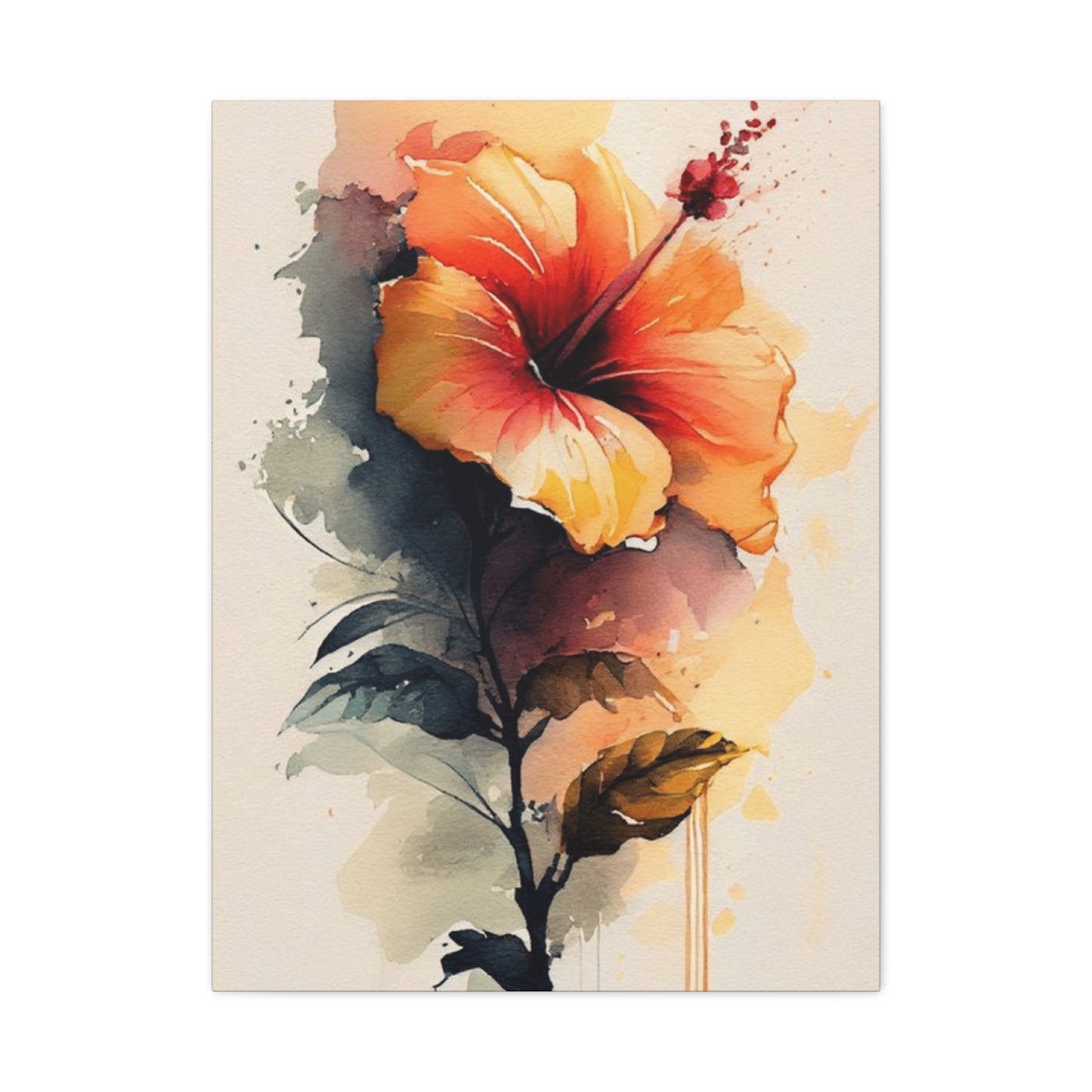
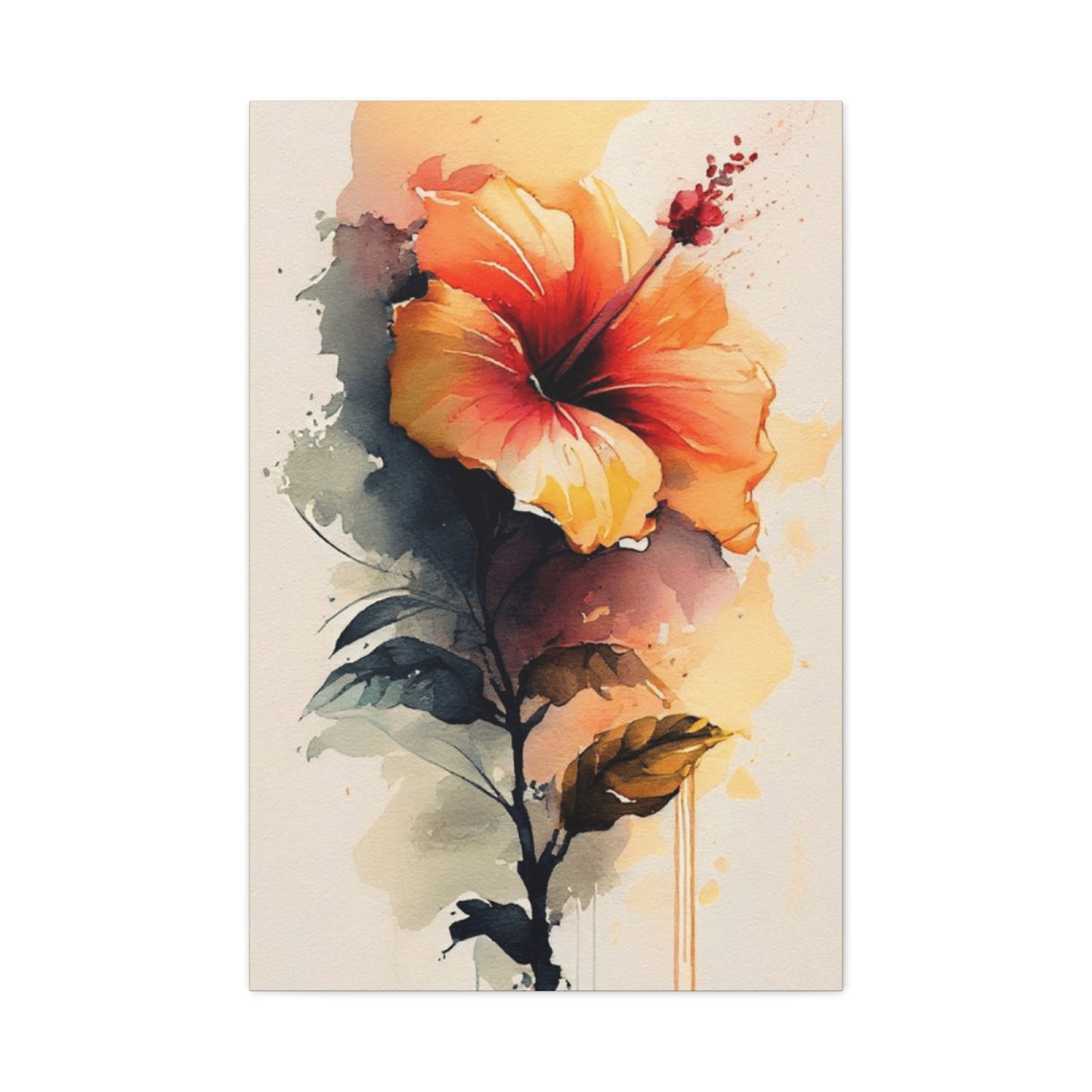
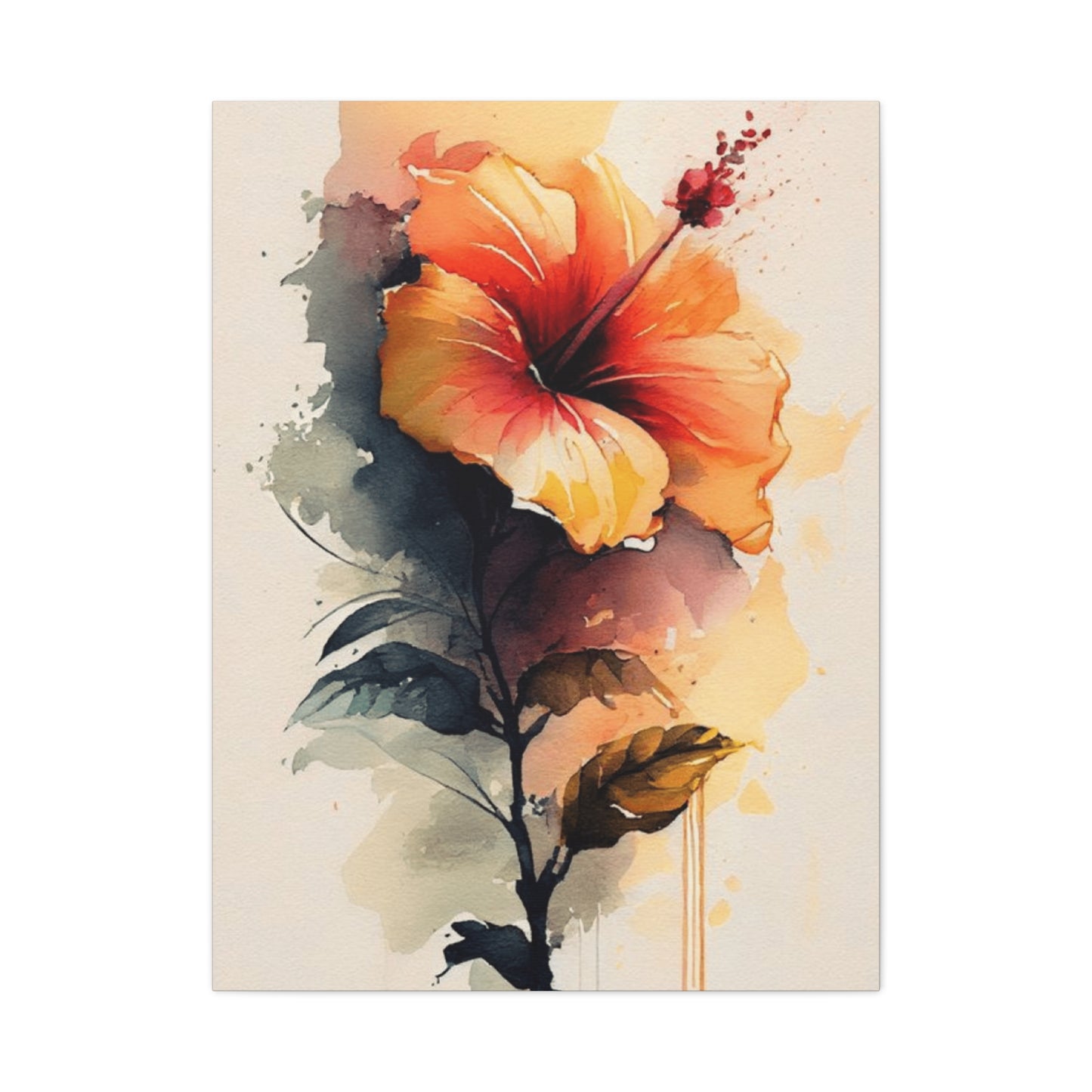
Blooming with Color: How Flower Painting Wall Art Transforms Living Spaces
Botanical canvas artwork has maintained its position as one of the most cherished forms of interior decoration throughout history. These stunning visual representations of nature's most delicate creations offer homeowners an opportunity to infuse their living spaces with color, vitality, and natural beauty. The popularity of botanical artwork on canvas continues to grow as more people discover the transformative power these pieces hold in creating warm, inviting environments that reflect personal style and appreciation for the natural world.
The enduring fascination with floral imagery stems from humanity's deep connection to nature. Throughout centuries, flowers have symbolized beauty, growth, renewal, and the cyclical nature of life itself. When translated onto canvas, these botanical subjects retain their symbolic power while offering practical benefits as decorative elements. They provide visual interest without overwhelming a space, introduce organic shapes that soften angular architecture, and deliver color in ways that complement virtually any design scheme.
Contemporary interior designers consistently recommend botanical canvas pieces as foundational elements in room design. These artworks function as versatile decorative tools that adapt to changing trends while maintaining their relevance. Whether your aesthetic leans toward minimalist modernism, rustic farmhouse charm, elegant traditional styling, or eclectic bohemian expression, botanical canvas artwork seamlessly integrates into your vision. The natural subject matter transcends specific design movements, making these pieces wise investments that continue delivering aesthetic value for years.
The production quality of contemporary botanical canvas artwork has reached unprecedented levels. Advanced printing technologies now capture every subtle gradation of color, each delicate petal texture, and the finest details of botanical subjects with remarkable accuracy. These technical improvements mean that affordable canvas reproductions can deliver visual impact comparable to original paintings, democratizing access to museum-quality botanical art for everyday homeowners. The canvas medium itself contributes significantly to the overall aesthetic, providing texture and depth that paper prints simply cannot match.
Reasons Botanical Artwork Serves as Ideal Interior Decoration
Botanical artwork possesses unique characteristics that position it as the perfect choice for residential and commercial spaces alike. The inherent beauty of flowers translates naturally to two-dimensional representation, creating images that immediately capture attention and generate positive emotional responses. Research in environmental psychology has demonstrated that exposure to floral imagery can reduce stress levels, improve mood, and enhance overall well-being. These psychological benefits make botanical artwork more than merely decorative; they become tools for creating healthier, more supportive living environments.
The color palettes found in botanical subjects offer virtually unlimited options for coordinating with existing decor. From soft pastels that whisper tranquility to bold, saturated hues that make dramatic statements, floral imagery provides the full spectrum of color possibilities. This versatility allows homeowners to select pieces that either complement their current color schemes or introduce exciting new tones that refresh tired spaces. The organic nature of botanical subjects means that even vibrant colors feel naturally integrated rather than artificially imposed.
Botanical artwork also offers remarkable flexibility in terms of style interpretation. Traditional botanical illustrations with scientific precision appeal to those who appreciate detailed realism and historical aesthetics. Impressionistic interpretations that capture the essence and emotion of flowers rather than precise details attract those who favor softer, more romantic approaches. Abstract floral compositions that deconstruct botanical forms into shapes and colors satisfy modernist sensibilities. This stylistic range ensures that every personal taste finds satisfaction within the botanical genre.
The timeless quality of botanical subjects provides insurance against rapidly changing design trends. While specific styles of floral representation may cycle through periods of greater or lesser popularity, the fundamental appeal of flowers themselves remains constant. This enduring relevance means that botanical canvas artwork maintains its decorative value through multiple design iterations in your home. Unlike trendy artwork that quickly appears dated, quality botanical pieces continue looking fresh and appropriate regardless of surrounding decor changes.
Scale options further enhance the practicality of botanical canvas artwork. Small pieces work beautifully as components in gallery wall arrangements, where multiple botanical images create visual interest through repetition and variation. Medium-sized canvases function perfectly as standalone accent pieces above furniture or in hallway displays. Large-scale botanical artwork makes powerful statements as focal points in living rooms, dining areas, or master bedrooms. This scalability allows botanical art to fulfill virtually any decorative need.
Revolutionize Your Environment with Botanical Canvas Creations
Transforming living spaces requires more than simply filling empty wall space; it demands thoughtful selection of decorative elements that enhance the room's purpose and atmosphere. Botanical canvas creations excel in this transformative role, bringing multiple benefits that extend beyond surface aesthetics. These artworks serve as conversation starters, create visual balance, introduce natural elements into constructed environments, and establish emotional tones that influence how occupants experience the space.
The process of selecting botanical canvas artwork for space transformation begins with understanding the room's function and desired atmosphere. Bedrooms benefit from calming botanical imagery in soft, soothing colors that promote relaxation and restful sleep. Pale pink roses, white peonies, or lavender sprigs create the peaceful ambiance conducive to rest. Living rooms and family areas accommodate bolder botanical statements with vibrant sunflowers, tropical blooms, or mixed bouquets that energize the space and encourage social interaction. Home offices gain focus-enhancing qualities from minimalist botanical compositions that provide visual interest without distraction.
Color psychology plays a crucial role in how botanical canvas artwork transforms spaces. Different hues trigger distinct emotional and physiological responses. Blue floral imagery promotes calmness and reduces anxiety, making it ideal for spaces dedicated to relaxation or concentration. Yellow and orange botanical subjects generate feelings of happiness, optimism, and energy, perfect for kitchens, dining areas, or creative workspaces. Pink floral artwork evokes warmth, comfort, and nurturing feelings, enhancing bedrooms and nurseries. Understanding these color-emotion connections allows strategic selection of botanical artwork that actively supports each room's intended purpose.
The placement and arrangement of botanical canvas pieces significantly impact their transformative potential. A single large botanical canvas positioned as a room's focal point immediately draws attention and establishes the space's aesthetic direction. Multiple smaller botanical pieces arranged in thoughtful groupings create dynamic visual narratives that guide the eye around the room, making spaces feel larger and more interesting. Vertical arrangements of botanical artwork draw the eye upward, emphasizing ceiling height and creating impressions of increased spaciousness. Horizontal arrangements broaden spaces visually, making narrow rooms feel more balanced.
Lighting considerations dramatically affect how botanical canvas artwork transforms spaces. Natural light reveals the full color range and detail of botanical subjects, making these pieces particularly effective near windows where changing daylight creates evolving visual experiences throughout the day. Artificial lighting should highlight botanical artwork through focused picture lights or strategically positioned track lighting that eliminates glare while emphasizing the artwork's colors and textures. Proper lighting transforms botanical canvas pieces from passive decorative elements to active participants in the room's overall illumination strategy.
The transformative power of botanical canvas artwork extends to defining and separating functional zones within open-concept spaces. A substantial botanical piece positioned behind a sofa visually anchors the living area, distinguishing it from adjacent dining or kitchen zones. Botanical artwork in entryways establishes first impressions and sets aesthetic expectations for the entire home. Hallway botanical displays transform transitional spaces from mere passages into gallery-like experiences that add value to every square foot of living space.
Introducing Natural Elements Interior: Botanical Canvas Decoration
Modern lifestyles increasingly separate people from natural environments, creating living and working spaces dominated by artificial materials, manufactured objects, and electronic devices. This disconnection from nature has been linked to increased stress, reduced creativity, and diminished overall well-being. Botanical canvas decoration addresses this problem by reintroducing natural imagery into interior environments, providing visual connections to the organic world that humans instinctively crave.
The biophilic design movement recognizes humanity's innate need for connection with nature and seeks to incorporate natural elements into built environments. Botanical canvas artwork represents one of the most accessible and practical applications of biophilic principles. Unlike live plants that require ongoing maintenance, specific lighting conditions, and careful environmental control, botanical canvas pieces deliver the psychological benefits of nature exposure without demanding care. They never wilt, drop leaves, or require watering, yet they continuously provide the visual stimulus that satisfies our biological need for natural imagery.
Botanical subjects captured on canvas offer remarkable diversity, reflecting the incredible variety found in nature itself. Delicate wildflowers evoke meadows and countryside charm, bringing rustic tranquility to contemporary urban apartments. Tropical blooms introduce exotic energy and bold colors that energize spaces with their dramatic forms and intense hues. Garden favorites like roses, tulips, and daisies provide familiar comfort and traditional beauty that appeals across generations. Botanical illustrations that emphasize scientific accuracy connect viewers to the natural world through intellectual engagement with plant biology and structure.
The seasonal associations of different botanical subjects allow strategic artwork rotation that keeps interiors feeling fresh and current. Spring bulb imagery celebrates renewal and growth at winter's end, while summer garden scenes extend the warmth of long days into cooler months. Autumn botanicals with deep oranges, rustic reds, and golden yellows create cozy atmospheres perfect for the cooling season. Even winter has its botanical representatives, with evergreen branches, holly berries, and winter roses providing seasonal appropriateness year-round.
Botanical canvas decoration particularly benefits urban dwellers with limited access to gardens or natural landscapes. These artworks serve as visual surrogates for nature, providing daily exposure to botanical imagery that research suggests can lower blood pressure, reduce stress hormones, and improve recovery from mental fatigue. The presence of botanical artwork in bedrooms has been associated with improved sleep quality, while office spaces featuring natural imagery demonstrate increased productivity and creativity among workers.
The textural qualities of canvas as a medium enhance the naturalistic effect of botanical artwork. The subtle weave visible in canvas surfaces echoes the organic textures found in nature, creating a tactile dimension that smooth paper prints lack. This textural richness makes botanical canvas pieces feel more substantial and authentic, strengthening their connection to the natural world they represent. When combined with techniques like gel medium application that adds dimensional quality to printed surfaces, botanical canvas artwork can achieve near-sculptural presence on walls.
The Attraction of Botanical Canvas Reproductions in Contemporary Residences
Contemporary residential design embraces clean lines, uncluttered spaces, and carefully curated decorative elements that contribute meaningfully to the overall aesthetic. Botanical canvas reproductions fit perfectly within this design philosophy, offering visual interest that enhances rather than overwhelms modern interiors. The organic forms of botanical subjects provide essential contrast to the geometric precision typical of contemporary architecture, softening spaces and making them feel more welcoming and livable.
The minimalist tendencies in modern design create opportunities for botanical canvas reproductions to function as statement pieces. Against neutral wall colors and amid spare furnishings, a vibrant botanical canvas commands attention and serves as the room's visual anchor. This approach allows the artwork to truly shine, with nothing competing for attention or diminishing its impact. The natural beauty of botanical subjects needs no additional embellishment; presented simply and prominently, these images speak for themselves with clarity and power.
Color coordination represents a significant challenge in contemporary interior design, where cohesive palettes create the visual harmony essential to successful modern spaces. Botanical canvas reproductions offer practical solutions to this challenge. The multiple colors typically present in botanical subjects provide flexibility in coordination, allowing a single piece to bridge different color zones within a room. A botanical canvas featuring pink flowers with green foliage and touches of yellow can simultaneously complement pink accent pillows, green furniture upholstery, and yellow decorative objects, unifying these elements into a coherent design narrative.
The scalability of botanical canvas reproductions particularly suits contemporary open-concept floor plans that dominate modern residential architecture. Large-scale botanical pieces create necessary visual weight in expansive spaces where walls stretch long distances without architectural interruption. These substantial artworks prevent spaces from feeling empty or unfinished while maintaining the open, airy quality that defines contemporary design. Conversely, smaller botanical canvases arranged in modern grid patterns satisfy contemporary preferences for geometric arrangement while introducing organic content that prevents spaces from feeling sterile.
Contemporary design often emphasizes sustainability and environmental consciousness, values that align perfectly with botanical subject matter. Displaying botanical canvas reproductions signals appreciation for nature and environmental awareness, subtly communicating the homeowner's values to visitors. This symbolic dimension adds depth to the decorative function, making botanical artwork choices feel meaningful rather than arbitrary. When produced using eco-friendly printing processes and sustainable canvas materials, these pieces align aesthetic preferences with ethical commitments.
The accessibility of high-quality botanical canvas reproductions democratizes art ownership in ways that resonate with contemporary cultural values. Advanced digital printing technologies produce remarkably accurate reproductions at price points far below original artwork, making museum-quality botanical images available to broader audiences. This accessibility reflects contemporary preferences for inclusive design where beautiful living spaces are achievable goals rather than exclusive luxuries reserved for wealthy collectors.
How Botanical Imagery Introduces Vibrance and Vitality
Introducing color into interior spaces requires careful consideration of psychological effects, coordination challenges, and long-term livability. Botanical canvas artwork provides an ideal vehicle for incorporating color because the hues appear naturally derived rather than artificially imposed. The human eye and brain respond positively to the color combinations found in nature, having evolved alongside these palettes over millennia. This evolutionary compatibility means that even bold, saturated botanical colors feel harmonious and pleasing rather than jarring or overwhelming.
The layered color complexity in quality botanical canvas artwork creates visual richness that solid-colored decorative elements cannot match. A single rose image might contain dozens of color variations from deep crimson in shadow areas to pale pink highlights, with subtle orange undertones and touches of yellow at the petal bases. This chromatic complexity adds sophistication to color schemes, moving beyond simple primary or secondary hues to embrace the nuanced palettes that characterize high-end interior design.
Botanical artwork allows homeowners to experiment with color in low-commitment ways. Changing wall paint colors represents significant expense and effort, while replacing furniture involves substantial financial investment. Botanical canvas pieces, conversely, offer relatively affordable opportunities to introduce new colors and test different aesthetic directions. If a particular color experiment proves unsuccessful, replacing a canvas piece involves far less disruption and expense than reversing architectural color decisions.
The life-affirming quality of botanical subjects enhances the vitality that colorful artwork brings to spaces. Beyond merely adding visual interest, botanical imagery connects viewers to growth, renewal, and the life force inherent in natural systems. This symbolic dimension operates subconsciously, creating emotional resonance that transcends pure visual stimulation. Rooms featuring botanical canvas artwork feel more alive and energized than spaces with comparable color input from non-organic subjects.
Seasonal color rotation becomes practical and enjoyable with botanical canvas collections. Spring pastels give way to summer brights, which transition to autumn's warm tones and eventually to winter's cooler palette. This seasonal rotation keeps interiors feeling current and responsive to natural cycles, preventing the visual stagnation that occurs when decorative schemes remain unchanged for extended periods. The relatively modest investment in botanical canvas pieces makes building a rotational collection accessible to most households.
The color psychology applications of botanical canvas artwork extend to specific therapeutic and functional uses. Healthcare facilities increasingly incorporate botanical imagery in calming colors to reduce patient anxiety and promote healing. Educational environments use botanical artwork to create focused yet engaging atmospheres conducive to learning. Retail spaces employ botanical subjects to create specific brand associations and shopping experiences. These professional applications validate the power of botanical artwork to influence mood and behavior through strategic color deployment.
A Suggestion of Seasonal Renewal: Botanical Canvas Interior Design
Spring represents renewal, growth, and fresh beginnings, qualities that translate beautifully into interior design through botanical canvas artwork. The season's signature flowers including tulips, daffodils, cherry blossoms, and hyacinths carry powerful symbolic associations that influence how spaces feel. Incorporating spring botanical imagery into year-round decor maintains connections to renewal and possibility regardless of actual season, creating perpetually optimistic environments that support positive mental states.
The color palettes associated with spring botanicals offer particular benefits for interior spaces. Soft pastels including blush pink, pale yellow, lavender, and mint green create soothing atmospheres that reduce stress and promote relaxation. These gentle hues work especially well in bedrooms, bathrooms, and other personal spaces where calmness is desirable. The delicate quality of spring colors prevents them from overwhelming small spaces, making spring botanical artwork excellent choices for compact urban apartments or cozy cottage rooms.
Cherry blossom imagery holds special appeal among spring botanical subjects, carrying cultural significance that extends beyond pure aesthetics. In Japanese tradition, cherry blossoms represent the fleeting nature of beauty and life's impermanence, concepts that add philosophical depth to decorative choices. The delicate pink and white blossoms against dark branches create striking visual contrast that works beautifully in both traditional and contemporary settings. Large-scale cherry blossom canvas pieces make particularly dramatic statements in minimalist interiors where their delicate beauty receives proper emphasis.
Spring garden scenes featuring mixed plantings offer compositional complexity that creates visual interest over extended viewing. These multi-flower compositions provide more discovery potential than single-subject botanical pieces, rewarding repeated observation with new details. Mixed spring botanicals also offer greater color variety, simplifying coordination with diverse decorative elements. A canvas featuring tulips, daffodils, and hyacinths provides pink, yellow, purple, and green, creating connection points for multiple accent colors throughout a room.
The optimistic associations of spring botanical imagery make these pieces particularly appropriate for spaces dedicated to new beginnings and fresh starts. Nurseries and children's rooms benefit from spring's symbolic connection to growth and development. Home offices and creative studios gain motivational energy from spring renewal themes. Entryways adorned with spring botanical artwork greet residents and visitors with messages of welcome and possibility, setting positive tones for entire homes.
Textural variations in spring botanical canvas artwork add dimensional interest to walls. Blossoms rendered with visible brushstrokes or applied gel medium create subtle relief that catches light differently throughout the day. This textural dimension enhances the artwork's presence, making it feel more substantial and valuable than flat photographic reproductions. The interplay of texture and color creates dynamic visual experiences that static images cannot achieve.
Botanical Canvas Reproductions: Natural Elegance Adorning Living Spaces
The permanent installation of botanical beauty through canvas reproductions offers practical advantages over temporary floral displays. Fresh flower arrangements require regular replacement, involve ongoing expense, create maintenance demands, and inevitably fade. Botanical canvas artwork delivers comparable visual impact without these limitations, providing permanent color and beauty that requires only occasional dusting to maintain pristine appearance.
Quality canvas reproduction techniques now achieve remarkably accurate color fidelity, capturing the subtle tonal variations that give botanical subjects their lifelike quality. Advanced inkjet printing using archival pigment inks produces images with color stability rated for decades of display without noticeable fading. This longevity makes botanical canvas reproductions genuine investments rather than temporary decorative solutions. The cost per day of ownership becomes negligible when calculated over the years of service quality pieces provide.
The gallery-wrapped canvas construction method popular for botanical artwork creates finished pieces that require no additional framing. Canvas stretched around wooden frames and secured at the back presents clean, modern profiles that suit contemporary aesthetics while reducing overall cost compared to traditionally framed prints. The wrapped canvas edges can feature continued image, complementary colors, or simple black or white, allowing customization to suit specific installation contexts.
Botanical canvas reproductions offer unprecedented access to rare and valuable botanical artwork. Museum collections worldwide contain thousands of historical botanical illustrations and paintings that few people have opportunities to view in person. Digital reproduction technologies make these treasures available as affordable canvas prints, bringing museum-quality art into everyday homes. This democratization of art access represents a significant cultural shift, breaking down barriers between institutional art collections and public enjoyment.
The environmental advantages of canvas as a medium contribute to the appeal of botanical reproductions. Canvas production, particularly from natural fibers, involves less resource extraction and processing than metal or glass frame components. The lighter weight of canvas pieces reduces transportation energy consumption compared to framed glass prints. When eventually disposed of, canvas biodegrades far more readily than synthetic materials or glass, minimizing long-term environmental impact.
Customization options for botanical canvas reproductions allow precise matching to specific design requirements. Many providers offer size adjustments, crop selections, and color modifications that tailor images to particular spaces and preferences. This flexibility ensures perfect integration into existing design schemes rather than requiring room modifications to accommodate artwork. The ability to preview digital mockups before production guarantees satisfaction with final products.
Methods Botanical Artwork Illuminates Various Spaces
The psychological impact of botanical canvas artwork extends beyond aesthetic pleasure to measurable improvements in mood and mental state. Research consistently demonstrates that exposure to nature imagery, including botanical subjects, triggers positive emotional responses and reduces psychological stress. Rooms featuring botanical artwork become emotionally supportive environments that actively contribute to occupant well-being rather than serving merely as neutral containers for activities.
Light reflection and absorption characteristics of botanical canvas artwork influence overall room illumination. Lighter botanical subjects with predominantly white or pale backgrounds reflect more ambient light, helping brighten spaces with limited natural light sources. Darker botanical compositions absorb light, creating intimate, cozy atmospheres appropriate for relaxation-focused rooms. Strategic selection of botanical artwork based on these optical properties allows manipulation of perceived brightness without changing actual light fixtures or window treatments.
The brightening effect of botanical artwork operates on multiple levels simultaneously. Literal brightening occurs through color introduction, as vivid botanical hues add visual luminosity to neutral walls. Psychological brightening happens through the positive associations people hold toward flowers and natural beauty. Emotional brightening results from the mood-elevating effects of nature imagery. This multi-level brightening makes botanical canvas artwork remarkably effective at transforming spaces from dull and depressing to lively and uplifting.
Scale considerations influence how effectively botanical artwork brightens rooms. Oversized botanical canvas pieces create significant visual impact that dramatically alters room perception. Small rooms benefit particularly from large-scale botanical artwork that draws attention and creates focal points, preventing spaces from feeling cramped or insignificant. Conversely, very large rooms may require multiple botanical pieces or particularly substantial individual works to achieve adequate visual weight and brightening effect.
Color temperature in botanical artwork influences the type of brightening effect achieved. Cool-toned botanical subjects featuring blues, purples, and whites create crisp, refreshing brightness reminiscent of morning light. Warm-toned pieces with yellows, oranges, and reds generate cozy, inviting brightness similar to afternoon sun. Understanding these temperature distinctions allows precise control over the emotional character of brightness introduced through botanical artwork.
The interaction between botanical canvas artwork and surrounding decor elements amplifies brightening effects. Positioning botanical pieces near mirrors multiplies their visual impact through reflection, effectively doubling their presence. Placing botanical artwork opposite windows catches natural light that illuminates the canvas throughout the day, creating evolving visual experiences as light angles change. Coordinating botanical artwork colors with smaller accent pieces throughout the room creates cohesive brightness that feels intentional and designed rather than accidental.
Botanical Canvas Decoration: An Updated Aesthetic for Residential Interiors
Contemporary interpretations of botanical subjects breathe new life into this traditional art form, creating fresh aesthetics that appeal to modern sensibilities while honoring botanical art's rich history. Abstract botanical compositions deconstruct recognizable flowers into shapes, colors, and gestures that suggest rather than literally depict their subjects. These interpretations suit minimalist and modern interiors where representational art might feel too traditional or detailed.
Oversized botanical canvas pieces represent another modern approach that transforms traditional subjects through scale manipulation. A single rose bloom enlarged to fill a six-foot canvas becomes an abstract study of form and color rather than simply a flower portrait. This dramatic scaling creates statement pieces with gallery-quality presence appropriate for contemporary lofts, modern homes, and design-forward commercial spaces. The unexpected scale challenges viewers' perceptions and creates memorable visual experiences.
Monochromatic botanical artwork offers modern sophistication by limiting color palettes to single hues with tonal variations. Black and white botanical photography emphasizes form, texture, and composition over color, creating elegant pieces that coordinate effortlessly with any color scheme. Sepia-toned botanical illustrations evoke vintage aesthetics while maintaining clean, uncluttered appearances. Single-color botanical prints in unexpected hues like turquoise, coral, or chartreuse provide modern edge while maintaining botanical subject recognition.
Mixed-media approaches combine botanical imagery with text, geometric elements, or digital manipulation to create contemporary fusion pieces. Botanical subjects overlaid with inspiring quotes appeal to those seeking decorative pieces with motivational dimensions. Geometric frames or pattern overlays add structural elements that bridge organic botanical subjects and architectural precision. Digital effects including pixelation, color shifting, or fragmentation create contemporary art pieces that reference botanical traditions while clearly existing in modern contexts.
The fresh aesthetic of contemporary botanical canvas artwork particularly suits transitional design schemes that blend traditional and modern elements. These pieces provide common ground between potentially conflicting design directions, featuring subjects with traditional appeal rendered in modern styles. This bridging function makes botanical artwork valuable in homes undergoing gradual design evolution, where complete overnight transformations are impractical but aesthetic progression is desired.
Curator-quality presentation elevates botanical canvas artwork from mere decoration to serious art deserving attention and respect. Professional hanging techniques that position pieces at optimal viewing heights, proper spacing in multi-piece arrangements, and thoughtful lighting design signal that displayed botanical works merit appreciation beyond casual glances. This curatorial approach enhances both the artwork's impact and the overall sophistication of interior environments.
The Adaptability of Botanical Canvas Interior Design
The remarkable versatility of botanical canvas artwork stems from the universal appeal of its subject matter combined with diverse stylistic interpretations available. This versatility manifests across multiple dimensions including style compatibility, space appropriateness, color coordination flexibility, and thematic adaptability. Few decorative elements match botanical artwork's ability to fulfill diverse aesthetic needs across varied contexts.
Style compatibility represents perhaps the most significant aspect of botanical artwork versatility. Traditional interiors welcoming classic botanical illustrations with scientific accuracy and historical styling. Country and farmhouse aesthetics embrace casual botanical subjects including wildflowers, garden varieties, and rustic arrangements. Modern spaces accommodate abstract botanical interpretations, monochromatic studies, or dramatically scaled single specimens. Eclectic environments benefit from mixed botanical collections that introduce variety while maintaining thematic coherence through shared subject matter.
Room-specific applications demonstrate botanical artwork's functional versatility. Living rooms benefit from bold botanical statements that anchor seating areas and create conversation focal points. Dining spaces gain elegance from botanical subjects that complement table settings without competing with food presentations. Bedrooms welcome calming botanical imagery in soothing colors that promote relaxation. Bathrooms accommodate moisture-resistant canvas botanicals that introduce spa-like tranquility. Home offices gain focus-supporting botanical pieces that provide visual breaks without excessive distraction.
The color coordination versatility of botanical canvas artwork simplifies interior design processes. Neutral decor schemes gain interest from colorful botanical accents that introduce personality without requiring wholesale design overhauls. Colorful spaces use botanical artwork to unify diverse hues through pieces incorporating multiple colors. Monochromatic rooms employ botanical subjects in coordinating tones to add visual interest while maintaining color discipline. This chameleon-like adaptability makes botanical artwork valuable throughout homes rather than limiting it to specific rooms.
Scale versatility allows botanical canvas artwork to fulfill varied spatial requirements. Small canvas pieces measuring twelve inches or less create intimate moments in powder rooms, hallway niches, or gallery wall collections. Medium formats ranging from eighteen to thirty-six inches serve as workable accents above furniture, in hallway galleries, or flanking architectural features. Large statement pieces exceeding four feet in any dimension command attention as primary focal points in substantial rooms with ample wall space.
Seasonal and occasional versatility extends botanical artwork's utility throughout the year. Spring bulbs celebrate renewal, summer garden scenes evoke warmth, autumn botanicals embrace harvest richness, and winter evergreens maintain living color during dormant seasons. Holiday-neutral botanical pieces remain appropriate during festive periods without competing with seasonal decorations. This year-round relevance ensures continuous value rather than relegating pieces to storage for portions of the year.
Botanical Canvas Reproductions: Colorful Accents for Interior Surfaces
The strategic placement of botanical canvas reproductions creates intentional color pops that enliven neutral spaces without requiring major design commitments. This approach particularly benefits renters, temporary residents, or those hesitant to make permanent color changes through paint or large furniture purchases. Botanical canvas pieces offer commitment-free color experimentation that can be easily changed if preferences shift or living situations change.
Color theory applications optimize botanical artwork's impact as accent elements. Complementary color schemes use botanical pieces featuring colors opposite on the color wheel from dominant room hues, creating vibrant contrast that energizes spaces. A predominantly blue room gains dynamic energy from orange botanical artwork featuring marigolds, poppies, or bird of paradise. Purple-heavy spaces benefit from yellow botanical subjects including sunflowers, daffodils, or forsythia. This complementary approach creates visual excitement and prevents single-color monotony.
Analogous color schemes employ botanical artwork featuring hues adjacent to dominant room colors, creating harmonious progression that feels sophisticated and intentional. Green-based rooms flow naturally into botanical pieces featuring blue-green foliage plants or yellow-green spring botanicals. This approach builds color interest through subtle variation rather than dramatic contrast, creating refined aesthetics appropriate for formal spaces or personal sanctuaries.
Triadic color schemes utilize botanical canvas pieces featuring colors equally spaced around the color wheel, creating balanced yet vibrant combinations. A room with primary yellow walls might incorporate botanical artwork featuring red roses and blue delphiniums, completing the triadic primary color set. This balanced approach prevents any single color from overwhelming while maintaining visual energy and interest.
The intensity and saturation of botanical artwork colors influence their effectiveness as accent pieces. Highly saturated, intense botanical hues create dramatic pops that command attention and make bold statements. These work well in contemporary spaces with minimalist aesthetics where few elements compete for attention. Muted, desaturated botanical colors create subtle accents that introduce variation without disruption, appropriate for traditional or transitional spaces with multiple decorative elements.
Repetition techniques amplify color pop effects through botanical artwork groupings. Multiple smaller botanical pieces featuring similar color themes create cumulative impact exceeding any single piece. A gallery wall of various pink floral canvases delivers substantially more color presence than one large pink botanical canvas of equal total square footage. This repetition technique suits large wall expanses in open-concept spaces or along extended hallway runs.
Botanical Imagery: Refined Canvas Reproductions for All Living Areas
The inherent elegance of botanical subjects makes them appropriate for formal and casual spaces alike. High-quality botanical canvas reproductions bring refined beauty to living areas without pretension or excessive formality that might make spaces feel uncomfortable or intimidating. This accessible elegance democratizes sophisticated design, making museum-quality aesthetics achievable for everyday living rather than reserved for special occasion rooms rarely used.
Dining rooms particularly benefit from elegant botanical canvas artwork that enhances meal experiences without overwhelming food presentations. Botanical subjects featuring garden flowers, fruit blossoms, or herb illustrations complement culinary themes while adding visual interest to walls often neglected in decorating priorities. The natural association between plants and food creates subconscious connections that enhance dining pleasure and create inviting atmospheres for gathering.
Master bedroom suites welcome elegant botanical artwork that creates resort-like tranquility within private spaces. Sophisticated botanical compositions in coordinated colors transform bedrooms from merely functional sleeping quarters into personal sanctuaries deserving daily enjoyment. The presence of thoughtful botanical artwork signals that bedrooms merit design attention equal to public spaces, elevating these important rooms to their deserved status.
Guest rooms gain welcoming warmth from elegant botanical canvas pieces that communicate hospitality and care. Botanical artwork in guest spaces creates comfortable, hotel-like atmospheres that help visitors feel pampered and valued. The universal appeal of botanical subjects ensures that diverse guests with varied aesthetic preferences find pleasure in these decorative choices, avoiding the polarization that more specific artwork subjects might create.
Home libraries and reading nooks achieve scholarly elegance through vintage botanical illustrations that reference historical naturalist traditions. Antique-style botanical prints featuring Latin nomenclature and scientific accuracy create atmospheres conducive to contemplation and learning. These pieces connect contemporary spaces to intellectual traditions extending back centuries, adding depth and meaning beyond surface decoration.
Formal entryways benefit from elegant botanical statements that establish aesthetic expectations for entire homes. Grand staircases adorned with ascending botanical artwork create impressive vertical galleries that demonstrate design sophistication. Console tables topped by elegant botanical canvases create proper greeting areas that welcome guests while showcasing homeowner taste and attention to detail.
Reasons Botanical Artwork Remains a Favored Decorative Selection
The enduring popularity of botanical canvas artwork stems from multiple factors that collectively ensure its continued relevance across changing design trends. Universal appeal represents perhaps the most fundamental reason for botanical art's sustained popularity. Flowers transcend cultural boundaries, speaking a visual language that communicates beauty across linguistic and geographic divides. This universality makes botanical artwork safe yet sophisticated choices that please diverse audiences.
The positive psychological associations people hold toward flowers ensure that botanical artwork generates favorable responses. Extensive research demonstrates that viewing floral imagery activates pleasure centers in the brain, triggering genuine emotional responses beyond intellectual aesthetic appreciation. This neurological reality makes botanical artwork objectively mood-enhancing rather than merely subjectively pleasing based on personal taste. Rooms featuring botanical pieces become psychologically supportive environments that actively improve occupant well-being.
The investment value of quality botanical canvas artwork contributes to popularity among practical-minded consumers. Unlike trendy decorative items that quickly appear dated, botanical pieces maintain relevance through design cycles, protecting purchaser investments. The archival quality of contemporary canvas printing ensures physical longevity matching aesthetic endurance, meaning these pieces continue providing value for decades. This long-term value proposition makes botanical artwork economically sensible beyond immediate aesthetic gratification.
Gift-giving potential amplifies botanical artwork popularity, as these pieces make universally appropriate presents for housewarmings, weddings, birthdays, and other occasions. The broad appeal of botanical subjects minimizes risk of selecting pieces that don't match recipient tastes, while the significance of artwork as gifts demonstrates thoughtfulness and generosity. This gift-giving utility keeps botanical canvas artwork prominently featured in retail environments, increasing public exposure and awareness.
The symbolic meanings associated with specific flowers add depth that distinguishes botanical artwork from purely decorative abstract or geometric pieces. Roses symbolize love and passion, making them meaningful choices for master bedrooms or romantic spaces. Sunflowers represent happiness and positivity, appropriate for family areas or spaces dedicated to social gathering. Lotus blossoms carry spiritual significance in multiple traditions, adding contemplative dimensions to meditation spaces or personal sanctuaries. This symbolic richness allows botanical artwork to communicate specific messages beyond general beauty.
The photographability of botanical canvas artwork in the social media age contributes to continued popularity. Instagram, Pinterest, and similar platforms showcase countless interiors featuring botanical artwork, exposing millions to these design choices and inspiring emulation. The visual appeal of botanical subjects photographs particularly well, appearing vibrant and attractive in digital formats. This social media visibility creates self-reinforcing popularity cycles that maintain botanical artwork's prominent position in contemporary design consciousness.
Botanical Canvas Reproductions: Uncomplicated Imagery Creating Powerful Visual Impact
The apparent simplicity of botanical subjects belies their sophisticated visual impact on interior spaces. A single rose, elegantly photographed or painted, contains sufficient form variation, color gradation, and symbolic meaning to command attention and create meaningful decorative presence. This effective simplicity appeals to contemporary sensibilities that value clarity and impact over complexity and busyness. Clean, simple botanical images deliver maximum aesthetic effect with minimum visual noise.
Minimalist design philosophies embrace botanical canvas reproductions for their ability to provide necessary visual interest without cluttering spaces or overwhelming clean lines. A single large-scale botanical canvas serves minimalist interiors perfectly, offering the sole decorative element required in rooms where every item must justify its presence through functional or aesthetic necessity. The organic curves of botanical subjects provide essential contrast to geometric minimalist architecture, preventing spaces from feeling sterile despite sparse furnishing.
The compositional simplicity of single-subject botanical artwork creates visual rest points within busy lives and cluttered mental landscapes. A canvas featuring one perfect peony bloom offers eyes and minds a focusing point, a moment of clarity and beauty amid visual chaos characterizing much of contemporary life. This calming simplicity makes botanical artwork particularly valuable in bedrooms, meditation spaces, and other areas dedicated to rest and restoration.
Bold simplicity characterizes oversized botanical canvas pieces that magnify individual flowers to architectural scale. A six-foot canvas displaying a single tulip bloom becomes an architectural element as significant as windows or doorways, commanding attention and organizing spatial perception. This dramatic simplicity suits modern spaces with substantial wall areas requiring visual weight without clutter or complexity.
Color simplicity in monochromatic or limited-palette botanical artwork creates sophisticated impact through restraint. Black and white botanical photography or single-hue botanical illustrations demonstrate that color variety is unnecessary for powerful visual presence. This chromatic simplicity coordinates effortlessly with any decor scheme, making these pieces extremely versatile across changing interior design preferences.
The emotional simplicity of botanical artwork appeals across age ranges and cultural backgrounds. Children appreciate botanical beauty without requiring artistic training or cultural context. Elderly viewers connect with flowers through lifetime accumulated associations and memories. This universal accessibility means botanical canvas artwork functions successfully in diverse settings from pediatric offices to senior living facilities, demonstrating remarkable cross-demographic appeal.
Conclusion
In conclusion, flower painting wall art is more than just a decorative choice—it's a transformative element that brings life, vibrancy, and emotional warmth to any living space. Its ability to add color, texture, and style makes it a versatile option for homeowners looking to enhance their interior design. Whether it's a large, bold canvas piece that commands attention or a delicate, smaller print that adds a subtle touch, floral artwork can suit a wide range of aesthetics.
The visual impact of flowers is universally recognized—they symbolize beauty, growth, and renewal, evoking positive emotions in anyone who views them. This is why flower paintings, with their ability to capture the essence of nature, have become a popular feature in home decor. They offer a sense of tranquility and connection to the natural world, which can be especially beneficial in modern urban environments where such natural connections may be harder to come by.
Moreover, flower-themed artwork comes in a variety of styles to fit any room’s mood, from realistic botanical prints to abstract representations of blooms. This allows individuals to express their personal taste, whether they prefer a more traditional, vintage look or a modern, minimalist feel. The wide range of colors and compositions ensures that there is something for everyone, from soft pastels that create a peaceful ambiance to bold, striking hues that energize a space.
Incorporating flower painting wall art into your living space also offers flexibility in terms of placement. Whether hung above a fireplace, on an accent wall, or as part of a gallery arrangement, floral paintings can easily complement other elements in a room, such as furniture, lighting, and textiles. These artworks can seamlessly integrate with existing decor or be the centerpiece around which an entire room is designed.
Ultimately, flower painting wall art serves as a powerful design tool that does more than simply decorate—it enhances the emotional atmosphere of the home. It invites the viewer to pause, appreciate the beauty of nature, and experience the calming or uplifting effects of floral imagery. As a result, it continues to be a timeless choice for homeowners looking to refresh their living spaces with color, beauty, and a touch of nature’s wonder.


