


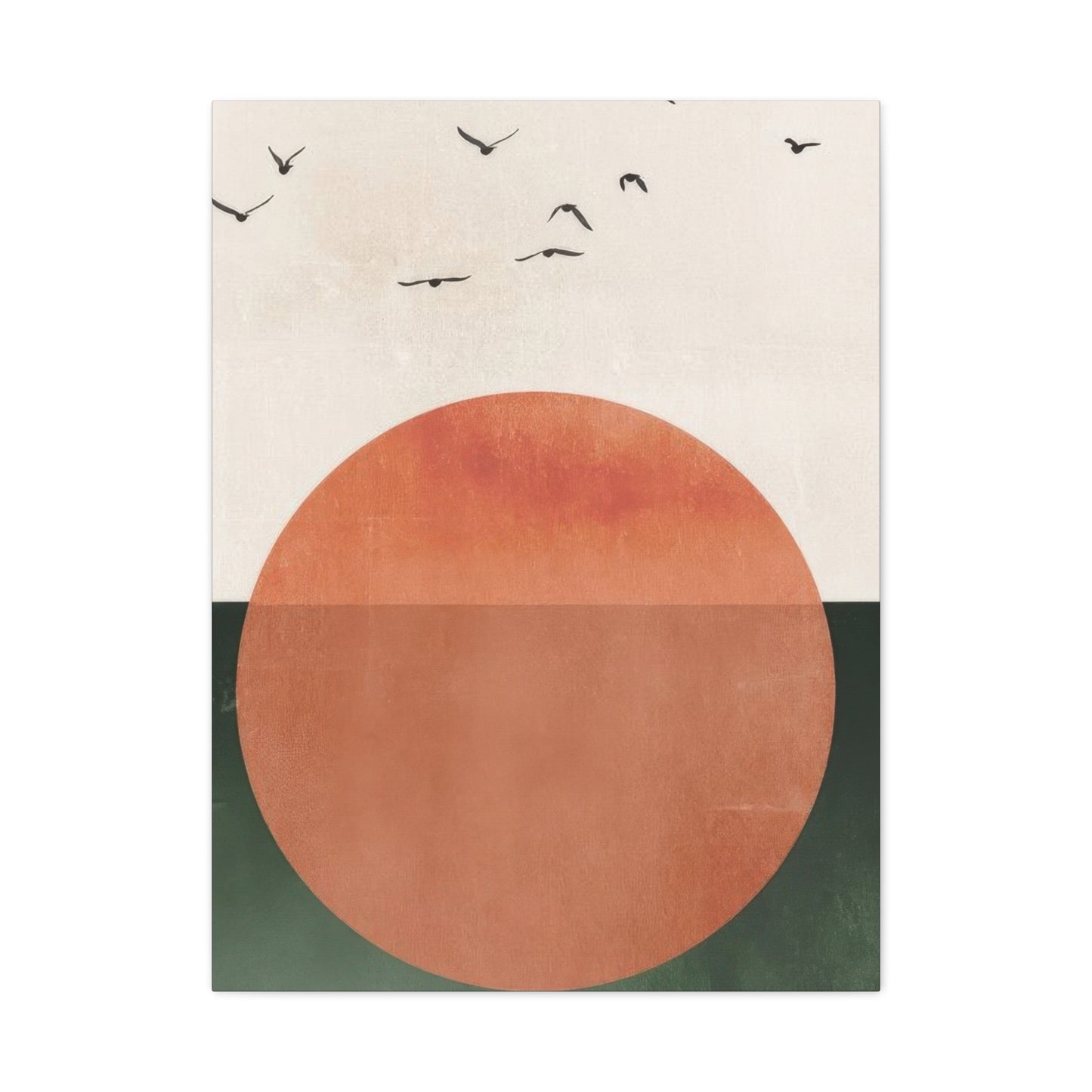
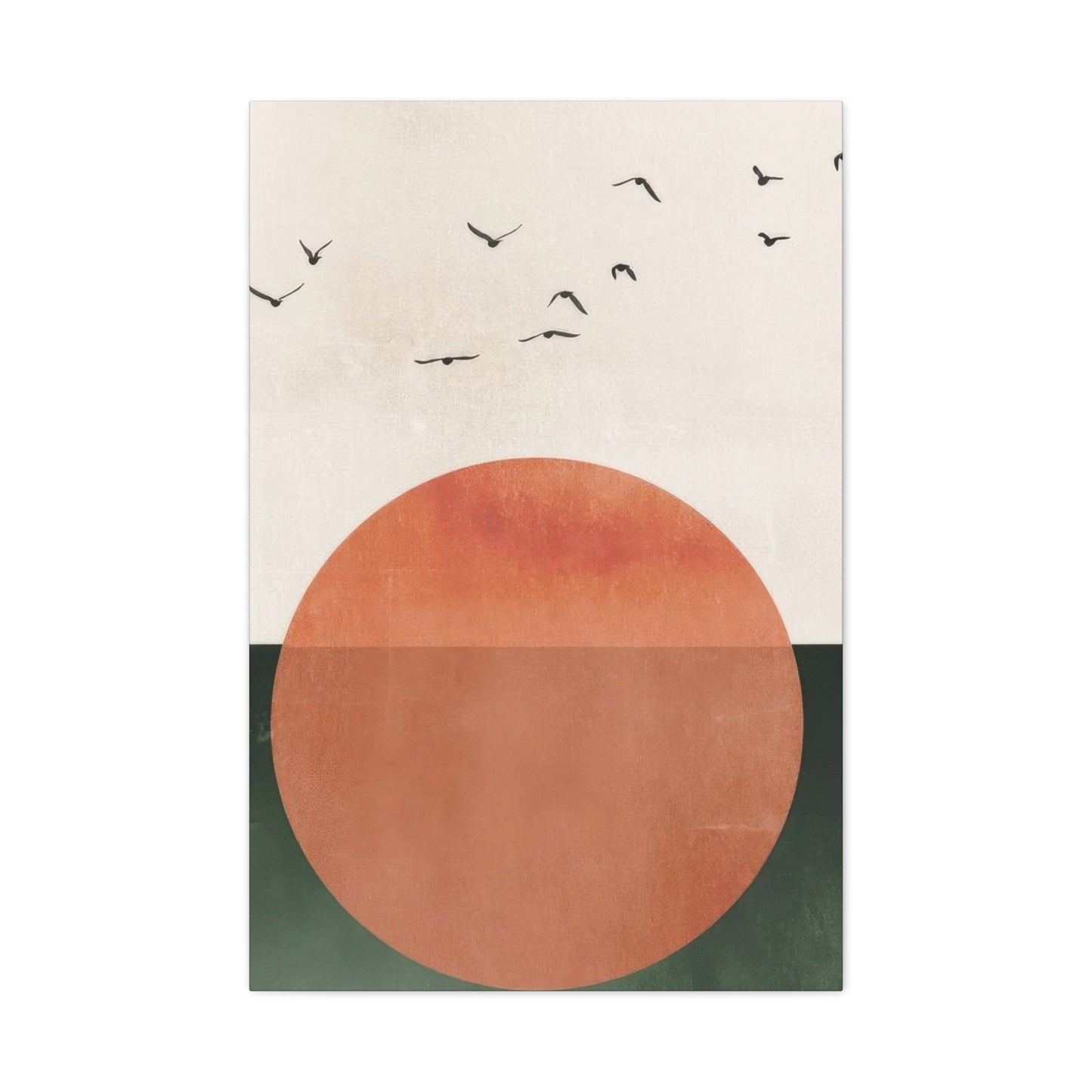
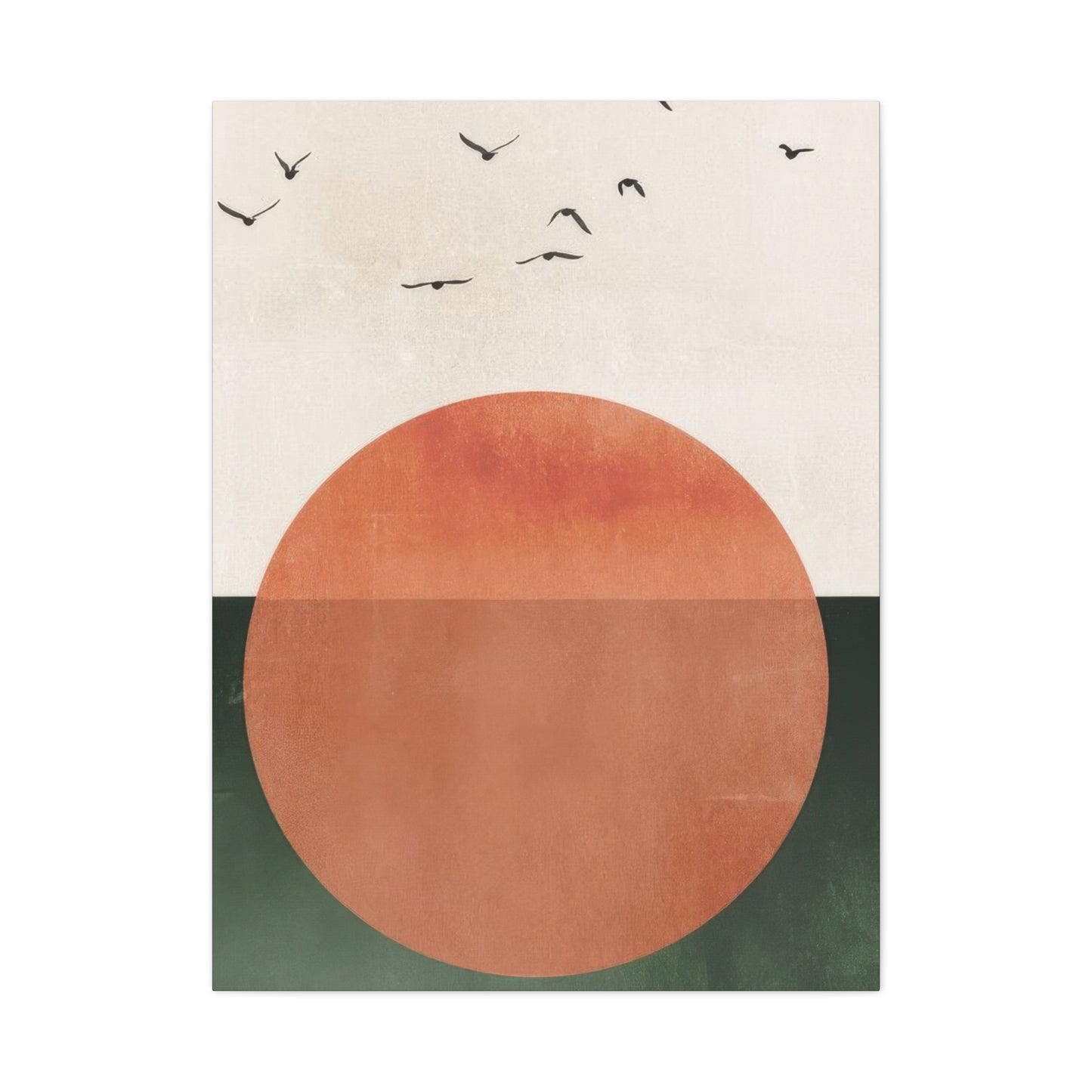
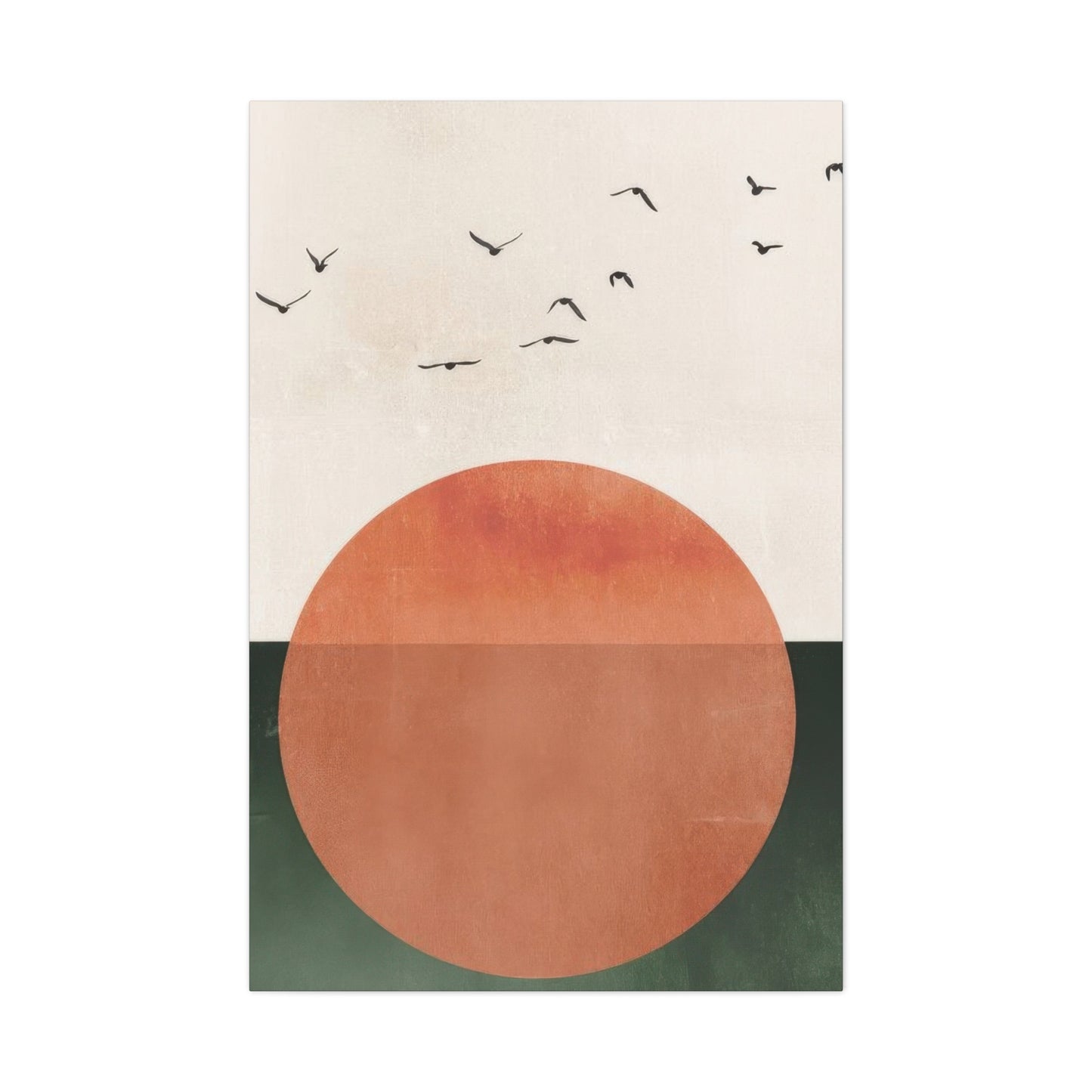
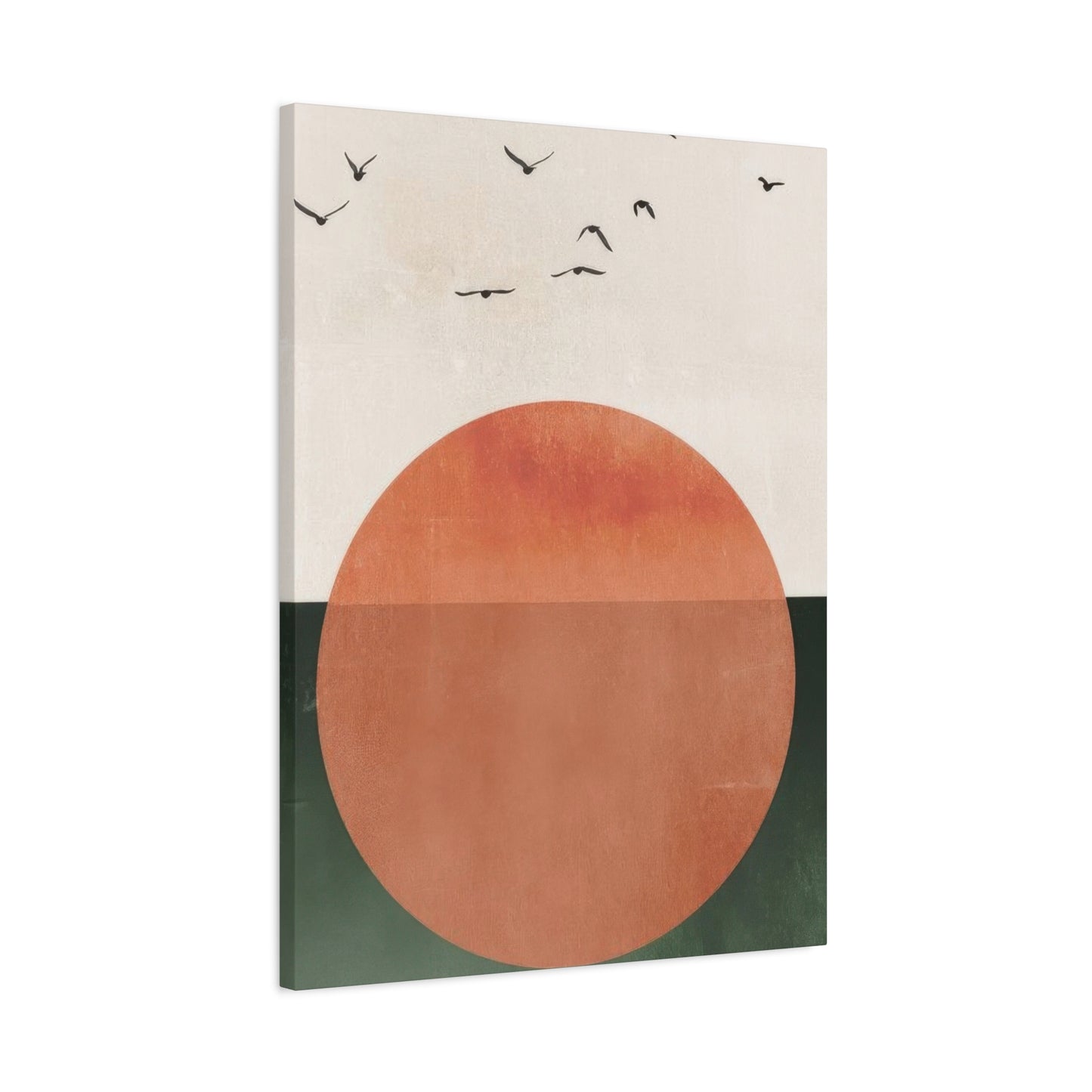
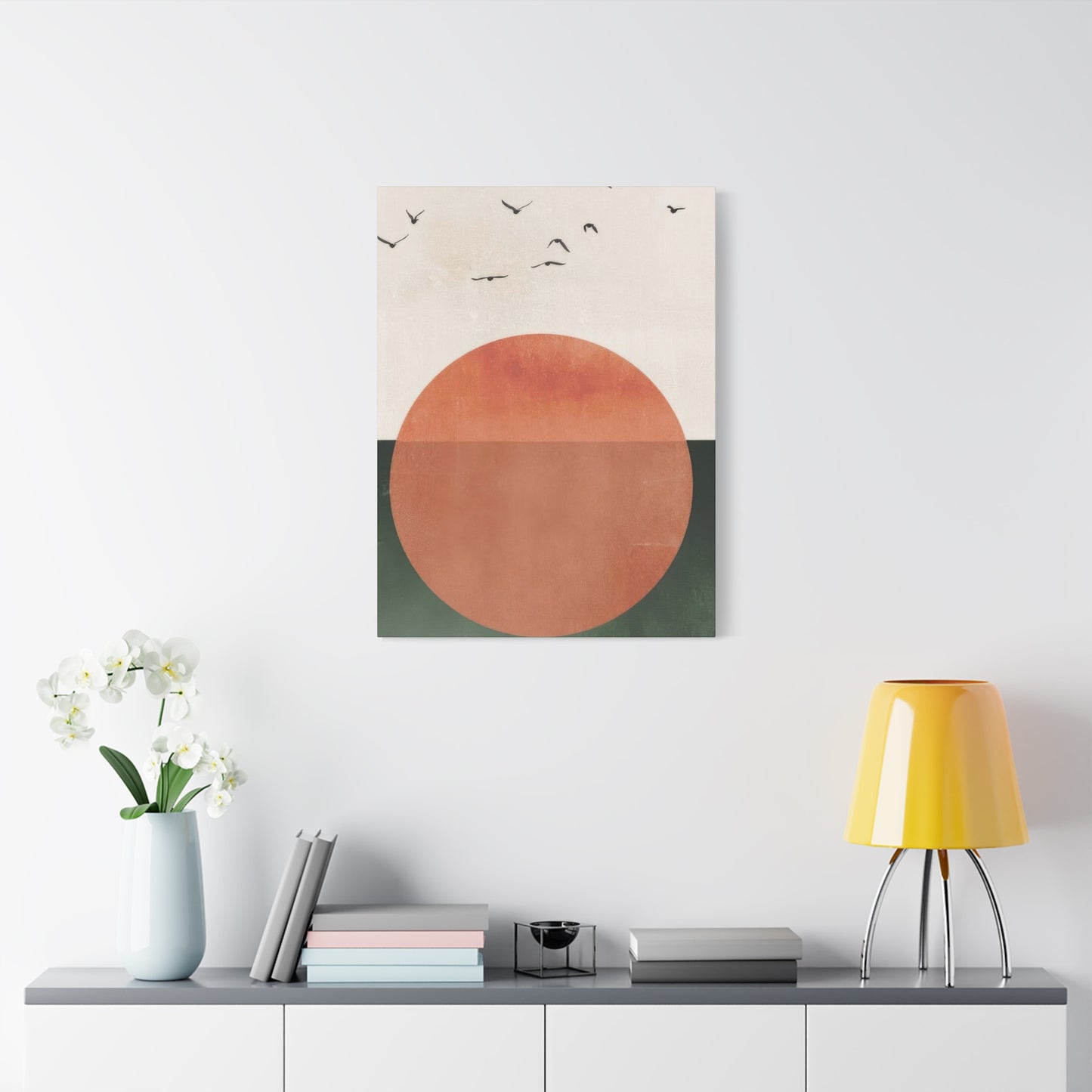
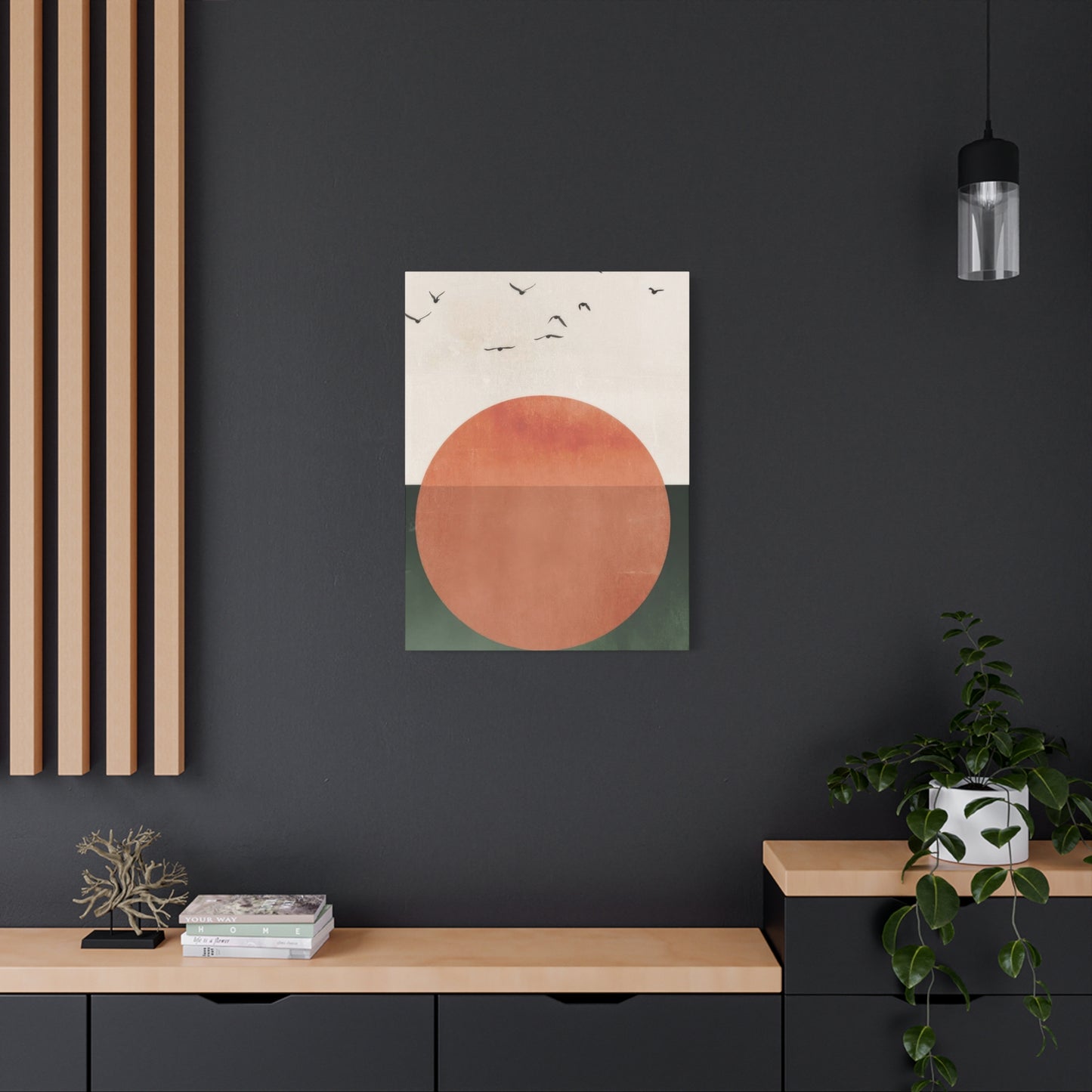
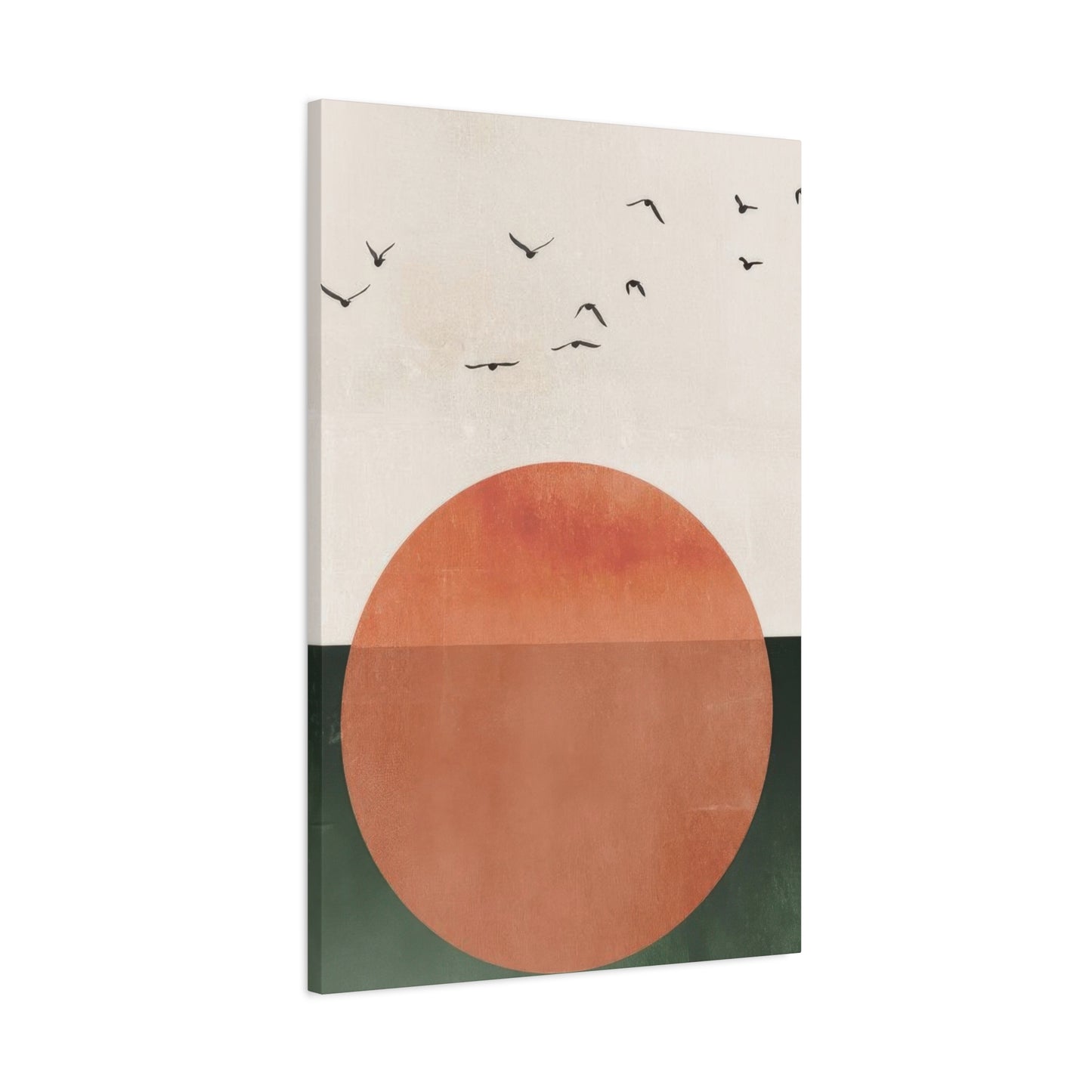
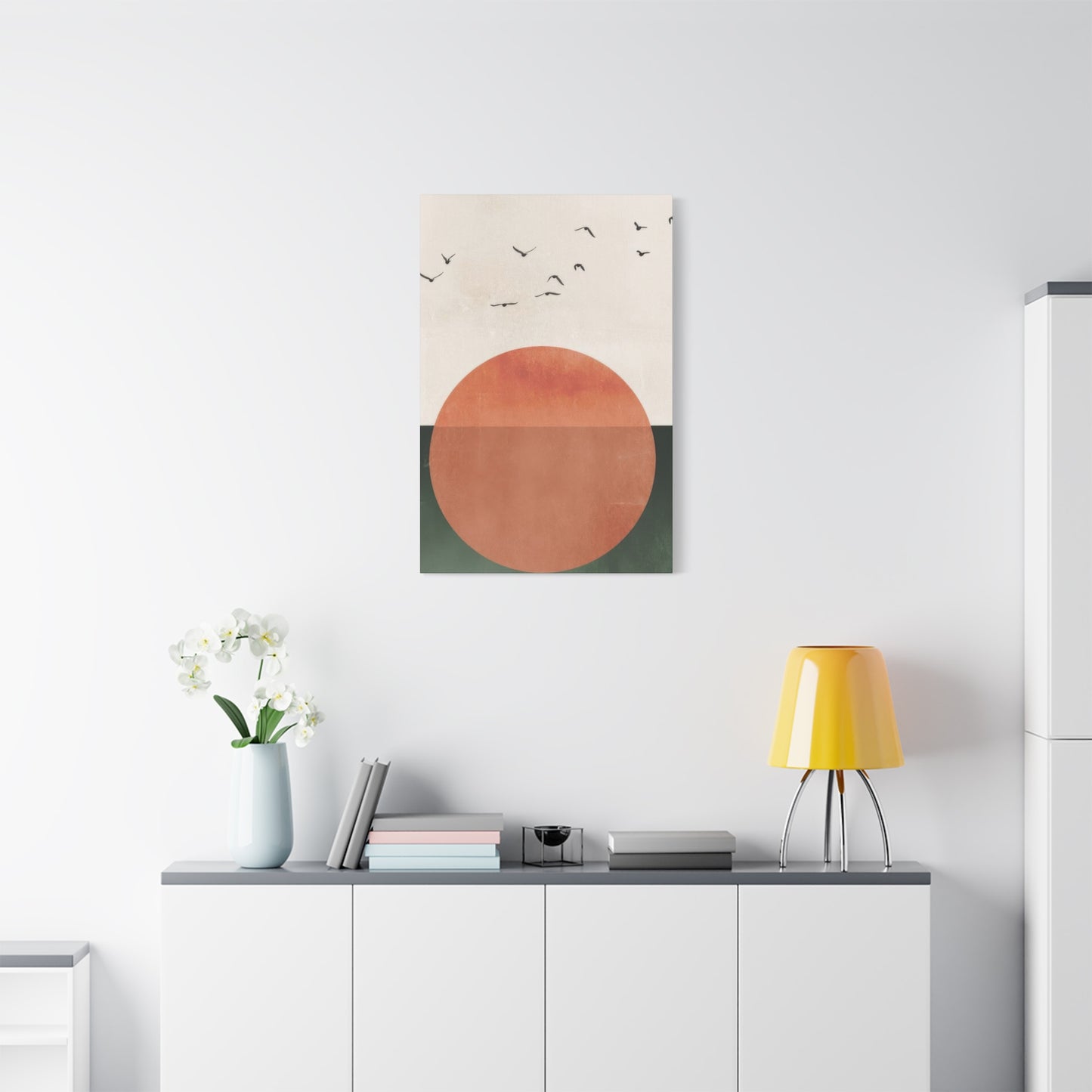
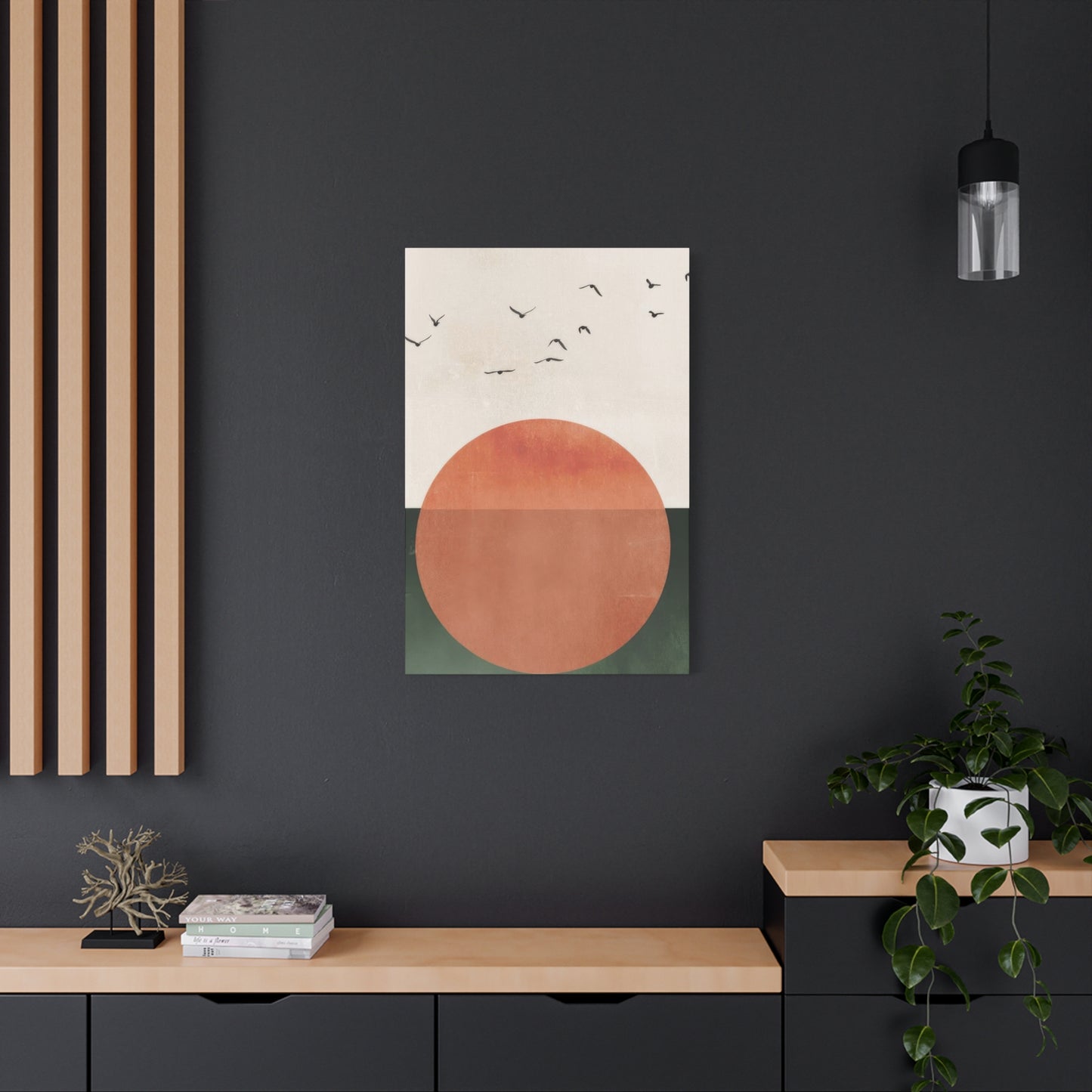
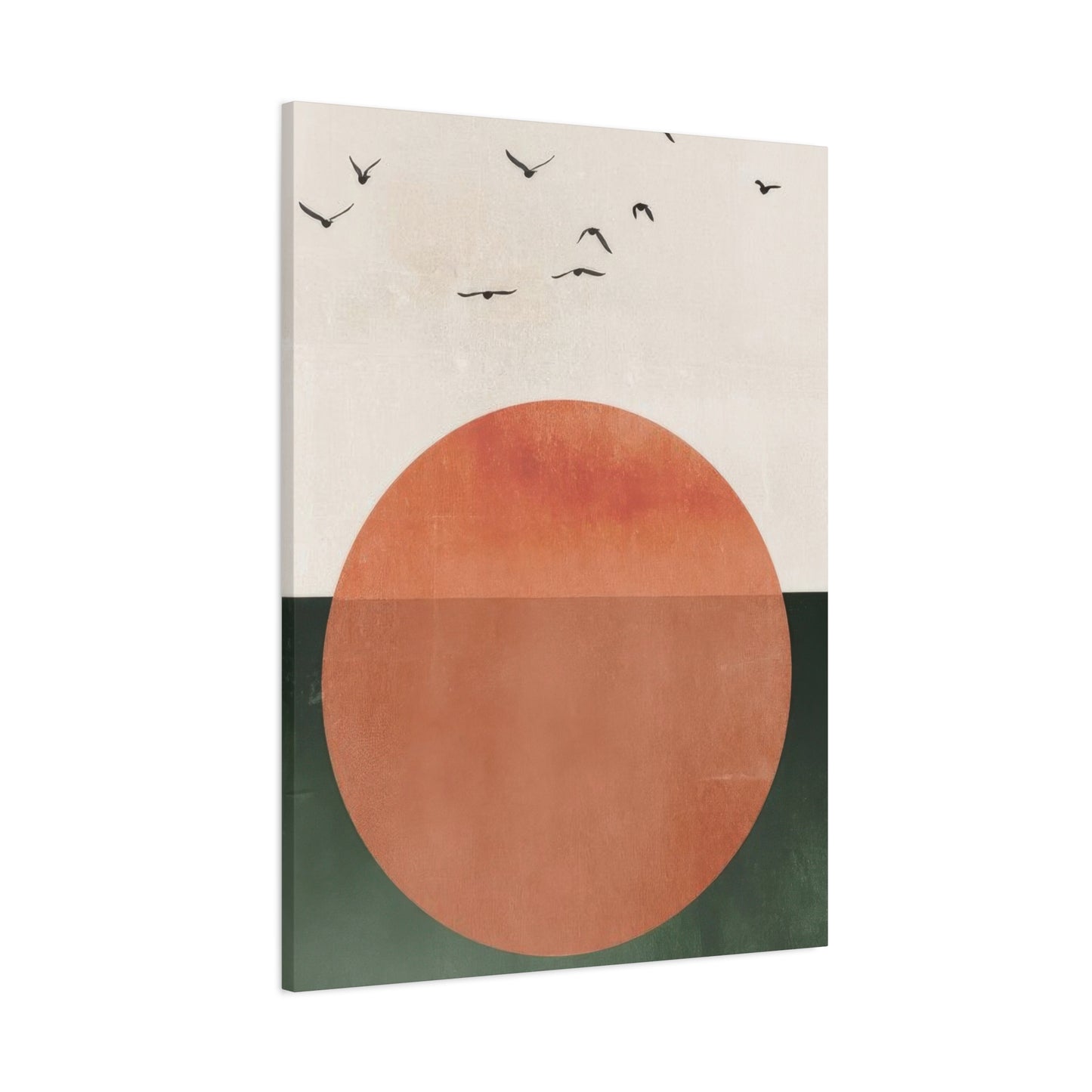
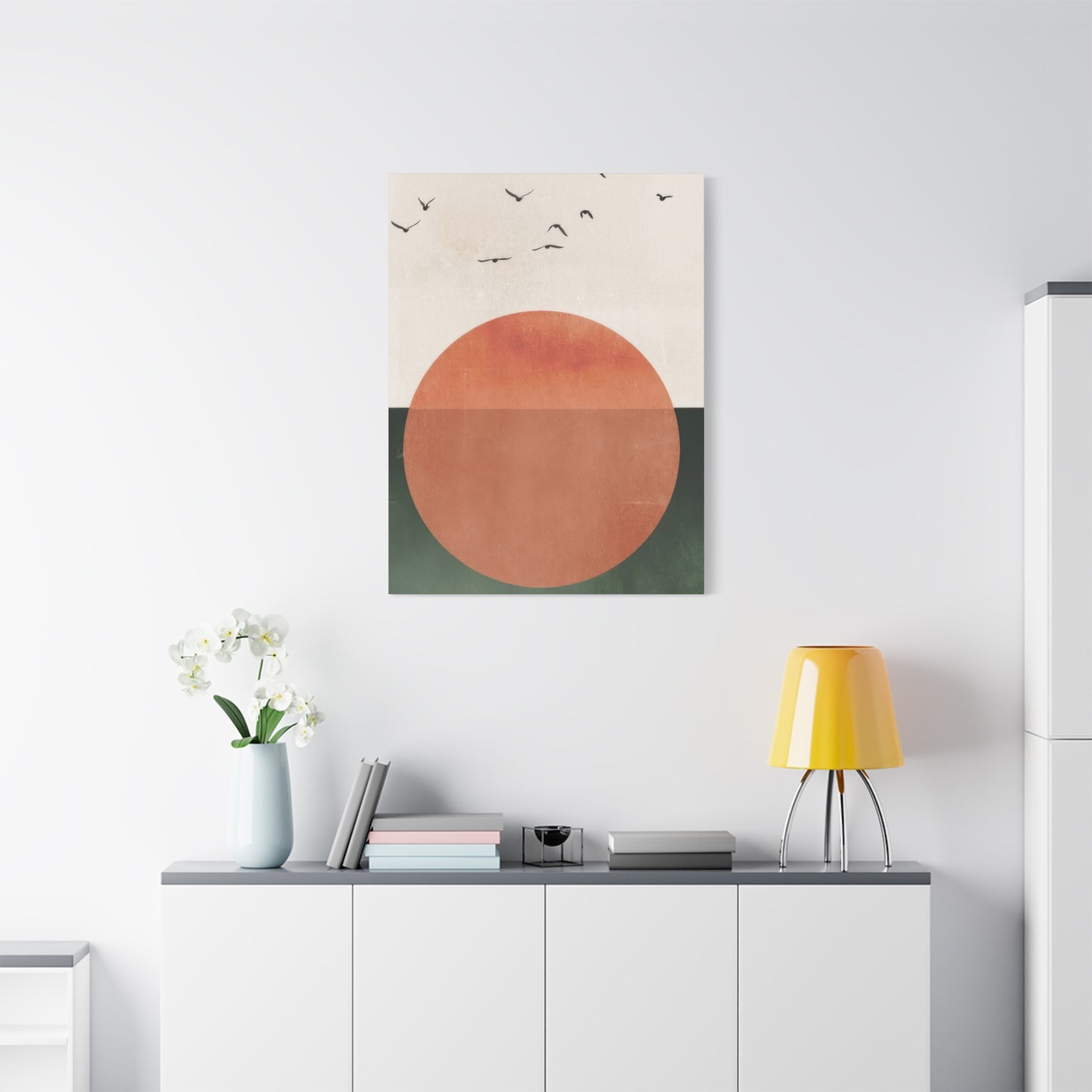
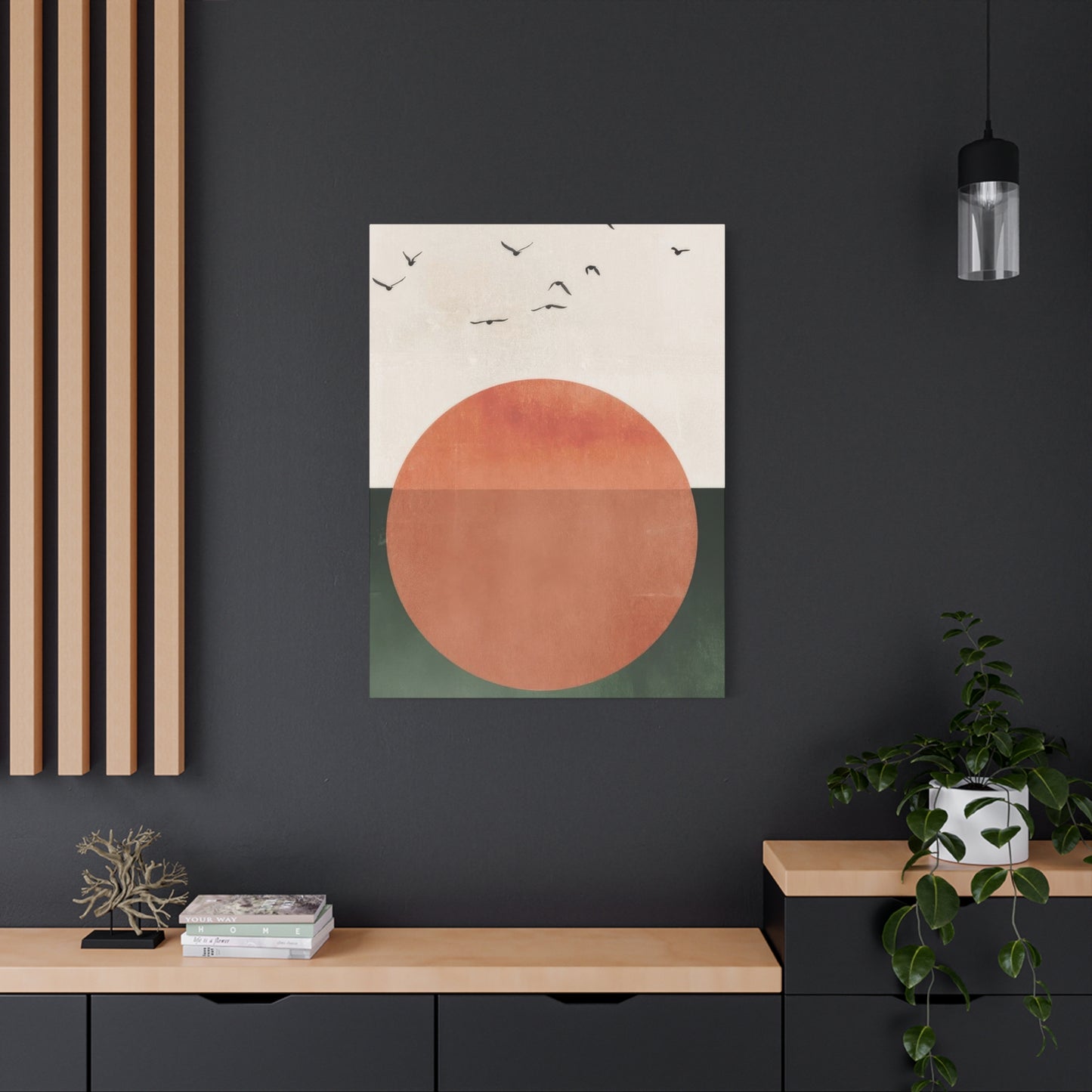
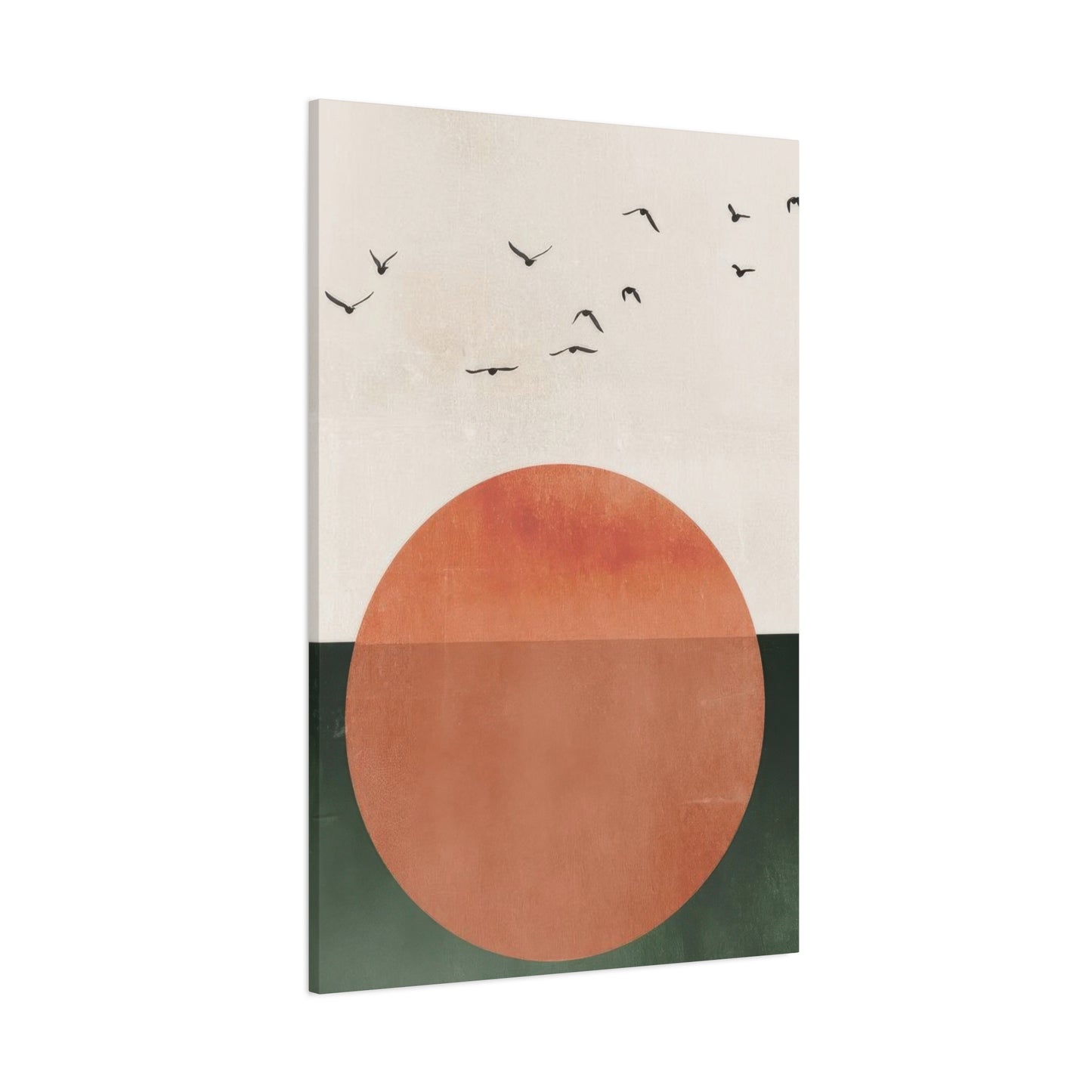
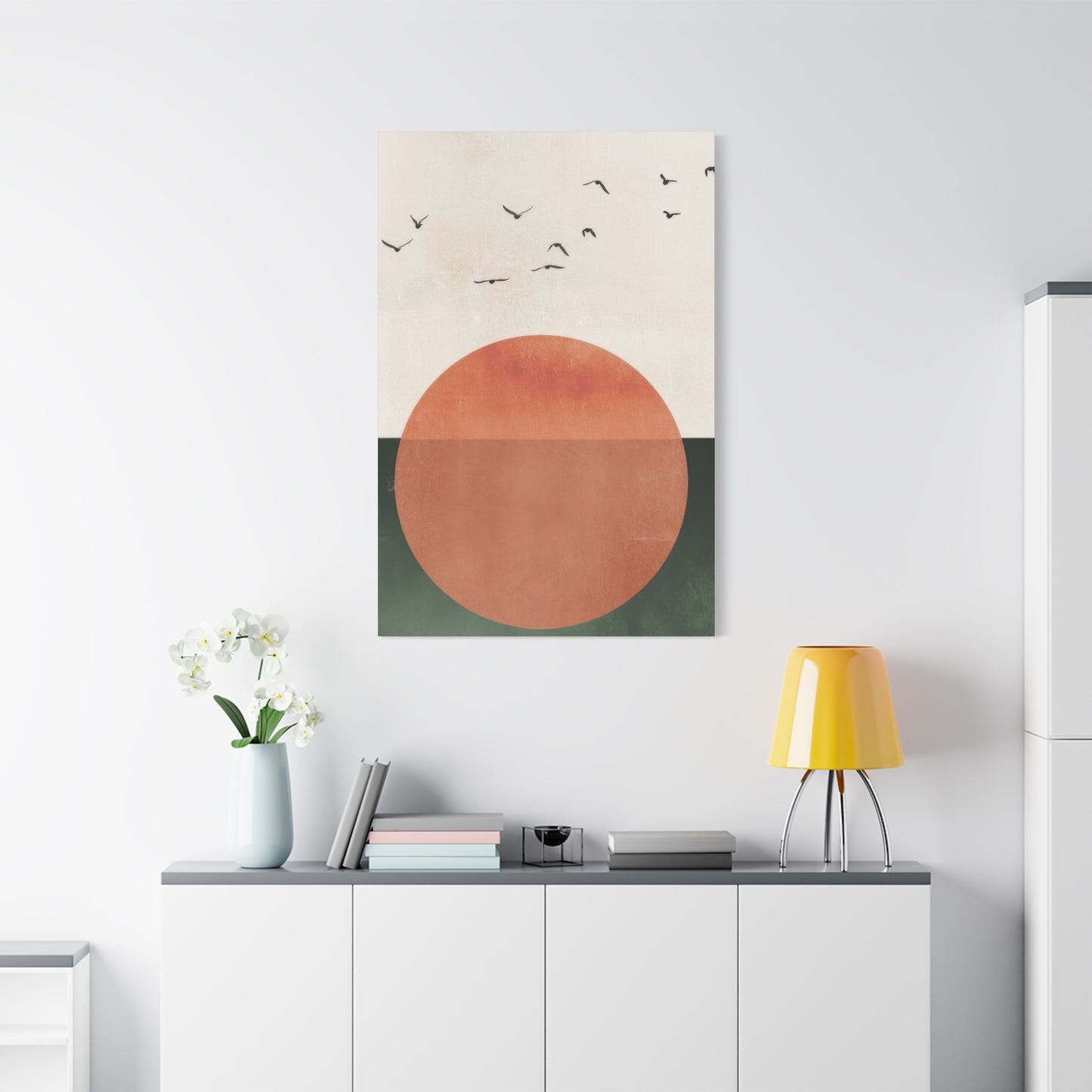
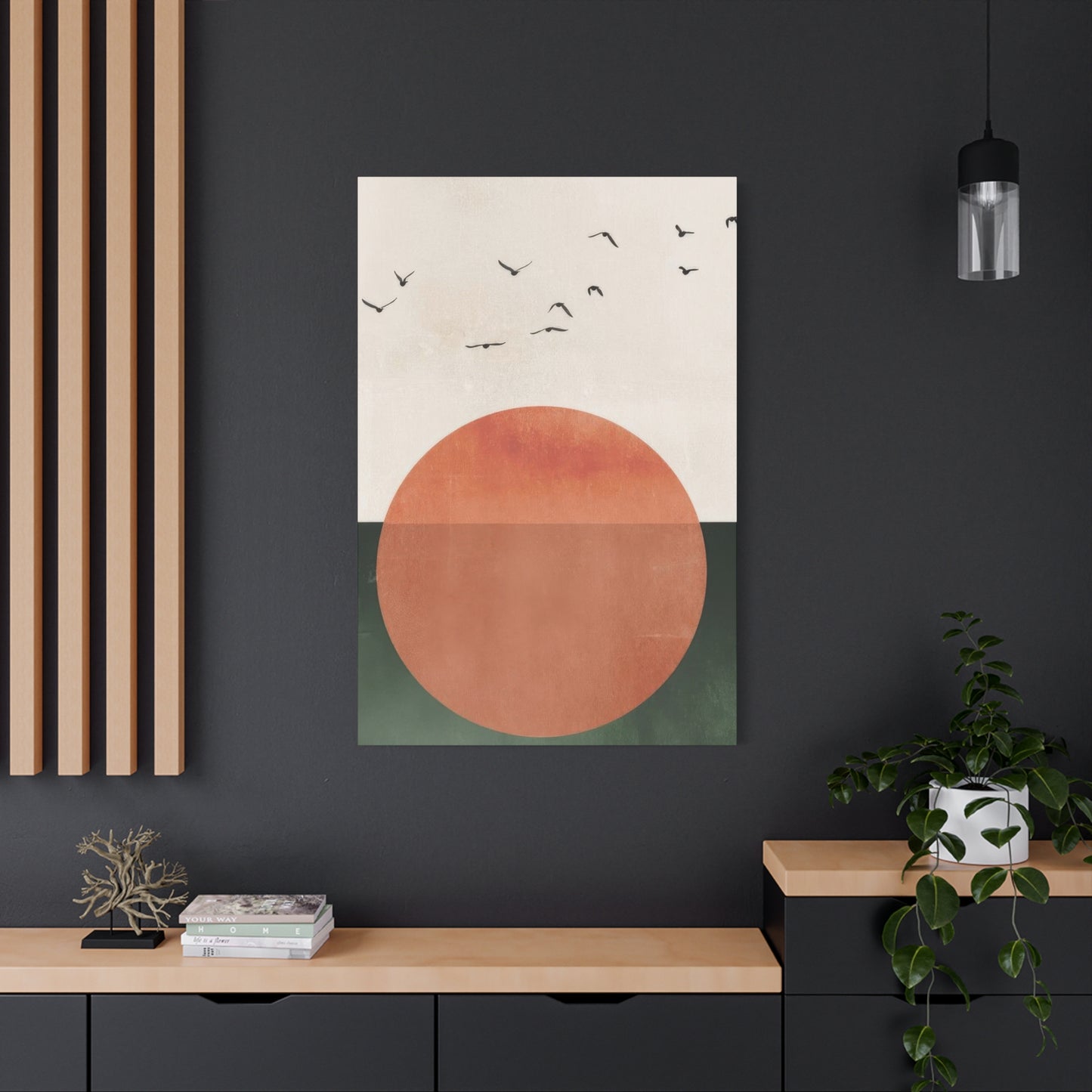
Stunning Sunset Earthy Wall art Tones: Modern Canvas Art for Contemporary Interior Spaces
Creating a warm and inviting atmosphere in any living space requires careful attention to color schemes, artistic elements, and overall aesthetic harmony. Abstract sunset earthy wall art canvas prints have emerged as one of the most popular choices for homeowners, interior designers, and art enthusiasts seeking to bring natural warmth and sophisticated style into their environments. These artistic pieces capture the essence of nature's most breathtaking moments while incorporating grounding earth tones that resonate with contemporary design principles.
The appeal of sunset-inspired artwork lies in its ability to evoke emotions, memories, and a sense of tranquility. When combined with earthy color palettes featuring ochres, siennas, terracottas, warm grays, and muted golds, these canvas prints become more than mere decorations—they transform into focal points that anchor entire rooms and create cohesive design narratives throughout homes and commercial spaces.
The Rising Popularity of Nature-Inspired Canvas Artwork
Over recent years, there has been a significant shift in interior design preferences toward incorporating natural elements and organic aesthetics into living spaces. This movement reflects a broader cultural desire to reconnect with nature despite increasingly urbanized lifestyles. Canvas prints featuring abstract interpretations of sunsets with earthy color schemes perfectly embody this trend, offering visual representations of natural beauty that can be appreciated daily within indoor environments.
The demand for these artistic pieces has grown substantially as people recognize the psychological benefits of surrounding themselves with nature-inspired imagery. Research in environmental psychology has consistently demonstrated that exposure to natural scenes, even through artistic representations, can reduce stress levels, improve mood, and enhance overall wellbeing. Sunset imagery, in particular, carries associations with closure, reflection, peace, and renewal—themes that resonate deeply with individuals seeking sanctuary from busy modern lives.
Canvas prints offer distinct advantages over traditional framed artwork, making them increasingly popular choices for both residential and commercial applications. The wrapped canvas format creates a clean, contemporary appearance that eliminates the need for additional framing, reducing both cost and visual clutter. This streamlined presentation allows the artwork itself to take center stage, while the three-dimensional quality of stretched canvas adds depth and presence to wall displays.
Understanding Color Psychology in Earth-Toned Sunset Artwork
Color psychology plays a fundamental role in how we experience and respond to visual art in our surroundings. The specific color combinations found in abstract sunset earthy wall art canvas prints are carefully selected—whether consciously by artists or intuitively through creative expression—to evoke particular emotional responses and create desired atmospheric effects within spaces.
Warm earth tones derived from natural pigments found in soil, clay, sand, and stone have been used in artistic expression since prehistoric times. These colors carry inherent associations with stability, grounding, security, and connection to the natural world. When viewing artwork dominated by ochres, browns, warm grays, and muted oranges, viewers often experience feelings of comfort, warmth, and reassurance. These psychological responses make earth-toned artwork particularly well-suited for spaces intended for relaxation, conversation, or reflection.
Sunset colors introduce additional layers of emotional resonance to these pieces. The oranges, pinks, corals, and golden yellows associated with twilight skies evoke feelings of optimism, creativity, enthusiasm, and vitality. These warmer hues provide energizing counterpoints to the grounding qualities of earth tones, creating balanced compositions that feel both stimulating and calming simultaneously.
The interplay between cool and warm tones within sunset-themed artwork adds visual interest and depth while preventing monotony. Subtle hints of cooler colors like dusty purples, soft blues, or deep charcoals often appear in abstract sunset pieces, representing the transition from day to night and adding sophisticated contrast that enhances the overall composition. This chromatic complexity ensures that the artwork remains visually engaging over time, revealing new details and subtleties upon repeated viewing.
How Abstract Interpretation Enhances Sunset Imagery
Abstract art offers unique advantages when depicting natural phenomena like sunsets. Rather than attempting photorealistic representation, abstract interpretations distill the essence of the experience—the emotional impact, the atmospheric quality, the interplay of light and color—into simplified forms that can be more universally appreciated and personally interpreted by viewers.
This approach to sunset imagery allows for greater creative freedom and emotional expression. Artists working in abstract styles can emphasize particular aspects of the sunset experience that resonate most strongly with their vision, whether that involves bold color contrasts, subtle gradations, textural elements, or dynamic compositional movements. The resulting artworks often capture the feeling of witnessing a sunset more effectively than literal representations, as they engage viewers' emotions and imaginations rather than simply their recognition of familiar scenes.
Abstract sunset artwork also possesses greater versatility in terms of interior design compatibility. While a photographic or realistic painting of a specific sunset location might clash with certain design schemes or feel out of place in particular settings, abstract interpretations can adapt to diverse aesthetic environments. The stylized nature of abstract work allows it to complement various design styles, from minimalist modern to rustic farmhouse to eclectic bohemian, making these pieces valuable investments that can transition through multiple design iterations throughout a home's evolution.
The open-ended nature of abstract art invites personal interpretation and emotional engagement. Unlike representational artwork that dictates a specific scene or narrative, abstract pieces allow viewers to project their own experiences, memories, and emotions onto the work. This interactive quality creates deeper connections between artwork and observer, transforming decorative pieces into meaningful elements that enhance daily life and personal wellbeing.
Selecting the Perfect Earth-Toned Sunset Canvas for Different Spaces
Choosing appropriate artwork for specific rooms requires consideration of multiple factors including room size, natural lighting conditions, existing color schemes, functional purposes of the space, and desired atmospheric effects. Abstract sunset earthy wall art canvas prints offer remarkable versatility but achieve maximum impact when thoughtfully matched to their intended environments.
For living rooms and main gathering spaces, larger canvas prints or multi-panel arrangements create striking focal points that anchor seating areas and establish the room's aesthetic foundation. These spaces benefit from artwork that incorporates a full range of earth tones and sunset hues, creating visual interest without overwhelming the room. The warmth of sunset colors promotes conversation and social connection, making these pieces ideal for spaces designed for family interaction and entertaining guests.
Bedroom environments call for artwork that promotes relaxation and restful atmospheres. Abstract sunset pieces featuring softer, more muted earth tones with gentle color transitions work particularly well in sleeping spaces. Artwork emphasizing deeper ochres, warm grays, and subdued terracottas creates cocooning effects that support sleep quality and morning tranquility. The sunset imagery carries symbolic associations with day's end and preparation for rest, making it psychologically appropriate for bedroom settings.
Dining areas benefit from artwork that stimulates appetite and enhances the dining experience without creating visual distraction. Sunset-inspired pieces incorporating warmer earth tones like burnt orange, golden yellow, and rich sienna can complement food presentation and create inviting atmospheres for meals. The warm color palette has been shown to increase appetite and encourage lingering over meals, supporting the social and nourishing functions of dining spaces.
Home offices and workspaces present unique challenges for artwork selection, as these environments must balance professional appearance with personal expression while supporting productivity and creativity. Abstract sunset artwork featuring balanced compositions of earth tones provides visual interest without distraction. The grounding qualities of earth colors promote focus and stability, while the creative energy of sunset hues can inspire innovative thinking and problem-solving.
Hallways, entryways, and transitional spaces offer opportunities to create cohesive visual narratives throughout homes. Smaller canvas prints or coordinated series of sunset-themed artwork can guide movement through spaces while establishing consistent aesthetic themes. These areas often receive varied natural lighting throughout the day, making the dynamic color ranges in sunset artwork particularly effective as the pieces reveal different qualities under changing light conditions.
The Versatility of Multi-Panel Canvas Arrangements
Multi-panel canvas arrangements, also known as split canvas prints or panel art, have become increasingly popular formats for displaying abstract sunset earthy artwork. These configurations divide a single image across multiple canvas panels, creating dynamic presentations that add architectural interest to walls while maintaining cohesive artistic statements.
Triptych arrangements featuring three panels offer balanced, symmetrical presentations that work well above sofas, beds, and other centered furniture pieces. The three-panel format allows for interesting compositional choices, with artists often using the panels to suggest progression—such as the gradual transition from daylight through sunset to dusk—or to emphasize particular color zones within the overall composition. The spaces between panels add rhythm and visual breathing room, preventing the artwork from feeling heavy or overwhelming even when covering substantial wall area.
Two-panel diptych arrangements create striking, contemporary presentations particularly suited to modern and minimalist design schemes. The division of imagery across two equal panels emphasizes horizontal expansion, making these configurations ideal for wide wall spaces above consoles, buffets, or in open-concept living areas. Diptych formats often highlight contrasts within the composition, juxtaposing complementary earth tones or emphasizing the interplay between abstract elements.
Larger multi-panel arrangements featuring four, five, or more panels allow for dramatic, gallery-style presentations that transform entire walls into immersive artistic experiences. These expansive configurations work exceptionally well in spaces with high ceilings or extensive wall areas that would overwhelm single canvas pieces. The multiple panels create visual complexity and movement, drawing the eye across the arrangement and creating dynamic focal points that command attention without requiring extremely large individual canvas sizes.
Vertical panel arrangements offer alternatives to traditional horizontal configurations, creating striking visual statements particularly effective in spaces with limited width but ample vertical clearance. Vertically arranged sunset artwork can emphasize the layering of atmospheric elements, suggesting the stacking of sky, horizon, and earth, or can create upward movement that draws the eye and makes spaces feel taller and more expansive.
Material Quality and Canvas Construction Considerations
The quality of canvas materials and construction methods significantly impacts both the appearance and longevity of abstract sunset wall art. Understanding these factors helps buyers make informed decisions that ensure their artwork investments provide lasting beauty and satisfaction.
Premium canvas materials typically consist of cotton, polyester, or cotton-polyester blends, each offering distinct characteristics. Pure cotton canvas provides excellent print receptivity and produces rich, vibrant colors with subtle texture that adds depth to abstract compositions. The natural fiber content appeals to environmentally conscious buyers and contributes to authentic artistic appearance. Cotton canvas tends to be more resistant to fading when properly treated with UV protective coatings, making it ideal for pieces displayed in areas receiving natural sunlight.
Polyester canvas offers enhanced durability and water resistance compared to natural fibers, making it suitable for environments with higher humidity or for pieces that may require occasional cleaning. The synthetic material accepts modern printing technologies exceptionally well, producing sharp detail and consistent color reproduction across the canvas surface. Polyester canvas typically costs less than pure cotton while still delivering professional-quality results, making it popular for budget-conscious buyers who nonetheless want durable, attractive artwork.
Blended canvas materials combine advantages of both natural and synthetic fibers, offering balanced performance characteristics. These materials typically provide good color reproduction, reasonable durability, and moderate pricing, making them sensible choices for most residential applications. The specific blend ratios affect the canvas behavior and appearance, with higher cotton content generally indicating premium materials.
Gallery wrap construction refers to the method of stretching canvas around wooden frame bars, with the image continuing around the edges rather than ending at the front face. This technique eliminates the need for additional framing and creates clean, finished appearances from all viewing angles. The wrapped edges typically display either continuation of the main image or complementary solid colors that coordinate with the artwork's palette. Gallery wrapped canvases project slightly from walls, creating subtle shadow effects that add dimension and visual interest.
Frame bar quality directly affects the structural integrity and longevity of canvas artwork. Solid wood frames provide superior stability and durability compared to composite materials or hollow bars. Kiln-dried wood resists warping and cracking even in varying humidity conditions, ensuring the canvas maintains proper tension and flat surface presentation over time. The thickness of frame bars, typically measured in depth from wall to canvas surface, affects the dimensional presence of the piece, with deeper frames creating more dramatic shadow effects and stronger visual impact.
Printing Technologies for Canvas Artwork
The method used to transfer images onto canvas significantly affects color accuracy, detail resolution, longevity, and overall appearance of abstract sunset wall art. Modern printing technologies have revolutionized canvas art production, making high-quality reproductions accessible at various price points.
Giclée printing represents the gold standard for fine art reproduction on canvas. This process utilizes archival-quality pigment-based inks applied through high-resolution inkjet printers capable of producing millions of color variations. The term giclée, derived from French meaning "to spray," accurately describes the precise ink application method that creates seamless color transitions and exceptional detail reproduction. Giclée prints resist fading significantly better than dye-based alternatives, with properly displayed pieces maintaining color integrity for decades or even centuries under appropriate conditions.
The archival quality of giclée prints comes from both the ink composition and the canvas preparation process. Acid-free canvas materials prevent yellowing and deterioration over time, while UV protective coatings shield pigments from light-induced fading. These factors combine to create museum-quality reproductions suitable for serious art collectors and anyone seeking investment-grade artwork for their spaces.
Standard inkjet printing offers more economical alternatives to giclée processes while still producing attractive results suitable for most residential applications. These methods typically use dye-based inks that create vibrant colors with excellent initial appearance, though they may fade more quickly than pigment-based alternatives when exposed to direct sunlight or harsh environmental conditions. For pieces displayed in appropriately lit interior spaces away from direct sun exposure, standard inkjet prints can provide years of enjoyment at accessible price points.
Latex printing technology has emerged as an environmentally friendly alternative that combines durability with reduced environmental impact. This process uses water-based latex inks that cure during printing through heat application, creating durable, scratch-resistant surfaces without requiring additional protective coatings. Latex prints produce no volatile organic compounds during production, making them suitable for health-conscious consumers and green building applications.
Sizing Strategies for Maximum Visual Impact
Selecting appropriate dimensions for canvas artwork significantly affects its visual impact and integration within spaces. Understanding proportion principles and spatial relationships helps ensure artwork achieves desired effects without appearing too small, overwhelming, or awkwardly positioned.
The relationship between wall size and canvas dimensions follows general proportion guidelines that create balanced, harmonious presentations. For artwork displayed above furniture pieces, the canvas width should typically span between two-thirds and three-quarters of the furniture width to create visual connection and balanced composition. This proportion ensures the artwork feels integrated with the furniture grouping rather than floating disconnected from surrounding elements.
Wall coverage percentages provide helpful guidelines for determining appropriate artwork sizes for open wall expanses. As a general principle, artwork should occupy between forty and sixty percent of the available wall width to create focal interest without overwhelming the space. This range allows for breathing room around the piece while ensuring it commands adequate attention and doesn't appear lost on expansive walls.
Viewing distance considerations affect perceived size and detail appreciation. Artwork intended for viewing from across rooms can successfully employ larger dimensions and bolder compositions, as the distance allows viewers to absorb the entire piece comfortably. Conversely, pieces displayed in closer viewing situations, such as hallways or small rooms, benefit from more moderate sizing that allows viewers to appreciate details without needing to step back significantly to view the complete composition.
Ceiling height influences appropriate artwork proportions, with taller spaces accommodating more vertical canvas dimensions. In rooms with eight-foot ceilings, artwork heights typically range from twenty-four to forty inches to maintain comfortable proportions. Spaces with nine-foot or higher ceilings can successfully accommodate taller pieces, with artwork heights of forty-eight inches or more creating appropriate scale relationships in these expanded volumes.
Multi-panel arrangements allow for flexibility in achieving desired coverage while maintaining individual panel proportions that work well with the abstract composition. A large wall that would require an unwieldy single canvas measuring seventy-two inches wide might be better served by a three-panel arrangement with individual panels measuring twenty-four inches wide, creating the same overall coverage while adding visual interest through the panel divisions.
Methods and Display Techniques
Proper installation ensures artwork remains securely mounted while achieving desired visual effects within spaces. Various hanging methods accommodate different wall materials, canvas weights, and aesthetic preferences, allowing for professional-quality displays in diverse settings.
Traditional picture hanging wire attached to frame backs offers versatile mounting options that accommodate various wall hook types. This method distributes weight across the upper frame structure and allows for minor adjustment of positioning after initial hanging. The wire remains hidden behind the canvas, maintaining clean visual presentation from viewing angles. However, wire hanging can allow artwork to tilt forward from the wall surface, potentially creating unwanted gaps between canvas and wall.
D-ring hangers mounted to frame backs near upper corners provide secure attachment points that keep canvases flush against walls, eliminating forward tilt. This method works particularly well for gallery-wrapped canvases where close wall contact enhances the floating appearance and minimizes shadow gaps. D-rings accommodate picture hooks, wall anchors, or screw-mounted fasteners depending on wall construction and canvas weight.
French cleat systems offer superior stability and precise leveling for larger or heavier canvas pieces. This method utilizes interlocking wood or metal strips, with one mounted to the wall and the corresponding piece attached to the canvas frame. The interlocking design distributes weight across the entire cleat length, providing exceptional hold while allowing horizontal sliding for perfect positioning. French cleats create especially professional installations for multi-panel arrangements where precise alignment between panels is critical.
Adhesive mounting strips provide damage-free alternatives for renters or those wishing to avoid putting holes in walls. Modern hanging strips can support surprising weights when properly applied to smooth wall surfaces, making them viable options for moderate-sized canvas pieces. These systems allow for removal and repositioning without leaving marks or damage, though they typically work best on painted drywall rather than textured, wallpapered, or specialty wall finishes.
Spacing considerations for multi-panel arrangements significantly affect the overall visual impact of divided compositions. Panels typically display with two to four inches of space between them, with wider gaps creating more distinct separation and tighter spacing emphasizing the unified nature of the divided image. Consistent spacing between all panels creates orderly, intentional presentations, while varied spacing can produce dynamic, less formal arrangements suitable for eclectic design schemes.
Vertical positioning of artwork on walls follows established design principles that create comfortable viewing experiences. The center point of artwork should typically align approximately at eye level, generally estimated at fifty-seven to sixty inches from floor to the artwork's center. This positioning accounts for average human height and creates comfortable viewing geometry in most situations. Adjustments may be necessary when hanging artwork above furniture, with the bottom edge typically positioned six to twelve inches above furniture tops to create visual connection while preventing artwork from feeling like it's sitting directly on the furniture.
Coordinating Canvas Art with Existing Interior Design Elements
Successfully integrating abstract sunset earthy wall art into existing spaces requires thoughtful consideration of how the artwork relates to surrounding design elements. Creating cohesive, harmonious environments involves balancing color relationships, style compatibility, and visual weight distribution throughout rooms.
Color coordination between artwork and existing room elements creates unified spaces that feel intentionally designed rather than randomly assembled. When selecting sunset-themed canvas pieces for rooms with established color schemes, look for artwork that incorporates at least two or three colors already present in the space through furnishings, textiles, or architectural elements. This color echoing creates visual connections that tie the artwork into the broader design narrative without requiring exact color matching, which can feel forced or overly coordinated.
The earth tones characteristic of these canvas prints offer inherent compatibility with many popular interior design palettes. Neutral schemes featuring beiges, tans, grays, and whites provide blank canvases that allow sunset artwork to serve as primary color sources, introducing warmth and visual interest to potentially bland environments. The warm tones in sunset imagery complement rather than clash with cool gray schemes, adding necessary warmth that prevents spaces from feeling sterile or cold.
Rooms featuring existing warm color schemes benefit from sunset canvas art that emphasizes complementary or analogous color relationships. Spaces decorated with rust, terracotta, or gold accents find perfect companions in sunset artwork featuring similar hues, creating enveloping, cohesive atmospheres. The abstract nature of these pieces prevents exact color repetition, instead offering tonal variations that add depth and prevent monotonous color schemes.
Style compatibility extends beyond color into considerations of artistic approach, compositional complexity, and overall aesthetic mood. Minimalist interiors pair well with abstract sunset pieces featuring simple compositions, limited color palettes, and generous negative space that echoes the restraint characteristic of minimalist design. These cleaner artistic interpretations complement sparse furnishings and uncluttered spaces without introducing visual chaos that would contradict the minimalist philosophy.
Eclectic and bohemian design schemes welcome more complex, layered sunset abstractions featuring rich texture, varied mark-making, and adventurous color combinations. These busier artistic interpretations complement collected aesthetics that embrace variety, pattern mixing, and personal expression. The warmth and organic nature of earth-toned sunset imagery particularly suits bohemian sensibilities that celebrate natural materials and artisanal qualities.
Traditional and transitional interiors benefit from sunset abstractions that balance contemporary artistic approaches with softer, more refined execution. Pieces featuring harmonious color transitions, sophisticated compositions, and subtle complexity bridge the gap between traditional aesthetics and contemporary art, allowing classic spaces to incorporate modern elements without jarring style conflicts.
Seasonal Versatility and Year-Round Appeal
One significant advantage of abstract sunset earthy wall art lies in its remarkable seasonal versatility, allowing these pieces to maintain relevance and appeal throughout changing seasons and evolving design preferences. Unlike artwork featuring specific seasonal indicators like spring flowers or winter snow scenes, sunset abstractions transcend seasonal associations while still harmonizing with seasonal decoration and color shifts.
During autumn months, the warm earth tones and sunset hues in these canvas pieces naturally complement seasonal decoration incorporating pumpkins, dried leaves, and harvest themes. The ochres, oranges, and burnt siennas characteristic of both sunset palettes and autumn landscapes create seamless integration between permanent artwork and temporary seasonal accents. This natural alignment allows homeowners to enhance autumn atmospheres without replacing or covering year-round artwork.
Winter decorating traditionally emphasizes cooler color palettes featuring silvers, whites, deep greens, and icy blues. Despite this apparent contrast, earth-toned sunset artwork provides valuable warm counterpoints that prevent winter schemes from feeling too cold or austere. The grounding earth colors anchor seasonal decoration while the warm sunset tones add necessary coziness and warmth during darker winter months. This balance creates inviting winter environments that celebrate the season without sacrificing comfort.
Spring decoration often introduces fresh colors, floral patterns, and lighter, airier aesthetics as homes transition from winter's heaviness. Abstract sunset pieces featuring softer color variations and more delicate tonal transitions complement spring's renewal themes without requiring artwork changes. The organic, nature-inspired quality of sunset abstractions aligns with spring's celebration of natural awakening, while the abstract approach prevents the literal seasonal specificity that might feel out of place as seasons change.
Summer interiors typically embrace brighter, more energetic color schemes and relaxed, casual aesthetics. The warm, vibrant sunset colors in abstract canvas art perfectly capture summer's energy and outdoor inspiration. The earthy grounding tones prevent summer palettes from becoming overly bright or chaotic, maintaining sophisticated aesthetics even when incorporating bolder summer accent colors in surrounding decor.
Caring for and Maintaining Canvas Artwork
Proper care and maintenance ensure abstract sunset earthy wall art canvas prints maintain their beauty and structural integrity for decades. Understanding appropriate cleaning methods, environmental considerations, and preventive measures helps protect these investments while preserving their aesthetic qualities.
Regular dusting represents the primary maintenance requirement for canvas artwork. Accumulated dust dulls colors and can potentially work into canvas texture over time, making periodic removal important for maintaining appearance. Soft, lint-free microfiber cloths work well for gentle dust removal, using light strokes in single directions rather than circular rubbing motions that might grind particles into canvas texture. Feather dusters should be avoided, as they tend to redistribute rather than remove dust while potentially scratching protective coatings.
For canvas pieces displaying in environments where airborne cooking oils, smoke, or other contaminants might accumulate, occasional deeper cleaning may become necessary. Slightly dampened microfiber cloths can remove these deposits, using minimal moisture and gentle pressure to avoid damaging printing or saturating canvas materials. Any cleaning solution should be tested in inconspicuous areas first, and harsh chemicals, abrasive cleaners, or excessive water should be strictly avoided.
Light exposure represents the primary environmental threat to canvas artwork longevity. Direct sunlight contains ultraviolet radiation that degrades pigments, causing fading and color shifts over time. Even high-quality archival prints eventually show degradation under constant intense sun exposure. Positioning artwork away from direct sunlight or using UV-filtering window treatments in sun-exposed rooms significantly extends color life. For pieces that must display in sunny locations, UV-protective glass or acrylic covers provide additional protection, though these add expense and change the visual character of unwrapped canvas presentations.
Humidity and temperature fluctuations affect both canvas materials and wooden frame structures. Excessive humidity can cause canvas to loosen and sag, while very dry conditions may lead to excessive tension and potential cracking. Dramatic temperature swings cause expansion and contraction that stresses both canvas and frame. Maintaining reasonably stable environmental conditions, generally between thirty and fifty percent relative humidity and avoiding temperature extremes, helps preserve artwork integrity.
Physical damage from impacts, punctures, or abrasion poses risks particularly in high-traffic areas or homes with active children or pets. Strategic placement away from potential hazard zones provides the best protection, positioning artwork above typical contact height and away from traffic paths where it might be bumped or brushed against regularly. For unavoidable high-risk locations, considering protective glazing options may provide worthwhile insurance against accidental damage.
Budget Considerations and Value Assessment
Abstract sunset earthy wall art canvas prints are available across wide price ranges, from affordable mass-produced prints to premium limited editions and original artwork. Understanding factors that influence pricing helps buyers make informed decisions aligned with their budgets, quality expectations, and long-term value considerations.
Print production methods significantly affect pricing, with giclée prints using archival pigment inks commanding premium prices compared to standard dye-based inkjet prints. The superior longevity, color accuracy, and fine art quality of giclée justify higher costs for buyers seeking investment-grade pieces or maximum longevity. Standard printing methods deliver attractive initial results at lower costs, making them sensible choices for budget-conscious buyers, trendy spaces expected to undergo frequent redesign, or temporary living situations.
Canvas and frame material quality influences both initial pricing and long-term value. Premium cotton canvas on solid wood stretcher bars costs more than polyester canvas on composite frames but provides superior appearance, durability, and aging characteristics. Buyers planning to keep artwork for many years benefit from investing in higher-quality materials that maintain appearance and structural integrity over time.
Artist reputation and originality affect pricing substantially, particularly for limited edition prints or original paintings. Works by established artists command premium prices reflecting their artistic credentials, while emerging artists often offer exceptional value as their reputations develop. Original paintings naturally cost significantly more than reproduction prints, though modern high-quality printing can create reproductions virtually indistinguishable from originals in casual viewing.
Size directly correlates with pricing, as larger canvases require more materials, larger printing equipment, and more complex handling and shipping. Buyers working with limited budgets can maximize impact through strategic sizing choices, such as selecting moderately sized individual pieces rather than oversized single canvases, or choosing multi-panel arrangements where individual panels remain manageable sizes while creating impressive overall presence.
Retailer markup structures vary considerably, with gallery prices typically exceeding online specialist retailers, which in turn charge more than mass-market home goods stores. These price differences partially reflect overhead costs but also indicate product quality variations, with gallery pieces more likely to feature superior materials and printing than discount alternatives. Savvy buyers can find excellent values by comparing offerings across retailers while carefully evaluating quality indicators to ensure fair pricing.
Creating Gallery Walls with Sunset-Themed Artwork
Gallery wall arrangements incorporating multiple pieces create dynamic, personalized displays that showcase collections while filling larger wall expanses with visual interest. Abstract sunset earthy canvas prints work beautifully in gallery wall configurations, either as featured elements within diverse collections or as cohesive sunset-themed groupings.
Cohesive gallery walls featuring multiple sunset-themed pieces in coordinating color palettes create immersive displays with strong visual impact. This approach works particularly well when using pieces from the same artist or series, ensuring stylistic consistency while allowing for variation in composition, size, or color emphasis. The repeated earth tone palette unifies the collection, while compositional differences between pieces maintain visual interest and prevent monotonous repetition.
Balanced arrangements distribute visual weight evenly across the gallery wall area, creating stable, harmonious presentations. This approach typically features larger anchor pieces positioned centrally or at key visual nodes, with smaller coordinating pieces arranged symmetrically around them. Balanced arrangements suit traditional and formal design aesthetics, creating orderly presentations that feel intentional and carefully composed.
Asymmetrical gallery walls create more dynamic, contemporary presentations with deliberate visual tension and organic flow. This approach arranges pieces of varying sizes in carefully considered but visually unbalanced configurations that create movement and interest. Despite their apparent casualness, successful asymmetrical arrangements require careful planning to distribute visual weight appropriately and create cohesive flow across the collection.
Grid arrangements organize multiple sunset canvas pieces in regular rows and columns with consistent spacing between all elements. This highly structured approach creates strong visual order and works particularly well with pieces of identical or carefully proportioned sizes. Grid presentations suit modern and minimalist aesthetics, creating clean, architectural presentations that feel curated and sophisticated.
Salon-style gallery walls embrace density and variety, filling wall space edge-to-edge with closely spaced artwork in varied sizes and orientations. This maximalist approach creates rich, collected appearances that showcase extensive collections and personal curation. When anchoring salon walls around sunset earth-toned canvas pieces, the cohesive color palette helps unify diverse elements and prevents the density from becoming visually chaotic.
Benefits of Nature-Inspired Interior Art
The presence of nature-inspired artwork in living spaces provides measurable psychological benefits that extend beyond aesthetic appreciation. Abstract sunset earthy wall art canvas prints contribute to these positive effects through their visual connections to natural environments and phenomena.
Stress reduction represents one of the most significant benefits associated with nature-inspired interior elements. Research in environmental psychology has demonstrated that exposure to natural imagery, even through photographs or artwork, can lower cortisol levels, reduce blood pressure, and decrease physiological markers of stress. The calming color palettes and organic forms characteristic of abstract sunset pieces activate these stress-reducing responses, creating sanctuary spaces within homes that support relaxation and recovery from daily pressures.
Attention restoration theory suggests that natural environments and nature-inspired imagery help restore depleted cognitive resources, particularly the directed attention required for focused work and problem-solving. Urban and office environments demand constant directed attention, leading to mental fatigue and reduced cognitive performance. Views or representations of nature allow attention to shift into softer, restorative modes that enable cognitive recovery. Abstract sunset artwork in home offices or workspaces supports this attention restoration process during work breaks and transitions.
Mood enhancement occurs through multiple mechanisms when individuals spend time in spaces featuring nature-inspired artwork. The warm colors characteristic of sunset imagery have been associated with increased positive affect and optimism in color psychology research. Additionally, sunset scenes carry symbolic associations with beauty, tranquility, and the satisfying completion of productive days, subtly reinforcing positive emotional states through repeated exposure.
Biophilic design principles recognize humans' innate connection to natural environments and seek to incorporate natural elements into built spaces to support wellbeing. While direct connection to nature through windows, plants, and natural materials provides the strongest biophilic benefits, nature-inspired artwork contributes meaningfully to these effects, particularly in spaces where direct natural connection is limited. Abstract sunset canvas pieces satisfy biophilic needs through color, organic forms, and conceptual connections to natural phenomena, supporting occupant wellbeing even in urban environments far removed from natural landscapes.
Commercial Applications for Earth-Toned Sunset Canvas Art
Beyond residential settings, abstract sunset earthy wall art canvas prints serve important functional and aesthetic roles in commercial and institutional environments. These applications leverage the artwork's psychological benefits and visual appeal to support various organizational goals and user experiences.
Healthcare facilities increasingly recognize the importance of healing environments that support patient wellbeing and reduce stress for both patients and staff. Nature-inspired artwork represents a key component of evidence-based healthcare design, with research demonstrating that patients in rooms featuring nature imagery require less pain medication, experience shorter hospital stays, and report higher satisfaction than those in rooms lacking such elements. Abstract sunset pieces with calming earth tones provide appropriate, non-denominational imagery suitable for diverse patient populations while avoiding the institutional sterility of blank walls.
Hospitality environments including hotels, resorts, and restaurants use artwork strategically to create desired atmospheres and memorable guest experiences. Sunset-themed canvas prints featuring warm, welcoming earth tones help create inviting spaces that encourage guests to relax and linger. The nature-inspired imagery subtly connects interior spaces to exterior environments, particularly valuable in destination locations where natural beauty represents a key attraction.
Corporate offices deploy artwork to support organizational culture, enhance aesthetic quality, and contribute to employee wellbeing. Abstract sunset pieces provide professional, sophisticated imagery appropriate for business settings while avoiding controversial subject matter. The stress-reducing qualities of nature-inspired artwork support employee wellness initiatives, while the warm, optimistic qualities of sunset imagery can reinforce positive organizational cultures focused on growth and achievement.
Retail environments use artwork to establish brand identity, create shopping atmospheres, and differentiate spaces from competitors. Earth-toned sunset canvas pieces suit retail concepts emphasizing natural, organic, or wellness-oriented products, creating visual alignment between environmental aesthetics and merchandise positioning. The warm, inviting qualities encourage customers to spend more time in spaces, potentially increasing purchasing opportunities.
Educational facilities benefit from artwork that creates stimulating yet non-distracting visual environments supporting learning. Abstract sunset pieces provide visual interest and color without the representational detail that might distract students during instruction. The calming earth tones support focused attention while avoiding the sterile, uninspiring aesthetics that can characterize institutional educational spaces.
Emerging Trends in Abstract Nature-Inspired Canvas Art
The market for abstract sunset earthy wall art canvas prints continues to evolve, with emerging trends reflecting broader shifts in design preferences, artistic techniques, and consumer values. Understanding these trends helps buyers select pieces that feel contemporary and relevant while potentially guiding investment in artwork that maintains appeal over time.
Textural experimentation represents a growing trend as artists and manufacturers explore techniques that add dimensional interest to canvas prints. While traditional canvas printing creates relatively smooth surfaces, newer approaches incorporate embossed effects, gel medium applications, or mixed media elements that add tactile dimension. These textural enhancements create more dynamic light interaction and visual depth, making prints feel more like original paintings while maintaining the affordability and accessibility of reproduction prints.
Oversized formats continue to gain popularity as living spaces embrace statement artwork that creates dramatic focal points. Advances in large-format printing technology have made extremely large canvas pieces more accessible and affordable, encouraging buyers to think bigger when selecting artwork. Oversized abstract sunset pieces create immersive viewing experiences that can anchor entire rooms and make especially strong impressions in open-concept spaces requiring elements with sufficient visual weight to define distinct areas.
Sustainable production methods increasingly influence purchasing decisions as environmentally conscious consumers seek artwork produced with minimal environmental impact. This trend drives demand for canvas materials sourced from sustainable forestry or recycled content, water-based or latex inks with lower environmental footprints, and local production that reduces transportation emissions. Artists and manufacturers highlighting sustainable practices often find favor with values-driven buyers willing to pay premiums for environmentally responsible options.
Custom and personalized artwork options allow buyers to participate in the creative process, selecting specific color palettes, compositions, or size specifications that perfectly match their spaces and preferences. Advances in digital printing and online customization tools have made personalized artwork more accessible, enabling buyers to collaborate with artists or use interactive design platforms to create truly unique pieces tailored to their specific needs.
Minimalist abstraction represents a reaction against maximalist design trends, with simpler compositions featuring limited color palettes and generous negative space appealing to buyers seeking calming, uncluttered aesthetics. Within sunset earth-toned artwork, this trend manifests in pieces emphasizing subtle gradations between just two or three closely related hues, creating sophisticated, meditative compositions that support minimalist design philosophies.
Final Thoughts:
In conclusion, Stunning Sunset Earthy Wall Art Tones encapsulate the harmonious blend of nature’s serene beauty and the bold, transformative power of modern design. By drawing inspiration from the rich, warm colors of sunsets—amber, burnt orange, deep reds, ochres, and golds—this style of canvas art brings an organic, grounding energy into contemporary interior spaces. These earthy hues, reminiscent of the natural world, evoke feelings of peace, warmth, and comfort, making them the perfect addition to modern homes that seek a connection to the earth while embracing contemporary design sensibilities.
One of the most striking aspects of sunset earthy wall art is its ability to transport the viewer into the embrace of nature without requiring an overtly literal representation. The beauty of these artworks lies in their abstract interpretations of the sunset’s glowing colors, where soft gradients and blended tones create a visual experience that mimics the breathtaking transitions of daylight into dusk. Rather than depicting a specific moment or scene, these pieces focus on capturing the essence of the sunset’s emotional impact—its ability to calm the mind, ignite creativity, and offer a sense of closure at the end of the day. The subtle yet powerful presence of these colors in a room brings a sense of tranquility and balance, elevating the energy of the space without overwhelming it.
The integration of earthy tones in modern canvas art is an incredibly effective way to introduce a natural element into contemporary interiors. In spaces dominated by sleek lines, minimalism, and industrial finishes, sunset earthy tones act as a soft counterbalance, offering warmth and grounding without disrupting the overall aesthetic. The ability of these hues to complement a wide range of interior styles—whether in a minimalist living room, a bohemian bedroom, or an urban loft—makes them highly versatile and timeless. These colors don’t compete with the surroundings; rather, they enhance the space, creating an atmosphere that feels both contemporary and connected to the timeless rhythms of nature.
Another powerful feature of sunset earthy wall art is its ability to evoke a wide range of emotions and moods. The fiery reds and oranges bring energy and vitality to a room, creating an inviting and stimulating environment. These tones are often associated with warmth, passion, and creativity, making them an excellent choice for spaces where energy and inspiration are key—like home offices, studios, or creative spaces. On the other hand, the deeper, more muted tones of ochre, brown, and gold convey a sense of calm, stability, and relaxation. These hues are ideal for creating a sense of sanctuary and peacefulness in living areas, bedrooms, or meditation spaces. The interplay of vibrant and subdued tones allows the artwork to influence the mood of a room in subtle yet powerful ways, adapting to the needs of the space and the emotional tone of its inhabitants.
What makes sunset earthy wall art so compelling is its universal appeal. The imagery of sunsets and the colors associated with them are universally understood, transcending cultural and geographical boundaries. Whether you live in a bustling city or a tranquil rural setting, the colors of the sunset resonate deeply, invoking a connection to the natural world and to timeless beauty. This connection to nature makes sunset earthy tones inherently grounding, offering a visual escape from the stresses and distractions of modern life. In contemporary interiors, where fast-paced technology and minimalist design can sometimes leave a space feeling sterile or impersonal, these earthy hues provide a much-needed reminder of the world outside, bringing warmth, richness, and emotional depth to the environment.
Additionally, sunset earthy wall art offers a perfect opportunity for personal expression. While the colors and tones themselves may be universally recognizable, the abstraction and interpretation of these hues are endlessly varied. Artists may choose to create flowing, organic patterns or sharp, geometric forms; they may use textured brushstrokes or smooth gradients to create depth and movement. Each piece, whether it’s a sweeping landscape or a more minimal, abstract representation, tells a unique story that reflects the artist’s perspective on nature, light, and color. For the viewer, this diversity of artistic expression creates a space where individuality can flourish, allowing the artwork to resonate on a personal level.
Moreover, the integration of sunset earthy tones in modern canvas art is not only visually striking but also has a tactile dimension. Many contemporary artists use mixed media or textured techniques to add layers of depth to their work, creating pieces that invite the viewer to engage not just with color and composition, but with the texture and physicality of the piece. The addition of natural materials—such as sand, earth pigments, or metallic finishes—can further enhance the organic feel of the artwork, making it not just something to look at, but something to experience. The tactile quality of these works deepens the connection to nature, enhancing the feeling that the art is not just a representation of the earth but a direct extension of it.
In contemporary design, the role of art extends beyond decoration; it serves as a means of storytelling and emotional resonance. Sunset earthy wall art offers an opportunity to connect with the natural world, fostering a deeper appreciation for the rhythms of life, light, and change. As the sun sets each day, the sky is painted in these same hues, reminding us of the cyclical nature of time, the beauty of transformation, and the restorative power of stillness. By incorporating these stunning colors into your living spaces, you invite that same sense of calm, reflection, and awe into your home.
Ultimately, Stunning Sunset Earthy Wall Art Tones offer a transformative addition to modern interiors, blending the natural world’s rich color palette with contemporary design. These works not only bring warmth and beauty to a room but also create an emotional and sensory experience that elevates the space. By invoking the timeless beauty of sunsets and the earth’s natural hues, this style of art grounds us in the present moment, connecting us to both the natural world and to our own inner landscapes. As contemporary design continues to evolve, sunset earthy tones will remain a timeless choice, offering a peaceful yet powerful way to engage with the spaces we inhabit.


