






A Splash of Sunshine: How Aqua and Yellow Wall Art Brings Warmth and Energy to Your Home
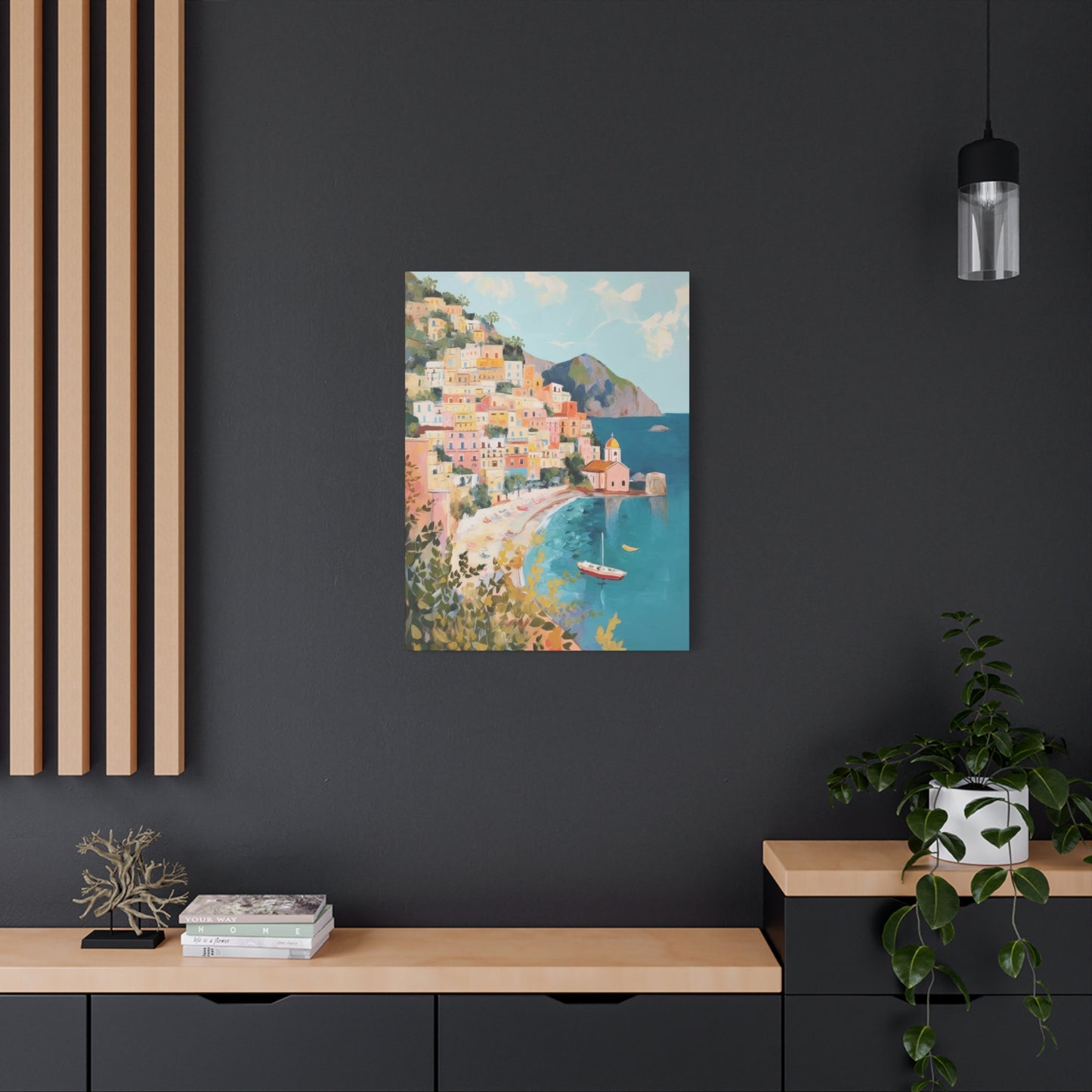
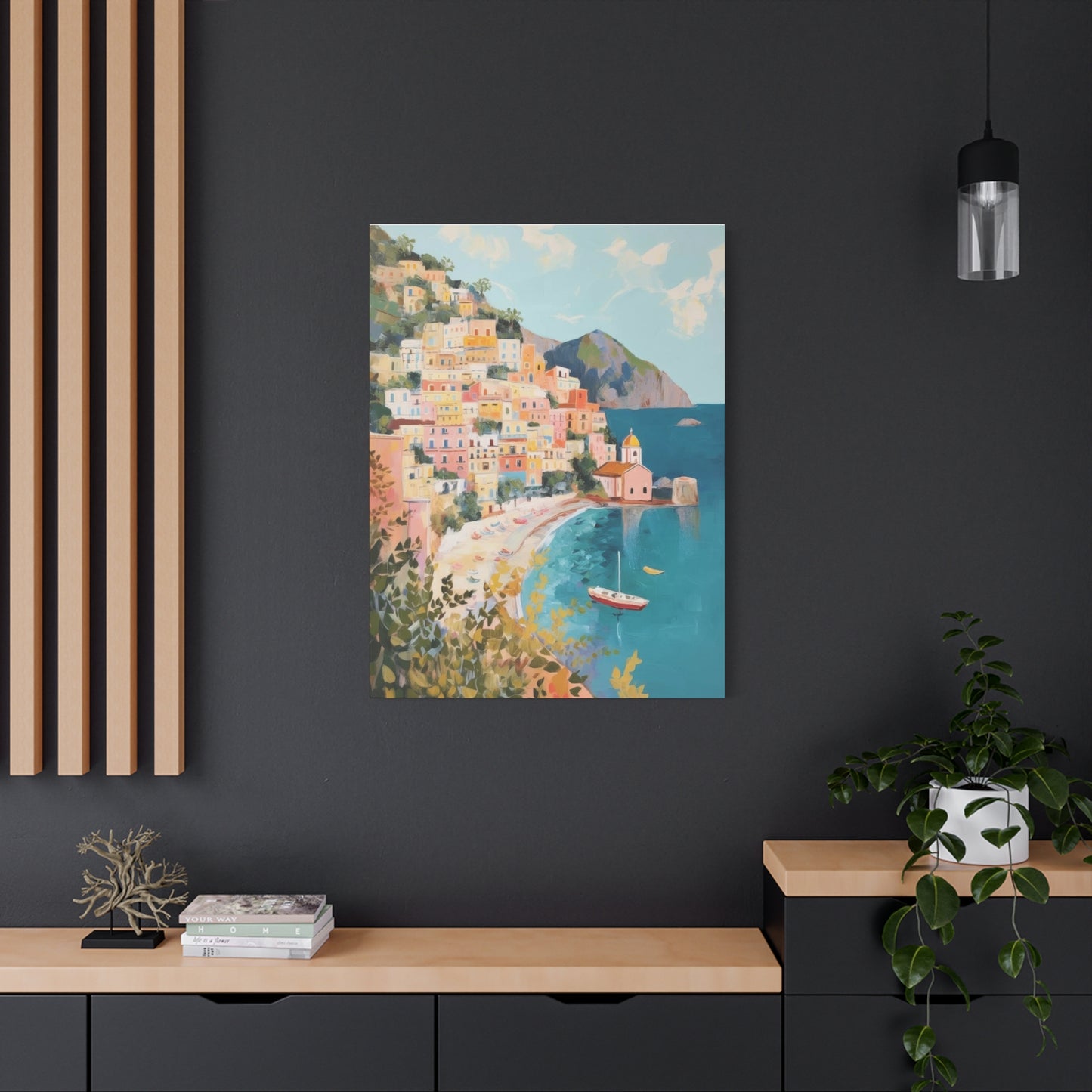
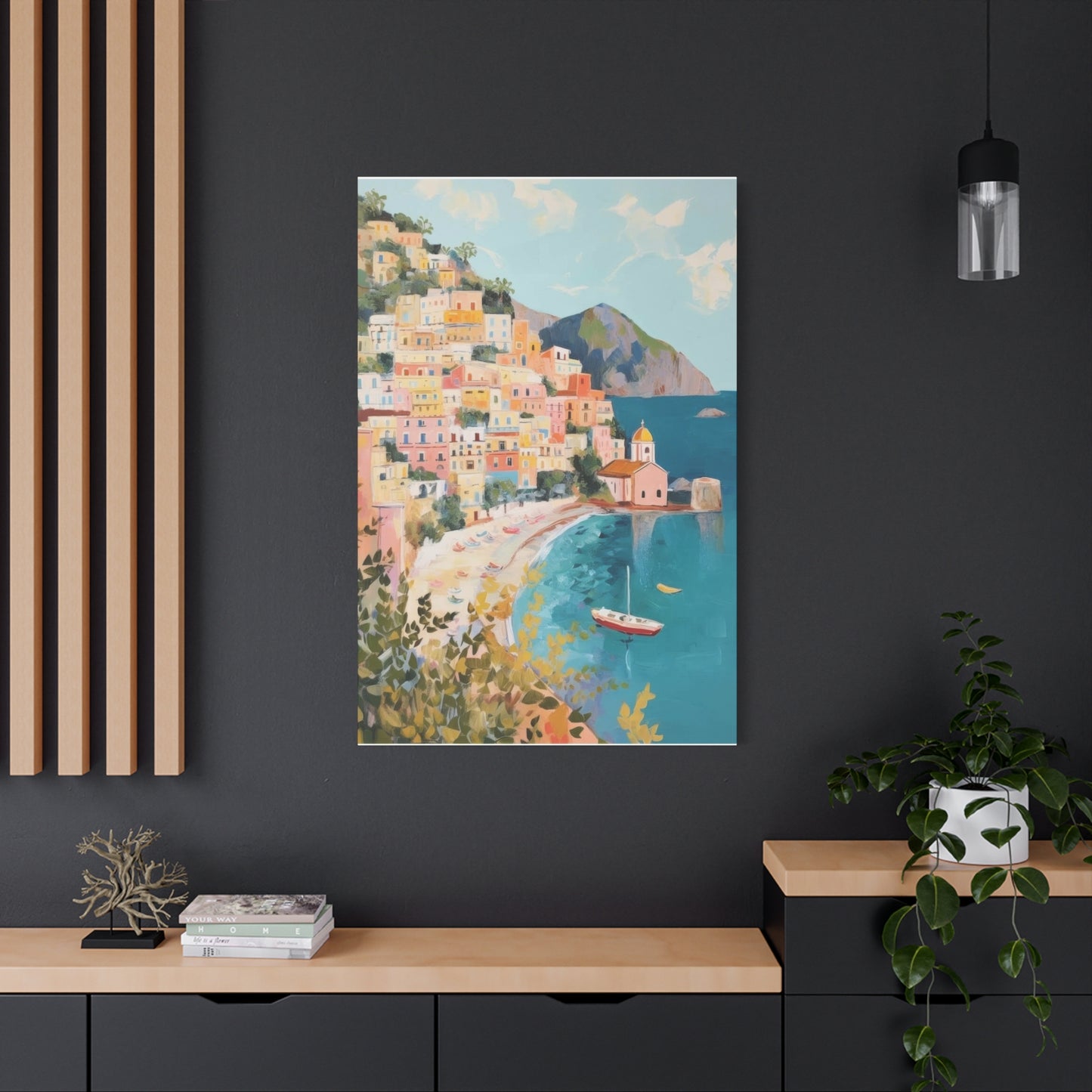
The Amalfi Coast represents one of the most visually stunning destinations on Earth, where dramatic cliffs meet azure Mediterranean waters under golden Italian sunshine. This breathtaking region has inspired countless artists, photographers, and designers who seek to capture its essence through various artistic mediums. When translated into wall art and canvas prints, the characteristic aqua blues, vibrant yellows, and warm earth tones of the Amalfi Coast create captivating visual statements that transform living spaces into Mediterranean sanctuaries.
The popularity of coastal-themed artwork has surged dramatically in recent years as homeowners and interior designers recognize the calming yet invigorating effect these pieces bring to residential and commercial environments. Canvas prints featuring the iconic architecture, seascapes, and colorful landscapes of this Italian treasure offer an accessible way to incorporate sophisticated European elegance into any decorating scheme. The combination of aqua water tones with the sun-drenched yellow buildings creates a color palette that feels simultaneously energizing and peaceful, making these artworks suitable for virtually any room in a home or office.
Understanding the appeal of Mediterranean-inspired artwork requires appreciation for both the natural beauty of the region and the emotional response these colors evoke in viewers. The turquoise and aqua shades reminiscent of the Tyrrhenian Sea promote feelings of tranquility and relaxation, while warm yellows and ochres associated with traditional Italian architecture inject spaces with cheerful optimism. This harmonious blend of cool and warm tones creates visual balance that interior designers have long recognized as ideal for creating welcoming, comfortable environments.
Canvas printing technology has revolutionized how we bring travel memories and artistic visions into our homes. Unlike traditional paper prints or posters, canvas reproductions offer texture, depth, and durability that enhance the viewing experience while requiring minimal maintenance. The fabric surface of canvas creates a sophisticated presentation that elevates the artwork beyond simple decoration, transforming it into a focal point that commands attention and admiration from guests and residents alike.
Understanding the Visual Language of Mediterranean Coastal Art
Mediterranean coastal artwork speaks a universal visual language that transcends cultural boundaries and geographical limitations. The imagery associated with the Amalfi Coast carries specific aesthetic qualities that distinguish it from other coastal regions around the world. Cliffside villages with their characteristic pastel-colored buildings stacked vertically along mountainsides create dramatic compositions that photographers and artists find endlessly fascinating. These architectural elements, combined with the ever-changing moods of the sea and sky, provide infinite variations on familiar themes.
The color palette inherent to this region tells the story of its climate, geology, and cultural heritage. Aqua and turquoise waters result from the Mediterranean's unique mineral composition and depth variations, creating shades that differ markedly from tropical or northern seas. The yellows and warm ochres that dominate village architecture reflect centuries of building traditions using locally available materials and pigments designed to reflect harsh summer sunlight. When combined in artwork, these colors create instant recognition and emotional connection for viewers who have visited the region or dream of doing so.
Light quality plays a crucial role in Mediterranean visual aesthetics. The intense Italian sunshine creates sharp contrasts between illuminated surfaces and deep shadows, adding dimensional quality to photographs and paintings. This distinctive lighting transforms simple subject matter into dramatic compositions where every element contributes to the overall impact. Artists capturing Amalfi Coast scenes must understand how to represent this special quality of light that makes the region so photographically distinctive and visually memorable.
Compositional elements in successful coastal artwork balance natural and human-made features in ways that feel harmonious rather than chaotic. The vertical orientation of cliffside villages contrasts beautifully with horizontal seascapes, creating dynamic tension that keeps the viewer's eye moving throughout the image. Architectural details like weathered shutters, terracotta roof tiles, and wrought-iron balconies add textural interest that prevents compositions from becoming monotonous. These small details reward closer inspection and give artwork lasting appeal that survives beyond initial viewing.
Framing Options and Presentation Styles
While many canvas prints feature gallery wrapping that eliminates framing necessity, traditional frames still serve important aesthetic and protective functions. Frame selection dramatically alters artwork presentation, shifting the overall style from casual to formal, rustic to refined. Understanding various framing approaches helps homeowners make choices that complement both the artwork and surrounding decor, creating cohesive visual statements that feel intentional rather than haphazard.
Floating frames create contemporary presentations where a small gap appears between the canvas edge and frame, adding dimensional interest and modern sophistication. These frames work particularly well with gallery-wrapped canvases, emphasizing the three-dimensional quality while providing subtle finishing detail. Available in various materials including wood, metal, and composite materials, floating frames adapt to diverse decorating styles from industrial chic to Scandinavian minimalism.
Traditional frames with matting offer formal presentations suitable for classic interiors where ornate details and refined finishing reign supreme. Wood frames in warm tones complement the yellow and ochre elements in Mediterranean artwork, while cool metal finishes echo aqua water tones. The mat selection provides opportunities to pull specific colors from the artwork, creating visual bridges between the piece and surrounding wall colors. Multiple mat layers add depth and luxury, elevating even modestly priced prints into sophisticated presentations.
Rustic and distressed frame finishes enhance the timeworn charm inherent in many Italian coastal scenes. Weathered wood, reclaimed materials, and intentionally aged finishes create vintage aesthetics that complement the historical architecture featured in Amalfi imagery. These casual frame styles work beautifully in cottage, farmhouse, and eclectic interiors where patina and character trump pristine perfection. The imperfect nature of distressed finishes adds authenticity that resonates with viewers seeking genuine rather than manufactured charm.
Contemporary interiors often feature frameless presentations where gallery-wrapped canvases hang directly against walls without additional ornamentation. This minimalist approach focuses attention entirely on the artwork itself, eliminating potential distractions from decorative frames. The edges of gallery-wrapped pieces become part of the composition, requiring careful consideration during design and printing phases. This presentation style particularly suits modern and transitional spaces where clean lines and uncluttered surfaces define the aesthetic sensibility.
Creating Gallery Wall Arrangements with Multiple Pieces
Gallery walls transform empty expanses into curated displays that showcase personality and design sensibility. Arranging multiple canvas prints requires understanding principles of visual balance, spacing, and thematic coherence. Successful galleries feel intentional rather than random, with thoughtful placement that creates harmonious relationships between individual pieces. The Mediterranean coastal theme provides natural cohesion, allowing varied compositions while maintaining overall unity.
Symmetrical arrangements create formal, orderly presentations suitable for traditional interiors and spaces requiring visual calm. Grid layouts with evenly spaced identical or similar-sized canvases produce clean, organized appearances that appeal to viewers preferring structure and predictability. This approach works particularly well with series or sets designed specifically for coordinated display. The repetition of similar compositions or color schemes reinforces thematic unity while the multiple pieces create greater visual impact than single large artworks.
Asymmetrical galleries offer dynamic, contemporary presentations that feel more casual and personally expressive. Varied canvas sizes arranged in apparently random but carefully planned configurations create visual interest through contrast and surprise. The key to successful asymmetric arrangements involves balancing visual weight rather than achieving perfect symmetry. Larger pieces anchor the composition while smaller works fill spaces and create movement throughout the overall design. This approach requires more planning but produces distinctive results that reflect individual taste.
The spacing between canvases significantly impacts overall impression, with closer arrangements creating unified fields and wider separations emphasizing individual pieces. Standard spacing guidelines suggest two to six inches between frames, though these recommendations adapt to personal preference and available space. Consistent spacing produces ordered appearances, while varied gaps add dynamic energy to arrangements. Using paper templates or digital planning tools helps visualize final arrangements before committing to nail holes and permanent placement.
Thematic relationships between pieces strengthen gallery impact and prevent displays from appearing scattered or incoherent. Coordinating color palettes, similar subject matter, or consistent stylistic approaches create threads that tie individual artworks into cohesive wholes. Mediterranean coastal galleries might include varied scenes from the same region, different times of day showing color transitions, or architectural details that complement broader landscapes. These thematic connections create narrative quality that engages viewers and rewards extended contemplation.
Incorporating Coastal Artwork into Various Design Styles
Mediterranean coastal artwork adapts surprisingly well to diverse interior design styles beyond obvious coastal and nautical themes. The versatility of aqua and yellow color palettes allows these pieces to enhance minimalist modern spaces, traditional formal rooms, and everything between. Understanding how to integrate seemingly specific artwork into varied contexts expands decorating possibilities and maximizes the utility of quality pieces that might otherwise seem limited to particular applications.
Modern and contemporary interiors benefit from the clean lines and simplified forms often featured in architectural coastal photography. Images emphasizing geometric patterns in building facades, minimalist compositions focusing on sky and water, or abstract treatments of Mediterranean landscapes complement the spare aesthetic of modern design. The bright color palette provides necessary warmth in spaces dominated by cool neutrals and hard surfaces, softening industrial elements without compromising contemporary sensibility.
Traditional and classic interiors embrace the historical aspects of Italian coastal imagery, where centuries-old architecture and timeless landscapes feel at home among antique furnishings and formal arrangements. Artwork featuring weathered building details, romantic seascapes, or pastoral village scenes reinforces the appreciation for heritage and craftsmanship central to traditional design philosophy. Rich, warm frames in gold or dark wood tones integrate these pieces seamlessly into formal settings where careful attention to detail and refined finishing distinguish exceptional from ordinary decoration.
Farmhouse and cottage styles naturally accommodate coastal artwork through shared emphasis on casual comfort and natural materials. The distressed, sun-bleached aesthetics common to both design approaches create obvious connections. White-washed walls, natural wood accents, and vintage-inspired accessories provide perfect backdrops for Mediterranean scenes that celebrate simple pleasures and uncomplicated beauty. The relaxed, unpretentious nature of both farmhouse style and Italian coastal living creates harmonious relationships that feel effortless and authentic.
Scandinavian and Nordic design philosophies emphasizing light, natural materials, and connection to nature find surprising compatibility with Italian coastal themes. The bright, airy quality of Mediterranean imagery aligns with Scandinavian values of maximizing natural light and creating cheerful environments during long, dark winters. The aqua and yellow palette provides color injections that Scandinavian interiors often incorporate through accessories and artwork, while maintaining the clean, uncluttered aesthetic central to this design approach. The emphasis on quality craftsmanship connects both traditions, creating deeper resonance than superficial style matching.
The Role of Lighting in Showcasing Canvas Art
Proper lighting transforms artwork from wall decoration into gallery-quality display pieces that command attention and reveal subtle details. The interaction between light and canvas creates dimensional effects, emphasizes textures, and ensures accurate color perception. Understanding various lighting approaches allows homeowners to maximize their artwork investments, creating professional-quality presentations that rival museum installations. The specific characteristics of Mediterranean coastal pieces, with their emphasis on bright colors and strong contrasts, particularly benefit from thoughtful illumination strategies.
Natural lighting presents both opportunities and challenges for artwork display. The golden quality of natural sunlight enhances warm tones in yellow architectural elements while bringing aqua water scenes to vibrant life. However, direct sunlight accelerates fading and degrades canvas and ink over time. Strategic placement protects artwork while capturing beneficial natural illumination. North-facing walls receive consistent, indirect light ideal for artwork display, while east and west exposures require more careful management to prevent damage from intense morning or afternoon sun.
Picture lights mounted directly above or below canvases create focused illumination that highlights artwork while minimizing ambient lighting requirements. These fixtures come in various styles from traditional brass designs to sleek contemporary LED units. Adjustable arms allow precise positioning to eliminate glare while ensuring even coverage across the entire canvas surface. The warm color temperature of halogen or warm LED bulbs complements Mediterranean color palettes, enhancing rather than distorting the intended appearance.
Track lighting systems offer flexible solutions for illuminating multiple artworks or adapting to changing displays. Individual fixtures adjust independently, allowing customized lighting for pieces of different sizes and reflective properties. The directional nature of track lights prevents light spill onto surrounding walls, focusing attention precisely where desired. Modern LED track systems combine energy efficiency with excellent color rendering properties, ensuring artwork appears as artists intended while minimizing electricity consumption.
Recessed ceiling lights provide ambient illumination that washes walls evenly, creating subtle artwork emphasis without obvious light sources. This approach suits contemporary interiors where visible lighting fixtures might conflict with minimalist aesthetics. Proper placement requires careful planning during construction or renovation, as improper positioning creates shadows or highlights that detract from artwork rather than enhancing it. Dimmers allow fine-tuning light levels for different times of day and various activities, maintaining flexibility in how spaces function.
Seasonal Decorating with Mediterranean Coastal Themes
Mediterranean coastal artwork provides year-round visual appeal while offering surprising versatility for seasonal decoration adaptations. The bright, warm character of these pieces particularly shines during darker, colder months when their sunny disposition provides psychological warmth and visual relief from dreary weather. However, thoughtful accessory changes and complementary decoration allow these artworks to transition seamlessly through all seasons, maximizing their decorating utility throughout the year.
Summer naturally aligns with coastal themes, when actual beach visits and vacation planning make Mediterranean imagery particularly resonant. During these months, emphasize the aqua water tones through complementary accessories including throw pillows, lightweight blankets, and decorative objects in coordinating blues and greens. Fresh flowers in crisp whites and vibrant yellows echo the artwork palette while celebrating the abundance of the growing season. Lighter fabrics and natural materials including linen, cotton, and wicker reinforce the breezy, casual atmosphere that summer entertaining demands.
Autumn presents opportunities to emphasize the warm yellow and ochre tones within Mediterranean artwork, connecting these shades to fall foliage and harvest themes. Accessorize with deeper golden yellows, burnt oranges, and warm browns that appear in traditional Italian architecture. Textured elements including wool throws, velvet pillows, and rustic wood accessories add seasonal coziness while maintaining color connections to the artwork. This approach allows coastal pieces to feel appropriate and integrated rather than out-of-season or jarring against autumn decorating schemes.
Winter decorating transforms aqua tones from refreshing to jewel-like, emphasizing their richness and depth during months when these colors appear less frequently in nature. Metallic accents in gold, brass, and copper highlight warm elements within the artwork while adding festive sparkle appropriate for holiday celebrations. Layered textures including faux fur, chunky knits, and heavy fabrics create necessary visual and physical warmth. The contrast between cold outdoor conditions and the perpetual summer of Mediterranean imagery provides psychological comfort and visual escape during challenging months.
Spring renewal themes connect naturally with the fresh, optimistic quality of coastal artwork. Emphasize clean, bright interpretations of the aqua and yellow palette through crisp whites, soft pastels, and vibrant accent colors. Fresh greenery and flowering plants bring living elements that complement painted landscapes, creating connections between art and nature. Lighter decorative accessories and removal of heavy winter layers allow the artwork to breathe, restoring the airy, open feeling appropriate for the season of new beginnings and outdoor living.
Digital Photography Versus Traditional Painting Approaches
The medium through which artists capture Mediterranean coastal scenes significantly impacts the final appearance, emotional quality, and market positioning of wall art. Both photographic and painted interpretations offer distinct advantages and create different relationships between artwork and viewers. Understanding these differences helps consumers make informed selections that align with personal preferences, decorating objectives, and budget constraints.
Photographic artwork offers documentary authenticity that painted interpretations cannot match. The knowledge that the scene actually existed in the captured moment creates connections to place and time that resonate with travelers familiar with the location. Technical capabilities of modern digital photography, including high-resolution capture and extensive dynamic range, reveal details invisible to unaided human vision. This hyperreality creates immersive quality that draws viewers into scenes, fostering feelings of presence and participation rather than distant observation.
Post-processing techniques allow photographers to enhance colors, adjust contrasts, and manipulate compositions in ways that optimize visual impact while maintaining photographic foundation. These digital darkroom techniques range from subtle exposure corrections to dramatic stylistic interpretations that push images toward painterly appearances. The line between pure photography and digital illustration blurs increasingly as software capabilities expand, offering creative possibilities that challenge traditional medium definitions.
Traditional painting approaches, whether reproduced digitally or presented as original works, offer interpretive qualities that photography cannot achieve. The artist's hand introduces personality and emotion that mechanically captured images lack. Brushwork, texture, and deliberate simplification or exaggeration of elements create artistic licenses that express subjective experiences rather than objective documentation. These qualities appeal to collectors valuing human creativity and individual expression over technical precision.
Contemporary digital illustration and painting using tablets and software combine advantages of both approaches. Artists create original interpretations with painting techniques while enjoying the flexibility, editability, and reproduction ease of digital media. These hybrid approaches produce unique aesthetics that feel simultaneously traditional and contemporary, appealing to audiences appreciating both classical artistry and modern innovation. The resulting works often feature stylistic choices impossible in either pure photography or traditional painting, expanding creative possibilities and market options.
Environmental Considerations in Canvas Production
Increasingly conscious consumers consider environmental impacts when making purchasing decisions, extending sustainability concerns to home decoration. The canvas printing industry has responded with eco-friendly options that minimize environmental damage without sacrificing quality or aesthetic appeal. Understanding available sustainable alternatives allows environmentally responsible purchasing that aligns personal values with decorating desires.
Canvas material sourcing significantly impacts environmental footprint. Organic cotton canvas avoids pesticides and synthetic fertilizers used in conventional cultivation, reducing chemical runoff and soil degradation. Recycled polyester canvas diverts plastic waste from landfills and oceans while requiring less energy than virgin material production. Bamboo-based canvas alternatives offer renewable, fast-growing fiber sources requiring minimal water and no pesticides. These material choices demonstrate that environmental responsibility and high-quality artwork presentation remain compatible rather than contradictory goals.
Printing technology selection affects environmental impacts through energy consumption and chemical usage. Water-based inks eliminate volatile organic compounds that contribute to air pollution and health risks. UV-cured inks require no solvents and cure instantly using ultraviolet light, reducing energy requirements compared to heat-based drying systems. Latex printing technology uses water-based inks that produce zero hazardous waste while delivering durability comparable to solvent-based alternatives. These advances prove that environmental protection and superior print quality can coexist successfully.
Packaging and shipping considerations extend environmental thinking beyond the product itself. Recycled cardboard packaging, minimal plastic use, and biodegradable protective materials reduce waste generation. Carbon-neutral shipping options offset transportation emissions through renewable energy investments or reforestation projects. Local production minimizes shipping distances, reducing both environmental impact and delivery times. These supply chain considerations demonstrate comprehensive environmental thinking that addresses the entire product lifecycle.
Company certifications and transparency provide assurance of genuine environmental commitments versus greenwashing marketing. Forest Stewardship Council certification guarantees sustainable wood harvesting for stretcher bars and frames. ISO 14001 certification demonstrates systematic environmental management approaches. Third-party verification of carbon neutrality claims prevents misleading environmental marketing. Researching company practices and demanding proof of environmental claims ensures purchasing decisions support genuinely sustainable businesses rather than companies merely exploiting environmental concerns for marketing advantages.
Trends in Contemporary Coastal Wall Art
The wall art market continually evolves as design trends, technological capabilities, and consumer preferences shift. Understanding current movements in Mediterranean coastal artwork helps consumers make selections that feel contemporary rather than dated. While classic coastal imagery maintains enduring appeal, awareness of trending styles ensures purchases remain visually relevant throughout their display lifetime.
Minimalist interpretations of coastal scenes reflect broader design movements favoring simplicity and restraint. These pieces eliminate extraneous details, focusing on essential elements like horizon lines, color blocks, or simplified architectural forms. The resulting compositions feel modern and sophisticated, integrating seamlessly into contemporary interiors where visual calm and uncluttered surfaces dominate. This approach transforms recognizable coastal imagery into abstract expressions that appeal beyond traditional landscape audiences.
Vintage and nostalgic treatments apply retro color palettes, distressed textures, and antiqued finishes that evoke historical photography or aged paintings. These pieces appeal to consumers drawn to shabby chic, farmhouse, and cottage styles where imperfection and patina represent desirable qualities. The romantic, nostalgic feeling these treatments create connects viewers with idealized past eras when life supposedly moved slower and simpler. Mediterranean coastal subjects lend themselves naturally to vintage treatments, as the region's long history and timeless architecture suit nostalgic interpretation.
Bold, contemporary color treatments push Mediterranean palettes into unexpected territories, substituting natural aquas and yellows with vibrant magentas, electric blues, or acid greens. These daring reinterpretations transform familiar subjects into fresh, exciting compositions that challenge conventional expectations. The approach appeals to confident decorators willing to embrace unconventional choices that make strong statements. While risky, successful execution of bold color treatments creates truly distinctive interiors that reflect individual personality and creative courage.
Black and white interpretations strip away color entirely, emphasizing form, texture, light, and shadow. This dramatic approach transforms cheerful coastal scenes into moody, contemplative compositions that emphasize architectural detail and natural drama. Black and white coastal artwork integrates beautifully into monochromatic interiors while offering surprising versatility across color schemes. The absence of specific color commitments allows these pieces to adapt as surrounding décor evolves, providing long-term flexibility that color-specific artwork cannot match.
Textured and mixed-media approaches combine photography or painting with three-dimensional elements including applied paint, fabric, metal, or found objects. These experimental pieces blur boundaries between two and three-dimensional art, creating tactile interest that invites closer inspection. The added dimension creates dynamic shadows and highlights that change throughout the day as lighting shifts. While more expensive and complex than simple prints, mixed-media coastal pieces become conversation starters that distinguish interiors as truly unique rather than conventionally decorated.
Photography Techniques That Enhance Coastal Imagery
Understanding the technical and artistic approaches photographers use to capture stunning Mediterranean coastal scenes helps consumers appreciate quality differences and identify exceptional work. Superior coastal photography results from thoughtful technique application rather than fortunate accident. Recognizing markers of photographic excellence ensures investment in artwork demonstrating genuine skill and artistic vision.
Golden hour photography capitalizes on the magical light quality occurring during the hour after sunrise and before sunset. The warm, directional lighting during these periods creates long shadows, rich colors, and dimensional modeling that makes subjects appear three-dimensional and alive. Coastal scenes photographed during golden hour display the enhanced yellows and oranges in architecture while the changing sky colors complement aqua water tones beautifully. Photographers willing to work during these challenging time periods produce dramatically superior results compared to those shooting during harsh midday light.
Long exposure techniques transform moving elements like water and clouds into silky, ethereal forms that create dreamlike qualities. By using extended shutter speeds ranging from several seconds to minutes, photographers blur motion while keeping static elements sharp. The Mediterranean Sea becomes smooth, misty surfaces that contrast dramatically with sharp architectural details. This technique requires sturdy tripods and neutral density filters to prevent overexposure in bright conditions, demonstrating technical sophistication and commitment to craft.
Perspective control through tilt-shift lenses or digital correction maintains straight vertical lines in architectural photography, preventing buildings from appearing to lean backward. This technical refinement distinguishes professional architectural work from amateur snapshots where converging verticals create distorted, unprofessional appearances. The importance of correct perspective proves particularly significant for cliffside villages where vertical elements dominate compositions. Viewers might not consciously notice correct perspective, but its absence creates subtle discomfort that undermines overall quality perception.
Coastal Imagery in Living Spaces
The presence of Mediterranean coastal artwork in homes extends beyond aesthetic enhancement to provide measurable psychological and emotional benefits. Scientific research increasingly validates what interior designers and homeowners have long suspected intuitively about the mood-influencing power of environmental imagery. Understanding these psychological dimensions adds depth to artwork selection, transforming decoration from superficial styling to intentional wellness practice.
Stress reduction represents one of the most significant and well-documented benefits of coastal imagery exposure. Studies using physiological measurements including heart rate, blood pressure, and cortisol levels demonstrate that viewing ocean and coastal scenes triggers relaxation responses similar to meditation or breathing exercises. The combination of horizon lines, water features, and natural elements activates unconscious associations with safety, abundance, and peace accumulated through human evolutionary history. Incorporating such imagery into frequently occupied spaces provides ongoing stress management that accumulates throughout daily life.
The concept of biophilic design recognizes humans' innate need for nature connection and seeks to satisfy this requirement within built environments. Urban and suburban living separates people from natural environments that our species evolved experiencing constantly. This disconnection contributes to various psychological and physical health problems increasingly recognized by medical and design professionals. Coastal artwork provides nature connection within interior spaces, satisfying biophilic needs even when actual nature access remains limited by location, weather, or physical constraints.
Cognitive restoration theory explains how natural imagery helps mental faculties recover from directed attention fatigue caused by modern life's constant demands. Unlike built environments requiring constant vigilance and decision-making, natural scenes allow soft fascination that captures attention without demanding effortful concentration. This restful engagement allows mental recovery, improving subsequent focus, creativity, and problem-solving. Mediterranean coastal imagery provides particularly effective restoration through its combination of natural and built elements that offer visual interest without overwhelming complexity.
Color psychology specific to coastal palettes contributes significant psychological impact beyond compositional elements. Blue hues trigger parasympathetic nervous system activation, promoting calm and reducing anxiety. Yellow tones stimulate serotonin production, enhancing mood and combating depression. The combination found in Mediterranean coastal artwork provides balanced psychological stimulation that simultaneously calms and energizes. This duality makes such imagery suitable for various spaces from bedrooms requiring relaxation to home offices needing productive energy.
The aspirational quality of Mediterranean coastal imagery provides psychological benefits through vicarious experience and future-oriented positive thinking. For many people, Italian coastal regions represent dream destinations and idealized lifestyles. Displaying imagery of these places serves as daily reminder of goals, values, and experiences worth pursuing. This aspirational function motivates healthy behaviors, life satisfaction, and resilience during challenging periods. The artwork becomes more than decoration, functioning as vision board and mood stabilizer that supports mental health and personal growth.
Coordinating Textiles and Accessories with Coastal Artwork
Successfully integrating Mediterranean coastal artwork requires coordinating surrounding elements to create cohesive environments where every component supports the overall design vision. Textiles and accessories provide opportunities to extend artwork color palettes and thematic elements throughout spaces without overwhelming commitments. Understanding coordination principles ensures additions enhance rather than conflict with primary artwork investments.
Throw pillows offer the most flexible and affordable accessorizing option, allowing easy seasonal updates and style experimentation. Selecting pillows that pull specific colors from artwork creates intentional connections that tie rooms together visually. For Mediterranean coastal pieces, consider pillows featuring aqua, turquoise, navy, yellow, coral, or cream that echo water, architecture, and sunlight elements. Mixing solid colors with subtle patterns including stripes, geometric designs, or abstract watercolors adds visual interest while maintaining color relationships.
Window treatments significantly impact how natural light interacts with artwork while providing large-scale opportunities for color and texture integration. Sheer curtains in whites or creams maximize natural light that brings coastal artwork to life while providing minimal privacy screening. Heavier drapes in colors coordinating with artwork serve both functional and aesthetic purposes, particularly in bedrooms and media rooms requiring light control. Avoid placing artwork where direct sunlight will strike it regularly, as even quality inks fade with prolonged UV exposure.
Area rugs ground seating arrangements and define spaces within open floor plans while providing substantial color and pattern impact. Coastal-themed rugs featuring abstract water patterns, stripe designs reminiscent of beach umbrellas, or natural fiber textures like jute and sisal complement artwork without literal matching. The rug should coordinate with artwork colors while introducing additional shades that bridge between the art and existing furniture or wall colors. Size matters tremendously, as undersized rugs make spaces feel disjointed while properly sized rugs unify elements into cohesive arrangements.
Decorative objects including vases, sculptures, and found natural elements extend thematic connections three-dimensionally. Glass objects in aqua and turquoise tones catch light beautifully while reinforcing water elements from artwork. Ceramic vessels in ochre, terracotta, and cream echo architectural colors. Natural objects including shells, driftwood, and coral provide textural interest and literal coastal connections. However, restraint prevents spaces from becoming overly themed or kitschy, as subtle suggestions prove more sophisticated than obvious declarations.
Metallic finishes in lighting fixtures, furniture hardware, and decorative accessories influence overall sophistication and style. Warm metals including brass, gold, and copper complement yellow and ochre tones in Mediterranean artwork while adding luxurious glints that elevate casual coastal themes. Cool metals like brushed nickel and chrome echo aqua water tones and suit contemporary, minimalist interpretations. Mixing metal finishes adds eclecticism and prevents overly coordinated appearances, though limiting to two or three finishes throughout spaces maintains cohesion.
Commercial Applications for Coastal Wall Art
Mediterranean coastal artwork extends far beyond residential applications into commercial environments where ambiance, brand identity, and customer experience prove crucial to business success. Understanding how hospitality, healthcare, office, and retail spaces utilize coastal imagery reveals its versatility and psychological impact. These professional applications demonstrate the universal appeal and functional benefits of well-selected artwork in various contexts.
Hotels and resorts naturally gravitate toward coastal artwork that establishes vacation atmosphere and destination connection. Mediterranean imagery works particularly well in properties marketing themselves as relaxing getaways where guests escape daily stressors. Artwork quality signals overall property standards, as guests perceive establishments investing in beautiful décor as more luxurious and detail-oriented. Coordinated artwork programs throughout lobbies, hallways, and guest rooms create memorable visual experiences that distinguish properties in competitive markets.
Restaurants and cafes utilize coastal artwork to enhance dining experiences through environmental ambiance that complements culinary offerings. Italian restaurants particularly benefit from authentic Mediterranean imagery that reinforces cultural connections and transports diners mentally to coastal trattorias. The color psychology of aqua and yellow stimulates both relaxation and appetite, creating ideal conditions for extended, leisurely meals. Artwork selection influences perceived price points, as sophisticated pieces justify premium pricing while generic prints suggest value-oriented positioning.
Healthcare facilities increasingly recognize art's therapeutic benefits for patients, visitors, and staff working in stressful environments. Coastal imagery provides proven stress reduction and positive distraction that supports healing processes. The non-threatening, universally appealing nature of landscape artwork makes it ideal for diverse patient populations including different ages, cultures, and conditions. Evidence-based design research guides healthcare artwork selection, with coastal scenes ranking among the most effective imagery types for promoting positive health outcomes.
Corporate offices employ coastal artwork to enhance workplace quality, support employee wellbeing, and communicate company values. The calming influence of water imagery reduces workplace stress while the optimistic quality of Mediterranean color palettes promotes positive attitudes and creativity. Companies emphasizing work-life balance, employee satisfaction, or environmental values might select coastal artwork as visual reinforcement of these priorities. Executive offices, conference rooms, and reception areas particularly benefit from sophisticated coastal pieces that impress visitors while supporting functional requirements.
Retail environments use artwork to establish brand identity, create shopping atmosphere, and influence purchase behavior. Coastal imagery suits lifestyle brands, home furnishing stores, and boutiques targeting affluent customers drawn to vacation aesthetics and European sophistication. The artwork creates environmental context that positions products within aspirational lifestyles, potentially justifying premium pricing and building brand loyalty. Seasonal artwork changes maintain visual freshness that encourages repeat visits and extended browsing time.
Creating Personal Connections Through Travel Photography
Custom travel photography transforms Mediterranean coastal artwork from generic decoration into personally meaningful pieces with unique stories and emotional resonance. Commissioning photographers to capture specific locations or printing personal vacation photographs onto quality canvas creates one-of-a-kind artworks impossible to purchase anywhere else. Understanding how to transform travel memories into display-worthy artwork helps homeowners create meaningful spaces reflecting individual experiences and passions.
Selecting the best images from vacation collections requires critical evaluation of technical quality and compositional strength beyond sentimental attachment. Images must meet minimum resolution requirements, typically 300 DPI at intended print size, to avoid pixelation and blurriness in large formats. Composition must work within canvas proportions, which might require cropping away distracting elements or adjusting framing. Lighting and color quality determine how well images translate to print, as underexposed or poorly lit photographs create disappointing results regardless of subject matter importance.
Professional photography services during travel ensure technically excellent images specifically intended for large-format printing. Hiring local photographers familiar with locations guarantees access to ideal vantage points, optimal shooting times, and insider knowledge that independent travelers might miss. These investments provide superior results compared to smartphone snapshots while allowing travelers to appear in images when desired. The resulting photographs serve dual purposes as travel documentation and future artwork, justifying costs through multiple uses and lasting value.
Post-processing and editing transform good travel photographs into exceptional artwork through color correction, exposure adjustment, and compositional refinement. Professional retouching removes distracting elements like power lines, trash, or photobombing strangers that interrupt visual flow. Color grading creates cohesive aesthetic tones that enhance emotional impact and integrate better with home décor. However, excessive manipulation risks losing authentic feeling that makes personal travel photography special, so balance between enhancement and authenticity remains important.
Printing personal photographs on quality canvas with archival inks ensures these irreplaceable memories receive presentation they deserve. The technical printing specifications applicable to commercial artwork apply equally to personal prints, as inferior materials and processes produce disappointing results regardless of image source. Investing in professional printing services costs more than economy options but protects precious memories through superior longevity and appearance. The emotional value of personal travel artwork justifies premium printing expenses that might seem excessive for generic commercial pieces.
Gallery wall presentations combining personal travel photography with collected artwork creates dynamic displays telling visual stories about interests, experiences, and aspirations. Mixing personal images with professional artwork prevents displays from appearing like mere photo albums while maintaining authentic personal connection. Consistent framing, similar editing styles, or unified color palettes create cohesion despite varied sources. These personalized galleries become conversation starters that reveal personality and create opportunities for sharing travel stories and future plans with guests.
The Evolution of Mediterranean Coastal Art Styles
Artistic representations of Mediterranean coastal regions have evolved significantly throughout history, reflecting changing technologies, artistic movements, and cultural values. Understanding this evolution provides context for contemporary coastal artwork while revealing how timeless certain themes and appeals remain across centuries. This historical perspective enriches appreciation for modern pieces that continue traditions established by master artists generations ago.
Classical and Renaissance artists depicted Mediterranean coastal locations primarily as backgrounds for religious, mythological, or historical narratives rather than subjects worthy of isolated attention. The coastline served as contextual setting where important events occurred but rarely commanded primary focus. These early representations prioritized human figures and stories over landscape details, though careful observation reveals the artists' attention to architectural and natural elements that established convincing spatial environments.
The emergence of landscape painting as independent genre during the 17th and 18th centuries gradually elevated coastal scenes to primary subject status. Artists began recognizing inherent drama and beauty in natural settings without requiring human narrative justification. Coastal compositions during this period often included small human figures for scale and interest but focused primarily on capturing atmospheric effects, dramatic skies, and interactions between land and sea. These works established conventions still influencing contemporary coastal imagery.
Romantic movement artists during the 19th century emphasized emotion, drama, and sublime natural power in their coastal representations. Stormy seas, dramatic cliffs, and turbulent skies conveyed feelings of awe and human insignificance before nature's might. While not specifically focused on Mediterranean regions, Romantic principles influenced how artists approached all coastal subjects. The emphasis on emotional response over objective documentation anticipated contemporary approaches prioritizing viewer experience over documentary accuracy.
Impressionist and Post-Impressionist artists revolutionized coastal painting through their emphasis on light, color, and momentary visual sensation over detailed representation. Artists like Claude Monet painted Mediterranean coastal locations repeatedly at different times and under varying light conditions, exploring how perception changes with these variables. This focus on subjective visual experience rather than objective reality liberated subsequent artists to pursue increasingly personal interpretations. The broken brushwork and bright color palettes characteristic of Impressionism remain influential in contemporary coastal painting.
Twentieth-century Modernist movements including Fauvism, Cubism, and Abstract Expressionism progressively abstracted coastal imagery until connection to specific locations became tenuous or disappeared entirely. Artists used coastal themes as departure points for explorations of color, form, and painting process itself. While increasingly distant from recognizable landscape representation, these experimental approaches expanded possibilities for artistic interpretation. Contemporary coastal artwork exists across this entire spectrum from photorealistic documentation to complete abstraction, offering choices for every aesthetic preference.
Specifications for Professional-Quality Printing
Understanding technical requirements for superior canvas printing helps consumers communicate effectively with print providers and ensure expected quality outcomes. While specific specifications vary slightly among professional printing operations, certain standards universally separate exceptional results from disappointing failures. Familiarity with these technical considerations prevents costly mistakes and guarantees satisfaction with expensive custom printing projects.
Image resolution determines sharpness and detail preservation in printed output. Professional canvas printing requires minimum 150 pixels per inch at final output size, though 300 PPI produces noticeably superior results. Insufficient resolution creates soft, blurry images lacking crisp detail and causing disappointing viewing experiences. When enlarging digital files beyond their native resolution, specialized upscaling software produces better results than simple resize functions, though truly dramatic enlargements always involve quality compromises. Verification of adequate resolution before proceeding with printing prevents expensive mistakes.
Color space selection influences color accuracy and printing compatibility. RGB color mode works well for most digital photography and screen-based design but may require conversion to CMYK for certain printing processes. Professional printers often request files in specific color spaces optimized for their equipment and processes. Understanding these requirements and providing correctly formatted files prevents unexpected color shifts between screen previews and final prints. Calibrated monitors help predict final appearance, though test prints remain the only truly reliable preview method.
File format choice affects image quality preservation and compatibility. Uncompressed formats including TIFF and PNG maintain maximum quality throughout editing and printing workflows, while JPEG compression creates artifacts and quality degradation particularly problematic in large-format output. Professional printing operations typically prefer TIFF or proprietary RAW formats that preserve maximum image data. File size considerations become less important than quality preservation for serious printing projects, as storage and transfer technologies easily handle large files.
Bleed and safe area specifications prevent important content from being cut during finishing processes. Bleed extends the image beyond the final canvas dimensions, typically 1-2 inches on all sides, ensuring complete coverage after stretching. Safe areas define zones where important content like faces or text should remain, preventing crucial elements from disappearing around canvas edges. Understanding these requirements during composition phase prevents disappointment when finished pieces lose important elements to gallery wrapping or framing.
Proofing procedures allow review and approval before final production, catching potential problems while corrections remain inexpensive and simple. Soft proofs provide digital previews showing how files will print, though monitor calibration limitations reduce reliability. Hard proofs print small test sections at actual size and quality, providing accurate previews of final appearance including colors, sharpness, and tonal ranges. While adding expense and time to projects, proof reviews prevent catastrophic errors on large, expensive final prints. Refusing proofing to save money or time often proves false economy when unsatisfactory results require complete reprinting.
Conclusion
The enduring appeal of Mediterranean coastal artwork, particularly pieces featuring the iconic aqua waters and warm yellow architecture of Italy's Amalfi Coast, demonstrates the powerful intersection of natural beauty, cultural heritage, and emotional resonance. These canvas prints bring more than mere decoration to living and working spaces, offering psychological benefits, design versatility, and visual connections to one of the world's most beloved destinations. Through careful consideration of size, quality, placement, and coordination with surrounding elements, homeowners transform empty walls into meaningful expressions of personal style and values.
The journey toward selecting and displaying perfect coastal canvas artwork involves understanding numerous factors from color psychology and design principles to technical printing specifications and installation methods. This comprehensive knowledge empowers consumers to make informed decisions that balance aesthetic preferences, budget constraints, and long-term satisfaction. The investment in quality artwork pays dividends through years of visual enjoyment, mood enhancement, and the creation of spaces that truly feel like home rather than generic dwelling places.
Contemporary canvas printing technology democratizes access to museum-quality reproductions that previous generations could only dream of owning. The combination of archival inks, professional-grade materials, and sophisticated printing processes produces artwork that maintains beauty and impact for decades with minimal maintenance. This accessibility allows people across economic spectrums to surround themselves with beauty that enriches daily life and supports mental and emotional wellbeing through challenging times.
The Mediterranean coastal theme transcends temporary trends, rooted in timeless human responses to natural beauty, cultural sophistication, and the magnetic appeal of sun-drenched shores meeting azure waters. While specific stylistic interpretations evolve with changing design movements, the fundamental attraction to these scenes remains constant across generations and cultures. This enduring relevance ensures that investments in quality coastal artwork remain visually and emotionally satisfying long after other decorating elements require updating.
Ultimately, the decision to incorporate Mediterranean coastal canvas prints reflects deeper values about the environments we create and the experiences we prioritize. These pieces declare that beauty matters, that faraway places deserve remembrance and celebration, and that our immediate surroundings should inspire positive emotions rather than merely serving functional purposes. In choosing to display these works, we participate in ancient human traditions of bringing natural and cultural beauty into our most intimate spaces, connecting present moments with timeless aesthetic values that define civilized living.


