


Amalfi Coast Lemon Tree Italy Wall Art & Canvas Prints
Amalfi Coast Lemon Tree Italy Wall Art & Canvas Prints
Couldn't load pickup availability
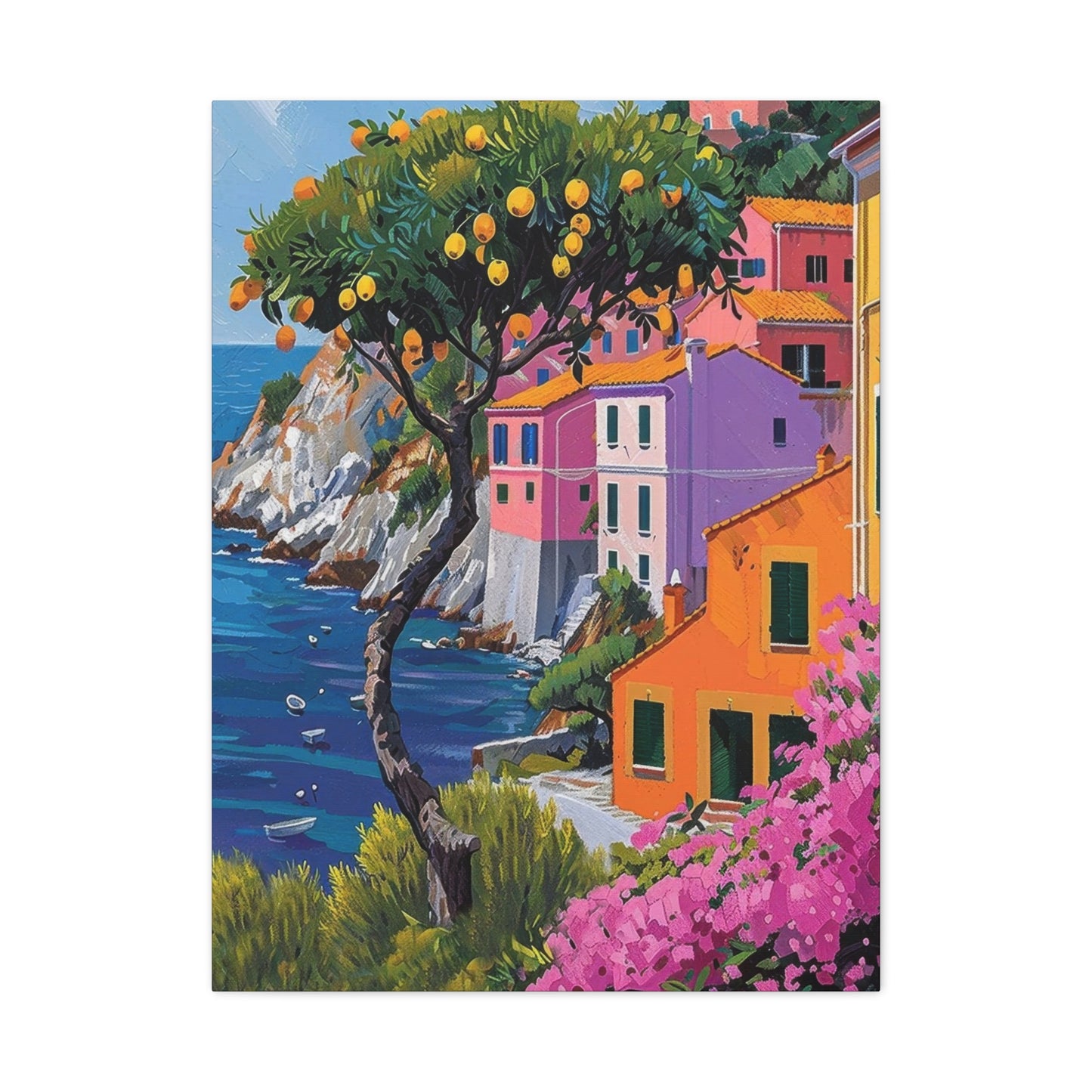
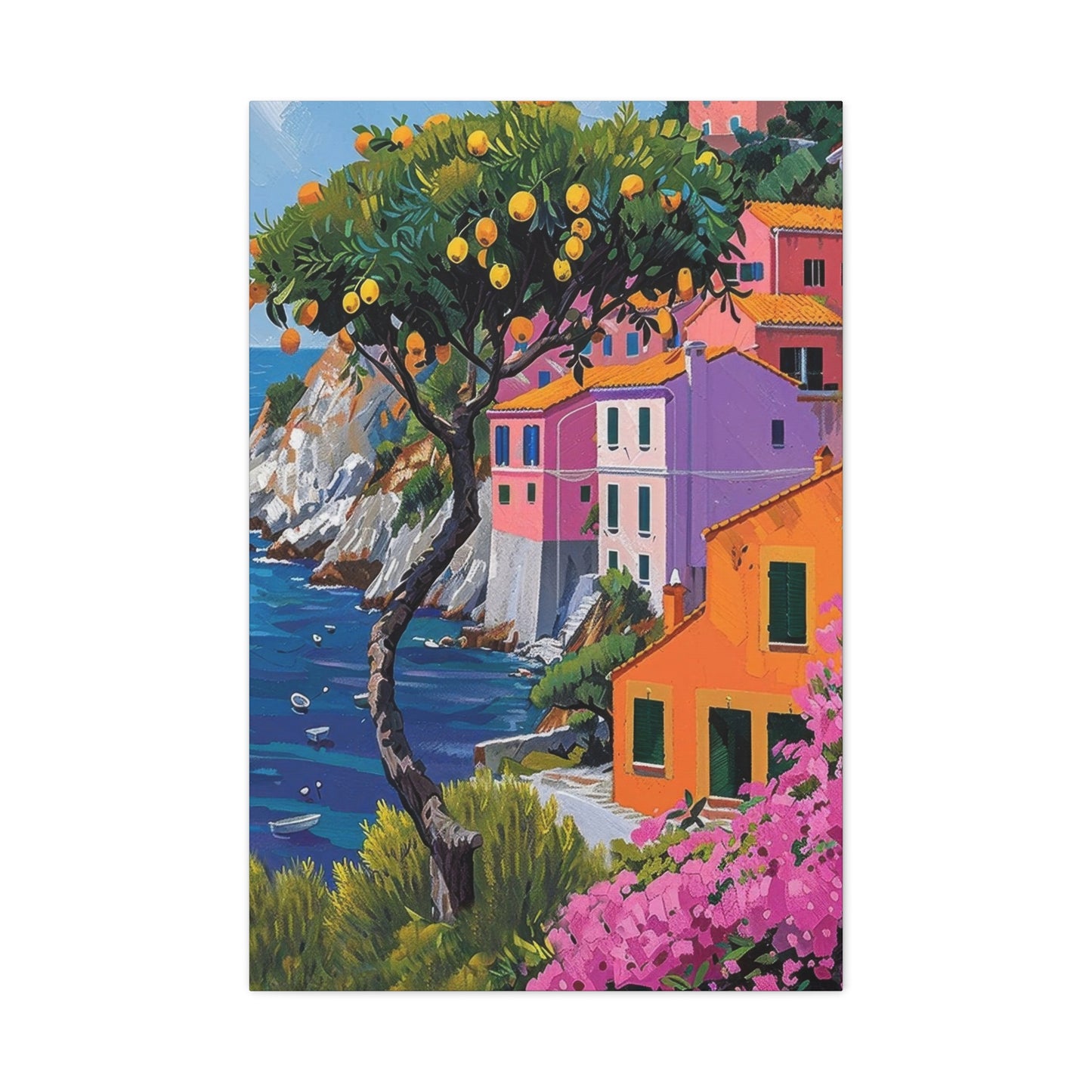
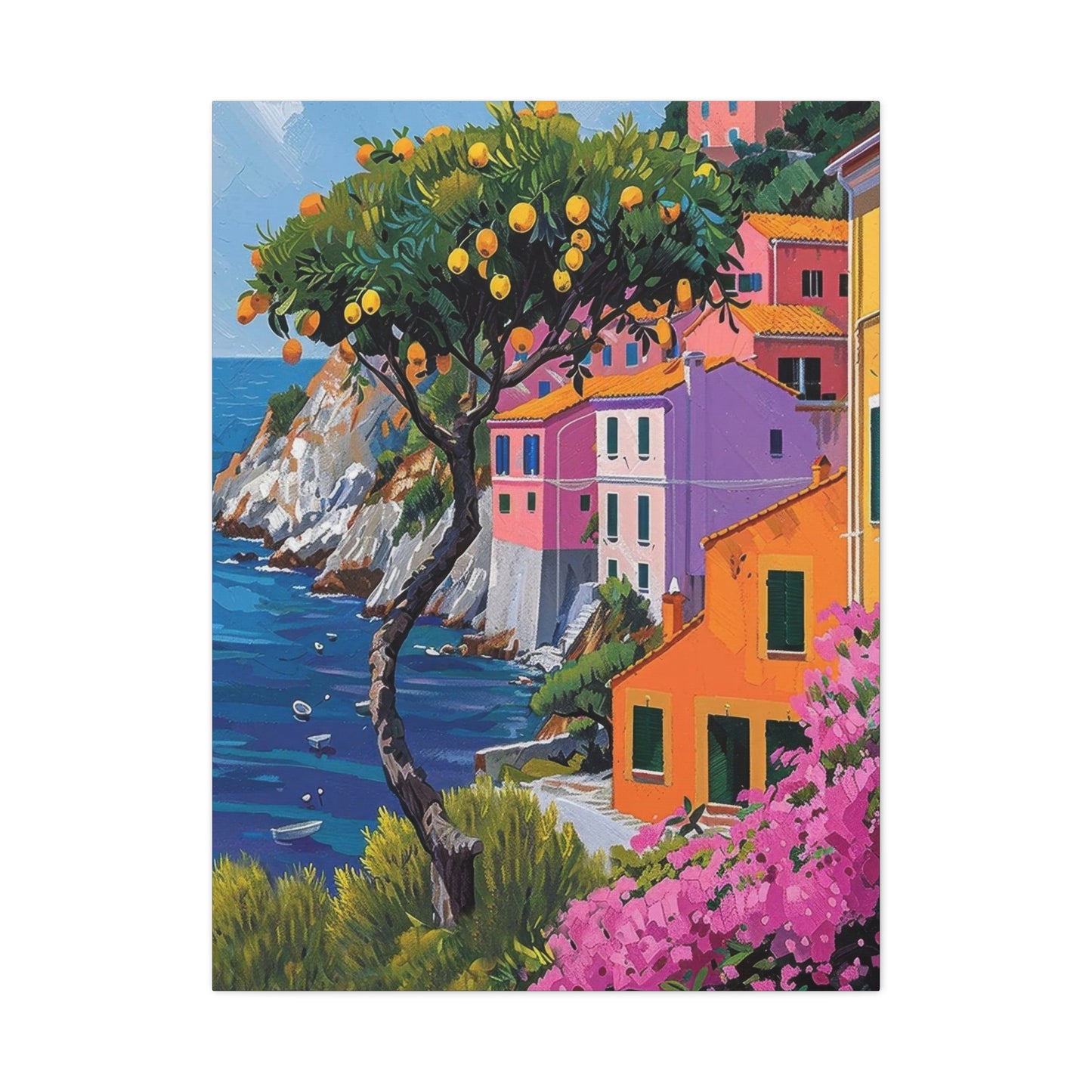
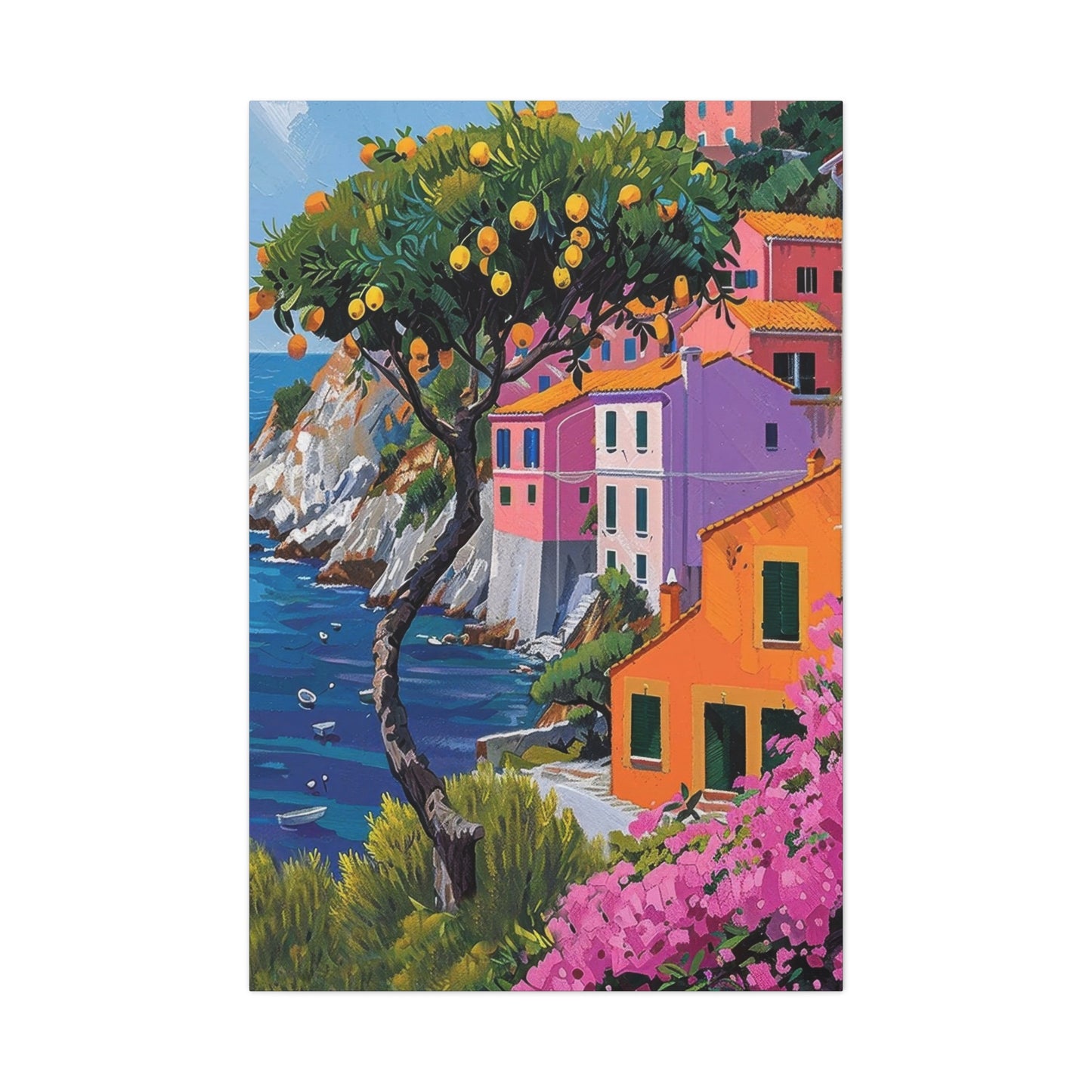
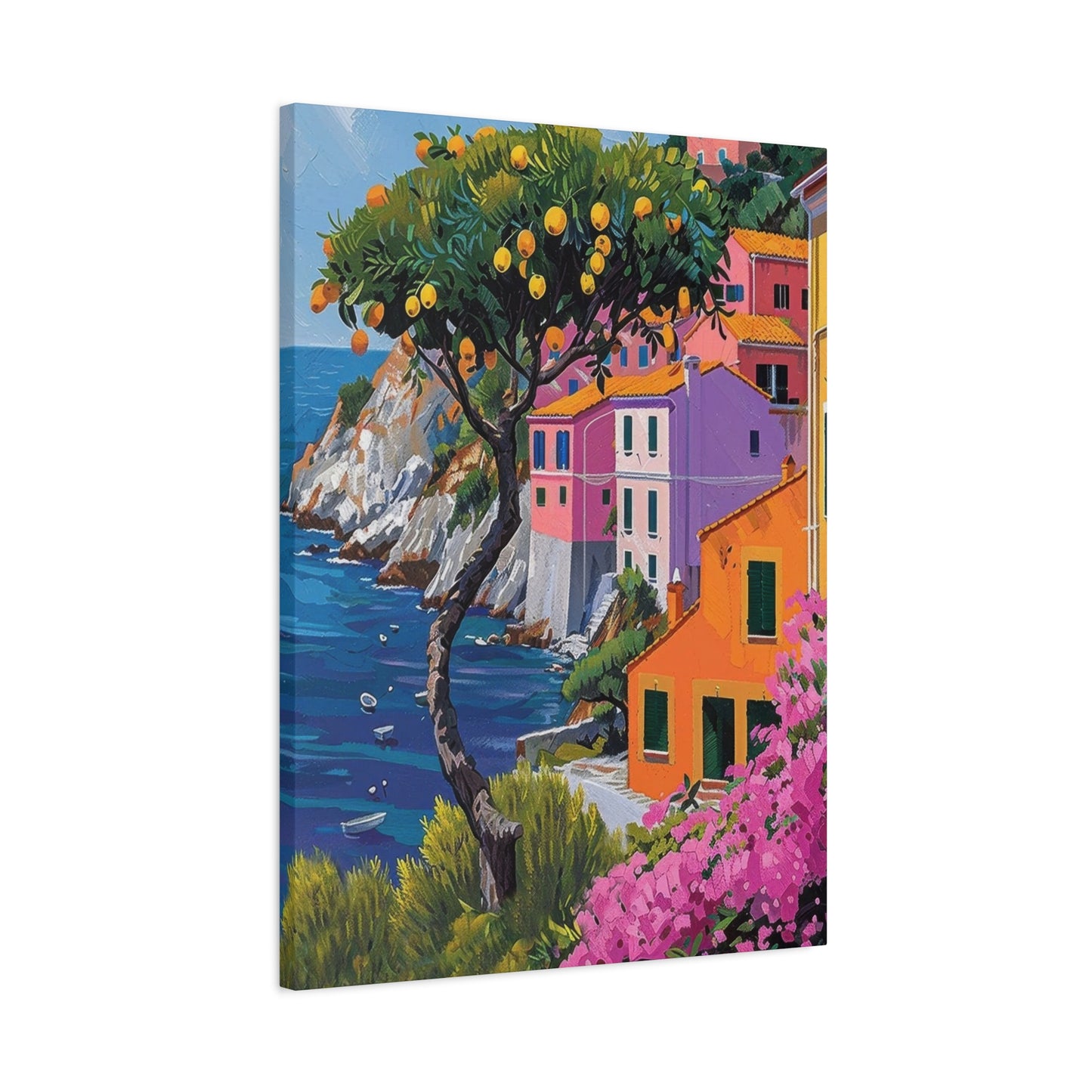
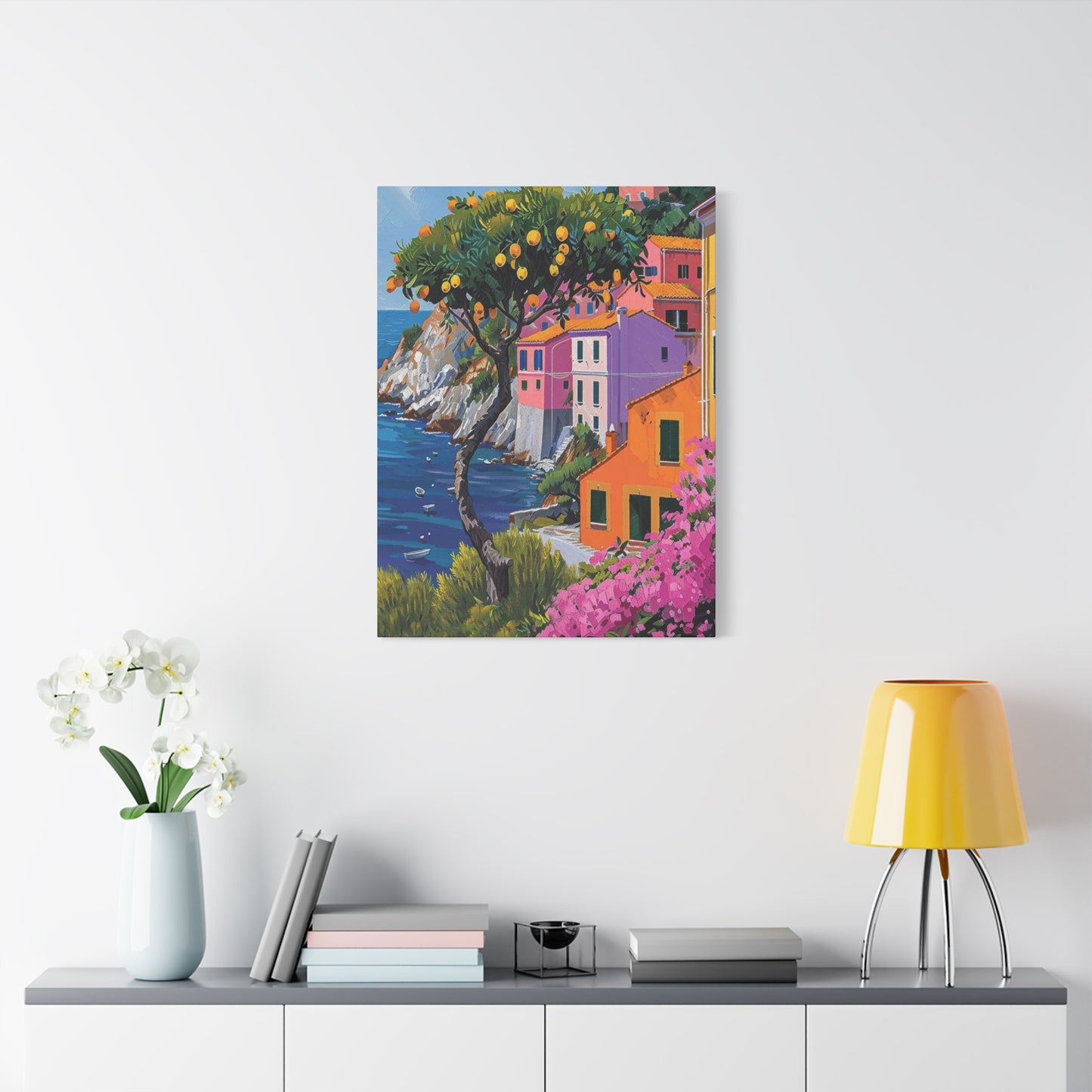
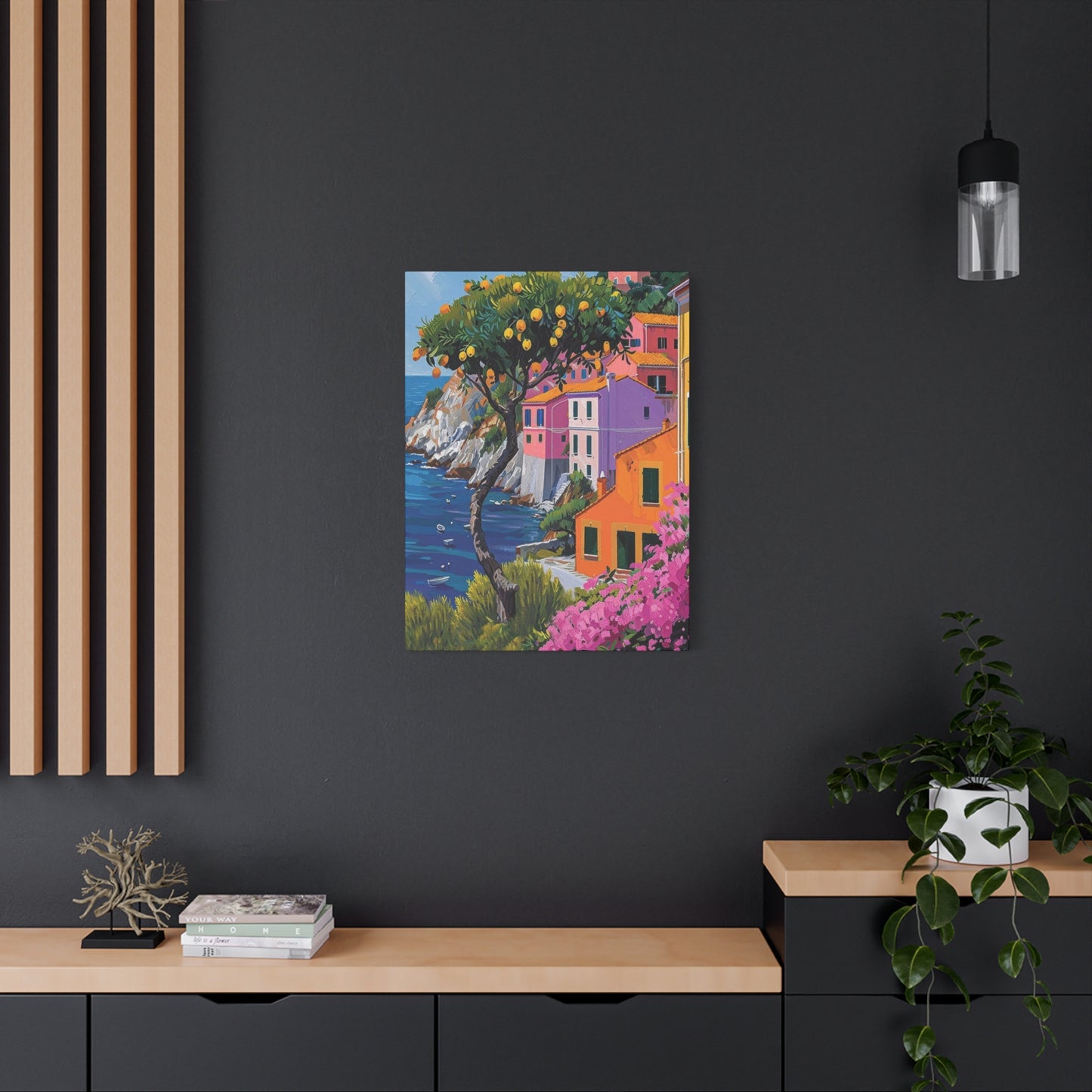
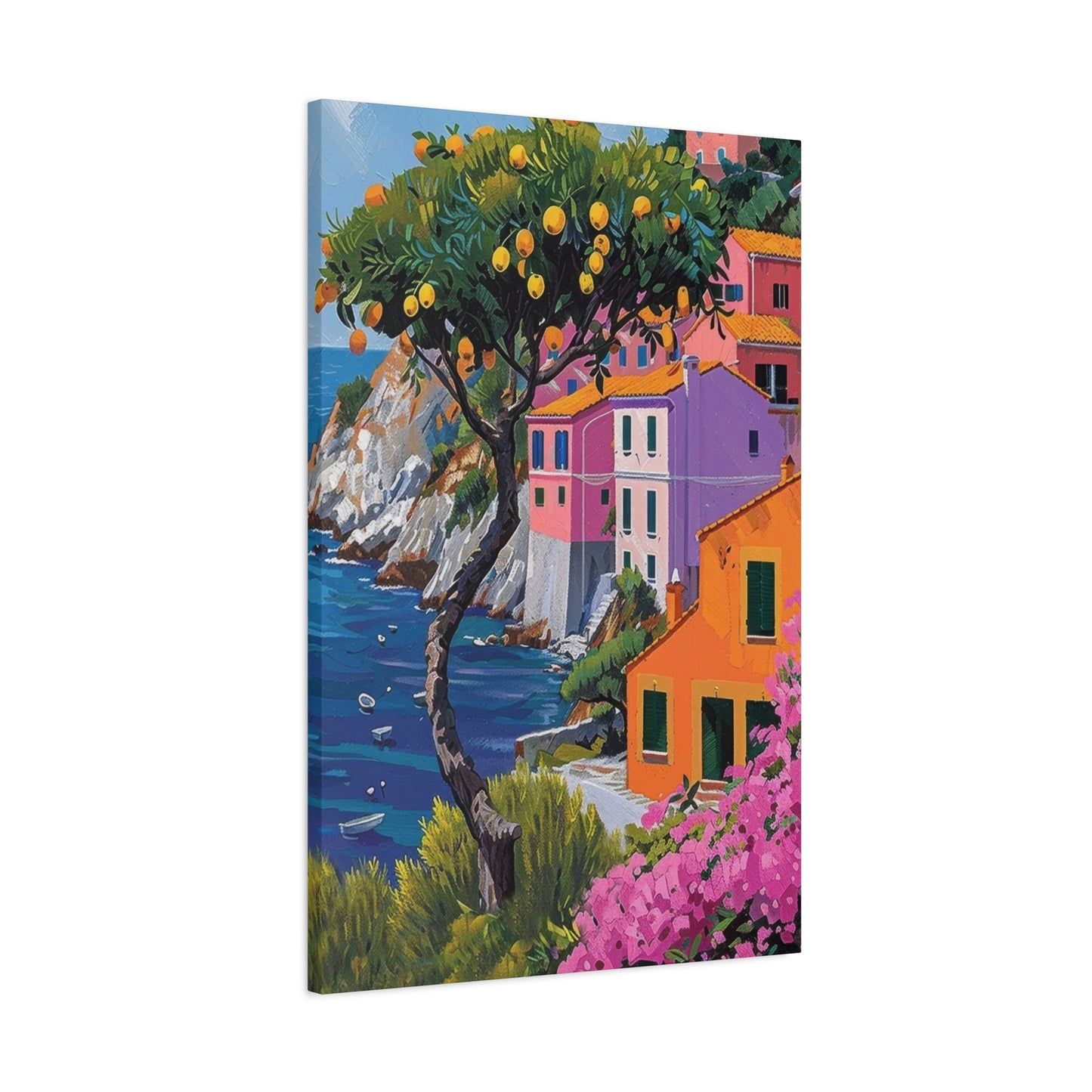
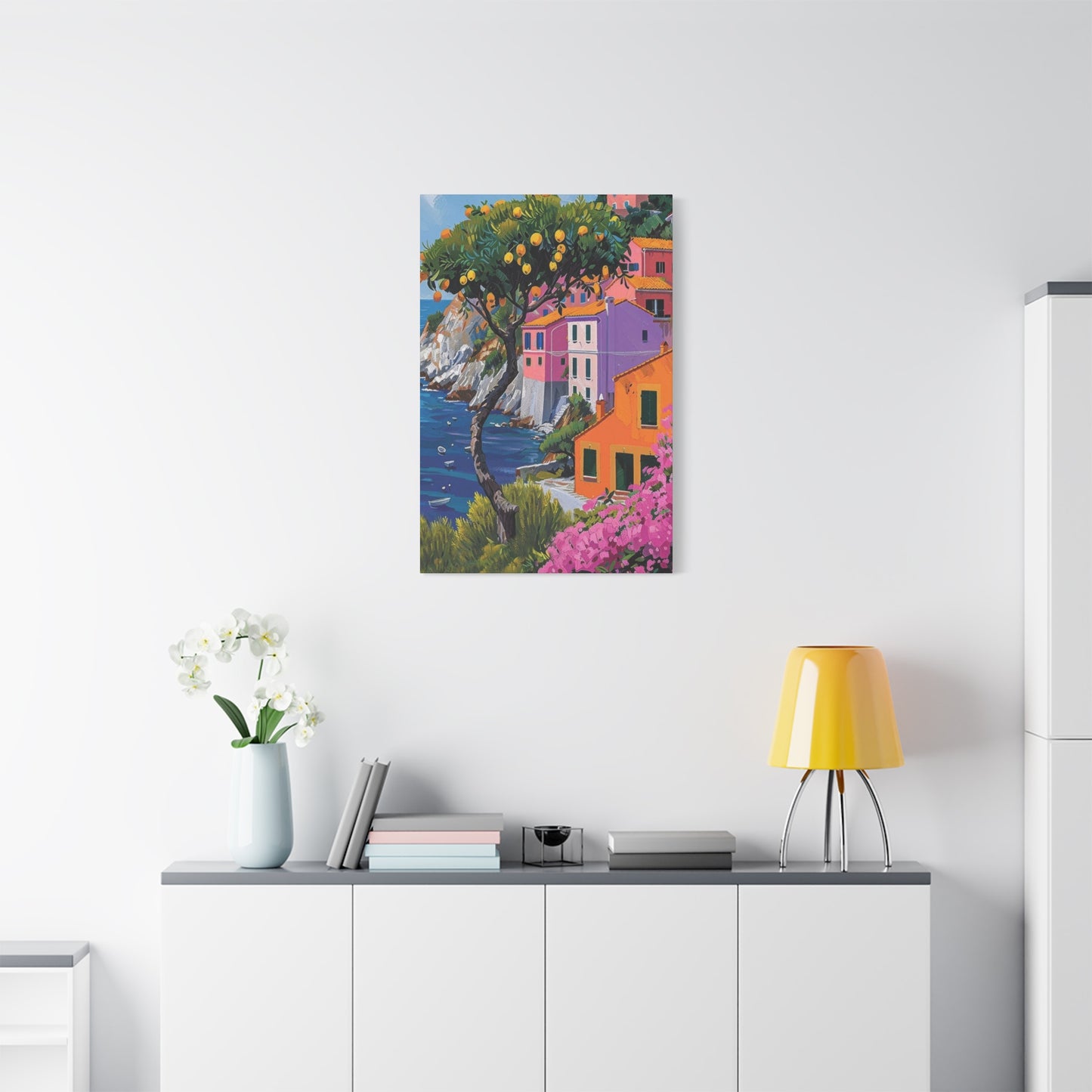

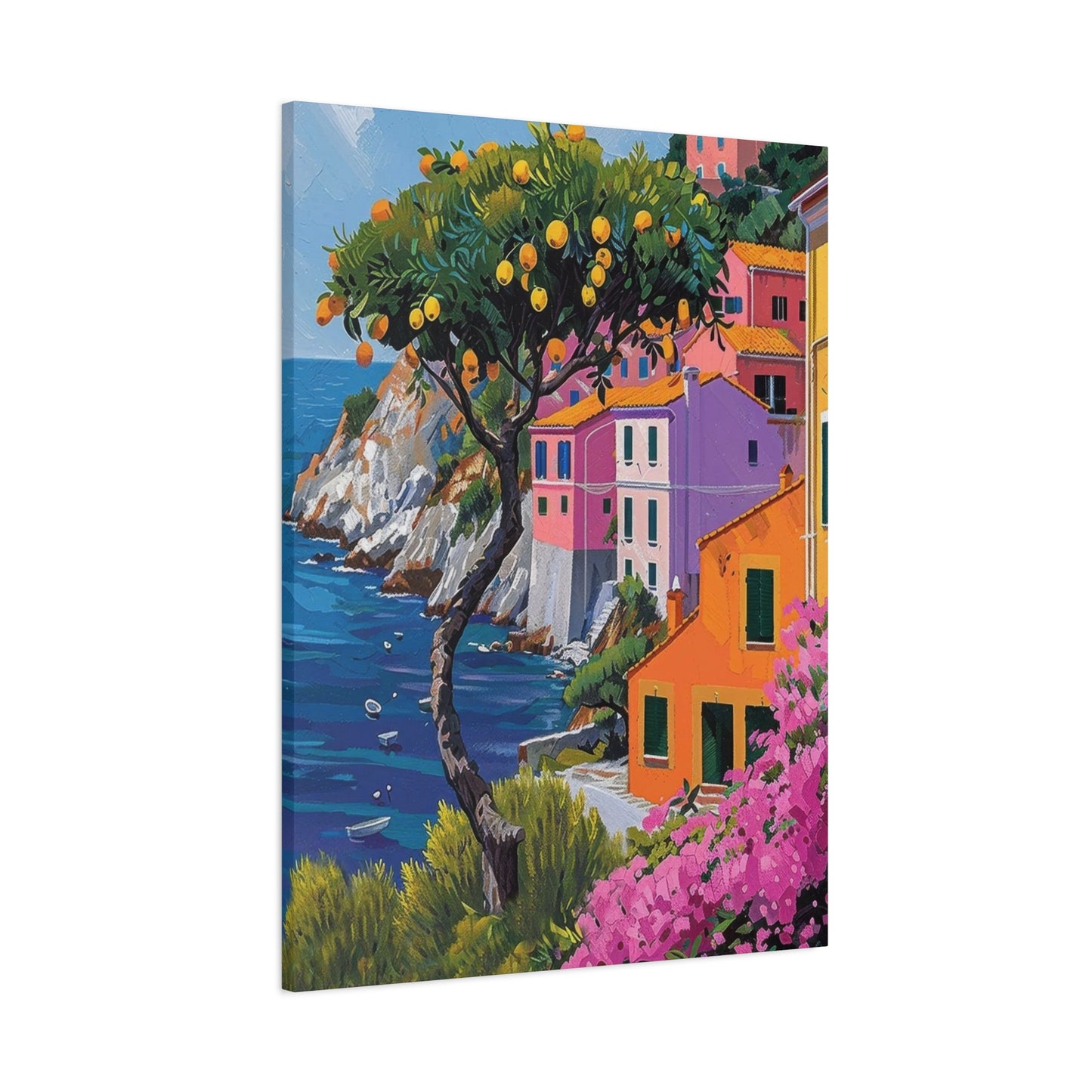
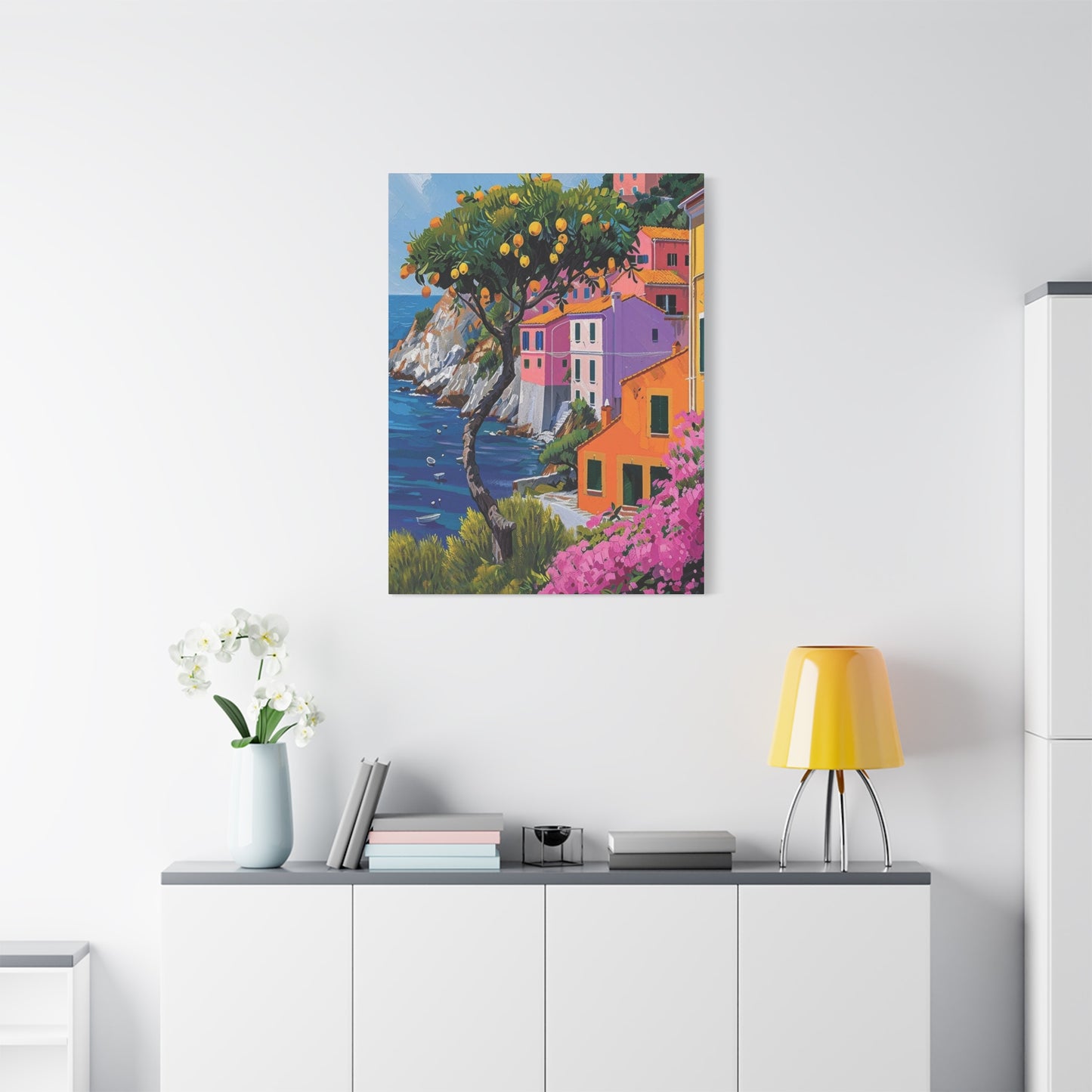
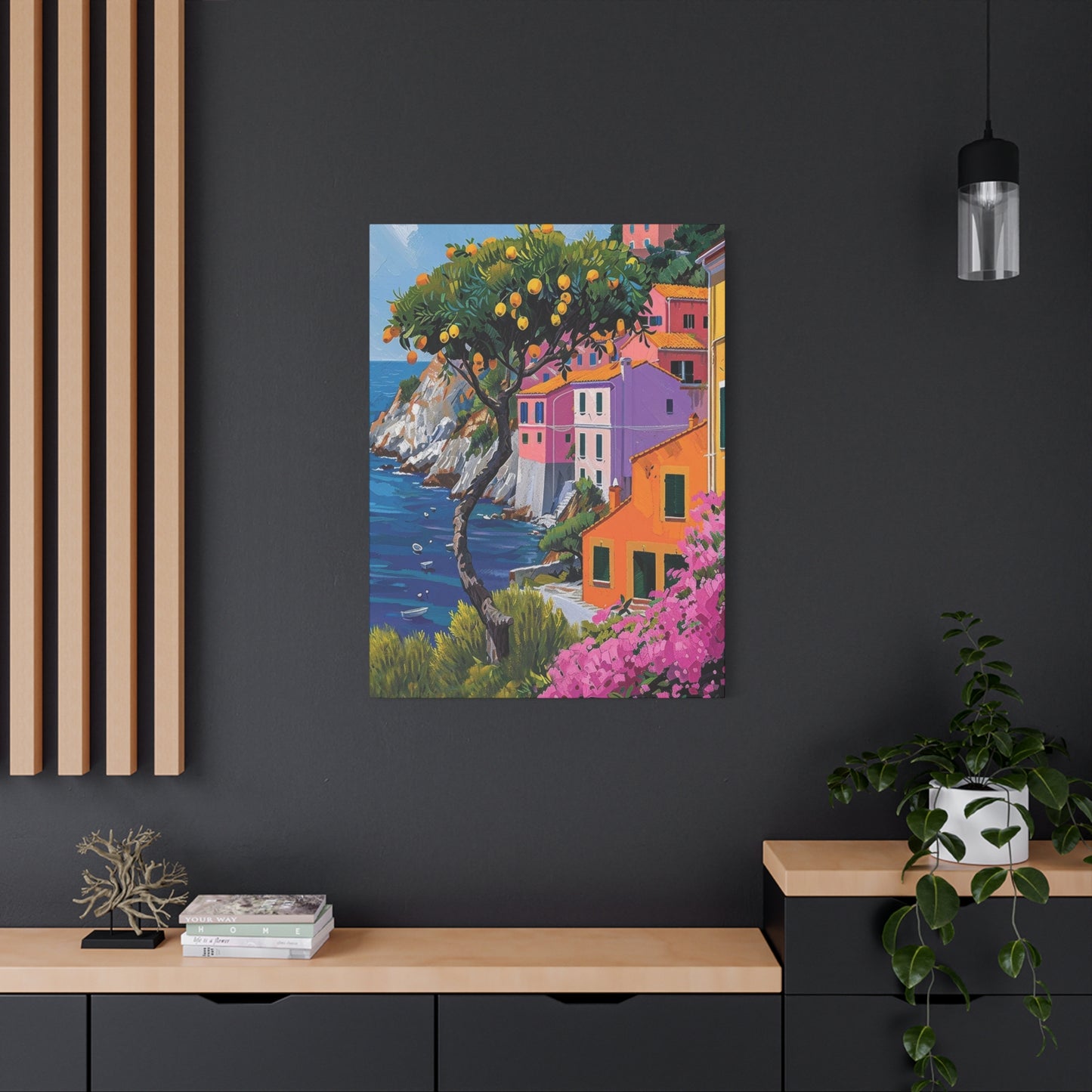
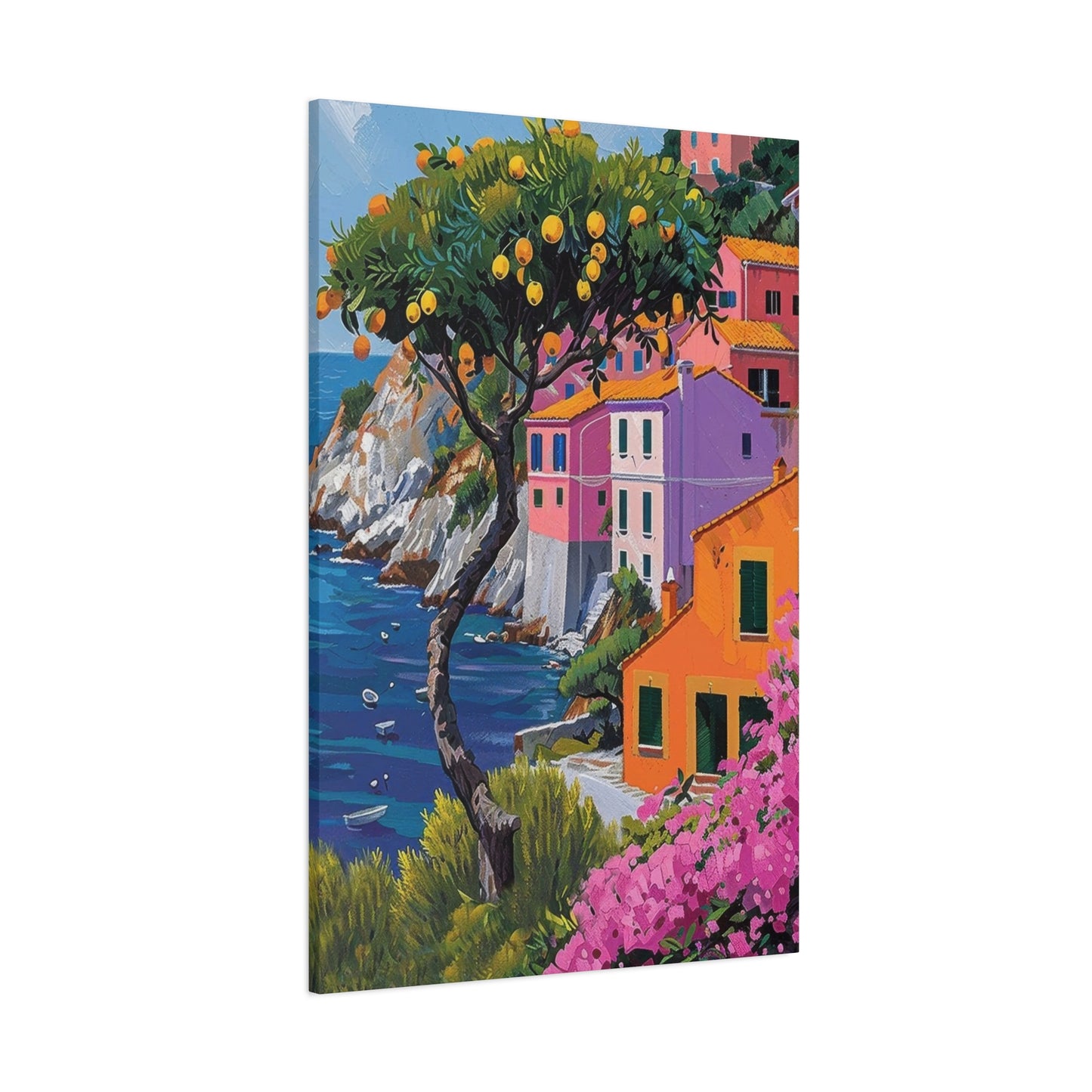
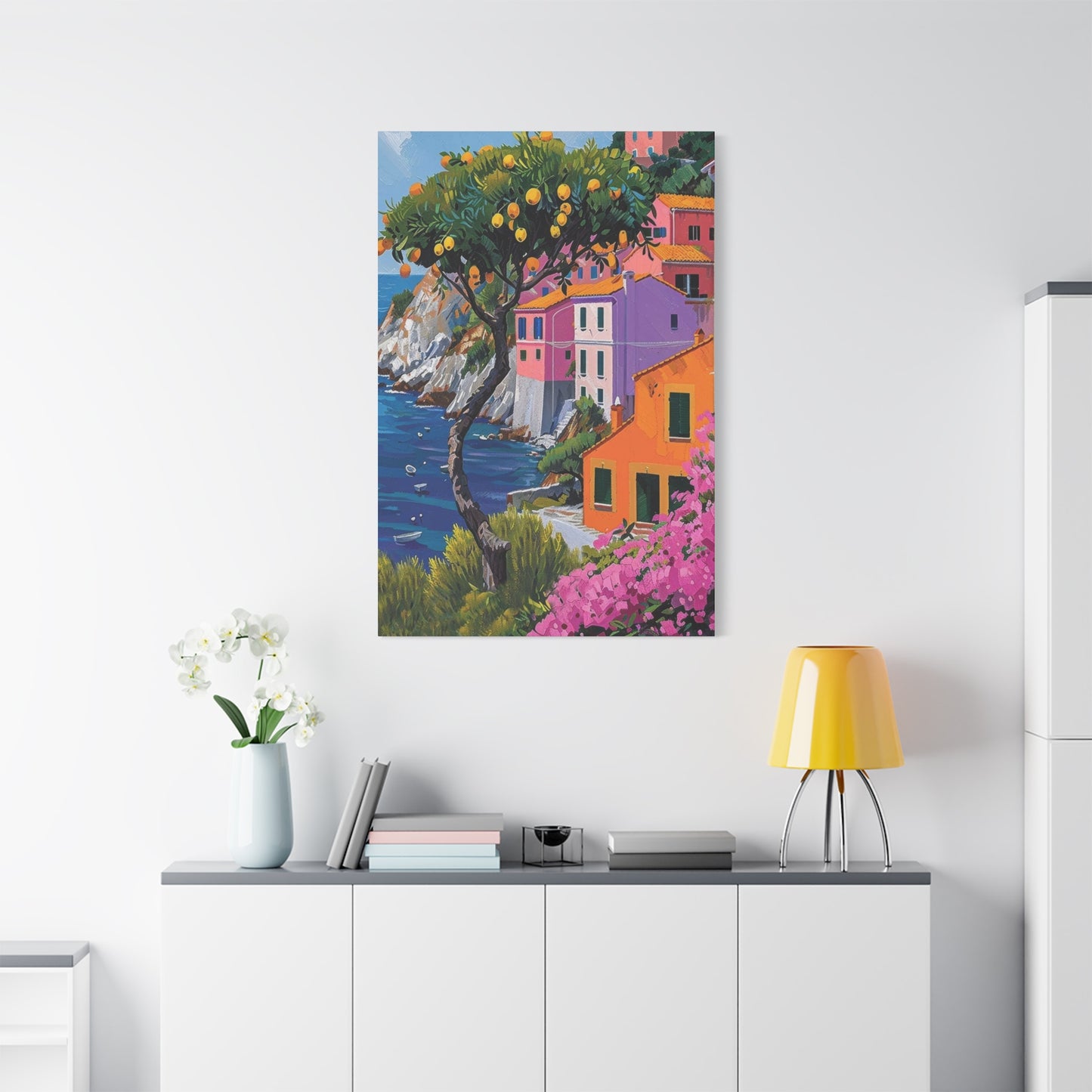
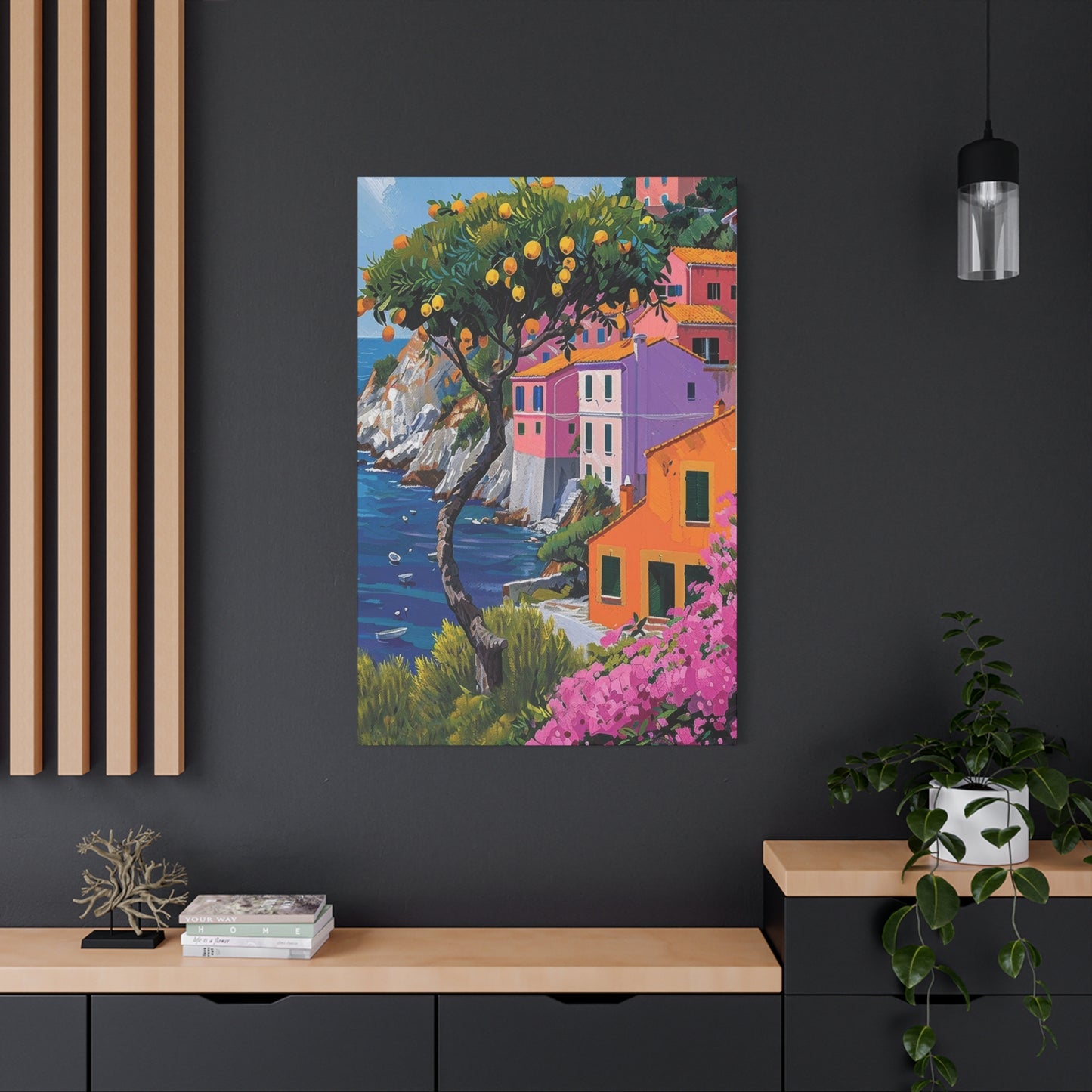
Amalfi Coast Lemon Tree Italy Wall Art: A Complete Guide to Mediterranean-Inspired Home Décor
The enchanting beauty of Italian coastal landscapes has captivated art enthusiasts and interior designers for generations. Among the most beloved subjects in Mediterranean-themed décor are the vibrant lemon groves that cascade down the terraced hillsides of southern Italy's most picturesque region. These stunning visual representations bring the warmth, color, and romance of Italian summers directly into living spaces around the world. The popularity of this artistic genre continues to grow as homeowners seek ways to infuse their environments with the timeless elegance and natural beauty characteristic of European coastal living.
Mediterranean-inspired artwork featuring citrus orchards against dramatic coastal backdrops offers more than mere decoration. These pieces serve as windows to a world where azure seas meet sun-drenched cliffs, where ancient villages cling to mountainsides, and where the simple pleasure of fresh fruit growing in abundance symbolizes the good life. The visual language of these artworks speaks to our desire for connection with nature, appreciation for agricultural traditions, and longing for the unhurried pace of seaside existence. Whether displayed in kitchens, dining rooms, living spaces, or bedrooms, these artistic statements transform ordinary rooms into spaces that celebrate beauty, tradition, and the Mediterranean spirit.
The artistic representation of Italian citrus cultivation has deep historical roots extending back centuries. Renaissance masters painted the golden fruits as symbols of prosperity and divine favor. Today's contemporary interpretations continue this tradition while incorporating modern design sensibilities and production techniques. From hand-painted canvases to high-quality reproductions, from vintage-style posters to three-dimensional installations, the variety of available formats ensures that every aesthetic preference and budget can be accommodated. The enduring appeal of this subject matter demonstrates how certain natural beauty transcends temporal and cultural boundaries to achieve universal resonance.
The Historical Significance of Citrus Cultivation in Southern Italy
The story of citrus farming along the dramatic Italian coastline stretches back nearly a millennium, representing one of the most successful examples of agricultural adaptation to challenging terrain. Arab traders first introduced these precious trees to the Mediterranean region during the medieval period, recognizing that the unique microclimate created by coastal mountains and sea breezes provided ideal growing conditions. Over centuries, local farmers developed sophisticated terracing systems that maximized limited flat land while ensuring proper drainage and sun exposure for their valuable crops.
The economic importance of this golden fruit to coastal communities cannot be overstated. For generations, families built their livelihoods around cultivation, harvest, and trade of these aromatic treasures. The fruit became central to local cuisine, contributing essential flavors to regional dishes, beverages, and preserves. Beyond culinary applications, the cultivation of these trees shaped the physical landscape itself. The terraced groves supported by ancient stone walls became defining features of the coastal geography, creating the distinctive stepped appearance that photographers and artists find so compelling today.
Religious and cultural significance also attached itself to citrus growing over time. Monasteries maintained extensive orchards, with monks developing new cultivation techniques and preservation methods. Festival celebrations incorporated the harvest into seasonal rituals, and traditional songs commemorated the agricultural cycle. This deep cultural integration ensured that citrus cultivation became inseparable from regional identity, a living tradition passed through generations with pride and dedication.
The architectural response to citrus farming further demonstrates its central role in coastal life. Specialized pergola structures provided shade while allowing fruit production in garden spaces. Purpose-built storage facilities preserved harvests throughout non-growing seasons. Even residential architecture adapted to accommodate backyard orchards, with many historic homes featuring internal courtyards designed specifically for fruit trees. This integration of agriculture into daily living environments created the aesthetic that contemporary art now celebrates.
Understanding the Unique Aesthetic Appeal of Mediterranean Citrus Imagery
The visual power of Italian coastal citrus imagery derives from several interconnected elements that work together to create deeply satisfying compositions. The vibrant yellow and green color palette immediately captures attention, offering warmth and vitality that energizes any space. These colors carry psychological associations with sunshine, happiness, freshness, and natural abundance. When juxtaposed against the deep blues of Mediterranean skies and seas, the contrast becomes even more striking, creating visual drama that holds viewer interest.
The organic forms of fruit trees provide another layer of aesthetic appeal. The twisted, weathered trunks speak to age and endurance, while glossy green foliage suggests vitality and life force. The spherical fruits themselves offer pleasing geometric simplicity that balances the irregular natural forms surrounding them. This combination of order and chaos, symmetry and asymmetry, creates visual interest that sophisticated viewers appreciate while remaining accessible to casual observers.
Light quality plays a crucial role in the distinctive appearance of coastal Italian landscapes. The intense Mediterranean sun creates sharp shadows and brilliant highlights that give subjects three-dimensional presence. Morning and evening light bathes scenes in golden warmth that seems to emanate from the landscape itself. Artists capturing these qualities in their work tap into our collective memory of perfect summer days, triggering emotional responses that transcend mere visual appreciation.
The sense of place embedded in these images contributes significantly to their appeal. Viewers recognize the distinctive character of Italian coastal environments even without specific geographic knowledge. The combination of sea, mountain, agricultural terraces, and picturesque architecture creates immediately identifiable settings. This strong sense of location allows artwork to serve as both decoration and virtual travel, offering daily reminders of beloved destinations or aspirational future journeys.
Choosing the Perfect Size and Scale for Your Living Space
Selecting appropriately sized artwork represents one of the most important decisions in successful interior design implementation. Undersized pieces disappear against walls, failing to make intended visual impact, while oversized selections overwhelm spaces and create uncomfortable viewing experiences. Understanding the relationship between wall dimensions, furniture arrangement, and artwork size ensures harmonious integration that enhances rather than disrupts room aesthetics.
For spaces above sofas and other substantial furniture pieces, designers recommend artwork spanning approximately two-thirds to three-quarters of the furniture width. This proportion creates visual connection between furniture and art while maintaining appropriate breathing room on either side. In dining areas, centering a large horizontal piece above a buffet or sideboard creates focal points that anchor the room design. Vertical orientations work beautifully in narrow wall spaces, hallways, and areas flanking windows or doorways.
Gallery wall arrangements offer flexibility for incorporating multiple smaller pieces into cohesive displays. This approach allows mixing different sizes while maintaining overall visual balance through careful spacing and alignment. Some designers prefer symmetrical arrangements with pieces arranged in grid patterns, while others favor organic layouts with varied spacing creating more dynamic compositions. Both approaches succeed when total display area relates appropriately to wall size and surrounding furnishings.
Scale considerations extend beyond simple measurement to include visual weight. Pieces with strong colors, bold compositions, or heavy frames carry more visual weight than similarly sized works with softer palettes and minimal framing. High-contrast images featuring bright yellows against deep blues command more attention than subtle watercolors in muted tones. Understanding these principles helps predict how artwork will function within completed room designs.
Ceiling height significantly impacts optimal artwork dimensions. Rooms with standard eight-foot ceilings generally accommodate pieces ranging from twenty-four to forty-eight inches in height, while spaces with ten-foot or higher ceilings can handle substantially larger works without feeling crowded. Vertical pieces draw the eye upward, making rooms feel taller, while horizontal orientations emphasize width and can make narrow spaces feel more expansive.
Color Coordination Techniques for Mediterranean-Themed Interiors
Successful integration of Italian coastal artwork requires thoughtful consideration of existing color schemes and deliberate decisions about complementary palette development. The characteristic yellows, greens, and blues found in citrus grove imagery can either harmonize with or provide striking contrast against surrounding décor elements. Understanding color theory principles enables designers to make choices that achieve desired emotional and aesthetic effects.
Monochromatic approaches build entire room schemes around single color families, using different shades, tints, and tones to create depth and interest. A room featuring various blues might incorporate artwork with prominent sky and sea elements, allowing citrus yellows to provide controlled accent color. This technique creates sophisticated, cohesive environments with clear design intention while avoiding visual chaos from competing color stories.
Complementary color schemes pair opposites on the color wheel for maximum visual impact and energy. The yellow-purple combination creates vibrant tension, while blue-orange pairings offer warmth-coolness contrast. Artwork featuring golden fruit against blue-green foliage naturally incorporates complementary relationships, making it easy to extend these pairings into textiles, accessories, and wall colors throughout the space.
Analogous color schemes use colors adjacent on the wheel, such as blues, greens, and yellow-greens, creating harmonious, nature-inspired palettes. This approach works beautifully with Mediterranean imagery, as it mirrors the natural color relationships found in coastal landscapes. Rooms using analogous schemes feel restful and unified, with gentle color transitions creating visual flow rather than jarring contrasts.
Neutral foundation strategies employ whites, beiges, grays, or tans as dominant colors, allowing artwork to provide primary color interest. This approach offers flexibility for changing accessories and accents over time without requiring complete room redesigns. Neutral backgrounds also prevent color fatigue in spaces used intensively, letting the artwork remain fresh and interesting through years of daily viewing.
Temperature balance requires attention to warm-cool color proportions. Spaces dominated by cool blues and grays benefit from warm yellow-green citrus imagery that adds welcoming energy. Conversely, rooms with abundant warm wood tones and earth colors might feature artwork emphasizing cool blue seas and skies for refreshing contrast. Achieving appropriate temperature balance ensures rooms feel comfortable rather than sterile or overwhelming.
Material and Medium Selection for Optimal Visual Impact
The physical materials and production methods used in artwork creation significantly influence final appearance, longevity, and maintenance requirements. Original paintings on canvas offer unique character with visible brushstrokes and texture variations that mechanical reproduction cannot duplicate. Each piece represents individual artistic expression with inherent value beyond decorative function. Oil paintings provide rich color saturation and remarkable durability, while acrylics offer similar visual appeal with faster drying times and easier care.
Watercolor paintings create softer, more ethereal interpretations of coastal subjects, with translucent color layers building subtle complexity. The medium naturally lends itself to capturing light effects and atmospheric qualities characteristic of Mediterranean environments. Framing under glass protects delicate paper surfaces while creating slight visual distance that enhances the dreamlike quality watercolors often possess.
High-quality art prints utilizing archival inks on premium papers provide accessible alternatives to original artwork while maintaining impressive visual fidelity. Giclée printing technology produces gallery-worthy reproductions with exceptional color accuracy and detail resolution. These prints resist fading significantly better than conventional printing methods, ensuring decades of enjoyment with proper care and display conditions. Canvas prints stretched over wooden frames eliminate glass barriers while providing substantial presence comparable to original paintings.
Metal prints represent contemporary alternatives that bring unique characteristics to Mediterranean imagery. The printing process fuses inks directly onto aluminum substrates, creating luminous colors with exceptional depth and vibrancy. The metal surface adds modern sophistication while the weatherproof nature makes these prints suitable for high-humidity environments including bathrooms and kitchens. The sleek frameless presentation works especially well in contemporary interiors.
Acrylic face-mounting creates stunning three-dimensional effects by sandwiching prints between clear acrylic panels. Light passing through the acrylic layers enhances color saturation and creates subtle depth impossible to achieve with conventional framing. The ultra-modern appearance suits contemporary and transitional spaces while the protective acrylic layer ensures exceptional durability and easy maintenance with simple wipe-cleaning.
Wood-mounted prints bring organic warmth that complements the natural subject matter of citrus orchards. Images printed on thin wood veneer or mounted to solid wood panels incorporate visible grain patterns that add texture and character. The rustic qualities work beautifully in farmhouse, cottage, and Mediterranean-style interiors where natural materials predominate. Edge finishing options including staining, painting, or leaving natural enhance design flexibility.
Framing Options That Enhance Mediterranean Artwork
Frame selection dramatically influences how artwork integrates with surrounding décor while affecting perceived value and importance. Traditional wood frames offer timeless appeal with countless style variations accommodating any aesthetic preference. Light natural woods including pine, oak, and maple complement the organic subject matter while maintaining visual lightness. Medium-toned walnut and cherry frames add richness without overwhelming compositions. Dark espresso and ebony frames create sophisticated contrast that makes colors appear more vibrant through opposition.
Ornate carved frames with decorative details suit formal traditional interiors where elaborate embellishment represents design luxury. Gilded frames finished in gold or silver leaf bring Old World elegance particularly appropriate for vintage-style artwork or classical interior schemes. The reflective metallic surfaces catch and throw light, adding subtle animation to static wall displays. Distressed finishes on carved frames suggest age and history, connecting contemporary pieces to artistic traditions.
Simple contemporary frames with clean lines and minimal profiles suit modern and transitional spaces where restraint and simplicity guide design choices. Thin metal frames in black, white, or metallic finishes provide definition without competing with artwork for attention. Float-mounting techniques that suspend artwork within frame openings create sophisticated presentations with visible borders separating image from frame. This approach works especially well with prints featuring natural deckled edges or paintings where canvas edges contribute to overall composition.
Gallery-style frames with wide matting create formal presentations suitable for fine art contexts. Generous white or cream mats focus attention on images while providing visual breathing room. Multiple mat layers in complementary colors add depth and luxury, with each layer typically one-quarter inch narrower than the layer below. Conservation-grade materials prevent acid migration that causes yellowing and deterioration over time, essential for preserving valuable pieces.
Shadow box frames accommodate three-dimensional elements including sculptural components or substantial canvas depth. The increased frame depth creates literal shadows that emphasize dimensionality while protecting protruding elements from accidental contact. These frames work beautifully for mixed-media pieces combining painting with actual dried botanical elements or for thick impasto paintings where heavy paint application creates significant surface relief.
Frameless presentations using standoff mounts create ultra-modern displays particularly effective for acrylic and metal prints. The artwork appears to float inches from the wall, creating dramatic shadow effects while showcasing piece edges as design elements. This mounting approach suits contemporary minimalist interiors where traditional framing feels excessive or constraining. The hardware remains completely hidden behind mounted pieces, maintaining clean uninterrupted appearances.
Strategic Placement for Maximum Interior Design Impact
Artwork placement requires consideration of viewing angles, lighting conditions, and relationships with surrounding architectural features and furnishings. The traditional rule of hanging artwork so that center points align with average eye level around fifty-seven to sixty inches from the floor provides sound starting guidance. However, this guideline requires adjustment based on ceiling height, furniture arrangement, and specific viewing contexts. Pieces intended for appreciation while seated should hang lower than those viewed primarily while standing.
Above furniture placement demands particular attention to proportion and spacing. Maintaining six to twelve inches between furniture top and artwork bottom prevents pieces from appearing disconnected while ensuring adequate clearance for decorative objects placed on furniture surfaces. The artwork should relate visually to the furniture below, with similar visual weights and complementary shapes creating harmonious relationships. A substantial sofa pairs well with a large horizontal piece or grouping, while a delicate console table might support a vertical work or small collection.
Focal point creation through strategic artwork placement draws attention to specific areas while organizing visual hierarchy within rooms. Positioning striking pieces opposite entry points ensures immediate impact as people enter spaces. Centering artwork above fireplaces reinforces these traditional focal points while providing logical viewing positions from seating areas. In rooms lacking architectural focal points, thoughtfully placed artwork can create substitute points of interest that anchor furniture arrangements and guide traffic flow.
Gallery walls require especially careful planning to achieve cohesive appearances despite varied elements. Beginning with paper templates cut to exact frame sizes allows experimentation with arrangements before committing to wall holes. Most successful gallery walls share some organizing principle whether common frames, consistent matting, unified color palettes, or thematic connections between images. Maintaining consistent spacing between all pieces creates unified collections rather than haphazard assemblages.
Lighting consideration proves critical for artwork display success. Natural light from windows creates constantly changing illumination that brings artwork alive throughout the day. However, direct sunlight causes fading and damage over time, requiring protective UV-filtering glass or strategic placement away from harsh rays. Artificial lighting through track lights, picture lights, or recessed fixtures provides controlled illumination that enhances colors and details while protecting artwork from degradation.
Unexpected locations for artwork placement expand decorative possibilities beyond traditional living spaces. Stairway walls offer extensive vertical real estate perfect for ascending series of related images. Bathroom walls benefit from cheerful moisture-resistant pieces that enhance grooming routines. Kitchen spaces welcome food-related imagery that reinforces culinary functions while adding personality to utilitarian environments. Bedroom walls support artwork that promotes desired moods from energizing to calming depending on chosen subjects and colors.
Seasonal Rotation Strategies for Year-Round Fresh Aesthetics
Implementing seasonal artwork rotation maintains visual interest while preventing the design fatigue that results from unchanging environments. This approach allows enjoying diverse artworks without overwhelming limited wall space and creates opportunities for regular room refreshment without significant expense. Mediterranean citrus imagery naturally suits spring and summer display, with its sunny optimism and vibrant colors reinforcing warm-weather energy.
Storage solutions for rotated artwork protect pieces during off-display periods while keeping them accessible for quick changes. Acid-free paper or cloth wrapping prevents surface scratches and dust accumulation. Climate-controlled storage areas maintain stable temperature and humidity levels that prevent warping, yellowing, or other deterioration. Vertical storage racks designed specifically for framed artwork prevent leaning damage while maximizing space efficiency in closets or utility rooms.
Rotation schedules aligned with seasonal changes or personal preferences maintain freshness without requiring excessive effort. Some homeowners prefer quarterly changes marking traditional seasons, while others adjust displays monthly for greater variety. Holiday-specific artwork might appear only during relevant celebration periods. The key involves finding rotation frequency that feels manageable within personal time constraints while providing sufficient change to maintain interest.
Mix-and-match approaches combine permanent foundational pieces with rotating seasonal elements creating hybrid strategies. Major investment pieces worthy of continuous display can anchor rooms while smaller surrounding works change regularly. This technique provides visual continuity while accommodating variety. The permanent pieces establish consistent aesthetic frameworks while seasonal additions introduce controlled novelty.
Documentation through photographs of successful arrangements preserves effective layouts for future recreation. Dating images and noting which combinations work particularly well creates reference libraries that simplify future rotation decisions. This documentation proves especially valuable when similar pieces could work in multiple locations, helping optimize placement choices based on demonstrated success.
Incorporating Citrus Motifs Across Multiple Interior Design Elements
Extending citrus themes beyond singular artwork pieces creates cohesive design narratives that unify entire rooms or homes. Coordinated textiles including throw pillows, window treatments, table linens, and upholstery fabrics echo artwork themes while reinforcing color palettes. Subtle repetition through varied scales and styles prevents heavy-handed results while building satisfying design coherence.
Decorative accessories including vases, bowls, sculptures, and candles featuring similar motifs or coordinating colors strengthen thematic connections. Ceramic vessels in yellows and blues reference artwork palettes without literal repetition. Dried botanical elements or fresh floral arrangements incorporating actual citrus fruits and greenery bring three-dimensional reality to two-dimensional artistic representations. The combination of artwork and living elements creates multi-sensory experiences engaging sight and scent.
Wallpaper and wall treatments offer opportunities for comprehensive Mediterranean theme development. Feature walls using botanical prints or scenic murals create immersive environments that transport viewers to Italian coastal settings. More subtle approaches might employ textured plasters or limewash finishes suggesting Mediterranean building traditions. The key involves balancing decorative surfaces with simpler surroundings to prevent visual overload.
Furniture selection contributes to Mediterranean aesthetic development through form, material, and finish choices. Wrought iron pieces evoke European garden traditions while weathered wood finishes suggest age and history characteristic of Italian coastal villages. Upholstered furniture in natural linens and cottons with relaxed tailoring reinforces casual Mediterranean elegance. The goal involves creating environments that feel effortlessly collected rather than rigidly coordinated.
Architectural details including exposed beams, arched openings, and terra cotta tile floors strengthen Mediterranean character when present. In spaces lacking these features, strategic additions of Roman shades, rustic wood accessories, or terracotta pottery can suggest Mediterranean influence without requiring structural modifications. The cumulative effect of multiple coordinated elements creates convincing atmospheres even in architecturally neutral spaces.
Color Psychology and Emotional Impact of Coastal Italian Imagery
The colors predominating in Mediterranean citrus artwork carry specific psychological associations that influence room atmospheres and occupant moods. Yellow, the primary color of ripened fruit, stimulates mental activity, encourages communication, and promotes feelings of happiness and optimism. Its association with sunlight triggers positive responses rooted in biological needs for light and warmth. Spaces featuring prominent yellow elements tend to feel energetic and welcoming, making them ideal for social areas including kitchens, dining rooms, and living spaces.
Blue, representing both sky and sea in coastal imagery, produces calming effects that reduce stress and promote relaxation. Psychological studies consistently demonstrate blue's ability to lower blood pressure and heart rate while encouraging peaceful contemplation. The specific Mediterranean blue-green hues combine blue's tranquility with green's balance and harmony, creating especially pleasant atmospheric effects. These qualities make coastal imagery appropriate for bedrooms, bathrooms, and reading areas where relaxation represents the primary functional goal.
Green, abundant in citrus foliage and terraced hillsides, connects viewers to nature while promoting emotional balance and renewal. The color sits centrally on the visible spectrum, requiring minimal eye adjustment and causing minimal visual fatigue. Its association with growth, fertility, and abundance creates subconscious feelings of security and wellbeing. Rooms incorporating substantial green elements through artwork and complementary décor feel naturally balanced and restorative.
The warm-cool balance present in well-composed coastal imagery prevents the one-sided effects that purely warm or cool color schemes sometimes produce. Warm yellows and greens energize without overwhelming, while cool blues refresh without chilling. This balance creates versatile artwork suitable for various functional spaces and personal preferences. The psychological completeness of balanced color schemes contributes to their enduring appeal across cultures and time periods.
Cultural associations with Mediterranean imagery extend beyond pure color psychology to encompass learned responses from art history, travel experiences, and media exposure. These images trigger memories of vacations, dreams of future travel, or nostalgic connections to heritage. The romantic idealization of Mediterranean lifestyle prevalent in popular culture attaches positive associations to regional imagery. Artwork tapping into these cultural narratives benefits from existing positive conditioning that enhances inherent aesthetic appeal.
Budget-Conscious Approaches to Acquiring Quality Wall Art
Building impressive art collections need not require massive financial investment when shoppers understand available options and exercise patience in acquisition. Reproduction prints of public domain works and contemporary artists who license their images provide affordable access to gallery-quality imagery. Online marketplaces offer vast selections at multiple price points, though buyers must verify quality standards and return policies before purchasing. Reading customer reviews and examining sample images helps predict actual quality from various sellers.
Local art fairs, craft markets, and student exhibitions present opportunities for discovering emerging artists whose pricing remains accessible while quality approaches or matches established names. Building relationships with developing artists sometimes leads to commissioned custom pieces at surprisingly reasonable rates. Supporting local creative communities through thoughtful purchases creates meaningful connections while furnishing homes with original artwork.
Print-on-demand services allow purchasing high-quality reproductions of licensed images in chosen sizes and formats. This flexibility enables matching specific size requirements without paying premiums for custom framing of standard-size prints. Some services also offer framing, though independent frame shops often provide better quality at competitive prices. Comparing total costs including printing, framing, and shipping across multiple sources ensures best value.
DIY framing represents significant potential savings for crafty homeowners comfortable with basic tools. Purchasing unframed prints or canvases and standard-size frames separately costs substantially less than buying pre-framed pieces. Building simple frames from purchased molding requires only miter saws and basic carpentry skills. However, valuable pieces merit professional framing to ensure proper conservation and presentation.
Thrift stores, estate sales, and online resale platforms occasionally yield overlooked treasures at bargain prices. Dated frames containing mediocre prints can be refreshed with new artwork while keeping quality frames. Solid wood frames in good condition warrant stripping and refinishing when styles don't suit current tastes. The hunt for hidden value requires patience but delivers satisfaction beyond mere monetary savings.
Digital artwork creation through photography, graphic design, or painting software produces original pieces for only equipment and time costs. Many print services accept customer-supplied digital files for production. This approach allows creating perfectly customized artwork matching specific color schemes and size requirements. Free and low-cost software options make digital creation accessible to non-professionals willing to learn basic techniques.
Maintenance and Conservation of Mediterranean Wall Art
Proper care extends artwork lifespans while maintaining visual appeal through years or decades of display. Regular dusting using soft brushes or microfiber cloths prevents accumulation that dulls colors and obscures details. Glass-covered pieces should be cleaned with appropriate glass cleaners applied to cloths rather than sprayed directly on frames, preventing moisture seepage behind glass. Unglazed canvas and fabric works require gentler cleaning to avoid fiber damage.
Environmental conditions significantly impact artwork longevity, with temperature, humidity, and light exposure representing primary concerns. Stable moderate temperatures prevent expansion and contraction that loosens canvas stretching or warps frames. Relative humidity between forty and sixty percent prevents mold growth in excessive moisture or brittleness in extreme dryness. Dehumidifiers and humidifiers help maintain optimal ranges in problematic climates.
Light damage occurs gradually and irreversibly, with ultraviolet radiation causing the most severe deterioration. Even indoor lighting slowly degrades pigments over time. UV-filtering glass in frames blocks harmful wavelengths while maintaining transparency. Positioning artwork away from direct sunlight and using lower-wattage artificial lighting reduces exposure. Some collectors install motorized window treatments that automatically close during high-UV periods.
Pest prevention protects paper-based artworks and wooden frames from insect damage. Regular inspection reveals early signs of infestation including small holes, sawdust-like debris, or actual insects. Climate control helping with humidity also discourages pests preferring damp conditions. Professional conservation treatment becomes necessary if significant damage occurs, making prevention far preferable to remediation.
Handling protocols prevent accidental damage during cleaning, relocation, or storage. Clean hands or cotton gloves prevent oil transfer to artwork surfaces. Supporting pieces from bottom edges during lifting distributes weight appropriately. Avoiding pressure on canvas faces prevents denting or cracking. Professional handlers should manage especially valuable or large pieces requiring complex maneuvering.
Professional conservation services provide specialized expertise for valuable pieces requiring restoration or preventive treatment. Conservators assess condition, recommend appropriate interventions, and perform treatments using reversible materials and documented techniques. While costly, professional conservation preserves significant pieces that merit investment. Many conservators also offer consultations helping owners make informed care decisions for their collections.
Complementary Decorative Styles for Mediterranean Aesthetics
Mediterranean design encompasses several related but distinct regional styles that share common threads while expressing unique cultural characteristics. Understanding these variations enables creating cohesive interiors that reference specific traditions rather than generic pan-European mashups. Italian coastal style emphasizes relaxed sophistication with weathered wood, soft neutral textiles, and subtle decorative elements. The restrained palette focuses on whites, creams, soft blues, and natural wood tones accented by terracotta and sunny yellows.
French Provincial style introduces more decorative elements including toile fabrics, ornate carved furniture, and romantic color palettes featuring lavenders alongside traditional blues and yellows. The aesthetic balances rustic country charm with refined elegance, creating spaces that feel both comfortable and cultivated. Distressed painted finishes on furniture suggest age and history without appearing genuinely worn.
Greek island style employs starker contrasts with brilliant whites dominating architecture and furnishings against intense blue accents. The aesthetic emphasizes simplicity and light, with minimal ornamentation and clean lines predominating. Natural materials including stone, wood, and woven textiles add texture without compromising visual clarity. This stripped-back approach suits contemporary sensibilities while maintaining clear Mediterranean identity.
Spanish colonial style brings warmer, earthier tones with terracotta, deep reds, and rich browns joining the typical Mediterranean palette. Wrought iron details, carved wood elements, and colorful tile work add decorative interest. The style accommodates bolder patterns and more elaborate ornamentation than Italian or Greek approaches while maintaining Mediterranean connection through materials and forms.
Coastal casual interpretations adapt Mediterranean elements for relaxed modern living, often incorporating contemporary furniture with Mediterranean-inspired accessories and colors. This accessible approach cherry-picks appealing elements without committing to period accuracy. The result feels fresh and current while nodding to Mediterranean traditions through carefully selected details.
Tuscan farmhouse style emphasizes rustic authenticity with rough-hewn beams, stone walls, and substantial furniture suggesting agricultural heritage. The palette draws from the Italian countryside with olive greens, wine reds, and golden yellows complementing natural wood and stone. This approach suits those desiring substantial, grounded interiors with strong connection to rural traditions.
Digital Art and Contemporary Interpretations of Classic Themes
Modern technology enables artistic expressions impossible with traditional media while democratizing art creation and distribution. Digital artists manipulate photographs, create computer-generated imagery, and combine techniques producing unique contemporary visions of Mediterranean subjects. These works range from photo-realistic renderings indistinguishable from photographs to highly stylized interpretations incorporating abstract elements.
Photo manipulation artists enhance and transform photographs through software editing, adjusting colors, adding or removing elements, and applying creative filters. The resulting images may hyperbolize reality, creating idealized visions more beautiful than actual scenes. Some artists composite multiple photographs, placing elements from different locations into single unified compositions. These techniques allow creating perfect scenes that never existed in physical reality.
Vector illustration artists build images from mathematical curves and shapes, producing graphics with infinitely scalable resolution and characteristically smooth, clean appearances. The style works beautifully for simplified, iconic representations of Mediterranean subjects. Bold colors and simplified forms create striking modern aesthetics particularly suitable for contemporary interiors. The graphic quality distinguishes these works from painterly or photographic alternatives.
Three-dimensional rendering software generates realistic or fantastical scenes entirely within computers, with artists controlling every aspect from lighting to perspective to materials. Some renderings aim for photorealism, creating images indistinguishable from photographs. Others embrace artificial aesthetics impossible in physical reality. The total control allows perfecting compositions according to artist vision without constraints of physical locations or lighting conditions.
Mixed-media digital approaches combine multiple techniques and incorporate hand-created elements scanned or photographed for digital manipulation. These hybrid works blur boundaries between traditional and digital art, offering unique character that neither approach alone achieves. Artists might paint textures applied to digital compositions or photograph real objects arranged according to digital planning.
Animated artwork displayed on digital screens introduces motion to wall displays, creating living artworks that change continuously. Gentle animations of swaying trees, moving clouds, or lapping waves add dimension while maintaining fundamental composition. Digital frames designed specifically for artwork display offer high-resolution screens with anti-glare surfaces approaching traditional print quality. The technology enables rotating vast collections without physical storage or handling concerns.
Creating Gallery Walls with Mediterranean Themes
Gallery wall arrangements offer flexibility for displaying multiple artworks while creating substantial visual impact exceeding any single piece's contribution. Successful galleries require planning regarding quantity, sizing, layout, and thematic coherence. Mediterranean-themed galleries might combine various Italian coastal scenes, detail studies of citrus fruits, vintage travel posters, and botanical illustrations unified by color palette and subject matter.
Symmetrical grid arrangements suit formal spaces and provide clear organizational structure easily achieved. Uniform spacing between identically sized and framed pieces creates orderly, calm displays appropriate for traditional interiors. The regularity emphasizes individual pieces while subordinating them to overall pattern. This approach works well when displaying series of similar works or prints from single portfolios.
Asymmetrical organic layouts create more dynamic, contemporary appearances through varied sizes and positions. These arrangements require more planning to achieve visual balance without rigid structure. Larger pieces anchor compositions with smaller works filling surrounding areas. Maintaining relatively consistent spacing between all pieces regardless of size creates unity despite irregular layout. This approach allows incorporating diverse sizes and orientations within single displays.
Salon-style hanging packs walls densely with artworks of varied sizes, orientations, and even media. This traditional approach historically demonstrated wealth and collecting passion through sheer quantity. Modern interpretations maintain abundance while exercising greater organizational restraint. Successful salon walls require substantial collections and generous wall space. The style suits eclectic interiors where visual richness represents primary design goal.
Themed collections focusing specific subjects create cohesive displays from varied artworks. A citrus-focused gallery might combine paintings, botanical prints, vintage crate labels, and photographs unified by common subject despite diverse styles. This approach allows collectors to showcase specialized interests while creating displays with clear narrative threads. The thematic unity provides coherence even when individual pieces vary significantly in appearance.
Color-coordinated galleries demonstrate sophisticated design sensibility by subordinating subject matter to palette unity. Assembling artworks sharing color schemes creates harmonious displays regardless of depicted subjects. Mediterranean palettes naturally lend themselves to this approach, with yellows, blues, and greens appearing across many subjects. The color unity creates sophisticated, intentional appearances that flatter individual pieces.
Architectural Considerations for Mediterranean Design Integration
Successful Mediterranean aesthetic development considers architectural context, working with existing features or introducing new elements that support desired atmosphere. Homes with appropriate existing architecture require less intervention than those needing more comprehensive transformation. Spanish colonial, Mission Revival, and Mediterranean Revival architectural styles naturally accommodate Italian coastal artwork and complementary décor through compatible materials, forms, and details.
Neutral modern spaces offer blank canvases for Mediterranean development without competing architectural styles requiring reconciliation. Clean contemporary environments accept Mediterranean influences through furnishings, artwork, and accessories without architectural modification. The contrast between minimal modern architecture and warmly decorated interiors can create appealing tension when thoughtfully managed. This approach suits renters and those unwilling or unable to undertake permanent architectural changes.
Traditional homes with English, Colonial, or Federal detailing present greater challenges for Mediterranean integration. The formal, often dark character of these styles conflicts with bright, casual Mediterranean aesthetics. Success requires restraint, perhaps limiting Mediterranean influence to specific rooms rather than whole-house transformations. Alternatively, comprehensive renovation might replace incompatible details with appropriate alternatives, though this approach demands substantial commitment.
Outdoor connections enhance Mediterranean atmospheres through visual and physical links between interior and exterior spaces. Large windows, French doors, and sliding glass walls dissolve boundaries while flooding interiors with natural light. Window treatments using light fabrics maintain privacy without blocking daylight. Courtyards, patios, and balconies extend living space outdoors in true Mediterranean fashion. Viewing actual plants and sky through windows reinforces themes depicted in artwork.
Flooring materials significantly impact Mediterranean character, with terracotta, stone, and concrete tiles providing authentic surfaces. Wood flooring in natural or whitewashed finishes offers softer alternatives maintaining appropriate character. Wall-to-wall carpeting generally conflicts with Mediterranean aesthetics unless using natural fibers like sisal or jute in neutral tones. Area rugs in appropriate patterns and colors define spaces without overwhelming floor materials.
Ceiling treatments including exposed beams, painted white or natural wood, reinforce Mediterranean identity while adding architectural interest. Beamed ceilings work in various spaces from living rooms to bedrooms, immediately establishing regional character. Less dramatically, simple painted ceilings in warm whites with crown molding provide clean backgrounds for wall displays. Avoiding heavy decoration keeps attention focused on artwork and furnishings.
Mixing Mediterranean Elements with Other Design Styles
Successful design often synthesizes multiple influences rather than strictly adhering to single styles. Mediterranean elements integrate surprisingly well with various aesthetics when approached thoughtfully. Coastal styles naturally align with Mediterranean themes through shared associations with seaside living, relaxed atmospheres, and connection to nature. Combining elements from both traditions creates fresh interpretations that feel familiar yet distinctive.
Farmhouse style shares Mediterranean emphasis on natural materials, functional beauty, and comfortable living. The rustic character common to both aesthetics enables seamless blending. Whitewashed wood, natural textiles, and botanical elements appear in both traditions with slight variations in specific forms and colors. Mediterranean artwork introduces coastal elements that distinguish the hybrid style from purely agricultural references while maintaining compatible character.
Scandinavian design's emphasis on light, simplicity, and natural materials finds common ground with Greek island aesthetics. Both favor white walls, minimal ornamentation, and clean lines. Mediterranean influences warm Nordic coolness through yellow and blue accents while maintaining essential simplicity. The combination feels fresh and contemporary while remaining comfortable and livable. Citrus artwork provides color in otherwise neutral schemes without compromising minimalist discipline.
Conclusion
The Amalfi Coast Lemon Tree wall art is more than just a visual depiction of nature; it is a celebration of the vibrant beauty, warmth, and timeless charm of Mediterranean living. By incorporating this stunning piece of Italy’s coastal heritage into your home décor, you bring a touch of the sun-kissed Amalfi Coast into your everyday life. The image of the lemon tree—an iconic symbol of the Mediterranean landscape—carries with it a sense of serenity, simplicity, and natural beauty that can transform any room into a tranquil, inviting haven. The deep connection to the land and the culture it represents makes Amalfi Coast lemon tree art an essential element in achieving Mediterranean-inspired interior design.
At the heart of this artistic style is the sense of connection to nature. The Amalfi Coast is renowned for its lush landscapes, where vibrant lemon groves thrive under the Italian sun. The Amalfi Coast Lemon Tree wall art encapsulates this natural beauty, turning a simple piece of fruit-bearing flora into a symbol of abundance, vitality, and the pleasures of outdoor living. The sight of the lemon tree in full bloom evokes a sense of harmony between humans and the environment, offering a reminder to slow down, enjoy the moment, and appreciate the simple joys in life. Whether portrayed in realistic detail or in a more abstract or stylized form, the image of the lemon tree can infuse your space with the feeling of Italian summer afternoons—brimming with sunlight, fresh air, and the scents of citrus groves.
Incorporating Amalfi Coast Lemon Tree wall art into your home is an easy and effective way to introduce the timeless elegance of Mediterranean design. Mediterranean-inspired décor often draws upon natural elements, a relaxed color palette, and an emphasis on functional beauty. The bright, zesty yellows and greens of the lemon tree contrast beautifully against the often warm, earthy tones found in Mediterranean interiors—think terracotta tiles, sun-bleached wood, and whitewashed walls. These colors work together to create a harmonious balance between warmth and coolness, energy and calm, creating an environment that feels both vibrant and restful. The citrus-inspired hues found in this art piece add a refreshing pop of color to any space, bringing an invigorating touch of nature into your home.
In addition to its aesthetic appeal, the Amalfi Coast Lemon Tree also carries a deeper cultural significance. In Italian culture, lemons are more than just a fruit; they are a symbol of hospitality, joy, and the abundance of life. The Amalfi Coast itself, with its cliffside towns and azure seas, has long been a destination for those seeking beauty, tranquility, and connection with nature. By bringing this art into your home, you are not only adding a decorative piece but also inviting a piece of Italian culture and lifestyle into your everyday experience. Whether in your kitchen, living room, or dining area, the lemon tree art serves as a reminder of the warmth, community, and unhurried pace of Mediterranean life.
One of the most appealing aspects of Mediterranean-inspired décor is its inherent versatility. The Amalfi Coast Lemon Tree wall art can fit into various interior design styles, from coastal and rustic to contemporary and bohemian. The natural, organic beauty of the lemon tree effortlessly complements other Mediterranean design elements, such as terracotta vases, wrought iron furniture, and soft, linen fabrics. If you prefer a more modern take, the art can still shine as a vibrant focal point against minimalist, white or neutral walls. This adaptability ensures that Amalfi Coast lemon tree art will remain relevant, regardless of evolving design trends.
Moreover, this art can serve as a visual escape—a portal to the carefree, sun-drenched beauty of the Italian coast. For those who have traveled to or dream of visiting the Amalfi Coast, this artwork can evoke memories of warm afternoons spent in charming seaside villages, sipping limoncello, and enjoying the relaxed pace of coastal life. Even for those who have yet to experience it firsthand, the Amalfi Coast Lemon Tree wall art invites a sense of adventure and wanderlust, transforming the home into a space that celebrates both the present and the promise of future travel and discovery.
Incorporating this art piece into your home also offers an opportunity to experiment with other complementary design elements. Mediterranean-inspired décor often celebrates a mix of textures and materials, so pairing your Amalfi Coast Lemon Tree wall art with other natural elements—such as woven baskets, stone sculptures, or ceramic bowls—can help create a cohesive, earthy aesthetic. Adding lush houseplants or fragrant herbs like basil, rosemary, or lavender can further enhance the connection to nature and the Mediterranean lifestyle. For a complete design transformation, consider pairing the art with light, airy fabrics like linen or cotton for curtains, cushions, or throws to evoke the breeziness of coastal living.
In conclusion, Amalfi Coast Lemon Tree wall art is a powerful tool for transforming any living space into a Mediterranean-inspired retreat. Its vivid colors, natural symbolism, and cultural significance bring a piece of the Italian coastline into your home, evoking the warmth, hospitality, and beauty of the Mediterranean lifestyle. Whether you’re drawn to its aesthetic charm, its connection to nature, or its celebration of Italian culture, the lemon tree art offers a timeless, refreshing way to elevate your interior décor. By incorporating this vibrant piece of art, you invite the essence of the Amalfi Coast into your daily life—turning your home into a sanctuary filled with sunlight, natural beauty, and a sense of timeless elegance.


