


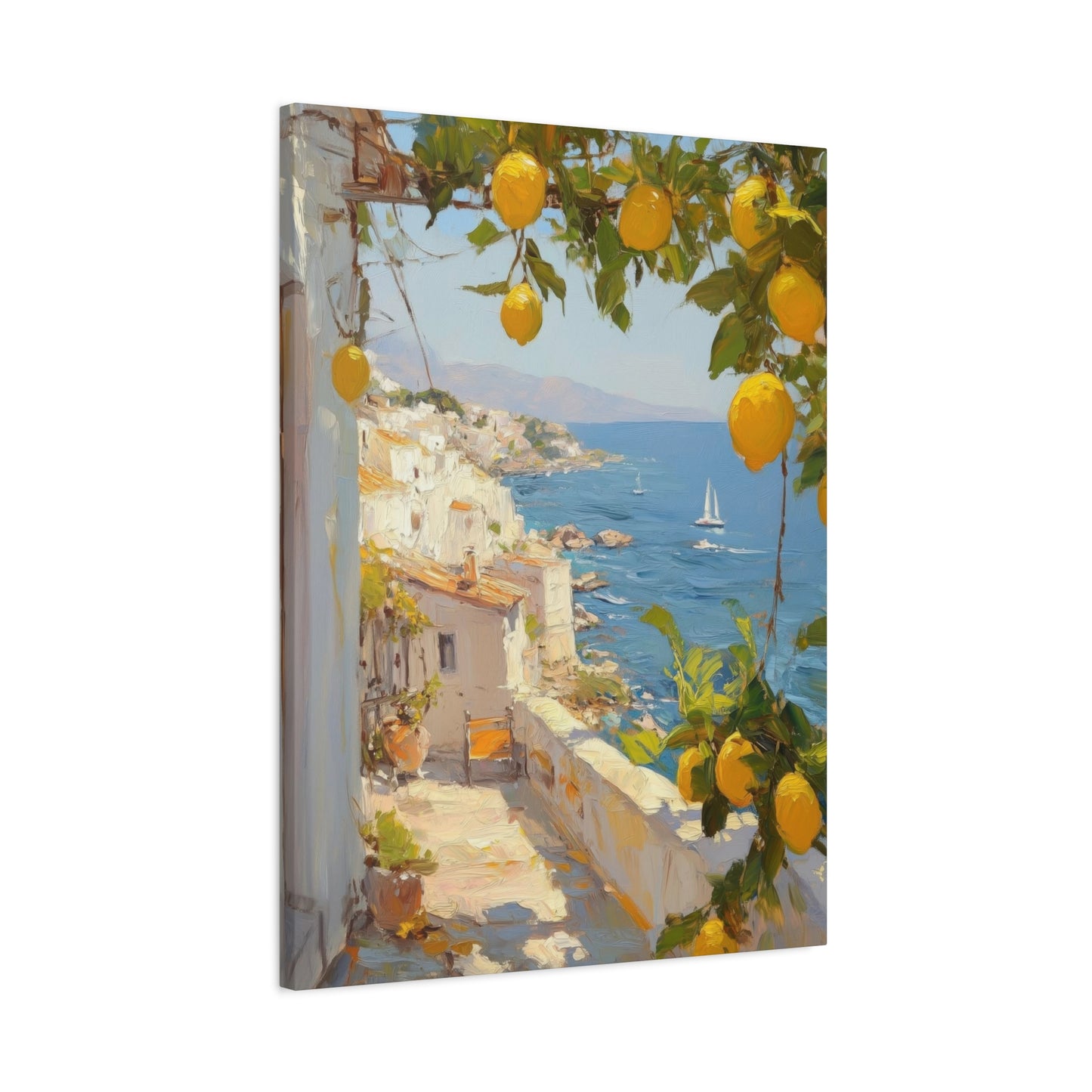


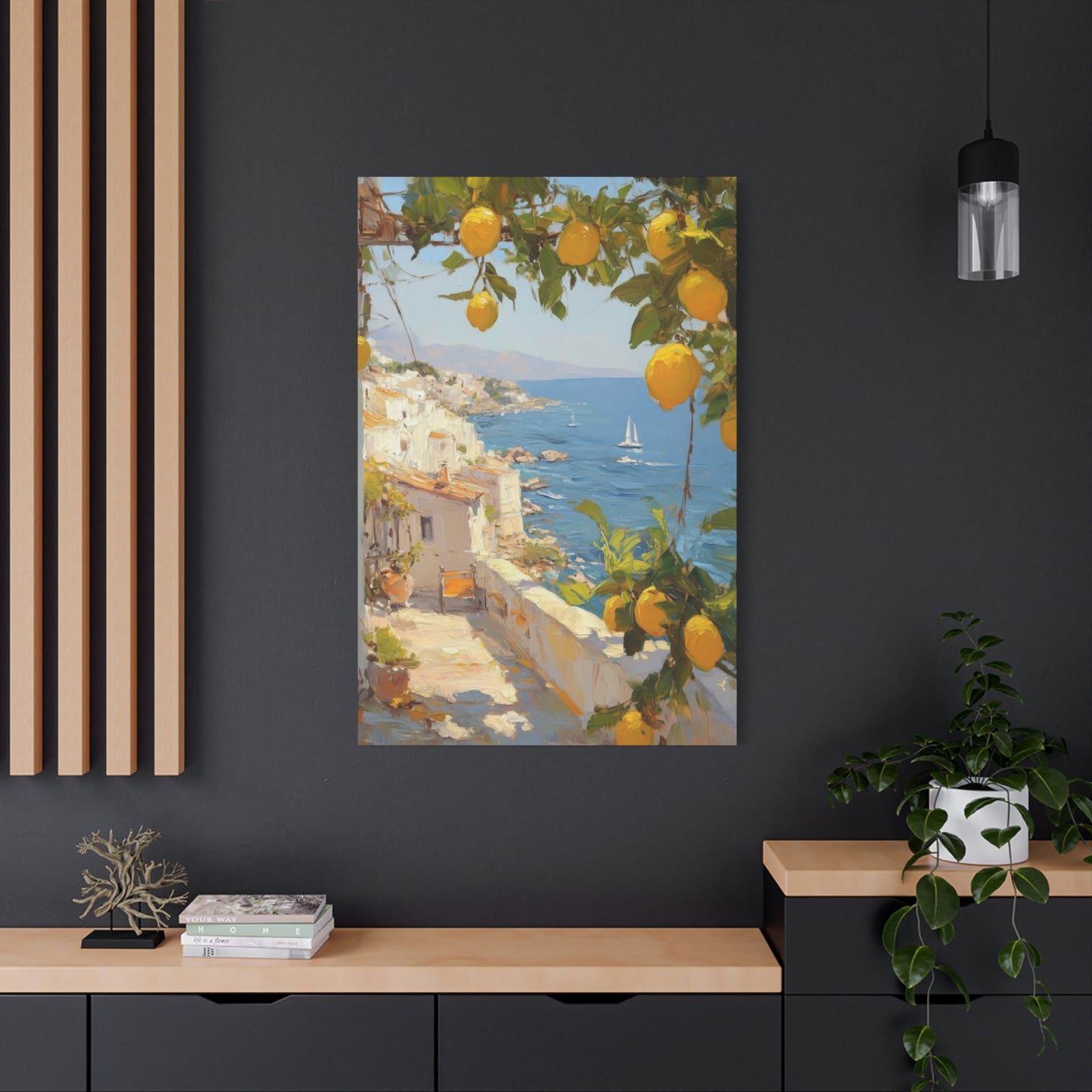
Amalfi Coast View Italy Wall Art: Transform Your Space with Mediterranean Coastal Elegance
The enchanting allure of Italian coastal landscapes has captivated art enthusiasts and interior design professionals for centuries. When seeking to infuse living spaces with the timeless beauty of Mediterranean charm, decorative pieces featuring the spectacular vistas of southern Italy's most celebrated shoreline offer an unparalleled solution. These artistic representations capture the essence of clifftop villages, azure waters, and sun-drenched terraces that define one of Europe's most photographed destinations. Understanding how to select, display, and incorporate these visual elements into residential and commercial environments requires careful consideration of numerous factors ranging from color psychology to spatial arrangement principles.
Understanding the Timeless Appeal of Italian Coastal Artwork
The magnetic attraction toward imagery depicting the dramatic southern Italian coastline stems from deep psychological connections humans maintain with natural beauty and cultural heritage. These visual representations evoke feelings of tranquility, wanderlust, and sophisticated European elegance that resonate across diverse demographic groups. The combination of architectural elements perched precariously on steep cliffs overlooking crystalline Mediterranean waters creates compositional drama that translates exceptionally well to two-dimensional artistic formats. Color palettes dominated by cerulean blues, pristine whites, terracotta oranges, and verdant greens provide versatile options that complement contemporary, traditional, and transitional interior design schemes.
The nostalgic quality inherent in these images connects viewers to memories of travels past or aspirations for future adventures, creating emotional engagement that transforms mere decoration into meaningful personal expression. Research in environmental psychology demonstrates that exposure to coastal imagery can reduce stress levels and promote mental wellbeing, making these artistic choices functional as well as aesthetic. The architectural details visible in quality representations showcase centuries of human ingenuity in adapting structures to challenging terrain, adding layers of historical and cultural significance that elevate these pieces beyond simple landscape photography or illustration.
Architectural Elements That Define Coastal Italian Aesthetics
The distinctive structural characteristics visible in high-quality visual representations of the southern Italian shoreline reflect centuries of architectural evolution shaped by geography, climate, and cultural influences. Stacked vertical construction methods developed out of necessity on steep coastal terrain create the iconic layered appearance that defines the region's visual identity. These cascading building arrangements produce dramatic compositions with strong diagonal lines that guide viewer attention through artistic frames while creating dynamic visual interest. Traditional vaulted ceilings, arched doorways, and curved architectural details soften the geometric rigor of cubic structures, introducing organic elements that harmonize built environments with natural surroundings. External staircases connecting different elevation levels add sculptural quality and human scale to compositions while suggesting narrative possibilities about daily life in these unique communities.
Majolica-tiled domes topping church structures provide distinctive focal points and inject additional color variety through their characteristic blues, yellows, and greens. Balconies and terraces extending from residential structures create transitional spaces between interior and exterior realms, emphasizing the indoor-outdoor lifestyle central to Mediterranean culture. Window placements strategically positioned to maximize natural light and ventilation demonstrate practical responses to climate conditions that also contribute to aesthetic appeal. The weathered textures of centuries-old plaster surfaces add character and authenticity to representations, conveying history and permanence that contrast with the ever-changing sea. Quality artistic interpretations capture these architectural nuances with sufficient detail to communicate cultural authenticity while maintaining compositional clarity that prevents visual confusion. Recognizing and appreciating these structural elements enhances ability to evaluate artistic quality and select pieces that accurately represent regional character rather than generic coastal imagery.
Selecting Appropriate Scale and Proportion for Different Spaces
Determining optimal dimensions for decorative pieces featuring Italian coastal vistas requires careful analysis of room architecture, viewing distances, and intended visual impact. Oversized statement pieces measuring five feet or larger work exceptionally well in expansive living areas, hotel lobbies, or corporate reception spaces where they can be appreciated from multiple distances and angles. These commanding formats create immediate focal points that anchor design schemes and establish atmospheric tone for entire environments. Medium-scale options ranging from two to four feet suit most residential applications including dining rooms, primary bedrooms, and home office spaces where they provide significant visual presence without overwhelming proportions. Smaller formats under two feet excel in creating gallery wall arrangements, filling narrow wall segments, or introducing complementary imagery in spaces already containing dominant decorative elements.
The relationship between artwork dimensions and surrounding architectural features demands particular attention. Pieces positioned above furniture should typically span sixty to seventy-five percent of the furniture width to achieve balanced proportions that feel intentional rather than arbitrary. Ceiling height significantly influences appropriate vertical dimensions, with taller spaces accommodating more generous proportions while standard eight-foot ceilings require restraint to prevent compositions from appearing cramped or disproportionate. Viewing distance calculations based on artwork diagonal measurement multiplied by factors between 1.5 and 2.5 help determine whether selected sizes will be appreciable from typical positions within spaces. Multiple smaller pieces arranged strategically can create cumulative visual impact equivalent to single large formats while offering greater compositional flexibility and opportunities for narrative sequencing. Understanding these scaling principles prevents common mistakes like selecting pieces too small to register meaningfully in spacious environments or too large for intimate settings where they would dominate uncomfortably.
Material Considerations for Longevity and Visual Quality
The substrate and surface treatment selected for reproducing coastal Italian imagery significantly impacts both aesthetic qualities and practical durability factors that determine long-term satisfaction. Canvas stretched over wooden frames remains the most traditional and widely appreciated medium, offering textural depth that enhances perceived artistic value while providing sufficient flexibility to prevent cracking during environmental fluctuations. Gallery-wrapped canvas edges eliminate need for separate framing while creating contemporary presentation that allows imagery to wrap around sides for seamless three-dimensional appearance. Museum-quality cotton or linen canvas provides superior longevity compared to synthetic alternatives, resisting degradation from ultraviolet exposure and environmental factors that compromise lesser materials over time. Metal substrates including aluminum offer exceptional durability and contemporary aesthetic particularly suited to modern interior schemes, with high-gloss finishes creating vibrant color saturation and depth.
The reflective qualities of metal surfaces interact dynamically with changing light conditions throughout day, creating living quality where appearance subtly shifts based on ambient illumination. Acrylic face-mounting techniques protect photographic prints behind clear polymer sheets that enhance color vibrancy while providing scratch resistance and easier maintenance than traditional glass. Wood panels treated with protective sealants deliver rustic authenticity particularly appropriate for representations emphasizing weathered architectural textures and historical character. Each material choice carries specific maintenance requirements, weight considerations for hanging hardware, and environmental sensitivities that must align with intended display locations. Ultraviolet-resistant protective coatings prove essential for pieces exposed to direct sunlight, preventing color fading that diminishes visual impact over months and years. Understanding how different materials respond to humidity, temperature variations, and cleaning methods enables informed selections that balance aesthetic preferences with practical longevity considerations.
Framing Options That Enhance Mediterranean Themes
The border treatment surrounding Italian coastal imagery profoundly influences overall presentation and integration with surrounding interior environments. Simple floating frames constructed from natural wood species like oak, walnut, or pine complement Mediterranean aesthetics through organic materials that reference traditional architectural elements. These minimalist approaches allow imagery to remain primary focus while providing finished appearance and physical protection for edges. Weathered or distressed wood finishes emphasizing texture and age create cohesive connections to architectural surfaces visible within compositions themselves, enhancing thematic consistency. White-painted frames echo the brilliant facades characteristic of coastal construction while providing clean, sophisticated presentation that works across diverse interior styles from contemporary to cottage casual.
Metal frames in brushed nickel, bronze, or black powder-coat finishes offer sleek modernity that suits urban environments while providing structural integrity for larger formats requiring substantial support. Ornate gilded frames work surprisingly well with certain coastal representations, particularly those emphasizing historical architecture or presented in traditional interior settings where decorative elaboration feels appropriate. Gallery-style frame-less presentation creates a contemporary, minimalist appearance that emphasizes imagery itself without border distraction, though this approach requires careful consideration of wall color to ensure adequate visual separation. Floating frame techniques where artwork appears suspended within frame boundaries add dimensional interest and contemporary sophistication. Shadow box depths ranging from one to three inches provide additional spatial dimension that enhances perceived value and creates interesting play with light and shade across frame surfaces. Multiple matting layers in complementary colors can introduce additional color connections to room palette while creating refined presentation associated with gallery-quality work.
Strategic Placement for Maximum Visual Impact
The specific location selected for displaying Italian coastal artwork within interior environments dramatically affects its visibility, impact, and integration with overall design composition. Positioning pieces on focal walls immediately visible upon room entry ensures maximum exposure and establishes these elements as intentional design features rather than afterthoughts. Placement above primary seating arrangements including sofas and sectionals creates natural viewing opportunities for occupants while filling vertical wall space that often remains underutilized. Optimal hanging height positions artwork center point at approximately sixty inches from floor level, aligning with average sight lines for standing adults while remaining visible from seated positions. Adjustments to this standard prove necessary when furniture heights vary significantly or architectural features like wainscoting, chair rails, or windows affect available wall space. Dining areas benefit particularly from coastal imagery that promotes relaxed, convivial atmosphere conducive to extended meal experiences and conversation.
The relative calm evoked by sea views and coastal architecture creates a psychological environment that encourages lingering rather than rushed dining experiences. Bedroom placement above headboards or on walls facing beds ensures imagery becomes part of morning awakening and evening wind-down rituals, potentially influencing sleep quality through calming visual stimulation before rest. Home office environments gain inspiration and stress-reduction benefits from coastal views that provide mental escape during demanding work sessions. Strategic placement near natural light sources can enhance visibility and create interesting interactions between actual and depicted illumination, though direct sunlight requires protective coatings to prevent fading. Corner arrangements utilizing two adjacent walls create immersive installations that transform entire spatial zones into thematic environments. Hallway galleries featuring multiple related pieces guide movement through residential or commercial spaces while transforming transitional areas into destination experiences. Avoiding placement above heat sources like radiators or fireplaces protects materials from damaging temperature exposure while preventing visual competition between decorative elements.
Creating Cohesive Gallery Wall Arrangements
Assembling multiple pieces featuring Italian coastal themes into unified wall compositions allows for creative expression and visual complexity beyond what single artworks achieve. Successful gallery walls balance variety with consistency, incorporating different sizes, orientations, and specific coastal scenes while maintaining cohesive aesthetic through shared color palettes, framing approaches, or stylistic treatments. Grid arrangements with uniform spacing and aligned edges create orderly, contemporary presentations that work particularly well in modern interiors valuing clean lines and geometric precision. Organic arrangements with varied spacing and asymmetrical placement feel more relaxed and eclectic, suiting transitional or bohemian-inspired environments. Creating physical floor templates using kraft paper cut to exact artwork dimensions enables experimentation with arrangements before committing to wall penetrations, preventing costly mistakes and unnecessary damage. Maintaining consistent spacing between pieces ranging from two to four inches creates visual separation that allows individual works to be appreciated while reading as unified installation.
Including three-dimensional elements like small shelves displaying coastal-themed objects or architectural fragments adds depth variation that prevents monotony in two-dimensional picture planes. Incorporating mirrors within gallery arrangements amplifies natural light and creates perception of expanded space while adding functional benefit beyond pure decoration. Color distribution across multiple pieces requires careful planning to prevent clustering of similar hues in single areas, instead distributing color elements throughout composition for balanced visual weight. Including one larger anchor piece surrounded by smaller supporting works creates hierarchical organization that guides viewer attention and prevents visual chaos. Step-and-repeat patterns alternating between two or three different sizes create rhythmic visual movement that feels dynamic without appearing chaotic. Extending gallery walls across multiple surfaces including adjacent perpendicular walls creates immersive installations that transform entire rooms into themed environments. Digital mockup tools and mobile applications enable visualization of proposed arrangements before physical installation, increasing confidence in final layouts.
Complementary Design Elements That Enhance Coastal Themes
Reinforcing Italian coastal artwork through strategic selection of supporting decorative elements creates fully realized thematic environments rather than isolated decorative moments. Textile selections including throw pillows, area rugs, and window treatments incorporating Mediterranean color palettes establish color continuity that ties artwork to broader room composition. Natural fiber materials like linen, cotton, and jute reference traditional fabrics while providing textural variety that prevents spaces from feeling flat or one-dimensional. Ceramic vessels and pottery displaying characteristic majolica glazes in blues, yellows, and greens provide three-dimensional counterparts to two-dimensional imagery while offering functional storage or display opportunities. Introducing actual architectural fragments like weathered shutters, wrought iron railings, or terracotta roof tiles creates direct material connections to depicted environments. Fresh or preserved botanicals including lemon branches, olive sprays, and lavender bundles engage olfactory senses beyond visual stimulation while reinforcing Mediterranean agricultural heritage.
Light fixtures incorporating wrought iron, ceramic elements, or rope details reference traditional coastal craftsmanship. Natural wood furniture in weathered or whitewashed finishes echoes the textures visible in aged coastal architecture. Stone or marble accents in tables, countertops, or decorative objects introduce geological elements central to Mediterranean construction traditions. Blue and white striped patterns in textiles reference nautical heritage and complement sea tones within artwork. Rattan and wicker furniture introduces organic materials and relaxed sensibility aligned with coastal lifestyle values. Mirror frames in distressed finishes or rope-wrapped details reinforce thematic consistency while providing functional benefits. Limiting metallic finishes to warmer tones like brass, bronze, and oil-rubbed bronze rather than cool chrome maintains temperature consistency with sun-drenched coastal atmospheres. Layering multiple complementary elements throughout space creates immersive thematic environment without overwhelming sensibilities through excessive coordination.
Lighting Techniques to Showcase Coastal Artwork Effectively
Proper illumination dramatically enhances visibility, color accuracy, and dramatic impact of Italian coastal imagery while protecting materials from damaging exposure. Picture lights mounted directly to frames or walls above artwork provide focused illumination that highlights specific pieces while creating ambient glow contributing to overall room lighting design. LED strip lighting installed behind floating frames creates halo effects that add contemporary sophistication while enhancing dimensional separation between artwork and walls. Track lighting systems offer flexibility to adjust beam angles and intensities as artwork arrangements change over time or seasonal lighting needs shift. Directional spotlights positioned at thirty-degree angles prevent glare on reflective surfaces while creating subtle modeling that emphasizes texture in canvas or panel substrates. Natural daylight remains ideal for color accuracy and creating a dynamic appearance that changes throughout the day, though requires UV-filtering window treatments to prevent fading damage.
Ambient room lighting should be calibrated to create sufficient overall illumination that artwork remains visible without dedicated lighting, ensuring pieces integrate with space functionally rather than requiring special activation for appreciation. Warm color temperature bulbs between 2700-3000 Kelvin complement the sun-drenched quality of coastal imagery better than cool blue-toned illumination that conflicts with Mediterranean warmth. Dimmer controls enable adjustment of lighting intensity for different activities, times of day, or desired atmospheric effects. Avoiding placement where artificial light sources create reflection glare requires testing from primary viewing positions before finalizing installation. Multiple light sources at varied heights prevent harsh shadows while creating layered illumination that adds depth and visual interest to entire spaces. Smart lighting systems allowing color temperature and intensity adjustments enable fine-tuning that optimizes artwork presentation while serving broader interior illumination needs.
Maintaining and Preserving Coastal Artwork Long-Term
Implementing proper care and conservation practices ensures Italian coastal artwork maintains visual quality and structural integrity across decades rather than deteriorating prematurely. Regular dusting using soft microfiber cloths or artist brushes removes accumulated particles that can abrade surfaces and create dull appearance. Avoiding harsh cleaning chemicals that might damage protective coatings or pigments requires restraint and reliance on gentle methods appropriate to specific materials. Monitoring humidity levels and maintaining ranges between forty to fifty percent prevents moisture damage to canvas and paper substrates while avoiding excessive dryness that causes cracking. Temperature stability avoiding dramatic fluctuations preserves materials and prevents expansion-contraction cycles that stress substrates and adhesives. UV filtering window treatments or glazing protects against fading from sunlight exposure that irreversibly damages pigments over months and years.
Regular inspection for signs of damage including tears, loosening canvas, frame separation, or pest intrusion enables early intervention before problems escalate. Professional conservation assessment every five to ten years identifies developing issues invisible to casual observation and provides expert recommendations for preventive care. Proper handling techniques supporting artwork from bottom edges and avoiding touching painted surfaces prevents fingerprint oils and physical damage during movement or cleaning. Storage in acid-free materials and stable environments protects pieces not currently displayed without degradation from environmental exposure. Documenting condition through detailed photography creates records useful for insurance claims and tracking deterioration patterns requiring intervention. Avoiding hanging locations above heat sources, in high-humidity bathrooms, or areas subject to dramatic temperature swings protects materials from damaging environmental conditions. Backing boards and glazing provide physical protection from dust, insects, and accidental impact damage.
Digital Alternatives and Hybrid Display Solutions
Technological advances create new possibilities for experiencing Italian coastal imagery through digital formats offering unique advantages and considerations. Digital picture frames with high-resolution displays allow rotating through extensive collections without physical storage requirements or wall damage from repeated hanging hardware changes. Smart home integration enables voice-activated display changes and automated rotation schedules that maintain novelty without manual intervention. Projection systems can transform entire walls into immersive coastal environments with changing imagery scaled to architectural proportions impossible with physical artwork. Augmented reality applications enable virtual placement testing before purchasing physical pieces, reducing uncertainty and potential buyer's regret. NFT technologies create verified digital ownership and scarcity for digital artworks appealing to collectors embracing new formats.
Disadvantages including electricity consumption, screen glare, technological obsolescence, and aesthetic differences from physical media require honest evaluation. Hybrid approaches combining physical artwork with digital accent pieces balance traditional aesthetic preferences with technological possibilities. Video displays showing subtle motion like moving clouds or gentle waves add dynamic quality impossible in static imagery. Seasonal content changes easily implemented through digital formats create variety without storage challenges. Digital subscriptions providing access to rotating artwork collections offer museum-like curatorial variety at fraction of physical acquisition costs. Display technology quality significantly impacts viewing experience with professional-grade screens required for color accuracy and detail resolution approaching fine art prints. Blue light emission from screens may contradict relaxation goals particularly in bedroom environments designed for sleep optimization.
Regional Variations Within Coastal Italian Artistic Themes
While broadly unified by Mediterranean coastal geography, distinct regional characteristics create meaningful variations within Italian coastal artwork worthy of understanding and appreciating. The thirteen villages stretching along thirty-four kilometers of dramatic coastline each possess unique architectural details, geographic positions, and visual characteristics. Eastern villages feature pastel color palettes with salmon pinks and soft yellows while western communities trend toward white facades with blue accents. Vertical building arrangements vary from moderate stacking in gentler terrain to dramatic multi-story cascades where cliffs plunge most steeply into sea. Church architecture displays regional differences in dome shapes, bell tower designs, and decorative tilework reflecting different historical influences and construction periods. Harbor configurations vary from protected natural inlets to constructed marinas representing different fishing and maritime commerce histories.
Surrounding landscape contexts shift from terraced lemon groves to dense natural forest creating varied compositional backdrops. Beach characteristics ranging from pebble coves to imported sand areas affect foreground elements and color palettes. The distinctive vertical drama of certain villages contrasts with the horizontal spread of others affecting compositional dynamics and spatial relationships. Seasonal vegetation changes more pronounced in some microclimates create opportunities for varied seasonal representations. Light quality and sun angles differ across merely thirty-four kilometers creating subtle variations in atmospheric effects and shadow patterns. Understanding these regional distinctions enables more sophisticated collection development and informed discussions with artists or photographers about desired characteristics. Focusing collections on single villages creates depth while mixed regional representation provides variety demonstrating the breadth of coastal character.
Emerging Trends in Coastal Landscape Representation
Contemporary artistic approaches to Italian coastal subject matter evolve continuously as new aesthetic movements and technological capabilities emerge. Aerial perspectives captured via drone photography provide previously impossible vantage points showcasing geometric patterns of buildings, terraces, and coastlines. Minimalist interpretations reduce scenes to essential color blocks and simplified shapes creating contemporary graphic quality while maintaining recognizable references. Abstract treatments blur representational details into impressionistic color studies that evoke coastal atmosphere without literal documentation. Large-scale panoramic formats exceeding ten feet in width create immersive installations that dominate entire walls transforming spaces dramatically. Mixed media combinations incorporating three-dimensional elements like applied plaster or metal leafing add textural dimension beyond flat surfaces. Vintage-inspired treatments applying deliberate aging effects create nostalgic quality connecting contemporary work to mid-century travel poster aesthetics.
Dark moody interpretations emphasizing dramatic weather, twilight conditions, or winter atmospheres contrast with traditional sun-drenched representations. Hyperrealistic detail approaching photographic precision demonstrates technical mastery while creating contemplative viewing experiences rewarding extended examination. Night scenes illuminated by artificial light sources showcase different character and romantic quality distinct from daylight representations. Seasonal variations particularly autumn and winter scenes provide alternatives to ubiquitous summer tourism perspectives. Inclusion of contemporary elements like modern boats, current fashions, or recent architectural additions documents living communities rather than frozen historical moments. Sustainable and ethical art practices including eco-friendly materials and carbon-offset shipping appeal to environmentally conscious collectors. Digital art creation and NFT distribution represent emerging formats with distinct aesthetic characteristics and collection models. Understanding current trends helps collectors and decorators make choices that feel contemporary rather than dated while recognizing that some trends prove ephemeral while others establish lasting aesthetic directions.
Sustainable and Ethical Considerations in Art Acquisition
Growing awareness of environmental impact and ethical business practices increasingly influences art purchasing decisions among conscientious collectors. Locally produced artwork reduces transportation emissions while supporting regional artists and maintaining authentic connections to depicted subjects. Sustainably harvested wood for frames and stretcher bars protects forests while ensuring renewable material sourcing. Water-based and low-VOC paints and inks minimize toxic chemical exposure for artists and eventual household occupants. Recycled and recyclable materials for packaging and shipping reduce waste entering landfills while lowering carbon footprint of delivery. Fair trade practices ensuring artists receive equitable compensation rather than exploitative pricing support creative communities sustainably. Certification programs verifying sustainable and ethical production practices help consumers identify responsible suppliers.
Digital artwork and NFTs eliminate physical material consumption though create environmental questions regarding energy consumption of blockchain technologies. Supporting artists from depicted regions ensures cultural authenticity while directing economic benefits to communities most connected to subject matter. Conservation-focused organizations and sales where proceeds fund environmental or cultural preservation align purchases with broader values. Avoiding artwork created through exploitative labor practices or cultural appropriation requires researching artist backgrounds and production processes. Purchasing quality pieces intended for long-term ownership rather than disposable decoration reduces overall consumption and waste. Repair and restoration extending useful life of existing pieces proves more sustainable than frequent replacement. Legacy planning ensuring artwork continues providing enjoyment through future generations maximizes lifetime value per piece. Understanding these considerations enables values-aligned purchasing that supports personal ethics while acquiring meaningful artwork. Transparency from artists and dealers regarding materials, production processes, and business practices empowers informed decision-making.
Future Directions for Coastal Imagery in Interior Design
Anticipating evolving aesthetic preferences and technological capabilities suggests several potential directions for Italian coastal artwork in coming years. Integration with smart home systems enabling artwork to change based on time, mood, weather conditions, or occupant presence creates responsive environments. Biophilic design emphasis incorporating nature imagery as health intervention rather than pure decoration elevates functional importance. Wellness-focused interior design recognizing psychological benefits of coastal imagery may drive increased adoption in healthcare, workplace, and residential applications. Climate change concerns potentially increasing aspirational value of disappearing or threatened coastal environments creates preservationist dimension. Virtual and augmented reality technologies enabling immersive coastal experiences may complement or compete with traditional two-dimensional representations. Generative AI tools creating custom artwork based on personal preferences and specifications democratizes access to personalized pieces.
Sustainable Tourism Awareness Influencing Artistic Representation
Growing consciousness surrounding environmental preservation and responsible travel increasingly shapes how Italian coastal communities appear in contemporary artistic interpretations. Artists now more frequently incorporate themes highlighting conservation efforts, sustainable practices, and the delicate balance between tourism and preservation. Representations emphasizing natural beauty alongside visible environmental challenges create awareness that transcends pure aesthetic enjoyment. Images showcasing traditional fishing methods, organic agriculture, and renewable energy installations celebrate sustainable practices while documenting contemporary reality. The increasing scarcity of unspoiled coastal environments elevates the cultural value of existing protected areas, making authentic representations more precious and meaningful. Collectors seeking artwork that aligns with environmental values investigate artist practices including sustainable material sourcing and carbon-neutral production methods. Educational components within artwork through subtle inclusion of native species, geological features, or traditional conservation practices add layers of meaning beyond surface beauty.
Partnership between artists and conservation organizations creates fundraising opportunities where artwork sales directly support environmental protection initiatives in depicted regions. Documentary approaches showing seasonal changes, weather patterns, and natural cycles emphasize the living, evolving character of coastal ecosystems rather than frozen idealized moments. The tension between development pressure and preservation efforts becomes itself a subject worthy of artistic exploration and commentary. Vintage imagery documenting historical conditions before mass tourism provides valuable comparative perspective on environmental and cultural change. Artists working directly with local communities ensure representations respect cultural authenticity while avoiding exploitative tourism stereotypes that commodify rather than celebrate regional identity. Eco-conscious collectors increasingly request information about production environmental impact, material sourcing, and artist environmental commitments before purchasing. Gallery exhibitions pairing coastal artwork with environmental data or conservation messaging create educational experiences transcending traditional art appreciation.
Cross-Cultural Appeal and Global Market Dynamics
Italian coastal imagery transcends cultural boundaries to achieve remarkable international appeal spanning diverse geographic regions and cultural traditions. Asian markets particularly in Japan, South Korea, and China demonstrate strong demand driven by admiration for European cultural heritage and aspirational luxury lifestyle associations. Middle Eastern collectors appreciate Mediterranean coastal aesthetics that resonate with regional architectural traditions while representing accessible European tourism destinations. North American markets show sustained interest rooted in immigrant heritage connections, travel aspirations, and mainstream interior design trend adoption. Australian and New Zealand collectors respond to coastal themes reflecting their own geography while offering European exotic appeal and architectural styles contrasting with local traditions. Northern European markets embrace sun-drenched Mediterranean imagery as an antidote to limited daylight and gray climate conditions particularly during winter months.
Latin American collectors recognize cultural connections through shared Mediterranean heritage, Catholic traditions, and architectural similarities in colonial cities. The universal human attraction to coastal environments creates baseline appeal transcending specific cultural contexts or personal heritage connections. Color palettes featuring blues, whites, and earth tones work across diverse cultural color symbolism systems without problematic negative associations in major markets. Architectural elements visible in quality coastal imagery communicate accessible human scale and traditional craftsmanship appreciated across modernizing cultures valuing heritage preservation. The aspirational lifestyle associations connected to Italian coastal regions resonate with emerging middle classes globally seeking visual representations of achieved success. International tourism creating firsthand experience with coastal regions builds market demand for artwork commemorating travels and maintaining connections to meaningful experiences.
Digital distribution and online marketplaces eliminate geographic barriers enabling artists to reach global audiences while collectors access international artist communities. Language translation technologies facilitate cross-cultural communication between artists and collectors formerly separated by linguistic barriers. Shipping logistics and international payment systems streamline cross-border transactions previously complicated by practical obstacles. Cultural export policies and import regulations require navigation when artwork crosses international boundaries particularly for higher-value original pieces. Understanding regional aesthetic preferences including preferred color saturation, stylistic approaches, and compositional emphasis helps artists and galleries effectively target specific international markets. The globalization of interior design trends through social media and international design publications creates synchronized demand patterns across formerly distinct regional markets.
Photography Considerations for Coastal Documentation
Capturing high-quality photographic representations of Italian coastal scenery requires specialized technical knowledge and equipment beyond casual snapshot capability. Golden hour lighting occurring shortly after sunrise and before sunset provides warm directional illumination that enhances architectural textures while creating dramatic shadow patterns. Graduated neutral density filters balance exposure between bright skies and darker landscape elements preventing blown highlights or blocked shadows. Polarizing filters reduce atmospheric haze and water surface reflections while intensifying sky saturation and overall color vibrancy. Tripod stabilization enables longer exposures for silky water effects and sharper detail in architectural elements particularly during lower-light conditions. Wide-angle lenses emphasize dramatic perspective and spatial depth while capturing sweeping compositions that showcase landscape context. Telephoto compression flattens perspective and creates layered compositions stacking architectural elements and landscape features.
High dynamic range imaging techniques combining multiple exposures capture full tonal range from bright highlights to deep shadows impossible in single exposures. Focus stacking merges multiple images at different focus distances achieving front-to-back sharpness impossible with single exposures particularly in close-range architectural detail shots. Aerial photography via drone platforms provides unique elevated perspectives revealing geometric patterns and spatial relationships invisible from ground level. Time-lapse sequences document changing light conditions, moving clouds, and daily rhythm creating dynamic representations impossible in still photography. Weather monitoring and forecasting determines optimal shooting conditions balancing clear visibility with dramatic cloud formations that add visual interest.
Seasonal timing affects vegetation state, tourist density, and specific light quality creating varied representation opportunities throughout annual cycles. Scout location research identifying specific vantage points, access issues, and optimal times prevents wasted travel and maximizes productive shooting time. Post-processing workflows including exposure adjustment, color correction, and selective enhancement bring final images to professional publication standards. File format choices between RAW capture preserving maximum editing flexibility and processed JPEGs for immediate use affect workflow and final quality. Resolution requirements for large-format printing demand high-megapixel cameras and careful technique ensuring images scale appropriately without quality degradation. Understanding these technical considerations separates professional-quality coastal documentation from amateur snapshots regardless of subject matter beauty.
Interior Design Style Integration Across Aesthetic Approaches
Italian coastal artwork demonstrates remarkable versatility adapting successfully to diverse interior design styles from traditional to contemporary extremes. Mediterranean and Tuscan design schemes represent most obvious natural fit leveraging shared color palettes, materials, and cultural references for seamless thematic integration. Coastal and nautical interiors benefit from artwork reinforcing oceanic themes while introducing architectural interest beyond typical maritime decorative elements. Contemporary and modern spaces utilize coastal imagery for organic warmth that softens minimalist rigor and industrial materials while maintaining clean aesthetic lines. Traditional interiors incorporate coastal artwork through ornate framing and formal presentation that respects classical design hierarchy and decorative conventions. Transitional designs balancing traditional and contemporary elements find coastal imagery provides neutral ground appealing to both aesthetic sensibilities simultaneously. Farmhouse and rustic styles connect through natural materials, weathered textures, and organic color palettes visible in coastal architectural elements. Scandinavian design incorporates coastal imagery through shared emphasis on natural light, simplified forms, and connection to natural environments.
Bohemian and eclectic interiors layer coastal artwork among diverse decorative elements creating collected, well-traveled aesthetic appearance. Industrial lofts soften hard materials and mechanical systems through coastal imagery introducing natural elements and color warmth. Mid-century modern spaces connect through shared emphasis on horizontal lines, organic forms, and integration between interior and exterior environments. Art deco and glamorous interiors frame coastal imagery in luxurious materials creating sophisticated juxtaposition between natural subjects and refined presentation. Minimalist interiors use coastal imagery as intentional focal points within otherwise restrained environments where every element carries significant visual weight. Traditional Japanese aesthetic principles emphasizing natural materials, simplicity, and harmonious composition find surprising alignment with Italian coastal imagery. French country and provincial styles connect through shared Mediterranean climate, agricultural heritage, and architectural traditions. Understanding these varied integration approaches enables confident artwork selection across diverse design contexts rather than limiting coastal imagery to obvious thematic matches.
Architectural Photography Versus Artistic Interpretation Approaches
Selecting between documentary photographic representation and artistic interpretive approaches to Italian coastal subject matter requires understanding fundamental differences and intended effects. Straight photography emphasizing accurate documentation captures architectural details, spatial relationships, and cultural context with journalistic precision serving educational and documentary purposes. Artistic interpretation through painting, illustration, or manipulated photography prioritizes emotional impact, aesthetic arrangement, and creative vision over literal accuracy. Photographic approaches offer perceived authenticity and contemporary relevance showing current conditions rather than historical or imagined scenes. Painted and illustrated interpretations provide timeless quality avoiding contemporary elements like modern vehicles, current fashions, or recent construction that date images. The texture and visible brushwork in paintings add dimensional quality and artistic presence impossible in photographic media regardless of printing techniques.
Limited edition fine art photography creates scarcity and collectability comparable to original paintings despite reproducible source capture. Digital manipulation and enhancement of photographs creates middle ground between pure documentation and complete artistic reinterpretation. Black and white photography removes color variable creating emphasis on form, texture, light, and composition while achieving classic timeless aesthetic. Watercolor interpretations capture luminous atmospheric quality particularly appropriate for coastal light and weather effects difficult in other media. Oil painting provides richest color saturation and dimensional surface texture commanding attention and communicating artistic value through traditional prestige medium. Detailed pen and ink drawings emphasize architectural complexity and technical precision while creating graphic quality distinct from painterly approaches. Mixed media combinations incorporating multiple techniques add contemporary artistic innovation and textural complexity.
Color Coordination Strategies for Diverse Interior Palettes
Successfully integrating Italian coastal artwork into existing color schemes requires strategic analysis and intentional selection ensuring harmonious rather than conflicting relationships. Monochromatic approaches selecting artwork dominated by single hues that appear in existing palette create cohesive understated integration particularly effective in minimalist or contemporary settings. Analogous color schemes using adjacent color wheel positions like blues, greens, and blue-greens create harmonious transitions that feel naturally related and visually comfortable. Complementary approaches pairing opposite color wheel positions like blues and oranges create dynamic visual interest through color contrast while maintaining balanced energy. Split complementary variations using base color plus two colors adjacent to its complement provide color variety while reducing harsh contrast of pure complementary schemes. Triadic color schemes using three evenly spaced color wheel positions create vibrant balanced palettes with strong visual interest requiring careful proportion management.
Neutral backdrop strategies place colorful coastal artwork against neutral gray, beige, or white environments allowing artwork to command full attention as primary color source. Accent color extraction identifies specific secondary or tertiary colors within artwork and repeats them in small doses throughout space through accessories, textiles, or decorative objects. Temperature matching ensures artwork warm or cool temperature bias aligns with overall room temperature creating unified atmospheric feeling. Saturation consistency maintains similar intensity levels between artwork and surrounding colors preventing either from appearing dull or overwhelming in comparison. Value contrast consideration ensures sufficient lightness-darkness differentiation between artwork and background wall color for adequate visual separation. Test viewing under actual lighting conditions at intended display location reveals how artificial and natural light affect color appearance throughout daily cycles. Digital color sampling tools identify specific color values enabling precise paint matching or textile selection for coordinated elements. Understanding undertones in seemingly neutral colors prevents clashes between warm-based and cool-based neutrals appearing throughout coordinated spaces. Seasonal rotation opportunities allow different artwork emphasizing varied color stories appropriate to changing seasonal palettes and decorative themes.
The Role of Scale in Creating Spatial Perception
Artwork dimensions profoundly influence spatial perception within interior environments making scale selection crucial for achieving desired atmospheric effects. Oversized artwork expanding beyond typical proportions creates bold dramatic impact that commands attention while making strong design statements appropriate for confident contemporary aesthetics. The perception of expanded space occurs when large-scale artwork continues visual interest beyond furniture boundaries extending apparent room dimensions. Intimate spaces benefit from moderately scaled artwork that provides visual interest without overwhelming limited square footage or creating claustrophobic feeling. Vertical orientation artwork emphasizes ceiling height making rooms appear taller, particularly beneficial in spaces with standard eight-foot ceilings. Horizontal orientation pieces emphasize width making narrow rooms appear more spacious while creating calming influence through landscape format associations. Multiple smaller pieces aggregating to large combined area create cumulative visual impact without requiring single large piece investment or creating installation challenges.
The relationship between artwork scale and viewing distance requires calculation, ensuring pieces are neither too small to appreciate nor too large to comprehend from typical positions. Furniture scale coordination ensures artwork proportions relate logically to adjacent sofas, beds, or tables creating unified composition rather than disconnected elements. Architectural feature alignment including positioning artwork to relate to windows, doors, or built-in elements creates intentional integrated appearance. Empty wall space surrounding artwork serves a crucial function preventing cramped appearance while allowing visual breathing room that enhances rather than diminishes presence. The psychological impact of encountering appropriately scaled artwork creates immediate emotional response that sets atmospheric tone for entire spaces. Professional design principles recommend artwork spanning sixty to seventy-five percent of furniture width beneath which it hangs creating proven proportional harmony. Understanding these scaling principles prevents common mistakes diminishing artwork impact and creating unsatisfying spatial relationships that undermine otherwise quality pieces.
Investment in Emerging Artists Versus Established Names
Balancing collection development between established recognized artists and emerging talents presents both opportunities and challenges for coastal artwork collectors. Established artists with proven exhibition history, critical recognition, and market track records provide confidence regarding quality and value retention but command premium pricing. Emerging artists offer accessible entry pricing enabling larger collections or higher-quality pieces within equivalent budgets while supporting developing creative careers. The discovery satisfaction and personal connection possible with emerging artists creates meaningful collecting experiences beyond pure financial considerations. Risk assessment regarding future value appreciation remains uncertain with emerging artists lacking established market validation or secondary market liquidity. Portfolio diversification strategies balancing established and emerging acquisitions spread risk while maintaining appreciation potential across different market segments. Direct artist relationships possible with emerging creators provide customization opportunities, commission possibilities, and personal narratives enhancing ownership experience. Gallery representation and curatorial validation provide useful signals regarding emerging artist quality and professional trajectory indicating serious career commitment.
Educational background including formal training and degree credentials suggest technical competence though self-taught artists demonstrate equivalent or superior capabilities in numerous cases. Exhibition history showing juried show acceptance, gallery representation, and critical review indicates professional recognition and market validation. Social media presence and online sales history provide transparent indicators of audience reach, market demand, and professional activity level. Stylistic evolution visible across artist portfolio demonstrates creative development and technical progression rather than static repetition. The personal connection to subject matter including lived experience in coastal regions or sustained engagement with themes suggests authentic perspective rather than opportunistic trend-following. Commission possibilities with emerging artists enable customized pieces reflecting personal preferences while building relationships potentially valuable as careers develop. The satisfaction of supporting creative careers and contributing to artistic ecosystem provides intrinsic value beyond financial return considerations. Understanding market dynamics including how artist pricing typically evolves and what factors drive appreciation enables strategic acquisition decisions. Balancing emotional response and intellectual appreciation with practical financial considerations creates sustainable collecting approach serving multiple objectives simultaneously.
Conclusion:
The enduring appeal of Italian coastal imagery within interior environments reflects fundamental human connections to natural beauty, cultural heritage, and aspirational lifestyle values that transcend temporary design trends. Selecting appropriate representations requires balancing numerous considerations including scale relationships, color coordination, material durability, and stylistic compatibility with existing architectural and decorative contexts. The psychological benefits delivered through regular exposure to calming coastal imagery justify these selections as functional wellness interventions rather than purely decorative indulgences, particularly valuable in contemporary high-stress living and working environments. Understanding the rich cultural and historical context embodied in authentic coastal representations deepens appreciation beyond surface aesthetic pleasure, creating intellectual engagement and educational opportunities that enhance long-term satisfaction with collection development.
The technical considerations underlying quality coastal artwork production whether through photography, painting, or mixed media approaches significantly impact both immediate visual effect and long-term value retention. Material selection determines durability, maintenance requirements, and environmental appropriateness for specific display locations ranging from sun-drenched rooms to climate-controlled galleries. Framing choices and presentation formats profoundly influence integration with surrounding interior elements while protecting valuable artwork from environmental degradation over decades of display. Proper illumination techniques enhance visibility and dramatic impact while preventing damaging light exposure that compromises pigments and substrates through cumulative exposure.
The versatility of Italian coastal imagery enables successful integration across remarkably diverse interior design styles from traditional to contemporary extremes, with thoughtful selection and presentation adapting these themes to specific aesthetic contexts. Color palette management through strategic selection ensures harmonious relationships with existing room schemes while introducing desired atmospheric qualities associated with Mediterranean coastal environments. Scale relationships between artwork dimensions and architectural features including furniture, ceiling heights, and wall proportions determine whether pieces create intended impact or fail to register meaningfully within spatial compositions.
Investment considerations balancing aesthetic preferences with financial prudence require understanding factors influencing current pricing and future appreciation potential. The distinction between limited edition reproductions and original works, established versus emerging artists, and authenticated provenance versus uncertain origins significantly affects both acquisition costs and long-term value trajectories. Sustainable and ethical considerations increasingly influence conscientious collectors seeking alignment between purchasing decisions and broader environmental and social values. Supporting artists with direct connections to depicted regions ensures cultural authenticity while directing economic benefits to communities most invested in preserving the heritage and environments that inspire artistic creation.
The therapeutic applications of coastal imagery in healthcare, wellness, and high-stress professional environments demonstrate measurable benefits that elevate these decorative choices to evidence-based design interventions. Clinical research validating stress reduction, pain management support, and general wellbeing enhancement through nature imagery exposure provides scientific foundation for intuitive preferences toward coastal representations. The specific characteristics making Mediterranean coastal imagery particularly effective including horizontal compositions, blue color dominance, and architectural human-scale elements create multifaceted appeal addressing both conscious aesthetic preferences and subconscious psychological responses.


