


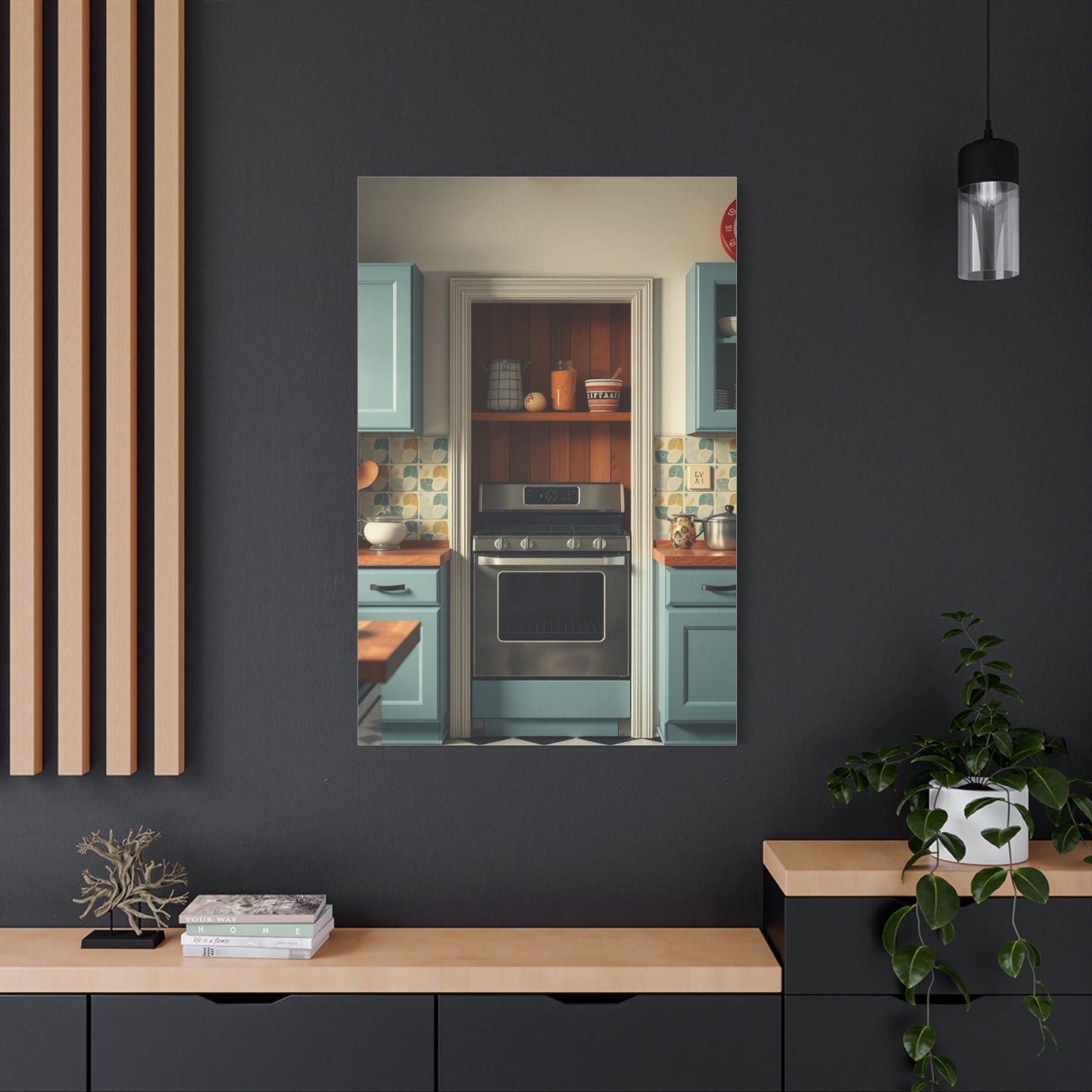
Understanding the Essence of Artisanal Kitchen Elegance Wall Art
The concept of artisanal kitchen elegance wall art represents a sophisticated approach to decorating culinary spaces with handcrafted, carefully curated pieces that blend functionality with aesthetic appeal. This style of decoration goes beyond mere adornment, creating an atmosphere that celebrates the art of cooking, gathering, and sharing meals. When you incorporate artisanal elements into your kitchen through wall art, you're making a statement about your appreciation for craftsmanship, quality, and timeless beauty. These pieces serve as conversation starters, mood enhancers, and reflections of personal taste that transform ordinary cooking areas into extraordinary spaces filled with character and charm.
Artisanal kitchen elegance wall art encompasses a wide range of styles, from vintage-inspired prints and hand-painted canvases to sculptural pieces and mixed-media installations. The defining characteristic of these works is their handcrafted quality and attention to detail. Unlike mass-produced decorations, artisanal pieces carry the unique mark of their creators, often featuring slight variations that make each item one of a kind. This individuality adds depth and authenticity to your kitchen environment, creating a space that feels genuinely curated rather than simply decorated.
The beauty of incorporating artisanal wall art into your kitchen lies in its versatility. Whether your culinary space follows a modern minimalist aesthetic, a rustic farmhouse vibe, a classic traditional style, or an eclectic bohemian approach, there are artisanal pieces that can complement and enhance your chosen design direction. The key is selecting works that resonate with your personal aesthetic while maintaining the functional nature of a working kitchen. These pieces should inspire creativity, evoke positive emotions, and withstand the unique environmental challenges that kitchens present, including humidity, temperature fluctuations, and exposure to cooking vapors.
Selecting Perfect Artisanal Pieces for Your Kitchen Space
Choosing the right artisanal kitchen elegance wall art requires careful consideration of multiple factors that will ensure your selections enhance rather than overwhelm your space. The first consideration involves assessing the physical characteristics of your kitchen, including wall size, layout, existing color scheme, and architectural features. Large, open walls can accommodate substantial pieces or gallery-style arrangements, while smaller spaces benefit from carefully chosen focal points that don't crowd the area. The height of your ceilings also influences appropriate piece sizes, with taller rooms offering opportunities for vertical arrangements or oversized artworks.
Color coordination plays a crucial role in successful artisanal wall art selection. Your chosen pieces should complement the existing palette of your kitchen while potentially introducing accent colors that add visual interest. If your kitchen features neutral tones, artisanal wall art provides an excellent opportunity to incorporate pops of color that energize the space. Conversely, if your kitchen already features bold colors in cabinetry or countertops, more subdued artwork can provide visual balance. Consider how natural and artificial lighting affects the appearance of colors throughout the day, as lighting conditions can dramatically alter how artwork appears in your space.
The subject matter of your artisanal kitchen elegance wall art should resonate with your personal interests and the overall mood you wish to create. Food-related themes are popular choices, ranging from botanical prints of herbs and vegetables to vintage advertisements for kitchen products, from still-life paintings of fruits and baked goods to abstract interpretations of culinary concepts. However, don't feel limited to explicitly food-related imagery. Landscapes, abstract compositions, typography, and cultural artifacts can all work beautifully in kitchen settings when chosen thoughtfully.
Material considerations are particularly important in kitchen environments due to exposure to moisture, heat, and grease. Artisanal pieces created with durable materials and protective finishes will maintain their appearance longer in these challenging conditions. Canvas prints sealed with protective coatings, framed works behind glass, metal sculptures with weather-resistant finishes, and ceramic pieces designed for humid environments all offer excellent longevity. When investing in handcrafted artisanal pieces, discuss care requirements and environmental suitability with the artist or seller to ensure your selection will thrive in a kitchen setting.
Creating a Cohesive Gallery Wall in Your Kitchen
A gallery wall featuring artisanal kitchen elegance wall art creates a dynamic focal point that showcases multiple pieces in a harmonious arrangement. This approach allows you to display a collection of complementary works that tell a story or represent various aspects of your personality and interests. The key to a successful kitchen gallery wall lies in thoughtful planning and execution that balances variety with unity, ensuring individual pieces shine while contributing to an overall cohesive aesthetic.
Begin your gallery wall planning by gathering potential pieces and laying them out on the floor in various arrangements. This allows you to experiment with different configurations without committing to wall placement. Consider mixing various sizes, orientations, and frame styles while maintaining some unifying elements that tie the collection together. These unifying factors might include a consistent color palette, similar subject matter, complementary frame finishes, or a shared artistic style. The arrangement should guide the eye naturally across the display, with larger or more visually striking pieces serving as anchor points.
The spacing between pieces in your gallery wall significantly impacts the overall appearance. Generally, maintaining consistent spacing of two to three inches between frames creates a cohesive, intentional look. However, some designers prefer tighter spacing for a more dramatic, salon-style arrangement, or wider spacing for a more contemporary, breathing aesthetic. Whichever approach you choose, consistency in spacing creates visual order that helps multiple pieces read as a unified installation rather than random placement.
Installation techniques for gallery walls require patience and precision. Start by measuring and marking your wall carefully, using paper templates cut to the exact size of each piece to visualize the final arrangement before making any holes. Hang the central or largest piece first, then work outward, constantly stepping back to assess the developing arrangement. For kitchens, ensure all hanging hardware is appropriate for the wall type, whether drywall, plaster, or tile backsplash. Consider the long-term stability of your installation, as kitchen environments can affect adhesives and hardware over time. Professional picture hanging systems offer excellent solutions for gallery walls, allowing for easy adjustments and providing secure support for artisanal pieces of varying weights.
Modern Artisanal Approaches to Kitchen Wall Art
Contemporary artisans bring fresh perspectives to kitchen wall art, creating pieces that honor traditional craftsmanship while embracing modern aesthetics and techniques. These makers often combine unexpected materials, experiment with scale and proportion, and reinterpret classic themes through contemporary lenses. Incorporating modern artisanal works into your kitchen creates dynamic tension between old and new, tradition and innovation, establishing spaces that feel both rooted and forward-thinking.
Mixed-media artisanal pieces represent an exciting direction in contemporary kitchen wall art. These works combine various materials such as wood, metal, fabric, paper, and found objects to create complex, layered compositions. A single piece might incorporate reclaimed barn wood, hand-forged metal elements, vintage book pages, and painted canvas sections, unified through careful composition and color coordination. The dimensional quality of mixed-media works adds sculptural interest to flat wall surfaces, creating shadows and depth that change with lighting conditions throughout the day.
Modern calligraphy and hand-lettered artisanal pieces bring typography into the kitchen in beautiful, personalized ways. Contemporary letter artists create works ranging from minimalist single-word pieces to elaborate multi-line compositions featuring recipes, food quotes, or family sayings. The handcrafted nature of these pieces, with their subtle irregularities and personal touches, contrasts beautifully with the mass-produced perfection of digital typography. Commission custom lettered pieces that incorporate meaningful text specific to your family or choose from ready-made works that resonate with your values and aesthetic preferences.
Abstract artisanal works offer sophisticated options for kitchens with modern or contemporary design schemes. These pieces focus on color, form, texture, and composition rather than representational imagery, allowing them to complement rather than compete with architectural features and functional elements. Abstract artisanal wall art can introduce desired colors into your palette, create focal points that anchor design schemes, or provide visual breathing room in busy spaces. Look for pieces created with quality materials and techniques that demonstrate genuine artistic skill rather than arbitrary mark-making.
Textile-based artisanal wall art brings warmth and texture to kitchen spaces through woven hangings, quilted pieces, embroidered works, and macramé installations. Contemporary fiber artists create stunning wall works that range from subtle, neutral compositions to bold, colorful statements. Textile pieces soften the hard surfaces typical in kitchens, where countertops, appliances, and tile dominate. When selecting textile art for kitchen display, consider pieces created with durable, washable materials that can withstand occasional exposure to moisture and cooking vapors. Many contemporary fiber artists treat their works with protective finishes that enhance durability without compromising the organic quality of the materials.
Botanical and Herb-Themed Artisanal Wall Art
Botanical subjects have long held special significance in kitchen decoration, creating natural connections between the spaces where food is prepared and the gardens where ingredients originate. Artisanal botanical wall art brings the beauty of the natural world into culinary spaces through carefully rendered plant portraits, herb collections, and garden-inspired compositions. These pieces celebrate the aesthetic qualities of edible plants while reinforcing the relationship between cooking and nature.
Vintage botanical prints featuring herbs and vegetables offer timeless elegance perfectly suited to kitchen environments. These scientific illustrations, originally created for identification and study purposes, possess remarkable artistic merit through their careful attention to detail and beautiful compositions. Antique botanical prints can be sourced from dealers specializing in vintage paper goods, or high-quality reproductions make these classic images accessible and affordable. Frame individual specimens in simple, complementary frames for a formal gallery wall, or choose larger pieces featuring multiple plants arranged on single sheets for more dramatic impact.
Contemporary artisans reinterpret botanical themes through various media and approaches, creating fresh takes on this traditional subject matter. Watercolorists render herbs and vegetables with loose, expressive brushwork that captures the essential character of each plant. Printmakers create bold, graphic interpretations using techniques like linocut, woodblock, or screen printing. Photographers focus their lenses on the intricate details of plants, revealing unexpected beauty in familiar subjects through macro perspectives and dramatic lighting. Mixed-media artists combine pressed plants with painting, drawing, and collage to create layered, complex compositions.
Herb garden themed artisanal pieces specifically designed for kitchen display often incorporate typography alongside botanical imagery, featuring the names of common culinary herbs paired with their visual representations. These works serve both decorative and practical purposes, functioning as quick reference guides while adding beauty to walls. Look for pieces that feature herbs you actually use in your cooking to create personal connections with the artwork. Some artisans create customizable herb art, allowing you to specify which plants appear in your commissioned piece.
Three-dimensional botanical wall art adds sculptural interest through pressed flower arrangements, preserved plant specimens in shadow boxes, and ceramic plant representations. These dimensional pieces create dynamic plays of light and shadow while celebrating the physical presence of plants in ways flat artwork cannot. Pressed flower art encased in glass provides long-lasting preservation of delicate blooms, creating romantic, cottage-style decoration. Shadow boxes displaying antique seed packets, vintage gardening tools, and dried herbs combine botanical themes with nostalgic references to traditional kitchen gardening practices.
Cultural and International Influences in Kitchen Wall Art
Artisanal kitchen elegance wall art provides wonderful opportunities to celebrate cultural heritage and express appreciation for international culinary traditions. Incorporating pieces that reflect various cultural influences creates globally inspired spaces that honor the diverse origins of cooking techniques, ingredients, and food traditions. These cultural connections add depth and meaning to kitchen decoration while celebrating the universal human experience of preparing and sharing food.
Mediterranean-inspired artisanal wall art brings the warmth and vibrancy of southern European and North African cultures into kitchen spaces. Pieces featuring olive branches, wine grapes, lemons, and figs reference the iconic ingredients of Mediterranean cuisine. Ceramic tiles hand-painted with traditional patterns from Spain, Portugal, Italy, or Morocco add color and cultural authenticity. Vintage travel posters depicting Mediterranean destinations create romantic associations with leisurely meals and time-honored food traditions. Consider incorporating artisanal pieces that reference specific regional cuisines you love, whether Provençal, Tuscan, Spanish, Greek, or North African.
Asian-influenced artisanal kitchen wall art draws from the rich visual traditions of China, Japan, Korea, Vietnam, Thailand, and other Eastern cultures. Japanese woodblock prints featuring food subjects bring refined artistic sensibility and cultural depth. Chinese calligraphy pieces, particularly those featuring characters related to food, cooking, or gathering, add elegant graphic elements. Contemporary Asian artists reinterpret traditional motifs through modern perspectives, creating pieces that honor cultural heritage while speaking to contemporary sensibilities. Bamboo steamers, vintage tea containers, and ceramic sake bottles can be displayed as sculptural wall elements that reference Asian culinary traditions.
Latin American artisanal wall art introduces vibrant colors, bold patterns, and celebratory energy into kitchen spaces. Mexican folk art, including hand-painted ceramics, colorful papel picado, and retablo paintings, brings festive spirit and cultural richness. South American textile pieces featuring traditional weaving patterns and natural dyes add warmth and handcrafted quality. Vintage advertisements for Latin American food products, coffee brands, and restaurants offer nostalgic appeal with distinctive mid-century graphic design. These pieces celebrate the bold flavors, bright colors, and convivial spirit characteristic of Latin American food cultures.
African and Middle Eastern influences bring distinctive aesthetic qualities to artisanal kitchen wall art through geometric patterns, rich textiles, and symbolic imagery. Moroccan metal work, Ethiopian coffee ceremony elements, and West African basket wall displays introduce cultural traditions with deep connections to food and hospitality. Contemporary African artists create stunning works that reinterpret traditional patterns and motifs through modern artistic approaches. Middle Eastern calligraphy, particularly pieces featuring texts related to food, sharing, and gratitude, adds spiritual and cultural depth. Incorporating these diverse cultural influences creates kitchen spaces that celebrate global culinary heritage and cross-cultural exchange.
Seasonal Artisanal Wall Art Rotation Strategies
Implementing a seasonal rotation strategy for artisanal kitchen elegance wall art keeps your space feeling fresh and connected to the changing rhythms of the year. This approach allows you to enjoy different pieces at various times while preventing visual fatigue that can occur when the same artworks remain in place indefinitely. Seasonal rotations also provide opportunities to celebrate holiday traditions, acknowledge harvest cycles, and align your kitchen decoration with the foods and activities most relevant to each time of year.
Spring-themed artisanal wall art introduces fresh, optimistic energy after winter months. Pieces featuring spring flowers, young vegetables, pastel color palettes, and themes of renewal and growth reflect the season's characteristics. Botanical prints highlighting spring herbs like chives, parsley, and mint connect decoration with seasonal ingredients. Artisanal pieces depicting birds, nests, and other symbols of new beginnings bring nature's awakening into your kitchen. Lighter, brighter artwork choices help your space feel more open and airy as natural daylight increases.
Summer artisanal wall art celebrates abundance, outdoor living, and vibrant energy. Pieces featuring summer fruits and vegetables at their peak create visual connections with seasonal eating. Artworks depicting picnics, outdoor dining, farmers markets, and garden abundance reference summer activities and food sources. Brighter colors, particularly yellows, oranges, reds, and fresh greens, reflect summer's intensity. Consider rotating in more casual, relaxed pieces that complement the informal entertaining style typical of summer months.
Autumn-themed artisanal pieces embrace the rich colors, harvest abundance, and cozy atmosphere of fall. Artworks featuring fall foliage, pumpkins, apples, grapes, and harvest scenes celebrate seasonal bounty. Warmer color palettes emphasizing oranges, golds, deep reds, and browns create visual warmth as outdoor temperatures cool. Pieces referencing traditional harvest festivals, apple picking, and autumn baking traditions connect your space with cultural and culinary customs. More substantial, layered artworks suit autumn's nesting energy as activities move back indoors.
Winter artisanal wall art creates warmth and interest during darker, colder months. Pieces featuring winter fruits like citrus and pomegranates, evergreen branches, and cozy interior scenes suit the season's character. Holiday-specific artwork can be rotated in temporarily for seasonal celebrations without permanently committing wall space. Deeper, richer colors and pieces with more weight and substance complement winter's inward-focused energy. Consider artworks featuring warm beverages, baked goods, and comfort foods that align with cold-weather cooking and gathering.
Creating Artisanal Wall Art for Your Own Kitchen
Developing your own artisanal kitchen elegance wall art allows for ultimate personalization while providing creative satisfaction and cost savings. Creating handmade pieces for your space ensures complete alignment with your aesthetic preferences, size requirements, and thematic interests. The process of making your own kitchen wall art also connects you more deeply with your space, as pieces you've personally created carry additional meaning beyond their visual appeal.
Painting and drawing techniques accessible to various skill levels offer excellent starting points for creating original artisanal wall art. Acrylic paints work particularly well for kitchen pieces due to their durability and water resistance once dry. Simple abstract compositions focusing on color and texture require minimal technical skill while producing sophisticated results. Still life paintings featuring kitchen items or favorite foods connect decoration directly with the room's purpose. Watercolor paintings of herbs, vegetables, or kitchen scenes create softer, more delicate works. Even those without extensive artistic training can create appealing pieces by embracing loose, expressive approaches rather than attempting photorealistic precision.
Printmaking techniques including block printing, screen printing, and monoprinting allow you to create original artisanal pieces with distinctive handmade character. Linocut printing requires only basic tools and materials but produces bold, graphic images perfect for kitchen display. You can carve designs featuring kitchen tools, food items, or botanical subjects into linoleum blocks, then print multiple versions on paper or fabric. Screen printing enables you to create layered, multi-colored pieces with precise registration between colors. These techniques naturally produce the slight variations between prints that signal handmade authenticity.
Collage and mixed-media approaches offer tremendous creative freedom for developing unique artisanal wall art. Combine vintage cookbook pages, seed packets, food labels, fabric scraps, and found papers with paint, drawing, and other media to create complex, layered compositions. The additive nature of collage allows for experimentation and revision throughout the creative process, making it forgiving for less experienced makers. Dimensional collages incorporating three-dimensional elements like vintage kitchen tools, dried botanicals, or small found objects create sculptural wall pieces with significant visual impact.
Textile-based projects including embroidery, weaving, and fabric printing provide opportunities to create artisanal wall art with warmth and texture. Simple embroidery patterns featuring kitchen motifs, herbs, or meaningful text create charming wall pieces when mounted in embroidery hoops or frames. Basic weaving techniques using simple frame looms produce contemporary fiber art suitable for kitchen display. Fabric printing using stamps, stencils, or direct painting allows you to create custom textiles that can be stretched over canvas frames or hung as banners. These textile techniques produce pieces with handcrafted quality that softens hard kitchen surfaces.
Framing and Presentation Techniques for Maximum Impact
The framing and presentation of artisanal kitchen elegance wall art significantly influence how pieces appear in your space, often making the difference between amateur-looking displays and professional, polished results. Thoughtful attention to framing choices, matting decisions, and mounting techniques ensures your artisanal pieces receive presentations worthy of their quality while protecting them from environmental challenges inherent in kitchen spaces.
Frame selection requires balancing aesthetic preferences with practical considerations about durability and appropriateness for kitchen environments. Wood frames offer warmth and traditional elegance, available in countless finishes from natural woods to painted colors. Choose hardwoods rather than softwoods for better durability, and consider frames with protective finishes that resist moisture and cleaning products. Metal frames, including aluminum, steel, and brass options, provide sleek, contemporary looks with excellent durability. Their non-porous surfaces resist humidity and wipe clean easily, making them practical choices for kitchens. Acrylic frames offer modern, lightweight alternatives with excellent moisture resistance.
Matting decisions dramatically affect how artwork appears within frames, providing breathing room around images and creating transitions between art and frames. Quality matting materials include acid-free mats that won't discolor or damage artwork over time. Choose mat colors that complement rather than compete with your artwork, considering how mat tones interact with both the piece and the frame. Neutral mat colors including white, cream, and light gray offer safe, versatile choices that work with most art. Colored mats can enhance specific tones within artwork or create bold contrasts for dramatic effect. Multiple mat layers create depth and sophistication, particularly effective for smaller pieces.
Protective glazing protects artisanal wall art from moisture, grease, and other environmental hazards in kitchen settings. Regular glass provides basic protection at reasonable cost but creates reflections that can interfere with viewing. Anti-reflective glass minimizes reflections through special coatings that allow clearer viewing of artwork from various angles and lighting conditions. Museum glass represents the highest quality option, virtually eliminating reflections while providing UV protection that prevents fading. Acrylic glazing offers lightweight, shatter-resistant protection particularly appropriate for larger pieces or homes with children. Choose UV-filtering acrylic for valuable works needing fade protection.
Mounting hardware and techniques ensure secure, level artwork installation that withstands the activity of kitchen environments. Picture hanging wire attached to D-rings provides traditional, reliable hanging support for framed pieces. Wire allows for minor adjustments in positioning without moving hooks. French cleats offer superior support for heavy pieces, distributing weight across longer sections of wall while hanging flush. These interlocking wooden or metal strips provide remarkably secure mounting appropriate for valuable artisanal works. For very small, lightweight pieces, adhesive strips designed for picture hanging provide clean, hole-free solutions. Gallery systems with rail-mounted cables offer professional flexibility for frequently changed displays.
Sustainable and Eco-Friendly Artisanal Wall Art Options
Sustainability considerations increasingly influence purchasing decisions as awareness grows about environmental impacts of consumer choices. Selecting eco-friendly artisanal kitchen elegance wall art aligns decoration practices with environmental values while supporting makers committed to responsible sourcing and production methods. Understanding various aspects of sustainable art making helps you identify genuinely eco-conscious options rather than superficial greenwashing claims.
Reclaimed and recycled materials form foundations for many sustainable artisanal pieces, giving new life to materials that might otherwise end up in landfills. Artisans create stunning works from salvaged wood, vintage metal objects, discarded fabric, old books, and other rescued materials. These pieces carry stories of their materials' previous uses while demonstrating creative resourcefulness. Reclaimed barn wood wall art brings rustic character with sustainability credentials, as no new trees were harvested for its creation. Metal sculptures fabricated from vintage kitchen implements or industrial salvage combine visual interest with material reuse. Mixed-media pieces incorporating vintage papers, fabrics, and found objects exemplify creative repurposing.
Sustainably harvested natural materials including FSC-certified wood, organic cotton, and responsibly sourced plant materials provide renewable options for artisanal works. Look for artisans who specify their materials' origins and certifications, demonstrating commitment to environmental responsibility. Wooden frames and canvas stretchers made from sustainably managed forests support responsible forestry practices. Natural fiber textiles including organic cotton, linen, and hemp offer alternatives to synthetic materials derived from petroleum. Plant-based dyes extracted from vegetables, flowers, and other botanical sources replace synthetic colorants containing potentially harmful chemicals.
Local sourcing reduces transportation impacts while supporting regional artisans and economies. Commissioning works from makers in your area minimizes shipping distances and associated carbon emissions. Local artisans often use regional materials, further reducing transportation impacts. Purchasing locally also allows you to meet makers, visit studios, and develop relationships with the people creating your artwork. These connections add meaning to pieces while fostering appreciation for craft traditions in your community. Attend local art shows, studio tours, and craft fairs to discover talented artisans working near you.
Non-toxic materials and processes protect both artisan health and environmental quality. Many traditional art materials contain hazardous substances including heavy metals, volatile organic compounds, and toxic solvents. Progressive artisans choose safer alternatives including water-based paints, non-toxic inks, and natural finishes. When commissioning custom pieces, inquire about materials and processes used, expressing preference for non-toxic options. For your kitchen specifically, avoiding toxic materials becomes particularly important given proximity to food preparation areas. Pieces finished with natural oils, beeswax, or water-based sealers eliminate concerns about off-gassing harmful chemicals.
Typography and Text-Based Artisanal Wall Art
Text-based artisanal kitchen elegance wall art brings meaningful words into your culinary space through beautiful lettering, inspiring quotes, favorite recipes, and personal sayings. Typography-focused pieces add visual interest through letterforms themselves while communicating messages that resonate with your values, humor, or aspirations. The marriage of meaningful content with skilled execution creates works that engage both intellectually and aesthetically.
Hand-lettered quotes about food, cooking, and gathering create inspirational focal points in kitchen spaces. Skilled calligraphers and letter artists render meaningful texts with beautiful letterforms ranging from elegant script to bold modern styles. Choose quotes that genuinely resonate rather than generic sayings everyone displays. Consider texts from favorite authors, chefs, or cultural traditions meaningful to your family. Humor works wonderfully in kitchens, where witty food-related sayings add levity. Multilingual texts honor cultural heritage while adding visual interest through unfamiliar letterforms and characters.
Recipe wall art transforms cherished family recipes into decorative pieces that celebrate culinary heritage. Commission artisans to beautifully letter recipes passed through generations, creating heirlooms that honor family traditions. These pieces serve both decorative and practical purposes, remaining readable while hanging attractively. Include notes about the recipe's origins, who typically prepared it, and occasions when it was served. Frame finished recipe art behind protective glazing to preserve it from kitchen conditions while maintaining legibility. Multiple family recipes can be compiled into a gallery wall celebrating your culinary heritage.
Menu boards with changeable text provide functional artisanal wall art that serves practical purposes. Chalkboard-style pieces allow you to write weekly menus, shopping lists, or inspirational quotes that change as desired. Artisans create beautiful chalkboard frames, letter boards, and other systems for displaying changeable text. These pieces transition between decoration and function, adding visual interest while communicating useful information. Choose well-crafted pieces with attention to frame quality, writing surface smoothness, and overall construction rather than cheap mass-produced alternatives.
Single-word pieces focusing on meaningful concepts create powerful statements through minimal text. Words like gather, feast, savor, nourish, or gratitude communicate values and intentions for your kitchen space. The simplicity of single words allows maximum attention to letterform beauty and material quality. Choose words in languages meaningful to your family, whether English, heritage languages, or others with special significance. Artisans can render single words in countless styles from vintage typography to ultra-modern geometric letters, ensuring perfect matches for your aesthetic preferences.
Typography combined with imagery creates layered, complex artisanal pieces that engage multiple levels. Text can be integrated with botanical illustrations, food photography, kitchen tool drawings, or abstract compositions. The interplay between words and images adds depth and interest while reinforcing themes. Look for pieces where text and imagery relate meaningfully rather than arbitrary combinations. Skilled designers create harmonious compositions where typographic and visual elements balance and complement each other.
Small Kitchen Solutions for Wall Art Display
Limited wall space in small kitchens requires strategic approaches to displaying artisanal kitchen elegance wall art without creating cluttered, overwhelming environments. Thoughtful selection, clever placement, and creative solutions allow even compact culinary spaces to showcase beautiful handcrafted pieces that enhance rather than crowd the area. The key lies in maximizing impact from carefully chosen focal points while respecting spatial constraints.
Vertical arrangements make efficient use of limited wall space by stacking pieces vertically rather than spreading horizontally. A narrow vertical gallery of two or three complementary pieces occupies minimal horizontal space while creating satisfying visual interest. Choose pieces with similar widths but varying heights to create dynamic vertical compositions. This approach works particularly well on narrow wall sections beside doorways, between windows, or alongside appliances where horizontal space is constrained.
Multi-functional pieces that serve both decorative and practical purposes maximize value in space-limited kitchens. Decorative magnetic knife strips function as both storage and art when well-designed. Beautiful pot racks displayed on walls store cookware while adding decorative elements. Vintage kitchen tool collections mounted decoratively provide both display and functional access. Open shelving styled with attractive dishware, glassware, and food storage containers creates visual interest while serving storage needs. These hybrid solutions allow small kitchens to enjoy aesthetic beauty without sacrificing precious functional space.
Strategic focal points create maximum impact from minimal pieces, drawing attention to carefully chosen areas rather than attempting comprehensive wall coverage. One substantial, striking artisanal piece commands more attention than multiple smaller works in compact spaces. Position your selected focal point where it will be most visible, perhaps on the wall facing the kitchen entrance or above a small dining area. Allow breathing room around your focal piece, resisting the temptation to fill every available surface. This restraint creates sophisticated, intentional-looking spaces rather than cluttered, overwhelming ones.
Integrating Wall Art with Open Shelving Displays
Open shelving has become increasingly popular in contemporary kitchen design, creating opportunities to integrate artisanal kitchen elegance wall art with functional storage displays. The combination of wall-mounted art and styled shelf contents creates layered, dimensional arrangements that add visual richness while maintaining practicality. Successfully merging these elements requires thoughtful planning about scale, color, and composition to achieve harmonious results.
Background art behind open shelving creates depth and interest visible between displayed items. Choose pieces with appropriate scale that remain partially visible despite shelf contents. Larger, simpler compositions work better than detailed pieces where much content will be obscured. Consider how shelf contents will interact with artwork, ensuring colors and styles complement rather than clash. Abstract or geometric pieces often work well behind shelving, as their non-representational nature tolerates partial obstruction. Botanical prints and vintage posters also succeed when thoughtfully selected to coordinate with shelf styling.
Color coordination between wall art and shelf contents creates cohesive, intentional-looking displays. Draw accent colors from your chosen artwork into items displayed on shelves, or vice versa. If your wall art features soft greens, display vintage green glassware or ceramic pieces on adjacent shelves. Artworks with warm terracotta tones complement natural wood cutting boards and copper cookware. This color echoing creates visual connections that unify separate elements into cohesive compositions. Don't match too literally, which can appear contrived; instead allow colors to resonate across elements while maintaining variety.
Scale relationships between artwork and shelf items require careful consideration for balanced compositions. Very large artwork can overwhelm small shelf displays, while tiny pieces disappear beside substantial shelf contents. Generally, allow artwork to occupy more visual weight than individual shelf items but avoid overpowering the entire arrangement. Step back frequently while arranging to assess overall balance. Consider how eye movement flows across the combined display, ensuring neither artwork nor shelf contents dominate attention exclusively but rather work together as unified composition.
Negative space distribution across artwork and shelving prevents cluttered, overwhelming appearances. Avoid filling every inch of wall and shelf surface, which creates visual chaos. Allow breathing room in both wall art arrangement and shelf styling. If your shelving is relatively full, choose simpler, more minimal wall art. Conversely, more elaborate artwork can be balanced with more sparsely styled shelves. This conscious management of filled and empty space creates sophisticated, curated-looking displays.
Thematic connections between wall art and shelf contents strengthen the relationship between these elements. If your artisanal wall art features botanical herb prints, display fresh or dried herbs on nearby shelves along with vintage herb storage containers. Vintage advertising art pairs naturally with period-appropriate kitchen items on shelves. Modern abstract art coordinates with contemporary dishware and minimalist kitchen tools. These thematic echoes create narrative coherence that elevates random assortment into thoughtful curation.
Artisanal Wall Art for Different Kitchen Design Styles
Various kitchen design styles require different approaches to selecting and displaying artisanal kitchen elegance wall art that complements rather than contradicts overall aesthetic directions. Understanding how to match artisanal pieces with specific design vocabularies ensures your wall art enhances your kitchen's intended character while expressing personal taste.
Farmhouse and country kitchen styles embrace artisanal wall art featuring rural themes, vintage elements, and handcrafted character. Weathered wood signs with painted or routed text, vintage enamelware displayed on walls, and botanical herb prints suit this aesthetic perfectly. Reproduction vintage advertising, antique kitchen tools mounted decoratively, and folk art pieces contribute authentic country character. Color palettes emphasizing whites, creams, soft blues, and muted greens coordinate with typical farmhouse schemes. Distressed finishes and obviously handmade qualities enhance rather than detract from farmhouse appeal, as this style celebrates authentic wear and crafted imperfection.
Modern and contemporary kitchen designs require artisanal wall art with clean lines, sophisticated simplicity, and contemporary sensibilities. Abstract compositions, minimalist line drawings, and modern photography work beautifully in these spaces. Black and white art, monochromatic pieces, and works with restrained color palettes suit modern aesthetics emphasizing simplicity. Geometric patterns, architectural photography, and graphic design-inspired pieces align with contemporary values. Choose sleek framing with minimal profiles in metal or simple wood finishes. Despite the modern context, artisanal handcrafted pieces add important warmth and humanity that prevent cold, sterile atmospheres.
Industrial kitchen styles featuring exposed elements, metal surfaces, and urban character call for artisanal wall art with appropriate edge and attitude. Vintage industrial signage, blueprints and technical drawings, and black and white photography of urban scenes suit this aesthetic. Metal wall sculptures, reclaimed wood assemblages, and mixed-media pieces incorporating industrial materials feel at home. The artisanal quality of handcrafted pieces provides important contrast with industrial elements' mechanical origins. Aged and distressed finishes on artwork complement the worn, authentic character valued in industrial design.
Children-Friendly Artisanal Wall Art Approaches
Kitchens in homes with children benefit from artisanal kitchen elegance wall art selections that withstand active family life while engaging young household members. Choosing appropriate pieces, implementing protective measures, and involving children in art appreciation creates welcoming environments where everyone feels included while protecting valuable handcrafted works.
Durable materials and secure installation methods provide essential protection for artisanal pieces in family kitchens. Choose works on canvas, wood, or metal rather than delicate materials like paper or fabric that damage easily. Ensure protective glazing on framed pieces to shield contents from fingerprints, splashes, and impacts. Install artwork securely with appropriate hardware that prevents pieces from being knocked off walls by active play or accidentally. Position valuable or fragile pieces higher on walls where small hands can't reach them, reserving lower areas for more durable or less precious items.
Engaging, child-appealing subjects make artisanal wall art relevant to all family members. Botanical illustrations that children can learn plant names from, kitchen tool collections they recognize from cooking together, or vintage food advertising with colorful graphics appeal across ages. Avoid overly sophisticated or abstract pieces in primary kitchen areas if they hold no interest for children, potentially reserving these for more adult-centered spaces. Pieces featuring animals, bright colors, or familiar objects help children feel included in kitchen decoration.
Educational elements transform artisanal wall art into learning opportunities. Alphabet prints featuring food words, number charts illustrated with fruits and vegetables, or world maps highlighting food origins combine decoration with education. Herb and vegetable identification charts teach plant recognition while serving decorative purposes. Multi-lingual text pieces expose children to different languages through everyday exposure. Choose pieces that will grow with children, offering different levels of engagement as they mature.
Rotating children's artwork alongside artisanal pieces validates young family members' creativity while allowing them to contribute to kitchen decoration. Dedicate specific wall areas or use clip systems that easily accommodate changed-out displays of children's work. Frame particularly special pieces created by children to give them equal status with purchased artisanal works. This approach teaches children that handmade art deserves respect and proper presentation regardless of the creator's age or training.
Involving children in art appreciation discussions develops their aesthetic sensibilities while helping them understand wall art's value. Talk about techniques used in artisanal pieces, stories behind works' creation, or reasons you chose specific items. Ask children which pieces they prefer and why, validating their developing taste. When appropriate, bring children along when selecting new pieces, explaining your decision-making process. These activities foster appreciation for handcrafted quality and thoughtful curation.
Digital Integration with Physical Artisanal Wall Art
Modern technology offers interesting possibilities for enhancing physical artisanal kitchen elegance wall art displays through digital integration while maintaining focus on handcrafted pieces' tangible qualities. Thoughtfully incorporating technological elements can add functionality and interest without diminishing artisanal works' primacy or creating jarring aesthetic conflicts.
Digital frames displaying rotating images provide flexibility for enjoying multiple artworks without physical storage or repeated rehanging. High-quality digital frames with excellent resolution and color accuracy can showcase photographs, scans of original artwork, or digital art created by contemporary makers. Program frames to rotate images seasonally, match changing kitchen color schemes, or display works by different artists throughout the year. Despite technological origins, digital frames can be integrated into artisanal displays by choosing models with quality frame surrounds that complement physical pieces.
QR codes discreetly attached near artisanal wall art provide access to detailed information without cluttering physical displays. Link codes to pages sharing artist biographies, creation process videos, provenance information, or deeper context about depicted subjects. This approach satisfies curiosity without requiring lengthy wall labels that detract from artwork itself. Visitors can choose whether to access additional information while those preferring direct aesthetic experience can ignore codes entirely. Use high-quality printed codes in subtle placements that don't draw excessive attention.
Social media documentation preserves records of your artisanal wall art collection while sharing your curated space with interested audiences. Photograph pieces individually and as arranged in your kitchen, capturing how they contribute to your overall aesthetic. Share stories about acquisition, artist relationships, or personal connections to works. Follow artists whose work you display, engaging with their posts and sharing your displays when appropriate. This digital engagement builds community around artisanal work while documenting your collection's evolution over time.
Professional Styling Services for Artisanal Wall Art
Professional design services offer valuable expertise for homeowners seeking guidance in selecting, arranging, and displaying artisanal kitchen elegance wall art optimally. While many successfully curate their own displays through research and experimentation, professionals bring trained eyes, extensive experience, and access to resources that can elevate results significantly. Understanding what various professionals offer helps you determine whether and when to engage expert assistance.
Interior designers provide comprehensive space planning that integrates artisanal wall art into overall kitchen design schemes. These professionals consider how wall art relates to all other design elements including cabinetry, countertops, flooring, and furnishings. They develop cohesive plans ensuring every element contributes to intended aesthetic directions. Many designers maintain relationships with artisans, galleries, and dealers, providing access to works you might not discover independently. Design fees vary widely based on professional experience, project scope, and regional markets. Some designers work on hourly basis while others charge fixed project fees or percentages of total purchases.
Art consultants specialize specifically in selecting, acquiring, and installing artwork for residential and commercial clients. These professionals possess deep knowledge about artists, art markets, and appropriate pieces for specific spaces and purposes. Art consultants help identify works matching your aesthetic preferences, budget constraints, and spatial requirements. They often access pieces through trade channels unavailable to general public, potentially negotiating favorable pricing. Consultants typically charge fees based on time invested or percentages of artwork purchases. For significant artisanal collection building, consultant expertise proves valuable.
Professional installers ensure artisanal wall art hangs securely, level, and appropriately positioned for optimal viewing. While competent home improvement enthusiasts handle basic picture hanging, professionals bring specialized tools, techniques, and experience particularly valuable for heavy, valuable, or awkwardly sized pieces. They understand wall construction types and appropriate hanging hardware for different situations. Professional installation proves especially worthwhile for complex gallery walls, very heavy pieces, or installations requiring special mounting solutions. Installation fees typically based on time required and difficulty of specific jobs.
Color consultants help develop cohesive color schemes that integrate artisanal wall art with existing or planned kitchen palettes. These specialists understand color theory, how different hues interact, and how lighting affects color appearance. They can recommend artwork selections that will enhance rather than clash with your kitchen's colors, or suggest kitchen color modifications that better complement artwork you've already acquired. Color consultation particularly helps those struggling with confident color decisions or dealing with challenging existing color situations.
Styling consultants focus specifically on arranging and presenting collections for maximum visual impact. These professionals understand composition principles, balance, proportion, and creating cohesive arrangements from diverse elements. They can restyle existing collections you've accumulated, making them appear more intentional and polished through better arrangement. Styling consultants often work on project basis for specific sessions rather than ongoing relationships. Their services prove valuable when you have good pieces but struggle with effective display strategies.
Conclusion
Artisanal kitchen elegance wall art represents far more than simple decoration, offering opportunities to transform culinary spaces into personalized environments that reflect individual taste, celebrate craftsmanship, and honor the cultural significance of cooking and gathering. Throughout this comprehensive exploration, we've examined the multifaceted nature of selecting, displaying, and living with handcrafted wall art in kitchen settings, from understanding historical context to implementing practical maintenance strategies.
The journey toward creating beautifully appointed kitchen walls begins with recognizing that these spaces deserve the same thoughtful design attention as more traditionally decorated rooms. Kitchens function as the heart of homes, where families gather, meals are prepared with care, and memories form around shared tables. The wall art you choose for these important spaces should enhance these experiences, creating atmosphere that inspires creativity, encourages connection, and brings daily joy through visual beauty.
Quality artisanal pieces distinguish themselves from mass-produced alternatives through their handcrafted nature, attention to detail, and the unique character that comes from individual creation. When you invest in artisanal wall art, you support skilled makers, preserve traditional crafts, and acquire pieces with authentic stories and genuine character. These works carry the marks of their creators' hands and minds, making each piece irreplaceable and valuable beyond mere monetary worth.
The selection process requires balancing aesthetic preferences with practical considerations unique to kitchen environments. Successful choices complement your existing design scheme while withstanding the challenges of humidity, temperature fluctuation, and exposure to cooking vapors. Material durability, protective finishes, and appropriate framing ensure your artisanal pieces remain beautiful despite kitchen conditions. Taking time to carefully assess your space, consider how pieces will function in context, and select works that genuinely resonate ensures satisfaction with your choices for years to come.
Arrangement and display techniques significantly impact how effectively artisanal wall art enhances your kitchen. Whether creating gallery walls that showcase multiple pieces, installing dramatic focal points, or integrating artwork with functional elements like open shelving, thoughtful composition creates cohesive, intentional-looking results. Proper lighting reveals artwork's colors and details while contributing to overall kitchen ambiance. Taking care with installation ensures pieces hang securely and remain properly positioned.


