
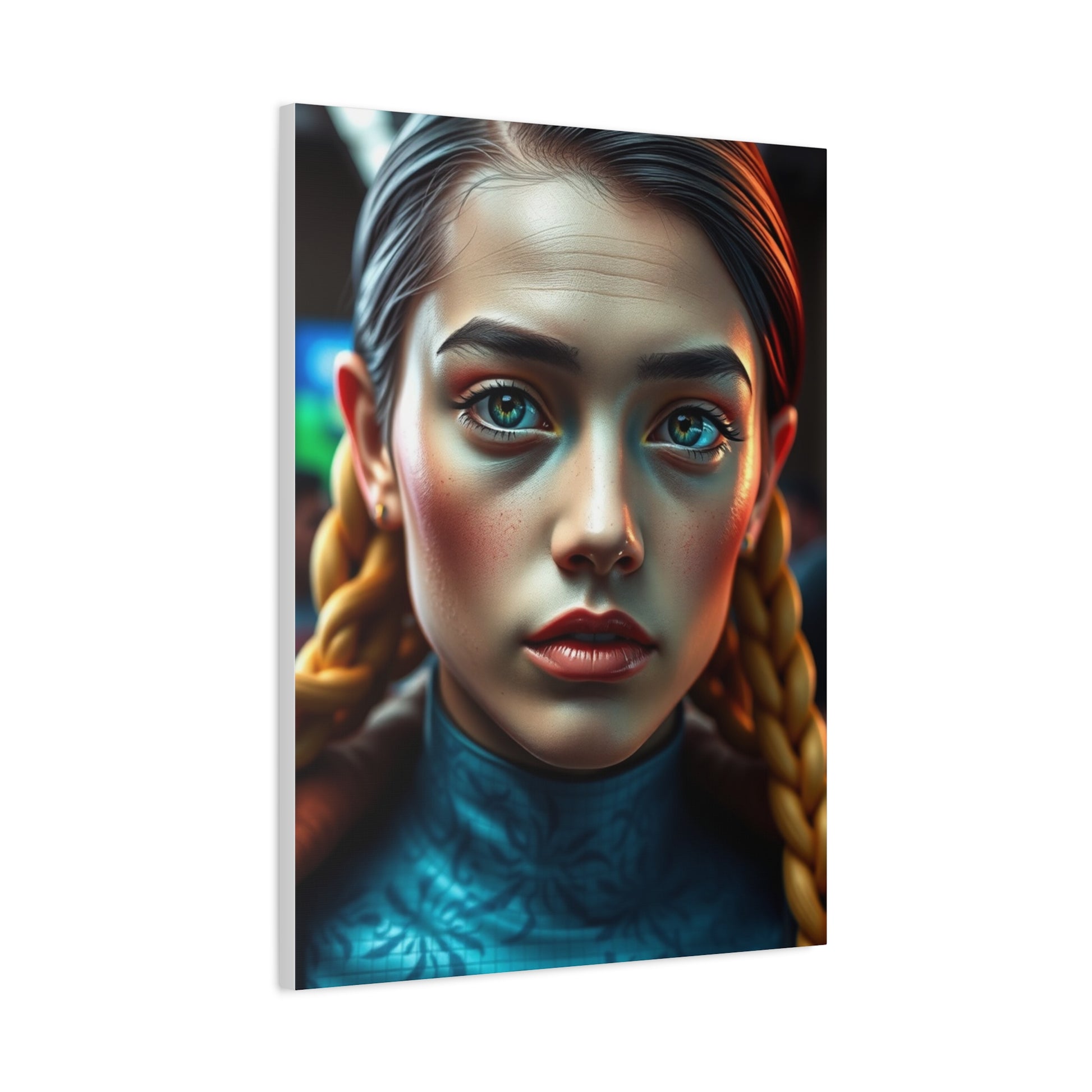
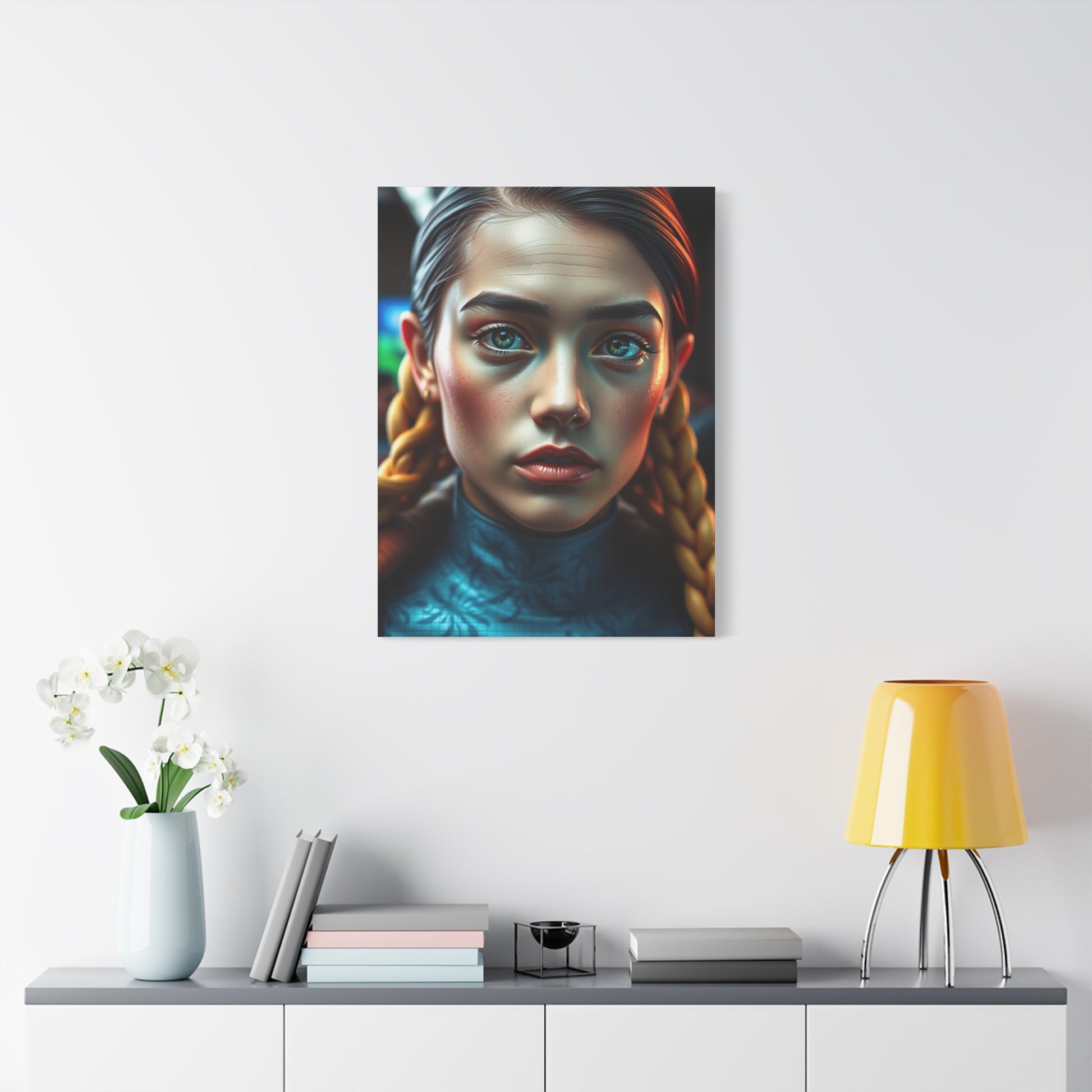
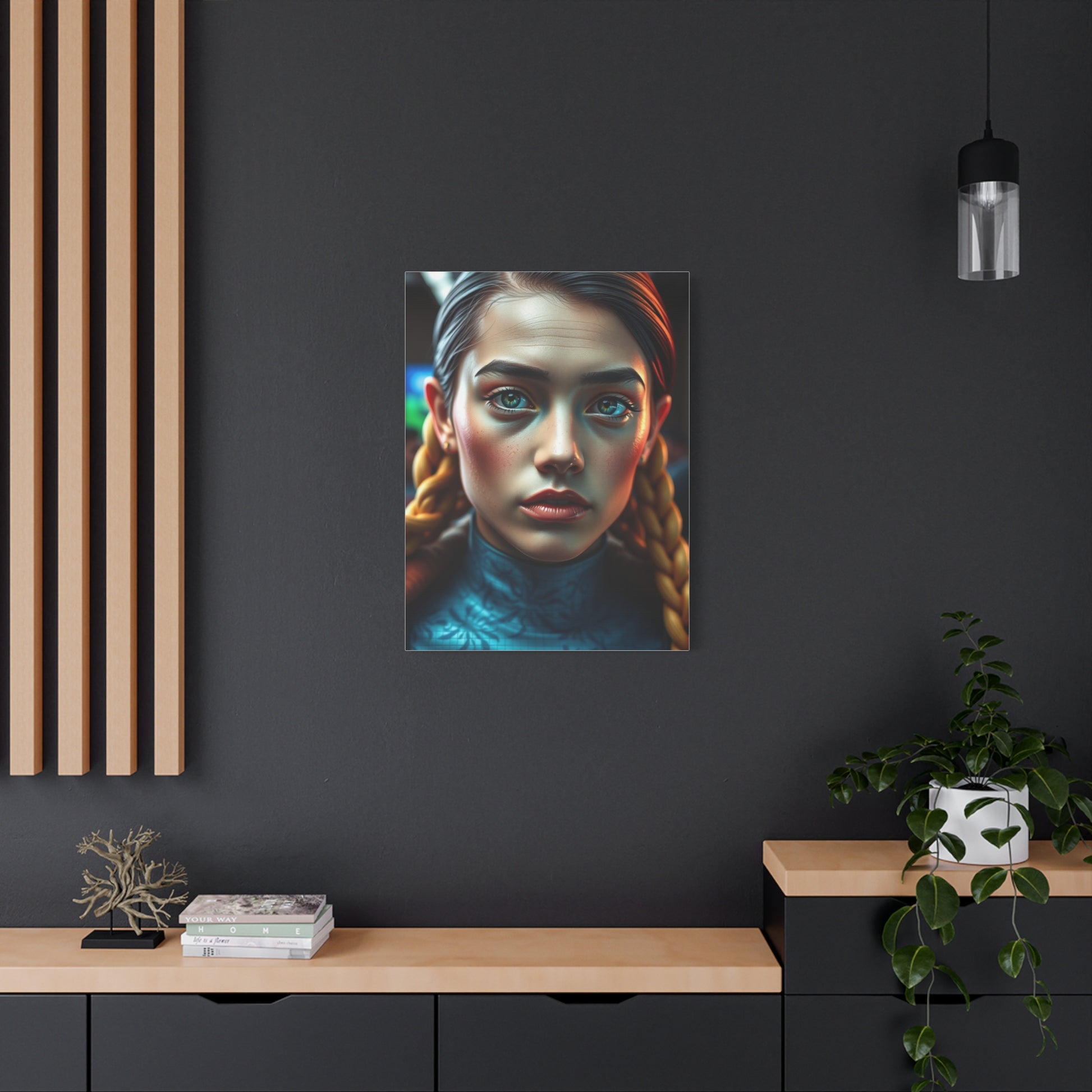
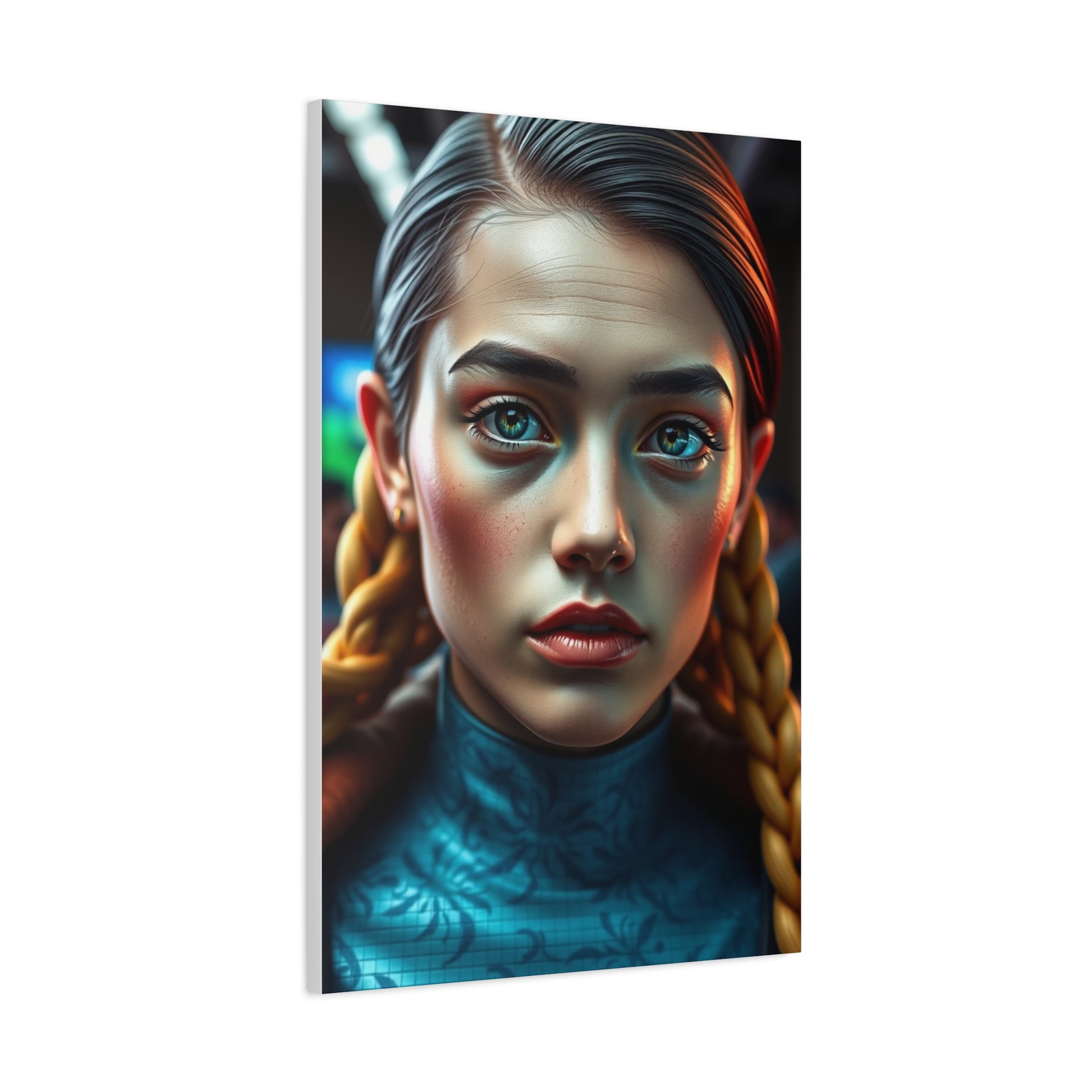
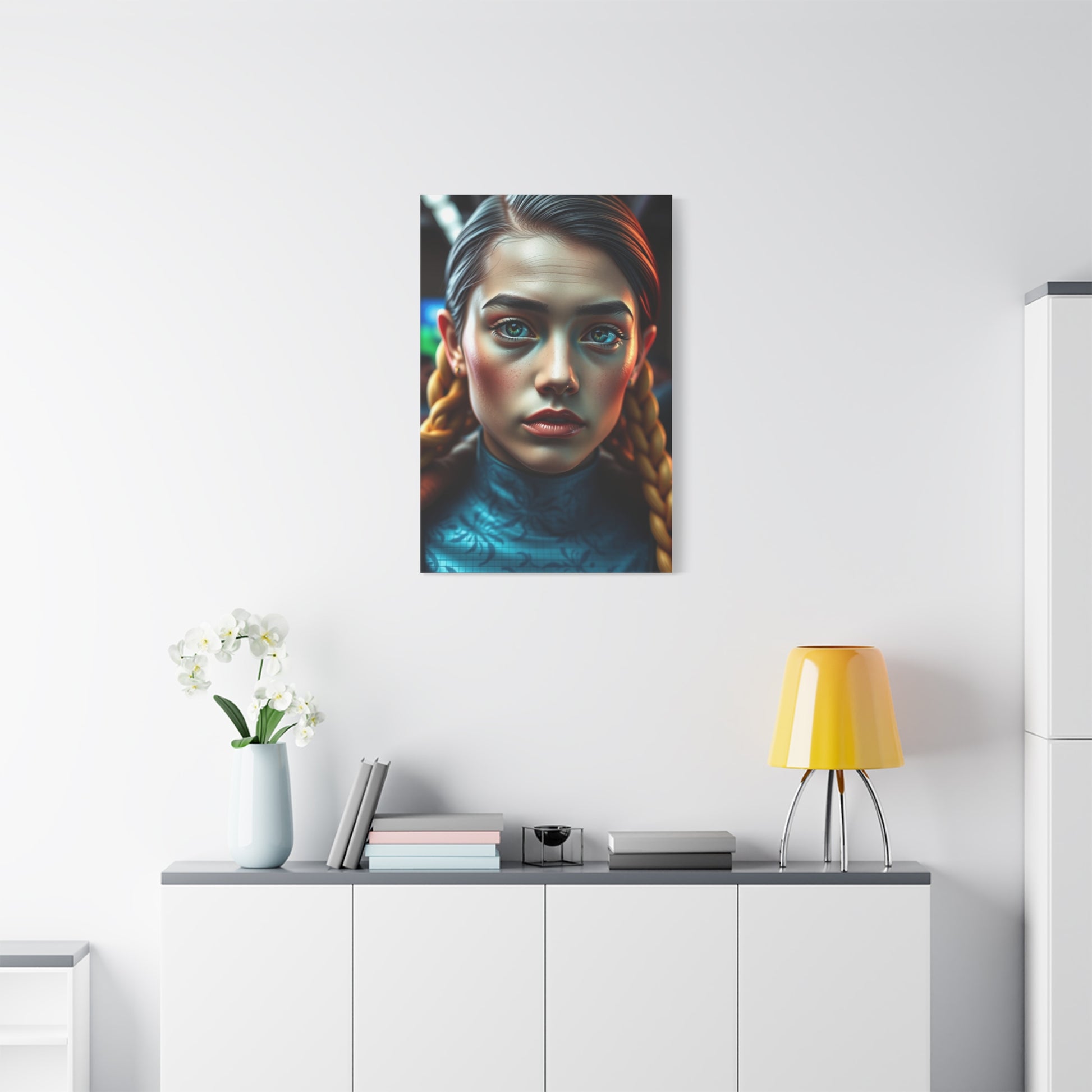
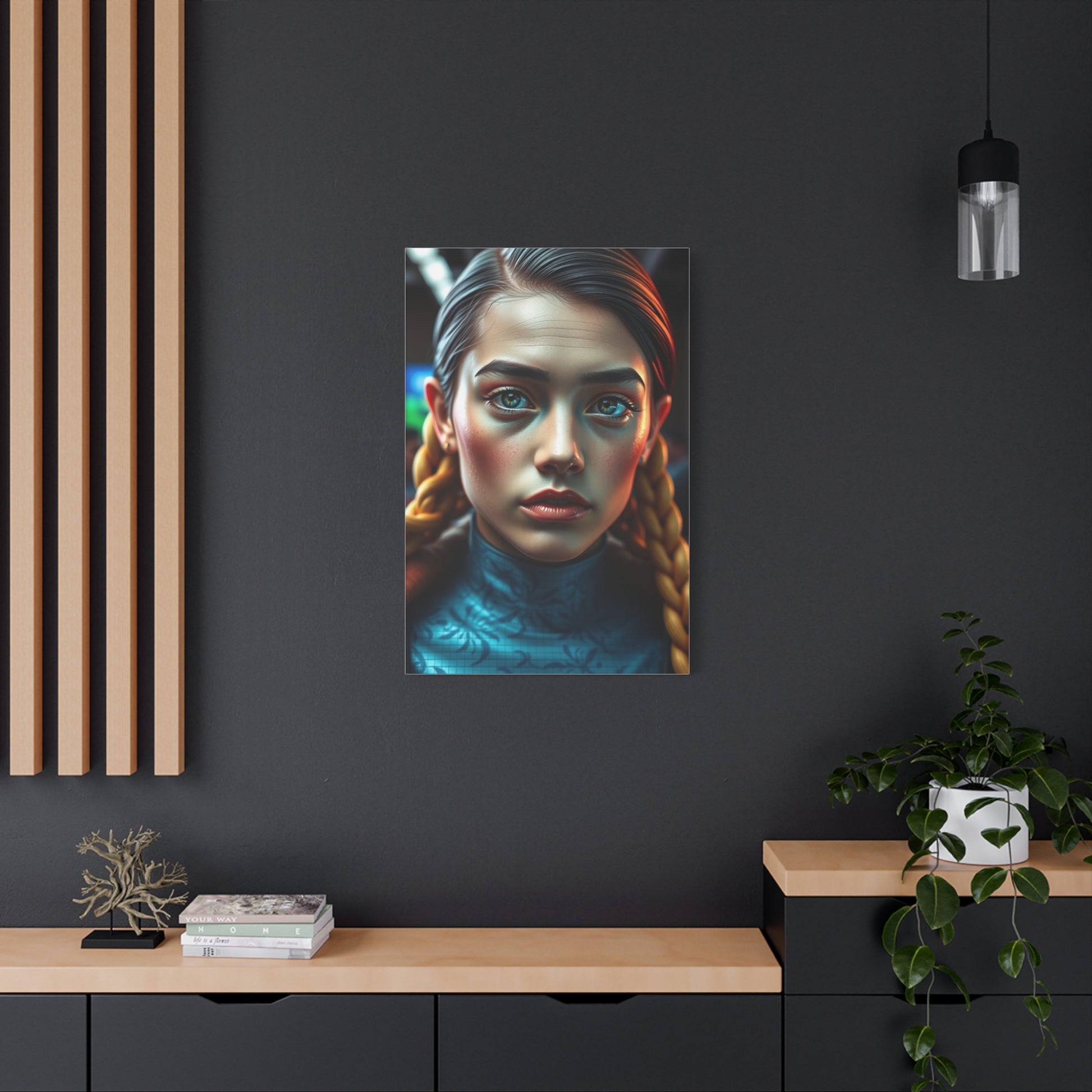
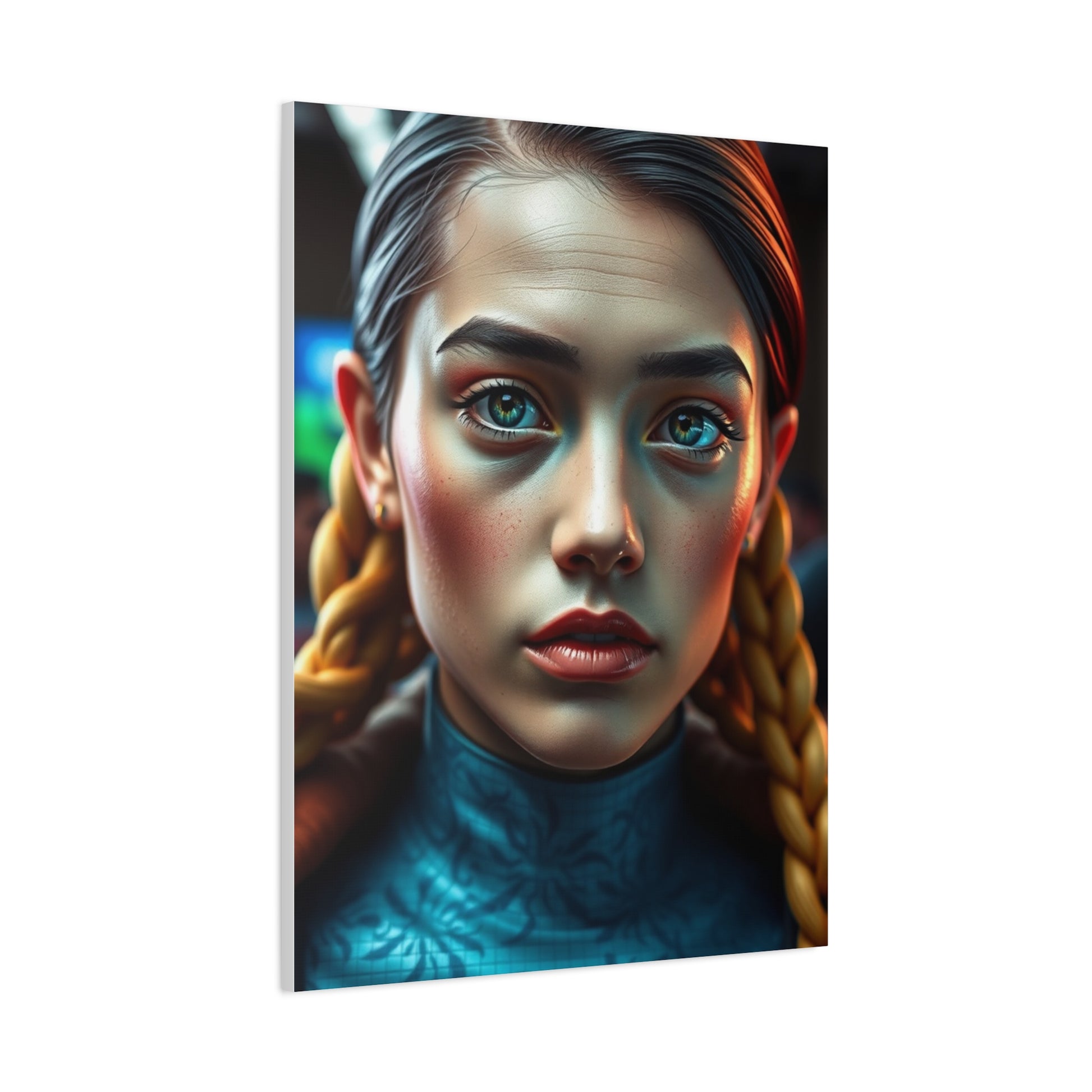
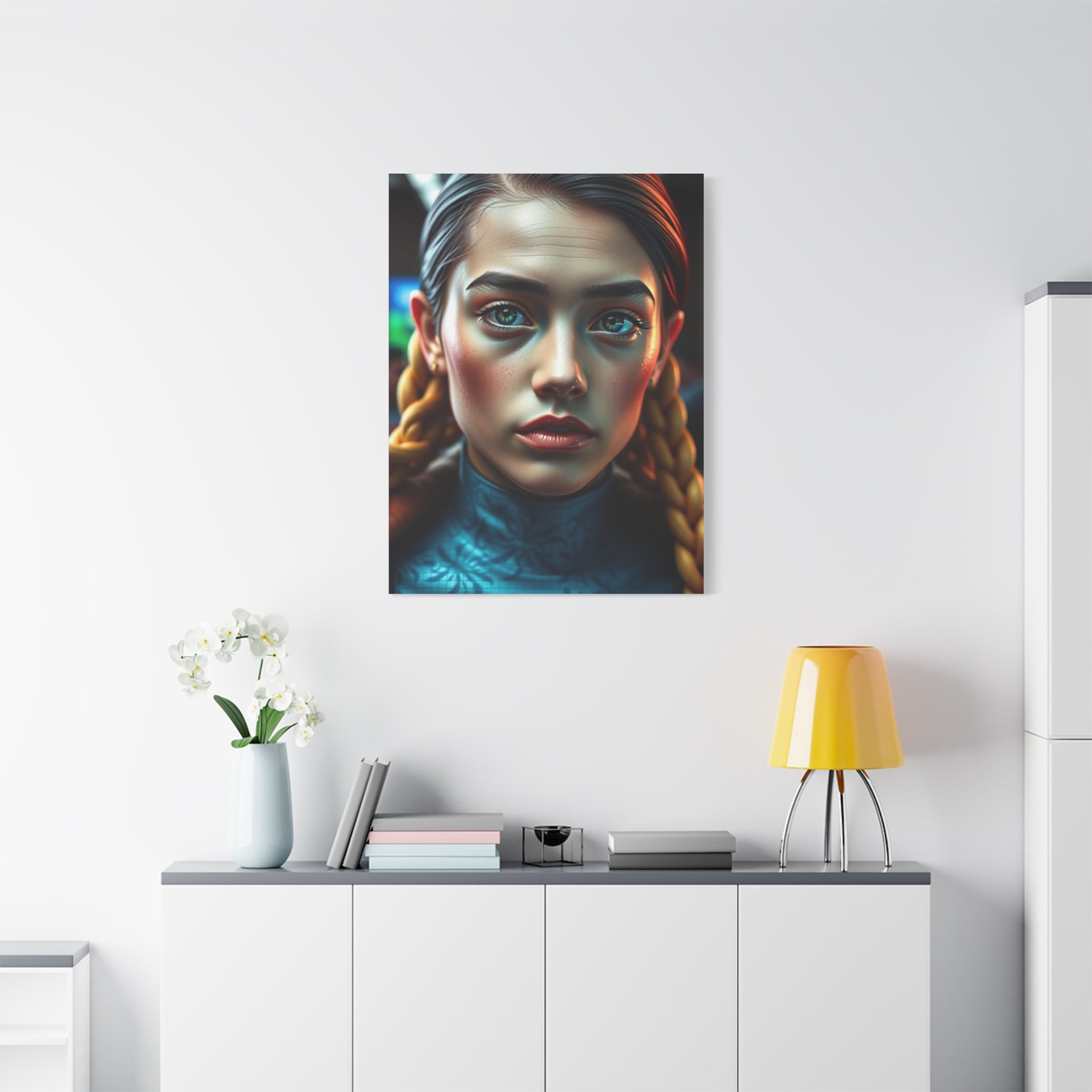
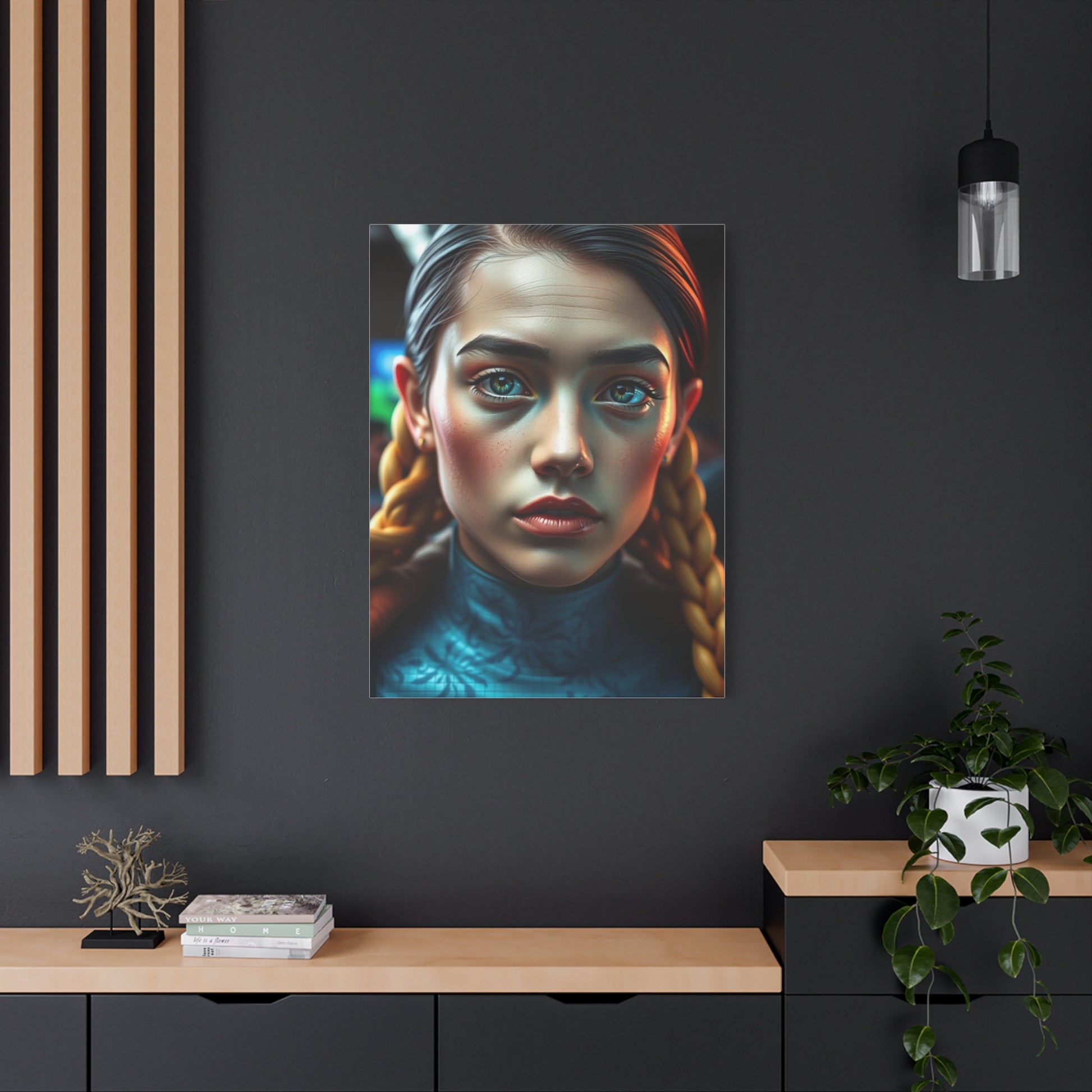
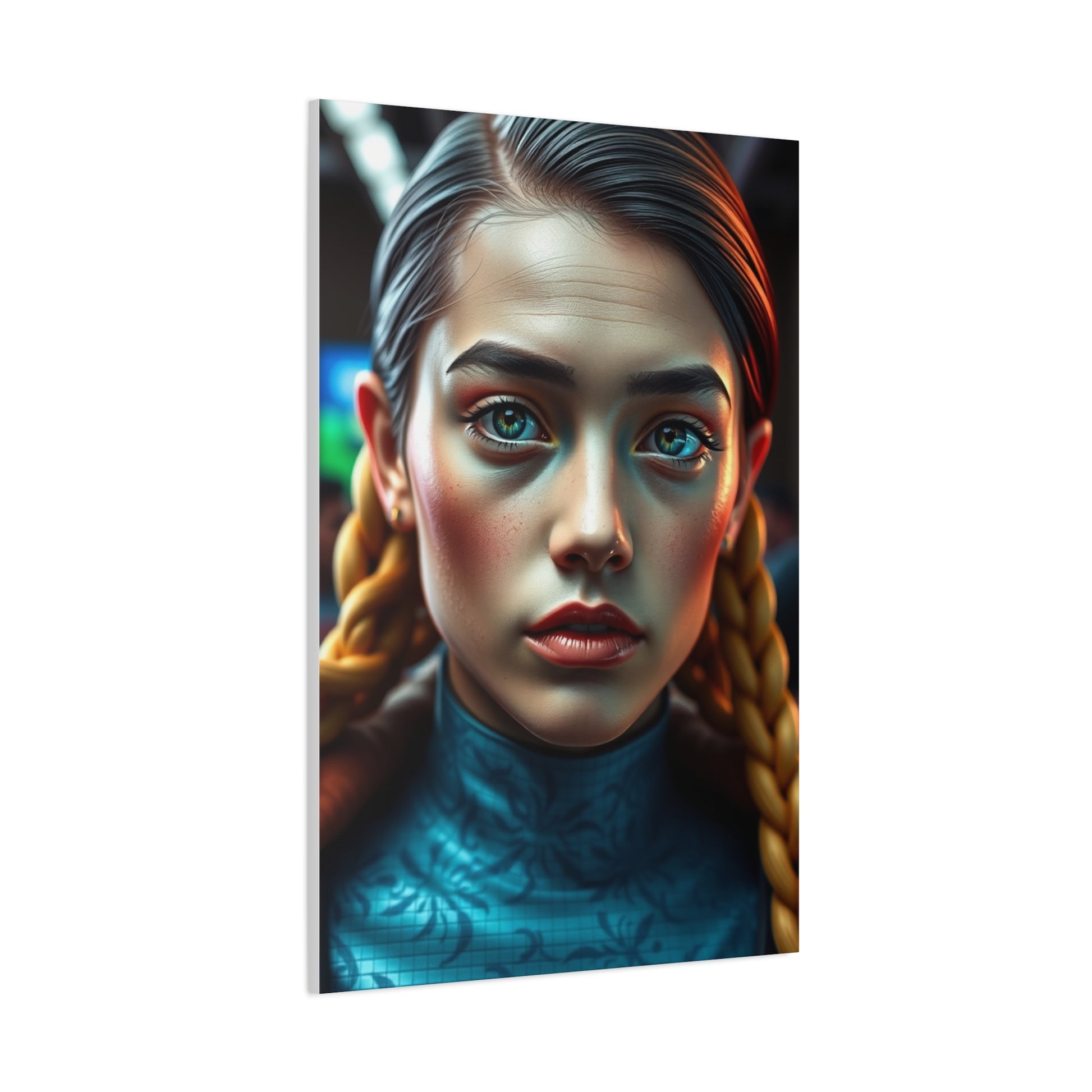
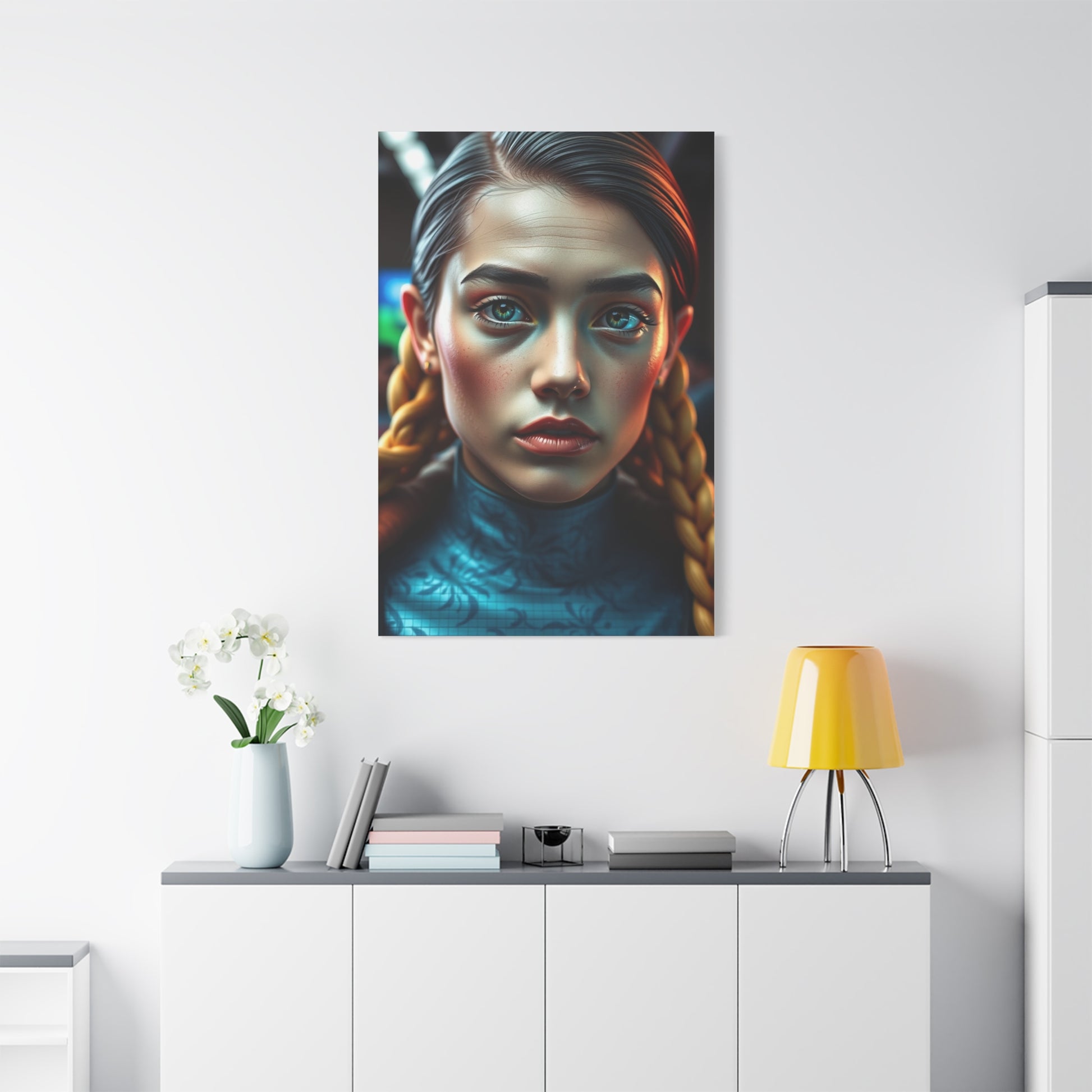
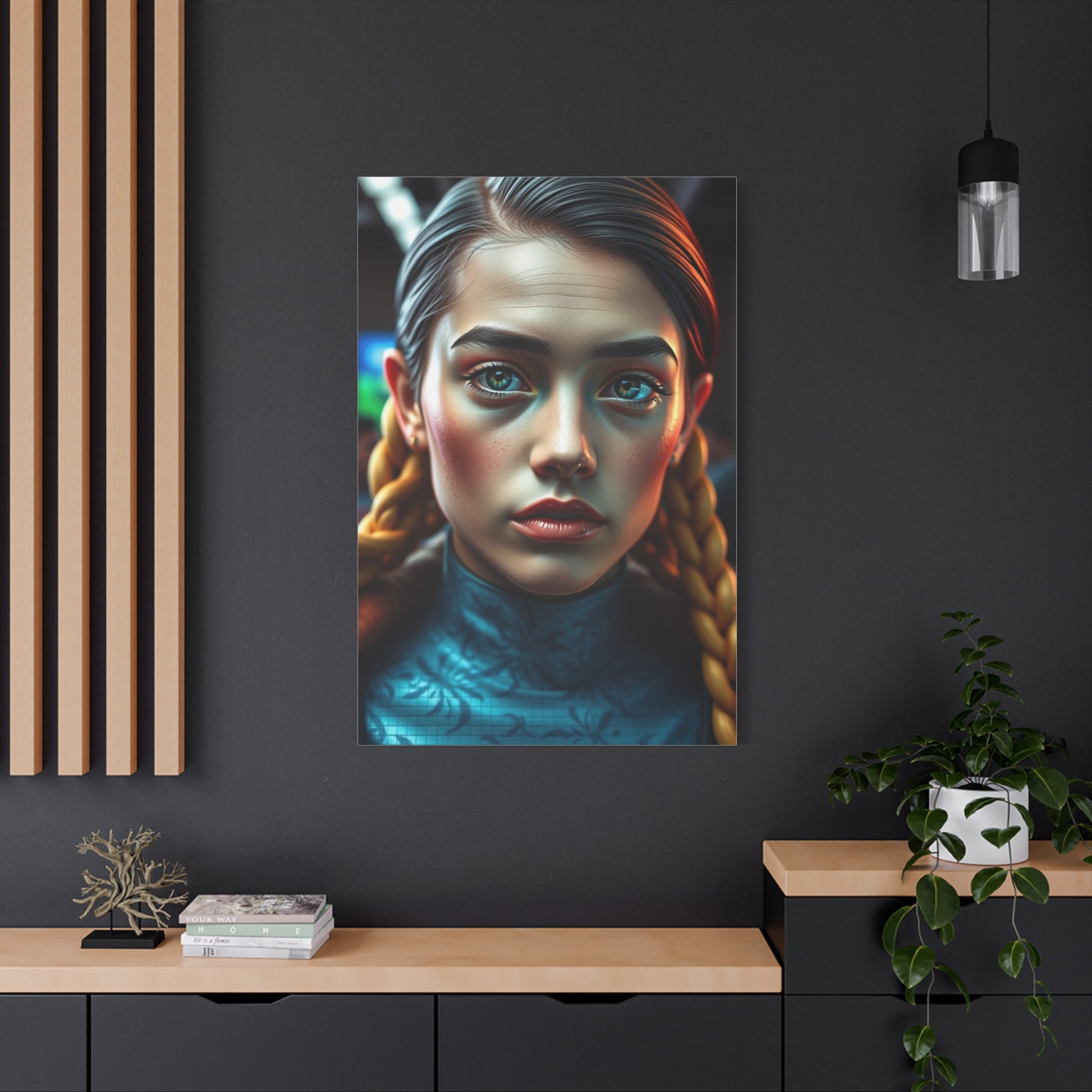
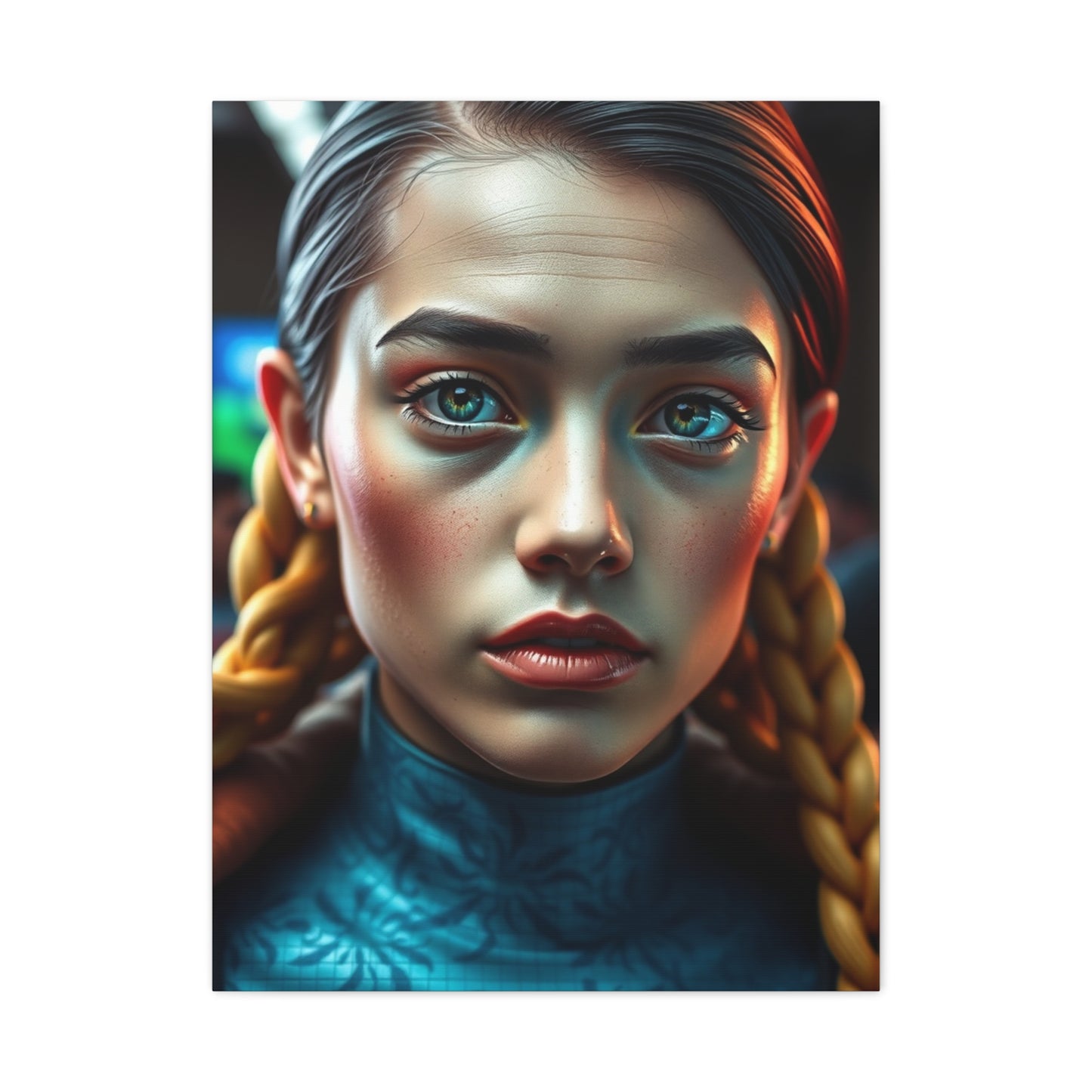
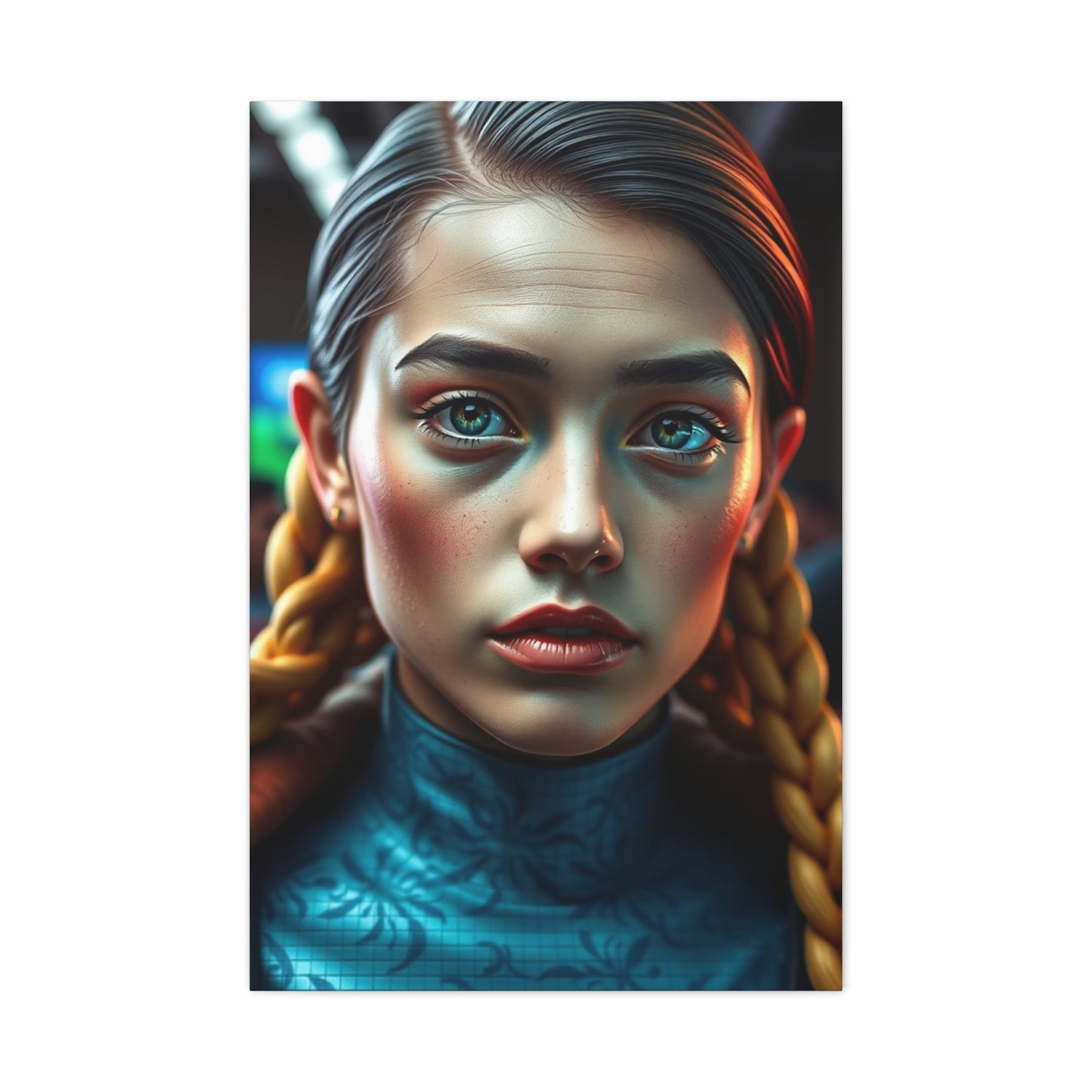
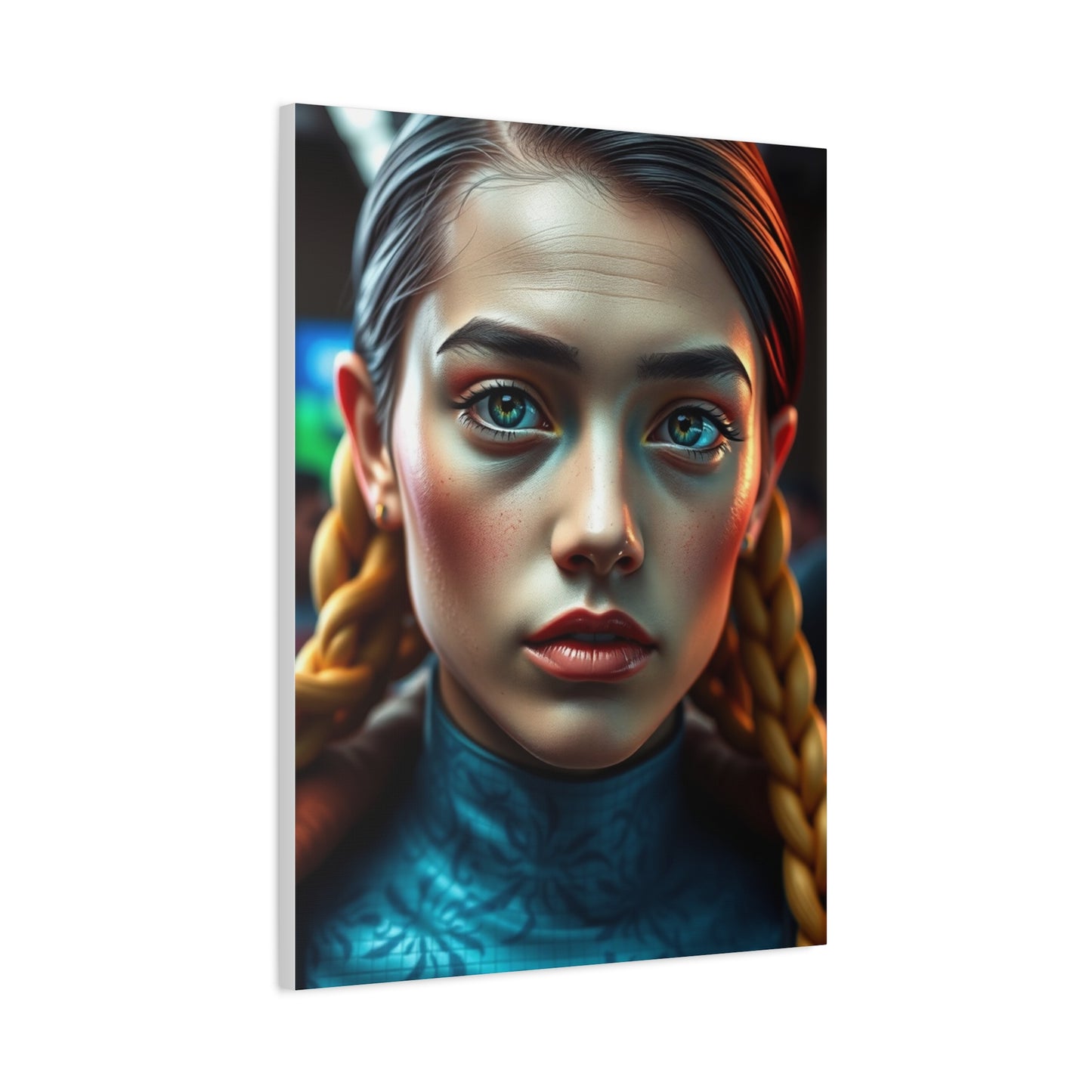
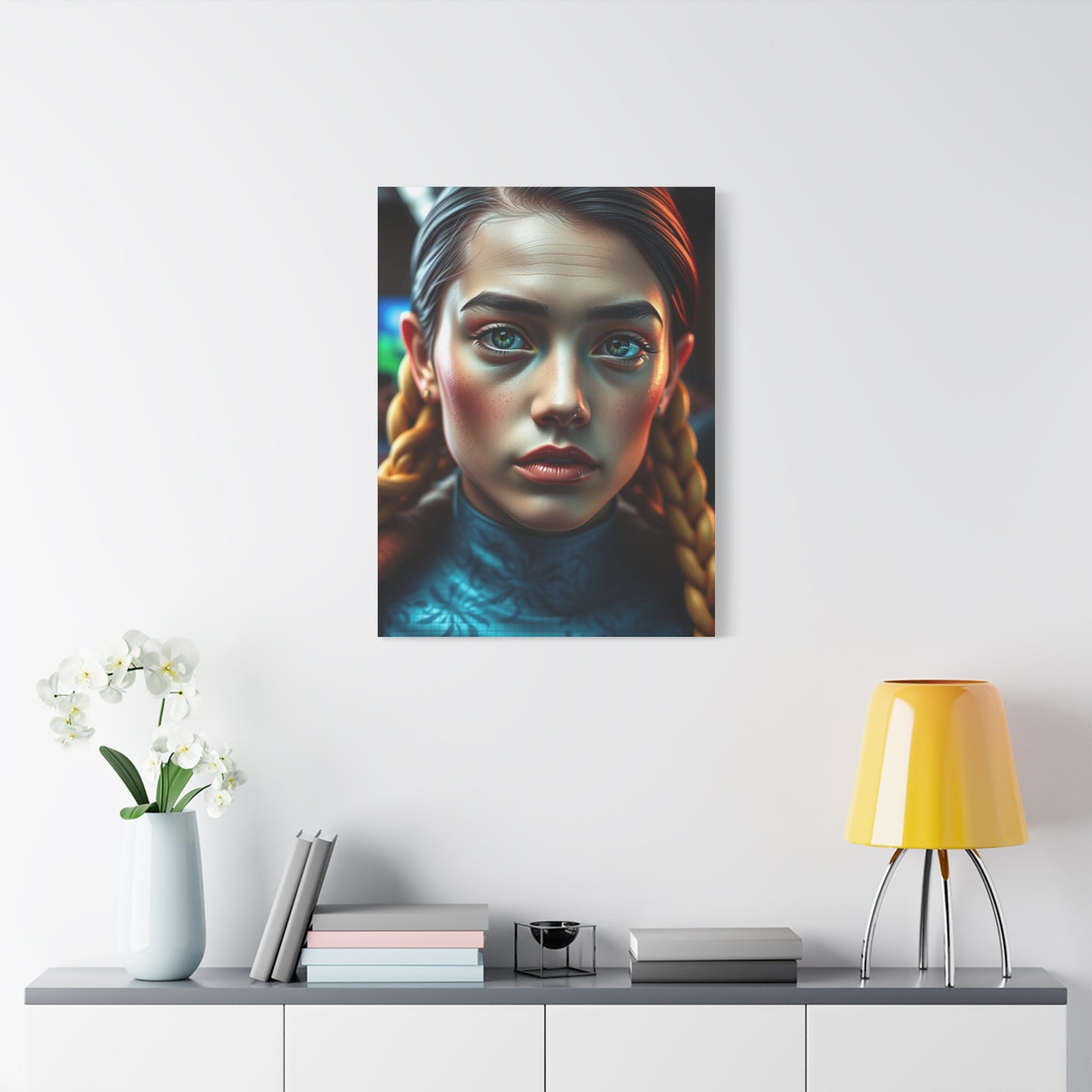
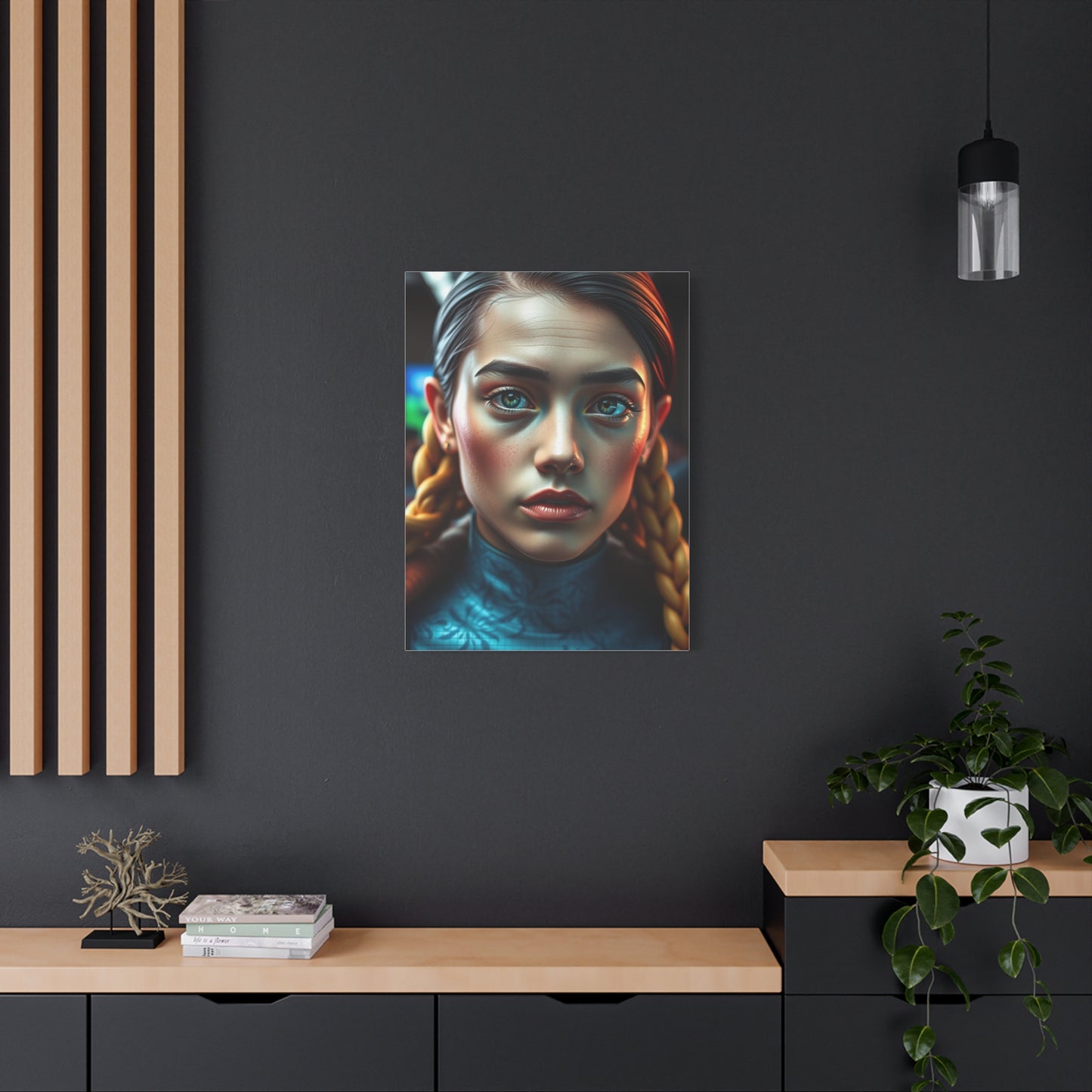
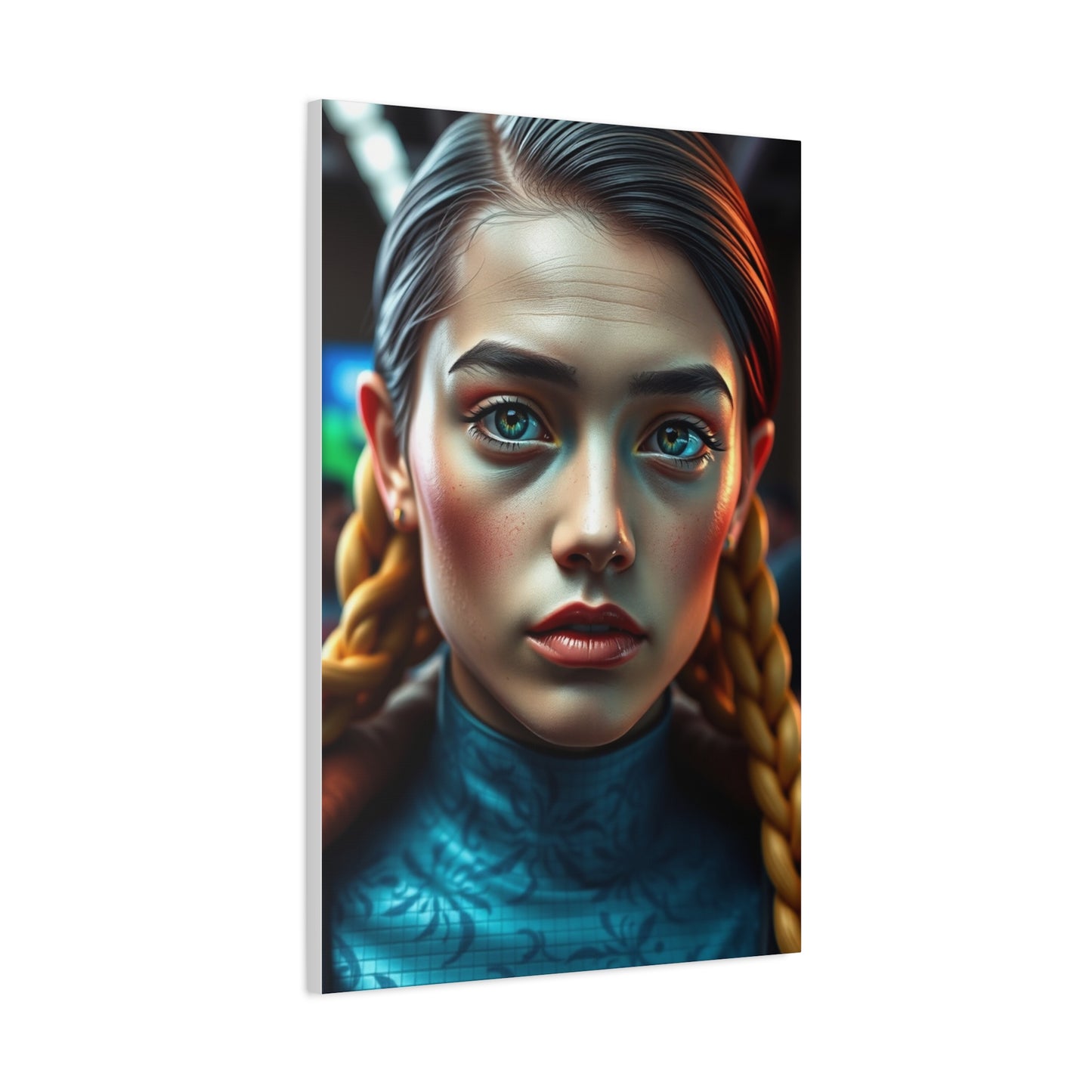
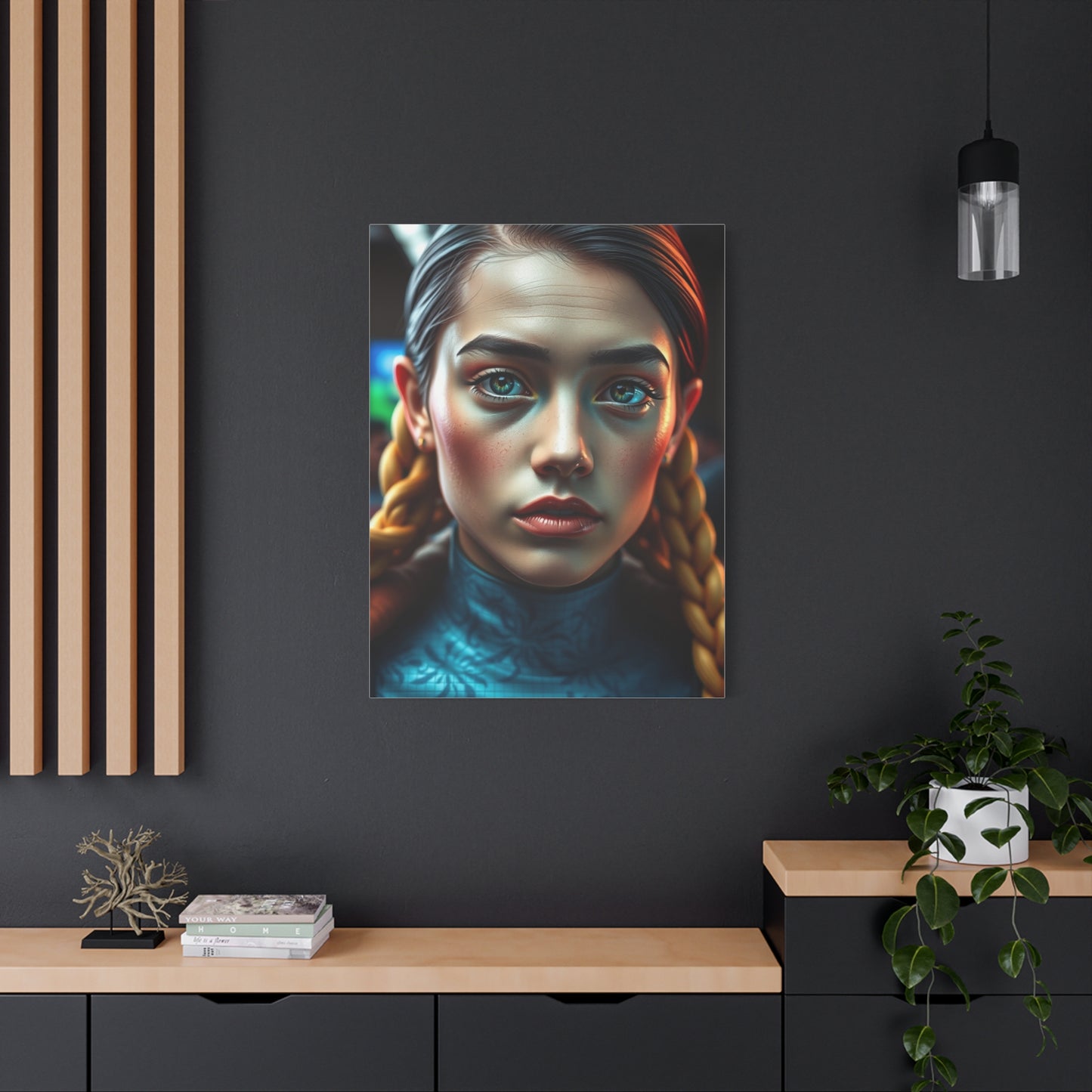
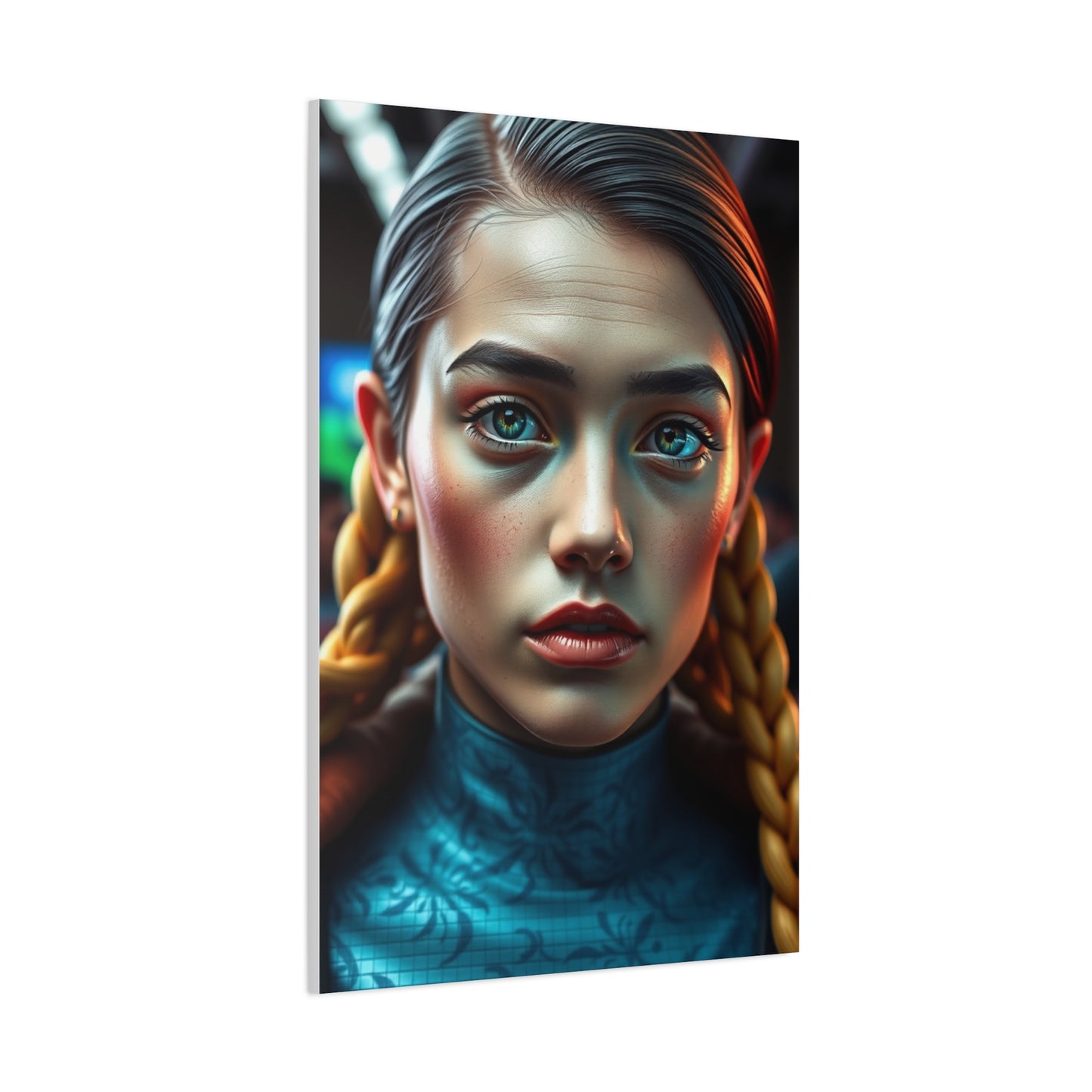
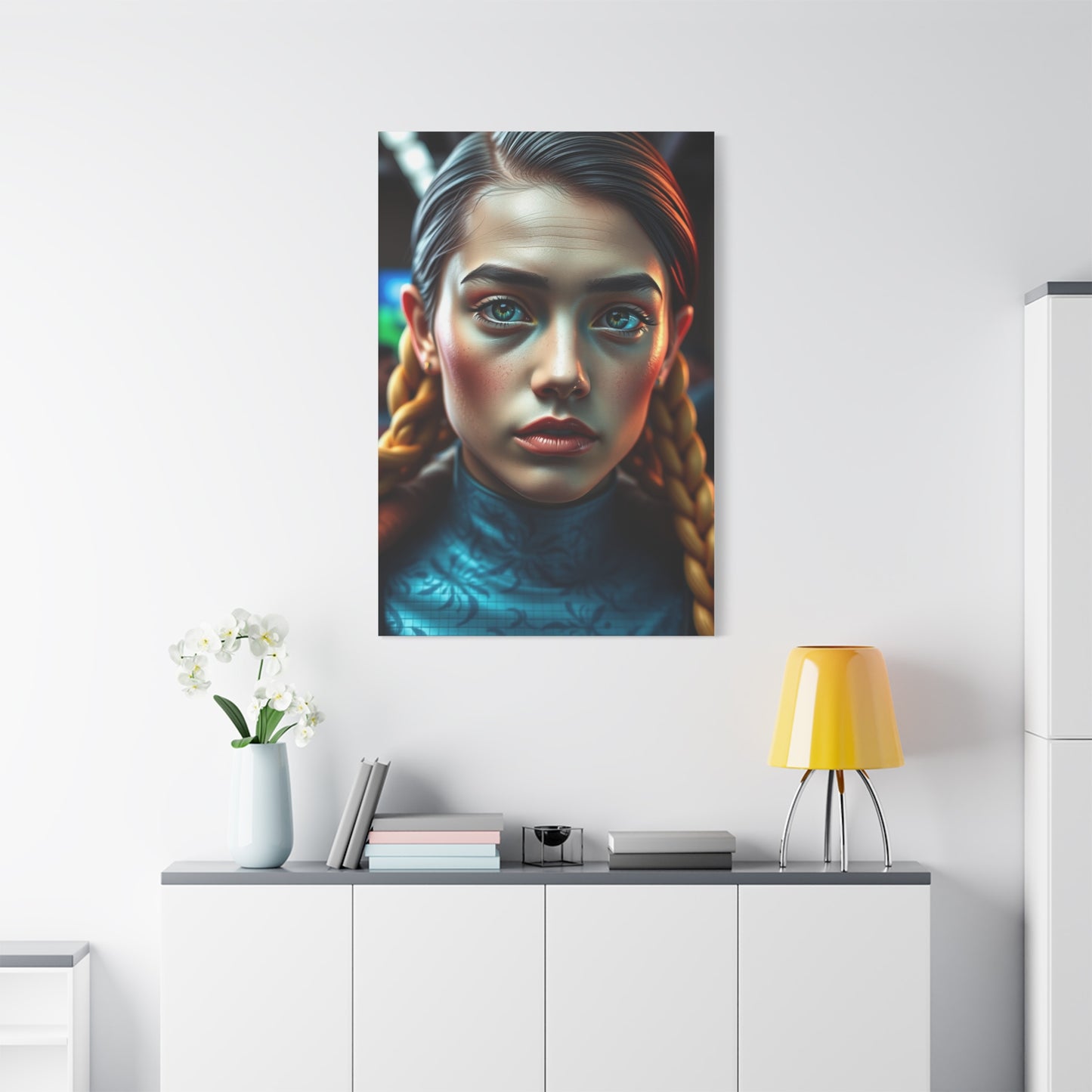
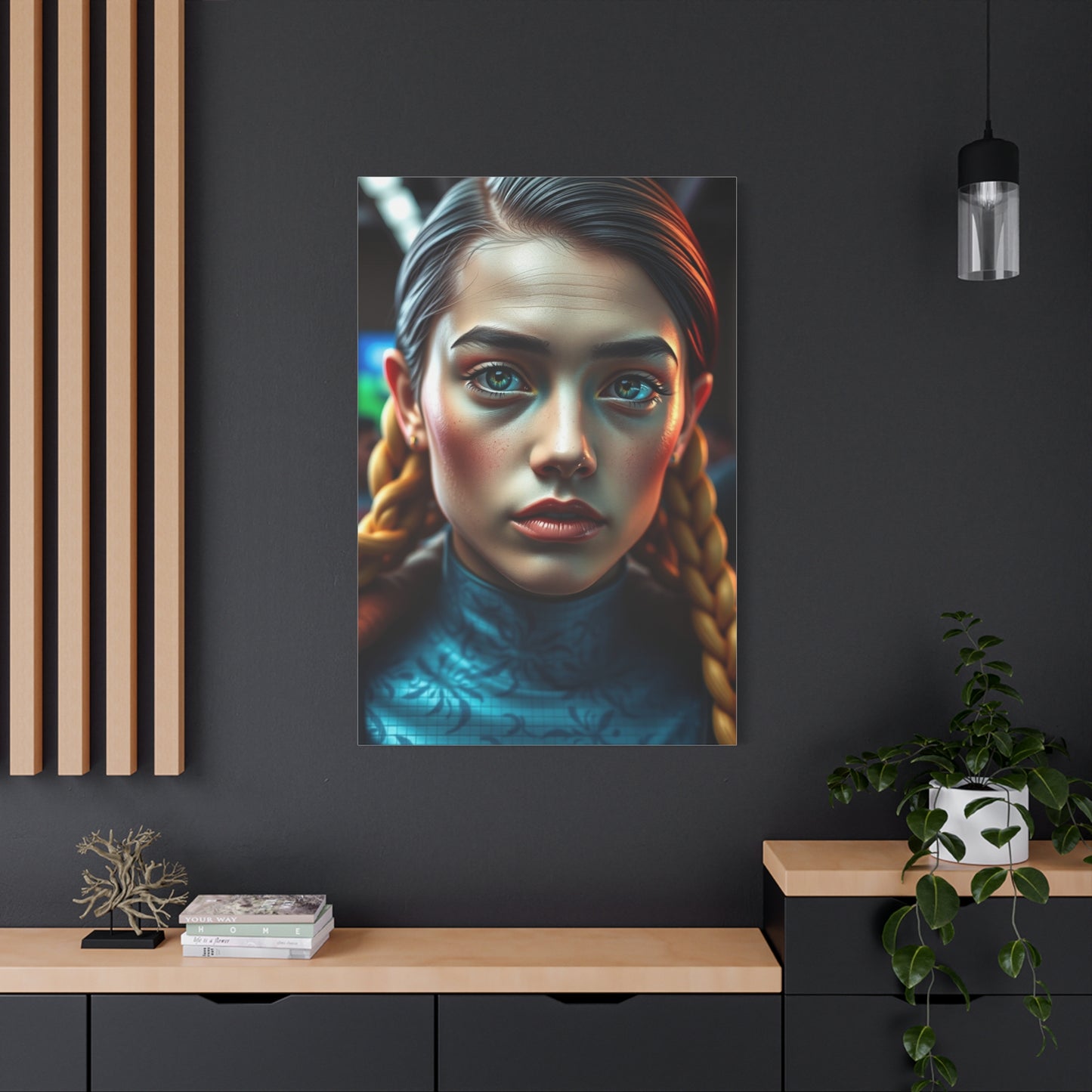
The Complete Guide to Pixel Matrix Wall Art: Where Digital Creativity Meets Physical Design
The world of interior design has witnessed a remarkable transformation in recent years, with innovative art forms continuously reshaping how we perceive and decorate our living spaces. Among these emerging trends, pixel matrix wall art stands out as a revolutionary fusion of digital aesthetics and tangible craftsmanship. This comprehensive exploration delves into every aspect of this captivating art form, examining its origins, techniques, applications, and future potential in contemporary design landscapes.
The Evolution and Growing Popularity of Pixelated Wall Decor
The journey of pixelated wall decoration represents a fascinating convergence of nostalgia and innovation. What began as a digital limitation in early computing has transformed into a deliberate artistic choice that resonates with multiple generations. The aesthetic that once defined video games from the 1980s and 1990s now adorns modern homes, offices, and commercial spaces with intentional purpose and sophisticated execution.
This artistic movement draws inspiration from the fundamental building blocks of digital imagery while translating them into physical forms that command attention and spark conversation. The appeal extends far beyond simple nostalgia, tapping into a deeper appreciation for geometric precision, color theory, and the contrast between technological inspiration and handcrafted execution. Collectors and interior designers alike have embraced this medium for its ability to bridge multiple worlds simultaneously.
The resurgence of interest in retro gaming culture has certainly contributed to the popularity of pixelated aesthetics, but the movement has evolved well beyond its gaming roots. Contemporary artists working in this medium explore themes ranging from portraiture to abstract composition, from cultural commentary to pure decorative appeal. The versatility of the format allows for endless creative possibilities while maintaining a distinctive visual identity that immediately communicates both playfulness and precision.
Market research indicates significant growth in demand for this type of artwork, particularly among demographics that value unique, conversation-starting pieces over mass-produced prints. The investment in pixel matrix wall art reflects not just an appreciation for visual appeal but also recognition of the considerable skill and time required to produce these works. Each piece represents hours of careful planning, precise execution, and thoughtful consideration of how individual elements combine to create cohesive imagery.
The accessibility of the concept also contributes to its widespread appeal. While professional pixel matrix artists create museum-quality works, the fundamental principles remain approachable enough that enthusiasts can attempt their own creations. This dual nature fosters a vibrant community of creators at all skill levels, sharing techniques, inspirations, and finished works across various platforms and galleries.
Bridging Digital Graphics and Physical Craftsmanship
The intersection of digital design and manual creation forms the heart of pixel matrix wall art. Artists working in this medium must possess dual expertise, understanding both the principles of digital composition and the practical realities of physical construction. This unique combination distinguishes pixel matrix art from purely digital or traditionally handcrafted works, creating a hybrid form that honors both traditions while forging something entirely new.
The creative process typically begins in the digital realm, where artists use specialized software to map out compositions pixel by pixel. This planning phase allows for experimentation with color palettes, compositional balance, and scale without committing physical resources. Artists can iterate rapidly, testing multiple variations of a concept before settling on the final design that will be translated into physical form. This digital foundation provides precision and flexibility that would be impossible to achieve through purely analog methods.
However, the true magic occurs during the translation from screen to wall. Each digital pixel must be carefully considered as a physical component, whether that component is a wooden block, ceramic tile, painted square, or other material element. The artist must account for how light interacts with physical surfaces differently than illuminated pixels, how textures add dimension that flat digital images cannot convey, and how the physical weight and presence of materials contribute to the overall impact of the finished work.
This translation process requires problem-solving skills that go beyond traditional artistic concerns. Questions of structural integrity, mounting systems, material durability, and installation logistics all become part of the artistic equation. The artist must think simultaneously as designer, engineer, and craftsperson, ensuring that the finished piece is not only visually compelling but also practically functional as a wall-mounted artwork.
The relationship between digital precision and handcrafted warmth creates a fascinating tension that defines the aesthetic of pixel matrix art. While the compositions often feature sharp edges and geometric perfection reminiscent of computer graphics, the subtle variations inherent in handcrafted elements introduce humanity and uniqueness. No two pieces are exactly identical, even when created from the same digital template, because the human element in construction introduces natural variation that enriches rather than diminishes the final result.
Many artists embrace this duality explicitly, celebrating the marks of hand construction rather than striving to eliminate them. Small irregularities in spacing, slight variations in color application, and the visible evidence of assembly become features rather than flaws, reminding viewers that they are experiencing something crafted by human hands rather than manufactured by machines. This philosophical approach aligns with broader movements in contemporary craft that value the authentic over the perfect.
From Concept to Completion in Pixel Matrix Creation
Understanding the journey from initial inspiration to finished installation reveals the complexity and dedication involved in creating pixel matrix wall art. The process encompasses multiple distinct phases, each requiring specific skills, tools, and decision-making that ultimately determines the success of the final piece.
The conceptual phase begins with inspiration, which might come from countless sources including vintage gaming imagery, contemporary pop culture, natural forms, geometric patterns, or purely abstract ideas. Artists must then translate this inspiration into a format suitable for pixel-based representation, considering how recognizable forms can be reduced to their essential elements while remaining readable and visually engaging. This reduction process requires careful thought about which details are essential and which can be simplified or eliminated.
Once a concept is established, the design phase involves creating the actual pixel map that will guide construction. Artists work within self-imposed constraints regarding resolution and dimensions, understanding that each pixel will translate to a physical component with specific size requirements. A composition might range from a relatively simple grid of thirty by thirty pixels to elaborate works containing thousands of individual elements. The chosen resolution dramatically impacts both the level of detail possible and the scale and complexity of construction.
Color selection represents another crucial decision point in the design process. Artists must choose palettes that not only serve the artistic vision but can also be practically achieved with available materials. Unlike digital work where millions of colors are available at the click of a button, physical pixel matrix art requires sourcing or creating each color used. This constraint often leads to deliberately limited palettes that become a signature element of the aesthetic, echoing the color limitations of early computer graphics while serving practical construction needs.
The technical planning phase involves determining materials, construction methods, mounting systems, and installation approaches. Artists must calculate quantities of materials needed, plan cutting or manufacturing processes for individual components, design structural backing systems to support the weight and maintain alignment, and develop strategies for assembly that ensure precision across potentially hundreds or thousands of individual elements. This phase requires organizational skills and attention to detail that many outside the field might not associate with artistic practice.
Material preparation consumes substantial time in the overall process. Whether cutting wooden blocks to uniform dimensions, casting resin components, preparing canvas squares, or fabricating custom elements, this phase demands precision and patience. Consistency in component production directly impacts the quality of the final assembly, as variations in size or shape can disrupt the visual grid that defines pixel matrix aesthetics. Many artists develop jigs, templates, and specialized tools to maintain accuracy across large production runs of identical components.
The assembly phase brings all previous work together as individual components are arranged according to the digital blueprint. This stage requires steady hands, sharp eyes, and meticulous attention to placement. Artists must constantly reference their plans while working, ensuring that each element occupies its correct position in the overall composition. Even small errors can cascade through a piece, disrupting patterns and misaligning subsequent rows or columns. Some artists work in sections, completing and verifying portions before moving forward, while others prefer to lay out entire compositions before final attachment.
Surface treatment and finishing constitute the final construction phase, during which artists apply protective coatings, refine edges, add backing systems, and attach mounting hardware. These seemingly mundane technical tasks significantly impact longevity and presentation quality. Proper finishing ensures that pieces can withstand the environmental conditions of typical interior spaces, protecting against dust accumulation, humidity fluctuations, and the gradual effects of light exposure that can degrade materials over time.
Transforming Contemporary Living Spaces with Pixelated Design
The integration of pixel matrix art into modern interior environments demonstrates remarkable versatility across diverse design philosophies and spatial contexts. Far from being limited to gaming-themed rooms or technology-focused spaces, these works enhance a surprisingly broad range of aesthetic approaches, from sleek minimalism to warm eclecticism.
In contemporary residential settings, pixel matrix wall art serves multiple functions simultaneously. The pieces act as focal points that anchor room compositions, drawing the eye and establishing visual hierarchies within spaces. The geometric nature of the work complements modern architectural elements including clean lines, open floor plans, and minimalist furnishing approaches. At the same time, the handcrafted quality and often vibrant color palettes introduce warmth and personality that prevent spaces from feeling cold or sterile.
The scale flexibility of pixel matrix art makes it adaptable to various spatial constraints. Smaller works function beautifully as part of gallery wall arrangements, contributing distinctive texture and visual interest alongside photographs, prints, and other art forms. Medium-sized pieces command attention above furniture arrangements such as sofas, beds, or console tables, providing appropriate visual weight without overwhelming these functional spaces. Large-scale installations can transform entire walls into artistic statements, creating immersive experiences that redefine the character of rooms.
Color coordination represents a key consideration when integrating pixel matrix art into existing interiors. The grid-based nature of the work and the typically defined color palettes make these pieces particularly effective for either complementing or deliberately contrasting with room color schemes. Artists and designers often select or commission works with specific palette considerations, ensuring harmony with surrounding elements. Alternatively, bold contrasts can be employed strategically to energize neutral spaces or create dramatic visual punctuation within otherwise subdued environments.
The textural dimension of pixel matrix art distinguishes it from flat prints or paintings, contributing tactile interest that enriches spatial experiences. The shadows cast by dimensional elements change throughout the day as natural light shifts, introducing dynamic qualities that keep the artwork continuously engaging. This ever-changing interaction with light means the piece reveals different aspects of itself at various times, maintaining visual interest even for occupants who view it daily.
Professional interior designers increasingly incorporate pixel matrix art into their project specifications, recognizing its ability to satisfy multiple client desires simultaneously. The work appeals to those seeking contemporary edge, retro nostalgia, handcrafted authenticity, geometric order, or color-driven visual impact. This multi-faceted appeal makes pixel matrix art a strategic choice for designers working to balance varied aesthetic preferences within single projects or seeking distinctive elements that differentiate their work from competitors.
The conversation-starting quality of pixel matrix art should not be underestimated in its value within living spaces. Guests invariably comment on these pieces, asking about their creation, meaning, and acquisition. This social function of art enriches home environments by providing natural talking points and opportunities for hosts to share their interests and aesthetic sensibilities. In an era where much residential art consists of mass-produced prints, truly unique handcrafted works become increasingly precious as expressions of individual taste.
Cultural Momentum Behind Pixelated Aesthetic Revival
Understanding why pixel matrix art has captured widespread attention requires examining broader cultural trends that create receptive audiences for this particular aesthetic approach. Multiple converging factors have created ideal conditions for this art form to flourish and gain mainstream recognition beyond niche communities.
The cyclical nature of design trends plays a significant role, with the approximately thirty-year pattern of nostalgic revival bringing 1990s aesthetics back into contemporary consciousness. Adults who grew up during the early digital age now possess purchasing power and design authority over their environments, creating demand for elements that connect them with formative childhood experiences. Pixel aesthetics trigger immediate recognition and positive associations with this generation, making pixel matrix art not just visually appealing but emotionally resonant.
Simultaneously, younger generations who did not experience the original pixel era firsthand discover these aesthetics through retro gaming, vintage computing content, and deliberately pixelated contemporary media. For these audiences, pixel art represents a distinctive visual language rather than nostalgia, offering geometric clarity and stylistic boldness that stands apart from the photorealistic graphics that dominate contemporary digital media. This cross-generational appeal expands the market and cultural relevance of pixel matrix art considerably.
The broader maker movement and renewed appreciation for handcrafted objects create cultural context that values the labor and skill evident in pixel matrix art. In an increasingly automated world where most consumer goods involve minimal human touch during production, handcrafted art objects represent authenticity and connection to human creativity. Pixel matrix art particularly appeals to this sensibility because its construction process is relatively transparent and understandable, allowing viewers to appreciate the considerable work involved in creating each piece.
Social media platforms have accelerated the spread of pixel matrix art by providing ideal venues for showcasing these visually striking works. The bold compositions, clear imagery, and distinctive aesthetic translate exceptionally well to screen-based viewing and sharing. Time-lapse videos of creation processes attract substantial engagement, satisfying audience interest in artistic techniques while demonstrating the skill and patience required. The shareability of this content creates viral opportunities that traditional gallery systems could never match, building audience awareness and artist followings rapidly.
The intersection of technology and craft embedded in pixel matrix art resonates with contemporary cultural values that reject false dichotomies between digital and analog, technological and artistic, or modern and traditional. Current cultural discourse increasingly recognizes that these apparent opposites can productively combine, generating hybrid forms that draw strength from both traditions. Pixel matrix art embodies this philosophy materially, serving as physical proof that digital inspiration and manual craftsmanship enhance rather than exclude each other.
Environmental consciousness also contributes to the appeal of pixel matrix art within certain market segments. Many artists working in this medium prioritize sustainable materials, utilize reclaimed or recycled components, and employ low-impact production methods. The longevity and durability of well-constructed pixel matrix art contrasts favorably with mass-produced decorative items designed for short-term use, appealing to consumers seeking to reduce consumption through investment in lasting, meaningful objects.
Chromatic Theory and Practice in Pixelated Wall Design
The role of color in pixel matrix wall art extends far beyond simple aesthetic preference, encompassing complex considerations of perception, emotion, technical execution, and spatial impact. Artists working in this medium must develop sophisticated understanding of color relationships and practical skills in color matching and application to achieve their creative visions.
The inherently limited color palettes typical of pixel matrix art create both constraints and opportunities. Unlike painting or digital art where subtle gradations and infinite mixing possibilities exist, pixel matrix work typically employs discrete, clearly defined colors. This limitation echoes the technical constraints of early computer graphics but serves contemporary artistic purposes by creating visual clarity and bold graphic impact. The challenge becomes selecting a palette that provides sufficient range for the intended composition while maintaining coherence and practical feasibility.
Understanding color harmony becomes essential when working within limited palettes. Artists must carefully consider relationships between chosen colors, ensuring that they work together cohesively while providing adequate contrast for compositional elements to remain distinct and readable. Traditional color theory principles including complementary, analogous, and triadic relationships guide these decisions, but artists must also consider how physical materials and lighting conditions affect color perception differently than screen-based viewing.
The physical properties of materials used in pixel matrix art significantly impact color appearance and behavior. Paint finishes ranging from matte to glossy dramatically alter how colors appear under different lighting conditions and viewing angles. Matte surfaces provide consistent color appearance but can appear flat, while glossy finishes add depth and luminosity at the cost of introducing reflections that can disrupt viewing. Many artists carefully select finish types based on the specific colors and overall aesthetic goals of individual pieces.
Three-dimensional pixel matrix works introduce additional color considerations related to light and shadow. The depth of elements creates natural shadows that can enhance dimensionality but may also obscure or darken certain components depending on lighting angles. Artists must anticipate these effects during planning, potentially adjusting color choices or compositional arrangements to ensure that important elements remain visible and impactful under typical installation lighting conditions.
Color consistency across multiple components presents practical challenges that require systematic approaches. When a composition requires dozens or hundreds of elements in a particular color, ensuring that all match precisely demands careful material sourcing and application techniques. Artists develop various strategies including purchasing sufficient quantities of pre-colored materials from single production batches, mixing custom colors in adequate volumes for entire projects, or employing precise color matching systems that allow reproducible results across multiple preparation sessions.
The psychological and emotional impacts of color choices influence how viewers respond to pixel matrix art. Warm palettes dominated by reds, oranges, and yellows create energetic, welcoming impressions that suit social spaces and stimulating environments. Cool palettes featuring blues, greens, and purples establish calming, contemplative moods appropriate for private spaces and reflective settings. Balanced palettes incorporating both warm and cool tones offer versatility and visual complexity that maintains interest through varied color interactions.
Color can also be employed to create depth and hierarchy within compositions despite the flat, geometric nature of pixel-based imagery. Artists use value contrast, with lighter elements appearing to advance and darker ones receding, to construct spatial relationships within two-dimensional grids. Strategic color placement guides viewer attention through compositions, emphasizing focal points and establishing visual paths that lead the eye through the work in intended sequences.
Cultural associations and symbolic meanings of colors add additional layers of consideration for artists working with diverse audiences or addressing specific themes. While some color associations are relatively universal, others vary significantly across cultures, requiring sensitivity and awareness when creating work for particular contexts or markets. Artists may research color symbolism relevant to their subject matter or intended audiences, incorporating these considerations into palette selection and compositional strategies.
Technological Integration and Traditional Methods in Pixelated Art
The relationship between technology and traditional craftsmanship in pixel matrix wall art creates a unique creative ecosystem where digital tools and manual skills reinforce each other. Understanding how contemporary artists navigate this intersection reveals much about evolving artistic practices in our increasingly connected world.
Digital design software serves as the primary tool for composition and planning in most pixel matrix art creation. Programs ranging from simple pixel editors to sophisticated graphic design applications allow artists to experiment freely with compositions, testing color combinations, adjusting layouts, and refining details before committing to physical production. This digital experimentation dramatically reduces material waste and allows for creative exploration that would be prohibitively expensive and time-consuming if conducted entirely with physical materials.
Specialized pixel art software offers features specifically designed for this type of work, including grid overlays, palette limitation tools, and export options that translate designs into construction guides. These applications understand the unique requirements of pixel-based composition, providing interfaces and workflows optimized for creating artwork from discrete colored squares. Many artists develop extensive proficiency with these tools, achieving speed and precision that enables complex compositions to be planned in reasonable timeframes.
Color management technology plays an essential role in translating digital designs to physical materials. Calibrated monitors, color matching systems, and digital photography equipment help artists ensure that planned colors can be accurately reproduced with physical materials. This technical infrastructure bridges the gap between screen-based design and material reality, reducing the discrepancy between artistic vision and finished product that can occur when digital and physical color spaces are not carefully aligned.
Computer-controlled fabrication technologies increasingly influence pixel matrix art production, particularly for artists working at larger scales or with certain materials. Laser cutters can precisely manufacture wooden components to exact specifications, ensuring consistency impossible to achieve with manual cutting. CNC routers enable complex shaping operations that expand creative possibilities beyond simple square pixels. Three-dimensional printers allow artists to design and produce custom components with intricate details, colors, or properties tailored to specific artistic requirements.
Despite these technological capabilities, manual craftsmanship remains central to pixel matrix art creation. The assembly process typically requires human judgment, dexterity, and care that automation cannot replicate at scales practical for individual artists or limited production runs. The hand-finishing, quality control, and final adjustments that ensure each piece meets artistic standards demand human attention and skill developed through experience and practice.
The integration of technology and craft creates opportunities for distributed creative processes where different phases occur in different locations or by different specialists. An artist might design digitally, outsource component manufacturing to specialized fabricators, and complete assembly and finishing personally. This division of labor can improve efficiency and quality by allowing each stage to be performed by those with optimal skills and equipment, though it also requires careful coordination and communication to maintain artistic integrity throughout the process.
Documentation technology has become integral to pixel matrix art practice, serving both practical and promotional functions. Artists photograph works at various stages of completion, creating records that guide assembly, document techniques for future reference, and provide content for sharing with audiences. High-quality final photography is essential for online presentation, print reproduction, and portfolio development, requiring lighting skills and equipment that constitute their own specialized domain of technical knowledge.
Emerging technologies continue to expand possibilities for pixel matrix art. Augmented reality applications can overlay digital information onto physical works, adding layers of meaning or interactive elements. Integrated lighting systems controlled by programmable microcontrollers can transform static pieces into dynamic displays that shift colors or patterns according to time, data inputs, or user interaction. These technological augmentations push the boundaries of what pixel matrix art can be while raising questions about the essential nature of the form.
The balance between technological assistance and handcrafted authenticity represents an ongoing consideration for artists working in this medium. Different practitioners position themselves at various points along this spectrum, from those who embrace automation and digital fabrication to traditionalists who limit technology to planning phases while completing all physical work manually. Neither approach is inherently superior, and the diversity of practices enriches the field by demonstrating varied interpretations of how technology and craft can productively combine.
Creating Personalized Pixelated Wall Installations
The custom creation of pixel matrix art represents one of the most exciting and personal aspects of this medium, allowing individuals to transform meaningful imagery, concepts, or themes into unique physical artworks tailored to specific spaces and sensibilities. Understanding the custom creation process helps potential commissioners make informed decisions and collaborate effectively with artists.
The customization process typically begins with consultation between artist and client, exploring ideas, inspirations, and practical requirements. Clients might bring reference imagery, describe conceptual themes, specify color preferences related to existing interiors, or request specific dimensions to fit particular wall spaces. Skilled artists guide these conversations, asking clarifying questions that reveal underlying desires and constraints while educating clients about what is feasible within the pixel matrix format.
Translating personal photographs into pixel matrix art represents a popular customization category, allowing cherished images to be transformed into distinctive artworks. Portraits of family members, beloved pets, memorable locations, or significant life events can all become pixel compositions. Artists working with photographic source material must make creative decisions about cropping, color reduction, and detail simplification to create designs that read clearly in pixel format while maintaining recognizable connections to source imagery.
Themed compositions related to client interests offer another customization avenue. Enthusiasts of particular hobbies, sports, entertainment franchises, or cultural phenomena can commission works that reflect these passions in sophisticated, artistic ways that transcend simple fan merchandise. Skilled artists elevate subject matter through compositional choices, palette selection, and technical execution that create artworks appropriate for adult living spaces while celebrating meaningful personal interests.
Abstract and geometric custom compositions allow for pure aesthetic customization aligned with specific color schemes, stylistic preferences, or spatial requirements. These works prioritize visual impact and harmony with surrounding environments over representational content, making them ideal for clients seeking art that complements interiors without introducing specific imagery or narratives. The collaborative design process for abstract work often involves iterative refinement as artist and client work together to achieve desired aesthetic effects.
Size and scale represent crucial customization variables that dramatically impact both artistic and practical considerations. Larger works require more materials, labor, and time, factors that influence pricing and production schedules. They also offer opportunities for greater detail and visual complexity while creating more substantial spatial presence. Smaller works may be more affordably priced and quicker to produce while suiting tighter spaces or serving as parts of larger gallery wall arrangements.
Material selection offers customization possibilities that affect appearance, durability, and price. Artists may work primarily in one material based on their expertise and aesthetic preferences, or offer multiple options for clients to select based on their priorities. Wood conveys warmth and natural character, metals provide contemporary edge and durability, acrylics allow vibrant colors and modern appearance, while mixed-media approaches combine multiple materials for varied textural effects.
The collaborative design process typically involves iterative review of digital mockups as concepts are refined toward final designs. Artists prepare visualizations showing proposed compositions, color palettes, and approximate scale relationships to spaces. Clients provide feedback leading to adjustments in any aspect of the design. This back-and-forth continues until both parties agree that the design successfully meets the project goals, at which point physical production begins.
Timeline expectations for custom pixel matrix art must account for design development, material procurement, construction time, and finishing work. Simple smaller pieces might be completed in weeks, while complex large-scale works can require months from initial consultation to final installation. Clear communication about timelines helps manage expectations and plan for desired installation dates related to moves, renovations, or special occasions.
Pricing custom pixel matrix art reflects multiple factors including size, complexity, materials, artist experience, and market positioning. Education about what determines cost helps clients understand value propositions and make informed decisions about scope and specifications. Transparent discussions about budget constraints early in the process allow artists to propose designs that meet financial parameters while still achieving aesthetic goals.
Installation considerations should be addressed during planning, particularly for larger or heavier works. Artists may provide installation services, prepare detailed mounting instructions, or coordinate with professional installers depending on project scale and client preferences. Proper installation ensures that works are securely mounted, level, and positioned for optimal viewing and lighting, maximizing the investment clients have made in custom artwork.
Dissolving Boundaries Between Screen and Wall
The conceptual and aesthetic blurring of digital and physical realms constitutes one of the most philosophically interesting aspects of pixel matrix wall art. This hybrid nature challenges traditional categorical distinctions while creating new possibilities for artistic expression and audience engagement.
Pixel matrix art exists in a liminal space, simultaneously referencing digital origins while asserting physical presence. The visual language clearly derives from screen-based imagery, employing the grid structure and aesthetic conventions of digital graphics. Yet the works occupy physical space, possess weight and texture, and interact with light in ways that screen images cannot. This duality creates conceptual richness that invites reflection on the nature of contemporary experience where digital and physical increasingly interweave.
The translation process from digital design to physical object embodies this blurring literally. What begins as illuminated pixels on a screen becomes tangible components arranged in space, yet maintains visual identity recognizable as derived from the digital realm. This transformation demonstrates that digital and physical need not represent opposing categories but can be understood as different states of the same essential content or concept, translated between mediums while retaining core identity.
Contemporary culture increasingly operates at the intersection of digital and physical, with experiences and relationships flowing fluidly between online and offline contexts. Pixel matrix wall art reflects this cultural reality through its form, serving as physical manifestation of digital aesthetics while often being documented and shared through digital platforms. The works might exist primarily in physical galleries or homes yet reach broader audiences through social media and websites, completing a circuit between the material and virtual.
The nostalgia-laden nature of pixel aesthetics adds temporal dimension to this boundary dissolution. The visual language references historical moments when digital technology was younger and more limited, yet that historical reference appears in contemporary contexts using current materials and techniques. This temporal layering creates works that simultaneously look backward and forward, honoring origins while demonstrating continued evolution and relevance.
Viewer responses to pixel matrix art often reflect this hybrid nature, with audiences appreciating both the digital references and physical craft simultaneously. The recognition of pixelated imagery triggers associations with gaming, early computing, and digital culture generally, while the handcrafted execution commands respect for artistic skill and material manipulation. These simultaneous responses create richer engagement than works that occupy only digital or only traditional categories might generate.
The accessibility of pixel aesthetics through both digital and physical creation methods further blurs boundaries between professional and amateur practice. Digital pixel art creation requires only freely available software and basic computer access, while physical pixel matrix art can be attempted with simple materials and hand tools. This democratization allows for community participation across experience levels and resource availability, creating diverse ecosystems of practitioners working in related but distinct ways.
Some artists deliberately emphasize the relationship between digital and physical versions of their work, presenting both simultaneously or in sequence. Digital designs might be displayed alongside finished physical pieces, making the translation process visible and inviting consideration of differences between versions. This transparency celebrates the relationship between planning and execution while highlighting the unique properties each format offers.
Interactive and augmented installations push boundary dissolution further by combining physical pixel matrix structures with digital overlays or responsive technologies. Physical artworks might serve as interfaces for digital content, tracked by cameras and augmented with projections or screen-based additions that respond to viewer presence or input. These hybrid installations explore new possibilities for art that exists simultaneously in multiple registers, neither purely physical nor entirely digital but genuinely both.
The philosophical questions raised by pixel matrix art extend to broader considerations about authenticity, originality, and artistic value in an era where digital reproduction is trivial and physical uniqueness must be deliberately constructed. Each physical pixel matrix work is unique even when created from the same digital design, but does that uniqueness matter in the same way as traditional art forms? These questions lack definitive answers but generate productive discourse about evolving artistic practices and values.
Environmental Responsibility in Pixelated Art Production
Growing awareness of environmental impacts influences artistic practices across all mediums, with pixel matrix art creation presenting both challenges and opportunities for sustainable approaches. Artists increasingly consider ecological implications of material choices, production methods, and distribution practices, developing strategies that reduce environmental footprints while maintaining artistic quality.
Material selection represents the most direct avenue for environmental consideration, with options ranging from virgin materials with significant manufacturing impacts to reclaimed components that give new life to existing resources. Many pixel matrix artists prioritize wood from sustainably managed forests, certified by organizations that verify responsible forestry practices. These materials provide the natural beauty and workability of wood while supporting forest management that protects ecosystems and ensures long-term resource availability.
Reclaimed and recycled materials offer compelling sustainability stories while often contributing unique aesthetic qualities. Salvaged wood carries history and character in the form of weathering, original paint traces, and varied patinas that can enhance finished artworks with authenticity and distinctiveness. Repurposed industrial materials, post-consumer plastics, and architectural salvage all provide raw materials for pixel matrix construction while diverting waste from landfills and reducing demand for new resource extraction.
Low-impact finishing materials contribute to environmental responsibility throughout the lifecycle of artworks. Water-based paints and finishes eliminate toxic solvents and reduce air pollution during application while providing adequate protection and longevity for most applications. Natural waxes, oils, and plant-based treatments offer alternatives to synthetic coatings, though artists must carefully evaluate performance characteristics to ensure that environmental benefits do not compromise artwork durability and longevity.
Production efficiency reduces environmental impact by minimizing material waste during construction. Careful planning to optimize material usage, precision in cutting and fabrication to reduce scraps, and creative reuse of offcuts in other projects all contribute to waste reduction. Artists might design compositions that work with standard material dimensions, reducing the cutting waste that occurs when designs require odd sizes that leave unusable remnants.
Local material sourcing reduces transportation impacts while often supporting regional economies and craftspeople. Artists who source wood from local mills, purchase supplies from nearby retailers, and work with regional fabricators reduce the fuel consumption and emissions associated with long-distance shipping. Local sourcing often provides opportunities to develop relationships with suppliers who can provide guidance, custom services, and better material selection than anonymous distant vendors.
Energy-efficient studio practices extend environmental consideration beyond materials to encompass the working environment where art is created. Natural lighting reduces electricity consumption during daylight hours, while efficient LED task lighting minimizes energy use during necessary artificial illumination. Hand tools require no electricity, and artists might prioritize manual methods over power tools when practical, though efficiency and safety considerations must balance environmental concerns.
Longevity and durability of finished artworks represent often overlooked environmental considerations. Well-constructed pieces that last decades or generations avoid the waste cycle of disposable decoration that requires regular replacement. The investment in quality materials, proper construction techniques, and protective finishing pays environmental dividends over time as durable artworks continue providing aesthetic value without requiring replacement.
Packaging and shipping of completed works to clients or galleries introduces additional environmental considerations. Artists can minimize impacts by using recycled and recyclable packaging materials, avoiding excessive protective packaging, and selecting shipping methods that consolidate transportation. Some artists research carrier environmental programs, supporting companies that invest in carbon offset programs, fuel-efficient vehicles, or alternative energy sources.
Transparency about sustainable practices provides value to environmentally conscious collectors who seek to align purchasing decisions with values. Artists can document and share information about material sources, production methods, and environmental commitments, helping buyers understand the full story behind artworks. This transparency builds trust and may justify premium pricing for collectors who value sustainability alongside aesthetic qualities.
The balance between environmental ideals and practical realities requires honest assessment and incremental improvement rather than claims of perfect sustainability. Most artistic practices involve some environmental impact, and acknowledging this reality while working toward harm reduction demonstrates integrity. Artists might set specific goals for improving sustainability aspects of their practice, measuring progress and sharing both successes and challenges with audiences who appreciate genuine efforts over greenwashing claims.
Building Blocks: Materials that Form Pixelated Wall Art
The physical materials that comprise pixel matrix wall art fundamentally influence aesthetic qualities, construction approaches, durability characteristics, and environmental impacts of finished works. Understanding material options and their properties helps artists make informed choices aligned with creative visions and practical requirements.
Wood remains the most popular material for pixel matrix art construction, offering natural beauty, excellent workability, and warm aesthetic qualities. Hardwoods including oak, maple, cherry, and walnut provide dense, durable material with attractive grain patterns that can enhance finished works. Softwoods like pine, cedar, and fir offer more affordable options with lighter weight, though generally less durability and more variation in quality. Plywood and engineered wood products provide consistent quality and dimensional stability at moderate cost, particularly suitable for backing structures and components where natural grain appearance is less important.
Surface treatment options for wood elements include paint for solid color coverage, stain to enhance natural grain while adding color, and clear finishes that protect while showcasing wood character. Paint provides the most consistent appearance and widest color options, effectively covering grain and natural color variations to create uniform pixel elements. High-quality paints formulated for wood withstand environmental conditions while maintaining color accuracy and surface integrity over time.
Metal components introduce contemporary aesthetic and exceptional durability to pixel matrix art. Steel offers strength and industrial character, though weight and rust potential require consideration. Aluminum provides lighter weight with natural corrosion resistance, available in various alloys and finishes. Brass and copper develop distinctive patinas over time, adding evolving character to artworks. Metal working requires specialized tools and skills but enables very precise component fabrication and the creation of elements impossible with other materials.
Finishing options for metal include powder coating for durable color, anodizing to create integral color in aluminum, patination for deliberate aging effects, and polished or brushed surfaces that showcase material character. The reflective qualities of metal surfaces interact dramatically with lighting, creating dynamic visual effects as ambient conditions change throughout the day.
Acrylic and resin materials offer vibrant color potential, weather resistance, and modern aesthetic character. Cast acrylic sheets can be cut into pixel components, providing transparent, translucent, or opaque options in virtually unlimited colors. Poured resin allows custom color creation and the embedding of objects or materials within pixel elements for unique effects. Both materials work well with light, either reflecting surface illumination or transmitting backlight when translucent or transparent.
Working with plastics requires different tools and techniques than wood or metal, including specialized cutting equipment, adhesives formulated for plastic bonding, and understanding of material properties including thermal expansion and UV degradation. Safety considerations around dust and fumes during cutting and heating operations require proper ventilation and protective equipment.
Ceramic and glass elements introduce traditional craft materials to contemporary pixel matrix art. Individual tiles in various sizes can be sourced commercially or custom-created by artists with ceramics skills, offering color permanence and textural variety. Glass provides similar qualities with additional translucency options and distinctive light interaction. Both materials are heavy and fragile compared to other options, requiring careful handling during construction and robust mounting systems for safe installation.
Textile and fiber materials enable soft, tactile pixel matrix works that contrast with the harder surfaces of most pieces in this medium. Fabric squares assembled into quilts or wall hangings translate pixel aesthetics into fiber arts traditions, while felt, canvas, and other textiles can be used individually or in combination. Textile works introduce warmth and acoustic properties that harder materials lack, while raising questions about the boundaries of what constitutes pixel matrix art.
Mixed-media approaches combine multiple materials within single works, either by using different materials for different areas of compositions or by constructing individual pixel elements from combinations of materials. These approaches expand creative possibilities and can solve specific technical challenges while introducing varied textures and visual interest. However, mixed-media construction requires compatible techniques for different materials and consideration of how different substances age and respond to environmental conditions.
Conclusion
The journey through the world of Pixel Matrix Wall Art showcases how digital creativity can merge seamlessly with physical design to produce visually striking and deeply meaningful works of art. In a world where technology and creativity are increasingly intertwined, pixel matrix art serves as a perfect representation of this synergy, bringing together the precision of digital design with the tactile presence of traditional mediums.
As we've explored throughout this guide, Pixel Matrix Wall Art is not just a modern aesthetic trend—it's a revolution in how we perceive and interact with visual art. The meticulous arrangement of pixels, often seen in the digital realm, is reimagined in this medium, transforming ordinary pixels into something extraordinary. Whether it’s the intricate details in each square or the way these elements work together to create larger-than-life designs, pixel matrix art opens up an entire new dimension in the world of home decor and artistic expression.
One of the most exciting aspects of this form of art is its versatility. From abstract patterns and portraits to 3D effects and landscapes, pixel matrix wall art can take on an almost infinite variety of forms. It empowers both artists and consumers to experiment with colors, textures, and arrangements, allowing for unique, customized pieces that can make a bold statement or provide a subtle enhancement to a space. Whether in a living room, office, or even a gallery setting, these art pieces hold the power to capture attention, evoke emotion, and spark conversation.
Beyond just aesthetics, pixel matrix art also represents a bridge between digital and physical realms. It enables digital artists to take their creations offline and present them in a tangible, physical space, offering a refreshing departure from the purely virtual world many are accustomed to. For collectors and enthusiasts, this tactile interaction brings a deeper level of connection to the art, as they can touch, feel, and immerse themselves in the artwork in a way that digital screens often cannot replicate.
Furthermore, the rise of pixel matrix wall art speaks to a growing demand for personalization in home decor. Unlike traditional forms of art that may be confined to set styles or designs, pixel matrix art offers an interactive experience, where viewers can adjust or customize the arrangement of pixels to suit their personal tastes. With new technologies and platforms constantly evolving, the future of pixel art looks promising, with innovations in augmented reality, 3D printing, and even AI-generated designs poised to take this genre of art to new heights.
For businesses, pixel matrix art also offers potential as a dynamic tool for branding and design. The highly customizable nature of this art form makes it an ideal solution for creating unique logos, murals, and installations that can engage customers and leave a lasting impression. In both residential and commercial settings, pixel matrix art has the potential to transform a space into something interactive and immersive, providing an innovative solution for designers and decorators looking to stand out.
In conclusion, Pixel Matrix Wall Art represents the intersection of digital ingenuity and physical artistry, offering a new way to experience visual creativity. With its ability to blend technology with tangible expression, this form of art is sure to continue evolving, inspiring both creators and collectors alike. Whether you're looking to make a bold statement with an eye-catching piece or subtly enhance your space, pixel matrix art offers endless possibilities for creating unique, personalized works of art that speak to the evolving nature of design in the modern age.


