


Ascendant Muse Wall Art
Ascendant Muse Wall Art
Couldn't load pickup availability
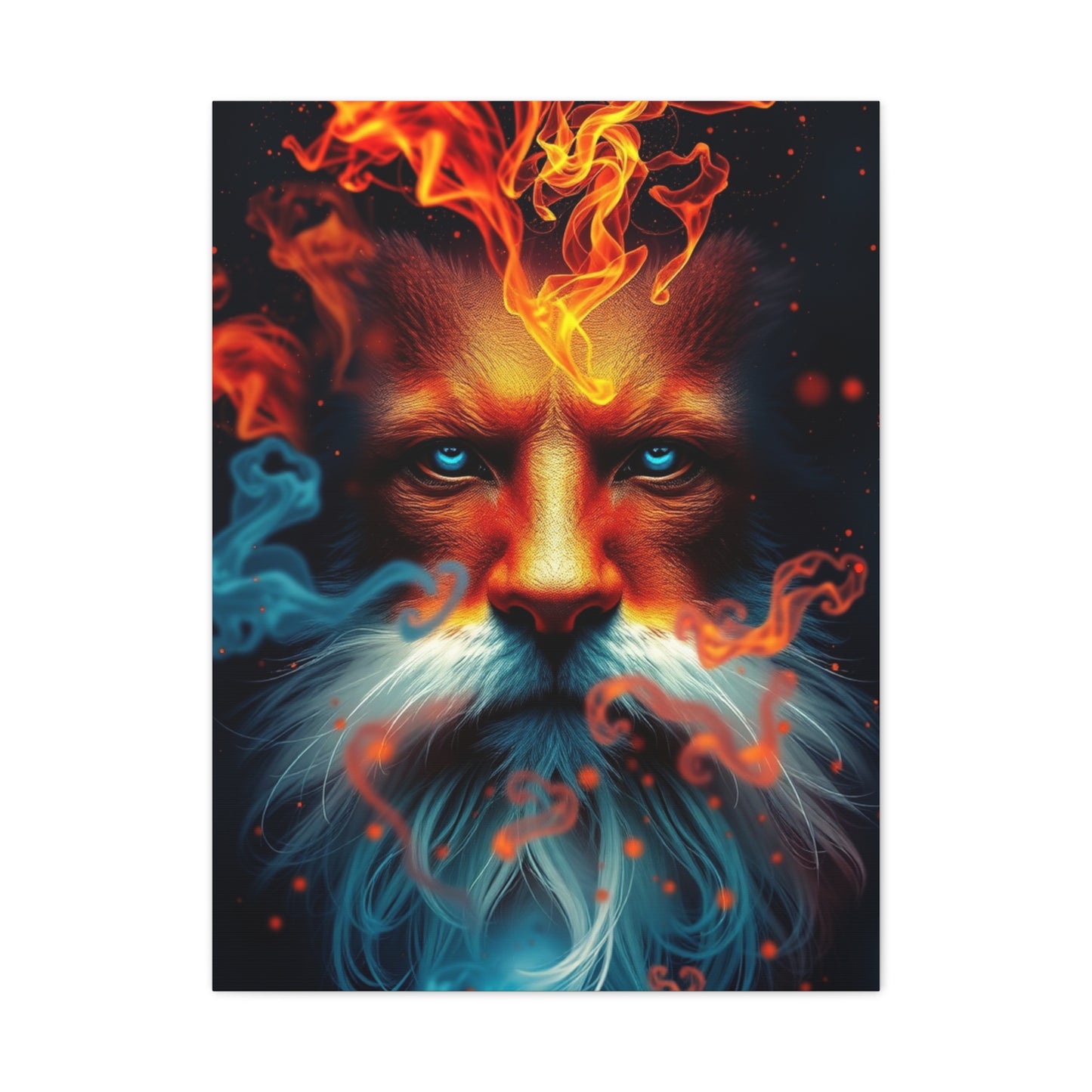
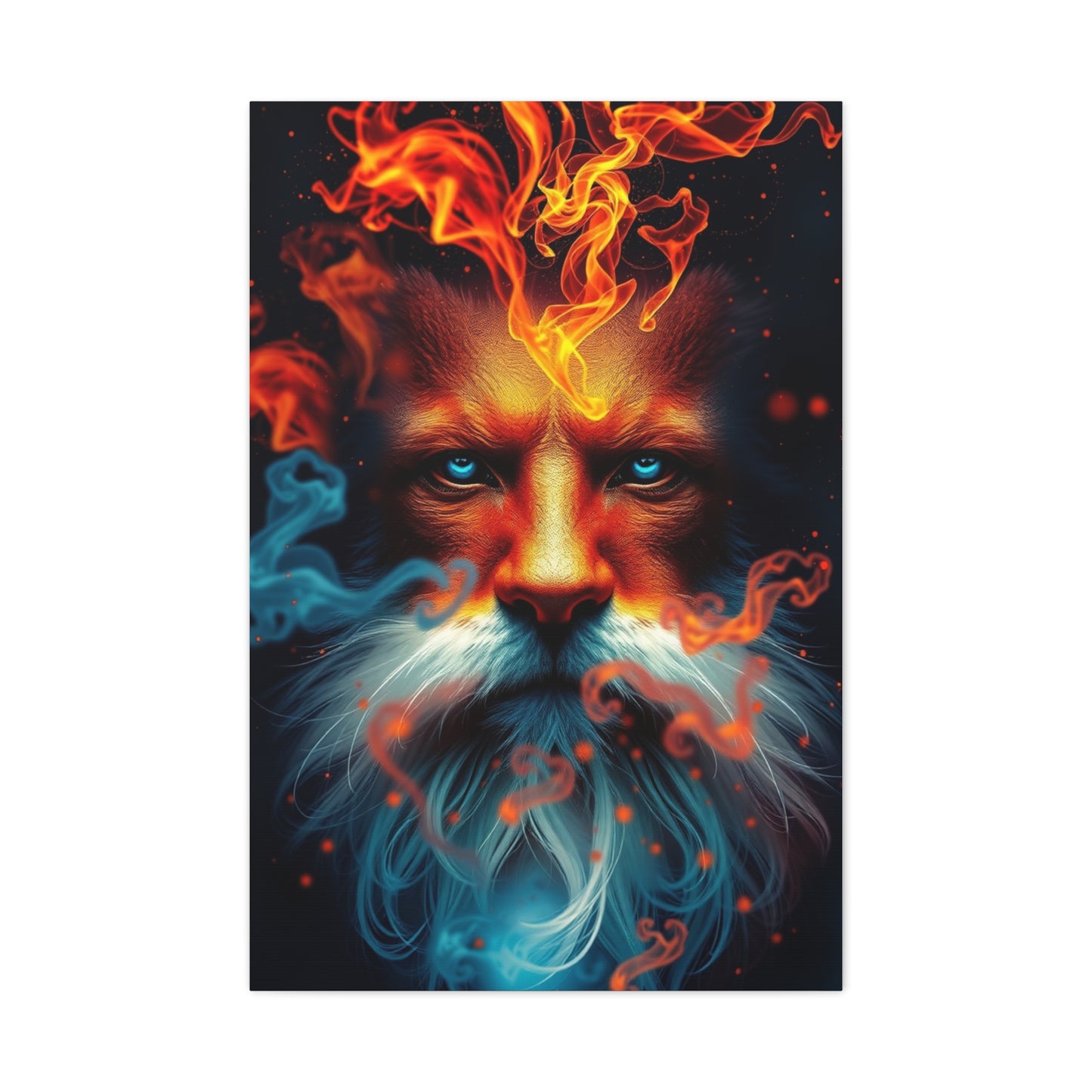
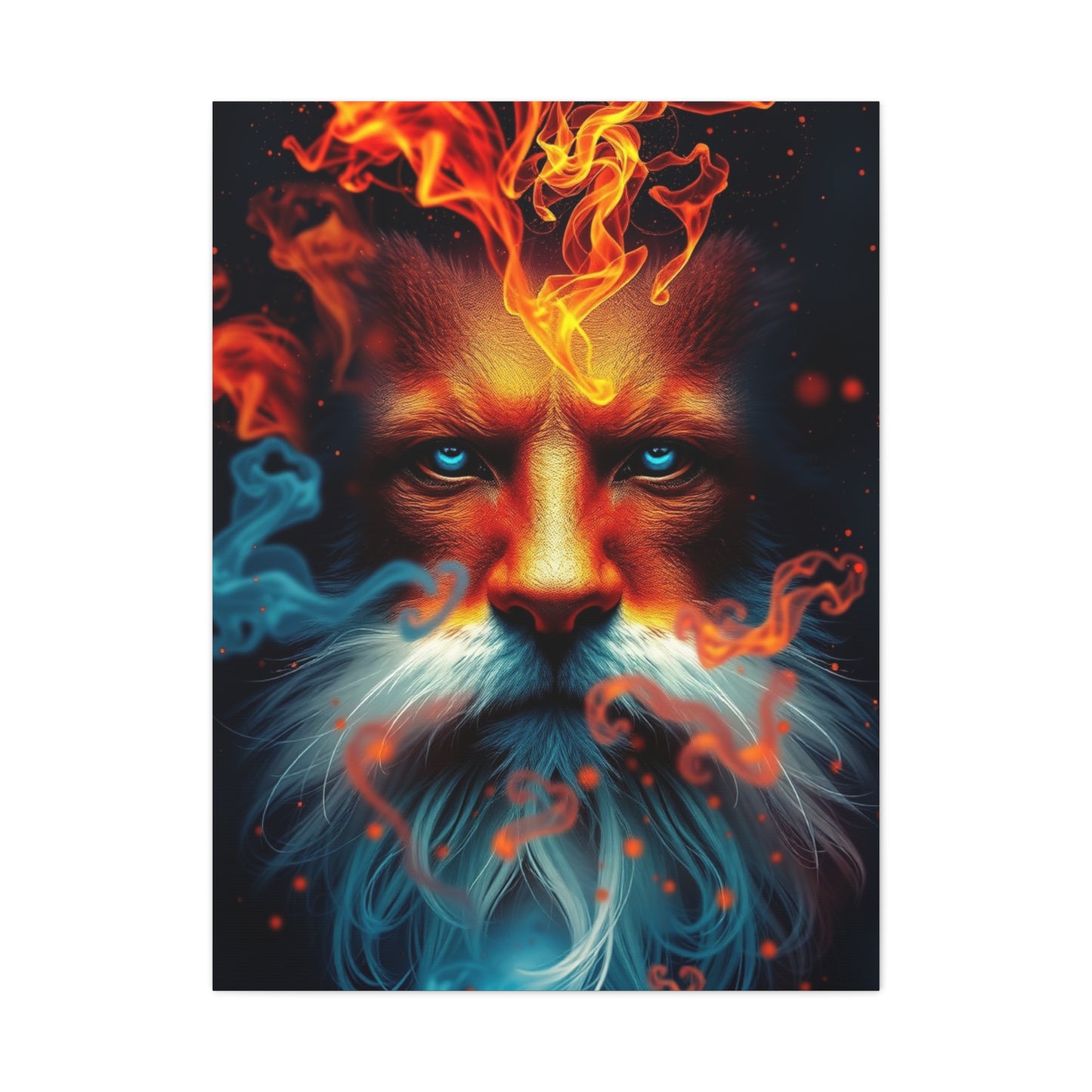
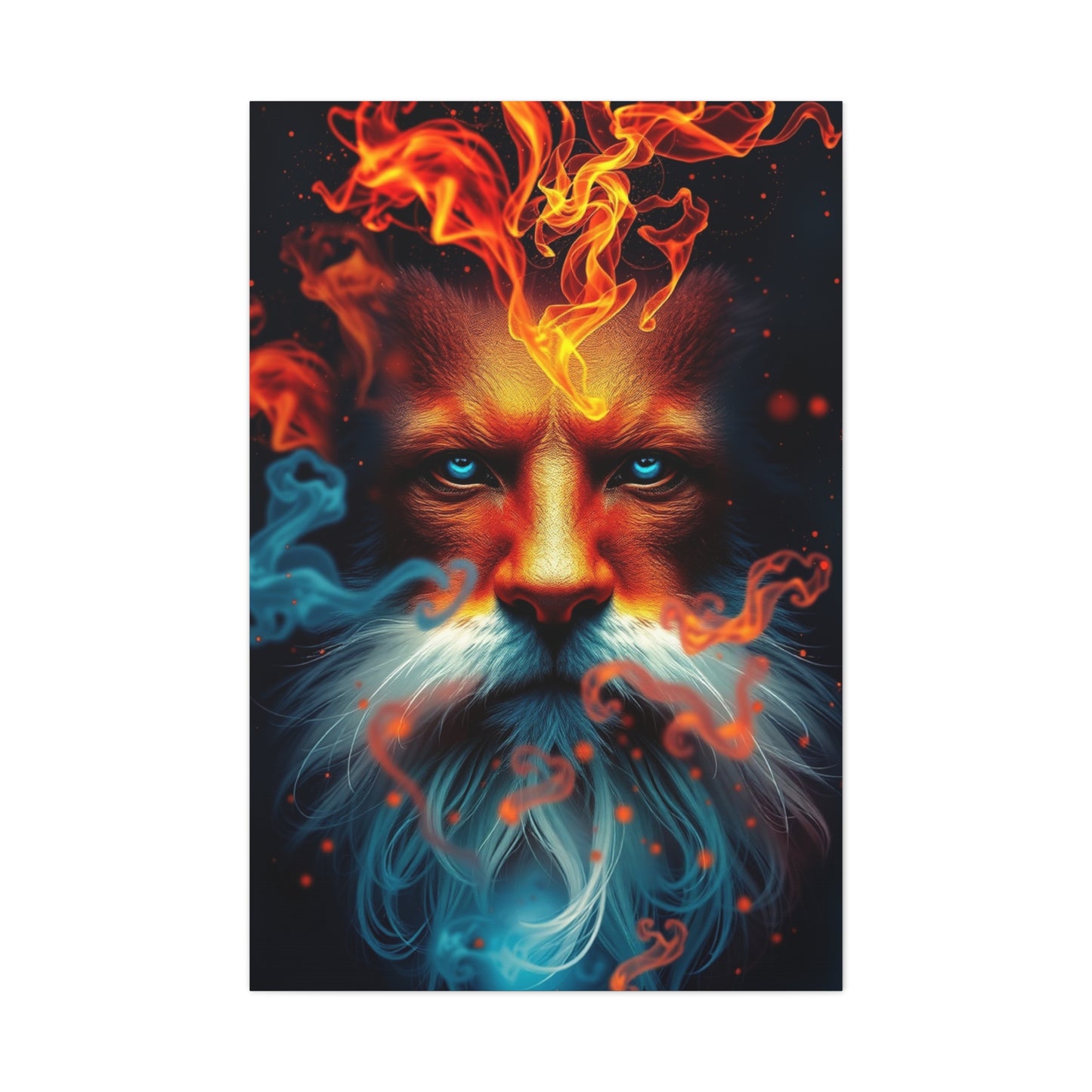
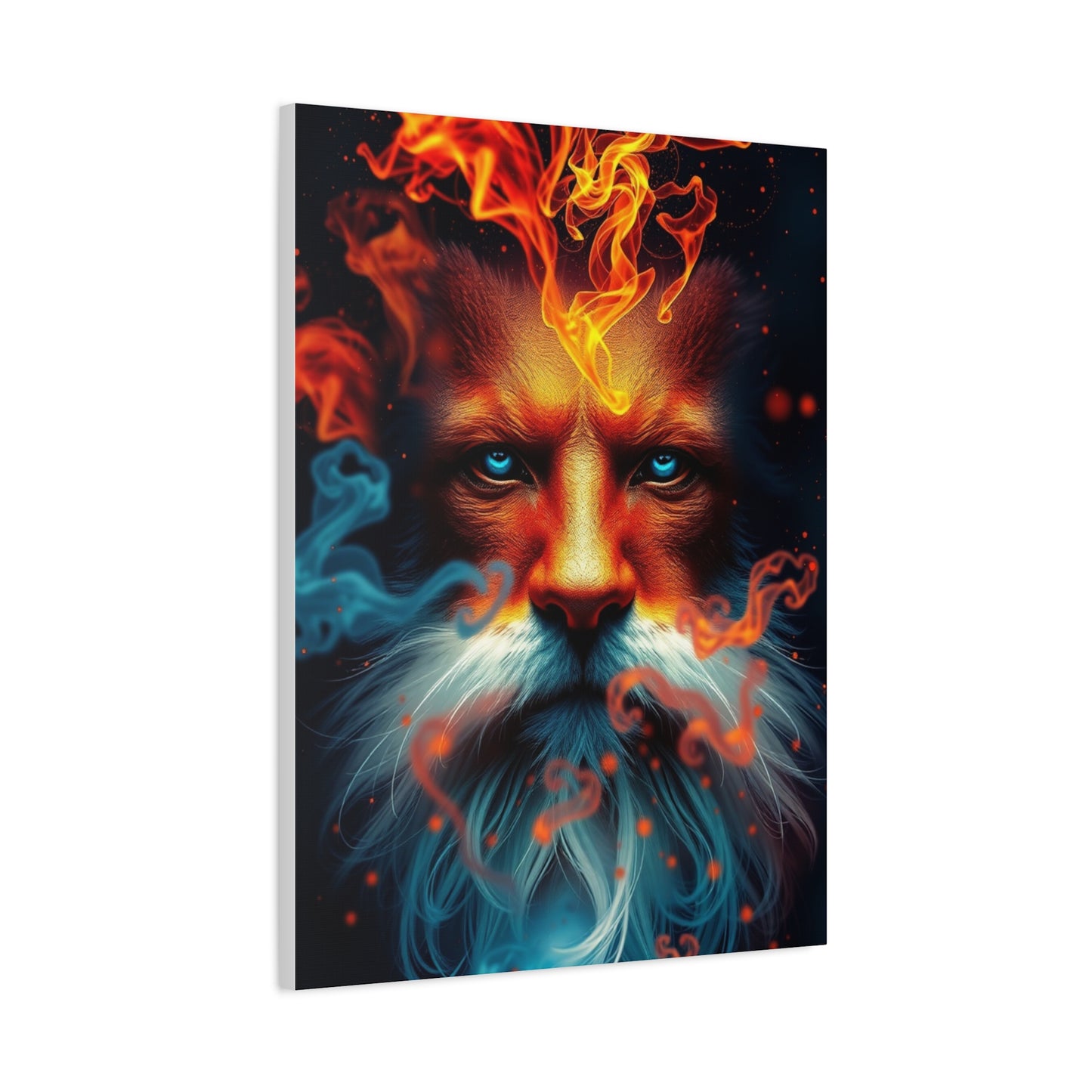
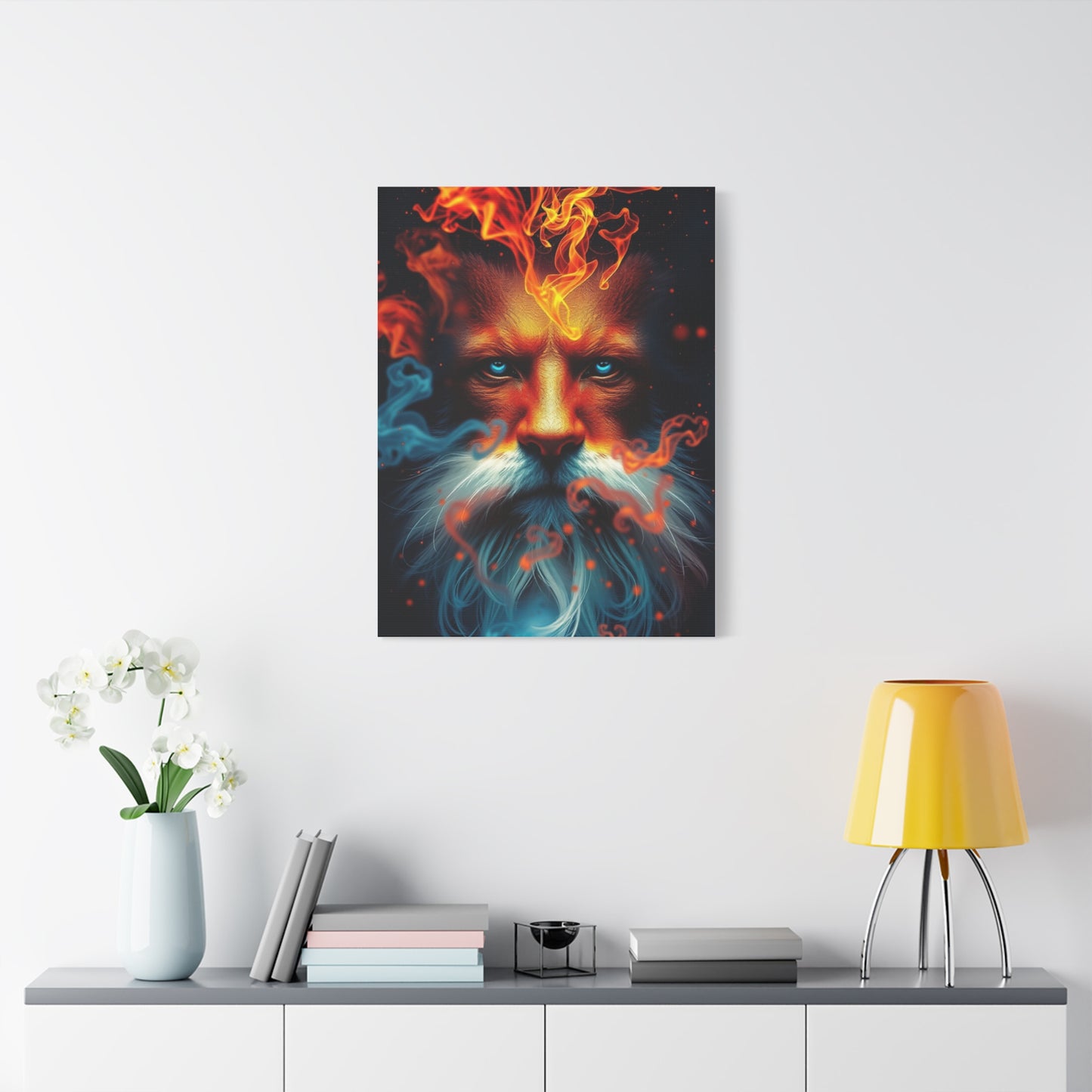
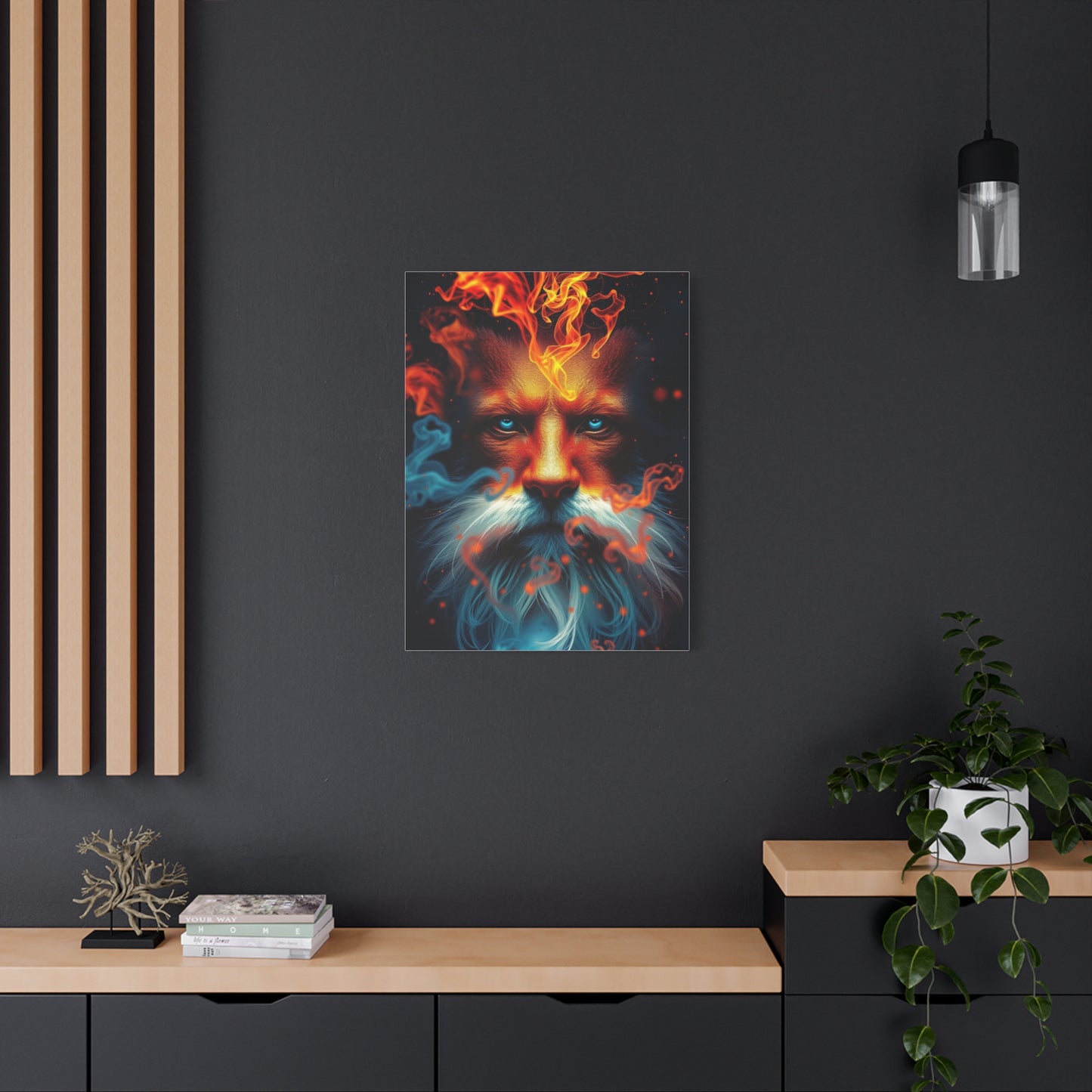
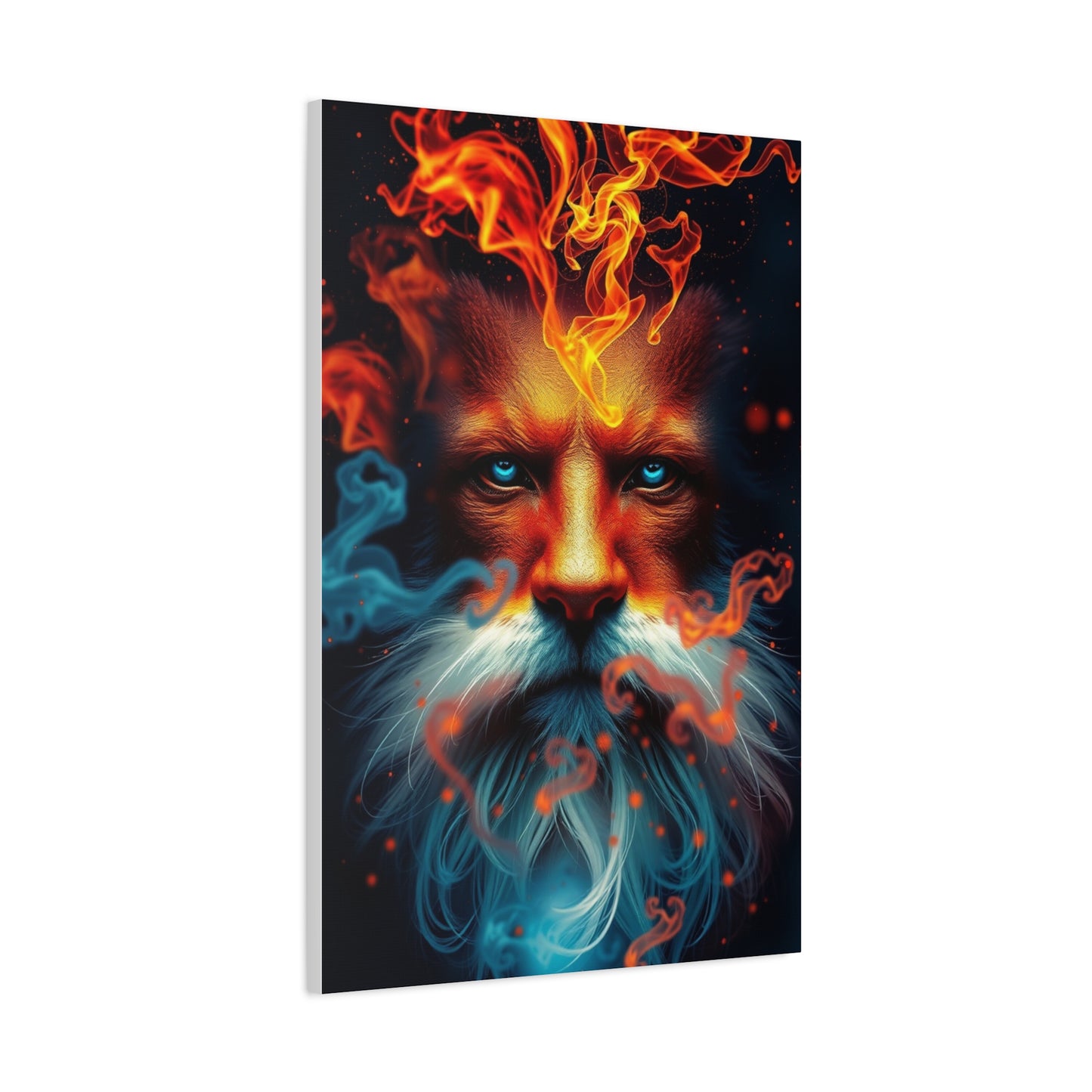
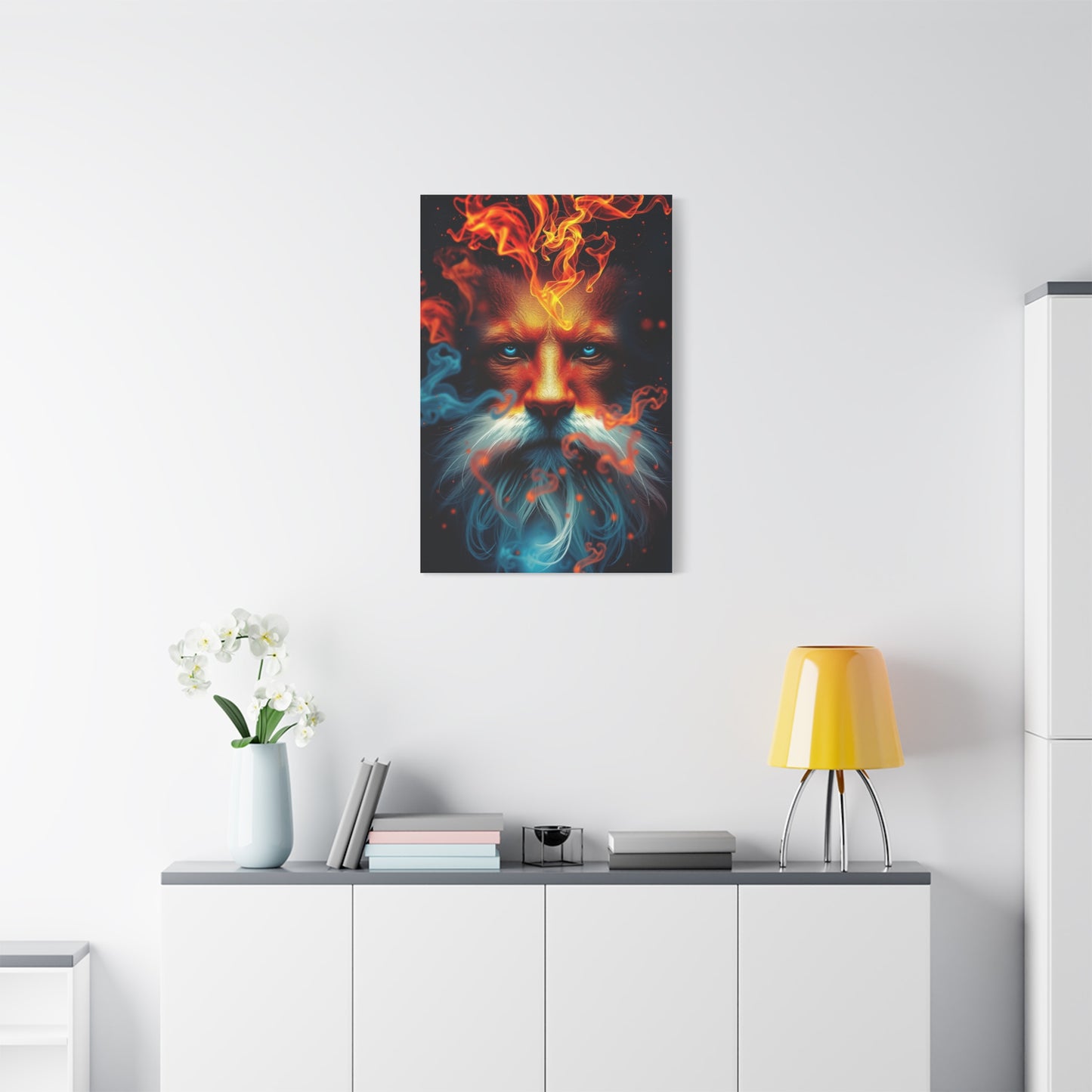
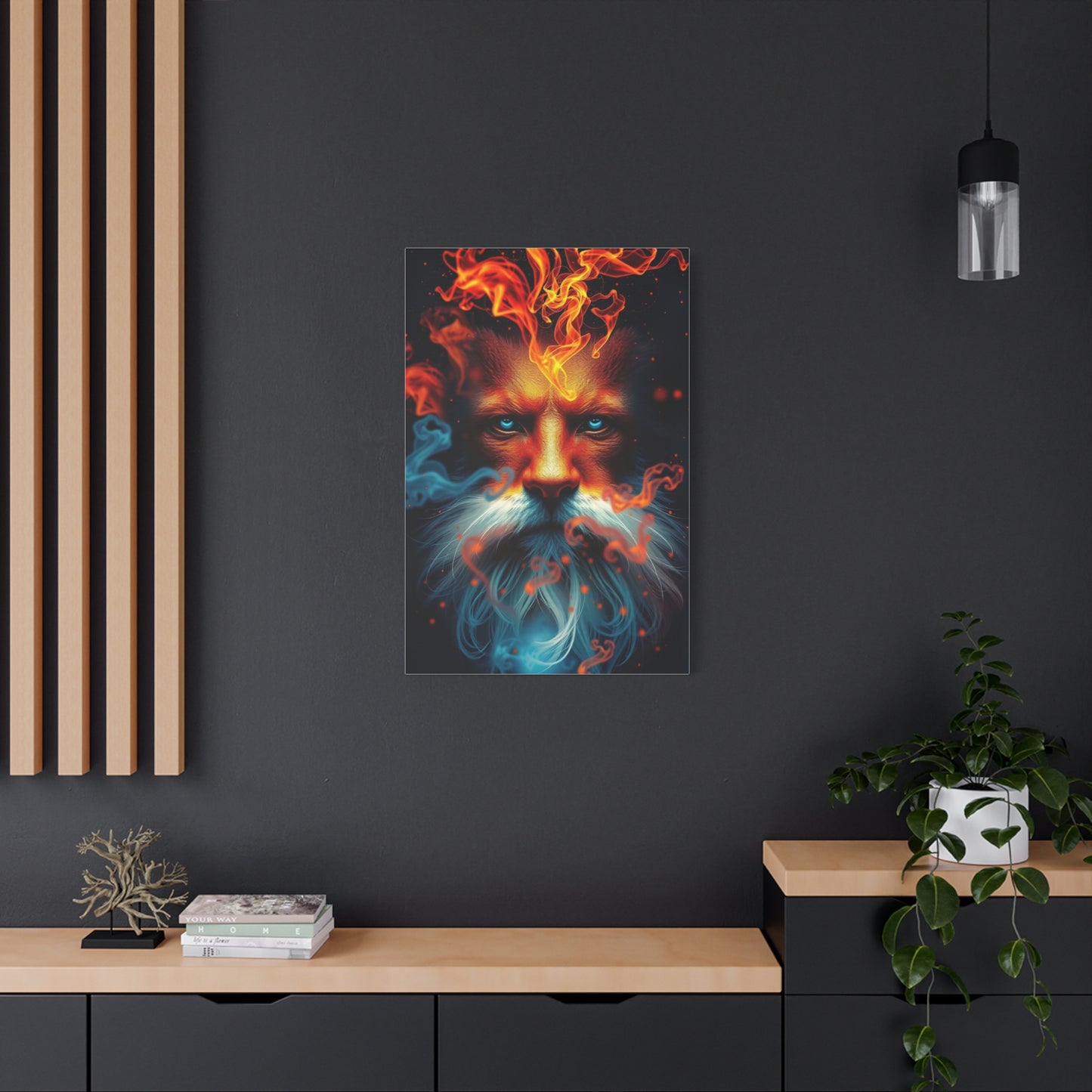
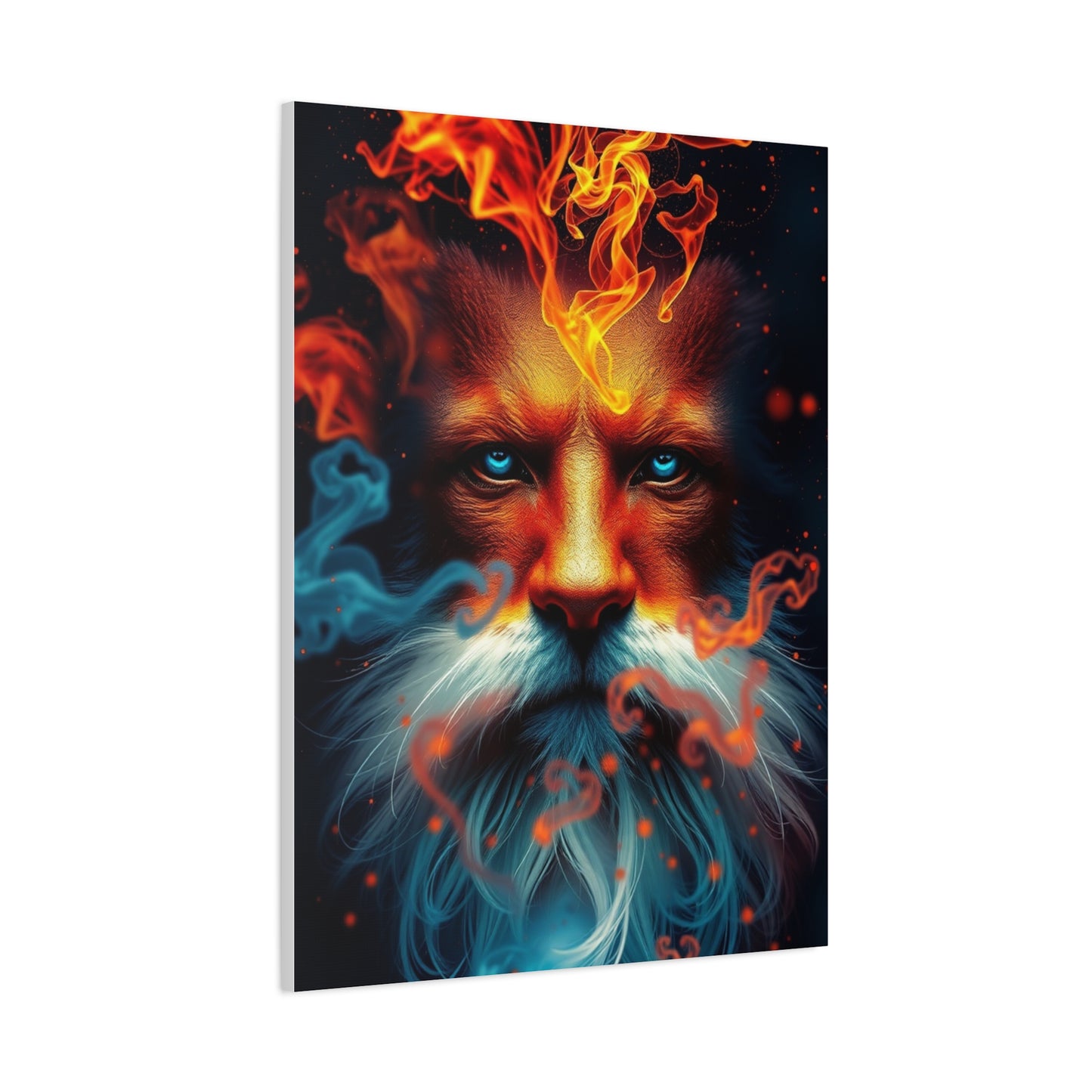
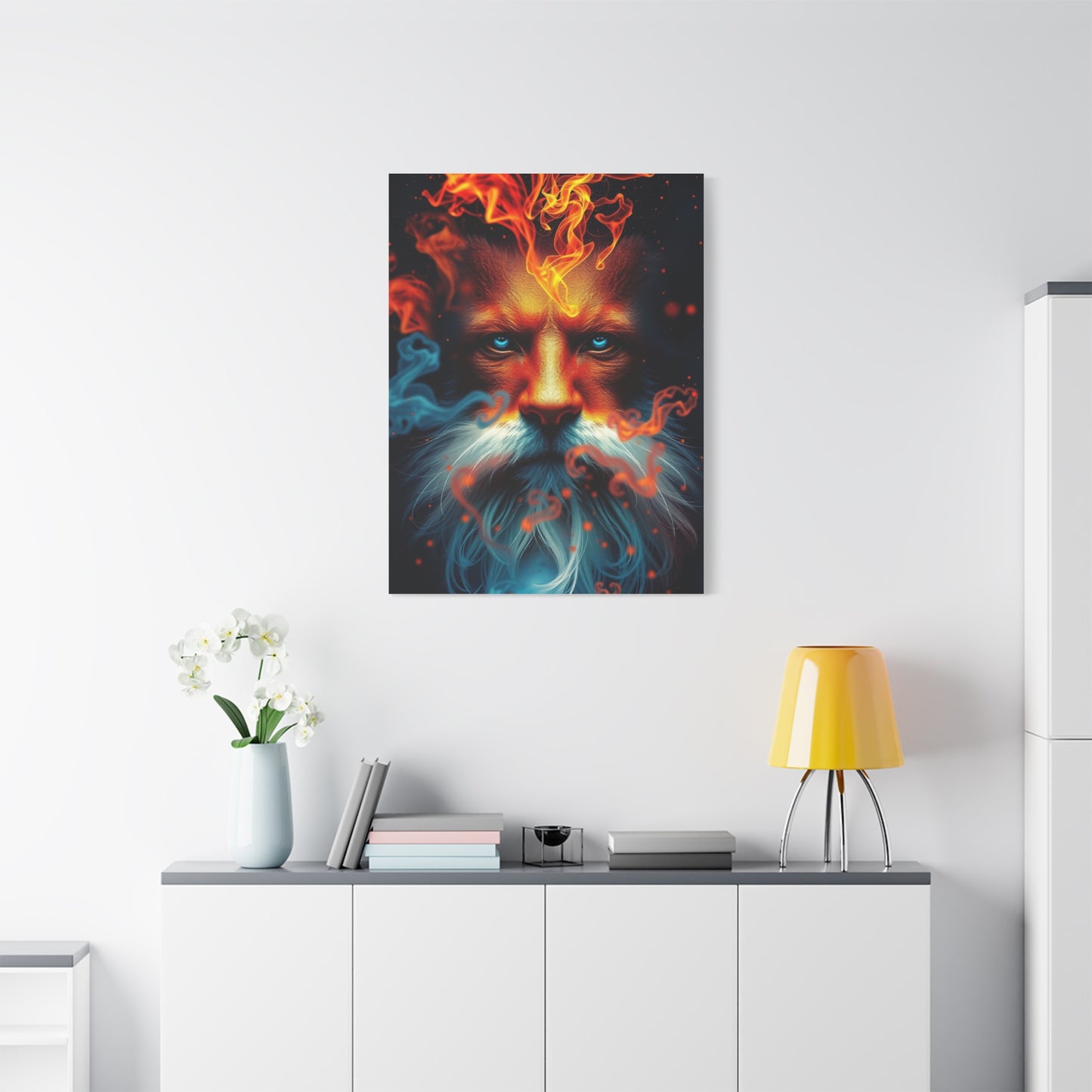
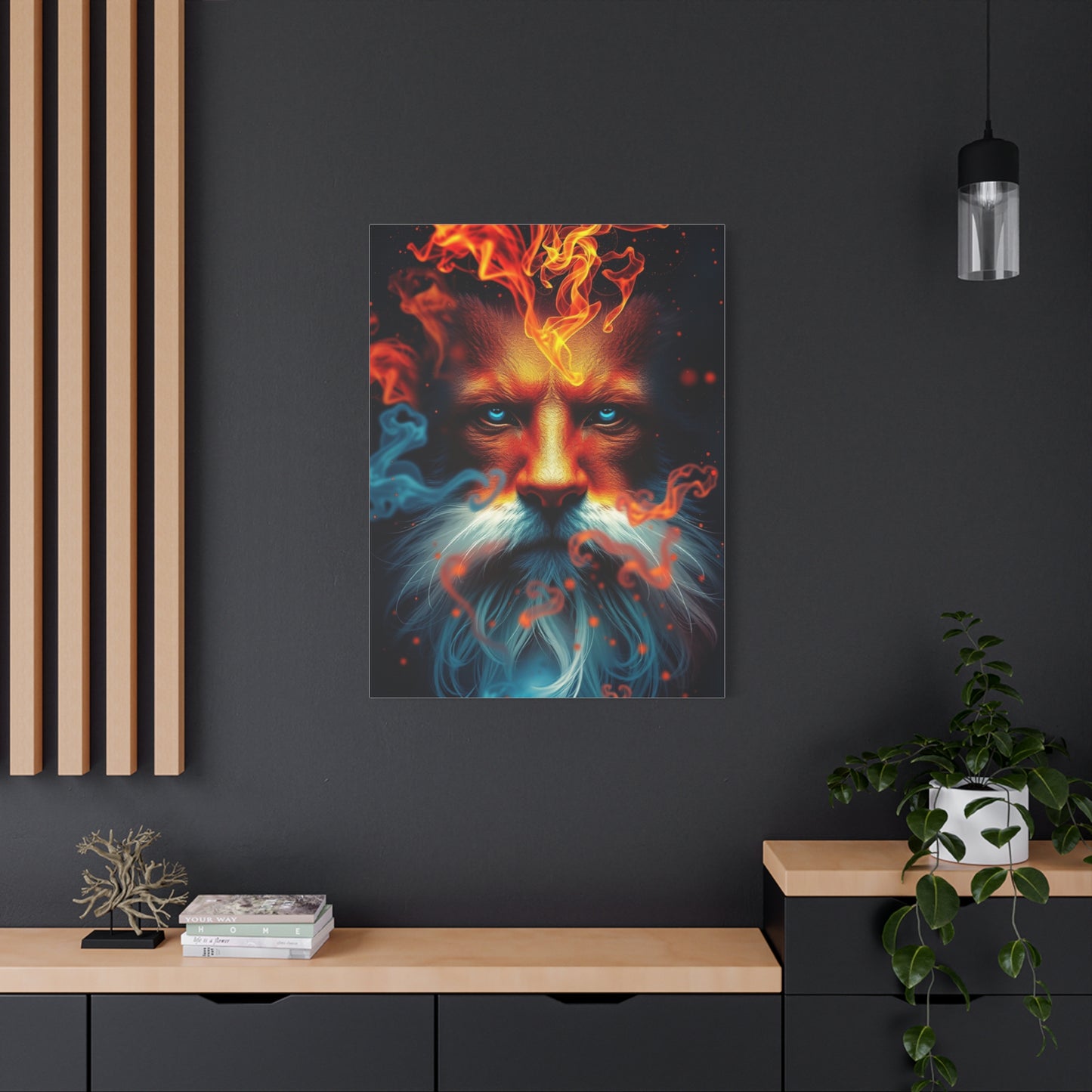
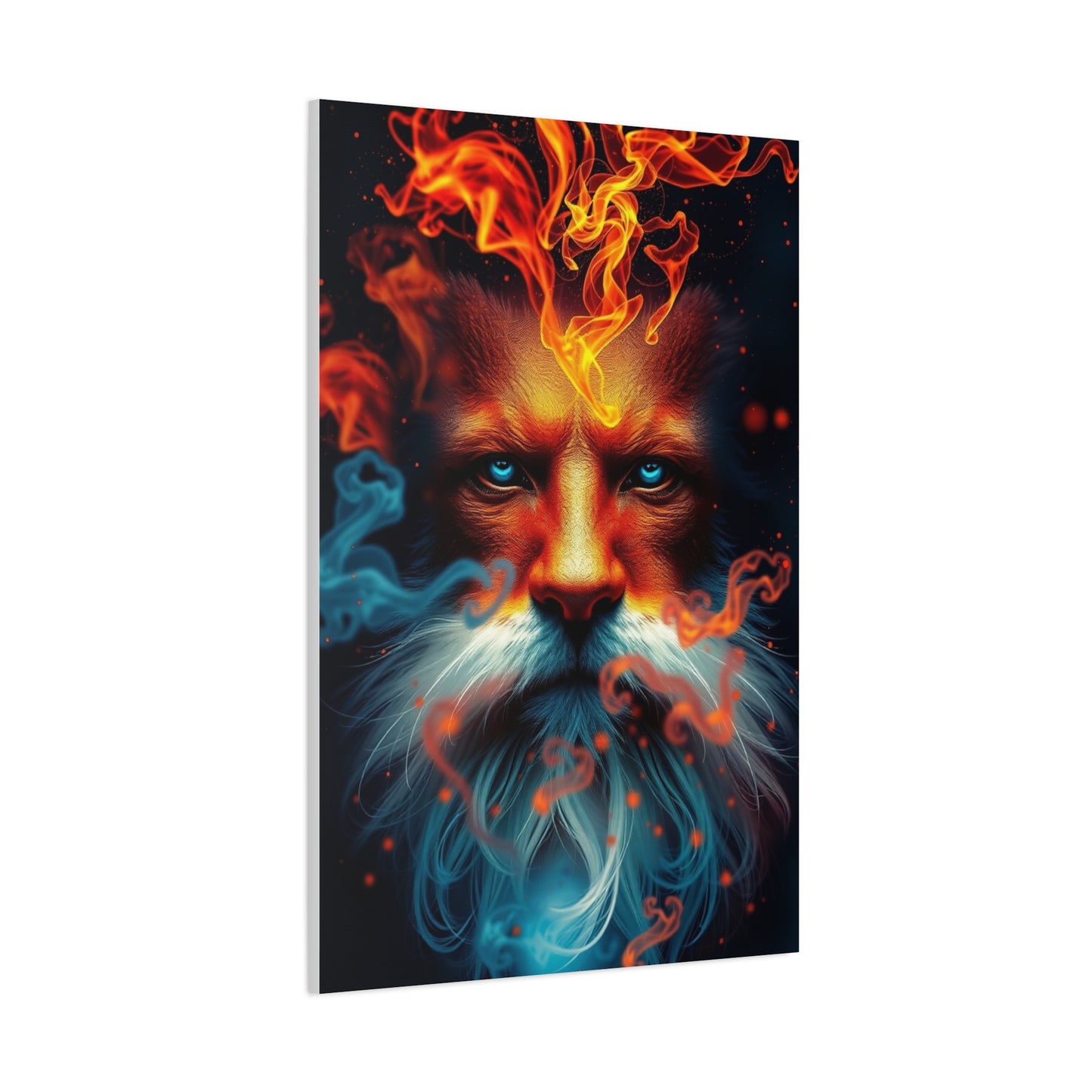
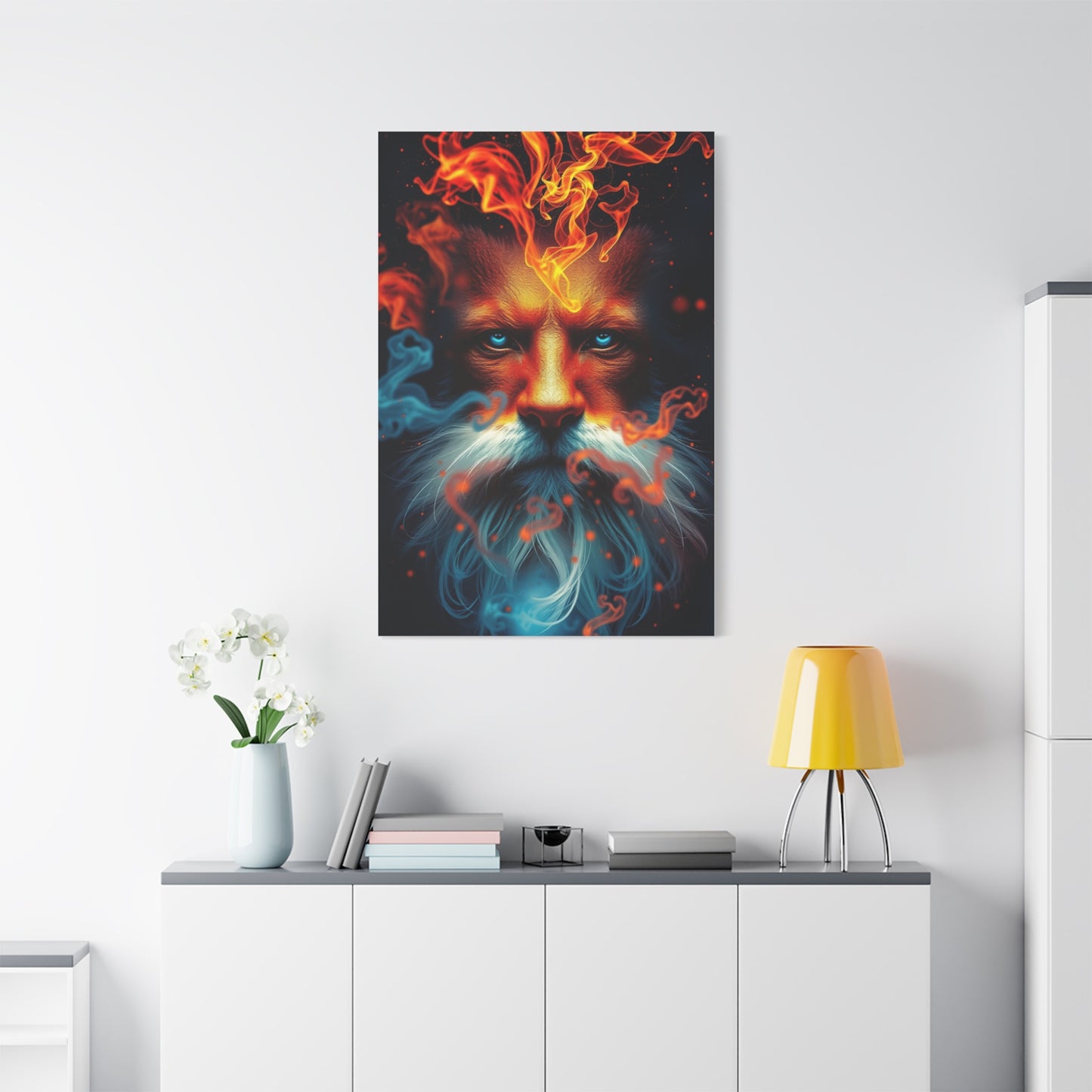
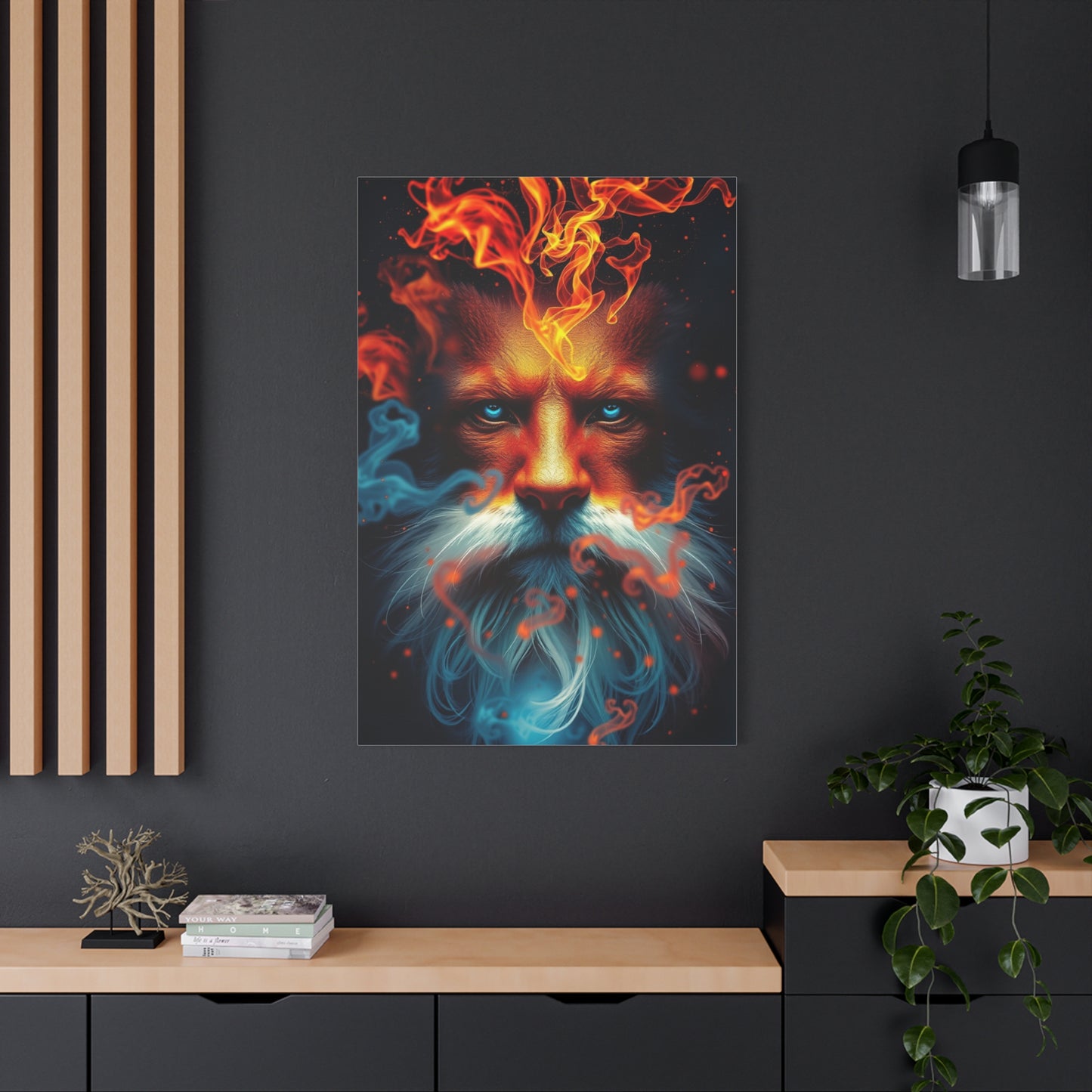
Ascendant Muse Wall Art: Elevating Your Interior Spaces with Celestial Beauty and Artistic Expression
The world of interior decoration continues to evolve with fresh perspectives and innovative design elements that capture the imagination of homeowners and design enthusiasts alike. Among the most captivating trends emerging in recent years is the incorporation of celestial-inspired artwork that combines mythological themes with contemporary aesthetics. This particular style of decorative pieces brings together the ethereal beauty of cosmic imagery with the timeless appeal of classical artistry, creating stunning focal points that transform ordinary rooms into extraordinary sanctuaries of visual delight.
When we explore the realm of artistic wall decorations featuring ascending muses and celestial motifs, we discover a rich tapestry of creative possibilities that speak to our innate desire for beauty, inspiration, and connection with something greater than ourselves. These artistic creations serve not merely as decorative elements but as portals to imagination, conversation starters, and reflections of personal taste and sophistication.
The Cultural Significance of Celestial Imagery in Modern Interior Design
Throughout human history, celestial themes have captivated our collective imagination and found expression in various forms of artistic endeavor. From ancient cave paintings depicting the night sky to Renaissance masterpieces celebrating heavenly bodies, the fascination with cosmic elements has remained a constant thread in artistic expression. Today's interior design landscape continues this tradition by incorporating celestial motifs in ways that resonate with contemporary sensibilities while honoring ancient wisdom and aesthetic principles.
The appeal of celestial artwork extends beyond mere visual pleasure. These pieces carry symbolic weight that connects viewers with concepts of transcendence, aspiration, and the mysteries of existence. When we choose to display artwork featuring ascending figures surrounded by stars, moons, and cosmic elements, we invite these deeper meanings into our living spaces, creating environments that nurture both aesthetic appreciation and philosophical contemplation.
Modern interpretations of celestial themes in wall art reflect our current cultural moment, where science and spirituality, tradition and innovation, coexist in fascinating ways. The artistic representations of muses rising toward the heavens speak to contemporary desires for elevation, both literal and metaphorical, in times when groundedness can feel elusive. These pieces offer visual anchors that remind us of beauty, possibility, and the enduring human capacity for wonder.
The integration of such artwork into residential and commercial spaces represents more than a decorative choice. It signals a deliberate attempt to create environments that inspire, uplift, and provide visual respite from the mundane aspects of daily life. In an age dominated by digital screens and constant connectivity, the presence of thoughtfully chosen wall art featuring celestial muses offers a tangible connection to artistic tradition and aesthetic contemplation.
Exploring Various Artistic Styles and Interpretations
The beauty of celestial-themed wall art lies in its remarkable versatility across different artistic styles and interpretations. From classical representations that echo the techniques of old masters to contemporary abstract interpretations that push creative boundaries, the range of available options ensures that every taste and preference can find satisfaction.
Classical interpretations often draw inspiration from Greco-Roman mythology, featuring muses depicted with flowing garments, graceful poses, and surrounded by stars and celestial bodies. These pieces typically employ traditional artistic techniques such as careful attention to anatomical accuracy, dramatic use of light and shadow, and compositions that guide the viewer's eye through the artwork in deliberate ways. The color palettes tend toward rich, deep tones with strategic highlights that create depth and dimension.
Contemporary approaches to the same theme might take liberties with representation, incorporating abstract elements, unexpected color combinations, or mixed media techniques that challenge conventional expectations. Some modern interpretations merge celestial themes with geometric patterns, creating hybrid pieces that appeal to those who appreciate both cosmic imagery and clean, structured design elements. Others might emphasize texture and layering, building up surfaces that invite closer inspection and reward careful observation.
Minimalist interpretations strip the concept down to essential elements, perhaps suggesting rather than explicitly depicting ascending figures through subtle line work or carefully placed celestial symbols. These pieces work particularly well in spaces where restraint and understatement guide design decisions, offering sophistication without overwhelming other design elements in the room.
Maximalist versions embrace abundance and complexity, layering multiple elements, rich colors, and intricate details that reward extended viewing. These pieces become commanding presences in any space, demanding attention and serving as primary focal points around which other design decisions revolve. The energy of such artworks can invigorate spaces and create dramatic impact that transforms the entire character of a room.
Selecting the Perfect Piece for Your Space
Choosing artwork for your walls requires thoughtful consideration of multiple factors that extend beyond simple aesthetic preference. The size of the piece relative to the wall and room dimensions plays a crucial role in achieving visual balance. A piece that is too small for a large wall will appear lost and insignificant, failing to make the intended impact. Conversely, artwork that overwhelms a space can create visual discomfort and throw off the carefully calibrated proportions that make rooms feel harmonious.
The color palette of the artwork must work in concert with existing design elements in the space. While contrasting colors can create excitement and visual interest, they need to be balanced carefully to avoid creating jarring combinations that fatigue the eye. Complementary colors that echo tones already present in furniture, textiles, or architectural features help integrate the artwork seamlessly into the overall design scheme.
The style of the piece should align with the broader aesthetic direction of the space. A highly ornate, traditionally styled piece featuring ascending muses might feel out of place in an ultra-modern, minimalist environment, just as a stark, contemporary interpretation might clash with traditional furnishings and classical architectural details. However, thoughtful mixing of styles can create interesting tensions that add character and prevent spaces from feeling too predictable or theme-park-like in their consistency.
Lighting considerations significantly impact how artwork appears in your space. Natural light changes throughout the day, altering how colors and details appear at different times. Artificial lighting, whether ambient, accent, or task-oriented, also affects the artwork's appearance. Some pieces thrive in bright, well-lit conditions, while others reveal their best qualities in more subdued lighting that creates mood and atmosphere.
The intended purpose of the space should influence artwork selection. A bedroom might benefit from calming, contemplative pieces that promote relaxation, while a living room or entertainment area might accommodate more energetic, conversation-provoking artworks. Office spaces often benefit from inspirational imagery that encourages creativity and elevated thinking, making celestial muses particularly appropriate choices for professional environments.
The Psychology of Celestial Imagery in Living Spaces
The psychological impact of our surroundings on mood, productivity, and wellbeing has been extensively documented by researchers studying environmental psychology. The artwork we choose to display in our living and working spaces contributes significantly to the emotional tone and psychological atmosphere of these environments. Celestial imagery, with its inherent associations with vastness, transcendence, and beauty, carries particular psychological potency.
Images of ascending figures tap into universal human aspirations for growth, improvement, and transcendence of current limitations. When we surround ourselves with such imagery, we create subtle but persistent reminders of our own potential and possibilities. These visual cues can influence our mindset in ways that support positive thinking patterns and encourage us to maintain perspective during challenging times.
The presence of stars, moons, and cosmic elements in artwork connects us with the natural world and the broader universe, countering the tendency toward insularity that modern life can foster. In urban environments particularly, where connection to nature and awareness of natural cycles can be limited, celestial imagery in art serves as a bridge to these larger contexts. This connection has been shown to reduce stress, promote feelings of awe and wonder, and contribute to overall psychological wellbeing.
Colors commonly associated with celestial themes, such as deep blues, purples, and blacks punctuated by bright whites and metallics, carry their own psychological associations. Blue tones promote calm and contemplation, while darker colors create depth and sophistication. Metallic accents add energy and light without overwhelming, creating balanced emotional responses that most people find pleasant and stimulating in appropriate measure.
The aesthetic pleasure derived from contemplating beautiful artwork releases neurochemicals associated with reward and satisfaction. Regular exposure to artwork we find beautiful can contribute to improved mood and life satisfaction. In this way, the decision to incorporate celestial muse artwork into our spaces transcends mere decoration, becoming instead an investment in our ongoing psychological and emotional wellbeing.
Material Choices and Their Impact on Presentation
The materials used to create and present wall art significantly influence both the visual impact and longevity of the piece. Understanding the characteristics of different materials helps in making informed decisions that align with both aesthetic preferences and practical considerations regarding durability and maintenance.
Canvas prints remain among the most popular choices for contemporary wall art, offering texture and depth that flat paper prints cannot match. The woven texture of canvas adds subtle visual interest while providing a surface that reduces glare, making artwork easier to view from various angles and lighting conditions. Gallery-wrapped canvas, where the image continues around the edges of the stretcher bars, creates a finished look that eliminates the need for traditional framing, offering a modern, streamlined appearance.
Metal prints have gained popularity for their striking visual impact and exceptional durability. The process of infusing dyes directly into specially coated aluminum creates colors of remarkable vibrancy and depth. The slight luminosity inherent in metal prints makes them particularly well-suited for celestial imagery, as the material naturally enhances the glow of stars, moons, and other light elements. Metal prints also resist fading, scratching, and moisture damage, making them excellent choices for high-traffic areas or spaces with challenging environmental conditions.
Acrylic prints offer a luxurious, gallery-quality presentation that creates stunning depth and color saturation. The clear acrylic facing adds dimensionality to the image, making colors appear more vibrant and details more crisp. Light interacts with acrylic prints in unique ways, creating subtle effects that change as viewing angles shift. The contemporary aesthetic of acrylic mounting appeals to those seeking modern, sophisticated presentations.
Traditional framed prints under glass provide classic elegance and broad compatibility with various interior styles. The frame itself becomes part of the artistic statement, with choices ranging from ornate gilded options that evoke classical grandeur to simple, clean-lined frames that emphasize the artwork itself. Quality framing with proper matting and conservation glass protects artwork while enhancing its presentation.
Wood-mounted prints bring warmth and natural texture to artwork presentation. The visible wood grain adds organic character that complements certain design aesthetics particularly well. Various wood finishes, from natural light tones to rich, dark stains, offer flexibility in matching existing furnishings and architectural elements.
Placement Strategies for Maximum Visual Impact
The location where you hang artwork dramatically affects its impact and the overall success of your design scheme. Strategic placement considers viewing angles, traffic patterns, focal points, and relationships with other design elements in the space. Mastering these considerations transforms artwork from mere wall covering into integral components of cohesive, well-designed environments.
The traditional rule placing artwork at eye level serves as a useful starting point, though interpretation of this guideline requires nuance. In spaces where people will primarily be seated, such as dining rooms or living areas with substantial seating arrangements, lower placement often proves more appropriate. Conversely, in hallways or spaces where people will primarily be standing, standard eye level placement works well. The key is ensuring comfortable viewing that doesn't require awkward neck angles or positioning.
Creating gallery walls featuring multiple pieces requires careful planning but offers opportunities for dramatic impact and creative expression. Successful gallery walls balance variety with cohesion, incorporating pieces of different sizes while maintaining some unifying elements such as color palette, theme, or frame style. Layout planning before committing to nail placement prevents frustrating do-overs. Many designers recommend arranging pieces on the floor first or using paper templates on the wall to visualize the final arrangement.
Statement pieces, particularly large artworks featuring ascending muses and celestial themes, work best when given adequate breathing room. Surrounding a significant artwork with too many competing elements dilutes its impact and creates visual confusion. Instead, allow sufficient empty wall space around major pieces, using the negative space to frame and emphasize the artwork. This approach creates drama and ensures the piece receives the attention it deserves.
Lighting artwork properly enhances its appearance and creates professional-looking results. Picture lights mounted above frames provide focused illumination, while track lighting offers flexibility to highlight multiple pieces with a single fixture. Recessed lighting can create dramatic effects when properly positioned. In spaces with good natural light, consider how sunlight moves through the room throughout the day and position artwork to take advantage of favorable lighting conditions while avoiding direct sunlight that could cause fading.
Grouping artwork thematically creates visual interest and narrative flow. A collection of celestial-themed pieces can be distributed throughout a space, creating connections between different areas while maintaining a cohesive design story. This approach works particularly well in open-concept spaces where defining different zones without physical barriers becomes important.
Color Theory Applications in Celestial Wall Art
Understanding color theory principles enhances the ability to select and place artwork in ways that maximize visual harmony and psychological impact. The colors present in celestial muse artwork interact with existing colors in your space, creating relationships that can enhance or detract from the overall aesthetic success of the design.
Complementary color schemes, which pair colors opposite each other on the color wheel, create vibrant, energetic effects that command attention. Artwork featuring deep blues and purples complemented by golden or orange celestial elements creates striking visual contrast that enlivens spaces. This approach works particularly well in rooms where you want to generate energy and stimulate conversation or creativity.
Analogous color schemes use colors adjacent to each other on the color wheel, creating harmonious, cohesive effects that feel naturally coordinated. Celestial artwork featuring various shades of blue blending into purples and perhaps touches of teal creates soothing, unified impressions that work well in spaces designed for relaxation and contemplation. The subtle variations provide visual interest without the dynamic tension of complementary schemes.
Monochromatic approaches build designs around variations of a single color, using different values and saturations to create depth and interest. Celestial artwork rendered entirely in various tones of blue, from the deepest navy to the palest sky blue, can create sophisticated, cohesive statements that work beautifully in modern, minimalist spaces. The restraint of a limited color palette creates elegance and allows focus on form, composition, and texture.
Triadic color schemes employ three colors equally spaced around the color wheel, creating balanced yet vibrant effects. Artwork incorporating blue celestial backgrounds with touches of red and yellow in strategic places creates visual excitement while maintaining overall harmony. This approach requires careful balancing to prevent any single color from dominating inappropriately.
The psychological associations of colors should inform selection decisions. Blues promote calm and trust, making them appropriate for bedrooms, meditation spaces, or professional environments. Purples carry associations with creativity, luxury, and spirituality, working well in artistic spaces or areas designed for contemplation. Gold and metallic tones add warmth, richness, and energy without the intensity of pure yellows or oranges.
Integrating Artwork with Existing Decor Elements
Successfully incorporating new artwork into established spaces requires attention to relationships between the art and existing furniture, textiles, architectural features, and decorative accessories. The goal is creating cohesive environments where all elements work together harmoniously rather than competing for attention or creating visual discord.
Furniture arrangement in relation to artwork placement significantly impacts the overall design success. Large pieces work beautifully as focal points above sofas, beds, or dining tables, anchoring these areas and creating clear visual hierarchy. The width of artwork relative to furniture below it matters substantially. Most designers recommend artwork be between two-thirds and three-quarters the width of the furniture piece below it, creating pleasing proportions that feel balanced and intentional.
Textile elements including curtains, throw pillows, rugs, and upholstery fabrics offer opportunities to create color connections with artwork. Pulling accent colors from the artwork into textiles throughout the space creates cohesion and makes the artwork feel integrated rather than added as an afterthought. This doesn't require exact color matching, which can feel forced and unnatural. Instead, echo tones and values that appear in the artwork through textile choices.
Architectural features such as molding, trim, built-in shelving, and fireplace mantels provide natural frameworks for artwork placement. Centering significant pieces within architectural frames created by these elements creates formal, balanced arrangements that feel intentional and polished. Alternatively, deliberately off-center placement can create dynamic tension that adds contemporary edge to traditional architectural contexts.
Decorative accessories including vases, sculptures, books, and other objects should relate to artwork in ways that enhance rather than distract. Colors, materials, and styles of accessories can echo elements in the artwork, creating layers of visual interest and reinforcement. However, avoid over-coordination that creates overly matched, designer-showroom effects that lack personality and feel sterile.
Scale relationships between artwork and other design elements create visual rhythm and prevent any single element from overwhelming the space. Varying the sizes of objects and artwork throughout a room creates interest and guides the eye through the space in intentional ways. Too much uniformity in scale creates static, boring environments, while too much variation creates chaos and visual confusion.
Creating Mood and Atmosphere Through Artistic Choices
The artwork we display profoundly influences the mood and atmosphere of our spaces, shaping how we and our guests feel when occupying these environments. Celestial muse imagery carries inherent atmospheric qualities, but specific choices regarding style, color, and composition can emphasize different emotional tones to align with the intended use and feeling of each space.
Contemplative atmospheres benefit from artwork with calming color palettes, balanced compositions, and imagery that invites quiet observation rather than demanding immediate attention. Celestial pieces featuring gentle gradations of color, serene figures in repose or gentle ascension, and harmonious arrangements of stars and cosmic elements create environments conducive to reflection, meditation, and peaceful relaxation. Such pieces work particularly well in bedrooms, reading nooks, or dedicated meditation spaces.
Energizing atmospheres call for artwork with bolder color choices, more dynamic compositions, and imagery suggesting movement and vitality. Pieces depicting muses in active ascension, with dramatic color contrasts and compositions that create visual tension and excitement, inject energy into spaces designed for activity, creativity, and social interaction. Living rooms, home offices, creative studios, and entertainment areas benefit from these more dynamic choices.
Romantic atmospheres emerge from artwork emphasizing beauty, sensuality, and emotional depth. Celestial muse pieces with rich, warm color palettes including deep purples, roses, and golds create intimacy and elegance. Soft, atmospheric treatments suggesting mystery and enchantment enhance romantic moods. Such artwork works beautifully in bedrooms or any space designed for intimate gatherings and emotional connection.
Dramatic atmospheres arise from bold scale, striking contrasts, and powerful imagery that commands attention and creates strong impressions. Large-scale celestial pieces with deep, dark backgrounds punctuated by bright celestial elements or illuminated figures create theatrical impact that transforms spaces into memorable environments. Such dramatic choices work well in formal dining rooms, grand entryways, or any space where making a strong statement aligns with design goals.
Playful atmospheres can emerge even from celestial themes when approached with whimsy and creative interpretation. Contemporary artistic treatments that incorporate unexpected colors, stylized representations, or mixed media approaches can bring lightheartedness to cosmic themes. These interpretations work well in creative spaces, children's areas adapted for older users, or anywhere that benefits from not taking itself too seriously while still maintaining sophistication.
Historical Context of Muses in Artistic Tradition
The concept of muses has deep roots in artistic tradition stretching back thousands of years to ancient civilizations. Understanding this rich historical context adds depth to our appreciation of contemporary interpretations and helps us recognize the timeless themes these artworks explore. The muses of Greek mythology served as personifications of artistic inspiration, each governing specific domains of human creative endeavor.
Ancient Greek culture identified nine muses, daughters of Zeus and Mnemosyne, each associated with different arts and sciences. Calliope inspired epic poetry, Clio presided over history, Erato guided love poetry, Euterpe influenced music and lyric poetry, Melpomene oversaw tragedy, Polyhymnia governed sacred poetry, Terpsichore inspired dance, Thalia presided over comedy, and Urania guided astronomy. This systematic categorization reflected the ancient understanding of creative inspiration as something bestowed by divine forces rather than originating solely from human effort.
Roman culture adapted Greek concepts of muses, integrating them into their own artistic and literary traditions. Roman poets frequently invoked muses at the beginning of their works, asking for inspiration and guidance. This convention persisted through medieval and Renaissance periods, with Christian adaptations sometimes conflating muses with angels or divine inspiration flowing from the Christian God rather than pagan deities.
Renaissance artists returned to classical sources with renewed interest, creating magnificent artistic representations of muses that combined careful study of ancient texts with contemporary artistic techniques and sensibilities. Paintings and sculptures from this period often depicted muses with attributes identifying their specific domains, surrounded by symbolic objects and positioned in celestial or idealized natural settings. These Renaissance interpretations established visual conventions that continue to influence contemporary representations.
Neoclassical movements of the eighteenth and nineteenth centuries again turned to ancient sources for inspiration, creating idealized representations of muses that emphasized purity of line, noble bearing, and classical proportions. These works often placed muses in ascending poses or celestial contexts, emphasizing their role as intermediaries between earthly and divine realms. The visual language developed during this period remains influential in contemporary celestial muse imagery.
Modern and contemporary periods have seen both continuation of traditional muse imagery and radical reinterpretations that challenge classical conventions. Some artists maintain connections to historical representations while incorporating contemporary techniques and sensibilities. Others completely reimagine the concept of muses for modern contexts, creating representations that speak to contemporary experiences of inspiration and creativity while retaining the essential concept of elevated, inspiring figures.
Maintenance and Care for Long-Term Preservation
Proper care and maintenance of wall art ensures it remains beautiful and impactful for years or even generations. Different materials require specific care approaches, but some general principles apply across all types of artwork. Understanding and implementing appropriate maintenance practices protects your investment and preserves the aesthetic value of your pieces.
Dust accumulation, while seemingly minor, can dull colors and obscure details over time. Regular, gentle dusting using appropriate materials prevents buildup that becomes increasingly difficult to remove. Microfiber cloths work well for most surfaces, lifting dust without scratching or leaving residue. For canvas works, very soft brushes designed specifically for art cleaning can gently remove dust from textured surfaces without damaging the material or embedded pigments.
Sunlight exposure represents one of the primary threats to artwork longevity. Ultraviolet radiation causes fading and degradation of colors and materials over time. Direct sunlight poses the greatest risk, but even indirect natural light contains UV radiation that accumulates damage. Positioning artwork away from direct sun exposure provides the first line of defense. UV-filtering window treatments or films offer additional protection for rooms with substantial natural light. For particularly valuable or vulnerable pieces, museum-grade UV-filtering glazing provides maximum protection.
Humidity and temperature fluctuations can cause various problems depending on artwork materials. Canvas can become loose or tight as humidity changes, potentially causing cracking if fluctuations are extreme. Metal prints generally tolerate environmental variations better than canvas or paper. Maintaining relatively stable temperature and humidity levels throughout the year protects artwork from environmentally-caused deterioration. Avoiding placement near heating vents, air conditioning outlets, fireplaces, or exterior walls that experience significant temperature variations helps minimize exposure to harmful fluctuations.
Cleaning beyond regular dusting should be approached cautiously and appropriately for specific materials. Canvas generally should not be wet-cleaned by anyone other than professional conservators, as moisture can damage both canvas and pigments. Metal prints can typically be cleaned with slightly damp, soft cloths and gentle, non-abrasive cleaners designed for the specific finish. Acrylic surfaces require special acrylic cleaners and soft cloths to avoid scratching the surface. Glass-covered artwork can be cleaned with standard glass cleaners applied to the cloth rather than directly to the glass to prevent moisture from seeping behind the glass.
Professional cleaning and conservation services should be considered for valuable pieces or when problems arise that require expertise beyond basic maintenance. Art conservators possess specialized knowledge and tools for addressing specific issues without causing further damage. Regular professional assessment of valuable works can identify developing problems before they become serious, allowing preventive measures rather than more costly restoration work.
Seasonal Rotation and Fresh Design Perspectives
Rotating artwork seasonally offers opportunities to refresh spaces without major renovation or significant expense. This practice allows you to respond to changing moods, seasons, and evolving tastes while giving different pieces opportunities to shine. Strategic rotation keeps spaces feeling current and prevents the visual fatigue that can develop when surrounded by unchanging environments.
Seasonal rotation can respond to actual seasonal changes, swapping lighter, brighter pieces for warmer months when natural light is abundant and energy feels expansive, then transitioning to deeper, moodier pieces for cooler months when cozy, intimate atmospheres feel more appropriate. Celestial artwork works well for this approach, with lighter, more ethereal interpretations suitable for spring and summer, while darker, more dramatic pieces complement fall and winter moods.
Thematic rotation allows you to emphasize different aspects of your collection at different times without specific seasonal motivation. You might feature more contemplative pieces during personally challenging periods, more energetic pieces when undertaking new projects or initiatives, or particular favorites when hosting gatherings where you want to share things you love with guests. This flexible approach to rotation responds to life circumstances rather than calendar dates.
Storage of rotated pieces requires proper conditions to prevent damage during periods when artwork isn't displayed. Climate-controlled storage protects against temperature and humidity fluctuations. Proper wrapping in acid-free materials prevents scratching and deterioration. Vertical storage typically works better than stacking pieces horizontally, which can cause pressure damage to frames and canvases. For valuable collections, professional art storage facilities offer optimal conditions and security.
Documentation of your collection, including photographs, purchase information, and notes about rotation schedules and placement, helps manage larger collections and ensures pieces don't languish in storage indefinitely. Digital tools make this documentation straightforward and accessible, allowing you to visualize different arrangement possibilities and track which pieces have been displayed when and where.
The practice of rotation encourages more thoughtful engagement with your collection. Rather than fading into background elements that barely register consciously, rotated pieces receive renewed attention and appreciation. This active relationship with artwork enhances the value derived from your collection and deepens your understanding of your own aesthetic preferences and responses to different visual stimuli.
Commissioning Custom Pieces for Personal Expression
While ready-made artwork offers countless beautiful options, commissioning custom pieces provides opportunities for deeply personal expression and perfectly tailored results that respond to specific spaces, color schemes, and personal symbolism. Working directly with artists to create custom celestial muse artwork results in unique pieces that reflect individual vision and preferences in ways mass-produced options cannot match.
Finding the right artist requires research into both artistic style and working processes. Online portfolios allow you to assess whether an artist's aesthetic sensibility aligns with your vision. Beyond style, consider how artists communicate and collaborate. Successful commissioned work requires clear communication, mutual respect, and alignment of expectations. Initial consultations, whether in person or virtual, help establish whether the personal chemistry exists for successful collaboration.
Budget considerations for custom work extend beyond the final purchase price. Commission deposits typically secure the artist's time and commitment, with final payment due upon completion. Some artists include a specific number of revision rounds in their base pricing, with additional charges for extensive changes beyond the agreed scope. Shipping and installation costs for large or fragile pieces should be factored into budget planning. Custom framing, if required, represents an additional expense that can be substantial for large or elaborately framed pieces.
Creative brief development establishes the foundation for successful commissioned work. Detailed descriptions of your vision, including specific elements you want included, color preferences, size requirements, and the intended location and context for the piece, help artists understand your goals. Reference images of artwork you admire, though not necessarily in the exact style you want commissioned, communicate aesthetic preferences effectively. Discussing what you want the piece to evoke emotionally provides important context that influences artistic choices.
Timeline expectations should be established clearly at the project outset. Custom artwork cannot be rushed without compromising quality. Complex pieces requiring extensive detail work or specialized techniques may require several months from initial consultation to final delivery. Building flexibility into your timeline prevents frustration and allows artists to work at the pace necessary for excellent results.
Intellectual property considerations deserve attention in commission agreements. Typically, the client owns the physical artwork upon purchase, but the artist retains copyright and reproduction rights unless specifically negotiated otherwise. If you intend to reproduce the image commercially or in publications, these rights must be explicitly addressed in the commission agreement. Most artists retain rights to photograph their work for portfolio and promotional purposes.
Integrating Digital Technology with Physical Art
Contemporary approaches to displaying artwork increasingly incorporate digital technology, creating hybrid experiences that combine the benefits of physical artwork with the flexibility and dynamism of digital displays. These technologies offer new possibilities for engaging with celestial muse imagery and other artistic themes while raising questions about the nature of art itself and what constitutes meaningful aesthetic experience.
Digital frames have evolved significantly from early iterations, now offering high-resolution displays, sophisticated color reproduction, and intuitive interfaces that make rotating through digital art collections simple and seamless. Premium models rival the quality of professional prints when displaying digital artwork, making them viable alternatives to traditional printed art in many contexts. The ability to display different images based on time of day, mood, or season offers flexibility impossible with static physical art.
Augmented reality applications allow visualization of artwork in your actual space before committing to purchase or placement. Many retailers and galleries now offer AR tools that use smartphone or tablet cameras to show how specific pieces would appear on your walls, eliminating guesswork about scale and color relationships. These technologies help make more confident purchasing decisions while reducing return rates for online art sales.
NFT art, despite controversy and speculation in crypto markets, represents a legitimate new form of digital art ownership and collection. Some artists create celestial-themed works specifically as NFTs, with unique digital signatures verifying authenticity and ownership. NFT artwork can be displayed on digital frames or screens, bringing the same flexibility as other digital art while maintaining the provenance and ownership aspects traditionally associated with physical art collection.
Projection mapping technology enables transformation of entire walls or rooms into immersive artistic experiences. Celestial themes particularly suit this technology, allowing stars, moons, and cosmic elements to move and evolve across surfaces, creating dynamic environments that respond to music, movement, or programmed sequences. While representing a significant investment in both equipment and technical expertise, these systems create experiences impossible with static artwork.
Smart home integration allows artwork displays to respond to other environmental factors and personal preferences. Digital frames might automatically adjust brightness based on ambient light levels, display particular images that complement music playing through connected audio systems, or rotate through collections based on time of day or calendar events. These integrations create responsive environments that adapt to circumstances while maintaining the aesthetic impact of carefully chosen imagery.
The debate about whether digital displays can provide the same aesthetic satisfaction as physical artwork continues. Advocates note the flexibility, the impossibility of damage from environmental factors, and the ability to support artists through digital purchase platforms. Critics argue that physical artwork possesses presence and material reality that screens cannot replicate, creating fundamentally different experiences despite visual similarities. Most likely, both forms will coexist, serving different needs and preferences.
Investment Considerations for Art Collectors
For those approaching artwork not merely as decoration but as investment, different considerations come into play beyond purely aesthetic judgments. The art market operates according to complex dynamics influenced by artist reputation, market trends, cultural movements, and economic conditions. Understanding these factors helps make informed decisions that balance aesthetic appreciation with potential financial return.
Artist reputation and trajectory significantly influence artwork value over time. Established artists with strong gallery representation, museum exhibitions, and critical recognition typically command higher initial prices but offer more predictable value retention and appreciation. Emerging artists represent higher risk but potentially greater reward, with prices sometimes increasing dramatically as reputations develop. Researching artist backgrounds, exhibition histories, and critical reception provides insight into their position in the art world.
Provenance, the documented history of artwork ownership and exhibition, significantly impacts value for collectible pieces. Works with clear provenance from reputable galleries, collectors, or institutions command premium prices. Documentation including certificates of authenticity, gallery receipts, exhibition records, and previous sales information establishes provenance and protects against fraud while enhancing resale potential.
Condition affects artwork value substantially. Pristine pieces command premium prices, while damage, fading, or amateur restoration reduces value significantly. Professional conservation and restoration can address some issues but cannot fully restore original condition in most cases. Proper care and storage of collected artwork protects value by maintaining condition.
Edition size for prints impacts individual piece value. Limited editions, particularly small editions from recognized artists, typically hold value better than open editions or prints from very large edition runs. Understanding the difference between artist proofs, publisher proofs, and numbered editions helps assess value accurately. Hand-signed and numbered prints generally command higher prices than unsigned examples from the same edition.
Market trends influence particular styles, themes, and artists' values over time. Celestial and cosmic themes have experienced renewed interest in recent years, driven partly by increased public engagement with space exploration and astronomy. However, trends shift, and artwork purchased primarily as investment should be held long-term to weather market fluctuations.
Authenticity verification is crucial for valuable pieces. Certificates of authenticity, signatures, edition numbers, and gallery documentation all contribute to establishing legitimacy. For expensive purchases, independent authentication services provide additional security. The proliferation of reproductions and forgeries makes verification increasingly important in the art market.
Tax implications of art ownership deserve consideration. In some jurisdictions, artwork held as investment may be subject to capital gains tax upon sale. Charitable donations of artwork can provide tax benefits while supporting cultural institutions. Consultation with tax professionals familiar with art-specific regulations ensures compliance and optimization of tax treatment.
Cultural Variations in Celestial Symbolism
Celestial imagery carries different symbolic meanings across various cultural traditions, enriching the interpretive possibilities for artwork featuring these elements. Understanding these diverse cultural perspectives adds depth to appreciation and allows more nuanced selection of pieces that resonate with personal beliefs and backgrounds.
Western traditions rooted in Greek and Roman mythology view celestial bodies as domains of gods and goddesses, with stars representing divine beings or heroes transformed after death. The night sky serves as a canvas for mythological narratives, with constellations telling stories passed through generations. This tradition influences Western celestial art, which often incorporates mythological figures and narratives alongside stars, moons, and planets.
Eastern traditions, particularly Chinese and Japanese, assign different meanings to celestial elements. The moon carries associations with femininity, introspection, and poetic contemplation. Stars might represent destiny or divine will. The concept of cosmic harmony between earthly and celestial realms influences artistic representations that emphasize balance and interconnection rather than ascension from lower to higher realms.
Islamic artistic traditions developed sophisticated celestial imagery despite religious prohibitions against figurative representation of living beings. Geometric patterns representing stars and cosmic order appear in architecture and decorative arts, creating spiritual experiences through abstract rather than figurative means. Contemporary Islamic artists sometimes incorporate celestial themes while respecting traditional limitations on representation.
Indigenous American traditions across different tribal cultures assign various meanings to celestial bodies, often incorporating them into creation stories and spiritual practices. The relationship between earth and sky, between human and cosmic, differs significantly from European traditions, with greater emphasis on interconnection than hierarchy. Contemporary Indigenous artists sometimes incorporate traditional celestial symbolism into artwork that bridges ancient wisdom and modern expression.
Hindu and Buddhist traditions view celestial imagery through frameworks of cosmic cycles, reincarnation, and spiritual evolution. Celestial beings in these traditions serve different functions than Western muses, often representing enlightened states or stages of spiritual development. Artwork incorporating these traditions brings different symbolic layers that resonate with practitioners while offering aesthetic beauty to wider audiences.
African traditional religions and cosmologies incorporate celestial elements in diverse ways reflecting the continent's cultural variety. Stars might represent ancestors or spiritual guides. The movement of celestial bodies informs agricultural and ceremonial calendars. Contemporary African artists sometimes reference these traditional cosmologies while engaging with global contemporary art movements.
Understanding these diverse traditions enables more informed appreciation of celestial artwork from various cultural sources. It also raises important questions about cultural appropriation versus cultural exchange, particularly when artists work with symbolic systems outside their own cultural backgrounds. Respectful engagement with diverse traditions enriches artistic possibility while requiring sensitivity to questions of ownership and appropriate use of cultural symbols.
Conclusion
Ascendant Muse Wall Art represents a captivating fusion of celestial beauty and artistic expression, offering a unique way to elevate the ambiance of any interior space. This artwork draws inspiration from the stars, planets, and cosmic landscapes, transforming them into mesmerizing visual narratives that speak to both the wonder of the universe and the creativity of the human spirit. As we delve deeper into the impact of this art form on interior design, it becomes clear that Ascendant Muse Wall Art does more than adorn walls; it invites viewers into a world of imagination, introspection, and endless beauty.
The beauty of Ascendant Muse Wall Art lies in its ability to transport us beyond the physical confines of our homes and into the vast, infinite cosmos. The celestial motifs—whether they depict the glowing orbs of distant stars, swirling galaxies, or the ethereal glow of the moon—offer a sense of awe that connects us to the greater universe. By incorporating these cosmic elements into interior décor, the artwork introduces a sense of expansiveness that transcends the limitations of any single room. It transforms spaces from ordinary to extraordinary, inviting a sense of wonder, tranquility, and limitless possibility into the home.
What makes Ascendant Muse Wall Art particularly compelling is its capacity to blend seamlessly with a variety of interior styles while still maintaining a powerful visual impact. Whether in a modern minimalist living room, a bohemian-inspired bedroom, or a sleek, contemporary office, the celestial themes evoke a sense of ethereal beauty that complements any design approach. The contrast between dark, starry backdrops and radiant highlights of light creates a striking balance of color, offering both drama and subtlety. This versatility makes Ascendant Muse Wall Art a truly timeless addition to any space, adapting to changing tastes and evolving styles while retaining its profound emotional resonance.
In addition to its aesthetic qualities, Ascendant Muse Wall Art holds a deep psychological and emotional significance. Celestial imagery has long been associated with themes of transcendence, enlightenment, and connection to something greater than ourselves. The stars and other heavenly bodies evoke feelings of mystery, serenity, and inspiration, encouraging viewers to reflect on their place in the universe. In this way, Ascendant Muse Wall Art becomes more than a decorative piece—it becomes a source of emotional nourishment and spiritual grounding, offering a daily reminder of the beauty and potential of the cosmos.
The integration of Ascendant Muse Wall Art into a home is not just an aesthetic choice; it’s also an expression of the homeowner’s personality, values, and aspirations. This artwork invites a sense of wonder and exploration, appealing to those who seek to connect with their higher selves, embrace creativity, or simply appreciate the beauty of the natural world on a cosmic scale. Its ability to stimulate the imagination and evoke powerful emotions makes it an ideal addition to spaces meant for relaxation, reflection, and inspiration, such as living rooms, study areas, and meditation rooms.
Moreover, Ascendant Muse Wall Art speaks to a larger cultural shift toward embracing both natural and cosmic elements in design. With growing interest in themes of sustainability, spirituality, and environmental consciousness, celestial-inspired art provides a harmonious link between the tangible and intangible aspects of life. It celebrates the majesty of the universe while encouraging mindfulness and a deeper connection to the Earth and beyond. In this way, Ascendant Muse Wall Art serves as a symbol of our collective desire to embrace both the mysteries of the universe and the beauty that lies within our own lives.
As the art world continues to evolve, Ascendant Muse Wall Art reflects a growing appreciation for abstraction and imaginative expression. It speaks to a desire for art that is not only visually striking but also meaningful on a deeper, more personal level. The fusion of celestial themes with artistic techniques such as brushwork, texture, and color allows for a wide range of interpretations, ensuring that each piece resonates differently with each viewer. This dynamic quality is part of what makes Ascendant Muse Wall Art so appealing—each piece is an individual journey, inviting the viewer to explore their own interpretations and connections to the cosmos.
In conclusion, Ascendant Muse Wall Art offers more than just a visual enhancement to your home; it is a doorway to celestial wonder and artistic brilliance. Through its breathtaking depiction of the cosmos, this art form invites a sense of peace, awe, and inspiration, elevating the energy of any space it inhabits. Whether you seek to inspire creativity, cultivate serenity, or simply indulge in the beauty of the universe, Ascendant Muse Wall Art provides an elegant and timeless solution. Its blend of artistic expression, celestial imagery, and emotional resonance ensures that it will remain a cherished piece in your home for years to come, enriching your space and your spirit in equal measure.


