


Autumn Whispers Wall Art & Canvas Prints
Autumn Whispers Wall Art & Canvas Prints
Couldn't load pickup availability
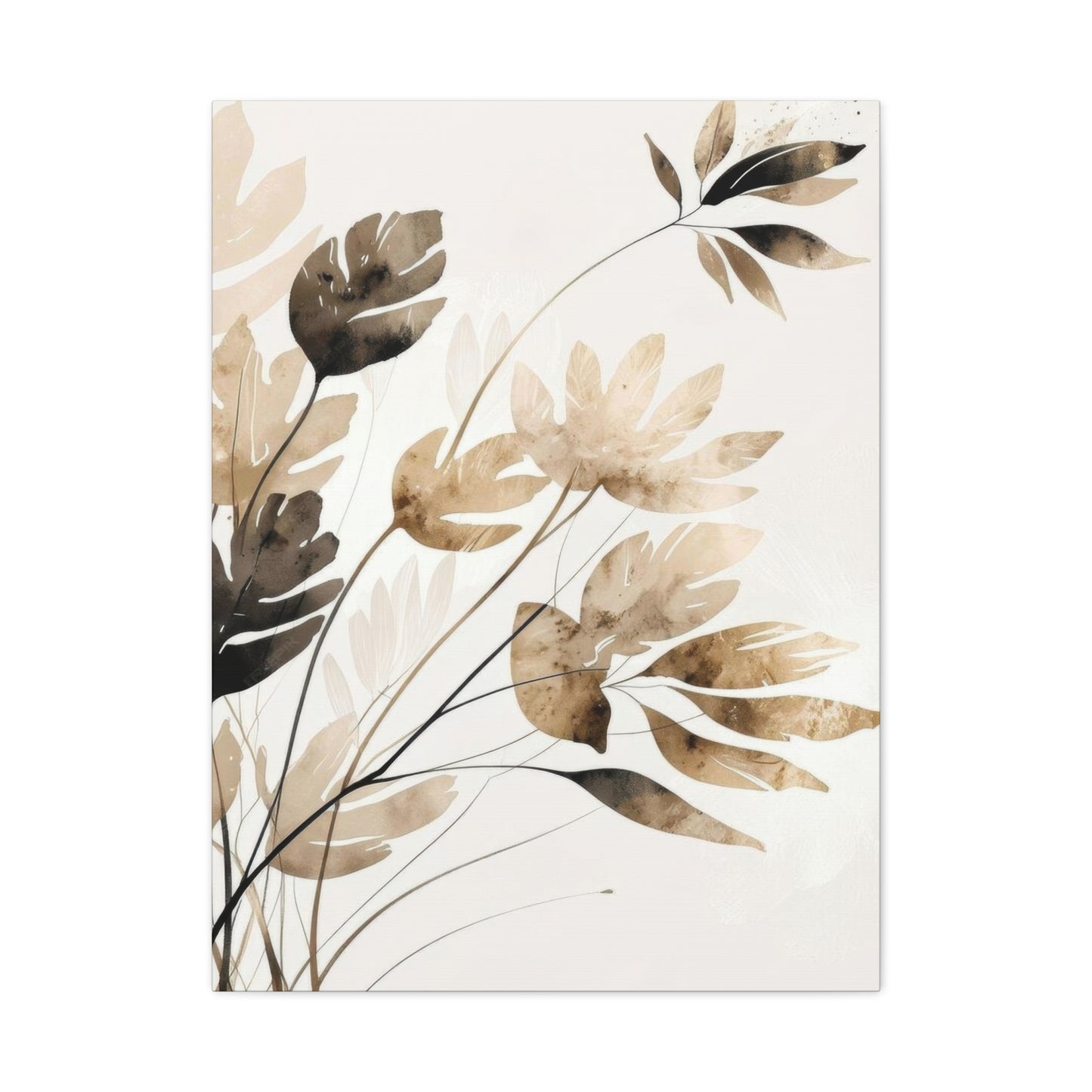
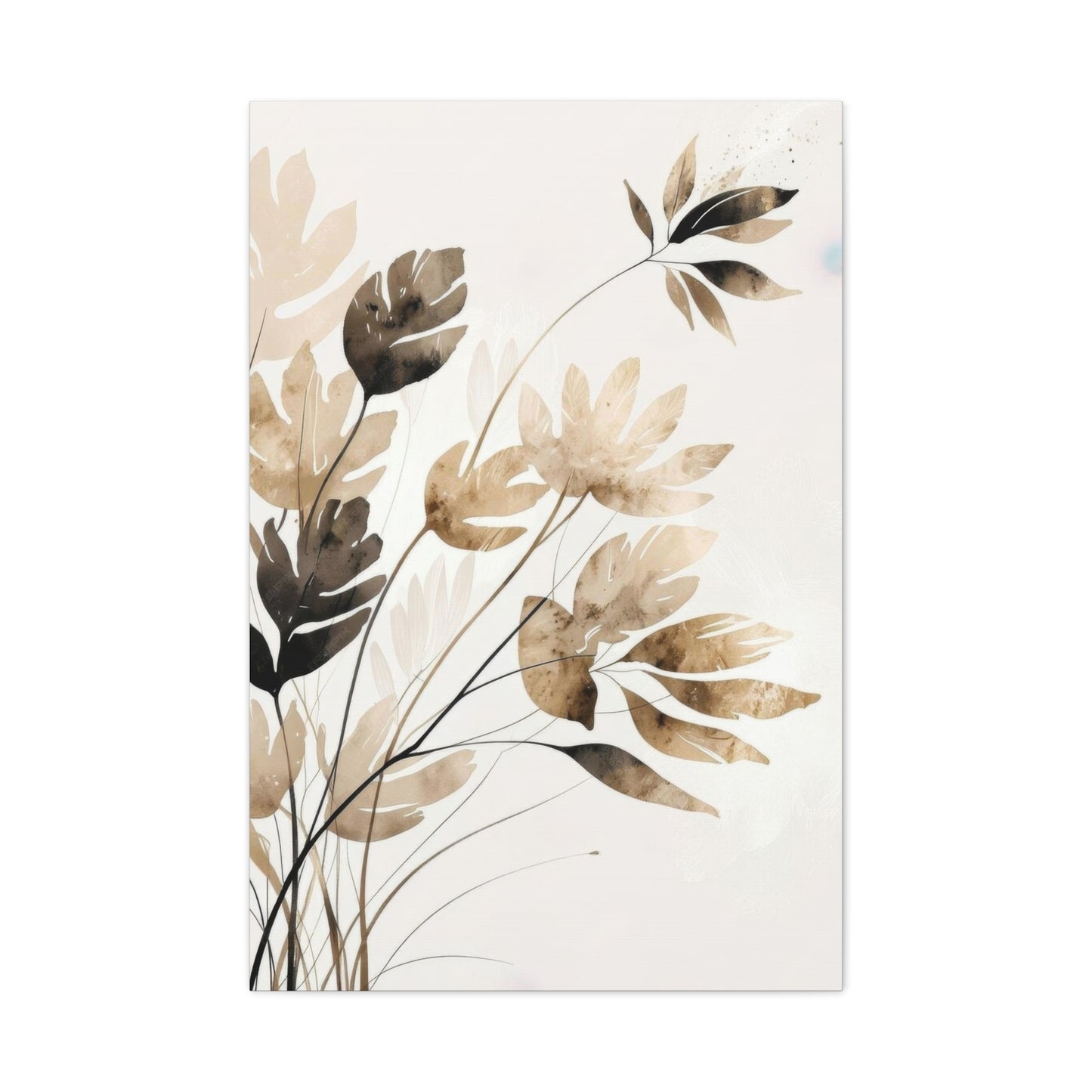
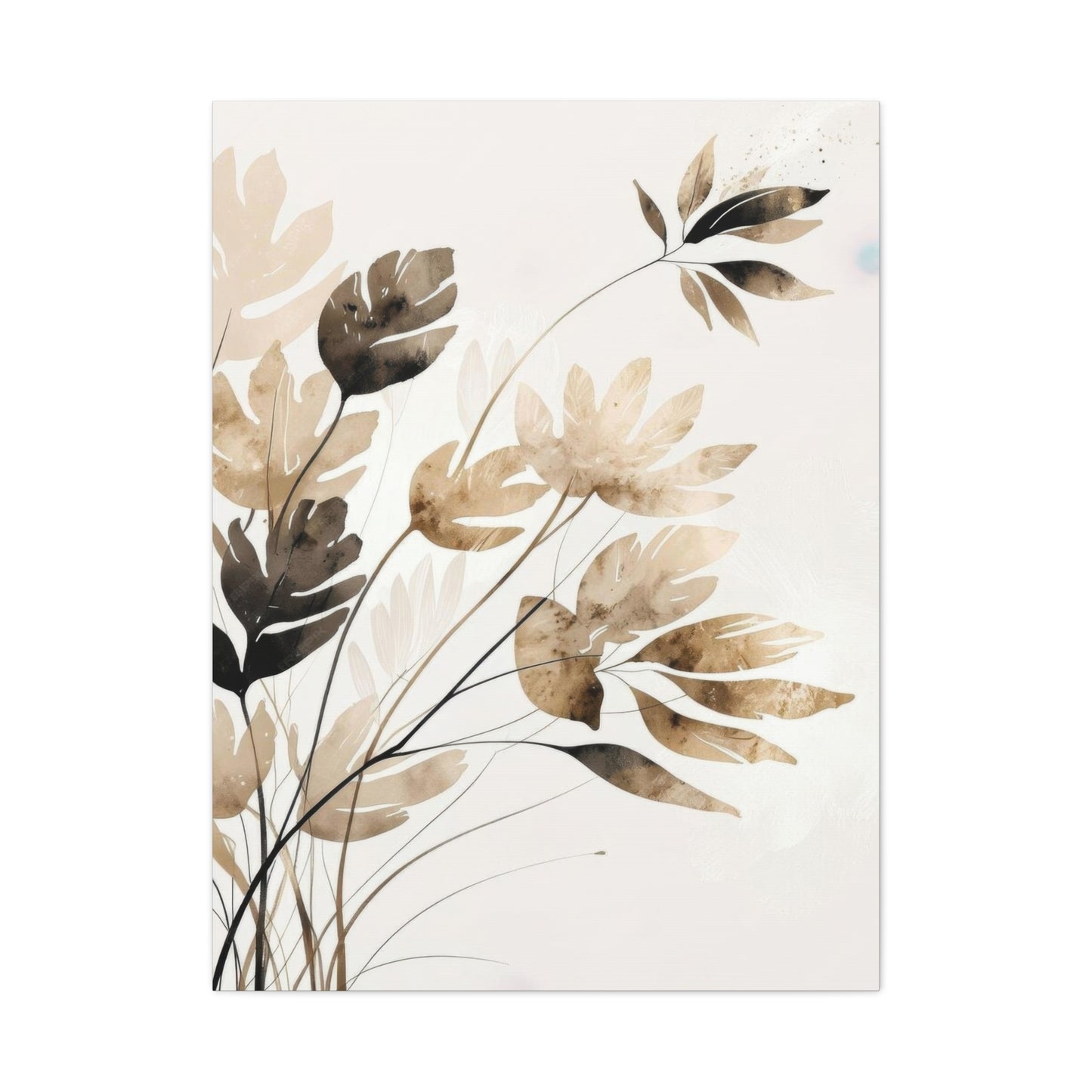
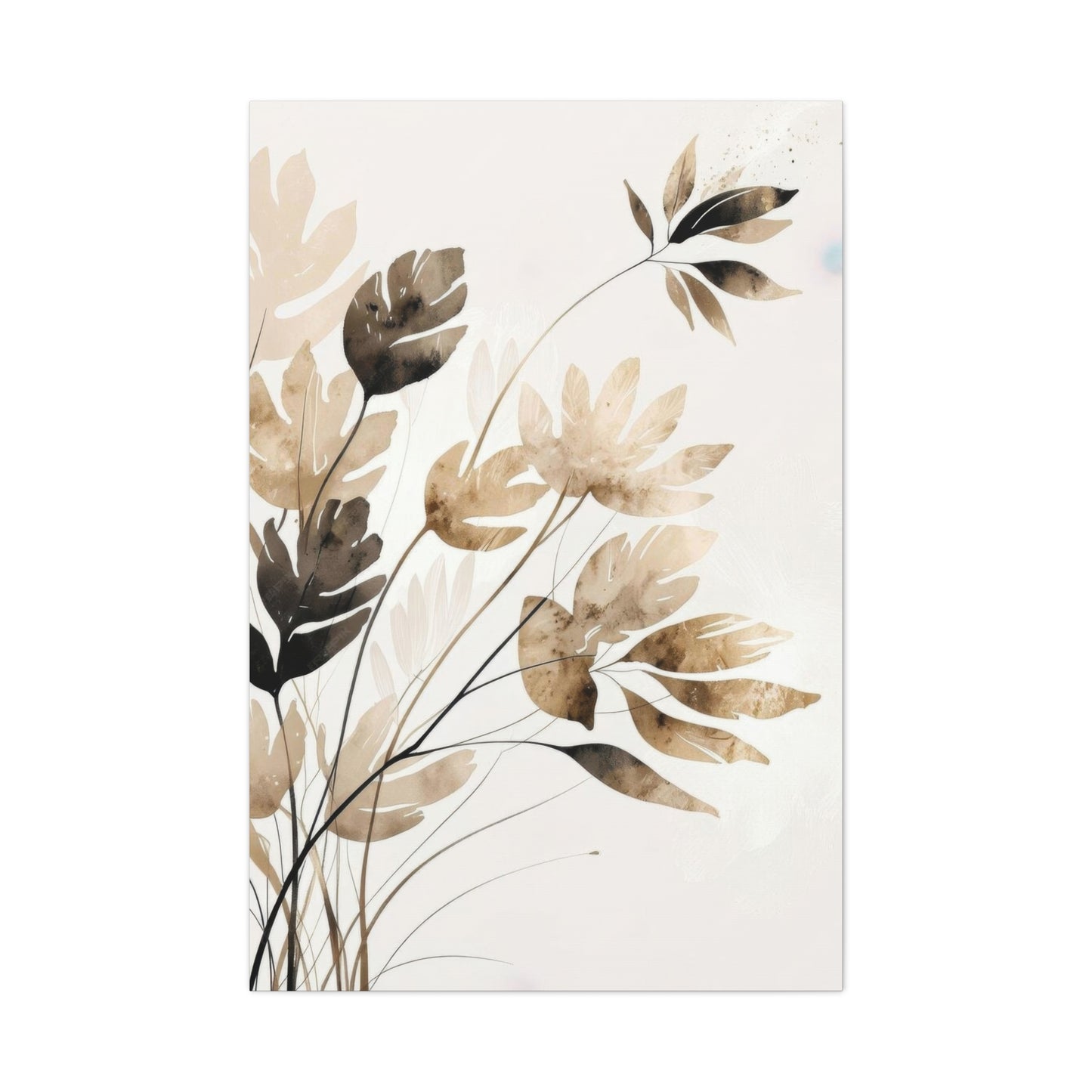
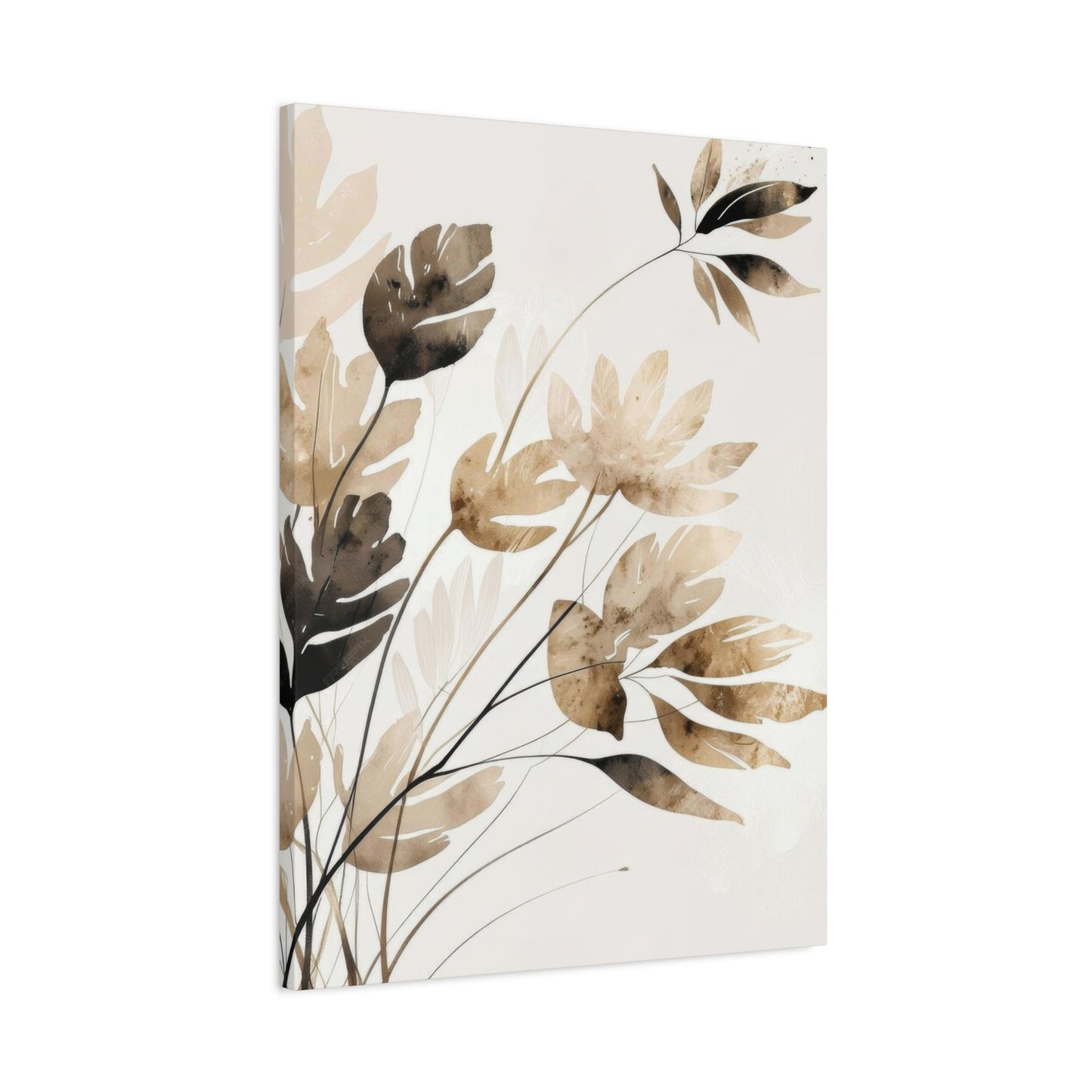
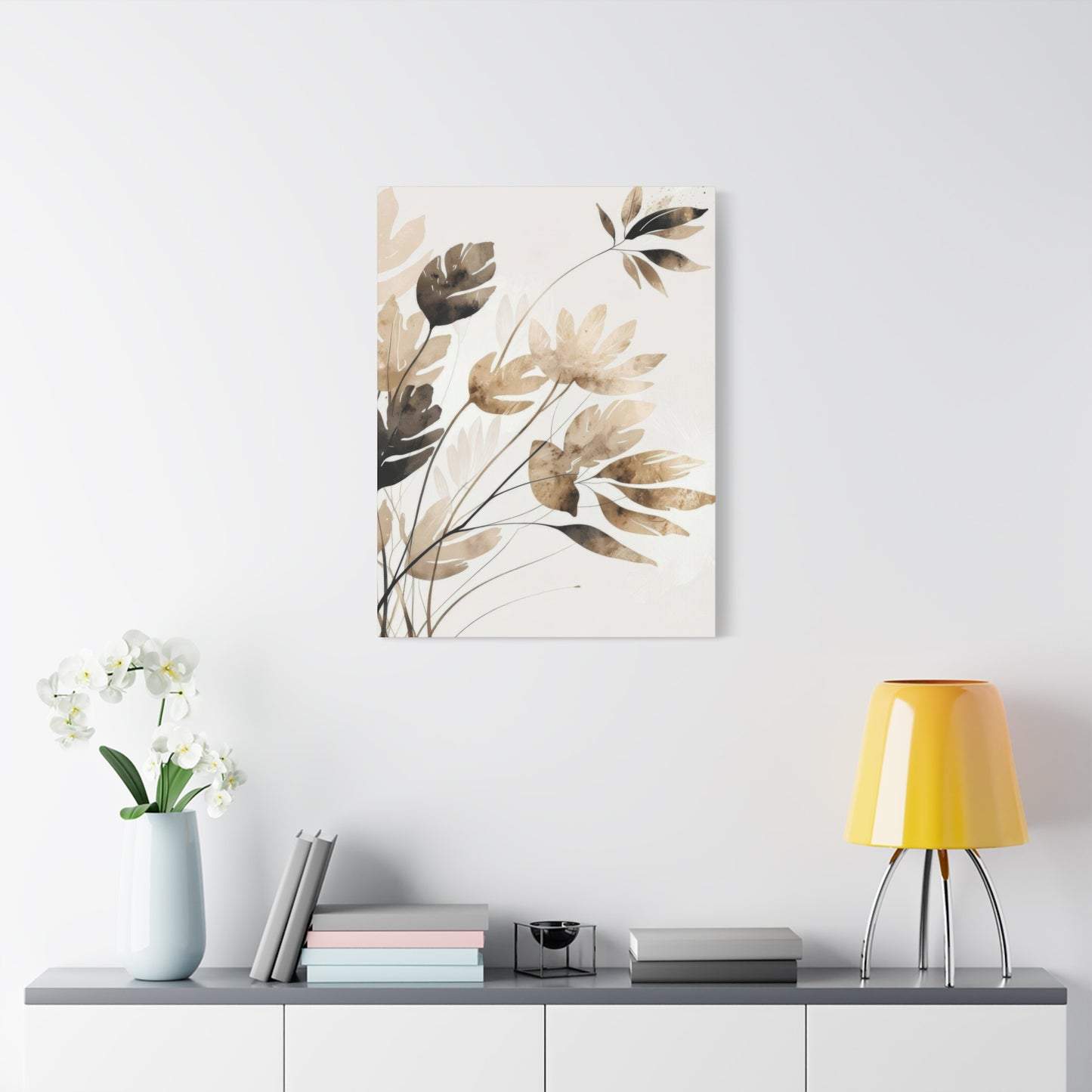
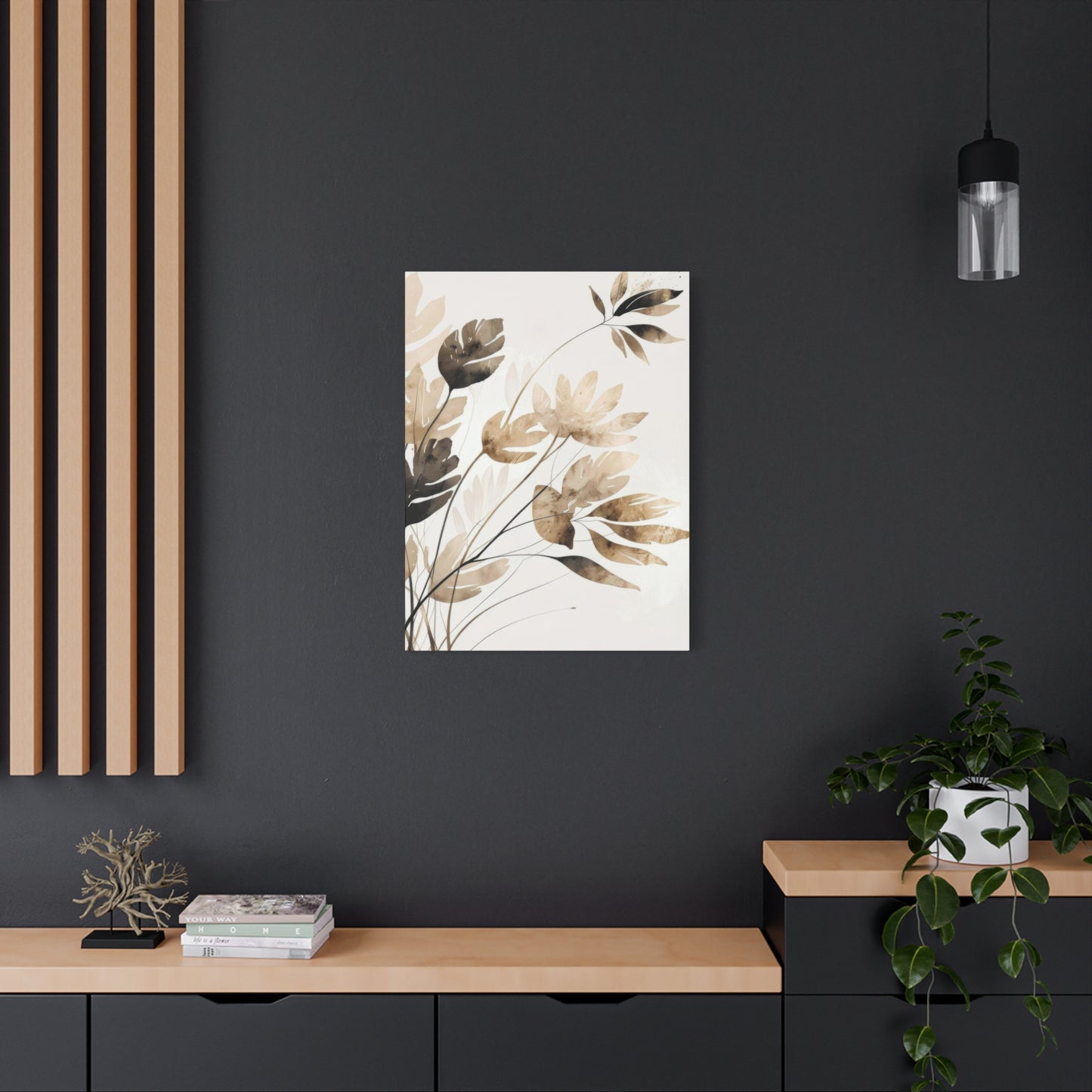
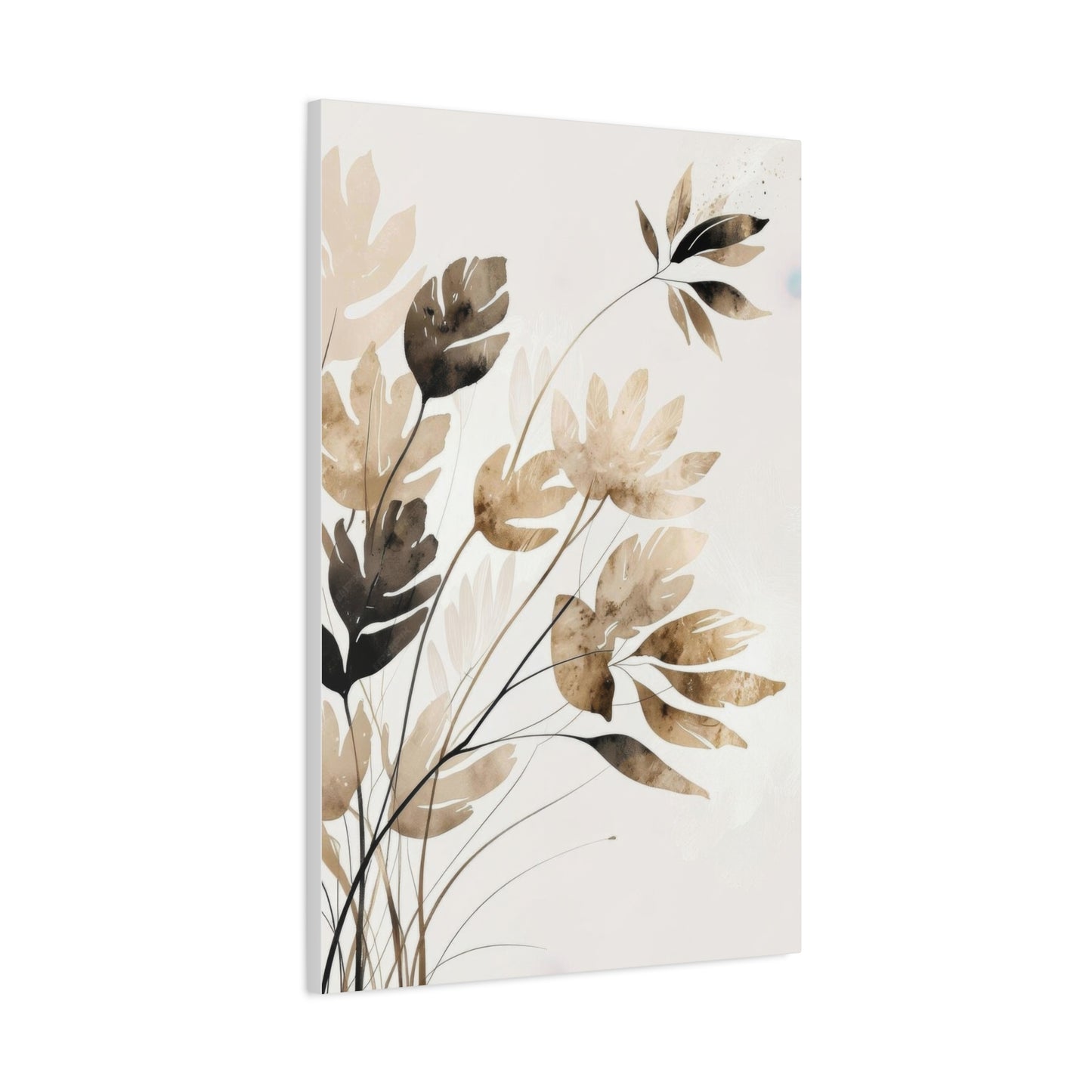
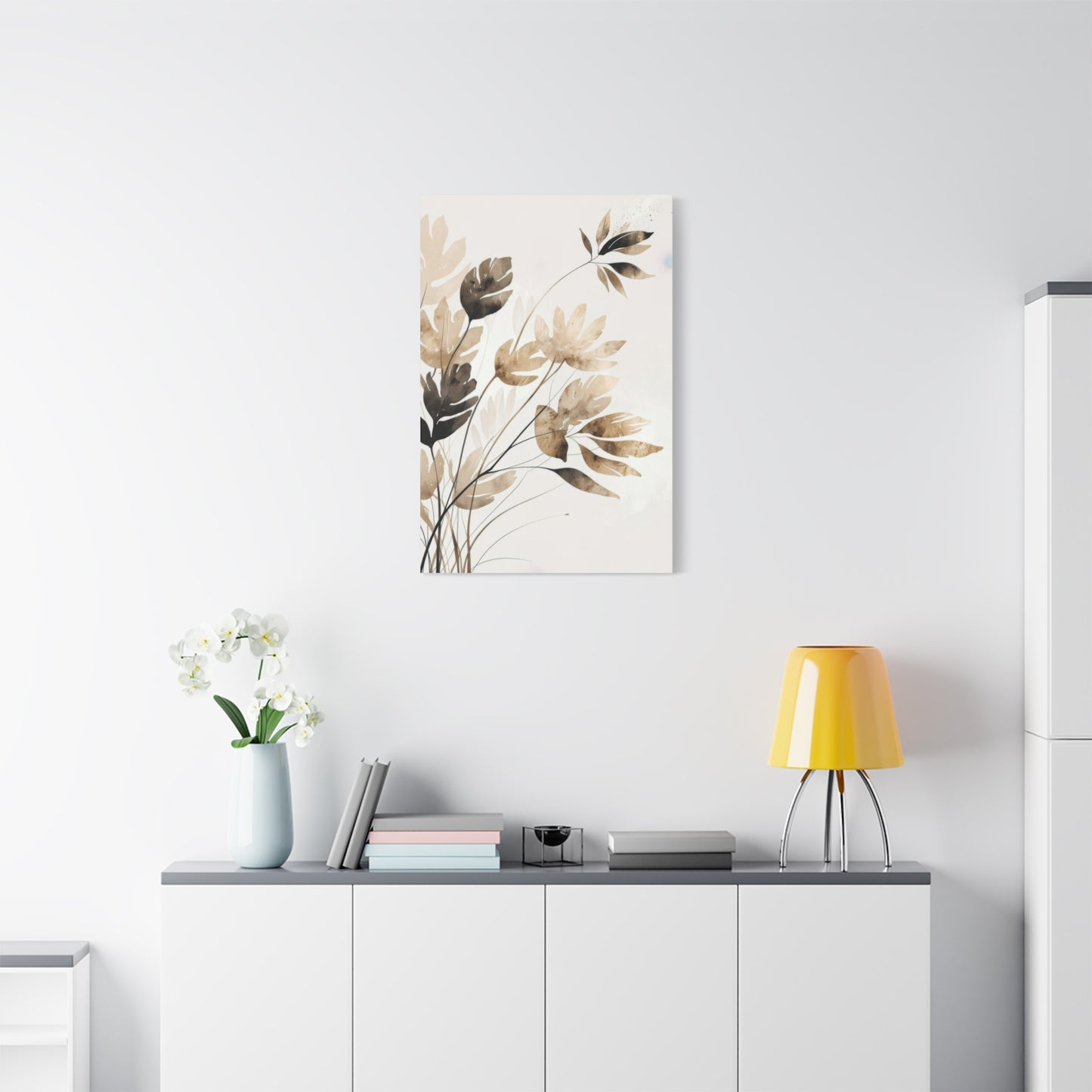
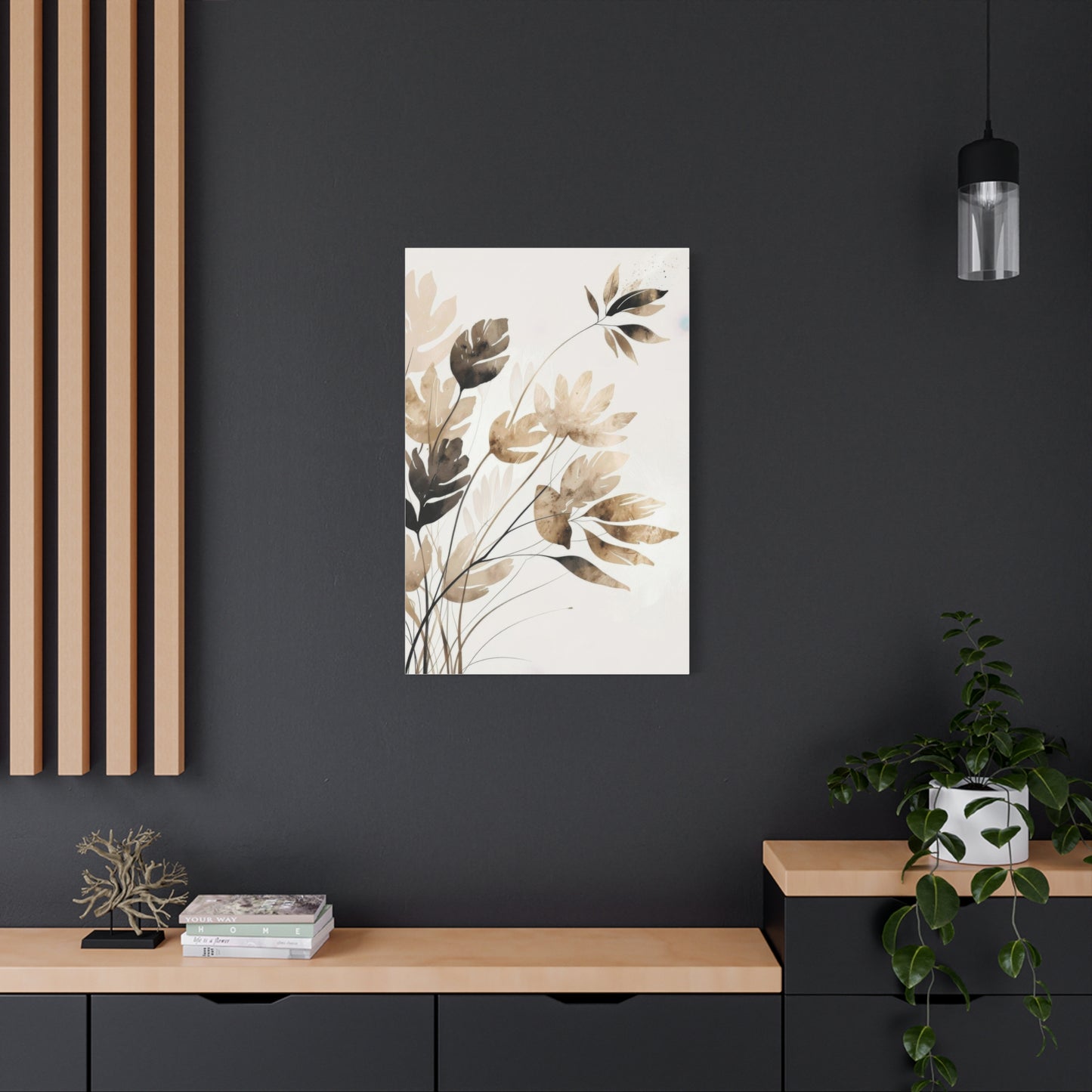
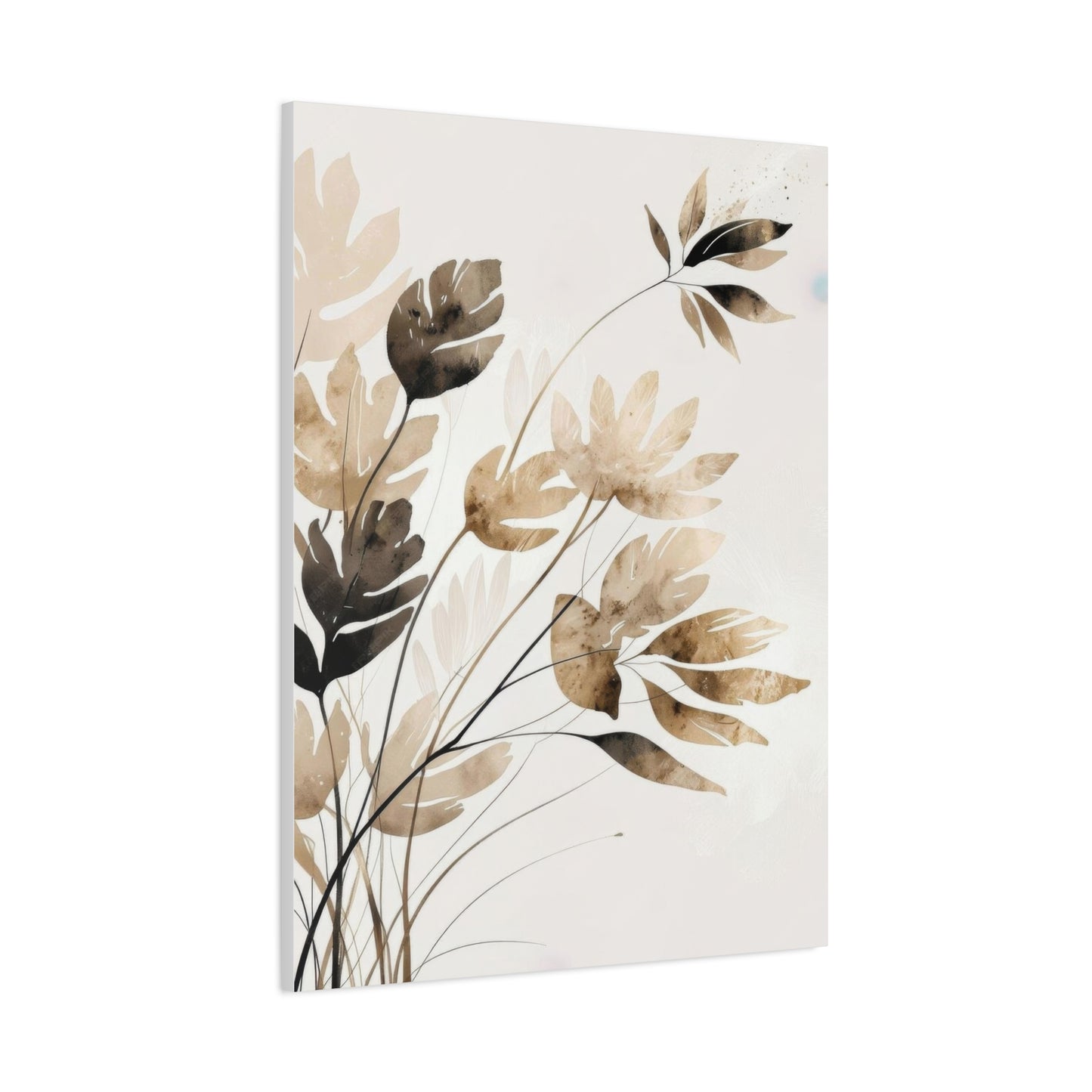
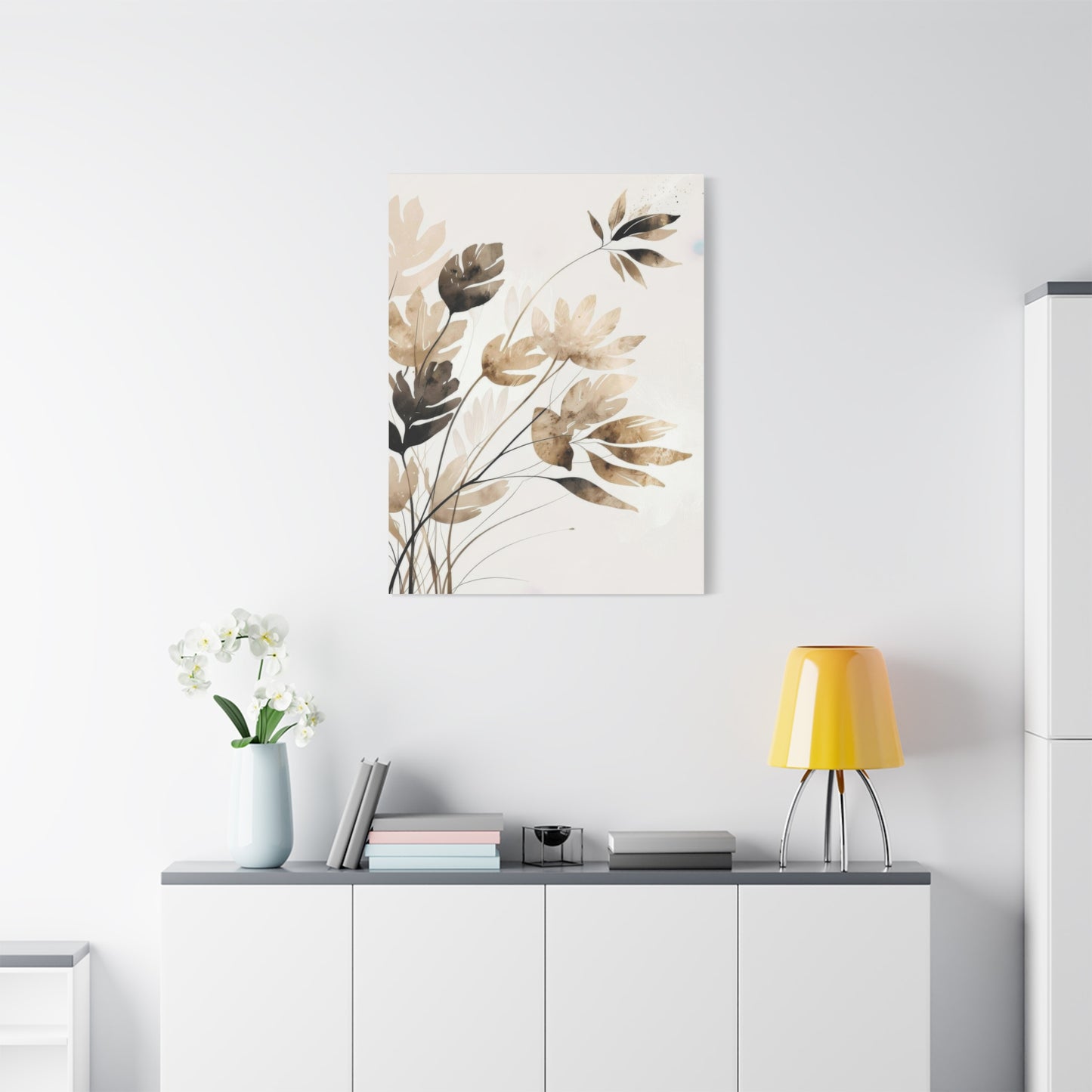
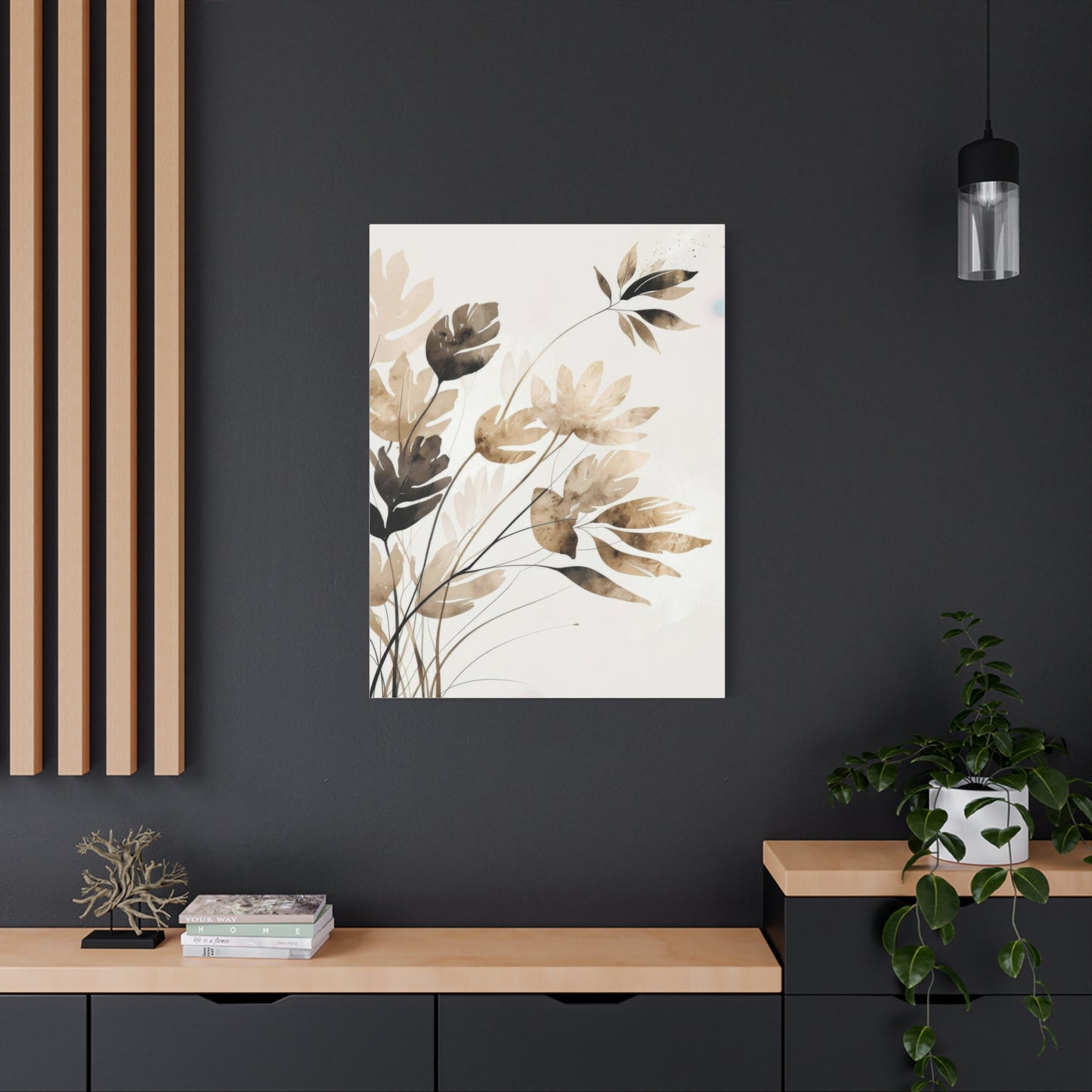
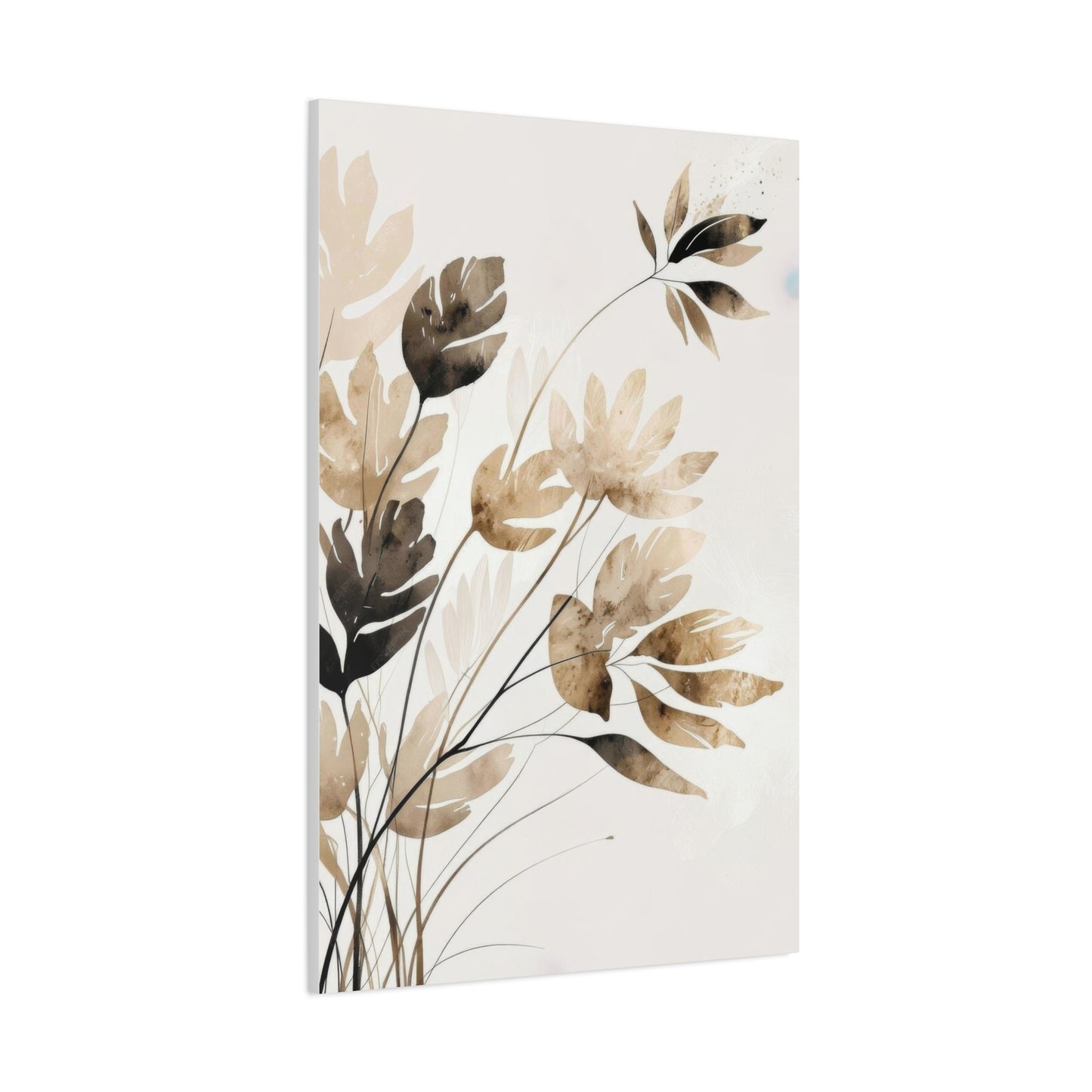
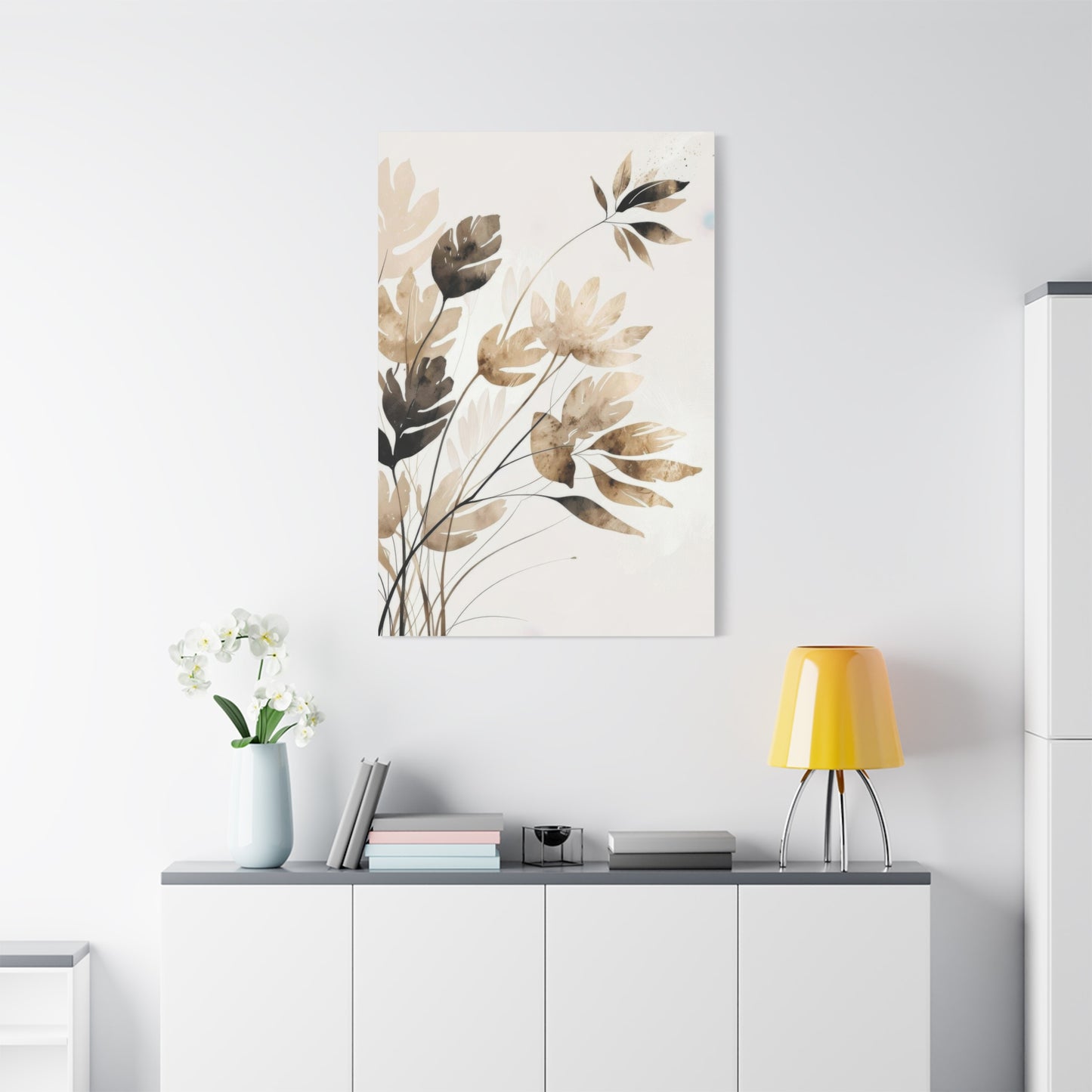
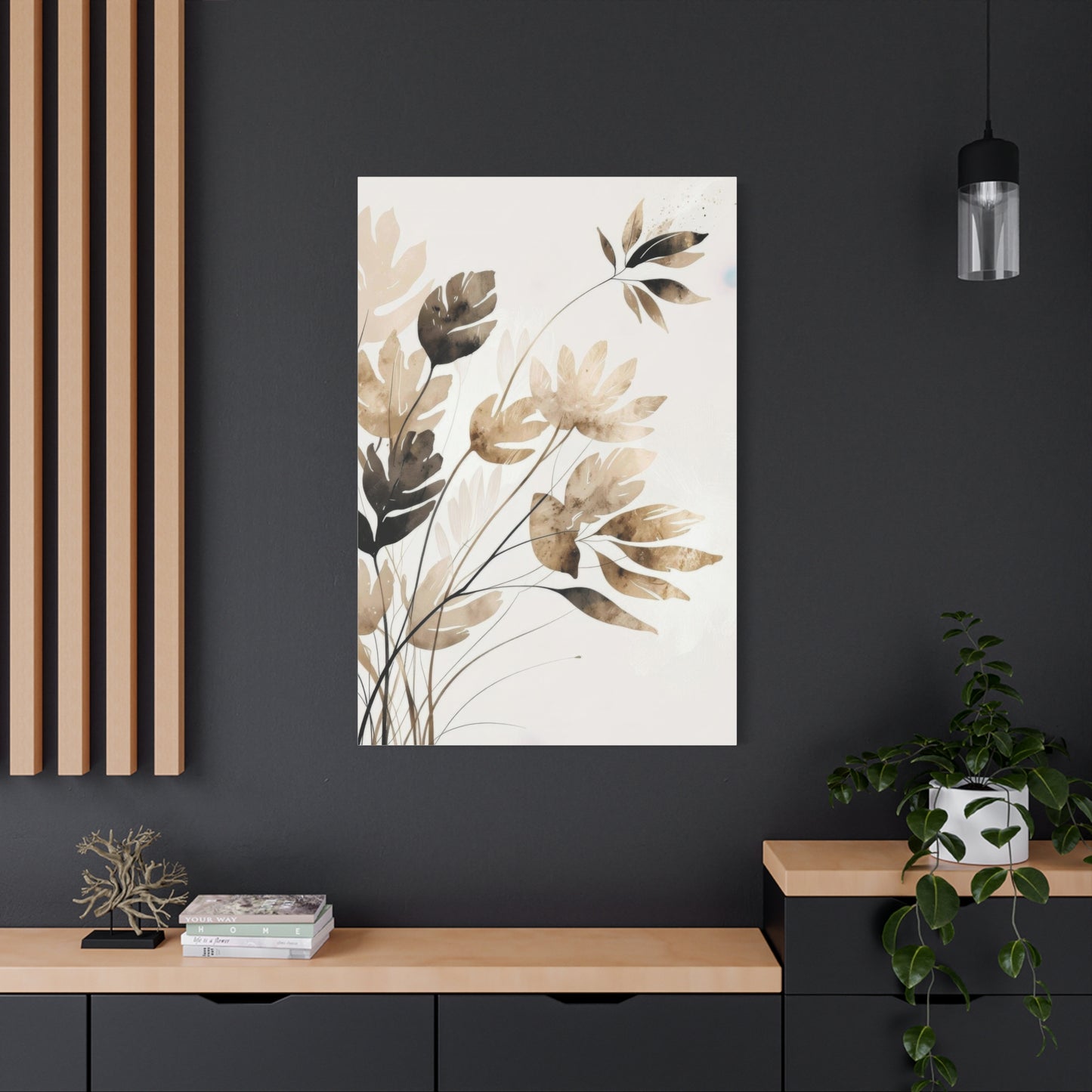
Embrace Fall with Autumn Whispers Wall Art: A Seasonal Makeover for Your Home
The concept of bringing nature's beauty indoors has been cherished across cultures and generations, with few seasons capturing the imagination quite like autumn. When we think about decorating our homes with seasonal artwork, we're not just hanging pictures on walls; we're inviting the warmth, tranquility, and transformative energy of fall into our daily lives. The art of selecting and displaying pieces that reflect the changing leaves, golden sunlight, and gentle whispers of cooler breezes requires understanding both aesthetic principles and personal connection to the season.
Seasonal decorative elements serve as visual reminders of nature's cycles and help create environments that feel alive and connected to the world outside our windows. These pieces act as conversation starters, mood enhancers, and personal expressions of our relationship with the natural world. When chosen thoughtfully, they can dramatically alter the atmosphere of any room, making spaces feel cozier, more inviting, and deeply personal. The colors, textures, and themes associated with fall create unique opportunities for homeowners and decorators to experiment with warmth and richness in their interior design schemes.
Exploring Different Artistic Styles for Seasonal Decor
The world of fall-themed artwork encompasses an incredible variety of artistic styles, each offering unique advantages for different spaces and personal tastes. Traditional landscape paintings capture the majesty of autumn forests, with detailed brushwork that brings to life the textures of tree bark, the delicate veining of leaves, and the play of light through branches. These classical approaches often feature realistic color palettes and compositions that draw the eye through the scene, creating depth and inviting contemplation. Such pieces work beautifully in formal living rooms, studies, and dining areas where a sophisticated atmosphere is desired.
Abstract interpretations of fall themes offer a more contemporary approach, using color, shape, and texture to evoke the feeling of the season without literal representation. These works might feature bold sweeps of autumn colors, geometric patterns inspired by falling leaves, or textural elements that suggest the rough bark of trees or the soft drift of foliage. Abstract pieces provide flexibility in placement and pairing, as their non-representational nature allows them to complement a wider range of interior design styles. They're particularly effective in modern and minimalist spaces where a touch of warmth is needed without overwhelming clean lines and simple forms.
Minimalist designs strip away excess detail to focus on essential elements that capture autumn's essence. A single leaf silhouette, a simple branch outline, or a subtle gradient of fall colors can be surprisingly powerful in conveying seasonal atmosphere. These understated pieces appeal to those who prefer subtle nods to the season rather than bold statements, and they integrate seamlessly into Scandinavian, Japanese-inspired, and contemporary interiors. The beauty of minimalist seasonal artwork lies in its versatility and timelessness, remaining elegant and appropriate throughout the entire fall season without feeling dated or overly thematic.
Color Theory and Autumn-Inspired Palette Selection
Understanding color theory is fundamental when selecting seasonal decorative pieces that will harmonize with your existing interior design. The autumn palette is inherently warm, dominated by colors from the red, orange, and yellow families, with supporting tones of brown, burgundy, and deep green. These warm colors advance visually, making spaces feel more intimate and cozy, which is precisely the atmosphere most people seek as temperatures drop and days shorten. When selecting artwork, consider how these colors will interact with your room's existing palette, either complementing current tones or providing intentional contrast.
The concept of color temperature plays a crucial role in creating desired atmospheres. Warm colors like those associated with fall naturally create feelings of comfort and energy, making them ideal for social spaces like living rooms and dining areas. However, balance is essential; a room saturated entirely in warm tones can feel overwhelming or claustrophobic. Strategic placement of autumn-themed pieces against cooler neutral backgrounds, such as gray, cream, or soft blue walls, creates dynamic tension that makes the warm colors pop while maintaining visual breathing room.
Beyond temperature, consider the saturation and value of colors in your chosen pieces. Highly saturated, vivid autumn colors create bold, energetic focal points that demand attention and can invigorate a space. More muted, desaturated versions of fall hues offer sophistication and subtlety, working well in bedrooms and private spaces where tranquility is prioritized. Similarly, the lightness or darkness of colors affects mood; lighter values of autumn colors maintain airiness while darker values increase coziness and drama. Successful selection often involves varying these qualities across multiple pieces to create visual interest and depth.
Incorporating Natural Elements into Artistic Compositions
The most compelling fall-themed artwork often incorporates or represents natural elements that define the season. Leaves, the most iconic symbol of autumn, appear in countless variations across decorative pieces. From botanically accurate representations showing detailed vein structures and color variations to stylized interpretations that capture the essence of leaf shapes through simplified forms, these elements bring immediate seasonal recognition. Consider artwork that features different types of leaves, from the distinctive maple to elegant oak or delicate birch, as each carries its own visual character and regional associations.
Beyond leaves, other natural elements enhance the autumnal character of artwork. Branches, particularly those depicted bare or with scattered remaining foliage, evoke the transition toward winter and add structural interest to compositions. Berries, acorns, pine cones, and other seed pods represent the harvest aspect of fall, connecting to themes of abundance and preparation. Forest scenes capturing the density and depth of woodland areas during peak foliage season create immersive experiences that transport viewers into nature. Even more abstract representations of wind, rain, or the quality of autumn light can effectively convey the season's character without relying on literal imagery.
The texture implied or actual in artwork featuring natural elements adds another dimension to seasonal decor. Pieces that suggest the rough bark of trees, the crisp brittleness of dried leaves, or the soft accumulation of fallen foliage engage our tactile imagination and create richer sensory experiences. Some contemporary approaches actually incorporate real natural materials, pressed leaves, or textured mediums that blur the line between two-dimensional art and three-dimensional craft. These multi-sensory approaches can be particularly effective in creating memorable focal points that invite closer inspection and interaction.
Creating Gallery Walls with Seasonal Themes
The gallery wall concept has surged in popularity as a way to display multiple pieces in cohesive, visually interesting arrangements. When creating a fall-themed gallery wall, you have the opportunity to tell a more complex story about the season than any single piece could convey. Start by selecting a variety of pieces that share common elements, whether that's color palette, style, framing, or theme, while still offering enough diversity to keep the arrangement interesting. You might combine photographs of autumn landscapes with abstract color studies, botanical leaf prints, and perhaps even three-dimensional elements like framed pressed foliage or small sculptural pieces.
The arrangement of your gallery wall requires careful planning for optimal impact. Begin by laying out your pieces on the floor or using paper templates on the wall to experiment with different configurations before making holes. Classic grid arrangements create order and formality, ideal for traditional or contemporary spaces. Salon-style arrangements with varied spacing and organic placement feel more casual and collected over time. Consider whether you want a symmetrical arrangement that feels balanced and calm, or an asymmetrical approach that creates dynamic energy. The spacing between pieces matters significantly; too much space can make the collection feel disconnected, while too little can create visual clutter.
Unifying elements help gallery walls feel intentional rather than random. Consistent framing is the most straightforward approach, using the same color and style of frame for all pieces to create cohesion despite varied artwork. Alternatively, keeping matting consistent while varying frame styles can work in eclectic spaces. If you prefer an unframed look for a more contemporary aesthetic, ensure the pieces share similar mounting methods and edge treatments. Color can also unify; even if your pieces feature different subjects or styles, a consistent autumn palette will tie them together visually and reinforce your seasonal theme.
Placement Strategies for Different Room Types
Each room in your home presents unique opportunities and challenges for displaying autumn-inspired decorative pieces. In living rooms, the primary social spaces of homes, seasonal artwork should enhance the welcoming atmosphere while complementing existing furnishings. The wall above the sofa is prime real estate for a substantial piece or arrangement that anchors the seating area. Consider the sofa's color and style when selecting artwork; warm fall tones complement neutral upholstery beautifully, while more colorful furniture might call for subtler seasonal pieces. The height matters too; center artwork at approximately 57 to 60 inches from the floor, the average eye level for most people.
Bedrooms benefit from calming interpretations of fall themes that promote relaxation rather than stimulation. Softer, more muted takes on autumn colors work well in these private retreats. The wall behind the bed is the natural focal point, and a single serene landscape or abstract piece in autumn tones can set a tranquil mood. Alternatively, flanking the bed with matching pieces creates symmetry that many find soothing. Consider what you'll see first upon waking and last before sleeping; you want imagery that brings peace and positive associations rather than busy or dramatic scenes that might feel energizing at the wrong times.
Dining areas offer excellent opportunities for more dramatic or themed seasonal displays, as these spaces are often used for gatherings where decorative elements contribute to the celebratory atmosphere. A substantial piece on the wall adjacent to or behind the dining table can serve as a backdrop for meals and conversations. Fall harvest themes, still life compositions, or rich landscape scenes work particularly well here, connecting to the nourishment and abundance associated with both dining and the autumn season. Ensure artwork is positioned where it can be appreciated from seated positions but doesn't interfere with serving or moving around the table.
Lighting Techniques to Enhance Seasonal Artwork
Proper lighting transforms good decorative pieces into stunning focal points that command attention and create ambiance. Natural light, while wonderful, changes throughout the day and seasons, which can both enhance and challenge the display of artwork. Position pieces on walls that receive indirect natural light for most vibrant color presentation without the fading risks of direct sunlight. North-facing walls in the northern hemisphere receive the most consistent, cool natural light throughout the day, while southern exposures get intense, direct light that may require UV-protective glazing. East and west walls experience dramatic lighting changes, with morning or afternoon sun that can either warm colors beautifully or create problematic glare.
Artificial lighting offers control and consistency that natural light cannot. Picture lights, mounted directly above or below individual pieces, create dramatic spotlighting effects that emphasize artwork as the focal point of a space. These dedicated fixtures work particularly well with substantial individual pieces or with the central work in a gallery arrangement. Track lighting systems offer flexibility, allowing you to direct multiple light sources at different angles to minimize glare while maximizing color vibrancy. When lighting autumn-themed work, warm-toned LED bulbs enhance the already warm color palette, making oranges more vibrant and reds more luxurious.
Ambient lighting approaches integrate artwork into the overall lighting scheme rather than spotlighting individual pieces. Wall washing techniques use fixtures to evenly illuminate entire walls, which works beautifully for gallery wall arrangements where multiple pieces deserve equal attention. Directional recessed lights or adjustable ceiling fixtures can accomplish this effect while maintaining clean, unobtrusive hardware. For evening ambiance, consider dimmer controls that allow you to adjust lighting intensity, making artwork more or less prominent depending on the mood you're creating. In rooms with autumn decorative pieces, adjustable warm lighting lets you emphasize that cozy fall feeling during gatherings while maintaining practical brightness when needed.
Framing Options and Material Considerations
The frame you select for your seasonal artwork significantly impacts its overall presentation and integration into your space. Traditional wood frames in colors that echo autumn tones, such as warm walnut, cherry, or golden oak, create natural harmony with fall-themed imagery. These frames add warmth and weight, making them ideal for traditional interiors or when you want the artwork to feel substantial and permanent. Different wood finishes create varied effects; glossy finishes add formality and reflect light, while matte or distressed finishes create casual, rustic character appropriate for farmhouse or cottage aesthetics.
Metal frames offer sleeker, more contemporary alternatives that work beautifully in modern spaces. Black metal frames provide dramatic contrast that makes autumn colors pop, particularly effective with abstract pieces or photography. Gold or brass-toned metal frames complement warm fall palettes while adding an elegant, slightly formal quality. Silver or brushed steel frames cool things down slightly, which can be advantageous when you want autumn artwork to feel more sophisticated and less overtly seasonal. The profile of metal frames tends toward minimalism, keeping focus on the artwork itself rather than the presentation.
Matting decisions affect how artwork breathes within its frame and how colors interact with surroundings. Standard white or cream mats create clean, classic presentations that work across style genres and allow colors to appear true. Colored mats can enhance specific tones within the artwork; for example, a deep brown mat might echo tree trunks or earth tones in the piece, creating internal cohesion. Consider double or even triple matting for added dimension and luxury, using graduated colors that lead the eye from wall to frame to artwork. The width of matting matters too; generous mats create breathing room and formal elegance, while narrow mats keep focus tightly on the image.
Budget-Friendly Approaches to Seasonal Decorating
Creating beautiful autumn-inspired displays doesn't require enormous investment, and there are numerous strategies for achieving high-end looks with modest budgets. Prints and reproductions of famous autumn artworks or contemporary designs offer affordable access to beautiful imagery. High-quality digital printing technology has advanced to the point where reproductions capture incredible detail and color accuracy, often indistinguishable from originals at normal viewing distances. Many artists and photographers sell prints of their work directly, offering various size and finishing options at accessible price points while still supporting creative professionals.
Do-it-yourself approaches open creative possibilities while minimizing costs. Creating your own autumn artwork can be as simple as collecting and pressing beautiful leaves, then arranging them in inexpensive frames for custom botanical displays. Photography enthusiasts can capture local fall scenery, then have favorite shots printed and framed. Even those without traditional artistic skills can create beautiful abstract pieces using autumn-colored paints, experimenting with techniques like pouring, splattering, or palette knife application. The personal meaning embedded in self-created pieces often makes them more valuable than purchased alternatives, regardless of technical skill level.
Strategic shopping extends decorating budgets significantly. Watch for sales at home decor retailers, particularly during transition periods when stores clear seasonal inventory. Thrift stores, estate sales, and online marketplaces offer secondhand frames that can be refreshed with paint or refinishing, then filled with new prints. Consider purchasing unframed prints or posters and having them professionally framed during frame shop sales or promotions. Subscription services and online print shops frequently offer introductory deals or bulk discounts that make acquiring multiple pieces more affordable. Remember that investing in a few quality pieces you truly love creates more impact than accumulating many mediocre items.
Seasonal Rotation and Storage Solutions
For those who enjoy changing their decor with the seasons, developing an efficient system for rotating and storing artwork ensures pieces remain in excellent condition while making transitions smooth and enjoyable. Designate specific storage areas for off-season artwork, ideally climate-controlled spaces that avoid extreme temperature fluctuations and humidity. Attics and basements, while tempting for their available space, often expose items to conditions that can damage paper, cause frames to warp, and encourage mold or mildew. Interior closets, under-bed storage, or spare room areas typically offer more stable environments.
Proper packing protects your investment during storage periods. Wrap individual pieces in acid-free paper or clean, soft fabric, avoiding newspaper or materials that might transfer ink or deteriorate over time. For framed pieces, corner protectors prevent frame damage during storage and handling. Stack works vertically rather than horizontally when possible, as horizontal stacking places pressure on lower pieces and can cause bowing or glass breakage. Label each wrapped piece clearly with its contents and intended room placement to streamline installation when the season returns. Create an inventory list with photos of each piece and its storage location, saving time and frustration when you're ready to redecorate.
The transition process itself can be an enjoyable ritual marking seasonal change. Set aside dedicated time rather than rushing the process, perhaps playing autumn-themed music or enjoying a seasonal beverage while you work. Remove current artwork carefully, clean the walls and frames, and store outgoing pieces properly before beginning installations. Take this opportunity to clean glass, dust frames, and assess whether anything needs repair before next year. Consider taking photos of finished displays from multiple angles, creating a reference for future years while documenting how your seasonal style evolves over time.
Mixing Seasonal and Permanent Artwork
Not every decorative piece in your home needs to rotate seasonally, and finding the right balance between changeable accents and permanent fixtures creates more sophisticated, less theme-heavy spaces. Permanent anchor pieces should be works you love year-round, those that transcend specific seasons or occasions. These might include family photos, treasured original artworks, or pieces with personal significance that deserve consistent display. When selecting permanent pieces, choose those with neutral or versatile color palettes that accommodate various accent colors as you shift seasonal decor around them.
Integrate autumn elements around permanent pieces rather than replacing everything. A room with year-round black and white photography or neutral abstracts can take on fall character through the addition of one or two seasonal pieces and complementary textiles or accessories. This approach feels more collected and less decorated, avoiding the overly themed appearance that can make spaces feel temporary or superficial. The permanent pieces provide continuity and grounding while seasonal additions bring freshness and timely relevance.
Consider artwork placement hierarchy when mixing permanent and seasonal pieces. Prime positions like the wall behind a sofa or bed, the entryway focal wall, or the dining room might house your permanent collection, while secondary positions accommodate rotating seasonal displays. Alternatively, maintain a gallery wall with primarily permanent pieces but leave one or two positions that rotate with seasons, bringing fresh energy without complete upheaval. This strategy allows you to express seasonal enthusiasm while maintaining the stability of a well-designed interior.
Cultural and Regional Influences on Fall Imagery
Autumn imagery and symbolism vary significantly across cultures and regions, offering rich opportunities for personalized and meaningful decorative choices. In North American tradition, particularly New England and the upper Midwest, fall imagery centers on brilliant foliage, harvest scenes, and preparations for winter. Pumpkins, corn stalks, and apple orchards feature prominently, connecting to agricultural heritage and holidays like Thanksgiving. This aesthetic often appears in artwork depicting rural landscapes, farmhouses surrounded by color, or close-up studies of distinctive leaves like sugar maple or red oak.
European autumn traditions bring different visual vocabularies to seasonal artwork. English countryside interpretations might feature misty moorlands, hedgerows heavy with berries, and cozy cottage scenes. French approaches could emphasize vineyard harvests and rural wine country in golden light. Scandinavian autumn focuses on the brief, intense color changes of northern forests and the cultural emphasis on coziness expressed through the concept of hygge. German traditions might incorporate forest scenes with mushrooms and wildlife preparing for winter. These regional differences allow decorators to explore heritage connections or simply vary their aesthetic year to year.
Asian interpretations of autumn offer distinct artistic traditions worth exploring. Japanese aesthetics celebrate the season through momijigari, the viewing of autumn leaves, particularly the vibrant red of Japanese maple. Traditional Japanese art forms like woodblock prints often depict autumn scenes with characteristic compositional styles and color palettes different from Western approaches. Chinese autumn imagery might include chrysanthemums, a flower symbolizing the season in that culture, or landscapes in the shan shui tradition showing mountains and water in fall colors. These cross-cultural explorations can add sophistication and worldliness to your seasonal displays while introducing guests to artistic traditions they might not have encountered.
The Role of Typography in Seasonal Decorative Art
Word-based artwork has become increasingly popular in contemporary decor, and autumn themes lend themselves beautifully to typographic treatments. Single word pieces featuring terms like "harvest," "gather," "grateful," or "cozy" capture seasonal essence through language alone. These work particularly well in minimalist or contemporary spaces where representational imagery might feel too traditional or fussy. The typography style dramatically affects the overall feeling; handwritten or script fonts create warmth and casual charm, while bold sans-serif treatments feel modern and graphic, and traditional serif fonts convey timeless elegance.
Quote-based pieces allow for more complex verbal expression while maintaining strong visual impact. Autumn-related quotations from poetry, literature, or philosophy connect seasonal experience to human wisdom and artistic expression. Consider quotes from Romantic poets like Keats or contemporary authors who capture the season's essence in memorable language. The key is selecting words that resonate personally rather than choosing quotes simply because they mention fall or leaves. The visual treatment should complement the message's tone; whimsical quotes benefit from playful fonts and arrangements, while profound reflections deserve more restrained, sophisticated typography.
Combining text with imagery creates hybrid pieces that communicate through multiple channels. A beautiful fall landscape with a single word or short phrase overlaid can be more impactful than either element alone. Botanical illustrations with Latin names or poetic descriptions add educational and decorative value simultaneously. When text and image combine, ensure they complement rather than compete; the typography should enhance rather than obscure the visual elements. Color coordination matters significantly in these pieces; text should be legible while harmonizing with the image's palette.
Incorporating Texture and Dimension in Wall Displays
Moving beyond flat, two-dimensional artwork adds visual interest and creates more dynamic, engaging wall displays. Three-dimensional pieces or those with significant textural elements draw the eye and invite closer inspection, creating memorable focal points. For autumn themes, consider pieces incorporating actual natural materials like mounted branches with remaining leaves, shadow boxes containing arranged pressed foliage and seeds, or carved wooden reliefs depicting fall scenes. These tactile elements engage multiple senses and create connections to the physical reality of the season.
Textural painting techniques create dimension without requiring actual three-dimensional elements. Impasto applications, where paint is applied thickly enough to show brushstrokes and build up surface variation, add richness and depth to autumn landscapes or abstract color studies. Mixed media approaches incorporating materials like burlap, tissue paper, or fabric alongside paint create complex surfaces that catch and reflect light in interesting ways. Some contemporary artists use palette knives, fingers, or unconventional tools to build layers and textures that make autumn colors feel more tangible and immediate.
Dimensional arrangement of multiple flat pieces creates spatial interest through varied depths and shadows. Floating frames that lift artwork away from walls, stepped gallery walls with pieces at different distances from the surface, or layered arrangements where pieces partially overlap generate depth despite using essentially flat elements. Shadow boxes with internal depth allow for arranging multiple components at various distances, creating miniature stage sets that tell autumn stories through carefully composed elements. These dimensional approaches work particularly well in contemporary or eclectic spaces where experimentation and non-traditional presentations are valued.
Sustainability and Eco-Friendly Decorating Choices
As environmental consciousness grows, many homeowners seek decorating approaches that align with sustainability values. Fortunately, autumn-themed displays offer numerous opportunities for eco-friendly choices. Start by considering the materials in your artwork and frames. Reclaimed wood frames repurpose existing materials while offering character and history. Bamboo frames come from rapidly renewable resources and provide contemporary style with environmental credentials. Recycled metal frames reduce demand for virgin materials while offering durability and sleek design.
The artwork itself presents opportunities for sustainable choices. Original works from local artists reduce transportation impact while supporting your community's creative economy. Digital art printed on demand eliminates waste from overproduction and excess inventory. Choose printers and sellers using eco-friendly inks and papers when possible. Better yet, create your own artwork from foraged natural materials, transforming walks through autumn landscapes into gathering expeditions. Pressing leaves, photographing local scenery, or creating natural dye paintings from fall plants combines creative expression with environmental stewardship.
Consider the longevity and timelessness of pieces you acquire. Fast fashion extends to home decor, with trendy pieces often discarded when styles shift. Selecting classic autumn interpretations in quality materials creates displays you'll love for years or decades rather than seasons, dramatically reducing environmental impact. When you do retire pieces, consider donating them to thrift stores, schools, or community centers rather than discarding, extending their useful life in new settings. This mindful approach to seasonal decorating satisfies both aesthetic desires and environmental responsibilities.
Creating Cohesive Looks Across Multiple Rooms
While each room can have its own character, creating some visual continuity in your autumn displays generates a more sophisticated, intentional feeling throughout your home. Color palette consistency is the most straightforward approach; selecting a specific range of autumn tones and repeating them in various rooms creates harmony even when individual pieces differ significantly. You might choose a palette emphasizing warm oranges and golds for a vibrant feeling, or lean into deeper burgundies and browns for richer, more dramatic effect. Repeating these colors in artwork across spaces generates subtle connections that feel cohesive without being matchy or boring.
Style consistency offers another avenue for creating flow. If you've selected contemporary abstract pieces for your living room, carrying that style into other spaces creates visual conversation and demonstrates intentional curation. This doesn't mean every piece must be identical in approach, but maintaining certain stylistic threads, whether that's minimalism, realism, or expressionism, helps spaces feel part of a unified whole. Alternatively, you might assign different styles to different types of spaces; perhaps public areas feature one aesthetic while private rooms explore another, creating clear zones within your home.
Repetition of specific elements or motifs creates thematic connections without requiring identical pieces. If you feature maple leaves in your entryway artwork, echoing that specific leaf shape in kitchen or bedroom pieces creates recognizable threads. Similarly, featuring a consistent subject across rooms, whether that's forest scenes, abstract color studies, or botanical illustrations, ties spaces together. The individual interpretations can vary significantly while the underlying theme creates unity. This approach allows for personal expression room by room while maintaining overall cohesion.
The Impact of Artwork on Home Value and Appeal
While decorative pieces are primarily about personal enjoyment, understanding their impact on home value and market appeal offers practical considerations. Well-chosen, quality artwork contributes to the overall impression of a home as cared-for and thoughtfully designed. When preparing a home for sale, staging professionals often recommend artwork that creates warmth and helps potential buyers envision themselves in the space. Seasonal pieces like autumn-themed work can be particularly effective in fall listing seasons, helping properties feel current and inviting during showings.
However, highly personalized or niche artwork might need removal or replacement when marketing a home. While you might love bold, unusual interpretations of fall themes, potential buyers need to see past personal tastes to their own possibilities. Neutral, broadly appealing pieces in autumn tones work better for staging, offering visual interest without strong personal statements that might alienate buyers. If you're planning to sell within a few years, consider this when making permanent decisions like custom built-ins designed around specific pieces.
The quality of framing and presentation matters significantly in perceived value. Even modestly priced prints gain credibility and impact when professionally framed and matted. Conversely, expensive original works can look cheap when poorly presented. If you're investing in quality artwork, invest proportionally in quality framing that protects and presents it well. This attention to detail reads as overall quality consciousness, contributing to positive impressions of your home's entire condition and care level.
Emerging Trends in Seasonal Home Decor
The world of decorative home art continually evolves, with new trends emerging from shifts in design philosophy, technology, and cultural preferences. Currently, maximalism is experiencing resurgence as a counter to the minimalism that has dominated for years. This means bolder, more layered approaches to autumn displays, with richer colors, more pattern mixing, and denser gallery walls creating abundant, collected looks. For fall specifically, this might mean deeply saturated jewel-toned interpretations of autumn palettes rather than traditional orange and brown, or mixing fall themes with unexpected elements like geometric patterns or tropical motifs for surprising juxtapositions.
Digital and projection-based artwork represents an emerging frontier in home decoration. Digital frames displaying rotating collections of autumn images offer flexibility impossible with physical artwork, allowing you to change your display daily if desired. Projection systems can turn entire walls into seasonal displays, creating immersive environments that transform spaces dramatically. While these technologies currently occupy niche positions, increasing affordability and sophistication will likely expand their adoption, offering new possibilities for seasonal expression.
Sustainability and authenticity continue gaining importance in consumer preferences, influencing both what people buy and how they display it. This manifests as increased interest in handmade pieces, local artist support, and displays incorporating real natural materials rather than just representations of them. The trend toward imperfection, celebrating hand-crafted qualities rather than industrial precision, aligns perfectly with autumn's natural, organic character. Expect continued growth in markets for original works, limited editions, and unique pieces that feel personal and meaningful rather than mass-produced commodities.
Working with Interior Design Professionals
For those seeking expert guidance in creating cohesive autumn displays, interior design professionals offer valuable services ranging from one-time consultations to complete room makeovers. Design consultants can assess your existing spaces, understand your preferences and lifestyle, and recommend specific pieces and placement strategies. This can be particularly helpful if you're unsure how to translate autumn inspiration into actual purchases and arrangements, or if you're working with challenging spaces like awkward wall configurations or rooms with difficult lighting.
Many interior designers specialize in approachable services for average homeowners rather than only high-end clients. Virtual design services have become increasingly popular and affordable, with designers working from photos and measurements to provide detailed plans and product recommendations. This approach offers professional expertise without the premium pricing of in-person services. For seasonal decorating specifically, even a single consultation during which a designer helps you develop a coherent vision and specific action plan can prevent expensive mistakes and create more satisfying results.
If you're working with design professionals, clear communication about your autumn vision, budget, and practical considerations ensures successful collaborations. Collect inspiration images from design websites, social media, or magazines showing autumn displays you find appealing. This visual vocabulary helps designers understand your aesthetic preferences better than verbal descriptions alone. Be honest about budget constraints from the beginning, and discuss which elements are priorities versus nice-to-haves. Ask questions about care requirements, longevity, and flexibility of recommended pieces, ensuring you're investing in solutions that work long-term.
Personal Expression Through Seasonal Selections
Ultimately, the most successful autumn displays reflect genuine personal connection to the season rather than following rules or trends blindly. Consider what fall means to you specifically. Perhaps it evokes childhood memories of apple picking, making it natural to seek artwork featuring orchards or harvest themes. Maybe you associate autumn with cozy reading sessions, suggesting displays that create calm, contemplative atmospheres. Or perhaps fall represents hiking and outdoor adventure, pointing toward dramatic landscape pieces capturing wilderness in peak color.
Your home should tell your story, with each decorative choice reflecting aspects of your personality, experiences, and values. Don't feel pressured to embrace autumn aesthetics simply because the calendar indicates you should, particularly if other seasons resonate more deeply. Conversely, if you adore fall, embrace that enthusiasm fully rather than holding back from fear of being too thematic. Your genuine excitement and connection will create more authentic, joyful spaces than any perfectly executed but emotionally disconnected design scheme.
The process of selecting and displaying seasonal artwork should itself be enjoyable rather than stressful. Treat it as creative play and self-expression rather than a test with right and wrong answers. Visit galleries and artist studios, browse online collections, experiment with DIY projects, and most importantly, trust your instincts. When you encounter a piece that makes you pause and feel something, that emotional response is valuable information guiding you toward choices that will bring lasting satisfaction.
The Influence of Art Movements on Seasonal Imagery
Understanding major art movements helps you articulate preferences and discover new artists working in styles you'll love. Impressionism, with its emphasis on capturing light and atmosphere through visible brushstrokes and vibrant color, translates beautifully to autumn themes. The movement's founders often painted outdoor scenes capturing specific moments and lighting conditions, making fall landscapes natural subjects. Contemporary artists working in impressionist traditions create pieces where autumn colors seem to shimmer and dance, evoking the feeling of experiencing nature rather than creating detailed documentary records.
Abstract expressionism emphasizes spontaneous, gestural mark-making and emotional intensity over recognizable subjects. For autumn displays, this movement inspires pieces that capture the season's energy through color, texture, and movement rather than depicting leaves or landscapes literally. Bold sweeps of rust, orange, and gold across canvas surfaces can evoke fall's passionate intensity. The large scale often associated with abstract expressionism creates commanding focal points that dramatically alter room atmospheres. This approach suits those wanting to reference seasons subtly rather than obviously.
Contemporary realism and hyperrealism bring technical precision to nature subjects, creating artworks that rival or exceed photographic clarity. These pieces showcase incredible skill, rendering every vein in a leaf, every texture variation in tree bark, or every nuanced color shift in an autumn sunset with meticulous attention. For viewers who appreciate technical mastery and detailed observation, these works offer endless discovery as new details emerge with each viewing. They work particularly well in traditional or transitional interiors where craftsmanship and quality are valued.
Combining Artwork with Other Decorative Elements
Artwork rarely exists in isolation, and understanding how to combine it with other decorative elements creates more sophisticated, layered spaces. Textile choices significantly impact how seasonal artwork functions in a room. Throw pillows, blankets, curtains, and upholstery in autumn-inspired colors and patterns can echo themes in your wall displays, creating cohesive schemes. However, avoid exact matching, which can feel heavy-handed; instead, pull accent colors from artwork into textiles while allowing each element to maintain distinct character. A painting featuring predominantly orange autumn leaves might inspire pillows in complementary rust, gold, and cream rather than identical orange.
Plants and natural elements create dialogue with nature-themed artwork, blurring boundaries between representation and reality. A vase of fall foliage branches displayed on a console table beneath an autumn landscape painting creates delightful conversation between art and nature. Dried grasses, preserved leaves, or seasonal flowers arranged near relevant artwork emphasizes your connection to the real season beyond mere decoration. These living or once-living elements change over time, adding dynamic quality that static artwork cannot, while grounding displays in authentic seasonal experience.
Lighting fixtures function as both practical necessities and decorative elements that can support or compete with artwork. When selecting or evaluating lighting near seasonal displays, consider whether fixtures harmonize with the aesthetic you're creating. Modern, minimalist light fixtures work well with contemporary autumn abstracts, while traditional chandeliers or sconces complement classical landscape paintings. Warm metal finishes like brass, bronze, or copper naturally align with autumn color palettes, creating subtle reinforcement of seasonal themes. Don't overlook the decorative potential of lamp shades; those in warm neutrals or seasonal colors can extend your autumn palette while providing functional lighting.
Children and Family Involvement in Seasonal Displays
Involving family members, particularly children, in creating and selecting autumn displays transforms decoration from solitary task to shared experience building memories and traditions. Children naturally connect with seasons through sensory experience, making fall ideal for hands-on creative projects. Collecting leaves during walks to press and frame teaches observation skills while creating personalized artwork. Simple painting or drawing projects capturing children's autumn experiences or favorite seasonal elements become treasured keepsakes that gain sentimental value far exceeding their technical merit.
Creating family gallery walls that include children's seasonal artwork alongside purchased or adult-created pieces validates young people's creative expression and makes them stakeholders in home aesthetics. Designate specific spaces where children's work rotates regularly, perhaps a hallway or playroom area, allowing them to see their contributions as important parts of home decoration. As children age, these displays document artistic development and changing interests, becoming visual records of growth that families cherish.
Seasonal decorating traditions become family rituals that children anticipate and remember into adulthood. The act of bringing out autumn decorations together, discussing where pieces should go, and perhaps adding new elements each year creates continuity and belonging. Children who participate in these traditions often continue them in their own homes, passing practices across generations. The specific artwork matters less than the shared experience and the message that home is a space everyone helps create and maintain. These collaborative approaches to seasonal display teach aesthetic decision-making, creative problem-solving, and the satisfaction of transforming spaces.
The Relationship Between Architecture and Artwork Placement
Your home's architectural features significantly influence optimal artwork placement and selection. Crown molding, wainscoting, built-in shelving, and other architectural details create opportunities and constraints for displays. In rooms with elaborate molding or paneling, artwork should complement rather than compete with these features. Consider placing pieces within the framing created by molding sections, treating architectural elements as built-in matting that defines display areas. Simpler, less ornate artwork often works better in architecturally busy spaces, preventing visual overload.
Ceiling height dramatically affects both artwork scale and placement strategies. Standard eight-foot ceilings call for moderation in artwork size, as oversized pieces can make rooms feel cramped. However, don't default to tiny pieces that get lost; aim for the largest scale the space can comfortably accommodate. In rooms with nine-foot or higher ceilings, you have greater flexibility for substantial pieces or vertical arrangements that draw the eye upward, emphasizing the generous proportions. Very high ceilings, particularly in two-story entryways or great rooms, demand larger pieces or vertical arrangements that prevent vast expanses of empty wall space.
Architectural focal points like fireplaces, large windows, or built-in cabinetry require thoughtful navigation. Mantels provide natural display surfaces that can work with artwork hung above, but the combination requires proportion consideration. A piece hung over a mantel should relate to the mantel width, generally spanning two-thirds to three-quarters of that dimension. Large windows are both assets and challenges; they provide wonderful natural light but limit wall space. Consider flanking windows with autumn artwork rather than competing for the wall above or below. Built-ins might include dedicated spaces for seasonal displays, or you might hang complementary pieces on adjacent walls.
Digital Tools for Visualization and Planning
Technology offers powerful tools for planning seasonal displays before making purchases or putting holes in walls. Augmented reality applications allow you to virtually place artwork on your walls using smartphone cameras, seeing how different pieces look in your actual spaces with accurate scale and lighting. These apps eliminate much of the guesswork from online shopping, helping you assess whether a piece's size works in your intended location and how colors interact with your existing decor. While not perfect substitutes for seeing physical artwork, they significantly improve remote shopping confidence.
Design software and apps enable detailed room planning with digital representations of furniture, architectural features, and potential artwork placement. These tools let you experiment with different arrangements, trying gallery wall configurations or testing various pieces in multiple locations before committing. Some applications include extensive artwork libraries, while others allow you to upload images of specific pieces you're considering. The ability to save and compare different design schemes helps clarify preferences and ensures thoughtful rather than impulsive decisions.
Social media platforms and digital inspiration sources provide endless ideas and possibilities for seasonal displays. Creating digital collections or boards dedicated to autumn decoration helps you identify patterns in what appeals to you, revealing consistent preferences that guide purchasing decisions. Following interior designers, artists, and home decor enthusiasts exposes you to diverse approaches and trends. However, maintain awareness that heavily styled images may not translate directly to real homes, and that personal authenticity matters more than recreating someone else's aesthetic exactly.
Understanding Copyright and Reproduction Rights
When displaying artwork in your home, understanding basic copyright principles helps you make ethical and legal choices. Copyright automatically protects original creative works, giving creators exclusive rights to reproduce, distribute, and display their creations. When you purchase artwork or prints, you're buying the physical object but not typically the copyright, which remains with the artist unless explicitly transferred. For personal home display, this distinction rarely matters since copyright law allows you to hang purchased artwork privately without restriction.
Issues arise when reproducing artwork, whether photographing it to create your own prints or using images found online without permission. Just because an image appears online doesn't mean it's free to use; most images are copyrighted even without watermarks or notices. If you want to reproduce artwork, whether a piece you own or images you've found, you need permission from the copyright holder. Many artists and photographers offer prints directly or through licensing arrangements, providing legal access to their work while supporting their livelihoods.
Public domain artwork, generally works created before 1924 or whose copyright has expired, may be freely used and reproduced. Museums and archives often provide high-quality scans of public domain works in their collections, enabling you to create your own prints of historical artwork. This provides access to centuries of autumn-themed art, from old master paintings to vintage photographs and illustrations. Understanding these distinctions helps you respect creators' rights while legally accessing vast artistic resources for your seasonal displays.
Conclusion:
Creating beautiful autumn-inspired displays in your home represents more than surface decoration; it's about crafting environments that nurture wellbeing, reflect personal identity, and connect you to natural rhythms beyond your walls. The process of selecting artwork, considering placement, and curating displays encourages mindfulness about your surroundings and how they affect your daily experience. Whether your approach emphasizes subtle seasonal nods or enthusiastic autumn celebration, the intention behind choices matters more than following prescribed rules or achieving magazine-perfect results.
The journey toward satisfying seasonal displays is ongoing and evolutionary, with your taste, home, and circumstances constantly shifting. Pieces that spoke to you last year might feel tired this season, while new discoveries excite and inspire. Embrace this evolution rather than viewing it as failure or wasted investment. Your home should grow and change with you, reflecting current realities and interests rather than frozen commitments to past decisions. Selling, donating, or rotating pieces into storage makes room for fresh energy and new directions.
Remember that effective seasonal decoration balances acknowledgment of nature's cycles with your personal aesthetic and practical needs. You're creating spaces for living, not museum exhibitions or showrooms. Comfort, function, and authentic self-expression should guide decisions alongside beauty and seasonal appropriateness. The most successful autumn displays feel inevitable rather than forced, natural extensions of your home's character rather than imposed themes competing with its essential nature.
As autumn arrives each year, bringing shorter days, cooler temperatures, and spectacular natural displays, your home can echo and amplify these changes through carefully chosen artwork. The falling leaves, golden light, and cozy atmospheres of fall deserve celebration through visual elements that honor the season's unique character. Whether your style tends toward classic landscapes, contemporary abstracts, or eclectic combinations, countless options await discovery. The key lies in selecting pieces that resonate personally, displaying them thoughtfully, and allowing your seasonal displays to enhance rather than overwhelm your daily life.
Take time to observe autumn in your specific location, noting which colors, moods, and moments particularly move you. These observations provide the most authentic foundation for decorating choices that feel personal rather than generic. Perhaps it's the way afternoon sun filters through amber leaves in your backyard, or the misty quality of autumn mornings, or the contrast between brilliant foliage and dark evergreens that captures your imagination. Translating these specific observations into artwork selections creates displays that tell your autumn story rather than reproducing someone else's vision.
Finally, approach seasonal decoration with lightness and joy rather than stress or obligation. The point is enhancing your enjoyment of your home and marking time's passage in meaningful ways, not creating perfect spaces that intimidate rather than welcome. Experiment, make mistakes, change your mind, and gradually discover what works for your unique circumstances. Your autumn displays should bring comfort, pleasure, and connection, transforming your house into a true home that breathes with the seasons and reflects the beauty you find in nature's constant renewal. The whispers of autumn can speak through your walls, telling stories of change, abundance, and the quiet beauty found in transition.


