


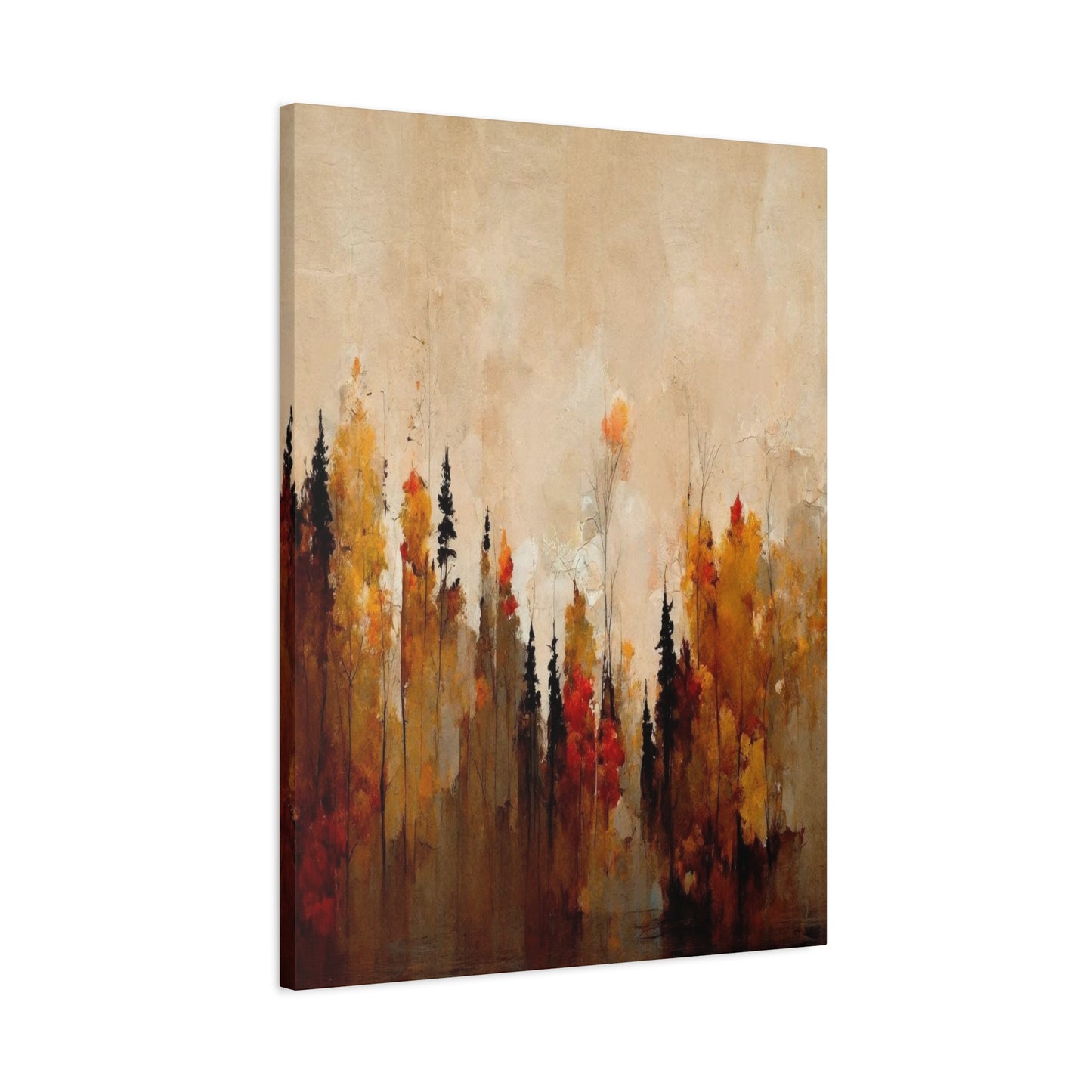
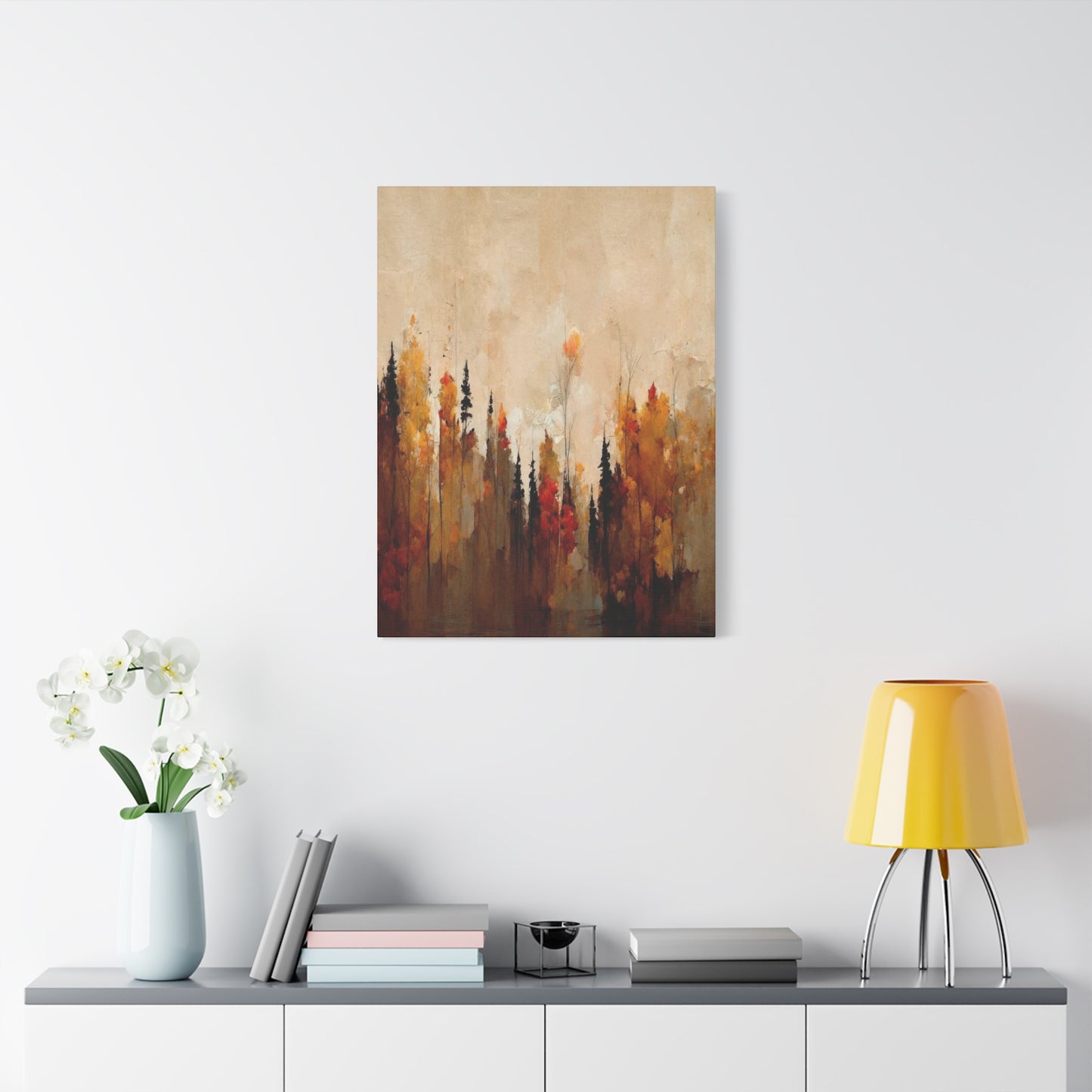
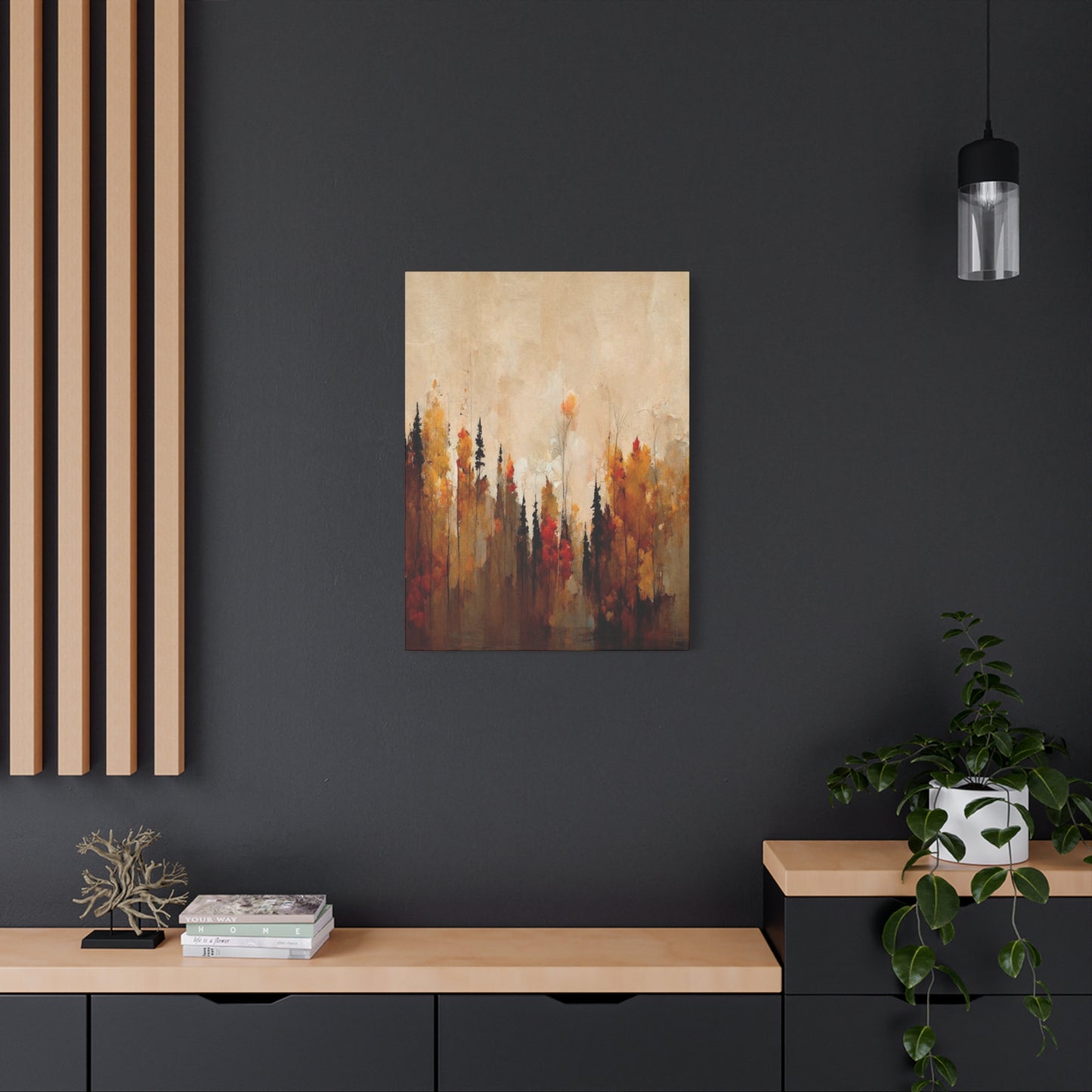
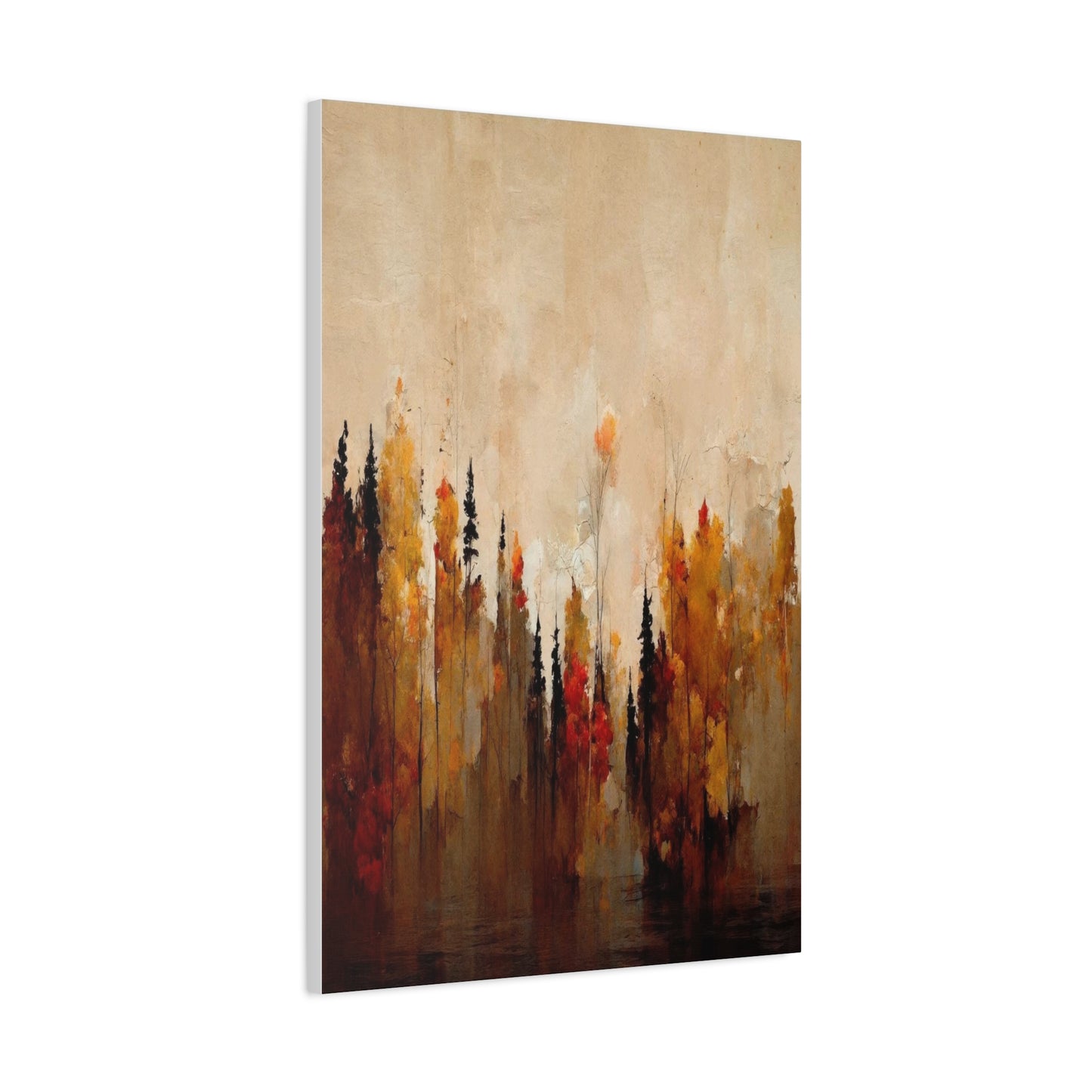
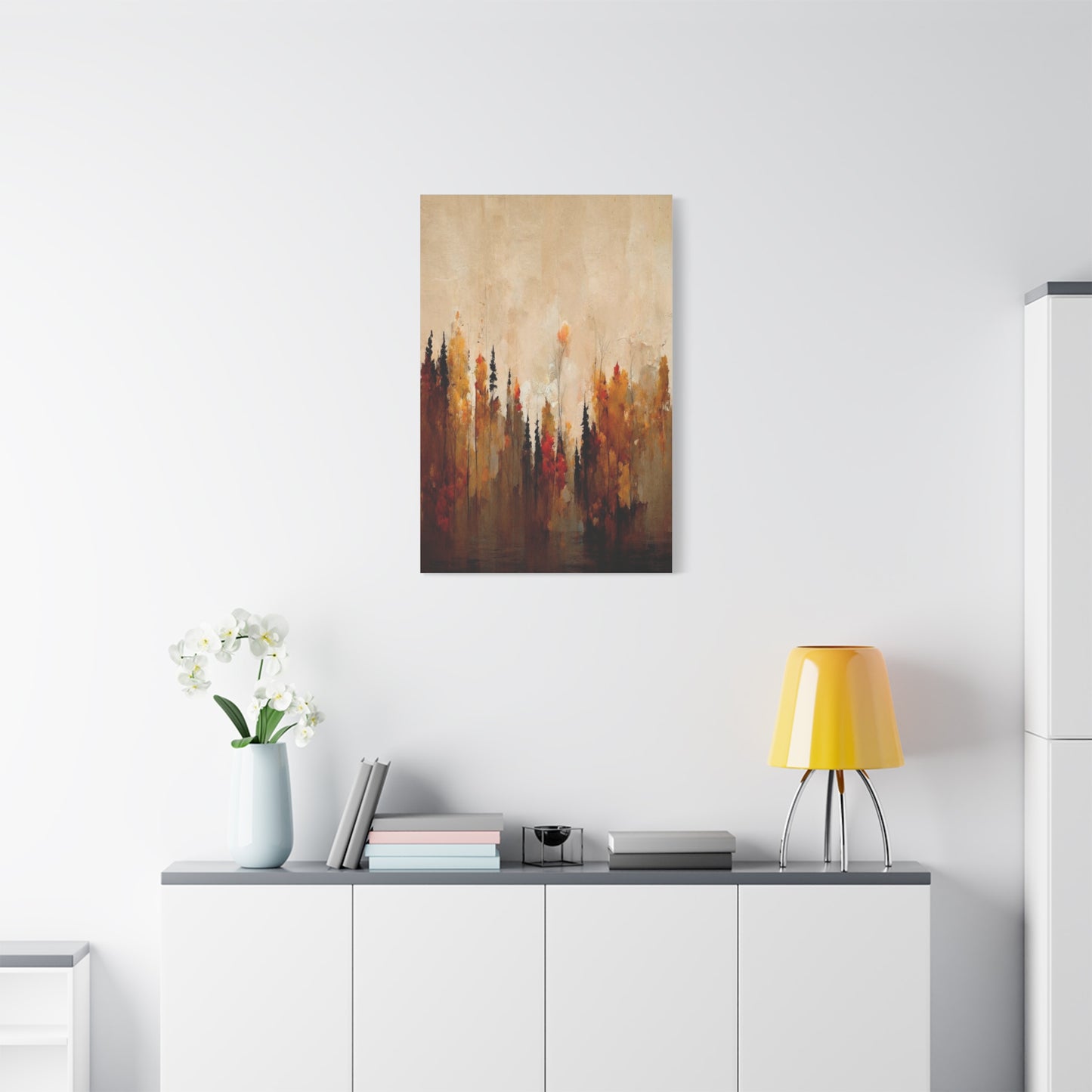
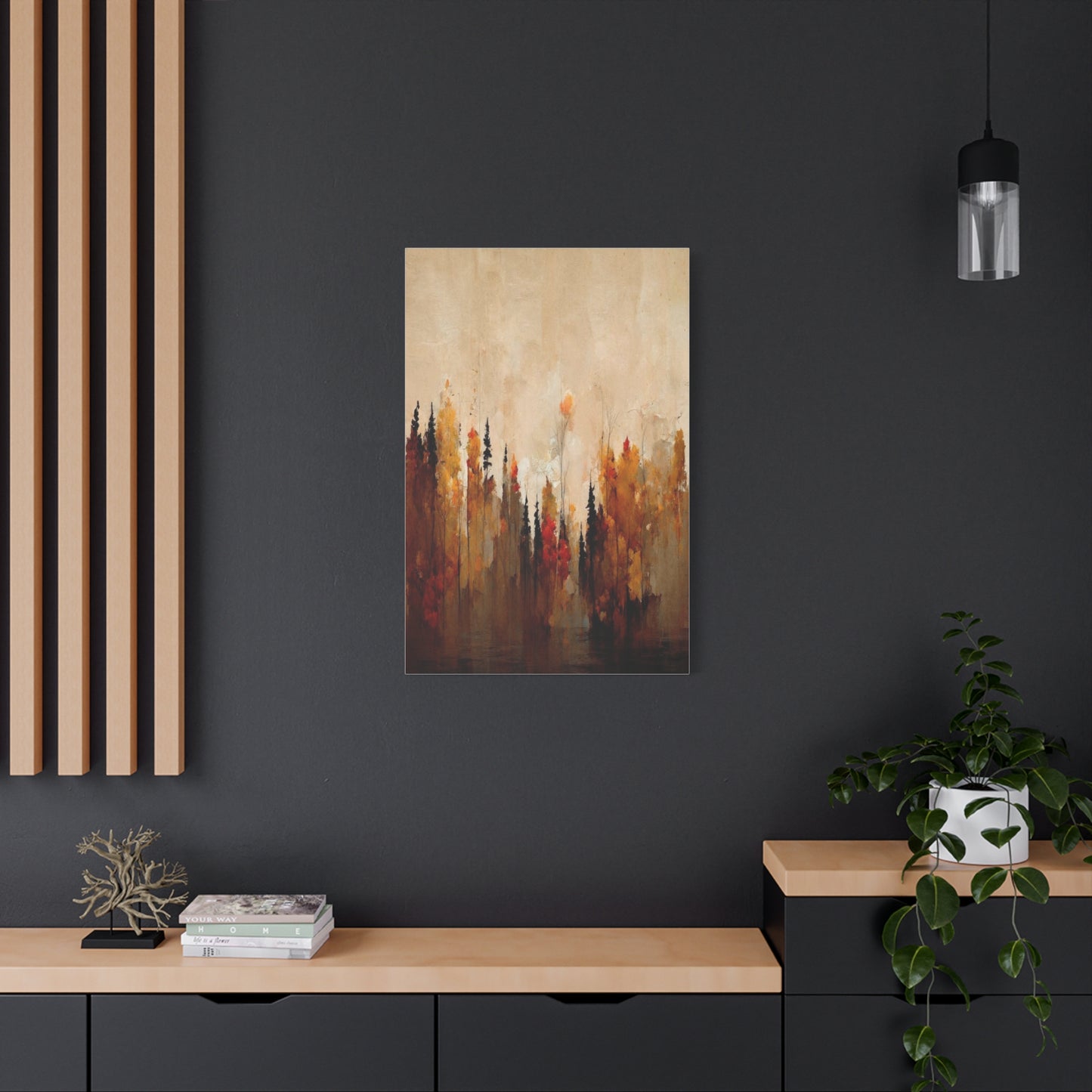
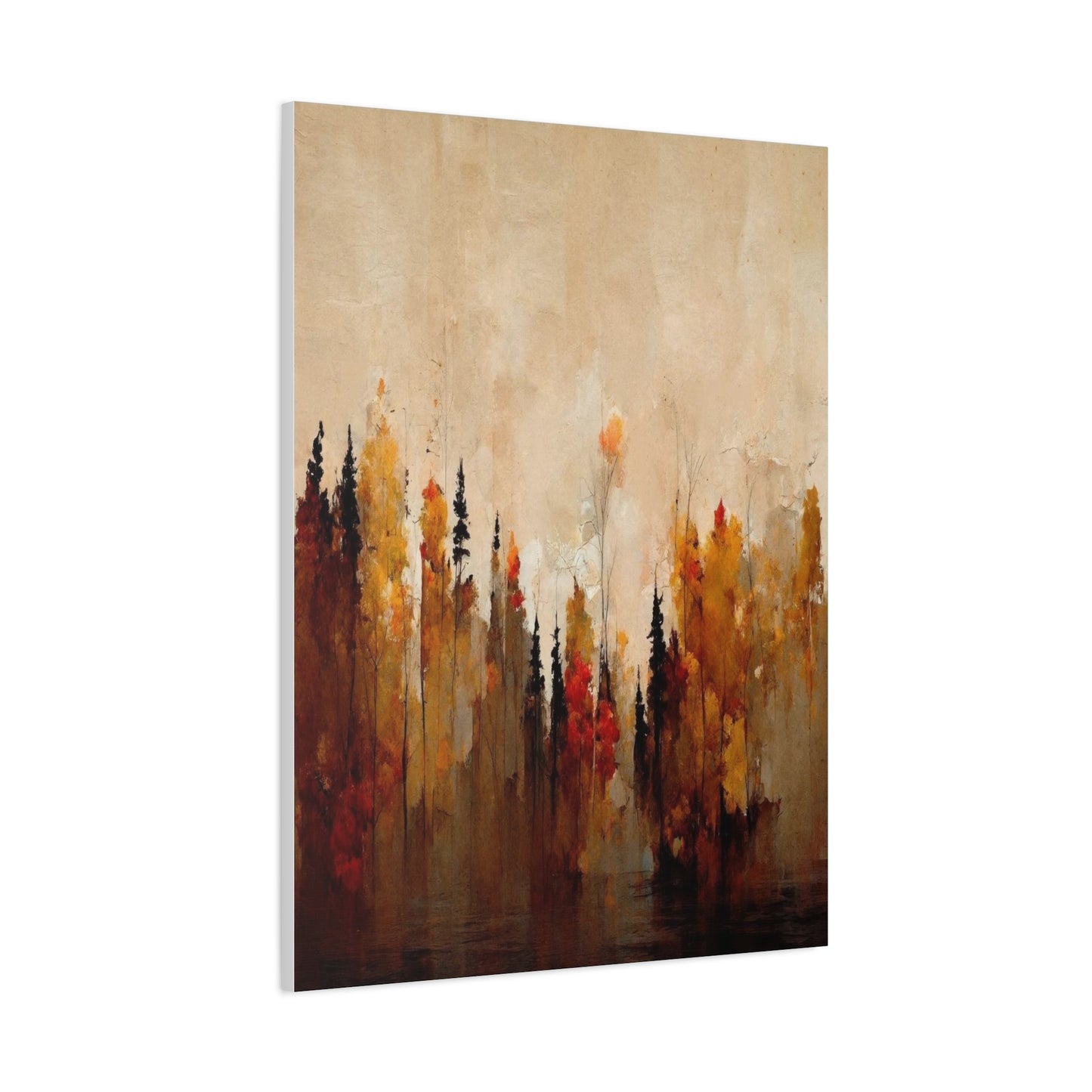
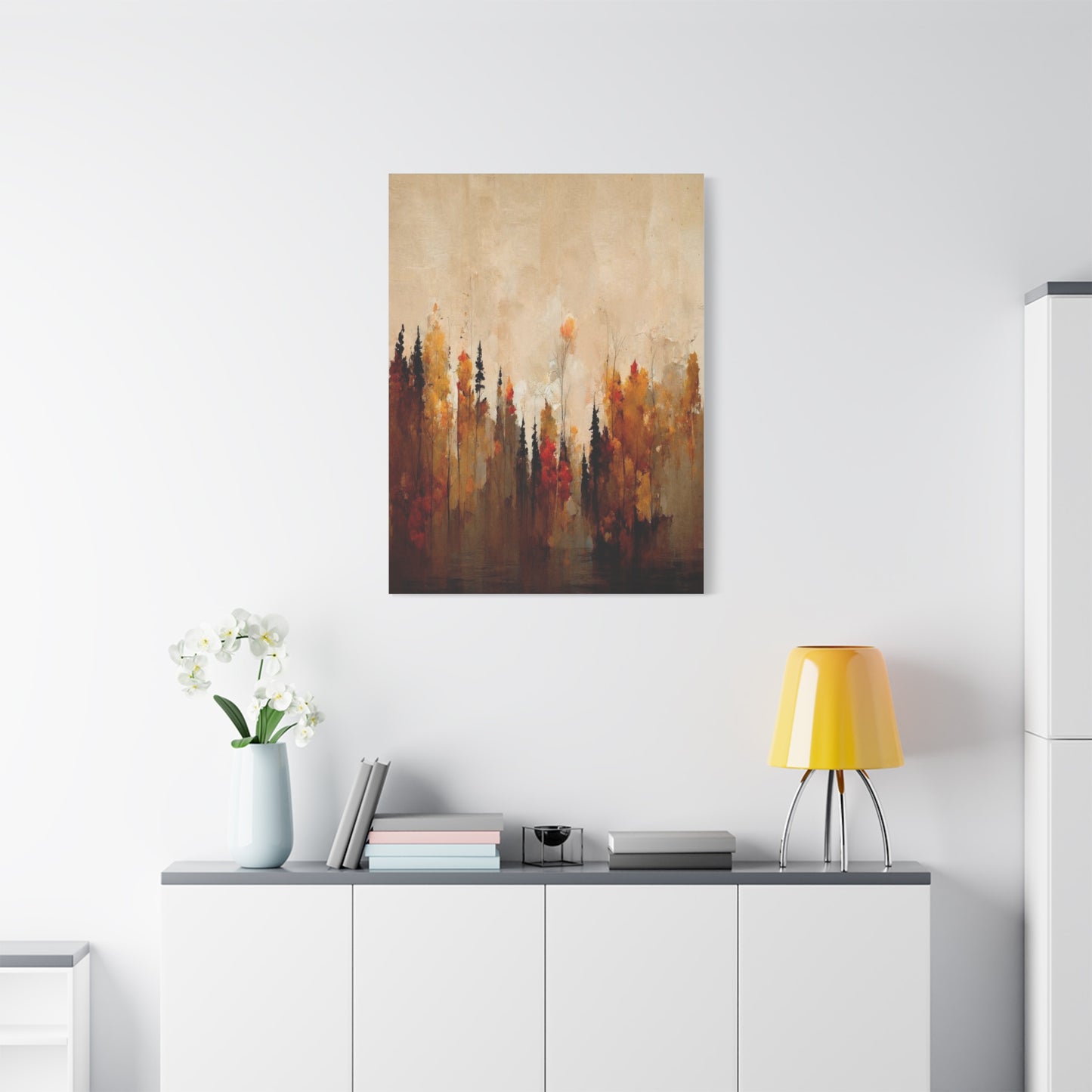
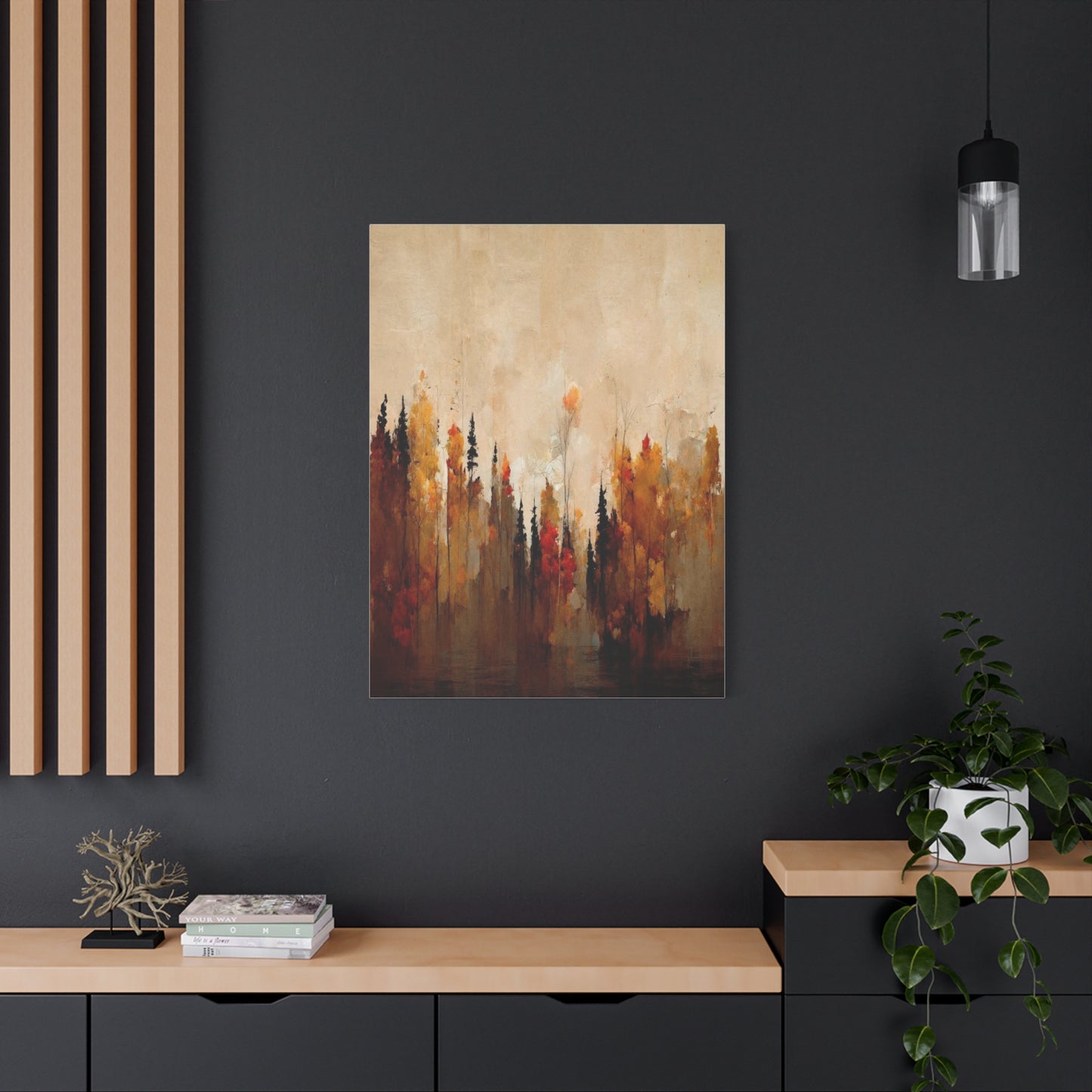
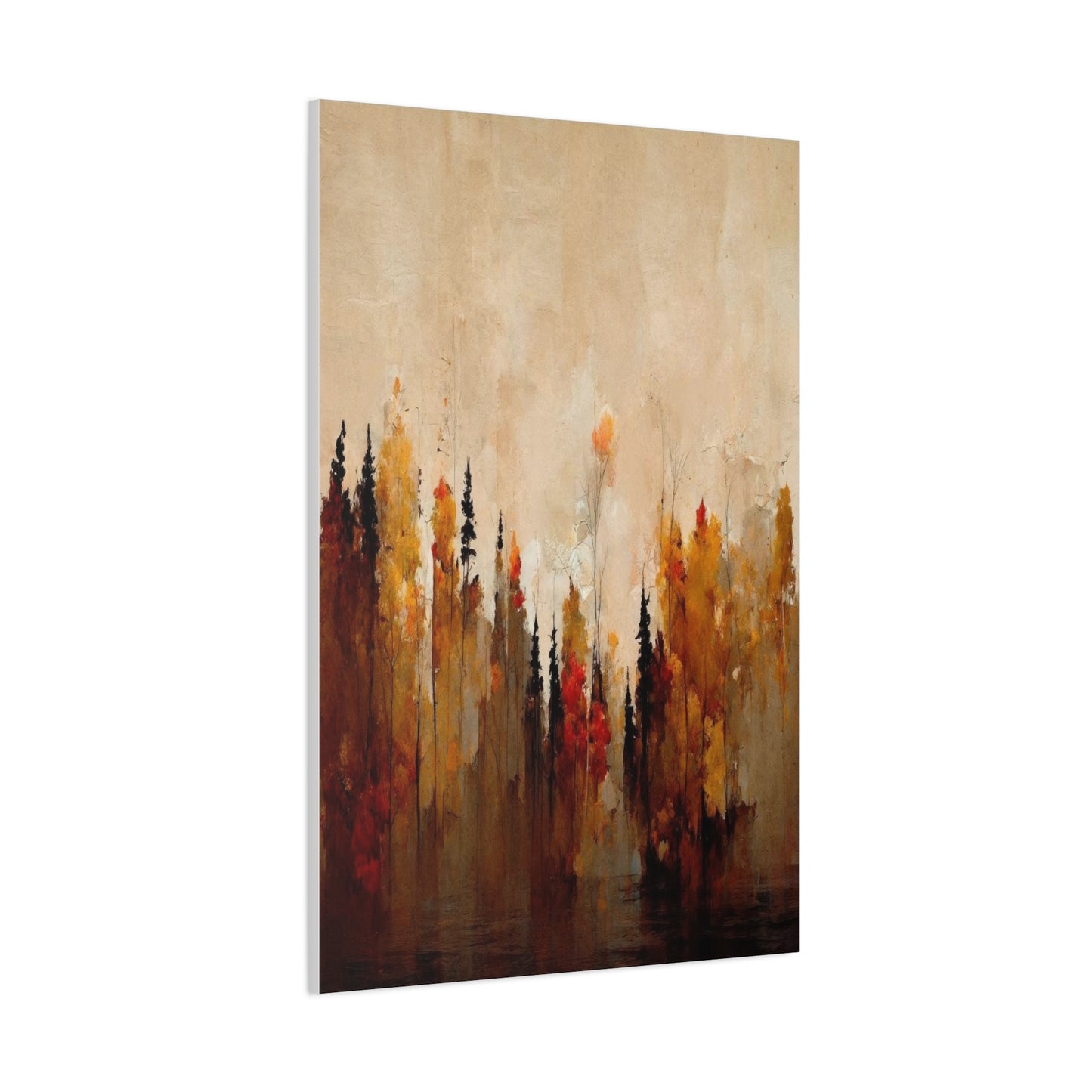
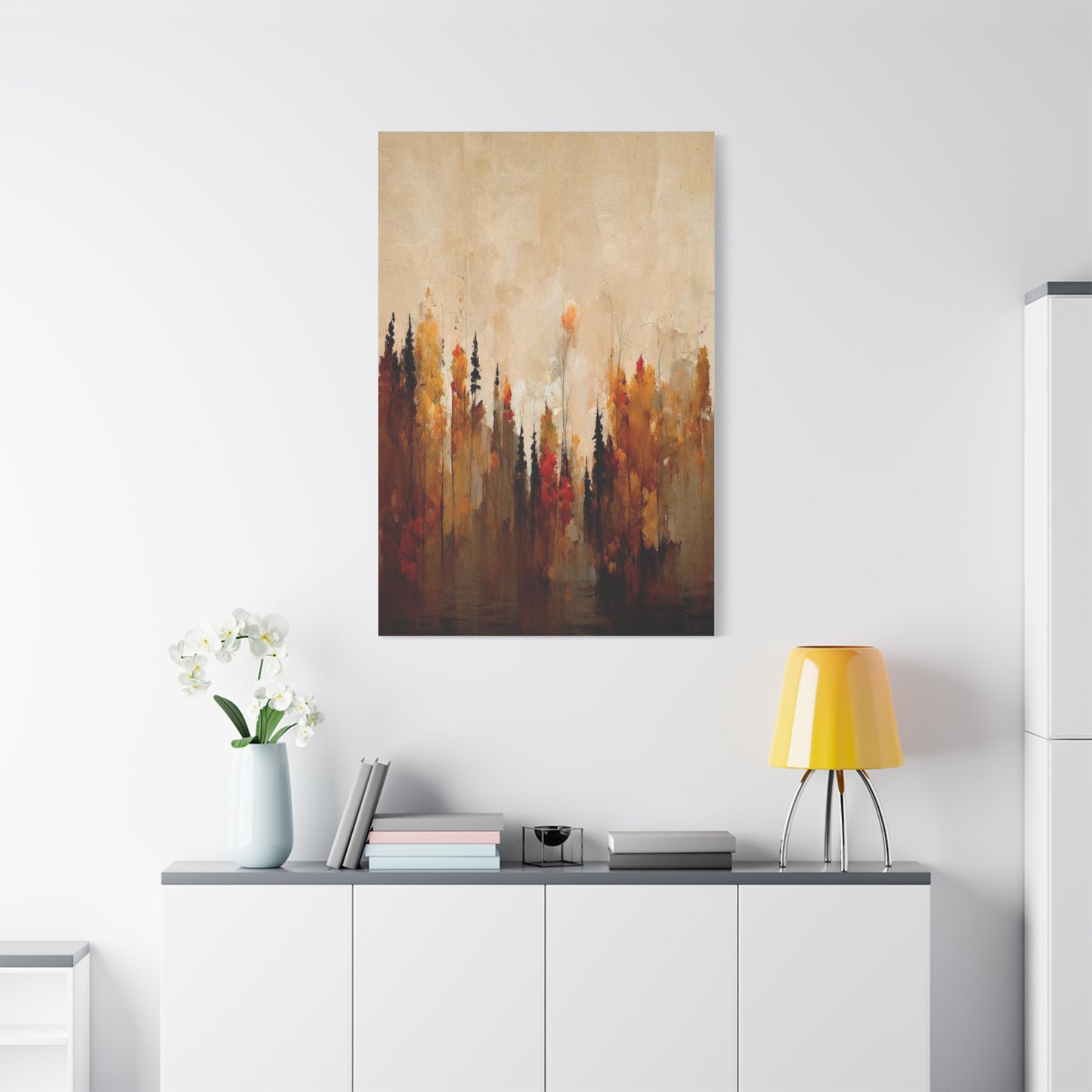
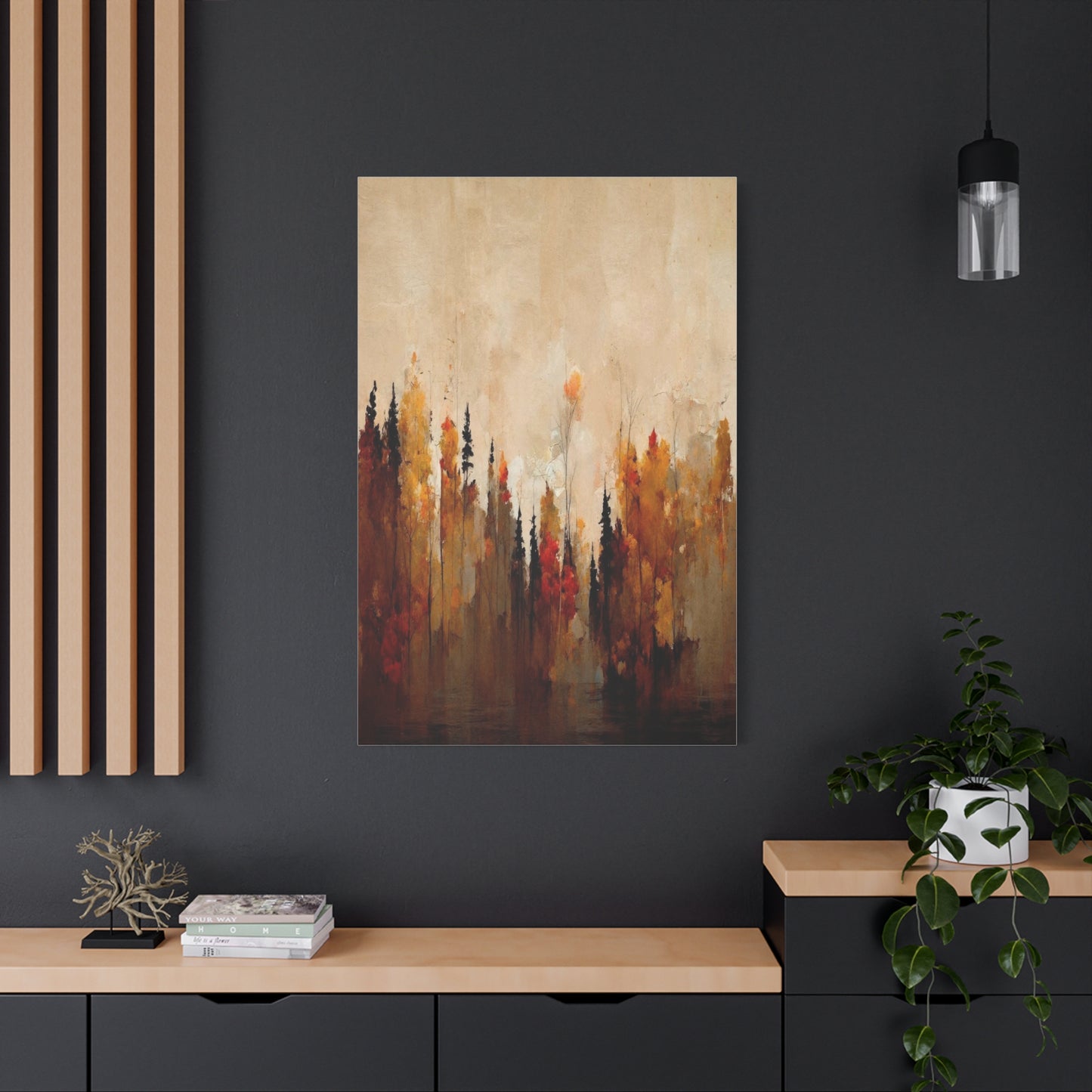
How Autumn's Reflection Wall Art Evokes a Sense of Peace
The visual experience of observing autumn scenery reflected in still waters creates an immediate calming effect on the human mind. When this natural phenomenon is captured through artistic interpretation, it becomes a powerful medium for bringing serenity into interior spaces. The mirrored imagery of golden foliage, crimson branches, and amber skies duplicated across tranquil water surfaces generates a meditative quality that resonates deeply with viewers seeking respite from daily stress.
Artistic representations of these reflected autumn landscapes tap into fundamental psychological responses to symmetry and natural beauty. The human brain finds comfort in balanced compositions, and the natural doubling effect created by water reflections provides this balance in its most organic form. When fall colors are presented in this mirrored fashion, they create a visual harmony that quiets mental chatter and encourages contemplative states of mind.
The peaceful sensation derived from these artistic pieces stems partly from their connection to moments of stillness in nature. A reflection can only form on calm water, so viewing such imagery subconsciously reminds observers of windless, quiet days when nature itself seems to pause. This association with natural tranquility transfers to the emotional state of the viewer, creating a cascade of relaxation responses that manifest physically and mentally.
Color psychology plays a significant role in how these artworks generate peaceful feelings. The warm spectrum of autumn hues displayed in reflection creates a cocoon-like environment within any space. Oranges and yellows stimulate feelings of comfort and contentment, while deeper reds and browns ground the viewer in earthly security. When these colors appear doubled through reflection, their psychological impact intensifies, surrounding the viewer with warmth from both the actual image and its mirrored counterpart.
The element of water itself contributes substantially to the peaceful quality of these artistic pieces. Water has been recognized across cultures and throughout history as a symbol of purification, renewal, and emotional clarity. When autumn scenery is viewed through the lens of water reflection, it combines the transitional energy of fall with the cleansing properties associated with water, creating artwork that speaks to both acceptance of change and the possibility of fresh beginnings.
Reflective autumn art also encourages a slowing of pace in those who view it. The eye naturally travels from the original landscape down to its reflection and back again, creating a gentle visual rhythm that mimics the pattern of deep, relaxed breathing. This unconscious guidance toward slower visual processing translates to an overall deceleration of thought patterns, helping viewers shift from hectic mental states to more measured, peaceful awareness.
The imperfection found in natural reflections adds to their peaceful quality rather than detracting from it. Unlike mechanical mirror images, water reflections contain subtle distortions, ripples, and variations that make them feel alive and authentic. These small imperfections remind viewers that peace does not require perfection, offering permission to embrace life's natural irregularities as part of a beautiful whole rather than as flaws to be corrected.
Seasonal specificity also enhances the peaceful effect of these artworks. Autumn represents a time of harvest and preparation, of gathering in and settling down before winter's arrival. Art that captures this particular season carries these associations, creating spaces that feel like sanctuaries from the demands of constant productivity. The reflected autumn scenes suggest it is acceptable, even necessary, to slow down and appreciate beauty rather than constantly striving forward.
The timeless quality of reflection artwork contributes to its ability to evoke peace. While the specific leaves and trees may be contemporary, the fundamental image of landscape reflected in water is ancient and universal. This connection to timeless natural phenomena provides viewers with a sense of continuity and stability, anchoring them to something larger and more enduring than momentary concerns.
Finally, autumn reflection art creates peaceful environments because it serves as a window to the natural world for those who cannot access it directly. Urban dwellers, office workers, and those with limited mobility can experience the calming benefits of autumn landscapes through these artistic representations. The artwork becomes a portal that transports consciousness beyond physical walls, offering mental escape to peaceful natural settings regardless of actual location or season.
The Color Palette of Autumn's Reflection Wall Art
The chromatic composition of reflected autumn artwork relies heavily on the warm spectrum that defines fall foliage. Rich amber tones form the foundation of many pieces, capturing the golden moment when leaves transition from summer green to autumn brilliance. These honey-colored hues evoke feelings of warmth and abundance, reminding viewers of harvest time and the earth's generous offerings. When doubled through reflection in water, these golden tones create luminous compositions that seem to glow from within, as if the artwork itself generates light rather than merely reflecting it.
Crimson and scarlet shades provide dramatic accents within autumn reflection palettes. These deeper reds capture the intensity of maple leaves at their peak transformation, representing the season's most vibrant expressions. Artists incorporate these bold colors strategically, using them to draw the eye and create focal points within the composition. The reflection of red foliage in water often takes on a slightly softer quality, as if the water itself filters the intensity, creating a pleasing contrast between the sharp brilliance above and the gentler echo below.
Rust and copper tones bridge the gap between the warmest yellows and the coolest browns in autumn reflection art. These metallic-appearing hues suggest the oxidative processes occurring in dying leaves, capturing the chemical transformation that creates fall's spectacular display. When reflected in water, these copper shades often pick up hints of the sky's blue, creating unexpected tertiary colors that add depth and complexity to the overall palette.
Deep burgundy and wine colors anchor many autumn reflection compositions, providing weight and gravitas to balance the lighter, brighter tones. These colors represent the mature phase of autumn, when leaves have fully transformed and begin approaching the end of their cycle. The presence of these deeper hues prevents the palette from becoming overly cheerful or superficial, acknowledging the bittersweet quality of seasonal change and adding emotional depth to the artwork.
Golden ochre represents earth itself within these color schemes, connecting the aerial display of colorful leaves to the ground from which trees grow. This earthy tone appears in reflections of tree trunks, shorelines, and the last warm rays of autumn sunlight. Ochre provides continuity within the palette, serving as a neutral that harmonizes disparate colors and prevents the composition from becoming chaotic despite its chromatic variety.
Burnt sienna adds richness without overwhelming the composition with darkness. This sophisticated reddish-brown captures the color of oak leaves and tree bark, providing textural variety within the warm spectrum. In reflections, burnt sienna often blends with other colors, creating transitional zones that help the eye move smoothly through the composition rather than jumping abruptly between distinct color areas.
Touches of evergreen provide essential contrast within autumn reflection palettes. Most compositions include at least hints of the deep forest greens that represent conifers and other trees that maintain their foliage through seasonal change. These green elements prevent the palette from becoming monotonous and remind viewers that autumn represents transformation rather than universal decline. The reflection of evergreens in water often appears almost black, creating dramatic dark accents that enhance the luminosity of surrounding warm tones.
Sky colors contribute significantly to the overall palette of reflection artwork. Cerulean blues from clear autumn skies provide cool counterpoints to warm foliage colors, while pewter grays from overcast conditions create moody, contemplative atmospheres. The reflected sky often occupies substantial portions of the composition, serving as both background and integral element. These cooler tones prevent the warmth of autumn colors from becoming overwhelming and add atmospheric depth to the artwork.
Sunset and sunrise palettes expand the chromatic possibilities of autumn reflection art. Peachy pinks, lavender purples, and coral oranges enter the color scheme when artists depict dawn or dusk scenes. These unusual colors create particularly striking reflections, as water takes on unexpected hues that contrast dramatically with the more predictable colors of foliage. Such pieces often evoke specific times of day, adding temporal dimension to the spatial depth created by reflection.
The color of water itself plays a crucial role in these palettes. Whether rendered as transparent with visible depths, opaque with mineral content, or somewhere between these extremes, water color influences how all reflected hues appear. Artists might depict water with slight green tints from algae, brown tones from tannins, or blue qualities from sky reflection. These underlying water colors interact with reflected foliage to create complex, nuanced palettes that capture the true diversity of autumn landscapes.
Highlight colors representing sunlight on water add sparkle and energy to otherwise serene compositions. These brilliant whites and pale yellows suggest glinting light dancing across gentle ripples. Such highlights prevent reflection artwork from appearing too uniform or static, introducing elements of movement and vitality that keep the composition engaging through repeated viewing.
Shadow tones in deep purples, blues, and near-blacks provide necessary contrast and prevent the palette from appearing flat. These cooler, darker colors appear in areas where trees block light or where water depth creates darkness. The interplay between these shadows and the brighter colors of illuminated foliage creates dimensionality and helps viewers perceive the landscape as three-dimensional rather than as a flat pattern of colors.
Bringing the Tranquility of Autumn Into Your Home
Incorporating reflected autumn scenery into residential spaces transforms homes into sanctuaries that provide daily doses of natural beauty and seasonal awareness. The process begins with selecting artwork that resonates personally, choosing pieces that evoke desired emotional responses rather than simply matching existing color schemes. When a reflection piece genuinely moves the viewer, it becomes more than decoration; it becomes a daily touchstone for grounding and centering amid life's demands.
Placement considerations significantly impact how effectively autumn reflection art brings tranquility into living spaces. Positioning such artwork where it will be viewed during transitional moments creates opportunities for brief meditative pauses throughout the day. Hanging a reflection piece near the entryway allows residents to decompress upon arriving home, using the artwork as a visual signal to shift from external demands to internal peace. Similarly, placing such art where it is visible during morning routines helps set a calm, contemplative tone for the day ahead.
The relationship between natural light and reflection artwork deserves careful attention. Positioning pieces where they receive indirect natural light allows the colors to shift subtly throughout the day, creating a dynamic viewing experience that mirrors the changing qualities of actual autumn light. However, direct sunlight should be avoided to protect the artwork and prevent glare that might interfere with viewing. The gentle illumination from nearby windows during daytime hours brings the colors to life without overwhelming them.
Scale matters when integrating autumn reflection art into home environments. Larger pieces create immersive experiences that can transport viewers mentally to the depicted landscape, while smaller works offer intimate moments of contemplation. The size should correspond to both the viewing distance and the emotional impact desired. A substantial piece in a living room invites extended viewing from comfortable seating, while a more modest work in a hallway provides fleeting encounters that accumulate impact over time.
Creating layers within a space enhances how reflection art brings autumn tranquility indoors. Rather than treating the artwork as an isolated element, surrounding it with complementary natural objects creates a cohesive environment. Placing driftwood, smooth stones, dried flowers, or autumn leaves near the artwork establishes physical connections between the depicted scene and the actual living space. These tangible natural elements reinforce the themes present in the art and blur the boundary between interior and exterior worlds.
Lighting design dramatically affects how autumn reflection art contributes to home tranquility. Installing dimmable lights allows adjustment of ambient brightness to match different moods and times of day. Soft, warm lighting in evening hours enhances the cozy qualities of autumn colors, while brighter illumination during daytime prevents the space from feeling cave-like. Some homeowners add subtle accent lighting directed at the artwork itself, though this should be done carefully to avoid creating hotspots or washing out colors.
The relationship between furniture arrangement and artwork placement influences how effectively the piece brings tranquility into the space. Orienting seating to face or naturally view the reflection art creates deliberate moments of engagement rather than relegating the piece to peripheral vision. A reading chair positioned to allow easy viewing of autumn reflection art transforms simple reading time into an enriched experience where literature and visual beauty combine to create deeper relaxation.
Seasonal rotation of decor elements around autumn reflection art helps the piece feel fresh throughout the year. While the artwork itself remains constant, changing surrounding objects with the seasons creates evolving contexts for viewing. Spring flowers nearby might create interesting contrasts with the artwork's autumn imagery, while winter elements like evergreen branches echo certain aspects of the piece. This approach prevents the art from becoming invisible through overfamiliarity while maintaining its stabilizing presence.
Pairing autumn reflection art with appropriate window treatments balances privacy needs with the desire for natural connection. Sheer curtains or adjustable blinds allow control over how much exterior landscape is visible, letting residents decide whether to emphasize the artwork as a self-contained world or to create dialogue between the depicted autumn scene and the actual view outside. On gray days or in less scenic locations, drawing curtains to focus attention on the artwork maximizes its impact.
Integrating technology mindfully prevents electronic devices from undermining the tranquility that autumn reflection art is meant to provide. Positioning televisions and computer screens away from the artwork preserves spaces where visual attention can rest on natural beauty rather than being pulled toward digital stimulation. Creating device-free zones around reflection art helps establish these areas as refuges from constant connectivity.
Scent integration amplifies how autumn reflection art brings seasonal tranquility indoors. Subtle fragrances reminiscent of fall such as cinnamon, apple, wood smoke, or dried leaves create multi-sensory experiences that deepen the emotional impact of the visual imagery. However, restraint is important; overpowering scents can become distracting rather than enhancing, drawing attention away from the artwork rather than toward it.
Sound considerations also affect how reflection art contributes to home tranquility. In spaces featuring autumn water scenes, gentle nature sounds like flowing streams or soft rain can enhance the artwork's impact. Conversely, ensuring these spaces remain quiet refuges from household noise allows the art to work its calming magic without competition from auditory distractions.
Personal rituals around viewing autumn reflection art transform passive decoration into active practice. Designating specific times for contemplating the artwork, perhaps with morning coffee or evening tea, creates anchoring routines that regularize moments of peace within busy schedules. Over time, these rituals become associated with relaxation, so that simply sitting down with the intention of viewing the art triggers physiological calming responses.
Sharing the experience of autumn reflection art with household members or guests extends its tranquility-bringing effects beyond individual enjoyment. Discussing what different viewers see or feel when looking at the piece creates connections and shared appreciation for beauty. These conversations often naturally slow and soften, taking on the contemplative quality of the artwork itself.
The Role of Reflections in Autumn Wall Art
Reflections serve as fundamental compositional elements within autumn wall art, creating visual balance through natural symmetry. The mirrored image generated by still water provides artists with built-in structural organization, dividing the composition into upper and lower halves that echo each other while maintaining distinct characteristics. This symmetrical organization satisfies the human preference for balanced visual arrangements, creating immediately pleasing compositions that feel complete and harmonious without requiring complex artistic manipulation.
The doubling effect of reflections amplifies the impact of autumn colors by literally presenting twice as much visual information within a single frame. Viewers encounter both the direct experience of colorful foliage and its aquatic echo, creating layered viewing experiences that offer more to discover with repeated observation. The reflection does not simply duplicate the original scene; it transforms it through the properties of water, creating related but distinct visual elements within a unified composition.
Reflections introduce an element of depth and dimensionality that might otherwise be difficult to achieve in two-dimensional artwork. The visible distance between the actual landscape and its reflection creates perceptual layers that help viewers understand spatial relationships within the depicted scene. This layering effect draws the eye into the composition, encouraging visual exploration that moves between foreground water, reflected imagery, and the distant landscape that generates the reflection.
The imperfect nature of water reflections adds organic visual interest that perfectly machined symmetry would lack. Ripples, distortions, and variations in water clarity create differences between the landscape and its reflection that prevent the composition from appearing too rigid or artificial. These imperfections humanize the artwork, making it feel more accessible and authentic rather than presenting an impossibly perfect version of nature that viewers cannot relate to their own experiences.
Reflections create opportunities for playing with perspective in ways that solid ground does not permit. Artists can depict scenes from angles where the reflection becomes the primary focus, relegating the actual landscape to a secondary or even minimal presence. This inversion of expected hierarchies challenges viewers to think differently about how they perceive landscapes and what they consider the "real" versus the "reflected" version of a scene.
The temporal dimension embedded in reflections adds conceptual depth to autumn wall art. Reflections exist only in the present moment, dependent on current conditions of light, weather, and water surface. By capturing a reflection, artists freeze a specific instant that could never be exactly reproduced, even if one returned to the same location. This temporal specificity reminds viewers of the fleeting nature of beauty and the importance of appreciating present moments.
Reflections serve symbolic functions within autumn artwork, representing themes of introspection and self-examination that align with the contemplative mood of fall. Just as water reflects landscape, the season invites personal reflection on the passing year and upcoming transitions. Artwork featuring reflections naturally evokes these parallel processes of external and internal examination, making such pieces particularly resonant during autumn months.
The contrast between the tangible landscape and its reflected counterpart introduces philosophical questions about reality and perception. Which is more "real" the physical trees or their image in water? By presenting both simultaneously, reflection art invites viewers to consider how perception shapes experience and how different viewpoints reveal different aspects of truth. These subtle conceptual layers add intellectual engagement to the emotional and aesthetic appeal of the artwork.
Reflections expand the color palette available within a composition by showing how water modifies hues. Reflected colors often appear slightly different from their sources due to water depth, mineral content, and ambient light conditions. Artists can exploit these differences to introduce subtle color variations that enrich the overall palette without adding entirely new elements to the depicted landscape.
The horizontal orientation naturally created by reflections influences the overall composition of autumn wall art. The strong horizontal line where water meets shore or where the reflection begins provides a stabilizing element that grounds the composition. This horizontal emphasis creates feelings of calm and repose, as horizontal lines are psychologically associated with rest and stability, unlike verticals that suggest activity or diagonals that imply movement.
Reflections allow artists to include sky and clouds in compositions that might otherwise focus exclusively on terrestrial elements. The water surface becomes a canvas displaying atmospheric conditions, bringing weather and light into the artwork through the reflection rather than requiring the artist to depict a significant expanse of sky directly. This technique enriches the composition while maintaining focus on the autumn landscape itself.
The interaction between reflection and actual landscape creates opportunities for visual rhythms and patterns that enhance compositional interest. Trees and their reflections create repeated vertical elements, while the horizontal water surface provides counterpoint. These intersecting rhythms create visual music that the eye follows naturally, moving through the composition in predictable yet satisfying patterns.
Reflections introduce an element of mystery and discovery to autumn artwork. Parts of the landscape hidden from direct view might be visible in reflection, revealing information about the scene's geography that expands the viewer's understanding. Similarly, reflections might obscure certain details while clarifying others, creating an interpretive puzzle that engages viewers beyond simple aesthetic appreciation.
The quality of water whether smooth as glass or gently rippled dramatically affects how reflections function within autumn wall art. Mirror-smooth water creates sharp, clear reflections that almost duplicate the original scene, while disturbed water generates abstract patterns of color and light that suggest the landscape without precisely depicting it. Artists choose water conditions deliberately to create specific moods and visual effects.
Why Autumn's Reflection Art is Perfect for Seasonal Decor
The natural alignment between autumn imagery and fall decorating cycles makes reflection art an ideal choice for seasonal home transformation. Unlike holiday-specific decorations that must be stored away after brief display periods, autumn reflection pieces remain appropriate throughout the entire season and often transition seamlessly into year-round decor. This extended relevance provides better value and reduces the storage burden associated with highly specific seasonal items.
The warm color palette inherent in autumn reflection art harmonizes effortlessly with traditional fall decorating schemes. The golds, oranges, reds, and browns that define these artworks complement popular autumn decor elements like pumpkins, gourds, wheat sheaves, and dried corn. This natural color coordination means homeowners can integrate reflection art without needing to rethink entire room palettes, allowing the artwork to enhance rather than conflict with existing seasonal decorations.
Autumn reflection pieces provide sophisticated alternatives to more literal or kitschy fall decorations. While carved pumpkins and autumn leaf garlands certainly have their place, reflection art offers a more elevated interpretation of seasonal beauty that appeals to those seeking refined aesthetics. The artwork conveys autumn's essence through artistic interpretation rather than literal representation, creating atmospheres that feel intentional and curated rather than overly themed.
The transitional nature of autumn itself makes reflection art particularly appropriate for this season. Fall represents a bridge between summer's exuberance and winter's austerity, and reflection imagery captures this in-between quality perfectly. The mirror image suggests duality and transition, visually representing the seasonal threshold that makes autumn such a poignant time of year. This symbolic resonance adds conceptual depth that simple fall decorations cannot achieve.
Reflection art accommodates various decorating styles from rustic to contemporary. A autumn water scene works equally well in a farmhouse-style interior with distressed wood and vintage finds as it does in a sleek modern space with clean lines and minimalist furnishings. This stylistic flexibility makes reflection art accessible to homeowners with diverse aesthetic preferences, all seeking to celebrate the season in ways that align with their personal tastes.
The natural imagery in autumn reflection art creates organic connections with other seasonal decorating traditions. Harvest displays, apple picking baskets, and arrangements of autumn branches gain context when positioned near artwork depicting fall landscapes. The reflection piece becomes an anchor that ties disparate decorative elements together, providing thematic coherence that transforms random seasonal objects into intentional seasonal storytelling.
Autumn reflection art offers permanence within seasonal change, serving as a stable reference point around which other decorations rotate. While pumpkins may be replaced with gourds, and early autumn flowers give way to late-season chrysanthemums, the reflection artwork remains constant, providing continuity throughout the season's progression. This stability prevents spaces from feeling chaotic despite the accumulation of seasonal items.
The relatively neutral subject matter of landscape and water in reflection art prevents it from competing with bolder seasonal decorations. The artwork provides a serene background against which more colorful or dramatic autumn elements can stand out. This supporting role is valuable for creating balanced seasonal displays where no single element overwhelms the space but all components work together harmoniously.
Reflection artwork extends the indoor experience of autumn for those unable to regularly access natural settings. For urban dwellers, elderly individuals, or those with mobility limitations, bringing fall indoors through decorations becomes especially important. Reflection art provides a window to autumn landscapes that might otherwise remain inaccessible, making seasonal celebration possible regardless of physical limitations or geographic location.
The meditative quality of reflection art balances the potential frenzy of seasonal decorating. As homeowners rush to transform spaces for autumn gatherings and approaching holidays, a calm reflection piece serves as a reminder to pause and actually experience the season rather than simply marking it with decorations. The artwork invites the contemplation that autumn traditionally inspires, preventing seasonal decor from becoming just another task on an overwhelming to-do list.
Autumn reflection art provides a tasteful way to acknowledge the season in professional or semi-public home spaces. While an office or formal living room might not be appropriate for cornucopias or scarecrow figurines, a sophisticated autumn landscape with water reflection maintains professional atmosphere while still participating in seasonal celebration. This allows homeowners to extend autumn feeling throughout their entire residence rather than confining it to casual family areas.
The investment quality of genuine art pieces makes autumn reflection work more economically sensible than purchasing disposable seasonal decorations annually. While the initial cost may exceed that of mass-produced fall items, the artwork retains value and continues serving decorative functions for years or decades. This long-term perspective makes reflection art not just seasonal decor but a lasting enhancement to home aesthetics that happens to align beautifully with autumn.
The emotional resonance of autumn reflection art enhances the psychological benefits of seasonal decorating. Research indicates that marking seasonal changes through environmental modifications supports mental health by maintaining awareness of natural cycles and providing structured variety within the year. Artwork that genuinely evokes autumn's mood creates stronger psychological effects than generic seasonal symbols, making the decorating effort more worthwhile.
Reflection art serves as a conversation starter during autumn gatherings, providing focal points that encourage guests to share their own autumn memories and associations. Unlike purely decorative seasonal items that simply mark the calendar, genuine artwork invites discussion and personal connection, enriching social experiences during holiday and harvest season entertaining.
Incorporating Autumn's Reflection Art into Your Living Space
The living room presents the primary opportunity for displaying autumn reflection art, as this space typically offers the most wall area and the longest viewing times. Positioning a substantial reflection piece above a sofa creates a focal point that organizes the entire room's layout. The horizontal orientation of many reflection artworks complements the horizontal lines of seating furniture, creating visual harmony. The calming qualities of reflected autumn scenes make them particularly appropriate for living areas intended for relaxation and conversation.
Bedrooms benefit enormously from the peaceful atmosphere generated by autumn reflection artwork. Placing such pieces where they are visible from the bed creates opportunities for contemplation during morning wake-up routines and evening wind-down periods. The gentle, warm colors of autumn are psychologically conducive to rest, while the symmetry of reflections creates visual calm that supports sleep preparation. Many people find that viewing natural scenes before sleeping improves sleep quality, making reflection art a functional as well as aesthetic bedroom choice.
Home offices and workspaces gain balance from autumn reflection art, which provides visual breaks during intense work periods. Positioning reflection pieces within easy viewing range of desks allows workers to rest their eyes on natural beauty when concentration flags or stress builds. The contemplative quality of reflection scenes encourages the brief mental resets that improve productivity and creativity. Unlike more stimulating artwork that might prove distracting, autumn reflections offer gentle interest that refreshes without disrupting work focus.
Dining areas become more inviting when adorned with autumn reflection art, which complements the gathering and nourishing functions of these spaces. The harvest associations of autumn align naturally with dining's focus on food and fellowship. Reflection art in eating spaces creates atmosphere for lingering over meals, encouraging the slower pace and present-moment awareness that transform simple eating into meaningful shared experiences.
Hallways and transitional spaces often suffer from decorating neglect, but autumn reflection art transforms these passages into meaningful parts of the home journey. A series of smaller reflection pieces along a hallway creates a gallery effect that makes the simple act of moving through the house more aesthetically rewarding. These brief encounters with beauty accumulate throughout the day, subtly elevating overall home experience.
Bathrooms, often overlooked for serious artwork, can become personal sanctuaries when graced with appropriate reflection pieces. The thematic connection between water in the artwork and water's presence in bathroom functions creates natural coherence. Viewing autumn reflections during morning preparation or evening bathing routines extends these functional activities into moments of aesthetic appreciation and personal centering.
Entryways and foyers establish home atmosphere immediately upon entering, making them strategic locations for autumn reflection art. A striking reflection piece near the entrance signals to both residents and guests that the home values natural beauty and seasonal awareness. This first impression influences how the entire space is perceived and sets expectations for the aesthetic experience to follow.
Reading nooks and meditation corners achieve their contemplative purposes more effectively when paired with autumn reflection art. These dedicated spaces for quiet activities naturally align with the peaceful qualities of reflection imagery. The artwork reinforces the space's intended function, making it easier for users to shift mental gears from active to contemplative modes upon entering the area.
Kitchen spaces, while challenging environments for artwork due to moisture and temperature fluctuations, can still accommodate autumn reflection pieces when appropriate precautions are taken. The warmth of autumn colors complements kitchen functions, while the harvest associations resonate with food preparation activities. Positioning reflection art away from direct heat and steam sources allows safe display while maintaining the kitchen's role as heart of the home.
Staircases offer vertical wall space ideal for larger autumn reflection artworks that might overwhelm smaller rooms. The upward or downward movement through stairwells creates unique viewing angles where the artwork can be appreciated from multiple perspectives. This dynamic viewing experience adds interest to the mundane activity of moving between floors.
Libraries and book-lined spaces pair beautifully with autumn reflection art, as both books and contemplative artwork invite inward focus and intellectual engagement. The traditional associations between autumn and learning, with fall marking the return to school and serious study, create thematic resonance. The warm colors prevent book-heavy spaces from feeling too serious or austere.
Sunrooms and enclosed porches create interesting opportunities for dialogue between actual outdoor views and depicted autumn reflections. Positioning reflection art where it can be viewed alongside windows creates comparisons between artistic interpretation and immediate landscape. Seasonal changes outside can be observed in relationship to the artwork's captured moment, creating ongoing interest throughout the year.
Meditation or yoga spaces achieve their purposes more fully when autumn reflection art establishes appropriate atmosphere. The balanced composition of reflection imagery supports the balance sought through contemplative practices. The connection to natural cycles reminds practitioners of their place within larger patterns, supporting the perspective shifts that meditation encourages.
Guest rooms demonstrate hospitality through thoughtful decoration, and autumn reflection art signals that guest comfort and experience matter to hosts. The universally appealing qualities of autumn landscapes create welcoming environments for visitors with diverse tastes. The artwork provides something pleasant to view during the liminal moments of being in someone else's space.
How Autumn's Reflection Art Mirrors Nature's Cycles
The mirroring function of water in autumn reflection art serves as a metaphor for nature's cyclical patterns, where endings and beginnings reflect each other across the turning year. Just as the reflection duplicates the landscape in reversed form, autumn duplicates spring in inverted sequence, with leaves falling instead of emerging, temperatures cooling instead of warming, and life energy withdrawing rather than expanding. Artwork capturing autumn reflections thus represents not just a single season but the entire circular flow of natural time.
The visible decay depicted in autumn reflection pieces acknowledges the necessary role of ending within natural cycles. Dead and dying leaves represent not failure but fulfillment, the completion of the growth cycle begun months earlier in spring. By showing this decline reflected in water, the artwork emphasizes that even death and decay have beauty and purpose within the larger pattern. The reflection suggests that what appears to be ending is simultaneously beginning again, as the circular nature of reflection has no absolute top or bottom, beginning or end.
Autumn's transitional position within the annual cycle is emphasized through reflection imagery that captures the season's characteristic in-between qualities. The artwork shows neither summer's full vitality nor winter's complete dormancy but rather the movement between these extremes. This transitional moment reflects the constant state of change that characterizes all natural systems, reminding viewers that stability is actually continuous transformation occurring so gradually that it appears static.
The water element in reflection art connects to the hydrological cycle, one of nature's most fundamental circular patterns. Water that reflects autumn trees will eventually freeze, melt, evaporate, and rain down again in endless rotation. By featuring water prominently, reflection artwork nods toward this eternal cycling that makes life possible. The stillness of reflected water represents only a moment within constant molecular movement, paralleling how autumn's pause is merely one phase within relentless seasonal rotation.
Color transformation depicted in autumn reflection art illustrates nature's alchemical processes, where sunlight, water, and chemical reactions produce the spectacular displays that define the season. The artwork captures the visible results of invisible processes, showing how chlorophyll breakdown reveals hidden pigments. This transformation reflects the universal pattern of hidden potential becoming manifest, of inner qualities emerging under appropriate conditions.
The harvest implications inherent in autumn imagery reflect nature's cycle of seed, growth, fruit, and return to seed. Autumn represents the fruition phase when plants offer their final gifts before withdrawing energy back into roots and seeds. Reflection art capturing this moment acknowledges the cycle of giving and receiving, of effort and reward, that governs both natural ecosystems and human endeavors. The doubling effect of reflection suggests abundance, the generous overflow that allows life to continue through lean times.
Tree imagery, central to most autumn reflection pieces, represents one of nature's most visible embodiments of cyclical time. Annual rings within trunks record each year's growth, while yearly leaf production and shedding mark seasonal cycles. The bare branches that begin appearing in late autumn scenes reveal tree architecture usually hidden by foliage, exposing the permanent structure that persists through all seasonal changes. This revelation of underlying form reflects nature's pattern of superficial change occurring around essential continuity.
The light quality captured in autumn reflection art reflects the sun's annual path across the sky, with autumn's lower solar angle creating the warm, golden illumination characteristic of the season. This changing light literally reflects off water in the artwork, creating a double reflection: landscape reflected in water, and both landscape and water reflecting solar illumination. These nested reflections demonstrate how all earthly phenomena ultimately reflect the sun's energy, the primary driver of seasonal and biological cycles.
Wildlife behavior suggested or depicted in autumn reflection art reflects the urgency of preparation that characterizes this season for many species. Birds gathering for migration, mammals fattening for hibernation, and insects completing final life cycles before frost all respond to the same environmental cues that trigger leaf color change. The artwork captures this moment of intense purposeful activity disguised as peaceful scenery, reflecting nature's pattern of hidden labor beneath visible beauty.
Weather patterns shown in autumn reflection pieces reflect atmospheric cycles driven by the season's temperature transitions. The combination of warm earth and cooling air creates the mists, morning dews, and specific cloud formations characteristic of autumn. Water in reflection art often shows these atmospheric effects, with fog obscuring parts of reflections or raindrops disturbing water surfaces. These details acknowledge how interconnected systems weather, water, plant life all reflect and influence each other.
The concept of reflection itself represents a fundamental natural principle: every action creates reaction, every form casts shadow, every cause produces effect. By making reflection the central feature of autumn artwork, these pieces embody this principle of reciprocal relationship that governs all natural interactions. The landscape gives rise to reflection, but the reflection also completes the landscape, transforming scattered trees into unified composition through the integrating function of water's mirroring surface.
Autumn reflection art captures the specific moment when seasonal change becomes undeniable, when summer's hold finally breaks and fall's character emerges fully. This tipping point reflects nature's pattern of gradual accumulation followed by sudden shift, whether in climate patterns, evolutionary changes, or ecosystem dynamics. The artwork freezes the moment of transformation, allowing prolonged examination of what in nature passes too quickly for complete appreciation.
The inevitable progression toward winter suggested by autumn imagery reflects nature's larger patterns of growth and rest, activity and dormancy. Just as winter follows autumn with absolute reliability, all natural systems alternate between phases of expression and withdrawal. Reflection art captures the moment before withdrawal, the final flourish before rest, acknowledging both the necessity and the temporary nature of dormancy. The reflection in water suggests that what disappears from view continues existing beneath the surface, waiting to emerge again when conditions allow.
The Symbolism of Reflection in Autumn-Themed Art
Reflection carries profound symbolic weight within autumn-themed artwork, functioning as a visual metaphor for introspection and self-examination. Just as water reflects landscape, autumn encourages looking inward to reflect on personal growth and change. The season's positioning near year's end prompts natural evaluation of accomplishments and disappointments, plans fulfilled and abandoned. Artwork featuring reflections thus represents not just physical mirroring but the psychological process of considering one's own life from a distanced perspective.
The doubling effect created by reflection symbolizes duality and complementary opposites that structure existence. Life and death, growth and decay, beginning and ending all appear simultaneously in autumn landscapes where new buds form even as old leaves fall. The reflection in water emphasizes these paired opposites by literally presenting two versions of the same scene, suggesting that apparently contradictory aspects are actually unified phenomena viewed from different angles.
Water's mirror function represents truth-telling and the revelation of hidden aspects. Unlike human-made mirrors that can be manipulated or distorted, natural water reflection shows what exists without flattery or concealment. In autumn artwork, this truth-telling quality symbolizes the season's own honesty, as it strips away summer's green disguises to reveal the actual structure and condition of plant life. The reflection shows reality doubled, emphasized, and impossible to ignore.
Conclusion
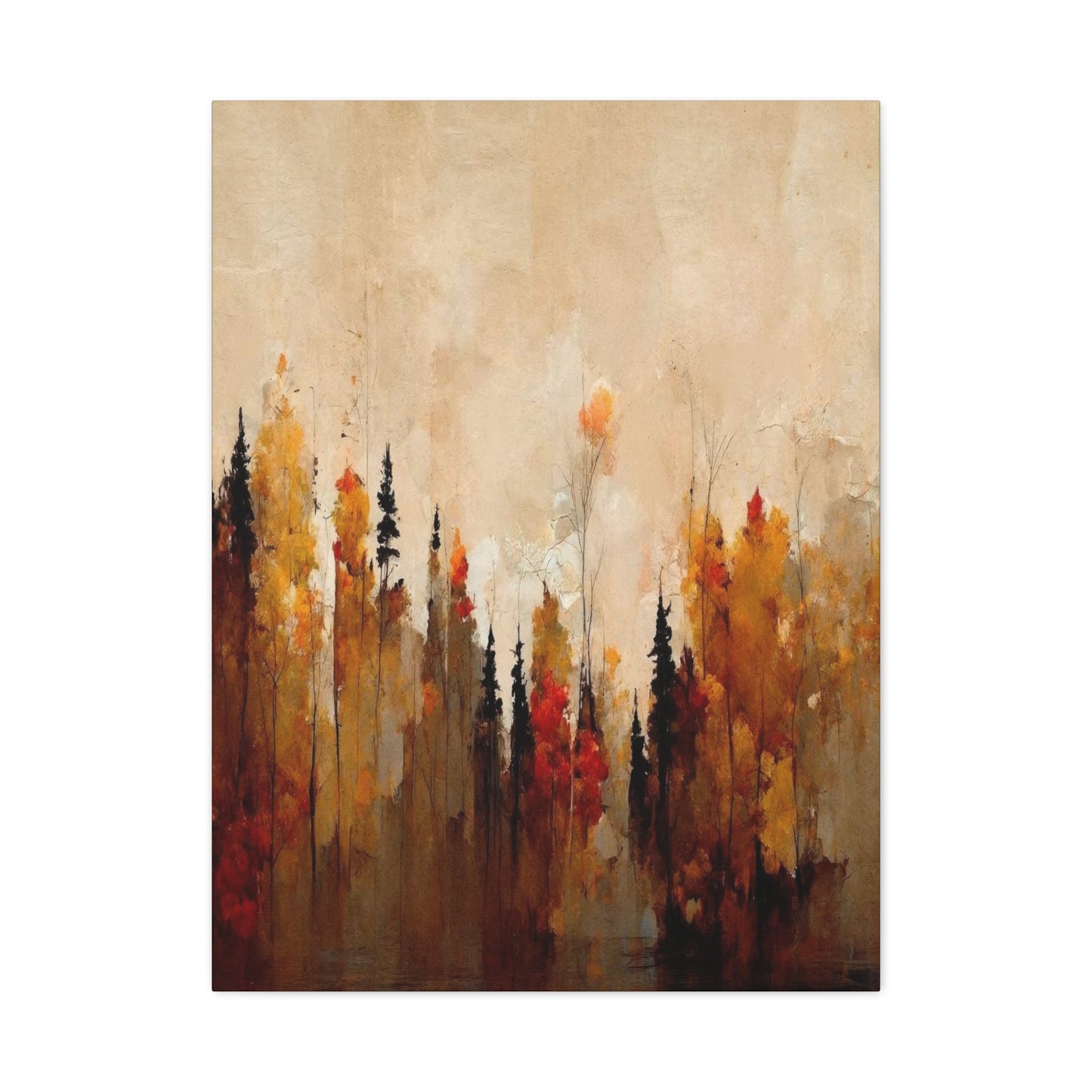
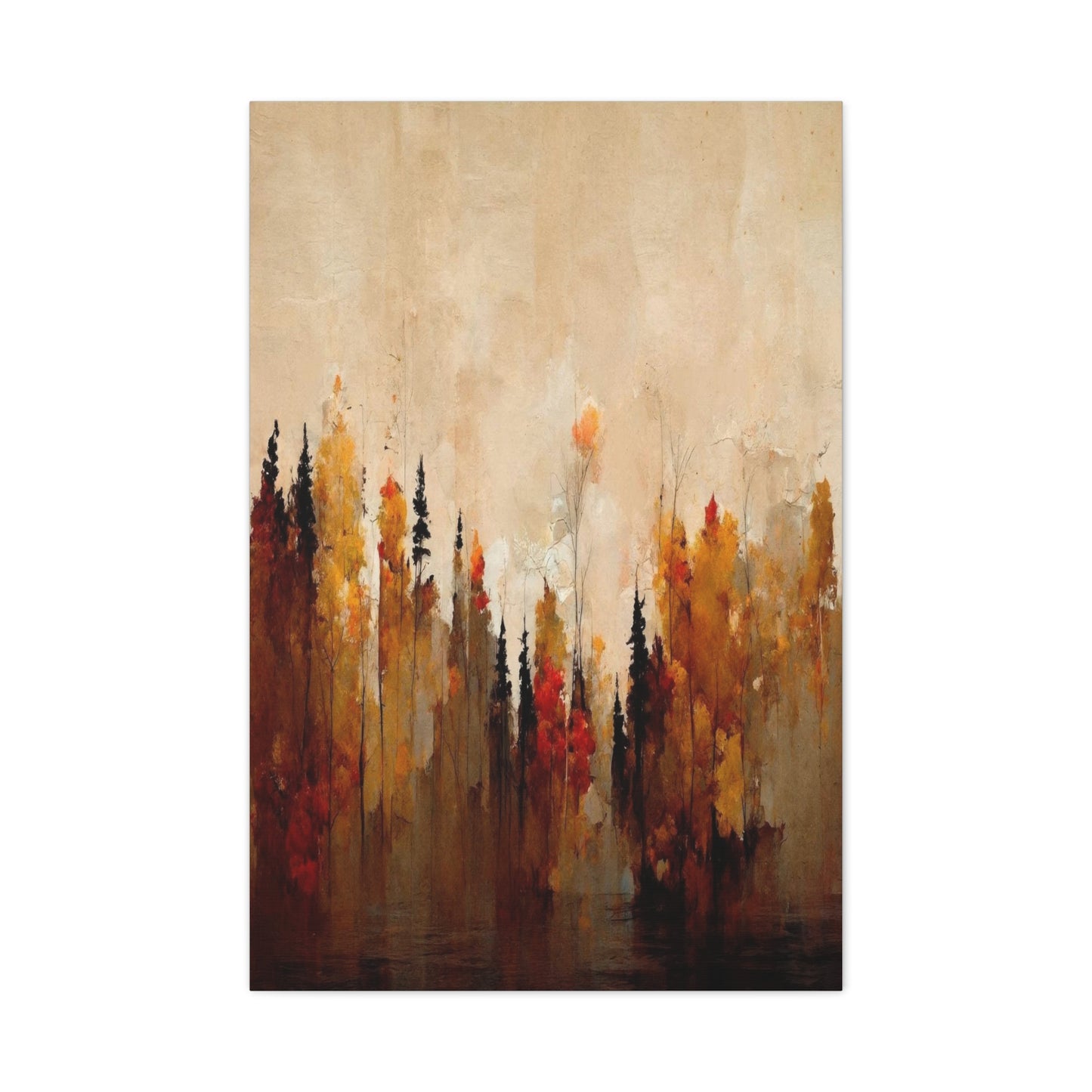
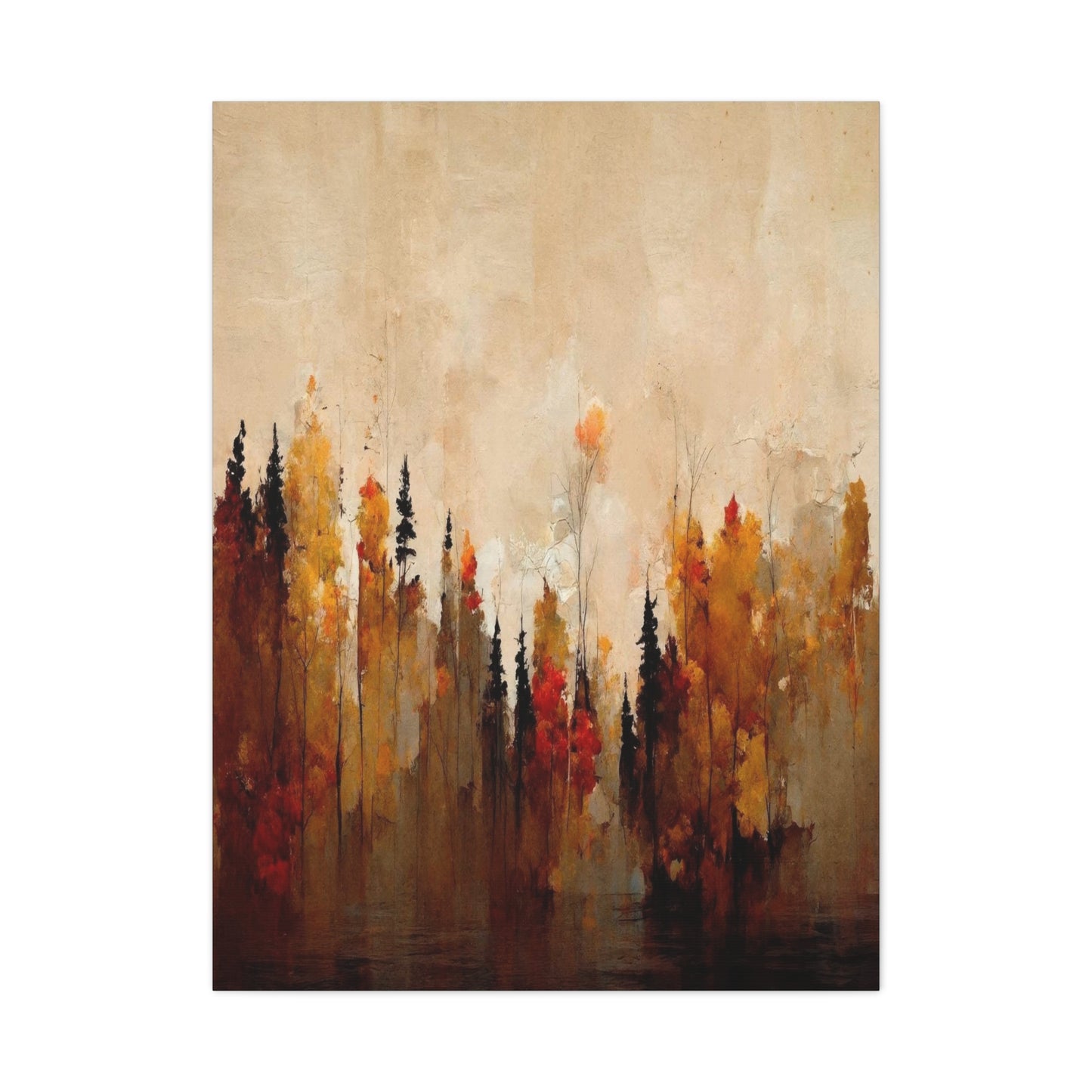
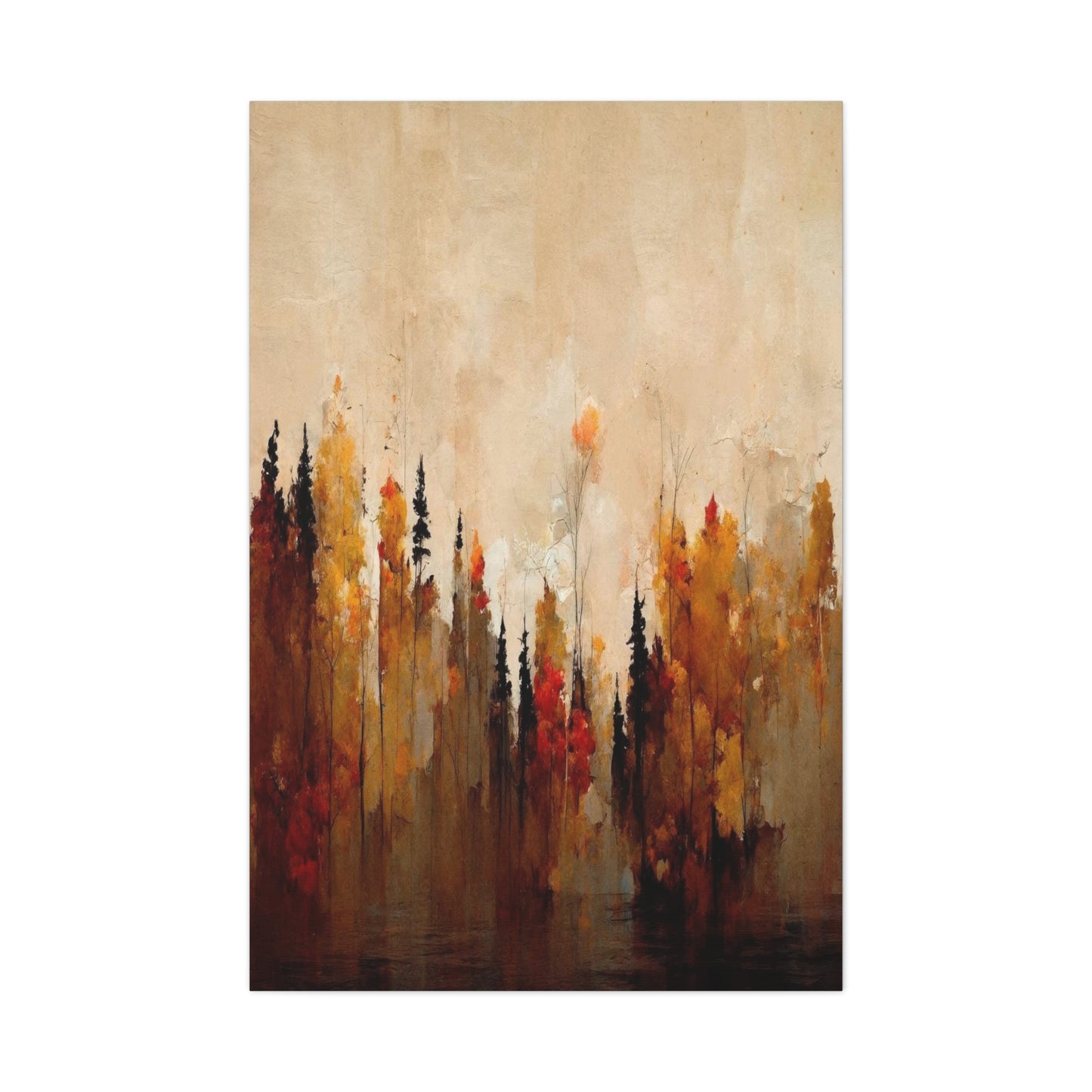
In wrapping up our exploration of Autumn’s Reflection Wall Art, it’s clear that this stunning piece of nature-inspired art does more than just capture the beauty of the autumn season—it creates an immersive atmosphere of calm and serenity. With its soft hues of amber, gold, and rust, combined with the tranquil imagery of a still, reflective landscape, Autumn’s Reflection offers a peaceful retreat for the soul. This wall art serves as a gentle reminder of the meditative power of nature, drawing on autumn’s quiet grace to bring balance and tranquility into our daily lives.
The imagery of autumn has long been associated with introspection, change, and renewal, and Autumn’s Reflection encapsulates these themes perfectly. The artwork’s depiction of a quiet lake or a serene woodland path covered in fallen leaves invites the viewer to pause, reflect, and connect with the natural rhythms of the world. It evokes a sense of slowing down, of appreciating the quiet beauty that autumn brings—the soft light of a late afternoon sun, the delicate rustling of leaves, and the crispness in the air. As we take in the peaceful landscape portrayed in the piece, we are reminded to take a breath, step back from our busy lives, and appreciate the simple, calming moments around us.
One of the most powerful aspects of Autumn’s Reflection Wall Art is its ability to evoke a sense of stillness and serenity, qualities often lost in the rush of modern life. The peacefulness of the scene, whether it’s a lake mirroring the trees in perfect symmetry or a woodland path inviting quiet reflection, provides a calming focal point in any room. The reflection of the autumn foliage in the water further enhances the sense of harmony and balance, creating an almost meditative atmosphere that naturally soothes the mind and spirit. Whether placed in a bedroom, living room, or meditation space, this artwork promotes relaxation, making it an ideal choice for spaces where peace and restfulness are the goal.
The colors used in Autumn’s Reflection play a significant role in enhancing the tranquil effect of the piece. The rich, earthy tones of the autumn leaves—ranging from deep golds to fiery reds and soft browns—invoke feelings of warmth and comfort. These colors, which are associated with both the natural world and the season of harvest, create a sense of grounding and stability. Together with the reflective quality of the water, the colors bring a balanced, harmonious energy into the space, helping to cultivate an atmosphere of peace and well-being.
Moreover, Autumn’s Reflection Wall Art invites a deeper emotional connection with nature. The autumn season, in its final stages of the year, represents a time of transition and release. It encourages reflection on the cycles of life—letting go of what no longer serves us and embracing the calm that comes with change. This process of reflection and renewal is something that can resonate deeply with the viewer, evoking personal introspection and a greater sense of inner peace. As we look at the serene landscape in the artwork, we may be inspired to reflect on our own lives, letting go of stress or negative emotions in favor of greater clarity and calm.
Looking ahead, Autumn’s Reflection will continue to hold a special place in the hearts of those who seek to create a peaceful, harmonious environment. The timeless beauty of autumn—its colors, textures, and reflective moments—will always be a source of comfort and inspiration. This piece of wall art will remain a reminder of nature’s ability to restore and balance our energy, offering a visual retreat from the distractions and demands of everyday life.
In conclusion, Autumn’s Reflection Wall Art is not just a depiction of the fall season—it is a peaceful invitation to embrace stillness, reflection, and renewal. By bringing this artwork into your home, you are inviting a sense of calm and tranquility into your space, a gentle reminder to slow down, reconnect with nature, and find peace within ourselves. Whether you choose it for its beauty, its symbolic depth, or its calming influence, this wall art is sure to transform your living space into a sanctuary of peace.


