


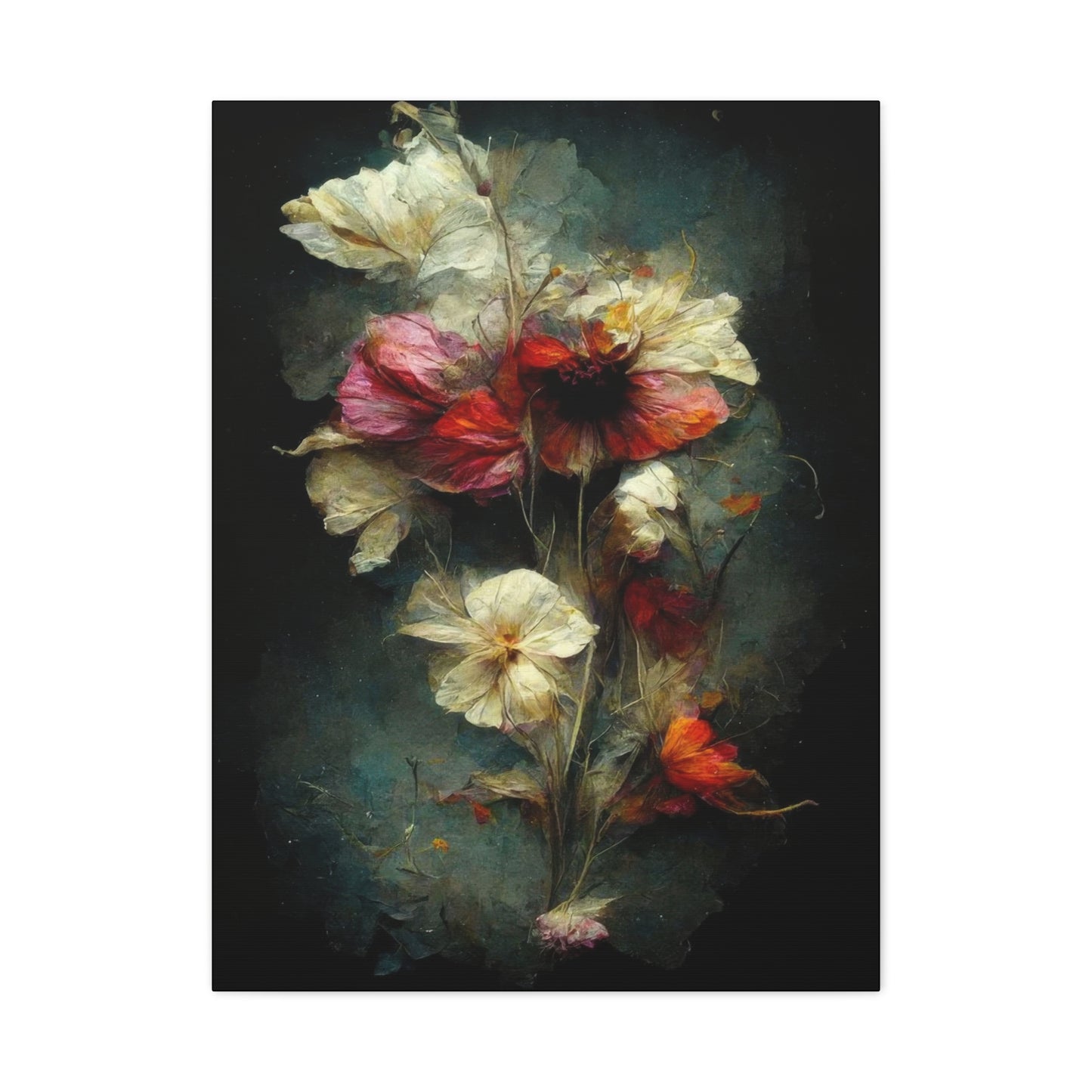
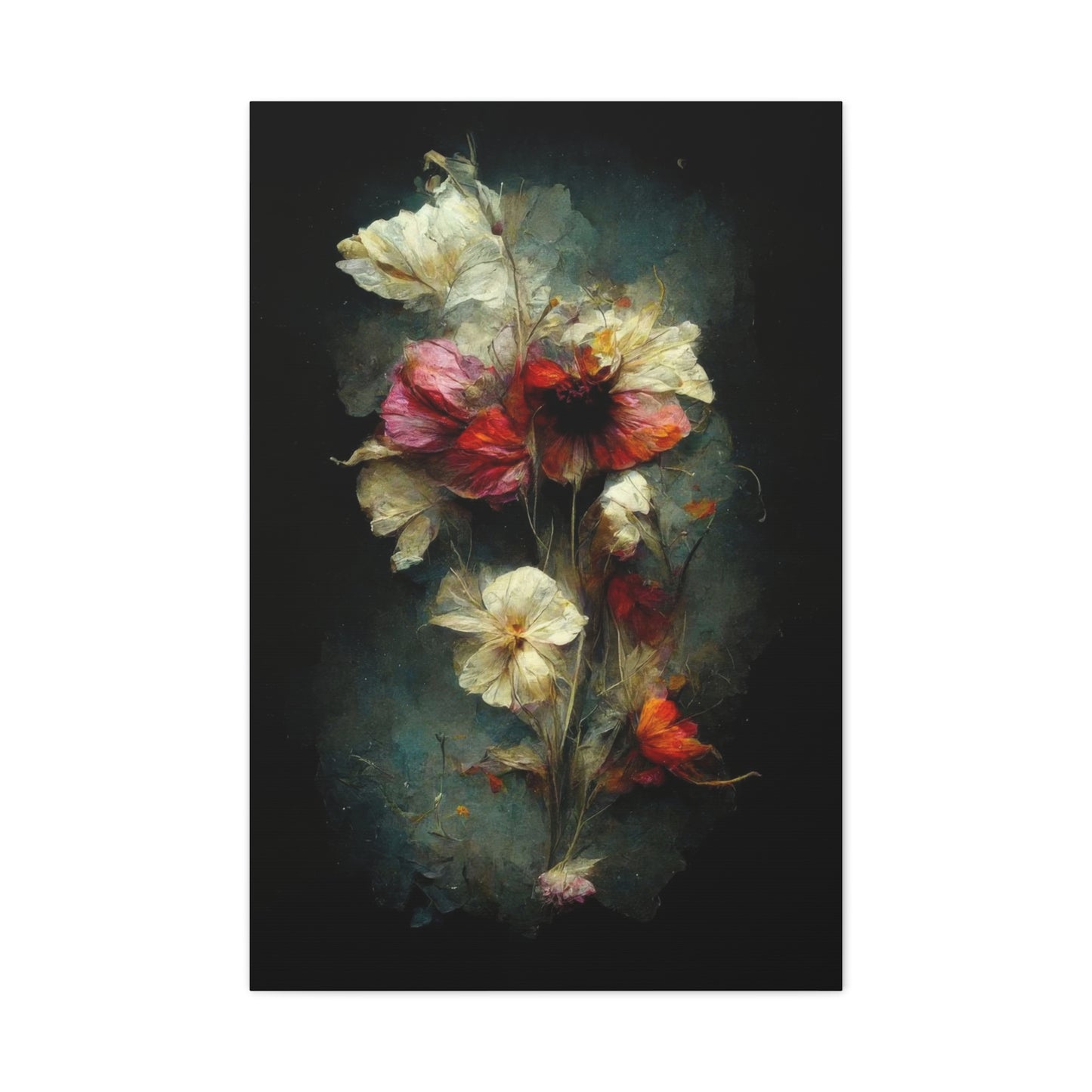
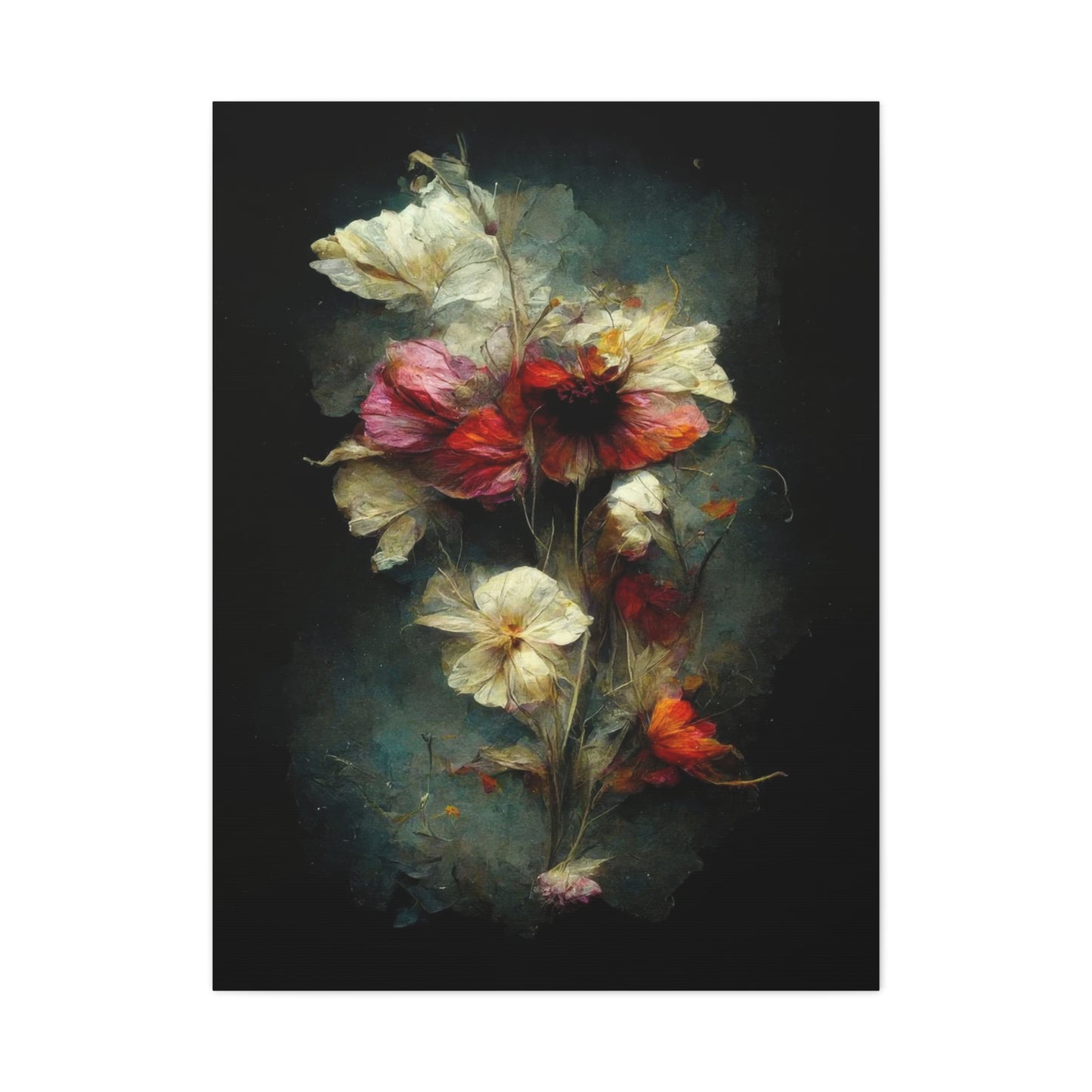
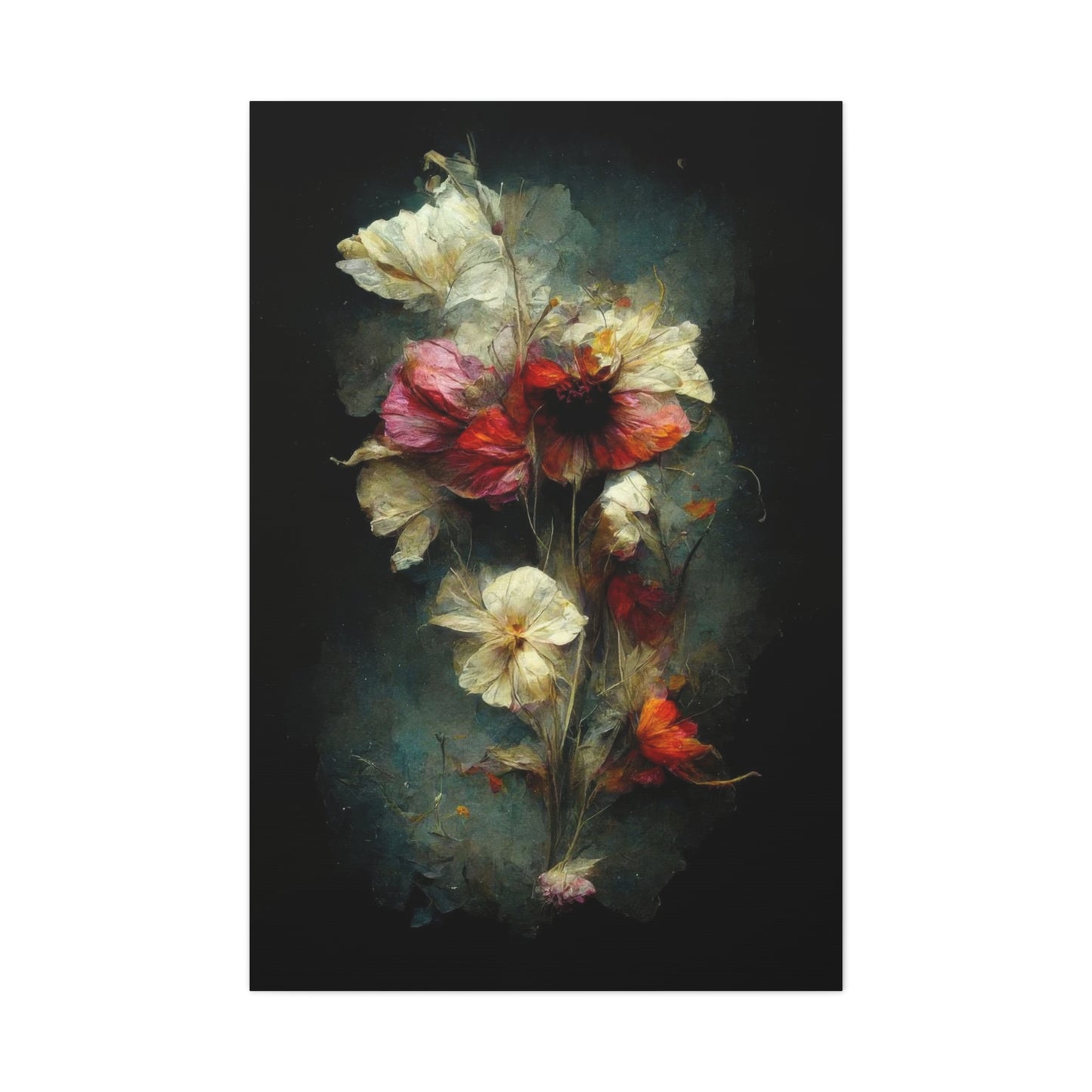
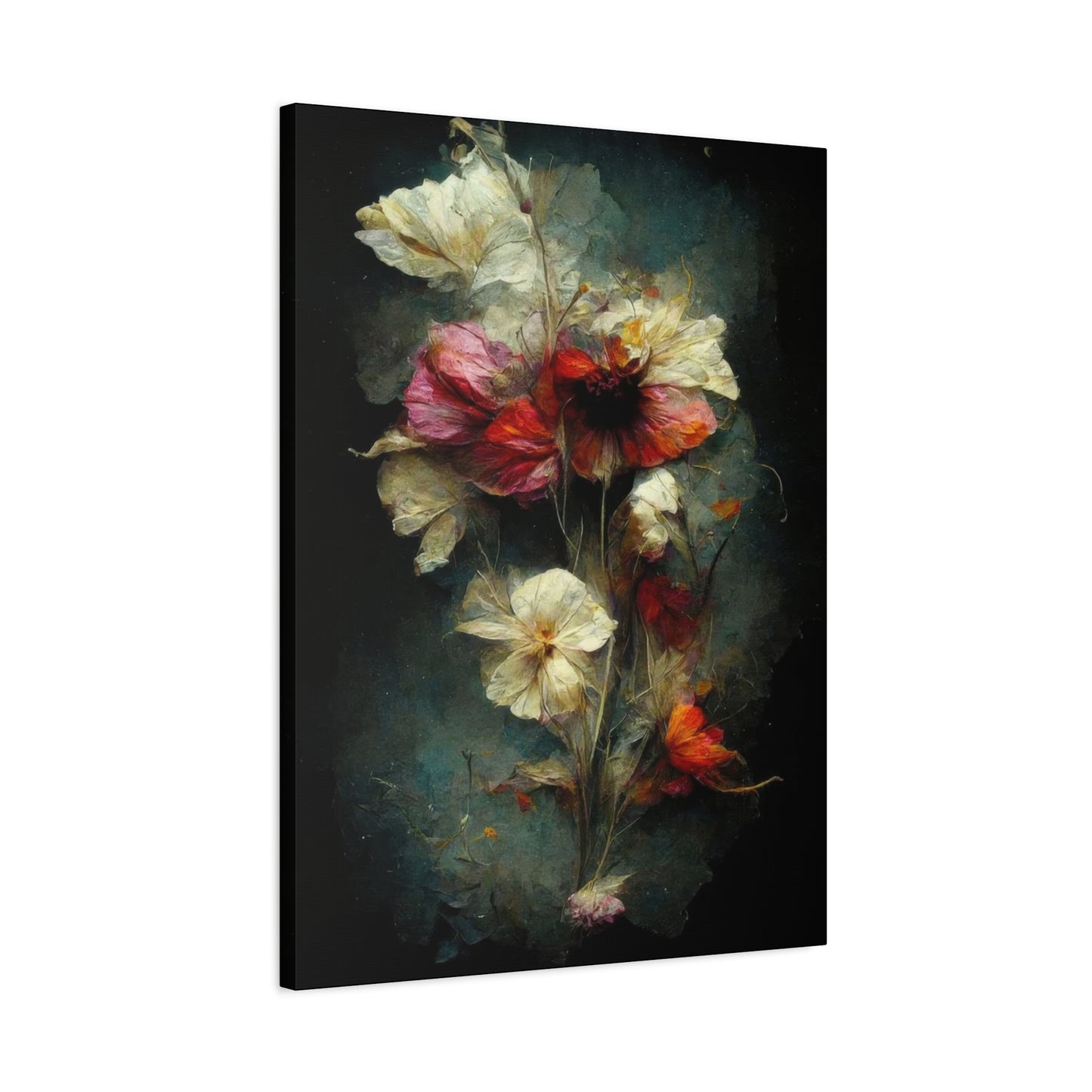
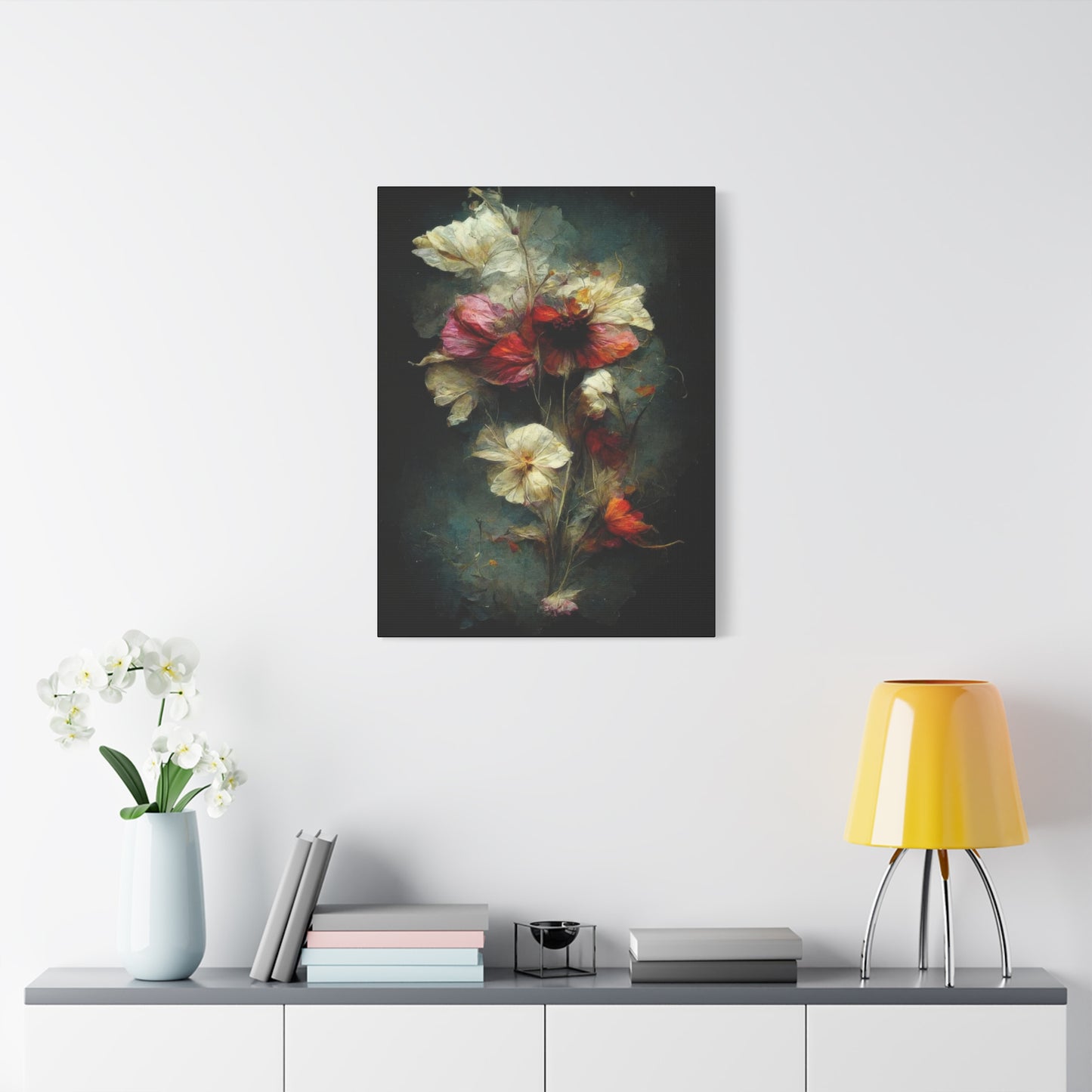
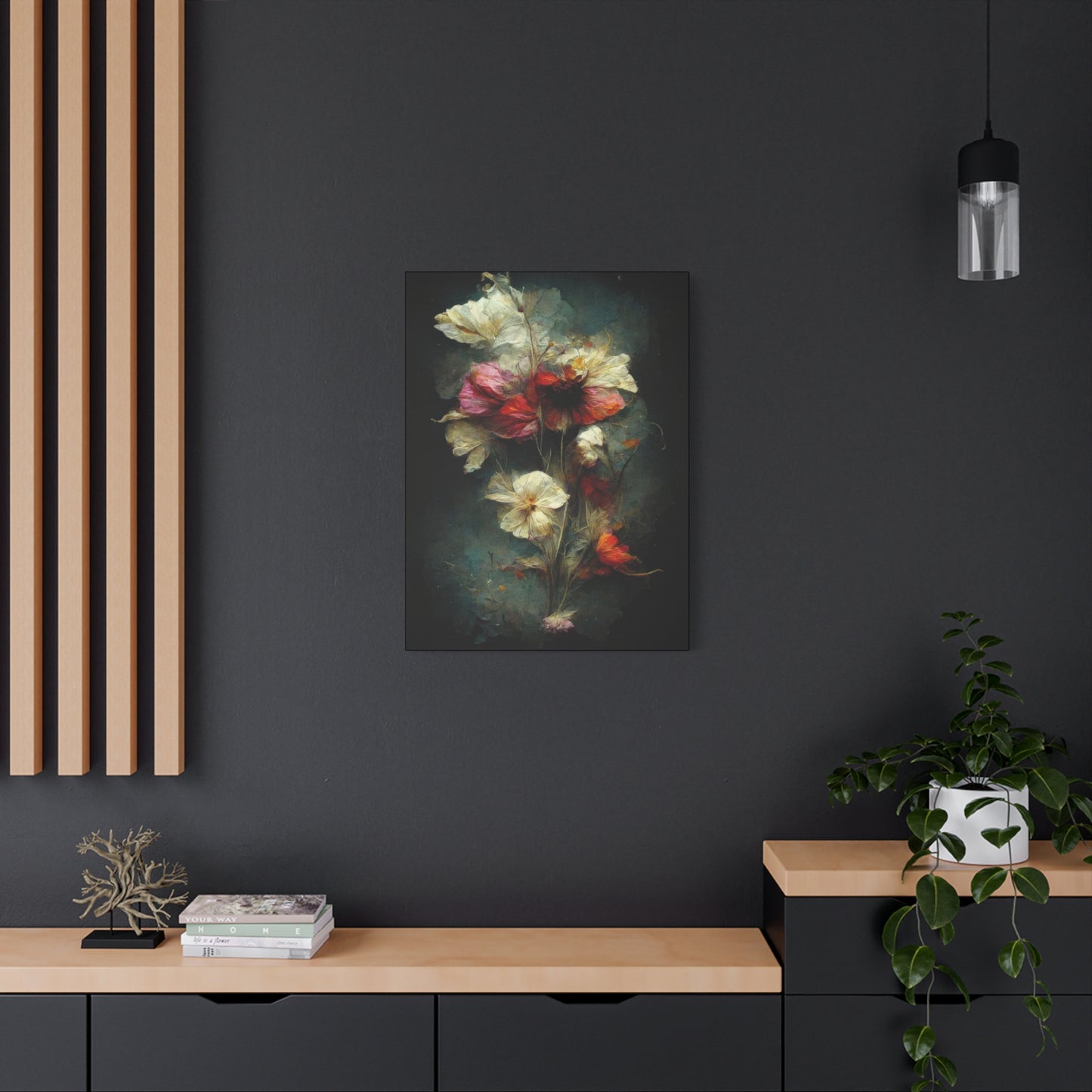
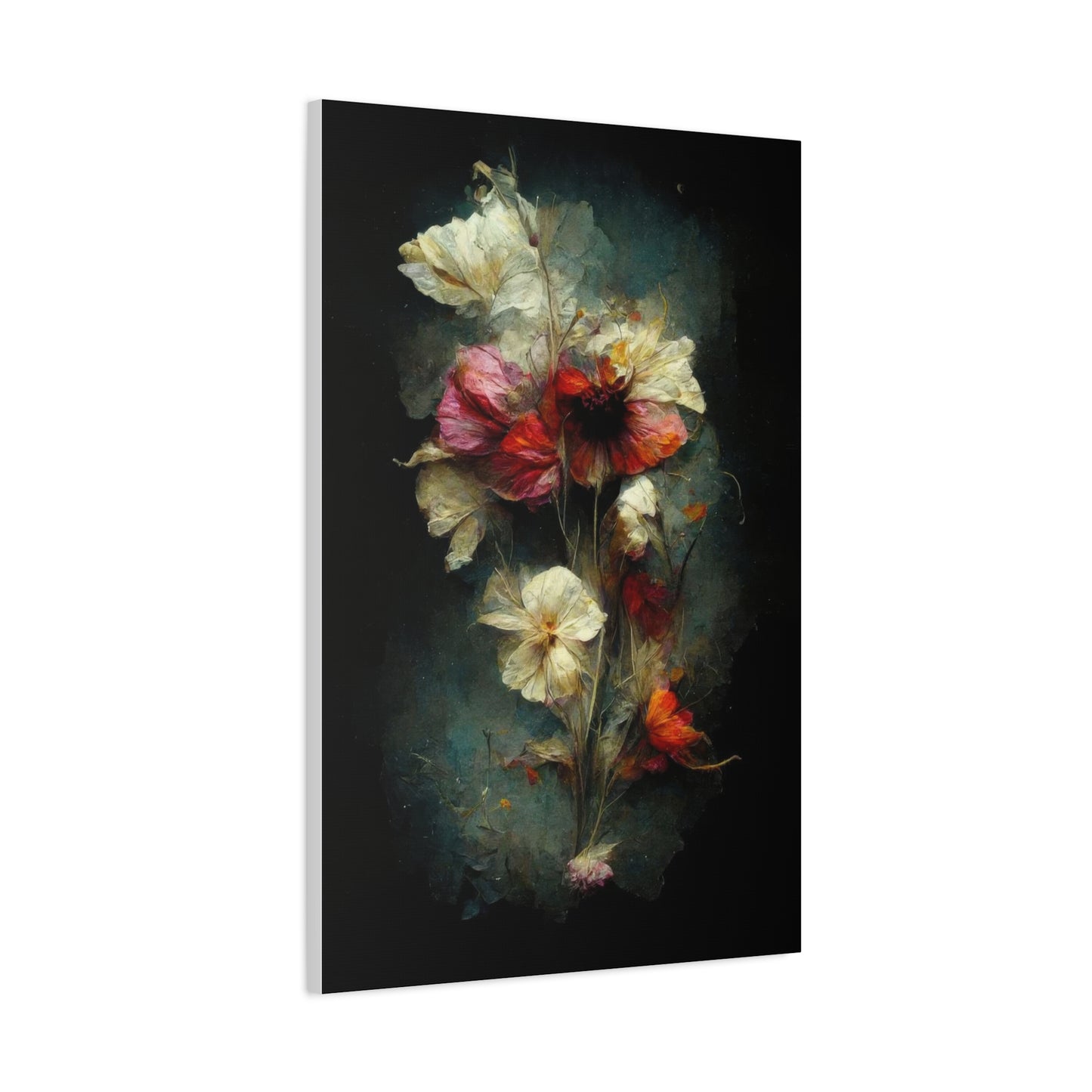
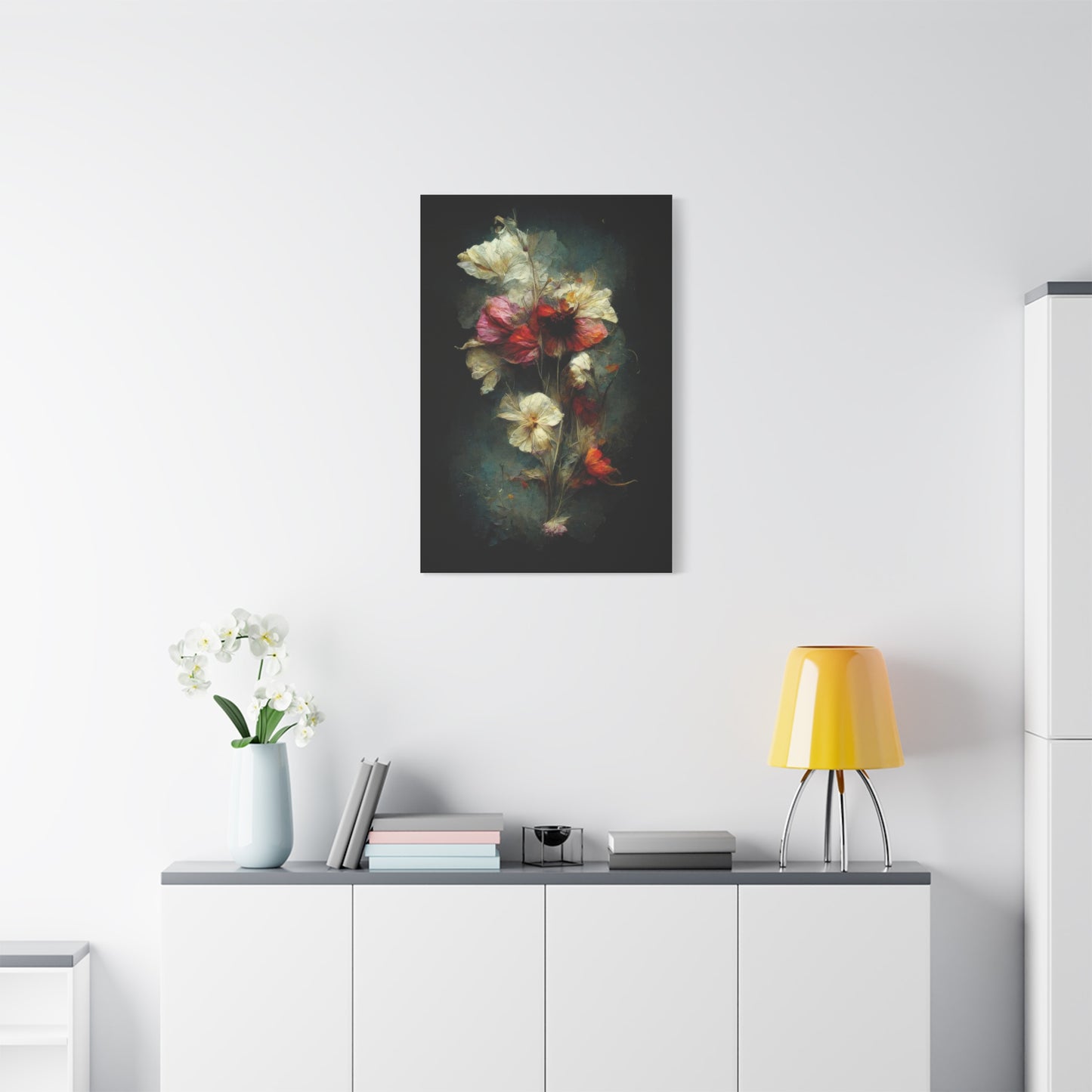
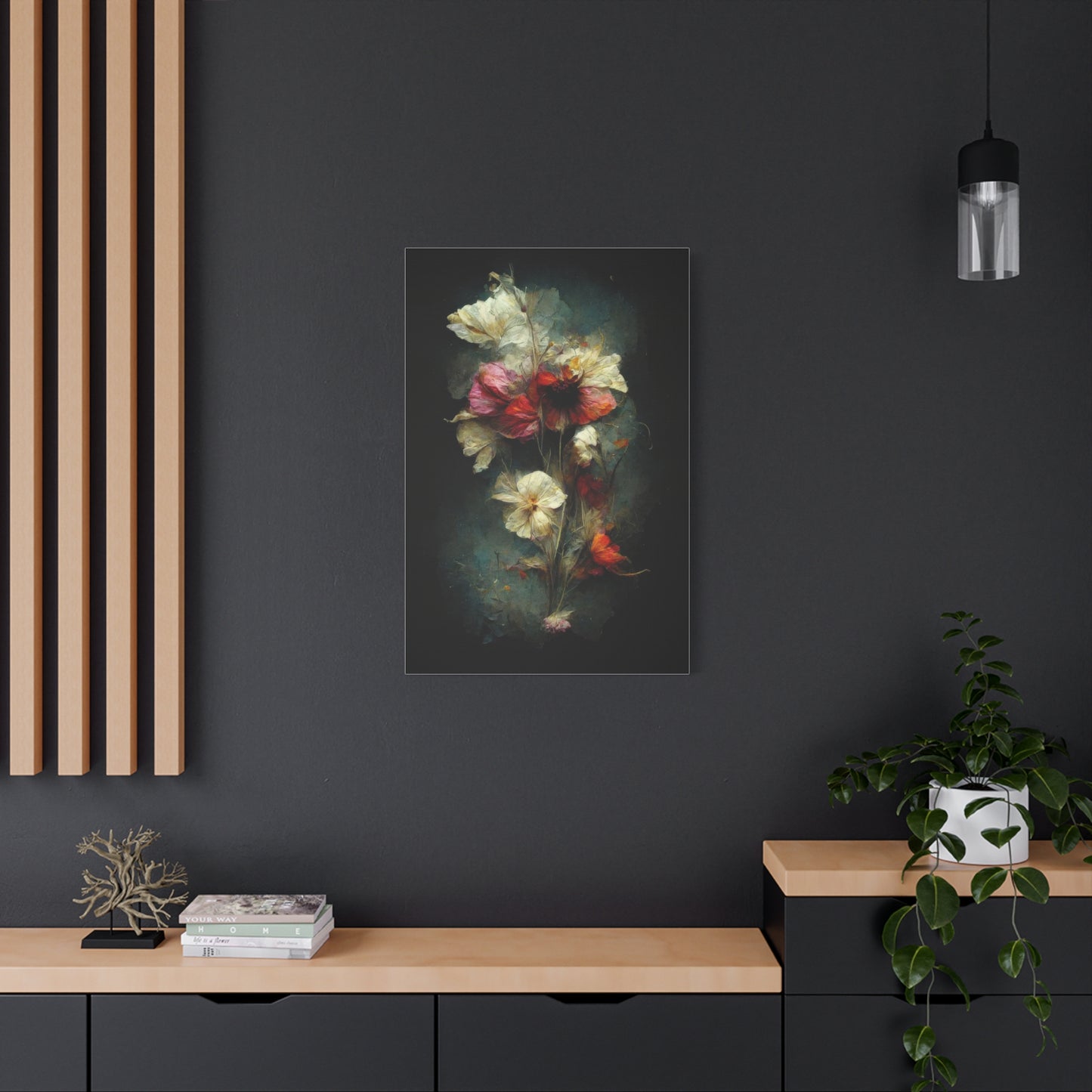
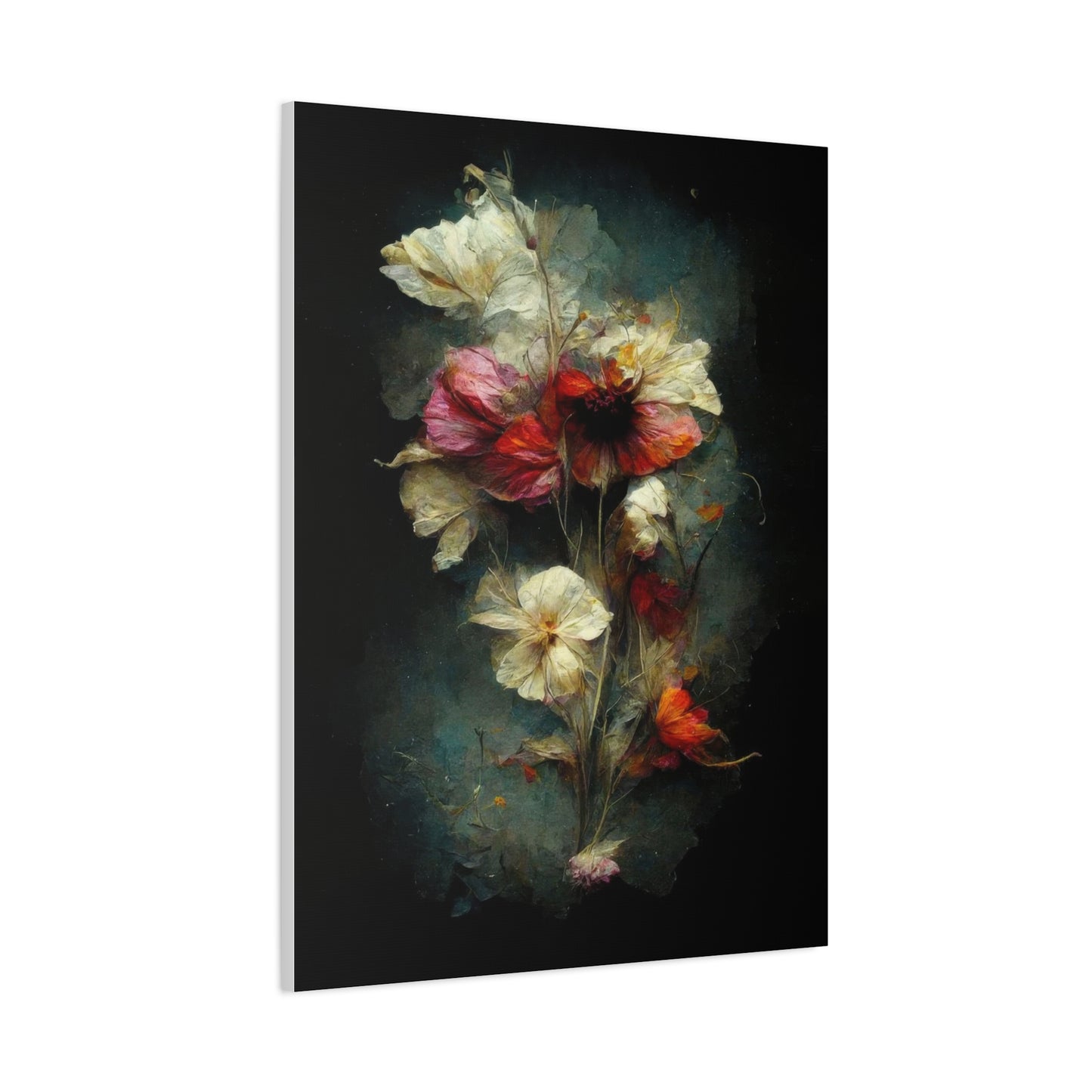
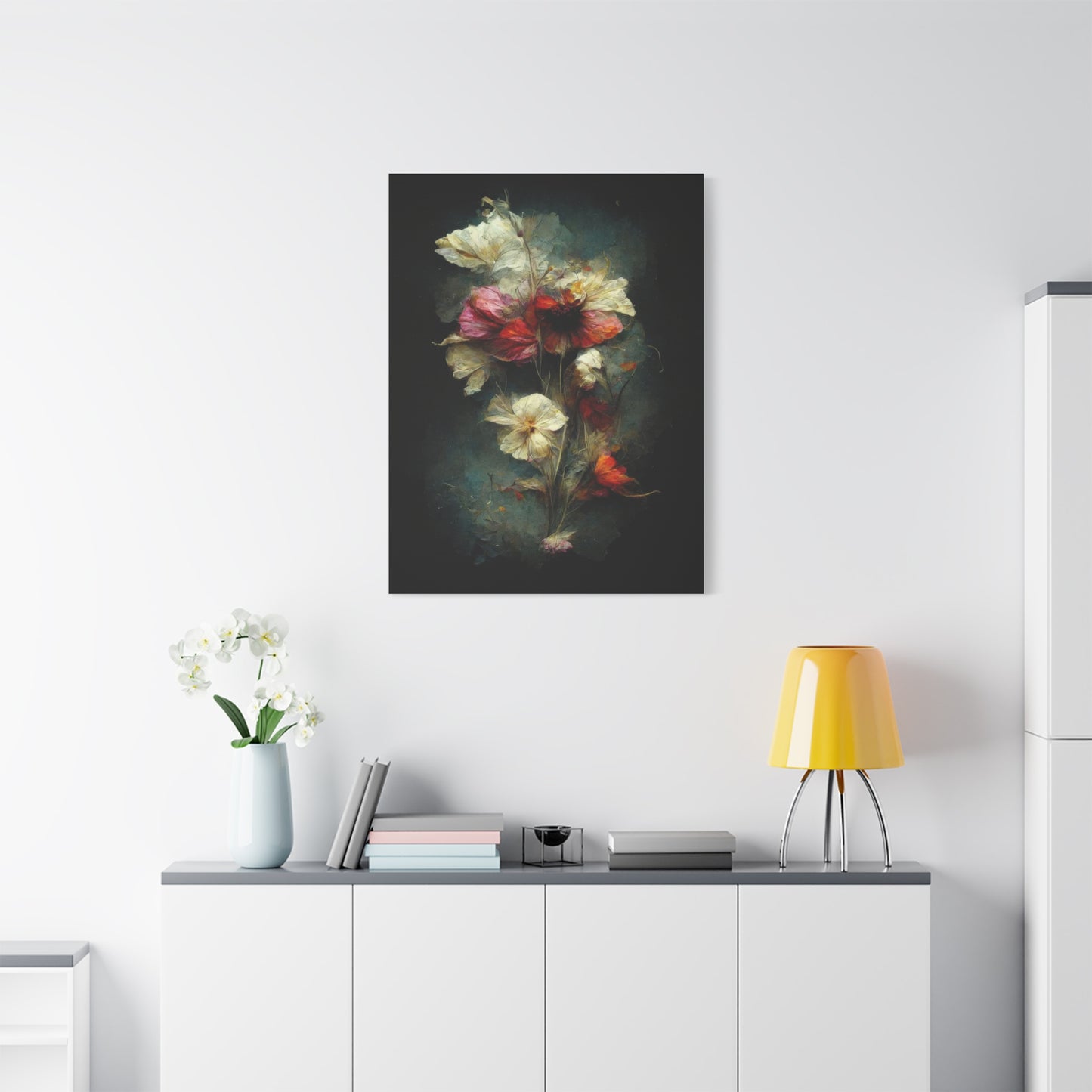
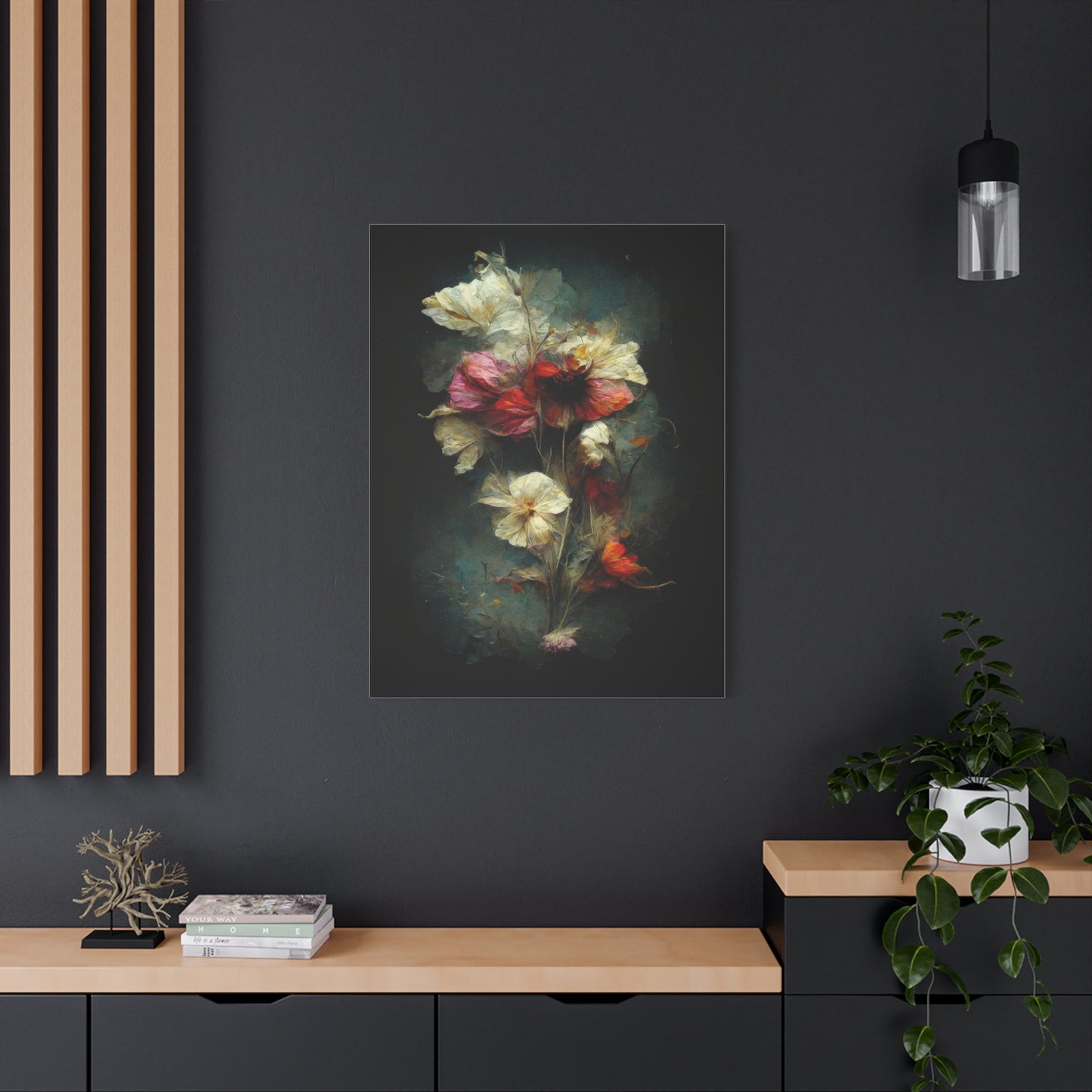
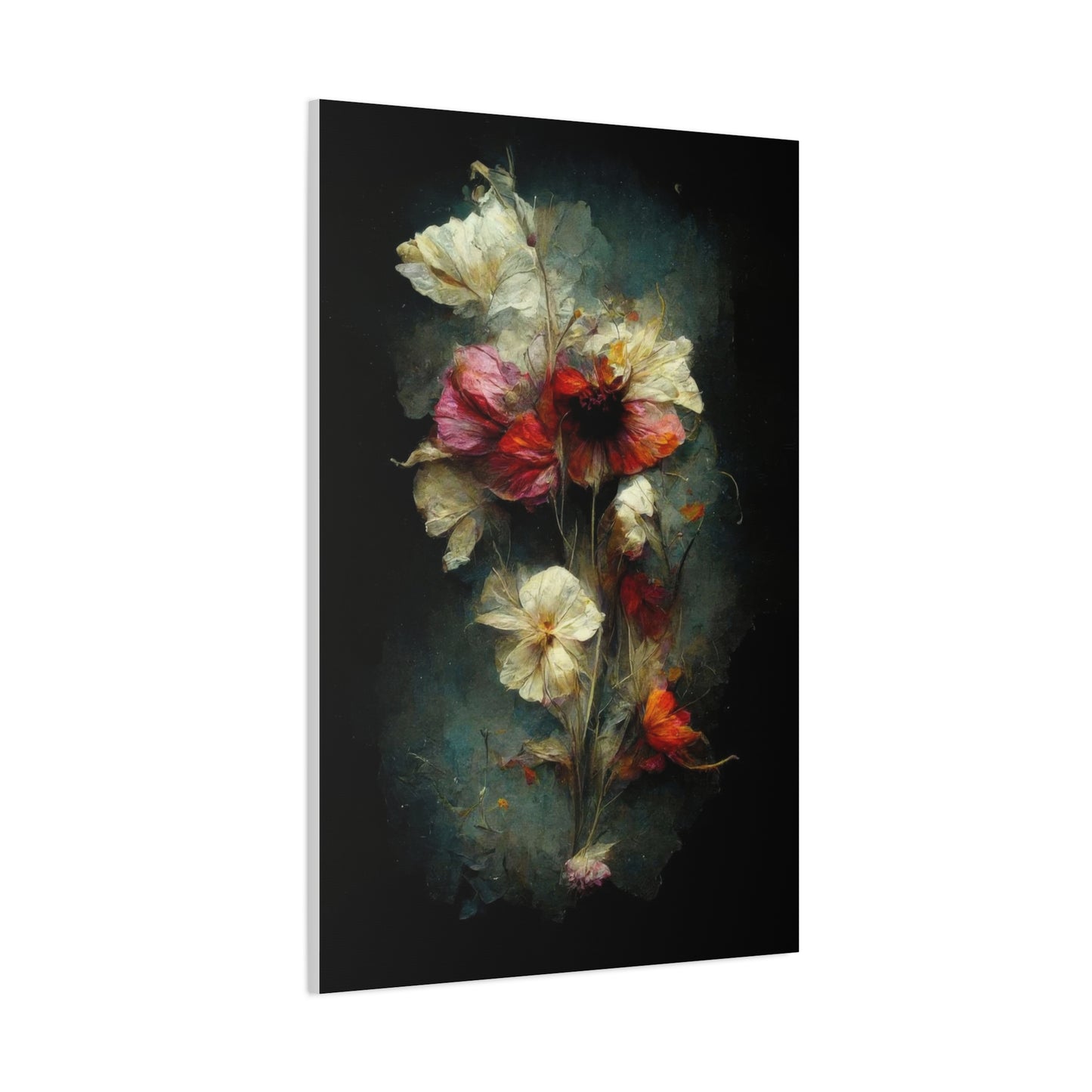
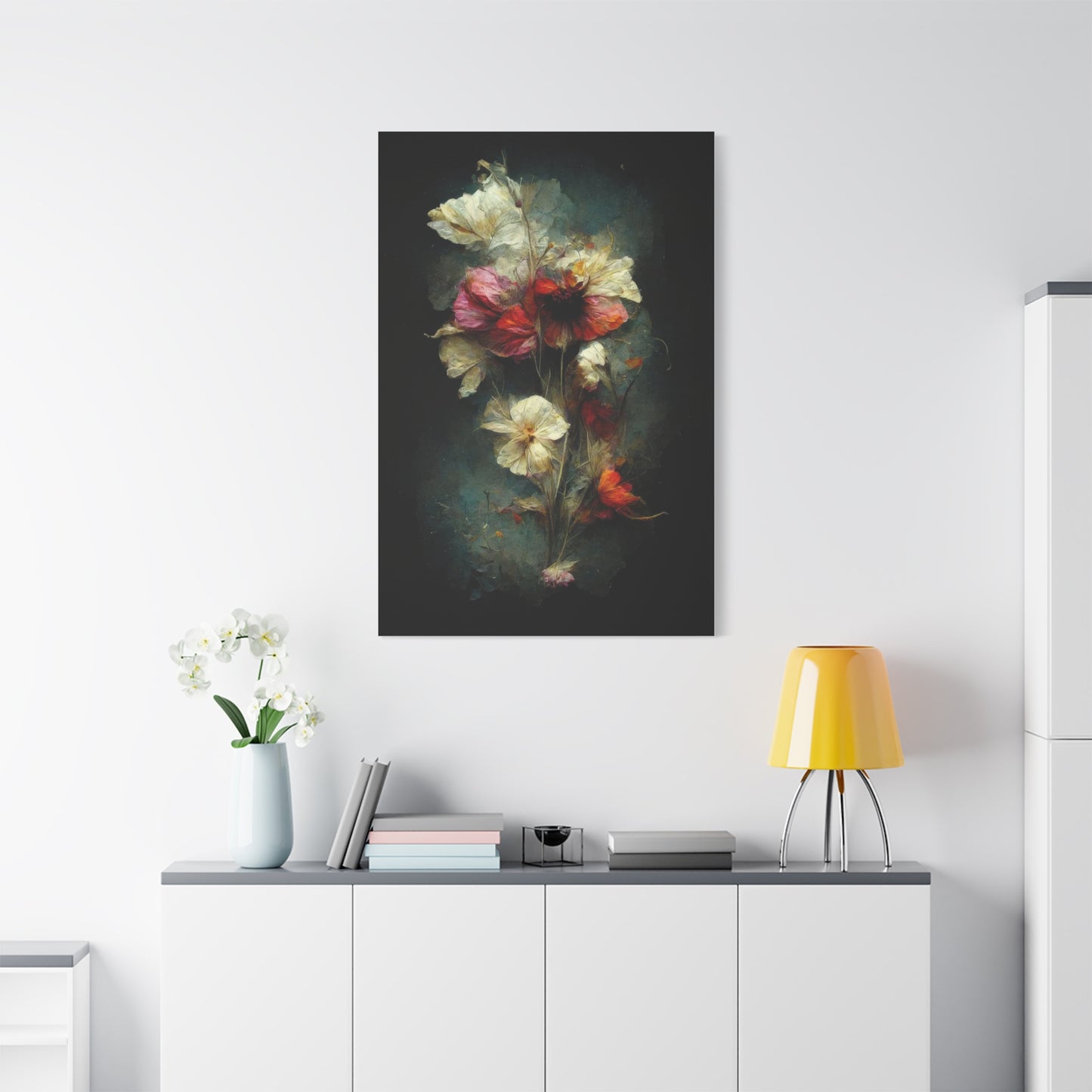
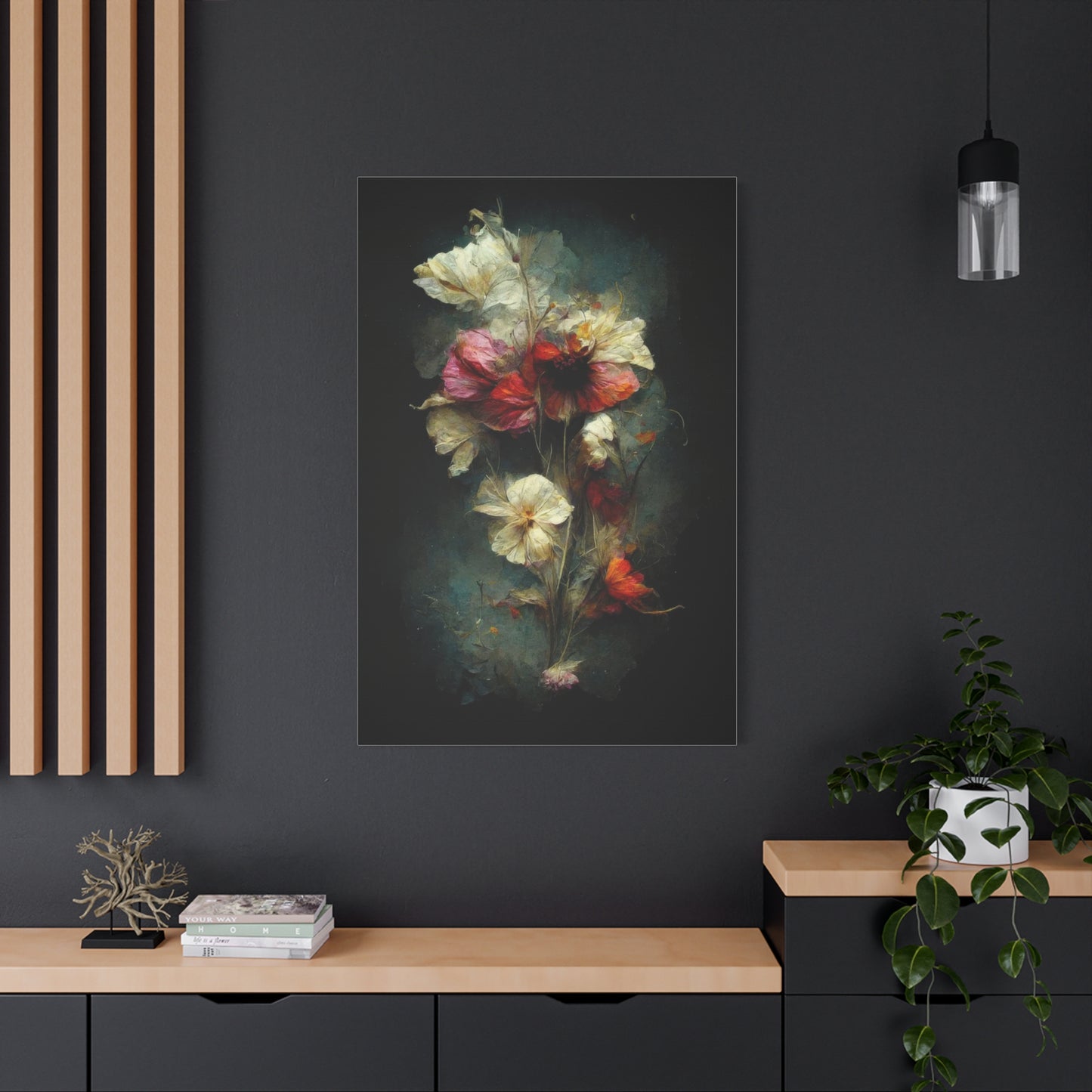
Transform Your Living Room with "Blooming Shadows Wall Art Canvas Prints" for a Refined, Nature-Inspired Look
The world of interior design has witnessed a remarkable evolution in recent years, with wall art becoming an essential element in creating personalized and aesthetically pleasing living spaces. Among the various artistic expressions available today, blooming shadows and wall art canvas prints have emerged as a sophisticated choice for homeowners and design enthusiasts seeking to infuse their environments with natural beauty and contemporary elegance. These captivating pieces combine the delicate intricacies of botanical imagery with the dramatic interplay of light and shadow, creating visual narratives that transform ordinary walls into extraordinary focal points.
The concept of blooming shadows represents more than just decorative art; it embodies a philosophy of bringing the tranquility and vitality of nature indoors while maintaining a modern aesthetic sensibility. These canvas prints capture fleeting moments of natural beauty, preserving them in formats that complement various interior design styles, from minimalist contemporary to rustic farmhouse and everything in between. The artistic technique of incorporating shadows adds depth, dimension, and an almost three-dimensional quality to floral compositions, making them appear to dance across your walls with life and movement.
Canvas prints have become the preferred medium for this artistic expression due to their versatility, durability, and ability to reproduce intricate details with stunning clarity. Unlike traditional framed prints or posters, canvas artwork offers a gallery-quality finish that elevates any space with professional polish. The texture of canvas adds another layer of visual interest, creating subtle variations in how light interacts with the printed surface throughout the day. This dynamic quality ensures that your wall art never appears static or monotonous, instead offering new discoveries and appreciation with each viewing.
Understanding the Artistic Appeal of Shadow and Light in Botanical Imagery
The fascination with botanical subjects in art stretches back centuries, with artists throughout history drawn to the organic forms, intricate patterns, and symbolic meanings found in flowers and plants. However, the contemporary approach to botanical art has evolved significantly, incorporating modern photographic techniques, digital manipulation, and innovative printing methods to create images that would have been impossible to achieve in earlier eras. The blooming shadows aesthetic specifically draws upon the interplay between positive and negative space, using shadows not merely as background elements but as integral components of the artistic composition.
When we examine what makes shadow-enhanced botanical imagery so compelling, we discover several key factors at play. First, the contrast between light and dark creates visual drama that captures attention immediately upon entering a room. This contrast guides the eye through the composition, highlighting certain elements while allowing others to recede, creating a sense of depth and dimensionality that flat imagery cannot achieve. Second, shadows introduce an element of mystery and sophistication, suggesting stories beyond what is explicitly shown and inviting viewers to engage their imagination. Third, the combination of organic floral forms with geometric shadow patterns creates a harmonious balance between the natural and the structured, appealing to our innate desire for both order and beauty.
The technical execution of blooming shadows artwork requires considerable skill and artistic vision. Photographers and digital artists must carefully consider lighting angles, background selection, composition balance, and post-processing techniques to achieve the desired effect. Natural lighting conditions are often preferred for capturing authentic shadow patterns, though studio lighting allows for greater control and consistency. The choice of flowers themselves matters tremendously, as different species offer varying levels of translucency, petal structures, and visual complexity. Delicate flowers like cherry blossoms or poppies create ethereal, almost ghostly shadows, while more substantial blooms like roses or peonies produce bold, dramatic silhouettes.
Exploring Various Styles and Interpretations of Floral Shadow Art
The beauty of blooming shadows wall art lies in its remarkable versatility and the diverse interpretations artists bring to this theme. From hyper-realistic photography that captures every delicate detail of petals and stems to abstract interpretations that reduce flowers to their essential forms and shadows to pure geometric shapes, there exists a spectrum of styles to suit every aesthetic preference and interior design vision. Understanding these variations helps in selecting pieces that will truly resonate with your personal taste and complement your existing decor.
Realistic photographic interpretations represent one end of this spectrum, featuring high-resolution images of actual flowers captured in carefully controlled lighting conditions. These pieces celebrate the intricate beauty of nature with scientific precision, revealing details often overlooked in casual observation. The veining of petals, the texture of stamens, the subtle color gradations within a single bloom all become visible and celebrated. When paired with dramatic shadows, these realistic representations gain an artistic quality that transcends mere documentation, becoming contemplative studies in form, light, and natural architecture.
Moving along the spectrum, we encounter stylized interpretations where artists maintain recognizable floral forms but apply filters, color adjustments, or digital enhancements to create more painterly effects. These pieces might feature heightened color saturation, selective focus that blurs certain elements while sharpening others, or overlay techniques that create dreamy, romantic atmospheres. The shadows in these works often receive artistic treatment as well, perhaps sharpened for graphic impact or softened for ethereal effect. This middle ground between realism and abstraction appeals to those seeking art that feels both grounded in nature and elevated by creative vision.
Abstract interpretations push the boundaries further, using flowers and their shadows as jumping-off points for explorations in shape, color, and composition that may barely resemble their botanical origins. Silhouettes might be fragmented, multiplied, or distorted. Colors might shift from naturalistic palettes to bold, unexpected combinations. Negative space might become as important as the positive forms, creating dynamic tension and visual intrigue. These abstract pieces work particularly well in contemporary and minimalist interiors where artistic boldness is celebrated and conventional representations might feel too traditional or expected.
The Technical Superiority of Canvas as an Artistic Medium
When considering wall art options, the choice of medium significantly impacts both the aesthetic result and the longevity of your investment. Canvas has emerged as the preferred substrate for serious art collectors and casual decorators alike, and this preference is rooted in numerous practical and aesthetic advantages. Understanding what makes canvas superior helps appreciate why blooming shadows artwork presented on canvas delivers such exceptional visual impact and lasting value.
The physical properties of canvas contribute significantly to its appeal. Unlike paper-based prints that can appear flat and lifeless, canvas possesses a distinctive texture created by the woven fabric structure. This texture catches and reflects light in subtle ways that change throughout the day as natural lighting conditions shift. The result is artwork that appears alive and dynamic rather than static and unchanging. This textural quality also adds a tactile dimension that engages multiple senses, making the artwork feel more substantial and present in your space.
Canvas stretched over wooden frames creates a three-dimensional object that projects from the wall rather than lying flat against it. This depth creates natural shadowing around the edges of the piece itself, adding to the overall aesthetic while eliminating the need for bulky frames that can detract from the artwork. Many canvas prints are designed to wrap around the edges of the stretcher frame, creating a finished appearance from all angles and allowing the piece to be hung without additional framing. This gallery-wrap technique has become increasingly popular because it presents the artwork in its purest form, uninterrupted by borders or glass that can create glare or distance the viewer from the image.
The durability of canvas significantly exceeds that of paper prints or posters. High-quality canvas made from cotton or polyester blends resists tearing, sagging, and deterioration over time when properly cared for. The printed surface accepts protective coatings that shield against UV fading, moisture damage, and everyday wear. These protective treatments allow canvas prints to maintain their vibrant colors and sharp details for decades, making them genuine long-term investments rather than temporary decorative solutions. This longevity proves particularly important for botanical artwork where color accuracy and detail preservation are essential to the overall impact.
Its Role in Floral Wall Art Selection
The colors present in your chosen wall art exert profound psychological effects on the atmosphere and emotional tenor of your living spaces. Color psychology, the study of how different hues influence human emotion and behavior, provides valuable guidance when selecting blooming shadows artwork that will serve specific purposes within your home. Understanding these principles allows you to make informed decisions that go beyond simple aesthetic preference to create environments that actively support your wellbeing and lifestyle goals.
Warm colors such as reds, oranges, and yellows evoke feelings of energy, passion, and optimism. Blooming shadows artwork featuring flowers in these warm palettes can invigorate spaces where activity and social interaction are priorities. A dining room adorned with vibrant poppy prints in scarlet tones encourages lively conversation and appetites, while a home office featuring sunny yellow daffodils with crisp shadows might boost creativity and maintain alertness during long working hours. These warm hues command attention and create focal points that draw people into rooms and encourage engagement with the space.
Cool colors including blues, greens, and purples promote calmness, relaxation, and contemplation. These hues work beautifully in bedrooms, bathrooms, and reading nooks where tranquility is desired. Imagine ethereal lavender sprigs casting gentle shadows across a spa-like bathroom, or delicate blue hydrangeas creating a peaceful atmosphere in a bedroom sanctuary. The cooling effect of these colors actually has physiological impacts, potentially lowering heart rate and reducing stress responses. When combined with the organic forms of botanical subjects and the artistic sophistication of shadow work, cool-toned pieces create havens of serenity within your home.
Neutral tones such as blacks, whites, grays, and earth tones offer versatility and timeless elegance. Blooming shadows artwork rendered in monochromatic or neutral palettes brings all the visual interest of composition, texture, and form without introducing strong color statements. These pieces work exceptionally well in minimalist interiors where color is carefully controlled, or in spaces where the artwork should complement rather than compete with bold furniture or accent pieces. Black and white botanical prints with dramatic shadows possess a classic sophistication that transcends temporary design trends, ensuring your investment remains stylistically relevant for years to come.
Incorporating Multiple Canvas Pieces for Maximum Visual Impact
While a single statement piece can certainly transform a wall, arranging multiple canvas prints in thoughtful compositions amplifies the impact and allows for greater creative expression. The art of creating gallery walls or coordinated groupings requires understanding basic design principles regarding spacing, alignment, and visual balance. When executed successfully, multi-piece installations become more than the sum of their parts, creating cohesive visual narratives that guide viewers through intentional aesthetic journeys.
Triptych arrangements featuring three related canvas prints in horizontal alignment offer a classic approach that works well above sofas, beds, or console tables. For blooming shadows artwork, a triptych might follow the progression of a single flower from bud to full bloom to seed head, each stage captured with its corresponding shadow. Alternatively, three different flowers in complementary colors might be united by consistent shadow treatment and background tones. The spacing between panels matters considerably; too close and they read as a single interrupted image, too far and the relationship becomes unclear. Most designers recommend gaps of two to four inches between panels for optimal visual cohesion.
Grid arrangements featuring four, six, or nine pieces in symmetrical layouts create structured, contemporary displays with strong visual impact. This approach works particularly well with botanical subjects that share consistent styling, color palettes, and shadow treatments. Imagine a three-by-three grid of different blooms, each rendered in monochromatic black and white with dramatic shadows, creating a sophisticated botanical study that fills a large wall space with intention and purpose. The repetition of similar compositional elements across multiple pieces creates rhythm and harmony, while the variation in specific subjects maintains visual interest and prevents monotony.
Asymmetrical salon-style arrangements offer more casual, eclectic aesthetics that work beautifully in bohemian, transitional, or maximalist interiors. This approach mixes pieces of different sizes, orientations, and sometimes even styles, arranged in seemingly organic but actually carefully planned compositions. The key to successful salon walls lies in maintaining some unifying elements whether consistent color palettes, similar frame depths, or related subject matter while allowing enough variation to create visual excitement. For blooming shadows artwork, you might combine large statement pieces featuring prominent flowers with smaller accent pieces showing delicate stems or abstract shadow patterns, creating layers of visual discovery.
Considerations for Optimal Room Proportions and Visual Balance
Selecting appropriately sized wall art represents one of the most critical decisions in successful interior decorating, yet it frequently proves challenging for homeowners who struggle to visualize how pieces will appear once installed. Blooming shadows canvas prints are available in extensive size ranges from intimate eight-by-ten-inch pieces suitable for gallery walls to oversized sixty-by-forty-inch statement works that command entire walls. Understanding the relationship between artwork size, wall dimensions, and furniture placement ensures your selections enhance rather than overwhelm or underwhelm your spaces.
The two-thirds rule provides a reliable starting point for sizing decisions. When hanging artwork above furniture pieces like sofas, beds, or console tables, the width of the art should measure approximately two-thirds to three-quarters the width of the furniture beneath it. This proportion creates visual harmony and appropriate scale relationships. For a standard seventy-two-inch sofa, this guideline suggests artwork spanning forty-eight to fifty-four inches in width. This can be achieved with a single large canvas or through multiple pieces arranged horizontally. The principle applies vertically as well; artwork should occupy roughly two-thirds of the available wall height in the space above the furniture and below the ceiling.
Wall size and room dimensions also influence appropriate canvas sizes. In spacious rooms with high ceilings, small pieces disappear and fail to make adequate visual impact. Large-scale canvases measuring three feet or more in any dimension work better in these generous spaces, filling proportional amounts of wall real estate and holding their own against the room's volume. Conversely, oversized pieces in small rooms can feel oppressive and claustrophobic, dominating the space uncomfortably. In compact rooms, consider medium-sized pieces in the twenty-four to thirty-six-inch range, or create impact through carefully arranged collections of smaller works rather than single massive statements.
Viewing distance plays an often-overlooked role in size selection. Artwork in spaces where viewers typically stand relatively close, such as hallways or reading nooks, can be smaller since details remain visible at near distances. However, pieces in rooms where viewing occurs from across the space, such as living rooms where you observe the art from the opposite seating area, need sufficient size to maintain visual presence and allow appreciation of details. For blooming shadows artwork where fine details like petal textures and subtle shadow gradations contribute significantly to the overall effect, ensuring adequate size relative to viewing distance preserves the intended artistic impact.
The Relationship Between Canvas Art and Overall Interior Design Themes
Successful interior design relies on cohesion and intentionality, with each element contributing to an overall aesthetic vision. Blooming shadows wall art possesses remarkable versatility, adapting to various design themes when selected with awareness of how different styles, colors, and compositions align with broader decorating philosophies. Understanding these relationships enables you to choose pieces that feel integrated and purposeful rather than arbitrary or disconnected from your space's character.
Modern and contemporary interiors characterized by clean lines, minimal ornamentation, and focus on form and function benefit from blooming shadows artwork with similar aesthetic priorities. Look for pieces featuring simple compositions with strong geometric shadow elements, limited color palettes, and ample negative space. Monochromatic interpretations or works with single bold accent colors against neutral backgrounds complement modern furniture and architectural features. Large-scale pieces make powerful statements in these pared-down environments where every element receives attention, while the organic curves of botanical subjects provide appealing contrast to the angular lines typical of contemporary design.
Traditional and classic interiors featuring rich woods, elegant fabrics, and timeless furnishings pair beautifully with more romantic interpretations of floral shadow art. Look for pieces with lush, full blooms like roses, peonies, or hydrangeas, rendered in rich color palettes with sophisticated shadow work that adds depth without excessive drama. These pieces might incorporate subtle vintage filters or painterly effects that echo the timeless quality of traditional decor. Frames or framing techniques that add ornamental borders can enhance the classical feeling, though gallery-wrapped canvas maintains elegance while feeling more contemporary even in traditional settings.
Rustic and farmhouse styles emphasizing natural materials, weathered finishes, and comfortable simplicity welcome botanical artwork that celebrates the authenticity of nature. Blooming shadows prints featuring wildflowers, herbs, or garden flowers captured in natural lighting conditions align well with this aesthetic. Consider pieces with visible canvas texture, perhaps even intentionally distressed edges for added rustic character. Neutral and earthy color palettes in beiges, soft greens, and muted florals complement the organic feel of farmhouse interiors. Arrangements of multiple smaller canvases in casual groupings rather than formally precise alignments enhance the relaxed, lived-in quality central to this design philosophy.
Rotation Strategies for Year-Round Interior Refreshment
One of the advantages of canvas prints over permanent installations like murals or built-in features lies in their portability and ease of changing. Developing a seasonal rotation strategy for your wall art allows you to refresh your interior environment throughout the year, keeping spaces feeling current and responsive to changing seasons and personal moods. For those who invest in blooming shadows artwork, this approach maximizes the enjoyment of multiple pieces while preventing visual fatigue that can occur when living with the same images continuously.
Spring calls for artwork celebrating renewal, growth, and the vibrant energy of nature awakening. This season welcomes blooming shadows prints featuring delicate blossoms like cherry flowers, tulips, daffodils, and magnolias. Soft pastels, fresh greens, and bright sunny yellows capture the essence of spring, while shadow work that emphasizes lightness and airiness rather than heavy drama complements the season's hopeful character. Consider pieces where shadows appear as gentle silhouettes against bright backgrounds, suggesting morning light and new beginnings. These selections create environments that feel fresh, optimistic, and perfectly aligned with the natural world's seasonal transformation.
Summer invitations call for bolder, more saturated expressions of botanical beauty. Vibrant sunflowers, tropical hibiscus, dramatic dahlias, and lush garden roses in full bloom capture summer's abundance and intensity. Rich color palettes featuring deep reds, brilliant oranges, hot pinks, and verdant greens reflect the season's vitality. Shadow work can be more dramatic during summer months, with strong contrasts that mirror the bright sunlight and deep shade characteristic of summer days. These pieces energize spaces and celebrate the peak of growing season when nature displays its most extravagant beauty.
Autumn transitions bring opportunities for warmer, more contemplative artwork. Look for blooming shadows prints in harvest palettes featuring burgundies, burnt oranges, golden yellows, and rich browns. Flowers like chrysanthemums, marigolds, and asters that actually bloom in fall make seasonally appropriate subjects, while earlier flowers rendered in autumnal color treatments also work beautifully. Shadow work that emphasizes depth and dimensionality suits autumn's introspective quality. As days shorten and indoor time increases, artwork that creates cozy, welcoming atmospheres becomes especially valuable, helping maintain positive moods despite decreasing natural light.
Installation Techniques and Best Practices for Canvas Displays
Proper installation is essential to showcase your blooming shadows canvas prints effectively while protecting both your artwork and walls. While hanging canvas might seem straightforward, attention to technical details ensures professional results that maximize visual impact and longevity. Understanding correct hanging heights, hardware selection, wall preparation, and leveling techniques transforms artwork installation from a frustrating chore into a satisfying completion of your decorating vision.
Height placement significantly affects how comfortably viewers engage with artwork. The standard museum practice of placing the center of artwork at fifty-seven to sixty inches from the floor at eye level for average-height adults provides an excellent starting point. However, this guideline requires adjustment based on specific circumstances. In rooms where viewers are typically seated, such as dining rooms or living rooms, slightly lower placement ensures comfortable viewing from seated positions. Above furniture, artwork should hang with its lower edge approximately six to eight inches above the furniture top, creating visual connection while maintaining appropriate separation.
Hardware selection depends on both canvas weight and wall type. Most canvas prints include hanging hardware, typically D-rings or sawtooth hangers attached to the wooden stretcher frame. For drywall installation, standard picture hooks rated for appropriate weight provide adequate support for small to medium pieces. Larger, heavier canvases require wall anchors or mounting directly into wall studs for security. For plaster, concrete, or brick walls, specialized hardware including masonry anchors ensures safe mounting. Always verify the weight rating of hanging hardware exceeds your canvas weight, ideally by a comfortable margin for added security and peace of mind.
Leveling ensures your artwork appears professionally installed rather than hastily hung. A small bubble level specifically designed for picture hanging proves invaluable for achieving perfect horizontal alignment. For multi-piece installations, marking all hanging points in advance with painter's tape or light pencil marks prevents measuring errors that become permanent once holes are drilled. Many installers create paper templates matching the sizes of their canvases, arranging these on the wall with removable tape to preview the final layout before committing to hardware installation. This extra step prevents costly mistakes and ensures satisfaction with the final arrangement.
Maintenance and Care for Long-Term Preservation of Canvas Artwork
Investing in quality blooming shadows canvas prints deserves follow-through with proper maintenance practices that preserve their beauty and integrity for decades. Unlike traditional framed prints protected behind glass, canvas artwork has more direct exposure to environmental factors, making informed care essential. Fortunately, canvas proves remarkably durable when treated with appropriate respect and attention, rewarding your minimal efforts with lasting enjoyment.
Dust accumulation represents the most common maintenance concern for canvas artwork. Regular light dusting using a soft, dry microfiber cloth or duster prevents buildup that can dull colors and obscure fine details over time. Always dust gently in the direction of the canvas weave rather than against it, using light strokes without pressure that might damage the printed surface. For pieces in particularly dusty environments, more frequent attention prevents accumulation that becomes harder to remove once embedded in the canvas texture. Monthly dusting typically suffices for most homes, though high-traffic areas or homes with pets might require more frequent care.
Avoiding direct sunlight exposure protects canvas prints from the primary cause of premature fading. While quality canvas prints receive UV-protective coatings during manufacture, these treatments delay rather than completely prevent fading from prolonged sun exposure. Position artwork away from windows receiving direct sunlight, or use window treatments to filter harmful UV rays during peak sun hours. If display in sunny locations is unavoidable, consider rotating pieces periodically so any subtle fading occurs evenly across your collection rather than concentrating on specific works. Artificial lighting causes less damage than direct sunlight, though avoiding placement directly under intense spotlights remains advisable.
Humidity control matters more than many homeowners realize. Excessive humidity can cause canvas to sag or develop mildew, while extremely dry conditions may lead to brittleness. Maintaining relative humidity between forty and sixty percent protects canvas artwork along with wooden furniture and other home elements sensitive to moisture fluctuations. In particularly humid climates, ensuring adequate ventilation and possibly using dehumidifiers prevents problems before they develop. Similarly, avoid hanging canvas in bathrooms or other high-moisture environments unless specifically treated for such conditions. Temperature stability also contributes to longevity, with moderate, consistent conditions preferred over dramatic fluctuations.
Creating Thematic Cohesion Across Different Rooms in Your Home
While each room in your home possesses unique functions and perhaps distinct design personalities, creating threads of thematic cohesion throughout your space produces a polished, intentional overall impression. Blooming shadows canvas prints offer excellent vehicles for this design strategy, allowing you to maintain consistent aesthetic elements while varying specific implementations to suit different spaces. This approach creates homes that feel curated and thoughtful rather than haphazardly assembled from unrelated elements.
Color consistency provides one of the most effective methods for creating flow between spaces. Selecting blooming shadows artwork that shares a common color palette even while featuring different flowers, compositions, or sizes creates visual relationships that guide the eye smoothly from room to room. For example, pieces featuring various flowers all rendered in shades of blue, gray, and white create cohesion while allowing for diversity in specific subjects and arrangements. This color thread might begin with dramatic navy shadows in an entry way, continue with softer powder blue florals in living spaces, and culminate in crisp white blossoms with subtle gray shadows in bedrooms.
Stylistic consistency offers another approach to thematic cohesion. Maintaining similar artistic treatments across your collection whether realistic photography, painterly effects, or abstract interpretations creates recognizable continuity even when colors and subjects vary. A home decorated entirely with realistic botanical photography will feel cohesive despite featuring different flowers and color schemes in different rooms. Similarly, committing to monochromatic shadow work across all spaces creates strong stylistic unity. This approach allows more flexibility in color selection to suit individual room purposes while maintaining clear aesthetic relationships.
Narrative progression creates the most sophisticated approach to thematic cohesion, telling visual stories as viewers move through your home. This might involve starting with bud imagery in entry ways, progressing through full blooms in main living areas, and concluding with seed heads or fading flowers in more private spaces, creating a metaphorical journey from beginning to completion. Alternatively, arrangements might follow seasonal progression, color spectrum transitions, or increasing complexity of composition. This storytelling approach requires more planning and investment but delivers the most memorable and engaging results, transforming your home into a curated gallery experience.
Budget-Conscious Strategies for Building an Impressive Canvas Collection
Quality wall art represents an investment, yet building an impressive collection of blooming shadows canvas prints need not require unlimited budgets or all-at-once purchases. Strategic planning, patient collection development, and smart shopping allow decorating enthusiasts to create stunning displays regardless of financial constraints. Understanding where to allocate resources for maximum impact and where compromises prove acceptable ensures your money delivers optimal value and satisfaction.
Starting with statement pieces in high-visibility areas provides immediate impact while establishing the foundation for your collection. Rather than purchasing multiple mediocre pieces simultaneously, investing in one or two high-quality large canvases for your most important spaces creates stronger impressions than numerous small, lower-quality items. Focus initial purchases on rooms where you spend the most time and where guests most frequently visit, such as living rooms or primary entertaining spaces. These foundational pieces establish your aesthetic direction and quality standards, with subsequent purchases built around complementing these anchors.
Building collections gradually through periodic additions spreads costs over time while allowing your aesthetic preferences to evolve naturally. Purchasing one meaningful piece per season or several per year prevents financial strain while maintaining the excitement of regularly refreshing your spaces. This measured approach also allows you to live with existing pieces before committing to complementary additions, ensuring new purchases truly enhance rather than clash with established elements. Many homeowners find this patient collection-building actually increases satisfaction, as each new addition arrives as a considered choice rather than a hasty bulk purchase.
Mixing size ranges strategically balances impact with budget. Large statement pieces command higher prices but deliver maximum visual presence. Medium-sized works offer versatility and reasonable pricing. Small pieces, the most affordable, work beautifully as accents and for filling gaps in gallery wall arrangements. A collection featuring primarily medium and small pieces with one or two large focal works can appear as impressive as one composed entirely of large canvases while costing significantly less. Understanding that size doesn't directly correlate with artistic value allows building diverse, interesting collections without overspending.
Benefits of Natural Imagery in Living Spaces
The presence of botanical artwork in our homes offers benefits extending far beyond aesthetic pleasure, tapping into deep psychological connections between humans and the natural world. Research in environmental psychology and biophilic design principles demonstrates that exposure to natural imagery, including floral subjects, produces measurable positive effects on mental health, stress levels, and overall wellbeing. Understanding these benefits adds another dimension of value to decorating with blooming shadows canvas prints.
Stress reduction represents one of the most significant psychological benefits of botanical artwork. Studies consistently show that viewing natural imagery triggers parasympathetic nervous system responses that counteract stress reactions, lowering cortisol levels, reducing blood pressure, and promoting feelings of calm. After challenging days, returning to homes adorned with serene floral imagery provides therapeutic environments that facilitate recovery and relaxation. The combination of organic forms, pleasing colors, and the inherent associations between flowers and positive occasions creates multi-layered calming effects. This stress-reducing quality proves particularly valuable in bedrooms, where unwinding from daily tensions directly impacts sleep quality.
Enhanced mood and emotional wellbeing flow naturally from surrounding ourselves with images we find beautiful and meaningful. Flowers carry powerful positive associations across cultures, linked to celebrations, expressions of love, and natural beauty. Blooming shadows artwork brings these positive associations into daily life, providing regular exposure to images that trigger pleasant emotions and memories. The shadows add an element of artistic sophistication that engages our aesthetic sensibilities, providing intellectual as well as emotional satisfaction. Living with art we genuinely love contributes to overall life satisfaction and creates homes that truly feel like personal sanctuaries.
Cognitive benefits including improved concentration and creativity emerge from appropriate natural imagery in work and study environments. The attention restoration theory suggests that exposure to natural elements helps replenish mental resources depleted by focused attention on demanding tasks. Brief visual breaks spent contemplating botanical artwork can restore concentration and reduce mental fatigue. Additionally, the association between nature and growth, fertility, and abundance may subconsciously inspire creative thinking and problem-solving. Home offices and study spaces benefit particularly from thoughtfully selected pieces that provide both visual interest and subtle psychological support for mental work.
Complementing Canvas Art with Appropriate Lighting
Even the most beautiful blooming shadows canvas print cannot achieve its full potential without proper lighting that reveals details, enhances colors, and creates appropriate ambiance. Lighting design for artwork requires balancing several sometimes-competing priorities: adequate illumination for viewing, protection from damaging effects, integration with overall room lighting, and enhancement of the artwork's particular qualities. Mastering these considerations transforms good artwork displays into exceptional ones.
Natural lighting offers obvious advantages when available and properly controlled. Artwork positioned to receive indirect natural light throughout the day benefits from the full color spectrum and dynamic quality of daylight, with morning and afternoon light revealing different aspects of the piece. However, direct sunlight must be avoided due to its fading effects. Positioning canvas prints on walls perpendicular to windows rather than directly opposite them provides natural illumination without harmful direct exposure. Sheer window treatments diffuse sunlight, providing lovely ambient lighting while filtering damaging UV rays. Understanding how natural light moves through your spaces at different times allows strategic positioning that maximizes benefits while minimizing risks.
Artificial lighting provides controllable, consistent illumination essential for evening viewing and spaces lacking adequate natural light. Track lighting with adjustable heads allows precise positioning of light beams to highlight specific pieces, creating gallery-like presentations. LED fixtures designed specifically for artwork illumination emit minimal heat and UV radiation, protecting canvases while providing excellent color rendering that displays artwork accurately. Positioning artificial lights at thirty-degree angles from the wall prevents glare on canvas surfaces while providing even illumination across the entire piece. Dimming capabilities allow adjusting light levels to suit different times of day and activities.
Accent lighting creates dramatic effects that transform ordinary displays into focal points commanding attention. Picture lights mounted above or below canvases provide dedicated illumination that separates artwork from surrounding spaces, creating museum-quality presentations. These fixtures come in various styles from traditional brass designs to contemporary minimalist forms, allowing selection that complements your overall aesthetic. For particularly important pieces or gallery wall arrangements, consider professional lighting design that accounts for all factors including viewing angles, color temperatures, and integration with ambient room lighting. This investment elevates your artwork display from amateur to professional quality.
Exploring Abstract Interpretations of Botanical Shadow Work
While realistic representations of flowers with their accompanying shadows appeal to many decorating sensibilities, abstract interpretations offer compelling alternatives for those seeking more contemporary, artistic expressions. Abstract botanical shadow work pushes beyond literal representation into realms of pure form, color, and composition, using floral subjects as starting points for creative explorations that may barely resemble their natural origins. These pieces work exceptionally well in modern interiors where conventional prettiness gives way to more challenging, thought-provoking aesthetic experiences.
Silhouette-based abstractions reduce flowers to their essential outlines, eliminating interior details and color variations in favor of stark shadow forms against contrasting backgrounds. These high-contrast pieces possess graphic power that commands attention immediately, working beautifully as bold statement art. The removal of realistic detail shifts focus to shape, composition, and the interplay between positive and negative space. Viewers engage with these pieces differently than with realistic imagery, finding themselves drawn into contemplation of form and artistic choices rather than simple appreciation of botanical beauty. This intellectual engagement adds layers of interest that prevent the artwork from becoming merely decorative background elements.
Color-field interpretations use flowers and shadows as frameworks for explorations in color theory and emotional expression. These pieces might feature botanical forms rendered in completely unnatural palettes, with blue roses, orange leaves, or purple stems creating unexpected visual experiences. The shadows in these works receive similar color treatments, perhaps appearing as complementary hues that create vibration effects, or as gradients that add spatial ambiguity. These bold color choices transform familiar subjects into fresh experiences, challenging viewers' expectations and creating dynamic, energetic displays. Such pieces work particularly well in spaces embracing maximalist or eclectic design philosophies where conventional restraint is deliberately rejected.
Layered composite abstractions combine multiple botanical images, shadow patterns, and sometimes non-botanical elements into complex compositions that reward extended viewing. These pieces might overlay several different flowers at varying opacities, creating depth and mystery as forms emerge and recede. Shadows might be multiplied, fragmented, or manipulated to create patterns disconnected from their original sources. The resulting images possess complexity and sophistication that reveals new details with each viewing, preventing visual fatigue and maintaining interest over time. These multilayered works serve as meditation points, offering visual richness that engages viewers at whatever depth they choose to invest in observation.
Cultural and Symbolic Meanings in Floral Subject Selection
Flowers carry deep symbolic meanings across cultures, accumulated through centuries of association with particular emotions, occasions, and concepts. When selecting blooming shadows canvas prints for your home, awareness of these symbolic dimensions adds layers of personal significance to your choices. While contemporary decorating often prioritizes pure aesthetics, understanding and intentionally incorporating meaningful symbolism creates spaces that resonate on deeper levels, reflecting not just style preferences but values and aspirations.
Rose imagery carries perhaps the most universally recognized symbolism, associated primarily with love, romance, and passion. Beyond this general meaning, specific rose colors convey distinct messages: red for romantic love, pink for grace and gratitude, white for purity and new beginnings, yellow for friendship and joy. Blooming shadows artwork featuring roses makes particularly appropriate choices for bedrooms, symbolically reinforcing the intimate nature of these private spaces. In multi-generational homes, rose imagery might honor family bonds and enduring affection, creating visual reminders of what matters most.
Lotus flowers hold profound significance in Eastern philosophies, representing spiritual awakening, purity emerging from murky waters, and the journey toward enlightenment. The lotus grows in muddy pond bottoms yet produces immaculate blooms above the water surface, creating powerful metaphors for rising above challenges and maintaining integrity despite difficult circumstances. Lotus imagery works beautifully in meditation spaces, yoga rooms, or any area dedicated to personal growth and spiritual practice. The elegant forms and often monochromatic presentations of lotus shadow work align well with minimalist and zen-inspired design aesthetics.
Cherry blossoms embody the Japanese concept of mono no aware, the poignant awareness of impermanence and the bittersweet beauty of transient things. These delicate flowers bloom spectacularly for only brief periods before scattering in the wind, reminding observers to appreciate present moments and accept natural cycles of growth and loss. Cherry blossom shadow work creates contemplative, philosophical atmospheres appropriate for reading rooms, studies, or any space dedicated to reflection. The soft pinks, whites, and dramatic yet delicate shadows characteristic of cherry blossom artwork produce serene environments that encourage mindfulness and present-moment awareness.
Coordinating Canvas Art with Furniture and Textile Selections
Truly cohesive interior design requires attention to how all elements within a space relate to each other, with wall art serving as one component in a larger orchestrated composition. Blooming shadows canvas prints interact visually with furniture pieces, textile selections, and architectural features, creating either harmonious relationships or jarring disconnections. Understanding how to coordinate these elements ensures your artwork enhances rather than clashes with existing design elements while allowing flexibility for future updates.
Color coordination represents the most obvious consideration, yet approaches vary depending on desired effects. Complementary coordination selects artwork featuring colors that appear in upholstery, pillows, curtains, or other textile elements, creating visual echoes that tie the room together. For example, if your sofa features cushions with coral and gray tones, blooming shadows artwork incorporating similar hues creates immediate visual connection.
Conclusion:
In conclusion, "Blooming Shadows Wall Art Canvas Prints" offer a sophisticated and nature-inspired way to transform your living room into a tranquil, yet striking, sanctuary. These pieces, with their graceful blending of delicate blooms and shadowy contrasts, evoke a sense of natural beauty and artistic elegance that makes a lasting impression. Whether you prefer soft, muted tones or bold, dramatic contrasts, Blooming Shadows art captures the ethereal dance between light and dark, creating a sense of depth, mystery, and harmony that will elevate the ambiance of any space.
The unique beauty of Blooming Shadows Wall Art lies in its ability to combine the timeless appeal of nature with an artistic, almost abstract representation of flora. The delicate blossoms, often depicted in shadowy hues or with an interplay of light, bring a sense of depth and texture to the canvas, while their organic, flowing shapes evoke a sense of movement and grace. This combination of nature and artistry allows the prints to feel fresh and dynamic, offering more than just a decorative piece but also a visual exploration of light, form, and contrast. The result is a work of art that brings both tranquility and sophistication into your living room.
Blooming Shadows Wall Art provides an opportunity to infuse your space with the calm and rejuvenating qualities of nature, while adding an element of mystery and elegance. The use of shadowed blooms allows for a more subdued, refined take on floral art, making it an ideal choice for those seeking a more subtle and sophisticated approach to nature-inspired décor. The interplay between light and dark can evoke the changing moments of the day—dawn, dusk, or the soft glow of twilight—capturing the fleeting beauty of flowers in their most delicate, almost fleeting state. This not only brings visual interest but also imbues the space with an emotional and atmospheric quality that invites peace and reflection.
Another key appeal of Blooming Shadows Wall Art Canvas Prints is their versatility in blending with a wide range of design styles. Whether your living room is minimalist, modern, bohemian, or more traditional, these prints seamlessly complement different aesthetics. The subdued color palettes—ranging from soft pastels to richer tones—make it easy to integrate the artwork into various room themes, enhancing the existing design rather than overwhelming it. For those with a more contemporary style, Blooming Shadows adds a touch of organic elegance, while for traditional interiors, it can provide a modern twist on classic botanical themes. The simplicity and beauty of the design allow it to blend effortlessly with other elements of the room, from plush seating and wooden furniture to metallic accents and sleek lighting.
Additionally, Blooming Shadows Wall Art invites a sense of nature into the living room, making it an ideal choice for those who want to reconnect with the outdoors. While the artwork reflects the beauty of blooming flowers, it also carries a more abstract, almost poetic quality. The ethereal nature of the prints can serve as a reminder of the ever-changing rhythms of the natural world, encouraging mindfulness and reflection in the space. This connection to nature fosters a calm, soothing atmosphere that is perfect for relaxation, whether you're unwinding after a busy day or hosting guests in your home.
Moreover, Blooming Shadows Wall Art is a perfect way to add sophistication and character without overpowering the space. The subtle contrasts between light and shadow create a feeling of depth that makes the room feel more expansive, while the organic shapes add an element of texture and movement to the walls. By introducing these prints into your living room, you can transform a simple wall into a visual focal point, adding an element of intrigue and elegance that will draw the eye and spark conversation. The beauty of the blooms, paired with the dramatic play of shadows, makes these pieces timeless, offering long-lasting appeal that won’t fade with changing trends.
Ultimately, Blooming Shadows Wall Art Canvas Prints are a perfect choice for anyone looking to elevate their living room with a refined, nature-inspired aesthetic. Their elegant depiction of nature’s most delicate moments, combined with the subtle interplay of light and shadow, creates a harmonious and peaceful atmosphere that enhances the overall design of the room. Whether you’re drawn to the peaceful serenity of nature, the sophistication of botanical art, or simply the beauty of well-crafted, dynamic visuals, Blooming Shadows Wall Art offers the perfect way to bring the outside world in, transforming your living room into a sanctuary of style, grace, and natural beauty.


