


Blue Water Green Fields Colorful Wall Art & Canvas Prints
Blue Water Green Fields Colorful Wall Art & Canvas Prints
Couldn't load pickup availability
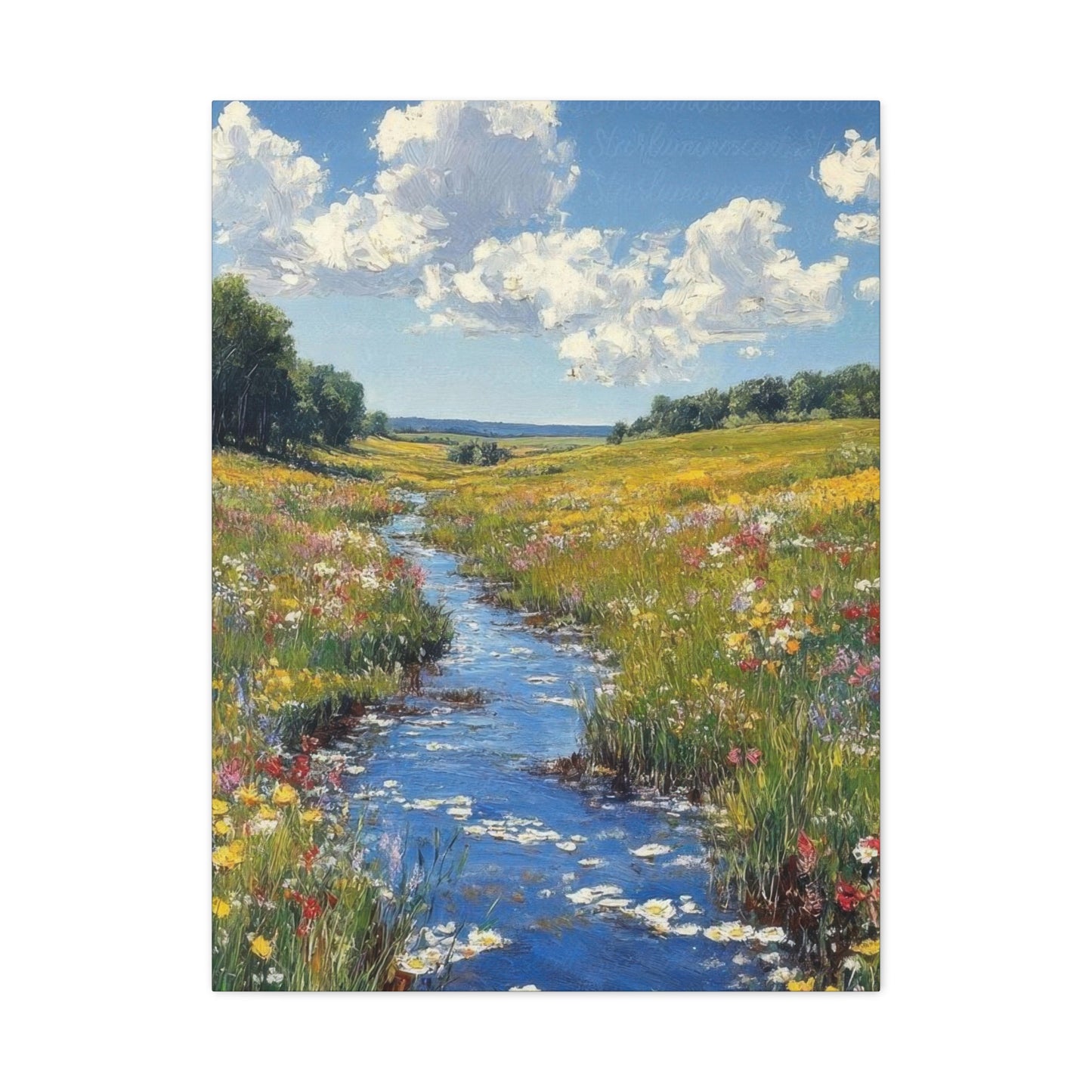
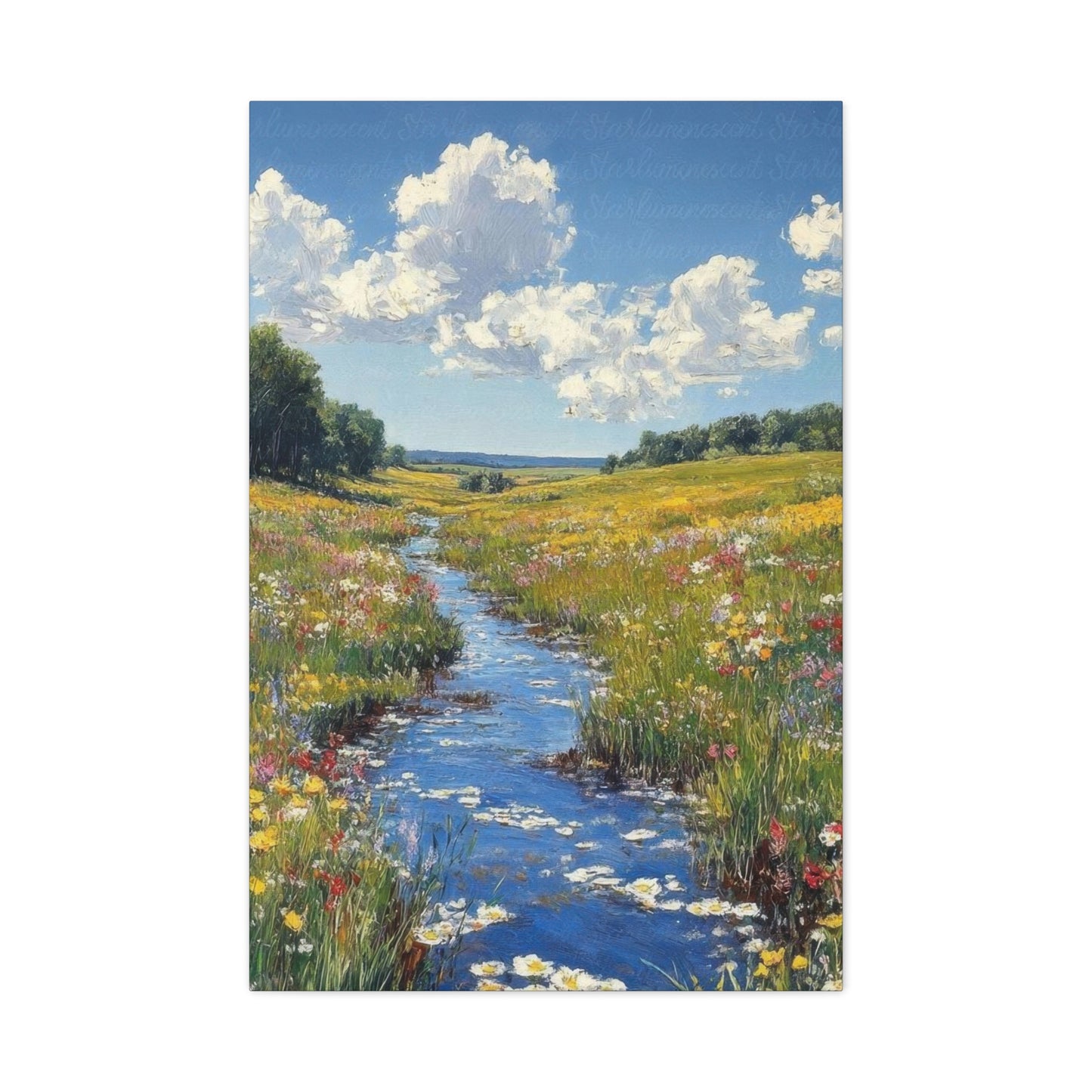
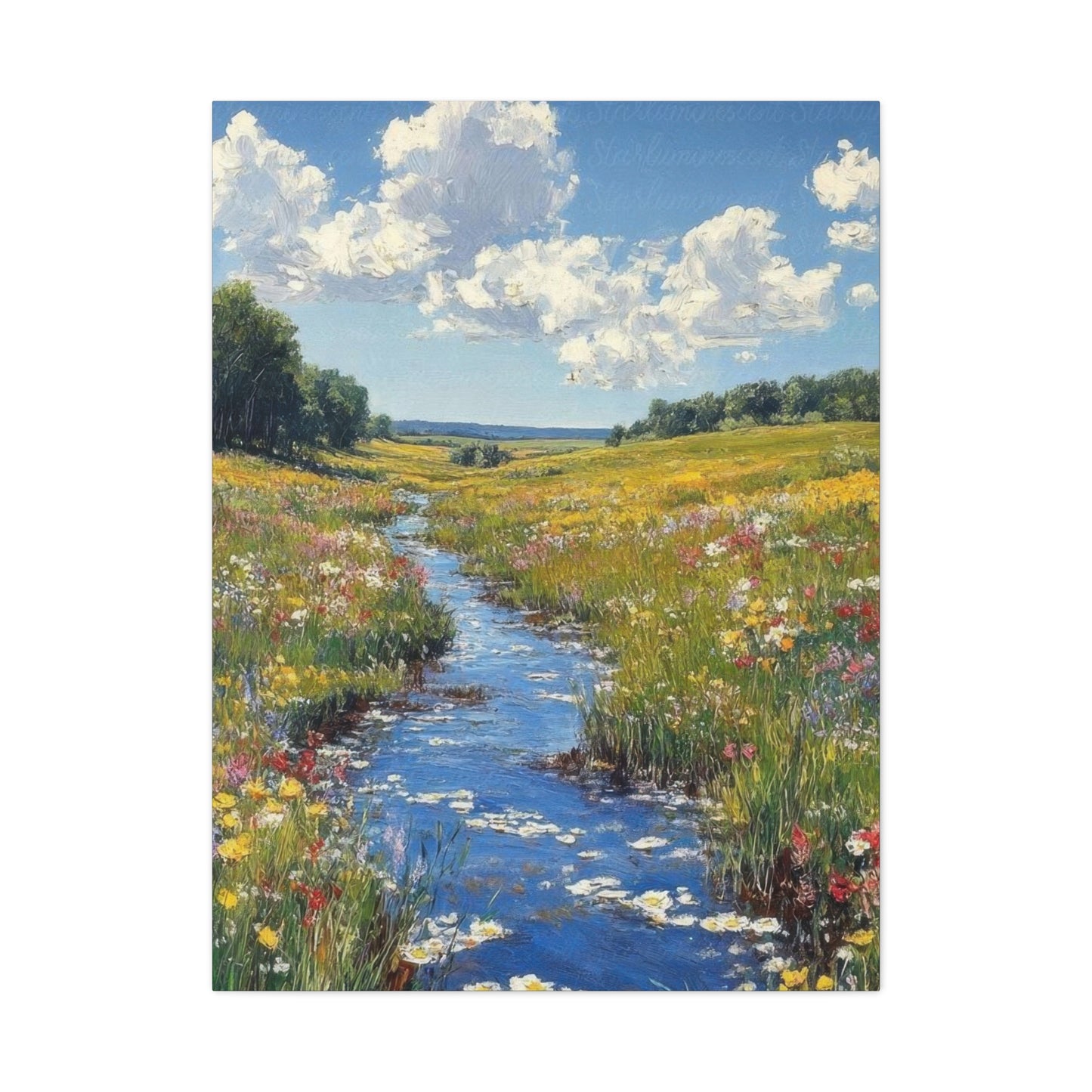
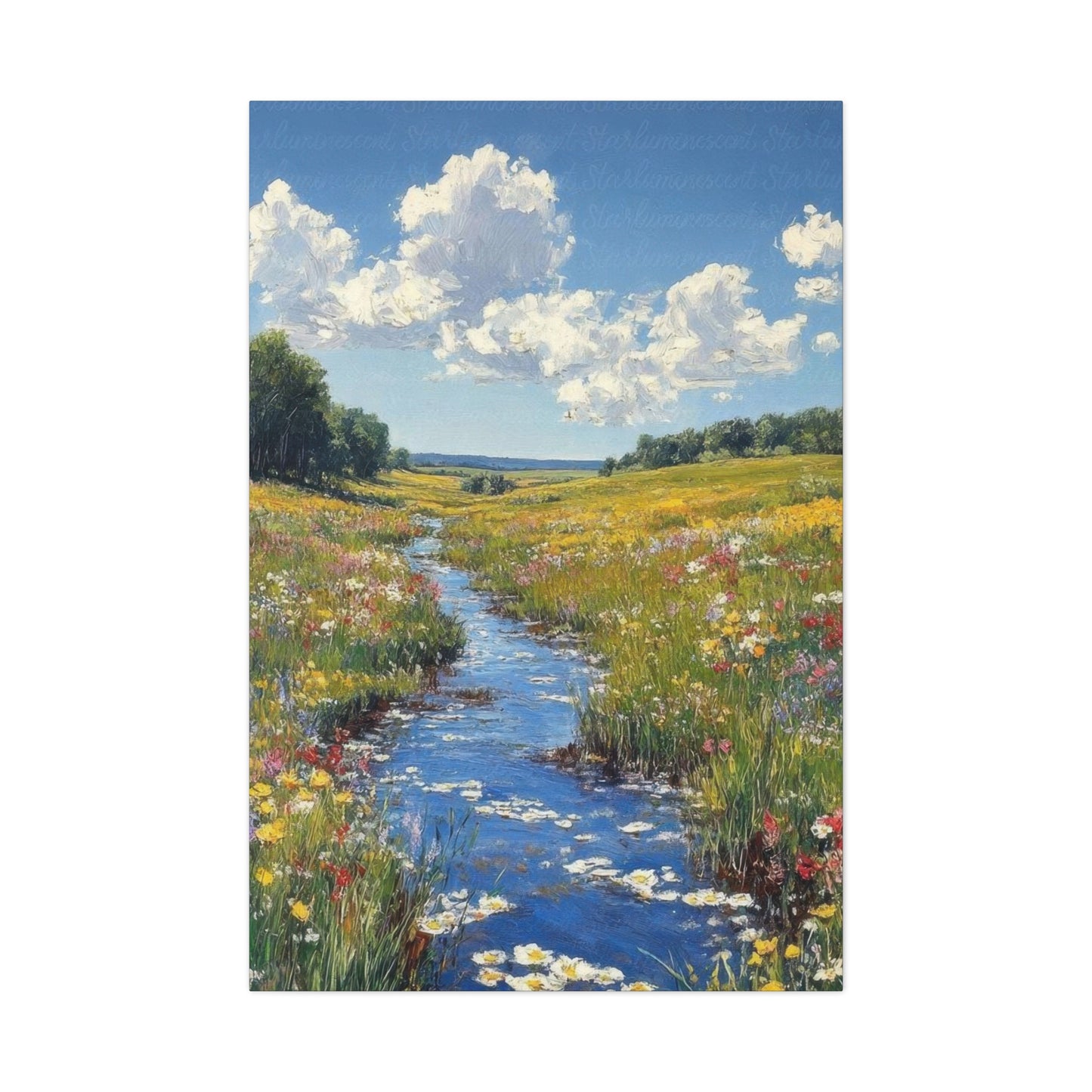
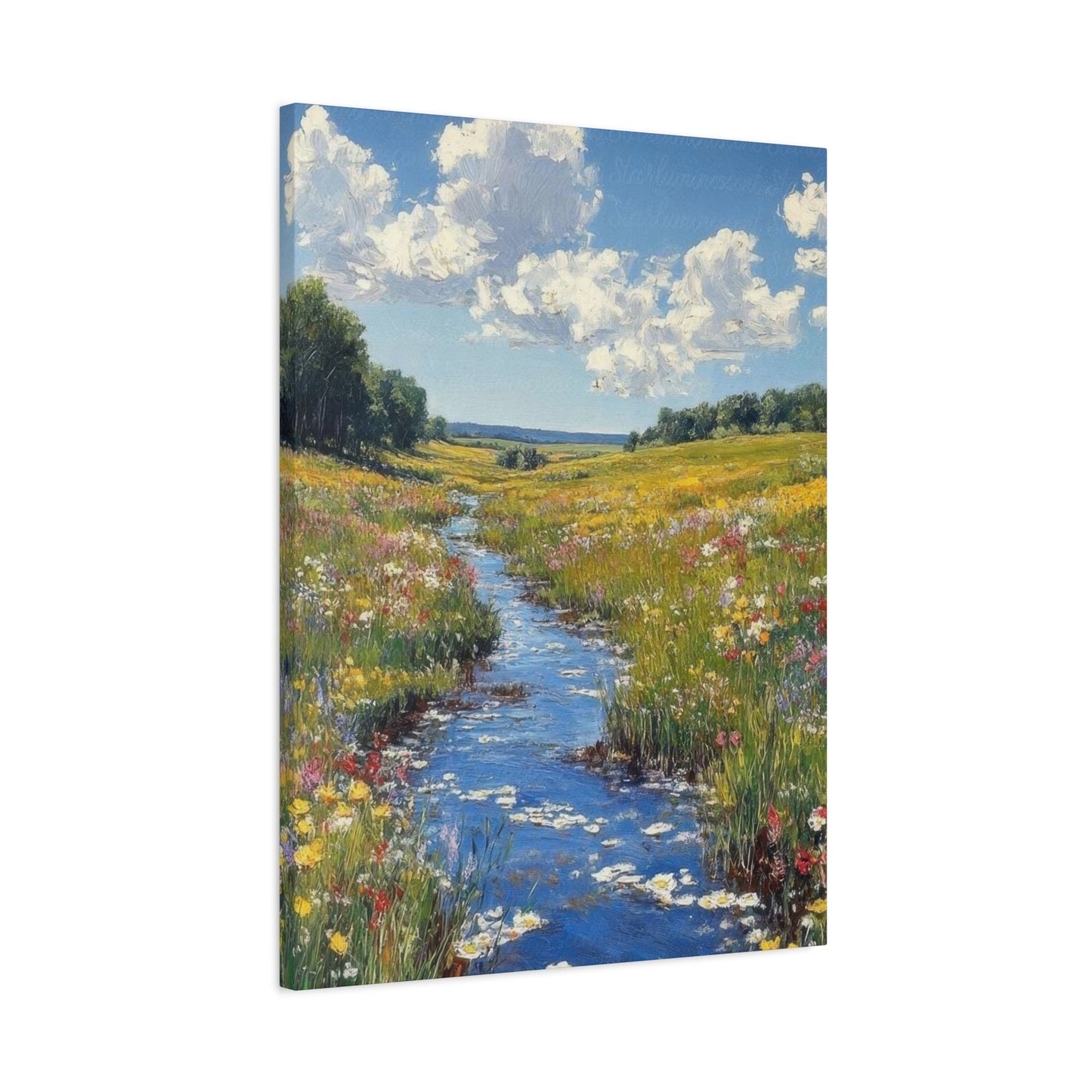
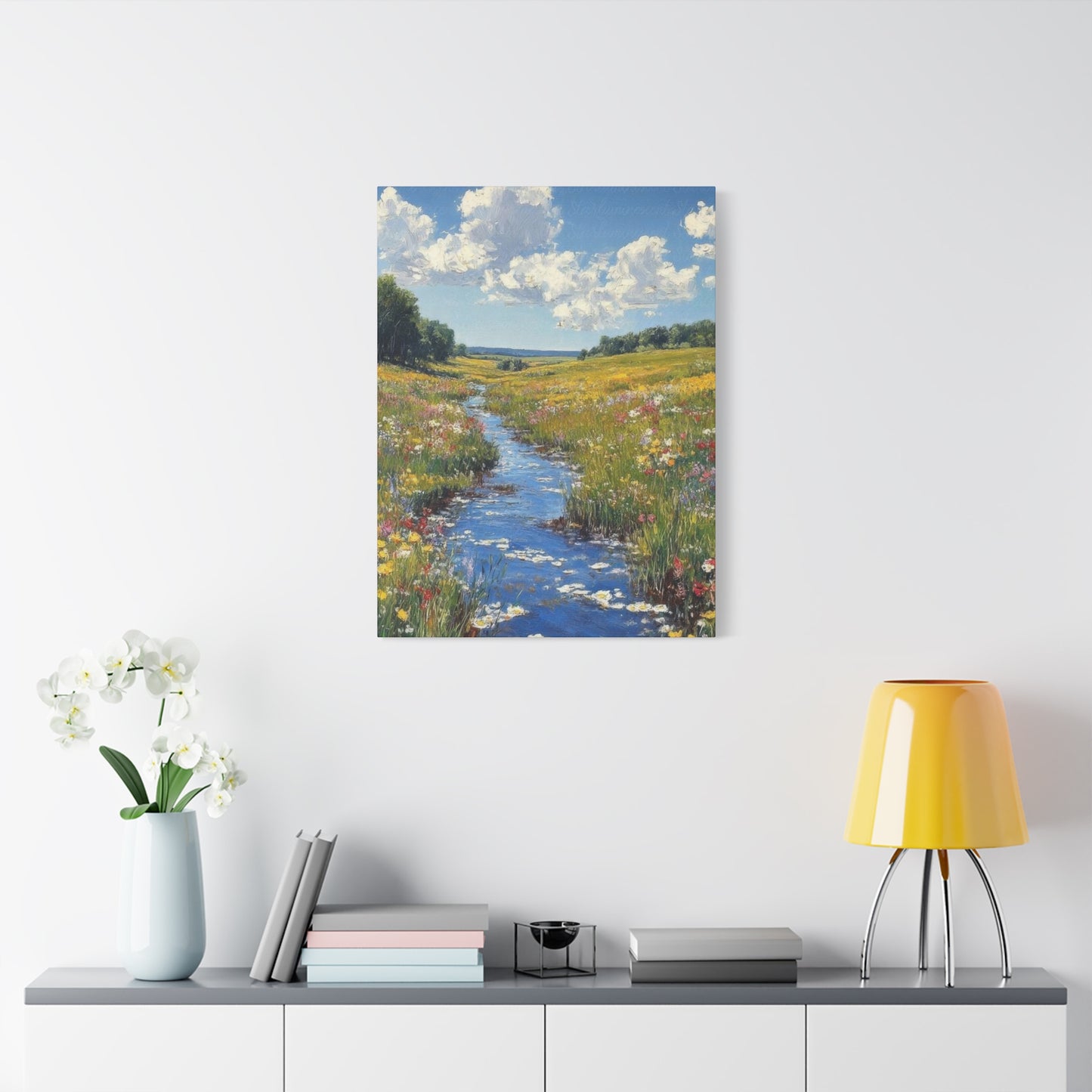
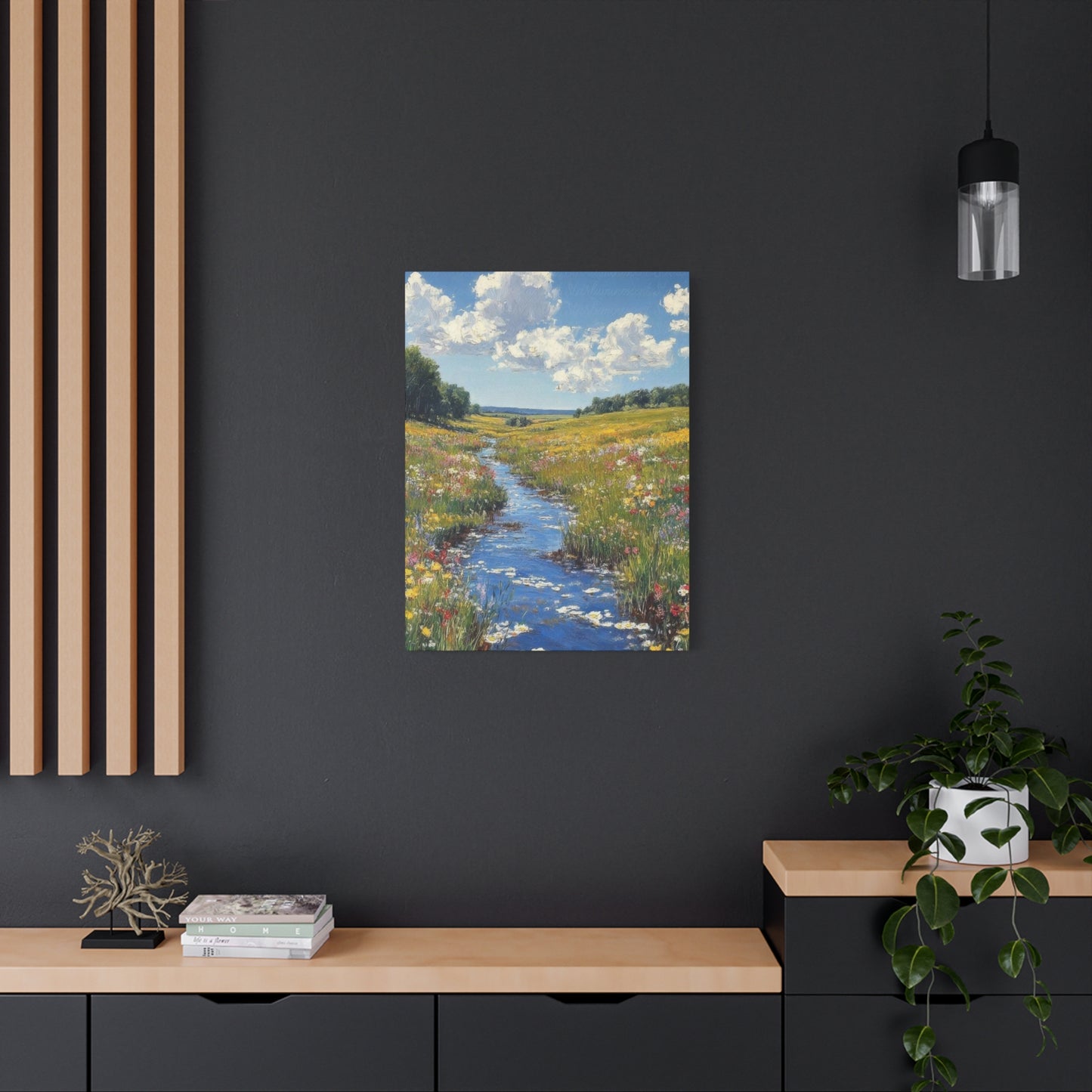
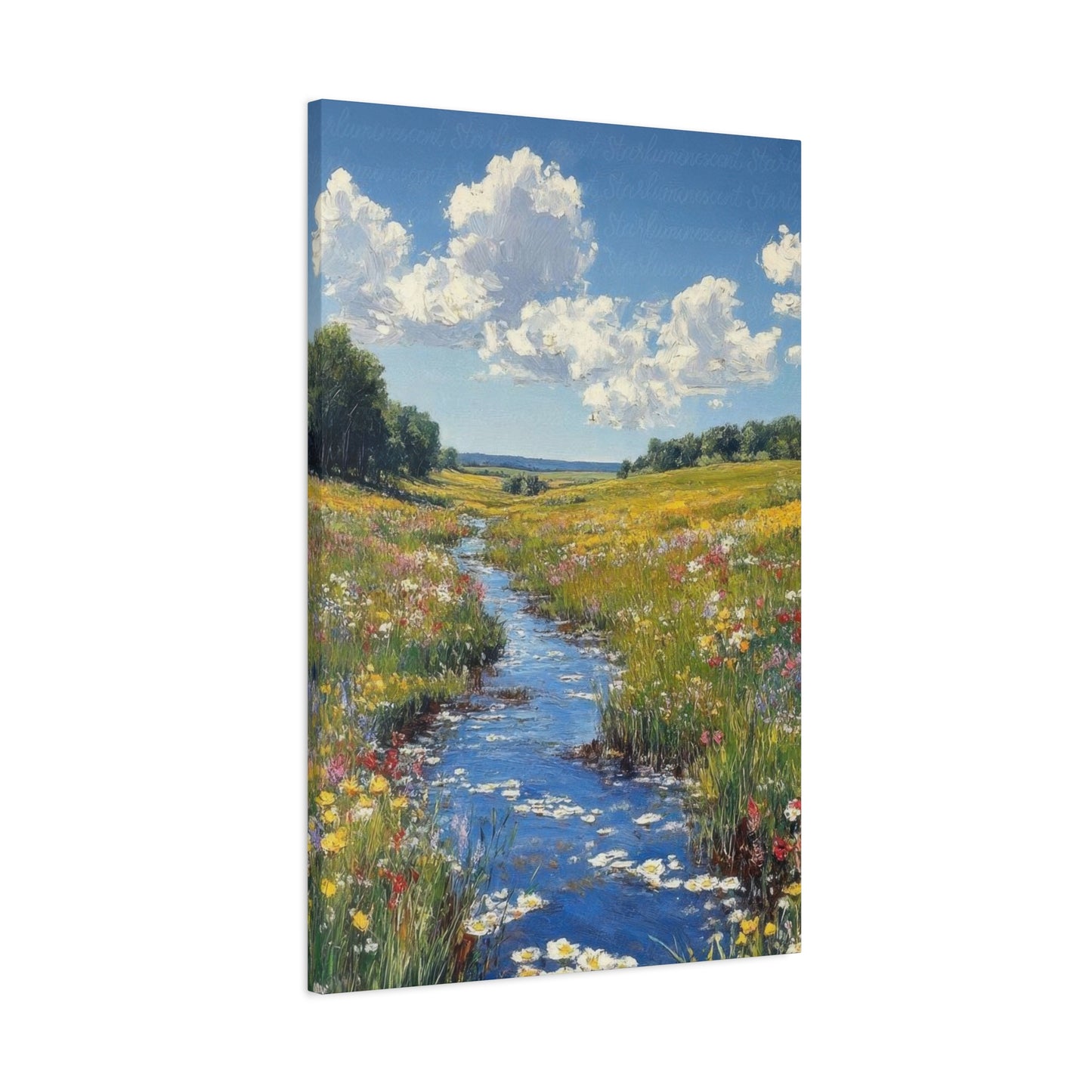
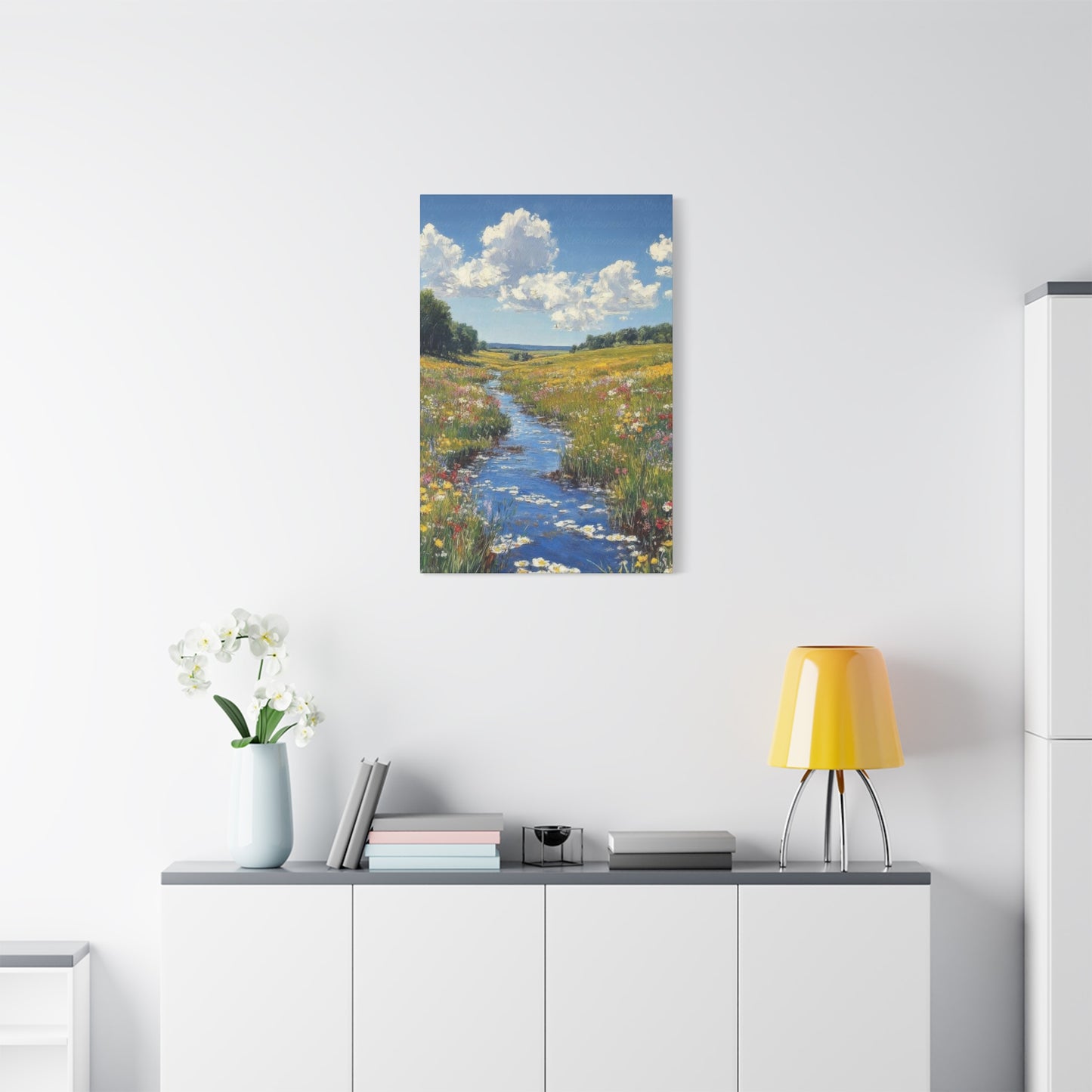
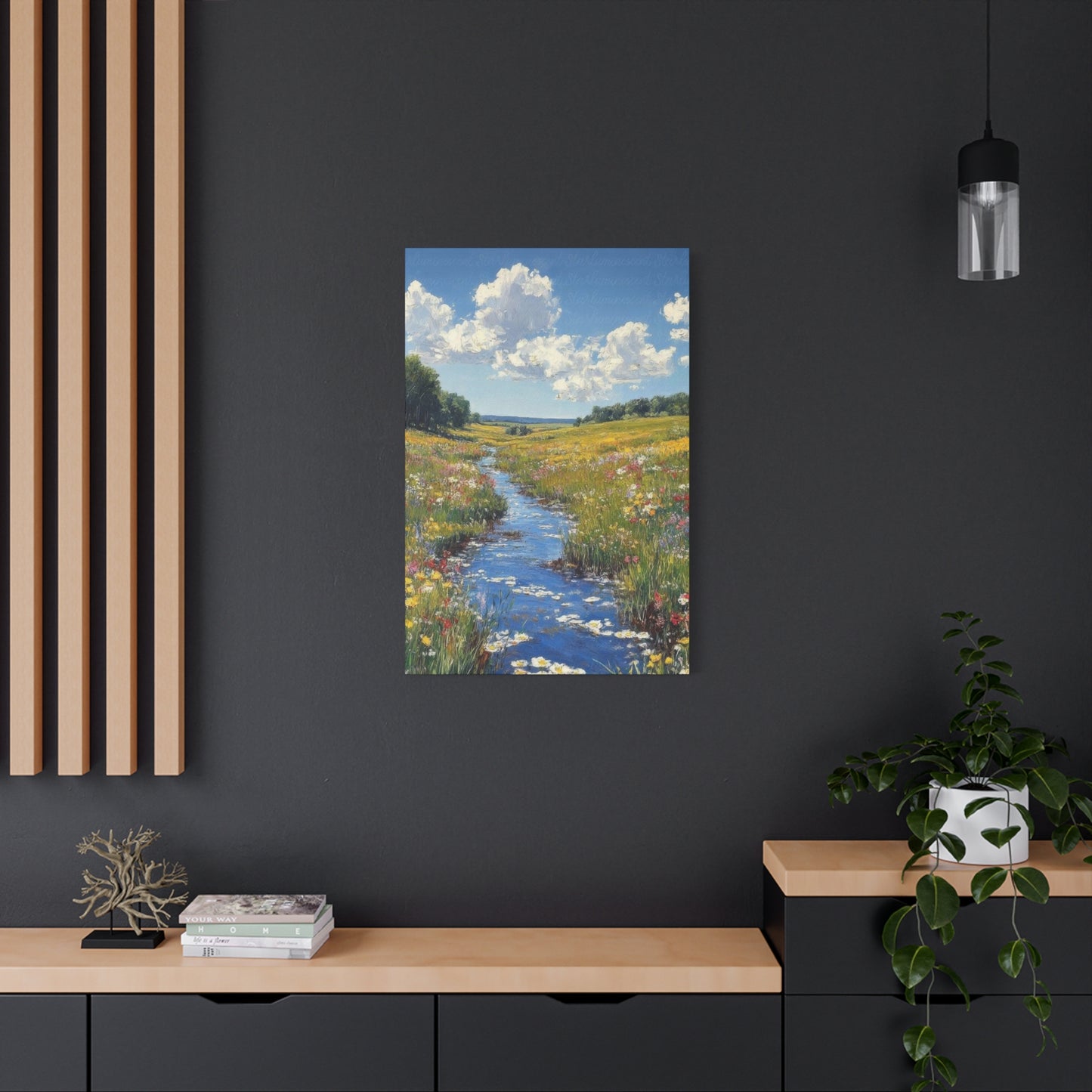
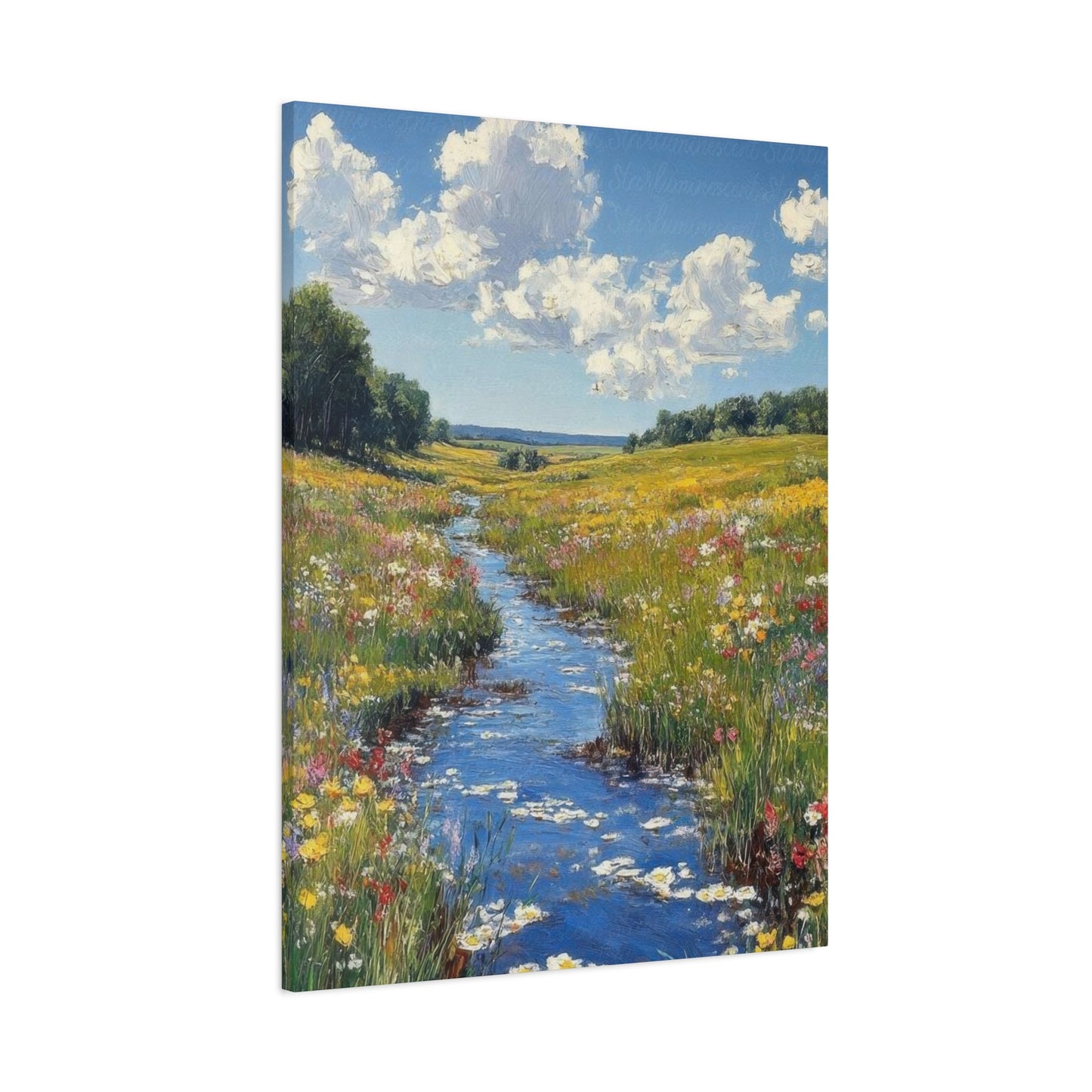
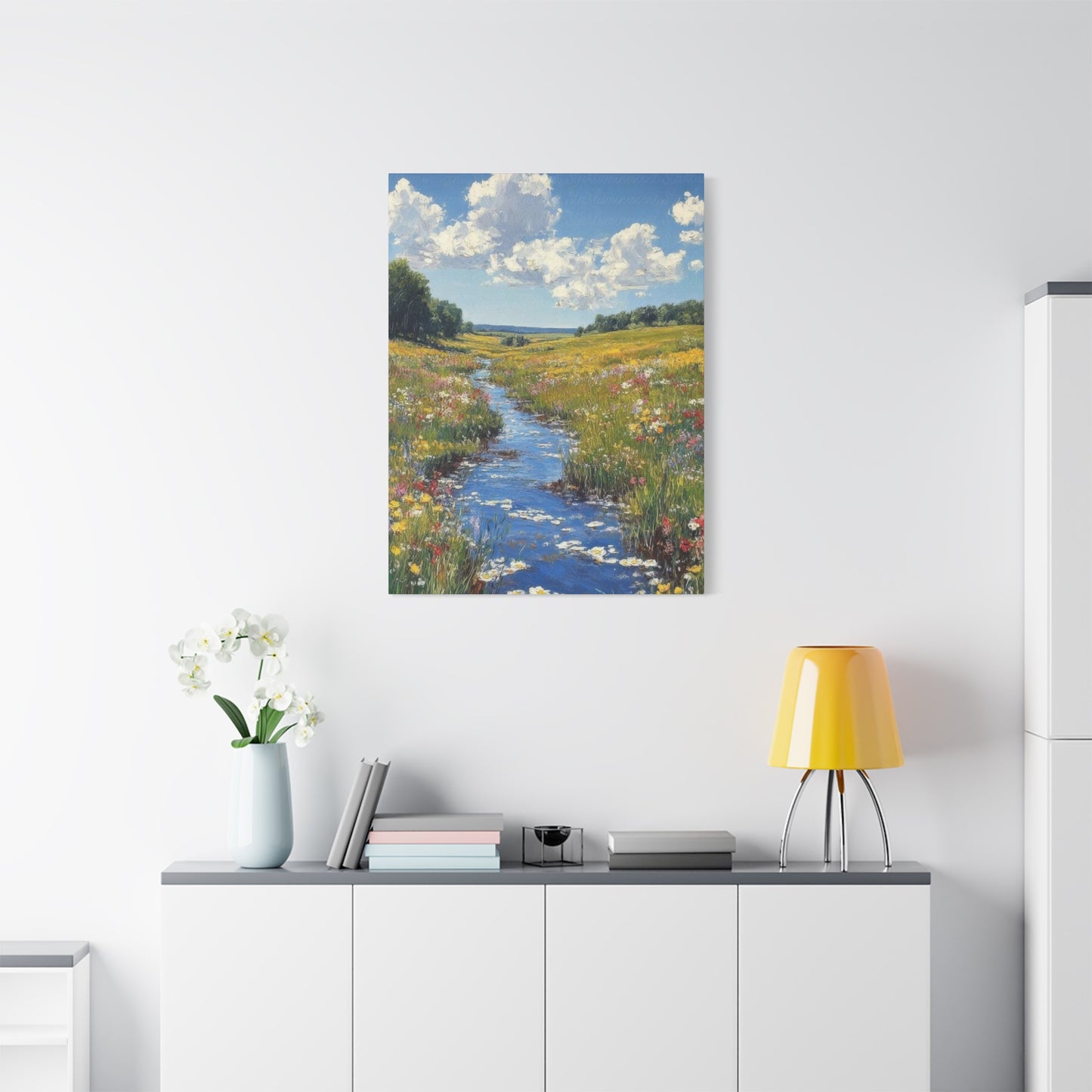
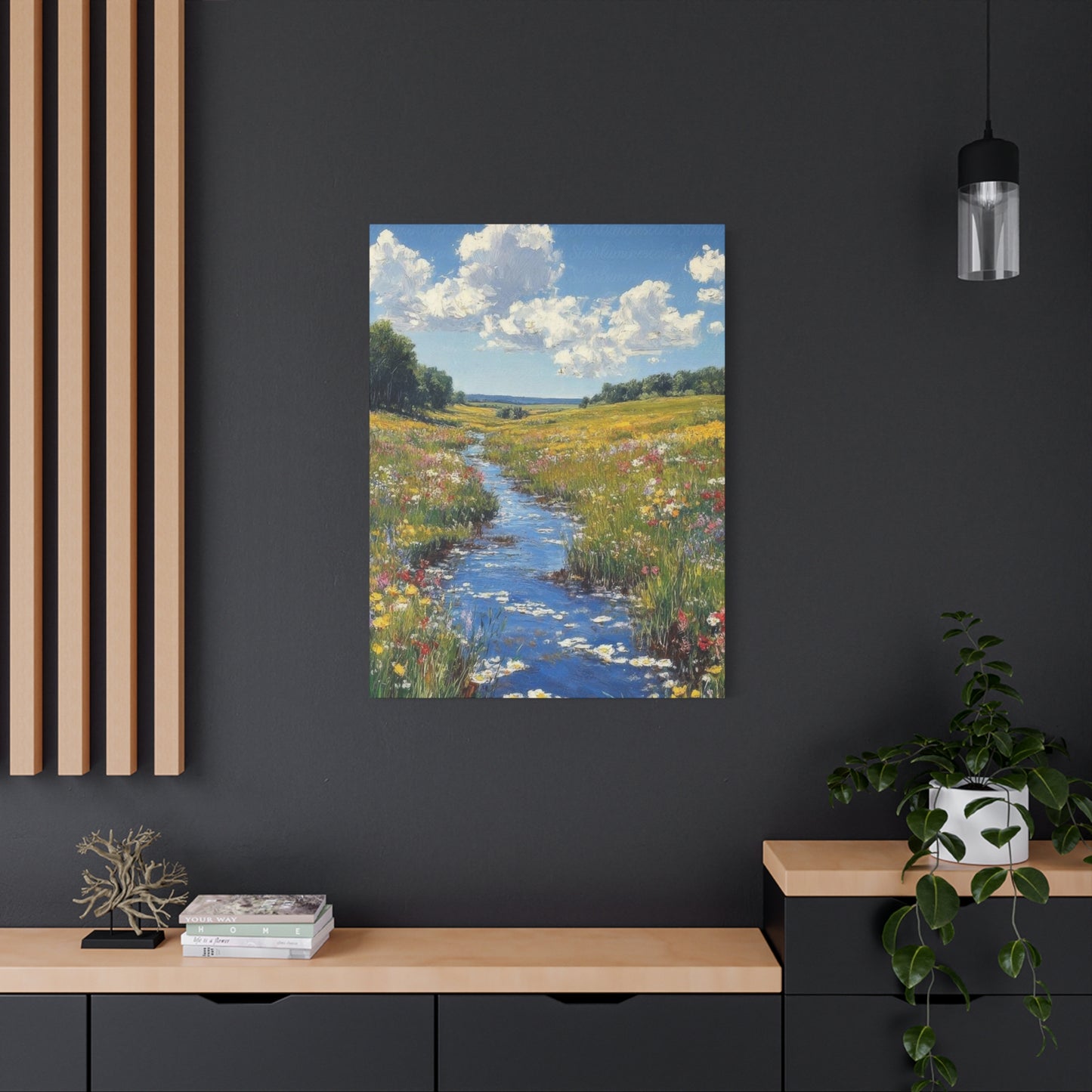
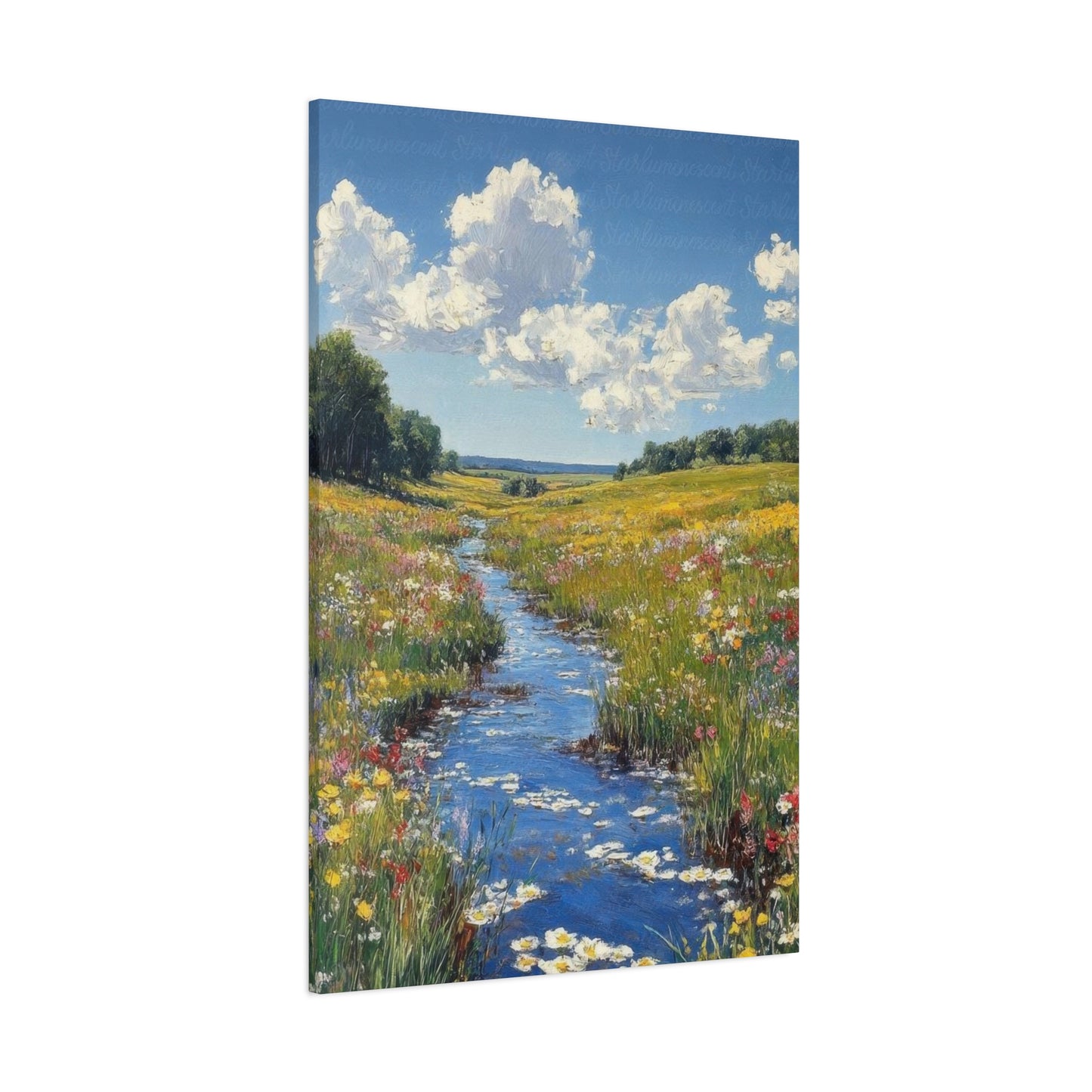
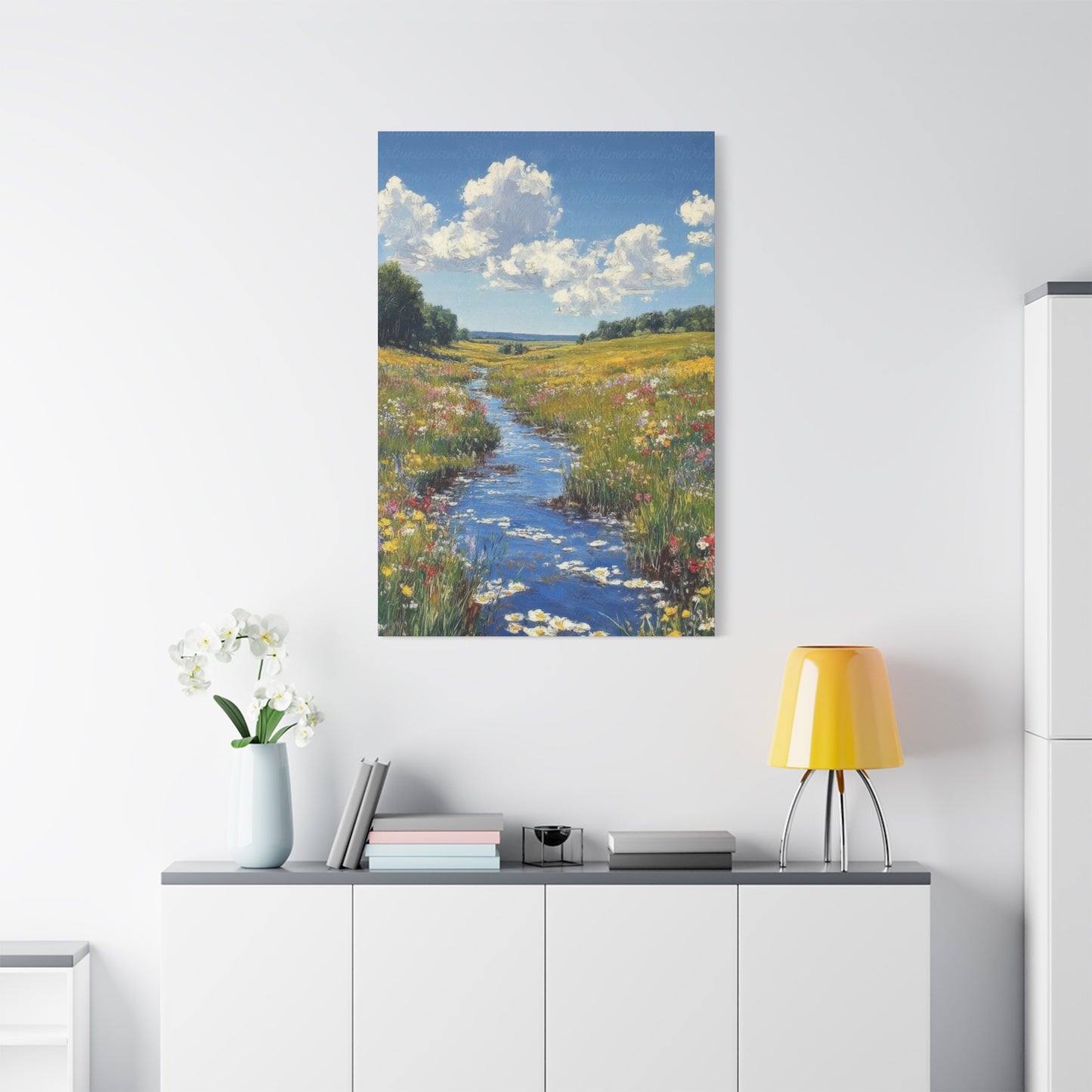
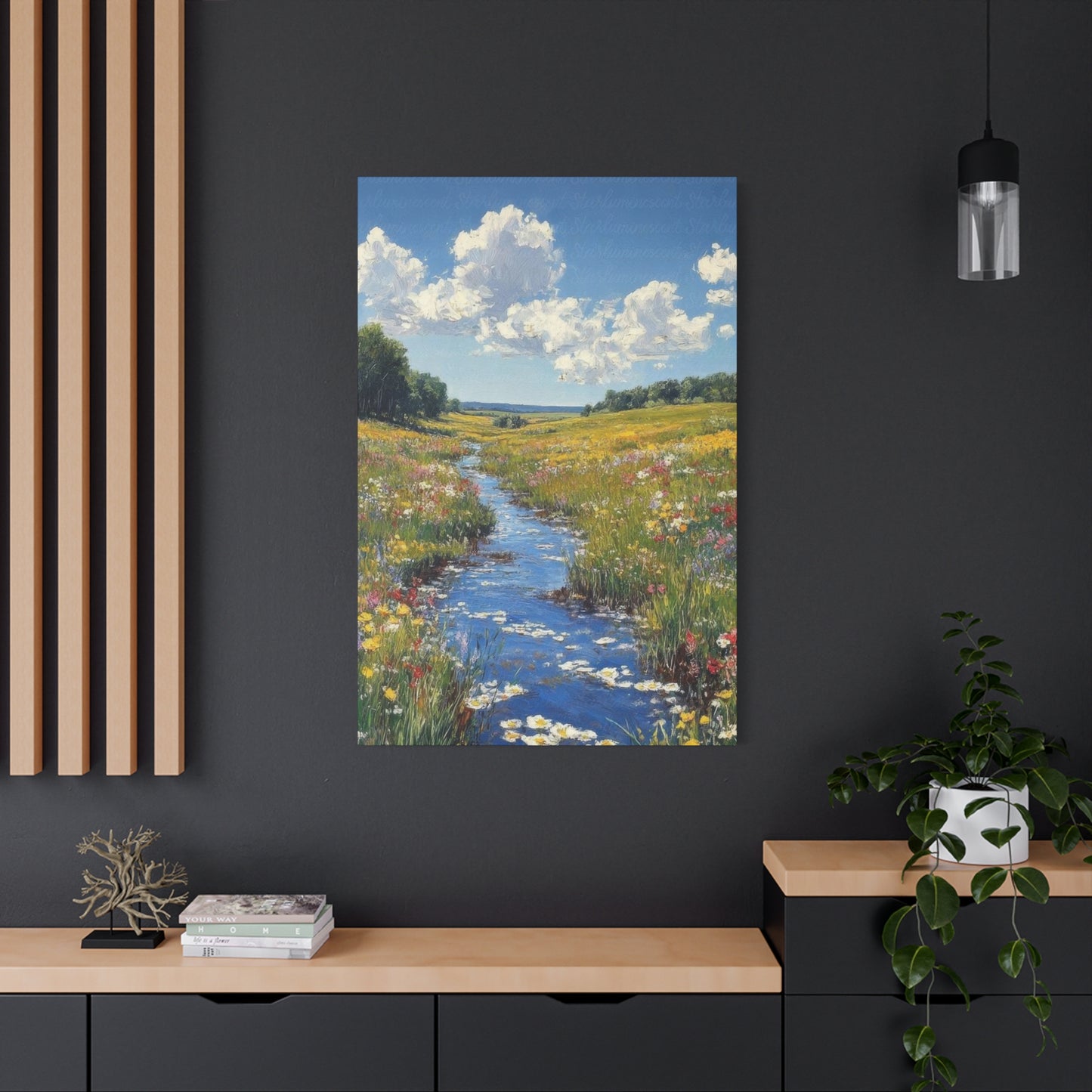
Eco-Inspired Elegance: How Blue Water Green Fields Wall Art Promotes Sustainability
The incorporation of natural elements into interior spaces has become increasingly significant in contemporary design philosophies. When we examine the profound impact of imagery featuring azure waters and verdant meadows, we discover a transformative power that extends far beyond mere aesthetic appeal. These visual representations serve as portals to tranquil environments, bringing the serenity of outdoor landscapes directly into our living and working spaces.
Nature-themed artwork featuring expansive bodies of water and lush green expanses creates an immediate emotional connection with viewers. The psychological impact of these colors has been extensively studied, revealing that combinations of blue and green hues work harmoniously to reduce stress levels, lower blood pressure, and promote feelings of calm and wellbeing. The human brain responds instinctively to these natural color schemes, as they trigger evolutionary memories of safe, resource-rich environments where water and vegetation signaled survival and prosperity.
The artistic representation of these natural elements requires careful consideration of composition, color balance, and emotional resonance. Artists who specialize in creating pieces featuring aquatic scenes and pastoral landscapes understand the delicate interplay between light, shadow, and color saturation. The way sunlight dances across water surfaces, creating shimmering reflections and deep azure depths, must be captured with precision to evoke genuine emotional responses. Similarly, the varied shades of green found in natural fields, from lime-tinted new growth to deep forest emerald, require nuanced understanding and skillful execution.
Contemporary designers increasingly recognize that artwork depicting these natural scenes serves multiple purposes within residential and commercial environments. Beyond decorative function, such pieces contribute to air quality perception, spatial awareness, and overall environmental satisfaction. Research in environmental psychology demonstrates that individuals working or residing in spaces adorned with nature-inspired imagery report higher satisfaction levels, improved concentration, and enhanced creative thinking capabilities.
Selecting the Perfect Palette for Nature-Themed Visual Art
The selection of appropriate color combinations represents one of the most critical decisions when choosing or creating artwork featuring water and field motifs. The spectrum of blues available ranges from pale sky tones to deep navy depths, each conveying distinct emotional qualities and working differently within various interior design schemes. Lighter aquamarine and turquoise shades suggest tropical waters and create feelings of escape and vacation, while deeper cobalt and ultramarine tones evoke contemplation and mystery.
Green color selection demands equal attention to nuance and variety. The multiple shades found in natural vegetation serve different aesthetic and psychological purposes. Bright lime greens suggest spring renewal and fresh beginnings, making them ideal for spaces dedicated to creativity or new ventures. Forest greens and hunter shades provide grounding energy and connection to ancient natural environments, working well in spaces intended for reflection or serious work.
The interplay between cool and warm tones within nature-inspired artwork affects how spaces feel to occupants. While blue and green are generally classified as cool colors, the addition of warm accents such as golden sunlight, warm earth tones, or subtle hints of sunset colors can dramatically alter the emotional temperature of a piece. These warm elements prevent artwork from feeling too cold or clinical while maintaining the overall calming effect of the dominant cool tones.
Saturation levels significantly impact how artwork integrates into existing interior design schemes. Highly saturated, vivid colors create dramatic focal points and inject energy into spaces, making them suitable for areas where stimulation and engagement are desired. Conversely, desaturated or muted tones provide subtle background ambiance that enhances without overwhelming, making them ideal for bedrooms, meditation spaces, or professional environments where distraction must be minimized.
The consideration of undertones proves equally important in color selection. Blue tones with green undertones create cohesive harmony with verdant elements, while blues with purple undertones add sophistication and depth. Similarly, greens with yellow undertones appear brighter and more cheerful, while greens with blue undertones feel cooler and more serene. Understanding these subtle variations enables more refined selection processes that result in truly harmonious interior environments.
Artistic Techniques for Capturing Water Movement and Field Textures
The technical execution of artwork depicting aquatic scenes and pastoral landscapes requires mastery of multiple artistic techniques. The representation of water presents unique challenges, as artists must capture both its transparent qualities and its reflective properties simultaneously. Successful water imagery conveys movement through careful brushwork, whether depicting gentle ripples, dramatic waves, or mirror-smooth surfaces reflecting surrounding landscapes.
Layering techniques prove essential for creating convincing water depth and dimensionality. Artists typically begin with darker base layers representing deep water, gradually building up lighter tones to suggest water surface and reflected light. Glazing methods, where thin, transparent layers of paint are applied over dried underlayers, create the luminous quality characteristic of realistic water representations. These techniques allow light to penetrate through paint layers and reflect back, mimicking the optical properties of actual water.
The depiction of fields and meadows demands attention to textural variety and the suggestion of countless individual plants without literally painting each blade of grass or flower. Impressionistic techniques often prove most effective for conveying the overall character of vegetated landscapes while maintaining visual interest. Varied brushstrokes, from short dabs suggesting wildflowers to longer sweeping strokes indicating wind-blown grasses, create dynamic surfaces that engage viewers' eyes and imaginations.
Color mixing strategies specific to natural landscapes help artists achieve authentic representations. The creation of realistic greens requires more than simply combining blue and yellow pigments. Professional landscape artists develop extensive palettes incorporating earth tones, complementary colors, and unexpected hues that, when placed strategically, create the optical mixing effects that make painted vegetation appear alive and dimensional.
Atmospheric perspective techniques contribute significantly to the sense of depth and expansiveness in landscape artwork. The gradual shift toward cooler, lighter tones as elements recede into the distance mimics how the atmosphere affects our perception of distant objects. Water bodies extending toward horizons and fields stretching to distant tree lines benefit enormously from careful application of these principles, creating the spatial depth that makes artwork feel immersive rather than flat.
Incorporating Natural Light Considerations into Artwork Placement
The relationship between natural lighting conditions and artwork featuring water and field imagery requires thoughtful consideration for optimal visual impact. The way sunlight interacts with paint surfaces, canvas textures, and glass coverings dramatically affects how colors appear throughout the day. Artwork positioned in spaces receiving direct morning sunlight will display differently than pieces located in areas illuminated by indirect afternoon light.
East-facing walls that receive morning sunlight work exceptionally well for artwork featuring sunrise scenes or bright aquamarine waters. The warm morning light enhances golden tones and creates a welcoming, energizing atmosphere perfect for starting the day. The natural progression of light across these pieces throughout morning hours provides dynamic visual interest as shadows shift and highlights change in intensity.
West-facing locations that catch afternoon and evening light suit artwork depicting sunset scenes over water or fields bathed in golden hour illumination. The warm, directional quality of late-day sunlight enhances warm color elements within paintings and creates dramatic shadows that add depth perception. These locations work particularly well in living rooms or dining areas where people gather during evening hours.
North-facing walls receive consistent, diffused light that changes minimally throughout the day, making them ideal for artwork where color consistency is prioritized. The cool, even quality of northern light prevents glare issues and allows subtle color variations within blue and green passages to remain visible. Professional galleries often prefer northern light specifically because it provides the most neutral viewing conditions.
Artificial lighting solutions must be carefully planned to complement natural light sources and provide appropriate illumination during evening hours. Track lighting with adjustable heads allows precise directional control, preventing glare on glass-covered artwork while ensuring proper illumination of painted surfaces. LED solutions with adjustable color temperature enable customization, allowing warmer evening ambiance or cooler task-oriented lighting as situations demand.
Exploring Various Artistic Mediums for Nature-Themed Creations
The choice of artistic medium significantly influences the final character and visual impact of nature-themed artwork. Oil paintings offer rich color depth and luminosity particularly suited to depicting water surfaces and atmospheric effects. The slow drying time of oil paint enables extensive blending and manipulation, allowing artists to create subtle gradations from deep water shadows to bright surface reflections. The traditional prestige associated with oil paintings adds perceived value and sophistication to interior spaces.
Acrylic paintings provide vibrant color saturation and practical advantages including faster drying times and easier maintenance. The versatility of acrylics allows artists to work in styles ranging from highly realistic to boldly abstract. When used with glazing mediums, acrylics can approximate the luminous qualities of oils, while thick application creates textured surfaces that add tactile dimension to field representations. The durability and resistance to environmental factors make acrylics particularly suitable for spaces with challenging conditions.
Watercolor artworks capture an ethereal, luminous quality perfectly aligned with water and sky elements. The transparent nature of watercolor paint creates effects uniquely suited to depicting morning mist over fields, reflections on still waters, and the delicate color transitions found in natural skies. The unpredictable nature of watercolor techniques can result in happy accidents that contribute organic spontaneity to finished pieces.
Photography as an artistic medium offers different advantages for nature-themed visual art. High-quality photographic prints capture actual moments from real locations, providing documentary authenticity alongside aesthetic beauty. Advanced printing technologies enable enormous scale productions that create immersive viewing experiences. The ability to reproduce limited editions makes photography accessible across various price points while maintaining artistic integrity.
Digital art and mixed media approaches represent contemporary options that combine traditional techniques with modern technology. Digital artists manipulate photographs, create original digital paintings, or blend multiple elements to produce unique compositions impossible through traditional means alone. These works can be printed on various substrates including canvas, metal, acrylic, and specialty papers, each offering distinct visual and textural qualities.
Seasonal Variations and Temporal Themes in Landscape Artwork
The incorporation of seasonal elements within water and field imagery adds narrative dimension and temporal awareness to interior spaces. Spring-themed artwork featuring fresh green growth, flowering meadows, and clear blue skies brings renewal energy and optimistic atmosphere particularly welcome after long winters. The lighter, brighter palette typical of spring scenes works well in spaces dedicated to new beginnings, creative endeavors, or family gathering areas.
Summer representations showcase peak vibrancy with deep blue waters, lush green vegetation, and brilliant sunshine. These pieces radiate warmth and energy, making them excellent choices for social spaces, recreation rooms, and areas where active, engaged atmosphere is desired. The intensity of summer imagery can be tempered through artistic treatment, with impressionistic or softened approaches creating gentler versions suitable for bedrooms or quiet spaces.
Autumn interpretations introduce warm color notes into the traditionally cool blue and green palette, with golden grasses, amber reflected light, and bronze-toned vegetation. These transitional pieces bridge between the bright energy of summer and the contemplative quality of winter, making them versatile selections that work across multiple design styles. The nostalgic quality often present in autumn landscapes appeals to individuals seeking comfort and reflection.
Winter scenes featuring frozen waters, snow-covered fields, and cool blue tones create serene, meditative atmospheres. Despite the cold subject matter, well-executed winter landscapes bring surprising warmth through their stillness and purity. These pieces work exceptionally well in minimalist interiors where their simplified forms and limited color palettes complement clean design lines and uncluttered spaces.
Time-of-day variations within artwork provide additional options for temporal theming. Dawn scenes with soft pastels and gentle light create peaceful, hopeful atmospheres perfect for bedrooms and meditation spaces. Midday representations featuring strong light and saturated colors bring energy and clarity. Golden hour and sunset pieces offer warmth and romance, while nighttime scenes with moonlight on water create mystery and contemplation.
Regional Landscape Characteristics and Cultural Associations
Different geographic regions produce distinctive landscape characteristics that resonate differently with various audiences. Coastal imagery featuring ocean waters and seaside vegetation carries associations with vacation, relaxation, and the rhythmic constancy of waves and tides. These scenes appeal broadly to individuals drawn to marine environments, whether from personal experience or aspirational desire for beach lifestyle connections.
Mountain lake scenes combining alpine waters with surrounding meadows and peaks create dramatic compositions with strong vertical elements. These landscapes evoke feelings of adventure, pristine wilderness, and spiritual elevation. The clarity and purity associated with mountain environments make these images particularly appealing to individuals valuing natural authenticity and environmental consciousness.
Prairie and plains imagery showcasing vast grasslands under expansive skies emphasizes horizontal elements and creates strong sense of space and freedom. The relatively simple compositions typical of prairie scenes possess meditative quality through repetition and subtle variation. These landscapes resonate particularly with individuals from or drawn to inland regions where big skies and rolling fields dominate visual experience.
Wetland and marsh environments featuring water interspersed with grasses and reeds create complex visual textures and layered compositions. The rich biodiversity associated with these ecosystems appeals to environmentally conscious individuals and those appreciating the intricate beauty of transitional environments where water and land meet.
Tropical and subtropical settings with vivid blue waters and lush green vegetation carry strong associations with paradise, escape, and abundance. The saturated colors and dramatic contrasts typical of these environments create vibrant, energizing artwork suitable for spaces where optimism and vitality are desired. Cultural associations with vacation destinations add aspirational qualities to these representations.
Abstract Interpretations of Water and Field Elements
While realistic landscape representations hold enduring appeal, abstract interpretations of water and field themes offer sophisticated alternatives for contemporary interiors. Color field paintings using horizontal bands of blue and green create minimalist evocations of landscape without literal representation. These works appeal to viewers appreciating conceptual simplicity and pure color relationships while maintaining connections to natural subject matter.
Expressionistic approaches to landscape subjects emphasize emotional response over accurate depiction, using exaggerated colors, bold brushwork, and distorted forms to convey feelings associated with natural environments rather than their physical appearance. These pieces create strong visual impact and allow for more dramatic color choices that can be calibrated to specific interior color schemes.
Semi-abstract works maintain recognizable landscape elements such as horizons, water surfaces, or field textures while simplifying forms and emphasizing design elements like pattern, repetition, and geometric structure. This approach offers balanced compromise between representational clarity and artistic interpretation, making it accessible to broad audiences while providing sophistication beyond purely realistic work.
Textured abstract pieces using impasto techniques, mixed media, or dimensional elements create tactile surfaces that add physical dimension to color and form. The addition of actual texture transforms artwork from purely visual experience to one that engages viewers' desire to touch and physically interact, even when such interaction is prohibited by display circumstances.
Impressionistic water and field interpretations focus on capturing light effects and atmospheric conditions rather than detailed forms. The broken color technique and visible brushwork characteristic of impressionism create optical mixing that vibrates with life and energy. These pieces often feel spontaneous and fresh, bringing vitality to spaces while maintaining connections to natural subject matter.
The Role of Photography in Contemporary Nature Artwork
Photographic artwork depicting water and field subjects offers unique advantages and characteristics distinct from painted or drawn representations. The documentary nature of photography provides authentic connection to actual places, allowing viewers to experience real locations through artistic vision and technical skill. High-quality landscape photography requires extensive planning, patience, and technical expertise to capture optimal light conditions and compelling compositions.
Long-exposure photography techniques create ethereal effects particularly suited to water subjects, smoothing moving water into silky textures while maintaining sharp rendering of stationary elements. These techniques transform ordinary scenes into mysterious, otherworldly visions that challenge viewers' perceptions of familiar subjects. The surreal quality of long-exposure water creates contemplative, meditative atmosphere in interior spaces.
Aerial photography perspectives reveal landscape patterns and relationships invisible from ground level. Drone technology has democratized access to aerial viewpoints, allowing photographers to capture sweeping vistas, geometric field patterns, and water bodies in broader environmental contexts. These perspectives create striking visual impact and offer fresh ways of seeing familiar landscape elements.
Macro photography focusing on details within natural environments creates intimate portraits of water droplets, individual grass blades, and small-scale landscape features. These close-up perspectives reveal beauty in overlooked elements and create opportunities for display of nature-inspired imagery in smaller formats suitable for personal spaces and tight locations.
Black and white landscape photography emphasizes form, texture, and tonal relationships without the influence of color. This reductive approach can create powerful, timeless images that focus attention on compositional elements and emotional atmosphere. Black and white water and field imagery works particularly well in sophisticated, minimalist interiors where color would compete with other design elements.
Commissioning Custom Artwork for Personalized Spaces
Commissioning original artwork depicting specific locations or incorporating particular color preferences creates deeply personal pieces perfectly tailored to individual spaces and tastes. The commissioning process begins with identifying artists whose style and expertise align with project vision. Reviewing portfolios and previous commissions reveals whether artists can execute desired aesthetic while maintaining their authentic artistic voice.
Initial consultations establish project parameters including size specifications, color preferences, specific subject matter requests, and timeline expectations. Providing reference images, paint swatches, and photographs of intended installation spaces helps artists understand environmental context and owner preferences. Discussing budget openly ensures alignment between expectations and reality, as custom artwork pricing reflects materials, artist reputation, size, and complexity.
Contract agreements should clearly specify deliverables, payment schedules, revision policies, and ownership of preliminary sketches or studies. Understanding whether reproduction rights remain with artists or transfer to commissioners prevents future misunderstandings. Deposit requirements typically range from 25 to 50 percent of total commission cost, with balance due upon satisfactory completion.
The creation process may involve preliminary sketches or digital mockups for approval before artists proceed to final execution. This stage allows adjustments ensuring finished pieces meet expectations. Some artists welcome studio visits during creation, while others prefer working without client observation. Respecting individual working preferences strengthens collaborative relationships.
Final delivery includes careful packaging for transport and installation recommendations from artists familiar with their work's specific requirements. Commissioning relationships often develop into ongoing patronage, with satisfied clients returning for additional pieces as spaces evolve or new projects arise.
Integrating Technology with Traditional Nature-Themed Artwork
Contemporary technology offers innovative ways to experience and display water and field imagery beyond static traditional formats. Digital picture frames with high-resolution displays can showcase rotating collections of landscape photography or digital artwork, allowing spaces to evolve and change throughout days or seasons. Premium digital frames with museum-quality color reproduction and generous screen sizes provide viewing experiences comparable to traditional fine art prints.
Projection technologies transform entire walls into immersive landscape experiences, creating environmental installations that envelope viewers in natural imagery. Short-throw projectors combined with ambient sound create multisensory environments that go beyond traditional artwork to become experiential spaces. These installations work particularly well in meditation rooms, spa environments, or residential spaces dedicated to relaxation and wellness.
Augmented reality applications allow interaction with artwork through smartphone or tablet screens, revealing additional layers of information, alternate versions, or even animated elements overlaid on static pieces. These technologies add engagement dimension particularly appealing to younger audiences while maintaining traditional visual art as foundation.
NFTs and blockchain technologies create new paradigms for owning and collecting digital nature-themed artwork. While controversial and speculative, these technologies enable verifiable ownership and scarcity for digital creations, potentially expanding the digital art market and creating new opportunities for artists working in digital mediums.
Smart lighting systems programmable to adjust throughout the day can be coordinated with artwork to enhance different elements at various times. Morning settings might emphasize warm tones in sunrise portions of pieces, while evening programming could highlight cooler blue elements. Integration with voice control or automation systems provides convenient adjustment without physical switches or controllers.
Commercial Applications in Healthcare, Hospitality, and Corporate Settings
The therapeutic qualities of water and field imagery make such artwork particularly valuable in healthcare environments where patient stress reduction and healing promotion are priorities. Numerous studies demonstrate that views of nature, whether actual or represented through artwork, correlate with faster recovery times, reduced pain medication requirements, and improved patient satisfaction scores. Strategic placement in waiting rooms, treatment areas, and patient rooms creates calming atmospheres that benefit both patients and staff.
Hospitality environments from boutique hotels to major resorts utilize nature-themed artwork to create memorable guest experiences and reinforce brand identities. Artwork featuring local landscapes helps establish sense of place while demonstrating respect for regional character. Commissioned pieces showcasing property-specific views or nearby natural attractions provide unique decorative elements that cannot be duplicated by competitors.
Corporate office environments increasingly recognize the importance of biophilic design principles that connect occupants with nature even in urban high-rise settings. Large-scale water and field imagery in reception areas, conference rooms, and open office spaces contributes to employee satisfaction, productivity, and retention. Companies committed to environmental sustainability find that nature-themed artwork reinforces corporate values while creating pleasant working conditions.
Wellness facilities including spas, yoga studios, and fitness centers rely heavily on nature imagery to create appropriate atmospheres for their services. The association between natural environments and health supports the core missions of these businesses while providing attractive surroundings that enhance client experiences. Coordinating artwork with treatment modalities creates thematic coherence that strengthens brand identity.
Educational institutions from elementary schools to universities benefit from nature-themed artwork that creates stimulating yet non-distracting visual environments. Research indicates that connection with nature imagery supports learning outcomes, particularly in subjects related to environmental science, but also in general academic performance through stress reduction and improved focus.
Investment Potential and Art Market Considerations
Nature-themed artwork, particularly original pieces by recognized artists, can represent significant financial investments with potential appreciation over time. Understanding art market dynamics helps collectors make informed acquisition decisions balancing aesthetic preferences with investment considerations. Artist reputation, exhibition history, critical reception, and market demand all influence current values and future appreciation potential.
Emerging artists working in nature-inspired themes offer opportunities for collecting at accessible price points while supporting developing careers. Researching educational backgrounds, gallery representation, and early critical response helps identify artists positioned for recognition and market growth. Early acquisition of work by artists who subsequently gain prominence can yield substantial appreciation, though such outcomes can never be guaranteed.
Limited edition prints provide entry into collecting work by established artists at fractions of original artwork costs. Understanding edition sizes, printer quality, paper types, and whether editions are sold out affects both initial purchase prices and future marketability. Prints personally signed and numbered by artists command premiums over unsigned impressions from same editions.
Provenance documentation tracking ownership history enhances both value and marketability of artwork. Maintaining original purchase receipts, gallery certificates, exhibition records, and professional appraisals creates paper trails that authenticate pieces and establish market context. Digital documentation supplements physical records and provides backup if original documents are lost.
Market timing considerations affect both acquisition and disposition strategies for collectors viewing artwork partially as investment. The art market historically moves in cycles, with periods of rapid appreciation followed by corrections. Long-term holding strategies generally prove more successful than attempts to time market movements, particularly for collectors without specialized market expertise.
Environmental Sustainability in Art Production and Framing
Growing environmental consciousness extends to artwork acquisition, with many collectors prioritizing sustainable practices in both creation and presentation. Artists increasingly source eco-friendly materials including recycled canvases, non-toxic paints, and sustainably harvested wood for stretcher bars. Water-based paints and mediums reduce volatile organic compound emissions, creating healthier studio environments while lessening environmental impact.
Framing choices significantly affect environmental footprint, with reclaimed wood frames providing sustainable alternatives to new material consumption. Many frame makers now offer options incorporating recycled content or wood certified by the Forest Stewardship Council as sustainably harvested. Metal frames, while initially energy-intensive to produce, offer extreme longevity and full recyclability at end of life.
Acrylic glazing alternatives to traditional glass provide shatter-resistant, lightweight protection with lower transportation energy costs due to reduced weight. Advances in acrylic formulations now offer UV protection and clarity approaching traditional conservation glass at lower environmental cost. However, some conservators still prefer glass for certain applications due to superior scratch resistance and proven long-term stability.
Packaging and shipping practices increasingly emphasize sustainable materials and methods. Biodegradable packing peanuts, recycled cardboard boxes, and paper-based cushioning materials replace traditional foam and plastic packaging. Some shipping companies offset carbon emissions associated with transportation, allowing collectors to select greener delivery options.
Carbon footprint considerations extend to artwork subject matter itself, with some artists using sales of nature imagery to support environmental causes. Partnerships with conservation organizations or commitments to donate portions of proceeds to environmental initiatives align artwork acquisition with environmental values, allowing collectors to contribute to preservation of the landscapes depicted.
Cultural Significance and Historical Context of Landscape Art
The tradition of landscape painting and depiction of natural environments extends throughout human artistic history across virtually all cultures. Chinese landscape painting developed sophisticated conventions over millennia, with water and mountain imagery carrying deep philosophical significance related to Taoism and humanity's relationship with natural forces. These works emphasized spiritual communion with nature rather than literal representation.
European landscape painting evolved from background elements in religious art to become a respected genre in its own right during the Renaissance and particularly the Dutch Golden Age. Artists like Jacob van Ruisdael created dramatic compositions featuring water, fields, and expressive skies that influenced subsequent generations. The Romantic movement elevated landscape to sublime status, emphasizing nature's power to inspire awe and transcendent emotion.
American landscape traditions including the Hudson River School celebrated the virgin wilderness and manifest destiny through monumental canvases depicting pristine environments. These works served both aesthetic and political purposes, documenting disappearing wilderness while promoting national identity tied to natural abundance. Artists like Thomas Cole and Albert Bierstadt created iconic images that continue influencing contemporary nature imagery.
Impressionist revolutionaries including Monet transformed landscape painting through direct observation of light effects and atmospheric conditions. The emphasis on capturing momentary visual experiences rather than detailed rendering created new aesthetic paradigms that remain influential. Water lilies, haystacks, and field paintings from this movement command extraordinary market values while inspiring contemporary artists.
Contemporary landscape art reflects current concerns including environmental degradation, climate change, and habitat loss. Many artists create work that serves dual purposes as aesthetic objects and environmental commentary, encouraging viewers to consider their relationship with natural systems and the urgency of conservation efforts.
Creating Cohesive Design Schemes with Nature-Inspired Artwork
Successfully integrating water and field imagery into comprehensive interior design schemes requires understanding how artwork interacts with all environmental elements. Color coordination represents the most obvious consideration, with artwork colors that echo, complement, or strategically contrast with wall colors, upholstery fabrics, and decorative accessories creating intentional, polished results.
Textural relationships between artwork surfaces and surrounding materials contribute to overall sensory experience. Smooth, glossy finishes create different impressions than heavily textured, matte surfaces. Coordinating these textural qualities with furniture materials, window treatments, and flooring creates sophisticated layering that elevates design beyond simple color matching.
Scale relationships between artwork and architectural features ensure appropriate visual weight distribution. Large pieces can balance substantial architectural elements like fireplaces or floor-to-ceiling windows, while smaller works complement more modest features. Understanding these proportional relationships prevents artwork from appearing either overwhelming or insignificant within spaces.
Style consistency or intentional eclecticism determines whether traditional oil paintings, contemporary photography, or mixed media pieces best serve design visions. Highly traditional interiors typically benefit from classical artwork presentations, while contemporary spaces accommodate more experimental approaches. Transitional designs bridge these extremes, allowing mixing of styles when executed with confident vision.
Lighting design integration ensures artwork appears its best throughout all hours while contributing to overall ambiance. Layered lighting schemes with ambient, task, and accent components create flexibility, allowing emphasis on artwork when desired while providing functional illumination for various activities. Dimming controls enable atmosphere adjustment from bright and energizing to soft and intimate.
The Science of Biophilic Design and Natural Imagery
Biophilic design theory posits that humans possess innate tendencies to seek connections with nature and other living systems, a trait termed biophilia by biologist E.O. Wilson. This fundamental aspect of human psychology explains why nature imagery produces such consistent positive responses across cultures and individual differences. Incorporating natural elements into built environments through artwork represents one of the most accessible biophilic design strategies.
Research quantifying biophilic design benefits demonstrates measurable improvements in cognitive function, creativity, healing rates, and emotional wellbeing when natural elements are present. Office workers with views of nature or nature imagery report higher job satisfaction and demonstrate improved productivity compared to those in environments lacking natural connections. Hospital patients in rooms featuring nature views or artwork require less pain medication and experience shorter recovery periods than those without such amenities.
The fourteen patterns of biophilic design identified by researchers include visual connections with nature, non-rhythmic sensory stimuli, and prospect and refuge conditions. Artwork featuring water and fields directly addresses multiple patterns simultaneously, providing visual nature connection while depicting environments offering both open prospect views and protected refuge conditions that humans instinctively find appealing.
Indirect nature experiences through imagery provide genuine psychological benefits even when viewers consciously recognize the artificial nature of representations. The human brain responds to visual stimuli depicting natural environments similarly to responses triggered by actual nature exposure, suggesting that artwork serves as effective surrogate when direct nature access is limited or impossible.
Combining multiple biophilic strategies amplifies benefits beyond what single approaches achieve alone. Pairing nature-themed artwork with natural materials like wood and stone, incorporating plants into spaces, and maximizing natural light creates synergistic effects that significantly enhance wellbeing, satisfaction, and performance across residential, commercial, and institutional settings.
Regional and Cultural Variations in Landscape Preferences
Cross-cultural research into landscape preferences reveals both universal patterns and culturally specific variations. Savanna-like environments featuring scattered trees, grasslands, and water sources consistently rank highly across diverse populations, supporting evolutionary psychology theories suggesting human preferences developed in African savannas where humanity originated. These preferences explain the enduring appeal of pastoral imagery featuring open fields with scattered vegetation.
Cultural familiarity significantly influences landscape preferences, with individuals expressing stronger affinity for landscape types resembling their native environments. Those raised in forested regions typically prefer wooded landscapes, while desert natives often favor arid terrain representations. This learned component of landscape preference suggests that artwork selection should consider not only current environment but also formative environmental experiences.
Cultural symbolism associated with landscape elements varies significantly across traditions. Water holds sacred significance in many cultures, representing purification, life, and spiritual cleansing in contexts from Christian baptism to Hindu ritual bathing. Green carries associations with paradise in Islamic traditions, where gardens represent heavenly rewards. Understanding these symbolic dimensions adds layers of meaning to artwork selection and display.
Gender differences in landscape preferences appear in some research, with studies suggesting women express stronger preferences for enclosed, protected environments while men favor open, distant views. However, individual variation exceeds gender-based patterns, making personal preference more relevant than demographic generalizations for artwork selection purposes.
Age-related shifts in landscape preferences occur throughout lifespans, with children favoring adventurous, wild landscapes while elderly individuals increasingly prefer peaceful, tranquil scenes. These developmental patterns suggest that artwork appropriate for different life stages may shift, with collectors potentially rotating displayed pieces as personal circumstances and preferences evolve.
Therapeutic Applications in Art Therapy and Wellness Programs
Mental health professionals increasingly incorporate nature imagery into therapeutic settings and treatment protocols. Art therapy utilizing landscape themes allows patients to explore emotions, process trauma, and develop coping strategies through creative expression. The non-threatening nature of landscape subjects provides accessible entry points for individuals struggling with more direct emotional processing approaches.
Visualization and meditation practices often incorporate mental imagery of peaceful natural environments, with physical artwork reinforcing and supporting these practices. Meditation spaces featuring calming water and field imagery enhance practice by providing visual focal points and environmental cues that trigger relaxation responses developed through repeated practice in those spaces.
Color therapy protocols utilize specific hues to address various physical and emotional conditions, with blue prescribed for anxiety, insomnia, and inflammatory conditions while green addresses heart issues, fatigue, and nervous tension. Artwork featuring these healing colors becomes therapeutic tool rather than merely decorative element, consciously selected for health-promoting properties.
Hospital healing environment initiatives incorporate nature artwork as standard components of patient-centered care models. Evidence-based design research demonstrates that artwork depicting nature scenes reduces perceived pain intensity, decreases stress hormone levels, and improves patient cooperation with treatment protocols. These findings drive institutional art program development focused on healing rather than mere decoration.
Workplace wellness programs address epidemic stress and burnout through environmental interventions including strategic artwork placement. Nature imagery in break rooms, conference spaces, and throughout common areas provides micro-restoration opportunities, allowing brief mental escapes that refresh cognitive resources and emotional reserves depleted by demanding work.
Digital Reproduction Technologies and Print Quality Considerations
Advances in digital printing technology enable reproduction of water and field imagery at quality levels approaching or matching original artwork in certain applications. Giclée printing utilizing archival inks and premium substrates creates museum-quality reproductions with exceptional color accuracy, tonal range, and longevity. These fine art prints offer accessibility to masterworks and contemporary images at fractions of original artwork costs.
Ink technologies including pigment-based systems provide superior lightfastness compared to dye-based alternatives, with properly displayed giclée prints lasting decades or centuries without noticeable fading. The permanence of contemporary archival printing rivals or exceeds that of original artwork created with fugitive pigments, making reproductions legitimate long-term investments when properly executed.
Substrate selection dramatically affects print character and longevity. Cotton rag papers with neutral pH and no optical brighteners provide traditional fine art appearance with proven archival stability. Canvas substrates enable gallery-wrapped presentations mimicking original paintings. Alternative materials including metal, acrylic, and specialty synthetics create contemporary presentations with unique visual properties.
Resolution requirements for quality landscape printing depend on intended viewing distances and output sizes. Large-scale pieces viewed from several feet away require less resolution than smaller works examined closely. Understanding these technical relationships helps collectors make informed decisions when commissioning prints or evaluating existing reproductions.
Color management throughout the reproduction workflow ensures prints accurately represent original artwork or photographer's vision. Calibrated monitors, profiled printers, and controlled viewing environments enable predictable results that match expectations. Collectors should work with printing specialists who understand and implement proper color management protocols.
Building and Curating Personal Art Collections
Developing meaningful personal art collections focused on water and field imagery requires thoughtful strategies balancing aesthetic preferences, financial considerations, and available display space. Beginning collectors benefit from establishing clear collecting parameters including preferred styles, medium restrictions, and budget guidelines that focus acquisition efforts while allowing flexibility for unexpected opportunities.
Relationship building with galleries, artists, and fellow collectors provides access to information, acquisition opportunities, and community connections that enrich collecting experiences beyond mere object acquisition. Gallery openings, artist talks, and collector gatherings offer education and networking that develop expertise while creating social dimensions to collecting pursuits.
Collection documentation including purchase records, provenance information, condition reports, and professional appraisals creates organized archives that facilitate insurance claims, estate planning, and eventual disposition whether through sale, donation, or bequest. Digital documentation systems with cloud backup ensure information preservation even if physical records are lost.
Rotation strategies for collections exceeding display capacity keep spaces fresh while extending appreciation across entire collections rather than leaving works in permanent storage. Seasonal rotations might emphasize different landscape types throughout the year, while thematic groupings could focus on particular regions, color schemes, or artistic movements for defined periods.
Future planning considerations including estate disposition ensure collections benefit heirs or institutions rather than becoming burdens. Discussing artwork significance and preferences with family members, establishing relationships with museums or institutions that might receive donations, and including detailed instructions in estate documents all contribute to responsible long-term collection stewardship.
Incorporating Water Features and Living Elements with Artwork
The integration of actual water features alongside water imagery creates multisensory experiences that amplify the psychological benefits of both elements. Tabletop fountains positioned near artwork depicting water scenes layer visual and auditory experiences, with gentle water sounds enhancing relaxation responses triggered by visual imagery. The addition of humidity from water features may benefit artwork depending on local climate conditions, though careful monitoring prevents excessive moisture that could damage pieces.
Living plants surrounding or displayed near nature-themed artwork strengthen biophilic connections and create visually cohesive nature-inspired environments. Coordinating plant selections with artwork content creates thematic coherence, with tropical plants complementing beach scenes while grasses and wildflowers echo field imagery. The living, changing nature of plants contrasts pleasantly with static artwork, adding temporal dimension to displays.
Aquarium installations create living artwork that pairs beautifully with aquatic-themed pieces. The movement, color, and life within aquariums provide dynamic elements that static artwork cannot match, while artwork provides narrative context and thematic framing for aquatic displays. The combination creates immersive environments that engage multiple senses simultaneously.
Terrarium displays featuring miniature landscapes create three-dimensional counterpoints to two-dimensional artwork. These living dioramas echo landscape imagery at intimate scale, inviting close examination while requiring ongoing care that connects owners more deeply with natural growing processes. The glass enclosures create jewel-like displays that function as sculptural objects beyond their botanical content.
Natural material furniture and accessories including wood, stone, and natural fibers strengthen connections between artwork and overall environmental design. Driftwood sculptures, stone vessels, and woven textiles create material vocabulary that resonates with nature imagery, building cohesive design narratives that extend beyond individual elements to create unified wholes greater than constituent parts.
Conclusion
The enduring appeal of water and field imagery in artistic expression spans millennia of human creative output, from ancient cave paintings to contemporary digital installations. This profound and lasting connection reflects fundamental aspects of human psychology, our evolutionary history, and our continuing dependence on healthy natural systems for physical and psychological wellbeing. As modern life increasingly isolates individuals from direct nature contact, the role of nature-inspired artwork grows more significant rather than less, serving as vital connection point between human consciousness and the natural world that shaped our species.
The selection, display, and appreciation of artwork featuring aquatic scenes and pastoral landscapes represents far more than simple decoration. These pieces serve as daily reminders of the beauty, diversity, and importance of natural environments deserving protection and celebration. They provide psychological respite from demanding modern life, offering visual escape to tranquil settings that restore depleted emotional and cognitive resources. They enhance physical spaces in measurable ways, improving property values, supporting healing processes, and increasing productivity and satisfaction in both residential and commercial settings.
The remarkable diversity of styles, mediums, and approaches available to contemporary collectors ensures that individuals across all aesthetic preferences, budget levels, and spatial constraints can incorporate meaningful nature-themed artwork into their environments. From large-scale commissioned oil paintings to affordable fine art prints, from realistic photography to abstract interpretations, the options accommodate every taste while maintaining connections to the fundamental natural subjects that speak to something essential in human experience.
As environmental awareness grows and climate challenges intensify, artwork depicting pristine waters and verdant fields may serve increasingly important roles beyond aesthetic enhancement. These pieces document environments under threat, celebrate beauty that future generations may experience only through artistic representation, and remind viewers of what stands to be lost if current trajectories continue unchanged. In this context, collecting and displaying nature-themed artwork becomes not merely personal indulgence but participation in broader cultural efforts to maintain awareness of and connection to the natural world.
The integration of traditional artistic practices with emerging technologies creates exciting possibilities for future developments in landscape and nature-themed art. Virtual reality, augmented reality, digital printing advances, and new materials all offer opportunities for innovative expression while traditional mediums continue evolving through fresh perspectives and approaches. This healthy coexistence of old and new, traditional and experimental, ensures continued vitality in artistic exploration of humanity's oldest and most enduring subjects.
For individuals seeking to enhance their living or working environments with artwork featuring blue waters and green fields, the journey of selection and acquisition offers its own rewards beyond the final displayed pieces. Learning about artistic techniques, developing visual literacy, engaging with artists and galleries, and refining personal aesthetic preferences all contribute to richer, more intentional relationships with visual culture. The process of building even modest collections creates ongoing sources of pleasure, pride, and connection that extend throughout lifetimes and potentially across generations.


