


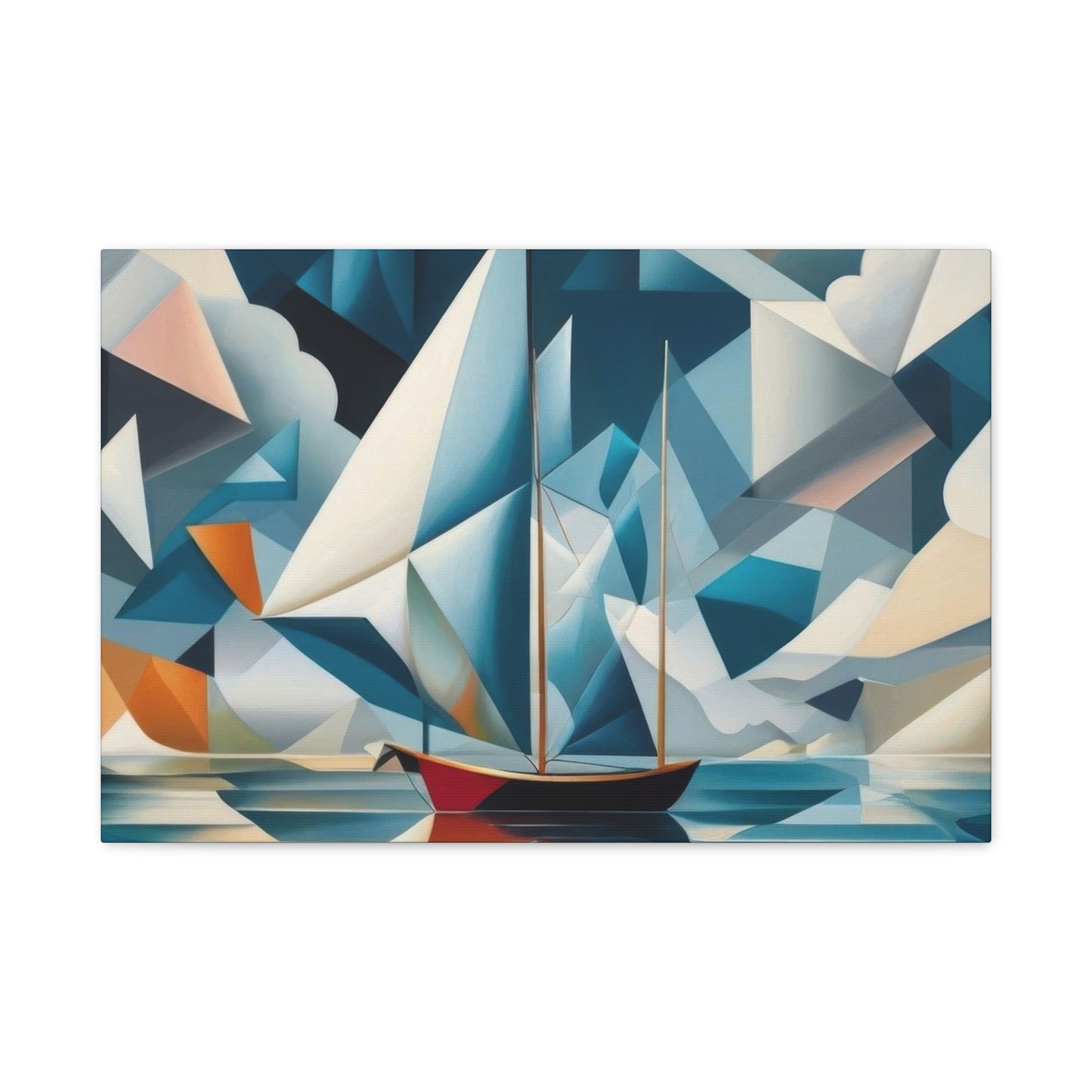
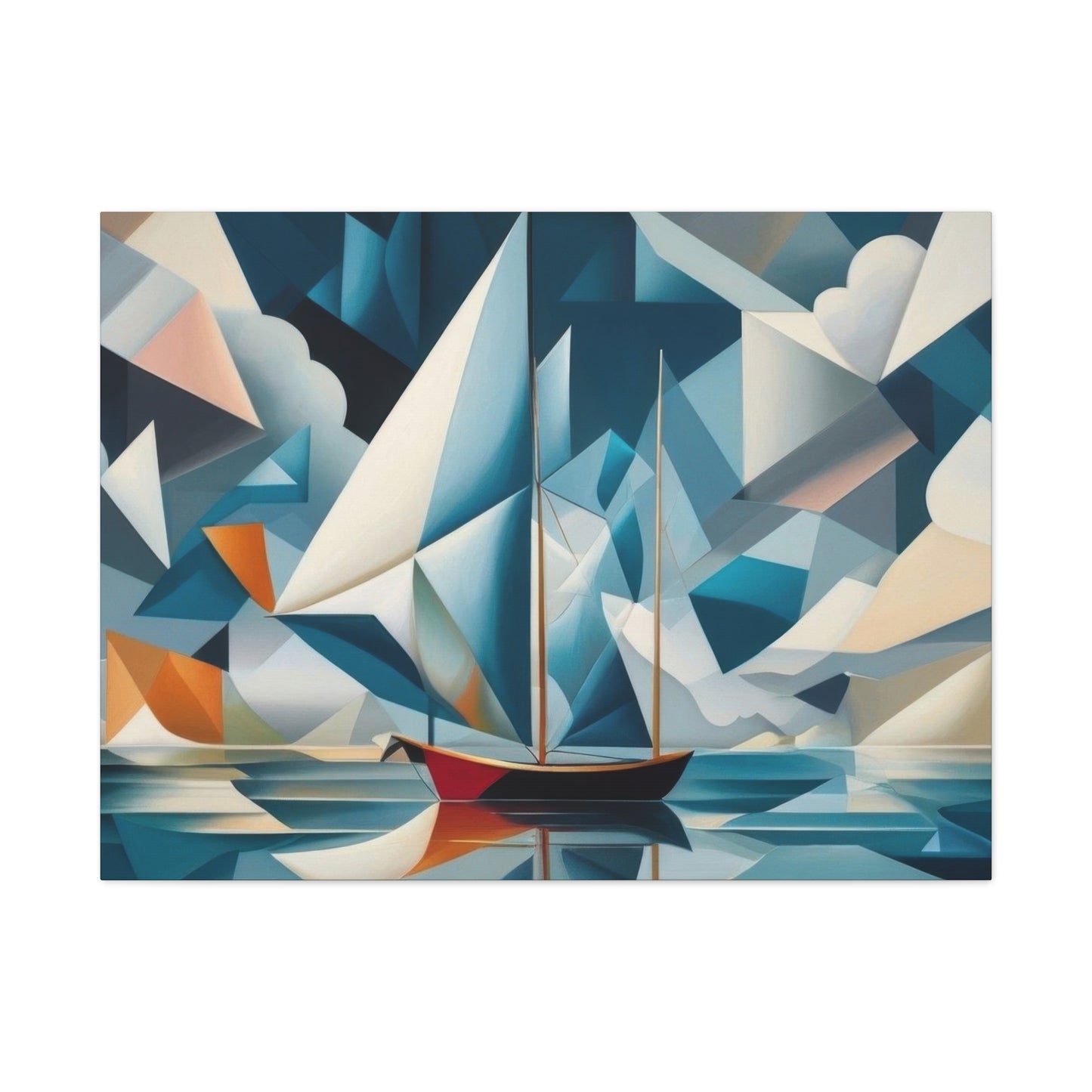
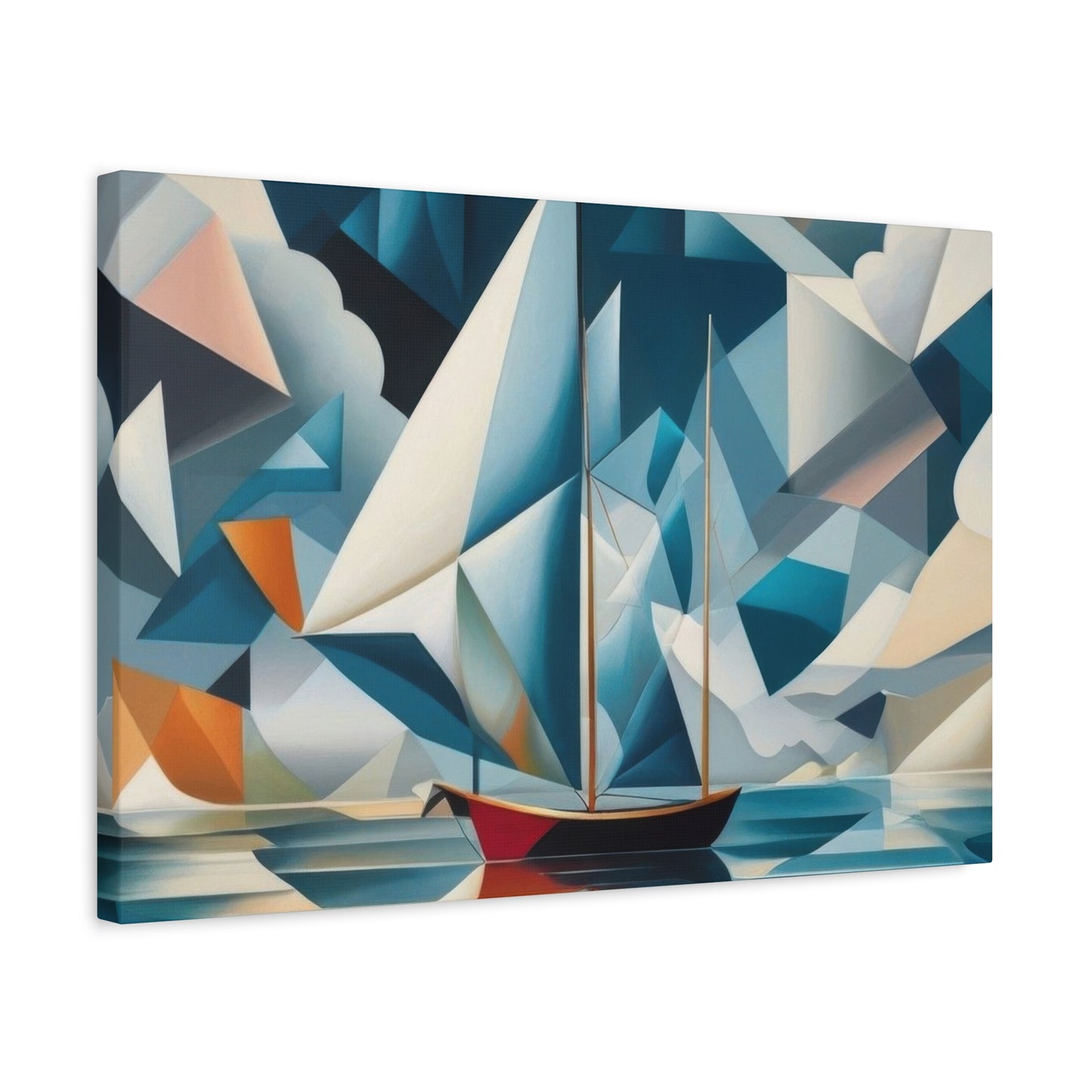
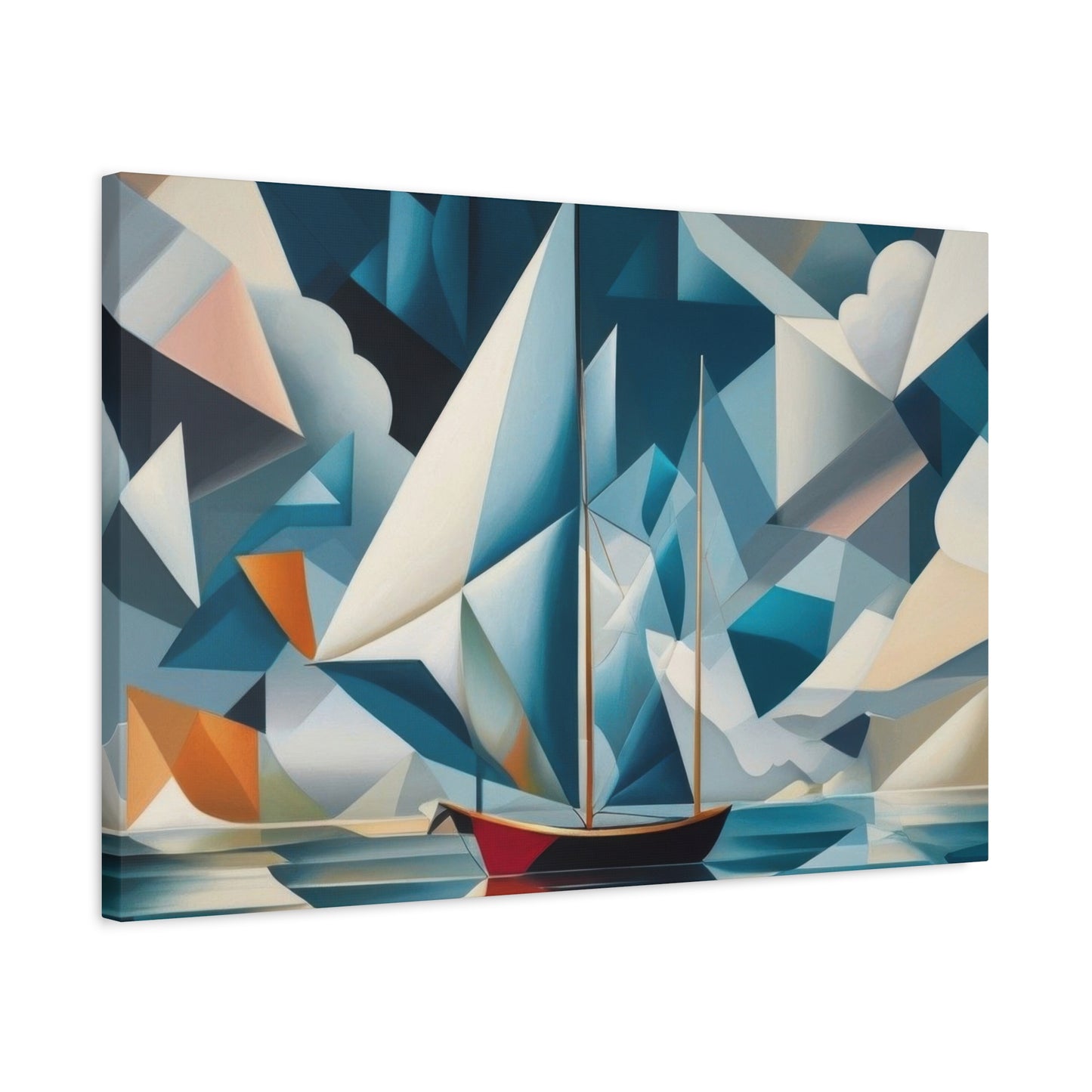
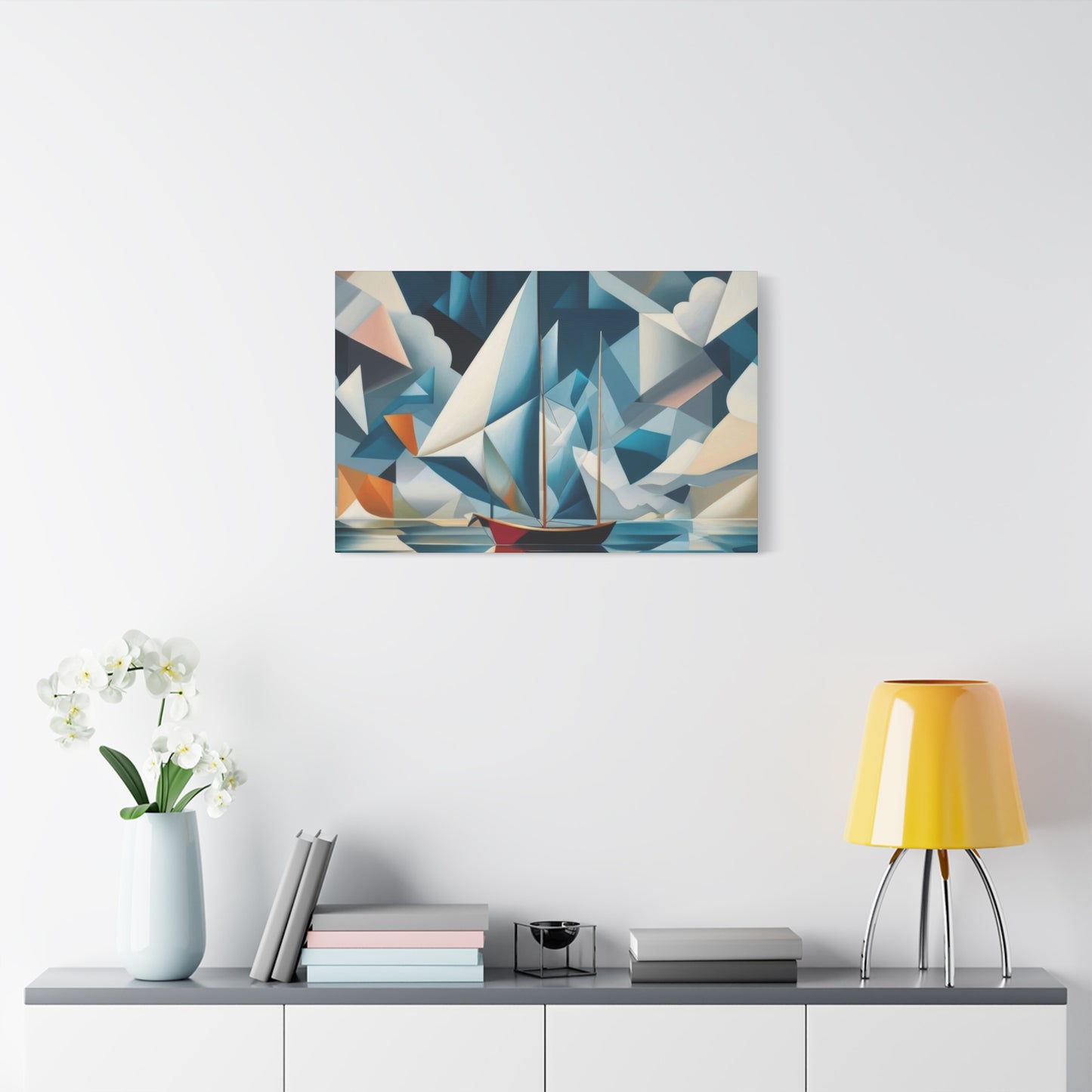
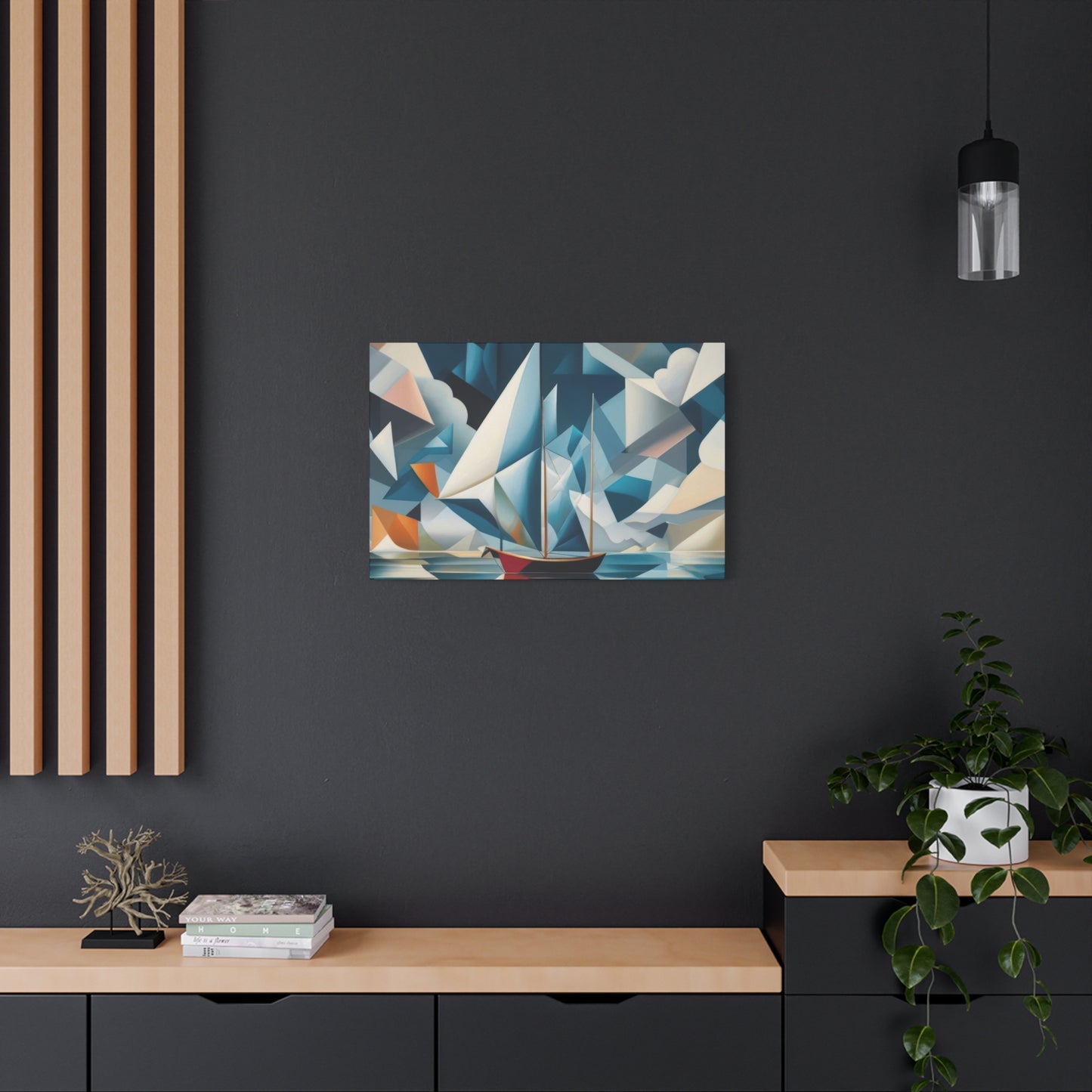
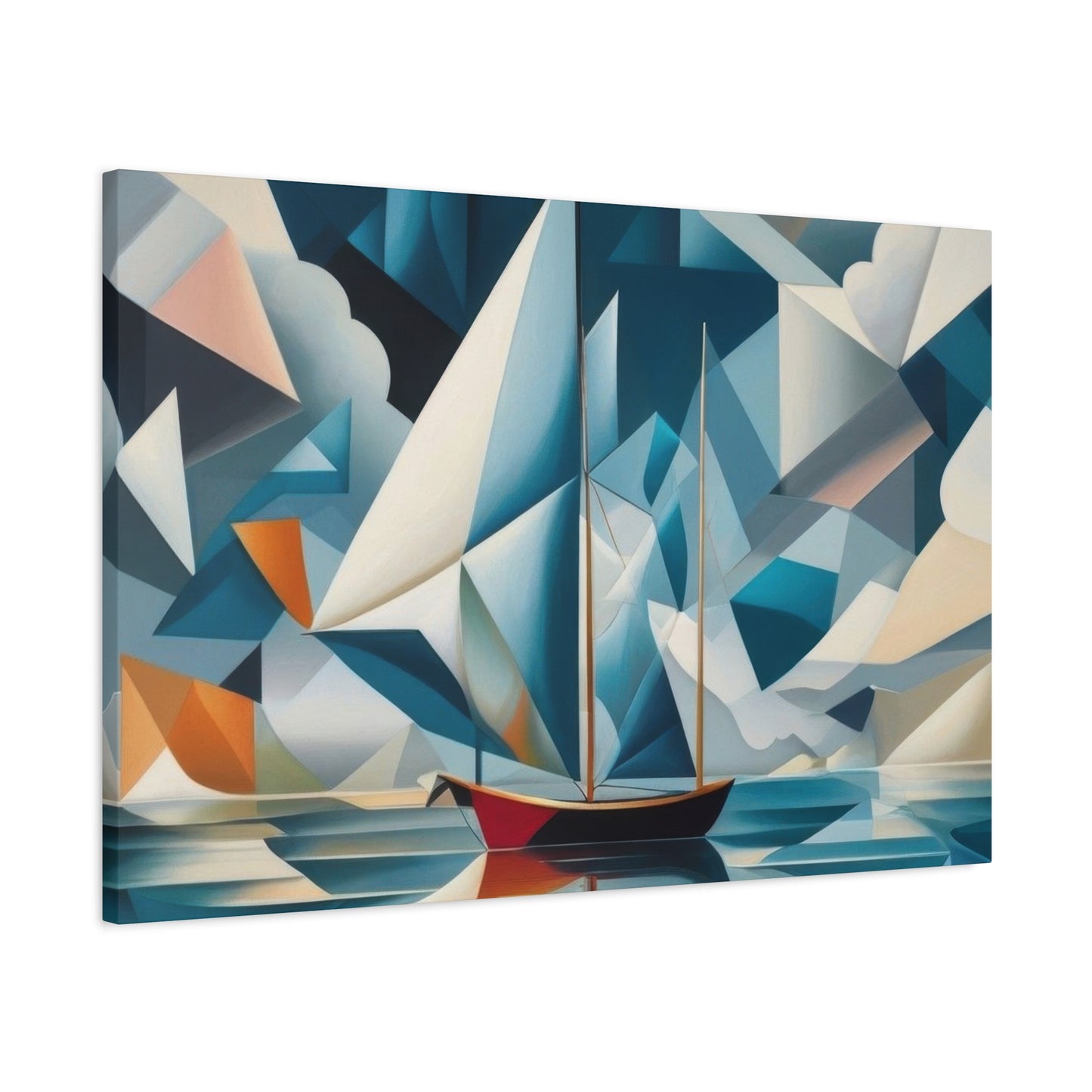
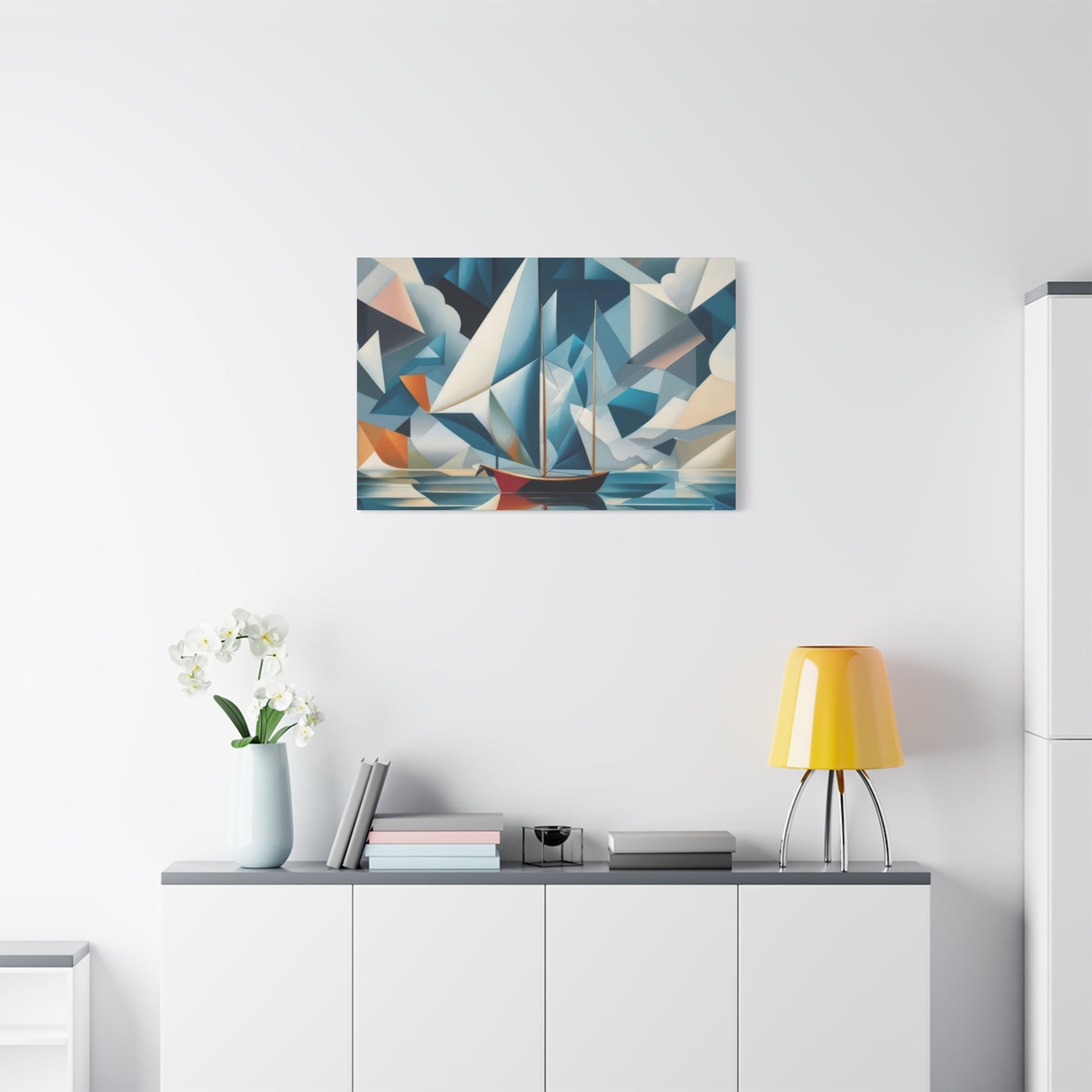
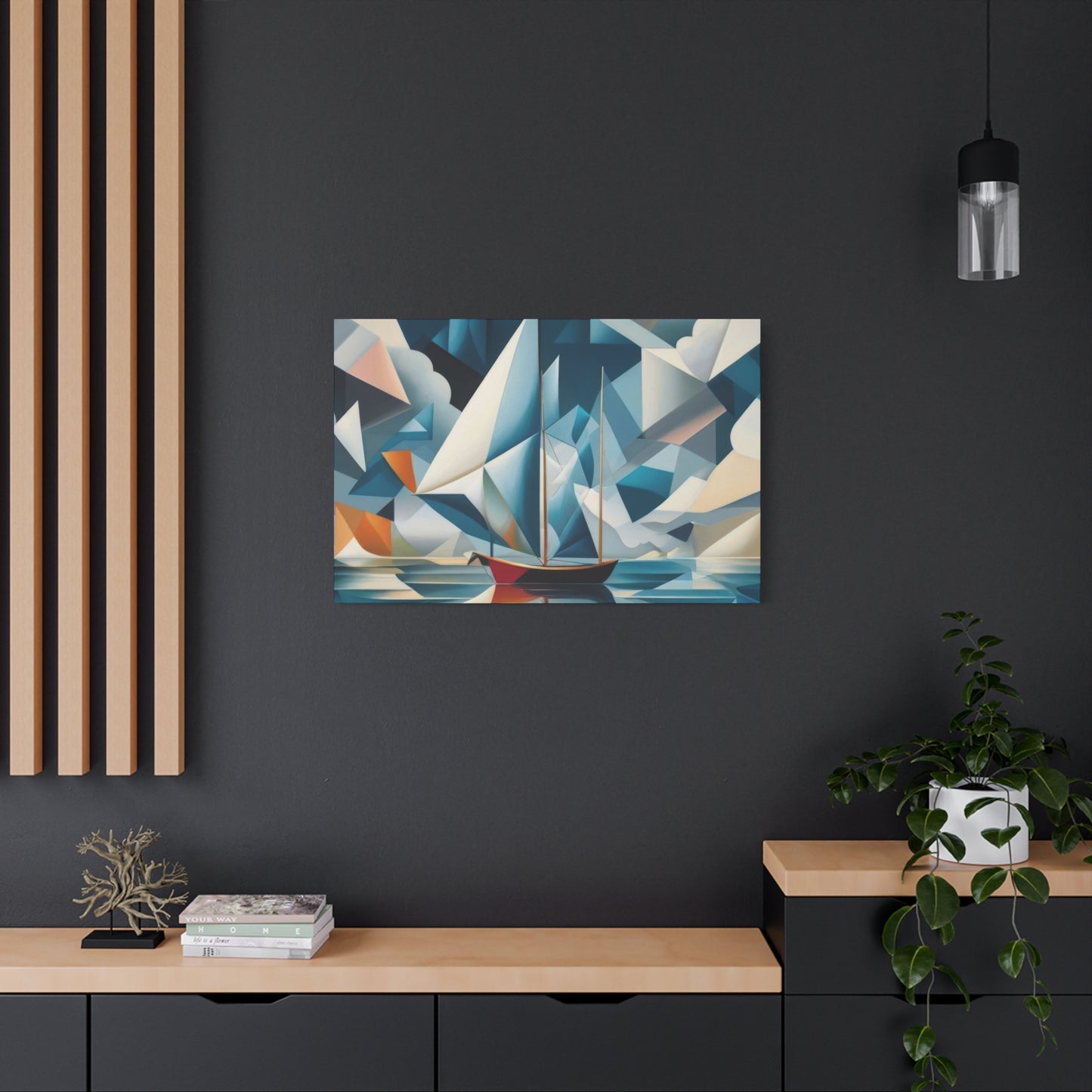
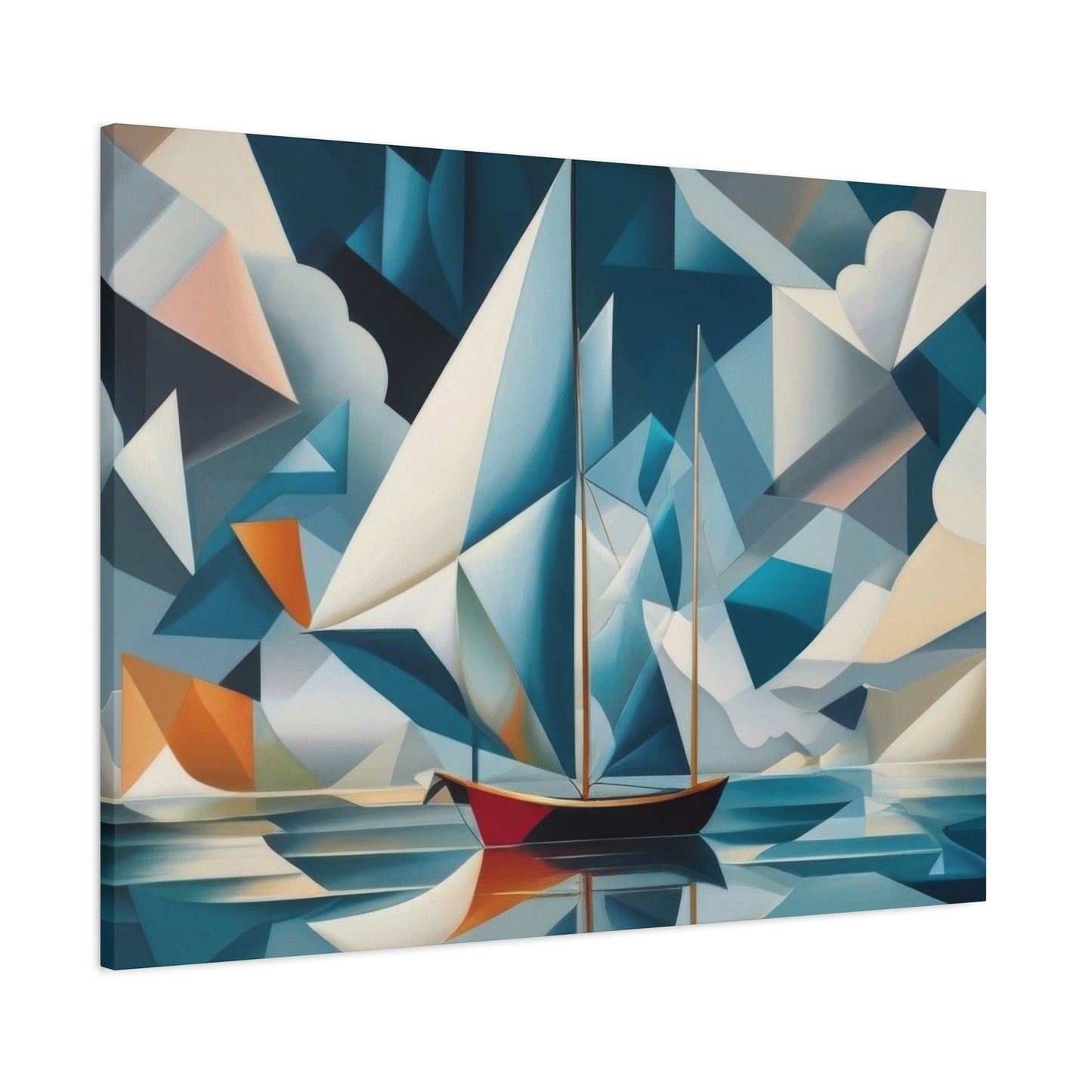
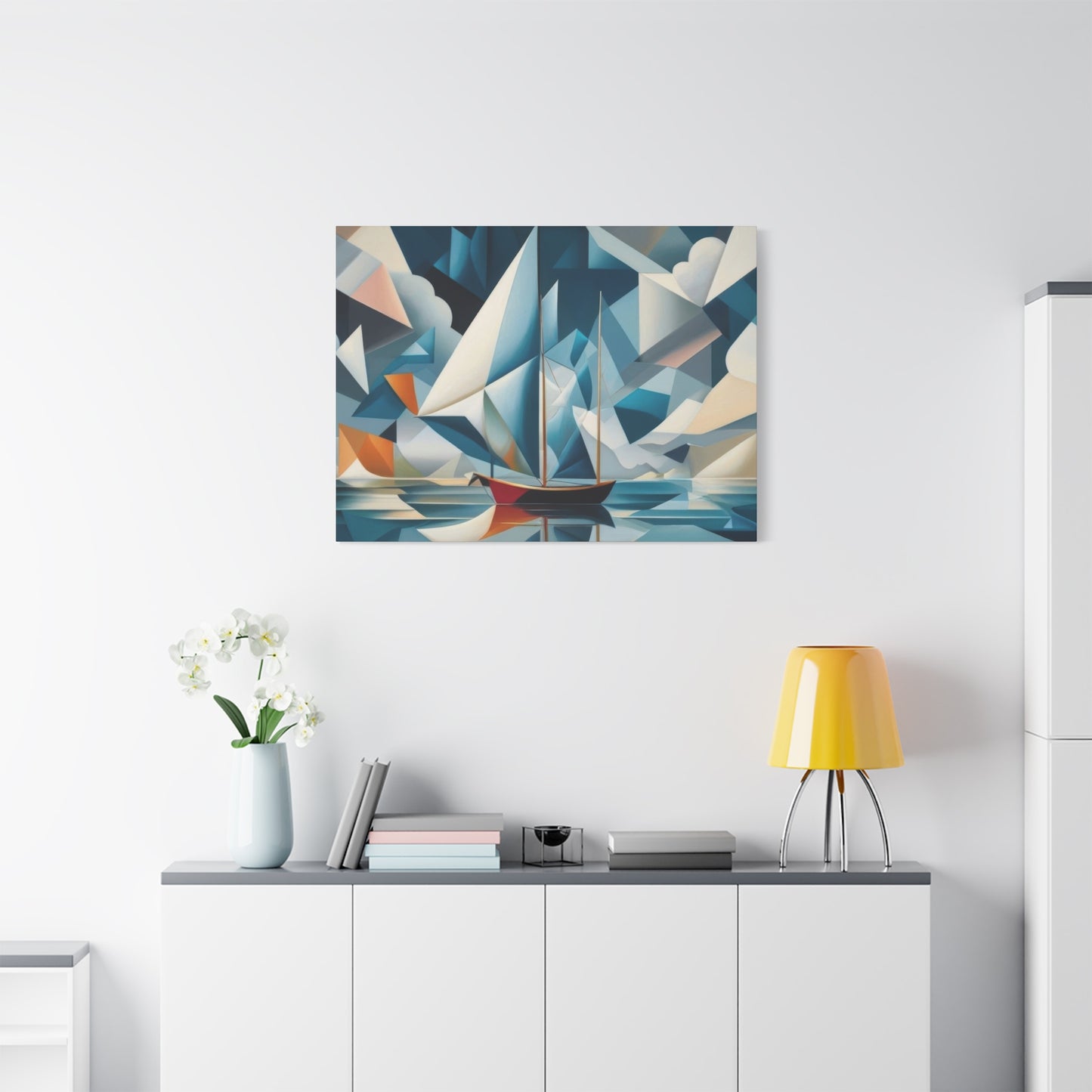
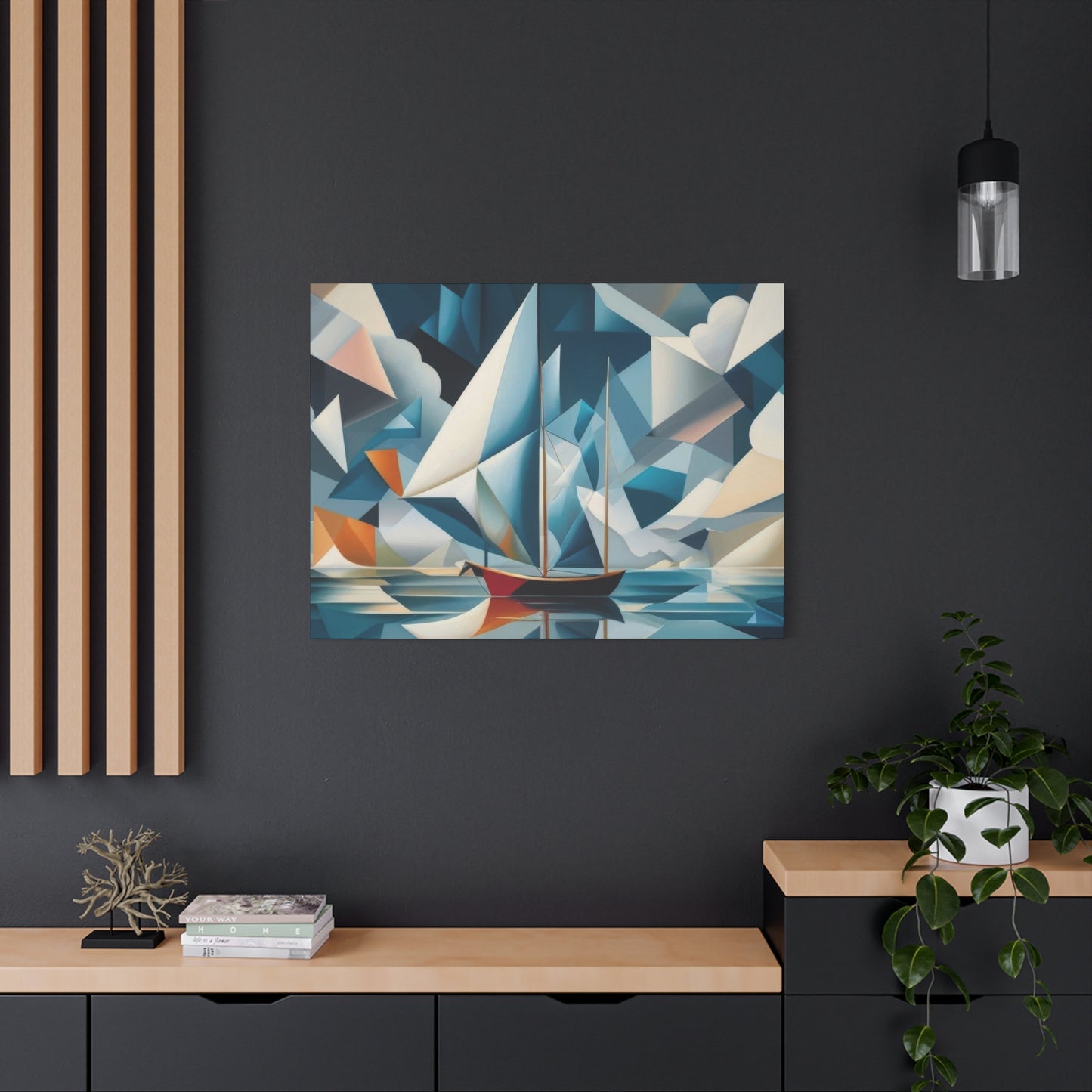
Abstract Waterforms and Geometric Art: The Unique Appeal of Water Cubism Wall Art
The world of interior design constantly evolves, bringing fresh perspectives to how we adorn our living spaces. Among the most captivating trends emerging in contemporary wall art is the fusion of maritime imagery with geometric abstraction. This artistic movement reimagines traditional nautical scenes through fragmented perspectives, creating visually stunning pieces that challenge conventional representation while celebrating the timeless appeal of seafaring vessels.
When considering artwork that makes a statement, few styles command attention quite like geometric abstraction applied to maritime subjects. These pieces transform ordinary walls into conversation starters, offering viewers an opportunity to engage with familiar subjects through an entirely new lens. The angular planes and multifaceted perspectives characteristic of this style create depth and dimension that flat, realistic representations simply cannot achieve.
The appeal of such artwork extends beyond mere aesthetics. These pieces represent a meeting point between tradition and innovation, where classic nautical themes undergo radical reinterpretation through modernist techniques. The resulting compositions possess an energy and dynamism that reflects both the movement of water and the structural complexity of vessels navigating its surface.
For homeowners and design enthusiasts seeking to elevate their interior spaces, these canvas prints offer versatility that works across multiple design schemes. Whether your home features coastal elements, contemporary minimalism, or eclectic styling, the geometric interpretation of maritime scenes provides visual interest without overwhelming existing decor. The fragmented forms and bold compositions create focal points that draw the eye while maintaining sophisticated restraint.
The technical execution of these artworks deserves particular attention. Artists working in this style carefully deconstruct their subjects, analyzing the essential geometric forms that comprise both vessels and water. They then reconstruct these elements across multiple planes, creating compositions that suggest movement, depth, and spatial complexity. The interplay between positive and negative space becomes crucial, as does the relationship between angular vessel forms and the more fluid representation of surrounding water.
Color palettes in these works typically range from muted earth tones and deep oceanic blues to more vibrant combinations that emphasize the artwork's contemporary nature. Some pieces maintain relatively realistic coloring, grounding the abstracted forms in recognizable maritime imagery. Others take greater liberties, introducing unexpected hues that heighten the artwork's decorative impact while further distancing the composition from literal representation.
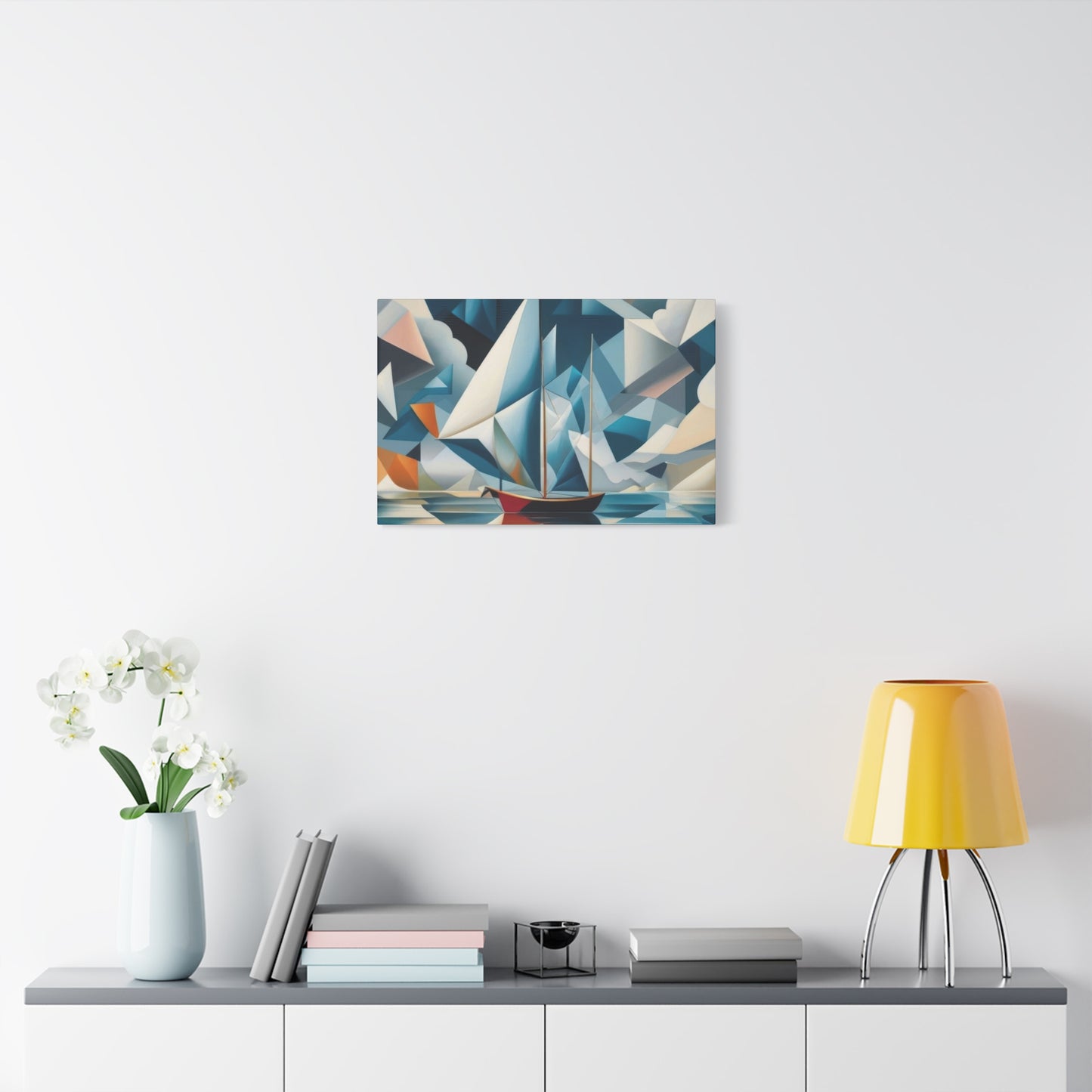
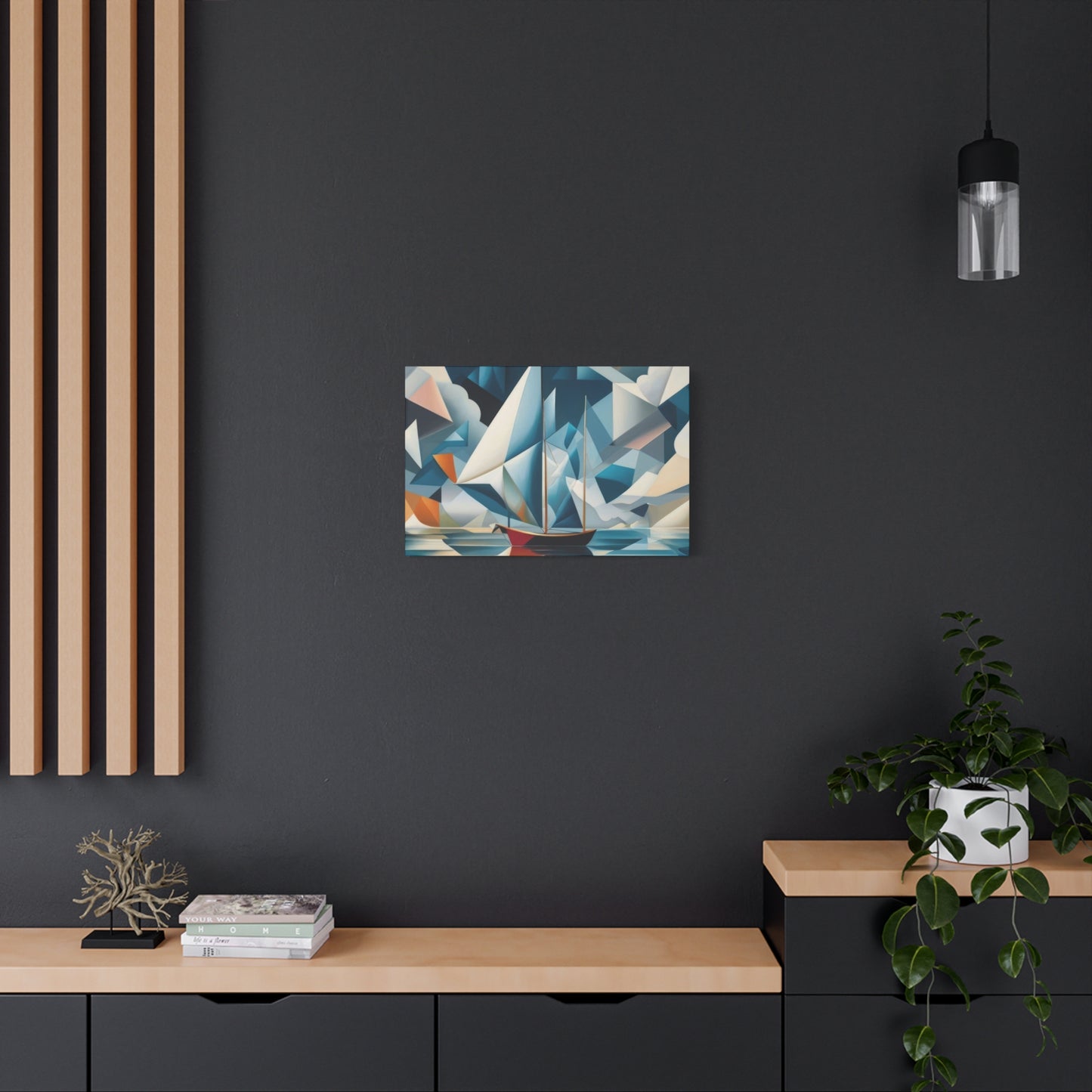
The scale of these canvas prints significantly affects their impact within a space. Large-format pieces create dramatic focal points, particularly effective above sofas, beds, or in dining areas where they can command attention without competing with functional elements. Medium-sized works offer flexibility, working well in gallery wall arrangements or as standalone pieces in smaller rooms. Even compact versions carry visual weight due to the style's inherent dynamism and complexity.
How Cubist Boat Art Adds Drama to Your Walls
Dramatic impact in interior design often depends on selecting elements that break from convention while maintaining sophisticated appeal. Artwork featuring vessels interpreted through geometric abstraction accomplishes this balance brilliantly, offering visual excitement without descending into chaos or overwhelming spaces. The inherent tension between recognizable subject matter and radical reinterpretation creates an engaging dynamic that elevates any room's aesthetic presence.
The drama these pieces generate stems from several interconnected factors. First, the fragmented representation challenges viewers' expectations, creating a slight cognitive dissonance that captures and holds attention. Our brains work to reconcile the familiar subject with its unfamiliar presentation, generating sustained engagement that static, realistic images rarely achieve. This mental activation transforms passive viewing into active experience.
Scale manipulation within compositions contributes significantly to dramatic effect. Artists working in this style often exaggerate certain elements while minimizing others, creating hierarchies that guide viewer attention through the composition. A vessel's prow might dominate the canvas, its angular forms thrusting forward with palpable energy, while surrounding water fragments into geometric shards that suggest movement and flux. These compositional choices create narrative tension and visual momentum.
Color relationships intensify dramatic impact when handled skillfully. Bold contrasts between vessel forms and water create immediate visual separation, while more subtle gradations within each element add sophistication. Some artists employ limited palettes that emphasize form over color, allowing geometric relationships to carry the composition's weight. Others embrace vibrant hues that amplify emotional resonance and decorative impact, making pieces suitable for spaces requiring energetic focal points.
The relationship between positive and negative space in these compositions often proves crucial to their dramatic success. Empty areas aren't merely background but active compositional elements that shape how viewers perceive filled spaces. Clever manipulation of these relationships creates rhythm and movement, guiding eyes through compositions in ways that prevent visual stagnation while maintaining overall coherence.
Texture considerations, both actual and implied, add another dimension to dramatic impact. Canvas weave becomes visible in quality prints, adding tactile interest that flat reproductions lack. Artists may incorporate techniques that suggest different surface qualities for various compositional elements, distinguishing smooth vessel hulls from rippling water through varied mark-making approaches. These textural variations create visual richness that rewards close examination.
The storytelling potential of these artworks shouldn't be overlooked when considering their dramatic appeal. While abstract, they still convey narratives about journeys, exploration, and humanity's relationship with natural forces. Viewers project their own experiences and emotions onto the fragmented forms, creating personal connections that realistic representations might not inspire. This interpretive openness allows individual viewers to find unique meaning in identical works.
Installation height significantly affects dramatic impact. Pieces hung at eye level create intimate engagement, inviting close inspection of details and formal relationships. Higher placement can increase monumentality, making artwork feel more imposing and architecturally integrated. Lower positioning might create unexpected perspectives that challenge conventional display norms, adding another layer of unconventionality to already nontraditional imagery.
Grouping strategies multiply dramatic potential when multiple pieces share wall space. Triptych arrangements featuring related compositions create expansive narrative flow across connected panels. Asymmetric clusters of varied sizes generate dynamic tension through their irregular organization. Even single large-format pieces flanked by smaller complementary works can create sophisticated visual hierarchies that enhance overall impact.
Lighting design dramatically alters how these artworks appear and function within spaces. Track lighting allows precise highlighting that emphasizes specific compositional elements while creating dramatic shadows. Ambient lighting creates more uniform illumination that reveals overall compositions without theatrical emphasis. Adjustable systems offer flexibility to change mood and focus depending on time of day or occasion, maximizing artwork's versatility.
Transform Your Space with Boat-in-Water Cubist Wall Art
Spatial transformation through strategic art selection represents one of interior design's most powerful tools. When executed thoughtfully, a single exceptional piece can completely alter a room's character, shifting its perceived dimensions, emotional tone, and aesthetic sophistication. Maritime subjects rendered through geometric abstraction offer particularly potent transformative potential due to their combination of familiar imagery and radical interpretation.
The transformative process begins with understanding existing spatial characteristics and determining desired changes. Rooms feeling cramped benefit from artwork with strong diagonal lines and fragmentary composition that implies space extending beyond the canvas edges. Conversely, overly large spaces gain definition and intimacy from substantial pieces that anchor areas and create focal points around which other design elements organize.
Color psychology plays a crucial role in transformation. Cool blue tones prevalent in maritime imagery tend to recede visually, making walls appear farther away and rooms more spacious. Warmer accents within compositions draw elements forward, creating depth perception and dimensional complexity. Strategic selection of color-dominant pieces allows designers to manipulate spatial perception without physical alterations.
Ceiling height considerations significantly impact transformative potential. Vertically oriented pieces with upward compositional movement draw eyes ceiling-ward, emphasizing height and creating impressions of greater volume. Horizontal orientations can make rooms feel wider and more expansive, particularly effective in narrow spaces where width enhancement proves desirable. Square formats offer balance suitable for rooms with proportional dimensions.
The style's inherent modernity automatically contemporizes spaces, even those featuring traditional architectural elements. This quality makes geometric maritime art particularly valuable for homeowners wanting to update period properties without undertaking extensive renovations. A strategically placed contemporary canvas can bridge historical architecture and modern furnishings, creating cohesive eclectic aesthetics.
Furniture arrangement often requires reconsideration when introducing significant artwork. Pieces positioned above sofas or headboards naturally become focal points that influence how other elements organize around them. Ensuring adequate breathing room around artwork prevents visual crowding while allowing compositions to command appropriate attention. Balancing substantial art with lighter surrounding elements maintains visual equilibrium.
The relationship between artwork and architectural features requires careful navigation. Pieces positioned near windows should complement rather than compete with views, while those flanking fireplaces should acknowledge the hearth's traditional dominance without surrendering their own presence. Artwork in relation to doorways must account for traffic flow and sightlines from adjacent rooms, maximizing impact from multiple viewing positions.
Seasonal light changes affect how artwork transforms spaces throughout the year. North-facing rooms receive consistent cool light that emphasizes blues and grays, potentially intensifying maritime imagery's contemplative qualities. South-facing spaces enjoy warm, changing light that brings out subtle color variations and creates shifting shadows that animate geometric forms. Understanding these patterns allows optimal placement for year-round satisfaction.
Why Cubism and Boats Make a Perfect Artistic Pairing
The marriage between geometric abstraction and maritime subjects represents far more than arbitrary stylistic choice. Deep structural and conceptual affinities make this combination particularly successful, creating artwork that resonates on multiple levels simultaneously. Understanding these underlying connections enriches appreciation while revealing why this pairing has captivated artists and audiences across decades.
Structurally, vessels themselves embody geometric principles through their construction. Naval architects design hulls using precise mathematical calculations, creating forms that balance hydrodynamic efficiency with structural integrity. The planes of decks, angles of masts, and curves of sails all follow geometric logic that geometric abstraction naturally emphasizes. Artists working in this style essentially reveal the mathematical underpinnings already present in their subjects.
Water presents interesting challenges for geometric interpretation, being fundamentally fluid and constantly changing. Artists address this through fragmentation that suggests movement and transformation while maintaining compositional coherence. Faceted planes representing water capture its reflective quality, its capacity for dramatic change, and its role as environment rather than object. The contrast between solid vessel geometry and fluid water geometry creates productive tension.
Conceptually, both geometric abstraction and maritime subjects deal with navigation and orientation. Ships travel through three-dimensional space, constantly adjusting position relative to wind, current, and destination. Geometric compositions navigate pictorial space, organizing multiple viewpoints and perspectives within two-dimensional constraints. This parallel creates metaphorical resonance beyond surface appearance, allowing artwork to operate on philosophical levels.
The historical relationship between modernist art movements and maritime subject matter stretches back over a century. Early geometric abstractionists often depicted industrial subjects including ships, seeing in their functional forms the clean lines and rational design that characterized modern life. This tradition continues in contemporary work, connecting present explorations to established artistic lineages that validate and enrich current production.
Color relationships in maritime contexts provide rich material for artistic exploration. The interplay between vessel colors, water tones, and sky hues creates natural compositional structures that translate effectively into geometric interpretation. Artists can maintain these relationships while abstracting forms, preserving enough recognizability to evoke maritime associations while achieving desired formal effects.
Scale relationships between vessels and surrounding water raise interesting questions about proportion and emphasis. Ships that dominate vast ocean expanses demonstrate human ambition and technological achievement. Conversely, vessels dwarfed by towering waves illustrate nature's power and humanity's vulnerability. Geometric interpretation can manipulate these relationships, emphasizing different aspects of the human-nature dynamic through compositional choices.
The technical challenge of representing transparency and reflection appeals to artists interested in formal problems. Water's surface simultaneously reveals depths below and reflects sky above, creating complex visual layers. Geometric fragmentation provides vocabulary for depicting these multiple simultaneous realities, showing different aspects of the same scene integrated within single compositions.
Cultural universality of maritime imagery makes this artwork accessible across diverse audiences. Virtually all human cultures have relationships with water and watercraft, creating common reference points that transcend specific cultural contexts. Geometric interpretation adds layer of artistic sophistication that elevates these universal themes into fine art territory, creating work that appeals broadly while maintaining critical credibility.
Boat-in-Water Cubism: A Modern Twist on Nautical Art
Traditional nautical art carries rich history spanning centuries, from Dutch Golden Age marine paintings to nineteenth-century seascapes celebrating naval power and commercial shipping. Contemporary interpretations through geometric abstraction both honor and subvert these traditions, creating works that reference historical precedents while asserting distinctly modern sensibilities. This dialectic between tradition and innovation generates much of the contemporary style's appeal and significance.
Classical marine painting emphasized realistic depiction, technical accuracy, and narrative content. Artists documented specific vessels, historical events, and dramatic encounters between ships and storms. These works served documentary, commemorative, and aesthetic purposes simultaneously, requiring artists to master complex perspective, atmospheric effects, and detailed rigging representation. The resulting paintings demonstrated technical virtuosity while celebrating maritime achievement.
Romantic period seascapes shifted emphasis toward emotional response and sublime experiences. Artists like J.M.W. Turner depicted vessels overwhelmed by nature's power, using dramatic lighting and atmospheric effects to evoke awe and terror. Technical accuracy became less important than emotional impact, with some works dissolving forms into pure light and color. This emphasis on subjective experience over objective documentation prefigured later abstract developments.
Impressionist approaches further loosened representational requirements, capturing fleeting effects of light on water through broken brushwork and high-key palettes. Artists depicted leisure boating and harbor scenes, celebrating modern recreational culture while exploring purely painterly concerns. The distinction between representation and abstraction began blurring as color and brushwork gained importance relative to descriptive accuracy.
Early twentieth-century modernism revolutionized maritime depiction through various approaches including geometric abstraction. Artists deconstructed vessels into fundamental geometric components, exploring form divorced from literal representation. These radical works challenged centuries of tradition, asserting that artistic value resided in formal innovation rather than technical skill at realistic depiction.
Contemporary geometric maritime art inherits all these traditions while synthesizing them into distinctive new forms. Artists acknowledge historical precedents while refusing to be bound by them, creating works that function within art historical continuum while asserting contemporary relevance. This historical consciousness distinguishes serious contemporary work from mere decoration, embedding pieces within ongoing conversations about representation, abstraction, and artistic purpose.
The Impact of Cubism in Boat-Inspired Wall Canvas Prints
The influence of early twentieth-century geometric abstraction on contemporary wall art extends far beyond simple stylistic borrowing. Fundamental principles developed over a century ago continue shaping how artists approach composition, space, and representation, creating living tradition that evolves while maintaining connection to foundational innovations. Understanding this influence enriches appreciation for contemporary work while revealing continuity within apparent revolution.
The core innovation of geometric abstraction involved rejecting single-point perspective that had dominated Western art since the Renaissance. Instead of depicting subjects from one fixed viewpoint, artists showed multiple perspectives simultaneously, fragmenting forms across picture planes. This revolutionary approach fundamentally changed pictorial space, creating flattened compositions that acknowledged the two-dimensional canvas surface rather than creating illusory depth.
Analytical phases of geometric abstraction focused on careful deconstruction of subjects into geometric components. Artists studied how forms could be broken into cylinders, cones, spheres, and planes, then reconstructed those elements in compositions emphasizing structural relationships. This systematic approach created relatively monochromatic, intellectually rigorous works that prioritized formal analysis over emotional expression or decorative appeal.
Synthetic phases introduced bolder colors, flattened forms, and collage elements. Artists moved beyond analytical deconstruction toward creative synthesis, combining realistic fragments with abstract geometric forms. This later development proved particularly influential on contemporary decorative art, providing models for balancing abstraction with recognizability. Many contemporary geometric maritime works owe more to synthetic than analytical approaches.
The movement's emphasis on geometric forms as fundamental building blocks of representation established vocabulary still employed today. Contemporary artists working with maritime subjects utilize cylinders for masts and smokestacks, planes for sails and hulls, cones for bow forms. These geometric translations feel natural because geometric abstraction established them as legitimate representational strategies over a century ago.
Color theory developments associated with geometric movements significantly impact contemporary practice. Artists learned to use color as independent compositional element rather than merely descriptive tool. The liberation of color from representational duty enabled bold chromatic experiments that contemporary artists continue exploring. Maritime work benefits particularly from this freedom, with artists able to employ non-naturalistic palettes while maintaining subject recognizability.
Exploring the Abstract Beauty of Boat-in-Water Cubism Art
Abstract beauty represents paradoxical concept, as beauty traditionally associated with harmony, proportion, and clarity seems opposed to abstraction's fragmentation and ambiguity. Yet geometric maritime art demonstrates how abstraction can achieve distinctive aesthetic power different from but not inferior to realistic representation. Exploring this particular form of beauty requires reconsidering assumptions about what makes visual art attractive and meaningful.
The beauty of geometric forms themselves provides foundation for abstract aesthetics. Humans respond positively to geometric regularity, finding satisfaction in circles, triangles, and squares that transcends cultural conditioning. These innate preferences suggest evolutionary foundations, with pattern recognition abilities conferring survival advantages. Geometric maritime art taps these deep-seated responses, creating immediate aesthetic pleasure through form alone.
Compositional balance in abstract work follows principles similar to realistic art but applies them to non-representational elements. Visual weight distribution, color temperature relationships, and directional movements require careful orchestration to achieve satisfying results. Successful geometric maritime compositions demonstrate sophisticated understanding of these principles, creating works that feel resolved and complete despite fragmented representations.
The interplay between order and chaos in geometric compositions generates distinctive aesthetic tension. Strict geometric organization suggests control and rationality, while fractured forms and ambiguous spaces introduce uncertainty and dynamism. This productive tension prevents work from feeling either rigidly mechanical or chaotically disorganized, instead achieving sweet spot between extremes that maintains interest without creating discomfort.
Color harmonies contribute substantially to abstract beauty in these works. Maritime subjects naturally involve blues, greens, and earth tones that create inherently pleasing combinations. Artists can enhance these natural harmonies or introduce unexpected colors that create productive contrasts. Either approach, when handled skillfully, produces aesthetically satisfying results that function independently of representational success.
The revelation of underlying structure appeals to intellectually oriented aesthetic sensibilities. By showing subjects reduced to fundamental geometric components, these works satisfy desires to understand how things work at basic levels. This revelatory quality creates cognitive pleasure distinct from sensory beauty, engaging minds as well as eyes in satisfying ways.
Rhythmic elements in successful compositions create movement that guides eyes through works. Repeated shapes, alternating colors, and graduated sizes establish patterns that feel musically analogous. This rhythmic quality makes viewing active rather than passive, with eyes following compositional cues in ways that create temporal dimension in ostensibly static images.
The suggestion of three-dimensional space within two-dimensional constraints demonstrates artistic skill in ways viewers appreciate even without technical understanding. Overlapping planes, value gradations, and size relationships create spatial illusions that engage perceptual systems designed to navigate physical environments. Successfully creating these illusions while maintaining abstract integrity represents significant achievement that produces aesthetic satisfaction.
Mystery inherent in ambiguous representation holds aesthetic appeal for viewers comfortable with uncertainty. Unlike realistic images that clearly depict specific things, geometric compositions invite multiple interpretations. This openness allows personal projection and imaginative engagement that makes viewing more participatory. The resulting investment of mental energy deepens aesthetic experience beyond simple visual pleasure.
Boat-Cubism Canvas Prints: A Contemporary Maritime Aesthetic
Contemporary maritime aesthetics encompass diverse approaches from photorealistic seascapes to purely abstract expressions of aquatic environments. Geometric interpretation of vessels and water occupies distinctive position within this spectrum, offering sophistication and modernity while maintaining clear maritime identity. This positioning makes geometric maritime prints particularly valuable for design contexts requiring both thematic clarity and artistic credibility.
The contemporary maritime aesthetic reflects current cultural relationships with oceans and watercraft. Where historical marine art often documented working vessels and naval power, contemporary work more frequently celebrates recreational sailing, environmental beauty, or abstract concepts of journey and exploration. This shift mirrors broader cultural changes from industrial to post-industrial society, with maritime imagery becoming primarily aesthetic and symbolic rather than documentary.
Minimalist influences shape much contemporary maritime art, with geometric approaches naturally aligning with minimalist principles. Reduction to essential forms, limited color palettes, and emphasis on spatial relationships all characterize both movements. Geometric maritime work thus functions effectively in contemporary minimalist interiors, providing visual interest without violating aesthetic principles of restraint and simplicity.
Scandinavian design sensibilities particularly harmonize with geometric maritime aesthetics. The Nordic emphasis on clean lines, natural materials, and understated elegance finds perfect complement in geometric boat compositions. Cool color palettes dominated by blues and grays reference Nordic maritime traditions while maintaining contemporary sophistication suitable for modern Scandinavian-influenced interiors.
Coastal contemporary style represents major design trend where geometric maritime art finds natural home. This aesthetic combines traditional coastal elements like nautical themes with contemporary materials, colors, and forms. Geometric boat prints provide nautical reference without resorting to literal anchors, ship wheels, or other clichéd coastal decor, offering sophistication that elevates coastal style beyond beach-house kitsch.
Industrial aesthetic contexts benefit from geometric maritime art's structural emphasis and mechanical subject matter. Exposed brick, metal fixtures, and concrete surfaces create environments where geometric boat compositions feel appropriately at home. The implicit celebration of human engineering and industrial design in both vessel construction and geometric representation creates thematic coherence across disparate elements.
Mid-century modern interiors provide historically appropriate context for geometric approaches descended from that era's artistic movements. The clean lines, organic forms, and bold colors characteristic of mid-century design harmonize naturally with geometric maritime compositions. Period-appropriate furniture and contemporary geometric art create dialogue across decades, demonstrating continued relevance of mid-century design principles.
Eclectic maximalist spaces can incorporate geometric maritime art successfully when pieces contribute to overall visual richness without creating chaos. The strong graphic quality of geometric compositions holds its own amid diverse decorative elements, providing structural clarity that prevents maximalist arrangements from descending into visual confusion. Careful selection ensures additions enhance rather than overwhelm existing complexity.
Professional office environments increasingly embrace sophisticated art that humanizes corporate spaces without sacrificing professional dignity. Geometric maritime prints fulfill these requirements perfectly, offering visual interest and conversational appeal while avoiding controversial content. Maritime associations with navigation, exploration, and journey resonate metaphorically with business concerns, creating thematic appropriateness beyond pure aesthetics.
Healthcare facilities recognize art's therapeutic value, with maritime imagery particularly suitable for promoting calm and contemplation. Geometric interpretation provides sophistication appropriate for professional medical environments while maintaining maritime imagery's inherent soothing qualities. The combination creates healing environments that feel current and professional rather than institutional or dated.
Add Artistic Flair with Boat-in-Water Cubist Wall Art
Artistic flair represents that ineffable quality distinguishing merely decorated spaces from thoughtfully designed environments expressing personal aesthetic sensibility. Geometric maritime wall art provides particularly effective means of injecting this flair due to its combination of visual distinctiveness, intellectual sophistication, and thematic resonance. Understanding how to deploy these pieces strategically maximizes their impact while ensuring successful integration with existing design elements.
The concept of flair implies personality and confidence in aesthetic choices. Selecting geometric maritime art demonstrates willingness to move beyond safe, conventional decoration toward more adventurous expressions of taste. This courage signals aesthetic sophistication and individuality, qualities increasingly valued in contemporary culture emphasizing personal branding and authentic self-expression.
Focal point creation represents primary strategy for adding flair through artwork. Large-scale geometric maritime pieces command attention immediately upon entering spaces, establishing aesthetic tone and directing eye movement. Positioning these dominant pieces on primary walls visible from main entries ensures maximum impact, making immediate impressions that characterize entire spaces.
Color accent strategies use artwork to introduce or amplify color schemes throughout rooms. A geometric maritime piece featuring vibrant blues might anchor color palette repeated in throw pillows, rugs, or other decorative elements. This coordinated approach creates cohesive aesthetics while ensuring artwork integrates smoothly rather than feeling arbitrarily placed.
Contrast strategies employ artwork that deliberately differs from surrounding elements, creating productive tension that energizes spaces. A boldly geometric piece in otherwise traditional room creates conversation between disparate aesthetic vocabularies. This approach requires confidence and careful calibration to achieve sophistication rather than chaos, but successful execution produces memorable, dynamic environments.
Layering techniques build visual complexity through multiple artistic elements working together. Geometric maritime art might serve as primary focal point while smaller complementary pieces, sculptural objects, or decorative accessories create supporting layers. This depth prevents spaces from feeling flat or one-dimensional, creating richness that rewards extended habitation and repeated viewing.
The surprise element contributes significantly to flair, with unexpected placements or selections creating memorable moments. Positioning geometric maritime art in non-obvious locations like hallways, bathrooms, or even kitchens demonstrates creativity and comprehensive design thinking. These unexpected encounters with sophisticated artwork throughout homes create layered experiences that distinguish thoughtfully designed environments.
Scale manipulation creates drama through deliberate mismatch between artwork size and surrounding elements. An oversized geometric maritime piece above a delicate console table creates striking juxtaposition that captures attention. Conversely, arranging multiple small geometric works in expansive gallery wall creates intricate tapestry effect that draws viewers closer for detailed examination.
Thematic coherence ties disparate elements together through shared content or aesthetic approaches. Multiple geometric maritime pieces throughout a home create continuity while allowing variation in specific compositions, color palettes, or sizes. This consistency establishes signature aesthetic that characterizes the entire residence, creating strong identity that visitors recognize and remember.
How to Style Your Home with Cubist Boat Canvas Prints
Successful styling requires understanding both the artworks themselves and the environments they'll inhabit. Geometric boat canvas prints bring specific qualities including strong graphic presence, maritime associations, and modernist sophistication. Leveraging these characteristics while addressing individual spatial requirements enables optimal integration that enhances both artwork and overall design schemes.
Initial assessment of existing decor establishes foundation for successful styling. Analyzing current color palettes, furniture styles, and overall aesthetic directions reveals opportunities and constraints for introducing geometric maritime art. Pieces should complement or productively contrast with existing elements rather than creating visual confusion through incompatible aesthetic languages.
Room function significantly influences appropriate artwork selections and placements. Living rooms accommodate larger, more dramatic pieces serving as focal points for social gatherings. Bedrooms benefit from calmer compositions promoting rest and contemplation. Dining areas can handle more energetic works that stimulate conversation without overwhelming meal experiences. Home offices require pieces that inspire without distracting from work tasks.
Wall color provides crucial context that dramatically affects artwork appearance. Neutral walls allow geometric maritime prints to command maximum attention without competing with environmental color. Boldly colored walls require careful consideration of how artwork colors interact with surrounding hues. Testing through visualization tools or temporary positioning helps predict success before permanent installation.
Lighting conditions profoundly impact how geometric maritime art appears and functions. Natural light reveals subtle color variations and creates changing appearances throughout the day. Artificial lighting requires consideration of color temperature and direction. Dedicated artwork lighting using adjustable fixtures enables optimal illumination that emphasizes dimensional qualities while preventing glare or uneven lighting.
Furniture arrangement in relation to artwork requires thoughtful consideration for optimal impact. Pieces positioned above sofas should center on seating or offset intentionally rather than arbitrarily. Artwork flanking fireplaces should maintain appropriate scale relationships with hearth and mantel. Console tables or credenzas beneath artwork should proportion appropriately to create balanced compositions.
Height recommendations vary by application but generally suggest hanging artwork so centers fall at average eye level, approximately 57 to 60 inches from floor. Adjustments may be necessary based on ceiling height, viewer positions, or specific spatial conditions. Above furniture, leaving 6 to 12 inches between furniture top and artwork bottom creates visual connection without cramping.
Grouping strategies for multiple pieces require attention to spacing, arrangement patterns, and visual relationships. Gallery walls combining various sizes create dynamic, informal presentations suitable for eclectic interiors. Symmetrical arrangements of matching pieces produce formal, balanced effects appropriate for traditional spaces. Linear sequences create rhythmic progressions suitable for hallways or long walls.
Color coordination between artwork and decorative accessories creates cohesive aesthetics without demanding exact matches. Pulling accent colors from geometric maritime prints into throw pillows, vases, or other accessories establishes visual connections that tie rooms together. This technique works particularly effectively when artwork features multiple colors, providing several coordination options.
Textural contrast between smooth canvas prints and varied surface textures in furnishings adds dimensional interest. Pairing geometric maritime art with natural wood, woven textiles, or metallics creates tactile richness that prevents spaces from feeling visually flat. This layering of textures engages multiple senses while creating sophisticated, professionally styled appearances.
Boat-in-Water Cubism: A Unique Look for Modern Spaces
Modern spaces characterized by clean lines, minimal ornamentation, and emphasis on function demand artwork that enhances rather than compromises their essential qualities. Geometric maritime art naturally aligns with modernist principles, offering visual interest and humanizing warmth without introducing decorative excess that violates modernist restraint. This natural affinity makes geometric boat prints particularly valuable for contemporary minimalist and modernist interiors.
Modernist architectural principles emphasizing honest expression of materials, structure, and function find parallels in geometric approaches to representation. Just as modern architecture reveals rather than conceals structural elements, geometric maritime art reveals underlying geometric structures of depicted subjects. This philosophical alignment creates harmonious relationships between modern built environments and geometric artwork.
The clean aesthetic of geometric maritime compositions complements rather than competes with modern interior elements. Absence of excessive detail or ornamental flourishes maintains visual calm essential to modern design while providing necessary focal points preventing sterility. This balance proves difficult to achieve but essential for successful modern interiors that feel human-scaled rather than coldly minimalist.
Open-plan modern spaces present specific challenges for artwork placement and selection. Pieces must work from multiple viewing angles and distances while maintaining impact across large, undivided areas. Geometric maritime prints with strong graphic presence and clear compositional structures succeed in these contexts, remaining visually coherent from varied positions throughout open rooms.
The color restraint typical of modern interiors creates opportunities for artwork to introduce controlled color accents. Geometric maritime pieces featuring blues, grays, and whites harmonize naturally with neutral modern palettes while providing necessary visual interest. More vibrant options can serve as bold accent pieces that energize spaces without overwhelming minimal surroundings.
Material honesty in modern design extends to artwork selection, with authentic canvas prints on quality stretcher bars demonstrating appropriate material integrity. Cheap reproductions on inferior materials contradict modernist principles of truth to materials. Investing in properly produced pieces ensures aesthetic and philosophical consistency across all design elements.
The functional art concept blurs boundaries between pure decoration and utilitarian objects. While geometric maritime prints serve primarily aesthetic purposes, their role in creating psychologically comfortable, stimulating environments constitutes genuine function. Modern design's acceptance of art as functional element justifies its inclusion in rigorously functionalist schemes that might reject purely decorative additions.
Scale relationships in modern spaces often feature dramatic proportions with high ceilings and expansive wall surfaces. Geometric maritime art can address these proportions through large-format pieces that hold their own against architectural grandeur. Alternatively, strategic groupings of smaller works create sufficient visual mass to balance imposing spatial volumes.
The integration with modern furniture requires attention to both practical and aesthetic relationships. Low-profile modern sofas necessitate carefully considered artwork heights to maintain visual connection without awkward gaps. Glass and metal furnishings create reflective surfaces that interact with artwork, requiring consideration of how reflections might affect viewing experiences.
Natural light emphasis in modern architecture creates varying illumination conditions that affect artwork appearance dramatically. Floor-to-ceiling windows flood spaces with changing light throughout days and seasons. Selecting geometric maritime pieces with sufficient tonal range ensures they remain visible and impactful under varying lighting conditions rather than washing out or disappearing.
The relationship between indoor and outdoor spaces in modern design often blurs boundaries through large windows and continuous material transitions. Geometric maritime art can strengthen these connections when featuring subjects and colors relating to visible exterior environments. Coastal modern homes particularly benefit from maritime themes that reference surrounding landscapes.
Technology integration in smart homes creates new possibilities for artwork display and interaction. Digital displays allow rotation through multiple geometric maritime images, creating variety without physical artwork changes. However, many design purists prefer traditional canvas prints for their material authenticity and lack of dependence on technology, finding digital displays incompatible with artwork's contemplative purposes.
The Geometry of Water: Boat-in-Cubism Wall Art
Water presents unique challenges for geometric interpretation due to its fluid, ever-changing nature. Unlike solid objects with stable forms, water constantly moves and transforms, reflecting light and surrounding elements while possessing no fixed shape. Artists addressing water through geometric vocabularies must find ways to suggest fluidity and change while maintaining compositional structure and clarity. Successful solutions to this challenge produce some of the most visually compelling aspects of geometric maritime art.
The reflective quality of water creates complex visual phenomena that geometric artists translate into layered transparent planes. Overlapping geometric shapes in varied opacities suggest water's capacity to simultaneously reveal depths below and mirror sky above. This transparency technique creates visual richness and spatial ambiguity that engages viewers' perceptual systems in satisfying ways.
Wave patterns offer geometric structures that artists can emphasize and regularize. Natural waves follow mathematical principles describable through geometric and algebraic formulas. Artists working with these forms sometimes maintain relatively naturalistic wave depictions while geometricizing other elements, or they might abstract wave patterns into purely geometric repetitions that suggest rather than represent actual water movement.
The color of water varies dramatically based on depth, lighting conditions, and surrounding elements. Deep oceanic blues contrast with shallow turquoise shallows and gray storm waters. Geometric artists manipulate these color variations to create depth perception and atmospheric effects. Strategic color placement guides viewers' eyes through compositions while suggesting spatial relationships between elements.
Fragmentation strategies break water surfaces into geometric facets that suggest both disruption and continuity. Individual facets might represent momentary states of moving water, with overall composition implying temporal progression. This approach creates frozen motion effects similar to high-speed photography, capturing dynamic processes within static images.
The boundary between water and other elements receives varied treatment depending on artistic intent. Sharp divisions between vessel and water create clear distinctions and graphic punch. Softer, more ambiguous boundaries suggest integration and relationship between elements. Some artists employ both strategies within single works, using boundary qualities to direct attention and establish focal hierarchies.
Perspective challenges in water representation include conveying depth, distance, and surface angle. Traditional single-point perspective creates convincing space but contradicts geometric principles of multiple simultaneous viewpoints. Artists resolve this tension through selective application of perspective cues that suggest spatial relationships without committing fully to conventional perspective systems.
The texture of water surfaces varies from glassy calm to rough chop, with countless intermediate states. Geometric representations might suggest texture through varied geometric forms, with larger, more regular shapes indicating calm and smaller, more chaotic fragments suggesting disturbance. This textural vocabulary creates expressive possibilities beyond pure formal arrangement.
Light effects on water including sparkle, glitter, and sun paths provide opportunities for geometric interpretation. Artists might represent these phenomena through scattered bright geometric shapes contrasting with darker water tones. The distribution, size, and intensity of these light-representing elements create atmospheric conditions and times of day without realistic depiction.
Why Cubist Boat Art Works for Contemporary Decor
Contemporary decoration encompasses diverse styles united by general preference for clean aesthetics, comfort, and personal expression over rigid adherence to historical periods or formal rules. Geometric boat art succeeds in contemporary contexts through its flexibility, sophisticated yet accessible aesthetic, and compatibility with multiple design approaches. Understanding specific factors behind this success enables informed selection and deployment of these pieces within contemporary homes.
The style-bridging capacity of geometric maritime art proves particularly valuable in contemporary eclectic interiors. These pieces harmonize with modern minimalism through their clean forms and restrained compositions. They complement traditional elements through their representational subject matter and fine art associations. This versatility allows geometric boat prints to function as unifying elements in spaces combining disparate stylistic references.
Color palette flexibility in geometric maritime works accommodates various decorative schemes. Pieces emphasizing blues and whites suit coastal and nautical themes. Works featuring earth tones and grays integrate with industrial and rustic aesthetics. Brighter, more varied palettes energize contemporary eclectic or maximalist spaces. This chromatic range ensures suitable options exist for virtually any contemporary color scheme.
The intellectual sophistication implied by geometric abstraction appeals to contemporary sensibilities valuing education, cultural awareness, and critical thinking. Displaying geometric art signals aesthetic literacy and engagement with visual culture beyond passive consumption of commercial imagery. This cultural capital aspect makes geometric boat prints particularly appropriate for homes of professionals and creative individuals.
Scale versatility accommodates spaces from compact urban apartments to spacious suburban homes. Large-format works create drama in expansive great rooms, while smaller pieces suit modest bedrooms or hallways. Medium sizes offer flexibility for varied applications. This range ensures appropriate options exist regardless of spatial constraints or requirements.
The conversation-starting quality benefits contemporary lifestyles emphasizing social connection and shared experiences. Distinctive artwork provides natural discussion topics that facilitate guest interactions while revealing shared interests. These social dimensions extend beyond pure aesthetics into realms of hospitality and relationship building.
Production accessibility through modern printing technology democratizes geometric art access in ways historical fine art collection never allowed. Quality reproductions enable broad audiences to enjoy sophisticated imagery without prohibitive investment. This accessibility aligns with contemporary values around cultural democratization and broad aesthetic education.
The maintenance simplicity of canvas prints suits contemporary lifestyles prioritizing convenience and efficiency. Unlike oil paintings requiring climate control and professional conservation, prints demand only occasional dusting and protection from direct sunlight. This practical advantage appeals to busy households where extensive art maintenance proves impractical.
Gender neutrality in geometric maritime aesthetics makes these pieces suitable for shared spaces in contemporary households where traditional gender role divisions have eroded. Unlike overtly masculine or feminine decorative styles, geometric boat art appeals across gender spectrums, making it appropriate for couple-shared spaces and families with diverse preferences.
Conclusion:
The distinct allure of Water Cubism wall art lies in its seamless fusion of natural fluidity and geometric precision, creating visual compositions that are both dynamic and harmonious. By merging abstract waterforms with structured cubist elements, these artworks capture the movement, energy, and reflective qualities of water while simultaneously presenting a sense of order, rhythm, and design sophistication. This duality appeals to both the emotional and analytical senses, engaging viewers with the soothing yet stimulating interplay of shapes, lines, and textures. The resulting pieces not only transform walls into artistic focal points but also elevate interiors by introducing a contemporary, thought-provoking, and visually captivating aesthetic.
At the heart of Water Cubism art is its exploration of the tension between organic and structured forms. Water, with its flowing, unpredictable nature, is rendered in fragmented, geometric patterns, emphasizing the contrast between movement and stability, chaos and control. This approach offers viewers a fresh perspective on the natural world, encouraging contemplation of both visual aesthetics and conceptual depth. The abstraction invites personal interpretation, allowing individuals to engage with the piece in unique ways—whether by focusing on the rhythmic flow of shapes, the interaction of colors, or the overall harmony of the composition. Each artwork becomes a conversation between order and spontaneity, art and nature, emotion and intellect.
From an interior design standpoint, Water Cubism wall art provides exceptional versatility. Large canvases can dominate living rooms, offices, or creative studios, serving as striking statement pieces that anchor the visual narrative of the space. Smaller or multi-panel arrangements can be used to complement other décor elements, creating gallery-style walls that introduce depth, rhythm, and layering. The color palettes, often featuring shades of blue, aqua, silver, and neutral tones, harmonize with modern, minimalist, contemporary, and eclectic interiors. By combining calming water-inspired hues with structured geometric forms, these artworks enhance spatial dynamics while contributing to an overall sense of sophistication and elegance.
Beyond aesthetics, Water Cubism art resonates on symbolic and emotional levels. Water is traditionally associated with fluidity, renewal, and emotional depth, while geometric patterns evoke balance, stability, and intellectual clarity. By merging these elements, the artwork encourages reflection on harmony, adaptability, and the interplay between natural and human-made order. Displaying such art fosters a contemplative and serene atmosphere, making it ideal for spaces dedicated to relaxation, creative work, or thoughtful engagement. The subtle movement within the cubist patterns can energize a room without overwhelming it, creating a dynamic yet soothing visual experience.
The craftsmanship behind Water Cubism wall art is both meticulous and innovative. Artists employ techniques ranging from digital illustration and mixed media to traditional painting, using layers, textures, and geometric fragmentation to capture the essence of flowing water. Some works emphasize abstraction and color harmony, while others highlight detailed patterns and reflective textures. This diversity allows homeowners and collectors to select pieces that align with their aesthetic preferences, spatial requirements, and design intentions. Each artwork represents a balance of technical skill, creativity, and conceptual depth, ensuring that it is both visually engaging and intellectually stimulating.
Moreover, layering Water Cubism art with complementary interior elements enhances its impact. Metallic accents, glass surfaces, and reflective furnishings can amplify the sense of movement and depth, while neutral backdrops allow the artwork’s colors and forms to stand out. Strategic lighting accentuates textures and shapes, further enhancing the interplay of abstraction and geometry. These integrations create an immersive visual experience, where the energy of water meets the precision of design, turning interiors into spaces that are both contemplative and visually invigorating.


