


Boat In Water Sunset Cubism Wall Art & Canvas Prints
Boat In Water Sunset Cubism Wall Art & Canvas Prints
Couldn't load pickup availability
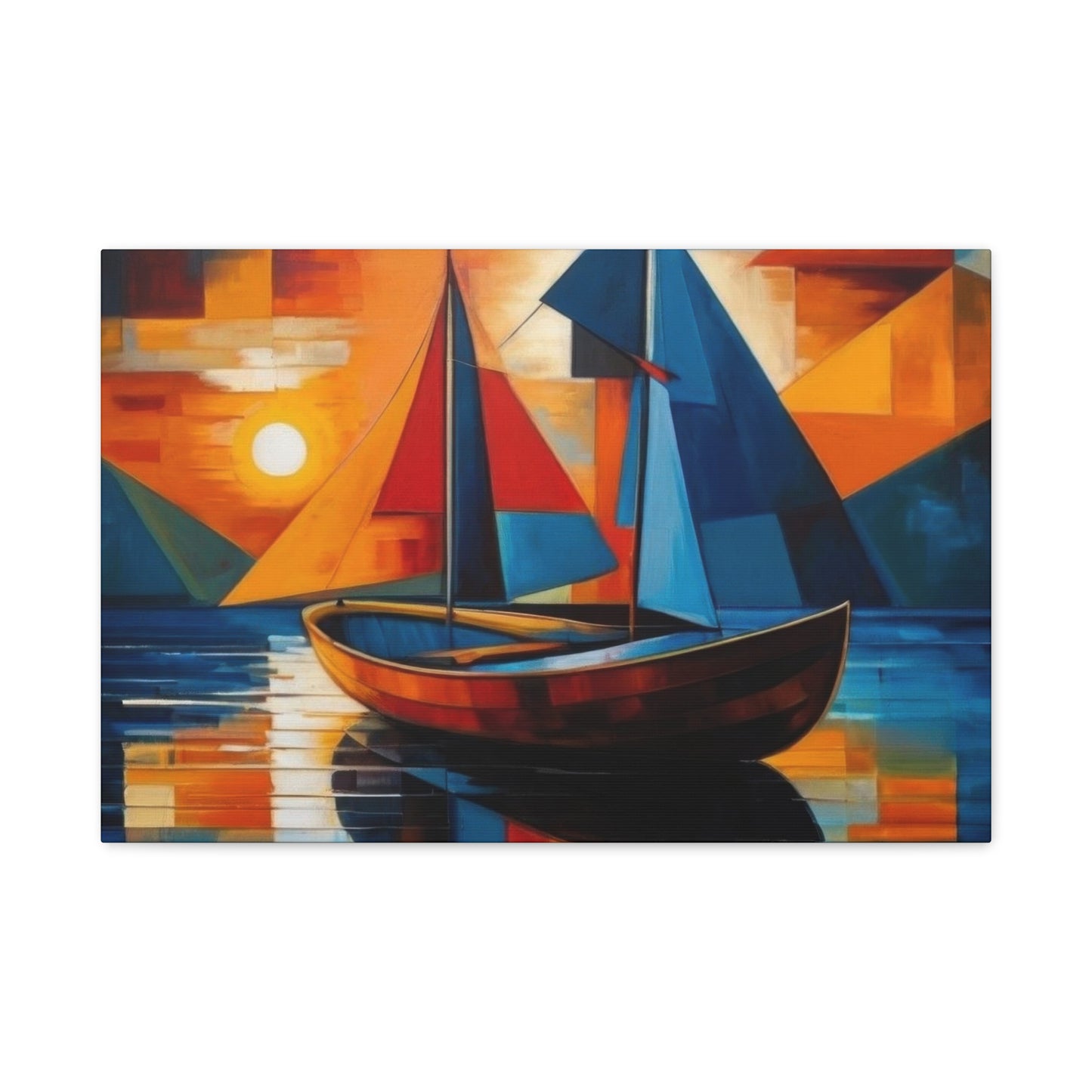
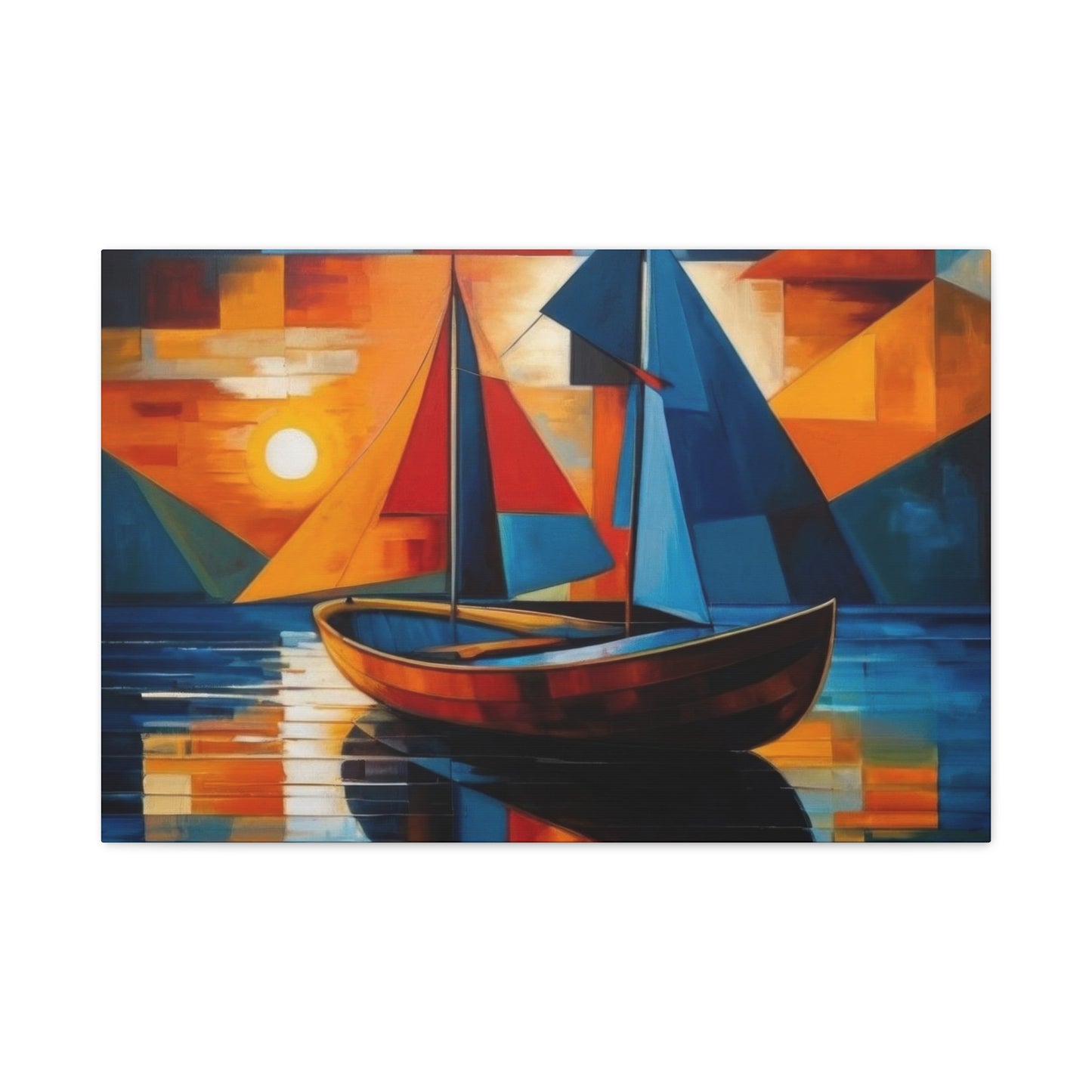
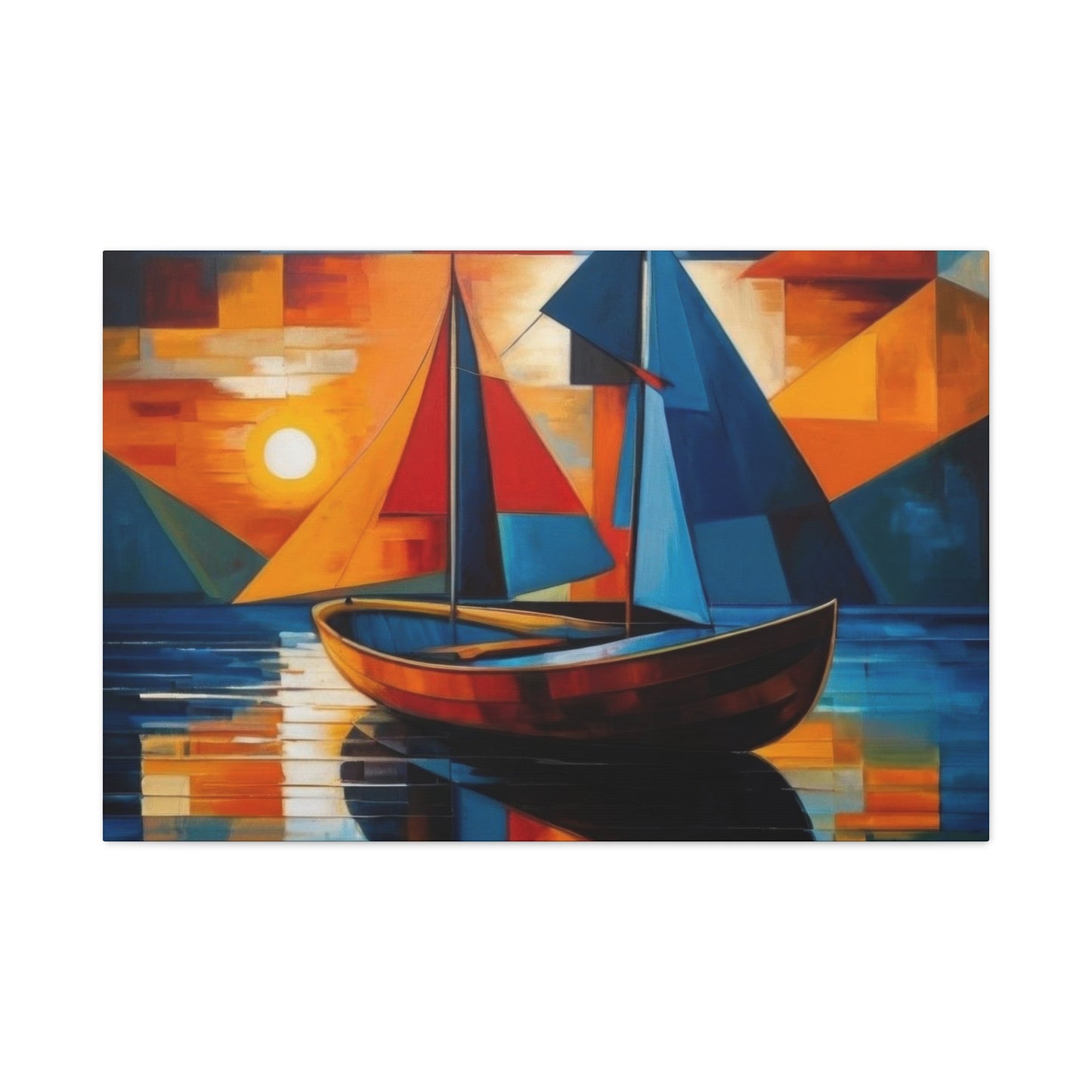
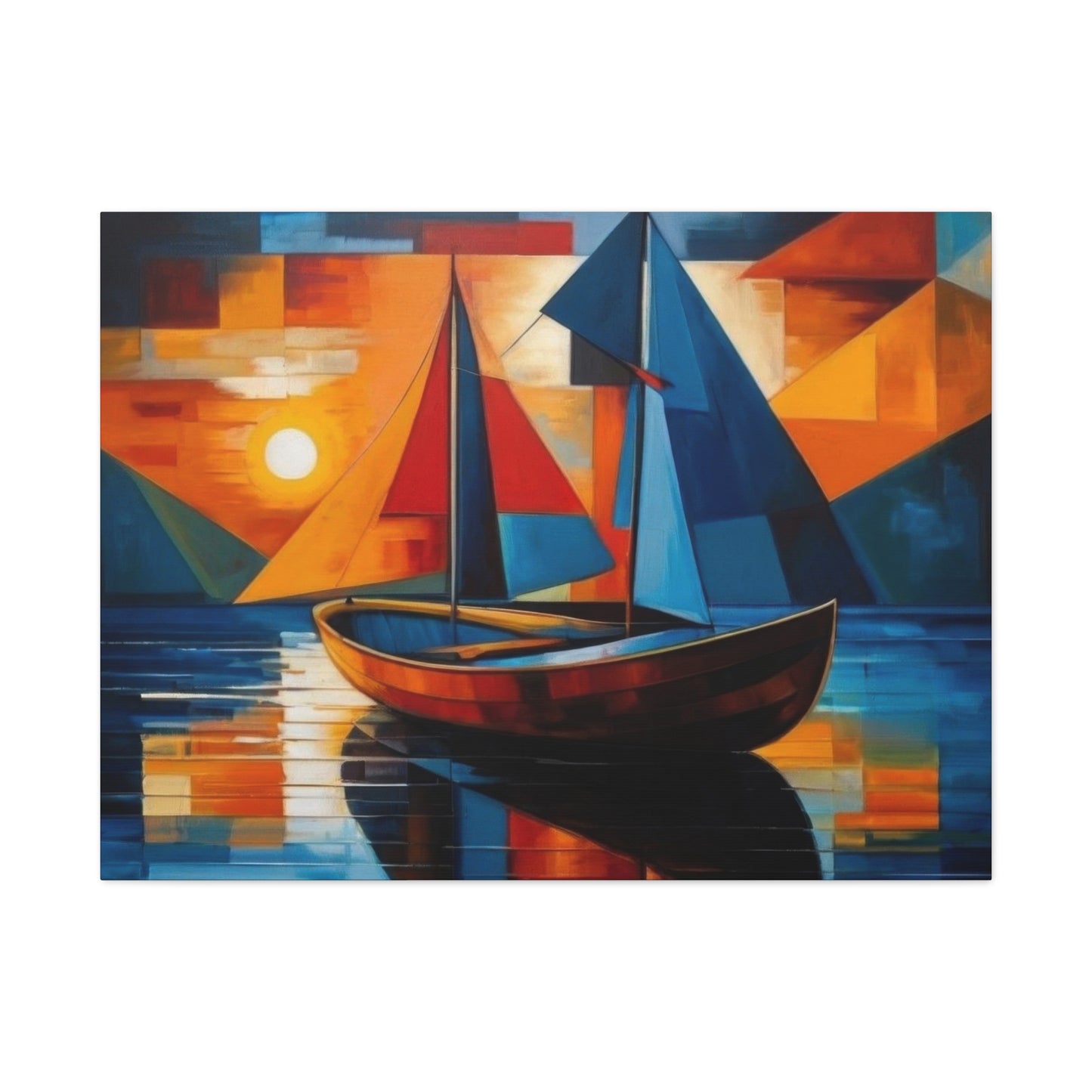
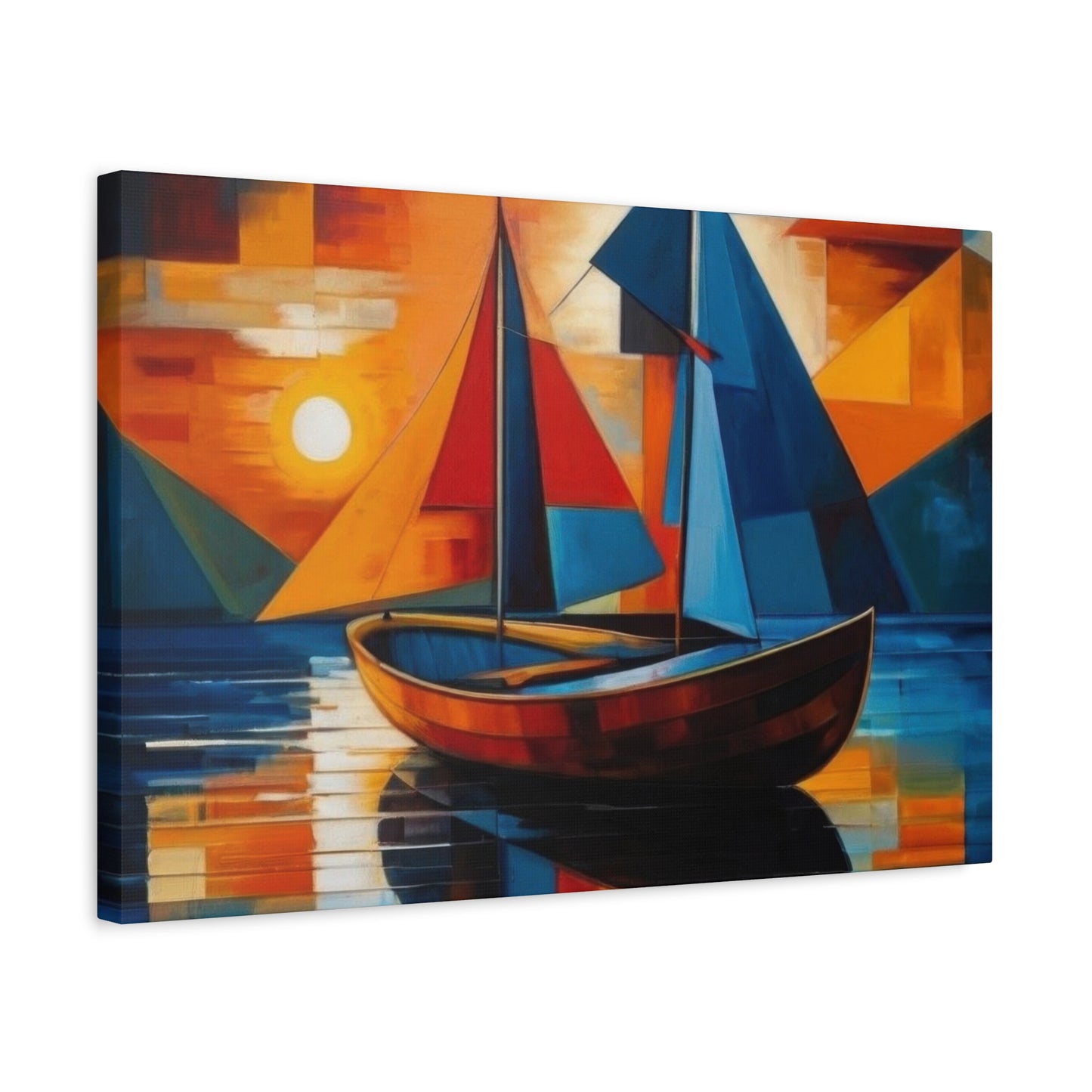
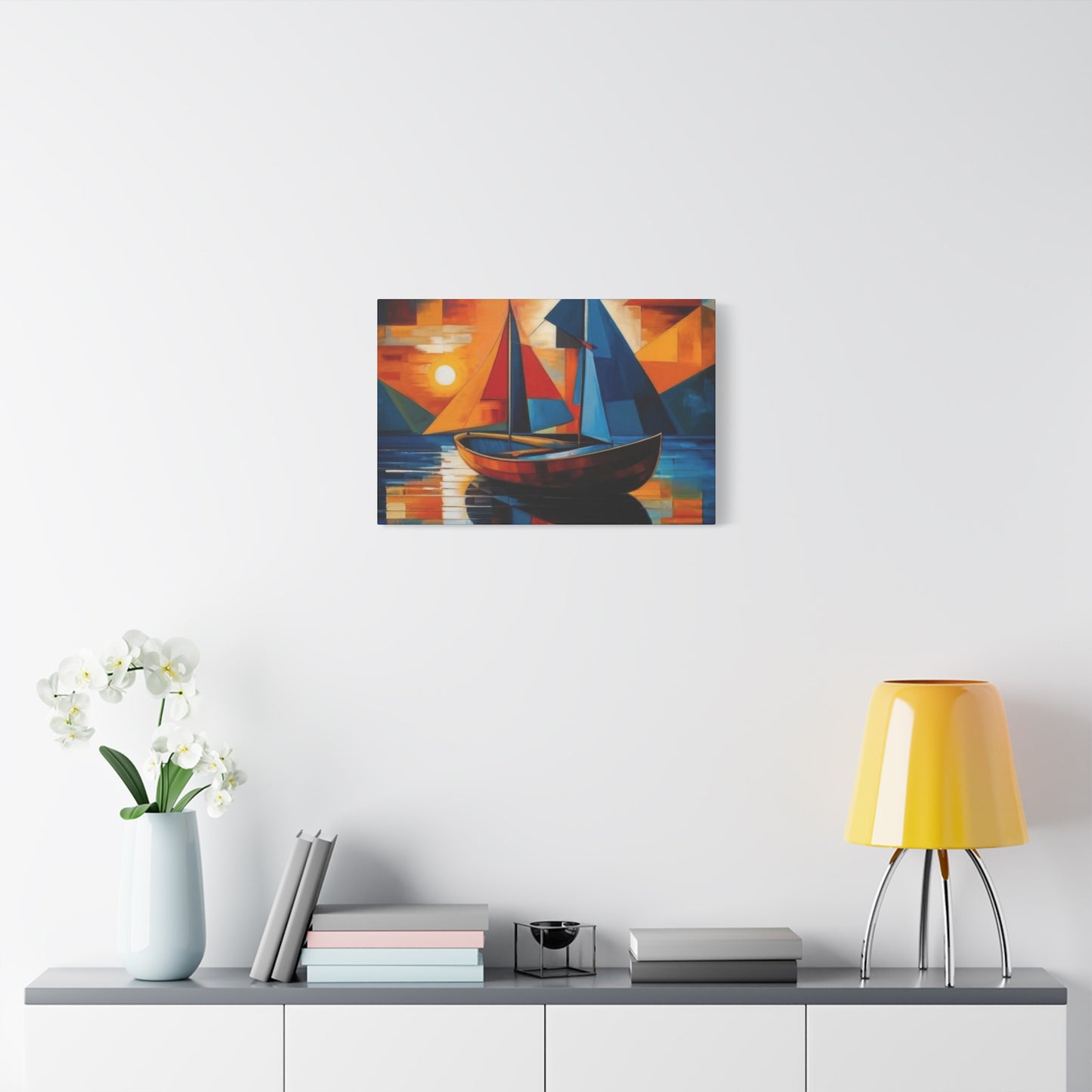
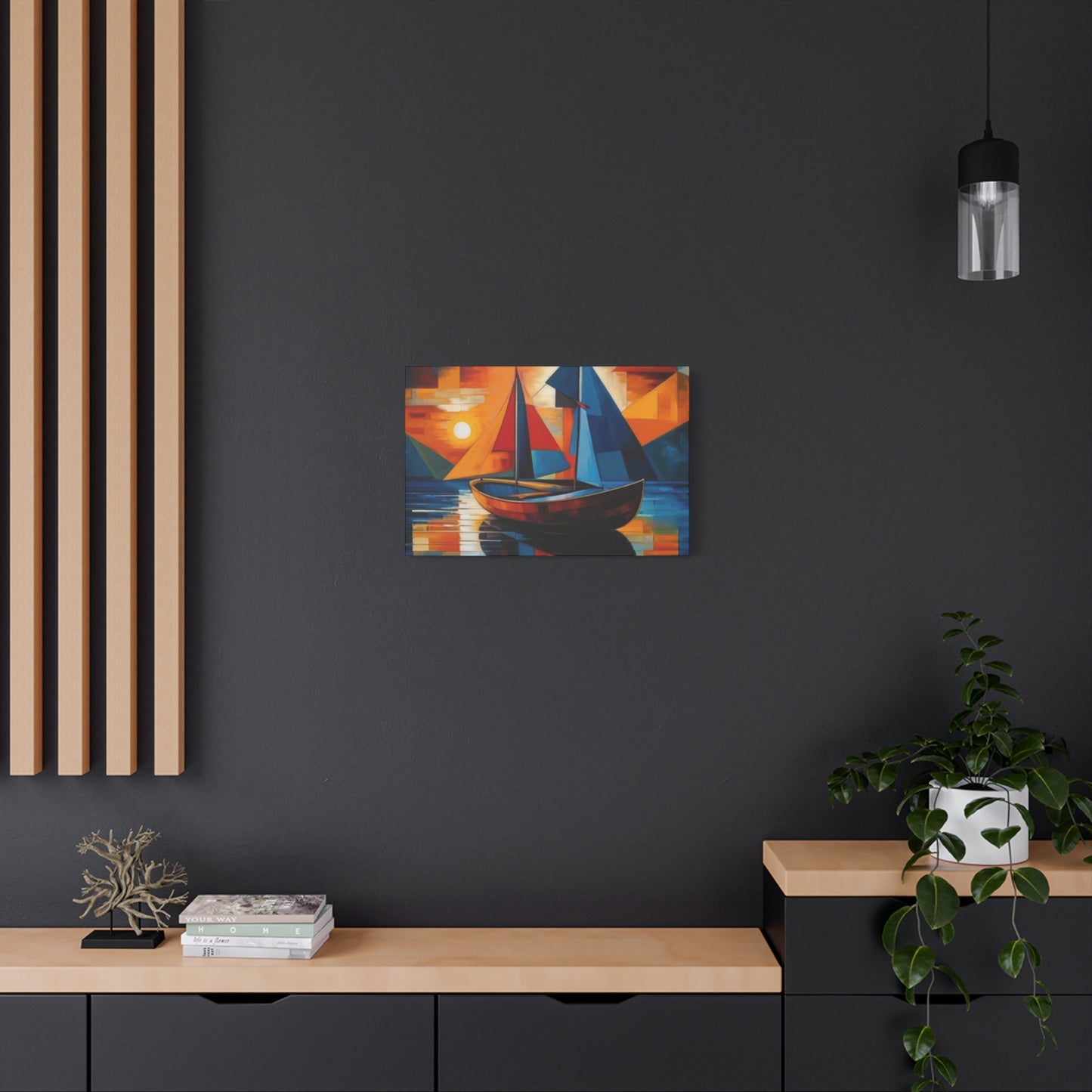
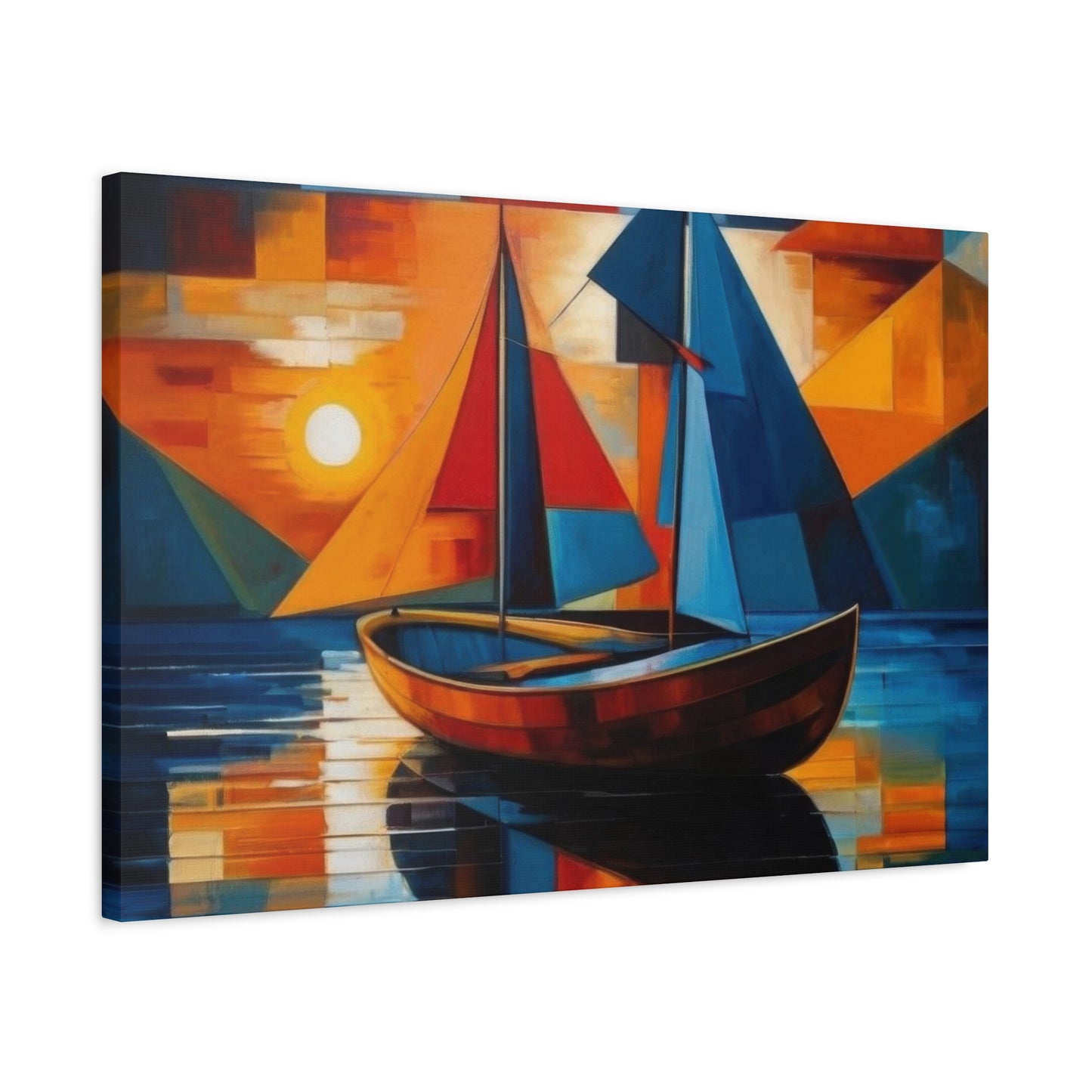
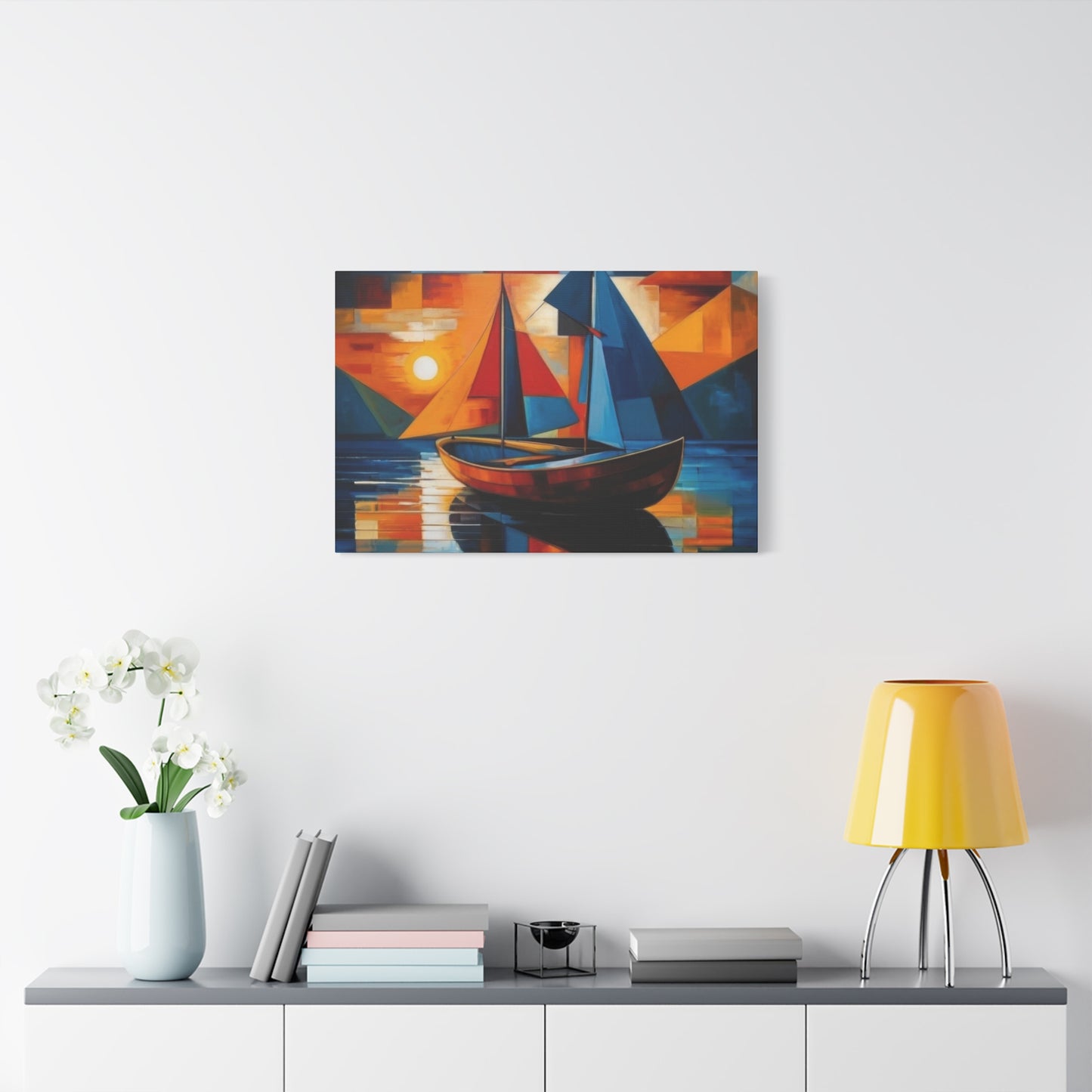
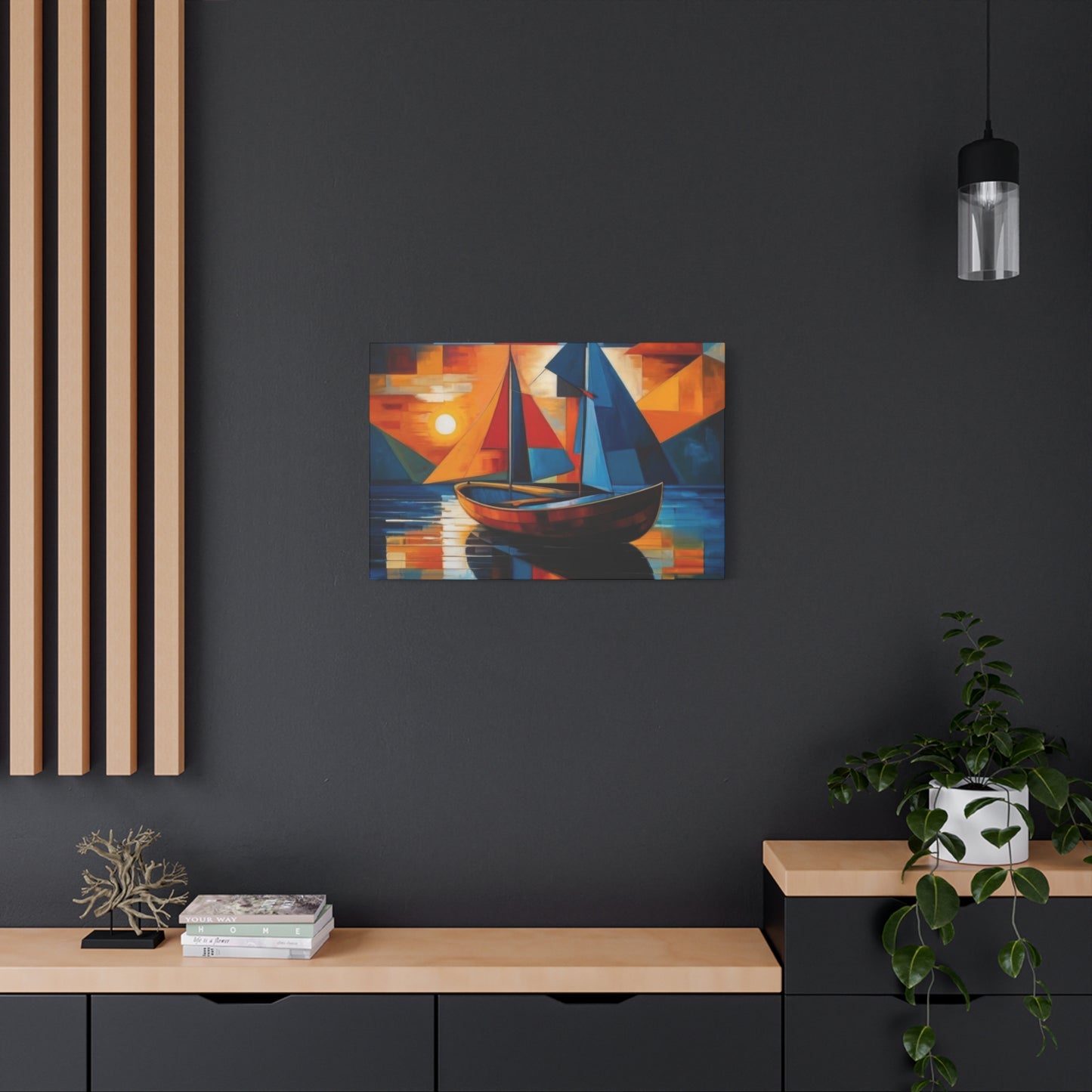
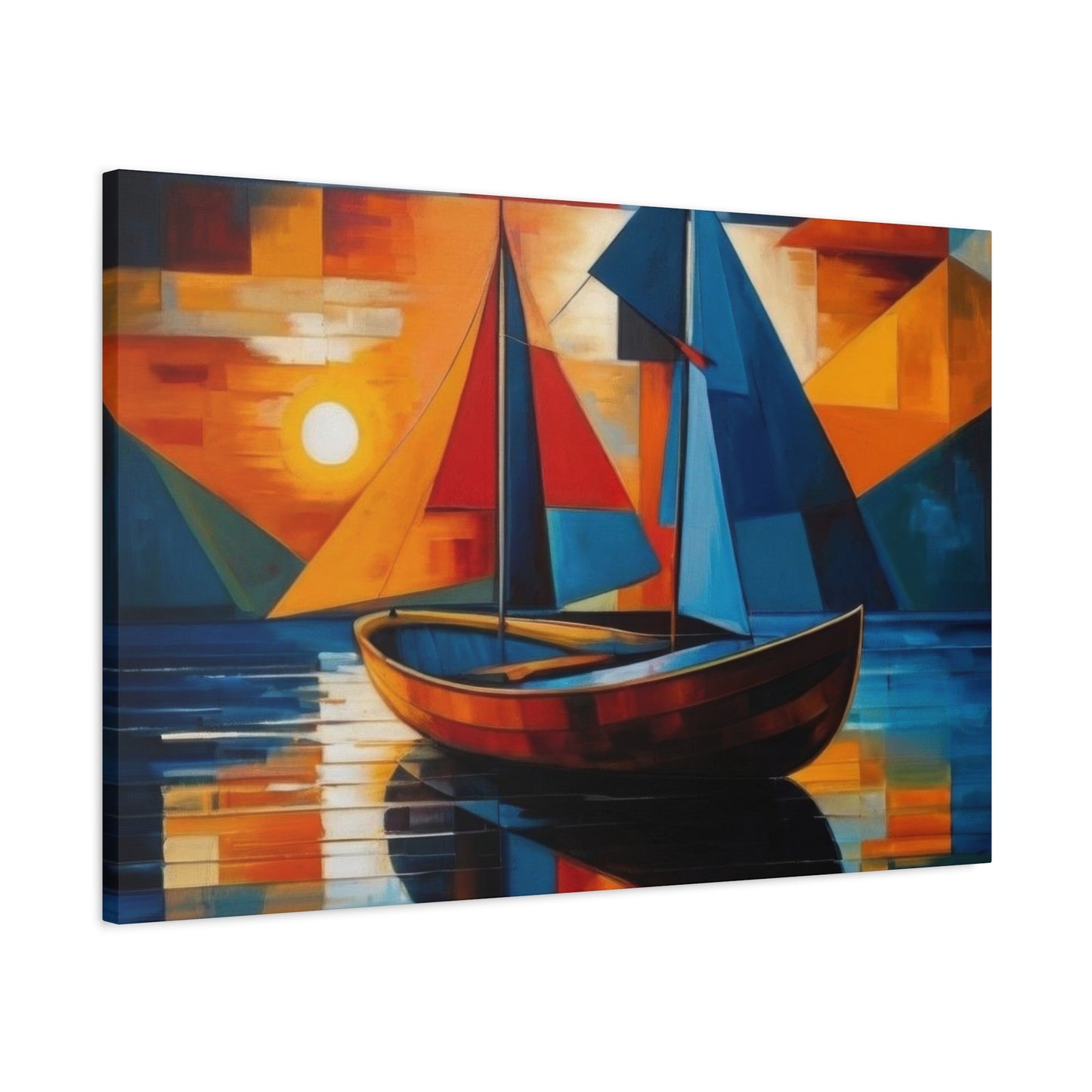
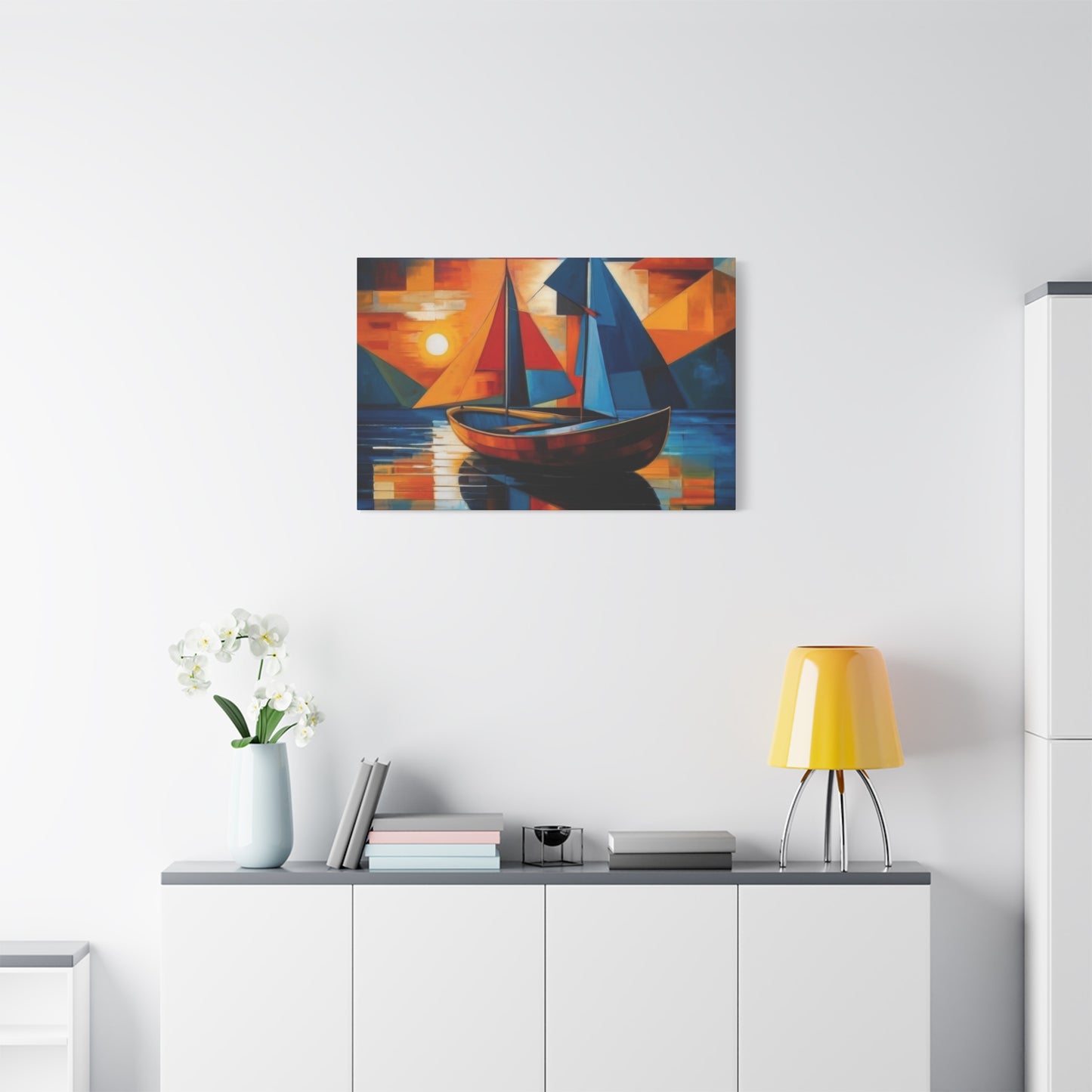
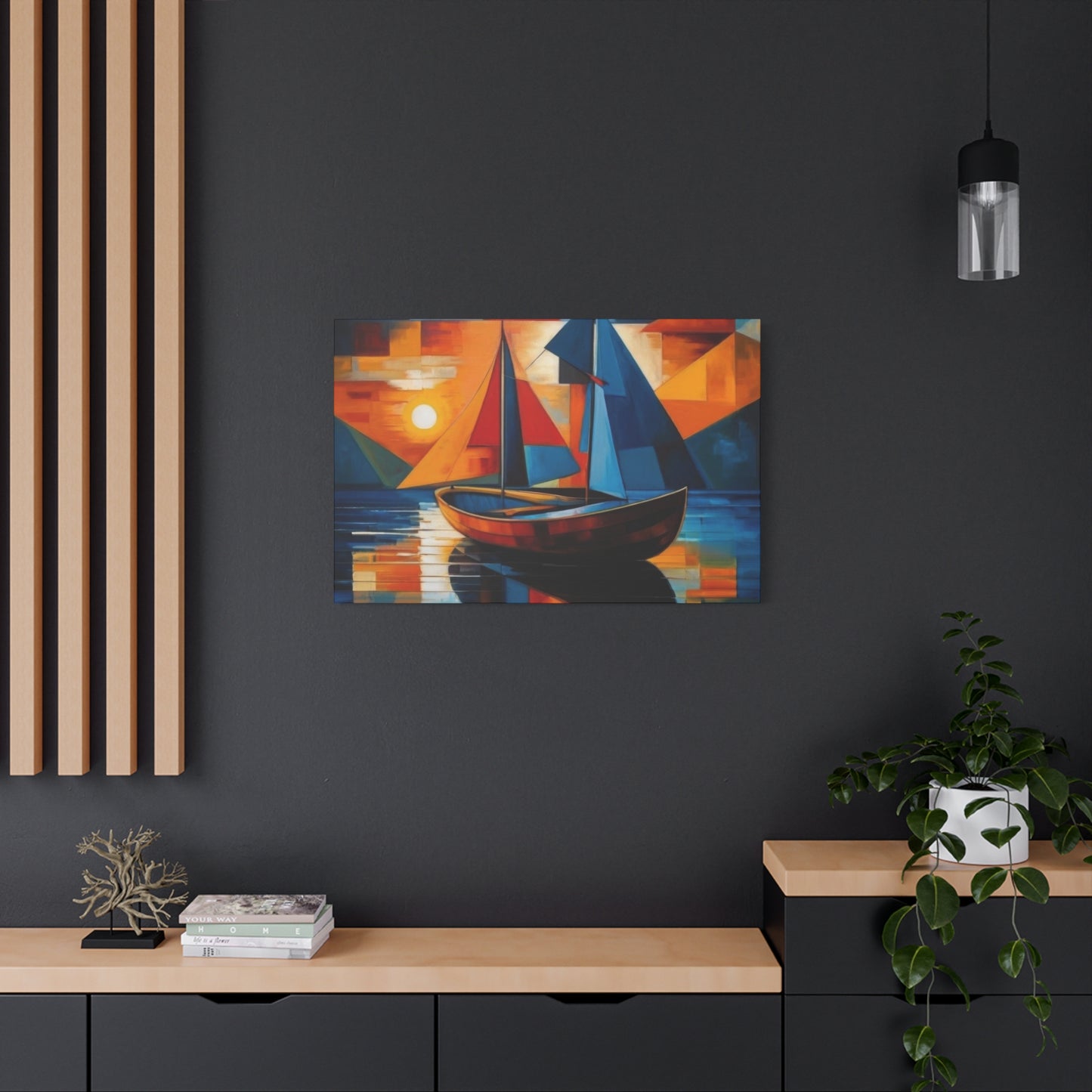
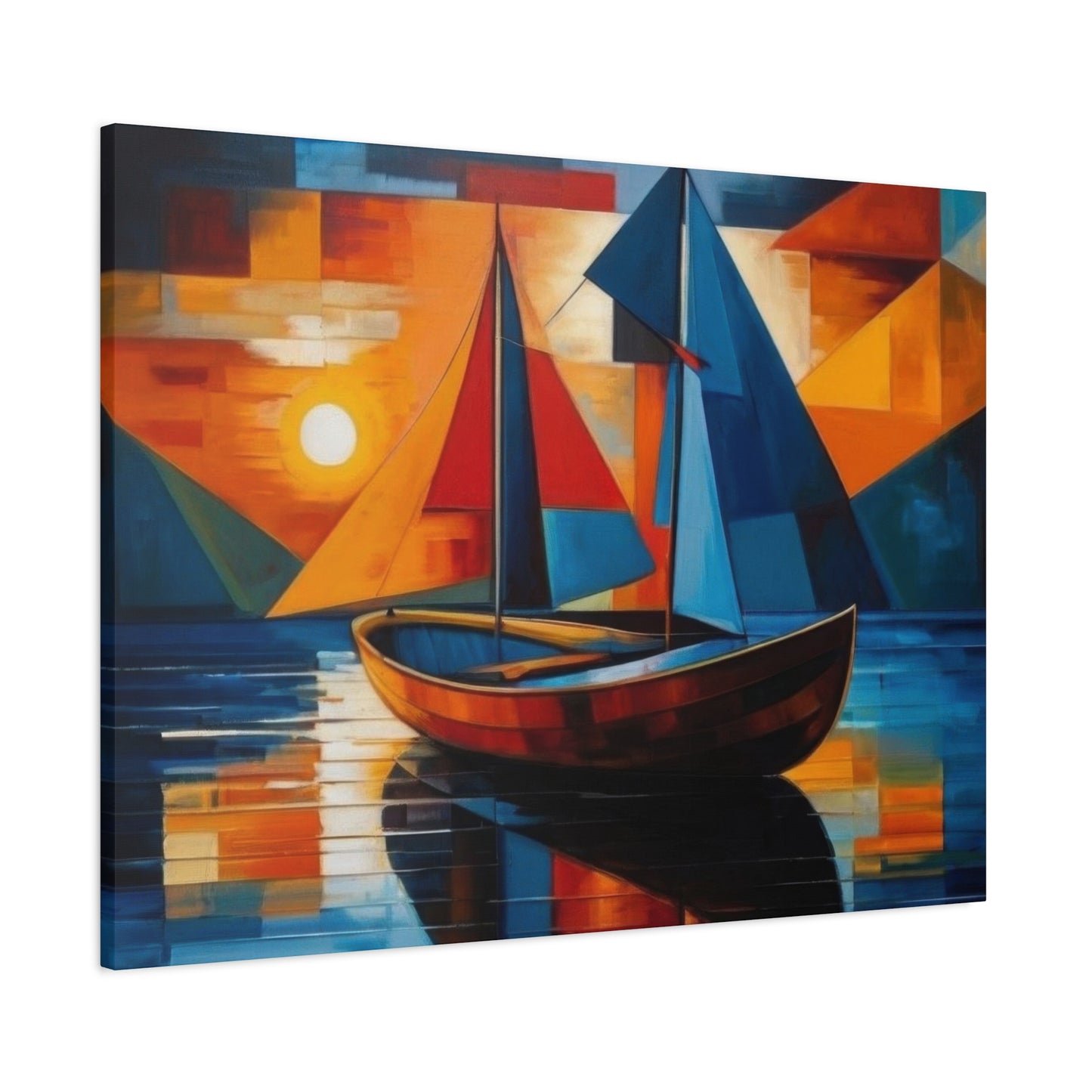
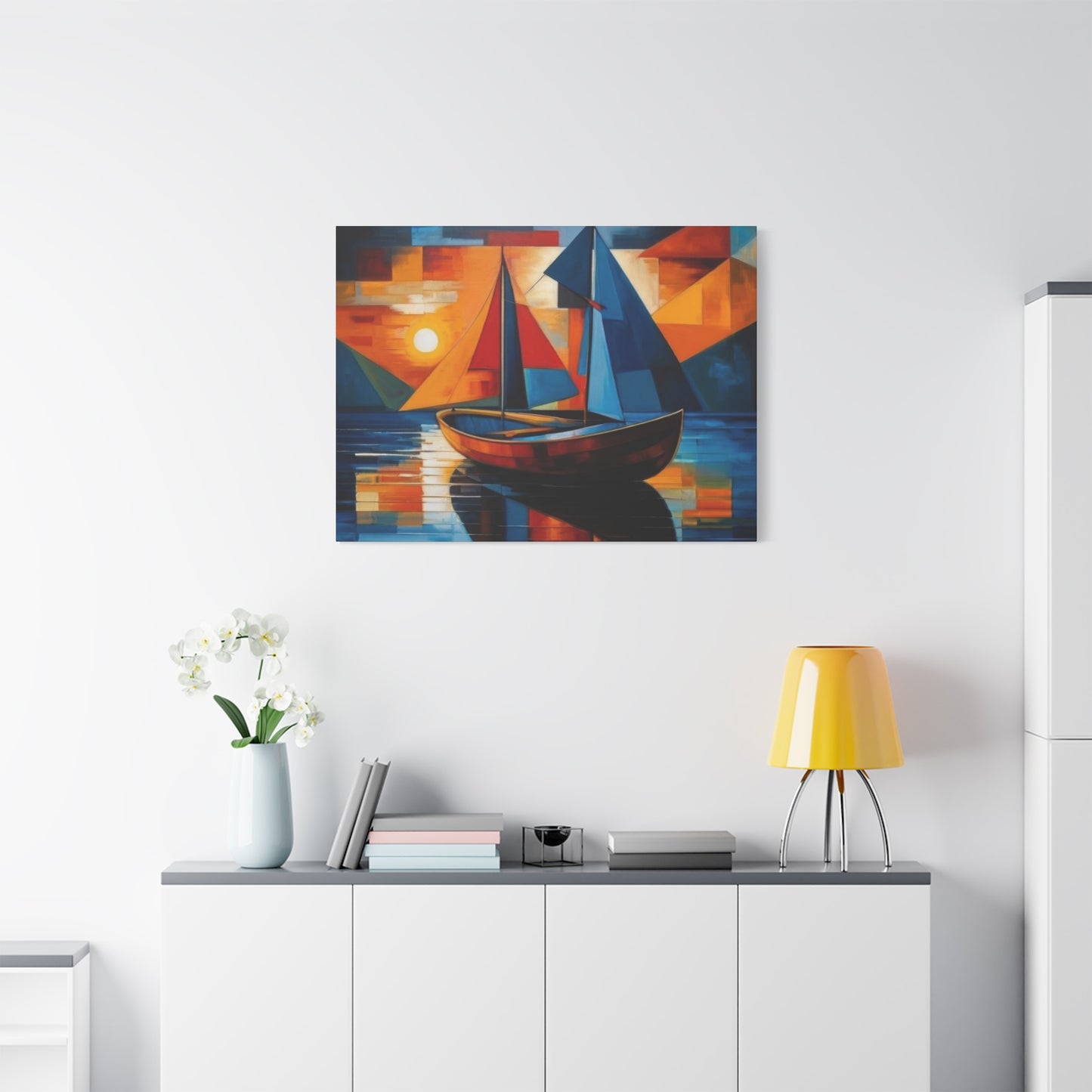
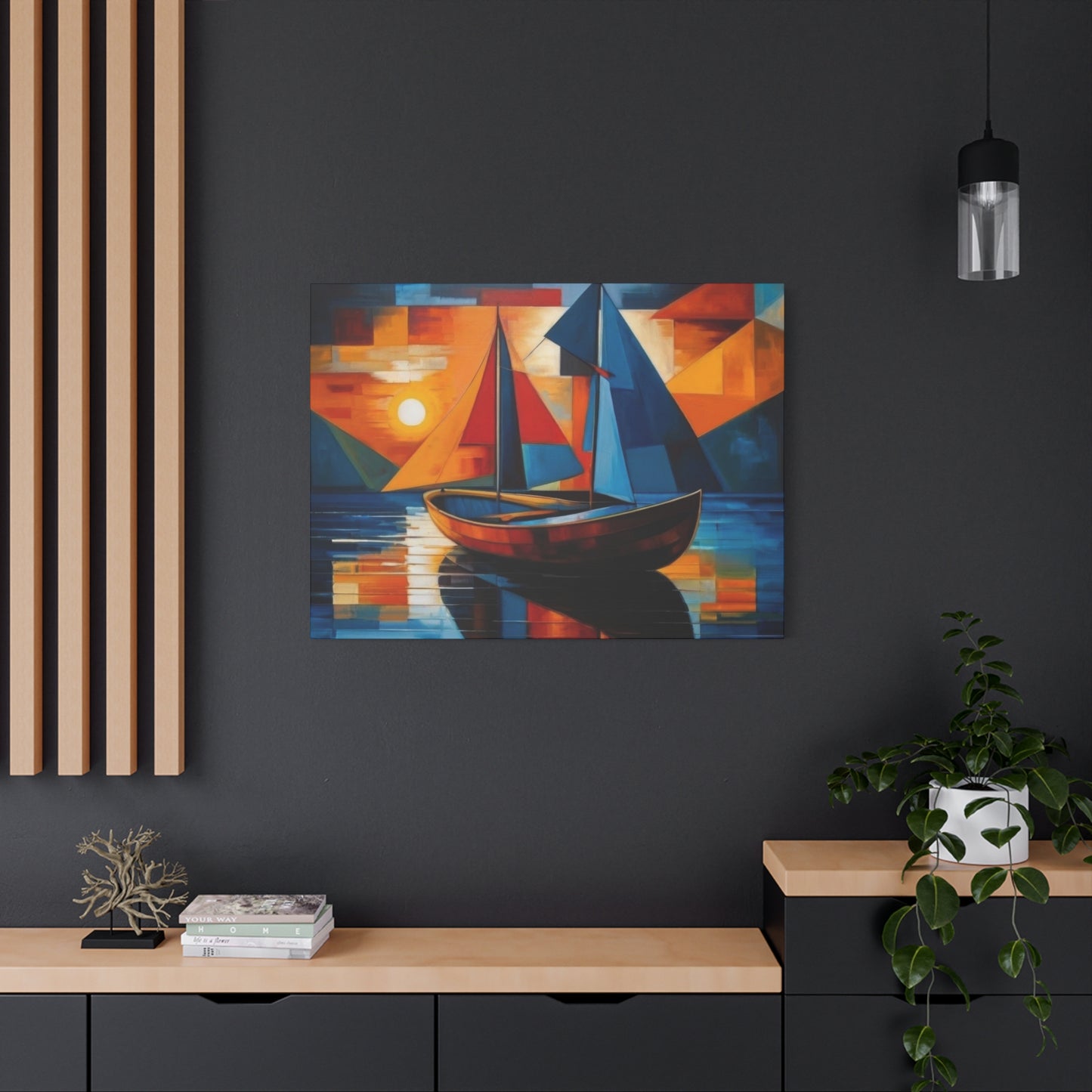
Sunset Cubism Wall Art: Infusing Interiors with the Warmth of a Golden Horizon
The intersection of natural beauty and geometric abstraction creates a mesmerizing visual experience that captivates art enthusiasts and interior designers alike. When the warm hues of a setting sun meet the fragmented planes of cubist interpretation, combined with the timeless imagery of boats floating on tranquil waters, the result is a stunning artistic expression that bridges traditional maritime themes with contemporary aesthetic sensibilities. This unique fusion represents more than just decorative artwork; it embodies a sophisticated dialogue between nature's organic forms and humanity's analytical perspective, transforming simple coastal scenes into complex visual narratives that invite contemplation and admiration.
The appeal of this artistic approach lies in its ability to deconstruct familiar imagery and reconstruct it through a lens of geometric precision and chromatic boldness. By taking the universally recognized elements of watercraft resting upon shimmering surfaces during the golden hour and reimagining them through angular shapes, overlapping planes, and vibrant color blocking, artists create pieces that feel simultaneously grounded in reality and liberated from conventional representation. This artistic movement speaks to our modern sensibility while maintaining connection to the maritime traditions that have inspired artists for centuries, offering viewers a fresh perspective on scenes that might otherwise feel commonplace or overly familiar in traditional landscape painting.
The technique of applying cubist principles to sunset maritime imagery requires both technical skill and conceptual vision. Artists must balance the warm palette associated with twilight skies—those rich oranges, deep purples, brilliant reds, and golden yellows—with the cooler tones of water and the structural elements of vessels, all while fragmenting these components into geometric segments that maintain compositional coherence. This challenging balance is what makes successful pieces so visually arresting and emotionally resonant, as they manage to preserve the atmospheric quality of a sunset scene while presenting it through an intellectually engaging geometric framework that encourages extended viewing and discovery of new details with each encounter.
Why Boat-in-Water Sunset Cubism Transforms Rooms
Interior spaces undergo remarkable metamorphosis when adorned with artwork that combines maritime imagery, golden hour lighting, and geometric abstraction. The transformative power of such pieces stems from their ability to serve multiple aesthetic functions simultaneously, acting as focal points that command attention while also contributing to the overall atmosphere and emotional tone of an environment. Unlike purely decorative elements that simply fill wall space, these complex compositions actively engage with their surroundings, creating dynamic relationships with furniture, architectural features, and natural light sources that change throughout the day as illumination shifts and viewing angles vary with the movement of inhabitants through the space.
The psychological impact of incorporating such artwork into living or working environments cannot be overstated. Research in environmental psychology consistently demonstrates that visual stimuli within our immediate surroundings significantly influence mood, productivity, and overall sense of wellbeing. Pieces that feature the warm chromatic spectrum associated with sunset scenes naturally evoke feelings of calm, contentment, and reflective tranquility, tapping into deeply ingrained human responses to the daily cycle of light that our ancestors evolved alongside over millennia. When these emotionally resonant color palettes are combined with the intellectual stimulation provided by geometric abstraction, the resulting artwork engages both the emotional and analytical aspects of human cognition, creating a balanced viewing experience that satisfies multiple psychological needs simultaneously.
From a purely design perspective, these works function as sophisticated color anchors that inform and unify entire decorating schemes. The complex palette found within a single piece—spanning from the deep blues and teals of water through the warm spectrum of sunset skies to the neutral or earth tones that might represent boat structures—provides interior designers and homeowners with a comprehensive color roadmap that can guide decisions regarding textiles, accessories, furniture selections, and even paint choices for surrounding walls. This makes such artwork not merely an afterthought added to complete a space, but rather a foundational element around which cohesive and harmonious environments can be thoughtfully constructed, ensuring visual consistency and aesthetic intentionality throughout the entire room.
The scale and presence of these compositions also contribute significantly to spatial perception and architectural enhancement. A substantial canvas featuring bold geometric forms and vibrant hues can visually expand a smaller room by drawing the eye and creating depth through the overlapping planes characteristic of the cubist approach. The suggested perspective within the maritime scene—with its implied horizon lines and depth cues provided by the positioning of boats relative to water and sky—adds dimensional interest to flat walls, effectively creating windows to imagined vistas that expand the perceived boundaries of interior spaces. This spatial manipulation through two-dimensional art represents one of the most cost-effective and flexible methods for architecturally enhancing environments without undertaking structural renovations or expensive modifications.
The Charm of Sunset in Boat-Cubism Wall Art
The inherent appeal of maritime scenes captured during the magical moments of twilight has fascinated artists and viewers across cultures and throughout history, representing one of the most enduring subjects in visual arts. When interpreted through the analytical lens of geometric abstraction, these traditional themes gain renewed vitality and contemporary relevance, speaking to modern audiences who appreciate both historical artistic traditions and innovative approaches to representation. The charm lies not in abandoning the emotional resonance of conventional sunset imagery but rather in enhancing it through intellectual engagement, inviting viewers to participate actively in the visual experience rather than passively consuming a straightforward representation of reality.
This particular artistic fusion celebrates the romance of nautical life while simultaneously acknowledging our contemporary understanding of visual perception and artistic representation. The boats themselves—whether depicted as simple fishing vessels, elegant sailboats, or humble rowboats—carry symbolic weight as vehicles of journey, adventure, and human ingenuity in harnessing natural forces. When fragmented into geometric components and reassembled according to cubist principles, these vessels maintain their symbolic significance while gaining additional layers of meaning related to perspective, perception, and the constructed nature of reality itself. This dual function as both symbol and formal element creates richness that rewards sustained contemplation and repeated viewing.
The sunset element introduces temporal specificity and emotional atmosphere that grounds the geometric abstraction in lived experience. Everyone has witnessed the transformative beauty of a setting sun, felt the particular quality of light during the golden hour, and experienced the reflective mood that often accompanies the transition from day to night. By incorporating these universally recognized visual and emotional cues into geometrically abstract compositions, artists create bridges between the familiar and the innovative, the comfortable and the challenging. This balance makes the artwork accessible to viewers who might otherwise feel alienated by purely abstract work while still offering the visual complexity and conceptual depth that appeals to more experienced art enthusiasts.
The interplay between organic natural elements—the gradual gradations of sunset colors across the sky, the gentle movement suggested in water surfaces, the irregular forms of clouds and atmospheric phenomena—and the rigid geometry of the cubist interpretation creates productive visual tension that energizes compositions. This tension between the natural and the constructed, the fluid and the angular, the spontaneous and the deliberate, reflects broader philosophical questions about humanity's relationship with the natural world and our tendency to understand and organize our experiences through systems, frameworks, and structures. Whether viewers consciously engage with these deeper conceptual layers or simply respond to the immediate visual pleasure of color and form, the artwork functions on multiple levels simultaneously.
Bold Colors in Boat-in-Water Sunset Cubism Prints
The chromatic intensity characteristic of this artistic approach represents one of its most immediately striking and emotionally impactful features. Unlike more subdued or monochromatic artistic movements, the combination of sunset palettes with cubist fragmentation tends toward saturation and vibrancy, embracing the full expressive potential of color as an independent compositional element rather than merely a descriptive tool for representing observed reality. This boldness stems partly from the subject matter itself—sunsets naturally present some of nature's most dramatic and intense color displays—and partly from the cubist tradition of treating color as an autonomous element that can be manipulated for compositional purposes independent of its representational function.
The warm spectrum dominates these compositions, featuring intense oranges that range from soft peach tones to deep burnt sienna, brilliant yellows from pale cream to rich gold, and reds spanning delicate coral to profound crimson. These warm hues create immediate visual impact and emotional response, as color psychology consistently demonstrates that warm tones stimulate energy, optimism, and engagement. However, the most sophisticated examples of this artistic approach balance these warm dominants with complementary cool tones—the deep blues and teals of water, the subtle purples that often appear in twilight skies, and occasional touches of green that might represent distant landmasses or reflected light. This complementary color strategy creates visual dynamism and prevents the composition from becoming monotonous or overwhelming despite its chromatic intensity.
The geometric fragmentation inherent in the cubist approach allows for color deployment that would be impossible in conventional representational painting. Rather than being constrained to apply colors only where they would naturally appear in observed reality, artists can distribute hues according to compositional needs, creating rhythms and patterns of color that guide the viewer's eye through the piece and establish visual relationships between disparate elements. A brilliant orange used in the sky might reappear in a geometric fragment within the water area, creating visual connection and unity across the composition. Similarly, the cool blue of water might echo in a shadow area on a boat, establishing chromatic consistency while defying realistic representation. This freedom to treat color as an independent design element rather than a purely descriptive tool significantly expands expressive possibilities.
Print reproduction technology has advanced to the point where even the most vibrant and nuanced color relationships can be faithfully captured and reproduced, making this artwork accessible to broader audiences than original paintings could reach. High-quality printing on canvas or fine art paper preserves the intensity and subtlety of color relationships, allowing collectors to experience the emotional impact and visual pleasure of these compositions without the expense of acquiring original works. The availability of various sizes and formats means that the bold color statements characteristic of this artistic approach can be adapted to spaces ranging from intimate home offices to expansive commercial lobbies, always maintaining their characteristic visual punch and emotional resonance regardless of scale.
Adding a Coastal Vibe with Sunset Boat Cubism Art
Creating an interior environment that evokes the relaxed, refreshing atmosphere of coastal living represents a perennial goal for homeowners and designers, particularly those situated far from actual shorelines who seek to capture some essence of maritime life within their everyday spaces. Traditional approaches to coastal decorating often rely on predictable elements—seashells, nautical stripes, weathered wood, rope details, and conventional seascape photography or painting. While these strategies can certainly evoke seaside environments, they sometimes feel generic or overly literal, lacking the sophistication and visual interest that more discerning design sensibilities require. The incorporation of geometrically abstract maritime artwork offers an alternative path to coastal atmosphere that feels fresh, contemporary, and intellectually engaging while still unmistakably referencing nautical themes.
The essential elements of coastal ambiance—connection to water, sense of horizons and open space, references to boats and maritime activities, emphasis on natural light and its effects—all appear within these artistic compositions, but transformed through geometric interpretation in ways that feel modern rather than conventional. The boats themselves, even when fragmented into angular planes and geometric segments, remain recognizable enough to trigger associations with harbors, marinas, sailing adventures, and waterfront life. The water, represented through layers of overlapping geometric shapes in various blue and teal tones, maintains its essential character as a fluid, reflective surface despite its angular rendering. The sunset element contributes the warm, golden quality of light that characterizes magical evening hours at the beach or harbor, when the day's activities wind down and reflective calm descends.
Beyond simply depicting coastal subjects, these pieces contribute to coastal atmosphere through their color palettes, which naturally align with popular coastal decorating schemes. The blues and teals central to representing water correspond perfectly to the cool tones often featured in beach-inspired interiors, while the warm sunset hues provide complementary accents that prevent spaces from feeling cold or stark. This color harmony allows the artwork to integrate seamlessly with typical coastal decorating elements—white or cream walls, natural fiber textiles, light wood furniture, glass accessories—while simultaneously elevating the sophistication level beyond what conventional beach-themed decorations might achieve. The result is an environment that feels coastal without relying on obvious or clichéd references, appealing to adults who appreciate nautical themes but want their expression to feel mature and refined.
The abstract geometric quality of these works also contributes metaphorically to coastal atmosphere by evoking the sense of mental space and freedom associated with oceanside environments. Just as standing before a vast seascape provides psychological relief from the cluttered, confined quality of much contemporary urban life, viewing artwork that fragments and reorganizes reality into geometric components offers intellectual breathing room, a chance for the mind to wander and make its own connections and interpretations rather than simply absorbing predetermined meanings. This parallel between physical spaciousness of coastal environments and intellectual spaciousness of abstract art creates a subtle but meaningful reinforcement of the relaxed, unstructured feeling people seek when trying to capture coastal atmosphere within their homes.
Boat-in-Water Sunset Cubism: A Modern Nautical Touch
Nautical themes in interior design possess remarkable staying power, cycling through various interpretations and stylistic approaches while maintaining consistent appeal across generations and demographics. However, contemporary design sensibilities often struggle with traditional maritime decorating approaches, which can feel dated, overly themed, or reminiscent of commercial seaside restaurants rather than sophisticated residential spaces. The challenge becomes finding ways to reference and celebrate maritime subjects without lapsing into predictable formulas or obvious symbolism that feels more appropriate for children's rooms than adult living spaces. Geometrically abstract interpretations of boat and water themes provide precisely this solution, offering unmistakably nautical content presented through a distinctly modern aesthetic lens.
The modernism inherent in the cubist approach ensures that even overtly maritime subject matter never feels quaint or old-fashioned. The angular planes, fragmented forms, and bold color blocking that characterize this artistic style align perfectly with contemporary design preferences for clean lines, graphic impact, and intellectual engagement. Rather than the soft, romantic quality associated with traditional seascapes painted in impressionist or realistic styles, these geometric interpretations feel dynamic, energetic, and forward-looking while still maintaining connection to centuries of maritime artistic tradition. This temporal duality—simultaneously referencing art historical precedents and embracing contemporary aesthetics—makes the work particularly versatile and appealing to design-conscious individuals who value both tradition and innovation.
The geometric treatment of boats transforms them from mere representational elements into structural components of the composition itself. Rather than simply depicting vessels floating upon water, artists using this approach integrate the angular forms of boats into the overall geometric architecture of the piece, making them fundamental to the compositional structure rather than isolated subject matter. This integration reflects a more sophisticated understanding of visual art as primarily concerned with formal relationships—how shapes interact, how colors balance, how compositional elements guide viewer attention—rather than simply recording appearances of external reality. For viewers, this means engaging with the artwork on multiple levels simultaneously: recognizing the boat imagery and accessing the emotional and associative content that carries, while also appreciating the purely formal qualities of geometric composition and color harmony.
The versatility of this approach allows it to function successfully within a broad range of contemporary interior styles beyond specifically coastal or nautical decorating schemes. The bold geometry and graphic quality align well with minimalist and modern aesthetics, where clean lines and strong focal points are valued. The rich color palettes work beautifully in more eclectic or maximalist spaces where chromatic intensity and pattern mixing are celebrated. Even in transitional styles that bridge traditional and contemporary sensibilities, these pieces can serve as the modern element that prevents spaces from feeling too conservative or backward-looking. This adaptability makes investment in such artwork particularly practical, as pieces remain relevant even as surrounding decor evolves over time with changing tastes and life circumstances.
How Sunset Cubism Art Captures Peaceful Waters
The representation of water as a subject in visual arts presents unique challenges and opportunities, as artists must somehow capture the essential qualities of a substance that is transparent, reflective, constantly moving, and without inherent form or structure. Traditional approaches to painting water have developed sophisticated techniques for suggesting fluidity, transparency, and surface movement through careful observation and technical skill. However, the geometric abstraction characteristic of the cubist approach requires fundamentally different strategies, abandoning descriptive accuracy in favor of interpretive essence. The question becomes not how to accurately depict what water looks like, but rather how to convey what water feels like and means through geometric form and color relationships.
The solution typically involves layering geometric planes in variations of blue, teal, and turquoise, sometimes incorporating touches of green, purple, or even the warm reflected colors from sunset skies above. These overlapping segments of color create visual complexity that suggests depth and movement without literally depicting ripples, waves, or reflections. The transparency and layering inherent in the cubist approach—where multiple planes exist simultaneously within the same pictorial space—metaphorically captures the quality of looking into water, where surface, shallow depths, and deeper regions all remain visible simultaneously despite occupying different spatial planes. This formal characteristic of geometric abstraction proves surprisingly appropriate for representing the essential experience of encountering water, even while abandoning realistic representation entirely.
The peacefulness associated with calm water scenes translates effectively into geometric interpretation through careful attention to compositional balance and color harmony. Unlike compositions that employ dramatic diagonal lines, jarring color contrasts, or aggressive geometric forms to create tension and dynamism, representations of peaceful waters typically feature more horizontal orientation, gentler transitions between color areas, and overall compositional equilibrium that creates visual calm. The geometric fragments might still be numerous and complex, but their arrangement emphasizes stability and balance rather than conflict or tension. This demonstrates how the principles of geometric composition can be deployed toward various emotional ends, creating feelings of peace, tension, energy, or contemplation depending on specific formal choices regarding line, shape, color, and spatial arrangement.
The sunset element contributes significantly to the peaceful quality of these compositions by introducing the warm, glowing light characteristic of the golden hour when harsh midday brightness softens into gentler illumination. This quality of light, represented through warm color suffusing the composition and creating glowing effects where sky meets water, triggers deep-seated psychological associations with evening relaxation, the end of productive activity, and the transition into restful night. These associations operate largely on subconscious levels, making viewers feel calm and peaceful without necessarily understanding the specific visual and chromatic cues that produce these emotional responses. The combination of compositionally balanced geometry and psychologically soothing color creates artwork that functions as a genuinely calming presence within interior spaces, offering visual refuge from the stimulation and stress of contemporary life.
Boat-in-Water Cubism: Sunset Art for Modern Spaces
Modern interior spaces—whether residential, commercial, or institutional—present specific design challenges and opportunities that distinguish them from more traditional environments. Contemporary architecture often emphasizes open floor plans, clean lines, minimal ornamentation, and generous use of glass and other reflective surfaces that create bright, airy atmospheres. While these characteristics produce desirable living and working environments, they can sometimes feel austere or lacking in warmth without thoughtful incorporation of decorative elements that add personality, color, and emotional resonance. Artwork plays a crucial role in humanizing modern spaces, preventing them from feeling like sterile showrooms rather than inhabited environments with character and individual expression.
The geometric quality of cubist interpretation naturally complements modern architectural aesthetics in ways that more traditional artistic styles might not. The angular planes and structural composition echo the clean lines and geometric forms characteristic of contemporary architecture, creating visual consonance between artwork and environment. Rather than fighting against or contrasting with their architectural context, these pieces amplify and celebrate the geometric qualities of modern design while introducing the human elements of color, handcraft, and reference to natural phenomena that prevent spaces from feeling cold or impersonal. This harmony between artwork and architecture creates cohesive environments where all elements feel intentionally chosen and thoughtfully integrated rather than randomly assembled.
The color intensity characteristic of these pieces serves a particularly important function in modern spaces, which often rely on neutral palettes of whites, grays, and natural wood tones for walls, floors, and major furniture pieces. While this neutral foundation creates flexibility and prevents visual chaos, it can sometimes feel bland or characterless without strategic injection of color through accessories, textiles, and artwork. A bold composition featuring the rich warm tones of sunset combined with the cool blues and teals of water provides exactly this chromatic infusion, serving as the color anchor that brings life and personality to otherwise subdued spaces. The geometric structure of the piece ensures that even with intense colors, the overall effect feels controlled and intentional rather than chaotic or overwhelming.
Scale considerations become particularly important in modern spaces, which often feature higher ceilings and larger wall expanses than traditional room proportions provided. Standard-sized artwork can disappear or feel insignificant when placed on generous wall surfaces within open-plan environments, creating unfortunate visual imbalance. The bold graphic quality of geometric maritime compositions allows them to maintain visual impact even at substantial scales, making them ideal candidates for large-format installations that can properly balance architectural proportions. Whether deployed as single oversized canvases or as multi-panel installations that create even more impressive scale, these works possess the visual strength necessary to function successfully as focal points within expansive modern interiors without becoming overwhelming or dominating to the point of discomfort.
Abstract Sunsets: Boat-in-Water Cubist Prints
The classification of these works as abstract art warrants careful consideration, as they occupy an interesting middle ground between pure abstraction—which eliminates recognizable subject matter entirely—and representational art—which attempts to faithfully depict observed reality. More accurately termed semi-abstract or abstracted representational work, these pieces maintain enough visual connection to their source subject matter that viewers can readily identify boats, water, and sunset skies while simultaneously fragmenting and reorganizing these elements according to geometric principles that prioritize formal relationships over descriptive accuracy. This positioning between abstraction and representation proves strategically advantageous, making the work accessible to viewers who might find pure abstraction alienating or confusing while still offering the intellectual engagement and visual sophistication that abstract approaches provide.
The abstracting process itself—taking recognizable subjects and transforming them through geometric analysis and reassembly—invites viewers to contemplate the nature of perception and representation. We become aware that any artistic depiction, even apparently realistic painting or photography, involves selection, interpretation, and transformation of raw visual experience. By making this process visible and explicit through obvious geometric fragmentation, artists encourage more conscious engagement with how we see and understand the visual world. This metacognitive dimension—art that makes us think about perception and representation itself—adds intellectual depth without requiring specialized knowledge or education to appreciate. Even viewers unfamiliar with art history or theory can intuitively grasp that something interesting is happening in the transformation from observed reality to geometric interpretation.
The availability of these works as prints significantly expands access beyond what original paintings could provide. Print production technology has advanced remarkably in recent decades, allowing faithful reproduction of complex color relationships, subtle tonal variations, and even textural qualities that simulate original brushwork or painting surfaces. High-quality prints on canvas, fine art paper, or other specialized substrates provide very similar visual experiences to original works at fractions of the cost, democratizing access to sophisticated artwork in ways that would have been impossible in earlier eras. This accessibility serves artists by expanding their potential audience and serves collectors by allowing acquisition of multiple pieces for different spaces or experimentation with large-scale works without major financial risk.
The print format also offers practical advantages regarding sizing and customization. While original paintings exist in fixed dimensions determined by the artist, prints can typically be produced in various sizes to suit different spaces and applications. This flexibility allows the same compelling composition to function equally well as an intimate piece for a small home office or as a dramatic large-scale installation for a spacious living area or commercial lobby. Some production services even offer custom sizing beyond standard options, enabling precise matching of artwork dimensions to specific architectural features or design requirements. This adaptability makes prints particularly practical choices for designers and homeowners who have specific spatial constraints or opportunities that require non-standard artwork dimensions.
Creating Warmth with Boat-in-Water Sunset Cubism
The psychological and atmospheric concept of warmth in interior spaces involves multiple interrelated factors, including actual temperature, perceived temperature influenced by color choices, emotional tone, and the overall sense of welcome and comfort that environments project. While heating systems and insulation address literal thermal warmth, the subjective experience of warmth depends significantly on visual cues, particularly color palette selections. The human visual system has evolved to associate certain colors with temperature based on experiences in the natural world—reds, oranges, and yellows remind us of fire, sunlight, and heat, while blues and greens connect to water, shade, and coolness. These associations operate automatically and powerfully, allowing color choices to significantly influence how warm or cool spaces feel regardless of actual temperature.
The emphasis on sunset imagery within these geometric compositions naturally foregrounds the warm end of the color spectrum, filling significant portions of typical pieces with oranges, reds, yellows, and related hues that immediately read as warm and inviting. This chromatic warmth becomes particularly valuable in spaces that might otherwise feel cold due to their architectural characteristics, geographic location, or functional requirements. North-facing rooms that receive minimal direct sunlight, spaces dominated by cool materials like concrete or steel, or environments in cold climates can all benefit substantially from artwork that introduces warm color notes that counterbalance inherent coolness. The visual warmth provided by such pieces genuinely affects how comfortable and welcoming spaces feel, making them more pleasant to inhabit and more emotionally nurturing for occupants.
Beyond purely chromatic warmth, these pieces contribute emotional warmth through their subject matter and associations. Maritime imagery—boats resting peacefully on calm waters—carries connotations of leisure, adventure, human craftsmanship, and connection to nature that feel welcoming and humanizing in ways that purely abstract geometric work might not achieve. Even when fragmented and geometrically reorganized, boats remain recognizable enough to trigger these positive associations, adding layers of emotional warmth that reinforce the chromatic warmth provided by color choices. This combination of visual and associative warmth creates particularly effective atmospheric conditioning, working on both conscious and subconscious levels to shape how spaces feel and how comfortable occupants are within them.
The geometric structure of the pieces, rather than diminishing warmth as might be assumed given associations between geometric abstraction and intellectual coolness, actually enhances it by providing structure and coherence to the warm color masses. Without the organizing principle of geometric composition, intense warm colors could potentially feel chaotic or overwhelming. The geometric framework contains and directs the warm chromatic energy, making it feel controlled and intentional rather than accidentally excessive. This balance between warm expressive color and cool organizing geometry creates sophisticated visual experiences that satisfy both emotional and intellectual responses, contributing to environments that feel warm and welcoming without sacrificing the clarity and order that make spaces comfortable and functional for daily use.
Cubist Sunset Boat Art: Bold and Beautiful
The combination of bold visual impact and aesthetic beauty represents a sometimes elusive balance in decorative arts, as boldness can easily tip into aggression or unpleasantness if not carefully managed, while beauty without boldness risks becoming bland or forgettable. The most successful examples of geometric maritime artwork achieve this balance by pairing dynamic, attention-commanding compositions with harmonious color relationships and compositional grace that ensure sustained viewing pleasure rather than visual exhaustion. The boldness comes from multiple sources: the graphic punch of strong geometric shapes, the intensity of saturated colors, the size and scale of many pieces, and the intellectual assertiveness of the cubist approach itself, which demands active engagement rather than passive consumption.
The beauty emerges from different but equally important aspects of these works. Despite their geometric abstraction, the pieces maintain connection to inherently beautiful natural phenomena—sunsets and coastal waters—that have inspired artists and moved viewers throughout human history. Even when fragmented and reorganized, the essential romance and visual splendor of these subjects persists, ensuring emotional accessibility and aesthetic pleasure. Additionally, the best examples demonstrate sophisticated color harmony, balancing their bold chromatic statements with nuanced tonal variations and thoughtful complementary relationships that show restraint and refinement alongside intensity. The geometry itself, when handled skillfully, exhibits its own form of mathematical beauty, with proportions, rhythms, and spatial relationships that satisfy aesthetic sensibilities evolved to appreciate pattern, symmetry, and visual order.
This pairing of boldness and beauty makes these works particularly effective as focal points within interior spaces. The boldness ensures they command attention and establish clear visual hierarchy, preventing them from disappearing into backgrounds or failing to register within busy or complex environments. This attention-grabbing quality proves essential in contemporary contexts where numerous competing visual stimuli vie for notice—screens, windows, architectural details, furniture, accessories—making anything lacking sufficient visual strength risk being overlooked entirely. However, the beauty ensures that once attention is captured, viewers find rewarding sustained engagement rather than quickly tiring of aggressive visual assault. This balance creates artwork that functions successfully over long periods of daily exposure, remaining fresh and engaging rather than becoming irritating or visually fatiguing.
The boldness of these pieces also serves practical decorating functions by enabling them to anchor and organize entire design schemes. A striking composition becomes the element around which all other design decisions orient, with colors extracted from the artwork informing paint choices, textile selections, accessory purchases, and furniture decisions. This approach to decorating—starting with a compelling piece of artwork and building the entire space around it—ensures visual coherence and prevents the disconnected, random appearance that results when decorative elements are accumulated without unifying vision. The beauty of the anchor piece ensures that the resulting space feels aesthetically pleasing and harmonious rather than simply coordinated in a mechanical or formulaic way, as the artwork provides not just a color palette but also a mood, style, and level of sophistication that guide all subsequent choices.
Why Sunset Boat Cubism Is a Trending Art Style
Understanding why particular artistic approaches gain momentum and cultural attention at specific historical moments reveals interesting insights into contemporary aesthetic preferences, psychological needs, and cultural conditions. The current popularity of geometric maritime artwork represents more than random fashion fluctuation; it reflects genuine alignment between characteristics of this artistic approach and the needs and sensibilities of contemporary audiences. Multiple factors contribute to the trending status of this style, ranging from practical decorating considerations to deeper psychological and cultural currents that shape what visual experiences people seek and value in their lived environments.
From a practical perspective, the style benefits from its versatility and accessibility. Unlike more challenging or deliberately difficult artistic movements that cater to specialized tastes, geometric interpretations of recognizable subjects offer something for viewers across a wide spectrum of art experience and sophistication. Those new to collecting or decorating with original artwork find these pieces approachable because the subject matter remains identifiable even in its abstracted form, providing familiar anchors that prevent feeling lost or confused. Simultaneously, more experienced collectors appreciate the formal sophistication, the nods to important art historical movements like cubism and geometric abstraction, and the intellectual engagement that these works provide. This broad appeal across experience levels significantly expands the potential market and cultural conversation around the style.
The aesthetic aligns particularly well with current interior design trends that emphasize graphic impact, bold color, and mixing of styles and periods. After years of minimalism and monochromatic or neutral-dominated spaces, design culture has swung toward greater chromatic boldness and willingness to make strong visual statements. These works provide exactly the kind of colorful focal points that contemporary design aesthetics require while maintaining enough geometric structure and compositional control to avoid feeling chaotic or undisciplined. The style also bridges multiple decorating categories—coastal, modern, eclectic, contemporary—making pieces suitable for various interior approaches rather than pigeonholing them into narrow decorating niches. This flexibility increases practical utility and broadens potential applications.
On a psychological and cultural level, the popularity may reflect contemporary desires for artwork that balances multiple values simultaneously. Modern consciousness often involves navigating tensions between competing priorities: tradition and innovation, intellect and emotion, individuality and connection to broader communities and traditions. Geometric maritime artwork addresses all these tensions, offering innovation through its abstract approach while maintaining connection to artistic and maritime traditions, engaging intellect through geometric complexity while accessing emotion through color and subject matter, and allowing individual expression through personal responses while participating in recognizable artistic and cultural conversations. This multi-valent quality makes the style feel particularly relevant to contemporary lived experience in all its complexity and multiplicity.
Boat-in-Water Sunset Cubism for Coastal Decor
The specific application of geometric maritime artwork within coastal decorating schemes deserves focused attention, as this represents one of the primary contexts where such pieces find their home while also raising interesting questions about how to update and elevate traditional decorating approaches through fresh artistic interpretations. Coastal decorating as a category faces ongoing challenges around avoiding cliché, maintaining sophistication, and appealing to adult sensibilities while still clearly communicating its thematic focus on maritime and beach life. The incorporation of geometrically abstract rather than conventionally representational maritime artwork offers one promising strategy for navigating these challenges successfully.
Traditional coastal decorating often relies heavily on literal references—actual shells and coral as accessories, photographs or paintings showing straightforward beach or harbor scenes, obvious nautical symbols like anchors and ship wheels, fabrics featuring marine life or sailing imagery. While these elements certainly communicate coastal themes clearly, they can easily feel juvenile, overly themed in ways more appropriate for commercial establishments than sophisticated residences, or simply boring through their predictability. Geometric interpretations of maritime subjects provide the thematic clarity necessary for coherent coastal decorating while avoiding these pitfalls through their artistic sophistication and visual complexity. The boats remain identifiable enough to clearly signal nautical content, but their geometric treatment ensures adult appeal and visual interest that rewards sustained attention.
The color palettes characteristic of these works align naturally with expanded approaches to coastal color schemes. While traditional beach decorating often limits itself to navy and white with perhaps sand-colored neutrals, contemporary coastal design embraces broader ranges including the rich teals, turquoises, and aquamarines that appear in tropical and Mediterranean waters, warmer coral and sunset tones that reference golden hour on the beach, and even occasional deeper or more unexpected hues that add sophistication and prevent spaces from feeling too light or washed-out. Geometric sunset maritime artwork incorporates this full expanded coastal palette naturally within single compositions, making pieces particularly valuable as color guides and unifying elements that demonstrate how diverse coastal colors can work together harmoniously.
The style also helps coastal spaces avoid feeling too casual or vacation-oriented when more refined or professional atmospheres are desired. While beach cottage charm has its place, many coastal-themed spaces—particularly in urban settings far from actual coasts—aim for more sophisticated atmospheres that reference maritime themes without fully committing to casual beach house aesthetics. The intellectual quality of geometric abstraction elevates pieces beyond pure decoration, adding gravitas and cultural sophistication that work in more formal or professional contexts. This makes the style particularly appropriate for coastal-themed restaurants, offices, hospitality spaces, or urban residences where inhabitants want to express appreciation for maritime subjects without their homes reading as overly casual or theme-oriented in potentially limiting ways.
Add Serenity with Sunset Boat Cubism Art
The creation and maintenance of serene interior environments represents a significant concern in contemporary life, as many people experience their homes as refuges from the overstimulation, stress, and demands of professional and public life. The design of spaces that promote calm, reflection, and psychological restoration requires careful attention to multiple factors including clutter control, lighting quality, sound management, and strategic visual design choices. Artwork plays a crucial role in establishing serene atmospheres, with certain subject matters, color palettes, and compositional approaches proving significantly more conducive to tranquility than others. The combination of peaceful maritime subjects and balanced geometric composition found in these works makes them particularly effective tools for creating the calming environments so many contemporary inhabitants seek.
The subject matter itself—boats resting peacefully on calm waters during the gentle light of sunset—inherently communicates tranquility through multiple channels. The absence of human figures or dramatic action focuses attention on stillness and quiet rather than narrative or conflict. The boats, shown at rest rather than in active motion, suggest pause and cessation of activity, mirroring the end-of-day transition from productivity to rest that the sunset imagery reinforces. The water, when rendered as calm rather than stormy or turbulent, reads as peaceful and inviting rather than threatening or dangerous. These subject-level cues operate fairly directly, making serene content accessible even to viewers without particular visual sophistication or training in reading artistic imagery.
The color relationships characteristic of these pieces contribute significantly to their serene quality through both direct chromatic effects and learned associations. The warm sunset tones—oranges, coral, gentle yellows—create soothing visual experiences that read as peaceful rather than stimulating, particularly when rendered in somewhat muted or subtle variations rather than at maximum intensity. The cool blues and teals representing water provide calming counterbalances, as blue particularly has been demonstrated through color psychology research to promote calm and reduce stress responses. The overall harmonic relationships between warm and cool tones, when carefully balanced, create visual equilibrium that feels restful to view, avoiding the tension and dynamism that more contrasting or clashing color schemes might produce.
Conclusion
Sunset Cubism Wall Art represents a compelling fusion of modern artistic expression and the timeless beauty of nature. By interpreting the warmth and radiance of a sunset through the prism of cubism, these artworks transform ordinary walls into vibrant statements of both aesthetic sophistication and emotional resonance. The geometric abstraction of the horizon, sun, and sky allows viewers to experience familiar natural scenes in fresh, innovative ways, making sunset cubism not only a decorative choice but also a conversation starter, a source of inspiration, and a tool for evoking warmth and tranquility within interior spaces.
At the heart of sunset cubism lies the balance between abstraction and emotional connection. Artists employ fragmented shapes, intersecting planes, and bold color contrasts to deconstruct and reinterpret the natural beauty of a sunset. Golden yellows, fiery oranges, warm reds, and deep purples are often layered with subtle gradients, reflecting the fleeting, ephemeral qualities of twilight. This combination of geometric form and chromatic richness produces a dynamic visual rhythm that engages viewers intellectually and emotionally, inviting them to explore both the composition’s structural complexity and the universal feeling of awe inspired by the horizon’s glow.
From an interior design perspective, sunset cubism wall art offers remarkable versatility and transformative potential. Its vibrant yet harmonious color palette complements contemporary, mid-century modern, eclectic, and minimalist interiors alike. Large-format canvases serve as striking focal points above living room sofas, dining tables, or in office spaces, anchoring the design with visual drama and warmth. Smaller prints, or multi-panel cubist arrangements, allow for gallery-style displays that provide rhythm, thematic cohesion, and layered depth. Whether used to energize neutral-toned spaces or harmonize with warm-hued interiors, sunset cubism introduces a sense of movement, light, and sophistication that elevates the overall ambiance.
Lighting is essential in maximizing the impact of sunset cubism. Natural light enhances the interplay of color and shadow, revealing subtle textures and emphasizing the geometric planes that define the composition. Soft accent lighting or directional spotlights can highlight the golden tones of the horizon, making the artwork appear to glow and breathe with the rhythm of the day’s last light. Properly considered illumination transforms static wall art into a living visual experience, allowing the warmth and emotional resonance of the sunset to radiate throughout the space.
Beyond its aesthetic qualities, sunset cubism wall art evokes emotional and psychological responses. Sunsets universally symbolize closure, reflection, hope, and the cyclical nature of time. The cubist reinterpretation encourages viewers to engage with these themes in abstract and imaginative ways, fostering mindfulness, contemplation, and a sense of harmony with natural rhythms. By incorporating such artwork, homeowners can create interiors that are not only visually compelling but also emotionally enriching, offering spaces for reflection, inspiration, and daily rejuvenation.
Artists utilize a variety of techniques to bring sunset cubism to life. Layered brushwork, digital enhancements, geometric abstraction, and mixed-media applications combine to create depth, texture, and luminosity. Some pieces focus on precise, angular interpretations, while others emphasize fluid, fragmented forms that evoke motion and the fleeting essence of sunlight. The diversity of approaches allows homeowners and collectors to select artwork that aligns with their personal taste, design vision, and emotional objectives.
Ultimately, Sunset Cubism Wall Art: Infusing Interiors with the Warmth of a Golden Horizon demonstrates that wall art can transcend decoration to become a source of aesthetic delight, emotional engagement, and spatial transformation. By interpreting the natural beauty of sunsets through cubist abstraction, these artworks merge modern artistic innovation with the timeless allure of the horizon, creating spaces that are vibrant, inspiring, and visually captivating.
In essence, incorporating sunset cubism wall art into your interiors turns ordinary walls into focal points of warmth, energy, and sophistication. Thoughtful placement, color harmony, and lighting ensure that each piece radiates both aesthetic elegance and emotional resonance. These artworks transform living spaces into environments that celebrate creativity, reflection, and the radiant beauty of the natural world, allowing homeowners to experience the golden glow of a sunset every day in a fresh, modern, and captivating form.


