


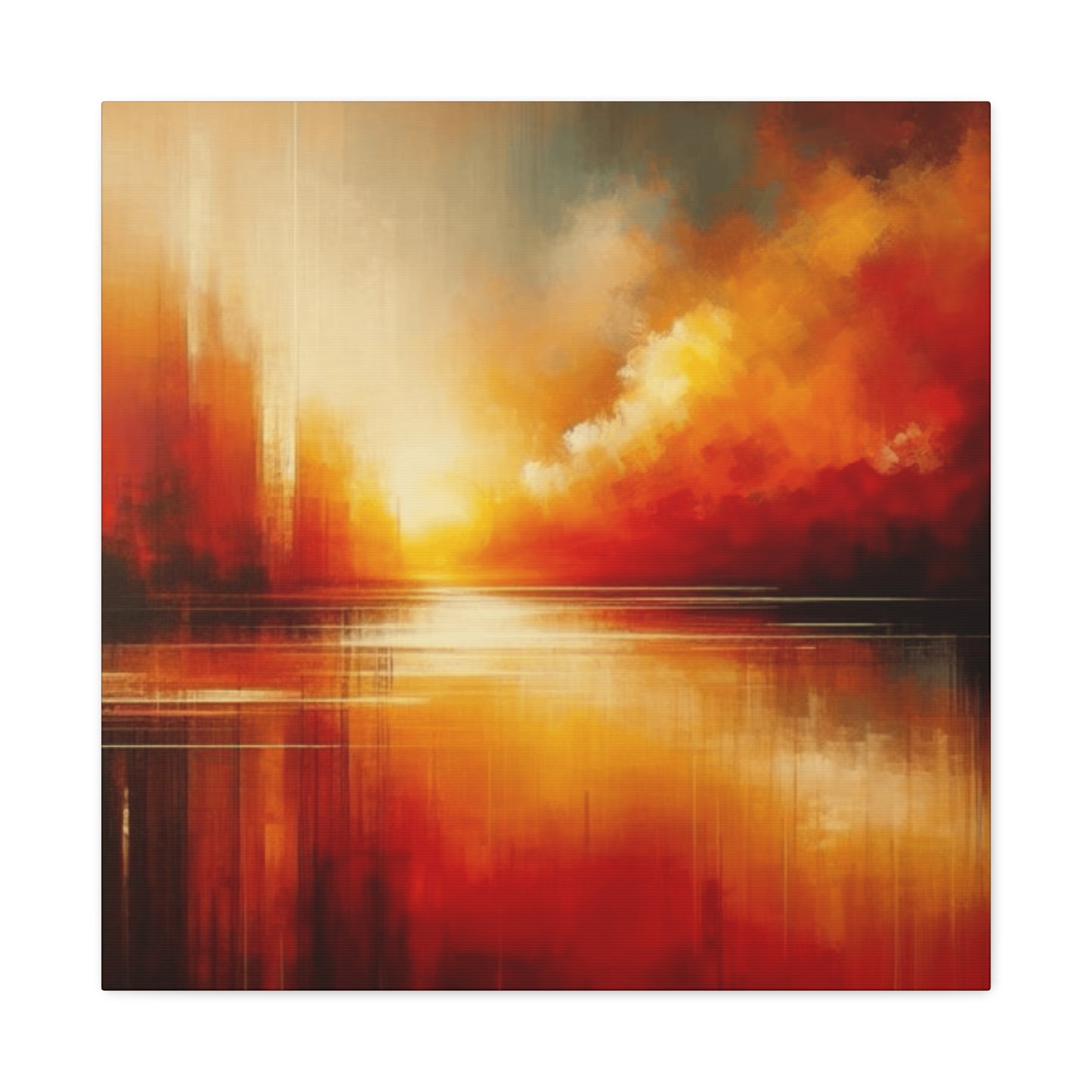
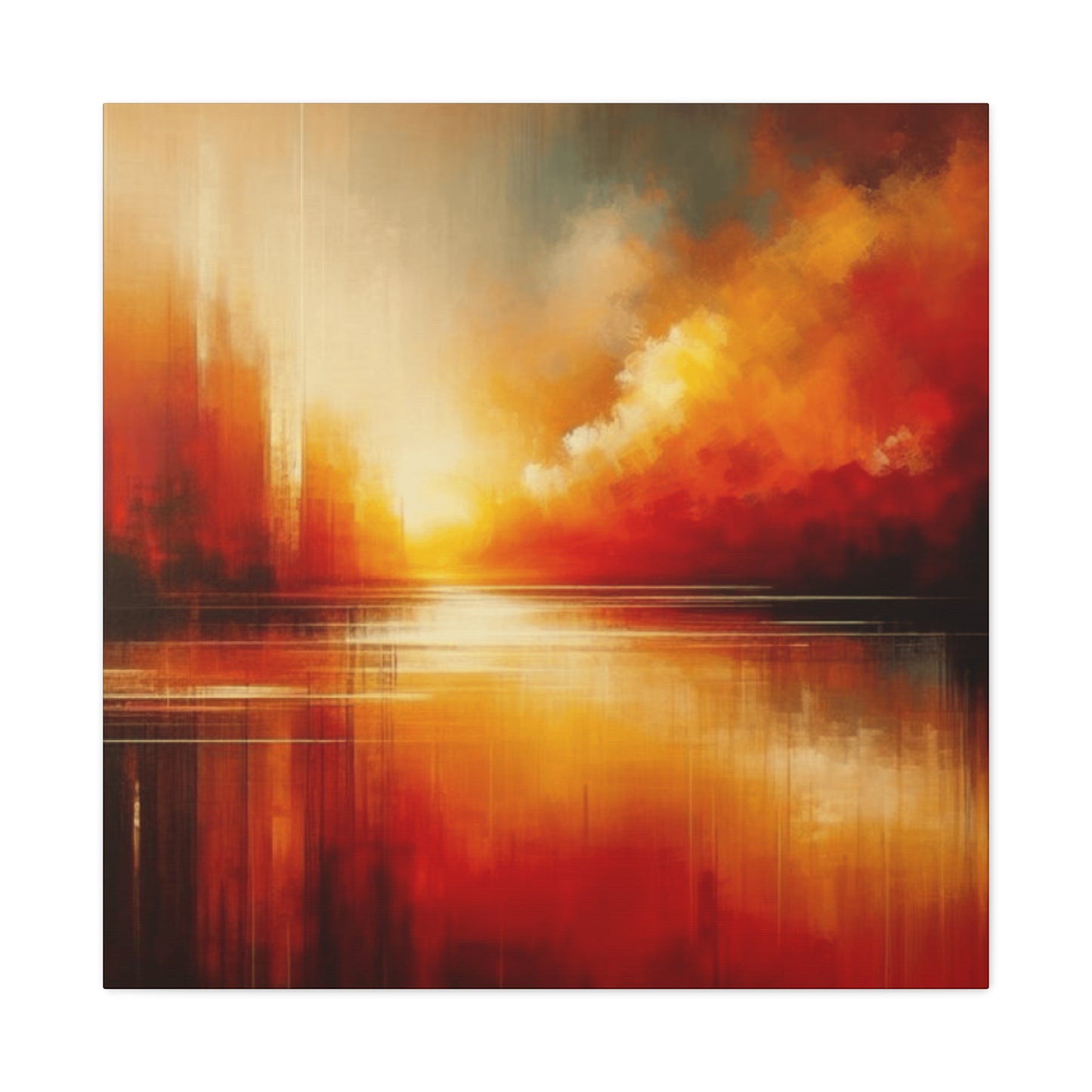
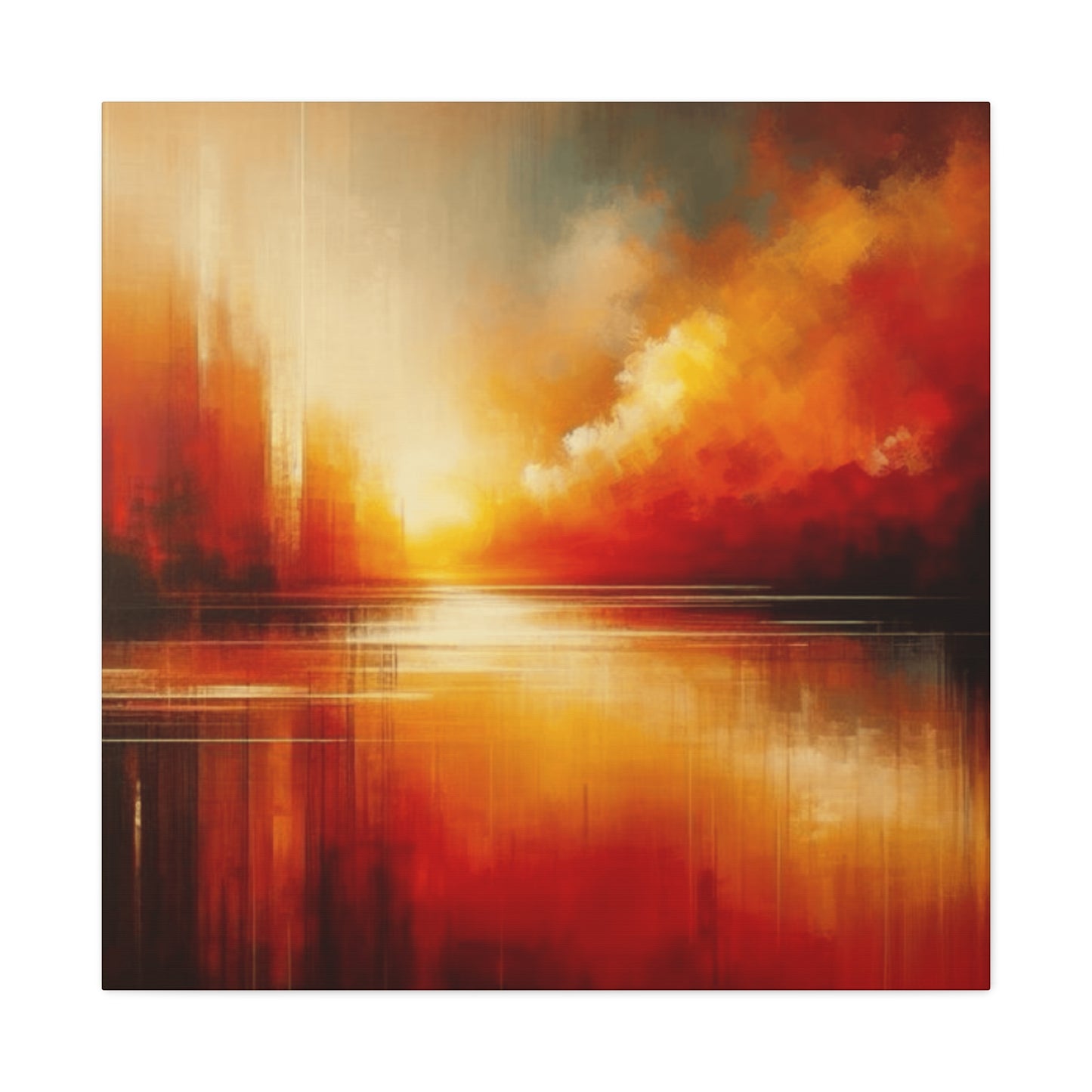
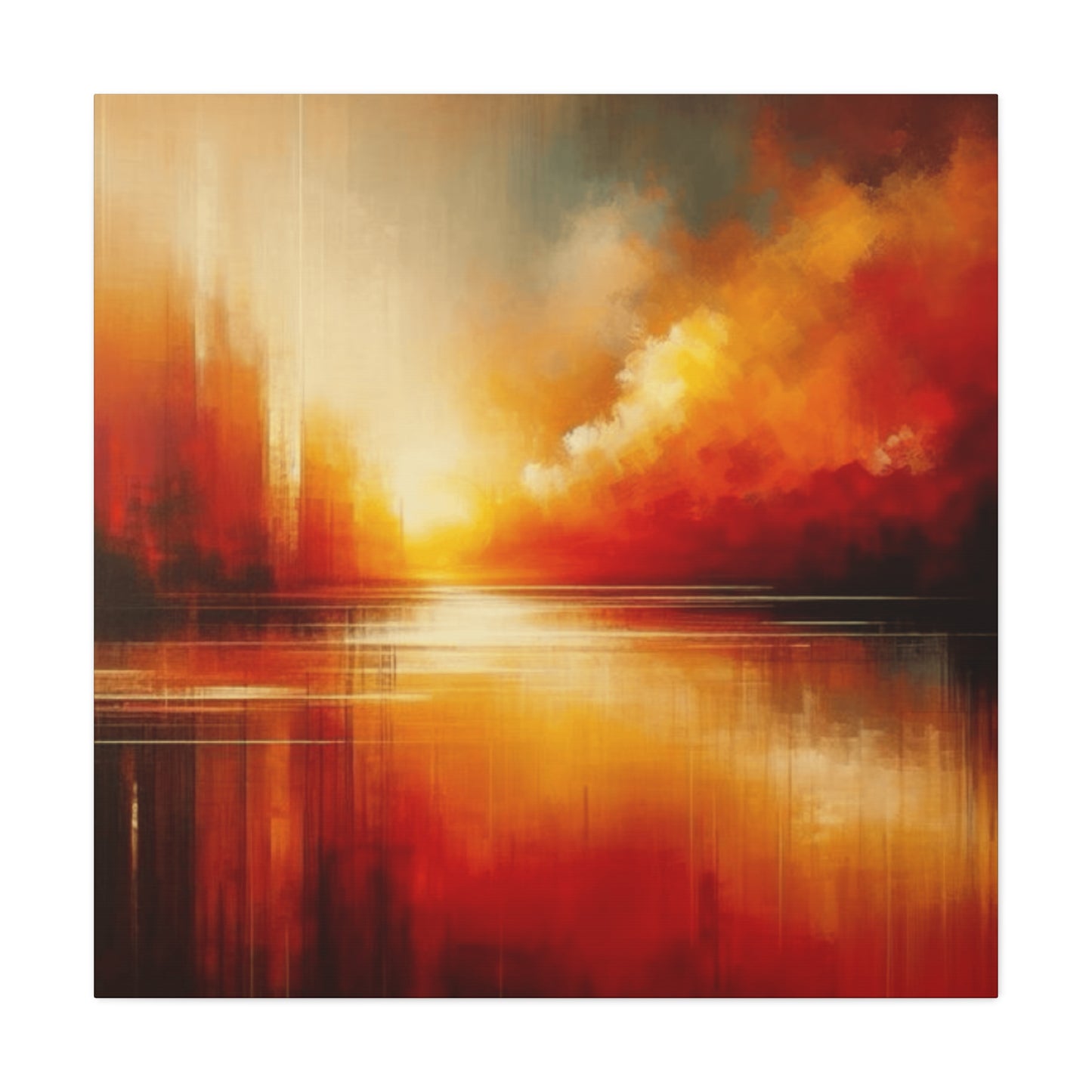
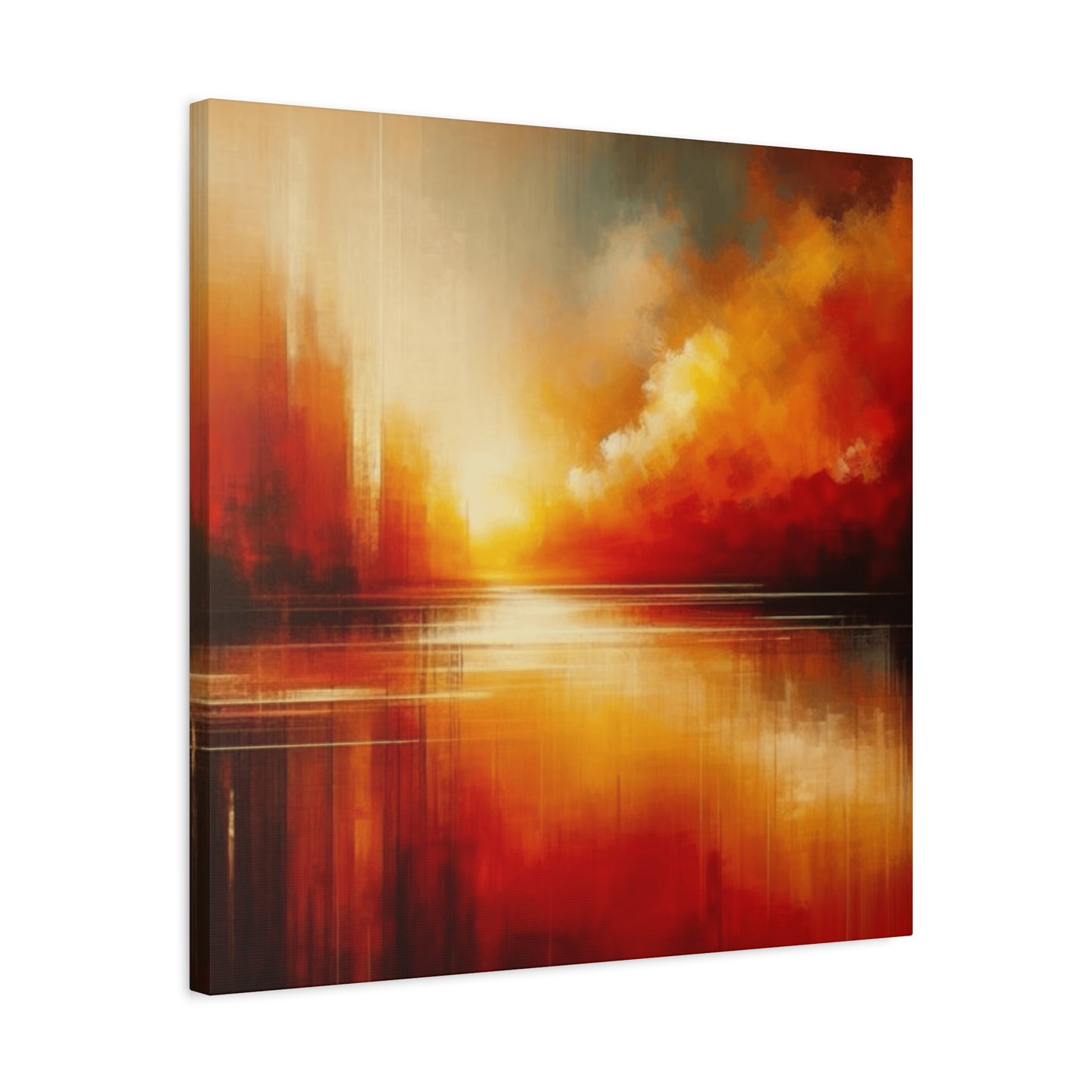
Bright Sunset Sky on River Wall Art: Elevating Your Space with Nature's Most Captivating Display
The mesmerizing beauty of a radiant evening sky reflecting across calm waters has captivated humanity throughout history. This natural phenomenon, when captured and transformed into visual art pieces for interior spaces, brings an unparalleled sense of tranquility and warmth into any environment. The combination of brilliant orange, pink, and purple hues dancing across a canvas alongside the peaceful imagery of flowing water creates an atmosphere that simultaneously energizes and soothes those who experience it daily.
Interior design enthusiasts and homeowners alike have discovered the transformative power of incorporating these nature-inspired pieces into their living and working environments. The popularity of these artistic representations continues to grow as more people recognize their ability to fundamentally alter the emotional landscape of any room. Whether adorning the walls of a contemporary apartment, a traditional family home, or a professional office setting, these pieces serve as windows to the natural world, offering a momentary escape from the demands of daily life.
The art market has responded to this growing appreciation with an impressive array of options, from photographic reproductions to impressionistic interpretations, each offering its own unique perspective on this timeless subject. The versatility of this theme allows it to complement virtually any decorating scheme while maintaining its essential character as a celebration of natural beauty. As we explore the many dimensions of incorporating these pieces into various spaces, we'll discover why they have become such an enduring favorite among decorators and art collectors worldwide.
Establishing Tranquility Through Evening Sky Imagery
Creating a peaceful environment within your home requires thoughtful consideration of every element that contributes to the overall atmosphere. Visual art depicting the final hours of daylight over water bodies serves as one of the most effective tools for achieving this goal. The psychological impact of these images extends far beyond mere aesthetic pleasure, tapping into fundamental human responses to natural environments that have evolved over millennia.
When you enter a room adorned with such artwork, your nervous system responds automatically to the visual cues presented. The warm color palette associated with this time of day triggers the release of neurotransmitters associated with relaxation and contentment. The horizontal lines created by water surfaces and horizon elements naturally draw the eye across the composition, creating a meditative viewing experience that encourages slower breathing and reduced tension.
The strategic placement of these pieces within your space amplifies their calming influence. Positioning them in areas where you frequently pause or rest allows for regular moments of visual respite throughout your day. The bedroom proves particularly receptive to this type of artwork, as viewing these peaceful scenes before sleep can help transition your mind from the active engagement of daytime to the restorative state needed for quality rest.
Living areas benefit equally from the presence of these artworks. When gathering with family or entertaining guests, the subtle influence of these calming images contributes to a more relaxed and convivial atmosphere. Conversation flows more easily when people feel at ease, and the visual softness provided by evening light representations helps create that essential comfort level.
The size and scale of the piece you select plays a significant role in its atmospheric impact. Larger formats create an immersive experience that can transport viewers mentally to the depicted scene, while smaller works offer intimate moments of reflection. Consider the proportions of your wall space and the distance from which the artwork will typically be viewed when making your selection.
Lighting conditions within the room interact with these artworks in fascinating ways. Natural light changing throughout the day can reveal different aspects of the piece, creating a dynamic relationship between the artwork and its environment. Evening artificial lighting, particularly when warm-toned, can enhance the glowing qualities inherent in these images, making them seem almost luminous against the surrounding walls.
The texture of the printed surface adds another dimension to the relaxation-inducing qualities of these pieces. Canvas prints offer a tactile quality that connects viewers to traditional artistic practices, while the slight texture visible in the weave creates subtle variations in how light reflects from the surface. This organic quality reinforces the natural subject matter and contributes to an overall sense of authenticity.
Five Compelling Arguments for Selecting Radiant Evening Water Scenes
The decision to incorporate artwork depicting brilliant twilight hours over rivers into your space comes with numerous advantages that extend beyond simple decoration. First among these benefits is the remarkable versatility these pieces demonstrate across different design contexts. Unlike more specific or niche artistic subjects, the universal appeal of natural beauty allows these works to harmonize with virtually any existing decorating scheme.
The emotional resonance created by these images represents another compelling reason for their selection. Few natural phenomena evoke such consistently positive responses across diverse populations as the spectacle of day's end. This widespread appreciation means that artwork featuring this subject matter will likely please not only the primary decision-maker but also family members, guests, and future inhabitants of the space.
Investment value constitutes a third significant advantage. While trends in interior design come and go with remarkable speed, the appeal of natural imagery remains constant across decades. Selecting artwork with this timeless quality ensures that your purchase will continue to feel relevant and appropriate even as surrounding elements of your decor evolve over time. This longevity makes these pieces particularly cost-effective when considered over their entire lifespan in your home.
The positive impact on mental wellbeing provides perhaps the most important justification for choosing these artworks. Research into environmental psychology has consistently demonstrated that exposure to nature imagery, even in reproduced form, contributes to reduced stress levels, improved mood, and enhanced cognitive function. By bringing these benefits into your daily environment, you create ongoing opportunities for psychological renewal without requiring travel or schedule adjustments.
Finally, the conversation-starting potential of these pieces should not be underestimated. Guests naturally gravitate toward discussing artwork displayed in homes, and pieces featuring recognizable natural phenomena provide accessible entry points for these interactions. Unlike abstract or highly conceptual art that may require specialized knowledge to appreciate, everyone can relate to the experience of witnessing a beautiful evening sky, making these pieces natural facilitators of meaningful conversation.
The chromatic richness present in quality reproductions of these scenes offers particular value for those seeking to introduce warmth into their spaces. The predominance of orange, gold, and amber tones creates an inviting glow that counteracts the cool tones often present in contemporary architecture and furnishings. This warming effect proves especially valuable in spaces with northern exposure or limited natural light.
Environmental consciousness represents an increasingly important consideration for many consumers, and selecting artwork that celebrates natural beauty can reflect and reinforce personal values regarding conservation and ecological awareness. Displaying these images serves as a daily reminder of what we stand to lose if we fail to protect our natural waterways and atmospheric quality, creating subtle but meaningful connections between aesthetic choices and environmental responsibility.
Establishing Comfort in Primary Gathering Spaces with Evening River Imagery
The living room functions as the heart of most homes, serving as the primary location for relaxation, entertainment, and family interaction. Selecting artwork for this crucial space requires balancing numerous considerations, from aesthetic harmony to functional appropriateness. Prints featuring glowing twilight skies reflected in river waters meet these varied requirements exceptionally well, offering both visual interest and atmospheric enhancement.
When positioning these pieces within a living area, consider them as focal points around which other elements can be organized. The strong horizontal emphasis created by water and horizon lines provides a stabilizing visual element that can anchor an entire seating arrangement. Hanging the artwork at appropriate eye level when seated ensures that its calming influence remains accessible during the primary activities that occur in this space.
The color relationships between the artwork and existing furnishings deserve careful attention. The warm tones present in evening sky imagery naturally complement earth-toned furniture, wooden elements, and neutral upholstery. However, these pieces also create striking contrasts when paired with cooler color schemes, introducing warmth and vitality into spaces that might otherwise feel austere or clinical.
Scale considerations prove particularly important in living spaces, which often feature larger wall expanses than other rooms. A single substantial piece can make a powerful statement, while a series of smaller related images can create rhythm and movement across a wall. Triptych formats work especially well for river scenes, as they can suggest the passage of time or provide different perspectives on a single location.
The integration of these artworks with existing lighting schemes enhances their impact significantly. Picture lights mounted above the canvas can create dramatic evening illumination, making the artwork glow against surrounding walls. Alternatively, strategic placement of floor or table lamps can cast indirect light across the surface, creating subtle variations in visibility that change throughout the evening hours.
Furniture arrangement should complement and frame the artwork rather than competing with it for attention. Placing a sofa or loveseat directly opposite a large print creates natural viewing opportunities during conversation or relaxation. Side tables positioned near the artwork can display complementary decorative objects that echo colors or themes present in the image without overwhelming it.
Seasonal adjustments to surrounding decor can create fresh relationships with permanent artwork. Throw pillows, blankets, and other textile elements in colors drawn from the print help integrate the piece more fully into the overall design scheme. During cooler months, emphasizing the warm tones present in the sky can enhance the cozy atmosphere, while summer decorating might highlight the cooler blue tones of water and distant landscapes.
The psychological function of the living room as a decompression zone after demanding days makes the selection of calming artwork particularly important. Images of peaceful water scenes at the day's end provide visual cues that help transition household members from work mode to relaxation, supporting the intended function of the space through subtle environmental influences.
Harmonizing Evening Canvas Art with Contemporary Design Principles
Modern interior design emphasizes clean lines, uncluttered spaces, and carefully curated focal points. Successfully incorporating nature-based artwork into these contexts requires understanding how traditional subject matter can complement contemporary aesthetic values. Evening sky prints prove surprisingly adaptable to modern settings when selected and displayed with attention to these design principles.
The minimalist approach favored by many contemporary designers actually benefits from the addition of well-chosen natural imagery. A single large-scale print depicting twilight over water can provide the visual interest and emotional warmth that purely geometric or abstract compositions might lack. The organic forms present in clouds, water, and landscape elements introduce variety without cluttering the visual field.
Framing choices significantly impact how well these pieces integrate with modern decor. Simple, straight-edged frames in matte finishes, particularly in black, white, or natural wood tones, allow the artwork itself to remain the focus while providing the clean edges that contemporary design requires. Frameless gallery wraps offer an even more streamlined appearance, with the image extending around the sides of the canvas for a floating effect against the wall.
Color extraction represents a sophisticated technique for creating cohesion between artwork and surrounding space. Identify the secondary and tertiary colors present in your chosen print, then incorporate those specific shades into other elements of the room through accessories, textiles, or even painted accent walls. This approach creates subtle harmonies that unite disparate elements without requiring exact matching.
The principle of negative space, crucial to contemporary design, applies equally to artwork selection and placement. Resist the temptation to fill every available wall surface; instead, allow generous breathing room around significant pieces. This approach not only aligns with modern aesthetic values but also increases the visual impact of the artwork by eliminating competing elements.
Mixed media displays can successfully incorporate nature prints within more contemporary art collections. Alternating between photographic representations of natural scenes and abstract or geometric pieces creates visual rhythm while preventing any single aesthetic from dominating. The key lies in maintaining consistent framing styles and spacing to create unity despite the varied content.
Architectural features common in modern homes, such as exposed beams, concrete walls, or floor-to-ceiling windows, can be complemented rather than competed with by thoughtfully selected natural imagery. The organic warmth of an evening sky provides welcome relief from the harder edges and cooler materials often present in contemporary construction, creating balance within the space.
Technology integration represents another consideration in modern interiors. Ensuring that television screens, speaker systems, and other electronic elements do not visually clash with or overwhelm artwork requires careful planning of sight lines and spatial relationships. In many cases, positioning the artwork on a wall perpendicular to the entertainment center creates separation between technological and artistic focal points.
Furniture with mid-century modern profiles pairs exceptionally well with natural imagery. The clean lines and organic curves characteristic of this design period harmonize with landscape subjects, creating bridges between indoor and outdoor environments. The warm wood tones common in mid-century pieces also naturally complement the golden hues present in evening sky artwork.
Symbolic Significance of Twilight in Visual Arts
Throughout human history, the daily transition from daylight to darkness has carried profound symbolic meaning across cultures and artistic traditions. Artists have long been drawn to this liminal period, recognizing its capacity to evoke complex emotional and philosophical responses. Understanding these deeper layers of meaning enriches our appreciation of contemporary artwork featuring this enduring subject.
The concept of closure represents one primary symbolic association with day's end. Just as each day concludes with darkness, the evening sky serves as a visual metaphor for endings of all kinds, from the completion of projects to the conclusion of life chapters. This association lends a reflective quality to artwork featuring twilight scenes, encouraging viewers to contemplate their own experiences of conclusion and completion.
Paradoxically, the same imagery also symbolizes renewal and hope. The reliable return of evening, followed inevitably by dawn, represents the cyclical nature of existence and the certainty that difficult periods will pass. This dual symbolism makes evening sky artwork particularly appropriate for spaces dedicated to personal growth, healing, or new beginnings.
The brilliant colors characteristic of this time of day carry their own symbolic weight. Gold and amber hues have long been associated with achievement, value, and illumination in both literal and metaphorical senses. Pink and rose tones connect to concepts of love, compassion, and emotional openness. Purple, often visible in deeper twilight, traditionally represents spirituality, wisdom, and transformation.
Water's symbolic dimensions add additional layers of meaning to river scenes. Flowing water represents the passage of time, the inevitability of change, and the cleansing or purifying of experience. The reflective surface of calm water suggests introspection, truth-seeking, and the revelation of hidden depths. Combined with evening sky imagery, these water symbols create rich opportunities for personal interpretation and meaning-making.
The threshold quality of twilight, existing between the defined states of day and night, has inspired countless meditations on transition, transformation, and liminality. Artwork capturing this in-between moment resonates with viewers experiencing their own transitional periods, offering visual companionship during times of uncertainty or change.
Peace and tranquility emerge as nearly universal associations with the end of day. As activity levels naturally decrease and the stimulation of full daylight fades, a sense of quietude descends. Artwork depicting this peaceful time can serve as visual anchors for mindfulness practices, meditation, or simply moments of conscious breathing and stress release.
The concept of reflection, both literal and figurative, finds perfect expression in images of evening light on water. The mirrored sky in a river's surface invites contemplation of how we perceive reality, the relationship between appearance and essence, and the ways we reflect or fail to reflect the world around us.
Artists throughout history have used evening light to explore the relationship between the natural world and human consciousness. The Romantic painters of the nineteenth century saw in these scenes evidence of divine presence and emotional truth. Impressionist masters studied how changing light conditions affected perception and representation. Contemporary artists continue this exploration, often incorporating additional concerns about environmental fragility and the preciousness of unspoiled natural beauty.
Selecting Your Ideal Radiant Evening River Print
The abundance of available options in today's art market makes the selection process both exciting and potentially overwhelming. Developing a systematic approach to evaluation helps ensure that your final choice will satisfy both immediate aesthetic needs and provide lasting enjoyment. Beginning with a clear understanding of your space and intentions provides essential foundation for this process.
Measuring your available wall space represents the necessary first step. Account not only for the absolute dimensions of the wall but also for surrounding elements like furniture, doorways, and architectural features that will influence how the artwork appears in context. A common mistake involves selecting pieces that prove too small for their intended location, leaving them visually lost against large expanses of wall.
Consideration of viewing distance affects optimal image complexity and detail level. Artwork that will be viewed primarily from across a room can support bolder compositions with stronger contrasts and larger forms. Pieces intended for closer viewing benefit from finer details and more subtle tonal variations that reward sustained attention.
Your existing color palette provides crucial guidance for selecting compatible artwork. While some degree of contrast can create visual interest, ensuring that at least some colors in the print appear elsewhere in the room creates harmonious relationships. Bring paint chips or fabric swatches when shopping for artwork, or use color-matching tools if selecting online.
Personal emotional response should never be discounted in favor of purely analytical considerations. The artwork you live with daily should genuinely move you, whether that movement takes the form of excitement, peace, joy, or contemplative stillness. Trust your instinctive reactions while also considering how those initial responses might evolve over extended exposure.
Quality indicators deserve careful attention, particularly when selecting prints rather than original works. Resolution, color accuracy, and material quality all impact both immediate appearance and long-term durability. Canvas prints should feature tightly woven material that holds detail crisply. Inks should be archival quality, resistant to fading from light exposure or environmental factors.
The source of the image matters both aesthetically and ethically. Original photography or painting translated to print form offers authenticity and often superior artistic vision compared to stock imagery or computer-generated compositions. Research the artist when possible, learning about their relationship to the subject matter and their technical approach.
Aspect ratio affects how well a print will fit your intended space and how the composition itself functions. Panoramic formats emphasize the horizontal expanse of water and sky, creating calm, expansive feelings. Vertical orientations can incorporate more foreground elements like riverbanks or vegetation, adding depth and dimensional interest. Square formats offer balance and can work well in contemporary settings.
Edition information provides context for understanding a print's relative rarity and value. Limited editions, where the total number of prints is capped and each is numbered, typically command higher prices but also offer some assurance of exclusivity. Open edition prints remain available indefinitely but may be more affordable and accessible.
Ideal Offerings for Those Who Cherish Natural Beauty
Selecting meaningful presents for friends and family requires understanding their tastes, values, and living situations. For individuals who express appreciation for outdoor environments, conservation efforts, or natural beauty, artwork depicting radiant evening scenes over rivers offers thoughtful relevance. These pieces communicate recognition of the recipient's interests while providing lasting enjoyment and functional decoration.
The universal appeal of the subject matter makes these gifts appropriate across a wide range of relationships and occasions. Unlike more personal or intimate gift categories, artwork occupies a comfortable middle ground that feels neither too casual nor overly presumptuous. The lasting nature of quality art pieces also ensures that your gift will provide enjoyment far beyond the initial presentation moment.
Life transitions present particularly appropriate occasions for gifting nature-inspired artwork. New homeowners establishing their first independent living spaces appreciate pieces that help transform empty walls into personalized environments. Retirees entering new life chapters often welcome artwork that reflects increased opportunities for leisure and contemplation. Individuals recovering from difficult experiences may find particular comfort in imagery that promotes peace and renewal.
Presentation details enhance the gift-giving experience significantly. Quality framing demonstrates additional thoughtfulness and ensures the piece arrives ready for immediate display. Including information about the specific location depicted, if known, or about the symbolic meanings associated with evening light adds educational and emotional value to the physical object.
Customization options allow for even greater personalization. Some print services offer the ability to incorporate text, such as meaningful dates or quotes, into the artwork design or matting. Others provide custom sizing to match specific dimensions the recipient has mentioned needing. These individualized touches transform a beautiful object into a uniquely personal gift.
Group gifting makes higher-quality or larger pieces accessible when a single individual's budget might limit options. Families might pool resources to provide parents with a significant artwork for a milestone anniversary. Colleagues could jointly present a departing team member with a memorable piece to mark shared experiences and future wishes.
The environmental consciousness often associated with nature appreciation makes sustainable production methods worth considering. Prints produced using eco-friendly inks and materials, or companies that contribute portions of proceeds to conservation efforts, align the gift itself with values the recipient likely holds dear.
Pairing the artwork with complementary items creates a more comprehensive gift package. Consider including a journal with a nature theme for personal reflection, a coffee table book featuring photography from the depicted region, or even a donation made in the recipient's name to a river conservation organization.
Documentation of the thought process behind your selection adds intangible value to the gift. A handwritten note explaining why you chose this particular piece, perhaps connecting specific elements of the image to shared memories or recognized aspects of the recipient's personality, transforms the artwork from a beautiful object into a meaningful symbol of relationship.
Emotional Impact of River Evening Art on Domestic Environments
The atmosphere of a home extends beyond physical comfort to encompass emotional and psychological dimensions. The visual environment we create through decorating choices profoundly influences daily mood, stress levels, and overall sense of wellbeing. Artwork featuring peaceful water scenes at day's end contributes specific emotional benefits that can measurably improve quality of life within domestic spaces.
Color psychology provides one mechanism through which these images affect mood. Warm tones dominating evening sky imagery, particularly oranges, golds, and pinks, trigger associations with comfort, security, and contentment. These colors stimulate appetite and conversation, making them particularly appropriate for dining areas and social spaces. The cooler blues and purples often present in water and shadow areas provide balance, preventing the overall effect from becoming overly stimulating.
The presence of natural imagery, even in reproduced form, activates what researchers call the biophilic response, an innate human attraction to nature and natural processes. This hardwired preference for natural environments evolved over millennia when survival depended on reading natural signs and seeking life-sustaining resources. Modern indoor lifestyles can leave this need unfulfilled, contributing to vague feelings of disconnection or malaise. Nature-inspired artwork partially satisfies this deep-seated requirement.
Temporal associations connected with evening hours influence how these images affect us. For most individuals, evening represents a time of release from daily obligations, reunion with family, and engagement in chosen activities rather than required tasks. Artwork depicting this time of day can trigger these positive associations, helping to establish the desired mood for evening hours even before natural light begins to fade.
The rhythmic horizontal lines characteristic of water and horizon elements create visual pathways that the eye naturally follows. This lateral movement produces a calming effect, in contrast to vertical lines which tend to energize or elevate mood. For spaces intended primarily for relaxation, the soothing quality of these horizontal emphases proves particularly valuable.
Specific room functions can be enhanced through strategic artwork selection. Bedrooms benefit from the sleep-promoting qualities of peaceful natural scenes. Home offices gain from the stress-reducing properties of these images, providing visual breaks during demanding work sessions. Exercise or meditation spaces can use the centering qualities of water and sky imagery to support their intended purposes.
The seasonal invariance of artwork provides emotional stability throughout the year. While natural light conditions change dramatically between summer and winter, particularly in higher latitudes, the permanent presence of glowing evening imagery maintains a consistent emotional touchstone. This stability can be especially comforting during darker winter months when natural light becomes scarce.
Social dynamics within the home receive subtle support from well-chosen artwork. Peaceful, welcoming imagery contributes to an atmosphere where family members and guests feel comfortable and at ease. The non-controversial, universally appreciated nature of landscape subjects avoids the polarizing effects that more challenging or provocative artwork might introduce.
Personal identity and self-expression find voice through decorating choices. Selecting nature-inspired artwork communicates values and priorities to both occupants and visitors. This external expression of internal values creates alignment between self-concept and environment, contributing to overall psychological coherence and life satisfaction.
Optimal Color Partnerships for Evening Sky Canvas Art
Successfully integrating artwork into a room's existing color scheme requires understanding both fundamental color theory and the specific palette present in your chosen piece. Evening sky prints typically feature complex combinations of warm and cool tones, offering numerous opportunities for creating harmonious relationships with surrounding decor elements.
Analogous color schemes, which use colors adjacent on the color wheel, create naturally cohesive appearances. If your print features prominent orange and gold tones, incorporating yellow and red accents elsewhere in the room establishes comfortable visual flow. Upholstery, throw pillows, area rugs, and curtains all provide opportunities for introducing these complementary shades.
Complementary relationships, using colors opposite each other on the color wheel, generate more dynamic visual interest. The warm tones predominant in evening skies pair strikingly with blues and blue-greens. Introducing these cooler shades through furniture, decorative objects, or wall colors in adjacent spaces creates vibrant but balanced compositions that energize without overwhelming.
Neutral foundations provide versatile backdrops that allow artwork to command attention without competition. Soft grays, warm beiges, and creamy whites recede visually, directing focus toward more colorful elements. This approach proves particularly effective in smaller spaces where too many competing colors might create visual confusion.
Monochromatic schemes, using various shades and tints of a single hue, create sophisticated, unified appearances. If your print features particularly prominent golden hour lighting, carrying various intensities of gold and amber throughout the space creates elegant coherence. This approach requires attention to value contrast to prevent the space from appearing flat or monotonous.
Accent colors drawn directly from minor elements within the artwork create subtle connections that reward attentive viewing. Perhaps a small boat in the scene features a distinctive red; incorporating that specific shade in a vase, book binding, or decorative pillow establishes visual echoes that unify the space. These detailed correspondences demonstrate decorating sophistication and attention to craft.
Seasonal color adjustments allow for evolving relationships between permanent artwork and changeable elements. During spring and summer, emphasize the cooler tones present in water and distant sky. Autumn and winter decorating can highlight the warm glowing elements, enhancing cozy feelings during cooler months. This approach keeps the space feeling fresh without requiring permanent changes.
Material finishes interact with color in important ways. Matte surfaces absorb light, making colors appear deeper and more saturated. Glossy or metallic finishes reflect light, creating sparkle and visual interest while lightening color perception. Mixing finishes within a room adds dimension while maintaining color coordination.
Natural material colors harmonize especially well with nature-based artwork. Wood tones, whether in furniture, flooring, or decorative objects, echo the organic character of landscape subjects. Stone, leather, and natural fiber textiles reinforce these connections, creating spaces that feel grounded and authentically connected to natural environments.
The ratio of warm to cool tones within a space affects its overall emotional character. Spaces skewing warmer feel cozier and more intimate, while cooler schemes appear more spacious and serene. Balancing these tendencies ensures that the desired atmospheric qualities emerge without unwanted side effects like claustrophobia or coldness.
Introducing Warmth and Peace Through River Evening Imagery
Creating truly restorative home environments requires attention to subtle qualities that affect us below the level of conscious awareness. Temperature, both literal and perceived, ranks among the most influential of these environmental factors. Artwork depicting the golden hours beside flowing water contributes powerfully to establishing warm, serene atmospheres that support relaxation and wellbeing.
Perceived temperature differs from actual thermometer readings but affects comfort significantly. Cool color schemes, hard surfaces, and stark lighting can make spaces feel chilly even at comfortable temperatures. Introducing warm-toned artwork counteracts these cooling influences, creating psychological warmth that enhances comfort without adjusting the thermostat.
The specific quality of evening light captured in these artworks evokes the gentle warmth of fading daylight rather than the intense heat of midday sun. This distinction matters aesthetically and emotionally. The softness of low-angle light feels caressing rather than harsh, inviting rather than challenging. Artwork preserving these qualities extends that gentle warmth throughout all hours of the day.
Layering warm and cool elements creates dynamic balance rather than static uniformity. Using river imagery that incorporates both glowing skies and cooler water tones provides built-in balance within a single piece. This internal contrast prevents the space from becoming monotonous while maintaining overall warmth and serenity.
Textural considerations enhance the warming effects of color choices. Canvas prints inherently possess warmth through their textile nature, contrasting with the coolness of glass or metal. The slight three-dimensionality created by gallery wrap mounting adds shadow and depth, increasing visual richness and perceived warmth.
Lighting design works synergistically with artwork to establish desired atmospheres. Warm-temperature bulbs, particularly those with color temperatures between 2700 and 3000 Kelvin, enhance the golden qualities in evening sky artwork. Dimming capabilities allow for adjustments matching natural light transitions throughout the day, extending the artwork's effectiveness across all hours.
Furniture arrangements that encourage gathering and conversation receive support from warm, inviting artwork. Positioning seating to face or surround these pieces creates natural focal points for social interaction. The universally appealing nature of the subject matter provides comfortable conversation topics, easing social interaction for guests who may not know each other well.
Seasonal relevance extends throughout the year despite the specific temporal moment captured in the artwork. During summer, these pieces remind us of pleasant evenings spent outdoors. Winter viewing emphasizes the warmth we seek indoors during shorter days. Spring and autumn both contain natural echoes of the golden hour light that feature so prominently in these works.
Personal associations and memories deepen the emotional impact of these images over time. A print depicting evening light over a river may remind viewers of specific treasured experiences, vacations, or meaningful moments in their lives. These personal connections layer additional meaning onto the aesthetic and symbolic dimensions already present.
Enduring Attraction of Radiant Evening River Paintings
Certain artistic subjects transcend temporary fashions to achieve enduring relevance across generations. Evening light over water belongs firmly in this category, having captivated artists and audiences since humans first created visual representations of their world. Understanding why this theme maintains such persistent appeal helps explain its continued prominence in contemporary art and interior design.
Fundamental human experiences create the foundation for this timeless appeal. Every person who has ever lived has witnessed day transitioning to night, though the specific circumstances of those experiences vary infinitely. This universal familiarity creates immediate recognition and accessibility, allowing viewers to connect with the artwork without specialized knowledge or cultural context.
The emotional neutrality or positive valence of the subject contributes to its longevity. Unlike imagery associated with specific historical events, cultural movements, or contemporary controversies, nature scenes exist outside human conflicts and temporal debates. This quality allows them to remain relevant and appropriate regardless of changing social conditions or political climates.
Technical accessibility plays a role in sustained popularity. While abstract or conceptual art often requires contextual knowledge or theoretical understanding for full appreciation, landscape imagery communicates directly through visual beauty and emotional resonance. This democratic quality ensures that these works can be enjoyed by diverse audiences with varying levels of art education or engagement.
Investment stability follows from timeless appeal. Homeowners selecting permanent decorative elements naturally prefer options that will age gracefully rather than appearing dated within a few years. The demonstrated longevity of nature subjects over centuries provides reasonable assurance that today's selections will remain attractive and appropriate for decades to come.
Generational continuity creates another dimension of timelessness. Parents who enjoyed nature artwork often pass both the physical pieces and the appreciation for them to children and grandchildren. This transmission across generations reinforces cultural valuing of these subjects while creating family histories and associations that deepen emotional significance.
Philosophical resonance explains part of the enduring fascination. The daily cycle of light and darkness, the perpetual flow of rivers, and the ever-changing yet somehow constant nature of skies and waters all provide rich metaphorical material for contemplating existence, change, permanence, and meaning. Art preserving these phenomena invites continued reflection on these eternal questions.
Technical evolution in artistic media has expanded access without diminishing appeal. While original oil paintings remain prized by collectors, high-quality prints make beautiful renditions of these scenes available to broader audiences. This democratization has increased rather than decreased the subject's cultural prominence, introducing new generations to imagery that previous eras could only experience through expensive originals or museum visits.
Regional specificity combined with universal recognition creates interesting tensions. While each depicted scene captures a unique place and moment, the essential character of evening light over water transcends geographical particularity. Viewers can simultaneously appreciate the specific beauty of an unknown river while recognizing the familiar qualities that connect it to waters they know personally.
Evening Sky Prints as Commanding Focal Points
Every well-designed room requires thoughtfully selected focal points that anchor the space and guide visual attention. Artwork frequently serves this essential function, and evening sky prints prove particularly effective for this purpose. Their natural beauty, emotional resonance, and visual interest combine to create compelling centers of attention that organize surrounding elements.
Scale relationships determine focal point effectiveness. A piece intended to command attention must achieve sufficient size relative to available wall space and surrounding furnishings. General guidelines suggest artwork should occupy roughly two-thirds to three-quarters of the width of furniture below it, though these proportions can be adjusted based on specific circumstances and design goals.
Placement height affects viewing comfort and spatial relationships. The center of the artwork should typically sit at average eye level, approximately 57 to 60 inches from the floor. This standard accommodates both standing and seated viewing while creating comfortable visual relationships with furniture. Adjustments may be needed for unusually high ceilings or specific viewing situations.
Visual weight, the perceived heaviness or prominence of an object, influences focal point effectiveness beyond simple physical size. Dark values, warm colors, and areas of high contrast all increase visual weight. Evening sky artwork naturally possesses substantial visual weight through its warm, saturated colors and dramatic lighting, making it effective at commanding attention even in relatively modest sizes.
Compositional structure within the artwork itself affects its focal point function. Images with strong central elements or clear directional flow actively guide viewer attention. Horizon lines naturally draw the eye horizontally across the image, while vertical elements like trees or reflections provide balance and prevent purely lateral movement.
Negative space around the artwork enhances its prominence. Resisting the urge to fill every available wall surface allows the chosen piece to breathe and command undivided attention. This approach aligns with contemporary design principles while ensuring that the artwork fulfills its role as the room's primary visual destination.
Supporting elements should complement rather than compete with the focal point. Furniture, lighting, and decorative accessories all work together to frame and highlight the artwork. Symmetrical arrangements of flanking elements, such as matching lamps or plants, create formal emphasis. Asymmetrical compositions offer more dynamic, contemporary alternatives.
Color relationships between the artwork and surrounding elements either reinforce or diminish focal point effectiveness. Repeating accent colors from the print in nearby objects creates visual connections that lead the eye toward the artwork. Conversely, placing highly saturated or contrasting colors near the piece can create unwanted competition for attention.
Lighting design dramatically impacts focal point success. Dedicated picture lighting draws attention while enhancing color saturation and detail visibility. Indirect ambient lighting can wash the wall behind the artwork, creating subtle separation and emphasis. Avoiding glare through proper light positioning and diffusion ensures viewer comfort during extended viewing.
Multiple room functions may require flexible focal point strategies. In open-plan spaces serving several purposes, the primary artwork can be positioned to remain visible from multiple zones without dominating any single area. Alternatively, distinct focal points for different functional areas can be established while maintaining visual coordination through related subjects, similar framing, or complementary color palettes.
Coordinating Evening River Imagery with Varied Design Aesthetics
Interior design encompasses numerous distinct stylistic approaches, each with characteristic elements, preferred color palettes, and philosophical underpinnings. Successfully incorporating nature-based artwork across these varied contexts requires understanding how the inherent qualities of evening river scenes can complement different aesthetic frameworks while maintaining the integrity of both the artwork and the overall design scheme.
Traditional design aesthetics emphasize classical proportions, rich materials, and time-tested decorative elements. Within these contexts, evening sky artwork continues historical traditions of landscape painting while offering specific thematic relevance. Ornate frames in gold or dark wood finishes connect the prints to classical painting traditions, creating visual bridges between contemporary reproductions and historical artistic practices.
Contemporary design principles favor clean lines, minimal ornamentation, and carefully edited selections of objects and colors. Evening river prints adapt readily to these requirements when presented in simple frames or frameless gallery wraps. The organic forms within the image provide welcome relief from the geometric precision dominating contemporary interiors without violating the aesthetic's fundamental character.
Transitional design blends traditional and contemporary elements, creating spaces that feel both timeless and current. This approach proves naturally receptive to nature-inspired artwork, which similarly transcends specific temporal associations. Pairing classical framing with contemporary matting, or displaying traditional subject matter in modern formats, embodies the transitional philosophy directly through the artwork itself.
Conclusion
In conclusion, a Bright Sunset Sky on River Wall Art offers more than just an aesthetic enhancement for any room; it brings the profound beauty of nature into your home, creating a space that feels warm, peaceful, and full of life. The magic of a sunset — the interplay of rich, glowing colors and the tranquil reflection on water — is an image that evokes a deep sense of serenity and wonder. By choosing this kind of art for your space, you invite not only the visual charm of nature into your environment but also the calming and inspirational qualities that such natural landscapes offer.
One of the key reasons why sunset and river-themed art resonates with people is the universal appeal of natural beauty. Sunsets are a daily, yet ever-changing spectacle, symbolizing transitions, hope, and the end of one chapter, while offering the promise of a new beginning. For many, these moments carry a sense of reflection and peace, making them ideal for home decor. Whether it's a living room, bedroom, office, or hallway, these pieces have the versatility to complement various interior styles — from minimalist modern spaces to more traditional, rustic designs.
Moreover, nature-inspired art has been shown to have positive effects on our well-being. Studies have demonstrated that exposure to nature, even through art, can reduce stress, enhance creativity, and improve overall mood. In a world where we are often surrounded by technology and fast-paced environments, bringing the outdoors in can help create a more balanced and calming atmosphere. The warm hues of a sunset, paired with the calming motion of a river, work together to remind us of the beauty in simplicity and the healing power of nature.
The Bright Sunset Sky on River Wall Art also serves as an excellent conversation piece. Its captivating visuals and symbolic meaning can spark discussions about the beauty of nature, the significance of sunsets, or personal memories of favorite outdoor locations. This type of art invites guests to pause, admire, and reflect — creating a welcoming ambiance for any space.
Beyond the aesthetics, these pieces hold sentimental value for many. For those who have a special connection to rivers, lakes, or coastal environments, a sunset scene can evoke cherished memories and emotions. Whether it's recalling a peaceful vacation by a river, a meaningful moment spent by the water with loved ones, or simply an appreciation for the natural world, such artwork can serve as a personal reminder of these experiences. As a result, the art becomes not just decoration, but a deeply meaningful addition to your home.
Additionally, with advancements in printing technology, high-quality wall art is more accessible than ever. Whether you choose a canvas print, framed photo, or metal wall art, there are numerous options to suit your budget and preferences. This ensures that everyone, regardless of taste or space, can enjoy the beauty of nature in their home.
In closing, a Bright Sunset Sky on River Wall Art is much more than just a visual element — it’s an emotional and atmospheric enhancer that has the power to transform a space. It embodies the natural world's ability to inspire, soothe, and captivate. By choosing such artwork, you not only enrich your living environment but also bring a touch of the serene and awe-inspiring beauty of nature into your everyday life. Whether you’re looking to enhance a room’s atmosphere, reflect your personal connection to nature, or simply enjoy the captivating display of color and light, sunset river art is a timeless choice that never fails to elevate your space.


