


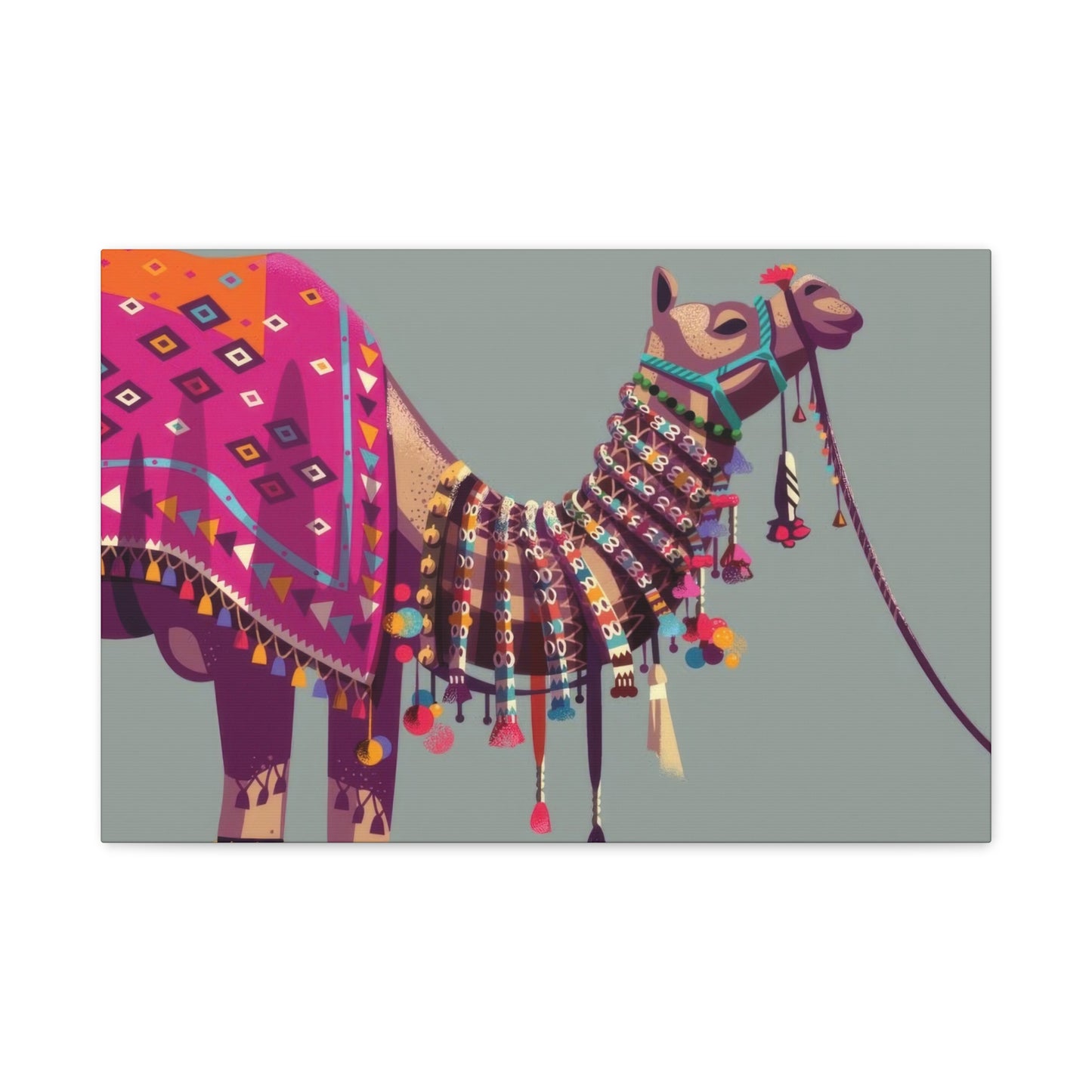
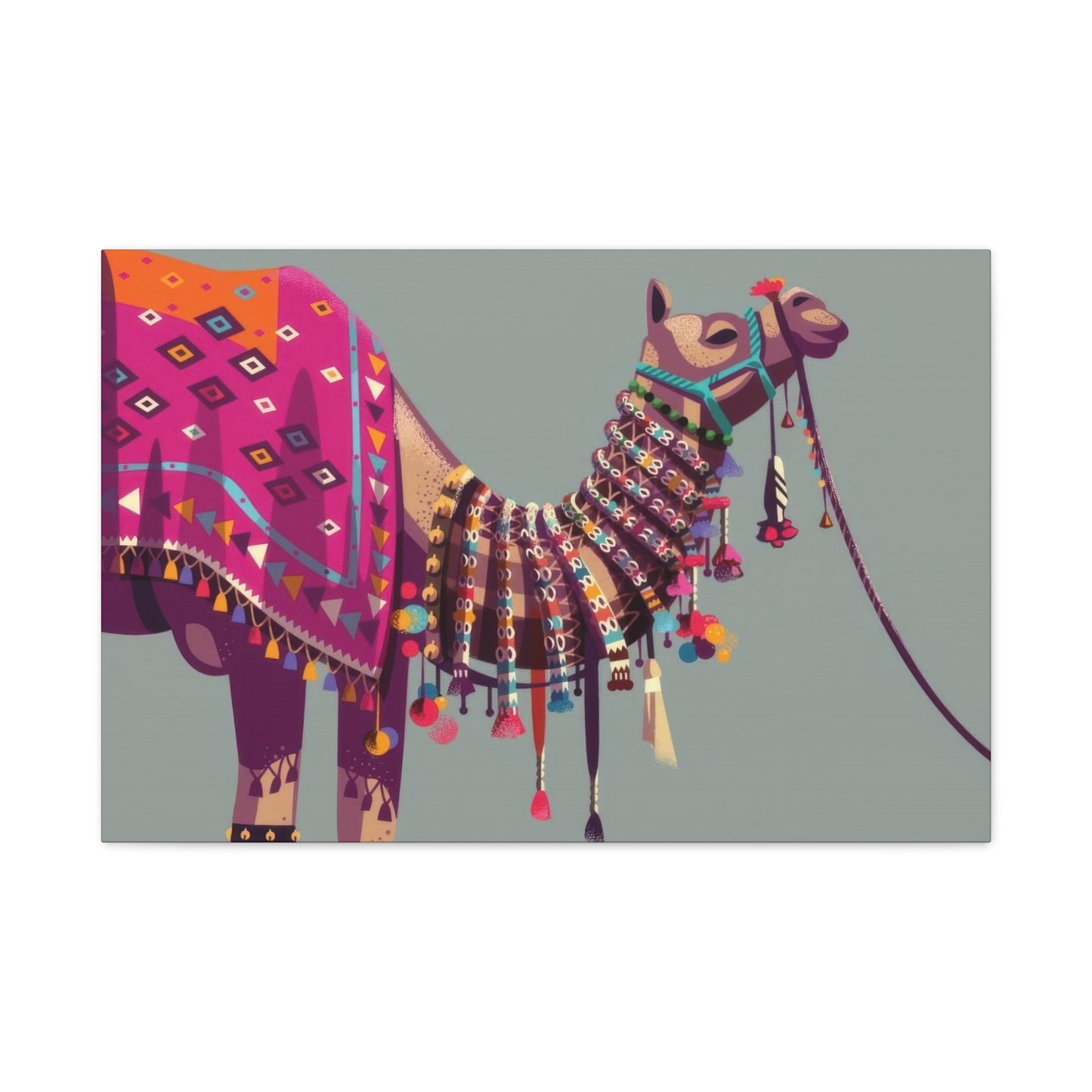
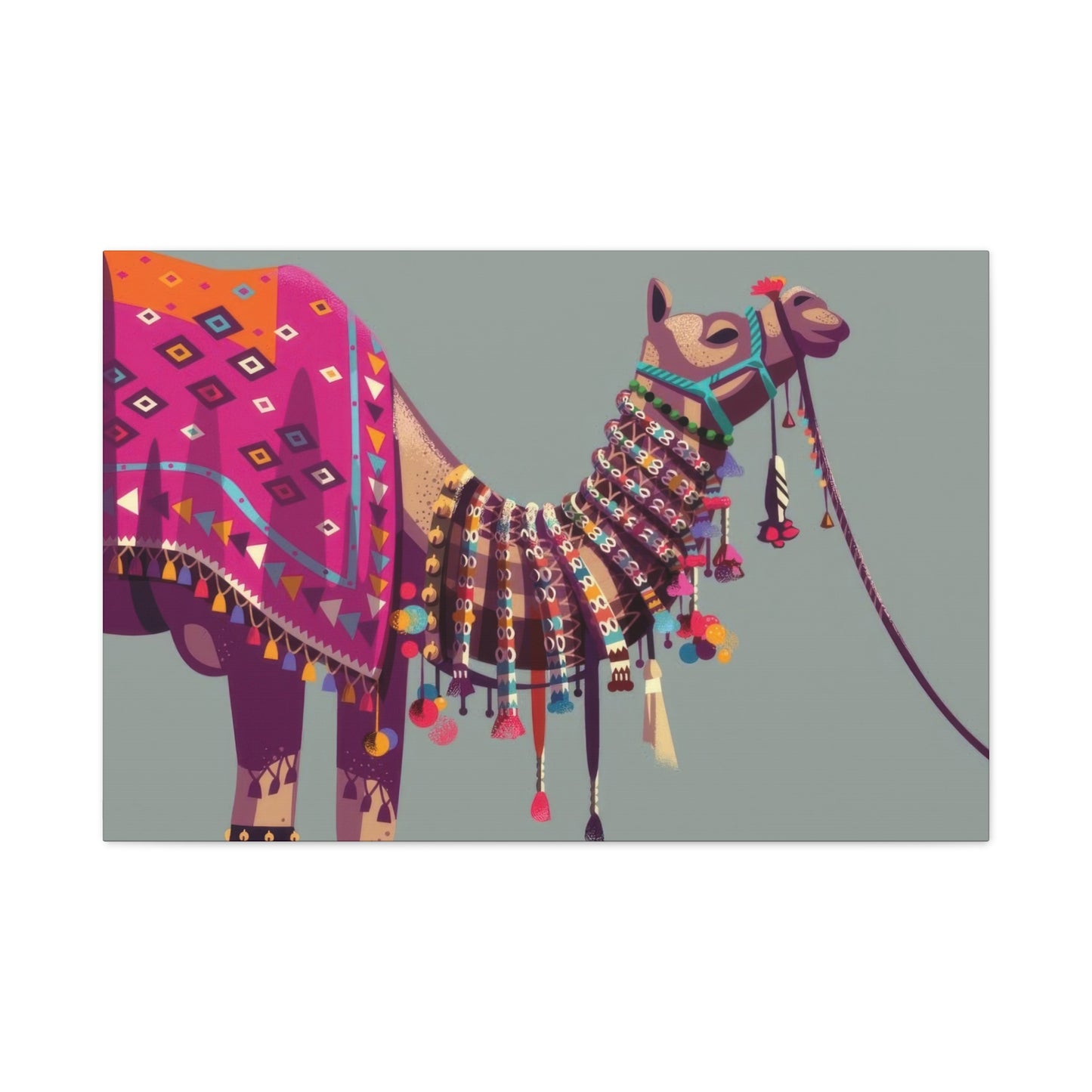
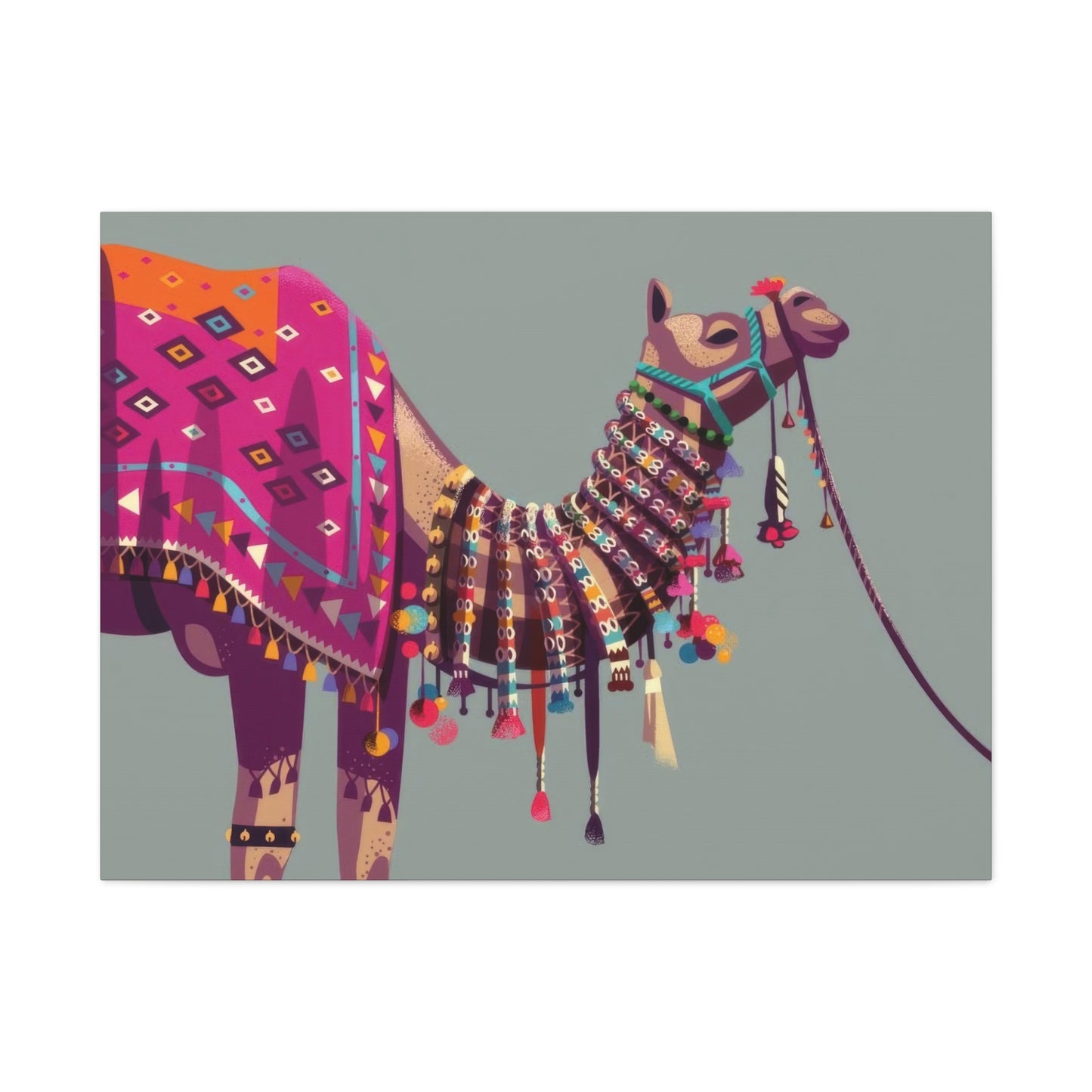
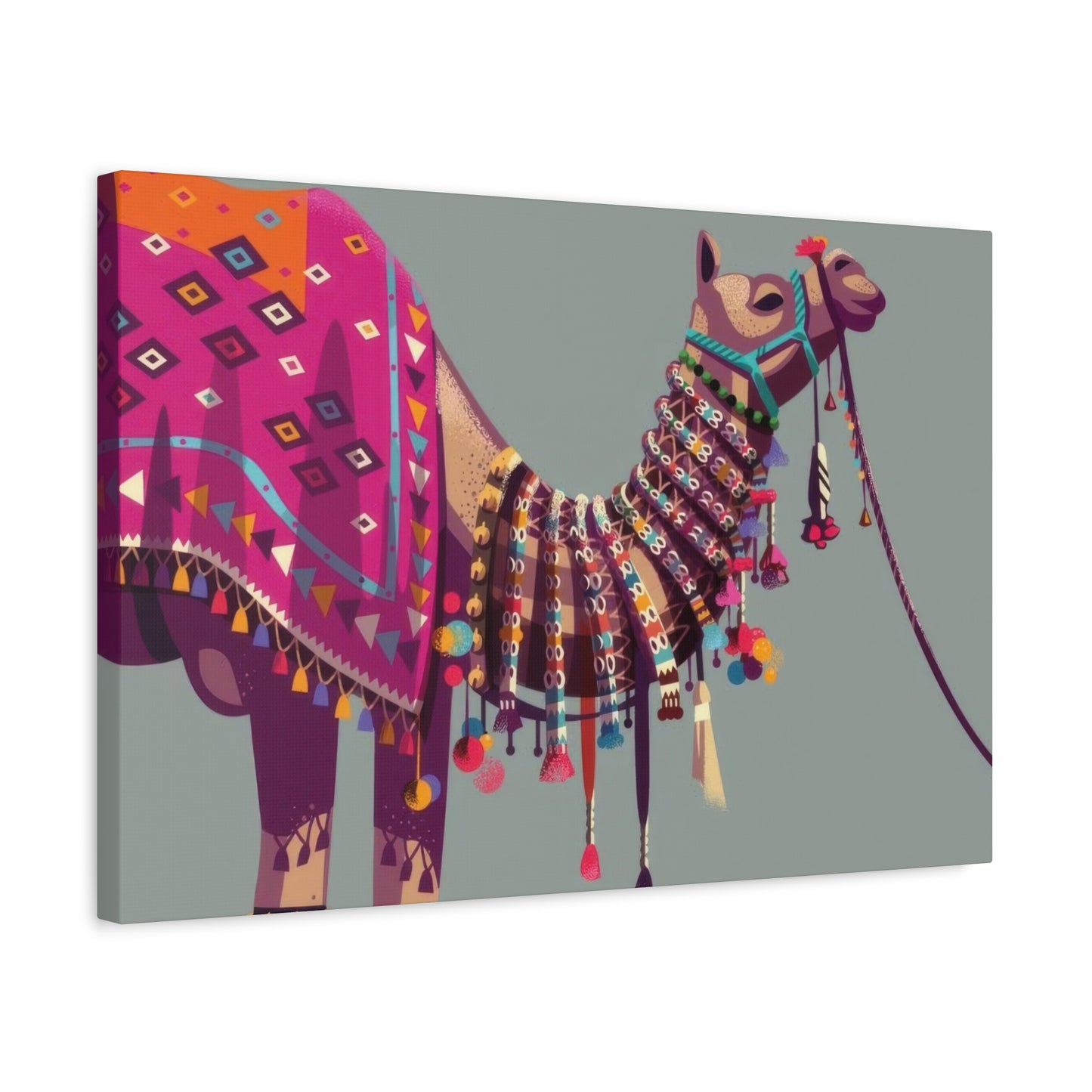
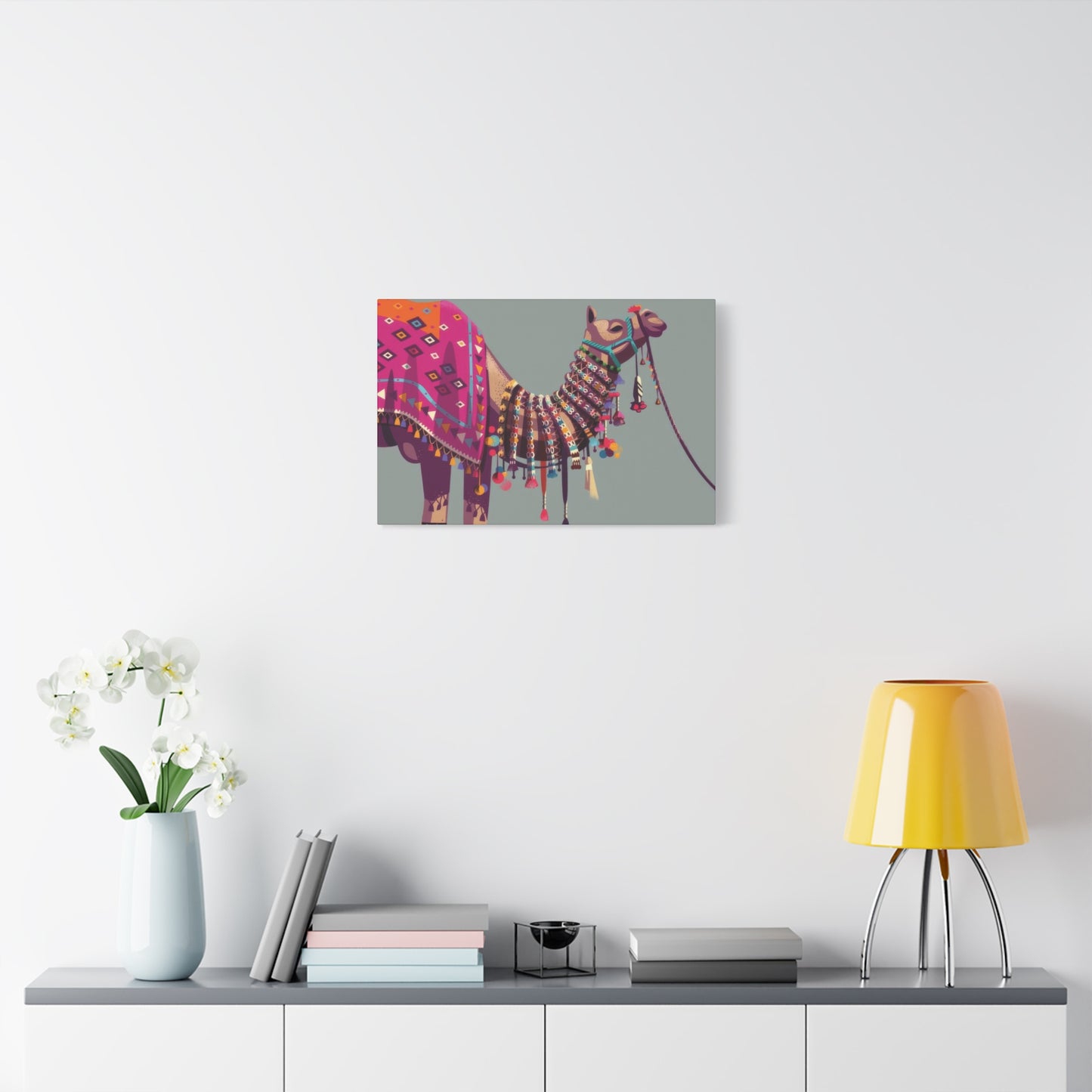
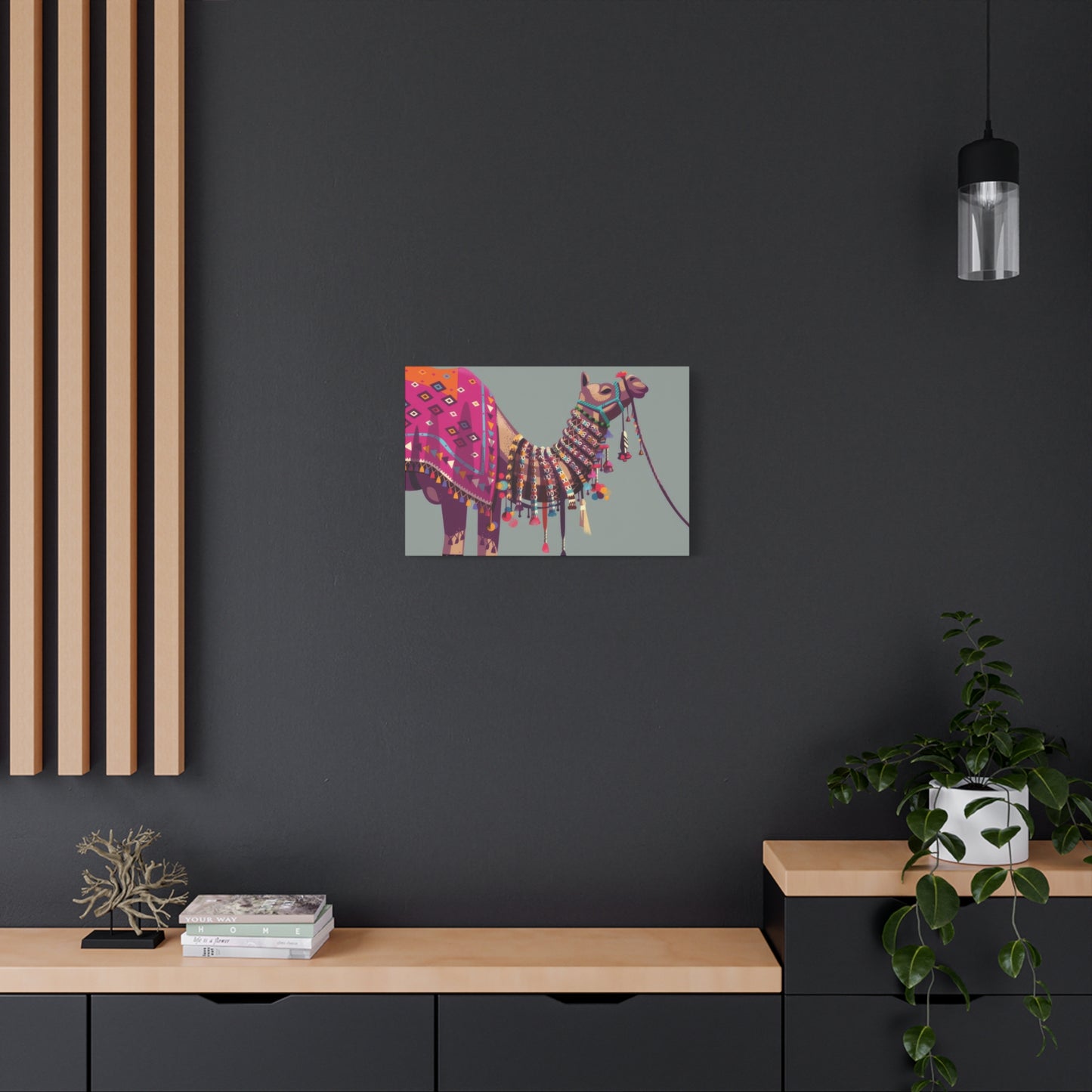
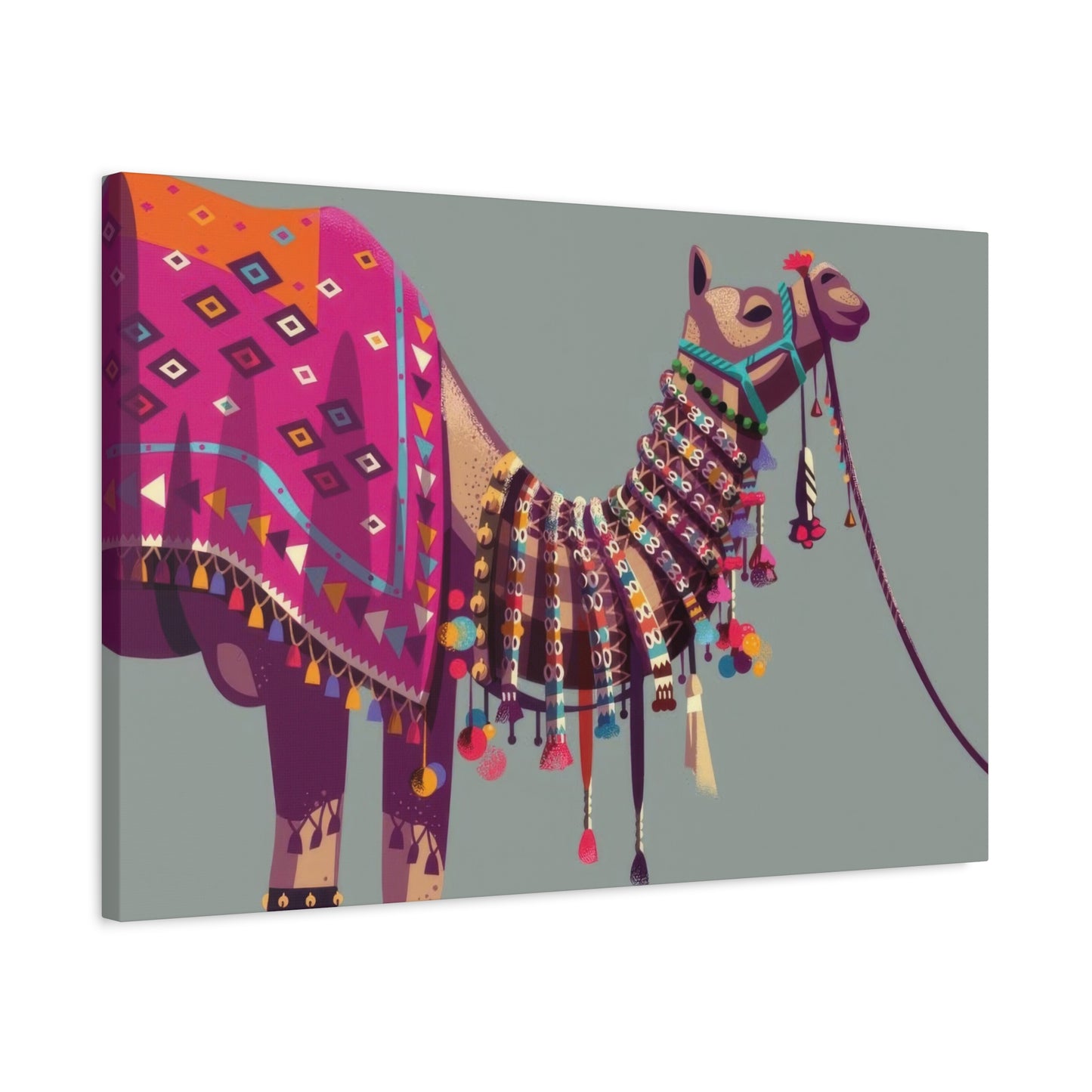
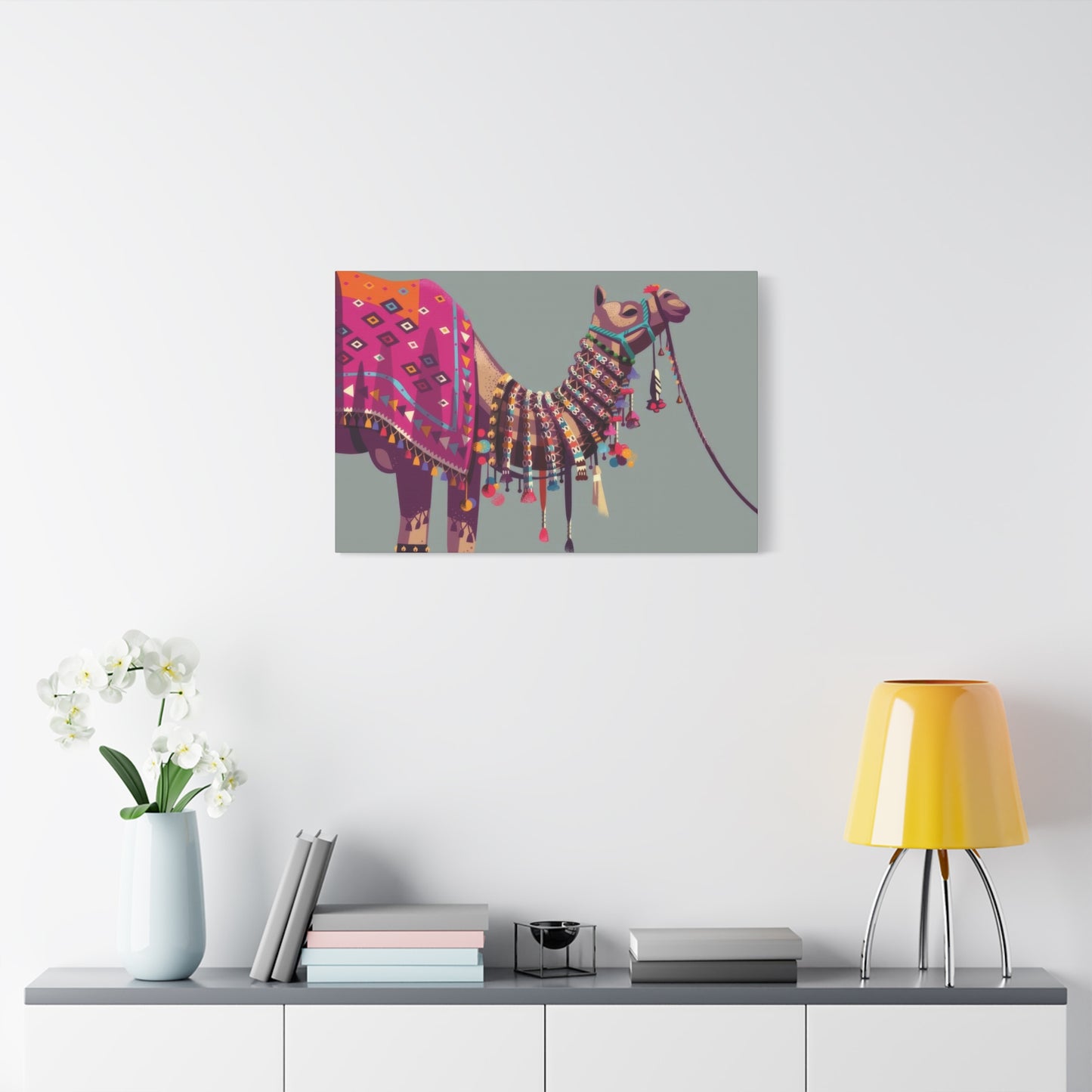
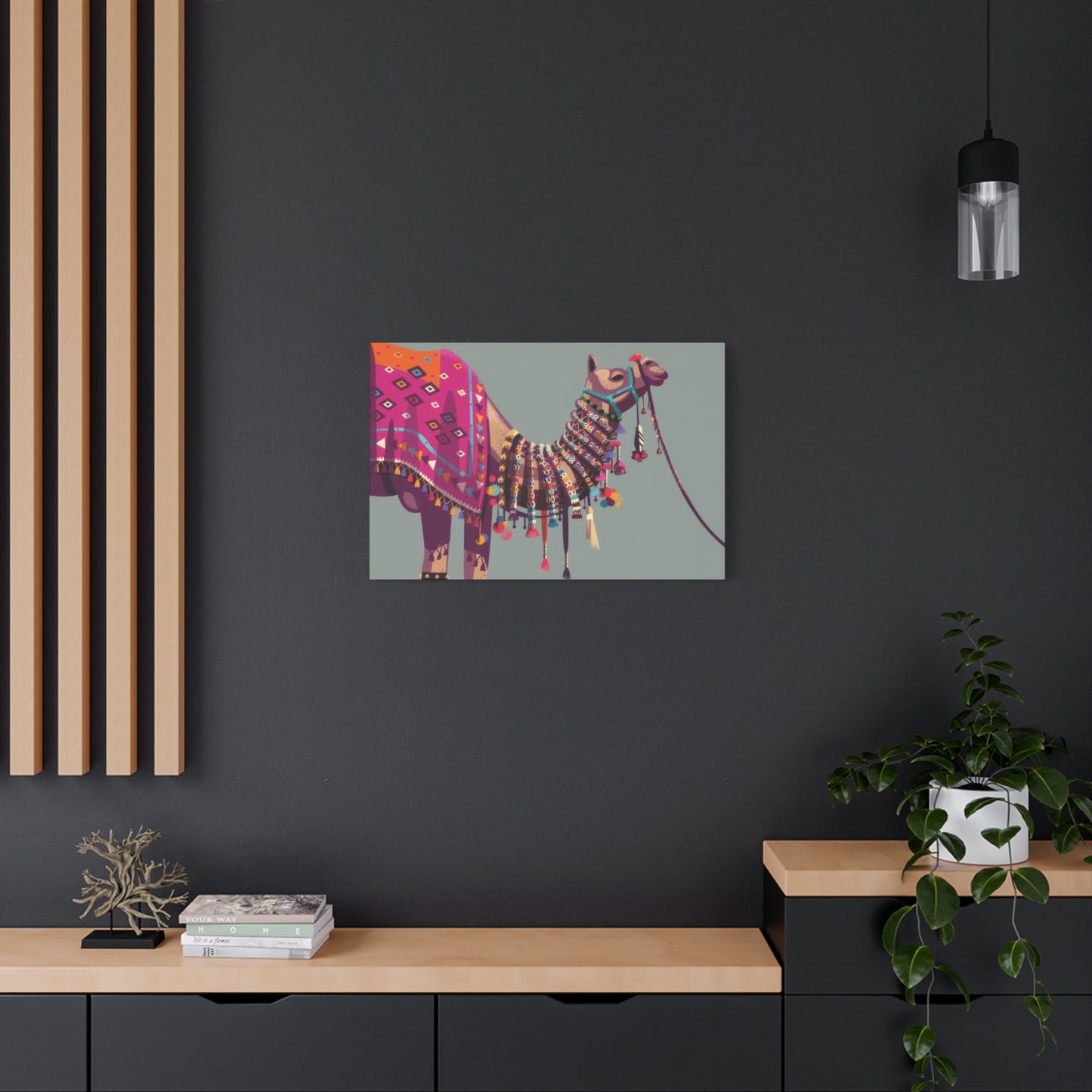
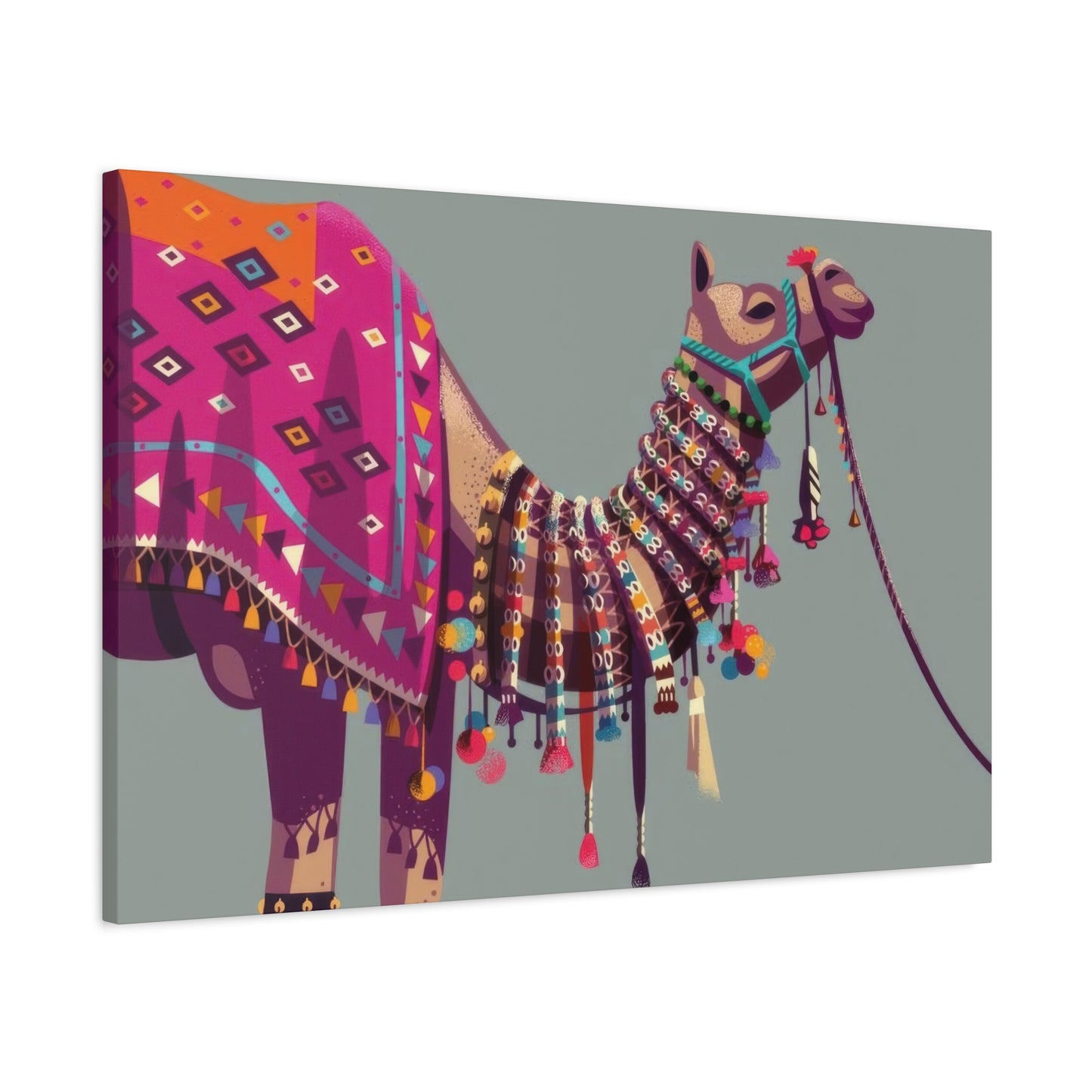
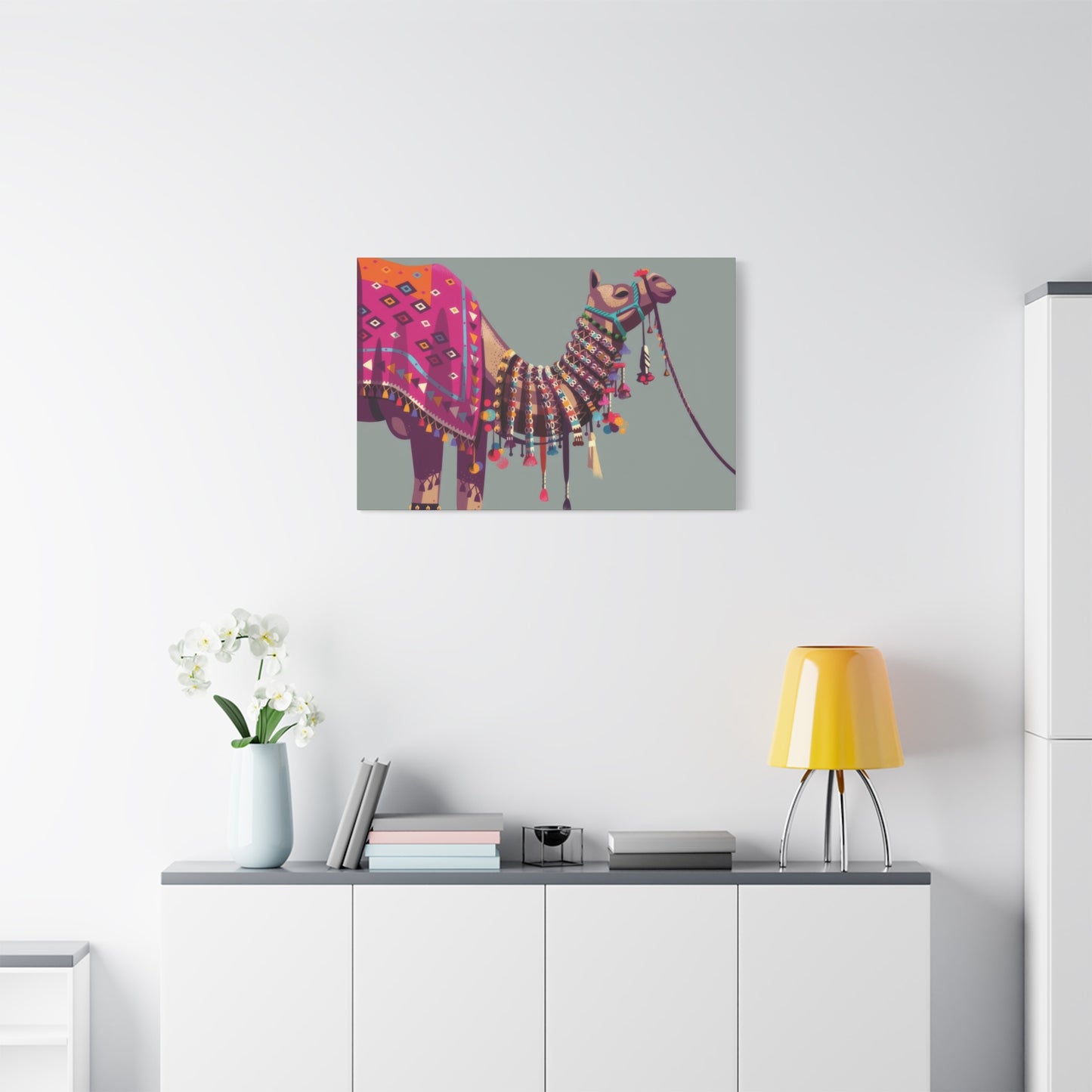
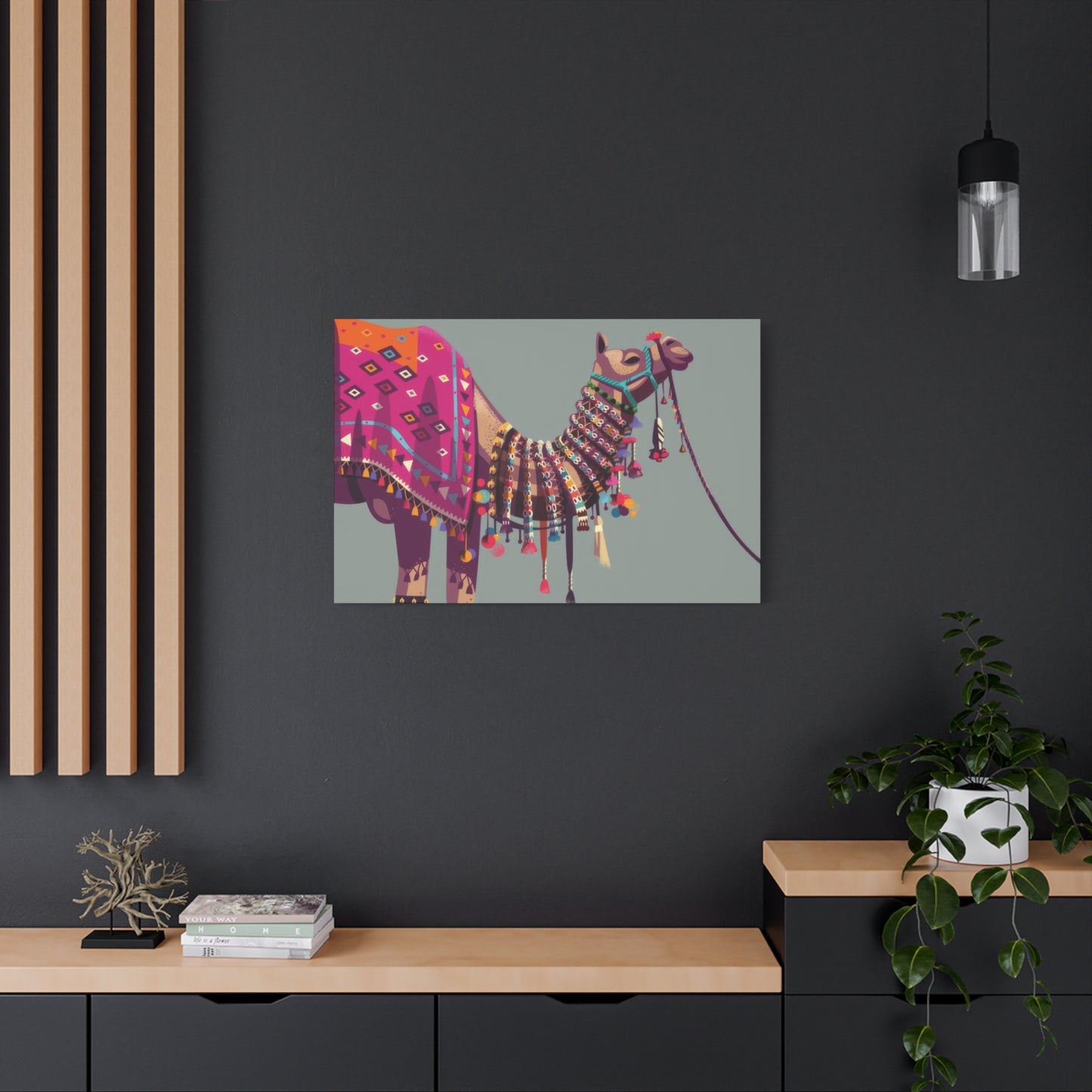
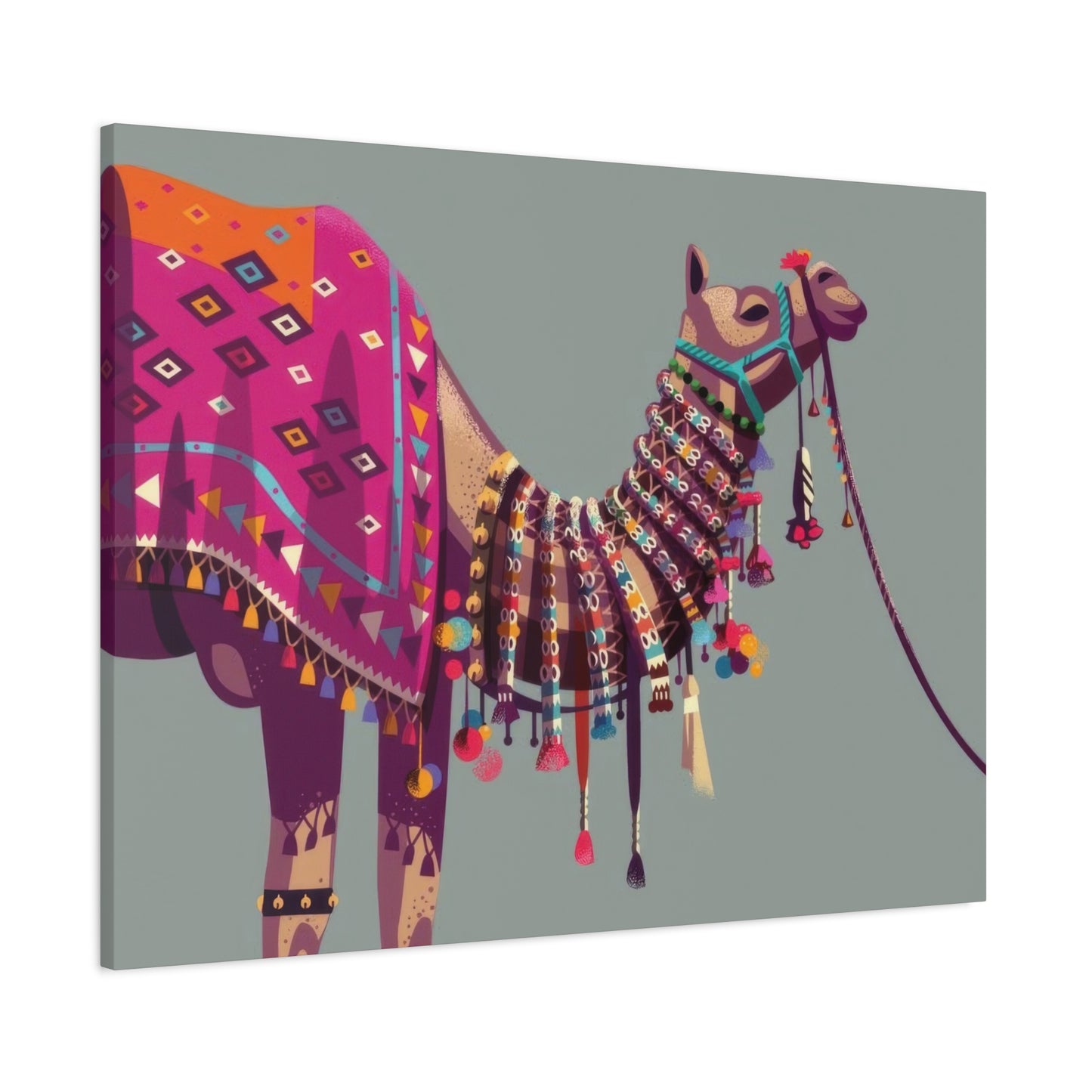
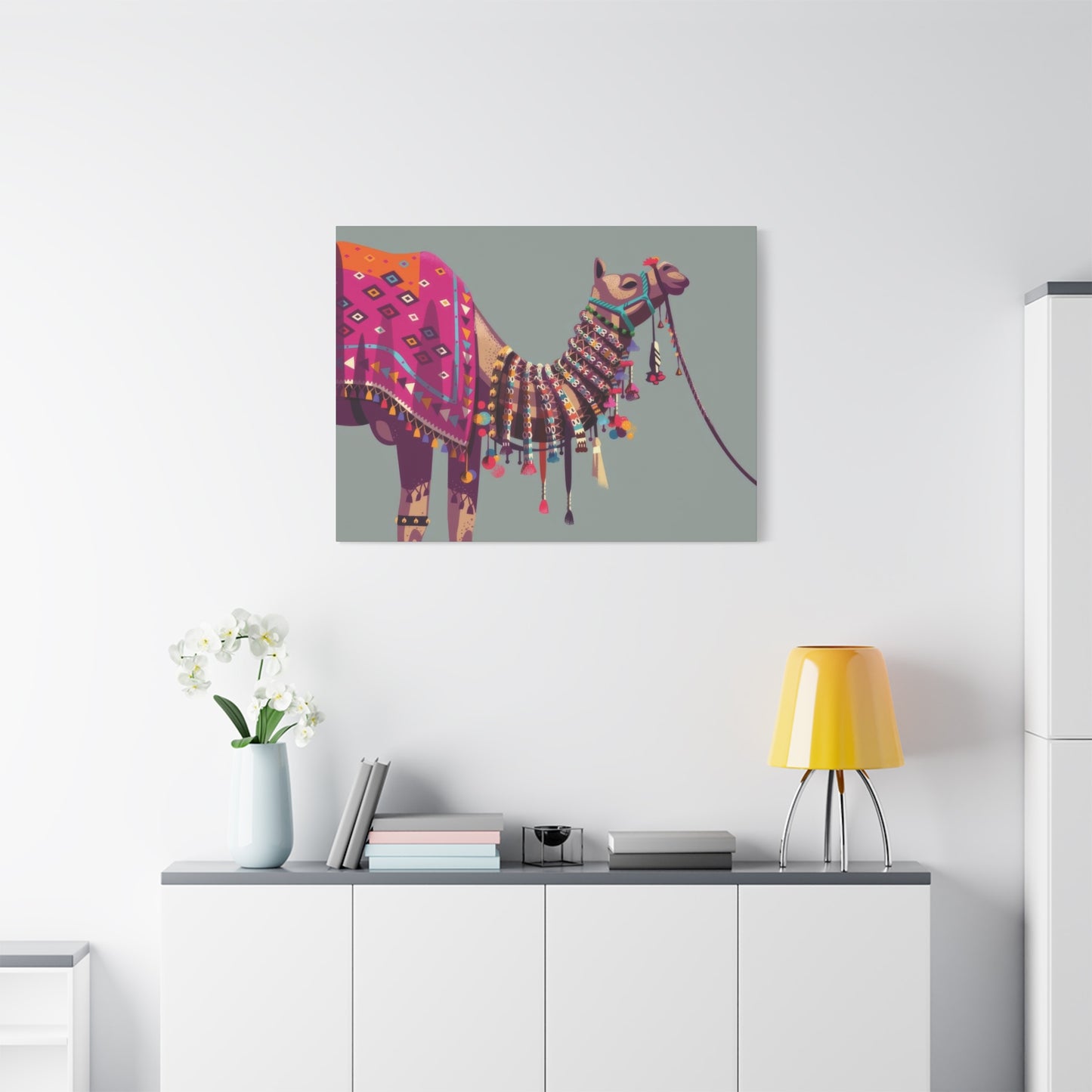
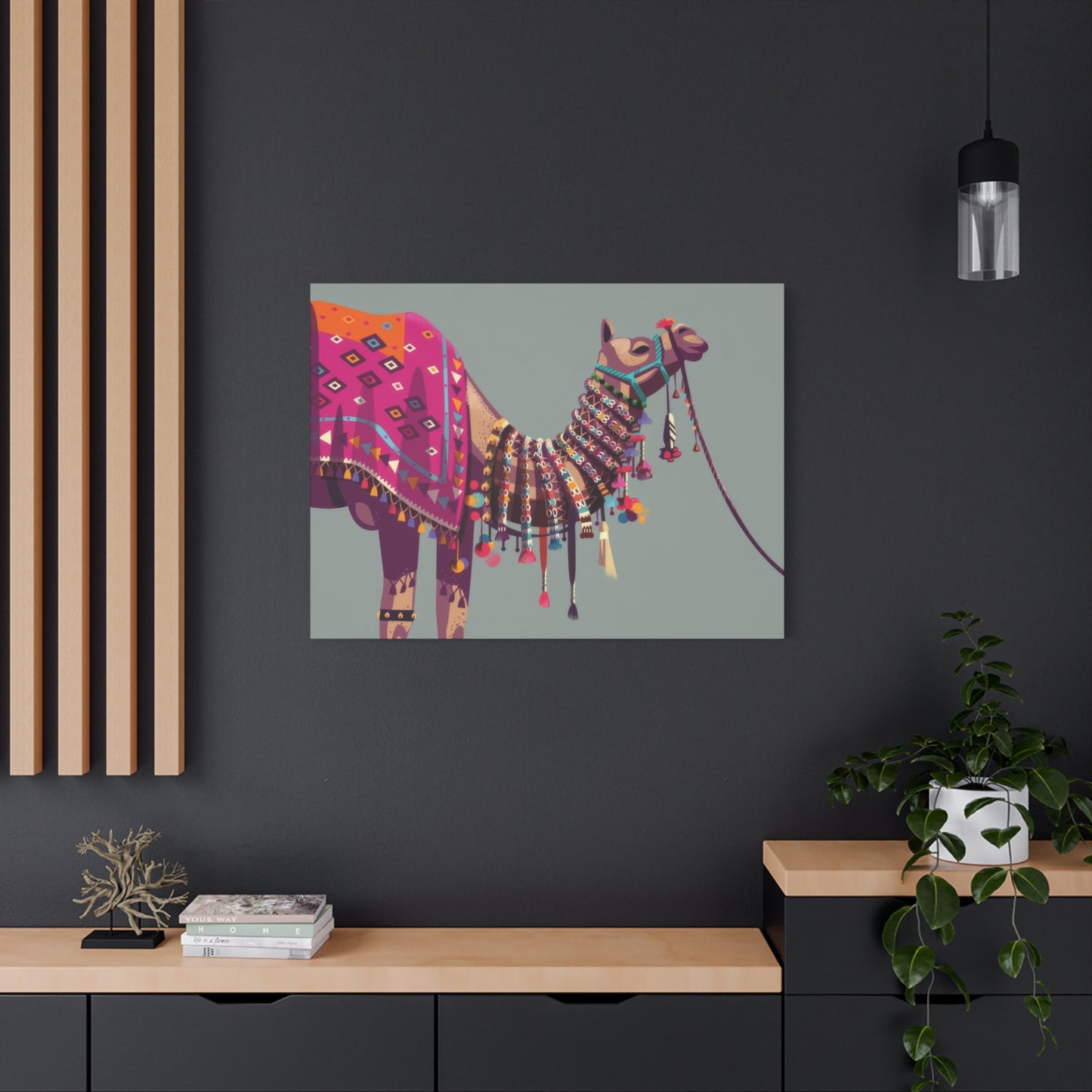
The Emotional Impact of Colorful Camel Wall Art: Warmth, Joy, and Adventure
The world of interior design has witnessed a remarkable transformation in recent years, with homeowners and decorators increasingly seeking unique and culturally rich pieces to enhance their living spaces. Among the most captivating trends emerging in contemporary home decoration is the incorporation of animal-themed artwork, particularly those featuring the majestic camel. These magnificent creatures, long revered across various cultures for their resilience, beauty, and spiritual significance, have become a popular subject for artistic expression in home decor. When rendered in vibrant hues and striking compositions, camel imagery brings an exotic yet sophisticated aesthetic to any room, seamlessly blending traditional symbolism with modern design sensibilities.
Canvas prints featuring these desert dwellers offer more than mere decoration; they serve as conversation starters, cultural touchstones, and powerful focal points that can completely transform the ambiance of a space. The versatility of these pieces allows them to complement various interior design styles, from bohemian and eclectic to minimalist and contemporary. Whether displayed in living rooms, bedrooms, offices, or even commercial spaces, these artistic representations capture the essence of adventure, endurance, and natural beauty that camels embody.
This comprehensive exploration delves into every aspect of incorporating camel-themed canvas artwork into your decorative scheme. From understanding the cultural significance and symbolic meanings associated with these animals to selecting the perfect piece for your specific space, this guide provides invaluable insights for both seasoned collectors and those just beginning their journey into art acquisition. We will examine the various artistic styles available, the technical considerations for display and maintenance, and the psychological impact these pieces can have on the atmosphere of your home or workspace.
Understanding the Cultural Significance of Camel Imagery in Art
The camel holds a position of profound importance in numerous cultures around the world, particularly in regions where these remarkable animals have been essential to human survival and commerce for millennia. In Middle Eastern, North African, and Central Asian societies, camels represent far more than transportation or livestock; they symbolize prosperity, perseverance, patience, and the ability to endure harsh conditions. This deep cultural resonance makes camel imagery particularly meaningful when incorporated into living spaces, as it carries with it layers of historical and spiritual significance that transcend simple aesthetic appreciation.
Throughout history, artists have been drawn to the distinctive silhouette and noble bearing of camels, capturing their essence in various mediums from ancient cave paintings to contemporary digital art. The animal's unique physical characteristics, including its distinctive humps, long neck, and expressive eyes, provide artists with compelling subjects that translate beautifully into visual compositions. When these traditional subjects are reimagined through the lens of contemporary color theory and modern artistic techniques, the result is artwork that bridges the gap between heritage and innovation.
The symbolic associations attached to camels vary across different cultural contexts, but certain themes remain consistent. In many traditions, these animals represent the journey of life itself, with their ability to traverse vast desert landscapes serving as a metaphor for human resilience in the face of adversity. They embody qualities such as self-sufficiency, resourcefulness, and the wisdom that comes from patient endurance. For spiritual seekers, camels can represent the inner journey toward enlightenment, carrying the soul through the barren landscapes of material existence toward spiritual fulfillment.
Vibrant Colors in Home Decoration
Color psychology plays a crucial role in interior design, influencing mood, perception of space, and overall emotional well-being. When selecting artwork for your home, understanding how different hues affect the human psyche becomes essential for creating environments that support your desired lifestyle and emotional state. Vibrant, saturated colors in particular carry powerful psychological impacts that can energize, inspire, and transform the atmosphere of any room.
Warm colors such as reds, oranges, and yellows evoke feelings of energy, passion, and optimism. In the context of camel artwork, these hues might be used to depict stunning desert sunsets, the warm tones of the animal's coat, or abstract backgrounds that complement the subject. Red stimulates conversation and appetite, making it excellent for dining areas, while orange promotes enthusiasm and social interaction, perfect for living rooms and entertainment spaces. Yellow, the color of sunshine and happiness, brings warmth and cheerfulness to any environment, particularly effective in spaces that receive limited natural light.
Cool colors including blues, greens, and purples create calming, serene atmospheres that promote relaxation and contemplation. Blue, reminiscent of vast skies and tranquil waters, lowers blood pressure and reduces stress, making it ideal for bedrooms and meditation spaces. Green, the color of nature and growth, provides balance and harmony, refreshing the spirit while maintaining a connection to the natural world. Purple combines the stability of blue with the energy of red, often associated with luxury, creativity, and spiritual awareness.
The intensity and saturation of colors also significantly impact their psychological effect. Highly saturated, vivid hues command attention and create bold statements, injecting vitality and drama into spaces. These vibrant tones work particularly well in contemporary and eclectic design schemes where artistic expression takes center stage. Conversely, desaturated or muted versions of the same colors offer sophistication and subtlety, allowing for easier integration into more traditional or minimalist interiors.
When camel imagery is rendered in vibrant color palettes, the combination of subject matter and chromatic intensity creates a unique synergy. The grounding, stabilizing symbolism of the camel balances the energizing effect of bright colors, resulting in artwork that feels both exciting and centered. This balance makes such pieces versatile additions to various spaces, from energetic creative studios to calming retreat areas.
Different Artistic Styles for Camel Canvas Prints
The artistic interpretation of camel subjects spans an impressive range of styles, each offering distinct aesthetic qualities and emotional resonances. Understanding these various approaches helps in selecting pieces that align with both personal taste and the overall design vision for a space. From photorealistic renderings to highly abstracted compositions, the diversity of available styles ensures that every decorator can find camel artwork that speaks to their unique sensibilities.
Realistic or photographic styles capture camels with meticulous attention to detail, celebrating the natural beauty and distinctive features of these animals. These pieces often showcase the texture of the camel's coat, the depth of their eyes, and the play of light across their forms. Such artwork appeals to nature enthusiasts and those who appreciate traditional artistic techniques. The precision of realistic renderings creates a sense of intimacy with the subject, allowing viewers to connect with the individual character and presence of the depicted animal.
Impressionistic interpretations take a looser approach, emphasizing the overall mood and atmosphere rather than precise details. These pieces might feature visible brushstrokes, softened edges, and an emphasis on how light and color interact with the subject. Impressionistic camel artwork often conveys the heat and shimmer of desert environments, the movement of the animal across landscapes, or the dreamy quality of memories and imagination. This style brings a romantic, artistic sensibility to spaces, suggesting refinement and cultural sophistication.
Abstract and contemporary styles push the boundaries of representation, using the camel form as a starting point for exploration of color, shape, and composition. These pieces might deconstruct the animal into geometric forms, explode it into dynamic patterns, or reimagine it through unexpected color combinations and spatial arrangements. Abstract camel artwork makes bold statements, serving as conversation pieces that invite interpretation and reflection. Such works particularly suit modern and contemporary interior designs where innovation and individual expression are valued.
Pop art inspired interpretations inject playfulness and cultural commentary into camel imagery. Drawing from the tradition established by artists like Andy Warhol and Roy Lichtenstein, these pieces might feature bright, unnatural color palettes, repeated images in different color schemes, or graphic, high-contrast treatments. Pop art style camel prints bring energy, humor, and contemporary relevance to spaces, working especially well in creative environments, studios, and spaces designed for younger demographics.
Ethnic and tribal styles honor the cultural origins and traditional significance of camels in various societies. These interpretations might incorporate patterns, symbols, and decorative elements from Middle Eastern, African, or Asian artistic traditions. They often feature rich, jewel-toned colors, intricate details, and compositions that reflect historical art forms. Such pieces add depth and cultural authenticity to decor while celebrating global artistic heritage and the interconnectedness of human creativity across geographical boundaries.
Selecting the Appropriate Size for Your Space
Determining the correct size for canvas artwork is one of the most critical decisions in the decoration process, as improper scaling can undermine even the most beautiful piece. The relationship between artwork dimensions and the space it inhabits directly impacts visual balance, focal point effectiveness, and the overall harmony of a room. Several key considerations guide this selection process, ensuring that your camel artwork achieves maximum impact while maintaining appropriate proportion to its surroundings.
The fundamental principle of artwork sizing relates to wall coverage, with general guidelines suggesting that art should occupy approximately sixty to seventy-five percent of the available wall space above furniture pieces. This proportion creates visual anchoring without overwhelming the space or appearing lost against expansive blank walls. For example, if you plan to hang artwork above a sofa measuring six feet in length, the ideal canvas width would range between forty-two and fifty-four inches, creating a balanced relationship between the furniture and the art.
Room dimensions and ceiling height significantly influence appropriate artwork size. In spaces with standard eight-foot ceilings, moderately sized pieces typically work best, preventing the room from feeling cramped or the artwork from dominating the vertical space. However, in rooms with higher ceilings or more generous square footage, larger statement pieces become necessary to maintain visual impact and prevent artwork from appearing diminished or insignificant within the grander scale of the space.
The intended function of the artwork also guides size selection. If the camel canvas is meant to serve as a bold focal point that immediately draws attention and anchors the room's design, a larger scale becomes essential. Statement pieces typically measure at least forty by sixty inches, with truly dramatic installations reaching sizes of sixty by eighty inches or larger. These commanding works set the tone for entire spaces, with other decor elements supporting and complementing the primary artistic statement.
Conversely, when creating gallery walls or arrangements featuring multiple pieces, individual artworks should be smaller to allow for cohesive groupings without visual chaos. In such configurations, pieces ranging from eight by ten inches to twenty-four by thirty-six inches work together to create collective impact while maintaining individual clarity. The spacing between pieces in gallery arrangements typically ranges from two to five inches, depending on the overall aesthetic desired and the size of the individual components.
Placement Strategies for Maximum Visual Impact
Strategic placement of canvas artwork transforms it from a simple decorative element into a powerful design tool that shapes the entire character of a space. The position, height, and relationship of camel artwork to other elements in a room dramatically affect how the piece is perceived and experienced. Mastering placement principles enables you to maximize the impact of your investment while creating harmonious, visually compelling interiors.
The standard guideline for artwork hanging height places the center of the piece at approximately fifty-seven to sixty inches from the floor, which corresponds to average eye level for most adults. This positioning creates comfortable viewing angles without requiring viewers to crane their necks upward or bend downward to appreciate the artwork. However, this rule serves as a starting point rather than an absolute mandate, with adjustments necessary based on ceiling height, furniture placement, and the specific context of the installation.
When hanging artwork above furniture, the relationship between the two elements requires careful consideration. The bottom edge of the canvas should typically sit six to twelve inches above the furniture top, creating visual connection while maintaining distinct separation. This spacing prevents the artwork from appearing to rest directly on the furniture while avoiding excessive gap that would disconnect the two elements. For larger furniture pieces or in rooms with higher ceilings, the spacing can increase slightly, but maintaining clear visual relationship remains essential.
Creating focal points through artwork placement involves understanding the natural sight lines and traffic patterns within a room. The wall that immediately draws attention upon entering a space presents the ideal location for statement pieces, as this position leverages the natural tendency of humans to orient toward dominant features in their environment. In living rooms, this often means the wall opposite the main entrance or the wall behind the primary seating area. In bedrooms, the wall behind the bed naturally serves this purpose.
Lighting considerations profoundly impact artwork placement and effectiveness. Natural light can beautifully illuminate canvas prints, but direct sunlight causes fading and deterioration over time. Positioning artwork on walls perpendicular to windows rather than directly opposite them allows for ambient natural lighting while protecting against harmful direct exposure. Alternatively, UV-filtering glass or films can protect pieces in sun-exposed positions, though these solutions add cost and may slightly alter color perception.
Artificial lighting offers tremendous flexibility in highlighting artwork and controlling its presentation. Track lighting, picture lights, or recessed spots can be directed to illuminate canvas prints, creating drama and emphasis while allowing for viewing after dark. The angle and intensity of artificial light sources should be carefully adjusted to minimize glare and reflection while evenly illuminating the artwork. Warm-toned lighting enhances the richness of warm colors in the piece, while neutral or cool lighting better serves artwork dominated by blues, greens, and purples.
Complementary Color Schemes and Design Coordination
Successfully integrating vibrant camel canvas artwork into existing decor requires thoughtful consideration of color relationships, pattern interactions, and overall design cohesion. While bold artwork can certainly stand alone as a statement piece, creating intentional connections between the canvas and surrounding elements elevates the entire space, transforming a collection of individual components into a unified, harmonious composition. Understanding the principles of design coordination enables you to enhance rather than compete with your chosen artwork.
Color extraction represents one of the most effective coordination strategies, involving identifying key hues within the artwork and echoing them throughout the space in various intensities and applications. For instance, if your camel canvas features vibrant turquoise accents, incorporating throw pillows, decorative objects, or textile elements in similar or complementary blues creates visual threads that tie the room together. This approach doesn't require exact color matching, which can appear forced and unnatural; instead, working within the same color family or tonal range creates subtle harmony while maintaining visual interest.
The sixty-thirty-ten rule provides a useful framework for color distribution in interior design. This principle suggests allocating approximately sixty percent of a room's color to a dominant neutral or subdued hue, thirty percent to a secondary color, and ten percent to accent colors. When incorporating vivid camel artwork, the vibrant hues in the piece often serve as the accent colors, with this ten percent allocation preventing the bold tones from overwhelming the space while ensuring they create impact. The surrounding walls, large furniture pieces, and floors typically carry the dominant sixty percent, with secondary colors appearing in medium-sized furniture, curtains, or rugs.
Neutral backgrounds provide versatile foundations that allow colorful artwork to shine without visual competition. White, cream, beige, gray, and taupe walls create clean canvases against which vibrant camel prints stand out dramatically. This approach particularly suits spaces where the artwork is intended as the primary focal point and where flexibility for future decor changes is desired. Neutral schemes prevent the space from feeling dated as color trends evolve, as swapping accent pieces requires less investment than changing dominant color schemes.
Style Coordination Across Different Interior Design Aesthetics
The versatility of camel canvas artwork allows it to complement numerous interior design styles, though the specific artistic interpretation and presentation of the piece should align with the overall aesthetic direction of the space. Understanding how to adapt camel imagery to different design vocabularies ensures harmonious integration rather than stylistic dissonance. Whether your personal taste runs toward traditional elegance, contemporary minimalism, or eclectic bohemianism, appropriate selection and styling of camel artwork enhances your chosen design direction.
In contemporary and modern interiors characterized by clean lines, minimal ornamentation, and emphasis on form and function, camel artwork should reflect similar principles. Abstract or geometric interpretations of camel subjects work particularly well, as do pieces featuring bold, simplified forms with limited color palettes. Large-scale works that make definitive statements suit the confident, uncluttered nature of modern design. Framing should be simple and sleek, perhaps in thin metal or frameless gallery-wrapped canvas that emphasizes the artwork itself rather than decorative surrounds. The placement should emphasize the architectural qualities of the space, often centering pieces on expansive blank walls where they can breathe and command attention.
Traditional and classical interiors benefit from more realistic or classically composed camel artwork that honors historical artistic conventions. These pieces might feature carefully rendered details, balanced compositions, and color palettes that reference traditional painting techniques. Ornate frames in wood or gilded finishes complement the formal nature of traditional design, adding weight and importance to the artwork. In these contexts, symmetrical placement and adherence to established hanging conventions reinforce the orderly, refined character of the space. The cultural and historical significance of camels particularly resonates in traditional settings, where connections to heritage and timeless beauty are valued.
Maintenance and Care for Long-lasting Beauty
Proper maintenance ensures your vibrant camel canvas artwork retains its beauty and impact for many years. While quality canvas prints are relatively durable and low-maintenance compared to some other art forms, they do require appropriate care to prevent degradation, damage, or accumulation of dirt and grime. Establishing good care practices from the moment of installation protects your investment and preserves the artwork's aesthetic qualities.
Location selection represents the first line of defense against deterioration. Avoiding placement in direct sunlight prevents the most common cause of fading and color shift in canvas prints. Even with UV-resistant inks, prolonged exposure to strong sunlight gradually degrades pigments. If you must place artwork in sunny locations, consider installing UV-filtering window films, using curtains or blinds during peak sunlight hours, or rotating the piece with others periodically to distribute exposure. Similarly, avoid hanging canvas prints directly above heat sources like radiators, fireplaces, or heating vents, as heat accelerates deterioration and can cause canvas to dry out and become brittle.
Humidity control significantly impacts canvas longevity. Excessive moisture causes canvas fibers to expand and contract, potentially leading to warping, mold growth, or separation of the printed layer from the canvas base. Conversely, very dry conditions make canvas brittle and more prone to cracking. Maintaining indoor relative humidity between 40 and 60 percent, typical comfort levels for human occupancy, also protects artwork. Avoid hanging canvas prints in bathrooms or other high-humidity environments unless you can ensure adequate ventilation and humidity control.
Regular, gentle cleaning removes dust and airborne particles before they accumulate into noticeable grime. The simplest maintenance involves lightly dusting the canvas surface with a soft, clean, dry microfiber cloth or using a soft brush attachment on a vacuum cleaner held slightly away from the surface to avoid actual contact. This should be done gently to avoid abrading the printed surface or pressing particles into the canvas texture. For pieces in particularly clean, low-traffic areas, this maintenance might only be necessary every few months, while artwork in higher-traffic or dustier environments benefits from monthly attention.
Addressing more substantial soil or marks requires greater care. For most cases, a barely damp microfiber cloth can be gently pressed against affected areas, but avoid rubbing motions that might damage the ink or canvas surface. Never use conventional household cleaners, solvents, or chemical treatments unless specifically designed for canvas artwork and recommended by the print manufacturer. When in doubt, consult a professional art conservator rather than risk irreversible damage through inappropriate cleaning attempts.
Protecting canvas prints during renovations, construction, or other activities that generate dust or potential damage deserves special attention. Removing artwork from affected areas represents the safest approach, but if this isn't feasible, covering pieces with plastic sheeting or cloth provides temporary protection. Ensure coverings don't directly contact the canvas surface if possible, as plastic can trap moisture and cloth may transfer dyes or leave impressions.
The Role of Framing in Presentation
While many canvas prints are designed as gallery-wrapped pieces intended for display without additional framing, the option to frame canvas artwork offers aesthetic and protective advantages worth considering. The decision whether to frame, and if so, what style of framing to employ, significantly impacts the artwork's integration into your space and its long-term preservation. Understanding the various framing options and their implications enables more informed choices that enhance rather than detract from your camel canvas artwork.
Gallery-wrapped canvas presents the artwork extending around the sides of the stretcher bars, creating a finished appearance on all edges. This frameless presentation offers clean, contemporary aesthetics that emphasize the artwork itself without decorative distraction. The dimensional quality of stretched canvas, particularly when using deeper stretcher bars of one and a half to two inches, creates sculptural presence that interacts beautifully with light and shadow. Gallery-wrapped pieces feel modern and confident, suggesting art appreciation rather than traditional decoration. The absence of frames also offers practical advantages including lighter weight, easier installation, and typically lower overall cost than framed alternatives.
However, adding frames to canvas prints provides several benefits. Frames create visual boundaries that can enhance focus on the artwork while protecting edges from accidental bumps, scratches, or handling damage. The right frame adds weight and importance to artwork, elevating it from casual decoration to significant artistic statement. Frames also offer opportunities for customization and coordination with existing decor, as frame materials, colors, and styles can be selected to complement or contrast with both the artwork and surrounding environment.
Traditional wooden frames bring warmth and classic elegance to canvas artwork. Natural wood tones ranging from light oak and maple to rich walnut and cherry create organic connections that soften the modern feel of canvas prints while honoring traditional presentation methods. Wood frames can be simple and unadorned for understated sophistication or ornately carved for dramatic impact, with the selection depending on both the artwork style and the room's overall design direction. Stained or painted wooden frames offer even greater flexibility, allowing for color coordination with existing decor elements.
Metal frames contribute contemporary edge and sleek sophistication to canvas artwork. Aluminum frames in brushed, polished, or powder-coated finishes provide lightweight yet substantial presentation. The clean lines and minimal visual weight of metal frames particularly suit modern and industrial interiors. Metal frames in metallic finishes including silver, gold, bronze, and copper add glamorous accents while remaining neutral enough to work with various color schemes. The durability of metal frames provides excellent protection for artwork in high-traffic areas or commercial settings.
Floating frames create striking presentation by suspending the canvas within the frame structure, leaving a gap between the artwork edges and the frame. This contemporary approach combines the benefits of framing with the dimensional interest of gallery-wrapped canvas. The visible gap draws attention to the depth of the stretched canvas while the frame provides boundary and emphasis. Floating frames work particularly well with vibrant, contemporary artwork, as they feel fresh and innovative rather than traditional.
Frame width and proportion require consideration relative to both the artwork size and the visual weight of the image. Larger canvases generally benefit from proportionally wider frames to avoid appearing overwhelmed or inadequately contained. Bold, vibrant artwork with strong visual presence often needs more substantial framing to balance its impact, while subtle, minimalist pieces might be overpowered by heavy frames. The relationship between frame and artwork should feel harmonious and intentional rather than arbitrary or mismatched.
The profile or depth of frames affects how artwork projects from the wall and casts shadows. Deeper profiles create more dramatic dimensional presence, which can be desirable for statement pieces but may feel heavy or overwhelming for smaller works or in rooms with limited space. Shallower profiles maintain closer relationship to the wall surface, feeling more integrated and less sculptural. Consider how the frame profile will interact with lighting conditions, as deeper frames cast more noticeable shadows that can either enhance or detract depending on the effect desired.
Incorporating Canvas Artwork in Commercial Settings
Beyond residential applications, vibrant camel canvas artwork serves valuable roles in commercial environments including offices, hotels, restaurants, retail spaces, and healthcare facilities. The considerations for commercial installation differ somewhat from residential contexts, with factors including brand alignment, customer psychology, durability requirements, and scale all playing important roles. Understanding these commercial applications expands appreciation for the versatility and impact of thoughtfully selected artwork.
Corporate offices benefit from artwork that reinforces brand identity while creating welcoming, humanized environments for employees and visitors. For companies with international operations, cultural themes, or values around resilience and endurance, camel imagery offers symbolic alignment. The artwork communicates organizational values non-verbally, contributing to corporate culture and external brand perception. In conference rooms, bold camel canvases create focal points and visual interest without competing with presentations or creating distraction during meetings. In reception areas, statement pieces establish tone and identity immediately upon entry, making powerful first impressions that influence visitor perceptions of the organization.
Hotels and hospitality venues use artwork to create memorable experiences and distinctive identities that differentiate them from competitors. For properties emphasizing exotic luxury, cultural authenticity, or adventure themes, camel artwork supports these positioning strategies. The scale of commercial spaces often allows for dramatic, oversized installations that would overwhelm residential rooms but perfectly suit expansive lobbies, corridors, and common areas. Coordinated collections spanning multiple pieces or floors create cohesive experiences while adding significant visual interest throughout properties. The durability of quality canvas prints suits high-traffic commercial environments better than more delicate art forms, requiring minimal maintenance while maintaining appearance.
Restaurants and dining establishments employ artwork to establish ambiance and theme, directly influencing guest experience and perception of cuisine. For establishments serving Middle Eastern, North African, or fusion cuisines, camel artwork reinforces cultural authenticity and creates immersive dining experiences. The colors selected for artwork should complement rather than clash with food presentation, with warm tones generally enhancing appetite and dining enjoyment. The positioning should create visual interest without distracting from dining companions or interfering with service flow. Lighting artwork effectively contributes to overall ambiance, with proper illumination enhancing both the art and the dining environment.
Retail environments use artwork to extend brand identity and create shopping experiences that encourage lingering and purchase. For stores selling home decor, artwork demonstrates products in context, allowing customers to envision pieces in their own spaces. For fashion retailers, particularly those with bohemian, ethnic, or luxury positioning, camel artwork reinforces brand aesthetic and creates cohesive environmental branding. The artwork should complement merchandise displays without competing for attention, functioning as backdrop and atmosphere enhancement rather than primary focus.
Healthcare facilities increasingly recognize the importance of healing environments that reduce stress and promote wellbeing. Artwork featuring natural subjects including animals provides psychological benefits for patients, visitors, and staff, with studies documenting reduced anxiety, lower pain perception, and improved satisfaction in facilities with thoughtful art programs. Camel imagery offers cultural inclusivity for facilities serving diverse populations while avoiding potentially triggering subjects. The calm patience associated with camels aligns well with the waiting and healing processes inherent to healthcare. Artwork selection should consider the specific patient population, avoiding subjects that might cause distress while providing gentle visual interest and positive distraction.
Educational institutions from elementary schools through universities employ artwork to create inspiring learning environments and expose students to diverse cultural perspectives. Camel artwork in geography classrooms, world culture programs, or international centers provides visual references for discussion and study. In libraries and common areas, such pieces create visual interest while suggesting themes of journey, discovery, and cross-cultural exchange relevant to educational missions. The durability and relatively low maintenance requirements of canvas prints suit institutional budgets and facilities management constraints.
Custom Commissioning and Personalization Options
Identifying the right artist or studio represents the crucial first step in custom commissioning. Research artists whose existing work demonstrates styles, techniques, and subject handling that resonate with your aesthetic preferences. Many artists maintain online portfolios showcasing their range and capabilities, with social media platforms providing accessible venues for discovering emerging and established talents. Art galleries, both physical and online, curate selections of represented artists and can facilitate commissioning processes. Local art associations and university art departments provide additional resources for discovering regional talent.
Initial consultations establish whether artist and client can collaborate successfully. Discuss your vision, showing reference images, describing color preferences, and explaining the intended space and overall design context. Gauge the artist's enthusiasm for the project and their understanding of your goals. Strong artist-client relationships balance the client's vision with the artist's creative expertise, allowing for collaborative development rather than rigid execution of predetermined plans. Trust in the artist's creative judgment typically yields more successful results than overly controlling specifications that limit artistic expression.
Compositional options for camel subjects span tremendous range based on artistic approach and vision. Single camel portraits focus attention on individual character, capturing personality and presence with intimate intensity. Multiple camels create narrative possibilities, suggesting relationships, movement, or herd dynamics. Including environmental context places subjects within landscape settings, adding atmospheric and spatial dimensions. Abstract or impressionistic treatments prioritize mood, color, and emotional resonance over literal representation. Discussing these options helps clarify vision and ensures alignment between client expectations and artistic interpretation.
Color palette selection profoundly impacts the artwork's integration into your space and its emotional effect. Provide paint samples, fabric swatches, or photographs of your existing space to help the artist understand the color context. Discuss whether you want artwork that harmonizes with existing colors or creates deliberate contrast. Consider how colors might affect the space's mood and how they align with the symbolic meanings you want the piece to convey. Many artists provide color studies or preliminary sketches showing proposed palettes for approval before proceeding with final execution.
Size specifications require careful consideration of both the intended space and the practical constraints of creation and installation. Provide exact measurements of the available wall space, ceiling height, and any architectural features that might affect placement. Discuss whether a single large canvas or multi-panel installation better suits your needs. Remember that shipping and installation become more complex and expensive with increasing size, factors that should inform dimensions decisions.
Timeline expectations need clear communication from project initiation. Custom artwork creation takes considerably longer than purchasing existing pieces, with timelines ranging from several weeks to several months depending on size, complexity, and the artist's current workload. Rush orders may incur additional fees and may not be possible depending on the artist's process. Building adequate time into planning prevents disappointment and allows the artist to work without compromising quality.
Pricing for custom work reflects numerous factors including the artist's experience and reputation, artwork size and complexity, materials quality, and timeline constraints. Commissioned pieces typically cost more than comparable existing work due to the personalized attention and inability to generate revenue from multiple sales of the same piece. Request detailed quotes itemizing costs and payment schedules. Many artists require deposits before beginning work, with remaining balances due upon completion or delivery. Understand policies regarding revisions, cancellations, and ownership rights before committing to commission agreements.
Approval processes should be established upfront, clarifying when and how the client will review work in progress. Some artists provide progress photos at agreed-upon milestones, allowing for feedback and minor adjustments before substantial completion. Others prefer working without client involvement until finishing, believing this produces more cohesive results. Understand the artist's process and ensure it aligns with your comfort level and need for involvement.
Personalization beyond subject and color might include incorporating meaningful symbols, locations, or references that hold special significance. Discuss these elements with your artist, explaining their importance and how you envision their integration. Subtle personalization maintains artistic integrity while adding layers of private meaning that enhance your connection to the piece.
Understanding Print Technologies and Their Impact on Quality
The technology employed to transfer digital or photographic images onto canvas fundamentally determines the quality, longevity, and overall value of the finished artwork. As printing technologies have evolved, the capabilities for producing museum-quality reproductions have expanded dramatically, making fine art quality accessible at various price points. Understanding these technologies enables informed purchasing decisions and appropriate quality expectations based on production methods.
Traditional giclée printing represents the gold standard for fine art reproduction, though the term has become somewhat diluted through overuse and misapplication. True giclée printing employs high-end inkjet printers specifically designed for art reproduction, utilizing twelve or more individual ink colors rather than the standard four used in commercial printing. This expanded color gamut allows for extraordinarily accurate color reproduction, subtle gradations, and faithful representation of artistic intent. The resolution of genuine giclée printing reaches 1440 DPI or higher, producing images where individual dots become invisible to the naked eye, resulting in smooth, continuous tones and crisp details.
The inks used in giclée printing are pigment-based rather than dye-based, a distinction with profound implications for longevity. Pigment inks consist of tiny particles of solid colorant suspended in liquid carrier, whereas dye inks dissolve colorant molecules in liquid. Pigment inks resist fading from light exposure far more effectively than dye alternatives, with properly displayed pigment prints maintaining color integrity for seventy-five to two hundred years depending on specific ink formulations, paper or canvas quality, and environmental conditions. Dye-based prints may show noticeable fading within just five to twenty years, making them unsuitable for fine art applications despite potentially lower production costs.
Archival quality encompasses both inks and substrate materials designed to resist deterioration over extended timeframes. Archival canvas is acid-free and lignin-free, preventing the yellowing and brittleness that occur in lower-quality materials over time. When archival canvas combines with pigment-based inks and appropriate display conditions, the resulting prints can last multiple human lifetimes without significant degradation. This longevity protection justifies premium pricing for truly archival-quality production, particularly for pieces with significant monetary or sentimental value.
Latex printing technology offers an environmentally friendly alternative to traditional solvent-based printing, using water-based latex inks that cure through heating rather than evaporation. Latex prints are odorless immediately upon completion, making them suitable for sensitive environments including hospitals and schools. The scratch resistance of cured latex inks provides durability advantages in high-traffic commercial settings. While latex printing may not achieve quite the color depth and subtlety of the best giclée processes, the technology continues improving and offers compelling combinations of quality, durability, and environmental responsibility.
UV-cured printing employs specially formulated inks that harden instantly when exposed to ultraviolet light during the printing process. This instant curing prevents ink from soaking into canvas fibers, instead sitting atop the surface where colors appear more vivid and details render more sharply. UV-cured prints typically resist scratching and moisture better than traditional prints, enhancing durability. The technology works particularly well for vibrant, saturated colors, making it excellent for bold, contemporary artwork though potentially less suitable for subtle, naturalistic reproduction.
Dye-sublimation printing transfers dye into polyester fabric through heat and pressure, creating prints where the image becomes part of the material rather than sitting atop it. This integration provides excellent resistance to fading, scratching, and water damage. However, dye sublimation requires polyester content in the substrate, limiting the natural cotton canvas aesthetic many prefer. The technology excels for flag-like applications and certain commercial uses but represents a departure from traditional canvas qualities.
Direct-to-substrate printing technologies eliminate transfer processes, printing directly onto canvas with minimal handling and processing. This efficiency can reduce costs and production time while maintaining excellent quality when properly executed. The technology requires printers specifically designed for the canvas texture and thickness, with industrial-scale printers capable of producing very large formats efficiently.
Conclusion:
The captivating allure of Colorful Camel Wall Art extends far beyond its visual appeal, offering a rich tapestry of emotional resonance, cultural symbolism, and vibrant storytelling. Camels, historically known as the “ships of the desert,” have long represented endurance, adaptability, and exploration across vast landscapes. When rendered in bold, colorful, and expressive artistic interpretations, these animals transform from simple motifs into powerful symbols of warmth, joy, and adventure, bringing both personality and energy to interior spaces. The dynamic interplay of color and form in camel-themed artwork allows it to function not only as décor but also as a medium to evoke emotion, spark imagination, and create a narrative within the home.
At the core of colorful camel art is its unique ability to convey movement, vitality, and life. Artists employ a palette of vibrant hues—rich oranges, deep reds, sunny yellows, turquoise blues, and jewel-toned accents—to reflect the dynamic landscapes these creatures inhabit, from expansive deserts to sunlit oases. These colors are not merely decorative; they stimulate the senses, evoke feelings of warmth, and invite viewers to mentally traverse distant lands. The result is a multisensory experience, where walls come alive with energy, and spaces resonate with an atmosphere of optimism, exploration, and visual delight.
From an interior design perspective, camel wall art offers remarkable versatility. Large canvases can serve as dramatic statement pieces in living rooms, offices, or entryways, commanding attention while introducing color, cultural nuance, and thematic depth. Smaller or multi-panel pieces provide flexibility for gallery walls, accent corners, or layering alongside other eclectic décor. The warm and vivid color schemes of camel artwork harmonize with a wide range of interior styles, including bohemian, contemporary, eclectic, global-inspired, and even minimalist spaces that benefit from a pop of color and character. This adaptability ensures that camel-themed art is not only decorative but also strategically impactful in shaping ambiance and mood.
Beyond aesthetic appeal, colorful camel wall art carries deep emotional and symbolic significance. The camel embodies resilience, perseverance, and adaptability—qualities that resonate universally. When depicted in bright, uplifting colors, these animals also evoke happiness, positivity, and a sense of adventure, encouraging viewers to embrace spontaneity and optimism in their daily lives. Incorporating such art into a home or office transforms it into a space that inspires reflection, motivation, and emotional connection, enhancing both personal well-being and the overall energy of the environment.
The craftsmanship behind Colorful Camel Wall Art adds further dimension to its impact. Artists employ techniques ranging from acrylic painting, oil on canvas, and watercolor washes to digital illustration, mixed media, and textured surfaces, each bringing the camel to life in unique ways. Some interpretations emphasize realism, capturing anatomical precision and expressive eyes, while others embrace abstraction or stylization to highlight rhythm, color, and movement. This diversity ensures that there is a piece suitable for every aesthetic preference, whether one seeks bold statement art, contemplative elegance, or playful, vibrant décor.
Moreover, layering camel artwork with complementary interior elements amplifies its emotional and visual impact. Earth-toned furnishings, textured textiles, woven rugs, and natural accents can accentuate the desert-inspired themes, while metallic touches or bright accent pieces highlight the vibrant colors of the artwork. Thoughtful lighting enhances texture, depth, and hue, creating a dynamic interplay that draws attention and encourages engagement. By integrating camel wall art thoughtfully, interiors achieve balance between energy, warmth, and sophistication, creating spaces that are visually stimulating yet emotionally comforting.


