


Copper Patina Wall Art & Canvas Prints
Copper Patina Wall Art & Canvas Prints
Couldn't load pickup availability
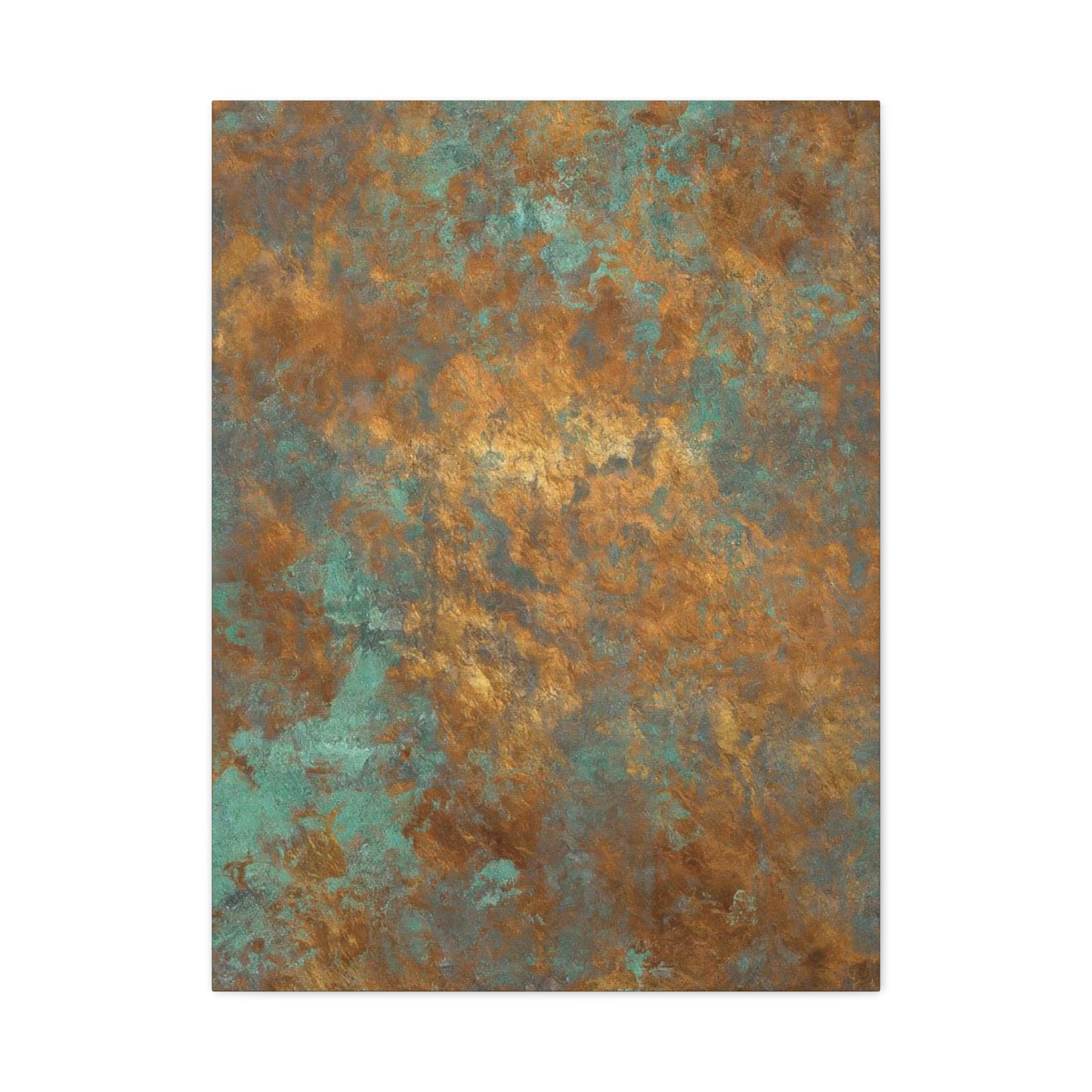
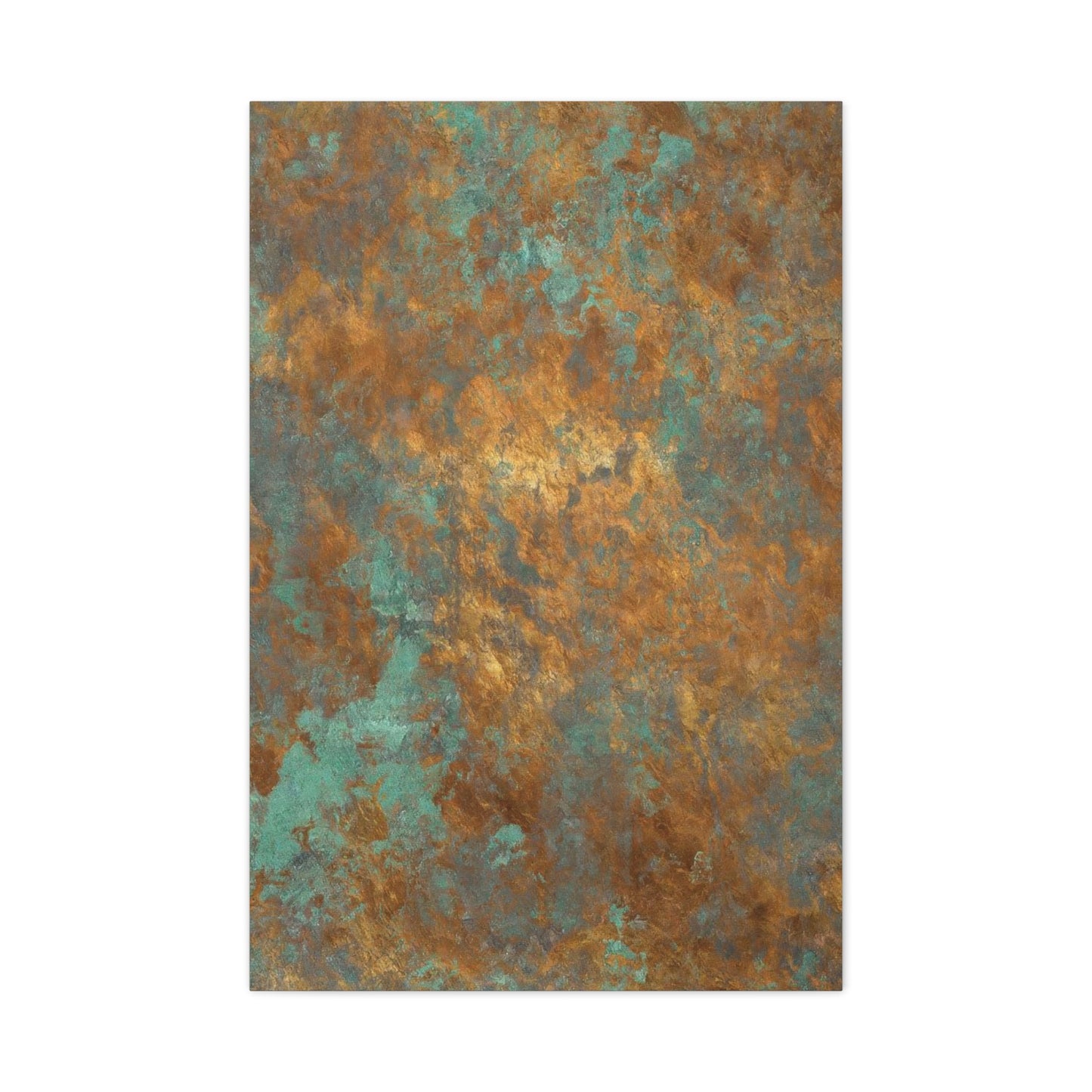
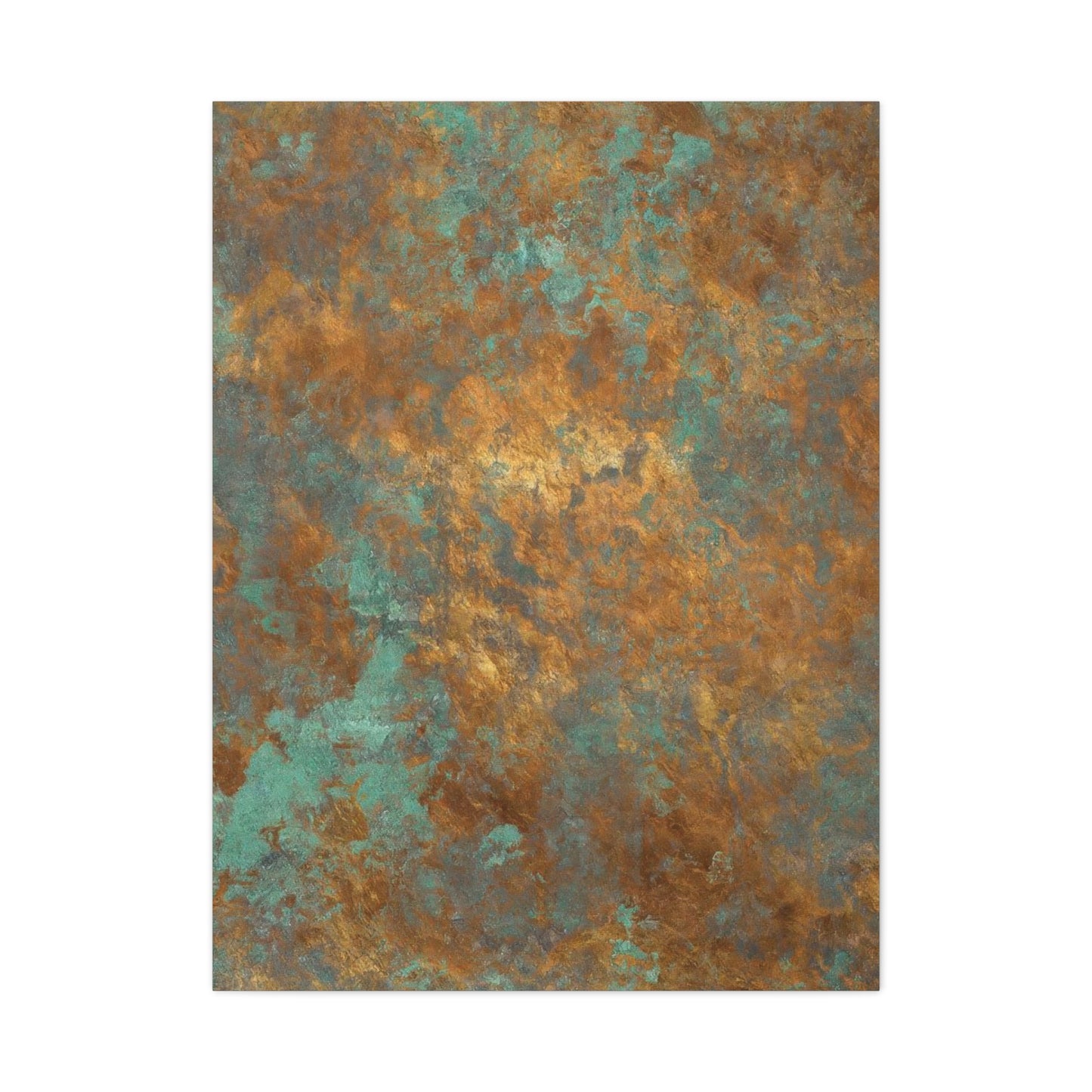
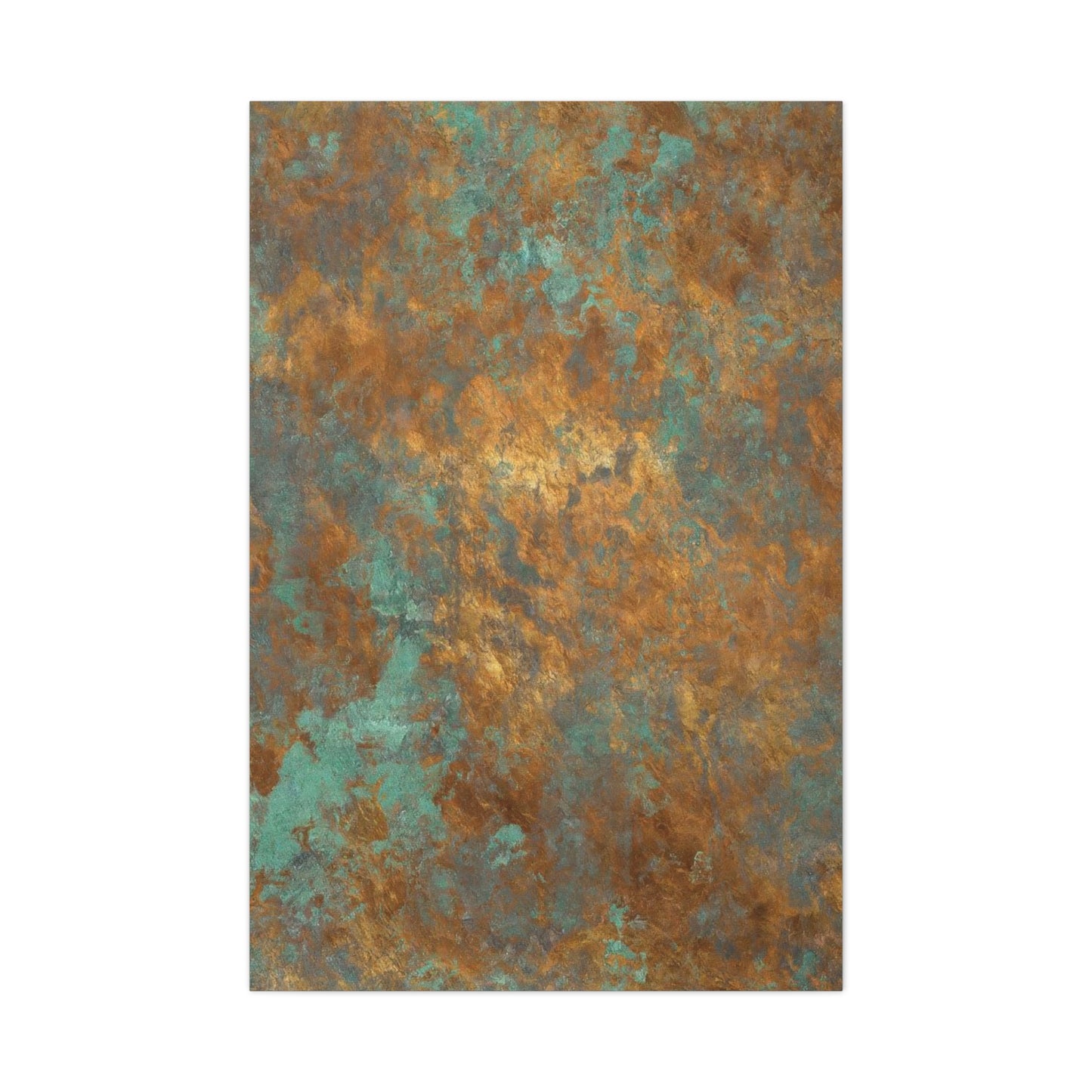
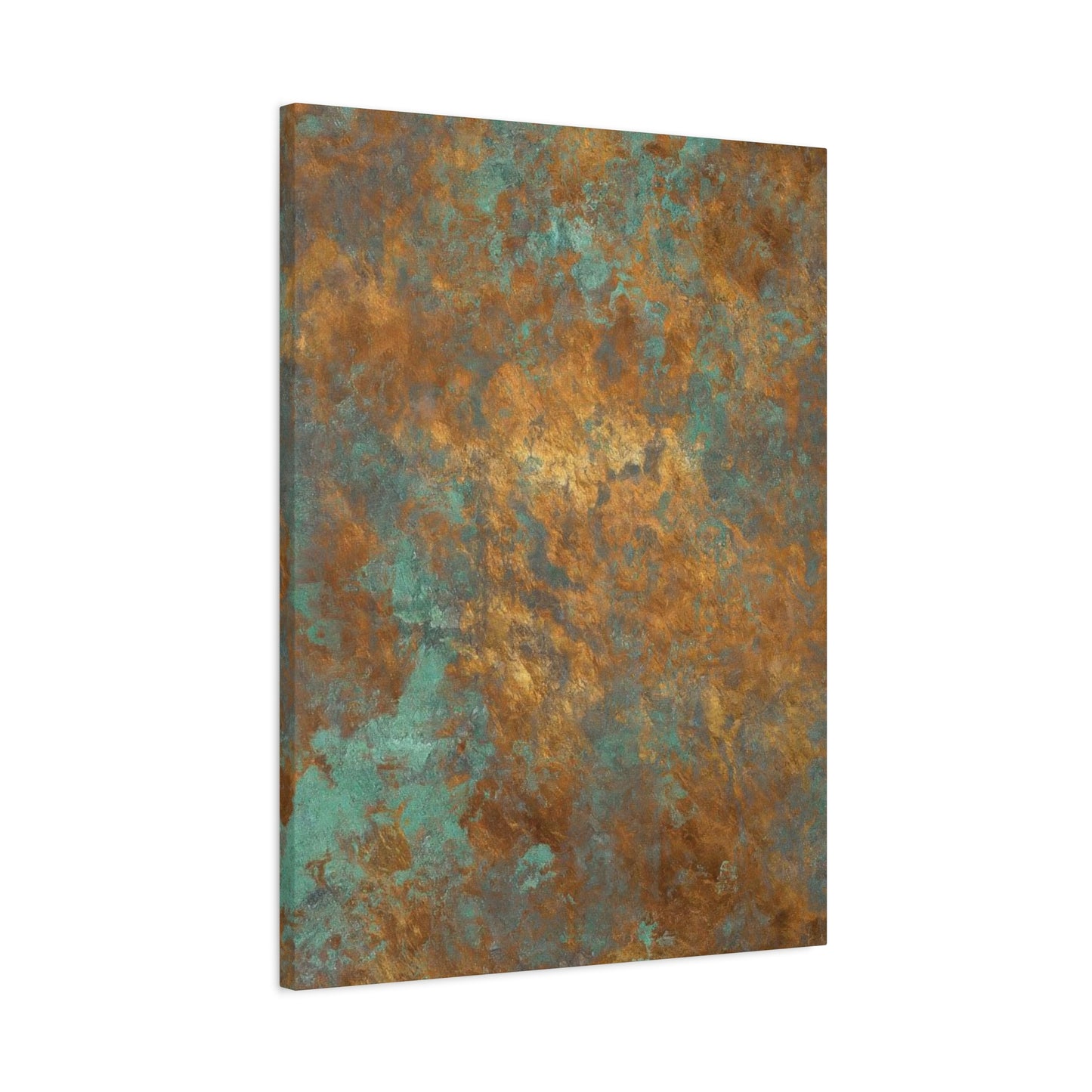
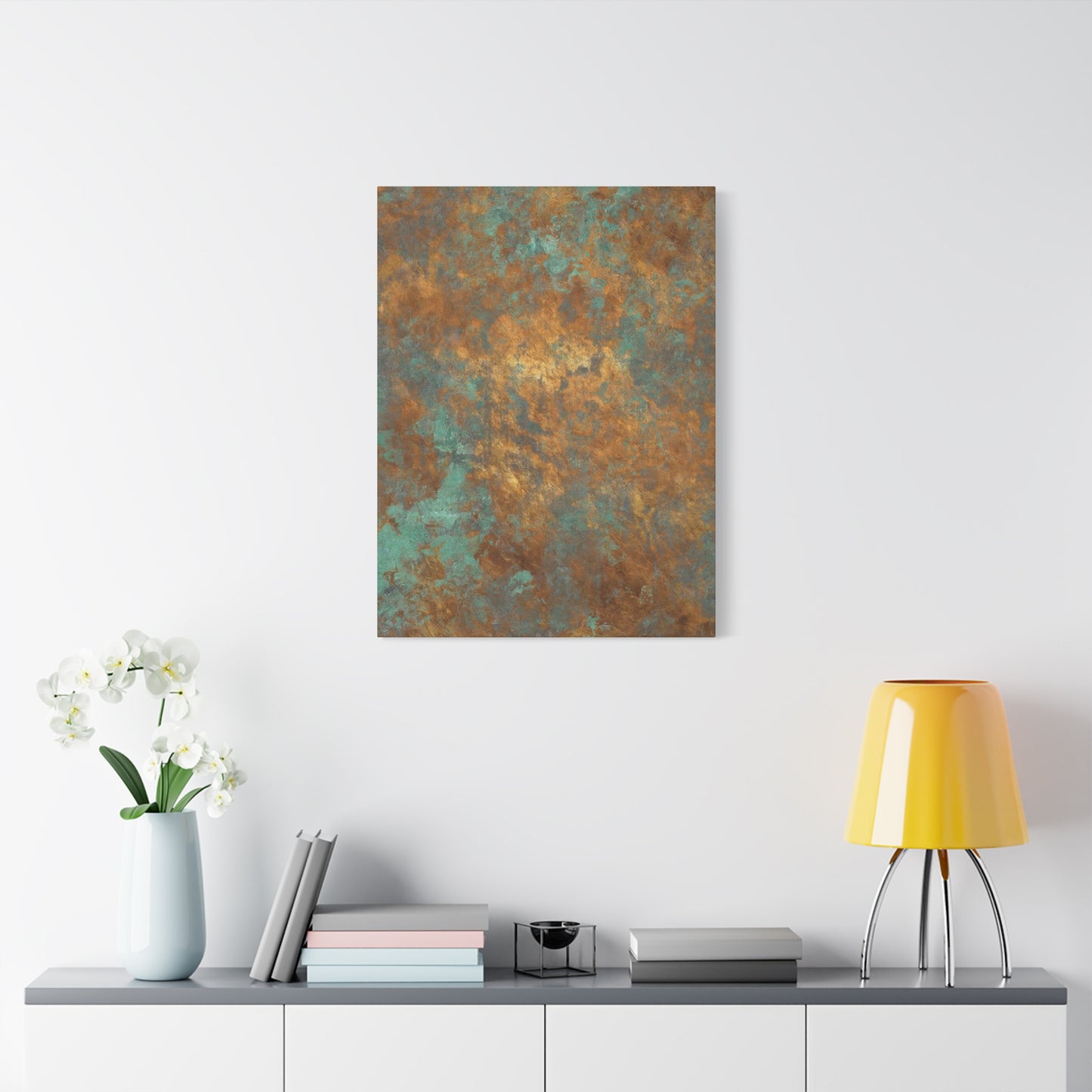
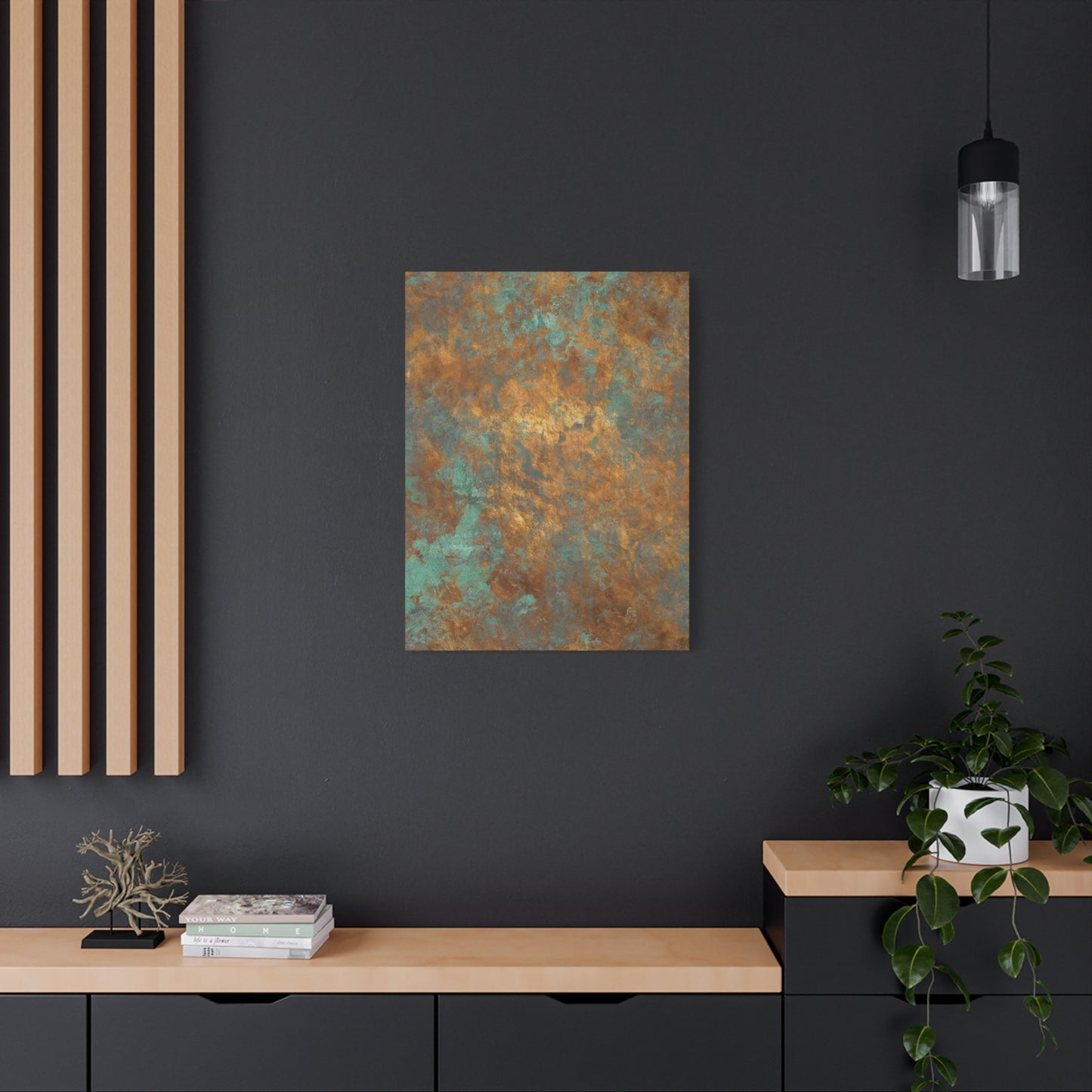
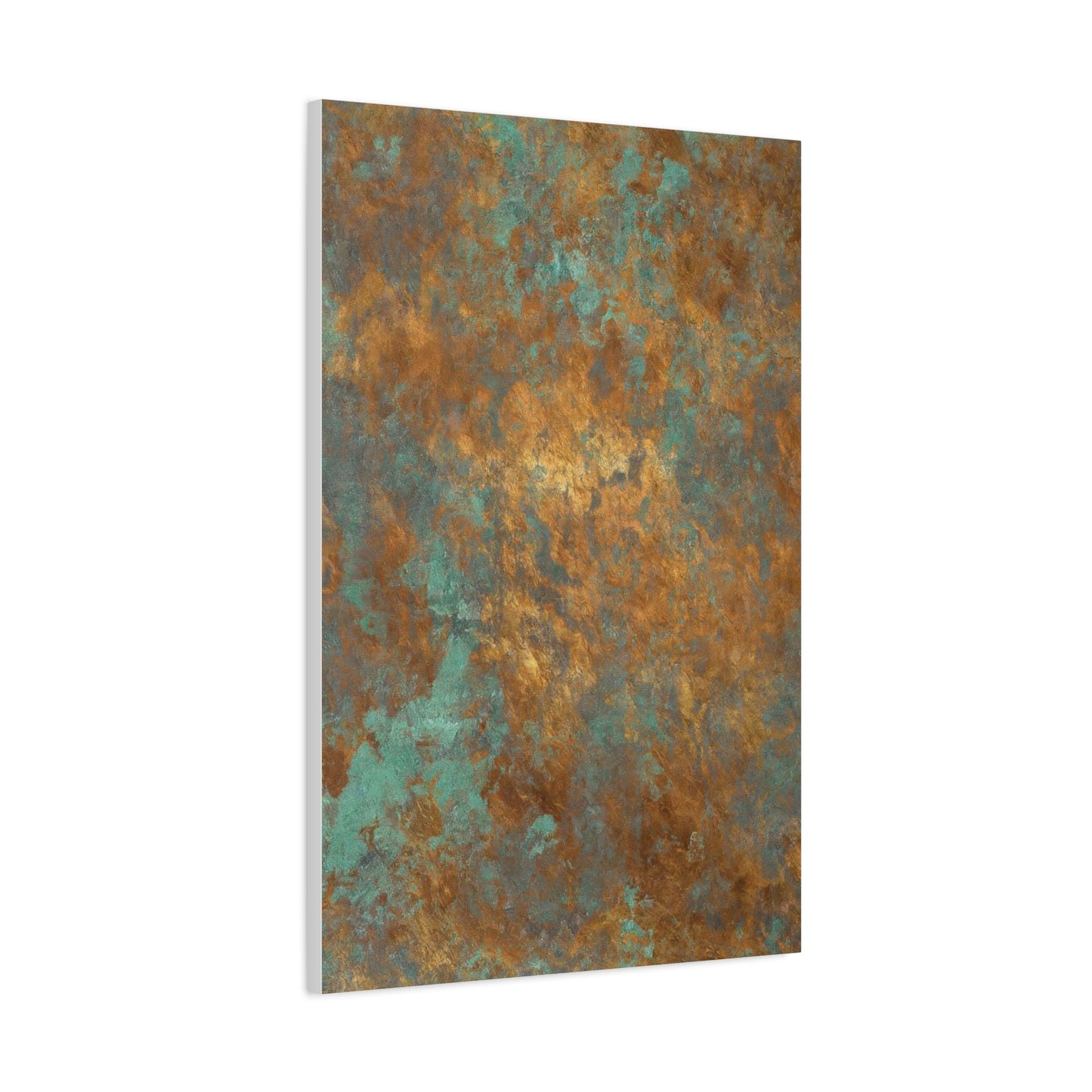
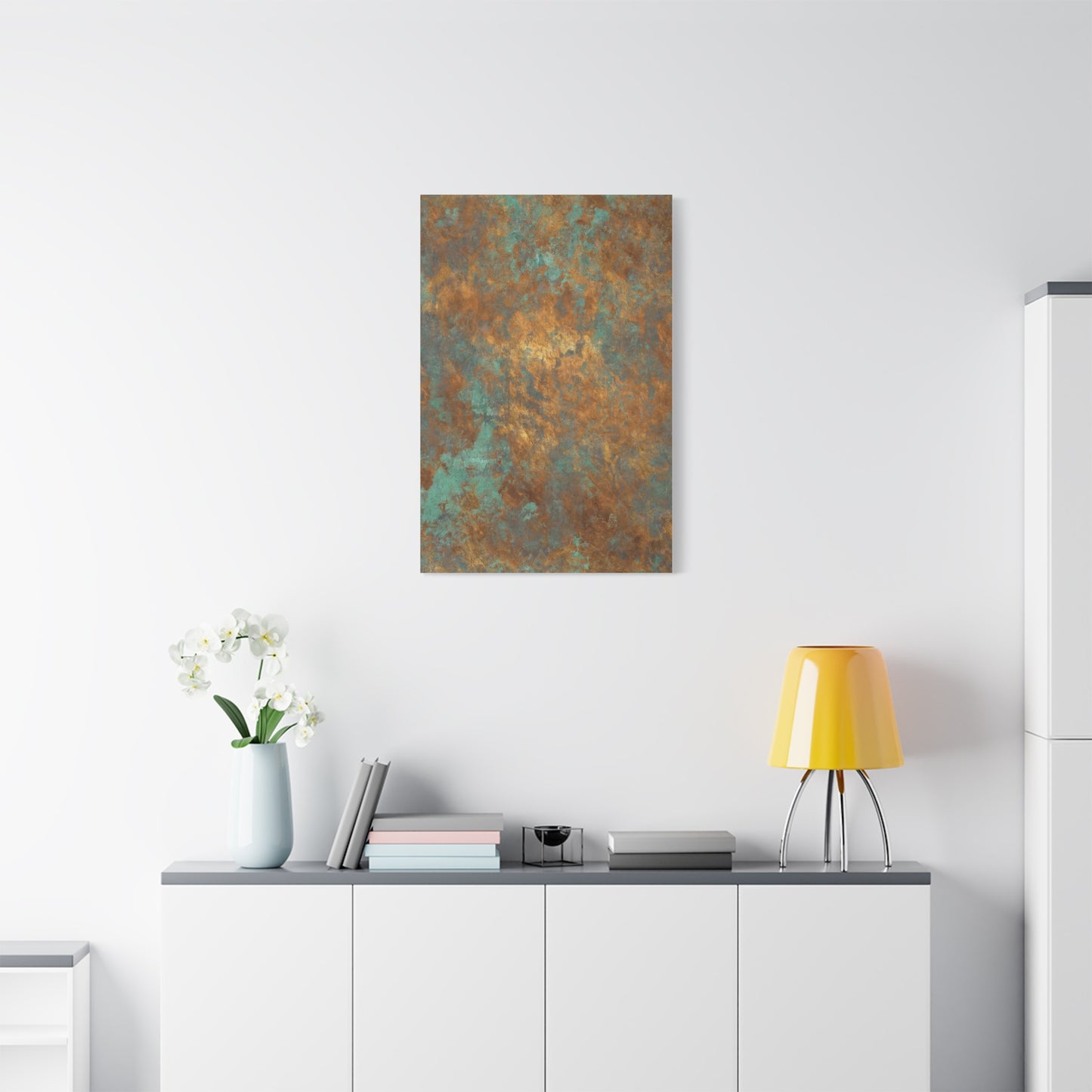
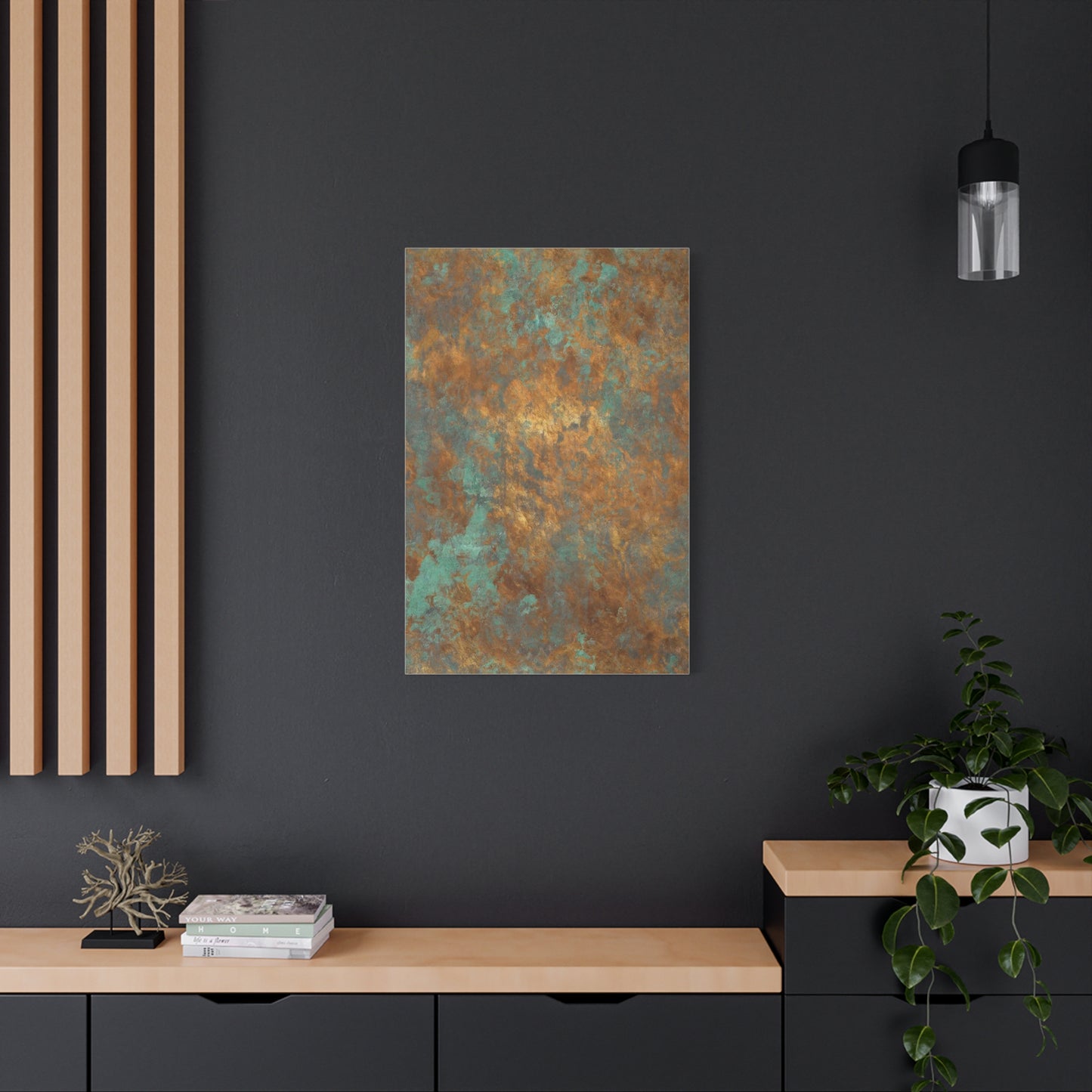
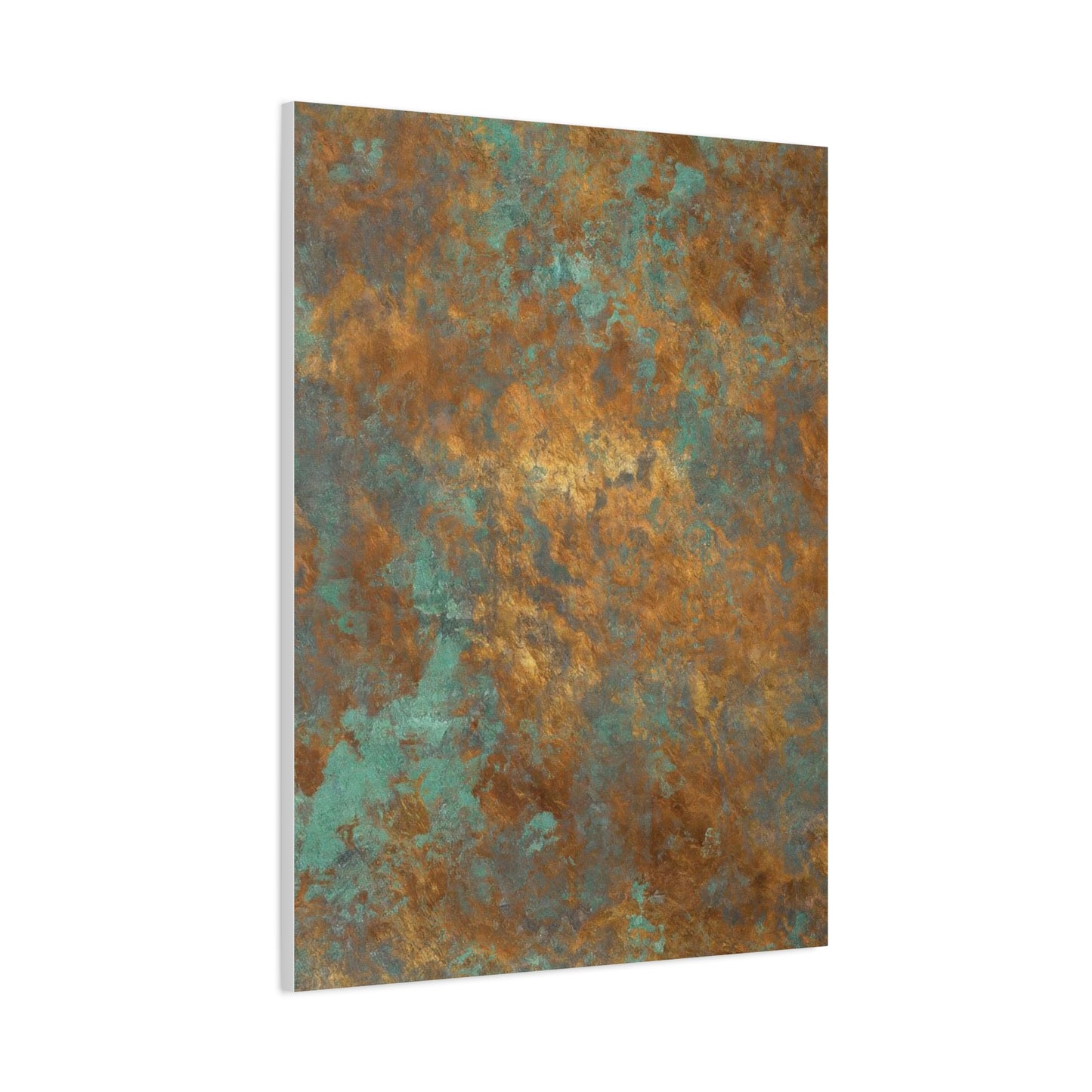
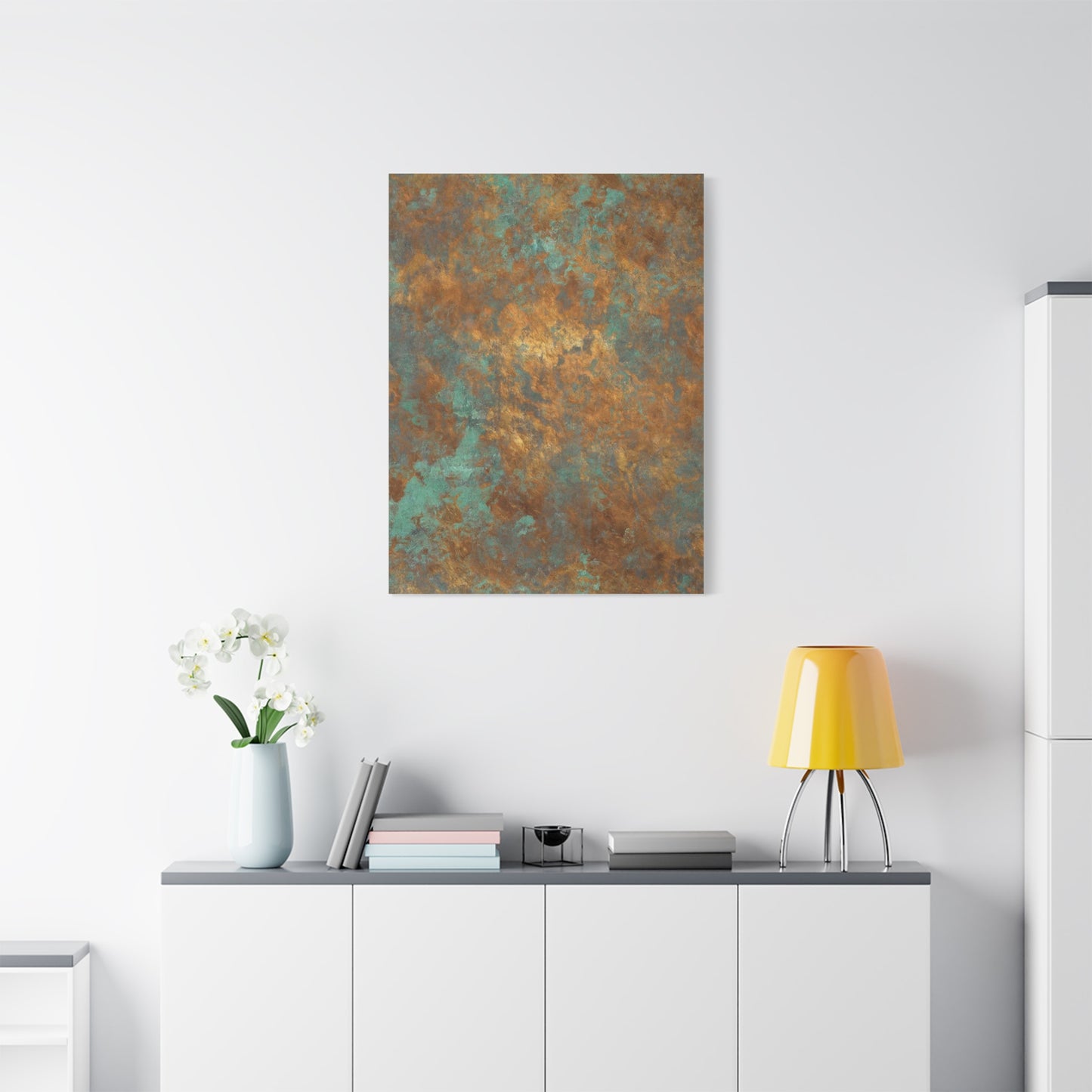
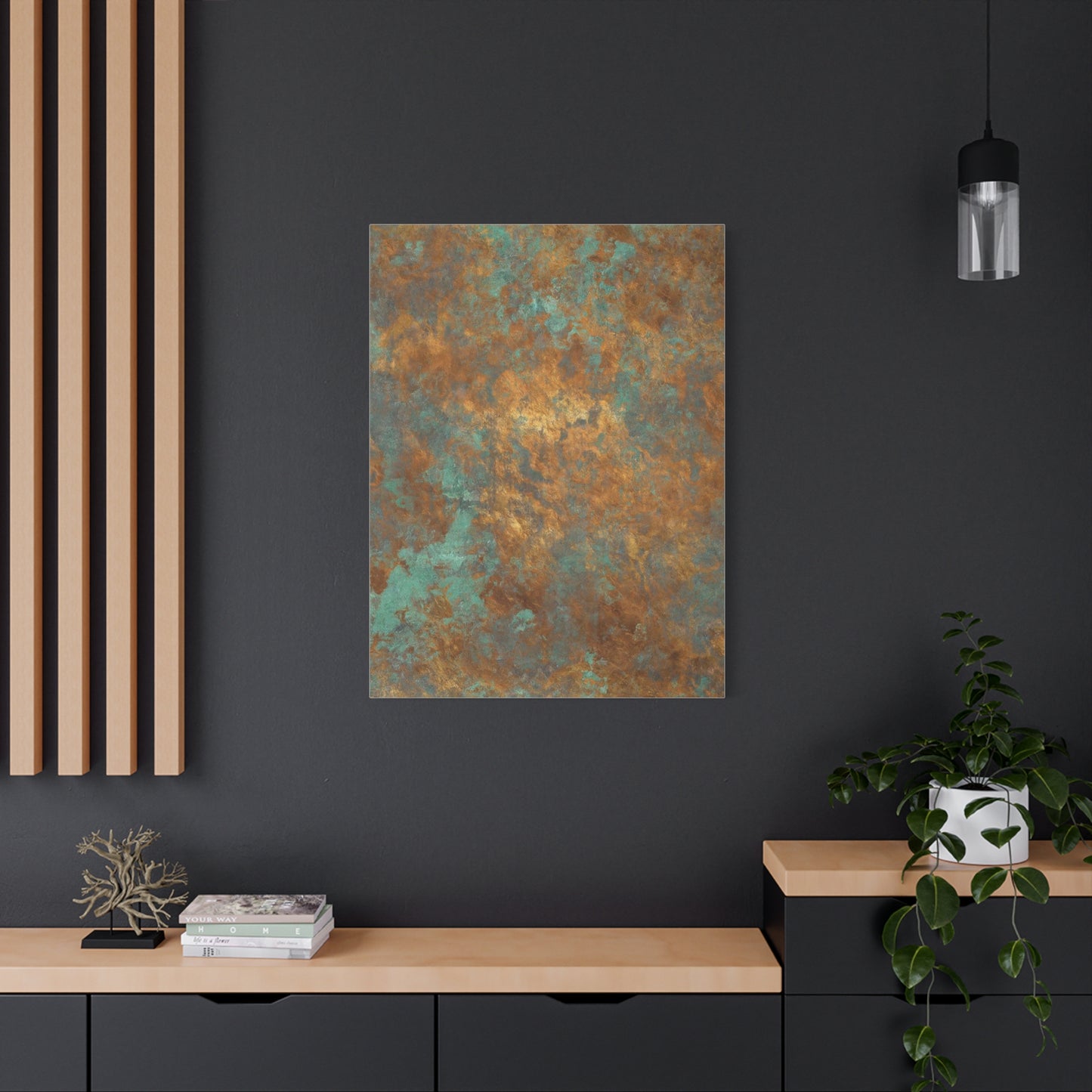
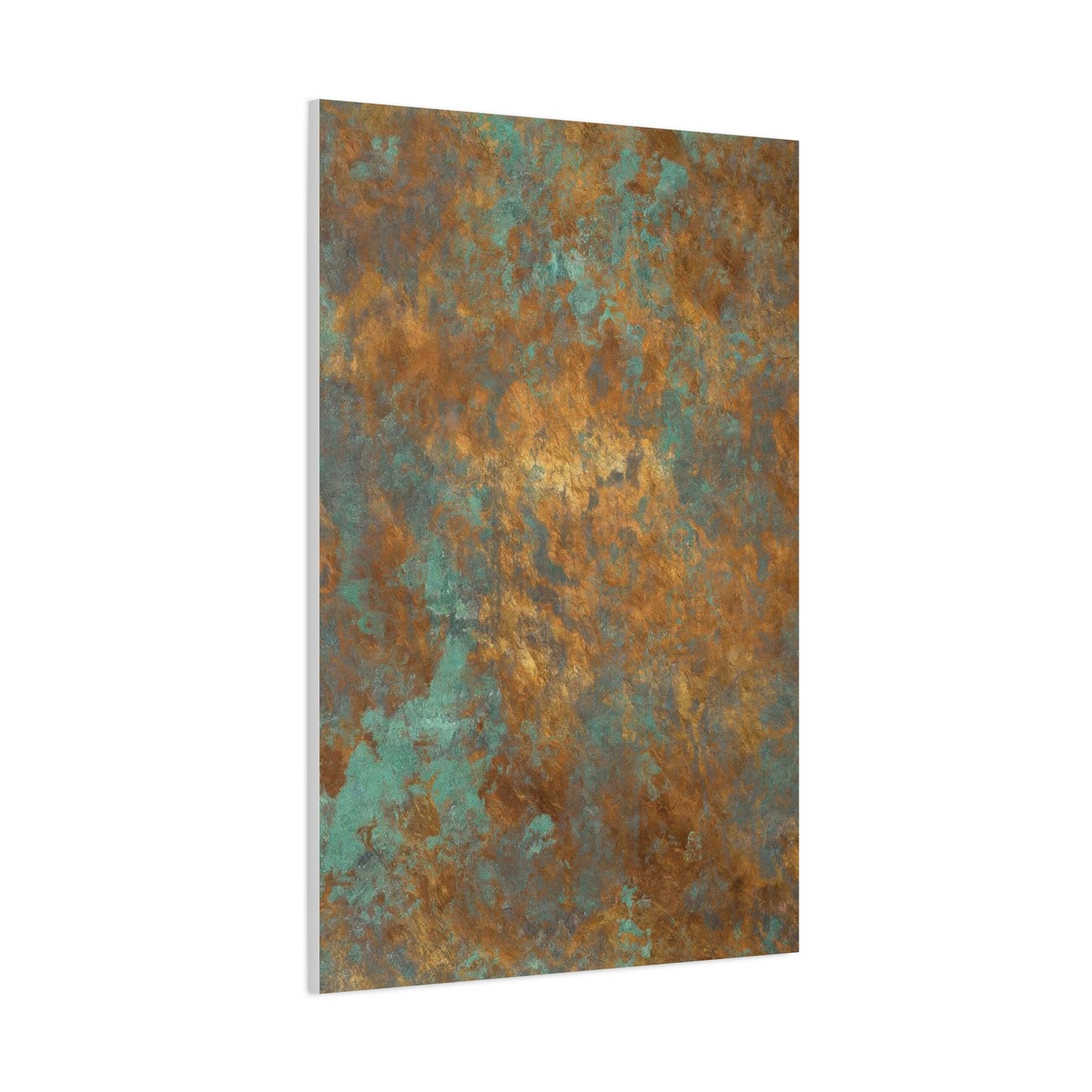
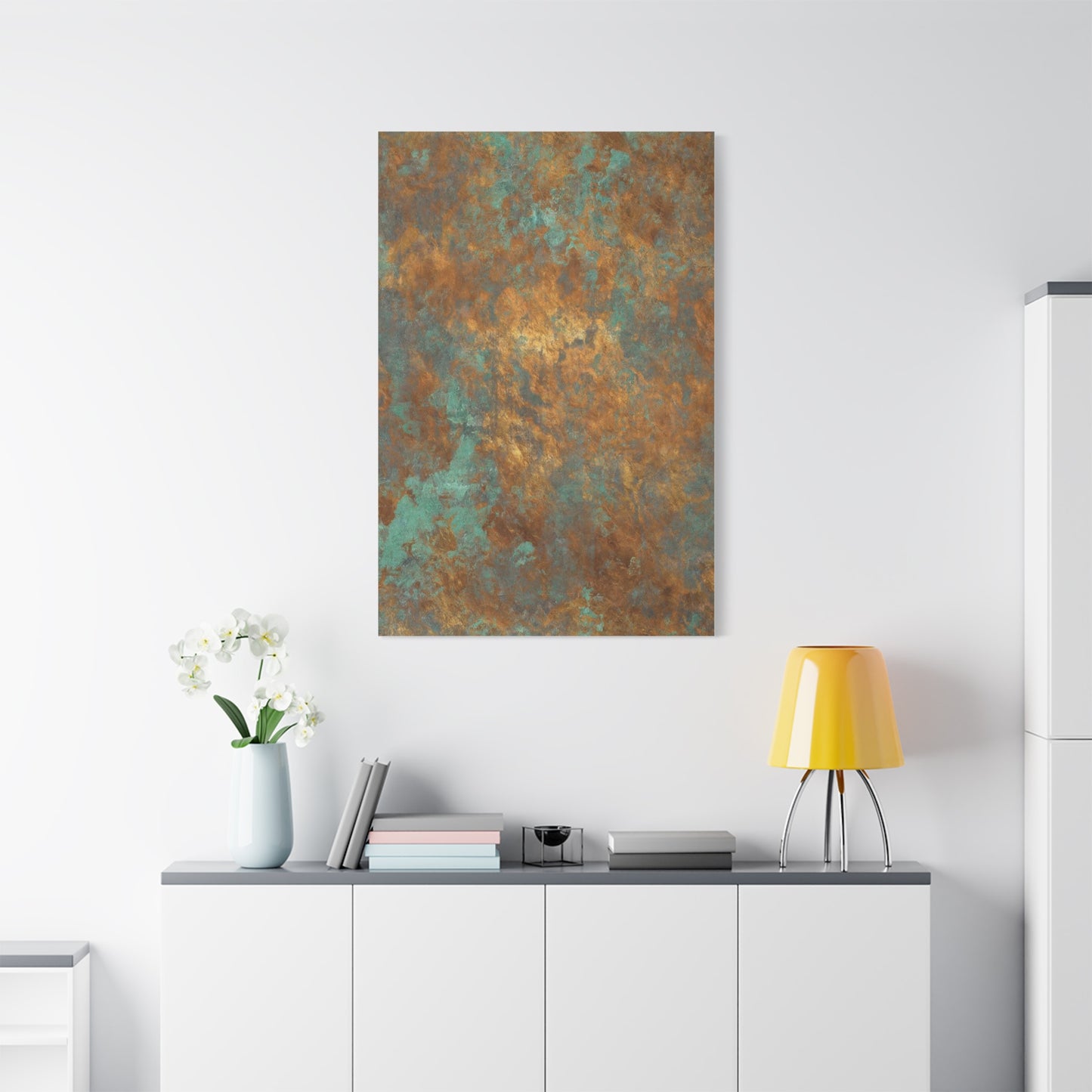
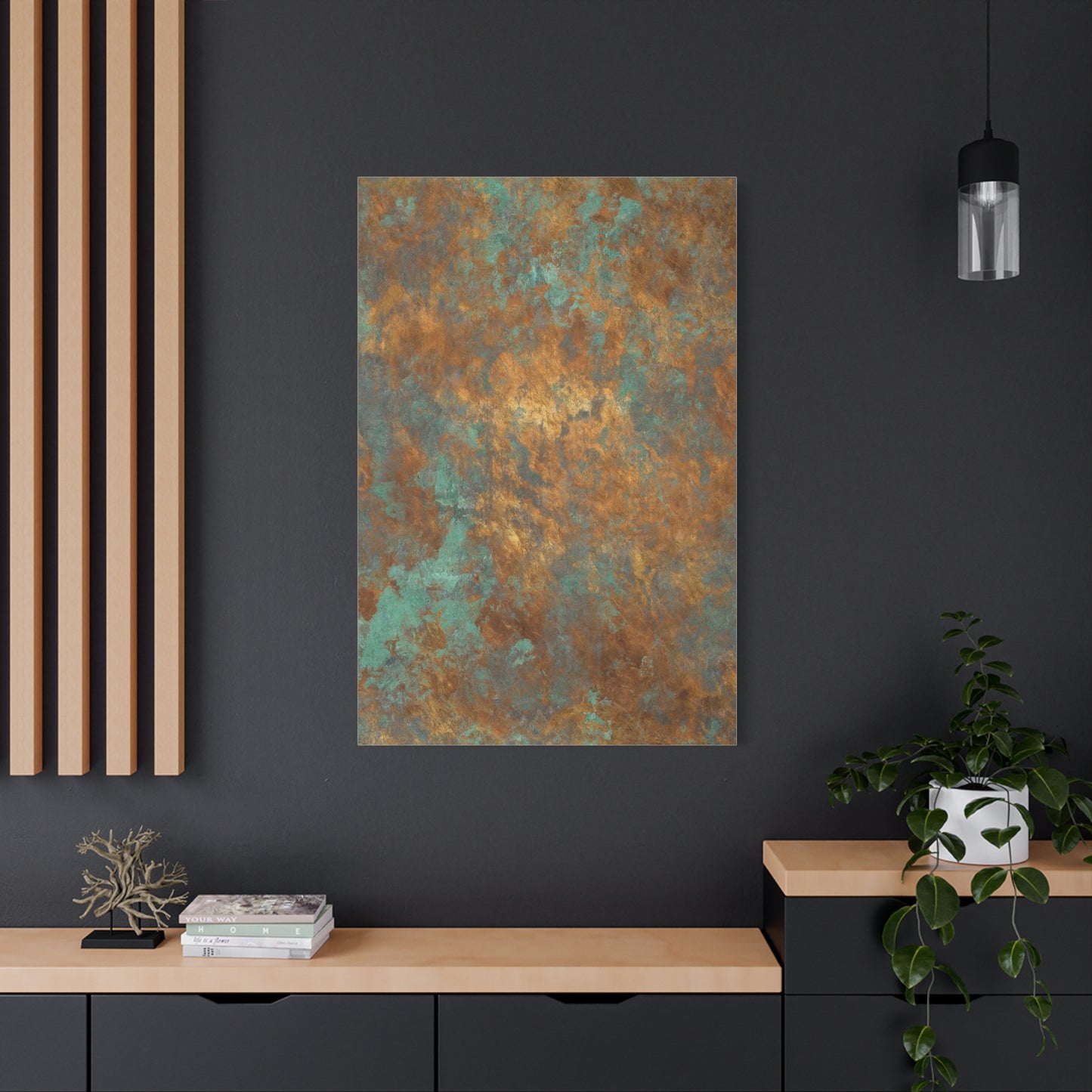
Metallic Elegance: A Comprehensive Guide to Decorating with Oxidized Copper Patina Wall Art
The world of interior design continually evolves, yet certain elements possess an enduring quality that transcends fleeting trends. Among these remarkable features stands the captivating aesthetic of oxidized copper wall décor, a design choice that brings together natural processes, artistic vision, and sophisticated styling. This transformative medium offers homeowners and designers an opportunity to incorporate depth, character, and visual intrigue into living spaces through the remarkable chemical journey of copper as it interacts with its environment over time.
The phenomenon of copper oxidation creates a spectrum of stunning hues ranging from vibrant turquoise and deep teal to verdant green and subtle azure shades. These naturally occurring color transformations result from copper's reaction with oxygen, moisture, and various environmental elements, producing unique surface characteristics that cannot be replicated through artificial means. Each piece becomes a testament to nature's artistry, displaying variations and patterns that make every installation genuinely one-of-a-kind.
Contemporary interior designers increasingly recognize the versatility of aged copper artwork as a bridge between multiple aesthetic philosophies. Whether your home embraces minimalist modernism, industrial loft styling, rustic farmhouse charm, or eclectic bohemian flair, oxidized copper wall pieces adapt seamlessly to enhance existing design narratives. The material's inherent warmth counterbalances cooler contemporary elements, while its weathered appearance adds historical depth to otherwise pristine modern environments.
The growing popularity of this design element reflects a broader cultural appreciation for authentic materials, sustainable design practices, and the beauty found in natural aging processes. Rather than perceiving oxidation as deterioration, contemporary aesthetics celebrate these transformations as enhancements that add complexity, visual interest, and storytelling potential to interior spaces. This shift in perspective aligns with movements toward mindful consumption, appreciation for craftsmanship, and the integration of natural elements within built environments.
Sophisticated Aging: The Charm of Oxidized Metal in Current Interior Design
The integration of aged metal elements into contemporary interior design represents a significant departure from previous decades' preference for pristine, untarnished finishes. Today's design philosophy embraces the narrative potential embedded within materials that display visible signs of their journey through time. Oxidized copper exemplifies this aesthetic shift, offering surfaces rich with visual complexity, textural variety, and chromatic depth that static finishes cannot achieve.
The chemical process responsible for copper's transformation involves intricate reactions between the metal and its surrounding atmosphere. When copper surfaces encounter oxygen molecules, they initially develop a reddish-brown layer known as cuprite. Continued exposure introduces additional chemical compounds, particularly in the presence of moisture, sulfur compounds, and carbon dioxide, leading to the formation of various copper carbonates and sulfates. These compounds manifest as the distinctive blue-green surface layer that has captivated architects and designers for centuries.
What makes this natural phenomenon particularly valuable in contemporary design contexts is its unpredictability and uniqueness. Unlike manufactured finishes that produce uniform results across multiple pieces, oxidized copper develops according to its specific environmental conditions, duration of exposure, and the particular composition of surrounding elements. This means that no two pieces will ever possess identical coloration, patterning, or textural qualities, providing homeowners with genuinely exclusive artistic installations.
The psychological impact of incorporating aged materials into living spaces deserves consideration. Research in environmental psychology suggests that natural materials and organic processes within interior environments contribute to occupant wellbeing, reducing stress levels and creating more comfortable, inviting atmospheres. The presence of oxidized copper, with its connection to natural chemical processes and earthy color palette, may enhance these beneficial effects while simultaneously serving as compelling visual focal points.
Country Sophistication: Oxidized Copper for Modern Living Spaces
The concept of rustic luxury has emerged as a dominant force in contemporary interior design, reconciling seemingly contradictory aesthetic elements into cohesive, sophisticated environments. This approach combines the warmth and authenticity of natural, weathered materials with the clean lines, curated simplicity, and refined finishes characteristic of modern design. Oxidized copper artwork serves as an ideal medium for achieving this delicate balance, offering organic visual complexity within controlled, intentional design frameworks.
Traditional rustic design often relied on wood, stone, and other earth-derived materials to create warm, inviting spaces with strong connections to natural environments. However, these spaces sometimes lacked the visual refinement and spatial clarity that modern sensibilities require. Contemporary interpretations maintain the emotional warmth of rustic elements while incorporating the precision, intentionality, and visual breathing room that define modern aesthetics. Oxidized copper occupies a unique position within this paradigm, functioning as both a natural material with inherent warmth and a sophisticated design element suitable for refined contemporary interiors.
The color palette generated through copper oxidation complements a wide range of modern interior color schemes. The blue-green tones harmonize beautifully with neutral backgrounds, including various shades of white, gray, beige, and taupe that dominate contemporary design. These aged copper hues provide visual interest and focal points without overwhelming minimalist spaces or competing with other design elements. Simultaneously, they introduce sufficient warmth to prevent these spaces from feeling sterile or unwelcoming.
When incorporating oxidized copper into contemporary homes, consideration of scale, placement, and surrounding elements becomes essential. Large-scale installations create dramatic focal points that anchor entire rooms, establishing visual hierarchies and drawing attention to specific architectural features. Smaller pieces function effectively as components within gallery walls or as subtle accents that introduce textural variety without dominating visual landscapes. The key lies in thoughtful placement that respects both the artwork's inherent qualities and the overall design narrative of the space.
The juxtaposition of aged copper against sleek modern furnishings creates compelling visual tension that energizes interior spaces. Imagine a weathered copper panel mounted above a streamlined contemporary sofa upholstered in neutral linen, or an oxidized copper installation flanked by minimalist floating shelves displaying carefully curated objects. These combinations demonstrate how contrasting elements can coexist harmoniously when united by thoughtful design principles and careful attention to proportion, color, and texture.
The Craft of Oxidation: Aged Copper Designs
Understanding the oxidation process that transforms copper surfaces provides deeper appreciation for the resulting artwork and informs better selection and placement decisions. This chemical transformation occurs through a series of stages, each producing distinct visual characteristics that contribute to the final appearance. The progression from fresh copper to fully oxidized surface represents a fascinating journey through natural chemistry, resulting in the stunning visual effects that make these pieces so compelling.
Freshly exposed copper displays a characteristic reddish-orange metallic sheen that has made the material valuable throughout human history. This initial appearance results from copper atoms arranged in a crystalline structure that reflects light in specific wavelengths. However, this pristine state proves unstable when exposed to atmospheric conditions, quickly beginning its transformation journey. Within hours or days, depending on environmental factors, the surface begins developing its first oxidation layer.
The initial oxidation stage produces copper oxide compounds that create darker, brownish tones across the metal surface. This layer forms as oxygen molecules bond with surface copper atoms, creating a thin protective coating. While less visually dramatic than later stages, this early oxidation contributes depth and dimensionality to the overall appearance, creating foundation layers over which subsequent chemical reactions will build. Artists and metalworkers sometimes manipulate this stage through heating or chemical treatments to achieve specific effects.
As oxidation progresses and additional environmental factors come into play, more complex compounds begin forming. Copper carbonate develops when carbon dioxide present in the atmosphere reacts with copper oxide in the presence of moisture. This compound produces the distinctive blue-green coloration most strongly associated with aged copper. The specific shade varies depending on the concentration of carbonic acid involved in the reaction, environmental humidity levels, and the duration of exposure.
Copper sulfate, another oxidation product, forms when sulfur compounds in the atmosphere interact with the metal surface. This process occurs more rapidly in urban or industrial environments where airborne sulfur concentrations tend to be higher. Copper sulfate contributes additional blue-green tones, sometimes with slightly different hue characteristics than copper carbonate. The interplay between these various compounds creates the complex, multi-tonal surfaces that make oxidized copper so visually captivating.
Comfortable Hues Blend with Fresh Surfaces in Copper Artwork
One of the most compelling aspects of oxidized copper artwork lies in its ability to simultaneously embody warmth and coolness, creating visual and emotional complexity that enriches interior environments. This dual nature stems from the material's inherent properties combined with the specific characteristics of oxidation products. The underlying copper provides foundational warmth through its reddish-orange base tones, while the blue-green oxidation layer introduces cooler hues that balance and complement these warmer elements.
Color theory provides useful frameworks for understanding how this combination functions so effectively in design contexts. Warm colors, including reds, oranges, and yellows, advance visually and create feelings of energy, comfort, and intimacy. Cool colors, such as blues, greens, and purples, recede visually and evoke calm, tranquility, and spaciousness. Oxidized copper artwork incorporates both warm and cool elements within a single surface, creating balanced visual experiences that feel neither overwhelmingly energetic nor excessively subdued.
The specific shades produced through copper oxidation fall primarily within the teal, turquoise, and blue-green spectrum, occupying an intermediate position between pure blues and pure greens. This positioning proves particularly versatile in interior design applications, as these shades coordinate easily with both warm and cool color schemes. They complement earth tones like tans, browns, and terracottas while also harmonizing with grays, whites, and other contemporary neutrals. This chromatic flexibility makes oxidized copper suitable for diverse design contexts.
The textured surfaces characteristic of oxidized copper add another dimension to the warm-cool interplay. Unlike flat painted finishes that reflect light uniformly, these textured surfaces create variations in light reflection across their faces. Recessed areas may appear darker and emphasize cooler tones, while raised portions catch more light and reveal warmer copper undertones. This variation creates visual movement and depth, making the artwork more engaging and preventing the monotony that sometimes afflicts single-tone design elements.
When positioned strategically within rooms, oxidized copper artwork can influence the perceived temperature and atmosphere of entire spaces. In rooms with abundant cool elements such as stainless steel appliances, concrete floors, or blue-gray color schemes, copper artwork introduces necessary warmth that prevents spaces from feeling cold or unwelcoming. Conversely, in rooms dominated by warm wood tones or reddish hues, the cool blue-green oxidation tones provide visual relief and balance, preventing spaces from feeling stuffy or overly heated.
Manufacturing Elegance: Aged Copper Wall Displays
Industrial design aesthetics have evolved from their functional manufacturing origins into sophisticated design movements that celebrate raw materials, exposed structures, and honest construction. This evolution has created space for materials like oxidized copper to function as refined design elements rather than purely utilitarian components. The integration of aged copper into industrial-inspired interiors represents a natural progression, combining the movement's appreciation for authentic materials with contemporary desires for visual warmth and chromatic interest.
Traditional industrial spaces prioritized function over aesthetics, resulting in environments filled with exposed pipes, concrete surfaces, steel structures, and minimal decorative elements. Contemporary industrial design maintains these characteristic features while refining them into intentional aesthetic choices rather than practical necessities. Oxidized copper artwork fits seamlessly into this evolved aesthetic, offering the authentic material presence that industrial design values while introducing color, texture, and artistic intention that elevate spaces beyond purely functional considerations.
The historical connection between copper and industrial applications strengthens its authenticity within these design contexts. Copper has served essential roles in electrical systems, plumbing, heating, and numerous manufacturing processes throughout the industrial age. Its presence in industrial-inspired interiors therefore carries historical legitimacy rather than appearing as a superficial decorative addition. This authenticity resonates with the honest, straightforward approach that defines quality industrial design.
Aged copper wall displays complement the material palette characteristic of industrial interiors. The blue-green oxidation tones coordinate beautifully with weathered steel, aged concrete, exposed brick, and reclaimed wood that often populate these spaces. Rather than competing with these established elements, copper artwork integrates into the existing material narrative while providing focal points that draw attention and organize visual hierarchies. The result feels cohesive and intentional rather than randomly assembled or overly eclectic.
The textural contrast between smooth copper surfaces and rough industrial materials creates compelling visual and tactile experiences. Imagine oxidized copper panels mounted against exposed brick walls, where the relatively smooth metal surfaces play against the irregular texture of masonry. Or consider copper artwork positioned near polished concrete floors, creating dialogue between the organic patterning of oxidation and the manufactured uniformity of finished concrete. These material conversations add layers of visual interest that enrich industrial spaces.
Natural Aging as Creative Statement
The acceptance and celebration of natural weathering processes as legitimate artistic expression represents a significant philosophical shift in how we understand art, design, and the relationship between human creativity and natural phenomena. Rather than viewing aging, oxidation, and patina formation as damage or deterioration requiring prevention, contemporary perspectives recognize these processes as collaborative partnerships between artists and natural forces. This reframing elevates what was once considered material failure into intentional aesthetic choices that carry meaningful cultural and philosophical implications.
Traditional Western aesthetic philosophies often privileged permanence, stability, and resistance to change. Artworks that maintained their original appearance indefinitely were considered superior to those that transformed over time. This perspective reflected broader cultural values emphasizing control, predictability, and the human ability to impose order upon natural chaos. However, alternative philosophical traditions, particularly those rooted in Eastern thought, have long recognized the beauty and meaning embedded within impermanence and transformation.
The Japanese concept of wabi-sabi exemplifies this alternative perspective, finding beauty in imperfection, impermanence, and incompleteness. Within this philosophical framework, the oxidation of copper represents not deterioration but rather a material reaching its most authentic and beautiful state. The irregular patterns, varied colorations, and unique characteristics that develop through natural aging embody core wabi-sabi principles, celebrating transience and the marks of time as aesthetic virtues rather than flaws requiring correction.
Contemporary artists and designers drawing on these alternative traditions create work that intentionally incorporates and celebrates natural weathering. Rather than fighting against oxidation, rust, or patina formation, they embrace these processes as collaborative partners in the creative process. The artist initiates the work by shaping materials and establishing initial conditions, but natural forces contribute significantly to the final appearance through chemical reactions, weathering, and aging. This collaboration produces results that neither human intention nor natural processes could achieve independently.
The philosophical implications of this approach extend beyond purely aesthetic concerns. Embracing natural weathering as artistic expression acknowledges limits to human control and celebrates the value of partnership with natural systems. It represents a more humble, ecologically aware approach to creativity that honors natural processes rather than attempting to dominate or deny them. In an era of climate change and environmental crisis, this philosophical reorientation carries significance beyond the art world, modeling more sustainable and respectful relationships with natural systems.
Earthly Magnificence: Aged Copper Canvas Artwork
The translation of metallic oxidation effects onto canvas surfaces represents an innovative artistic development that makes the aesthetic qualities of aged copper accessible through traditional fine art media. These pieces capture the visual essence of oxidized metal through painting techniques, printing processes, or mixed media approaches that recreate distinctive colorations, textures, and patterns characteristic of copper patina. This artistic interpretation allows broader audiences to engage with these aesthetics without requiring actual metal installation or the maintenance considerations that accompany genuine copper pieces.
Canvas-based interpretations of oxidized copper offer practical advantages that expand their potential applications. Weight considerations limit where actual metal artwork can be safely installed, particularly in larger formats that might require structural support. Canvas alternatives provide dramatic visual impact at fractions of the weight, allowing installation on standard drywall with conventional hanging systems. This accessibility opens opportunities for renters, historic buildings with installation restrictions, or spaces where weight constraints limit design options.
Artists working in this medium employ diverse techniques to capture the visual complexity of oxidized copper. Some use layered painting approaches, building surfaces through multiple applications of varied pigments that mimic the stratified appearance of actual patina. Metallic paints introduce subtle reflective qualities that reference copper's inherent sheen, while matte topcoats recreate the characteristic low-gloss finish of oxidized surfaces. The interplay between these applications generates visual depth and complexity that approaches the richness of actual metal.
Printing technologies have advanced to the point where high-resolution reproductions of oxidized copper surfaces achieve remarkable fidelity. Giclée printing processes using archival inks on quality canvas supports can capture minute color variations, textural details, and subtle tonal shifts present in photographed metal surfaces. These reproductions make exceptional oxidized copper examples accessible to wider audiences at lower price points than original metalwork, democratizing access to these aesthetic effects while maintaining high visual quality.
The Combination of Metal and Creativity in Aged Copper Works
The intersection of metalworking traditions and contemporary art practices has generated exciting creative possibilities that challenge conventional boundaries between craft, design, and fine art. Oxidized copper works exemplify this intersection, drawing on centuries of metalworking knowledge while employing contemporary artistic sensibilities, conceptual frameworks, and installation approaches. This fusion creates pieces that honor traditional craftsmanship while speaking to current aesthetic preferences and cultural conversations.
Historical metalworking traditions developed sophisticated techniques for shaping, joining, and finishing copper and other metals. These skills were traditionally passed through apprenticeship systems, with knowledge accumulated over generations of practical experience. Contemporary metal artists inherit this technical legacy while bringing new perspectives, artistic training, and conceptual approaches that expand what metalwork can express. The result combines technical excellence derived from traditional craft with the conceptual sophistication and expressive freedom characteristic of contemporary art.
The physical demands of working with metal require specialized skills, tools, and workshop facilities that distinguish this medium from more accessible art forms. Cutting, shaping, welding, and finishing metal sheets demands both technical knowledge and physical capability. Artists must understand material properties, structural engineering principles, and chemical processes to work safely and effectively. This technical barrier means that accomplished metalwork carries implicit respect for the artist's expertise and the substantial effort required to achieve high-quality results.
Scale possibilities available to metal artists working with copper sheets allow for dramatic installations that transform architectural spaces. Large-format panels spanning entire walls create immersive visual experiences that smaller works cannot achieve. Artists can shape metal into three-dimensional forms that project from walls or occupy space sculpturally, moving beyond the two-dimensional limitations of painting or photography. These dimensional possibilities add physical presence and architectural significance that enhance the impact of oxidized copper installations.
Aged Refinement: The Appeal of Oxidized Surfaces
The visual and psychological appeal of oxidized surfaces reflects complex intersections between aesthetic preference, cultural conditioning, and perhaps innate human responses to natural phenomena. The distinctive blue-green coloration of aged copper patina has captivated humans for centuries, appearing prominently on historic architecture, sculpture, and decorative objects worldwide. Understanding what makes these surfaces so compelling helps explain their enduring popularity and effectiveness in contemporary design applications.
Color psychology research suggests that blue-green hues occupy a uniquely pleasant position within human color perception. These shades generally evoke positive associations including tranquility, naturalness, balance, and renewal. Unlike pure blues that can feel cold or distancing, or pure greens that sometimes appear artificial or overly vibrant, the intermediate blue-green tones of copper patina strike a harmonious balance that many viewers find inherently appealing. This psychological predisposition contributes to patina's effectiveness across diverse cultural contexts and design applications.
The inherent naturalness of patina formation connects these surfaces to broader human preferences for organic forms, natural materials, and processes that reflect environmental conditions rather than manufacturing uniformity. Biophilic design theory suggests that humans possess innate tendencies to seek connections with nature and natural processes, even within built environments. Oxidized copper surfaces, resulting from authentic chemical interactions with atmospheric elements, satisfy these biophilic inclinations by bringing natural processes into interior spaces.
The visual complexity of patina surfaces engages human perception in ways that uniform finishes cannot. The varied colors, irregular patterns, and textural variations present in oxidized copper provide substantial visual information that our perceptual systems find stimulating and engaging. Research in visual perception indicates that moderately complex visual stimuli hold attention more effectively than either extremely simple or overwhelmingly complicated images. Patina surfaces occupy this moderate complexity sweet spot, providing interest without causing visual fatigue.
The historical associations embedded within patina aesthetics add layers of cultural meaning that enhance psychological appeal. Aged copper surfaces appear on beloved historic structures, prestigious cultural institutions, and celebrated artworks worldwide. These associations create positive cultural narratives around patina, linking these finishes with permanence, cultural significance, and institutional prestige. Contemporary uses of oxidized copper inherit these positive associations, allowing new installations to benefit from accumulated cultural meanings.
Contemporary Environments with Classic Metal Accents
The integration of aged metallic elements into sleek contemporary spaces creates sophisticated design tension that energizes otherwise minimal environments. This approach challenges the common assumption that contemporary design requires exclusively modern materials and finishes. By thoughtfully incorporating oxidized copper accents, designers demonstrate that historical processes and vintage aesthetics can enhance rather than undermine contemporary design narratives when deployed with intention and restraint.
Contemporary design principles emphasizing clean lines, uncluttered spaces, and carefully curated objects provide ideal frameworks for showcasing distinctive elements like oxidized copper artwork. The visual breathing room characteristic of contemporary interiors prevents aged metal pieces from competing with surrounding elements, allowing them to function as clear focal points that organize visual hierarchies. This clarity of presentation shows oxidized copper to best advantage, highlighting its unique characteristics without visual confusion or competing distractions.
The material restraint typical of contemporary design creates opportunities for aged copper to introduce needed warmth and complexity. Many contemporary spaces rely heavily on cool materials including concrete, glass, stainless steel, and white surfaces that can feel austere or uninviting despite their aesthetic sophistication. Oxidized copper artwork introduces organic warmth and visual complexity that humanizes these spaces without compromising their contemporary character. The aged metal functions as a bridge between contemporary formalism and human comfort requirements.
Color coordination between oxidized copper tones and contemporary neutrals requires careful consideration but yields rewarding results. The blue-green patina hues coordinate beautifully with the expanded palette of grays now popular in contemporary design, ranging from warm greiges to cool charcoals. These relationships work because both the patina tones and contemporary grays possess similar complexity, with neither being pure or primary colors. This chromatic sophistication allows them to coexist harmoniously while each maintains distinctive character.
Copper Azure and Emerald: The Oxidation Impact in Creative Works
The specific color transformations that occur during copper oxidation produce a distinctive palette dominated by blues and greens that varies subtly depending on environmental conditions and oxidation progression. Understanding these color variations helps designers select pieces that coordinate optimally with existing color schemes while appreciating the natural factors that produce these beautiful hues. The chemistry underlying these colors combines scientific fascination with aesthetic beauty, creating colors that are simultaneously natural phenomena and artistic resources.
The initial blue tones that appear during copper oxidation result primarily from copper carbonate formation. This compound develops as copper oxide reacts with carbon dioxide in the presence of moisture, creating basic copper carbonate. The specific shade of blue varies from bright turquoise to deeper teal depending on the concentration of carbonate compounds and the thickness of the oxidation layer. These blues carry the brightness and clarity that make them so visually striking against neutral backgrounds.
Green tones emerge as oxidation progresses and additional compounds form on copper surfaces. Copper chloride, which develops in environments with higher chloride content such as coastal areas, contributes distinctive green coloration. Copper sulfate, forming in the presence of sulfur compounds, adds additional green tones with slightly different hue characteristics. The interplay between these various copper compounds creates the complex green shades ranging from bright emerald to muted sage that characterize fully developed patina.
Color coordination strategies for integrating oxidized copper into existing schemes depend on whether designers employ complementary or analogous approaches. Complementary strategies pair blue-green patina tones with warm colors including terracotta, coral, and burnt orange, creating high-contrast relationships with substantial visual energy. Analogous approaches combine patina colors with neighboring hues such as deeper blues, aquas, and sage greens, producing harmonious low-contrast schemes that feel cohesive and restful. Both strategies work effectively when executed thoughtfully with attention to proportion and intensity.
Abstract Sophistication: Aged Copper for Contemporary Walls
Abstract artistic expressions find particularly suitable vehicles in oxidized copper installations, as the naturally irregular patterns and varied colorations inherent in patina formation align seamlessly with abstract aesthetic principles. Unlike representational art that depicts recognizable subjects, abstract work emphasizes form, color, texture, and composition as expressive elements independent of literal representation. The organic patterning of oxidized copper surfaces embodies abstract principles naturally, creating visual interest through purely aesthetic means rather than narrative content.
The gestural quality present in many oxidized copper pieces resonates with abstract expressionist traditions that value spontaneous mark-making and visible evidence of creative processes. While oxidation patterns result from chemical reactions rather than direct gestural application, they create similar visual effects with flowing irregular forms, varied intensities, and organic movement across surfaces. This visual kinship allows oxidized copper to function effectively within design contexts informed by abstract expressionist aesthetics, bringing similar energy and visual dynamism.
Minimalist abstract approaches find different but equally valid expression through oxidized copper. Rather than emphasizing dramatic gestural movement, minimalist interpretations focus on subtle color gradations, refined surface qualities, and contemplative simplicity. Oxidized copper pieces with relatively uniform patina development and restrained color variations support minimalist principles, providing visual interest through material authenticity and subtle beauty rather than dramatic effect. These quieter pieces suit spaces where restraint and contemplation define the aesthetic direction.
The scale possibilities available in metal fabrication allow oxidized copper abstract works to achieve architectural presence that transforms entire spaces. Large-format installations measuring six, eight, or more feet in width create environmental experiences rather than simply providing objects for viewing. These substantial pieces function as architectural elements that define spatial character, establish visual hierarchies, and anchor design schemes. Their physical presence matches their visual impact, creating powerful focal points that organize surrounding elements.
The Equilibrium of Comfort and Freshness in Oxidized Art
Achieving visual and emotional balance between warm and cool elements represents a fundamental challenge in interior design, with successful solutions creating spaces that feel neither excessively energetic nor uncomfortably austere. Oxidized copper artwork offers inherent advantages in addressing this challenge, as the material naturally embodies both temperature qualities within single surfaces. This built-in balance makes these pieces remarkably versatile, functioning effectively across diverse design contexts while contributing toward thermally balanced environments.
The warm qualities present in oxidized copper derive primarily from the underlying metal itself. Copper's characteristic reddish-orange base tone radiates warmth even when covered by blue-green oxidation layers. This warm foundation remains subtly visible, particularly where oxidation appears thinner or where lighting emphasizes underlying metal tones. The psychological warmth associated with copper connects to fire, sunset, and comfort, contributing emotional qualities that prevent spaces from feeling cold or unwelcoming.
The cool aspects emerge through oxidation products themselves, with blue-green patina tones clearly falling within the cool side of the color spectrum. These hues evoke water, sky, and vegetation, carrying associations with freshness, vitality, and natural environments. The psychological effects of these cool tones include feelings of calm, spaciousness, and mental clarity. When balanced with warm copper undertones, these cool qualities refresh without overwhelming, creating dynamic equilibrium that feels psychologically comfortable.
The proportion between visible warm copper and cool oxidation colors varies across different pieces, allowing selection based on whether spaces require more warming or cooling influence. Pieces with lighter oxidation that reveals substantial copper coloration function more warmly, suitable for spaces dominated by cool materials or colors requiring thermal balance. Heavily oxidized pieces displaying primarily blue-green tones function cooler, appropriate for environments with abundant warm elements needing visual relief. This range provides flexibility to fine-tune thermal balance according to specific spatial requirements.
Lighting strategies can emphasize either warm or cool aspects of oxidized copper depending on design intentions. Warm-toned lighting with higher red and orange content brings forward copper's underlying warmth, making pieces feel cozier and more intimate. Cool-toned lighting with blue-white qualities emphasizes oxidation colors, creating fresher, more energized appearances. Adjustable lighting systems allowing temperature modifications provide ultimate flexibility, enabling appearance changes to suit different times of day, seasons, or functional requirements.
Refined Interiors with Aged Copper Wall Displays
Sophisticated interior design succeeds by balancing multiple aesthetic considerations simultaneously including color harmony, textural variety, appropriate scale, and emotional resonance. Oxidized copper wall displays contribute across all these dimensions when selected and positioned thoughtfully, elevating spaces from merely attractive to genuinely sophisticated. Understanding how these pieces function within refined design contexts helps maximize their impact while ensuring they enhance rather than dominate surrounding environments.
Sophistication in design often involves restraint, selectivity, and evidence of careful curation rather than abundance or obvious display. Oxidized copper's inherent visual interest means that single well-chosen pieces can provide sufficient focal point interest without requiring multiple installations. This restraint aligns with sophisticated design principles that avoid visual clutter or excessive decoration. One exceptional oxidized copper installation commands attention and organizes spatial design more effectively than multiple lesser pieces competing for notice.
The material authenticity that oxidized copper embodies contributes substantially to sophisticated interiors. Discerning design increasingly values genuine materials displaying authentic characteristics rather than synthetic imitations or surface treatments mimicking other substances. Oxidized copper presents itself honestly, displaying real chemical processes and natural material properties rather than pretending to be something else. This material integrity resonates with sophisticated audiences who appreciate authenticity and quality over superficial appearances.
Color sophistication in oxidized copper comes from the complex, subtle hues produced through natural oxidation rather than pure primary colors or obvious combinations. The blue-green palette occupies an intermediate position that feels refined and considered rather than bold or aggressive. These sophisticated colors coordinate easily with the expanded neutral palettes favored in high-end contemporary design, including various grays, warm whites, and complex beiges. This chromatic compatibility ensures oxidized copper integrates seamlessly into refined color schemes.
The visual weight and presence of oxidized copper installations must balance appropriately with surrounding architectural features and furnishings. In sophisticated interiors, artwork should neither overwhelm spaces nor disappear insignificantly. Achieving this balance requires considering room proportions, ceiling heights, furniture scale, and sight lines. Properly scaled oxidized copper installations feel inevitable and right within their contexts, appearing as integral design components rather than afterthought additions or disproportionate impositions.
Placement strategies significantly impact how oxidized copper contributes to sophisticated interiors. Primary living areas benefit from prominent installations that establish immediate visual impact and set overall design tone. More private spaces like bedrooms or studies accommodate subtler pieces that reward closer inspection rather than demanding immediate attention. Transitional spaces including hallways and entryways provide opportunities for dramatic installations that create memorable first impressions while guiding movement through homes.
Metal Wonder: Aged Copper as Practical Art
The distinction between purely decorative art and functional design has blurred significantly in contemporary practice, with many successful pieces straddling this boundary by combining aesthetic excellence with practical applications. Oxidized copper installations exemplify this hybrid category, functioning simultaneously as compelling visual art and as architectural elements that serve practical spatial purposes. This dual functionality enhances value and justifies installation decisions beyond purely aesthetic grounds.
The acoustic properties of metal panels provide functional benefits alongside visual appeal. Copper sheets, particularly when mounted with slight separation from wall surfaces, can influence room acoustics by reflecting sound waves in ways that modify reverberation characteristics. While not acoustic panels in the technical sense, these installations nonetheless impact how sound behaves within spaces, potentially improving audio quality for conversation, music listening, or home theater applications. This acoustic dimension adds functional value that purely visual elements cannot provide.
Thermal properties of copper contribute subtle functional benefits in addition to aesthetic effects. Copper possesses high thermal conductivity, meaning it efficiently absorbs and releases heat. Wall-mounted installations may moderate temperature variations near mounting surfaces, absorbing excess heat during warm periods and radiating stored warmth when ambient temperatures drop. While these effects remain subtle compared to dedicated thermal mass elements, they nonetheless represent functional contributions beyond pure decoration.
The protective function of copper installations shields wall surfaces from wear, damage, and aging. High-traffic areas benefit from durable metal surfaces that withstand contact better than painted walls or delicate wallpapers. Family homes with children or pets particularly benefit from this protective quality, as copper withstands casual impacts, scrapes, and cleaning that would damage more delicate wall treatments. This durability extends the functional life of both the artwork and underlying wall surfaces.
The antimicrobial properties inherent to copper surfaces provide functional health benefits that few decorative materials offer. Scientific research confirms that copper and copper alloys possess natural antimicrobial characteristics, with surfaces eliminating bacteria, viruses, and fungi more effectively than inert materials. While oxidized copper exhibits reduced antimicrobial activity compared to bare metal, these beneficial properties persist to some degree. In healthcare facilities, schools, or homes with immune-compromised occupants, this functional benefit adds meaningful value beyond aesthetics.
Magnetic properties allow some oxidized copper installations to serve organizational functions through attached magnetic accessories. While copper itself is non-magnetic, artists can incorporate ferromagnetic elements into designs or mount copper over magnetic substrates, creating visually striking surfaces that accept magnetic attachments. These hybrid installations function as sophisticated bulletin boards, photo displays, or organizational systems that combine aesthetic excellence with practical utility for busy households.
The Natural Magnificence of Aged Copper
The organic aesthetic qualities inherent in weathered copper result from fundamentally natural processes operating according to chemical laws rather than human artistic intention. This organic beauty carries particular appeal in contemporary contexts where built environments often feel artificial, processed, and divorced from natural systems. Oxidized copper installations bring authentic natural processes into interior spaces, creating visual connections to the natural world without requiring literal representation or botanical motifs.
The irregular patterning characteristic of natural oxidation reflects the chaotic complexity present throughout natural systems. Unlike human-made patterns that typically display geometric regularity or intentional repetition, oxidation patterns emerge organically through countless microscopic chemical reactions occurring simultaneously across surfaces. The resulting patterns display complexity at multiple scales, with larger formations composed of countless smaller variations. This multi-scale complexity mirrors patterns found throughout nature, from cloud formations to mineral crystallization.
Color variations within oxidized surfaces demonstrate the subtle gradations and transitions common in natural coloration rather than the hard edges and uniform fields typical of manufactured finishes. Natural oxidation produces gradient transitions where colors shift gradually rather than abruptly, creating visual softness that feels organic and unforced. These gentle transitions contribute to the material's visual comfort, preventing the harsh contrasts that can make artificial patterns feel jarring or demanding.
The three-dimensional surface topology created by oxidation adds physical depth that engages tactile perception even when pieces aren't physically touched. Natural weathering creates varied surface heights with subtle undulations, raised areas, and recessed zones that catch and reflect light variably. This topographic variation introduces physical reality and substance that flat printed images or painted surfaces cannot achieve. The resulting dimensional complexity rewards close inspection while remaining visually coherent from viewing distances.
The temporal authenticity of naturally oxidized copper connects these pieces to broader natural cycles of growth, transformation, and aging. Unlike static finishes that attempt to deny temporal passage, oxidized surfaces embrace and display their temporal journey. This honest acknowledgment of time and change creates philosophical resonance with natural systems where transformation represents fundamental reality rather than something to prevent or conceal. This temporal authenticity feels increasingly meaningful in cultural contexts emphasizing sustainability and ecological awareness.
Enhance Dimension and Richness with Aged Copper Displays
Creating visual depth and dimensional complexity within interior spaces elevates design quality by engaging perception more fully and preventing the visual monotony that flat, uniform surfaces can produce. Oxidized copper displays excel at introducing both literal physical dimension and illusory visual depth that enriches spatial experiences. Understanding how these pieces create depth enables more effective selection and positioning that maximizes their dimensional contributions.
The physical dimensionality of metal artwork exists in literal space, projecting from wall surfaces and occupying volume in ways that two-dimensional prints or paintings cannot. Even relatively flat copper panels possess thickness that creates shadows along edges, particularly when mounted with standoff hardware that separates them from wall surfaces. This separation creates shadow lines that emphasize three-dimensional presence and prevent pieces from appearing as mere surface decoration. Increased separation intensifies this effect, creating more dramatic shadows that emphasize physical substance.
Surface relief within oxidized copper pieces adds dimensional complexity beyond simple panel thickness. Hammered textures, embossed patterns, and shaped surfaces create varied topography that catches light variably across surfaces. Raised areas reflect light directly while recessed portions remain in relative shadow, creating contrast that emphasizes dimensional variation. These lighting effects change as viewers move or as natural light shifts throughout the day, ensuring that dimensional qualities remain dynamic rather than static.
The illusory depth created by color and patina variations complements physical dimensionality with perceptual effects. Darker oxidized areas appear to recede visually while lighter regions advance, creating depth perception without actual surface variation. This illusory dimension adds complexity that makes surfaces more engaging to view, inviting extended observation as eyes explore apparent spatial relationships. The combination of physical and illusory depth creates rich visual experiences that reward attention.
Layering strategies using multiple panels at varied depths create substantial three-dimensional compositions that function sculpturally rather than as flat wall hangings. Artists arrange panels at different distances from walls, creating shadow layers and spatial intervals that establish genuine spatial complexity. These layered installations transform walls into dimensional features rather than flat boundaries, creating architectural interventions that reshape spatial perception within rooms.
The relationship between oxidized copper installations and surrounding architectural features creates additional depth through visual layering. Positioning pieces near corners emphasizes spatial depth as surfaces wrap around angles. Placing installations adjacent to windows creates relationships between interior artwork and exterior views, layering interior elements against outdoor environments. Strategic positioning near doorways or archways incorporates architectural depth into compositional thinking, using spatial transitions to enhance dimensional perception.
Lighting design dramatically impacts perceived depth in oxidized copper installations. Grazing light directed across surfaces from shallow angles emphasizes every surface irregularity, maximizing apparent texture and dimension. Overhead lighting creates downward shadows that emphasize horizontal reliefs. Backlighting from behind floating panels creates dramatic halo effects and separates installations from wall surfaces through rim lighting. Each lighting approach reveals different dimensional aspects, with sophisticated installations often incorporating multiple lighting strategies.
Traditional Encounters Modern: The Oxidized Aesthetic
The successful integration of traditional materials and historical aesthetic references within contemporary design contexts creates visual richness and temporal depth impossible to achieve through purely modern elements alone. The oxidized copper aesthetic exemplifies this integration, combining material traditions extending back millennia with contemporary artistic sensibilities and installation approaches. This temporal fusion creates design outcomes that honor history while speaking directly to current tastes and lifestyles.
Historical uses of copper in architecture, sculpture, and decorative arts established cultural associations and aesthetic expectations that contemporary applications inherit. Ancient civilizations including Egyptians, Romans, and Chinese employed copper extensively, developing sophisticated metallurgical techniques and aesthetic traditions. The characteristic patina that develops on aged copper structures has appeared on significant buildings worldwide for centuries, creating positive cultural associations with permanence, quality, and institutional prestige that contemporary works benefit from.
The Arts and Crafts movement of the late nineteenth and early twentieth centuries celebrated copper as a material embodying honesty, skilled craftsmanship, and appropriate use of natural materials. Arts and Crafts practitioners rejected industrial mass production in favor of handwork and authentic material expression. This philosophical heritage resonates with contemporary movements toward craft revival, sustainable production, and appreciation for maker skills. Contemporary oxidized copper installations connect to these traditions while employing current fabrication technologies and design vocabularies.
Art Nouveau designers extensively employed copper and its patinated finishes in architecture, furniture, and decorative objects during the late nineteenth century. The flowing organic forms characteristic of Art Nouveau found natural expression in malleable copper that could be shaped into sinuous curves and natural motifs. While contemporary oxidized copper installations rarely replicate Art Nouveau's representational organicism, they share underlying appreciation for natural forms, organic processes, and material beauty that defined the movement.
Nature's Science: The Creativity of Treated Copper
The chemical transformations responsible for copper oxidation represent genuine natural phenomena governed by chemical laws rather than human artistic intention. Understanding these processes enriches appreciation for oxidized copper artwork while revealing fascinating intersections between scientific knowledge and artistic practice. The creation of blue-green patinas involves sophisticated chemistry that artists have learned to harness and guide, creating partnerships between human creativity and natural chemical processes.
The fundamental oxidation reaction begins when copper atoms at metal surfaces encounter oxygen molecules in the surrounding atmosphere. This reaction transfers electrons from copper atoms to oxygen, creating copper oxide compounds. The chemical formula for this initial oxidation is relatively simple, but the resulting compound forms a foundation for subsequent reactions that generate the complex colors and textures characterizing fully developed patina. This electron transfer represents oxidation in the chemical sense, distinct from the common usage referring simply to aging or degradation.
Copper oxide initially appears as a reddish-brown layer called cuprite when formed under dry conditions. This intermediate oxidation state possesses its own aesthetic character, displaying warm brown tones that some artists and designers prefer over blue-green patinas. Cuprite forms a protective layer that actually slows subsequent oxidation by creating a barrier between underlying copper and atmospheric oxygen. However, in the presence of moisture and other compounds, cuprite serves as a foundation for additional chemical reactions that generate more complex oxidation products.
The distinctive blue-green colors emerge when copper oxide reacts with carbon dioxide dissolved in atmospheric moisture, forming copper carbonate compounds. The chemical reaction produces basic copper carbonate, which appears in two distinct mineral forms: azurite displaying deep blue coloration and malachite showing characteristic green hues. The specific conditions during formation determine which form predominates, with both often appearing together in naturally oxidized surfaces, creating the complex blue-green mixtures that make patina so visually interesting.
Conclusion:
The distinctive allure of oxidized copper patina wall art lies in its seamless blend of natural transformation, metallic elegance, and artistic expression. Through the process of oxidation, copper develops unique hues—ranging from warm bronzes and rich coppers to verdant greens and muted blues—that create depth, texture, and visual intrigue. This ever-evolving surface allows each artwork to possess a character of its own, offering homeowners and collectors a sophisticated way to introduce metallic charm and organic beauty into contemporary and traditional interiors alike. Beyond mere decoration, these pieces convey history, craftsmanship, and a subtle narrative of time, making them a captivating addition to any space.
At the heart of oxidized copper art is the interplay between impermanence and refinement. The natural patination process transforms copper over time, producing unpredictable textures and colors that cannot be replicated exactly. This inherent uniqueness adds authenticity, intrigue, and a sense of life to interiors, allowing each piece to become more than static décor—it is a living artwork, continuously evolving and revealing new dimensions. Artists often accentuate these effects through careful design, combining geometric forms, abstract compositions, or organic patterns that harmonize the unpredictability of oxidation with intentional aesthetic choices, striking a balance between natural evolution and artistic intent.
From an interior design standpoint, oxidized copper patina wall art offers remarkable versatility. Large-scale canvases or metal panels serve as striking focal points in living rooms, dining areas, offices, or entryways, commanding attention with their metallic sheen and layered textures. Smaller or modular pieces can be grouped into gallery walls or arranged strategically to complement existing décor, creating a rich tapestry of color and material interplay. The metallic tones naturally complement a variety of design schemes, from contemporary minimalism and industrial lofts to traditional and eclectic interiors. Warm coppers enhance wood tones and earthy palettes, while verdigris greens and blues add contrast against neutral backgrounds, creating a sophisticated visual balance.
Beyond its aesthetic appeal, copper patina wall art carries symbolic and emotional significance. Copper has long been associated with strength, durability, and protection, while its oxidized surfaces evoke the passage of time and the beauty of transformation. Displaying such artwork invites contemplation of impermanence, resilience, and the interplay between human creativity and natural processes. The reflective qualities of metal add depth and subtle luminosity to interiors, allowing natural and artificial light to enhance textures, enrich colors, and create dynamic visual effects throughout the day. In this way, copper patina art fosters not only visual interest but also emotional resonance and intellectual engagement.
The craftsmanship behind oxidized copper wall art underscores the intersection of technical skill and artistic vision. Artists employ a range of techniques, from chemical patination and hand-finishing to digital printing on metal surfaces, to achieve distinctive textures and color variations. Some works emphasize abstract or geometric forms, while others focus on natural motifs, organic textures, or intricate patterns. This versatility ensures that each collector or homeowner can select pieces that align with personal taste, interior style, and desired impact, whether for dramatic focal points, layered gallery walls, or subtle accent pieces.
Incorporating copper patina art with complementary décor amplifies its transformative potential. Natural materials such as wood, stone, and leather enhance the metallic warmth and texture, while lighting—both ambient and accent—highlights the patina’s reflective nuances. Pairing with neutral furnishings ensures the artwork remains the centerpiece, while bold contrasts can create dramatic, contemporary statements. The dynamic interplay between light, texture, and color enables copper patina pieces to elevate interiors in ways that are both visually captivating and emotionally enriching.


