


Countryside Water Stream Wall Art & Canvas Prints
Countryside Water Stream Wall Art & Canvas Prints
Couldn't load pickup availability
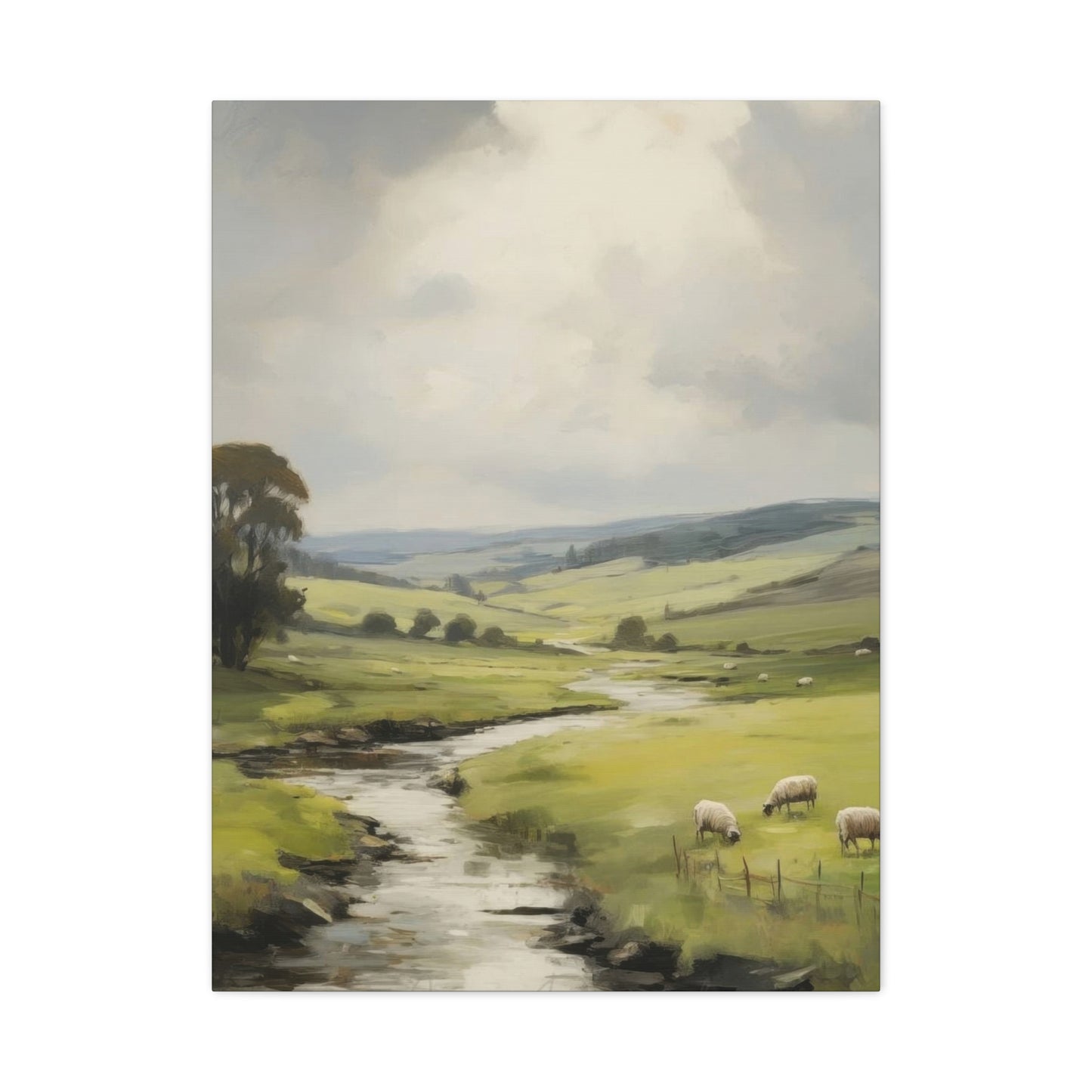
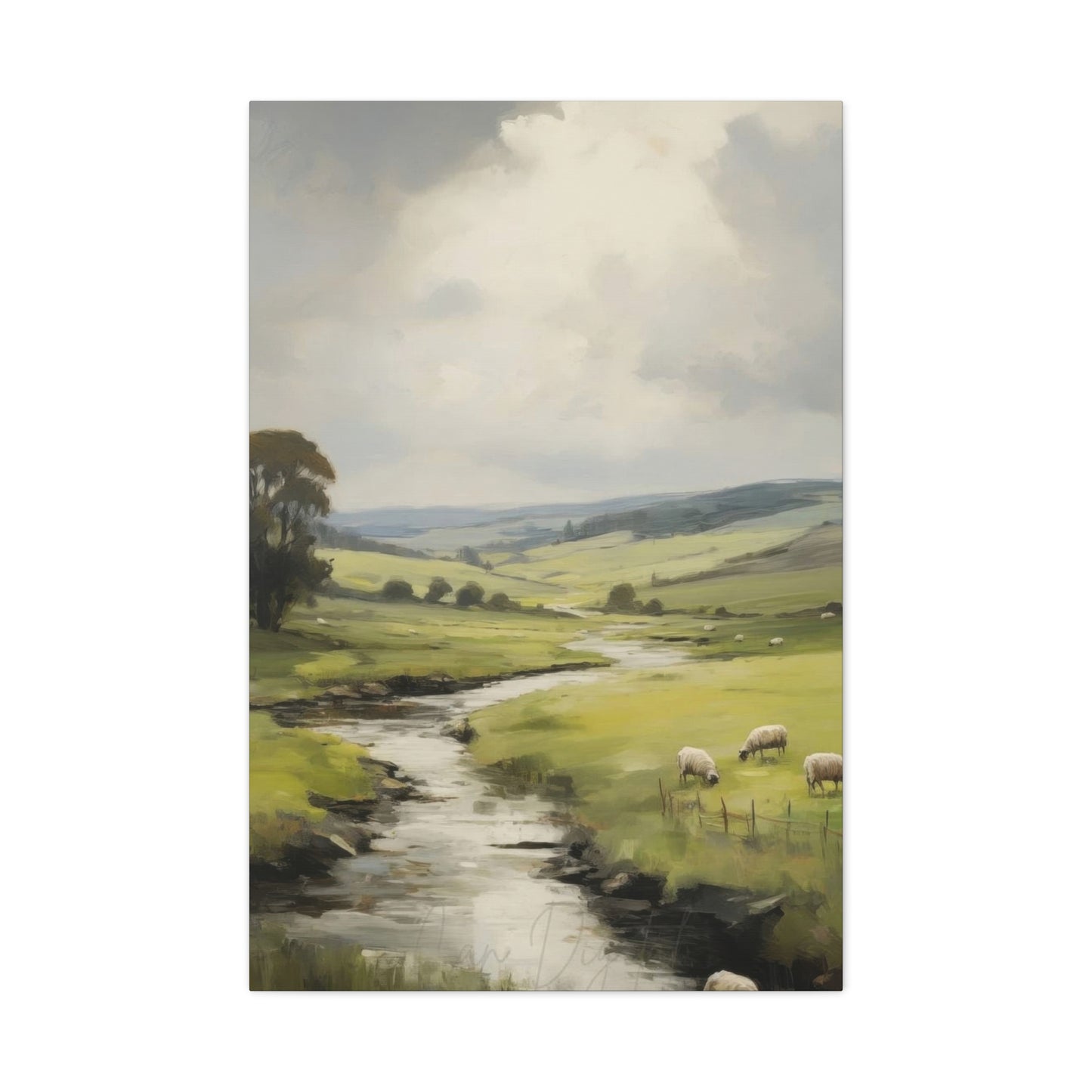
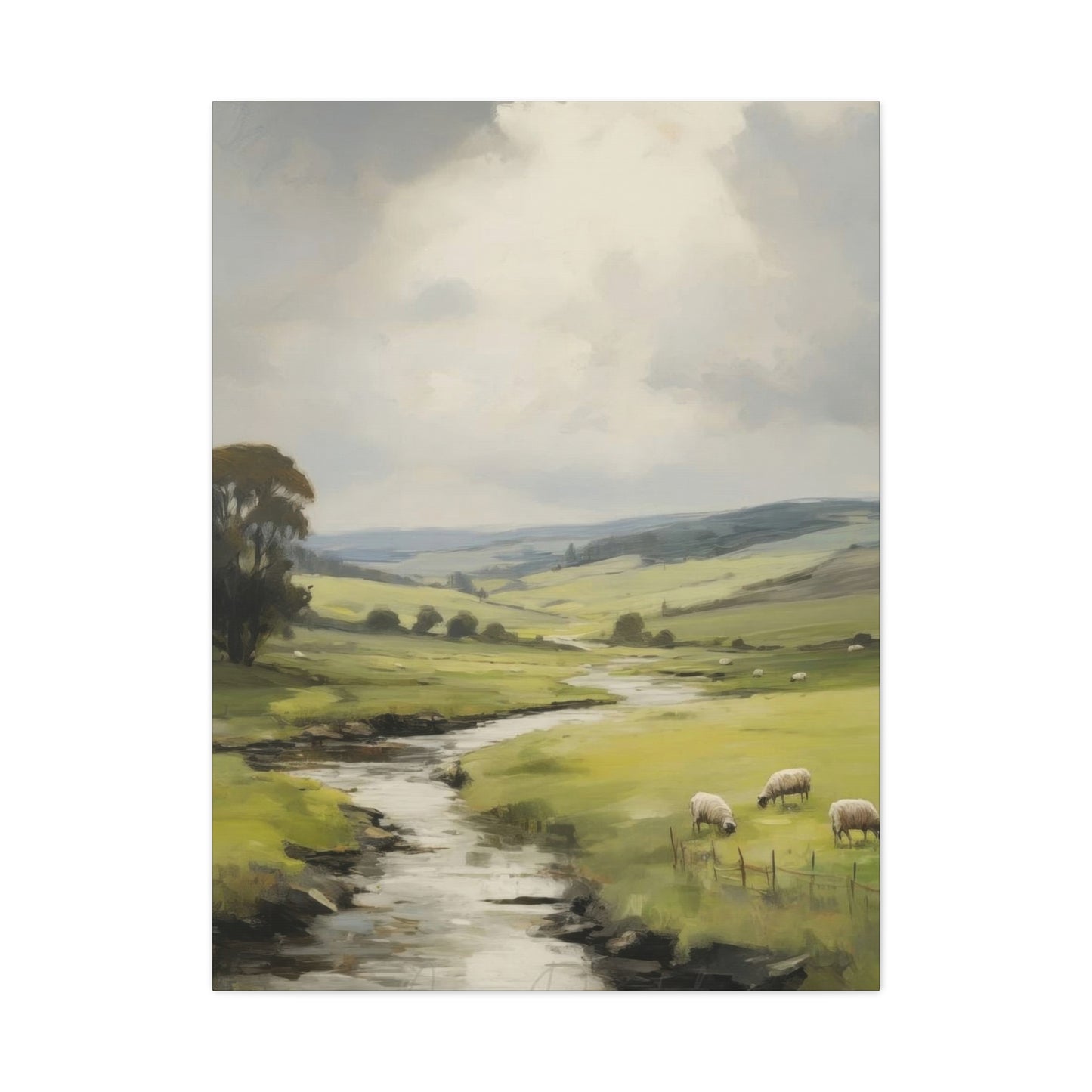
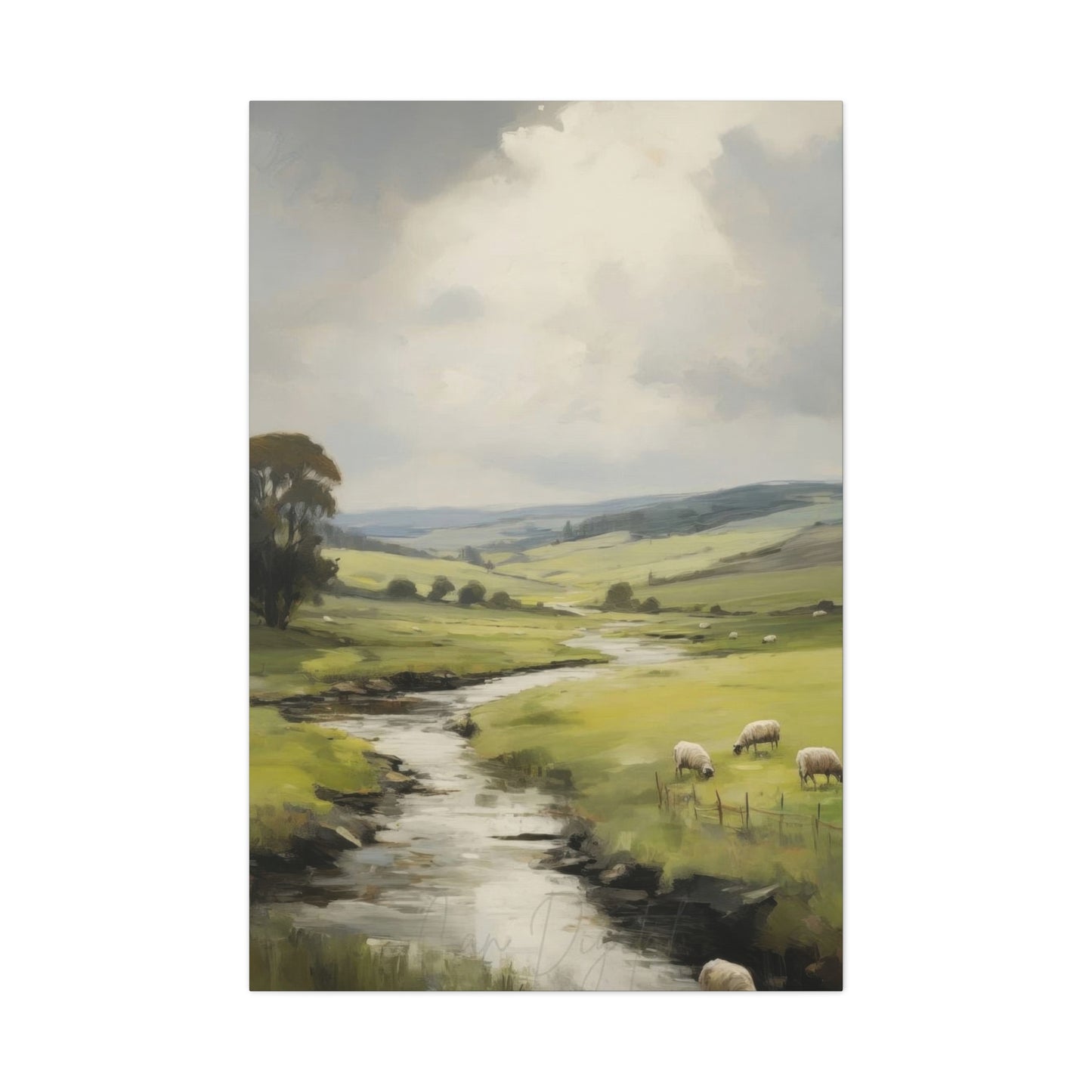
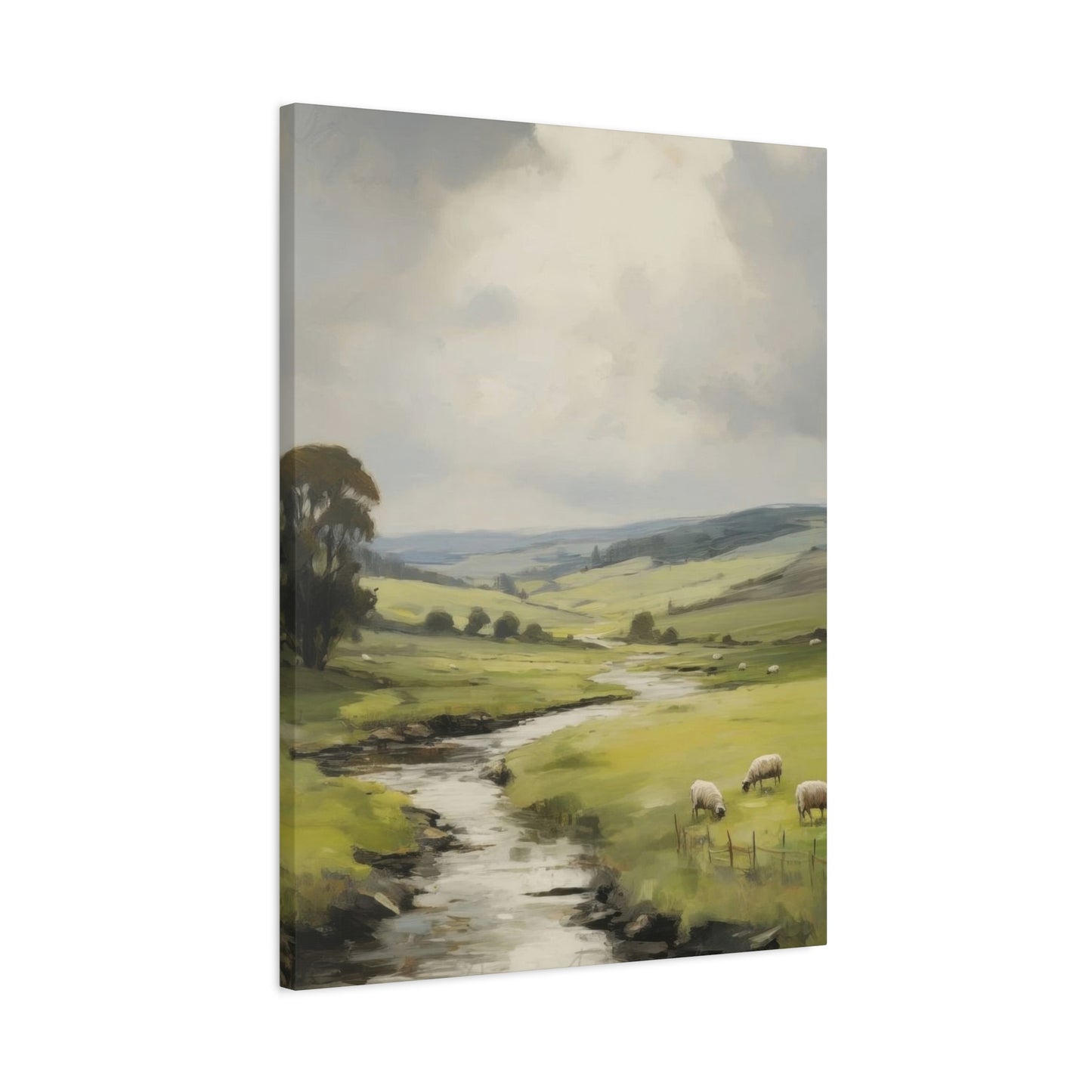
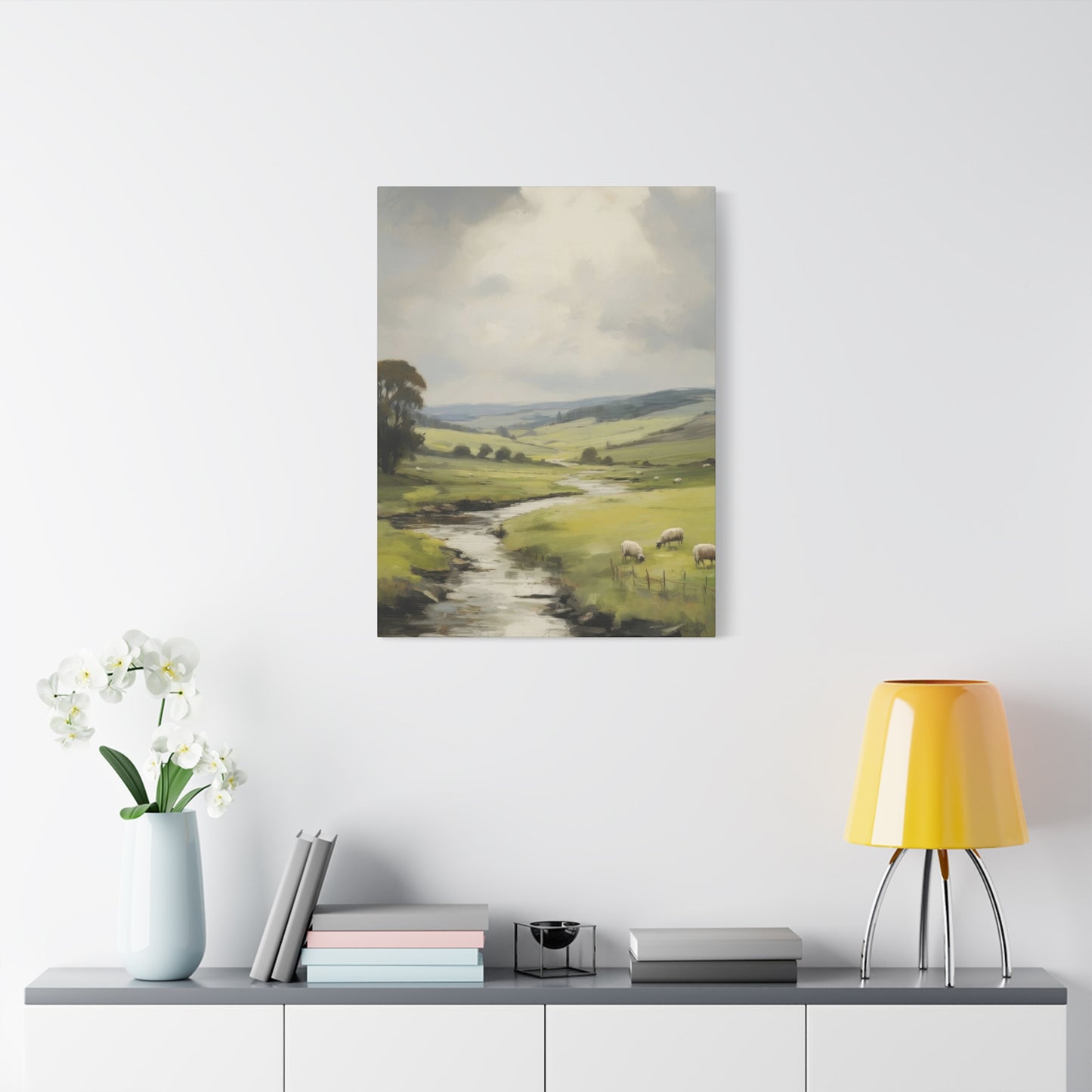
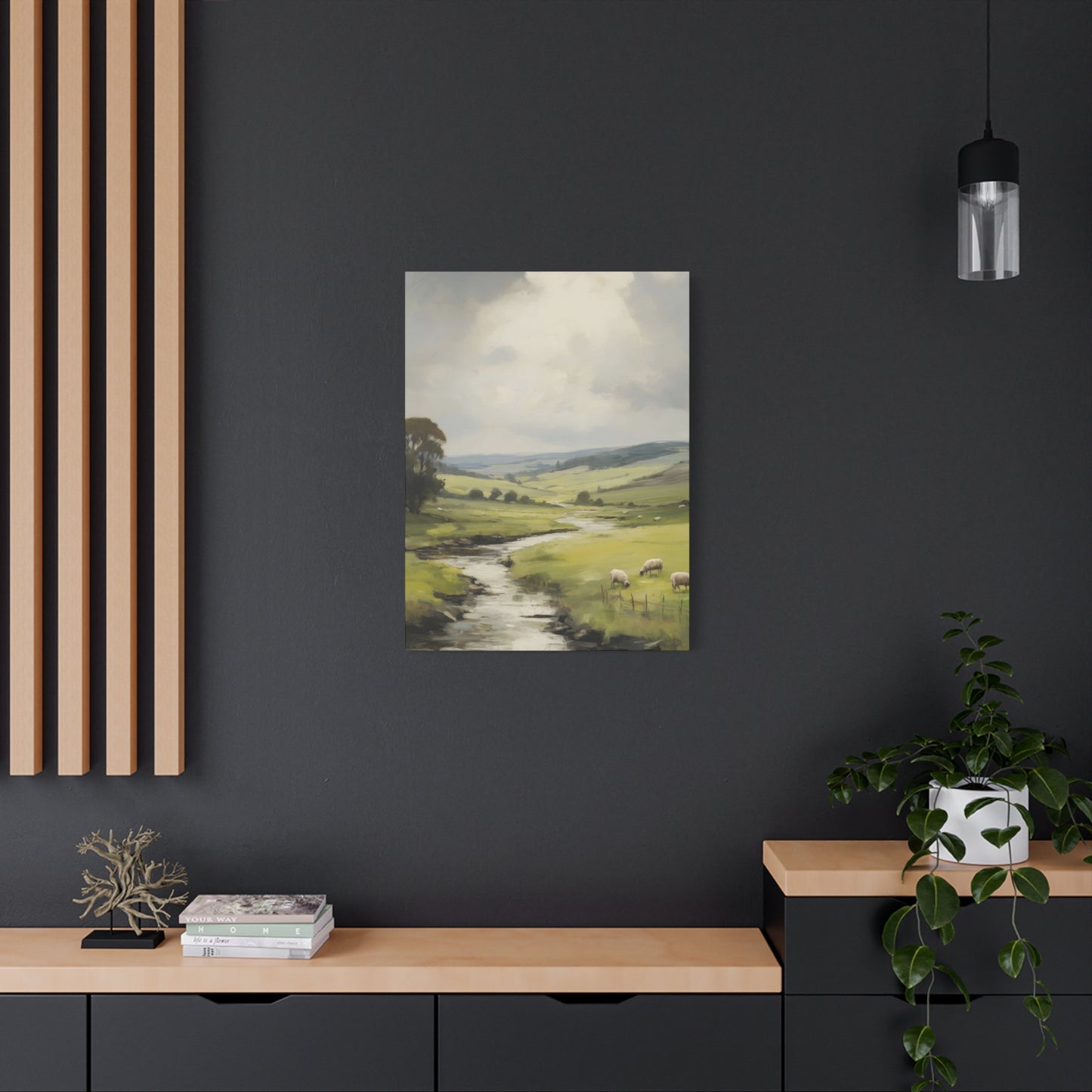
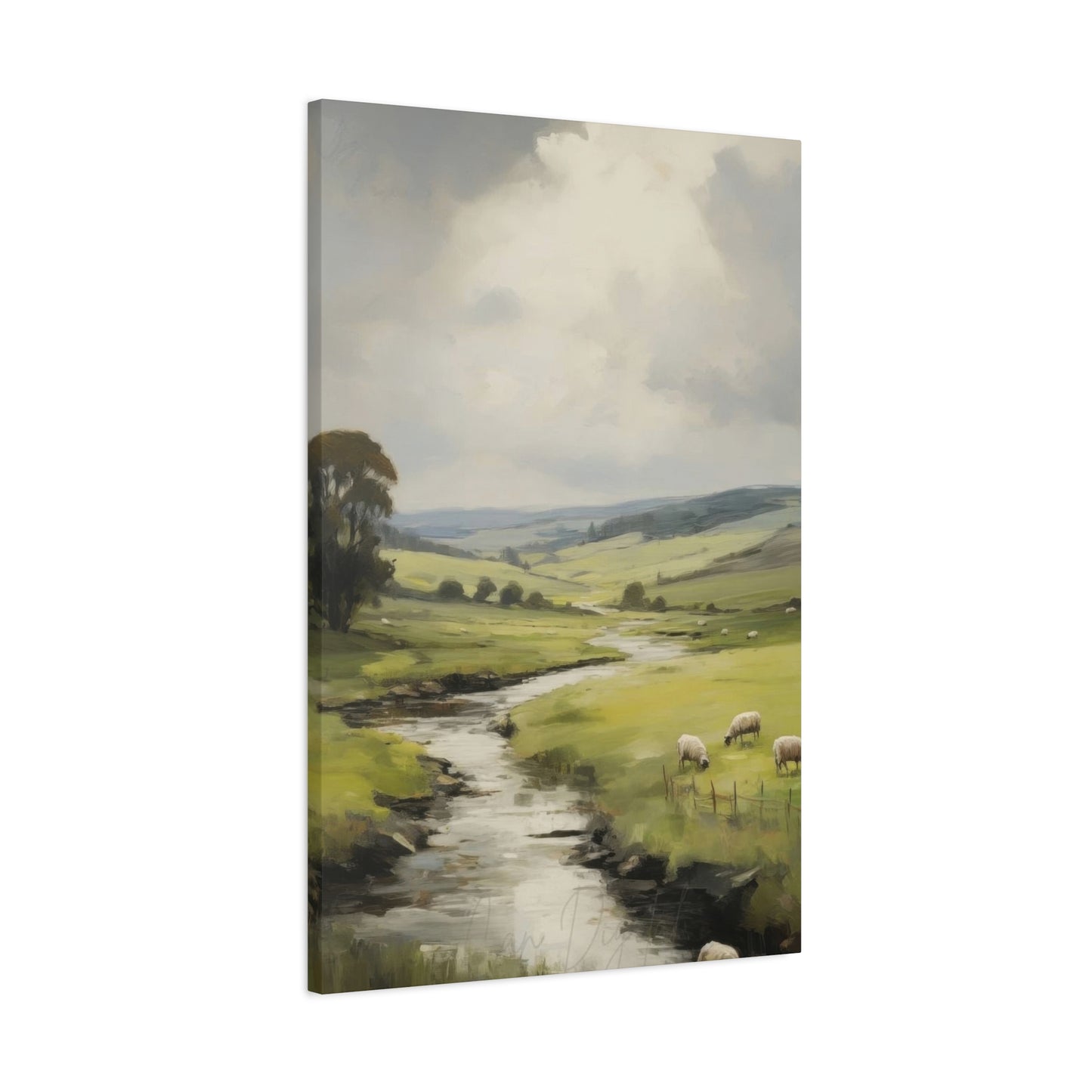
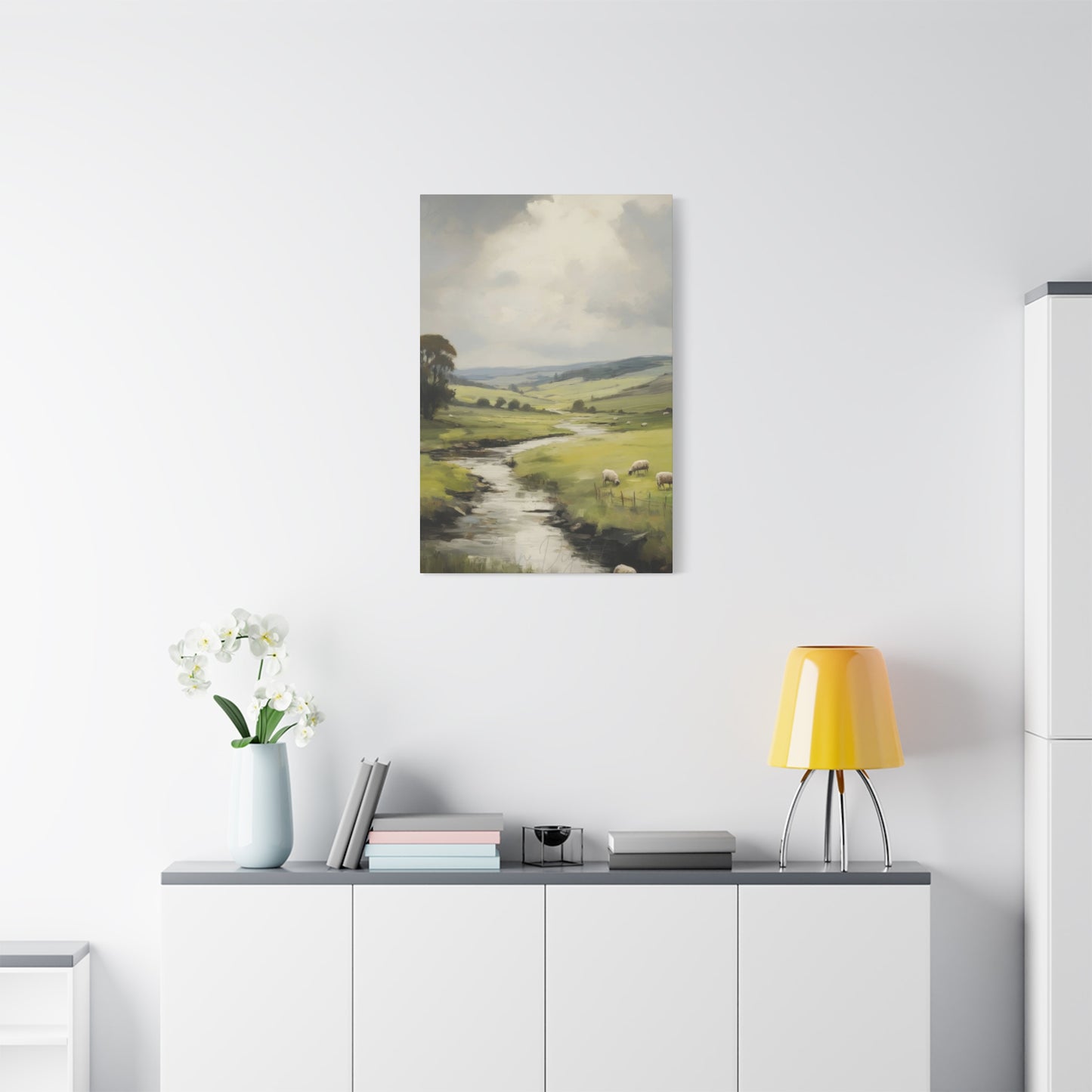
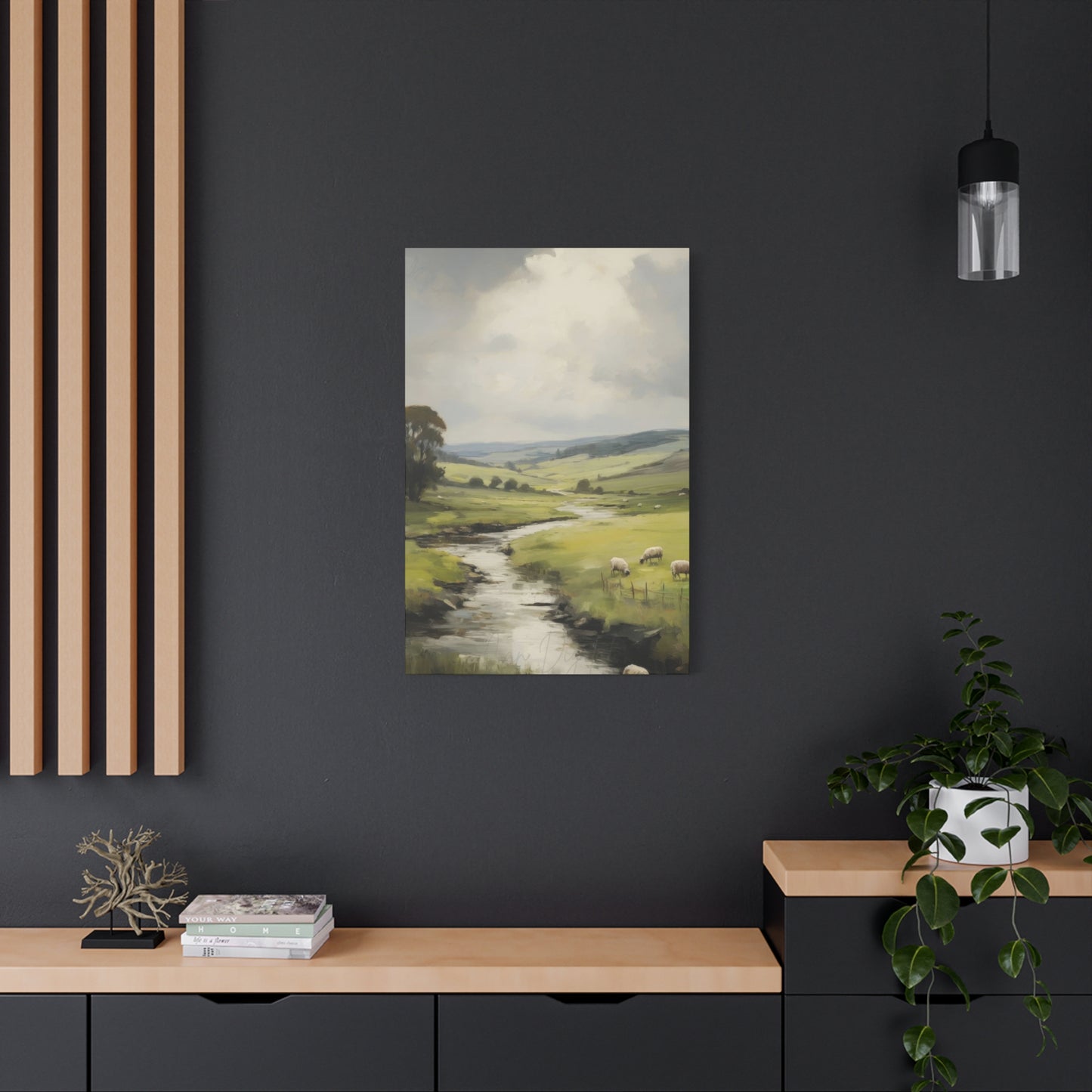
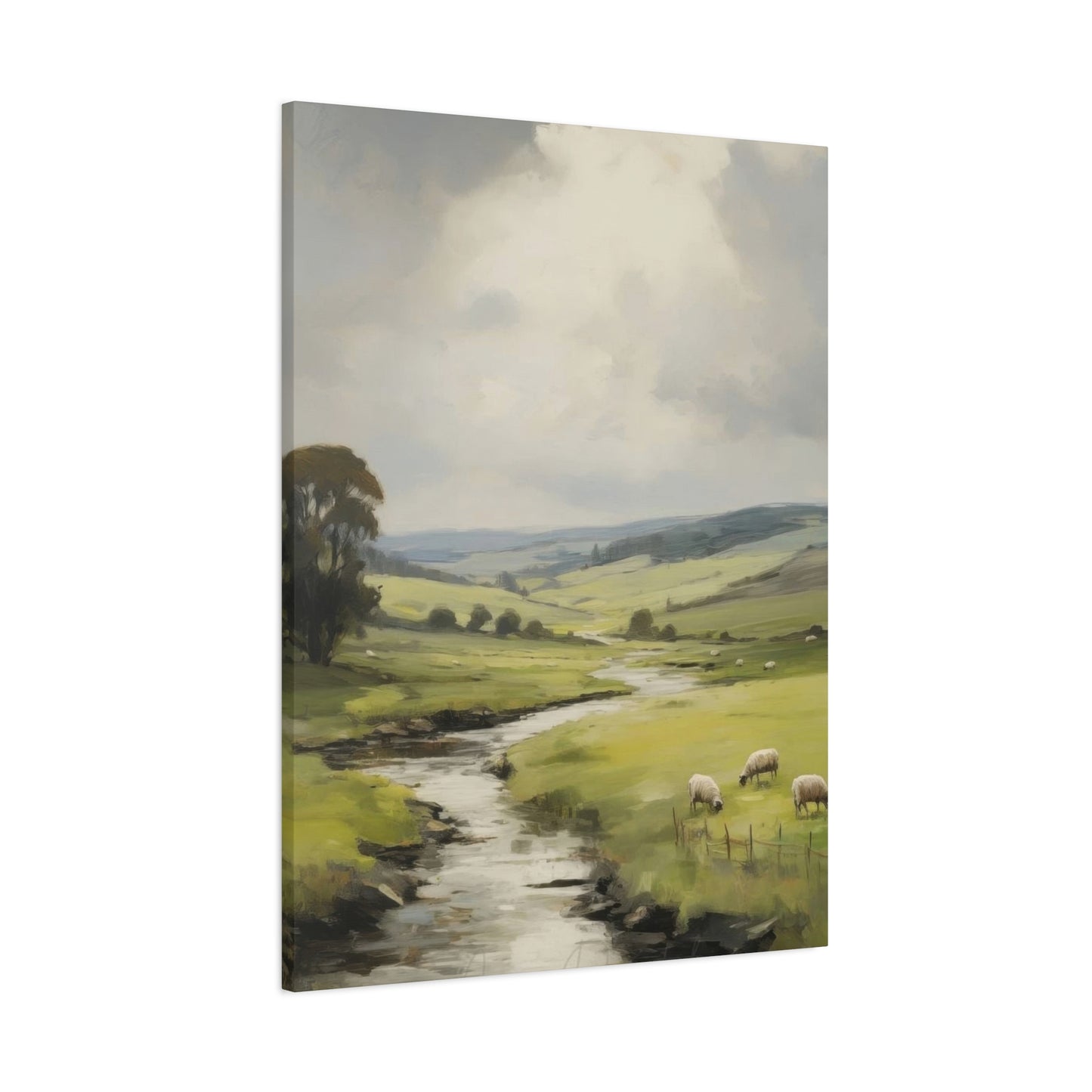
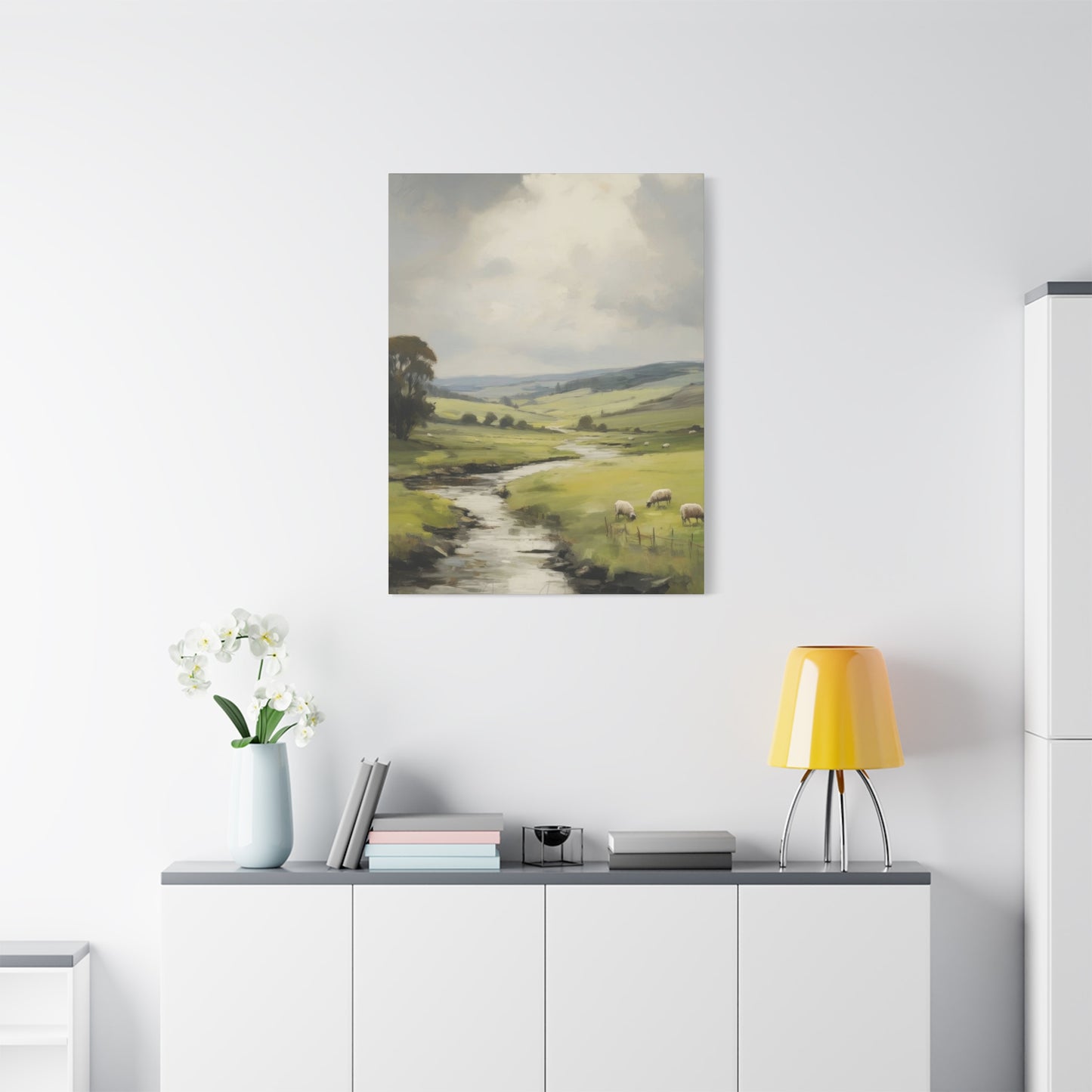
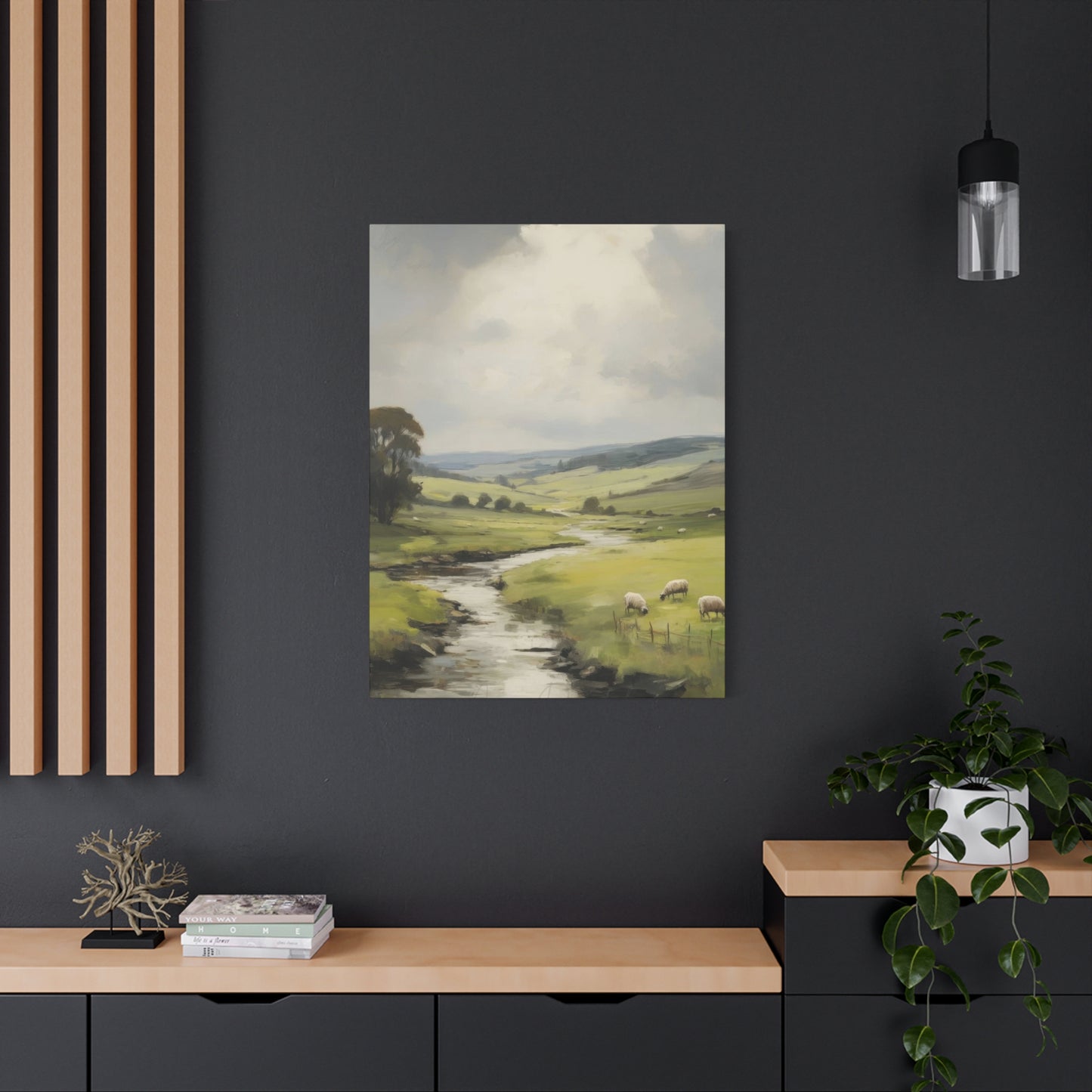
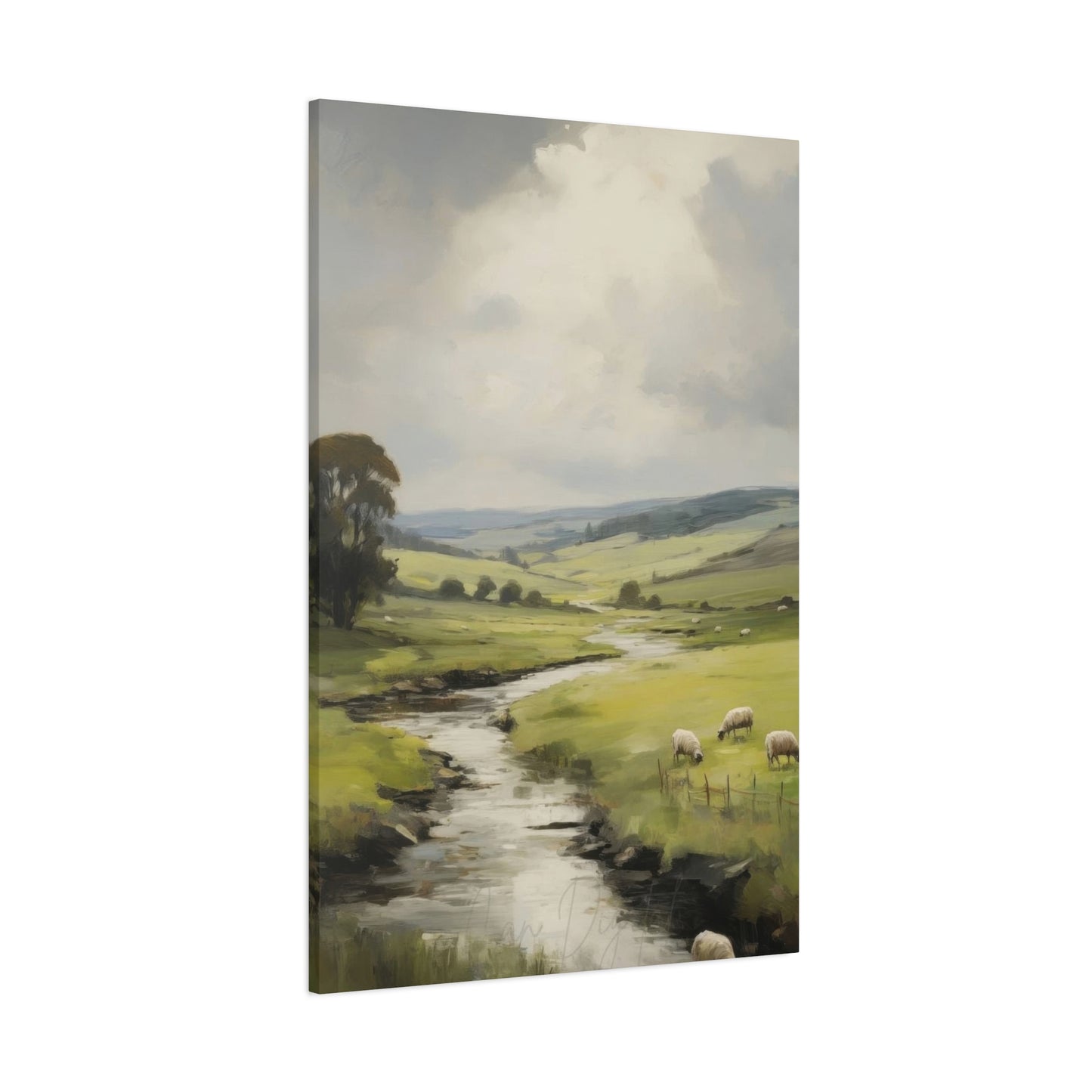
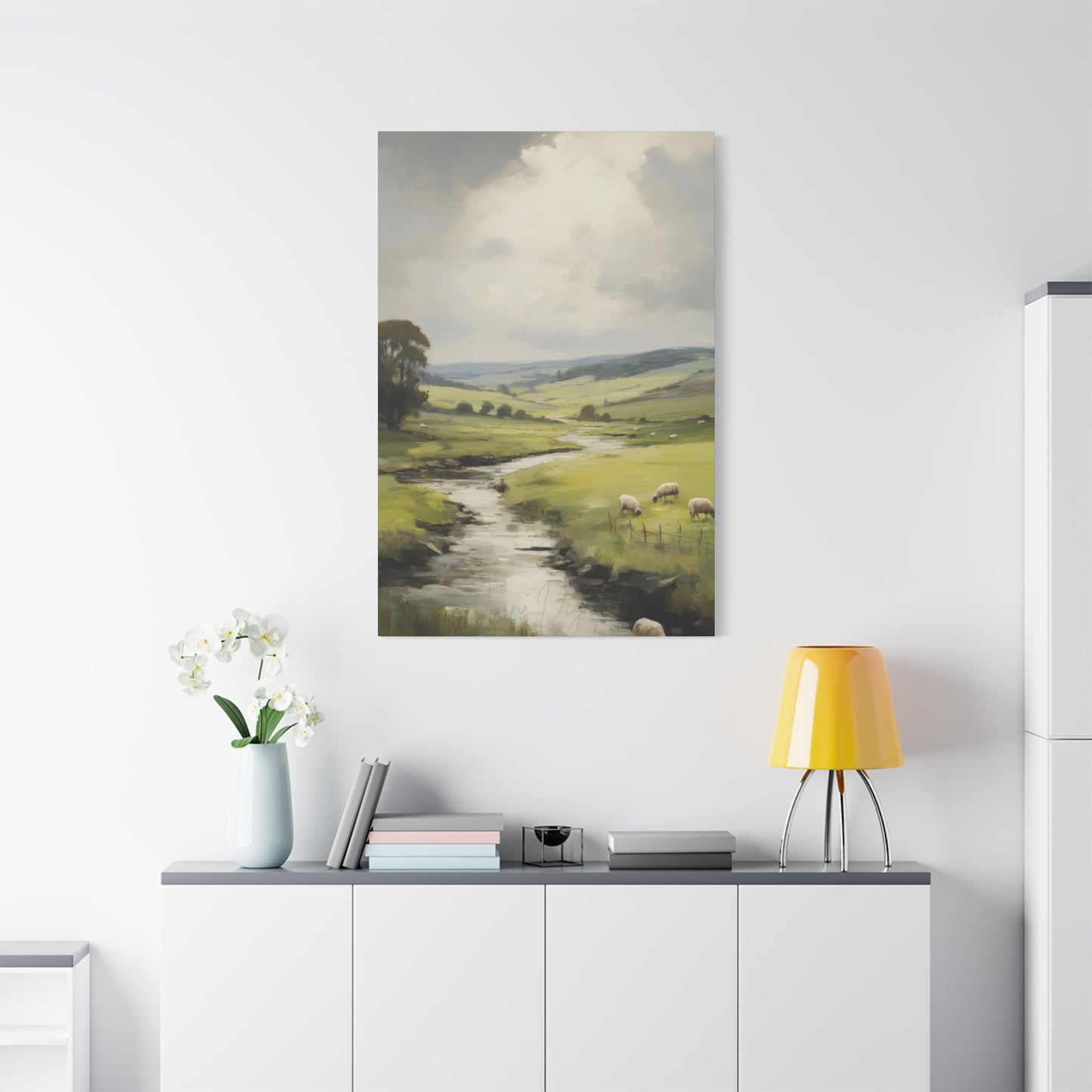
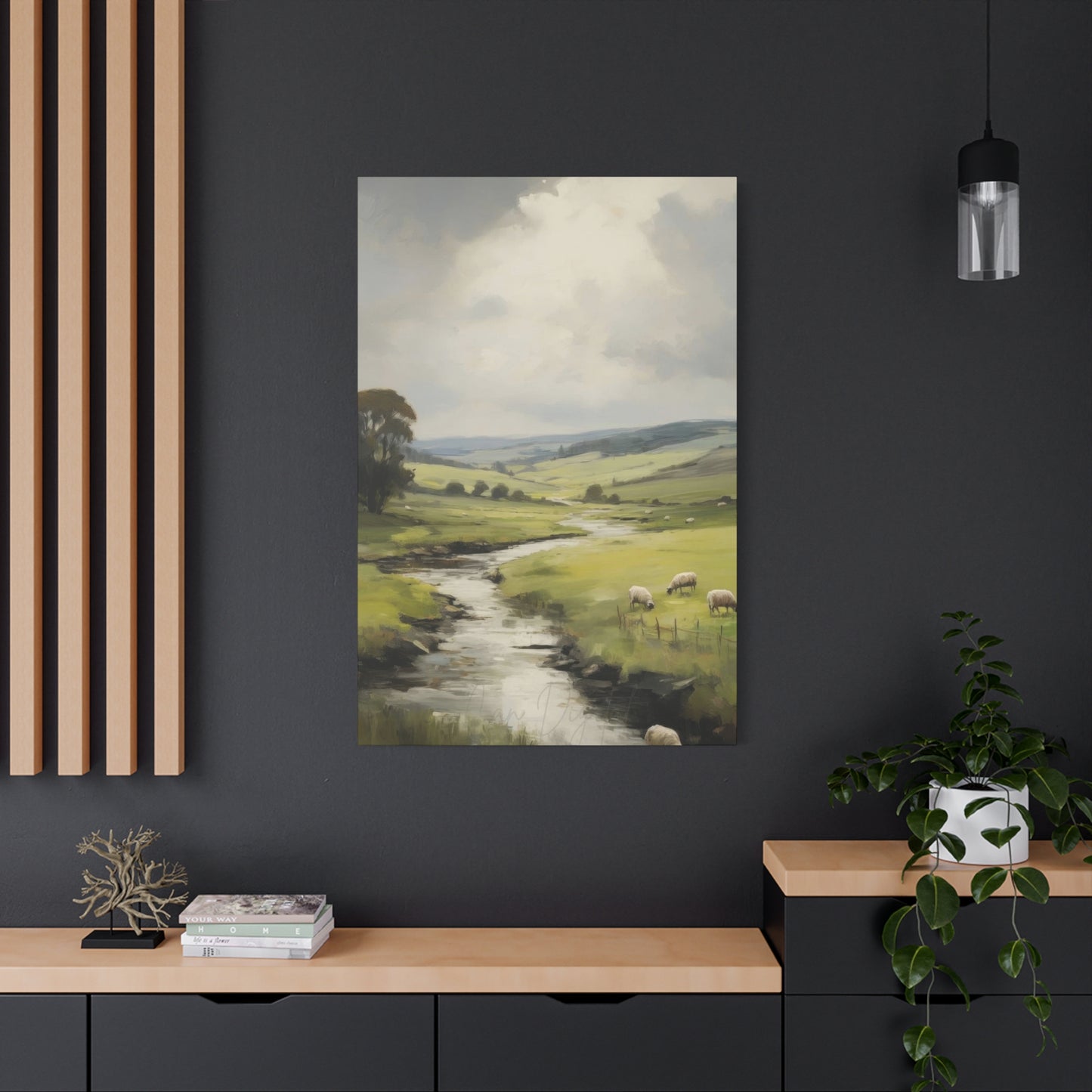
Bringing Nature's Serenity Into Your Living Space Through Countryside Water Stream Wall Art
The desire to connect with nature has become increasingly important in our modern world, where concrete jungles and digital screens dominate our daily lives. People are constantly seeking ways to bring the tranquility and beauty of the outdoors into their homes and workplaces. One of the most effective methods to achieve this connection is through countryside water stream wall art, which captures the essence of flowing water, lush greenery, and peaceful rural settings. This form of decoration has gained tremendous popularity among homeowners, interior designers, and art enthusiasts who understand the profound impact that natural imagery can have on our mental well-being and overall quality of life.
Countryside water stream wall art represents more than just decorative pieces hanging on walls. These artistic creations serve as windows to serene landscapes, offering viewers an escape from the stresses of urban living. The gentle flow of water depicted in these artworks has a calming effect that can transform any space into a sanctuary of peace and relaxation. Whether you are designing a cozy bedroom, a professional office, or a welcoming living room, incorporating these natural elements can significantly enhance the atmosphere and create an environment that promotes relaxation and creativity.
The appeal of water stream imagery lies in its universal ability to evoke feelings of tranquility and renewal. Throughout human history, water has been associated with life, purity, and continuous movement. When combined with the rustic charm of countryside settings, these artworks create a powerful visual narrative that speaks to our innate connection with the natural world. The presence of such art in our living spaces serves as a constant reminder of the beauty that exists beyond our walls, encouraging us to maintain balance between our modern lifestyles and our need for natural harmony.
Exploring Different Artistic Styles for Water Stream Representations
Countryside water stream wall art comes in a remarkable variety of artistic styles, each offering unique aesthetic qualities and emotional resonances. Understanding these different approaches can help you select pieces that best align with your personal taste and interior design goals. From photorealistic depictions to abstract interpretations, the diversity of styles available ensures that there is something to suit every preference and decor scheme.
Photographic prints represent one of the most popular forms of water stream wall art, offering crystal-clear images that capture the authentic beauty of natural landscapes. These pieces appeal to those who appreciate the raw, unfiltered beauty of nature and prefer artwork that accurately represents real-world scenes. High-resolution photography can capture intricate details such as the sparkle of sunlight on water, the texture of surrounding vegetation, and the subtle variations in color that occur throughout the day. Modern printing technologies have made it possible to reproduce these images with exceptional clarity and color accuracy, creating artwork that rivals the visual impact of being present in the actual location.
Traditional painting techniques offer another compelling approach to depicting countryside water streams. Oil paintings, with their rich textures and depth of color, can create dramatic and emotionally powerful representations of water landscapes. The visible brushstrokes and layered paint application add a tactile quality that photographs cannot replicate, giving the artwork a more personal and handcrafted feel. Watercolor paintings, on the other hand, offer a softer, more ethereal interpretation of water streams, with their flowing pigments and translucent layers creating a sense of movement and fluidity that perfectly complements the subject matter.
Contemporary and abstract interpretations of water stream themes provide opportunities for more artistic expression and personal interpretation. These styles might use simplified forms, unexpected color palettes, or geometric patterns to represent the essence of flowing water rather than its literal appearance. Such approaches can be particularly effective in modern interior designs where traditional realistic artwork might feel out of place. Abstract water stream art allows viewers to project their own experiences and emotions onto the piece, creating a more personal connection with the artwork.
Digital art and mixed media approaches have opened new possibilities for representing countryside water streams. These techniques can combine photography with painting, incorporate multiple exposures, or use digital manipulation to create surreal and imaginative interpretations of natural water landscapes. The versatility of digital tools allows artists to experiment with colors, compositions, and effects that would be difficult or impossible to achieve through traditional methods alone. This contemporary approach appeals to collectors who appreciate innovation and want artwork that reflects current artistic trends while maintaining connection to natural themes.
Selecting the Perfect Size and Scale for Your Space
Choosing the appropriate size for countryside water stream wall art is crucial for achieving the desired visual impact and maintaining proper proportion within your space. The dimensions of your artwork should be carefully considered in relation to the wall space available, the furniture arrangement, and the overall scale of the room. A piece that is too small may get lost in a large space, failing to make the intended statement, while oversized artwork in a confined area can overwhelm the room and create visual imbalance.
For living rooms and primary gathering spaces, larger statement pieces typically work best. A substantial canvas or print measuring between 40 to 60 inches in width can serve as a focal point, drawing the eye and anchoring the room's design scheme. These generous dimensions allow the viewer to fully appreciate the details of the countryside water stream scene and create an immersive visual experience. When hanging such pieces above sofas or console tables, ensure that the artwork spans approximately two-thirds to three-quarters of the furniture width to maintain proper visual balance.
Medium-sized pieces, ranging from 24 to 40 inches, offer versatility and can work well in various settings. These dimensions are ideal for bedrooms, dining areas, and home offices where you want significant visual impact without overwhelming the space. Multiple medium-sized pieces can also be arranged in gallery walls or diptych and triptych configurations, allowing you to create dynamic compositions that tell a more comprehensive visual story about countryside water streams. This approach can be particularly effective for depicting the progression of a stream through different seasons or times of day.
Smaller artworks, typically under 24 inches, serve important roles in creating layered and interesting interior designs. These pieces work well in intimate spaces such as bathrooms, hallways, and reading nooks. They can also be incorporated into larger gallery wall arrangements, mixed with other artwork sizes and styles to create visual variety and interest. Small water stream prints can serve as accent pieces that complement larger artworks or add touches of nature to areas where space is limited. The key is to ensure that even smaller pieces are hung at appropriate eye level and given adequate breathing room to be properly appreciated.
When considering vertical versus horizontal orientations, think about both the composition of the artwork and the architectural features of your space. Vertical pieces can emphasize height and make rooms with low ceilings feel taller, while horizontal compositions tend to create a sense of width and openness. Countryside water streams naturally lend themselves to horizontal compositions that follow the flow of water across the landscape, but vertical arrangements can effectively capture cascading waterfalls or streams flowing down hillsides. Your choice should reflect both the natural composition of the scene and the proportions of the wall space you are working with.
Color Schemes and Their Impact on Interior Harmony
The color palette of countryside water stream wall art plays a fundamental role in determining how well the piece integrates with your existing interior design. Understanding color theory and how different hues interact with each other and with their surroundings will help you select artwork that enhances rather than conflicts with your space. The natural colors found in water stream scenes offer a wide range of possibilities, from cool blues and greens to warm earth tones and seasonal variations.
Blue-dominated water stream artwork creates a calming and serene atmosphere that works exceptionally well in bedrooms, bathrooms, and meditation spaces. The color blue has been scientifically proven to lower heart rate and blood pressure, making it ideal for areas where relaxation is the primary goal. When selecting blue-toned countryside water stream art, consider the shade and intensity of the blue. Lighter, sky-blue tones create an airy and expansive feeling, while deeper navy and teal shades add richness and sophistication. These cooler tones pair beautifully with white, gray, and neutral color schemes, creating a fresh and clean aesthetic.
Green-heavy compositions featuring lush vegetation surrounding water streams bring vitality and freshness to interior spaces. Green is associated with growth, renewal, and balance, making it an excellent choice for living rooms, kitchens, and workspaces. The range of green tones available in nature is remarkably diverse, from the pale yellow-greens of new spring growth to the deep forest greens of mature foliage. Artwork featuring prominent green elements can serve as a bridge between warm and cool color schemes, as green sits at the midpoint of the color spectrum. This versatility makes green-dominated water stream art adaptable to various interior design styles.
Warm-toned countryside water stream artwork, featuring golden sunlight, autumn foliage, or sunrise and sunset scenes, creates inviting and cozy atmospheres. These pieces work particularly well in spaces where you want to encourage social interaction and warmth, such as dining rooms and family gathering areas. The presence of warm oranges, yellows, and reds can counterbalance cool-toned interiors, adding visual warmth and emotional comfort. Such artwork is especially effective during colder months when natural light is limited, as it can help maintain a sense of brightness and energy in the home.
Framing Options and Presentation Techniques
The frame you choose for your countryside water stream wall art significantly impacts the overall presentation and how well the piece integrates with your interior design. Framing serves both practical and aesthetic purposes, protecting the artwork while also providing a transition between the art and the wall. The right frame can enhance the artwork's visual impact, while an inappropriate choice can detract from even the most beautiful image. Understanding the various framing options available will help you make informed decisions that elevate your decorative efforts.
Traditional wooden frames remain the most popular choice for countryside water stream artwork, offering warmth and natural appeal that complements the organic subject matter. Different wood species and finishes create distinct aesthetic effects. Light woods such as maple, birch, and ash create a fresh, Scandinavian-inspired look that works well with contemporary and coastal design styles. These lighter frames help maintain the brightness of the artwork and create an airy feeling. Medium-toned woods like oak and walnut provide versatility and classic appeal, working well with both traditional and transitional design styles. Dark woods such as espresso and mahogany add drama and sophistication, making them ideal for formal spaces and traditional interiors.
Metal frames offer sleek and modern alternatives that work particularly well in contemporary settings. Thin metal frames in black, silver, or gold finishes create clean lines that do not compete with the artwork for visual attention. These frames are ideal for photographic prints and digital artwork, as their minimalist design allows the image to take center stage. Floating frames, which create a gap between the artwork and the frame edge, add dimensionality and a gallery-quality presentation. This mounting technique is particularly effective with canvas prints and can make the artwork appear to hover on the wall, creating visual intrigue and sophistication.
Canvas gallery wraps provide a frameless presentation option that has become increasingly popular for countryside water stream art. In this approach, the image is printed on canvas and wrapped around the edges of a wooden stretcher frame, eliminating the need for traditional framing. The sides of the canvas can either continue the image or feature a solid complementary color. Gallery-wrapped canvases create a casual yet polished look that works well in various settings, from modern apartments to rustic country homes. This presentation style is particularly cost-effective and can make large-scale artwork more accessible.
Matting serves as an important design element in framed artwork, creating a buffer zone between the image and the frame. For countryside water stream art, matting choices can significantly impact the overall presentation. Single white or cream mats create clean and classic looks that never go out of style, while double or triple matting adds depth and luxury. Consider using mat colors that complement tones present in the artwork, such as soft blues, greens, or earth tones. The width of the mat should be proportional to the artwork size, with larger pieces typically benefiting from wider mats that provide adequate visual breathing room.
Placement Strategies for Maximum Visual Impact
Strategic placement of countryside water stream wall art can dramatically affect how the piece is experienced and how effectively it enhances your living space. Beyond simply hanging artwork at eye level, careful consideration of lighting, surrounding elements, and viewing angles can transform a good placement into an exceptional one. Understanding the principles of art placement will help you create arrangements that feel intentional and professionally designed.
The living room offers numerous opportunities for showcasing countryside water stream wall art. The wall above the sofa is traditionally the most prominent location, serving as a natural focal point for the room. When placing artwork in this position, center it horizontally above the sofa and hang it so that the bottom edge sits approximately 8 to 10 inches above the furniture. This spacing creates visual connection between the furniture and art while providing adequate clearance. If your living room features a fireplace, the mantel provides another excellent location for water stream artwork. In this case, the piece should be centered above the mantel and hung at a height that feels balanced with the proportions of the fireplace surround.
Bedroom placement of countryside water stream wall art should prioritize creating a calming and restful atmosphere. The wall behind the headboard is the obvious choice, but consider the view from the bed as well. Placing water stream artwork on the wall opposite the bed ensures that it is visible when you wake up, potentially setting a peaceful tone for your day. Avoid hanging artwork directly over the bed if you live in an area prone to seismic activity, opting instead for lightweight pieces or alternative placement options. Bedside walls can accommodate smaller water stream pieces that provide visual interest without overwhelming the sleeping area.
Home offices and workspaces benefit greatly from the presence of nature-inspired artwork like countryside water streams. Position such pieces where they are visible from your primary work position, but at a comfortable viewing distance that allows your eyes to rest when looking away from computer screens. Artwork placed within your peripheral vision can provide subconscious calming effects throughout the workday. Avoid positioning artwork where screen glare or reflection might interfere with viewing or work activities. Consider placing smaller water stream prints on bookshelves or side walls to create layered visual interest that encourages occasional mental breaks.
Seasonal Variations and Changing Displays
One of the most appealing aspects of countryside water stream wall art is the opportunity to reflect seasonal changes and maintain visual freshness in your home throughout the year. Rotating artwork or selecting pieces that capture different seasonal moods can keep your interior design feeling current and connected to the natural cycles occurring outside your windows. This approach to displaying art adds an element of intentionality to your decor while allowing you to experience different aspects of nature's beauty.
Spring-themed countryside water stream artwork captures the renewal and rebirth associated with this season. These pieces typically feature vibrant greens of new foliage, blossoming trees and flowers along stream banks, and clear, bright water reflecting spring skies. The color palette tends toward fresh, light tones with plenty of yellows and pale greens that convey optimism and new beginnings. Displaying such artwork during spring months can reinforce the seasonal energy of growth and transformation, creating interiors that feel alive and energized. These pieces work particularly well in spaces where you want to encourage creativity and positive thinking.
Summer representations of water streams showcase lush, fully developed vegetation and abundant life along waterways. These artworks often feature deeper, richer greens and brilliant blue skies reflected in the water. The atmosphere in summer water stream art tends to feel warm and inviting, often depicting dappled sunlight filtering through full canopies or bright, clear days perfect for outdoor activities. Such pieces bring a sense of abundance and vitality to interiors, making them ideal for display during the warmest months when outdoor living is at its peak. The energy of summer water stream art can help maintain a connection to nature even when spending time indoors.
Autumn or fall countryside water stream artwork presents some of the most visually dramatic options, with warm color palettes featuring oranges, reds, golds, and browns. These pieces capture the transitional beauty of the season as foliage changes and nature prepares for winter. The contrast between cool water and warm autumn leaves creates visually striking compositions that add richness and depth to interior spaces. Fall water stream art works exceptionally well in creating cozy, inviting atmospheres during cooler months, particularly when paired with warm lighting and seasonal textiles. The contemplative mood of autumn scenes can encourage reflection and appreciation for change.
Incorporating Water Stream Art into Various Design Styles
Countryside water stream wall art possesses remarkable versatility, capable of enhancing a wide range of interior design styles. Understanding how to adapt these natural elements to different aesthetic approaches ensures that your artwork complements rather than conflicts with your overall design vision. Whether your home features traditional elegance, modern minimalism, or eclectic bohemian flair, water stream imagery can be integrated effectively with thoughtful selection and placement.
Traditional and classic interior design styles embrace countryside water stream art as a natural extension of their connection to timeless beauty and natural materials. In these settings, opt for artwork with realistic representations, presented in substantial wooden frames with ornate or classic profiles. Oil paintings of water streams work particularly well in traditional spaces, their rich textures and visible brushwork adding depth and authenticity. The color palettes should lean toward naturalistic tones that complement the rich woods, classic textiles, and refined finishes typical of traditional interiors. Consider pairing water stream artwork with other nature-inspired elements such as botanical prints or landscape paintings to create cohesive gallery walls.
Modern and contemporary spaces benefit from countryside water stream art that emphasizes clean compositions, strong focal points, and simplified forms. Photographic prints with crisp detail and bold colors work exceptionally well in modern settings, particularly when presented in sleek metal frames or as frameless gallery wraps. Consider selecting images with strong geometric elements such as straight watercourses, interesting rock formations, or compositions that use the rule of thirds effectively. The minimalist approach of modern design allows water stream artwork to serve as a primary focal point without competing with excessive decorative elements.
Rustic and farmhouse design styles create ideal environments for countryside water stream wall art, as the subject matter aligns perfectly with the aesthetic's emphasis on natural materials and rural charm. Distressed or weathered frames enhance the rustic quality, while reclaimed wood frames add authenticity and character. Consider selecting artwork that depicts streams in overtly rural settings, complete with old bridges, stone walls, or weathered fences. The color palette can embrace the slightly faded or muted tones that characterize rustic design, creating artwork that feels aged and authentic. Combining water stream art with other rustic elements such as antique farm tools or vintage signs creates layered and interesting displays.
Coastal and nautical interiors naturally accommodate water stream artwork, though the transition from ocean to freshwater requires some aesthetic consideration. Select pieces that emphasize the blues and aquas common to coastal design, perhaps depicting streams as they approach larger bodies of water or featuring coastal vegetation. Light, bleached wood frames or white-painted finishes maintain the bright, airy quality essential to coastal style. The key is ensuring that your countryside water stream art complements rather than conflicts with ocean-themed elements. Consider creating visual connections by using similar color palettes and frame styles across all water-themed artwork.
Creating Gallery Walls with Multiple Water Stream Images
Gallery walls offer opportunities to create comprehensive visual narratives using multiple countryside water stream artworks. This approach allows you to explore the theme more deeply than a single piece could achieve, creating dynamic and engaging displays that serve as major focal points within a room. Successfully executing a gallery wall requires careful planning regarding composition, spacing, and thematic coherence while maintaining enough variety to keep the display visually interesting.
When planning a gallery wall featuring water stream imagery, begin by considering the overall composition and layout. The traditional grid arrangement creates a formal and structured appearance, with all pieces uniformly sized and evenly spaced. This approach works well in modern and contemporary spaces where order and symmetry are valued. Alternatively, a salon-style arrangement featuring varied sizes and orientations creates a more dynamic and organic feeling. This approach allows for greater flexibility and can accommodate pieces acquired over time. Regardless of the layout chosen, maintain consistent spacing between frames to create visual cohesion and prevent the display from appearing chaotic or cluttered.
Thematic coherence is essential when creating a gallery wall of countryside water stream art. Consider focusing on a specific geographic location, documenting a particular stream through different seasons, or exploring various water features within a region. This thematic approach provides intellectual coherence that elevates the display beyond mere decoration into a meaningful exploration of place and natural beauty. Alternatively, you might organize your gallery wall around a specific color palette, selecting water stream images that share similar tonal qualities regardless of their geographic origins. This approach creates visual harmony while allowing for greater diversity in specific scenes and locations.
Mixing different artistic styles and mediums within a water stream gallery wall can create visual interest and depth. Combine photographic prints with painted interpretations, or mix color and black-and-white images to create contrast and rhythm. When incorporating different mediums, ensure that they share some unifying elements such as similar color palettes, frame styles, or compositional approaches. The goal is to create variety without sacrificing overall coherence. Consider how the eye will move across the gallery wall, using size, color, and contrast to create visual pathways that encourage comprehensive viewing of all pieces.
Frame selection for gallery walls requires careful consideration to maintain unity without monotony. Using identical frames for all pieces creates a cohesive and formal appearance that places emphasis on the artwork itself. This approach works particularly well when the images vary significantly in content or color. Alternatively, using varied frame styles can add visual interest and personality to the display, particularly in eclectic or bohemian interiors. If choosing varied frames, establish some unifying elements such as similar finish colors or frame widths to prevent the display from appearing disjointed. Mat colors can also serve as unifying elements across differently framed pieces.
Lighting Techniques to Enhance Water Stream Artwork
Proper lighting can dramatically enhance the visual impact of countryside water stream wall art, revealing details, intensifying colors, and creating the atmospheric conditions under which the artwork is best appreciated. Understanding different lighting approaches and how they affect artwork viewing allows you to make informed decisions that maximize your investment in decorative pieces. Whether using natural light, ambient room lighting, or dedicated art lighting, each approach offers distinct advantages and considerations.
Natural light provides the most authentic and dynamic way to experience artwork, with changing conditions throughout the day revealing different aspects of the piece. However, natural light also presents challenges, particularly the potential for fading and damage from ultraviolet radiation. If displaying countryside water stream art in naturally lit areas, take precautions to protect the artwork. Use UV-protective glass or acrylic glazing to minimize damage while still allowing the artwork to be visible. Position pieces away from direct sunlight, particularly during peak afternoon hours when UV exposure is greatest. Consider how natural light changes throughout the day and seasons, and position artwork where these changes will enhance rather than diminish visibility.
Ambient room lighting serves as the foundation for all artwork viewing and should be considered when planning art placement. Overhead lighting from ceiling fixtures or recessed cans provides general illumination but often creates uneven lighting on wall-mounted artwork, with the top receiving more light than the bottom. This effect can be particularly noticeable on large pieces. When relying on ambient lighting for artwork illumination, position pieces where existing fixtures provide relatively even coverage. Adjustable recessed lights with directional capabilities can be aimed at artwork locations to provide better illumination than fixed downlights.
Picture lights mounted directly to frames or walls above artwork provide focused illumination specifically designed for art viewing. These fixtures typically extend from the frame or wall on adjustable arms, directing light downward across the artwork surface. Picture lights work exceptionally well for traditionally framed countryside water stream art, adding a gallery-quality presentation and ensuring the piece is properly illuminated regardless of ambient light conditions. Modern LED picture lights consume minimal energy while producing excellent color rendering that reveals the true colors of the artwork. Consider picture lights with adjustable arms and brightness levels to customize the lighting effect for each specific piece.
Commissioning Custom Countryside Water Stream Artwork
While ready-made countryside water stream wall art offers numerous options, commissioning custom pieces provides opportunities to create truly unique artwork tailored specifically to your preferences, memories, and spaces. Custom artwork allows you to capture specific locations that hold personal meaning, incorporate exact color palettes that match your interior design, or create pieces in precise dimensions that fit your available wall space perfectly. Understanding the process of working with artists to create custom water stream art ensures successful outcomes that exceed the possibilities of mass-produced alternatives.
The first step in commissioning custom artwork involves identifying the right artist for your project. Research artists who specialize in landscape painting or nature photography, paying particular attention to their portfolios and past work involving water features. Look for artistic styles that resonate with your aesthetic preferences, whether photorealistic, impressionistic, or abstract. Many artists maintain online portfolios, social media accounts, or websites where you can review their work and artistic approaches. Read testimonials and reviews from past clients to gain insight into their professionalism, communication style, and ability to meet deadlines and expectations.
When approaching an artist about a potential commission, prepare to communicate your vision clearly while remaining open to their creative input. Provide reference images of the location or type of water stream scene you envision, examples of color palettes you are drawn to, and any specific elements you want included or emphasized. Be clear about the intended display location and provide exact dimensions for the finished piece, including any framing or mounting considerations. Discuss your budget openly and early in the conversation, as custom artwork prices can vary significantly based on size, medium, complexity, and the artist's experience and reputation. Most professional artists will provide detailed quotes outlining costs and timelines before beginning work.
For site-specific commissions depicting particular water stream locations, consider whether the artist will need to visit the location personally or can work from photographs. Some artists prefer to experience locations firsthand, observing light conditions, seasonal characteristics, and the overall sense of place that can inform their artistic interpretation. Others can work effectively from high-quality photographs, particularly if you provide multiple images showing different perspectives, lighting conditions, and seasonal variations. If the location holds particular personal significance, share stories and memories associated with the place to help the artist capture not just the visual appearance but also the emotional resonance of the setting.
Digital Printing Technologies and Their Impact on Quality
The quality of countryside water stream wall art depends significantly on the printing technologies and materials used to reproduce images. Understanding different printing methods, their characteristics, and their appropriate applications helps you make informed decisions when purchasing artwork and ensures you receive pieces that will maintain their visual quality over time. Modern printing technologies have democratized access to high-quality art reproduction, but significant differences exist between methods and output quality levels.
Giclée printing represents the gold standard for fine art reproduction, using high-resolution inkjet technology to create museum-quality prints. The term giclée comes from the French word meaning to spray or squirt, referring to the microscopic droplets of ink applied to the printing surface. Professional giclée printing uses archival-quality pigment-based inks rather than dye-based inks, providing superior color accuracy, detail reproduction, and longevity. These prints can last over 100 years under proper display conditions without significant fading or color shift. Giclée prints are typically produced on fine art papers or canvas, creating finished pieces that closely resemble original artwork. When purchasing countryside water stream art, look for sellers who explicitly state that their prints are produced using giclée methods if longevity and quality are priorities.
Standard inkjet printing, while less expensive than giclée, can still produce satisfactory results for casual display purposes. Consumer-grade inkjet printers use dye-based inks that are more susceptible to fading, particularly when exposed to direct light. These prints typically have shorter lifespans, beginning to show noticeable fading after 10-25 years depending on display conditions and ink quality. However, for budget-conscious consumers or those who plan to rotate artwork frequently, standard inkjet prints offer accessible entry points into decorating with countryside water stream imagery. The key is managing expectations regarding longevity and taking steps to protect prints from direct sunlight and moisture exposure.
Metal prints have gained popularity as contemporary alternatives to traditional paper or canvas prints. In this process, images are infused directly into specially coated aluminum sheets using heat and pressure. The result is an incredibly durable, waterproof, and vibrant print with unique visual characteristics. Metal prints of countryside water stream art exhibit exceptional depth and luminosity, with colors appearing more saturated and details appearing remarkably sharp. The reflective quality of the metal surface adds a modern, almost three-dimensional quality to the imagery. These prints work exceptionally well in contemporary interiors and have the added advantage of being virtually maintenance-free and resistant to damage from humidity, making them ideal for bathrooms and kitchens. The main considerations with metal prints are their contemporary aesthetic, which may not suit traditional design styles, and their higher price point compared to paper prints.
Maintaining and Preserving Your Water Stream Wall Art
Proper maintenance and care extend the life of countryside water stream wall art while ensuring it continues to look its best for years or even decades. Different types of artwork and printing methods require specific care approaches, but some general principles apply across all categories. Understanding how to protect your investment through preventive measures and appropriate cleaning techniques will help preserve both the visual quality and monetary value of your artwork collection.
Environmental factors pose the greatest long-term threats to artwork preservation. Direct sunlight exposure is particularly damaging, causing colors to fade and materials to degrade over time. Even artwork displayed away from windows can be affected by ambient UV radiation present in all natural light. If displaying countryside water stream art in naturally lit rooms, use UV-filtering window treatments such as films, shades, or curtains that can be closed during peak sunlight hours. Alternatively, ensure that artwork is glazed with UV-protective glass or acrylic, which blocks harmful radiation while allowing visible light to pass through. Museum-quality UV glazing can block up to 99 percent of ultraviolet light, providing exceptional protection with minimal impact on viewing quality.
Temperature and humidity fluctuations can cause significant damage to artwork, particularly pieces printed on paper or canvas. Extreme heat can cause warping, buckling, and accelerated fading, while high humidity promotes mold growth and can cause adhesives to fail. Conversely, very dry conditions can make materials brittle and prone to cracking. Maintain consistent environmental conditions in rooms where artwork is displayed, ideally keeping temperature between 65-75 degrees Fahrenheit and relative humidity between 40-50 percent. Avoid displaying artwork in locations prone to temperature or humidity extremes, such as above radiators, near air conditioning vents, or in unfinished basements. For particularly valuable pieces, consider using dehumidifiers or humidifiers to maintain optimal conditions.
Dust accumulation is an ongoing concern for all wall-mounted artwork and requires regular attention to maintain appearance and prevent long-term damage. For framed prints behind glass or acrylic, dust the frame and glazing regularly using a soft, dry microfiber cloth or a feather duster. Avoid using cleaning products unless absolutely necessary, as chemicals can damage frames, mats, and glazing materials. If cleaning glazing is necessary, lightly dampen the cloth with distilled water or use specialized art glass cleaner, applying it to the cloth rather than directly to the glazing to prevent moisture from seeping behind the glass. For unframed canvas prints, use a soft brush or vacuum with a brush attachment on low power to gently remove dust, working carefully to avoid snagging or damaging the canvas surface.
When handling artwork for cleaning, relocation, or storage, always use proper techniques to prevent accidental damage. Wash and dry hands thoroughly before touching artwork to remove oils and dirt that can transfer to surfaces. Hold framed pieces by the frame edges rather than the face or hanging wire. When moving artwork, carry pieces vertically rather than horizontally to minimize stress on hanging hardware and frame joints. Never stack unprotected artwork directly on top of each other, as this can cause scratching, pressure marks, and adhesion problems. If moving or storing multiple pieces, place acid-free paper or foam board between them to provide protection and prevent contact damage.
Exploring the Cultural Significance of Water in Art
Water has held profound cultural and spiritual significance across human civilizations throughout history, making it one of the most universally resonant subjects in artistic expression. Understanding the deeper meanings and associations connected with water imagery enriches our appreciation of countryside water stream wall art beyond its purely aesthetic qualities. This cultural context transforms decorative artwork into meaningful symbols that connect us with ancient traditions and universal human experiences.
In many Eastern philosophies and religions, water represents the flow of life energy and the principle of constant change and adaptation. The Taoist concept of water as the most powerful element, not through force but through its ability to shape the hardest stones through persistent gentle action, offers philosophical depth to water stream imagery. When we display countryside water stream art in our homes, we invoke these ancient principles of flexibility, persistence, and the power of gentle, consistent effort. The flowing water serves as a visual reminder to remain adaptable in the face of obstacles and to trust in the gradual but inevitable process of transformation and growth.
Water has been associated with purification and renewal across countless cultures and spiritual traditions. Rivers and streams have historically served as sites for ritual cleansing, baptism, and spiritual transformation. The presence of water stream imagery in our living spaces can symbolically represent our desire for emotional and spiritual cleansing, offering a sense of fresh starts and new beginnings. This symbolism makes countryside water stream art particularly meaningful in spaces dedicated to personal reflection, meditation, or morning routines where we prepare to face new days with renewed energy and purpose.
The concept of water as a mirror between worlds appears in numerous mythological traditions, with streams and pools serving as portals to other realms or sources of prophetic vision. This mystical association adds layers of meaning to water stream artwork, suggesting that these images might serve as windows into other possibilities or reflections of our inner landscapes. The reflective quality of water in these artworks can prompt self-reflection and contemplation, inviting viewers to consider what their own internal landscapes look like and what they might want to cultivate or change within themselves.
Indigenous cultures worldwide have maintained deep spiritual connections with waterways, viewing them as living entities deserving of respect and protection. Streams serve as lifelines for ecosystems and communities, supporting biodiversity and human settlements. Displaying countryside water stream art can represent our acknowledgment of this vital relationship and our commitment to environmental stewardship. In an era of increasing environmental challenges, these images remind us of the preciousness of clean, flowing water and the importance of preserving natural waterways for future generations. The artwork becomes not just decoration but a statement of values and a commitment to responsible relationship with the natural world.
Water's association with emotions and the subconscious mind appears throughout psychological theory and artistic symbolism. Flowing water often represents the stream of consciousness, the movement of time, or the processing of emotions. Turbulent rapids might symbolize emotional turmoil or challenging life periods, while calm, gently flowing streams suggest peace and emotional equilibrium. When selecting countryside water stream art, consider what emotional state the depicted water conveys and whether it resonates with your current life experience or aspirations. The artwork you choose can serve as an anchor for desired emotional states or a reflection of personal growth and transformation.
Photographic Techniques Specific to Water Stream Imagery
Understanding the photographic techniques used to capture countryside water stream images enhances appreciation for this artwork while informing your selections if you are building a collection. Different technical approaches create dramatically different aesthetic results from the same subjects, offering diverse options to suit various tastes and design needs. Knowledge of these techniques also supports more informed conversations with photographers if you are considering commissioned work or limited edition purchases.
Long exposure photography creates the silky, ethereal water appearance that has become iconic in water stream imagery. This technique uses slow shutter speeds ranging from a fraction of a second to several minutes, allowing moving water to blur while stationary elements remain sharp. The result transforms rushing streams into smooth, foggy ribbons that emphasize flow and movement while creating dreamlike, peaceful atmospheres. Long exposure technique requires tripods for camera stability and often neutral density filters to reduce light entering the camera, allowing slower shutters in bright conditions. When selecting long exposure water stream artwork, consider how the degree of water blur affects the feeling of the piece. Subtle blur maintains more detail and texture while extreme blur creates more abstract, minimalist results that work well in contemporary interiors.
Fast shutter speed photography freezes water motion, capturing individual droplets, splashes, and the intricate texture of turbulent water. This technique uses shutter speeds of 1/500th second or faster, requiring abundant light or high ISO settings. The resulting images emphasize the power and energy of moving water, creating dynamic compositions full of detail and texture. Frozen water imagery works particularly well in spaces where you want to convey energy, vitality, and movement. The highly detailed nature of these images makes them effective as large prints where viewers can appreciate intricate textures and patterns. When displayed as smaller prints, fast-shutter water images can read as busier and more visually complex than their long-exposure counterparts.
Time-of-day considerations dramatically affect the mood and color palette of water stream photography. Golden hour shooting during the first and last hours of sunlight creates warm, glowing images with long shadows and rich color saturation. These images feel welcoming and intimate, working well in living spaces and bedrooms. Midday photography in bright sunlight creates clear, vibrant images with strong contrasts and brilliant colors, though the harsh light can sometimes appear less flattering. Overcast conditions produce soft, even lighting that emphasizes the intrinsic colors of water and surroundings without dramatic highlights or shadows. These subtle images work beautifully in spaces where calmness and simplicity are valued. Blue hour photography during twilight creates moody, contemplative images with deep blue tones that feel mysterious and tranquil.
Conclusion:
Bringing Nature's Serenity Into Your Living Space Through Countryside Water Stream Wall Art highlights the transformative power of natural imagery in interior design, demonstrating how tranquil landscapes can influence mood, aesthetic appeal, and overall ambiance. Countryside water stream wall art captures the soothing flow of rivers, the gentle rustle of surrounding foliage, and the timeless serenity of rural landscapes. By integrating such pieces into a living space, homeowners can invite calm, balance, and natural beauty into their interiors, creating environments that nurture relaxation, reflection, and visual harmony.
The primary allure of countryside water stream artwork lies in its ability to convey movement, depth, and natural rhythm. Flowing water, meandering streams, and softly lit foliage create a visual narrative that encourages contemplation and mindfulness. These compositions provide more than decoration; they function as portals to nature, offering viewers a momentary escape from urban intensity or daily stress. By capturing both the stillness and motion inherent in a countryside stream, artists create a dynamic yet calming visual experience that resonates emotionally and aesthetically.
From an interior design perspective, countryside water stream wall art is highly versatile. In rustic or farmhouse-style interiors, these canvases complement natural materials such as wood, stone, and linen, reinforcing the space’s organic and grounded character. In modern or minimalist settings, the artwork provides a refreshing contrast to sleek surfaces, clean lines, and neutral palettes, injecting warmth, texture, and narrative depth. Large canvases can serve as dramatic focal points, anchoring living rooms, bedrooms, or dining areas, while smaller prints or framed series can form gallery walls that tell a cohesive story of natural beauty and tranquility. Strategic placement ensures that the artwork enhances both the visual balance and emotional tone of the room.
Color, light, and composition are central to the effectiveness of water stream wall art. Soft blues, greens, and earthy browns evoke the gentle flow of water, the vitality of surrounding vegetation, and the timeless serenity of the countryside. The interplay of light and shadow, reflections on the water’s surface, and the delicate detailing of rocks, plants, and ripples create depth, dimensionality, and a sense of realism. These visual techniques allow the artwork to engage viewers, encouraging prolonged observation and fostering a sense of calm and connection to the natural world.
Beyond visual appeal, countryside water stream art carries symbolic significance. Flowing water often represents renewal, continuity, and adaptability, while rural landscapes evoke simplicity, stability, and harmony with the environment. Displaying such artwork in a home reinforces these themes, creating spaces that promote mental clarity, emotional balance, and a deeper appreciation of nature’s rhythms. The artworks serve as subtle reminders of the restorative power of nature, allowing interiors to offer both aesthetic enjoyment and emotional nourishment.
Technically, these pieces demonstrate mastery in composition, perspective, and detail. Artists carefully balance foreground and background elements, using layered brushwork, textural effects, or digital enhancements to capture the fluidity of water, the interplay of light, and the organic irregularities of the landscape. This attention to technique ensures that the artwork is visually engaging and immersive, allowing viewers to experience the landscape as if stepping into the scene itself.
Furthermore, countryside water stream wall art encourages creative styling in interiors. Pairing these pieces with natural décor elements such as woven textiles, wooden furniture, or indoor plants amplifies the immersive, organic feel of the space. Lighting also plays a crucial role; soft, ambient illumination can enhance the sense of tranquility, highlighting textures, reflections, and colors in a manner that reinforces the peaceful atmosphere.


