


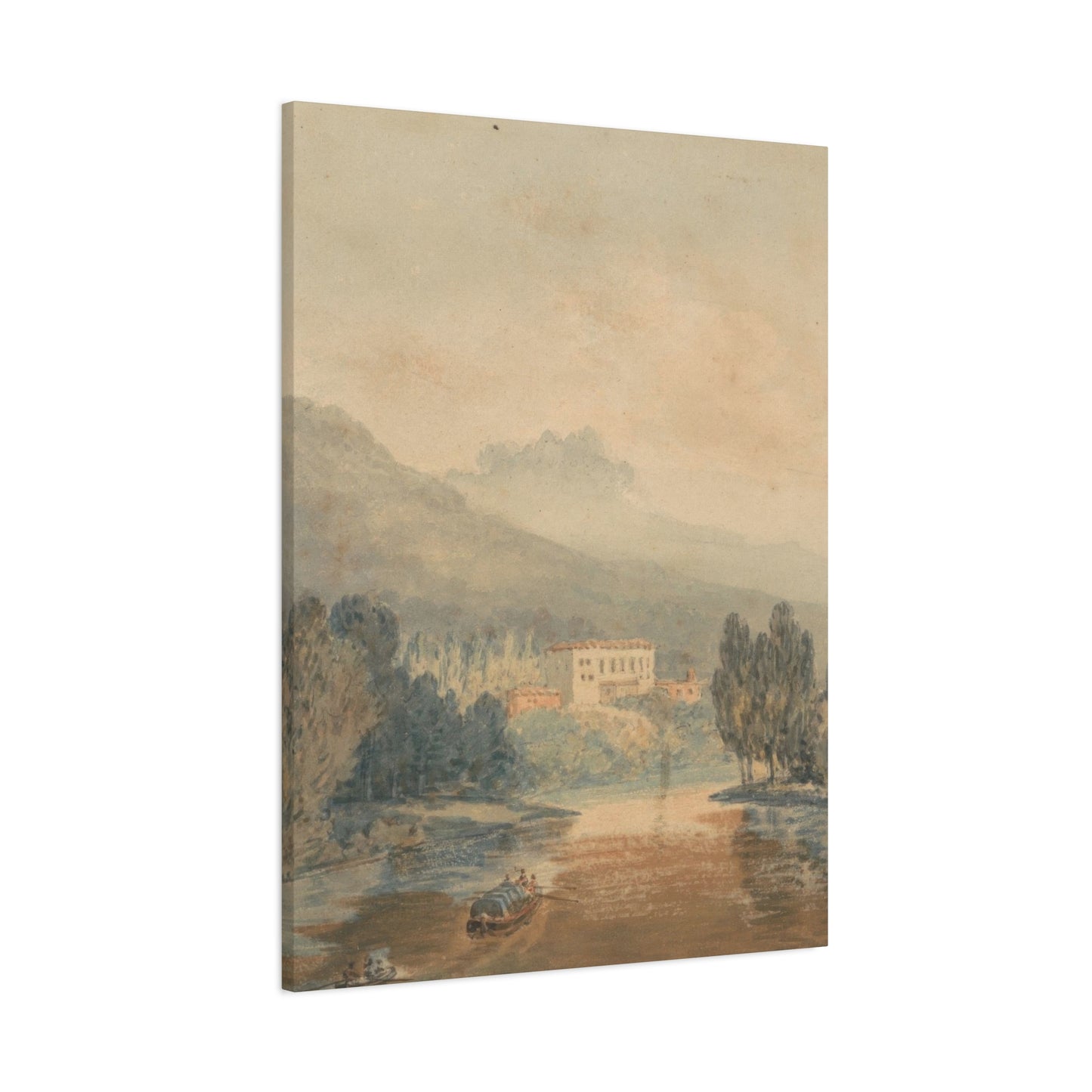


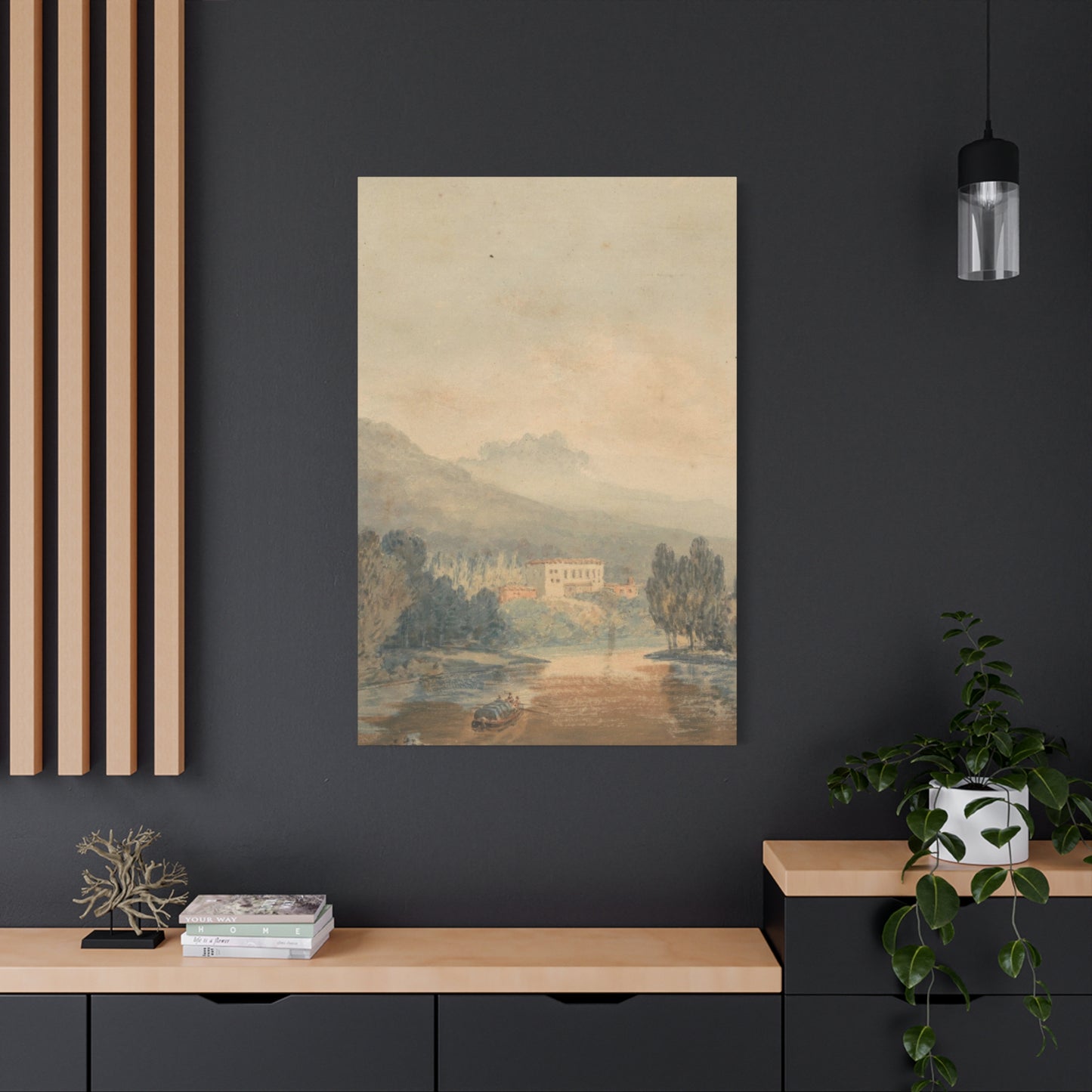
Bringing Natural Beauty Indoors: The Allure of Countryside Waterway Wall Art
Decorating your living spaces with countryside waterway wall art creates an immediate connection to nature's most peaceful settings. These artistic representations capture the essence of flowing streams, tranquil rivers, and serene canals that wind through rural landscapes. The popularity of this decorative style continues to grow as more homeowners seek to bring calming natural elements into their indoor environments.
The Timeless Appeal of Rural Water Scenes in Home Decoration
Rural water scenes have captivated artists and art enthusiasts for centuries, offering a window into the peaceful existence found in agricultural regions far from urban chaos. The gentle flow of water through pastoral settings provides a visual meditation that can transform any room into a sanctuary of tranquility. When you incorporate these artistic pieces into your home, you invite the soothing energy of nature's waterways into your daily life.
The aesthetic value of countryside waterway wall art extends beyond simple decoration. These pieces serve as focal points that draw the eye and create conversation while simultaneously promoting relaxation and mental clarity. The combination of water elements with rural scenery creates a perfect balance that appeals to our innate desire for natural beauty and peaceful surroundings.
Collectors and interior design enthusiasts appreciate how these artworks bridge the gap between fine art and accessible home decoration. Whether rendered in oil paints, watercolors, photography, or digital media, countryside waterway scenes maintain their ability to transport viewers to simpler times and quieter places. The versatility of this artistic genre allows it to complement various decorating styles from traditional farmhouse aesthetics to modern minimalist approaches.
Varieties of Countryside Waterway Art Styles Available Today
The market for countryside waterway wall art encompasses an impressive range of artistic styles, ensuring options for every aesthetic preference and decorating scheme. Traditional oil paintings offer depth and richness that create immediate impact in formal spaces. These pieces often feature detailed brushwork that captures subtle variations in water movement and atmospheric conditions.
Watercolor interpretations provide a softer approach to countryside waterway subjects. The transparent nature of watercolor paint creates luminous effects particularly suited to depicting water surfaces and misty morning scenes. These lighter presentations work exceptionally well in bedrooms, bathrooms, and other spaces where gentle aesthetics support the room's function.
Photographic countryside waterway wall art appeals to those who prefer realistic representations of natural scenes. Modern photography technology allows artists to capture extraordinary detail and color accuracy, creating pieces that serve as windows into actual rural locations. Limited edition photographic prints have become increasingly collectible as more people recognize photography as a legitimate fine art medium.
Contemporary artists also produce abstract interpretations of countryside waterways, distilling the essential qualities of these scenes into bold colors and simplified forms. These modern approaches allow the art to complement contemporary interior design while still conveying the peaceful essence of rural water scenes. Digital art and mixed media pieces expand the possibilities further, incorporating textures and layering techniques that add dimensional interest.
Selecting Appropriate Sizes for Different Room Dimensions
Choosing the correct size for countryside waterway wall art significantly impacts how effectively the piece functions within your space. Oversized artwork can overwhelm small rooms, while undersized pieces disappear on large walls, failing to provide the desired visual impact. Understanding the relationship between artwork dimensions and room proportions helps ensure your investment achieves its decorative potential.
For living rooms and primary social spaces, larger statement pieces measuring 40 inches or more in width create commanding focal points. These substantial artworks anchor the room's design and provide sufficient visual weight to balance furniture arrangements. When positioning large countryside waterway pieces, ensure adequate surrounding space to prevent the composition from feeling cramped or crowded.
Medium-sized artwork measuring between 24 and 40 inches works well for dining rooms, home offices, and secondary living areas. These proportions provide presence without dominating the space, allowing the art to enhance rather than overwhelm the room's other elements. Medium pieces also offer flexibility for creating gallery wall arrangements when combined with complementary artwork.
Smaller countryside waterway pieces measuring under 24 inches suit intimate spaces like bathrooms, hallways, and reading nooks. Multiple small pieces can create visual interest along corridors or stairways, developing a cohesive theme throughout your home. These smaller formats also make excellent additions to gallery walls where varied sizes create dynamic compositions.
Framing Options That Enhance Countryside Water Scenes
The frame you select for countryside waterway wall art dramatically influences how the piece presents itself and integrates with your interior design. Traditional wooden frames in warm finishes like walnut or cherry complement classic countryside scenes, adding weight and formality appropriate for traditional decorating schemes. These substantial frames create museum-quality presentations that elevate the perceived value of the artwork.
For contemporary interiors, sleek metal frames in black, silver, or gold finishes provide clean lines that allow the artwork to take center stage. These minimal frames work particularly well with photographic countryside waterway art or modern interpretations of rural scenes. The simplicity of metal framing prevents visual competition between frame and image.
Floating frames create the illusion that countryside waterway art hovers away from the wall, adding dimensional interest and contemporary sophistication. This framing style works especially well with canvas prints and provides an upscale presentation without heavy traditional framing. The gap between artwork and wall created by floating frames casts subtle shadows that enhance the three-dimensional effect.
Some countryside waterway pieces look best without traditional framing, particularly canvas gallery wraps where the image extends around the edges of the stretcher bars. This frameless approach creates a modern, casual aesthetic that works well in relaxed living spaces. The absence of framing also allows you to display larger pieces without the additional cost and weight of substantial frames.
Placement Strategies for Living Room Environments
The living room serves as the primary gathering space in most homes, making it an ideal location for impactful countryside waterway wall art. Positioning artwork above the sofa creates an immediate focal point that grounds the seating arrangement and provides visual interest for guests. When hanging art above furniture, ensure the bottom edge of the frame sits approximately 8 to 10 inches above the sofa back for proper proportion.
Fireplace mantels offer another excellent location for displaying countryside waterway art. The natural gathering point created by a fireplace draws attention to artwork positioned above or on the mantel surface. When hanging art above a fireplace, center the piece on the wall space and position it high enough that the mantel doesn't obscure the lower portion of the image.
For living rooms with limited wall space, consider leaning large countryside waterway pieces against the wall on the floor or on low furniture. This casual display method has gained popularity in contemporary interior design and offers flexibility to change arrangements without creating nail holes. Ensure leaning pieces are stable and positioned where foot traffic won't disturb them.
Creating a gallery wall arrangement allows you to display multiple countryside waterway pieces together, building a cohesive collection that tells a visual story. Mix various sizes while maintaining consistent framing styles or color palettes to achieve unity within variety. Plan your arrangement on the floor before hanging to ensure pleasing composition and proper spacing between pieces.
Bedroom Applications for Peaceful Sleep Environments
Bedrooms benefit enormously from the calming influence of countryside waterway wall art, as these peaceful scenes support relaxation and prepare the mind for restful sleep. Positioning artwork where it's visible from the bed allows you to enjoy the scene as you wind down each evening and again when you wake each morning. This consistent exposure to tranquil imagery can positively influence your sleep quality and morning mood.
The wall behind the bed serves as a natural location for statement artwork that establishes the room's aesthetic tone. A large countryside waterway piece centered above the headboard creates a hotel-like luxurious feel while providing the visual anchor necessary for balanced room design. Ensure the artwork's width measures between two-thirds and three-quarters of the headboard width for proper proportion.
For bedrooms with sitting areas or reading nooks, smaller countryside waterway pieces add visual interest to these secondary spaces without competing with the primary artwork above the bed. These additional pieces create layered design depth and provide alternative focal points throughout the room. Consider selecting pieces that share stylistic elements with your main artwork to maintain visual cohesion.
Dressers and tall chests provide excellent surfaces for displaying smaller framed countryside waterway prints. Leaning artwork against the wall on furniture surfaces creates casual elegance while offering flexibility to change displays seasonally or as your preferences evolve. Layer multiple pieces at varying heights to create dimensional interest and showcase a collection of related artwork.
Dining Room Design Considerations for Waterway Art
Dining rooms present unique opportunities for displaying countryside waterway wall art, as these formal spaces benefit from artwork that stimulates conversation while maintaining sophisticated ambiance. The relatively short periods spent in dining rooms mean artwork can feature more complex compositions or bolder colors than might overwhelm spaces used for extended periods. Countryside waterway scenes with interesting seasonal variations or dramatic lighting effects work particularly well in these settings.
Positioning artwork to align with the dining table creates visual harmony that enhances the room's formal function. Center large pieces on the wall where they can be appreciated by all diners regardless of seating position. For rectangular tables, consider horizontal artwork orientations that echo the table's shape and reinforce the room's linear qualities.
Buffets and sideboards offer excellent opportunities for displaying countryside waterway art at varying heights. Combine hung artwork with pieces positioned on the furniture surface to create layered visual interest. This approach allows you to incorporate different sizes and formats while maintaining thematic consistency through subject matter and color palette.
For dining rooms with wainscoting or chair rails, position countryside waterway art high enough that the frames don't conflict with these architectural elements. The natural division created by chair rails suggests hanging artwork in the upper portion of the wall space, where it remains visible above diners' heads when seated. This positioning also protects valuable artwork from potential damage from chair backs.
Home Office Inspiration Through Rural Water Imagery
Home office environments benefit significantly from countryside waterway wall art that provides mental refreshment during work sessions. The peaceful nature of these scenes offers visual breaks that help prevent mental fatigue and maintain focus during extended work periods. Positioning artwork where you can easily view it from your desk creates opportunities for brief meditative moments that recharge creative energy.
Behind-the-desk placement ensures countryside waterway art appears in video calls and virtual meetings, presenting a professional yet personalized background. This positioning communicates attention to aesthetic quality while avoiding the distracting personal elements sometimes visible in home office backgrounds. Select pieces with subtle coloring that won't create visual competition with your on-screen presence.
Side wall placement allows you to glance at countryside waterway art when looking away from your computer screen, providing the eye-rest breaks essential for preventing digital eye strain. Positioning artwork at eye level when seated ensures comfortable viewing without neck strain. The brief mental vacation offered by peaceful rural waterway scenes can help maintain productivity throughout long work sessions.
For home offices with client seating areas, countryside waterway wall art helps establish a professional yet welcoming atmosphere. These universally appealing scenes create common ground for conversations and demonstrate attention to environmental quality. Avoid overly bold or unusual artistic interpretations in client-facing spaces, opting instead for pieces with broad appeal that won't distract from business discussions.
Bathroom Tranquility Through Water-Themed Decoration
Bathrooms naturally complement countryside waterway wall art through the thematic connection between the artwork's water elements and the room's function. These intimate spaces benefit from artwork that enhances the relaxation potential of baths and morning routines. The humidity present in bathrooms requires special consideration regarding artwork materials and protective measures to prevent damage.
Canvas prints treated with protective sealants withstand bathroom humidity better than paper-based artwork. Gallery-wrapped canvases with water-resistant finishes maintain their appearance even in steamy conditions. Position artwork away from direct water spray to maximize longevity while still providing visual enjoyment from the tub or vanity area.
Framed prints protected by glass or acrylic face minimal risk from bathroom moisture when properly sealed. Ensure frames have backing protection that prevents humidity penetration from behind. Consider using frames with moisture-resistant materials rather than raw wood that might warp in humid conditions.
Smaller countryside waterway pieces work best in bathroom settings where wall space competes with mirrors, storage, and functional fixtures. Select artwork that complements existing color schemes established by tile, countertops, and fixtures. The restricted size of most bathrooms calls for more intimate artistic pieces that create coziness rather than commanding attention.
Hallway and Entryway Display Opportunities
Hallways and entryways offer excellent opportunities for displaying countryside waterway wall art in locations where it greets visitors and sets the aesthetic tone for your entire home. These transitional spaces benefit from artwork that creates visual interest without demanding extended viewing time. The linear nature of hallways particularly suits series of related countryside waterway pieces that tell a progressive visual story.
Gallery walls arranged along hallway corridors transform potentially boring transit spaces into engaging art exhibitions. Maintain consistent frame styles and mounting heights to create cohesion within collections of countryside waterway art. The rhythm created by regularly spaced artwork guides movement through the space while providing visual pleasure.
Entryway focal points benefit from larger statement pieces that immediately communicate your design sensibility to arriving guests. Position countryside waterway art where it's visible upon entering to create memorable first impressions. Ensure adequate lighting highlights the artwork and prevents entryways from feeling dark or unwelcoming.
Stairway walls present unique challenges and opportunities for displaying countryside waterway art. Follow the angle of the stairs when arranging multiple pieces to create visual flow that complements architectural movement. Maintain consistent spacing between frames and alignment relative to the stair angle rather than absolute horizontal positioning.
Digital Art Displays for Contemporary Waterway Presentations
Digital display technology offers innovative approaches to showcasing countryside waterway art in contemporary homes. Digital art frames allow you to rotate through collections of rural waterway images, changing your displayed artwork daily or seasonally without physically handling frames. These devices offer particular value for collectors who want to enjoy extensive collections without dedicating every wall to artwork display.
High-resolution digital displays reproduce countryside waterway photography and digital art with stunning clarity that rivals traditional prints. Modern digital frames feature anti-glare screens and color calibration that ensures accurate reproduction of the artist's intended appearance. These technological advances make digital display a legitimate alternative to conventional framed artwork rather than a compromise.
Digital displays allow you to support multiple artists and photographers by purchasing digital files rather than physical prints. This approach reduces environmental impact associated with printing and shipping while providing artists with sustainable income streams. Many artists now offer subscription services providing regular access to new countryside waterway imagery for digital display.
Smart home integration allows digital countryside waterway displays to respond to environmental factors or personal preferences. Program displays to show morning sunrise scenes during breakfast hours, then transition to midday river scenes during afternoon. Evening programming might feature sunset waterway images that complement relaxation routines. This responsive approach to artwork display was impossible with traditional static pieces.
Supporting Artists and Photographers in the Waterway Genre
Purchasing countryside waterway wall art directly from artists provides crucial financial support that enables creators to continue producing new work. Direct artist relationships often result in better pricing for collectors while ensuring artists receive fair compensation for their creative labor. Many artists offer limited edition prints or original works through personal websites or studio sales that connect collectors with authentic pieces.
Art fairs and outdoor festivals provide opportunities to meet countryside waterway artists personally, discuss their creative processes, and purchase artwork directly. These events allow you to ask questions about specific pieces, learn about the locations depicted, and understand the techniques used to create the work. The personal connection established at art fairs often leads to ongoing relationships with artists whose work resonates with your aesthetic preferences.
Online artist marketplaces have made countryside waterway art from creators worldwide accessible to collectors everywhere. These platforms typically feature artist profiles that provide background information, artistic statements, and portfolios of available work. Reading artist statements helps you understand the creative intentions behind countryside waterway pieces, adding meaningful context to your collection.
Commission opportunities allow you to work with artists to create custom countryside waterway pieces that perfectly suit your space and preferences. Provide reference photos of specific locations meaningful to you, or describe desired elements for the artist to incorporate into original compositions. Commissioned artwork becomes truly unique pieces with personal significance beyond decorative value.
Preserving and Maintaining Countryside Waterway Artwork
Proper care preserves countryside waterway wall art for generations, protecting your investment and maintaining the artwork's aesthetic appeal. Regular dusting prevents particle accumulation that can scratch surfaces or become embedded in frame crevices. Use soft, dry microfiber cloths to gently remove dust from frames and glass surfaces, avoiding household cleaners that might damage finishes or leave residues.
Climate control protects countryside waterway art from damage caused by temperature fluctuations and humidity extremes. Avoid hanging valuable pieces in locations exposed to heating vents, air conditioning registers, or areas subject to significant temperature variation. Stable environmental conditions prevent warping, fading, and other deterioration that shortens artwork lifespans.
Glass or acrylic glazing protects paper-based countryside waterway prints from airborne pollutants, moisture, and physical damage. UV-filtering glass provides additional protection against light-induced fading, particularly important for artwork displayed in naturally lit spaces. While more expensive initially, quality glazing extends artwork life significantly and maintains value for resale or estate purposes.
Professional conservation services can restore damaged countryside waterway art and provide expert guidance on preservation techniques. If valuable pieces show signs of deterioration, consult conservators specializing in the specific medium of your artwork. Professional intervention often prevents minor damage from progressing to irreversible harm, preserving both aesthetic and monetary value.
Investment Potential of Countryside Waterway Art
Countryside waterway art offers investment potential beyond decorative value, particularly when selecting limited edition prints from established artists or original works from emerging creators. Research artists' exhibition histories, critical reception, and sales trends to identify pieces with appreciation potential. While aesthetic enjoyment should remain primary, understanding investment aspects helps make informed purchasing decisions.
Limited edition prints maintain value better than open edition reproductions because their scarcity creates market demand. Numbered prints from respected countryside waterway artists typically appreciate over time as editions sell out and become unavailable through primary markets. Certificate authenticity and edition documentation provided by artists protect your investment and facilitate future resale if desired.
Original paintings and drawings offer greatest investment potential but require larger initial expenditures. Established artists with gallery representation and consistent sales histories present lower risk than emerging artists whose market reception remains uncertain. However, purchasing work from emerging countryside waterway artists before they achieve wider recognition can yield significant returns if they develop strong reputations.
Market trends in decorative art influence countryside waterway piece values, with styles falling in and out of favor over time. Classic representational styles tend to maintain stable demand across market fluctuations, while trendy contemporary interpretations may experience more volatile value changes. For investment purposes, focus on quality, craftsmanship, and timeless aesthetic appeal rather than temporarily fashionable styles.
Regional Countryside Waterway Characteristics in Art
Countryside waterway art from different geographic regions exhibits distinctive characteristics reflecting local landscapes, agricultural practices, and cultural traditions. European countryside scenes often feature ancient stone bridges, medieval mill structures, and narrowboat canals that speak to centuries of human interaction with waterways. These historical elements add romantic appeal that resonates with collectors drawn to old-world aesthetics.
American countryside waterway art frequently depicts covered bridges, red barns, and wide rivers flowing through expansive agricultural plains. The scale and openness characteristic of American rural landscapes create compositions different from more intimate European countryside scenes. Regional variations within America further distinguish artwork from different areas, whether Southern bayous, Midwestern prairie streams, or New England mountain brooks.
Asian countryside waterway art incorporates distinct aesthetic traditions, including rice paddy irrigation systems, traditional wooden boats, and architectural elements unique to the region. The artistic techniques used to depict these scenes often reflect cultural approaches to landscape painting that differ from Western traditions. These pieces offer collectors opportunities to explore diverse cultural perspectives on rural waterway beauty.
Selecting countryside waterway art depicting regional landscapes familiar to you creates personal connections that enhance enjoyment. Artwork featuring local waterways and familiar rural scenery evokes specific memories and emotional responses that generic countryside scenes cannot match. Supporting artists who document your region's landscapes also contributes to preserving cultural records of agricultural heritage and natural beauty.
Cultural Significance of Agricultural Waterways in Art
Agricultural waterways hold deep cultural significance as lifeblood systems that enabled civilization development and sustained farming communities throughout history. Artwork depicting these essential water sources honors agricultural heritage and recognizes the ongoing importance of water management to food production. Countryside waterway art serves as visual reminder of humanity's dependence on natural resources and the rural labor that feeds populations.
Irrigation canals, drainage ditches, and farm ponds represented in countryside art document agricultural practices and technological innovations that shaped landscapes. These waterway modifications reflect human ingenuity in adapting environments to support farming while ideally maintaining ecological balance. Historical countryside waterway art provides records of past agricultural methods and landscape conditions before modern intensification changed rural character.
The aesthetic appeal of countryside waterways in art often obscures the hard labor required to maintain these systems and work the adjacent land. Artwork featuring farmers, livestock, and agricultural equipment alongside waterways acknowledges the human element in pastoral beauty. These representations create more complete narratives than purely scenic views that romanticize rural life without recognizing its challenges.
Contemporary countryside waterway art increasingly addresses environmental themes including water pollution, habitat loss, and climate change impacts on agricultural regions. Artists use familiar rural waterway imagery to communicate conservation messages and advocate for sustainable farming practices. This evolution reflects growing awareness of environmental challenges and art's potential to inspire protective action toward landscapes we value.
Custom Framing Services for Countryside Waterway Art
Professional custom framing services provide expertise that enhances countryside waterway art presentation beyond what standard ready-made frames offer. Experienced framers help select materials, colors, and styles that complement specific artwork while coordinating with intended display environments. Their knowledge of matting techniques, glazing options, and frame construction ensures artwork receives protection and presentation it deserves.
Conservation framing employs acid-free materials and museum-quality techniques that preserve countryside waterway art for future generations. Archival mats, backing boards, and mounting methods prevent damage from contact with acidic materials that cause yellowing and deterioration over time. Conservation glazing blocks UV radiation that fades pigments, particularly important for valuable or irreplaceable pieces.
Custom sizing accommodates countryside waterway art in non-standard dimensions that don't fit ready-made frames. Framers cut mats and construct frames to precise specifications that showcase artwork optimally without forcing it into inappropriate proportions. Custom sizing also allows for multiple matting layers and specialty treatments that add visual interest and protect artwork surfaces.
Frame design consultations help navigate overwhelming options to identify choices that enhance specific countryside waterway pieces. Professional framers consider artwork style, color palette, subject matter, and intended display location when recommending frames and mats. Their objective perspectives often identify solutions that owners might not envision independently, resulting in presentations that exceed expectations.
Developing Personal Collections of Countryside Waterway Art
Building a collection of countryside waterway wall art creates opportunities to explore personal tastes while documenting evolving aesthetic preferences. Collections typically develop around themes such as specific geographic regions, particular seasons, favorite artistic styles, or the work of individual artists. Thematic collecting provides focus that guides purchasing decisions and creates cohesive presentations when displaying multiple pieces together.
Starting collectors benefit from purchasing pieces that genuinely resonate emotionally rather than acquiring artwork based solely on investment potential or decorating needs. Your collection should reflect personal connections to countryside waterways, whether through childhood memories, travel experiences, or aesthetic appreciation for rural landscapes. These authentic connections ensure lasting enjoyment regardless of market trends or changing decorating fashions.
Document your countryside waterway art collection with photographs, purchase records, artist information, and provenance details. This documentation serves practical purposes including insurance coverage and estate planning while also creating historical records of your collecting journey. Digital files stored securely preserve information even if physical documentation becomes lost or damaged over time.
Networking with other collectors provides opportunities to learn, share discoveries, and potentially exchange or purchase pieces. Online forums, social media groups, and local collector associations connect individuals who share interests in countryside waterway art. These relationships often lead to friendships enriched by common appreciation for rural landscape imagery and artistic expression.
Children's Spaces and Educational Countryside Waterway Art
Countryside waterway wall art in children's spaces introduces young people to nature's beauty while supporting educational objectives. Age-appropriate pieces depicting rural water scenes teach children about ecosystems, agricultural practices, and environmental stewardship. Selecting artwork that balances aesthetic appeal with educational content creates environments that nurture both intellectual development and creative thinking.
Illustrated countryside waterway scenes featuring wildlife help children identify species that inhabit rural aquatic environments. Artwork showing ducks, fish, frogs, and aquatic plants provides visual references for biology lessons and nature discussions. These educational pieces serve decorative functions while supporting learning objectives that extend beyond traditional classroom settings.
Seasonal countryside waterway art helps children understand natural cycles and environmental changes throughout the year. Displaying different pieces as seasons change reinforces observational skills and temporal awareness. This rotating approach to bedroom or playroom decoration keeps spaces visually fresh while teaching important concepts about nature's rhythms.
Choosing countryside waterway art for children's spaces requires consideration of mounting height and frame safety. Position artwork low enough for children to appreciate details while high enough to prevent accidental damage during active play. Avoid heavy frames or glass that could cause injury if pieces fall. Lightweight canvas prints or securely mounted pieces provide safer alternatives for young children's rooms.
Commercial Applications for Countryside Waterway Art
Healthcare facilities benefit significantly from countryside waterway wall art that supports patient wellbeing and recovery. Research demonstrates that nature imagery reduces stress, lowers blood pressure, and improves patient outcomes. Hospital corridors, waiting rooms, and patient rooms gain therapeutic value from peaceful rural waterway scenes that provide mental respite from medical concerns.
Corporate office environments use countryside waterway art to create welcoming atmospheres that support employee wellbeing and productivity. Conference rooms, reception areas, and executive offices gain sophistication and calming influence from carefully selected rural landscape artwork. These installations communicate organizational values regarding quality, environmental consciousness, and employee care.
Hospitality businesses including hotels, restaurants, and spas incorporate countryside waterway art to establish distinctive ambiances that enhance guest experiences. Regionally themed artwork depicting local waterways creates sense of place that connects visitors to their destinations. These installations contribute to memorable stays that encourage positive reviews and repeat visits.
Retail environments use countryside waterway art to create shopping atmospheres aligned with brand identities. Stores selling natural products, outdoor gear, or home furnishings particularly benefit from rural waterway imagery that reinforces their market positioning. Thoughtfully selected artwork elevates retail spaces beyond purely transactional environments to destinations worth visiting for their own aesthetic merit.
Virtual Gallery Experiences and Online Art Viewing
Technology enables virtual gallery experiences that allow you to preview countryside waterway art in simulated room settings before purchasing. Many online art retailers offer visualization tools where you upload photos of your spaces and digitally place artwork to assess size, color compatibility, and overall effect. These tools reduce purchasing uncertainty and help identify pieces that work best in specific locations.
Augmented reality applications take virtual previewing further by overlaying countryside waterway art images onto real-time views of your actual spaces through smartphone cameras. This technology provides accurate representations of how pieces appear on your walls at actual scale. The ability to instantly try multiple artworks eliminates guesswork and increases confidence in purchasing decisions.
Online galleries provide access to countryside waterway art from artists and dealers worldwide, dramatically expanding selection beyond what local galleries offer. High-resolution images reveal details that help assess quality and artistic merit. Reading artist statements and viewing entire portfolios online helps you understand creative visions and identify artists whose work aligns with your aesthetic preferences.
Virtual exhibition opening events connect collectors with artists and galleries through livestreamed presentations and discussions. These online events provide educational content about countryside waterway art while building community among enthusiasts. Participating in virtual openings from home eliminates geographic barriers while still providing personal connections that enhance collecting experiences.
Therapeutic Applications of Nature Imagery in Healthcare
Medical research increasingly validates therapeutic benefits of nature imagery including countryside waterway art in healthcare settings. Studies show patients in rooms with nature views or artwork require less pain medication and recover faster than those in rooms lacking natural imagery. These findings encourage healthcare facilities to prioritize nature-based artwork in patient areas.
Mental health applications of countryside waterway art extend beyond physical healthcare to psychiatric and counseling settings. Therapists use nature imagery to create calming environments that help patients feel safe and supported during difficult conversations. The non-threatening subject matter of rural waterway scenes provides neutral focal points that reduce anxiety without introducing potentially triggering content.
Memory care facilities serving individuals with dementia and Alzheimer's disease use countryside waterway art to stimulate positive memories and reduce agitation. Familiar rural scenes may trigger recollections of childhood experiences or past travels that provide comfort and connection. The timeless quality of countryside imagery remains accessible even as memory function declines.
Pediatric healthcare environments require special consideration when selecting countryside waterway art. Pieces should present cheerful, gentle scenes free from elements that might frighten young patients. Artwork depicting wildlife, farm animals, and outdoor recreation activities near waterways appeals to children while providing the therapeutic benefits of nature imagery.
Sustainable and Eco-Friendly Art Materials
Environmental consciousness extends to materials used in creating countryside waterway wall art. Sustainable canvas made from organic cotton or hemp reduces pesticide use and environmental degradation associated with conventional cotton agriculture. These eco-friendly materials perform comparably to traditional canvas while supporting agricultural practices that protect ecosystems often depicted in countryside waterway art.
Natural pigments derived from minerals, plants, and earth materials offer alternatives to synthetic paints containing petroleum-based ingredients and heavy metals. Artists using natural pigments create countryside waterway art with reduced environmental impact while achieving rich colors and excellent longevity. Some collectors specifically seek artwork created with traditional natural materials that connect to historical artistic practices.
Reclaimed wood frames provide sustainable alternatives to newly manufactured framing materials. Salvaged barn wood, vintage window frames, and repurposed furniture components create unique framing with character impossible to achieve with new materials. These sustainable choices particularly suit countryside waterway art by maintaining thematic consistency between subject matter and presentation materials.
Water-based varnishes and sealants protect countryside waterway art without releasing volatile organic compounds that harm indoor air quality and contribute to environmental pollution. These low-impact protective coatings perform effectively while supporting healthier home environments. Selecting artwork finished with environmentally responsible materials demonstrates commitment to values reflected in the rural landscapes you display.
Insurance and Protecting Your Art Investment
Valuable countryside waterway art collections require proper insurance coverage to protect financial investments and irreplaceable pieces. Standard homeowners insurance typically provides limited coverage for artwork, often insufficient for significant collections. Scheduling individual pieces or purchasing specialized art insurance ensures adequate protection against theft, damage, and loss.
Professional appraisals establish countryside waterway art values for insurance purposes and provide documentation supporting claims if losses occur. Qualified appraisers examine pieces, research comparable sales, and prepare formal valuation reports that insurance companies accept. Regular reappraisals account for market changes and appreciation that affects replacement costs over time.
Documenting countryside waterway art collections through detailed photographs, purchase records, and artist information supports insurance claims and helps recover stolen pieces. Photograph artwork from multiple angles and include close-ups showing signatures, edition numbers, and distinctive features. Store documentation separately from artwork so records survive if the collection is damaged or stolen.
Security measures including alarm systems, proper lighting, and secure hanging hardware protect countryside waterway art from theft while demonstrating due diligence to insurance providers. Some insurers offer premium discounts for homes with monitored security systems. Balancing security needs with desires to enjoy artwork openly requires thoughtful planning that protects investments without creating fortress-like environments.
Gifting Countryside Waterway Art for Special Occasions
Countryside waterway wall art makes meaningful gifts for occasions including housewarmings, weddings, anniversaries, and retirements. These universally appealing pieces suit various tastes and decorating styles, making them safer choices than more controversial artwork genres. The timeless nature of rural waterway subjects ensures gifts remain relevant as trends change and recipients age.
Selecting countryside waterway art as gifts requires consideration of recipients' existing decor, preferred colors, and available wall space. When possible, discreetly observe their homes to assess decorating styles and identify appropriate sizes. Gift cards to galleries or artists allow recipients to select specific pieces while ensuring your gift reflects their personal preferences.
Commissioning custom countryside waterway art creates deeply personal gifts that commemorate specific locations or events. Artists can incorporate elements meaningful to recipients, such as childhood homes, wedding venues, or favorite vacation destinations. These unique pieces carry emotional significance beyond their aesthetic value, becoming family treasures passed through generations.
Framing services add value to countryside waterway art gifts by ensuring pieces arrive ready for immediate display. Professional framing demonstrates thoughtfulness and saves recipients the effort and expense of sourcing appropriate frames. Include frame style choices in gift planning to ensure presentations match recipients' aesthetic preferences and existing decor.
Art Rental and Leasing Options for Flexibility
Art rental programs allow you to enjoy countryside waterway wall art without permanent purchasing commitments. These services suit renters, temporary housing situations, or individuals who prefer changing artwork frequently. Monthly or annual rental fees provide access to quality pieces while maintaining decorating flexibility impossible with purchased artwork.
Corporate art leasing programs help businesses maintain fresh, current artwork displays without large capital expenditures. Countryside waterway art rotations keep office environments visually interesting while spreading costs across operating budgets rather than requiring significant upfront investments. Leasing also provides flexibility to change artwork as companies rebrand or relocate.
Rent-to-own arrangements let you live with countryside waterway art before committing to purchase. Rental payments typically apply toward purchase prices if you decide to keep pieces. This approach reduces purchasing risk by ensuring artwork works effectively in your space before final commitment. Trial periods reveal how pieces function with changing natural light, various room uses, and evolving personal preferences.
Art subscription services deliver new countryside waterway prints or digital art files periodically, creating constantly evolving collections. These programs introduce subscribers to diverse artists and styles they might not discover independently. Subscription models work particularly well for digital displays where changing images requires no physical handling or storage considerations.
Historical Landmarks and Famous Waterways in Art
Famous countryside waterways throughout the world have inspired countless artists and become recognized subjects in landscape art history. The English Lake District's streams and rivers attracted Romantic poets and painters who celebrated natural beauty and rural simplicity. Artwork depicting these historic waterways connects contemporary collectors to rich artistic traditions spanning centuries.
French Impressionists immortalized the Seine River and surrounding countryside in paintings that revolutionized artistic approaches to light and color. Rural sections of this famous waterway continue inspiring artists who reinterpret these classic subjects through contemporary perspectives. Collecting countryside waterway art depicting historically significant locations adds cultural depth to decorative value.
American rivers including the Hudson, Mississippi, and Columbia have featured prominently in artwork documenting westward expansion and agricultural development. Historical countryside waterway art from these regions provides visual records of landscape changes and cultural evolution. Contemporary artists continue finding inspiration in these iconic waterways while incorporating modern environmental awareness into their work.
Asian countryside waterways including rice paddy irrigation systems and historic canal networks represent engineering achievements integral to regional cultures. Artwork depicting these water systems honors their significance while celebrating aesthetic beauty created by human interaction with natural landscapes. These pieces educate viewers about water management traditions different from Western agricultural practices.
Cottage and Vacation Home Decorating with Waterway Art
Vacation homes and cottages provide ideal settings for countryside waterway wall art that enhances relaxation and connects indoor spaces to natural surroundings. These retreats typically embrace casual decorating styles that welcome artwork celebrating outdoor beauty. Rural waterway scenes reinforce vacation home purposes as escapes from urban routines and everyday stress.
Decorating vacation properties with locally sourced countryside waterway art creates authentic connections to regions where homes are located. Supporting area artists while acquiring pieces depicting familiar landscapes enriches your relationship with vacation communities. Guests appreciate artwork that reflects local character and introduces them to regional natural beauty.
Weather-resistant countryside waterway art suits vacation homes where climate control may be inconsistent when properties sit unoccupied. Canvas prints, metal prints, and properly sealed artwork withstand temperature fluctuations and humidity variations better than delicate pieces requiring stable conditions. Selecting durable artwork prevents damage during periods between visits.
Casual framing and hanging methods suit vacation home aesthetics where formal presentations feel incongruous with relaxed environments. Leaning artwork against walls, using simple frames, or displaying unframed canvas creates laid-back presentations appropriate for cottages and beach houses. These informal approaches also accommodate easier transportation if artwork moves between vacation properties and primary residences.
Museum-Quality Countryside Waterway Art for Serious Collectors
Serious collectors pursue museum-quality countryside waterway art created by established masters or important emerging artists. These significant pieces require substantial investments but offer greatest appreciation potential and lasting cultural value. Building collections of museum-caliber artwork contributes to artistic heritage preservation while providing personal enjoyment and potential financial returns.
Provenance research verifies authenticity and establishes ownership history for valuable countryside waterway art. Documented exhibition history, previous owners, and expert authentication increase piece values while protecting against fraud. Serious collectors maintain detailed provenance records that support valuations and facilitate eventual sales or donations to institutions.
Conservation requirements for museum-quality countryside waterway art exceed those for decorative pieces. Climate-controlled storage, professional handling procedures, and periodic conservation assessments preserve artwork in pristine condition. Insurance costs and security needs increase with collection values, requiring dedicated budgets for proper stewardship of significant pieces.
Planned giving allows serious collectors to donate countryside waterway art to museums and cultural institutions, creating lasting legacies while receiving tax benefits. Many collectors derive satisfaction from knowing their artwork will be preserved and shared with future generations. Museums value donations of quality rural waterway art that fills gaps in their landscape collections.
Abstract Interpretations of Countryside Waterway Themes
Contemporary artists create abstract interpretations of countryside waterways that distill subjects to essential elements of color, form, and texture. These modern approaches appeal to collectors seeking artwork that references nature without literal representation. Abstract countryside waterway pieces complement contemporary interior design while maintaining thematic connections to rural landscapes.
Color field paintings inspired by countryside waterways use expansive areas of related hues to evoke emotional responses to water and agricultural landscapes. These large-scale abstractions create immersive viewing experiences that transform spaces dramatically. The contemplative quality of color field work aligns with the meditative character of actual rural waterway scenes.
Geometric abstractions based on countryside waterways reduce subjects to simplified shapes and patterns that reference agricultural field patterns, water reflections, and horizon lines. These compositions emphasize design elements inherent in rural landscapes while moving beyond representational accuracy. Geometric approaches suit modern interiors where traditional landscape art might appear stylistically incongruous.
Mixed media abstractions incorporating natural materials like soil, sand, or plant matter create textural countryside waterway art with physical depth. These innovative pieces blur boundaries between painting and sculpture while maintaining thematic connections to rural landscapes. Collectors interested in experimental artwork find these pieces intellectually engaging while still accessible through familiar subject matter.
Photography Expeditions to Capture Personal Waterway Art
Creating your own countryside waterway art through photography offers deeply personal alternatives to purchasing existing pieces. Photography expeditions to rural areas provide opportunities to discover hidden waterways and document landscapes meaningful to you. These creative outings combine outdoor recreation with artistic expression, resulting in unique artwork unavailable anywhere else.
Researching locations before photography trips helps identify promising countryside waterways and optimal visiting times. Online mapping tools, local tourism information, and photography location guides provide starting points for planning. Consulting with local photographers familiar with specific areas often reveals undiscovered locations avoiding popular spots' crowds.
Technical photography skills improve steadily with practice and study. Online tutorials, workshops, and photography clubs provide learning opportunities that accelerate skill development. Mastering exposure, composition, and post-processing techniques transforms casual snapshots into gallery-worthy countryside waterway art suitable for display in your home.
Printing your countryside waterway photography requires selecting appropriate papers, sizes, and finishing options. Professional printing services produce results superior to home printers for display-quality artwork. Learning about different paper types, color management, and printing techniques ensures your photographs reproduce with accuracy and longevity worthy of framing and prominent display.
Seasonal Decorating Rotations with Countryside Waterway Art
Rotating countryside waterway art seasonally keeps home environments fresh and aligned with changing outdoor conditions. This approach requires collecting multiple pieces representing different seasons, then exchanging displayed artwork as weather and natural conditions change. Seasonal rotations create visual interest that maintains engagement with artwork rather than allowing pieces to fade into background familiarity.
Storage considerations become important when rotating countryside waterway art seasonally. Climate-controlled storage protects artwork from temperature and humidity extremes during off-display periods. Proper wrapping and padding prevent damage from handling and storage. Maintaining detailed inventory systems helps track which pieces are currently displayed and where stored artwork is located.
Coordinating seasonal countryside waterway art changes with other decorating updates creates cohesive aesthetic transitions. Exchanging artwork while also swapping throw pillows, table linens, and accessories produces comprehensive seasonal refreshes that make homes feel new without major renovations. These coordinated changes demonstrate attention to detail that elevates overall interior design quality.
Photography or inventory apps help plan seasonal rotations by providing visual records of previous displays. Reviewing what you displayed in past years prevents repetitive patterns while ensuring favorite pieces receive regular viewing opportunities. Digital planning tools make managing collections easier as you acquire more countryside waterway art over time.
Commissioning Custom Countryside Waterway Art Pieces
Commissioning custom countryside waterway art creates unique pieces perfectly suited to your specifications and spaces. Working directly with artists to develop original compositions ensures artwork addresses specific needs regarding size, color palette, style, and subject matter. Custom commissions result in one-of-a-kind pieces with personal significance impossible to achieve through purchasing existing work.
Selecting appropriate artists for commissions requires reviewing portfolios, understanding working styles, and assessing whether artists' aesthetics align with your vision. Commission relationships work best when artistic styles already appeal to you rather than trying to fundamentally change how artists work. Clear communication about expectations, timelines, and compensation prevents misunderstandings that could compromise outcomes.
Providing reference materials helps artists understand your vision for commissioned countryside waterway pieces. Share photographs of desired locations, examples of color palettes you prefer, and images of artwork styles you admire. Being specific about must-have elements while allowing creative freedom produces best results by combining your vision with artists' expertise.
Commission agreements should address ownership rights, reproduction permissions, payment schedules, and delivery timelines. Written contracts protect both parties by establishing clear expectations and procedures for handling potential disagreements. Legal clarity allows everyone to focus on creative collaboration without concerns about business aspects of commission relationships.
Countryside Waterway Art in Minimalist Design Schemes
Minimalist interior design accommodates countryside waterway art through careful selection of pieces that complement simplified aesthetics. Artwork with clean compositions, limited color palettes, and uncluttered subjects aligns with minimalist principles better than busy, complex pieces. Single statement artworks work more effectively in minimalist spaces than gallery walls that could overwhelm simplified design schemes.
Frameless presentations or simple frames in neutral colors suit minimalist approaches to displaying countryside waterway art. Avoiding ornate framing allows artwork to integrate seamlessly without introducing visual complexity that conflicts with minimalist values. The focus remains on the artwork itself rather than elaborate presentations.
Negative space around countryside waterway art becomes particularly important in minimalist design where every element requires intentional placement. Allowing adequate empty wall space surrounding artwork prevents crowded feelings and maintains the calm simplicity central to minimalist aesthetics. This approach contrasts with maximalist styles that embrace abundant decoration and dense arrangement.
Monochromatic or limited palette countryside waterway art particularly suits minimalist interiors. Black and white photography, subtle watercolor washes, or paintings in restricted color ranges provide visual interest without overwhelming simplified spaces. These restrained approaches to rural waterway subjects maintain thematic connections to nature while respecting minimalist design principles.
Conclusion:
Countryside waterway wall art represents far more than simple decoration for our living spaces. These carefully crafted pieces serve as portals to peaceful rural landscapes, offering daily opportunities to connect with nature's calming influence regardless of where we actually reside. The flowing water depicted in these artworks carries symbolic meaning about life's continuous journey, the passage of time, and humanity's eternal relationship with the natural world that sustains us.
Throughout this exploration, we have discovered the remarkable versatility of countryside waterway art across virtually every room in our homes. From creating restful bedroom sanctuaries to establishing sophisticated dining room ambiance, these rural scenes adapt to serve countless functional and aesthetic purposes. The psychological benefits extend beyond mere visual appeal, actively contributing to stress reduction, improved mental clarity, and enhanced overall wellbeing for those who surround themselves with these tranquil images.
The artistic traditions surrounding countryside waterway subjects span centuries and cross cultural boundaries, connecting contemporary collectors to rich heritage while supporting living artists who continue interpreting these timeless themes. Whether you prefer traditional oil paintings steeped in classical technique, contemporary photographic interpretations that capture extraordinary detail, or abstract expressions that distill rural waterways to essential emotional elements, options exist to suit every aesthetic sensibility and decorating approach.
Building a collection of countryside waterway art becomes a personally meaningful journey of discovery. Each piece you acquire tells a story about your evolving tastes, memorable experiences, and values regarding nature and rural heritage. These collections document not just artistic appreciation but personal growth and changing life circumstances. The art you choose reflects who you are while simultaneously influencing who you become through its daily presence in your environment.
The investment aspect of countryside waterway art adds practical dimension to aesthetic enjoyment. Quality pieces from respected artists appreciate over time while providing immediate decorative value. This dual benefit distinguishes art collecting from purely consumptive purchasing, transforming expenditures into investments that combine present pleasure with future financial potential. The most satisfying collecting approaches balance investment considerations with genuine emotional responses to artwork.
Environmental consciousness increasingly influences both artwork production and collecting practices. Supporting artists who employ sustainable materials and responsible production methods aligns purchasing decisions with ecological values often celebrated in countryside waterway subjects themselves. This consistency between depicted content and creation processes adds ethical dimension to aesthetic appreciation, allowing collectors to feel good about supporting both artistic expression and environmental protection.


